Home Blog Page 228

Featured: Dumped! Why the months of January and February are the studios’ ‘dump months’

0

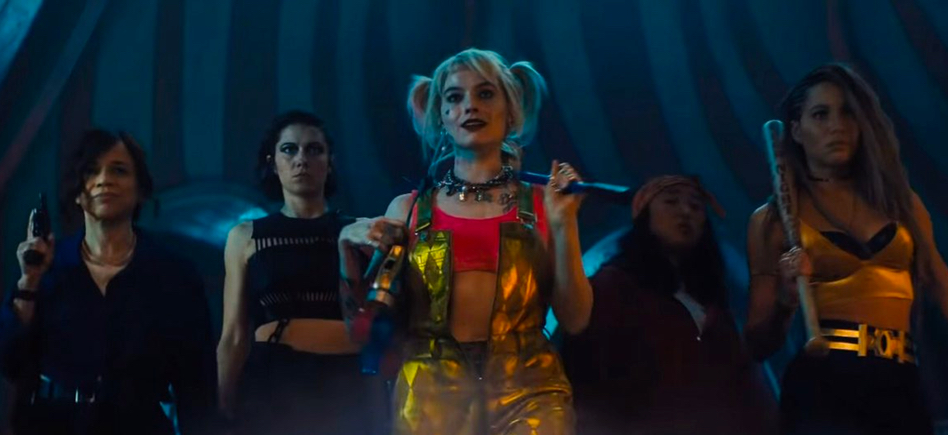
We’re only a few weeks into 2020 and already there have been some real stinkers at the Box Office (yes, Dolittle and Underwater I am talking about you!). Looking at the release schedule for January and February it’s hard to get excited. Aside from Birds of Prey and Sonic the Hedgehog there’s very little that seems appealing. Of course, 2020 is no expectation as this is a common trend. You have probably noticed that there is a pattern of ‘bad’ films which are released at the start of the year, and over the years there have been many Box Office Bombs from the likes of Serenity (which only grossed $8.5 million on a budget of $25 million) to Pride and Prejudice and Zombies (which only grossed $10 million on a budget of $28 million).

These months are referred to ‘Dump Months’ in the industry and there’s a reason why studios seem to unload all their rubbish into the theatres over this period. These are the films that the studios don’t necessarily have faith in. Dolittle had been plagued with issues throughout its long and troubled production history, and reportedly because of poor test screenings the film underwent three weeks of reshoots that took place in Spring 2019. The Blake Lively film Rhythm Section has also flopped at the Box Office after facing tough competition from Bad Boys For Life. Like Dolittle, Rhythm Section also suffered from on-set woes due to Lively suffering from a hand injured which pushed back the film’s release date.

With the aftermath of Christmas, people don’t have much in terms of a disposal income to spend on a cinema ticket. Therefore, the bigger tentpole films will usually be scheduled for later in the year, usually in the summer months as people will have more disposable income to hand. When we consider that the average cost for a cinema ticket in the US is $9.26, and the lack of big blockbuster films being shown, is it any wonder that people struggle to depart with their money? Quick note, according to reports by the National Association of Theatre Owners (NATO) the average ticket price for 2017 was $8.97, up from $8.65 in 2016 and $8.25 in 2015. That’s quite a steep climb in just a few short years.

If we look at the statistics for monthly film admissions during the months of January and February, we can see just how dire these months are. The U.K. admissions for January 2019 saw 13,711,441 admissions, which was down drastically from 2018 which saw 16,201,679 admissions. February 2019’s admissions were even worse with 12,226,237 admissions compared to 16,104,240 admissions back in February 2018. The reason for the large admission numbers for 2018, was down to the release of Black Panther, which broke records at the Global Box Office.

Another contributing factor to consider is that a large portion of the cinema going public has returned back to school or college.This why when school’s are on a break during the spring and summer we see an influx of animated and family friendly films, and why we see a rise in horror films being released in October. Films which have a R-Rating will tend to be released during the dump months because they’re harder to market to a family audience. This year we have already seen horror flicks such as The Grudge, The Turning and Gretel & Hansel being released. The Grudge was predicted to have an opening weekend of $11-15 million but debuted at a dismal $11.4 million. The Turning hasn’t fared any better, with a projected opening of $7-9 million, the film actually opened to just $7.3 million. It has gone on to make $14 million at the global box office, with a budget of $14 million, The Turning is officially declared a flop.

Sadly, if the studio doesn’t deem your film worthy of being released during peak season then you’re more than likely to get dumped. It’s worth noting that a studio will be legally committed to releasing the movie in cinemas for a certain period of time. If a film is a real stinker then it’ll be dumped in January or February, before fizzling out and being released on VoD. It’s quite depressing when we consider that over the years we’ve seen some classic films being released in a dump month, films like Annihilation and Office Space, only for them to bomb completely.

During the dump months you are less likely to see critically praised films being released. The reason for this is that if a film is released in February, then it will take a whole year until it is eligible for the Golden Globes, Oscars, or other major awards. This is why we will often see Oscar films being released in the last few months of the year as it helps keep their film’s in discussion around the Awards season. So, if you want your film to be taken a serious contender for the Oscars, make sure you release it in December when the members will begin their voting process.

We will only have to wait a little longer until normality resumes. 2020 looks to be an interesting year for the blockbuster film with the likes of A Quiet Place Part 2, and Mulan being released in March (which is only a month away!). April will see James Bond return in No Time to Die, and we’ll see Black Widow starring in her solo film in May, and Wonder Woman back in action in June. So, while you patiently wait until all those come out, maybe now would be a perfect time to catch up on all those films you missed in 2019. Why bother going out in the rain and snow to see Dolittle, when you can watch the likes of Jessie Buckley singing her heart out in Wild Rose?

List: Top 10 Movies of the Decade (2010-2019)

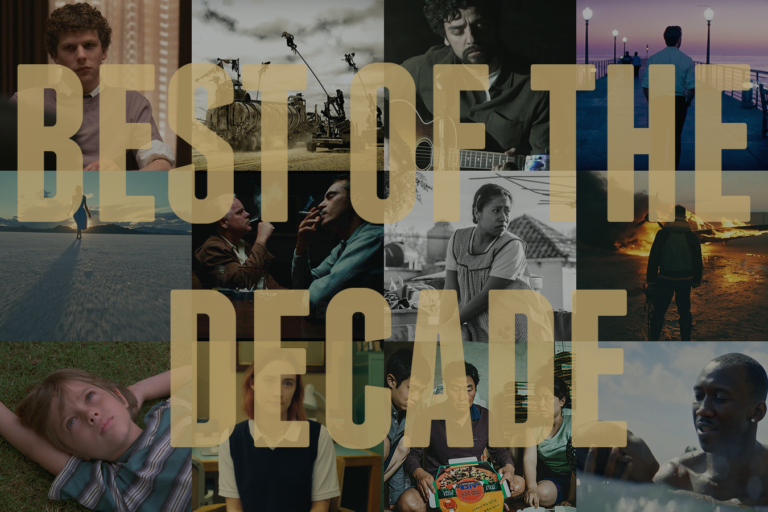
This week on Episode 363 of the InSession Film Podcast, we discussed our Top 10 Movies of the 2010s! It was a fantastic decade for film, so narrowing down this list to just 10 films, or even 20 if we’re including honorable mentions, was no easy task. We spent countless hours dissecting our year-end lists attempting to piece together the perfect Top 10 for the 2010s. Hopefully we didn’t disappoint!

Here are the movies that made our lists. Be sure to listen to the show to hear more about our love for these films and why they ultimately made the cut.

JD

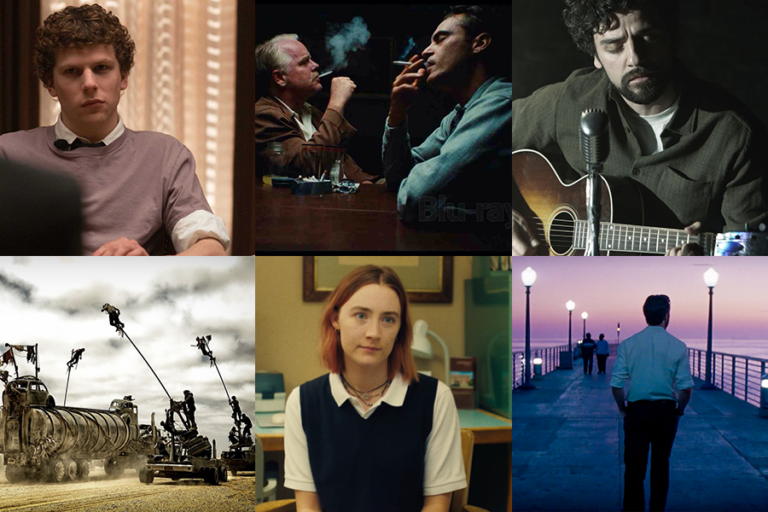
1) The Tree of Life
2) Inside Llewyn Davis
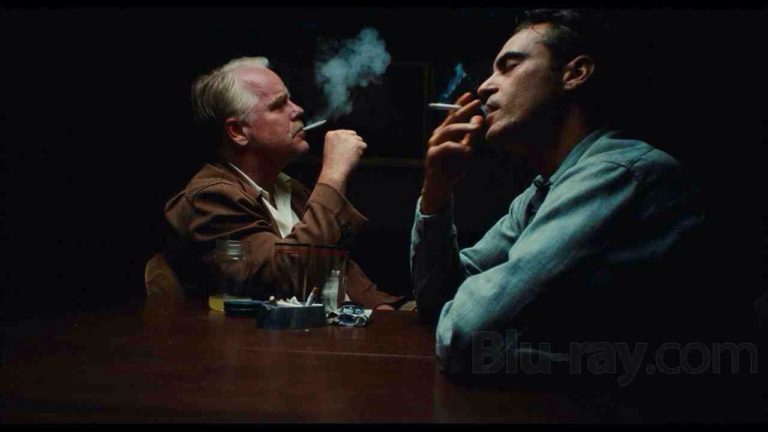
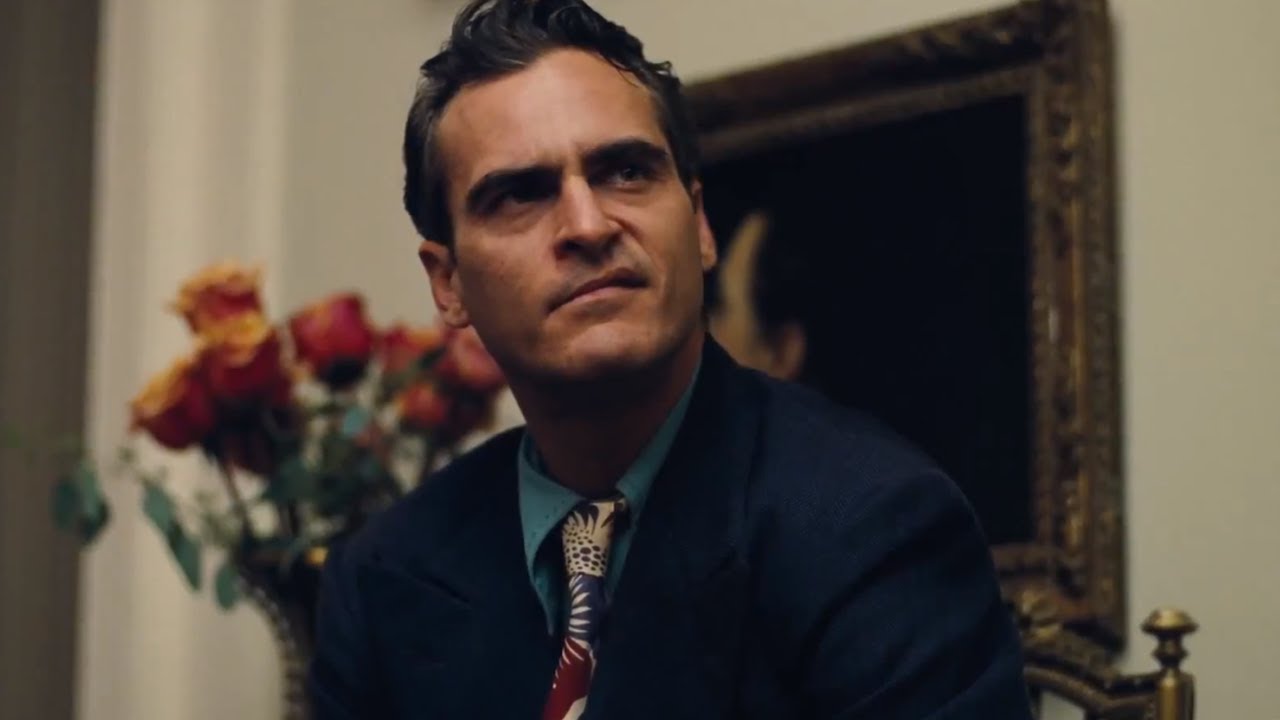
3) The Master
4) The Social Network
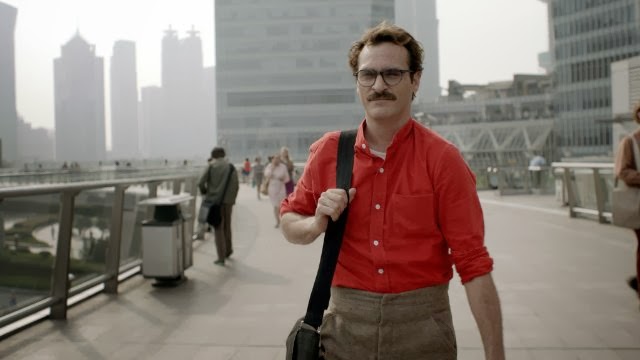
5) Her
6) Inside Out
7) Boyhood
8) Midnight Special
9) First Man
10) Lady Bird

11) The Wind Rises
12) Little Women
13) La La Land
14) Get Out
15) Arrival
16) Ex Machina
17) Parasite
18) The Florida Project
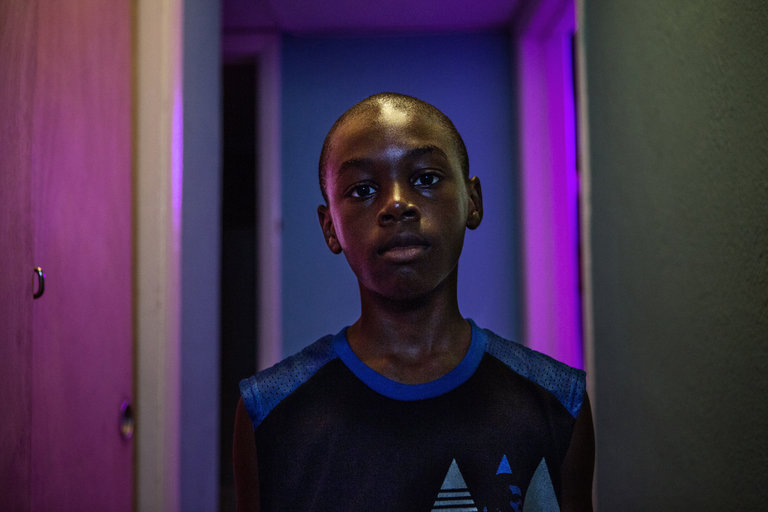
19) Moonlight
20) Roma

[divider]

Brendan

1) The Master
2) Her
3) The Tale of Princess Kaguya
4) Everybody Wants Some!!
5) Amour
6) The Handmaiden
7) The Florida Project
8) Drive
9) The Social Network
10) Faces Places

11) Spring Breakers
12) Boyhood
13) The Tree of Life
14) The Wind Rises
15) The Witch
16) Ex Machina
17) Inside Out
18) Before Midnight
19) The Grand Budapest Hotel
20) Inherent Vice

Hopefully you guys enjoyed our lists and if you agree or disagree with us, let us know in the comment section below. Clearly there are tons of other contenders that battled for our lists, that just missed out. That being said, what would be your Top 10? Leave a comment in the comment section or email us at [email protected].

For the entire podcast, click here or listen below.

For more lists done by the InSession Film crew and other guests, be sure see our Top 3 Movie Lists page.

Podcast: Best of the Decade Awards / Top 10 Movies of the 2010s – Episode 363

This week on the InSession Film Podcast, it’s all about the best of the decade! We feature an abridged version of our annual Awards show discussing the very best that film had to offer last decade, and we top it off by revealing our Top 10 Movies of the 2010s!

It was a stellar decade for film and we had a really great time celebrating the last ten years. Some of you may remember that InSession Film launched in 2013, so we were able to cover most of the decade in real time, while catching up with many great films that 2010, 2011 and 2012 had to offer over the years as well. It’s somewhat surreal to see the decade close as we move on to the next chapter, but before we do, we had one last ride reminiscing on the greatness we witnessed in film in the 2010s.

On that note, check out this week’s show and let us know what you think in the comment section. Thanks for listening and for supporting the InSession Film Podcast!

– Best of the Decade Awards (5:42)

    Individual Special Awards

    Best Use of Soundtrack Music

    Best Original Score

    Best Animated Movie

    Best Foreign Language Film

    Best Documentary

    Best Cinematography

    Best Adapted Screenplay

    Best Original Screenplay

    Best Director

    Best Actress Supporting Role

    Best Actor Supporting Role

    Best Actress

    Best Actor

*See a list of all of our nominees and winners here!

– Notes (1:34:23)

As noted on the show, be on the lookout for our Patreon Bonus Content this week as we discuss our “unique” categories that we skipped during our Best of the Decade awards. We hoped it would save some time given everything we needed to get through, but we still wanted to go over those categories, and we figured Patreon was the way to go. Stay tuned for that!

[divider]

RELATED: Listen to Episode 360 of the InSession Film Podcast where we discussed our Top 10 Movies of 2019!

[divider]

Top 10 Movies of the 2010s (1:50:03)
As noted above, it was a fantastic decade for film, so narrowing down this list to just 10 films, or even 20 if we’re including honorable mentions, was no easy task. We spent countless hours dissecting our year-end lists attempting to piece together the perfect Top 10 for the 2010s. Hopefully we didn’t let you all down.

Do you agree or disagree with any of our picks? Let us know in the comment section below.

– Music

About Today – The National / Mark Isham
The Moon Song – Karen O.
The Return of the Eagle – Atli Örvarsson

Subscribe to our Podcasts RSS
Subscribe to our Podcasts on iTunes
Listen on Spotify
Listen on Stitcher
InSession Film Podcast – Episode 363

[divider]

Next week on the show:

Main Review: Birds of Prey
Top 3: TBD

[divider]

Help Support The InSession Film Podcast

If you want to help support us, there are several ways you can help us and we’d absolutely appreciate it. Every penny goes directly back into supporting the show and we are truly honored and grateful. Thanks for your support and for listening to the InSession Film Podcast!

VISIT OUR DONATE PAGE HERE

Movie Review: ‘Les Misérables’ is a gripping, stark mosaic about injustice


Director: Ladj Ly
Writer: Ladj Ly, Giordano Gederlini
Stars: Damien Bonnard, Alexis Manenti, Djebril Zonga

Synopsis: A cop from the provinces moves to Paris to join the Anti-Crime Brigade of Montfermeil, discovering an underworld where the tensions between the different groups mark the rhythm.

[/info]

The audacity! The sheer audacity of Ladj Ly to bestow upon his film the same title as one of the all-time most famous works of literature… That’s the sort of confidence I’m trying to bring to my 2020.

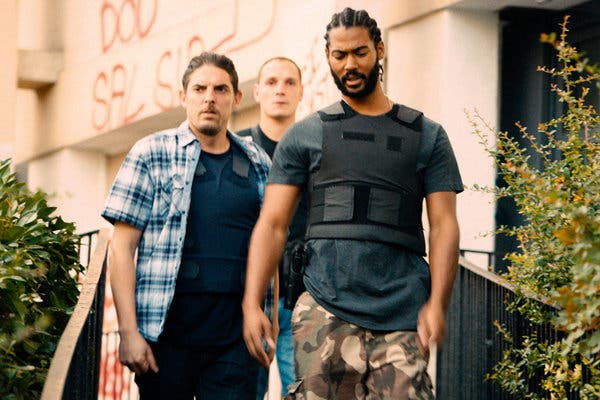
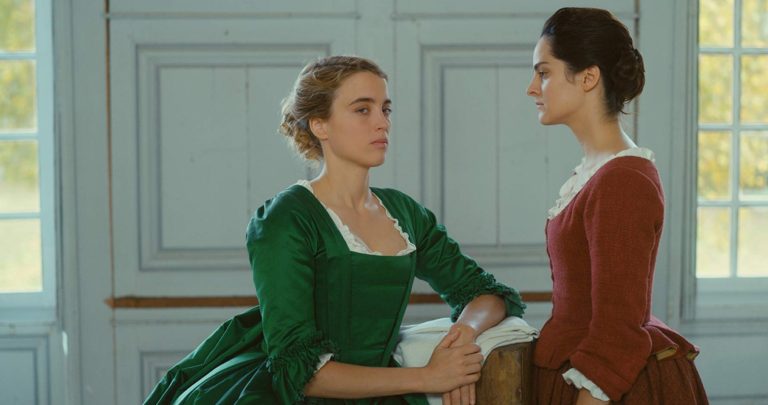
Les Misérables won the Jury Prize at the Cannes Film Festival last spring, and the film went on to receive an Oscar nomination for Best International Film, since France’s Minister of Culture chose it to represent the nation with the Academy instead of Céline Sciamma’s much-beloved queer masterwork Portrait of a Lady on Fire. The vehemence from many of the online opinion-havers was pretty venomous when that announcement was made, but the decision actually makes a lot of sense.

Ly’s film is incredibly timely, not just for France specifically but also for Donald Trump’s America—and the planet at large for that matter. The world is a highly turbulent place right now and already has been for a while; white nationalism and xenophobia are on the rise. But remember that so much of what fuels and aids this deep-seated hatred is systematic and long-established. For generations, laws and enforcement agencies have been consciously designed to maintain the status quo by “legally” oppressing minorities, immigrants, and the rest of the under-privileged.

So, for a people that nearly elected the out-spoken Islamophobe and outright fascist Marine Le Pen in 2017—only one year after America elected our own—it figures that this generation’s great revolution would center on fighting back against the institutions of which the Le Pens, the Trumps, and all those they empower are a symptom.

I’m sure we, as Americans, often think of the abhorrent issue of police brutality as something uniquely ours. Something that mustn’t happen elsewhere. Certainly not in places like western Europe. And yet… Ly is here with a stark existential reminder that the fight for social justice rages on everywhere, that the fight for human rights definitely did not end in the 18th century anywhere, that the fight to escape poverty and persecution will remain altogether futile… until the people come together and revolt once again.

Les Misérables plays out like something akin to a French The Wire. Ly paints from all sides of the canvas and moves his brush freely from corner to corner. Unfettered cops. Disenfranchised civilians. Outraged adolescents. Empowered superordinates. Together, they produce a painful mosaic of ongoing human strife in an environment that fortifies a few and crushes the rest…

Ly’s opening is ironically triumphant. For a brief moment in time, a nation is unified as France wins the World Cup. Crowds of people cheer and celebrate the victory in front of the Eiffel Tower—an architectural marvel meant to observe a hundred years since the Revolution and demonstrate France’s modernism. (Acerbic, no?) But then the mood settles and it’s all downhill from there, as the country redivides and the people return to their stations.

In order to tell this upsetting story, Ly utilizes an in-yer-face style of cinéma vérité that feels thoroughly appropriate for the substance of this narrative—it adds to the film’s sense of overdue urgency. Ly and company’s unencumbered zeal almost calls for an evocation for a new French New Wave. All that electricity behind the camera and in the editing room is naturally illustrated on screen in the form of the filmmakers’ own energy. Ly’s direction is something that quick-to-label critics might deem as uncontained. But, rest assured, he is undoubtedly in complete control of his chaos from start to finish.

The movie’s virtually parabolic intensity balloons and layers by varying degrees with every instance of neighborhood conflict until the gripping-as-hell final act, which is the very definition of visceral—concluding on quite a chilling note. (When the picture ultimately cut to black, I instantly saw my own face reflected back on the screen. Stunned at what I’d just witnessed. As if I needed to be reminded.)

Folks eager to watch a garden-variety retelling of the classic novel will likely be disappointed, though. Likewise, so will folks keen to play a game of Spot the Similarities. Because what these stories mainly have in common, aside from their titles, lies within their cores—a common message and general mood, not much else. Thus, moviegoers willing to let this film speak for itself will probably be more prone to being consumed by it.

Because Ladj Ly’s Les Misérables, in its own way, lives up to its namesake. On the surface, the film has seemingly nothing to do with Victor Hugo’s magnum opus. It doesn’t share character facsimiles or plot structure, not even in an emblematic way. Consequently, Hugo doesn’t receive a writing credit of any sort. Ly and his co-screenwriters merely—boldly—lifted the title for their own tale of gross social imbalances, abuses of power, and class warfare.

Personally, I would have picked Portrait of a Lady on Fire to represent France at the Oscars, but it’s easy to see why this film was selected.

After all, it’s disconcerting how relevant Les Misérables is, isn’t it? Which one am I talking about? You pick.

Overall Grade: B+

[divider]

Podcast: Dr. No / The Rhythm Section – Extra Film

This week on the InSession Film Podcast: Extra Film segment, Jay and Ryan start their James Bond series with the one that started it all, Dr. No. They also cover the new release, The Rhythm Section, which has some very timely parallels to the saga of 007.

There is no better time to look back at some of the cinematic classics of the past than January, when it is hard enough to find one decent new release to cover, let alone two. Enter Sean Connery as pop culture’s most famous spy. Jay and Ryan explore why this character connected so immediately with audiences and what makes Dr. No a little different from what the Bond series would later become.

After that discussion, the guys talk through The Rhythm Section, another spy film, starring Blake Lively. The film has been sitting on the shelf for a while and there were major production issues, but is it a classic January dump or is this a hidden gem early in the year? Listen to find out!

On that note, have fun with this week’s Extra Film segment and let us know what you think in the comment section below. Thanks for listening!

– Movie Review: Dr. No (2:55)
Director: Terence Young
Screenplay: Richard Maibaum, Johanna Harwood, Berkely Mather
Stars: Sean Connery, Ursula Andress, Joseph Wiseman

– Movie Review: The Rhythm Section (41:53)
Directors: Reed Morano
Screenplay: Mark Burnell
Stars: Blake Lively, Jude Law, Sterling K. Brown

– Music

James Bond Theme – John Barry Orchestra
Only One – Reem
The Return of the Eagle – Atli Örvarsson

We try to make this the best movie podcast we possibly can and we hope you enjoy them. Subscribe today on iTunes, Spotify or Stitcher, and please leave us a review on iTunes. You can also find us on Soundcloud, PlayerFM and TuneIn Radio as well. We really appreciate all your support of the InSession Film Podcast.

Subscribe to our Podcasts RSS
Subscribe to our Podcasts on iTunes
Listen on Spotify
Listen on Stitcher
Dr. No / The Rhythm Section – Extra Film

[divider]

Mobile App

To hear this Extra Film episode and everything else we do, download our apps on the Amazon Market for Android and the Podcast Box app on IOS devices. The mobile app covers all of our main shows, bonus podcast’s and everything else relating to the InSession Film Podcast. Thanks for your wonderful support and for listening to our show. It means the world to us!

Featured: Criterion Releases – February 2020

It’s the shortest month of the year, but with an extra day as it is a leap year. And in this leap year, Criterion is re-releasing a documentary about some of the best architecture made by one person and adding four more to the collection. One was a film from 2018 we knew immediately was going to the collection, a groundbreaking LGBT documentary, and two other hidden gems. And they are:

ANTONIO GAUDÍ (1984)

https://www.youtube.com/watch?v=UwuZ0fgWCkE

In the rerelease section is this no spoken word visual on the work of the aforenamed sculptor who made art out of his buildings, including Sagrada Familia, the Catholic basilica in Barcelona that has been under construction since 1882 and is expected to finish in another 7 years…hopefully. But if you haven’t seen what that building looks like or some other notables by him, get intoxicated into this visual eye candy that examines in all angles the major buildings by the Gaudi. So, consider this an ad for going to Barcelona, one of the best cities in Europe.

Roma (2018)

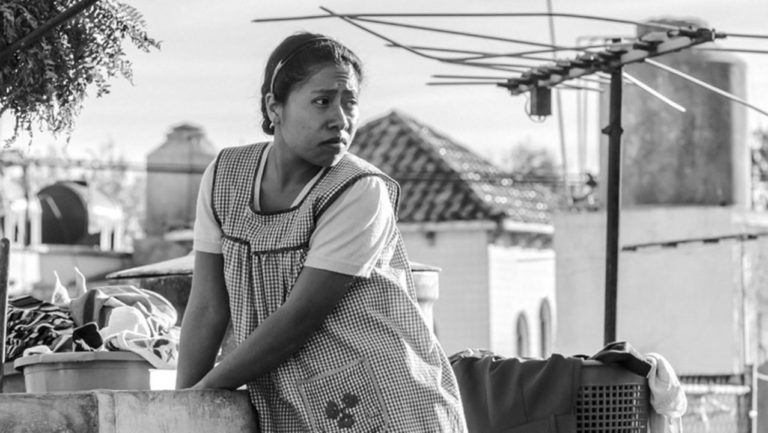
Like Cold War, it is a foreign masterpiece that had the Big C all over it since Alfonso Cuaron has two of his earlier films also on the label. The visuals flow out like a poem being read line by line as a slice-of-life from an era in Cuaron’s memory, 1970 Mexico when the country was in a turbulent battle with the ruling government. There’s a deep emotion that comes with the territory and a boldness that is rarely seen and Cuaron, along with a brave performance from Yalitza Aparicio, brings it full circle for the awards success it received after.

Paris Is Burning (1990)

Jennie Livingston, the niece of director Alan J. Pakula, stumbled upon the ball culture scene in the 80s and documented the colorful lives of those invited. Today, it is a living document about race, sexual orientation, gender, and open homo/ transphobia that existed during the AIDS crisis. Everyone learned about “voguing,” the role of different “houses,” and all of these terminologies that were an eye-opener for many who saw it for the first time. It’s a documentary that demands to be seen, especially since it influenced the FX series Pose.

Teorema (1968)

Italian radical Pier Paolo Pasolini directed this mysterious film surrounding an affluent family and a stranger who comes in their home and engages in sexual affairs with everyone – something so Pasolini with his later works. But the results cast a lingering spell on everyone and the ambiguity is left for interpretation with each character. The film left many scholars both spellbound and dumbstruck, which many have broken down what it could mean. Is it about Pasolini has a gay man? Is there a Marxist critique of the upper class? A lot of God references, so is it about religion, which is why the Vatican was angry about the movie? Or, maybe he’s just messing with us? Watch and you can make your own impression.

Three Fantastic Journeys By Karel Zeman

Czech animator Karel Zeman made six feature films that film historians refer to Zeman as the modern Georges Melies. The three being touted out are Journey to the Beginning of Time, Invention for Destruction, and The Fabulous Baron Munchausen. He made them at a time where censorship was strict (before the Prague Spring of 1968) and circumvented the rules on what the movies should be about, making him recognized by the government and was decorated as a cultural hero. Zeman is a major influence in the works of Terry Gillam, Tim Burton, and Wes Anderson. Above is his short from 1949 called Inspiration.  

Follow me on Twitter: @brian_cine (Cine-A-Man)

Movie Review: ‘The Gentlemen’ is a classic Guy Ritchie crime flick


Director: Guy Ritchie
Writer: Guy Ritchie
Stars: Matthew McConaughey, Charlie Hunnam, Michelle Dockery, Hugh Grant

Synopsis: An American expat tries to sell off his highly profitable marijuana empire in London, triggering plots, schemes, bribery and blackmail in an attempt to steal his domain out from under him.

[/info]

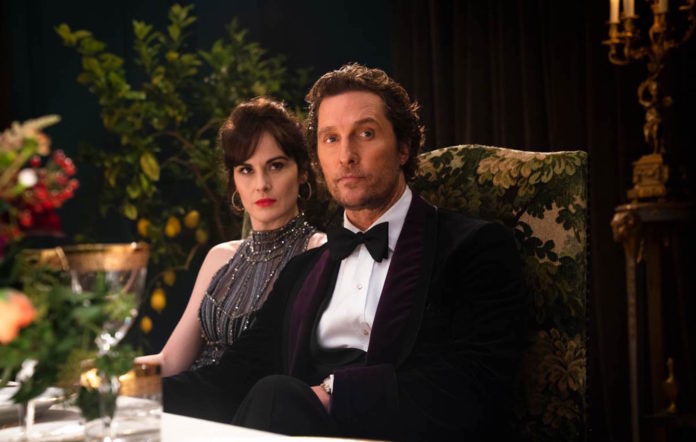
Guy Ritchie is known for his witty, fast-paced, slightly offensive, perfectly casted crime films. His movies aren’t everyone’s cup of tea, but he’s one of my favorite directors. His latest film, The Gentlemen, reminds fans exactly why we enjoy his movies. The Gentlemen tells the story of American marijuana mogul in London, Mickey Pearson (Matthew McConaughey), who’s trying to sell off his lucrative business so he can retire to a quiet family life with his wife (Michelle Dockery). In true Guy Ritchie fashion, things go awry, and problems must be solved. He then goes on to fill two hours with chase scenes, lots of violence and bad language, and as many British accents as possible.

I am a fan of Guy Ritchie, so I really enjoyed The Gentlemen. I love the entire cast; Ritchie is talented at finding the perfect group of people to be in his movies. Hugh Grant was particularly good as the film’s unreliable narrator. His drunken character awkwardly hitting on Charlie Hunnam while explaining what he thought was going on was funny and kept the film moving. Charlie Hunnam was also great as McConaughey’s right hand man, Raymond. I know he’s English, but I know him best from Sons of Anarchy so it’s still weird to hear him with a British Accent. Colin Farrell was also good as side character Coach. It was nice to see him in a good movie and with (I think) an Irish accent. Michelle Dockery was also fabulous as the films only female lead, Rosalind. I’ve only seen her as Lady Mary in Downton Abbey, so it was a big change to see her with a cockney accent in 4.5” Loubitons ordering people around and having the best line in the entire movie – There’s f*#kery afoot…”

The Gentlemen has a lot going for it. It was the same kind of complicated story Guy Ritchie is known for- many things happening at once, all storylines converge, things are revealed at the end- but it felt like it was done at a slower, more easy to follow pace than some of his previous films. It seemed more refined, maybe that’s why he called it The Gentlemen? It was also very funny. There were little things happening at all times to remind the audience to laugh in between the horrible language and violence. He also managed to stick in a large The Man From U.N.C.L.E poster in the background of one scene. That’s a seriously underrated Ritchie film (that I love) whose fans are usually found begging for a sequel online. Another thing about the movie I enjoyed was seeing actors in roles I’m not used to seeing them in. I know Hugh Grant and Henry Golding from Romantic Comedies. In The Gentlemen Golding is the villain and Grant is a sleazy journalist. Charlie Hunnam is (mostly) cool and collected and not the leading man.

As far as negatives go, The Gentlemen has a few. It’s filled with very profane language which can be offensive if you’re not familiar with Ritchie’s films or don’t enjoy hearing words that qualify an R-rating 174 times in two hours. There’s also only ONE female character in the entire movie. I understand it’s a crime movie and Guy Ritchie isn’t known for having a ton of women in his films, but I think it’s time he started writing parts for women. I love his quick-paced, snarky back-and-forth dialogues and I can think of a dozen actresses that would thrive in one of his films. Fingers crossed he’s a bit more inclusive next time. Additionally, the one female character owns a garage with only female mechanics. This comes off a bit “teenage boy fantasy”, hot women draped over expensive cars, and is labeled “a haven for the ladies” in the film. I didn’t personally think of it that way when I saw it, but others did. For me, a female living in the US, who has owned many cars, it was something I wish was a real thing. I’ve lost track at the number of times I’ve been talked down to, questioned, mocked, or hit on any time I’ve taken my car to get inspected or something. None of these “negatives” really bothered me, I knew what to expect with this director, but I know not everyone will feel the same.

The Gentlemen is a classic Guy Ritchie crime flick. It combines everything we know and love from him while sprinkling in some new faces and weaving his complicated storyline at a slightly slower pace. It’s definitely not for everyone, but fans of his previous movies with probably enjoy it. It’s a lot of fun and I highly recommend seeing it on the big screen.

Overall Grade: A-

[divider]

Hear our podcast review on Episode 362:

[divider]

Featured: Top 10 Movies of the 2010s – InSession Film Staff

0

As you may know, on Episode 363 this weekend, we’ll be doing our Best of the Decade show celebrating the great decade in film that was the 2010s. There are so many great films to consider for our awards and Top 10, the homework has been insane, but we are so excited to finally get into it on the show. However, the podcast hosts aren’t the only one’s who wanted in on the action. The great writing team here at InSession Film also chimed in with their Top 10 movies of the 2010s as well. Below, you can see a list from every one of our lovely writers. We are super proud of them and we hope you enjoy!

Kate Boyle

1) Spider-Man: Into the Spider-Verse
2) Hunt for the Wilderpeople
3) BlackKklansman
4) John Wick
5) Rocketman
6) Brooklyn
7) Sing Street
8) Coco
9) The Avengers
10) A Quiet Place

Aaron Charles

1) The Tree of Life
2) Silence
3) 12 Years A Slave
4) Drive
5) Spotlight
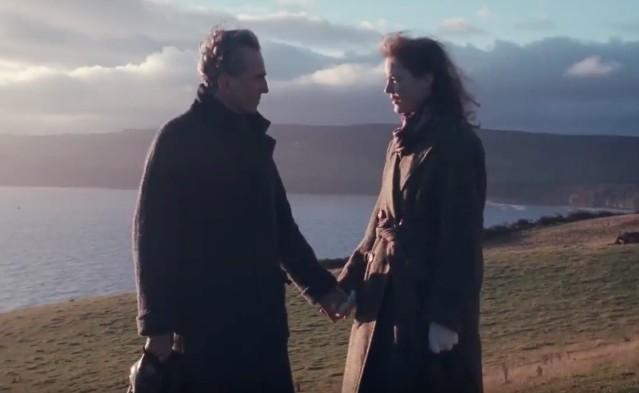
6) Phantom Thread
7) La La Land
8) Inside Llewyn Davis
9) Whiplash
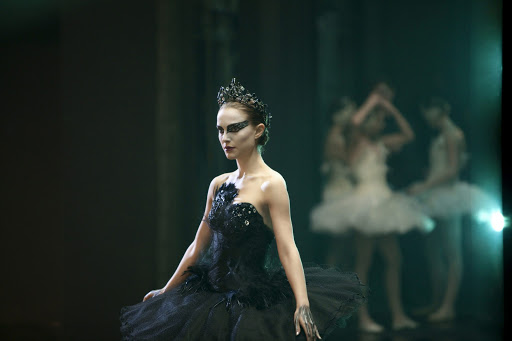
10) Black Swan

Chris Martinez

1) Good Time
2) Manchester by the Sea
3) Lady Bird
4) Moonlight
5) Mommy
6) American Honey
7) Call Me by Your Name
8) 20th Century Women
9) Drive
10) Birdman

Ethan Gordon

1) Manchester by the Sea
2) The Meyerowitz Stories (New and Selected)
3) Before Midnight
4) 20th Century Women
5) Parasite
6) Inside Llewyn Davis
7) If Beale Street Could Talk
8) Mad Max: Fury Road
9) Certain Women
10) Phantom Thread

Nguyen Le

1) Arrival
2) Annihilation
3) Get Out
4) Parasite
5) Animal Kingdom
6) A Royal Affair
7) Attack the Block
8) Big Hero 6
9) The Place Beyond the Pines
10) Macbeth

Daniel Brilliant

1) Moonlight
2) Parasite
3) 12 Years a Slave
4) The Shape of Water
5) Her
6) Selma
7) Boyhood
8) If Beale Street Could Talk
9) Coco
10) The Favourite

Dave Giannini

1) Phantom Thread
2) Portrait of a Lady on Fire
3) Shame
4) The Social Network
5) A Separation
6) Lady MacBeth
7) Under The Skin
8) Brooklyn
9) Calvary
10) Carol

Max Greene

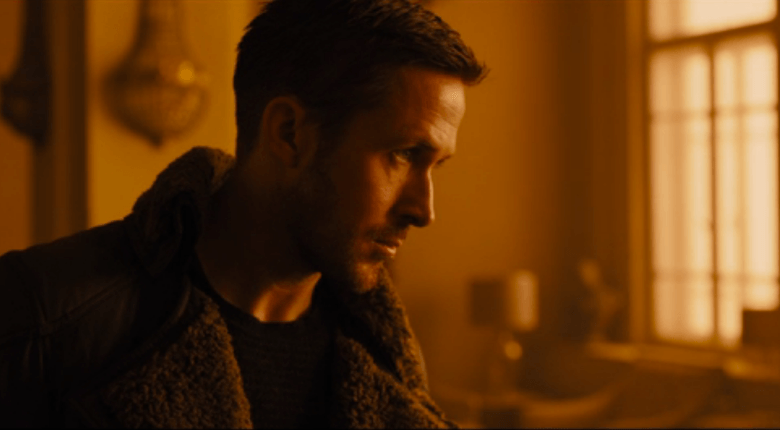
1) Blade Runner 2049
2) The Turin Horse
3) Moonlight
4) Parasite
5) Roma
6) Mad Max: Fury Road
7) Lady Bird
8) Inside Llewyn Davis
9) The Grand Budapest Hotel
10) Leviathan

Nyle Coleman

1) Dunkirk
2) Mad Max: Fury Road
3) Whiplash
4) The Witch
5) Inception
6) True Grit
7) Rogue One
8) Wonder Woman
9) Free Solo
10) Captain America: Civil War

Brandon Stanwyck

1) Black Swan
2) Moonlight
3) Parasite
4) Amour
5) Carol
6) 45 Years
7) Shoplifters
8) Certified Copy
9) Certain Women
10) Can You Ever Forgive Me?

Bianca Garner

1) Phantom Thread
2) Blade Runner 2049
3) Nocturnal Animals
4) Under the Silver Lake
5) Silence
6) Shoplifters
7) The Farewell
8) Call Me By Your Name
9) Your Name
10) Capernaum

[divider]

We would love to hear how your Top 10 picks vary from our picks above. Let us know in the comment section below, email your selections to us at [email protected] or follow us on social media.

Also, stay tuned for Episode 363 this weekend as JD and Brendan offer up their Top 10 movies of the 2010s, as well as have an abridged version of our Awards Show, where they talk about some of the more familiar categories (ie Best Director, Best Actor, etc). Then, be on the lookout for Extra Film next week where Ryan and Jay dive into their Top 10 movies of the 2010s as well. Should be really fun!

If you haven’t already, subscribe now!

Poll: What was the best year for films in the 2010s?

This weekend on Episode 363 we are taking a look back at the entirety of the 2010s. InSession Film launched in January of 2013, so we covered 70% of the decade and had the time of our lives doing so. We’ve also done a ton of homework for 2010, 2011 and 2012 as well, so we feel pretty great about where we stand on the last decade and how much we were moved by the films we witnessed. It’s going to be one hell of a time celebrating everything we saw in the 2010s. With that, it’s also the inspiration for our poll this week, where we simply want to know which year stood out the most for you. This is a difficult one as most years were incredibly rich and deep with stellar films.

That said, what was the best year for films in the 2010s?


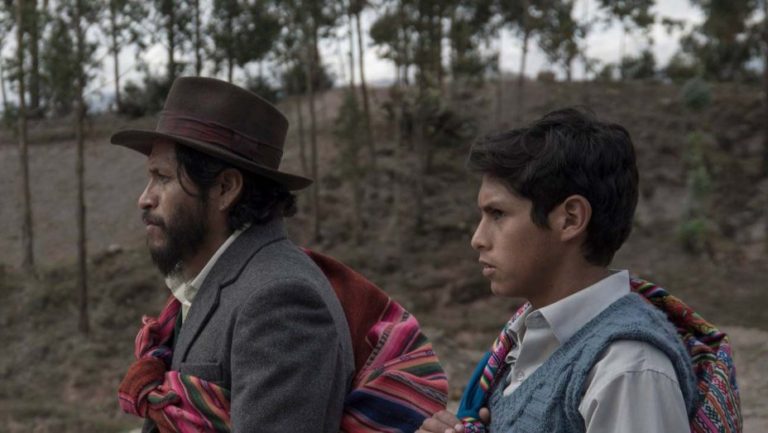
Movie Review: ‘Retablo’ is a resonant film about the dangers of living truthfully


Director: Alvaro Delgado Aparicio
Writer: Alvaro Delgado Aparicio, Héctor Gálvez
Stars: Magaly Solier, Amiel Cayo, Junior Bejar

Synopsis: Segundo Paucar, a 14 year old boy wants to become a master story-box maker just like his father to carry on with the family legacy. On his way to a community celebration in the Andes, Segundo accidentally observes his father in a situation that shatters his whole world. Trapped in a chauvinistic environment, Segundo will try to deal in silence with all that is happening to him.

[/info]

Alvaro Delgado-Aparicio’s poignant directorial debut represented Peru among Academy voters this year. Although it ultimately did not make the cut for the newly renamed Best International Film category, Retablo is still worth consideration from cinephiles.

Using the Andes Mountains as a backdrop, Delgado-Aparicio weaves together this tense story of father-son artisans in a highly conservative Quechua village. Segundo, the teenage boy (Junior Bejar), is the apprentice to his father Noe (Amiel Cayo), a builder of retablos—three-dimensional portraits consisting of sculpted figurines enclosed in a unique wooden box resembling an altar. Noe’s craftsmanship is so revered that the locals call him “the master,” and Segundo wants nothing more than to be his father; the kid practically worships the man.

But then… Segundo witnesses his father engaging in a sexual act that this harsh castigation-prone community’s sense of justice would likely penalize with great violence and pain—and potentially even with death—if word got out.

The grave dangers of being different in a setting like this are established early in the film when Noe and Segundo walk through a town square and come upon a nasty display of public punishment. A non-local, whom nobody knows, has been tied to a pole as men take turns whipping his naked body while he weeps in agony. The poor guy has been accused of theft (and he may have done it), but the main evidence “proving” his guilty seems to just be the fact that he’s an outsider who no one recognizes… Delgado-Aparicio stages and frames this theatrical demonstration of brutality like it is itself one of Noe’s tableaus. An artful trick the director utilizes several times throughout the film.

Bejar is a revelation as the young man wrestling with the weight of what he’s seen and what it means for his family. A product of his environment, he’s naturally confused, disgusted, and frightened as he confronts his own prejudices, and perhaps some repressed inklings. Bejar resonates pure devastation as Segundo struggles to understand how to feel about his father, the person he adores the most in life. Segundo is a very sensitive adolescent who doesn’t quite fit in with the other boys—he’s a non-athletic pacifist with a sweat-free trade who detests discussions about the sexual organs of female peers. His interests lie elsewhere.

Sullen and full of Segundo’s unaddressed emotions, Bejar’s face is a lively canvas, or better yet—clay. Formative. Adaptive. Modifiable. Reshaped with every change in feeling as his world outlook and sense of self delicately shifts from beat to beat. His mental journey is slow but believably steady, as well as authentic and continuously effective. So much of this story and its protagonist’s conflicts are found within. It’s difficult to pull off brooding, internalized havoc and make it reverberate, but Bejar nails it by broadcasting it from Segundo’s own closet of uncertainty.

As it turns, out these characters are all trapped inside their own retablo, for this somewhat isolated community is in many ways its own box—a box of brazen chauvinism and intolerance, detached from progressive ideals. South America, in general, does not have a stellar record when it comes to queer acceptance, especially in the rural areas. Yet, notably, the film cleverly does not feature any clearcut cases of the villagers’ homophobia, instead choosing to focus on the piety-fueled toxic virility that plagues these boys and men with a licentious barbarism, thus implicitly setting up the bigotry to come.

As expertly constructed as its titular masterworks, Retablo leaves a mark upon the audience. Alvaro Delgado-Aparicio’s film proves to be an evocative coming-of-age story about what it feels like to be queer in a place with strict consequences for those who color outside the lines and do not conform to the majority’s version of manhood. Made with precision and tons of heart and featuring a luminous leading performance from Junior Bejar, Retablo is not to be missed.

Overall Grade: B

[divider]

List: Top 5 Scenes of the 2010s

This week on Episode 362 of the InSession Film Podcast, in preparation for next week’s big show, we decided to talk about our Top 5 scenes of the 2010s. Wow. Where does one begin when trying to narrow down all of the great scenes from 10 years of great movies? This seemed like an impossible task, but we did our best to narrow down the moments from film in the 2010s that moved us the most. Whether it be artistically, emotionally, comedically or intellectually, or a combination of all those aspects, these are the scenes that provoked us in the deepest ways in the last decade. It may have been stressful conjuring our lists, but it was so much fun to finally reveal them. That said, here are our lists:

(Note: Please keep in mind that we each had different criteria for our selections)

JD

1) Roy’s Goodbye – Midnight Special
2) Processing Scene – The Master
3) Audition in Chicago – Inside Llewyn Davis
4) Creation of the Universe – The Tree of Life
5) Joy’s Epiphany – Inside Out

Brendan

1) Speak Low – Phoenix
2) Piano / Everytime Scene – Spring Breakers
3) Drive It Like You Stole It – Sing Street
4) Dance Scene – Ex Machina
5) Please Mr. Kennedy – Inside Llewyn Davis

Honorable Mentions (Combined)

Brothers Ending – Warrior
Ending Scene – Inception
Rooftop Scene – Her
Theodore’s Final Letter – Her
Carnival Scene – Her
Opening Scene – The Social Network
Confrontation at Facebook Offices – The Social Network
“Magic in the Mundane” Scene – Boyhood
Docking Scene – Interstellar
Crater Scene – First Man
Airport Scene – Lady Bird
Beach Scene(s) – Little Women
Ending Embrace – Marriage Story
“I can’t beat it” – Manchester By the Sea
Opening Title Card – Roma
Beach Scene – Roma
Ending Twist – Ex Machina
Observatory Scene – La La Land
TS Motherf***ing A – Get Out
Ending – The Wind Rises
Final Reveals – Arrival
Richard Parker Leaving the Boat – Life of Pi
Escaping the House – Parasite
The Raid – Zero Dark Thirty
Maya chastises Boss – Zero Dark Thirty
Third Act Rivalry – Whiplash
Piano Scene – Her Smell
Diner Scene – You Were Never Really Here
Party Scene – Eighth Grade
Ending – Call Me By Your Name
Hospital Scene – A Monster Calls
Cop Car Scene – Room
Chase Sequence – Mad Max: Fury Road
Bear Attack – The Revenant
Arm Amputation – 127 Hours
First Flight – How to Train Your Dragon
Toothless / Hiccup Defeat Alpha – How to Train Your Dragon 2
Ending – Toy Story 3
Bear Attack – Annihilation
Flying Sequence – The Tale of the Princess Kaguya
Opening Drive – Drive
“You’re a Creed and I love ya kid” – Creed
I Want It That Way – Magic Mike XXL
Coal Miners Pasting Job – Faces Places
Camera Widens – Mommy
Ending – White God
Ending – Blue is the Warmest Color
Han’s Death – Star Wars: The Force Awakens
Rapper’s Delight – Everybody Wants Some!!
Bath Scene – The Handmaiden
The Beach Kiss – Moonlight
Diners Scene – Moonlight
“Would that it were so simple” – Hail, Caesar
Spitfire Saving the Day / Plane On Fire – Dunkirk
Parking Lot Argument – Blindspotting
Poetic Confrontation – Blindspotting
Ending Scene – Leave No Trace
Interrogation Scene – Shoplifters
Happy Birthday Aunt Lucy – Paddington 2

Hopefully you guys enjoyed our lists and if you agree or disagree with us, let us know in the comment section below. There are obviously many more scenes from the last decade that we didn’t have time to mention. That is to say, your list could look very different than ours given the amount of great films we saw during the 2010s. That being said, what would be your Top 5? Leave a comment in the comment section or email us at [email protected].

For the entire podcast, click here or listen below.

For more lists done by the InSession Film crew and other guests, be sure see our Top 3 Movie Lists page.

Podcast: The Gentlemen / Top 5 Scenes of the 2010s – Episode 362

This week’s episode is brought to you by Bark Box. Order today and one free extra month!

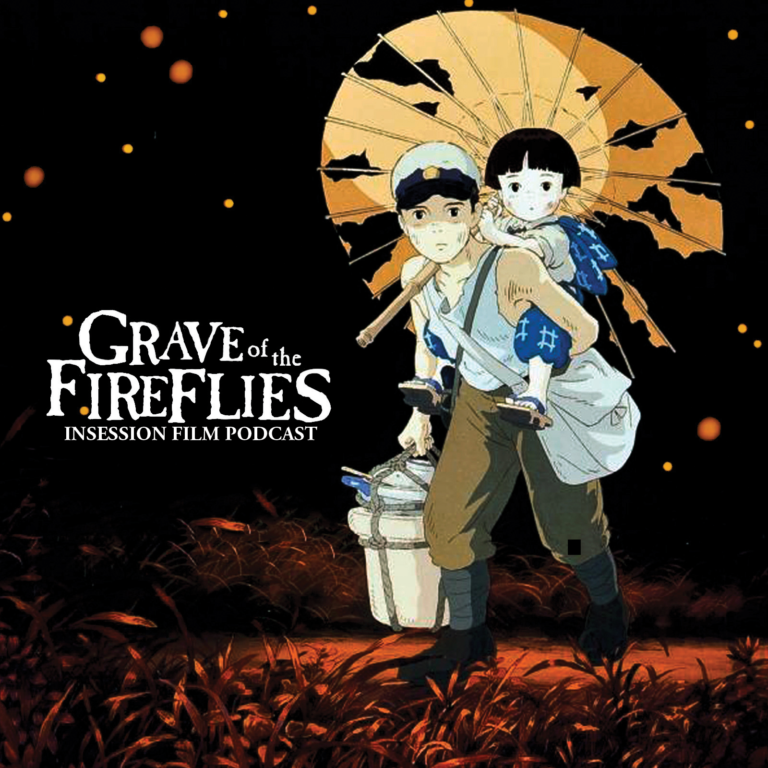
This week on the InSession Film Podcast, we discuss Guy Ritchie’s latest film The Gentlemen, and in preparation for next week’s big event, we also delve into our top 5 scenes of the 2010s! Plus, JD gives a few thoughts on Isao Takahata’s Grave of the Fireflies.

After doing our 2019 Awards Show a few week ago, you’d think we would slow down for awhile, but that hasn’t been the case. There was a good amount of prep work last week trying to figure out what all is coming out this year for our 2020 most anticipated lists. And now we’re moving straight into our Best of the Decade stuff. We’ll get to most of it on Episode 363 next week, but we thought it would be fun to have an appetizer this week as we talk about our favorite scenes of the 2010s. Which of course comes with an insane amount of homework and research. So, things haven’t really slowed down too much for us. But hey, it’s been a lot of fun.

On that note, check out this week’s show and let us know what you think in the comment section. Thanks for listening and for supporting the InSession Film Podcast!

– Movie Review: The Gentlemen (5:42)
Director: Guy Ritchie
Writers: Guy Ritchie
Stars: Matthew McConaughey, Charlie Hunnam, Michelle Dockery, Hugh Grant

– Notes / Grave of the Fireflies (32:07)
On last week’s Extra Film, Ryan and Jay talked about the classic Studio Ghibli film Grave of the Fireflies from legendary anime director Isao Takahata. If you’re a long-time listener of InSession Film, you’ll know that it’s JD’s favorite film of all-time. He desperately wanted to be on for that review, but scheduling just didn’t work out in his favor. So, he got cathartic and gave us his thoughts on the film once again. #JDTears may or may not have been shed during the process.

[divider]

RELATED: Listen to Episode 360 of the InSession Film Podcast where we discussed our Top 10 Movies of 2019!

[divider]

Top 5 Scenes of the 2010s (52:01)
Where does one begin when trying to narrow down all of the great scenes from 10 years of great movies? This seemed like an impossible task, but we did our best to narrow down the moments from film in the 2010s that moved us the most. Whether it be artistically, emotionally, comedically or intellectually, or a combination of all those aspects, these are the scenes that provoked us in the deepest ways in the last decade. It may have been stressful conjuring our lists, but it was so much fun to finally reveal them. That said, what would be your top 5?

Top 5 Sponsor: First Time Watchers Podcast

– Music

Play A Game With Me – Chris Benstead
Fare Thee Well (Dink’s Song) – Oscar Isaac, Marcus Mumford
Drive It Like You Stole It – Sing Street
The Return of the Eagle – Atli Örvarsson

Subscribe to our Podcasts RSS
Subscribe to our Podcasts on iTunes
Listen on Spotify
Listen on Stitcher
InSession Film Podcast – Episode 362

[divider]

Next week on the show:

Top 10 Movies of the 2010s / Best of the Decade Awards

The Master movie

[divider]

Help Support The InSession Film Podcast

If you want to help support us, there are several ways you can help us and we’d absolutely appreciate it. Every penny goes directly back into supporting the show and we are truly honored and grateful. Thanks for your support and for listening to the InSession Film Podcast!

VISIT OUR DONATE PAGE HERE

Podcast: Weathering with You / Grave of the Fireflies – Extra Film

This week on the InSession Film Podcast: Extra Film segment, Jay and Ryan discuss two anime films in Makoto Shinkai latest film Weathering with You and the classic Isao Takahata film Grave of the Fireflies! Also, stay tuned to the end of the episode where the guys have an exciting new announcement to make.

This is an exciting week. Not only are the boys talking about one of the best animated films of all-time, but a new era of Extra Film is underway. There will be some small changes over the next few months, but we are confident you will enjoy the new direction that we are taking with this show.

On that note, have fun with this week’s Extra Film segment and let us know what you think in the comment section below. Thanks for listening!

– Movie Review: Weathering with You (3:12)
Director: Makoto Shinkai
Screenplay: Makoto Shinkai
Stars: Kotaro Daigo, Nana Mori, Shun Oguri

– Movie Review: Grave of the Fireflies (37:05)
Directors: Isao Takahata
Screenplay: Akiyuki Nosaka (novel), Isao Takahata
Stars: Tsutomu Tatsumi, Ayano Shiraishi

– Music

Grand Escape – RADWIMPS, Toko Miura
Grave of the Fireflies – Michio Mamiya
The Return of the Eagle – Atli Örvarsson

We try to make this the best movie podcast we possibly can and we hope you enjoy them. Subscribe today on iTunes, Spotify or Stitcher, and please leave us a review on iTunes. You can also find us on Soundcloud, PlayerFM and TuneIn Radio as well. We really appreciate all your support of the InSession Film Podcast.

Subscribe to our Podcasts RSS
Subscribe to our Podcasts on iTunes
Listen on Spotify
Listen on Stitcher
Weathering with You / Grave of the Fireflies – Extra Film

[divider]

Mobile App

To hear this Extra Film episode and everything else we do, download our apps on the Amazon Market for Android and the Podcast Box app on IOS devices. The mobile app covers all of our main shows, bonus podcast’s and everything else relating to the InSession Film Podcast. Thanks for your wonderful support and for listening to our show. It means the world to us!

Movie Review: ‘Blow the Man Down’ is a lively little neo-noir


Director: Bridget Savage Cole, Danielle Krudy
Writer: Bridget Savage Cole, Danielle Krudy
Stars: Sophie Lowe, Morgan Saylor, June Squibb

Synopsis: While grieving for the loss of their mother, the Connolly Sisters suddenly find they have a crime to cover up, leading them deep into the underbelly of their salty Maine fishing village.

[/info]

Women killing men is my favorite genre, so of course Blow the Man Down is right up my alley. It also provides a fresh spin on the noir genre while also taking us back to the genre’s mores.

Although you could easily categorize Bridget Savage Cole and Danielle Krudy’s debut feature as a neo-noir, the heroines are not femmes fatales—nor are they two-bit dames. They’re sisters who find themselves embroiled in a sinisterly comical plot of dirty hometown scandals… almost by accident.

When we’re introduced to Priscilla and Mary Beth Connelly (Sophie Lowe and Morgan Saylor respectively), they’re mourning the loss of their mother in the seaside Easter Cove, Maine. Mary Beth is more impulsive and stormier than her sister. Saylor, who did not get enough credit for her skillful work on Homeland, takes this role and puts all her talents on display yet again. Lowe has the trickier part, though. Priscilla is the serious one of the two, more mature and pensive. It’s striking how Lowe manages to tacitly display a wide range of emotions with just her posture and stare.

Facing mounting bills and a recently inherited fishing business that’s barely afloat, Mary Beth decides to channel her woes into a late-night drinking spree, wherein she attracts the attention of a scum bucket whose drunken belligerence and male entitlement warrants his slaying, as it ought to.

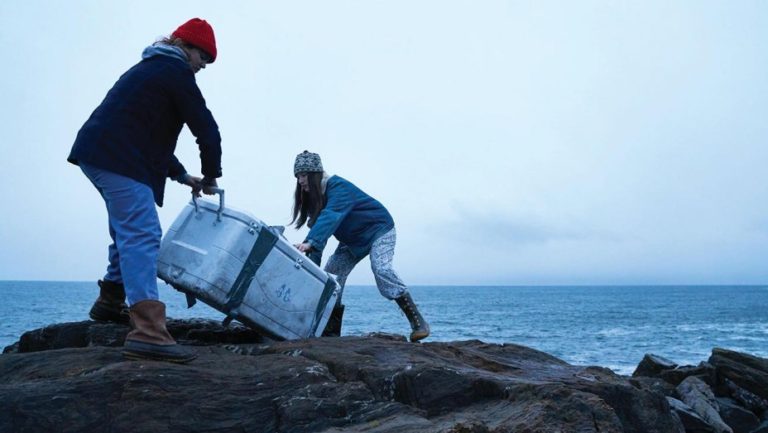
And along with the pragmatic accessory-after-the-fact Priscilla, the sisters chop the bastard up into tiny bits, stuff his body parts in a cooler, and dump him into the salty sea. You know, as one does. Problem solved, right?!

Ehh, not so much. Because left behind at the scene lies Priscilla and Mary Beth’s blade, stamped with their family business’s name—which becomes this film’s McMuffin, a la the engraved cigarette lighter from Strangers on a Train. What follows is an exhumation of all the town’s buried skeletons. Turns out, this friendly New England village is not as quaint as it seems (they never are), and the sisters learn just how unsavory the place is—and how their late mother’s links to the ominous Enid Nora Devlin (Margo Martindale) tie a lot of it together. Because if pulp lit has taught us anything, it’s that small towns are where all the juiciest stuff happens, and Easter Cove is no exception.

Now, clutch your pearls, because I daresay Margo Martindale has never been better—and for someone with three Emmys and over 100 acting credits on IMDB—that’s saying something. At the very least, she hasn’t been this good in a while. Martindale is simply delectable as Enid, the proprietor of the Oceanview, ahem, Bed and Breakfast (a front for the local brothel). Martindale naturally upstages everyone with her fierce Mainer accent and madame-pimp swagger. Martindale’s energy makes it clear: Enid is not someone to be messed with. Look, Enid has some serious scores to settle, and Martindale taps into the character’s ferocity with quite a bit of bite.

The amusing thorns in Enid’s side come in the form of three nosy biddies (June Squibb, Annette O’Toole, and Marceline Hugot) who want her sinful establishment out of their community. Susie, Doreen, and Gail do not approve of Enid’s line of work, because they believe that the Oceanview is the common denominator for all the crime in Easter Cove—and perhaps they’re not entirely wrong… The busybody trio often act as a self-deputized morality police force, providing several chuckles along the way, especially when their overwhelming judgment blinds them to their own quandaries.

Blow the Man Down is a debut that reminds me of another strong debut: Joel and Ethan Coen’s Blood Simple—with a heavy helping of Fargo-esque charm. Murder, scandal, dark humor, and vibrant characters in a bewitching locale—what more could you want? Plus, it features another Coen trademark: folk music! Cole and Krudy’s debut is bookended with an ensemble of deep-voiced sailors bellowing lyrics illustrating the local goings-ons in a whimsical Greek chorus fashion.

For a film with a tight runtime of 90 minutes, the filmmakers pack in a lot and keep the story moving at a brisk pace. They also remarkably maintain the film’s spirited yet mischievous mood throughout. With Blow the Man Down, Bridget Savage Cole and Danielle Krudy have established that they’re a directing team to watch out for.

Overall Grade: B

[divider]

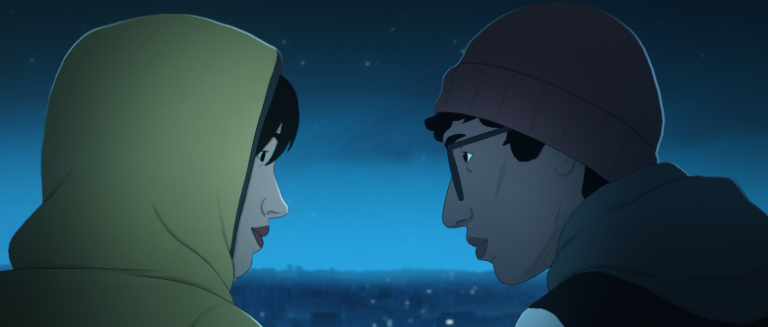
Movie Review: ‘I Lost My Body’ is a strangely beautiful animated feature


Director: Jérémy Clapin
Writer: Jérémy Clapin, Guillaume Laurant
Stars: Hakim Faris, Victoire Du Bois, Patrick d’Assumçao

Synopsis: A story of Naoufel, a young man who is in love with Gabrielle. In another part of town, a severed hand escapes from a dissection lab, determined to find its body again.

[/info]

The buzzing starts low and then builds to that annoying hum we’ve all heard. When the fly appears on screen in the first shot of Jeremy Clapin’s French animated Netflix film I Lost My Body, we expect it. What we don’t expect is the blood that starts to creep into the corner of the shot. A bloody screw sits next to the fly, and then the screen cuts back to the opening credits.

(Side note: The film automatically plays with its original French audio and English subtitles. I have noted the French voice actors first. You can also select English audio, which offers some familiar names. I’ve listed those voice actors second.)

It’s a devious bit of foreshadowing as we see our main character, Naoufel (voiced by Hakim Faris/Dev Patel), on the ground. We can’t tell the nature of his injury. All will be revealed in due time.

We then move to a flashback scene of Naoufel and his father (voiced by Hichem Mesbah/Anouar H. Smaine). This is signified by a shift to black-and-white cinematography. In the scene, the father tells his son that he can’t catch a fly by trying to grab it where it is. He needs to aim just to the right or left and anticipate its movements.

All of this is setup for the film’s main attraction – a disembodied hand that begins crawling around the city looking for its body (hence the title). This is where the film’s form – animation – works greatly in its favor. We give much more bandwidth to animated films and TV shows in the lengths to which they can stretch reality. Most animated films do this in service of entertaining kids (though the best ones work for all ages). This one, however, is most certainly *not* a film for kids. You probably already knew that from what I’ve explained so far.

The film’s animation is fantastic. It has a beautiful hand-drawn quality without being too rough. The cutting between the present and the past gives ample opportunity for striking visuals in both black-and-white as well as color.

However, the film’s greatest quality is most certainly its music, from composer Dan Levy. The score for this film is one of the best of the year in a year that was full of great film scores. Its theme is particularly haunting and emotional. This is a film that knows how and when to tug at the emotions, which leads me to its writing.

The great thing about the script from Clapin and Guillaume Laurant is that it gives information as it needs to (Laurant wrote the novel from which the film is adapted). This film has many tricks and surprises up its sleeve, and each one pays off beautifully. As soon as you think it’s about one thing, the story shifts to a new narrative that unearths more of Naoufel’s story. He has already lived a hard life by the time we meet him, and it only gets harder.

There are other characters that move in and out of this story. There’s Naoufel’s cousin, Raouf (voiced by Bellamine Abdelmalek/Jonny Mars), Naoufel’s love interest, Gabrielle (voiced by Victoire Du Bois/Alia Shawkat), and Gigi, the carpenter (voiced by Patrick d’Assumcao/George Wendt). Each one has key moments that impact Naoufel’s life.

The film’s early scenes play out as somewhat competing storylines. There’s the fantastical journey of the severed hand, as it avoids being seen or eaten by rats – among other adventures. Then there’s also the realistic daily life of Naoufel – doing his best (but ultimately failing) as a pizza delivery boy. The film really cranks up when these two storylines merge.

This is a very difficult needle to thread. As I said, the two stories are somewhat different in tone. Here again, I think the effect is aided by the fact that this is an animated film. We’ll cut it more slack in the inclusion of seemingly fantastical elements.

From the point when these two storylines merge, the film begins to go back and fill in the gaps for us even more. We realize that Naoufel’s life is even more tragic than we could have imagined.

At a key point near the end of the film, we believe that these tragic occurrences will lead to even more tragedy. This particular scene plays out in gripping fashion. But just when we think we have the film sized up, it shifts again. What results is a film of incredible insight and beauty wrapped up in a somewhat gory and unnerving package.

I found this to be the best 2019 animated feature that I saw. It was nominated for Best Animated Feature for the upcoming Oscar’s ceremony, and it is available for streaming on Netflix.

Overall Grade: A

[divider]

Featured: Those Other International Film Nods

Parasite winning the renamed “Best International Film” Oscar is as locked as Fort Knox. Nothing else has to be said why, but let’s just move on to the films that will lose gracefully to it. The other four films come out from an always competitive shortlist picked by the Academy. Some countries are very familiar, while others make a breakthrough for their country’s representation in global cinema. Getting to the final five at the Oscars is massive. So, with the exception of Parasite, here is the rest worth watching.

Pain And Glory (Spain)

(Picture)

If it weren’t for Parasite having the recognition it has, Pedro Almodovar, one of the world’s best living directors, would take his third Academy Award, second in this category, for his autobiographical tale of regret and remembrance. The film is in my Top 10 of 2019 and many were happy to see Antonio Bandaras finally get his first nomination as the jaded director struggling with physical pain and the internal suffering that cuts him off from his creative ideas. It’s such a reflection of Almodovar in real life, as a child growing up in a small village and having his sexual awakening, and struggling to reconnect with his muse after decades of silence. We like movies about filmmaking, but this one is very personal.

Les Misérables (France)

Along with Pain And Glory and Parasite, this debuted at Cannes last year where it won the Jury Prize behind the latter’s Palme d’Or victory and the former’s Best Actor win. Newcomer Ladj Ly uses the riots in Paris of 2005 as a backdrop for the revolution of the oppressed, the African and Arab population protesting police brutality which had resulted in deaths. Three members of an anti-crime squad in a rough neighborhood find themselves in the line of fire as locals rise up and protest their presence among many things. The neighborhood, Montfermeil, is a setting from Victor Hugo’s famous novel of the same name and the tensions within that single place boils to the same levels as Spike Lee’s Do The Right Thing. 

Honeyland (North Macedonia)

This is an interesting nomination because the film also was nominated for Best Documentary Feature; plus, it’s Neon’s second film in the category with Parasite. It covers the life of a beekeeper in a small village and the relationship with her mother and a neighbor. The second film to be nominated in this category from the small East European nation (1994’s Before The Rain), is an organic vision of a dying life in a changing world over a lengthy period – shooting lasted three years – and presents us the labor of love and hardships from another place that hides in between the Balkans.

Corpus Christi (Poland)

Thanks to the success of Pawel Pawlikowski, Poland this decade has been quite successful with their movies in the Oscars, finishing off with this one. Director Jan Komasa gives the story of a juvenile youth who finds a spiritual awakening the redemption path it needs, especially since the youth cannot be accepted as a priest and him mistakenly being one leads to a job running a parish. Besides its North American debut at the Toronto International Film Festival, the film hasn’t been really seen here but will be released in April by Film Movement.

Follow me on Twitter: @brian_cine (Cine-A-Man)

List: Top 10 Movies of 2019 (Jay Ledbetter)

The year in film was a rocky road. In July, I was convinced we were in one of the absolute worst movie years of the decade. Going to the theater felt like a chore. But, boy, did the year turn itself around in dramatic fashion. The last three months of the year were some of the best times at the movies I have ever had. There was a spring in my step that had been missing during blockbuster season. I was constantly being moved and challenged. It was a year dominated by films about the way the power structures of the world set us up for failure. Things may seem a little dour, but the great filmmakers were able to steal a degree of hope from the darkness that seems to be surrounding us, now, and I am very grateful for it.

We do encourage you to listen to Episode 360 to hear more about our picks, but as we do every year, listed here are my Top 10 Movies of 2019.

[divider]

RELATED: JD’s Top 10 Movies of 2019

[divider]

10. Parasite
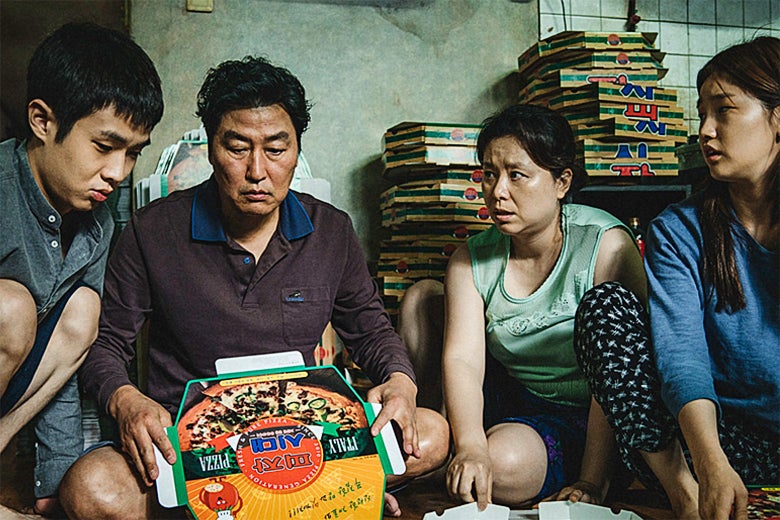

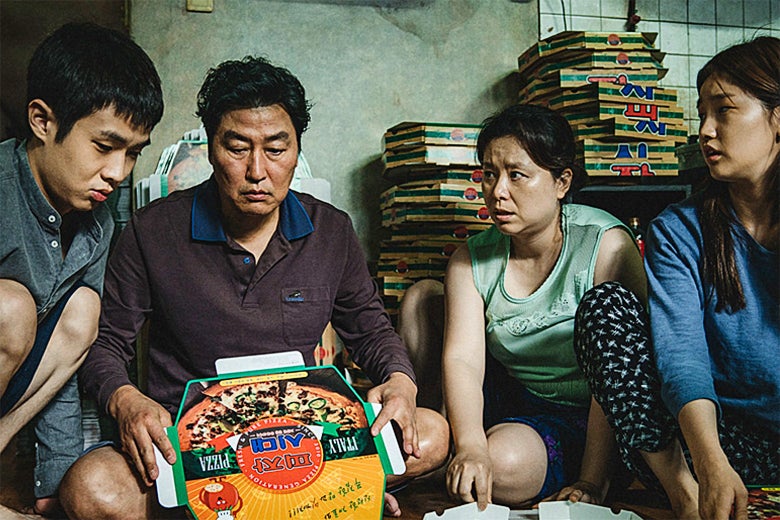
When I first saw Bong Joon-ho’s latest, I was blown away by the direction but a little befuddled by the messaging of the film. It is a film of incredible nuance with a great degree of trust in its audience. Bong’s masterful control of the craft, however, was undeniable. From the production design (that house!) to the delicate tonal balances (that kick!), it is a film that could be broken down for hours. It took me a second watch to fully get behind what the film wanted to say about the state of the world, but when it clicked, boy, did that sense of clarity reveal a wonderful film. It treats all its characters so evenhandedly, refusing to give in to the “good guys vs. bad guys” impulses. It is a film about not only how the gears of society out the rich against the poor, but, honestly, *everyone against everyone*. Parasite is a tragedy, at its core, a movie about the inherent competition in the world today. In a year dominated by films very directly about class struggle, Parasite is the cream of the crop. You couldn’t certainly make the argument that it is the film that best defines the world in 2019. Click here to listen to our full review.

[divider]

9. Transit
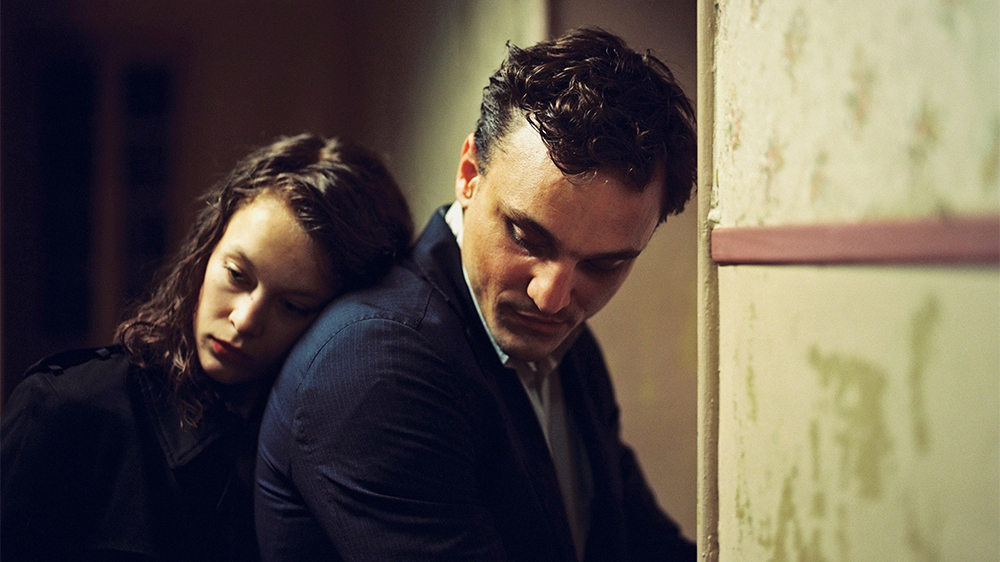

Based on a novel set during the German occupation of France, Christian Petzold cleverly abandons the period setting, creating a setting that almost feels out of time. It is a world with advanced military technology, but mostly devoid of the handheld technology that we use to communicate with the rest of the world (which can make some plots, especially ones with any degree of espionage, impossible to believe). Immigration issues across Europe and even in America frequently spring to mind watching the film, testing the viewer on how far they would go and the lies they would be willing to tell to pursue a life of safety and comfort. Transit is a film about the unease of staying put, especially in the face of a fascist regime. But it is also about the unease of not really knowing where to go. Franz Rogowski and Paula Beer ground the film with performances that always reflect a sense of heartache, never giving us a sense that everything will be alright. The story winds in ways that you won’t see coming and ends with the best, most unexpected end credits needle drop of the year. Petzold continues to establish himself as one of the world’s premiere filmmakers. Click here to listen to our full review.

[divider]

8. The Irishman
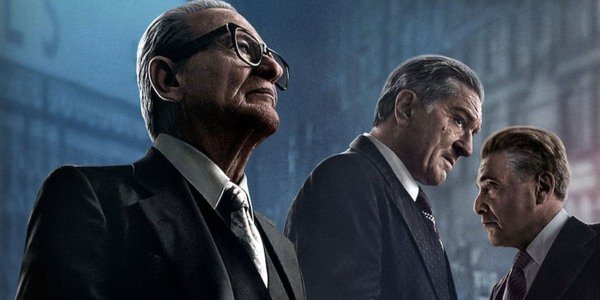

Yes, the 210-minute runtime can be a bit daunting, but The Irishman, especially the film’s final 45 minutes, features some of the boldest filmmaking of Martin Scorsese’s career. The film’s opening shot, a haunting tracking shot inside a senior care facility, immediately brings to mind the famous Copacabana sequence from Goodfellas and immediately establishes what kind of film this is. Scorsese, now 77 years old, is reflecting on his career and his legacy. This movie does not have the sleek, cool sequences of Goodfellas or The Wolf of Wall Street, films that, in certain circles, have the (incorrectly applied) reputation of condoning the actions of despicable characters. All of that is nixed here, giving Frank Sheeran (Robert De Niro) a great degree of pathos, throughout. More important to Scorsese than Frank’s career as a killer is his relationship with his family. This is not a man who loves his job or lives a life of excess with his earnings. It’s a living, and one that earns without a sense of pride. The inclusions of Al Pacino and Joe Pesci in the film five the entire affair a weight, making it feel like a cinematic event the likes of which you rarely see. Some of the trappings may feel a bit familiar for parts of the film, but when it turns the tables on itself in the final 45 minutes, it is unlike anything I saw this year. Rarely are Scorsese films hard to watch, but Frank coming to terms with what has become of his life and the people he surrounded himself with sent chills down my spine. And those chills turned to frostbite with a haunting final shot that encapsulates everything that the film is about. Click here to listen to our full review.

[divider]

7. Pain and Glory


Any conversation about Pain and Glory has to begin with Antonio Banderas, who gave my favorite performance of 2019. Banderas plays the Pedro Almodóvar stand-in in the director’s latest, a work of auto-fiction that shows the creation of art as form of physical and mental therapy. Banderas’ Salvador is a broken man, unable to do the thing he loves because of the constant pain he suffers from. In addition, he has a knack for pushing away those that he loves and is confronted by his past in unexpected ways. Almodóvar’s color palate is as striking as ever, adding to the themes of the film in powerful ways, especially when it comes to the contrasting designs of the present-day sequences with Banderas and the flashbacks featuring Penélope Cruz as young Salvador’s mother. This is a film that could be played on mute and be fully understood through Banderas’ performance and the visuals; some of the most effective visual storytelling of the year. The meta nature of both the storytelling and the filmmaking is unforgettable. Click here to listen to our full review.

[divider]

6. Dark Waters
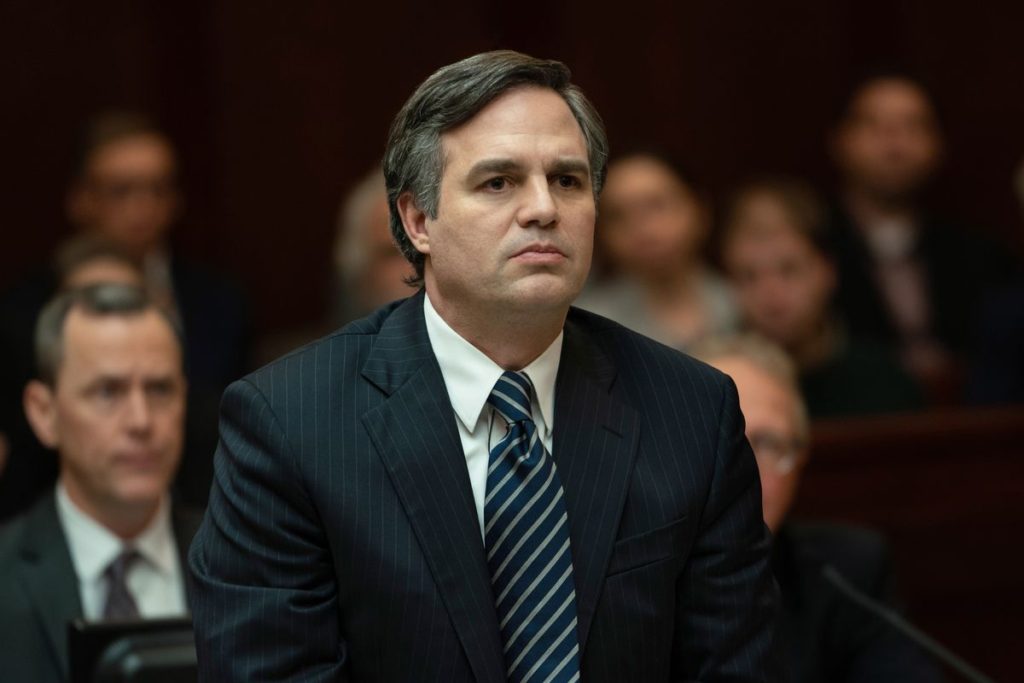

To watch Dark Waters is to watch a man run into a wall for two hours. Based on the true story of lawyer Matthew Michael Carnahan’s battle against DuPont, the film’s sense of inevitable disappointment is potent. A corporation is knowingly poisoning people, running the numbers, and treating the penalties, including the cost of human life, as an investment. History is written by the victors and, time and time again, the victors are enormous corporations with seemingly limitless resources. The film’s digital photography looks as sickly as the system it depicts, a yellow haze shrouding the events of the film. It was the most frustrating viewing experience I had in 2019, and that is exactly what Haynes wanted it to be. Mark Ruffalo, one of the most environmentally-conscious celebrities in the world, viewed this as somewhat of a passion project. His enthusiasm clearly rubbed off on the rest of the crew, because, in the hands of someone who did not believe in the material, this could have been an utterly forgettable film. Instead, Haynes and co. gave us one of the best surprises of the year. It will leave you gasping for air and making you question everything in your kitchen. Click here to listen to our full review.

[divider]

5. Ad Astra
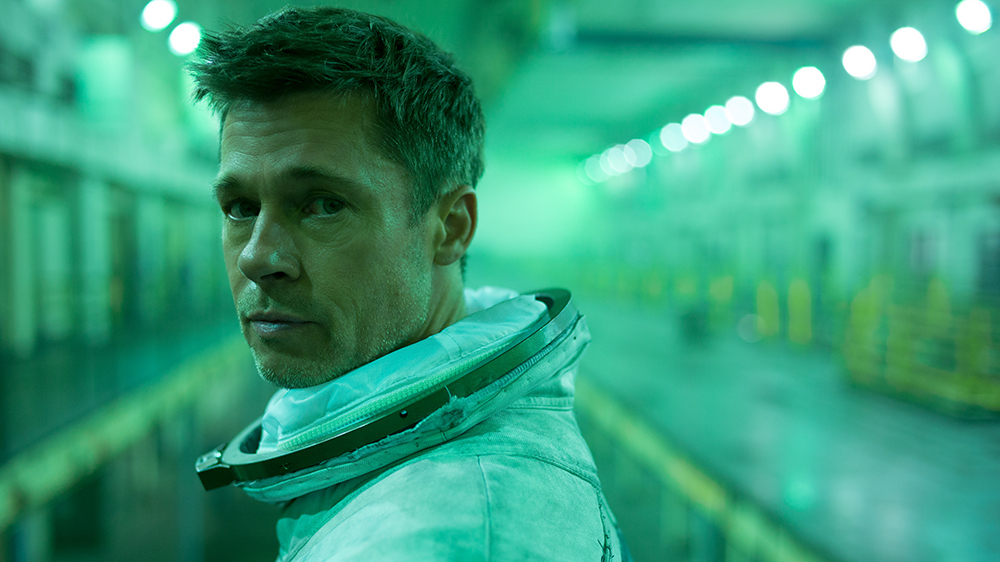

Look, making Apocalypse Now… in Space is kind of a slam dunk. It seems we usually get one quality, high-minded sci-fi film each year, and this was 2019’s edition. With his last two films, James Gray has shown that he has a deft hand with large-scale filmmaking. While the scope of Ad Astra’s story and geography are massive, the themes are extremely intimate. Yes, there are moon pirates and space baboons, but the stuff that stays with you are things like the look on Brad Pitt’s face when he sends a message to his dad and Hoyte van Hoytema’s gorgeous cinematography. The narration may feel a little extraneous, but the prose is potent, adding to the weight on Roy’s shoulders. And that scene with Pitt and Tommy Lee Jones coming face-to-face? Just perfection. Don’t be fooled by the marketing, this is not the intergalactic adventure it is sold as. Rather, it is a journey inward; a journey to find Roy’s soul in the heart of darkness. Click here to listen to our full review.

[divider]

4. Little Women
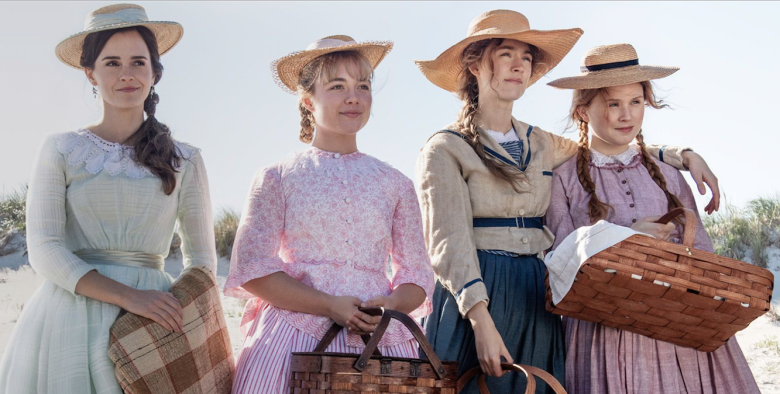

Prior to watching Greta Gerwig’s adaptation, I had absolutely no relationship with Little Women. It was a property I scoffed at as a young boy, because that is what young boys do, and a property I simply never got around to as an adult. Now, I’m almost worried about experiencing any other version of the story, because I don’t know how it could possibly be any better. Gerwig has found her muse in Saoirse Ronan, who has become one of the best actresses of this, or any generation. The two can seemingly do not wrong together. I look forward to their collaborations for years to come. But the real star of the film is Gerwig’s screenplay, that weaves through emotions as effectively as it weaves through time. There is a joy to Gerwig’s films, even when sadness is not far away, that is unmatched. The unbridled enthusiasm of the film is overwhelming. I laughed, I cried, and I felt the familial love of the March family. The filmmaking on display is a marvel, as well, with the flashbacks being shot warmly and fondly, while the times of Jo as an adult are shot with a blue hue casting doubt on the idea that the family can ever return to the happiness captured by the March children. Times change, people change, dreams are altered. But, 2019’s Little Women argues, there will always be people to help you through times of strife. The finale of the film is a triumph, combining the beauties of creativity, craftsmanship and compromise. You may not always get what you think will make you happy, but there is always happiness to be found. It’s a beautiful sentiment in a film I never wanted to end. Click here to listen to our full review.

[divider]

3. Once Upon A Time in Hollywood
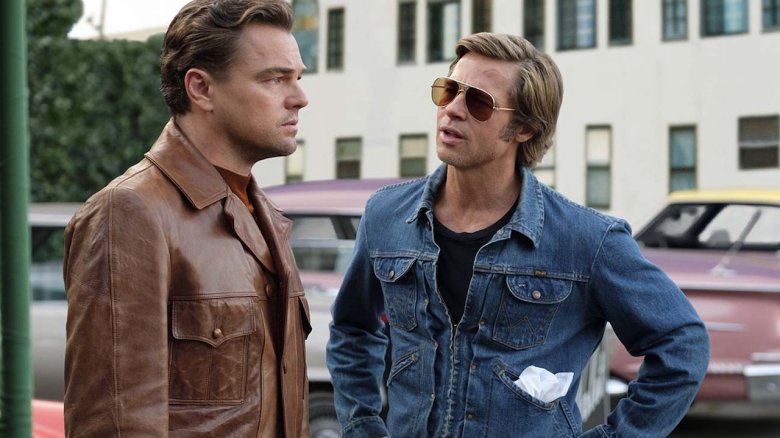

I have always liked the films of Quentin Tarantino, but Once Upon A Time in Hollywood was the first time I ever left a Tarantino film and thought, ‘I need to see that again to fully wrap my head around it.’ He is a master technician and writer of crackling dialogue, certainly, but I don’t think I would call any of his prior films particularly nuanced or complicated. Hollywood was something new. It was shaggy, lived in and, dare I say it, kind of sweet. You feel Rick’s self-doubt and Cliff’s apathy. The Sharon Tate’s joy is infectious. It is Tarantino’s most emotionally-charged film. Tarantino, like Scorsese and Almodóvar, is starting to reflect on his career. He views himself as a Rick Dalton, in the twilight of his career, seeing the Sharon Tates of the world ascending around him. The film is relentlessly entertaining, showcasing some of the funniest, most cathartic and even most terrifying moments of the year. DiCaprio may never have been better and Brad Pitt more than earns his Oscar. It is a story of innocence lost and how we might have preserved it. Movies, Tarantino posits, have the power to save the world and he makes you consider their power. Click here to listen to our full review.

[divider]

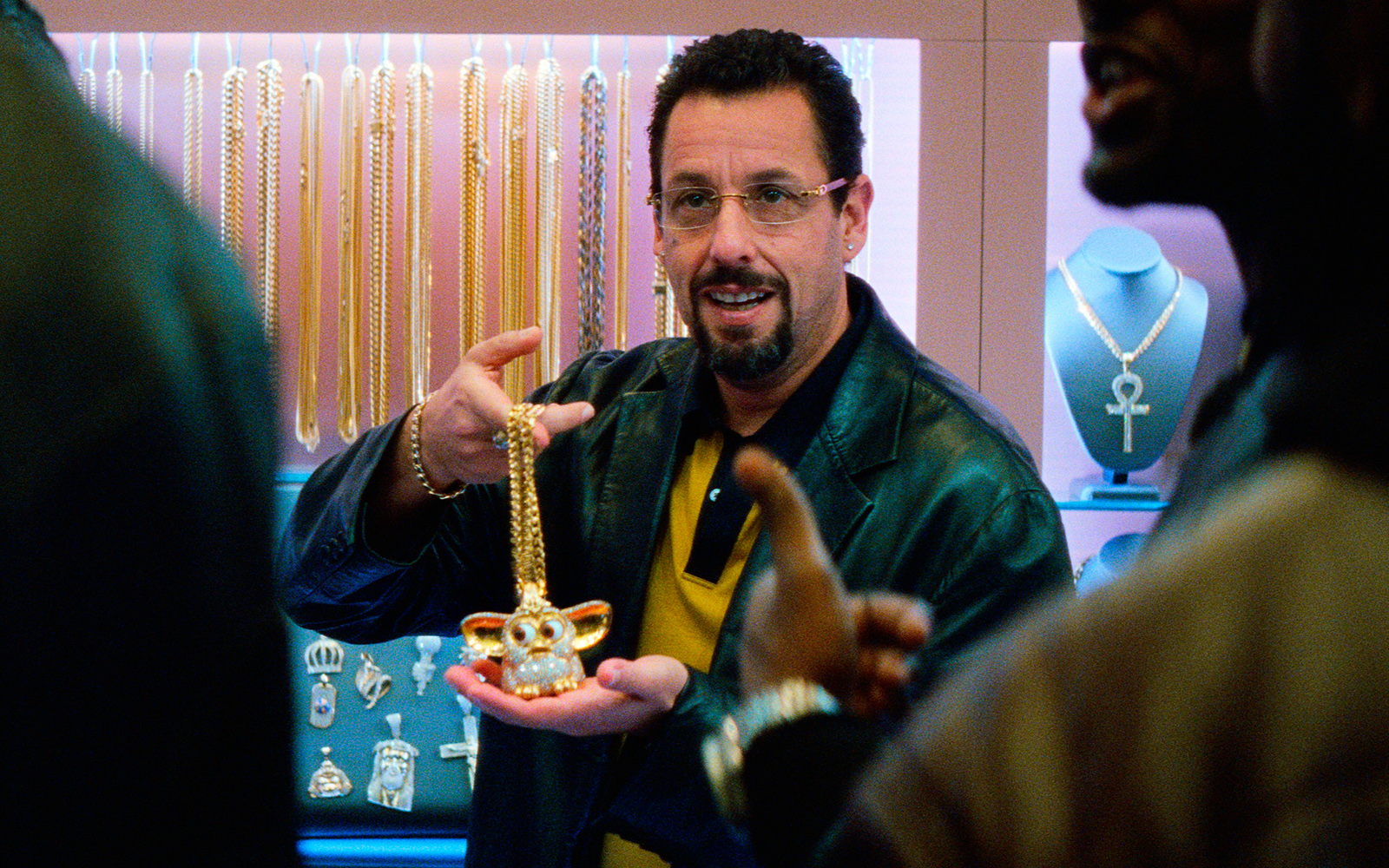
2. Uncut Gems
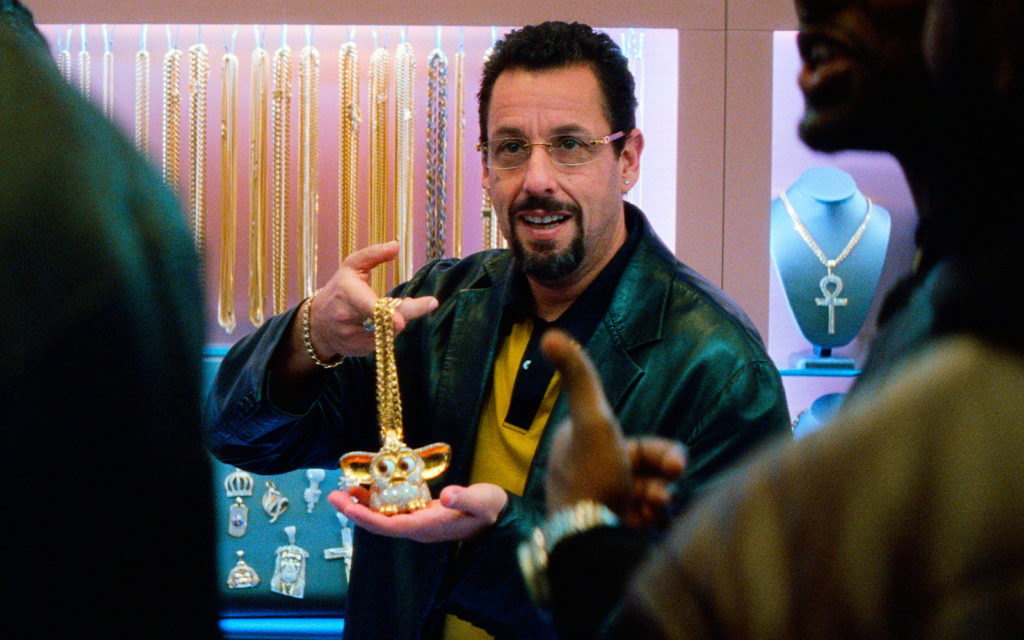

The Safdie Brothers thrive in worlds of grit and grime. The New York duo effortlessly establishes worlds without needing any exposition or flashbacks. New York’s Diamond District immediately feels familiar and you somehow understand everything that drives Howard after just a few sentences. Adam Sandler’s performance as Howard is a career best. But it is everything outside of Howard that makes the film truly special. Former NBA superstar Kevin Garnett makes his acting debut as some version of himself, capturing everything that made him such a compelling figure in the world of sports. Newcomer Julia Fox goes toe to toe with Sandler, matching his flip-of-the-switch mania and his confounding charisma. Every character in the background feels like they could have a movie of their own. The Safdies have a knack for casting that reminds you of someone like Robert Altman. That comparison becomes even more apt when you see how they direct dialogue. Characters talk over each other. A lot. It can be overwhelming. But that’s the point. The film is two hours of anxiety. The choices made by Howard are inexplicable and, yet, they all make sense in the context of the movie. Howard wants to win. He wants to win at capitalism. He thinks of himself the same way he thinks of Kevin Garnett. No lead is big enough. He wants multiple championships. No margin is great enough. Somehow, things always seem to work out for him. But, eventually, everyone’s luck runs out. The Safdies imbue Uncut Gems with so much style and character. It is a movie you experience and live in. Only the Safdies can make a movie like this. Click here to listen to our full review.

[divider]

1. Portrait of a Lady on Fire
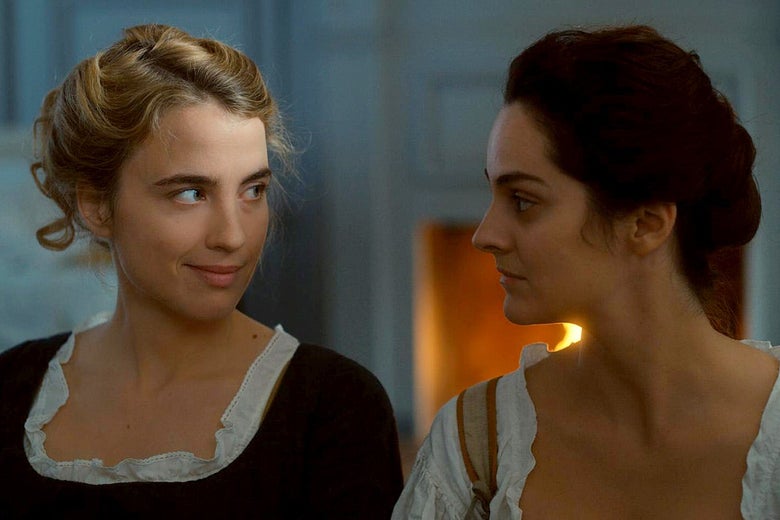

If ever someone says that the idea of the female gaze has no merit, immediately show them Céline Sciamma’s Portrait of a Lady on Fire. When I was contemplating whether this or Uncut Gems was my favorite film of the year, I brought myself back to our Extra Film discussion on Portrait, during which I had a period of about 45 seconds where I simply lost all control of my thoughts. I could not put together a coherent sentence because of how overwhelmed I was by the film. The film features a handful of images the likes of which I have never seen on film. Moments of intimacy in the film deliberately defy the traditional (male-driven) imagery we are accustomed to. Noémie Merlant and Adèle Haenel are electric, conveying intense levels of sensuality just by looking at each other. It is not a sexually explicit film, but it is one of the sexiest films of the year. The yearning oozes through the screen, but the relationship eventually goes far beyond that. The evolution to truly caring for each other feels entirely organic and the fact that these women know that a long-term relationship is impossible is heartbreaking. Seeds are planted throughout the film to make the film’s final scene shake you to your very core. It is a scene that I will never forget, and it is one that embodies everything that is great about the film. It has top notch performances. It has patient, striking camerawork. Everything has a purpose. No hair is out of place. Vivaldi’s Four Seasons will never be the same. And honestly, neither will I. It is a film I could watch over and over again. Click here to listen to our full review.

To round out my Top 20, here is the rest of my list:
11) Under the Silver Lake
12) Ford v Ferrari
13) Knives Out
14) Hustlers
15) Ash Is Purest White
16) A Beautiful Day in the Neighborhood
17) A Hidden Life
18) John Wick Chapter 3: Parabellum
19) High Life
20) Marriage Story

Let us know what you think. Do you agree or disagree? We’d like to know why. Leave a comment in the comment section below or tweet us @InSessionFilm.

To hear us discuss our InSession Film Awards and our Top 10 Best Movies of 2019, subscribe to us on iTunes, Stitcher, Soundcloud or you can listen below.

Part 1

Part 2

Download MP3

InSession Film Podcast – Episode 360 (Part 1)
InSession Film Podcast – Episode 360 (Part 2)

Poll: What is your favorite Guy Ritchie film?

Guy Ritchie isn’t a director that’s for everyone given his style and flash, but for a lot of people out there (including us), when he’s clicking on all cylinders, his films are incredibly fun. He knows how to creature pure octane energy, and when you couple that with charm and creativity, you have a good formula to work with. Perhaps it’s hit or miss at times, but certainly joy is to be had when Ritchie is at his best. So, with that said, what is your favorite Guy Ritchie film?

Vote now!


Podcast: Reactions to 2020 Oscar Nominations – Chasing the Gold Ep. 19

On Episode 19 of Chasing the Gold, Ryan is joined by Mike 1 and AlsoMike from Mike & Mike & Oscar to discuss the 2020 Oscar nominations. It’s finally that time of year, where the nominations have been released and the speculating can begin as to who will win the biggest prize in Hollywood. Returning from an illness, Ryan thought it would be great to bring on two experts to break everything down. With only two weeks till the big show, these nominations bring clarity and show many paths to Oscar glory. Both Mikes and Ryan have strong opinions over all the nominees, thus it lead to one of the strongest episodes in the history of Chasing the Gold.

On that note, have fun with this week’s Chasing the Gold and let us know what you think in the comment section below. Thanks for listening!

– Music
The Return of the Eagle – Atli Örvarsson

We try to make this the best movie podcast we possibly can and we hope you enjoy them. Subscribe today on iTunes, Spotfiy or Stitcher, and please leave us a review on iTunes. You can also find us on Soundcloud, PlayerFM and TuneIn Radio as well. We really appreciate all your support of the InSession Film Podcast.

Subscribe to our Podcasts RSS
Subscribe to our Podcasts on iTunes
Listen on Spotify
Listen on Stitcher
Reactions to 2020 Oscar Nominations – Chasing the Gold Ep. 19

[divider]

Mobile App

To hear this Extra Film episode and everything else we do, download our apps on the Amazon Market for Android and the Podcast Box app on IOS devices. The mobile app covers all of our main shows, bonus podcast’s and everything else relating to the InSession Film Podcast. Thanks for your wonderful support and listening to our show. It means the world to us!

[divider]

Help Support The InSession Film Podcast

If you want to help support us, we would greatly appreciate it! For more info, CLICK HERE.

List: Top 10 Movies of 2019 (Brendan Cassidy)

The year 2019 was a year of self-examination and reflection, by actors and filmmakers alike. This only makes sense, given that 2019 marks the close of a decade, and this is that time for all of us (Hollywood or otherwise) to take a look back and reflect on what we’ve experienced, what we’ve learned, and most importantly, what we can do better. In short, 2019 was a very personal year, but how did that translate to the quality of films we got? Many have already designated 2019 as one of the best cinematic years of the decade, and I will offer no arguments against that. The year may not have been as consistent as some years past (specifically 2018), but the back half of 2019 marks what may be the best cinematic back half of any year this decade; so much so, that the quality of some individual films became overwhelming to the point of frustrating, able to dethrone the majority of my top favorites from multiple years past. Perhaps those aforementioned themes of self-reflection had something to do with it, because this was just such a soul-searching year for film, and all my favorites are complimentary to that idea.

Episode 360 (Part 2) was our chance to get a little personal and reflect on the cinematic year that was 2019. Perhaps we all got a little too personal, as it did lead to yet another three-and-a-half-hour conversation. So, for those who prefer a briefer form of reflection, below you’ll find my Top 10 favorite movies of 2019.

[divider]

RELATED: Brendan’s Top 10 Movies of 2018

[divider]

10. Midsommar


No other film this year compliments my own self-reflection more than Ari Aster’s follow-up to Hereditary. In fact, I think Midsommar blows the festival doors off of Hereditary; if this were a fight to the death, Chekhov’s Bear defeats King Paimon. Perhaps that may be due to Midsommar being a more tonally and thematically consistent experience (it doesn’t fall off the rails like the final act of Hereditary did for me), or it may be more personal than that. From the perspective that this is a “breakup” movie, the way Aster deals in the need for empathy, community, vocal transparency, and sacrifice within romantic relationships (specifically after the death of a family member) is a notion I can directly relate to. I was once on Christian’s (Jack Reynor) end of the spectrum during a past relationship, and Midsommar made me think about the mistakes I may have made during said relationship, helping me let go of any lingering resentment I may have. Granted, some of that resentment will always remain, but both Ari Aster and Florence Pugh’s panic-enducing performance gave me the ability to acknowledge my own faults in the matter, and let go of my pride. Sure, it has just as much to say about our ignorance toward other cultural rituals (using Swedish folklore), but as a horror film about a failing relationship, Midsommar kind of broke me. Click here to listen to our full review.

[divider]

9. Dragged Across Concrete


Only three feature films deep, S. Craig Zahler makes his second appearance on a Top 10 list of mine; before that it was Brawl in Cell Block 99 in 2017. Zahler has a style I gravitate toward – pulpy, grindhouse-like films with strong social commentaries; and while Dragged Across Concrete isn’t quite as emotionally stimulating as his last effort with Vince Vaughn, it is certainly his most provocative, and arguably just as thrilling. In short, Dragged Across Concrete does what I hope more films had the bravery to do – challenge our beliefs, and make us challenge ourselves in the process. Sometimes, it’s actually better to make a film where its themes are ones you may not even agree with, and that itself shouldn’t be something to fear, even if it is incredibly uncomfortable to confront. Here, Zahler illustrates racism and bigotry from all sides, coloring in the grey lines of a black and white backdrop; it does not conform or take the easy way out (heck, even the mere casting of Mel Gibson is symbolic of that). As such, this movie will offend a lot of people, and I won’t say that you’re wrong in feeling that way; but I will say that the film did its job. Click here to listen to our full review.

[divider]

8. A Beautiful Day in the Neighborhood


I still keep trying to justify why Marielle Heller’s latest A Beautiful Day in the Neighborhood made me tear up every five minutes, but that’s enough to make any list of mine. Based on Tom Junod’s Esquire piece on Fred Rogers, some viewers may call Heller’s approach here a bit hokey and manipulative, specifically in its obvious framing device, essentially turning the film into a 109-minute episode of Mister Rogers’ Neighborhood (complete with miniatures and all). But I responded to how Heller went with the most simplified version of its themes, creating this universality in how anyone can relate to the notion of embracing sadness and your vulnerabilities; and I love how Heller, as a female, was able to portray this so well from the male perspective in our hero Lloyd Vogel (Matthew Rhys). That universality is further channeled in Tom Hanks’ wonderful performance as Fred Rogers himself, an almost meta interpretation in how Rogers’ teachings can still remain embodied in people today; and who better in depicting that than the world’s kindest actor working today? That would be Tom Hanks, duh. If there’s one film I can recommend to literally everyone, it’s this. Click here to listen to our full review.

[divider]

7. A Hidden Life


Perhaps Terrence Malick should continue working among the trees and the mountains rather than skyscrapers. A Hidden Life is a return to form for Malick; not only does nature once again play a pivotal and spiritual role, but there’s also a complex human affection for our main characters, instead of the nihilism that permeated Malick’s offerings post The Tree of Life. Based on a true story of Austrian conscientious objector Franz Jägerstätter, A Hidden Life is a complex look at a good man’s battle between his spiritual convictions and the needs of his family, begging the question whether he was a hero or a coward for making the choices he does, and the great irony of that is how you could still make the same hero vs. coward argument should Franz have hypothetically made the opposite choices in the end. Even if these complexities didn’t work, there’s still Malick’s approach to romance, and A Hidden Life may be the best love story he has ever given us; I just want a woman in my life to look at me and embrace me the same way that Valerie Pachner does to her husband, as they make for the most powerfully human gestures I’ve seen all year. Click here to listen to our full review.

[divider]

6. Her Smell


Her Smell is not a music biopic, and yet it is a better music biopic than the majority of most actual music biopics. After the insufferable narcissism of films like Queen of Earth, it’s hard to believe that Her Smell was written and directed by Alex Ross Perry, who for the first time finds a way to crystalize the negativity of his films into something profound, hopeful, and redemptive (almost Spielbergian by comparison). Her Smell wonderfully illustrates why many musicians resort to drug use and alcoholism as a precedent for their famed lives, as if being loved by fans is a way of subsiding loneliness – or in the case of Her Smell, failed motherhood. And in the middle of it all is Elisabeth Moss in a decade-defining performance, simultaneously just as unhinged as it is beautiful. A moment at a piano featuring a rendition of Bryan Adams’ power ballad “Heaven” just might turn you into mush. Click here to listen to our full review.

[divider]

5. Parasite


Parasite is everyone’s favorite film of 2019, and I’ll admit that it took me two viewings to finally be able to taste the peaches. Whatever reservations I had about its surface-level mean-spiritedness quickly gave way to the sadness underneath, hidden just as deeply as the Kim family’s own household. Bong Joon-ho, who already has a history of depicting class warfare, doesn’t simply antagonize the rich and pity the poor; he instead balances tragedy and cruelty with every choice both families make, forcing your allegiance to align with everyone and no one simultaneously. It’s a tricky balancing act, much like Bong’s abrupt shifts in tone, as Parasite is arguably the best film of the year at genre manipulation; all at once a situational comedy, a social drama on class, and a horror film. To quote Martin Scorsese, this is cinema. Click here to listen to our full review.

[divider]

4. Pain and Glory


Did I already mention that 2019 was the year of self-reflection? No other film in 2019 took on that notion as literally as Pedro Almodóvar’s Pain and Glory, the year’s most meta, introspective, and reflective film. Pain and Glory is a snapshot in Almodóvar’s own life, and a brave admittance of his own insecurities, specifically around his health, his age, and his relationship with his actors, most notably his historic falling out with one Antonio Banderas. Naturally, who better than Banderas himself to play Almodóvar in Almodóvar’s own film? But Pain and Glory is just as reflective for Banderas as it is for Almodóvar; Banderas has revealed how much his real-life priorities have changed since having his heart attack, and it shows in his beautifully restrained performance; the best male lead performance of 2019 in my book. Pain and Glory is the year’s most powerful depiction of reconciliation, and a commentary on the art of moviemaking as a portrait of one’s soul, all summarized in what may be the best final shot of the entire year. Click here to listen to our full review.

[divider]

3. Little Women


Little Women, or: How I Was Unable to Stop Smiling and Crying After Watching Little Women. For those already familiar with Greta Gerwig, especially after her wonderful directorial debut Lady Bird, won’t be shocked to get all her typical trademarks here in this latest adaptation of Louisa May Alcott’s classic novel; Little Women is peppy, charming, sarcastically witty (almost contemporary), and just as heartwarming as it is heartbreaking. But as a depiction of one incredibly creative writer seeking independence, rather than this Civil-War-set era’s conformity on women and marriage, this adaptation is incredibly moving regardless of gender. Rather than tell the classic story again, Gerwig deviates from the source material in meta ways, essentially turning Jo March (a wonderful Saoirse Ronan) in a metaphor for Alcott herself, and the real-life struggles she had with her own publisher regarding the novel’s ending. As already noted, you don’t have to be a woman to relate to this story, as Gerwig does not condemn nor condone love and marriage; every character has their own viewpoints and opinions, and their respective struggles make this one of the most moving movie experiences of 2019. Florence Pugh is also everything. Click here to listen to our full review.

[divider]

2. Uncut Gems


Uncut Gems is a film I had the audacity to watch twice; apparently, I like giving myself panic attacks. Up until this point, I was not the biggest fan of Benny and Josh Safdie, but it only took one new film of theirs to make me a fan, and the biggest difference came down to one word – nuance. For a film this pulsating and with this much nervous energy, the Safdie brothers’ latest is a surprisingly nuanced exercise in consumerism and Jewish stereotyping; the Safdie’s have stated that the Jewish people were historically given the “gift” of working with money because no one else wanted it, and as such their film angrily deconstructs the stereotypes that were birthed from that, showing Howard (Adam Sandler) as a victim of consumerism. It’s a two-way street though, and Julia (wonderful newcomer Julia Fox) is the embodiment of us all as potential victims of consumerism, and it makes for a frightening (and panic attack inducing) world. This film also features the transition from the inside of a beautiful opal to the inside of our lead character’s colonoscopy; that’s definitely a first. Click here to listen to our full review.

[divider]

1. The Last Black Man in San Francisco


Gentrification is a cinematic hot topic, but never has it been depicted with such nostalgia, relatability, and open-mindedness as Joe Talbot’s directorial debut; our childhood homes seem to have spirits of their own, constantly beckoning us not to leave, and it’s that same spirit that embodies The Last Black Man in San Francisco. The film has a real sense of place, and you can just feel how much this city has changed, how any city changes through gentrification, whether it be the rich vs. the poor or the subject of black identity (and kudos to Joe Talbot who, as a white man, is willing to openly learn from a race and culture that is different from his own and portray it with seeming authenticity). We as the audience feel bad for the displaced, but that doesn’t make them off the hook either; Jimmie (played by Jimmie Fails in a semi-autobiographical performance) is both our hero and villain here, desperate to stay home but arguably possessed by his entitlement. It takes a good friend in Montgomery (Jonathan Majors, in the year’s most heroic performance) to help him realize that he is more than just his childhood home, and that “people aren’t one thing”, arguably the most important lesson of 2019. It’s as if the wooden walls of our homes are speaking to us, echoed by Emile Mosseri’s gorgeous woodwind-driven score (one of the best scores of the entire decade); we all should be listening. Click here to listen to our full review.

To round out my Top 20, here is the rest of my list:
11) The Lighthouse
12) Portrait of a Lady on Fire
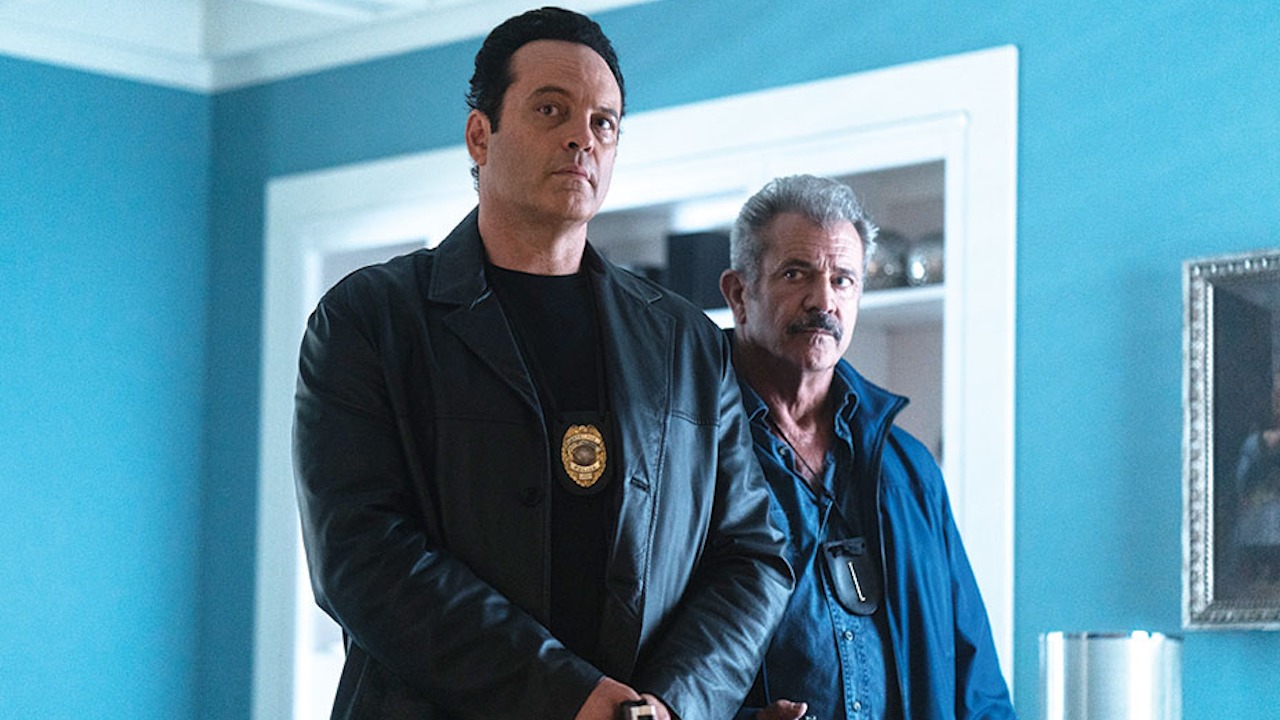
13) The Irishman
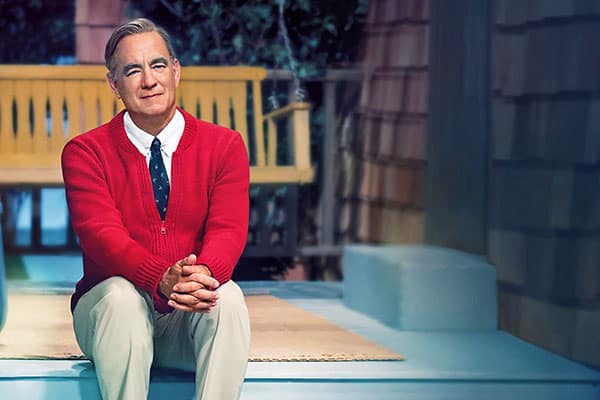
14) Once Upon a Time…in Hollywood
15) Long Day’s Journey Into Night
16) The Nightingale
17) Apollo 11
18) The Beach Bum
19) Wild Rose
20) Paddleton

Let us know what you think. Do you agree or disagree? We’d like to know why. Leave a comment in the comment section below or tweet us @InSessionFilm.

To hear us discuss our InSession Film Awards and our Top 10 Best Movies of 2019, subscribe to us on iTunes, Stitcher, Soundcloud or you can listen below.

Part 1

Part 2

Download MP3

InSession Film Podcast – Episode 360 (Part 1)
InSession Film Podcast – Episode 360 (Part 2)