Home Blog Page 174

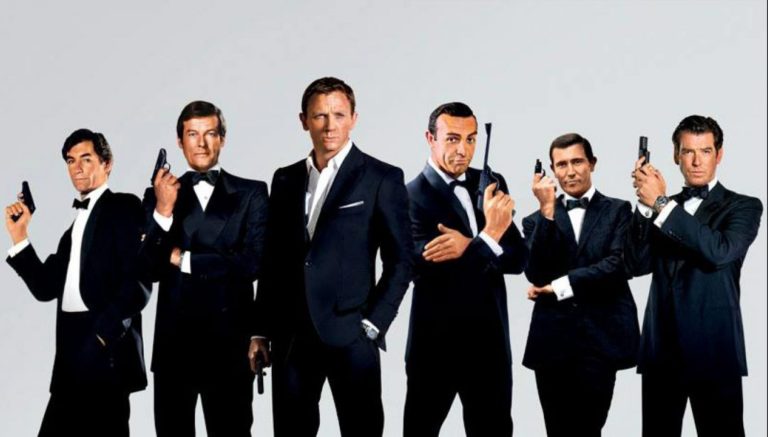
Poll: Who is your favorite James Bond?

When you hear those three digits strung together (Double O Seven), it always provokes many questions. What is your favorite Bond film? Who is your favorite Bond girl? What is your favorite theme song? But this weekend sees a first for a Bond film, a sense of finality. No Time to Die was made as Daniel Craig’s swan song, whose five film arc (another first for the franchise) ranked him as one of the greatest actors to play the part. Perhaps not all of his films were critical hits (his films were weirdly and literally up and down), but whose were?

So of the 6 (oh how clever it would’ve been if it were seven!), who is your favorite James Bond?


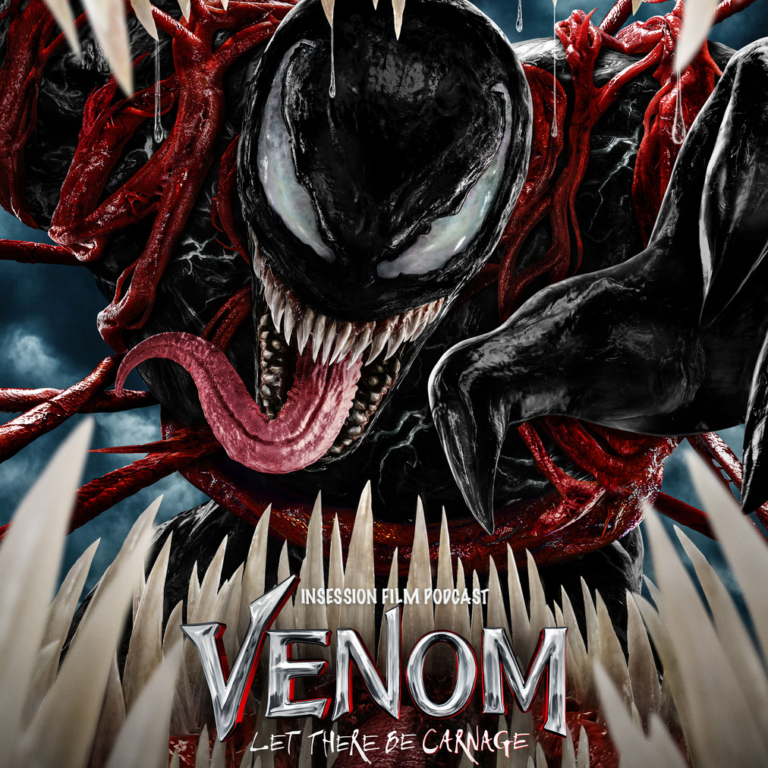
Podcast: Venom: Let There Be Carnage / Top 3 Campy Superhero Scenes – Episode 450

This week’s episode is brought to you by Patreon and our awesome listener’s like you. Sign up today to support the show and get fun rewards!

This week on the InSession Film Podcast, we discuss the latest from Andy Serkis in Venom: Let There Be Carnage and our Top 3 campy superhero scenes in film! Plus, a few brief thoughts on Clint Eastwood’s Cry Macho.

As the fall season begins to descend upon us, it’s always nice to get shows like this that are more dedicated to light-hearted fun. Venom: Let There Be Carnage is wonderfully over-the-top and we had a great time talking about its bromance and campy performances. Which then led to an equally diverting segment talking about other superhero scenes full of entertaining theatrics. There will come a time very soon when we talk about the year’s heaviest contenders, but for this week, kick back, relax and enjoy the ride.

On that note, check out this week’s show and let us know what you think in the comment section. Thanks for listening and for supporting the InSession Film Podcast!

Movie Review: Venom: Let There Be Carnage (4:32)
Director: Andy Serkis
Writers: Kelly Marcel
Stars: Tom Hardy, Michelle Williams, Woody Harrelson

– Notes / Discussion (48:44)

For our break segment this week, JD gives his thoughts on Clint Eastwood’s latest film Cry Macho and how it’s a tale of two halves. Also, please stay tuned for Patreon Bonus Content coming soon where JD and Brendan discuss the films they’ve caught up with over the last several weeks (that we haven’t had time to talk about on the Main Show).

[divider]

RELATED: Listen to Episode 423 of the InSession Film Podcast where we discussed The Tree of Life!

[divider]

Top 3 Campy Superhero Scenes (1:08:30)
Before the Bryan Singer X-Men films, and especially Christopher Nolan’s The Dark Knight trilogy, the superhero genre didn’t have the greatest reputation. Most of the films also had a very different tone and approach than what we see today. It’s in that where Venom: Let There Be Carnage is very refreshing. The self-seriousness that many superhero films carry today is certainly noteworthy and there’s plenty to love, but like many of its predecessors of yesteryear, Venom leaned more into playful camp. And boy oh boy are there some great superhero scenes loaded with cheese. And we had a great time dissecting the one’s that made us squeal with glee. That said, what would be your top 3?

Show Sponsor: First Time Watchers Podcast

– Music

Last One Standing – Skylar Grey, Polo G, Mozzy, Eminem
Kiss From A Rose – Seal
Origin of the Mask – Randy Edelman
The Return of the Eagle – Atli Örvarsson

Subscribe to our Podcasts RSS
Subscribe to our Podcasts on iTunes
Listen on Spotify
Listen on Stitcher
InSession Film Podcast – Episode 450

[divider]

Next week on the show:

Review: No Time to Die
Top 3: TBD

[divider]

Help Support The InSession Film Podcast

If you want to help support us, there are several ways you can help us and we’d absolutely appreciate it. Every penny goes directly back into supporting the show and we are truly honored and grateful. Thanks for your support and for listening to the InSession Film Podcast!

VISIT OUR DONATE PAGE HERE

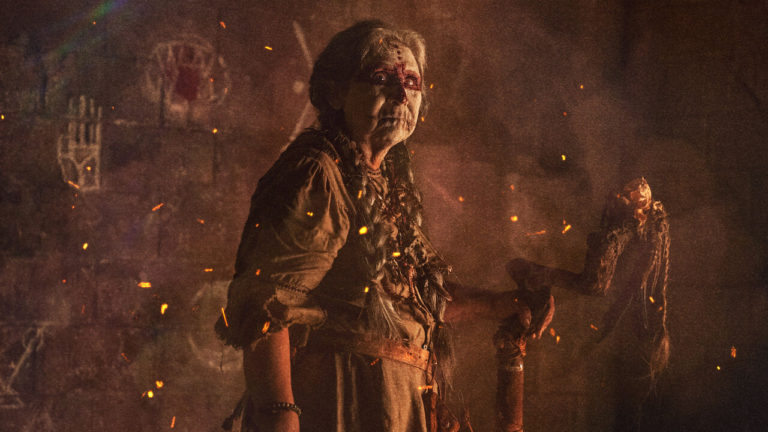
Movie Review: ‘The Old Ways’ Uses Ancient Magic to Energize a Tired Subgenre


Director: Christopher Alender
Writer: Marcos Gabriel
Stars: Brigitte Kali Canales, Andrea Cortés, Julia Vera

Synopsis: A journalist living in the United States returns to her ancestral home in Mexico to investigate a story, only to be kidnapped by locals who believe she’s the devil incarnated.


The Old Ways is not your run-of-the-mill possession set-up. American exorcism films oftentimes get so caught up in Catholic dogma and iconography that they have a tendency to blend together after a while, so it’s refreshing to see one not compelled by the colonialist powers of Christ. Instead, this film leans on Mexican folklore to tell its graphic and special effects-heavy tale of mystical horror. Director Christopher Alender weaves in some metaphorical elements in order to layer the narrative, but the symbolism is minimal and manages to never undermine the main action. Alender sagely keeps the focus on the story at hand and the characters—led by the captivating Brigitte Kali Canales.

Something dark resides within Cristina (Canales), a journalist from Los Angeles of Mexican origin. This unholy presence has been brewing and shadowing her for years, stemming from the sorcerous event she witnessed as child that kicks off the film. In the opening scene, we see Cristina’s mother in a state of despair as a bruja, using the old ways of treatment, attempts to expel a demon from her, while a young Cristina watches in fright. Now working as a newsperson in the United States, Cristina chooses to return to her childhood home to look into reports of the area’s arcane healing techniques.

Alender and screenwriter Marcos Gabriel, in lieu of twenty-ish minutes of monotonous exposition, audaciously decide to drop the audience right into the meat and potatoes of the movie. Succeeding the cold open, an adult Cristina is already in the jungles of southern Mexico and already imprisoned against her will. In a sense, it feels like the kind of scene that would normally begin Act II. Some viewers may find this confusing or off-putting, but the choice speaks to the protagonist’s own state of disorientation. Learning alongside Cristina why she was abducted and what is to happen to her prevents us from getting too far ahead of the narrative.

The arcs that follow largely consist of a series of brutal and gut-wrenching ceremonial rituals. With each subsequent rite, Cristina is pushed closer to the brink as she’s forced to confront the murky past that has been constricting her troubled present. Brigitte Kali Canales fully embodies the pain that Cristina has been harboring all her life. She’s not only riveting during the multi-stage exorcisms, but also in the intimate scenes in between opposite Andrea Cortés, who plays her cousin Miranda. Miranda never left the village and therefore never severed her connection to her culture in the manner Cristina did. Thus, Miranda eventually acts as a foil for Cristina, as Cristina’s rejection of her traditional upbringing (another reading of “the old ways”) becomes a crux of the matter.

At the helm of this battle of light versus darkness is Julia Vera as Luz, the local bruja. Vera brings a composed ferocity to her character. Luz (which literally means “light” in Spanish) is a part of an outgoing custom, but what I admire most about her and Alender’s approach is their affirmative approach to brujeria. She’s the real deal and a stand-in for a community whose culture is being steadily eroded. The film does not exploit or make fun of the craft, or even entertain the notion that Luz might be a phony practicing antiquated methods. Her ways are undoubtedly fruitful, but require a type of carnal ruthlessness that can be difficult to stomach.

The spectacle is on point. Alender excels when it comes to marrying the audio-visual components. The gore is fairly minimal yet highly effective, and the subtle yet distinct sound design elevates the violence, making it all the more squirm-inducing. Alender does not allow the film to veer into wanton torture porn territory, though. Every clash with the demonic presence inside Cristina is motivated and imbued with humanity, thanks furthermore to Canales’ dimensional performance. The active role Cristina adopts over the course of destroying the devil gripping her soul also helps The Old Ways stand out among its contemporaries. Brigitte Kali Canales pushes her character in so many unexpected directions on her journey to rediscovering her roots that the hard pivot the film takes in its final act actually works.

Grade: B+

Movie Review: ‘All About My Sisters’ is a Long Look at Seeking Reconciliation and Forgiveness After China’s One-Child-Policy


Director: Wang Qiong

Synopsys: With an HD camera, 22-year-old Qiong investigates abortions and desertion in her family, exploring complex societal power over women’s bodies and trying to heal and reconcile the family’s four women.


One thing that will never cease to amaze me is the beauty of our differences around the world. Getting to know other cultures has been my greatest pleasure in life and I’m always open to know more about them. Also, learning about different politics has made me understand more about my own environment. I come from a very small country impoverished by corruption. I remember that while I was a teenager, the malnutrition, health, and teen pregnancy rates were showing disturbing numbers, and you frequently heard middle and upper-class people repeat over and over how we should replicate the Chinese One-Child-Policy to poor citizens, so we could shorten our population and improve the country’s situation.

It bothered me every time I heard it. I started to ask a lot of questions to those people: how are we going to determine who can have more than one child? isn’t that against human rights? What happens if a rich family suddenly loses all their money? or vice versa?… Thanks to that, I started to get interested in the topic. Years later, when Nanfu Wang and Jialing Zhang’s documentary, One Child Nation, was released in 2019; it became one of my favorite movies of the year. It is a great title, I recommend watching it as it greatly covers the subject.

As soon as the NYFF lineup was announced, All About My Sisters caught my eye. I realized that Wang Qiong’s approach to the matter was different from anything I had seen. You frequently get the political perspective or the testimony of someone like Nanfu Wang. Instead, Qiong used her camera as a tool for her family’s reconciliation after being broken by her younger sister´s failed abortion and abandonment.

Wang Qiong is the second daughter, born at one of the worst stages of the One-Child-Policy in China. Her parents were fined 600 RMB for Qiong’s birth, nevertheless, they insisted on having a boy. Later, when the mom found out she was expecting a third girl, she decided to get a lethal injection. The procedure failed, and Zhou Jin was born at seven months. The parents abandoned her on the road near the village they lived in, but after seven days, the baby was still there; so, they gave her to an infertile aunt. The parents keep trying for a son, and it resulted in four abortions more until the male heir was finally born.

Zhou Jin and her biological siblings grew up as cousins until they were old enough to know the truth. As expected, it opened a wound for Jin and the rest of the family. Qiong takes an objective stance behind the camera: she doesn’t blame her parents for what they did, but she allows her sister to show her anger towards the people who set her to her own death when she was defenseless. In the present, as a mother of a baby boy, Jin doesn’t understand what’s the real difference between being born male or female. But their older sister, Wang Li, swears that if she’s pregnant with a second girl, she will get an abortion (even though sex-selected abortions are prohibited right now).

It’s interesting to see the different connotations of having the “right” to get an abortion this documentary sets on the table. Wang Qiong gives a different approach to a female’s body autonomy and their “right” to access it. That’s the same reason why All About My Sisters can be a heavy watch for some.

All About My Sisters is a slow burn. It lasts three hours and it definitely improves with time, but only if you are interested in the One-Child-Policy subject —otherwise, you’ll get bored in the first five minutes—. It is a minimalistic film and it centers around a single family who is dealing with ghosts of the past. Wang Qiong captured the most vulnerable moments of her family members and through the interviews she makes to them, we get to comprehend a little about their background. It’s important to say that this whole film centers around a family story and it doesn’t stop to explain to the viewer about the Country’s historical aspects. Also, remember to keep an open mind while watching it, given that understanding the nuance behind a different culture from ours can be difficult to understand sometimes.

Wang Qiong says that what we see in her family dynamics is the story of many children —mostly girls— who were abandoned from 1979 to 2015 —while the One-Child-Policy lasted—, due to the male preferences above the female. So, in a way, thanks to her camera she becomes the intermediary of those stories that are still taboo.

As I previously said, this documentary can be too long if you’re not interested in the matter or if you want to watch something more theoretical than testimonial. It’s fascinating what Wang Qiong does behind the camera: she writes, directs, produces, edits, while she is also in charge of the photography and sound. And All About My Sisters is just her film debut, I can’t wait to see what she brings next.

Grade C

Op-ed: More Film Places To Make Pilgrimages To

Yup, there’s more. A lot more, but this isn’t just going to the corner of a street in New York and Los Angeles where one scene of a movie was made at. Outside of the studios, location scouting is essential for the right spot, especially if there are economic benefits to shooting a movie there. These locations would end up being natural and iconic for film lovers to go to and feel the surroundings of what the saw on screen. Here are a few more of these noted spots.

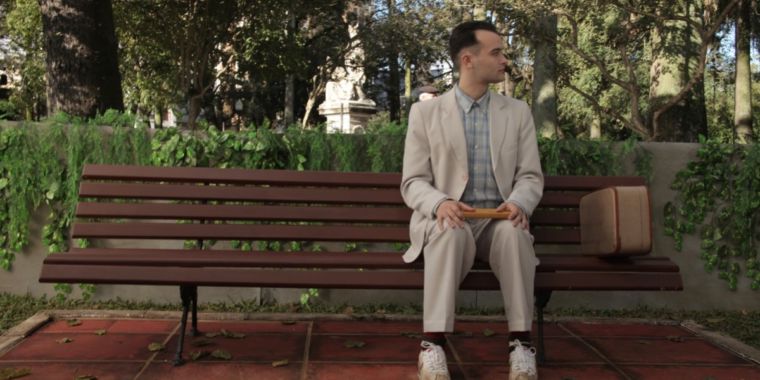
Chippewa Square, Savannah, Georgia – Forrest Gump Park Bench

What watching Forrest Gump tells us about how we store memories | Ars  Technica

Savannah is a beautiful city along the Atlantic coast and is one of the most preserved cities in the country. History lives around its 22 squares where various homes and museums are today. One of these squares was chosen for where Forrest Gump (Tom Hanks) narrates his story to different people who come and go after buses pass by. People search for the park bench, but it was a prop for the film and was removed right after shooting. The exact location of the bench is directly across from the James Oglethorpe Monument.

Christ Church, Oxford – Harry Potter Series

The University of Oxford is one of the most prestigious names in education, one that was established a full millennia ago and has produced 28 British Prime Ministers, 72 Nobel Prize winners, and 160 Olympic medals won in various sports. If someone wins a Rhodes Scholarship, Oxford is one of the top destinations to go to. Christ Church is a constituent college of the university and its stunning architecture, inside and out, was prime for exterior location shots throughout the Harry Potter franchise while the Hall was copied on a soundstage for the main gathering spot. 

DuPont State Forest, North Carolina – Home Of The Hunger Games

Hunger Games Movie Film Locations | Dupont state forest, Filming locations,  State forest

This park was established not long ago, in 1997, after the DuPont company sold the land when it shut down a plant that was there. More land has been absorbed into the original plot to create 12,500 acres of real estate where miles of recreational trails are used for biking and hiking, plus several roads leading to permitted rivers and waterfalls to swim in. Therefore, the entire franchise made good use of it for their battle scenes, including Triple Falls and Bridal Veil Falls where Jennifer Lawrence as Katniss has to run across some tough terrain. Yet, it wasn’t the first film to shoot there; Michael Mann’s The Last Of The Mohicans with Daniel Day-Lewis shot many of its scenes here also.

San Francisco, California – Mrs. Doubtfire Home

Mrs. Doubtfire' House on Sale for $4.5 Million - Variety

2640 Steiner Street remains a private residence, but people still stand at the front door to take pictures of the Hillard house. When Robin Williams died unexpectedly, the front steps of the house became a memorial for legions of fans. In 2016, the house was sold for $4.15 million, which is reasonable for an expensive city and a very famous location, but don’t expect the interiors to be the same; those scenes were shot in a warehouse elsewhere.

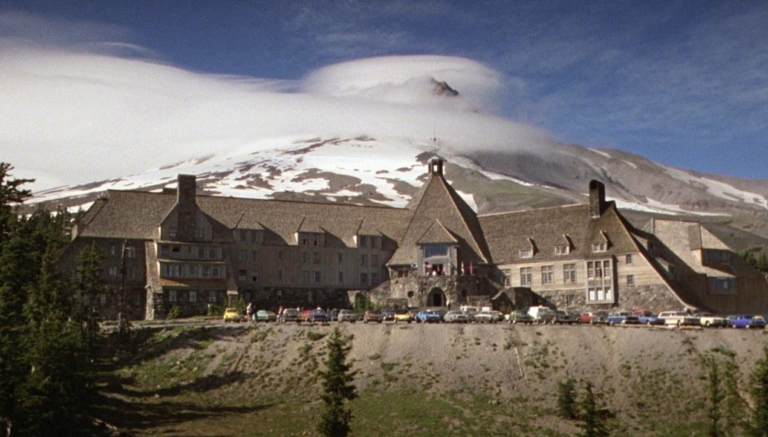
Timberline Lodge, Oregon – AKA, The Overlook Hotel

CONTACT US | Timberline Lodge

Stanley Kubrick’s classic The Shining was predominantly shot in the UK, as always, but for the helicopter shot in the opening credits, a second unit crew went over to the hotel which was built in the 1930s under the Works Progress Administration under President Franklin D. Roosevelt. Unlike the film where it is closed during the winter season, Timberline is open all year round. As for the maze, that was made up and also built on a studio lot; the hotel does not have Room 237 as they asked Kubrick to change it from the existing 217 originally written. Other second unit exterior shots included Glacier National Park in Montana, representing the road that cuts through the forest going to the Overlook.

West Sands, St. Andrews, Scotland – Chariots Of Fire Beach

St. Andrews is widely known as the home of golf, one of the oldest golf courses in the world, and one of high prestige because it retains the old layout, far from modern courses which makes it difficult for professional golfers sometimes to play through. Right next to it is the beach where the immortal opening credits and score by Vangelis were shot, attracting people to run across it while having the tune played out of their earbuds. However, Ben Cross, who played runner Harold Abrahams, said the scene was difficult to shoot because of how heavy it felt to run in motion through the tide and had to do a next-day reshoot when the rushes showed a visible scratch on the camera lens. 

Follow me on Twitter: @bsusbielles (Cine-A-Man)

Top Ten: Jake Gyllenhaal Films (as of October 2021)

One of the best actors of his generation, the Oscar-nominated Jake Gyllenhaal continues to impress in brilliant performances and take chances on challenging material year after year. In a career that goes back thirty years to his film debut in 1991’s City Slickers, Gyllenhaal has appeared in more than forty films—but what are his ten best? With his newest film The Guilty now available in select theaters and on Netflix, it’s time to look at Gyllenhaal’s finest work in cinema!

Life' Review: Jake Gyllenhaal, Ryan Reynolds Make a Martian Friend - Variety

10. Life (2017)

The Guilty offers another superb Gyllenhaal performance in a film that is unfortunately otherwise fairly tedious and routine, and as much fun as he is in 2019’s wildly different pair of films Velvet Buzzsaw and Spider-Man: Far from Home, the most recent Gyllenhaal film to make the list is the surprisingly great science fiction film Life. The banal title and familiar storyline shouldn’t deter you from this excellent chiller that features not only tremendous state-of-the-art effects but lots of genuine surprises and major thrills along the way.

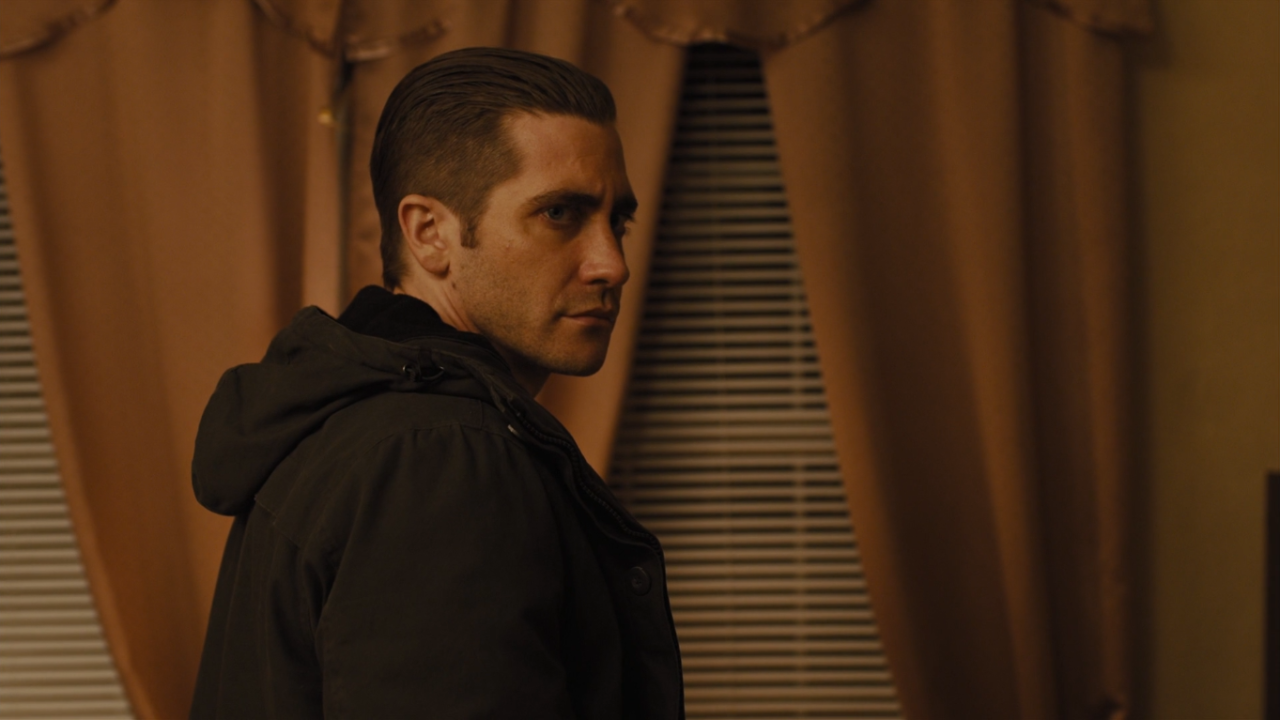
Jake Gyllenhaal as Detective Loki in Prisoners...

9. Prisoners (2013)

Gyllenhaal worked with the great Denis Villeneuve on two 2013 releases—the weird, slow-moving drama Enemy, and the tense thriller Prisoners, co-starring an astonishing Hugh Jackman. The film is overlong at more than two and a half hours, but it keeps you in its grip with a fascinating core mystery and an excellent stacked cast that also includes Viola Davis, Maria Bello, Terrence Howard, and Melissa Leo. Prisoners is the American film that put Villeneuve on the map after his Oscar-nominated Incendies impressed a few years prior all around the world.

WEIRDLAND: Smoking messages in movies

8. The Good Girl (2002)

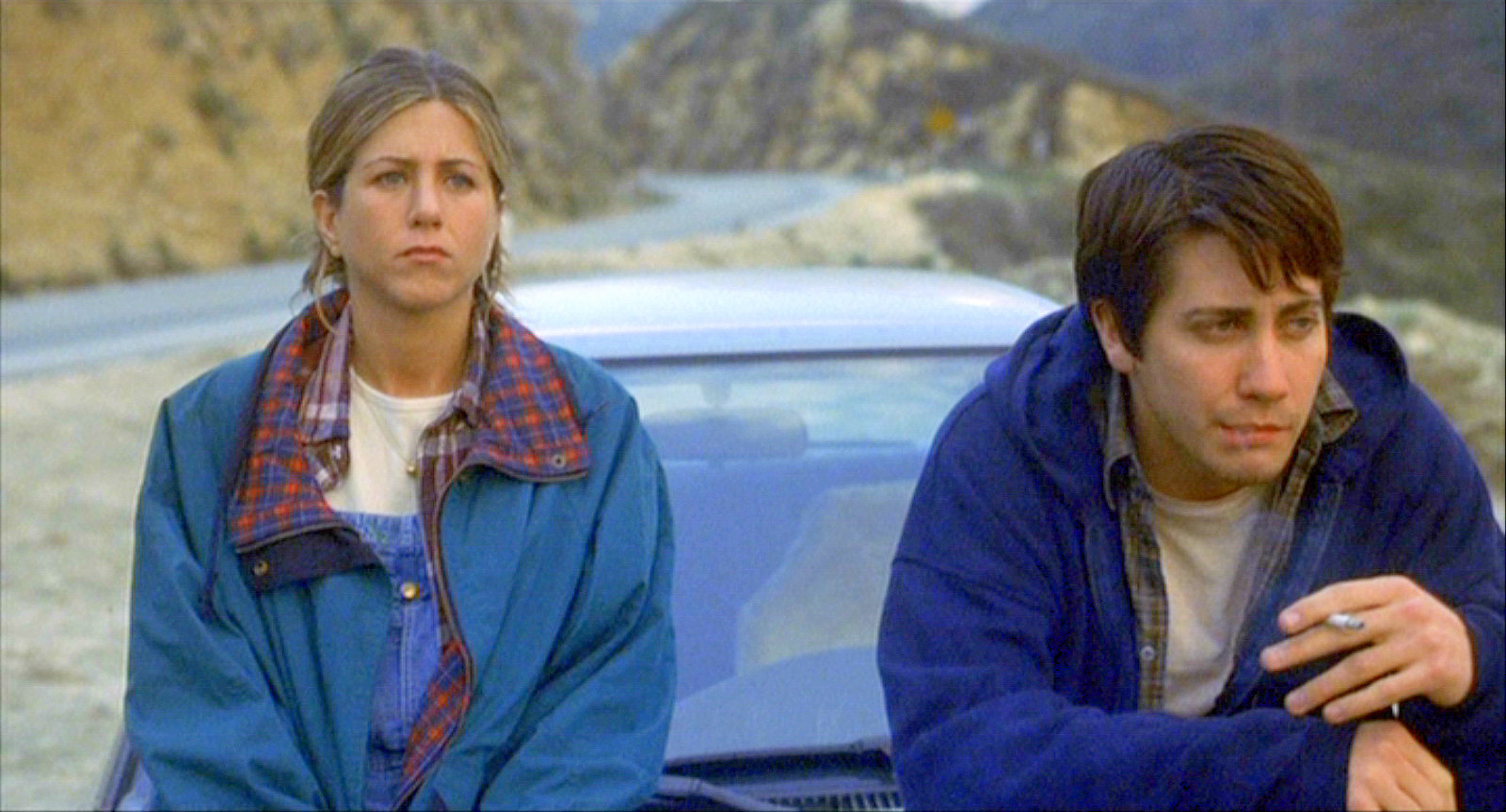
One of Gyllenhaal’s most memorable early roles was the young object of Jennifer Aniston’s affection in the tender and funny drama The Good Girl, written by Mike White and directed by Miguel Arleta. The film was notable at the time for featuring Aniston in a juicy role wholly unlike Rachel from Friends, but it also gave Gyllenhaal an opportunity to flex his muscles as an actor in a year that also gave us two other terrific performances from him in Lovely & Amazing and Moonlight Mile.

Jake Gyllenhaal and Michael Pena talk End of Watch

7. End of Watch (2012)

After a few missteps with underwhelming films like Rendition and Prince of Persia: The Sands of Time, Gyllenhaal began a string of memorably mature and complex performances starting with David Ayer’s End of Watch. Shot documentary-style and filled with moments of almost unbearable tension, End of Watch showcased Gyllenhaal’s most adult role yet as an L.A. police officer going up with his partner Mike (Michael Pena) against a Mexican drug cartel who has ordered their deaths. The shocking ending of this film I will never forget.

October Sky (1999) - Culturedarm

6. October Sky (1999)

Gyllenhaal’s starring-role breakthrough from the late 1990s remains a compelling and emotionally resonant film that can be enjoyed by the whole family. Laura Dern and a fantastic Chris Cooper co-star in Joe Johnston’s inspiring true story about a coal miner’s teenage son in 1950s West Virginia who becomes inspired to take up rocketry. The film is warm and heartwarming and was the first to showcase Gyllenhaal as a great young actor with so much promise.

Tom Ford's 'Nocturnal Animals': Review | Time

5. Nocturnal Animals (2016)

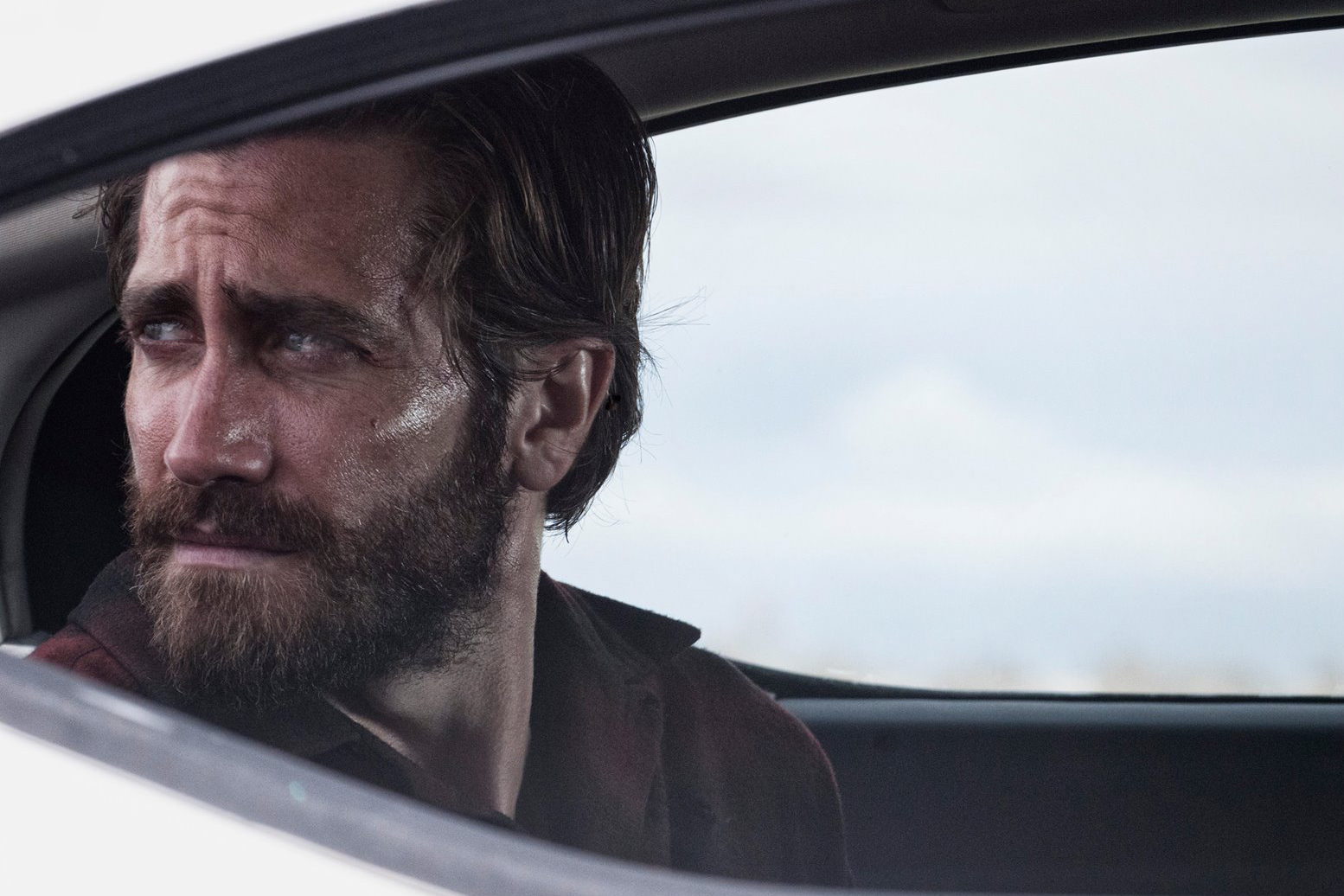
In the middle part of the previous decade, Gyllenhaal appeared in a few lackluster projects—Everest or Demolition, anyone?—but Tom Ford’s Nocturnal Animals from 2016 was a total stunner, a film that begins with one of the most memorable opening title sequences in recent history and continues to thrill and surprise all the way to its downbeat conclusion. Ford’s debut feature A Single Man was my favorite film of 2009, and although Nocturnal Animals is not at the same level of quality, it delivers a unique dual-story about writers and artists that’s beautifully accompanied by a lovely Amy Adams performance and Abel Korzeniowski’s haunting score.

David Fincher Opens Up About 'Zodiac' Set Tension with Jake Gyllenhaal |  IndieWire

4. Zodiac (2007)

More than any of his other movies, David Fincher’s Zodiac seems to get better with each subsequent viewing, the richness of the cinematography and the power of the mystery and the compelling performances by Gyllenhaal and Robert Downey Jr. never failing to impress. There was a long gap without a Fincher project after 2002’s Panic Room, but Zodiac was worth the wait, with individual moments that stick with you forever, like the disturbing murder scene beside a tranquil lake and a terrified Gyllenhaal walking through a dark basement.

10 Behind-The-Scenes Facts About Jake Gyllenhaal's Cult Classic Donnie Darko

3. Donnie Darko (2001)

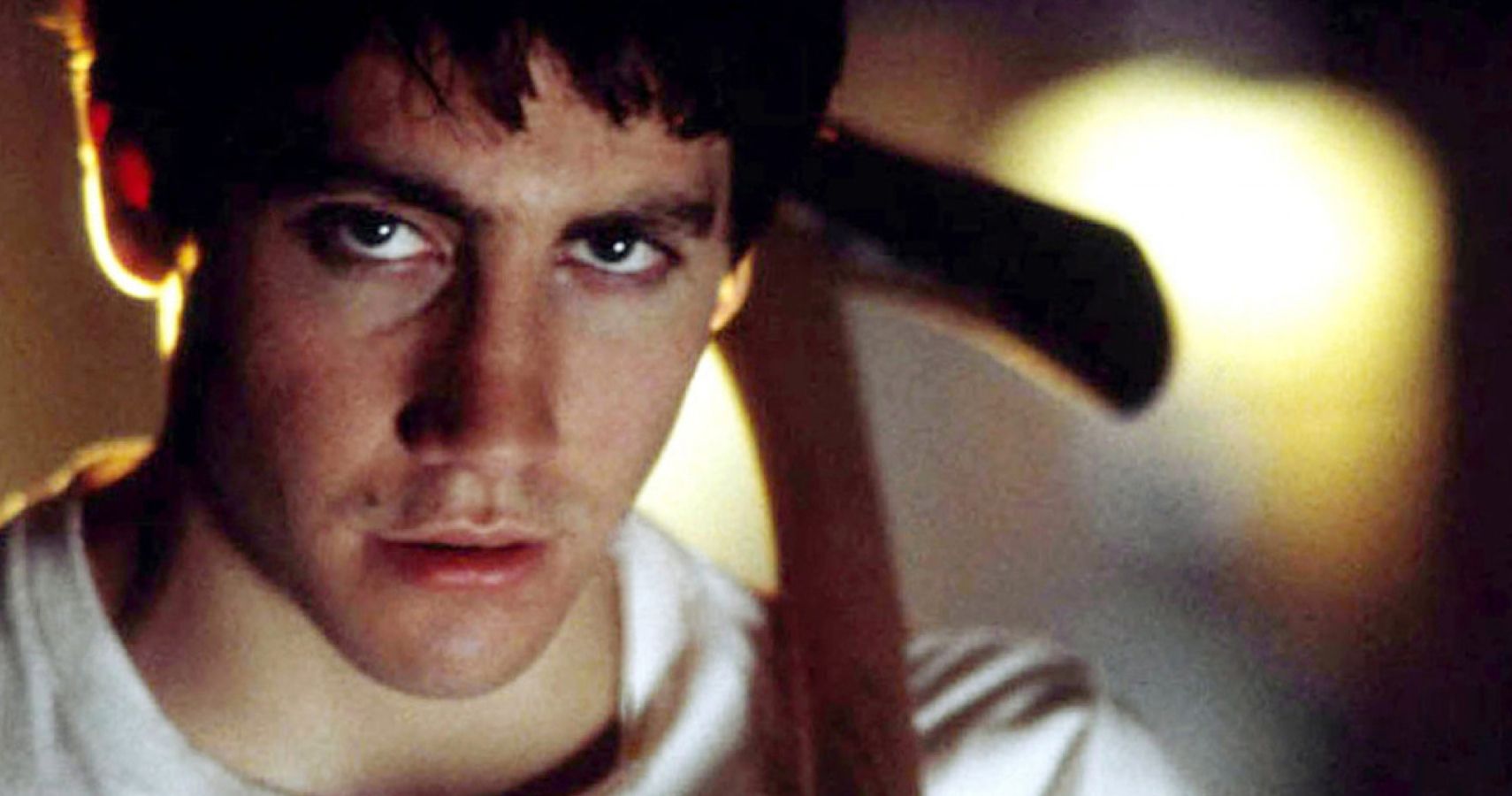
Celebrating its twentieth anniversary this month, Donnie Darko might have proven to be a one-hit wonder for its writer-director Richard Kelly, but what a wonder it is, a film that enraptured me in complete awe the first time I saw it in high school and that remains one of my favorite films of the early 2000s. Gyllenhaal was lucky early in his career to appear in projects with so many extraordinary ensemble casts, and that’s definitely the case here, with Jena Malone, Mary McDonnell, Maggie Gyllenhaal, and a creepy, against-type Patrick Swayze all remarkable. The strange nightmare visions of this eerie film are still marvelous two decades later.

Review: Nightcrawler Exposes the Predations of TV News | Time

2. Nightcrawler (2014)

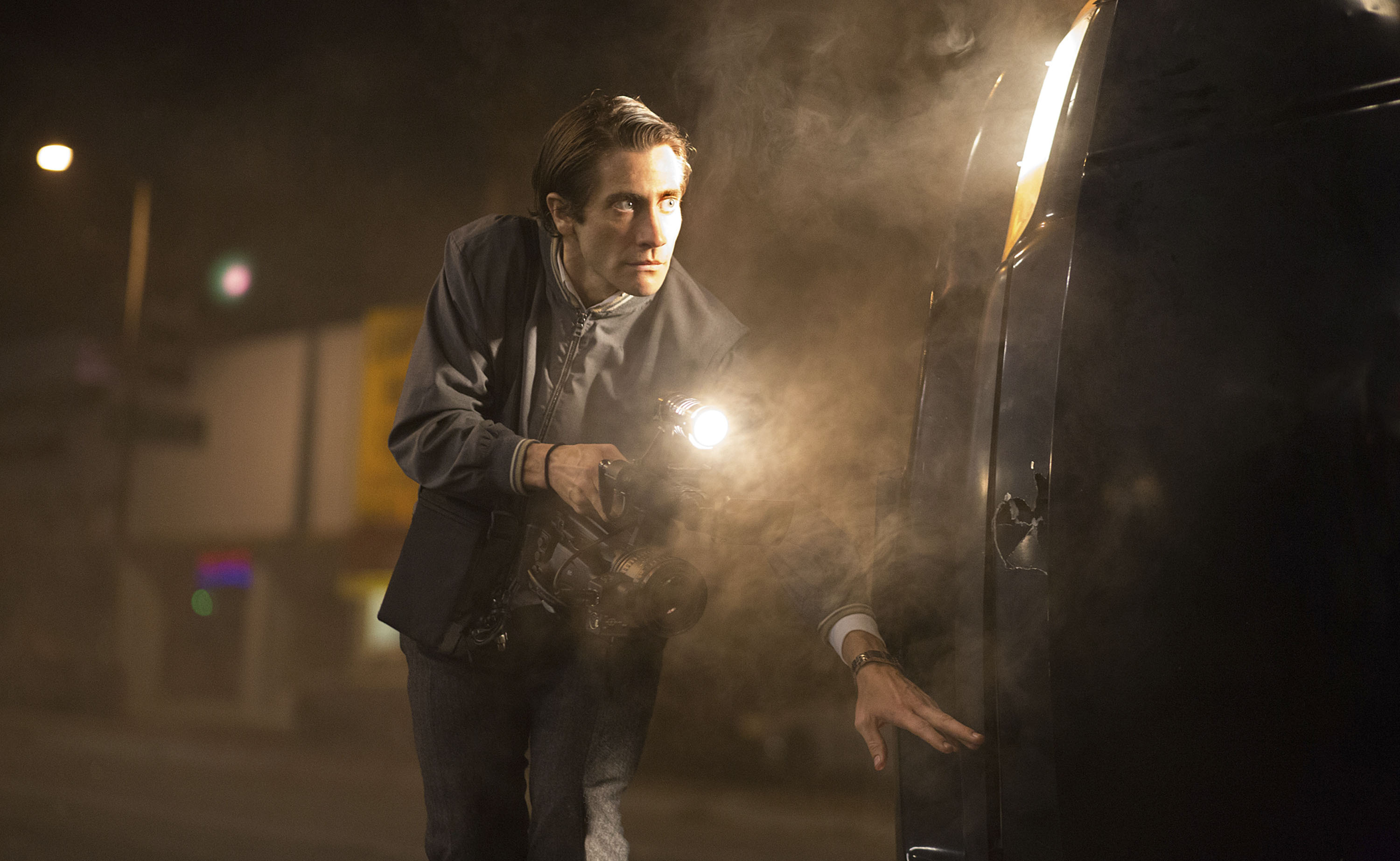
The riveting, disturbing, endlessly absorbing Nightcrawler features Gyllenhaal’s finest performance on film, still one of the best lead performances of the past ten years to not earn an Oscar nomination. Gyllenhaal is on another level of greatness in this movie, not only transforming himself physically for the role of Louis Bloom, an L.A. crime journalist who will stop at nothing to succeed, but emotionally too in moments big and small. Dan Gilroy fills the heart-pounding, hypnotic tale with Riz Ahmed and Rene Russo in gloriously complicated supporting roles and a look at dark, eerie Los Angeles in a way we’ve never seen it before.

Jake Gyllenhaal: Heath Ledger Shut Down Gay 'Brokeback' Jokes | IndieWire

1. Brokeback Mountain (2005)

Gyllenhaal’s best film to date is the timeless gay love story Brokeback Mountain, which shockingly remains his only Oscar nomination, for Best Supporting Actor. Director Ang Lee is brilliant in his use of restraint and silence, letting the friendship between Ennis and Jack slowly unfold in the early scenes before it ultimately becomes something more. Heath Ledger had been solid in other projects before this, but Brokeback Mountain showed for the first time his incredible range and depth as an actor, the same way it did for Michelle Williams, and Gyllenhaal, too, so moving in his portrayal of a man who wants desperately to share his love with someone who, because of the times and expectations, almost never can reciprocate it. Brokeback Mountain is powerful, devastating, a landmark of LGBTQ cinema.

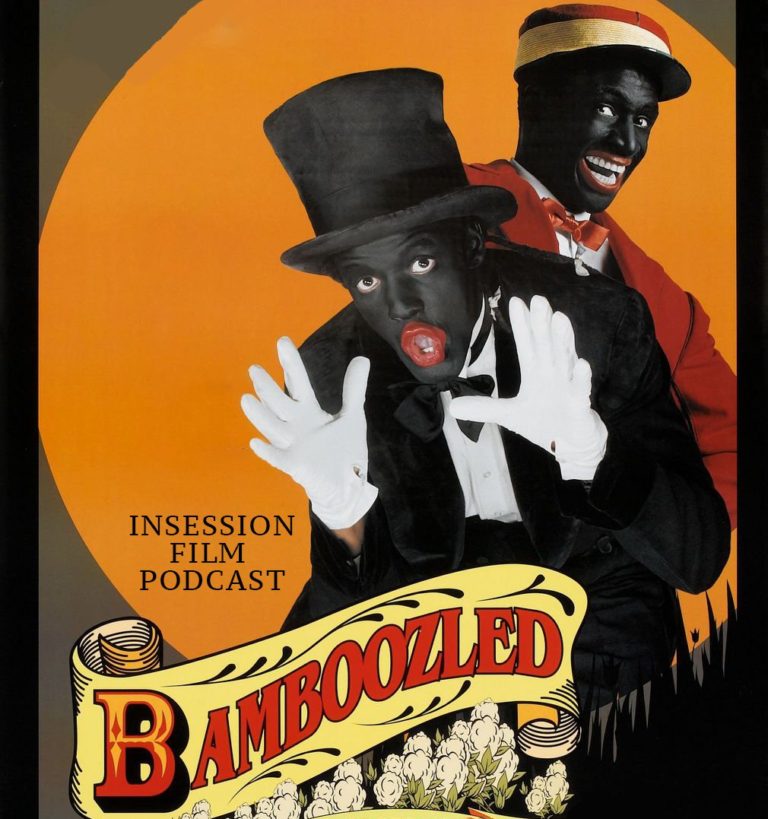
Podcast: Bamboozled / Ema – Extra Film

This week on Extra Film, Josh Parham of Next Best Picture joins Ryan and Jay to continue their Spike Lee Movie Series with Bamboozled and then Ryan and Jay discuss the new Pablo Larraín’s flick, Ema!

Following last week’s conversation of He Got Game, the Extra Film boys, along with Josh, review one of Spike’s most controversial films. Billed as a dark satire, Bamboozled shines a light on the way we as a society use look at race within our culture. With some of the most striking visual imagery you will ever see, Bamboozled tackles issues no one else would be able to. This is a fantastic conversation between Ryan, Jay, and Josh, and it’s a must listen.

In the back half of the episode, the guy’s review Ema. Pablo Larraín follows up with the acclaimed Jackie, he tackles a young woman’s journey of growing into the adult and mother she wants to be. Through the use of dance, we see her evolution and a blossoming performance from Mariana Di Girolamo. Jay liked this movie more than Ryan, but it led to an interesting coversation.

Thanks for listening!

– Movie Review: Bamboozled (3:33)
Director: Spike Lee
Screenplay: Spike Lee
Stars: Damon Wayans, Savion Glover, Jada Pinkett Smith, Tommy Davidson, Michael Rapaport

– Movie Review: Ema (1:20:14)
Director: Pablo Larraín
Screenplay: Guillermo Calderón, Alejandro Moreno
Stars: Mariana Di Girolamo, Gael García Bernal, Paola Giannini, Santiago Cabrera

– Music

Bamboozled Opening – Terence Blanchard
DESTINO – E$tado Unido
The Return of the Eagle – Atli Örvarsson

We try to make this the best movie podcast we possibly can and we hope you enjoy them. Subscribe today on iTunes, Spotify, or Stitcher, and please leave us a review on iTunes. You can also find us on Soundcloud, PlayerFM, and TuneIn Radio as well. We really appreciate all your support of the InSession Film Podcast.

Subscribe to our Podcasts RSS
Subscribe to our Podcasts on iTunes
Listen on Spotify
Listen on Stitcher
Bamboozled / Ema – Extra Film

[divider]

To hear this Extra Film episode and everything else we do, download our apps on the Amazon Market for Android and the Podcast Source app on IOS devices. The mobile app covers all of our main shows, bonus podcasts and everything else relating to the InSession Film Podcast. Thanks for your wonderful support and for listening to our show. It means the world to us.

Movie Review: ‘Venom Let There Be Carnage’ is Better Than the First Film, Which Isn’t Saying Much


Director: Andy Serkis
Writers: Kelly Marcel and Tom Hardy
Stars: Tom Hardy, Woody Harrelson, and Michelle Williams

Synopsis: Tom Hardy returns to the big screen as the lethal protector Venom, one of Marvel’s greatest and most complex characters.

[/info]

The time has finally arrived. The sequel to the film Venom that made over a billion dollars in the box office is out in theaters and after multiple delays due to the pandemic, fans are at long last able to see their favorite symbiote alien confront his own kin (literally). Truth be told, the first film left an unpleasant taste in my mouth and I was not looking forward to the sequel. I kept thinking to myself, “How could you make a Venom movie without Spider-Man?” I couldn’t grasp the concept because much like there is no Carnage without Venom, there is no Venom without Spider-Man. Fortunately, Venom: Let There Be Carnage does succeed in some ways that the first film was lacking. However, there is still much to be desired in this needy attempt of a sequel.  

I think there is a lot to be said when the mid-credit scene of a film was your main takeaway from the story. I went into this film with an open mind and wanted to be proven wrong. What I received was a film that was a cut above its predecessor. The pace of this story was miles better than the original. It felt like they wasted no time getting to the meat and potatoes of the plot, and with a run time of an hour and thirty minutes, they hit the mark. But there were some moments where I felt like the plot was moving a hair too fast, and I think the editing had a lot to do with the pacing. The transition in certain scenes seemed out of place, and there was no gradual build-up to the climax. This movie takes place a year after the first film and does a poor job at recapping those events. I don’t expect the film to take too much time rehashing those events but a small recap would have been nice for those who have not seen the first installment. 

Woody Harrelson delivers a phenomenal performance as Cletus Kasady. Even though I think that Woody’s age would hinder his performance, I’m glad I was proven wrong. He was everything that a sociopathic serial killer should be and his presence on screen matched that of his counterpart in the 90’s Spider-Man animated series. I adored how they decided to show Cletuses backstory. Even though it was built for exposition, I enjoyed the animated short transition they went with his character. Showing an abridged version of his back story gives a better insight as to why Cletus and Carnage are a match made in heaven. Carnage was done justice in this film. He was unforgiving, ruthless, and monstrous. His roar was that of a prehistoric dinosaur and had a specific presence to it that demanded attention. It sent a chill down my spine with each passing cry. 

The CGI in Venom: Let There Be Carnage is leagues better than the first film. There are two big fight scenes in the third act and it was a breath of fresh air to identify who was who. The detail of Carnage was pretty impressive. In the comics, he has a full arsenal of weapons and you see that play out well as he runs rampant through San Francisco. Tom Hardy and Michelle Williams have great chemistry as always. Their line delivery is of an old divorced couple who still care for each other in a platonic way. The relationship between Eddy and Venom was lackluster for most of the movie. It felt like they were younger siblings throwing a hissy fit because they didn’t get their way. And it felt repetitive up until a certain point. They are supposed to serve as lethal protectors and what we go for the majority of the movie was a classic case of bickering bothers. 

Venom: Let There Be Carnage is a merrymaking ride of a film that shouldn’t be taken seriously. Unfortunately with each passing improvement, there were two more negative issues that took their place. The fast-forward pacing was a nice touch to an extent and most of the jokes did not land well with me at all. Woody Harrelson surprised me in this role and was a convincing supervillain who commanded a great screen presence. With all that said I do encourage viewers to stick around for the mid-credit scene. I promise it’s something you won’t want to miss.

Grade: D+

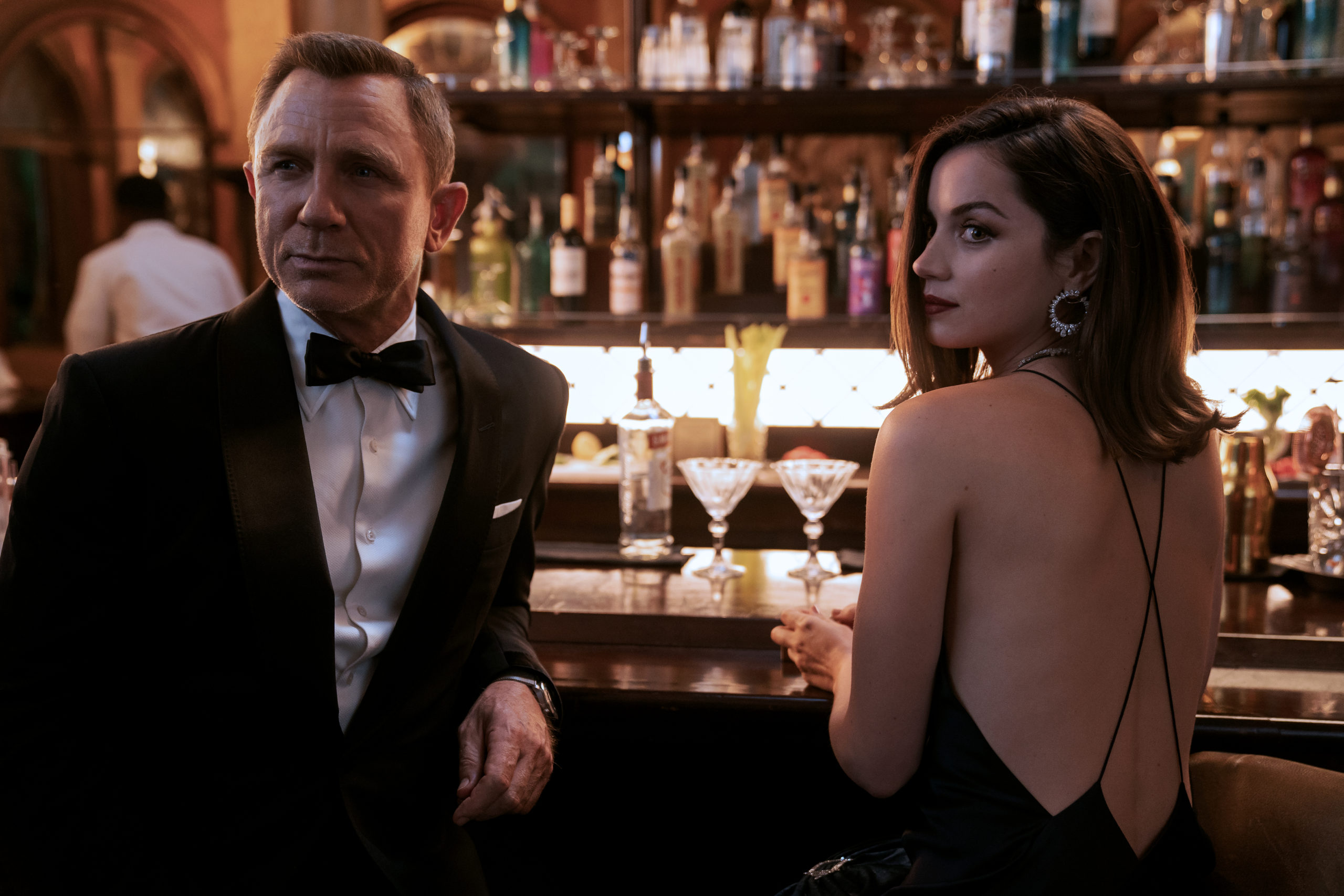
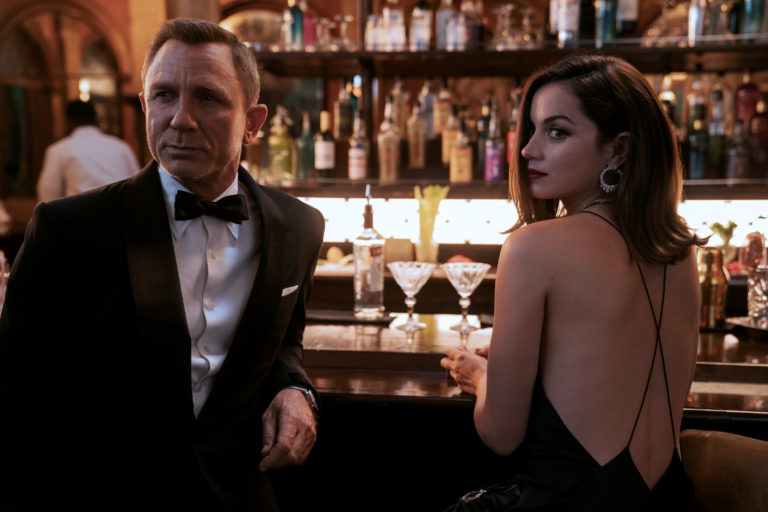
Movie Review: ‘No Time To Die’ is a Fitting Send-off For The Daniel Craig Era


Director: Cary Joji Fukunaga
Writers: Neil Purvis, Robert Wade, Phoebe Waller-Bridge
Stars: Daniel Craig, Lashana Lynch, Rami Malek, Léa Seydoux, Ralph Fiennes, Ben Wishaw, Naomie Harris.

Synopsis: After the events of Spectre, James Bond is in retirement in Italy with his girlfriend Madeline. A fiendish plot to control the world using bioweapons pulls him back into the action, however, as he makes one last effort to save the world.


It was always going to end this way. When Daniel Craig’s gritty take on Bond first debuted back in 2006, it was a welcome change from the tired, campy antics of Pierce Brosnan’s superspy. An audience recently introduced to Jason Bourne hungered for something different – a Bond who was altogether more human, more relatable. Barbara Brocolli’s decision to hire Craig – who, at the time, couldn’t have looked more wrong for the part with his granite-faced stoicism feeling particularly un-Bondlike – was a masterstroke, as was the decision to strip the series back to its roots with Casino Royale. Then came Quantum of Solace and the revelation that the Craig era of Bond would be a long-form style of storytelling. This was also a welcome change: in the Golden Age of television where long-form storytelling is at its apex, it felt right to have a Bond whose journey would not be contained to one cinematic outing.

And so the audience went along on a near twenty-year journey with Daniel Craig’s Bond, a vulnerable man struggling to hold his life together. We have gotten closer to Bond than ever before, with Craig giving undoubtedly the most layered, textured performance of anyone who has played the spy before him. It was inevitable that his swansong would be this poignant, emotional, and full of pathos. As a bookend to a truly unique James Bond series, No Time To Die delivers just about everything you’d hope for and then some. There are some issues remaining – lazy tropes, stereotypes, an undercooked plot – but this was always about saying goodbye, and for that reason, it is hard to fault.

No Time To Die is a movie full of firsts for the franchise. This is readily apparent at the outset, with a pre-credits sequence that does not feature Bond himself, for the first time in its history. We see a young Madeline (Léa Seydoux reprising her role from Spectre and proving she still can’t build chemistry with Craig) encountering the villainous Lyutsifer Safin (Rami Malek, admirably restrained in a character that begs to chew the scenery) who has nefarious plans with a bio-weapon that only half makes sense.

After the prologue and a typically gorgeous title sequence featuring the vocals of Billie Eilish, we find Bond and Madeline vacationing in a quiet Italian hillside town. Bond has since retired from service and is intent on making the most of it. Unfortunately, their retreat meets an explosive end and Bond finds himself back in the thick of it alongside old friend Felix Leiter (Jeffrey Wright), once more trundling across the globe in search of answers. Jamaica, where he encounters Nomi, the new 007 who replaced him (Lashana Lynch); Cuba, where he meets an enthusiastic new spy named Paloma (Ana de Armas, whose chemistry with Craig is tenfold what he has with Seydoux and who really should’ve featured more); and a snowy Scandinavia, where a shocking surprise awaits, all feature. It’s a typically Bondian affair and pays tribute to the classics of the franchise while also looking forward to the new era which awaits us.

Directed by Cary Fukunaga, No Time To Die bears little of the hallmarks of that director’s career thus far. His True Detective series as well as his Netflix project Beasts of No Nation show him to be a thoughtful, slow-paced director. However, No Time To Die is perhaps one of the most muscular, action-oriented of the Craig era. There are scenes – including a particularly impressive tracking shot – which feel more like John Wick than James Bond. Similarly, some of the set-pieces feel as though they could’ve been directed by Paul Greengrass, utilizing the gritty, hand-held Altman-style of filmmaking he so successfully applied to Jason Bourne.

It also has little time to slow down for pondering over Bond’s career, nor does it seem particularly interested with investing in either the plot or Malek’s antagonist. Both seem wafer thin and neither hold up to much scrutiny. Safin’s plan is ludicrously convoluted and his motivations seem scant, while the plot itself – the race to obtain a bioweapon made of nanobots which only attacks specific targets using their DNA – calls to mind the cartoony machinations of the Brosnan era.

Ultimately none of this matters, though. If you’re a Bond fan then this is what you pay admission for. Die-hard Bond fans know and expect certain tropes and so these can be chalked up to a kind of fan service; a nostalgia for the by-gone days of Connery, Moore et al. Instead, No Time To Die feels like a protracted goodbye. At a languid runtime of nearly three hours, it feels a little too drawn out. But this is mostly because Fukunaga and regular Bond writers Neil Purvis, Robert Wade, as well as newcomer Phoebe Waller-Bridge, devote more time to develop characters who might ostensibly ensure the future of the franchise. Lashana Lynch’s 007 is a spiky, tenacious young replacement who is never awed by her predecessor and could – if the stars align – easily star in her own outing as a 00 agent. Ben Wishaw’s Q and Naomie Harris’s Moneypenny also feature heavily, making this particular adventure feel more teamwork oriented than it has previously.

Towards the final third is where everything dove-tails. The plot – such as it is – unwinds as Bond’s ultimate motivation comes to the fore. Spycraft and world-domination gives way to familial sacrifice and a deep, unbreakable love. This is what everything was leading up to. This is how it was always going to end.

It’s a shame that the writers relied on all-too-familiar tropes (every single villain of the Craig era has had a facial deformity. Why?), and some of the acting – particularly David Dencik’s Obruchev – feels a tad too much of a caricature at times. The plot is typically undercooked and doesn’t make much sense, and characters like Christophe Waltz’ Blofeld – as well as the entire organization of Spectre – get short shrift, which feels like a slap in the face given the depth of their involvement going all the way back to Casino Royale. For all these short-comings, the ultimate aim was to say goodbye in style and pay tribute to one of the most fascinating characterizations of Bond we’ve ever seen. Whoever takes on the mantle of Bond will have big shoes to fill, and whatever you think of Daniel Craig or his wrist-slashing attitude to 007, it can’t be denied that he has forever changed the franchise and ensured the future for James Bond looks very bright indeed.

Grade: B+

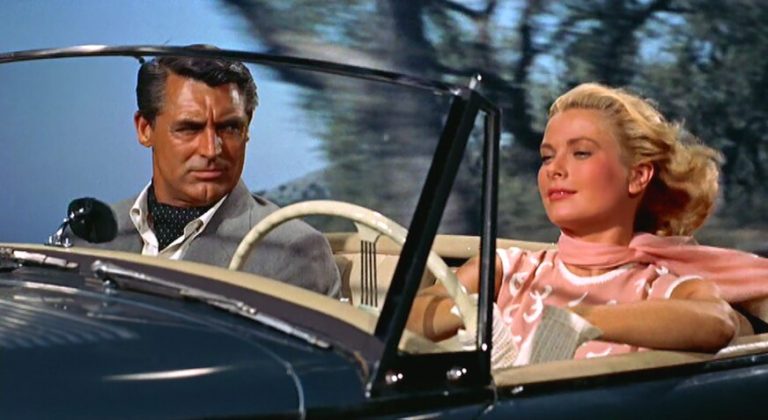
Op-Ed: AFI’s 100 Years…100 Passions – ‘To Catch a Thief’ (#46)

I will be watching and reviewing all of the films included on AFI’s 100 Years…100 Passions list. The list contains the 100 greatest love stories in American cinema and I plan to consider how our views on romance and social issues have changed over the years as well as judge whether the romances in these films actually made me swoon. As a fan of the romance genre, I expect to love each and every one of the nominees but I also don’t know if I would consider all of them romantic.

To Catch a Thief (1955) is one of Alfred Hitchcock’s lighter thrillers and it places more emphasis on shots of attractive locales in the South of France than it does on its convoluted plot. In theory, this should have allowed Hitchcock’s strengths to come to the fore. He is a filmmaker who values visuals above all else and his films often feel like triumphs of style over substance. He can conjure up a mood and an atmosphere like few other directors, and you have to be willing to overlook the fact that his films have fairly ludicrous plots and he isn’t that interested in realistically developing characters. When Ingrid Bergman and Gregory Peck have to fall in love in Spellbound (1945), we learn about it through Bergman declaring that she loves him, rather than having this idea communicated to us in such a blunt manner. To Catch a Thief is less interested in hitting plot beats or staging massive set pieces. By Hitchcock’s standards, it’s practically a character study. 

His frequent collaborator John Michael Hayes wrote the script and he gives it the same lackadaisical air that clung to their other collaborations. The protagonist is supposedly fighting for his life, and his reputation, but he has plenty of time to sit on a picnic blanket with a pretty girl and express his ambivalence about settling down with her. This time, he also brings Cary Grant into the loop and has him play John Robie, a geriatric socialite who used to be an infamous cat burglar. He sets the story in the French Riviera and uses the idea of a new burglar framing Robie for his crimes by using all of Robie’s trademarks. This gives Robie an excuse to visit various exotic locations, and to meet American tourist Frances Stevens (Grace Kelly). Stevens is strongly attracted to him and their burgeoning romance complicates his plans to track down the thief who is imitating him. 

Hitchcock gives up on the idea of being the master of suspense and provides us with scenes of ‘romance’ that are meant to be pleasurable because they are filled with spectacle. Hayes doesn’t rise to the level of Preston Sturges or Samson Raphaelson when it comes to giving Kelly and Grant a witty repartee to work with. Kelly is stuck playing off of her trademark cool hauteur and Grant is icy, asexual and thoroughly disagreeable. Robie is written and played as the sort of crotchety old man that would rant about reverse racism, but he is treated like a hot young stud who could charm the pants off of anybody. The dissonance between the charisma vacuum that is Grant, and the treatment that he receives, is almost fascinating to take in. 

The screenplay also attempts to convince you that there’s a love/hate relationship between Stevens and Robie, without providing you with any evidence for this dynamic existing. Kelly goes from looking mildly bored while conversing with her mother’s friends at a dinner party, to passionately kissing a man who looks an acts like an ornery grandfather. If this weren’t an Alfred Hitchcock film that was made in the 1950s, I would not have expected their relationship to develop the way it is. Because To Catch a Thief exists within the world of Hitchcock’s travelogue films, absolutely nothing makes sense and he puts in no effort to direct the actors to at least pretend that they’re in the same room when their chemistry is supposed to be developing. 

For films that are this light on plot, tension or momentum to work, the acting needs to be stellar and the visuals need to take your breath away. In the first case, Grant and Kelly are both disappointingly flat and unappealing. I simply don’t understand Grant’s appeal, as he is physically unattractive and doesn’t even get to show off his relatively limited comedic talent in this role. When it comes to Kelly, this feels like a retread of ground that she had already covered in her remarkably short career. She’s a spoiled little rich girl who suffers from frigidity before being shaken out of her torpor by the thrill of getting involved in an adventure. She was often used as a fantasy girl for elderly men who wanted to believe that a beautiful sophisticate would still go for them, but Rear Window (1954) used her persona in a creative way. She was finding ways to introduce more humor into some of her roles in serious thrillers and avoided becoming a simple clothes hanger. Both actors turn into dollar store versions of themselves when given roles that don’t challenge them in the slightest. 

In the second case, there is one aspect of the visuals that does deserve a considerable amount of praise. Edith Head is widely viewed as one of the greatest costume designers of all time, and some of her best work is on display in To Catch a Thief. Kelly has a stunning figure and was blessed with good looks, but Head finds a way to enhance what is already there. There’s a high likelihood that most people imagine Kelly in that strapless white gown when they imagine the ideal woman. Head values a less is more approach when it comes to Kelly’s dresses, but they’re so perfectly suited to her alone that they end up looking one of a kind. She embodies the ‘Hot Girl Summer’ aesthetic and one wonders how amazing this film would have been if everybody had been working at Head’s level. 

If you’re enthusiastic about costuming or beautiful women, this might to be for you. If you’re looking for more than that, this will leave you feeling cheated out of your money and time. Hitchcock is not a master of romance and one suspects that AFI honored several of his films on this list because of his reputation as one of the all-time greats. They’ve always had problems differentiating between the reputations that individuals hold, and the quality of their work. To Catch a Thief just doesn’t stack up when compared to Shadow of a Doubt (1943), so it’s hard to understand why they felt so compelled to honor it in a significant way. 

Interview with the Sound Team of CODA – Martin Pinsonnault, Alexandra Fehrman & Jared Detsikas

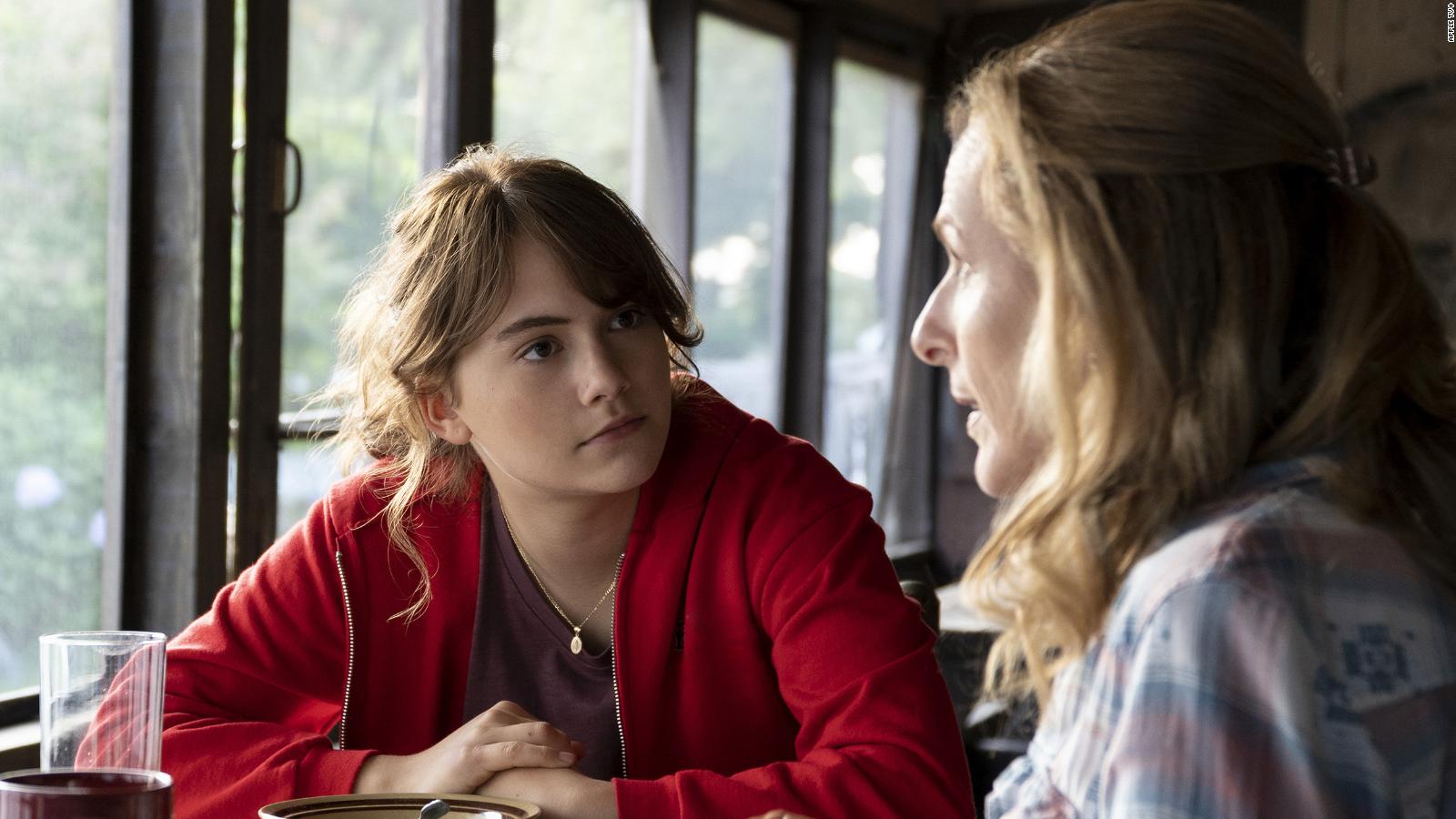
Siân Heder’s CODA is a charming and moving family film about a teenager pursuing her singing dreams while struggling to let go of her deaf family. It’s also a powerful story to reflect on the lack of inclusion in society. To this effect, sound design is crucial to create emotion out of silence, empathize with the deaf characters, or even highlight a specific danger to the family. It’s a sound atmosphere that uses subtlety to engage and immerse into the story. And it wasn’t an easy task.

To understand more about the challenges behind the creation of CODA’s sound design, I spoke with its Supervising Sound Editor, Martin Pinsonnault, Re-Recording Mixer, Alexandra Fehrman, and Production Sound Mixer, Jared Detsikas. 

“In order to make silence you have to have material before that silence,” explained Martin Pinssounault, who used the contrast between quiet and noisy scenes (such as the school and fishermen meeting scenes) to add emotional impact and get closer to the characters while always trying to maintain Ruby’s point of view. “It was delicate to choose where to put silence and how to play it,” he said. 

To further empathize with the struggles of its deaf characters, the film saved the use of complete silence for one crucial moment near the end of the film: the high school choir recital scene. When director Heder pitched the sudden shift from listening to Ruby’s voice to total silence, the sound team was momentarily baffled.

“The reaction of any person working in sound design is to create the illusion of silence but not actually have complete silence. So when I heard that she wanted to go completely silent, of course, I prepared other elements to play during that sequence that was not heard but were felt, like low rumbles, maybe some elements from the choir scene leaking through; sort of a headspace type of sound,” explained Alexandra Fehrman who had previously worked as sound artist for TV shows such as The Boys, Bull, and Transparent. “But Siân was really definitive in the fact that she wanted complete silence.”

The shift between the music and the complete silence had to be perfect. To comply with the director’s vision, Fehrman and her team did a lot of things with trial and error until everything felt right. “When to come out? How long to stay out? How to bring it back? What type of fade-out are we using? Are we morphing into their perspective? Or, are we going to pull everything out once we see them?” were some of the questions that Fehrman had to go through in order to achieve the perfect result. “What we ended up with thanks to Sian’s direction was extremely powerful and I’m really happy that we did it.”
Coda' review: Emilia Jones and Marlee Matlin star in a small movie that  hits all the right notes - CNN

However, all the other scenes between the deaf characters are not entirely silent. The small vocalizations and sounds coming out of the deaf performers while doing sign language gave their conversations texture and intimacy. 

On a film set, Jared Detsikas traditionally tries to filter all sounds from a scene but this was different. “Here it was important to get what we can out of the hands, the lips, or the little noises they are making with the clothing rustle,” he explained. “ It was interesting to work a little bit differently.”

After Jared recorded the production sound, Martin and his team assembled the puzzle. “We carefully did the dialogue which is finding all the little pieces, and then removing the imperfections. Once we have the material, we try to find places where there are some things missing,” he said. “We would do separate tracks of foley recording to cover all the hits, the movements of their clothes or accentuate some emotions”. By making sure to have all these sounds in the ASL (American Sign Language) scenes, the sound team made it easier for us to understand the character’s emotions.

Preserving and representing ASL correctly was a new challenge for Fehrman’s career. “I didn’t want to miss anything, and of course it’s hard to know if you are missing anything if you don’t speak the language, so it was really important for me to follow along, read the subtitles, make sure that I was playing all the elements that were provided for me in terms of movement and intention behind what they were saying; or sometimes play the sound of those hand gestures louder when they were angry, or softer if they were sweet,” said Fehrman. “I think that was something I honestly hadn’t really thought of before: of how much communication is in body language and in hand gestures, even for people who speak other languages.”

The sea can make a lot of noise so capturing these small but important details was a challenge during the boat scenes. Jared was prepared to handle it all. “On the boat, we had a portable set-up and it was just a matter of getting everything as quiet as possible and then recording the singing or dialogues all separate. We just wanted to isolate those so, later on, post-production could finesse those levels and alter it to whatever benefits the film or make an emotional impact,” said Detsikas who used a shotgun mic with a very narrow pickup pattern to pull out all the other noise. “Anything that was loose or moving around, we’d have that secured off. It was just getting it as clean as possible and giving all the elements to whoever in post-production is in charge of piecing it all together.”

In this setting took place another important scene involving Frank, Leo, and an observer. Here, the sound of alarms and engines is used to enhance the feeling of anxiety and danger as the Coast Guard approaches the unsuspecting deaf fishermen. This was quite the challenge for the sound team.

“Scenes like that are very difficult to build because there’s sort of a battle between dialogue, sound effects, and music. It’s two minutes and it’s very noisy,” said Pinsonnault. “We bring together all the elements to do about everything we think we can do, then we play it at the mixing stage to find a place for music, sound design, and dialogue all together without it being too noisy.”

The pivotal moment of this scene was when Frank and Leo realize in horror that their boat has been boarded by the Guard. The timing of Fehrman’s mixing was crucial to achieve maximum effect. “We have the action of the coast guards arriving: the big sounds of the boat coming and smashing into their vessel, and climbing aboard. We let the music drive and then we feather it out so that we can fall into Frank and Leo’s headspace where they’re watching this with a muted experience,” explained Fehrman about her involvement in the scene. “There was a lot of weaving in the mix. The music is a pacing element. It has a lot of percussions and the boat sounds were really big. We were able to play those to provoke that fear and anxiety in the audience for that moment.”

“We really wanted to have a nice trade-off, a nice hand-off between sound effects and music and having dialogue still be present. It was a massaging of when those moments take place, when those shift from sound effects to music, and when to shift back to Leo and Frank’s perspective,” continued Fehrman. “We played with them, we mixed them, and remixed them several ways until we found the right moment to do that.”

CODA is available on Apple TV+. You can read our written review here and listen to our podcast discussion here.


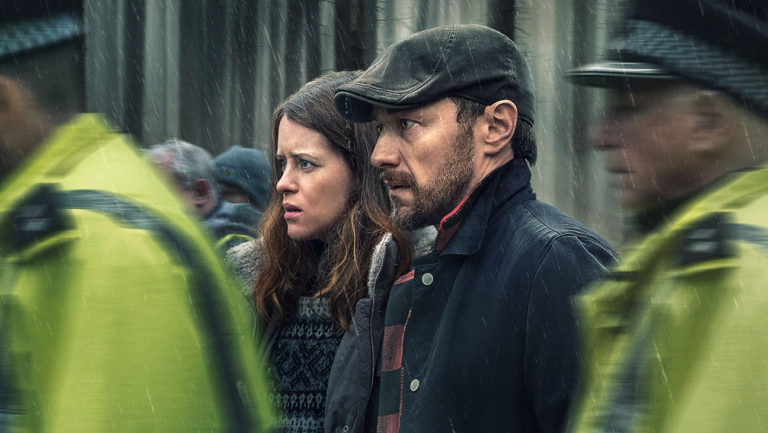
Movie Review: In ‘My Son,’ James McAvoy delivers with a brilliant, improvised performance


Director: Christian Carion
Writers: Christian Carion, Laure Irrmann
Stars: James McAvoy, Claire Foy

Synopsis: A man goes to see his ex-wife in order to obtain answers about the disappearance of their son.


A gritty mystery thriller in the depths of the Scottish Highlands, McAvoy’s dynamism is what pushes My Son to a higher level.

An English language remake of an international film you say, what could possibly go wrong? Well, this is a subject that is often up for debate as to why you would need a remake, but if you are, then make sure both films are directed by the same guy. Christian Carion revamps his 2017 French film of the same name, which may seem a little odd, but it has been done before – to varying degrees of success – Bangkok Dangerous comes to mind, you make your own mind up about that one.

The big talking point in the lead-up to the film being released was the fact that McAvoy was not given a script or any sort of dialogue for this film, it is quite the feat to go in blind for a feature, reacting to the environment and his co-stars only. McAvoy is an A-lister these days and you’d be hard pressed to find the former Shameless star as anything other than brilliant in most of his work. His character is dark and violent; a man forced to the absolute edge and pushing his every limit, you can clearly see that McAvoy had a lot of fun with this role (being free from script restraints), he can explore and express, being able to delve deep into his acting closet for this unpredictable character.

I must mention the scenery as well, these vast Scottish Highlands are gorgeous and a must for the bucket list – something I was lucky enough to do on a recent visit, not to brag or anything. Due to the location, the cinematography by Eric Dumont is simple and subtle, it speaks for itself, why would you need to play around with it? This vast landscape has a particular eeriness to it; a creepy stillness that moves a mystery thriller such as this into another gear. There is certainly an atmosphere – an intense one at that – full of suspense, which is aided by a classically gritty score. It really does have all the makings to be a decent – and memorable – little film.

My Boy begins with Edmond Murray (James McAvoy) driving through the Scottish Highlands after receiving a phone call from his ex-wife Joan Richmond (Claire Foy), who is distraught after finding out their 7-year-old son has been confirmed as being missing from a campsite. After talking to the local police, it has been deduced that their son Ethan has been kidnapped, and the race against time to find him is now quickly underway. Edmond is soon interviewed by the police, where it is revealed that he works in the oil industry and may or may not have made some bad acquaintances on the road, a possible cause for concern regarding his son’s whereabouts.

After certain secrets are revealed by Inspector Roy (Gary Lewis) which abruptly force the case to be closed – what is this news that has halted this case? – Edmond begins to partake in his own detective work, looking through old pictures of Ethan’s former school trips, with something popping up that has him and Joan becoming rather suspicious. We get into the mind of a desperate father trying to right all the wrongs in his life – he wasn’t exactly present in his son’s upbringing – meaning he must now find Ethan, using all his knowledge and cunning to try and get him back. His own life could be at risk, as he ventures into the deep Highlands with nothing more than his will power and strength. It is amazing to see how efficient and determined a father can be in drastic circumstances.

My Boy really is a decent little film that hits all its required notes. What were the film’s aims? For it to be suspenseful and mysterious – not giving too much away – and for McAvoy to carry it through the typical British weather that engulfs it. McAvoy is the obvious star – it really is a powerful performance – the film didn’t need him in it to be good, but the fact he just elevates it that little bit more. Is it more thrilling than similar plot type films such as Taken? There is a strong argument to say that it is due to there being a sense of realism to it compared to those other gimmicky action films that are full of clichés. This is an example of how a remake of an international film can be a success, clearly aided by the fact that Carion directs both, but don’t take that away from the film still being as exciting as the original. My Boy is a film that went way, way under the radar upon its release, and that is a travesty all on its own.

Grade C+

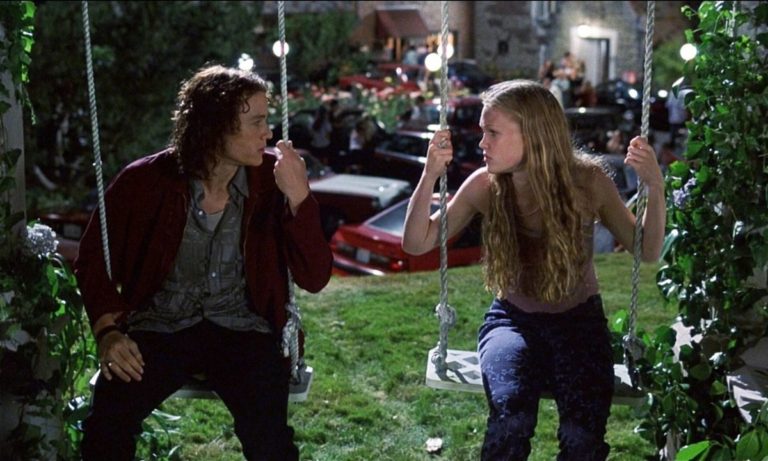
Classic Film Review: ’10 Things I Hate About You’ Revels in Translating Shakespearean Emotion to the Big Screen


Director: Gil Junger
Writers: Karen McCullah and Kirsten Smith
Stars: Heath Ledger, Joseph Gordon-Levitt, Julia Stiles

Synopsis: A pretty, popular teenager can’t go out on a date until her ill-tempered older sister does.


Shakespeare may have been an amazing playwright, but in the last 10 years, it seems that fewer and fewer people are passionate about his plays. While literature scholars will praise his name, mainstream audiences have fallen out of love with his stories. I say this as someone who hasn’t been a fan of him for much of my life. As a teenager, he seemed like a one-note author who came off as trope-ish. Works like Romeo & Juliet bored me due to the stupidity, and both Macbeth and Hamlet were hard to follow due to the outdated language used in the plays. The coolest parts of these plays were the simply outrageous insults, such as the infamous “What, you egg?!”, which could hardly be described as a story. Despite my years of public school that tried to teach me Shakespeare was cool, I was turned off due to the style, and the age, of his works. And this made the realization that the 1999 romantic comedy The 10 Things I Hate About You was based on Shakespeares’ The Taming of the Shrew a shocking surprise to me.

You see, unlike the cold, distant, and frankly, confusing writing found in most of Shakespeares’ plays, Gil Junger’s 10 Things I Hate About You was modern, warm-hearted, and deeply moving. I found it charming and funny, and not in an obscure way. I saw real people experiencing the highs and lows of teenage love. Its effective translation of Shakespeares’ work, by modernizing the setting and language, unlocked a passion for these stories I hadn’t felt before. And it did so by keeping a hold on the emotional journey of the characters and making it understandable to us through the visual medium of film.

The 10 Things I Hate About You, directed by Gil Junger, is a romantic comedy that has withstood the test of time effortlessly. Written by Karen McCullah and Kirsten Smith, it follows Cameron (Joseph Gordon-Levitt) and Patrick (Heath Ledger), two unlikely friends who team up to date sisters Kat (Julia Stiles) and Bianca (Larisa Oleynik) Stratford. It was released in 1999 to a positive critical reception that praised the young talent that occupied the core roles. In many ways, the longevity of The 10 Things I Hate About You comes from the craftsmanship on display in the filmmaking.

While romantic comedies seem to have faded out of popularity in recent years, there have been a few that have stuck out in the waves of franchise-based filmmaking. Films like Long Shot (2019) and The Big Sick (2017) come to mind, having strong writing that managed to leave an impression on mainstream audiences. But where modern romantic comedies largely rely on the star power of known actors and writing to stick with audiences, The 10 Things I Hate About You merely starts there and builds on those elements to make an experience few films compare to.

This is largely a product of the ’90s. While The 10 Things I Hate About You was helmed by largely unknown actors, most of the competition was operating on the star power of known individuals. Drew Barrymore and Adam Sandler played off each other in multiple films, and Oscar favorite Tom Hanks was a love interest in You’ve Got Mail (1998). So when Gil Junger, Gail Goldberg, Donna Morong, and Marcia Ross cast the fresh-faced Joseph Gorden-Levitt, Heath Ledger, and Julia Stiles, it was truly groundbreaking. These individuals would grow to dominate the 2000’s, but in 1999, it was still the beginning of their blossoming careers. Australian star Heath Ledger was a small actor in America, Julia Styles had only been given one leading role prior, Joseph Gordon-Levitt was a teenage heartthrob from TV. Larisa Oleynik, who plays Bianca, was arguably the largest name attached to the project, due to her expansive work in Television.

And yet, these small-known actors deliver astonishing performances, with teenage wonder being at the forefront of it all.
Each actor gives performances that capture the youth of a high school kid. Joseph Gordon-Levitt plays a starstruck new kid perfectly, adding comedic levity to each scene due to the awkward nature of sophomore dating. Heath Ledger and Julia Styles play off each other perfectly as Patrick and Kat, being quick-witted in their pointy exterior, but soft and caring on the inside. And Larisa Oleynik plays the part of the popular girl exceedingly well.

And while the main cast clearly is in the headlights for most of the film, the supporting work from David Krumholtz, Allison Janney, Larry Miller, Daryl Mitchell, and Andrew Keegan are unforgettable. Each may play a stereotypical role, but they capture the high school atmosphere perfectly. Add to this the different student cliques, with the popular kids, the performatively woke, the self-centered, and the smarties, and you have a believable high school environment. It’s both a fantasy of the past and familiar in ways most films fail to be.

Those charismatic elements can be attributed to the writing and the performances, and while they provide the content and context for the film to live in, it’s not where the greatness ends. Gil Junger fills each sequence with youthful energy, thanks to the kinetic cinematography and expert blocking. Where most modern films can’t shoot a post-credit funeral sequence without multiple camera angles and constant cross-cutting, The 10 Things I Hate About You stands out in its elegant long takes that often move from one location to another without breaking the sequence. There is always something occurring in the background just beyond the action of our lead cast, and it creates an environment that is reminiscent of high school. Each sequence is built to allow the camera to move, framing new moments and injecting energy into each reveal. Like a play, characters are consistently entering and exiting single takes, and it adds to the atmosphere of a high school love story. And like a skilled surgeon, when cuts are used, they are used to their maximum potential, heightening the emotion of a scene and pulling us into the headspace of our protagonists. And that editing isn’t just for the visual, but the audio mix as well. There are memorable needle drops present in the film that immediately roots us in the headspace of the individuals on screen.

This is the magic behind The 10 Things I Hate About You. It dives deep into the emotion that was lost in translation for many in Shakespeares’ writing and using every cinematic tool at its disposal to pull you deeper into that emotion. By pushing past the desire to make something simple, choosing instead to inject the film with their mastery of the cinematic language, they made a classic worth watching again and again.

Grade: A-

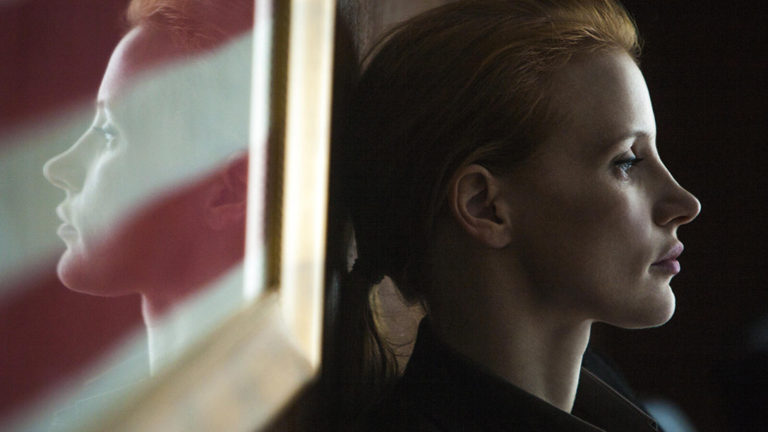
List: Top 3 Jessica Chastain Scenes

This week on Episode 449 of the InSession Film Podcast, inspired by our review of The Eyes of Tammy Faye, we discussed our favorite Jessica Chastain scenes in film. Similarly to Oscar Isaac last week, it’s a little early in Chastain’s career for this, but it’s also Part 1 of a hopefully unlimited part series talking about her best scenes. Also like Isaac, Chastain’s rise in Hollywood correlates with our own growth as a podcast, so once again there’s a nostalgic factor to her work that’s almost hard to seperate. However, she’s also one of the best actresses working in film today, so it doesn’t take much work to split our feelings from the merits of her craft. There are so many great moments of Chastain’s to choose from that made this a very enjoyable exercise. That said, here are our lists:

(Note: Please keep in mind that we each had different criteria for our selections)

JD

1) Give Me The Team I Need – Zero Dark Thirty
2) Apartment Scene – The Disappearance of Eleanor Rigby
3) Anna / Lawrence Scene – A Most Violent Year

Brendan

1) Anna Gun Scene – A Most Violent Year
2) I’m the Motherf***er That Found This Place – Zero Dark Thirty
3) Opening Narration – The Tree of Life

Honorable Mentions (Combined)

Various other scenes in The Tree of Life, Take Shelter, A Most Violent Year, The Disappearance of Eleanor Rigby, Mama, Interstellar, Molly’s Game, Miss Sloan, Crimson Peak, It Chapter Two, The Huntsman: Winter’s War, The Eyes of Tammy Faye

Hopefully you guys enjoyed our lists and if you agree or disagree with us, let us know in the comment section below. There are many great scenes in the career of Jessica Chastain so far, and perhaps your list is different than ours depending on your criteria. That being said, what would be your Top 3? Leave a comment in the comment section or email us at [email protected].

For the entire podcast, click here or listen below.

For more lists done by the InSession Film crew and other guests, be sure see our Top 3 Movie Lists page.

Poll: What is Woody Harrelson’s best performance?

The criteria for a great actor is one who constantly surprises you, where the trajectory of their work is something you just can’t put a finger on. Many actors fall into this category, but Woody Harrelson is a different enigma altogether, a performer who seems intent on surprising even himself. All at once hilarious, frightening, and idiosyncratic, Woody ranks among the most committed in his line of work, and one of those actors who always has you going, “Wait, Woody Harrelson is in THIS movie?! Heck yeah!” That trend continues this weekend with Venom: Let There Be Carnage, and yes, we still can’t believe he’s in this movie.

With that said, what do you think is Woody Harrelson’s best performance?


Podcast: The Eyes of Tammy Faye / Top 3 Jessica Chastain – Episode 449

For our latest campaign, we are trying to reach 200 reviews on iTunes. We are getting closer and closer to our goal, but we need your help. Leave us a review today and you may even receive a free InSession Film t-shirt!

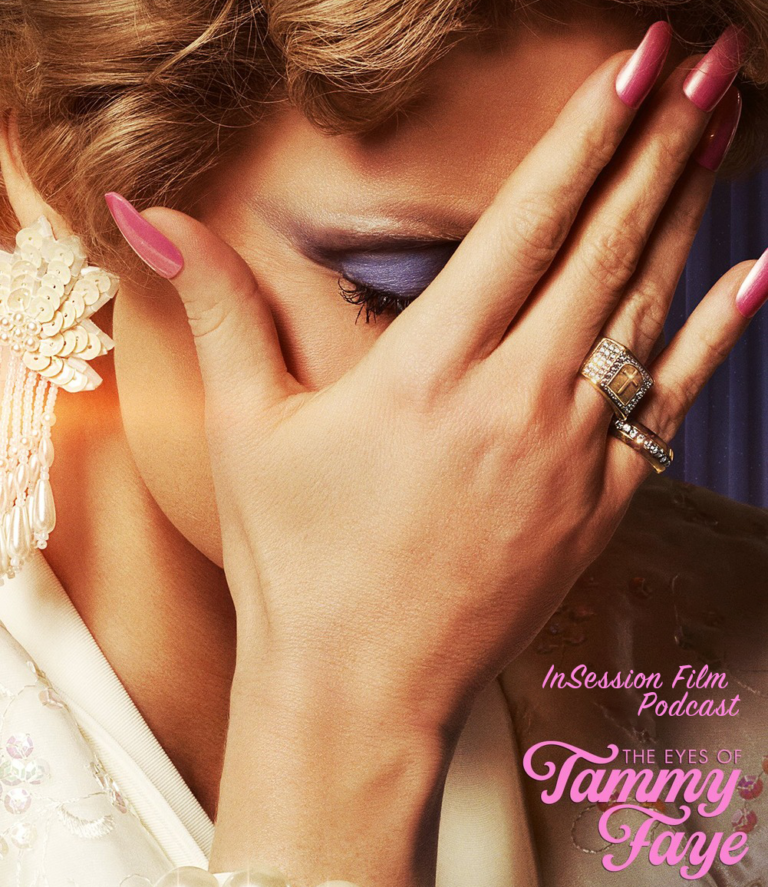
This week on the InSession Film Podcast, Ryan Terry from RLTerryReelView.com joins us to review The Eyes of Tammy Faye and we discuss our Top 3 Jessica Chastain Scenes in film!

On last week’s show we talked about the great Oscar Isaac and some of the best scenes of his career thus far. Given that Jessica Chastain and Isaac have a history together, including their new show out right now Scenes From a Marriage, the timing of this could not be more perfect. It just made sense to not only talk about Tammy Faye, but also do our favorite Chastain scenes. And boy did we have a lot of fun with it.

On that note, check out this week’s show and let us know what you think in the comment section. Thanks for listening and for supporting the InSession Film Podcast!

– Movie Review: The Eyes of Tammy Faye (4:58)
Director: Michael Showalter
Writers: Abe Sylvia
Stars: Jessica Chastain, Andrew Garfield, Vincent D’Onofrio

– Notes / Discussion (1:17:14)

For our break segment, we had no other films to review or bring up, but we did have many new iTunes reviews to get to as part of our latest campaign. If you’re interested, we are still giving away t-shirts for new iTunes reviews. If you left a review already, or leave one soon, please DM us on social media (or email us) to get a FREE InSession Film t-shirt.

[divider]

RELATED: Listen to Episode 423 of the InSession Film Podcast where we discussed The Tree of Life!

[divider]

Top 3 Jessica Chastain Scenes (1:35:47)
Similarly to Oscar Isaac last week, it’s a little early in Chastain’s career for this, but it’s also Part 1 of a hopefully unlimited part series talking about her best scenes. Also like Isaac, Chastain’s rise in Hollywood correlates with our own growth as a podcast, so once again there’s a nostalgic factor to her work that’s almost hard to seperate. However, she’s also one of the best actresses working in film today, so it doesn’t take much work to split our feelings from the merits of her craft. There are so many great moments of Chastain’s to choose from that made this a very enjoyable exercise. That said, what would be your top 3?

Show Sponsor: First Time Watchers Podcast

– Music

Don’t Give Up – Tammy Faye
Abel’s Theme – Alex Ebert
Seals Take Off – Alexandre Desplat
The Return of the Eagle – Atli Örvarsson

Subscribe to our Podcasts RSS
Subscribe to our Podcasts on iTunes
Listen on Spotify
Listen on Stitcher
InSession Film Podcast – Episode 449

[divider]

Next week on the show:

Review: Venom: Let There Be Carnage
Top 3: TBD

Tom Hardy stars as Eddie Brock/Venom in Columbia Pictures’ VENOM: LET THERE BE CARNAGE.

[divider]

Help Support The InSession Film Podcast

If you want to help support us, there are several ways you can help us and we’d absolutely appreciate it. Every penny goes directly back into supporting the show and we are truly honored and grateful. Thanks for your support and for listening to the InSession Film Podcast!

VISIT OUR DONATE PAGE HERE

Op-ed: Films About Going On Vacation By Mistake

How was your summer? Go on any trip despite COVID? If you survived it, congratulations on defying the pandemic that still rages. Not that I’m here to judge anyone, but this thing hasn’t gone away. Yet, even when there’s a perfect time to get out of the house, the travel is disastrous. Weather, accommodations, money, or death always turns a planned trip on its head and the headaches are obvious. At least, in fiction, these vacations going wrong will make you feel less bad about yourself and more self-aware that things can actually be worse.

L’Avventura (1960)

Michelangelo Antonioni made himself and actress Monica Vitti international stars after winning the Jury Prize at Cannes while filmgoers hated the film for its unusual pace and storyline that seems to go on forever. Going on a boating trip, a woman meets up with her friend and lover, plus two other couples, and suddenly her friend goes missing. As the search begins for the disappeared woman, the tension between her lover and Vitti’s character becomes highly noticeable as they find themselves no longer interested in their missing friend. It’s quite the trip when an existential crisis strikes and the more important thing soon fades away from memory.

Picnic At Hanging Rock (1975)

So, it’s not a vacation, but the point is still the same. One afternoon by the national terrain known locally as Ngannelong, a group of girls from a boarding school goes missing. Where they go and what happened is something left unsaid and blown into the wind. In a key picture of the Australian New Wave, Peter Weir puts on a connected tale of memory, loss, and innocence lost from Joan Lindsey’s novel which feels a lot more like an Antonioni story (see the film above) with its casual pace and conclusion that does not provide closure, but does such tragedies in real life ever?

Lost In America (1985)

Albert Brooks co-wrote, directed, and starred as a bored advertising agent who wants to sell what he owns and have their own trip across the country like Easy Rider, but in a Winnebago with his wife (Julie Hagerty). Free from being conformed to yuppie life, the couple leave Los Angeles and end up going broke and working at dead-end jobs in places completely below what they lived before and have quickly come to regret it. It’s a “$100,00 box” which doesn’t do anything but trap them, the opposite of freeing them even as they drive eastward to New York, a scalping by Brooks on the American Dream.

Withnail And I (1986)

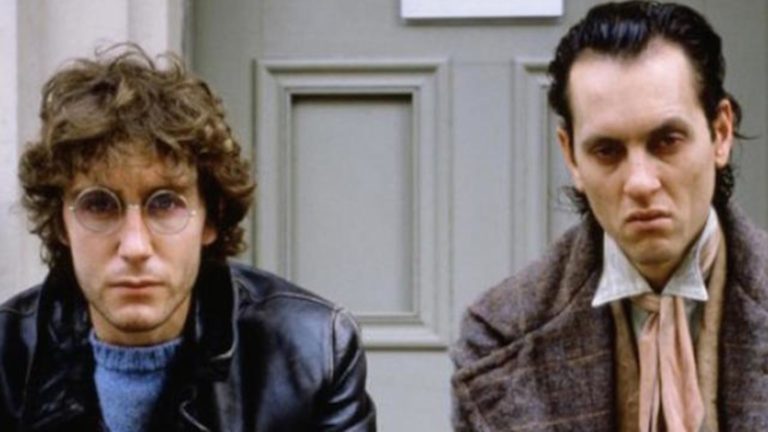
Two unemployed actors decide to go away from downtrodden London to a cottage to rethink their lives. Richard E. Grant and Paul McGann are total loonies who find out what they thought was a good getaway is actually a literal representation of their lives, no power, totally cold, and unwelcoming neighbors who do not care for these two outsiders. Bruce Robertson’s cult film found respect through an audience who understood and loved these opposite characters that fit the mood of 80s Britain even though the film is set in the late 60s. This was, more importantly, Grant’s massive breakthrough and started his career building a positive reputation that cultivated in an Oscar nomination for Can You Ever Forgive Me?

La Cienaga (2001)

https://www.youtube.com/watch?v=OV8cmaiWoJ8

Literally, “The Swamp,” Lucrecia Martel’s debut picture followed a mid-upper class family who spends the summers away from the city and on their country home which is falling apart. The family is dysfunctional, starting with the matriarch who gets injured in an accident and has her friend come over with her family to visit. However, everyone goes off to do their own thing with no control amongst the parents, making a home already uncomfortable now claustrophobic. The vacation is no longer welcoming, even though it is meant to get away from everyone, and it all feels distressing to be around people that give you no pleasure in living.

Follow me on Twitter: @brian_cine (Cine-A-Man)

Movie Review: ‘Titane’s’ Horror Metaphors Are Lost in Translation, Despite Its Beauty


Director: Julia Ducournau
Writers: Julia Ducournau, Jacques Akchoti, Jean-Christophe Bouzy, Simonetta Greggio
Stars: Agathe Rousselle, Vincent Lindon

Synopsis: Through a series of bizarre circumstances, a desperate and still-grieving father takes in a woman who looks like his long-lost son, even though she may be dangerous.

[/info]

There is much to admire about Titane, the Cannes Film Festival Palm d’Or Prizewinner from director Julia Ducournau. It is haunting, captivating, unique, and beautifully shot and acted. But it is also exceedingly disturbing, the kind of film that can only be appreciated by those who are ultra-committed to their cinephile status. Much like Ducournau’s first film, Raw, Titane is a twisted look at obsession, violent and flesh-filled, plumbing the depths of humanity’s darkest recesses. Don’t be fooled by the sexy poster, this film is as far from sexy as you can get.

The somewhat misleading publicity materials are not the only ways Titane fools its audience. Ducournou, who also co-wrote the screenplay with Jacques Akchoti, puts literally four movies into one. The film begins as a glimpse into a dysfunctional family, then morphs into a serial killing spree, then turns into a heartbreaking examination of grief, all the while, in the background, sustaining a horror movie/sci-fi plot element that raises the stakes for everything else. Tonal whiplash is the least of our worries as we are taken through this mad journey via Alexia, a sociopathic woman who barely speaks, played by Agathe Rousselle (in her feature film debut). We are taken through Alexia’s story, first as a child who needs to have a metal plate inserted in her skull after a car crash, then as a sullen adult, still living at home, who is distant from her parents and paying the bills by modeling at car shows (and dancing seductively on those cars, but more on that later). When we soon realize that Alexia is a serial killer, and one who likes to commit her murders up close and very personal, our sympathies for her wear thin, and they disappear completely when, in an effort to hide from the police, she disguises herself to look like the 17-year-old version of a child who had disappeared ten years earlier. What she didn’t expect was to have the lost child’s father, played brilliantly by Vincent Lindon, show up and fully accept her as his lost son, Adrien, and take her home with him.

Any one of these incredibly valid and complex human stories could be enough for an entire film, but Ducournou isn’t satisfied with a film that we may have seen before. Alexia’s journey from childhood trauma through murderous rampage to being in the care of a grieving and desperate man is all underscored by the fact that Alexia is struggling to deal with and hide the fact that she has been impregnated by a car. Yes, you read that right. Early in the film, she orgasms while inside a seemingly alive car, and, soon thereafter, she realizes she is pregnant. It’s not just in her head—her belly is growing AND her blood has been replaced by a pitch-black fluid, which I assume is motor oil. Alexia is not happy with this turn of events, and does everything she can to self-abort (one of many shuffle-in-your-seat scenes), but is unsuccessful and is forced to find ways to hide the ever-protruding belly and deal with the increasing pain from her unusual predicament.

But still, even with all of this insanity, Titane manages to embrace an empathy in its final act, as two genuinely lost souls find in each other what they need. There is no sentimentality or spoon-feeding here as Ducournou challenges her audience to seek out the humanity within the brutal and dark journey. The “pregnant by a car” motif could easily just be a metaphor for an unwanted pregnancy, signifying one woman’s panic and fear for being responsible for another life. If you can get there and are able to go beyond the literal, the emotional reward just may make the difficult road worth it.

But it’s really hard to get there.

There is no tip-toeing around the level-up bizarreness of this film, and how inaccessible it is for anyone not thoroughly committed to this kind of cinema. It is a hard watch, no use pretending otherwise. There is no sympathizing for the main character, which makes for a really tough road for the viewer.  No matter how committed Rouselle is to the role or how beautifully it is shot by cinematographer Ruben Impens, it is a disturbingly unpleasant experience to watch this person claw away at herself, abuse herself, and offer the audience not a single moment of relief. Even if there are great metaphors at work here, not only with the pregnancy but with the recurring theme of metal, the messages are all too lost in the cacophony of violence and self-abuse that by far make the most lasting imprint. It’s difficult for the emotional, final climactic scene to make an impact if your audience has already walked out.

Grade: C+

Classic Review: ‘Dracula’ Remains Chillingly Beautiful


Director: Tod Browning
Writer: Garrett Fort
Stars: Bela Lugosi, Helen Chandler, Dwight Frye, and Edward Van Sloan

Synopsis: The villainous Count Dracula uses his vampiric powers to terrorize the people of Carfax Abbey and threaten the wellbeing of young Mina Seward. 


Tod Browning began his career working in a traveling circus. He gave up the comforts of life as one of the most prominent members of an upper middle class family to throw himself into a career that asked him to simultaneously delight and repel audiences with performances that confounded and scared them. He eventually transitioned into film acting and later began directing in the mid-1910s. His background as a circus performer and wealthy man about town likely influenced the thematic preoccupations that recurred in all of his major works. He made the sort of peculiar, macabre horror films that probably wouldn’t receive funding from major studios in the modern era. When he got his hands on $300,000, he chose to make a film about a vampire that is more concerned with creating an atmosphere than showing you gratuitous violence. 

This adaptation of Bram Stoker’s novel became the first sound version of the story and Universal Studios had a lot riding on it. The screenplay took inspiration from Hamilton Deane’s play and sculpted a complicated tale into a fast paced romp that could be squeezed into an 85-minute running time. The script ensures that we are quickly introduced to Renfield (Dwight Frye), a young solicitor who is desperate to sell a house to the fabled Count Dracula (Bela Lugosi). He ignores the warnings that he has received and chooses to visit Dracula on his own. He is unaware of the fact that he is a vampire and is initially charmed by the Count. When Dracula pounces on him and converts him into a slave. Dracula and Renfield travel to Carfax Abbey and the former decides to seduce Mina Seward (Helen Chandler). It becomes more difficult for him to win her over when her friends and family members become suspicious about his origins. He begins drinking Seward’s blood and Professor Abraham Van Helsing (Edward Van Sloan) is brought in to investigate the crimes that Dracula has committed. 

The story still retains its ability to shock and terrify because it exploits our fear of the unknown and the ambiguous. Browning stays true to the spirit of the original novel by presenting us with images that are full of disturbing implications, without ever fully answering any of our questions. When Dracula’s three wives emerge from the darkness and hungrily gaze at Renfield whilst standing in a doorway, they remind us of wraiths. The combination of their ultra-feminine, bride-like appearances and the suggestion that they derive near-erotic pleasure from killing a young man is deeply upsetting. It pushes back against all of our traditional notions about what the ideal bride is supposed to act like. It also seems to draw on our fear of conspiracies and large gangs of people. The women are all working together and don’t have distinct personalities or agendas. This means that Renfield is essentially fighting back against one human being who has taken over the bodies of three women. They have their own gothic, macabre beauty but you know exactly what their intentions are when they make an appearance and desperately want to get away from them. 

The sinister mood is also established through use of fog, cobwebs and negative space. Back in 1931, this sort of art design was not clichéd. It still seemed groundbreaking and exhilaratingly creepy. Charles D. Hall includes allusions to German Expressionism and doesn’t skimp on crumbling bricks and massive candles. The visuals are so consistent that Hall creates a semi-believable world for the colourful characters to inhabit. The plot remains ludicrous but the setting gives us something to hold onto as Dracula attacks his victims. The film is never so unmoored from reality that the humans in the audience can’t relate to the emotions expressed by the human characters. 

The ominous tone is hammered home as a result of the main cast playing their characters as doleful, weary individuals who weren’t terribly happy before Dracula began wreaking havoc in their lives. Lugosi ends up taking a vastly different approach to playing his role. He plays Dracula as a man who loves having so much power over weak, fragile humans and he practically chuckles to himself as he easily entraps them in his web. His exoticism and thick accent give Dracula an air of mystery, without turning him into a caricature. Those memorable shots of his dark, enigmatic eyes are brought to life because he is able to project so much of his personality through his facial expressions. In his hands, Dracula is not merely a scary boogeyman. He is mischievous and fond of showing off. Lugosi doesn’t wait for the score to announce that his character is not to be trusted. He captures our attention from the moment we first see him and that indelible first impression causes us to feel great concern in every scene that follows his fateful meeting with Renfield. 
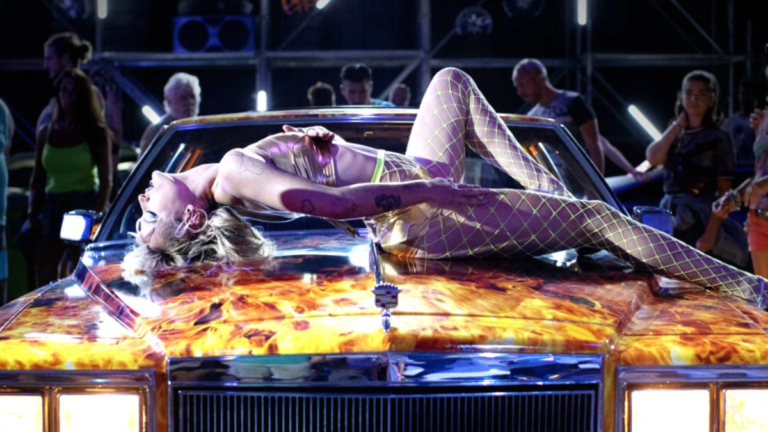
This set the tone for the series of low-budget horror movies that would be released in the 1930s and it would be difficult to argue that any of them improved upon their predecessor. It is crafted with such love and care and gave us a performance for the ages. It has certainly aged over the years and doesn’t seem as modern and fresh as it might have back in 1931. However, that doesn’t reduce its power to scare the living daylights out of most people. 
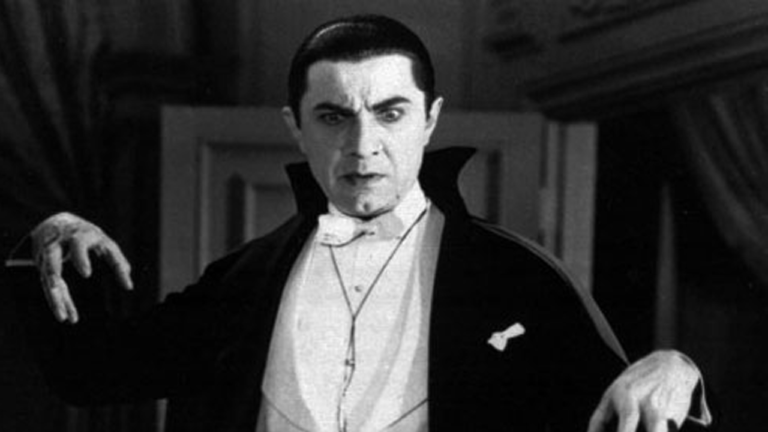
Grade: B

How Was This NOT Nominated for Best Picture? (2010)

The Academy Awards of 2011 had an excellent assortment of Best Picture Nominees. There were some “traditional” films,  such as The King’s Speech (which was the winner). There were fresh, innovative stories told in non-traditional ways, such as Inception and Black Swan. The lineup of directors was also impressive: Aronofsky, Fincher, the Coen Brothers, and Nolan are all master filmmakers.  However, there is one master director who had a film that was completely overlooked. That director is the very great Martin Scorsese. I had heard a great deal about the film Shutter Island, yet had never watched it before. Having seen it, I don’t know why it got totally overlooked at the Oscars.
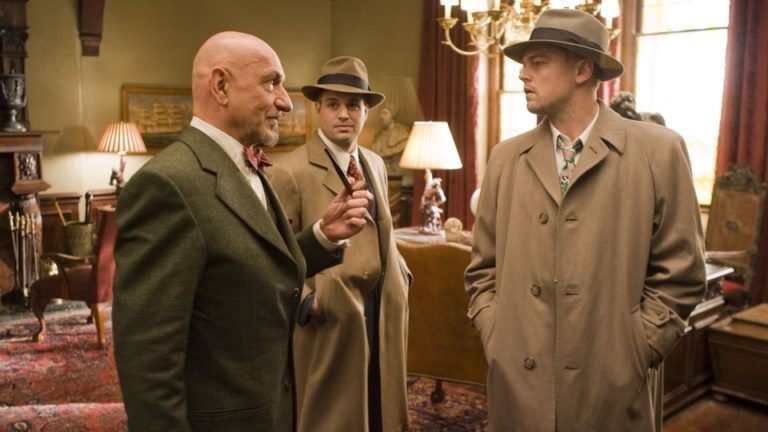
Being a gigantic fan of Mr. Scorsese, I have often noticed that many of his films get overlooked at the Oscars. I believe I know the reason for this. The man has made some of the greatest films of all time. Taxi Driver, Raging Bull, and Goodfellas are all perfect films which appear on many “Best Of” lists. When a filmmaker creates films on that level, anything that doesn’t reach “masterpiece” status gets overlooked. Two of his most recent films The Wolf of Wall Street (my favorite film of 2013), and The Irishman got shut out at the Academy Awards. Shutter Island didn’t receive a single nomination. Is it as masterful as Goodfellas? No. However, that in no way makes it a weak film, undeserving of attention.

Shutter Island, (based on the novel of the same name by Dennis Lehane) is a mysterious film about a US Marshall, played by Leonardo DiCaprio, who goes to Shutter Island, a hospital for the criminally insane, to investigate the disappearance of a patient. While he and his partner, played by Mark Ruffalo try to find the missing person, DiCaprio experiences a series of flashbacks about his experience in World War II, and his family.  I won’t go into more detail because I don’t want to spoil the film.  I went into this film without knowing the entire plot. I’m lucky because the entire film unwraps like a present, leading to a conclusion I truly did not see coming. The script was tight, with twists and turns throughout the film. The editing by Thelma Schoonmaker, was, as always, perfect. Schoonmaker wove the present together with DiCaprio’s memories seamlessly. Not only was I surprised by the film not receiving a Best Picture nomination, but I also don’t know how DiCaprio starred in this film and Inception and failed to receive a nomination for either film. Shutter Island is a satisfying mystery, which leads to a conclusion that I’m sure most people didn’t see coming. It absolutely deserved a Best Picture nomination.

Reel Critics: 'True Grit' a truly great movie - Los Angeles Times

With that being said, what film would I take off the Best Picture list?  To be completely honest, this year was the most difficult year so far to find a weak link. Even films that I personally didn’t enjoy were innovative and fresh and deserved a nomination (Inception). After much consideration, I have decided that the film that could go without a Best Picture nomination is The Coen Brothers’ new adaptation of True Grit.  This is the first time in this series that I will not be writing a list of reasons why this film doesn’t deserve a Best Picture nomination. In fact, it is a really well-made film.  I haven’t seen the original film from 1969, but this movie is terrific. A Western, which, despite not being my favorite genre, is extremely entertaining. Rooster Cogburn (played by Jeff Bridges) is an old cowboy, hired by an adolescent girl (played by Hailee Stanfield, who received an Oscar nomination for her role) to help her seek vengeance against the man who murdered her father. Because of the direction and screenplay by the Coen Brothers, there is little doubt that this film is wonderful. That being said, why have I selected it as the film least deserving of a nomination? That is very simple. While it is wonderful, it is a rather unnecessary remake. The best remakes, in my opinion, are those that elevate and change the original work (His Girl Friday), update it for a new audience (A Star is Born), or take a foreign film not known very well in the US, and put an American spin on it (The Departed). So, while this is a great and entertaining film, I don’t think it deserved a Best Picture nomination over something fresh, new, and interesting, such as Shutter Island.