A new year means a brand new Movie Series for the Extra Film boys and it is one they have been wanting to do for a long time, Oscar-winning director Steven Soderbergh. Known for being one of the most consistent, high-quality directors working today, the boys examine what actually makes Soderbergh great, and if they can find a definition to what makes his films work so well. Alongside Ryan and Jay are a lot of great guests whose knowledge of the director varies, but love for his movies is high. Overall, this is a Movie Series for the ages, and an epic experience the guys really enjoyed.
Sex, Lies and Videotapes, 1989
Listen to our review below as heard on Extra Film.
Out of Sight, 1998
Listen to our review below as heard on Extra Film.
Erin Brockovich, 2000
Listen to our review below as heard on Extra Film.
Traffic, 2000
Listen to our review below as heard on Extra Film.
Ocean’s Eleven, 2001
Listen to our review below as heard on Extra Film.
Solaris, 2002
Listen to our review below as heard on Extra Film.
Ocean’s Twelve, 2004
Listen to our review below as heard on Extra Film.
Che, 2008
Listen to our review below as heard on Extra Film.
The Informant!, 2009
Listen to our review below as heard on Extra Film.
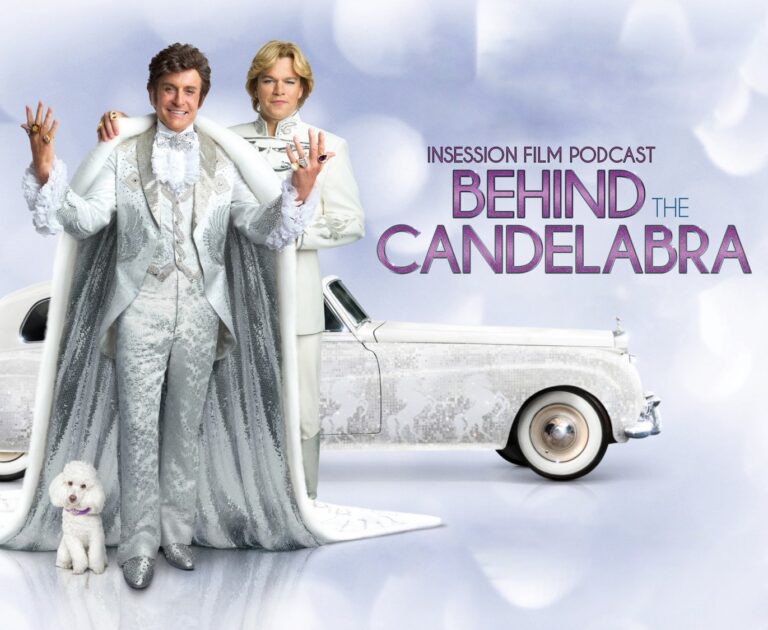
Behind the Candelabra, 2013
Listen to our review below as heard on Extra Film.
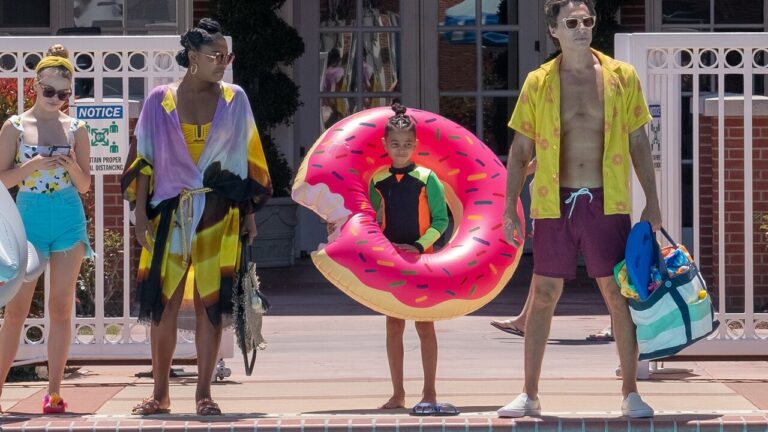
Synopsis: The raucous exploits of a blended family of 12, the Bakers, as they navigate a hectic home life while simultaneously managing their family business.
With the 20th Century library now at Disney’s fingertips, it’s only natural for the studio to start exploiting its pre-established IP and readapt (and re-remake) the studio’s previous work, which includes a reimagining of Frank Gilbreth Jr. and Ernestine Gilbreth Carey’s Cheaper by the Dozen for Disney+. The book was already adapted twice, first with Clifton Webb and Myrna Loy in 1950 (and with a sequel titled Belles on their Toes in 1952), and then with Steve Martin and Bonnie Hunt in 2003 (and its sequel in 2005), completely overhauling the book’s true story on the Gilbreth family for a more slapstick feel with the Bakers. So, if this new vision of Cheaper by the Dozen is successful, we’re surely getting a sequel (since good things come in twos and it would be a missed opportunity not to do one since the other adaptations did).
Unfortunately, this is the first Cheaper by the Dozen film I didn’t much care for. Zach Braff and Gabrielle Union play Paul and Zoey Baker, restaurant owners juggling their biracial family of ten children (plus an eleventh one who joins the family later on in the film). Paul dreams that his famous breakfast sauce empties supermarket shelves and is caught in the dream of expanding his small, family-run (and local) restaurant to a franchise, while Zoey must stay home and take care of all the kids by herself. So this is the ol’ switcheroo with the re-remake, in which Steve Martin stayed home to take care of the kids, while Bonnie Hunt went on her book tour. The familiarities are there, and there’s even a meta-reference to the 1950 film, but it wasn’t enough to win me over.
Technically, Cheaper by the Dozen is a mess. The editing is rough, with random cuts appearing almost at every moment to convey the Bakers’ hectic routine, but that’s a cardinal filmmaking mistake, especially when the camera is framed at such a fixed level and doesn’t want to aid the film’s visual style. Scratch that, there is no visual style. If you look at Shawn Levy’s 2003 remake (or Adam Shankman’s sequel), you can clearly tell that the movie had well-thought-out slapstick sequences that not only required the child actors’ participation but were also able to represent it in a visually enticing way.
Gail Lerner’s remake doesn’t do that; quick cuts during the opening scene make absolutely no sense and break many continuity rules, while the film’s visual look is so Hallmark Channel-lite it’s not even funny. I know some will say, “but it’s a direct-to-streaming film, what do you expect?”, but that’s not an excuse for the film to look as unengaging as possible, without an ounce of visual creativity at the helm, especially when the last remakes had everything going for them; great visual gags, impeccable child acting, and two great leads.
Here, the child acting is inconsistent. Some of it is very funny (the twins are great), some of it is fine, and most of it is quite flat, especially Seth (Luke Prael), whose emotionless acting of a distant character is too emotionless and has little personality to make us care about him, especially when he gets into trouble during the film’s latter half. Thankfully, Braff and Union have great chemistry together and keep us wanting to be engaged with the Baker family, even if most of the child actors don’t seem as invested in the project as the lead actors are. I’ve never really seen Braff as a physical comedian, but he is very good here and knows how to hold his fort during physically uncomfortable sequences.
Some of the physical comedy is quite cringe-worthy for 2022’s standards (it feels as if it was written in 1991 around the time of Home Alone), but there are sparse sequences where it works. One in particular, where Paul arrives at an investor meeting in a suit and tie, only to see everyone in the building wear trendy clothes, so he goes back into the van to dress up “hip and cool” as well, and then goes into the conference room and sees a bunch of corporate people in…a suit and tie. It’s a classic joke executed brilliantly. It’s a shame that most of the visual gags fall flat on their face.
The film’s plot also falls quite flat on its face, overstuffing itself with plenty of touchy themes to talk about, but never deepening any of them; from its surface-level discussions on race, drug addiction, bullying, and street gangs, just to name a few. Sure, it’s written in a way so that kids understand everything going on, but that doesn’t prevent you from writing thoughtful discussions on that subject. There is one scene that comes close to achieving that, in which Paul talks to Zoey’s ex-husband, Dom (Timon Kyle Durrett) near the end of the film, but abruptly stops to have the same climax as the 2003 film, where one kid runs away from one because he is the most “misunderstood” one. It’s another missed opportunity among many missed opportunities.
In fact, Cheaper by the Dozen is one big missed opportunity. Braff and Union are great together, but the movie wants to do too much, with too little, hindering every good opportunity it has for something awfully familiar and too predictable for its own good. The last remake was predictable, but it had charm from its infectiously hilarious child actors and visual panache that this film does not have because the film seems to act as a gateway for younger children to watch other (and more compelling) Disney IP. Yeah, don’t get me started on the movie ending with one giant Disney cross-promotion, as if The Mouse didn’t have enough money already.
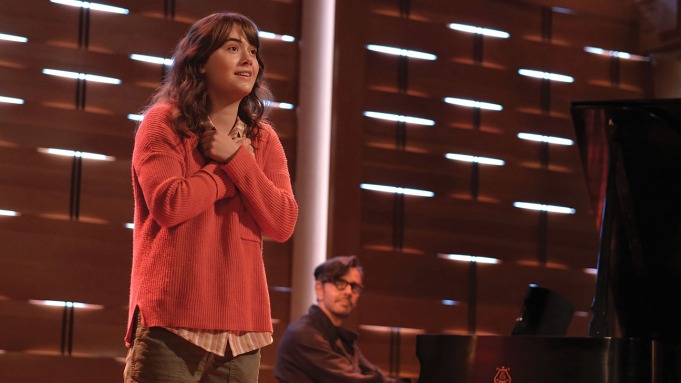
Once I watched CODA in November of 2021, I knew I was in love. Much like Lady Bird, it gave me an opportunity to reflect on my own young adulthood and the relationships with my family that have gotten me where I am today. It is a film that is both simple and profound, painting a portrait of familiar strokes for a family dynamic I will never experience and in the months since, it has gone farther in the awards race than I ever expected. It may have been the showstopper at the 2021 Sundance Film Festival, but awards season is typically dominated by the films of the latter half of the year. And yet, this Apple Original has won the top prizes from SAG and HCA, as well as awards for Troy Kotsur in Supporting Actor (which I praised in this article). Its recent wins have stirred up controversy on Twitter regarding its chances at taking home Best Picture at the 94th Academy Awards. So, consider this article a response to all the “CODA Bad” takes going around on Twitter.
CODA is a masterclass in acting that few films ever achieve. So much of each character is enforced by the performances, by the small movements and facial expressions that enable us to buy into this coming-of-age dramedy. I have sung the praises of Emilia Jones and Troy Kotsur previously, but the rest of the cast shines bright too. Marlee Matlin, Eugenio Derbez, Daniel Durant, Amy Forsyth and Ferdia Walsh-Peelo all deserve praise for their hard work in bringing this fictional world to life. Matlin and Durant are fundamental to our understanding of the conflict between Ruby and her family, as their characters show the most opposition to her goals. Each of the Rossi family must be both unbearably awkward, as families often are, whilst staying sympathetic and lovable. Matlin, Kotsur, and Durant capture that family essence perfectly. The ASL representation alone is worth something here, but it’s performed with the perfect amount of emotion to keep us invested in this family. And yeah, it’s super impressive that Emilia Jones learned ASL for the role of Ruby. Frankly, that should have earned her a nomination for Best Actress, had this year not been absolutely stacked in that category. It’s that family dynamic that is fundamental to this genre, and it wouldn’t work without the actors and actresses we have at the centre of this film.
But it’s not just the Rossi family that is enabled by strong performances. Eugenio Derbez has received so little praise for his role as Mr. V that I am flabbergasted. In all fairness, his role as a supporting actor was always going to be in the shadow of the masterful Troy Kotsur, but his work in capturing the essence of a high school choir teacher could not be more perfect. The way he manages to put on the “persona” of a high-energy choir teacher when all the students are around, and then revealing the more reserved side in private, is so real to my own experience with high school choir teachers. There’s a depth to Mr. V that is only seen through the lines on his face as he works with the group. It’s those glances that show how proud he is of the students and the work that needs to be done to enable them to reach their potential.
The world may be overly eccentric and socially awkward, but it’s balanced with a sincerity that feels unmatched anywhere else in this year’s cinema. It’s a celebration of the transition to adulthood, that doesn’t paint the teenage or adult years as inherently lesser to one another. And that stems out of a script that evolves over the course of the runtime. If you were to run a Twitter poll of the most impactful moment in CODA, there would be a split between 3 separate moments in the third act. And while the third act turns on the waterworks, those effects wouldn’t be possible without the other two acts that set up the relationships driving the narrative. Characters are introduced in the simplest, most reductive versions of themselves so that as Rubi learns to appreciate her family, we get to see the layers to them as well. Those reveals are brought about by every part of the filmmaking on display.
CODA may not be the flashiest or most complex film from this year’s lineup. It may not have the infectious energy of Spielberg’s West Side Story. It may not be as big as Villeneuve’s Dune. It most certainly doesn’t twist like Campion’s The Power of the Dog. But its building blocks are no less intentional or well crafted. For a film about music, its sound is often very reserved. From the sound mix that amplifies the intensity of discussions happening in ASL, to the score that populates only the most important moments, CODA is quiet in ways that would seem counterintuitive to a story about music. Considering the training that Jones and Walsh-Peelo underwent to record 4 whole songs that were largely cut down, it becomes crystal clear that Heder and her team of filmmakers knew what truly mattered in this story wasn’t the flash of raw talent but the restraint that enables empathy to shine through.
At the end of the day, that emotion is fundamental to a story like CODA. If it were to win Best Picture, not only would we be seeing the third female directed Best Picture winner, but also the first Best Picture win to predominantly focus on the D/deaf community. About 40% of CODA’s screenplay was made for ASL, which is a feat worth remembering. After the hell that has been the last 2 years, I can’t think of a better way to celebrate than to award a film all about bringing joy to the world despite challenges and questions we don’t always have the answer for.
I leave all of this with a quote from the great Roger Ebert:
“For me, the movies are like a machine that generates empathy. If it’s a great movie, it lets you understand a little bit more about what it’s like to be a different gender, a different race, a different age, a different economic class, a different nationality, a different profession, different hopes, aspirations, dreams and fears.” I may never be a part of the D/deaf community, but I know I can empathize with them because we all face similar hardships and questions about life. And CODA let me see another aspect of that.
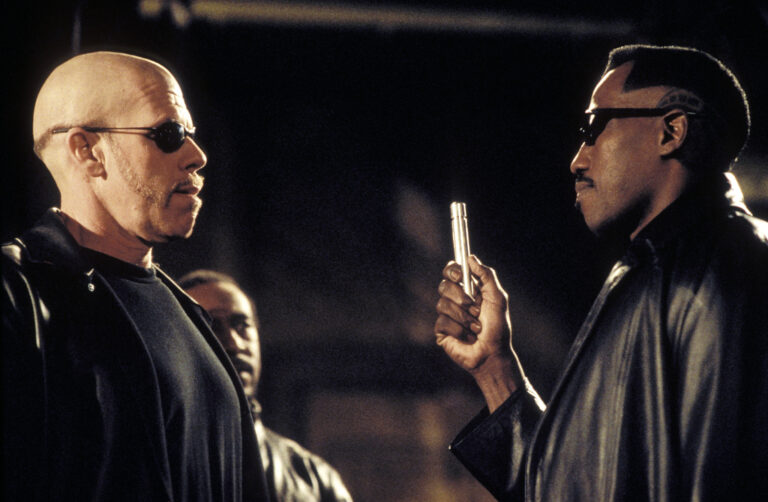
Is this the best non-canon Marvel film of all time? There’s certainly an argument to be made. Would there even be an MCU without Blade 2? It could even be debated that before Marvel films were cool; strictly for “nerds” and more fitting as an animated TV show, the 1998 Blade film brought the franchise back into the spotlight and onto the silver screen. So, if the original made it popular again, the 2002 sequel truly cemented the Marvel films (even if there was no brand alliance to it) as vibrant blockbusters, with an edgy swagger, led by a likeable and bad-ass character you would follow into war without a moment’s hesitation.
Bringing Guillermo Del Toro on as director was truly a masterstroke, fresh from creating The Devil’s Backbone and moving so effortlessly back into a more fantasy-like world, one that we saw in Mimic and Cronos, a world in which he has found most of his success as a director – the man knows how to interpret the weird and the wonderful, that’s for sure. It has everything that feels like a Del Toro film; superbly vibrant, slightly over the top (but in an attractive way), the inclusion of those monster-like characters (vampires in this case), and representing them as an army of underworld criminals – which is similar to what we see in Hellboy.
The success of its predecessor and the fact that it was the first representation of this fan-favorite character meant that a sequel was always on the cards – and what an iconic sequel it was. It built on everything that made the first one so enthralling and unique, raising it to a whole new level. The first ten minutes gives us a look at the two sides of the narrative coin: the potential villain in the underworld of parasitic night stalkers, and the anti-hero half-human hybrid, going about his nightly killing spree. Both characters show such efficiency and such skillful ruthlessness – a fight between them (which is inevitable) is only going to be an epic one.
Upon its release, Blade 2 received criticism for its lack of character development, even though this film boldly portrays several aspects of Blade’s character that were only lightly teased in the first. Not only are his efficient and ruthless skills there to see (as they should be), but his humor and his caring nature shine through all of that violence. Blade shows moments of care; always concerned for his mentor (his only family), as well as a blossoming love for an enemy turned friend, traits that are sourced from his half-human heart. And it isn’t just Blade that possesses these humanistic aspects because the villain of the film, Jared Nomak (Luke Goss) also succumbs to his own broken heart – literally and figuratively.
This is an underappreciated gem with several feathers to its cap, none more so than the exquisite choreography. The fight scenes are so fluid and adventurous, a perfect blend of special effects and genuine skill (I wouldn’t expect anything less with Wesley Snipes in the lead role), and not bogged down by endless and needless cuts, which has become the tedious norm these days. But along with those fight scenes is some exceptional cinematography – who would have thought that would be the case in Blade 2? The camera work is incredibly undervalued, and there are specific scenes that accentuate that raw skill; the fighting in front of the god lights at the hideout is superb, or the sequence where we see “The Blood Pack” slowly walking in the rain towards the club, with the camera situated below the gang (portraying them as god-like figures), and Massive Attack and Mos Def’s “I Against I” enhancing the scene to iconic like levels – now that is the definition of proper cinema.
The film is effortlessly cool and swaggers around like a peacock in season. It possesses a unique elegance to it that is encapsulated, and more importantly, led by Snipes, who just owns every scene he is in. Snipes was already quite the name in the early 90s, mostly appearing in crime thrillers or action films, oh… and who could forget about White Men Can’t Jump. But this was the perfect character for him to take on and make his own, and it’s one of the reasons why Blade became so well-revered, and why Snipes’s affection for his counterpart became so high.
Now, Snipes is not on his own in aiding this film because Blade 2 also consists of a fantastic cast; a perfect blend of new acting talent, Del Toro mainstays, and a couple of well-established actors from around the globe. The likes of Ron Pearlman (who is perfectly cast as one of Blade’s adversaries, Reinhardt), Norman Reedus as the pot-smoking tech expert, and perfectly named “Scud”, Kris Kristofferson was back as “Whistler”, a character who is as big a fan favorite as his adopted son is. Even the smaller supporting cast members are littered with stars of past and present, with Danny John-Jules taking a break from his comedy work, Thomas Kretschmann appears as Eli, the vampire lord, and Donnie Yen even appears as a ruthless vampire (and he doesn’t even need to mutter a word to be iconic). Del Toro is known for his skill at mustering diverse and exciting casts, it’s something he’s done throughout his career.
The success of Blade 2 also allowed Del Toro to work on more comic book films, going on to direct the Hellboy series before its very abrupt end. Now, the less said about Blade: Trinity, the better, which is why the focus should be on the first two because they are excellent. The need for the Blade character has become evident (especially in this new wave of Marvel films), and the news that Mahershala Ali has already been cast as Blade in future MCU films is a fine choice – he is a marvelous actor after all. But Snipes’s version almost feels unfinished because of the questionable climactic film in the series, and there should be no argument to say his portrayal is anything less than memorable. There is a lot of talk about actors being perfect for certain characters; like Hugh Jackman as Wolverine, or Robert Downey Jr. as Iron Man, but Snipes might just be the most felicitous out of the lot, and that is saying a lot about his impact on the Marvel franchise, 20 years on.
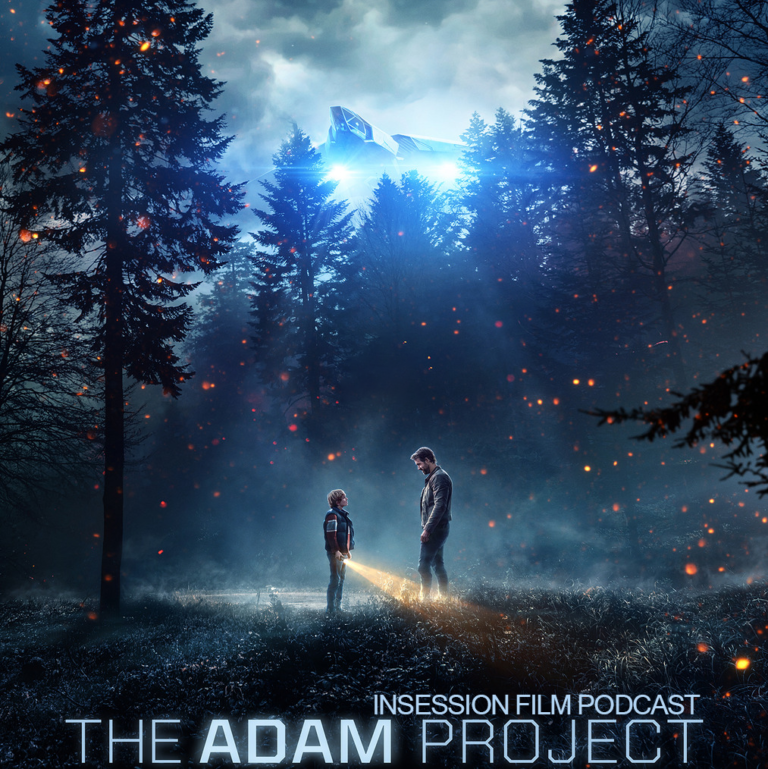
This week on the InSession Film Podcast, Josh Parham from Next Best Picture joins us as we continue our Steven Spielberg Movie Series with his 1987 film Empire of the Sun, and we also review the new Netflix movie The Adam Project! Plus, a few thoughts on the latest Oscars discourse.
Big thanks to Josh for joining us once again. He’s always a great guest and it was a pleasure to hear his thoughts on Spielberg’s Empire of the Sun. As for The Adam Project, we had to do our best to contain JD’s emotions given the Mark Ruffalo monologue we hear at the end of that film. But maybe more surprisingly, we had to control his frustrations over the Oscars conversation on social media, which is wildly out of control. Either way, it was a really fun show and we had a ton to talk about.
On that note, check out this week’s show and let us know what you think in the comment section. Thanks for listening and for supporting the InSession Film Podcast!
– Steven Spielberg Movie Series: Empire of the Sun (5:36) Director: Steven Spielberg Writers: Tom Stoppard Stars: Christian Bale, John Malkovich, Miranda Richardson
– Notes / Oscars Discourse Rant (56:52)
This week for our break segment, it may be somewhat polarizing if you’re a massive fan of the current discourse around the Oscars, but so much of it has lead to venomous discussion that we had to rant about it. Specifically about how the Oscars has transformed from a celebration of art to a sports competition. A notion that is fundamentally at odds with another given the nature of film and its function in society. It isn’t (or shouldn’t be) made for sports. Especially when the movies competing against each other are so different from one another. We talk a lot about this and also why the history of the Academy is being lost in the conversation as well.
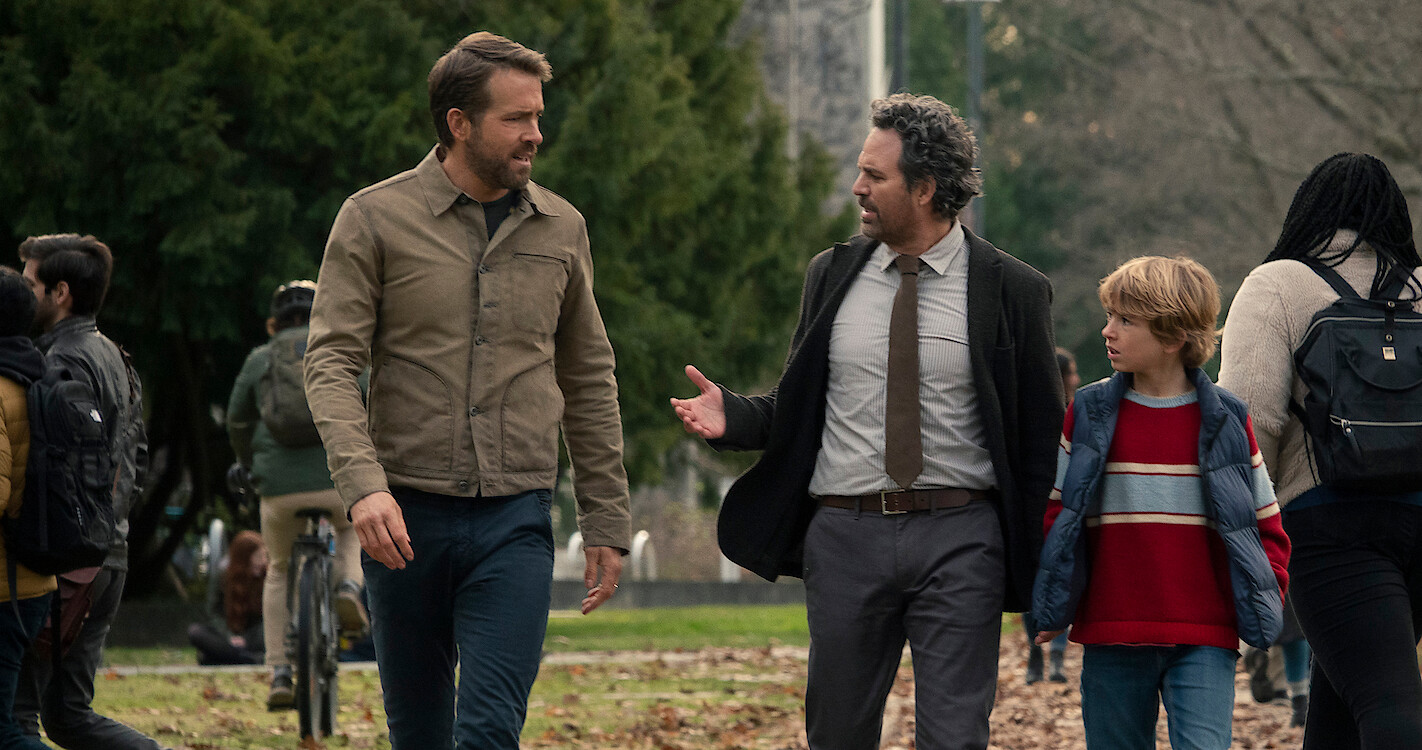
– Movie Review: The Adam Project (1:28:58) Director: Shawn Levy Writers: Jonathan Tropper, T.S. Nowlin, Jennifer Flackett, Mark Levin Stars: Ryan Reynolds, Walker Scobell, Mark Ruffalo, Jennifer Garner, Catherine Keener, Zoe Saldaña
Review: Everything Everywhere All at Once
Steven Spielberg Movie Series: Always
[divider]
Help Support The InSession Film Podcast
If you want to help support us, there are several ways you can help us and we’d absolutely appreciate it. Every penny goes directly back into supporting the show and we are truly honored and grateful. Thanks for your support and for listening to the InSession Film Podcast!
Eleven months ago, just before the 93rd Academy Awards, Esquire contributor Tom Nicholson wrote a listicle ranking all of the Academy’s Best Picture Winners from worst to best (last year’s winner Nomadland was retroactively inserted into 18th place after the ceremony took place). While Nicholson attempts to differentiate his list from countless others gracing the internet through such bold choices as placing The Deer Hunter second-to-last and referring to Birdman as a “wank-fest”, he breaks the cardinal rule of movie list making (that is, not seeing every film ranked on the list) as displayed through one particular entry:
Marty (1955)
Haven’t seen it. It’s plonked here as a control, just a completely neutral non-film.
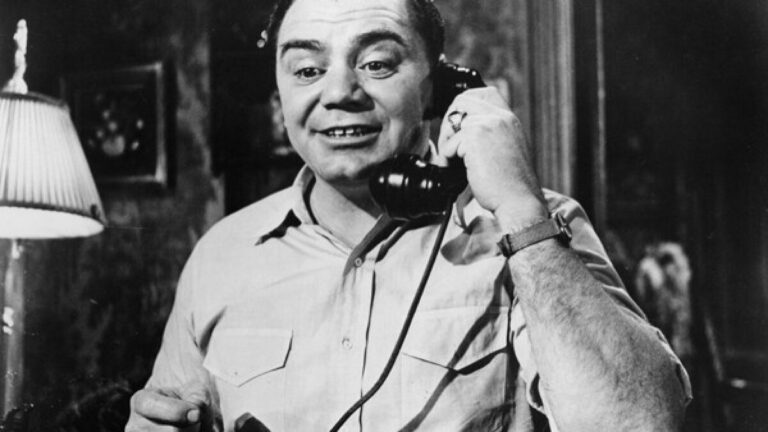
Admittedly, Marty is one of those films unlikely to be thrown on a by a casual film-watcher, and hardcore film fans might only watch in a quest to watch every best picture winner, as that is how I happened to come across it. I knew almost nothing about this film going in other than its release date and the fact that it starred Ernest Borgnine (whom to a humble Gen Z’er doesn’t have the strongest name-recognition). Though from another generation, Marty’s low-key production, interpersonal drama, and sympathetic performances from its actors make it a memorable ninety-minute drama that manages to transcend the seven decades since its release.
Marty follows its titular character (Borgnine), who won the award for best Actor for his performance, working as a butcher and living as a thirty-something bachelor with his protective Italian mother. While feigning disinterest in falling in love and settling down, we soon learn that Marty, contrary to the typical male hero of the 1950s, has significant issues with self-esteem and social interaction. In one particularly heartbreaking scene, Marty asks a girl out over the phone only to berate and verbally abuse himself after she declines. On Youtube, several comments under this clip indicate an unfortunate familiarity with this scenario:
“I cringe at this greatly acted scene. Been there.”
“Happens to me all the time. Great movie. Great performance. True to life…”
At a dance, Marty encounters Clara (Betsy Blair), a shy, bookish school teacher who has found herself in a similarly lonesome situation. Empathizing with one another, the two quickly bond and (because it’s the 1950s) fall in love. Continuing issues of self-esteem, existential dread, and the aforementioned overbearing mother serve as obstacles to their relationship that ultimately works itself out in a happy, if somewhat ambiguous, ending.
Produced by Hecht-Lancaster productions (founded by Harold Hecht and Burt Lancaster) with a budget of $350,000 (just under $4 million in today’s dollars) Marty looks nothing like a typical Best Picture winner of today or the 1950s. It is bookended by Elia Kazan’s politically charged masterclass On The Waterfront and the high-grossing epic adventure-comedy Around the World in 80 Days. In a decade dotted with dynamic studies of post-war masculinity, Marty dares to present America with an unflattering reflection of itself, one with little self-confidence and without a hero or villain. Whether the melancholy of the Silent Generation, angst of Gen X, or anxiety of today’s youngsters, Marty can be understood by any member of any era that has ever felt a sense of overwhelming dissatisfaction with the world and themselves. Though an unlikely comparison, the film can be seen as a predecessor to the now-familiar introspective dramedies focusing on individuals in their late 20s and early 30s searching frantically for their place in life, this year seen in such films as The Worst Person in the World and tick, tick…BOOM!. Evidently, upon its release, this story was recognized for its relevance internationally as it was awarded the Palme D’Or (the second of only three films to do so along with a Best Picture win).
Is Marty the best film to come out of 1955? Probably not. But in its defense, 1955 was a particularly good year for film. With such American and International titles as All that Heaven Allows, The Night of the Hunter, Diabolique, East of Eden, Rebel Without a Cause, Ordet, and Richard III, Marty fits in comfortably as a film that reconsidered the boundaries of filmmaking in this innovative decade. I can’t read the minds of 1955 Academy members, but whether they meant to or not, awarding an independent, small scale film has allowed it to persist through the following decades of film history and remain a relevant time capsule of post-war ennui. If all critics held the same position as Mr. Nicholson, then all small-budget, low-key, down-to-earth productions about real people with real problems would be considered “non-films”, and in the 2020’s, we ought to know better.
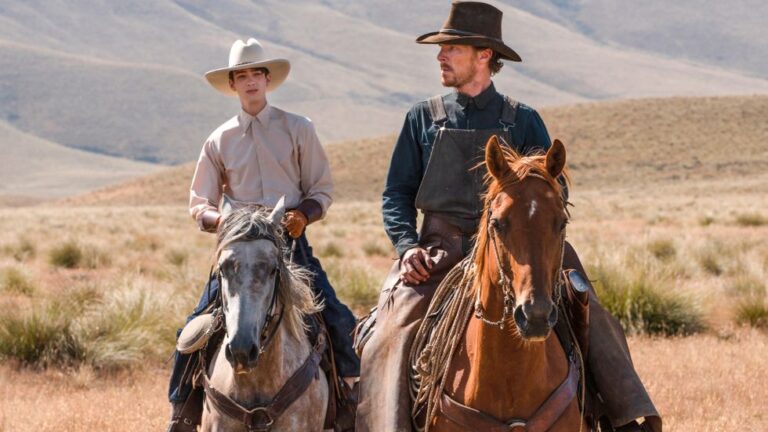
There’s a scene in The Power of the Dog in which Phil Burbank, played by Benedict Cumberbatch, kneels in a small glade by a body of water. He is stripped to his waist and he slowly pulls a yellow handkerchief from the front of his pants. Phil languidly, achingly runs the handkerchief across his naked chest and his rough, weathered face. He’s delicate with the object, painstakingly careful with what it represents to him and as slowly as it is drawn across his face, the monogram BH is revealed and there is confirmation of everything we have suspected about the nature of Phil and Bronco Henry’s relationship. It’s confirmation that while Phil is utterly reprehensible, he’s also a human with needs, desires, and deep complicated emotions. The Power of the Dog is filled with slow, beautiful filmmaking that reminds us why we love the medium and why it is unique among storytelling mediums.
The Power of the Dog wades into the complicated cruelty of humans. With a visual panache that breathes subtext into every movement of the film, director Jane Campion and her crew have not only captured a period, but a zeitgeist as well. We grapple now, as the people in Phil’s orbit then, with men afraid their place in the world is being usurped. Yet, as often happens with these men, as loud as they may be, their belly will eventually be exposed and they will find the world prefers the new way and they can accept it or be left in the dust.
The narrative suits the paradigm shift in viewing habits as well. The Power of the Dog is a film produced by and streaming on Netflix, the portent of the end of the traditional film going experience. Yet, a great film doesn’t require a certain size of screen to make an impact. A great film requires our eyes to be open to what it has to offer and The Power of the Dog has so much to offer. From its rich textured close ups, to its awe-inspiring wide shots of gorgeous vistas, The Power of the Dog is a masterpiece that reminds us that a visual medium can convey as much or more information as text spoken or written. The film’s plot is layered, it’s performed expertly by its entire cast, and brings a depth of sound that heightens our sense of tension and desire. The Power of the Dog is exquisite and proves why Jane Campion is one of our greatest living filmmakers. The Power of the Dog deserves to represent the 2021 film year as its Best Picture.
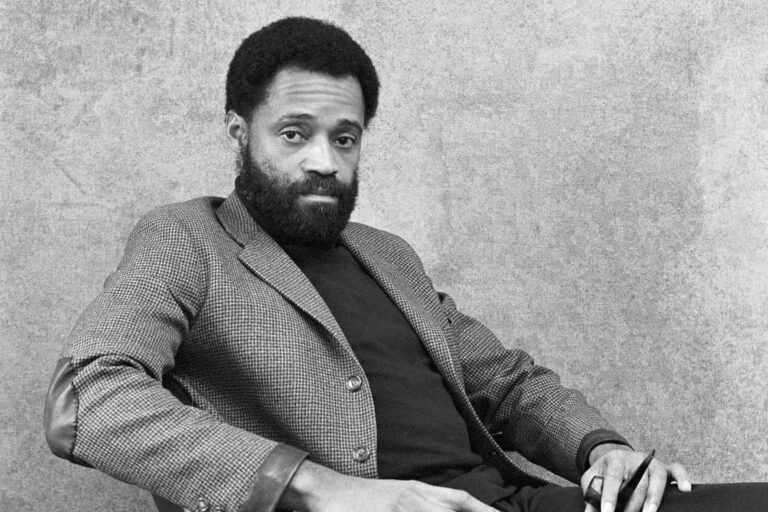
This August would have been Melvin Van Peebles’ 90th birthday, but prior to his passing last September, he permitted the Criterion Collection to bring in his early films that has made him the “Godfather of Black Cinema.” Van Peebles – the “Van” was added when he was living in the Netherlands for a time – was a Renaissance man who chose to go out on his own and not be held back by a system that was not willing to raise their own future directors who were Black. He had to do everything: write, direct, act, edit, and compose. Van Peebles’ self-made image has been an inspiration to the generation of Black filmmakers and artists that followed; including Spike Lee, Barry Jenkins, and John Singleton.
Born in Chicago, Melvin graduated from college and went into the Air Force before moving to San Francisco. He made his own short films, then went to Hollywood where no one wanted to hire him, so Melvin, who had already moved his family for a short time to Mexico, decided to move the family to France. There, his short films were played for Henri Langlois, film archivist at the Cinematheque Francaise. Even after his marriage ended, Melvin stayed in Paris, made more short films, and became an established writer. He wrote four novels and a play, plus contributed to the satirist magazine “Hara-Kiri,” the forerunner to the current satirist magazine “Charlie Hebdo.”
Melvin took advantage of a French law that said any established French-speaking writer could apply to be a film director. It didn’t matter that he wasn’t a citizen or that was American, Melvin had written and published numerous pieces that qualified him to direct any story he wanted. He would adapt his own novel, La Permission, into the film The Story Of A Three-Day Pass about a Black American G.I. who gets a promotion and is allowed to spend a weekend out free from base. He meets and falls for a Parisian white woman, but the brief affair gets him in trouble. The film received acclaim and after being screened at the San Francisco International Film Festival, Columbia Pictures hired him to direct Watermelon Man.
In a biting satire, Watermelon Man tells the story of a married man who constantly has racist jokes that wakes up one more morning to discover he has inexplicably turned black. The script initially saw a white actor in the role, which meant playing in blackface most of the time, but Melvin insisted a black actor play the role so that he would be in whiteface for only a short period. Melvin then annoyed the studio by changing the ending, in which the main character accepts staying Black instead of changing back to White as it was all a dream. However, it was a success and Columbia offered a three-picture deal to Melvin. Even when the offer was still available, he decided to walk away to make his own picture which would be a groundbreaker.
That film, which would establish the blaxploitation genre, was Sweet Sweetback’s Baadasssss Song. On a budget of just $150,000, one-third of coming from a loan by Bill Cosby, Melvin made a film, “about a brother getting the Man’s foot out of his ass,” with him playing the titular character who gets his name “Sweetback” because of his sexual power through his large penis. After witnessing two police officers assault a Black Panther, Sweetback attacks them and flees the scene. It then becomes a chase to the border for Sweetback to beat law enforcement at their own game.
In 19 days, Melvin did just about everything himself, including the dangerous stunts, and with no union support. He did get extra money from the Directors Guild of America when Melvin contracted an STD after performing an unsimulated sex scene which he listed as being “hurt on the job.” All of the crew were inexperienced and the bikers in one scene were actually members of the Hells Angels. For the music, Melvin got an unknown band at the time who just moved to Los Angeles: Earth, Wind, & Fire. Through their soundtrack, it brought promotion and hype to the film, advertised as, “Rated X by an all-White jury.” The film grossed $15 million, the most at the time by an independent film.
He would never get another studio offer and continued to work independently on his own projects while taking on different jobs, including at one point working with in the stock exchange market in the 1980s. Two musicals on Broadway were written and produced, Ain’t Supposed To Die A Natural Death and Don’t Play Us Cheap! His son, Mario, would eventually become a noted actor-director himself, famously for the films New Jack City and Baadassssss!, a biopic about his father’s work in making Sweet Sweetback. A retrospective on Melvin Van Peebles has made him one of the most important figures in Black cinema and his passing was mourned by noted figures both Black and White.
In the special features to Criterion’s collection of Melvin Van Peebles films, producer Warrington Hudlin (House Party) told a story to journalist Nelson George about a film festival he attended. A French journalist asked Melvin what was the message in his movies. Removing a cigar from his lips, Melvin said, “N****s win.” Hudlin said he reacted enthusiastically just like those who watched Melvin defy Hollywood and create films of his own making without any prejudice or “the Man” coming in to silence a strong, Black voice of the time.
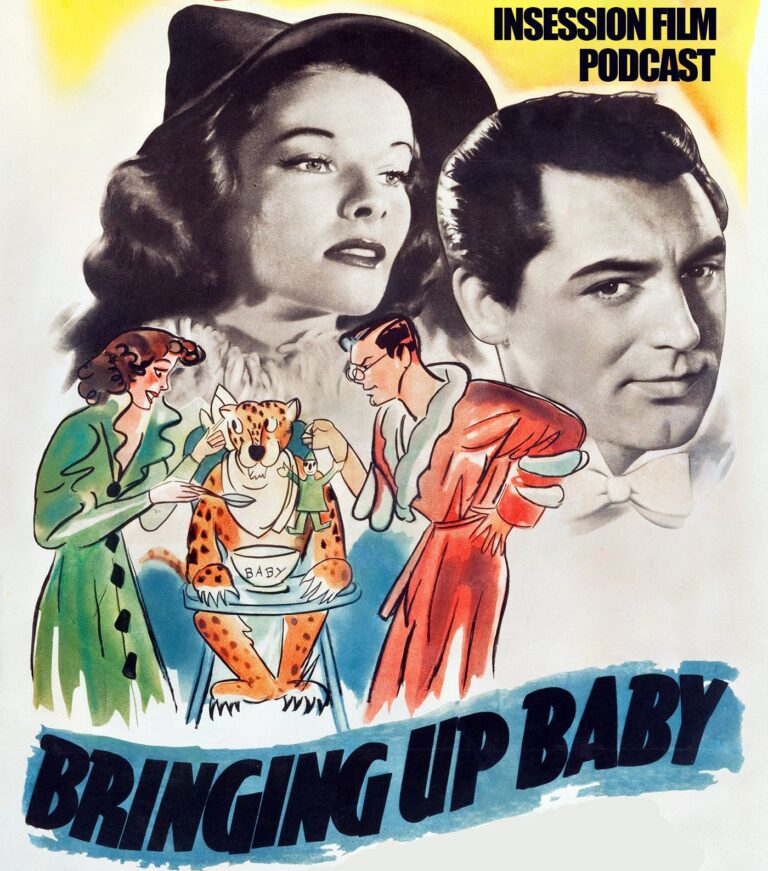
This week on Extra Film, Ryan and Jay begin their Howard Hawks Movie Series with his 1932 gangster film Scarface and his 1938 screwball comedy Bringing Up Baby!
This week’s episode is somewhat of an odd one all things considered. Hawks is *the* definition of an eclectic filmmaker and these two films quintessentially prove that notion. Scarface and Bringing Up Baby couldn’t be more different from one another, but that’s what makes these conversations really compelling.
On that note, check out this week’s show and let us know what you think in the comment section. Thanks for listening and for supporting the InSession Film Podcast!
– Movie Review: Scarface (4:54) Director: Howard Hawks Screenplay: W.R. Burnett, John Lee Mahin, Seton I. Miller, Ben Hecht Stars: Paul Muni, Ann Dvorak, Osgood Perkins, Karen Morley, George Raft
– Movie Review: Bringing Up Baby (54:34) Director: Howard Hawks Screenplay: Dudley Nichols, Hagar Wilde Stars: Katharine Hepburn, Cary Grant, Charles Ruggles, Barry Fitzgerald
We try to make this the best movie podcast we possibly can and we hope you enjoy them. Subscribe today on iTunes, Spotify, or Stitcher, and please leave us a review on iTunes. You can also find us on Soundcloud, PlayerFM, and TuneIn Radio as well. We really appreciate all your support of the InSession Film Podcast.
To hear this Extra Film episode and everything else we do, download our apps on the Amazon Market for Android and the Podcast Source app on IOS devices. The mobile app covers all of our main shows, bonus podcasts and everything else relating to the InSession Film Podcast. Thanks for your wonderful support and for listening to our show. It means the world to us.
Stars: Mia Goth, Jenna Ortega, Brittany Snow, Scott Mescudi
Synopsis: In 1979, a group of young filmmakers set out to make an adult film in rural Texas, but when their reclusive, elderly hosts catch them in the act, the cast find themselves fighting for their lives.
There’s a deep, Hitchcockian sense of dread over the entirety of X. Around every corner, within every darkness, hidden in every copse of trees, there is the imminent threat of danger. There is so much tension that sometimes its resolution is held over until we least suspect it. The film seems to delight in a bit of delayed gratification. Which is ironic, being that the film within a film is pornography.
A psychosexual ballet plays out between the filmmakers attempting to make their movie in secret and the couple whose own sexual proclivities are revealed as the film progresses. There’s even a strange parallel scene between the two dramas. Maxine, (Mia Goth) , is invited into the main house by Pearl, also played by Goth in heavy prosthetics. Whereas in The Farmer’s Daughter, Jackson (Scott Mescudi), is invited into the house by Bobby-Lynne (Brittany Snow). The scenes have the same energy, the same need, that takes shape over a dinner table and shared lemonade. They even have the same tension that at any moment, the old man could return and ruin the intimacy they’ve created.
As the film forms these ideas about sexuality, sex, and the freedom of sexual relationships, there’s a feeling that the tipping point is coming, that the jarring twist toward violence and gore and away from the titilation of tension and T and A. There is a thought, and a conversation within the film, that there could be a switch. Lorraine, (Jenna Ortega) mentions that in Psycho, the film establishes one story and then shockingly pivots toward a different type of film. And while Ti West baits us again, it’s almost a let down that the mayhem that follows is almost exactly as suspected. It’s a slight disappointment that we can’t be caught off guard completely. The eventual kills are gruesome and shocking, but almost banal in their reveal and muddled by subtext becoming text. What is meant to be a jump scare is more of a cringe.
What is arresting about the film is the photography itself. West and frequent collaborator, cinematographer Eliot Rockett make their camera into a deftly moving object. The opening is a static shot of the main house from the barn. As a police cruiser pulls up, the camera pushes in. The walls of the barn fade from the frame and more police cruisers come into view. As the camera moves through the grass we see that it’s a large crime scene. X is filled with these dynamic shots from a POV of a character walking down a hallway to a wide crane shot of Maxine swimming in the water and unknowingly pursued by a crocodile. The photography and the unique blend of throwback style in the editing by West and editor David Kashevaroff give X a really slick look and feel.
The story for X feels like it wants to push boundaries and build something unique out of the vaunted ’70s low budget horror style. It wants to add something to the conversation, presenting these ideas in new ways, though it doesn’t go far enough beyond what it sets out to be, which is a slasher film. The filmmaking is the real star, with Ti West pushing boundaries with his techniques and having a team that creates something truly interesting to look at. It’s even brilliantly scored by Tyler Bates and Chelsea Wolfe who add in female vocalists who make sounds that, depending on the context of the scene, could be ecstasy or agony. Overall, though, X is a satisfying slasher that doesn’t quite make it to the existential levels it shoots for.
Synopsis: Chisato and Mahilo are two high school girls who are about to graduate.They also happen to both be highly skilled assassins.When the organization they work for orders them to share a room, the relationship between turns sour.
The first time we meet Mahiro Fukugawa (Saori Izawa) she is in the cramped, dimly lit backroom of a grocery store being interviewed for a sales assistant job by an overly officious manager. She’s a young girl, maybe 16 or 17, and clearly has no interest in the job being offered. She lacks the ability to be enthusiastic in the ways the manager is looking for, and she struggles to sell herself. She tells the manager her main job is live streaming, which elicits a stern, reproachful response. In other words, she is like a lot of average young girls her age. There is little that stands out about her.
Until she pulls a gun from her bag and shoots the manager directly in the head.
This is Yugo Sakamoto’s Baby Assassins, a movie that seems to delight in subverting expectations as it delivers a truly gonzo action comedy which is, at its heart, most concerned with the friendship of its two young leads. Refusing to take its premise even remotely seriously, and fueled by a rambling plotline that is anything but straightforward, Baby Assassins feels like a part of the culture in which it’s made. It won’t be for everyone, some of its more offbeat and irreverent moments may test the patience of the average cinema-goer, but Sakamoto’s vision is ultimately a unique one and is executed with the precision of a sniper – in that way it’s a raucous rollercoaster that’s as fun as the name suggests.
Mahiro and Chisato (Akari Takaishi) are roommates in the bustling city of Tokyo. Both having recently graduated, they are job hunting and learning how to do adult things like pay bills and cohabit without drama. They are also assassins who have been thrown together by the shadowy organization they work for so that they can blend in with society. This is why they need jobs: no one suspects a young girl who works in a café of being a highly skilled assassin capable of killing a shady drug trafficker without batting an eye. Unfortunately, said drug trafficker had ties to the Yakuza, and now our intrepid young assassins find themselves up against their greatest challenge yet.
Baby Assassins’ biggest strength is the chemistry between Mahiro and Chisato. They are polar opposites in terms of their personalities – Mahiro is a quiet, socially anxious introvert, while Chisato is bright, bubbly, and chatty with everyone – yet mesh together surprisingly well. The arc of Baby Assassins is really these two friends learning to understand each other better as they live together. There’s an interesting juxtaposition between the day jobs these girls have, which they are always terrible at for a variety of reasons, and the professional, clinical way they carry out their assassination duties. Sakamoto balances the strange dichotomy of being extremely talented in an (necessarily) invisible way with struggling to integrate into a society which only rewards certain kinds of talent, namely customer service and interpersonal skills. The irony is clear: our assassins are professionals at taking lives, and useless at enriching them in any way.
For a martial arts actioner such as this, cinematography is incredibly important, and Moritada Iju doesn’t disappoint: the camera flits quickly from moment to moment during fights, capturing the raw brutality of each action but also infusing it with the pop-punk style Sakamoto is going for. It’s clearly operating on a low budget, so adjust your expectations accordingly, however, the guerrilla filmmaking style works in its favor. Baby Assassins doesn’t shy away from its more gruesome moments, and indeed accentuates the deadliness of each weapon on offer. The dark violence is also pleasingly contrasted by the poppy visual style as well – lots of bright tones and colors awash the screen, creating a dissonance between the violence and how it’s presented. It works well as both a visual and thematic style and ensures Baby Assassins stands out in this way.
Both Saori Izawa and Akari Takaishi are great in their respective roles. Izawa plays a disaffected loner well and her Mahiro feels perfectly relatable as a young girl struggling to integrate into society. Takaishi has a different kind of role to play; Chisato is vibrant and energetic, constantly talking into the silence, but is also prone to sulking and fits of rage. Takaishi moves between these moments well and makes Chisato feel like a fully fleshed person with her own issues to deal with.
Outside of this there are other characters, but none of these are even given names. They are essentially cyphers who exist to propel the plot forward for Mahiro and Chisato. Ultimately, what matters is the chemistry Izawa and Takaishi bring to the screen, and how they elevate what could have been another paint-by-numbers action movie into something a little more unique.
March 13th ended up being a busy day for Oscar pundits as both the BAFTAs and the Critics Choice Awards happened. Being the final two major live telecasts before the Academy Awards on March 27th, there was a lot to unpack with these two sets of winners. There is no need to delve deep into certain categories that have strong frontrunners at this point, such as Director and Lead Actor, as there is little to say there that has not been said based on other precursors. Instead, this analysis will focus on the closer races and what wins at BAFTA and CCA may have created an impact regarding the Oscars.
The Screenplays
Going into this hectic day, there seemed to be set favorite sin both screenplay categories this year with Belfast for Original and The Power of the Dog in Adapted. That is exactly what happened at CCA, which feels weird given the backlash against the Belfast screenplay by critics on social media. However, BAFTA went down a different route for both categories and awarded Licorice Pizza the Original Screenplay prize and CODA the Adapted Screenplay prize. This has now turned both awards into very interesting races as there is a case for all of these films to win their respective awards.
Looking at Original Screenplay first, it has felt like a race between Licorice Pizza and Belfast since the start of the season. For a long time, Belfast was the Best Picture frontrunner and looked like it could easily take home at least three Oscars. However, the film has slowly started to lose momentum and the poor performance at the BAFTAs does not help its case. The Academy may also view this as a time to reward Paul Thomas Anderson, who has earned eight Oscar nominations at this point without a single win. While there might be controversy around certain aspects of the screenplay with Licorice Pizza, there seems to be enough goodwill and now the BAFTA win to push him over the finish line this time around.
Jumping over to Adapted Screenplay, it only seems like a race that has shaped over the past week or two. For a majority of the season, it seemed like Campion would win for The Power of the Dog and the CCA win proves that. However, with Campion feeling like such a lock to win Best Director, there is a case that Academy voters would perhaps want to spread the wealth and BAFTA has now given an opportunity for CODA to take. While I personally do not believe the hype of CODA going on to win Best Picture purely because it has overperformed this season, anyone that does believe it better be predicting it to win Adapted Screenplay over The Power of the Dog. With The Power of the Dog being ineligible for the WGA, that may just be the push CODA needs to secure one last win and push the momentum forward.
Best Editing
Neither CCA or BAFTA proved to be any help when it came to Best Editing, easily the messiest category this award season. Dune is the only film to have been nominated in all Editing line-ups this year, but failing to secure a win at BAFTA against No Time to Die when it scored five other wins perhaps shows some weakness with how the editing of Dune is viewed. Additionally, the Editing award at CCA went to West Side Story, once again a selection that is not nominated at the Oscars.
The only films nominated at the Oscars to have scored a win at any show for Editing are King Richard and tick, tick.. BOOM!, which both won at the ACE Eddies. Both of the films present moments of editing that the Academy may lean in favor of, whether it is the tennis montage sequences in King Richard or the musical numbers in tick, tick… BOOM!. If you want to make a case for Dune winning with the Sound stat correlation and securing the most nominations, that is a way of going about it. If you want to link Editing with Best Picture and predict The Power of the Dog, that is also a valid point. There is a tight race here between four of the contenders and it is just a shame that the winner will be revealed on Twitter before the telecast even begins.
Best Cinematography
The last category I want to talk about here is Best Cinematography, which will potentially become clearer once the results from ASC are revealed. Until then, the BAFTAs and CCAs were split between Greig Fraser for Dune and Ari Wegner for The Power of the Dog. Personally, I would have loved to have seen Netflix dedicate a bigger campaign to getting Ari Wegner an Oscar for her work. It would be a historic moment having a female cinematographer finally on stage accepting an award, and yet it feels like Netflix has been focusing a campaign on Jonny Greenwood’s score instead, which is having a hard time against Hans Zimmer’s score for Dune.
Instead, Dune has utilized this time to build up a strong campaign with all the technical nominations it has. Not only does it look secure in Score, Sound, and Visual Effects; but winning both the BAFTA and CCA for Production Design and the BAFTA win for Cinematography makes the potential haul for Dune at five wins, six if it pulls through in Editing. With film fans also applauding Greig Fraser’s recent work in The Batman, that has only given him extra publicity in a race where any last minute push could be enough to take the race.
Sometimes, Hollywood’s history of, and practice of, continued misogyny really makes me wonder how different things could be on a film level with that removed. This is, of course, a complex issue and not one that can be simply removed. But I find myself thinking of actor director combinations that stuck throughout director’s careers. Male directors tend to find their muses and build fabulous combined careers together. Scorsese and De Niro (or DiCaprio), Tarantino and Tim Roth (or DiCaprio, again), and Paul Thomas Anderson and Phillip Seymour Hoffman immediately spring to mind. It gets harder when trying to think of female directors. Possibilities include Greta Gerwig and Saoirse Ronan or Sofia Coppola and Kirsten Dunst. Today, I want to look at a combination that I wish had created more movies together, Allison Anders and Fairuza Balk. To accomplish this, the Criterion Channel has supplied us with a movie leaving its service, Gas Food Lodging.
Allison Anders, for a time, was a bit of an indie film darling. Possibly the high point of this (in terms of public knowledge) was her being involved with Four Rooms, alongside Quentin Tarantino, Robert Rodriguez, and Alexandre Rockwell. Fairuza Balk, on the other hand, is highly thought of in certain circles for horror and horror adjacent work, such as Return To Oz and The Craft. Because of these roles, her performance in Gas Food Lodging is a revelation. Whatever you may be expecting from her, I can almost guarantee you that you will not see it here.
Gas Food Lodging, in brief, is a coming of age story about two daughters being raised by a hard working single mother in a trailer in New Mexico. Of note, Anders was a production assistant on Wim Wenders’ Paris, Texas, and you can absolutely see her beginnings shine through. The focus on small town vistas would remind you of Wenders’ work, even without that knowledge. The two daughters could not be any different stylistically. The older sibling, Trudi (Ione Skye) is willful, sexually active, and volatile in every sense. However, Shade (Balk) keeps to herself, spends time alone in movie theaters, and focuses on her mother’s love life more than her own. Speaking of her mother, Nora (Brooke Adams) provides a much needed different type of single mother on film. She is neither a perfect paragon of hard work, nor a complete mess. Nora is a mix of both and one cannot help but relate to her, even when she is screaming at Trudi.
Gas Food Lodging also has some interesting things to say about relationships in general, and men in specific. It feels like, for most of the runtime, the only good men are on the silver screen, and not in real life. The film basically opens (after some voiceover from Balk) with a horrific interchange for Trudi featuring implied oral sex, lies, and finally, rejection. And things are no better for Nora, who seems doomed to only get attention from her ex-husband and a married man with whom she has a sexual past. And Shade? Her options seem limited to an obviously gay (to everyone but her) best friend, Darius (Donovan Leitch) and an employee at the local theater, Javier (Jacob Vargas) who is full of animosity after being called a slur by Trudi. The only possible reprieve is in Trudi’s new boyfriend, Dank (Robert Knepper), but his trustworthiness is varied throughout the runtime.
But truly, this movie sinks or swims based purely on Fairuza Balk’s performance. Depending on the scene, she is bright, dark, cold, excited, loving, and angry. It is truly a masterful performance that keeps you on the edge of your seat. And yet, there is not a single acting note out of place. She is able to, both through her wonderful performance and her absolute mastery of Allison Anders’ screenplay (based on the book, “Don’t Look and It Won’t Hurt” written by Richard Peck), make us understand her exact place and emotion, regardless of whether or not we have ever actually experienced the moment. In particular, her attempted seduction of Darius is both hilarious and painful. The awkwardness of Balk’s gait in unfamiliar heels (dressed as Olivia Newton-John) tells us everything we need to know about how this moment will progress. But it alters as she breaks down into tears and leaves in a mild rage. In a beautifully written and performed transition, she is surprised by Javier and quickly made aware that he cares for her, without the hiding behind a wig and uncomfortable shoes. It is a truly lovely moment that does not need a continued relationship to make it worthy.
Watching movies from the past can be enlightening and depressing in the same moment. Both Anders and Balk have had limited careers in film, and I cannot, for the life of me, see a good reason why they could not have been a lasting pair. Thankfully, services like The Criterion channel offer a view into what could have been. You should absolutely watch Gas Food Lodging and especially the performance of Fairuza Balk before it leaves the service.
Stars: Cloris Leachman, Thomas Duplessie, Andrew Bushell, Sheldon McIntosh
Synopsis: A rookie drag queen, reeling from a break-up, escapes to the country, where he finds his grandmother in steep decline yet desperate to avoid the local nursing home.
Cloris Leachman was a legend—a powerhouse performer with a range and résumé that most actors can only dream of. When she died last year at the age of 94, Hollywood was left with a wound that will never fully heal. From her Oscar-winning turn as the devastating Ruth Popper in Peter Bogdanovich’s The Last Picture Show to her equal-parts sinister and absurd Nurse Diesel in Mel Brooks’ High Anxiety to her chuckle-inducing voice work in Beavis and Butthead Do America (in which she plays the accidentally provocative Old Woman on Plane and Bus who loves “doing slots” in Vegas), Leachman was an unmatchable presence in American cinema. And then there’s her record-setting history with the Emmys, thanks to her prolific and varied television career! So, if anything, Phil Connell’s Jump, Darling is worth watching simply to put a punctuation mark on the life of an icon.
In Connell’s debut feature, Leachman plays Margaret, the caustic grandmother of the protagonist. The film opens on Margaret, and we recognize immediately that she is a woman in decline. She survives a kitchen accident that very well could have killed her had she not been so lucky, yet she is determined to live on her own and absolutely refuses to be placed in a home. Thankfully, her struggling-actor-turned-struggling-drag-queen grandson (Thomas Duplessie) is having a quarter-life crisis and flees Toronto to return to his small Canadian hometown in rural Prince Edward County, Ontario. Russell is at a point in his early adulthood where he doesn’t really know what he wants anymore. The acting thing hasn’t been working out, and he has not thus far blossomed into a great drag queen either. Down on himself and lacking direction, Russell’s instincts take him home.
Duplessie is fine as Russell. Playing an aimless character is not easy, especially when the direction of the film itself seems to adopt the mindset of that character. Jump, Darling wants to be “about” a lot of serious stuff: the hereditary nature of mental illness, suicidal behavior, alcoholism, family trauma, etc., but it only dabbles in each without ever fully committing to a single one; similar to Russell’s own absence of commitment or ambition. So, conceptually… sure. But it doesn’t always make for very interesting storytelling, or for an engaging performance. Naturally, Duplessie is most compelling when he’s Fishy Falters, Russell’s drag alter ego. (First of all, it’s kind of bold of Russell to choose the name Fishy when she’s not fishy. The Falters surname, however, makes sense, considering the way he’s finding his footing.) It’s when in character as Fishy that Duplessie/Russell really comes to life and the movie wakes up.
The film’s most dynamic sequence is of Fishy, at a low point, expressing herself in the best way she knows how. Finding herself all alone in the technically-not-a-gay-bar-but-ostensibly-a-gay-bar where she’s been performing and DJ-ing since arriving back in town, Fishy allows herself to mentally go to another place and the film follows: the setting’s periphery goes dark, the lighting becomes très dramatique, and the camera moves with Fishy as she’s owning every inch of the space to the tune of Robyn’s “Indestructible.” Musical theatre characters sing and dance when they’re so overcome with emotion that they have no other way of articulating what they’re feeling, and this sequence is Fishy’s fierce version of that. Her pussy is on fire as she is living her full video vixen fantasy, due in large part to cinematographer Viktor Cahoj’s lighting prowess.
Fishy reveals Russell’s strength. She’s not so much his armor as she is his conduit. It’s via Fishy that he channels his insecurities. Without the veneer she provides, Russell moves through life somewhat halfheartedly. So, of course, Duplessie’s best scenes are the ones opposite Cloris Leachman. The most dedicated thespians not only bring it to you every ball, but also elevate their scene partner. And that was one of Leachman’s greatest gifts. Thomas Duplessie is certainly a good actor, but I have a feeling he grew tenfold simply by having acted with Leachman. As a bon voyage role, Margaret is suitable. Like the actress playing her, Margaret is intuitive and tenacious, with an acidic wit. She’s also a woman carrying a lot of baggage, the weight of which has undoubtedly been contributing to her worsening state. It’s a role that requires vulnerability, and Leachman demonstrates a willingness to do what needs to be done to give Margaret the dignity she so deserves. There will never be another Cloris.
How would you feel encountering your older or younger self? Better question, would you even want to have that experience? When time travel is involved, this encounter usually leads to catastrophic consequences, such as timeline adjustments or a “nexus event” (thanks, Loki). Shawn Levy’s latest collaboration with Ryan Reynolds (The Adam Project) sees Reynolds encountering his younger self, as if one Reynolds wasn’t enough, and this got us thinking about all the times movie characters interacted in some way with themselves from a different time.
So let’s get weird, what do you think is the best film where characters encounter their older or younger selves?
This week on the InSession Film Podcast, we discuss Pixar’s latest in Turning Red and we continue our Steven Spielberg Movie Series with his 1985 film The Color Purple! Plus, a few thoughts on this year’s crop of Critics Choice winners.
It’s always a great time whenever we get to talk about the latest Pixar. The hallow controversy surrounding it on social media is unfortunate, however there’s plenty of nuance to discuss and we had a great time diving into its central metaphor and why it works. Our conversation on The Color Purple was also interesting as it was JD’s first time seeing the film, and Brendan’s first watch in about 20 years. It was a colorful episode this week and we wouldn’t have had it any other way.
On that note, check out this week’s show and let us know what you think in the comment section. Thanks for listening and for supporting the InSession Film Podcast!
– Movie Review: Turning Red (6:29) Director: Domee Shi Writers: Julia Cho, Domee Shi Stars: Rosalie Chiang, Sandra Oh, Orion Lee, Wai Ching Ho
– Notes / The Critics Choice Awards (46:11)
This week for our break segment, instead of discussing any movies we’ve seen recently, we talk about the winners of the 2022 Critics Choice Awards. Say what you will about the CCA, but this year’s crop of winners aren’t that bad all things considered. And they may line up pretty well with the Oscars if the pundits are to be believed. We’ll see, but we had a few thoughts on how pleasantly surprised we were by the outcome.
– Steven Spielberg Movie Series: The Color Purple (1:10:40) Director: Steven Spielberg Writers: Menno Meyjes Stars: Danny Glover, Oprah Winfrey, Whoopi Goldberg
Review: The Adam Project
Steven Spielberg Movie Series: Empire of the Sun
[divider]
Help Support The InSession Film Podcast
If you want to help support us, there are several ways you can help us and we’d absolutely appreciate it. Every penny goes directly back into supporting the show and we are truly honored and grateful. Thanks for your support and for listening to the InSession Film Podcast!
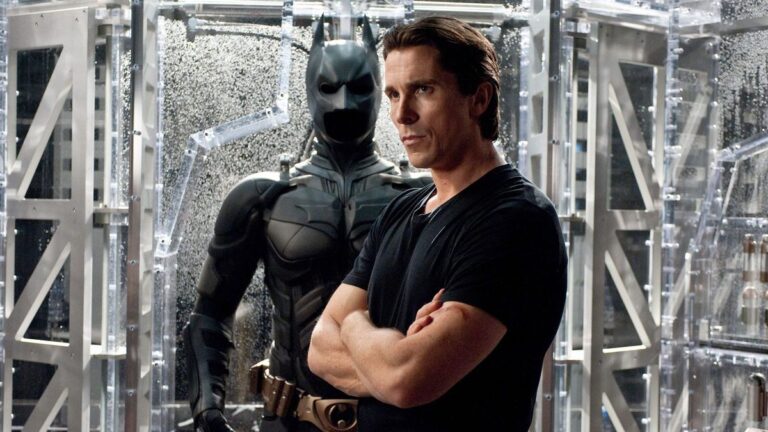
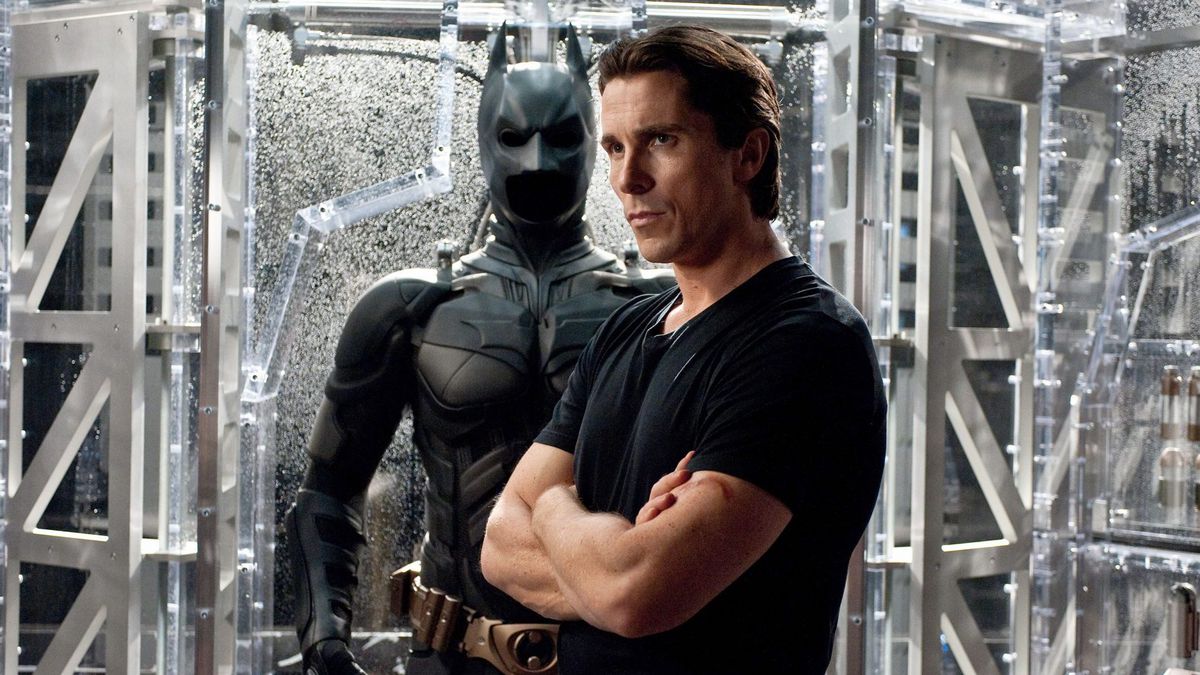
We are now approaching two weeks since Matt Reeves’ The Batman debuted in theaters, and people have been scrambling to update their Batman movie lists. It’s always exciting to revisit the caped crusader’s countless adventures, whether you rewatch them on a regular or yearly basis. I have always found it important to re-explore films to gain a new perspective that you might have missed.
There is never a bad time to talk about the world’s greatest detective, and I’m excited that I get to share my list with my fellow comic book nerds. Batman is one of my favorite heroes of all time, and it has been a joy to rewatch these films in a celebratory fashion. I might be a little late to this party bus, but I am here to list the best live-action Batman films from best to worst. Please be aware that this article will only contain listings of the live-action Batman films I have seen.
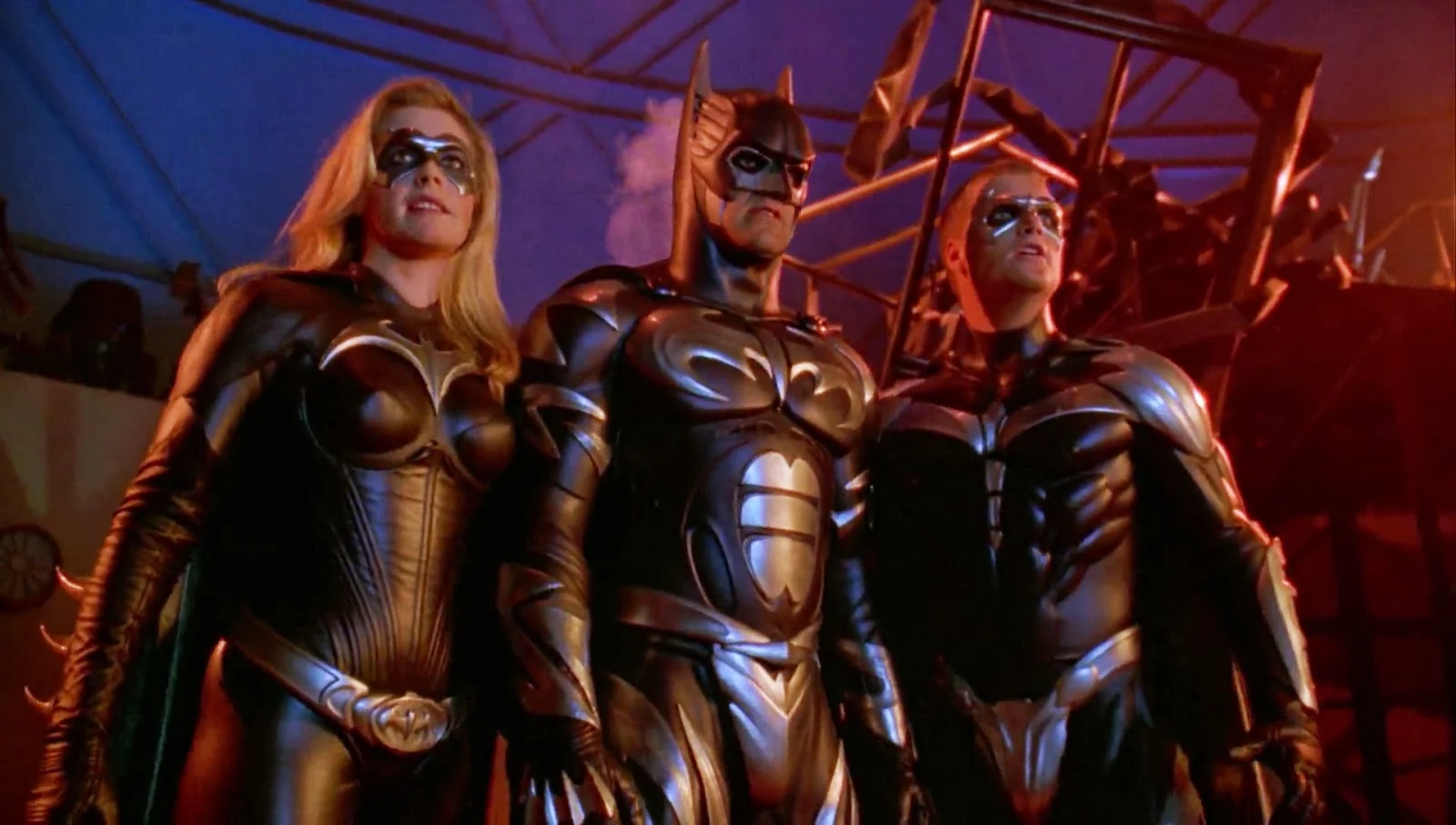
Batman & Robin (1997)
Growing up, this was a movie that I used to watch repeatedly. It is a film that is a product of its time, and to this day is not held in high regard. I always enjoyed how cheesy and goofy the dialogue can be. The film is supposed to give off a more heroic side of Batman as he takes down Mr. Freeze (Arnold Schwarzenegger) and Poison Ivy (Uma Thurman). But unfortunately, that’s not who Batman is. On my current rewatch, it felt as if the script was written for a Superman movie. However, if you can look past the film’s obvious flaws, Batman & Robin is still a fun time and it knows exactly what it wants to be: a kooky, nutty story made for kids.
Batman (1989)
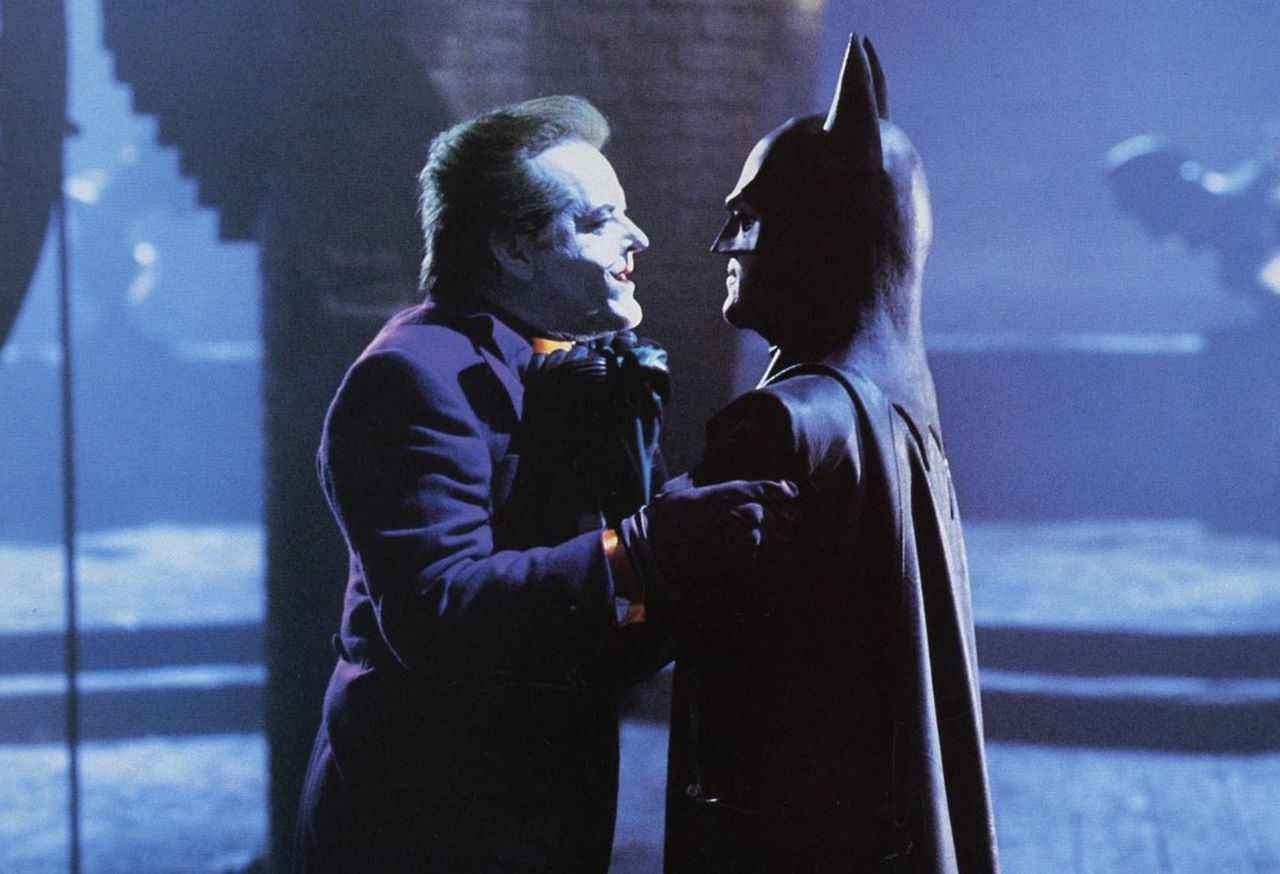
I might be in the minority on this, but Batman ’89 has never worked for me as a film. Don’t get me wrong, I enjoy Michael Keaton’s portrayal of Bruce/Batman, and I cannot discredit Jack Nicholson’s interpretation of the Joker. Both actors had amazing chemistry and it reflects well on screen, and Tim Burton’s direction and vision of Gotham is top-notch. But I think the film’s biggest flaw is its story. Outside of Batman, The Joker, and Vicki Vale (Kim Basinger), the rest of the cast is pretty forgettable. This was supposed to be the start of Tim Burton’s grand Batman universe and knowing how it ends is disappointing.
The Dark Knight Rises (2012)
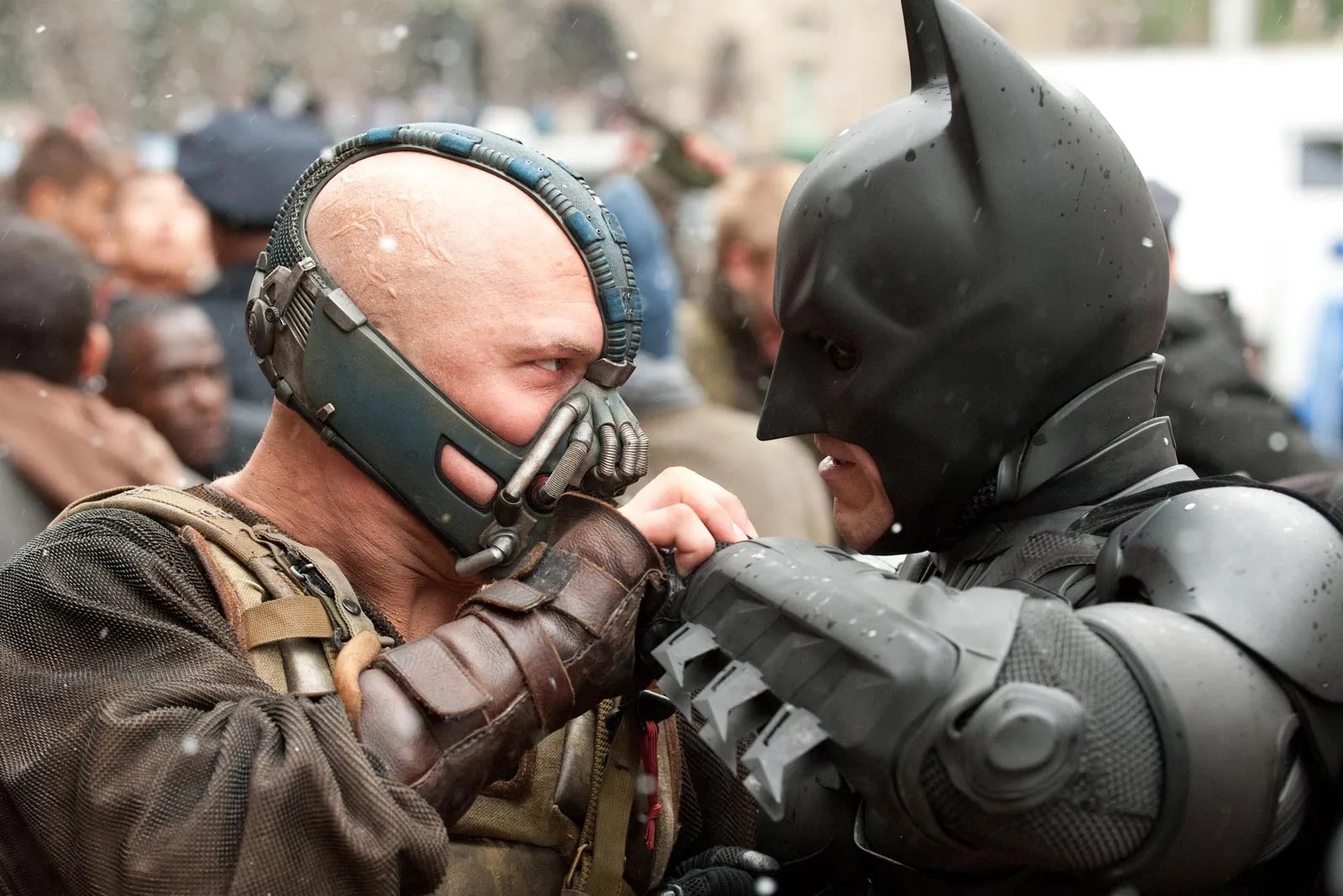
This movie showed all the potential in the world. I adore how this story goes full circle with Bruce’s relationship with Ra’s al Ghul (Liam Neeson) and adding Bane (Tom Hardy) and Selina Kyle (Anne Hathaway) into the mix was a nice touch but it could have been done better. It’s difficult to follow up on the level of excitement when it comes to the closing of this trilogy, and adding Talia al Ghul (Marion Cotillard) felt forced and unneeded. I felt like this film would have done better if they focused on building a better relationship between Batman and Bane. With that being said, It’s the weakest out of the Dark Knight Trilogy.
Batman Forever (1995)
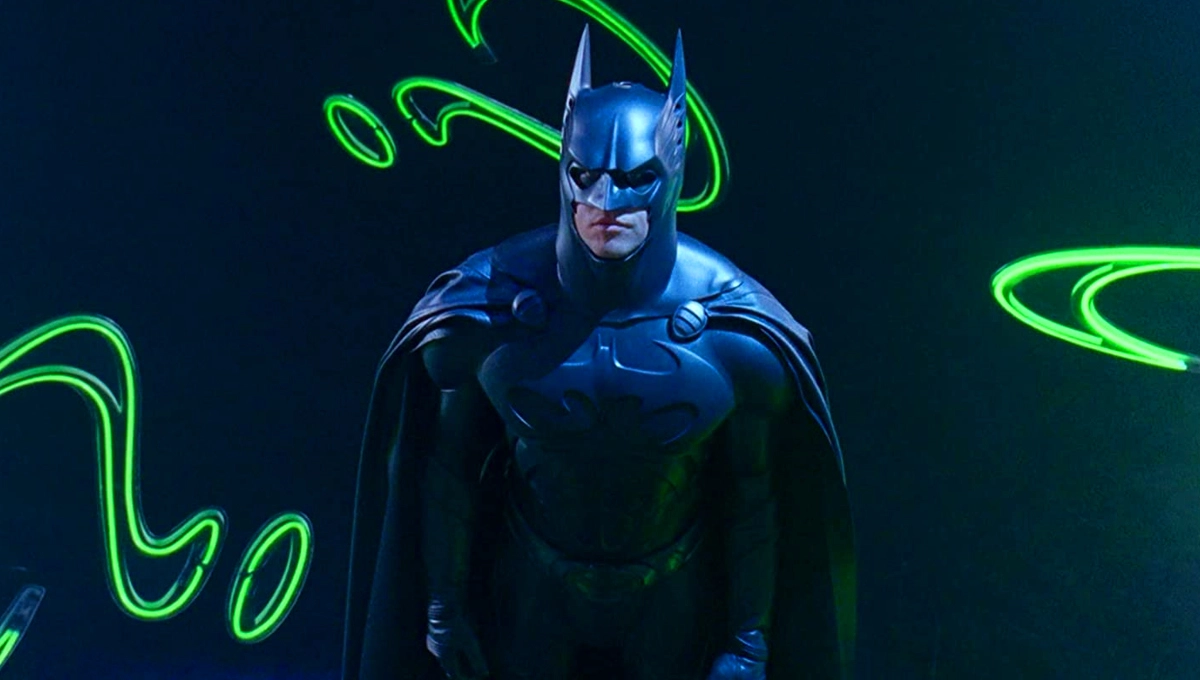
Much like Batman & Robin, this film is geared more towards a younger audience. After the backlash that Batman Returns received for being too dark of a story for children, Batman Forever was born. I must admit this is a tried and true Batman film. Val Kilmer was a killer Bruce Wayne, and his Batman was a welcome element as well. The story is a perfect blend of what being Batman is all about, with adding a few laughs along the way. You could tell that The Riddler (Jim Carrey) and Two-Face (Tommy Lee Jones) were having the time of their lives playing these iconic villains. Even though the casting of Robin (Chris O’Donnell) was a bit questionable due to the age of Robin in the film, it’s the perfect popcorn Batman movie we deserved and then some.
Batman Returns (1992)
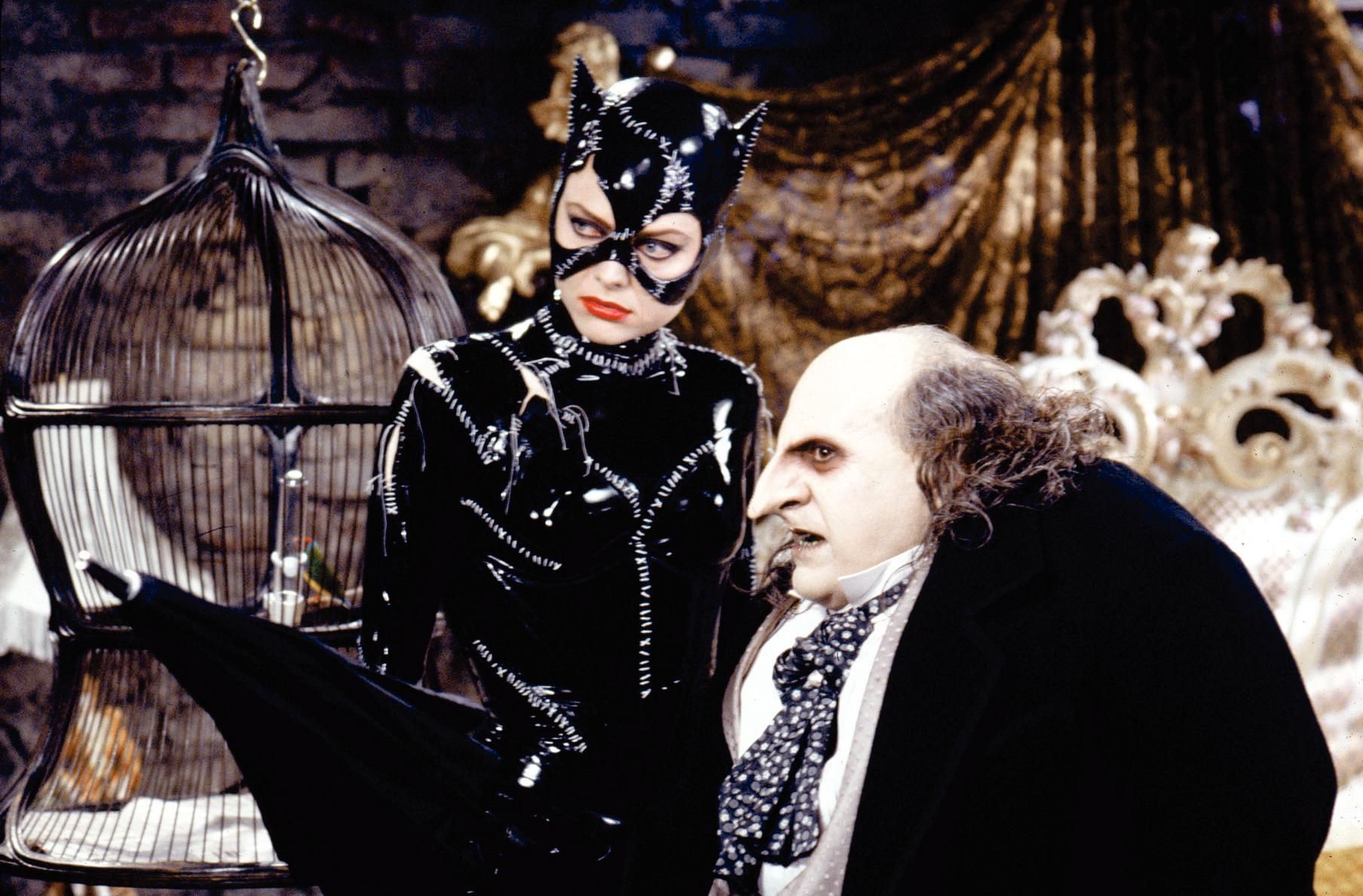
Tim Burton’s sequel is perhaps the best 90s Batman movie we received during the decade. On my rewatch of this film, I can understand how children were turned off by the idea of a grittier Batman. As I mentioned before, Tim Burton did a phenomenal job with the aesthetic of Gotham and, in this film, it shines. I also forgot how much adult humor was baked into this script. I found myself in awe of the dialogue between The Penguin (Danny Devito) and Catwoman (Michelle Pfeiffer). What makes a good superhero story is a villain, and they both played their parts so well. You can empathize with both characters on so many levels and at times you almost forget that they are the antagonists of the film because of the performances they deliver. It’s a shame that we never got another film with Michael Keaton, but it looks like that might be changing shortly.
The Dark Knight (2008)
For the longest time, I’ve viewed this film as the Godfather of live-action Batman films. At the time, it set a new standard for what comic book movies could be. We have seen multiple films in this genre reach higher heights than we, as movie fans, ever thought possible. Heath Ledger’s performance as the Joker is engraved into the minds of fans, alongside Two-Face (Aaron Eckhart) and Commissioner Gordon (Gary Oldman). Even though I adore this film, it has always felt more of a Joker story than it does a Batman movie. Yes, Batman is in the film, but the villains and side characters of the movie overshadow the fact that this is supposed to be the climax of Bruce’s journey as the Dark Knight. This movie will always be remembered by Batman fans as one of the greats.
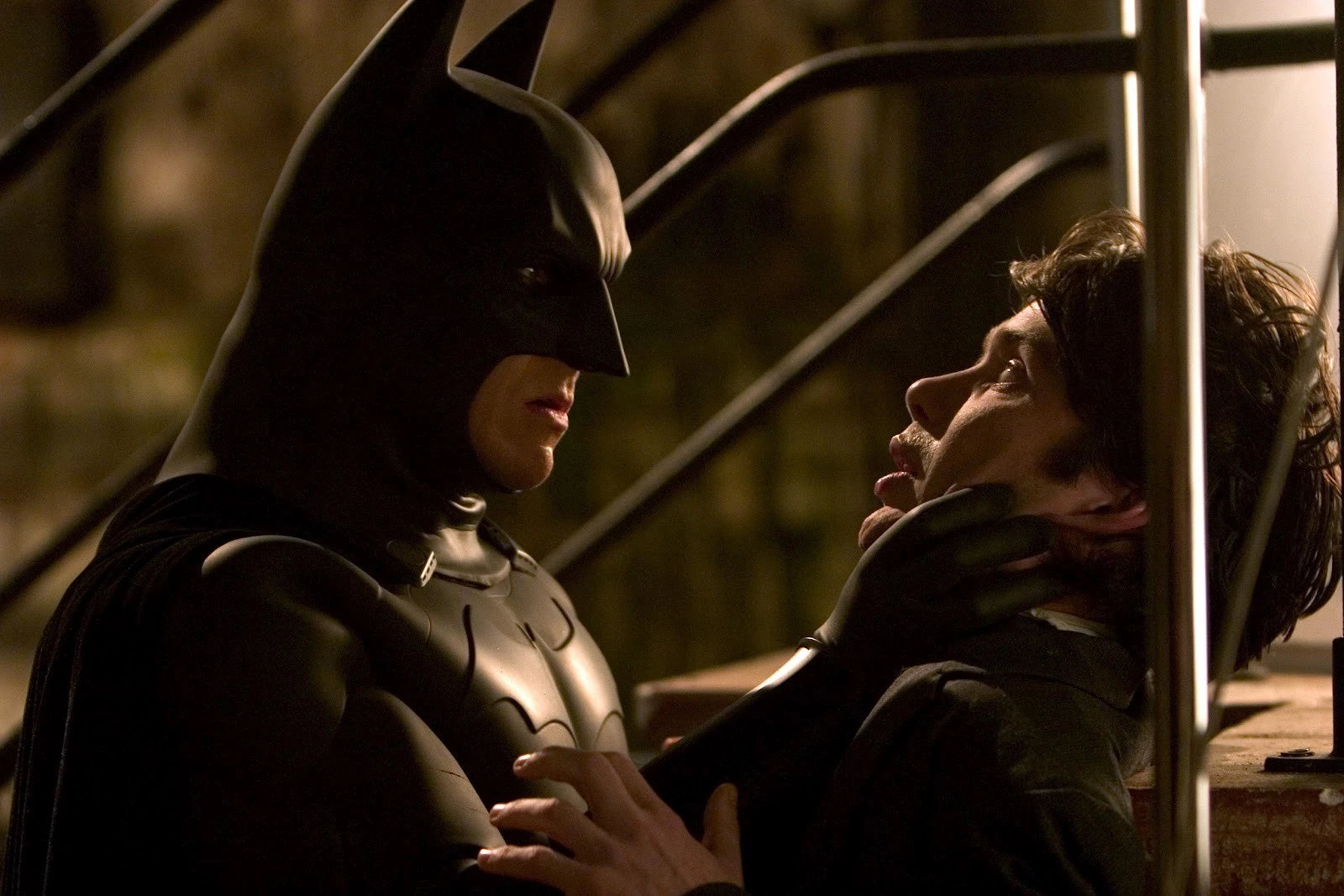
Batman Begins (2005)
“Why do we fall, Bruce? So we can learn to pick ourselves up.” These are the wise words of Bruce’s father, Thomas Wayne. This line is delivered simply, but leaves a lasting effect on anyone that may hear it. It serves as a motto for this film, and the result of the message reflected in the man that Bruce Wayne eventually becomes. This entry is the only film in the dark knight trilogy that doesn’t feel like a Christopher Nolan movie, and I adore it for that reason. We get to witness a 30-year-old Bruce Wayne wrestle with the demons of his soul as he tries to gain clarity in how to honor his late parents by becoming the one symbol that struck fear into his heart. Comic book origin stories have evolved into a more introductory format in recent years, and I consider Batman Begins to be a heavy influencer on superhero origins.
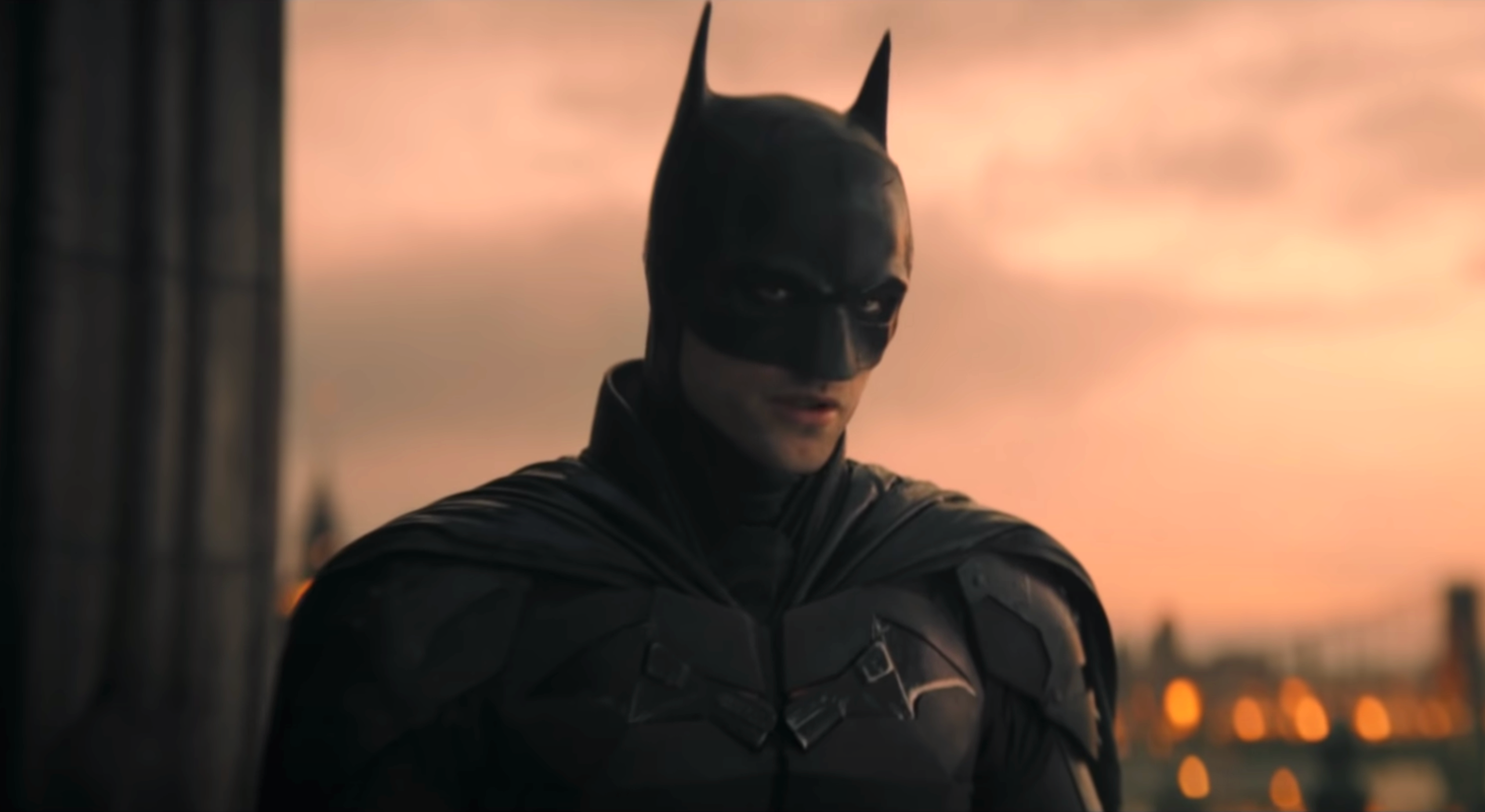
The Batman (2022)
This might come as a shock, but I assure you I’ve had a generous amount of time to mull this film over as I have seen it on multiple occasions. The Batman isn’t just another entry in a trilogy or a multi-directed Batman starring three Bruce Wayne’s. It’s a love letter to fans who have waited decades for a faithful adaptation of Batman. This film leans in on the investigative side of Batman. After all, he is the world’s greatest detective and director Matt Reeves did an excellent job of bringing the film noir side of the Dark Knight to life. His use of Nirvana’s song “Something in the Way” is a perfect metaphor for Batman’s psyche and the city of Gotham feels like a character in the story. This truly is the best ensemble cast for a Batman film I have ever seen. I could ramble over Robert Pattinson, Zoe Kravitz, Jeffery Wright, and Paul Dano’s performances for hours, and I have high expectations that we’ll receive a sequel to this new variant of the caped crusader.
We are currently in the midst of Academy Award season, my favorite time of year. Nominations are out, and everyone I know and love on Film Twitter is posting daily lists of who they think will win. One topic that is always hotly contested is the list of films and artists that are “snubbed” each year. It’s a time I like to look back and see how there are some great artists that have never won an Oscar. Cary Grant? Alfred Hitchcock? How is this possible? Even more so, the amount of talented artists who not only have never WON an Oscar, but never even been nominated. So many of our most beloved performers have never received a nomination, even though they have given performances more than worthy of a nomination. Today, I am focusing on the Best Supporting Actor race.
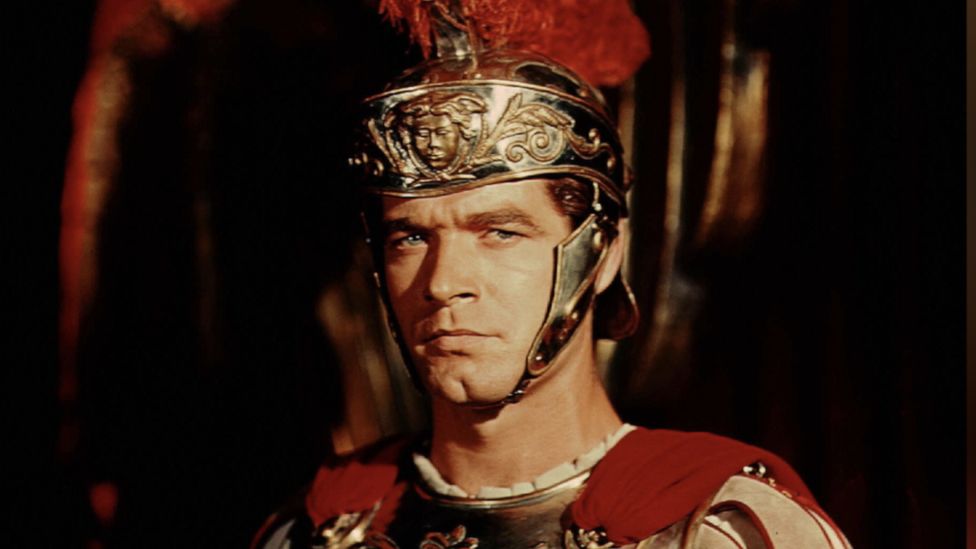
1. Stephen Boyd as Masala in Ben-Hur (1959). Stephen Boyd was the antagonist in Ben-Hur, and gave a riveting performance. What’s even more insulting about his complete snub by the Academy is the fact that Hugh Griffiths took home the award, for playing a character in brownface for the same film. Boyd gave a richly layered performance, as a Roman who grew up with Judah Ben-Hur, was his childhood best friend, and, according to the documentary The Celluloid Closet, was supposed to be in love with Ben-Hur. We see him happy, hurt, betrayed. He’s the most interesting character in this epic film, and it’s a crime that he was ignored by the Academy.
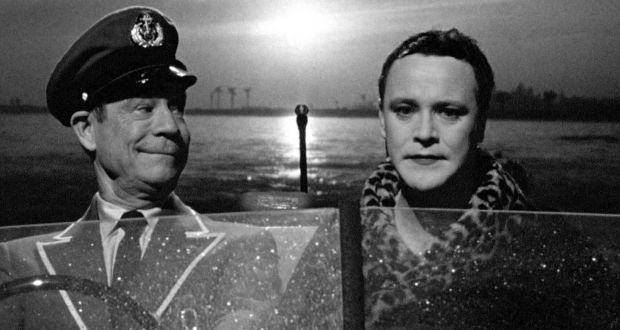
2. Joe E Brown as Osgood in Some Like it Hot (1959) 1959 also gave us the overlooked comedic performance by Joe E Brown in the Billy Wilder comedy Some Like it Hot. Brown plays the rich, old, lecherous Osgood, who falls madly in love with Jack Lemmon’s “Daphne.” While Lemmon received an Oscar nomination for arguably one of the greatest comedic performances of all time, Brown, his partner in his best scenes, was totally ignored. Brown convinces us that he is simply dazzled by Lemmon, always giving flirty winks, little “zowies!” and smiling every time he sees his beloved Daphne. He is playing it straight, and it totally works. Lemmon isn’t the most convincing female, hence the humor of the film, but when Brown looks at her, you’d think Daphne is as beautiful as Marilyn Monroe’s “Sugar.” I give him bonus points for delivering one of the all time greatest last lines of a film. If you haven’t seen the film, I’m not spoiling it for you. Just do yourself a favor and go watch it.
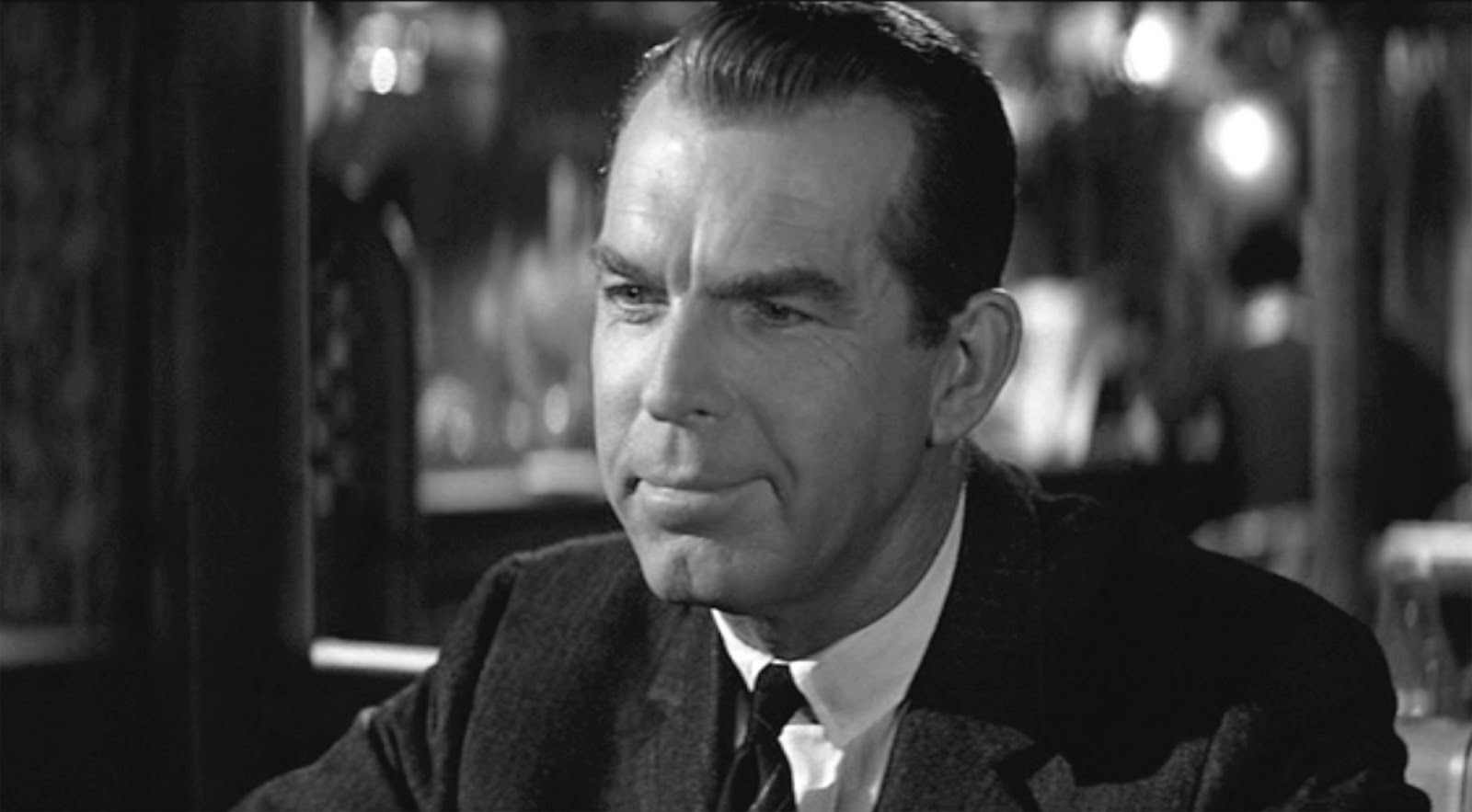
3. Fred MacMurray as Mr. Sheldrake in The Apartment (1960). When people discuss great actors, Fred MacMurray never seems to come up in conversation. People think of him as the lovable guy from My Three Sons and a bunch of Disney films. They seem to forget he has been in two of the greatest films of all time, both directed by the master himself, Mr. Billy Wilder. How was MacMurray NEVER nominated for an Oscar? The Apartment is a masterpiece of cinema, and rightly won Best Picture of 1960. MacMurray plays the deceptively simplistic Mr. Sheldrake. Sheldrake is a villain of the best kind- he SEEMS like a great guy, but below that charismatic smile, he is just a dirtbag who cheats on his wife, has inappropriate relationships with his female employees, and manipulates his male employees. The real reason why this character works is because it’s played by Fred MacMurray. He’s a tall, handsome man with a huge smile. As much as we, the audience, detest the way he treats people, we do understand why both Miss Kubelick (the adorably tragic Shirley MacClaine) and C.C. Baxter (the always perfect every-man Jack Lemmon) are charmed by him, and allow themselves to be manipulated by him.
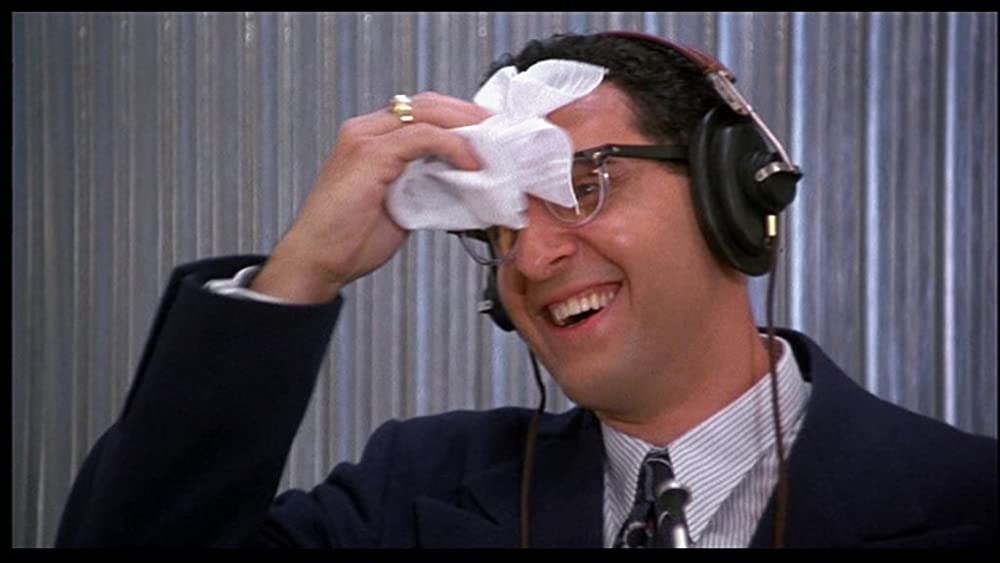
4. John Turturro as Herb Stemple in Quiz Show (1994) In a particularly excellent year for films, Quiz Show is not revered as much as the other films nominated for Best Picture, which include modern classics like Pulp Fiction, Forrest Gump, and The Shawshank Redemption. Nominated for Best Supporting Actor for Quiz Show was the great actor, Paul Scofield, who portrayed the Waspy Mark Van Doren, a brilliant writer and college professor father to Ralph Fiennes. Scofield, as always, was wonderful. However, the actor who truly stands out and dazzles in every scene he is in, is the phenomenal character actor, John Turturro. When this film came out, I was a freshman in high school, and had not seen his work in the classic Do the Right Thing, and his brilliant work in the Coen brothers’ films was yet to come. Turturro plays, to perfection, a Jewish man who accuses the game show 21 of being rigged. Is it because he is a noble man? Not at all. He himself had been cheating, when the producers realize that the ratings have recently gone down and they pressure him to “take a dive” on a question he knows the answer to- that Marty won the Best Picture at the 1955 Academy Awards. Turturro plays a classic nerd: an ill-fitting suit, teeth he wants to get capped, thick glasses. When the handsome and intellectual Charlie Van Doren reaches fame that Stemple never achieved, Stemple brings the fraud to light.
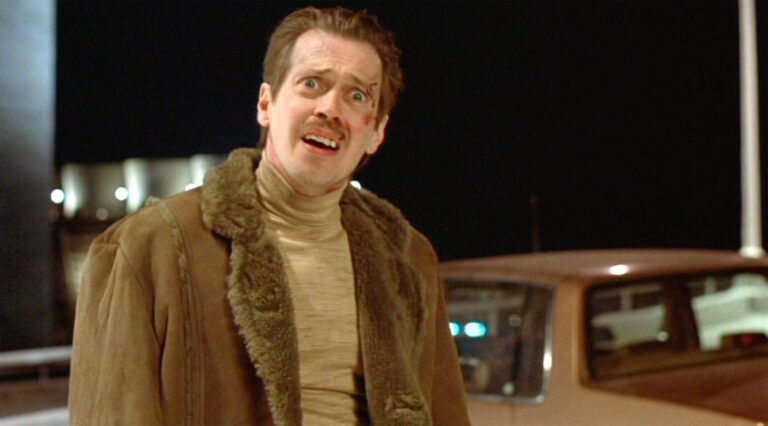
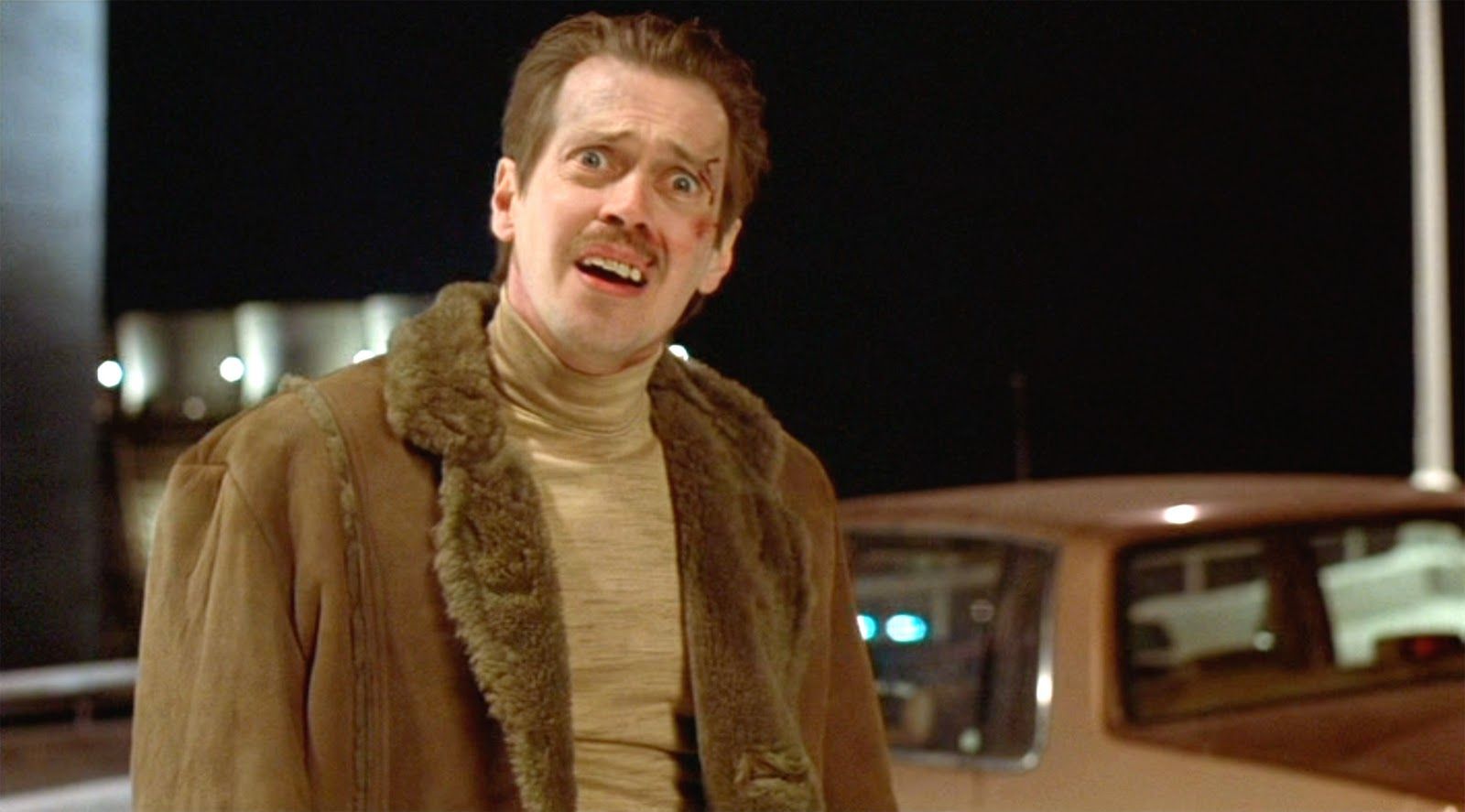
5. Steve Buscemi as Carl Showalter in Fargo (1996) Fargo is one of the greatest films of the 1990s. Funny, clever, well written, directed, and acted, it is now a classic. At the Academy Awards, it won Best Actress for Frances McDormand and Best Screenplay for The Coen Brothers. This film was not nominated appropriately. For some reason, McDormand was put in Lead, while William H. Macy was put in Supporting, for what would be a co-lead role. If the Academy had nominated the film appropriately, Macy would have been in Lead, leaving the greatBuscemi open for a Supporting nomination and win for his role as a “funny looking fella” who helps kidnap the wife of a man hoping to come into some money. Buscemi delivers an extremely humorous and brilliant performance in this film. Showalter is angry, not exceptionally bright, and bitter about his current situation. He’s annoyed at the start of the film when he berates Macy’s character for showing up late to a meeting, then gets increasingly irritated with his partner in crime (Peter Stormare) for his extended silences during their car ride. And, of course, his character comes to an iconic end. Buscemi is one of the best actors to portray unusual characters that never quite fit in anywhere. I believe that is one reason why he shines so brightly in this film. Buscemi definitely deserved a nomination for his wonderful performance in this film.
When Oscar winners get their trophy, they sign that contract which says they will not sell their Oscar to anyone except back to the Academy of Motion Pictures Arts & Sciences with the offer of $1. Understandably, the Academy does not want their fancy trophy being found on eBay or auctioned off to random buyers. They want it kept in the hands of their owners and estates. But the contract does not say winners can’t donate their trophy to a museum when they die. Numerous museums around the world have in their possession, one of these Oscars courtesy of the winner’s own donation to that location and the public can get close to touching the gold, but still can’t have a hand on it.
Emil Jannings – 1927/28 Best Actor
The inaugural Oscar win went to the German-born Jannings for his performances in The Last Command and The Way Of All Flesh. Jannings returned to Germany and showed his Oscar to Allied forces after World War II as proof of his time in America, but his career ended because of his Nazi associations. When the Museum of Film and Televisionin Berlin opened in 2000, Jannings’ Oscar was and remains part of the museum’s main displays. The museum features an extensive history of German film dating back to the beginning, as well as from other actors who went to Hollywood in the 1920s, the career of Marlene Dietrich from her own donated collection, and even from the Nazi era which Jannings was part of.
Katharine Hepburn – All Four Best Actress Oscars (‘33, ‘67, ‘68, ‘81)
Hepburn never attended the Oscars because of her dislike of major awards, but did accept them. Due to her performances in Morning Glory, Guess Who’s Coming To Dinner, The Lion In Winter, and On Golden Pond, she holds the record for most wins by an individual actor in any category. In 2009, Hepburn’s estate donated all four trophies to the National Portrait Gallery in Washington D.C. The gallery features images of many famous Americans from all areas of society and Hepburn and her Oscars are part of the 20th century collection.
Vivien Leigh – 1951 Best Actress
Leigh won two Oscars, the first being for her performance in Gone With The Wind. But it is her second Oscar for her performance in A Streetcar Named Desire that is on display at the Victoria & Albert Museum in London. It’s one of two Oscars they have; the other being Paul Scofield’s Oscar for Best Actor which he rightfully won for A Man Of All Seasons. With 2.2 million objects on display, the Victoria & Albert Museum is the largest in the world featuring applied and decorative arts with features from all over the world from the past 5000 years.
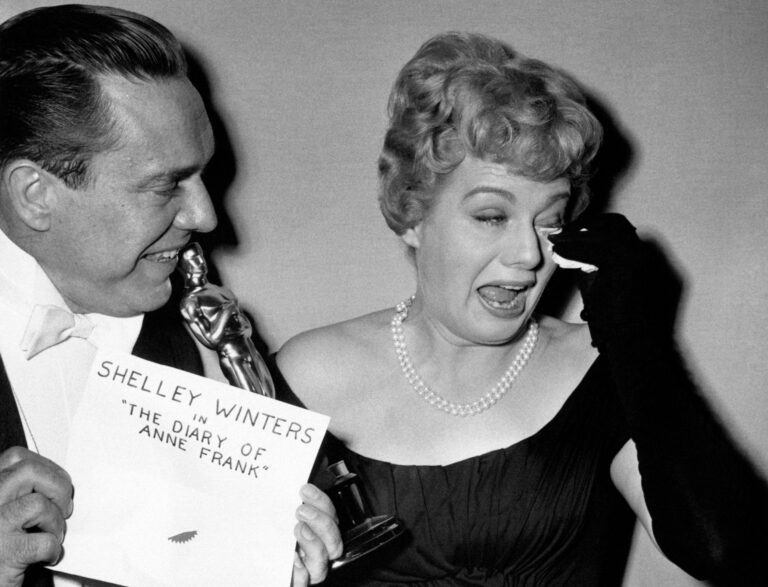
Shelley Winters – 1959 Best Supporting Actress
Winters won for her performance in The Diary Of Anne Frank and stated she would donate her award to the Anne Frank House and Museum. She would fulfill that promise in 1975 and the trophy sits in the lobby after going through the hidden annex in a bulletproof glass. I’ve actually seen it, putting my eyes within inches of the trophy, recognizing that it will be as close as I will ever get to holding an Oscar. It’s quite a cool sight after going through the real-life setting of Anne Frank’s hiding place within the center of Amsterdam.
Rex Harrison – 1964 Best Actor
Harrison won for his role in My Fair Lady, one of eight Oscars the film won, including Best Picture. Today, his Oscar, as well as Gene Kelly’s honorary Oscar, are on display at the Howard Gotlieb Archival Research Center in the Mugar Memorial Library in Boston. The center features collections of personal papers and original writings of many artists, actors, and writers; including Angela Lansbury, Bette Davis, Isaac Asimov, Adele Astaire (sister of Fred), and more. It also has thousands of rare books deep into American history, politics, journalism, and international affairs.
This week on Extra Film, Ryan and Jay finally conclude their Steven Soderbergh Movie Series with Behind the Candelabra, and they also review the new horror film on Hulu No Exit!
Behind the Candelabra is the point where Soderbergh moved, almost exclusively, to the non-theater market. OF course, he “retired” after making this movie, but like Tom Brady he was back in 72 hours and has mostly been on HBO Max or Netflix since then. But it all started with Candelabra and HBO in 2013. The guys get into all of that, the great performances in the film and so much more.
In the back half of the episode, they get into the Damien Power horror film No Exit. The film will likely come and go without much discussion, but we hope to offer a little perspective into those who are interested in checking it out.
Thanks for listening!
– Movie Review: Behind the Candelabra (5:39) Director: Steven Soderbergh Screenplay: Richard LaGravenese Stars: Michael Douglas, Matt Damon, Dan Aykroyd
– Movie Review: No Exit (56:47) Director: Damien Power Screenplay: Andrew Barrer, Gabriel Ferrari Stars: Havana Rose Liu, Danny Ramirez, David Rysdahl, Dale Dickey
We try to make this the best movie podcast we possibly can and we hope you enjoy them. Subscribe today on iTunes, Spotify, or Stitcher, and please leave us a review on iTunes. You can also find us on Soundcloud, PlayerFM, and TuneIn Radio as well. We really appreciate all your support of the InSession Film Podcast.
To hear this Extra Film episode and everything else we do, download our apps on the Amazon Market for Android and the Podcast Source app on IOS devices. The mobile app covers all of our main shows, bonus podcasts and everything else relating to the InSession Film Podcast. Thanks for your wonderful support and for listening to our show. It means the world to us.