

Home Blog Page 186

Classic Film Review: ‘Slacker’ remains a perfect example of great low-budget filmmaking

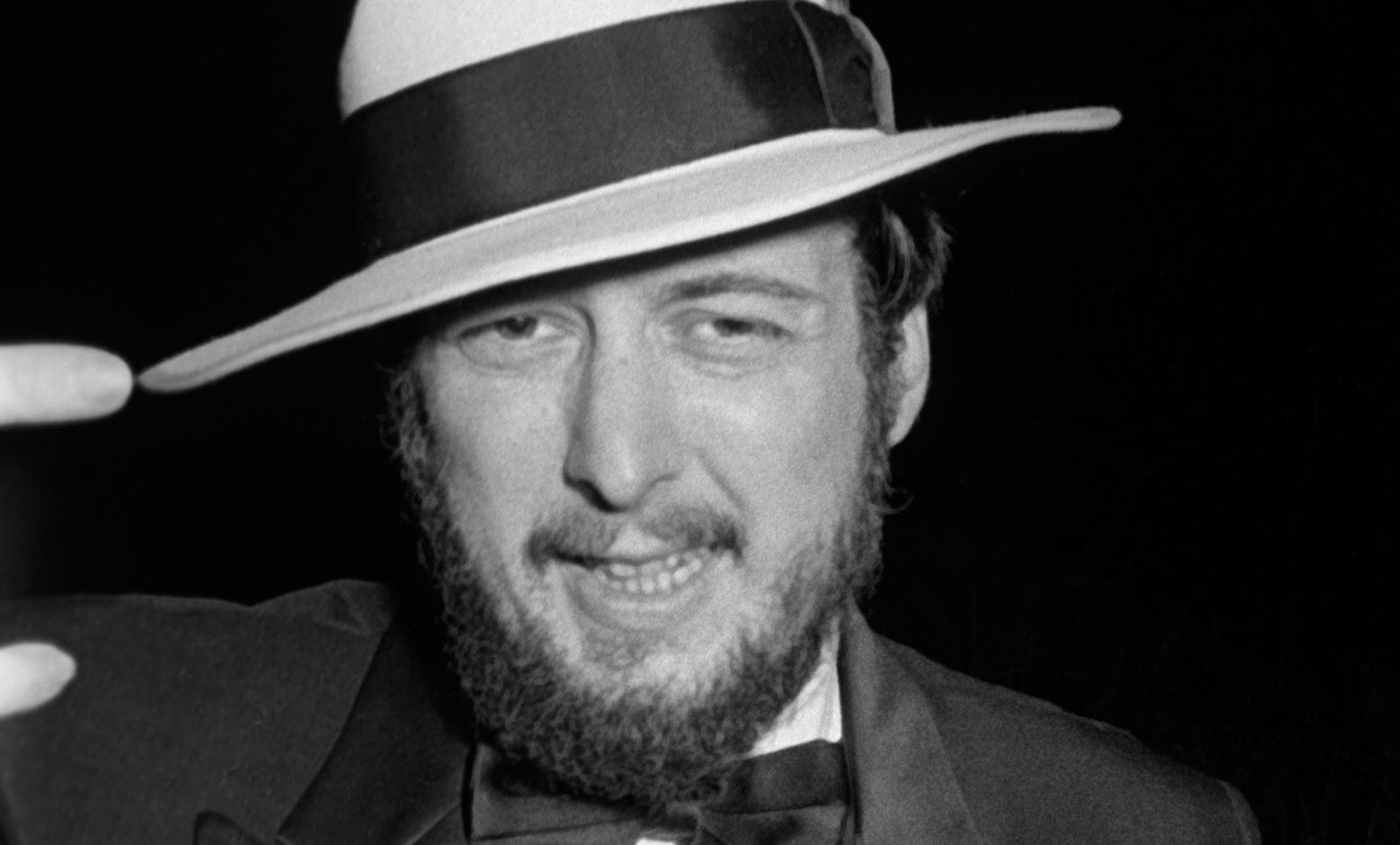
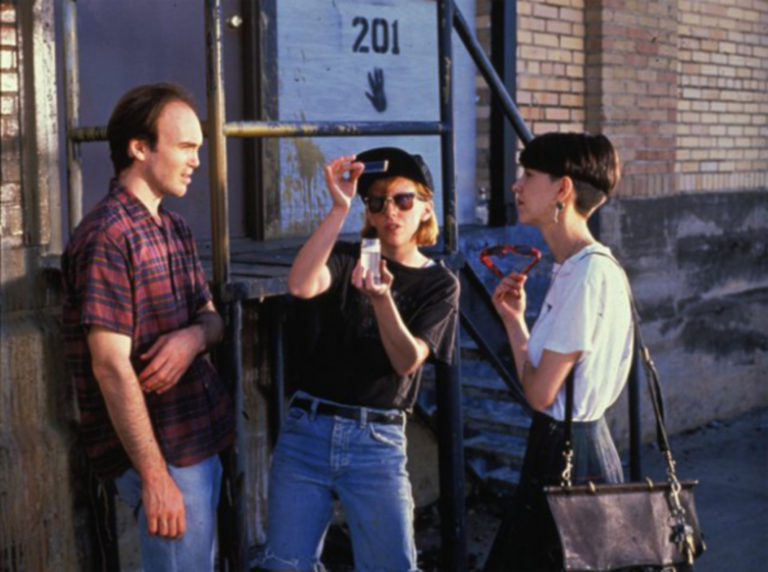
Looking back on the career of Richard Linklater, a fair amount of his success and influence likely comes from the cult popularity of Dazed and Confused. But that film–which was an early display for stars like Matthew McConaughey, Renée Zellweger, and Ben Affleck–probably would have never been possible if not for Slacker. Linklater’s second feature and first theatrical release made its official New York debut 30 years ago this July. Though it’s not typically as popular and heralded as some of the director’s later films, it provides the most unfiltered look into his indie style. 

The film is set in Austin, Texas, and actually premiered there a year before its release in New York. After making waves in the town that it depicted, Orion Pictures bought the film and sent it to Sundance, where it competed for the Grand Jury Prize for Dramatic Features. The film’s path through conception, production, and distribution is a quintessential tale of the making of an independent movie. Rather than building a set in a studio backlot, it was shot in the streets and neighborhoods of Austin itself. Instead of hiring professional actors, Linklater brought on friends and acquaintances willing to help him realize his vision. What resulted was a collaborative effort and the completion of a truly unique movie. 

The content of the film itself is difficult to pin down in a single review. Like many of the director’s films, it is plotless in nature. It begins with a character, played by Linklater, getting off a bus and into a taxi. For his short trip in the cab, he rambles to the driver about dreams and alternate realities, claiming, “Every thought you have creates its own reality.” Though it may not be clear when approaching Slacker for the first time, this character is delivering the whole essence of the film in the first scene. What follows is an expedition through a primarily Generation X subculture of the city between a vast number of characters. Unlike most ensemble films of this nature, the various stories never connect or result in a major climax. We move from person to person almost randomly, as they pass on the streets, thus following only the brief realities the film allows us to. 

The most impressive aspect of the film, which had a budget under $25,000, is how seamlessly it makes these transitions work. The use of Steadicam by cinematographer Lee Daniel is essential here, as much of the film consists of tracking shots as characters move along a sidewalk. The changes typically occur either as another character leaves the conversation, or as they pass a different character. When these transitions are not occurring, the film invites us to sit in whichever reality is present. The editing by Scott Rhodes is impressive, as the film takes place over the length of a full day but feels as if it’s in real time. 

These realities often consist of conversations or monologues featuring a wide range of topics. The resulting dialogue, which often comes off as if improvised, ranges from profound to oddly humorous, and it’s almost always completely random. It’s impossible to outline all of the interactions and discussions that take place, but there are a few that stand out. These include a middle-aged man who goes off about government conspiracies involving extraterrestrial life, an old man promoting anarchist ideology to a young thief, and college-age young men helping their friend get over a breakup by throwing items off a bridge. The most recognizable instance in the film, however, is courtesy of Teresa Taylor’s character attempting to sell what she claims is Madonna’s pap smear to a few uninterested friends. 

To encapsulate the various instances of the film, some of the various topics include the likes of JFK assassination theories, the 1988 presidential election, climate change, incarceration rates, gun violence, cars, music, and even Scooby-Doo. While the film clearly does deal in some major issues, it’s questionable how often the characters deliver their thoughts in a ground-breaking manner. The dialogue is rarely as thought-provoking as Linklater’s work in the Before Trilogy, but it does give an undeniable taste of his thought and style. And of course, the point is not to be totally reflective. 

Granted, some might find the deep and pseudo-deep meditations, including the intro from Linklater’s character, either gimmicky or self-indulgent. But the film certainly succeeds in maintaining curiosity and creating characters with little time. The film is less useful in the individual aspects, however, and more concerned with its role in representing a “slacker” subculture in Austin. It’s an exercise in having a location serve a major role in the narrative (or non-narrative) as if the city itself is a constant background character. For that, mixed with the involvement of the cast, the film deserves nothing but praise. 

Slacker is certainly not the only, nor the most influential of low-budget independent filmmaking from the 1990s. But it is a model example of a feature depicting traits that came to define a filmmaker’s career, and that is easy to see 30 years after the fact. It’s also distinctly self-aware of its indie status, displayed by the final scene being shot with a Super 8 camera. If for no other reason, the film is worth watching (I highly recommend the Criterion Blu-Ray) for its cultural reflections on a group of people in a specific city. As the aforementioned anarchist claims, “This town’s always had its share of crazies. I wouldn’t want to live anywhere else.” 
Grade: B+

Movie Review (Tribeca Festival): ‘No Man of God’ is a compelling view of a worthless subject


Director: Amber Sealey
Writers: Kit Lesser
Stars: Elijah Wood, Luke Kirby, Aleksa Palladino, Robert Patrick

Synopsis: To better understand the infamous serial killer’s crimes, FBI investigator Bill Hagmaier sits down with Ted Bundy for multiple jailhouse interviews over five years.

[/info]

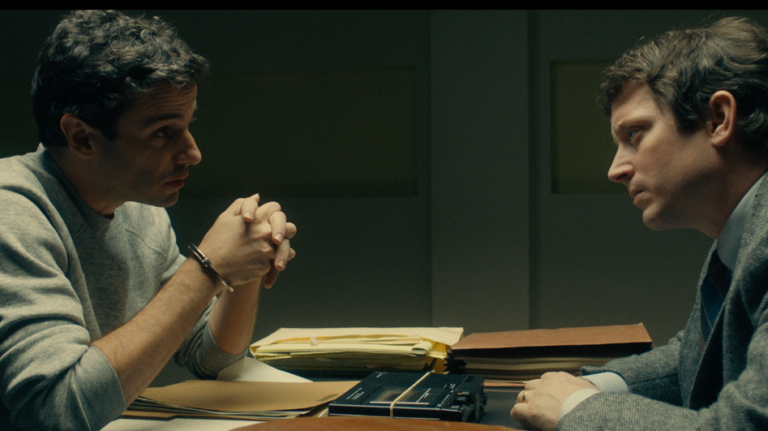
“Normal people kill people,” Ted Bundy (Luke Kirby) tells Bill Hagmaier (Elijah Wood) during one of their conversations in No Man of God. Maybe this is the most valuable conclusion reached on the new film by Amber Sealey and the latest project focused on the notorious, odious rapist and serial killer, Ted Bundy.

The movie follows Bill Hagmaier, one of the most famous and important profilers of the FBI, as he is assigned to talk to Ted Bundy as part of the Bureau’s efforts to profile famous criminals. As a rookie, he accepts the case that no one wanted, considering that Bundy is also known for his contempt for FBI agents. They start a correspondence relationship and soon he successfully starts talking to him. Always under Bundy’s rules and following an approach of mentorship, Hagmaier lets Bundy know that he is there to learn and understand, not to judge or try to get the confession of more than 30 cases that are still pending.

The film is at its best during these intimate conversations. Both characters are intelligent and untrustworthy, playing games with one another, trying to find a weakness that will allow them to dominate the other. There are some discussions that are valuable in our current scenario of oversimplification of complex people and criminals. Bundy appeals for his humanity and mental sanity by making Hagmaier understand that his actions were not because he was a monster or because he was sick. It was all a matter of choices. The demystification of the criminal mind is the most valuable aspect of the film.

The script by Kit Lesser (aka C. Robert Cargill) is the weakest point by being messy and uncertain of what it wants to convey. Sometimes it is harsh and unsympathetic towards Bundy, others it appeals for understanding and empathy. There is a rollercoaster of opinions that make it difficult to define a tone of complete condemnation or sympathy towards the murderer. Furthermore, it seems as if Lesser were aware of this undecidedness because towards the end, in an outburst of frustration, Hagmaier condemns Bundy’s actions when he is failing to see his own faults and starting to act as a victim.

In this regard, the character development is messy. Bundy is introduced as arrogant, thinking that he is mentally superior to everyone else. Then, towards the end of his life, his demeanor changes and he goes through a complete undoing that is out of character. The confident man is substituted by a martyr. The same goes with Hagmaier, while he starts as the heart of the film and the sole focus of the story, at the end, we realize that we do not know anything about his life. We only know him through his ambiguous relationship with Bundy.

These flaws are dealt as best as possible by its protagonist duo. Elijah Wood and Luke Kirby give good performances. Wood talks gently but clear, using his big blue eyes to offer innocence and sincerity when he tries to establish a rapport with his counterpart. Kirby, on the other hand, is an inspired Bundy, being unsettling and attractive, manipulative and yet, insightful. He brings to life Bundy’s voice tone (immortalized in his famous voice tapes), intensity, and egotism.

While the film tries to avoid any fascination towards Bundy, it is not completely successful. Everyone is aware that Bundy is guilty, and still, he has people around him that work tirelessly to save him when his execution date approaches. Hagmaier tries to delay his death because he wants him to confess. Bundy’s defense lawyer fights and cries because she is against the death penalty. Bundy luckily surrounds himself with deeply responsible and just people that, by following their own causes, fight for a pious cause that is unworthy.

It is maddening that Ted Bundy movies and shows keep being made. It is widely known that Bundy was an enigmatic and challenging character. Something about his looks, intelligence and seemingly “normal” façade still unnerves those that cannot marry the fact that a psychologist and lawyer student could be the cruel murderer of more than 30 women. I understand the appeal. However, this character does not deserve attention, the very thing that he craved while alive. It is unfair and indignant that he keeps inspiring and propelling movies and TV shows.

No Man of God proves yet again that it is always about the mastermind and never about the victims. While this film tries to break that mold and offer condemnation and awareness, it is still a Ted Bundy film. His victims deserve more than this unhealthy and exploitative obsession.

Grade: B-

Podcast: Gore Verbinski Movie Series

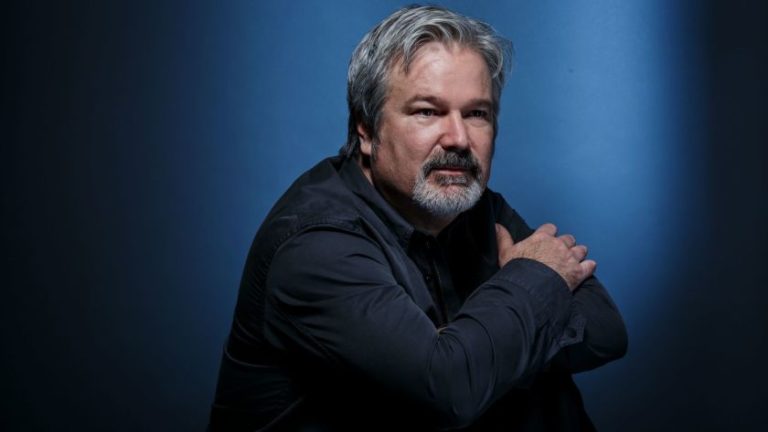
Known for having one of the best visual eyes of any director working today, Gore Verbinski has been one of the most interesting minds working in Hollywood over the last 30 years. From big blockbuster hits to giant misses to a couple of cult horror films in between, Gore has been known to divide audiences as well as have a hardcore fanbase. Ryan and Jay had talked about covering his filmography for some time now, and they finally had the chance to do it in the following episodes below. Listen and see if your favorites stake up against theirs.

Mouse Hunt/The Ring, 1997/2002

Listen to our review below as heard on Extra Film.

Pirates of the Caribbean: The Curse of the Black Pearl, 2003

Listen to our review below as heard on Extra Film.

The Weather Man, 2005

Listen to our review below as heard on Extra Film.

Pirates of the Caribbean: Dead Man’s Chest, 2007

Listen to our review below as heard on Extra Film.

Pirates of the Caribbean: At World’s End, 2008

Listen to our review below as heard on Extra Film.

Rango, 2011

Listen to our review below as heard on Extra Film.

The Lone Ranger, 2013

Listen to our review below as heard on Extra Film.

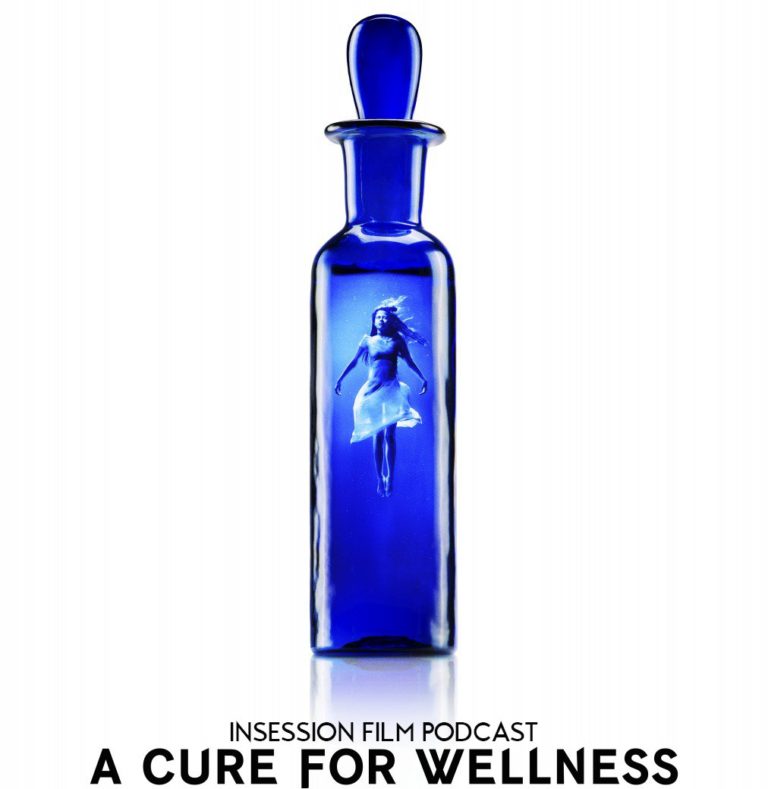
A Cure for Wellness, 2016

Listen to our review below as heard on Extra Film.

Podcast: A Cure for Wellness / Undine – Extra Film

This week on Extra Film, Ryan and Jay conclude their Gore Verbinski Movie Series with his psychological thriller A Cure for Wellness and they discuss the indie romance drama Undine!

As the last film in their Verbinski Movie Series, Ryan and Jay explore what might be the director’s most ambitious film to date. Known for being a box office misfire and a critical disaster, A Cure for Wellness has been evaluated over the last couple of years and look upon as one of the better films from Verbinski, due to its breathtaking visuals. While Jay dug it, Ryan didn’t, leading to a big disagreement from the hosts.

In the back half of the episode, the guys review the new film, Undine. Christian Petzold is slowly becoming on of the best directors working today, with consistent output that challenges the audience to explore emotions within themselves as the characters are experiencing them on the screen. Reteaming with his Transit acting leads, Petzold is able to give us one of the best films of the year so far with this spellbinding, modern take on a classic fairytale.

Thanks for listening!

– Movie Review: A Cure for Wellness (4:21)
Director: Gore Verbinski
Screenplay: Justin Haythe
Stars: Dane DeHaan, Jason Isaacs, Mia Goth

– Movie Review: Undine (1:00:16)
Director: Christian Petzold
Screenplay: Christian Petzold
Stars: Paula Beer, Franz Rogowski

– Music

Hannah and Volmer – Benjamin Wallfisch
Concerto in D Minor, BWV 974 – 2. Adagio – Víkingur Ólafsson
The Return of the Eagle – Atli Örvarsson

We try to make this the best movie podcast we possibly can and we hope you enjoy them. Subscribe today on iTunes, Spotify, or Stitcher, and please leave us a review on iTunes. You can also find us on Soundcloud, PlayerFM, and TuneIn Radio as well. We really appreciate all your support of the InSession Film Podcast.

Subscribe to our Podcasts RSS
Subscribe to our Podcasts on iTunes
Listen on Spotify
Listen on Stitcher
A Cure for Wellness / Undine – Extra Film

[divider]

To hear this Extra Film episode and everything else we do, download our apps on the Amazon Market for Android and the Podcast Source app on IOS devices. The mobile app covers all of our main shows, bonus podcasts and everything else relating to the InSession Film Podcast. Thanks for your wonderful support and for listening to our show. It means the world to us.

Podcast: Disney’s Golden Age Era – Patreon Bonus Content

Listen!

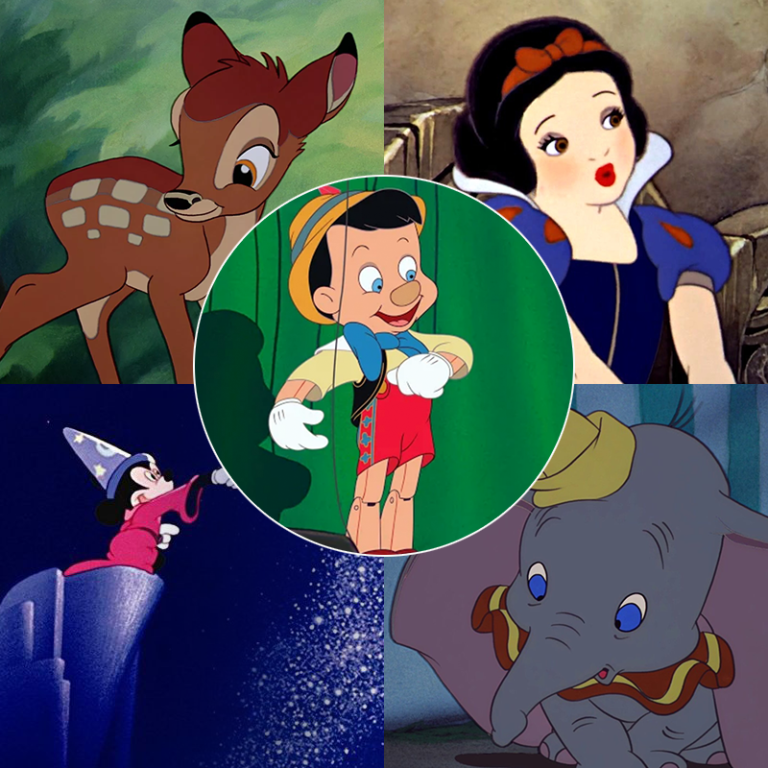
Welcome to our Disney Animation extravaganza! At the beginning of the year, we started watching all of the Disney animated films in chronological order with the intention of creating a new Movie Series for Patreon exclusively. And now, it has begun. In Part 1 of our series we focus on The Golden Age era, which includes Snow White and the Seven Dwarfs, Pinocchio, Fantasia, Dumbo and Bambi.

If you’re already a Patreon supporter, you can listen to this episode NOW on Patreon by clicking here.

Sign up today to get early access and hear the entire episode!

[divider]

HELP SUPPORT THE SHOW

To hear our bonus content episodes early, subscribe now on Patreon. In many cases, though, we offer our bonus content for free after a certain period of time and we do encourage (and very much appreciate) a small donation of $0.99 as a way to help support the show if signing up on Patreon isn’t for you. Click on the PayPal button below to donate and thanks so much for your support. You can also hear much of our Bonus Content via our mobile apps. See the information at the bottom of the post for more details.


One-Time Donation


[divider]

Mobile Apps!

Listen to all of our bonus content on our apps for just a one-time fee! Whether you have an iPhone, Android or Windows phone, our apps are available in many different ways that is convenient for you. With our mobile app, not only can you listen to all of our bonus content, but our main shows and our Extra Film podcasts as well. Click here for more info!

If you don’t want to purchase our bonus content, but still want to support us, there are other you can help us out. Click here for more info.

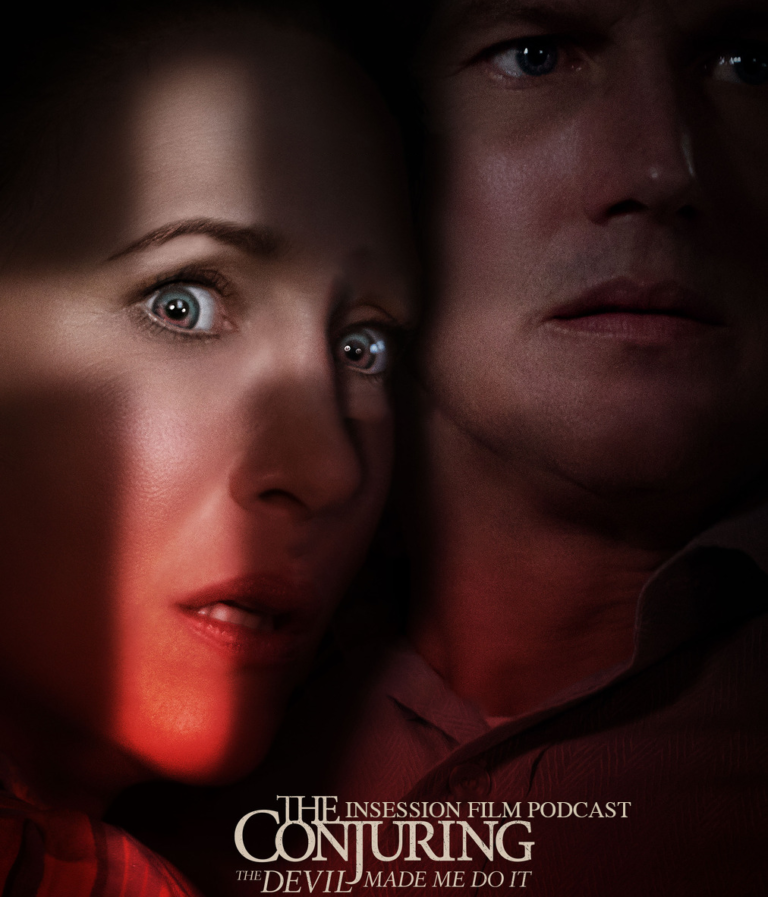
Movie Review: ‘The Conjuring: The Devil Made Me Do It’ Stays Afloat Thanks to Vera Farmiga and Patrick Wilson


Director: Michael Chaves
Writers: David Leslie Johnson-McGoldrick
Stars: Patrick Wilson, Vera Farmiga, Ruairi O’Connor, Sarah Catherine Hook, Julian Hilliard

Synopsis: Paranormal investigators Ed and Lorraine Warren take on one of the most sensational cases of their careers after a cop stumbles upon a dazed and bloodied young man walking down the road. Accused of murder, the suspect claims demonic possession as his defense, forcing the Warrens into a supernatural inquiry unlike anything they’ve ever seen before.

[/info]

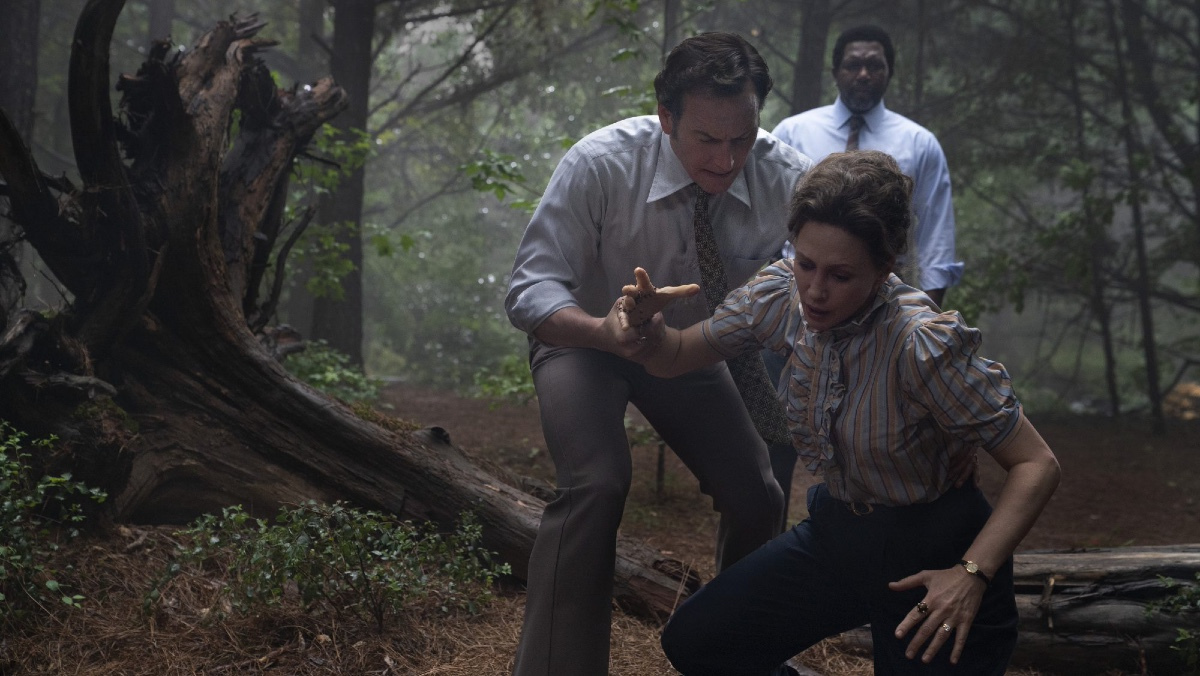
2013’s The Conjuring is my favorite horror film of at least the last decade. It felt like a reinvigoration of the haunted house movie with great characters and effective scares. While the film’s first direct sequel did not reach those heights in 2016, it was still a fun and heartfelt entry. With The Conjuring: The Devil Made Me Do It, the downward slide continues while still containing enough intrigue to be a serviceable horror viewing. 

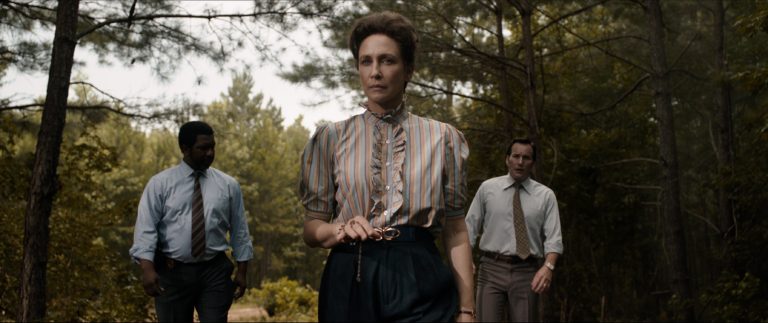
As the rather awkward title might suggest, this entry is a bit different than the previous two. Rather than helping to vanquish demons terrorizing a family in a specific home, Ed and Lorraine Warren (Patrick Wilson and Vera Farmiga) traverse from location to location in an attempt to prove a man innocent of murder. The catch is that they must do this by proving the existence of paranormal forces at play.  

This all takes off from the beginning of the film when the Warrens must help exorcise said demon from a young boy named David Glatzel (Julian Hilliard.) Things go awry when the demon travels from David’s body to that of Arne Johnson (Ruiari O’Connor), the boyfriend of David’s sister Debbie (Sarah Catherine Hook). This opening scene represents a central tacit of the main Conjuring series that is actually pretty similar to a certain franchise about fast cars and family, and that is to get more ridiculous with each successive film.

One of the major strengths of The Conjuring was its ability to tell a wild ghost story while remaining as grounded as possible. The CGI-heavy ending of the second film sort of threw that practice out the window, while this go-round rips the band-aid off almost immediately. The first scene features a priest being knocked out by flying dishware, devilish eyes appearing in the faces of two characters, and most of all, David’s body contorting in ways that even the characters from The Exorcist would find extreme.

Still, the bulk of the film is not about this exorcism, but rather Arne’s experience with possession. This reaches extremes when it leads him to kill his landlord and subsequently be charged with murder. When it’s determined that the judge will seek the death penalty in his case, the Warrens go into detective mode to somehow prove that Arne was possessed. These early sequences tie directly to both the best and worst aspects of the film. 

Let’s start with the worst. The Warrens clearly have a number of “cases” to draw from for the plots of these movies. It’s easy to see why this particular story was chosen for the third film, as it was indeed a high-profile case that gripped people with its bizarreness. However, even the briefest of research will show that certain details of the incident and the overall case were tweaked for the film in order to paint Arne in the best light possible. Of course, they must find some way to help us connect to a character charged with murder.

Now the issue here is not necessarily about what the subjects of the film were truly like, whether that’s good or bad. Many of the Warrens’ claims have been proven as false cash ploys, but these films are clearly going for entertainment value over critical and accurate portrayals of the pair. I’ve never considered their real-life status as a strong criticism of the films. The problem in this particular case is that someone truly was killed, and the film never reflects on that in its attempt to draw sympathy for the suspect. In short, this may not have been the best Warren story to tell without a bit of challenging exploration into the true nature of the case. 

The strong aspect that results from this, however, is the opportunity to focus so heavily on Ed and Lorraine for much of the film. The movie is as much a romance as it is a horror in this way, and it completely saves the film from being a failure. Farmiga has always delivered such strong performances in this series, and that is no different here. That can be said for Wilson as well, but he’s given the chance to be much more vulnerable than before in this outing (similar to what Farmiga received in the second film). What results is possibly his best work in the series to date, even if the plot is sometimes lacking in comparison. 

One can certainly applaud the story in the film for taking a different direction from previous entries, though it rarely results in superior sequences. The jump scares have become decidedly predictable, the supporting characters are stock in nature, and it does not take any unique directions visually. Aside from some chilling moments from the true villain of the film, played by Eugenie Bondurant, there’s not anything here that will keep me up at night. That’s certainly the biggest loss from the exit of James Wan as director, though new helmer Michael Chaves does deserve credit for maintaining the strengths of the two leads and taking on what is probably the most difficult story in the series. 

It’s impossible to ignore that these films are now part of a cinematic universe. While it doesn’t hold a candle to the original and is noticeably below the first direct sequel, it’s still far above most of the other entries in the franchise. I was able to look past the blemishes largely because the investigative mode taken on by Farmiga and Wilson is so amusing, and the relationship between the characters is undeniably charming. The two performers have taken advantage of these tales to build the characters from the ground up. It helps to maintain what has always been the thing that sets The Conjuring series apart from many other horror films: I can’t help but love Ed and Lorraine. 

Grade: C+

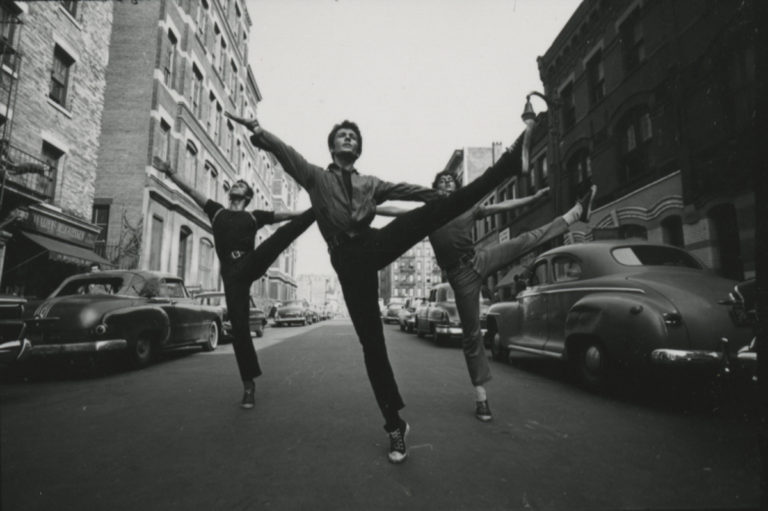
Poll: What is your favorite movie musical set in New York City

There’s something so harmonious about musicals and New York City. Perhaps Broadway has something to do with it, but it doesn’t stop many great musicals (both in film and on stage) from being set in the city that never sleeps; as Frank Sinatra once sang, they all want to be a part of it. This weekend brings one of the most famous stage hits of the century to the big screen, In the Heights, and it got us thinking of all those great dance numbers in the Big Apple.

So what is your favorite movie musical primarily set in New York City?


Podcast: The Conjuring: The Devil Made Me Do It / Blackhat – Episode 433

This week’s episode is brought to you by the film Gully. Follow us on social media for your chance to win a FREE digital code!

This week on the InSession Film Podcast, we discuss the horror film The Conjuring: The Devil Made Me Do It and Diego Crespo joins us as we conclude our Michael Mann Movie Series with Blackhat! Plus, a few thoughts on Cruella and The Killing of Two Lovers.

Big, big thanks to Diego for joining us once again. He’s always a great guest, but after the technical difficulties we experienced last week, it was very nice of him to come back for another discussion on Blackhat. He’s very passionate about the film, and Mann in general, and it comes through very well in the conversation. Forgive us, another long episode this week, but we hope you enjoy the discussion as we did. The summer season continues to roll along!

On that note, check out this week’s show and let us know what you think in the comment section. Thanks for listening and for supporting the InSession Film Podcast!

– Movie Review: The Conjuring: The Devil Made Me Do It (5:49)
Director: Michael Chaves
Writers: David Leslie Johnson-McGoldrick (screenplay by), James Wan (story by)
Stars: Patrick Wilson, Vera Farmiga, Ruairi O’Connor

– Notes / Cruella / The Killing of Two Lovers (49:06)
As mentioned above, both Brendan and JD caught up with Disney’s latest live action remake(?)/re-imagining(?) with Cruella, starring the greats Emma Stone and Emma Thompson. We also saw the small drama The Killing of Two Lovers, a film some are claiming as one of the better indies of the year so far. We gave thoughts on both of those and even had a nice little debate along the way.

[divider]

RELATED: Listen to Episode 423 of the InSession Film Podcast where we discussed The Tree of Life!

[divider]

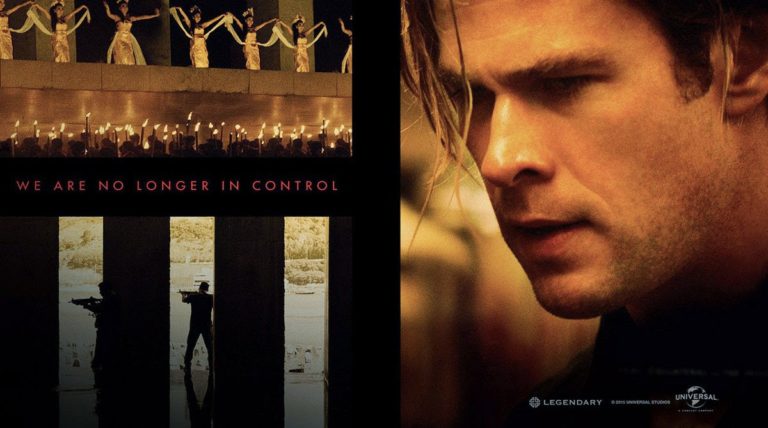
Michael Mann Movie Series: Blackhat (1:29:47)
Director: Michael Mann
Writers: Morgan Davis Foehl
Stars: Chris Hemsworth, Viola Davis, Tang Wei

Show Sponsor: First Time Watchers Podcast

– Music

Devil Opening – Joseph Bishara
Call Me Cruella – Florence + the Machine
Movements – Atticus Ross
The Return of the Eagle – Atli Örvarsson

Subscribe to our Podcasts RSS
Subscribe to our Podcasts on iTunes
Listen on Spotify
Listen on Stitcher
InSession Film Podcast – Episode 433

[divider]

Next week on the show:

Review: In the Heights
Review: Bo Burnham: Inside
Top 3: N/A

[divider]

Help Support The InSession Film Podcast

If you want to help support us, there are several ways you can help us and we’d absolutely appreciate it. Every penny goes directly back into supporting the show and we are truly honored and grateful. Thanks for your support and for listening to the InSession Film Podcast!

VISIT OUR DONATE PAGE HERE

Movie Review: ‘I Carry You With Me’ is When Love Surpasses Borders


Director: Heidi Ewing
Writers: Heidi Ewing and Alan Page Arriaga
Stars: Armando Espitia, Christian Vázquez, Michelle Rodríguez

Synopsis: Based on true love, this decades spanning romance begins in Mexico between an aspiring chef and a teacher. Their lives restart in incredible ways as societal pressure propels the couple to embark on a treacherous journey to New York with dreams, hopes, and memories in tow.

[/info]

Emigrating is hard. Even if leaving your home and family behind takes a lot of courage that not everyone has, thousands of people migrate to the U.S. every year looking for the “American Dream”. But as Iván, our narrator, says: “the American Dream happens in slow motion. It takes years”. Everything people go through, they do it for a better life for themselves, and especially their loved ones.

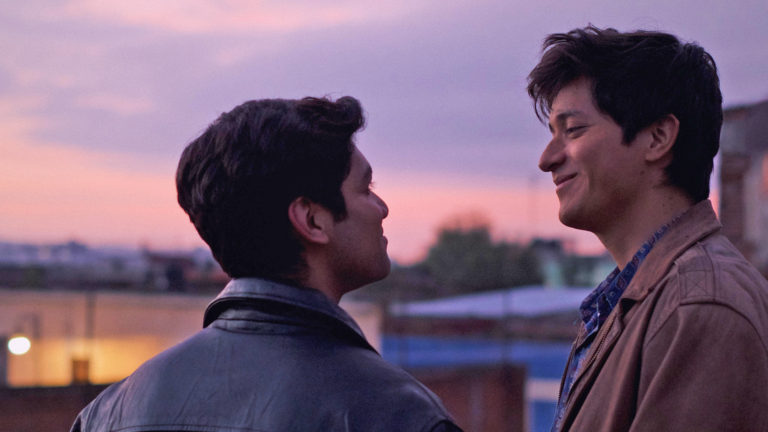
The story is about Iván —most of the time performed by Armando Espitia—, an aspiring chef living in Puebla, Mexico, and single father. After not getting a promotion in the restaurant he works in, he struggles to make a living and also support his son. One night out, at a gay bar with his childhood friend Sandra (Michelle Rodríguez), he meets Gerardo —most of the time performed by Christian Vázquez—, and they connect instantly.

Iván and Gerardo get closer and grow into a sweet relationship, but since it is set in 1994, they must keep it a secret. When Iván’s family discovers he’s dating a man, he is forced to cross the border promising both Gerardo and his son that he’ll be back. Within its dangers and painful goodbyes, Iván successfully gets to New York City, where his dreams will come true. Or that is what he hopes for.

After a year of being apart, Gerardo quits his teaching job and crosses the border to be reunited with Iván. Time passes, they finally can be together and be who they truly are. Their careers are growing and they are a happy couple, at last, but Iván hasn’t seen his son since he left Mexico and he knows he promised him to return. If he goes to Mexico, he can’t travel back to the U.S., so now he has to decide whether to leave Gerardo —who doesn’t want to go— and everything they built together or forget about his son, who can’t get an American Visa.

At its core, I Carry You With Me (or Te Llevo Conmigo) is a beautiful and tender LGBTQ+ story. But it is way more than that. It is a story that a lot of people who migrate experience and can empathize with. Based on the real story about the couple with the same names and personal friends of the director and co-writer, Heidi Ewing; it tries to cover a lot of topics and they are all well-achieved. Of course, problems like homophobia are present, but the movie chooses to emphasize their struggles as immigrants and how their love evolves throughout time. The first act is a celebration of their sexuality, even if what they have is still taboo, they manage to have fun and accept who they are, and love each other without fear.

I Carry You With Me is Ewing’s first narrative feature after working with documentaries —one of them an Academy Awards nominee— and she exploits her artistic voice blending the two genres. We’re surprised with the real Iván and Gerardo telling their own story at some point. Their scenes work better if you are aware that it is based on true events, their events. Otherwise, it can feel like two different movies in one (not that this is a bad thing, though). The idea came after Ewing’s Detropia was released at the Sundance Film Festival back in 2012, where Iván and Gerardo went to support their friend. Eight years later, I Carry You With Me premiered at the same festival.

LGBTQ+ stories are usually led by white characters, and even if it doesn’t mean that what they go through isn’t real or difficult, it is great to see this type of love story told by people of color, in this case, two Latino men. They not only have to struggle because of their sexuality at a time it was less accepted, but they also deal with class, money, and racist/xenophobic problems. It shows what it is like to grow as a gay man in a Latinamerican country. One of the most powerful scenes is where Iván calls his mother and tells her he is in a new relationship, and she asks him how is “she”. Or how both of their fathers reacted when they discovered they were gay at a young age. But as I said before, this film is more than that.

The performances of the two lead actors are fantastic and the chemistry between them honors the real relationship they are portraying. The combination of the acting scenes with the documentary footage (filmed by Ewing throughout the years) has a perfect balance, but it would have still made sense if it was either an all-narrative feature or a full-length cinema verite. The photography in charge of Juan Pablo Ramírez is stunning, physical, and atmospheric. It can drown the viewer in every scene.

I Carry You With Me is a film that will make you think about it even after you finished it, its portrayal of a lover bigger than any border will make you smile and cry in one sitting. The film will open in NYC and LA theaters on June 25. Just in time before Pride Month ends.

Grade: A

Op-ed: Drugs, Millionaires, And Murder To Make The Cotton Club

There are films that have been in development hell. There are films with troubled productions where budgets grow and shooting goes past its schedule. And then, there is a film where those things are the least of its problems. How shocking could a production’s backstory get? Surely, Francis Ford Coppola wants to forget, even though it wasn’t his headache. As much as Apocalypse Now was a production disaster to make, at least no one was murdered for it. 

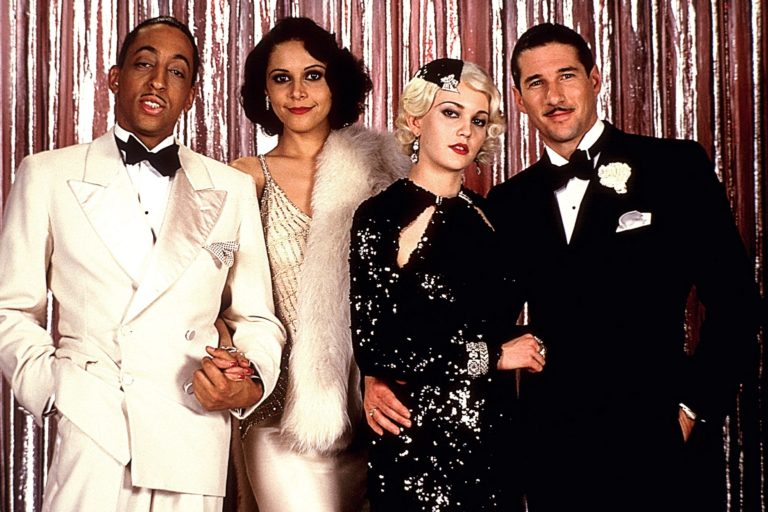
Coppola’s Jazz Age gangster period drama is a solid piece of work with good performances by a strong cast led by Richard Gere, Diane Lane, and Gregory Hines, plus a collection of supporting players including Bob Hoskins, Nicholas Cage, Gwen Verdon, Lawrence Fishbourne, and Tom Waits. It feels authentic when going into the legendary setting with John Barry’s jazz score setting the mood with ease. Even with positive reviews, it failed at the box office, which was not a surprise considering how big the budget was and the negative press it got surrounding its producer, the infamous Robert Evans, former head of Paramount.

Prelude To A Gunshot

During his time as Paramount’s studio executive, Evans helped the company from its financial woes to make a string of major hits including Rosemary’s Baby, Chinatown, and The Godfather, directed by Coppola himself which won the Oscar for Best Picture. He would continue to produce films independently after stepping down in 1974 while working alongside Paramount for distribution, including Marathon Man and Urban Cowboy. Then, in 1980, Evans pled guilty to a cocaine trafficking charge in which he avoided jail time, but it damaged his reputation as he was a known cocaine user.

After reading James Haskins’ historical book on the famous titular nightclub which existed from 1923 to 1940, Evans chose it as his next project. He hired Godfather author Mario Puzo to write the original script in which Evans himself intended to direct. Dissatisfied with Puzo’s draft, Evans hired Coppola and author William Kennedy (Ironweed) to do a rewrite, only to then buck the directing position to Coppola after having cold feet. The main reason Coppola took the entire gig was that he was in serious debt following the financial disaster in making One From The Heart. 

Impregnating The Club

What began as $13 million for the initial budget grew as the production got more ambitious due to Evans’ demands. He was able to get financing from people who had no connections in the movie business and would entangle Evans in various legal issues. The budget was first raised to $25 million before casino owners Ed and Fred Doumani, Saudi businessman (and arms dealer) Adnan Khashoggi, and vaudeville producer Roy Radin threw in their support which raised the entire budget to $58 million officially. Coppola later said the final costs were closer to $65 million. 

Exacerbating the issue was the hectic schedule and cost overruns which Coppola and Kennedy were constricted to. With principal photography starting in August and lasting till the end of the year, rewriting the script was non-stop, daily costs hovered around $250,000 a day, and Coppola butted heads with Evans over crew personnel and differences in storytelling as Evans complained the changes were unnecessary. Evans accepted the blame but still felt Coppola had to share responsibility for the poor box office reception of just $26 million. And yet, there was another thing with the movie that really hung a dark cloud over Evans’ reputation.

To Kill A Producer

Karen Greenberger was a drug dealer who helped supply Evans’ cocaine habit and was allegedly his lover when she introduced him to Roy Radin. Only thirty-three years old, Radin was known as an eccentric millionaire who, like his father, successfully took to tour revues of legendary movie stars and singers who had faded from the spotlight and brought them to an audience with nostalgia for the past. He was also known for his sexual life, having sadomasochistic orgies at his Long Island mansion which he was accused of drugging and assaulting an actress who he invited over. After being cleared of the charges, Radin decided to invest in stage shows and film productions with The Cotton Club being his first opportunity.

How Roy Radin's David Berkowitz And 'Son Of Sam' Connection Fell Apart |  True Crime Buzz

Radin became so deeply involved that he virtually quit the vaudeville shows even though he was losing money by putting everything into the movie. Greenberger was offered a “finder’s fee” by him for introducing Evans, but she sought more and believed Radin was undercutting her role in the movie and the position she would stand to profit from it. On May 13, 1983, Greenberger and three others intercepted Radin while heading to a meeting in Beverly Hills, took him outside Los Angeles, and shot him dead. Radin’s body was blown up with dynamite in an attempt to make it impossible to identify him.

Robert Evans Departing Paramount Lot After 52 Years – Deadline

A month later, Radin’s mutilated corpse was found and it would be another few years before Greenberger and her cohorts would be convicted of murder and kidnapping. Evans was called in to testify as a witness but, under the advice of his lawyer, he pleaded the 5th Amendment when asked if he knew Radin. Greenberger would state that Evans had no role or knowledge of the hit job, but Evans, already under the microscope with his past conviction and the financial losses he suffered, chose wisely to avoid self-incrimination. 

Legacy Of A Shocking Failure

The whole saga of The Cotton Club is now part of Hollywood lore on the films that are a reminder of what to do and not do in production. Probably the biggest takeaway is to not bring in outsiders who don’t know a thing, especially those who are sketchy and are connected to drug dealing. With the movie itself, Coppola forgot about the movie (understandably) until he found an old copy that was longer than the theatrical one. The new version was named The Cotton Club: Encore and was released at the 2017 Telluride Film Festival with a Blu-Ray release in 2019. For the late Robert Evans, his legacy as one of the greatest Hollywood executives remains intact, but the fiasco around this film will forever be connected to him.

P.S. – An interesting side note to the murder of Roy Radin is referenced in the Netflix docuseries The Sons of Sam: A Descent Into Darkness. The docu-series followed the life of an investigator, who believed a Satanic cult was connected to the infamous New York serial killer David Berkowitz and connected Radin’s murder to it because of his notorious BDSM parties and loose connections to other suspects. There was a Bible with a page circled with specific passages even found nearby that seemed to validate his theory. Only when charges were filed against Greenberger with the motive explained by police did that connection proved to be false. 

Follow me on Twitter: @brian_cine (Cine-A-Man) 

Podcast: The Lone Ranger (Revisited) / Cruella – Extra Film

This week on Extra Film, Ryan and Jay continue their Gore Verbinski Movie Series with his 2013 film The Lone Ranger and they discuss Disney’s latest live-action romp in Cruella!

Note: Hear our original review of The Lone Ranger on Episode 20

After the success of the Pirates movies, Disney decided to take a chance on another property hoping that Verbinski could deliver another franchise, however The Lone Ranger had other plans. The problem children of Johnny Depp and Armie Hammer aside, the film is not super great and it’s way too long. It does, though, have a final action sequence that is really good. In fact, it should have just been the whole movie.

In the back half of the episode, the guys review Disney’s latest live-action re-telling of a classic in Cruella. The conversation was quite interesting in that Jay was able to still find joy in the film despite its flaws, whereas Ryan could not, leading to a fun debate. Regardless of where you land on it, the film certainly has plenty to talk about, and it led to a fun discussion.

Thanks for listening!

– Movie Review: The Lone Ranger (3:47)
Director: Gore Verbinski
Screenplay: Justin Haythe, Ted Elliott, Terry Rossio
Stars: Johnny Depp, Armie Hammer, William Fichtner

– Movie Review: Cruella (49:10)
Director: Craig Gillespie
Screenplay: Dana Fox, Tony McNamara, Aline Brosh McKenna (story by), Kelly Marcel (story by), Steve Zissis (story by), Dodie Smith (based upon the novel “One Hundred and One Dalmatians” by)
Stars: Emma Stone, Emma Thompson, Joel Fry, Paul Walter Hauser

– Music

Finale (William Tell Overture) – Hans Zimmer
Call Me Cruella – Florence + the Machine
The Return of the Eagle – Atli Örvarsson

We try to make this the best movie podcast we possibly can and we hope you enjoy them. Subscribe today on iTunes, Spotify, or Stitcher, and please leave us a review on iTunes. You can also find us on Soundcloud, PlayerFM, and TuneIn Radio as well. We really appreciate all your support of the InSession Film Podcast.

Subscribe to our Podcasts RSS
Subscribe to our Podcasts on iTunes
Listen on Spotify
Listen on Stitcher
Rango / The Killing of Two Lovers – Extra Film

[divider]

To hear this Extra Film episode and everything else we do, download our apps on the Amazon Market for Android and the Podcast Source app on IOS devices. The mobile app covers all of our main shows, bonus podcasts and everything else relating to the InSession Film Podcast. Thanks for your wonderful support and for listening to our show. It means the world to us.

Criterion Crunch Time: ‘Ripley’s Game’

One of the many joys of limiting your choices to movies leaving a streaming service, like the Criterion Channel, is that the quality of a movie, as in thumbs up or thumbs down, or a ridiculous star rating starts to matter less and less. Even if a movie is not “great” or “awards worthy,” it can still have something interesting to say. Every year, there are many examples of this, maybe a film is messy or slight, but something about it sticks with you, nonetheless. This is also the risk I tend to run with this column, as I tend to avoid movies I have already seen.  Where would be the fun in discussing a movie that I already know my opinion about? And this brings us to our latest blind watch, Ripley’s Game from director Liliana Cavani.

Ripley’s Game, based on the book of the same name by Patricia Highsmith, is a bit of an oddity considering it is the third book in the series about Tom Ripley, most famously portrayed by Matt Damon in The Talented Mr. Ripley. Despite the fact that this is based on a series, Ripley’s Game throws us into the world of Tom without much context. In short, Ripley is introduced in an art forgery scheme, along with co-conspirator Reeves (Ray Winstone), and this work alliance later comes back to cause a great deal of trouble for him. But frankly, the plot machinations are the least interesting thing explored in the film.

What is interesting is the journey of Ripley (John Malkovich)  in comparison to his two foils. Ripley, although prone to extreme violence when necessary, is mostly cold. Even when with his wife Luisa (Chiara Caselli), there is something rehearsed about his affections. This calculated distance is in direct opposition to his relationship with two men, Reeves and Jonathan (Dougray Scott). It would be easy to discount Malkovich’s performance as standard and expected for an international criminal, but I think this is the point. This personality is just as rehearsed as the rest of him is, a perfect amalgamation of characteristics that may help him succeed.

Reeves is obviously different from Ripley. He is uncouth, brash, and happy to use violence, especially when it is not necessary. Ripley realizes this about him and after their initial connection, he attempts to force even more distance than usual. He even gives up a lucrative amount of money so he can retain the power to stop Reeves from being any part of his life. He offers this money as “a gift from the Ripley finishing school, because we are finished.” It is a clever line, delivered expertly by Malkovich, which tells us everything we need to know about this relationship. When Reeves appears in his life years later, the tension is palpable. But interestingly, instead of refusing Reeves outright, he stylishly placates him. Reeves wants to hire someone to assassinate a rival, but needs an unknown. And this leads us directly to Jonathan.

Jonathan is introduced to the audience in an awkward moment in which he is caught speaking poorly about Ripley as a man with too much money and not enough taste and class. Malkovich, who has proven time and again that, despite not being physically intimidating, can fill a moment and incite fear. Because of this introduction and revealing that Jonathan is dying of leukemia, Ripley tells Reeves to approach him for the job. The money he would be paid would allow him to help take care of his wife, Sarah (a sadly wasted Lena Headey) and their child. Jonathan is also wildly different from Ripley, but in a very different way. He is frightened, flustered, and unsure of his every move. Slowly, this changes Ripley. There are moments of tenderness between the two in which you see Ripley’s confusion at his own actions.

Despite the fact that the beginning of this relationship is wildly uncomfortable, Ripley finds himself helping Jonathan. Some of this is due to building a friendship with Sarah, but it also empathy slowly seeping into a character that could be described as sociopathic through most of the runtime. As the climax of the film occurs, focusing on Ripley and Jonathan holed up in Tom’s beautiful home as villains attempt to break through and kill them both, there is an ease, an almost joking cadence between the two men. In these moments, both of them clearly care for one another and protect each other. This feeling comes to a head later when, in quick succession, Ripley saves Jonathan and Sara, Jonathan takes a bullet for Ripley, and Ripley has a moment of intimacy over a great distance. As Jonathan bleeds out, Ripley is truly confused, asking him why he would do this. But the realization of this friendship washes over Malkovich’s face just as it becomes too late. And in the final scene, Ripley watches his wife perform at a concert from the back row. But this is the first moment that does not feel rehearsed. He smiles over that distance, perhaps finally akin to how Jonathan looked at Sara earlier in the film. Ripley is finally truly feeling and connected in a way that we did not think was possible.

So, is Ripley’s Game a perfect, or even very good movie? Absolutely not. As a matter of fact, it is mostly mediocre fare. There are wasted quality actors, drifting plotting, and less than impressive directorial choices. But any movie with Malkovich in a lead role is not likely to be completely forgettable. His fleeting moments of connection and wry sense of humor make Ripley’s Game worthy of a watch as it leaves The Criterion Channel.

Join us later this month when we take a look at the great Paul Thomas Anderson and Hard Eight!

Podcast: Blackhat (sort of) – Patreon Bonus Content

Listen!

If you listened to Episode 432, you may have heard that we had some technical difficulties with our Blackhat review as we attempted to conclude our Michael Mann Movie Series. However, it was an interesting journey as our thoughts on the film changed over the course of the conversation. Something we felt would be hard to replicate in another review. So, despite missing 1/3 of the audio, we thought we would go ahead and post the audio we do have (2/3 of it) so 1) you have context for Episode 433 when we review it again and 2) you can enjoy the evolution of the conversation.

If you’re already a Patreon supporter, you can listen to this episode NOW on Patreon by clicking here.

Sign up today to get early access and hear the entire episode!

[divider]

HELP SUPPORT THE SHOW

To hear our bonus content episodes early, subscribe now on Patreon. In many cases, though, we offer our bonus content for free after a certain period of time and we do encourage (and very much appreciate) a small donation of $0.99 as a way to help support the show if signing up on Patreon isn’t for you. Click on the PayPal button below to donate and thanks so much for your support. You can also hear much of our Bonus Content via our mobile apps. See the information at the bottom of the post for more details.


One-Time Donation


[divider]

Mobile Apps!

Listen to all of our bonus content on our apps for just a one-time fee! Whether you have an iPhone, Android or Windows phone, our apps are available in many different ways that is convenient for you. With our mobile app, not only can you listen to all of our bonus content, but our main shows and our Extra Film podcasts as well. Click here for more info!

If you don’t want to purchase our bonus content, but still want to support us, there are other you can help us out. Click here for more info.

Movie Review: ‘Rare Beasts’ explores the chaos of modern femininity


Director: Billie Piper
Writers: Billie Piper
Stars: Billie Piper, Leo Bill, Lily James, David Thewlis

Synopsis: Mandy, a career-driven single mother, falls in love with a charming man named Pete.

[/info]

Billie Piper’s directorial debut follows Mandy, a thirty-something single mother, navigating parenthood, a career, and romance as a millennial woman in London. I had the privilege of seeing a live preview of the film with an in-person Q&A. The film’s writer, director, and star Billie Piper was joined by Mia Bays from Birds Eye View; a not-for-profit that celebrates and champions the work of women in the film industry.

Depicted as an “anti-romcom”, the film skews what we have been taught to want and expect from on-screen love stories, and presents a welcome and refreshing interrogation of what it means to be a woman in modern society. Piper stated that she wanted to present a “common female crisis”, and the film begins with Mandy ritualistically tapping her temples (a therapeutic tool to manage anxiety known as Emotional Freedom Technique), while repeating the mantra “even though I feel scared and angry, I love and respect myself”. In Piper’s film, the internal is externalized, and we pan across women hurrying through the street, frantically tapping and breathlessly repeating “money, cock, promotion” under their breath. Piper spoke of wanting to address the unhealthy suggestion that women can and should aspire to “have it all”, and the anxiety that these unrealistic aspirations can cause. This early scene in the film effectively presents a shared female anxiety, and a constant attempt to “keep it together” beneath a smiling facade.

Mandy balances her strained relationship with her father, terminally ill mother, and young son with behavioral tics. Alongside this, she navigates a joyless job, and a masochistic romantic relationship with a man who announces that he finds women “in the main, intolerable”. The misogynistic Pete lacks any redeeming features, and in a rom-com would serve as a mere stumbling block or learning curve in the protagonist’s search for true love. However, while initially implausible that someone could stay with a man who tells them their teeth are too big and breasts too small, it is also all too familiar. Detrimental to her fragile self-esteem, Pete reflects back at her the things she hates most about herself. Whether we ourselves have fallen into similarly dysfunctional relationships or witnessed those of friends, it can often be a painful reality and can take a long time to realize and free ourselves from them.

The film is stylistically theatrical, and at times transgresses into fantasy and even musical sequences. One scene in particular boldly transports us into the chaotic world of Mandy’s mind. We see her enter a room where her parents are arguing, and she begins to tap dance, in a sort of brightly colored Lynchian nightmare. Dancing amid chaos is a powerful visual metaphor for one of the film’s themes: trying to hold it together in a chaotic and overwhelming world. Intense close-ups of Piper’s face transport us into this world, as well as the film’s pivotal use of sound. From the manic sensory overload of London hubbub to the electronic haze of The Chemical Brothers, we become immersed within her frantic psyche.

“I wanted people to behave on screen in a familiar way to me”, Piper stated in a radio interview. In the post Fleabag era, there are thankfully more honest mainstream representations of “the modern woman”, but Piper acknowledges there is still a way to go for the examination of the female experience in film. We may not agree with some of Mandy’s decisions (mainly her taste in men), but we believe in her as a real and convincing character. One character in the film tells Mandy “no one wants to read about miserable women”, but Piper confesses she enjoys reading about female pain. She noted that “within the pain, there is also a lot of laughs”, and this is certainly reflected in the film’s dark humor. At one point, Mandy’s dad tells Pete: “she used to be such a funny child: she used to write us these little love letters, and then often little death threats”.

There is a brilliant scene towards the end of the film, in which a group of women stand in solidarity with Mandy as she finally confronts Pete. Resembling a Greek chorus, they collectively voice a shared and unfiltered female consciousness, and call out Pete’s “classic male bullshit”. Mandy speaks to Pete in what is effectively her own internal monologue. The women shout words of sisterhood encouragement, cheering her on. But the film does not present a one-sided, “correct” version of feminism. When Mandy hesitantly declares: “I want a man”, her female chorus become angry, deeming this a negative desire. Here, the film essentially turns the camera on the audience, asking us to interrogate and perhaps re-evaluate our own ideas of feminism and what it means to be a woman. Can you still call yourself a feminist if you declare you want a man? (The answer is of course yes). Feminism is so often mistakenly equated with “man-hating”, when this is just not the case, and can perpetuate a deeply damaging portrayal.

Rare Beasts is a powerful examination of female interiority and a refreshing depiction of womanhood in all its complexities and messiness. Its vibrant color palette belies the film’s bleak tone, which bubbles and screams beneath the surface. This is fitting for a film that challenges superficial femininity, in a way as bold and fierce as its title suggests.

Grade: A

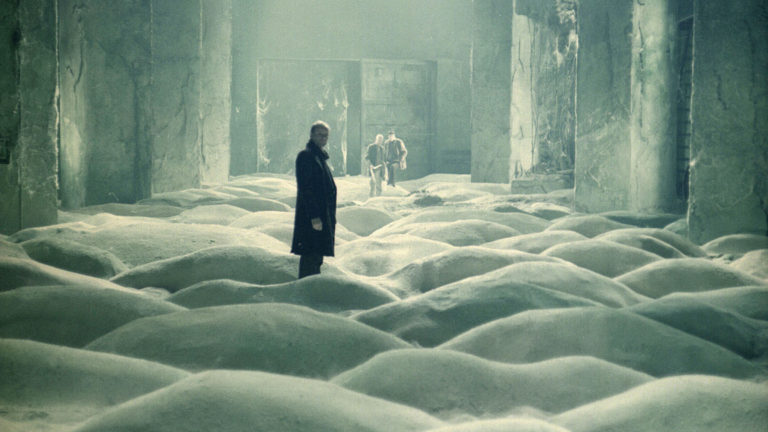
Classic Film Review: ‘Stalker’ Is Surprisingly Accessible

The Stalker’s Wife is the character who has really stuck with me in the aftermath of seeing this film for the first time. She was presented as loving and honest and gentle, even though she couldn’t really afford to be. Those three qualities set her apart from the other lost souls who inhabit the desolate hellscape that they have been forced to inhabit. She is essential to the film’s success, because she provides us with a dash of optimism, amidst all of the doom and gloom. She has managed to hold onto her humanity and still feels emotions like guilt and regret as she talks about why she chose to commit to her husband. This feels like a small, but significant, triumph that only drives home how bleak the rest of this story is. Tarkovsky knows how to introduce levity at just the right times and that means that this becomes easier to take in and digest. It’s not always positive to create a piece of art that is extremely accessible, but in this case, it is something to be grateful for. This is an art movie that was made for the masses and not just a small group of navel-gazing intellectuals.

It’s almost impossible to provide you with a plot description because the film doesn’t have a clear narrative. Tarkovsky sets this ‘story’ in a post-apocalyptic world that has been devastated by environmental disasters. The land is infertile, sparsely populated, and severely underdeveloped. People have to live in poorly constructed shelters and forage around in order to find food. Everybody is fascinated by the idea of entering ‘The Zone’, a dangerous, mostly unexplored area in which people struggle to survive. People choose to explore The Zone because they want to reach ‘The Room’, an area in which all of their desires are meant to be fulfilled. The Stalker (Alexander Kajdanovsky) helps people to reach The Room and puts his own life at risk by doing so. He guides The Writer (Anatoly Solonitsyn) and The Professor (Nikolai Grinko) through The Zone and they are all forced to consider the sacrifices that they are making in order to reach The Room.

This is a film that demands active participation from an audience member. You can’t just sit back, take in the view and begin to think about Tarkovsky’s overall message in the minutes following the film’s ending. It often feels like he is determined to make his films feel like endurance tests. Those long takes can be punishing and they force you to reconsider the same image many times over. It does create something intellectually nourishing, but it also sets you up to feel like the film is a visual assault of sorts. Every new scene has a Where’s Wally? Quality and you find yourself looking out for certain clues in an effort to put the pieces together and figure out the puzzle that he has set up.

His use of locations is what often stood out to me, as Tarkovsky somehow finds a way to make ordinary grassy knolls look sinister. There are times when he chooses to specifically highlight ways in which radiation has damaged this world but it is almost more troubling when the men walk through a landscape that seems vaguely normal. They don’t seem to fit in and Tarkovsky imaginatively comes up with new ways to amplify this feeling. He doesn’t take the Joshua Logan approach to staging scenes, which involves arranging actors as though they are posing for a class photo and then getting them to speak to the camera whilst they are meant to be conversing with each other. Tarkovsky tries to give the actors space to move around and is willing to let them deliver dialogue without appearing to project towards an audience that isn’t there. He tries to give us the sense that we are not part of the world that these men inhabit. They can drift in and out of the frame and we are left to imagine the unspeakable horrors that they might be witnessing. It seems right that we don’t get a sense of the width and breadth of these fields. The Zone is vast and endless, these men could never gather a full understanding of the bigger picture because they always feel the need to forge ahead and avoid dwelling on the past. Tarkovsky broadens our comprehension of their worldview, by limiting the scope of the film. 

I was also amazed by the fact that Stalker (1979) contains only seventeen minutes worth of music. When a piece of classic music is played, it leaves a massive impact and the moments where compositions slowly melt away for ambient noise to take their place. You would think that there would be times when the lack of musical accompaniment would become noticeable or feel like a deliberate artistic choice. I’m not so sure that Tarkovsky was trying to make a point by including so little of it in this film. He could have tugged at the heartstrings by including more Bach compositions or he could have featured more of the synthesizer music that features in a few brief scenes. It feels like he was content to rely more on the background noises that could be taken from nature or the happenings on screen. It was nice to avoid dealing with untimely intrusions from an overblown score or far too many scenes that rest too heavily on one piece of music. 

This is a film that sets itself apart from the rest for subtle reasons. It doesn’t jump out at you as something that is daring or audacious and you do have to dig a bit deeper in order to properly engage with it. I won’t go as far as Cate Blanchett and state that “Every single frame of the film is burned into my retina.” I’ll say that it was an enriching piece of cinema that vibrated with creativity and passion. I think it could serve as an effective gateway drug for those who are not already interested in arthouse cinema. 

Grade: B

Movie Review: ‘Echoes of Violence’ is a wobbling but welcomed revenge thriller


Director: Nicholas Woods
Writers: Nicholas Woods
Stars: Michaella Russell, Heston Horwin, Chase Cargill, Taylor Flowers, Sam Anderson, Frank Oz

Synopsis: An immigrant travels from Sedona to Los Angeles looking for revenge upon the immigration lawyer who ruined her life.

[/info]

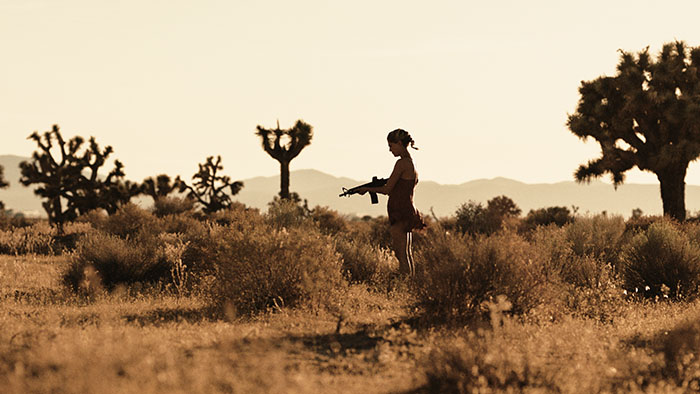
A woman escaping a network of sex trafficking. A real estate agent in the wrong place at the wrong time. A former marine desperate to get money. These are the unlikely, but somehow effective protagonists of Echoes of Violence, the second feature of American filmmaker Nicholas Woods. The film offers interesting paths to the stories of revenge and redemption that we are now familiar with.

Echoes of Violence starts with Alex (Heston Horwin), a real-estate agent trying to sell an office in the middle of the Sedona desert. Just before a promising meeting, he hears a woman being attacked and goes quickly to her rescue. As we soon learn, Marakya (Michaella Russell) is trying to run away from Anthony (Taylor Flowers), an immigration lawyer / sexual trafficker that sent a goon (Kellin) to kill her. Begrudgingly, Alex agrees to take her to Los Angeles so she can retrieve some money and disappear.

Director and writer Woods offers a promising style in this discreet thriller. He takes startling decisions that offer an air of innovation and unexpectedness to a genre that is familiar. When the audience starts to feel comfortable in guessing what will happen next, it seems as if he knows this, so instead, he changes gears and offers surprising outcomes. For example, it is an agreeable – and unforeseen – choice to focus on Kellin (Chase Cargill) at the start of the second act. Through the exploration of the killer’s life, we understand his psyche and the reasons behind his entanglement with the criminal lawyer. Skillfully, Woods gives nuance and complexity to the previously apparent villain.

He also makes us question our loyalties and expectations regarding the villains and heroes of the story. In this regard, the male characters are well-developed. Both Alex and Kellin have compelling backstories and personalities. Alex – elevated by the nervous and natural performance by Horwin – is the good-natured and reluctant hero that is determined to help Marakya. Meanwhile, Kellin is the broody and complex assassin – but not too cold once we learn about his personal issues – that is at a crossroads when he develops a conscience and starts questioning the actions of his boss.

Nevertheless, this skill is not translated into the development of Marakya, the main character of the film and our supposed main heroine. Thought of as a regular but lethal woman, it is easy to see the inspiration on Quentin Tarantino’s The Bride. She seems to have decided to get vengeance once she realizes that Anthony will not allow her to go free, and with the weight of a past grievance on her shoulders. Still, she is fully dependent on the two men that have become unexpectedly loyal to her and her cause. She is brave but useless. She is cheeky but shallow. Her dialogues tell us one thing, but her actions tell us something completely different.

This critique is the result of the unbalanced script. While it offers excitement, surprises, and intriguing male characters, it fails its female ones. There is too much violence – sexual, physical, and psychological – against women that feels unnecessary and cruel. Markya is a victim of deep trauma for the sake of advancing the story.

Some shortcuts and oversimplification of the story can create exasperation. For example, Markya “is from Africa” as if that continent were a sole place instead of a piece of land formed by independent states with unique and particular histories and communities. This kind of generalizations should not happen anymore.

Despite these details, Echoes of Violence is a memorable effort that is enjoyable and unexpected. Its path to satisfaction is not faultless, but still, it offers enigmatic male characters, subversive reveals, and a satisfying ending.

Grade: C+

Poll: What is the best film directed by James Wan?

The “cinematic universe” is not just for superhero movies anymore, as we are now even seeing it in the horror genre. Perhaps the most notable one right now (no, not the now infamous Dark Universe) is The Conjuring Universe, and while he didn’t direct all these films, this saga is essentially James Wan’s baby, having directed the first two Conjuring films. This weekend continues the Warren’s story with The Conjuring: The Devil Made Me Do It, and while not directed by James Wan (this time helmed by Michael Chaves), it’s an excuse to celebrate the work of this universe’s creator.

With that said, what do you think is James Wan’s best film?


Podcast: A Quiet Place Part II – Episode 432

This week’s episode is brought to you by ExpressVPN. Sign up today and get 3 months FREE with a 1-year package!

This week on the InSession Film Podcast, Brad Hargis from The Cinema Guys joins us to discuss John Krasinski’s latest in A Quiet Place Part II! Plus, a few thoughts on the indie-drama The Water Man and the masterpiece that is Friends: The Reunion.

Huge thanks to Brad for joining us once again. It’s always a pleasure to get him on the show and we had a lot of fun talking about the world of A Quiet Place and where the franchise could go next. As for the rest of the show, well, let’s just say some hacker wasn’t thrilled with our Blackhat review. The great Diego Crespo joined us to conclude our Michael Mann Movie Series, however, we unfortunately ran into technical difficulties. We will upload the review to Patreon this week (as we still have 2/3rds of the audio and loved the conversation), but Diego will be back next week to officially have that review once more.

On that note, check out this week’s show and let us know what you think in the comment section. Thanks for listening and for supporting the InSession Film Podcast!

– Movie Review: A Quiet Place Part II (6:04)
Director: John Krasinski
Writers: John Krasinski
Stars: Emily Blunt, Millicent Simmonds, Cillian Murphy

– Notes / The Water Man / Friends: The Reunion (49:36)
As mentioned above, Brendan caught up with David Oyelowo’s directorial debut The Water Man and gave his thoughts on that film. Both JD Brendan also saw the masterpiece that is Friends: The Reunion and decided to battle that one out as well. We are both fans of Friends, yet we did not see this documentary the same, leading to unexpected contention.

[divider]

RELATED: Listen to Episode 423 of the InSession Film Podcast where we discussed The Tree of Life!

[divider]

Michael Mann Movie Series: Blackhat (1:28:31)
Director: Michael Mann
Writers: Morgan Davis Foehl
Stars: Chris Hemsworth, Viola Davis, Tang Wei

Show Sponsor: First Time Watchers Podcast

– Music

Encouraging Feedback – Marco Beltrami
I’ll Be There For You – The Blue Notes
Spanish Flea – Herb Alpert & The Tijuana Brass
The Return of the Eagle – Atli Örvarsson

Subscribe to our Podcasts RSS
Subscribe to our Podcasts on iTunes
Listen on Spotify
Listen on Stitcher
InSession Film Podcast – Episode 432

[divider]

Next week on the show:

Review: The Conjuring: The Devil Made Me Do It
Top 3: N/A
Michael Mann Movie Series: Blackhat

[divider]

Help Support The InSession Film Podcast

If you want to help support us, there are several ways you can help us and we’d absolutely appreciate it. Every penny goes directly back into supporting the show and we are truly honored and grateful. Thanks for your support and for listening to the InSession Film Podcast!

VISIT OUR DONATE PAGE HERE

Featured: InSession Film Podcast Named One of 2021’s Best by Welp Magazine

The InSession Film brand has grown over the years, but it initially started out as a simple movie podcast with two guys who just wanted to talk about their love of film. Starting in 2013, the early days were rough and much of it was learning on the job. Once Brendan joined in 2014, however, things took off in a new direction and we started to find a rhythm that was right for our sensibilities. We had the Main Show on Monday’s and Extra Film on Friday’s, with both shows covering mainstream blockbusters and small indie films alike. As things progressed, Ryan and Jay came on in 2018 to take over Extra Film duties, which gave the podcast a whole new flavor altogether. We’ve also had many great guests on over the years, all of whom we are super grateful to have on the show.

All of that to say, as a result of that evolution, Welp Magazine has recently named InSession Film as one of the “20 Best Film Podcasts of 2021.” We are incredibly honored to be named among such an elite group of podcasts, including our great friends over at Feelin’ Film. It truly means the world to us. We work hard to make all shows entertaining and insightful, and as long as our listener’s are happy, that’s all that matters in the end. But this kind of recognition helps let us know we are on the right track.

Thanks again to Welp Magazine for selecting us. Please check out the article and all of the shows named in the piece. And to all of those who listen, have listened, and will continue to listen, thank you. Your support means everything and we could not be more grateful.

Sex! Drugs! Murder! The Scandals Of 1920s Hollywood

Part of Hollywood’s culture and lore has always included events that publically questioned Hollywood as a moral business. It is a sector of entertainment, but the arts have always included stories of sexual intrigue, dangerous vices, and agendas that have driven the business since its inception. But when it involves death and personal ruin, it becomes the fodder newspapers and social conservatives to speak about. These things led the first Moral Majority (before Reagan’s came to power in the 80s) to claim the industry as an indecent place and forced studios to write morality clauses in contracts and be aware of content created by the directors. These are some of these major scandals 100 years ago that endangered Hollywood as a whole.

The Trial Of Fatty Arbuckle

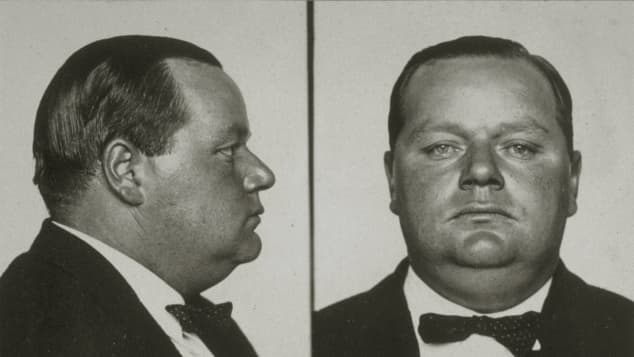
Roscoe “Fatty” Arbuckle was among the first great comedy giants in the 1910s, playing a key role at Keystone Studios that included Marie Dressler, Harold Lloyd, Mable Normand, and Gloria Swanson. When Charlie Chaplin came to Hollywood, it was Arbuckle who mentored him into the medium Chaplin would dominate for the next two decades. Arbuckle also met Buster Keaton and Bob Hope, giving them early gigs that lead them to stardom. He was the highest-paid actor in Hollywood contracted to Paramount when in 1921, Arbuckle was charged with the rape and manslaughter of an aspiring actress who was in a party.

The first two trials ended in a hung jury while the third found him acquitted with a public apology by the jury. However, the trial was widely followed and William Randolph Hurst’s newspapers published sensationalist stories that depicted Arbuckle as a fiend who deserved the electric chair. Studios banned Arbuckle from working with them and theatres didn’t show his movies again, even after he was acquitted. Arbuckle would get work as a director using the pseudonym William Goodrich and was even given support by Keaton in his movies. He had just signed a deal with Warner Brothers and was making a comeback under his own name when Arbuckle suddenly died of a heart attack in 1933, aged 46.

Drunkenness And Dependency

Multiple actors would die at a young age that would also face the scrutiny of tabloids and Christian groups still parading their victory to legalize Prohibition on the whole country. Serving as cautionary tales of why alcohol was bad, the deaths of Olive Thomas and Wallace Reid, plus the attempted suicide of Audrey Munson would be cited in forcing change by the studios. Thomas died in 1920 while on vacation with her husband, Jack Pickford, after accidentally drinking her husband’s medication which caused fatal inflammation of the kidneys. Yet, stories of alleged orgies, alcoholism, and that her death was a result of foul play put an unfair spotlight on Pickford’s and Thomas’s personal life.

Reid once referred to as, “the screen’s most perfect lover,” was part of the Famous Players-Lasky Corporation, the predecessor to Paramount Pictures. A train crash in 1919 caused serious injuries which led to Reid becoming addicted to morphine to get through shooting his later works. His heavy workload exacerbated his addiction; Reid went to a sanitorium to get sober, but he died in 1923, aged 31. Munson was a famous model in New York who became famous for posing nude in  films such as Inspiration, Purity, and Heedless Moths, giving her the nickname, “American Venus.” But her affair with a married doctor who would later be convicted and executed for murdering his wife in order to marry Munson made her unhirable. She would survive a suicide attempt by poisoning and would spend the rest of her life in an asylum until her death in 1996, aged 104, with virtually no visitors in her time institutionalized.

Murder And Mystery

The killing of director William Desmond Taylor in 1922 was a much bigger shockwave in Hollywood than the others mentioned. One of the more well-known directors in the 1910s and early 20s, Taylor’s death remains of the most notorious cold cases in the industry. There are multiple suspects and motives that could have led to his death, but the media circus and speculation shrouded the investigation. In 1924, the death of director Thomas Inge on the boat of William Randolph Hearst put the famous media tycoon in a compromising spot. Ince, famous for his Western pictures in the silent era, was negotiating with Hearst on a business deal when he suddenly died of what was ruled to be heart failure. But rumors from conflicting accounts of Ince’s last days brought on allegations of a conspiracy to kill Ince that would inspire the play and film, The Cat’s Meow, directed by Peter Bogdonavich.

Follow me on Twitter: @brian_cine (Cine-A-Man)