Home Blog Page 204

Movie Review: ‘Wonder Woman 1984’ is Not a Scratch on its Predecessor


Director: Patty Jenkins
Writer: Patty Jenkins, Geoff Johns, Dave Callaham
Stars: Gal Gadot, Chris Pine, Kristen Wiig, Pedro Pascal

Synopsis: Fast forward to the 1980s as Wonder Woman’s next big-screen adventure finds her facing two all-new foes: Max Lord and The Cheetah.

[/info]

Over the past few years, the DCEU has been a rollercoaster of solid films, not-so-great films, and an imbalance of tones with a lack of direction for the universe. However, one thing that was consistent for me throughout that was the character of Wonder Woman. Not only is her film the strongest of the DCEU films to date, but she was easily the best part about Justice League.

Whilst I will start by admitting that this sequel, Wonder Woman 1984, is nowhere near as strong as the 2017 debut by Patty Jenkins, there are some highlights within this film. The main storyline is engaging, with the stakes building up consistently. Not only is the premise fun and works well within the comic-book genre, but it is fleshed out with lure behind the premise and grounding it within the universe it is set in, creating an exciting story that works for the DCEU.

The visuals for this film are simply stunning. Due to the year that this has been, there have been very few films that have been released that are made for the big screen and have those big visual effects because of that. Aside from perhaps Tenet, this is the best visual effects work I have seen all year. There are some questionable choices, such as the design of The Cheetah, but the actual CGI in sequences such as the lasso are so well done.

As expected, the performances across the board are solid. Gal Gadot is a wonderful casting choice for the character of Wonder Woman and is as charismatic in the role as ever. Chris Pine also does a wonderful job in his role (which I am glad to report is explained quite well, considering where the 2017 Wonder Woman leaves the story off) and is also as charismatic as he was previously. The new cast fit in with this world incredibly well, but it was actually Pedro Pascal who stood out to me within this film. It does take a while to settle into what he is doing with the character of Max Lord, but it is an insane performance that has a huge payoff by the end.

Kristen Wiig did a solid job with the material that she was given in portraying Barbara Minerva, aka The Cheetah. However, this film does not give the character enough time to fully display her arc and show her as The Cheetah itself. She is played off as a complete stereotype of something that feels like it came from another generation. Whilst this movie might be set in 1984, the message should be universal, and yet they lean into the overplayed stereotype of how women should look and what is considered “attractive”. For a franchise that is all about women’s empowerment, I felt this missed the mark of getting that message across.

I also found myself having issues with some of the more basic aspects of the filmmaking. This story did not need 150 minutes to tell it, and there were several scenes in here that felt like they were just filler or having fun with the setting, rather than pushing the narrative along. I also found that there was a lacking amount of good fight sequences, with the final battle, in particular, being extremely disappointing. Whilst the choreography looked cool, the editing and cinematography made it hard to focus on, making it hard to enjoy or care about the outcome.

The writing itself I also found myself having problems with, but this goes beyond just the writing of Barbara Minerva. I actually found myself disliking the dialogue within the film, unable to strike a natural balance between personality and exposition. Not only did some of the writing come off as cliché and cheesy, but there was so much exposition within the dialogue that could have come off so much cleaner by showcasing it. It just felt forced and unnatural, something that did not happen within 2017’s Wonder Woman.

When I walked out of the cinema after the film, I did leave having had a fun time out and being amazed at the visuals on the screen. However, looking back at the film itself and not the experience, it is easy to see the flaws within the film. As great as Max Lord is as a villain, it is tough to see the poor treatment of Barbara Minerva as The Cheetah. As great as the visuals are, the 1984 aesthetic does not save this otherwise engaging story from the dialogue and writing within it. It is a fun comic-book flick, something that people have been waiting for this year, and I can guarantee many DC fans will enjoy it and have fun with it. However, it is certainly one of the weakest from the DCEU in the past two years after the recent solid run they have had.

Grade: C+

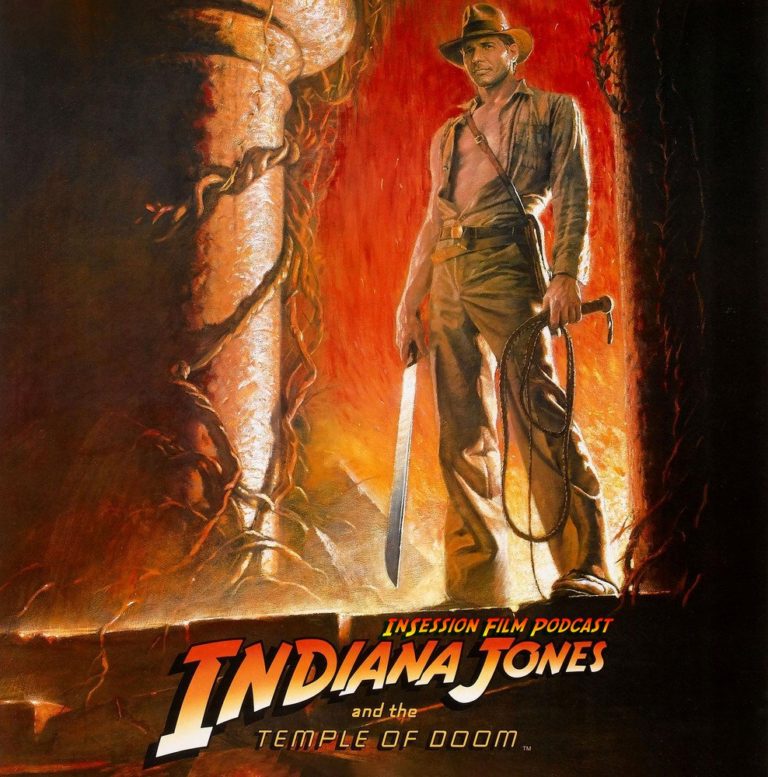
Podcast: Indiana Jones and the Temple of Doom / Let Them All Talk – Extra Film

On this week’s Extra Film, Jay and Brendan continue the Indiana Jones Movie Series with Indiana Jones and the Temple of Doom, and Jay and JD also review Let Them All Talk!

With Ryan out again this week, Brendan comes to Jay’s aid as they continue the Indiana Jones Movie Series. Known for being the controversial middle child of the original Indiana Jones films, Indiana Jones and the Temple of Doom is a darker prequel than the original and sets Indy on a quest set before our first encounter with him. With Short Round at his side, Indy sways the hearts of the two hosts, who consider this to be a real gem in the franchise.

In the back half of the episode, Jay and JD review the latest from Steven Soderbergh, Let Them All Talk. Starring three acting legends, Let Them All Talk follows the idea of friendship and betrail over many years and how it all comes together towards the end of one’s life. Debuting on HBOMax, Soderbergh seems to have another hit on his hand with this one. And for the first time in a while, Jay and JD agree on a film, leading to a juicy conversation.

Also, stay tuned for the end of the show to find out what the guys will be covering for the last month of 2020!

Thanks for listening!

– Movie Review: Indiana Jones and the Temple of Doom (3:15)
Director: Steven Spielberg
Screenplay: Willard Huyck, Gloria Katz
Stars: Harrison Ford, Kate Capshaw, Amrish Puri, Roshan Seth, Philip Stone, Ke Huy Quan

– Movie Review: Let Them All Talk (52:04)
Directors: Steven Soderbergh
Screenplay: Deborah Eisenberg
Stars: Meryl Streep, Candice Bergen, Gemma Chan, Lucas Hedges, Dianne Wiest

– Music

Indiana Jones Theme – John Williams
Count Your Blessings – Mattiel
The Return of the Eagle – Atli Örvarsson

We try to make this the best movie podcast we possibly can and we hope you enjoy them. Subscribe today on iTunes, Spotify, or Stitcher, and please leave us a review on iTunes. You can also find us on Soundcloud, PlayerFM, and TuneIn Radio as well. We really appreciate all your support of the InSession Film Podcast.

Subscribe to our Podcasts RSS
Subscribe to our Podcasts on iTunes
Listen on Spotify
Listen on Stitcher
Indiana Jones and the Temple of Doom / Let Them All Talk – Extra Film

[divider]

To hear this Extra Film episode and everything else we do, download our apps on the Amazon Market for Android and the Podcast Source app on IOS devices. The mobile app covers all of our main shows, bonus podcast’s and everything else relating to the InSession Film Podcast. Thanks for your wonderful support and for listening to our show. It means the world to us

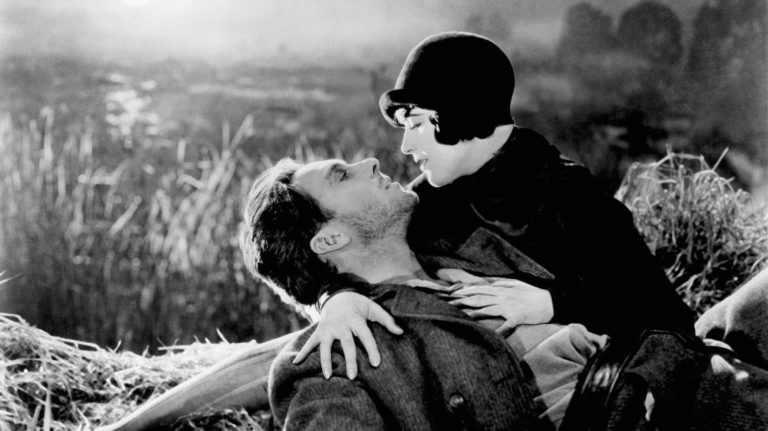
AFI’s 100 Years…100 Passions: ‘Sunrise: A Song of Two Humans’ (#63)

0
I will be watching and reviewing all of the films included on AFI’s 100 Years…100 Passions list. The list contains the 100 greatest love stories in American cinema and I plan to consider how our views on romance and social issues have changed over the years as well as judge whether the romances in these films actually made me swoon. As a fan of the romance genre, I expect to love each and every one of the nominees but I also don’t know if I would consider all of them romantic.


When I first became seriously interested in cinema I was somebody who wanted to go back and see the classics. Every list I looked at was full of references to F.W. Murnau and Sunrise: A Song of Two Humans was brought up as a seminal film that influenced everything that came after it. I sat down to see it for the first time when I was just a teenager and I had to deal with the fact that the sun kept obscuring half of the screen. I didn’t fully appreciate it at the time and I had to read several articles after seeing it in order to appreciate its significance as a technical marvel. The major sticking point for me was that the love story didn’t make sense as I couldn’t understand why a woman would re-accept her husband so quickly after he tried to murder her. I got caught up in thinking about that and I found myself unable to fully embrace the story that Murnau was aiming to tell.

The Man, George O’Brien, leaves his stable and loving Wife, Janet Gaynor, and their child for the reprehensible hussy The Woman from the City, Margaret Livingston, who encourages him to murder his wife and run off with her. The next day he attempts to do this on the boat but relents and the two fall back in love during a day in the city. As they head home in their boat there is a storm and he ends up washing up onshore and believes that his wife is dead. He meets up with The Woman from the City who is happy because she thinks that he deliberately murdered his wife. He blames her for his wife’s possible death and tries to strangle her but stops when he is told that his wife is still alive. The couple embrace as The Woman from the City appears to be approaching death as the carriage she is riding in rolls down a hill towards a lake.

In watching this for a second time I began to question everything that I had previously assumed. I started to believe that Murnau was using the conventions and tropes of Classic Hollywood films in order to subvert the narratives that romances traditionally present us with. His background was in German Expressionism and that shows as the visuals in this film are deceptively pristine but lurking behind all of the polish of a studio production is a twisted quality that suggests that Lang sees the horror in this oft-told tale. This was a man who was aware of the system he was working in and he knew he had to package things in a certain way in order to get people to consume them but there is a wonderful madness to the art he produced and I marveled at all of the incisive comments he makes here.

Initially, I interpreted this story as a terribly sexist tale in which men are completely blameless for anything they do and women are either perfect saints who exist to forgive flawed men or evil hussies who deserve to die. The three main characters are all ideas to some degree as they aren’t given Christian names and the actors are asked to represent their inner thoughts rather than giving them all of the characteristics that we typically associate with well-developed characters in films. Murnau does not want to waste time on telling us about the back story of these characters and what their personal tastes are like. He is more invested in using them to talk about gender dynamics in society and the expectations that were placed upon people in the 1920s.

Sunrise: A Song of Two Humans

The wife is seen as an impossibly loving, forgiving woman who tolerates her husband’s worst actions but Murnau encourages us to feel pity for this woman as she accepts her horrible husband back into her heart. This time I picked up on the fact that all is not as it seems at the beginning of the film. We see the first act through the eyes of the husband as he is torn between his mistress and his wife but looking back I realized that the wife’s perspective is also important. He has assumed that she is not aware of his philandering and just waits around for him to return home and take care of her but Gaynor suggests that she is a woman in the grip of deep depression. You could argue that this is because she wants her husband to be around more and doesn’t like the fact that he is having an affair but it seems to relate to a deeper problem. We get brief flashes of their neighbors and we notice them looking on at her husband with judgment in their eyes. He is the person who is committing ‘sins’ in the eyes of these people but she has to tolerate living in a town where everybody knows that her husband does not love and respect her. Being an object of pity and concern must be painful and their gazes of sorrow must constantly remind her of the fact that she doesn’t have a life outside of her marriage. When people see her they automatically think of her husband and even though they think they are being nice by being sympathetic towards her, she must feel suffocated by their condescension.

Her whole day is spent thinking about him and his needs. I love the resentment in Gaynor’s eyes as she prepares to make dinner for him and notices him heading outside to meet his mistress. Not everybody can relate to being with somebody who is having an affair but we can all relate to the feeling of putting a lot of effort into cooking dinner or trying to set the mood for the night and feeling angered when all of that effort is thrown back in our faces. This affair has presumably being going on for some time and it has worn her down as she has likely sat through night after night in which she hopes that he will stay at home, eat dinner with her, laugh at her jokes and announce his intention to recommit to their marriage. Gaynor is remarkable because she makes us consider all of these possibilities through her acting in this scene. She holds herself as though she is close to breaking but there is a hint of optimism in her eyes as she places her pot on the table. Everything changes when the force of her husband’s rejection sets in. She only gets a few seconds to react to what he has done but she packs so much emotion into this limited time. She is insulted by the fact that he thinks she is stupid enough to let him do this and then return home to her and act like a good husband and father. Then she is almost startled by the fact that she has to let him do this because she has no other options. She wilts before our eyes and whatever strength she possessed before he left seems to evaporate. She knows that nothing can change now as she has a selfish, cruel husband who does not love him but lives in a society where she cannot escape from him.

The judgmental townsfolk say “They used to be like children, carefree…always happy and laughing.” This quote is telling as these people think that real love should be childlike and without any dispute. This is a form of love that nobody could possibly attain or even hold onto. The ‘puppy love’ that can exist between immature teenagers often doesn’t lead to lasting, meaningful relationships as it can be driven by lust, intense infatuation or excitement over the fact that one is experiencing new emotions for the first time. We tend to romanticize this form of love and view it as aspirational because it seems so simple and uncomplicated. You don’t have to deal with the responsibilities that you have as an adult and in some cases you have not been wounded by past relationships so you have a certain innocence. I am not against people laughing and being happy when they are with the one they love but I do feel like this is used as the shorthanded for two people being blissfully in love too often in cinema. People don’t just run around in fields and giggle all the time when they have met the person for them. They do things like having serious conversations about philosophy and other topics such as politics and finances. The women talking about their marriage probably think that the wife should still act like a child as she does housework all die but has to act cheerful and spirited when her husband returns home. She isn’t supposed to be smart enough to talk to him and engage with him when it comes to intellectual pursuits so even if she could satisfy the needs of the townspeople and stop them from looking down on her she would still be in a difficult position as her life would be empty and unsatisfying.

The Wife is contrasted with The Man’s mistress and they are dramatically different as one is a vamp and one is an angel. I had always thought of The Woman from the City as a traditional femme fatale as she leads a weak man down the wrong path and tries to get him to commit a crime before being punished herself. She is seductive and takes the reins in their relationship as she throws herself at him and is positioned above him when she kisses him. Unlike his wife, she doesn’t sit back and wait for him to make the first move but expects him to follow along with what she wants. I rolled my eyes as I thought this was an obvious depiction of the Madonna-whore complex in which a man is sexually aroused by a bad, dangerous woman but would never want to commit to her while wanting to be married to a saintly, pure girl who satisfies all of his needs without asking anything of him.

Review: Sunrise: A Song of Two Humans

Fortunately, Murnau is able to get beyond this as he acknowledges the fact that The Man sees the world this way but doesn’t represent his worldview as being correct. In his world, he is the master and he is much stronger and smarter than everybody who surrounds him, including the women who love him, but we see that he is putty in his mistress’s hands and doesn’t realize that his wife is cannier than he thinks she is. His mistress can control him but knows that she needs to humor him and let him think that he is in command so he won’t feel threatened by her. She has to subtly manipulate him so that she can get what she wants without letting him in on the fact that she is wiser than him. His wife adopts a similar approach but doesn’t receive any of the benefits of this method of dealing with him. The single woman is seen as somebody who can have more control over her life while the married woman has to endure living with somebody who does not respect her. In most scenes, she has to exercise patients as she waits for her husband to figure something out and then smiles sweetly when he reaches a conclusion that she had already reached minutes ago. It is frustrating for her to go through all of this and her politeness masks an annoyance that she refuses to recognize in herself. In Murnau’s world, the Madonna and the whore are very similar and they are both restricted by the fact that men have all of the control. Even if one of them appears to be scary she ultimately has to cede power to a patriarchal figure and most of her joy is derived from the fact that she isn’t tied down to a man.

In the following scenes, we see The Man considering killing his wife before going back on his plan and deciding to win her back. His efforts are successful and the couple act like the carefree children that the townsfolk saw them as. There is something very disturbing about these scenes as you can tell he is taking advantage of her fragile mental state. After almost being murdered we see The Wife finally taking control of her life and choosing to step away from the man who has mistreated her. He doesn’t skip a beat when it comes to chasing her down and bombarding her with gifts in order to prove that he still loves her. He looks shocked when he registers what he has done and sees that his wife has run away but his fear is that of a man who doesn’t want to be in a position where he no longer holds all the power. His wooing of her is extreme as he spends a lot of money on her and buys her gifts but we still recognize the fact that he is the one who controls their finances and many of the items that he purchases her for her reassert her traditional femininity. They get their photo taken and he assumes an almost comical pose to show off the fact that he is her tough protector while she rests inside the crook of his arm and looks up at him with stars in her eyes. He blinds her with his sudden generosity and convinces her that he will change and be the sort of husband who offers her respect but Murnau implies that everything will stay the same.

In the final act of the film, he regresses back to his normal state and almost kills his mistress when he believes that his wife has died. I am not stating that the actions of the mistress were acceptable in any way and she should have been legally prosecuted for trying to have somebody killed but The Man’s attempt to kill her tells us a lot. He has told himself that he is not responsible for the attempted murder because his actions were guided by this saucy slut and as a victim of her influence he has the right to kill her. This outburst of violence and irrational thinking proves that he still hasn’t changed and is not willing to be held accountable for his actions. He will regress back to his old patterns when he returns to his wife and they rebuild their marriage. There will be other mistresses from the city that she has to tolerate and their child will come to hate their father because he is always out late and views his family as a burden and not something to be cherished.

Murnau really was a visionary and I do see what made him such a talent now. We have him to thank for the subtly subversive Douglas Sirk melodramas that tackled social issues in the 1950s. The shadows that play against the walls in the city and the sight of a small woman resting her head against an impossibly large trolley window sill are reminders of Murnau’s background in German Expressionism but he fuses that genre of cinema with more traditional American film language and the result is stunning. If you can’t tell, I really loved this one but I feel like I am facing a conundrum. This is easily the best of the films I have reviewed so far and yet I don’t think of it as a love story. This is the tale of an abusive relationship in my eyes and because of that this does not qualify as a love story. This means that I don’t think it should have been on this list even though it is a brilliant piece of work. Save this for a list of great dramas or even horror films but don’t tell me that this is a story about two people who are genuinely in love.

I feel like it will be hard to top this silent masterpiece but I am going to go on reviewing films on this list and I thought I might as well approach Spencer Tracy head on rather than avoiding him. He and his real-life partner of 25 years, Katharine Hepburn, made several popular romantic comedies together in the 1940s and they kicked off their longtime collaboration with the tremendously successful Woman of the Year (1942). It has been criticized for its sexist ending and I haven’t met many people who rate it as one of their favorite Hepburn vehicles but it hit big with a certain generation. It will be nice to watch a comedy for the first time in a long time but this also makes me nervous because it is famously difficult to describe why something is funny without sounding like a pretentious dilettante.

Top Ten: ‘A Christmas Carol’ Adaptations

It’s that time of year to watch A Christmas Carol! But which one? Browse the cable guide or pick your favorite streamer and you’re bound to find everything from musicals and animation to Barbie and the already essential Muppets all in the Dickensian spirit. Read on for an eclectic mix of A Christmas Carols be they vintage finds and dark performances or lighthearted tunes and family-friendly ensembles.

The Christmas Carol

10. The Christmas Carol (1949) – Streaming on Amazon Prime

A young Vincent Price (House of Usher) reads Charles Dickens in this early 1949 television production, anchoring onscreen transitions with enjoyable suave and a touch of holiday cheeky. Though black and white, a fittingly aged, green patina on the video transfer adds vintage to the quintessential merry dialogue and memorable spirited iconography. The acting is dated amid stilted direction, bare-bones designs, choppy editing, and basic camera work. The considerably condensed time frame also means an unusual Ghost of Christmas Past and the subsequent timely visitors only receive one essential scene each. Fortunately, most of that trimming is forgivable in the medium’s post-war infancy, and the ghostly effects are surprisingly well done for the time. Fun music accents the paired-down dressing, and the quick, festive simplicity makes this adaptation just right for the whole family.

Musical Monday: Shower of Stars presents A Christmas Carol (1954) | Comet Over Hollywood

9. A Christmas Carol (1954) – Streaming on Amazon Prime

Originally this December 23 1954 musical television event was in color, but the black and white tape adds a certain frost to the church bells and gas lamps. Unfortunately, the shrill holiday notes immediately date the caroling, detracting from Fredric March’s (Best Years of Our Lives) perfectly miserable mannerisms. Thankfully, melancholy notes from Bernard Herrmann (Psycho) fit Scrooge’s counting house grim. The ghostly overlays on Basil Rathbone’s (Sherlock Holmes) Marley are well done creepy, and that haunting score matches his raspy voice and contorted movements. Cravats, tricorn hats, and Regency gowns also push the timeline back compared to the usual mid-Victorian Dickensian generic. It’s likewise fascinating to have Scrooge’s lost love play our Christmas Past and Nephew Fred double as Present for a cost effective, smaller ensemble with an intimate, stage-like presentation and more personal angst to the lessons learned. It’s surprising more adaptations don’t do this, but the mid-century song interludes sadly waste too much time – leaving this story without all the ghostly appearances when Scrooge himself could have been our Future phantom. Why have a largely faithful script with quintessential holiday specters bowing to music numbers? Trading the silent, wouldn’t carry a tune Christmas Yet to Come for immediate convenience compromises the reform, leaving March to carry the inspirations himself anyway. Although I wish there was more time to relish the fine performances and some will tune out over the singing; the songs can be skipped and fans of the cast can make merry.

The Man Who Invented Christmas review: Deeply silly but enjoyable - Vox

8. The Man Who Invented Christmas – Streaming on Hulu

Dan Stevens (Downton Abbey) stars as Charles Dickens alongside Christopher Plummer (Somewhere in Time) and Jonathan Pryce (Hysteria) in this whimsical 2017 account of what really happened during the 1843 writing of A Christmas Carol. Fancy garb, quills, whispers of holiday sprites, and humorous crescendos create charm before dark cemeteries, bitter mourners, and snobby friends wishing the poor would die inspire Dickens to write about a vile money maker learning the err of his ways thanks to spiritual intervention. Scenes we know and love are acted out before him as bemusing characters add their opinions on the Carol quotes whether Dickens wants them to or not. The whimsy stalls, however, as real-world Victorian parallels interrupt the characters arguments, leaving the narrative uneven when we shouldn’t leave Dickens’ breakthrough frenzy. His struggle about what of himself to put on the page is enough yet problems are created just for a third act resolution assuring hope wins the day. This isn’t necessarily a Christmas movie, and the family friendly fantasy may be too much for those seeking hardcore Dickens, not gimmicks, but there are enough wholesome nuggets and inventive twists here.
Scrooge (1935) - Ruthless Reviews

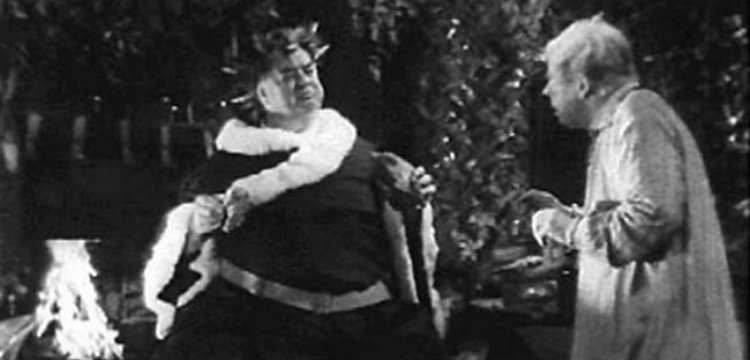
7. Scrooge (1935) – Streaming on Amazon Prime

Festive carols belie frosty streets and a lone candle flame for warmth in 1935’s Scrooge, and Seymour Hicks (also a star of a silent 1913 Scrooge) is a deliciously ornery, cranky money lender. Establishing scenes between Scrooge and Cratchit hit home the desperate divides, but our hunched, crusty miser isn’t wrong when he says Christmas wishes are humbug. Some of the extra contrasting thirties jolly, however, is a bit much – regal balls, sweets, toasts, and God Save the Queen. Fortunately, the ominous door knocker, ghostly bells, and haunting footsteps add spooky alongside the story’s cruelest love lost, death shrouds, and dire consequences. Silent style direction matches the solitary Scrooge, but many characters are eliminated – even the ghosts responsible for our spirited intervention are reduced to voiceovers, shadows, and comic relief. Scrooge can see them but we can’t, which is both cutting corners shrewd and disappointing. One should see the longer seventy-eight-minute original here, as the colorized option is only sixty-odd minutes with important moments missing. I often confuse this with the 1938 version starring The Lockharts, yet amid so many Carol options, this fit the bill for quick holiday amends.
Mickey's Christmas Carol (film) - D23

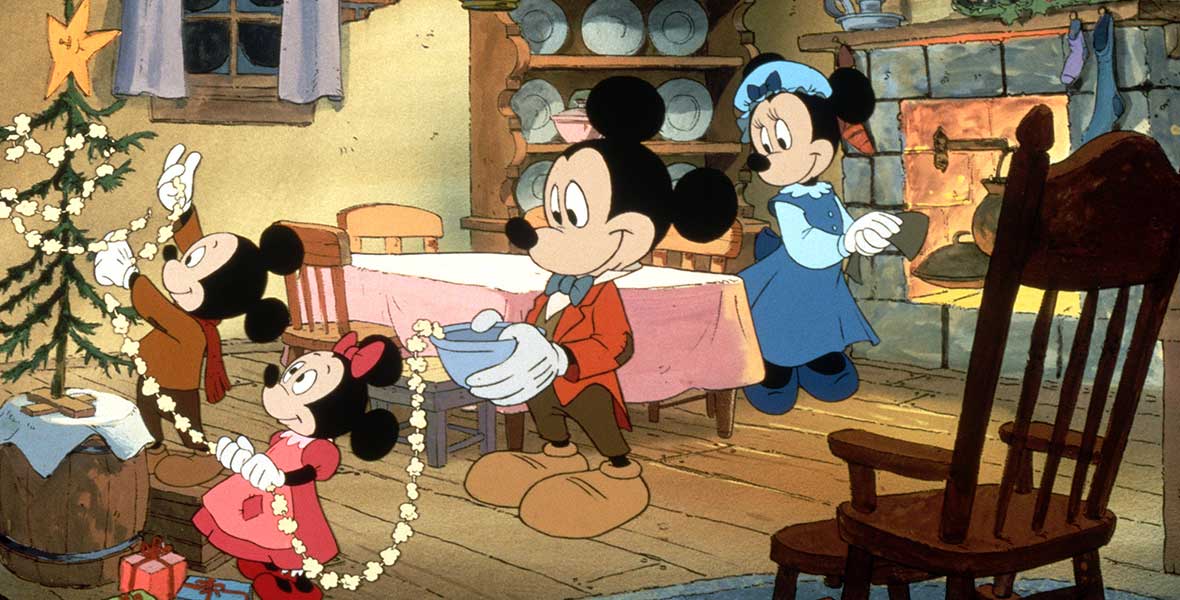
6. Mickey’s Christmas Carol – Streaming on Disney+

This Oscar-nominated 1983 half-hour has Mickey Mouse as Bob Cratchit against who else but Scrooge McDuck. Familiar phrases mix with new humor as cruel Ebeneezer has Cratchit doing his laundry for half a penny and Nephew Fred Donald Duck is kicked to the curb amid sarcastic slapstick and tossed wreaths. The script pairs Dickens down to what young audiences understand in this short amount of time. It’s wrong to swindle and put money above people and kindness should be the measure of a person not height – so says our Ghost of Christmas Past Jiminy Cricket. Subtle quips anchor time transitions, for why should Scrooge be fearful of flying with spirits when he enjoys looking down on the world? The animation is also fine with hand-drawn nostalgia, snow, and shadows that don’t need unrealistic action once Goofy Marley is creeping up the stairs. Festive Fezziwig music, giants, and choosing gold over love mistakes lead to graveyards, tears, and surprisingly hellish imagery mixed with endearing family charm. Even the House of Mouse won’t let us forget that the redeemed Scrooge is scared straight!

Scrooge (1970) directed by Ronald Neame • Reviews, film + cast • Letterboxd

5. Scrooge (1970) – Available for Rent on Amazon and Apple TV

Golden Globe winner Albert Finney (Tom Jones) stars as the titular miser with Sir Alec Guinness (Star Wars) as the chain rattling Jacob Marley in this acclaimed 1970 musical adaptation. The cranky tunes and somber notes may seem counterproductive as the begrudgingly vocal Ebenezer encounters scary ghosts, dark imagery, and freaky effects. However, the bitter remains superior to the occasionally questionable music selections and extra sing song sentiment that may be too much for some. Thankfully, many faithful lines from the book remain, and Finney is absolutely delightful as both Scrooge the grump and a younger Ebenezer in an almost unrecognizable dual portrayal that should be done more often. Although some sequences might be too scary for super young viewers, the glorious locales, period costumes, Victorian décor, and upbeat tunes create unique holiday enchantment.
The 6 Best A Christmas Carol Movie Adaptations Ever, Ranked - CINEMABLEND

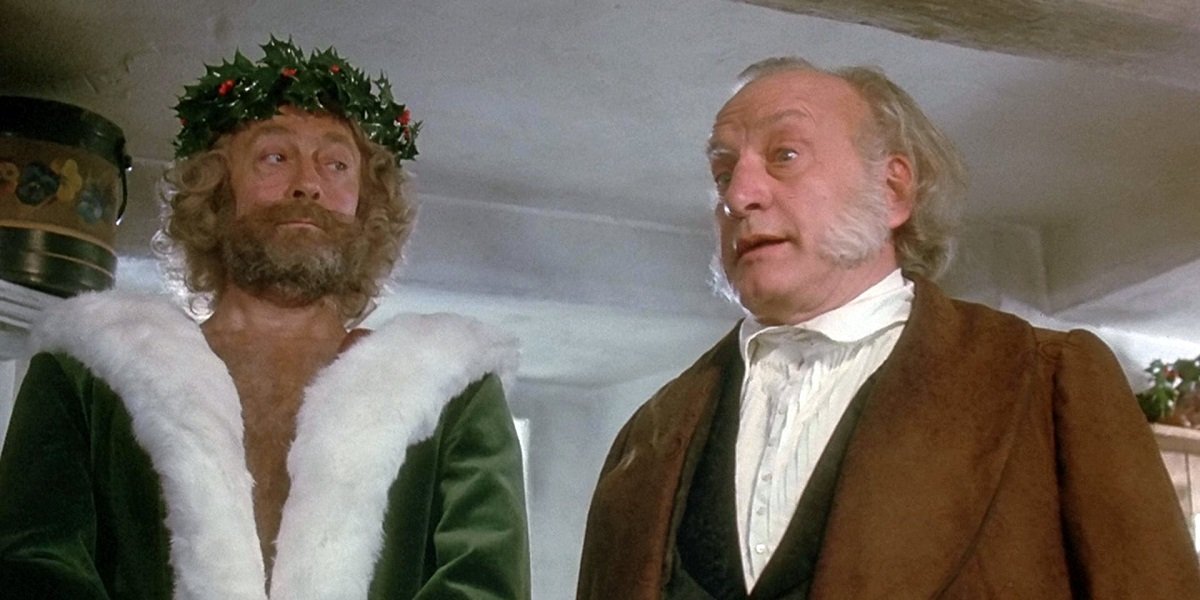
4. A Christmas Carol (1984) – Streaming on Roku Channel and Starz

Christmas Present Edward Woodward (The Wicker Man), Cratchits David Warner (Titanic) and Susannah York (Superman), oft-excised sister Fan Joanne Whalley (Willow), and many more join Patton George C. Scott as Scrooge in this 1984 faithful adaptation. Schoolboy Ebeneezer, festive Fezziwig, holiday games, and memorable quotes are restored amid on location snow and ghostly carriages hitting home the frigid as ever. Scrooge is on the money when he says Christmas is nothing but being another year poorer because spending what you don’t have doesn’t do anybody any good. His hard business at the exchange is menacing, but Scrooge is also holly staked through the heart sarcastic, effortlessly delivering the line for line Victorian wordy with demented ease. Making idle people merry is bad business and they should die to decrease the surplus population, and the something afoot this night suspense builds with shadows, lighting, ringing bells, and rattling chains. Phantoms bellow while visual attention to detail accents the spirited awe and restlessness. These ghosts are pretty fed up with Scrooge’s entitled attitude by the end of each encounter! Although this captivating tale speaks for itself without anything fancy and the eighties special effects are weird, the surreal fantasy mood adds to the nightmarish revelations before blankets of smoke and hooded figures snuff out the light of truth. Death is nothing but time to divvy the money when you place profit over passion; Ignorance and Want lead to doom and denial – but reclamation is at hand.
Film - Scrooged - Into Film

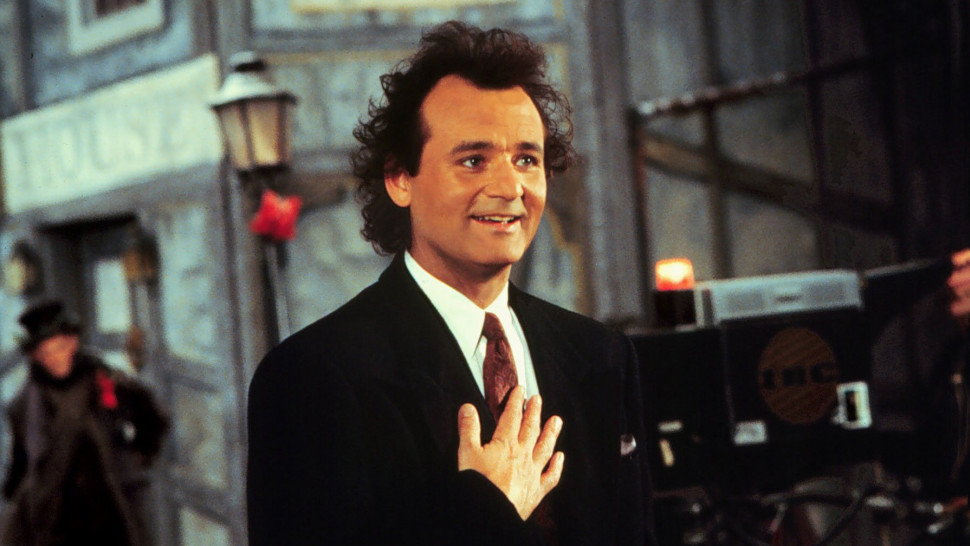
3. Scrooged – Available for Rent on Amazon and Apple TV

It’s an A Christmas Carol as only heartless television executive Bill Murray (Ghostbusters) can deliver in director Richard Donner’s (Superman) 1988 Scrooged. An off the rails live Carol production with all the cliché Victorian trimmings adds show within a show parody to the dark Dickensian tension, fired employees, and network competition. Lost love Karen Allen (Raiders of the Lost Ark), violent Ghost of Christmas Present fairy Carol Kane (Taxi), Marley-esque John Forsythe (Dynasty), Cratchit cum secretary Alfre Woodard (Miss Evers’ Boys), and more teach this bitter towel giving boss a lesson. Yes, the back and forth structure and the improvisational performances can be uneven. However, while dated in some eighties looks, sing alongs, and falling flat slapstick; the fifties flashbacks, parents struggling to afford luxury beef, traumatized fatherless children, homeless plights, workplace shootings, and working to live or die are more relevant than ever. Memorable quips, nostalgic humor, and a frightful, fiery prophecy parallel the Dickensian commentary and capture the bleak, depressing side of the contemporary holiday season with deliciously brutal zing.

A Christmas Carol (1951) Review |BasementRejects

2. A Christmas Carol (1951) – Available for Rent on Amazon Prime

I never get tired of the 1951 Alastair Sim (Green for Danger) A Christmas Carol! The melancholy structure and morbid silver screen atmosphere feel Dickensian faithful compared to other happy, condensed editions despite understandable character tweaks and changes in Scrooge’s past here. We can also forgive the iffy colorized version thanks to the chilly Victorian frost and fun smoke and mirrors ghosts. Period carols mix with ominous notes and frightening wailing as the ugly and unlikable Sim goes from miser to redemption. While the rest of the ensemble feels like British caricatures with holiday cliches and ear damaging put on Cockney, the spiritual undercurrent comes across with familiar bah humbug dialogue and nearly complete ghostly visits. This version helped create the expected pattern most A Christmas Carol adaptations follow, and today we relate to the “weigh everything by gain” mentality more than ever. The Dickensian economics, unfortunately, may not have changed, but this swift ninety-minute encapsulation tugs at our heartstrings with hopeful possibilities.

A Christmas Carol (1999) - Rotten Tomatoes

1. A Christmas Carol (1999) – Available for Rent on Amazon and Apple TV

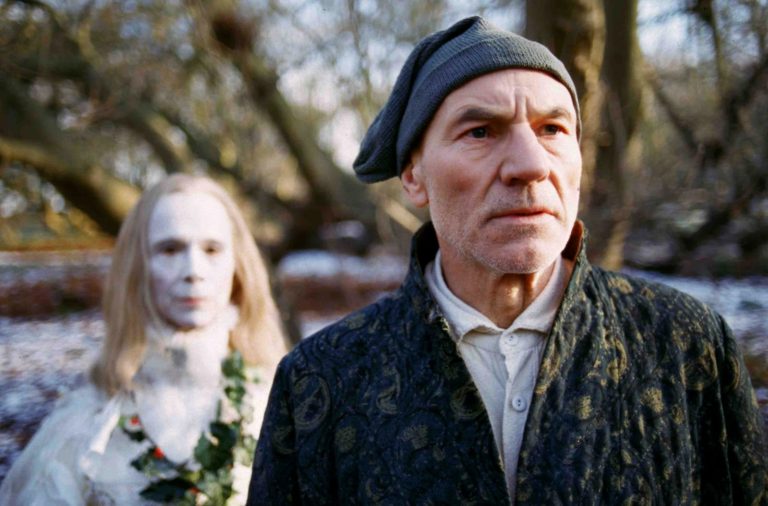
A.K.A. the one with Patrick Stewart (Picard), this ninety-three minute TNT original movie also features Richard E. Grant (Withnail and I), Dominic West (The Wire), and Joel Grey (Cabaret) amid bleak churchyards, snows, and shadows blending together. Quotes here are reused in different places as more book details return – scaring child carolers, wailing spirits beyond the window, Silent Night around the world, and bedside vigils. It’s disturbing to see the charitable men so aghast when Scrooge’s cruel sentiments are more common than ever, yet lovely locales, fiddles, and festivities remind us how giving others happiness costs very little. Some special effects are low budget, but personal ghostly winds, the aging Present, and simple period details accent Scrooge’s doubt, defiance, and disbelief at the suffering he has caused and this chance to change his ways. He tries to get out of it, look the other way, blame the spirits for tormenting him with sad schooling and money over love. The meager are happier and more hopeful, and our wealthy miser is less fit to live compared to the innocent enduring the consequences of his offenses. The often shortened bartering scene is here in full cackle rings and all while the mantilla-esque Yet to Come design invokes a medieval, last rites funerary. Scrooge is afraid to face what he has become, and despite Stewart’s other iconic characters, we believe his transformation. Of course, it happens in one night and Scrooge struggles to laugh and sing along – rusty at warm welcomes after such worship of profit. If you’re not moved to take pause and look at yourself, particularly this year when the backs that would help others have been turned on so many, watch this and regain your hope that we are not beyond spirited redemption.


Top 10: Holiday Movies and Where to Watch Them

It’s finally that time of year when people want to watch a good holiday movie while curled up on the couch with a cup of hot chocolate (or a hot toddy…). There is an abundance of good Christmas flicks: Netflix releases a ridiculous amount of original movies every year; Disney+ has a holiday movie for every major character they’ve created, and many of the classic Christmas movies are streaming somewhere. Here are my Top 10 currently streaming – if you see some of your favs missing (Scrooged, A Christmas Story, Rankin & Bass) – they are most likely not available for free on any streaming service.

The Christmas Chronicles 2 Coming To Netflix – With Goldie Hawn As Mrs Claus | Movies | Empire

  1. Every Netflix Original Christmas Movie

Netflix has dozens of Original Christmas movies, many with sequels. While they may not be Oscar-worthy, they are entertaining and fun to watch. Some of the better ones include The Christmas Chronicles 1 & 2, The Christmas Prince 1, 2, & 3, The Knight Before Christmas, The Princess Switch, and The Holiday Calendar. You can find these and more under “Holiday Favorites”. If you just need a fun holiday flick to enjoy, Netflix has you covered.

11 Wild Moments In 'The Santa Clause' That We All Just Kind Of Accepted

  1. Santa Clause (Disney+)

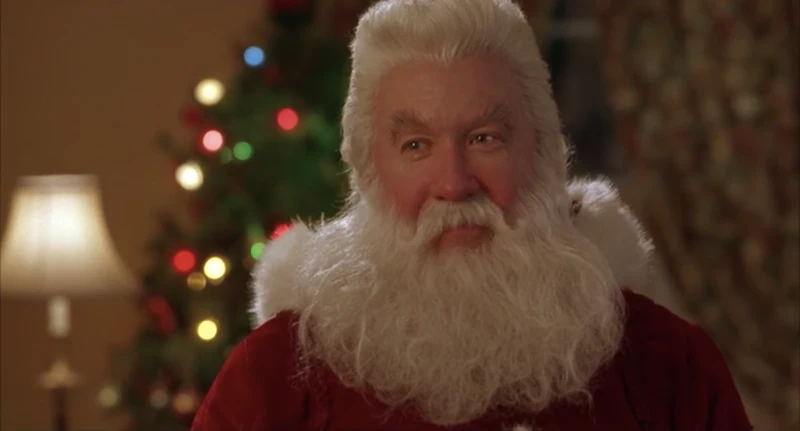
I am not usually a fan of Tim Allen, but The Santa Clause series is hard to dislike. It tells the story of Scott Calvin, a single dad who accidentally becomes Santa Claus after the previous Santa falls off his roof. Scott must embrace his new identity and convince his family he is now the real Santa. This film is funny, heartwarming and has a great cast of characters. All three of The Santa Clause films are streaming on Disney+.

Home Alone' Reboot Gets Super Starry Line-Up - Tyla

  1. Home Alone (1990)

Home Alone has been a holiday staple in many households since 1990. Macaulay Culkin stars as Kevin McCalister who is accidentally left at home while the rest of the family leaves to spend Christmas out of town. While home alone, Kevin must defend his house from two burglars in the best ways a kid knows how. Home Alone is filled with physical comedy that will entertain most any viewers. You can find it streaming on Disney+ worldwide.

Dr. Seuss' How the Grinch Stole Christmas Deluxe Edition

  1. How the Grinch Stole Christmas (2000)

Jim Carrey’s Grinch is one of my favorite Christmas characters. I am a huge fan of the original animated How the Grinch Stole Christmas (1966) and Jim Carrey’s over the top comedy is a perfect fit to portray the Grinch in this live-action remake. It’s a fun flick that expands the world of a family favorite. The costumes and sets are wonderful and help give viewers the warm and fuzzy feelings that should come from a Christmas film. How the Grinch Stole Christmas is currently streaming on Netflix in the US, Amazon Prime in Canada, & NowTV and SkyGo in the UK.

Klaus': Why Netflix's First Animated Original Is a 2D Gamechanger | IndieWire

  1. Klaus (2019)

Netflix has been cranking out Christmas movies for a few years and one of their best is the animated film Klaus. It provides viewers with an origin for the Santa Claus legend, told from the perspective of a postman who needs to find meaning in his life. Klaus is a poignant, adorable, heartwarming film that viewers of all ages will enjoy. You can find Klaus streaming on Netflix worldwide.

5 fun Die Hard facts from Netflix's The Movies That Made Us | EW.com

  1. Die Hard (1988)

Whether or not Die Hard is a Christmas movie is something that is fiercely debated every holiday season. For me, any film that would be fundamentally changed if not set at Christmas (technically it’s Christmas Eve) can be considered a Christmas movie- so Die Hard makes the cut. Alan Rickman’s iconic delivery of “Now I have a machine gun. Ho ho ho.” alone is enough to classify it as a Christmas movie. Die Hard follows New York City Cop John McClane as he tries to thwart a terrorist plot and hostage situation at his wife’s company Christmas party. This holiday action flick is the perfect choice for viewers who don’t want to watch traditional family Christmas movies. Die Hard can be found on HBOmax in the US, Crave+ in Canada, and NowTV in the UK.

Dinner, Shopping, & a Movie: Elf | The Avalon Theatre, Grand Junction, Colorado

  1. Elf (2003)

It’s hard to imagine the holiday season without the ridiculous and heartwarming comedy, Elf. In one of his best roles, Will Ferrell is Buddy, a human raised in the North Pole by Santa’s elves. When he finds out his biological father is on Santa’s naughty list, Buddy ventures to New York City to find him. Elf is hilarious and fun and should be required Christmas viewing for everyone, even if you’re not generally a fan of Will Ferrell. Elf is streaming on Starz in the US and NowTV in the UK.

Miracle on 34th Street (1947) - Rotten Tomatoes

  1. Miracle on 34th Street (1947)

It’s not officially Christmas until you’ve watched a movie about Santa Claus. Miracle on 34th Street focuses on the magic of the season and follows a single mother and her daughter as they begin to question if the Macy’s Santa Claus is actually the real thing. It’s a wonderful movie that has been redone a few times, but the black and white version starring Maureen O’Hara and Natalie Wood is hard to beat. You can find Miracle on 34th Street on Disney+ in the US and Canada, and NowTV in the UK.

Anna and the Apocalypse' Review: They Sing, Dance and Get Eaten - The New York Times

  1. Anna and the Apocalypse (2017)

Is it really Christmas if you haven’t watched a zombie-Christmas-musical? John McPhail’s fan favorite, Anna and the Apocalypse tells the story of a small town dealing with a sudden zombie infestation during the holidays. It’s catchy songs, interesting characters, and zombie gore are a perfect combination that may sound weird on paper, but work wonderfully in this soon-to-be cult classic. Anna and the Apocalypse is available on Amazon Prime & Hulu in the US, Netflix in Canada, and NowTV & SkyGo in the UK.

This Deleted Song Will Be Added to the Remastered Version of 'The Muppet Christmas Carol'! - AllEars.Net

  1. The Muppet Christmas Carol (1992)

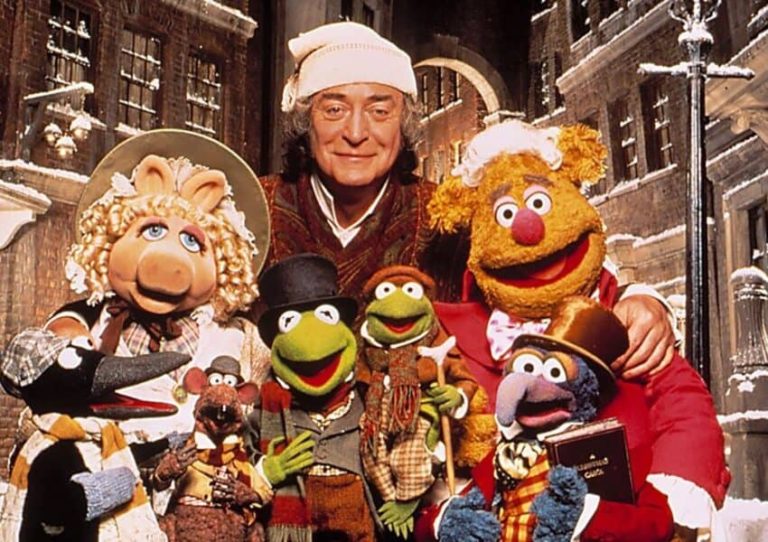
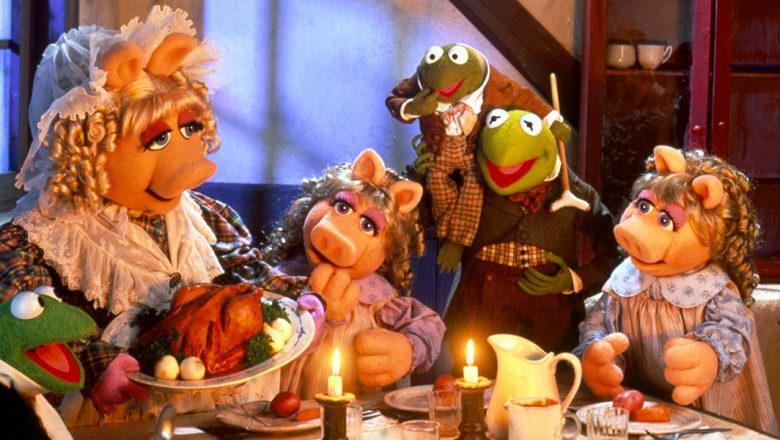
The Muppet Christmas Carol is the best adaptation of Charles Dickens ever, period. It’s my favorite Christmas movie and it gets better with every viewing. Even Michael Caine (Scrooge) says it’s one of the most memorable roles of his entire career. His award-worthy, serious portrayal of the bitter miser versus the humor and ridiculousness of the Muppets is a winning combination that makes this film wonderful and unforgettable. It’s available worldwide on Disney+ and I cannot recommend it enough.


Honorable Mentions: Meet Me in St. Louis (HBOmax), The Nightmare Before Christmas (Disney+), It’s A Wonderful Life (Amazon Prime), and White Christmas (Netflix).


Movie Review: ‘Let Them All Talk’ Shows the Importance of Conversation


Director: Steven Soderbergh
Writer: Deborah Eisenberg
Stars: Meryl Streep, Candice Bergen, Gemma Chan, Lucas Hedges, Dianne Wiest

Synopsis: An author goes on a trip with her friends and nephew in an effort to find fun and come to terms with her past.

[/info]

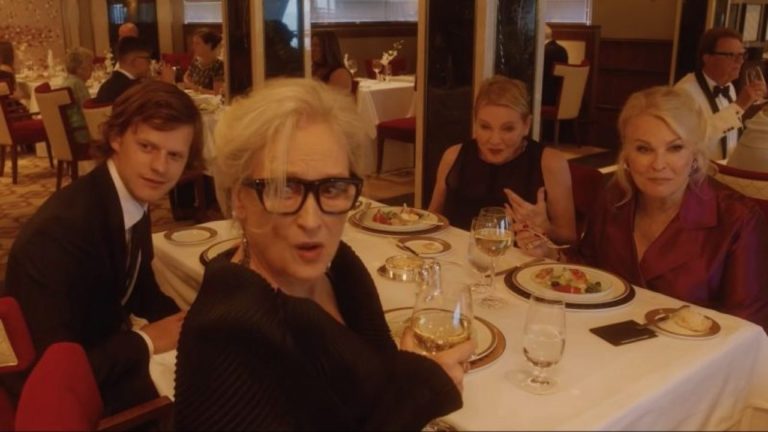
It’s easy to look at the cast of Let Them All Talk and believe it’s going to be a group of aging women, embarking on a luxurious cruise, while simultaneously stoking the flames of their rapidly vanishing youth. Basically, another Poms, Book Club, or Mamma Mia. Let Them All Talk is, however, a more intimate, however, a character study, if you will, that examines the power of relationships and their impact on our lives.

Alice (Meryl Streep) is a Pulitzer Prize-winning author, who is to be a recipient of a prestigious Footling Prize — an award that isn’t given to fiction authors every year. Upon her refusal to fly, Alice is given the option to travel on the Queen Mary 2 from New York to England where the awards are being held. Alice invites her two “friends,” Roberta (Candice Bergen) and Susan (Dianne Weist), and her awkward nephew, Tyler (Lucas Hedges). The three women have not seen each other in over 30 years after a falling out between Roberta and Alice. The meeting of the three won’t include vast amounts of mad gab or waterfalls of cosmos. Alice’s invitations to speak to Roberta are adamantly denied by Roberta’s cold shoulder as she alleges that her life fell apart after their split. But a week at sea, with many opportunities to have that sit down talk, anything can happen between these three women.

Let Them All Talk is a silver platter of three female powerhouses — pillars of cinema history — creating an authentic friendship between their characters. It’s a magnified view of the relationships we have in our lives, and plays to the cynical sentiment that maybe friendship is a “four-letter word.” The talent that the ladies possess is incredibly evident as the script for the film was only an outline with the actresses improvising the majority of the lines — giving the film a more realistic feel. Dianne Wiest is the biggest takeaway of the film, the funniest of the three ladies, who I believe goes underutilized. The abundant use of improv in the scenes makes Wiest the quotable line winner with sassy zingers like “bow down, bitch” or “don’t let that motherf**ker near me.” Streep, on the other hand, is quiet and more reserved — especially, when compared to her other recent release, The Prom. Though Alice’s tone can come off a bit conceded, as she tells the women that she doesn’t have the luxury to explore the ship, the off-putting sentiments are nothing like Streep’s poisoned tongue, Miranda Priestly, in The Devil Wears Prada. In addition, Bergen delivers some of her best acting as Roberta, which I believe is the icy one in this dynamic. Roberta prowls the galas and evening soirees trying to find a gentleman who can whisk her away and shower her with gifts and money. That personality trait is, in and of itself, nothing to make you awe at Bergen. It’s Bergen’s final scenes, though quiet, that is the cherry on top.

You’ll never pigeon-hole Steven Soderbergh into one genre. It’s impossible. This is a man who shot a feature-length movie on an iPhone. However, some may find this to be Soderbergh’s weakest film, or a safer option compared to his other projects, but I beg to differ. Let Them All Talk feels like you’re sitting down to watch a documentary. His continued eye for detail brings such a layer of humanity to the characters. For better or worse, their lives are open for all to see. The close-up shots of each character leave no emotion unnoticed, which can give you a feeling of being a pair of prying eyes or intruding on these characters’ deepest conversations.

The title for Let Them All Talk isn’t just there because it looks nice on a poster, but rather because the characters talk — a lot. But don’t let the plethora of conversations drive you away, because this film feels incredibly personal from the start. But that’s the point of the film: conversations. Everything good or bad that Alice, Susan, and Roberta have experienced on this trip comes down to the words spoken — each one of them being torn apart, or lifted up, by the words that flow between them. That their words, no matter how long ago they were spoken, have shaped a friendship that will impact them for the rest of their lives.

Grade: B+

Movie Review: ‘I’m Your Woman’ is a Film Always One Step Ahead  


Director: Julia Hart
Writer: Julia Hart, Jordan Horowitz
Stars: Rachel Brosnahan, Arinzé Kene, Marsha Stephanie Blake, Bill Heck, Frankie Faison

Synopsis: A woman is forced to go on the run with her baby after her husband betrays his partners in crime.

[/info]

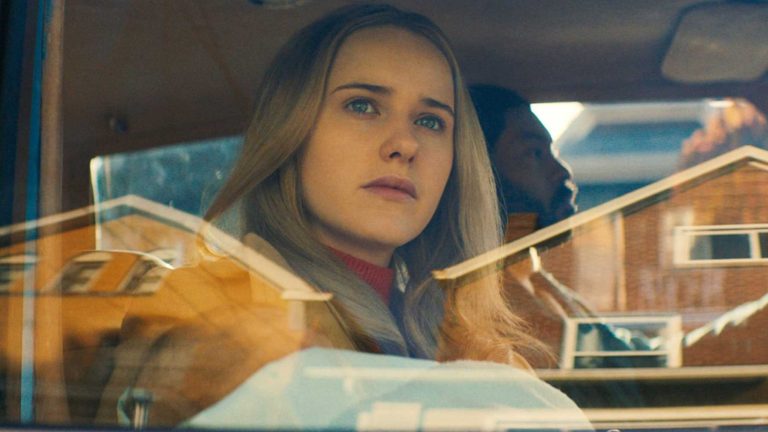
There is a recurring visual motif in Julia Hart’s new film I’m Your Woman where the story’s lead, Jean (Rachel Brosnahan), walks into frame out of focus. As her face gets closer to the screen the camera focuses in on her and she comes into clear view. 

Throughout the film, Jean realizes that her life is not what she thought it was. She is constantly having moments of clarity where her past becomes fuzzier while, simultaneously, the present choices before her come into greater focus. 

We meet Jean in the fuzziness. In what seems like – if not bliss – at least domestic mundanity, the film begins with the following voiceover from Jean: 

“Eddie and Jean met and fell in love. Eddie and Jean got married and bought a house. Eddie and Jean were gonna have a kid but didn’t. So, every morning, Eddie kisses Jean, Eddie leaves the house, and Jean’s alone.” 

This mundanity is broken in the film’s first scene. Eddie (Bill Heck) comes home holding a baby. From that initial voiceover, we understand that this is a surprise. Just how much of one will be revealed later. After an abbreviated breakfast, Eddie is off again. Jean is once again left to handle this new surprise alone. 

The script is written by Hart and her husband, Jordan Horowitz, the team that previously brought us 2018’s Fast ColorHart and Horowitz weave a fantastic story here. This script always keeps a handle on what elements to reveal and what to hold back. In this way, the story always stays one step ahead of the audience. There are enough twists and turns that it would be easy for the script to spin out of control. But it never does. Instead, the story pulls us in until we’re fully invested in these characters and what happens to them. 

The film hinges on the performance of Brosnahan. It simply would not work without a strong performance from her, and she more than delivers. Brosnahan shot to superstardom with her lead performance on Amazon’s hit show The Marvelous Mrs. Maisel. Thankfully Amazon realized her skill and backed this film (which Brosnahan also produced). If you know her from Maisel, you’ll see a different side of her here. This story is far grittier, but Brosnahan doesn’t shy away from anything thrown her way. 

Hers, however, is not the only strong performance. Marsha Stephanie Blake and Arinze Kene both give strong supporting turns as Teri and Cal, two characters who loom large over most of the story. They also play in most of the twists and turns, so I’m going to intentionally leave out much description of their characters. Suffice it to say that, after the film’s early scenes, Jean finds out just how alone she is before her story becomes inseparably intertwined with Teri and Cal’s. The final performance I’d like to note is from the wonderful character actor Frankie Faison as Art, Cal’s father. Faison will be instantly recognizable to fans of The Silence of the Lambs and Do the Right Thing as well as many other acting credits since. He always brings a warm presence, even to films such as this one that would not be quickly described as “warm.” 

This film also reminded me of one of the best film’s in recent memory – Steve McQueen’s 2018 heist film, Widows. That was another film where a wife (in that case, multiple wives) was thrown into the world of crime that her husband had entered. That film played up its ensemble cast into a story about the group. While multiple characters play key roles in the story of I’m Your Woman, this film instead focuses on Jean’s story of self-realization. The deeper we get into the story, the more we understand about her, and the more she understands about herself. This is her story, and she owns it. 
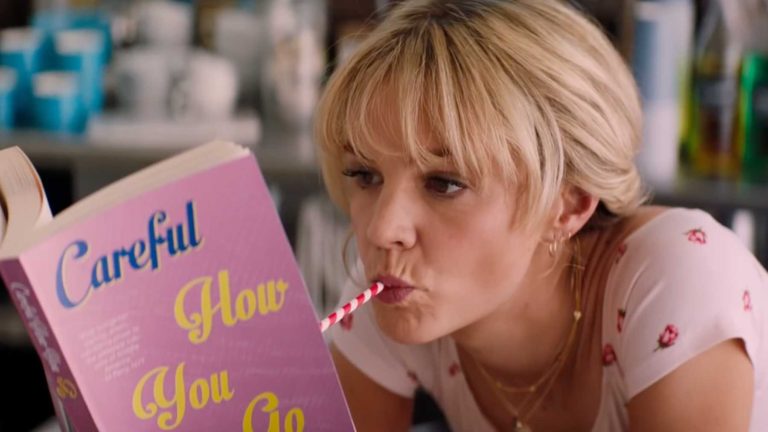
Just about the time you think you have this film sized up, it moves in a new direction. Early on, the story invests us in the relationship between Jean and her new son – Harry. That relationship is always key to the film’s story, but the narrative moves away from it at key moments. In these moments of separation, we learn so much about Jean and of what she is capable of. 

The film deftly mixes genres, too. At times, it is an insular character study. At others, it is a drama about family. Near the end, it becomes a full-on action film with gunfights and car chases. At every flashpoint, the script has done its diligence to set moments up and pay them off accordingly. This is a testament to the work of Hart and Horowitz on the script. 

From there, it is Hart’s direction that elevates the script. I began the review with her recurring focus motif, and that helps us understand – even if subconsciously – the feelings that Jean is experiencing. I also appreciated Hart’s willingness to keep the camera static in key moments where we are feeling the insularity of Jean’s story – when the camera holds on little Harry’s face, for instance. At other times, when the script changes pacing, so too does the camerawork. 

Don’t sleep on this film. With COVID-19 forcing many films to move to streaming services early, there are quite a few options for viewing. But I think Brosnahan’s performance is one of the stronger lead performances I’ve seen this year, and I’m Your Woman succeeds because of it. The script is one of the year’s strongest, too. Put it all together and you have a high-quality film that should certainly be on your list of films to watch before you close out your year-end list. 

Grade: B+ 

Movie Review: “Falling” is an Effective Drama in Need of More Complexity


Director: Viggo Mortensen
Writer: Viggo Mortensen
Stars: Viggo Mortensen, Lance Henriksen, Sverrir Gudnason, Laura Linney, Hannah Gross

Synopsis: When 80-year-old independent farmer Willis travels to Los Angeles for an indefinite stay with son John and his family, two very different worlds collide. Mentally declining, Willis’s abrasiveness is both caustic and funny, bringing old wounds from the past and years of mutual mistrust to the surface.

[/info]

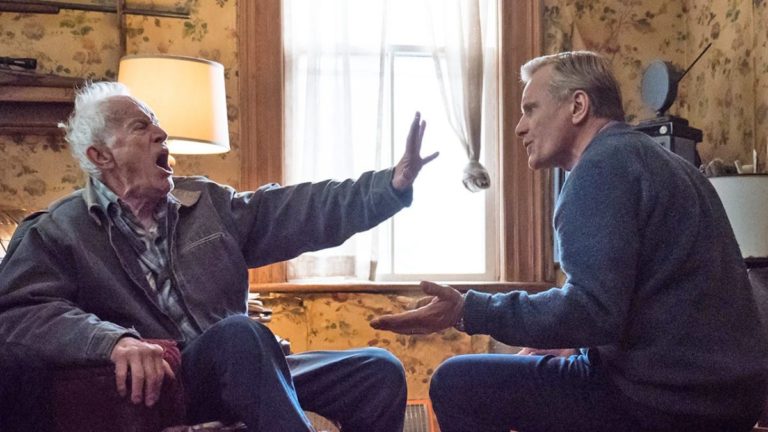
There’s a deep sadness at the heart of Falling. Centered around an ailing father moving to California to be with his son, Viggo Mortensen’s debut as writer-director is a reflective investigation into the complexity of fatherhood, aging, and memory, and pointedly asks the audience a series of uncomfortable questions. What happens when you’re caring for the man who undermined and bullied you throughout your childhood? How do you battle your resentment for someone not in control of their mental faculties? How do you forgive someone who can’t remember what they did wrong? 

These are all questions approached by Falling but rarely do we feel they’re being properly tackled. The film is a mostly effective drama, thanks to some creative filmmaking flairs and the bracing unpleasantness of the father Willis (Lance Henriksen), but the depth suggested by the story’s themes is never fully realized.

Two narratives run concurrently to each other throughout the film; the first shows adult son John (Viggo Mortensen), living with his husband and daughter, attempting to facilitate Willis’ transition from his lonely New York farm into his family’s life out west. The second is John’s childhood, showing how his father (the younger Willis played by Sverrir Gudnason) mistreated his children and partners throughout his life. It’s unclear if this is supposed to be a flashback, as we’re not certain all of the time if it’s John or Willis memory we’re delving into, meaning it can sometimes get confusing whose perspective is being colored.

The power balance is the most obvious difference between these two narratives – while the younger Willis exercises control over his family with a set of unwavering traditional values, the older Willis is constantly belittled by those who have outgrown his conservative outlook. Both versions of Willis are prone to spiteful rants when their authority is questioned, but while the younger Willis feels intimidating, the older one feels pathetic.

Mortensen seems to be focusing on his directorial duties, taking a backseat in his performance. His portrayal of John is largely quiet and natural, and John himself seems occasionally passive to the unpleasantness of his father, making it unpredictable which of his dad’s mistakes he will confront and which he will let slide. It may not be particularly captivating, but it’s a realistic portrayal of the exhausting process of caring for a bitter, ill relative.

Willis is by far the most compelling character in the film, thanks to the two strong performances of each version of him. In his intense stares and flares of anger, Gudnason captures Willis’ steadfast pride that he can’t see is tearing his family apart. But Henriksen, in potentially the best performance of his career, shows us a Willis weathered by changing times and continuous estrangement, lashing out at anything that reminds him how weak he now is. His bigotry, shown in vile homophobia and misogyny, comes so easily and casually from his mouth, it’s seemingly ingrained in him. His disgusting attitudes and mean-spirited vitriol have gone unchallenged for too long, and now it’s too late to change any of it.

Willis’ dementia is not delved into in any great depth, but it is showcased in some interesting ways, specifically in Marcel Zyskind’s cinematography. While Willis is talking, the camera angle shifts in unexpected ways, pushing close up in invasive and claustrophobic shots that catch Willis off-guard. At one point, the camera jumps directly in front of him, making him look down the barrel of the camera in a sudden act of disorientation. Showing us Willis’ perspective, how the deterioration of his faculties is unsettling him, is crucial for understanding why his nastiness so frequently is on show. When your ability to recognize the reality in front of you is impeded, you’re likely to think the world and everyone in it are out to get you.

These are isolated details, however, in a story that too often diverges into being a shouty drama. One particular family dinner scene with the families of John and his sister Sarah (Laura Linney) acts as a catalyst for Willis to spout insults and for his alternative grandchildren to disavow him. But throughout the long scene, it doesn’t seem like the argument moves anywhere specifically. If Mortensen was aiming to capture the realistic rises and falls of a family fight, then the dialogue is too forced and pointed, and besides, realistic fights still need to have a narrative focus.

The drama of the film seems to be entirely predicated on a series of arguments that come with such a frequency that it’s entirely possible to phase out, not registering the details of what defamations the characters are hurling at one another. Granted, we do get to see a great array of awkward waiters witnessing family quarrels in public restaurants, but it’s not really a substitute for what the film should be getting at – the unstable dichotomy that is resentment and forgiveness.

The relationships are certainly complex, and Mortensen does a commendable job of arguing how we need to accept the complex, conflicting nature of memory, but like John reflecting on the fractious relationship with his father, we’re left wondering why things didn’t turn out better.

Grade: B-

Movie Review: ‘A Night of Horror: Nightmare Radio’ is a Muddled But Occasionally Creepy Anthology of Short Films


Director: Oliver Park, Jason Bognacki, A.J. Briones, Joshua Long, Sergio Morcillo, Adam O’Brien, Luciano Onetti, Nicolás Onetti, Pablo Pastor, Matthew Richards
Writer: Mauro Croche, Michael L. Fawcett, Michael Kraetzer, Guillermo Lockhart, Matthew Richards, Santiago Taboada
Stars: Patricia Arizmendi, Adrián Barriopedro, Claudia Beattie

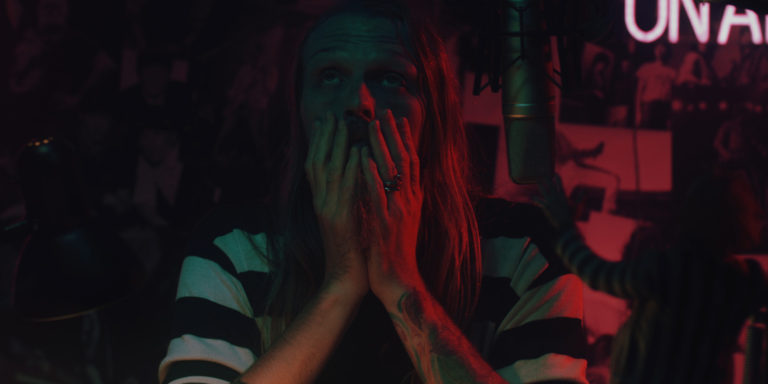
Synopsis: Rod, radio DJ, hosts a popular horror-themed show packed with tales of terror for eager listeners. When he receives alarming calls from a horrified child things start to feel off.

[/info]

A horror anthology of short films dropping at Christmas might initially seem like it’s missed the boat, but there has always been a strange invisible thread between festive seasons and nightmares. In the classic anthology Tales from the Crypt, the best is the Joan Collins’ home invasion Santa Claus thriller ‘And All Through the House’. It hits all the right notes of a short story, from its dynamic, flawed protagonist to the constant threat of an approaching enemy – with Christmas jingles contrasted delicately in the background. There’s no Christmas film in A Night of Horror: Nightmare Radio, but for the most part, they follow the effective formula laid out above. None are quite as good as Joan Collins bludgeoning her husband to death, but with nine stylistically different short films – including the titular radio show which doubles as an excuse to mash all of these short films together – horror fans are going to find something they like from shadowy monsters and dead children to vengeful mermaids and psychotic killers.

The collection has been curated by Nicolas Onetti and Luciano Onetti, with some of the shorts already available online. As such, it’s a film more directed towards those unfamiliar with the form rather than somebody who actively seeks them out. I hadn’t seen any of the films, so most were a sickly treat. They don’t all stick, and neither do they complement each other to create an overarching theme or idea – and this is by far the most uninspired aspect. But a lucky benefit of anthologies – and what makes them very easy to sit through – is that none of the films run long enough to offend or bore you to the point of quitting. Despite a few misses, I had a good time with Nightmare Radio which, when good, fulfills the promise of short, sharp scares.

None are sharper than Oliver Park’s playfully tense “Vicious”, which uses light and darkness to efficient effect as a woman grieves her sister’s death. It’s The Babadook And Lights Out funneled into ten minutes of home invasion menace, finding impressive time to dabble with a few perspective shifts along the way. It is bettered by the unnerving, surprisingly humane ‘Disappearance of Willie Bingham’, a Kafkaesque tale of dystopian torture and experimental punishment clearly wearing ‘In the Penal Colony’ on its surgically removed sleeve. The brevity of the horrible images and sharp commentary only heightened by the minimalist design of a short film, there is no time to blink between the removal of the one arm and then a left leg. It’s solid, nasty stuff, made compelling because it doesn’t abandon the humanity of the victims caught in a cycle of pain. It asks the question of how far punishment should go in response to a terrible crime, before blurring into something more troubling, and suggestively to the horizon of our approaching future. The best horror shines a light on the darkness of everyday terror — and like Willie, our eyes are kept wide open, fully awake to the nightmare. The Spanish language “Gotas” is another standout, a genuinely threatening tale of abuse and possession, with a terrifying monster at its black heart.

As with any anthology, there are a few duds that muddy the experience. The film, disappointingly, opens with one of its dullest shorts, “In the Dark, Dark Woods”, an arty and wasted fairy-tale absent of dialogue and tension, severely weakened by a lack of purpose that shackles the entire anthology. It’s forgotten as soon as it ends, assisted by the arrival of “Post Mortem Mary”, which is an immediate improvement, tethered to every ghost trick in the book yet executed with great sound design, making every use of the squeamish physicality of its creepy child corpse. This is then followed up by the worst of the lot “A Little Off the Top”, an Eli Roth inspired bore-fest of nauseating torture-porn, which tries to escape its lack of ideas by ending with a joke, only to flatten the film completely because of how childish it is. A night of horror indeed, horribly bad. And with these three wildly different films – in style and quality – you get an idea of how smashed together Nightmare Radio appears as an anthology of horror.

As the glue between the different short films, Rod Wilson’s (James Wright) centerpiece radio show fulfills its purpose but isn’t nearly as interesting as the stories it’s telling. Despite this, there is charm to be found here with the stormy backdrop, Wilson’s goofy back and forth with his deranged late-night listeners, and the aesthetic nostalgia of a radio show telling horror stories at night. I also liked these interludes as a pallet cleanser before the next short, resetting the tension, which is crucial for horror to work. But the weakness of Wilson’s central segment ultimately works against the short films surrounding it, and its predictable twist is comically silly. In its attempts to bind everything together, the poor writing and clunky design only widen the gulf of consistency and heighten the overall lack of narrative control. Every time we went back to Wilson, I was thinking about whatever was rolling next. This, I suppose, is a good sign where the short films are concerned. Most entertained, a couple stayed with me until morning, some I can barely remember. Coming to digital download 21st December, Nightmare Radio is a box of Halloween treats, but in this instance, there’s no guarantee.

Grade: C

Movie Review: ‘Totally Under Control’ is a Dark Reminder of the US Government’s Handling of the Pandemic


Director: Alex Gibney, Ophelia Harutyunuan, Suzanne Hillinger
Writer: Alex Gibney
Stars: Alex Azar, Charlie Baker, Scott Becker

Synopsis: An in-depth look at how the United States government handled the response to the COVID-19 outbreak during the early months of the pandemic.

[/info]

I want to start this review off by pointing out a few things for clarification. This is a review coming from somebody who lives in the UK and did not have to go through the pandemic under the ruling of Trump and his administration. Sure, the UK has been far from perfect when handling this situation, but it has been even more insane to watch the cases rise in the US and the lies that Trump was spreading about masks, medicine, and social distancing. I went into this documentary knowing what the media shared across the world about how the pandemic was handled, and wanting further insight into the decisions behind the scenes that made that impact.

For the most part, that is what this documentary presented. This documentary starts before the first case even entered the US, and what scientists and top doctors were doing to try and prepare for the first cases to come in. What I appreciate about this documentary was the details they shared from behind closed doors, such as what truly happened when the first confirmed COVID-19 case in the US was discovered and how quickly they allowed the virus to spread within a few days before taking him in and running tests.

A lot of the issues talked about here are universal, which makes it easy for someone like myself outside of the US to recognize the situations that the country ran into during this pandemic. Many countries suffered from a lacking amount of PPE (personal protective equipment), ventilators, and beds for the number of patients that were expected to be going into hospital, and the shocking reality of seeing each US state bidding thousands of dollars on a single ventilator shows the true horror of the dangers that COVID-19 brought.

There was a real purpose behind this film being made. This is not made to bring in a profit. This isn’t made to get awards attention (although it may still do that, and deservingly so). This is made to highlight the issues within the Trump administration in regards to their handling of COVID-19 and to convince viewers to vote for Joe Biden when the election came. In terms of the execution and the final result, this film achieved exactly what it wanted to do.

It can be so easy to wrap yourself up in the politics and talk about what side you are on, especially with films like these that have a strict moral compass and belief to them. However, it is the sequences that focus on the doctors and scientists that really stand out to me, and the work that they were trying to get done whilst Trump was going against them and putting out false information. The documentary makes their points incredibly clear and does a good job at showing clips including interview sequences specifically for this film, promotional material used by the Trump administration as well as press meetings to support their points.

There has been a running trend with the COVID-19 documentaries that I have seen, and this one runs into the same issue. This is a situation that is still ongoing, and it is clear that this one was rushed by the end to get out in time for the presidential election. There is no clear cut end to this story, it instead ends right when everything is starting to spiral further for the Trump administration. There will be several COVID-19 documentaries from 2021 onward that will be more concise, sharp, and have a clear end goal and wrap-up because they will have all of the information. They will see the vaccine being used, the risk of catching the virus drop, and people getting back to some sort of normality. These documentaries right now, as much as they want to, cannot end with a satisfying conclusion – even if the needle drop at the very end of this documentary is the perfect way to actually get their full message across about the way Trump handled the pandemic.

In terms of COVID-19 documentaries I have seen so far, this one is the strongest. It has a clear focus and message, and it does a great job at getting that message across the screen. It is designed for audiences in the US, but it does not alienate anyone else who chooses to watch it, instead of informing them of the way that the Trump administration handled this pandemic. There are moments of heartbreak, as well as moments that are easy to look at and question why anyone thought the decisions made were smart in the first place. If you are looking for a documentary about COVID-19 that does not focus on the virus itself, this is the documentary I would go for.

Grade: B+

Poll: What is the best female revenge film?

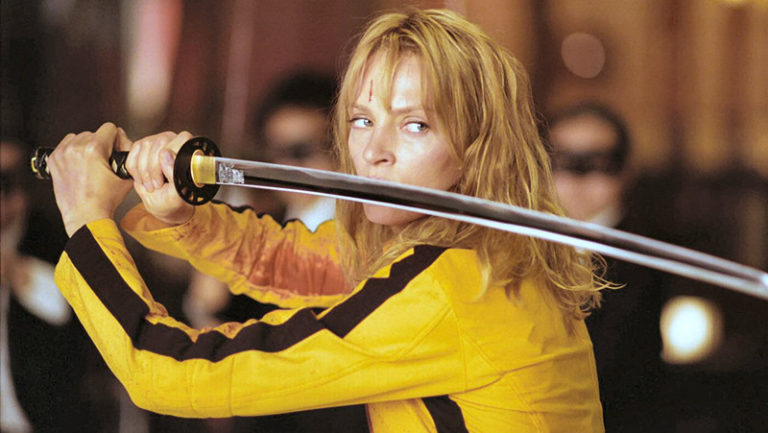
They say vengeance is sweet, and whether that’s true or not in life, the concept has still led to some sweet revenge films. Just ask these leading ladies. The number of great female-led revenge films is staggeringly high, in particular ones against their male oppressors, making it almost impossible for a single poll. But try we must, as the release of Emerald Fennell’s Promising Young Woman, starring Carey Mulligan, made it all too appropriate; we wouldn’t want vengeance committed against us for not trying.

With that said, what is the best female revenge film?


Podcast: Another Round / Black Bear – Extra Film

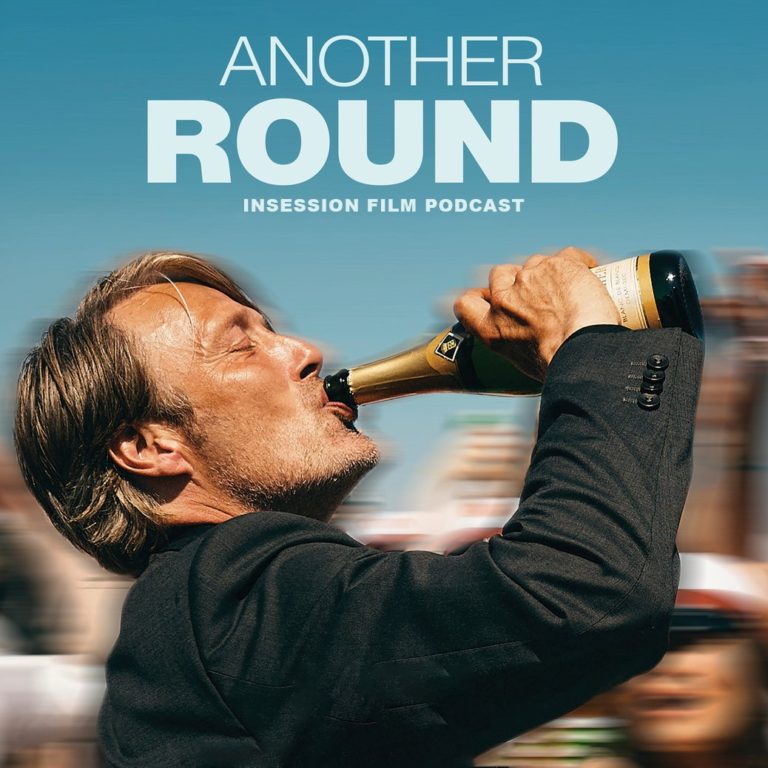
On this week’s Extra Film, Jay and Brendan review two new 2020 releases with Another Round and Black Bear.

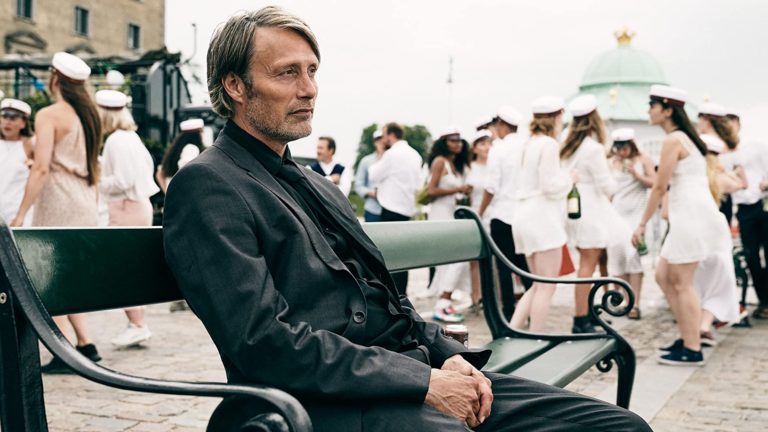
With Ryan out sick this week, the Indiana Jones series was put on hold till his return. Till then, Jay enlists Brendan to do an old fashioned Extra Film episode where they talk about two smaller 2020 releases. They start with Another Round, a foreign language film getting a ton of buzz for more reasons than it just being a good movie. The two hosts have an interesting discussion on the merits of this film and the special performance given by star Mads Mikkelsen.

In the back half of the episode, the boys review the other new drama, Black Bear. Built on the back of a very meta-narrative, Black Bear can be seen as one of the most inventive, original films of the year. But both Jay and Brendan found it flawed and repetitive, leaving them somewhere in the middle of the road on the film overall.

Also, stay tuned for the end of the show to find out what the guys will be covering for the last month of 2020!

Thanks for listening!

– Movie Review: Another Round (4:09)
Director: Thomas Vinterberg
Screenplay: Thomas Vinterberg, Tobias Lindholm
Stars: Mads Mikkelsen, Thomas Bo Larsen, Magnus Millang, Lars Ranthe

– Movie Review: Black Bear (40:53)
Directors: Lawrence Michael Levine
Screenplay: Lawrence Michael Levine
Stars: Aubrey Plaza, Christopher Abbott, Sarah Gadon, Paola Lázaro

– Music
What A Life- Scarlet Pleasure
Black Bear Theme
The Return of the Eagle – Atli Örvarsson

We try to make this the best movie podcast we possibly can and we hope you enjoy them. Subscribe today on iTunes, Spotify, or Stitcher, and please leave us a review on iTunes. You can also find us on Soundcloud, PlayerFM, and TuneIn Radio as well. We really appreciate all your support of the InSession Film Podcast.

Subscribe to our Podcasts RSS
Subscribe to our Podcasts on iTunes
Listen on Spotify
Listen on Stitcher
Another Round / Black Bear – Extra Film

[divider]

To hear this Extra Film episode and everything else we do, download our apps on the Amazon Market for Android and the Podcast Source app on IOS devices. The mobile app covers all of our main shows, bonus podcast’s and everything else relating to the InSession Film Podcast. Thanks for your wonderful support and for listening to our show. It means the world to us

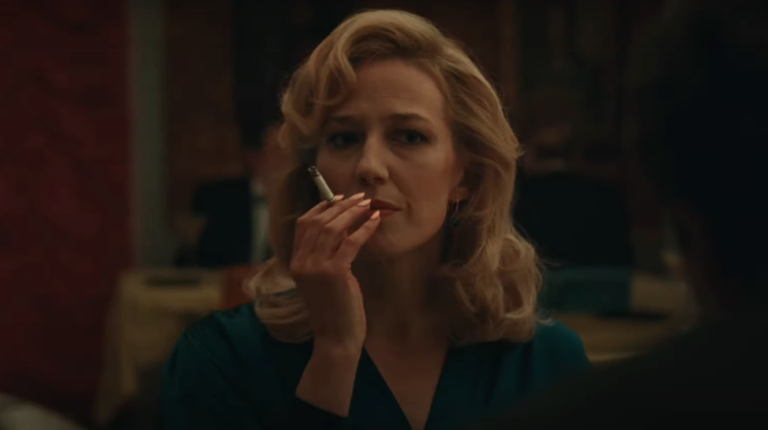
Chasing the Gold FYC: Carrie Coon, Best Leading Actress – ‘The Nest’

0

Since its debut at the Sundance film festival at the beginning of the year, director Sean Durkin’s The Nest has come away with a lot of buzz and attention. Which we can mainly attribute to being the long-awaited Durkin’s return to the big screen after his critically acclaimed feature debut (Martha Marcy May Marlene) back in 2011.

The debut, which solidified Durkin’s name as one of the best new and upcoming filmmakers on the Hollywood scene, also introduced the world to the talent of Elizabeth Olsen and Sarah Paulson, which went on to be two of the most influential actresses in the past decade. And it seems like a repeating cycle, Durkin’s return with The Nest is about to do the same thing for Carrie Coon.

The Nest is set during the 1980s and follows the story of the O’Hara family, when the father (Rory O’Hara), played by the magnificent (Jude Law) proposes that they abandon their suburban American life and move to the English countryside so that he can explore new business opportunities. The film uses this setup as a jumping point to dive into themes of male ego in a relationship, fraud facades, and deception in marriage as the family slowly discovers that Rory may not be who he says he is.

The Nest is full of solid performances across the board from, minor supporting characters like Anne Ried (Rory’s mother), who steals the show for only one breathtaking scene, to newcomer Oona Roche (Sam O’Hara), who gets introduced to the big screen with a bang. And of course, Jude law who is up for the challenge yet again and gives a career highlight in here but still comes second to the legendary performance of one Carrie coon.

Carrie Coon, much like Olsen and Paulson before her, wasn’t a new face to the industry when she got the chance to work with Durkin. On the contrary, she is well known for her excellent performances in both TV Shows The Leftovers and Fargo, a role which earned her an Emmy nomination in 2017. The Nest isn’t even her cinematic debut, which came at the hands of David Fincher in 2014 when she played the role of Margo Dunne (Ben Affleck’s sister) in Gone Girl, and she also played small supporting roles in both Steven Spielberg’s The Post and Steve McQueen’s Widows. So what makes the role of Allison O’Hara unique for Coon after she seemingly worked with a group of the best directors of all time?

Well, the short answer is none of the other feature roles let her unleash her full potential and ability on the screen quite like this one. This is a star-making performance, one for the most part that isn’t filled with shouting and screaming or over the top moments that usually get the attention. But its brilliance comes from its subtlety and preciseness that brings invisible power and command to the character that lets Coon own the screen with the slightest gesture.

Coon’s immeasurable control over the film couldn’t be achieved without the cleverness of Durkin’s screenplay and directing, who puts her character at opposing odds most of the time. Playing the role of a conventional housewife when she’s far away from it, being a deeply flawed mother figure yet still have the empathy to put on a smiley front for her kids.

Coon’s performance brings all of those conflicting odds to the screen with a brilliant physical portrayal. Sometimes she will hold back and put small touches to allude to her feeling like a dissatisfied glimpse in a mirror, a dominant posture, or a cold hug. And other times, she will go all in and lets her physicality weaponize the space between her and Rory when arguing or let herself loose to emit all sorts of emotions of frustration, anger, and loneliness during an incredible dance sequence in the final act of the film.

Her physical performance wasn’t the only thing that Coon brought to the film; she was to The Nest what Dicaprio was to The Wolf of Wall Street. She will carry you through the dull moments, and when the time comes, she will wow you with her execution, especially in two dinner scenes between her and Rory that you will certainly remember after the film ends, and if her previous roles didn’t convince you before that Coon is a force to be reckoned with on the screen, this should take care of that.

Now the question becomes, will the Academy even notice coon’s masterful work here?

Probably not, because of the packed race in the leading actress category, which includes some heavyweights like Viola Davis, Frances McDormand, Kate Winslet, and Amy Adams all competing for Gold this performance will likely go under the radar of many voters, and that’s honestly a shame because we have here a deserved Oscar winner performance, and most people won’t get to see it because it doesn’t have enough Oscar buzz.

So let’s start here and kick off the official Oscar campaign for Carrie Coon. A nomination will do just fine now, given the circumstances, and to anyone who is reading this and still haven’t seen The Nest, Go watch it for Carrie Coon alone, and I promise you will not be disappointed.

Criterion Crunch Time: ‘Sleepwalk’

So, sometimes, when you pick a movie on the Criterion Channel basically at random, there is some risk involved. But risk isn’t bad. I’m not referencing the risk of a movie you don’t enjoy or is “bad, ”as that is a risk on absolutely any streaming platform. I more mean the risk of something completely foreign, and not in relation to the language spoken. When you watch a great deal of film, it is tempting to feel like you’ve seen it all before or that there are only so many stories to tell. But this streaming service in particular, there is more than a slight chance of finding something so strange that it defies you to express an opinion. And that brings us to Sara Driver’s Sleepwalk.

Sleepwalk is part of a movement called No Wave Cinema. If you’re already confused, don’t feel bad! I had to look it up too. No Wave, focused on very low budget filmmaking in New York in the late 70’s to the mid 80’s, holds a no frills attitude towards filmmaking and focuses mostly on mood, as opposed to plot and societally accepted style of acting. Honestly, it helps to have this context going in to Sleepwalk because the acting and storytelling can be extremely off putting depending on your expectations and attitudes towards film acting.

That being said, Sleepwalk puts these choices to good use because, at its most basic, it is a fairy tale. And these types of stories lend themselves to stylistic choices that are off kilter or left of center. Director Sara Driver has such a firm grip on the magical realism and fantasy elements that even in moments of confusion, and there will be many, the audience feels pulled along by the sheer awe and beauty on screen. The opening scene, after some narration,  is emblematic of this beauty and control. A woman in red sits in a red room, and closes parchment in a red hued wood cabinet. Ever so slowly, she removes one piece of the parchment, wraps it, and searches to see if anyone is near, and leaves the room. Following this moment, Driver allows ominous notes from the score from Phil Kline fill your senses. That foreboding finally, achingly comes to fruition with the appearance of a thief in the night, whom we meet later as Barrington (Tony Todd). The decision to shoot this moment without dialogue is a perfect example of No Wave decisions. SImply the appearance and the musical context lets us know where each character should stand in our minds.

It is only after this that our main character, Nicole (Suzanne Fletcher) appears. Quickly, she is hired by Barrington and his boss, Dr. Gou (Stephen Chen) to translate the stolen manuscript. And here is where your enjoyment of the film will rest. Fletcher’s performance is purposefully stunted, mainly in order to draw your attention to the fairy tale nature of the narrative. Realism has no place in a film that contains foretelling by the narrator, mutilated corpses (off-screen), characters named Ecco Ecco (get it?), and magically balding roommates. But remember, No Wave is about mood, and Driver’s direction of Fletcher seems focused and pointed and not due to simply poor acting.

Sleepwalk is a short film as far as runtime but never feels quick. Driver, along with cinematographers Frank Prinzi and Jim Jarmusch, makes use of absolutely every second. Every frame is exquisitely framed and has a sense of purpose that, despite the slow pace, pushes the narrative forward with a palpable sense of tension. Alongside these stunning images, the music is also perfectly timed to the actions on screen. This is not simply background scoring and is not simply to fit the all important mood. Instead, the editing (Li Shin-Yu), sound, and movement of Sleepwalk seems to nearly perform a dance, which sells the exact emotions Driver wants to elicit. 

Sleepwalk is not an easily accessible movie, and I imagine no film under the banner of No Wave will be either. But some movies, although enjoyable, are easily forgettable. As soon as the credits roll, they melt away like wisps in the breeze. This film feels like an opposite of this. During the viewing, it is galling, confusing, and frustrating. But thinking back on Sleepwalk, it becomes more important and full of meaning. Driver’s work here is film as an art piece and will mean many things to different people. And this is exactly why a service like the Criterion Channel is worth the time spent. There is an excitement, a glory, in finding something wholly different and new, regardless of your opinion of it being “good” or “bad.” Sleepwalk is absolutely an experience, and a pretty unforgettable one to roll around in your mind and puzzle over.


Next week we take a look at Caché from director Michael Haneke.

The Warner Brothers Civil War And How Jack Won It

In three years, Warner Brothers will have its centennial birthday as a studio. As one of the Big 5 Studios, it was an afterthought behind the likes of Universal, MGM, Paramount, and United Artists when it began in 1923. Now, like the rest of the main studios, it has divested itself into TV, music, and video games and is currently owned by AT&T. With its looming logo on the water tower at Gate 4 where the Animaniacs come out in their opening credits, the studio itself has another cartoon as its mascot: Bugs Bunny. But as the name says, the seeds of its massive growth came from the minds of four brothers, immigrants from Poland who, like other studio heads, built the place we know as Hollywood. However, in terms of responsibility, it fell upon one man who has taken most of the credit: Jack Warner.

All In The Family

David Thomson's 'Warner Bros,' a History of the Studio and the Family - The  New York Times

Harry, Sam, Albert, and Jack. Born with the surname Wonskolaser, the family turned into Warner when the family settled first in Baltimore, then later to Ontario, Canada, and then back to the U.S. in Youngstown, Ohio. When Jack was still a schoolboy, Harry, Sam, and Albert returned to Baltimore to get involved in the fledgling movie theater business by buying a movie projector to tour rural Ohio and Pennsylvania before buying their first theater. Jack, meanwhile, got into acting vaudevilles, but his older brothers weren’t having any of it, so they brought him into the fold when Jack was 17. By then, the brothers had a strong business going in film distribution, but with Thomas Edison’s trust of New York-based studios charging high fees to show their movies, the brothers sold the business in 1909 and used the money to start their own film production company.

The brothers went to California to avoid Edison’s trust from harassing them more as they worked separately to pool money together. They first started producing their own films during World War I, buying their first studio (which is still in use for multiple television shows), and carefully balancing their finances to build enough credit for a bank loan to establish Warner Brothers Studios. On April 4th, 1923, the incorporation of the studio was finally made. Their first star was a dog, Rin Tin Tin, which Jack called him “The Mortgage Lifter.” Its first major human signing was Broadway star, John Barrymore. One of its first producers was Darryl F. Zanuck, who would branch out to 20th Century Fox later and establish his reputation as a successful studio head. In its first two years, they became the most successful independent studio, but the brothers wanted to make their big splash equal to the major studios and quickly sought to release the first talkie picture.

The First Sound And The First Blow

Their deal with Vitaphone allowed Warner Brothers to use sound effects in various films, which was expensive and resulted in their first losses financially wise. Yet, they forged ahead to break the silent barrier that other studios refused to touch, and in 1927, they finally did it with The Jazz Singer, starring Al Jolson, whose singing made the film a massive hit and was the death knell for silent films. Sam, who split head duties with Jack, was the leading figure in making deals with Vitaphone and Western Electric to help take part in improving synchronized sound in film and spent every day working on The Jazz Singer. But in the weeks before the film’s premiere, Sam fell ill, was hospitalized, and would never recover. He died on October 5, 1927 – one day before the premiere – of pneumonia. The brothers didn’t attend the first screening.

With Sam’s death, young brother Jack usurped all control and began making the newly crowned major studio into his image. It came into conflict with Harry, the Vice President, and Albert, the studio’s treasurer. Still, the trio soldiered on as Sam would have wanted them to do, building the current studio that stands today, but that was all in the past by the 1930s. Interest in musicals waned because of the costs during the Great Depression, so they turned to inexpensive, untouched areas such as the criminal underbelly of gangster films that remain part of Warner Brothers’ legacy. Out went John Barrymore and Rin Tin Tin and coming in was Edward G. Robinson and James Cagney. They made Little CesearThe Public Enemy, and the true story crime drama I Am A Fugitive From A Chain Gang. Two other noted actors through their system they put out would be considered among the greatest ever, Bette Davis and Humphrey Bogart. Behind the success, Jack started separating himself from the family, divorcing his first wife to marry another woman that the others would never approve of.

Jack’s Power Grab

Warner Brothers would grow into multiple genres and multiple stars coming out of its studios, but the power of Jack Warner with his shrewdness and intimidation grew with it. His management style created massive conflicts with actors, producers, directors, and writers, claiming Warner would do this for his sadist pleasure. As comedian Jack Benny put it, “Jack Warner would rather tell a bad joke than making a good movie.” Zanuck left in 1933 after quarreling with Jack; his successor, Hal Wallis, fought Jack over the making of Casablanca, and when the film won the Oscar for Best Picture, Warner rushed to the stage first to accept the trophy – even though it belonged to Wallis. One of Jack’s biggest mistakes was selling off their cartoons made before 1948 for $3,000 each, saying he didn’t care for the medium. A Republican, his influence politically supported the fight against Nazi Germany early alongside FDR (a Democratic) and the government’s crackdown on communists in Hollywood.

https://www.youtube.com/watch?v=d9LIXMp0XYE

In 1956, the three surviving Warner brothers were getting old and they announced they were selling their stocks in the studio their name was on. But it was a ploy by Jack for the ultimate coup. Under a syndicate, Jack bought his brothers’ shares, and both Harry and Albert discovered this when it was too late. Jack was President, with no challenger. Harry never spoke to his brother again and when Harry died in 1958, Jack was on vacation in France but didn’t come back to attend the funeral. Albert also never spoke to his brother again, but would return to the company’s board of directors to see what else his thieving brother would do. He died in 1967. Another person who cut ties was his own son, Jack Jr., who also worked for the company, but was fired by his own father. Jack would march on until his retirement in 1969 and die in 1978, aged 86. The press eulogized his legacy with his brothers in changing cinema and considered Jack, “The Last Mogul,” of the old Hollywood system.

Follow me on Twitter: @brian_cine (Cine-A-Man)

Podcast: Nomadland / Ma Rainey’s Black Bottom – Episode 408

This week’s episode is brought to you by the Warby Parker. Sign up today and get a 5 day Home Try-On, complete with 5 pairs of glasses to choose!

This week on the InSession Film Podcast, we discuss Chloé Zhao’s latest film Nomadland and also the last performance from the late-great Chadwick Boseman in Ma Rainey’s Black Bottom. Plus, a discussion on Disney’s latest Investor Day-Con, where they revealed many of the projects they are working on for the next few years!

Similar to last week’s show, we feature two more awards players this week as we continue to race toward the end of our 2020 campaign. It’s very possible that one element or another from either Nomadland or Ma Rainey’s Black Bottom could show up at our awards show next month, so we had great fun talking about these two films.

On that note, check out this week’s show and let us know what you think in the comment section. Thanks for listening and for supporting the InSession Film Podcast!

– Movie Review: Nomadland (7:13)
Director: Chloé Zhao
Writer: Jessica Bruder (book), Chloé Zhao (screenplay by)
Stars: Frances McDormand, David Strathairn, Charlene Swankie, Bob Wells

– Notes / Disney’s Investor Day-Con (52:41)

This week for our discussion segment, given the abundance of news from Disney’s latest “Con” on their Investor Day call, we thought it would be fun to discuss all the titles they dropped and what we can expect to see over the next few years. We talk Star Wars, Marvel, Pixar, and we’re still not sure how/why this happened, but also Chip ‘n Dale: Rescue Rangers.

[divider]

RELATED: Listen to Episode 402 of the InSession Film Podcast where we discussed Wolfwalkers!

[divider]

– Movie Review: Ma Rainey’s Black Bottom (1:21:03)
Director: George C. Wolfe
Writer: Ruben Santiago-Hudson (screenplay by), August Wilson (based on the play by)
Stars: Chadwick Boseman, Viola Davis, Colman Domingo

Show Sponsor: First Time Watchers Podcast

– Music

Oltremare – Ludovico Einaudi
Hey Mando! – Ludwig Göransson
In the Shadow of Joe Oliver – Branford Marsalis
The Return of the Eagle – Atli Örvarsson

Subscribe to our Podcasts RSS
Subscribe to our Podcasts on iTunes
Listen on Spotify
Listen on Stitcher
InSession Film Podcast – Episode 408

[divider]

Next week on the show:

Main Review: Promising Young Woman
Top 3: N/A

[divider]

Help Support The InSession Film Podcast

If you want to help support us, there are several ways you can help us and we’d absolutely appreciate it. Every penny goes directly back into supporting the show and we are truly honored and grateful. Thanks for your support and for listening to the InSession Film Podcast!

VISIT OUR DONATE PAGE HERE

Movie Review: “Run” is an Effective Thriller with Two Strong Performances


Director: Aneesh Chaganty
Writer: Aneesh Chaganty, Sev Ohanian
Stars: Sarah Paulson, Kiera Allen

Synopsis: A homeschooled teenager begins to suspect her mother is keeping a dark secret from her.

[/info]

Though we have not been able to spend much time in movie theaters since March, there are a number of films this year that make us wish we could have viewed them in that setting. One of the latest films to create that feeling for me is Run, the new horror thriller from Searching director Aneesh Chaganty. The film dropped on Hulu in November and makes for an intense viewing experience that left me craving for a theatrical experience where I could see the reactions of viewers as each major plot point occurs. 

Though I wasn’t able to do that, the film still serves its purpose when watching at home. It begins in a maternity ward, just after Diane Sherman (Sarah Paulson) has given birth to her daughter. After the doctors operate on the prematurely born infant, Diane is allowed to visit her baby. She asks if the child is going to be okay, though the screen cuts to black before we learn the answer. We are then shown descriptions of five medical conditions: arrhythmia, hemochromatosis, asthma, diabetes, and paralysis. It’s a stunning introduction that is likely to leave the audience both intrigued and incomplete mystery over where the film is heading. 

17 years into the future, we are introduced to Diane’s homeschooled daughter Chloe (Kiera Allen), who has the aforementioned conditions and high hopes of getting into the University of Washington. We see her morning routine, from taking a variety of medications to getting downstairs in her wheelchair, to checking her blood sugar after breakfast. This is accomplished through some operative editing that moves along quickly but keeps the film grounded. Throughout all of these tasks, Diane appears to be a loving, supportive mother. 

One day, Diane returns home from a trip to the grocery store. While she goes out for another load, Chloe sifts through the groceries looking for evasive chocolates. She finds a medication that she doesn’t recognize, and though it is prescribed to her mother, Diane gives her a pill that night after stating it is a new heart medication. This makes Chloe extremely suspicious and indicates that Diane may not be the caring mother she appears to be after all. 

While this moment is where the plot really takes off, it’s also where one of the problems with the film begins. Though I can appreciate a thriller that knows what it is and doesn’t need a long-running time to get going, I felt that it could have used more time to learn about these characters and their daily interactions. While we gather much about their routine in this brief introduction, there seems to be almost no conflict between them whatsoever. So it feels a little sudden to see Chloe be so suspicious of her mother so quickly. That’s not to say it isn’t justified (it clearly is), but we get the horror beats and suspicious eyes the moment she catches sight of the bottle of pills. It almost feels like the film is trying too hard to be of the horror genre early on. 

Perhaps the most damning thing about this is that the film doesn’t need this quick dive into the conflict to let us know it’s clearly a suspenseful drama. What follows is a collection of taut moments that could easily put the viewer on the edge of their seat. Of particular note is a scene in which Chloe must crawl outside of her bedroom window and into another window on the other side of the house to make a daring escape. It’s a thrilling sequence built to leave us without breath for an extended period, much like the lead character. It’s also a testament to the wondrous acting performance from Kiera Allen. 

While I’m on the subject, I have to applaud the overall work by Allen. Although we miss out on some much-wanted relationship development between her and Paulson in the beginning, she never fails to generate empathy for her character or create investment in her struggle. Her role in this film is also a stride in representation for actors and characters with disabilities. Allen uses a wheelchair in real life, and it’s important to see this type of casting for a character who also uses a wheelchair. And she nails this performance on a personal and emotional level throughout the chaos of the film. 

Paulson is also quite engaging here, and this is a role that feels perfect for her. We know that she can play the creepy role from her previous work, and here she really captures the horrifying nature of a mother who will do anything to ensure that her daughter needs her. Without spoiling too much, let’s just say that Diane has taken some drastic measures to maintain the position she has with her daughter. There are some major twists that come about in the film. Many of them may be fairly predictable, but the real strength is not in the reveals themselves, but how they develop in connection to the larger narrative and relationship. 

To provide a bit of positionality, I do not personally have four of the medical conditions detailed in the film. But I am a type one diabetic, so I can speak to a degree about the representation of life with diabetes in the film. I don’t see diabetes portrayed in movies very often, and I have to say that I’m rather pleased with most of the portrayal here. My fear is often that diabetes will be treated as completely debilitating, and that the symptoms will be used as a cheap plot device. But most of the depiction here shows the very normal, though unpredictable routine that can come with managing diabetes. Granted, there is a twist that I think cheapens some of that representation, but I won’t spoil it here. 

I cannot say with certainty whether Run is a great film when it comes to representing individuals with certain medical conditions, but it does deserve praise for casting Kiera Allen in a lead role. It’s a necessary step, especially for a film in the suspense genre. Narratively, the film does not break any new ground and has some missteps here and there, but the direction from Chaganty ensures that it’s always exciting. 

Grade: B

Chasing the Gold FYC: Mads Mikkelsen, Best Actor – ‘Another Round’

We have just come off a year when international films were finally accepted outside of their own category this awards season. Not only were people talking about the likes of Portrait of a Lady on Fire and Pain & Glory as some of their favorite films of the year, with the latter getting a Best Actor nomination for Antonio Banderas, but Parasite ended up being the big winner come Oscar night, taking away International Picture, Director and Picture.

While 2020 has been a year in which foreign cinema could not make the impact that it usually does at the likes of the Cannes Film Festival, there have been some great films from across the world. I got to cover a few of them at the London Film Festival this year, and it turns out that one of these major contenders ended up being my favorite film out of the festival. That is Thomas Vinterberg’s Another Round, Denmark’s submission for Best International Picture for the 2021 Academy Awards.

This post is not an FYC for that film, as I feel enough people are already talking about it for that category. With major films such as New Order and The Life Ahead already out of the running, the pathway for Another Round (a film with a notable director and star) to get the Oscar is becoming easier by the day. Instead, I want to promote it in a category that I do not see people discussing it for, but is worthy of regardless. I want to put out an FYC for Mads Mikkelsen to be nominated for Best Actor.

I know pushing anyone else in the Best Actor category right now is incredibly tough, considering the competition. Firstly, it is undeniable that there are already two frontrunners in Chadwick Boseman for Ma Rainey’s Black Bottom and Anthony Hopkins for The Father. We also have some of Hollywood’s finest coming back for another round (pun not intended) of the Oscars, with Tom Hanks and Gary Oldman both in the thick of things for News of the World and Mank, respectively. This is also the year of fresh faces, with Riz Ahmed, Kingsley Ben-Adir, and Steven Yeun all looking to try and grab their first Oscar nominations. There are still some films that are sight unseen and could make a surprise last-minute push, such as Lakeith Stanfield for Judas and the Black Messiah.

So, why should I even bother wasting my time writing this to push for Mads Mikkelsen to get this nomination in such a crowded year? Well, I think there are a few things going for him. Firstly, he seems to have a lot of the qualities that I mentioned above which is helping the others get consideration for their nominations. He has never been nominated for an Oscar, so there could be a campaign that focuses on the push of getting him some recognition. However, he has been putting in the work in this industry for many years now and is not a newcomer. He already has the respect of many within Hollywood and therefore it could be easier to get him into the list, as opposed to the fresh faces of Steven Yeun and Kingsley Ben-Adir.

Secondly, the past few years have shown that where there is a strong lead in a foreign language film, the Academy is willing to recognize it. The reason that did not happen last year with Parasite was that there was not a single strong leading performance, that film was driven by the entire ensemble. Instead, Pedro Almodóvar’s Pain & Glory was the film that got that push, with Banderas getting that Lead Actor performance. We also have to remember that only the year before, Alfonso Cuarón got two performances in the race for his film Roma, Yalitza Aparicio in Lead Actress and Marina de Tavira in Supporting Actress (a nomination very few people saw coming).

Both of those aspects would not matter if the performance was bad or the film was disappointing. That is not the case though, as Another Round remains as one of my top films of the year. This may be a film about the consumption of alcohol, but the story goes way beyond that intriguing plot premise. The story touches on the side effects of not being sober, the impact it has on physical and mental health as well as the issues that come alongside that with relationships and career prospects. Mikkelsen has to give a dramatic performance that is of the Academy’s liking but not to the point of melodramatic. It is hard not to become invested in his performance, from the highs to the lows of his character’s situation and the different emotions he has to tackle. It really is a wonderful performance, and unlike any other that I have seen in 2020.

Do I think he is going to get that Best Actor nomination? Well, I think that more people need to see this film and start talking about it. In what is becoming a strange International Picture race, Another Round may be the only lock of the category so far. The campaign is only really kicking in for this film, as it takes its Audience Award win from the London Film Festival and starts to run a limited release in the US, as well as screeners for the European Film Awards – in which it is the favorite to win. If more people seek this film out and start to create buzz for more than just International Feature, there is a shot that Mads Mikkelsen will be dragged along with the conversation. I am simply here to try and start that conversation before it is too late.


FYC – Mads Mikkelsen for Best Actor 2021

Movie Review: “Promising Young Woman” is a Brilliant Yet Unsatisfying Story of Revenge


Director: Emerald Fennell
Writer: Emerald Fennell
Stars: Carey Mulligan, Bo Burnham, Cristopher Mintz-Plasse, Alison Brie, Adam Brody, Max Greenfield, Chris Lowell, Jennifer Coolidge, Connie Britton, Laverne Cox, Alfred Molina, Molly Shannon, Clancy Brown.

Synopsis: Cassie was a promising young woman until a mysterious event abruptly derailed her future. Now, an unexpected encounter will give Cassie a chance to right the wrongs of the past.

[/info]

It has been a long time since I have waited for a movie that really captures what it is to be a woman in the Western society of the 21st century. It is possible that Promising Young Woman is the answer to this often-frustrating request, even though the conclusions to which it arrives are not necessarily satisfactory.

The movie, written and directed by Emerald Fennell, presents the daily aggressions to women; the dismissive attitudes against our thoughts, well-being, and desires; and the usual violence – whether physical, emotional, or mental – that we have to deal with every day.

This exhibition is presented in so many layers and ways that it would be comprehensible if many viewings were necessary to appreciate all the violence that is denounced. It could be, for example, the silent compliance from taxi drivers, the rushed conclusions about women from public servants, or more evident sexist actions; including catcalling in the streets, misogynistic comments about our appearance, or the infringement of our personal space without permission. All of this is perfectly captured in the directorial debut of the British filmmaker.

The story follows Cassandra Thomas (Carey Mulligan), a woman that spends her nights tricking men into thinking she is too drunk to do anything and waiting to see what they do to her. All of them take her to their apartment where they start taking advantage of her. And every single time she exposes them as the creeps they are, undoing their façade of “nice guys”.

The likes of Adam Brody, Cristopher Mintz-Plasse, Max Greenfield, and Sam Richardson perfectly portray the well-known profile of a “nice guy”: the mature man that is tired of sexist comments against women, the concerned savior of a woman that clearly needs help, the exhausted patronizer that has to give up his plans to take care of her, the astute and innocent man that has the revolutionary idea of going to his place instead of making sure she arrives safely at hers, or the conveyor of false compliments that celebrate her inebriated state and subtly attacks her (“why do you wear so much makeup?”). Cassandra knows how to hunt and how to humiliate men in a way that hopefully will teach them a lesson and will make them stay far away from women.

Other than these discreet and micro-actions of vengeance, Cassandra does not have too much going on in her life. She lives at home to the annoyance of her worried parents (Jennifer Coolidge and Clancy Crown), and she works in a café with the most nefarious attitude, but with a loving boss (Laverne Cox). Most importantly, however, Cassandra is stuck with feelings of anger and revenge. She quit med school seven years prior to take care of Nina, her best friend, who was emotionally shattered after a rape that went unpunished. Now that Nina is gone, Cassandra goes through life with a vendetta against every predatory man that crosses her path, with no interest in creating a prosperous and socially acceptable life.

Things change a little once Cassandra bumps into Ryan (Bo Burnham), a former classmate that actually seems like a genuinely nice guy. At this moment, the movie shifts and gives us a romantic comedy within the revenge story, filled with a cringeworthy – yet appealing – first interaction, uncomfortable attempts of flirting, and maybe the most iconic scene ever set in a drugstore, accompanied by Paris Hilton’s Stars are Blind. This happy encounter comes with bad news: Al Monroe (Chris Lowell) – Nina’s rapist – is back in town. Consequently, Cassie creates a plan against a select group of those that were involved in Nina’s destruction, including the dean of the university (Connie Britton) who chose to give Al “the benefit of the doubt”, a former friend that was complicit with her dismissive silence (Alison Brie), the lawyer (Alfred Molina) that harassed Nina, and of course, Monroe himself.   

Fennell, who also wrote the script, presents a recognizable story through a friendly and radical storytelling. She exposes clearly, and sometimes in a comedic way, the patriarchal thoughts and sexist attitudes that exist in every moment of our lives in an excruciatingly identifiable way: the victim-blaming, the protection of men’s reputations, the double standards, the harassment inflicted on those that suffer, or the expectation that discretion and time will be enough to get over injustices.

Too many women can see themselves in the role of Cassandra, whether she is exposing the misogynistic environment in which she lives or suffering its consequences. I even recognize myself in the anger that has conquered her existence, the burden of revenge that flows through her actions, and the utter disappointment she feels when she realizes that people haven’t changed and continue condoning a culture of violence against women. She has decided to right some wrongs and teach some lessons, sometimes in cruel but deserving ways. However, the burden she carries is too heavy and, considering the world we live in, destined to eternal frustration.

Cassandra is brought perfectly to life by an extraordinary Carey Mulligan. Ms. Mulligan has captivated us before with movies such as Wildlife – maybe her most comparable performance –, Far from the Madding Crowd, Mudbound, and An Education. Although all of these are fantastic performances, what she does in Promising Young Woman is revolutionary and astounding. She is a master of disguise and offers multiple layers of acting that make it difficult to distinguish the real Cassie. She can be cruel with matter-of-fact comments and snark mockeries with words that are never wrong, and denunciations that are transparently right. She is never doubtful or timid, but calculating and accurate in her plans. Mulligan embodies with mastery Cassie’s determination, disappointment, an overwhelming feeling of loss and abandonment, as well as anger towards those that denied justice to her loved one.

The rest of the cast is great in their brief but pivotal roles. Bo Burnham, in his most relevant role to date, is fantastic as Cassie’s love interest. Awkward, funny, and sensitive, it is understandable that she develops feelings for him. Nevertheless, it is important to remember that men tend to disappoint, and Promising Young Woman succeeds in presenting this reality. Connie Britton as the dean of the university shines with the most damning lines of the movie, while Alfred Molina and Laverne Cox provide windows of redemption and pure love, respectively.

The movie’s style is vibrant and fun, comparable to Birds of Prey (another title under the production house of Margot Robbie) and Hustlers. The soundtrack, specifically, gives life to the film, with titles under the name of the aforementioned Hilton, the now famous version of Britney Spears’ Toxic, and original pieces by Donna Missal (Nothing’s Gonna Hurt You) and DeathbyRomy (Come and Play With Me).

However, for all its accomplishments, Promising Young Woman is not a resounding victory. Many of Cassie’s decisions are dependent on her relationship with Ryan. It seems that her plans to carry on with her vengeance are shaped and propelled by him and the fate of their love affair. Not an inspiring thing to do in an empowering story.

More importantly, though, is the ending, which is destined to create controversy and divided opinions. Although daring and unapologetic, it is harrowing, disconcerting, and mainly undeserving. It could be said that it is a perfect reflection of what happens in real life; however, this makes it even more depressing. Cassie’s character and this story of female experience should have been treated with more care in its final stretch.

Should the last 20 minutes wreck an hour and a half of brilliance? I do not think so, although it does leave a terrible and long-lasting impression that hopefully inspires conversations and efforts of internal reckoning.

For all its triumphs and faults, Promising Young Woman is a distinguished effort by Emerald Fennell commanded by an unbeatable Carey Mulligan. It is destined to create discomfort and reflection in a scenario that accurately reflects the reality of women with all its chaos, heartbreak, misogyny, and impunity.

Grade: B+

Disney reveals plans for further Star Wars and Marvel Projects, Disney Plus Price Increase and ‘Star’ Announcement

Disney has announced their intentions for a huge expansion of the Star Wars and Marvel universes during Investors Day, with a handful of new series’ coming for both and heading to Disney Plus.

Among the Star Wars news announced by Kathleen Kennedy includes the return of Hayden Christensen to the role of Darth Vader in Obi-Wan Kenobi, which also sees Ewan McGregor reprise his titular role. This news has been greeted with excitement, particularly from those who are fans of the prequels (this writer being one of them). After being heavily criticized for his performance in Attack of the Clones, there’s no denying that Christensen grew into his role as Anakin Skywalker, with Revenge of the Sith being one of the favoured Star Wars films in the entire franchise.

Among the other announced Star Wars series’ includes Andor, a prequel series to Rogue One that Variety notes is currently in production, as well as The Rangers of the New Republic and Ahsoka both from Jon Favreau and Dave Filoni. Given the huge success and popularity of The Mandalorian (including a welcoming surprise Emmy nomination for Best Drama Series), it’s exciting to see that Favreau and Filoni have more in the works. They’ve received huge praise from Star Wars fans for showing an understanding of the Star Wars universe, so it seems fitting to give them the reigns for further projects.

Star Wars: The Bad Batch, a follow-up to The Clone Wars, is also in the works. A sneak preview of the animated series can be watched below:

Marvel Studios, meanwhile, also announced major projects in the works, with news about upcoming television projects as well as additions to their Cinematic Universe. Academy Award winner Christian Bale has been cast as the villain Gorr the God Butcher in Thor: Love and Thunder. It’s going to be exciting to see what fun the versatile Bale will have in the role, and is no doubt one of the most acclaimed actors that Marvel could have added to their universe.

Several release dates for upcoming shows on Disney Plus were announced, including The Falcon and The Winter Soldier on Mar. 19, Glorious in May 2021, WHAT IF… in the Summer of 2021 and WandaVision coming up soonest on Jan. 15. With production finished, Marvel also announced that Shang-Chi and The Legend of the Ten Rings will hit theatres on Jul. 9 2021, while Brie Larson returns in Captain Marvel 2 on Nov. 11 2022. The previously mentioned Thor: Love and Thunder will May 6. 2022. A Guardians of the Galaxy special is also in the works from James Gunn.

The news has been a lot to digest for those fans passionate about Star Wars and Marvel, but it’s exciting. In a year where so much has been canceled or delayed, it’s fantastic to finally look ahead for dates and know exactly when we can see our favorite characters again.

The announcement of so much content that will heavily feature on Disney Plus proves that Disney is looking ahead to streaming for the long-term future, and with it comes a price hike for the service. As per Variety, Disney Plus will increase to $7.99 a month in the U.S. as of March 2021.

There is also the announcement of Star, which be integrated into the Disney Plus streaming service exclusively to select countries, mostly in Europe. Among the content on Star will be shows from FX, which is exciting news for those of us in the UK who will have easy access to the channel’s content.

It’s obviously a lot to digest and many of us are still wrapping our heads around Disney’s huge announcements. Which Disney content are you most excited for in the near future? Let us know in the comments below!