Home Blog Page 205

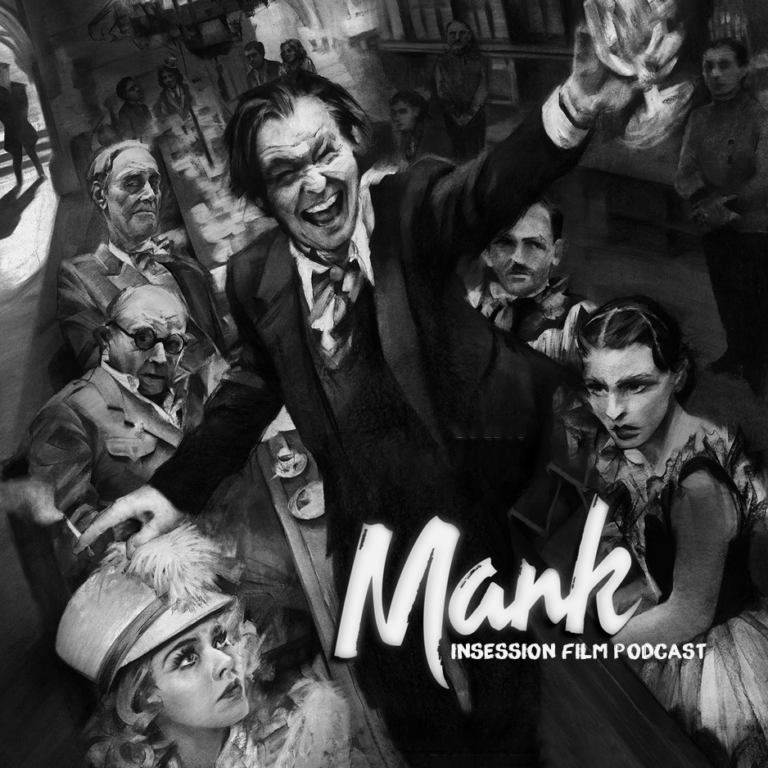
Podcast: 2021 Best Director Race – Chasing the Gold Ep. 27

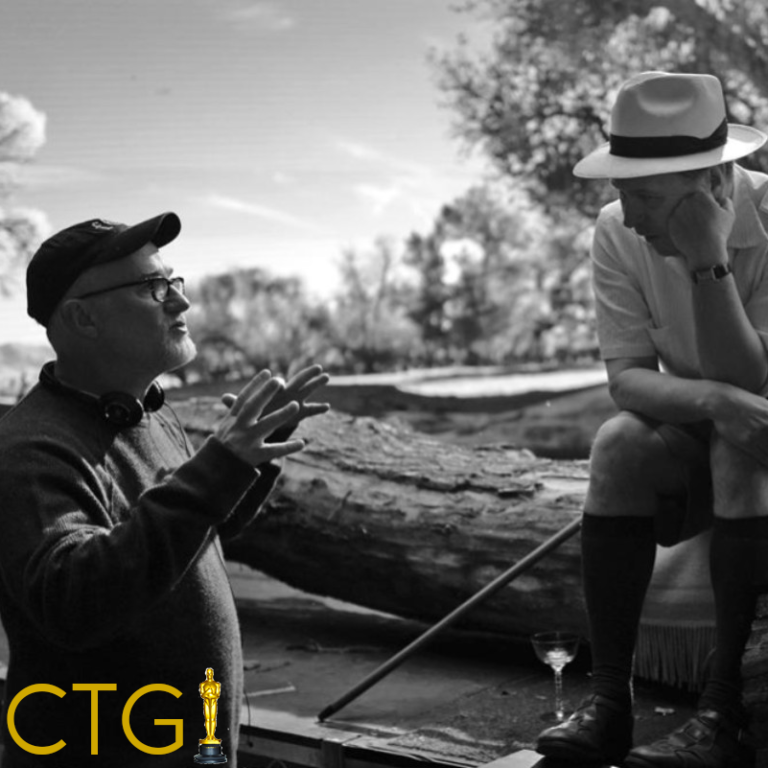
On Episode 27 of Chasing the Gold, Ryan is joined by Mike1 and AlsoMike of Mike, Mike And Oscar to discuss the 2021 Best Director race.

With the release of Mank, the conversation for Best Director at the 2021 Oscars seems to have turned into David Fincher vs the field. But while there is plenty of time for another contender to break through and beat him, he is the leader in the clubhouse right now. And the Ryan and the Mikes talk about the overall race and how the news from Warner Brothers might affect this race and directors for years to come.

On that note, have fun with this week’s Chasing the Gold, and let us know what you think in the comment section below. Thanks for listening!

– Music

The Return of the Eagle – Atli Örvarsson

We try to make this the best movie podcast we possibly can and we hope you enjoy them. Subscribe today on iTunes, Spotify, or Stitcher, and please leave us a review on iTunes. You can also find us on Soundcloud, PlayerFM, and TuneIn Radio as well. We really appreciate all your support of the InSession Film Podcast.

Subscribe to our Podcasts RSS
Subscribe to our Podcasts on iTunes
Listen on Spotify
Listen on Stitcher
2021 Best Director Race – Chasing the Gold Ep. 27

[divider]

Mobile App

To hear this Extra Film episode and everything else we do, download our apps on the Amazon Market for Android and the Podcast Box app on IOS devices. The mobile app covers all of our main shows, bonus podcast’s and everything else relating to the InSession Film Podcast. Thanks for your wonderful support and listening to our show. It means the world to us!

[divider]

Help Support The InSession Film Podcast

If you want to help support us, we would greatly appreciate it! For more info, CLICK HERE.

Op-ed: AFI’s 100 Years…100 Passions – ‘Random Harvest’ (#36)

0
I will be watching and reviewing all of the films included on AFI’s 100 Years…100 Passions list. The list contains the 100 greatest love stories in American cinema and I plan to consider how our views on romance and social issues have changed over the years as well as judge whether the romances in these films actually made me swoon. As a fan of the romance genre, I expect to love each and every one of the nominees but I also don’t know if I would consider all of them romantic.

When we think of British productions succeeding in Hollywood we typically think back to the 1960s when stars like Julie Christie and Alan Bates could command high salaries and Tony Richardson could get hired to make innocuous comedies about suicide. We tend to forget that there was an earlier British invasion that occurred during the World War II-era as the United States was allied with Britain and it became hip to promote the British as a mighty, courageous people. In the late 1930s and early 1940s, it became common for British stars to cross the pond and transition into being a star in America while retaining their plummy accents and typical English reserve. MGM even began scouting around Britain in an effort to find new talent as films themed around the British Empire were very popular with American audiences.

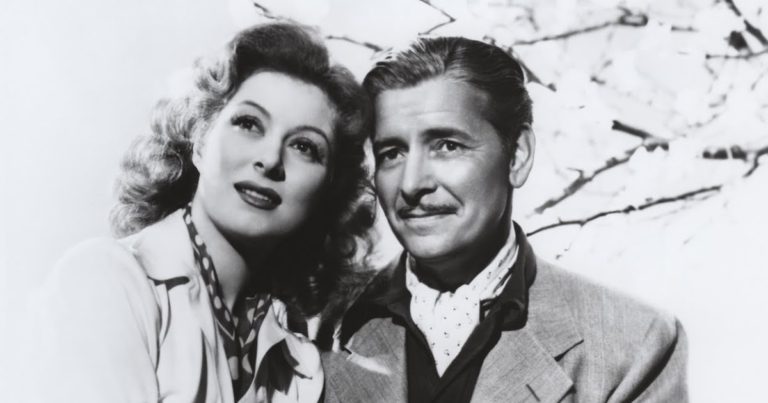
Greer Garson became a star as a result of one of these talent searches and she turned into MGM’s top actress of the early 1940s. The Britishness of these stars was heavily promoted and they were sold as ‘English Roses’ who were more pure and innocent than brassy American girls like Lana Turner. On the other hand, there were already plenty of well-established actors who had enshrined themselves within the studio system and nobody was more suave and debonair than Ronald Colman. He had risen from being an action star in the early 1930s to appearing in prestige pictures like A Tale of Two Cities (1935) which boosted his profile. He was a sex symbol in the eyes of women who liked their men to have extraordinary diction and the sort of thin pencil mustache that would leave anybody lovestruck. The combination of Garson and Colman, two of the biggest British stars in Hollywood, made sense and they were shrewdly placed together in a weighty tearjerker.

Incest is a topic that is rarely broached in mainstream cinema but 1942’s Random Harvest had the courage to present its audience with a step-niece who is utterly besotted with her step-uncle. It tries to play this off as something that is perfectly charming and even normal but when these two characters approach getting married you are reminded of the fact that you are watching two relatives falling in love. It was this touch of madness that tantalized me and made me think that Random Harvest could be the sort of insane soap opera that would leave me floored. It reminded me of the wonderful Kings Row (1942) in which the future President, Ronald Reagan, plays a young playboy who has his legs chopped off by the father of one of his former girlfriends which leads one of his friends to consider murdering his fiancée. Sadly, Random Harvest is often happy to settle for being a regular romantic drama about amnesia and a woman chasing around the father of her child for decades. It never reaches the melodramatic heights that it seemingly aims for and the muted tone that it adopts ultimately lets it down.

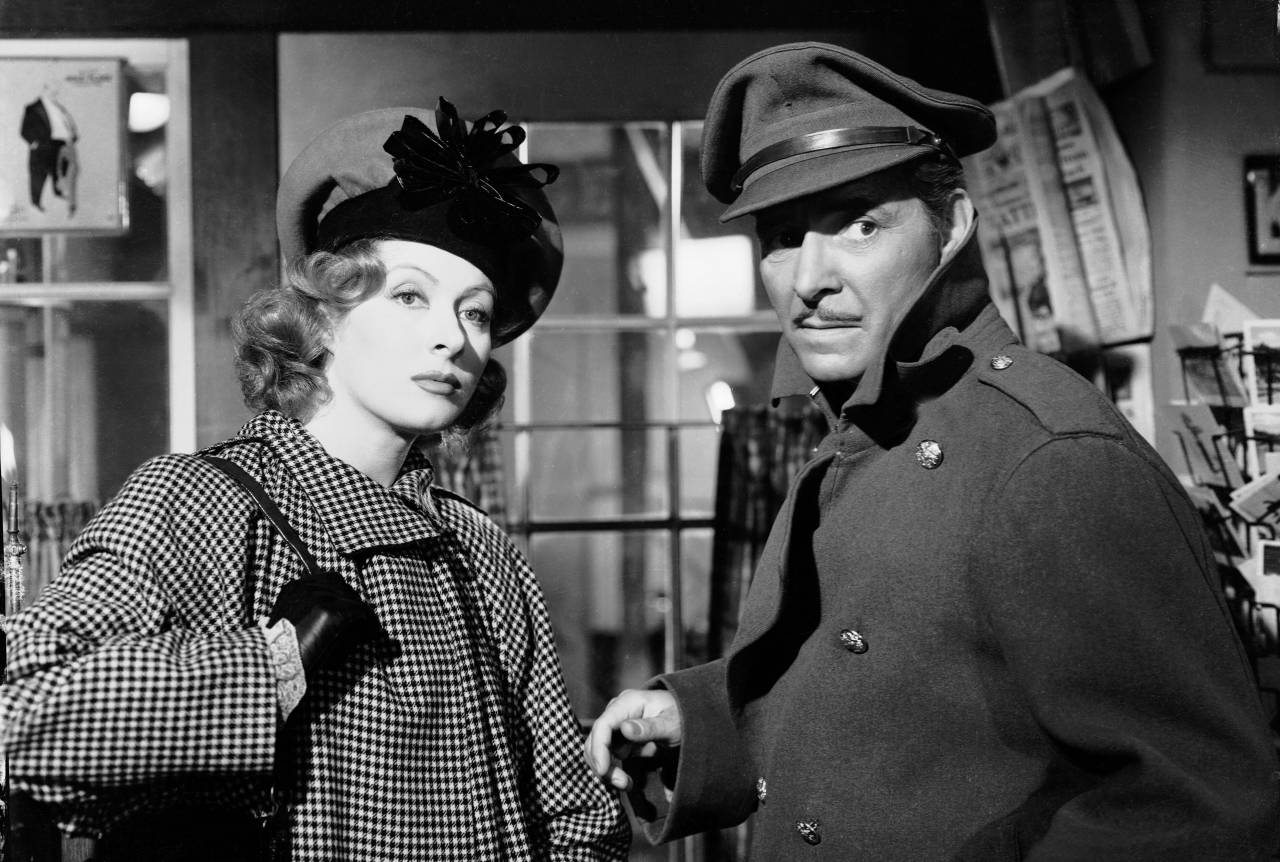
The film concerns John Smith, Ronald Colman, who faces amnesia after being gassed while fighting in World War II and upon his return to Britain he is immediately placed in a mental asylum. He escapes from his overseers one day and falls in love with singer Paula Ridgeway, Greer Garson, who eventually marries him and fosters his talent for writing but when he is hit by a car he regains his memory and becomes a different person. As Charles Rainier, he is the heir to a fortune but he has forgotten about Ridgeway and abandons her to track down his family members and friends. After a brief flirtation with family member Kitty, Susan Peters, leads him to realize that he needs female companionship and he begins a formal arrangement with Margaret Hanson, Greer Garson, who is really Paula but is posing as another woman to get his attention. She suffers silently as he does not reach out to her emotionally and does not remember Paula.

When you read that plot description you imagine this as the 1940s equivalent of a 1980s daytime soap as it is full of convenient plot devices and characters who make seemingly irrational decisions. It doesn’t have the courage to be Dynasty because it clearly wanted to be taken seriously by snooty critics of the day and in its effort to impress Bosley Crowther it ends up sanding off rough edges. Every plot point, no matter how ridiculous it is, gets approached as though it is worthy of serious consideration and all of the actors think that they are reciting Shakespeare instead of hamming it up and bringing the trashy lines they deliver to life. It might just be because this was made during World War II and most protagonists had to be noble, stoic, and morally unimpeachable in this era. Because of this, Smith becomes a war hero who doesn’t want to hurt anybody instead of being a sociopath who alienates everybody around him while repressing his dangerous sexual desires. Ridgeway is a typical Garson heroine as she is a ‘Great Lady’ who lovingly cares for her husband, puts his needs first at every turn, and responds to events that would be traumatic with a quirk of the eyebrow and a pursing of her lips. We also get tony black and white cinematography and tasteful shots of birds chirping outside of bedroom windows instead of being hit with glorious Technicolor and lurid imagery. This is why so many people view cinema from this era as safe and unexciting.

Random Harvest 1942 - YouTube

Random Harvest could easily be viewed as a woman’s picture as it is about a kind woman with a set of principles that were in line with the religious right in America and Britain in the early 1940s and the way that she structures her life around the man she loves. The genre was strange in that it produced films primarily targeted towards female audiences and men frequently dismissed the genre as low art and yet most of the entries in the genre were obsessed with men. People do spend significant portions of their lives looking for romantic partners and for straight women, it is easy to fixate on men but most modern women have ambitions outside of getting married and raising a family. Back in the 1940s, everything was different and the vast majority of women were told that they would have to base their lives around their husbands. Films followed this message because they didn’t want to upset the status quo but some subtly subversive productions were pushing back against the limitations placed upon women and the way they were depicted. Leading ladies like Margaret Sullavan were playing tough-talking career women who put their priorities first and considered the idea of getting married later. Unsurprisingly Sullavan was more popular with female audiences than male audiences so other, more conventional actresses had to take her place as the milquetoast, bland star that everybody could accept.

Garson was the sort of star I was talking about as she was molded to appeal to World War II audiences and enjoyed massive success for about six years before promptly becoming less popular in the years following World War II. She almost always played mothers and wives who supported their family members while they participated in a war or dealt with familial issues. She exemplified the British self-image promoted by Winston Churchill as she had a stiff upper lip and didn’t even flinch when a Nazi dropped into the back of her yard in Mrs. Miniver (1942). This is how some people wanted to imagine the ideal woman during this era as she was desexualized, non-threatening, and blissfully happy in a domestic setting rather than asking for anything more out of life. It is not shocking that she is relatively forgotten today as women want to see complex women who respond to obstacles in a relatable manner rather than seeing women who were seemingly untouched by the troubles that faced ordinary people. Her role in Random Harvest fits every Garson cliché and this annoyed me as she does her usual act and doesn’t convey the emotional devastation that her character feels when she is abandoned by the man she loves. Ridgeway always feels like the wet dream of a screenwriter who wants a wife who is seen but not heard and I found myself unable to accept this fake version of womanhood.

We are just meant to accept the fact that she immediately falls in love with Smith because he is an unmarried man and he doesn’t treat her cruelly. When they first get together he has no discernible personality because he has just been let out of a mental hospital and he can’t understand the world around him. There is plenty of her tending to him while he is in bed and Garson furrows her brow to signal the fact that she is invested in helping him to regain his health but this is a scene that appears in most romances of this sort. When we quickly transition into the two of them experiencing marital bliss it does feel like we are watching a life insurance commercial. They skip around their house, whistle, and grin smugly at one another without ever appearing to be real human beings. Where were the scenes in which they had the sort of arguments that every real couple has? I so wished that Garson would have dropped that insincere smile for a few seconds so we could hear her snapping at Colman for dropping a bag of flour on the floor. If something like that had happened then I would have been shaken out of my slumber.

The writing of Ridgeway is what prevents the central romance from functioning effectively as she is a doormat and watching the male protagonist fall in love with an object is not that engaging. The romance also fails to soar because it is weighed down by so many improbable plot contrivances and you end up rolling your eyes as the script works hard to keep the two main characters apart. A common criticism of the romance genre is that the plots of the films end up feeling contrived as you have to wait around for two people who clearly love one another to get together and you start to get annoyed at the fact that the film won’t let them unite in a natural manner. Good romances do find ways to keep the two lovers from getting together too early on in the proceedings but you enjoy watching the two of them circle around each other and almost don’t want them to be together because you love their banter so much. You don’t feel that way during Random Harvest as Smith’s amnesia does just feel like a plot device and you can imagine the gears moving in the head of the screenwriter.

Turner Classic Movies — RANDOM HARVEST Keeps on Giving by Kim Luperi

I have already explained why I don’t think Random Harvest is a good romance so I might as well explain why I was outraged that it made the list. I was honestly surprised that it entered into the list because I thought it had been relatively forgotten but maybe some of the older voters were familiar with it and they pushed all the way to the 36th place on the list. I suppose I’m dropping spoilers right now but I think it is a crime that something as dull as this ranked above some of the classics that made the list and I am honestly mad at the voters for making this choice. They shouldn’t have supported this sort of traditional woman’s picture when they could have picked something more radical and opened a young cinephile up to something that would suit their modern sensibilities.

A stated in the first paragraph there was one aspect of this mess that I did admire and that was the bizarre, unintentionally subplot about an incestuous romance. Smith is afraid of his niece because she is so forward and throws herself at him in such a brazen manner. Peters clearly threw herself into this role with reckless abandon and it paid off as we are disturbed by the way that she grips Colman by the shoulders and pins him with a come hither smile that is tinged by a certain existential fear. She suggests that her character would follow him to the ends of the earth and we see her behavior as toxic and worthy of disdain. She knows that the script is cheesy but she embraces that wholeheartedly and she and Colman actually have a fascinating chemistry. I wouldn’t call it romantic but he seems so awkward in her presence that their scenes work as you almost feel like Peters was going off script and Colman was confused by her ad-libbing. He is suitably afraid of her and we relate to his response as we also think that she might go full Alex Forrest and terrorize his family.

Nobody else is on Peters’s level and that is probably why Random Harvest succeeded as a piece of awards bait despite negative reviews. It earned a Best Picture nomination and Colman was even able to net a Best Actor nomination in a lineup full of acting heavyweights like James Cagney and Gary Cooper who were always in contention for major awards. It didn’t end up succeeding because Garson’s other 1942 vehicle, the war propaganda film Mrs. Miniver, had become a cultural sensation and because it related to the war effort so strongly there was no way that it wouldn’t win most of the major hardware. I haven’t really talked about the Academy Awards yet even though most of the entries on this list received quite a few nominations but I feel like Random Harvest was engineered to win awards. Even Casablanca (1942), another wartime romance, didn’t feel like it had been constructed with purely cynical motives. Everything about Random Harvest, from the score to the art direction, feels like it was put in place to make voters feel like they couldn’t not include it on their ballots.


Random Harvest was a bit of a disappointment but I am still optimistic about this series and I look forward to diving into another entry on the AFI 100 Years…100 Passions list. I want to be ambitious and after taking on seminal romances like Casablanca (1942) and Love Story (1970), I think I am ready to face Sunrise: A Song of Two Humans (1927) which frequently tops lists of the greatest films of all time. F.W. Murnau was a visionary and he helped to introduce a lot of the conventions of German Expressionism to mainstream American cinema. The legendary Janet Gaynor was made immortal through her role as the devoted and loving wife. I remember being disturbed by the gender dynamics presented in the story but I suspect that there was something deeper going on behind the traditional tale of enduring love that we are presented with.

Chasing the Gold: How Did That Get Nominated for Best Picture? (2016)

Let’s be honest. The Academy Awards of 2016 were rather dull. Spotlight took home the top prize. It is a very respectable film that dealt with a capital I “Important” issue, which Academy voters apparently love. However, despite making me research the crimes committed and overlooked in the Catholic Church, it’s not that powerful a film. It is a solid film, one that should be seen, but it is not a classic. The films of 2015 were a pretty simple lot. Good films, with emotional and powerful performances, but nothing that stands out. Out of this group, I can definitely say, with confidence, that the film that absolutely did NOT deserve a Best Picture nomination, was Mad Max: Fury Road.

I fully admit that this is not a movie I expected to enjoy.  That being said, everyone, I know and respect in the film world said 
“No, Amy, this movie isn’t just a car chase!  It’s about feminism! And post-apocalyptic society! And the visuals and editing are brilliantly done!”  Well, my friends were right about one thing. The visuals, effects, and editing are brilliantly done.  This is a very beautiful, slickly made film. I don’t expect every film to be realistic. I understand we all have to suspend our disbelief when it comes to movies. As a huge fan of Baz Lurhmann, I get that. I understand that certain movies require you to check your brain at the door, and just sit back and enjoy the experience. 

This being said, there are times when I can’t check my brain at the door. There are times when my brain asks a million questions, and it gets in the way of me being able to relax and enjoy a film. First of all, with all the hype of it being a “feminist” film, I actively looked for signs of feminism.  At the start of the film, the “breeders” have all run away.  On the wall, they have written “we are not things!” and other things that are supposed to be about female rights. However, when we meet these women, they are made to look like pin-up girls in a men’s magazine. They are pretty much naked, wet, and wearing sheer white pieces of clothing around parts of their body. So, the audience is supposed to feel “women are not sex objects!” while the women in the film (except Furiosa, played by Charlize Theron) literally dressed like sex objects. They also completely depend on men for survival.  Yes, I understand that Furiosa is also supposed to be some sort of feminist icon, but is she really? Yes, she saves the women, but with the help of a man, the titular, Max.

Speaking of Max, this brings me to another point that made absolutely no sense. Max is a universal blood donor, and therefore vital to the survival of many of the characters in the film. They call him a “blood bank”, capture, and brand him.  Again, they totally depend on him for their survival, especially Nux, played by Nicholas Hoult. The film establishes just how important blood is to these people, so it makes zero sense that the War Boys treat Max the way that they do.  If Nux desperately needs this blood to survive, wouldn’t it make sense to take care of Max?  To protect him, and by protecting Max, protect himself? Why would you tie the one person you need to survive to the front of your car while you speed through a wasteland surrounded by violence? I mean, I get that Nux and the War Boys aren’t all there mentally, but if Nux didn’t completely depend on Max to survive, why bring Max along at all? And, if Max isn’t REALLY necessary for Nux’s survival, or if Nux has accepted he is going to die anyway, does the character of Max really even need to be in the movie?  Why not just have Furiosa be the hero of the film? I understand it’s part of a series, but it’s a bit ridiculous.  When you can still have an entire film without the main character, that does not say a great deal about a film.

The film is a feature-length car chase. Does it look cool?  Yes, it does. I mean, who didn’t love the visuals of the guy on the gigantic gas-guzzling vehicle playing a guitar that shoots fire? It’s right out of a video game! However, it makes absolutely zero sense in the world that has been established.  This particular tribe has access to water and food.  Why do they need gas? If they have everything they need to survive, why would they leave? Also, why would they seem to ONLY drive massive vehicles that require huge amounts of gas?  Wouldn’t they try to conserve the gas by NOT sending out every single tank and truck they have? Even if it’s to capture the “breeders?” Wouldn’t you think, that far into the future, that this tribe would learn to survive without gasoline? People in 2020 figure out ways to stretch out the use of gasoline. If they have access to food and water, there is really no reason to ever leave home. I understand that not every movie is required to be a great think-piece on society. I agree that some movies are just meant to be entertaining and fun.  While this movie did not entertain me at all, I can see why other people (especially men, if I’m being honest) think this is one of the greatest films of all time. It looks amazing, it’s non-stop action, great video-game like violence, and eye candy in the form of the “breeders.” However, the plot is completely ridiculous and I expect more from a Best Picture nominee than just something that looks “cool.” A good story, interesting characters, plot development, as well as technical skill are all elements I expect in a Best Picture nominee.

The Hateful Eight' Review: Quentin Tarantino Rewrites the Old West - Variety

It was easy for me to pick the film that should have replaced Mad Max: Fury Road on the list of Best Picture nominees. When I revisited the list of nominees from 2016, I was shocked Quentin Tarantino’s The Hateful Eight wasn’t on the list. Tarantino fans will, until the end of time, debate which of his films is his best. From my experience, very few people put The Hateful Eight in that position. Honestly, I don’t know why. It contains all of the elements we have all come to know and love in a Tarantino movie.  Great dialogue, memorable characters, a killer soundtrack, intricate plot, revealed in a non-linear way, and a huge bloodbath at some point in the film. 

The Hateful Eight, like all Tarantino films, has top-notch acting. Kurt Russell is both brutal and sentimental.  I love watching his reaction to the letter he believes is written by Abraham Lincoln.  We see him cry, then punch Jennifer Jason-Leigh in the face for tarnishing it. What makes this film stand out from all his other films is the use of one location. After the first scene in the carriage, the rest of the film takes place at a lodge, where the characters we meet in the opening are now introduced to a whole different group of people, who have already been through some major conflict. Tarantino builds the tension of these characters through brilliant reveals from different camera angles. It’s dramatic irony at its best. No character is wasted, each character has a carefully built relationship with every other character. This movie proves that films can be wildly entertaining AND a well-told story. Not only is the movie slickly made, violent, and fun, it also has depth, a great plot, interesting characters, and is actually worthy of being a Best Picture nominee.

Podcast: Ryan and Jay Reviews ‘Mank’ – Patreon Bonus Content

Listen!

Ryan and Jay missed out on Episode 407, and given their recent David Fincher Movie Series on Extra Film, it only made sense that they came together to review his latest in Mank. It was a great conversation with a few hot takes or two. Enjoy!

If you’re already a Patreon supporter, you can listen to this episode NOW on Patreon by clicking here.

Sign up today to get early access and hear the entire episode!

[divider]

HELP SUPPORT THE SHOW

To hear our bonus content episodes early, subscribe now on Patreon. In many cases, though, we offer our bonus content for free after a certain period of time and we do encourage (and very much appreciate) a small donation of $0.99 as a way to help support the show if signing up on Patreon isn’t for you. Click on the PayPal button below to donate and thanks so much for your support. You can also hear much of our Bonus Content via our mobile apps. See the information at the bottom of the post for more details.


One-Time Donation


[divider]

Mobile Apps!

Listen to all of our bonus content on our apps for just a one-time fee! Whether you have an iPhone, Android or Windows phone, our apps are available in many different ways that is convenient for you. With our mobile app, not only can you listen to all of our bonus content, but our main shows and our Extra Film podcasts as well. Click here for more info!

If you don’t want to purchase our bonus content, but still want to support us, there are other you can help us out. Click here for more info.

SXSW True Crime Documentary, ‘Finding Yingying’, Opening in Virtual Cinemas

On June 9, 2017, Zhang Yingying, a visiting Chinese scholar at the University of Illinois at Urbana-Champaign, went missing near campus and was never found since then. Finding Yingying – director Jiayan “Jenny” Shi’s debut documentary feature and a major award winner at this year’s SXSW – records the two-year-long trials and tribulations Yingying’s family and loved ones go through, as they struggle to find a definitive answer for what happened to her.

Every year, more than 300,000 Chinese international students and scholars come to study and research in the U.S.. Unfortunately, Yingying was the one among them who ended up bearing a fatal consequence of seeking higher education in this country. Starting this week, CineCina – a New-York-based Chinese film organization composed of aspiring Chinese students and scholars like Yingying – is screening this intimately moving film tribute to her celebrated life on its virtual cinema.

 Since Yingying’s case became a high-profile story in both Chinese and U.S. media, it has received widespread attention from the two countries’ general public, and the Chinese students who volunteer around UIUC to advocate the search and justice for her. Director Shi is the one among them to start documenting the traumatic experiences of Yingying’s family, boyfriend and colleagues – as they witness the federal investigations into an American man who turns out to have already kidnapped, raped and murdered her; Shi’s firsthand footages also candidly display their heartbreaking cries of despair – as they await his conviction and sentencing throughout the U.S.’s prolonged legal and judicial proceedings which feel too foreign and unbearable to their grieving hearts.

Shi adeptly pieces together these raw, emotional materials with a variety of footages from interviews, security cameras, and local and national news to structure this well-rounded, multi-faceted true crime documentary – which effectively familiarizes the audiences with Yingying’s case. However, the core of Shi’s directorial agency resides in her subversion of this documentary genre – by foregrounding Yingying’s lived life, and imagining an alternate reality of her unlived future.

Shi’s genre subversion – by weighing Yingying’s life story more than the criminal case itself – derives from her empathy and respect for Yingying whom she personally relates to, as they share very similar identity and education backgrounds. As a young Chinese woman studying in the U.S., Shi personally understands Yingying’s omnipresent sense of loneliness and insecurity as an alien in this country, which might have contributed to her naïve unsuspicion of her murderer.

Integrating the participatory and observational modes of the documentary genre, Shi applies her own voiceover narrations of Yingying’s diary entries to anchor the film, while superimposing the visuals of Yingying’s diary writings that fade in and out of the frame – precisely along with the film’s changing rhythms of editing. These affective audiovisuals elevate Shi’s filmmaking by illustrating a lively picture of Yingying as a real person in the flesh, rather than an anonymous victim of a sensationalized killer. “Life is too short to be ordinary.” Shi highlights this sentence Yingying wrote down in one of her diary entries – in remembering this extraordinary individual as an ambitious scientist; a talented singer; a sweet girlfriend; a devoted daughter.

As China-US relations are growing tumultuous, Finding Yingying is also an authentic lens into the diaspora community of international Chinese students and scholars, who are now caught between the two countries’ Covid-19 and diplomatic crises. Many of them, like Yingying, come from humble backgrounds in pursuit of meaningful education and careers that they believe the U.S. could offer. In this regard, the film is a cautionary tale for both countries to allocate more resources for ensuring this community’s welfare and safety in prevention of similar tragedies from happening again. 

For the film’s virtual cinema and Q&A info, please visit: https://watch.eventive.org/findingyingying/play/5fc8951fe0053700d165760f

Interview With Director / Producer Will Thorne, Part One: ‘One Man & His Shoes’

With the London Film Festival now over, there has been ample time to digest its slate of movies and consider which were the best and which might fade quickly into the ether. Although documentaries such as The Painter & the Thief and Bloody Nose, Empty Pockets might be considered the cream of the crop this year, it would be wise to pay attention to Yemi Bamiro’s One Man & His Shoes. The debut from Bamiro covers the incredible topic of the rise of the Air Jordan sneakers and the impact they had on culture and society. It’s a truly captivating story which inexplicably hasn’t had much attention until now.

While Bamiro was the director, he couldn’t have made One Man & His Shoes without Will Thorne. Thorne made his name in the British TV industry before founding Break Em Films in 2013; the intent was to create new content Thorne himself could be in control of. Projects are done his way. This lead to his involvement with Bamiro – a longtime friend – and One Man & His Shoes, which Thorne produced. He would later go on to make his directorial debut with Silent Night, a gangster movie starring Bradley Taylor, Frank Harper, and Joel Fry.

When I speak with Thorne over the phone from his home in Berlin, he is remarkably frank and affable, laidback and a pleasure to speak with. “I like to talk”, he laughs, and he proves it over the course of our conversation, which flows easily, covering his experiences of One Man & His Shoes as well as his friendship with Yemi Bamiro and his thoughts on the British film industry.

Daryl MacDonald For InSession Film: So how did you get involved with One Man & His Shoes?

Will Thorne: I knew Yemi from working in TV together. We were both producing and directing a music show for the BBC around 2010, and we got matey. We would chat films all the time, you know. We both just wanted to make films. Then I set up my company in 2013, which was around the same time Yemi made the short film for One Man & His Shoes. We would chat about it and so I said “I’d love to produce this for you”. I didn’t then know it was going to laugh six years to make! (laughs).

Wow, it took six years to make?

Will Thorne: Yeah! Well, I came on board in 2014 after he made the short in 2013. Cut forward to 2020 and it finally comes out!

Is it normal for projects to take that long to get made?

Will Thorne: Well, I think it was a few things. You know, Yemi being a first time director, me being a first time producer – you don’t have a trusty pair of hands there and I hadn’t directed my first feature yet -, and I think a lot of people loved the idea, but they looked at it and thought it was a bit too big, a bit too risky to get involved in making it with us. Also it was an expensive film. It was always going to be an expensive film because we knew it was going to be stuffed with archives, and originally we had this soundtrack that would’ve cost millions (laughs), so we worked with a composer to bring those costs down, but it was always going to be an expensive film and we were unknowns then, and so that didn’t help.

It’s a story that you hear over and over again in documentary filmmaking. In the UK it’s pretty bleak as far as funding and support goes, you know. Getting money to make a feature documentary is nigh on impossible basically. So you just have to make it, which is what we did. We would go off and shoot some interviews, come back and edit some material. We just kept building and building, just not giving up. Each year we just chipped away at it more and more. When we got to the final stretch we could show people a 60 minute film and say “we need some help to get the last 10 minutes” and that’s when people turned around and said “oh okay, we’ll help you now!” (laughs).

Why do you think it’s so difficult to get documentaries made in the UK?

Will Thorne: It’s a mixture of things. From a producer’s point of view, if you’re trying to make a narrative feature film you know what it’s going to be like from the start. I can say “I’ve got Brad Pitt and it’s a romantic comedy” and you know we can get the money, shoot it over two months, and at the end of it – whether it’s good or bad – we will have a romantic comedy with Brad Pitt. People can go and sell that product.

With a documentary, you don’t really know what you’re going to get. You have less control. You don’t have a solid script, necessarily. You can go do a bunch of interviews with people who might be a star name, and that could help you sell the film, but if they don’t give you a good interview or they don’t give you the right stuff then you’re back to square one. This is just what I think, but they’re so much more risky. If you want to come in at an earlier stage (of production) it’s harder to know what the final product will be.

Even if you get to the end, there’s less money to be made. It’s a hard business model, you know? So it’s hard to raise money for that because no one wants to lose their money on some documentary that can’t get sold. You wouldn’t believe how many times we got told this project was niche. And you’re thinking “niche? But it’s about Air Jordans! One of the biggest sporting brands in the world!”

So yeah, you hear all sorts of reasons why people don’t want to get involved and why you can’t get money.

So most projects need to be self-funded in that case? At least until you have enough footage to show people?

Will Thorne: Or private investors. We got told that. Yemi had a conversation with the people at Channel 4 and they were like “don’t you know any rich people?” It says a lot about the industry and about what sort of class and background you have to come from, because (you’re) expected to go and make it yourself using your own money or get a rich mate to fund it.

It falls to filmmakers to fund and make their own films and therefore it’s very hard for us to just turn up and make it for ourselves. So that’s why it took so long! (laughs).

There has been a lot of conversation over the last few years about class issues within the film industry. It feels like there’s a barrier for the working class to stop them getting into these fields.

Will Thorne: Yeah there used to be a lot more working class actors, but the industry is in London and if you have to sit on your arse and not get paid for 9 months of the year, then how are you paying your rent? It makes sense, right? Even if you look at the BFI (the British Film Institute, a charitable organization which funds film projects), it’s sort of an elitist system. They fund and support emerging filmmakers but route one to do that is (they look at) who’s coming out of NFTS (National Film & Television School, one of the top media schools in the UK), where you need to spend £30,000 just to attend that school.

Maybe I’m making generalizations. I don’t know all of those people who go through that system or that school and perhaps there’s grants, but it comes down to (the fact that) a lot of the time you’re out of work or to get into some of the higher institutions you need money to get you through and support you.

When me and Yemi met, we were jobbing. That’s how we made this film. We would work and then three or four months later we would’ve earned some money to take a month off and fly Yemi across to the US and stay in a shit motel, knock off a couple of interviews and then come back. Then we have to put the project down again because we have to go off and make money again. It’s not easy.

You’re very forthright about it. Usually, when I speak to people, they’re reluctant to discuss it. It feels like a very political thing, no one wants to touch it.

Will Thorne: It is. I go back to, say, the actor example. You have a lot of working class actors, people that are talented, getting squeezed out. You end up with just a hundred guys like Benedict Cumberbatch going “o, cor blimey guv!” or whatever (laughs).

I will caveat that I fully understand why the BFI would instantly go to the NFTS and cherry-pick these people to work with. It’s just the system, it’s a numbers game. But it’s a bit of rigged game because if you’re more financially secure you’re able to play the game and be on the field and if you’re not financially secure then you’re gonna have to take the long route.

Film Review: One Man and His Shoes

In a way, that ties in with One Man & His Shoes. It talks of the cultural impact that these shoes had and how clever the marketing was. And then it pivots to discuss the darker aspects of Air Jordans. It was a class issue. I mean, people were dying for these shoes. How did Yemi manage to condense all of that?

Will Thorne: That’s a good question. As a producer the fact it took so long to get made was frustrating, but one of the natural positives from that was that Yemi and Michael (Marden, the film editor) had more time in the edit to play with this stuff. It was a bit of a tightrope walk to get everything in, tonally.

When it came to the end and we managed to find the money to get us over the line, that was when they really did the edit. By then it was very evident what was strong. With documentaries you have to listen to the material you have; you go off, you film some stuff, you come back and go “right, where’s the gold?”

Coming back to it after 6 months and taking a look at the project again, there was some stuff that was always just hitting. That probably helped us get so many stories – thirty years worth – across, and be able to put it in the right places, to make sure we’re saying enough about something before moving on and not getting too bogged down in it.

From my point of view, Yemi and Michael did an absolutely great job of bringing it together. They really pulled it off!

There was some controversy at the time over the deaths and Jordan’s lack of involvement. Did you guys find you had pushback from people when you tried to discuss this stuff?

Will Thorne: Well, we made the decision fairly early on that we’re not here to answer these questions because it’s not black and white. It’s a very complex thing. We would’ve sent ourselves under if we had tried to find an answer for these things. It was more about laying out the story and the facts.

Yemi always wanted to tell the story of this brand. Whether that meant warts-and-all, he just wanted to lay it all out. That was a good roadmap because nothing in the film is really a revelation. It’s all in the public domain. All of this stuff is out there. And yeah, MJ was criticised at the time and has been again over the years, but these sneakers still get released once or twice a year and you get the same furore. All of this stuff just keeps happening over and over again.

It’s a tricky subject because it’s not necessarily MJ’s fault. If you look below the surface, our film is about Capitalism, it’s about marketing. It’s about the way the world works. People will rob other stuff, other things.

We wanted to ask questions, let people discuss them, and see both sides of it. The brand has so many tentacles into cultural and social issues. There’s so much around it, so let’s go in and talk about it and not necessarily make our conclusions but allow the audience make their conclusions about whether more should be done.

Did Michael Jordan ever watch it? Did you ever hear anything from him?

Will Thorne: We did go to Jordan himself but we never got a response. Yemi said MJ’s son was Tweeting about it or something. I would be very surprised if someone somewhere hasn’t watched the film.

We came to this as fans of Air Jordans. That was our entry point: there’s this thing that has this magical aura to it, and isn’t it crazy that no one’s ever made a film about that? Isn’t it crazy that thirty years later it still has that aura, to the point where people do crazy stuff over it and it’s a billion-dollar industry?

So, yeah, I hope that they watch it and go “you know, actually it’s a pretty good movie!” (laughs). I mean, look, obviously we don’t shy away from any side of this story, but there’s a lot of celebration in there. These aren’t just brand names, these are people. Jordan was the first African-American to have done what he did, and that’s amazing.

The Last Dance came out on Netflix early this year. Did that have any kind of impact on One Man & His Shoes?

Will Thorne: Well, we were due to have a Saturday night world premiere at South By Southwest. Red carpet, the lot (laughs), we all had plane tickets, we were all going to Austin. It was like “okay guys, we did it!” Then the week we were about to fly out, Covid hit and like everyone else, we had the rug pulled. South by Southwest was cancelled. At that point we didn’t have anyone attached, we didn’t have anything.  We were just a bunch of indie filmmakers who had made a film and managed to get it into a festival. That was our shop window.

And as I understand it The Last Dance was scheduled around now, later in the year, and then all these sports fans who had had their sports cancelled got on to ESPN and told them they needed to release it now. So they actually moved The Last Dance forward by about six months or something, and as we sat there with our last decade of work in complete tatters (laughs) all of a sudden The Last Dance was on Netflix! That was when Vice in the US caught wind of our film and were like “we want this to release after the last episode of The Last Dance“.

It was kind of funny because the film wasn’t completely polished, and then all of a sudden we had someone come in and say “we want this out immediately” so we had a crazy month where we polished everything up and then it went out on Vice. So The Last Dance a thousand percent helped us sell the film in the US off the back of that.

In way Covid completely hobbled us and then completely helped elevate us! (laughs)

Do you think the story of Air Jordans is something that translates to the UK? It feels like a very American thing, I wasn’t aware of it at all until I saw the movie. Is there an audience for it on this side of the pond?

Will Thorne: Well, how old are you?

I’m 31.

Will Thorne: 31, okay. I just turned 40 and me, Yemi, and Michael were in the prime age for British people to have caught it. Brits are (soccer) fans, we don’t get basketball over here, but there was this moment where Michael Jordan was Pele, he was Maradona, you know what I mean? He was Usain Bolt. It’s like Messi now, you know, like “wow, this person is superhuman”.

We were at the right for that whole David Stern thing to happen, where he did for the NBA what Sky did for the Premiership and brand Jordan just went viral. There were these cultural things happening that got us at the right age, where we just knew “okay, that’s the coolest thing in America right now” and like any Brit if that’s the coolest thing in America right now, then that’s the coolest thing.

I think maybe that’s why we had trouble when we were pitching it in the UK. Like I said at the start, I didn’t understand why people weren’t jumping on this. It was so obvious. It was like saying “has anyone ever made a documentary about Ferrari? No? Well let’s do it then!” You know? It just seemed like a nailed on idea. If you could find more people like us, who knew its importance, then you knew you had an audience.

So there’s an audience in Britain for it. Are there cultural similarities between the UK and US which would’ve helped it along?

Will Thorne: 100% yeah. Funnily enough, a few years ago I was working a gig and I had a runner. He was about twenty or something and I was telling him about the project. He obviously knew about the sneakers but he had never made the connection between MJ and the Air Jordan brand because he just wasn’t from that time.

So that brand exists here – I mean, you walk into any Footlocker in the UK and you’ll see a massive Jordan section -, and we all know the brand. Whether you’re in the US, Europe, the UK, it’s exactly the same thing, it’s a status symbol. You’re walking around with the most expensive shoes on your feet, and that translates to every culture. And like that runner, they know enough about Air Jordans to want to watch the movie and it’s gonna blow their mind because they’re gonna be like “wow, this guy can fly through the air!”

We knew it had an audience in the UK because you’ve got people like (UK rapper) Tiny Tempah walking around in Air Jordans, you’ve got popstars wearing them.  It’s in the cultural conversation, even if it’s not from our country.

The whole Air Jordans craze passed me by obviously, but I read One Man & His Shoes as a warning against the dangers of excess in Capitalism. It translates to lots of things beyond shoes.

Will Thorne: Yeah, exactly. It’s a way into looking at how we all live, and how the world works. I mean, my 75-year-old mother watched it – more out of duty than anything! – and stayed till the end because she thought it was fascinating. You don’t have to be into basketball or wear Air Jordans to appreciate it.


One Man and His Shoes': Why You Should Make Room for Another Michael Jordan Documentary

Movie Review: “Wild Mountain Thyme” is an Eccentric Trip to the Past


Director: John Patrick Shanley
Writer: John Patrick Shanley
Stars: Emily Blunt, Jamie Dornan, Jon Hamm, Dearbhla Molloy, and Christopher Walken.

Synopsis: Rosemary Muldoon has her heart set on winning her neighbor Anthony Reilly’s love. Stung by his father’s plans to sell the family farm to his American nephew, Anthony is jolted into pursuing his dreams.

[/info]

It has been eight long years since we had our last John Patrick Shanley film, and 30 since he directed a romantic movie. The American filmmaker has given us exemplary romantic films with both Moonstruck (which he wrote) and Joe Versus the Volcano (which he wrote and directed), so whatever he has in store is a reason for anticipation. This year he is back with Wild Mountain Thyme, an adaptation of his play Outside Mullingar that takes us all the way to rural Ireland.  

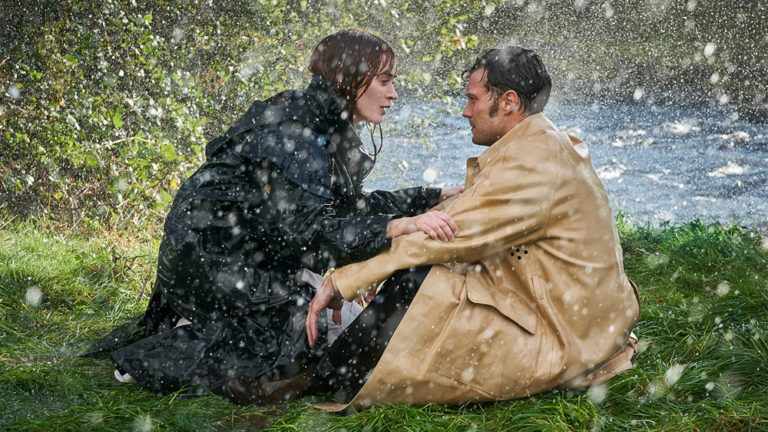
The movie focuses on Rosemary (Emily Blunt) and Anthony (Jamie Dornan), young and attractive people that have been farm neighbors their whole life. While Rosemary is head over heels for him, he seems to be lost in his mind with weird preoccupations. When Anthony’s father, Tony (Christopher Walken), threatens to sell their farm to his American nephew Adam (Jon Hamm), Anthony is pressured to decide what he wants to do with his life, with emphasis on whether he wants to be with Rosemary or not, because apparently everything in this community revolves around marriage and heritage.

The story, reflecting the previous romantic efforts in Shanley’s filmography, is filled with quirky and rhythmic dialogue, constant clever confrontations between Rosemary and Anthony, and scenarios that offer humor, traditional music, and ravishing views of the Irish landscape.

In his previous scripts, Shanley has offered many instances of longing and complicated mess between his romantic couples, and here this over-complication continues. In fact, it would be easy to say that the movie takes us back to the 90s when this kind of narrations were in high demand. Wild Mountain Thyme feels like a trip to the past, rescuing what made the comedies from that era so cherished and reprehensible under our modern eyes.

While some conflicts exist regarding Anthony’s farm and the appearance of his cousin, the film focuses on the love story between Rosemary and Anthony, or rather, in the infatuation that clearly exists from her to him. Anthony, as brought to life by Jamie Dornan, is a clueless man that does not find himself in this world and has a love-hate relationship with his farm and his Irish reality.

Nevertheless, at his essence, he is adorable and noble (himbo alert), qualities that are shared with every Irish character in the movie. Everyone is quirky, eccentric, and even sometimes flirt with simple-mindedness, something that becomes evident once Adam appears in scene with his American pragmatism and his desire to show off.

In this respect, both leads are challenging to bring to life and to be appreciated by the audience. They are cute and entertaining with their problems, but they over-complicate their lives with poor communication skills. There is not a real obstacle that separates them.

The way the actors bring their characters to life is a barrier in and by itself. While I will not delve on the accents, which are thick and exaggerated, but fall out of my area of expertise, it seems as if Dornan is in a romantic comedy and Blunt in a dramatic epic. They are in different frequencies, in which Dornan’s interpretation works much better for the silly and endearing material at hand.

Dornan presents a lovable and existential character – he is tortured by a “weirdness” in his head, does not believe that he deserves to be loved –, and Blunt offers the latest example of a manic pixie dream girl. Her sole existence revolves around Anthony, she constantly tries to convince him about his own feelings, and she is always there waiting for him to open his eyes and find his happiness. Even the recent loss of both of her parents is quickly dismissed to readjust the attention to her unrequited love that may not be unrequited after all because Anthony is clueless, not indifferent.

The movie dangerously flirts with presenting a strong female character that is resolute on what she wants – in this case, Anthony – or just offering a unidimensional woman that is obsessed with this man. Unfortunately, the story leans on the latter rather than the former. Although Blunt is very committed to her character – suffering, offering tongue-twisting dialogue, or singing folk songs – she is exasperating.

The supporting cast, in contrast, is endearing. Christopher Walken as Tony provides the most insightful moments, offering regret and growth in a couple of scenes. His moments with Dornan are the best parts of the movie. Dearbhla Molloy in her brief role as Rosemary’s mother is funny and stubborn. While Jon Hamm is effective as Adam, his presence is a mystery, especially in the final act of the movie.

Wild Mountain Thyme is an eccentric film that seems to work better as a play. It revolves around love and endurance, characteristics brought to life by quirky characters that are too involved in their insignificant issues to appreciate the possibilities that exist outside their heads. The script feels old-fashioned, offering contrasting results throughout the duration of the movie: sometimes it is adorable, sometimes reprehensible. Nevertheless, it offers warm moments filled with nostalgic longing for romantic epics.

Grade: C+


Poll: What is your favorite performance by Frances McDormand?

Whether she’s teaching her rock n’ roll reporting son to be a person of substance, or she’s on the hunt for some wife-kidnapping goons in the Midwest, the ever powerful Frances McDormand (as she stated during her 2018 Oscar acceptance speech) always “has some things to say”. Her trajectory as an actress has been so varied ever since her very first appearance in Blood Simple, Joel and Ethan Coen’s debut, and has since become a two-time Oscar winner for Best Leading Actress. Will she get her third next year for Nomadland? In the words of Marge Gunderson, “Oh you betcha, yah.”

But until that time potentially comes, let celebrate her entire body of work. What is your favorite performance by Frances McDormand?


Podcast: Mank / One Night in Miami – Episode 407

This week’s episode is brought to you by the InSession Film Store. It’s the holiday season, take advantage of great offers and get your IF gear!

This week on the InSession Film Podcast, we discuss David Fincher’s latest film in Mank and Regina King’s directorial debut One Night in Miami! Plus, a few brief thoughts on the documentary Feels Good Man.

As we race toward the end of the year, things are starting to pick up more and more. Mank and One Time in Miami are expected to be awards players in one way or another, so we spent a good amount of time on both reviews. There wasn’t too much fluff on this week’s show, but we still had a great time and we hope you enjoy the conversation as much as we did.

On that note, check out this week’s show and let us know what you think in the comment section. Thanks for listening and for supporting the InSession Film Podcast!

– Movie Review: Mank (4:16)
Director: David Fincher
Writer: Jack Fincher
Stars: Gary Oldman, Amanda Seyfried, Lily Collins

– Notes / Feels Good Man (53:54)
This week for our discussion segment, as noted above, we discussed the new documentary Feels Good Man about the evolution of Pepe the Frog and how he was stolen from its original owner Matt Furie.

[divider]

RELATED: Listen to Episode 402 of the InSession Film Podcast where we discussed Wolfwalkers!

[divider]

– Movie Review: One Night in Miami (1:13:51)
Director: Regina King
Writer: Kemp Powers
Stars: Kingsley Ben-Adir, Eli Goree, Aldis Hodge, Leslie Odom Jr.

Show Sponsor: First Time Watchers Podcast

– Music

Mank – Trent Reznor & Atticus Ross
Hope – Ari Balouzian & Ryan Hope
A Change Is Gonna Come – Sam Cooke
The Return of the Eagle – Atli Örvarsson

Subscribe to our Podcasts RSS
Subscribe to our Podcasts on iTunes
Listen on Spotify
Listen on Stitcher
InSession Film Podcast – Episode 407

[divider]

Next week on the show:

Main Review: Nomadland
Top 3: N/A

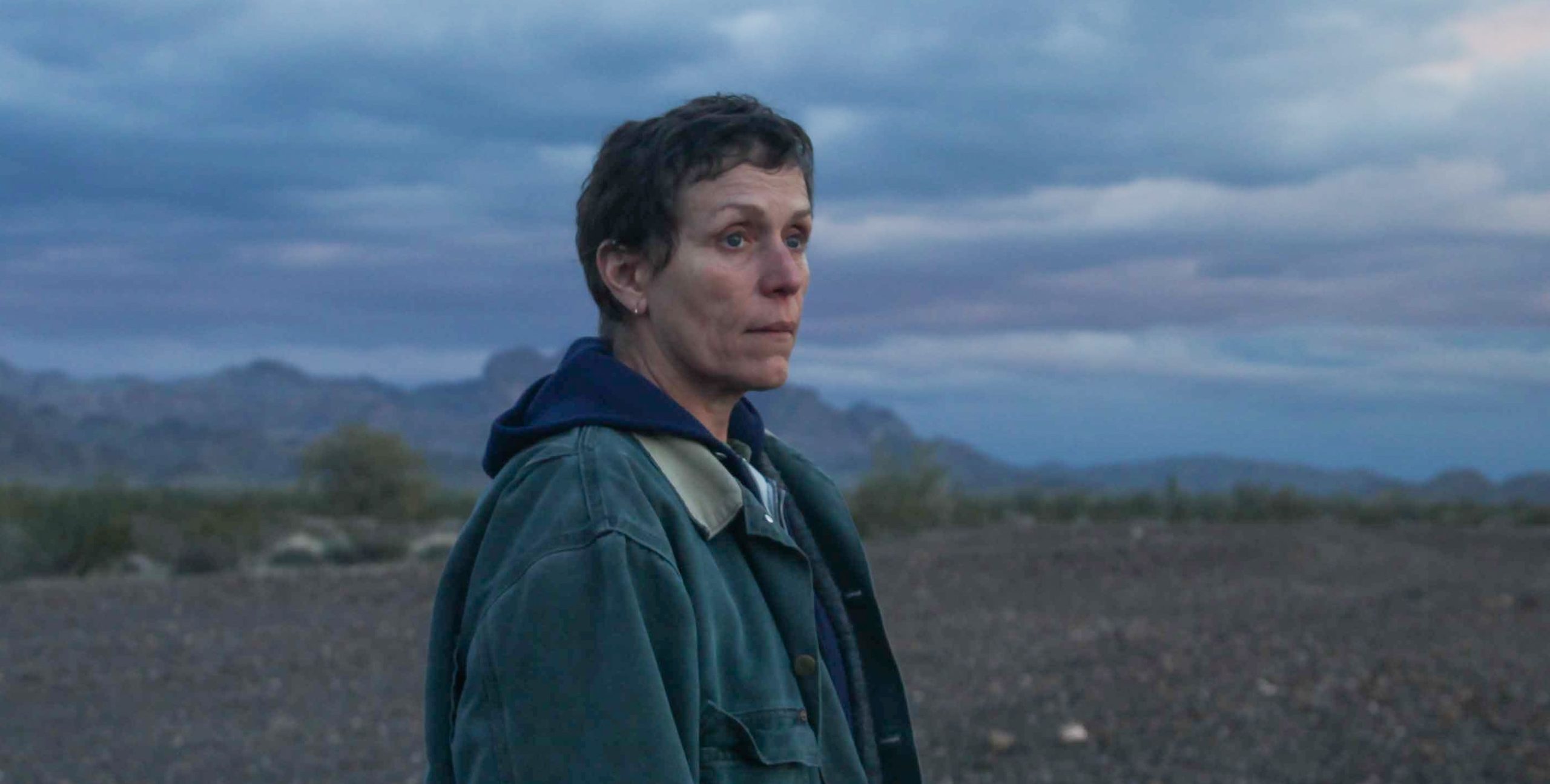
Frances McDormand in the film NOMADLAND. Photo by Joshua Richardson. © 2019 Twentieth Century Fox Film Corporation All Rights Reserved

[divider]

Help Support The InSession Film Podcast

If you want to help support us, there are several ways you can help us and we’d absolutely appreciate it. Every penny goes directly back into supporting the show and we are truly honored and grateful. Thanks for your support and for listening to the InSession Film Podcast!
VISIT OUR DONATE PAGE HERE

Chasing the Gold FYC: Paul Raci, Best Supporting Actor – ‘Sound of Metal’

When it played at film festivals this fall, Darius Marder’s directorial debut Sound of Metal received raves for its sound design, direction, script, and especially the lead performance from Riz Ahmed. Another aspect that received acclaim–albeit perhaps not quite as much–is the supporting performance from Paul Raci. While all of the aforementioned pieces of the film deserve every bit of praise they receive, especially Ahmed, I think Raci’s turn is one of the most impressive and memorable treats from the film. This is more clear after revisiting his performance after the film dropped on Amazon Prime Video this week. 

When we are first introduced to Raci’s character in the film, he delivers a much needed warm presence. After Ahmed’s character Ruben begins to lose his hearing, Raci’s Joe is the one that Ruben’s girlfriend (another solid performance in the film, courtesy of Oliva Cooke) recommends he turn to. Joe is the leader of a program for members of the Deaf community. He believes that the goal is not to “correct” Deafness, but to condition the mind to treat Deafness as a part of life, rather than a shortcoming. He informs Ruben that he is looking for a solution to the thoughts Ruben is having about losing his hearing, rather than fixing his hearing itself. As a result, he provides Ruben with the opportunity for finding joy and acceptance with this sudden change to this livelihood. 

With a role such as this, Raci could have come off as the over-excited mentor that serves as more of an annoyance than a helper. But Raci’s demeanor indicates that he knows the struggle. Joe certainly has his opinions as a member of the Deaf community, and his presence is an invitation to discover the possibilities within the community while also laying down the ground rules. He comes in and out of the movie with a caring look as a guiding symbol of hope and love, without taking over the movie completely. 

But Raci’s best moment in the film does not come with these earlier scenes. Rather, it arrives near the end of the film, when Ruben breaks news to him that he does not wish to hear. When watching this moment, I couldn’t help but think that this turn in the plot could have resulted in an over-the-top monologue from Raci about why he thinks Ruben is making the wrong choice. And it’s totally refreshing that the film avoids this. Granted, part of this is due to the smart screenplay from Darius Marder, Abraham Marder, and Derek Cianfrance. But Raci knows how to perfectly portray every emotion with his face. The heartbroken and disappointed look he provides in this moment is one that has been seared in my memory since I first saw the film in October. Though he does provide a lengthy vocal response, he doesn’t really need to say much at all. Everything that needs to be relayed is provided through the emotional non-verbal display. And the fact that he ultimately accepts the news is consistent with the character. 

It’s become clear over the early period of awards season that the Oscar race for Best Supporting Actor is both competitive and wide open. Much of the conversation has been dominated by Chadwick Boseman in Da 5 Bloods, and the ensemble casts of The Trial of the Chicago 7 and One Night in Miami…And though these are all great performances, I think there is plenty of room for the soulful, character-driven work from Raci. Not only is this the best supporting actor performance I’ve seen so far this year, but it’s also the only one to leave a real imprint months later. Not to mention that with category fraud being a hot topic with the Oscars year in and year out, this is a performance that is undeniably supporting, in terms of both screen time and how the performance impacts the story and lead character. 

And although I’m not one to give much consideration to external aspects when it comes to awards, Raci has a pretty solid narrative for consideration outside of his role in Sound of Metal. For example, Raci is not a household name in the film industry (he doesn’t even have a Wikipedia page) so this would be an opportunity to reward an fairly unknown actor for his work, rather than his status. Raci also learned American Sign Language (ASL) long before he landed the role in the film, due to growing up with Deaf parents. Most of his acting career stems from bit parts in television, as well as stage productions performed in ASL. He is also an ASL rock musician (1). All in all, this is a case of a true advocate for the Deaf community appearing in a film centered on that very topic.  

Paul Raci may not be heavily in the running for Oscar glory in Best Supporting Actor right now, but with the extended eligibility period and Sound of Metal now available to stream, there is plenty of time for his performance to be seen and recognized for the astounding work that it is. Sound of Metal is chalk full of emotional moments that are sure to resonate with plenty of people. For me, most of those moments came about when Raci appeared on the screen as a guiding light and a truly sympathetic character. And that’s the sign of a wonderful supporting turn. 


1. Phillips, Michael. “Paul Raci grew up in Chicago, the hearing son of deaf parents. For Amazon’s ‘Sound of Metal,’ his course was clear: No acting allowed.” GazetteXtra. December 1, 2020. https://www.gazettextra.com/entertainment/paul-raci-grew-up-in-chicago-the-hearing-son-of-deaf-parents-for-amazons-sound/article_9e2aa41e-8b04-5a69-a8ba-a658020b672b.html.

What The Hell Happened To Miramax Films?

It’s hard to imagine that a studio that dominated the awards circuit in the 1990s and 2000s with consistency is gone, surviving thanks to the ownership of beIN Media and ViacomCBS. Like United Artists, it fell quickly to disrepair, abandoned, and dormant for years. As it tries to get back whatever recognition it had in the opening credits with future releases under this new ownership, let’s go back to how it was formed, how they became a dominant studio rubbing shoulders with the big names, and why the suddenly shrank into obscurity.

A Quiet Opening Decade

Miramax was formed in 1979 by the Weinstein brothers, Harvey and Bob. Mixing the first names of their parents, Miriam and Max, their purpose was buying indie films that none of the major studios wanted to distribute. After releasing their first film, the concert movie Rockshow starring Paul McCartney & Wings, they were approached to buy the American rights to The Secret Policeman’s Ball, a series of benefit comedy shows in Britain for Amnesty International. It would be a box office hit, and soon the brothers sought to buy foreign films for American viewers, including Edith et Marcel from France and Pelle The Conqueror from Denmark.

https://www.youtube.com/watch?v=RZdaQQBZ3as

They would also invest more in American indies such as Steven Soderbergh’s Sex, Lies, And Videotape and British productions such as Scandal. Both of those films came out in 1989 along with a third major acquisition; Jim Sheridan’s My Left Foot would be nominated for Best Picture at the Oscars, winning two acting awards for Daniel Day-Lewis and Brenda Fricker. Entering the 90s, their success continued with The Crying Game and Heavenly Creatures while supporting controversial NC-17 films including Pedro Almodovar’s Tie Me Up! Tie Me Down!, and Kevin Smith’s radical debut, Clerks.

Disney Ownership

Disney bought Miramax for $60 million in 1993 and let the Weinsteins continue running the studio. Coinciding with buying the rights to Jane Campion’s The Piano, Disney used Miramax to extend farther into acclaimed international films, as well as the Miramax Family division of family-friendly movies. After multiple Best Picture nominations and individual wins, Miramax would win its first Best Picture with Anthony Minghella’s World War II love story, The English Patient. Two years later, in a season embroiled with the controversy of ethics and studio politics on Oscar campaigning (no thanks to Harvey), another win would come, this time with Harvey winning an Oscar personally as a producer for Shakespeare In Love over Steven Spielberg’s D-Day epic, Saving Private Ryan.

However, a growing sticking point in Disney’s relationship with the Weinsteins is Disney keeping the right to choose what film Miramax could release, forcing the brothers to sell certain projects to other distributors. One example was the religious satire Dogma from Kevin Smith, which Disney forced the brothers to surrender to LionsGate due to major protests against the movie. Miramax was set to have the rights on Lord Of The Rings when Disney saw it as economically untenable to shoot a trilogy, forcing them to sell it to New Line Cinema while maintaining a small stake in total earnings. After another conflict over the release of Fahrenheit 9/11, the Weinsteins chose to leave the company they formed and established the now-defunct Weinstein Company while Disney continued to release films through Miramax.

While projects already on Miramax’s slate were made, the departure of the Weinsteins led to less interest from Disney CEO Bob Iger. Even with the acclaim and Oscar wins of The Queen, No Country For Old Men, There Will Be Blood, and Doubt, Disney kept its focus on expanding their direct entertainment from theme parks and resorts, added on by the acquisition of Marvel in 2009. The final films Miramax released under Disney ownership were 2009’s Adventureland, The Boys Are Back, and Everyone’s Fine. On December 3, 2010, Disney sold Miramax to the newly established Filmyard Holdings for $663 million, including the company’s 700 film titles, books, and the name itself.

Into The Wilderness

The next decade had Miramax negotiating licensing and distribution deals with various companies in different countries. This included reestablishing relations with The Weinstein Company and its two founders. In 2015, Miramax was put up for sale and bought by beIN Media Group for $1 billion. When The Weinstein Company went into insolvency after the stories of sexual assault came out against Harvey, Miramax and beIN sought to buy its assets but were outbid by Lantern Entertainment. Still, Miramax co-produced theatrical releases including Bridget Jones’s Baby, Whitney, and most recently, The Gentlemen. In April 2020, ViacomCBS purchased a 49% stake in Miramax for $375 million with beIN keeping the other 51%. In June, Miramax and ViacomCBS announced what would be their first production together, the TV series called The Turkish Detective.

This is where Miramax sits today, very far from its roots, and far from the major films that won awards under its banner. It’s quite sad that a studio with a rich history was intentionally neglected when it could have represented Disney’s adult-themed pictures (before buying 20th Century Fox) after letting go of its Hollywood Pictures division and reducing Touchstone Pictures. But the list of films from Miramax’s side is long: Chicago, The Cider House Rules, Bullets Over Broadway, Pulp Fiction, Trainspotting, Gangs Of New York, Good Will Hunting, Amelie, In The Bedroom, The Hours (co-production with Paramount), and Kill Bill to name the many that have come out through this single company that started in a small office in Buffalo in 1979. It’s a dominant streak equal with United Artists – and both as we know them are no longer the powerhouse as it was back then.

Follow me on Twitter: @brian_cine (Cine-A-Man)

Movie Review: “Wander Darkly” is an Intriguing Story about Love and Loss


Director: Tara Miele
Writer: Tara Miele
Stars: Sienna Miller, Diego Luna, Aimee Carrero, Vanessa Bayer, Beth Grant, Tory Kittles, Brett Rice.

Synopsis: A traumatic accident leaves a couple in a surreal state of being that takes them on a disorienting journey through their shared memories.

[/info]

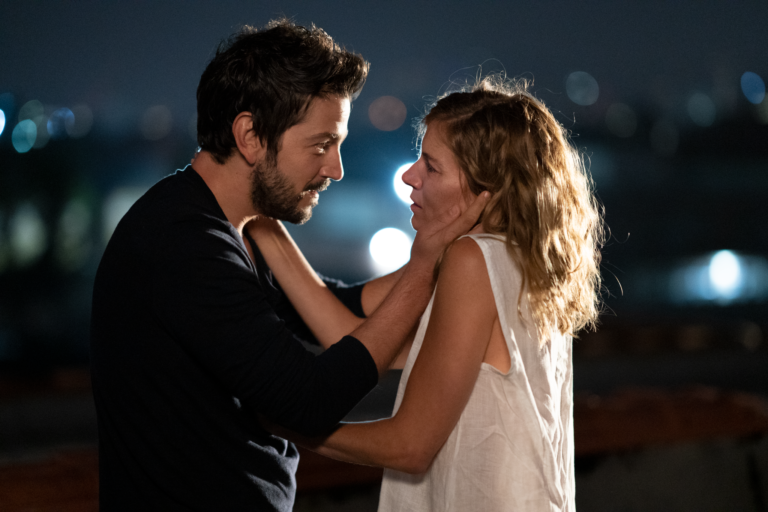
Writer/director Tara Miele presents a new and intriguing view on love and death – a peculiar combo – in Wander Darkly. The movie, led by emotional performances by Sienna Miller and Diego Luna, plays with the turmoil of an erratic woman to inspect her romantic relationship that is about to collapse. This way, love, and survival are intertwined in a confusing and yet vital way.

The story centers on Adrianne (Sienna Miller) and Mateo (Diego Luna), parents to a new-born baby that are going through a rough patch in their relationship. In their fixed night out (better and cheaper than therapy), they continue arguing about their relationship. While she is determined that they should no longer be together, Mateo insists that they just need time to adapt to their new circumstances. Their discussion is cut short when they are violently struck by a car. When Adrianne wakes up, she realizes that she is stuck in a place where only Mateo can see her. Is she dead? Is she stuck in a Los Angeles-themed purgatory? While she is convinced that she is gone, he insists that she is very much alive. They embark on an emotional journey into their relationship to help Adrianne recover the sense of aliveness that she has clearly lost.

While the movie revolves around death, its essence is about love and the complexity of romantic relationships. With a similar style to Eternal Sunshine of the Spotless Mind, Wander Darkly jumps in time, goes through memories to inspect them closely, and asks tough questions about love, loyalty, and self-contentedness that allow us to understand Adrianne and Mateo’s relationship and their shared frustrations.

It is no surprise that both remember things in a conflicting way or see pivotal moments in their relationship from completely different points of view. The memory exploration is surreal and nostalgic. Sometimes Adrianne and Mateo get hold of their past selves within their shared memories as they reflect on what happened, the way they felt, and the way they feel now. Through sincere communication, they try to mend past injuries, but is it too late?

Wander Darkly strives from the confusion that creates not only on its characters but on its audience. This drama uses a convoluted premise to reflect about a love story that is profoundly broken. Adrianne and Mateo are deeply flawed characters that feel real and messy. It is interesting to consider that the story is seen from Adrianne’s point of view. Is she being extremely hard on herself and noble with Mateo? This is a possibility when we notice that she is unbearable at times – always finding something to be unhappy about, pestering him about getting married and having a baby – while he maintains a patience and devoted attitude towards his always-unsatisfied girlfriend.

This overly dramatic movie shines because of the merit of its stars. Sienna Miller, who has long suffered on thankless and hard-to-remember roles, shines as a woman that is overly complicated and on the brink of madness. Her emotional dissatisfaction and suspiciousness towards her partner contrast effectively with a flirty and warm Diego Luna, who uses his Mexican charm and disinterest on drama to confuse and frustrate her jealous girlfriend.

The movie also deserves a special recognition on the use and representation of a Mexican star and character. Although several things of the Mexican culture are used in the story – the festivities of Día de los Muertos is a clear example –, Luna creates a character that is shaped by his roots but that is not stereotyped or rudely portrayed. Mateo is a man that happens to be Mexican, and his inheritance is reflected through his fears – he is afraid to be like his father – and personal failures – he runs away when things get hard. This is probably one of the most satisfying Mexican characters presented in an American film.

In addition, the technical aspects of the movie become elements that provide clues to understand it. The music – composed of violins and pianos – is dramatic and affecting. The costumes sometimes work as the only hint that allows us to understand the pass of time or the change of dimensions. The editing is precise and methodical in a context where confusion and uncertainty reign.

Is Adrianne still alive because of the special link with Mateo or is this troubled relationship the reason why she cannot move on? The uncertainty of life and death is necessary for these characters to make peace with each other and their life decisions. While Wander Darkly inspires more questions than answers, it gives us the possibility of exploring a flawed but profound love story. Fortified by a raw commitment from its leads, Wander Darkly is a sensitive and dramatic reflection on love, loss, and grieving.

Grade: B-


Criterion Crunch Time: ‘The Awful Truth’

Ok, we are back for another month of Criterion Crunch Time, so it is time to guide you through four movies that are sadly leaving the Criterion Channel at the end of December. One rewarding thing about the selection on the channel is that there is an opportunity to find genres that either have fallen out of fashion or just aren’t done well anymore. In that vein, what about the screwball comedy? These films, which both satirize traditional romance, specifically by challenging masculinity, and have elements of film noir, make for interesting criticism. In many ways, this genre just doesn’t fly today. Possibly because we demand a more focused realism, especially within the genre for romance. But again, this is the joy of watching older movies. It gives us a look inward to film, as the form itself was being built and rebuilt throughout history.

One important screwball comedy, though it can even be folded under the smaller subgenre of screwball comedies about remarriage, is The Awful Truth. This film, although a cherished classic, was apparently marred by all sort of backstage shenanigans. This article will focus much more on the actual movie, but basically, the whole thing was unscripted and led to both lead actors having breakdowns and/or asking to leave the set forever. But thank goodness they didn’t because The Awful Truth is an absolute treat.

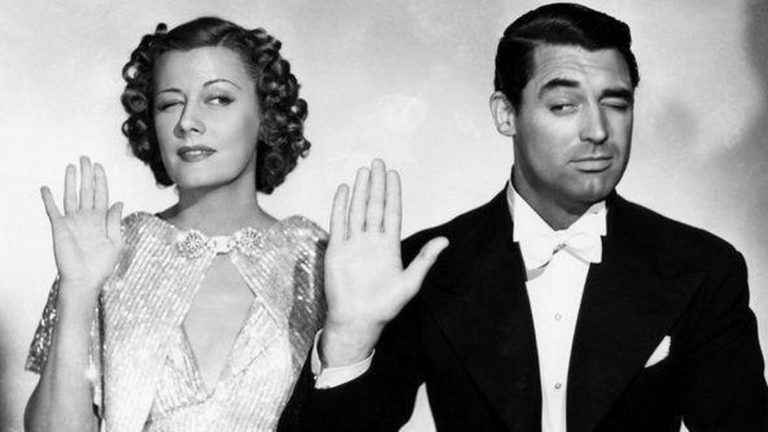
Jerry (Cary Grant) and Lucy Warriner (Irene Dunne) are married, at least for the first ten minutes. Jealousy and assumptions drive them apart, but it is possible that they still have quite strong feelings for one another. Luckily, divorces are not final immediately, and that time limit gives the film a specific endpoint, whether for tragedy or comedy. The Awful Truth is a wonderful litmus test for your appreciation of Cary Grant. There are few actors in film history who have a grasp of both the comedic and the dramatic like him. In terms of this and success in both genres, George Clooney might be the closest comparison. Much like Clooney in his comedic Coen Brothers roles, Grant is absolutely ready and game to make a complete fool of himself here. And yet, there is a sense that he is a good man underneath and we should be rooting for him. 

Irene Dunne is able to match Grant and even outpace him from time to time. The script, such as it is, penned by Viña Delmar, allows Lucy to feel mostly in control, even when she has the realization that she still loves and wants to be with Jerry. Many don’t think of the arcs of characters in romantic comedies, possibly because of genre trappings and expectations, but Lucy in her initial scene is wildly different from she of the romantic happy ending. The opening scene of mutual suspicion shows her as smart and capable, but also quite proud. Yes, she catches Jerry in a lie, specifically by finding a stamp on an orange that denotes it is from California and not from Florida as he claims. But his suspicion of her and her music teacher, Armand DuValle (Alexander D’Arcy), leads to her leaving a relatively happy marriage, no further questions asked.

As with all of the best romances, there are many mistakes and close calls before they separate yet again. Cary Grant, again, provides a gift as a suave, debonair man of culture who is absolutely sure of himself.  Until he’s not.  And then he is made the fool all over again. First, he should have told his wife he wanted some alone time instead of sporting a fake tan to convince her of his Florida trip. But later, his own suspicions of her are proved false. And yet, he muffs this, as well. He knows that she was never disloyal, but he is unable to stop his own toxicity from stopping him from being happy for her or letting her live her life. Instead, his fight with well-meaning, sweet idiot Dan (Ralph Bellamy) leaves both Jerry and Lucy alone.

It is worth noting that the conclusion of the film, and admitting the awful truth that they actually still love one another, essentially breaks down both characters and removes any pride and status that they have. It is made clear early in the film that they are both members of society and never want to admit their faults. Additionally, after their second split, Jerry begins dating an heiress, an obvious symbol of that high society. And how does Lucy break up this union? Not by being prideful and reminding him of what they have lost, but instead by pretending to be his sister and performing a dance that she knows will embarrass him, and more importantly her. This is in reference to a woman that Jerry was dating previously, and they both mocked. If nothing else, this choice and connection proves how well they know one another. No one, not even an heiress, can possibly match Jerry and keep him on his toes like 

Among the many things to love about The Awful Truth is that it never takes it easy on the protagonists. Many romances are simply aching to get their lovers together, for good reason, but because of this, they take shortcuts to make the audience happy. In this film, even after the embarrassment, there are extended scenes of the two of them trapped in a cabin together. When they finally reconcile, just before the deadline, there is a palpable sense of relief, rather than passion. The two are meant to be, despite their faults. And for all of its screwball antics, this might make The Awful Truth much more realistic than many other romances before or since.

Come back next week for Sleep Walk from director Sara Driver!

Movie Review: ‘Education’ is the Perfect Ending to an Anthology of Strength and Reckoning


Director: Steve McQueen
Writer: Alastair Siddons, Steve McQueen
Stars: Kenyah Sandy, Sharlene Whyte, Daniel Francis, Tamara Lawrance, Josette Simon.

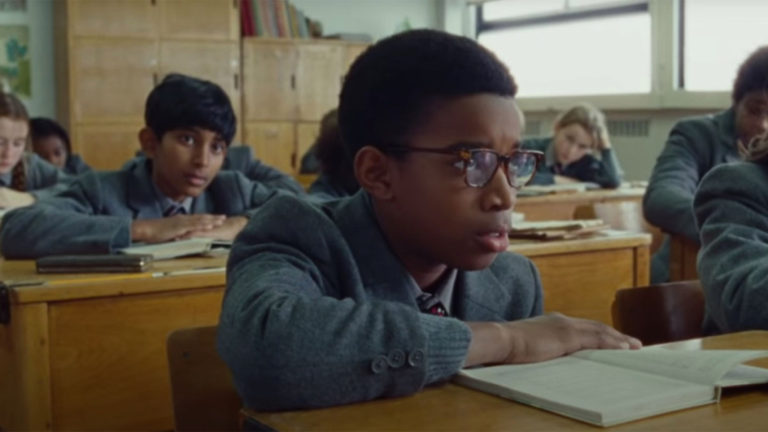
Synopsis: Part of Steve McQueen’s “Small Axe”, an anthology of decades-spanning films that presents various lives in London’s West Indian community, Education follows 12-year-old Kingsley, who is being sent to a school for those with “special needs”. West Indian women take matters into their own hands to fight against an unofficial segregation policy at play.

[/info]

Steve McQueen has created a masterpiece with Small Axe, a five-film anthology that illustrates the experience of the West Indian community in the London of the 1970s and 80s. The latest and last addition to the series, Education, is the perfect final thread that illustrates the astounding ways in which Black people have been targeted by a deeply racist system. With this entry, Small Axe cements its cultural importance and resonance about past and current injustices in Britain.

Education focuses on Kingsley (Kenyah Sandy), a young boy that dreams of becoming an astronaut. Busy parents and a big sister that is focused on her future as a fashion designer from his immigrant family. His time in school is difficult because he struggles with his reading abilities and is constantly bullied by his teachers.

After a mischief, Kingsley is sent to what is presented as a special needs school. Nevertheless, after the appearance of active members of the West Indian community that have gone through the same process, the family learns that this shift in his education is actually inspired by an unofficial policy of segregation, and Kingsley – as many Black children – was actually sent to an “educationally subnormal school” under the real reason that he was affecting the academic standards of his original institute just by being a West Indian child.

Although not based on a true story, Education succeeds in presenting the reality of hundreds of Black children in the United Kingdom through an intimate story. Precisely the movie exposes the fragility of families wanting to fit in the local system by trusting blindingly in the authorities that are supposed to help them.

Through direct and cynical actions –  not teaching the students to read, laughing at their failings, carrying out the segregation policy under false pretenses –, the educational system promotes the underdevelopment of Black children, encouraging them to give up their dreams and embrace unskilled jobs. Usually, the children and their families accept this, not because they cannot do it, but because the system manipulates them into thinking this.

While the previous movies offered a critical eye on the institutions of law and order (Mangrove; Red, White and Blue; Alex Wheatle) and child protection (Alex Wheatle), Education focuses on learning institutions. The movie continues to present the injustices of a system that wants Black people to fail – a common theme throughout the series – and shares a distinctive style with the personal and discreet Alex Wheatle. Both movies show how Black children are shaped by the institutions that were created to help them.

Nevertheless, while Alex Wheatle’s life is deeply affected by British institutions, Kingsley’s story is more hopeful by counting on an effective support system that gets involved before it is too late. In this respect, and while the anthology has showcased the weight and importance of a united community, this is the story that feels like a good-natured tribute to those people that fight for others while trying to preserve their history. This story belongs to Kingsley as much as it belongs to those that save him.

In addition, Education celebrates being Black and the rich history that characterizes the Black community. While public schools teach a white-centered point of view, the movie reminds us of the history that is not usually taught in schools but that is vital for the spiritual and cultural development of children.

As with the other four movies, McQueen has created something special in Education, forming an enriching palette of experiences never seen on the screen before. The script, written by McQueen and his constant collaborator, Alastair Siddons, is affecting and moving, fortified by committed and emotional acting.

Sharlene Whyte deserves special mention as Agnes Smith, Kingsley’s mother. Her evolution of being a hard-working mom weary of her son’s misconduct to a determined and patient mother that understands the needs of her son is moving and encouraging. All the scenes that take place within the Smith household during the second half of the movie are extremely touching.

Education provides a close eye to the ways the British system mess up with Black people, this time since an early age of their lives, forever shaping their future and opportunities. Nevertheless, more than a weapon of exhibition, this last entry in the Small Axe anthology is a celebration of the Back community that is ready to protect its members in need.

Grade: A-

Podcast: Raiders of the Lost Ark / Happiest Season – Extra Film

On this week’s Extra Film, Ryan and Jay begin their Indiana Jones Movie Series with Raiders of the Lost Ark, and they also review Happiest Season!

With the final Movie Series of 2020, the Extra Film boys go exploring with one of the biggest heroes in cinematic history with Indiana Jones. And with Raiders of the Lost Ark, the guys gush over one of the best greatest films of all time. It’s a perfect film that has no flaws, and the boys seem to get lost in their praise of the film, but overall, it is fun to hear them review this and talk about Spielberg as a whole.

In the back half of the episode, the boys review the new holiday rom-com Happiest Season. For the most part, holiday ensemble romantic comedies have gone by the wayside in Hollywood, so it is refreshing to see Hulu take a stab in releasing the fresh spin on a simple holiday coming home story. But while the cast is stacked with talent, and the message of the film is earnest, both Ryan and Jay felt something was missing from Happiest Season in order for it to be a new holiday classic.

Also, stay tuned for the end of the show to find out what the guys will be covering for the last month of 2020!

Thanks for listening!

– Movie Review: Raiders of the Lost Ark (3:39)
Director: Steven Spielberg
Screenplay: Lawrence Kasdan
Stars: Harrison Ford, Karen Allen, Paul Freeman, Ronald Lacey, John Rhys-Davies, Denholm Elliott

– Movie Review: Happiest Season (1:05:08)
Directors: Clea DuVall
Screenplay: Clea DuVall, Mary Holland
Stars: Kristen Stewart, Mackenzie Davis, Alison Brie, Aubrey Plaza, Dan Levy, Mary Holland, Victor Garber, Mary Steenburgen

– Music

Indiana Jones Theme- John Williams
Make You Mine This Season – Tegan and Sara
The Return of the Eagle – Atli Örvarsson

We try to make this the best movie podcast we possibly can and we hope you enjoy them. Subscribe today on iTunes, Spotify, or Stitcher, and please leave us a review on iTunes. You can also find us on Soundcloud, PlayerFM, and TuneIn Radio as well. We really appreciate all your support of the InSession Film Podcast.

Subscribe to our Podcasts RSS
Subscribe to our Podcasts on iTunes
Listen on Spotify
Listen on Stitcher
Raiders of the Lost Ark / Happiest Season – Extra Film

[divider]

To hear this Extra Film episode and everything else we do, download our apps on the Amazon Market for Android and the Podcast Source app on IOS devices. The mobile app covers all of our main shows, bonus podcast’s and everything else relating to the InSession Film Podcast. Thanks for your wonderful support and for listening to our show. It means the world to us

Warner Bros. to Stream New Releases on HBO Max During Theatrical Runs, Including ‘Dune’ and ‘The Suicide Squad’

Warner Bros. has made a major announcement on its 2021 film slate. As reported by outlets such as IndieWire and Variety, the company will be streaming its theatrical releases simultaneously on HBO Max for a one-month window.

The upcoming release of Wonder Woman 1984 has been slated for the same distribution strategy, with the film heading to both theatres and HBO max on Dec. 25, and now it seems Warner Bros. has made the decision to follow suit with all of their releases.

Among their 2021 slate of films includes the following:

– Dune
– Matrix 4
– Judas and the Black Messiah
– Godzilla vs. Kong
– The Suicide Squad
– The Little Things
– Tom & Jerry
– Those Who Wish Me Dead
– Mortal Kombat
– The Conjuring: The Devil Made Me Do It
– In the Heights
– Space Jam: A New Legacy
– The Many Saints of Newark
– King Richard
– Malignant
– Reminiscence
– Cry Macho

Of course, as made evident by events this year, all of these release dates are subject to change and there is every possibility that some of these are pushed further back. However, as of this moment, that is a very strong and exciting 2021 slate, especially allowing the likes of Dune and Judas and the Black Messiah to be watched from home.

In the midst of a global pandemic where many audiences are still reluctant to risk their safety in heading to the cinema, the decision from Warner Bros. is a fantastic one. It allows those who are still not comfortable (especially those who have not received vaccines throughout the year) to still experience the films they want to see from the comfort and safety of their own homes.

Unfortunately, HBO Max is unavailable to people like me who live in the United Kingdom, so a cinema trip will be the only way to see any of these films. However, for those in the States that may have been in a similar situation to myself in the last few months – unable to head out because of sick family members and the risk that COVID-19 poses to them – this is positive news.

Included in IndieWire’s report on the news is the following statement from WarnerMedia Chair and CEO Ann Sarnoff:

“We’re living in unprecedented times which call for creative solutions, including this new initiative for the Warner Bros. Pictures Group. No one wants films back on the big screen more than we do. We know new content is the lifeblood of theatrical exhibition, but we have to balance this with the reality that most theaters in the U.S. will likely operate at reduced capacity throughout 2021. With this unique one-year plan, we can support our partners in exhibition with a steady pipeline of world-class films, while also giving moviegoers who may not have access to theaters or aren’t quite ready to go back to the movies the chance to see our amazing 2021 films.”

There is a flip side to the argument, especially those concerned about the future of movie theatres and whether this affects their future. However, during these unprecedented times, it’s important to allow people the opportunity to see these movies. The amount of work that has gone into these productions only for a small amount of people to see them would be a shame, likewise, the general public shouldn’t be punished for not feeling comfortable going to a cinema, therefore giving them the choice is the right thing to do.

There’s been cause for concern over whether this will be more than just a short-term move, however, there’s nothing to suggest that to be the case. While the virus still continues to kill thousands, it’s important to put these kind of strategies in place to protect the public while getting eyes on these films. And for films like Denis Villenueve’s Dune (which already had its intended release date pushed back), there’s every chance that audiences will be encouraged to head to cinemas to see this epic on the biggest screen they can, but it’s no longer a necessity.

The replies to the tweet from our InSessionFilm Twitter account prompted some very good thoughts on the matter, from those who both agree and disagree with the strategy of Warner Bros.

Some of our brilliant staff members also shared their thoughts on Twitter, shedding light on important topics that Warner Bros. will undoubtedly have considered when building this strategy.

It will be interesting in the following weeks and months to see just how many others follow Warner Bros. into a similar strategy, or whether some will stress the importance of having these films roll out exclusively in theatres and not for home streaming straight away.

What are your thoughts on the matter? Let us know in the comments section below, or through our Twitter @InSessionFilm!

Movie Review: David Fincher Shows Off a New Style With ‘Mank’


Director: David Fincher
Writer: Jack Fincher
Stars: Gary Oldman, Amanda Seyfried, Lily Collins, Arliss Howard, Tom Pelphrey, Tom Burke, Charles Dance

Synopsis: 1930s Hollywood is reevaluated through the eyes of scathing wit and alcoholic screenwriter Herman J. Mankiewicz as he races to finish “Citizen Kane.”

[/info]

Orson Welles’ 1941 film, Citizen Kane, has become shorthand for greatness, like Michael Jordan or Shakespeare. If something is “The Citizen Kane” of its respective field, it implies a clear, objective superiority over its peers. Leave it to David Fincher to tear down the mythology of one of cinema’s most sacred cows. Mank is a passion project, of sorts, for Fincher, whose father wrote the original script for the film before his death in 2003. The film follows Herman J. Mankiewicz, who collaborated with Welles on the script for Citizen Kane, as he tries to put together a script for Welles. Tackling the mythos of Citizen Kane, perhaps the most mythologized film in Hollywood history, is an impossible task, and, thankfully, that isn’t really what Mank is about. Instead, Fincher sets his sights on the studio system and the way that those in power use their asset to remain in that position. It is the director’s most political film, to date, and it sees him taking a new tone. His characteristic cynicism is right on the surface, as usual, but the film is peppy in a way that none of his other films have been.

All of the technical attention will be paid to the efforts to make the film period appropriate, with sound design that will make you nostalgic for the ever-so-slightly muffled, echoing dialogue of many of the great films of Hollywood’s Golden Age. However romanticized the films of that era may be, the system surrounding them is shown to be a weapon used to eat away at the writers, directors, actors, and even the audiences inhabiting and surrounding what we see on the silver screen. Mank shows a new side to David Fincher, and while the style can overcome the understated storytelling, at times, it has a lot to say about the state of not just Hollywood, but the state of America. The film shows peak Fincher style and near-peak Fincher commentary.

It is fascinating to consider the evolution of Fincher, as a storyteller. After being burnt by the studio experience with his first feature, Alien 3 (a secretly very good film), Fincher became one of the most overtly stylish and over-the-top filmmakers, to great success, with films like Seven and Fight Club. He has maintained a distinct style, but his stories have become much more understated. Zodiac, for example, is a retrospective commentary on Seven, a film that laid out the blueprint for so much of pop culture for the next 25 years. Fincher is still the master of arthouse pulp (or, as I put it in the InSession Film podcast series, Prestige Trash,) but Mank strips out the pulp and goes full arthouse. The technical elements are sure to throw off contemporary audiences. The film is shot in black-and-white, albeit with a digital camera that sometimes feels at odds with the film’s aesthetic, and refreshingly stripped-down, narratively. The film seamlessly cuts between pertinent flashbacks and the contemporary 1930s, where Mankiewicz is bedridden, reciting a script to an assistant, played by Lily Collins. The flashbacks teach us what drives the script of Citizen Kane, as well as what made Mank become the honest-to-god loser that he reveals himself to be.

Well, maybe Mank is less of a loser than a nihilist, having been beaten down by the system of which he has become a witless cog. Mank is shown to be a bit of a gun for hire, lacking the clout to strike up a serious conversation with a producer, but very capable of gabbing with the bit players in a given production. Welles gives him more of a “prove it” deal than anything else. Mank is driven by booze and seeing his stories on screen, above all else, and the film sees him having trouble getting the writing done with the booze in an environment where alcohol is not permitted, but he is not irredeemable, by any stretch. In fact, his sense of morality is what drives him to succumb to his vices. He has to sell his soul to succeed in Hollywood. He somehow finds himself in the inner circle of one William Randolph Hearst (yes, the William Randolph Hearst around whom Citizen Kane is based) and comes to abhor the influence he has and the ideals he holds. While half of the film is spent with Mank trying to finish the Kane script, the other half is spent showing how those in power abandoned the middle- and lower classes during The Great Depression and went very far out of there way to suppress California’s socialist gubernatorial candidate, famed write Upton Sinclair, who is played by, you guessed it…. Bill Nye. Yes, that Bill Nye.

Conservatism is the driving force of many aspects of the world, because it allows those in power to remain in power, whether that power is within a studio system or within a country, at large, and Mank presents both of those possibilities as two sides of the same coin. He struggles to write a script in the same way that he struggles to acclimate to high society. As the underlings at the studio starve, the execs feign empathy, lying about repaying employees for lost wages. But Mank has to bite his tongue. His relationships are good for his character. People like his unique sensibilities… to a point. History was not kind to the real-life Mank and the film would lead you to believe that his rather forgettable post-Kane career was due to the people who hold all the cards. Sure, he was self-destructive, and Fincher always lets that be known, but his mild radicalism is really what held him back. In the world of Mank, creating propaganda films is a death sentence. Artistic integrity is the way to interior prosperity, even if it also leads to financial and professional ruin.

David Fincher respects Herman Mankiwiecz because Herman Mankiwiecz wanted his voice to be heard. He respected Mank because Mank lost it all at the hands of people who had more power. One can’t help but think of Alien 3 when watching Mank, as it established the base for Fincher’s thoughts about Hollywood. Fincher is an unstoppable force of creativity, and his vision is uncompromising. It has made him hard to work with, undesirable in the eyes of studios, and one of the best filmmakers of the last 30 years. As usual, Fincher’s film features remarkable performances out of everyone in the film, including standout performances from Gary Oldman as the titular Mankiwiecz and Amanda Seyfriend as Hearst’s girlfriend, Marion Davies. Oldman, who is a good thirty years older now than Mank was during the era of the film, shows Mank’s exhaustion and sadness incredibly effectively. Mank is talented, Mank is well-intentioned, but Mank doesn’t play by the rules. Not playing by the rules can often be the root of great art, but it is no way to go about building a studio career. Meanwhile, Seyfried gives one of the best performances of her career as Davies, who sits right in the middle of the film’s dilemma. She knows her life is one of privilege and that she is not in the right, morally. She also loves being rich and having the power that comes with being Heart’s partner. In a film where the men are stubborn and uncompromising, Davies is understanding and, while she doesn’t ultimately promote what is best for the whole, understands the plight of a man like, Mank, whose plight to do what is right seems foolish, in the context of the film.

All of Fincher’s stylistic touches, like artificial cigarette burns on the film and some spotty CGI, may not entirely work, but Mank keeps him at the top of the heap when it comes to modern auteurs. With his first feature film in six years, Fincher captures the spirit of a country in crisis, not just now, but for about a century. Fincher’s irony is at the forefront, as a frequently jazzy score by Atticus Ross and Trent Reznor rattles through much of the film, making the deterioration of a nation before Mank’s eyes even more dramatic. Mank is far less a love letter to Old Hollywood than it is a condemnation of Hollywood, over the course of the last century. Mank is a movie that can be watched without any reference to Citizen Kane and understood perfectly. It is about the plight of the everyman and the difficulty of doing what you love. It is a film that uses the aesthetics of Old Hollywood against itself, showing that the more things change, the more they stay the same. Power is power, whether that power is shown on the big screen or not. Life in the studio, and in America, is a Sisyphysian struggle against the powers that be. We may not be able to completely overcome it, but we can do some great things on the way to our destruction.

Grade: A-

Op-ed: Is ‘Citizen Kane’ Really That Good?

0

Spoilers ahead for Citizen Kane.

As we anticipate David Fincher’s Mank hitting Netflix this weekend, there are likely to be a number of think pieces and other articles talking about Citizen Kane. In the world of “hot take” culture we live in now, it’s trendy to downplay films like Kane. Call me pretentious or conventional, but to answer the fundamental question; yes. Citizen Kane really is the best film of all-time. Or it’s in the conversation. At the very least, it really is my favorite film of all-time.

Are you serious right now? C’mon, that’s so boring.

I’m sorry, I know, Kane has been talked to death and now it’s considered trite to have it top your list. But it really does for me.

Fine, explain yourself.

Gladly. For one, it’s a technical marvel of its time. It was made in 1941, but watching it by today’s standards and it feels like it was made last week. The film’s clever and inventive editing alone is a masterpiece. The opening shot of snowy Xanadu fading into the snowglobe in Charles Kane’s hands as he dies is nothing short of breathtaking. An opening shot for the ages. There’s also the shot of the Chronicle staff lying still in the picture frame, only for the camera to zoom in as it becomes a live-action scene with Charles walking in from the left side of the frame.

We get it.

Yeah, I know, people have analyzed the film to death. I also understand that Kane wasn’t the only film to employ camera tricks. Other auteurs of the time, or even before Orson Welles, were able to do fascinating things with the camera as well. But compared to the conventional norm of the era, it was still very much ahead of the time. And not just with specific shots like the examples above, but the general jumping of timelines and interviews are diligently weaved into a precise thread that smartly amplifies the foundational question of; who was Charles Foster Kane? Robert Wise’s editing is vital to answering that question, and by the end, we do get a great sense of who he was and what was missing in his life.

Oh, I know what you’re talking about. You mean Rosebud.

Yes, but let’s not get ahead of ourselves just yet. The reveal of Rosebud is potent in large part because of Kane‘s editing and cinematography, but it’s the clarity of Kane’s ethos in the storytelling as the film builds to that iconic revelation that arguably carries more weight. As thematically stirring as it is, the film’s ending doesn’t hit as hard if we don’t understand the nuances of Kane’s life and what drove him at his core. Wise’s transcendent tactics help render a timelessness to Kane, but his ability to make Charles Kane’s story feel grandiose and intimate simultaneously is what earned him an Oscar nomination (and he should have won). However, it’s not Wise alone. Obviously. The brilliance of Welles’ direction is in how he marries Wise’s editing with Gregg Toland’s cinematography and Herman J. Mankiewicz’s screenplay. The dialogue and narrative dance with the film’s editing and camerawork in a way that’s truly magical. From beginning to end, they are all hand in hand. They never loosen their grip and it makes for some of the most riveting sequences in all of cinema. Perhaps my favorite example in the film comes early on, after that great opening shot, and we see what appears to be a sequence of mundane exposition as a narrator reads through Kane’s Wikipedia page (so to speak) telling us all of the most notable bullet points of his life. However, it’s revealed to actually be a documentary being made by some of Kane’s closest allies. A skillful sleight of hand. As soon as we become aware of that revelation, one of the characters references that it’s 70 years of a man’s life and another notes “yeah, that’s a lot to take in.” As if the film itself is very aware of how tedious that kind of information dumping is on an audience. A fun little gag that works because of smart writing and imaginative editing.

I’m guessing there’s more, though.

You would be correct. Because the scene only gets better from there. One of the characters argues that the film (the documentary about Kane) needs an ending. Specifically, he says “it’s not enough to tell us what a man did, you got to show who he was.” Exactly. That’s what the best films do. They show us. And they do it uniquely. They do it in a way only cinema can. And it’s what Citizen Kane does so magnificently. It’s why the marriage of writing and editing (and really all of the technicalities) is so crucial to Citizen Kane‘s success. The two work congruently to show us who Charles Foster Kane was, the good, the bad, and everything in between. We learn of his affable convictions as a newspaperman, wanting to expose the greed in corporate America, even if that goes against his own business interests. In one of the most iconic lines from the film, Charles notes that “If I hadn’t been rich, I could have been a really great man.” A great line. And true. As the film goes on to demonstrate, Charles does get bogged down in his wealthy lifestyle. He does become a victim of his loneliness, his passions, his selfishness, and all the complexities that made him who he was. Things we all see, not just hear about through conversation.

So, what does that have to do with Rosebud?

Great question. Before we get to the magic trick at the end, let’s first go back to the aforementioned scene about the Kane documentary. The group is talking about the final words from Kane right before he died. During their conversation, one of them offers up some of the most poignant foreshadowing I’ve seen in a movie, where he says, “Here’s a man who could have been president. He was as loved and hated and talked about as any man in our time. But when it comes time to die, he’s got something on his mind called Rosebud.” The profundity of that statement slays me, even now after seeing Kane god knows how many times.

Charles Foster Kane is the embodiment of the American Dream. Of American wealth. He built a massive empire with the money given to him by his family. He built a mansion so costly that it’s never revealed to us how much it actually cost. Just that it cost more than any other mansion on the planet. I mean, it had its own private zoo for crying out loud. He had it all. Or did he? In the end, Kane was simultaneously a man of everything and of nothing. Everything he bought was fleeting. The relationships he built were disingenuous. Except for one. And he threw that away for a negative review of a singer he really didn’t care about all that much. The only thing that he truly loved…that he truly longed for in the end? His childhood.

Oh boy, cue the #JDTears.

In a flashback, we see a young Charles Kane playing out in the snow with his sled, having a great time. There’s an innocence to him that’s very endearing. He does not know that he’s about to be ripped from his family. However, the moment money became a defining factor for his family, everything changed. And on his deathbed, all he wanted was that singular moment of innocence where he was a child. Full of unfiltered joy and happiness. As a father to a 5-year-old, I luckily get to see this every day in my boy. And it makes me think about my childhood quite a lot. And how special it is in our lives. Of course, for many of us, there comes the moment where youthful innocence transforms into harsh reality. But we all have that period of blissful childhood. That toy or item that we always clutched to at that age. For me, it was a hockey stick and some homemade gear. For Charles Kane, it was a sled.

Has anyone else been this moved by Citizen Kane?

Probably not? I’m honestly not sure, but this is a film that destroys me. That I find genuinely profound. Learning of what Rosebud is, and what it meant to Charles after all these years, it’s an emotional wallop and a blistering revelation as the credits begin to roll. A reminder that the best pleasures in life are embedded in our younger days and that we can cling to that in our present. A notion that is thematically rich, but also earned dramatically and emotionally because of what the film does in the execution of *showing* us Kane’s life, and not leaving it to words from a faceless narrator.

So yeah, Citizen Kane. My favorite film of all-time.

Livestream Podcast: Warner Bros. Drops Huge News for 2021 Slate

0

Warner Bros. announced today that its 2021 slate will be released theatrically AND on HBO Max. How will this effect things going forward? We discuss.

Here are the titles currently slated for this year that we expect to be released in theaters and on HBO Max:
The Little Things
Judas and the Black Messiah
Tom & Jerry
Godzilla vs. Kong
Mortal Kombat
Those Who Wish Me Dead
The Conjuring: The Devil Made Me Do It
In The Heights
Space Jam: A New Legacy
The Suicide Squad
Reminiscence
Malignant
Dune

The Many Saints of Newark
King Richard
Cry Macho
Matrix 4

Movie Review: ‘His House’ Is a Chilling Reminder that Horror Has Always Been Political


Director: Remi Weekes
Writer: Remi Weekes
Stars: Wunmi Mosaku, Sope Dirisu, Matt Smith

Synopsis: A refugee couple makes a harrowing escape from war-torn South Sudan, but then they struggle to adjust to their new life in an English town that has an evil lurking beneath the surface.

[/info]

Sinister whispers of GO BACK and ominous messages like BEWARE written in big bloody letters have become haunted house movie standards. Some might even argue that they’re cliches at this point, and those folks would not be entirely wrong. His House, Remi Weekes’ feature film debut, takes a sub-genre rife with allegorical tropes and repurposes them. Horror has always been a genre of symbols—a means of delivering an artist’s thesis as viscerally as possible—and Weekes manages to say quite a bit without skimping on the terror. 

It is truly insane that this is Remi Weekes’ first full-length narrative film. His command of the visuals is awe-inspiring. His cast is remarkable. His confidence as a director is downright superb. All things considered, His House is about as technically solid as it gets. And the thematic work is on the mark, too. 

Plot-wise, a lot of haunted house films have a similar setup: a middle-class family moves into an old estate and supernatural forces are unleashed upon them. Mockers of haunting movies enjoy deriding the characters for not simply vacating the premises as if that’s always an option. Sometimes, as in the case of Burnt Offerings, the otherworldly presence wreaking havoc on the Rolfs will not allow them to physically leave the property. And other times the family is in such dire straits that they do not have the financial means to escape, like with the Lutz folks in The Amityville Horror. 

With His House, Weekes takes this familiar blueprint and commandeers it to tell a story about asylum-seekers. Bol and Rial Majur have fled war-torn Sudan in search of refugee status in England. To do so, they risked their lives to traverse choppy sea waters on a small, overcrowded boat. Bol and Rial survived the journey, but not everyone who left with them did—including a young daughter. After a few agonizing months in a bureaucratic limbo, they are placed in temporary housing. Their new abode is dilapidated and rather large, relatively speaking. It’s a government-assigned home that would routinely be made to accommodate multiple families simultaneously. But Bol and Rial have it all to themselves, a privilege that does not go forgotten. But it soon becomes clear that something evil is lurking within the walls and around every corner… 

Wunmi Mosaku plays Rial. Mosaku carries her character with a certain collectedness and a discernible gravity as well. Rial shows great awareness for everything they’ve done and been through to get where they are. She also possesses a palpable remorse, almost as if she thinks they don’t fully deserve to there, which may be a common feeling among the neighbors. One afternoon, for example, Rial asks a group of Black teens for directions, and they mock her accent and demand that she “go back to Africa.” And in response, she holds even firmer to her culture, especially as evidence mounts that something menacing lies in wait under hew own roof.

Bol, played by Some Dirisu, is much more determined to look like their new locale has always been their home. He makes conscious efforts to assimilate. He decides that they must dress like Londoners, and he chants along with the other men at the pub like they’re all old friends. Bol’s hope seems to believe that if he and Rial are viewed favorably by Englanders—meaning, if they are accepted—then their problems will vanish. And his insistence that they must shed their culture comes back with a vengeance since the demonic forces surging in their house take on a familiar form:

One of the big questions as the plot unfolds concerns why their house appears to be haunted by dead Africans—and if the souls of immigrants are in fact haunting the place, why would they terrorize fellow immigrants?

Dirisu gives an indomitable performance as things ratchet up. Like Rial, Bol harbors survivor’s guilt. How it manifests in him and how he chooses to address it are different, though. The film gives Dirisu several opportunities to shine as he gets to play into another haunting movie trope—because we can now add Bol Majur to the canon of crazed haunted househusbands! His obsessions bleed into a mania that brings about a fantastic downward spiral. And many of the film’s most frightening moments have Bol at the center.

Weekes effectively weaves practical and visual effects together, which both grounds the terror and renders its heights limitless. The interplay between the camera and the audience during these key scenes is highly creative. Weekes has definitely studied the mechanics of the genre ad nauseam. He demonstrates that he knows how to reinvent the wheel to fit his needs. His bumps in the night are more than well-calculated spooks. In His House, the jump scares aren’t meant to merely frighten—they’re meant to awaken.

Any horror aficionado who claims that horror is apolitical should shred every single one of the Silian Rail-lettered, bone-colored business cards that they just picked up from the printers yesterday. Horror is a genre with tons to say and does so in the gutsiest of ways. With His House, Weekes explores the horrors of being an immigrant in a xenophobic world, as well as the price some refugees pay in order to survive. Here it’s not a sentient house telling the protagonists to pack up and leave—it’s their racist neighbors. But Bol and Rial can’t go back to their homeland, because if they do they will surely die. And in order to have a future at all, they must reconcile with some reprehensible choices from their past. They have no other option but to stay and fight their literal demons.

Grade: A-