Home Blog Page 138

Podcast: Top 10 Movies of 2022 – Episode 516 (Part 2)

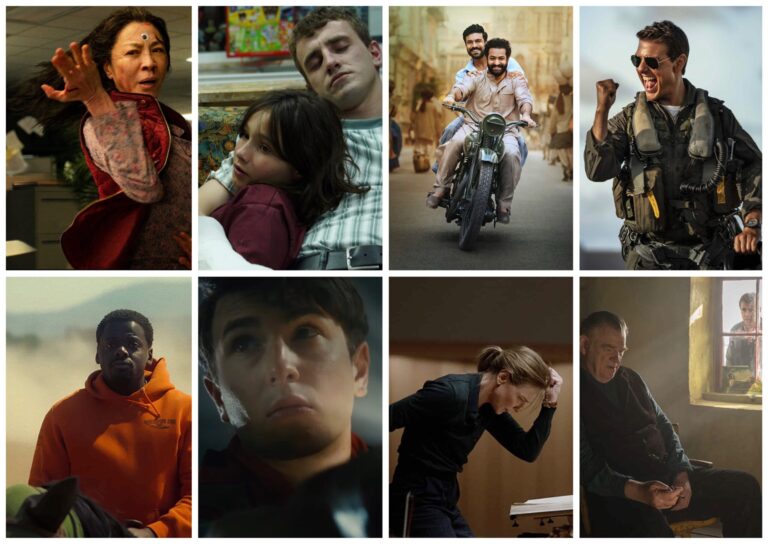
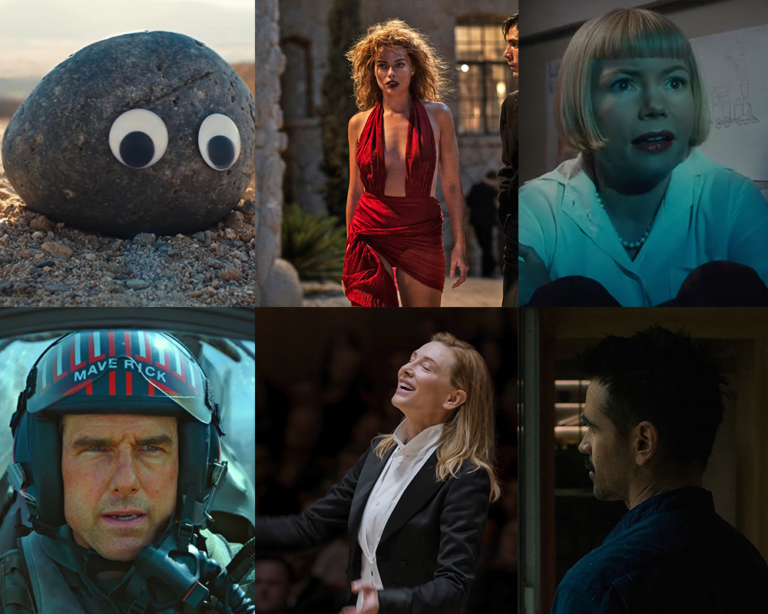
This week on the InSession Film Podcast, for Part 2 of our InSession Film Awards, we discuss our Top 10 movies of 2022! It ended up being a very good year for film (maybe the best of the decade so far?) and we had a really fun discussion counting down the very best that cinema had to offer at the movies this last year.

Similar to last year, it was mostly an average year for film heading into the fall season, but things picked up quite drastically toward the end of the year. Whether it be one of the major studio works in 2022, the many international films that took our breath away, GOAT filmmakers bringing their best or the great directorial debuts of the year, there was plenty to love at the cinema. It finally started to feel normal again, and we are extremely thankful for that.

Click here to listen to Part 1 of our 10th annual InSession Film Awards!

Top 10 Movies of 2022 (4:09)
See JD’s full list here
See Brendan’s full list here
See Jay’s full list here
See Ryan’s full list here

Special thanks to all of our friends who called in and gave us their top movies of 2021!
Erik Anderson – Awards Watch
Richard Newby – The Hollywood Reporter
Matt Neglia – Next Best Picture
Jeff Zhang – Strange Harbors
Adam Kempenaar – Filmspotting

Do you agree or disagree with our list? Let us know in the comment section below or contact us on social media.

– Music

Dosti – MM Keeravani
Ciao Papa – David Bradley
This is a Life – Son Lux
The Return of the Eagle – Atli Örvarsson

Subscribe to our Podcasts RSS
Subscribe to our Podcasts on iTunes
Listen on Spotify
Listen on Stitcher
InSession Film Podcast – Episode 516 (Part 2)

[divider]

Help Support The InSession Film Podcast

If you want to help support us, there are several ways you can help us and we’d absolutely appreciate it. Every penny goes directly back into supporting the show and we are truly honored and grateful. Thanks for your support and for listening to the InSession Film Podcast!

VISIT OUR DONATE PAGE HERE

Movie Review: ‘Nanny’ Translates The Horror of the American Dream


Director: Nikyatu Jusu

Writer: Nikyatu Jusu

Stars: Anna Diop, Michelle Monaghan, Sinqua Walls

Synopsis: A Senegalese immigrant takes a job as a nanny for a wealthy Manhattan couple. As she prepares for her young son to join her in the states, she becomes the target of a mysterious and violent presence.


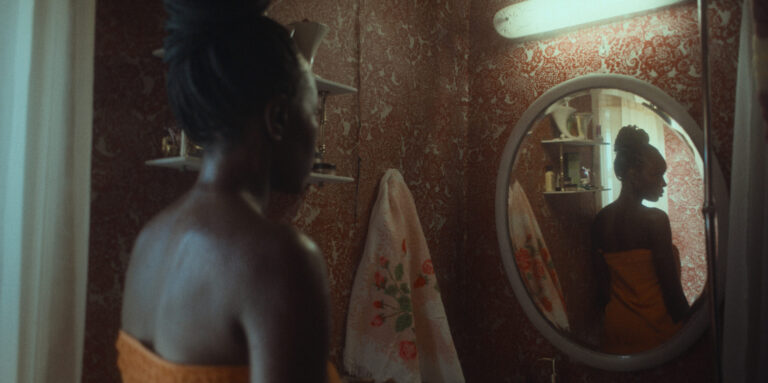
A lush warm-colored small apartment is where we find ourselves at the beginning of Nanny as an elated Aisha (Anna Diop) gets ready for her first day of work at a wealthy couple’s home in Manhattan. The couple, Amy and Adam (Michelle Monaghan, Morgan Spector), need a nanny for their young daughter Rose (Rose Decker). Aisha, who worked as a teacher back in Senegal, resorted to domestic work to scrape together enough money to get her young son to join her in America. Separated by thousands of miles and only able to see her son on a phone screen, Aisha is determined to get her son to the U.S. in time for his next birthday.

At first, her goal seems attainable, but with time comes constant late payments, endless schedule changes, and more and more overtime hours which all put a wrench in Aisha’s plans. It also becomes clear that Aisha was wedged right in the middle of a deteriorating marriage in which both sides are mostly absent and constantly play the blame game. Aisha’s life outside work becomes more unstable, and odd visions start to haunt her dreams and reality.

After several shorts, Nanny marks director’s Nikyatu Jusu feature debut. And it is one of the most exciting debuts in recent memory. The film was also the first horror film to win the U.S. Grand Jury Prize Dramatic Competition at the 2022 Sundance film festival, with writer-director Nikyatu Jusu becoming just the second Black female filmmaker to claim the award. Jusu, who works as an assistant professor at George Mason University, has been developing the script for eight years and finally got the green light to shoot the film in 2021. Jusu chose the horror genre to tell this story because, according to her, “The American dream is a horror story for so many people.”

The cost of the American dream is a story many filmmakers tried to take on in the last few years. With some filmmakers’ ability to deliver more favorable results than others, the Hollywood machine was content pumping out copies of the same story, slightly changed, and barely dressed up in different costumes to deceive the audience that they didn’t see this story before. So from the start, Jusu faced an uphill battle to present a new perspective on the subject matter that isn’t derivative and to imbue her film with the real struggle that African immigrant women face daily in the U.S.

Jusu’s sharp screenplay and commanding direction gave Nanny a genuinely interesting dramatic tension with a delicate infusion of horror that elevated the film beyond the clichés of the genre. The writer-director also made the most of what the cinematic form can offer with  standout utilization of lighting and cinematography that informs and enhances the visual storytelling of the film. The level of craft and ingenuity on display here is truly impressive.

The layered characters of Jusu’s screenplay give the performers a lot of room to play with, which provides their performances with a lot of depth and allows the viewers to recognize aspects of themselves in more than one character of the film. The actors that brought these characters to life are good across the board, especially; Michelle Monaghan as Amy, whose role could have easily been a big misstep for the film, but she brought so much complexity to a character with such small screen time. And there is no Nanny without the magnificent performance from Anna Diop, whose portrayal of Aisha earned her the Chicago international film festival rising star award. Diop’s performance is central to the film, and she; manages to navigate Aisha’s motherly guilt and determination with flawless precision.

Myth and spirits manage to find their way into the film as Aisha’s life gets out of hand; her visions get longer as they get darker, and spirits start to haunt her until she can’t tell dreams from reality. Jusu incorporates horror elements with a meticulous hand to reflect Aisha’s emotions throughout the film. Between rage and dread, there is always a feeling that something is lurking beneath the surface in Aisha’s eyes that is slowly suffocating and poisoning her mind. Eventually, Aisha’s deep suppressed guilt floats to the surface and starts eating away at her until it becomes more than she can handle.

Nanny probably put more on its plate than it could handle, but throughout the film, Jusu’s directorial hand guided the viewer’s focus and did surprisingly well in what she set it out to do. However, the ending of the film lost that anchor in an attempt to wrap everything up in a small amount of time that came away as hasty and rushed; when the film could’ve used an extra ten minutes to let both the characters and the viewers process the climax of the film.

Nikyatu Jusu’s depiction of the many ways of exploitation of immigrant domestic workers, the poisonous effects of capitalism, and the American dream set in a story about a mother’s love and guilt is truly an amazing foot to achieve in your feature debut, and I can’t wait to see what she does next.

Grade: A-


The Underseen Rachel Weisz

Acclaimed actress Rachel Weisz is known for beloved adventures such as The Mummy and lauded support as seen in The Constant Gardener or The Favourite. However, her repertoire includes emotional truths and period piece intrigue that deserve more attention.


Agora

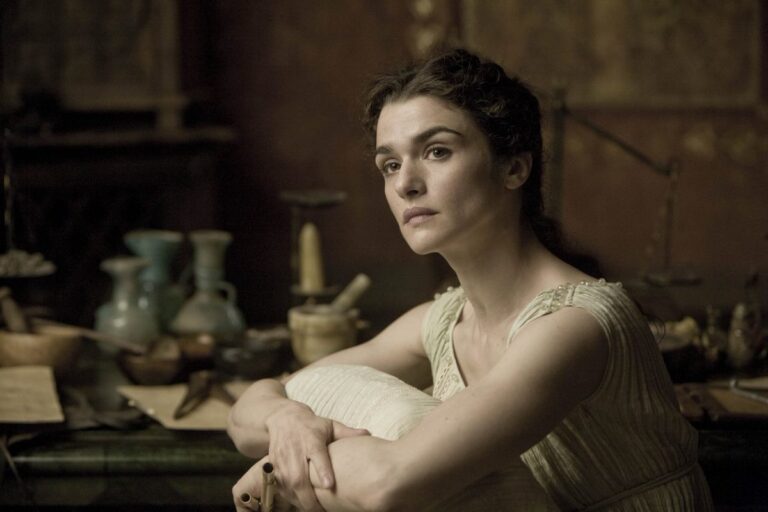
This obscure 2009 Spanish film directed by Alejandro Amenabar (The Others) starring Rachel Weisz as the mathematician Hypatia wonderfully tackles the 4th century strife between paganism, slavery, philosophy, science, Judaism, and Christianity in Alexandria before the fall of the Roman Empire. Despite the expected historical liberties, such turbulent subjects work with the convincing romance versus career and women’s issues without contemporary intrusions, thanks to fine scripting and honest discussions. Rather than sword or sandal romps making this era more about action and adventure, the subtle statements here remain on the individual tale at hand. Period music accents well-dressed Library of Alexandria backdrops and practical sets that feel authentic compared to today’s digital recreations. It’s fascinating to compare then flat-earthers and small mindedness with our current foolish consistencies. We need to make more performance based, stylized, intelligent films like this.


My Cousin Rachel

Sam Claflin (The Hunger Games) inherits all instead of enigmatic widow Rachel Weisz in this 2017 Daphne du Maurier mystery. Mourning gowns, black satin, and lace veils add to her half-Italian allure amid secret letters, charismatic storytelling, and smitten heirs. Interesting conversations on femininity, childbirth, and bewitching ways break Victorian taboos as our passionate, but now dependent widow wraps her wealthy cousin around her finger. Holiday romance, generous feasts, and heirloom gifts could be healing for them both, but the recreation of the late benefactor between them grows awkward thanks to bank overdrafts, previous lovers, and unsigned wills with careful clauses on remarriage and the predeceased. Why must Rachel’s life be defined by a man’s piece of paper? We aren’t sure who is really telling the truth as she lays on the grief. Unanswered doubts, erroneous conclusions, and suspicious melodrama overcome the slow pacing before cliffside shocks, birthday saucy, drunken visions, and poisonous plants. Rachel can only cry wolf so many times, but is this really a carefully orchestrated seduction or merely a foolish infatuation?


Complete Unknown

Mexican misadventures, no nonsense nursing, and a disappearing magician’s assistant who are all Rachel Weisz open this 2016 Amazon Original/ IFC production. Our so-called Alice has done a bit of everything with hook ups and tall tales bending to fit her current workplace stalking. Her about the globe, on the go state of mind wins people over, but stuffy, pragmatic Michael Shannon (Take Shelter) spots holes in her overlapping experiences. Alice calls out others for not having the courage to change their lives, rolling with the exaggerations and off the cuff embellishments. However, her habitual running away and unhealthy detachment are disturbing, even criminal, as she assumes unqualified identities and forges documents. She’s rightfully called out for her cruel deception, yet it’s almost as if she wants to be caught. Being the manic pixie dream girl gets old and lonely when no one knows who you really are. The psychological twofer in the latter half may be slow, even frustrating to some, thanks to diegetic sound and an uneasy lack of a swelling score to gain the audience’s sympathy. Rather than a youthful coming of age experience, here bitter adults question the unsatisfying choices they’ve made be it the adventurous scam or the day to day monotony. 


Movie Review: ‘Broker’ is a Beautiful and Humane Look at Big Questions


Director: Hirokazu Kore-eda

Writer: Hirokazu Kore-eda

Stars: Song Kang-ho, Dong-won Gang, Doona Bae

Synopsis: Boxes are left out for people to anonymously drop off their unwanted babies.


Much of Hirokazu Kore-eda’s recent filmography delves into law and the systems designed to uphold the law. Yet, instead of taking one road and following it to its conclusion, his stories evolve and push against us. His morality plays don’t go into blame or overt antagonism of either side. He presents the system as it is and asks us to think about all of the facets at work. Then he challenges us to think about how we can amend, change, and be better to all people.

At the heart of all of Kore-eda’s films are people. His latest, Broker has some of his most deeply layered characters. As the film progresses, we are given more information about each character, adding to their depth. These aren’t meant to be twists or reveals in the traditional sense, but a conversational experience. We learn things as other characters learn them not in a shocking way, but how you would learn things if you were getting to know someone. As trust forms, the layers are peeled away and the human is presented whole on the screen.

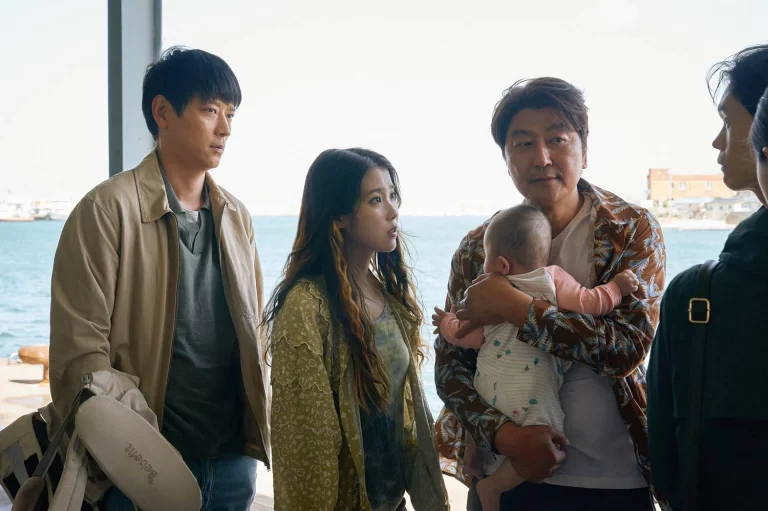
It’s in the small details that Broker really shines. There is this delightful runner that is so effortlessly charming. Sang-hyeon (Song Kang-ho) is a broker, yes, but his main business is as a launderer. Not a money launderer, a clothing launderer, and he takes it so very seriously. He comments on the new technologies, the shoddy work of other launderers, or hones his craft throughout. It’s runners like this one that add an air of authenticity and joy amidst the precarious nature of the business they’re in.

Broker has a sense of urgency as we do see the dogged police officers following the brokers, but it never feels like it’s rushing to a conclusion. Kore-eda takes his time with us. He pushes forward at his own pace, but the story never feels as if it lags. Everything is in the place it needs to be even if we aren’t sure how it will relate to where our characters are at the moment. This speaks to Kore-eda’s skill as his own editor. He doesn’t spoon feed us, he lets the answers come naturally and build on one another. The conclusion he reaches isn’t obvious, but inevitable when all the facts coalesce at the end.

The perfect balance of levity and darkness comes in the form of Song Kang-ho. Song has an uncanny comedic knack. He can be oafish, overly serious, and just plain goofy. Yet, when it comes to the scenes in which he needs to show a depth of emotion, his stoic face conveys his heartache, resolve, and drive. Song Kang-ho is an actor who disappears into a role and becomes a character so naturally.

Broker has a beauty in its naturalism. While it delves deeply into abortion, adoption, human trafficking, and murder; there isn’t the sheen or remove like in a pulse pounding thriller or a high minded courtroom drama. Broker delves deeply and humanely into these topics and doesn’t force us through the process at a grueling pace. It’s a film that puts character and humanity before the system with empathy and respect for the necessity of both. Broker is a beautiful film that gives no answers to the big questions, only offers, and expects, an empathetic response.


Grade: A

Podcast: 2022 InSession Film Awards – Episode 516 (Part 1)

This week on the InSession Film Podcast, we feature our 10th annual InSession Film Awards! During Part 1, we discuss the very best that 2022 had to offer in terms of surprises, overlooked movies, the best acting performances and so much more when it comes to the film year.

Stay tuned for Part 2, where we discuss our Top 10 Movies of 2022.

Want to participate with our Awards show? Go to our Preview post and download the Awards Category sheet, fill it out with your nominees, and winners and as you listen to the show, see how your picks stack up against ours!

InSession Film Awards 2022 (3:50)

    Individual Special Awards

    Best Movie Discovery

    Best Surprise Actor/Actress

    Best Surprise Movie

    Best Overlooked Movie

    Best Opening/Closing Credits Sequence or Scene

    Best Use of Song (Original or Pre-Existing)

    Best Original Score

    Best Animated Movie

    Best Foreign Language Film

    Best Documentary

    Best Cinematography

    Best Adapted Screenplay

    Best Original Screenplay

    Best Director

    Best Actress Supporting Role

    Best Actor Supporting Role

    Best Actress

    Best Actor

*See a list of all of our nominees and winners here!

Special thanks to all of our friends who called in and gave us their top movies of 2021!
Kolby Mac – Kolby Told Me
Tim Costa – First Time Watchers
Aaron White – Feelin’ Film
Jacob Throneberry – Oscars Central
Sophia Ciminello – Oscars Wild
Mike1 / AlsoMike – Mike & Mike & Oscar
Nicole Ackman – Oscars Central

2022 is arguably the best year in film of the decade thus far and its no coincidence given that it’s most removed from COVID. Perhaps it took a little while to get going, but once the year was unleashed we were drowning in great films. 2022 saw some of the best blockbusters we’ve seen in years with Top Gun: Maverick and Avatar: The Way of Water leading the charge in the U.S. Meanwhile, RRR has take the international scene by storm with its incredible bombastic spectacle. As usual, it was a great year for indie gems and international features. 2022 is maybe the best year for animated films since 2014. Overall, it was just a really deep year. The vast amount of films that could be fighting for a top spot is remarkable, and it certainly made for a very satisfying experience at the movies.

Do you agree or disagree with any of our picks? Let us know in the comment section below.

– Music

Voodoo Mama – Justin Hurwitz
The Return of the Eagle – Atli Örvarsson

Subscribe to our Podcasts RSS
Subscribe to our Podcasts on iTunes
Listen on Spotify
Listen on Stitcher
InSession Film Podcast – Episode 516 (Part 1)

[divider]

Next week on the show:

Main Review: TBD
Top 5: Most Anticipated 2023

[divider]

Help Support The InSession Film Podcast

If you want to help support us, there are several ways you can help us and we’d absolutely appreciate it. Every penny goes directly back into supporting the show and we are truly honored and grateful. Thanks for your support and for listening to the InSession Film Podcast!

VISIT OUR DONATE PAGE HERE

Podcast: It’s a Wonderful Life / Top 5 Scenes of 2022 – Extra Film

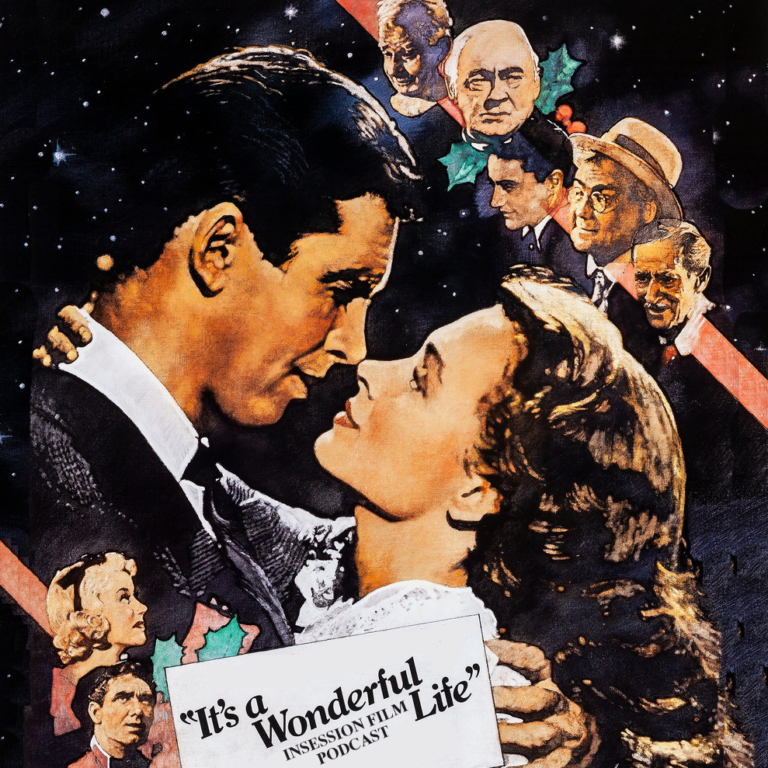
This week on the Extra Film Podcast, Ryan and Jay continue their Frank Capra Movie Series with his classic 1946 film It’s a Wonderful Life and they discuss their Top 5 scenes of 2022!

Frank Capra has several successes in his career, but none like It’s a Wonderful Life. It’s truly one of the best films of all-time and a deserved Christmas classic. It’s always fun to talk our favorite scenes of the year as well. 2022 saw some great films and some phenomenal scenes that go down as some of the very best we’ve seen this decade.

On that note, check out this week’s show and let us know what you think in the comment section. Thanks for listening and for supporting the InSession Film Podcast!

– Movie Review: It’s a Wonderful Life (6:12)
Director: Frank Capra
Writers: Frank Capra, Frances Goodrich, Albert Hackett
Stars: James Stewart, Donna Reed, Lionel Barrymore, Thomas Mitchell

Top 5 Scenes of 2022 (57:41)
Discussing our favorite scenes of the year is always challenging, but one of the most rewarding conversations we have every year. There are many great scenes in 2022 that left us emotional, thought-provoked and thoroughly moved in one way or another. Narrowing down this list to just five is, of course, really difficult, however we feel these picks ultimately helped define what the year was in cinema. That said, what would be your top 5?

– Music

It’s a Wonderful Life – Dimitri Tiomkin
The Fabelmans – John Williams
The Return of the Eagle – Atli Örvarsson

Subscribe to our Podcasts RSS
Subscribe to our Podcasts on iTunes
Listen on Spotify
Listen on Stitcher
Extra Film – It’s a Wonderful Life / Top 5 Scenes of 2022

[divider]

To hear this Extra Film episode and everything else we do, download our apps on the Amazon Market for Android and the Podcast Source app on IOS devices. The mobile app covers all of our main shows, bonus podcasts and everything else relating to the InSession Film Podcast. Thanks for your wonderful support and for listening to our show. It means the world to us.

List: Top 5 Scenes of 2022

This week on Episode 515 of the InSession Film Podcast, we discussed the best movie scenes of 2022. Aside from doing our Top 10 movies of the year, this is always the most challenging exercise we do on the show. But it’s also the most rewarding as well. The amount of great scenes we experience that either strike us emotionally, leave us jaw dropped, provoke us intellectually or come to define us in some way is always vast and thorough. And this year was no different in that regard. 2022 had many great scenes that left us riveted and moved, so narrowing this down to just five was an impossible task, but we had a great time talking about the scenes that ultimately landed on our list. That said, here are our lists:

(Note: Please keep in mind that we each had different criteria for our selections)

JD

1) Sammy Finding the Truth – The Fabelmans
2) Hotel TV Scene – Aftersun
3) Rock Scene / Waymond Sequence – Everything Everywhere All at Once
4) “Dosti” Sequence – RRR
5) Tea Scene – After Yang

Brendan

1) Hallway Scene with Logan – The Fabelmans
2) Under Pressure – Aftersun
3) The Star Lasso Experience – Nope
4) Birthday Scene – The Eternal Daughter
5) Kinescope Studios Scene – Babylon

Ryan

1) Mother’s Forgiveness / Father’s Blessing – The Fabelmans
2) Interview Scene – Tár
3) Yang’s Memories Are Opened Up – After Yang
4) Birthday Scene – The Eternal Daughter
5) Dance Scene – Bardo, False Chronicle of a Handful of Truths

Jay

1) Hallway Scene with Logan – The Fabelmans
2) First Interrogation – Decision to Leave
3) Escaping Into the Forest – EO
4) Heinrich’s Jacket Sequence – All Quiet on the Western Front
5) Jean Jacket Rains Blood – Nope

Honorable Mentions (Combined)

Final Scene – Aftersun
Magical Realism – Hit the Road
Opening Sequence – Hit the Road
Final Beach Scene – Decision to Leave
Final Beach Scene – The Banshees of Inisherin
Pádraic Confronts Colm – The Banshees of Inisherin
Dominic Proposes to Siobhán – The Banshees of Inisherin
Final Shot of Nana Connie – Marcel the Shell with Shoes On
Glass Shattering – Glass Onion
Juliard Lecture – TÁR
Accordion Scene – TÁR
Iceman Scene – Top Gun: Maverick
Bar Scene – Top Gun: Maverick
Rooster & Maverick Dogfighting – Top Gun: Maverick
Gordy Scene – Nope
Final Act – Avatar: The Way of Water
Underwater Scenes – Avatar: The Way of Water
Nellie’s First Talkie – Babylon
Finale – Babylon
Opening Orgy Sequence – Babylon
Pearl’s Monologue – Pearl
Landslide – X
Opening Credits – After Yang
End Credits – White Noise
Ending – Guillermo del Toro’s Pinocchio
“My Son” – Guillermo del Toro’s Pinocchio
Village Raid – The Northman
I AM HIS VENGEANCE – The Northman
I AM VENGEANCE – The Batman
Batmobile Reveal – The Batman
Bridge Sequence – RRR
Compound Raid – RRR
Naatu Naatu – RRR
Mirror Scene – Devotion
Tank Scene – All Quiet on the Western Front
Paul Tries To Save French Soldier – All Quiet on the Western Front
Holiday Special – Elvis
Ferris Wheel Scene – Broker
Final Scene – The Menu
Nicolas Holt Cooking – The Menu
Funeral Scene – Black Panther: Wakanda Forever
Beach Scene – Bardo, False Chronicle of a Handful of Truths
Bookend Scenes – No Bears
Group Conversations – Women Talking
Surgery Is The New Sex – Crimes of the Future
Solving the Murder – Glass Onion
Goodbye Scene – Cha Cha Real Smooth
Court Scenes – Saint Omer

Hopefully you guys enjoyed our lists and if you agree or disagree with us, let us know in the comment section below. There are so many other scenes that we wanted to mentioned, but let alone others that were more on your radar. That is to say, your list could look very different than ours given the amount of great scenes we saw in 2022. That being said, what would be your Top 5? Leave a comment in the comment section or email us at [email protected].

For the entire podcast, click here or listen below.

For more lists done by the InSession Film crew and other guests, be sure see our Top 3 Movie Lists page.

Poll: What is your favorite film of 2022?

With each year this decade, movies seem to get bigger and bigger. And it makes sense, as Hollywood is seemingly still trying to make up for lost time, with that lost time being the pandemic-ridden 2020. If 2021 had a theme, it was celebrating our return to the movies, but 2022 expands on that theme even further – the return of BIG movies. If there’s one word to take away from 2022, it would be ‘spectacle’, a word made even more accurate as many of the year’s best films were actually about spectacle. Will things get even bigger in 2023?!

Until then, let’s celebrate not just the movies once again, but the grandness of them. What was your favorite film of 2022?


Preview: InSession Film Awards / Top 10 Movies of 2022

We are less than a week away from our 10th annual InSession Film Awards show as we discuss the very best that film had to offer in 2022. This is an exciting time of year and our awards show is one our favorite things we get to do. As we’ve done in previous years, for Part 1, we will have a list of categories where we each nominate five candidates and then present our winner for that category. For Part 2 of the awards ceremonies, we will reveal our Top 10 movies of 2022.

So, to help you prepare for the show, we’ve laid out below all of the categories we’ll be discussing this weekend. To play along, select five nominees and a winner for each category. Then stay tuned for Episode 516 as we discuss each category and we’ll see how your selections compare with ours. Click on the link below if you would like a print out version.

InSession Film Awards 2022 – Fill in Sheet

Remember, treat each category as your own. Select your own nominees and winner based on your own experience with film this last year. If you’d like, email, Facebook or tweet us your ballot. We would love to see how your awards sheet turns out!

InSession Film Awards Categories:

Individual Special Awards

– For this category, make up your own special awards that you want to give away. This can be anything from film in 2022 that isn’t related to any category below. (I.E. Best Production Design, Best Use of Inanimate Object, Best Animal Performance, etc)

Best Movie Discovery

Best Surprise Actor/Actress

Best Surprise Movie

Best Overlooked Movie

Best Opening/Closing Credits Sequence or Scene

Best Use of Song

– Any song (non-score) used in the film, either original or per-existing. Opening and Closing credits count.

Best Original Score

Best Animated Movie

Best Foreign Language Movie

Best Documentary

Best Cinematography

Best Adapted Screenplay

Best Original Screenplay

Best Director

Best Supporting Actress

Best Supporting Actor

Best Actress

Best Actor

Best Picture

– Hear our Top 10 films of 2022 on Part 2 of Episode 516.

Op-ed: Representation of Britain’s Working Class in Film

The term working class has long been associated with those who are deemed as “unskilled” or semi-skilled, people who might work lower-paid jobs or struggle for work in general; desperate just to make ends meet a lot of the time while fighting substance abuse, broken families, and violence. There has always been a divide between the working class and those people who see themselves as better – the middle or the upper-class people of society  – but when half of the UK’s population is classified as working class, it is these people that have made the nations what they are. The representation of the working class in films has always been interesting; portraying people both at rock bottom and at their glistening best, but one thing is for sure, and that’s the raw authenticity that directors have always tried to implement in these representations.

Ken Loach is seen by a few to be the godfather of portraying working-class social realism in film, and who would argue that? What started back in 1967 with Poor Cow, a film about young parenthood, crime, and the lasting effects that drink and drugs can have on a family, quickly cemented Loach as a name to be remembered, due to his dark and dreary portrayal of common social issues. Two years later, Loach released the very different Kes, a film that has long been considered a British classic; a nostalgic film about growing up in a northern working-class town with little to do apart from imagine and dream.

The 1960s was a crucial decade for the British film industry and one that had a plethora of interesting interpretations of working-class life and the social dilemmas attached to it. Billy Liar (1963) took a very different approach to the representation of working-class lives, harnessing the power of that notorious northern sense of humor to explore a very real story in an uplifting manner. John Schlesinger’s British CinemaScope comedy-drama stars Tom Courtenay in the titular role, as a young man living in a small Yorkshire town with aspirations to leave and dreams to chase. Small towns like this have power over people; it is holding you back and turns any attempt to leave into an eternally somber battle. Billy’s aspiration for the big city life is a common thought in the head of young people, but the thought of leaving is as terrifying as it comes; with a sinking realization that the comforts of home will no longer be, which results in Billy purposefully missing his train in the film’s climax because of this hold that the town has on him.

Billy Liar expertly shows how monotonous a life living in a town like this can be. Due to the boredom that Billy feels with his own life and the town that has trapped him, he feels the need to lie; exaggerating and fabricating every bit of his life to make it sound more exciting to him and to others, even creating a new fantasy world in his own head to quench his unfulfilled needs – this is a common trait for people of Billy’s age living in a similar environment, and a difficult one to rid yourself of. It’s what people call “small-town syndrome” and its effects can be damning if you don’t get out quickly because it will pin you down forever in the blink of an eye.

This genre has delivered some unquestionable successes over the years, while incredibly real but also varied – with so many social issues happening all over the country, it allows for endless amounts of scope for filmmakers to trace from. One technique that has always been a ticket for success with this genre of films though (and for very good reason because it’s wonderfully effective) and that’s when the story is told from the perspective of a child. Loach knows it and it has allowed him to deliver remarkable films over the years; Shane Meadows is another that has excelled because of it, as seen in the masterful This Is England from 2006. But another director who perfected this concept was Lynne Ramsay with Ratcatcher (1999) a film so powerfully morbid but equally heart-warming.

Set in Glasgow in 1973 (a particularly tough period for Scotland and England, with the conservative leadership aiding poverty), Ratcatcher explores themes of death, rebirth, poverty, and the effects that it has on a child. The city was once a statement of Victorian grandeur, but government housing schemes that produced the poorest housing conditions in western Europe with no hot water, bathing facilities, or indoor toilets, soon vanquished the city’s former glory. The film follows a young 12-year-old boy called James (William Eadie) as he wades through the trash-riddled streets (the binmen have all gone on strike and it has become a breeding ground for rats) while he waits for re-housing that was promised to his family and thousands of others.

In a similar fashion to Billy Liar, young James has become disillusioned with his life and escapes these harsh realities by visiting his own imaginary world. This, once again, proves that no matter how hard life hits you, imagination and a need for exploration can often be your greatest ally. Ratcatcher is one of those rugged filming masterpieces that almost becomes a documentary, as it showcases some very real problems that inflicted misery upon thousands of people. But Ratcatcher’s greatest strength was harnessing the power of a child’s mind, using the very naivety and wonderful innocence that makes a child a child, and thrusting them into the broken reality of life, which is a sure-fire way to quicken that growing up process.

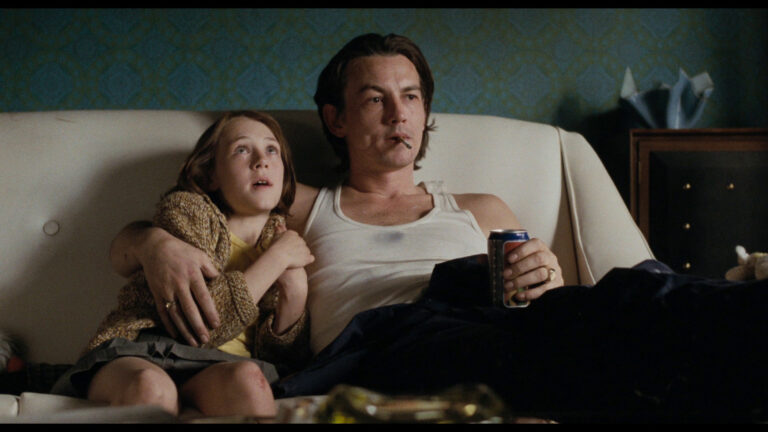
But where Ratcatcher and Billy Liar succeeded in portraying the positives that a working-class or poverty-stricken upbringing can have on a person, there is still an awful lot more to be uncovered, which is where Fish Tank comes in. 2009’s Fish Tank explores all the aspects that the other two films only touched upon and does so with great authoritativeness and vigor. This time, we are transported to the mean streets of East London and the electricity that can be generated in council estates up and down the nation. The film surrounds Mia (Katie Jarvis) a volatile and socially isolated 15-year-old who has trouble with her alcoholic mother Joanne (Kierston Wareing) and partakes in a boundary-blurring relationship with her mother’s new boyfriend Connor (Michael Fassbender).

The name itself “fish tank” is a great metaphor for trying to escape this place called home, one that could even be applied to Billy Liar, as the confining powers of this place force you to stay within its walls. Fish Tank really is gritty British realism at its absolute best, and what begins as a portrayal of working-class youth life and the chaos that surrounds it, soon turns into a powerfully emotional story with enough heartache to fill the year. Another film that feels so incredibly rugged and real that the story could have happened down the road from our very own home. But what instills this film with its most authentic aspect is the performance from debut actor Kate Jarvis, who, by all accounts, was hired by Andrea Arnold after the director witnessed Jarvis arguing with her boyfriend close to where the film was set – now, it really doesn’t get any more real than that.

These three films are just a few of the countless brilliant British social realism films out there; all three are so different in story and the issues being explored, but they also share some striking similarities. Films of this ilk become so spiritual, important, and genuine because of how close to home they hit, with many of us who were brought up in similar areas encountering or hearing about these experiences in some capacity. The mastery of British social realism films is one that stands the test of time, it’s one that pulls on every heartstring but will also make you laugh while being full of an array of eclectic characters as well – it is a genre that still has a lot of time to play around with and long may it continue.


Movie Review: ‘Matilda the Musical’ Offers Shining Supporting Performances


Director: Matthew Warchus

Writer: Dennis Kelly 

Stars: Alisha Weir, Lashana Lynch, Emma Thompson, Stephen Graham, and Andrea Riseborough

Synopsis: An adaptation of the Tony and Olivier award-winning musical. Matilda tells the story of an extraordinary girl who, armed with a sharp mind and a vivid imagination, dares to take a stand to change her story with miraculous results.


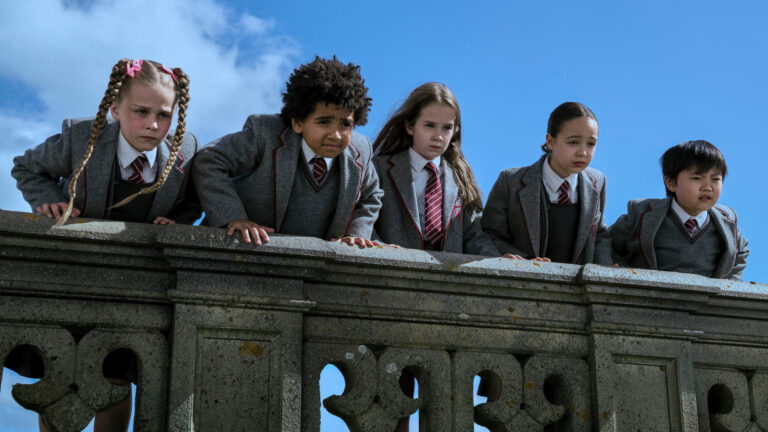
When a film adaptation of the stage play “Roald Dahl’s Matilda the Musical” was announced, I was amazingly skeptical. Danny DeVito had already adapted Roald Dahl’s children’s book to significant effect in 1996, which became an instant classic upon release. The trailers for this adaptation did not look good at all. Emma Thompson had already bathed herself in prosthetics for the Nanny McPhee pictures, two of the most abysmal family films I’d ever seen (fun fact: Ralph Fiennes was initially slated to play Miss Trunchbull. Now that would’ve been incredible). And however talented the new Matilda (Alisha Weir) would be, she’s still no match to Mara Wilson’s infectiously energetic and charming approach to the character in DeVito’s film. 

On the Matilda front, I was right. Alisha Weir, as good as she can be, had some overwhelming shoes to fill, and, unfortunately, she couldn’t walk past Mara Wilson’s shadow. However, the rest of the film is a riotously entertaining musical that fully understands what it needs to do to entertain the living hell out of the audience. It doesn’t take long for us to enter the film’s world, even if we know how it will go down, by reading Matilda or seeing the previous film adaptation. But director Matthew Warchus and writer Dennis Kelly give a terrific, modern spin on the story by crafting lavishly-shot and enchanting musical numbers that transpose themselves exceptionally well on film. 

The songs are catchy (“Revolting Children” is a notable highlight), the energy in front and behind the camera is amazingly palpable, and the dance choreographies are terrifically intricate. One scene, in particular, “School Song,” sees Matilda learn the alphabet in the most unique of ways, with Warchus and cinematographer Tat Radcliffe using the frame and the song’s wry lyrics to craft sharp visual comedy whose punchlines hit amazingly well, without feeling forced, or unearned. 

And this happens throughout the entire film. Most of Matilda the Musical’s laugh-out-loud scenes involve visual comedy, instead of physical humor, and it greatly benefits from doing so. The physical gags don’t work, but the visual ones do amazingly well. Actually, there is one physical gag that is so insane you can’t believe that nothing was done. Miss Trunchbull planted MINES (!!!) in her obstacle course and isn’t afraid to blow up children. It’s so wild, and deftly integrated in the musical number, that you can’t help but laugh at how insane this version of Trunchbull is, and are in disbelief that Child Protective Services weren’t immediately called (or they don’t exist in this sick and twisted world). 

As Trunchbull, Thompson is no Pam Ferris, but she can modernize Trunchbull in a way that is entirely fascinating to watch. It would’ve been way more interesting if Ralph Fiennes had committed to playing Trunchbull, but Thompson’s versatility as an actor cannot be overstated. She steals the show more than once, during musical and non-musical scenes, where she forces the children to sing that they are maggots (“Bambinatum est Maggitum”) and completely worthless. It’s funny how despicable of a human Trunchbull is, but is a perfect contrast to how nice and gentle Miss Honey (Lashana Lynch) is. 

As Honey, Lynch doesn’t try to copy what was done before but brings a whole new perspective to her character that couldn’t have been made possible if another actor had portrayed her or Embeth Davidtz in Danny DeVito’s 1996 film. She’s been having one hell of the year with Doctor Strange in the Multiverse of Madness and The Woman King, and capping it off with such an emotional powerhouse of a performance in Matilda the Musical seems like a great sign that Lynch will be getting more roles in the future and is destined for greater things. Great actors are, in my opinion, defined by their versatility and range from one role to the next. Lashana Lynch is one of those actors whom I hope gets more roles in the future. 

The film ranges from funny visual comedy to staggering musical and emotionally investing drama with two excellent core performances from Emma Thompson and Lashana Lynch. I wasn’t expecting to like, let alone love, Matilda the Musical that much. Yet I walked out of it tapping my toes, singing that we are revolting children, living in revolting times, we sing revolting songs, using revolting rhymes. It got me, and it will get you too. 

Grade: A


Suso: The Common Denominator Writer

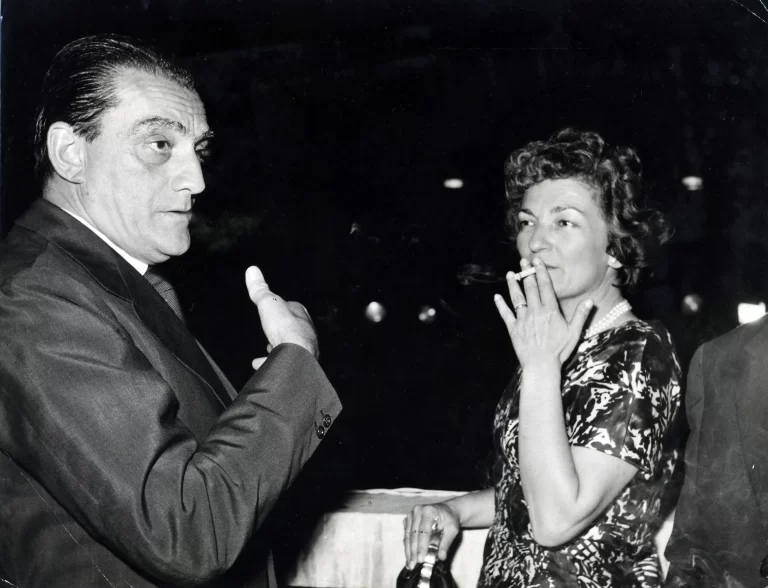
Vittorio De Sica. Mario Monicelli. Francesco Rosi. Federico Fellini. Michelangelo Antonioni. Luchino Visconti. These are the biggest names in directing from Italian cinema during a golden era from 1945 to the 1960s and beyond. Some of the greatest movies ever made came from this era in this one country with fewer resources than Hollywood. All of these figures behind the camera are men. However, there was one woman who knew them all and worked with them all who has legendary status amongst women in cinema: Suso Cecchi d’Amico. 

With more than 100 films to her credit, d’Amico worked on so many legendary films including Bicycle Thieves, Senso, Le Amiche, White Nights, Jesus of Nazareth, and The Leopard. Nicknamed “The Queen of Cinecittà” because of her continuous presence on set for many films she worked on at the legendary studio, d’Amico’s range included dramas and comedies, love stories, and social realism. Being among the very few female writers in a completely male-dominated industry, d’Amico would find herself amongst genius filmmakers who respected her highly as a writer among equals.


Early Life And First Scripts

Giovanna “Suso” Cecchi was born in 1914 in Rome to a painter mother and a literary critic father. Emilio Cecchi was an important figure in the early 20th century and was hired in the 1930s by the fascist government to head the state-backed film company Cines. It was young Giovanna’s introduction to film as many industry figures visited the home to meet her father. One of those visitors was theatre critic Silvio d’Amico and he introduced his son, Lele, to Giovanna. They would marry, and because of his association with anti-fascist groups, Lele would flee to Switzerland and return at the war’s end, albeit sick after contracting tuberculosis. The two would remain married until Lele’s death, but d’Amico would be the breadwinner in the home.

Having learned multiple languages, d’Amico was hired as an interpreter and secretary in the Ministry of Foreign Trade throughout the war. Following the fall of Mussolini and Italy’s liberation, she was hired to translate various books and plays for stage productions, some of them being directed by Luchiano Visconti. This would lead to her first screenwriting job working for producer Carlo Ponti and director Renato Castellani. That script was never made, but Castellani would bring her as one of seven writers in the comedy-drama My Son, The Professor in 1946. Her next credit was director Alberto Lattuada’s Flesh Will Surrender in 1947, which was also co-written by Federico Fellini before he himself became a director.


The Neorealist Club

The end of World War II and the release of Roberto Rossellini’s Rome Open City began a new type of cinema, neorealism. Shot on the cheap, on location, with mostly non-professional actors, these films established a new way to tell stories on screen and one that opened the floodgates for future directors. For example, Bicycle Thieves follows a man who can only work if he has his bike with him, but when it is stolen, he and his son go on the search for it or face unemployment in destitute Italy. The lead actor, Lamberto Maggiorani, was a brick-layer when he was cast and returned to manual labor because of the lack of acting opportunities after the film’s success. Although secure financially, d’Amico and her fellow collaborators were all sympathetic to the plight of many Italians left without work or money (Visconti was a communist, yet wealthy) and chose to make stories based on these real-life difficulties ordinary Italians faced. 

In addition, she was reliable with directors with whom there were many friendships, such as with Visconti for all but two of his films. In addition, d’Amico called working with De Sica, “a great experience,” and learned a lot through him as he was both a director and actor. She called her screenplay with director Luigi Zampa The City Stand Trial the best she had ever written. While Antonioni never directed a comedy, nor was capable according to d’Amico, she said, “He was a very amusing man, believe it or not. Full of humor.” This friendship with others also included actors such as Anna Magnani and Sophia Loren, when she co-wrote the film Too Bad She’s Bad explicitly for Loren to play an early major role.


Authorship

With most Italian films in the neorealist era, there were multiple writers credited to one film. Thus, how much d’Amico contributed is unknown. For example, Bicycle Thieves had six credited screenwriters, Rocco and His Brothers had five, and Big Deal on Madonna Street had four. However, those movies on which she was a writer on remain among the most important made in the world, let alone in Italy, during the 1950s and 1960s. All of them had the same common themes involving class, especially among the poor, social power within post-war society, and life among common men and women in contrast to the elitists. 

However, d’Amico did get a shot in writing for Hollywood, even though she was not credited, on William Wyler’s Roman Holiday. Looking to improve the original script for a more authentic feel, Wyler asked d’Amico and fellow writer Ennio Flaiano to polish it and were allowed to work from home, having never been sent to Hollywood. A number of things would make it onto the screen as Wyler liked their draft, creating an upbeat mood that coincided with the economic miracle in the 1950s. Part of her appeal as a hired writer was her ability to write strong female roles, even if they are small roles, in many of these films. 

She would serve as a hostess in her apartment for many writing sessions for many of the films she worked on and directors felt comfortable with her creative input. When asked if she considered herself an auteur, d’Amico said: “I’m just an artisan, the author is the director… It is absolutely necessary to work closely with a director. To understand what he likes, how he feels, and what he wants. I think it’s useless to write something that doesn’t feel right for the director.” 


Coronation Of A Singular Force

Cecchi D’Amico was nominated for an Oscar as a co-writer in Mario Monicelli’s Casanova 70 in 1965. For lifetime achievement, she was awarded a David di Donatello (Italian Oscars) in 1980, a special Golden Lion from the Venice Film Festival in 1994, and the Jean Renoir Award by the Writers Guild of America in 2009. Among her final works was assisting Martin Scorsese in his documentary My Journey To Italy and collaborating one final time with Monicelli on what was his last movie, 2006’s The Roses Of The Desert. While there weren’t showers of awards given, d’Amico was interviewed many times in her last years discussing her life and the history she made.

Suso Cecchi d’Amico died at the age of 96 on July 31, 2010. When asked why she was a unique figure in Italian film as a female screenwriter, she said, “Perhaps I was the only one because then it didn’t occur to any other woman to do this job.”


Follow me on Twitter: @brian_cine (Cine-A-Man)

Podcast: Studio Ghibli Movie Series

Studio Ghibli is without question of the best film studios of all-time. They’ve rendered some truly magical animated films and experiences that are so deeply human. Most will know Hayao Miyazaki and his impact on Ghibli, but in this series we will champion Isao Takahata as an equally brilliant mind. He may not have made as many movies, but they’re equally profound. Regardless of whose vision is behind each film, there is a passion and thoughtful ethos that makes Studio Ghibli one of a kind. This was a really fun series and we hope you enjoy it as much as we did!

Nausicaa of the Valley of the Wind, 1984

Listen to our review below as heard on Epiosode 492.

Castle in the Sky, 1986

Listen to our review below as heard on Epiosode 494.

My Neighbor Totoro, 1988

Listen to our review below as heard on Epiosode 494.

Kiki’s Delivery Service, 1989

Listen to our review below as heard on Epiosode 495.

Porco Rosso, 1992

Listen to our review below as heard on Epiosode 496.

Ocean Waves, 1993

Listen to our review below as heard on Epiosode 497.

Pom Poko, 1994

Listen to our review below as heard on Epiosode 498.

Spirited Away, 2001

Listen to our review below as heard on Epiosode 499.

Whisper of the Heart, 1995

Listen to our review below as heard on Epiosode 501.

Princess Mononoke, 1997

Listen to our review below as heard on Epiosode 502.

Howl’s Moving Castle, 2004

Listen to our review below as heard on Epiosode 503.

Ponyo, 2009

Listen to our review below as heard on Epiosode 504.

The Secret World of Arrietty, 2012

Listen to our review below as heard on Epiosode 505.

The Wind Rises, 2014

Listen to our review below as heard on Epiosode 506.

The Tale of the Princess Kaguya, 2014

Listen to our review below as heard on Epiosode 506.

Grave of the Fireflies, 1988

Listen to our review below as heard on Epiosode 508.

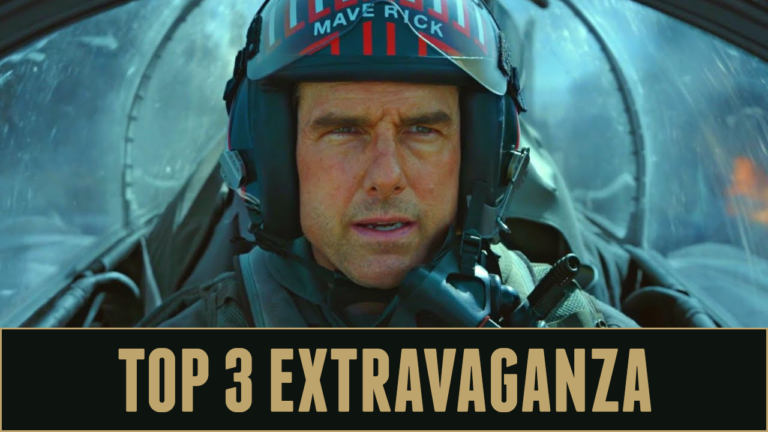
Podcast: Top 3 Extravaganza – Patreon Bonus Content

Listen!

For this week’s Patreon Bonus Content, JD and Brendan discuss their Top 3 Against the Grain movies of 2022, their Top 3 action scenes of the year and their Top 3 comedic scenes!

If you’re already a Patreon supporter, you can listen to this episode NOW on Patreon by clicking here.

Sign up today to get early access and hear the entire episode!

[divider]

HELP SUPPORT THE SHOW

To hear our bonus content episodes early, subscribe now on Patreon. In many cases, though, we offer our bonus content for free after a certain period of time and we do encourage (and very much appreciate) a small donation of $0.99 as a way to help support the show if signing up on Patreon isn’t for you. Click on the PayPal button below to donate and thanks so much for your support. You can also hear much of our Bonus Content via our mobile apps. See the information at the bottom of the post for more details.


One-Time Donation


[divider]

Mobile Apps!

Listen to all of our bonus content on our apps for just a one-time fee! Whether you have an iPhone, Android or Windows phone, our apps are available in many different ways that is convenient for you. With our mobile app, not only can you listen to all of our bonus content, but our main shows and our Extra Film podcasts as well. Click here for more info!

If you don’t want to purchase our bonus content, but still want to support us, there are other you can help us out. Click here for more info.

Podcast: Broker / Top 5 Scenes of 2022 – Episode 515

This week’s episode is brought to you by Patreon and our awesome listeners like you. Sign up to support us and get early access to our bonus content!

This week on the InSession Film Podcast, Ema Sasic of Next Best Picture joins us to review Hirokazu Kore-eda’s new film Broker and we discuss our Top 5 Scenes of 2022!

A big thanks to Ema for joining us on the show. We are big fans of her work and this is long overdue. We had a great time talking about Kore-eda and what makes Broker another magical movie from a filmmaker we adore. Talking about our favorite scenes in any given year is, unsurprisingly, one of the most rewarding conversations we have every year. And you’ll no doubt hear the passion in our voices as we dive into these great scenes from 2022.

On that note, check out this week’s show and let us know what you think in the comment section. Thanks for listening and for supporting the InSession Film Podcast!

– Review: Broker (4:48)
Director: Hirokazu Kore-eda
Writers: Hirokazu Kore-eda
Stars: Song Kang-ho, Gang Dong-won, Bae Doona, Lee Ji-eun

– Notes / Discussion (47:44)

This week for our break segment, as mentioned above, JD gives us his thoughts on the Vickey Krieps vehicle Corsage and Jafar Panahi’s new film No Bears. Brendan then offers up his thoughts on Panah Panahi (Jafar’s son) new film Hit the Road.

[divider]

RELATED: Listen to Episode 475 of the InSession Film Podcast where we discussed Everything Everywhere All At Once!

[divider]

– Top 5 Scenes of 2022 (1:07:25)

Aside from doing our Top 10 movies of the year, this is always the most challenging exercise we do on the show. But it’s also the most rewarding as well. The amount of great scenes we experience that either strike us emotionally, leave us jaw dropped, provoke us intellectually or come to define us in some way is always vast and thorough. And this year was no different in that regard. 2022 had many great scenes that left us riveted and moved, so narrowing this down to just five was an impossible task, but we had a great time talking about the scenes that ultimately landed on our list. That said, what would be your top 5?

Show Sponsor: First Time Watchers Podcast

– Music

To Be a Bird – Jung Jaeil
Under Pressure – David Bowie, Queen
The Return of the Eagle – Atli Örvarsson

Subscribe to our Podcasts RSS
Subscribe to our Podcasts on iTunes
Listen on Spotify
Listen on Stitcher
InSession Film Podcast – Episode 515

[divider]

Next week on the show:

2022 InSession Film Awards Show

Top 10 Movies of 2022

[divider]

Help Support The InSession Film Podcast

If you want to help support us, there are several ways you can help us and we’d absolutely appreciate it. Every penny goes directly back into supporting the show and we are truly honored and grateful. Thanks for your support and for listening to the InSession Film Podcast!

VISIT OUR DONATE PAGE HERE

January 2023: Criterion Releases

Welcome to the New Year! Off the bat, four new entries for the Criterion Collection plus a trilogy of reissues for the start of one of cinema’s most ingenious, yet controversial directors. A notorious film in retrospect gets much-deserved appreciation, an early melodrama on race relations, a film from an unknown nation, and a recent drama set on the home of a movie god that would be granted his approval. Here’s the first batch for 2023.

Imitation Of Life (1934)

Before it was remade into beautiful living color by Douglas Sirk in 1959, the original version came out twelve years earlier from John M. Stahl starring Claudette Colbert as a White woman who makes a living in the business world. She is a single mother, as is her Black maid, whose own daughter passes on as white to avoid the painful discrimination her mother has to go through. It is a beautiful melodrama and one that captures the moment of racial struggle mixing in with the white privilege one has compounded by the economic limits both women face.


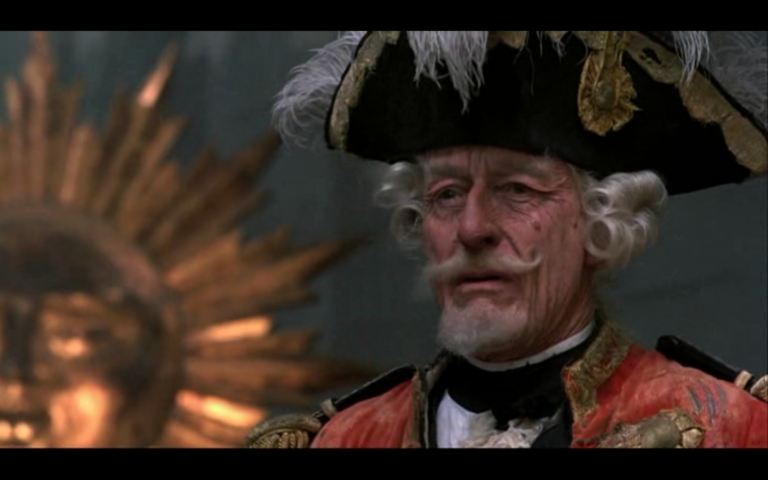
The Adventures of Baron Munchausen (1988)

Upon its release, the film bombed at the box office (losses of almost $40 million) and became a cautionary tale of what not to do in filmmaking. The production had many issues, including Sarah Polley, then only eight years old, having to do dangerous stunts that traumatized her. Regardless, Polley says the film is beautiful and it truly is; writer/director Terry Gilliam utilizes all of his animated ideas to construct a whole new world that follows the titular adventurer (John Neville) to the moon and back fighting all types of creatures. Besides Polley, the film stars Eric Idle, Oliver Reed, and Johnathan Pryce; plus a cameo by Robin Williams as King of the Moon.


Lars von Trier’s Europa Trilogy (1984-1991)

Making his international debut at this time, the Danish von Trier made a name for himself with three stories of his home continent trapped in a state of confusion with genres of film noir, melodrama, horror, and science fiction. In The Element of Crime, a former detective remains tormented by his last case, a serial killer who always seems to escape him. Epidemic is an experimental tale of medical horror in which von Trier and Niels Vorsel play fictional versions of themselves as they write a twisted version of the Black Death intertwined with World War II. And Europa, starring Max von Sydow, Barbara Sukowa, and Jean-Marc Barr, is set in American-occupied Germany where an American working as a train conductor gets caught up in a Nazi terrorist plot.


This Is Not A Burial, It’s A Resurrection (2019)

Mosotho-born writer/director Lemohang Jeremiah Mosese tells a moving story about a home when an old woman plans her own funeral amongst her family, but learns that a new construction project threatens her home. Instead of bowing down or being moved, the woman and her neighbors, all of Lesotho, plan to fight back to keep their homeland intact. It is not just a drama of preserving what they hold dear, but a visual poem of this little-known country within South Africa. It is about keeping in touch with your ancestors while realizing that technological progress always threatens forgotten people, in this case, two million of them. 


Bergman Island (2021)

Mia Hansen-Love writes and directs this love story set in the land of the legendary director Ingmar Bergman, on Faro in Sweden. A couple (Tim Roth and Vicky Krieps) make the pilgrimage where they confront their own differences in their work and in their own love. Playing out like a Bergman film, the couple works on their own screenplay to make in Faro (with Mia Wasikowska and Anders Danielsen Lie in the metafiction part as themselves and as characters within that story) and the process becomes an emotional drive to learn about discovering what is real to them and what they put in their own story. 


Follow me on Twitter: @brian_cine (Cine-A-Man)

Chasing the Gold: Awards Season 2023 – Episode 49

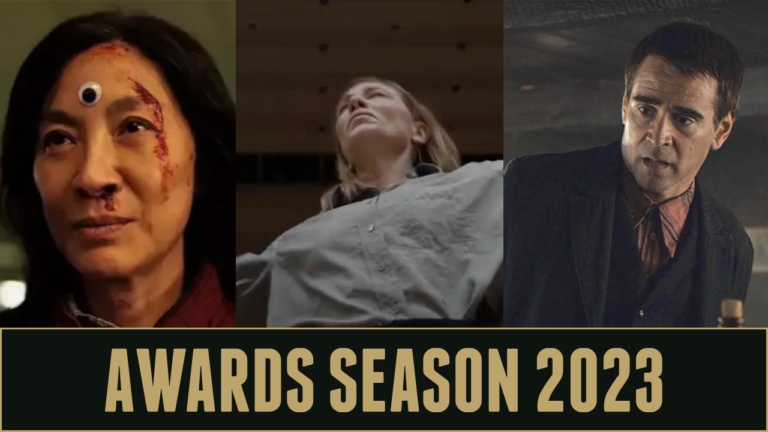
On Episode 49 of Chasing the Gold, JD is joined by Brian Rowe to discuss the Awards Season and the top contenders for this year’s Oscars race! It hasn’t been quite as contentious in 2022, but there are a few competitive races out there that are looking pretty spicy. Other categories, such as Best Supporting Actress, seem like they’re very much up in the air. Could this be a year with several upsets and surprises? It does seem as if the race is setting itself up to perhaps have a few. We talk about all of this and more, and it was a lot of fun.

On that note, have fun with this week’s episode, and let us know what you think in the comment section below. Thanks for listening!

– Music
The Return of the Eagle – Atli Örvarsson

We try to make this the best movie podcast we possibly can and we hope you enjoy them. Subscribe today on iTunes, Spotify, or Stitcher, and please leave us a review on iTunes. You can also find us on Soundcloud, PlayerFM, and TuneIn Radio as well. We really appreciate all your support of the InSession Film Podcast.

Subscribe to our Podcasts RSS
Subscribe to our Podcasts on iTunes
Listen on Spotify
Listen on Stitcher
Chasing the Gold: Reactions to 2022 Oscars – Episode 48

[divider]

Mobile App

To hear this Extra Film episode and everything else we do, download our apps on the Amazon Market for Android and the Podcast Box app on IOS devices. The mobile app covers all of our main shows, bonus podcast’s and everything else relating to the InSession Film Podcast. Thanks for your wonderful support and listening to our show. It means the world to us!

[divider]

Help Support The InSession Film Podcast

If you want to help support us, we would greatly appreciate it! For more info, CLICK HERE.

Movie Review: ‘Empire of Light’ is Dramatically Disjointed and Empty-Handed


Director: Sam Mendes

Writer: Sam Mendes

Stars: Olivia Colman, Micheal Ward, Colin Firth

Synopsis: A drama about the power of human connection during turbulent times, set in an English coastal town in the early 1980s.


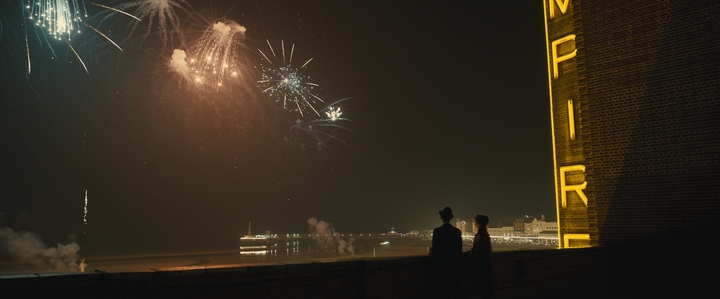
Although Empire of Light tries to capture the magic of cinema (how it shapes and affects us) and the sparks of newly found love through the lavish frames of legendary cinematographer Roger Deakins, director Sam Mendes never gets a grasp on the other topics he wants to talk about (mental illness, racism, adultery). As a result, it is a plodding and dramatically disjointed picture that will have you heading for the exits before its second act arrives.

Whether you are a fan of his work or not, every three years (approximately), we get a new Sam Mendes film. Although some of his work consists of misses more than hits, at least in my opinion, one thing I admire about him is that he doesn’t stick to the same topics or stylistic tendencies. Even in his two ventures into the James Bond universe, with Skyfall being one of the best Bond films in the franchise’s long history, he changes the presentation of high-tension spy games we know and love. 

For his latest feature, Sam Mendes decided to follow the current trend of delivering films that showcase the “effect” and “power” of cinema – an “ode” to movie theaters and their workers at a time when plenty of them are closing their doors for good, while intertwining other side-narratives into the mix, titled Empire of Light. Damien Chazelle and Steven Spielberg delivered films like these, recapturing the “power” and “impact” of different eras in movie history. And although I haven’t seen the former’s work yet , I felt that the latter was a bland and insipid attempt to do such a thing. Of course, the bigger picture of The Fabelmans was the divorce of young Steven’s parents, but it presented how cinema shaped his life, both in his artistic and personal life, in a lackluster way. It was a weird experience; Spielberg’s most personal and emotional film to date doesn’t have an emotional effect or awe-inspiring filmmaking. And just like most of the films that have followed that recent trend, Sam Mendes’ latest fails miserably, yet another piece of work by a gifted filmmaker that ultimately falls apart. 

While Babylon covered silent films and The Fabelmans was attached to the late 50s and 60s, Empire of Light attaches itself to its 1980s London setting, a time of profound change and artistic movements. On the South Coast of England, there’s an old cinema with only two screens; it used to be four, but they had to close them down due to budgetary reasons. That local Empire chain is managed by a frustratingly one-note and charmless Colin Firth, who plays the cliched grumpy character – one of many times Sam Mendes uses these narrative comforts in the film. They show various fascinating pictures, from Bob Fosse’s All That Jazz to Terrence Malick’s Days of Heaven, but Hillary (Olivia Colman) doesn’t seem enthralled by that. Even though she has worked there for many years, Hillary hasn’t seen a single film the cinema has shown. Instead, she has a fake-happy smile on her face while attending to her daily duties at the Empire. Although she tries to hide it, you can notice it from afar. Things start to change upon the arrival of Stephen (Micheal Ward), who offers a glimmer of hope to the mundane life that Hillary is living. 

The lonely pair spark up a relationship quickly (way too quickly), filling each other’s holes in their hearts. Everything that happens from this point on is seen from a mile away because of the nature of narrative conveniences. No surprise factors exist in this story about lost people amidst a world that’s shying away from them. From the classic screaming matches we see in dramas to the default story mechanism of mental health, we see Sam Mendes trying to engage the audience with several topics but, unfortunately, doing nothing with them. Some scenes capture Empire of Light’s central themes of race, individualism, bonds, and mental stability; yet they are ditched to the side repeatedly, scene to scene. It is frustrating because it arrives with a glimpse of hope, thanks to Roger Deakins’ elegant eye cinematography-wise. Still, the movie continues with empty-handed thematics and dramatic sensibilities. Not even the performances capture the tension of the topics, which is a rare feat as this is a film starring Olivia Colman. While Micheal Ward is charming, and I’m glad he’s finally getting bigger roles, it still doesn’t hide away the fact that Empire of Light is highly disjointed. 

In-between that classic tale of a narrative, there’s a love letter to the impact cinema brings us all, all done poorly, rambling, and most important of all, aimless. There are scenes and posters of films showcased in the theater, which reminds you of better pictures you would rather watch because the one presented is dull. The Peter Sellers-led Being There is the primary one out of the bunch named and hinted at since that picture shows Hillary what cinema can do. However, that specific scene is reflected differently by the audience. That scene from Being There (which is a great movie, by the way) demonstrates how proper filmmaking and grasp of emotions can cause a ripple effect of emotions onto the one watching, which is precisely the opposite of what Empire of Light transmits. Because I know what the British film and stage director can do, this is even more disappointing. I’m not the biggest fan of his work, but I have seen him do some great dramatic and powerful scenes – for example, the main argument in Revolutionary Road, which is a film that can be viewed as what would happen if Jack and Rose stayed together after the sinking of the Titanic, where April (Kate Winslet) and Frank (Leonardo DiCaprio) express their deep lingering thoughts of longing, aspirations, and dreams. 

Empire of Light doesn’t have a single scene that makes you want to revisit it. You get nothing out of Sam Mendes’ latest, not think about it afterward. Instead, it relies on nostalgia and the “love of the craft” to fuel its emotional core. And a film doesn’t work if that’s your main (and only) ingredient. 

Grade: D

Movie Review: ‘Whitney Houston: I Wanna Dance With Somebody’ is The Voice at Her Most Triumphant


Director: Kasi Lemmons

Writers: Anthony McCarten

Stars: Naomi Ackie, Stanley Tucci, Ashton Sanders

Synopsis: A joyous, emotional, heartbreaking celebration of the life and music of Whitney Houston, one of the greatest female R&B pop vocalists of all time, tracking her journey from obscurity to musical superstardom.


It’s a miracle I was emotionally enticed by Whitney Houston: I Wanna Dance With Somebody.  I loathed Bohemian Rhapsody and despise biopics that give audiences a Cliffs Notes summary of the public figure’s lives. But there’s something different in how director Kasi Lemmons approaches Houston’s life and invites us into her imperfect movie on an imperfect artist who has always struggled in her personal life as much as she had The Voice. 

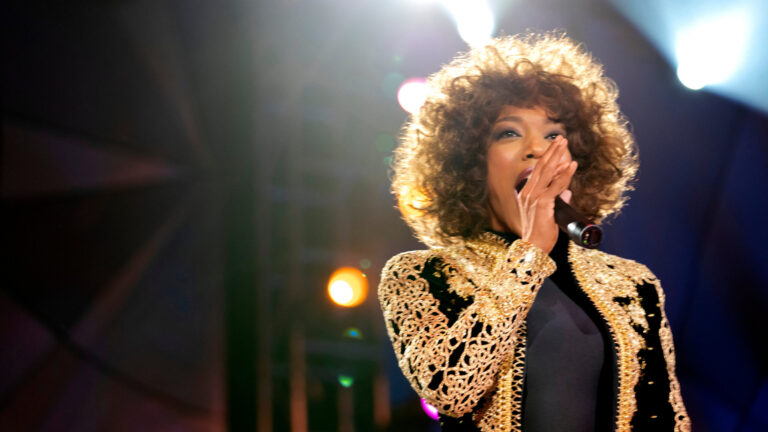
Hearing Whitney’s voice on the big screen felt amazingly cathartic, even if Naomi Ackie did not provide the vocals for the star. But it almost doesn’t matter because we’re quickly pulled into her life. Houston listens to Stevie Wonder’s “All I Do” on her Walkman and meets Robyn Crawford (Nafessa Williams). The two will share an intimate relationship before their parents (Tamara Tunie and Clarke Peters) strip it apart to preserve her image of “America’s Princess.” 

She becomes the “Princess” after singing “The Greatest Love of All,” in front of Clive Davis (Stanley Tucci), who immediately signs her and becomes her record producer. Robyn becomes her Creative Director as Houston’s father starts to control everything in her life, including her marriage to Bobby Brown (Ashton Sanders). Her relationship with Brown exacerbated her drug addiction, which she had struggled with throughout her life, leading to her tragic death in February 2012. 

A lot is happening, and the film goes through events of her life at a breezy pace as if Lemmons is checking boxes from a list of Houston’s most significant events. And the film is edited in a rather odd structure, alternating between multiple events of Houston’s life, briefly showing one moment before cross-cutting to the other. But it all makes perfect sense. 

The biggest cross-cut happens at the very beginning, opening at the 1994 American Music Awards, where she is about to sing her medley, “I Loves You, Porgy/And I Am Telling You I’m Not Going/I Have Nothing” and cutting back to her humble beginning, meeting Robyn, singing “The Greatest Love of All” and becoming the success we know her to be. The film only comes back to the AMAs at the tail end, as she is about to take the bath that will ultimately end her life, reminiscing of the time she sang the medley after meeting a bartender (Elegance Bratton) who told her about the greatest performance he’s ever seen at the AMAs in 1994. 

We then get to see that performance, recreated by Ackie, and it’s far more potent than that Live Aid climax in Bohemian Rhapsody. For one, screenwriter Anthony McCarten doesn’t manipulate the audience like he did in Bohemian Rhapsody by having Freddie Mercury (Rami Malek) announce he has AIDS before his actual diagnosis, so that they would bawl their eyes out once he would start “singing.” That performance speaks for itself, and ends the movie on the highest of notes, instead of doing a painstaking recreation of Houston’s death, which was my biggest fear. We didn’t need to see it, but we certainly needed to see Houston in her prime, singing her guts out and giving her all in front of millions of people, reminding us exactly why she was “The greatest Voice of her generation.”

And Lemmons loves Houston. You can tell from how Barry Ackroyd’s camera positions Ackie in the frame and paints her highest moments as a true historical triumph. Houston’s voice was triumphant and transcended barriers, as much as some people thought she was milquetoast or “not Black enough.” She proved all the naysayers wrong through her music and stunning stage presence, on tour, or when she sang the National Anthem at the Super Bowl XXV, giving the greatest Anthem performance in the history of the game. All of these moments of Houston’s life are purposefully fragmented, in the sense that we don’t get to bask in the event too much before moving onto the next part of her life. 

However, those fragments deftly edited by Daysha Broadway give its final scene the resonance it needs to make you ugly cry, even if you’ve never lived through Houston’s prime, or cared much about her music. It also helps that Ackie lives and breathes Houston from beginning to end, and doesn’t try to do a pale imitation of her mannerisms the way Rami Malek did in Bohemian Rhapsody. She has great chemistry with Williams who makes the most of her screentime, as does Tunie as Cissy. Though her relationship with her father is only briefly hinted at, I would’ve liked to see more of Peters, and that aspect of the film fleshed out further. As with any fragmented film, we only get a brief glimpse of instances of a person’s life, instead of the full picture. 

But it didn’t necessarily matter when the final scene hit, and everything that was shown before fed into Houston’s impeccable performance. All of the small flaws dissipate, and the film becomes more than a straightforward biopic showing events of Houston’s life, but now a celebration of who she was at her best made by a filmmaker who completely admires her strongest parts and understands her vulnerabilities. It’s miraculous that a movie penned by the screenwriter of Bohemian Rhapsody would be worth watching, but Kasi Lemmons continues to prove she is a highly versatile filmmaker/actor whose imprint on cinema will be felt for decades to come. 

Grade: A


Podcast: Babylon / Glass Onion – Episode 514

This week’s episode is brought to you by Patreon and our awesome listeners like you. Sign up to support us and get early access to our bonus content!

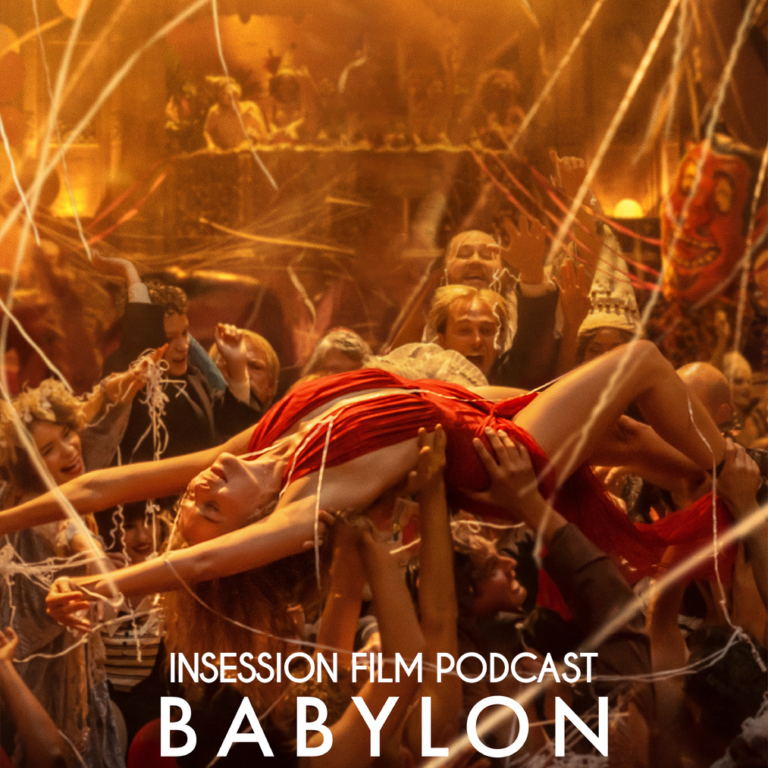
This week on the InSession Film Podcast, we discuss Damien Chazelle’s latest Hollywood epic in Babylon and Rian Johnson’s latest on Netflix in Glass Onion! Plus, a few thoughts on Emily the Criminal and Bardo: False Chronicle of a Handful of Truths.

This episode was really fun. Say what you will about Damien Chazelle, but he makes interesting movies that spark crazy amounts of conversation. The discourse on Babylon has been wild, but it’s understandable why it’s divisive. We do our best to sift through it and talk about what works and what doesn’t. As for Glass Onion, Rian Johnson is a clever madman and his latest is one of his most entertaining.

On that note, check out this week’s show and let us know what you think in the comment section. Thanks for listening and for supporting the InSession Film Podcast!

– Review: Babylon (4:10)
Director: Damien Chazelle
Writers: Damien Chazelle
Stars: Brad Pitt, Margot Robbie, Diego Calva

– Notes / Discussion (55:45)

This week for our break segment, as mentioned above, we give our thoughts on the Aubrey Plaza vehicle Emily the Criminal. JD also offers up his thoughts on the latest Alejandro González Iñárritu film Bardo: False Chronicle of a Handful of Truths.

[divider]

RELATED: Listen to Episode 475 of the InSession Film Podcast where we discussed Everything Everywhere All At Once!

[divider]

– Review: Glass Onion (1:23:10)
Director: Rian Johnson
Writers: NRian Johnson
Stars: Daniel Craig, Edward Norton, Janelle Monáe, Kathryn Hahn

Show Sponsor: First Time Watchers Podcast

– Music

Voodoo Mama – Justin Hurwitz
Glass Onion – Nathan Johnson
The Return of the Eagle – Atli Örvarsson

Subscribe to our Podcasts RSS
Subscribe to our Podcasts on iTunes
Listen on Spotify
Listen on Stitcher
InSession Film Podcast – Episode 514

[divider]

Next week on the show:

Review: Broker
Top 5: Scenes of 2022

[divider]

Help Support The InSession Film Podcast

If you want to help support us, there are several ways you can help us and we’d absolutely appreciate it. Every penny goes directly back into supporting the show and we are truly honored and grateful. Thanks for your support and for listening to the InSession Film Podcast!

VISIT OUR DONATE PAGE HERE