This week on Episode 357 of the InSession Film Podcast, we discussed our top 3 “against the grain” movies of 2019, or in other words, the movies we liked that most didn’t care for much. The feedback to this week’s Top 3 should be fun since the nature of this topic means that we’ll be in the minority opinion regarding these films. But, that’s also what makes it a lot of fun at the same time. That said, here are our lists:
(Note: Please keep in mind that we each had different criteria for our selections)
JD
1) How To Train Your Dragon: The Hidden World
2) The Beach Bum
3) The Dead Don’t Die
Brendan
1) Dragged Across Concrete
2) The Beach Bum
3) Paddleton
Kevin
1) Booksmart
2) The Dead Don’t Die
3) The Kid
Honorable Mentions (Combined) Joker, Dark Phoenix, Star Wars: The Rise of Skywalker, The Report, Arctic, All is True, The Russian Five, Light of Life, Frozen II, Godzilla: King of the Monsters, Where’d Ya Go Bernadette, Brittany Runs a Marathon, Her Smell, Midsommar, Under the Silver Lake, Glass, Serenity, Yesterday, The Peanut Butter Falcon
Hopefully you guys enjoyed our lists and if you agree or disagree with us, let us know in the comment section below. As mentioned above, there’s a good chance that you will disagree with us, so let us know why and which films you were against the grain on in 2019. That being said, what would be your Top 3? Leave a comment in the comment section or email us at [email protected].
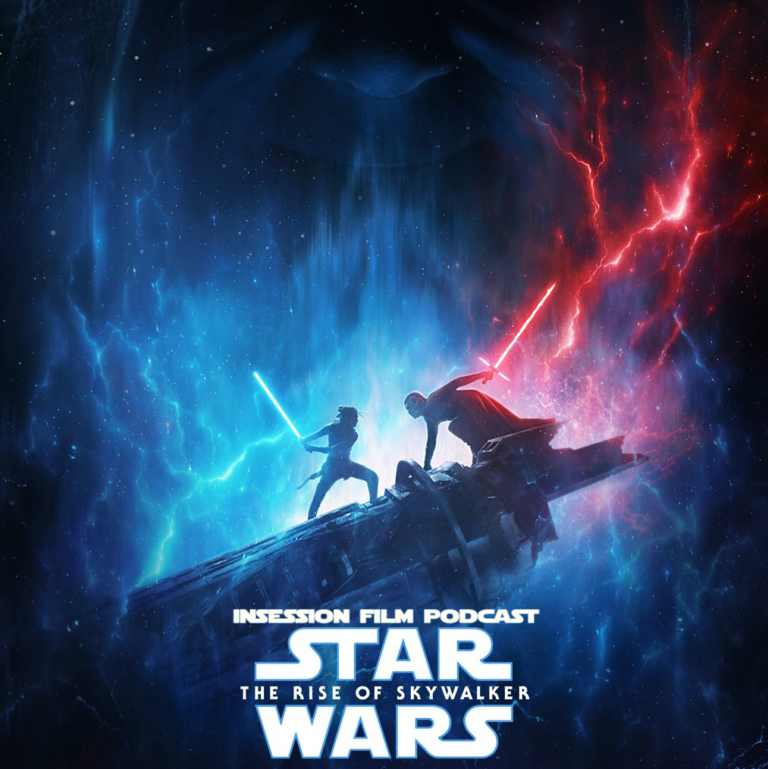
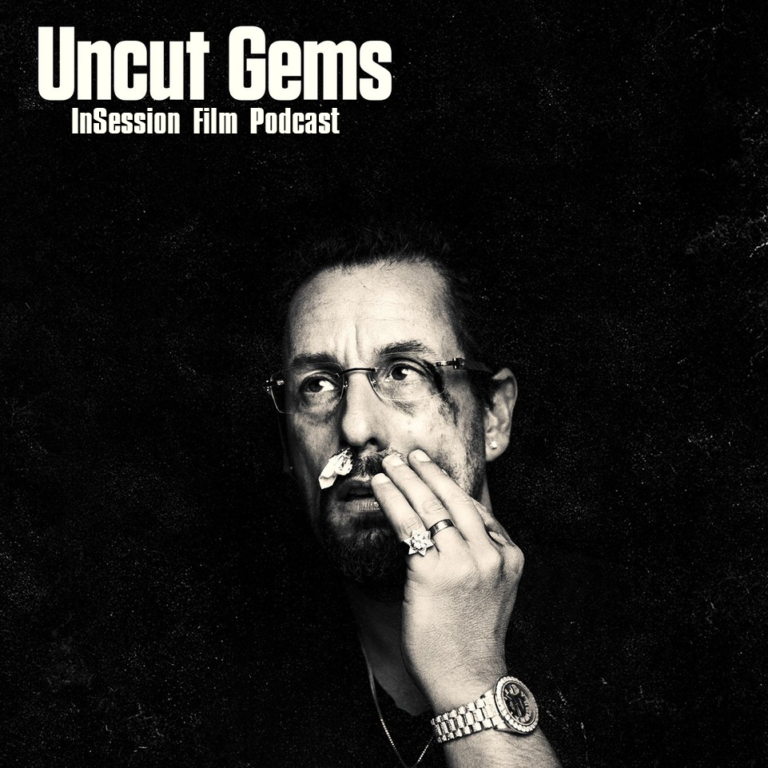
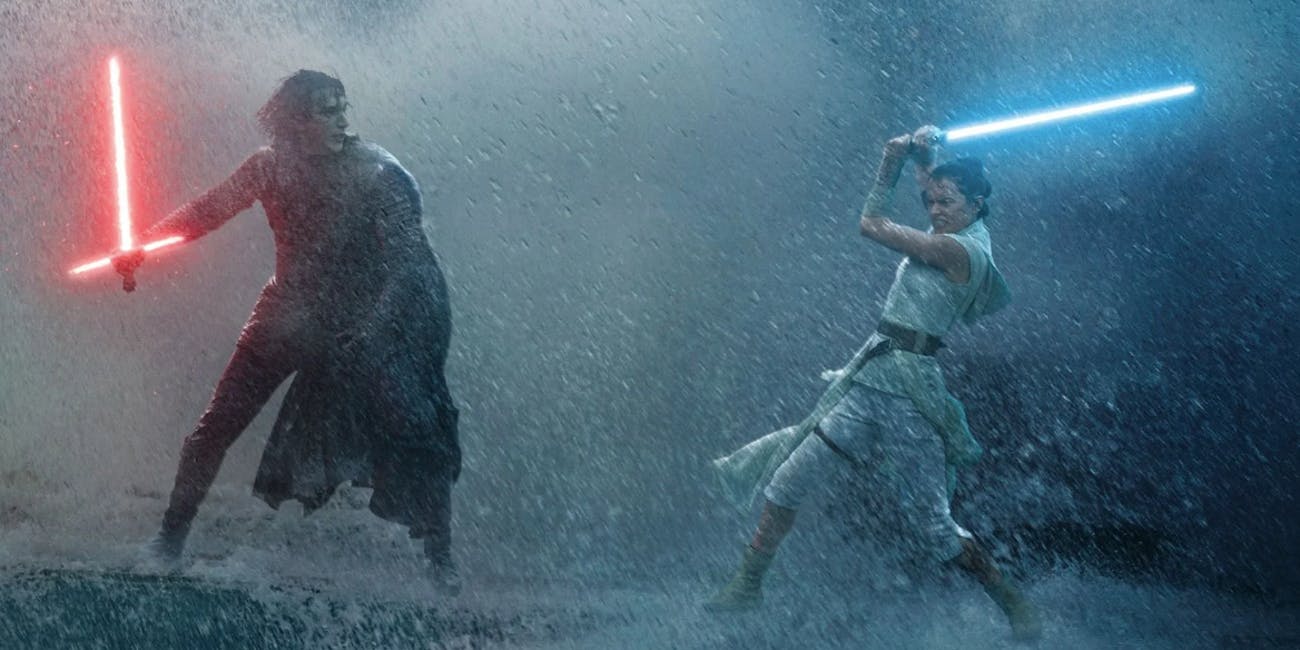
This week on the InSession Film Podcast, Kevin Thompson from CinemaGeeks joins us to discuss Star Wars: The Rise of Skywalker and our Top 3 against the grain movies of 2019! JD and Brendan also give our thoughts on Adam Sandler in Uncut Gems.
The Star Wars discourse right now is as heated it’s ever been, and understandably from a certain point of view, but we tried to be open-minded with our thoughts on the film. We expect a good portion of you will disagree with us, but hopefully we can all be friendly and cordial. And if you’re tired of all the Rise of Skywalker talk, feel free to skip ahead to our thoughts on Uncut Gems and the Top 3. We won’t be offended!
On that note, check out this week’s show and let us know what you think in the comment section. Thanks for listening and for supporting the InSession Film Podcast!
– Movie Review: Star Wars: The Rise of Skywalker (6:12) Director: J.J. Abrams Writer: Chris Terrio, J.J. Abrams Stars: Carrie Fisher, Adam Driver, Daisy Ridley, John Boyega, Oscar Isaac
– Notes / Uncut Gems (1:17:49)
As noted above, we were able to catch up with the Safdie brothers’ latest film Uncut Gems, starring Adam Sandler. For long time listeners of the show, you may remember that we were not big fans of the Safdie brothers prior to Uncut Gems, but that may have changed with this one.
– Top 3 Against the Grain Movies of 2019 (1:39:50)
For clarity, these are the movies we liked more than most people, which should make the feedback interesting since the nature of this topic means that we’ll be in the minority opinion regarding these films. But, that’s also what makes it a lot of fun at the same time. That said, what would be your Top 3?
If you want to help support us, there are several ways you can help us and we’d absolutely appreciate it. Every penny goes directly back into supporting the show and we are truly honored and grateful. Thanks for your support and for listening to the InSession Film Podcast!
Director: Jay Roach Writers: Charles Randolph Stars: Charlize Theron, Nicole Kidman, Margot Robbie, John Lithgow
Synopsis: A group of women take on Fox News head Roger Ailes and the toxic atmosphere he presided over at the network.
[/info]
Politics affects daily life. It affects everything. That’s why whenever anyone asks another person to “keep politics out” of something, it’s always suspect. Usually it means the person wants to keep a certain type of politics out of something. Whether it’s possible to separate politics is an entirely different question than whether you even should.
I say this because I’m wondering if the political forces and ideas at the heart of director Jay Roach’s new film Bombshell may get in the way of the story this film attempts to tell.
For one, it would certainly be impossible to try to separate politics from this story, and I’m certainly not advocating that it should have been attempted. This is a story about Fox News, for goodness sake. You have to deal with the politics. Roger Ailes (played here by John Lithgow) was one of the leading political figures of his time. He built a network that changed the political landscape. You can’t tell this story without getting into politics.
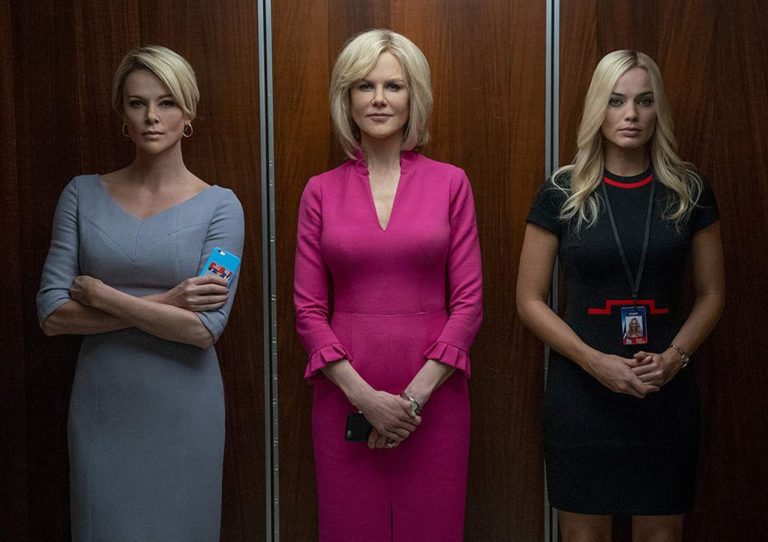
But what is “this story” exactly? Well, the film looks at the sexual harassment lawsuits that rocked Fox News and forced Ailes out of the network he built. It centers on characters – both real and fictional – that bravely spoke out about the harassment that they and their colleagues were subjected to. There is Megyn Kelly (Charlize Theron), the network star; Gretchen Carlson (Nicole Kidman), who was the first major network personality to speak out; and Kayla Pospisil (Margot Robbie), a fictional character who joins the network as an associate producer at the beginning of the film. These three will be our main window into how women are treated at the network, and how they must react to that treatment.
The cast in this film is absolutely fantastic. You could probably tell that by the names I’ve already listed, but then you have supporting turns from the likes of Allison Janney, Malcom McDowell, Kate McKinnon, and Mark Duplass. The acting on display is wonderful, but Robbie steals the show in my book. Each of the three leads performs their part well, but I thought Robbie outshined the rest. She embodies the youthful vigor and simultaneous naiveté of this fresh talent walking in the doors of Fox News. She wants to be there. She’s dreamed of it. But she quickly realizes that it may not be all she dreamed.
I do wonder if Robbie was aided in this particular instance by not having a real-life shadow hanging over her character. The character of Megyn Kelly was particularly difficult for me. Theron really gives a fine performance, but everyone watching this film knows Kelly. Even Carlson has at least a semblance of mystery. But there always seemed to be a conflict at play. I don’t mean there was conflict at the heart of the character but rather in how exactly to portray her. Conflict within a character can give an actor a wonderful opportunity to give a fully realized performance, but a bifurcated approach into how to handle a character dulls that opportunity. I felt that happened with the approach to Kelly in this film.
What the film absolutely nails is the makeup. Theron looks like a mirror image of Kelly, and Lithgow’s transformation into Ailes is absolutely remarkable. The makeup team’s work here is certainly Oscar-worthy, and I thought it was the best element in the film.
But here again we come to the issue of real and fake. Understand where I’m going here – Bombshell is not a documentary but rather a feature film. It is a fictional narrative that depicts a real-life story. We should not expect perfection from the film, and the viewer needs to understand that creative license will be taken. A title card before the start of the film makes this very clear. At the same time, that creative license needs to be subtly hidden. The makeup is a perfect example of this. We know these are actors playing parts, and yet the makeup team causes us to suspend our disbelief through their incredible work.
The script by Charles Randolph, unfortunately, does not accomplish the same feat.
Much of the film felt like it came out of a writer’s room where the only idea was – “Let’s figure out what lines of dialogue would be hilarious for someone at Fox to say.” Much of the dialogue is far too convenient. Again, we all understand that this is a fictional tale, but when you have characters underlying the manufactured quality of the film, it pulls us out of the story. There have been great films that have pointed out this manufactured quality inherent in movies, but it is a very fine line to walk. It’s why Persona is one of the all-time greats – there aren’t many people who can nod to the “fake” nature of filmmaking like Bergman did there.
An example is when Kelly is talking with her husband, Doug Brunt (Duplass), and she asks whether her big mouth has ruined their lives. Doug responds, “Not yet.” It is too perfect of a response. We know what has happened to Kelly in the time since this would have occurred. It feels false because it’s too convenient. It’s too true. We shouldn’t expect a creative team to figure out exactly what Kelly said at any given moment and put that in the script. But we should expect them to hide the fact that such an idea is impossible a little bit better than they do here.
The only one of these attempts at satire that worked for me was early in the film where Kayla mixes up an on-air graphic – showing a picture of Don Henley instead of Glenn Fry. She responds that she doesn’t know “secular” music. That’s funny. It’s good satire, and it makes sense within the narrative of that scene. It doesn’t pull us out of the story, and it also comments on the type of person that might work at Fox News. But so much of the dialogue throughout the film is of the clunkier variety.
I’ll admit, it is hard to separate one’s views of the Fox News personalities in this story from the narrative that the film builds. I’ve seen some commentary about the danger in painting the real-life characters at the heart of this story as feminist heroes or leaders of the resistance.
And this is where my intro comes in – we must remember what exactly the story that this film attempts to tell really is. This is the story of women coming forward and speaking the truth about powerful men. You must remember – Roger Ailes was removed from Fox News before Harvey Weinstein’s alleged abuse was uncovered. That’s not to say that Gretchen Carlson somehow launched the #MeToo movement, but we should consider that when she came forward with her lawsuit against Ailes, the idea of such a powerful man being taken down would have been far less likely. This was a courageous act, and that should not be overlooked because one disagrees with her politics. To #BelieveWomen, you have to believe the ones that once worked for Fox News, too.
The film deals with this aspect of its story by having Carlson speak directly to the camera later in the film. I think there may have been a better way to get at that difficult aspect of wrestling with this film, but it wasn’t horribly handled.
What was a little bit more difficult for me was the way in which the film depicted sexual harassment. For the most part, we only hear about the abusive comments that Ailes and others made (the film only tiptoes around the edges of Bill O’Reilly’s settlement for sexual harassment claims). However, there is one scene that depicts Ailes asking Kayla to hike up her skirt for him to determine whether she will be right for his “visual medium” of TV. He has her continue to raise her skirt until we can see her underwear. It is not just a creepy scene, it is disturbing. I saw the film in a theater with my wife. After we left, I asked her about the scene. She said she felt it was necessary – that we needed to actually see the harassment. I think I agree, but the scene was certainly disturbing, and anyone who has experienced harassment or sexual abuse must be aware that the film will display this in no uncertain terms.
Bombshell is a good film, and it tells a story worth telling. I’m not convinced that Roach was the director to handle this type of material, and there were repeated moments were I felt he went for the cheap laugh and convenient punch line where a sharper eye could have lent the film a stronger quality. Still, this story is powerful enough to push through all that, and the acting performances elevate the power of the story.
Yes, this may be about Fox News. But more than anything, this is about women speaking truth about powerful men. Their acts took courage no matter their political leanings. If we can’t see that, then what are we doing?
With Uncut Gems, we get the much-anticipated follow-up to the Safdie Brother’s 2017 thriller Good Time. Though Good Time seemed a divisive film by some, Uncut Gems has been seen as one of the best films from 2019, with one of the best performances of the year from Adam Sandler. There was a lot to tackle with this review and the guys came ready with extremely positive takes on it.
In the back half of the episode, the guys talk about the prison drama, Clemency. This one premiered back at the Sundance Film Festival in early 2019, but has garnered a lot of buzz, espcially for stars Alfre Woodard and Aldis Hodge. Not a long conversation from the boys but lead to some interesting thoughts.
On that note, have fun with this week’s Extra Film segment and let us know what you think in the comment section below. Thanks for listening!
– Movie Review: Uncut Gems (2:43) Director: Josh Safdie, Benny Safdie Screenplay: Josh Safdie, Ronald Bronstein, Benny Safdie Stars: Adam Sandler, Julia Fox, Kevin Garrnett, Idina Menzel
We try to make this the best movie podcast we possibly can and we hope you enjoy them. Subscribe today on iTunes, Spotify or Stitcher, and please leave us a review on iTunes. You can also find us on Soundcloud, PlayerFM and TuneIn Radio as well. We really appreciate all your support of the InSession Film Podcast.
To hear this Extra Film episode and everything else we do, download our apps on the Amazon Market for Android and the Podcast Box app on IOS devices. The mobile app covers all of our main shows, bonus podcast’s and everything else relating to the InSession Film Podcast. Thanks for your wonderful support and for listening to our show. It means the world to us!
On Episode 17 of Chasing the Gold, Ryan is joined by Erik Anderson of Awards Watch and Kevin Jacobsen of And the Runner Up Is podcast to discuss the Oscar shortlists for many Oscar categories and then dive deep into Golden Glove and SAG nominations. As the awards race keeps picking up, three of the biggest lists came within the same week, with the Oscar shortlists arrive minutes before the recording of this show. Instant reactions to those were given but a complete look at Golden Globe and SAG nominations shine a crystal ball into what we could see come Oscar nomination morning. With Erik and Kevin being two veteran guests on the show, their conversation with Ryan plays like old friends discussing something they love and it’s one of the best Chasing the Gold episodes we have had.
On that note, have fun with this week’s Chasing the Gold and let us know what you think in the comment section below. Thanks for listening!
We try to make this the best movie podcast we possibly can and we hope you enjoy them. Subscribe today on iTunes, Spotfiy or Stitcher, and please leave us a review on iTunes. You can also find us on Soundcloud, PlayerFM and TuneIn Radio as well. We really appreciate all your support of the InSession Film Podcast.
To hear this Extra Film episode and everything else we do, download our apps on the Amazon Market for Android and the Podcast Box app on IOS devices. The mobile app covers all of our main shows, bonus podcast’s and everything else relating to the InSession Film Podcast. Thanks for your wonderful support and listening to our show. It means the world to us!
[divider]
Help Support The InSession Film Podcast
If you want to help support us, we would greatly appreciate it! For more info, CLICK HERE.
As we begin 2020, the floodgates are open for more movies coming out in theatres for the Oscar campaign, reassessments in the argument of what is cinema, and more special releases in the Criterion Channel that goes beyond their usual realm. Technicolor musicals, satirical approaches towards society, and the real-life grit of innocence lost have now graced the site for all to see. And if you’re like me with a nice metallic card recognized as a charter subscriber (humble brag!), you know what is new out there. So, here’s my latest cruise down the Channel.
Golden Age Of MGM Musicals
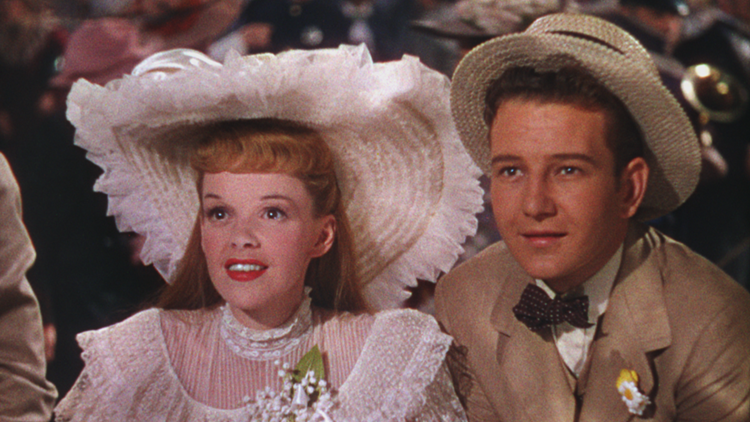
In the 1940s and 50s, Technicolor musicals were becoming the instant hits for Metro-Goldwyn-Meyer and 21 of them are available. I saw several of them, namely the big hits that are much highly regarded to this day. One of the first big hits was Meet Me In St Louis starting Judy Garland, a beautiful piece of early 20th-century setting that gave us Garland in her first adult role following The Wizard of Oz. The film is one of a few in this category directed by Vincente Minnelli, who would marry (then divorce) Garland, but produce one child from the marriage, Liza Minnelli. Two notable Minnelli films, the Best Picture-winning An American In Paris and The Band Wagon, featured each of the leading dancing men who graced the screen, Gene Kelly and Fred Astaire. Of course, Kelly also served as co-director with Stanley Donen on Singing In The Rain, but there is a second film worth watching from the two, On The Town, which paired Kelly with Frank Sinatra. The variety of major musicals coming from this era was a high point in the genre, even outside of MGM, ending with the compilation film from 1974, That’s Entertainment!
The Circus (1928)
https://www.youtube.com/watch?v=Mg8y6NyE1oE
Charlie Chaplin’s underrated silent film follows The Tramp stumbling into a job for a traveling carnival and falling in love with a horse rider. This movie was the hardest to make because of the number of problems in the way, including Chaplin’s legal issues with the IRS that help production up for months, a public divorce with his wife that lasted a year, and a large fire in the studio that destroyed most of the set. It took two years to finish and the result was the same as his other classics: a film about love, fantasy, and daily mischief from Chaplin’s legendary alter ego.
A Face In The Crowd (1957)
Elia Kazan took his America story to the growing television market with the story about a drifter (Andy Griffith) who rises in popularity from his local radio in Arkansas to the small screen in New York City. As his stature grows, so does his ego, which leads to his downfall. It was Griffith’s first film just a few years before his famed The Andy Griffth Show made him one of the most popular TV actors in the country. It serves as a self prophecy, showing a figure who takes his ballooned personality into areas out of his entertainment lane, notably the politics of it, very much like the man who occupies the White House now. In A Face In The Crowd, the golden age of television is both the lightning bolt that brings in fame and the killer of all TV lives.
Following (1998)
Before he became the auteur we know him to be, Christopher Nolan’s debut showed the talent that would come in the future with his usual non-linear storyline about a London man who follows strangers around and follows one person into the criminal underworld. With a budget of $6,000, Nolan shot it on the weekends with a cast that had full-time jobs on the weekdays, a few crew members, and 16-mm black & white film stock to which Nolan saved by only shooting two takes of each scene. His three-minute short, Doodlebug, could also be seen and has the same luring style of Following, which came right after this short film. It is incredible the leap Nolan has taken from this to the Dark Knight Trilogy, Dunkirk, and now the upcoming Tenet.
Persepolis (2007)
One of the most amazing animated films in the 21st century, this adaptation of the graphic novel memoir by Marjane Satrapi follows her childhood in Iran and growing up within the Iranian Revolution to her rebellion amidst leaving Iran to France. It is such a progressive film, on how the animation is and how it flows moment to moment in Marjane’s turbulent early life with family origins, political strife, and Western values all colliding in a confusing time and how Marjane struggles to find her independence in two different worlds. Could it possibly mean it will get the Criterion treatment? They need more animated films and this will work perfectly.
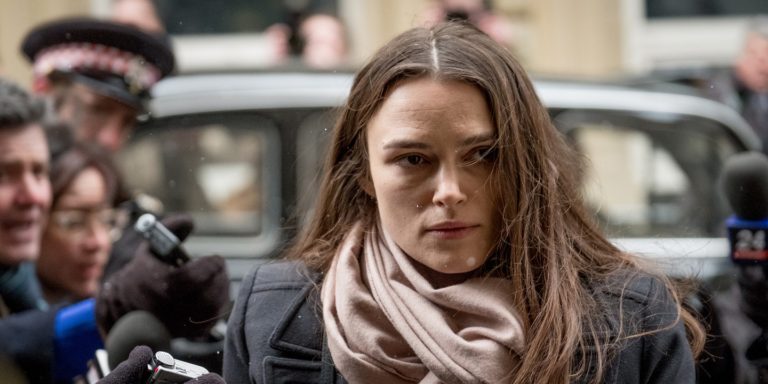
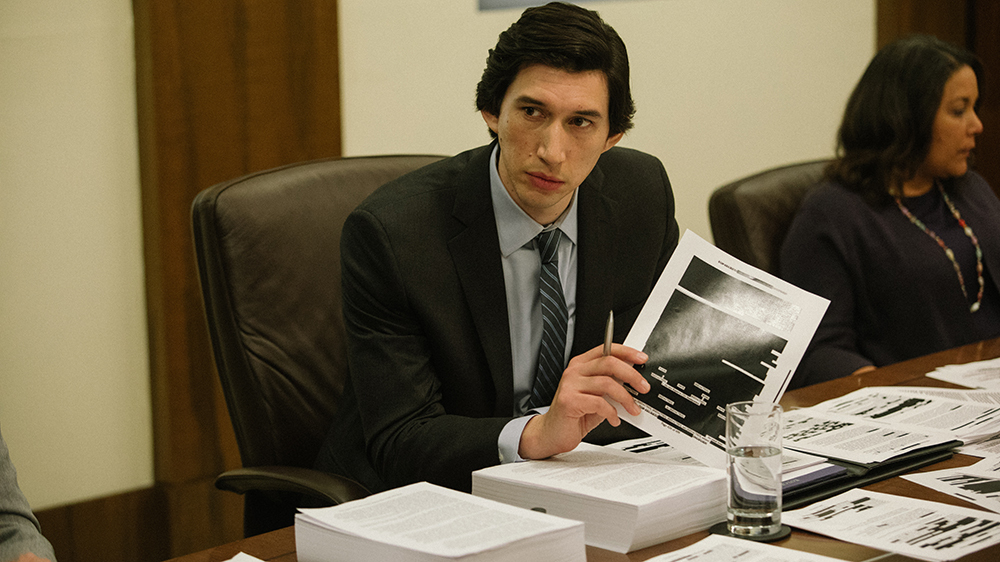
This year saw the release of two films which explored government corruption, cover-ups and the brave individuals willing to fight for democracy. Both films have their merits and both have their flaws, but there’s no denying their importance considering the current political climate. These films were Official Secrets directed by Gavin Hood and The Report from director Scott Z. Burns, and while both films shared many similarities and had very strong performances from their central leads, (Adam Driver in “The Report” and Keira Knightley in “Official Secrets”), from a screenwriting perspective one film worked better in terms of narrative structure and character development.
While The Report has a far more catastrophic scandal at its core, the overall film seemed smaller in terms of its cinematic visuals and its storytelling. Official Secrets may be formulaic and cliched in terms of its narrative beats and structure, but because it sticks so closely to the rules of the three-act structure of screenwriting its climax has more of a dramatic, emotional impact for the viewer compared to the ending of The Report.
If we use the three act structure as our basis we can compare how these films differ and why Official Secrets works in the traditional film structure, and why The Report would have been better suited as a televised mini-series. First off, this isn’t to say that The Report isn’t an important film, or to dismiss any messages/themes that the film addresses, but the aim of this article is simply to explore how the story of The Report is restricted by the traditional narrative structure of film.
To all those who have studied screenwriting, the three act structure is something you are more than likely familiar with, but to all of those who aren’t familiar with the playbook of screenwriting, let’s break it down. The three act structure is a narrative model that divides stories into three parts — Act One, Act Two, and Act Three (the beginning, the middle and the end). Every story needs a beginning, and in act one the screenwriter must set up the world in which the story takes place in, the main characters, the main character’s goal, and the obstacles that they must overcome to achieve their goal.
Using Official Secrets as our template, we can see how the screenwriter adheres to the rules of the three act structure to set up the character of Katharine Gun. In the film’s opening we see her daily routine, we are introduced to her job (working at GCHQ), and we see her interacting with her husband Yasar (Adam Bakri) and their relationship is established. The world around Katharine is also established, the viewer sees quickly that she lives in a small town, her husband is running a restaurant that is struggling, and the country is torn apart by the impending decision to invade Iraq. By the end of the 25 minute mark, the first act will end with an inciting incident. In the case of Official Secrets the incident is Katharine’s decision to leak the memo. By setting up the character of Katharine, and establishing her personality and her moral compass, the viewer accepts the reason behind her decision to leak the memo.
If we contrast the beginning of Official Secrets with The Report, we can see how the character of Daniel Jones lacks any real introduction and as a result the viewer doesn’t fully connect with him.. Daniel mentions the impact that 9/11 had on his life, during an interview which led to him pursuing his line of work, but we know very little about Daniel’s background and his life prior to the report.
What Bruns does well with the opening to The Report is setting up Daniel’s aim and the world in which the narrative takes place in. However, aside from knowing Daniel’s mission, the viewer lacks a real emotional connection with this character. The issue is that as a character, Daniel feels underdeveloped, we know his want but what is his need? It would have been far more compelling to see Daniel’s world outside the office in a similar fashion to how the viewer saw Katharine’s life. A classic rule of screenwriting is show don’t tell but Burns seems to have overlooked this aspect of screenwriting.
We understand that Daniel has become obsessed with discovering the truth, and this has affected his mental well-being. However, this isn’t conveyed to us in the same manner that occurs in Official Secrets where we see the character of Katharine become more withdrawn and paranoid. As film is a visual medium, an image can convey more emotions. Instead of Daniel disclosing his emotional struggles, it would have been far more impactful to see Daniel waking up from a nightmare.
Perhaps the main issue with the narrative of The Report is that the film’s events take place over the course of several years, compared to the events of Official Secrets taking place over a shorter time span. While, Burns makes the viewer aware of the change in time with the use of title cards indicating the year, the narrative jumps across several years at such a rapid pace with multiple characters being introduced so quickly that it becomes a struggle for the viewer to keep up. If the story had been structured as an episodic television series, each episode could have been centred over the events taking place in one particular year or focused on one character, which would have allowed the story to evolve in a natural way.
While, there are clearly issues in terms of narrative structure and character development with The Report there’s no denying how important this film is. In fact, both films help to kickstart some much needed discussion in terms of political corruption, and the freedom of the press. It is a shame that The Report failed to deliver the same emotional climax that Official Secrets did especially when you compare the devastating events/scenes that occur in The Report. However, one can hope that by examining the flaws of The Report any aspiring screenwriters out there can understand why the number one rule of screenwriting is “show, don’t tell.”
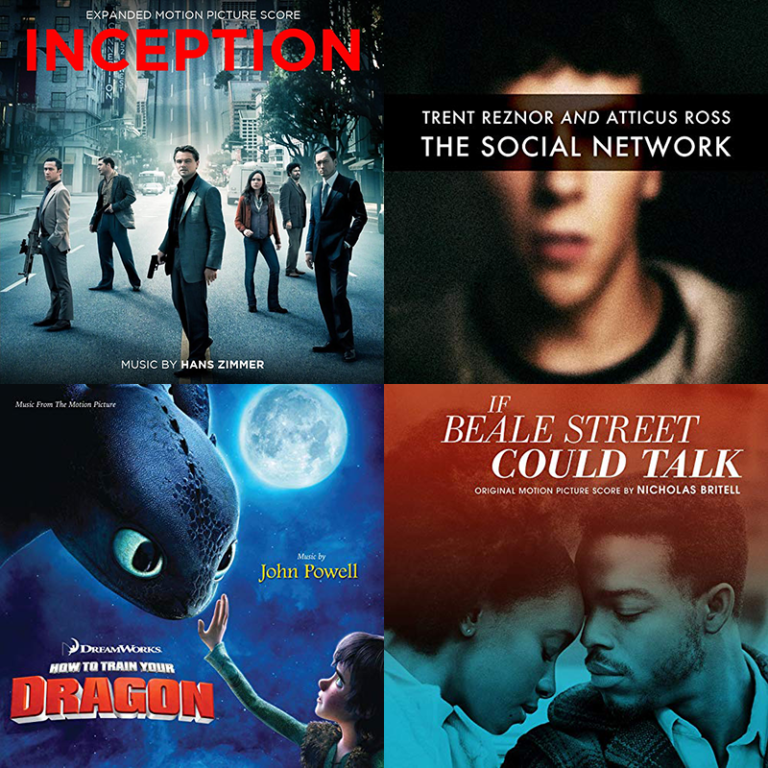
This week for our Patreon Bonus Content, Mark Hurne is back for another edition of Settling the Score, this time talking about the best score tracks of the decade! There’s been some great music in film this decade and we wanted to take a look at the tracks that moved us the most. Check it out!
To hear our bonus content episodes early, subscribe now on Patreon. In many cases, though, we offer our bonus content for free after a certain period of time and we do encourage (and very much appreciate) a small donation of $0.99 as a way to help support the show if signing up on Patreon isn’t for you. Click on the PayPal button below to donate and thanks so much for your support. You can also hear much of our Bonus Content via our mobile apps. See the information at the bottom of the post for more details.
[divider]
Mobile Apps!
Listen to all of our bonus content on our apps for just a one-time fee! Whether you have an iPhone, Android or Windows phone, our apps are available in many different ways that is convenient for you. With our mobile app, not only can you listen to all of our bonus content, but our main shows and our Extra Film podcasts as well. Click here for more info!
If you don’t want to purchase our bonus content, but still want to support us, there are other you can help us out. Click here for more info.
Happy Star Wars: The Rise of Skywalker week everyone! Right now the Star Wars fan community is divided, so we’re going to aim to keep this positive. While some of these films are better than others, I think it’s safe to say that most fans have at least enjoyed them in some way or another. Each one seems to have their devoted fan base and we think that makes this poll interesting. So with that sayd, what is the best Star Wars film from this decade?
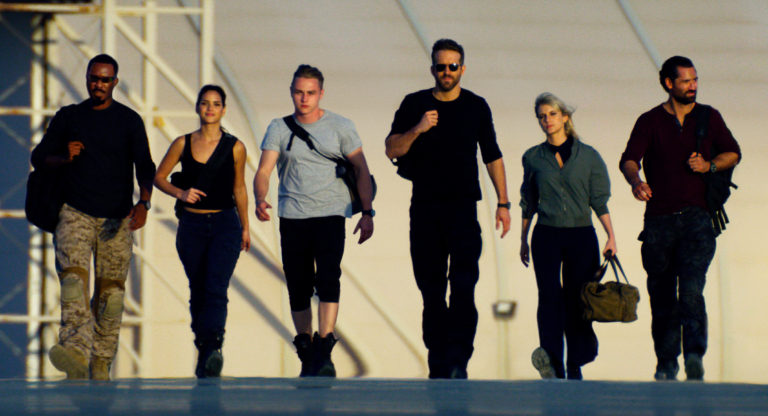
Director: Michael Bay Writers: Rhett Rheese, Paul Wernick Stars: Ryan Reynolds, Mélanie Laurent, Manuel Garcia-Rulfo, Ben Hardy, Adria Arjona, Dave Franco, Corey Hawkins, Lior Raz, Payman Maadi
Synopsis: Meet a new kind of action hero. Six untraceable agents, totally off the grid. They’ve buried their pasts so they can change the future.
[/info]
From the director of Bad Boys comes Sabotaging Squad, or as its leading actor deemed it a Bay production where Bay is at his Bay-est. If you’re irked, you should, as that means filmmaking has been interpreted as trailer-making and 6 Underground is not the silly actioner as advertised but absolutely a mess that announces itself as so in the loudest and most vulgar manner possible.
Proof? Look no farther than the film’s first set-piece — a car chase throughout Florence, Italy — that challenges sense, comprehension and tolerance. All this action is the result of a eff-up assassination mission, per the voiceover, and Bay brings the point home by filming it as if he was effed-up: flashing lights, shaky closeups, zipping bullets, flipping cars, slow-motion maneuvers, “Four” (Ben Hardy) doing parkour, shouting from “Five” (Adria Arjona), “Three” (Manuel Garcia-Rulfo) learning Italian, less-than-subtle oglings of gun-toting “Two” (Mélanie Laurent), lame quips from “One” (Ryan Reynolds) — two of them xenophobic, music zips between orchestral and pop rock, and apparently a thousand edits to capture everything (praise d.p. Bojan Bazelli for staying on until the end). Knowing Netflix’s flexibility with its filmmakers, this is Bay unshackled, and that means granting liberty to a rabid elephant. While the ensuing mayhem electrifies — where else will you see a lime-green Alfa Romeo dodging Suburbans, (then inexplicably) Audis, Subarus and Maseratis? Fracas in a penthouse with a rooftop pool?! A yacht turned into magnet?!!? — the main feeling is unpleasantness. When random is reason, even the fun that sometimes agrees to be the dumb’s best company has to make a run for it.
There is supposed to be dumb fun here: Writers Rhett Rheese and Paul Wernick are basically pumping steroids into 2001’s Swordfish, ripping off a bigger check for destruction to the order of folks with skills, wealth or both who use anonymity to right wrongs. In 6 Underground’s case, the group-o’-Ghosts’ objective is to unseat the dictator of Dubai-like Turgistan (Lior Raz) so his more democratic brother (Payman Maadi) can come to power. It’s a competent-enough setup that then degrades itself by becoming — just because — difficult to follow due to the editors on speed, a willy-nilly need to rewind when it’s going forward just fine or pivot to a hollow emotional beat. “Three” is madly in love with “Two,” but they are rarely seen in sync — not even in that sex scene in tennis clothes. “One” is basically Bruce Wayne, though most of the time the thing that’s weighing him down is obnoxiousness rather than responsibility. New recruit-slash-replacement “Seven” (Corey Hawkins) is the most human member of the group, but his loss-and-redemption arc is about as significant as single-use tissue. It’s already ruinous on the writing front, and yet Bay does nothing to save it; his action instead is to use his craftsmanship to amplify the flaws. Can’t see it? Who cares. Can’t feel it? Middle finger to you. No questions? Here’s more pyrotechnics to fill up the screen and semi-naked girls to push things along. Again, just because.
And it’s hard to say thanks — let’s assume there is a need to — since these bits are presented with nothing else besides crudeness. Shaky if slow. Dizzying if large-scale. Perversely close if anatomical.
For sure, some of the folks involved know what film they’re in — definitely Reynolds and Hardy with their “ah-whatever” spirit; absolutely Laurent with the slight annoyance upon realizing her badassery won’t be as crucial as her body — but it’s not tough to imagine that they’ll still be surprised as final cut almost totally caters to the uglies of their director. 6 Underground allows Bay to operate at his highest level and enables him to further dissolve his brand from lardy entertainment into expensive insults to filmgoers — this being the grandest one to date. Where art thou, the Bay who knows he’s on the set of a feature film? The one who has a reduced budget but turns in OK fares, or the one who can control his explosions without losing the plot? We need him above ground, stat.
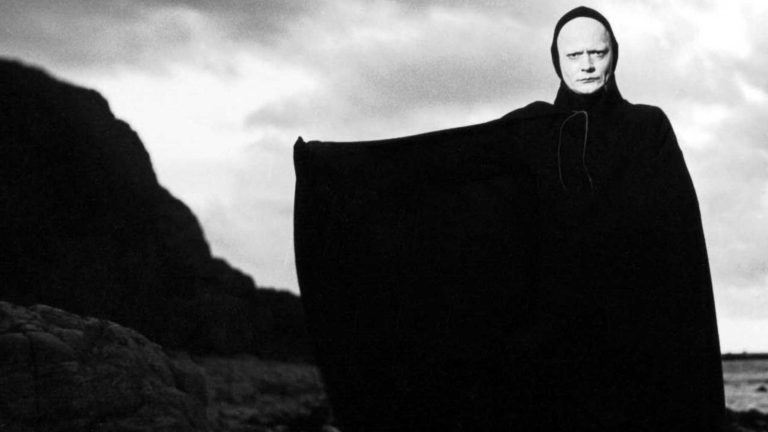
As we’ve noted with other Movie Series we’ve done, Ingmar Bergman is a major blindspot for us (especially for JD) and we were eager to remedy that error. Bergman is considered one of the most influential filmmakers of all-time, with a deep filmography of iconic films that continue to have an impact today. Unfortunately we can’t cover every single one of his masterful works of art, but we are going to dive heavily into his most prominent films and discuss how they’ve effected the cinephile landscape. Follow along and we hope you enjoy the series as much as we will.
The Seventh Seal, 1957
Listen to our review below as heard on Episode 347.
[divider]
Wild Strawberries, 1959
Listen to our review below as heard on Episode 348.
[divider]
Persona, 1967
Listen to our review below as heard on Episode 351.
[divider]
Cries & Whispers, 1972
Listen to our review below as heard on Episode 349.
[divider]
Autumn Sonata, 1978
Listen to our review below as heard on Episode 353.
[divider]
Fanny and Alexander, 1983
Listen to our review below as heard on Episode 354.
[divider]
Scenes from a Marriage, 1974
Listen to our review below as heard on Episode 355.
[divider]
The Virgin Spring, 1960
Listen to our review below as heard on Episode 356.
[divider]
Well, that’s it. That’s our Ingmar Bergman Movie Series. What an incredible journey we went on. We’ve done some great series’ before, but this may be the best one yet. We loved every second of it and we hope you enjoyed it as well. Be sure to leave any feedback in the comment section below or hit us up on social media!
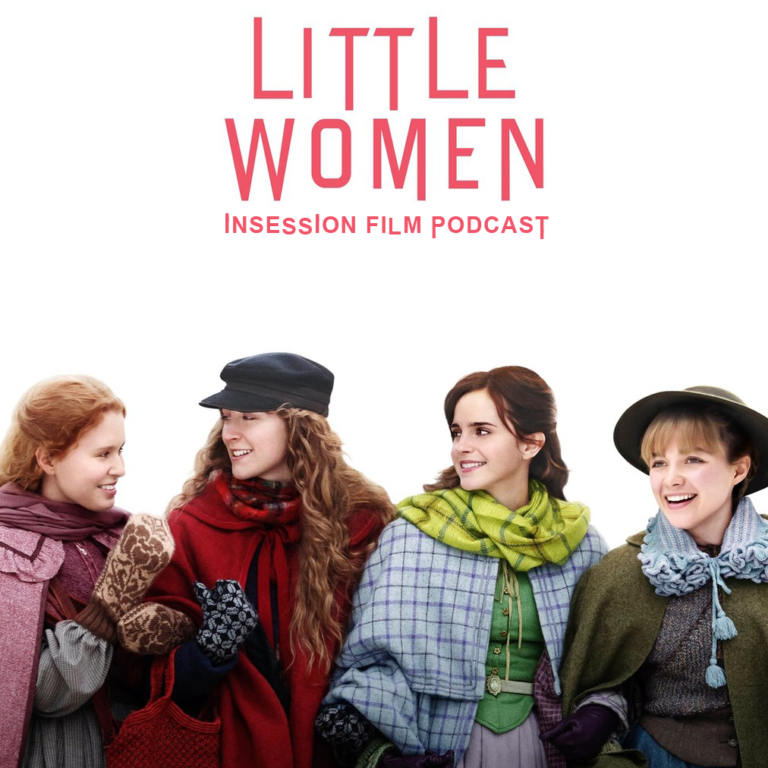
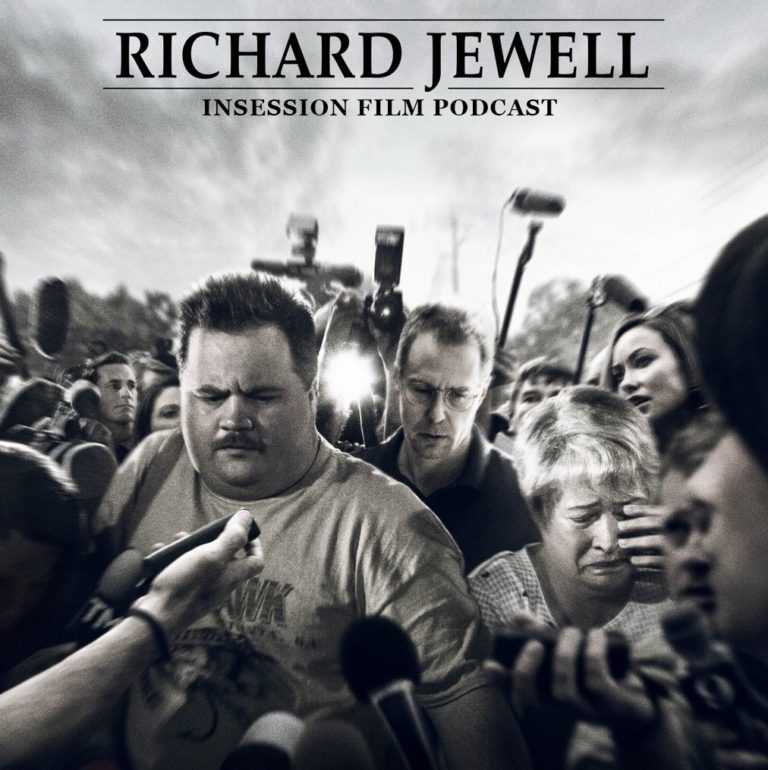
This week on the InSession Film Podcast, we discuss Greta Gerwig’s Little Women and we conclude our Ingmar Bergman Movie Series with his 1960 film The Virgin Spring! JD also gives his thoughts on Richard Jewell, For Sama and 6 Underground.
What’s especially exciting this week is that we are joined by Brandon Stanwyck from the Academy Queens podcast for our review of The Virgin Spring. We love and adore Brandon’s work on its own terms, so we were excited to have him on the show for that alone, but there’s an extra connection he has to the show which makes his appearance even more special. It turns out that Brandon’s boyfriend is the brother of Nate Parsons, co-founder of InSession Film, so in a small way Brandon has been a party of the family this whole time. Which is to say, we loved having him on the show and he was a great guest.
On that note, check out this week’s show and let us know what you think in the comment section. Thanks for listening and for supporting the InSession Film Podcast!
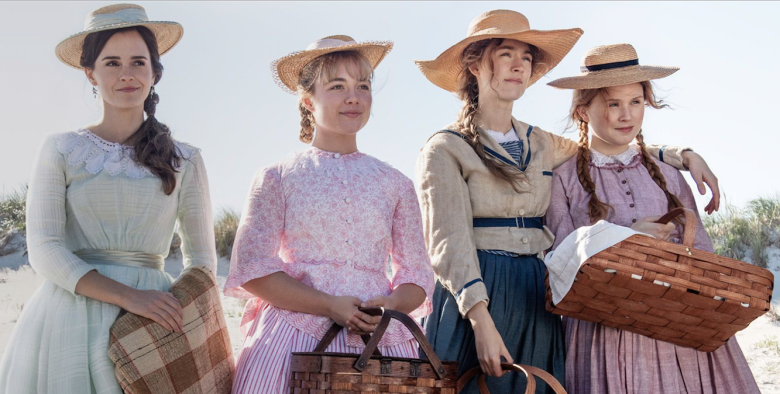
– Movie Review: Little Women (5:54) Director: Greta Gerwig Writer: Greta Gerwig, Louisa May Alcott (based on the novel by) Stars: Saoirse Ronan, Emma Watson, Timothée Chalamet, Florence Pugh
– Notes / Richard Jewell / For Sama / 6 Underground (50:24)
As noted above, JD was able to see Clint Eastwood’s Richard Jewell, which has found itself in some controversy (shocking) over its depiction of the Kathy Scruggs character. He gave his thoughts on the discourse surrounding that and the film itself. He also talked about the documentary For Sama and Michael Bay’s latest film 6 Underground, which out on Netflix right now.
– Ingmar Bergman Movie Series: The Virgin Spring (1:17:11) Director: Ingmar Bergman Writer: Ingmar Bergman Stars: Max von Sydow, Birgitta Valberg, Gunnel Lindblom
Main Review: Star Wars: The Rise of Skywalker
Top 3: N/A
[divider]
Help Support The InSession Film Podcast
If you want to help support us, there are several ways you can help us and we’d absolutely appreciate it. Every penny goes directly back into supporting the show and we are truly honored and grateful. Thanks for your support and for listening to the InSession Film Podcast!
This week on the InSession Film Podcast: Extra Film segment, Ryan and Jay discuss the latest from directors Clint Eastwood and Todd Haynes with Richard Jewell and Dark Waters.
With Richard Jewell, Clint Eastwood finds himself again the subject of a late-year review from Ryan and Jay. Unlike last year’s The Mule, the two Extra Film hosts seem to find common ground and have a lengthy discussion over the film’s quality, controversies, and politics. The conversation is one of the best the guys have had this year.
In the back half of the episode, the guys talk about the environmental thriller, Dark Water. As another entry in Jay’s “People doing good at their job” genre, it’s no secret he fell in love with it. But you will want to listen to see if Ryan agrees with him or not.
On that note, have fun with this week’s Extra Film segment and let us know what you think in the comment section below. Thanks for listening!
– Movie Review: Richard Jewell (3:10) Director: Clint Eastwood Screenplay: Billy Ray Stars: Paul Walter Hauser, Sam Rockwell, Olivia Wilde, Kathy Bates, Jon Hamm
– Movie Review: Dark Waters (52:18) Directors: Todd Haynes Screenplay: Mario Correa, Matthew Michael Carnahan Stars: Mark Ruffalo, Anne Hathaway, Tim Robbins, Bill Camp, Victor Garber
We try to make this the best movie podcast we possibly can and we hope you enjoy them. Subscribe today on iTunes, Spotify or Stitcher, and please leave us a review on iTunes. You can also find us on Soundcloud, PlayerFM and TuneIn Radio as well. We really appreciate all your support of the InSession Film Podcast.
To hear this Extra Film episode and everything else we do, download our apps on the Amazon Market for Android and the Podcast Box app on IOS devices. The mobile app covers all of our main shows, bonus podcast’s and everything else relating to the InSession Film Podcast. Thanks for your wonderful support and listening to our show. It means the world to us!
The success of Rush and Ford v Ferrari has grabbed our interest in the world of auto racing. This is a sport – yes, it is a sport and you will respect it as such – that is full of power, egotism, ambition, and money. The two films are based on true stories; a Formula 1 rivalry that contrasted two completely different drivers and two men who led an expedition to take down a nearly unbeatable company that demanded nothing less than victory. Read the biographies of its lead characters because the fascination goes past beyond the screen. Niki Lauda and James Hunt of Rush was class and intellect versus the playboy rebel. Carroll Shelby was the salesman for Ford to win in Europe and Ken Miles was brash, but a brilliant driver who could tame any car at any track.
https://www.youtube.com/watch?v=B7eQkPClUyM
They are the last two dramatizations in the racing world. They weren’t the first to go into the realism of what this sport demands from everyone and the length people will go to. I’m not talking about Talladega Nights or Days of Thunder and I’m certainly not talking about The Fast & Furious franchise or that fake work from Sylvester Stallone (Driven) because they are pipe dreams of what we really think of racing. But do note that a team turned down being represented in Talladega Nights because they believed the movie would take NASCAR back a whole generation as a racing league, although it would do the opposite. As a racing fan, notably for Formula 1, here are a few other great racing films.
Grand Prix (1966)
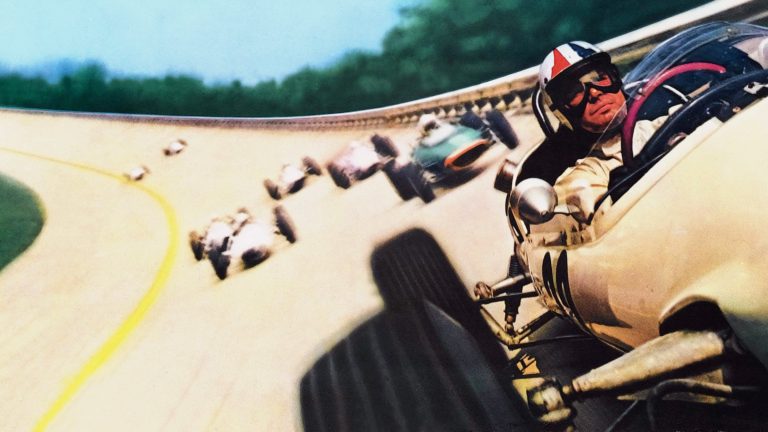
This was one of the ultimate ensemble epics of the era, going 3 hours long, directed by the highly acclaimed John Frankenheimer (The Manchurian Candidate), scored by Maurice Jarre, and starring James Garner, Eva Marie Saint, Tony Award-winning legend Brian Bedford (The Importance of Being Earnest), Yves Montand (Z, Le Circle Rouge), Toshiro Mifune (a bunch of Kurosawa films), Jessica Walter (Arrested Development), yé-yé legend Françoise Hardy, and Adolfo Celi (Thunderball). On top of that, actual Formula 1 racers played themselves including noted champions of the sport Bruce McLaren, Phil Hill, Graham Hill, Jack Brabham, Jim Clark, and Jochen Rindt.
The film follows four drivers, one each from the US, UK, France, and Italy, who pursue their dream of winning the Formula 1 championship while also juggling their personal lives and race politics that come in the sport. With onboard action of the actors actually racing on real racetracks, viewers are immersed in the drivers’ inner thoughts and snap decisions while all too aware of death coming at any corner. (Within a few years, McLaren, Clark, and Rindt would die in crashes.) Frankenheimer’s mastery led to three Oscars for Editing, Sound, and Sound Effects.
Le Mans (1971)
Steve McQueen, passionate about auto racing himself, was also trying to make his own racing film while Grand Prix was getting made, but numerous delays prevented filming, and yet other issues extended principal photography and ballooned an already large budget. He had a director swap in mid-shoot and went through several writers. As one person said: “We had the star, we had the drivers. We had an incredible array of technical support, we had everything. Except [for] a script.” The 2015 documentary Steve McQueen: The Man & Le Mans gave incredibly detailed problems from serious crashed with actual racing drivers to a crash of McQueen’s own doing which he had an assistant take the blame for.
While the film was a critical and commercial failure, it has been revisited and given positive reviews by contemporary critics, mainly because of the technical achievements and accurate racing culture that enthusiasts see as respect to legitimate racing and not fantasized by the studio. It is more documentary-like than Grand Prix and McQueen sacrificed it all to get the vision he wanted, although he never saw the success he thought he would get like his rival film.
The Last American Hero (1973)
Esquire, the magazine that published the popular piece on Fred Rogers which would be the basis of A Beautiful Day In The Neighborhood, published a piece by noted author Tom Wolfe on NASCAR racing legend Robert “Junior” Johnson, who won six championships and later became influential as a team owner. His backstory as a moonshine driver racing away from police raids added to the legend of being a racing hero to first-generation fans of NASCAR. The film was semi-fictionalized as Jeff Bridges plays “Elroy Jackson Jr.” With his father in prison, “Elroy” decides to pursue professional stock car racing and fights against obstacles that don’t take him seriously. It is the all-American boy who represents the little man in his pursuit for glory and Jim Croce’s “I Got A Name” is a theme to individual recognition coming from the backroads of Carolina country.
Go to Netflix and catch a great docu-series called Formula 1: Drive to Survive that follows teams and drivers during the 2018 season and was renewed for a second season that would follow this past 2019 season. Also, a new documentary on Carroll Shelby is out on Netflix; also find 2017’s Le Mans: Racing is Everything to see more on how drivers prepare for the race in today’s standards. Auto racing is a sport and one has to be fit, intelligent, and fast to make it all the way. This isn’t something one can just jump in a car and drive. Watching slick cars and suave drivers put their necks on the line in moving bombs is an adventure to follow and feel, especially when you are at a live race as I was this year in Italy. On the screen, it is only a piece of eye candy.
On Episode 16 of Chasing the Gold, Ryan is joined by Amanda Spears of Awards Watch and Next Best Picture to discuss the first batch of nominations within the 2020 Oscar race and dive into the Best Director race. With the first batch of Critics nominations and Gotham Awards handed out, there was plenty to discuss within the first significant week in the 2020 Oscar race. While some of what Ryan and Amanda said might be seen as old news, it’s coming from a place where no one still knows where this race is going. It’s especially true when it comes to the Best Director category, one where there’s hope for a lot of surprises rather than frustrations coming nomination morning.
On that note, have fun with this week’s Chasing the Gold and let us know what you think in the comment section below. Thanks for listening!
We try to make this the best movie podcast we possibly can and we hope you enjoy them. Subscribe today on iTunes, Spotfiy or Stitcher, and please leave us a review on iTunes. You can also find us on Soundcloud, PlayerFM and TuneIn Radio as well. We really appreciate all your support of the InSession Film Podcast.
To hear this Extra Film episode and everything else we do, download our apps on the Amazon Market for Android and the Podcast Box app on IOS devices. The mobile app covers all of our main shows, bonus podcast’s and everything else relating to the InSession Film Podcast. Thanks for your wonderful support and listening to our show. It means the world to us!
[divider]
Help Support The InSession Film Podcast
If you want to help support us, we would greatly appreciate it! For more info, CLICK HERE.
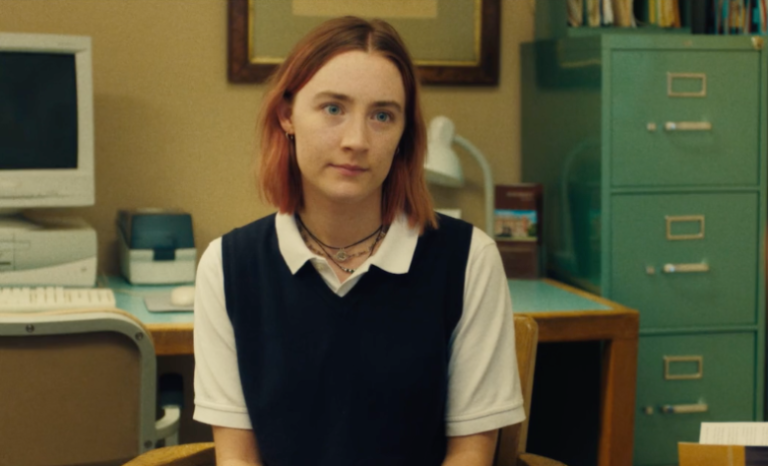
This week’s poll is a fun on! We’ll be talking about Greta Gerwig’s Little Women this weekend on Episode 356, a film that stars the great Saoirse Ronan, an actress that is quickly becoming one of the very best working today. She already has three very well deserved Oscar nominations, and it’s likely she could land a fourth in about a month or so. Regardless of awards though, Ronan’s on-screen presence is palpable and completely immersive. So, we thought it would be appropriate to ask you about her best performances for our poll this week.
With that said, what is your favorite Saoirse Ronan performance? Vote now!
Director: Scott Z. Burns Writer: Scott Z. Burns Stars: Adam Driver, Annette Bening, Jon Hamm
Synopsis: Idealistic Senate staffer Daniel J. Jones, tasked by his boss to lead an investigation into the CIA’s post 9/11 Detention and Interrogation Program, uncovers shocking secrets.
[/info]
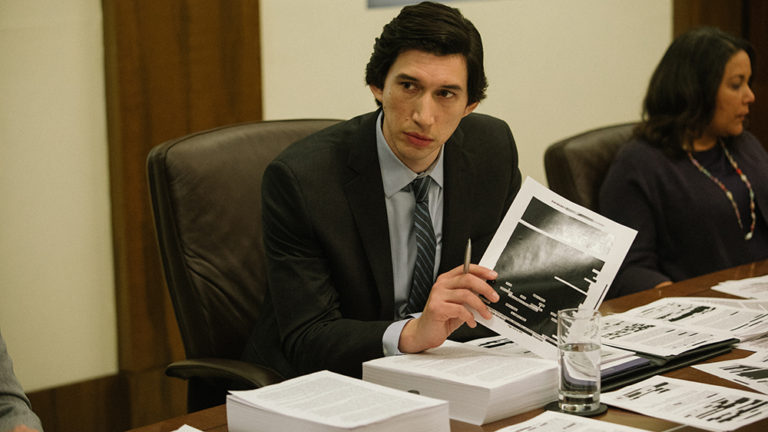
There will be a moment when you’re watching Scott Z. Burns’ new film The Report when you’ve simply had enough. For me, it came about the third time we see brutal torture depicted onscreen. I don’t mean to completely write off the film with that statement, because I do believe this is a strong film with a fantastic lead performance from Adam Driver. However, it’s also a film that commits a cardinal sin in my mind – it isn’t fully settled on the best way to tell its story.
Even from the film’s title, you realize that the artists behind the film want to take a creative approach to the subject matter. In trailers and promotional material for the film, the title appears as The Torture Report before the word “Torture” is blotted out in red ink – giving us the film’s actual title The Report. But torture will never be far from your mind as you watch this film. Burns makes that very clear with repeated scenes where we view the torture with each grotesque detail.
Some may view these scenes and find them not to be grotesque. These are the people the film seeks to unmask. Two characters in the film, in particular, feel exactly this way when they see the terrorists that are now in their custody. But what does torturing another human being – even one that has committed unconscionable crimes – really accomplish?
To get at this idea, the film follows the true story of Daniel J. Jones (Adam Driver), a Senate staffer tasked with investigating the CIA’s Detention and Interrogation Program and their post-9/11 tactics. Jones begins the film as an upstart government employee looking to break into the Washington bureaucracy. The first scene takes place in the office of Denis McDonough (Jon Hamm), a bit of foreshadowing to a later scene involving them both. McDonough encourages Jones to get some foreign policy experience in Washington. After we watch the reaction of government officials to the 9/11 terrorist attacks, the story jumps ahead to when Jones has been selected by Senator Diane Feinstein (Annette Bening) to investigate the CIA.
If it seems like a lot is happening in that paragraph, it’s because the film’s intro is absolutely jam-packed with information. It rushes through these important setup points and doesn’t really give us any strong connection to Jones. And this is where the film’s cardinal sin begins to take shape. If this is a movie about the work that Jones does, we need a better setup – pure and simple. We need to have a stronger identification with his character’s intentions rather than simply being told what his intentions are.
However, I’m not really convinced that this movie is about Jones’ work, at its heart. That’s because it repeatedly gives these detailed interludes where we watch as terrorists are tortured using the techniques that any of us who grew up in the shadow of 9/11 will remember all too well. These interludes absolutely flummoxed me. They are brutally vivid in their depiction of torture. I won’t say they are even in the top tier of most violent scenes that I’ve watched in a film, but they impacted me in a way that was especially harsh.
As I was considering my feelings about this, my mind drifted to the Best Picture winner Spotlight. That film tells another story of individuals who are dedicated to finding and uncovering the truth about disturbing events. The difference in that film is that the disturbing events are never shown on screen. We are either shown their aftermath, or we are told about them by the victims. Some might say that this goes against the “show don’t tell” storytelling rule, but I disagree. In thinking about how a reporter unearths a story, you have to consider that they don’t see the actual events either, they talk to people who can help them uncover the story. So when we see the victims telling us what happened, the movie is showing us rather than telling us. It is showing us the work of the reporters and the harrowing scars that are still portrayed in the faces of the victims. That is all we need to see, and if Spotlight had shown us actual scenes of abuse, it would have been a lesser film, in my opinion.
In the same way, Jones never sees actual torture, so why are we allowed to? This has the makings of an incredibly powerful film, but it is too self-indulgent. In some ways, I felt like the movie was looking down upon us as the audience. It’s as if we’re not expected to have attention spans long enough or deep enough insights to be able to stick with a film that delves into the work that is done in dark Senate offices. That is where Jones’ heroism took place.
Here I also have a quibble with the filmmaking. There were repeated moments where a lingering shot on Driver’s face would have given us an opportunity to consider the weight that was pressing down upon his character. Instead, we’re given quick cuts that gave me even more reason to think that the filmmakers doubted the attention spans of their audience. I want a film that trusts its audience, not one that looks down on it.
But enough of the bad, let’s get to why I think this is truly a good film. It begins with the incredible performance of Adam Driver. He has quickly risen to the foremost ranks among actors today, showing his ability to bolster large blockbusters and carry small indies with equal skill. Here he gives a performance brooding with the quiet rage inside Jones. This is a man consumed with the idea of justice, yet he sees so much injustice around him. With systems that are set up to keep him from bringing any kind of accountability to them, you can imagine that Jones might feel angry and frustrated. Yet he keeps working – an act of immeasurable hope. Driver brings all these qualities to the performance, and he makes the film what it is.
But that does not mean that all the plaudits should be reserved for him alone. The entire cast is fantastic, and this is quite the cast! Bening is great as Senator Feinstein, and other powerful supporting turns come from Hamm, Corey Stoll, Tim Blake Nelson, Ted Levine, Maura Tierney, and Douglas Hodge. It’s one of the strongest casts I’ve seen in a film this year.
The Bush administration is obviously pinpointed for its role in creating this massive scandal. But the Obama administration doesn’t come off very well in the film, either. The former may have created the horrible situation, but the film makes the case that the latter did not do enough to clean up the resulting mess.
Overall, the film gets us to consider the mindset that we had in the aftermath of 9/11. Were we just looking to retaliate for retaliation’s sake? Did we feel the need to do something and to have that “something” be as brutal as possible? The film makes the clear point that the driving force in these decisions was fear. Fear that a certain department would be held accountable for the terrorist attacks. Fear that another attack was coming. Fear that the answer would be interpreted as not having been harsh enough. When fear is the driving force, bad decisions are made.
As you’re watching this film, you may think of another similar film from recent memory – Kathryn Bigelow’s Zero Dark Thirty. This film wants you to make the connection so badly that it actually has the audacity to show a promo for the film on a television screen part way through the film. It reeked of superiority. It was almost as if this film wanted to say, “See? We handled torture right.” I’m not sure I would agree with that statement, even if I would agree that Zero Dark Thirty makes the mistake of depicting torture as having too much import in the search for Osama bin Laden.
Overall, I felt this was a film with a powerful story to tell. It just was never quite sure how to tell it. Still, you should watch this film for the performances alone, and the story that is told has just enough thematic heft to get you to consider the aftermath of 9/11 in a palpable way. I just think that a truly great film is hiding in there but is never quite allowed to reveal itself.
This week’s episode is brought to you by the InSession Film Store. Get your IF gear today!
This week on the InSession Film Podcast, our very own Aaron Charles joins us as we review Noah Baumbach’s Marriage Story and continue our Ingmar Bergman Movie Series with his 1974 film Scenes From a Marriage! JD also gives his thoughts on Queen & Slim, while Brendan reviews The Report and Brittany Runs a Marathon.
Aaron has been a great writer for us and we’ve been wanting to get him on the show for some time now, so it was a pleasure to finally make that happen. We had a lot of fun talking marriage, divorce and the human experience of it all. As was the case last week, because there was so much to explore with these films, the show went a little long. So we apologize in advance, but we are confident you’ll enjoy the conversation.
On that note, check out this week’s show and let us know what you think in the comment section. Thanks for listening and for supporting the InSession Film Podcast!
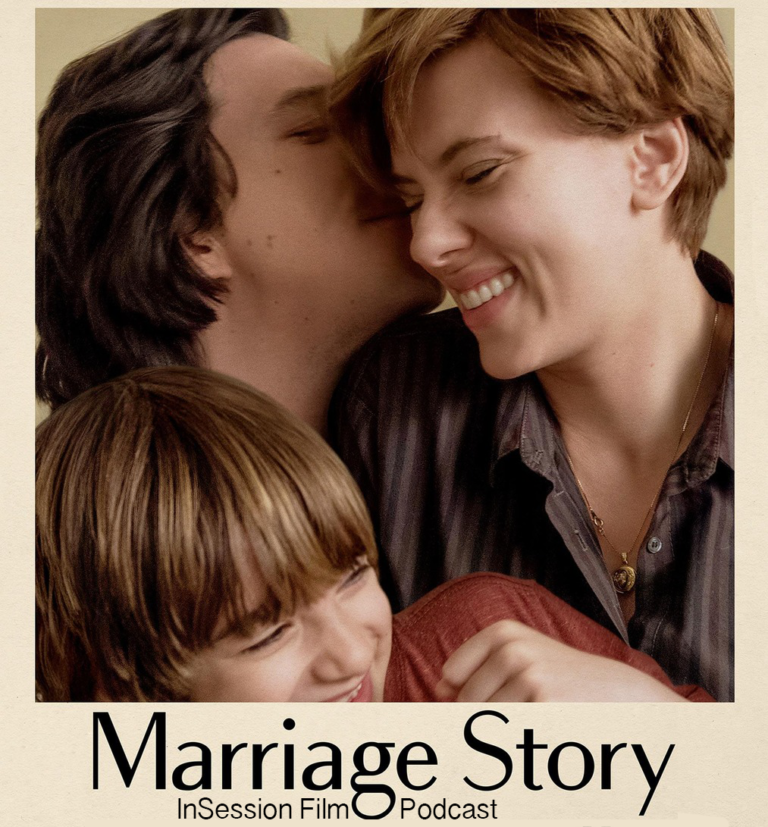
– Movie Review: Marriage Story (4:45) Director: Noah Baumbach Writer: Noah Baumbach Stars: Scarlett Johansson, Adam Driver, Laura Dern
– Notes / Queen & Slim / The Report / Brittany Runs a Marathon (1:09:21)
As noted above, JD caught up with the controversial Queen & Slim and offered up his thoughts, as inconsequential as they may be. Brendan also saw The Report, so we double dipped on the Adam Driver this week. He also saw Brittany Runs a Marathon and we briefly talked about that as well.
– Ingmar Bergman Movie Series: Scenes From a Marriage (1:32:49) Director: Ingmar Bergman Writer: Ingmar Bergman Stars: Liv Ullmann, Erland Josephson, Bibi Andersson
If you want to help support us, there are several ways you can help us and we’d absolutely appreciate it. Every penny goes directly back into supporting the show and we are truly honored and grateful. Thanks for your support and for listening to the InSession Film Podcast!
This week on the InSession Film Podcast: Extra Film segment, Ryan and Jay are joined by the great Kolby Mac to discuss one of the late critical darlings of the year, Queen & Slim, and the latest mega-blockbuster from Disney, Frozen II.
Queen & Slim has come late in the year and crashed the party on many 2019 best-ofs with powerful direction, dynamic performances and challenging material. Kolby Mac joins to give a fresh perspective on what the film means to the culture, at large, the film’s messaging, and what might not quite work for the film.
After that thorough, in-depth conversation about one provocative film, thew conversation gets a little fluffier, as Ryan and Jay talk Frozen II. Jay gushes about his (surprising) love for Olaf, Ryan shrugs at nearly every element of the film. The review has everything!
On that note, have fun with this week’s Extra Film segment and let us know what you think in the comment section below. Thanks for listening!
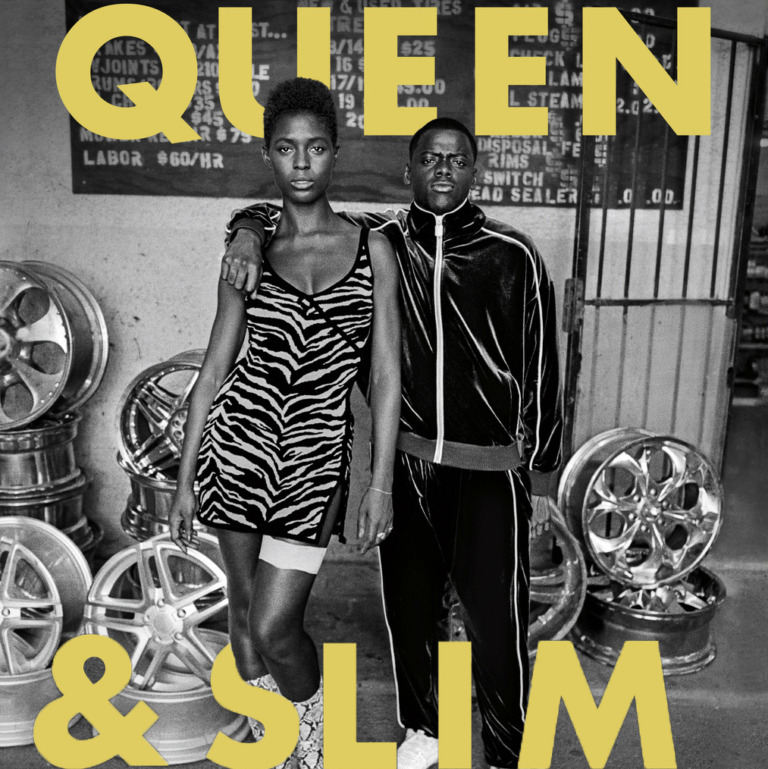
– Movie Review: Queen & Slim (2:57) Director: Melina Matsoukas Screenplay: Lena Waithe Stars: Daniel Kaluuya, Jodie Turner-Smith, Bokeem Woodbine, Chloë Sevigny, Flea
– Movie Review: Frozen II (1:04:20) Directors: Jennifer Lee, Chris Buck Screenplay: Jennifer Lee, Allison Schroeder Stars: Kristen Bell, Idina Menzel, Josh Gad, Jonathan Groff
We try to make this the best movie podcast we possibly can and we hope you enjoy them. Subscribe today on iTunes, Spotfiy or Stitcher, and please leave us a review on iTunes. You can also find us on Soundcloud, PlayerFM and TuneIn Radio as well. We really appreciate all your support of the InSession Film Podcast.
To hear this Extra Film episode and everything else we do, download our apps on the Amazon Market for Android and the Podcast Box app on IOS devices. The mobile app covers all of our main shows, bonus podcast’s and everything else relating to the InSession Film Podcast. Thanks for your wonderful support and listening to our show. It means the world to us!
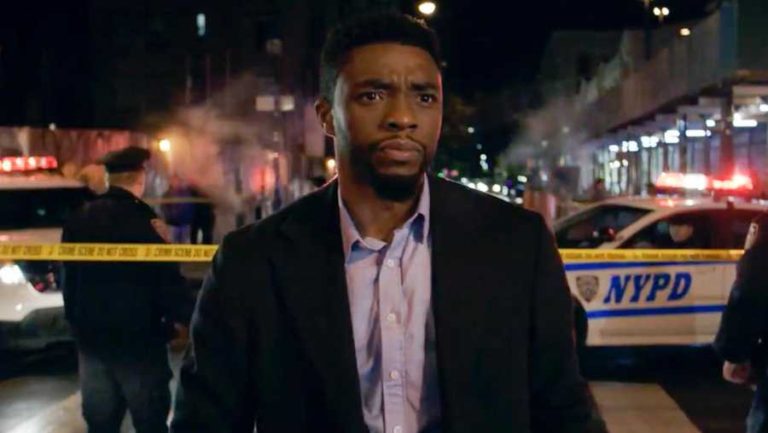
Director: Brian Kirk Writer: Adam Mervis, Matthew Michael Carnahan Stars: Chadwick Boseman, Sienna Miller, J.K. Simmons
Synopsis: An embattled NYPD detective is thrust into a citywide manhunt for a pair of cop killers after uncovering a massive and unexpected conspiracy.
[/info]
There are films that you may not be super excited to see but do want to watch purely to turn your brain off for a few hours maybe after a rough day or a long work week. 21 Bridges is one of those films and I knew this even before purchasing my ticket. With a decent cast led by Chadwick Boseman and a so-so trailer I completely understood what I was getting myself into and honestly some times a film like this is exactly what you need. Nothing heavy just an easy to follow plot, some proper action and suspense, and some fair acting. That’s what you can expect from director Brian Kirk’s sophomore theatrical release. His resume mainly consists of directing episodes for some television series such as Game of Thrones and Dexter and also Hard Sun, a short-lived series on Hulu that I actually enjoyed. For his second swing at theaters, he made a decent hit.
The film centers around Detective Andre Davis, played by Boseman, and his investigation of a drug heist gone wrong. It is fairly obvious, for the audience at least, to make some connections early on and see the road the story is heading down. The film is full of corruption, moral ambiguity and a cop that has a reputation for skirting the edge of upholding the law and adhering to the law. It is all stuff you can find in any detective drama or thriller which makes for easy viewing, there are really no surprises here. For some, this might make for a boring film but I enjoyed it. We too often have films that spend so much energy trying to be clever that they end up being both unnecessarily long and unnecessarily twisty. This film is neither and with great pacing especially for this genre of film. It does slow at some points but not for too long. Additionally, the action is good both in quality and quantity. The meat of the film is not in the action but in the suspense; following the story and watching it unravel. 21 Bridges is good storytelling with a few turns but an overall steady ride.
One thing that does surprise me about 21 Bridges is Boseman’s performance. I absolutely love him as Black Panther‘s T’Challa, he brings a certain style and dignity to the character, but his role as Andre Davis just felt flat at times. There is a lack of depth to Davis and there are moments where I am not sure I understand what he is feeling. This may also have to do with the writing; we are offered some hints to Davis’s past, which seems pivotal to understanding his character, but the story never really elaborates on it. It isn’t a bad performance but definitely not one I was expecting from such a seasoned actor, especially from one with such a great performance already under their belt. That being said I do very much enjoy Stephen James’s portrayal as Michael, one of the criminals involved in the heist. I looked him up after watching the film and was happy to learn he stars in ‘If Beale Street Could Talk’, a film I am very sad to admit I have not watched yet but, after seeing him in 21 Bridges, I am much more excited for. Unlike Davis, James gives Michael a lot of depth, so much so that Michael is the character I feel the most empathy for and connect with…and he is a criminal. This is also without knowing much of Michael’s past, what we are provided comes late in the film and if anything reinforces the depiction that James has illustrated so excellently.
You won’t leave the theater with lots to discuss with 21 Bridges but you will leave satisfied. It is a solid film that is doing just enough to keep the audience happily entertained. For lovers of detective thrillers, it won’t disappoint and is worth the price of admission. I hesitate to make this comparison but at times the film reminded me of 2008’s Street Kings directed by David Ayer. Street Kings has an edgier feel and is more loose with the violence, but it has similarities including its pacing and their lead characters. Both Andre Davis and Keanu Reeves’s Detective Tom Ludlow seem to have a similar set of principles. 21 Bridges is a simple crowd-pleaser, it won’t be landing in many people’s Top 10 for 2019 but it will satisfy that quick craving for good cinema.