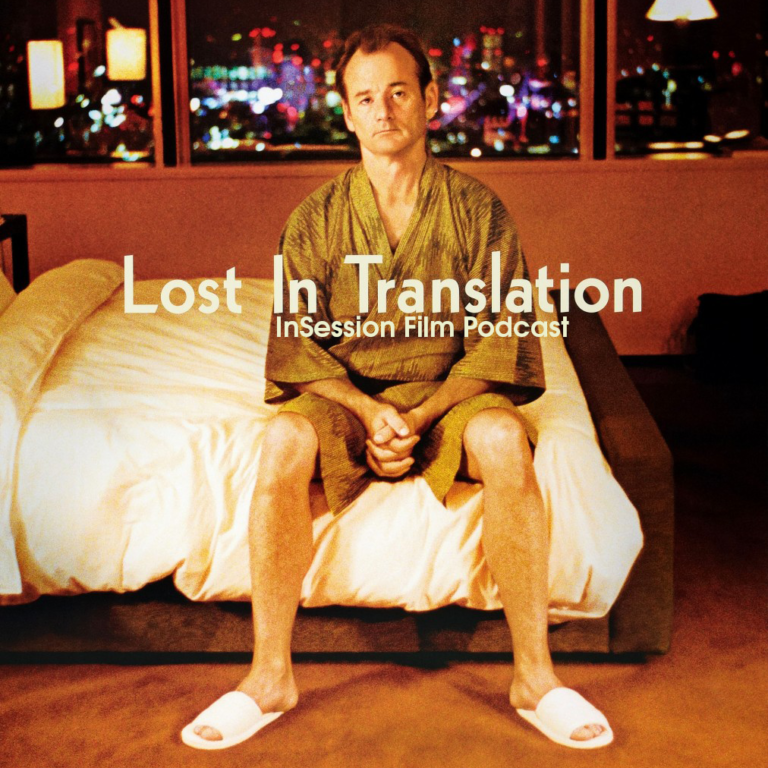
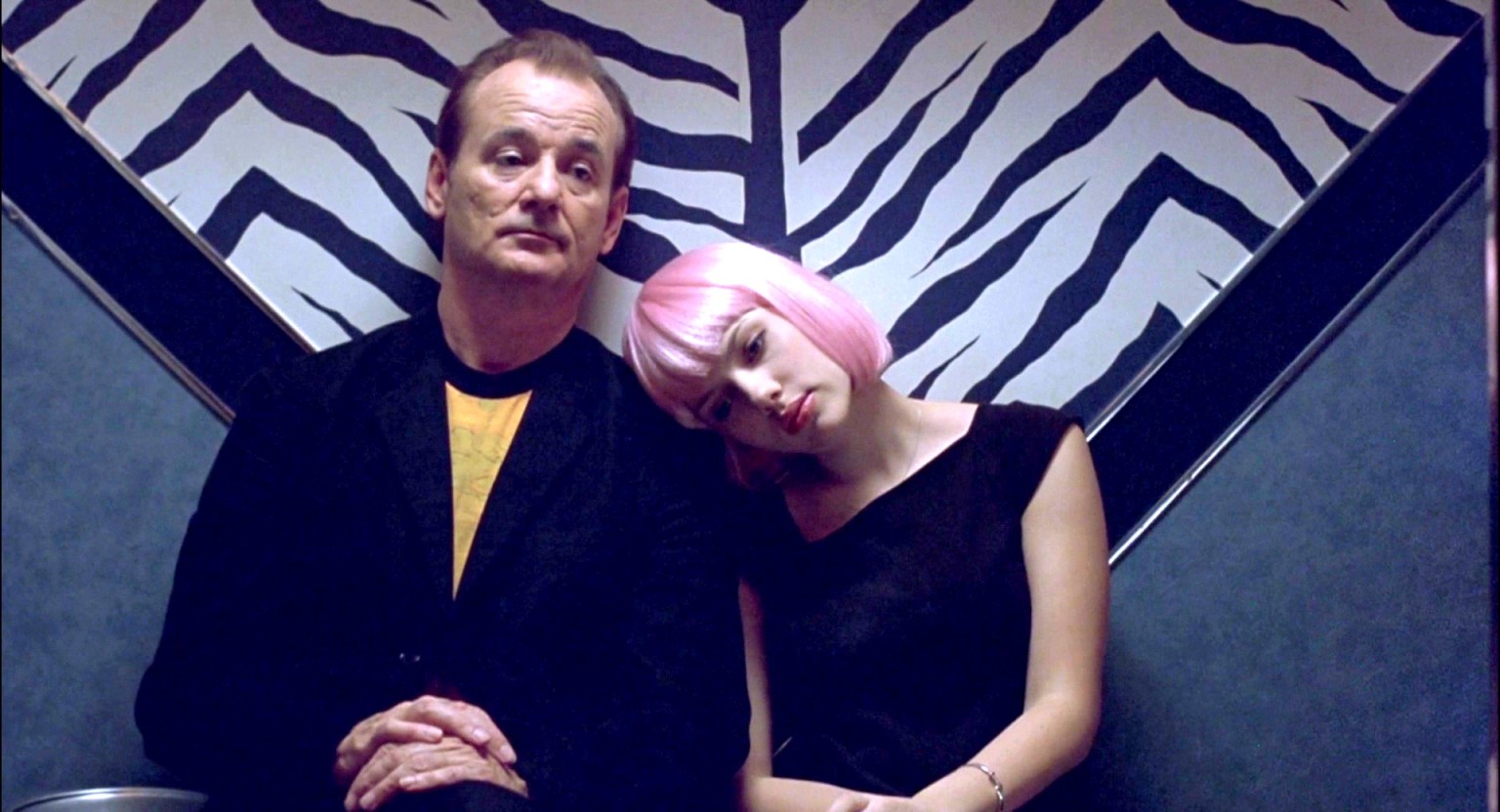
This week on the InSession Film Podcast, we review Sofia Coppola’s Lost in Translation and discuss our Top 3 “brief encounters” in film! We also talk about a few movies we’ve seen recently while in quarantine.
Please forgive the length of this week’s show (and really the last few weeks), but since we’re all at home in the moment, we figured we would make best use of the time. And when you’re talking about great films like Lost in Translation, you tend to go longer than normal. It doesn’t help matters either when JD offers up hot takes on Netflix action movies.
On that note, check out this week’s show and let us know what you think in the comment section. Thanks for listening and for supporting the InSession Film Podcast!
– Movie Review: Lost in Translation (6:22) Director: Sofia Coppola Writer: Sofia Coppola Stars: Bill Murray, Scarlett Johansson, Giovanni Ribisi
– Notes / Discussion (49:05)
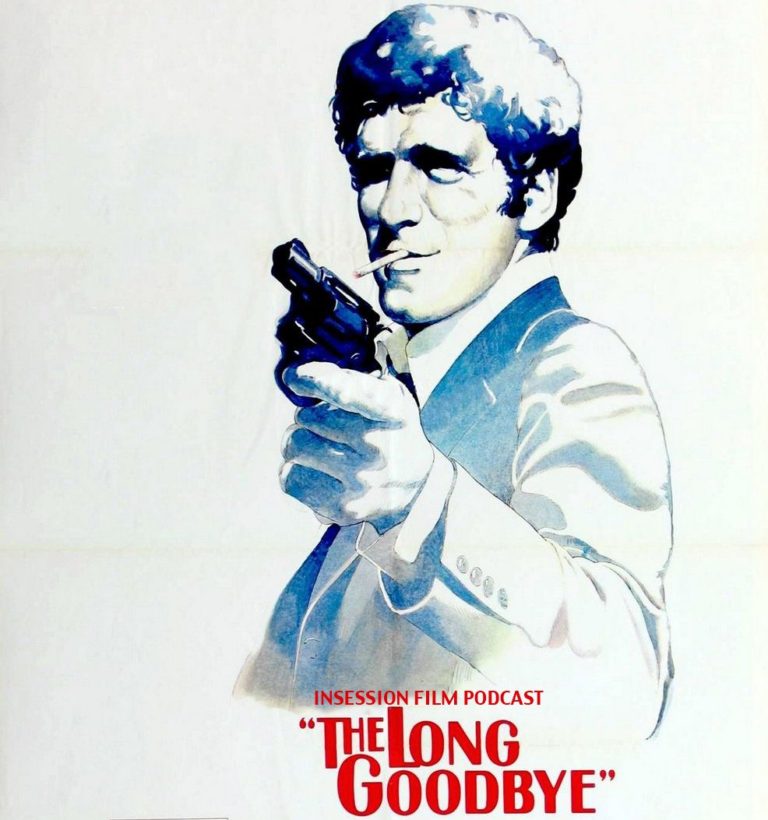
As noted above, we caught up with several films over the last week that we wanted to talk about. Both JD and Brendan saw Robert Altman’s The Long Goodbye and McCabe & Mrs. Miller, two films that many consider to be among Altman’s best films. JD also gave some thoughts on Netflix’s Extraction, Emma and Star Wars: The Clone Wars.
– Top 3 “Brief Encounters” in Film (1:33:33)
This was such a challenging topic to narrow down. Depending on your criteria, just about every film made could technically be eligible as we see brief encounters all of the time. So, how does one go about coming up with just three picks? Let me tell you, it wasn’t easy but boy did we have a lot of fun talking about our picks. That said, what would be your Top 3?
If you want to help support us, there are several ways you can help us and we’d absolutely appreciate it. Every penny goes directly back into supporting the show and we are truly honored and grateful. Thanks for your support and for listening to the InSession Film Podcast!
This week on Extra Film, Ryan and Jay discuss the next film in their Robert Altman Movie Series with The Long Goodbye and they also review Beastie Boys Story!
With three films into the movie series, and riding the high of Ryan’s beloved McCabe and Mrs. Miller, it’s now time for the guys to examine one of Jay’s favorite films of all time. Led by a killer performance from Elliot Gould, it’s easy to see why The Long Goodbye is so loved. If you want to hear the guys give one of the most glowing reviews they’ve ever given on Extra Film, then you won’t want to miss this one.
Then, the discussion moves to Beastie Boys Story, the latest film from acclaimed director Spike Jonze. Shot live in front of a crowd of adoring fans, the surviving members of the iconic rap group go down memory lane to talk about the ups and downs of their career. While the guys thought Beastie Boys Story was okay overall, they did have some issues with the overall presentation, leading to an interesting discussion.
Thanks for listening!
– Movie Review: The Long Goodbye (3:04) Director: Robert Altman Screenplay: Leigh Brackett Stars: Elliott Gould, Nina van Pallandt, Sterling Hayden
– Movie Review: Beastie Boys Story (53:42) Directors: Spike Jonze
We try to make this the best movie podcast we possibly can and we hope you enjoy them. Subscribe today on iTunes, Spotify or Stitcher, and please leave us a review on iTunes. You can also find us on Soundcloud, PlayerFM and TuneIn Radio as well. We really appreciate all your support of the InSession Film Podcast.
To hear this Extra Film episode and everything else we do, download our apps on the Amazon Market for Android and the Podcast Box app on IOS devices. The mobile app covers all of our main shows, bonus podcast’s and everything else relating to the InSession Film Podcast. Thanks for your wonderful support and for listening to our show. It means the world to us!
Here we are into May and still listening to the orders to stay-at-home. My home state of Florida is among the worst hit, so I kept on going up and down the platforms getting into new stuff. After all, it’s not just the Criterion Channel, even though there are some movies up here anyway. As we are erroneously told to drink and inject disinfectants, see protestors want their “freedom” back, and get used to the fact that this is a normal right out of Contagion we have to accept, the feast for my eyes, now constantly strained by watching the screen for a long time, still gives me pleasure and recommendations for what we can do to shave off boredom stuck in our homes. On the second month of lockdown, COVID-19 gave to me:
Shaft (1971; Criterion Channel)
I had never seen the original although Isaac Hayes’ Oscar-winning music was a cultural piece of Blaxploitation. Ernest Tidyman, a white man who would win his own Oscar for the script to The French Connection, wrote the original novel before he adapted to the screen with Gordon Parks as director. It shows masculinity through violence as the private detective works to rescue the daughter of a Black gangster who has been kidnapped by the Italian mob. In context, the film encompasses the post-Civil Rights Movement feelings of being excluded in certain areas, so the black community had to make it in their way, and showed Black men as strong as whites, even with its misogynist tinglings.
Jesus of Nazareth (1977; Amazon Prime)
Being the bad Catholic that I am, I had to see one movie of faith for Easter and it was Franco Zefferrelli’s three-part miniseries that I found to be feasible since I had not seen it, but was aware of the all-star cast it had. But even with the major names of Anne Bancroft, James Earl Jones, Ernest Borgnine, Stacy Keach, Ian McShane, Lawrence Olivier, Claudia Cardinale, and more, it is Robert Powell in the titular role that gives the life of the forenamed son of God a presence that glows from the start and evens up with the acting legends he stands beside. I actually prefer Powell’s Jesus than Jim Caviezel’s Jesus. It is an epic worthy of its 382 minutes running time.
Superstar: The Karen Carpenter Story (1987; YouTube)
It is not Superstar, based on the SNL skit featuring Molly Shannon. It is an illegal short film by Todd Haynes that has been a cult film because of its legal status. Before becoming a major director with movies like Safe,Far From Heaven, and Carol, Haynes was in New York working with his long-time producer, Christine Vachon, on various short works to build up the finding and credibility to move onto larger projects. Like Karen Carpenter, he was from Southern California, and his interest in following women in tragic circumstances started here with the singer’s untimely death from anorexia. First off, Hayes mainly uses Barbie dolls – yes, Barbie dolls – to represent the characters and intercuts with archive footage of their performances. Synthesizer sounds come in during scenes of duress, the documentary feel of the movie gets broken with sudden flashes, and inserted in are brief scenes of spanking. Why? No explanation. Just Haynes fucking with us? Maybe.
However, adding to its cult status was that Carpenter’s brother successfully sued Haynes for copyright infringement because of the unauthorized use of their songs. Thus, many copies of the film were taken away for destruction, but one good copy is with the Museum of Modern Art in New York, who agree to never show it to avoid being sued. I say “good” because the bootlegs survive in its rough videotape quality that can be seen on YouTube. No, seriously. This is a link right here and, by the time this piece is released, maybe it is taken down, but if not, enjoy this act of illegal viewing and civil disobedience about a truly tragic figure in music.
Dead Ringers (1988; Amazon Prime)
I could never find online or on DVD David Cronenberg’s acclaimed psychological thriller, but after stumbling across it on, “The Prime,” it turned out to be a magnificent vintage Cronenberg film and maybe his best of the 1980s. Jeremy Irons plays identical twins, Elliot and Beverly, both are gynecologists with a successful practice that share the same seduced women without revealing who is who, but then find their equilibrium splitting when one develops an attachment to a patient and becomes addicted to painkillers. As the other twin helps, the two go into a spin that ends in Cronenberg’s usual macabre finish. The body horror genre is his touch and he makes it beautiful, now going into another area that scrambles the mind of what can be made out of it. When Irons won his Best Actor Oscar for Reversal of Fortune just a couple of years later, he thanked Cronenberg.
Mishima: A Life In Four Chapters (1985; Criterion Channel)
Paul Schrader said what Taxi Driver was to him as a writer, this imaginative retelling of Japanese author Yukio Mishima is to him as a director. That is they are best works on both sides and it does act up as just a regular biopic. Using Mishima’s novels to build up his life and his conversion to ultranationalism, Schrader and his brother, Leonard (who co-wrote the script) make Mishima a man of conflicting ideals, a highly masculine man who saw Japan as weak and ashamed of its roots while also acknowledging his discreet homosexuality, something followers of Mishima has denied and kept the movie from being released in Japan. Above, Schrader talks about why he was interested in Mishima, as well as the legacy of Taxi Driver a decade after its release.
Schitt’s Creek (2015-2020; Netflix/Pop TV)
Right as this show came to a close, I started to watch the series from the start. While I’m not into the Christopher Guest/Eugene Levy films, as familiar as I was into Levy and his common co-star, Catherine O’Hara, I wasn’t if I’d follow it. But Eugene and his son, Dan, made cross-border magic both Americans and Canadians can share its love for. We’d probably have no sympathy for the spoiled kind we see on TV to lose it all without warning, as it happened to the Rose family, but to be reduced to living in an old, creepy motel in a small town with its funny name (like the real-life town Fucking, Austria – pronounced ‘fooking’) and even a more odd entrance poster is where comic gold comes from. And my favorite character of all of this is the motel’s owner/desk manager, Stevie. Watch the series, people.
Unorthodox (2020; Netflix)
https://www.youtube.com/watch?v=-zVhRId0BTw
Loosely based on the memoir by Deborah Feldman, it’s an emotional journey because of the radical break from fundamental Judaism into a new country, a new language, and an entirely liberating lifestyle. A teenage woman in an arranged marriage living in the ultra-Orthodox section of Brooklyn where Yiddish is the main language before English runs away and flies to Germany where her mother, who also fled the community, lives in. As she makes friends and experiences things never seen in her old neighborhood, her husband comes down to find her and bring her back. It’s only four episodes, but without making anyone the villain, they push out the intimate feelings and deep conflicts a religion can have for any individual born within it.
South Bend, Indiana, is a city known predominantly for two names – Notre Dame and Pete Buttigieg. Years ago, it was known as the headquarters for Studebaker. But, in between, there are fascinating stories that showcase a city that has rebuilt itself from the ruins of its industrial past. It’s a city that is beginning to turn a corner.
Directors Ryan Blaske and Zach Schrank tell the story of South Bend as it is today in their new documentary Big Enough, Small Enough: South Bend in Transition. InSession Film had the chance to interview them to learn more about the making of the film and the unique story of South Bend.
What was the beginning of the idea for this documentary and how did the project start?
Zach Schrank: The idea for this project started in the Spring of 2019 when national media began coming here for newspaper and television stories trying to understand how South Bend was reinventing itself, who Mayor Pete was, and how he fit in with its evolution. There had been gradual changes for several years in and around the hulking emptiness of South Bend that were beginning to emerge as a phase shift in the life of the city. This shift crescendoed with Pete Buttigieg announcing his run for the presidency, ascending in the polls, and going around the country proclaiming, “South Bend is the message,” and “I want to tell the story of South Bend.” In town he was saying things like, “South Bend is back,” and “Being a mayor is a lot like being a conductor of an orchestra, and you are all part of the symphony.” I started to wonder how the people in this “orchestra” felt about the sync, rhythm, and trajectory of the music. What type of “symphony” is this? National media seemed to be curious about this, too, and started visiting to find out. South Bend had never received this much attention before and for most people here it was a strange and interesting experience to read and watch stories about our city in Time Magazine, The New York Times, or on ABC or CNN. This city is small and isolated from major media so I think a lot of journalists had a difficult time figuring out what type of place South Bend is, making sense of the type of transitions it had gone through, and how to compare it to the identity and history of other cities. Media would fly in for 24 or 36 hours and a rotation of the same people were being quoted for positive or negative comments on issues in the city for a lot of these outlets. Living in South Bend, we saw this as an opportunity to talk to a variety of residents in the city to allow them to tell a detailed, nuanced, and fuller picture of how people here were experiencing its changes and to document this particular moment in time while the mayor was running for president. We knew this type of project required 6 or 7 months of meticulous work, not 6 or 7 hours with the same 6 or 7 people. Our hope was that a final product could serve as a snapshot or time capsule of that moment in 2019 and early 2020 with a diverse array of people who could all reflect on the directions of the city and tell its story. The project started from this idea and we began asking people who we believed might have some interesting insights into the improvements, changes, and enduring problems in South Bend if they would be interested in meeting with us for interviews.
How did you and your directing partner meet? What was the collaboration process like?
Ryan Blaske: Zach gave me a call after my good friend Chuck Fry recommended me. Zach and I discussed his ideas on the film during lunch and I was all in. I was able to see how we could visually tell this interesting story in our city in this unique time.
Z: Ryan and I met through a mutual friend, Chuck Fry, a South Bend filmmaker and storyteller who has worked on numerous creative videos and commercials documenting organizations and events in the city. He recommended I contact Ryan about collaborating on this project. I am glad Chuck paired us together because Ryan had the right equipment and experience to make a high-quality film. Most importantly, since he grew up and lived around South Bend his entire life, he had the right eye to capture people and the city from different angles. The collaboration process was surprisingly organic and effective. I am a Sociologist at Indiana University South Bend and have worked on qualitative interview projects in the city over the years, but I do not have any experience with videography or editing film. So, I was able to make contacts and conduct the interviews as we worked together to inductively sketch out themes in the film. In the end, though, Ryan had the magic touch bringing all of the images and sound together as we spent several evenings and weekends at his apartment whittling 20+ hours of footage down to 80 minutes.
How long did this project take?
Z: It took almost 8 months for us to complete this project from start to finish. We began interviews and filming in July of 2019 and ended in December. We edited the film into its documentary form in January and February of 2020.
What drew you to the documentary format?
Z: We did not set out to make a full-length documentary. Our original plan was to create a series of vignettes with a range of people around the city. We had an open-ended goal of composing some form of oral history of South Bend residents reflecting on city changes and the mayor running for president. As we proceeded into the interviews, though, it became clear that we had enough material to weave into a documentary with accompanying b-roll.
R: After the first or second interview I knew this was going to be a bigger project than we originally intended. The conversations were so thoughtful and interesting that a small vignette would not do it justice. The story had taken a new direction and we were along for the ride.
How did you decide on interview subjects?
Z: We wanted to find people who were plugged into various organizations, neighborhoods, and issues around the city and could speak at length about the good and bad of South Bend. Some of the people interviewed were individuals in our network or people we knew about doing interesting things or working on new creative projects. Others were people I met randomly around town in parks. We asked people who had recently started new small businesses in once vacant sections of the city to participate. We also asked around for references and recommendations for people who had deep history and perspectives living in South Bend. The commonality of all who participated in this film is that each was fighting to improve South Bend in unique and inspiring ways. We were lucky that so many people were willing to meet with us and share their stories.
So many of your interview subjects are people who are actively participating in the growth of the city, whether that’s as a business owner, an artist, or a community leader. What is it about South Bend that spurs this type of ambition?
R: Living in a Midwest city like South Bend can bring some limitations that larger cities can offer, but on the flip side, a smaller city brings the advantage of lower barriers of entry. South Bend is often called a Beta City for larger cities in the country. I believe we have created a culture of creatives, business owners, and artists that are not afraid to try something new and build the life they want. Our city is very supportive of these endeavors and has built the city to a more desirable place. I’ve always believed having limitations pushes you creatively to think outside the box and explore new ideas.
What was location scouting like, and how did you decide on the locations used in the film?
R: I’ve lived in and around this city my whole life and, being a freelancer, you tend to film the same locations again and again. I wanted to explore the city from a new vantage point. I would drive around the city with the idea of capturing something different, an uncommon angle or approach. As we filmed the interviews, I would take notes of topics we talked about and keep that in mind when I was out shooting B-Roll. Using the drone brought some new perspectives I’ve never seen before. I’m grateful for the technology filmmakers have these days to tell their stories.
Was there anything that surprised you that came out of these interviews?
Z: I am very appreciative that so many people were willing to meet for an interview on camera and trusted us to accurately present their thoughts and opinions.
R: The name of the documentary “Big Enough, Small Enough” came from our interviews with the residents. Zach and I were constantly surprised how often that phrase would come up during the interviews. Nearly every interview they would bring up some version of this phrase.
Talk about how you address former South Bend mayor Pete Buttigieg in the documentary. He’s never shown on screen in any way, but his impact is clearly felt and even discussed. How did you walk the fine line between making a documentary about South Bend but also including information about its most famous son without letting him become the focus instead?
Z: It was very important to us that the film honestly portray the perspectives of people living in South Bend without any narration, and our goal all along was for this to be a story about South Bend as a whole. Of course, it is impossible to talk about transitions in South Bend without discussing the role of Mayor Pete. He certainly played a big role in the city. However, I imagine there will eventually be a documentary about Pete Buttigieg. There was already plenty of local and national media attention directly about him, but the actual story of South Bend was rather limited and sometimes distorted in these accounts. We felt that we could offer something that national media (or even local) could not; that is, lengthy insights from an array of individuals in South Bend who largely were not participants in the political media process, curated as a documentary. And for the film to serve as a snapshot in time of this city’s moment as a whole, it had to remain focused on their stories and perspectives.
Why should people who have no connection to South Bend watch this documentary?
Z: South Bend is a hard place to define or explain to outsiders. I grew up in central Indiana and South Bend is just different from other locations in the state and around the country. When I moved here 7 years ago, it took some time for my wife and I to make sense of what this place is. The central hub of the city felt vacant with old empty brick buildings lurking among it. It is a city of contrasts. A rich industrial history that descended into economic and population decline. Home of a world premier university with an incredible endowment that is largely disconnected from the poor city that surrounds it. It has schizophrenic weather, depressing lake-effect winters with a grey dome hanging over the city for 6 months of the year, yet it is situated near Lake Michigan that makes for a great summer playground. It is a really easy, low-key, cheap and friendly place to live, yet it is poor and stratified along class/racial lines. But there are people in every part of the city doing great community work, starting great new restaurants, and building a unified vision for our future. A lot of these contrasts are illustrated in the documentary and we hope it gives people with no connection to South Bend an accurate feel and look to what it is like here. And we also hope that it provides some context to the place where Mayor Pete is from when he launched an unlikely and surprisingly successful campaign for the presidency.
Talk about the visual style used in the film. I’m especially interested in the camera movements during some of the interviews. It’s an interesting creative choice. How did you decide on that approach to the interviews?
R: During the filming of this documentary the interviews would sometimes be very spontaneous. I always had my camera, light, and microphone ready to go if Zach had a new lead. I wanted to have the subject be placed in the environment that shows their daily life in South Bend. We filmed in offices, houses and coffee shops. The handheld interviews were more fitting for the subject’s environment. These types of interviews often involved tours of their space, and I wanted to capture that feeling of being there with them. For the B-Roll I wanted the city to speak for itself, almost all of the b-roll is completely static with the only movement being the city.
Is there anything you hope viewers come away from this documentary feeling or understanding?
Z: Big Enough, Small Enough: South Bend in Transition is a completely independent film the two of us created without a budget. It was something we felt compelled to make. Neither of us had done anything quite like this before.
R: There are many cities like South Bend in the United States and I hope this documentary shows how a city can come together to make a difference and improve the city they live in. We have problems just like any other city, but I believe South Bend has a special bond and united goal to improve our city.
What did you learn from the experience of making this documentary?
R: This was my first full-length film in my filmmaking career. I was so proud of what Zach and I were able to accomplish with no budget and limited resources. I learned that making a film in today’s world just takes the passion and drive needed to complete it.
Anything else you want to leave with viewers of the film?
Z+R: We appreciate anyone who has taken an interest in the film and watched it.
You can find the InSession Film review of this documentary here. And you can watch the film on Vimeo and Amazon Prime.
Synopsis: South Bend is in the midst of its most dramatic shift since the collapse of Studebaker in 1963. Today, it is at a turning point and still trying to find its footing. We held conversations with people around South Bend to capture how residents were experiencing its changes, embracing its new life, and confronting its enduring problems – thinking about it all as the mayor ran for president.
[/info]
When I was growing up, my family and I would hop in the car, drive past cornfields and the corner gas station, turn onto State Road 23 and head into town. In ten minutes’ time, we’d be in downtown South Bend – the northern Indiana town that, until recently, was best known for the university that, technically, isn’t even in South Bend. Once we got as far as Sample Street, the mammoth warehouses would tower over us. I’d sit in the backseat and look at the broken windows and crumbling brick and wonder what happened there. What happened there was that a family-owned carriage business become the only company to successfully transition from horse-drawn vehicles to automobile manufacturing. That’d be Studebaker.
The name Studebaker hovers over Big Enough, Small Enough – South Bend in Transition. This is a new documentary from filmmakers Ryan Blaske and Zach Schrank, and – as the title suggests – it tells the story of the ways in which South Bend is changing. Spaced between beautiful images of the vistas that make up the city are interviews with South Bend natives and business owners. These are people who are part of the fabric of South Bend and are actively involved in the changes that are moving it forward. The documentary makes the case that South Bend is a city of “do-ers” and that any change that is now taking place is the product of the hard-working people that make up the city.
Speaking as someone who grew up in South Bend and has lived in the area his entire life, I can tell you this change has been building for some time. But this documentary comes at a time when it seems like all those changes are being realized in quick succession. Downtown is bustling now. When my family used to take those drives into town, it’d be a ghost town. Nothing happened downtown. The days of busy shopping centers in Studebaker’s heyday were long gone. But now? Restaurants, businesses, and a controversial streets project by the city’s former mayor (more on him later) have made South Bend’s downtown experience one that invites people rather than pushing them away. A major fulcrum in that change is another name that hovers over South Bend…
…Notre Dame.
Another thing this documentary does really well is that it showcases the very interesting relationship that the city has with the world-renowned university that resides just a few miles north of downtown. Technically, Notre Dame has its own city – Notre Dame, Indiana. The documentary slyly points this out through one of its interviews. It underscores how many people in South Bend feel that, for all that Notre Dame brings to the city, the university is walled off from the city and doesn’t engage with South Bend as much as it should. However, that’s another thing that has changed, and the documentary shows just how.
It used to be that university graduates would look for the first ticket out of South Bend once they had their degree. The “brain drain” was something you would hear being discussed around town. Even as I went to college, I felt the push to look for opportunities in New York or Indianapolis or some other place. One of the advantages that South Bend has over other cities its size is that it is so close to cities like these. But that also presents opportunities for people to want to leave, and as I was growing up, many people did.
Big Enough, Small Enough mixes in its interviews with people who are South Bend lifers and people who have come to South Bend from other places. The interviews also have a mixture of genders, races, and backgrounds. In doing so, the documentary gives a full picture of life in the city in its 80-minute runtime. You don’t simply get the “inside view” but you also get the view of people who first saw South Bend as an outsider but have now become part of the city itself.
But now, we must get to the other name that hangs over this documentary and now hangs over South Bend. This name has probably now replaced Notre Dame (at least in the United States) as being the first name associated with the city.
Buttigieg.
Interestingly enough, the documentary never really addresses Pete Buttigieg – the former mayor of South Bend and recent presidential candidate – head-on. Pete’s impact on South Bend comes up frequently throughout the documentary, but the directors have very clearly made the choice for this story to be about the city and its people, not about the former mayor.
However, you simply cannot tell the story of South Bend’s resurgence without also telling the story of Buttigieg’s impact. No city owes its success to one man, and South Bend is no different. But Buttigieg’s mayoral term was an incredible period of sustained growth for the city.
But it was also a time where long-held divisions continued to fester.
The most noticeable of these is the racial divide that has reared its head in South Bend. The documentary does take time to dig into this issue, and it notes how Buttigieg’s administration attempted to address the issue but also made key mistakes. However, again I will stress that the documentary shows no footage of Buttigieg and really only addresses him at a glance. That is a definite artistic choice, and I think it’s a good one.
This documentary could have easily morphed into a story about South Bend’s most famous son. But there are many things going on in South Bend that don’t involve Mayor Pete, and this documentary wants to showcase the city more than anything.
While I appreciate that choice, I do think the documentary failed to provide context in some key scenarios. I was able to come to this documentary with the context needed to process everything discussed within in it, but that’s because I’ve lived here. For people who don’t live in or around South Bend, they may lack the context needed to understand the impact of some of the topics that are brought up.
The most glaring example of this is when one of the interviewees references the “police tapes scandal” from the early portion of Pete Buttigieg’s time as mayor. The documentary never really gives any context for what that scandal involved and so we’re left with one view of the aftermath without really knowing what, in particular, is being discussed. Is it a main focus of the documentary? No, so I don’t think the creators should be expected to give us a deep dive into the topic. But if it’s going to come up in the interview content, I think the viewer should be provided with a little more context in order to process it correctly.
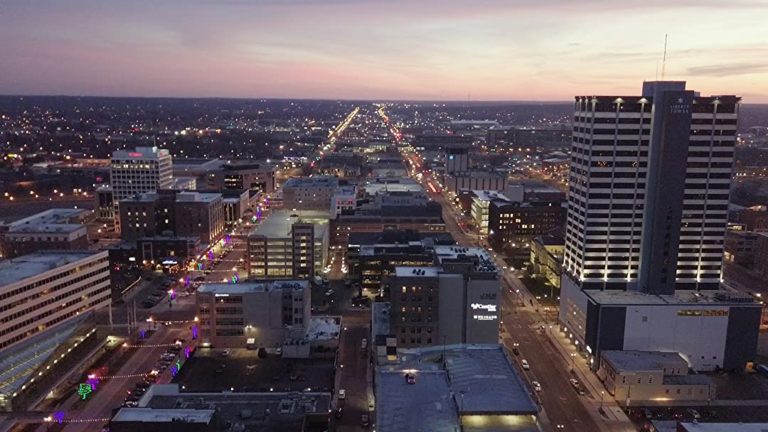
Visually, I cannot tell you how much joy I received from seeing the vistas and places with which I’ve become so familiar displayed on the screen in my living room. The film opens with a rising view over the St. Joseph River with the buildings of downtown South Bend in the background. This is a beautiful place. You may not think of beauty when you think of northern Indiana, but come here – you’ll see it. This documentary has the eye of those who find beauty in normal places.
The documentary mostly consists of the interviews. This is a picture in time of a city. It focuses on the changes that are happening, yes, but this is a momentary picture of where this city is today. It’s very present and current, and that picture is built by the voices and faces of the people who make up that city. The city imagery breaks up the interviews at times, but this is first and foremost a story told by the people of South Bend.
To support that present and current feeling that pervades the documentary, the camera is not stationary in these interviews. You’ll see it moving ever so slightly in some interviews, slightly changing focus in others, and even utilizing jump cuts at times. It makes the documentary feel fresh and constantly-changing, much like the city on which it focuses.
Overall, this is a very strong documentary that gives a beautiful picture of where South Bend is today and where it might go in the future. It made me proud to be a South Bend native, and it energized me to see the determination and ambition of the people that make up this city. One line of dialogue from the film’s opening moments beautifully encapsulates the power of this documentary. With voiceover, you hear these words spoken of South Bend:
“It’s big enough to have all the world’s problems, but it’s small enough that you know the people who are working on that – that make a difference. And you can feel like you’re making a difference.”
Overall Grade: B+
You can read the exclusive InSession Film interview with directors Ryan Blaske and Zach Schrank here. And you can watch the film on Vimeo and Amazon Prime.
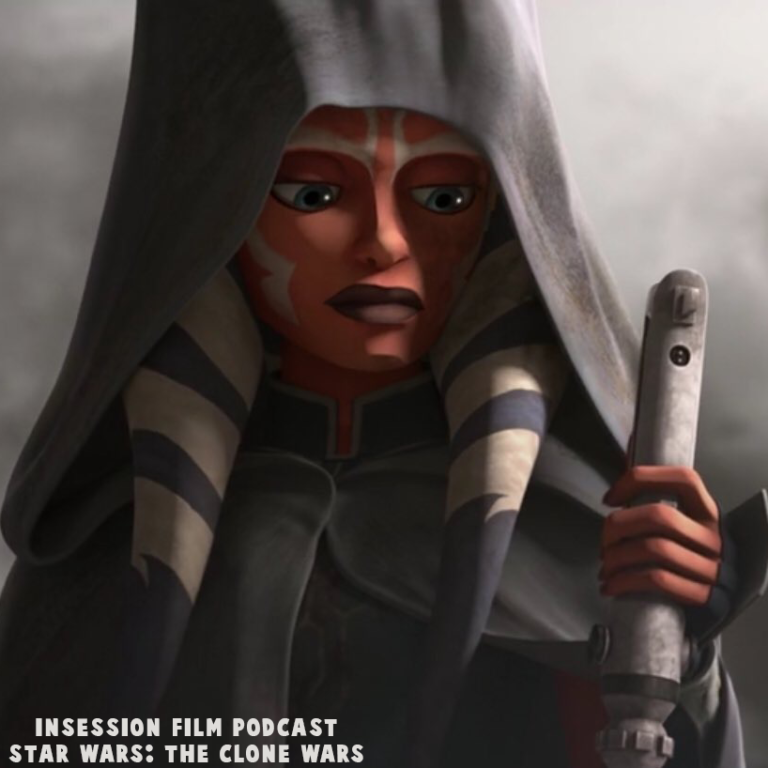
For our latest Bonus Content, Diego Crespo from the Waffle Press podcast joins JD to talk about the last season of Star Wars: The Clone Wars and the epic conclusion of Ahsoka Tano’s journey!
To hear our bonus content episodes early, subscribe now on Patreon. In many cases, though, we offer our bonus content for free after a certain period of time and we do encourage (and very much appreciate) a small donation of $0.99 as a way to help support the show if signing up on Patreon isn’t for you. Click on the PayPal button below to donate and thanks so much for your support. You can also hear much of our Bonus Content via our mobile apps. See the information at the bottom of the post for more details.
[divider]
Mobile Apps!
Listen to all of our bonus content on our apps for just a one-time fee! Whether you have an iPhone, Android or Windows phone, our apps are available in many different ways that is convenient for you. With our mobile app, not only can you listen to all of our bonus content, but our main shows and our Extra Film podcasts as well. Click here for more info!
If you don’t want to purchase our bonus content, but still want to support us, there are other you can help us out. Click here for more info.
Director: Jeff Barnaby Writer: Jeff Barnaby Stars: Michael Greyeyes, Elle-Máijá Tailfeathers, Forrest Goodluck
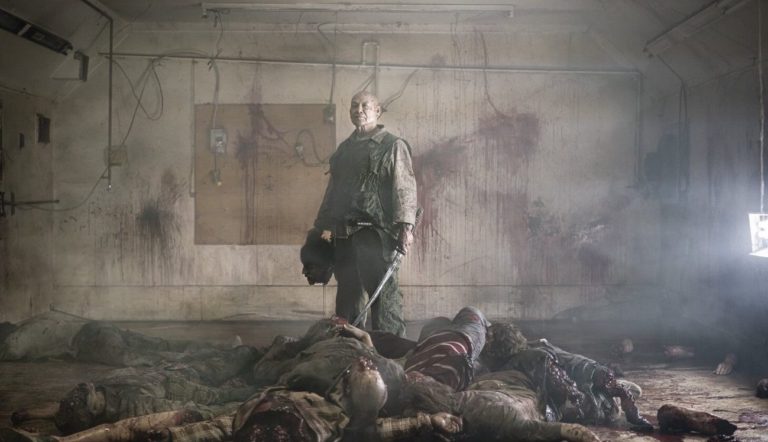
Synopsis: The dead are coming back to life outside the isolated Mi’gMaq reserve of Red Crow, except for its Indigenous inhabitants who are strangely immune to the zombie plague.
[/info]
What was the last zombie movie that made a cultural splash? While 2009’s Zombieland is probably the last of the living dead that people really care about, it isn’t a flick that perfectly represents what can be so great about the genre. Zombie films can be a perfect combination of satire, commentary, guts and gore that audiences crave, and no one has made anything that really satisfies that in ages. In a bold attempt to resurrect the genre, indigionus filmmaker Jeff Barnaby’s Blood Quantum is a great idea for a movie. The movie itself? Well, it struggles and tries, but never really moves beyond a generic family drama that’s punctuated with some nasty and delicious carnage. Barnaby creates some distinct and fun images, but his script has some lofty thematic goals that he just doesn’t have the chops to tackle.
Opening with one of those distinct images, cinematographer Michel St-Martin captures an older fisherman gutting his sport with a thudding creepiness. Suddenly, the disemboweled aquatic animals start flopping around, somehow alive again. That fisherman’s son is Traylor (Michael Greyeyes), the sheriff of fictional Mi’gmaq reserve named Red Crow. That sheriff has two sons, Joseph (Forrest Goodluck) and Lysol (Kiowa Gordon), and we first meet both of them in a jail cell. That scene is where we also meet our first human zombie. Realizing what’s hitting his area, Traylor busts his sons out of jail and then starts to take action. Throughout all of this, there is little tension built, leaving the audience to invest in vague family drama. In the first act, Barnaby’s direction feels awkward and basic with action scenes feeling choppy and the direction of actors even worse. Greyeyes is a rare talent that you’d be lucky to have in a movie, it’s odd how hard he’s straining to make these opening scenes work.
The riskiest thing Blood Quantum does is when it shifts six months in the future. At some point before that, you’ve realized that the Indigenous inhabitants of this area are immune to the invasion. Insert an inspired metaphor about colonialism here. But sadly, that thesis is all Barnaby has. You can have a great idea for a movie without the movie being great, and this is a perfect example of that. With the passage of time, we learn that Traylor and his family have bolted themselves in a grungy fortress while mowing down the zombies that come near. This is where the film gets to the most glorious gore (a certain scene on a bridge has a gleeful punchline), but there’s nothing deepening the characters here. The movie just asks us to care about vague squabbles via overacting.
Thankfully, Barnaby talent comes through in the final few moments of the movie. In a great scene on a boat, the foggy surroundings and beautiful compositions make an ending moment of hope and melancholy ring through. A great cast, creative incorporation of Mi’gmaq culture, and pretty cinematography can’t make up for the eventless slog that proceeds it though. Even though Blood Quantum was a solid swing at reviving them, zombies movies will have to stay dead for now.
Sofia Coppola has become one of our most compelling filmmakers working today. From The Virgin Suicides to Lost in Translation to The Beguiled, she’s made some fascinating films that continue to showcase her prowess as a director. Some lists even claim Lost in Translation as one of the best films of the 2000s. Either way, we are big fans of her work and thought it would be fun to talk about her for this week’s poll.
With that said, what is your favorite Sofia Coppola film? Vote now!
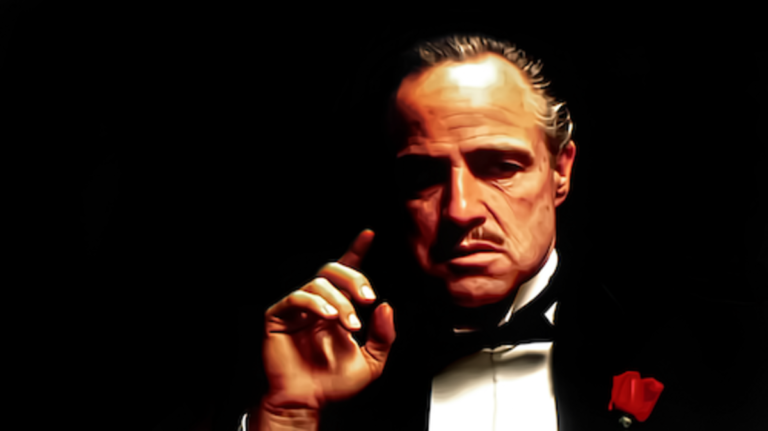
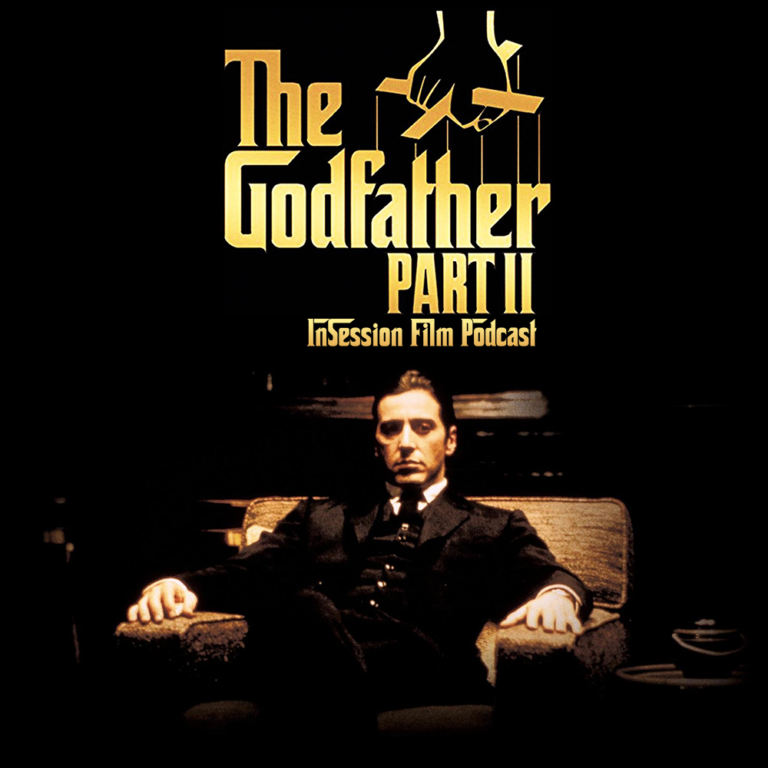
This has to be the most unique Movie Series we’ve done to date. Not only do we offer some passionate thoughts (some would even say controversial) at times, but this was completely spontaneous. With COVID-19 hitting the world and shutting down most businesses, such as theaters, it left the show in uncertainty as to what we would discuss from week to week. Once we decided to review The Godfather, there was no way we couldn’t talk about The Godfather: Part II, a film that many claim to be the best Godfather film. And if we’re reviewing two of the films in the trilogy, we may as well and round out the trilogy with The Godfather: Part III. Which is exactly what we did. And boy was it a lot of fun.
The Godfather, 1972
Listen to our review below as heard on Episode 374.
[divider]
The Godfather: Part II, 1974
Listen to our review below as heard on Episode 375.
[divider]
The Godfather: Part III, 1990
Listen to our review below as heard on Episode 376.
[divider]
We hope you enjoyed this series as we did. The Godfather films, at least the first two, are considered to be among the best of all-time for a reason. They are masterful films and we had a great time talking about them during this series. Be sure to leave any feedback in the comment section below or hit us up on social media!
As it’s been with other directors we’ve covered in the past, Federico Fellini is a blindpot that we needed to remedy. He’s often regarded as one of the best filmmakers of all-time and one of the leading voices in post-war Italy. We’ve seen a few of his films, even covered one in our Italian Neorealism Movie Series, but mostly we are desperate to catch up on the classic Fellini films that we haven’t seen yet. For this series, we are going to do our best to cover as many of them as possible and dive right into how these films changed the landscape of cinema. Follow along and we hope you enjoy this series as much as we do.
I Vitelloni, 1953
Listen to our review below as heard on Episode 215 as part of our Italian Neorealism Movie Series.
[divider]
La Strada, 1954
Listen to our review below as heard on Episode 368.
[divider]
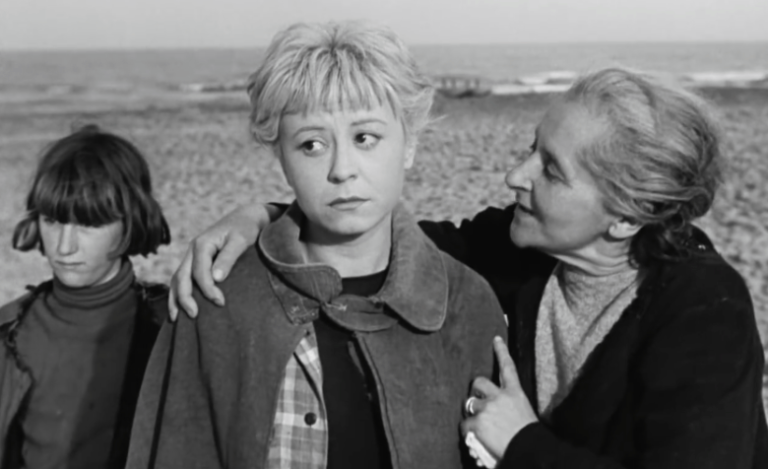
Nights of Cabiria, 1957
Listen to our review below as heard on Episode 369.
[divider]
La Dolce Vita, 1960
Listen to our review below as heard on Episode 370.
[divider]
8½, 1963
Listen to our review below as heard on Episode 371.
[divider]
Juliet of the Spirits, 1965
Listen to our review below as heard on Episode 372.
[divider]
Amarcord, 1973
Listen to our review below as heard on Episode 373.
[divider]
City of Women, 1980
Listen to our review below as heard on Episode 375.
[divider]
And the Ship Sails On, 1983
Listen to our review below as heard on Episode 376.
[divider]
We hope you enjoyed this series as we did. Fellini is a very unique director and there may never be another one like him. What a great and fun series this was. Be sure to leave any feedback in the comment section below or hit us up on social media!
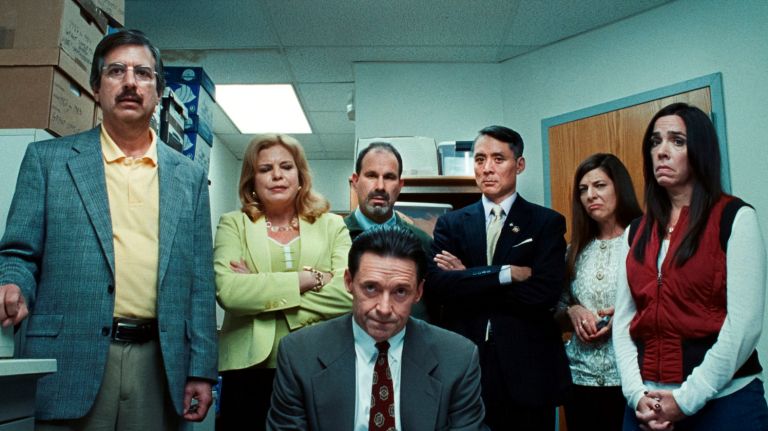
Director: Cory Finley Writer: Mike Makowsky Stars: Hugh Jackman, Ray Romano, Alison Janney
Synopsis: The beloved superintendent of New York’s Roslyn school district and his staff, friends and relatives become the prime suspects in the unfolding of the single largest public school embezzlement scandal in American history.
[/info]
As much as we like to deny it, appearances matter. This is not just a simple indictment of how we operate romantically, but in just about every arena of life. We trust the people who are more stereotypically attractive, who spend time on their looks, and who exude a sense of confidence. Those who are able to do this are able to push boundaries without those pesky questions of right and wrong. And it takes a truly motivated and passionate person to see through this and find the truth. This is the story that director Cory Finley is putting forth, based on true events, in Bad Education.
No review of Bad Education should begin anywhere but with the performance of Hugh Jackman. Jackman’s career, while impressive on some levels, does feel like a bit of a missed opportunity, and this proves it. Make no mistake, Jackman is at his best when playing characters with an edge, those we want to trust and know we shouldn’t. Plus, he is equally adept at turning on the charm and, in private moments, letting us see the pain just beneath the surface. The film is bookended by sequences of Frank Tassone (Jackman) prepping himself physically, through primping his appearance and rehearsing what he is about to say; and in these moments, with the camera uncomfortably close, Jackman already creates depth. Given that this is a film about academic corruption, it would be easy to see him as a pure villain, but what sets this apart is making the choice to also show Tassone in uplifting moments, such as motivating a young student or his tender moments with Kyle (Rafael Casal). This balancing act allows us to see the normalcy of this man, instead of focusing on pure black comedy.
But Tassone is not the only one who is focused on appearances, and is certainly not alone when parsing out blame. There are some obvious culprits, especially Pam Gluckin (Allison Janney). In perhaps the least shocking news in years, Janney is fantastic and has perfected the Long Island attitude and accent. But her predilection for big houses, shiny jewelry, and most of all, being seen is indicative of the downfall of all of these characters. But probably less obvious, is the community at large. While we tend to ask few questions of the confident Tassones of the world, we ask even less of those who we are profiting by. Much is made of the Roslyn school district rise to the top under his leadership, which leads not only to community pride, but also rising property values. Finley frames the ignoring of Tassone’s tailored suits, numerous plane tickets, and many other extravagances as foolish at best and blameworthy at worst.
But again, this is not a simple story of corruption. The film makes it clear that, despite his poor choices, Tassone does truly still care about the students in his care. The most pointed example is that of Rachel Barghava (Geraldine Viswanathan), who comes to him from the school newspaper to do a “puff piece” on the to be constructed skywalk, which is quite costly. This is not to mention that there are more obvious repairs to be made that would help students immediately. This is, of course, one more example of the film’s premise that if you make it pretty, people will trust it and be happy. Tassone attempts to motivate her to not just do a simple story if she really wants to excel. This duality in Tassone leads us to care about him just enough, even when it might be his downfall. Viswanathan plays bored high school student and motivated investigative reporter well and does give the movie one person to truly root for,
without reservation.
There are a few complaints to be had, mainly that the script willfully hides information from the audience. Now, this is a story about people who purposefully obfuscated the facts. However, it betrays the strength of the film to hide them in this case. That strength is having the bravery to make a reviled figure our protagonist. If the goal is to show me this man, show him, all of him. Because of this, certain characters are introduced at odd times and become much more shallow than they should appear. Additionally, there is some magical realism sprinkled in that feels like a desperate attempt to feel some level of closure, and it may have served the film better to end on a more down note.
Those complaints aside, Bad Education is a strong film overall, especially during a time in which we are bereft of theatrical releases and original ideas. Finley’s ability to impart interesting ideas, without preaching, along with his willingness to turn the camera on us makes for a powerful experience.
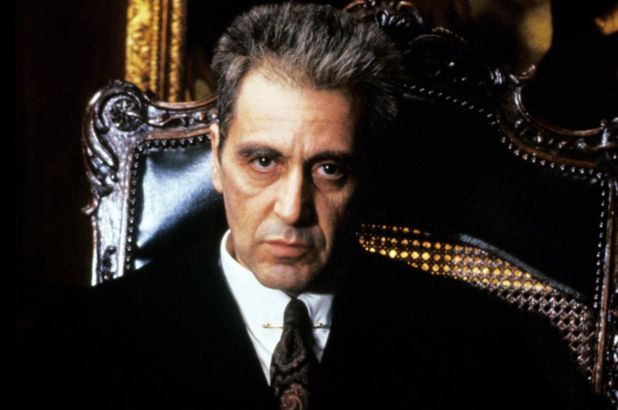
This week on the InSession Film Podcast, we finish off our spontaneous Godfather Movie Series as we discuss The Godfather: Part III and we round out our (more official) Federico Fellini Movie Series with his 1983 film And the Ship Sails On!
We didn’t plan this specifically, but this episode works as a great closer as we transition to what would normally be our Summer movie season. As noted above, we round out both our Godfather and Fellini adventures and cap off what was an interesting (and historic) spring season. Never before have we experienced something like this in the modern era, and while the stakes in the real world are grave, it’s given us some unique opportunities from a film perspective. It’s been a treat to go back and dissect some classic films that we wouldn’t have time for normally. And as we continue to practice social distancing, the summer season may end up being the same. In the meantime, we hope you enjoy our spring closer (if you will).
On that note, check out this week’s show and let us know what you think in the comment section. Thanks for listening and for supporting the InSession Film Podcast!
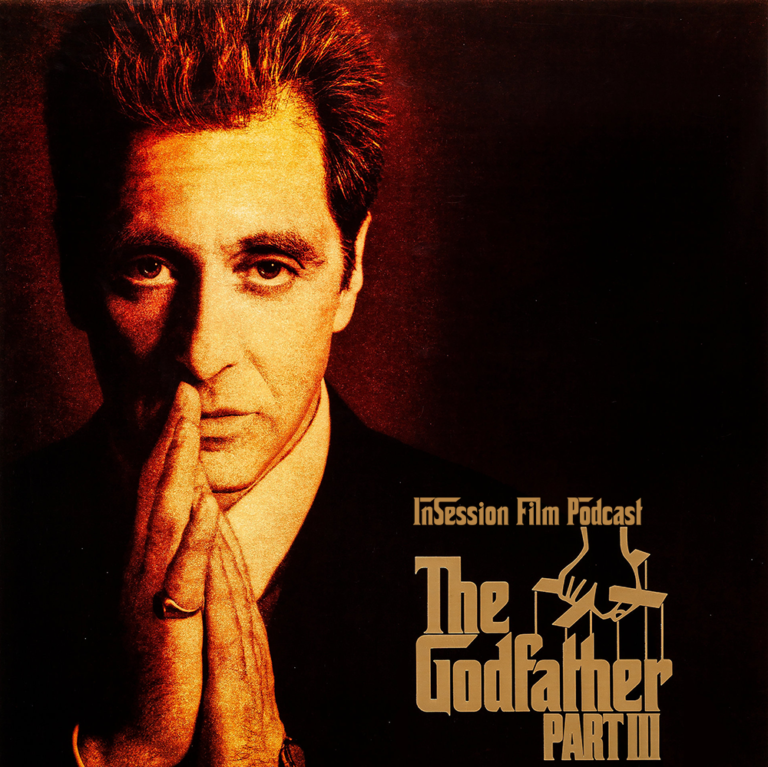
– Movie Review: The Godfather Part III (5:03) Director: Francis Ford Coppola Writer: Mario Puzo, Francis Ford Coppola Stars: Al Pacino, Diane Keaton, Sofia Coppola
– Notes / Discussion (39:06)
As we’ve done the last few weeks, we give some thoughts on a few films we’ve caught up over the last week or so. This week we talk about Bad Education, Trolls World Tour, Moonraker and Star Wars: The Clone Wars.
– Federico Fellini Movie Series:And the Ship Sails On (1:17:05) Director: Federico Fellini Writer: Federico Fellini, Tonino Guerra Stars: Freddie Jones, Barbara Jefford, Victor Poletti
If you want to help support us, there are several ways you can help us and we’d absolutely appreciate it. Every penny goes directly back into supporting the show and we are truly honored and grateful. Thanks for your support and for listening to the InSession Film Podcast!
This week on Extra Film, Ryan and Jay discuss the next film in their Robert Altman Movie Series with McCabe and Mrs. Miller and they also review HBO’s Bad Education!
With two films down in the series so far, Robert Altman has proven to be a great choice for the guys to cover over these troubling times. With McCabe and Mrs. Miller, Altman creates one of the best westerns ever made and a picture that awe both Extra Film co-host. With mid spoilers and a more than in-depth discussion, the guys provide context to another Altman masterpiece.
Then, the discussion moves to Bad Education, a film that’s being talked about as one of the best films of 2020. Released on HBO, it follows the story of the biggest public school embezzlement scandal in American history. Led by a career-best performance for Hugh Jackman and a stellar supporting cast, Bad Education deliveries a lively debate amongst the guys over the message of the film.
Thanks for listening!
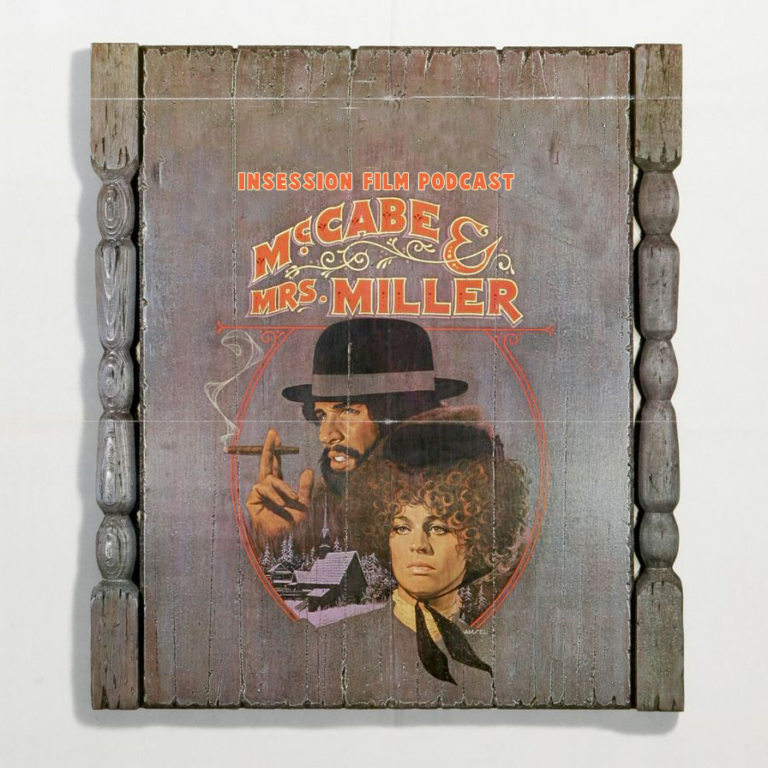
– Movie Review: McCabe and Mrs. Miller (3:44) Director: Robert Altman Screenplay: Robert Altman, Brian McKay Stars: Warren Beatty, Julie Christie, René Auberjonois
– Movie Review: Bad Education (55:13) Directors: Cory Finley Screenplay: Mike Makowsky Stars: Hugh Jackman, Allison Janney, Geraldine Viswanathan, Rafael Casal, Ray Romano
We try to make this the best movie podcast we possibly can and we hope you enjoy them. Subscribe today on iTunes, Spotify or Stitcher, and please leave us a review on iTunes. You can also find us on Soundcloud, PlayerFM and TuneIn Radio as well. We really appreciate all your support of the InSession Film Podcast.
To hear this Extra Film episode and everything else we do, download our apps on the Amazon Market for Android and the Podcast Box app on IOS devices. The mobile app covers all of our main shows, bonus podcast’s and everything else relating to the InSession Film Podcast. Thanks for your wonderful support and for listening to our show. It means the world to us!
Six new releases featuring nineteen – yes, 19 – features in total are coming out this month for your movie-loving pleasure. From a re-issue of fables to a classic war film to a recent independent release, Criterion has expanded the docket that, once again, captures the intrigue – and wallets – of every cinephile with a massively diverse selection to get from 1940 to 2018, with the first major female director to an actor’s first show in the director’s chair.
Dance, Girl, Dance (1940)
Director Dorothy Danzer was the only female in the studio system in the 1930s and 40s, which is why only she could have brought a female sensibility to this behind-the-scene story about two rivals (Maureen O’Hara and Lucille Ball) who compete for the most love from the audience and love from a man they both are attached to. It’s a feminist-affirming movie, something rare at that time, but the film was a critical and commercial flop, and would not get its reevaluation until the 1970s when the Feminist movement began and Danzer, long retired, was living in obscurity. Robert Wise, who would win Oscars directing West Sound Story and The Sound of Music, editing the film, which was then followed by editing Citizen Kane.
The Great Escape (1963)
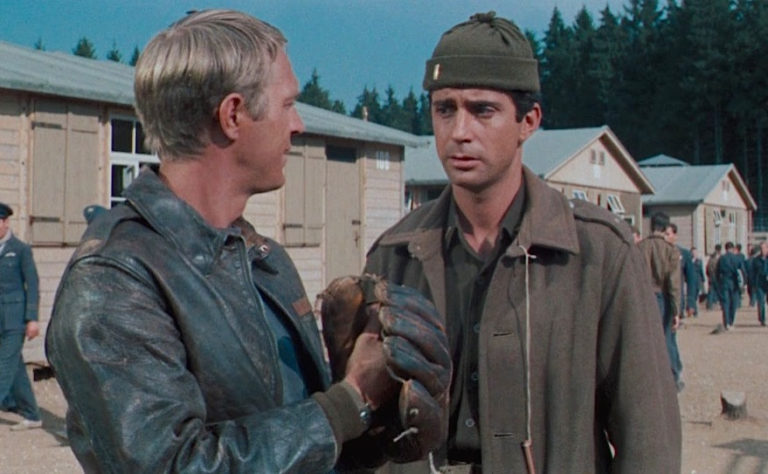
Based on a true story about being daring right under the Nazi machine, director John Sturges couldn’t have gotten a better cast. Steve McQueen, James Garner, Richard Attenborough, Charles Bronson, James Coburn, and David McCallum play the soldiers scheming to get out and former German soldiers who survived the war were cast to be the commandants in the camp known as Stalag Luft III. It was a massive success, and although there were some changes to the real story – such as there were no Americans in the real-life jailbreak, Steve McQueen throwing a baseball in his cell and that great motorcycle chase is always a great watch. Also, seeing Leonardo DiCaprio act the lines out in this scene in OUATIH was quite funny.
Scorsese Shorts (1960s – 1970s)
https://www.youtube.com/watch?v=pWs1SM0xYiI
From his time in NYU to when he was just making it in his career, Martin Scorsese made five short features about home and heritage. The Big Shave, the shortest of the shorts, is probably his most political film as an allegory of what the country was doing to itself in Vietnam. Scorsese co-wrote the first of few collaborations with fellow student Mardik Martin in It’s Not Just You, Murray! Scorsese interviewed his first-generation immigrant parents about the family’s ancestry in Italianamerican and friend Steven Prince, who played Easy Andy in Taxi Driver, about his heroin addiction in American Boy. Finally, there is Scorsese’s first movie ever, What’s A Nice Girl Like You Doing In A Place Like This?
Six Moral Tales (1963-72)
French director Eric Rohmer, a leading founder in Cahiers du Cinema, started making his own films that broke from the New Wave, focusing on a different man who comes across a woman that is more attractive and interesting than their current girlfriend or wife. Rohmer stated that the meaning of moral is, “That physical actions are almost completely absent: everything happens in the head of the narrator… They are films which a particular feeling is analyzed and where even the characters themselves analyze their feelings and are very introspective.” His first two works, The Bakery Girl of Monceau and Suzanne’s Career, are shorts, My Night At Maud’s gave him Oscar nominations for Original Screenplay and International Film, and his last film, Love In The Afternoon, was remade by Chris Rock into I Think I Love My Wife.
Husbands (1970)
John Cassavetes wrote, directed, and starred in this dramedy about three married men each having a midlife crisis when a friend of their dies unexpectedly. Using real-life and improvisation around his own friends, Ben Gazzara and Peter Falk, Cassavetes takes the trio from New York to London and find themselves by completely breaking down their own man feelings of the world for something that always seems missing. Initially panned by critics upon release, it is now seen a radical piece of work that may not hold up in today’s views (some like Pauline Kael were offended by its misogynistic tone) but is still an eye-opener to raw emotions.
Wildlife (2018)
Paul Dano made his directorial debut on a script he wrote with his wife, Zoe Kazan, about the sudden breakup of the family nucleus when the father (Jake Gyllenhaal) is suddenly fired and leaves to help with an outgoing crisis, forcing his wife (Carey Mulligan, who was unjustly ignored for her performance) and teenage son (Ed Oxenbould) to find work and take care of the house. A domestic drama about the deconstruction of a marriage and role changes, it’s the performances you get when an actor is behind the camera.
This weekend on Episode 376 we’ll be rounding our our unofficial Godfather series with Francis Ford Coppola’s The Godfather: Part III, a film, that like many of Coppola’s non-70s output, is seen as lesser Coppola. A notion that brings us to our poll this week. It’s very understandable why most cinephiles and movie lovers agree that his 70s work is his best, but Coppola made several other notable films outside the 70s. Even if they’re less talked about. So, with that said, what do you think is the best Coppola film not from the 70s?
Welcome back to the InSession Film Lounge! In our third episode, we grab a few beers and talk about the movies we’ve been watching during quarantine. We discuss the situation theaters find themselves in and what’s next for Hollywood. We end the show by talking a little sports as we go over the 2020 NFL draft.
To hear our bonus content episodes early, subscribe now on Patreon. In many cases, though, we offer our bonus content for free after a certain period of time and we do encourage (and very much appreciate) a small donation of $0.99 as a way to help support the show if signing up on Patreon isn’t for you. Click on the PayPal button below to donate and thanks so much for your support. You can also hear much of our Bonus Content via our mobile apps. See the information at the bottom of the post for more details.
[divider]
Mobile Apps!
Listen to all of our bonus content on our apps for just a one-time fee! Whether you have an iPhone, Android or Windows phone, our apps are available in many different ways that is convenient for you. With our mobile app, not only can you listen to all of our bonus content, but our main shows and our Extra Film podcasts as well. Click here for more info!
If you don’t want to purchase our bonus content, but still want to support us, there are other you can help us out. Click here for more info.
I have a confession to make. I do not like Westerns and I have never really understood the fascination of the Wild West; it just seems so distant and alien to me. Perhaps this is down to my gender, or my age or maybe because I happen to be from the U.K. Whatever the reason may be, I can not deny the fact that I just can’t seem to get the appeal of the western; and I feel like I’m missing out on something important.
Nowadays, the Western film is no longer a staple of cinema, however there still seems to be this appreciation for the genre and it’s clear that it deeply resonates with many contemporary filmmakers. There’s no denying the genre’s significance and impact on shaping the cinematic landscape, not just in American filmmaking but on a global scale. The old fashioned John Ford/John Wayne style of Western may be gone, but the fact that these films still remain part of the cultural discussion remains something to be marveled at.
These films have their faults, especially in terms of their political correctness and their representation of the indigenous people of Northern America, Latinx people and the representation of gender. So, when visiting these films I want to be conscious of whether they stand the test of time or not, but also be fully aware that these films are a product of their time.
When I asked Twitter for their recommendations, the response was phenomenal with over 600 replies. The recommendations ranged from Golden age Hollywood classics such as Stagecoach, to Spaghetti Westerns such as The Good, The Bad and The Ugly, to New Hollywood ultra-violent flicks such as The Wild Bunch, to contemporary Westerns such as Slow West.
I certainly didn’t anticipate such a response, but it’s clear that the Western genre still resonates with many of us. For my first piece, I will be taking a look at High Noon, a Western with a very interesting background and rocked the Hollywood studio system in such a way that led to Western star John Wayne to deem the film as “Un-American”.
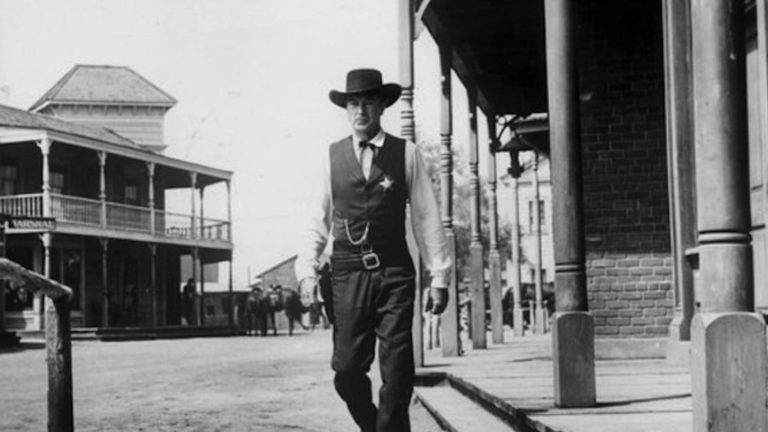
Directed by Fred Zinnemann and written by the blacklisted screenwriter Carl Foreman, High Noon is shown in ‘real time’. We open on the marriage of the Marshall of Hadleyville Will Kane (Gary Cooper) to Amy (Grace Kelly). However their big day is threatened by the arrival of the return of Frank Miller (Ian MacDonald), and his gang who are arriving back in town at noon with revenge and murder on his mind.
Kane is keen to leave Hadleyville for good but when he learns that Miller is back to kill him for putting him in prison back when his gang ruled town, he immediately makes the decision to stay and face his nemesis one last time for the good of the local community. However, Kane can’t face Miller’s gang alone, and tries to recruit deputy Harvey Pell (Lloyd Bridges) who is now shacked up with Kane’s former lover, Helen Ramírez (Katy Jurado), but Harvey refuses to help. Kane’s other friends including Sam Fuller (Harry Morgan), and Martin Howe (Lon Chaney) along with the other townsfolk are also reluctant to help. With time running out, it seems that Kane may have to face the gang alone.
Gary Cooper is fantastic in the role of Kane, bringing a stern faced determinism to the performance. We believe that Kane has led a long-tough life trying to uphold the law, we can see this in his eyes. Apparently, Cooper insisted on not wearing any makeup, in order to emphasize his character’s anguish and fear. At the time of filming, he was also recovering from recent surgery to remove a bleeding ulcer.
Originally the role John Wayne was offered the role but turned it down because of Foreman’s script, and Wayne actively supported the Hollywood Blacklist. In my opinion Wayne wouldn’t have suited this role, he’s too gung-ho and trigger happy, while Cooper looks like a man who believes violence is only a last resort.
While, the age difference between Cooper and Kelly (he was 50 and she was just 21 years old), is perhaps the most jarring aspect of the film, both actors deliver strong performances although Kelly seems a little bit amateurish. Her performance in High Noon caught her the notice she sought and would be the spring-board for her short career in Hollywood. Kelly’s role is somewhat upstaged by the wonderful Katy Jurador as Helen Ramírez. Jurador dominates the screen in every scene she’s in, easily proving herself as the better actress. She would go on to win the Golden Globe Award for Best Supporting Actress.
Kane is a hero that still stands up in our day and age. This is a man who continues on with his duty and loyalty to a town that doesn’t even lift a finger to return the favour. It isn’t a surprise that High Noon has remained a favorite film for several politicians (including president Bill Clinton), there’s something deeply commendable about the character of Will Kane that could only exist in the Western. Kane stands for truth and justice, but in reality things aren’t always as black and white.
While High Noon remains a solid, well shot and well-acted film; it’s the backstory of the film’s production which is the most fascinating aspect. The story and the character of Kane is steeped in isolation and frustration that the screenwriter Carl Foreman must have been personally dealing with when he was placed on the Hollywood Blacklist. For those who aren’t aware of the Blacklist, it was a list that consisted of 151 entertainment industry professionals who were denied employment because they were believed to be or to have been Communists or sympathizers.
Foreman was even summoned to defend himself in front of McCarthy’s witch-hunt committee, which saw him exiled and blacklisted when he refused to name names of fellow “sympathizers”. Foreman wasn’t the only one who had been placed on the Blacklist, the film’s cinematographer Floyd Crosby was also accused of communist leanings. While, Foreman and Crosby may have been accused of ‘communism’, High Noon was actually criticized in the Soviet Union as “glorification of the individual”
After watching High Noon, it isn’t hard to see why and how it has remained significant in the cinematic and cultural landscape. It’s a film with an universal and timeless story, good versus evil. It’s an straightforward film with a clearly defined hero and villain. To say that they don’t make films quite like High Noon, is an understatement.
This week on the InSession Film Podcast, we continue our unofficial(?) Godfather Movie Series with Francis Ford Coppola’s The Godfather: Part II, while also continuing our more official Federico Fellini Movie Series with his 1980 film City of Women! We also give some thoughts on a few films we’ve been watching in quarantine.
Last week on the show we talked about Coppola’s The Godfather, and you can’t just skip over Part II, which many claim to be the better of the two and perhaps the best sequel of all-time. So, it made sense that we tackled Part II this week on the show, and boy did we have some thoughts on it. Between that and City of Women, there was some interesting conversation on this episode. At least, we had had fun with it and we hope you enjoy it as well.
On that note, check out this week’s show and let us know what you think in the comment section. Thanks for listening and for supporting the InSession Film Podcast!
– Movie Review: The Godfather Part II (6:09) Director: Francis Ford Coppola Writer: Mario Puzo, Francis Ford Coppola Stars: Al Pacino, Robert De Niro, Robert Duvall
– Notes / Discussion (1:02:02)
As mentioned above, JD and Brendan were able to catch up on some other films during quarantine and decided to give their thoughts on them. They talked about Alan Yang’s directorial debut in Tigertail, The Spy Who Loved Me, The Thing, Ghost, Clone Wars and more!
Main Review: The Godfather Part III
Federico Fellini Movie Series: And the Ship Sails On
[divider]
Help Support The InSession Film Podcast
If you want to help support us, there are several ways you can help us and we’d absolutely appreciate it. Every penny goes directly back into supporting the show and we are truly honored and grateful. Thanks for your support and for listening to the InSession Film Podcast!
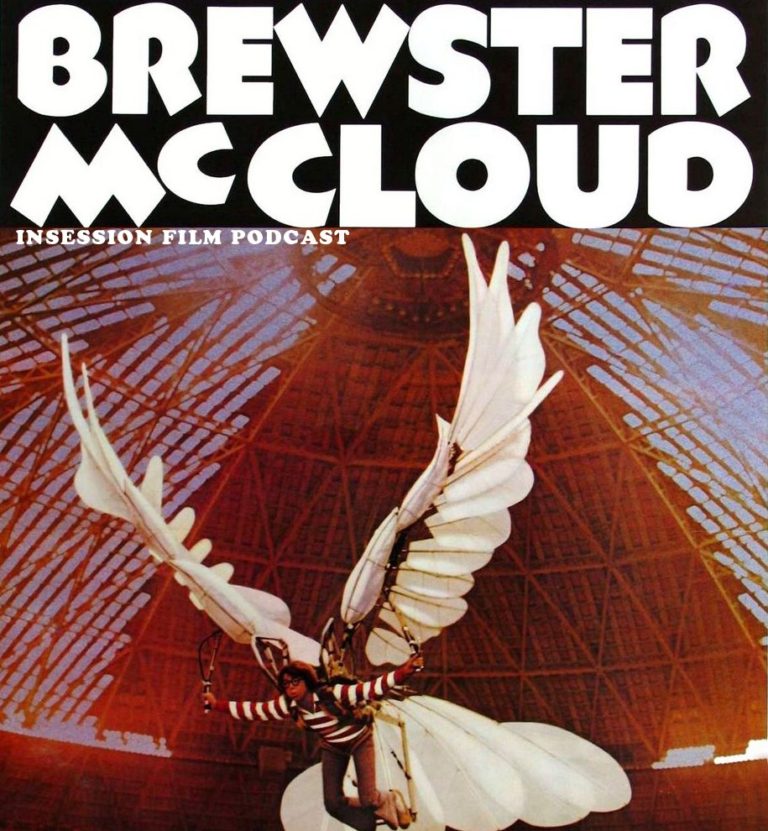
This week on Extra Film, Ryan and Jay discuss the next film in their Robert Altman Movie Series with Brewster McCloud and they also review Netflix’s Tigertail!
As the second film in the series, the boys at Extra Film get a little weirder with Altman’s next project under discussion. Following a young man who is training to become a bird and fly away, both Ryan and Jay found that Brewster McCloud is an absolute delight and a pleasant surprise since neither had seen it before. With dark humor and profound social commentary, Brewster McCloud is a wonderful piece of cinema.
Then, the discussion moves to Tigertail, the latest film from the big streaming giant Netflix. Following his success with the television show Master of None, director Alan Yang used his goodwill with Netflix to create a personal tale about a Taiwanese factory worker moving to America. Beautifully shot and with a lovely performance from screen legend Tzi Ma, Yang has a made very solid debut that the fellas seemed to enjoy.
Thanks for listening!
– Movie Review: Brewester McCloud (3:11) Director: Robert Altman Screenplay: Doran William Cannon Stars: Bud Cort, Sally Kellerman, Michael Murphy, Shelley Duvall
– Movie Review: Tigertail(45:30) Directors: Alan Yang Screenplay: Alan Yang Stars: Tzi Ma, Christine Ko, Hayden Szeto, Lee Hong-chi
We try to make this the best movie podcast we possibly can and we hope you enjoy them. Subscribe today on iTunes, Spotify or Stitcher, and please leave us a review on iTunes. You can also find us on Soundcloud, PlayerFM and TuneIn Radio as well. We really appreciate all your support of the InSession Film Podcast.
To hear this Extra Film episode and everything else we do, download our apps on the Amazon Market for Android and the Podcast Box app on IOS devices. The mobile app covers all of our main shows, bonus podcast’s and everything else relating to the InSession Film Podcast. Thanks for your wonderful support and for listening to our show. It means the world to us!
It’s time for another inside look at the updated Criterion Channel website. I had written this before the stay-at-home lockdowns began, but the movies are still online and still reflective of what I thought about them. I wish I had a sponsor so there can be money made from it. (Criterion themselves perhaps?) Anyway, here are the next set of films out there, including one major collection from one major director. It’s amazing how long my queue is on watching films for the first time or rewatching them after seeing it years earlier. So, to my readers, two questions: 1) Is my writing good or rubbish? 2) Any movie, any region, anything historical of movies should I write about? Please, be honest.
Directed By Jean-Luc Godard
In one category, 22 movies by the avant-garde, politically charged director, who turns 90 this year, can be seen in one place. From Breathless to Band of Outsiders, from Tout Va Bien to his latest, The Nature Book, Godard’s works are out here and it’s good to see them because it shows what he has done post-New Wave. His musical comedy tribute, A Woman Is A Woman, his sci-fi noir Alphaville, the Communist-friendly La Chinoise (as Godard has always identified himself as a Marxist), the daring modern tale of Hail Mary, and the narrative essay which won Best Picture from the National Society of Film Critics, Goodbye to Language can all be found right here. The one that may be surprisingly good is A Married Woman, a discussion on consumerism within a moving love triangle.
Elmer Gantry (1960)
Burt Lancaster won the Best Actor Oscar for his portrayal of a con man who uses his charismatic charm to insert himself in a touring revivalist church. Gantry is by no means a religious man as he loves to drink and be with women, especially partnering up with the church’s leader, Sister Sharon Falconer (Jean Simmons). Upton Sinclair’s novel in 1927 enraged religious leaders, yet the story is influenced by the controversial Aimee Semple McPherson, an evangelist who gained followers through her weekly radio sermons and faith healing ceremonies, but may or may not have faked her own kidnapping and had many domestic problems that were scandalous. Considering how someone can easily abuse the faith under the guise of freedom of religion to get ahead, it’s no surprise that writer/director Richard Brooks stormed in and, besides winning his Oscar for Adapted Screenplay, made a bruising statement against so-called “Charismatic Christianity.”
Until The End Of The World (1991)
Released on DVD/Blu-Ray last December, you can now see Wim Wenders 4+ hour sci-fi epic that takes us past the new century in a desolate land with a German woman (Solveig Dommartin) being led by the mysterious and wanted Trevor (William Hurt), who has stolen a machine from a secret research project. This took more than a decade to get the funding for Wenders’ road movie, which reportedly cost $23 million, and failed miserably critically and commercially, in part because Wenders was forced to cut it to under 3 hours when his personal cut was approximately 287 minutes. This version has now given the movie better standing with critics and opened a new audience thanks to the massive soundtrack for the film. Wenders asked multiple artists including U2, The Talking Heads, Nick Cave, and R.E.M. to make new songs that were futuristic and would play out during the movie.
Vanya On 42nd Street (1994)
Based on Anton Chekhov’s play which was adapted to the stage by the great David Mamet, Andrew Gregory, the subject of My Dinner With Andre, came up with a radical idea to recreate the story in modern terms by rehearsing in front of a selected audience the story with no costumes, just as their assigned character. You see Gregory walking down the street and entering New Amsterdam Theatre (located on 42nd Street), which was falling apart before Disney came to the rescue and refurbished it for today’s Disney stage shows. Wallace Shawn played the titular professor Uncle Vanya while Julianne Moore played Yelena, Vanya’s very young wife. For Gregory and Shawn, they reunited with director Andre director Louis Malle in what was his last feature; he would die the following year of cancer, aged 65.