

Home Blog Page 215

Chasing the Gold: Best Supporting Actress Analysis (2021 Oscars)

Some might say that it’s too soon to start making predictions when it comes to the Academy Awards as so much can happen between now and the time when Academy members end up submitting their ballots. I think it’s fair to say that part of the fun of awards season is producing these predictions as you can look back on them and laugh when the narratives surrounding certain actresses inevitably changed. There was a time when people thought that Cats (2019) might earn multiple Academy Award nominations. Looking back on those predictions will make anybody smile as we realize just how unpredictable the film industry is. With that said, I put together a set of predictions for Best Supporting Actress nominees who might have a shot at getting recognized at the 93rd Academy Awards.

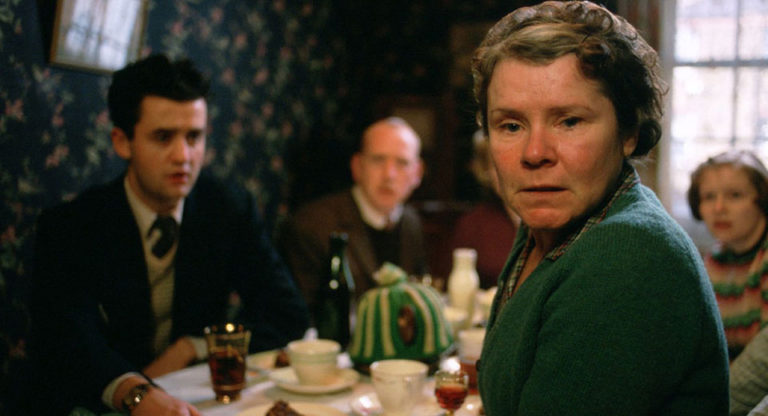
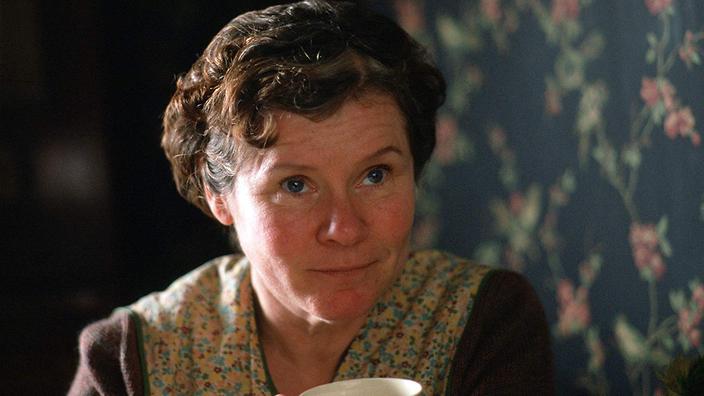
Olivia Colman in The Father

Colman’s career trajectory is rather odd as you don’t usually associate British performers from naughty television comedies like Peep Show with prestigious costume dramas. Her career in the late 1990s and early 2000s was largely tied to the sort of comedies that receive praise from critics without being noticed by snooty awards bodies. At one point in time, she even gained notoriety for appearing as a gorilla in an advertisement for Glade air freshener. She began to receive attention from awards bodies in 2011 with her role in the heartbreaking drama Tyrannosaur (2011), and from there, she was unstoppable as she appeared in traditional Oscar Bait flicks like The Iron Lady (2011) and Hyde Park on Hudson (2012).

When The Favourite (2018) rolled around a few years later, she had appeared in enough prestige pictures to be considered for a Best Actress nomination. Her win was a surprise, but she is the sort of British grande dame that the Academy loves, and she seems to have a juicy supporting role in the Anthony Hopkins vehicle The Father (2020). On paper, he has a much showier role as he gets to play a victim of Alzheimer’s disease who desperately tries to fight back against the illness that ravages his mind. Colman also takes on the sort of role that appeals to the Academy as she plays a loving daughter trying to help her father get through a difficult period of her life. If we look back on previous years in the category’s history, we notice the fact that they do love supportive wives and daughters as Jennifer Connelly won in 2001 for her role as the empathetic wife of a mathematician who is troubled by schizophrenia in A Beautiful Mind (2001). With all of the gravitas she has behind her and the positive critical response to the film, it is easy to imagine her sliding into this lineup, thereby cementing her status as a perennial Academy favorite.

Glenn Close in Hillbilly Elegy

Now we get to one of the most famous performers who has been nominated many, many times for an Academy Award without managing to win. We expected her to finally have her moment in the sun with The Wife (2017), but Colman pulled out a surprise win and robbed Close of a career achievement award of sorts. Now prognosticators eagerly look forward to seeing her new project as she has built up enough goodwill to have a strong narrative behind her if she does deliver a well-received performance. When Academy members feel like somebody is owed an award because they have been overlooked in the past, they often end up handing out hardware willy nilly. Look at Al Pacino in Scent of a Woman (1992). Nobody would claim that he delivered his best performance in that widely mocked dramedy, but he was in the right place at the right time, and his competition wasn’t strong enough to push him out of the lineup.

Even Close fans are not particularly excited for Hillbilly Elegy (2020) as it is based on the controversial novel of the same name, which has been accused of making racist and homophobic views seem acceptable. Ron Howard has also gained a reputation for making bland films with almost no distinctive features in recent years as you would struggle to find people who are fans of Cinderella Man (2005). Despite all of this negative buzz, people are aware of the fact that Howard is a popular director with the Academy as his films have regularly won awards. Even The Paper (1994) managed to capture a Best Original Song nomination even though it underperformed at the box office. Howard directed Connelly to her Academy Award so Close could receive the same treatment as she has her history as somebody who has been hard done by, and if the film is a success, she seems like a shoo-in for a nomination. She could be propelled along by the narrative behind her even if some are resistant to the message of the film, and like Kathy Bates in Richard Jewell (2019), she could even end up as the lone nominee from her bizarre picture.

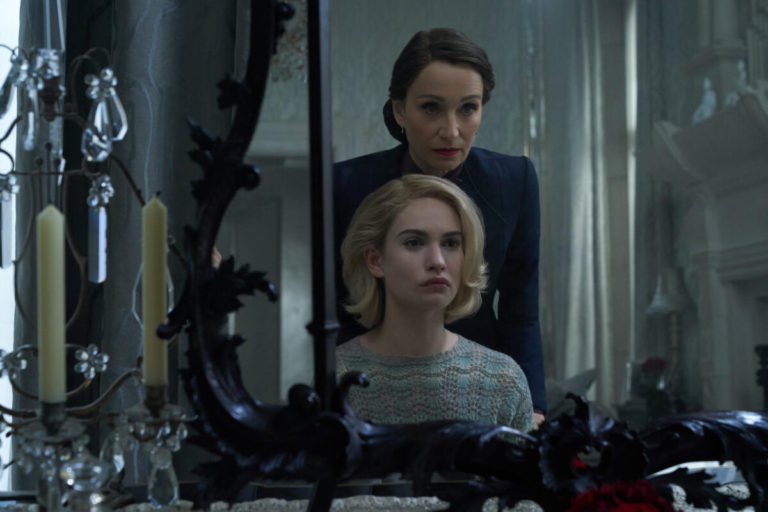
Kristin Scott Thomas in Rebecca

When it comes to Thomas, I feel like I have to hedge my bets as she might be bashed for her performance in this highly anticipated remake. People love the Alfred Hitchcock directed version of Daphne Du Maurier’s 1938 potboiler, and Judith Anderson’s performance as the villainous Mrs. Danvers has attained legendary status. Thomas is highly respected within the industry and was the star of The English Patient (1996), which earned her a Best Actress nomination. However, people still doubt her ability to fill Anderson’s shoes. Based on the promotional shots that we have seen of the film, it looks like Ben Wheatley is aiming to go in a very different direction with this remake, so Thomas’s performance could be entirely different from that which Anderson delivered.

If Rebecca does receive positive reviews, it is hard to see how it wouldn’t earn a boatload of nominations. It is a remake of the Best Picture winner, features three highly respected actors, and is an adaptation of a prestigious novel. Thomas could give a scene-stealing turn as a villainous character who reveals herself to have surprising depth, and if she has one or two scenes in which she gets to rant and rave, she should catch the eye of voters who love flashy turns from older actresses. To make a comeback with the Academy after all these years away would be reasonably extraordinary, and she could definitely try to push this as a comeback narrative. If the reviews are negative, critics will claim that she pales in comparison to Anderson, then she might end up being mocked rather than being garlanded with awards.

Amanda Seyfried in Mank

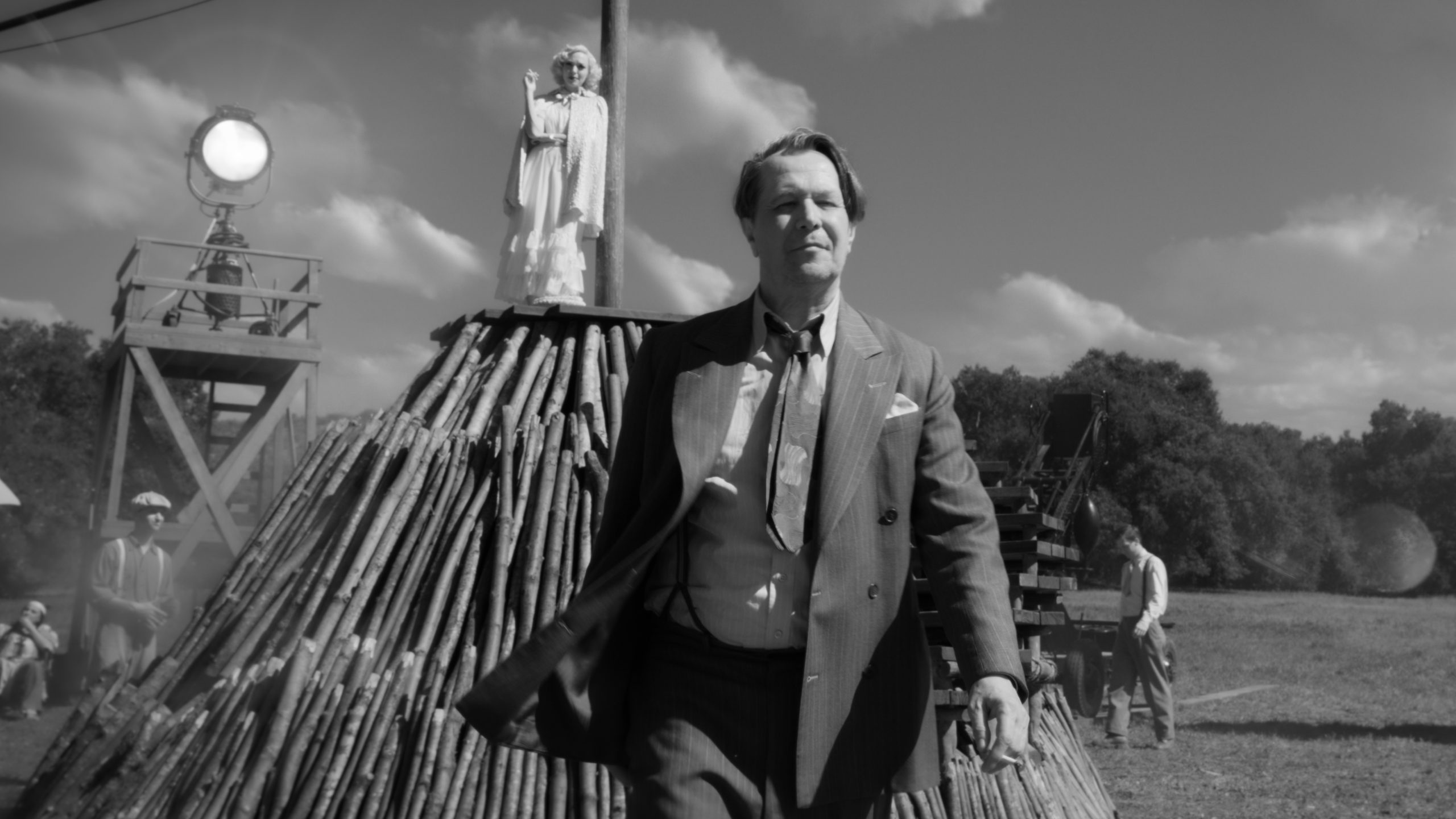
In the late 2000s and early 2010s, Seyfried was associated with middlebrow romantic comedies like Letters to Juliet (2011) that were highly inoffensive without doing anything to bolster her reputation.Fans of her would not that she has made a lot of risky, daring choices in the mid-2010s as she is hilarious in Noah Baumbach’s While We’re Young (2014) and utterly haunting in First Reformed (2017). Unfortunately, neither of these films received a lot of mainstream recognition, and in the eyes of many, she is still the pretty blonde from Mamma Mia! (2008), who is pleasant without making a huge impact. With Mank (2020), which is receiving a wide release through Netflix, she could be given a chance to display her dramatic chops to a broad audience. She plays the famously misunderstood Marion Davies, a talented comedienne whose career was hurt by her involvement with William Randolph Hearst.

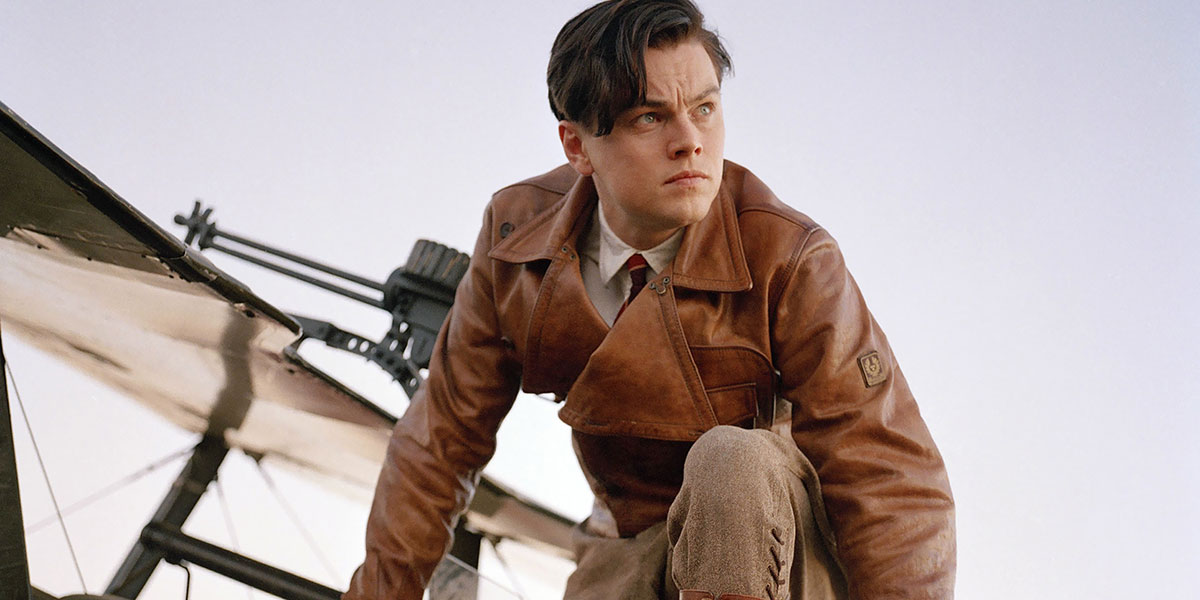
The Academy always loves it when famous writers, directors, and actors get together to make a film about the film industry, and Mank happens to be about the production of Citizen Kane (1941), so it already has plenty of prestige behind it. Best Actor winner Gary Oldman stars and will likely receive some buzz for his performance, but if Seyfried can bring something unique to the presumably small part, she might be able to leave a strong impression on voters. Davies might not be as famous as an actress like Greta Garbo or Norma Shearer, but there is still footage of her so Academy members will be able to check whether Seyfried got all of her mannerisms right. They love it when famous actors play famous dead people because it becomes easy to judge their performance. If Seyfried can nail Davies’s accent and her mannerisms, the voters who loved Cate Blanchett in The Aviator (2004) would probably be happy to nominate her.

Ellen Burstyn in Pieces of a Woman

Burstyn is a six-time Academy Award nominee and proved that she could make a dramatic comeback in 2000 when she became Julia Roberts’s fiercest competition to win Best Actress with her raw, shocking turn in Requiem for a Dream (2000). She has worked steadily since and remains one of the most highly respected actresses in the industry, but she isn’t always given the most challenging roles. Pieces of a Woman (2020) looks like it gives her the sort of opportunities she has not had in a long time. She supports a strong cast, including Vanessa Kirby and Shia LaBeouf, but she is the sort of grande dame who could have a few scenes for herself. Early reviews for the film have not been great but there has been praise for the performance, and with the morbid subject matter, it is hard to imagine the misery porn-loving Academy rejecting it.

She plays an overbearing mother, and when you think back to Allison Janney in I, Tonya (2017), you realize that the Academy likes this character type. If she is infuriatingly mean and coldhearted to her daughter, she should be able to knock out a few scenes that could serve as her clip. I can imagine the interviews she will do with major publications now in which they discuss her long and illustrious career, and this will inevitably make Academy members want to honor her if only for her incredible body of work. Close is a far more tempting option as she has never been honored while Burstyn won Best Actress in 1974, but the veteran actress could still find herself in the category.

My opinions are clearly different from those of others, and I am sure some of you will criticize my predictions in the comments, but I welcome that. If you think that Saoirse Ronan will gain some traction for her work in Ammonite (2020), please come after me. Most of my opinions were based on things I have read and thoughts I have formed over years of watching and analyzing the tastes of Academy members. Obviously, I do not know as much as several prognosticators, but these are just some ideas I put together. If my predictions do end up being correct, I will be thrilled, but maybe one of these actresses will go through a controversy before voting occurs that pulls them out of the race altogether. You never know what will happen with these crazy Oscar races.

Chasing the Gold: Staff Best Picture Predictions (2021)

As you read yesterday, our editor Ryan McQuade wrote about the current Best Picture race for the Academy Awards. Well, who says he has to have all the fun? Below are some of the Chasing the Gold staff member’s current predictions for the Oscar’s top honor. With two titles seemingly dominating the early predictions, it will be interesting to see if these hold up when its all said and done in April 2021.

Amy Smith

  1. Nomadland
  2. The Trial of the Chicago Seven
  3. Mank
  4. Ma Rainey’s Black Bottom
  5. One Night in Miami
  6. News of the World
  7. Soul
  8. Dune
  9. Hillbilly Elegy
  10. Judas and the Black Messiah

Bradley Weir

  1. The Trial of the Chicago Seven
  2. Mank
  3. Nomadland
  4. News of the World
  5. C’mon C’mon
  6. Dune
  7. Tenet
  8. Hillbilly Elegy
  9. One Night in Miami
  10. Ma Rainey’s Black Bottom

Brett Doze

  1. The Trial of the Chicago Seven
  2. Mank
  3. Nomadland
  4. Ma Rainey’s Black Bottom
  5. News of the World
  6. Ammonite
  7. The Father
  8. Soul
  9. One Night in Miami
  10. Hillbilly Elegy

Daniel Brilliant

  1. Nomadland
  2. The Trial of the Chicago Seven
  3. Mank
  4. Dune
  5. Soul
  6. Judas and the Black Messiah
  7. One Night in Miami
  8. The Father
  9. Ma Rainey’s Black Bottom
  10. Hillbilly Elegy

Daryl MacDonald

  1. Nomadland
  2. The Trial of the Chicago Seven
  3. Dune
  4. The French Dispatch
  5. Hillbilly Elegy
  6. Mank
  7. The Father
  8. Greyhound
  9. Ammonite
  10. Next Goal Wins

Karim Ahmed

  1. The Trial of the Chicago Seven
  2. Mank
  3. Nomadland
  4. One Night in Miami
  5. Ma Rainey’s Black Bottom
  6. The Father
  7. Minari
  8. Dune
  9. News of the World
  10. Hillbilly Elegy.

Sarah Cortinaz

  1. Nomadland
  2. The Trial of the Chicago Seven
  3. Mank
  4. Da 5 Bloods
  5. News of the World
  6. West Side Story
  7. Hillbilly Elegy
  8. The French Dispatch
  9. One Night in Miami
  10. Dune

Shadan Larki

  1. Mank
  2. The Trial of the Chicago Seven
  3. Nomadland
  4. News of the World
  5. Hilbilly Elegy
  6. Ma Rainey’s Black Bottom
  7. Da 5 Bloods
  8. One Night in Miami
  9. West Side Story
  10. The Father

Zita Short

  1. Nomadland
  2. Da 5 Bloods
  3. The Trial of the Chicago Seven
  4. Mank
  5. West Side Story
  6. The Father
  7. Dune
  8. French Exit
  9. Ma Rainey’s Black Bottom
  10. On the Rocks.

Let us know what you think of our staff’s Best Picture predictions. Also, stay tuned for more awards coverage coming soon.

Movie Review: ‘Shithouse’ Captures Loneliness in College But It’s Still a Surface Level Indie


Director: Cooper Raiff
Writer: Cooper Raiff
Stars: Cooper Raiff, Dylan Gelula, Logan Miller, Amy Landecker

Synopsis: A lonely college freshman forges a strong connection with his resident assistant during a fraternity party

[/info]

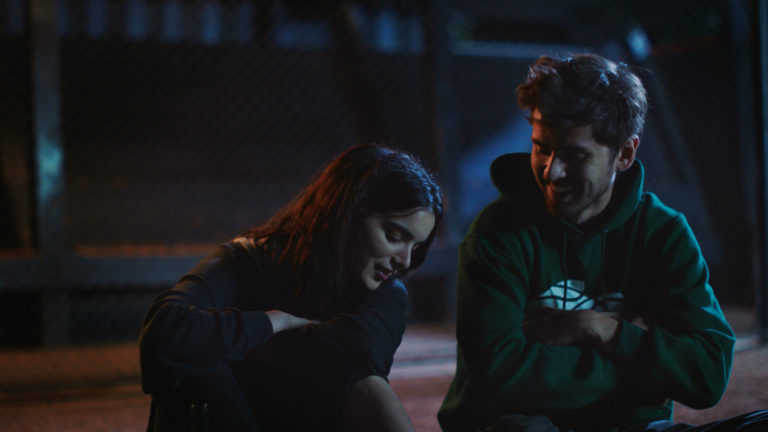
If someone told me that there is a movie called Shithouse that takes place at a college and is written by a 23-year-old man, I would immediately expect something in the vein of Animal House or Everybody Wants Some!! But alas, there is a film called Shithouse, and it’s actually about loneliness and finding your way in a new environment. The film is written and directed by Cooper Raiff, who also plays the lead role. It won the Grand Jury Prize for Narrative Feature at the 2020 South by Southwest Film Festival, giving the sense that this is a young filmmaker on the rise. It is undeniably an indie film, relying on heavy dialogue and the formation of its two primary characters rather than any spectacle. 

Raiff’s main character is Alex, a freshman at an unnamed college in Los Angeles by way of Dallas. From the start, the film makes it clear that Alex is having a rough time. The closest he has to a true friend is his stuffed wolf, whom Alex has imaginary conversations within a humorous bit where subtitles are used to convey the inanimate animal’s speech. In addition to his loneliness, he bombs a test, gets locked out of his dorm room, fails to connect with anybody at a party (held at the titular house), and has to sleep on the couch on his floor after his roommate literally shits himself. And that’s all within the first twenty minutes of the movie. 

Frankly, those early scenes remain the best in the entire film. Early on, it’s easy to feel Alex’s pain. I should declare that this may be because I found it relatable to my own experience in college. Transitioning from a loving home to a new place with all new faces is hard, especially for an introvert like Alex. The sadness he feels after he ends a phone call with his mother back in Dallas is palpable. Granted, it should be noted that this is just one portrayal of the difficulty new college students face, and it’s that of a white young man coming from a place of privilege. Still, these moments present a struggle that is not often highlighted in American college films. 

Alex’s scuffles with this new life seem to be partially alleviated when he connects with his sophomore resident assistant (RA) Maggie, who is played by Dylan Gelula. To say the two immediately kick it off would not exactly be true, but their first awkward conversation leads to a hookup in her room. Though this doesn’t go exactly as they might have planned, the two then embark on a mini-adventure throughout the night. It turns out that Maggie has had a tough day as well, accented by the death of her beloved pet turtle. It’s Alex’s idea to dig the deceased pet out of the dumpster and give it a proper burial. 

Along the way, Alex and Maggie converse about school, life, and their upbringing. While these conversations may at first seem somewhat profound once they get past the awkward stage, they’re actually quite superficial and unoriginal. Despite his father’s death years earlier, Alex came from a good home and a supportive family. Maggie hasn’t spoken to her father in 15 years, and she does not have a beneficial relationship with her mother. While this may help develop the characters to some degree, it feels like a basic step on the road to a more profound exploration. Unfortunately, it never really gets there. 

As the film goes on, Raiff’s protagonist becomes less likable. He fails to understand that while the time he spent with Maggie was the beginning of a relationship for him, it was just another fun night for her. As a result, he lashes out and displays a form of toxicity that is never really addressed. To present these faults on their own is not a problem, but the ending of the film gives into this in an almost fantastical fashion, rather than inspecting it.

That being said, there are undoubtedly some substantial ideas throughout the film. As we spend more time with Alex, we discover that he has been on campus for over six months. This is significant, as the beginning of the film may create the idea that this is all new to him. In reality, his troubles have persisted for over a semester. The aforementioned stuffed wolf names Alex’s affliction best: “College sucks, but you’re also not trying.” Alex maintains the idea that everybody else on campus exists in a world separate from him. Thus, he refuses to give them a chance. His form of loneliness is quite different from Maggie’s. He feels isolated even when surrounded by people, with his depressed state keeping him from giving in and trying new things.

On the other hand, Maggie seems to feed off being around others. It provides her solace to cope with a crappy day. Their loneliness, though somewhat unalike, is what brings them together. 

Though it doesn’t hit every target it aims at; Shithouse features a solid portrayal of the difficulty one faces in adjusting to a new life. The college campus is a perfect setting for that. As our two main characters discuss, it’s a place in which individuals seek to discover themselves and their identities. And though the identities of these characters could have been explored more, we are treated to affecting performances from both Raiff and Gelula. Above all else, it signals the arrival of a new, young filmmaker with intriguing ideas and room for growth. 

Grade: C+

[divider]


Podcast: Zodiac / The Nest – Extra Film

On this week’s Extra Film, Ryan and Jay continue their David Fincher Movie Series with Zodiac, and then they review the indie drama, The Nest.

After taking some time off, Fincher comes back with what might be the best film of this Movie Series so far. Traveling back to San Francisco, he comes the most notorious unsolved murder case in US history. Built around a wonderful script and stacked cast, Zodiac is not just one of the best films from 2007, is one of the best films of its decade. No convinced, then listen to the Extra Film guys go in-depth in talking about the greatness that is Zodiac.

After that, the boys turn to Sean Durkins’s latest The Nest. After his debut Martha Marcy May Marlene in 2011, Durkins had been absent from the film world for the most part. With this project, he returns with a biting commentary on the American dream and family dynamics in the face of it. The Nest rests upon the two leads performances from Law and Coon, who might have given the best actress performance of the year. Both hosts really seemed to like this one and hope Drukins makes another film soon.

Thanks for listening!

– Movie Review: Zodiac (2:48)
Director: David Fincher
Screenplay: Justin Vanderbilt
Stars: Jake Gyllenhaal, Mark Ruffalo, Robert Downey Jr., Anthony Edwards, Brian Cox

– Movie Review: The Nest (1:06:25)
Directors: Sean Durkin
Screenplay: Sean Durkin
Stars: Jude Law, Carrie Coon, Charlie Shotwell, Oona Roche, Adeel Akhtar

– Music

Donovan – Hurdy Gurdy Man
Thelma Houston – Don’t Leave Me This Way
The Return of the Eagle – Atli Örvarsson

We try to make this the best movie podcast we possibly can and we hope you enjoy them. Subscribe today on iTunes, Spotify or Stitcher, and please leave us a review on iTunes. You can also find us on Soundcloud, PlayerFM, and TuneIn Radio as well. We really appreciate all your support of the InSession Film Podcast.

Subscribe to our Podcasts RSS
Subscribe to our Podcasts on iTunes
Listen on Spotify
Listen on Stitcher
Zodiac / The Nest – Extra Film

[divider]

Mobile App

To hear this Extra Film episode and everything else we do, download our apps on the Amazon Market for Android and the Podcast Box app on IOS devices. The mobile app covers all of our main shows, bonus podcast’s and everything else relating to the InSession Film Podcast. Thanks for your wonderful support and for listening to our show. It means the world to us!

Chasing the Gold: Best Picture Analysis (2021)

Over the next couple of weeks, the Chasing the Gold staff for InSession Film will be going in-depth on the various categories for the 2020 Academy Awards. Today, we start with the Best Picture category.

As we head into the 2020 award season, it’s hard not to reflect on the last eight months and think about what has happened. The world turned upside-down as COVID-19 spread across the globe, forcing movie theaters to close and film festivals to go virtual. We say many titles move to VOD or streaming platforms, filling the void of the summer movie season. But as we get closer and closer to the end of this year, we get deeper and deeper into the new Oscar race.

As things stand now, we are still all over the place. The majority of films released wide so far won’t scratch the surface of the Best Picture field. The only picture that has a chance to make it into the race is Spike Lee’s Da 5 Bloods. The buddy war spectacle landed on Netflix with resounding acclaim for Lee’s director, Delroy Lindo’s stellar performance, and its timely social message. Usually, one film released before the fall breaks through to still be in the conversation, playing a factor till the night of the ceremony, and I think Da 5 Bloods will be that picture.

With that prediction, that means the biggest release of the year, Christopher Nolan’s Tenet, will not make the line-up right now. Mixed reactions from critics and audiences suggest Warner Brothers will have a mountain to climb with its campaign. With a confusing storyline, sound issues, and the on-going conversations on if it should’ve even been released, WB and Nolan will need to just be happy with a hand full of technical nominations because that’s what they are going to get at this point if they are lucky. And with this lackluster box office news, look for this to trickle down to a delay for WBs other giant awards player, Dune.

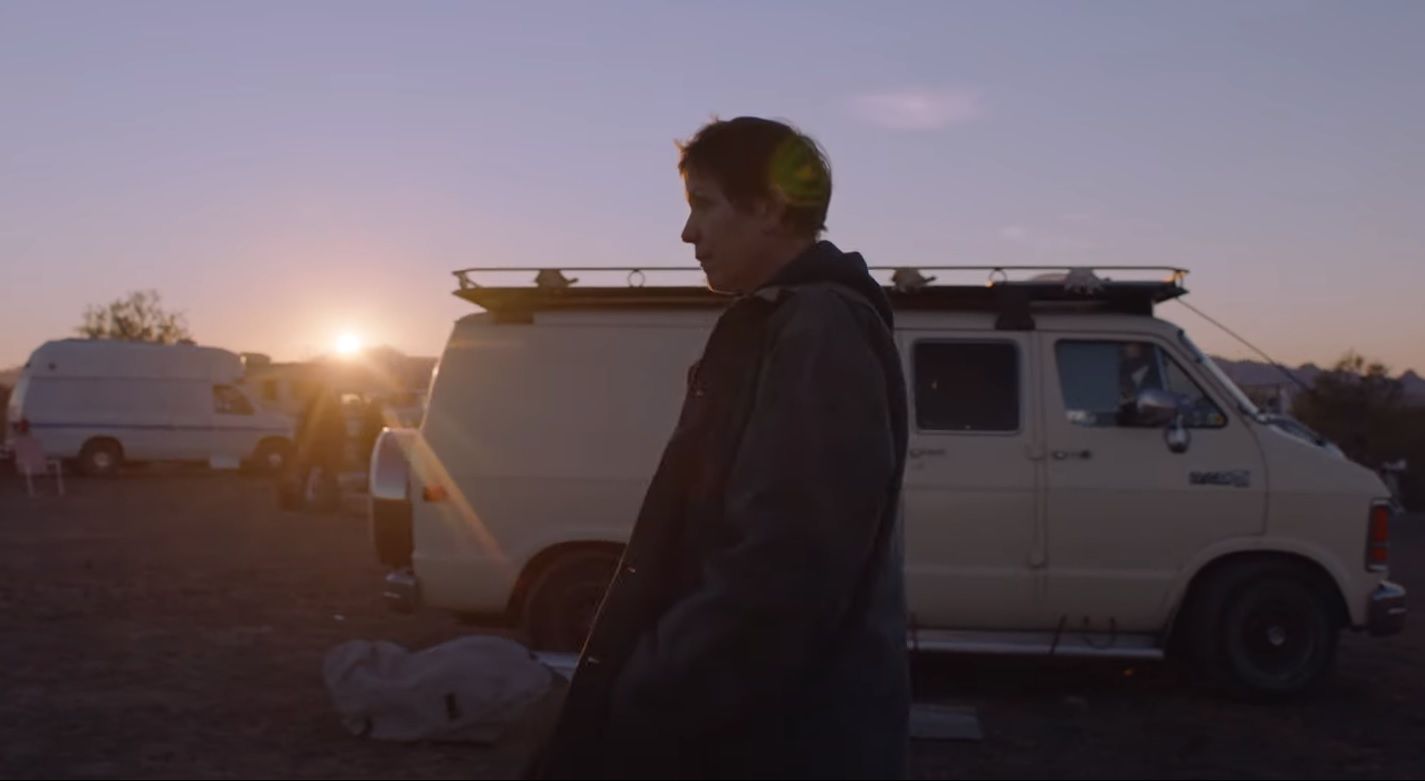
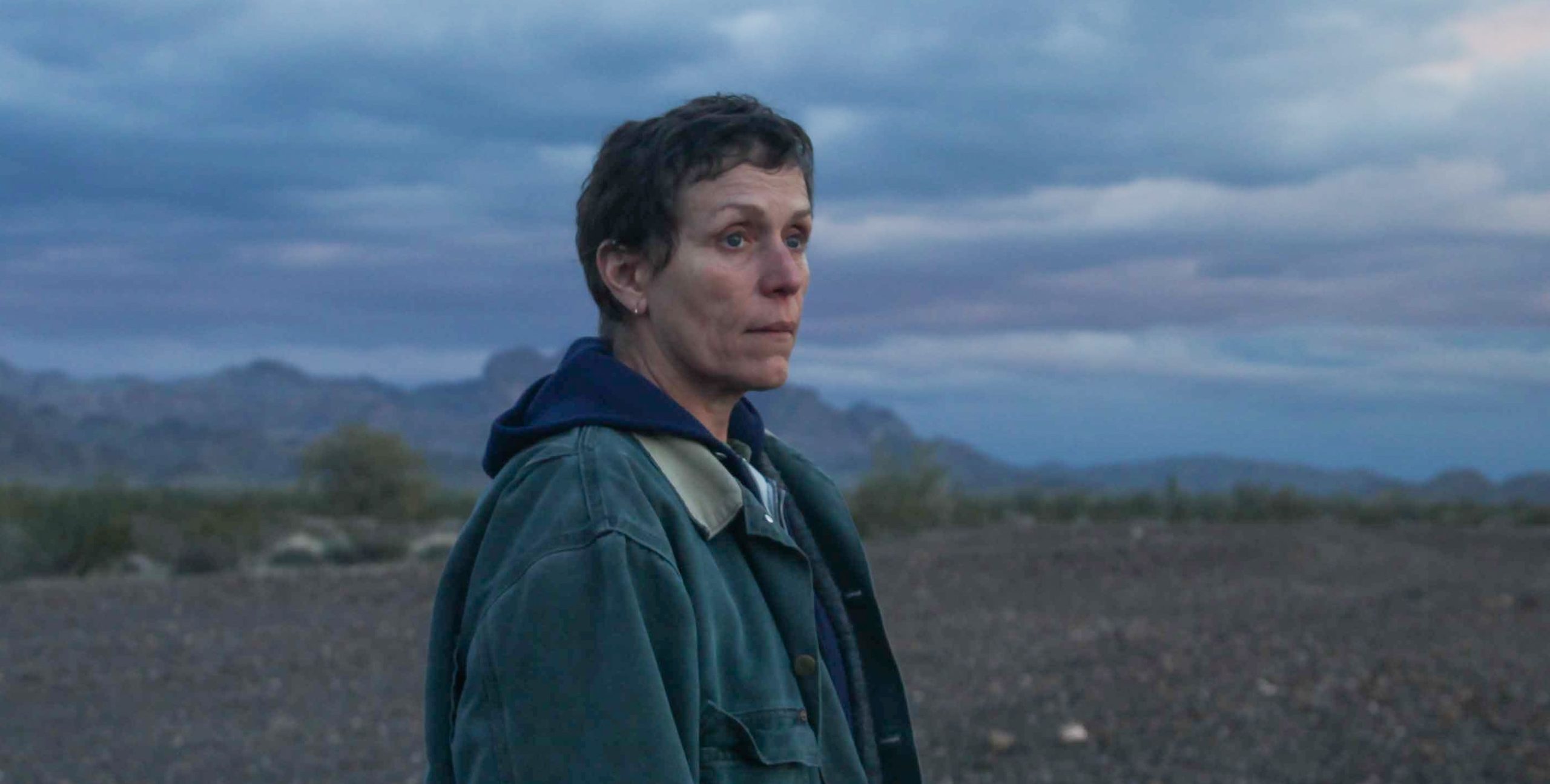
Meanwhile, many critics are virtually experiencing fall film festivals, like the Toronto International Film Festival. Early buzz seems to be keen on two female-directed projects in Chloe Zhao’s Nomadland and Regina King’s One Night in Miami. The former is Zhao’s follow-up to 2018’s The Rider, with two time Oscar winner Frances McDormand in the lead role. It follows a woman’s journey through the American West. The latter finds King directing a fictional account of a memorable night between some of the most important figures in African American history. Though the praise is high for both, and I have them high on my predictions, I don’t see either winning Best Picture right now. If one could rise above the other, I think it will be One Night in Miami since it will be the more accessible of the two.

Two other awards players from TIFF were Ammonite and The Father, that received a lot of praise for its acting performances. While we have seen lead performances land it’s film a nomination for Best Picture in the past, based on Ammonite’s reviews, it seems to be mostly a play Kate Winslet and Saoirse Ronan and not the film overall. The same could also be said for Anthony Hopkins and Olivia Colman, who are getting glowing praise for their turns as father and daughter. I don’t see either film getting the nomination, but shocking things have happened before.

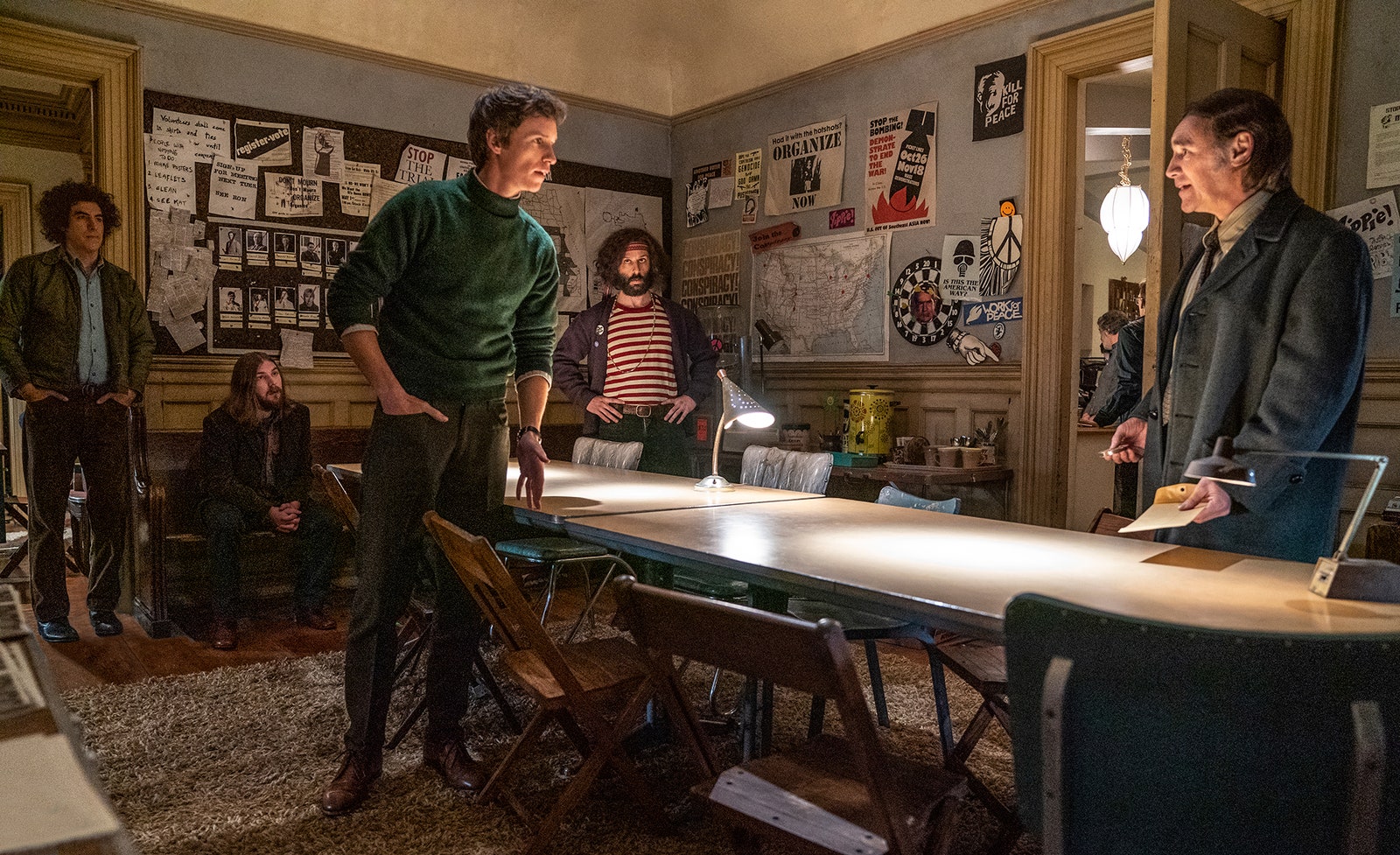
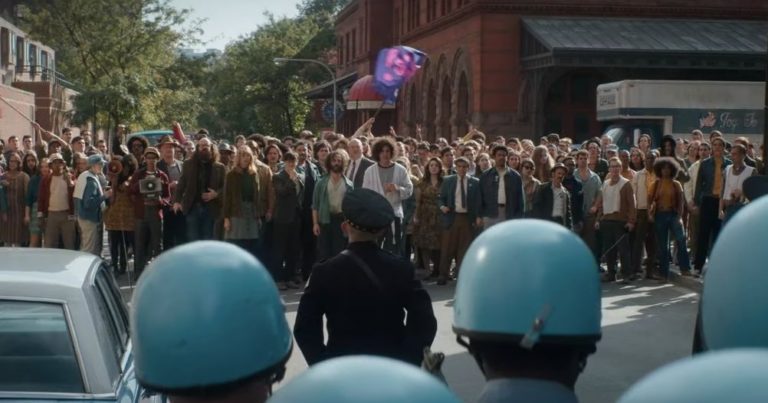
As the festivals are going on, one studio will be missing out on all the fun, and that’s Netflix. Oh, but don’t worry, the streaming service is the most loaded studio in terms of awards releases this year. Not only do they have the aforementioned Da 5 Bloods, but they also have David Fincher’s long-awaited follow-up to Gone Girl in Mank, Ron Howard’s Hillbilly Elegy starring Amy Adams and Glenn Close, and Ma Rainey’s Black Bottom with Viola Davis and the late Chadwick Boseman. But the most crucial title they might have comes from writer, director Aaron Sorkin, The Trial of the Chicago Seven. Based on real-life events and with an all-star cast, the recent trailer release suggests this will be a timely, significant social and political movie dropped right before the election. If it a top tier script from Sorkin, we could be looking at the Best Picture winner.

There is a good possibility that the majority of the best picture nominees are from Netflix, with five serious contenders in play. But just because Netflix has a ton of horses in the race, doesn’t mean they couldn’t end up like last year and walk home empty-handed in the most important category of the night.

We don’t know what movies like The French Dispatch, West Side Story, News of the World, Soul, On the Rocks, Judas and the Black Messiah, and Greyhound might have in store for us because we don’t even know if those movies are even going to premiere in time for the February deadline. We should know more about them as the weeks come, with some titles releasing trailers and images. For the most part, I can venture most of them should be pretty good and make this race deeper than it is. After the fall festivals, all eyes will move towards Sundance, as will play a big part in the final push for Best Picture. On that end, here are my top ten Best Picture predictions for 2020 as of right now. May the chase for the Oscar gold begin.

Ryan McQuade’s Best Picture Predictions (as of 09/18/2020)

1. The Trial of the Chicago Seven
2. Mank
3. One Night in Miami
4. Nomadland
5. Da 5 Bloods
6. Soul
7. Ma Rainey’s Black Bottom
8. Judas and the Black Messiah
9. The French Dispatch
10. News of the World

A String of Chinese Arthouse Films Coming to Kino Marquee for Homebound Cinephiles

In support of independent theaters temporarily closed due to Covid-19, Kino Lorber put forward its responding streaming service, Kino Marquee, in March for stay-at-home North American audiences. Since then, Kino Marquee has been teaming up with local venues in launching virtual cinemas that screen foreign arthouse films. CineCina, a Chinese film venue in New York, has just joined forces with Kino Marquee in adding internationally award-winning Chinese documentaries and curated double features of prestigious Chinese auteurs to the platform’s continuously expanding repertoire.   

CineCina opened its first week on Kino Marquee with the enthralling Hooligan Sparrow from Sundance 2016’s official selection of its World Documentary category. This debut feature of director Nanfu Wang established her as an internationally acclaimed filmmaker with one of the most incisive political voices in contemporary China. The film centers around the advocates and ordeals of Ye Haiyan, a trailblazing feminist activist at the forefront of the Chinese women’s rights movement. 

Wang’s seamless integration of the participatory documentary-style parallels the film’s precarious narratives that capture Ye’s unimaginably eye-opening human rights endeavors and struggles. In turn, the film becomes a singular demonstration of a rare, perfect alignment – between such self-reflexive political cinema’s effective and affective storytelling – and its sensational viewing experience attributed to Ye’s real-life story of courage and persecution more captivating than any fiction. 

From now on, CineCina will bring a new curation of Chinese arthouse films each week to Kino Marquee. This week, a double feature of the indie master Jia Zhangke’s I Wish I Knew (2010) and A Touch of Sin (2013) is on schedule for screening. 

Even though every film of Jia Zhangke is a realist masterpiece on its own, A Touch of Sinnominated for Cannes 2013’s Palme d’Or  – still stands out from his filmography because of its extraordinarily stylized audiovisuals and complex, non-linear narrative structures. An emotional rollercoaster saturated with thrills and melodramas, this film especially appeals to North American audiences. With Jia’s aesthetical experimentations of Tarantino-esque violence, the film renders the magical-realist sociopolitical landscape of contemporary China’s class struggles. 

I Wish I Knew – Jia’s lesser-known yet poetically and poignantly picturesque documentary about the histories and transitions of Shanghai – illustrates the cultural multitudes of humanities within the optical depths of the cityscape’s architectural lines, strokes, and forms. The cityscape sketches a meditative framework for audiences to perceive their own subjective, personal sense of awe and angst towards the cruel erasures of Shanghai’s cultural histories and the displacing modernizations of its economic developments.

CineCina is also in collaboration with another virtual cinema platform – Big World Pictures, where audiences will access a double feature of the Taiwanese “Second New Wave” pioneer Tsai Ming Liang’s two classics – Rebels of the Neon God (1992) and The Hole (1998).

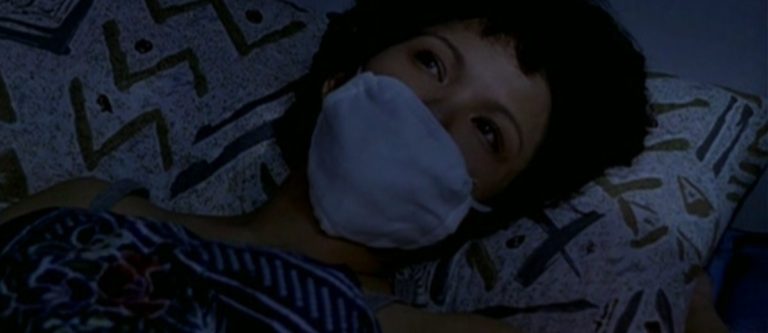
Timely for the ongoing Covid-19 dilemmas, the most relevant and relatable viewing experience among CineCina’s virtual cinema lineup will be The Hole – about a man and a woman’s romantic fantasies entangling each other in an evacuated building during a virus outbreak in Taiwan. In this film, Tsai showcases his fluid and almost ethereal mastering of cinematic voyeurism’s subtlety and vulnerability, and in turn, manifests the melancholy beauties of both solitude and bonding that transcend the tunnel vision of restrictive human conditions. This film will be a particularly interesting watch if paired and compared with Charlie Kaufman’s latest I’m Thinking of Ending Things (2020), as both films explore similar themes of longings and loneliness while adopting similar aesthetics of dance numbers shuttling through spatial misalignments. 

Not only is the Covid-19 crisis in the US threatening the financial viability of local independent theaters that had limited resources before the pandemic, but it is also denying homebound cinephiles their only access to seeking pleasure and solace in arthouse world cinemas. This bleak duality derived out of the film industry’s general recession has compelled both distributors like Kino Lorber and exhibitors like CineCina to work together – in keeping each other alive – and offering an escapist safe space for audiences who have their own niche tastes for cinema. 

For more info, please visit https://kinomarquee.com/venue/cinecinahttp://bigworldpictures.org

Movie Review (NYFF): ‘Lovers Rock’ is an Authentic, Sensual Look at the Joy Within the Black Community


Director: Steve McQueen
Writer: Steve McQueen, Courttia Newland
Stars: Amarah-Jae St. Aubyn, Micheal Ward

Synopsis: Produced as part of Steve McQueen’s “Small Axe,” an anthology of decades-spanning films that presents various lives in London’s West Indian community. Lovers Rock takes place over one night at a house party, focusing on the growing attraction between a woman and a brooding stranger.

[/info]

Steve McQueen, acclaimed director of movies such as 12 Years a Slave, Hunger, Shame, and Widows, is back with a beautiful and intoxicating story developed during the 1980s. Lovers Rock is part of his anthology Small Axe, which tracks various lives in London’s West Indian community between the 1960s and mid-1980s.

In this brief story of just over 60 minutes, we follow an ethereal view that observes a group of Black young people in their element without any inhibitions. The movie focuses its attention on a Blues Party – the alternative for the Black community when they found themselves rejected from white nightclubs. Although this fact is always looming in the distance, the ambiance of the movie is one of joy and enjoyment.

As such, it is impossible not to feel a loving and appreciative perspective under Steve McQueen’s direction. The spectator can feel the love the director has for his characters, their rituals, and their screen presence. Everything acquires a beautiful essence, including the costumes, the light, the atmosphere, and the vibes inside the house in which most of the movie takes place.

This movie works as a celebration of Black lives. In a welcoming and refreshing instance, we get to appreciate Black people being carefree, enjoying the moment and each other. At first, the camera roams freely, focusing on the men and women getting ready for the night. We witness a loving and expectant atmosphere where people sing, prepare food and get ready with excitement for the night.

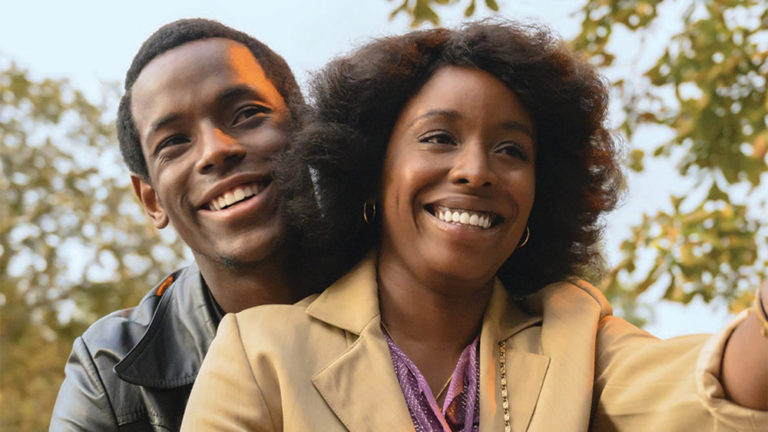
Later, it captures the rapture and festive mood that encircles everyone at the party. Soon enough, the story takes an interest in Martha, a young woman (Amarah-Jae St. Auburn) that meets Franklyn, a brooding stranger (Micheal Ward). First awkwardly, then seductively, they share the night through highs – an intense dance where the camera doesn’t shy away – and lows – an unexpected guest that puts Martha on the spot and the threat of witnessing a sexual assault – and finally get together to the other side.

The young cast is perfect and naturalistic. Newcomer Amarah-Jae St. Auburn has an impressive debut and shines as an expectant young lady looking for a good time. Micheal Ward is imposing and oh so handsome as this figure that says the right things and appears at the right moments. Nevertheless, the real highlight is Kedar Williams-Stirling, from Sex Education fame, who brings to life a disturbed character with the burden of resentment. His introduction brings a little shake to the previously perfect atmosphere.

Shabier Kirchner’s cinematography provides a beautiful perspective on the guests. Sometimes just focusing on couples for a long time, others roaming around the place abstractly, we are invited to an intimate and fun night where young people get together to be themselves and enjoy the night. Through extensive close-ups, we appreciate their clothes, hands, hairstyles, and faces. Sometimes we can even imagine the different scents in the house.

McQueen truly takes us back in time. Even though the movie mostly takes place inside a house, through the costumes, the hairstyles, and the attitudes, we go back to the 1980s. In addition, an enviable soundtrack – including a funny choreography of Carl Douglas’ Kung Fu Fighting – is the secret weapon of the movie.

Reggae music becomes another character. It is the channel of communication for these young people, whether they want to convey simple joy, attraction, spiritual connection, or emotional distress. Women become freer with every rhythm, sometimes even dictating what is played – highlighting a beautiful five-minute rendition of Silly Games by Janet Kay – while men break havoc and bring uncertainty through their volatility. These emotions come to a climax through a spontaneous but powerful moment of political togetherness.

Although the movie focuses on the highs and lows of a party, it also works as a reminder of the social context. In a refreshing move, the few white people that appear take the figure of threat and insecurity. This choice is welcomed because it is realistic. In addition, McQueen and Courttia Newland, his co-writer, don’t shy away from harsh and dark themes that are part of the everyday reality, including toxic masculinity, sexual assault, and the trauma of Black people. Nevertheless, the movie never loses its joyful celebration.

This story belongs to all Black people who shine through a humane and loving eye. Through Lovers Rock, we get to appreciate every beautiful soul in their environment and in a place where they genuinely feel seen and comfortable. Here they are sensual and present, dancing and singing away at the rhythm of their emotions.

Grade: A

[divider]


Criterion Crunch Time: ‘I Am Not A Witch’

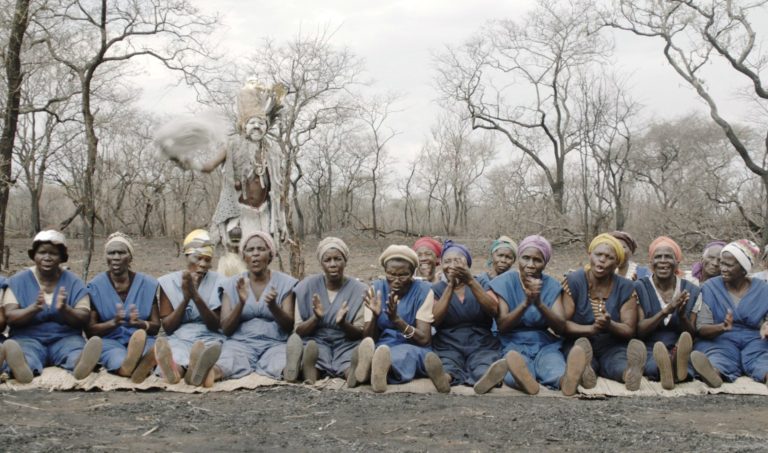
When you think of a Criterion movie, what do you think of?  Probably specific directors, right? That would explain how Criterion Channel tends to group its films on the service. In many circumstances, many films by one director are organized into collections. But dig deeper, what does that director look like? If we are honest, it is probably a white guy, maybe with a thick accent. There is undoubtedly some overrepresentation both in Criterion, and anywhere else you look for movies. And this is why it is important to highlight both female directors and directors of color. Lucky for us, this week’s flick features both. That movie is I Am Not A Witch, directed by Rungano Nyoni.

Many things set this apart from your standard Criterion fare. Not only is it directed by a Black woman, but it is also quite recent, released in 2017. This film is her feature debut, and what a debut it ended up being. Like any other first time director, there are a few moments that make that clear, but with Nyoni, they are few and far between. She seems to have an innate understanding of not only the visual art of film, but the power of sound, or lack thereof.

I Am Not A Witch is the story of Shula (Margaret Mulubwa), a young, quiet, unassuming girl who’s accused of being a witch simply for being serious and refusing to answer when accused. This brings up something else that Nyoni is accomplished at, which is the mixing of tone. That earlier description sounds very serious, even scary. And it is. But it is also surprisingly funny, taking its time to mock those in power. Mr. Banda (Henry B.J. Phiri) is the government official who responds to the accusation. He also happens to be a witch doctor, because of course, he is. His portrayal is equal parts terrifying dictator and buffoon. Both of these portrayals are truly unbelievable, which is no small feat.

His appearance as the witch doctor is an excellent example of this dichotomy. As he slowly removes his clothes to prove himself, it begins as comical. But then, as we become aware that he is ultimately serious (and slaughters a chicken to determine whether she is a witch or not), the entire scene takes on a different pallor. There is some use of silence, although designed to make the audience uncomfortable, fall a little flat. However, the choice to not show the actual slaughter but instead show the effect as the blood is spilled over her feet is more impactful than any horror that could be shown.

Sula, upon being allowed to join a community of witches, who are tied to the earth by ribbons (so they don’t fly away, of course), is faced with a choice. She can be a witch or a goat. Now, this sounds silly, and it partially is. But the way that Nyoni brings this choice back around near the climax of the movie makes it both moving and terribly sad as we realize what this innocent child has been through in the short runtime. Additionally, Nyoni’s decision to offer precious little dialogue from Shula (even having her name be chosen by the other “witches”), we are allowed to imprint on her and never leave her side as an audience. Most every moment with her is one where she is unsure of herself and frightened of what comes next. Yes, she is allowed to leave what amounts to a labor camp,  but at least there she knew what to expect. Being shipped around the countryside with Mr. Banda opens up a new world to Shula. A new horrifying world filled with bumps and responsibility too great for anyone, let alone a child.

Visually, I Am Not A Witch is absolutely stunning. The cinematography, from David Gallego, creates not only beautiful images but, strangely, a sense of time. Some of this is also Nyoni’s decision to stretch scenes almost to a breaking point. But there is great reward in coming to the edge of that precipice. In particular, the paired visuals of the witches’ ribbons in two distinct scenes. Both are gorgeous, but both provide completely different contexts for these women. It also provides an ambiguous ending that will likely leave you questioning the experience long after the credits roll.

Criterion certainly has work to do in terms of non-white male directors. But I Am Not A Witch is an absolute gem. Rungano Nyoni is undoubtedly a young talented director who has a great talent to offer. If you are like me, you will be anxiously awaiting her next project. A cursory look at her IMDb page shows no information, but hopefully, being included on the Criterion Channel will allow her to make another diamond in the rough.

Join us next week as we watch the revisionist western, Devil’s Doorway

Movie Review: ‘Antebellum’ Can’t Overcome Its Disastrous Conceit


Director: Gerard Bush, Christopher Renz
Writer: Gerard Bush, Christopher Renz
Stars: Janelle Monáe, Jena Malone, Jack Huston, Kiersey Clemons, Gabourey Sidibe

Synopsis: Successful author Veronica Henley finds herself trapped in a horrifying reality that forces her to confront the past, present and future — before it’s too late.

[/info]

A few weeks ago, a video from a 2013 writers roundtable got a bit of traction on Twitter. The clip consists of legendary filmmaker Michael Haneke addressing the idea of making a film about Hitler. “It’s impossible for me to do that because of the idea of creating entertainment of this,” he says. He specifically calls out Steven Spielberg’s acclaimed Holocaust film, Schindler’s List, saying, “The mere idea of trying to draw and create suspense out of the question of whether out of the showerhead, gas is going to come or water – that, to me, is unspeakable.” There are certainly counterpoints to this argument regarding the value of exposing viewers to and educating audiences on history’s atrocities in an engaging way, but Antebellum could be Haneke’s most potent ammunition in his argument that humanity’s historical evils should not be put on film, especially in this way.

Not only does Antebellum employ Hollywood trappings, but it puts slavery in the context of a genre film. It has less in common with Schindler’s List than it does with Sam Raimi’s The Evil Dead or even 2019’s Ready Or Not. When you have a film about the greatest atrocity in American history, giving it the sensibilities of a “final girl” story is inherently offensive. It is clear that directors Gerard Bush and Christopher Renz had good intentions, but their methods resulted in a movie that often feels downright gross in its B-movie manipulation of real-life evil.

In addition, when it does dip its toe into the social commentary pool, it has nothing new or substantive to offer. It fails horribly in the “show, don’t tell” category, as the Janelle Monáe’s protagonist, a social advocate, and author, sermonizes the film’s message at a TED Talk-esque conference. The crowd erupts into applause, the film patting itself on the back for doing its part to teach the audience things it already knows. The idea that the stain of slavery remains present in the sociopolitical construction of modern America, while potent, is far from a revolutionary one. The film says nothing that hasn’t been said before, and it’s often talked about with far more insight than this film has to offer. Antebellum keeps see-sawing between preachy, trite dialogue scenes and what can accurately be described as “slavery schlock”, two words that should never be able to sit next to each other.

Without giving too much away, the film cuts between the stories of a young slave in the Antebellum South and a successful author in the modern-day, both portrayed by Monáe. Antebellum always has a sense of eeriness to it that goes beyond the terror of racism. The fantastical directions the story goes should not be spoiled for those who want to seek it out, but it prioritizes disorientation and surprise. This is, again, an inappropriate and ill-conceived prioritization, but, hey, at least it’s consistent with the rest of the film’s failures.

It is unfortunate that the film is fundamentally broken thanks to its core concept because there is some impressive (albeit superficial) craft on display. The film opens with an accomplished long take. Sadly, it feels like Michael Myers stalking his prey as Confederate soldiers ride by, and slaves hang laundry. The score by Nate Wonder and Roman Gianarthur is compelling, in a vacuum, but is as out of place as everything else in this film. Janelle Monáe, as always, has great presence and tries her best to grab hold of the film’s tone, but her efforts are undermined by almost every other character and performance in the film. Most notable is Jena Malone as a character named Elizabeth, a well-off racist with bad intentions. Malone channels her inner Colonel Sanders with the subtlety of a grease fire, submarining the film at every turn. Elizabeth’s role ramps up as the film goes on, but her performance never finds any sort of rhythm. Elizabeth’s husband, played by Jack Huston, has the same problem. Almost every character outside of Monáe’s is terrible on the page and hilariously one-dimensional on the screen.

Antebellum is very clearly a product of the Get Out phenomenon, but it completely whiffs on what made that film a cultural landmark. Peele did not literalize the horrors of American racism. The levity and genre exaggerations of that film only make it more terrifying. The film emphasizes character and has a degree of nuance that Antebellum can’t even sniff. When a film has great success, there is always a flood of imitators, but there may not be any creators in this sphere as special as Jordan Peele. Very rarely do films on race present new perspectives or have a unique angle. In that way, Antebellum is very normal. Its abnormality comes from its troubling, problematic approach. Add in one of the least-interesting, stale, and on-the-nose plot twists in recent memory, and the result is near-disastrous. It is entirely possible that Gerard Bush and Christopher Renz have a solid horror movie in them. Still, their impulses are a terrible match for a film addressing serious social ills. With a base as flimsy as this film’s, even the accomplished trimmings will collapse under the weight of its ambition.

Grade: D

[divider]


List: Top 10 Movies of 2004

This week on Episode 395 of the InSession Film Podcast, we continued our year-by-year retrospective series by taking a look at 2004, a strange year that offered up an interesting variety of films. The films at the top leave no doubt, but it’s fascinating as to how the rest of the them are all over the place regarding everyone’s favorite films. Either way, 2004 had plenty to offer overall and we very much adore the films on our lists. That said, what would be your Top 10?

NOTE: On #395 we only discussed our Top 10 movies of 2004, so be sure to listen to the show to hear us discuss why these particular films were the very best of that year. However, as you’ll see below, we have listed our full Top 20 lists from 2004.

JD

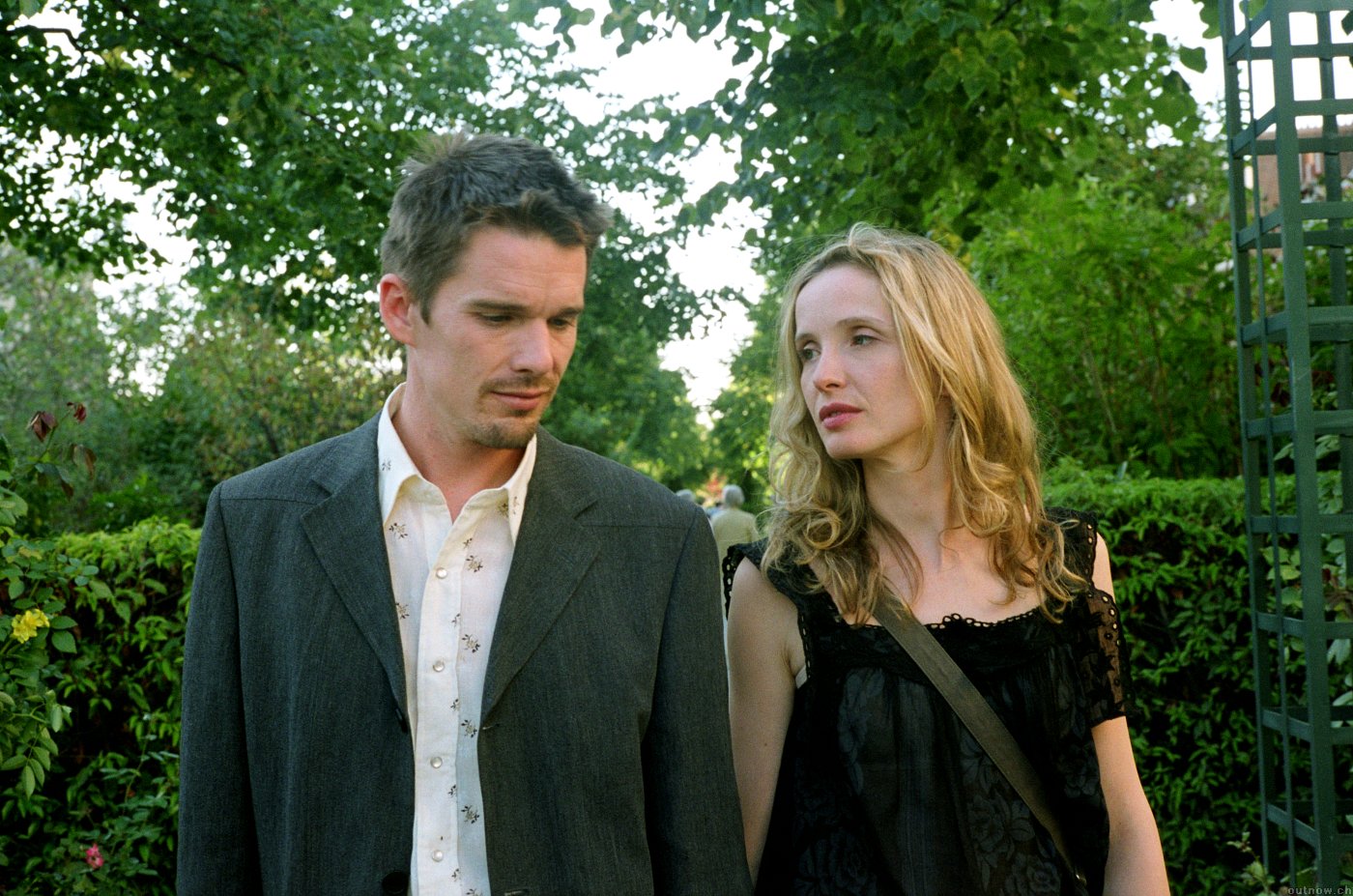
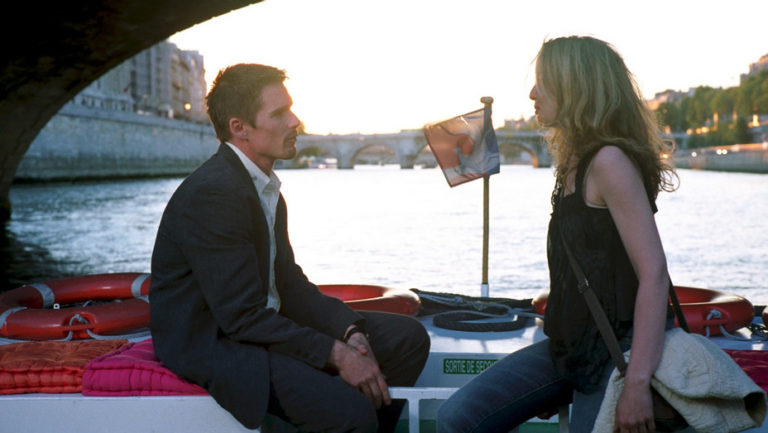
1) Before Sunset
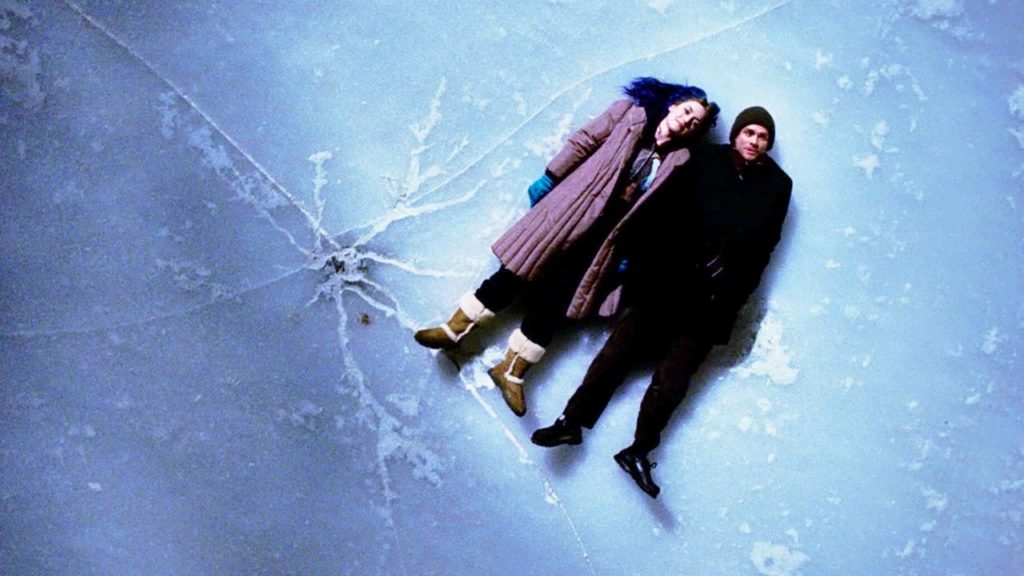
2) Eternal Sunshine of the Spotless Mind
3) Spider-Man 2
4) Hero
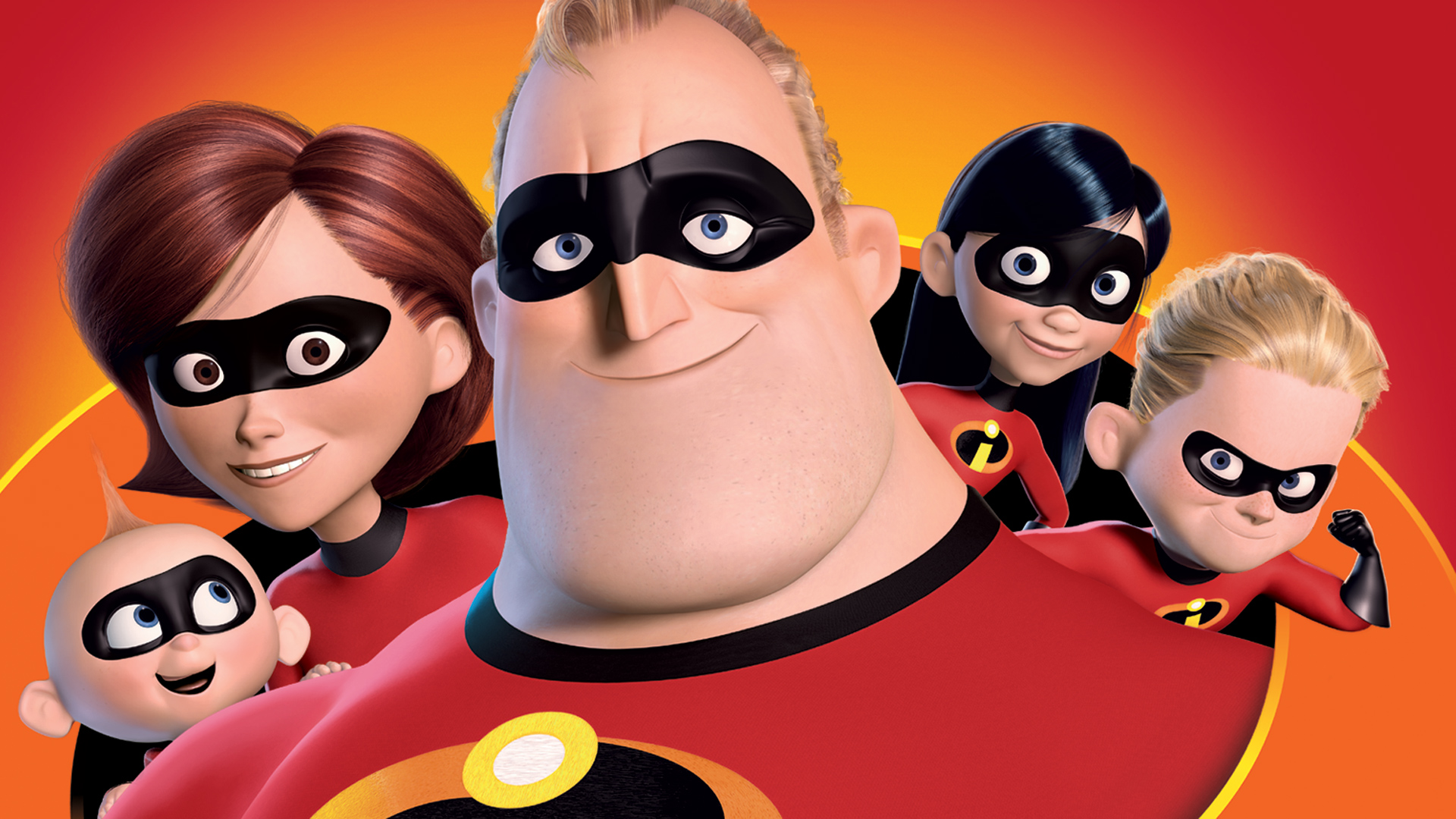
5) The Incredibles
6) Kill Bill: Vol 2
7) Baadasssss!
8) Harry Potter and the Prisoner of Azkaban
9) Million Dollar Baby
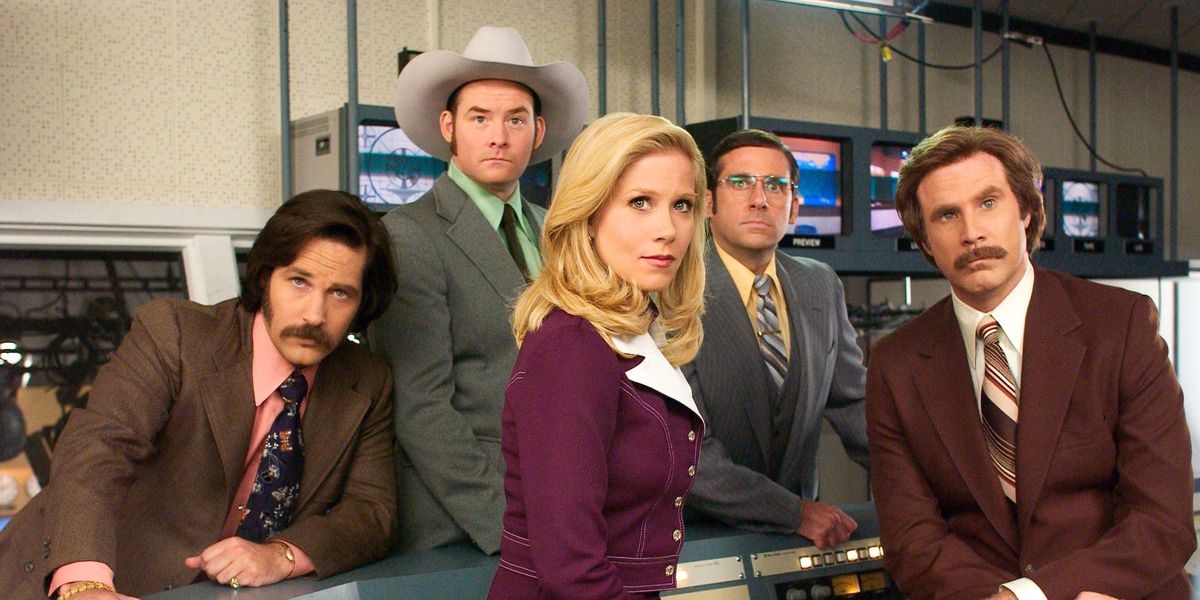
10) Anchorman: The Legend of Ron Burgundy

11) The Passion of the Christ
12) Shaun of the Dead
13) Dogville
14) Birth
15) Friday Night Lights
16) Sideways
17) The Life Aquatic with Steve Zissou
18) Garden State
19) Finding Neverland
20) I, Robot

Brendan

1) Hero
2) Spider-Man 2
3) Before Sunset
4) Eternal Sunshine of the Spotless Mind
5) The Life Aquatic with Steve Zissou
6) Million Dollar Baby
7) Baadasssss!
8) Harry Potter and the Prisoner of Azkaban
9) The Incredibles
10) Ocean’s Twelve

11) Kill Bill: Vol 2
12) Sideways
13) Dogville
14) SpongeBob SquarePants Movie
15) Vera Drake
16) Shaun of the Dead
17) House of Flying Daggers
18) Tarnation
19) Harold & Kumar Go to White Castle
20) The Aviator

Hopefully you guys enjoyed our lists and if you agree or disagree with us, let us know in the comment section below. Clearly there are a lot of other contenders from 2004 that battled for our lists, that just missed the cut. That being said, what would be your Top 10? Leave a comment in the comment section or email us at [email protected].

For the entire podcast, click here or listen below.

For more lists done by the InSession Film crew and other guests, be sure see our Top 3 Movie Lists page.

Top 10: Movies of 2004 – InSession Film Staff

On Episode 395, JD and Brendan went through their retrospective over the year 2004. Well before the boys on the main show reveal their favorite films of 2004, the InSession Film writing staff wanted to get in on the fun. With many big blockbusters and indie darlings, the variety amongst these Top 10’s is staggering and super interesting. Please give them a read below and let us know what your favorite films of 2004 are. Also, look out for episode 395 soon!

Ryan McQuade

  1. The Aviator
  2. Before Sunset
  3. Kill Bill Vol. 2
  4. Anchorman: The Legend of Ron Burgundy
  5. The Incredibles
  6. Collateral
  7. Eternal Sunshine of the Spotless Mind
  8. Shaun of the Dead
  9. Million Dollar Baby
  10. Ocean’s Twelve

Jay Ledbetter

  1. The Incredibles
  2. Eternal Sunshine of the Spotless Mind
  3. Ocean’s Twelve
  4. Collateral
  5. Million Dollar Baby
  6. Before Sunset
  7. Kill Bill Vol. 2
  8. Harry Potter and the Prisoner of Azkaban
  9. Sideways
  10. Mean Girls

Aaron Charles

  1. Anchorman: The Legend of Ron Burgundy
  2. Million Dollar Baby
  3. Ocean’s Twelve
  4. Harry Potter and the Prisoner of Azkaban
  5. The Incredibles
  6. Dodgeball
  7. Napoleon Dynamite
  8. Mean Girls
  9. The Aviator
  10. The Passion of the Christ

Kate Boyle

  1. National Treasure
  2. Shaun of the Dead
  3. Miracle
  4. Chronicles of Riddick
  5. Taking Lives
  6. Collateral
  7. Van Helsing
  8. The Incredibles
  9. You Got Served
  10. King Arthur

Eternal Sunshine of the Spotless Mind

Daryl MacDonald

  1. Eternal Sunshine of the Spotless Mind
  2.  Sideways
  3. The Motorcycle Diaries
  4. Hellboy
  5. Fahrenheit 9/11
  6. The Terminal
  7. Shaun of the Dead
  8. Kill Bill: Vol 2
  9. The Incredibles
  10. Anchorman: The Legend of Ron Burgundy

Eternal Sunshine of the Spotless Mind

Karim Ahmen

  1. Eternal Sunshine of the Spotless Mind
  2. Collateral
  3. Spider-Man 2
  4. Million Dollar Baby
  5. The Incredibles
  6. Harry Potter and the Prisoner of Azkaban
  7. Kill Bill: Vol 2
  8. The Terminal
  9. Mean Girls
  10. National Treasure

Joey Gentile

  1. Saw
  2. Mean Girls
  3. Shaun of the Dead
  4. Club Dread
  5. Eternal Sunshine of the Spotless Mind
  6. House of Flying Daggers
  7. Napoleon Dynamite
  8. Vera Drake
  9. Closer
  10. Maria Full of Grace

Eternal Sunshine of the Spotless Mind

Shadan Larki

  1. Eternal Sunshine of the Spotless Mind
  2. Before Sunset
  3. Sideways
  4. Kill Bill Vol. 2
  5. Closer
  6. The Incredibles
  7. Mean Girls
  8. Shrek 2
  9. Fahrenheit 9/11
  10. 13 Going on 30

Brett Doze

  1. Before Sunset
  2. Spider-Man 2
  3. Kill Bill Vol. 2
  4. Harry Potter and the Prisoner of Azkaban
  5. The Incredibles
  6. Million Dollar Baby
  7. Anchorman: The Legend of Ron Burgundy
  8. Shrek 2
  9. National Treasure
  10. Napoleon Dynamite

Rory Doherty

  1. Before Sunset
  2. Collateral
  3. Sideways
  4. Eternal Sunshine of the Spotless Mind
  5. Spider-Man 2
  6. Napoleon Dynamite
  7. Kill Bill Vol. 2
  8. Shrek 2
  9. The Incredibles
  10. Harry Potter and the Prisoner of Azkaban

Eternal Sunshine of the Spotless Mind

Alan French

  1. Eternal Sunshine of the Spotless Mind
  2. Collateral
  3. Harry Potter and the Prisoner of Azkaban
  4. Hellboy
  5. The Bourne Supremacy
  6. The Incredibles
  7. Mean Girls
  8. Before Sunset
  9. Closer
  10. Bad Education

Amy Smith

  1. Kill Bill Vol.2
  2. The Incredibles
  3. Harry Potter and the Prisoner of Azkaban
  4. Spider-Man 2
  5. The Polar Express
  6. Hotel Rwanda
  7. Shrek 2
  8. Saw
  9. The Princess Diaries 2
  10. A Cinderella Story

Eternal Sunshine of the Spotless Mind

Sarah Cortinaz

  1. Eternal Sunshine of the Spotless Mind
  2. The Aviator
  3. Before Sunset
  4. Kill Bill Vol. 2
  5. Collateral
  6. Harry Potter and the Prisoner of Azkaban
  7. Mean Girls
  8. Shaun of the Dead
  9. Spider-Man 2
  10. The Notebook

Kevin Woodley

  1. House of Flying Daggers
  2. Eternal Sunshine of the Spotless Mind
  3. Birth
  4. Kill Bill Vol. 2
  5. Shaun of the Dead
  6. Million Dollar Baby
  7. Primer
  8. Harry Potter and the Prisoner of Azkaban
  9. Shrek 2
  10. Man on Fire

Movie Review: Jude Law and Carrie Coon Are Electrifying in ‘The Nest’


Director: Sean Durkin
Writer: Sean Durkin
Stars: Jude Law, Carrie Coon, Charlie Shotwell, Tattiawna Jones, and Adeel Akhtar

Synopsis: Life for an entrepreneur and his American family begin to take a twisted turn after moving into an English country manor.

[/info]

The silent intensity, haunting questions, and lingering anxiety are all feelings that come from watching a Sean Durkin film. It’s been years since Durkin premiered Martha Marcy May Marlene, a gripping story of a woman acclimating to the life she once had after recently escaping a cult. So here we wait, with bated breath, as Durkin’s follow-up, The Nest, takes a look at a family whose lives are flooded with lies and deceit after an abrupt move to England.

Set in the mid-80s, The Nest follows the O’Haras — a family laced in perfection. The film begins with a tranquil shot of the O’Hara’s home. They have the luxury cars, the beautiful home, and all the other technological gadgets that would make any other 80s kid salivate. They have it all, or do they? Soon after our introduction, Rory (Jude Law), the patriarch of the family, awakens his wife Allison (Carrie Coon) to tell her that they have to move. An opportunity has come up for him to take a position as a commodities broker for a London firm. The Nest would be another examination of an upper-middle-class family being relocated for financial means if it ended here, but it wouldn’t be a Durkin film if that were the case.

There’s an air of mystery surrounding the O’Hara family. Rory is anything but a modest human being. Instead, he’s a man driven by his insatiable need to garner riches and success by any means necessary. He is always wanting is more money, more homes, more respect, leading to more power. Nothing satisfies Rory, as his compulsive lying flows out of his mouth like a poison. Allison refuses to play the dutiful 80s wife roll, as she can make a living as a horse instructor, and believes that his impulsive move is a bit suspicious. But like many women in the 80s, Allison is told by her mother that the husband makes the decisions and the wife has to accept it. As the family sets foot on UK soil, they begin to realize that the move is just the tip of the iceberg that will eventually cause them to drown in a sea of fabricated stories.

Law and Coon are electrifying as husband and wife — showcasing their talents through their explosive marital arguments. Rory’s overbearing demeanor is portrayed in such a way that only Law can achieve. Further down the rabbit hole of false allusions you go, as Law’s natural acting mannerisms peel away the layer upon layer of Rory’s façade. The Nest may follow Rory’s troubling behavior, but Coon carries the film from start to finish. Her performance as Allison is, to put it simply, fantastic! She methodically encapsulates the emotional rollercoaster that Allison can’t seem to remove herself from.

Durkin, along with the help of cinematographer Mátyás Erdély, creates an uncomfortable atmosphere — bleeding the lines between horror and drama. Behind the heavy wooden doors of the family’s mid-19th century mansion, there are dark secrets — blemishes on their public personas. Durkin’s voyeuristic approach gives the audience the ability to see what truly lies beneath this image of perfection. Several times throughout the film, Durkin shoots from the outside looking in, focusing on a window of a dimly lit room. And while the house is fully stocked with creaky floorboards and dark corners, the horrors of the film won’t come in the form of demonic possession, but rather the fears that the family is falling into their own personal nightmare as each one of them fails to grasp this new beginning fully.

The faults of The Nest is within its story or the lack of completion in the film’s final minutes. There are so many strands of plot at work within the film, but more often than not, the strands can’t come together to formulate a cohesive narrative by the end. The themes of materialism and false personas stick the landing, but the repercussions for these lies leaves you with a bitter taste in your mouth.

The Nest is a solid follow-up for Durkin, but in no way would I consider it to be better than Martha Marcy May Marlene. The Nest’s slow build-up may leave you craving more, but the fantastic performances from Law and Coon, and Durkin’s brilliant direction, will more than make up for it.

Grade: B

[divider]


Poll: What is your favorite Charlie Chaplin feature film?

If you’re an active listener of the InSession Film Podcast, you may recall that we technically completed our Charlie Chaplin movie series back on Episode 391. But the key word there is ‘technically’, for a number of reasons. Firstly, we never got the chance to ask our lovely listeners what their favorite Chaplin feature films are, and that is unforgivable. And secondly, if you’re familiar with Chaplin’s work, you’ll know that he is just as known for his features as he is his classic short films. Therefore, the main show feels obligated to conclude this series on another episode, as a series epilogue of sorts, where we focus on some of his best shorts focusing on the Little Tramp’s many adventures. Thank you, Charlie Chaplin, for creating the first ever cinematic universe.

Until then, let’s finally engage all of you. What is your favorite Charlie Chaplin feature film?


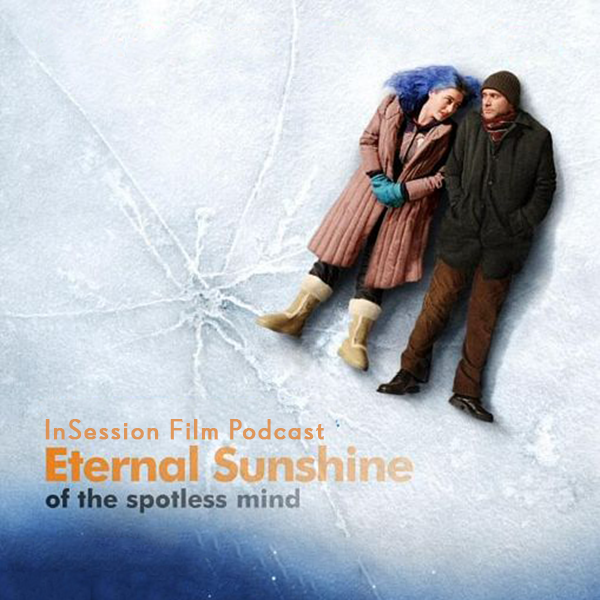
Podcast: Eternal Sunshine of the Spotless Mind / Top 10 Movies of 2004 – Episode 395

This week’s episode is brought to you by The Alfred Hitchcock Collection. Get the collection today and follow us on social media for your chance a free digital copy of Psycho!

This week on the InSession Film Podcast, we continue our year-by-year retrospective series by reviewing Eternal Sunshine of the Spotless Mind and discussing our Top 10 movies of 2004!

2004 was a weird year for film. It certainly had its fair share of greatness, perhaps making it a little top heavy, but there’s an argument to be made that the year thrived off commercial entertainment. With films like Spider-Man 2, Harry Potter and the Prisoner of Azkaban, The Bourne Supremacy, Anchorman: The Legend of Ron Burgundy, Mean Girls, among several others, 2004 had some great films from the big studios. Then you have films like National Treasure, I, Robot, The Day After Tomorrow, Napoleon Dynamite and Harold & Kumar Go to White Castle, which may not be considered great by artistic measures, yet they hit the zeitgeist in a big way. In addition to all of that, it was also a pleasure to revisit one of the best films of the 2000s and one of Charlie Kaufman’s best films.

On that note, check out this week’s show and let us know what you think in the comment section. Thanks for listening and for supporting the InSession Film Podcast!

– Movie Review: Eternal Sunshine of the Spotless Mind (5:14)
Director: Michel Gondry
Writer: Charlie Kaufman, Michel Gondry
Stars: Jim Carrey, Kate Winslet, Tom Wilkinson

– Top 10 Movies of 2004: Part 1 (1:02:12)

In this segment we discuss the year as a whole, what we thought of it overall, what surprised us the most and the films that reigned at the box office. We also discuss the outliers on our Top 10 lists (or in other words, the films that did not crossover).

[divider]

RELATED: Listen to Episode 236 of the InSession Film Podcast where we discussed There Will Be Blood and our Top 5 Movies of 2007!

[divider]

Top 10 Movies of 2004: Part 2 (1:37:49)
For our second segment as we go over our lists, we talk about the films that crossover for both Brendan and JD. Sometimes there are years where the best films are obvious, especially given how like-minded we tend to be at times. That was certainly the case for 2004. Whether it be commercial entertainment, foreign films, or indie gems, there was plenty to comb through at the top, and we had a lot of fun talking about them. We also list out our honorable mentions rounding out our Top 20.

On that note, what would be your top 10 movies of 2004?

Top 10 Sponsor: First Time Watchers Podcast

– Music

Eternal Sunshine of the Spotless Mind – Jon Brion
For the World – Tan Dun
A Waltz for a Night – Julie Delpy
The Return of the Eagle – Atli Örvarsson

Subscribe to our Podcasts RSS
Subscribe to our Podcasts on iTunes
Listen on Spotify
Listen on iHeartRadio
Listen on Stitcher
InSession Film Podcast – Episode 395

[divider]

Next week on the show:

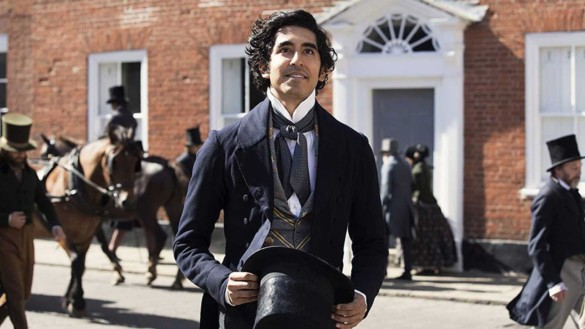
Main Review: The Personal History of David Copperfield
Top 3: TBD

[divider]

Help Support The InSession Film Podcast

If you want to help support us, there are several ways you can help us and we’d absolutely appreciate it. Every penny goes directly back into supporting the show and we are truly honored and grateful. Thanks for your support and for listening to the InSession Film Podcast!

VISIT OUR DONATE PAGE HERE

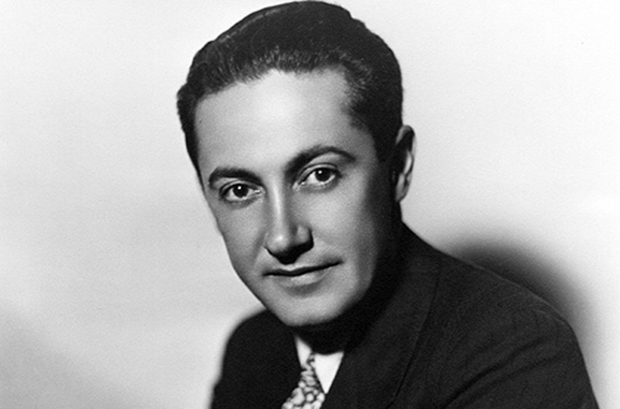
Hollywood’s Boy Wonder: Irving Thalberg

Upon his sudden death in 1937, President Franklin D. Roosevelt said, “The world of art is poorer with the passing of Irving Thalberg. His high ideals, insight, and imagination went into the production of his masterpieces.” He was 38 years old but had made a legacy that was permanent to the golden years of Hollywood. Thalberg produced four hundred films, innovated the writing process by working with the writers personally, released sneak previews to audiences for feedback, and helped create the Production Code which gave rules for all studios to follow with sensitive content. At the same time, Thalberg made productions that merged stage drama and literary novels and made some of the greatest Hollywood stars ever seen. Even his rival producers in other studios praised him after he died.

Sickly Beginning

Thalberg was born on May 30, 1899, in Brooklyn and, after a rough birth, was diagnosed with a congenital heart disease that doctors said would restrict his lifespan to no more than 30 years. Because of this, Thalberg was constrained at home most of the time to reading novels, plays, biographies, and philosophical books. When he contracted rheumatic fever in his teen years, Thalberg was kept away from school and was taught at home. He graduated, but his fragile health forced him to avoid college and get part-time work.

Thalberg would find work as a secretary in the New York office for Universal Studios and was promoted later to being the personal secretary to Universal’s founder, Carl Laemmle. His notetaking and transcribing got Laemmle’s attention, and after a trip to Los Angeles where he was given a tour of how movies were produced, Thalberg was asked by Laemmele to watch the studio while he went back to New York. Unofficially, he was the first studio manager of Universal which oversaw operations daily, but when he gave the studio manager position as a suggestion to Laemmle, Thalberg was immediately hired to do it. He was only 20 years old.

“Where’s The New General Manager?”

Thalberg, like many of Hollywood’s early industry workers, came from the East coast and quickly adapted to California’s warm weather, which benefitted his health. Laemmle’s hiring of such a young man with no business experience shocked many, including movie columnist Louise Parsons, who would write about Thalberg as, “Universal’s Boy Wonder.” Other actors, directors, and writers were charmed by Thalberg who felt after meeting him he had many years of experience instead of the fact he had none. Newcomers saw producers as big men who smoked cigars that had a booming voice to command others but with Thalberg, it was the total opposite. When he interviewed the woman who would be his wife, the actress Norma Shearer, she thought Thalberg was an assistant.

Universal Pictures would successfully blossom under Thalberg’s leadership as he held films to strict schedule and process of writing so nothing ran behind. His most successful production was a novel Thalberg loved, The Hunchback of Notre Dame. Instead of a strict horror film, Thalberg was able to rearrange the tone as a love story and convinced Laemmle to bring in Lon Cheney for the main role, making him a star. At a time where directors were left alone to their own devices, Thalberg confronted the notorious Erich von Stroheim over the length and budget of his movies. Stroheim’s behavior and consistent clashes to make it his way over the studio’s will left Thalberg with no choice but to fire him, a first in Hollywood.

Off To MGM

In 1925, Metro-Goldwyn-Mayer was formed and the head, Louis B. Mayer, hired Thalberg as Vice President of Production. Under his leadership, Thalberg made double what Warner Brothers and Paramount were releasing every year. According to biographer Roland Flamini, the success of MGM came from Thalberg’s decision to hire multiple stars for one picture, adapt a Broadway smash or a notable classic piece of literature, and create high standards for making the film. Because of the expensive costs of shooting on-site or abroad, Thalberg kept the movies made within the studio. He even made gambles with actors or with subjects that were deemed as risky or not financially viable. But Grand Hotel with its major ensemble of stars won the Oscar for Best Picture and cast actress Luise Rainer in two films Louis B. Mayer thought it was a mistake. Those films, The Great Ziegfeld and The Good Earth won her back-to-back Best Actress Oscars.

Actors that were hired by Thalberg include Greta Garbo, Clark Gable, Joan Crawford, Helen Hayes, and John and Lionel Barrymore. Two movies in particular that cemented MGM’s reputation for creating great large-scale productions were Ben-Hur and Mutiny On The Bounty. The former, which would be remade in 1959 to massive acclaim, was in trouble from the start while shooting on location in Rome. Thinking it would be a major success, Thalberg brought the production back to California to reshoot the film in the studio. Ballooning to a $4 million budget, the most expensive ever in the silent era, Ben-Hur would still bring acclaim and box office receipts of $10 million. With the latter film, Thalberg, whose relationship with Mayer soured over time, convinced him to pursue the project as was with Clark Gable, who didn’t want to do it. The second most expensive film after Ben-Hur, it would be massively successful and win the Best Picture Oscar.

The Departed Idol

Thalberg lived past thirty years, but his health took a major hit. After turning down the opportunity to buy the rights for Gone With The Wind (David O. Selznick would get it), Thalberg went on a lengthy vacation with his wife to recuperate, but he continued to decline. Irving Thalberg died on September 14, 1936, at the age of 37, from pneumonia. His funeral two days later attracted many stars from MGM and other studios, as well as continuous tributes from head rivals including Selznick, Sam Goldwyn, Darryl F. Zanuck, Harry Cohn, and Adolph Zukor. Some of his last productions were still in post-production or principal photography when he died, including the Marx Brothers’ A Day at the Races and The Good Earth which was dedicated in his memory as, “his last great achievement.”

Legacy

As we pass the 84th anniversary of his premature death, Irving Thalberg is a representation, and maybe the best, of Hollywood creativity during the 1920s and 30s. He simplified the process and established current-day standards for studios before, during, and after filming. Writers weren’t cheapened, they were brought in the creative process. Every little thing had to have Thalberg’s seal of approval and were not made inexpensively just to pinch a dollar or two. Actors were given chances when no other studio would do it. Financially, he was the best producer during his time, making MGM the leader of the Big 5 studios, when there were just five studios and MGM was still making movies on their own.

But after Thalberg, a lot of people felt the bar he made was lowered, some actors didn’t feel motivated anymore, and MGM would go downhill on its success rate. The Oscars would honor him with the Irving G. Thalberg Memorial Award, presenting to, “creative producers, whose bodies of work reflect a consistently high quality of motion picture production.” Instead of an Oscar, it’s a bust of Thalberg himself the winners receive and has gone to names such as Walt Disney, Cecil B. DeMille, Alfred Hitchcock, Ingmar Bergman, Steven Spielberg, George Lucas, Warren Beatty, and Frank Marshall & Kathleen Kennedy. There will never be another boy wonder in Hollywood again.

Follow me on Twitter: @brian_cine (Cine-A-Man)

Top 10: Stephen King Film Adaptations

Fiendishly twisted and undeniably scary, Stephen King’s writing has been shaping Hollywood for over forty years. Whether it’s his demon clown, his possessed car, or his psychic schoolgirl, his characters have nestled themselves deep in the subconscious of audiences. With three directors having more than one film on this list, it’s easy to see some people have more of a knack for it than others. But which of his adaptations comes out on top? What the most terrifying story that’s come from that prolific and popular writer’s imagination?
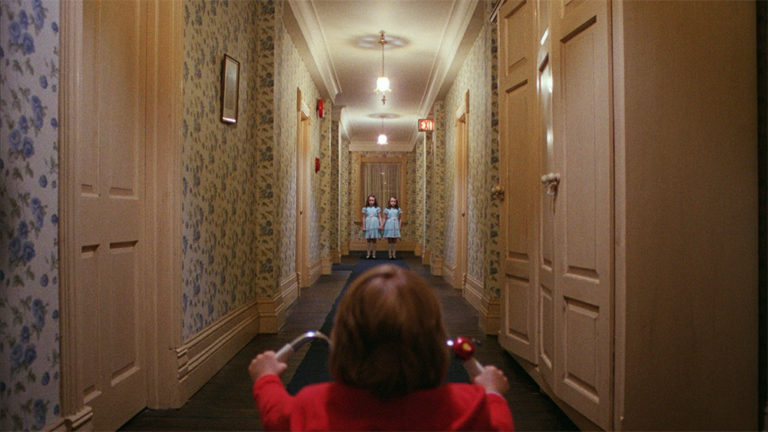
10. Doctor Sleep (2019)

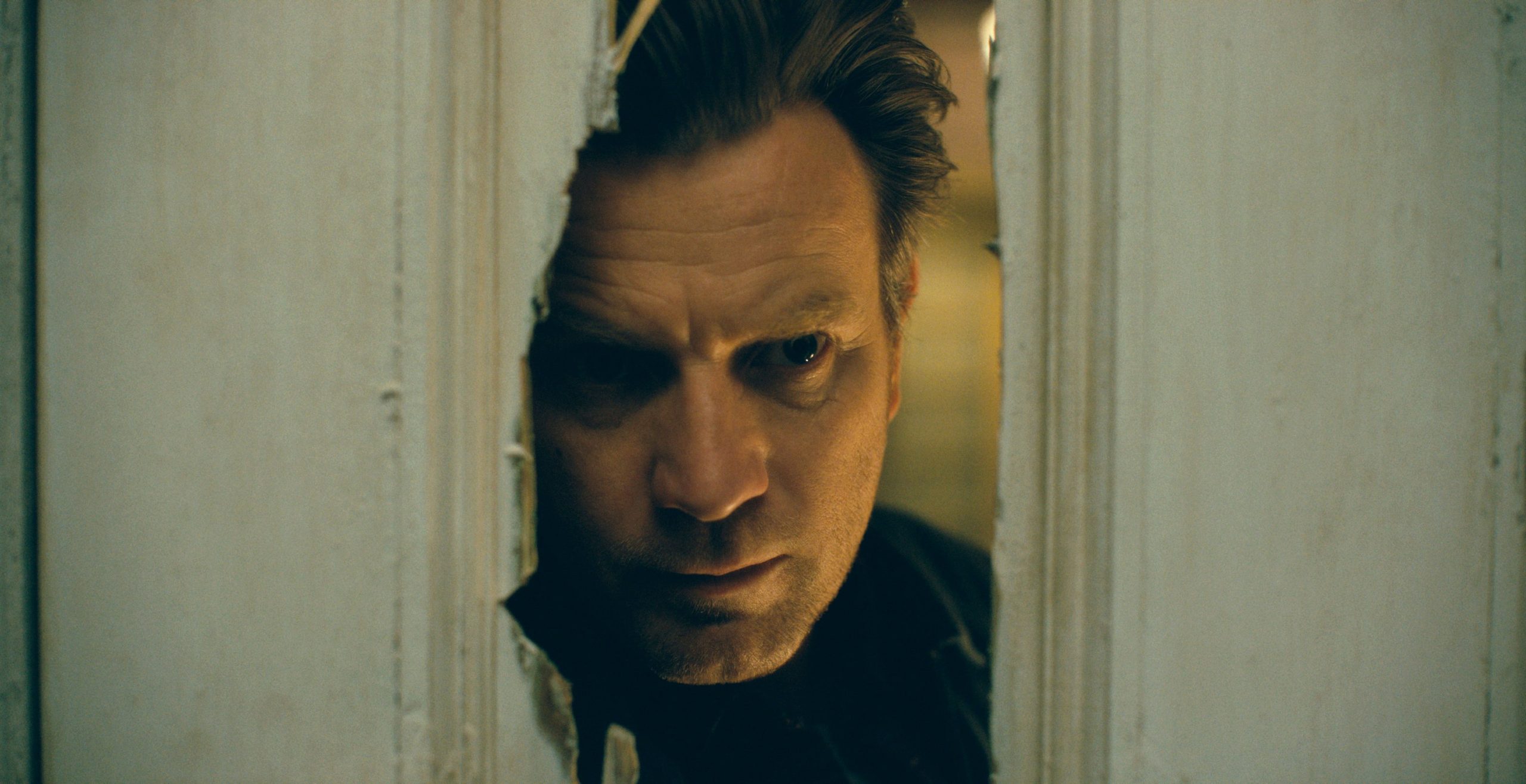
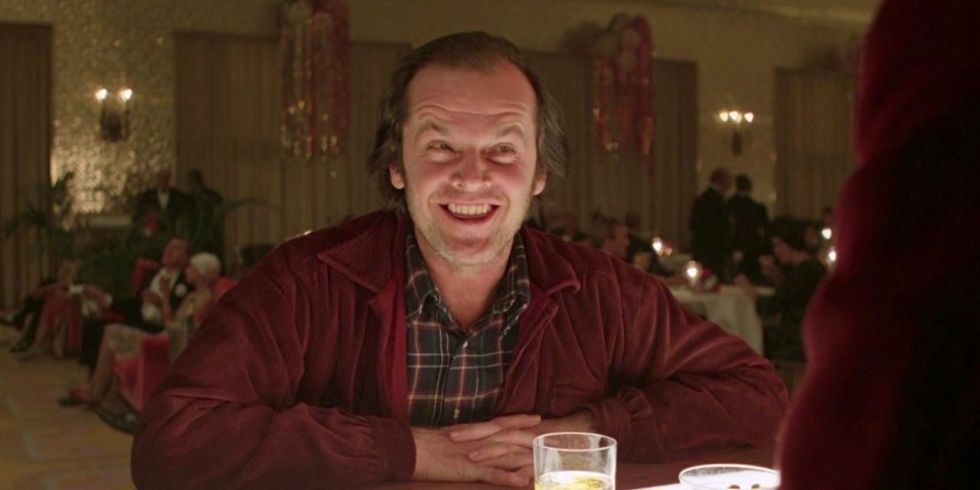
Director Mike Flanagan had a monumentally difficult task in front of him, adapting this sequel to The Shining. He had to wrestle with the legacy of Kubrick’s 1980 masterpiece, as well as establish continuity from King’s original novel. He pulled it off admirably, and while the 150-minute runtime threatens to overwhelm the narrative occasionally, the result is a highly enjoyable ride that maintains weighty themes of trauma with creepy vampiric thrills. And at the center, you have two outstanding performances from Ewan Macgregor and Rebecca Ferguson. The major downside is when it aligns itself too much with Kubrick’s film – the final act where we return to the Overlook Hotel falls a bit flat. This is a shame, as Doctor Sleep seemed comfortable being its own thing without having to reference Kubrick’s work. Still, Flanagan’s film captures the sheer fun of King’s writing and makes a worthwhile investment in its central characters. 

9. The Dead Zone (1983)

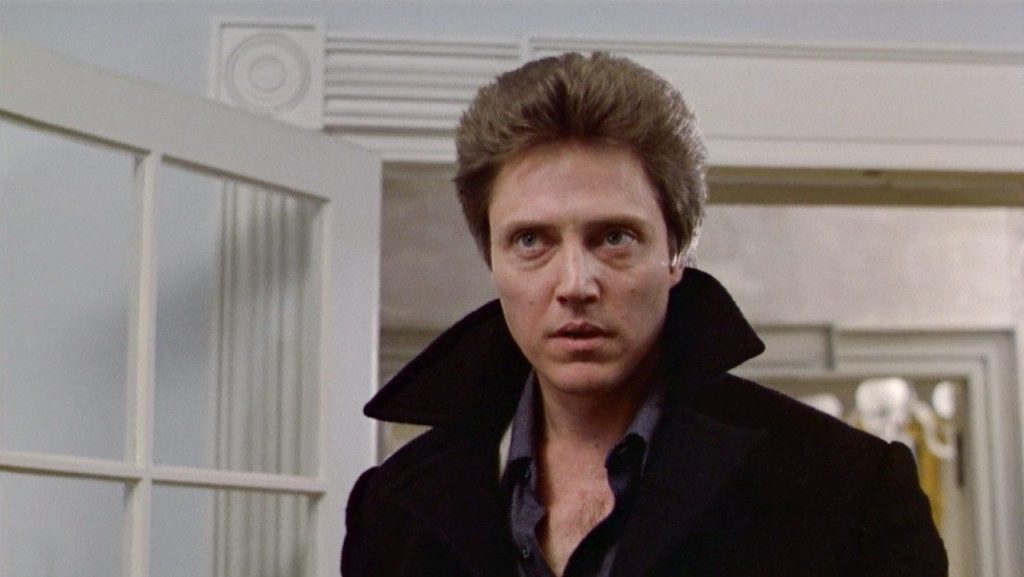
A lot of celebrated directors in the ’70s and ’80s tried their hand at a Stephen King adaptation at one point, and David Cronenberg is no exception. This slow-paced drama was his first foray into mainstream filmmaking, but the subject matter – a teacher who wakes from a long-term coma to find he has psychic abilities – is right up Cronenberg’s alley. Christopher Walken turns in a charismatic performance in a film with well-defined characters, as well as an exciting exploration of the many uses of mind-reading powers. While a little on the slow side, the second half ramps up towards a terrific climax that’s just as dynamic and twisted as you should expect from King.

8. The Green Mile (1999)

Director Frank Darabont might be the master of adapting Stephen King (three of his films feature on this list!), and this grueling, fantastical prison drama is undoubtedly among his best. Tom Hanks ditches the comedy and brings a great sternness to the role of a death row warden charged with overseeing a black inmate with supernatural powers, played by a never-better Michael Clarke Duncan. The film’s filled with trademark Stephen King nasty people, and the conflict between the wardens and inmates means the three-hour runtime never drags. Plus, it’s a testament to the fact that Stephen King can do gut-wrenching emotions just as well as he can do scares.
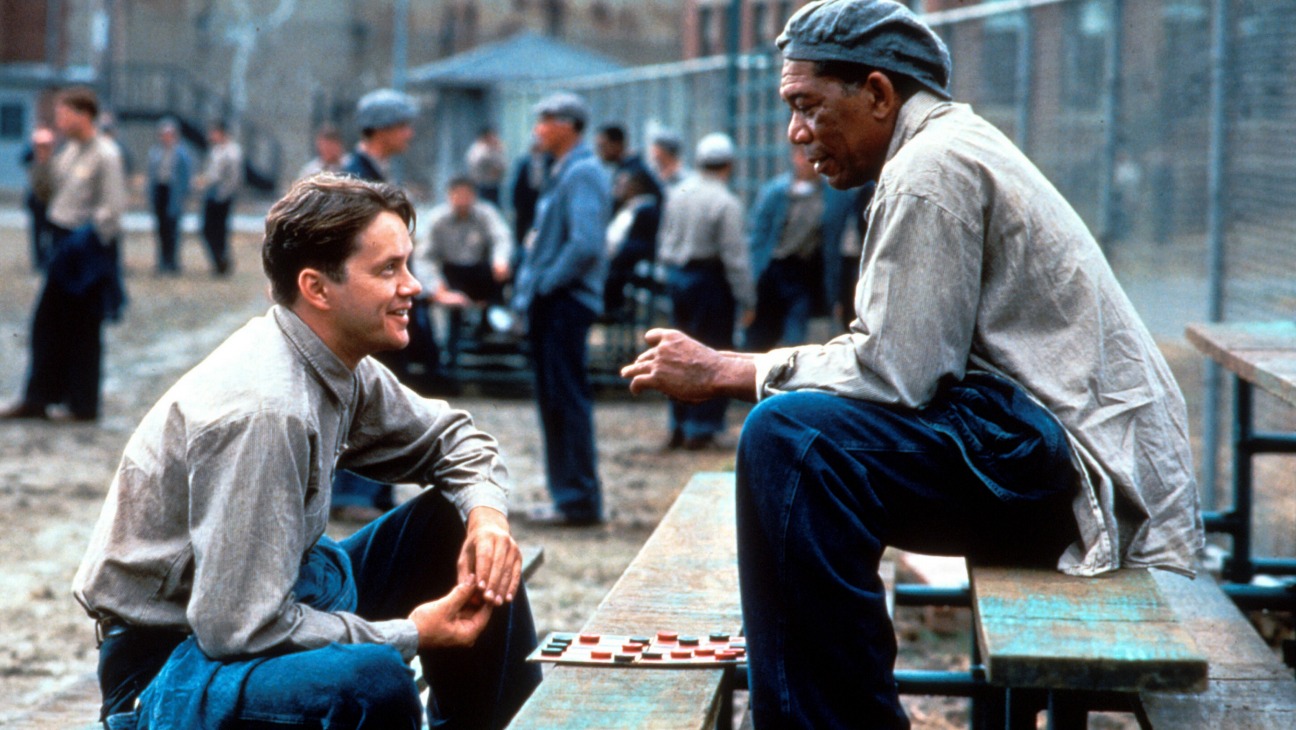
7. The Shawshank Redemption (1994)

What is there to say about Shawshank that hasn’t been said already? It masterfully handles its sweeping, epic storyline, roots itself firmly in its well-defined, well-performed characters, and establishes itself as a lot of people’s favorite film of all time. It’s no surprise why – it’s an incredibly accessible film with themes of determination in the fight against injustice. It’s a modern classic. So why only number 7? Everything this film sets out to do, it achieves admirably, but I think the films that rank higher on this list have a much edgier subject matter and tackle their topics in the more twisted manner that’s become a hallmark of Stephen King. Still, The Shawshank Redemption is an absolute triumph of a film and a deeply rewarding watch.

6. Misery (1990)

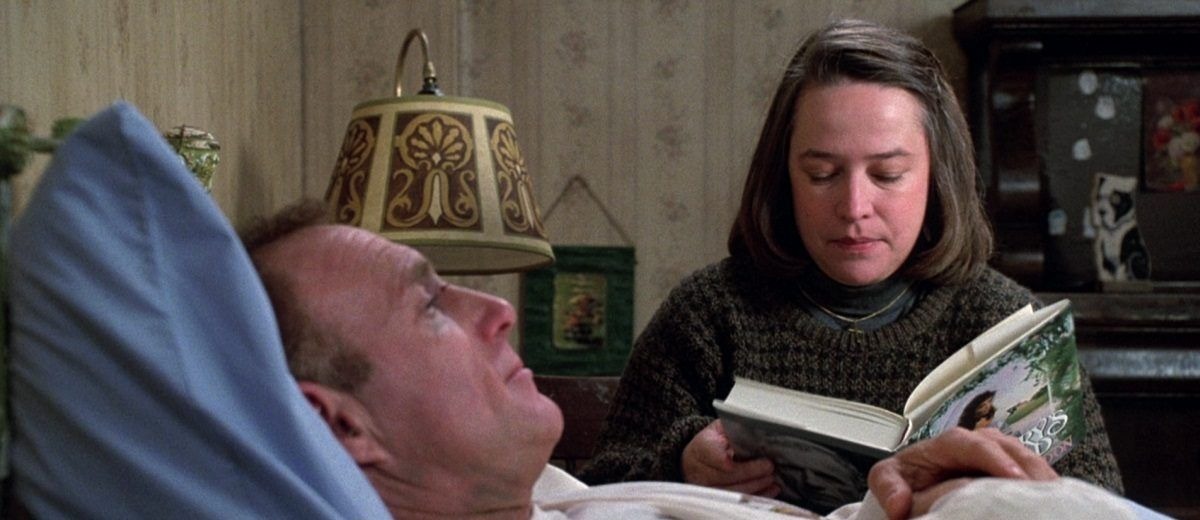
I won’t hear a single word against Kathy Bates. Her Oscar-winning performance as Annie Wilkes is legendary for a good reason. She flicks between being sycophantic, quietly intense, and downright unhinged with such ease that you’re left anxious about what she’s going to do next. James Caan gives a suitably restrained performance as the celebrated writer under her care, and director Rob Reiner pulls off a compelling, well-constructed thriller, with King’s familiar themes of abuse and suffering on full display. On reflection, my one critique is that it’s a little too clean, the violence feels a bit muffled compared to the more grisly novel, and it feels like the edge has been softened for mass audiences. Regardless, Misery is tense and terrifically acted, and effectively traps the audience within a tight space to watch the troubled relationship between writer and fan spiral out of control.
5. Stand By Me (1986)

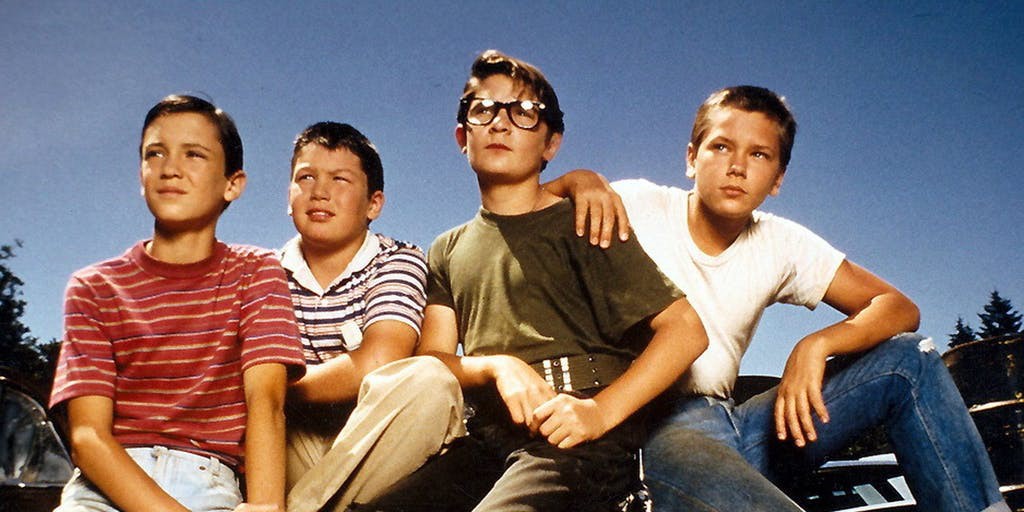
It’s a double-whammy for Rob Reiner! This coming-of-age story based on King’s novella The Body is a sweet, nostalgic, and melancholic perspective on aging out of small-town life. Four young boys venture down rail tracks to find the body of a kid struck by a train some days prior, and as they travel, they are forced to confront their dwindling friendship and uncertain future. While not exactly scary, there are some brilliantly tense sequences and striking, unsettling images, plus the overall concept of foul-mouthed kids being fascinated with the macabre is very King. Wil Wheaton as the young writer Gordie gives a confident performance, but it’s River Phoenix as teenage delinquent Chris who steals the show, a seemingly prophetic character wiser than any of his friends about how much their lives are set to change.

4. Gerald’s Game (2017)

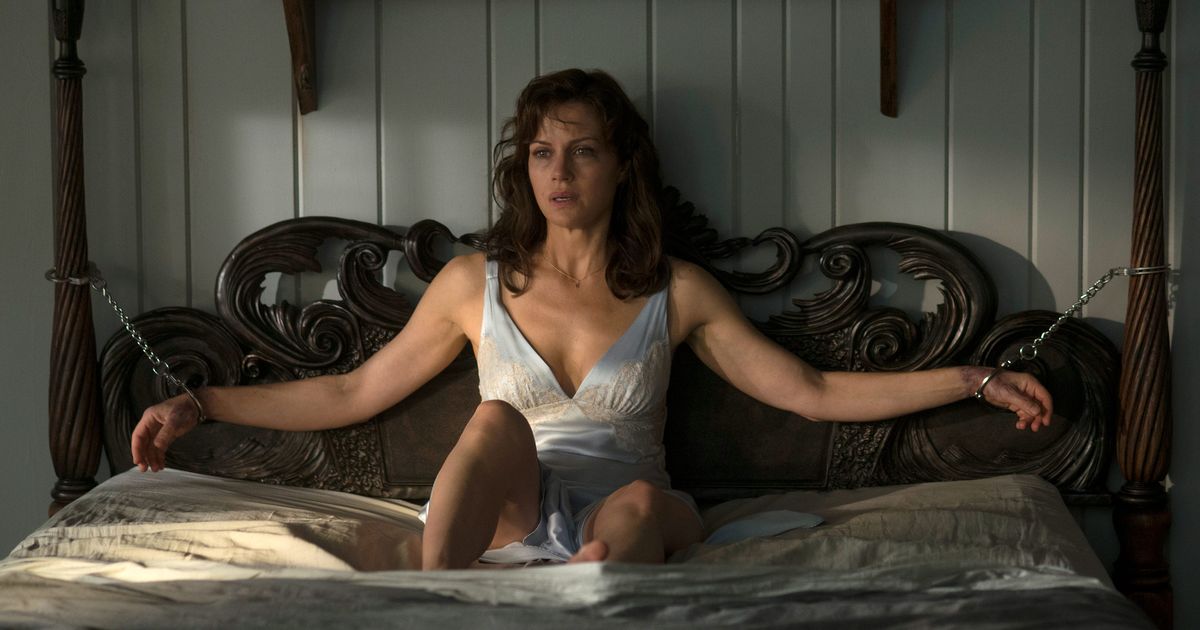
Neither adaptation of It made it onto this list, for many reasons (they’re not that good). But thankfully, 2017 gave us another Stephen King adaptation that was far smaller in scale but much more impactful – as well as being King’s best work about abuse in cinematic form. Mike Flanagan directed this film for Netflix about a middle-aged couple trying to spice up their relationship in a remote cottage, but just as Jessie (Carla Gugino) is handcuffed to the bed, her husband Gerald (Bruce Greenwood) has a heart attack and dies. It’s an incredibly tense piece of work, with Flanagan excellently depicting Jessie’s mind unraveling as she’s forced to confront her repressed trauma, and the climax is one of the most nail-shredding, disturbing sequences I’ve seen in a psychological thriller.

3. Carrie (1976)

The first King film of the first King book is some of his most iconic works, and I don’t remember the last time I saw a prom scene in film or TV without someone referencing Carrie. De Palma helmed this weird, messy film with unhinged performances and high school students who look like they’re in their mid-30s – but all of this adds to the film’s charm. At a lean 98 minutes, this film races by, a steadily ascending rollercoaster of dread that bursts out in nightmarish panic once the famous sequence kicks in. Sissy Spacek’s performance of the titular telekinetic teenager is a wide-eyed wonder. You really get the sense that she has no control over her actions – and this terrifies her. A corny relic now, it’s still great fun with touches of great sadness, and a genre-defining horror for years to come.

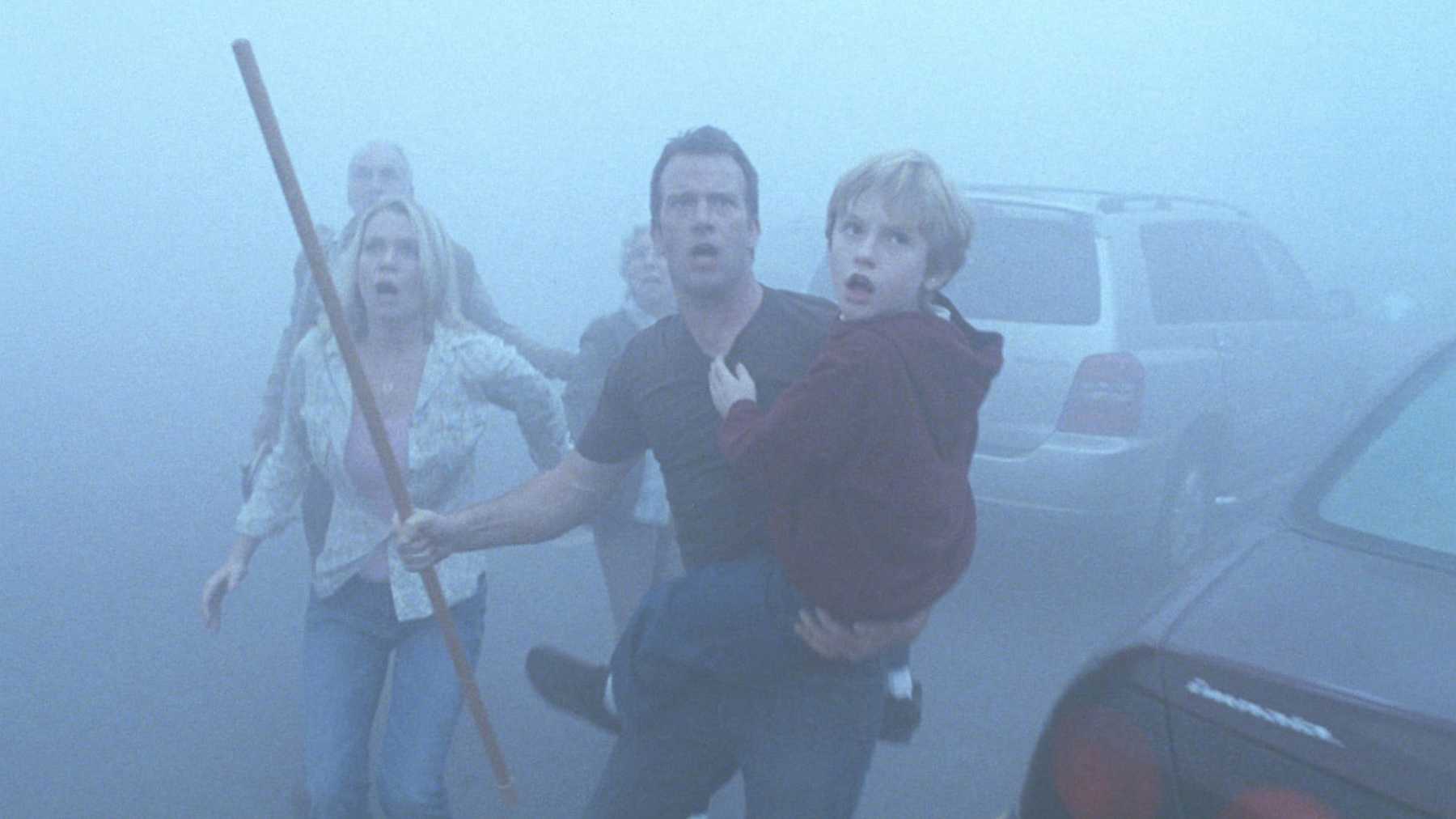
2. The Mist (2007)

Most people would not consider this 2007 thriller as one of the best King films, but it’s certainly the film that best captures the multi-faceted nightmarish qualities of King’s writing. There’s a band of loud personalities all trapped in one location – a supermarket – and when faced with an incomprehensible threat – a thick mist settling over the town filled with bug monsters – everyone starts unraveling and turning on one another. Darabont’s adaptation really hammers home a point King keeps returning to – that he doesn’t have a good opinion of people. While the dialogue can be corny and the characters are certainly broad, making these complaints about a King movie seem disingenuous because the spiky, unsettled atmosphere these characters create is what makes his writing compelling. Every scene has such rich conflict pulsing through it that you’re likely to be exhausted by the film’s conclusion. If you don’t know the plot details, I recommend not looking them up. I’ve watched this flick with three separate people who didn’t know how the story ended, and it was very entertaining seeing their reactions.

1. The Shining (1980)

I think about moments from this film daily. The score that plays in the opening credits, the flashes of the butchered twins, the sound of Jack Torrence’s voice when hunting down his family. Stanley Kubrick’s The Shining is a masterpiece of atmospheric horror. While The Mist best captured the experience of reading a King book, Kubrick’s film goes completely the other way. It’s a film with a deeply haunting ambiance with striking, elegiac shots that stick with you long after the final moments. You feel that something was terribly wrong with the Torrence family long before they stepped foot in the Overlook Hotel, the grand and empty fortress they must stay in throughout the winter. Famously King took major umbrage at Kubrick’s departure from his novel, but it’s hard to find much at fault with this explosively violent yet gorgeously captured film. It’s every bit as good as you remember and deservedly iconic.

Movie Review: ‘Cuties’ Accurately Portrays the Complications of Growing Up


Director: Maïmouna Doucouré
Writer: Maïmouna Doucouré
Stars: Fathia Youssouf, Médina El Aidi-Azouni, Esther Gohourou, Ilanah Cami-Goursolas, Myriam Hamma

Synopsis: Amy, an 11-year-old Senegalese girl, starts to rebel against her conservative family’s traditions when she joins a dance crew named “cuties” at school.

[/info]

Growing up is messy and alienating. The confusing process of finding your own identity and the best crowd can be overwhelming at any age, but especially in a moment when self-esteem is so precarious, and the biggest concern you have is to be liked by others. In addition, today’s environment is not a friendly one. The Internet, social media, and the expectations of society make it too hard to grow up unscathed.

This reflection is at the center of Cuties. The movie portrays the complicated path of maturity and finding yourself. Nevertheless, unsatisfied with this scenario, director Maïmouna Doucouré focuses this coming of age story in a Black Senegalese girl trying to adapt in a foreign country and a liberal society, completely different from her conservative background.

Cuties follows the story of Amy (Fathia Youssouf, with a wide-eyed face and a nervous smile), an 11-year-old girl that must deal with too much at once. She has arrived in Paris with her mother and two baby brothers, and her father will join them soon after. Her position as the oldest sister means that she must take care of her siblings – including an adorable Demba Diaw – while embracing her community’s old traditions. In addition, her relationship with her mother is complicated, who is struggling with her own grief after discovering that her polygamous husband will arrive in France with a new wife.

Once Amy arrives in her new school, her sight is caught by a group of young girls that seem to own the place. The typical mean girls that destabilize your whole world and make you want to be part of theirs, even if their attitudes and actions go against your own. In this aspect, Amy’s new conundrum is too real and identifiable. Every girl has been there.

These girls are confident, extroverts, and dressed in too provocative attires for 11-year-olds. They also have a dancing group called Cuties, copying their moves from mature, and yet accessible, music videos.

Amy will do everything in her power to be part of this gang, even when they treat her wrongly and call her names. In a matter of days, Amy changes her appearance, adopts new attitudes towards her family, and starts making questionable decisions. Soon enough, she is an entirely different person, even going further than her new friends had ever gone before and adopting attitudes that are too complex and sexual for her to even understand.

It is easy to understand that this movie reflects the complications of growing up in a lonesome way. These girls are lost and afraid, with no figure guiding them through these confusing times. The feeling of aloneness is at the heart of the movie.

“Cuties” has inadvertently become the target of conservative critics in an overwhelming discrediting campaign. What would have been a success story of a French-Senegalese director selling her first movie to Netflix, after positive reactions in Sundance, became a nightmarish experience because of a careless marketing strategy by the streaming giant, which was obscenely exploited by conservative trolls.

However, reducing this movie only to its evident critique of the over-sexualization of girls would be too easy and narrow-minded. As a matter of fact, Amy’s thoughts regarding her father’s decisions, combined with her apprehension towards the changes in her household and body, are the most interesting things of the movie. Her rebelliousness even feels revolutionary.

The movie does not shy away from uncomfortable topics that are present in real life, and that shape our process of maturity and attainment of self-esteem. Cuties reflects the real-life emotional abuse that young girls suffer through examples of slut and fat-shaming, over-sexualization of girls, the inappropriate content in the media, and how easy it is for children to get access to it.

Although hard to watch at times – precisely when the director makes it evident that the girls are acting foolishly – the movie accurately portrays the complications and conflicts of growing up.

Now regardless of its quality, it seems that Cuties has been judged and condemned. This is the real tragedy considering that the movie is directly criticizing the things that it is being attacked for. Furthermore, many of the themes and emotions that are part of our protagonist’s story are recognizable, more so if the audiences are formed by (Black) women and foreigners trying to adapt to a new social paradigm.

As such, it is impossible not to feel protective of the movie. Sometimes uncomfortable and others too radical, Cuties is an eye-opener with an inspired ending, despite the troublesome scenes we witnessed seconds earlier. People should be concerned, not at the movie itself, but at the realities that it clearly reflects.

Grade: B

[divider]

Netflix Releases Trailer for Aaron Sorkin’s Oscar Contender ‘The Trial of the Chicago 7’

Netflix has finally unveiled the trailer for Aaron Sorkin’s The Trial of the Chicago 7, and first impressions are that it looks like a serious Oscar player.

In what is only Sorkin’s second directorial outing – after Molly’s GameThe Trial of the Chicago 7 features one of the most star-studded casts of the year, featuring a slate of multi-award winners and nominees. Academy Award nominees and winners include Michael Keaton, Eddie Redmayne, Mark Rylance, Frank Langella, and Sacha Baron Cohen, the latter of whom was nominated for his Borat screenplay but is yet to receive an acting nod. Could this be the versatile actor’s first?

Other cast members include this year’s Emmy Best Actor Drama frontrunner Jeremy Strong (Succession), Joseph Gordon-Levitt, Yahya Abdul-Mateen II, John Carroll Lynch, and Alex Sharp.

The following is the synopsis for the upcoming drama as written by Netflix to accompany the trailer’s release:

“What was intended to be a peaceful protest at the 1968 Democratic National Convention turned into a violent clash with police and the National Guard. The organizers of the protest—including Abbie Hoffman, Jerry Rubin, Tom Hayden and Bobby Seale—were charged with conspiracy to incite a riot and the trial that followed was one of the most notorious in history.”

A perfect blend of courtroom drama and protest scenes, the trailer promises plenty of intensity and splendid performances from its cast. Cohen looks perfectly positioned to be an Oscar contender in the Best Actor category and looks to be one of the film’s main focal points. At the same time, Redmayne also looks to be doing some incredible work based on the brief emotional glimpses of his speeches. Strong could also be a big contender, but only time will tell which of the cast truly stands out.

It’s hard to catch all of the cast members in a first watch of the trailer, with the likes of Strong and Rylance featured only briefly toward the beginning. It is a teaser trailer after all, and the wait for Oct. 16 is going to be agonizing, especially for this movie lover who can’t get enough of courtroom dramas.

Sorkin’s directorial debut Molly’s Game was strong, and the screenwriter-turned-director proved that he has the ability to get the best out of his actors. Of course, Sorkin ranks among some of the greatest screenwriters in modern times; look no further than The Social Network and Moneyball for proof of that. If the screenplay for The Trial of the Chicago 7 is even half as good as those, then he’s a major contender in the screenplay category.

Other high profile creative names behind the camera include composer Daniel Pemberton and cinematographer Phedon Papamichael. Of course, there were rumors Steven Spielberg was once attached to the project as a director when Sorkin first wrote the screenplay in 2007, but plans were disrupted due to a strike from the writer’s guild. Given the relative success of Molly’s Game, Sorkin has proven that he’s more than up to the task of director, and the trailer has only built on the incredible Oscar hype it already has.

The trailer for The Trial of the Chicago 7 can be watched below, as published by Netflix. Feel free to share your own thoughts down in the comments below!


Movie Review: ‘Unpregnant’ is an Unapologetic, Fearless Debut


Director: Rachel Lee Goldenberg
Writer: Rachel Lee Goldenberg, Ted Caplan, Jenni Hendriks, Jennifer Kaytin Robinson, William Parker
Stars: Haley Lu Richardson, Barbie Ferreira, Alex MacNicoll, Breckin Meyer, Giancarlo Esposito

Synopsis: A pregnant teen and her former best friend embark on a road trip from Missouri to New Mexico.

[/info]

I counted down the days for Unpregnant to arrive on HBOmax. Teenage women, who rekindle a lost friendship so they can travel across middle America to seek an abortion? This is a story that needs to be told, normalized, and mainstreamed–so count me all the way in already!! Usually, I cannot tolerate a plot where the main characters are trying to get to an end result, and everything derails them from it. However, this one is paced perfectly, full of adventure, and is right down funny and heartwarming along the way.

From the opening scene, there is zero time wasted to throw us into the plot: Veronica (Haley Lu Richardson) is mid-peeing on a pregnancy test stick. She accidentally drops the pregnancy test before she can see the results, and when it slides across the bathroom floor, it ends at the footsteps of her former bestie Bailey (Barbie Ferreira). We quickly discover that Veronica is the “perfect” one–she is always “on,” always prepared, responsible, and calculated, so she can hardly believe how she let herself get pregnant. Bailey is consistently herself from the moment we meet her, and she will never waver from that throughout the story. She is loud, bold, and fun.

Veronica meets with her current squad for a girls weekend, although she’s has already mapped out her weekend (literally and figuratively) to travel to Albuquerque, New Mexico, from Missouri for an abortion. Albuquerque, a quick 996 miles from her home, is the closest place where she can get the procedure done without a parent. Veronica leaves the girl squad to meet with her boyfriend and now baby daddy, Kevin (Alex MacNicoll), to break the news to him. He immediately has a ring on him and is ready to propose, somehow? It turns out he is a complete prick, who knew the condom broke the last time they had sex and kept the information from her. Veronica turns down his proposal (as she should) and heads to Bailey’s house to beg her to take this trip; she is Veronica’s only hope.

Bailey agrees to drive Veronica, of course, and this is where the adventure takes off. Along the way, the women have moments that range from hilarious, to emotional, to downright scary. Running from the cops in a stolen car? Check. Screaming and confessing a secret on a rollercoaster? Check. Kidnapped by a crazy pro-life family? Check. Flipping off the Missouri State Legislature for controlling women’s bodies? Check. Tasing a man who did them wrong? Check. Unpregnant has all of this and so much more.

Above all else, what makes this film so original and memorable is that it does not shy away from the abortion procedure. The decision to present the abortion as an experience to the audience that was peaceful, normal, and not scary was the most potent message the film presents. Unpregnant could have taken the approach of Veronica walking into the clinic, fading to black, and then cutting to the aftermath. No–instead, it shows you that an abortion is not taboo. That is precisely what the director, Rachel Lee Goldenberg, wanted the viewer to understand. The camera switches to Veronica’s point of view in the perfect moments to make us a part of the scene and delicately walks us through it. It can be seen, experienced, and normalized. A woman should be able to have an abortion and then eat nachos with her best friend afterward because it is her decision and hers alone.

This story was clearly made by women for women. Women have our own language, just like Veronica and Bailey do in this film; like, no, literally they have this weird, funny alien language that they taught themselves when they were children that they use to speak to each other at strategic points throughout their adventure and it’s actually hilarious. Besides that, though, women understand each other in ways that only we can. We don’t need anyone to try to understand our bodies, motives, and decisions. Women need to be supported, trusted, believed–because that is what matters most, and that is where Unpregnant shines.

Grade: A

[divider]

https://www.youtube.com/watch?v=WDulv-J1bEs

Top 10: Best of 2004 – Brandon Stanwyck

2004 was weird… Lance Armstrong transfused the blood of peasants into his veins to win a 6th consecutive Tour de France prize. Mark Wahlberg performed an exorcism on his native Boston to undo the Curse of the Bambino. Nerd supreme Ken Jennings won more money on Jeopardy! than I’ll ever earn in my lifetime. Like I said, weird.

So naturally, the films released in 2004 were an eclectic bunch, and the following titles reflect my personal favorites. With that said, this is not a “best of” list; this is not meant to be an objective assessment. Ergo, there are omissions that may surprise you. Likewise, some inclusions may raise an eyebrow or two. Then again, if you know my taste, maybe not…

But without further ado, the 10 movies from 2004 that have had the most direct and profound influence on me are:

10. Seed of Chucky

Straight critics don’t get this movie, and when it opened they weaponized their clout to unjustly malign it. We queer film critics must repudiate that asinine Straight White Film Bro notion of what qualifies as haut cinéma. This meta sequel is intentionally trashy and cheesy and vulgar while tackling super queer subjects like gender identity, gender expression, and acceptance (ideas that were explored more subtly in Child’s Play 3). So next time you watch it, watch it through that lens, because as a franchise “Chucky” is perhaps the most thematically progressive slasher, which is probably why it’s my favorite series. And, for cripes sake, let yourself have some bloody fun with it—bask in the glory that is Academy Award-nominee Jennifer Tilly!

9. White Chicks

Another movie that deserves re-examination. Once you’re willing to look beyond your own snobbishness, this is actually a pretty remarkable satire of gender and race. Plus, it invented Vanessa Carlton’s “A Thousand Miles.”

8. Shrek 2

The Fairy Godmother’s rendition of Bonnie Tyler’s “Holding Out for a Hero” is the reason I’m gay.

7. Mean Girls

October 3rd is a gay national holiday. How many movies can you think of that literally created a gay national holiday?!

6. Bad Education

Gael García Bernal. Send tweet.

5. Saw

I saw this at age 12 and knew right then that I wanted to spend my life making movies.

4. Eternal Sunshine of the Spotless Mind

More motion pictures with Mark Ruffalo dancing in tighty-whities, please!

3. Sideways

I want to be Virginia Madsen when I grow up.

2. Kill Bill Vol. 2

The heroes in film whom I find myself rooting for the hardest are women with a vendetta.

1. Vera Drake

After you watch this important film, please go and support Planned Parenthood and all other non-profit organizations that provide professional, safe, and affordable reproductive health care to women and men in need.