

Home Blog Page 153

Movie Review: ‘Crimes of the Future’ has David Cronenberg Blending the Old with the New in Tittilating Fashion


Director: David Cronenberg

Writer: David Cronenberg

Stars: Viggo Mortensen, Léa Seydoux, Kristen Stewart

Synopsis: Humans adapt to a synthetic environment, with new transformations and mutations. With his partner Caprice, Saul Tenser, celebrity performance artist, publicly showcases the metamorphosis of his organs in avant-garde performances.


Everybody has their favorite directors at different stages of their lives, but for me, my number one pick has stayed the same: David Cronenberg. I grew up watching horror films; I was entranced with them ever since I was little, watching some of the 80s genre classics with my family. When I started exploring the vast world of horror by myself later on, I found Mr. Cronenberg’s work, and my life hasn’t been the same since. Like many, my introduction to his filmography was his 1986 hit, The Fly, in which I saw some of the best practical effects and makeup I have ever seen, and to this day, I haven’t seen many films that have surpassed it. There are also plenty of examples of astonishing and wince-inducing effects that still hold up (everything in Videodrome, the veins and classic head explosions in Scanners, the hallucinogenic creatures and typewriters in Naked Lunch, just to name a few). 

Although he may be known as “the king of body horror,” which he definitely is (with his almost “protege” Julia Ducournau stepping in as the queen), that isn’t all he’s known for. Each film of his has an articulate message that intertwines with one of his favorable themes: the physical manifestation of psychological trauma, the distinction between morality and immorality, or the relationship between the social and the individual. Whether it has a shock factor or not, there are nuanced points of intricacy that express harrowing experiences with profoundness and grace. You can say that there are two halves to his body of work – one haunts the body (Shivers or Crash), the other, the mind (A History of Violence or A Dangerous Method), which have been the emphasis in his latter features and are equally impressive. Nonetheless, Cronenberg is back with a new film, his first since the 2014 Hollywood lifestyle satire Maps to the Stars, that’s being sold as his return to his provocatively engrossing and richly philosophical nature of the 70s and 80s: Crimes of the Future

If that title sounds familiar, it is because he already has a 1970 feature named with this exact title. While that can be described as a Cronenberg test drive (the film where he started to implement some provocative and instigating concepts but was afraid to expand upon them), this is more of an expression of his collected skill sets throughout the years, albeit specifically from his work around the 80s and 90s. This is viewed in different forms (direction, thematic, visual, and narrative). There’s this aspect of “connoisseurs” of a rancid type of eroticism, which was expanded upon in Crash with the lustful breadth of car crashes, as well as the romanticism that inhabits several of his features (a hidden love story of some sort). In this case, it revolves around watching underground, avant-garde arrangements of organ metamorphosis and mutations by performance artists. “Long live the new flesh” was the Videodrome expression that set the course for the modern auteurs of horror cinema. There’s a possibility that Crimes of the Future’s new passage, “surgery is the new sex,” will plant seeds for the next generation of upcoming filmmakers to rise and break the molds of exploration within ghastliness and desire. 

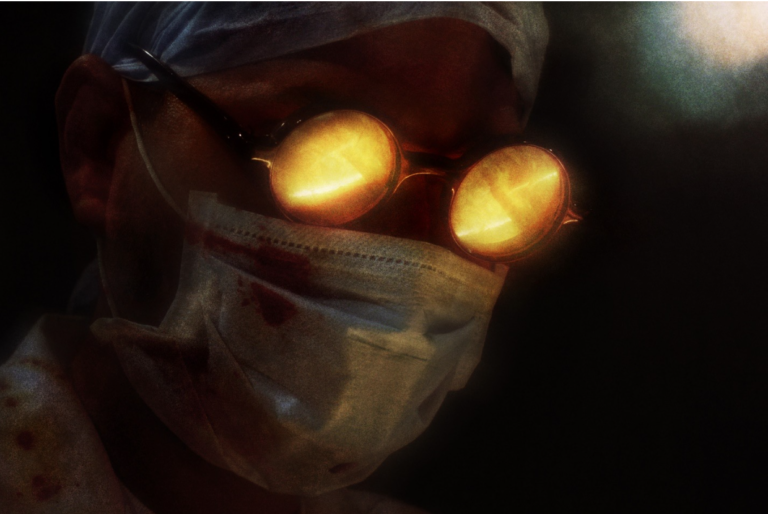
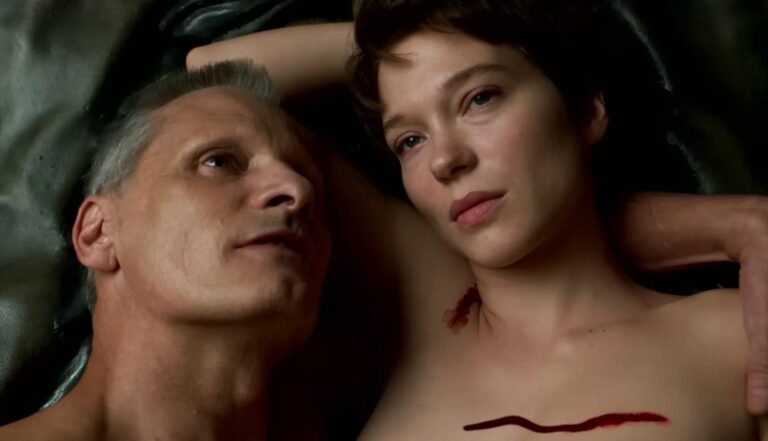
Crimes is set in a futuristic world, where not only is there high technological advancement, but people’s bodies are changing to a high extreme due to the faux environment. Is there a post-human evolutionary stage amidst them all? That’s what everyone seems to believe, especially when they see such avant-garde and squirm-inducing art pieces by Saul Tenser (Viggo Mortensen) and his partner Caprice (Léa Seydoux) in which they do surgery and tattoos on internal organs to a deferent audience. Tenser has a strange yet intriguing ability; he can grow new internal organs. This causes people to rethink the body’s possibilities and the broader exploration of tactility within such circumstances. These newly grown innards have no explicit function, but it is undoubtedly seen with high interest. Some want to shed light on this mutation, investigating it with a close eye. Since most people have evolved to the point where there isn’t a sensation of pain, they are interested in how far they can go with witnessing such acts. 

This creates a parallel with the critically-divisive Crash, in which people attended car crash simulations, or the character themselves caused the crashes in order to pursue a sexual climax. With this comes the instantly-quotable “surgery is the new sex.” In that world, sex and surgery are equivalent to one another since the lack of pain makes people explore what’s on the inside rather than on the outside, both figuratively and literally. Although the people attending these performances aren’t experiencing the acts themselves, it creates a sense of pleasure and sensual fulfillment – seeing the penetration from the surgical tools and pondering about how it might feel. In a way, the arrangements are the equivalent of pornography for them. One of the National Organ Registry investigators following them is Timlin (Kristen Stewart), whose obsessive behavior slowly changes the course of the path of Tenser and Caprice. There’s more to the story, but explaining further on would be a crime of its own. 

During the 75th Cannes Film Festival Q&A, David Cronenberg said that it is a coincidence that there are some thematic and narrative resemblances with some of his past work. And it is evident as you keep analyzing the film as the days go by. It alludes to the past while aiming for a new future; it’s not a return to form, but it is the visualization of a man motivated once again to dwell in the bowels of the expansive body horror genre that he harbored and forged. Another evident theme is the interconnection and differences between erotic violence and damaging ardor, and these are expanded upon in Videodrome, Dead Ringers, and Crash. Between those lines, there’s the aspect of what shapes and affects us. Cronenberg wants us, the audience, to think about these conceptions and question whether pain is the critical factor to pleasure or what we would do for satisfaction. Here, the world is very different, and the characters have found an exaggerated way to reach those levels of seductive fulfillment. Is something growing within helping us unwind and develop into something new? If it isn’t, will it curse that untried generation and torment it like a cancer? 

These assertions are all over his filmography in one way or another, but here it takes a more extensive enhancement. Should we succumb to these changes our bodies are making or resist them? Tenser is questioning that himself as he quotes: “I don’t like what’s happening with the body, which is why I keep cutting it up.” There’s much to inspect and study in Crimes of the Future, even if parts of the visual narrative might leave a bit more to be desired. As I have read elsewhere, I would have loved a grand operation finale, as it was teased through similar parts of the runtime, but I think it is for the better. It doesn’t need to exaggerate the conclusion just because it is body horror; the ideas implemented during the film are worth digesting on their own. One thing that might change a person’s viewing experience is if they indulge in the promotion. It isn’t as gory or provocative as it was initially sold as (even though Cronenberg did get his walkouts at the Cannes premiere in the first five minutes). Of course, like most of his features, it has its moments that will provoke audiences, yet Crimes of the Future is more restrained than one might have anticipated. 

It’s not a shock factor carnival ride. Instead, there’s a plot-heavier sensibility to the narrative; plenty of conversations that represent the idea of how people interact in that day and age (props to Cronenberg for his spectacular world-building). Within these interactions, you see jealousy and rivalry between performance artists and “lovers”, whispered relations of investigative relations, among others. However, this movie’s problem is that we don’t see the effect of this “new flesh” on that civilization outside of our leading trio. Nevertheless, it sets the correct atmosphere of unease and the element of the viewer exploring this world for the first time, thanks to cinematographer Douglas Koch and composer Howard Shore – who doesn’t miss when it comes to his collaborations with the Canadian auteur. The actors go all-in with whatever the director has on the table regarding the performances. Mortensen is always an intriguing lead, primarily when he’s collaborating with Cronenberg – they have a Scorsese and Deniro type of cinematic bond. But Léa Seydoux steals several, if not most, scenes from him. Seydoux is one of the most entrancing actresses working today, which further enhances her acting abilities, as her character is somewhat the opposite of what Viggo has to offer. 

While one brings on the darkness in the imagery, the other shines with radiance, giving a spark of humanity and elegance, even in the weirdest circumstances. That’s another aspect where Cronenberg excels; in the oddest of situations and acts, he still makes time for the characters to feel human and not just like other beings from outer space. On the other hand, Kristen Stewart goes on a more whispered and quirky side of acting, and it totally works, in my opinion. She doesn’t get to do much as a whole, but her overall presence adds to the various concepts and pictorial ventures. In the end, Crimes of the Future will be divisive, as expected from Cronenberg. Some will go with it while others won’t. Nevertheless, this was my most anticipated film of the year, and it didn’t disappoint. My favorite director still strives as one of the best in the genre. And although it doesn’t match up to Julia Ducournau’s work (Titane and Raw, which is my favorite film of all time), it presents some fascinating ideas about how we see the changes in our bodies, violence within the realms of eroticism (and vice versa), and the introspection of pleasure in a world without pain. Long live the new flesh, where the body is reality, both blood curdling and stimulating. Thank you, David Cronenberg!
 

Grade: A

Criterion Crunch Time: ‘Seven Beauties’

Critiques of all types of narrative media are full of overused sayings and cliches. “There are seven kinds of stories.” “Style over substance.” “It was all a dream.” “All’s well that ends well.” The list goes on and on. But today, let’s focus on one we have all heard hundreds, if not thousands, of times. “The journey is more important than the destination.” We hear this not only in analysis but maybe throughout our lives. Sometimes, this is said to placate us, to keep us calm and focused on the moment without getting overwhelmed. Sometimes, it is said to help us remember our mortality. The end journey is the same for all of us, in a long enough timeline. But film is different. A film has a specific endpoint, and it is not always a death. But one film that embodies this oft repeated phrase is Seven Beauties, directed by Oscar-nominee, Lina ​​Wertmüller.

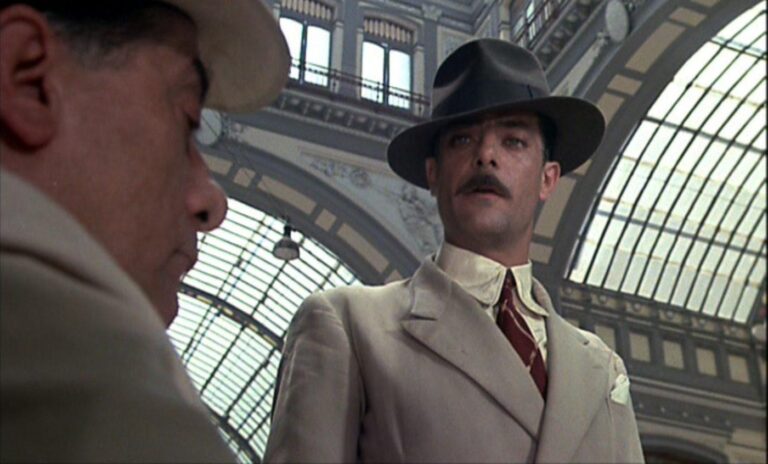
Put simply, Seven Beauties is the story of a fool. Put in a more complex way, it is the story of a fool who thinks himself wise and honorable. Pasqualino Frafuso (Giancarlo Giannini) is an Italian soldier, on the run with a compatriot. Seven Beauties tells his story and how, supposedly, a woman is to blame for his many predicaments, including being in war, being put in an internment camp, being arrested, the list could go on. When one reads examples of analysis of this film, there are many different readings, ranging from ​​Wertmüller being called a genius to accusing the director of being a female misogynist. Like most things, the truth for me lies in between.

Pasqualino is a fool and, in moments, a monster. He fancies himself honorable, even becoming violent towards his sister for becoming a prostitute. He continues his violence by killing her pimp, cutting up his body, and shipping it to three different Italian provinces. And yet, none of this is him at his most despicable. While in a mental hospital (to avoid prison), he rapes a female patient. Having your protagonist, especially a character we are meant to both laugh with and at, is a dangerous line for a film. ​​Wertmüller makes strong choices by mixing genre (specifically war and comedy) that will not work for all audiences. She makes a pointed choice to punish Pasqualino with another sort of rape later in the film. However, this is a sequence that uses the larger female form as a grotesquerie, so there is clearly mixed messaging. Pasqualino is punished for his sexual acts with a stereotypically attractive woman by being abused, humiliated, and used by a large, evil woman. So, if you desire to see the fool/villain punished, you receive it, but at the expense of other virtues. 

Seven Beauties is a strange movie, one that is hard to believe exists. Making a comedy, and not a full satire, about world war is a tall order. ​​Wertmüller is in a class of her own when twisting tones to fit her ends. She is able to make us both laugh with Pasqualino and revel in his punishments, with much thanks to Giannini’s ultra expressive face and eyes. At many points, especially because the film opens with Pasqualino and a fellow soldier, the audience may expect to move away from this sometimes vicious fool. But ​​Wertmüller won’t allow this, forcing our eyes to a man that seems unforgivable and toxic. And he is, but despite what our history with narrative tells us, maybe war is not made for heroes, but for survival and unforgivable acts repeated ad nauseum. 

But back to the journey. At the beginning, as mentioned, Pasqualino is affronted by the idea of his sister’s virtue being tainted through promiscuity and prositution. At the end of the film, after all, he has gone through to survive (including actual murder of a friend), he returns home to find nothing has changed and a woman he loves has turned to the same vice in order to survive herself. But Pasqualino is a changed man, he now understands what he needs to survive after being faced with fascism. Strength in numbers. He wants to propagate, to provide his own army of family. A family he has essentially rejected before his journey. So truly, nothing has changed externally, but internally, Pasqualino, whether you like him or not, has changed internally enough to adapt to the fascist world at his doorstep.  

Seven Beauties is a film that has and will continue to divide. There are moments of beauty and grace, wrapped up with disgust and horror. It is a difficult movie to enjoy, but I cannot deny the skill and mastery of ​​Wertmüller. She managed to bring me along on a journey I could not have wished on myself, and yet, much like the evil female Nazi, there is a core of humanity and fear within Pasqualino that is a part of all of us. We all, when faced with terror, have the human desire to survive, even if Pasqualino is a man I would never want to survive with, side by side.

Podcast: Gladiator / On the Count of Three – Extra Film

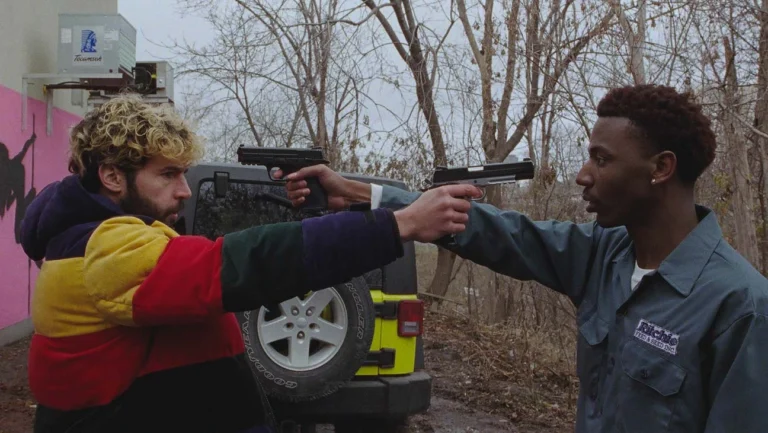
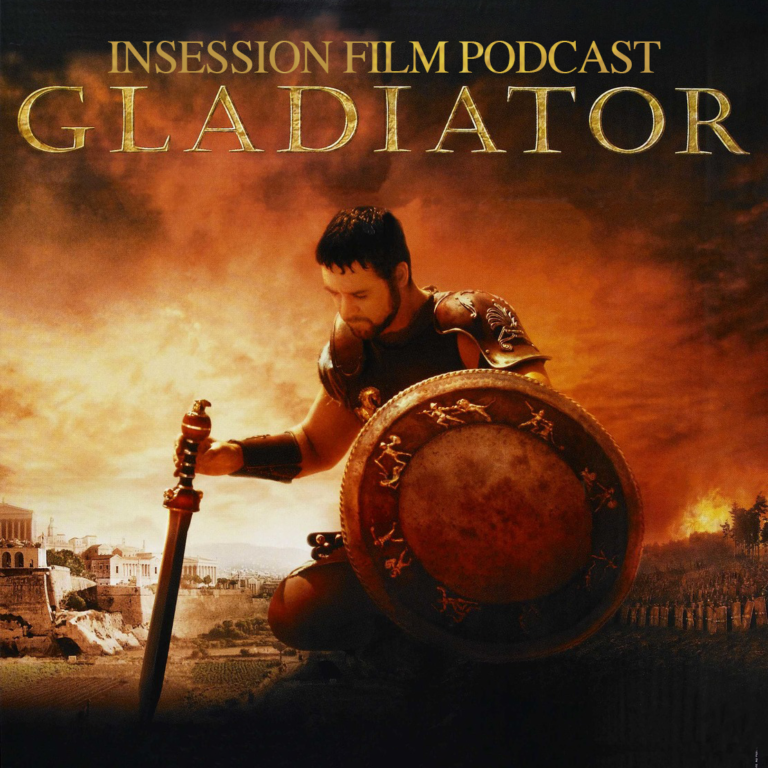
This week on the InSession Film Podcast, Ryan and Jay are joined by Kevin Lee as they continue their Ridley Scott Movie Series with Gladiator and they also review Jerrod Carmichael’s directorial debut in On the Count of Three!

Winning the Oscar for Best Picture these days almost seems to be a death sentence in film discourse, and while Gladiator won over 20 years ago, its reputation has still fallen victim to it with many questioning its true quality. However, Gladiator makes a great case for its win as it still holds up greatly in many ways, and we had a great time discussing it this week. And say what you will about On the Count of Three, but the film is at least aiming for something interesting, even if it falters in execution.

On that note, check out this week’s show and let us know what you think in the comment section. Thanks for listening and for supporting the InSession Film Podcast!

– Movie Review: Gladiator (4:15)
Director: Ridley Scott
Writers: David Franzoni, John Logan, William Nicholson
Stars: Russell Crowe, Joaquin Phoenix, Connie Nielsen

– Movie Review: On the Count of Three (1:14:35)
Director: Jerrod Carmichael
Writers: Ari Katcher, Ryan Welch
Stars: Jerrod Carmichael, Christopher Abbott, Tiffany Haddish

– Music

Homecoming – Hans Zimmer
It’s a Great Day to be Alive – Travis Tritt
The Return of the Eagle – Atli Örvarsson

Subscribe to our Podcasts RSS
Subscribe to our Podcasts on iTunes
Listen on Spotify
Listen on Stitcher
Extra Film – Gladiator / On the Count of Three

[divider]

To hear this Extra Film episode and everything else we do, download our apps on the Amazon Market for Android and the Podcast Source app on IOS devices. The mobile app covers all of our main shows, bonus podcasts and everything else relating to the InSession Film Podcast. Thanks for your wonderful support and for listening to our show. It means the world to us.

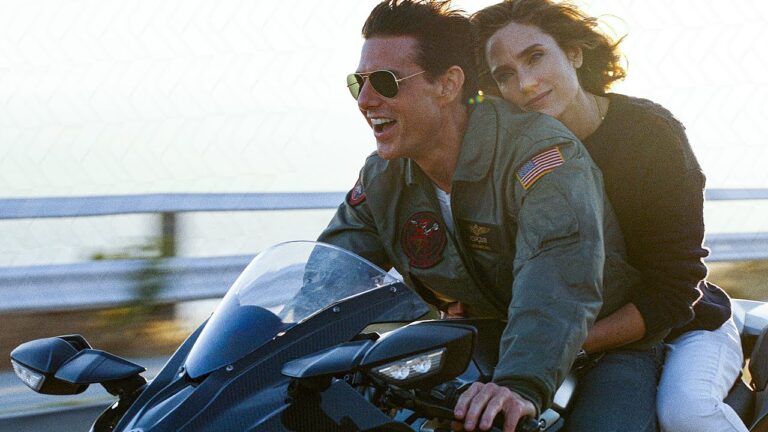
Movie Review: ‘Top Gun: Maverick’ is a Spectacle that Sets the Standard for the Summer Blockbuster


Director: Joseph Kosisnski

Writer: Ehren Kruger, Eric Warren Singer, and Christopher McQuarrie

Stars: Tom Cruise, Jennifer Connelly, and Miles Teller

Synopsis: After more than 30 years of service as one of the Navy’s top aviators, Pete Mitchell is where he belongs, pushing the envelope as a courageous test pilot and dodging the advancement in rank that would ground him.


“This Movie has been 36 years in the making.” – Tom Cruise

These were the words that came before the Early Access IMAX Premier screening. These words have been the mantra for this film. Since Infinity War was playing in theaters, it’s been advertised and had two years of pandemic theatrical release delays. And now, it is finally here. And I can confidently say that it has entered the Danger Zone. 


The 40 year sequel has become a craft unto itself in recent years. From Blade Runner 2049 to Star Wars: The Force Awakens, there has been a rush of nostalgia for the late 70s/early 80s in the late 2010s. Even pop music has skewed towards that nostalgia with Dua Lipa’s “Future Nostalgia” and The Weeknds “After Hours.” Top Gun: Maverick is the latest in this trend, but its approach to nostalgia feels unlike any other film to date. It’s the only 40 year sequel to keep the same lead actor from the first film. And it’s a film that doesn’t look to superficial 80s elements to remind us of the past. 

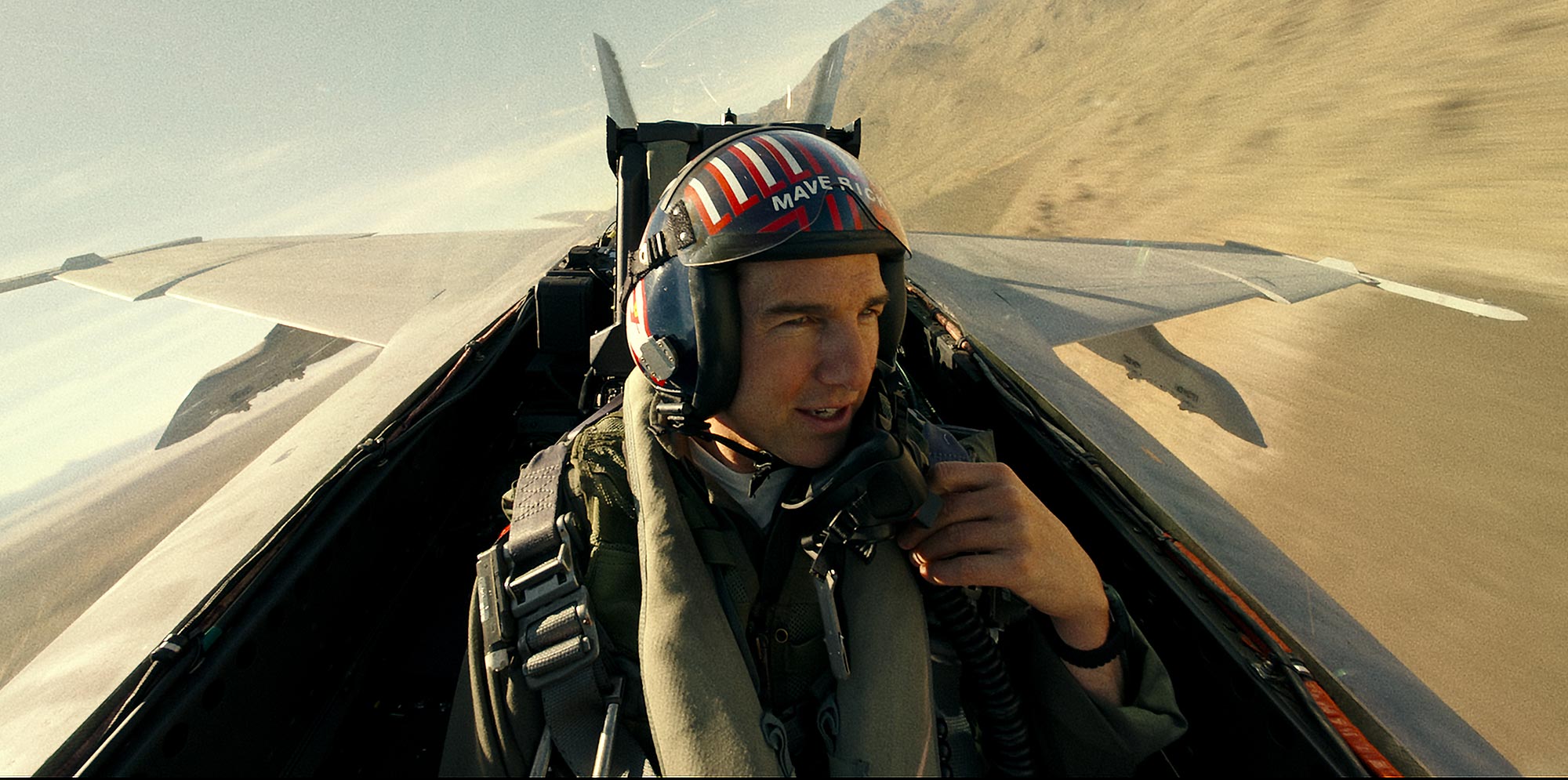
Rather, Top Gun: Maverick uses its visual style and stuntwork to be the most 80s movie of the bunch. Cinematographer Claudio Miranda uses every moment to accentuate the emotions of characters through the picture. Lens flares, blooming, and highly saturated colors are employed expertly to achieve this goal, and that technical flair feels deeply reminiscent of 80s action cinema. The film is staggeringly beautiful at every level, from its mind-blowing action set pieces to the smallest of intimate moments. 

And those intimate moments are what shine through this summer blast. By blending nostalgia and intimacy, Top Gun: Maverick manages to be more sincere than its predecessor. Screenwriters Ehren Kruger, Eric Warren Singer, and Christopher McQuarrie all show a love and admiration for the first film while laying the groundwork to deepen the character relationships often ignored. Penny, a previously mentioned character in the first film, is introduced with agency and emotional depth and it marks a major step up when compared to the first film’s shallowly written love interest, Charlie, played by Kelly McGillis. Val Kilmer is expertly integrated into the film, in spite of his lost voice after a throat cancer surgery in 2015. Maverick’s own character arc is given emotional weight as he is forced to change over the course of all 131 minutes of the film. 

But it’s not just the old character relationships that have been expanded. The new cast all have their own journeys through the film, which gives weight to Maverick’s teaching. Rooster, Phoenix, Hangman, and Bob are just a few of the new aviators who undergo major changes in the film. Amelia, Penny’s daughter, packs an emotional haymaker in her small role. It’s that care and delicacy that allows Top Gun: Maverick to be more than just a summer blockbuster. 

And all of this is only possible thanks to the work of director Joseph Kosinski and his dedicated crew. Every single element is firing on all cylinders; from the score to the performances, and the editing. Kosinski’s all-in attitude towards action is mirrored in the small scenes; nothing feels out of place or treated as lesser. Even the smallest exchanges between Rooster and Hangman are given as much importance as the big setpieces. Kosinski holds on shots to make awkward scenes funny, and funny scenes lonely. These are examples of the stellar direction that keeps everything deeply personal, in both the big and small moments.

Adding to this are the performances that Kosinski gets, which are all impeccable. Regardless of how small the role is, there is a good performance on display. Tom Cruise continues to exude that boyish charm from the first film, but here it is with an added melancholy that makes this one of his best performances of the past decade. Jennifer Connelly, playing Penny Benjamin, manages to feel familiar in spite of her not being a part of the first film. Miles Teller is phenomenal as Bradley ‘Rooster’ Bradshaw, being instantly charismatic and emotionally isolated through fantastic facial acting. And Glen Powell’s work as Hangman is truly electric, being both infinitely charming and arrogant in every sequence. These larger roles are matched by the supporting cast, comprised of Jon Hamm, Val Kilmer, Bashir Salahuddin, Charles Parnell, Monica Barbaro, Lewis Pullman, and Lyliana Wray. Each actor and actress bring in the sincerity needed for this love letter to Top Gun, and it’s fascinating. 

Perhaps it’s all of this sincerity that brings out the one weakness present in the film: Maverick may be placed front and center, but the other characters also have arcs that would be worth exploring. Hangman, Bob, Phoenix, and Rooster all have arcs that we see the results of, but the film needed to spend a little more time in the middle putting this process front and center. Penny and Maverick fall in love over a handful of scenes, and it’s beautiful… but I want more. I don’t know if it is fair to ask for more from a film that is so lovingly crafted and paced brilliantly to be the best thrill ride of the summer, but those extra characters really could have used some extra screen time to really show the impact of Maverick’s teaching. 

But aside from that, Top Gun: Maverick will take your breath away. The sound design and mix are truly breathtaking. From the low rumble of an engine to the rushing air, this film truly puts you in the cockpit alongside these aviators. This is a film that is worth the IMAX experience because its sound quality is unlike anything since Ford V. Ferrari. It’s propulsive, loud, powerful, and beautiful. This works in tandem with the film’s editing, which accentuates every beat of the story perfectly. Dogfights feel faster and more kinetic than ever before; and on the ground, Maverick’s loneliness is pitch clear.

All of these elements come together to form one of the biggest third acts in recent cinema. The tension is ratcheted all the way to eleven, the stakes are crystal clear, and the audience cares for each and every pilot. Every decision the characters make matters, and the film captures these maneuvers in real life. It wouldn’t be a Tom Cruise production without it, and that very real, very dangerous approach to stuntwork and setpieces put Top Gun: Maverick at the top of its class. The third act is constantly evolving, with call backs to this film, and will hold you at the edge of your seat. This is a flight worth taking this summer and sets the bar for every other blockbuster that follows it. 

Score: A-

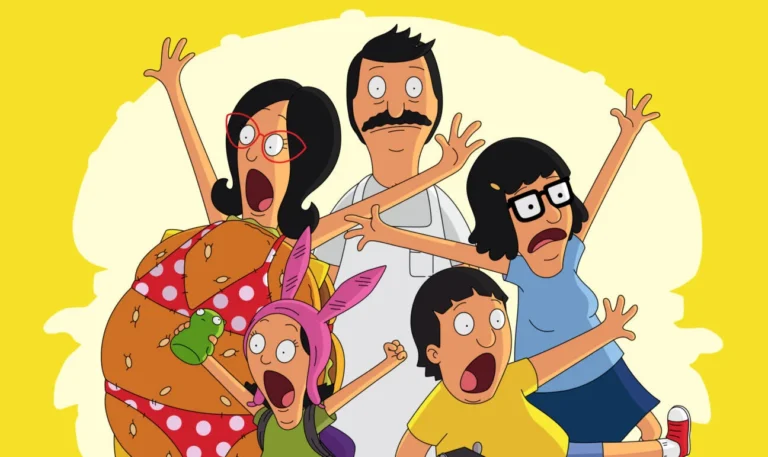
Movie Review: ‘The Bob’s Burgers Movie’ is a Sumptuous Feast


Director: Loren Bouchard, Bernard Derriman

Writers: Loren Bouchard, Nora Smith

Stars: H. Jon Benjamin, John Roberts, Kristen Schaal

Synopsis: The Belchers try to save the restaurant from closing as a sinkhole forms in front of it, while the kids try to solve a mystery that could save their family’s restaurant.


There are millions of us out there who have been delighted the last twelve years by a strange, joyful, ride or die family unit. The Bob’s Burgers Movie isn’t a culmination or an aberration of all that’s come before it. It’s a new layer between the bun and the patty. It’s the fresh ingredient in one of Bob’s Burgers of the Day, like a complex umami flavor that may make you cry, in a good way. The film delves deep into, and builds upon, the lore of this richly developed world to satisfy the most die hard fan. Though, what’s all that to someone who has never seen the show, but is intrigued by the movie or the fan that’s on the fence about spending money to catch something they get in twenty-two shorter installments throughout the year? Well…

Directors Loren Bouchard and Bernard Derriman pulled out all the stops with the animation. The Belchers move in ways they haven’t been able to move on screen. In addition to slick computer enhanced backgrounds, thecharacters dance like nothing else in animation because while it is choreographed like a musical with characters matching moves, each character has their own moves that are somehow uniquely them even though they’ve nver moved like that before. There’s one scene that will make your head spin. The Belcher kids go to meet their carny friend Mickey to get information to solve the central mystery. The carnies have their song and terrific dance, but then Louise, the youngest of the Belcher kids, joins the song and does her own dance and the depth of field changes with her profile in close up and the carnies below her. The sequence makes you forget that someone had to draw those moves, had to build those sequences with two dimensional characters. The level of detail in just this sequence alone is astounding. It really is gorgeous to look at and it is a visual feast on the big screen.

The TV show has always had these kinds of dance numbers and songs, and for the movie, the filmmakers hired highly talented duo of Loren Bouchard and Nora Smith to give the music that extra oomph. The featured songs are classic Bob’s Burgers. They’re the perfect combination of catchy, silly, layered, gross, weird, and emotionally resonant. The portion of the opening number, “Sunny Side Up Summer,” that belongs to Louise is incredibly poignant and true to the character’s hidden vulnerability. These songs make an incredible addition to the already glowing canon of great songs from the show.

Many dismiss the talents of an actor in a vocal performance, but none should doubt the prowess of the incomparable Kristen Schaal. She has added so much to the character of Louise over the years. In The Bob’s Burgers Movie, Schaal brings the full range of who Louise is as a person to bear. With Schaal’s talent behind the microphone, Louise is a fully fledged person. Schaal brings life, joy, and song to the role. The whole family gets a chance to shine in the film, but it’s Louise who steals every scene and Schaal whose performance shines through.

It’s true that in Bob’s Burgers fashion, every member of the family is a part of the story and the story of The Bob’s Burgers Movie has everything. The plot is a mix of rapid fire comedy, mystery/thriller, coming of age, and a family economic drama. The credited writers Loren Bouchard and Nora Smith bring the kind of tight plots we expect from the show as well as a bit of fan reward around every corner. They don’t stop to explain everything to those new to the Belchers, but are able to work years of history into some throw away and accessible lines. If there was one disappointing thing within the plot, and a small mark on an otherwise perfect film, it’s that the mystery plot feels much like a previous plot used in the show and resolves a little like that original plot. It’s different enough to still be enjoyable, but a small let down nonetheless.

There’s enough in The Bob’s Burgers Movie to satisfy the die-hards, the casual watchers, and the neophytes alike. It’s hilarious, joyous, and extremely heartfelt. The best thing about the Belchers, whether they’re on the big screen or the small, is that they’re a family who supports and loves each other no matter what. They may make each other crazy sometimes, but at the end of it all, they’re family and they’re there for one another. The Bob’s Burgers Movie is the perfect meal for any movie goer.

Grade: A


Coming to Shudder: June 2022 — Undead Gems

Shudder’s collection is incredibly vast and varied. They curate classics, new releases, and cult favorites. I can always find something to watch, no matter which subgenre I’m in the mood for. 


Here are a few of the under-seen gems that Shudder will be resurrecting in June 2022:


June 1:

Daughters of Darkness (1971)

Director: Harry Kümel

Starring: Delphine Seyrig, John Karlen, Danielle Ouimet & Andrea Rau


Do your loins a favor and kick off Pride Month with this fabulous, sapphic vampire film! For centuries, Countess Báthory has been glamouring gorgeous women to drain them of their blood. Now, the Countess and her female lover have set their sights on young newlyweds, Valerie and Stefan, at a luxurious vacation resort in Belgium. Opulent, surreal, and expressionistic, Daughters of Darkness is one of the best queer vampire films of the ’70s! If you only know Delphine Seyrig for her iconic work as Jeanne Dielman in Chantal Akerman’s masterpiece Jeanne Dielman, 23, quai du Commerce, 1080 Bruxelles, I highly recommend checking out Daughters of Darkness to see a completely different side of her range.


Eye of the Cat (1969)

Director: David Lowell Rich

Starring: Michael Sarrazin, Gayle Hunnicutt & Eleanor Parker


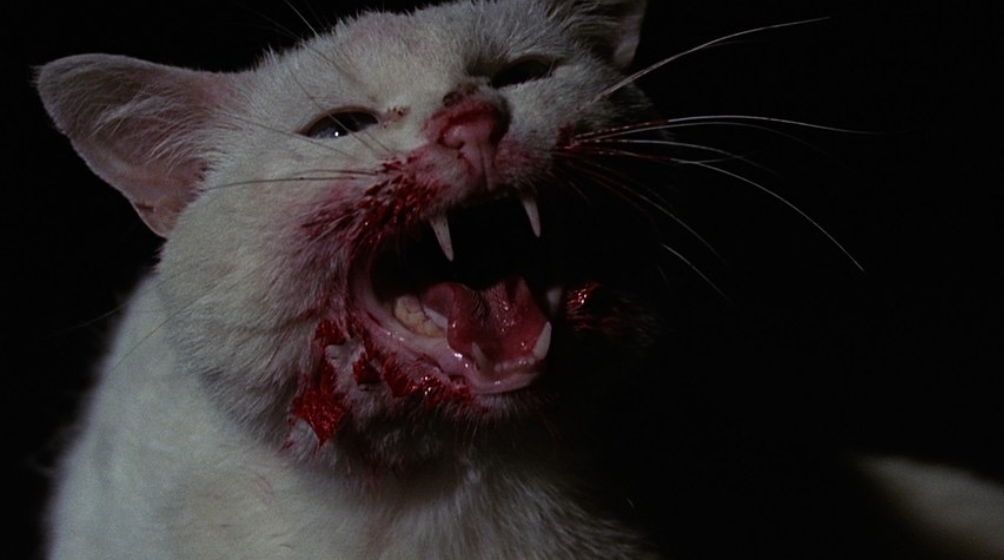
Three-time Oscar-nominee Eleanor Parker veered into lite hagsploitation territory with this film written by Joseph Stefano, who adapted Psycho for Alfred Hitchcock. Parker plays Aunt Danny, a wealthy woman who announces that she plans to bequeath all of her vast fortune to her many cats when she dies. Subsequently, Aunt Danny’s beauty parlor attendant, Kassia, hatches a scheme with Aunt Danny’s nephew, Wylie, to murder her before she can give everything to her pets. The problem is that Wylie has a severe phobia of cats, having been attacked as a child, and Aunt Danny’s cats are especially vicious. Wylie and Kassia quickly discover that these ferocious pussies do not take too kindly to attempts on their beloved biddy’s life.

In the Mouth of Madness (1994)

Director: John Carpenter

Starring: Sam Neill, Julie Carmen, Jürgen Prochnow, Bernie Casey & Charlton Heston 


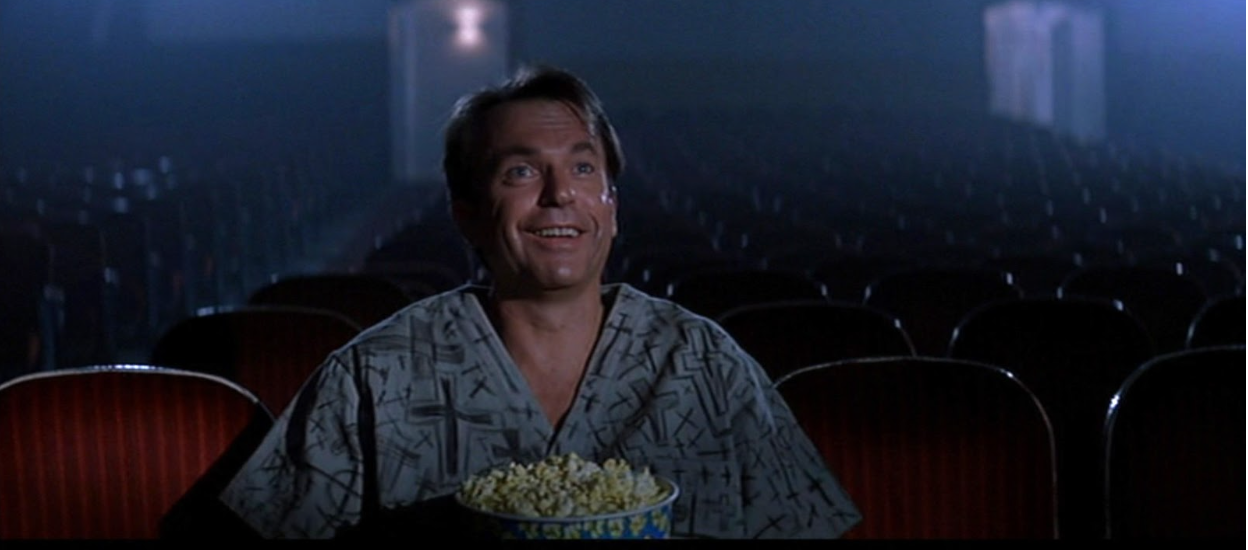
The real ones know: In the Mouth of Madness is top-tier Carpenter. It’s the third film in his thematic Apocalypse Trilogy, following The Thing and Prince of Darkness. Here, Sam Neill plays an investigator hired by a publishing house to find their off-the-grid bestselling horror author, Sutter Cane. The investigator’s search takes him to a small town that bears an uncanny resemblance to Hobb’s End, the fictional setting of Cane’s macabre novels. What at first appears to be the source of Cane’s inspiration may instead be an incarnation of his lurid mind… There are a lot of folks online who are convinced that we’re living in a computer simulation, but this film gets me thinking that we’re actually characters in a horror novel. That’s probably because it’s such a superbly nightmarish dissection of reality, fantasy, imagination, and religion. 


June 2:

Alligator (1980)

Director: Lewis Teague

Starring: Robert Forster, Robin Riker & Michael V. Gazzo


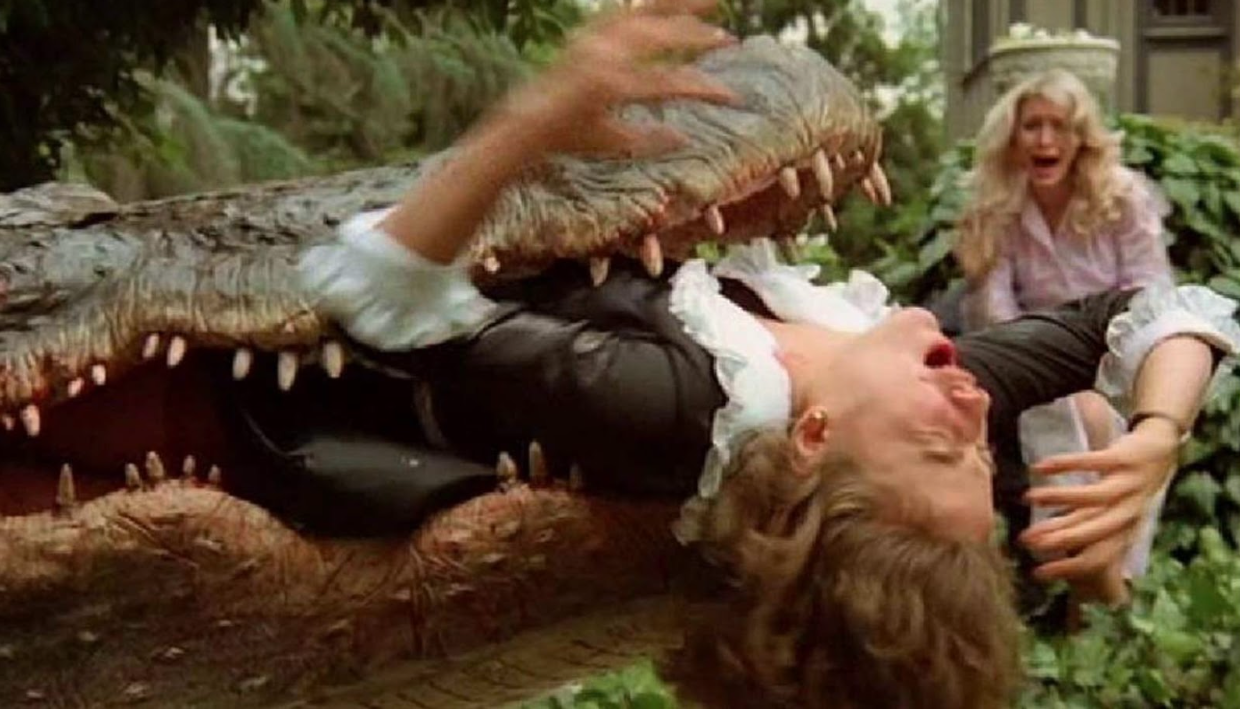
This marks the first time ever that Alligator will be available on SVOD. Even better, Shudder will be platforming a new print scanned from the original camera negatives! I, for one, cannot wait to watch a giant sewer alligator tear apart and feast upon hapless Chicagoans in sharp detail. For 12 years, this alligator named Ramón, having been flushed down a toilet as a baby by a family that didn’t want it as a pet anymore, has been feeding on the carcasses of dead science lab animals that had been used to test experimental growth hormones. So, of course, the ’gator is now very big. And it’s very hungry. Shudder is also releasing Alligator II: The Mutation, the direct-to-video sequel, on June 2 as well. Part two stars Dee Wallace, Brock Peters, and Kane Hodder. 


June 20:

The Freakmaker (1974)

Director: Jack Cardiff

Starring: Donald Pleasence, Tom Baker, Julie Ege & Michael Dunn


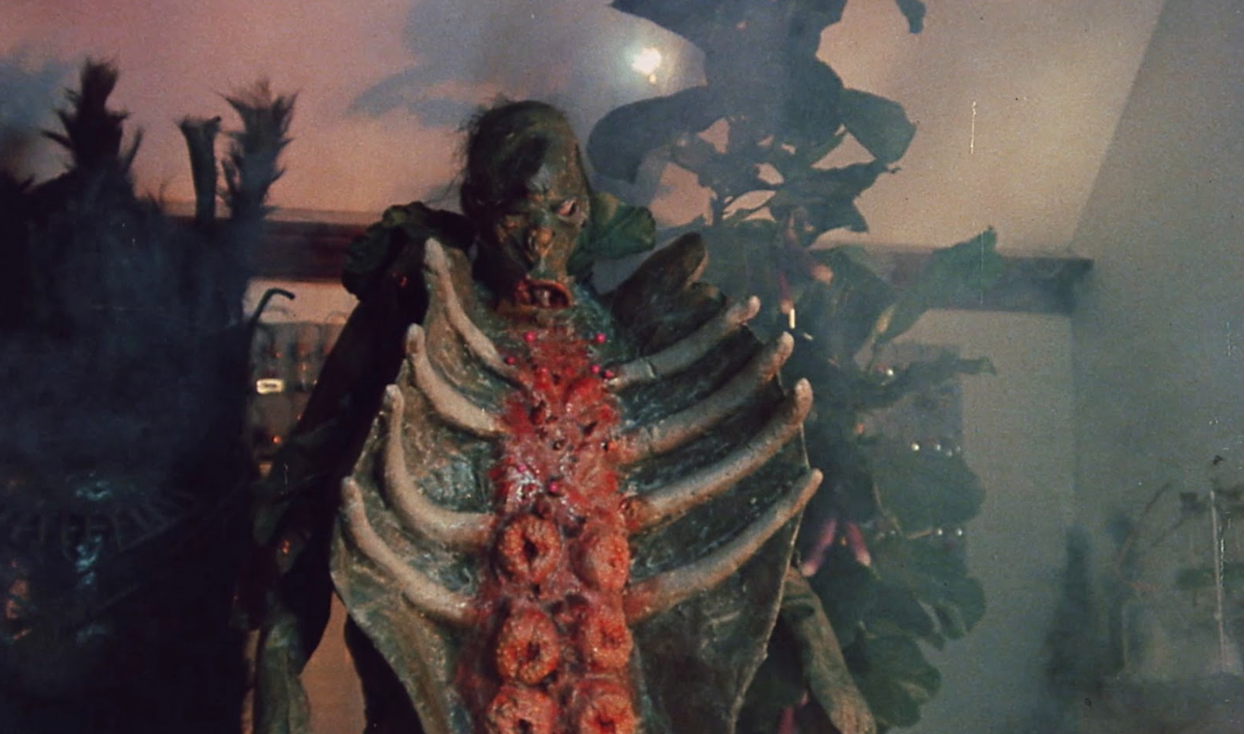
The demented Professor Nolter believes that the best way to save mankind from an uncertain environmental future is to crossbreed humans with plants, specifically the Venus flytrap, to create a new superior race of beings. He performs his immoral gene-splicing experiments on abducted college students with little success, turning the failed ones into disfigured anomalies before jettisoning them off to an abusive carnival for exploitation. Naturally, the mutated pupils eventually choose to seek payback. Often compared to Tod Brownings’ Freaks, this final film in Jack Cardiff’s eclectic directorial career features a supporting cast of actors with real physical abnormalities.

Grizzly (1976)

Director: William Girdler

Starring: Christopher George, Andrew Pine & Richard Jaeckel


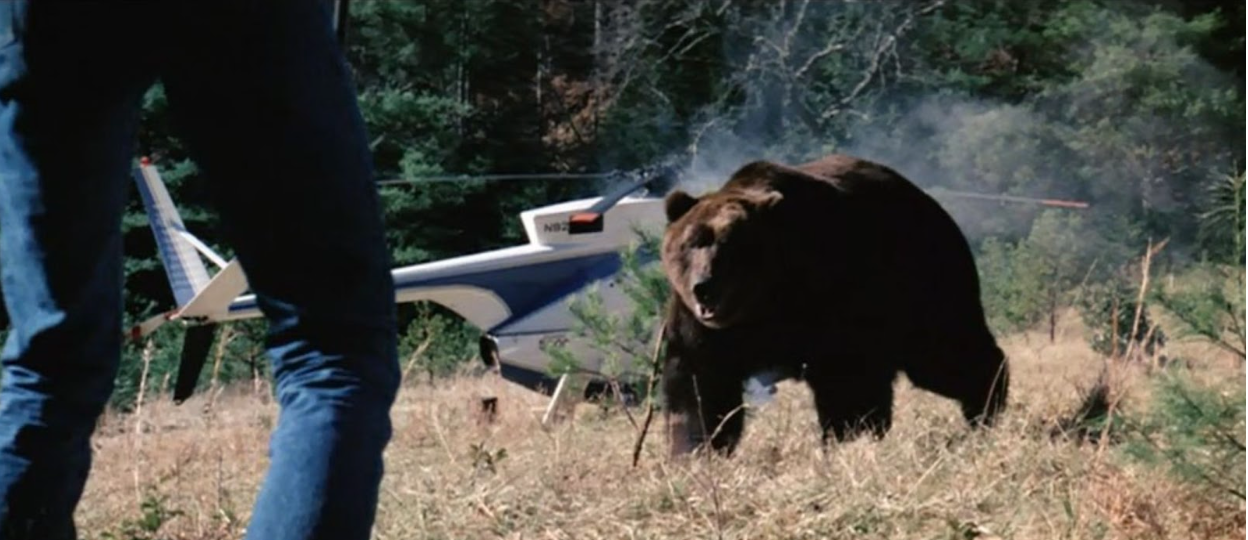
In the first film by William Girdler dropping on this day, an 18-foot grizzly bear sets out on a murderous rampage in a national park at the height of tourist season—killing hikers, hunters, and anyone else who happens to be there. Rangers want to close the park to end the carnage, but administrators want to keep it open for cash flow reasons. Wait… doesn’t this sound familiar? Yes. That’s because Grizzly is a shameless land-bound ripoff of Jaws, released less than a year later and co-starring a real-life trained bear (not an animatronic). But audiences didn’t care that Grizzly is just Jaws in the woods. It grossed over 30 million dollars worldwide and paved the way for Girdler’s next film…

Day of the Animals (1977)

Director: William Girdler 

Starring: Christopher George, Leslie Nielsen, Lynda Day George & Richard Jaeckel 


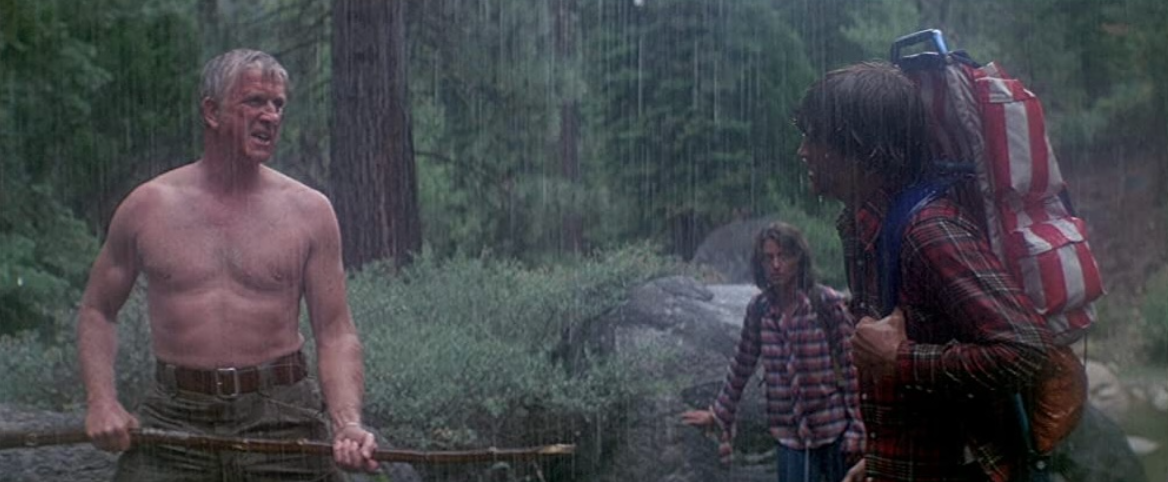
If a shirtless pre-Airplane! Leslie Nielsen isn’t enough of an incentive for you, then I don’t know what is (also check your pulse, you prude). Day of the Animals is often cited as a sequel to Grizzly, although it’s really not. They share the same director, a few actors (playing different roles), and a similar-ish plot, but Day of the Animals is not a narrative continuation. It’s a new story that ups the man vs. beast ante by weaving in a layer of eco-horror. The degradation of the ozone, due to the overuse of harsh man-made chemicals, has increased the UV intensity for an alpine town in Northern California. This drastic change in climate has taken a devastating toll on the surrounding fauna. Their aggression towards humans has ramped up, but it’s not just bears this time. Mountain lions, wolves, snakes, rodents, vultures, and eagles all have a taste for human flesh now. And, honestly, can you blame them?

Coming to Shudder: June 2022 – New Original & Exclusive Films

Shudder is not just a strong proponent of horror classics and hidden gems. They are also champions of fresh voices within the genre. Every month, they add a few new features to the platform.


Here’s what’s coming to Shudder in June 2022:

June 10

Offseason

Director: Mickey Keating

Starring: Jocelin Donahue, Joe Swanberg, Richard Brake & Jeremy Gardner


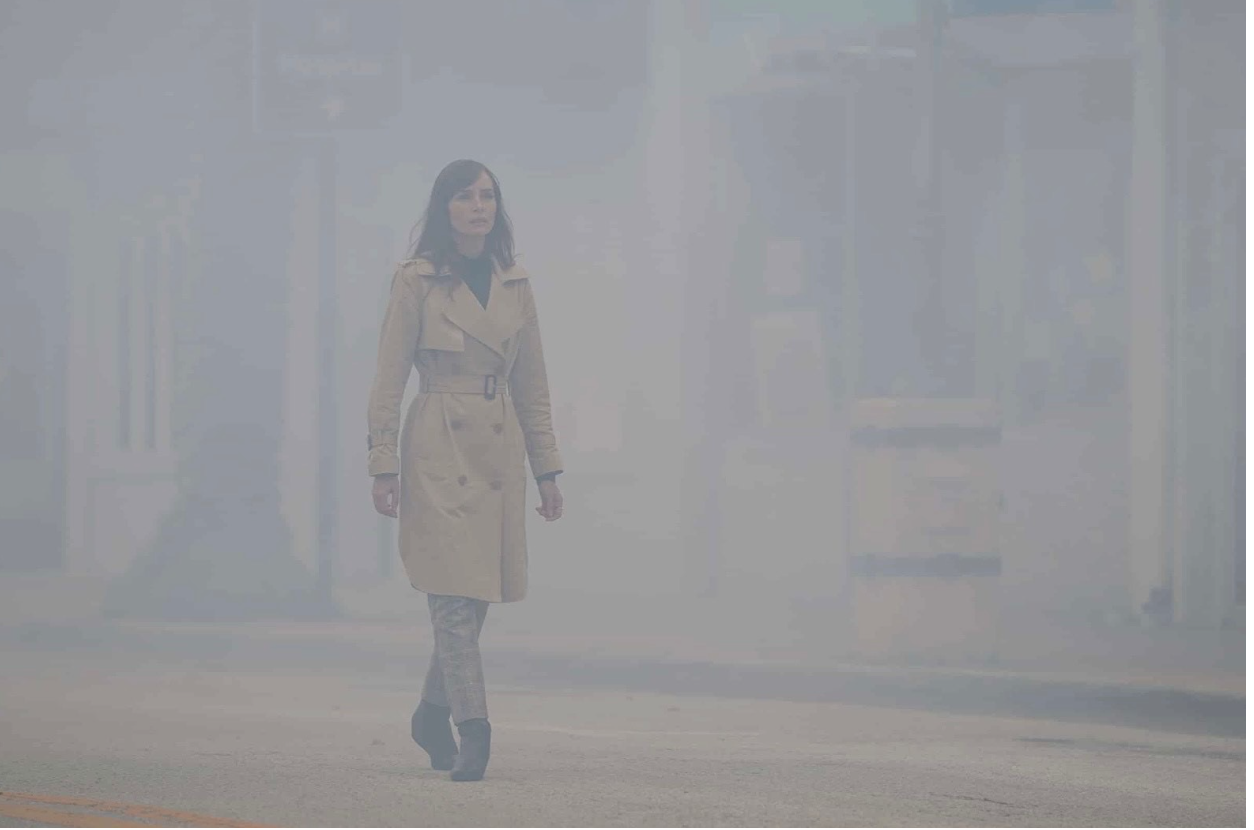
When Marie receives a message saying that her late mother’s grave site has been wrecked, she and her partner travel to the foggy island community where her mother was buried. They soon discover, once the island closes for the season, that a mysterious presence lurks in the fog and something is wrong with the townspeople… Offseason screened at SXSW in 2021, and critics were quick to praise the film for its thick atmosphere and compared it to Silent Hill – both narratively and stylistically.

June 16

Mad God

Director: Phil Tippett

Starring: Alex Cox, Niketa Roman & Satish Ratakonda


Currently one of Letterboxd’s Top 250 Horror Films, six-time Oscar-nominated visual effects artist Phil Tippett makes his directorial debut with this horror-fantasy stop-motion extravaganza that took 30 years to make. Featuring a cast of monsters, mad scientists, assassins, zombies, and “war pigs” ( oh my!),  this film has it all. The intricate miniatures and innovative filmmaking techniques earned Mad God the Most Groundbreaking Film award at the Fantasia International Film Festival.

June 23

Revealer

Director: Luke Boyce

Starring: Caito Aase, Shaina Schrooten & Ray Bishop


In this darkly funny survivalist film, an exotic dancer and an evangelical picketer become trapped in a neon-soaked adult bookstore/peepshow venue at the dawn of a satanic apocalypse, in late 1980s Chicago. Together, they must fend off nightmarish beasts and perhaps even the Dark Lord himself if they want to live. Creatively shot under strict Covid guidelines, Revealer premiered at this year’s Panic Fest to rave reviews. Vault Comics will be releasing a tie-in comic book later this summer that will expand the world of the film.

June 30

The Long Night

Director: Rich Ragsdale

Starring: Scout Taylor-Compton, Nolan Gerard Funk, Deborah Kara Unger & Jeff Fahey


For years, Grace has been struggling to locate the family she’s never known. Then one day she receives a call from an investigator saying he has a lead, so she and her boyfriend travel from NYC to the Deep South to check it out. Their trip takes a weird and frightening turn when a scary cult decides to terrorize the couple in order to fulfill a generations-old doomsday prophecy. By the sounds of it, The Long Night could be a solid addition to Shudder’s excellent Folk Horror collection.


Op-Ed: Todd Hayne’s ‘Far From Heaven’ Honors Sirk’s ‘All That Heaven Allows’ In The Best Way Possible

Many current filmmakers aim, and miss, for the past glory of the golden age of Hollywood, whether that be adapting the life stories of history’s biggest stars into standard biopics, trying to capture the complexities of the studio system, or using distinctly outdated aesthetics as a creative gimmick. The 1950s is a decade particularly difficult to nail down, marked by post-war ennui, the early days of the Civil Rights movement, and the gender binary as divided as ever. As a result, our filmmakers often portray this decade as one-dimensional, its inhabitants both suspiciously self-aware and oblivious to their current social situation. Todd Haynes, on the other hand, has time and time again presented us with mid-century stories that defy all expectations, paying tribute to the era of filmmaking while containing a strong air of verisimilitude. This is perhaps most evident in his 2002 film Far From Heaven, which owes its existence to the master of melodrama, Douglas Sirk.

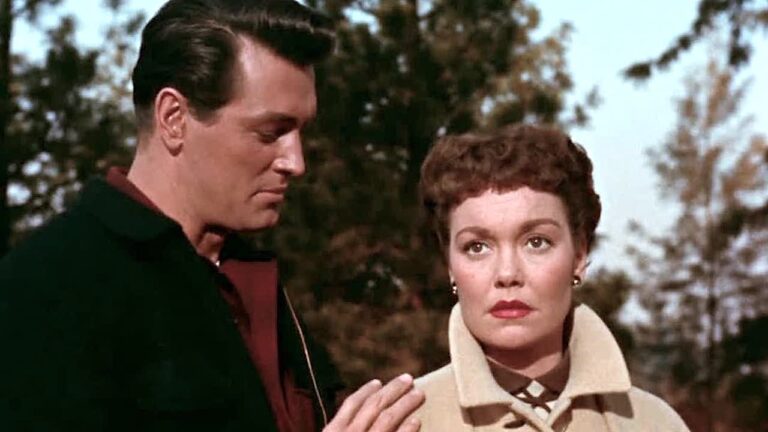
Director Douglas Sirk made what we retroactively call “Woman’s Pictures”, that is, as it says on the tin, films made during the studio era directly appealing to female audiences and concerning the real-life social, political, and cultural struggles of women, often in an a domestic, urban environment (think Stella Dallas, Jezebel, Dark Victory, Mildred Pierce, Now, Voyager). Popular in the 1930s and 40s, Sirk brought these themes to the technicolor screens of the 1950s, with such titles as Magnificent Obsession, Imitation of Life, and All That Heaven Allows, the latter title being the primary inspiration for Hayne’s Far From Heaven. All That Heaven Allows stars woman’s picture-regular Jane Wyman as an upper-class middle-aged widower with two grown children whose relationship with the working class, young landscaper played by Rock Hudson stirs controversy in her WASPy stiff upper-lipped town in Connecticut. The film was remade in 1974 by fellow Sirk admirer Rainer Werner Fassbinder as Fear Eats the Soul, this time setting the story between a middle-aged German woman and an Algerian immigrant in Berlin. This version of the film features aspects that Sirk probably wished he could have included if not for the dreaded Hay’s Code, which included depictions sex and racial intermarriage. Borrowing aesthetics from Sirk, and themes from Fassbinder, Haynes presents a film that is decidedly American and perhaps the greatest tribute to a past director ever made.

From the start, Far From Heaven is striking in its visual appearance, so closely resembling 1950s small-town America with no hint of cynicism or artificiality. We soon meet Cathy, played by the timeless Julianne Moore, a seemingly perfect housewife of a successful businessman with two young children and a housekeeper played by Viola Davis in a pre-star role. Her perfect world is soon shattered when she discovers that her husband Frank, played by Dennis Quaid, is secretly gay and has been having multiple anonymous sexual encounters around town. At first, the couple are determined to stay together and seek psychological treatment for Frank’s “condition”, their marriage soon crumbles. In the meantime, Cathy begins confiding in Raymond, her gardener, played by Dennis Haysbert. Though innocent enough, Cathy’s gossiping neighbors soon show their disdain for her spending so much time with a Black man.

Haynes, like Sirk, presents us with a world illuminated by colorful lighting and rich jewel tones to cast this town almost like an American kingdom, one with established customs and rules that hold it together. The design of this world never goes past believability, but indicates a certain refined beauty that can only exist in a world that remains ignorant to its own ugliness. In one particularly evocative scene, Cathy’s lilac chiffon scarf gets caught by the wind and flies over her house, only to be retrieved by Raymond, her knight in shining flannel. This cliché would appear as tacky, and perhaps corny, if handled by any other director, but in the hands of Haynes, whose entire filmography has rejected cynicism in favor of sincerity, it is not a joke, parody, or pastiche; nor does it serve any purpose besides bringing two characters together in a moment of wistful beauty. Through such moments, Haynes makes the argument that beauty inherently justifies its existence.

That is not to say the film lacks self-awareness. The very placement of Moore as the idealistic, central figure in a story that deals with homophobia and racism is a clear indictment of our often misguided sympathies towards white women in moments of despair, and reflective of the sheer star power women held in the Golden Age of Hollywood, a stardom that was fading by the 1950s and is practically non-existent today. Cathy’s dilemma is not her personal struggle with the many forms of discrimination that plague American society, but her awaking to its existence, and the destruction of her perfect world so wonderfully maintained by her ignorance. While borrowing acting cues from stars of decades past, Moore’s performance never falters in its sincerity, setting the tone for the rest of the film.

The legacy of these aforementioned female stars continues to be perpetuated by queer communities, specifically gay men and drag queens house impersonation as a form of worship. It is easy to see why as a gay man, Haynes (and Fassbinder) saw a disguised form of representation in the films of Douglas Sirk. The casting of gay Hollywood legend Rock Hudson aside, Sirk’s technicolor worlds of glamour, poise, and refinement displayed a fantasy familiar to the common American, and especially to the closeted queer person of the 1950s. Most of Sirk’s films, however, reveal less ideal, oppressive aspects of American life, such as racism, classism, and thinly veiled internalized-homophobia. That hidden life is seen through the performance of Quaid, the classic straight man (pun intended) playing against type to great effect. As Frank, he is forced into underground bars, dark alleys, and an office after-hours for moments of personal connection. Raymond, similarly, is cast out of public spaces, such as a modern art gallery and local diner, especially when in the company of Cathy. 

The endings of Sirk’s and Fassbinder’s films are complex but hopeful, allowing their audiences to envision a more tolerant future. By the end of Far From Heaven, Frank, in a manner uncharacteristic of queer characters, emerges hopeful. Raymond, a realist, packs up and leaves town with his young daughter. Cathy is left behind, her pristine reputation tarnished and her own vision of heaven demolished. The heartbreak of this shattered illusion is made all the more effective given the completeness of the world that Haynes has presented. In the form of a tribute to a past master, Haynes puts an entire artistic industry and country under the microscope of reflection. A film so confident in its tone and purpose feels like a breath of fresh air, and Haynes has time-and-time again provided his audience with a fully realized cinematic vision. 


Criterion Collection: June 2022

The Tales Of Hoffman (1951)

The follow-up to The Red Shoes was going to be a tall order, but The Archers – Michael Powell and Emeric Pressburger – took a shot at adapting the titular opera by Jacques Offenbach for the screen. It is the story of a poet who envisions three separate stories of love and heartbreak with very different women—a mechanical performing doll, a bejeweled siren, and the consumptive daughter of a famous composer. It’s an exhilarating mix of lavish production design, glorious music, and exquisite choreography.


Shaft (1971)

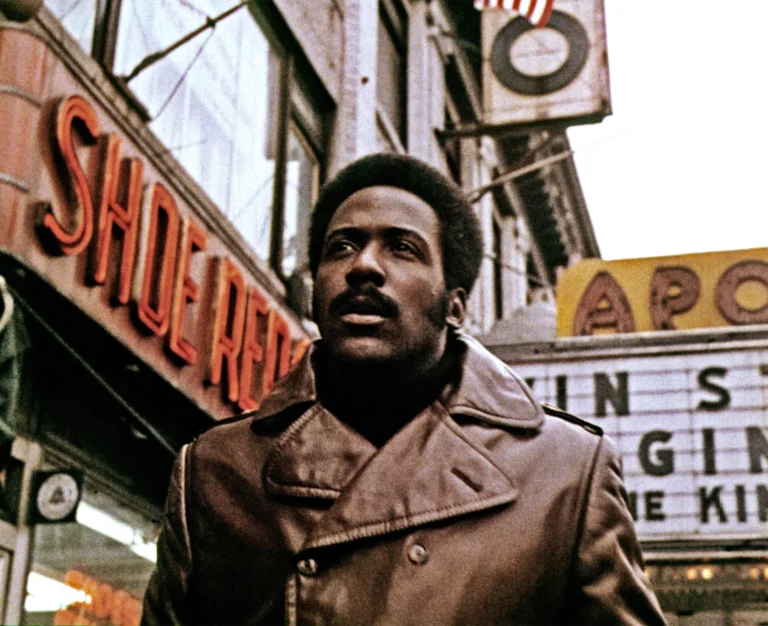
The 2001 John Singleton remake and the 2019 sequel to it should not have been made. To even duplicate a major genre-making film from a major studio is just blasphemy. The novel and screenplay was written by a white man, Ernest Tidyman, but the story is a major Black Power tale under Gordon Parks’ direction. Richard Roundtree plays the titular character detective who investigates a kidnapping and gets caught in a turf war between gangs. Oozing masculinity with his streetwise manner towards suspects, Shaft is a triumph of urban (description) that was added on by Isaac Hayes’ Oscar-winning score that remains a classic.


Pink Flamingos (1972)

The king of trash is back and it’s arguably the most trashiest film John Waters has ever done. The infamous satire on (description) brings in his clan of misfits, led by Divine, as two families square off to be the, “Filthiest Person Alive.” If you know the climax of it, you know where the ultimate shock lies, and this “exercise in poor taste” solidified Waters as among the great underground filmmakers in his era. Everything – and I mean everything – was depicted with no filter and no trickery, completely raw. 


Rouge (1987)

As part of Hong Kong’s Second Wave, Stanley Kwan dealt with stories about women and romance, as well as being one of the few notably gay figures in Chinese cinema. In his streak of early acclaimed films, Rouge follows a couple who discover the advertisement of a woman looking for her lost lover 50 years ago and begin to look through their history, only to discover the darker side of the past. It is a journey to a time seemingly glamorous, yet everything always has a spell that can never be broken. 


Farewell Amor (2020)

Ekwa Msangi made her debut with this generational story of an Angolan family reuniting in New York years after being separated. While the husband is fully integrated, he must work with his wife and daughter to reconcile differences and relearn their own past in a different world. It is also a deep study of what it’s like to be new immigrants and formally detached from their roots, dealing with the frictions and consequences. It is humanism, even confined to a small apartment, that defines the family and its radical adjustment from continent to continent.


Follow me on Twitter: @brian_cine (Cine-A-Man)


Movie Review: ‘Chip ‘n Dale: Rescue Rangers’ Is Loads of Fun for Everyone


Director: Akiva Schaffer 

Writer: Dan Gregor & Doug Mand

Stars: John Mulaney, Andy Samberg, KiKi Layne, Will Arnett

Synopsis: Thirty years after their popular television show ended, chipmunks Chip and Dale live very different lives. When a cast member from the original series mysteriously disappears, the pair must reunite to save their friend.


I’ll get this out of the way: without The Lonely Island at the helm, Chip ‘n Dale: Rescue Rangers might have been one of the worst IP-driven pieces of content ever made. I feel there’s nothing more egregious than having pre-existing Intellectual Properties inside a movie that doesn’t warrant it just for the audience to point at things they know. The worst scene in Free Guy had two sub-Disney IPs shoved in a two-minute “moment” (plus a cameo to signal the audience that, yes, the movie is in on the joke), but had no emotional connection to anything happening in the actual movie. 

There are lots of IPs in Chip ‘n Dale—perhaps too many. There are times when it doesn’t work, but these moments are so few and far between that I was actually surprised at how many times I was in stitches during the entire movie, whether it was from the weirdest cameos possible, or from the incredible chemistry John Mulaney and Andy Samberg have as our titular characters. If someone else, say, Shawn Levy, was at the helm of this, it likely wouldn’t have been as funny, and as visually exciting as what director Akiva Schaffer and cinematographer Larry Fong bring to the table here. 

Fong is a strange pick for director of photography, having previously worked on Batman v. Superman: Dawn of Justice, Watchmen, Kong: Skull Island, and The Predator. But you can clearly see why Schaffer picked him as a cinematographer when the action scenes start to happen; there’s real geography (and color!) inside each and every frame. Fong knows where to place his animated and live-action characters for maximum visual effect, and whenever they interact with one another, everything feels so seamless to the audience, and fun to see such interaction inside the film’s meta-world. 

And it’s a damn shame that this movie wasn’t released in theaters. It’s rare nowadays to see a family film with such creativity, both in front and behind the camera, so it would’ve really benefited from the theatrical experience. Such a special movie doesn’t deserve to be put on streaming, especially when it’s the closest thing this generation will get to Who Framed Roger Rabbit? Of course, it doesn’t reach the same levels as Robert Zemeckis’ movie, but it is one heck of a fun time at the movies and seeing it on a TV screen feels criminal for a movie that celebrates the best that the Rescue Rangers show has to offer, inside a modern, extremely meta-setting that will produce big laughs for small kids, who will enjoy Chip ‘n Dale’s antics, as well as for adults who will understand most of the references the movie throws at them.

I believe that’s part of the reason why I enjoyed the movie so much: the adult jokes are funnier than the kid ones, but the movie deftly balances both types of humor in such a way that everyone will laugh at anything they want to. The movie is brimming with so much creativity that it’s hard not to laugh at some of the wildest cameos you’ll see all year. But even without them, the movie is a complete riot, because it retains the carefree spirit of the original Rescue Rangers TV series. 

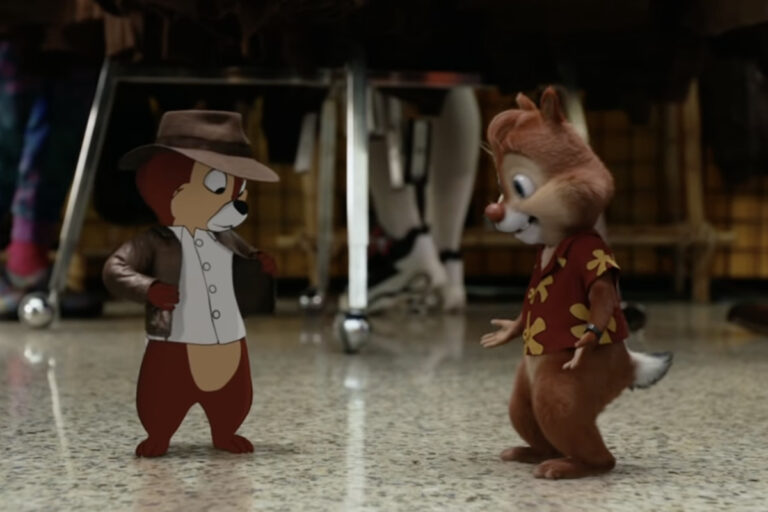
A huge grin was on my face when we first see Chip and Dale meeting together again, as Monterey Jack (Eric Bana) seeks help, with Chip (Mulaney) being hand-drawn, while Dale (Samberg) is in full 3D. The animation effects are great, with the movie constantly utilizing different animated techniques inside a rich, and fully-realized world where literally anything is possible, and anyone you know (even the ones you’d like to erase from your memory) can appear. Chip and Dale investigate the disappearance of Monterey Jack, from Sweet Pete (Will Arnett), a washed-up Peter Pan who now dedicates his life to creating a bootlegged version of animated movies, by modifying the original characters’ appearances. 

The caper itself is a riot to watch. There are too many surprises to reveal here, but let’s just say that fans of the Rescue Rangers series will be more than satisfied, especially when the movie brings back the series’ iconic characters, Gadget (Tress MacNellie) and Zipper (Dennis Haysbert) for the climax. Mulaney and Samberg bring out their A-game, and there are plenty of scenes where their chemistry fires on all cylinders, particularly one where they rap about whales (classic Lonely Island). The supporting cast is also in on the joke, with J.K. Simmons’ Captain Putty, a claymation Police chief, and Seth Rogen’s Bob, a Beowulf-esque motion-captured character, being the film’s highlights. 

But the movie does falter with his antagonist. The movie bases the character on Bobby Driscoll’s personal life. The child star, who starred in Treasure Island, and played Peter Pan in the 1953 film, was fired from Disney after he reached puberty, which led to him being addicted to hard drugs and subsequently dying of an overdose, with his body found on a deserted cot in a New York City street corner by two boys who were playing there. His mother only found out about his death a year later. In his own words: “I have found that memories are not very useful. I was carried on a silver platter—and then dumped into the garbage.” What does Sweet Pete say? “Then I got older, and they threw me away like I was nothing. I was scared, desperate, and all alone.” When I found out that Arnett would be playing Sweet Pete, I didn’t think that the similarities between his character and Driscoll’s life were intentional. 

That changed when I saw the movie and Pete paraphrased the exact thing Driscoll did a few years before he died. It not only feels extremely disrespectful to Driscoll’s legacy but also leaves a bad taste in our mouths when we realize that Disney likely approved this before production began. The studio is essentially admitting that, yes, they were responsible for Driscoll’s decline and eventual demise from drugs, throwing him away like he was nothing because he was going through puberty…like every single human being will inevitably go through as they grow up. 

Had the movie included another antagonist and removed the Driscoll storyline from Chip ‘n Dale: Rescue Rangers, it likely would’ve been one of the greatest live-action/animation hybrids I’ve ever seen. Because if you remove this entire storyline altogether, you get an insanely fun animated adventure with brilliant vocal performances, sharply written humor, and the most unexpected cameos you’ll ever see in a Chip ‘n Dale movie (even if some of them don’t always work), through another expertly shot production from Larry Fong who has solidified himself as one of the best working cinematographers of our time. There’s lots of fun to be had in this movie, and if you’re a fan of Rescue Rangers, and animation as a whole, you will be more than satisfied. Now here’s a franchise I wouldn’t mind continuing with endless sequels and spin off series, if only the films would be released in theaters though. 


Grade: B+

Film at 25: ‘The Lost World: Jurassic Park’ Remains a Rare Spielberg Misfire 


Director: Steven Spielberg

Writer: David Koepp

Starring: Jeff Goldblum, Julianne Moore, Vince Vaughn, Pete Postlethwaite

Synopsis: A research team is sent to the Jurassic Park Site B island to study the dinosaurs there, while an InGen team approaches with another agenda.


How was Steven Spielberg going to follow up Schindler’s List? After enjoying one of the most spectacular years for a director in history—1993 giving us Jurassic Park, one of the biggest, most significant blockbusters ever, and Schindler’s List, the three-hour Holocaust drama that finally earned Spielberg a Best Director Oscar—he took a few years to decide what his next project would be. Ultimately he chose the safe route, going with a movie that would have been successful regardless of its quality. And what he gave us in May 1997 was a definite dip in quality to be sure. The Lost World: Jurassic Park is one of the weakest efforts in Spielberg’s fifty-plus career in film. 

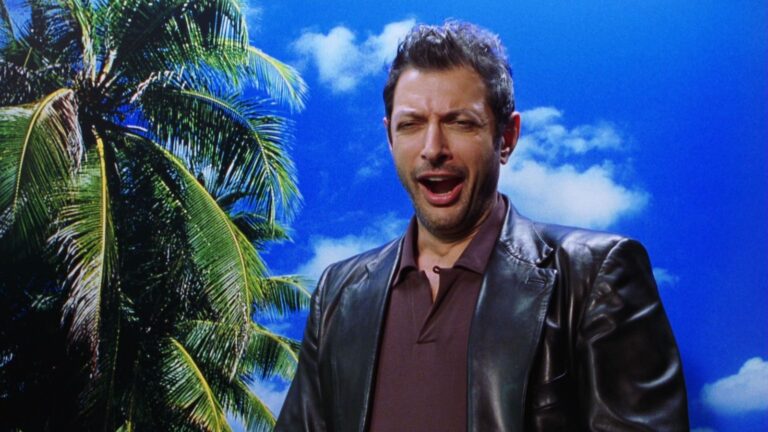
The most frustrating element of the film is that it had the makings of greatness, many decisions the right ones, a couple of action scenes beautifully shot and well-paced. It was the right choice to bump Jeff Goldblum into the lead role, as  Ian Malcolm was one of the best parts of the 1993 original, and the centerpiece suspense sequence of two T. rexes attacking a trailer and knocking it off a cliff is a great one. Up-and-coming actors of the time do solid work, like Julianne Moore as Sarah Harding, who was months away from her first Oscar nomination for Boogie Nights. And Vince Vaughn, hot off his charismatic performance in Swingers, is a good addition to the cast, if given little to do overall. 

When I saw the film opening weekend at age twelve, I adored that the final act takes the T. rex to San Diego and has the dinosaur trampling down a busy street like Godzilla, but twenty-five years later, I now point to this final sequence as the main problem with The Lost World: Jurassic Park—the film is overstuffed with too many characters and ideas, without the clear, engaging throughline of the original. You don’t feel the passion of Spielberg in this one, his only real sequel he’s made in his career (if you don’t count the Indiana Jones franchise as a series of sequels). There was a long gap between films, and he likely took this on to prove he could still deliver a successful blockbuster; indeed, The Lost World: Jurassic Park earned $618 million worldwide, the second highest grossing film of 1997 after Titanic. But while making the movie, he was already thinking about his next, more meaningful projects—Amistad and Saving Private Ryan, both released within the following fourteen months.

The other character that still doesn’t work is Ian’s daughter Kelly, played by Vanessa Lee Chester, who takes on essentially the role of Tim and Lex but always feels awkwardly shoved into the narrative. The problem isn’t Chester’s performance; she’s fine, but the character is too underwritten to ever care about, and the reveal of her gymnastics abilities in a silly, supposedly-applause-worthy moment with a velociraptor is actually one of the movie’s most groan-worthy moments. Annoying kids were a big part of the 1997 action movie landscape—think the deaf girl in Speed 2: Cruise Control—and the addition of Kelly in The Lost World: Jurassic Park didn’t do the film any favors. 

If it had been possible, Spielberg needed to get the two main actors from the original back to go on this journey with Goldblum. Although we do get cameos from Sir Richard Attenborough as John Hammond, Joseph Mazzello as Tim, and Ariana Richards as Lex, the absence of Sam Neill as Alan Grant and Laura Dern as Ellie Sattler is deeply felt throughout the second installment. Their compelling relationship, mostly due to Alan’s lack of paternal feelings, plays a big role in the success of Jurassic Park, and the relationship between Ian and Sarah doesn’t have the complexity needed to carry a two-hour movie. It’s the character work more than anything that’s missing in The Lost World: Jurassic Park, and although our pre-awareness of Ian helps in this matter, even he is less interesting in the sequel, not as witty and sarcastic, more the standard action movie hero. 

We’re on the cusp of Jurassic World: Dominion, which after twenty-nine years finally brings back the original trio of Sam Neill, Laura Dern, and Jeff Goldblum; we’ll finally see what it’s like to have these three together again. As flawed as Jurassic Park III is, seeing Neill and Dern briefly interact was a thrill, and Neill’s performance in the third installment is a great one, his welcome presence making that movie a worthwhile endeavor. He and Dern are sorely missed in The Lost World: Jurassic Park, a film that has its moments, which includes some terrific action and visual effects, but overall remains one of Steven Spielberg’s most disappointing and disposable entertainments in a mostly impressive career. 

Podcast: Men / The Adventures of Tintin – Episode 483

This week’s episode is brought to you by Libsyn. Start your podcast today and get your first two months free when you use the code ISF at checkout!

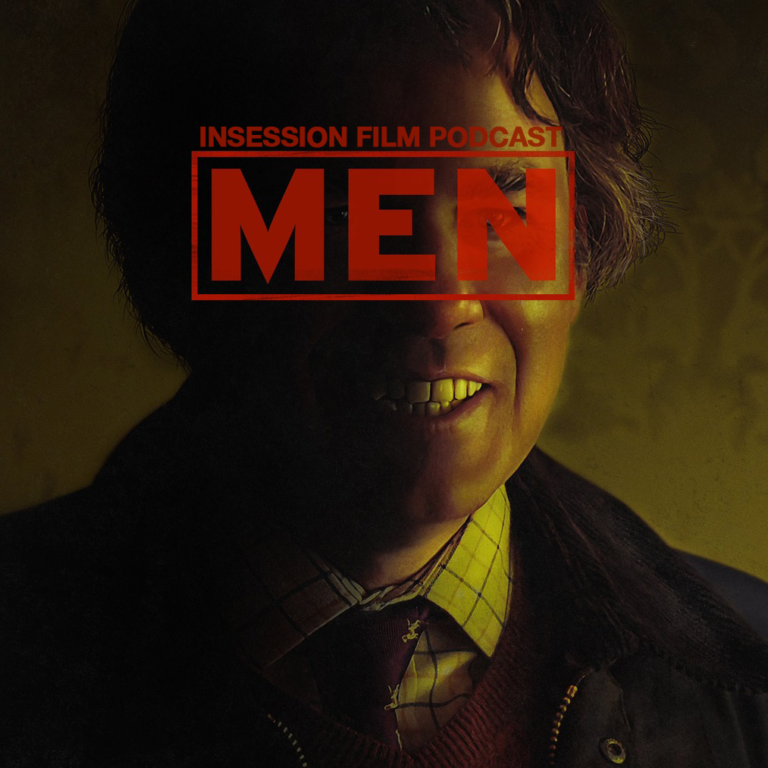
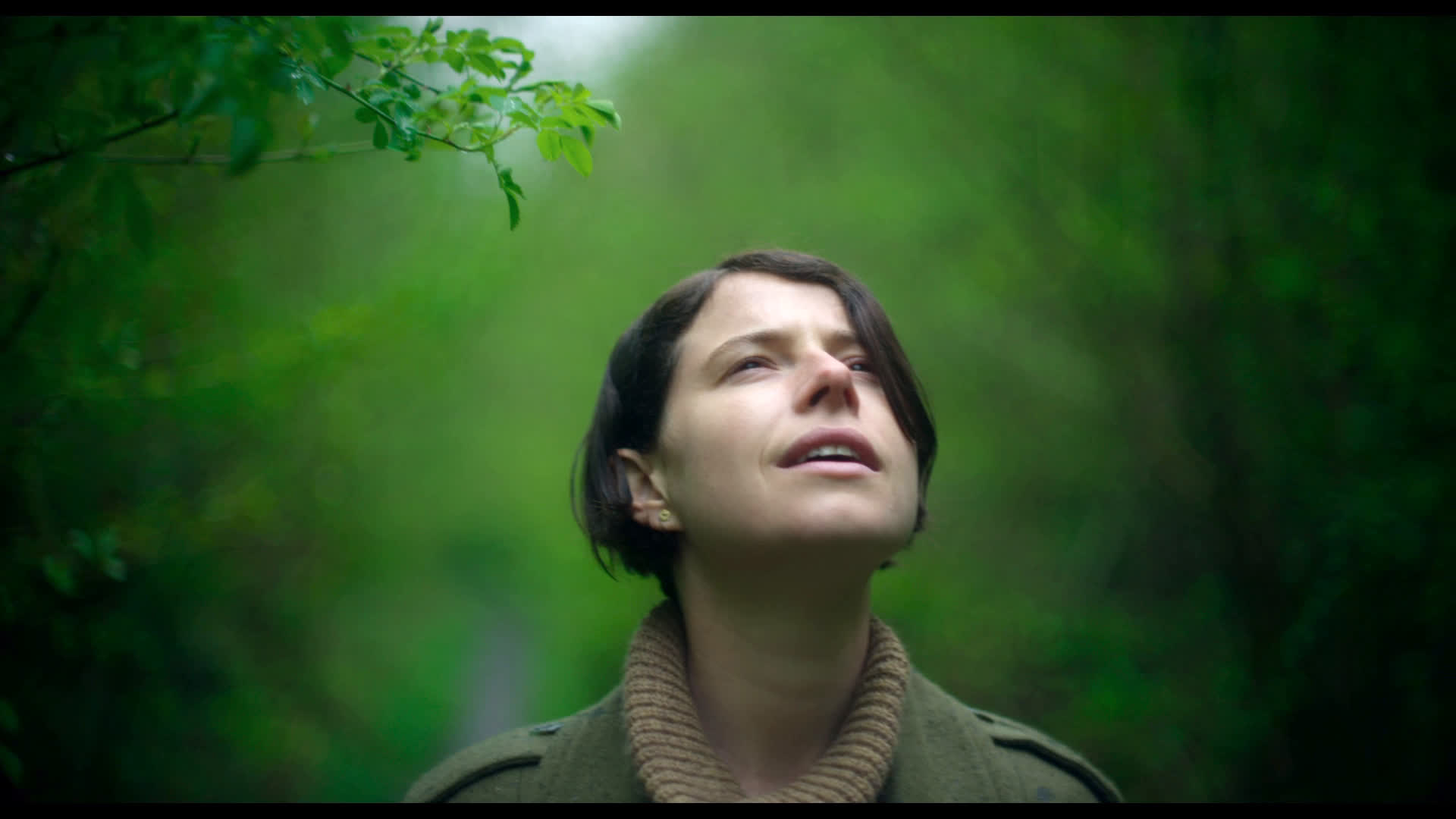
This week on the InSession Film Podcast, Jay fills in for Brendan as we review Alex Garland’s latest in Men and continue our Steven Spielberg Movie Series with his 2011 animated movie The Adventures of Tintin!

Whenever JD and Jay get together there tends to be fireworks, and this episode is no different, but it’s not necessarily Miami Vice 2.0. There is debate, but we also do our best to dissect Men and talk about why it’s so polarizing. We also have a lot of fun with Tintin as well given its weird oddities and Spielbergian influence.

On that note, check out this week’s show and let us know what you think in the comment section. Thanks for listening and for supporting the InSession Film Podcast!

– Movie Review: Men (4:17)
Director: Alex Garland
Writers: Alex Garland
Stars: Jessie Buckley, Rory Kinnear

– Notes / Discussion (1:10:43)

This week for our break segment, we talk briefly about the new film on Disney + in Chip ‘N Dale: Rescue Rangers and have some fun talking Ridley Scott as we talk about Extra Film and what they’ve been up to lately.

[divider]

RELATED: Listen to Episode 443 of the InSession Film Podcast where we discussed CODA!

[divider]

– Steven Spielberg Movie Series: The Adventures of Tintin (1:32:42)
Director: Steven Spielberg
Writers: Steven Moffat, Edgar Wright, Joe Cornish
Stars: Jamie Bell, Andy Serkis, Daniel Craig, Nick Frost, Simon Pegg

Show Sponsor: First Time Watchers Podcast

– Music

The Church – Geoff Barrow, Ben Salisbury
The Adventures of Tintin – John Williams
The Return of the Eagle – Atli Örvarsson

Subscribe to our Podcasts RSS
Subscribe to our Podcasts on iTunes
Listen on Spotify
Listen on Stitcher
InSession Film Podcast – Episode 483

[divider]

Next week on the show:

Review: Top Gun Maverick
Steven Spielberg Movie Series: War Horse

[divider]

Help Support The InSession Film Podcast

If you want to help support us, there are several ways you can help us and we’d absolutely appreciate it. Every penny goes directly back into supporting the show and we are truly honored and grateful. Thanks for your support and for listening to the InSession Film Podcast!

VISIT OUR DONATE PAGE HERE

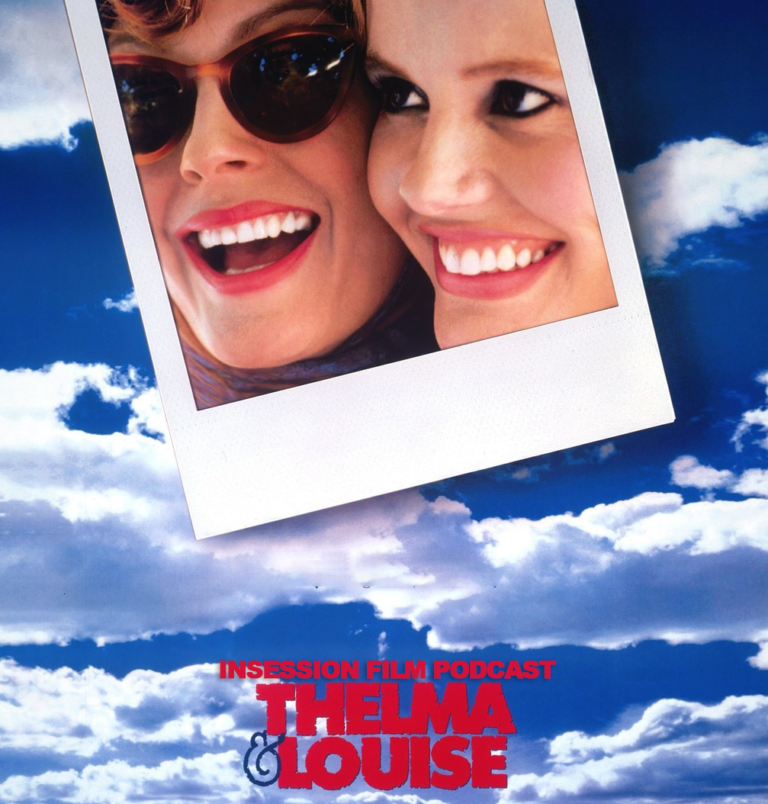
Podcast: Thelma & Louise / Chip ‘n Dale: Rescue Rangers – Extra Film

This week on the InSession Film Podcast, Ryan and Jay continue their Ridley Scott Movie Series with his 1991 film Thelma & Louise and they review the latest on Disney+ in Chip ‘n Dale: Rescue Rangers!

We may have taken a little bit of a dip last week with Legend, but we are back to another Scott gem this week with Thelma & Louise. Highly regarded at the time, it’s a movie that has aged like a very fine wine and it was a lot of fun talking about why it still holds up immensely well. And then there’s Chip ‘n Dale: Rescue Rangers, and who doesn’t love a good 90’s nostalgia throwback?

On that note, check out this week’s show and let us know what you think in the comment section. Thanks for listening and for supporting the InSession Film Podcast!

– Movie Review: Thelma & Louise (3:18)
Director: Ridley Scott
Writers: Callie Khouri
Stars: Susan Sarandon, Geena Davis, Harvey Keitel

– Movie Review: Chip ‘n Dale: Rescue Rangers (35:58)
Director: Akiva Schaffer
Writers: Dan Gregor, Doug Mand
Stars: John Mulaney, Andy Samberg, Will Arnett, Eric Bana

– Music

Going to Mexico – Hans Zimmer
Chip ‘n Dale Theme – Mark Mueller
The Return of the Eagle – Atli Örvarsson

Subscribe to our Podcasts RSS
Subscribe to our Podcasts on iTunes
Listen on Spotify
Listen on Stitcher
Extra Film – Legend / Paris, 13th District

[divider]

To hear this Extra Film episode and everything else we do, download our apps on the Amazon Market for Android and the Podcast Source app on IOS devices. The mobile app covers all of our main shows, bonus podcasts and everything else relating to the InSession Film Podcast. Thanks for your wonderful support and for listening to our show. It means the world to us.

List: Top 3 Revenge Movies

This week on Episode 482 of the InSession Film Podcast, inspired by our review of Munich, we discuss our favorite revenge movies. Revenge movies have been a staple in Hollywood for decades now, and have even defined certain genres, that it makes narrowing down a list here pretty difficult. However, it also leaves plenty of room for variety and different types of revenge in these movies. It was a really fun time talking about those distinctions and why these kinds of films resonate with us. That said, here are our lists:

(Note: Please keep in mind that we each had different criteria for our selections)

JD

1) Mad Max Fury Road
2) Ivan’s Childhood
3) Unforgiven

Brendan

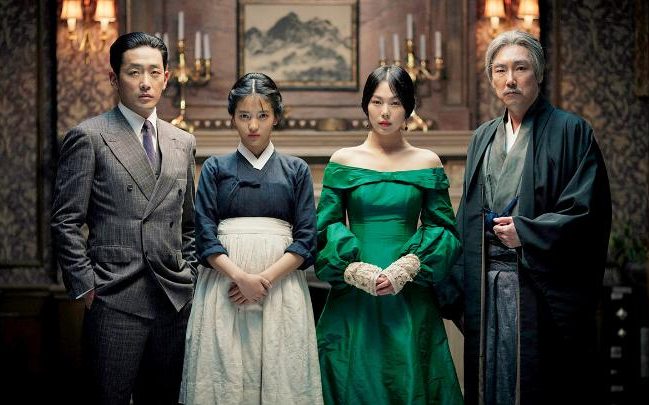
1) The Handmaiden
2) Momento
3) Unforgiven

Dave

1) I Saw the Devil
2) The Girl with the Dragon Tattoo
3) Phantom of the Paradise

Honorable Mentions (Combined)

Kill Bill, Django Unchained, Jackie Brown, Carrie, Old Boy, Unforgiven, The Lady Eve, Mystic River, The Lion King, The Sting, Mad Max, The Princess Bride, The Count of Monte Cristo, Hard Candy, Mandy, Gone GIrl, Gladiator, Ms. 45, Mean Girls, The Nightingale, Ocean’s Eleven, Once Upon A Time in the West, Sweeney Todd: The Demon Barber of Fleet Street, The Virgin Spring, Whatever Happened to Baby Jane, The Revenant, Us, True Grit, Diabolique, John Wick, Blue Ruin, You Were Never Really Here, Legally Blonde, Leon the Professional, The Northman, The Last Duel

Hopefully you guys enjoyed our lists and if you agree or disagree with us, let us know in the comment section below. There are certainly many more revenge movies that are eligible for your lists. That being said, what would be your Top 3? Leave a comment in the comment section or email us at [email protected].

For the entire podcast, click here or listen below.

For more lists done by the InSession Film crew and other guests, be sure see our Top 3 Movie Lists page.

Sh!t Cannes’d: The Worst Receptions Ever Given In Festival History

Cannes is about glitz and glamor and cinéastes coming together from around the world. The Palme d’Or is the ultimate prize, but as much as it’s about celebrating new films, Cannes is notorious for booing the living hell of films it sees as trash. Well, there’s booing, and then there’s jeering and walking out. The French really tell you what they think and won’t be polite about that. There are plenty of terrible films that got the massive thumbs down – and some good ones, actually – but these reactions were of a harsh kind that makes them noteworthy in Cannes history.


L’Avventura (1960)


Today, it is considered a classic, a stroke of genius by the great Michelangelo Antonioni and his muse, Monica Vitti. When the film was released at Cannes, however, it was far from being considered as such. Throughout the screening, there were laughs and boos, mainly because the audience was totally unaware of what was happening, which was nothing, in its long, dialogue-free scenes about a woman looking for her missing friend. It was so bad that Vitti left in tears. However, the pushback to the jeers came soon after by critics and other directors who hailed it as a breakthrough and the film received the Jury Prize at Cannes.


Under The Sun Of Satan (1987)


The film is on this list not only because it was jeered, but it actually still won the Palme d’Or. Starring Gerald Depardieu, a priest with certain gifts finds himself conflicted on what to do when he chooses to help a 16-year-old girl doomed to hell for having an affair which leads to her pregnancy, as well as having accidentally shot her lover dead. When director Maurice Pilat went up to accept his prize, he said, “I am, above all, happy this evening for all the shouts and whistles you’ve directed at me; and, if you don’t like me, I can tell you that I don’t like you either,” and reportedly gave a hand gesture right back at those same hecklers.

This wasn’t the first or last Palme d’Or-winning film to have gotten its share of open displeasure. In 1976, Taxi Driver received a good chunk of it that sent Martin Scorsese back home early, only to be surprised when the film won. David Lynch’s Wild At Heart (1990) and Terrence Malick’s The Tree Of Life (2011) also had a divisive reception, yet took home the big prize while some were openly unhappy that it succeeded.   


The Brown Bunny (2002)


The film gained infamy for its writer/director/producer/lead actor Vincent Gallo receiving on-screen fellatio, unsimulated, from his then-girlfriend and co-star, Chloe Sevigny. Its plot, a motorcycle racer crossing the country, is a major borefest and is certainly forgettable except for the last ten minutes of the feature. Roger Ebert torched the film, in which Gallo responded in kind by calling Ebert, “a fat pig with the physique of a slave trader,” and claimed he put a curse on Ebert’s colon to cause cancer. (This was a few years before Ebert was actually diagnosed with cancer of the jaw.) Ebert, in his infinite wit, said watching his own clean colonoscopy was better than watching The Brown Bunny. However, the film has its champions, including Jean-Luc Godard and Werner Herzog.


Irreversible (2002)


If an actual blowjob wasn’t scandalous enough, how about a nine-minute graphic anal rape scene the same year? Gaspar Noe is a provacateur with extreme violence and sex; his 2015 feature Love was also screened at Cannes to polarizing reviews. It should be no surprise he dared to show, with no editing or camera movement, a woman (Monica Bellucci) being pinned down and sodomized with no mercy. The film, told in reverse order, is about a man (Vincent Cassel, who was then married to Bellucci) who seeks to find the person responsible for this assault. Not only were there walkouts, but medical attention was brought to at least twenty people who fainted watching the movie. 


Southland Tales (2006)


The movie was weird. And, it seemingly was ahead of its time and misunderstood. For writer/director Richard Kelly, a cult following developed and he has published graphic novels expanding on his story and is currently making a sequel to it. However, the reception at Cannes was of confusion, bewilderment, and just a big, “WTF” to everything that was there. His apocalyptic, dystopian satire on the military-industrial complex was burned, dragged through the mud, drowned, and nuked multiple times by critics and viewers. Richard Kelly acknowledged how painful the screening was for him, even though he later called the film, “the thing that I’m most proud of, and I feel like it’s sort of the misunderstood child or the banished child.”


Mektoub, My Love: Intermezzo (2019)


After winning the Palme d’Or for the sensational Blue Is The Warmest Color, writer/director Abdellatif Kechiche followed it up with a two-part romantic drama (the first part, Canto Uno, got decent reviews) that wasn’t just booed. There were walkouts en masse for basically being a softcore porn film in which there was a 13-minute oral sex scene and an abundance of rear end nudity. To finance the films, Kechiche auctioned off his Palme d’Or, and it didn’t help his reputation as a hot-tempered, verbally abusive director that he was accused of giving alcohol to his two stars to finish the scene. While Kechiche said he wanted to, “celebrate the body,” actress Ophelie Bau expressed her displeasure by not attending the screening.


Follow me on Twitter: @brian_cine (Cine-A-Man)

Op-ed: Evolution of the Modern Western

Since the golden age of cinema, there has been something quite comforting about the western genre, which made them perfect for a quiet Sunday afternoon in front of the T.V. They often followed a simplistic and formulaic narrative that also saw a long list of star-studded actors (John Wayne, Henry Fonda, Randolph Scott, James Stewart), being part of the crème de la crème of gunslinging masculinity. But they weren’t all copy and paste exercises, you know; films like John Ford’s The Searchers (1956) became known for wandering down a darker path, and then years later, Mel Brooks’ Blazing Saddles (1974) made a joyous mockery of the whole scene, with its wonderfully aloof personality. The new century though, and especially the last 10 years or so, has allowed the western genre to truly develop and become anything that it wanted to be. So, with that, let us now explore four films that have taken the blueprint of the familiar western structure, and then evolved it with wonderful modernism.

No Country for Old Men (2007)

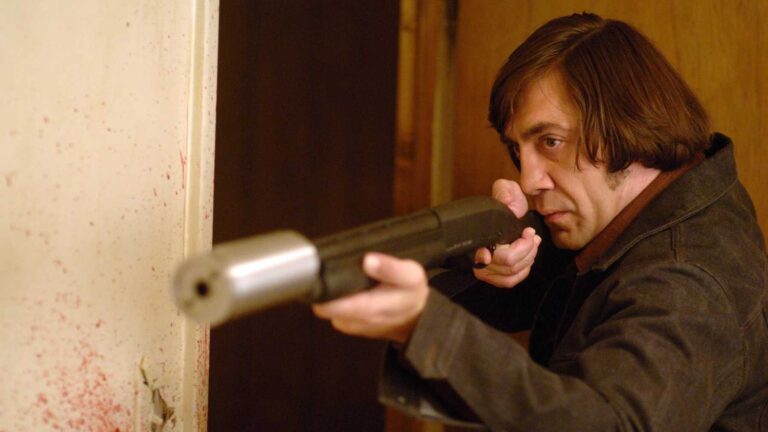
This Coen Brothers neo-western is a modern-day classic; the greatest film of its year, possibly the decade, but that’s for another time. What makes this such a definitive western is its ability to stay loyal to the age-old structure with its setting (Texas is undoubtedly the home of the genre), the expertise with which it delivers a ghostly atmosphere from this vast landscape, a land that has transformed so much since the glory days. It portrays Texas as a modern-day ghost town, and the film speaks about the problem firsthand – this ain’t no country for old men anymore, it’s a young man’s game, and all the cowboys have disappeared. But it is the modernizations that we’re here to talk about, and this film has a plethora of narrative techniques that engineer great uniqueness. It is structured by a three-way game of cat and mouse (if such a thing is possible); Llewelyn Moss (Josh Brolin) is on the run after finding a stash of money and is chased by the unrelenting and fearsome Anton Chigurh (Javier Bardem); and finally, there is Sheriff Tom Ed Bell (Tommy Lee Jones), a man who is a throwback to those stern lawmakers of old but is always a step behind in this young man’s chase. Does the film even distinguish the difference between good and bad like so many western films before it? We know Chigurh is the prominent antagonist, but Llewelyn is another troubled man who isn’t painted in the finest light, with his questionable moral compass, fleeing with something that isn’t his. The film constantly crosses boundaries and blurs the line of an orthodox western, and it has become an anchor point for many of those modern interpretations.


Bone Tomahawk (2015)

Craig Zahler’s horror western felt like a breath of fresh air when it was released in 2015, incorporating blood-curling horror into this quiet and subdued setting. But let’s just think for a second because the wild west has never been a law-abiding place, that expansive landscape is filled with all kinds of terrors, and Bone Tomahawk simply moved the line slightly and created something much more extreme. The lack of western horrors feels like a missed opportunity, with Tremors (1990) and Ravenous (1999) being the only films that immediately spring to mind. This film’s decision to fully commit to the idea that everything could and would go wrong is its shining light, and the horror aspect is just an excellent collage of violence and gore. The narrative is something of the old style too, as it is even comparable to The Searchers: a gunslinger goes searching for missing people with a posse of concerned townsfolk at his side, they venture into those unforgiving lands with a hint of caution, unsure of what to fully expect. Strikingly similar, right? Well, apart from the outcome, that is. The cast that is led by a dominant Kurt Russell creates an interesting dynamic that is a nod to those films of the past; with Richard Jenkins as his deputy and Matthew Fox as the brazen youngster (compared to them at least) ready to run full steam ahead. Everything about it shouts golden age western, but its ability to modernize in this new world of attractive bizarreness is its most effective tool, hopefully opening the door for a continuation of the two genres.


Wind River (2017)

Another variation of the neo-western genre is one that uses narrative methodologies from the golden age: a girl goes missing which leads a wildlife tracker (Jeremy Renner) and an FBI Agent (Elizabeth Olsen) to uncover the truth behind the disappearance – someone going missing seems to be the consistent ingredient for a lot of western films, doesn’t it? Wind River has the structure of a western in its plot and the way it represents its chosen hero figure as a man looking for redemption, as he battles a previous trauma, like so many before him. This modern take on the genre decides to travel further north for its setting too, using the frozen landscape of Wyoming as its backdrop – becoming more akin to the Northern genre – and its depiction of true events that have plagued the lands for many years. Director Taylor Sheridan claims to have made the film to raise awareness of the alarming number of Indigenous women who are raped and murdered, both on and off reservations. The film now becomes extremely sensitive as it depicts something very real and controversial; a seriously dark undertone begins to develop as the film progresses, and includes some graphic scenes that are not for the faint-hearted. Although Wind River has western tendencies, Sheridan ends up creating a crime drama of the highest order; a tense atmosphere lingers over the film, with the thrilling and violent ending being a near-perfect means of resolution. It is a supremely bitter, and incredibly visceral noir-like western that delivers at being brutal and yet, also consists of beautiful emotion that is rarely seen.


The Power of the Dog (2021)

When it comes to a unique western film like no other, one that turns the whole genre on its head, Jane Campion’s The Power of the Dog becomes instantly iconic. Set in Montana during the early 20th century, it uses the power of space and sound to emulate the golden age of the western genre, but it also delivers an intense and unique experience with little to no violence – a western without violence, what’s the point you might be asking? Gun-toting cowboys aren’t the key, you know, because if you can create an atmosphere that is as tough and gritty as those figures of the past, then you know you’re onto a winner. Western films have long been associated with masculinity (that’s an obvious one), and jealousy to an extent, but the sexual implications surrounding these characters have always been up for debate. The Power of the Dog moves everything into the 21st century, by expertly exploring those long-harbored gay feelings that many don’t like to admit were part and parcel of that era. And with that, is an incredibly dark undertone that not only dictates the pacing of the film but also allows for a lot of viewer interpretation. This really is a thinking person’s western; it’s not as black and white as most often are, adding a variety of strings to its already impressive bow. This film could be the watershed moment for the modern-day western, allowing it to become multidimensional, filled to the brim with hidden meaning and themes of a humanistic nature, but it could also benefit from being the only one of its kind, offering people a treat as to what “different” really is.


Poll: What is your favorite Palme d’Or winner?

Golden lions, tigers, and bears, oh my! But arguably the most powerful of them all is not even an animal, but the Golden Palm, also known as the Palme d’Or. Introduced in 1955, replacing the Grand Prix as the Cannes Film Festival’s highest honor, the Palme d’Or has since become the most prestigious in all of film (sorry, Oscar). Some of its recipients are among the greatest films of all time, others are strangely controversial, so let’s celebrate Cannes 2022 by pitting best of the best against one another.

What is your favorite Palme d’Or winner?


Podcast: Munich / Top 3 Revenge Movies – Episode 482

This week’s episode is brought to you by Athletic Greens. Get a FREE one year supply of Vitamin D and 5 travel packs today!

This week on the InSession Film Podcast, we are joined by our very own Editor-In-Chief Dave Giannini as we continue our Steven Spielberg Movie Series with Munich! We also discuss our Top 3 Revenge Movies.

It’s always a great time when Dave joins us on the podcast. His guest appearances over the years have become a big part of InSession Film lore, and he was great once again. Our review of Munich is among the most thorough we’ve had and we hope everyone gets as much out of the conversation as we did. It was also really fun talking about revenge movies as well, a topic we surprisingly hadn’t done before.

On that note, check out this week’s show and let us know what you think in the comment section. Thanks for listening and for supporting the InSession Film Podcast!

– Movie Review: Munich (6:21)
Director: Steven Spielberg
Writers: Tony Kushner, Eric Roth
Stars: Eric Bana, Daniel Craig, Ciarán Hinds, Geoffrey Rush

– Notes / Discussion (1:22:48)

This week for our break segment, we keep it pretty simple given the length of our review and top 3 segments, but JD does give a brief thought on The Lost City and why it’s great to have Channing Tatum back on the big screen.

[divider]

RELATED: Listen to Episode 443 of the InSession Film Podcast where we discussed CODA!

[divider]

Top 3 Revenge Movies (1:36:53)
Revenge movies have been a staple in Hollywood for decades now, and have even defined certain genres, that it makes narrowing down a list here pretty difficult. However, it also leaves plenty of room for variety and different types of revenge in these movies. It was a really fun time talking about those distinctions and why these kinds of films resonate with us. That said, what would be your top 3?

Show Sponsor: First Time Watchers Podcast

– Music

Remembering Munich – John Williams
Brother In Arms – Junkie XL
The Return of the Eagle – Atli Örvarsson

Subscribe to our Podcasts RSS
Subscribe to our Podcasts on iTunes
Listen on Spotify
Listen on Stitcher
InSession Film Podcast – Episode 482

[divider]

Next week on the show:

Review: Men
Steven Spielberg Movie Series: The Adventures of Tintin

[divider]

Help Support The InSession Film Podcast

If you want to help support us, there are several ways you can help us and we’d absolutely appreciate it. Every penny goes directly back into supporting the show and we are truly honored and grateful. Thanks for your support and for listening to the InSession Film Podcast!

VISIT OUR DONATE PAGE HERE

Movie Review: ‘On the Count of Three’ Is a Shallow and Uneventful Character Drama


Director: Jerrod Carmichael

Writer: Ari Katcher, Ryan Welch

Stars: Jerrod Carmichael, Christopher Abbott, Tiffany Haddish

Synopsis: Jerrod Carmichael makes his directorial debut and stars in On the Count of Three, a darkly comic feature about two best friends, Val (Carmichael) and Kevin (Christopher Abbott), on the last day of their lives.


One watches Jerrod Carmichael’s On the Count of Three with extreme caution, as it deals with the heavy theme of suicide, following two best friends who are spending their last day together before they collectively kill themselves. Carmichael directs and plays Val, while Christopher Abbott portrays Kevin, who each have their reasons to end their lives. However, the movie doesn’t want to explore their respective arcs. Instead, Ari Katcher and Ryan Welch’s script sticks them in a series of brief vignettes that gives virtually no insight on any theme they present, or any new character they introduce. 

The cast is incredible. Aside from Carmichael and Abbott; Tiffany Haddish, J.B. Smoove, and Henry Winkler are all great in extremely minor roles but are terribly underused. One of the most important arcs in the film is Kevin’s relationship with Dr. Brenner (Winkler), a psychiatrist who allegedly abused and tormented him when he was a child. The brief scene involving a young Kevin and Brenner [with Winkler forced to wear one of the worst wigs I’ve ever seen in a modern motion picture] barely scratches the surface on what made Kevin despise him so much that he plots to kill him before he takes his own life. Winkler does make the most of his screen time, and the scene he shares with Abbott near the end is terrific, but something feels desperately missing. 

The same thing happens with Val’s relationship with his father (Smoove) and girlfriend (Haddish). Both Smoove and Haddish are impeccable and make the most of their very limited screen time, but the movie seems disinterested in delving deep into the root of Val’s qualms with both characters. Whenever you’re doing a character drama, you should be interested in exploring the characters you focus on, and their relationship with other protagonists. But since the scenes with Smoove, Haddish, and Winkler are so brief, with the movie briskly moving from one moment to the next without any thought, the movie feels incomplete and extremely shallow. 

This is mostly due to the film’s swift runtime, which runs at 77 minutes without credits. A movie this emotionally charged shouldn’t be this short. Carmichael, Katcher, and Welch should want to deepen the relationship between Val and Kevin, and then make us understand both characters’ torment. But since we barely have a glimpse at their thought patterns and friendship, we quickly lose interest in the film, which renders the more “emotional” or “gutting” scenes of the film, which happen near the end of it, completely flat and senseless. I thought to myself that the movie wouldn’t go into the exploitative route, since it’s trying to handle suicidal thoughts with as much care as possible, but when a rather insensitive moment happens before its climax, the movie starts to get extremely exploitative and tries to manipulate the audience into feeling for both characters, when what happened in the previous hour or so was so distant that there’s virtually no emotional connection with either of them. 

It’s a good thing, though, that Carmichael and Abbott are the strongest parts of the movie, especially Abbott gives a career-best performance as Kevin. He makes the most of the limited depth he has with the character, and, in turn, gives one of the most memorable acting performances of the year. It’s just a shame that the film isn’t interested in exploring Kevin’s torment, and his friendship with Val. Both arcs are severely incomplete, and the movie would’ve definitely benefited from a longer runtime. If you’re going to delve on a facet of their life, it’s fine to make it short, but when you start to peel back on the reasoning behind their suicidal thoughts without trying to explore any of them, a brief runtime makes the movie feel rushed and underdeveloped. 

As such, On the Count of Three is nothing more than a superficial character drama with some neat 35mm cinematography, interesting needle drops (For the Love of You Pts. 1 & 2 is an incredible song), and great performances. Without such strong acting from its cast, the movie might not have been as watchable as it was, since its script barely tries to give a gripping and emotionally investing character drama. But as a first-time directorial effort, there certainly are worse movies out there. With a more impactful script, Carmichael will be a voice to watch out for. He just needs to learn how to make the most out of his time for maximum impact. Céline Sciamma’s Petite Maman was 72 minutes long and did not waste a single moment building an effective emotional core through its two protagonists. On the Count of Three has virtually nothing of interest to say about its characters, its themes, and its story. And because of this, the movie fails at making an impact and will be quickly forgotten in a couple of days. 

Grade: C-

Movie Review: ‘Firestarter’ Never Catches On


Director: Keith Thomas

Writer: Scott Teems

Stars: Zac Efron, Ryan Kiera Armstrong, Michael Greyeyes

Synopsis: A young girl tries to understand how she mysteriously gained the power to set things on fire with her mind.


Of the myriad questions we could be asking, as the movie-going public, there’s only one that matters when it comes to Firestarter. It’s not, why do we need new adaptations when a perfectly good one exists. The question is not, why didn’t the producers choose to have Billie Eilish do a creepy cover of “We Didn’t Start the Fire,” to end the movie. The real and most pertinent question is, are we ready for Zac Efron to be playing the part of a dad? It felt like yesterday he was a fresh faced teen who morphed easily into a hunky college age schemer. He is the right age, sure, but that face. That adorable face of his is going to strain credulity until, like we did with Paul Rudd, we’ll somehow just accept Efron’s over 30 and move forward.

We can ponder these questions as we watch Firestarter because the film leaves us with little else to ponder. Once the action starts, it’s easy to see the point by point of where the story’s going, even if you haven’t read the source novel or seen the original adaptation. It’s not that every horror film needs a central metaphor to bring us out of the blood, gore, and terror to relate it to our lives, but it would be nice if Firestarter had something larger at stake. 

Dr. Wanless (Kurtwood Smith) explains that at a certain point Charlie (Ryan Kiera Armstrong) may be so powerful that she could explode with the force and impact of a nuclear bomb. Scary, for sure, but if wi-fi, smart phones, and the internet are going to be added in, why not make it more of an immediate threat? What if Dr. Wanless mentions that if Charlie wanders into a dry forest near a densely populated area, she could start a forest fire that they could never put out? Now there’s something to challenge our notions about Charlie and about the morality of the situation. That’s something Scott Teems never quite lands on in his script. He hints at these larger ideas, brushes them broadly, but there’s nothing to give a concrete reason for the madness.

Often Firestarter feels like a movie John Carpenter would have made in the ’80s. A lot of the effects look like they were created practically, from the visceral charred skin makeup, to the fire that pops out of the air on people’s arms, to the music which is an eerie, haunting, moody synthesizer driven melody. The music is because John Carpenter, along with his son Cody and their collaborator Daniel A. Davies, does create a soundscape that is far more interesting and aurally pleasing than the film. It also signals that this is intended as a horror film.

Until the final moments, when Charlie is fully unleashed, the chills and thrills are yawn worthy. It’s that final sequence that sort of redeems a lot of the lacklusterness of the action. Up until that point, there were often cut aways when the psychic powers and especially Charlie’s psychic powers are being performed. A budget constraint to be sure, but one that makes an audience wonder, as two people are engulfed in a column of flame in that thrilling final sequence, you couldn’t have spread some more of this throughout the movie?

The other redeeming quality within the film is the performance of Michael Greyeyes. He plays Rainbird, an assassin within the shadow organization, DSI, who is a psychic as well. While he’s not given much to do beyond glower and menace, Greyeyes makes a meal of these scenes and is able to make the, not quite shift in morality, but certainly shift in loyalty, a much more believable one. He’s an actor who uses subtlety to perfection.

Firestarter evokes no strong feelings. It’s not a film that has a point of view or an urge to get you to understand something about human nature. While none of this is enough to make you wish you hadn’t started Firestarter, you may be wondering if there’s some other way you could have spent an hour and a half that would have left you more satisfied.

Grade: D