

Home Blog Page 154

Movie Review: ‘Men’ Gives Garland At His Most Emotional, Yet Opaque


Director: Alex Garland

Writer: Alex Garland

Stars: Jessie Buckley, Rory Kinnear

Synopsis: A young woman goes on a solo vacation to the English countryside following the death of her ex-husband.


Although his methods aren’t polished to perfection, writer-director Alex Garland has always found a way to get under the audience’s skin via different styles and mediums (film, tv, and even video games). However, his projects all cover three main themes: identity, creation, and the element of rebirth (or metempsychosis). These themes all intertwine thanks to his surrealistic directorial efforts and the utilization of beautifully crafted yet claustrophobic set pieces, moving across different budget scales and genres. In my opinion, his directorial debut, Ex Machina, has been his best work to date, as it entrancingly examines creationism via the technological advances of artificial intelligence. However, while his follow-up, Annihilation, does contain some mesmerizing concepts, something is lacking in its narrative and presentation, preventing it from becoming a great piece of sci-fi storytelling. Nevertheless, two years after working on his series, Devs, Garland arrives with his third feature, the A24-backed and Jessie Buckley-led Men

While there are elements that will intrigue fans of the horror genre and the director’s work, a combination of two main factors lowers its chances of being on A24’s shelf of top-notch arthouse horror. In the wake of a personal tragedy, where her husband James (Paapa Essiedu) fell to his death outside their apartment, Harper (Jessie Buckley) travels to the English countryside to start anew – to stay in a place where she can heal. Knowing the filmmaker at hand, the viewer understands that everything will go wrong one way or another. Not only was Harper in the process of divorcing his partner, but while James was falling, they locked eyes, causing a state of pure elongated shock onto her (that moment felt like an eternity). She rents a place with many open green spaces and no neighbors. Upon arrival, Harper is greeted by the owner of the house, Geoffrey (played by Rory Kinnear in one of the many roles he plays throughout the film). 

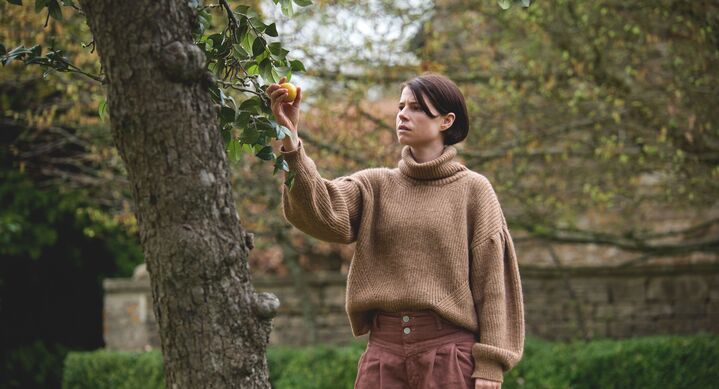
The awkward proprietor gives a tour and helps her out with her luggage, later leaving her so she can get settled onto the property. Harper’s search for reflection and moments of peace is ruined. While taking a quick walk through the woods, a person starts to stalk the poor Harper. Dread, unease, and a sense of inevitability are poured over the screen as the person gets closer and closer. This is the first instance of more to come that will cause Harper to face her internal and external fears, fully formed by the depths of her darkest memories. It’s a feverish nightmare come to life. Men marks the return to Alex Garland’s stripped-back narrative persona, while being his most thematically abstract and emotional at its core. It’s his take on folk horror, a la The Blood on Satan’s Claw, yet with his own distinctive style and religious symbolism regarding creation and rebirth. Some images revolve around the biblical story of Adam and Eve, with the forbidden fruit being the key representation – a lonesome apple tree in the cottage’s garden. 

It represents the choice one has of choosing a good or evil action, targeting the loss of innocence after consumption. There’s also Celtic imagery of the Green Man (which represents the cycles of life, death, and rebirth) and Sheela na gig. Both figures and carvings intertwine with the aforementioned concepts, in addition to the conflicts between men and women throughout the centuries. The image alone of these cultural or religious figures creates a sensation of forthcoming trepidation, filling the screen with aversion. That’s one of the fascinating facets of folk horror. There is no clear-cut definition behind all of what’s happening in the respective story, but it all relates to isolation, religion, and the capable power of us humans. However, it does not succumb to all the folk horror totalings, in the way that Rainer Sarnet’s November efficiently does. Instead, he combines those facets with personifications of women’s various apprehensions and gender divisions. This is where Rory Kinnear’s multiple characters come into play. They (priest, cop, stalker, proprietor) depict a different form of misogyny and hostility, from victim-blaming to misguiding her fears. 

One way you could interpret these all-familiar faces that Kinnear portrays is that all these horrors could appear in plain sight, on a bright morning, or in the dead of night. In pure Garland fashion, it is up to you, the viewer, to decipher its meanings within the confines of the narrative he’s presenting. His works are worth the analysis, as it leaves more questions than answers and makes space for their own imaginative exploration. For the most part, the questions his projects propose are intriguing. Ambiguity is a weapon he uses in his features to add a more profound sense of dread while you think about it after you have watched it. Thanks to its themes of trauma, despair, and loneliness, Men is effectively unsettling for its first two acts, later switching into a brutal third that I enjoyed, yet will ultimately divide audiences. Nevertheless, it’s the opaqueness and ambiguity that injure the movie in the end. Story-wise, Harper’s arc is never completed, and it feels like it was left in the middle of things. 

Even though I liked it, the finale has faults because it’s designed as a means for conversation instead of resolving or providing a rightful conclusion to the lead character’s suffering. Once people begin to see this film, thousands of videos with people explaining the ending will appear. And Garland knows this, as he stated in the press notes for the movie, that it will arouse solid opinions and emotions, both good and bad, depending on the recipient. Apart from those narrative fragmentations, it’s technically well-made and crafted. What shines the most is the work of cinematographer Rob Hardy, production designer Mark Digby, and the score by Portishead’s Geoff Barrow and Ben Salisbury (which includes some vocalizations by Buckley and ambient instrumentations). These aspects help to elevate the surrealistic and grounded horrors and build up a confined sensation as the film concludes. Individual characteristics also contain similarities with Jordan Peele’s Get Out – not thematically, but structurally. However, unlike other films that have tried emulating, these similarities don’t take you away from the experience. 

It goes without saying that Jessie Buckley was incredible in this, once again showing she’s one of the best actresses working today. A true marvel at the craft, Buckley’s portrayal of Harper takes you inside her mind as all this despair and dread revolves around her in these horrific circumstances. Equally fascinating is Kinnear, whose multiple performances make you feel uneasy and laugh (it is funnier than you might imagine). Kinnear and Buckley deliver highly committed performances full of cinematic heft that force you to stick with the picture, even if you are pretty entangled with what’s happening at its core. This type of project could have only been crafted in the pandemic because it feels restrained, but that’s how Garland works best (hence, Ex Machina being his best work). Men may have some issues, but it’s never a slog; it does have some missteps while reaching its outrageous grand finale. But, for me, it’s a step up from Annihilation.
Grade: B

Criterion Crunch Time: ‘Eve’s Bayou’

Being a fan of movies is just truly strange. We bark all day about the best movies of the year, even to the point where we engage in absolutely pointless arguments on the internet about our wildly subjective opinions. And for all that noise, most films, even highly thought of ones, become forgotten. Out of your Top 10 of 2015 (or really any year), how many do you really think about? How many last the test of time? And why that one? I bring all of this up because the focus of this column generally, The Criterion Channel, houses many of those critically acclaimed films that, for better or worse, end up lost to the sands of time. Now, this could be depressing, but I love that this offers a chance for discovery. And with that, let’s talk about Roger Ebert’s best film of 1997, Eve’s Bayou.

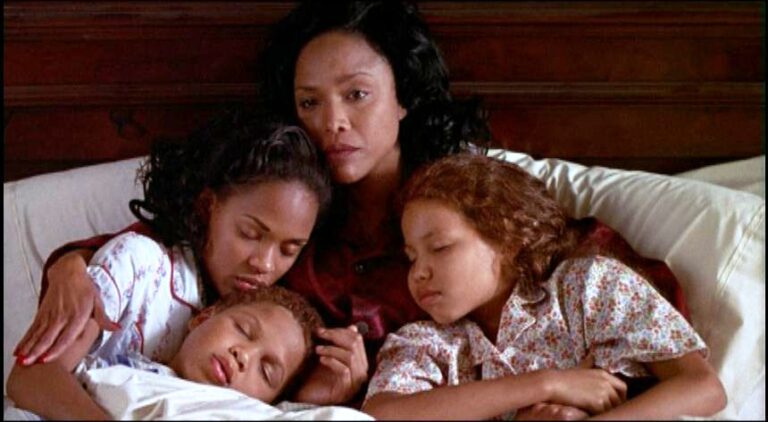
Eve’s Bayou, directed by first time filmmaker Kasi Lemmons, is the story of the ups and downs (mostly downs) of a well to do Black family in a Creole community in Louisiana. It should be noted that this is not only Lemmons’s debut as a director but as a writer as well. I mention this not just as a point of information, but because her obvious confidence and skill belies that lack of experience. The film mostly follows Eve (Jurnee Smollett) at the age of 10 as she navigates not only growing up, but also dealing with tragedy, possible witchcraft, and inappropriate behavior by family and neighbors alike. The work from Smollett is truly incredible and makes me, just for a moment, question my general dislike of child performances.

But the most interesting thing about Eve’s Bayou comes from a structural perspective. Because there is literally no outside influence seen, we seem to accept even the most dramatic statements and experiences. This also is likely due to the narrator being a young child. She may not yet understand the influence of the outside world on her parents (Samuel L. Jackson, Lynn Whitfield) and her aunt Mozelle (Debbi Morgan). Her world is focused on herself, her sister Cisely (Meagan Good), and their battles for the affection of their father, Louis. But probably most important are her interactions with Mozelle, who also happens to be a seer and likely Hoodoo practitioner. This last sentence is a perfect example of things that we, as an audience, immediately accept.

Mozelle is also seen as a “black widow” due to having her romantic relationships surrounded by death. As I was finishing the film, it struck me that yes, all of her predictions/visions came true, but none of them breaks any laws of nature and, thus, could simply be chance. But we are so wrapped up in a cultural and child perspective that we happily believe that she, and eventually, Eve has the sight. And I think Lemmons does this all on purpose. After all, Mozelle is terrified to begin a new relationship because another seer, Elzora (Dihann Carroll), tells her that her next husband will die as well. However, like all fortunes, there is room for interpretation. She eventually comes to the conclusion that everyone dies, and maybe, just maybe they will die together.

This moment is indicative of nearly all of Eve’s Bayou. There is little that we can truly trust, even the words of family. There is a subplot regarding Cisely silently accusing Louis of sexual abuse that ends up being untrue. This is a gutsy piece of writing, making a child out to be a liar, but it is a pointed moment. Earlier in the film, Eve witnesses Louis cheating on her mother with another woman and is convinced not to speak of it by Cisely herself. Cisely, hurt by her own advances and affection being rebuffed bluntly by her father, finally tells the lie to Eve but swears her to secrecy. It is a haunting portrayal which leads to Eve wishing her father dead to the point of hiring Elzora to curse him to his death. 

Louis does die, but is it from the curse, or from something much more pedestrian? The husband of the woman he cheated with is subtly informed of this, yet again by Eve. When he catches them together at the bar, is it because he is hoodoo cursed, or because he was found out by clues from his own daughter. This speaks to the power of belief, so maybe it doesn’t matter much the reason, the tragedy is still true and we should be careful with both our words and our intentions. Eve’s Bayou tells a painful story that is hard to recover from, especially for the family it impacted. Kasi Lemmons conceived, formulated, and accomplished a special film that would not be forgotten.

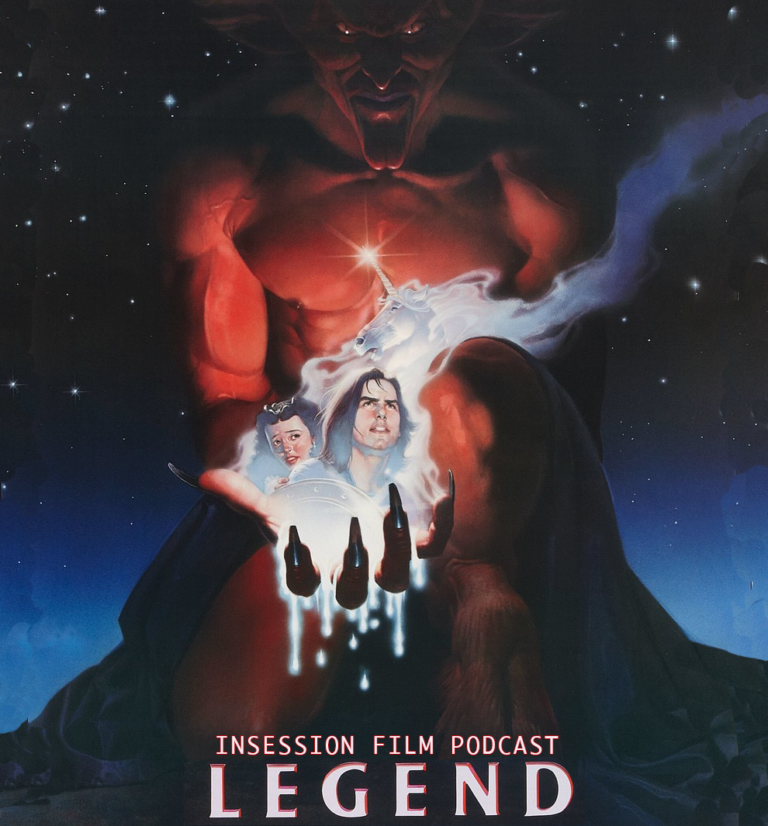
Podcast: Legend / Paris, 13th District – Extra Film

This week on the InSession Film Podcast, Ryan and Jay continue their Ridley Scott Movie Series with 1985 film Legend and they also review the latest from Jacques Audiard in Paris, 13th District!

To be fair to Legend, no matter how good the film was, it was going to be a drop off after the masterpieces that are Alien and Blade Runner. However, it’s even more jarring of a turn given how not great Legend ended up being. But it was a fun conversation to have nonetheless. And it’s always a good time whenever you get talk about a new Audiard film.

On that note, check out this week’s show and let us know what you think in the comment section. Thanks for listening and for supporting the InSession Film Podcast!

– Movie Review: Legend (3:18)
Director: Ridley Scott
Writers: William Hjortsberg
Stars: Tom Cruise, Mia Sara, Tim Curry, David Bennent

– Movie Review: Paris, 13th District (35:58)
Director: Jacques Audiard
Writers: Jacques Audiard, Céline Sciamma, Léa Mysius
Stars: Lucie Zhang, Makita Samba, Noémie Merlant, Jehnny Beth

– Music

Loved By The Sun – Jon Anderson
Paris 13th – Rone
The Return of the Eagle – Atli Örvarsson

Subscribe to our Podcasts RSS
Subscribe to our Podcasts on iTunes
Listen on Spotify
Listen on Stitcher
Extra Film – Legend / Paris, 13th District

[divider]

To hear this Extra Film episode and everything else we do, download our apps on the Amazon Market for Android and the Podcast Source app on IOS devices. The mobile app covers all of our main shows, bonus podcasts and everything else relating to the InSession Film Podcast. Thanks for your wonderful support and for listening to our show. It means the world to us.

Movie Review: ‘The Innocents’ Explores the Undefinable Private Life of Children


Director: Eskil Vogt

Writer: Eskil Vogt

Stars: Rakel Lenora Fløttum, Alva Brynsmo Ramstad, Mina Yasmin Bremseth Asheim, Sam Ashraf.

Synopsis: Four children become friends during the summer holidays. Out of sight from the adults, they discover they have hidden powers. While exploring their newfound abilities, their innocent play takes a dark turn and strange things begin to happen.


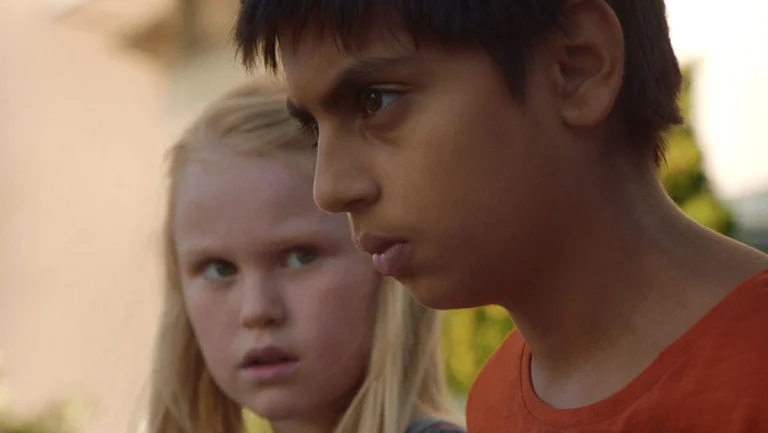
What is the inner life of children like? What happens when they are on their own, free to explore their instincts and socialize amongst themselves with no supervision? These questions are at the core of The Innocents, the latest film by writer/director Eskil Vogt, who, after spending years focused on his career as a screenwriter, returns to the director chair since 2014’s Blind.

Vogt, best known for his successful partnership with Joachim Trier – they have cowritten all of Trier’s films, including this year’s Oscar winner The Worst Person in the World –, seems to be interested in continuing to explore themes and feelings previously visited in Trier’s Thelma, but in a more sinister way. In The Innocents, Trier abandons the coming-of-age angle and the hopeful view in order to create an anxiety-driven mystery. The innocence is present, but under a dark approximation.

Ida (Rakel Lenora Fløttum) and her family just relocated to Oslo. Her big sister Anna (Alva Brynsmo Ramstad) is autistic and doesn’t know how to communicate, existing in a faraway world where no one can approach her. As Ida experiences exasperating feelings, she becomes friends with Ben (Sam Ashraf), a boy who quickly shows off that he has powers to move objects. Soon enough, Ida, Anna, and Aisha (Mina Yasmin Bremseth Asheim), Anna’s new friend who seems to understand her, also realize that they have mental abilities that intensify when they’re together. Their essence defines what they do with these powers, with Vogt exploring the source of malice and virtue, and questioning the way our surroundings shape our personality and decisions.

Are we naturally bad? Are we evil because of something inside us or do we become evil because of the influence or absence of others? The director invites debate by offering different paths and decisions in each of his four main characters.

Going back to Thelma, The Innocents could easily be its worthy pair and counterpart. While the former invites hope and support for the protagonist –even as we discover her tumultuous past– The Innocents invites conflict and discomfort. We witness the kids existing without the norms and rules of the public square, discovering their personalities and the differentiation between right and wrong. The fact that it is centered on them makes the film more unbearable and stressful. While other directors avoid exploration and exploitation of crude images, Vogt insists on shocking the viewer with the children’s casual cruelty that is born from innocence and ignorance of morality and ethics.

Vogt relies on the creation of tension – as soon as the film starts, it is evident that something terrible is going to happen – and the absence of excessive action. Nevertheless, when it appears, it is drastic and horrifying because of how recognizable it is. Anticipation, shock, and an unsettling turn of events are met with chilly silences, the sound of the wind or soft music. The evident decision for the smooth and discreet makes the film more unsettling; flirting dangerously with horror.

Just as the film explores the secret life of children and the development of their inner selves, it also tackles the role of the parents and the constant pressure they put on their offspring. The kids are constantly ignored, silenced, and questioned by the tired and exasperated adults around them. Consequently, the children are forced to resolve serious issues under the pressures and limitations of their dependable nature. In the film, the adults are the challenges, providing new problems to the private life of the protagonists.

In this respect, Vogt aptly deals with the test of not working with one, but four children. Every child actor offers a distinct presence on screen and a well-defined personality, each with a distinguishable background and an essence that is reinforced throughout the film. However, Alva Brynsmo Ramstad is the highlight as the autistic girl with superpowers that raise questions about her mind’s condition and her relationship with the world.

While enrapturing, the film is also challenging because of its bleak aura and discomforting mood, the multiple raw situations involving children, and the unexpected resolutions. Nevertheless, these are the characteristics that make the film special: Vogt enjoys and takes advantage of the Nordic creative liberty to explore these themes.

The Innocents is the daring exploration of the private life of children. It presents their haunting reality of internal struggles, profound relationships, complex moral dilemmas, and the pains of forming a personality before their formal introduction to the complexities of society. While their innocence is usually a relief and a source of optimism, in this film it is excruciatingly terrifying.


Grade: B+                                      


Pasolini At 100: A Career Of Shock, Awe, And Murder

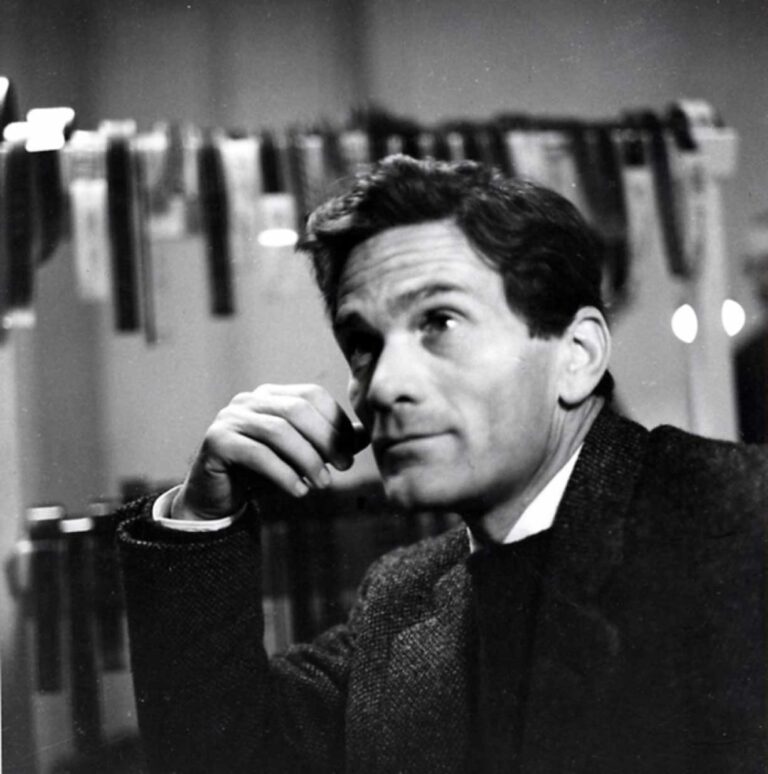
On March 5th of this year, Pier Paolo Pasolini would have been a centenarian. In the history of Italian cinema, Pasolini is in a whole category of his own with various works of critical satire of modern Italy with its consumerism and cultural alienation. He was a devout communist who was not shy of expressing sexual hypocrisy in a masculine society, as he was a openly gay man. Pasolini wrote extensively on these subjects in magazines, literature, theater, and in cinema, which he would embark on in 1961 when he was 39 years old. It ended abruptly and violently with his murder in 1975. 


The Early Rebel


Pasolini was born in Bologna, but moved around because of his father working for the Italian Army in his youth. From his youth, he became engaged in literature and was influenced by the writings of Fyodor Dostoevsky, Leo Tolstoy, and William Shakespeare, which allowed him to join circles of discussion with other classmates. He also considered himself an atheist at this time and, while Italy was fighting in World War II, aligned himself with the communist partisans from within. At the end of the war, Pasolini published his first book of poems. 

Moving to Rome in 1950, Pasolini and his mother lived in a rundown area called Rebibbia and lived by its prison. Amongst the immigrants and refugees in Rome in poor conditions, it resolved Pasolini’s view that the country’s turn to capitalism was wrong and he began to speak out against it. It was also when he got in trouble with the law on indecency charges (because of his homosexuality) which resulted him in being expelled from the Italian Communist Party local chapter. Uncompromising and unapologetic, Pasolini made a living selling his own books on the street and got a job at Cinecitta film studios, where he met Federico Fellini.

He published his first novel, Boys of Life (it has since been republished under the title The Street Kids), in 1955. Upon its release, it was under massive scrutiny by the press and politicians, namely by the conservative Christian Democrats, for its portrayal of male hustlers. Fellini was unfazed by the criticism and hired Pasolini to polish dialogue in his films Nights of Cabiria and La Dolce Vita. This helped Pasolini make his first film, Accattone, a post-realism drama about a male hustler surviving the streets trying to get by anyway he can. His grim portrayal of another side of Italy once again angered politicians who demanded more censorship of films that were seen as offensive to Italy and the Catholic Church.


Counter To The Counterculture


From Accattone, Pasolini made two of his more accessible films; Mamma Roma, starring Anna Magnani and Franco Citti, and The Gospel According To St. Matthew, a neo-realism story of Jesus Christ. Despite his atheism, Pasolini still held some fondness for the Catholic Church and dedicated the film to the late Pope John XXIII. It received critical acclaim and the film was later named the best film about Jesus Christ in 2015 by the Vatican City paper L’Osservatore Romano.

He followed it with his adaptation of the Greek play Oedipus Rex, then the allegorical anti-bourgeoise film Teorema starring Terrence Stamp, and ending the 1960s with another Greek tragedy adaption, Medea, which featured opera singer Maria Callas in her only film role.

His political activity also grew with the student movement of 1968 happening around the world and violence between them and local authorities over various issues. However, Pasolini was an untraditional Marxist in his beliefs that the police were not the enemy, but also the victims of a corrupt system. While left-wing figures supported the decriminalization of abortion, Pasolini actually opposed it. He also accused the Christian Democrats for being the new fascism and alleged them to be behind mafia-associated killings with protection by the CIA, and called for television to be illegal in the country because Pasolini saw it as the cause of the cultural gap between Northern and Southern Italy.

In the 1970s, Pasolini decided to focus his next movies on literature classics that were centered around the sexual freedom growing in the decade. This would labeled as his “Trilogy of Life,” all three movies with plenty of nudity and slapstick comedy with both heterosexual and homosexual tones. Sodomy is a sin, yet the real sin is being in poverty while the powerful engage in their sexual fantasies in Boccaccio’s The Decameron, Chaucer’s The Canterbury Tales, and the erotically-charged Arabian Nights. The films were wildly popular and Pasolini was given more respect for his artistic mastery. This trio of films, plus his final movie Salo, were produced by Alberto Grimaldi, shot by Tonino Delli Colli (who also worked on Accattone and St. Matthew), and scored by Ennio Morricone.


Death By Salo


His unexpectedly final picture was also his most notorious and the probable reason for his murder. Adapting the notorious story by Marquis de Sade, Salo, Or The 120 Days of Sodom moved the setting to the last months of World War II in the far north of Italy where Benito Mussolini is the puppet head of Hitler’s occupied section of the country. Four wealthy libertines, aware that they are short on time, decide to celebrate their demise by kidnapping a group of teenage boys and girls and force them to engage in humiliating, degrading activities. It is Pasolini’s most anti-fascist film and a reflection of the modern Italian society he saw in decline.

The sadistic violence – rape, sodomy, torture, roleplay, coprophilia, voyeurism, and murder – is as graphic as one can get with its depictions. It has several stomach-churning moments in which, instead of the softcore feel to his “Trilogy of Life” films people found before, Pasolini made Salo the anti-porn film even with the nudity and strong sexual content. While filming, some of the footage was stolen; Pasolini was sent a ransom note to get it back and went to a secret location outside Rome. On November 2, 1975, Pier Paolo Pasolini was murdered having been run over by his own car, bludgeoned, and partially burned. He was 53 years old.

His murder remains considerably debatable and is now considered unsolved. Officially, a teenage prostitute was convicted for the murder, but years later said he was forced to confess the murder because of the threat of violence to his family. Those who have reassessed the killing say it is more likely that the mafia was behind it, using the prostitute to lure Pasolini in an ambush and kill him because of his outspoken political views and accusations of a mafia-government alliance. Regardless, the case was never reopened and the site of his killing is now a park named after its major victim.


An Exasperating, Self-Promoting, Wicked Legacy


Almost 50 years after his bloody end, Pasolini’s reputation remains solid and controversial as ever with many archived interviews featuring him and those that have worked on his films. Despite his notorious personality, many critics have studied Pasolini’s themes and the adrenaline of his content, engaging in subjects that are taboo and unflattering. It can certainly be exhausting to read into his views and how provocative he was always towards everyone – he faced countless charges of obscenity but was acquitted every time – but it was expressed in a way fellow Marxist Jean-Luc Godard was never able to do in the same period.

In writing for Mamma Roma for the Criterion Collection, writer Gary Indiana described Passolini as “exasperating, narcissistically didactic, slyly self-promoting…devoted to the wretched of the earth with honest fervor and deluded romanticism.” It is a force that can turn anyone off, especially the non-politically inclined, but Pasolini was only trying to find his own place in a world that was never generous to him. His views were outside the left-wing realm and his movies were something that no other Italian filmmaker, not even his close director friend Bernardo Bertolucci, would have considered doing. The body of work could only be done by someone who was proud of being an iconoclast and dangerous, so much so he had to be silenced.


Follow me on Twitter: @brian_cine (Cine-A-Man)

Op-Ed: Unusual Ralph Fiennes Pieces

Ralph Fiennes is well known for big villains like Voldemort and Schindler’s List or dramatic epics like The English Patient or his recent tenure as James Bond’s boss M. However, Fiennes’ impressive body of work includes numerous small, eclectic gems. Here are a few unusual throwbacks and underrated choices.


  1. The Duchess

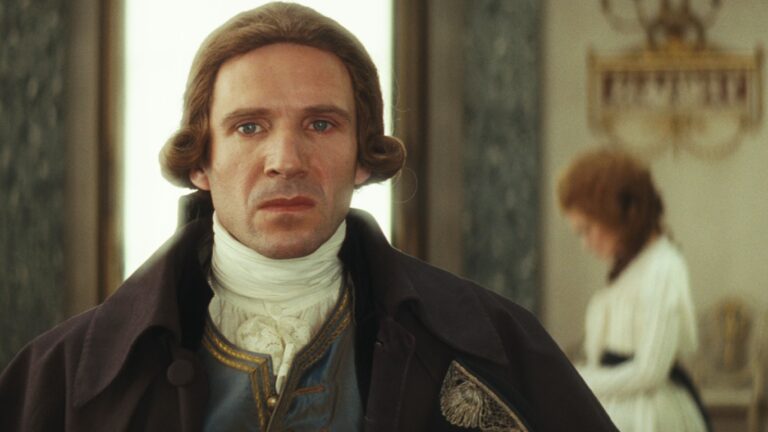
Keira Knightley (Atonement) stars as Georgiana Cavendish, Duchess of Devonshire in this 2008 18th century tale featuring duke Ralph Fiennes and friendly rival Hayley Atwell (Agent Carter) amid glorious estates, award winning frocks, harpsichords, feathers, and divine interiors. An arranged marriage begets an awkward wedding night and pressure to produce an heir. Sons are more important than daughters, abused women are blackmailed with their rightly or wrongly begotten children, and men are allowed to get away with anything. Though dressed in old speaketh, we know times haven’t changed, and the likable ensemble doesn’t hit the audience over the head with on the nose commentary. Despite her disappointing marital expectations, Knightly is a poised outspoken duchess dabbling in Whig politics. The tumultuous affairs and scandalous love triangles don’t go for saucy skin, and the despicable turns are tolerable, thanks to Fiennes and his tough talking but stunted, disinterested, and of his time aristocrat. Historical liberties are certainly taken and the mismarketing pushing the Lady Di/Spencer connections may have hurt the film’s reception. However, the progressive history makes for a well put together and surprisingly modern costume drama.


  1. Red Dragon

William Blake paintings and tattoos consume Tooth Fairy killer Fiennes alongside an all-star cast including weary FBI agent Edward Norton (American History X), opportunistic reporter Philip Seymour Hoffman (Capote), and Hannibal Lecter himself, Anthony Hopkins, in this 2002 prequel to The Silence of the Lambs. Classical music, 1980s soirees, and culinary kills establish the sophisticated game of wits as the frenetic Danny Elfman (The Nightmare Before Christmas) crescendos punctuate character revelations and well done horror elements. Of course, the back on the job protege surpassing the criminal mentor to get inside the head of a new killer before he strikes again is certainly familiar framework. However, the one on ones, ensemble personality, and families at risk don’t underestimate the audience. Flashlights, tape recorders, crime scene photos, and home videos accent the against the clock pursuits. Bloody bedrooms and bite marks let us deduce the chilling as the reluctant Norton persists after our disfigured, shy yet meticulous killer. We see the dilapidated manor with echoes of abuse before Fiennes’ face, but Emily Watson’s (Breaking the Waves) upfront compassion can’t save him from his disturbed transfiguration and godlike delusion. Looking but not seeing voyeurism and dissociative mirrors layer the read between the lines references, and thanks to social media, we all understand the who we become versus who we really are distortion. This multilevel investigation doesn’t fall back on today’s ease of access, relying instead on fine writing and characterization to bring this taut, alluring prequel full circle.


  1. The End of the Affair

This World War II parable from director Neil Jordan (Interview with the Vampire) and author Graham Greene (The Third Man) provides conflicted spirituality, existential hate, and sophisticated romance. Typewriter clickety-clack, vintage cinemas, dreary rain, period patinas, and Art Deco hotels set off the subtle hand under the cuff intimacy and steamy stockings. At times, the framework does feel fifties with over the top obsessions and sweeping, on the nose music. However, the performances accent the unreliable writer embellishments and literary life imitating art elan as the timeline moves between 1939 encounters and the two years since D-Day rekindling. The Blitz rages amid prayers and miracles as the deceptions and private detectives escalate to professions of love that save some and damn others. Us mere humans are too weak to keep our spiritual promises, but who else can inattentive husband Stephen Rea (The Crying Game) trust but the man who knows his wife so intimately? Fiennes is on form as our cranky writer captivated by the perfectly bittersweet, always in red Julianne Moore (Boogie Nights). He complains it’s easy to write about pain when you’re angry enough at God to almost believe he exists. Unfortunately, the jealous, possessive men fail to comprehend her profound experience until it’s too late. The tragedy probably isn’t shocking anymore, and this may seem too talkative to many despite the spice. Thankfully, the well paced revelations and complex relationships make for a deeply moving, adult melodrama.


  1. Emily Bronte’s Wuthering Heights

This aptly named, largely faithful but streamlined 1992 adaptation from director Peter Kosminsky (White Oleander) and screenwriter Anne Devlin (The Rainbow) captures the depressing love and gothic spirit of the 1847 novel. Haunting, windswept locales and period costumes add ambiance; be it glamour or decay as money and class shape the misfortunes of our disparate, tormented soulmates. It does help to be familiar with the book, for the lookalike namesakes and narration framework can be confusing. However the captivating emotional train wreck resonates thanks to ghosts, graves, romance borne on the moor, and deathbed vows to never rest in peace. Beautiful performances anchor the anguish, and Juliette Binoche (Chocolat) showcases the lost innocence and heartbreak amid the bitter twists of fate as both Cathy and her daughter Catherine. Fiennes debuts onscreen as the tightly wound, black clad, and unkempt Heathcliff. He’s tortured and conflicted, lovelorn yet villainous and vile. Despite his Byronic anger, we root for a reconciliation between the living and the dead. Literary fans will be delighted, and with its PG rating, teachers may enjoy introducing the next generation to this unforgettable tale.


  1. The Grand Budapest Hotel

Picturesque postcard designs accent Wes Anderson’s (The Royal Tenenbaums) 2014 quirky comedy as numerous stars pepper the silly vignette mood. Dialogue within the internal monologue, timeline transitions, and kitschy exposition set the dilapidated hotel scene before intertitle chapter cards travel back to the grandiose 30sheyday. Zany zooms, action pans, and in and out of focus views capture the choice reds, vintage trains, delightful architecture, and golden chandeliers while tight camera angles convey the cramped servant’s life. Modern sarcasm lifts the who’s swindling who heists with great zingers and smooth talking tongue in cheek as our lobby boy learns the ropes from Fiennessermon giving, serving all the rich blondes concierge. Genuine character friendships sustain the increasingly preposterous, read between the lines farce and larger than life, on the run adventure. Some overly clever double crosses and pretentious winks do too much when the lavish production already handles the high brow complexity. Redundant, intentionally unreliable narration and black and white montages are also abrupt compared to the preceding nostalgic whirlwind. However, frame within a frame embellishments capture the outlandish travels and whimsical ski jumps. This is an entertaining, intelligent piece with a careful, award winning attention to detail that takes more than one viewing.


Honorable Mentions: Spider, Oscar and Lucinda, Onegin, Strange Days


Movie Review: ‘Il Buco’ is Near Wordless, But Atmospheric and Alluring


Director: Michelangelo Frammartino

Writers: Michelangelo Frammartino and Giovanna Giuliani

Stars: Claudia Candusso, Paulo Cossi, Mila Costi

Synopsis: The extraordinary adventure of the young members of the Piedmont Speleological Group who, having already explored all the caves of Northern Italy, changed course in August 1961 and went South to explore other caves unknown to man.


In 2010, Italian filmmaker Michelangelo Frammartino delivered the short and gentle indie hit Le Quattro Volte (interpreted as The Four Times in English). The film depicted the concept of metempsychosis, or the transmigration of souls, in a mountain town in Caulonia, Italy. Frammartino’s technique is meditative and a tad odd as it explores the beautiful natural world through lengthy lingering shots of the plains, animals, and the village’s community. The reason why it’s strange is not that it has little to no dialogue; it is because of its mystery about the journey that he takes us on about rebirth and the ideas of unity by humans, animals, vegetables, and minerals. There is a possibility many will see the film and think that its concepts are somewhat or entirely outlandish. Personally, I don’t think it is silly, albeit it took me a couple of watches to start getting into it and appreciate its reflections on life. 

He takes an approach to filmmaking similar to Apichatpong Weerasethakul’s (who also had a film about resurrection that same year called Uncle Boonmee Who Can Recall His Past Lives). Nonetheless, Frammartino delivers his third feature eleven years after his critically acclaimed experimental drama, with Il Buco. Set in August 1961, Frammartino’s latest recreates the real-life exploration and study of one of the deepest caves in the Calabrian hinterland, the Bifurto Abyss (almost seven hundred meters below the surface). During this time, Europe was undergoing an economic boom; on one side of Italy, the highest building at the time was being constructed. Meanwhile, on the other side of the country, some adventurers dedicated their time exploring this cavernous chasm to see where it led them. Even though it is dedicated to the real people who got down into the tunnels, Frammartino is highly interested in venturing on his own into the atmospheric abyss (with some limitations because it doesn’t go into the cave’s depths). 

There isn’t much of a narrative in Il Buco, always staying on the thin line between narrative feature and documentary. My gut says it is neither; the best way to describe it is a cinematic spiritual experience. It demands patience since watching can be somewhat frustrating; the only way to ideally experience the movie correctly is in the theater because there are no distractions. The viewer becomes immersed as the film continues through its transient ninety-three-minute runtime and absorbs the ravishing images. Like Le Quattro Volte, there is almost no spoken dialogue. It transgresses with slow pacing–taking its time, sauntering as it goes deeper into the cave, or displaying the beauty of the Italian scenery. It’s truly a marvel to look at, thanks to cinematographer Renato Berta (Au Revoir les Enfants and Lover for a Day), who’s an expert in showing delicacy through subtlety and using natural light (and darkness) to help encapsulate the beauty within each frame. 

Time moves at a different pace when watching these types of movies. It reminded me of the experience I had watching Weerasethakul’s Memoria (which was one of my favorite films of last year). However, I wasn’t as engaged with Il Buco as with Joe’s latest. Regardless, I wasn’t entirely gripped or engrossed by Frammartino’s vision during the movie’s first half. However, my attention picks up highly in its second half. Here, we get parallels between the health of the film’s epitome of a natural observer, an old shepherd (Paolo Cossi) watching everything on a nearby hill (who apparently plays the only witness to this discovery), and the actions the explorers make during the culmination of the investigation. In this half, that’s where people start analyzing the most. The viewer begins to think about the different parallels and compare them to the scenery shown. 

The shepherd’s fate being woven into the land he watches over, the loss of traditions as modern progress continues to develop, isolations versus peace, and the essence of life as it fades with nature are some of the multiple concepts Il Buco showcases throughout its silent composition. It is hard to explain all its metaphysical metaphors about life and nature intertwined, but I don’t think it matters if one can clarify what it’s all about or not. If the viewer only focuses on what’s happening on the screen, there is a loss of sense of self. It is as if you lose the sense of time and embrace the ambiance presented by Frammartino. It is hard to get into it during its first half, and there are many deep thoughts to acknowledge, yet, admiring the beauty of this filmmaking approach is vast enough to ponder in your mind for many days. 


Grade: B+

Poll: What is the best horror remake?

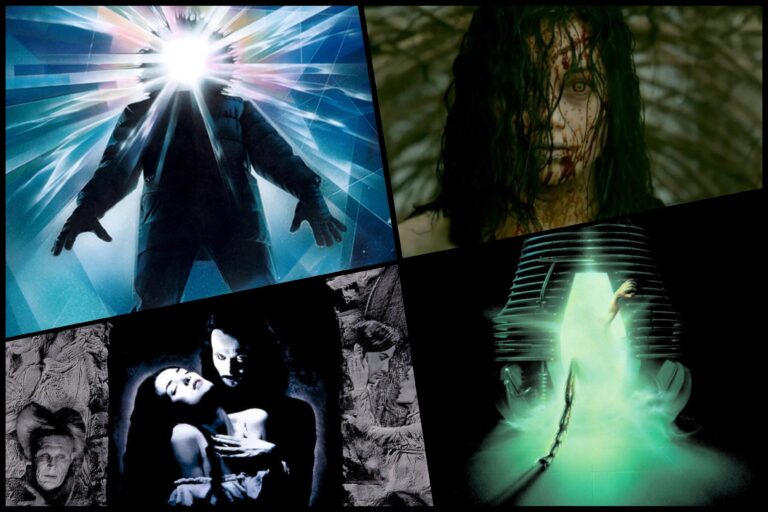
If you thought Hollywood remakes in general were a scary thought, imagine the reputation that horror remakes carry. It’s not uncommon for Hollywood to either reinterpret or re-franchise horror films (most notably slashers) just so they can hold on to the rights, making the horrific (pun intended) reputation of horror remakes a mostly earned one. But those that do not reek of financial obligation have gone on to become both horror and cult classics, with some receiving a critical reappraisal even as we type this. It’s hard to say if the new Firestarter will join the same camp or not, but it did inspire us to look at the best of a scary bunch.

With that said, what do you think is the best horror remake?


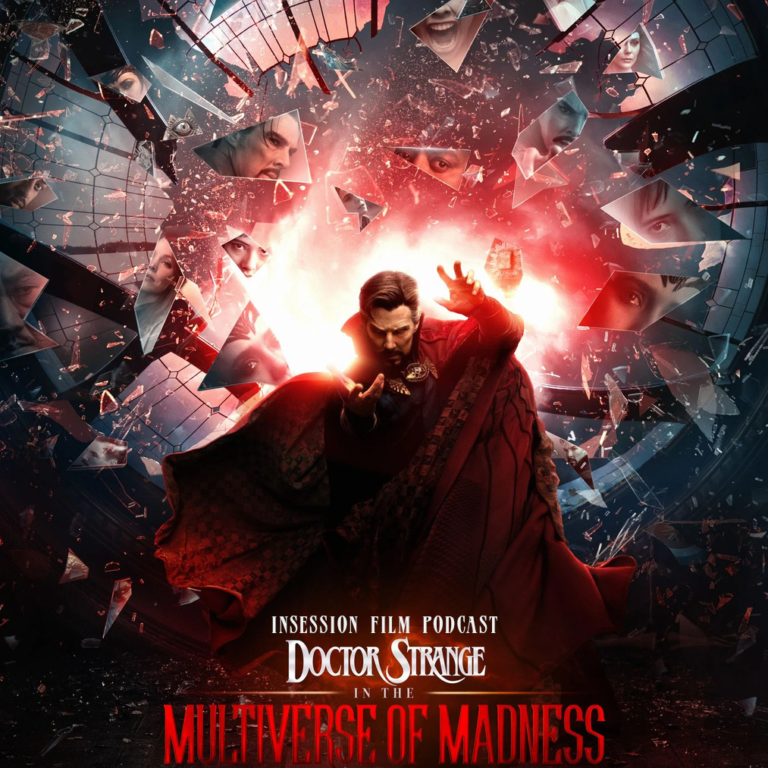
Podcast: Doctor Strange in the Multiverse of Madness / War of the Worlds – Episode 481

This week’s episode is brought to you by The Lost City. Follow us on social media for your chance to win a FREE digital code!

This week on the InSession Film Podcast, Brian Eggert from Deep Focus Review joins us as we continue our Steven Spielberg Movie Series with War of the Worlds and discuss the latest from Marvel in Doctor Strange in the Multiverse of Madness!

Huge thanks to Brian for joining us this week. He was wonderful and it was a pleasure to finally get him on the show. On the whole we are big MCU fans, but our discussion of Doctor Strange in the Multiverse of Madness was sadly more of a mixed bag this time around. Our review of War of the Worlds was also a bit surprising given the reputation of that film and how we came to bat for it. 

On that note, check out this week’s show and let us know what you think in the comment section. Thanks for listening and for supporting the InSession Film Podcast!

– Movie Review: Doctor Strange in the Multiverse of Madness (5:14)
Director: Sam Raimi
Writers: Michael Waldron
Stars: Benedict Cumberbatch, Elizabeth Olsen, Chiwetel Ejiofor, Benedict Wong

– Notes / Discussion (1:11:53)

This week for our break segment, we keep things pretty simple given the length of our two reviews. However, as noted above, we do have digital codes for The Lost City if that’s something you’re interested in. We also have new Patreon Bonus Content where the great Richard Newby joined JD to talk about Marvel’s Moon Knight!

[divider]

RELATED: Listen to Episode 443 of the InSession Film Podcast where we discussed CODA!

[divider]
– Steven Spielberg Movie Series: War of the Worlds (1:29:10)
Director: Steven Spielberg
Writers: Josh Friedman, David Koepp
Stars: Tom Cruise, Dakota Fanning, Miranda Otto, Tim Robbins

Show Sponsor: First Time Watchers Podcast

– Music

Doctor Strange In the Multiverse of Madness – Danny Elfman
War of the Worlds – John Williams
The Return of the Eagle – Atli Örvarsson

Subscribe to our Podcasts RSS
Subscribe to our Podcasts on iTunes
Listen on Spotify
Listen on Stitcher
InSession Film Podcast – Episode 481

[divider]

Next week on the show:

Steven Spielberg Movie Series: Munich
Top 3: TBD

[divider]

Help Support The InSession Film Podcast

If you want to help support us, there are several ways you can help us and we’d absolutely appreciate it. Every penny goes directly back into supporting the show and we are truly honored and grateful. Thanks for your support and for listening to the InSession Film Podcast!

VISIT OUR DONATE PAGE HERE

JD DuranInSession FilmHost / Editor-in-Chief

Home

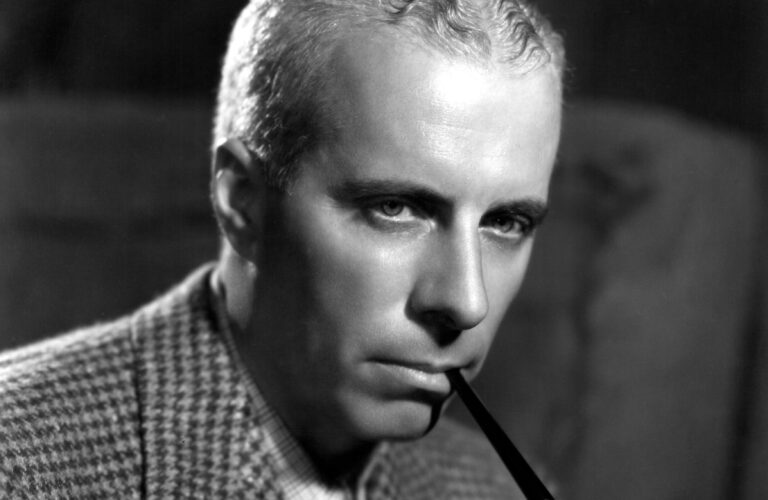
Podcast: Howard Hawks Movie Series

After starting the year with Steven Soderbergh, Ryan and Jay take a look back in time at a classic Hollywood director that is as versatile as they come with Howard Hawks. In a career spanning close to fifty years, the man made some of the most successful, significant movies of his era, in various genres like comedy, crime thrillers, dramas, musicals, and westerns. As the series went on, the Extra Film boys grew to understand how Hawks might be one of the most underrated directors of his time and how the man was a pioneer in pushing forward provocative ideas in a time where directors were limited by the studios and the government to do so. Educational and entertaining, this was a Movie Series you wouldn’t want to miss.

Scarface & Bringing Up Baby, 1932 & 1938

Listen to our review below as heard on Extra Film.

Only Angels Have Wings, 1939

Listen to our review below as heard on Extra Film.

His Girl Friday, 1940

Listen to our review below as heard on Extra Film.

The Big Sleep, 1946

Listen to our review below as heard on Extra Film.

Gentlemen Prefer Blondes & Rio Bravo, 1953 & 1959

Listen to our review below as heard on Extra Film.

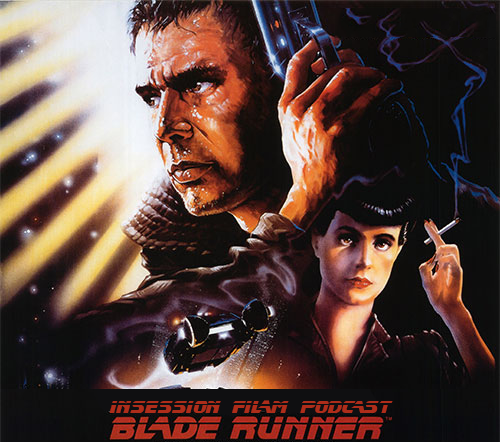
Podcast: Blade Runner (Revisited) / We’re All Going to the World’s Fair – Extra Film

This week on the InSession Film Podcast, Ryan and Jay are joined by Brian Tallerico of RobertEbert.com as they continue their Ridley Scott Movie Series with Blade Runner, and they also talk about the new indie We’re All Going to the World’s Fair!

A big thanks to Brian for joining us on the show once again. If you’re in the film critic world in any way, you know the great work that he and his team do over at RogerEbert.com. He’s one of the best out there and we’re always grateful when he’s able to join us. After Alien last week, it’s wild that we jump straight to another sci-fi classic in Blade Runner. This is the second time we’ve done an official review of the film (you can hear our first review of Blade Runner here), and yet it still feels like there’s plenty more to mine out of it.

On that note, check out this week’s show and let us know what you think in the comment section. Thanks for listening and for supporting the InSession Film Podcast!

– Movie Review: Blade Runner (6:30)
Director: Ridley Scott
Writers: Hampton Fancher, David Peoples
Stars: Harrison Ford, Rutger Hauer, Sean Young, Edward James Olmos

– Movie Review: We’re All Going to the World’s Fair (1:12:23)
Director: Jane Schoenbrun
Writers: Jane Schoenbrun
Stars: Anna Cobb, Michael J. Rogers

– Music

Blade Runner Theme – Vangelis
End Song – Alex G
The Return of the Eagle – Atli Örvarsson

Subscribe to our Podcasts RSS
Subscribe to our Podcasts on iTunes
Listen on Spotify
Listen on Stitcher
Extra Film – Blade Runner (Revisited) / We’re All Going to the World’s Fair

[divider]

To hear this Extra Film episode and everything else we do, download our apps on the Amazon Market for Android and the Podcast Source app on IOS devices. The mobile app covers all of our main shows, bonus podcasts and everything else relating to the InSession Film Podcast. Thanks for your wonderful support and for listening to our show. It means the world to us.

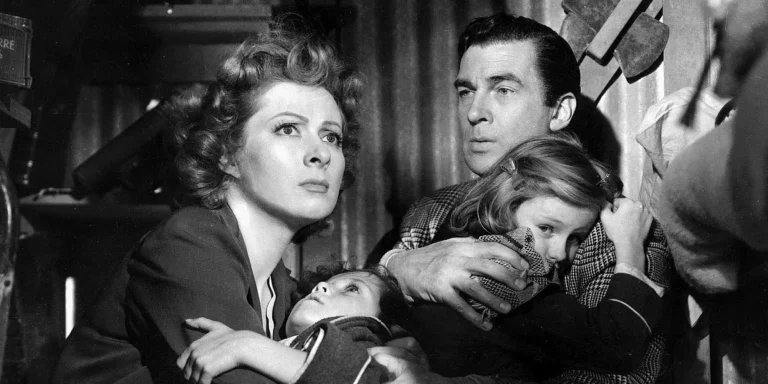
Mrs. Miniver: A Truly Patriotic War Picture

Prior to World War II, writer Jan Struther was hired to write a series of short stories for The Times in Britain that reflected stories of, “an ordinary sort of woman who leads an ordinary sort of life.” Struther created the character Kay Miniver based on her own life experiences and expressed simple moments that happen every day. As the threat of war loomed, Struther wrote of events that reflected public fears and later wrote letters of what Mrs. Miniver was doing when war was declared. These articles were published in a singular book and the rights were bought by MGM to adapt in the United States when the country was still neutral.

What became of it remains one of the best films of the 1940s and an imprint of the social consciousness and patriotism of the British during the war. It received 12 Academy Award nominations, winning six, including Best Actress for Greer Garson, Best Director for Wyler (the first of three), and Best Picture. Ranked in the Top 50 of the American Film Institute greatest films, Mrs. Miniver is the quintessential movie that Hollywood could make while also having a global impact. A story of middle-class England outside of the cities, it was a mirror to the soul of England’s fight for their freedom, especially as they were alone when the French surrendered and the Soviet Union still had an agreement with the Germans of non-aggression.

The United States did not want to go again to Europe to fight a war the public saw as their own affair. Yet, President Franklin D. Roosevelt saw ahead the seriousness of Nazi Germany’s expansion and asked the public to consider the long-term danger of an aggressor like Hitler. It was personal to Wyler, who was a Jew born in Mulhouse, France, near the border with Germany. When principal photography began in late 1941, the country was close to war, although not expecting the first blow to come from Japan. Plus, studio heads, although Jewish, were hesitant to make anti-German films, not because of any profits through German distributors (that had ceased), but due to pressure by isolationist politicians in Washington who threatened to investigate studios for warmongering propaganda.

In Five Came Back, Wyler stated in an interview that Louis B. Mayer wasn’t too happy with the scene where Mrs. Miniver slaps a downed German pilot who landed in her backyard. Set during the Blitz, the pilot defends his country’s actions while Miniver scolds him and slaps him. Mayer was worried about the film being too anti-German and that he didn’t want a single German to represent an entire nation. Wyler defended the scene, saying that since there was only one German represented, he was going to refer to the pilot as, “one of Goering’s little monsters.” After war was declared, Mayer called Wyler and said, “I’ve been thinking about that scene,” and let the moment stay in the film.

The final scene has one of the greatest monologues ever given. The village has been bombed, the church has lost its roof, and numerous people have died. The vicar comes up front to recite his sermon, expressing his grief to the community while also stating the war is not just about soldiers, but about people in general that is fought in every space of the country. It speaks to the audience who were watching in 1942 why this war is important, why it must cost so much, and why it is worth it. The vicar isn’t breaking the fourth wall, but he might as well have when he says:

Well, we have buried our dead, but we shall not forget them. Instead, they will inspire us with an unbreakable determination to free ourselves, and those who come after us, from the tyranny and terror that threaten to strike us down. This is the People’s War. It is our war. We are the fighters. Fight it, then! Fight it with all that is in us! And may God defend the right.ourselves, and those who come after us, from the tyranny and terror that threaten to strike us down. This is the People’s War. It is our war. We are the fighters. Fight it, then! Fight it with all that is in us! And may God defend the right.”

One of those who saw this and was impressed was none other than Joseph Goebbels, Hitler’s chief propagandist. It was a film he feared because of how effective the movie’s messaging was being anti-German without saying anything about the country, only the people running it as the real enemy. It was the same in Christopher Nolan’s Dunkirk in which Germany is not even mentioned once because Nolan didn’t want the politics to get caught up in the story. The Allies and Axis consistently made propaganda film that invoked the enemy’s behaviour and here is a film that contained it to daily life under the constant threat of bombs. 

Eighty years later, the legacy of William Wyler includes the importance of making Mrs. Miniver and its importance when it was released. It stands the test of time and a symbol of what the power of cinema could do. 


Follow me on Twitter: @brian_cine (Cine-A-Man)

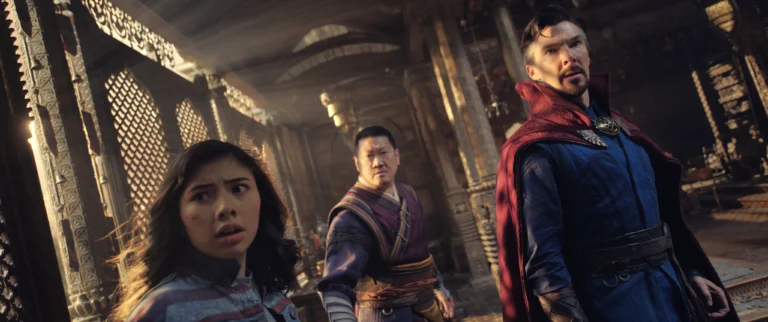
Movie Review: ‘Doctor Strange in the Multiverse of Madness’ Works Because of Sam Raimi’s Wild Spirit


Director: Sam Raimi

Writer: Michael Waldron

Stars: Benedict Cumberbatch, Elizabeth Olsen, Benedict Wong

Synopsis: Dr. Stephen Strange casts a forbidden spell that opens the doorway to the multiverse, including alternate versions of himself, whose threat to humanity is too great for the combined forces of Strange, Wong, and Wanda Maximoff


In 2002, when director Sam Raimi directed the first incarnation of Spider-Man, there was no way of knowing that 20 years would go by and the comic book genre would dominate the modern blockbuster landscape the way that it has. But outside of a few features from both the MCU and DC, there haven’t been many who have captured the magic, wonder, and vision of what Raimi brought to the original Spider-Man trilogy. With his background in horror and comedy, his sensibilities as a director brought something exciting to a newly explored genre, and with Doctor Strange in the Multiverse of Madness, his return brings a jolt of chaotic, fun energy that has been desperately missing in superhero movies. In doing this, Raimi’s style is the catalyst for why this film is one of the best MCU to date.

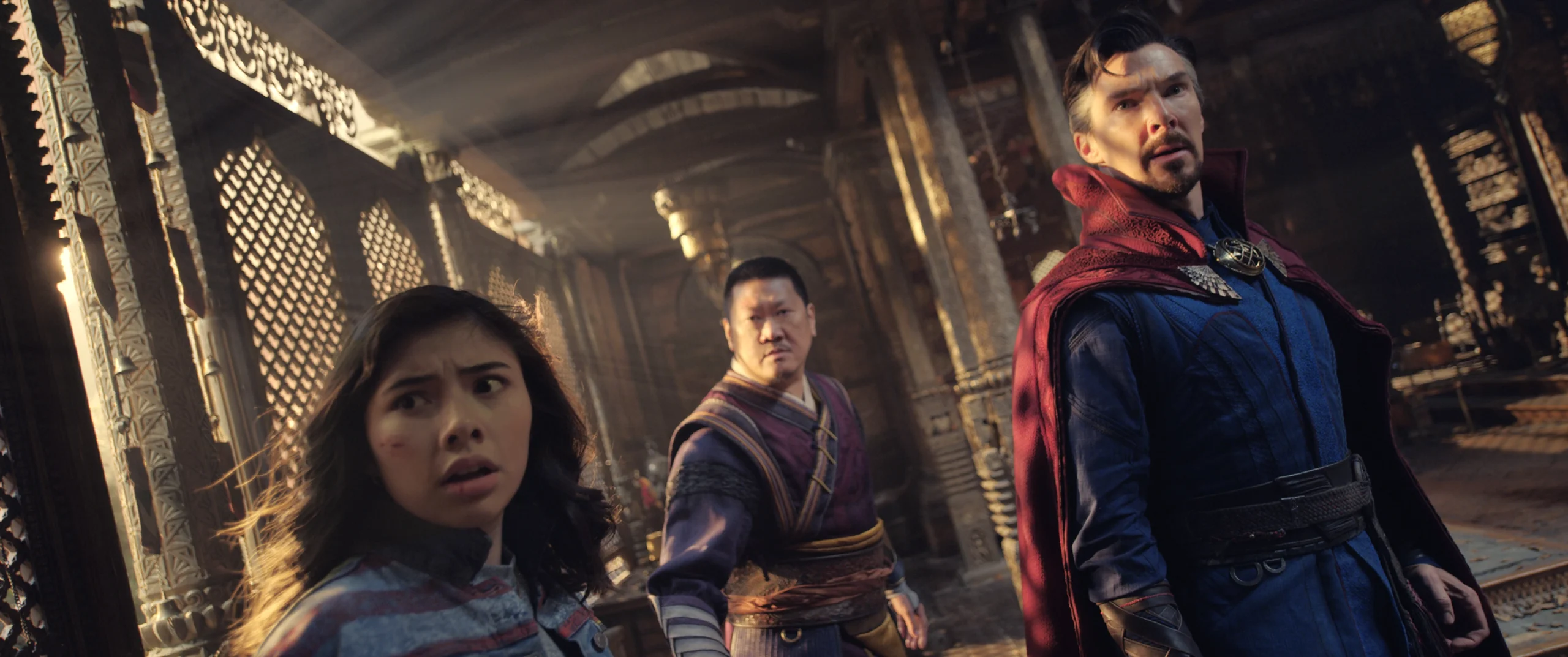
Picking up after the events of Spider-Man: No Way Home, Doctor Stephen Strange (Benedict Cumberbatch) is trying to pick up the pieces of his life he left behind in order to become a Master of the Mystic Arts. In a relative time of peace, he starts to see visions of a cosmic universe, where he witnesses a version of himself who has to help a young girl named America Chavez (Xochitl Gomez) escape the clutches of evil beings trying to drain her of her powers, which is the ability to jump from any multiverse she wants with just a single punch. Strange, thinking this is all a dream, gets dressed, and heads to the wedding of Christine Palmer (Rachel McAdams), the love of his life and the girl who got away. Everything is going well, until a portal opens, and America is seen fighting off a giant monster in the middle of NYC. Strange, alongside Wong (Benedict Wong), helps vanquish the creature and assist America in finding a way to control her powers, as well as find a way to understand the multiverse more than the very little they know.

In order to fully understand the power that America wields, Strange seeks out an old friend, and former Avenger, Wanda Maximoff (Elizabeth Olsen). When we last saw Wanda, she was grieving the loss of Vision and the children that she created in the Marvel TV show WandaVision, and found some dark powers within her to form the Scarlet Witch, a powerful witch capable of destroying everything in her path to get what she wants. When Strange realizes what Wanda has become, no longer seeing the good that was once in her, it sets off a chain of events to get America out of harm’s way from Wanda, in this universe and beyond.

From the jump, Doctor Strange in the Multiverse of Madness is an adrenaline rush built on the backbone of craftsmen who understand what they are doing. Throughout many of the Marvel films over the last fifteen years, creatives behind the camera have had to give into the machine-like nature of Marvel, with fans and spectators having to stretch their imaginations in order to find a hint of a director’s personality within their film. Most of this has been attributed to producer Kevin Feige and Marvel’s episodic nature which allows their template to make it easy for anyone to slip into and make a name for themselves (looking at you Jon Watts). But when you hire Sam Raimi to make your movie, there is no hiding his flare for the theatrics, which is a perfect combination of playful humor alongside possessed beings, terrifying zoom-ins, campy visuals, and enough heart to tie it all together. There is a personality to this movie, a vibe that has been missing from cinemas since Raimi was banished for making the flop, Oz the Great and Powerful. With this return, Raimi has delivered the best direction anyone has delivered within the MCU, and has shown the world once again that he is the real king of the comic book genre. 

Alongside Raimi’s stellar direction lies two fantastic performances from Cumberbatch and Olsen. When we first met these two characters, they were middle of the road superheroes, who served a purpose to bridge us to the next chapter of the Avengers storyline, thus not being able to make a real impact. But over the course of time, and various films and a television series, we’ve grown attached to Strange, as he is struggling with keeping everything together while trying to understand what it must take for him to grow as a not just a hero, but as a man, and with Wanda, to understand why she has gone to the dark side. Her actions are sinister yet justifiable and thus make for compelling stakes when you realize that it is a movie about two broken people trying to mend their broken hearts and minds.

There are issues with the film. This movie continues the franchises trend of having the usual Marvel trappings of too many side characters with nothing to do, cameos that are only inserted to appease the fans, lack of stakes, over explanation in the dialogue, as well as an underwritten portrayal of America Chavez. Yet, whenever an issue came up, Raimi seemed to swoop in with something dazzling or inventive enough to keep me engaged and happy overall. 


Grade: B

List: Top 3 Cat & Mouse films

This week on Episode 480 of the InSession Film Podcast, inspired by our review of Catch Me If You Can, we discuss our favorite “cat and mouse” movies. These type of movies have been a staple in Hollywood since the beginning of the industry, so it’s amazing that we haven’t done this topic over the years as there are countless films to consider for this exercise. Oftentimes they’re very entertaining, full of mystery and suspense, and have such a wide appeal. It wasn’t easy narrowing down the chopping block, however it did make for an interesting conversation. That said, here are our lists:

(Note: Please keep in mind that we each had different criteria for our selections)

Brendan

1) Fargo
2) The Fugitive
3) Zodiac

Jay

1) Blackhat
2) The Fugitive
3) Oldboy

Mitchell

1) Zodiac
2) No Country For Old Men
3) I Saw the Devil

Honorable Mentions (Combined)

The Departed, The French Connection, Cape Fear, Duel, Minority Report, The Silence of the Lambs, The Game, Se7en, Insomnia, Momento, Elle, Ex Machina, Don’t Breathe, The Matrix, Ocean’s Twelve, A Simple Plan

Hopefully you guys enjoyed our lists and if you agree or disagree with us, let us know in the comment section below. There are certainly many more “cat and mouse” movies that could eligible for your lists. That being said, what would be your Top 3? Leave a comment in the comment section or email us at [email protected].

For the entire podcast, click here or listen below.

For more lists done by the InSession Film crew and other guests, be sure see our Top 3 Movie Lists page.

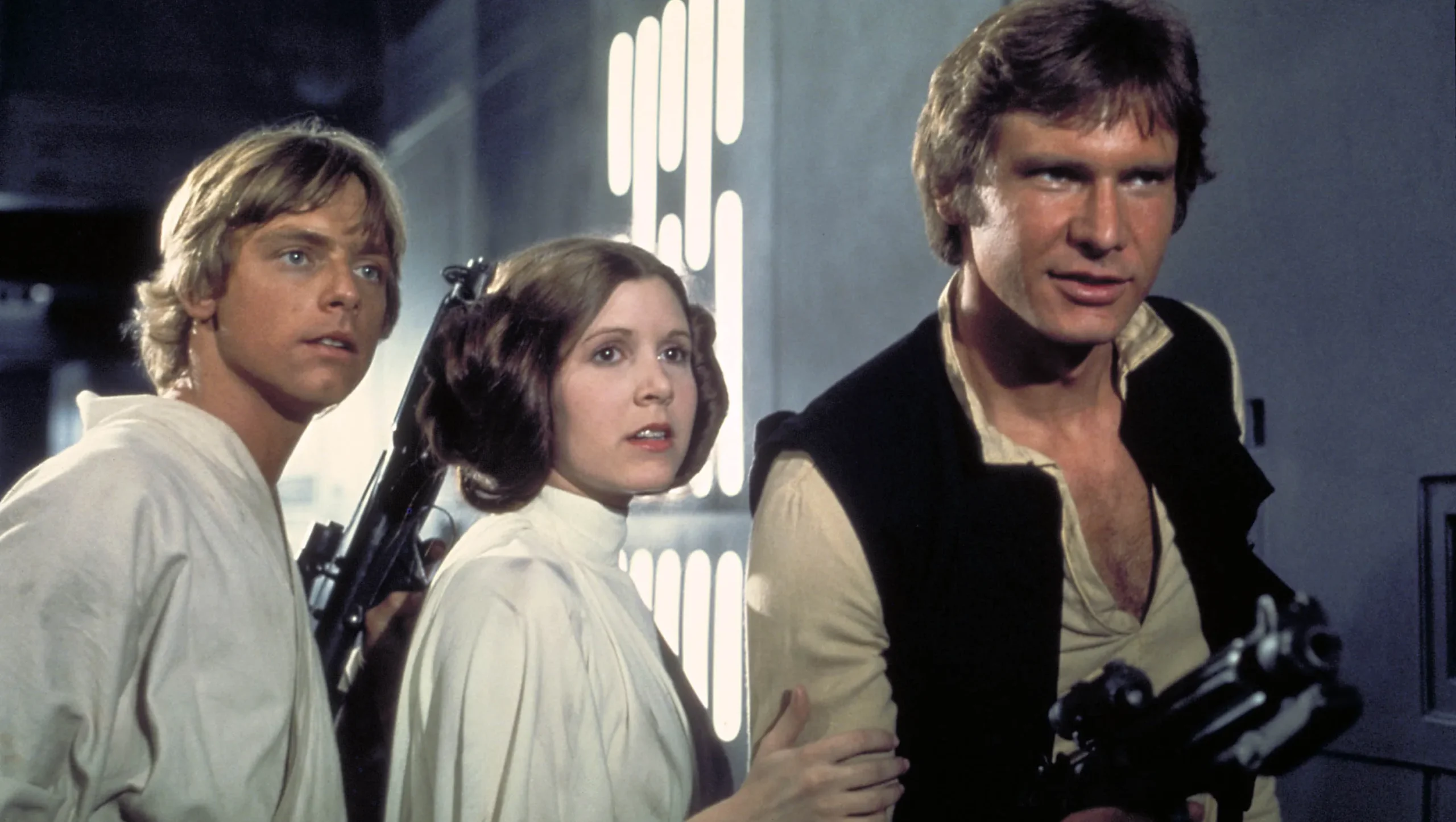
List: Christian Eulinberg’s Star Wars Film Ranking

“May The 4th Be With You.” ever since those words were uttered in 1979 it was bound to the Star Wars franchise till the end of time. What I love about that pun is that it wasn’t created by the fans. It happened when Margaret Thatcher became the prime minister of the UK. Not only did that term  became a dedicated phrase to Star Wars fans around the world, but it also shows how much weight the original phrase “May The Force Be With You.” has on Star Wars zealots. 

As every year passes, fans of this franchise rewatch their favorite Star Wars movies as if it’s some type of tradition. It surrounds us, penetrates us, and binds us fanatics together. This franchise means the world to so many people and has helped others get through difficult times in their lives (As some films do), and I believe that to be the power of the force working its magic in the best way it knows how. As I mentioned before, rewatching Star Wars films every year is a tradition for most people, and I plan to carry the torch as it is my duty as a fan. Here is my definitive ranking of every Star Wars movie.


  1. Star Wars: The Rise Of Skywalker (2019)

 I want to start by saying that I had a lot of fun with this film, but this finale that supposedly concludes a nine-film franchise has to be the worst out of the entire Skywalker saga. Much like The Last Jedi, this film provided us with some of the best visual effects and cinematography I have ever seen from any Star Wars movie or series. There are countless screenshots that I have used as my computer wallpaper, they are truly something to behold. Unfortunately, the story feels more like a collage of multiple threads that were never mentioned in the previous installments. This is especially true with Finn’s (John Boyega) story arc. Many important lines of dialogue feel like they appeared out of thin air. Finn is screaming Rey’s (Daisy Ridley) name and attempting to tell her that he is force-sensitive,. but his story thread never goes anywhere. It feels as if this should have been addressed in The Force Awakens to set up different events moving forward. Not only does this film feel rushed but the third act is extremely similar to Disney’s other box office success Avengers: Endgame.


  1. Star Wars: Attack Of The Clones (2002)

“I hate sand. It’s coarse, and rough, and irritating. And it gets everywhere”, this is one of the most quotable lines to any Star Wars fan. It almost sums up your feelings for the film in the bluntest way possible. This entry was filled with so much potential, but with a run time of 2 hours and 22 minutes, it feels as though you’re waiting for the hourglass to run out. Star Wars: Attack Of The Clones is supposed to be the story of how Anakin (Hayden Christiansen) and Padme Amidala (Natalie Portman) fell in love and launched us into the events of the Star Wars: Clone Wars series. Those are the two saving graces of this film and we finally get to see Yoda (Frank Oz) face off against Count Dooku (Christopher Lee). I cannot express how terrible and dragged out the pacing of this entry was. It is the weakest episode of the prequel trilogy. 


  1. Star Wars: The Clone Wars (2008)

This film is criminally underrated. I don’t think people give it enough credit as it is the feature-length film that launched the success of the tv series of the same name. Is the plot silly? Yes. Saving Jabba The Hutt’s son from imprisonment is very outlandish and hilarious. But the way it is woven into the story makes it work. This film is director Dave Filoni’s passion project. He is one of the few directors out there who truly understands Star Wars and never disappoints and he introduces my 2nd favorite character in the history of the franchise, Ahsoka Tano. As she becomes Anakin Skywalker’s padawan they must both learn how to trust each other in dire situations and build a mutual bond of trust, patience, and faith in one another. This is a film I always find myself going back to due to its comedic moments and amazing action scenes. 


  1. Solo: A Star Wars Story (2018)

Out of any Star Wars movie, Solo: A Star Wars Story is the most unnecessary of them all. Now don’t get me wrong, I had a lot of fun going on a new adventure with young Han Solo played by Alden Ehrenreich. However, this story doesn’t add any necessary facts that I needed to know about the character. I don’t need to know how Han Solo and Chewbacca met, how Han got his name, or how a spry Lando Calrissian (Donald Glover) met the franchise’s most famous smuggler. I wish this film would have focused on the random adventures of Han Solo and Chewbacca instead of trying to give us a backstory to give more depth to his character. Han Solo’s first love interest Qi’ra (Emilia Clarke) was the saving grace of the film. The cast is great, there’s no doubt about it. But there’s a reason why Disney stepped away from creating so many standalone Star Wars films, and I think this film was a contributing factor. 


  1. Star Wars: Return Of The Jedi (1983)

This is perhaps the goofiest entry in the original trilogy which is something I adore, mainly thanks to the Ewoks. There is nothing more lovable than a geared-up teddy bear that’s ready to kick some empire booty. It’s never clear how much time has passed between the events of The Empire Strikes Back and Return Of The Jedi but this being the final installment of a trilogy isn’t the worst but it’s not the greatest either. For some reason, I’ve always felt like there was an element missing from the story. Perhaps there are too many moving parts or not enough. I’ve never been able to put my finger on it but the scenes between Darth Vader (James Earl Jones) and Luke (Mark Hamill) are some of the best scripts that the franchise has to offer. As this is the final chapter of a trilogy it never feels like we got a proper goodbye ending to these characters we love so dear. 

  1. Star Wars: A New Hope (1977)

I will always acknowledge the importance and impact this film had on countless fans worldwide. It is the foundation of the franchise we all love so dearly and presented the start of the hero’s journey engagingly, which made it a lighting in-the-bottle experience. Nonetheless, I have always had more issues with this movie over other entries in this franchise. A New Hope is a well-made film full of outstanding performances and practical effects, but the pacing of this story is, unfortunately, its greatest downfall. I have watched this movie countless times and the beginning of Luke’s journey has always felt like the story is dragging its feet until the 2nd act when the story finally starts to give us insight into a larger galaxy. With that being said, this film shines with its expedition outside of the sands of Tatooine.


  1. Star Wars: The Phantom Menace (1999)

“Now this is pod-racing!” I’ll admit it. I am a big fan of the prequel trilogy. I grew up with them and have always had a soft spot for this film. This is the start of Anakin’s journey as he is thrown into a life larger than himself.  Much like Star Wars: A New Hope, a good chunk of the film takes place on Tatooine and suffers a few of the same pacing issues with moving the story along. The main difference is that The Phantom Menace focuses more on the political state of the galaxy and it isn’t as action heavy. The visual effects are outdated but, for a film made in 1999, they were pretty impressive for its time. It always seems as if this film gets an unfair hake. We were introduced to Darth Maul and the double-sided lightsaber, the best pod-racing scene in the history of the franchise, and the Duel Of Fates score composed and conducted by John Williams. What’s not to love?


  1. Rogue One: A Star Wars Story (2016)

Director Gareth Edwards has created one of the best modern Star Wars films in recent years, and even though it fits into the events of the mainline movies, it tells a bleak tale of sacrifice, freedom, and hope. From early drafts of the script to unused footage, this film pulls multiple inspirations from  A New Hope as this story serves as more of a prologue to the events of that film. Micheal Giacchino’s score for Rogue One is mostly original with a dash of John Williams’ work blended in. The theme of this story is about characters such as Jyn Erso (Felicity Jones) and Cassian Andor (Diego Luna) shifting from incarceration to developing their own free will. Not only is this one of my favorite films in the series, but It also gives the most jaw-dropping Darth Vader scene in the franchise. 


  1. Star Wars: The Last Jedi (2017)

“Let the past die. Kill it if you have to. It’s the only way to become who you were meant to be.” No one hates Star Wars more than Star Wars fans. This film will stand the test of time as the most divisive story in the franchise and I will defend it until the end of time. The Last Jedi is the most ambitious Star Wars movie to ever grace theaters and our television screens. Director Rian Johnson had a vision for this franchise moving forward and the only way to escape the Jedi and Sith struggle was to let the past die. The Last Jedi is a perfect sequel to The Force Awakens, they blend so well together especially dealing with the ancestry of Rey (Daisy Ridley), giving Luke Skywalker (Mark Hamill) the perfect send-off, and finally giving Disney the opening to move forward with how we view the Jedi and Sith. It is by no means a perfect movie but it still works. It encompasses the ideology of what the force is and much like Rey’s origin leaves more questions than answers. 


  1. Star Wars: The Empire Strikes Back (1980)

Movies in which the protagonists fail to save the day will always be my bread and butter. It shows that even the greatest heroes we admire have flaws. It makes the heroes of the story relatable and shows us a different side of the characters when things do hit a rough patch. The Empire Strikes Back proves that a sequel can improve and outperform its predecessor. From the get-go, this film goes full steam from start to finish. It is the most well-paced out of the original trilogy and it feels like the characters are constantly on the run without changing locations before they have a moment to breathe. Every time I watch this film, time seems to fly by with no effort. This is one of the best climaxes that movies can offer and receives all of the respect it deserves.


  1. Star Wars: The Force Awakens (2015)

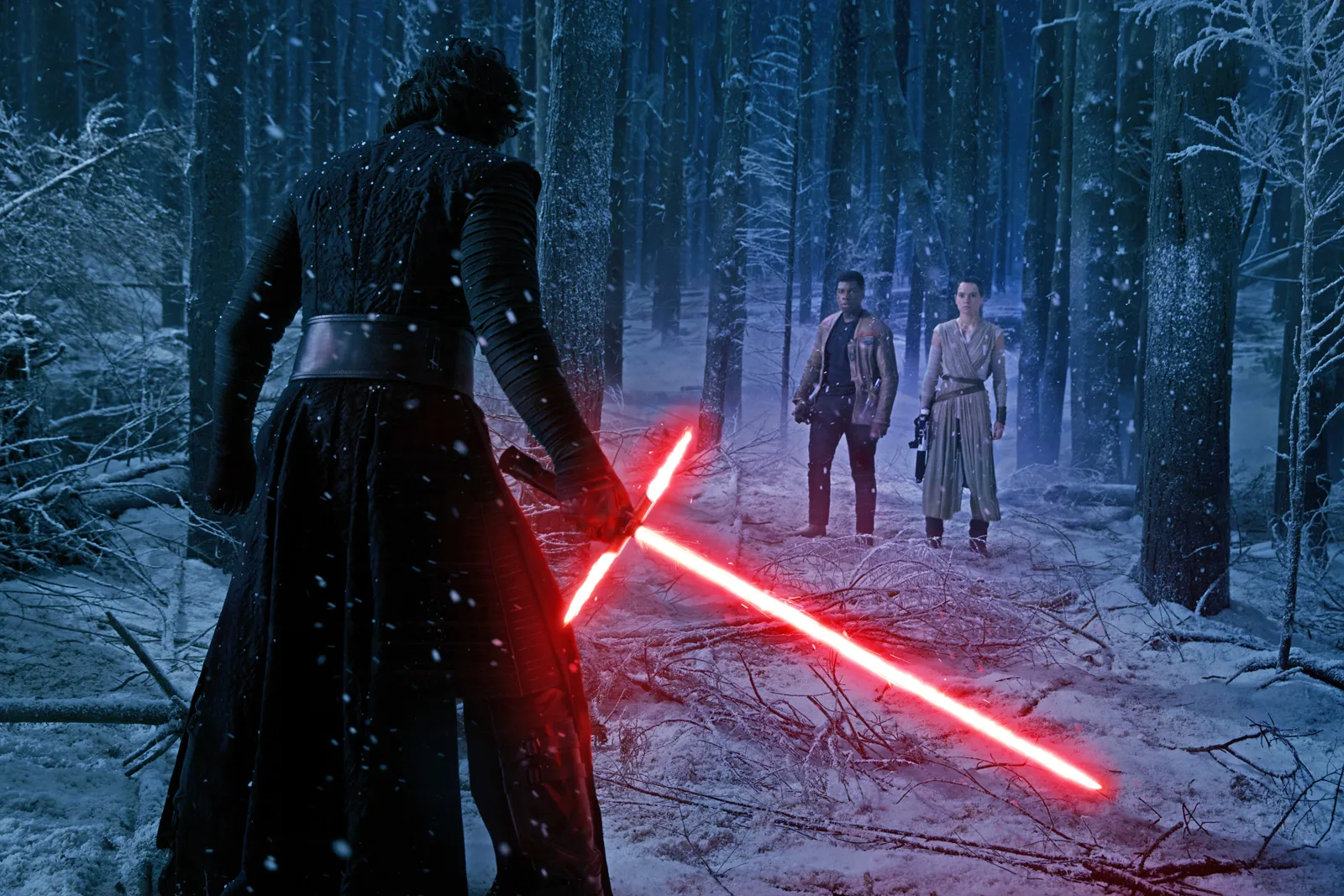
I saw this film three times in theaters, and to this day, it is easily one of my favorites of the mainline stories. Disney proved that they were able to handle ushering in a new wave of fans into this franchise. I’m aware of the naysayers when it comes to the sequel trilogy. People say this story echoes A New Hope and in some ways it does. However, I believe this to be a refined and improved film over A New Hope. The pacing is incredible and the movie flies by without any fatigue. The Force Awakens has so much to offer. Rey (Daisy Ridley) is a phenomenal character. I have always adored her determination, resourcefulness, and empathy toward others. This was Daisy’s first big role in her career and she is now one of the many faces for new Star Wars fans. Finn (John Boyega) and Poe Dameron (Oscar Issac) are strong additions, along with Kylo Ren (Adam Driver) becoming one of the most complex Star Wars villains in the franchise. Finn and Rey click instantly in the scenes they share. It makes me wish that their relationship would have evolved into something more intimate.


  1. Star Wars: Revenge Of The Sith (2005)

“The Dark Side of the Force is a pathway to many abilities some consider to be unnatural.”  This might come as a shock to most fans out there, but this is my favorite Star Wars story of all time. There is a chain of themes that snowball into one another. Fear leads to the anger of things you cannot control. Which launches you into hating the very thing you can’t contain, and ends in suffering. If there was one word to describe this tale of a fallen hero, it’s melancholy. This is not a happy story, this is the climax of Anakin’s passage to the dark side. His mind has been twisted and warped and as he slowly transforms into the greatest villain in movie history he never stops seeing himself as the hero of his narrative. Anakin/Darth Vader has always been a layered character, and that’s what makes his transformation so interesting. His suffering and hatred stem from multiple sources. The death of his mother, the distrust in the Jedi, the fear of Padme dying in childbirth, and countless other reasons. It is always fascinating to see a character go through a powerful transformation, whether it be for better or for worse.


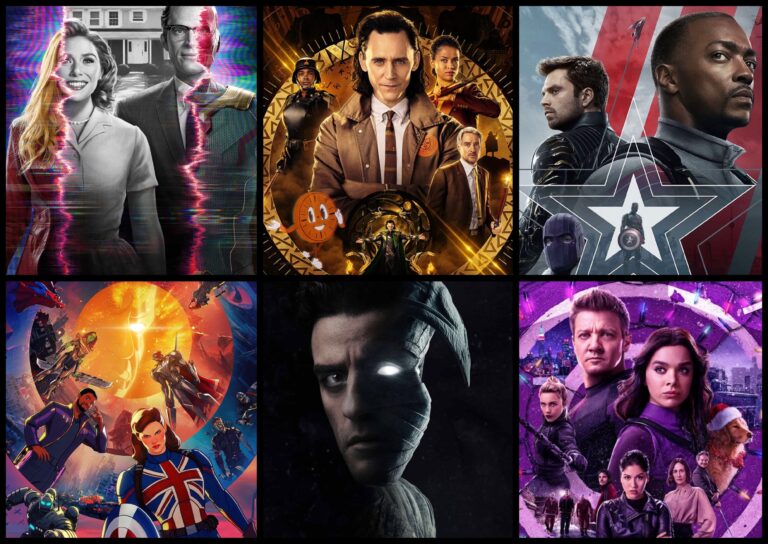
Poll: What is your favorite Marvel series on Disney+ thus far?

The multiverse is all about breaking the rules. Consider that our excuse when we, a movie site, publish a poll that’s related to television. But with the release of BOTH Doctor Strange in the Multiverse of Madness and the finale of Moon Knight this week, what else is there to ask y’all? Phase 4 of the Marvel Cinematic Universe has embraced the multiverse head-on, and things seem to only be getting weirder and more fan-service-y. At least half the new series on Disney+ have gone the metaphysical route, and based on what we’ve heard may or may not happen in Sam Raimi’s new film, these shows seem to be required viewing now.

With that said, what is your favorite Marvel series on Disney+ so far? We are only including the six released exclusively from Marvel Studios, and not the Netflix shows that have now been added to Disney+.


Podcast: Catch Me If You Can / Top 3 Cat & Mouse Films – Episode 480

This week’s episode is brought to you by Athletic Greens. Get a FREE one year supply of Vitamin D and 5 travel packs today!

This week on the InSession Film Podcast, Jay Ledbetter fills in for JD and we are joined by Mitchell Beaupre of Letterboxd as we continue our Steven Spielberg Movie Series with Catch Me If You Can! We also discuss our Top 3 cat & mouse films and during the break both Brendan and Jay offer up their thoughts on Everything Everywhere All at Once.

Big thanks to both Jay for jumping in the co-host chair and Mitchell for joining us as our guest this week. Both were absolutely terrific and it helped foster a really fun show. Catch Me If You Can has increasingly become a more popular Spielberg film over the years, and in time it could rise the ranks of being up there with his more iconic work. It was also great to jump back into a Top 3 discussion since it’s been a few months since dipping our toes into those waters. All in all, it was a great show that we hope you enjoy as much as we did.

On that note, check out this week’s show and let us know what you think in the comment section. Thanks for listening and for supporting the InSession Film Podcast!

– Steven Spielberg Movie Series: Catch Me If You Can (6:38)
Director: Steven Spielberg
Writers: Jeff Nathanson
Stars: Leonardo DiCaprio, Tom Hanks, Christopher Walken, Martin Sheen

– Notes / Discussion (59:27)

This week for our break segment, Brendan and Jay give their thoughts on the new Daniels film Everything Everywhere All at Once after missing out on Episode 475 a few weeks ago. It’s looking more and more like that film will be featured heavily at our year end awards show.

[divider]

RELATED: Listen to Episode 443 of the InSession Film Podcast where we discussed CODA!

[divider]

Top 3 Cat & Mouse Films (1:20:39)
“Cat and Mouse” movies have been a staple in Hollywood since the beginning of the industry, so it’s amazing that we haven’t done this topic over the years as there are countless films to consider for this exercise. Oftentimes they’re very entertaining, full of mystery and suspense, and have such a wide appeal. It wasn’t easy narrowing down the chopping block, however it did make for an interesting conversation.

Show Sponsor: First Time Watchers Podcast

– Music

Catch Me If You Can – John Williams
Hurdy Gurdy Man – Donovan
The Return of the Eagle – Atli Örvarsson

Subscribe to our Podcasts RSS
Subscribe to our Podcasts on iTunes
Listen on Spotify
Listen on Stitcher
InSession Film Podcast – Episode 480

[divider]

Next week on the show:

Review: Doctor Strange and the Multiverse of Madness
Steven Spielberg Movie Series: Catch Me If You Can

[divider]

Help Support The InSession Film Podcast

If you want to help support us, there are several ways you can help us and we’d absolutely appreciate it. Every penny goes directly back into supporting the show and we are truly honored and grateful. Thanks for your support and for listening to the InSession Film Podcast!

VISIT OUR DONATE PAGE HERE

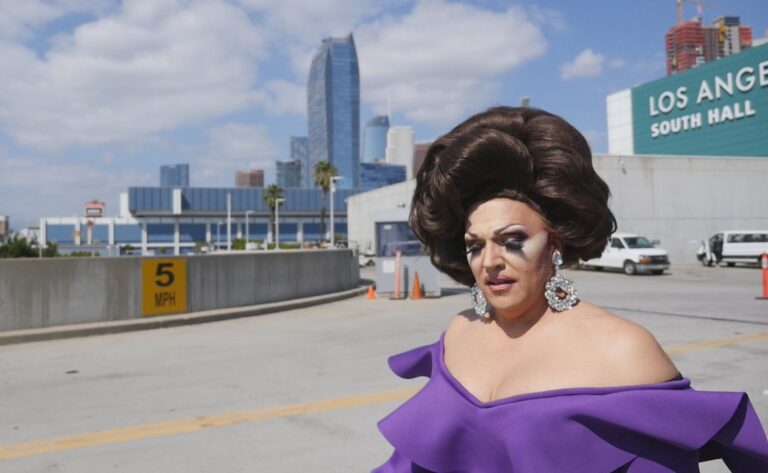
Movie Review: ‘Workhorse Queen’ Proves that There’s Always Time for a Comeback!


Director: Angela Washko

Writer: Angela Washko

Stars: Roy Haylock, Patrick Holt, Simona Ioffe

Synopsis: After an unlikely casting onto a reality television show, 47-year old suburban telemarketer Ed Popil leaves his job to pursue a full-time entertainment industry career as his drag queen alter ego, 1960’s era housewife Mrs. Kasha Davis.


Despite its reputation for being one of the weaker seasons of RuPaul’s Drag Race, season 7 introduced some of the franchise’s most beloved queens to the world. Ginger Minj, Kennedy Davenport, Jasmine Masters, Trixie Mattel, and Katya have all gone on to fame and notoriety, while most of their fellow competitors have fallen in favor over time—they’ve also all been invited back for (at least one) All Stars. One season 7 queen who hasn’t been given the flowers she deserves, however, is Mrs. Kasha Davis, someone who finished in 11th place on her season; not due to a lack of talent but because she didn’t fit the mold. Now, director Angela Washko uses her feature documentary debut to explore the numerous ways that Mrs. Kasha Davis is remarkable and ready for a renaissance. 

Told through a mix of home movies, YouTube videos, Drag Race clips, Drag Race audition tapes, and Washko’s vérité camera, Workhorse Queen follows its subject through many highs and lows. We see in the home movies and YouTube videos, a confident star who always knew who she was. “Mrs. Kasha Davis” is a character, an exaggerated mid century housewife who drinks too much and performs homemaking. Her camp sensibilities blended well with the Rochester, NY drag scene and earned her a decent amount of local success. Then, with several years of experience under her belt, the so-called “Olympics of drag” started casting. Fellow Rochester queens Pandora Boxx (season 2) and Darienne Lake (season 6) eventually made the cut, but year after year, Davis did not. Her audition tapes reveal an increasingly rawer and more intimate side of her.  

As an art form, drag is an effort to break gender molds and knock down identity barriers. For years, Ed Popil twisted himself into knots trying to fit the heteronormative archetype of the apex suburban family man. Because it’s what his parents wanted (and what he thought he wanted), he married a woman and attempted to live “the ideal,” only to discover that an idyllic life is relative. In my inference, this is where Mrs. Kasha Davis comes from. The film doesn’t fully commit to psychoanalyzing Popil’s creative choices or the exact origins of his drag persona (other than inspirations from his mother), but I’d reckon Popil’s experience with performing picket fence perfection out of drag has a lot to do with his behavior in drag. Mrs. Kasha Davis, the character, is both an homage to and a critique of the suburban decadence she so deftly portrays.

 So, with Mrs. Kasha Davis being a distinct and specific rendering of a very particular type of bygone womanhood—plus being a queen of a certain age—she was an excellent choice to round out the eclectic cast of RuPaul’s Drag Race season 7. But, when it comes to TV’s second-best drag reality competition program, singularity can be a double-edged sword. For a show that purports to embrace the entirety of an ever-changing and limitless art form, the judging is somehow awfully narrow, yet incredibly demanding to an almost uncompromising degree. Ironically, when it comes to advancing on Drag Race, there is a bit of a model to follow (and looking like a model is part of it). So even though Mrs. Kasha Davis is undeniably an exemplar of the show’s Charisma, Uniqueness, Nerve, and Talent rubric, she was unfortunately never destined to win…

 Herein lies the crux of Mrs. Kasha Davis’ varying levels of achievement and the bedrock of Workhorse Queen. Ed Popil already had a story before entering into The Werk Room and fittingly declaring “I’m ho-ommme!” in the style of a 1950s sitcom dad. Woefully, the show wasn’t all that interested in exploring Davis’ history before asking her to sashay away—mere moments after winning that lip sync against a stymied Kandy Ho (just saying)! Cut to seven years later: Mrs. Kasha Davis has a narrative now, hunny! As Washko’s footage shows, backed up by confessionals from a supporting cast of friends and family, post-Drag Race life first made and then absolutely broke Popil. His marriage to “Mr. Davis” nearly imploded and his professional relationships in Rochester became strained as Popil really put his alter ego’s “There’s always time for a cocktail!” catchphrase to the test for a while.

But, like a beehive-clad flight attendant for Glamazonian Airways, she has been on an ascending trajectory ever since, with just a few bumps along the way. So when—yes, when—Mrs. Kasha Davis rightfully returns for an All Stars season, she can enter The Werk Room and proclaim that “There’s always time for a comeback!” because you simply cannot keep a good broad down. In addition to Davis, my French vanilla fantasy cast for this ultimate All Stars season, if I may, would include: Akashia, Jessica Wild, Carmen Carrera, DiDa Ritz, April Carrión, Shuga Cain, Jackie Cox, and Widow Von’Du. Mrs. Kasha Davis deserves to be among this hypothetical nothing-but-bangers cast of mine because Angela Washko’s film is here to make it clear that Davis’ charisma, uniqueness, nerve, and talent is boundless. 


Grade – B

Movie Review: ‘Memory’ Will Be Forgotten As Soon As It Ends


Director: Martin Campbell

Writer: Dario Scardapane

Stars: Liam Neeson, Guy Pearce, Ray Stevenson, Taj Atwal, and Monica Bellucci

Synopsis: An assassin-for-hire finds that he’s become a target after he refuses to complete a job for a dangerous criminal organization. 


It’s ironic that a film with a title like Memory is so forgettable, and it’s even more ironic when the basic idea of the movie, a remake of Erik Van Looy’s De zaak Alzheimer (based on the book of the same name by Jef Geeraerts), centers around memory loss. It’s definitely an interesting spin in the pantheon of Liam Neeson’s “particular set of skills” cinematic universe, but not enough to entice anyone into watching. Not even Martin Campbell, director of two of the best James Bond films of all time (GoldenEye and Casino Royale) can make the material feel tangible, or Neeson interested in what he’s doing. At this point, he’s become a full-fledged recreation of Charles Bronson in his Cannon Group-era starring in a slew of milquetoast, and nearly-identical, action thrillers and phoning it in every single time. Neeson is turning 70 this year and doesn’t have the spark he once had making these types of thrillers, especially when he collaborated with Jaume Collet-Serra, who’s off to bigger things having previously directed Jungle Cruise and is now working on Black Adam. Maybe it’s time for Neeson to think about starring in other films before he inevitably does a remake of Bronson’s Assassination

In Memory, Neeson plays Alex Lewis, an assassin-for-hire slowly losing his mind (and memory) to Alzheimer’s. He wants out, to enjoy the rest of his life before the disease takes control of his body, but accepts the infamous “one last job” before retirement. The “last job” involves acquiring two USB keys, and killing two targets. However, one of the targets is a child, and when Alex realizes it, he refuses to complete the mission, which leads to the “contractors” hunting him down, led by Monica Bellucci’s Devana Sealman, and FBI agent Vincent Serra (Guy Pearce) looking for Alex. 

A Martin Campbell-directed action thriller, starring Liam Neeson, Monica Bellucci, and Guy Pearce?!?!?? How on earth can it not suck? Oh, how naïve I was. Memory immediately halts your attention through the first few minutes of the movie, signaling to the audience that it’ll spend over an hour of its time in “first act” mode. The film’s pace is so languishing that it keeps introducing new characters well after an hour has passed, and has very little time to wrap things up during its anticlimactic ending. 

It’s almost as if screenwriter Dario Scardapane gave up midway through the script at fleshing out the characters and the drama surrounding them that he jumped the shark and crafted an ending so inane, and unsatisfying it’ll ultimately leave your brain by the time the credits finish rolling. If you’re doing a “particular set of skills” film, the ending needs to involve Neeson in some capacity “finishing the job”, but the second act of Memory puts Neeson in a hospital bed, allowing him to, quite literally, sleep through his performance. Neeson has been very good at saying “listen to me very carefully” (which he does here) and lightly slapping antagonists to knockouts in Taken 3, or, most recently, in Blacklight, and he makes it absolutely clear that he just does not care anymore. They’re easy paychecks, which are extremely apparent in the way they are shot and written. 

There’s no thought to deepen the premise of Neeson progressively losing his memory while trying to kill someone. The film only uses Alex’s Alzheimer’s disease as a framing device, with the character getting sporadic bouts of memory loss, which seem completely random, and only necessary for forced drama, particularly when he is in tight situations. When these occur, he suddenly loses all sense of self and gets disoriented. But look at him kicking major ass in the previous scene! It makes no sense and it is so underwritten that it ultimately becomes offensive to those who are truly suffering from Alzheimer’s, a disease that has unfortunately made its way into my family and claimed the lives of people close to me. You can’t magically turn it on or off, which Scardapane does way too frequently. Again, the premise is interesting enough, but the execution is so haphazard that it borders on offensive territory. 

None of the supporting actors are good, too, which is a shame. Guy Pearce seems like the only one who gives a damn, but his character follows the trope of “FBI Agent who thinks he’s one step ahead of the protagonist but not really.” He’s the type of character we’ve seen a thousand times before in film, and his arc is the exact same as every single FBI agent with that same arc in the history of cinema. He catches the guy, and then they help out since their interest in the real antagonist of the story is mutual. And Bellucci is a great choice to play an antagonist, but it’s a shame that the film does absolutely nothing of interest with her character, who sits around getting medical treatment and ordering people around on the phone. Ray Stevenson also pops up during the movie as a rather brutal detective, but he’s as boring as everyone else. Stevenson recently gave the best performance of his career in S.S. Rajamouli’s RRR (a movie that everyone who loves maximalist blockbusters should check out), and so Memory is a huge step down from what he accomplished in Rajamouli’s film. 

As far as the action sequences go, they’re definitely not as tight, or as brilliantly directed as Campbell’s previous work. Even The Foreigner, which was a lackluster film, had superb action that took advantage of Jackie Chan’s martial arts talent. Memory sticks Liam Neeson in the most standard gunfights imaginable, with no eye for visceral tension, or a kinetic camera. It’s amazingly standard, and since the film contains very few action scenes, they’re immediately forgotten after they’ve passed, or even during the movie. I was so bored to tears that I quickly forgot what happened after one cut, or even after one scene. The movie never engages with the audience from the get-go, so how do you expect the audience to engage themselves if they don’t feel compelled to step into the film’s world?

I do applaud Memory for accomplishing the impossible, which is to make you forget about virtually every aspect of the film by the time the lights go back up in the cinema. Of course, if you’re a fan of the most standard action movies that were once made by The Cannon Group and starred Charles Bronson, you may find enjoyment in Liam Neeson delivering the same type of disinterest that Bronson did in films like Assassination, 10 to Midnight, or Messenger of Death. Neeson has toyed with the idea of retiring from action films for a while now. To be honest, while his earlier movies were fun, the schtick has grown tired. He should definitely consider starring in a dramatic film, partly to regain the status he once held as one of the greatest dramatic actors of all time and remind us all how great of an actor he is when he cares about the material and believes in the movie. 


Grade: D


How Were They NOT Nominated? Best Supporting Actress Edition

Academy Award season has passed. Debates over who will win and why have died down.  However, the talk of snubs and “this person should have won” will continue.                                                                                                                                                                    

We all have our favorite actors and actresses who have never won an Oscar. I’m still sad that Peter O’Toole only received an Honorary Oscar. It’s even more sad that there are a number of great actors and actresses who have never even received a nomination. Today, I present a list of incredible performances that absolutely deserved a nomination for Best Supporting Actress. 


Margaret Hamilton as The Wicked Witch of the West in The Wizard of Oz (1939). 

All movie lovers know that 1939 is considered one of the best years in film. Gone with the Wind, Stagecoach, and Mr. Smith Goes to Washington all came out this year. Gone with the Wind had two actresses nominated for Best Supporting Actress, and Hattie McDaniel became the first African-American actress to win an acting award. McDaniel was wonderful as the only character in the film who could see past Scarlett’s facade. Sadly ignored by the Academy is another actress who played a role that is part of American film iconography: Margaret Hamilton as the Wicked Witch of the West in The WIzard of Oz. I’ve seen this film at least once a year since I was a child, and even more now that I have children of my own. I’ll be honest, The Wicked Witch of the West is just as terrifying today as she was when I was young, and probably ever since 1939 when the film was released. Were there films with witches in them before The Wizard of Oz? Maybe. I really don’t know. But, when people think of witches, they think of them the way Margaret Hamilton portrayed one. The hat, the green skin, all of the iconic lines, the cackle, it’s all there. She is one of the most important reasons why that movie is such a beloved classic.


Pamela Franklin as Sandy in The Prime of Miss Jean Brodie (1969). 

Dame Maggie Smith took home the Oscar for Best Actress for her performance of Jean Brodie, the passionate, fascist loving teacher at the Marcia Blaine school in Scotland. Pamela Franklin plays her student, Sandy. Franklin won the Best Supporting Actress in the National Board of Review, yet was ignored by the Academy. While Smith was a powerhouse, she was equally matched with the young actress who plays her student/nemesis. Sandy is a highly intelligent and perceptive young woman, whom Brodie often says would make a great spy. She spends much of the movie quietly observing Brodie’s behaviors, relationships with men, and admiring her. Her loyalty starts to fade upon the untimely death of a fellow student. In the film, Franklin has to age from a young adolescent, full of the idealism of her favorite teacher, to a young woman who sees her teacher as she really is, a woman with foolish ideals of Fascism, and a dangerous influence on her students. We see her as a young teenager, writing fake love letters and giggling with her friend, Jenny; and later, a strong and independent woman having a love affair with her married art teacher. She is the only member of the “Brodie set” who sees Brodie for who she really is, and sets out to “put a stop” to her. Her final scene with Maggie Smith is a stunning piece of acting. She absolutely deserved a nomination for that scene alone,and it’s a real loss that while she later went on to do some work in television, and several films, none of them reached the dramatic heights of The Prime of Miss Jean Brodie.


Cameron Diaz as Lotte Schwartz in Being John Malkovich (1999). 

I first experienced Cameron Diaz in the film The Mask where she played a gorgeous blonde who catches the eye of Jim Carrey. She continued on with her blonde perfection in My Best Friend’s Wedding. I admit, at the time, I was not overly impressed by her. However, in 1999, she was in the eccentric film Being John Malkovich, playing the tragic lovelorn Lotte, obsessed with her pets, and married to John Cusack, who is himself enamored with Catherine Keener. She is able to get inside the actor John Malkovich, and also becomes focused  on Catherine Keener. Being John Malkovich is a brilliant and original film. Diaz really got a chance to play someone against her bright and sunny style. She had been charming and delightful in comedies, and this is the first time I saw her play someone homely and a bit strange. Diaz playing Lotte showed me what a talented character actress she can be. She breaks my heart over and over in this film, in a role that I never could have seen Diaz playing.


Emily Blunt as Emily Charlton in The Devil Wears Prada (2006).  

The Devil Wears Prada was a vehicle to show off the talents of the great Meryl Streep, and the young Anne Hathaway. While both actresses are at their best in this film, Emily Blunt is clearly the highlight. She more than held her own against the formidable Streep. She played the role of an always close to a panic attack assistant with ease. Blunt gave this harried character sophistication, snobbery, and effortless style. She also shows great comedic timing when she makes comments about Hathaway’s character’s “hideous skirts” and other fashion faux-pas. The fact that Emily Blunt has continued her career brilliantly playing memorable roles, and still not been nominated for an Oscar is a crime. 


Cho Yeo-jeong as Mrs. Park in Parasite (2019) 

Parasite was a powerhouse, groundbreaking film. It introduced many of us to the magic that is South Korean film, and the phenomenal talents of director Bong Joon-Ho. It is well deserving of being the first film in a foreign language to win Best Picture. Sadly, though, while the film received the SAG award for Best Ensemble, this wonderful cast of actors, who played such varied and interesting characters, were completely ignored at the Oscars. While an argument can be made as towhy most of the cast deserved a nomination, I have decided to focus on Cho Yeo-jeong, who played the wealthy Mrs. Park. Mrs. Park could have been a one-dimensional spoiled rich woman. She is described as “simple” and, as the plot of the film unfolds, she is quite easily manipulated by her servants. But, Mrs. Park is more than just a spoiled, rich woman. We see her trying to make sure her children get the best care. She agonizes over the safety of her son who has had a traumatic moment in childhood. She hires private teachers and tutors to ensure a fine education for her children. Yes, she is a snob. Yes, she is spoiled. She is not, however, a truly awful person. It is because she gives employment to her servants that they are able to survive. Parasite is a true modern classic, and much of the reason is because the incredible script was performed by a terrific cast of actors. However, Cho Yeo-jeong truly stands out and should have been nominated for an Oscar.