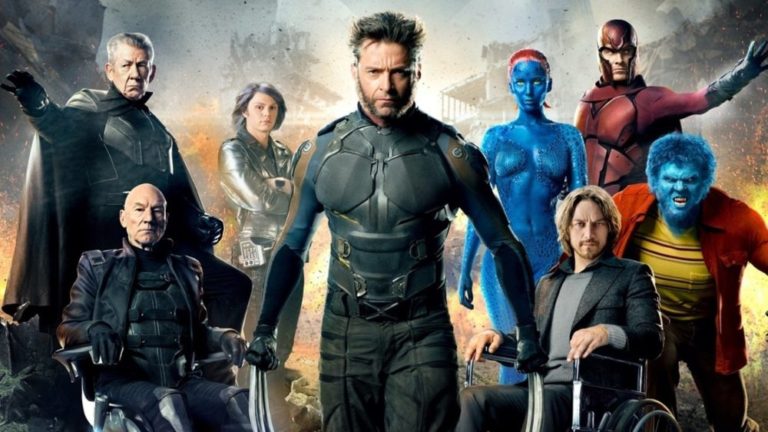
This weekend on Episode 329, we’ll be diving into the last X-Men film from the folks over at Fox before The Mouse takes over these iconic characters. Dark Phoenix isn’t getting great reviews, but perhaps we’ll have something more open-minded to say on the show this weekend. Stay tuned for that. For now, we are asking for your favorite character in the X-Men film universe. Of course, there are several characters played by two different actors, so please keep that in mind as we are differentiating that in the options in the poll below.
With that said, who is your favorite X-Men character?
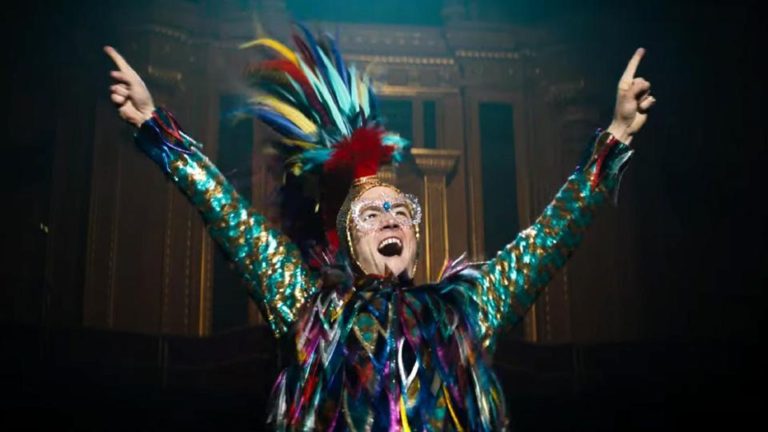
Director: Dexter Fletcher Writers: Lee Hall Stars: Taron Egerton, Jamie Bell, Richard Madden
Synopsis: A musical fantasy about the fantastical human story of Elton John’s breakthrough years.
[/info]
A warning to the reader of this review up front, I’m completely biased when it comes to Elton John. That’s right, I admit to my bias. It’s not hard to admit because Elton John’s music has been the soundtrack to my life, just like it was for my Dad when he was living in the late sixties to early seventies. Growing up, listening to his albums in my dad’s car as he took me to school, road trips, Friday nights at the house with my family, EJ catered to the musical needs of my childhood and continues to do it till this very day. From his Empty Sky album in 1969 to his Blue Moves album in 1976, he released some of the most iconic albums ever made and had stretch of music that can go down with anyone as the best of all time.
So it comes as no surprise when it was announced that there would be a film about his life and his music, I was skeptical as hell. I mean we are talking about an icon, a living legend, there was no way this was going to register for me as a good movie. And the concerns grew after seeing what happened last year with the abysmal film that Bohemian Rhapsody. I thought this film would fall down the same, safe, generic path of telling a rock stars’ life, one hit at a time. I worried that this wouldn’t capture the spirit of what Elton and his music represented, much like Freddie Mercury. And yet the trailer came out earlier in the year, and I realized, this film might have a chance of being half way descent. So I’m happy to report that after months from the drop of the trailer, and years of nervous thoughts of if it can’t be done swirling through my head, I can say that director Dexter Fletcher and his team have a musical biopic that we should be proud of.
The film is a look at the life of Sir Elton John (Taron Egerton), told through a musical, fantasy angle that blends the music that his lyricist/best friend Bernie Taupin and him created to make John one of the biggest, yet troubled music icons of all time. The film kicks off with us meeting him in a rehabilitation center, sitting around a circle, opening up for the first time about the mistakes or transgressions that landed him there. From that moment, we a transported back to his childhood, before he was Elton John, when he was Reginald Dwight, a young kid with two parents who couldn’t care anything about him and only cared about themselves. This leaves young Reggie on his own to survive, with just his gift for music to get him out of the life he was living, deprived of love. Once he grows up, he changes his name, finds Bernie, gets a record deal, meets his manager/lover John Reid (Richard Madden), and becomes the best-selling recording artist in the world. The problem is, he is taking all the drugs and drinking all the alcohol in the world to the point where his life starts falling apart.
Now I know what you are thinking, this sounds like many musical bio-pics before, and while the story seems familiar, it’s the way it is shown and told that feel so fresh for a story model that has become so rotten. The film is told in almost two different styles, fantasy musical and a serious drama of drug addiction. While this shouldn’t work because in every film of this genre, it works because Fletcher and his team put the time in giving your someone to care about. With big show stopping numbers to hits like “Bitch is Back”, “Saturday Nights Alright (For Fighting)” and the beautiful, dreamlike version of “Crocodile Rock” to shine a light on the younger days of John’s life to show the fun and high points. The first half of the film truly embraces the fantasy musical element of the film. But with the second part of the film, it slows down, just as the success and the relationships in his life are fading away and the songs like “Rocketman”, “Don’t Let the Sun Go Down on Me” and “Goodbye Yellow Brick Road” illustrate the pain and loneliness that we see in Elton as he sees everything that he built and those he cares for disappear.
Throughout all of these musical moments and dramatic tension, two things remain, the visual style of Fletcher and the best performance of Taron Edgerton’s career. Fletcher, who was brought Bohemian Rhapsody late in the filming process to do some reshoots and help edit the final product, actually shows his visual eye as a director and what it is like to have the confidence of a studio give you a massive project like this and bring it home. The scale he is dealing with is massive, with whole giant sets and long, ambitious dance numbers that we don’t see from studios in this day in age. Not only does he show that he can deliver a successful telling of Elton John’s life, he conducts one of the performances of the year out of Egerton. Egerton, who has been known mostly for his work in the Kingsman series, shines through and brings the icon to the big screen. There are moments that he looks and sounds just like and him and in no way is that for cheap effect. He brings real human emotion to the Elton we see, making you fully understand every emotion he feels and leaves you rooting for him at the end when he belts out “I’m Still Standing”, a scene in contention for one of the best scenes of the year so far.
I don’t think the film is perfect. I loved what they did with Bell’s Bernie, truly establishing their relationship in the film and giving them real human moments of heartache and character growth together as friends. But while I loved what they did with Bell, we needed to see more of Madden and Bryce Dallas Howard as Sheila Eileen, Elton’s mother. Also a lot of the timeline of his life, in terms of when songs were played and released in real life are off and it left me annoyed as a die-hard fan nitpicking the film as it played out. That being said, and the nitpicks aside, the film at the end of the day is not about the supporting characters or timelines of songs, it’s about Elton John and about him finding a reason to love again by the end. But while he is finding love and his true self by the end, we are left falling back in love with the rock icon and left impressed that such beautiful life can be brought to screen in such a respectful, pleasurable way.
Overall Grade: B+
[divider]
Hear our podcast review on Extra Film, coming soon.
Director: Michael Dougherty Writers: Michael Dougherty, Zach Shields Stars: Kyle Chandler, Vera Farmiga, Millie Bobby Brown, Ken Watanabe
Synopsis: The crypto-zoological agency Monarch faces off against a battery of god-sized monsters, including the mighty Godzilla, who collides with Mothra, Rodan, and his ultimate nemesis, the three-headed King Ghidorah.
[/info]
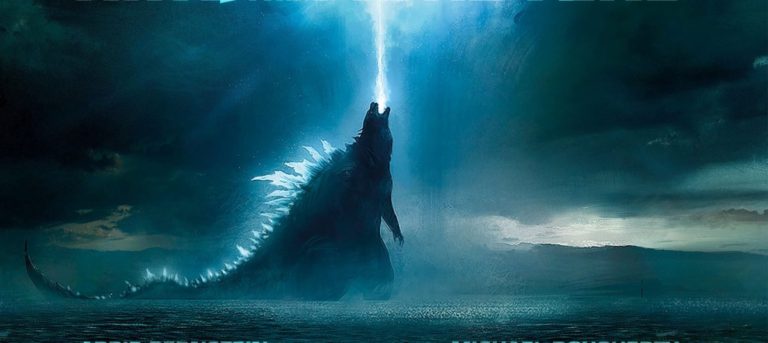
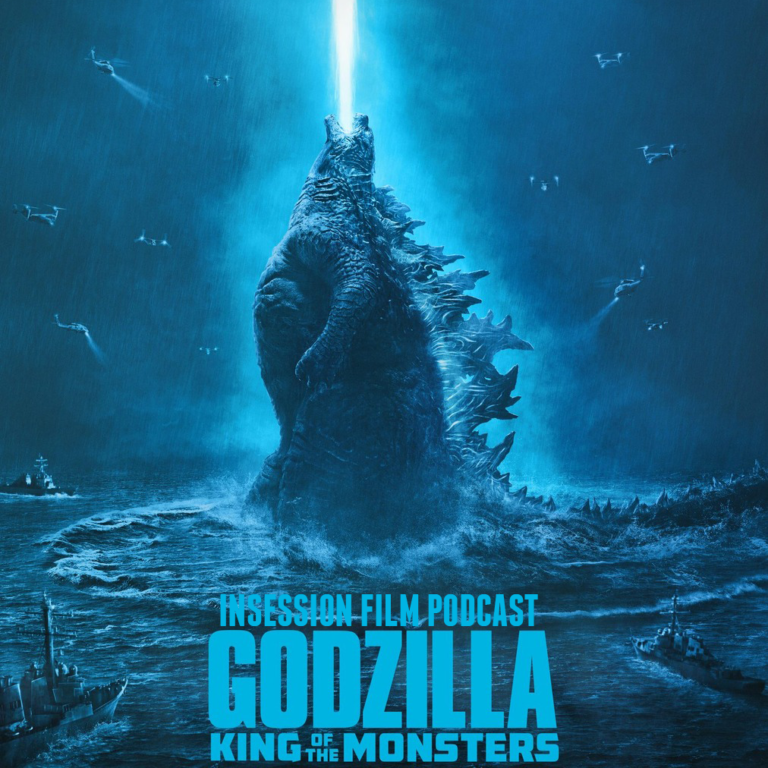
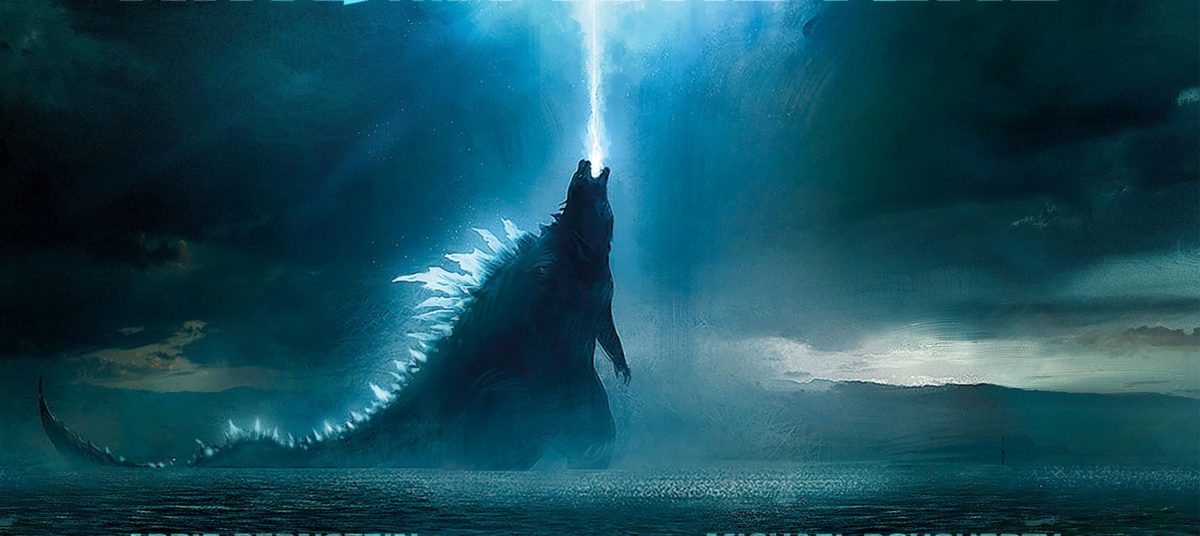
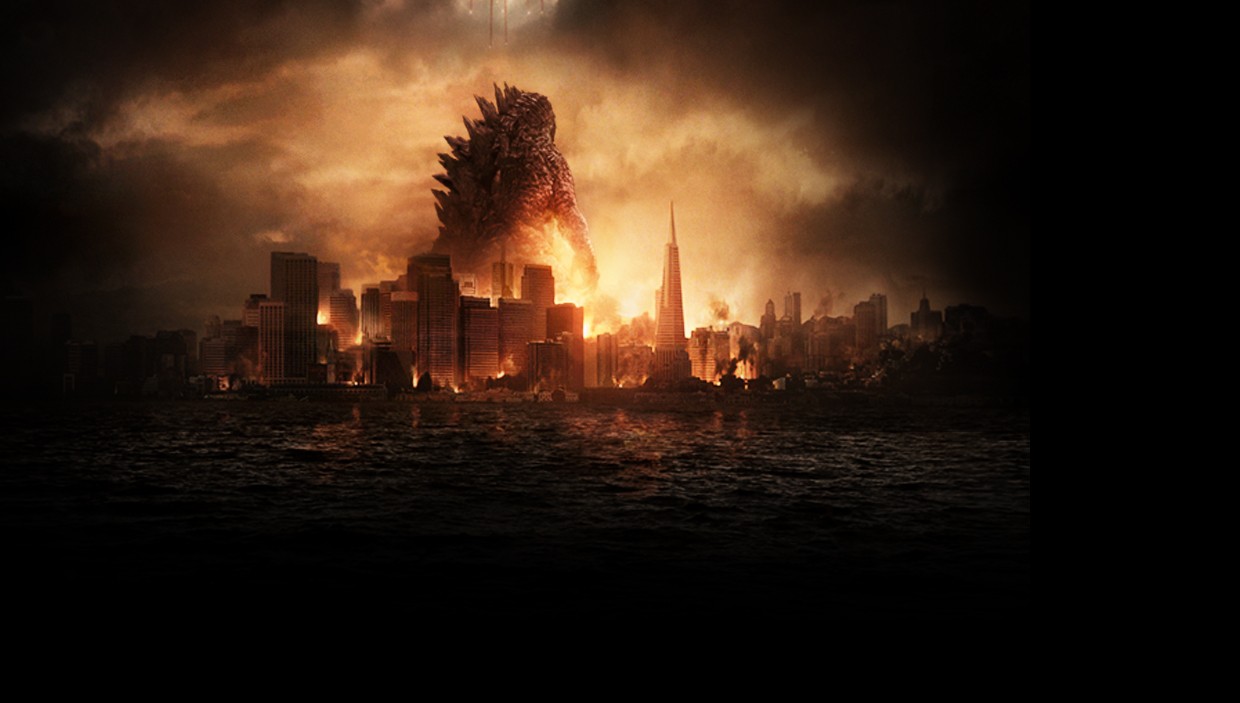
If you’re a fan of the Japanese Godzilla movies from 50s, 60s, 70s and beyond, then Godzilla: King of the Monsters is the film for you! If you want Oscar-worthy acting and a complex story, then you may want to skip this one. I love monster movies and have been obsessing over this trailer since the first teaser was released. While this film is far from perfect, it definitely delivered the titan-fighting action that was missing from the 2014 Godzilla movie.
Godzilla: King of the Monsters has a plot (contrary to popular belief); it focuses on Russell family (Vera Farmiga, Kyle Chandler, Millie Bobby Brown) and the monster tracking secret organization Monarch. Giant monsters, dubbed titans, each with their own cool nickname pulled from legends or history, are waking up and wreaking havoc. Monarch scientist and Godzilla fanboy Dr. Serizawa (Ken Watanabe) is convinced Godzilla will come to the rescue and restore balance. If you have not seen Kong: Skull Island or the first Godzilla, I recommend seeing at least Kong for a better explanation of Monarch, their mission and history (but they are not necessary viewing to understand this film). There are a few returning characters from the first Godzilla movie and many things mentioned from both Godzilla and Kong: Skull Island.
My favorite thing about this film was the plethora of titans they introduced and the way they set the stage for future “MonsterVerse” movies. There were also so many nods to the classic movies- it was obvious the people that made this movie were fans of the old ones. Other than the ridiculous amount of monster fighting action, there’s also a ton of cool planes and other gadgets thanks to the extended look at Monarch operations we get in this film. I loved the scale they set, how massive this operation has become, and how hugely impactful Godzilla and the other monsters are. Something cool I noticed in this film is that it’s filled with women in powerful places (military command, running senate hearings, pilots, scientists) and they don’t make a big deal about it or make it a gimmick. It was nice to see it as “just a normal thing” instead of a selling point of the movie. Ken Watanabe is fabulous, as always, and one of the better acted characters in the film. Millie Bobby Brown also does a decent job in her first big screen appearance. Another positive is the designs of the titans themselves. I loved that Ghidorah, Rodan, Mothra, and others were easily identifiable and basically just big budget versions of their former selves.
Now on to my list of things I didn’t like… The acting was kind of cringe-worthy (except Millie Bobby Brown she’s perfect), but the thing that really bothered me about it was every line of dialogue sounded like a quip or cheesy one-liner. Especially Kyle Chandler (the dad) and Bradley Whitford (Monarch’s nerd character). Much of the CG was good, there were moments where it looked like they forgot to finish it, but I was too distracted by the big monsters fighting to care. The thing I didn’t like was Ghidorah and Rodan’s eyes, they were too human or something, and it was weird on close up shots. I also felt like this movie fell into the category of “Fantastic Trailer / Okay Movie”, which was disappointing. The trailer with Somewhere Over the Rainbow playing in the background is one of my favorite trailers of all time, so I had high expectations and unfortunately, they weren’t entirely met. The biggest issue I had with this film was the sound mixing and score. I don’t know if I’ve just been spoiled by epic action movies with equally epic scores lately, but Godzilla: King of the Monsters was severely lacking in that department. There were so many perfect moments that just screamed for a big musical moment, like Godzilla getting back up after getting beat up, and we got nothing. Even when the score was doing something interesting, we could barely hear it over the guns and monster noises. It was such a letdown.
To wrap up, Godzilla: King of the Monsters delivered the epic monster action it promised in the trailers. It was a big budget homage to the classic Japanese films many of us grew up watching. I am really torn on how to rate this film; I feel like it needs two grades- one for “Monster Movie Quality” and another for “General Film Quality”. Though it has many flaws, I think Godzilla: King of the Monsters is a solid B+ / A monster movie. I highly recommend it to any Godzilla fan, and suggest seeing it on the biggest screen possible. As for my actual, general film grade, I’m going to have to deduct some points for the score, sound, and script issues. That being said, I can’t wait to see what’s next for the “MonsterVerse” and Godzilla vs. Kong (2020). if you do see this film the credits are filled with interesting tidbits and there is a post credits scene at the very end, so stick around for that.
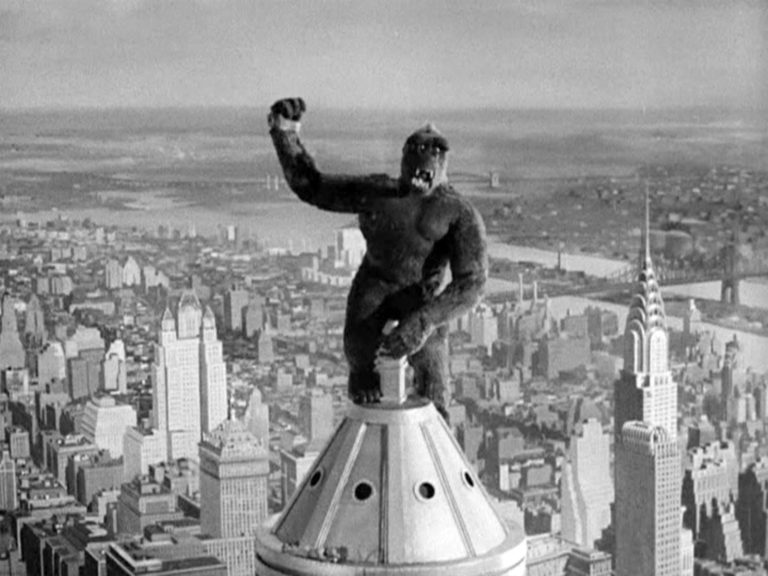
This week on Episode 328 of the InSession Film Podcast, inspired by Godzilla: King of the Monsters, we thought it would be fun to talk about our favorite scenes from giant monster movies. Movies featuring giant monsters have been around for decades and decades, with King Kong having a lasting impact that dates back all the way to 1933. That’s pretty wild. There’s something about them that is inherently cinematic and it paves the way for captivating adventures the movie goers have loved since the inception of film. So, narrowing down the films themselves was challenging enough, let alone choosing specific scenes that stand out to us. However, we don’t think you’ll be too disappointed. That said, here are our lists:
(Note: Please keep in mind that we each had different criteria for our selections)
JD
1) Graveyard Scene – A Monster Calls
2) Empire State Building – King Kong (1933)
3) Atomic Breath – Godzilla (2014)
Brendan
1) Theater Scene – The Blob
2) Sunset with Kong and Anne – King Kong (2005)
3) Bear Attack – Annihilation
Garrett
1) Stay Puft Marshmallow Man – Ghostbusters
2) Hulk Reveal / Destroys Chitauri Monster – The Avengers
3) King Kong vs T-Rex – King Kong (2005)
Honorable Mentions (Combined)
Tokyo Sequence – Pacific Rim
Opening Fight – Pacific Rim
Kong vs T-Rex – King Kong (1933)
Ending – King Kong (2005)
T-Rex / Jeep – Jurassic Park
Dinosaurs Reveal – Jurassic Park
T-Rex Banner Moment – Jurassic Park
Velociraptors in Kitchen – Jurassic Park
Kong vs Monster – Kong: Skull Island
Dance Scene – Colossal
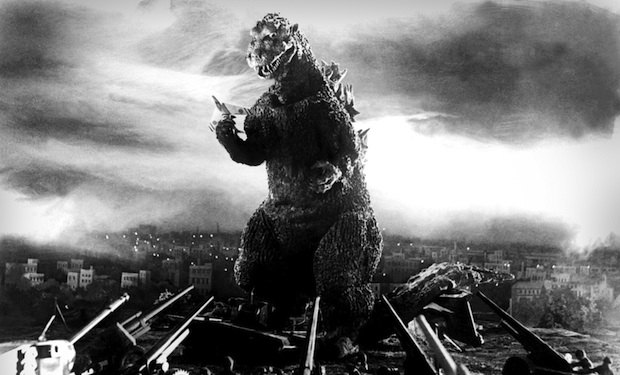
Godzilla in Tokyo – Godzilla (1954)
Human Reckoning – Godzilla (1954)
Fish Monster Attack – The Host
Killing Graboid – Tremors
Ripley vs The Mother – Aliens
Rancor Sequence – Return of the Jedi
Beetlejuice Turns Into Snake – Beetlejuice
Introduction of Smaug – The Desolation of Smaug
Balrog Sequence – The Fellowship of the Ring
Cyclops vs Dragon – The 7th Voyage of Sinbad
Rock Monster Fight – Galaxy Quest
Monster Attack – Cloverfield
Learning Monsters Weakness – Grabbers
Jump Out of Water Eye Kill – The Meg
Hopefully you guys enjoyed our lists and if you agree or disagree with us, let us know in the comment section below. As mentioned above, giant monster movies have been around for a long time and there are many great scenes to consider. That being said, what would be your Top 3? Leave a comment in the comment section or email us at [email protected].
This week on the InSession Film Podcast, Garrett Wright from Two Views Movies joins us to discuss Godzilla: King of the Monsters and our Top 3 giant monster movie scenes! Plus, a few thoughts on The Perfection and See You Yesterday.
Big thanks to Garrett for joining us this week, especially since he said yes to being on the show with short notice. He was a great guest and we had fun talking Godzilla and all things monster movies. Regardless of how you feel about Godzilla: King of the Monsters, we hope you feel the same way and enjoy the conversation.
That said, check out this week’s show and let us know what you think in the comment section. Thanks for listening and for supporting the InSession Film Podcast!
– Movie Review: Godzilla: King of the Monsters (6:20) Director: Michael Dougherty Writers: Michael Dougherty, Zach Shields Stars: Kyle Chandler, Vera Farmiga, Millie Bobby Brown
– Notes / The Perfection / See You Yesterday (54:46) The Perfection was a film garnering some buzz due to its crazy plot twists, and one Ryan and Jay couldn’t pass up on last week’s Extra Film. JD decided to also catch up with it and decided to offer up some thoughts. He also watched the Spike Lee-produced Netflix film See You Yesterday, one of the more interesting films Netflix has put out this year.
– Top 3 Giant Monster Movie Scenes (1:09:06)
Giant monster movies have been around for decades and decades, with King Kong having a lasting impact that dates back all the way to 1933. That’s pretty wild. There’s something about them that is inherently cinematic and it paves the way for captivating adventures the movie goers have loved since the inception of film. So, narrowing down the films themselves was challenging enough, let alone choosing specific scenes that stand out to us. However, we don’t think you’ll be too disappointed. That said, what would be your Top 3?
If you want to help support us, there are several ways you can help us and we’d absolutely appreciate it. Every penny goes directly back into supporting the show and we are truly honored and grateful. Thanks for your support and for listening to the InSession Film Podcast!
This week on the InSession Film Podcast: Extra Film segment, Ryan and Jay discuss Guy Ritchie’s Aladdin and Richard Shephard’s Netflix film, The Perfection.
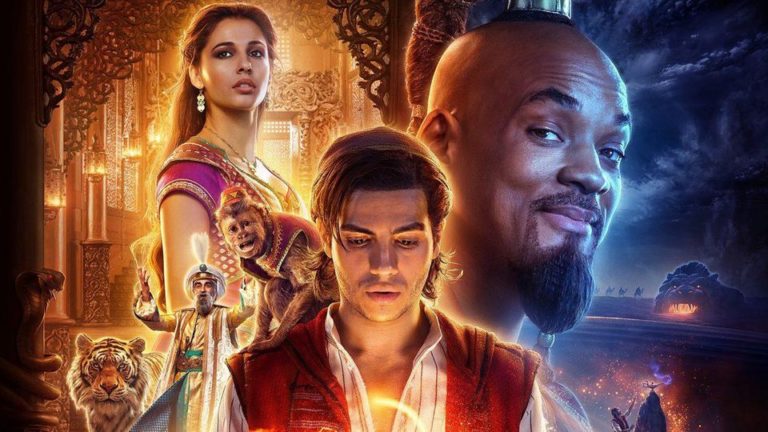
Guy Ritchie might seem like an odd choice to direct a Disney adaptation, but he brings his unique style to an adaptation of Aladdin, an animated classic. The film features a refreshingly diverse cast and an attempt to bring back the charming, quick-witted Will Smith of old, but it has been hard for these Disney remakes to elevate the material they are based on. Listen to see if the guys think Aladdin is any different!
Then, Ryan and Jay review The Perfection, a Netflix film starring Allison Williams. Her character and performance will seem familiar to those who saw her great turn in Get Out, as The Perfection captures many of the same captivating qualities of Williams’ on-screen persona. The film teeters between pure schlock and sociopolitical messaging, which can be a very delicate balance. Is The Perfection destined to become a cult classic or did it miss the mark? Listen to find out!
On that note, have fun with this week’s Extra Film segment and let us know what you think in the comment section below. Thanks for listening!
– Movie Review: Aladdin (7:43) Director: Guy Ritchie Writer: John August, Guy Ritchie Stars: Mena Massoud, Naomi Scott, Will Smith
– Movie Review: The Perfection (47:48) Director: Richard Shephard Writer: Richard Shepard, Eric C. Charmelo, Nicole Snyder Stars: Allison Williams, Logan Browning, Steven Weber
We try to make this the best movie podcast we possibly can and we hope you enjoy them. Subscribe today on iTunes, Spotfiy or Stitcher, and please leave us a review on iTunes. You can also find us on Soundcloud, PlayerFM and TuneIn Radio as well. We really appreciate all your support of the InSession Film Podcast.
To hear this Extra Film episode and everything else we do, download our apps on the Amazon Market for Android and the Podcast Box app on IOS devices. The mobile app covers all of our main shows, bonus podcast’s and everything else relating to the InSession Film Podcast. Thanks for your wonderful support and listening to our show. It means the world to us!
Not long ago, I provided my first rundown of movies I watched and praised for courtesy of Criterion’s streaming channel. By this point, you all know the hoopla and that this is a cinephile’s paradise and yadda, yadda, yadda. And I was far from done with the many works in my queue and still pilling up, now with Ozu’s An Autumn Afternoon, Godard’s Every Man for Himself, and Edward Yang’s Yi Yi waiting. Since then, they have expanded to include the works of Australian New Wave’s Gillian Armstrong (My BrilliantCareer), early comic Frenchman Sacha Guitry (The Story Of A Cheat), and a hidden masterpiece, Dry Summer, courtesy of Scorsese’s World Cinema Project. Here’s a look of what else I found on the Criterion Channel.
Eight Hours Don’t Make A Day (1972)
Rainer Werner Fassbinder was asked to make a miniseries for TV about a working-class family and their struggles to live in unfavorable environments both in the factory and politically during the country’s economic boom. His five-episode showcase was acclaimed but angered the establishment, depicting the scenario in real terms than the fantasy of prosperity that took place. The series was rarely reshown but finally, it was released by Criterion last year. Eight Hours shows the plight of their ensemble, all within the touch of the melodrama that Fassbinder would export in his later legendary works like Ali Fear Eats The Soul and The Marriage Of Maria Braun, as well as his power to create lengthy TV pieces as with Berlin Alexanderplatz.
The Ascent (1976)
If you talk about great films by female directors, this has to be in the Top 5. She only made two feature films before her death in a car crash while in pre-production for a third, but Larisa Shepitko’s Golden Bear-winning World War II drama has the mix of Tarkovsky’s Ivan’s Childhood and Inarritu’s The Revenant here. Two soldiers looking for food for their unit are captured by the Nazis and interrogated. The results are consequential to themselves and to others. The blizzard conditions seen were real; Shepitko shot the film in the dead of winter out in the woods. She cast unknown actors in the two main roles. Shepitko gained respect for putting herself in harm’s way to lead the crew by example, which put her in the hospital for a time. But the religious connections nearly got the film banned because of Soviet censorship, but they were convinced to release it as a story of national pride.
White Material (2009)
Claire Denis already had a strong reputation for her first English-language film, High Life. Ten years earlier, using her background growing up in the old French colonies of Africa, Denis made a haunting portrait of the last white colonials struggling to defend their plantation amidst a civil war breaking out and her steadfast refusal to evacuate – even when her life is in danger. Isabelle Huppert is the stubborn daughter of native white Frenchman who is staying to harvest the coffee beans in a few days despite the obvious danger to her, her son, and the ex-husband who co-runs the farm. Denis cited the revolutions and coups of Burkina Faso and Ivory Coast as an influence, especially since she grew up for a time in colonial Africa. The result is a collective memory of modern, independent Africa who is trying to fully remove the chains of the past and settling scores against rival ethnicities and those who came to the continent to pillage and conquer.
Tokyo Story (1953)
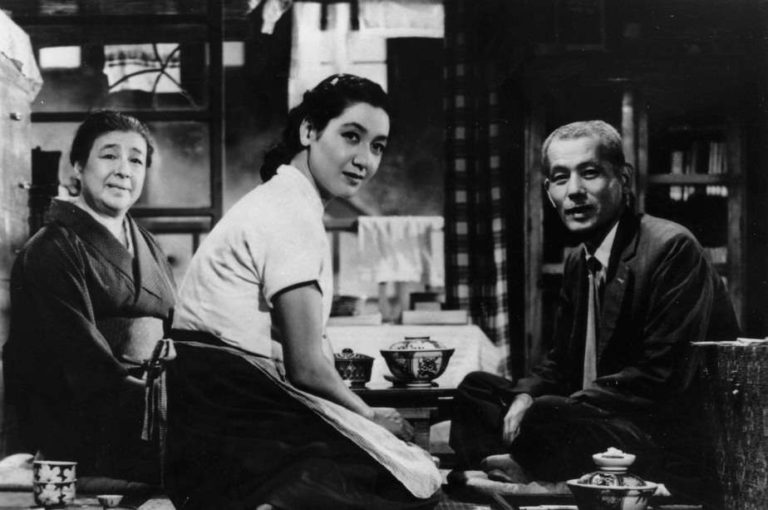
This is the magnum opus of Yasujirō Ozu’s extensive career, a story of an old couple who go to the aforenamed city to meet their grownup children, all who have busy jobs and see their parents are a nuisance while around them. It is a post-war Japan, where the parents are still embedded in tradition while their children are all into the modernity of the country, showing the contrast between the generations. The pace is slow but it doesn’t make it boring at all; Ozu is making us relax and watch the slow movements of everyone as the camera remains in place for the most part between scenes. The result is an examination of Japan’s rapid growth and the decline of the obsolete country that only looked at the Emperor and its conservative values featuring the heartbreak of morality that awaits the couple.
La Ronde (1950)/Army Of Shadows (1969)
One is a comedy about the merry-go-round of love, the other a successful part-true story about the French Underground fighting the Nazis in 1942. Max Ophūls was a master at these colorful romantic works and directed this charming mix of sex and class that are connected from the first partnership to the last. It didn’t mind teasing the audience on the more salacious details, only to have a sly master-of-ceremonies control the speed of his carousel and what we see in the circle of love. For the great Jean-Pierre Melville, a poet on the criminal underbelly and scenes of betrayal amongst men had his take on the French Resistance and the struggle for a team to get through alive, only to be undercut by the political mood of the time. It was attacked on release because of its admiration for Charles de Gaulle, who was despised by the cinema elite and was held back from American showing until 2006.
And there’s more of where these movies came from and where I will write more of! There will be an Act III because the pile keeps on coming of watching and rewatching these great works courtesy of the Criterion Channel.
With Godzilla: King of the Monsters on the horizon, this weekend is all about monster movies. There have been some great one’s over the years and we want to know which one you think is the best. Of course, it may depends on what you like about these movies – the camp, the fun, the horror, the creatures themselves – whatever it may be it could change from person to person. So, we are very curious to see how this poll turns out.
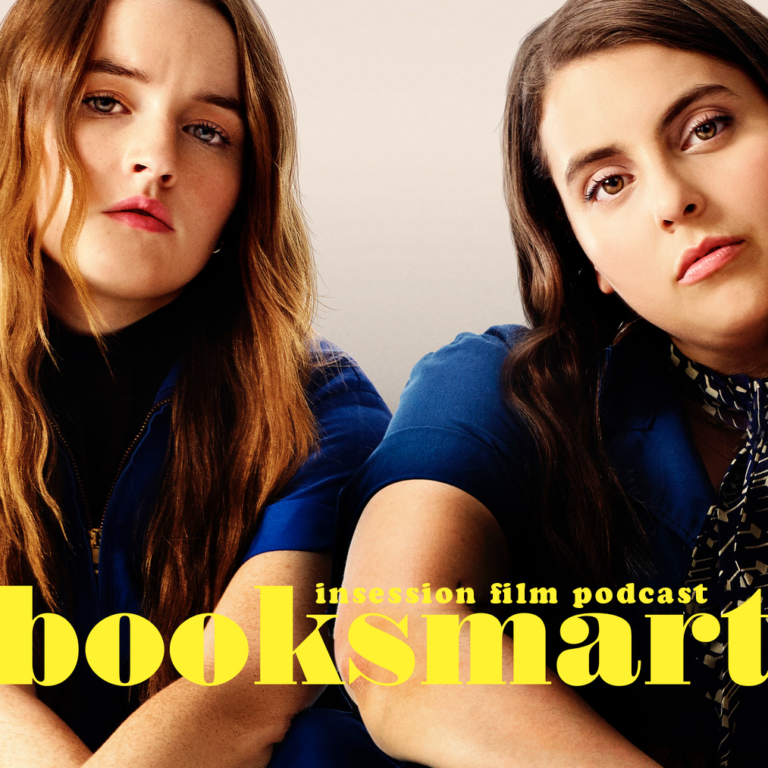
This week on Episode 327 of the InSession Film Podcast, inspired by Booksmart, we thought it would be fun to talk about our favorite performances in female-led comedies. There are obviously a ton of great female-led comedies, many of which we did not have time to go over or mention, so we apologize in advance. However, not only are we considering great films, but more specifically, the performances in said films that stand out to us in one way or another. So, this was a hefty exercise and we hope we didn’t disappoint too much. That said, here are our lists:
(Note: Please keep in mind that we each had different criteria for our selections)
JD
1) Barbara Stanwyck – The Lady Eve
2) Katharine Hepburn – Bringing Up Baby
3) Jenny Slate – Obvious Child
Bianca
1) Olivia Colman – The Favourite
2) Jessica Hynes – The Fight
3) Jessie Buckley – Wild Rose
Honorable Mentions (Combined)
Sandra Bullock – The Heat
Whoopi Goldberg – Sister Act
Diane Keaton – Annie Hall
Ellen Page – Juno
Elsie Fisher – Eighth Grade
Hailee Steinfeld – The Edge of Seventeen
Thora Birch – Ghost World
Rosalind Russell – His Girl Friday
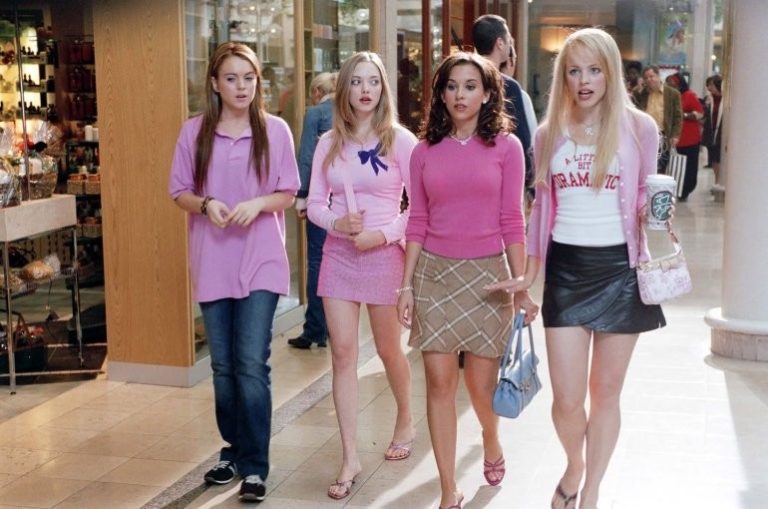
Rachel McAdams – Mean Girls
Amanda Seyfried – Mean Girls
Emma Stone – Easy A
Amanda Bynes – Easy A
Alicia Silverstone – Clueless
Emma Stone – The Favourite
Rachel Weisz – The Favourite
Kristen Wiig – Bridesmaides
Renée Zellweger – Bridget Jones’s Diary
Parminder Nagra – Bend It Like Beckham
Keira Knightley – Bend It Like Beckham
Greta Gerwig – Frances Ha
Anna Kendrick – Pitch Perfect
Rebel Wilson – Pitch Perfect
Reese Witherspoon – Election
Amy Poehler – Inside Out
Constance Wu – Crazy Rich Asians
Michelle Yo – Crazy Rich Asians
Awkwafina – Crazy Rich Asians / Ocean’s 8
Saoirse Ronan – Lady Bird
Amy Schumer – Trainwreck
Lindsay Lohan – The Parent Trap
Meryl Streep – The Devil Wears Prada
Anne Hathaway – The Devil Wears Prada
Emily Blunt – The Devil Wears Prada
Hopefully you guys enjoyed our lists and if you agree or disagree with us, let us know in the comment section below. As mentioned above, there are tons of great female-led comedies and there’s a great chance that we missed a performance that would be on your list. That being said, what would be your Top 3? Leave a comment in the comment section or email us at [email protected].
This week on the InSession Film Podcast, Bianca Garner from Filmotomy joins us to discuss Booksmart and our Top 3 performances in female-led comedies! JD also gives his thoughts Diana, The White Crow and Cold Pursuit, while Brendan gives his take on Her Smell.
Huge thanks to Queen Bee Bianca for joining us this week. It was a pleasure to have her not only guest this week, but take over as new host of the show (this will make sense when you listen to the show). She was absolutely wonderful and we had some great conversation that we hope you enjoy as much as we did.
That said, check out this week’s show and let us know what you think in the comment section. Thanks for listening and for supporting the InSession Film Podcast!
– Notes / Diane / The White Crow / Cold Pursuit / Her Smell (42:44)
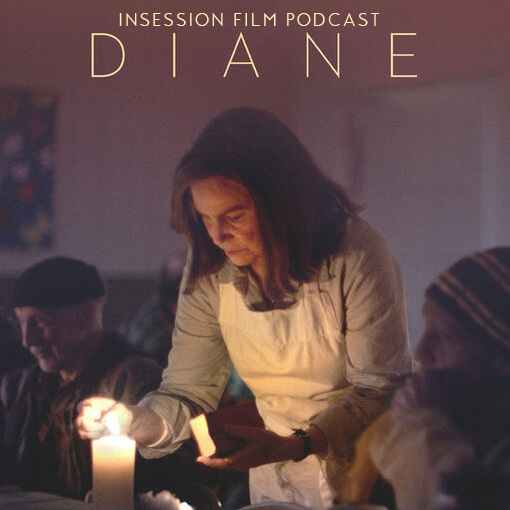
There were several films this week that we caught up with and wanted to give a few thoughts on as we continue to inch closer to our mid-year report next month. JD was able to see Kent Jones’ Diane, The White Crow, and Cold Pursuit, while Brendan caught up with Alex Ross Perry’s Her Smell.
– Top 3 Performances in Female-Led Comedies (1:04:49)
There are obviously a ton of great female-led comedies, many of which we did not have time to go over or mention, so we apologize in advance. However, not only are we considering great films, but more specifically, the performances in said films that stand out to us in one way or another. So, this was a hefty exercise and we hope we didn’t disappoint too much. That said, what would be your Top 3?
Main Review: Godzilla: King of the Monsters
Top 3: TBD
[divider]
Help Support The InSession Film Podcast
If you want to help support us, there are several ways you can help us and we’d absolutely appreciate it. Every penny goes directly back into supporting the show and we are truly honored and grateful. Thanks for your support and for listening to the InSession Film Podcast!
Director: Guy Ritchie Writers: John August, Guy Ritchie Stars: Will Smith, Mena Massoud, Naomi Scott
Synopsis: A kind-hearted street urchin and a power-hungry Grand Vizier vie for a magic lamp that has the power to make their deepest wishes come true.
[/info]
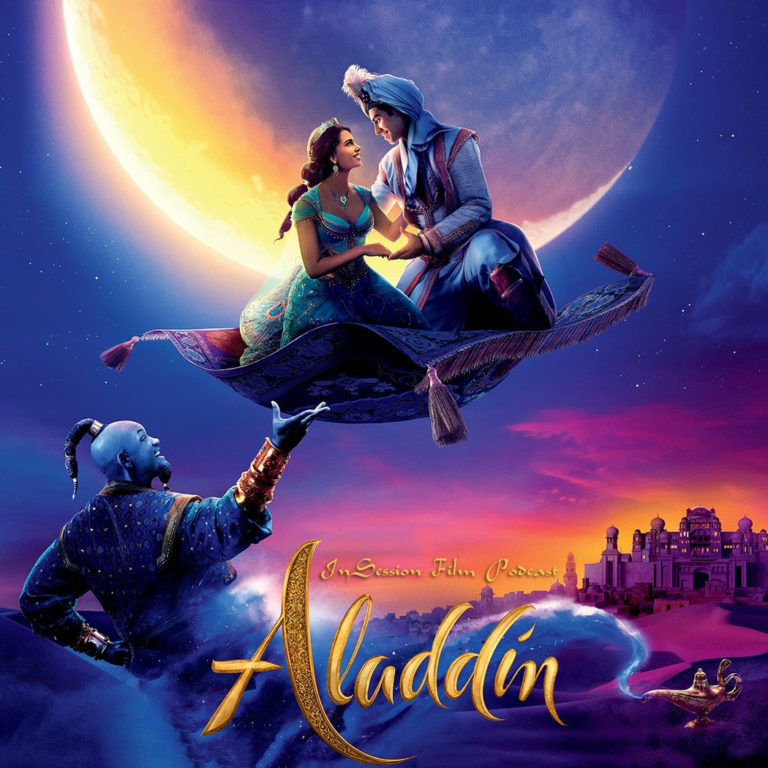
To this day, I still vividly remember the day my mom got me (and my sister) the original Disney animated Aladdin (1992). I remember it came in one of those puffy white plastic VHS boxes that all Disney films did at the time, and how it quickly became one of my favorites. If you are unfamiliar with the Aladdin story, the basic plot is street kid Aladdin (Mena Massoud) meets a disguised princess Jasmine (Naomi Scott) in the marketplace. They have a connection, but nothing can come of it because Jasmine must marry a prince. Evil scheming advisor to the sultan Jafar (Marwan Kenzari) uses Aladdin to help him get into the Cave of Wonders to procure a magic lamp and the genie (Will Smith) who resides in it. Things go awry and Aladdin ends up with the lamp, the genie, and three wishes. Because the original Aladdin is a favorite of many people, I wanted to approach this review from a few angles-
How does it compare to the original?
How did they do with the music?
Does Will Smith’s genie try to be a Robin Williams Genie, or does he do his own thing?
Did they do Jafar justice?
Did Disney allow Guy Ritchie to make this a “Guy Ritchie” movie?
Okay so first things first: Is live action Aladdin as good as its source material? No. I’m sure many people will love this new version- it’s fine on its own- but for those of us who grew up with the original, 2019 Aladdin doesn’t have the magic the animated one did. Some of the reasons for this are the changes they made. They changed up the plot to give Jasmine a bit of a “girl power” moment. (That’s also where they added the new songs) Normally I’m all for that kind of thing, but in this setting, it seemed forced and unnecessary. The changes made to a couple of the songs are one of my biggest complaints. I loved the score and the enhancements they made to that music, but they slowed down the tempo or changed the timing of the songs and it really bothered me. It felt like the singer was off in some way. I’m sure if you’re not used to the original songs, this wasn’t an issue. It’s most notable when Aladdin is singing. One of the biggest surprises was Will Smith as the Genie. He sings much better than I thought he could, though sometimes it’s noticeable that he doesn’t have powerful belting voice many of these songs require. I was happy he put his own spin on the character and never tried to copy Robin Williams. He has some great comedic moments in the film, but I felt like they held him back. The biggest letdown was Jafar. Jafar is one of the greatest Disney villains and I was hoping to see that greatness in this version. Unfortunately, this Jafar has no character. He was bland and came off more whiny or entitled than conniving and evil. My final complaint is about Guy Ritchie. I am a Guy Ritchie fan and was hoping to see some of his trademarks in this film. Unfortunately, other than a few camera tricks Aladdin is almost unrecognizable as a Ritchie film. It doesn’t feature his witty, quick-paced banter, quirky characters, or well-choreographed fight scenes. When I heard he was directing this I was excited. I immediately envisioned a quick-talking Aladdin, outsmarting the palace guards around the marketplace in a Ritchie-esque chase scene, filled with all the camera tricks he’s known for. We saw a glimpse of that, but it didn’t have that Guy Ritchie style I was expecting. It’s honestly what let me down the most. I don’t know if that was just the Disney overseers having too much control, or if Ritchie was uncomfortable directing a kid’s movie.
Now that I’ve aired all my grievances with this film, let’s talk about the positives. Mena Massoud is a brilliant Aladdin. He’s charming, good looking, and easily takes on the role of male lead. I can’t wait to see what else he does. Naomi Scott is equally wonderful and has the best singing voice in the cast. Nasim Pedrad plays Dahlia, Jasmine’s handmaiden, and is right up there with Will Smith for best comedic performance in the film. Billy Magnussen is also hilarious in his small role as a visiting prince. I mentioned this before, but Will Smith is a great Genie. I really enjoyed his take on the role, even though he didn’t get to add more of his humor or ad-libbing to it. “Friend Like Me” was probably my favorite song from the film, I liked Will Smith’s version of it. Other positives were the costumes and setting. It was a bit confused at which Middle Eastern or Indian culture it was supposed to be but, the costumes were intricate and colorful, and the scenery got an interesting upgrade from the original.
To wrap up, I am thrilled my assumptions based on the first ads and trailers for the film were proved wrong. Even though I didn’t get my Guy Ritchie banter and gritty action, or a decent villain, I did get a musical spectacle that hopefully newer Aladdin fans will enjoy. Overall, a decent attempt at remaking a treasured animated classic.
This week on the InSession Film Podcast: Extra Film segment, Ryan and Jay discuss Kent Jones’ Diane and a small documentary from Ben Masters, The River and the Wall.
Jay has returned from vacation to discuss two of the smaller films Extra Film has covered in recent memory. Diane follows a woman who fills her days helping others and desperately attempting to bond with her drug-addicted son. As these pieces of her existence begin to fade, she finds herself confronting memories she’d sooner forget than face. Mary Kay Place gives a powerful lead performance in Kent Jones’ narrative feature debut, but what did the guys think about it, overall?
Then, the guys review The River and the Wall, a documentary that premiered to rave reviews at SXSW. What could have been a preachy, political documentary about the border wall takes a much more humanist approach, showing the impacts of the proposed wall on the wildlife and citizens of the surrounding areas. It was certainly a surprise for at least one reviewer. Listen to find out who!
On that note, have fun with this week’s Extra Film segment and let us know what you think in the comment section below. Thanks for listening!
– Movie Review: Diane (8:15) Director: Kent Jones Writer: Kent Jones Stars: Mary Kay Place, Jake Lacy, Estelle Parsons
– Movie Review: The River and the Wall (38:05) Director: Ben Masters
We try to make this the best movie podcast we possibly can and we hope you enjoy them. Subscribe today on iTunes, Spotfiy or Stitcher, and please leave us a review on iTunes. You can also find us on Soundcloud, PlayerFM and TuneIn Radio as well. We really appreciate all your support of the InSession Film Podcast.
To hear this Extra Film episode and everything else we do, download our apps on the Amazon Market for Android and the Podcast Box app on IOS devices. The mobile app covers all of our main shows, bonus podcast’s and everything else relating to the InSession Film Podcast. Thanks for your wonderful support and listening to our show. It means the world to us!
We talk about sex scenes as steamy, cheesy, teasing, or ridiculous and just a throwaway sequence to showcase nudity. They have to be tastefully done or else it just looks exploitative. At the same time, as James Ivory complained regarding Call Me By Your Name, American cinema is afraid to show graphic male nudity and that it is a double standard to emphasize the female body less than a male nude body. For traditional movies, it has to be done carefully so a sex sequence may make sense. That is not the case with avant-garde cinema, daring to push the boundaries on what they can show and not afraid to show real sex. As in, close-up, full-frontal penetration, hetero and homosexual – I am not joking because there are movies where unsimulated sex plays a role in the depiction of love and carefree behavior. And some are actually not that bad – or at least quite interesting when watching it in its full context.
I Am Curious (1967)
The two-part Swedish film by Vilgot Sjöman brought on the spotlight because of highly political themes, such as intercutting scenes between the protagonist Lena with documentary footage of Martin Luther King Jr. as if she is talking to him, as well as a frank scene of sexuality including one shot of Lena physically fonding with her lover’s genitalia. Its documentary style format mixing in views of sexual liberation with the advocacy of class equality and social justice was part of a radical wave of filmmaking in Europe and Sweden was ahead of the curb in this department. (All you have to do is watch Ingmar Bergman’s Persona for the split-second shot of an erect penis at the start and a scene about an orgy being openly spoken of.) In the US, a court case involving a theater owner who was arrested for showing the film in Massachusetts made its way to the highest court which ruled that the film was not obscene.
In The Realm Of The Senses (1976)
Japan sees sex and nudity as very taboo. Any imports with sex/nudity are either blurred or edited out. In fact, for the confrontational Nagisa Oshima, it was listed as a French production shot in secret in Tokyo and then edited in Paris before it came back to Japan. In The Realm Of The Senses is a fictionalized account of the shocking true story of a geisha, Sada Abe, who has a love affair with a married man and finds excitement in autoerotic asphyxiation and (spoiler alert) strangles the man dead. The last scene shows what made the story even more sensational: she cuts off his manhood as a symbol of power that she and he would be together forever.
For the first thirty years, the uncut version was only permitted in certain film clubs, but it got the full explicit treatment for the public via Criterion Collection. The explicit sex is another exploration of Oshima’s criticism of Japanese society, this time of looking away from the subject. The film is set during the rise of the Imperial Army a few years before World War II where machismo is high. Sada Abe is a folk hero, a radical feminist who is an outsider and uses sexual power to seduce a man into her own realm and in the end, physically grabs it.
Maitresse (1976)
It’s not that there is actual sex in the film, but the explicit shots of sadomasochism could shock an audience since those were real people being beaten, ridden on, and nailed down for their own pleasure. Barbet Schroder’s first foray into fiction is a romantic comedy of a petty thief (Gerard Depardieu) who stumbles upon this underworld when he burglarizes the apartment of a pretty woman (Bulle Ogier) who is a professional dominatrix. It’s a movie about control, where the man wants her to fall completely in love with him but she asserts her independence. Understandably, the film got an X rating from the US and UK for the uncut version, some of which could make an audience squirm; for the record, a professional dominatrix, not Ogier, did the graphic scenes with their clients.
Lars Von Trier
He made one movie about sex and the human addiction to it which had to feature shots of explicit acts but also inserted one scene of each in two prior films. The Idiots (1998) reflected the values of Dogma 95 where Von Trier and his Danish contemporaries followed a set of rules which included nothing depicted in their work could be fake. That included sex and in his comedy, a group of anti-conforming adults decides let idiocy be part of their daily lives and one person asks without any protest from anyone to start an orgy. Then, in his horror film Antichrist (2009), the prologue features the slow-motion death scene of a toddler while the parents make passionate love in the shower.
Nymphomaniac (2013), his four-hour sexcapade followed a woman’s life from childhood to the present which features themes of sexual violence, depression, sadomasochism, abortion, loneliness, and communication between the sexes. All the real sex in these films featured body doubles, namely porn actors, and, for those who can stand Lars Von Trier (some films yes, others no), it is understanding and mesmerizing to let it hang out there without fear. That is what he is doing in those scenes: provoking responses, grabbing attention, and not faking the reality in the dark consciousness.
Shortbus (2006)
https://www.youtube.com/watch?v=H8A1dwEhSMY
In between directing Nicole Kidman to an Oscar-nominated performance in Rabbit Hole and directing and starring in the off-Broadway hit Hedwig And The Angry Itch, John Cameron Mitchell spent two years experimenting and improvising a romantic dramedy about a group of New Yorkers, gay and straight, who have their struggles with relationships and find themselves sexually frustrated. Instead of the metaphors or the simulated depictions, Mitchell decided to get actors – some who worked on Hedwig – who was willing to bare all and then some.
“Sexuality is the lyricism of the masses,” wrote French poet Charles Pierre Baudelaire. It is a subject that drives in our head consciously or not. Hitchcock was famous for metaphors of sex and touched on taboo themes, flirting without the showing of nudity until his second-to-last film, Frenzy. Until the late 60s, sex could not be obvious and explicit; people like Vilgot Sjöman and Andy Warhol took it the extreme and made it mainstream for all of legal age to watch freely. Since then, other explicit acts directed by notables including Gasper Noe (Love), Vincent Gallo (The Brown Bunny), and Catherine Breillat (Anatomy of Hell) were made to expand the art film genre and be transgressive with their works. The Europeans have been notable; it is called New French Extremity. Others will call it straight up pornography.
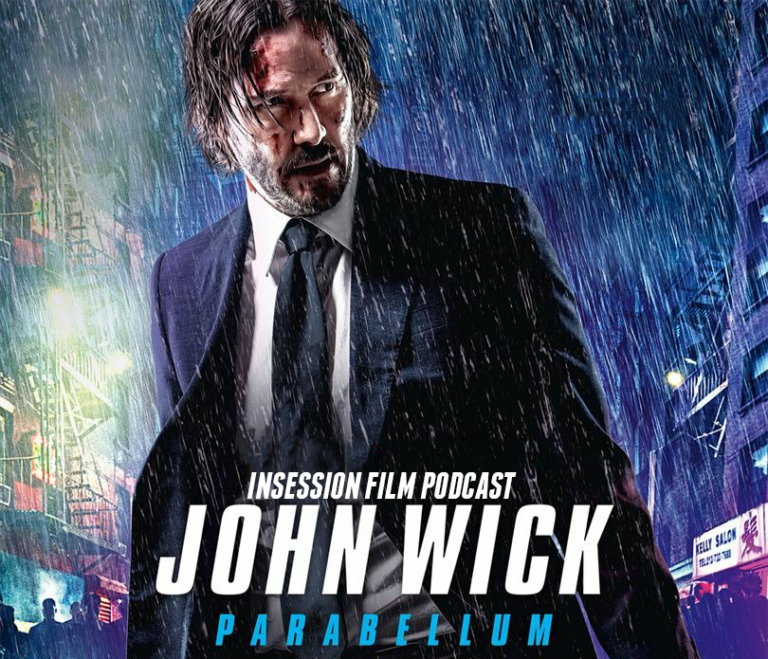
Director: Chad Stahelski Writers: Derek Kolstad, Shay Hatten Stars: Keanu Reeves, Halle Berry, Ian McShane, Asia Kate Dillon
Synopsis: Super-assassin John Wick is on the run after killing a member of the international assassin’s guild, and with a $14 million price tag on his head – he is the target of hit men and women everywhere.
[/info]
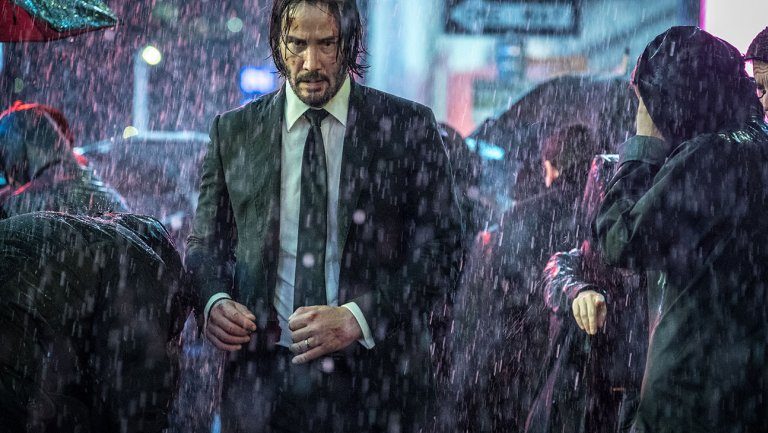
When a magician performs a successful magic trick, people feel astonished and shocked by what they just witnessed, completely not seeing it coming. Said magician now has the task of creating a new trick while keeping it in the vein of their style of magic. It’s not easy to continuously pull off new tricks and making them go over seamlessly, and yet that’s exactly what we are getting on screen from Chad Stahelski action franchise John Wick, starring the man he used to body double for on The Matrix franchise, Keanu Reeves. When they first introduced us to this franchise, they tricked us into believing this was nothing more than a joke of an action film. I mean come on, a man seeks revenge on the entire Russian mob because they killed the puppy his wife gave him. A film with that kind of premise is not supposed to be good, it’s comical bad. And yet, that film was one of the biggest surprises of 2015, and lead to a sequel in 2017 that elevated and topped the first one in terms of scale, action sequences and overall stakes in the story for our hero. So with the third chapter in this franchise, one must start to question if the magic trick that is this franchise would continue to amaze us or if it was time for a new act for the creators behind and in front of the camera? Well I’m here to say that this magic show is still in full bloom and has no signs of slowing down, and I was all in on this movie from the moment it started.
John Wick: Chapter Three – Parabellum starts shortly after the events of Chapter 2, where John Wick has been excommunicado and has a 14-million-dollar bounty on his head. His friend Winston (Ian McShane), who is the owner of the Continental Hotel in New York, gives him an hour head start, before he is casted out of the world they live in, run by the High Table, the organization that is in charge of the global assassin world that we have grown to love in these films. Within the first 30 minutes of the film, John is running away from assassins trying to kill him so he turns to his past, the place he was raised, to seek passage to reverse his status with the High Table, and go back to the life of peace that he left behind before the events of the first two films. While John is trying to save himself, an adjudicator (Asia Kate Dillon) for the High Table comes to New York to tell Winston and others that have helped Wick to either show their allegiance to the High Table or get their affairs in order and leave the city. Through action pieces and globe-trotting around the world for his life, Wick’s story and the story in New York collide for an all-out war that is one for the ages.
The story of the film is exactly what you expect after the events of the previous films, with Wick moving from place to place, showing off his skills and just why he is the most unstoppable force in the world. But in this film, unlike the last, he needs help in the form of Sofia (Halle Berry) to help him not only get to his next destination but also fight of the hordes of enemies in their way. In the other films, he feels like the boogie man, in that no one can and will come close to laying a finger on him. In this film, we see that he is a step slower at times, and while his drive is still there, this shows that this character has been through a lot within these films and can’t do it forever. Plus, what I liked about the second film, and is elevated here is the sense that Wick is the hunted rather than being the hunted. In the beginning of the film you can sense that he is surviving more than he is being “John Wick” but in the second half of the film, you can since that he is back and there to serve a purpose in fighting for what is his, and it’s a true spectacle to see.
The action in this film is on another level and you will be hard pressed to find better action in a film this year. The trailer for the film gives some of the best moments away in glimpses of what we see in the film, with Wick throwing knives to killing people with horses to an elaborate ending involving a glass room that is dangerous and beautiful all at the same time. It is another ball game experiencing it all on screen within the moment of the film, especially the scenes with Sofia and her two dogs. And while the scene does go on for a long time, you can’t help but feel by the end of it that you want to see more faceless thugs get killed at the hands of these two trained assassins and the most lethal animals in cinema this decade. Both Reeves and Berry are the shining lights in this third installment. Reeves is always good in the titular role of Wick, playing all the levels of emotions just within his fighting style as well as throughout the rest of the film in his struggle to get back his normal life. Reeves, along with Tom Cruise in the Mission: Impossible franchise, continue to give the best performances for a continuing character in big budget films. But in this film, Berry gives Reeves a run for his money with Sofia, an assassin that was forced to make a choice about her daughter a long time again and needed Wick’s help to get her out and now has to face the ramifications of owing John Wick a favor. There is a moment where she is almost forced to give up her dog and it is some of the best acting in Berry’s career as well as some of the best acting in the franchise. If she doesn’t come back in the next chapter or get a spin off film, then we are not doing her justice because she is that good in this movie.
I liked a lot of the film, and do even admire its over stuffiness at times, and left curious by the choices made at the end of the film based on where it leaves the characters for Chapter 4. Chapter 2 does a beautiful job of setting up the events of this film, and while I’m going to be there opening weekend for sure for the next one, the ending of Chapter 3 left me puzzled as to where Stahelski and his team pick up this story and continue the legend that is John Wick. But that is the beauty of a magic trick, to leave the audience guessing and coming back for more, and that is exactly what they are doing and why I can wait to see the Baba Yaga’s story continue and see if it continues to be as consistent of a franchise as you will find today.
For our lovely Patreon subscribers, in anticipation for Godzilla: King of the Monsters, we take a look back at Godzilla from 2014 and if/how our thoughts have changed on the film since then. Plus, a few thoughts on the trailer for Once Upon a Time…in Hollywood!
*Note: This episode is now available to our Patreon patrons, and to the public in a few days. Sign up today to get early access!
To hear our bonus content episodes early, subscribe now on Patreon. In many cases, though, we offer our bonus content for free after a certain period of time and we do encourage (and very much appreciate) a small donation of $0.99 as a way to help support the show if signing up on Patreon isn’t for you. Click on the PayPal button below to donate and thanks so much for your support. You can also hear much of our Bonus Content via our mobile apps. See the information at the bottom of the post for more details.
[divider]
Mobile Apps!
Listen to all of our bonus content on our apps for just a one-time fee! Whether you have an iPhone, Android or Windows phone, our apps are available in many different ways that is convenient for you. With our mobile app, not only can you listen to all of our bonus content, but our main shows and our Extra Film podcasts as well. Click here for more info!
If you don’t want to purchase our bonus content, but still want to support us, there are other you can help us out. Click here for more info.
This weekend on Episode 327 we’ll be talking Olivia Wilde’s directorial debut Booksmart, a film we are eagerly anticipating. It’s also the inspiration for our poll this week as we venture into the realm of female-led high school comedies. There are many great options here, so this isn’t an easy choice, but we are curious to hear where you stand.
Synopsis: On the eve of their high school graduation, two academic superstars and best friends realize they should have worked less and played more. Determined not to fall short of their peers, the girls try to cram four years of fun into one night.
[/info]
Throughout the last few years, the domestic audience has received a large number of great coming-of-age films. Starting with 2016’s cutting and heartfelt The Edge of Seventeen, followed by 2017’s textured and lovely Lady Bird, all the way to 2018’s anxious and great Eighth Grade, it’s been a great time for teenage women in cinema. Only months after the end of 2018, the 2019 entree to this series comes racing into theaters with Booksmart. In some ways, Booksmart feels like the culmination of the recent great teen cinema we’ve gotten – and it may be the best one yet too. While it may not have the polished finish and lived-in tone of Lady Bird, or as deeply felt lead characters of Eighth Grade and The Edge of Seventeen, that’s just fine. Booksmart succeeds due to overall excellence.
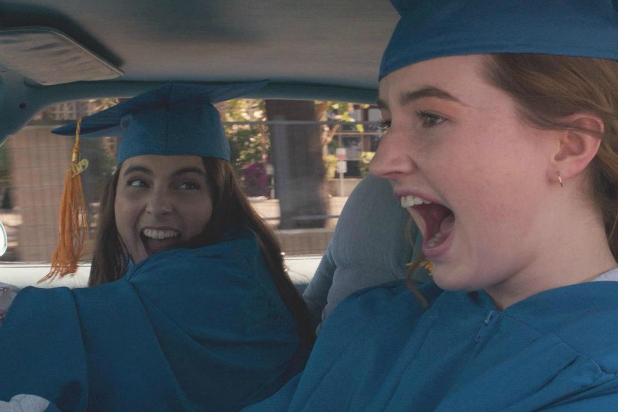
Centered around two seniors on the day before graduation, Booksmart follows around best friends, leaning towards soulmates, Amy (Kaitlyn Dever) and Molly (Beanie Feldstein). Both are overachieving, wonderful, charming, and absolutely the lamest pair that you’ll find on screen this year. The sheer awkwardness that melts off of the screen in the second scene alone is glorious and cringe-inducing. They’ve spent the entirety of high school getting good grades and trying to get into good colleges, but they soon reach a crisis. In an expertly directed scene, Molly confronts the realization that even the losers at her school made it into good colleges. The most obnoxious girl she knows is going to Yale along with her. This spins Molly into a full blown crisis, as no one knows that she’s fun, and it’s the night before graduation. Think Diane Court in Say Anything, but duplicated to two girls. Molly learns that there’s a party somewhere, and forces Amy along with her. While trying to get there, they run into a beautiful cast of characters and situations that are too good to spoil.
It’s hard to talk about what makes the film so marvelous without spoiling it, but it’s a film with a bleeding and beating heart that moves at a sensationally brisk pace. The film introduces our two lead characters by showing them uncomfortably dance before going to school, and that’s almost all of the characterization you need. The script has other little moments like this throughout that show how akin these two are. By showing and not telling how special the relationship between them is, the film paves the way for phenomenal humor. For a script from four different people, it’s a remarkably cohesive and lovely film in tone. It bypasses having an important message or meaning, and just shows an inseparably imperfect friendship. What tops it off is a director as agile as Olivia Wilde, who uses slo-mo and fantasy elements to charming degrees. She constantly redefines classic situations by subverting expectations to masterful effect.
It helps to have a pair of actors as talented as Kaitlyn Dever and Beanie Feldstein to lead a script like this. The care and love between these two characters is only elevated by the actors who embody them so effortlessly. Both shine in their own individual moments, Dever’s awkwardness shining perfectly in a scene where she has to interact with a girl she likes. Feldstein gets her best moment in a scene that could seem too cinematic early on, in which she ends up throwing a cake off of the side of a small hill. The side character seem to come in duos, each of them making a mark wonderfully. We’ve got the dispassionate principal played by Jason Sudeikis and the caring teacher named by Jessica Williams. We’ve got Amy’s love interest and Molly’s love interest. We’ve got the uncomfortable high school couple of Gigi and Jared (Billie Lourd and Skyler Gisondo, respectively) who appear out of nowhere in most scenes. Jared is a particularly sticky character, as he’s a privileged rich kid that no one likes, even if he’s unflinchingly compassionate and blissfully uncool. He’s such a small character, but I’m still thinking about him and Gisondo’s portrayal of him days later.
Something just clicks about Booksmart. It’s startlingly funny, maybe a tad over the top, but I struggle to find something that’s a genuine issue. It’s breakneck in pace, absolutely chock full of blissful jokes, and somehow manages to create characters that you’ll wish you spent more time with. If that isn’t a perfect addition to the coming-of-age cannon, I don’t know what is.
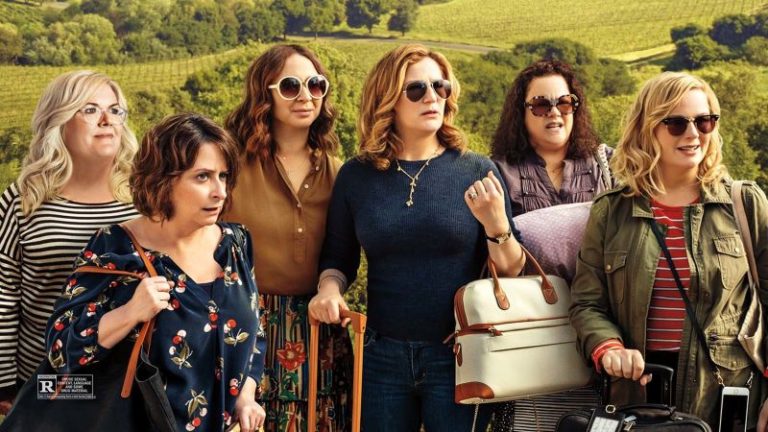
Director: Amy Poehler Writers: Liz Cackowski, Emily Spivey Stars: Amy Poehler, Rachel Dratch, Ana Gasteyer, Tina Fey
Synopsis: When a group of longtime girlfriends goes to Napa for the weekend to celebrate their friend’s 50th birthday, tensions from the past boil over.
[/info]
There’s been a lot of conversation in film circles lately about the audience that a particular movie is “for.” The idea here is that some movies are made to resonate with one particular audience over others. I’m not sure I buy that completely, but the idea came to mind repeatedly as I’ve been thinking about my experience watching Wine Country on Netflix.
With so many movies today focused on fantastical stories told through CGI, it’s refreshing to find something that feels viscerally real. Nothing against big blockbusters (and the best ones are able to still find moments of relatability), but we also need films that have a higher level of relatability to our actual lives. Wine Country – directed by Amy Poehler – is exactly that kind of film.
At this point, I feel that I must state the obvious – I’m a man writing about a film centered on the friendships between women. So there are obviously aspects of the film that will be even more relatable to a female audience. But all of us have friend groups, and the interplay between these characters felt wholly familiar to me. Still, this is where that notion of being made for a specific audience comes in.
The main plot is that six friends who met years ago when they were waitresses together at a Chicago pizzeria have planned a Napa friends getaway. Abby (Poehler) is the slightly overbearing planner who put the trip together, Rebecca (Rachel Dratch) is the reason for the trip since they are celebrating her 50th birthday, Catherine (Ana Gasteyer) is a TV show executive who cannot unplug from work, Naomi (Maya Rudolph) is holding back an important piece of news from everyone else, Val (Paula Pell) is always letting others walk over her, and Jenny (Emily Spivey) wasn’t sure she’d even come. They all come out to Wine Country, and things both funny and emotional ensue. There are other key characters, too, like Tammy (Tina Fey) who is the owner of the place where they all stay. But this gives you the basic plot idea.
So many of the actresses are deployed wonderfully by Poehler. Seeing Rachel Dratch recount a story about connecting with a group of raccoons in the middle of the night is exactly the kind of comedy that she absolutely kills. And I cracked up when Maya Rudolph harmonized with the others using only high-pitched shrieking sounds. But I was sorely disappointed with how underutilized Fey was. Her role, though there are key plot elements that she is present for, isn’t really all that important. Any plot point that happens in her scenes could have happened just as easily without her. That sounds like a knock on Fey, but I don’t mean it to be. She just isn’t really given all that much to do.
If it all sounds like a story we’ve heard before…that’s because it is. But here again is where I’ll get back to the idea of a film being made “for” an audience. If Adam Sandler can get paid big bucks from Netflix to make buddy movie after buddy movie, it only makes sense that we get the female version too. Yes, the storyline seems a little stale (Bridesmaids handled this same material better, in my opinion), but it’s still worthwhile and enjoyable.
The other reason I didn’t connect with this one in a deep way was that I just didn’t find it all that funny, which isn’t the greatest thing to say about a comedy. There were moments, but overall it wasn’t that memorable of an experience for me. But, again, its key audience may resonate with parts that I didn’t find quite so hilarious.
At the end of the day, it’s fun just to see all these SNL greats back together again. That alone makes the movie worth watching. And Poehler has said that the movie was based on real-life trips that these friends had while celebrating their own 50th birthdays. That’s a nice added component of the film, and if this a way for us to get a window into their celebrity friend group – that’s kinda fun in its own way. A quote from Poehler in that article is especially interesting to me.
“… there’s just not enough films that take full advantage of what it’s like to be our age and to be around women that have known you for a really long time but aren’t competing for the same or the same guy.”
For that and other reasons, Wine Country is a worthwhile watch. It’s fun, and the performances (especially Rachel Dratch) are good. I wasn’t wowed by it, and I don’t know if I’d watch it again, but this might be a movie where I cave to the idea of a film being “for” an audience in particular. While I resonated with some of the aspects of friendship, there are surely far more moments that will be meaningful for female viewers. That a movie like this is out there is a very good thing, for sure.
This week on Episode 326 of the InSession Film Podcast, inspired by John Wick – Parabellum, we thought it would be fun to talk about the best stunt scenes in film. There needs to be a category at the Oscars rewarding stuntmen and women who risk grave injury to give us breathtaking moments in cinema. We love entertainment, we love action, we love seeing crazy things in film, and there are actors/performers who are willing to go to extreme lengths to pander to our needs. It’s often crazy and illogical, but we love it and wanted to honor the best stunts for our top 3 this week. That said, here are our lists:
(Note: Please keep in mind that we each had different criteria for our selections)
JD
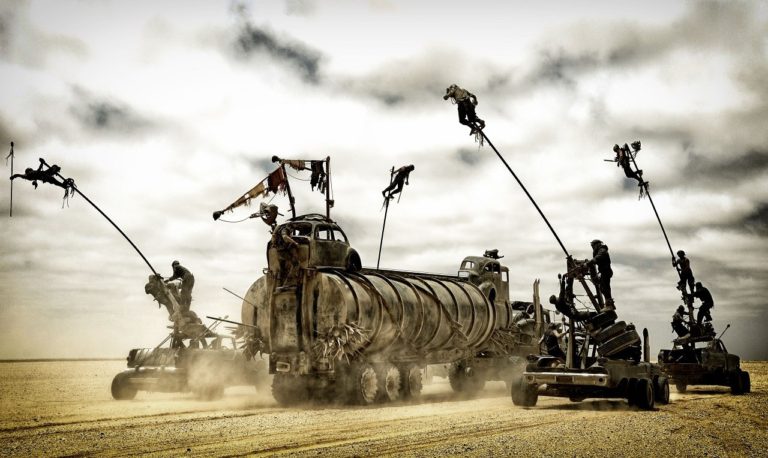
1) Chasing the Rig – Mad Max: Fury Road
2) Tom Cruise rides on the OUTSIDE of an airplane – Mission: Impossible – Rogue Nation
3) House falls on Buster Keaton – Steamboat Bill, Jr.
Brendan
1) The Mall Fight – Police Story
2) Tom Cruise on the OUTSIDE of the Burj Khalifa – Mission: Impossible – Ghost Protocol
3) House falls on Buster Keaton – Steamboat Bill, Jr.
Honorable Mentions (Combined)
Various stunts from these films – Mission: Impossible – Fallout, Death Proof, Rumble in the Bronx, Police Story, Rush Hour, Who Am I, The Dark Knight, Atomic Blonde, GoldenEye, Skyfall, Casino Royale, Kill Bill: Vol 1, Raiders of the Lost Ark, Inception, The Bourne Ultimatum, Captain America: The Winter Soldier, Speed, Ben-Hur, The Raid, Oldboy, John Wick, John Wick: Chapter 2, John Wick: Chapter 3 – Parabellum
Hopefully you guys enjoyed our lists and if you agree or disagree with us, let us know in the comment section below. Stunt performers have been defying logic for entertainment purposes for a very long time, and we barely scratched the surface. So, there is a great chance your list is different than ours. That being said, what would be your Top 3? Leave a comment in the comment section or email us at [email protected]. For the entire podcast, click here or listen below.
For more lists done by the InSession Film crew and other guests, be sure see our Top 3 Movie Lists page.
This week’s episode is brought to you by Grammarly and our awesome listener’s like you. Get the app for free today!
This week on the InSession Film Podcast, we discuss the latest chapter in the John Wick franchise with John Wick: Chapter 3 – Parabellum and our top 3 stunt scenes in film! Brendan also gives his thoughts on Under the Silver Lake and Arctic.
Fair warning as JD gushed over the Halle Berry / dog sequence from Parabellum at least three different times on the show. If he gets over-the-top with it, we apologize in advance, but it was an awesome scene that warranted some love. This week’s Top 3 was also more playful, so if you’re up for some more fun than our usual thoughtful commentary, this is the episode for you.
That said, check out this week’s show and let us know what you think in the comment section. Thanks for listening and for supporting the InSession Film Podcast!
– Movie Review: John Wick – Parabellum (4:44) Director: Chad Stahelski Writers: Derek Kolstad, Shay Hatten Stars: Keanu Reeves, Halle Berry, Ian McShane
– Notes / Under the Silver Lake / Arctic (46:48)
As mentioned above, Brendan finally got a chance to catch up with David Robert Mitchell’s Under the Silver Lake and the Mads Mikkelsen starring vehicle Arctic from earlier this year. So, he gave his thoughts on both films and we had fun re-visiting them.
– Top 3 Stunt Scenes (1:04:02)
There needs to be a category at the Oscars rewarding stuntmen and women who risk grave injury to give us breathtaking moments in cinema. We love entertainment, we love action, we love seeing crazy things in film, and there are actors/performers who are willing to go to extreme lengths to pander to our needs. It’s often crazy and illogical, but we love it and wanted to honor the best stunts for our lists this week. That said, what would be your Top 3?
If you want to help support us, there are several ways you can help us and we’d absolutely appreciate it. Every penny goes directly back into supporting the show and we are truly honored and grateful. Thanks for your support and for listening to the InSession Film Podcast!