Home Blog Page 207

Movie Review: Aubrey Plaza Commands a Daring Story about Emotional Abuse in ‘Black Bear’


Director: Lawrence Michael Levine
Writer: Lawrence Michael Levine
Stars: Aubrey Plaza, Christopher Abbott, Sarah Gadon

Synopsis: At a lake house, a filmmaker plays a game of desire and jealousy in the pursuit of a work of art that blurs the boundaries between autobiography and invention.

[/info]

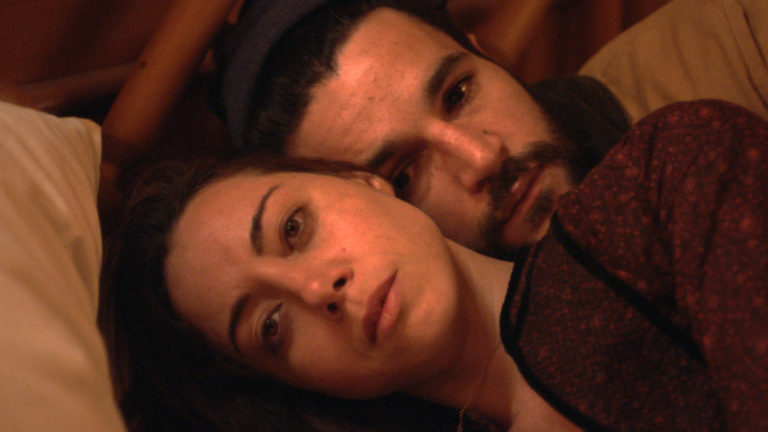
Writer/director Lawrence Michael Levine offers a daring story in Black Bear, a psychological drama that plays with the assumptions made by the viewer, creating chaos and emotional turmoil in its main characters.

Set in an isolated cabin, the story is divided in two parts. The first focuses on Allison (Aubrey Plaza), a former actress that arrives in search of inspiration for her next movie as a director. She is received by the couple formed by Gabe (Christopher Abbott) and Blair (Sarah Gadon), her hosts that are trying to revamp the place as an Airbnb or a retreat spot.

Things start getting out of control once Allison embraces awkward conversations, flirty attitudes towards Gabe – that are positively received – and a lying demeanor towards Blair. Meanwhile, Gabe and Blair are in a difficult spot in their relationship where every single word spoken by the other is received with hurtful comments or snide remarks. This hostility is increased by Allison’s fascination with creating an uncomfortable vibe.

Once we start to embrace this stressing scenario, everything suddenly shifts, and the second part of the movie starts with a new storyline. Now, the three protagonists are artists working on a movie with the cabin as the set. Allison is the main actress, Gabe is the director, and Blair is the antagonist. Even though we are in a new story – and the first part could easily be omitted – some aspects of the previous relations of power are rescued.

Gabe and Allison are now a couple and they have poured everything they have into the production. The women also shift positions on an emotional level. Now Blair is the outsider that conspires with Gabe to torment Allison. Meanwhile, he continues to be emotionally abusive and gaslighting. Now, however, instead of blaming this attitude on his apparent unhappiness, he does it in the name of creativity.

Through this storyline, the movie becomes an exploration of the toxic relationship between muse and creator, and the abuse of power at the hands of the artists that take everything a little too far looking for genius and authenticity in their oeuvres. The fact that Lawrence Michael Levine, director of the movie, has appeared in several projects of his real-life wife (filmmaker Sophia Takal), makes this new exploration a little meta and fascinating.

The new setting means that we get to immerse ourselves in the behind-the-scenes of an independent movie. The complicity or annoyance in the audience will depend on their interest on the topic. Personally, I enjoyed the possibility of peeking into a set where emotions are real, logistics issues are stressful and never-ending, and the scheming and pettiness of actors and directors are evident.

In this point, the technical and creative aspects of recreating a movie within a movie is intriguing and well-executed. The curiosity of the audience increases when the toxic environment of the place is revealed and some of the scenes in the previous half are recreated as an act. What kind of emotional preparation did the real actors went through to get to these levels of emotional turmoil? Could it be possible that what we see is reflective of what happened in real life behind the scenes? Black Bear is a riveting view on the other side of the screen.

While the three leads are impressive in their roles, both Aubrey Plaza and Christopher Abbott are revelatory with meatier roles. Abbott is a bully that constantly changes the narrative. His intentions do not just gaslight the women of the story, but the audience as well. His shifts between victim and perpetrator are easily and disturbingly done. His voice and mannerisms constantly remind of a manipulative Jake Gyllenhaal.

Aubrey Plaza, as the main character and subject that drastically changes in both scenarios, is fragile, unpredictable, and limitless. Her character goes through an emotional rollercoaster, whether as a director looking for inspiration, a woman dealing with treason and heartache, or an actress tolerating and even embracing abusive attitudes towards her on set. She perfectly captures the chaotic essence of the movie, which starts and ends with her.

Beyond all its successes, the movie presents mysteries that go beyond its control. In this regard, it seems that Levine is not interested in creating answers or even the possibility of comprehension, he just wants to create confusion. Its ambition and self-assuredness do not justify its lack of answers regarding the first half of the movie. What is the point of making it so complicated if there is not a reason that justifies this complexity?

Nevertheless, Black Bear is an enveloping experience that shines because of the shameless commitment of its stars and the privileged view it provides on the abusive bond between artists. Just do not try to find an answer to everything you see on screen.

Grade: B

Classic Movie Review: A Nun’s Deepest Desires Boils to the Surface in ‘Black Narcissus’

Sex. Lust. Desire. These aren’t the usual words that you would associate with a nun. For decades now, the stereotypical characteristics have often gone hand and hand with rigid or structure, as the nuns clasp their hands together in devotion to God. But directors Michael Powell and Emeric Pressburger set out to tell a story describing the sensuality that may linger deep within these women’s hearts.

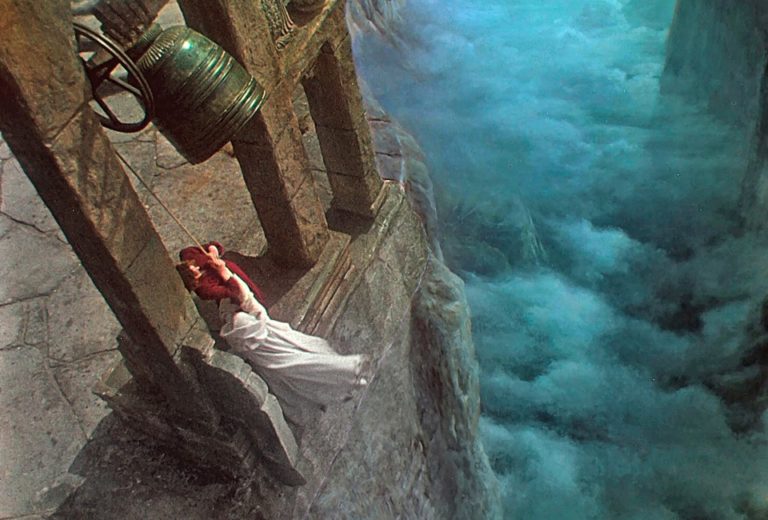
Author Rumer Godden had a number of best-selling novels, with Black Narcissus being her most successful. Black Narcissus tells the story of a group of nuns who call themselves The Servants of Mary. Sister Clodagh (Deborah Kerr) is a young woman recently appointed as Sister Superior — the youngest to ever be appointed Superior — as she will oversee the nuns in the building of a new convent along the steep mountains of the Himalayas at the Palace of Mopu. The palace is thoroughly described as the place where the old general would house his concubine — otherwise known as The House of Women.  The nuns overlook the building’s tainted past as they move in, building a school and a hospital to help the locals.  The move is no easy task as many trials and tribulations befall the nuns. Not to mention the nuns inability to help serious cases in their hospital. The fear of failing to cure an incurable illness would have the locals running from the nuns.

The palace walls are covered with taboo subject matter and comes with a local woman who’s more inclined to see the nuns fail as she comes along with the palace like unwanted furniture. Sister Clodagh may soon realize that she may have bitten off more than she chew with her new appointment. What begins as a positive film, the locals working together with the nuns to create this new place, progresses into a darkness as the nuns are possessed with images of their past — constantly reminded of their deepest desires.

Kerr’s performance as the spiritual Sister Clodagh immediately catapulted her to great heights. Soon after Black Narcissus, she would be cast in major Hollywood movies such as, From Here to Eternity and An Affair to Remember. But Kerr is at her most striking within the innocent white garments of the suppressed nun. Sister Clodagh confronts her deepest desire by reminiscing over the love-affair she had with a young man in her youth. Her urges never rise to the surface like a few of the other nuns, but the magnetic force from where the nuns’ unspeakable thoughts come from, is the dominating presence of Mr. Dean (David Farrar), an English caretaker for the palace — often presented shirtless and equipped with a booming voice. The nuns are quick to shake off Mr. Dean’s flirtatious comments. But one not so lucky nun, Sister Ruth (Kathleen Byron) finds the appeal of Mr. Dean not so easy to shake. The cloud is heavy in their mind as the nuns try to drive away these thoughts.

The slow building intensity of Black Narcissus is nothing new to the talents of Powell and Pressburger. The film is them at the height of their career together — sandwiched between two of their other great films: A Matter of Life and Death and, my personal favorite, The Red Shoes. Some describe Black Narcissus as severely underrated, and I can’t help but agree as this film brings the most out of Powell and Pressburger’s directing styles, but isn’t widely spoken of as much as The Red Shoes. In addition to the talents behind the camera, Jack Cardiff’s cinematography is one of the many highlights of the film. He beautifully lights these women from the brightest light of the beating sun, to the darkest shadows, lit with the glow of a single candle. Cardiff was revolutionary in his work, being the first British cinematographer to use technicolor techniques within a film. His talents don’t go unnoticed as Cardiff earned an Oscar for his work in Black Narcissus.

Martin Scorsese, who eventually became close friends with Powell, perfectly describes Black Narcissus as “a cross between Disney and a horror film.” The film brings you in with the simple beginnings of a drama, but before you know it, you’re smack in the middle of horror — the fear creeping behind every corner. Powell, however, classified Black Narcissus as his most erotic film. The eroticism is hidden as the codes of the day prevented too much to be revealed. However, the undertones of the nuns’ suppressed desire lets the film emphasize the idea that the subject matter is all too taboo to speak of. With Black Narcissus’ new mini-series coming to FX, it’s bound to play with the “hush hush” subjects in greater detail. But no matter how many versions grace the screen, it’s the lure, the brooding intensity, and the hidden sensuality, that makes Powell and Pressburger’s Black Narcissus, a magnetic film.

Grade: A

Podcast: Black Narcissus / Planes, Trains and Automobiles – Extra Film

On this week’s Extra Film, Ryan and Jay continue their Michael Powell / Emeric Pressburger Movie Series with Black Narcissu, and they also review Planes, Trains and Automobiles!

After their glowing review of A Matter of Life and Death last week, the boys turn their attention to the fourth film in the series in Black Narcissu. A movie that focuses on desire and religion leads to Powell and Pressburger’s darkest film to date. Built on the back of great female performances and wonderful production design, Black Narcissu is the one film in the series that leads to the most intellectually darker film to talk about, in which both Ryan and Jay swoon over.

In the back half of the episode, the boys take on the Thanksgiving classic Planes, Trains and Automobiles. Known for being one of the funniest films of all time, John Hughes dominated the 1980s with some of the best films of that time period. He perfectly molds the talents of Martin and Candy, with their chemistry flying off the screen as one of the best screen pair of all time. It was a lot of fun and the boys had a blast reviewing this movie.

Thanks for listening!

– Movie Review: Black Narcissu (4:37)
Director: Michael Powell, Emeric Pressburger
Screenplay: Michael Powell, Emeric Pressburger
Stars: Deborah Kerr, Sabu, David Farrar, Flora Robson, Esmond Knight, Jean Simmons

– Movie Review: Planes, Trains and Automobiles (55:47)
Directors: John Hughes
Screenplay: John Hughes
Stars: Steve Martin, John Candy

– Music
Black Narcissus- Score
Planes, Trains & Automobiles – You’ll Never Make the Six
The Return of the Eagle – Atli Örvarsson

We try to make this the best movie podcast we possibly can and we hope you enjoy them. Subscribe today on iTunes, Spotify or Stitcher, and please leave us a review on iTunes. You can also find us on Soundcloud, PlayerFM, and TuneIn Radio as well. We really appreciate all your support of the InSession Film Podcast.

Subscribe to our Podcasts RSS
Subscribe to our Podcasts on iTunes
Listen on Spotify
Listen on Stitcher
Black Narcissus / Planes, Trains and Automobiles – Extra Film

[divider]

To hear this Extra Film episode and everything else we do, download our apps on the Amazon Market for Android and the Podcast Source app on IOS devices. The mobile app covers all of our main shows, bonus podcast’s and everything else relating to the InSession Film Podcast. Thanks for your wonderful support and for listening to our show. It means the world to us

Movie Review: ‘Hillbilly Elegy’ Cannot Be Saved by Strong Performances


Director: Ron Howard
Writer: Vanessa Taylor (screenplay), J.D. Vance (book)
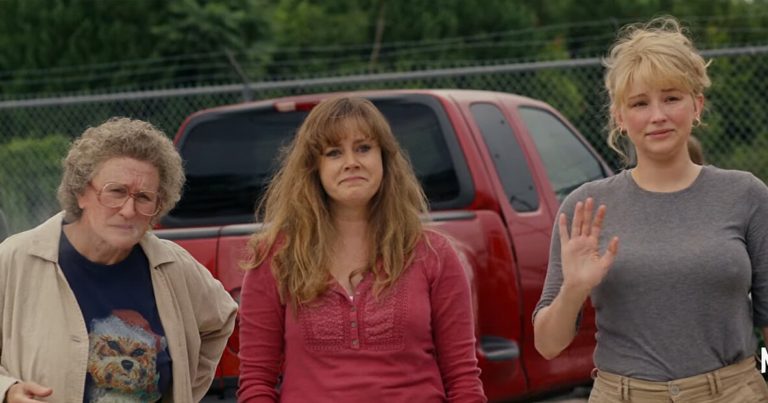
Stars: Amy Adams, Haley Bennett, Glenn Close

Synopsis: A Yale law student drawn back to his hometown grapples with family history, Appalachian values, and the American dream.

[/info]

This has become a film that, along with others such as 2019’s Cats, has been a punching bag for those on Twitter to roast and spread hate towards. Whilst I am certainly not here to defend the film, with it being of poor quality, I do want to spend this first part sharing the positives from my experience of watching Hillbilly Elegy.

The performances in this film for the most part are decent, but it is Amy Adams and Glenn Close who really holds this film together. No matter what script they are given or what roles they fill their shoes in, they both give 100% in every performance that they get their hands on. Adams to me is a stand-out in this film, and that is not just down to her performance. The supporting cast is fine, but some actors just do not commit to the material they are given or play along with the rest of the drama that this film tries, and I mean try, to build up.

If this was a film about drug abuse and the pressures of a single mother in the south of the US, this would already be a much stronger film. This story works best when the film focuses on that aspect, and that is because Amy Adams sells the role of the single mother. These scenes are emotional, have a huge impact, and leave a mark on the film. It makes you think about the way single mothers, especially of a young age, are treated and the pressure put on them, and that is when the film works.

Sadly, that is only a small portion of this film as this is the story of J.D. Vance and the events before an interview that will change his life. Quite simply, it is very hard to care about J.D. and this major interview he has, as it screams the definition of “first-world problems”. There is a scene in which J.D. calls his girlfriend, Usha, panicking about this smaller interview that he has going. What he ends up panicking over is the cutlery that he is using and whether it is being used correctly. I simply do not understand why dialogue like this helps us relate to J.D. or care about him, which is what we are meant to do.

The film has no idea what tone it wants to go for or what message it wants to send. It is hard to understand where J.D. lies morally, especially with his relationship with his mother. In one scene, he will raise his voice trying to defend her from the hillbilly stereotype, and then two scenes later he will say that he is done helping her through drug addictions because she abandoned him. This could be presented as a dilemma that J.D. has to go through, but his only moral conflict seems to be whether he believes he should take a 10-hour drive to go to an interview, unsure if he will get the job or not.

I have heard some people, including our own JD on InSession Film, describe this film as one that would suit being on Lifetime. There are some great ideas and scenes hidden away in this film, but I definitely see where critics are going with that idea. J.D. Vance does not feel like a real character here. He has the most amazing girlfriend on the other side of the phone, someone who is not only smart and able to get him out of any situation – including the cutlery situation – but who is understanding completely of his situation. It does not feel natural that somebody like Usha would be so patient and loving and have zero flaws whatsoever, it is flawed writing in itself to present her in such a perfect way.

The writing of J.D. himself is all so cringe-worthy and horrible to watch as a bio-pic formula. It feels like the definition version of someone only showing how great they are as a person. He wants to come across as someone who worked hard, given his background, to be better than anyone else. He wants to come across as someone who is patient and would do anything to protect his family. He wants to come across as someone who worked on himself and proved that he was the best person for any job he goes for. He wants to prove that he values family beliefs first and that his mum and nan were always there for him. He did none of that though. The flashbacks and poor acting do little to support J.D., instead only making him look arrogant and big-headed, not truly showing the successes in his life or that he does put anyone else before him.

I want to end this review by clarifying my position when it comes to Hillbilly Elegy. I do not think it is the worst film of the year, let alone the worst film on Netflix this year (and if you think that is the case, you have not seen The Last Thing He Wanted). There are things that are salvageable in this film, such as the performances from Adams and Close and a few strong and emotional sequences, particularly from Adams. However, that is in no way meaning that this film is good. I do not plan to sit through this again, I do not care to do more research into J.D. Vance or the book that this film is based on, and I do not encourage anyone to check this film out except for the purposes that it may get some acting nominations at the Oscars. Even with the strong performances, Adams and Close have given better performances than this, and they better not win for this film.

Grade: D+


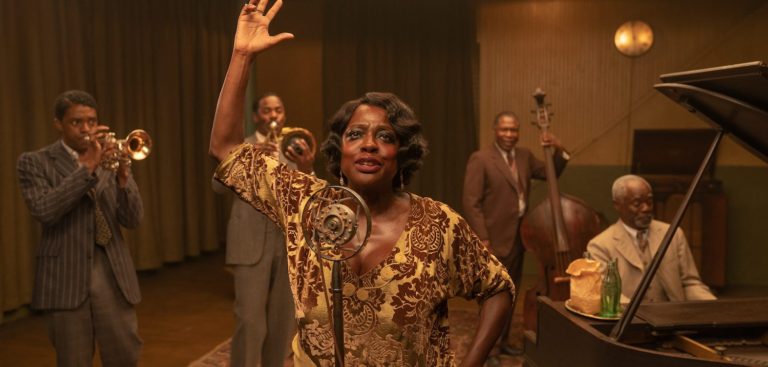
Movie Review: ‘Ma Rainey’s Black Bottom’ Sings When It Focuses on Boseman, Struggles as a Whole


Director: George C. Wolfe
Writer: Ruben Santiago-Hudson
Stars: Viola Davis, Chadwick Boseman, Glynn Turman, Colman Domingo, Michael Potts

Synopsis: Tensions rise when trailblazing blues singer Ma Rainey and her band gather at a recording studio in Chicago in 1927.

[/info]

Before this review begins, it’s important to note how heartbreaking the passing of Chadwick Boseman has been to myself and so many around the world. An actor with such presence, who gave grace and beauty to every performance he put on screen. From playing historical figures to Black Panther, Boseman was on pace to be one of the best actors of his generation. When he signed up to play Levee in George C. Wolfe’s adaption of Ma Rainey’s Black Bottom, I knew this could be another important step in his career by earning the first Oscar nomination of his career. And after seeing the film, there is no doubt he will land that nomination next year. But while he shines in Ma Rainey’s Black Bottom, everything else you see on screen doesn’t match what Boseman is delivering.

We follow the tensions and infighting between Ma Rainey (Viola Davis) and the members of the band (Bosman, Colman Domingo, Glynn Turman, Michael Potts) while they’re recording some of their famous songs. While the title of this story suggests this is Davis’s film, it is clear within the first ten minutes that this is Levee’s story. He is a brass, outspoken young trumpet player who sees nothing but his fame and fortune in his future. Levee is crass to everyone around him, especially to his other band members, thinking his wonderful talent and connections means he is above them musically and as a person. But as see everything play out, behind all the wise-cracking jokes from Levee’s mouth lies the real pain and hardship that he has faced.

Boseman delivers every word of Levee’s life with such personal affection that it almost feels like these events happened to him. It’s the work of a truly great actor whose channeling the pain and anger of his ancestors before him and inserting it into his character. The proclamations of discrimination that Levee informs the audience with are as relevant as they’ve ever been and demonstrates the frustrations of our shameful history of our country. Only Boseman could have given us one of the best performances of the year as well as an elegantly tragic display of human emotion.

If Ma Rainey’s Black Bottom was only about Levee, then it would be one of the best films of the year. Instead, we are given the point of view of the other characters that throw off the tempo in which Boseman is playing in. There is literally a scene in the film where the rest of the band is playing at a different pace than him, so Boseman has to teach them how to play the song his way. That’s what it felt like watching the entire picture, Boseman delivering something special while also trying to get everyone else on his level. And while Domingo, Turman, and Potts do their best to get there, it’s Viola Davis who can’t catch up, and that’s not good considering she is the ‘co-lead’ of this project.

Davis, who won her first Oscar a couple of years ago for another August Wilson adaptation in Fences, is completely wasted here. When she first arrives on screen, we see her dominating the screen as a soul-singing diva. It’s what we came to see. Yet, after that scene, the character completely crumbles on her and everyone else’s performances run circles around Davis. She is too over the top, with nothing to really connect to. And though she is billed as a lead actor in this, she is a supporting character in Levee’s story. It’s disappointing on one hand because it would be nice to see Viola Davis in a lead role dominating every scene she is in. On the other hand, it proves the point in the film that Levee’s arrangements and songwriting are the future of music, and Ma’s way might be that of the past, therefore less interesting.

The direction by George C Wolfe is minimal, really getting the essence of a screenplay built off the bones of a stage play. All Wolfe has to do is stand back and let his actors get to work, for better and for worst. A more experienced film director might have been able to elevate the scope of the project beyond what we get here, but it’s not a terribly bad effort. Overall, Ma Rainey’s Black Bottom leaves a little to be desired, even though Boseman gives the performance of his career. It’s a shame that the film he is in isn’t as wonderful as he, but with this, he leaves a legacy that will live on just like Leeve’s soul.

Grade: B-


Op-ed: Seven Vincent Price Movies That AREN’T Horror

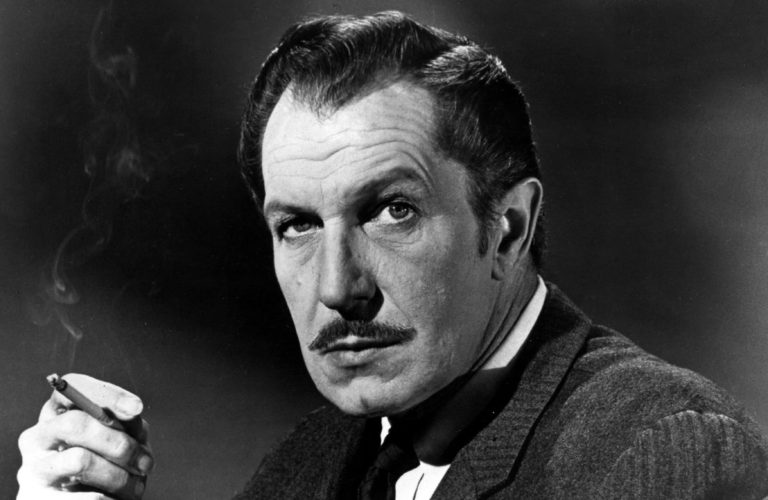
Before he was a horror maestro, Vincent Price appeared in numerous dramas, and his classic over the top style continued in everything from swashbucklers to comedy. Here’s a small sampling of seven Vincent Price films that are decidedly not scary.

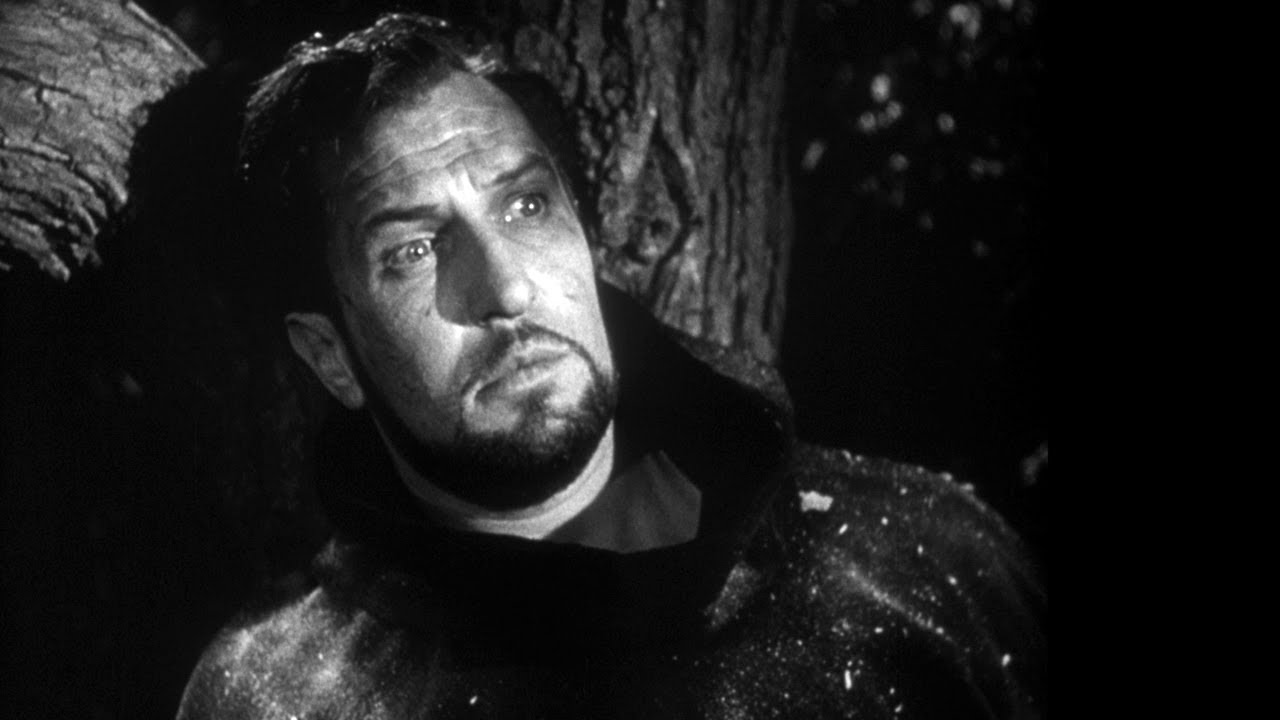
Vincent Price in The Baron of Arizona - YouTube

6. The Baron of Arizona

This 1950 black and white western recounts the 1872 tall tales of our ambitious swindler as he forges a fictitious lineage endorsed by the King of Spain. Shadows and noir filming add a sinister mood as suave Vincent Price doctors rare documents. Mission libraries, churches, and the crucifix should create a looming sense of guilt for our con, but he joins an order just to perfect his forgery. Black hoods, candles, and old tomes lead to greed, daring escapes, and wagon chases with hysterical rear projection and billowing robes. These seemingly noble papers grant thousands of acres and river rights prime for railroad business, irrigation plans, and mining opportunities, forgetting the real local wealthy to invest is where the true game lies. Farmers in arms, lawsuits, and spinning newspapers detail the local backlash, violence, and trials as the Department of the Interior comes calling on the gaslighting baron. Confessions and suspect ink escalate to a lynch mob finale, and this isn’t your typical western thanks to Price’s carefully orchestrated charm. Obviously, we know the historical attempt doesn’t get away with it, but it’s delicious to see how close Vince gets.

Review: The Private Lives of Elizabeth and Essex - Slant Magazine

5. The Private Lives of Elizabeth and Essex

Only an exceptional few ladies could play Good Queen Bess twice, and Bette Davis (The Virgin Queen) makes a lovely royal debut in 1939’s The Private Lives of Elizabeth and Essex along with the swashbuckling essential Errol Flynn (The Adventures of Robin Hood) as the titular Essex and the young Vincent Price as a dashing Sir Walter Raleigh. Toss in the wonderful schemer Olivia de Havilland (Gone with the Wind), some sweet costumes by Orry Kelly (Some Like it Hot), lovely medieval decoration, and plenty of historical drama from Oscar-winning director Michael Curtiz (Casablanca) and the adventure can’t go wrong here. Sure, there are iffy accents and stage like orchestrations, but rival romances, court intrigue, revolts, and betrayal make up the difference. There are also men in tights.

Vincent Price Photo: The Song of Bernadette | Vincent price, Songs, Vincent

4. The Song of Bernadette

Best Actress winner Jennifer Jones (Duel in the Sun) leads this inspirational 1943 tale alongside Charles Bickford (The Big Country), Anne Revere (A Place in the Sun), and Vincent Price. Though slow to start with repetitive dialogue and overlong at just over two and a half hours, the lovely little story here is well filmed with beautifully somber music. Youthful and innocent Jones holds her own with soft honesty and subtle words against the young smooth and skeptical legalese of Imperial Prosecutor Price and more nasty adults. Period French touches succumb to liberties taken with the forties Americanization, but the abstract miracle portrayals are perfectly done, handled with respect as natural and realistic, believable yet still divine. Audiences today might find it somewhat strange that Bernadette’s elders would think her an insane or bad child, but the sincerity and truth is evident here. Yes, this is obviously pro-Catholic and lays on the sentimental bias, but what’s wrong with having a little faith?

WordPress.com | Gatos, Perros mascotas, Actors

3. The Three Musketeers

Vincent Price’s juicy Richelieu joins Gene Kelly (Singing in the Rain), Lana Turner (Imitation of Life), June Allyson (The Glenn Miller Story), Angela Lansbury (Samson and Delilah), and more in bringing this colorful 1948 Dumas adaptation to life. Style, lively action, fun sets, and solid battles forgive the mid-century costuming liberties and slightly off the mark French panache. The obvious crescendos and goofy humor are also a touch dated, yet the spectacle remains lighthearted without the need for ridiculously unrealistic stunts. Younger audiences may very well prefer a newer CGI infused less fulfilling adaptation with D’Artagnan, Athos, Porthos, and Armis, but there are enough plots, intrigue, and family fare to delight young and old here.

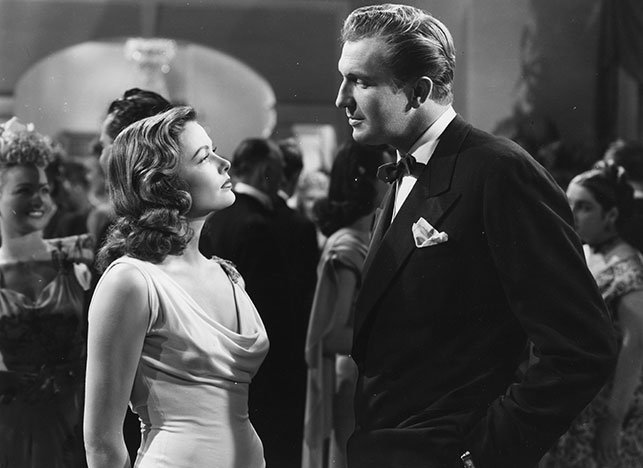
MoMA | Vincent Price in Otto Preminger's Laura

2. Laura

Otto Preminger’s (Anatomy of a Murder) complex and stylish 1944 film noir classic starring alluring victim Gene Tierney (The Ghost and Mrs. Muir), detective Dana Andrews (Best Years of Our Lives), jealous Clifton Webb (The Razor’s Edge), wealthy Judith Anderson (Rebecca), and slinky Vincent Price is a master class in well executed twists and crisp black and white atmosphere. Our man Price is a dandy louse amid intersecting love triangles, obsessed pursuers, and potboiler investigations trying to piece together the shotguns and tawdry connections. Quintessential imagery, strategic silhouettes, unforgettable music, and surprises set off the murders, secrets, and evidence that aren’t what they seem – leading to must-see shootouts and revelations. I will never forget the first time I saw this!

Dr. Goldfoot and the Bikini Machine (1965)

1. Dr. Goldfoot and the Bikini Machine and Dr. Goldfoot and the Girl Bombs

Vincent Price’s mad scientist Dr. Goldfoot creates robot ladies in the near perfect 1965 spy spoof Dr. Goldfoot and the Bikini Machine. He trains his mechanical gals to conquer elite gentleman around the globe and marry into positions as needed in his quest for world domination, and great visual cues set up numerous backhand quips and puns in the cheeky script. Spot on comedic timing and quality slapstick helps the laughs as varying film speeds, camera tricks, and backwards footage add simplistic, camp charm. Dr. Goldfoot and the Bikini Machine has a skill and maturity in its goofy rather than just being juvenile, and the diabolical, gold slippers wearing Vincent Price is totally casual at being so over the top. The 1966 AIP sequel Dr. Goldfoot and the Girl Bombs struggles with a less dynamic European production and uneven plots from director Mario Bava (Black Sunday) and the big gadgets and futuristic sixties gizmos also have less zing. Fortunately, the not so dearly departed Dr. G again takes on the world one NATO general at a time with Paris intrigue and irrepressible globe-hopping fun. There’s a class to his camp, and when Price breaks the fourth wall, proving that all we really need to keep a presentation interesting is Price and an audience – even in outlandish, so absurd their good films like these.

Criterion Crunch Time: ‘The Living End’

0

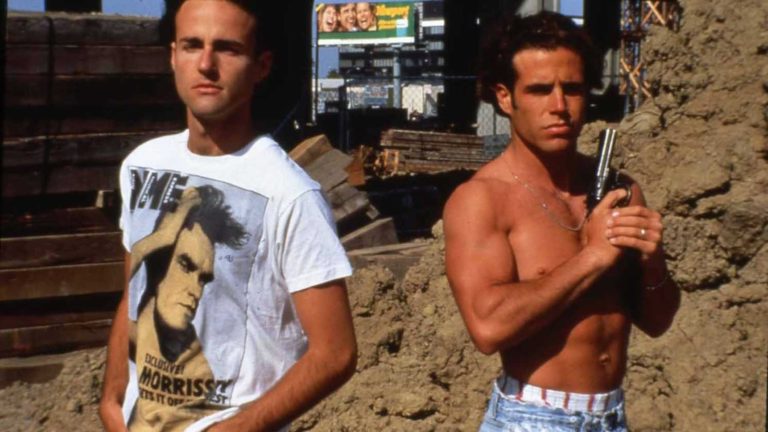
We are back with yet another of those movies on Criterion Channel that is directed by one of those directors that I keep hearing about, but never managed to check out. This particular director is most known for his involvement in the New Queer Cinema movement of the 1990’s. When I found this out, it surprised me even more that my experience with him was nonexistent.  The New Queer Cinema movement includes actual classics, such as Paris Is Burning, My Own Private Idaho, and Poison. In some circles, Gregg Araki, the director being referenced, is a leading name in this type of film. This month there are a few of his movies leaving the channel, one of which is The Living End.

So, let’s get this out of the way early on. Yes, The Living End looks very cheap. There’s a reason for that, it was made for $20,000. If people are going to watch truly independent film, this is something you have to make room for in your heart. Despite its obvious lack of production value, or maybe because of it, this movie feel purely genuine. The plot doesn’t take much to describe. Jon (Craig Gilmore) is a gay, newly HIV positive, film critic who is basically dissatisfied with his liffe. Enter Luke (Mike Dytri), a drifter and a hustler to shake things up. The two quickly become entangled, both romantically and legally, as Luke has done some terrible things (and continues to throughout the runtime).It has been called a gay Thelma & Louise, but frankly, that simplifies it too much by the comparison.

The Living End is very much its own film, and it begins and ends with Dytri’s performance paired with exquisite camerawork and framing from Araki. It should be noted that Araki filled the roles of director, writer, editor, and cinematographer. Sometimes, in small films, people expect less skill behind the camera. But frankly, this is some of the best work you are likely to see. Every shot is composed professionally and helps tell the story in a coherent way, even without the aid of the sparse dialogue. And if there is one thing that Araki is phenomenal at, it is shooting the partially nude male body. In many films, male nudity is at worst a threat and at best a joke. In The Living End, one can nearly feel the desire and heat coming off the screen.

In the initial heavy flirtation (which leads to much more) between Luke and Jon, the camera initially focused on the two men’s faces, capturing the stilted breathing of lovers that know what is about to happen, but still feel the anxiety of anticipation. As the scene continues, the camera moves, but achingly slow in pace, so slow that if feels that we are discovering the Luke’s body as Jon does. This is the male gaze, but slightly inverted, clearly for a queer audience. This version of the male gaze does not take away power from Luke, instead it imbues him with almost a supernatural allure. And if you ever needed proof that both consent and detailing STD status can still be sexy, The Living End proves it beyond a shadow of a doubt. When Luke notices Jon’s trepidation, he simply asks with a smirk, “Do you want me to stop?” Craig Gilmore’s performance in that moment is absolute perfection. The hesitation, the desire, and the nervousness behind telling this beautiful man that he is positive all ring completely true. 

Frankly, the only negative of The Living End is Araki’s need for connection. Jon has a close female friend, Darcy (Darcy Marta) who is representative of safety, and by nature of her gender, completely devoid of risk regarding sex for Jon. And in any film about escaping the reality of the world, criminal or not, there needs to be a pull back to the real world. That choice makes sense. But Darcy is not that pull. Instead of a friend genuinely being worried for her friend, as she should be, her performance and the dialogue given to her by Arakis’s script, she becomes almost a nagging mother to Jon. There is far too much time spent with Darcy and her clearly horrible boyfriend that could be with Jon and Luke.

The Living End is a movie that is surrounded by violence, but never completely consumed by it. Araki doesn’t shy away from the blood inherent in death, but it always stops just short of morbidity. Instead, he leans into the absurdity of each moment until it’s almost funny. It is also a film clearly about sex and the fear that comes with it in the gay community at the height of the AIDS epidemic. There is an odd subplot in which Jon’s phone number has been written down on a wall somewhere and he receives calls from men looking to “get off” and he continues to hang up on them. The only one who can push through this terror is the force of  personality and sexual energy that is Luke. 

The sexuality that is so important to the entire film is imbued with and given momentum by the violence enacted beforehand. Early in the film, Jon agrees when Darcy tells him that he is attracted to guys who are “psychopaths.” And by the very nature of Luke’s actions, he clearly has a flexible moral code. He repeatedly states that the two of them can do “whatever they want” because of their diagnosis. It is unclear by the end whether Jon agrees with this, but at the very least, he has allowed himself to be pulled into a world in which they have been party to acts he never would have considered in his safe life beforehand.

The Living End has a lot of ideas packed into 84 minutes. It is an indictment of the police, of standard relationships, and even of doing the so-called right thing. It contains both fear and freedom in the same breath. Araki’s vision is unfettered by distractions and needless dialogue. And most importantly, Araki makes zero judgment of his characters, even when murder is involved. The Living End challenges to the very end, leaving us unsure of both where Jon is headed and how we are meant to feel about it. If you have never seen any of Araki’s films, The Living End, given its simple structure, is the perfect place to begin.

Next week, we close out the month with Céline Sciamma and Tomboy

Chasing the Gold: How Did That Get Nominated for Best Picture? (2017)

Among Oscar fans, the Academy Award’s of 2017 was one of the most memorable of all time. While most of the frontrunners won in their respective categories, the highlight of the show was the major gaffe made by the man who gave the WRONG envelope to Faye Dunaway, who announced that La La Land won Best Picture, despite the fact that she was holding, for some reason, the Best Actress envelope that announced Emma Stone as Best Actress for La La Land. We all remember that insanely awkward moment when it turned out that Moonlight, a much more intimate film, had actually won the big prize. However, if that historic moment had not happened, the award ceremony wouldn’t have had much else going for it. I enjoyed both La La Land and Moonlight. I’m glad they received the awards they got. However, the Best Picture nominees for that year are lackluster at best. Looking at the list, with few exceptions, it seems like the genre of all the films were “family dramas.”

Now, I love a good family drama (Ordinary People is a masterpiece), but none of these really stood out to me. What separated each family drama was strong performances given by the actors. But it takes more than good performances to deserve a Best Picture nomination. I have never had such a difficult time choosing the least deserving nominee because most of these films didn’t deserve to be nominated.  After much careful deliberation, I have decided that Hell or High Water was the worst nominee for Best Picture in 2017.  I am truly baffled that this movie was even on the shortlist of best films of 2016.

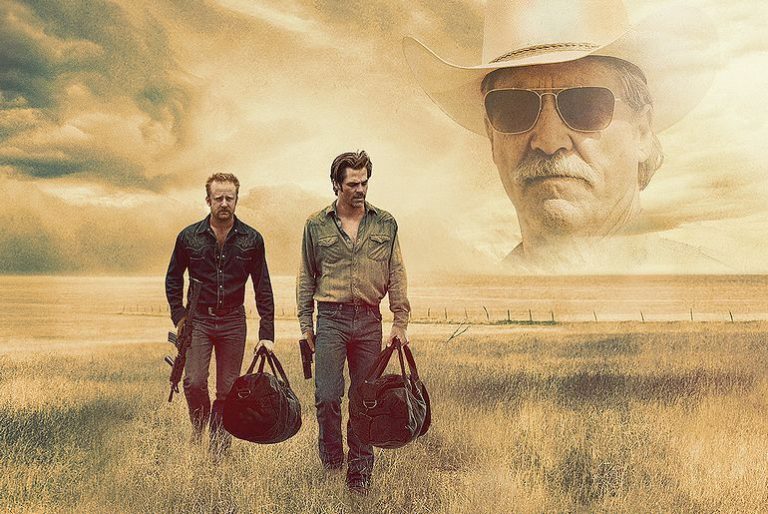
For those of you who might not have seen it, Hell or High Water is a very mediocre film that recycles many plot points made in other modern Westerns. In it, two brothers, Tanner and Toby (played by Ben Foster and Chris Pine) commit a series of bank robberies to save the family ranch. Two Texas Rangers (Jeff Bridges and Gil Birmingham) hunt them down. As is always the case in these films, the older brother (Foster) is the career criminal, and the younger brother, newly turning to crime, has a heart of gold and is only trying to do right for his son. Pine, of course, plays the hotter, younger brother with the heart of gold. We see that he’s actually the “good” brother because he doesn’t want to hurt anyone.  He’s also so charming with that waitress! And of course, he isn’t there when his brother commits acts of violence.  Because, again, he’s the GOOD brother. He just wants what is his, and that is the family land that he can pass onto his son. Do these actors give good performances? Sure. Are they exceptional and memorable? No. Jeff Bridges does an equally good job of playing a character I feel like I’ve seen in pretty much every other Western. Honestly, Tommy Lee Jones could have reprised his role of the also close to retirement, seen-it-all, world-weary Texas ranger from No Country for Old Men, and the movie would not have been any different.

The movie is also extremely predictable.  We know from the camaraderie of the two rangers what is going to happen to at least one of them, and probably the one providing the comic relief. We know what will happen to the older brother. One would hope that despite following a series of tropes that there would be something original, something that would lift the material up to be more than just another modern Western, and yet there is nothing. Even with movies, I might not be a fan of, I can usually see some merits, figure out why it was nominated for Best Picture.  I’m wracking my brain trying to find something special, something unique, some reason why Hell or High Water was nominated for Best Picture, and I’m coming up with nothing.

The lions and lambs of Zootopia | Think Christian

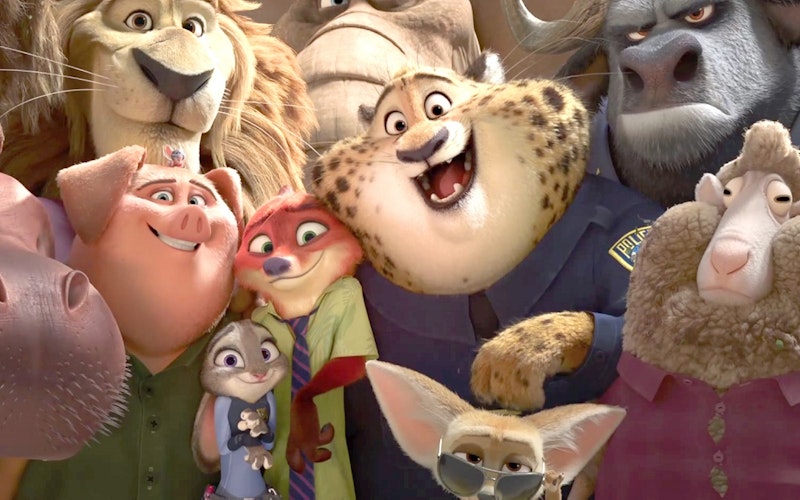
Instead of honoring Hell or High Water as one of the best films of the year, I would instead give the honor to Zootopia.  Yes, the film that won Best Animated Feature should have been nominated for Best Picture. Zootopia is a charming film about a rabbit named Judy Hopps (voiced by actress Ginnifer Goodwin) who breaks barriers by following her dream to become the first bunny Police Officer. She teams up with predator fox con-artist Nick (voiced by Jason Bateman) to solve the mystery of animals that are disappearing.  It sounds like a sweet and simple story. It is more than that. I admit, I first watched this movie with my young son and daughter, thinking it would be a nice change from our daily viewing of Tangled. However, this story is so much more than a children’s movie. Judy Hopps is a terrific role model for all of us. She is small, but she is sassy as all get-out and willing to work hard and persevere to achieve her dreams. She’s essentially Leslie Knope as a bunny. Nick joins Disney’s Robin Hood as a far more alluring than he should be an anthropomorphic fox. There are great moments of witty banter, and jokes that are actually funny, such as when they go to the DMV while in a rush, and all the DMV employees are sloths.  Beyond the charm (and that awesome song “Try Everything” by Shakira) is a story of friendship, overcoming prejudice, and working hard to achieve goals. Zootopia completely deserved a place in the Best Picture nominee list. 

Podcast: London Film Festival 2020 Recap – Patreon Bonus Content

Listen!

For our latest Bonus Content, Ryan McQuade chats with our very own Rory Doherty, Kevin Woodley, Daryl MacDonald, and Bradley Weir about this year’s London Film Festival! Check it out!

If you’re already a Patreon supporter, you can listen to this episode NOW on Patreon by clicking here.

Sign up today to get early access and hear the entire episode!

[divider]

HELP SUPPORT THE SHOW

To hear our bonus content episodes early, subscribe now on Patreon. In many cases, though, we offer our bonus content for free after a certain period of time and we do encourage (and very much appreciate) a small donation of $0.99 as a way to help support the show if signing up on Patreon isn’t for you. Click on the PayPal button below to donate and thanks so much for your support. You can also hear much of our Bonus Content via our mobile apps. See the information at the bottom of the post for more details.


One-Time Donation


[divider]

Mobile Apps!

Listen to all of our bonus content on our apps for just a one-time fee! Whether you have an iPhone, Android or Windows phone, our apps are available in many different ways that is convenient for you. With our mobile app, not only can you listen to all of our bonus content, but our main shows and our Extra Film podcasts as well. Click here for more info!

If you don’t want to purchase our bonus content, but still want to support us, there are other you can help us out. Click here for more info.

List: Top 3 Moments of Empathy

This week on Episode 404 of the InSession Film Podcast, inspired by our review of Edward Scissorhands, we discussed our Top 3 moments of empathy in film. After watching the film again over the weekend, this topic just felt so appropriate to the heart of it. However, this is somewhat of an impossible task. Movies are so often full of empathy that we really could have considered just about every movie ever made. So narrowing it down even further to moments or scenes is just about as difficult as any list we’ve ever done. As noted about, while we are very happy with how our lists turned out, we want to do this list again. It’s a notion very much up our ally, and given its denseness, it just makes sense to delve into again in the future. But even this time around, we had a great time talking about empathy and some great scenes that demonstrate its power. That said, here are our lists:

(Note: Please keep in mind that we each had different criteria for our selections)

JD

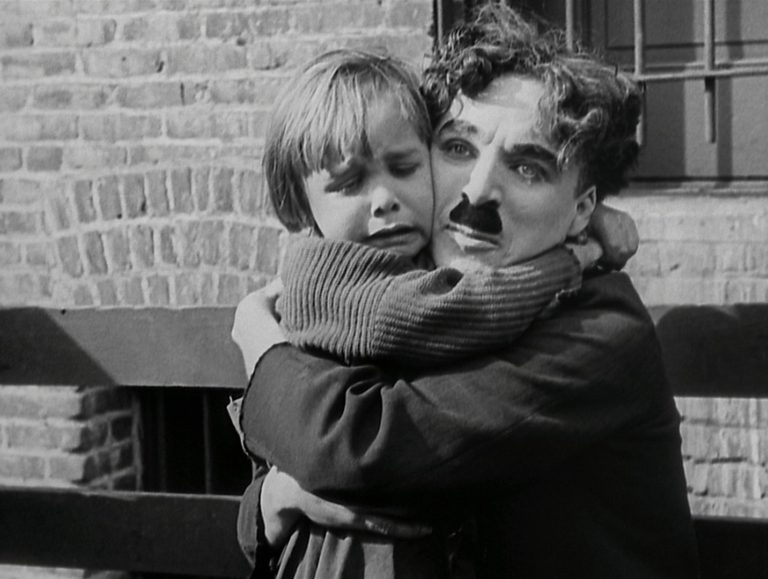
1) The Tramp Showing Empathy to Abandoned Child – The Kid
2) Ending Scene – White God
3) Mr. Perlman’s Speech To His Son – Call Me by Your Name

Brendan

1) Ending Scene – Paddington 2
2) Lunch Scene – A Beautiful Day in the Neighborhood
3) Tears In Rain – Blade Runner

Honorable Mentions (Combined)

Various moments in these films – How to Train Your Dragon, Toy Story, Schindler’s List, Mad Max: Fury Road, The Shawshank Redemption, City Lights, Shoplifters, In the Mood for Love, Persona, E.T. the Extra Terrestrial and pretty much every other film we love

Hopefully you guys enjoyed our lists and if you agree or disagree with us, let us know in the comment section below. A topic like this can be cumbersome given the vast amount of great movies and moments that fit the criteria. However, we did our best to lay those that stood out to us among the sea of options. And that means your list may not look like ours. So, what would be your Top 3? Leave a comment in the comment section or email us at [email protected].

For the entire podcast, click here or listen below.

For more lists done by the InSession Film crew and other guests, be sure see our Top 3 Movie Lists page.

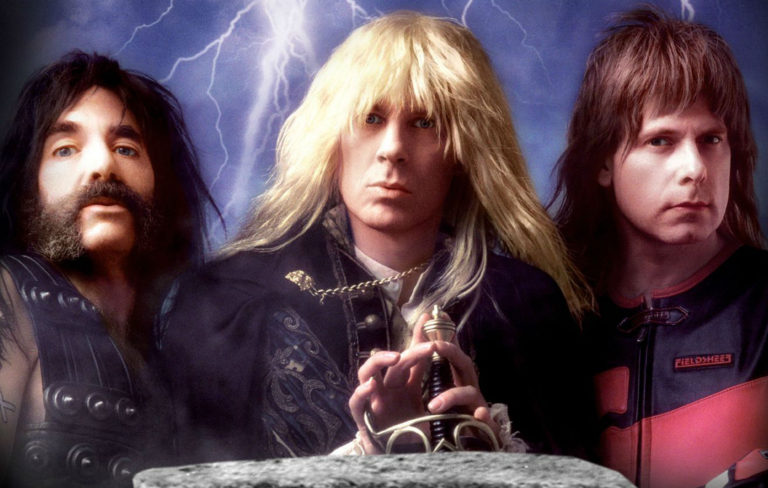
Poll: Who is the best fictional movie band?

“Big Bottom”, “On the Dark Side”, “We Are Sex Bob-omb”, and “Drive It Like You Stole It”. What do these songs have in common? They are all performed by bands who only exist in the movies. You might not think this at first, as many songs by fictional movie bands could pass for Billboard hits. But that’s what makes them interesting, whether they were written directly for the film or performed as a great cover tune. Many films (whether it be a music film or not) have given us great fictional movie bands across all genres, and with the upcoming release of Sound of Metal, we decided to celebrate great fake music (that sounded odd to say).

With that said, who you think is the best fictional movie band?


Op-ed: More True Crimes That Inspired More Movies

After the first list of crimes, I found plenty of more from unlikely places and converted into movies. One of them was first published into one of the biggest best-selling books of the 1990s, another was based on declassified documents from Britain’s MI6. Another became a play and inspired an idea from the Master of Suspense, one was an unheard serial killer, and the last being, oddly enough, a rom-com. You’d be surprised (or not) that these heinous crimes were converted into films for our entertainment, but the acts remain a part of notable criminality.

Rope (1948)

ROPE (1948) | The Unenthusiastic Critic Podcast

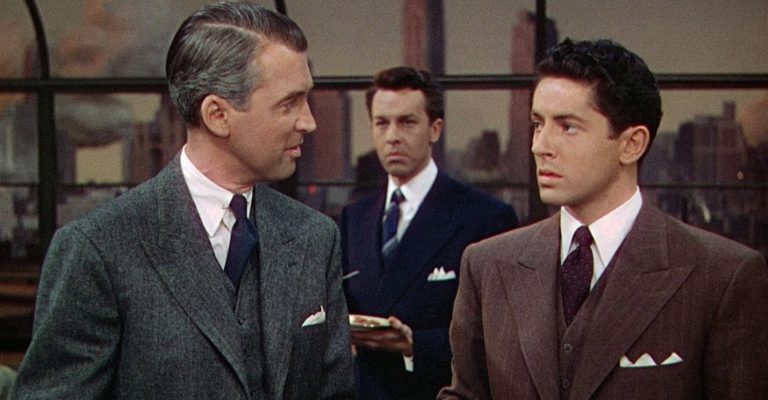
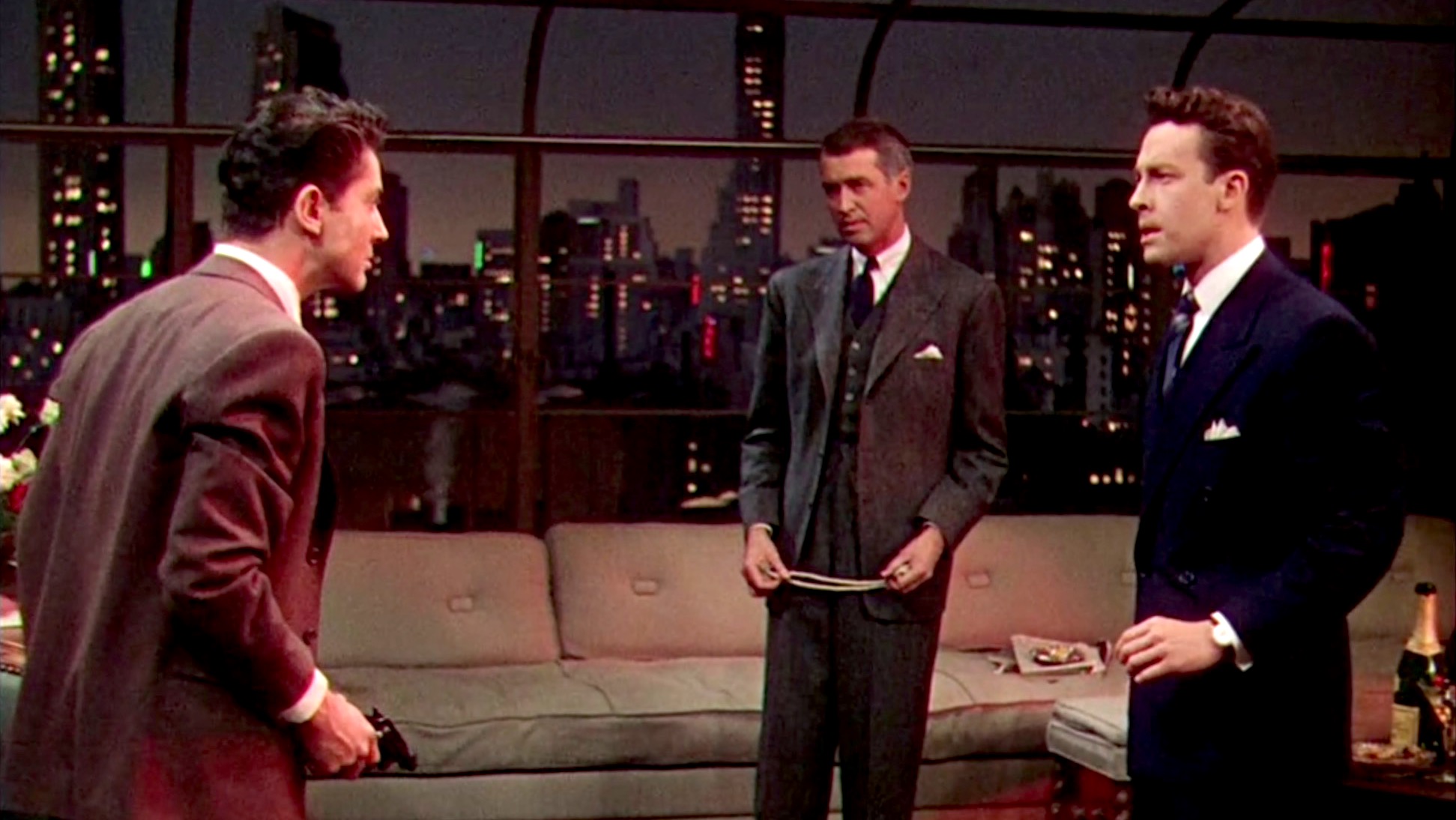
Alfred Hitchcock’s psychological thriller was set in one place almost taken line-for-line from the stage. This was an experiment by Hitchcock, forming the film from long takes, just Alfonso Cuaron and Alejandro Inarritu would do later on. There are ten cuts, some of them hidden; the longest take being 5:38 in length and the longest being 10:06. While the film was received to mixed reviews, people were more familiar with the story that inspired it. In 1924, two students from the University of Chicago, known as Leopold & Loeb, kidnapped and murdered a 14-year-boy as a test of their own intelligence if they could get away with murder. Instead, the police caught them, and were sentenced to life imprisonment.

Vengeance Is Mine (1979)

One Night Only: Imamura's 'Vengeance Is Mine' Puts 'Pure Evil' on Screen |  Asia Society

Shohei Imamura, a two-time Palme d’Or winner for The Ballad of Narayama and The Eel, brought the true story of Akira Nishiguchi to life. Nishiguchi had a rap sheet of being a fraudster and served time in jail before returning to his old ways but murdering five people as he steals from them. The police struggled to find him, even when he was identified and listen among Japan’s most wanted men. In the film, a prostitute he met would inform the police of his whereabouts, but it was an 11-year-old girl who notified others about Nishiguchi’s presence. He was convicted and hanged in 1970.

Buster (1988)

Two songs, “Groovy Kind of Love” and “Two Hearts,” would be hits for Phil Collins, who played the titular role as a petty thief in 1960s England while also trying to stay as a family man to his wife. This rom-com was probably not appropriate since it was seen as glamorizing the Great Train Robbery of 1963. Buster Edwards was part of a gang who successfully robbed £2.6 million (or £55 million in 2020) from a train and fled into the night. Most of the gang, including Edwards, were eventually caught and imprisoned, but more than half of the money had been spent and never recovered. Collins convinced Princess Diana and Prince Charles not to come to the premiere because of the controversy received prior to its release.

Midnight In The Garden Of Good And Evil (1997)

John Berendt’s acclaimed nonfiction novel was, in part one, a travelogue about Savannah, Georgia, and the fascinating people who live in the historic city. In part two, a Southern Gothic homicide that people talked about for eight years from crime to acquittal. In real life as in the movie, antique dealer and preservationist Jim Williams (Kevin Spacey) lived in the famed Mercer House and would shoot dead his assistant and lover (Jude Law). Claiming self-defense, he would go on trial four times before he walked out free. Within the lengthy trial, the city slick reporter (John Cusack) moves to Savannah and learns about another type of Southern hospitality that actually raised tourism following the release of the book and film, which was directed by Clint Eastwood.

The Bank Job (2008)

Statham can't pull off 'Bank Job' - The Boston Globe

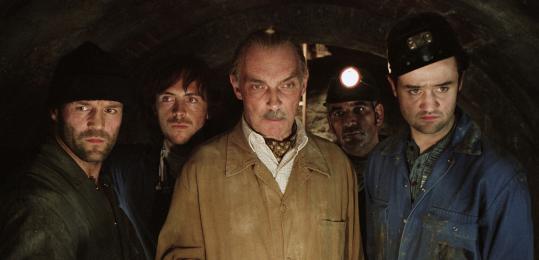
As in the film, in 1971, a gang of people pulled off a daring heist, renting a store two doors down from a bank, dug a tunnel, and came out through the floor of the main vault, raiding 268 deposit boxes and stealing between nearly £3 million. While the robbers get away with it in the movie, the actual gang was captured and given prison terms, but like with the Great Train Robbery, most of the money was never recovered. The movie depicts allegations that are unfounded; one being the gang accidentally found provocative photos of Princess Margaret, sister of Queen Elizabeth II, and two, that the police had long sought after a box owned by Black revolutionary Michael X, who Britain sought to arrest. Also depicted is the debunked belief that newspapers were given an order to not publish the story for national security, but no order was given.

Follow me on Twitter: @brian_cine (Cine-A-Man)

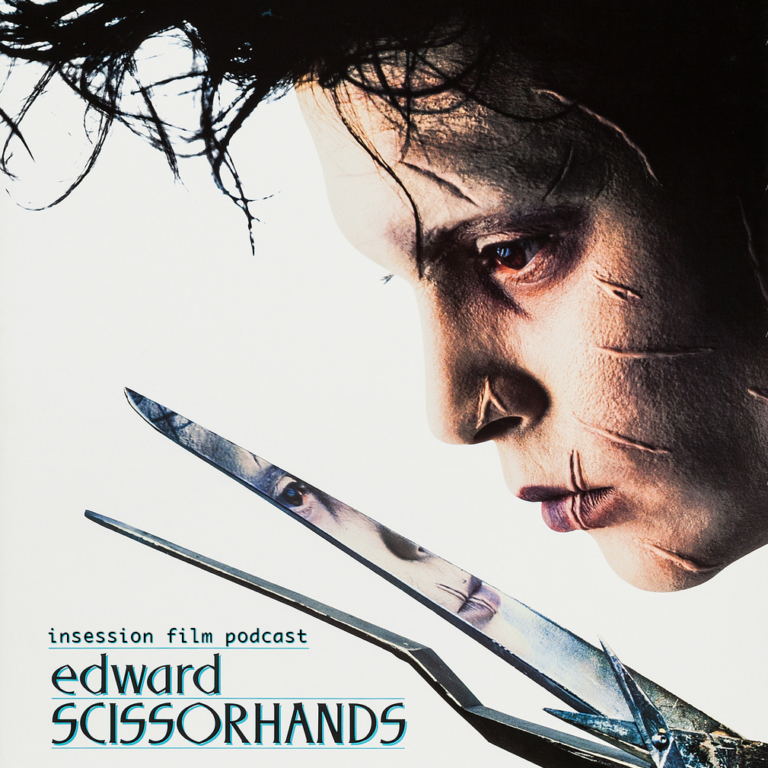
Podcast: Edward Scissorhands / Top 3 Moments of Empathy – Episode 404

This week’s episode is brought to you by Echo Boomers. Follow us on social media for your chance to win a digital code!

This week on the InSession Film Podcast, we discuss Tim Burton’s Edward Scissorhands as it celebrates its 30th anniversary and our Top 3 moments of empathy in film! Brendan also gives his thoughts on Borat Subsequent Moviefilm while JD comments on Ron Howard’s Hillbilly Elegy.

This week’s show is a fun one. It’s always a good time when you get to see and talk about young Tim Burton, yet at the same time, it was a challenging episode as well. Because of scheduling, we (mostly JD) didn’t get to do as much homework for our Top 3 as we would have liked to, and the topic we chose is dense enough that you need to make time for that exercise. We are very happy with our lists, but as we note on the show, we will revisit this topic in the future. All in all, we really enjoyed the conversation and we hope you do too.

On that note, check out this week’s show and let us know what you think in the comment section. Thanks for listening and for supporting the InSession Film Podcast!

– Movie Review: Edward Scissorhands (7:29)
Director: Tim Burton
Writer: Tim Burton (story), Caroline Thompson (story / screenplay)
Stars: Johnny Depp, Winona Ryder, Dianne Wiest

– Notes / Borat Subsequent Moviefilm / Hillbilly Elegy (44:55)
This week for our discussion segment, as noted above, we talked about a few films we recently caught up with. Specifically, JD talked about Ron Howard’s latest in Hillbilly Elegy, starring the great Amy Adams and Glenn Close. Brendan, on the other hand, finally saw Borat Subsequent Moviefilm and gave this thoughts on that film.

[divider]

RELATED: Listen to Episode 393 of the InSession Film Podcast where we discussed Batman and Batman Returns!

[divider]

Top 3 Moments of Empathy (1:13:24)
So, after watching Edward Scissorhands, this topic just felt so appropriate to the heart of that film. However, this is somewhat of an impossible task. Movies are so often full of empathy that we really could have considered just about every movie ever made. So narrowing it down even further to moments or scenes is just about as difficult as any list we’ve ever done. As noted about, while we are very happy with how our lists turned out, we want to do this list again. It’s a notion very much up our ally, and given its denseness, it just makes sense to delve into again in the future. But even this time around, we had a great time talking about empathy and some great scenes that demonstrate its power. With that said, what would be your Top 3?

Show Sponsor: First Time Watchers Podcast

– Music

Edward Scissorhands Theme – Danny Elfman
Tears In Rain – Vangelis
Mystery of Love – Sufjan Stevens
The Return of the Eagle – Atli Örvarsson

Subscribe to our Podcasts RSS
Subscribe to our Podcasts on iTunes
Listen on Spotify
Listen on Stitcher
InSession Film Podcast – Episode 404

[divider]

Next week on the show:

Main Review: Sound of Metal
Top 3: N/A

[divider]

Help Support The InSession Film Podcast

If you want to help support us, there are several ways you can help us and we’d absolutely appreciate it. Every penny goes directly back into supporting the show and we are truly honored and grateful. Thanks for your support and for listening to the InSession Film Podcast!

VISIT OUR DONATE PAGE HERE

Op-ed: 100 Years…100 Passions – ‘Casablanca’ (#1)

0
I will be watching and reviewing all of the films included on AFI’s 100 Years…100 Passions list. The list contains the 100 greatest love stories in American cinema and I plan to consider how our views on romance and social issues have changed over the years as well as judge whether the romances in these films actually made me swoon. As a fan of the romance genre, I expect to love each and every one of the nominees but I also don’t know if I would consider all of them romantic.

This is one of the most famous movies of all time so I felt some trepidation when it came to reviewing it and writing about my apathy towards it. There is no denying the fact that it is almost universally beloved as it regularly places at the top of lists of the greatest films of all time and is regularly cited by ordinary non-cinephiles as their favorite classic film. It has endured over time and for a film that is 78 years old, it is remarkable that people still talk about it so much. Despite all of that adulation, I have never been able to get that worked up over it. I love cinema from this period and most of my favorite films were made in the 1930s and 1940s and I love romances in which two people briefly spend some time together before being separated because of their respective responsibilities. I am moved to tears by Brief Encounter (1945) when the two lovers have to separate and know that they will never see each other again. For some reason, Casablanca doesn’t move me and I am always aware of the ways in which it is trying to manipulate me. I want to make it clear that I do not hate it but I don’t understand its reputation as one of the greatest romantic dramas of all time and I feel like it isn’t entirely successful in being what it wants to be.

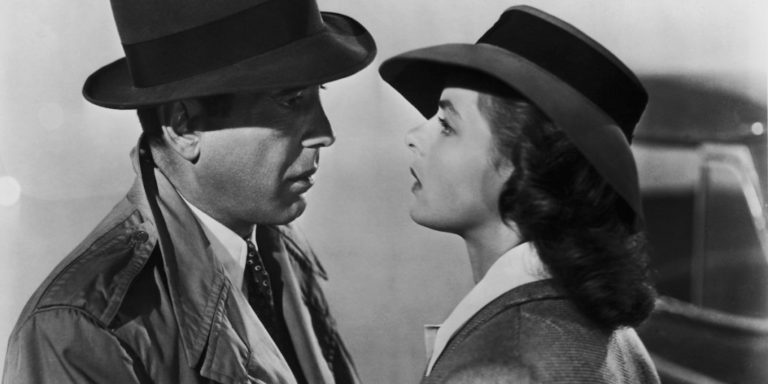
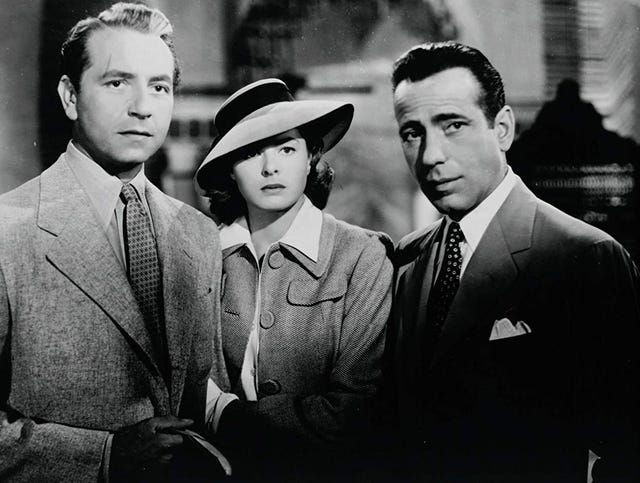
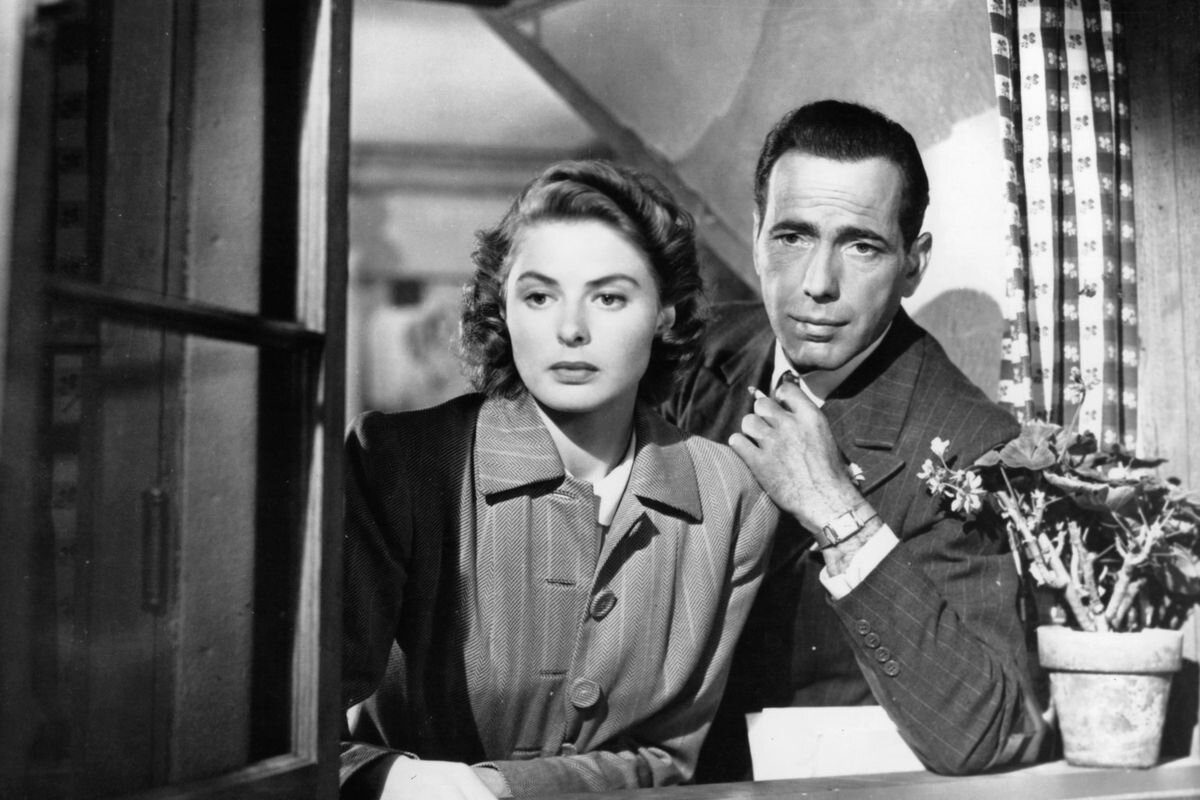
We all know that this is a film about an American nightclub owner, Rick Blaine, Humphrey Bogart, who once had an affair with a Swedish woman, Ilsa Lund, Ingrid Bergman, while the two of them were in Paris, France. Years later he is living in Casablanca, Morocco where she and her husband, Victor Lazslo, Paul Henreid, have traveled in order to escape to a territory that is not under the control of the Axis Powers. He is torn between trying to keep her for himself and helping her escape to Portugal with her husband. Eventually, the two of them sacrifice their relationship so they can both remain safe. It is a plot that everybody is aware of and for some reason, a lot of people think it is a perfectly written piece of cinema.

One of the fundamental reasons why I wasn’t swept up in the magic of the film was Ingrid Bergman. She is an actress who I have never warmed to even though she gave adequate performances in Gaslight (1944) and Goodbye Again (1961). She ranks up there with the great stars and has an unimpeachable reputation as a beguiling performer in the eyes of many but there is something terribly cold and passionless about her. She often seems rigid and stiff on screen and I can always see the gears turning in her head whenever she makes a decision. I don’t doubt the fact that she was a highly trained actress but she did not conceal her technique when she performed. You can easily imagine sitting at home and studiously learning her lines whenever you hear her delivering dialogue and there is a canned quality to the way she speaks. It is like she has rehearsed these lines a million times and picked up little inflections here and there as she practiced them. A truly skilled actress would have been able to add some spontaneity and liveliness to these line deliveries and I would have felt like I was watching somebody reacting to newly developing emotions. With Bergman, I always feel like she has very clearly mapped out what she is going to do and there is the sense that she is hitting her marks and trying to impress the director rather than fully inhabiting her role. I am rarely surprised by her and I find it difficult to go on an emotional journey with her as I almost feel like I am being led around on a leash when she is on screen. She wants me to see everything she is doing and all of the techniques she is displaying so I am not allowed to draw conclusions for myself or experience the joy of picking up on small details in her performances without having them shoved in my face by Bergman herself.

Casablanca Humphrey Bogart Ingrid Bergman – Casablanca, The Glamorous Film  that Almost Wasn't

Casablanca is likely the film for which she is most remembered even if cinephiles might protest that she gave a better performance in something like Autumn Sonata (1978) or Stromboli (1951). As Lund, she embodies the ideal woman of the 1940s as she is young and pretty but also willing to sacrifice her own happiness for practical reasons which are related to World War II. She is virginal and non-threatening even though she has had serious relationships with multiple men and we always see her in soft focus so she appears to be an angel. I had all of my usual objections to a Bergman performance here but I also felt like she was completely miscast as Lund. Bergman was always better at playing mature women who were angry at the world as well as being selfish and inconsiderate. She had a knack for portraying entitled women who expected people to hand them the world on a platter without offering anything in return. In Autumn Sonata she manages not to seem so uptight and self-conscious and gives one of her most natural, relaxed performances even though her character deals with a lot of emotional turmoil. Lund is meant to be a cute young ingenue who is still a dreamer even though she has had her fantasies of being with the man she loves ripped away from her. She isn’t cynical and she is ultimately noble and stoic when she could have been selfish. Bergman doesn’t fit this role in the slightest and she comes across as bland when she tries to act like a luminous innocent who is untouched by the harshness and cruelty of the world around her.

We should be invested in the journey of this resilient woman who has always had to put aside her own needs in order to support others. She has just a few minutes in which she can reunite with her great love and she should be trying to remember everything about him so that she can savor this memory in her later years. Bergman looks at Bogart with reverence in her eyes but there is something false about it as I don’t believe that Lund would be so bowled over by him. She should be a woman who can hold her own in this situation and her strong affection for him would be represented in a more subtle manner. She quivers as much as she possibly can and she even comes close to crying at some points but Bergman is so obviously calculated that these moments don’t come off as they should. She gets close-up shots which lovingly admire every plane of her face and she is lit to the heavens but I couldn’t get away from the feeling that she was about to hand Bogart some notes a few seconds after she finished each take. She is pretty but it isn’t the beauty of a youthful ingenue and you do not get the feeling that you are seeing somebody with romantic notions having her belief system destroyed.

I also take issue with the famed script as I was annoyed by most of the dialogue. I don’t always hate it when I am fully aware of the fact that I am hearing lines that have been written by a rather self-satisfied screenwriter but with Casablanca, I was irritated by the fact that I could imagine the Epstein brothers grinning in self-congratulation after they wrote every line of dialogue. It is overwritten in many ways as it has no connection to anything that anybody in the real world would say but it also isn’t ridiculous enough to establish the fact that this film is set in an alternate universe with its own rules when it comes to the way that people communicate. All of the big lines did not strike a chord with me and even when Bogart says “Here’s looking at you, kid” I did not shed a tear. People quote this film all the time but I don’t find myself saying “The problems of three little people don’t amount to a hill of beans in this crazy world.”

Casablanca - Film Club at Home # 4 — Tufnell Park Film Club

Where I do appreciate the film is in how minimalistic the approach of the set designers and art directors was. So many glamorous romantic dramas from the 1940s end up looking gaudy because there is so much emphasis on making the locations look so luxurious that they end up appearing gaudy. In romances that are meant to be about everyday people who interact with one another in places that they have inhabited all their lives you feel like they are in a completely foreign location because the walls behind them are covered in so much paraphernalia that you can’t buy into the universe that has been set up. You are almost disgusted by the fact that the camera keeps turning towards giant staircases that only exist in films and just want to stop looking at gold encrusted jewelry that rests upon a marble dresser. We do go to the theatre as a form of escapism and want to live in a different world for a few hours but sometimes we hate it when filmmakers rub our noses in the fact that they have money and are willing to spend it on lavish production values.

Casablanca looks classy as Blaine’s nightclub is accessorized in a manner that does not seem excessive and you can sit back and appreciate the small details as you watch certain scenes. There is a small lamp that sits on the desk next to the piano in the nightclub and as the camera pans out you realize that these are dotted around the entirety of the nightclub. It adds an extra intimacy and softness to the location and you start to look at the people sitting at other tables more. You see other women and men sitting close to one another and talking to each other with a calmness that contrasts nicely with what we see between Blaine and Lund. Other people see this nightclub as a refuge from the dangerous world outside and they can sit with their loved ones, drink some alcohol and chew the fat without thinking that they will be shot in the back of their head. Blaine claims that he is a cynic but he runs a nightclub in which people can escape all their problems and he has set it up as a place in which romances are fostered. The lamps would feel at home in an American living room and there is a universality to them that reminds us that people can carve out a little place for themselves in the world even though threatening forces loom on the horizon.

It is all very tasteful and it is nice to realize that this is not just another World War II exploitation flick in which we get a few violent action scenes and a lot of evil Germans acting like buffoons. This is a film that wants to deal with the way that little people were impacted by a world-changing conflict and it doesn’t care to hit the audience over the head with too much jingoistic propaganda. It has a nice message about people from different nations uniting in favor of a common goal and even though the protagonist is American you never feel like you are watching a propaganda film that advocates for Americans running the world. The perspectives of Europeans are taken into account and their characters do not just feel like they are a bunch of stereotypes that have been cobbled together. We know that Lund is Swedish but she doesn’t have to be a big ice hockey fan and we don’t witness her wolfing down pickled herring while she communicates with her husband. She is allowed to be a human being who is not defined by her nationality and even though she has the cool reproach that we associate with Bergman it doesn’t feel like Lund is the sort of Swedish iceberg she would play later in her life. This is very much an American production but it does have an international flavor to it that is refreshing and that ensures that the message of banding together to fight back against a common enemy is moving.

Casablanca (1942) - Tyneside Cinema

The costumes are also refreshingly simple as Bergman gets to prance around in cocktail dresses and conservative skirts rather than strutting around in a ballgown that would feel at home in Gone with the Wind (1939). When Lund confronts Blaine, she wears a funny little patterned shirt that is decorated with ruffles and it looks positively cheap. It illustrates the fact that Lund is a woman who has fallen into disarray as she can’t afford to wear the fancy little white dress she wears to the nightclub where she and Blaine first reunited. She must satisfy herself with clothing that isn’t all that expensive and resign herself to a life in which she won’t be wearing the latest fashions in Paris. Her fancy clothing has a subtle elegance to it and she isn’t gussied up in brooches and feather boas that would have made her look like too much of a glamor queen. She is the wife of a freedom fighter who places his principles above his own needs and we can’t imagine him spending what little money he has on buying her items that will make her look nicer. This means that we can engage in the story without being distracted by spectacle and when we see the characters wearing chic but basic garments we don’t start to question how they sourced them.

I can see all of the ways in which this has aged better than so many overblown romances of this era and I appreciate the fact that it is not tacky but I still wasn’t taken by it. It wasn’t stirring and I never really felt like I cared about these characters. The feeling of not liking something as much as everybody else is very odd as you can’t take a hard line stance and say that you completely disagree with them but you also can’t share their unbridled enthusiasm. At least you can have a proper good natured argument when you really disagree about something but a subtle tension arises when somebody thinks that something is just fine instead of adoring it with every fiber of their being. You can’t really argue with these people as you will probably make them like the film less by putting up a fight so you are left without any course of action. I inevitably tell people who love it that I will see it again and hope that I will see what everybody else sees when I watch it for the millionth time but it hasn’t clicked for me yet. There aren’t any other classics that I am more apathetic about and I almost feel bad for giving such a mixed review of this film.

In time I might come to love it as a lot of people have told me that maturing and growing older lets you understand it on a deeper level but I am not at that point in my life yet. At the same time, I have easily related to other films that deal with similar themes and subject matters because I found them more involving and I cared about the characters in those stories. As much as Lund and Blaine didn’t feel too much like stock characters I also didn’t find myself falling in love with them and they both seemed like the sort of people that a lot of people like to admire without actually wanting to be like them. I suppose it is finally time to talk about the romance at the center of the story and whether it works. I felt as though Bergman and Bogart had tepid chemistry and they almost felt like two performers in a school play where you could tell that they were chummy behind the scenes and were so friendly that a frisson of sexual tension could never develop between the two of them. Their whole love affair is meant to be tragic as they have already lost all hope of returning to Paris and the good old days at the beginning of this story. Something about the way that they march towards their self-sacrifice made me mad as they turned into Greta Garbo types in the way that they delighted in their own suffering. The film encourages us to cry and ask “If only” as they are separated but I couldn’t get away from the niggling feeling that I was being manipulated.

Casablanca (1942): The Germans wore Grey, She wore Blue! | Casablanca,  Claude rains, Hollywood pictures

In any film, you are aware of the fact that you are being conned in some way but Casablanca makes its manipulations so obvious that you start to resent it at points. It is better in the quieter moments when the two lovers regard one another over a small table with close acquaintances sitting right next to them and you see them both struggling with the complications that they face in this new situation. Scenes like this are handled without the overwritten dialogue and we aren’t reminded that Bogart is meant to be a great wit every five minutes. We rely on Bergman and Bogart’s silent acting in this scene and they both pull off the moment quite nicely as there is an immediate touch of regret and fear in their eyes that is eventually subsumed by the excitement they feel at being together again. I still wasn’t convinced that Bergman and Bogart made a great pair but in this scene, I could convince myself that the two of them were thinking about the freedom and happiness they had in Paris more than each other. They see each other as a symbol of a time in which they could afford to be carefree and that is why they cling to the idea that they are hopelessly in love.

When we are later asked to believe that their love is real and they are meant to be together it did not ring true for me. Bogart doesn’t click with Bergman in the way he would click with Lauren Bacall and I have never thought that she was very capable as a romantic lead. As an independent woman who takes what she pleases and never settles down anyway she would be far more convincing. Bergman didn’t make me believe that she was torn between keeping herself safe and staying with Bogart as she was more attuned to playing women who were obsessed with self-preservation. She seems too practical and too bullish to be a hopeless sap but I am afraid that is what the part asks for. She and Bogart don’t generate heat and in that final encounter you don’t feel like either of them are particularly invested in what they have.

Casablanca is best enjoyed for its production values and what is happening on the peripheries as the love story is rather disappointing. AFI members did decide that this was the greatest love story in American cinema and I have to decisively disagree with them. I have reviewed two of their choices so far and this is miles ahead of those other films but it still isn’t a masterpiece. You would think that they could have placed one of the more ambitious films on the list first or they could have gone against conventional logic by picking something kooky and random like The Ghost and Mrs. Muir (1947). They made a safe choice and didn’t defy anybody and I find myself rapidly losing respect for them. I know that there are classic films on this list that have to be an improvement over Casablanca and I look forward to watching and reviewing them but this choice has confirmed that I have a very different taste to the members of that organization. If they had made a brave and daring choice I might have respected them even if I disagreed with it but they didn’t so I see them as weak and afraid to do anything unconventional.

As I look forward to next week I hope to expand my horizons and I have chosen to explore yet another Bergman flick. She received a lot of acclaim for Casablanca but she also raised her profile by working with Alfred Hitchcock and of their collaborations I think it could be argued that Notorious (1946) receives the most respect from critics. It is considered one of his crowning achievements and it is seen as a piece of work that allowed him to mature into a more sophisticated filmmaker who was capable of dealing with complex human emotions. I don’t necessarily agree with this assessment and I couldn’t tell you how I feel about the film as I have not seen it yet. I plan to watch Notorious with my father and I will produce a review of it next week that should give me the opportunity to express my thoughts on Hitchcock, Cary Grant, and whether having sex with somebody who might kill you would be fun. I will also get to see whether I can ever feel fond of Bergman but I suspect that I won’t like her in this one. I will be thrilled if I am pleasantly surprised by her.

Criterion Crunch Time: ‘Red Road’

When terrible things happen, when trauma is inflicted on another person, there are any number of symptoms that can make themselves seen in the aftermath. One underreported of these symptoms is called hypervigilance. Simply defined, hypervigilance is a person’s senses being oddly enhanced in order to be more aware of their surrounding. Now, this may sound like a superhero thing, but this is Criterion Crunch Time, which, unlike other columns, is mostly devoid of that genre. Red Road, directed by Andrea Arnold, provides a nearly perfect example of that hypervigilance, both in metaphorical style and in action. Arnold, who also directed the wildly unconventional coming of age story American Honey and the risky (and beautiful) adaptation of Wuthering Heights, burst on to the scene with Red Road, and this may be her most difficult movie to date.

Red Road, with its achingly slow reveal, maybe a challenge for inpatient viewers. But Arnold’s subtle hand behind the camera, combined with Kate Dickie’s incredibly authentic portrayal of Jackie make this worth the wait. Throughout much of the film, we know next to nothing about Jackie. Even in moments of supposed intimate actions, we, and everyone else, are kept at a distance. Dickie’s internal work should be studied for years. Every microexpression contains depths that are only revealed in nearly the last frame. 

So who is Jackie? Initially, we know her as simply a CCTV operator. Essentially, she watches cameras of a relatively small area of the community for concerning activities. And for someone who is constantly with an eye out post-trauma (as we learn later), Jackie is more than qualified. We also see through a wedding invitation begging her to attend that she is both loved and missed. Again, this is Arnold’s subtle way of increasing that distance between Jackie and the world. By providing this, it both provides distance for the audience and a desire to become closer. The camerawork supports this by slowly creeping towards Jackie’s face. But again Dickie’s features and purposeful coldness and hard edges will only allow so much.

Jackie’s sexual activity, which is a consistent background to the entire film, is another way Arnold is unflinching in her storytelling. Survivors of trauma tend to be portrayed as either sexually shut off or hypersexual. Jackie is neither. She certainly has a sexual relationship, though it is clearly unfulfilling and with a married man. This feels as if Jackie is both desperate for intimacy and avoidant of it. After all, the man being married is her trump card. If she wants distance, it is easy for her to simply callously tell him to go take care of his family. But that physical connection matters, too. Given that she has separated herself from literally everyone, it reminds her for a moment or two that she is human. But after those scenes end, one can almost literally watch the light go out of her eyes as she regresses back to self-protection. 

But back to the trauma. Red Road provides hints but does not divulge until the last possible moment. There is a fleeting interaction with an older man when she does attend the wedding that is a purposeful misdirect, but also not dishonest in its portrayal. Red Road is a movie with a reveal, but it does not cheat. Much of this is to do with both the script, also written by Arnold and Dickie’s performance. Of course, she doesn’t tell anyone her issues, everything about her is locked deep inside. And thankfully, Red Road is not the type of movie to employ nonsense exposition to clue the audience in. Arnold trusts the watcher (in this case us, not Jackie) to put in the work necessary to earn that reveal.

Another momentary clue is revealed after Jackie clearly sees a man (Tony Curran) she recognizes on her CCTV post. Immediately afterward, she returns to her darkened home to eye a newspaper clipping with the same man. All we are shown is that this man, Clyde, is the architect of her pain, but with no clear explanation. This is the moment the movie and the performance hinge upon. Jackie takes it on herself to put herself on a collision course with this presumably dangerous man. And from this point, Dickie’s countenance as an actress changes. It is still a subtle performance but feels extreme in comparison to everything that came before. She is suddenly talkative, charming, and, in later scenes, alluring. 

It is nearly impossible to talk about Red Road without mentioning the sex scene. Some complain about the male gaze of sex in most movies, and for solid reasons. But it all too rare to see the female gaze on screen. This scene is a prime example of that gaze. There is almost a complete focus on Jackie’s pleasure. It is shot in such a way as to be blatantly sexual, but never leering at her. If anything, the focus and the sexual object is the man. Even now, this feels different and even radical. 

Now, there is a quick plot burst of Jackie reporting this consensual encounter as rape, complete with her fabricating a beating by smashing her own cheek with a rock. As a note, that scene is as hard to watch as you might think. Handled by a less talented screenwriter and director, this could be intensely problematic given that falsely reported rapes rarely occur, but are used as a defense of many horribly violent male perpetrators. So, it is a blessing that Jackie almost immediately rescinds these charges. However, this change of heart also serves, once again, to make us question Jackie’s motives. What was this trauma, and if it was so terrible, why would she save him from a terrible fate in prison?

You may have noticed that I have not revealed this important plot point, even though this review and others tend to be spoiler heavy. Honestly, I find myself not wanting to ruin that reveal or the scene between Clyde and Jackie that arrives immediately afterward. Many films that build to a major reveal simply collapse on themselves after that moment and deny audiences a reason to either keep watching or even rewatch at a later date. This is most assuredly not the case with Red Road. Both the reveal and the discussion between the two simply must be seen.

Red Road is a movie that works on all levels. The performances and the direction are simply a masterclass. The metaphor inherent in the script works without ever being oppressive and overbearing. It is rare that a first film is this polished. Red Road is more than a view into the filmmaker that Arnold would and will become. It stands alone, by any comparison, as a difficult, great film.


Coming up next: Gregg Araki’s The Living End

Podcast: A Matter of Life and Death / All the President’s Men – Extra Film

On this week’s Extra Film, Ryan and Jay continue their Michael Powell / Emeric Pressburger Movie Series with A Matter of Life and Death and they also review All the President’s Men!

After their decent review of A Canterbury Tale last week, the boys turn their attention to one of the greatest British films of all time with A Matter of Life and Death. At the midway part of the series, Ryan and Jay get to talk about a film that is way ahead of its time when talking about matters of human existence and how love concurs all. It’s a beautiful film that is praised to the high heaven by the Extra Film duo.

In the back half of the episode, the boys take on the political classic All the President’s Men. With the election taking up all the news around the country, Ryan and Jay thought it would be great to talk about one of the greatest political films of all time. Plus, since Jay has never seen this, it’s one of Ryan’s favorite films of all time, it was a perfect chance to check off a blind spot and find another film to add to Jay’s genre of “people being good at their jobs.” Great episode this week with the guys talking about two great films.

Thanks for listening!

– Movie Review: A Matter of Life and Death (3:55)
Director: Michael Powell, Emeric Pressburger
Screenplay: Michael Powell, Emeric Pressburger
Stars: David Niven, Roger Livesey, Raymond Massey, Kim Hunter, Marius Goring

– Movie Review: All the President’s Men (48:46)
Directors: Alan J. Pakula
Screenplay: William Goldman
Stars: Robert Redford, Dustin Hoffman, Jack Warden, Hal Holbrook, Jason Robards

– Music
Allan Gray- Score
David Shire- Score
The Return of the Eagle – Atli Örvarsson

We try to make this the best movie podcast we possibly can and we hope you enjoy them. Subscribe today on iTunes, Spotify or Stitcher, and please leave us a review on iTunes. You can also find us on Soundcloud, PlayerFM, and TuneIn Radio as well. We really appreciate all your support of the InSession Film Podcast.

Subscribe to our Podcasts RSS
Subscribe to our Podcasts on iTunes
Listen on Spotify
Listen on Stitcher
A Matter of Life and Death / All the President’s Men – Extra Film

[divider]

To hear this Extra Film episode and everything else we do, download our apps on the Amazon Market for Android and the Podcast Source app on IOS devices. The mobile app covers all of our main shows, bonus podcast’s and everything else relating to the InSession Film Podcast. Thanks for your wonderful support and for listening to our show. It means the world to us

Top Ten: Charlton Heston Essentials

Be it tent pole epics, Shakespeare, obscure early work, or later science fiction sophistication, Charlton Heston provides a variety of memorable performances and classic iconography. Here’s a starter pack featuring hokey westerns, cavalier cameos, famous blu-ray restorations, and more.

Rick's Cafe Texan: Three Violent People: A Review (Review #916)

10. Three Violent People

Ex-woman of the night Anne Baxter and Confederate captain Charlton Heston settle in for blackmail, carpetbaggers, and sibling unrest in 1956’s Three Violent People. The western action, confederate regret, reconstruction dilemmas, romance, and scruples have potential, however reckless, obviously not one-armed brothers and over the top back and forth are too askew. There’s too much scandal and not enough pain or focus between uneven lies, slow plodding, and nothing that’s really all that scandalous. Though not a typical western and seemingly a more womanly oriented vehicle, the fainting and illicit pregnancy are cliché with unbuttoned Chuck putting her over his knee and letting the hoop skirt fly up more bemusing than sexy. Heston looks good in a cowboy hat and can fill the strong, hard man appeal, but the stilted script makes it tough to believe his tumultuous emotions and conflicting actions. Three Violent People could have been an epic, sweeping western, but ultimately, it’s what I like to call a “Heston Hokey” – a guilty pleasure before we see our players again in The Ten Commandments.

Antony and Cleopatra (1972)

9. Julius Caesar and Antony and Cleopatra

Charlton Heston plays Marc Antony in the 1970 adaptation of William Shakespeare’s Julius Caesar as well as both starring in and directing the 1972 follow-up Antony and Cleopatra. This Julius Caesar isn’t as intense or cinematic as it could be thanks to sputtering pace and lengthy iambic pentameter between the treasonous actions, and undynamic characters cramp the largely faithful momentum. Fortunately, famous quotes anchor the intercut editing mirroring each stabbing slice – peppering the expected murder with a chaotic, bloody, almost ritual horror eerie. Shrewd revenge moves fast in the second hour even though Heston is not the spring chicken he was in the 1950 Julius Caesar production. Chuck looks like an overgrown cherub with a zany red comb-over and skimpy tunic, but his familiar voice and firm delivery prove Marc Antony’s worth as he weeps for all the SPQR to see. The rousing Elizabethan delivery and performances are more effortless with Heston’s direction in Antony and Cleopatra. Although the back and forth staging and separated duo are uneven in the first half, fatal soliloquies in the battle finale raise the stakes. Some drunken scenes are off the mark and perhaps Heston’s not good at directing himself playing a character so blinded by lust, but together these films make for a pleasant duo, and I wish Heston had directed more.
Lockdown Movie Musts: 1970s Disaster Debacles | KQED

8. Earthquake

Mario Puzo (The Godfather) penned this star-studded 1974 disaster yarn, and the rumblings begin early for engineer Charlton Heston and his cranky wife Ava Gardner (Mogambo). Despite fleeing animals, reservoir perils, and landslide action, no one believes the big quake is imminent,and the age difference between rough Chuck and ingenue Genevieve Bujold (Anne of a Thousand Days) is ridiculous. This isn’t today’s disaster a minute, and the seriousness stalls with too many characters cluttering the haphazard or disappearing in the chaos. Some implausible evacuations, cows, crumbling model work, and faux splatter are laughable and green screens or matte backgrounds are obvious, but disturbing elevator mishaps, smoke, and fire create eerie glows. Seismic sciences, probability curves, and scale debates set off the social commentary with ignored Mexican victims, so-called religious freaks, negative treatment of soldiers, and racist insults as red tape at the top acerbates the situation. Crisis scenes sans dialogue let the trembling bridges, falling bricks, smashed cars, and buckling highways speak. We’ve seen far worse than this fiction, and Earthquake is both of its time in lacking a narrative resolution yet progressive with some seventies cynicism and a few dramatic surprises. We love it when our stars rescue puppies, and Charlton Heston saves not one, but two babes.

Cineplex.com | Gideon

7. Gideon

Mentally disabled but mysterious and gifted Christopher Lambert (Highlander) joins old Hollywood veterans including Charlton Heston, Shirley Jones (Elmer Gantry), Shelley Winters (A Place in the Sun), Carroll O’Connor (All in the Family), and more at a care home in this surprisingly tender 1998 tale. Faded glories, past regrets, elderly mistakes, and cynicism give way to hopeful outlooks, peace with oneself, and never too late romance as Gideon inspires the residents to press on with new opportunities in their twilight years. Granted there are some typical stylings with a made for television feeling. Saccharin moments such as putting on plays, nursing home dances, Florence Nightingale syndrome, and misunderstood love triangles at times stray into Hallmark territory. Fortunately, the crotchety humor, enchanting possibilities, and old school stars lift up the simple joys and forever young discoveries. Sometimes there’s a bittersweet price to pay for bringing such delight, but this charming story is worth the pursuit and doesn’t deserve to be somewhat obscure.

Classic Films Reloaded | The Three Musketeers

6. The Three Musketeers and The Four Musketeers

Producers Alexander and Ilya Salkind (Superman) and director Richard Lester (A Hard Day’s Night) infamously doubled the adventure with 1973’s The Three Musketeers and its 1974 sequel The Four Musketeers, but both films remain charming with supersized Dumas spirit thanks to crescendos, swords slices, bawdy drinking, and cavalier attitudes. The intense pace is done in-camera, and well-edited comedic timing leaves room for French quips and tag team dead pans. Michael York (Logan’s Run), Oliver Reed (Oliver!), and company are up to any task with the right delivery, period gravitas, intrigue, or wit. Charlton Heston’s Cardinal Richelieu has parades to himself and pays the bystanders to be there, stands out in his purple regalia at court, and talks out both sides of his mouth to the King. He captures people and tortures them only to release them with money so they will become his friend – effortlessly creating a network of spies and manipulation while Christopher Lee’s (Horror of Dracula) Rochefort does his dirty work. Richelieu has the most dialogue thanks to his numerous plots, but poisons quickly resolved the wither tos and why fors as the good guys versus the bad guys finish their daring, tremendously entertaining fights upon frosty bridges and frozen lakes.
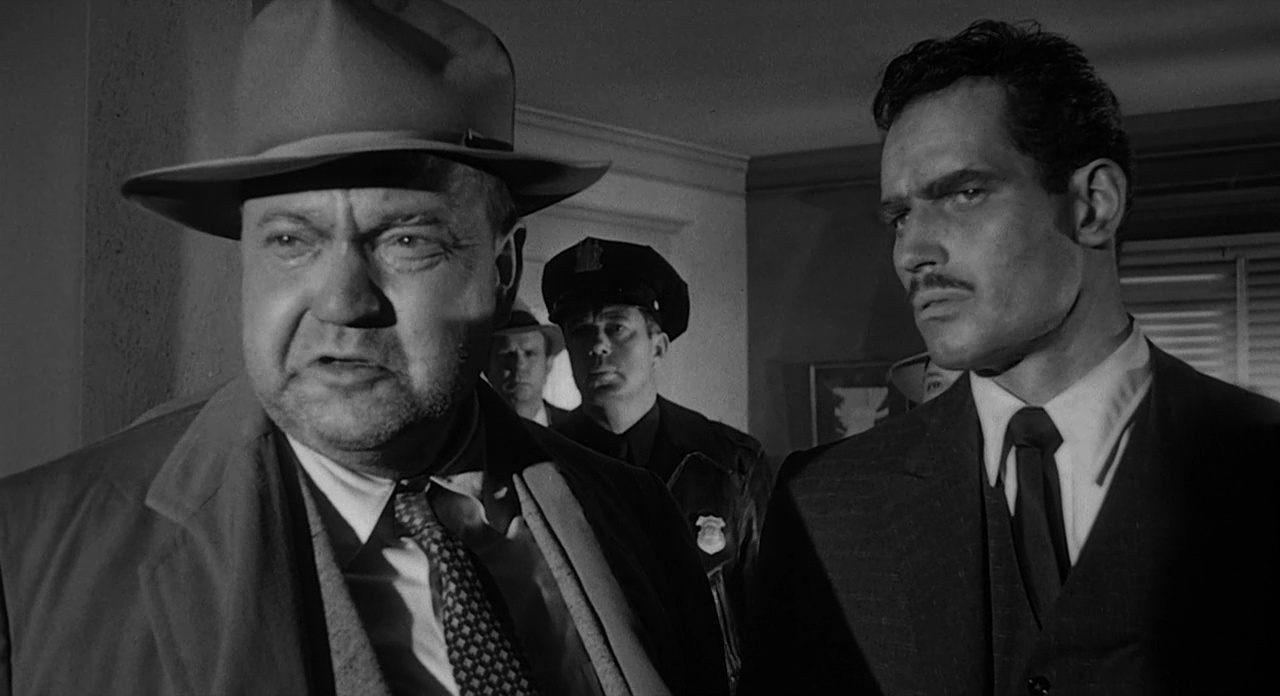
TOUCH OF EVIL: Discussing Racism

5. Touch of Evil

At first glance, the infamy of this Orson Welles’ (Citizen Kane) 1958 complex noir thriller classic comes to the forefront. What the heck is Charlton Heston doing playing a Mexican? o_O That mustache isn’t fooling anybody, Chuck! Thankfully, unprecedented tracking shots, ticking bombs, international investigations, and corrupt officials intermix for wonderfully seedy suspense. Strategic lighting and Oscar winner Henry Mancini’s (Breakfast at Tiffany’s) music also up the onscreen tension as a creepy Mercedes McCambridge (All the Kings Men) helps terrorize Janet Leigh (Psycho) amid worse ambiguity and insinuations pushing the envelope for the time. Marlene Dietrich (Witness for the Prosecution) almost steals the show as Heston tries to ensnare Welles amid more violence and interconnected crimes. Depending upon the version you see, the editing and pacing suffers between the studio interference and reshoots. However, despite the swarthy stereotypes, Welles’ restored 111-minute version is worth a fresh look.
Soylent Green America. What's On the Menu for America (Hint… | by Susan  Zakin | Medium

4. Soylent Green

Unemployment, homelessness, heatwaves, and hunger are rampant in an over populated 2022 New York City. The poor sleep in permanently parked cars, but the wealthy live in luxury apartments with hot showers and air conditioning. Long lines for short rations lead to riots between the haves and have nots, and Detective Charlton Heston investigates a murder at Soylent Industries – a powerful purveyor of nutritional supplements made from plankton. Disturbingly nonchalant violence in sacred places escalates to truths told in confession that are too much for a priest to bear, and researcher Edward G. Robinson uncovers a secret, disturbing ingredient as screaming crowds are tossed into creepy forklifts and hoisted into dumpsters. Bodies are taken to waste disposal centers, but the elderly remember when there used to be ceremonies for the dead. Scenes sans music echo with droning machinery and sad euthanasia opportunities are emotional in exceptional one-man reveals unknown to the audience thanks to silent mouthings, headphones, and wide-eyed, shocked reactions. Good Old Post Apocalyptic Chuck goes through the motions of his dog eat dog existence sweaty and unbothered as he pilfers booze and satin pillowcases from his crime scene. He treats himself to soap and cigarettes, but he’s angry over how most people aren’t angry about their dire situation. His distraught earnestness leads him to take action because he must – uncovering processing plants, conveyor belts, and the now famous revelation.
Filming Planet Of The Apes - The American Society of Cinematographers

3. Planet of the Apes

Astronaut Charlton Heston crashes on an unknown planet with primitive humans and talking, gun-toting apes who refuse to believe his extraterrestrial origin in 1968’s Planet of the Apes – offering unforgettable moments, perennial quotes, and speculative insights that keep on giving. Chuck’s Taylor traveled to the stars in an effort to find something better than man, and initially, he thinks he’ll be running the place when he sees the sorry state of humanity. Instead, he finds a world where man is at the bottom, and so many memorable, tragic observations and species reversals layer Planet of the Apes. Black crewmen end up in a museum, lobotomies, and gelding programs hope that “man can be domesticated,” and a gorilla’s eulogy proclaims, “I never met an ape I didn’t like.” Although we may laugh at “human see, human do,” the more you watch Planet of the Apes, the more mind-blowing nuggets you discover. In spite of the giveaway title, the bitter Twilight Zone tone from writer Rod Serling builds toward the gorillas on horseback shocker, and the action and simian make up designs remain well done. Heston is rough around the edges, a rugged leader and cocky explorer exploring for the wrong reasons who ultimately uncovers the disturbing truth. Once he is stripped of all human dignity and helpless in this topsy turvy world, we are instantly on Taylor’s side. Heston gains our sympathy as the lone antagonist with no hope of proving himself because “some apes, it seems, are more equal than others.”TV Guy: An early return of ’The Ten Commandments’
2. The Ten Commandments

Yearly network airings of this 1956 epic keep the Moses memes and over the top fifties melodrama in our collective mind. Liberties are taken on the Biblical sources, the sound is big and the voices are low, and framing lines on the matte paintings and incomplete special effects are visible on the otherwise sumptuous blu-ray release. Simple editing with a master track only cut for reactions or spectacles may seem slow to some audiences, talkative or stage-like. However, from alluring Anne Baxter and wicked Edward G. Robinson to the slinky Vincent Price (House of Usher), Lily Munster herself Yvonne De Carlo, and more – this Cecil B. DeMille (Samson & Delilah) magnum opus brims with top drawer entertainment. The solid, profound script provides touching quotations and relatable sentiment thanks to inspiration, love, jealousy, and deliverance. The personal stories are intimate amid an ancient scale brought to life with rousing scores, Oscar winning cinematography, delicious Edith Head (The Heiress) costumes, colorful hieroglyphics, and detailed Egyptian designs. Fires upon Mount Sinai, the glow of the Burning Bush, and that freaky green mist coming for the first-born lead to golden idols, Exodus, chariot pursuits, and that stunning parting of the Red Sea. The Ten Commandments is not without flaws, yet it’s a must see classic cinema achievement, and although this is a Charlton Heston essential, I can’t help myself, I love Yul Brynner’s (The King and I) voice and presence.Ben Hur/ Video, su Rete 4 il colossal con Charlton Heston (oggi, 12 aprile  2020)

1. Ben-Hur

Best Actor Charlton Heston’s embittered quest for revenge and his freeing encounter with the awesome healing power of Christ in Best Director William Wyler’s Best Picture Ben-Hur looks so, so good on blu-ray. The in-scene depth of scenery, perspective, set design, locations, and attention to detail bring the inspirational to life alongside passionate performances, grand overtures, enchanting stallions, and groundbreaking chariot sequences. Wyler knew how to use the scope of his physical sets, and it shows with a realistic, vintage patina that today’s CGI cannot recreate. The opening Nativity scene, Roman mosaics, centurion armor, rhythmic galley action, and intense naval battles create a colorful palette and atmosphere full of zest as we follow Judah’s incredible personal journey from elite status, accidents, betrayal, and servitude to heroic rescues, charioteers, water bearer, and believer. The Sermon on the Mount, leprosy miracles and the Crucifixion are epic events made personal with must-see spirit, redemption, and hope.


Movie Review: ‘Freaky’ is a Side Splitting Queer Horror Romp


Director: Christopher Landon
Writer: Christopher Landon, Michael Kennedy
Stars: Vince Vaughn, Kathryn Newton, Katie Finneran, Celeste O’Connor, Misha Osherovich, Alan Ruck

Synopsis: A mystical, ancient dagger causes a notorious serial killer to magically switch bodies with a 17-year-old girl.

[/info]

I’ve been a big fan of Freaky co-screenwriter Michael Kennedy since September 13, 2018—the day the first episode of Attack of the Queerwolf dropped. Attack of the Queerwolf is a podcast that was designed for people like me: queer horror lovers. For two years, Kennedy, his co-hosts, and their many fantastic guests have dissected horror films through a modern queer lens, offering thoughtful takes that have made me reconsider my feelings about numerous films. They’ve broken down how some personal faves may actually be fundamentally problematic, and they’ve cleared up how some stuff that may appear problematic could be interpreted as empowering from the perspective of someone else’s lived experience. So, when the news broke that Kennedy and Christopher Landon were teaming up on a project, said project instantly shot to the tippy-top of my list. And I must say, theydies and gentlethems, Freaky did not let me down. 

Christopher Landon is on a roll. Happy Death Day was a riot, the perfect blend of slasher goodness and cheeky fun. Then Happy Death Day 2U somehow completely upended the idea of genre storytelling and managed to weave in one the most emotional gut-punches in contemporary horror. With those two films, Landon succeeded at putting a unique spin on the time loop story trope that is so common to science fiction and high concept comedy. Herewith Freaky, Landon and Kennedy tackle another story trope—the body swap scenario—and once again… success! Critics and online personalities quick to dismiss the film as a hackneyed ripoff or a shameless retread are just downright silly. 

Let’s consult a master, shall we? In the introduction to his novel The Damnation Game, Clive Barker posits, “Perhaps the true merit of a tale is not its originality (what tale could ever truly be without precedent?) but in the intensity of its retelling, which may momentarily unseat all expectations.” And that is exactly what Landon and Kennedy do here. They’ve taken yet another high concept comedy blueprint and repurposed it into a hysterical slasher film. 

In Freaky, instead of a mother and daughter switching bodies and learning firsthand the particular hardships that each face every day, we have a teenage girl switching bodies with a serial killer. Kathryn Newton plays Millie Kessler, who would make a perfect final girl in a standard slasher flick. Millie is a somewhat plain high schooler who’s still reeling from a recent family tragedy, but that does not prevent the onslaught of savage bullying she receives daily. She’s a smart, kind senior with a crush on the soft jock who finds herself adrift—with tons of untapped potential and power. Then one night she almost becomes the next victim of Blissfield’s local deranged murderer, because every small town has one of those, right?  

Vince Vaughn plays the Blissfield Butcher, who is not your run of the mill serial killer. He doesn’t just stab and slit throats. The Butcher is heavily inspired by the slashers of the 1980s. He brutally kills his victims with just about any object within arm’s reach—wine bottles, toilet lids, circular saws—and these kills can get ugly. Clearly, Christopher Landon was not planning to shoot another PG-13 horror movie (not that there’s anything wrong with that). When the Butcher sets his sights on Millie, his weapon of choice is an ancient mystical dagger that he took from the home of his previous victim. But instead of taking Millie’s life, the dagger puts her soul in the body of the Butcher and vice versa. Ya know as magical blades are wont to do…

In addition to the thrilling deaths and the pitch-black humor, Freaky gets queer as hell. And unabashedly so. First of all, we have Millie’s friend Joshua, played by Misha Osherovich. Joshua is the type of character I wish I’d been able to see on-screen growing up closeted in rural Ohio. Admittedly, I was not bullied for being secretly gay, but I did feel alienated a lot of the time. So had I, already a horror fanatic by my teens, seen someone like Joshua in a movie, it would have been a life-altering experience. I mean, who else munches on Flamin’ Hot Cheetos while watching Luann de Lesseps nearly get bucked off a camel when he should be on guard duty? Me. I do that specific thing.

Freaky also takes advantage of its premise to explore identity and gender. After all, how could a film written and directed by gay men about a teenage girl switching bodies with a middle-aged man not do that? For instance, Millie’s friends effortlessly continue to refer to her with feminine pronouns, even when she’s played by Vince Vaughn. Likewise, they use masculine pronouns when mentioning the Butcher, even when Newton plays him. This conscious choice may seem innocuous, but it’s important to note that the film is affirming that a person’s body should not define who they are. It’s also interesting seeing each character explore the new sets of privileges and drawbacks that come with their new physiques—the ways they move about a familiar community in unfamiliar bodies—since this imperfect world of ours, unfortunately, does assign social norms to individuals based on their physical attributes. 

Given that he’s playing an adolescent girl, Vaughn has the showier role. As a performer, he seems especially aware of his 6’5” frame and how he occupies space. He gets to have fun with the pitch of his voice, the gait of his run, and the acrobatics of his facial muscles. With the more dialed in—and perhaps more interesting role—Newton undergoes an entire transformation. Her screen presence completely shifts. As the Butcher, Newton becomes a commanding beacon; she develops quite a grave demeanor, and it’s pretty striking. The Butcher also has a slick fashion sense, apparently, with a penchant for badass jackets that could probably be found in Sarah Michelle Gellar’s walk-in closet. 

What’s so great about Freaky is you can tell that Landon and Kennedy loooooove horror. They absolutely embrace their R-rating and go for broke with this film’s kills, with its vulgar humor, and with the unexpected heart at the core of it all. Studios sure don’t make slasher films like they used to and that’s too bad, but if Freaky is a sign of what’s to come, then consider me excited for the future of the genre… Freaky is the type of off-kilter horror I wish I’d seen in my closeted days. Queer horror is so important, and I’m so happy that today’s youth will grow up with a movie like Freaky. 

Grade: B+

List: Top 3 Team-Up Movies

This week on Episode 403 of the InSession Film Podcast, inspired by our review of The Rock, we discussed our Top 3 team-up movies. Long-time listener’s of the show may remember, and if you do God bless you, that we did our Top 3 Movie Teams on Episode 76 way back in the day. Meaning, our lists this week are certainly cousins to that exercise. However, this time around we wanted to focus more on the films themselves as well as the teams. Also, team-up movies could just be two or three people, versus “teams” which typically consisted of more individuals. That does make this a bit of a broad list as there are countless films that could fall in this category, but that challenge is what made it fun as well. That said, here are our lists:

(Note: Please keep in mind that we each had different criteria for our selections)

JD

1) Mad Max Fury Road
2) Seven Samurai
3) Life of Pi

Ryan

1) Creed
2) Jaws
3) Inception

Honorable Mentions (Combined)

Ocean’s 11, The Life Aquatic with Steve Zissou, Fury, Fast Five, The Dirty Dozen, The Sting, Inglorious Basterds, Stalker, Argo, O Brother Where Art Thou, Ghostbusters, Armageddon, The Rock, 21 Jump Street, Rush Hour, Die Hard, Die Hard with a Vengeance, Back to the Future, Lethal Weapon, Star Wars, Men in Black, Pacific Rim, Jumanji, Tommy Boy, MacGruber, The Incredibles, Tombstone, Saving Private Ryan, The Nice Guys, The Princess Bride, The Wizard of Oz, Silence of the Lambs, The Grand Budapest Hotel, Zodiac, The Girl with the Dragoon Tattoo, Seven, Fight Club, Parasite, The Italian Job, The Mummy, The Great Escape, The Wild Bunch, The Magnificent Seven, Trading Places, Tropic Thunder, How to Train Your Dragon, Blade 2, The Expendables , All the Presidents Men, Spotlight, Pirates of the Caribbean, The Untouchables, The Mask of Zorro

Hopefully you guys enjoyed our lists and if you agree or disagree with us, let us know in the comment section below. A topic like this can be cumbersome given the vast amount of great movies that fit the criteria. However, the best will always stand out and we did our best to lay those out. However, that doesn’t mean your list will look like ours. So, what would be your Top 3? Leave a comment in the comment section or email us at [email protected].

For the entire podcast, click here or listen below.

For more lists done by the InSession Film crew and other guests, be sure see our Top 3 Movie Lists page.

Movie Review: ‘Finding Steve McQueen’ is a Perfectly Enjoyable Heist Caper


Director: Mark Steven Johnson
Writer: Ken Hixon, Keith Sharon
Stars: Travis Fimmel, Rachael Taylor, William Fichtner, Lily Rabe, Rhys Coiro, Forest Whitaker

Synopsis: The FBI launches its biggest manhunt when an unlikely gang of thieves tries to steal $30 million in illegal campaign contributions from President Richard Nixon’s secret fund.

[/info]

There is a podcast called Heist Podcast which, unsurprisingly, deep dives into a different heist every episode. That they are well over a hundred episodes at this point should be an indicator of the number of heists that have taken place over the course of modern human civilization. Of course, Hollywood is no stranger to this phenomenon: heist capers such as Ocean’s Eleven, The Great Train Robbery, Snatch, Point Break, all cashed in, to varying degrees of success.

Episode 37 of Heist Podcast is called Nixon’s Milk Money. It tells the remarkable true story of a group of small-time criminals from Youngstown, Ohio who set out to rob a bank in Southern California which housed “dirty money” secured by the residing President at the time, Richard Nixon. The criminals managed to steal over $9 million from the President before eventually coming to justice. Strangely enough, given the inherent ripeness of heist movies in any financial climate, this story never made its way onto the big screen before now.

Travis Fimmel (of Vikings fame, and here still as impossibly blue-eyed and charismatic as ever) plays Harry Barber, one of the five men involved in the heist. Barber is obsessed with Steve McQueen (which gives the movie its title) and is a relentless motorhead, stealing several top range cars such as a 1969 Mustang GTO and receiving as many as 41 speeding tickets in a single year. When we first meet him he is relaying the story of the heist to his oblivious girlfriend (played by Rachael Taylor of Jessica Jones fame) in a small-town diner. Thus the framework for Finding Steve McQueen is established: mostly we see things from Barber’s point of view as the somewhat hapless criminal finds himself entangled in his uncle Enzo’s scheme. Enzo hates Richard Nixon, and when the opportunity to rob the President blind appears Enzo can’t help himself, much to the consternation of his business partner Pauly (Louis Lombardi) who rightly believes the job is more trouble than it’s worth. The crew head down to California and devise a plan which predictably goes pear-shaped and leaves Barber on the run from FBI agent Howard Lambert (Forest Whittaker), who tracks them under the shadow of the impending Watergate Scandal.

Director Mark Steven Johnson imbues Finding Steve McQueen with more comedic elements than you might expect. It was a wise move; under the focus of Watergate (and given the state of US politics over the last four years), there could have been a much darker tone struck here. Instead, Johnson keeps things light; the crew finds themselves in a fish-out-of-water scenario among the liberal, unrestrained culture of 70s California, and Fimmel himself plays Barber as hilariously inept and dim-witted, while always keeping you on side with his effortless charisma and likeability. Elsewhere Pauly and fellow crewmember Ray (Entourage‘s Rhys Coiro) are blown away by a new invention in California called a Hot Tub, and Taylor gets a fun scene which sees her downing boilermakers in a bar on the day of her cheating husband’s funeral. It all comes together well enough and is nicely juxtaposed with the real events we know of (John Finn plays Lambert’s boss at the FBI, Mark Felt. Better known to most as Deep Throat) as they loom in the background.

There are a few sticking points, however: for example, the dialogue is a little too on the nose at times. Characters really want you to know we’re in the 70s and will expound on pop culture references such as the attractiveness of Sally Struthers or a Richard Bach novel called Jonathan Livingston Seagull. We get it, it’s the 1970s. As well as this, most heist movies follow one of two routes: there’s the Rififi route – solemn, serious, weighty – or there’s the Ocean’s Eleven route – fun, upbeat caper with fast montages and memorable dialogue – but Finding Steve McQueen seems to strike out for the middle ground between these two and so doesn’t entirely pull off either one quite as well as you’d like it to. It’s perhaps a nit-picking point, but it feels like Finding Steve McQueen doesn’t quite gel its disparate elements very well at times, or strike a consistent tone. In an early sequence, Barber addresses the camera directly on a few occasions, in a slightly tongue-in-cheek, meta way. This is then dropped for the latter half of the movie and it feels a little jarring to go from moments like that to Whittaker’s gruff detective trying to figure out how Nixon ties into all of this.

Ultimately, Finding Steve McQueen is a perfectly fine heist caper. If that seems like it’s been damned with faint praise, it shouldn’t; Johnson doesn’t seem to want to do much else except tell a fun story with likable characters, and this he does well. Fimmel is typically excellent and engaging, one can’t help but wonder why he isn’t a much bigger star by this point, and the supporting cast all bring interesting elements to the story (although Jake Weary is tragically underused as Barber’s brother, Tommy) which prop it up. It doesn’t do anything new for the heist caper, and sometimes struggles to find its tone, but during its best moments, it is enjoyable and occasionally hilarious. For fans of Travis Fimmel, this is one to watch.

Grade: B