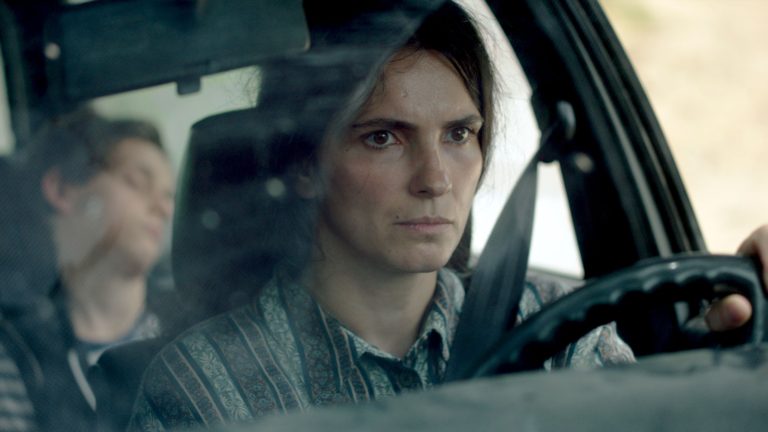
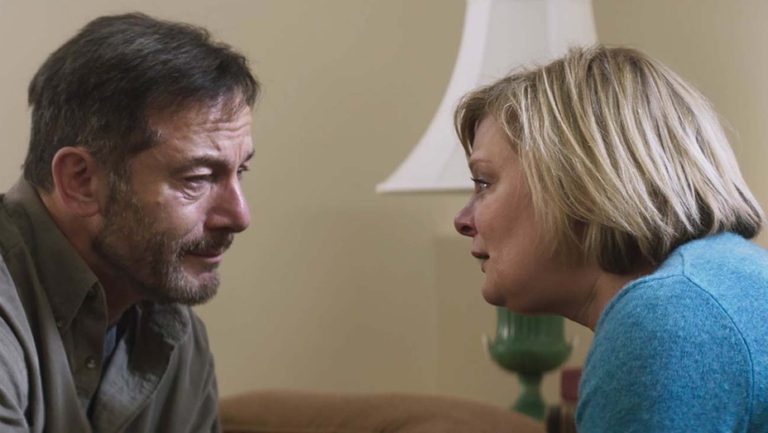
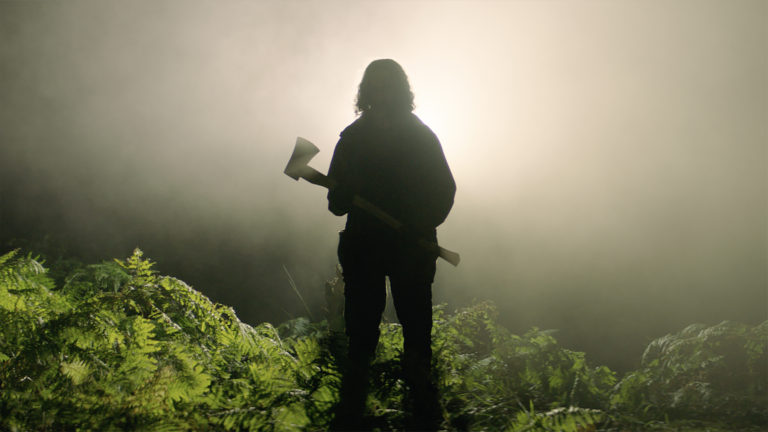
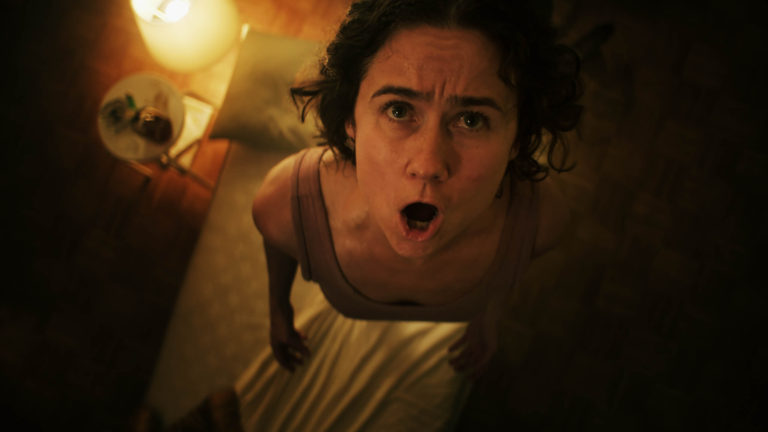
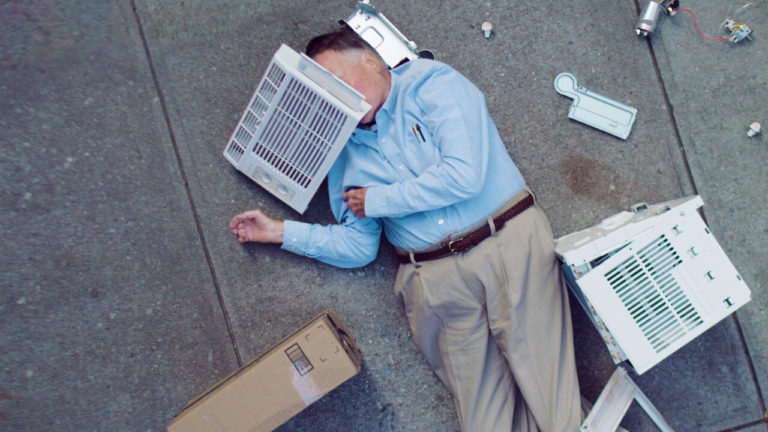
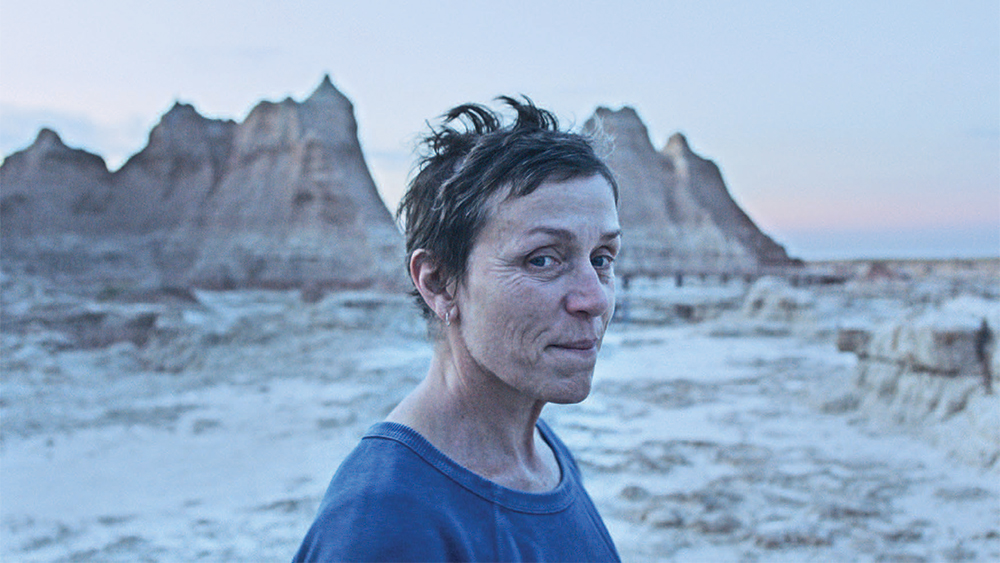
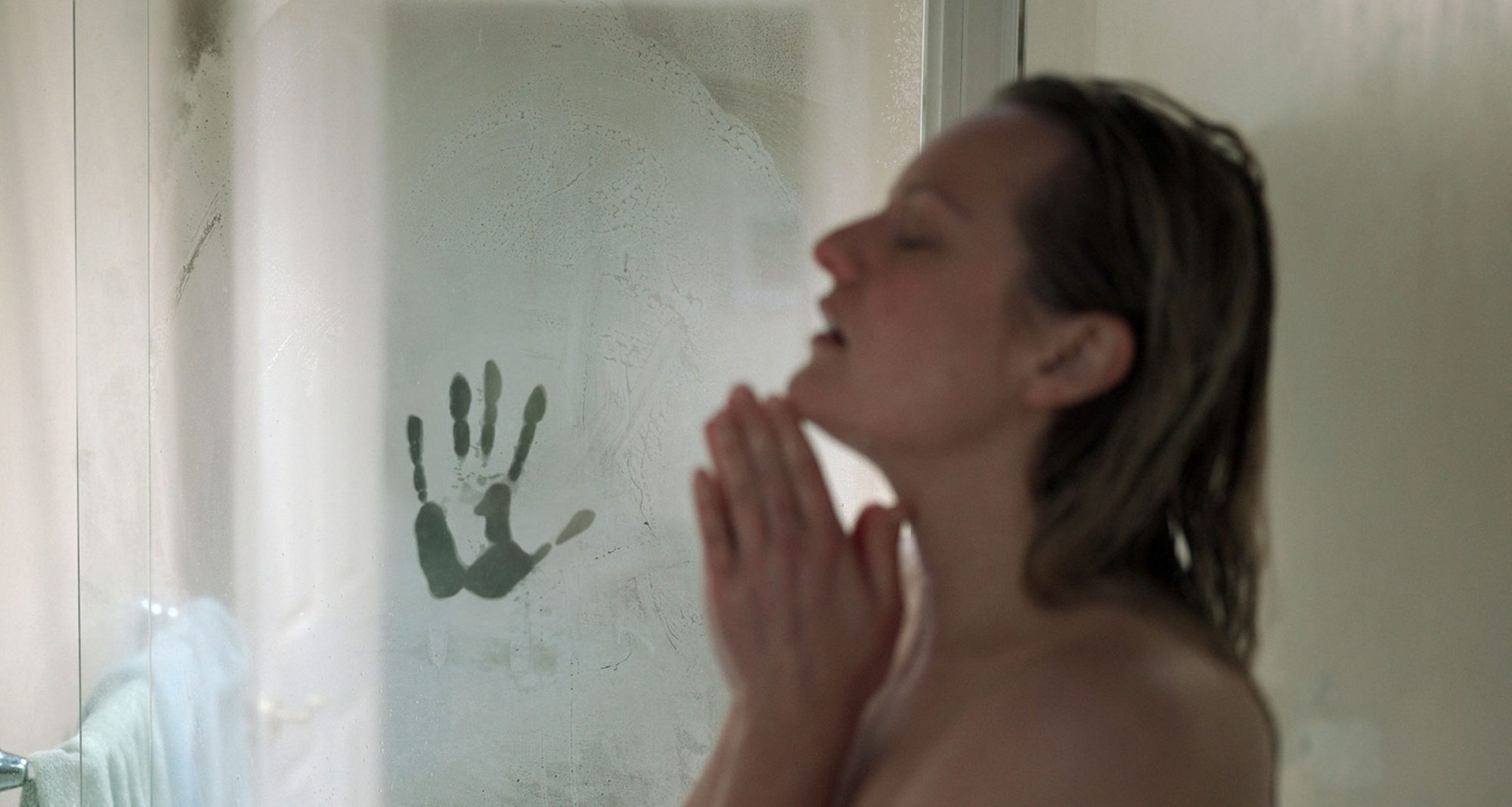
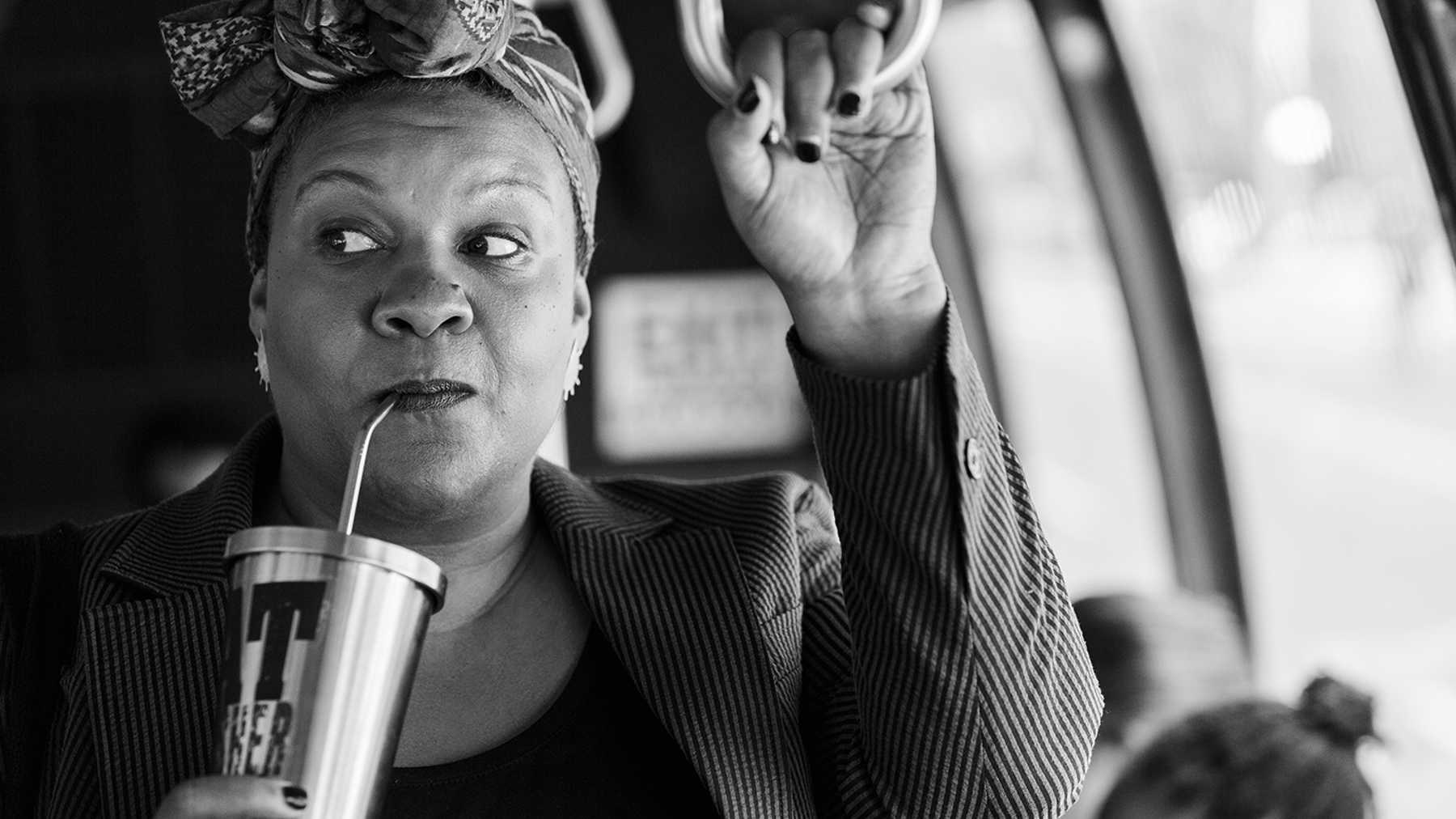
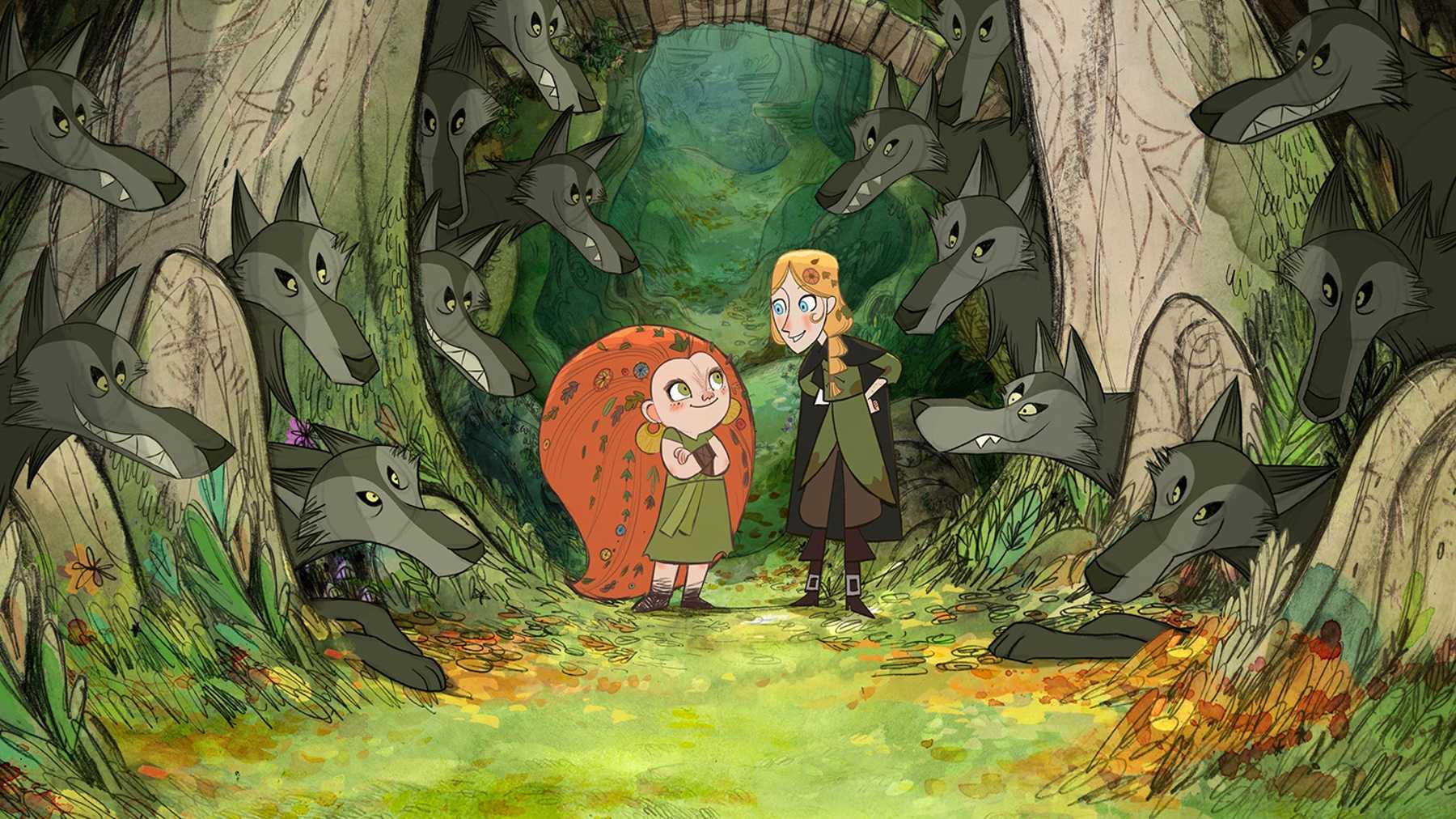
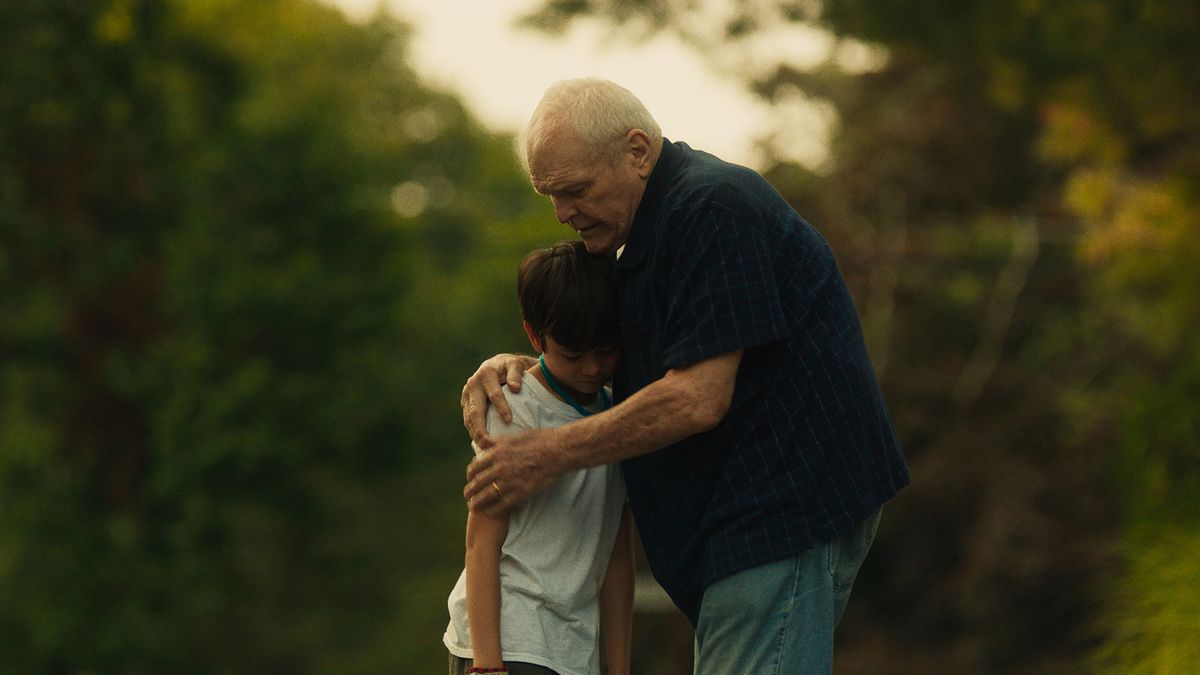
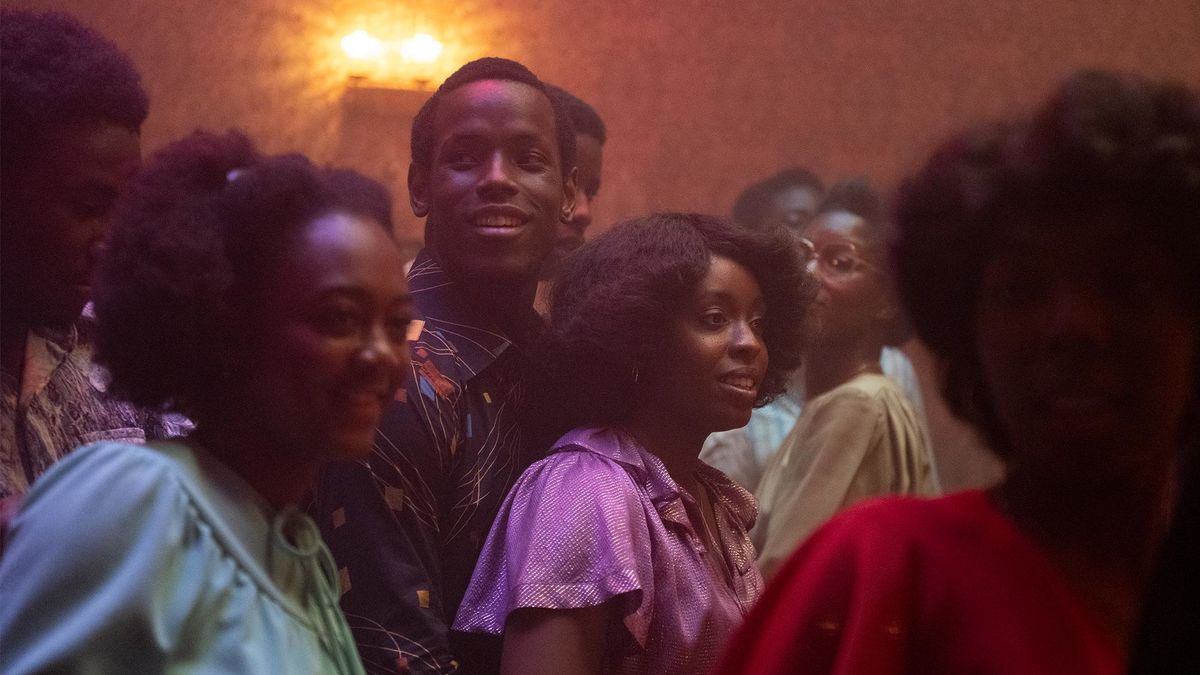
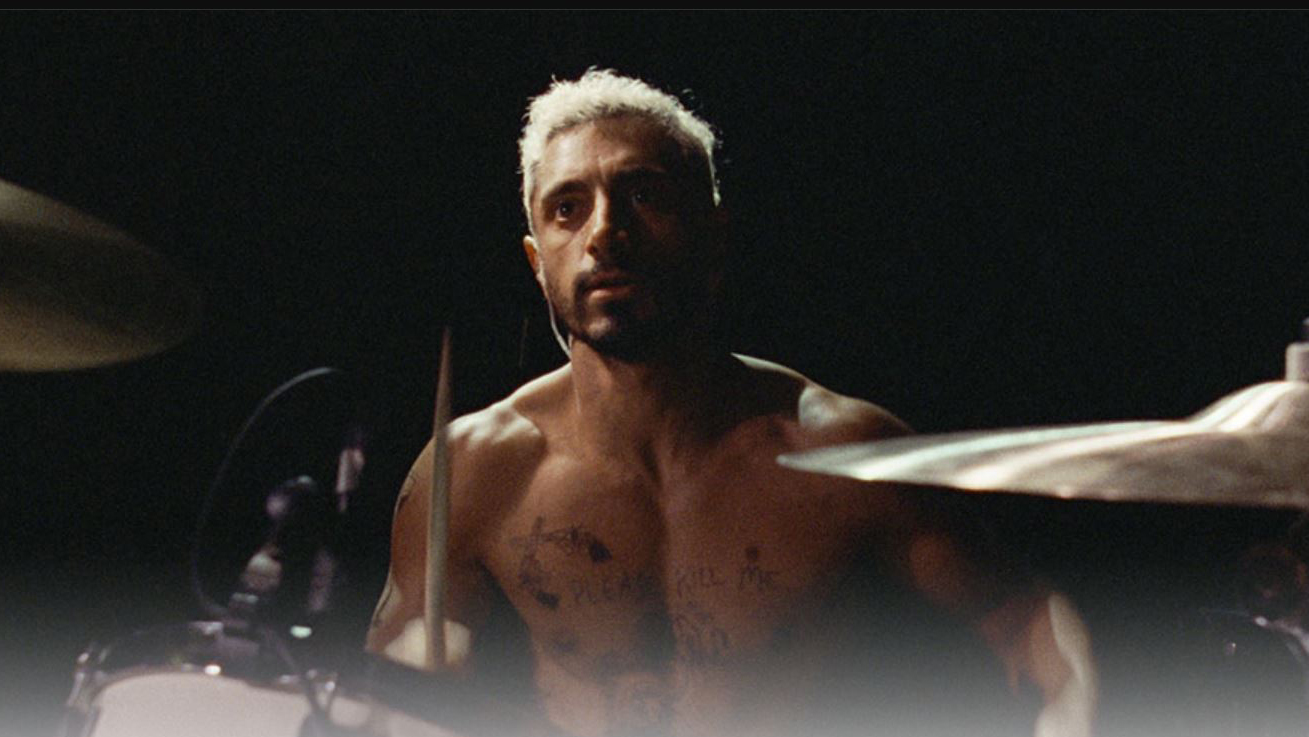
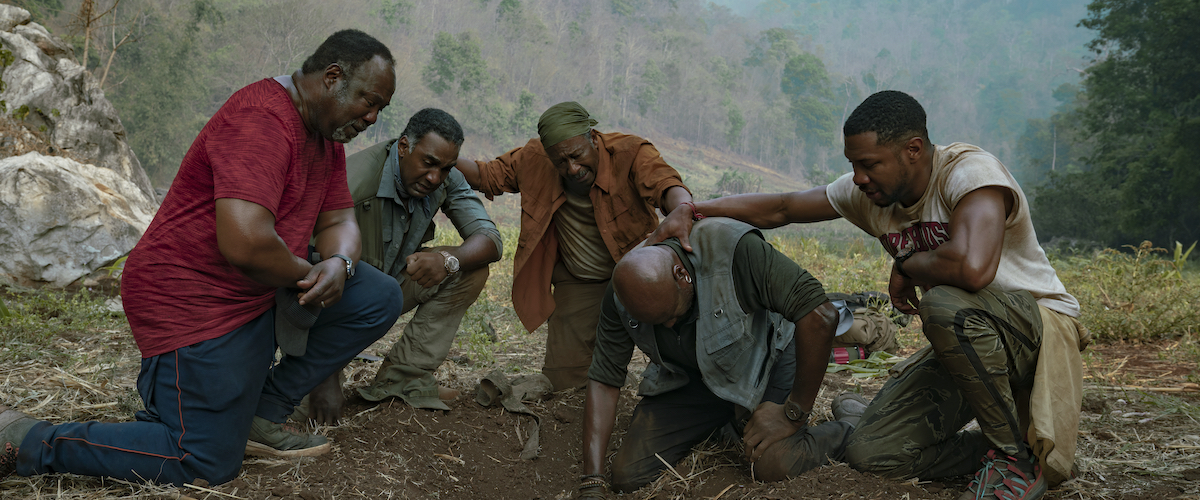
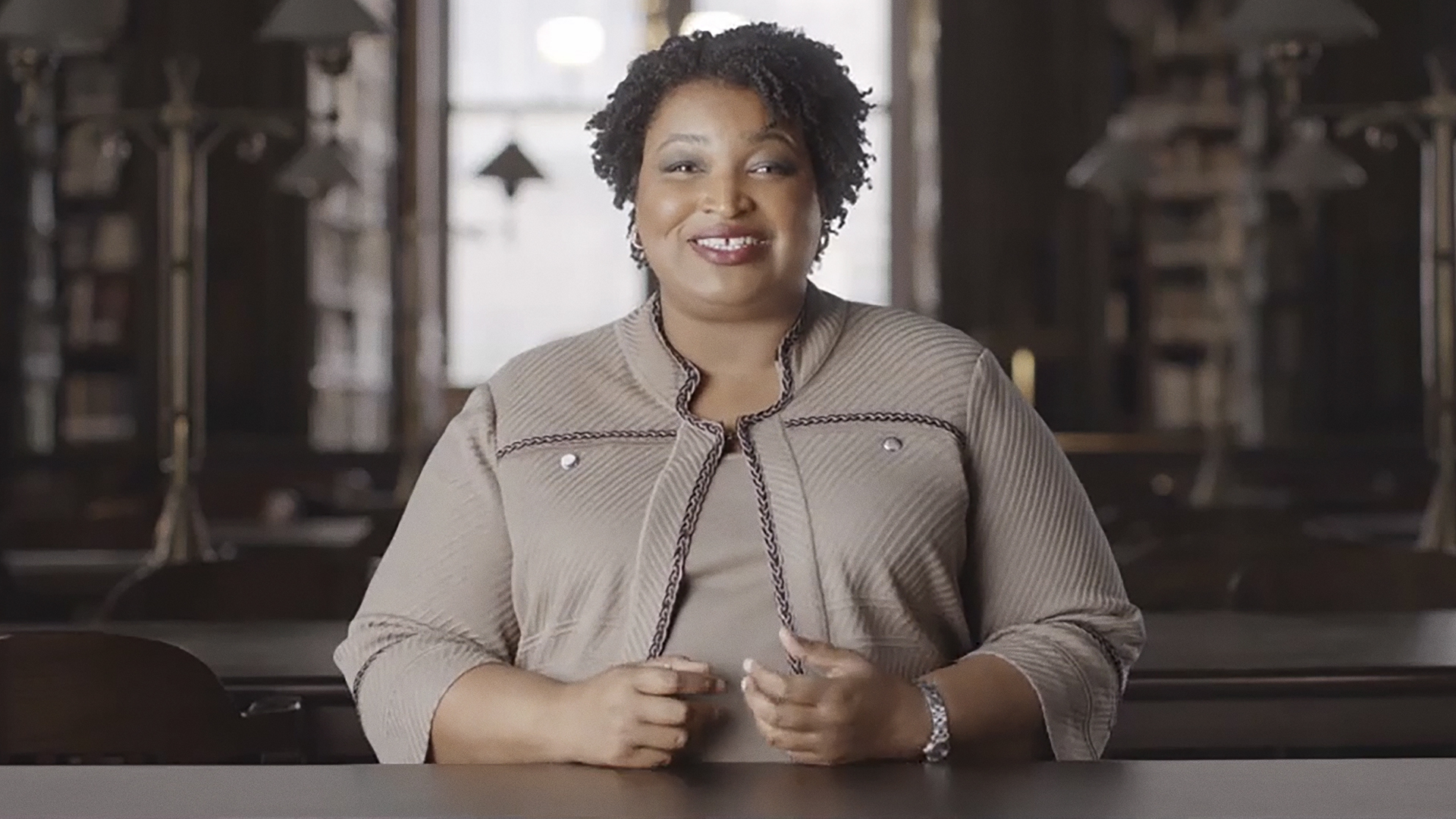
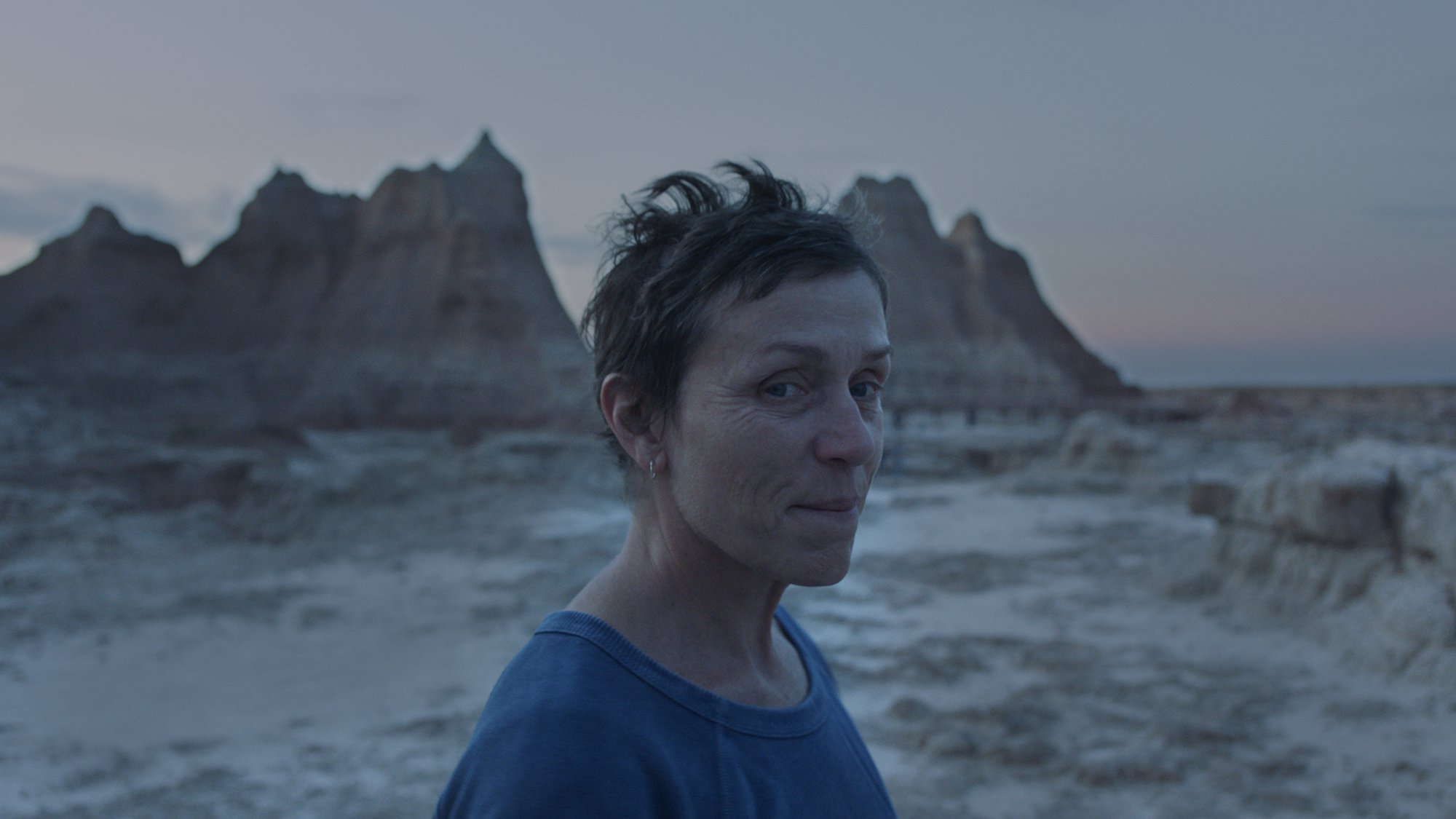
This week on Episode 415 of the InSession Film Podcast, we thought it would be fun to discuss our top 3 Sundance Film Festival awards winners. Sundance is arguably the most prestigious film festival in the United States, and has been a staple for decades now. Not every award winner has gone on to be a major factor in pop culture, or an awards contender when it comes to the Oscars and other major year-end awards shows, but that doesn’t necessarily negate quality. Either way, there are plenty of films, directors or actors that have won at Sundance that make for fascinating conversation. And it certainly made for a challenging exercise when trying to narrow down our lists. That said, here are our lists:
(Note: Please keep in mind that we each had different criteria for our selections)
Brendan
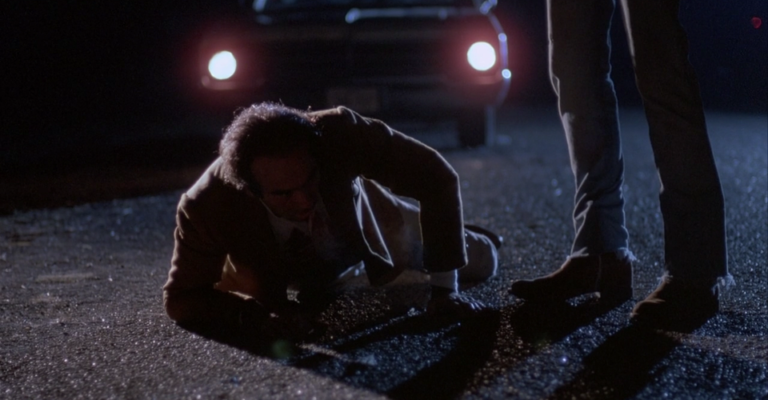
1) Joel Coen & Ethan Coen – Blood Simple
2) Amy Adams – Junebug
3) Robert Eggers – The Witch
Jay
1) Steve James – Hoop Dreams
2) Steven Soderbergh – Sex, Lies and Videotape
3) David Michod – Animal Kingdom
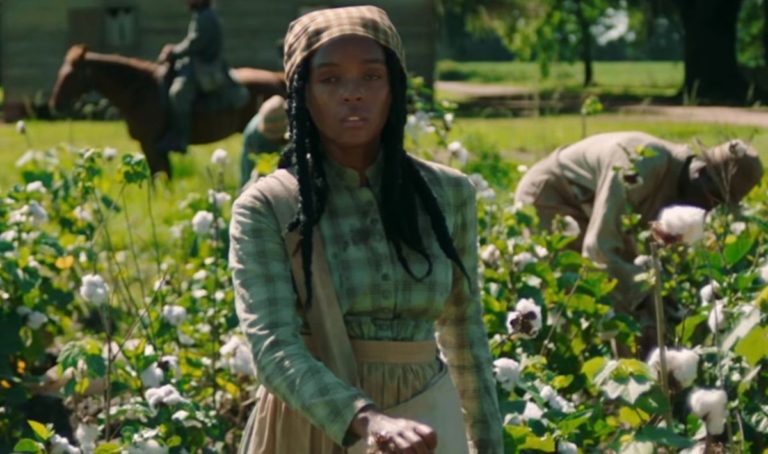
Honorable Mentions (Combined) The Brave Little Toaster Daughters of the Dust
Darren Aronofsky – Pi Run Lola Run
Kenneth Lonergan – You Can Count on Me
Christopher Nolan – Memento American Splendor Whale Rider Primer
Debra Granik – Down to the Bone
Noah Baumbach – The Squid and the Whale Hustle & Flow Once Frozen River Man on Wire
Cary Fukunaga – Sin Nombre Winter’s Bone
Sean Durkin – Martha Marcy May Marlene Senna Beasts of the Southern Wild The Spectacular Now Fruitvale Station Whiplash World of Tomorrow Dope
Eliza Hitman – Beach Rats
Ben Dickey – Blaze
Bing Lu – Minding the Gap Hale County This Morning, This Evening
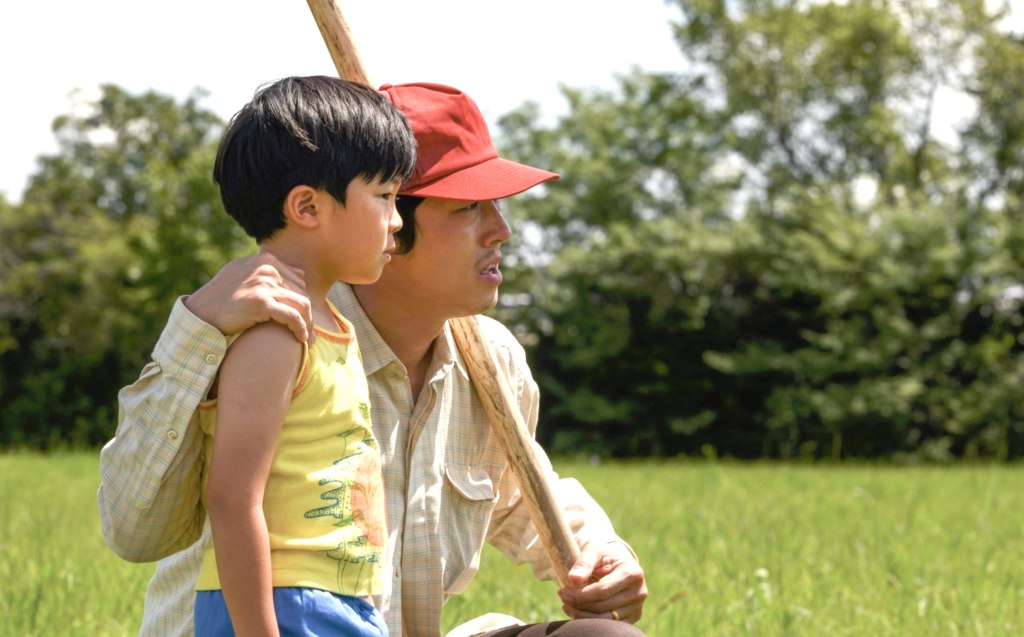
Joe Talbot – The Last Black Man in San Francisco Minari
Radha Blank – The 40-Year-Old Version
Hopefully you guys enjoyed our lists and if you agree or disagree with us, let us know in the comment section below. As mentioned above, there’s a good chance that you will disagree with us, so let us know why and which films you were against the grain on in 2020. That being said, what would be your Top 3? Leave a comment in the comment section or email us at [email protected].
I had an earlier article about five famous homes in Hollywood, still standing as historical markers or sadly no more, and I got to thinking, there has to be some of this outside of LA, right? A-listers seek these estates in LA regardless of price and we plaster them on the web, something getting an inside peek of the place. But some seek homes outside of California, far off where the paparazzi can’t find them. The countryside and lush acres where a tall building can’t be seen is a tranquil place and perfect for privacy. For these next five homes, they fit the bill for such a desire.
Childwickbury Manor
In England, Tucked away from the main roads is a home dating back to the 17th century. Sold from wealthy owner to wealthy owner, the manor also served a stud farm, raising thoroughbred horses that could compete in the annual Derby. It has a dozen reception rooms, 29 bedrooms, and 10 bathrooms, plus countless acres of farmland, stable room, and cottages around the manor. While the stud farm was sold separately, the main house had a notable owner in 1978: Stanley Kubrick. With his wife, Christine, it would be his hub for everything related to his movies. Upon his death in 1999, Kubrick was buried on the ground under his favorite tree and his family continues to live there today managing his film collection and having private invitations to parties.
Manoir de Ban
On the banks of Lake Geneva in Switzerland, a neoclassical mansion was built in 1840 by Philippe Franel, Switzerland’s most famous architect in the mid-19th century. From above, there are views of the park within the estate, Lake Geneva itself, and the surrounding Alps that give Switzerland its identity. In 1952, the manor was sold to its most famous resident: Charlie Chaplin. After being exiled from the United States for political reasons, Chaplin and his wife spent the rest of their lives in Switzerland and renovated the home to hold all of his movies and archives and expand the living space. He rarely left the estate afterward but went back to America to accept an Honorary Oscar in 1972 and died in 1977. After the death of his wife, the family began a long-developing plan to open the home as a museum named Chaplin’s World, which finally opened in 2016. There, visitors can read more about his personal and family life, visit various exhibitions, and walk around the home where Chaplin once played with his young children.
Palazzo Chupi
Okay, this is not an estate far from the big cities, but these apartments on 360 West 11th Street in New York City’s Greenwich Village are eye-opening. It stands out because it’s pink and gets its name from Spanish lollipops known as “Chupa Chups,” which the creator based its nickname for his then-wife. It’s no surprise that the piece of artwork of this building came from an artist/film director, Julian Schnabel (The Diving Bell And TheButterfly). Schnabel bought the ground floor studio home and constructed five floors on top Venetian style. In Schnabel’s words, “I built it because I wanted more space and because I thought I could sell two or three apartments to pay for that space, and I built it because I could.” Schnabel rents out the top floors for a hefty price and he himself lives on the first three floors with his family and studio, although everyone can bring their cars in because it has a garage. Do you want parking in NYC? Ta-da!
St. Clerans
The castle that once stood in this spot dated back to the 13th-century, but the main home standing today was constructed in 1784. A long line of the Burke family dating back to England owned the property and the history itself is very fascinating with relationships to both royalty and politicians. But the house was falling into ruin and the costs for maintenance and repairs were not feasible, so the family sold it to writer/director John Huston. Close to his Irish heritage, Huston sought to live in Ireland and even renounce his American citizenship, and bought and renovated St. Clerans himself. He described it as one of the most beautiful places to live, but the rising costs of living there forced Huston to sell it in the late 60s. TV producer Merv Griffin bought the estate in the 1990s and owned it until his death; after being converted into a hotel for a short time, it is now back to a fully functioning private home.
Will Rogers State Historic Park
While in Los Angeles, the home of the former humorist in the early 20th century is not located in Beverly Hills, but in Pacific Palisades along the Santa Monica mountains. The house was listed on the U.S. National Register of Historic Places (like Harold Lloyd’s Greenacres) in 1971 and was built in the 1920s. It includes 31 rooms, 11 bathrooms, a stable and corrals for cattle, a golf course, and a polo field. When it became a state park in 1944 following the death of Will Rodgers’ wife – he himself died in a plane crash in 1935 – the surrounding land was opened more with hiking trails to the Pacific Ocean and the mountains. The house, which has been extensively remodeled, features a museum on the life of Rodgers, going back to his childhood in Oklahoma. All 186 acres of this can be walked on today.
Synopsis: A look at the history of the long-running children’s TV show, “Sesame Street”.
[/info]
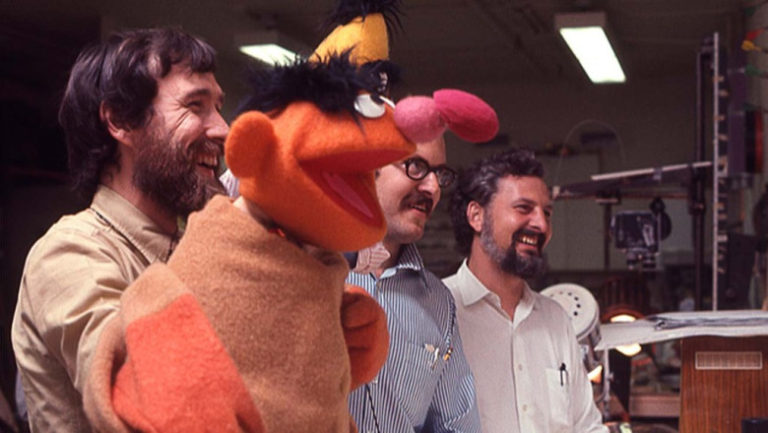
Many of us fell in love with the documentary Won’t You Be My Neighbor? a few years ago, a film that followed the life of Mister Rogers and the creation of Mister Rogers’ Neighborhood. If you enjoyed that documentary, then Street Gang: How We Got to Sesame Street is going to be one to watch. It has all the charm and passion, with so much packed into this 107-minute film.
No matter how much or how little knowledge you have on Sesame Street, there is something here for you to enjoy. This film covers a large majority of the history of the show, from the creation all the way through the runtime. There will be people who know more about the creation of the show, and they will learn about the work that had to be done to continue the show for decades. There will be people that grew up watching the show, and they will get to learn about the creation of the show and how the characters first came to be. There will be people who know little about Sesame Street, and they will learn so much about what the show was and what impact it had on people.
There was one aspect that was important to the cast and crew of Sesame Street, and that was representation. For a show that was popular in the 90s, it is inspiring to learn about what they were doing in the community and how important it was for them to have people of color on the show. It was a learning curve for them trying to get it right, as they show, but the passion they put behind getting it right and listening to black viewers on their perspective is honorable and something that is still lacking in the film and TV industry to this day sadly.
What I gravitated towards in this documentary was the interviews from the cast and crew, getting to hear distinctive voices and their views of working on the show. It became easy to connect with the cast and to understand why they became a part of the show. It felt like a real community in that group, and it is so lovely to hear all the positive stories that came from the set. There is one moment that the film touches on about how the show handles dark subject matters, and it is the cast telling their stories about why they went down that route that really made a huge impact on me.
In terms of the filmmaking of the documentary itself, there is nothing too spectacular about it. There doesn’t need to be though, as the story simply tells itself here and the nostalgia will be enough to sell many people on this film. I do question some of the editing choices in terms of telling the narrative, as I found that there was sometimes a lack of focus on what the documentary wanted to communicate. There would be a compelling story happening about the score or about Jim Henson’s dedication to staying on set for days to finish the show, and then it would cut to another completely different topic. If you become engaged with one storyline, it can be jarring to see them cut away from it so quickly.
That is why I pose this question for the film: would it have worked better as a mini-series? There was so much more that I wanted to learn, particularly about Jim Henson himself and the work that he did throughout the entire run. If this was given more time to breathe, allowing for more structure within specific episodes and being able to give even more information about the show, it would have been even more engaging and enjoyable to watch.
Regardless if it would have been a better mini-series, the film we ended up getting is still filled with love and passion. It is so easy to get swept away by the incredible work of all of the staff and commend them for what they were aiming to do with Sesame Street. Even to this day, it is one of the biggest successes of TV history and it pushed boundaries that many shows of today are still afraid to touch. If this film does one thing, I hope it inspires more creators to reach the levels of Sesame Street.
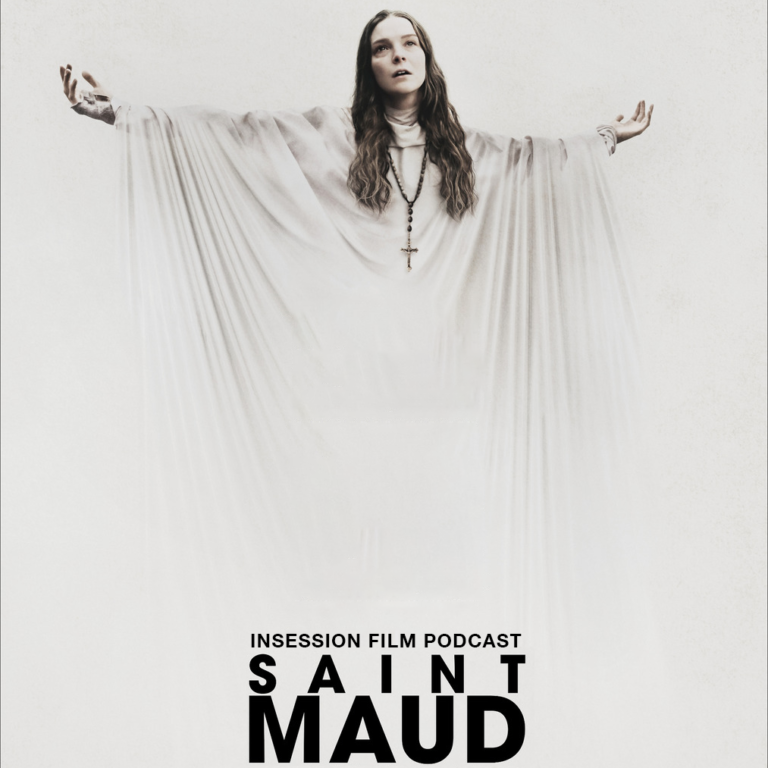
This week on the InSession Film Podcast, Jay fills in for JD as we discuss the latest A24 horror film in Saint Maud and we talk our Top 3 Sundance Awards Winners! Plus, Jay and Brendan briefly talk about their most anticipated film premiering at this year’s Sundance Film Festival.
A24 and horror have become sizzling buzz words in recent years given the output we’ve seen from the studio, and the conversation around Saint Maud did nothing to stifle our anticipation. So, it was interesting to dive into the film and offer up some thoughts on the discourse around A24 horror. Equally, it’s always fascinating to see what comes out of Sundance as some go on to be major factors in awards season and pop culture. Who knows what this year will look like, but we felt inspired to talk about it and some of the best from year’s past.
On that note, check out this week’s show and let us know what you think in the comment section. Thanks for listening and for supporting the InSession Film Podcast!
– Movie Review: Saint Maud (7:25) Director: Rose Glass Writers: Rose Glass Stars: Morfydd Clark, Jennifer Ehle, Lily Knight
– Notes / Sundance Film Festival 2021 (40:29)
Before heading into our Top 3 this week talking about awards winners from previous Sundance Film Festival’s, we thought it would be fun to briefly talk about this year’s fest and the films we are anticipating the most. Given the word on the street, it may not be a top heavy year for high quality, but it could be very consistent with pretty good films. We’ll see as the year goes, but certainly some great potential with the pool of 2021 films at this year’s Sundance.
– Top 3 Sundance Awards Winners (1:21:37)
The Sundance Film Festival is arguably the most prestigious in the United States, and has been a staple for decades now. Not every award winner has gone on to be a major factor in pop culture, or an awards contender when it comes to the Oscars and other major year-end awards shows, but that doesn’t necessarily negate quality. Either way, there are plenty of films, directors or actors that have won at Sundance that make for fascinating conversation. And it certainly made for a challenging exercise when trying to narrow down our lists. That said, what would be your top 3?
If you want to help support us, there are several ways you can help us and we’d absolutely appreciate it. Every penny goes directly back into supporting the show and we are truly honored and grateful. Thanks for your support and for listening to the InSession Film Podcast!
Director: Sean Ellis Writers: Sean Ellis Stars: Boyd Holbrook, Kelly Reilly, Alistair Petrie, Roxane Duran
Synopsis: In the late 1800s, a man arrives in a remote country village to investigate an attack by a wild animal but discovers a much deeper, sinister force that has both the manor and the townspeople in its grip.
[/info]
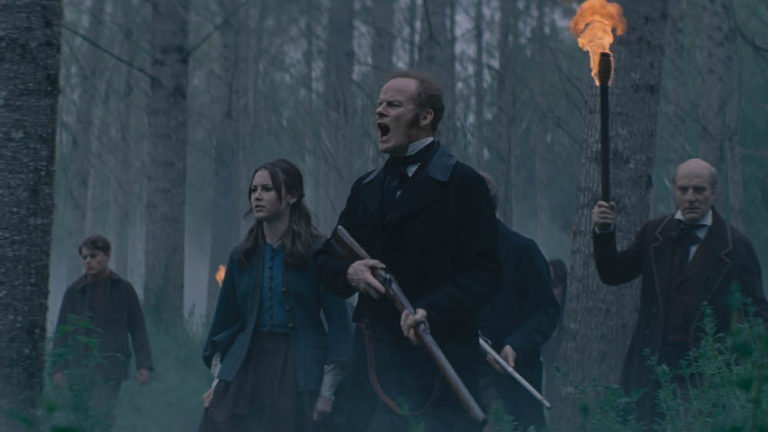
Eight for Silver appears on the surface to be a suitably fun period monster romp, but there’s very little to keep your attention for any considerable amount of time. Writer-director Sean Ellis follows up his smaller intense dramas Metro Manila and Anthropoid with a staggeringly tedious monster romp set in late nineteenth-century France, clumsily tapping into issues of race and executing horror sequences poorly. When a band of Romani people are murdered in their home by capitalist forces, they place a curse on the surrounding land, causing a monstrous animal to start hunting the surrounding village. Pathologist John McBride (Boyd Holbrook) soon arrives to set things straight, but he can’t save Eight for Silver from being a tiresome watch with little tension or fun, save for a few inventive visuals.
From the outset, the flaws in Ellis’s screenwriting become apparent. An easy way to bore your audience is explaining every thought the characters have and underlining story beats with unnecessary dialogue. In the first handful of scenes, the importance that silver will hold to the narrative is made clear – we see it as large silver bullets held by the inhabitants of a French manor house before discovering its original form, a set of metal teeth coveted by the Roma clan. In both instances, however, the characters tell us explicitly that the silver is important, rather than letting its significance be conveyed through their behavior.
To an audience, this is merely a little annoying, but in other instances, Ellis’s writing choices threaten to undercut the narrative tension. The children from the manor, Charlotte (Amelia Crouch) and Edward (Max Mackintosh) are some of the first to get embroiled in the curse, with Edward being bitten with the teeth and disappearing into the night. But we’ve seen from a clunky framing device that Edward grows up to fight in the trenches at the Somme, so we’re constantly wondering when he’s going to show up again.
On both a large and small scale, the characters of this Gothic horror are disinteresting. McBride arrives seemingly disconnected from the narrative searching for travelers’ communities and has to be roped into the curse situation by another character, a large coincidence as it turns out his family was killed in the aftermath of a similar curse. Smaller characters do their best with inane and pointed dialogue, and while it could be argued that Eight for Silver is using the monster movies of the 30s as a point of reference, so subtle dialogue isn’t too important, Eight for Silver tries to ground itself in a political reality where camp does not belong.
It’s a political reality that is approached with less than stellar results. It’s clear Ellis is interested in the historical suffering of travelers, how capitalism had no qualms with violently disposing of whole communities, the repercussions of which extend to this day. But the argument that the Romani people shouldn’t be brutalized because they might put a horrible curse on us is not quite the incisive social criticism Ellis thinks it is.
The film’s violence doesn’t help this point. While it’s not a problem that Ellis shows a lot of gruesome, explicit violence, his handling of gore is less impressive. The severing of limbs and explosions of blood are framed in a flat, uncreative way that makes it in several instances look comical. The practical effects themselves, however, are at least impressively executed, something that can’t be said for the computer graphics. The monsters are shown as CGI creatures, with overly smooth textures, never feeling like they belong in the scene around them. This is made all the more disappointing when we do see the creatures tangibly, in an autopsy scene that feels like a fun historical spin on John Carpenter’s The Thing. Their design is ghoulish, nasty, and completely inhuman.
This sums up the use of horror in the film – usually flat with fleeting moments that make you wonder about Ellis’ potential in the genre. He seems to understand the language of horror filmmaking, restricting the audience’s view and building a mood with sound, but the film seems incapable of imbuing any scene with emotion. What’s frustrating are the individual images that manage to be effective – a repeated motif of dream sequences conjures a deeply creepy feeling, and the wide shots of mist hovering over long grass are striking. But when sequences that depend on suspense happen without tension or emotional engagement, the result is drawn-out tedium. If Eight for Silver fails as a thematically rich Gothic horror, it could at least have been an entertaining monster flick, but it manages to let the audience down on that count as well.
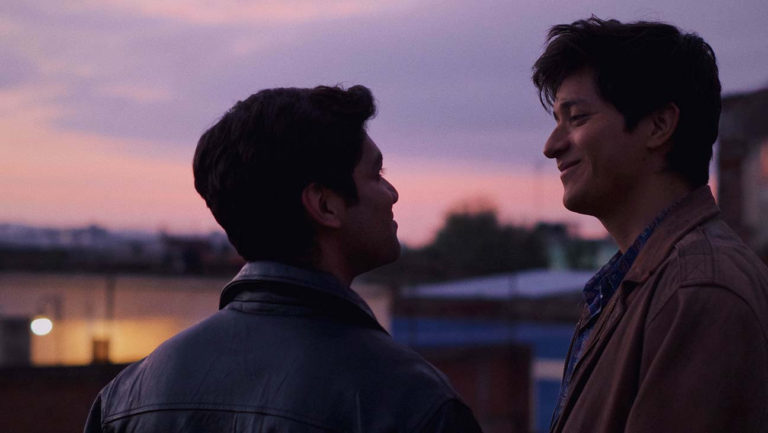
Late in 2020, I was able to get a screener for Heidi Ewing’s I Carry You With Me. By the time the end credits rolled, I knew it was something special. The film follows two gay men who meet and fall in love in 1990s Mexico. Along the way, we learn about their lives and their relationships with their families and even get glimpses of their similar childhoods. Beyond being a love story, it is a tale of immigration and the ‘American Dream’ and what you have to fit for to truly live the life you want to live. And what is even more special about this film, it’s based on the real-life story of Iván and Gerardo, played by Armando Espitia and Christian Vázquez in the film. It’s a deeply moving, transcendent piece of art that has the power to speak to all who see it.
I was given the chance to sit down with Ewing virtually to talk about the film, her personal connections to the characters on screen, and what she learned in shooting her first narrative feature after years of being an acclaimed documentarian. It was an awesome conversation and I’m happy to share it with you below.
RYAN MCQUADE: You are obviously connected to this couple’s story. So my first question is, how did you first meet them?
HEIDI EWING: I met them in 2005 or 2006 when I was working on Jesus Camp at the time.
RM: Since you’ve known them for almost a decade and a half, when did you know you wanted to turn their story into a movie?
HE: It wasn’t till like 2012 because I knew them as a couple in the neighborhood. A chef (Iván) and a bartender (Gerardo) who were always working together at the same restaurants. I knew them socially. I knew them as hard working people who worked like seven days a week, and in their free time, they really made the most of it. Always dancing and dinners. They never really spoke about their personal lives, which most men don’t unless you ask them. As our friendship grew over time, we became close friends. And in 2012, they came to Sundance to support my film Detropia, and that night we went out, and I don’t know how it happened, but Ivan told me he had a son in Mexico, and Gerardo started talking, and it led to hours of discussion.
RM: You’re a great documentarian. Yet, this is really your first narrative feature. When did you know you wanted to make this a narrative feature rather than a documentary?
HE: Well the first concept was a documentary because I know how to do it, I’m comfortable doing it. So in 2013, that’s when we did the first interviews, and I started filming them as key moments in their lives, like the opening of new restaurants. They are really strong characters who are very evocative and emotive, but it didn’t take long for me to understand that I had a big problem. All of the drama and the falling in love and the very impactful childhood moments, both of them at the hands of their fathers, weren’t going to be told. I didn’t want them to tell me through interview or recreations or animations. I realized I wasn’t going to make an excellent documentary. I realized it was an epic. For me, it was an epic love story, it had all of the makings of something big and emotional, and I was like “you know what, it belonged in the narrative space.”
And you know, you spend all of this time giving advice to young filmmakers, and one of the first things we always say, “Listen, why should this be a documentary, should it be a film? Do you have visual elements, should it be an article, should it be a podcast, should it be a graphic novel? The story you want to tell, why is it cinema?” And I kind of had to look at myself in the mirror and say “this isn’t a documentary.” So you either have to put it away or push yourself and attempt a narrative, so I bought Final Draft and started writing a movie. I just didn’t want to give up the story. And finally, a story presented itself, that I wanted to tell, that couldn’t be a documentary.
RM: Was there a challenge you found in the narrative components of the film that you’ve never experienced as a documentarian that you found interesting that you will want to use down the road with other films?
HE: Oh yeah. It’s like a dream you have if you live in New York, where you open up a door and it’s a whole other wing of your house. Like if you didn’t go through this small window, you wouldn’t have known you had 2,000 more square feet. And that’s how it was. You opened a door, you can control the environment, you can build a world, take multiple takes, you can get it exactly the way you imagined it. And that was a total joy. But I didn’t want to lose the spontaneity, so the way we shot it, it was handheld, and we didn’t do blocking, we shot the rehearsals. I didn’t want the camera to anticipate the reaction, which happens a lot, and takes me out of a lot of movies if I’m not sitting at the table with the characters.
It was really trying to find the right visual language which I was comfortable with within the narrative space. The pleasures of narrative filmmaking are vast; they also are of documentary filmmaking. Documentary filmmaking is all about what is gonna happen next if you do cinema verite, you don’t know it’s going to end and you need to be in the right place, you have to be ready and on your toes. There is a real high to that and I love that high. I love getting something in the can that will never, ever happen again. And you’re like “I can’t believe I caught that lightning in a bottle.” So it’s not like one form is better than the other, but it was, for me, a big deep breath of fresh air to have to have different tools at my fingertips.
RM: Well, I think this film is a great breath of fresh air because we don’t get to see a lot of narratives in this function. It makes you live on the edge of your seat. And I assume that is the intent when you make a movie like this because this is a tender love story, a story of homosexuality, as well as immigration, and the American Dream wrapped all into one. Can you speak to the idea of making a movie about those broader messages and telling them in a subtle way?
HE: I am allergic to topic films, as well as my documentarian co-director Rachel Grady. Like “I’m gonna make a movie about the environment, or about the prison industrial complex.” We never start with a topic. It’s all character focused and driven. And of course, through characters you love and empathize with, all the broader stuff comes at you and that’s for the audience and critics to talk about. All of these things are secondary but important to the film. And in this case, I had two amazing characters that literally risked their lives, crossed borders, left home, left their son to live together and live together openly. And to pursue… you know what, the American Dream is a cliché, I know it. But people who come from outside use that term and believe in it. And it’s been tarnished a lot over the last four years, but there is the idea of, if you just have talent, if you can just get here, then you can get a shot.
That’s how Iván felt. Iván was a man of ego, of self-confidence, and in theory, he didn’t have to leave. Partly he was leaving to escape his own self because he couldn’t openly live as a gay man. But he also thought he could strike out and his talent would be appreciated in the United States and it turned out to be true. So through the characters, these greater things do emerge and what I’ve been surprised about is the people who aren’t immigrants are finding things to connect with. It’s a movie about fathers and sons and people are looking back and consider their relationships with their children, fathers or parents. I think ever good movie has a scene where the audience is forced to asked themselves what would I do, and for example, when Iván is afraid and leaves his friend in the tunnel, which wasn’t really how it happened because he stayed with her. But I put that in there because I don’t know what I would do, and that moment is when you can judge the character and say “I would never do that” but you know, you might. So I was looking for the human thing of “How would I feel.” Like you know when you first go on a date, or you meet someone you are excited about, and you almost want to rush home so you can think about the person you just met, it’s almost too much to be around them. We did sequences about this in the film where Iván is just cleaning his house or laying on the bed and he’s remembering this person he met. And I think everyone can relate to the idea of sitting there and thinking,” Oh my god, like I just want to sit and think about the night I just had with this person. So we tried putting in these universal themes so it wasn’t just about one person’s experience.
RM: You talked about the handheld scenes earlier, and they are highlighted in the trailer, and it’s these two men walking out on a rooftop and seeing the city and talking to each other like we do with our first love. And it leads to these tender, non-traditional love scenes about these two just embracing each other. And since you know the subject matter and these two gentlemen, based on what they have told you, what sort of responsibility do you have to stay true to the intimacy of the story given to you?
HE: They told me their story, so the couple they are now aren’t the couple we are seeing on screen. It’s almost like a fuzzy memory. It’s the way we remember things from like 15 years ago. The movie isn’t a dream, it’s a memory, we were using vintage lenses so we had a dreamy quality to the romance because that’s how they remember it. And they love it. And I’ve never made a love story so it was fun to put myself in their shoes and sort of bring that to the screen. In terms of the intimate scenes…it was funny because there was a funny chain on Letterboxd about how there wasn’t any overt sex in the movies, and I got in there, and I was like “Guys, come on.” Look I didn’t run away from it at all and shot a whole scene, and we filmed entire scenes and they just didn’t work in the tone. And other people were like, “Oh because it’s a gay movie it has to be really R-rated, X-rated? So there was this whole conversation going on that I wasn’t gonna get involved in but I couldn’t help myself to get involved in.
But the first day of this one scene, we started in the attic, the actors started getting really really intense, it was getting really fast, clothes were coming off, and I was like “Hey, hey guys, let’s do it again, but this time in slow motion. Let’s just take our time.” And that set the tone for those intimate sequences, which are very slow. And some of my direction was “You can’t touch him in these scenes” and the other guy would get separate directions. I tried to create that tension between the two, that sexual tension you can’t show in public. I was really looking for tension because this was a time and place (1990’s Mexico) where they couldn’t be openly gay or even seen holding hands on the street. And that’s still true in many cities today.
RM: Well I think your film is one of the best films of the year.
HE: Aw, thank you so much.
RM: I think it’s great in all realms of storytelling. So my last question for you is, is there something from the 2020 year in film that grabbed you as much as your film has grabbed others?
HE: Well I would say the documentary Time by Garrett Bradley. It’s a real tour-de-force in filmmaking and it’s extremely authored and that’s rare. It’s got a point of view and just think it’s a real work of art. I really enjoyed that film and have been recommending that to people. That and Small Axe.
RM: Thank you so much for talking to me today Heidi and I can’t wait for everyone to see the film.
HE: Thank you so much.
I Carry You With Me will be released in Spring 2021. Check out the trailer below and we again thank Heidi Ewing for speaking to us.
Synopsis: An ex-convict befriends a troubled young boy and both grow as a result
[/info]
Based on his pop star persona, I would not normally expect to see Justin Timberlake playing the role of a gruff, recently imprisoned tough guy in rural Louisiana. But in Palmer, Timberlake reaches back to his Tennessee roots to do just that. Donning a ballcap and a full beard, he brings the goods for the beginnings of a deep character study. Unfortunately, the plot he’s working with is weighed down by familiarities, keeping the film from reaching its full potential.
Timberlake plays Eddie Palmer (he just goes by Palmer), who returns to his hometown after a 12-year prison sentence for a violent crime. He lives with his grandmother Vivian, played by the always great June Squibb, who demands that he go to church and work to turn his life around. She rents a trailer home out to a drug-addicted woman named Shelly (Juno Temple) and her young son Sam (a breakout role for Ryder Allen). Vivian takes it upon herself to take care of Sam when his mother is incapacitated, leading to bond between her and the young boy.
Sadly, Squibb’s time on screen is short-lived, as her character passes away early on in the movie. Though she did not have custody of Sam in any way, this leaves Palmer with a sort of inherited responsibility to care for the boy after Shelly suddenly leaves town. Though Palmer is initially hesitant to have anything to do with the child, as we’ve seen so often in films of this sort, he grows to see how Sam brings out the best in him, and others. He also feels a duty to protect Sam, as the boy does not conform to traditional gender roles, and is often faced with prejudiced ridicule as a result.
Without giving anything away, I would venture to say that most could probably guess how most things in this film turn out, based simply on the plot description. This is where my primary issue with the film lies. That’s not to say that a film has to be wholly unpredictable, but there’s little to distinguish this movie from others like it. It’s the story of a man seeking redemption for the mistakes of his past and/or making a life adjustment, and his relationship with a child is used as the catalyst for that. It just feels like the base of the film is heavily recycled, even if there are discernible differences between this and films like Gifted, The Game Plan, or a collection of sports films about a hot-headed man leading a group of youth (Palmer was a former football star with a scholarship to LSU, by the way).
What does help this film to stand out is the performances. Timberlake does do some of the best work of his acting career here. In a strange way, it almost feels like he’s channeling the best we’ve seen of the Affleck brothers. Palmer at first seems to feature the deeply quiet nature of Casey in Manchester by the Sea, while also taking on the hard-drinking, troubled nature of Ben in The Way Back. It helps that these films also have some strong similarities. That said, the first two are better performances in better films (much better in the case of Manchester), even considering the off-screen issues of the Afflecks.
It is undeniable that Timberlake has strong chemistry with his co-star, Ryder Allen. The young actor delivers a remarkable performance, despite a screenplay that sometimes feels as though it’s trying too hard to capture how children talk. The role feels very lived-in, and the character radiates positivity. Perhaps the biggest point of success for Allen’s performance is that he makes it so easy to see why his character warms Palmer’s heart. I only wish the film had a better grasp on the character’s identity and what it means in this film’s context. Here we have a character who does not conform to societal expectations for young boys. And aside from some scenes of bullying here and there, including from adults, the film never deeply explores what that means for a character growing up in rural Louisiana.
Such an exploration may have helped to reduce another issue of the film, which is that it simply tries to do too much. In addition to serving as Palmer’s redemption tale, the film puts its surface-level look at the livelihood of Sam alongside themes of gender, loss, drug addiction, love, custody, and especially masculinity. It tries to dip its toe in all of these areas, while director Fisher Stevens might have found more success by focusing on a few major themes and fleshing them out more. Rather than getting that, we get aspects of the film that just feel thrown in. These include a romance between Timberlake and Alisha Wainwright, who plays Sam’s teacher, and a very inadequate and stereotypical portrayal of Juno Temple’s addict character.
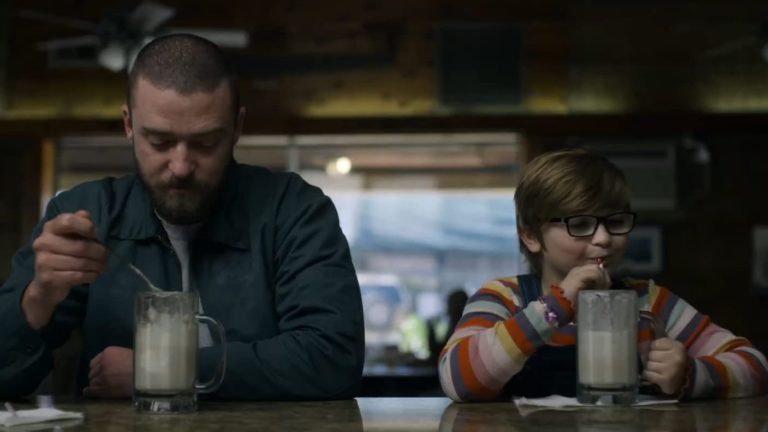
And yet, despite all of its narrative shortcomings, it’s difficult to avoid being charmed by Palmer. Many of the high points of the film come when we are alone with Palmer and Sam, as their bond grows to something special. Take a scene in a diner where Palmer treats Sam to his very first root beer float. As the two converse, we see Palmer begin to take on his own fatherly style while witnessing the two truly enjoying each other’s company. Though Palmer is pretty much the definition of hypermasculinity, he grows to love Sam without wishing to change him. Granted, even this aspect is problematic at times, especially a scene in which Palmer answers Sam’s question about what “queer” means by replying that it means “different,” and trying to relate it to its own experience.
Palmer is a film that you come to for the heartfelt relationship and the strong work from the two lead actors, rather than the way it tries to take on deeper themes. It comes off as one of those films that isn’t as progressive as it tries to be, but it does feature plenty of sweet moments that many viewers may find tear-jerking in nature. At the very least, this story of child custody keeps it pretty light on the legal scenes, which was a welcome change. I was able to enjoy the film throughout while still recognizing its flaws, so it’s not one to be fully dismissed.
Director: Rebecca Hall Writers: Rebecca Hall Stars: Tessa Thompson, Ruth Negga, André Holland, Alexander Skarsgård, Bill Camp
Synopsis: Two high school friends have an unexpected reunion. This renewed acquaintance ignites a mutual obsession that threatens both of their carefully constructed realities.
[/info]
Rebecca Hall has made the jump from actress to director and writer with the atmospheric and sober adaptation of Passing, originally written by American author Nella Larsen. As Hall has stated, this novel got her attention in her mid-twenties as she discovered her own family’s history of crossing the color line between races. This practice, known as “passing”, is at the center of her directorial debut, although the movie quickly evolves into a story of suspicion, equally fed by feelings of jealousy and fascination between the women of the story.
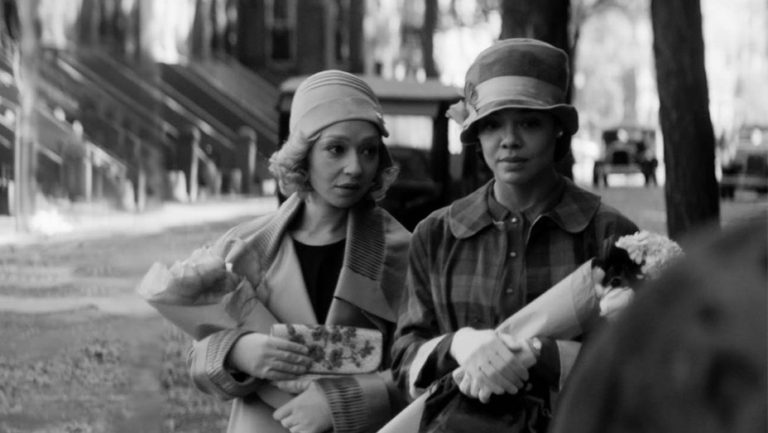
Passing focuses on Irene (Tessa Thompson) and Clare (Ruth Negga), two African American women that find each other again by chance in the New York City of the 1920s. Friends during their school years, they lost touch as they went to live vastly different lives. While Irene remained in Harlem and married a doctor of her own race, Clare started passing as a white woman, marrying a white and deeply racist man, and enjoying her new social status. Now that they see each other again, a new relationship blooms defined by restraint from Irene and a desperate need of connection from Clare.
Hall created a deeply sober and self-serious movie with her debut. Every frame and detail are carefully constructed to create images and sounds that are beautifully calculated. With a 4:3 aspect ratio and black and white cinematography, the movie has the feeling of an ancient film, something that would be easily seen in the era in which the movie is set on.
More than a vintage seal, though, these decisions help the story and the message. For example, the cinematography by Edu Grau allows us to focus more on the social judgments within the story instead of the possible conclusions that the modern observer can draw. At the same time, Grau’s lens seems to be in love with its subjects, often admiring Thompson’s and Negga’s faces, feet and hands with close-ups and luminous shots. Specifically, this private eye is the one that also creates a certain sensual feeling between the women.
The detail and the effort to create something visually stunning are undeniable. The costumes designed by Marci Rodgers are breathtaking, enhancing the beauty of both actresses and shaping the allure they produce amongst those that surround them. The production design by Nora Mendis becomes a vital element of the story. The house in which most of the action takes place becomes an important feature, sometimes exuding a chilly feeling of a gothic narration. The score by Devonté Hynes is subtle and elegant, with the piece “Homeless Wanderer” by Emahoy Tsegué-Maryam Guèbrou appearing constantly throughout the film.
In this respect, Hall plays with the tone of the movie. Sometimes it is sensual, other times it inspires terror and suspense, and some others it just idly admires the atmosphere and the actors. Although exquisite, sometimes the story is completely lost for the sake of visual appreciation.
While the topic of passing is the mechanism that starts the story, it is not the one that defines it. Rather, the women develop a complex and challenging bond that makes them question their own decisions. While Clare regrets the life she created as a “white” woman more on the basis of boredom and isolation than on the questioning of her identity, it is Irene who suffers the most.
As Clare spends more time with her and her family, it becomes evident that Irene knows little about life and race, always living in mental isolation. In consequence, the tension with her husband Brian (André Holland) becomes unbearable, who is deeply affected by the racist remarks that are directed towards him and their children on a growing basis. Maybe it is fateful timing, but this friction becomes more evident once Clare’s appearances become more frequent, affecting the relationship between the women. Nevertheless, Hall is not worried about giving us easy answers, instead focusing on Irene’s assumptions, easily read in Thompon’s gestures.
While the story may feel inconclusive at times, the acting is homogeneously satisfying, proving that the movie is perfectly cast. While the supporting cast is memorable and fascinating with the faces of Holland, Alexander Skarsgård as the troubling husband (once again), and Bill Camp, the film is completely immersed in Thompson and Negga. While Thompson is judgmental, stern, and in complete control of herself, Negga is fragile, charming, and superfluous. And yet, the glances shared between each other hide unknown secrets and feelings that are never shown on screen.
An ending that is deeply unexpected, but completely gratifying, makes Passing a remarkable directorial debut. With this feature, Hall proves to be an interesting eye not only behind the camera but also as a writer. Her sensibility and perfectionism can be seen in every layer of the movie, which, although imperfect, is completely captivating.
Synopsis: Based on a true story, “Hive” presents the story of Fahrije, whose husband has been missing since the war in Kosovo. In order to provide for her family, she gets a driver’s license and launches a small food business, but she is heavily judged by the traditional patriarchal village where she lives.
[/info]
Kosovo, 2005. Fahrije (Yllka Gashi) struggles to keep her family afloat. Her husband has been missing for seven years. Her father-in-law is in a wheelchair. Her honey business is going through a rough patch. Her choices are limited and the hope of her spouse coming home is fading. She lives in a limbo where she cannot do anything on her own without going against his memory, while she struggles for money.
This is what we encounter in Hive, the debut of Kosovar filmmaker Blerta Basholli, a film that equally explores the heavy burden of patriarchal traditions and the determination of a woman that goes against the system in order to survive. It is based on the true story of Fahrije, who dared to get a driving license in a country where it is frowned upon. In Kosovo, women do not have a social and economic life without their husband, and the moment she decided to drive around town and create her own company of home-made ajvar, she and her family become the pariahs of town, offending the memory of a possibly death partner.
Although the main storyline of the movie is the way that Fahrije finds the strength in herself to create something successful of her own, Basholli – who also wrote the script – is sensible enough to introduce the desolation of a country that continues to deal with the impact of an armed conflict.
The reality is that, in places like Kosovo, armed conflicts still shape the lives of everyone, even after years of peace. The war can be seen in the numerous forensic bags that arrive with bodies waiting to be identified; the blood-sample campaigns to facilitate the recognition of recovered bones; the annual marches led by the women of the town, demanding answers about their disappeared spouses and children; or the respect for men that are not there, and the heavy judgment of the women that must deal with the obstacles of survival. It has been seven years since the Velika and Mala Kruša massacre of the Kosovo War, and yet no one is able to move on.
Specifically, Fahrije goes through her grief in a quiet and impassive way. She never speaks, unless necessary. She finds private moments to smoke a cigar in an empty room, and continually visits the local river in company of her son and daughter, place that gives her vivid nightmares of finding her husband within its waters.
Yllka Gashi brings Fahrije to life in an impressive way, providing clues about her thoughts through her stern gaze, and going through a personality transformation once she becomes more resolute in her social life. The reality of Fahrije’s life is exhausting – she constantly confronts the harassment of the men of the community, including physical attacks and sexual advances – and Yllka Gashi is remarkable in all her character’s phases.
The path that Fahrije follows is challenging and dangerous. Almost everyone in her inner circle criticizes her significant steps of independence and self-determination. Nevertheless, this woman evolves into an example that influences her father-in-law and her daughter, who sees a new example in her life.
Still, the most satisfying change comes from the women in town. Fahrije and them soon develop a special bond. They understand each other’s struggles because all of them are going through the same process of grief and uncertainty. They share stories, concerns, and moments of bliss. Through this connection, the women confront the traditional society in which they live, forming a strong sisterhood while they work in the production of their home-made ajvar.
With Hive, Blerta Basholli offers a realistic and sensible portrait of the lives of women in such a traditional – and misogynistic – environment. The writer-director successfully presents a combo of misfortunes and achievements. Through the story of Fahrije, Basholli offers a story of success, a strong commentary on the status of women in patriarchal societies, and a striking reflection on the emotional and economic consequences of war.
Director: Fran Kranz Writers: Fran Kranz Stars: Jason Isaacs, Martha Plimpton, Ann Dowd
Synopsis: Aftermath of a violent tragedy that affects the lives of two couples in different ways.
[/info]
The situation of the characters in writer-director Fran Kranz’s debut Mass is unimaginably horrible. Some years after a high school mass shooting, two sets of parents whose children died that day meet in a private room of a church in an attempt to heal from their incredible grief. What makes it unimaginable is that while one of the couples are parents of a murdered child, the others are parents of the shooter. It would be horrific to be in the same room as these four people, and yet that’s how we spend the vast majority of Mass, intruding on an intimate and painful conversation. Just thinking about it is utter hell.
How do you approach such a story? You’d need a screenplay filled with authentic emotions, a directorial talent for capturing intense intimacy and knowing not to suppress the conflict that comes naturally. It’s a lot to ask of a first-time writer and director, but it’s admirable what Kranz manages to capture. Being stuck in a room charged with such anger, sadness, and trauma for the majority of the 110-minute runtime seems emotionally exhausting, so when it becomes clear that Kranz is capable of portraying how these tortured parents would feel, our main question isn’t will it feel real, but will it work dramatically?
In terms of characters, this doesn’t seem like a problem. Jay (Jason Isaacs) and Gail (Martha Plimpton), whose son Evan was a victim of the shooting, clearly find coming to this meeting incredibly difficult, and their discomfort is shown through their frequent talking over one another. They’re newcomers to this organized healing process, and you can tell they resent how relatively at peace the parents of the perpetrator, Richard (Reed Birney) and Linda (Ann Dowd), seem. There are layers to their conflict, as each parent has an anxiety-inducing transgression of overstepping the politeness they’ve all constructed to avoid acknowledging the pain. We get a sense of the grief that has, for years, defined how they speak and behave.
Everyone has their own agendas, which peel back through a slowly building first act where we’re initially unsure who belongs to what side and it’s unclear what they want from each other. As the crescendo builds, the facades start to fall away, thanks to the pitch perfect performances from everyone involved. Dowd always has a captivating presence, and Linda is matched well with Birney’s stern but obviously pained Richard. Plimpton and Isaacs, however, are the most compelling – we see them struggling to keep their burning rage and sadness in check because they haven’t quite figured out how to express it without blaming Richard and Linda outright. The first act is anxious to the extreme as potential distractions and interruptions from the church around them threaten to make an appearance to heighten the two couples’ discomfort.
But they never do appear. Once the second act begins, once the characters start to address what’s going unsaid between them, the film relaxes into a rhythm of conversation that lacks the tension needed to stay gripping. Talking is a crucial part of storytelling, and whole dramas are built around the power of conversation. Talking can be revealing, compelling, dynamic, and there are sections in the rest of the film where Kranz’s dialogue is all three. But Mass has too much of explaining backstories, recounting memories, and sharing information for the audience’s benefit rather than the characters, meaning the drama of the scene starts to ebb away. It’s much less engaging when our characters know how to express their pain rather than when they felt powerless at being inarticulate.
A film like this isn’t a bad thing. It takes great skill to pull off a story as intimate as this, and for a debut, Mass is undoubtedly impressive. We’re stuck in an ordinary room that no-one wants to be in and where the most awful feelings will be felt. A commitment to the uncinematic is commendable, and there’s enough genuine moments of intimacy and showcasing of authentic human suffering to appease an audience. But while it doesn’t have to be cinematic, it does have to be dramatic. Kranz partially understands this, he’s detailed the conversations with subtle changes in power, shifting who’s accusing and who’s defensive. As we roll towards the climax, however, the characters start explaining their emotional breakthroughs, and the beats in the story feel more labored and tired than they should be.
On some level, this seems like an unfair criticism. This is a film about talking, how it’s always powered by our own defenses and resentments, and how we use it to express the inexpressible. But if Kranz is so aware of this, why after the first act does the talking feel less and less powerful? The intimacy the camera provides, how you can read the exactness of what someone’s feeling up close, means that Mass lends itself to the cinematic medium, but you can’t help but feel it would make on stage. The immediacy, feeling the anxiety Jay and Gail have at being trapped in that unthinkable room, would have been felt tenfold if we were trapped in a room with them. There’s nothing wrong with telling this story on film, but there are alternative ways to make it work better which are worth exploring.
Mass is an experiment in real-time healing and not a failed one. It asks us, how are we supposed to heal? Is there a right or a wrong way? These are people upon whom terrible trauma and irreparable grief has been thrusted, and if they find some form of peace, it’s possible to be satisfied by the narrative trajectory of the film. Mass was always going to be engaging because of the story it’s telling, and natural, quiet filmmaking that deals with intense emotions should be celebrated. But the emotions, how they’re portrayed by the confident direction and stellar performances, aren’t the problem, the structure of realizing them is. If the road to the emotional catharsis feels forced or stale, it’s not going to feel as purifying. And these characters deserve to be unburdened in the most powerful way imaginable.
Director: Ben Wheatley Writers: Ben Wheatley Stars: Joel Fry, Ellora Torchia, Hayley Squires
Synopsis: As a deadly virus ravages the world, Dr. Martin Lowery and park scout Alma embark on a mission to reach test site ATU327A, a research hub deep in the Arboreal Forest. When they run into Zach, a man living off the grid, they discover that his intentions aren’t exactly as they seem.
[/info]
Contrary to many other people in the film community, I was positive about Ben Wheatley’s previous film, Rebecca. If there is something about Ben Wheatley, he has an eye for style and script-writing, being able to sense a strong plot. This is the same with In the Earth as this is another strong film from Wheatley.
Written and filmed during the pandemic in the UK, Wheatley makes a choice to have COVID-19 be a part of the film. This is not a pandemic film in any way, other than the ways that characters interact and how the virus impacts the research facility. It is a nice touch of reality within the film without ever being too distracting from the main premise. It also helped get production going, as this was one of the first films to shoot during the lockdown in the UK, meaning that it would be easier to keep social distancing rules and making sure all of the cast and crew were safe.
Ben Wheatley is a fantastic screenwriter, and this film proves how effectively he can escalate a situation. For how simple the concept is for this film, many filmmakers would have been drawn to this project as a 30-minute short. However, Wheatley is able to make this a 100+ minute thriller and still have it work, due to the layers within this story. Whilst I tend to dislike mentions of the supernatural in horror films like this, the way it was written in was so well done that I was invested in the lore.
The reason the horror is so well done in this film is down to the two leading performances from Joel Fry and Ellora Torchia. Both actors are given an incredible script to work with, but a challenging one. This is a horrifying story and their characters go through thick and thin, but it is always believable. Unlike some horror films, in which the characters are poorly written and get themselves in bad situations, the leading characters are actually quite smart. Every decision that they make in this film feels like a smart move as they are just being tortured more and more throughout this night.
It is important to note that this is a horror film that focuses on the gruesome shots and close-ups, rather than the psychological genre that has gained popularity recently. The visual effects are so well done, especially for a film that was made during the pandemic. It is a warning though that if you are uncomfortable watching a film that contains body mutilation, blood, and severe injuries, then this film is not for you. If you are like me and have a thrill with these types of horror films and admire the craft that goes into them, then this is the film for you.
As great as the script and performances are in this film, the editing style that Ben Wheatley uses can be extremely distracting. Capturing the essence of an early 2000s music video, there are moments that the film benefits from this stylistic choice. However, there are numerous uses of strobe lighting which I found to be distracting, as well as some overlays used that felt like a random drug trip within this dark field during a chase sequence. Whilst I appreciate that Wheatley had fun within these sequences to experiment, the editing didn’t always land and would sometimes take away from the story.
This is a movie that I would have loved to have seen in a large crowd. With Hollywood heading in the direction of the psychological horror, it is nice to see this gorefest from Wheatley and to just have fun with it. Even with some of the editing choices, it is easy to fall into the film’s incredible script and fantastic performances, leading us on this torturous journey. If you can handle the horror, this is an easy recommendation.
Director: Frida Kempff Writers: Emma Broström Stars: Cecilia Milocco, Albin Grenholm, Ville Virtanen
Synopsis: A coming of age psychological thriller that plays out the unsettling reality of a kid who holds his family captive in a hole in the ground.
[/info]
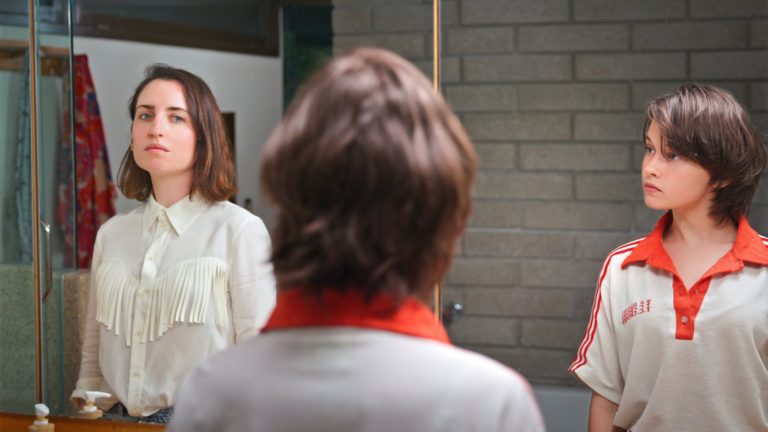
The thinness of walls is a thoroughly explored trope in horror cinema. The fear of urban living and the closeness of evil in cramped apartment buildings is probably most well-known from Rosemary’s Baby, a film that Swedish paranoia-drama Knocking owes a lot too. When Molly (Cecilia Milocco) is discharged from a psychiatric hospital, she moves into a claustrophobic apartment block, only to be plagued with a persistent knocking on her walls. The knocking leads to a voice crying for help, but as her neighbors and the authorities can’t find any evidence of anything wrong, Molly starts to panic that she’s losing what little grasp on reality she has left. Knocking is at its strongest when the narrative focuses on dramatizing her mental illness and showing how women are sidelined and belittled by louder voices, but it still lacks the edge needed to make it a memorable watch.
Director Frida Kempff teases out the source of Molly’s trauma in a series of flashbacks, first seen in an eerie shot looking down at a beach before sticking to close-ups of Molly that restrict our view of a terrible event, rooting us in her perspective as she realizes she should have been more aware and present. The intimacy the camera has with Molly rarely gives up throughout the film as she finds her place in the narrow corridors and cramped rooms of the apartment building. The more she starts reaching out to people, the more they start judging her, making us uncomfortable with her in this new environment.
Credit has to be given for the subtlety in writer Emma Broström’s script – the neighbors she’s surrounded by rarely feel overtly unpleasant or manipulative. A weaker screenplay would dial-up their hostility to excessive levels from the start, but instead, we see their patience being gradually tested by Molly’s increasingly erratic accusations and fears. Our allegiance is always with Molly though, we can empathize with her as she paces around looking for the source of the knock even as she intrudes on other her neighbors’ homes. Molly doesn’t see her invading their private lives as a problem, because she believes her privacy was invaded first by someone signaling for help.
What’s most fleshed out is the fragility of Molly’s mental condition. In another subtle move, Kempff and Broström choose not to explain Molly’s symptoms, instead, we pick up from her actions the obsessive nature of how she acts and behaves. This is brought to life by Milocco’s delicate performance, which also manages to capture a quiet sweetness to Molly that means we care about her as her mind starts to unravel. We get the feeling that Molly wishes she could have done something to help at the traumatic event at the beach, meaning she’s hyper-aware of the possibility that someone may be suffering while she’s doing nothing to help.
As the knock continues to bother Molly, her attempts to adapt back to normal life are complicated by her discomfort of those around her. Pushed to settle into her new home by a doctor over the phone, Molly sets out to purchase stereotypical signifiers of brightness and healthiness, namely fruit and flowers. When talking to staff, however, Molly encounters a series of micro-miscommunications that gradually dial up her stress and crowd the frame. These obstacles in finding tranquility in her new home are, like the incessant knocking, a reminder that avoiding her trauma is not going to be as easy as she hopes.
While all of these details are appreciated, Knocking overall suffers from not being very gripping. At 78 minutes, it still at times feels like it’s dragging, and its association with apartment-paranoia movies means its overall narrative design can feel a little predictable. We know that the film would flip between thinking the knocking is coming from a person and thinking it’s all in Molly’s head, and we can see each successive turning point coming as soon as the scene starts. As Molly spends considerable time trying to figure out if the knocking is morse code, believability starts to be strained – by now it’s a tired trope that does little to engage an audience, but more importantly someone beating out morse code is a far less thrilling concept than it just being the senseless pressing against the walls by someone letting you know they’re there.
Going into Knocking thinking it’s a horror or thriller means you’re bound to be disappointed, its focus on tiny details and expressing the interiority of its protagonist means that there are not many chills to be had besides a general state of unease. It’s important to not criticize it for being a different kind of movie than expected, but it still could have used higher stakes and more compelling turning points to keep its audience engaged in its pointed and streamlined character journey. Knocking should be rewarded for its portrayal of suppressed trauma and playing out its story on such a small scale, but it should be a more arresting watch for the themes at play.
Synopsis: On the last day on Earth, one woman goes on an internal and external journey through Los Angeles finding both herself and an end of the world party.
[/info]
Having worked together for 11 years, Zoe Lister-Jones and Daryl Wein have become regular voices in American independent cinema. Together they have created movies such as Breaking Upwards (2009), Lola Versus (2012), and Consumed (2015); while developing careers of their own (just last year, Lister-Jones released The Craft: Legacy, and Wein has been steadily working in television).
Now, not being deterred by COVID-19, but rather inspired by it, they took advantage of this peculiar time to write and direct How It Ends, their first collaboration as co-directors. The movie is about the end of the world, strategically filmed in the Los Angeles area during the isolation phase of the pandemic.
The result is a sweet movie in which the apocalyptic environment is evident beyond its plot, whether because of the eerie emptiness of the streets and highways, or the physical space and lack of physical contact amongst the characters. This film is one of the most satisfying portrayals of the end of the world presented in a moment where that feeling is unavoidable in our lives (a direct contrast to fellow Sundance selection The Pink Cloud).
How It Ends follows Liza (Zoe Lister-Jones) on the last day on Earth. A meteor is scheduled to hit the Earth sometime around midnight. Determined to spend her last hours alone, she is convinced by her younger self (a perfectly cast Cailee Spaeny) – who always follows her around – to instead “tick off her regrets one by one” and to go to an end-of-the-world party. The outcome is a quirky and sweet story about making peace with our personal monsters, including self-destructive thoughts and self-hatred, even in the face of extinction.
As the movie begins, it is evident why it would premiere at Sundance. With its optimistic and eccentric score by Ryan Miller, the discreet and unassuming style, and the evident use of personal possessions for the creation of the movie– including houses, cars, and wardrobe– How It Ends has the total essence of an independent production, even though the luxury is unavoidable when elements of the real life of the stars spill in front of the screen.
In this regard, the story written by Lister-Jones and Wein does not stray far away from the reality of their lives, making it possible for the two Lizas to wander around Los Angeles and even encounter some famous friends along their way. Just as the movie is about forgiveness and sincerity, it also reflects the nihilism of American culture – every character is focused on having a good time during the last hours on Earth – and the fact that L.A. is filled with stars.
Every single character that appears – even for just a couple of minutes – happens to be a Hollywood star. Their identification sometimes even threatens to distract us from the plot of the movie, which presents eccentric reasons for the appearance of the likes of Olivia Wilde, Helen Hunt, Lamorne Morris, Charlie Day, and Glenn Howerton. Some of these encounters work and some of them feel like gratuitous inclusions. Without surprise, the ones that are related to the emotional turmoil of Liza are the most satisfactory. Nevertheless, most of the jokes that bloom from these interactions succeed because of an awkward and dry sense of humor. For example, while silly, the conversation between Liza and Wilde’s character reflects the absurdity and ridiculousness of American society.
The relationship between Liza and her younger self is the source of success of the story and the reason why we care for the character (although a frustrated love story with Logan Marshall-Green is also appealing). A constant denigration of adult Liza towards teen Liza gives us a glimpse into the traumas and self-acceptance issues that afflict the character, something that is hurtful and unacceptable for young Liza, considering that her happiness and optimism is threatened by the cynical point of view of her future self. The attempts of young Liza to brighten the life of her future self are futile. How can you save yourself from your own destructive nature? How can you be kinder to yourself if a feeling of self-hatred is now part of your personality? The exploration of these questions creates a great juxtaposition to the apocalyptic nature of the setting. More than a movie about accepting faith, it is a story about learning to love yourself.
How It Ends is a discreet story that offers an uplifting point of view in the face of disaster. It shows that it is never too late to be kinder to yourself. Its scope and intentions are small, and some of the jokes are not always successful, but what it has to say about self-love is too loud to simply dismiss. Considering that the movie is defined by a sense of finality, it is quite uplifting that it aims to help us feel good about ourselves, even in the face of uncertainty.
Synopsis: Following the class of 2020 at Oakland High School in a year marked by seismic change, exploring the emotional world of teenagers coming of age against the backdrop of a rapidly changing world.
[/info]
The way this documentary is told can take a while to get used to. There is no narration, no single focal point, and no post interviews inserted in. Instead, this is a documentary that captures the lives of these students at Oakland High School in their senior year. Whilst it is clear that there would be struggles for these students to face as the class of 2020, it takes a while for the film to develop up to that point.
It was a struggle to get through the first half of this film. It felt directionless as if these students were simply filming their school year to look back on memories. It does make sense why it takes a while for this film to get going and for a narrative to form, as there was no way to predict what would happen and what issues would make an impact within this class. Whilst there are certain scenes that do stand out in the first half of the film, it was hard to connect with these students through the perspective that we get and a lack of narration or interview sequences to expand on their mindset.
It is nice to see that the students got to be so involved with the filmmaking itself, however, Not only are there inserts of social media posts that they recorded and uploaded, particularly on TikTok, but some of them are actually behind the camera. It feels like they were happy to take charge and to make their ideas heard, something that does come through in this documentary. It still feels like a professional documentary, but it is nice that the students got so much control over shaping the direction and what message they wanted to get across, considering many of them are also activists.
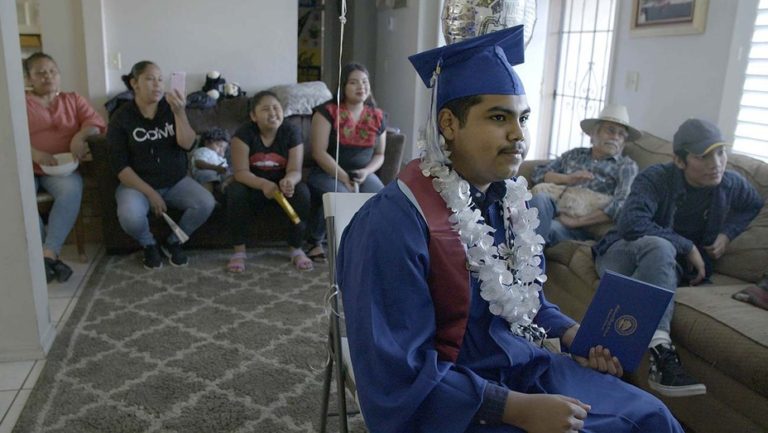
This documentary starts to get going in the second half, once they enter the year 2020. Whilst unplanned, COVID-19 ended up being a big part of this film. It is particularly interesting to see the students’ reaction to the virus, both when it first started and when it caused the school to shut down, forcing everyone to study online for the rest of the year. Watching the students graduate in their own home is a dark reminder of what impact COVID-19 had on students and how many adjustments they had to make to finish off their year.
When this film works is when the students are standing up for their beliefs, giving a sense of optimism for the next generation in the near future. In particular, there is an arc that runs through the film with the school council and the decision to have police in the school. Not only do these scenes show the students fighting for what they believe in and continually pushing for the school council to do the right thing, it gives the film conflict and something to try and resolve.
Students were arguing against the need for police in schools from the start of the documentary, and yet this film also presents the situations that occurred in 2020 with the Black Lives Matter and Defund the Police movements. Just like the COVID-19 aspect, this would not have been considered when starting to film this, but it ended up being a major part of this final half. The footage of the students going out on the streets, stepping up for what they believe in, and capturing it for this film is incredibly powerful and gives a strong message. It is incredibly impactful to see these students witness these events and decide to be a part of the crowd, making their voices heard for what they believe in.
Whilst I do wish the film could pick up the pace a bit and have some more focus at the start, it is hard not to be won over by the end of it. With numerous films out there questioning our trust in the next generation to lead us, it is refreshing to see a group of students who are willing to take charge and make good decisions. Whilst their year may have been heavily impacted by certain events, they should all be proud of where they ended up and the potential they all have going forward. There is reason to be optimistic about the future.
Director: Pascual Sisto Writers: Nicolás Giacobone Stars: Charlie Shotwell, Jennifer Ehle, Michael C. Hall, Taissa Farmiga
Synopsis: A coming of age psychological thriller that plays out the unsettling reality of a kid who holds his family captive in a hole in the ground.
[/info]
We all on some level resent having to depend on people. Especially as teenagers, as we start becoming who we really are, we hate how much of our lives is dictated by authority figures, and we can express this angst in deeply unhealthy ways. Spanish visual artist Pascual Sisto’s feature debut John and the Hole offers one solution to feeling out of place in the world – you could drug your family and trap them in a concrete bunker you found in the woods. It’s an uncomfortable, darkly comic fable that resists making its moral meaning too clear to the audience, but its themes – adolescent resistance of social burdens, curiosity about the world, and abusive parenting – are always explicit. John and the Hole may feel stylistically clinical, but it has a burning teenage heart, a fascination, and fear of things grown-up and dark, which makes it a captivating watch.
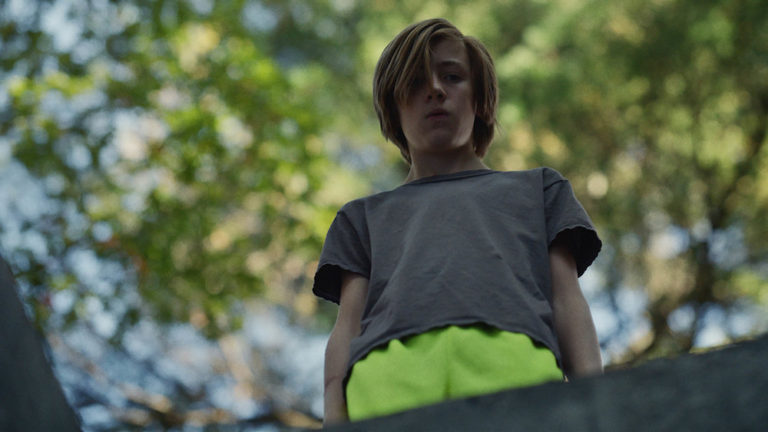
John (Charlie Shotwell) is a 13-year-old unimpressed by his wealthy family, their weak answers to his probing questions about the real world, and their efforts to win his affection with expensive toys. When playing with his new drone in the woods, Shotwell’s expression is as flat and impassive as it will be throughout the film. He’s much more interested in something all teenagers love – finding weird stuff in the woods. Soon, he’s dragging his family’s unconscious bodies through the house and wheeling them off to deposit them in his newfound pit.
We never see him mixing the sleeping pills into his family’s food or drink, just the aftereffects of them fighting to stay awake in their bedrooms. Sisto and screenwriter Nicolás Giacobone (the Oscar-winning co-writer of Birdman) favour abstract, economical storytelling over explaining every beat, we’re left to infer what John has done or will do. This works on a narrative level, but it also fits in with the characterization – there’s something inexplicable about John, we never get a proper insight into why he acts and behaves as he does. By restricting our access to his actions, Sisto is restricting our access to his psychology, the less we see, the more we speculate. What could be the matter with him?
Sisto makes sure John isn’t completely inscrutable, however. There’s plenty of visual moments that reveal the cruel choices he is making, making us wonder the extent of his disconnection with other people. While playing piano he pauses in silence to listen to the rain, debating whether or not he should provide shelter for his family in the open hole, before continuing to play. And in a shot that goes on for an intolerably long time, he holds his best friend underwater in a game of simulated drowning. Are these deliberate choices John is making or is he incapable of the empathy required to do any differently?
The way the camera frames all of these moments is instrumental in exploring how we’re to feel about John’s actions. Paul Özgür’s cinematography feels distanced from the characters, the framing is exact and severe with actions unfolding in locked-down wide shots, almost as if we’re taking a step back to size up what’s going on. It means that when John is celebrating his newfound freedom, eating whatever he wants and making a mess across his big, empty house, it doesn’t feel like a Home Alone-esque gleeful celebration of liberty. Rather, John’s life without social burdens doesn’t seem to be one he relishes in – it’s just a new type of existence.
As well as wide shots, Özgür uses selective and precise close-ups that limit our perspective. Sometimes the camera is pushed up to John’s face, watching his expression as authority figures like his teacher or tennis coach belittle him offscreen. Other times we hear an action or sound happening just out of shot, not immediately revealing the source of it. The effect of our gaze being decentred is a sense of unease, like John’s family we’re subject to his will without a stable, full understanding of what he’s doing.
It’s a lack of understanding that threatens to break apart his family stuck in the hole. His parents, Brad (Michael C. Hall) and Anna (Jennifer Ehle) talk to him with a variety of nicknames, “buddy”, “baby”, and “little man”, that only emphasize their lack of connection that has prompted John’s drastic punishment. Along with his older sister Laurie (Taissa Farmiga), we watch as they get progressively dehumanized and consumed by the hole, underlined by John not talking at all while standing over them. There is no more mom, or dad, or sister. There is just John and the hole.
In all their reflecting on why John put them in the hole, the family can’t come up with concrete answers. But the lack of closure we get over this pivotal story choice is in a way the point. If John’s motives are ambiguous, his family’s perception of him shifts to one of constant anxiety, they now see him as a frightening force capable of great cruelty. They can’t easily fix whatever caused John’s actions, they’re instead suddenly aware of what kind of a person he really is.
Ambiguity is crucial to Sisto’s story, almost to a fault. Audiences will likely be divided over the lack of clear-cut explanations and insertions of characters who seem unrelated, but in fact, bear strong thematic resemblance to John’s story. There are aspects where the film acknowledges itself as a story, and by self-reflexively signaling its metanarrative, Sisto wants you to engage with his film as a piece of fiction – asking us what it says thematically and what lessons the story is trying to teach us. But most importantly, John and the Hole argues that the drastic ways we try to teach lessons to people can sometimes be harmful. Sisto has made a film unwilling to explain itself, but delving into its beguiling narrative will undoubtedly be a rewarding experience.
Director: Prano Bailey-Bond Writers: Prano Bailey-Bond, Anthony Fletcher Stars: Niamh Algar, Nicholas Burns, Vincent Franklin, Sophia La Porta, Adrian Schiller
Synopsis: After viewing a strangely familiar video nasty, Enid, a film censor, sets out to solve the past mystery of her sister’s disappearance, embarking on a quest that dissolves the line between fiction and reality.
[/info]
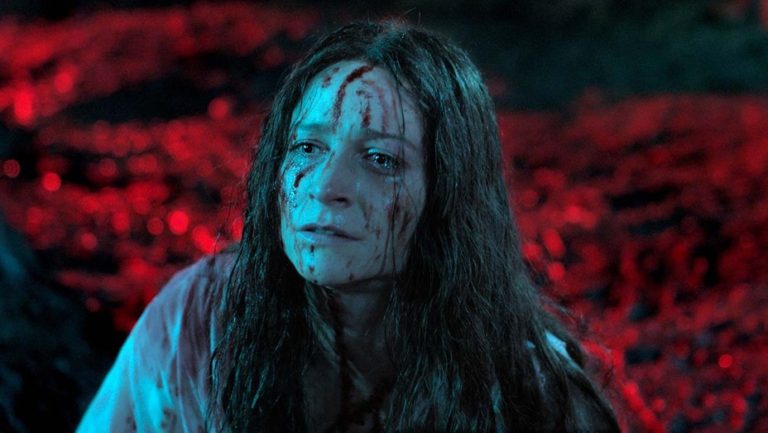
There’s still something really unsettling about VHS horror. The footage of gruesome violence is obviously ridiculous, pointedly operatic, and excessive, but the fact that it’s filmed so clumsily, with a grainy, low-fi resolution, makes the presence of the filmmakers more pronounced as they shakily push in on the scenes of bloodshed. The more you’re aware of someone behind the camera, the more you might think that this was a real scene of violent torture, which is an unpleasant, unshakeable thought. It suggests that a bunch of people got together, organized themselves, did something really horrible, but rather than covering their tracks and pretending it never happened, they capture it on film, preserving it for eternity, like they’re proud of the horror they committed.
It was a fear that permeated the consciousness of Britain in the 1980s in what was dubbed the ‘video nasties’. Due to a legal loophole, videos initially did not have to be reviewed by the country’s film classification board the BBFC before release. This meant that excessive and gory exploitation films started circulating without censorship, promptly conjuring a moral panic and extensive bans. In 1984, the Video Recordings Act was passed which imposed a strict review process for the direct-to-video horror, another step in the ongoing war to prevent the nation from being subjected to extreme nastiness.
Making her feature debut, director Prano Bailey-Bond turns her gaze to this era. Censor tells the story of Enid (Niamh Algar), a film censor who starts to fear that one film she’s assigned mirrors a traumatic memory of her sister’s disappearance as a child. Stolid and severe, Enid clearly sees herself as the moral protector of the nation, with no trust in them being able to consume shocking fiction safely. Her flat expression at work asks us a striking question about her character – she spends all day wondering how these horrific images will affect an audience, but exactly how has this desensitization to violence affected her?
But it’s not a question we ever get a well-explored answer to. In fact, the political ramifications of the ‘video nasties’ are never really investigated. The uptight ideals of the contemporary Conservative government, how they fumbled to exercise control over the twisted nature of these films, and the wave of “Think of the children!” panic that ensued is a brilliant context to explore a delusional descent into paranoia, but too often this context feels severed from the narrative of Enid unpacking her trauma.
There’s moments that show the reverse side to the restrictive values of the government, where we see the abusive elements at play in the production of exploitation films (with an uncomfortably lecherous producer played by Michael Smiley), and Bailey-Bond makes an effort to focus on the issues of gendered violence in these films. But setting and story could still be united in a more compelling way. One instance where they come together brilliantly is when Enid is harassed with threatening phone calls from enraged citizens over the films she let slip into public consumption, and the barrage of them pushes Enid that bit closer to madness. More story beats like this would help us be hooked by Enid’s mental journey.
While the ‘video nasties’ era feels at times like a backdrop to the story, it’s still an engaging one. It’s clear Bailey-Bond is fascinated with this time in British cinema and fills the film with tons of details to bring it to life. Some aren’t as effective, even drawing you out of the film (a newspaper headline reading “Crime on the rise, video nasties to blame” feels too on the nose), but usually, they delightfully encapsulate the ridiculousness of the censored films. A tagline for a monster exploitation film called “Beast Man” reads, “You’re probably going to die” is so devoid of subtlety or creativity that it’s commendable.
The horror films that prompt Enid’s fixative investigation have been created for the narrative, and while effort has obviously gone into replicating the style of cheap 80s trash, they definitely stand out from the real footage of ‘video nasties’. They lack the cobbled-together shabbiness, the corruption of both image and morals, that made the films creepy in the first place. But Bailey-Bond makes up for this by stylistically mimicking the flairs of low-budget horror in the narrative proper. Annika Summerson’s stunning cinematography shows severe dutch angles and a gorgeous array of bright colors ripped straight out of a Giallo movie, which contrasts well with the bleak, drab colors of 80s London. The dissolving of boundaries between fiction and reality is pivotal in understanding the confusion swirling around in Enid’s head.
But this mental deterioration, which is the main thrust of the film, ends up feeling a little lacking. It starts strong – the beginning of Enid’s panic is captured well with close-ups of her in already claustrophobic rooms. But as we progress, Bailey-Bond’s script, co-written with Anthony Fletcher, seems to skim over the details of the escalation, meaning the unspooling of Enid’s mind starts to feel a bit rushed and undramatic.
The final sequence is visually captivating and disturbing, but it just makes us wonder how much more effective it would be if the body of the story was fleshed out a bit more. While Bailey-Bond is clearly concerned with issues about the damage of unresolved trauma and how people can parasitically leech off this pain, the actual discussion of these issues is less fully realized. The narrative and characters are engaging, and the look of the film is spectacular, but Censor can’t help feel a little slight for the shocking content of its story. Still, the pervading fear of violence spreading from a TV screen, of fake pain being a real pain, will linger after the film finishes, even if it could have been a bit more impactful.
I will be watching and reviewing all of the films included on AFI’s 100 Years…100 Passions list. The list contains the 100 greatest love stories in American cinema and I plan to consider how our views on romance and social issues have changed over the years as well as judge whether the romances in these films actually made me swoon. As a fan of the romance genre, I expect to love each and every one of the nominees but I also don’t know if I would consider all of them romantic.
Of all the movies in the world, you wouldn’t think that Vincente Minnelli’s Gigi (1958) would be the one tearing me apart. I feel like it has slipped into obscurity after its Best Picture win in the late 1950s but as somebody who obsessively follows awards, I ended up seeing it and I felt so guilty for enjoying it so much. I thought I was going to hate it because I tend to be bored by glossy 1950s musicals which are overlong, poorly written, and full of forgettable songs. As I watched it, I could identify all of the problems that it had but I was oddly charmed by it, I hummed along to some of the music, admired the cinematography and the costuming, and never found myself yawning. Of course, I feel guilty about loving this film because it doesn’t have a great deal of substance and the message that it does have is disturbingly misogynistic and creepy. I am hoping to come to terms with my own complicated thoughts about this film through writing this column, but I may end up attacking AFI voters in the process.
The film concerns Gaston, Louis Jordan, a dissatisfied young playboy whose most recent lover has cheated on him. When she attempts suicide after he breaks up with her, he becomes more frustrated with his lifestyle. He finds relief with Gigi, Leslie Caron, a young woman who is learning how to become a courtesan from her great aunt Alicia, Isabel Jeans. Her grandmother Mamita, Hermione Gingold, has a past with Gaston’s uncle Honore Lachaille, Maurice Chevalier. Gaston finds it difficult to admit his feelings for Gigi and she is unwilling to simply be a courtesan. Eventually, he relents and they get married so she can ascend into a higher social class.
If you are going to enjoy Gigi then you have to disregard the plot, the characters and the themes. This sounds ridiculous and most people would argue that those three elements serve as the basis of all successful cinema but I feel like most musicals are fairly weak in these areas. Yes, there are exceptions as Singin’ in the Rain (1952) has plenty to say but for me, most entries in the genre do end up feeling a bit hollow and they rely on catchy tunes and eye catching visuals to make up for weak scripts that exist to stitch song and dance numbers together. Gigi fits into the latter camp but it is better than other musicals because it is under two hours long and it doesn’t feel pretentious, unlike a certain 1961 classic that I’ll be writing about someday.
The plot is horrific as it focuses on a vulnerable young girl who is being taking advantage of by everyone around her and we are meant to cheer when she enters into a marriage with an uncaring pedophile. She has been raised by women who have been used by men and they want to make money out of her. We see that she does have a ‘normal’ life outside of being groomed to serve as a courtesan and runs around with other girls her own age but when she comes home, she is expected to entertain older men who view her as a sex object. I don’t object to prostitution and I think it can be a profession in which people can earn money without being physically or emotionally abused but Gigi is just a child and it is unfair to push her into such a difficult position. It’s also gross that her relatives are basically serving as her pimps and they are forcing her to spend time with Gaston, rather than letting her consider her romantic options or bide her time before committing to somebody when she is an older, wiser woman. Gaston sees her as desirable because she is so youthful and inexperienced, he wants to recapture his own youth by being with her. I would be more comfortable with their relationship if she were presented as a mature young woman who had the same intellectual capacity as him and could handle taking on the same responsibilities as him, but from what we see and hear, she is too innocent and naïve to properly enter into a long-term relationship. This imbalance in their relationship could cause her a lot of emotional distress and I also worry that she will see sex as something that is transactional rather than being an expression of love. I feel like pedophilia was not acceptable in the 1950s and yet this film tries to make it seem cute by glossing over the darker implications of this story. We are meant to be happy when we see that Gigi has married the man who is using her for sex while seeing her as something that can be bought, but I couldn’t help but feel a little icky.
Those pesky plot details are the worst part of Gigi and some might gag at the fact that the sexual politics seem so retrograde. The script isn’t full of sparkling, witty dialogue, and exposition is frequently used to explain the emotions that people are feeling rather than letting the actors convey these feelings through facial expressions or gestures. The performances are also rather flat and unremarkable, with a few notable exceptions, and I’m not going to argue that Caron and Jourdan have the sort of chemistry that caused sparks to fly between them. It shouldn’t work for all of these reasons and yet it stuns you with how gorgeous it looks.
I would never claim to be a big fan of Minnelli’s work, I tend to dismiss his work as pretty but shallow and rather crude. I have no time for the cloying sweetness of Meet Me in St. Louis (1944) and he displayed a shocking lack of knowledge when it came to pacing a romantic comedy with his work on Designing Woman (1957). He seems more at home when he is working on musicals or epic melodramas that deal with the breakdowns of families and the impacts of World War II on the lives of ordinary family men. If I am honest I prefer the melodramas and I think that Some Came Running (1958) was his magnum opus. It features some of the best use of Cinemascope technology that I have ever seen and Minnelli finds ways to create discomfort in the audience without actively trying to jolt them out of their reverie. All of the characters in that film seem uncomfortable in their own skin and Minnelli knows how to draw the best out of his performers as Frank Sinatra was never better and a luminous young Shirley MacLaine proved that she could be plucky, charming and quietly devastating. For previously explained reasons, I like musicals less but Minnelli’s mastery over this genre in certain areas was obvious to me and seeing the work of a master can be thrilling.
I was overwhelmed by the richness of the colors in Gigi. Everybody talks about Technicolor and Eastmancolor and the way that they produced deeper, more defined colors. It is true that the primary colors we see in blockbusters today can look washed out and faded compared to the striking scarlets and lavenders that could be found in the work of Jack Cardiff. There was always the danger that cinematographers and art directors could go too far and all of this bright color could end up looking garish rather than being tasteful and classy. Gigi finds a way to look utterly ravishing as it is exists in a dream world where everybody is backlit with pinks or blues and everybody lives in an opulent apartment that happens to be entirely red. The interiors have all been expertly crafted to look like a non-European’s fantasy of what French glamor is like and some poor set dresser must have been working day and night to source some of the ornate lamps that appear in Mamita’s living room. At times I would tune out all of the dialogue and find myself obsessing over some painting that was hung up on the wall behind Caron’s head, then I would start furtively admiring the hinges on her magenta dresser before wondering why the teal plates on the bureau didn’t clash with the outrageous scarlet walls. These are all facile observations and there were times when I was mad at myself for enjoying a film for such silly reasons but I don’t necessarily think it’s bad to appreciate the work of the set dresser or the cinematographer.
Joseph Ruttenberg created a fictional version of 1890s Paris that I desperately wanted to visit. Everything looks fake to some degree but I wanted to believe in a world where there was a grand fountain lurking on every street corner and skies that would magically turn orange in just a few seconds. All of this doesn’t happen in the real world and I would never argue that Gigi was aiming for realism but it does convincingly render Paris as a place of exoticism and excitement. Most ‘outdoor’ scenes are obviously shot on sets but Minnelli loves to set up shots in which there is plenty of hustle and bustle and we see crowds full of people slowly breaking apart to reveal the true subject of the scene. Early on, we meet Gigi and she is one of a dozen girls in a hat and drop waist dresses. The girls bound around on screen and we are given a few seconds to pore over the way that their skirts flare outwards and Minnelli even flirts with going full Busby Berkeley by giving us a shot of their hats rotating around from above. Caron emerges from the pack and we get to marvel at the sharp curves of her jacket and the shiny leather of her boots. I just kept being drawn to the costumes and Minnelli seems to know that this is what the audience is truly interested in.
Cecil Beaton, E. Preston Ames, F. Keogh Gleason, and Henry Grace were all credited as costume designers and they all did terrific work. Even though so many different people had a hand in designing and picking out the outfits that would appear on screen, you wouldn’t know it, as everything feels very of a piece. I don’t know whether they were period accurate but I could tell you that the dresses seemed perfectly tailored to each performer and in many cases, these costumes convey details about the character to you. In some cases, the symbolism is a little obvious as Mamita, an older woman, wears fairly conservative dresses that cover up her entire body and allow her to appear as a pure, wise old woman rather than being a former prostitute. I do love the fact that she still wears accessories that give us a sense of her history as a maneater and a wild child. She’ll wear necklaces that she received from her lover back in the day and this will sharply contrast with the prim and proper smock that she sashays around in. She needs to cling to this piece of history and convince herself that she is still the desirable young flirt rather than being somebody who barely registers in the eyes of young men.
I also couldn’t overlook the fact that the titular character is given a new ensemble to sport in every scene. Caron was a stunner with her clear skin, sharply pronounced cheekbones, and turned-up nose but filmmakers didn’t always know how to light her or how to highlight her best features. I’m not saying that she doesn’t look very pretty in something like Lili (1953) but she looks like something out of Vogue whenever she turns to camera in Gigi and she gets the full diva treatment. Minnelli lovingly captures every inch of her doll-like features and you can practically hear him shrieking in excitement whenever she steps out in one of Beaton’s big showstoppers. She was particularly striking in the cream frock that she wears to dinner with Gaston. The dress is flowy and she moves freely in it, but it is also wonderfully urbane and it is hard not to get envious as you watch the fabric pool beneath her feet and wonder if it feels as soft as it looks. Oh, I’m getting worked up just thinking about the beauty of some of her dresses.
The appeal of the gowns is mostly aesthetic but aesthetic pleasures should count for something and Gigi provides this sort of entertainment in spades. I would also say that the score was surprisingly good and I found myself humming along to a few of the songs as I write this piece. The most famous song from the film, “Thank Heaven for Little Girls”, is fairly controversial as Chevalier, then 60, was singing about girls who were five or six or seven and speaking of them as romantic prospects. Lines like “Those little eyes, so helpless and appealing” do set you on edge but I found myself tapping my foot on the floor as I tried to keep up with the beat. It sounds jaunty and upbeat and Chevalier delivers the song with his typical flair. I know that he likely didn’t have a cartoonish accent in real life and his lips might not have curled every time he had to pronounce a vowel sound but it is terribly entertaining to watch him trying to cope with the horrors of the English language. He got to have a lot more fun when he was collaborating with Ernst Lubitsch and he could wink as he covertly referenced the sway of Miriam Hopkins’s hips or his desire to have an affair with Claudette Colbert. Gigi does not let him play a randy old playboy, it feels like he is being held back and he can’t let loose with his notorious Gallic charm.
The other songs are all pleasant and they manage to feel like they are thematically linked without all sounding exactly the same. There were times when I considered downloading the soundtrack and I do not say that often as I tend to be resistant to show tunes in which people sing their hearts out. Fans of dancing might be disappointed as Caron doesn’t get a chance to be a hoofer and is mostly reduced to waving her arms around as she sings about her prah-oor-it-eees. The song and dance numbers aren’t massive in scale and some will prefer An American in Paris (1951) because it is more of a traditional musical but I gravitated towards the minimal use of music in this film.
I have outed myself as somebody who sees this as a guilty pleasure but when I consider whether I would have placed it on this list, I don’t hesitate for a moment in saying that it isn’t a truly great film and it is not romantic at all. As previously stated I wasn’t that engaged in any of the human drama in this story, thought that Caron and Jourdan lacked chemistry, wasn’t that taken by the dialogue they were asked to deliver, and found the messages surrounding their courtship to be rather creepy. All of that stopped me from swooning in the final scenes when the two of them are allegedly involved in a happy marriage and whenever I think back to Gigi my mind doesn’t jump to the love story that ostensibly serves as the basis for the story. I can only guess that it was included on the list because Minnelli is seen as one of the greatest directors of all time and Gigi won a ridiculous amount of awards back in 1959. It set new records for amount of awards won at the 31st Academy Awards and I assume the lazy AFI voters skimmed through the list of Best Picture winners and seized upon Gigi as an easy choice. They didn’t read the plot description before they included it on their list and they probably breathed a sigh of relief when they realized that they could move on to more modern titles like Shakespeare in Love (1998). This is hardly as popular as other musicals on the list, such as The Sound of Music (1965), and ordinary people who do read about the plot of the film are horrified rather than being overawed by Minnelli’s towering reputation.
Next week I will be writing about Now Voyager (1942), it is noted as one of Bette Davis’s most successful weepies and it features one of her rare sympathetic performances. She received an Academy Award nomination for her performance and most people remember it because of her role in it rather than talking about the production as a whole. I have seen this one before and I almost fear watching it again because I don’t want to ruin my happy memories of seeing it for the first time. Is it more than just another glossy Davis vehicle?
We get it, 2020 was a bad year, and probably had us all looking exactly like the man in the photo above (okay, got that joke out of my system). We were tested in ways some of us never been before; physically, mentally, emotionally, spiritually, financially, and in-every-way-ally. But if we can take anything away from what we all endured, I would hope that they are traits of optimism, perseverance, and bravery, ready to take on 2021. Coincidentally, many films from 2020 featured stories about people being tested beyond their limits, whether it be in pursuit of the American Dream, confronting our own mortalities, or seeking freedom from injustice; in some cases, these people came out braver and stronger than ever before, and for those who didn’t, well, let’s just say some people deal with pain in their own ways. These films were all about human nature, and while you could arguably say that about films released in any year, surrounding circumstances made that all the more apparent in 2020. It may have led to a cinematic year that felt a little incomplete (with many films delayed until 2021), but if you knew where to look (documentaries and small indies especially), there was still a lot to celebrate artistically.
Episode 413 (Part 2) was our chance to celebrate that great cinematic art, and if you prefer to audibly immerse yourself into those shenanigans, I recommend it for some great and energetic banter among four optimistic film fans. But for something a little more singular and condensed, you’ll find my Top 10 favorite movies of 2020 below.
Chloe Zhao (director of The Rider) returns to the contemporary American west, but this time fuses her trademark docudrama approach with something a little more cinematic. The cinematic comes in the form of the ever-so recognizable Frances McDormand; she plays Fern, a nomadic spirit whose van is her source of transportation, as well as her home. It’s a life she chooses, due to tragic circumstances as a result of the Great Recession, and she’s not the only one; on her journey, Fern (the movie character) meets and interacts with real-life nomads who share their experiences, and it leads to some of the best moments of 2020. There’s Bob Wells, the vandweller and community organizer who tells a tale of his dead son, and then there’s Swankie, a woman nearing the end of her life who tells the most beautiful kayaking story you’ll ever hear. Nomadland sees Chloe Zhao slowly transitioning from docudrama to Hollywood; the final results are still somewhat jarring, but the moments in between are too humane to ignore. Click here to listen to our full review.
[divider]
9. The Invisible Man
The year’s biggest surprise is also the year’s biggest supporter of genre filmmaking. Leigh Whannell updates (or “upgrades”) both the classic H.G. Wells story and 1933 Universal Monster movie into a surprisingly profound and sophisticated sci-fi horror film, transcending any potential silliness it could have had. The original, directed by James Whale, may have been a classic monster movie, but Whannell’s film is a genuine monster movie, and a provocative and timely one at that, recognizing the monstrosity that is domestic abuse. It all works thanks to Whannell’s delicate handling of its subject matter, but it excels because of the Elisabeth Moss at the center of it all, who is equal parts manic and tragic in her efforts to overthrow her gaslighting threat. It’s always fun when you can make room for a genre film in your Top 10 (especially horror), and that deal was sealed when I revisited the film with my family, and just sat back and watched their reactions during the dreaded restaurant scene, a thing of shocking beauty. Click here to listen to our full review.
[divider]
8. The Forty-Year-Old Version
Whether it be film or music (I’m particular fond of Jazz and R&B), Radha Blank’s feature debut made me think about why I enjoy black art. It’s not that I’m not supposed to, but as a white male critic, Blank seems to be asking what draws white audiences to their voices; is it out of genuine interest and desire to understand their culture, or is it merely a reflex to save face? The Forty-Year-Old Version shows people on both sides, and it does so quite successfully; Blank’s portrayal of a woman (and version of herself) caught between sophisticated playwright and profane rapper is emblematic of that duality, and not just a simple case of black identity crisis. I often say that when it comes to movies that handle these types of social themes, I want to see something provocative and challenging, sometimes even showing us things we may not all agree with, and I got that here. I can’t even claim to understand all that Radha Blank has on her mind, and that little fact is what I like the most about the film. Plus, it’s just really funny and entertaining, and features killer hip hop hooks courtesy of Oswin Benjamin and RadhaMUSprime (best rap name ever).
[divider]
7. Wolfwalkers
The latest from Irish heavyweights Cartoon Saloon is exactly the type of animated film I look out for every year, in a time cluttered with computer animation. Tomm Moore and Ross Stewart have made an incredibly traditional animated film, employing a traditional hand-drawn style while also telling a more traditional story, one that shares quite a few commonalities with classics like Studio Ghibli’s Princess Mononoke. More importantly, in keeping with Cartoon Saloon’s quest for making stories steeped in heritage (whether it be their own or not), Wolfwalkers is a film ABOUT tradition, using Irish history and myth to tell a universal tale about a friendship formed through a child’s shared love for his/her parents. It’s mythological vibrancy and musicality at its finest, and may have you shouting Aurora’s “Running with the Wolves” for weeks. Click here to listen to our full review.
[divider]
6. Driveways
I tend to recoil at the notion of a certain movie being “what we need right now”, especially ones dealing with relevant social themes; but if there is any type of film I think we need more of, it’s one about simple human connection and generosity. This is where Andrew Ahn’s Driveways comes in, to remind us that there is beauty in the mundane (a new favorite subgenre of mine as I get older), and how that mundanity is more important than any grand conflict surrounding it. In fact, there’s almost no conflict in Driveways, and even when we expect Del and Cody’s friendship to hit some kind of snag, Ahn and writers Hannah Bos and Paul Thureen find some way to sidestep it. If there is any conflict, it comes at the end as Del (the late Brian Dennehy, in one of his very best performances) delivers a tear-inducing monologue about being unprepared of your own mortality, a lesson we all need to understand nowadays, including children. Driveways could have easily gone the route of Clint Eastwood’s Gran Torino or Pixar’s Up, and thankfully it never does.
[divider]
5. Lovers Rock
Speaking of movies that deliberately sidestep conflict, that is made most literal in Steve McQueen’s Lovers Rock, the second installment in his Small Axe anthology of five films. While its first installment Mangrove sets the stage for the racial troubles experienced by West Indian immigrants in Notting Hill, Lovers Rock is a depiction of what that community was fighting for – freedom. In this specific case, it’s being free to share your love for your culture, your voice, and your music, emblematic in the film’s title alone (‘lovers rock’ is a style of reggae music known for its more romantic sound and themes). As this blues party unfolds for a short hour, we see people celebrating in perfect unison and harmony (a performance of Janet Kay’s “Silly Games” is particularly jaw-dropping), and by making it as joyous as it is, McQueen shows that desire for togetherness as all-encompassing, regardless of race. McQueen should be commended for his work on all five of the Small Axe films (some are better than others, for sure), but Lovers Rock is the most inviting and beautifully crafted. Click here to listen to our full review.
[divider]
4. Sound of Metal
If I just spent two picks talking about movies that sidestep conflict, Darius Marder’s directorial debut instead sidesteps expectations. Sound of Metal takes advantage of our common misconceptions on disability and addiction and treats them with utmost respect and delicacy, adjectives not particularly found in heavy metal music. Marder depicts Ruben’s hearing loss as something to live with rather than overcome, it shows how his relationship with Lou may be more about codependency due to their respective addictions, and even goes as far as to suggest how Ruben’s love for music may be out of necessity (a way to remain clean) rather than something he genuinely enjoys. What the film gets so right is that it’s not about fixing your physical flaws, but fixing your interpretation of those flaws, and that realization from Ruben at the end is beautifully profound, in a sequence we’ll just dub the “You saved my life” scene. Riz Ahmed and Olivia Cooke are fantastic, but a huge shoutout to Paul Raci, who as a real-life interpreter of deaf parents turns Joe into an honest spokesperson for the deaf community. Click here to listen to our full review.
[divider]
3. Minari
Minari made me want to hug my family. In his most personal film yet, Lee Isaac Chung (who in real life grew up on a farm in Arkansas just like the Yi family in his film) looks at the quest for the American dream from the perspective of a Korean American family (a first, perhaps?) and how familial needs can get lost in favor of financial obligation. It’s a universal notion within a distinctly “American” story, regardless of where Jacob (Steven Yeun) and Monica (Yeri Han) were born, and the arrival of Monica’s mother Soonja (a lovely Youn Yuh-jung) presents a tug-of-war that breaks down cultural barriers. With young Alan Kim at the center of it all (essentially playing a stand-in for Lee Isaac Chung himself), Minari is arguably the most endearing film of the year, and we need more endearing things nowadays. It also made me realize that Mountain Dew is just healthy mountain water; I guess my mom was wrong on that one. Click here to listen to our full review.
[divider]
2. First Cow
Kelly Reichardt’s First Cow looks at the quest for the American Dream, but at a different point in history than Minari. And yet, much like that film, it remains more interested in the importance of companionship and togetherness. This has become a common staple for Reichardt, whose films are all about companionship seeking prosperity, but the friendship here between Otis/Cookie and King-Lu (John Magaro and Orion Lee respectively) may be her most endearing yet. Their journey is first and foremost a tale of brotherhood, leaving the film’s remaining notions on capitalism and gender roles of the 1800’s in clear view, just without a preachily heavy hand to swing them. If Minari made me want to hug my family, First Cow made me want to call up my closest male friends and bake oily cakes together, and if that recipe doesn’t catch on, it’ll be the second biggest tragedy of 2020. Click here to listen to our full review.
[divider]
1. Dick Johnson Is Dead
Richard Johnson is my new movie hero. Directed by the titular hero’s own daughter Kirsten Johnson (director of the GREAT Cameraperson), Dick Johnson Is Dead is about bravery and celebration as we confront notions of death and mortality, which we often find as too taboo to talk about. Dick Johnson, in his willingness to play along in creating mock deaths of himself as he slowly succumbs to dementia, completely invalidates those fears in us; death may be inevitable, but that doesn’t mean it must only be a time of mourning, it can also be a time to celebrate the life that was rather than the life that has been lost. Those who can do so come out braver and stronger, and what better time than 2020 to learn that lesson, after a pandemic came in and pushed our mortalities to the highest limits. Dick Johnson Is Dead is just as sad as it is uplifting and hopeful, but also weirdly funny and inventive, in the multiple ways Kirsten kills off her father; one involving a construction nail to the neck swung by a 2×4 had me in stitches. Documentaries are slowly becoming the most creative form of filmmaking, with Dick Johnson Is Dead being the year’s most prime example of where the medium can go. Click here to listen to our full review.
Rounding out my Top 20, here is the rest of my list:
11) Bloody Nose, Empty Pockets
12) Babyteeth
13) David Byrne’s American Utopia
14) I’m Thinking of Ending Things
15) Another Round
16) The Truffle Hunters
17) Shirley
18) The Painter and the Thief
19) She Dies Tomorrow
20) Zappa
Let us know what you think. Do you agree or disagree? We’d like to know why. Leave a comment in the comment section below or tweet us @InSessionFilm. Or follow me directly @BrendanJCassidy.
To hear us discuss our InSession Film Awards and our Top 10 Best Movies of 2020, subscribe to us on iTunes, Stitcher, Soundcloud or you can listen below.
When I saw The Player (1992), I was responding to the hype as much as I was responding to the film itself. Everybody had touted it as the one big budget satire about the Hollywood film industry that pulls no punches and serves as a scathing indictment of a system that crushes the creative spirit of talented individuals. I understand why it is almost impossible for any filmmaker to produce something that has been funded by a major studio, that turns around and attacks studios like the one that bankrolled the making of it. I really, really wanted The Player to be the exception to the rule but it didn’t show me anything new and most of its attacks either seemed cliché or fairly watered down. It strokes the egos of artists at several points but I kept wondering when Altman was going to find a new way to package old ideas. Hollywood has been pumping out films about the dark side of the film industry since the beginning of time. That is why you have to bring a spark of creativity to anything that is going to provoke an extreme reaction out of the supposed targets of your film.
It’s all about studio executive Griffin Mill, Tim Robbins, who spends his days rejecting pitches from screenwriters and watching on as their ideas become increasingly derivative of previous hits. He is disturbed by threats that have been sent to him and assumes that the person who has been sending them is struggling screenwriter David Kahane, Vincent D’Onofrio. He accepted one of Kahane’s pitches but failed to follow up with him on what he had been working on. Mill ends up murdering Kahane after the two men spend a night together and Kahane begins to excoriate Mill over the fact that he is becoming a has been and may lose his job because of a younger rival. He covers up his crime and makes it look like Kahane was killed as part of a botched robbery. He is sent another death threat and realizes that he killed the wrong man but puts on a brave face and gets away with his crime. He enters into a committed relationship with Kahane’s former girlfriend, June Gudmundsdottir, Greta Scacchi, and eventually impregnates her. He is also able to regain his standing at the film studio by sabotaging his rival and turns a seemingly uncommercial film called ‘Habeas Corpus’ into traditional Hollywood fare. His life is comfortable again and he accepts a pitch from the screenwriter who had threatened him which is eerily similar to his own experiences.
The critiques of 1990s Hollywood are all very familiar. Producers speak with reverence about classic films without having any real knowledge about that period, everybody wants to shoehorn the same stars into all films, screenwriters with genuine talent are literally killed by producers and daring ideas are flattened out into bland prestige pictures. The film industry is low hanging fruit when it comes to satire and it seemed too easy to poke fun at those who are obsessively focused on the bottom line.
Throughout the film we see posters for unconventional classics littered around the offices of the studio executives. We are meant to see Mill’s use of a poster of The Blue Angel (1930) as hypocritical and representative of the way that Hollywood has always been willing to chew up and spit out true artists. Josef von Sternberg directed the film and he was seen as a visionary auteur in a time when the studio system often asked for directors who would be happy to tow the line and go along with what producers asked of them. The Blue Angel was highly influential but von Sternberg’s films began losing money in the mid-1930s and he found it increasingly difficult to get work as time went on. Mill is seen dismissing Buck Henry, famous for writing The Graduate (1967), from his office. This is ironic because he doesn’t offer him the second chance that the similarly accomplished von Sternberg might have hoped for. This shows that Mill is pretending to be committed to subversive, challenging artists but really has no desire to help them out when their work does not directly benefit him in any way. That is the sort of supposedly edgy commentary that Altman makes and I couldn’t help but wait for something more biting to come my way.
Altman would have been more radical by attacking the Clifford Odets types who claim that they are in the industry purely because of their interest in producing art that helps to inspire people and target social issues while also happily taking money from the bloodsucking executives who were able to commercialize the serious melodramas that he wrote. Odets began his career as a playwright and wrote plays such as ‘Golden Boy’, in which a young man must choose between playing the violin, his true passion, and boxing, which earns him money. The dichotomy in that play was clear and many were bemused by the fact that Odets suggested that a violin player could help the poor and the downtrodden simply by playing some Max Bruch for them. This sort of high minded portentousness and belief that artists could change the world carried over into his work in Hollywood and his films became successful because they received awards nominations from the Academy. That organization is made up of industry insiders and they probably enjoyed being told just how noble and selfless they were for producing art which stopped children from starving in the streets in some roundabout way. Odets probably wouldn’t have been willing to admit that his films were mostly seen by Hollywood types who wanted to appear to be intellectuals by viewing relentlessly self serious films about so-called serious issues. It would have been nice if The Player had cut the 1990s versions of Odets down to size.
Kahane is seen as an idealistic screenwriter who has not yet been corrupted by Hollywood when Mill meets up with him. It is hard to see why we should feel so sorry for Kahane when he has chosen to go into an industry that is based on Capitalism and, just like everybody else, he wants a piece of the pie. If it were really all about the art for screenwriters, they would all be making low budget John Cassavetes style features while occasionally working on a mainstream thriller that would help them earn the money to finance their own projects. Of course, they want it all, artistic freedom, high budgets, a salary that would allow them to throw the sort of parties that slimy producers regularly hold and acclaim from the critics. Any compromise is the end of the world and we should feel terrible for the writer who gets paid thousands to produce something that should be easy to pump out.
I say all of this as somebody who has regularly complained about how formulaic and dull modern Hollywood productions can be. I do want to see more support for artists who want to produce original content and I wish that there was a way for their work to reach a wider audience. All of this doesn’t change the fact that satires about the film industry shouldn’t be a pity party for the Altmans of the world. The narrative of screenwriters and directors being oppressed has been well and truly accepted by the masses and I can’t remember a time when I heard a person speaking about a bigwig producer with admiration in their voice. I don’t think that anybody thinks of Scott Rudin as the modern answer to Irving G. Thalberg and Thalberg himself probably wasn’t the saint that people make him out to be. Altman wasn’t saying anything in this film that those producers wouldn’t have heard before. In fact, they could probably laugh along as some flunky rambled on about Touch of Evil (1958) before comparing it to modern films that are not deserving of comparisons to that classic.
One critic compared watching this film to watching the Academy Awards and I think that they are similar in many ways. Appearing at awards shows and having family friendly comedians like Steve Martin poke fun at them makes them look self aware and humble. Martin will lob some weak joke at a figure like Robert Redford and we’ll see him laughing in the crowd. There is a creepy politeness to the jokes that have to be delivered at these shows and nobody ever cuts too close to the bone when it comes to the issues with the industry. Altman similarly allows movie stars to pretend that they are in on the joke by appearing in this film and all of his commentary must have seemed dated enough in 1992 for it to seem inoffensive to the right people. The hack screenwriters of the world probably nodded along as Altman highlighted the plight of the suffering artists who populate Hollywood and noted that they deserved better without explaining why they were really victims in this system.
I think that The Player fails when it comes to achieving its main objective, pillorying the industry, and that does end up counting for a lot. Altman was a filmmaker capable of making incisive satires but this is just not on the level of Nashville (1975). He seemed to be so much more comfortable in the world of country music and he dished out criticism to unexpected types of people in that film, rather than taking potshots at easy targets. The Player features some fancy camerawork, including the famous 7 minute, 47 second unbroken shot at the beginning of the film, but often it feels like Altman and Jean Lépine are just showing off. For fans of early 1990s cinema, this will provide them with an opportunity to see the major celebrities of the day and, for some, that might be reason enough to see it. This does not represent him at his best.
2020 as a whole was massively disappointing and, in my opinion, the film year as a whole wasn’t far off. Here are the 10 films from 2020 I think were worth putting in a top ten.
10. Class Action Park
HBO truly failed in the aspect of telling a story about a dangerous water park because despite the awful business dealings of the “Trump of Water Park owners” and the awful deaths that still happened there, as a stupid 28 year old man all this documentary made me want to do was go on ALL of the rides. While serious, this documentary definitely is fun and therefore takes my tenth spot.
9. The Godfather Coda: The Death of Michael Corleone
Yes, the original cut of this movie came out in 1990 this is something brand new that is superior to the original and after all this is MY list and NOT YOURS, so I make the rules. I’ve never had major issues with the third entry in the Godfather trilogy like others, but I do find this new cut to be a smoother sail in the telling of the story that actually allows it to be its own entity. It’s damn good.
8. Antebellum
This movie got absolutely destroyed when it was first released this year and I don’t understand why. Its story is frightening, the acting is amazing, and it’s a dark reality of a stain on our history as a country. The twist in the movie truly caused a jaw drop moment for me and Gabourey Sidibe should be in the Supporting Actress conversation this year because she is PHENOMENAL here.
7. Soul
Soul feels fresh from Pixar. Not only is it a genuinely feel-good movie, it has some of the best voice acting I’ve heard in an animated movie since Paranorman. Nothing in this story or telling follows a set of animated film rules and it’s engaging and heartbreaking even to a sap like myself. Tina Fey is the obvious standout here acting wise.
6. The King of Staten Island
Judd Apatow hasn’t had a truly stand out comedy in quite some time. Not since Trainwreck have I truly enjoyed a film by him in almost every aspect. This is one that not only is original in every form possible but takes the most unlikely of actors (Pete Davidson) and fleshes out not only full characters, but performances. This should be in Oscar conversations for Actor (Davidson), Supporting Actress (Pamela Adlon), Supporting Actor (Bill Burr), and Original Screenplay.
5. Borat: Subsequent MovieFilm
Who would have ever thought that resurrecting a character after 14 years could work so effectively and in the best of ways? The Trump administration did one thing right and that was provide the platform for this plot and film. Plus MARIA BAKALOVA, MARIA BAKALOVA, MARIA BAKALOVA! What a comedic tour de force that deserves to win BEST ACTRESS at this year’s Academy Awards.
4. The Hunt
What an absolute blast of a movie. It’s fun, it’s bloody, it’s hilarious, it’s action packed, and it’s a perfect comedic commentary on the ridiculousness of both political sides of the aisle. Justice for Betty Gilpin and Hilary Swank who should be in the Oscar talk this year for Actress & Supporting Actress nominations.
3. Da 5 Bloods
Spike Lee has done it again, and this time he takes the story of former friends and Vietnam vets who return to hash out old problems, find new ones, and honor a fallen comrade. This film also boasts one of the best ass-clenching moments I’ve ever experienced as a movie goer, E.V.E.R. When it comes to the Oscars, it deserves Best Picture, Director, Actor (Lindo), Screenplay, Cinematography, and Editing nominations.
2. All In: A Fight for Democracy
I’m a HUGE political junkie and I’m really interested in all aspects of our system, both good and bad. Knowledge is power and what is more powerful this year documentary wise than the Stacey Abrams led story about how the United States s\South isn’t “red” it’s simply voter suppressed. Easily my personal winner for Best Documentary of the year.
1. Nomadland
Not since Beasts of the Southern Wild and The Tree of Life have I truly felt the impact of not only filmmaking, but a film. My only 10/10 this year, Nomadland is a storytelling experience but also a feast for the senses. A relatable story where you can find yourself in in some aspect whether it’s a character, or a long take visual shot, or the simplicity of an edit. There’s something magical here that deserves not only instant Criterion certification, but I can guarantee that will be used in teachings of film schools for years to come. Oscars Nominations should include- Picture, Director, Actress, Cinematography, Screenplay, Editing, and Sound.