Home Blog Page 163

Chasing the Gold: 2022 SAG Nominations – Episode 43

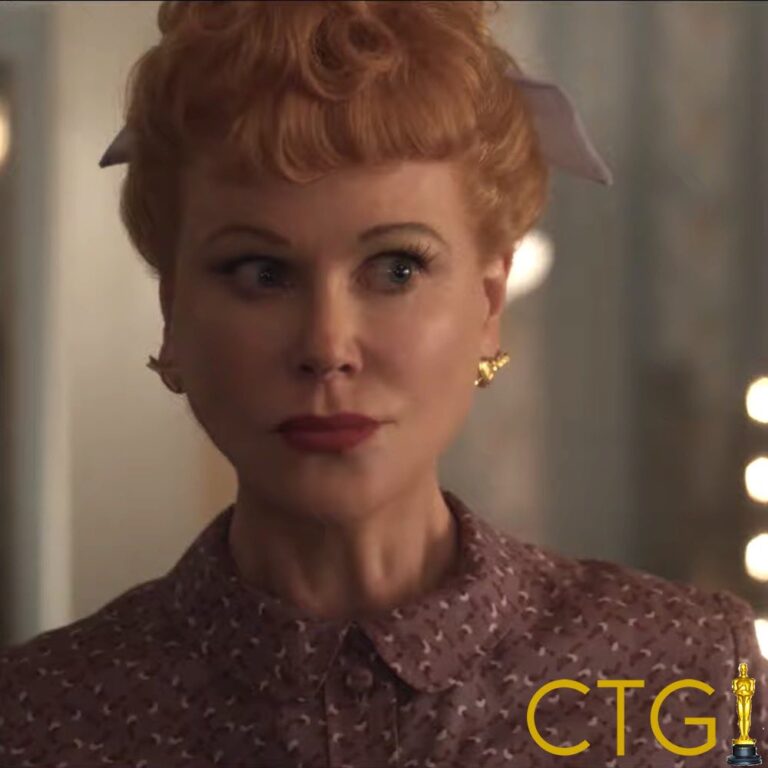
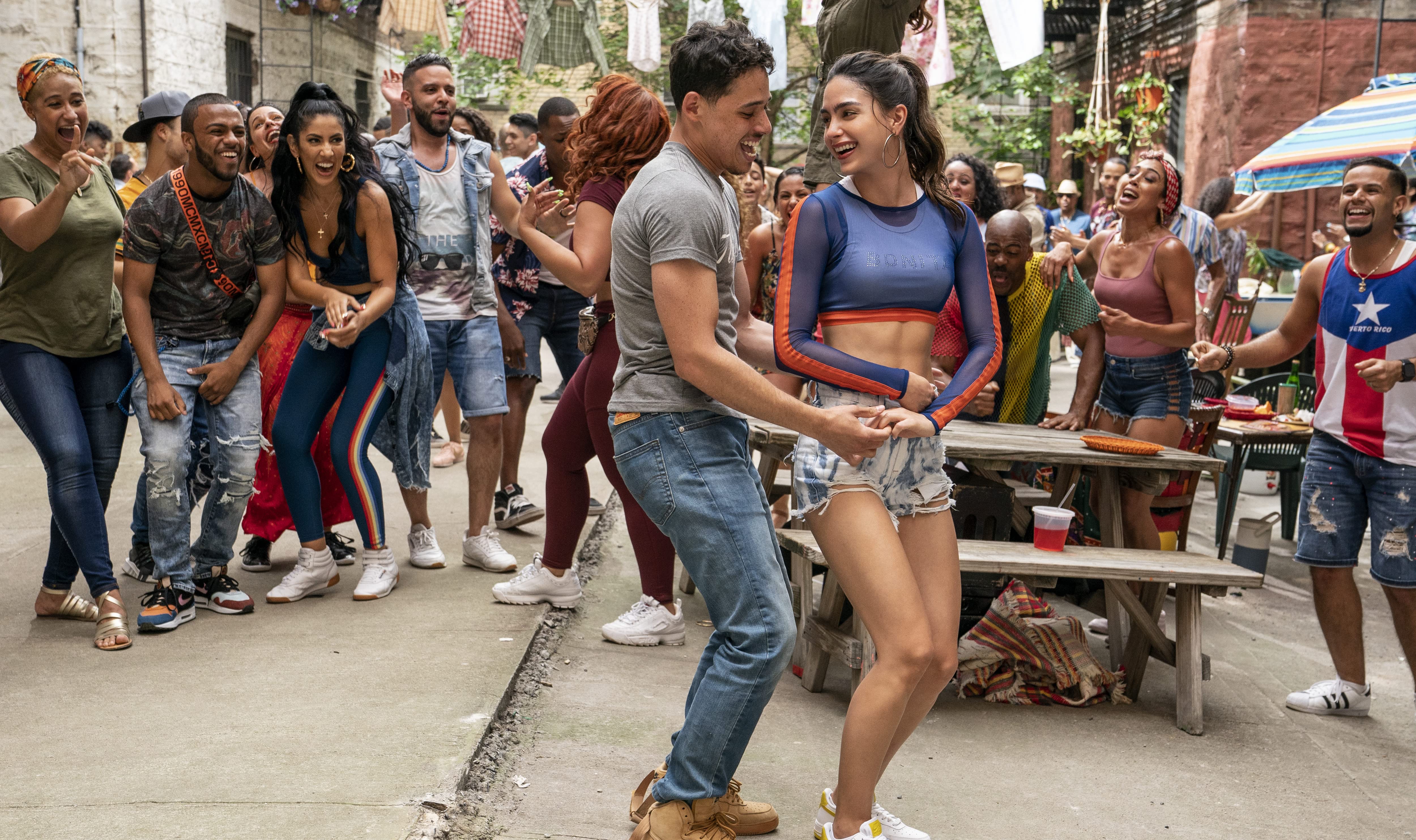
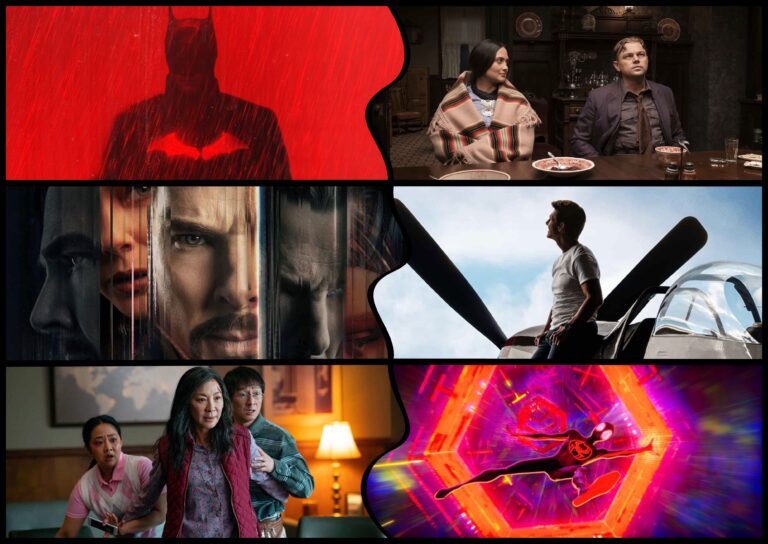
On Episode 43 of Chasing the Gold, Ryan is joined by Nathaniel Rodgers and Tom O’ Brien to break down the 2022 SAG nominations.

The industry awards are coming and the biggest shoe has dropped with the Screen Actors Guild nominations dropping, and boy were they something. Listen to Ryan and his guest break every category down and what they mean for the Oscar race.

On that note, have fun with this week’s episode, and let us know what you think in the comment section below. Thanks for listening!

– Music
The Return of the Eagle – Atli Örvarsson

We try to make this the best movie podcast we possibly can and we hope you enjoy them. Subscribe today on iTunes, Spotify, or Stitcher, and please leave us a review on iTunes. You can also find us on Soundcloud, PlayerFM, and TuneIn Radio as well. We really appreciate all your support of the InSession Film Podcast.

Subscribe to our Podcasts RSS
Subscribe to our Podcasts on iTunes
Listen on Spotify
Listen on Stitcher
Chasing the Gold: 2022 SAG Nominations – Episode 43

[divider]

Mobile App

To hear this Extra Film episode and everything else we do, download our apps on the Amazon Market for Android and the Podcast Box app on IOS devices. The mobile app covers all of our main shows, bonus podcast’s and everything else relating to the InSession Film Podcast. Thanks for your wonderful support and listening to our show. It means the world to us!

[divider]

Help Support The InSession Film Podcast

If you want to help support us, we would greatly appreciate it! For more info, CLICK HERE.

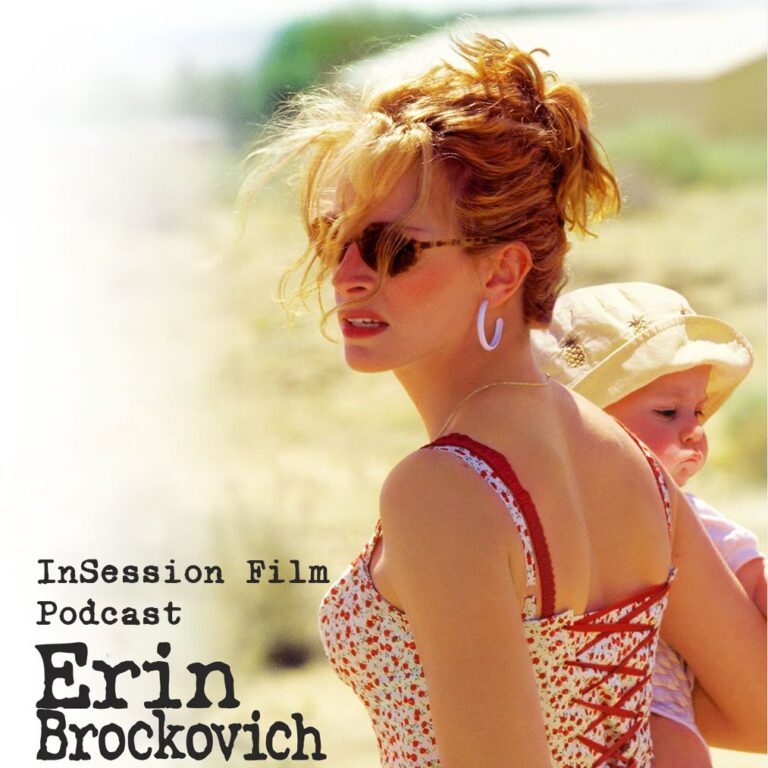
Podcast: Erin Brockovich / A Hero – Extra Film

This week on Extra Film, Ryan and Jay are joined by Dan Bayer from Next Best Picture to continue their Steven Soderbergh Movie Series with Erin Brockovich, and then they discuss A Hero!

As the series takes another turn in Soderbergh’s career, so does the mainstream appeal for the director, as 2000 becomes the year of Soderbergh, with both of his films nominated for Best Picture and two nominations alongside them for Best Director. In this legal thriller, he gets a career-defining performance from Julia Roberts, as well as amazing work from the legendary, Albert Finney. The boys and Dan really loved this one and it was a fascinating conversation.

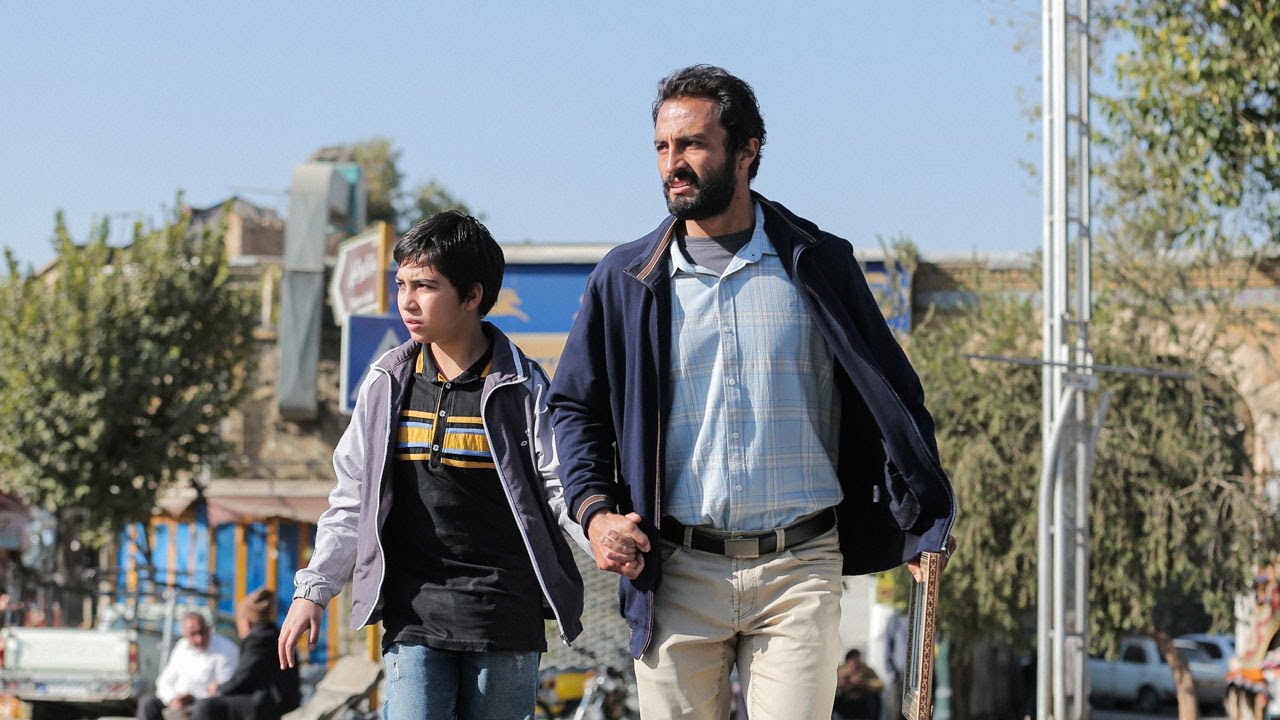
In the back half of the episode, the boys dive back into A Hero, the latest film from Iranian director Asghar Farhadi. Spoiled on the end of the year show as one of their favorite films of the year, the boys dive deep into what makes this tense movie one of the best of 2021.

Thanks for listening!

– Movie Review: Erin Brockovich (4:27)
Director: Steven Soderbergh
Screenplay: Susannah Grant
Stars: Julia Roberts, Albert Finney, Aaron Eckhart

– Movie Review: A Hero (1:17:49)
Director: Asghar Farhadi
Screenplay: Asghar Farhadi
Stars: Amir Jadidi; Sahar Goldoost; Mohsen Tanabandeh; Fereshteh Sadr Orafaie

– Music

On The Plume – Thomas Newman
Be RaghsA – Mohsen Chavoshi
The Return of the Eagle – Atli Örvarsson

We try to make this the best movie podcast we possibly can and we hope you enjoy them. Subscribe today on iTunes, Spotify, or Stitcher, and please leave us a review on iTunes. You can also find us on Soundcloud, PlayerFM, and TuneIn Radio as well. We really appreciate all your support of the InSession Film Podcast.

Subscribe to our Podcasts RSS
Subscribe to our Podcasts on iTunes
Listen on Spotify
Listen on Stitcher
Erin Brockovich / A Hero – Extra Film

[divider]

To hear this Extra Film episode and everything else we do, download our apps on the Amazon Market for Android and the Podcast Source app on IOS devices. The mobile app covers all of our main shows, bonus podcasts and everything else relating to the InSession Film Podcast. Thanks for your wonderful support and for listening to our show. It means the world to us.

Op-Ed: Is the Age Gap in ‘Licorice Pizza’ Okay?

With every awards season comes a plethora of films that can make a large impact on the audiences that see it, and we always hope it’ll be a positive one. There’s nothing better than going to a theater, or sitting down on your couch, and discovering a new movie that you find yourself falling in love with. Whether it’s because you connect with the characters, the story, or the overall themes of the movie, some can really make a deep emotional impact. However, there’s the rare occasion of finding a film that creates that same deep emotional impact in the wrong way, and for me, Licorice Pizza was that film of this year.

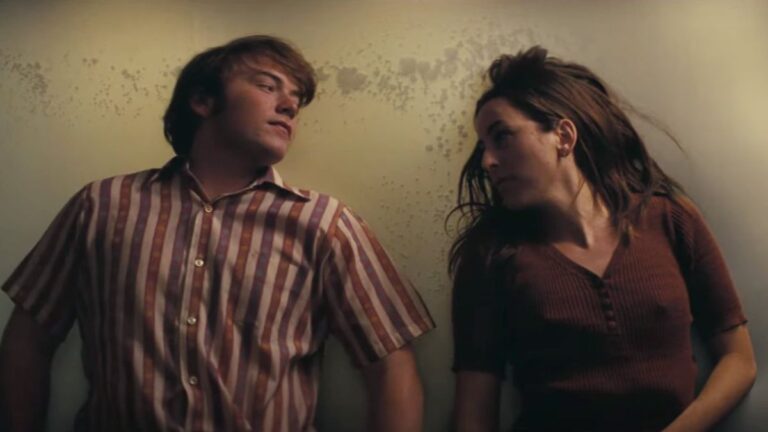
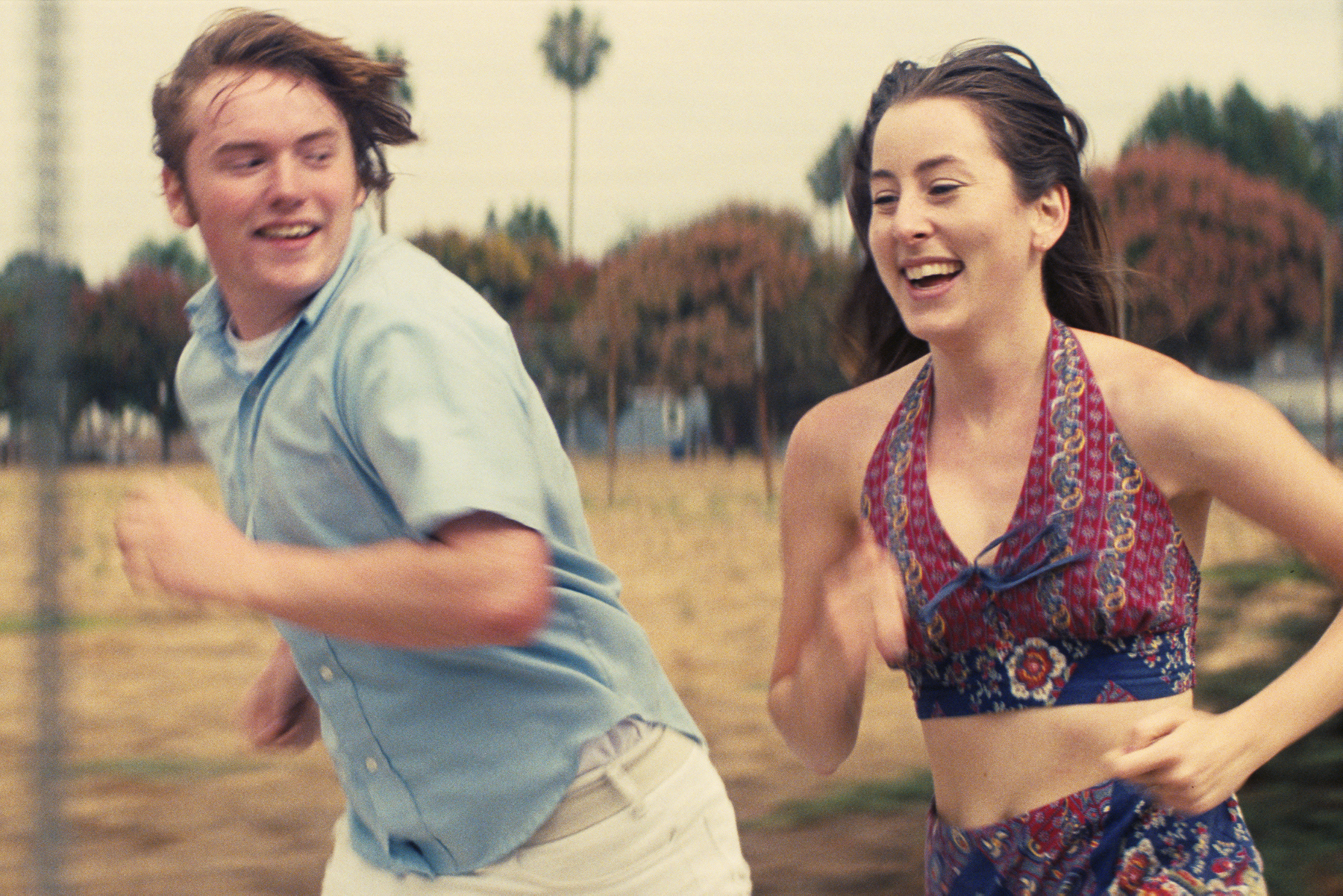
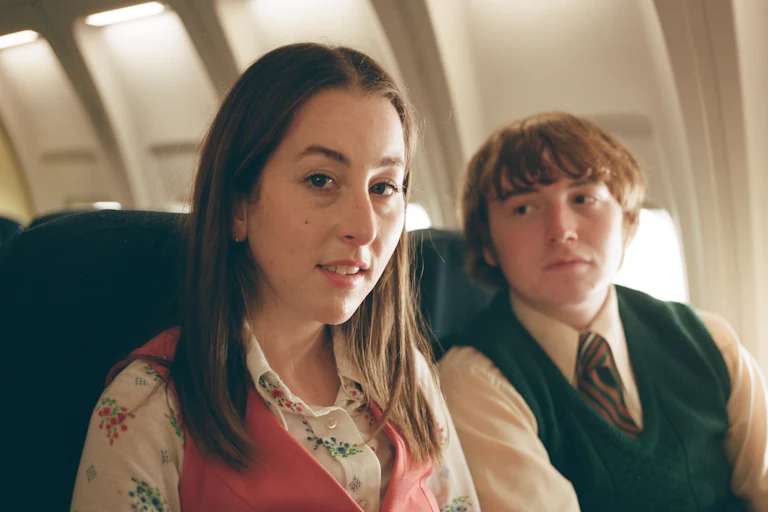
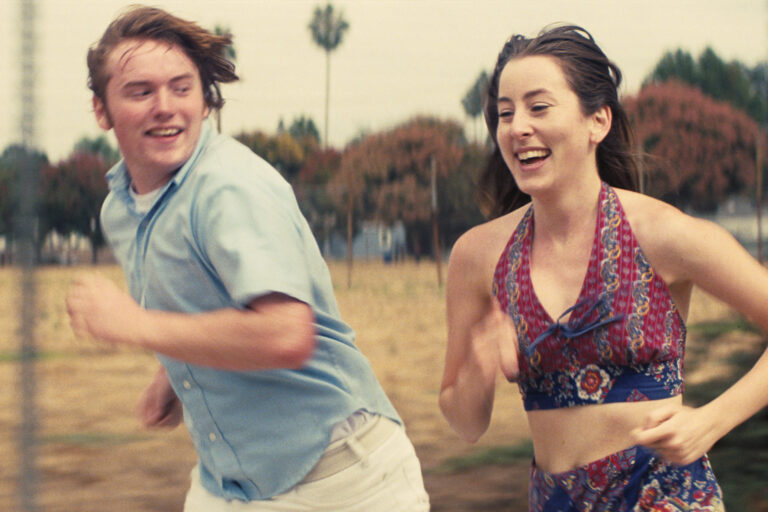
Directed by acclaimed filmmaker Paul Thomas Anderson, Licorice Pizza was a highly anticipated film of 2021, but some controversy started swirling when it was revealed the plot centered on the mid-20’s character Alana Kane, and the 15-year-old Gary Valentine “growing up, running around, and going through the treacherous navigation of first love in the San Fernando Valley, 1973” as IMDb describes. There have been questions thrown around across the internet and different publishing platforms over whether the romance storyline between the adult Alana and the teenage Gary is acceptable. After viewing the film, I’m on the side that whether intentionally or not, the romance between the two begins to fall into the predatory and potentially abusive territory.

The National Society for the Prevention of Child Cruelty (NSPCC) defines the term “grooming” as when someone builds a relationship, trust, and emotional connection with a child or young person so they can manipulate, exploit and abuse them. (1) Whether the perpetrator is doing so intentionally or not, grooming is a common behavior used by adults to prey on minors (anyone under 18). Often it’s used as a tactic to make the minor feel as if they’re choosing to engage in the sexual and/or romantic behavior with the adult, therefore putting them somewhat at fault. However, it’s important to remember that even if the child chooses to engage in any kind of romantic or sexual acts, it’s the adult’s responsibility to put a stop to it, and know where to draw a boundary.

Licorice Pizza opens with the ambiguously aged Alana (somewhere between 25 and 28) working at a school during picture day. The 15-year-old Gary is infatuated with her, and immediately starts flirting with her. At many instances during the conversation, Alana points out the inappropriate age difference between them, while neither rejecting or accepting Gary’s advances. She acknowledges that there’s a power dynamic between the two, and as the adult, she holds the control over him, the minor who is blatantly expressing interest in her. Later in the film, she even admits to knowing about this dynamic, and still chooses to participate in it. “Do you think it’s weird I hang out with Gary and his 15-year-old friends?” she asks her sister in a clip that’s used in the trailer. “I think it’s weird that I hang out with Gary and his 15-year-old friends,” she eventually finishes. She’s aware of the dynamic, and yet, she still chooses to exploit it.

Alana further exploits this power dynamic when Gary asks her to be his guardian on a work trip (he’s a child actor) to New York. While there, she meets another child actor, Lance, and begins a relationship with him, again, despite their inappropriate age difference. Initially, she responds to Lance’s advancements as a way to make Gary jealous, establishing further control and power over him. After starting the film with this relationship, and continuing to see the relationship between Alana and Gary develop, it’s clear that Alana is a repeat offender, intentionally dating boys significantly younger than her in order to form some control over them. We’ve seen this many times in recent years with celebrities such as James Charles and his victims, or Drake and Millie Bobby Brown. While it’s universally accepted that these relationships between older men and their victims are unacceptable, it’s been viewed much differently in this film with the relationship between an older woman and a younger boy. It begs the question, why is it unacceptable when it’s in reality with older men, but it’s praised in fiction with an older woman? Shouldn’t they be viewed as the same? What if the genders were reversed in the film, would it be viewed differently?

Throughout the film, Alana consistently engages in behaviors that are possessive over Gary, and intentionally manipulative and controlling, along with showing extreme jealousy when she perceives that Gary is perhaps taking some of the control in the relationship away from her. Many critics have lauded this form of storytelling as two individuals who are both flawed and ultimately find love with each other. While I love this idea of storytelling and I think it can have a powerful narrative, it’s important to remember that the very definition of the relationship between the two can inherently not be a “give and take”. One is an adult, and one is a minor. It is an adult’s responsibility to establish and maintain a firm boundary. While Alana is an equally flawed individual as Gary is, she’s still an adult, and her behavior is not only unacceptable but abusive towards the developing and significantly younger Gary.

Does this mean that any relationship with a significant age difference is automatically abusive and controlling? Of course not. It’s important to remember where people are at in their lives when they meet each other and begin to pursue each other romantically. The film tries to set these two up as equal, both are finding their own path and unsure of themselves. However, a teenage boy should not be expected to be nearly as emotionally mature as a mid 20’s woman. The idea that Alana is as emotionally immature as Gary does not make it ok for her to engage in a romantic relationship with him.

All of this isn’t to say I don’t believe films shouldn’t have flawed characters. One of the most interesting traits about the character Alana is why she’s so emotionally immature, and what causes her to behave the way she does. Films would be incredibly boring if every single film was filled with characters that were perfect in every way and had nothing wrong with them. The issue here lies with the way this film is framed. I’ve listed several examples already about the power dynamics and controlling behaviors between the two main characters of this movie. If these characters were both adults, it would be seen as a controlling and abusive relationship, with an interesting narrative about how hurt people hurt people, or how you can find healing through the flaws of one another. A film that does this beautifully is 2013’s Silver Linings Playbook. The two fully adult characters manipulate and lash out at one another constantly, but eventually, find love and healing through each other at the end. It doesn’t exactly condone this type of relationship, but it explains how it can happen, why these relationships occur, and still find ways to be romantic. The addition of the adult and minor characters in Licorice Pizza instantly takes this dynamic away, but still tries to frame it in a positive and romantic light, as if it’s a cute rom-com about two people finding love with each other. While it’s great on paper, it fails to recognize that the age difference is still inherently controlling and abusive, and in a sense, condones and romanticizes the pedophilic relationship.

What’s most important is this is not a pure romance between the two, this is a relationship that is sexualized. At different points during the film, Alana parades around for Gary at a work event after he asks her to wear a swimsuit, and at that same event, she also is jealous that Gary, a 15-year-old boy, is making out with another girl his own age. Later Alana, a grown woman, voluntarily decides to expose her breasts to a minor, in a moment that’s supported to be portrayed as comedic after he asks her if he can touch them (also seen in the trailer). Dealing with sexism in Hollywood is also about desexualizing and destigmatizing a woman’s body, we also can’t ignore that this act in the film was supposed to be viewed as intimate and building sexual tension between the two characters.

The film has also been defended with the difference between terms of “pedophilia” and “ephebophilia”. While the terms “pedophilia” (an adult or older individual committing sexual acts with a prepubescent victim) versus “ephebophilia” (an adult or older individual committing sexual acts with a victim who is in their mid-to-late adolescents, generally ages 15 to 19) can be debated, ultimately it doesn’t matter. By the general public, “pedophilia” is often used to refer to any adult who is preying on a minor under the age of 18, with the intention to abuse and exploit them. The debate between the usage of the two terms is semantics to try to distract from the main problem at hand, that an adult is harming a child with the intention of exploiting them.

We also need to draw the comparisons between this film and the powerful and influential 2017 Me Too movement. Words from survivors of abuse and sexual assault at the hands of powerful men in the industry took the news by storm, with large repercussions, such as the infamous Harvey Weinstein scandal. In 2018, the Haim sisters even spoke up about the sexism that they have experienced in the industry from their own agent. (2) It seems we’ve made huge progress, and many survivors have taken back their narrative and self-worth. Where is that same attitude with this movie? It’s already weird that the characters are friends in the film, and it’s even more inappropriate to layer it with a romantic relationship. I fail to see many critics recognizing how inappropriate it is that the film ends with a 25-28-year-old woman kissing a 15-year-old boy and confessing her love for him, and the film frames this in a romantic positive light as if they “finally” get together.

The Me Too movement focuses on assault of all kinds, but this film and its critics seem to just blissfully ignore it, It further exploits the gender dynamics that the film is framed in a way where the audience is supposed to “root” for the 15-year-old boy, as if he “scored” by dating an older woman.

I do not believe Paul Thomas Anderson is a bad person. In fact, he’s been praised as one of the best directors to work for in Hollywood (3). In an incredibly sexist industry already, it’s refreshing to have a male director treat his talent with the respect they deserve, and he sets the standard for how all directors should behave on sets. I also do not believe the main actors in this film, Alana Haim and Cooper Hoffman, are bad people either. I can see the story they believed they were telling and what compelled them to want to work on it. However, I do believe it’s our responsibility as an audience and as a society to hold those we love accountable when they make mistakes. We need to draw attention to where things went wrong, and why they are unacceptable to begin with. Unfortunately, I feel as if many critics have not done their job in this aspect, and instead are praising Thomas Anderson for the story he’s trying to tell, rather than criticizing him for the harmful product that was created.

If you believe you or someone you know is being groomed or abused, please visit one of the resources listed below:

NSPCC: https://www.nspcc.org.uk/what-is-child-abuse/types-of-abuse/grooming/

RAINN: https://www.rainn.org/news/grooming-know-warning-signs

Women Against Crime: https://womenagainstcrime.com/how-to-identify-grooming-and-what-to-do-if-you-see-it/

Internet Matters: https://www.internetmatters.org/issues/online-grooming/deal-with-it/

Op-Ed: The Elusive Non-Western John Wayne

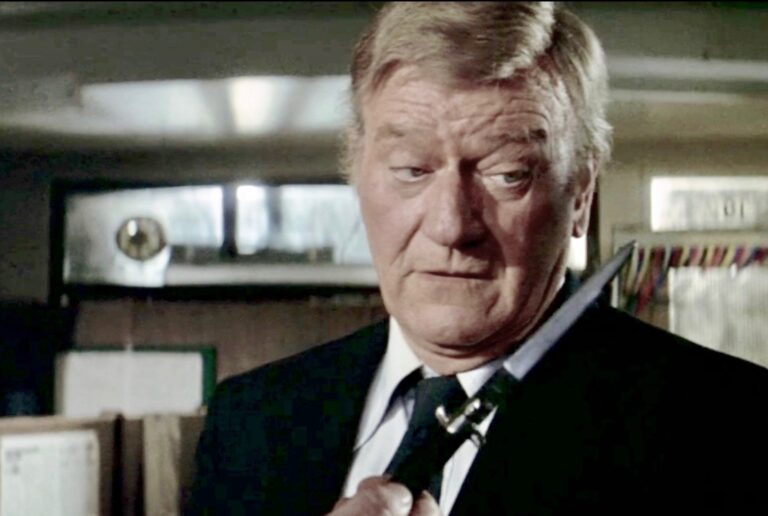
John Wayne made a lot, and I mean a lot, of westerns. Legend says he also made enough war movies that people thought he actually served in World War II. Here, however, is a chronological mix of elusive adventures, lesser known romance, and varying action showing what The Duke could – or couldn’t – do beyond the horses and corrals.


Reap the Wild Wind


Shipwrecks, swindlers, steamships, and love triangles collide in this colorful 1942 Cecil B. DeMille (The Ten Commandments) mid-nineteenth century high seas adventure starring Ray Milland (The Lost Weekend), Paulette Goddard (The Great Dictator), and John Wayne. Although sailor slang and nautical terms will be tough for some audiences without subtitles, schooner photography, whooshing winds, and thrashing waves invoke the perilous sea. Obvious matte screens, rear projections, soft focusing on the ladies, and a preposterous giant squid can be forgiven thanks to the award winning underwater scenes and well done ye olde diving gear. Key West inquests and stylish Charleston balls keep the two hours intriguing. However, cute monkeys and ship dogs can’t compensate for the stereotypical happy slaves. Captured enemies sold off to another ship are played as humorous, and Susan Hayward (later of the ill fated, terrible The Conqueror with Wayne) is supposed to be Cuban. Progressive pants-wearing businesswoman Goddard lays on the moxie thick, playing multiple sides for her own gain. Milland starts as a pompous jerk, but a begrudging, evenly matched respect grows between the men. Wayne is an angry seaman descending into illegal trade and reckless diving, leading to provocative turnabouts and impressive character dimension. However, the dashing embraces here prove Wayne should have been a romantic lead more often in his youth. This may not be an epic, coastal Gone with the Wind as DeMille may have intended, but it remains a melodramatic tale and seafaring spectacle for fans of the cast.


Tycoon


South America railroads begat explosions, mountain tunnels, bridge perils, and an against the clock quest in this 1947 Technicolor saga co starring rival engineer Anthony Quinn (Zorba the Greek) and railroad financier Cedric Hardwicke (The Ten Commandments). While matte paintings and facades are cardboard obvious and the sound is very uneven; sweet cars, cathedral interiors, sophisticated frocks, and suave suits add flavor alongside dynamite, mining disasters, raging rivers, and dangerous floods. Unfortunately, the romance and adventure feel like two separate movies. Building a risky railroad crossing without any fatalities is just a bit more important than a runaway date complete with Inca ruins at sunset. The overlong two hours plus drags thanks to melodramatic music and soap opera back and forth conflicts when the epic battle of wills should have been much tighter. Judith Anderson (Rebecca) is underutilized and the little woman cliches are tiring on top of Latino stereotypes and a lacking local authenticity thanks to the California production. John Wayne seems a little too old for the role, but he’s an honest foreman who knows his job. The audience never doubts he will get things done right despite misbehaving asides and troublesome contractors. Wayne stands up to the pressuring stockholders and proves he can be a leading man of varied character depth.


Wake of the Red Witch


This 1948 nineteenth century ship bound adventure reuniting John Wayne and Gail Russell (Angel and The Badman) is very similar to Reap the Wild Wind with gold bullion cargo, sharks, cannons, shipwrecks, early diving suspense, octopus duels, and man-eating seashells. Soft volume makes the high seas who’s stealing from whom rivalry confusing and stock footage is apparent alongside an unneeded narration. Trite exposition slows the action by making viewers aware of the storytelling constructs, and what we should have seen at the start is instead told in two flashbacks. Rather than something a la Hornblower, this actually feels like a sea faring western with larger than life men fighting over a dame on the line, giant pearls, and precious water rights. Fortunately, the woodwork, waves, frigates, and sails set the mood in spite of the black and white limitations – adding scope and danger to the double crossings and tension below decks. The age difference between Wayne and the bittersweet Russell, however, compromises the romance and some of the edgy characterizations. The commanding as always Wayne is capable on shore and off, a crusty captain imposing the law on his ship even if his rugged violence crosses the line. Rather than the expected heroic image, it’s quite pleasant to see shades of gray setting off the melodrama and swashbuckling escapades.


Legend of the Lost


Sophia Loren (Two Women) punctuates the dusty dunes and windswept Libyan locales in this 1957 Italian co-production from frequent John Wayne director Henry Hathaway (True Grit). The dancing ladies, pickpockets, and local authorities bending the law for the rich white men are overlong to start with the wrong kind of humor on top of stereotypical Arab mistreatment and local Tuaregs unnecessarily treated as ominous. Fortunately, the beautiful photography captures the atmosphere with seamless horizons, palm trees, and rippling sand. Not unlike a western, here man is small in the harsh Sahara landscape alongside camel bones, ruins, and lost cities. Whispers of treasure and erroneous coordinates lead to going too far on too little water with no turning back, and the divine Roman Leptis Magna columns, statues, and baths are revealed in echoing silence. Skeletons and love letters suggest there’s more to the gems and jewels, but the history repeating itself love triangle is unbelievable as the big temptation in the desert – hurting the discoveries and compromising Loren’s intriguing dubious woman. Dita rightfully says men pretend to be her friend so long as she offers her services, but her trauma is treated as hysterical until the script says it’s time for Wayne to be charmed instead. Wayne’s also too old to play a rakish Indiana Jones, and silly music cues can’t compensate for his unlikable guide for hire Joe January’s demeaning insults. The chemistry blows downright cruel one minute then saucy the next as hero versus drunken role reversals stretch credibility. Despite an undecided tone, contrived lust, easy forgiveness, and convenient rescues; the treasure hunt gets better as it goes on thanks to mirages, thirst, killer spiders, sandstorms, desperation, and unique, time capsule perils.


Brannigan


Funky beats and fast zooms firmly assure the swanky seventies style as our eponymous Chicago police lieutenant clashes with Richard Attenborough (Jurassic Park) and Mel Ferrer (Knights of the Round Table) amid extradition, kidnapping, mobsters, and hit men in this 1975 caper. Retro cruisers and vintage skylines capture the city gruff before the Union Jack and mellow British countrysides create fish out of water contrast. The set up is a little long, with a wavering tone between the ominous orchestrations over-punctuating the abduction suspense and The Duke putting on the charm. Testy pleasantries and constant reinforcement of his “e pluribus unum” jurisdiction are played for chuckles, compromising the dangerous double crosses and hostage demands. Despite booby trap shotguns, bombs in the toilet, and slow motion close calls in the crossfire, it’s easy to zone out during the Royal Mail switcharoos. We forget who’s chasing who and why in the otherwise great high speed action, and strong-arming stereotypical British thugs becomes unnecessarily drawn out good cop bad cop. The detectives don’t really foil anything so much as the crooks do themselves in, yet we know Wayne will get his man with his larger than life stature. His “Irish bastard” breaks down doors as his knock knock, keeping his sidepiece and not yielding to British technicalities. When paired with the very similar McQ the year prior, it makes one realize how the twenty years too old for this Wayne was in many ways wasted in his pre-war prime, and he would only make two more pictures before his death in 1979. Although not serious enough to be a proper crime thriller with deep reflection, Wayne going full on able to laugh at his generational across the pond grit would have been fun to see, too. The pointless bar room brawl peppered with seventies jukebox hits may be the best part here – saloon swagger to ruffle the stiff upper lip with cool, contemporary flair.


The Real Life Disclaimer Of How A Russian Empress Created A Fictitious Disclaimer

If you watch the end credits of a film, you will eventually read the following phrase or something very similar:

“The events and characters depicted in this movie are fictitious. Any similarity to actual persons, living or dead, is purely coincidental.”

Obviously, it is a disclaimer to state the intent of a movie is not to portray anything that happened and that could be seen as defamatory. While movies sometimes use historical fiction in their narrative, it is not done to intentionally distort the truth or falsely display a moment as fact. It is why when Fargo was released with the famous intro stating that the events shown were a true story with real names being changed, they actually had the fictitious disclaimer at the end. (The Coen Brothers have given conflicting accounts if there was a crime that inspired the story or if it was totally made up; two separate murder cases suggest the former.)

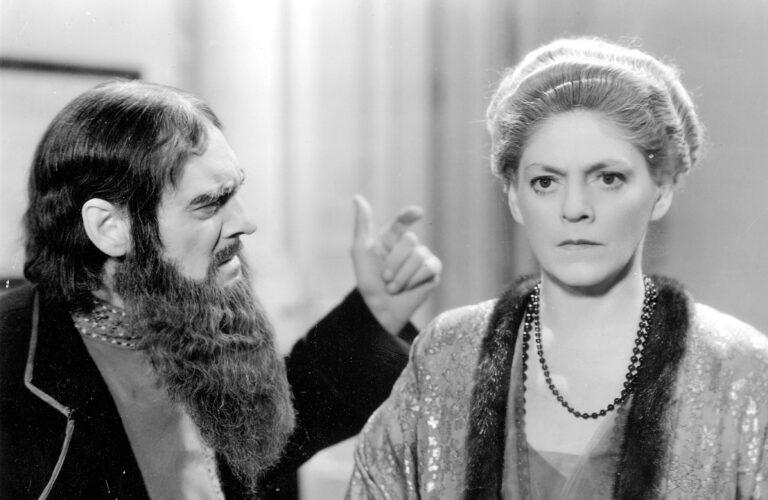
But the story of the “all persons fictitious” disclaimer goes back to the 1930s when one biographical depiction went to court. In 1932, MGM released Rasputin And The Empress, a historical drama set in the last years of Russia before the revolution overthrew the Czar and his family. Starring the Barrymore family of John, Ethel, and Lionel; it was a mostly fictitious story of their relationship with Rasputin, the monk who was seen as divine in helping the Czar with his decisions to fight the war as well as heal his hemophiliac son. In the center of it was Princess Natasha, who represented Princess Irina Alexandrovna in real life and is one of the few direct relatives of the Romanovs to escape Russia unharmed.

In the movie, she is raped by Rasputin, an event that never happened and was written for dramatic purposes. Nowhere did the movie state it wasn’t being presented as fact, but only at the beginning with, “This concerns the destruction of an empire … A few of the characters are still alive—the rest met death by violence.” Angered by this, Princess Irina, who was living in France and would so until her death in 1970, sued MGM for libel and won after the movie and actual events were presented to the jury. She was awarded $1.1 million in damages, which is estimated in 2021 money to be around $21 million. Studios immediately wrote their own fictitious disclaimers to avoid similar lawsuits.

With true stories, movies are required to extend their disclaimer with qualifications to how far they stretch the truth as well as stating that, “No animals were harmed in the making of this motion picture.” In one case, while The Idolmaker is inspired by a real-life music manager, one singer, former 1950s teen idol Fabian Forte, sued, claiming the fictional character around him used actual facts from his life in the story and defamed him. This was settled out of court. Some have been used at the end to make a political statement (see Z) while others can use it as satire (the beginning of every South Park episode). Disclaimers have been inserted as a legal shield for the past 90 years, even though productions are not immune from libel suits if the truth is altered dramatically.

Follow me on Twitter: @brian_cine (Cine-A-Man)

Movie Review (Sundance 2022): ‘Riotsville, USA’ Uses the Past to Reflect on the Country’s Attitudes Today


Director: Sierra Pettengill

Writer: Tobi Haslett

Synopsis: A poetic and furious reflection on a nation’s citizens and institutions to the rebellions of the late 1960s. This artful, riveting documentary consists entirely of archival footage that was shot by the United States military or appeared on broadcast television.


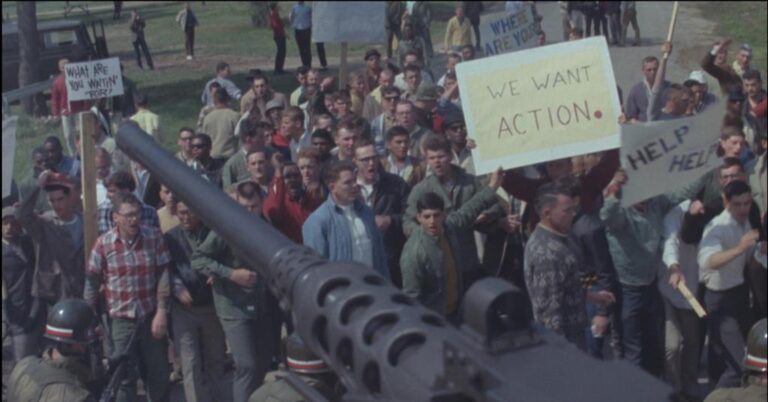
“[…] dream riots, young men acting out the fantasy of conquest and invasion”. This is what you get when you create a place like RIotsville, USA, a model town in which armed forces were trained to handle riots in the late 1960s. With methods of responding to domestic civil disorder including military training, tear gas production, and violence; it is no surprise that a film of this nature is proving to be relevant to the events that have taken place over the past few years.

Presented in a way that is unpolished, with the editing style incredibly simple and text boxes being used to piece the clips together, this documentary is more focused on the content itself rather than telling it in an artistic manner. This is a format that works for Riotsville, USA because the content they have is shocking. The wide shot of the model town of Riotsville paired with clips of fake news reports and riots puts into perspective just how much money and resources must have gone into the training scheme in comparison to preventing the riots from occurring in the first place.

The documentary is comprehensive in covering a full range of topics related to riots, racism, and the political landscape in the late 1960s. It does this by focusing on stories that the viewer may not know, adding to their knowledge of the subject matter. Director Sierra Pettengill is aware that the audience knows about the events at Chicago, so instead focuses on the GOP reception that was being held in Florida around that time and comparing the political landscape of that state, gathering footage of protests, speakers and riots that occurred during that short time. Not only did this reception and time have a lot of footage to pull, but it also made for a great comparison between the events that were taking place and the media’s reports.

One aspect of the documentary that I particularly appreciated was how Pettengill took archival footage from both a public broadcasting service and from a commercial broadcasting service, comparing how both handled the subject matter of looting and racism within the United States. Most of the training footage at Riotsville had Black men center of recreating the riots, and this contrasts the publicized move to have half of the volunteering riot training consisting of Black men who believed that they would not need to prepare for Black people initiating the attacks. What was said out in the public and what was occurring in these commercialised training videos suggests two different attitudes, and it is clear this attitude has still not changed in 2022.

For a documentary that covers many topics and collects a lot of archival footage, there was room for some of it to be edited out. This would have made the documentary more concise and stayed focused, helping to push the message clearer. There were some clips in particular, such as a live performance of the entire song ‘Burn, Baby, Burn’ by artist Jimmy Collier, that added little to the documentary and instead interrupted the pacing of the film. Instead of showcasing the performance or giving no context to the song, it would have been nice to cut the piece to a specific chorus or verse and have visuals playing over it to give the viewer a sense of the importance of the song but not to take the audience away completely.

Riotsville, USA is a strong documentary that reflects on the attitudes of the country in the late 1960s and shows how little has changed to this day. The film does not need to be flashy or abstract in the editing style as there is plenty to keep you engaged purely on the information and archival footage. Perhaps in the next 50 years, we might finally be able to look back and see some progress made, but we can certainly hope that is the case.


Grade: B-

Movie Review (Sundance 2022): ‘892’ Challenges the Audience with a Heartbreaking Story and a Strong Performance from John Boyega


Director: Abi Damaris Corbin

Writers: Abi Damaris Corbin, Kwame Kwei-Armah

Stars: John Boyega, Michael Kenneth Williams, Nicole Beharie

Synopsis: Living in a cheap motel in Atlanta and separated from his wife and child, former U.S. Marine veteran Brian Easley is desperate. Driven to the brink by forces beyond his control, the soft-spoken, kind man decides to rob a bank and hold hostages with a bomb. As police, media, and family members descend on the bank and Brian, it becomes clear he’s not after money – he wants to tell his story and have what is rightfully his, even if it costs him his life.


When 892 begins, the first thing that is shown is a bit of text confirming that this is a true story. This set-up is one that is vital to the heart of the story, as the events that took place only occurred in 2017 and the film uses Sundance as a platform to tell Brian’s story, something he wanted everyone to know about. Considering how recent the incident is, I was surprised that I hadn’t heard of it before clicking play on this film.

The opening scene takes its time to develop the relationship between Brian Easley and his young daughter. This is essential not only to the plot of the film but in helping to establish the character of Brian. There is some dialogue between the two characters that suggests the worst about Brian’s situation, mentioning that he found himself arrested by the police earlier in the day. The audience is told from the start and throughout the film to face a moral dilemma with Brian’s character, and that is what ends up making 892 more than just a standard thriller.

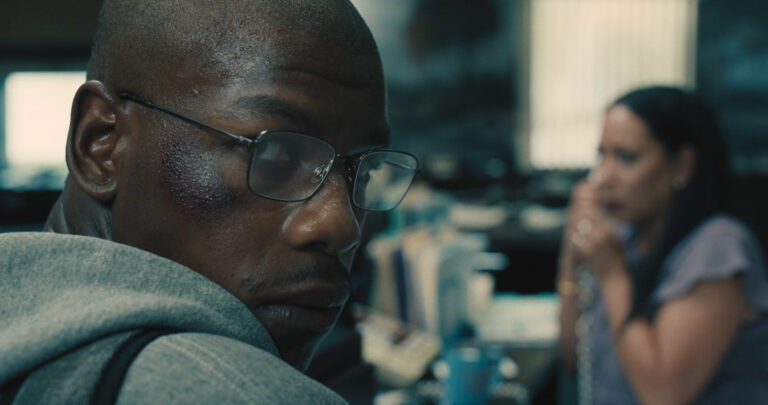
When the bank scene begins, a scene that would then be the central plot point and location for the rest of the film, it is easy to get a sense of familiarity with how it will play out. This is not the first film to focus on a bomb threat at the bank and it will not be the last, and yet this first bank scene still manages to hold a lot of tension. Part of that is down to the opening scene, but it is also because of John Boyega, who plays Brian. It would be easy for an actor to mess up a role such as Brian and to lose the heart of the story, but Boyega is able to find a balance between the trauma his character has gone through and the intensity of pulling off a hostage situation.

For most of the film, the audience is in the bank with Brian and two staff members who are held hostage, played by Nicole Beharie and Selenis Leyva. Both of their performances are strong alongside Boyega and help sell the situation, creating tension but also trying to assist a man who is in clear need of help. However, the film does break away to show the outside world from time to time to help flesh out the situation. In particular, Michael Kenneth Williams gives a fantastic performance being the middle ground of Brian and the police and this role will only add to his legacy. While the film is at its strongest when it is in the bank, the story benefits from cutting away and showing other perspectives outside of that one location.

892 works as a film primarily because of Brian’s reason for holding the bank hostage in real life. The film not only touches on the issues of racism in America, in which Boyega’s Brian is aware that his skin color impacts how the police will handle the hostage situation, but Brian is not wanting to cause any harm to the bank employees he has held hostage. He openly states that he has no intention of causing harm to them and he does not want their money, but rather using the hostage situation to get a public platform on the news so that he can expose the way certain organisations have treated him.

The film does suffer from being predictable at times and playing the same notes as other thrillers do. It is easy to predict where the story is going to go and, because of that, the tension does start to fade at certain moments. However, it is easy to forgive a predictable story when the film is based on a true story, particularly when the story is as heart-breaking as this one is. Instead of focusing on the predictable plot points of the film itself, I found myself captivated by the emotional dilemmas throughout the story and angry at the message presented.

Some people may struggle to get behind Brian and understand his motives for going so far, and I do understand why that is the case. If anything, I wish the film took some time to show the impact that war had on him and highlighted his mental health issues, such as PTSD. However, this film is one of the toughest watches I have seen in a long time, and I appreciate director and writer Abi Damaris Corbin for creating a challenging film that hits hard from start to finish. It is not a film that I will rush to watch again, but it is one that I feel everyone should check out.


Grade: B+

Chasing The Gold: How Was That Not Nominated For Best Picture? (2009)

The Academy Awards of 2009 was the last year in which there were only five nominees for Best Picture. Danny Boyle’s Slumdog Millionaire beat The Reader, Milk, Frost/Nixon, and The Curious Case of Benjamin Button for Best Picture. When compared to some of the phenomenal films that came out that year, the actual nominees seem exceedingly bland. When looking at the list of films that came out in 2008, I was shocked that the film Doubt wasn’t nominated.

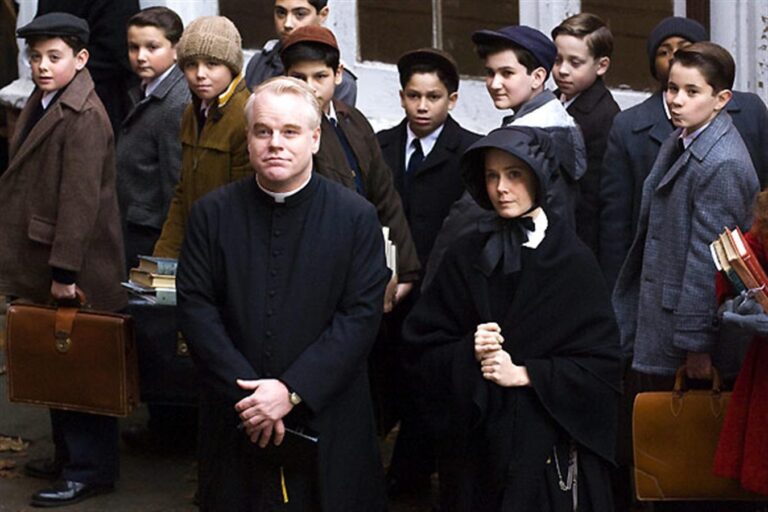
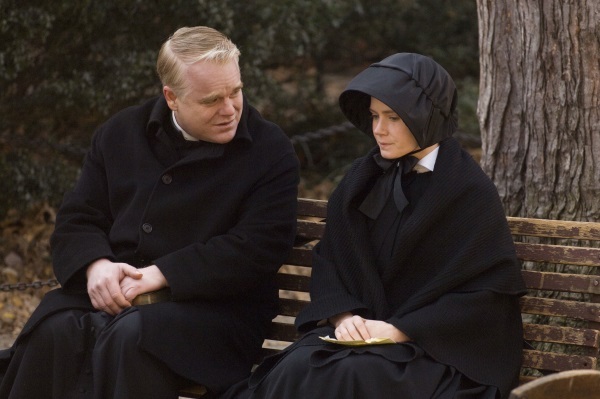
Doubt is the film adaptation of the play by John Patrick Shanley. The film questions the accusation from the Nun and principal of a Catholic School, Sister Aloysius (played to perfection by Meryl Streep) of an inappropriate relationship between the parish priest, Father Flynn (played by the late Philip Seymour Hoffman) and a young black student. Caught in the middle is the lovely young nun, Sister James (Amy Adams), who is full of idealism and wants to make a difference in the lives of her students. Beyond the accusation, the film is a power play for the soul of Sister James. We know from the beginning of the film that Sister Aloysius has concerns with Father Flynn, from his long fingernails, his love of sugar that he adds to his tea, and most of all, to his belief that the Church needs to modernize, and be seen as family. She also pushes Sister James to be seen in a more frightening way to students, to make it seem like she has “eyes on the back of her head” and to NEVER let students use a ballpoint pen when they write. Father Flynn tells Sister James that her love for her students is a great gift, and to not fight her more humane tendencies of teaching, and become like Sister Aloysius. 

This film has a lot going for it. First of all, the art direction recreates a very specific time and place in The Bronx in the 1960s. The opening of the film shows all the families leaving their homes at the start of the movie, rushing along the winter weather to get to Mass on time. It demonstrates the differences between the sparse life of the nuns, with their stark meals during which they have to wait for Sister Aloysius to ring a bell before they may begin speaking, and the more lush life of the priests, drinking hard liquor and telling jokes while they dine in front of a cozy fireplace. It is clear that this film is based on a play, as it focuses more on plot, dialogue, and staging, as opposed to special effects. The most effective element of this is the story, and the way it’s told. Audience members are used to getting a clean cut finish, where everything is wrapped up at the end, allowing us to draw the conclusions that the screenwriter and director want us to. Doubt does not do this. It’s a film where you feel very strong opinions about the characters, however, we never really KNOW what the truth is. We hate certain characters, but have to admit that maybe the characters we do love might not be as pious as we wish they were. It leaves you wondering who is guilty, how guilty, and what actions they are guilty for. I have seen the film several times, and each time, I notice new details, which slightly alter my opinions. This is what separates good films from great films. A great film remains in your head long after you see it. This is why, in a year of mediocre Best Picture nominees, I am shocked that an excellent film like Doubt didn’t receive a nomination.

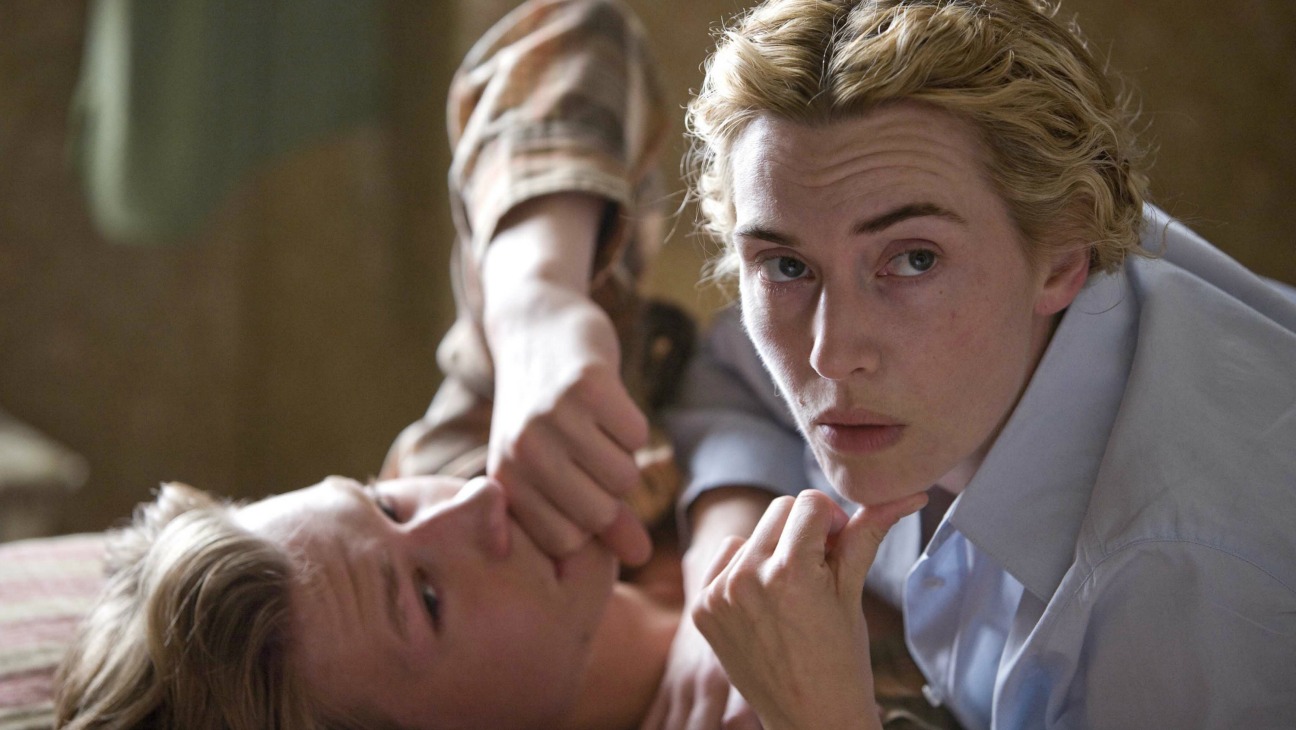
What film on his luke-warm list deserves to be removed? After much deliberation, I picked the film, The Reader. Let me make it clear that I adore Kate Winslet, and had been waiting for her to receive an Oscar since she was first nominated as a teenager in Sense and Sensibility. I watched her career blossom as she played a wide range of fascinating characters. That being said, I am not happy that she won for this film, and the reason is that this film is not particularly remarkable. The film is a story of the relationship of an adult German woman, named Hanna, and her relationship with a schoolboy, Michael (played by David Cross as the teenager, and Ralph Fiennes as an adult). They spend their days bathing, making love, and him reading to her aloud. Somewhere in the middle, the film takes a sharp turn and becomes a legal movie. Michael becomes a law student, watching the case of his former lover, who was apparently a Nazi guard. He learns that Hanna helped cause the death of 300 women prisoners. Michael knows information about his lover that would help reduce her sentence.  However, she is very ashamed of this information, and chooses to keep her secret, rather than face humiliation and an easier prison sentence.

The main problem with this film is that her secret is supposed to be a big reveal. However, it’s pretty easy to figure out early in the film. Also, while the secret is obviously a huge deal to the character, watching the film made me feel frustrated, like “what’s the big deal?” And feeling that the secret wasn’t that big a deal, or anything truly shameful, lessened the impact of the film. The character of Hanna is so mysterious that it is difficult to really feel for her. The boy seemed to love her, and was greatly affected by her, breaking down into tears several times throughout the film. As an audience member, I found it hard to believe that he would be so emotional about such a cool and aloof woman. I have read the book, so I know Winslet played the character accurately, but it’s hard to connect to a film when it seems like a film director wants you to have certain feelings about a character, and you just leave confused and unsure. And it’s not because the character is so deep and complicated, but more because she is underdeveloped. The fact that Hanna is so cold and aloof, makes it so it doesn’t seem to make sense that she stirs up such deep emotion for Michael. 

On an acting and technical level, The Reader is a perfectly fine film. But, to be nominated for Best Picture, a film should hit on an emotional level as well. This film, which has many elements that audiences should connect to; such as shame, lust, and guilt. However, this film never reaches the level of greatness. Doubt, on the other hand, is brilliantly acted, written, and directed, and leaves you thinking about it long after it’s finished. 

Classic Film Review: ‘Scream’ 25 Years Later

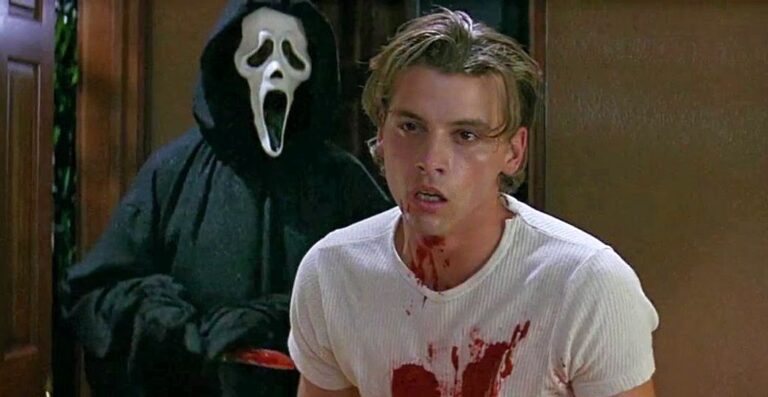
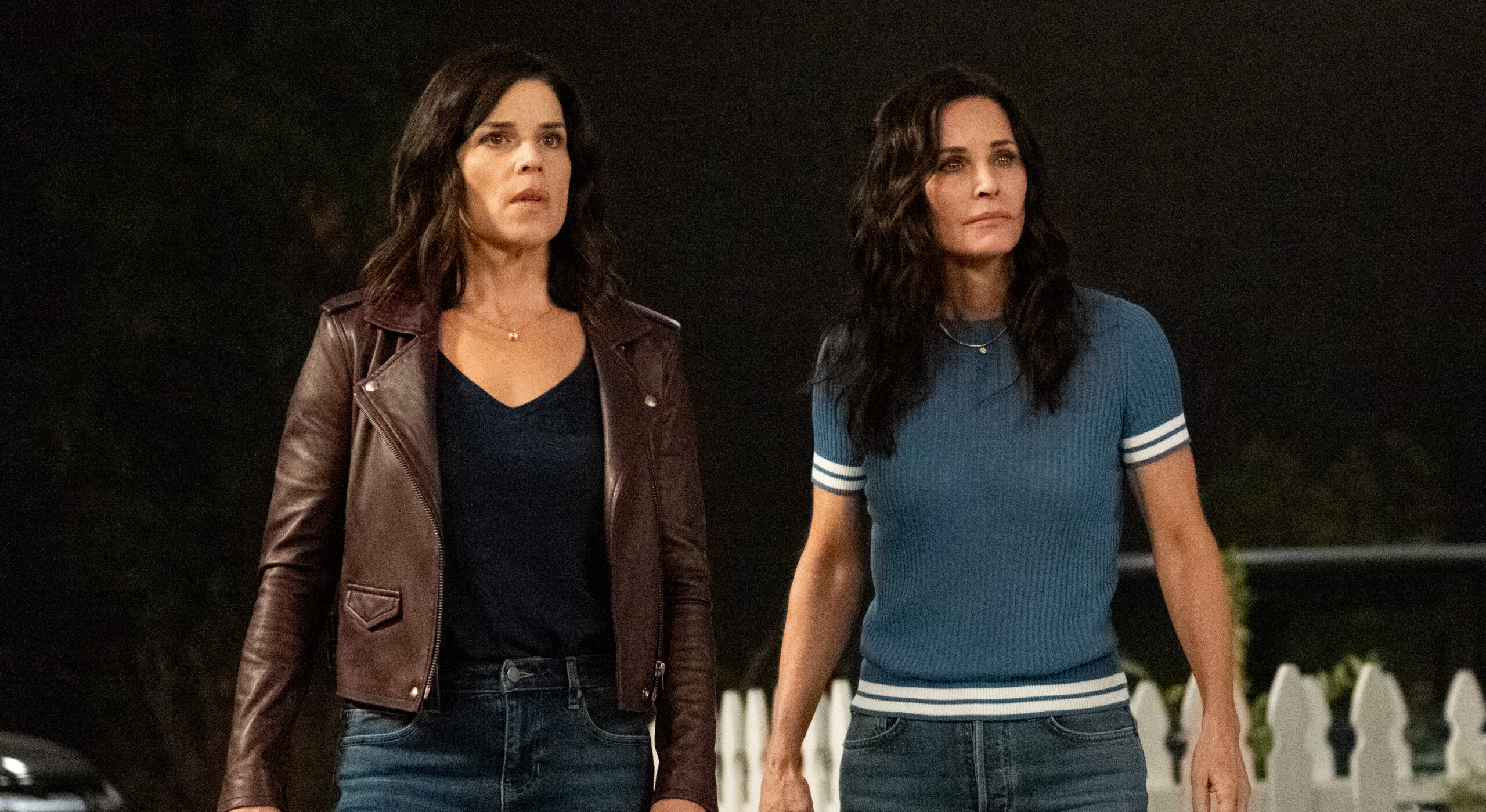
With the release of Scream this past weekend, I thought it would be a good time to return to the series roots, to see what sparked the horror phenomenon and evaluate if it still works. Scream was released in 1996, directed by Wes Craven, and starred Drew Barrymore, Neve Campbell, Courteney Cox, David Arquette, Skeet Ulrich, and Matthew Lillard.

Let me be frank for a moment: I don’t think anyone directs horror quite like John Carpenter. John Carpenter understands the simplicity of a story, and it reflects perfectly in his horror projects. As Randy says in Scream, “get too complicated and people stop caring.” The simplest plots make each Carpenter film work, whether it’s They Live, The Thing, or the slasher that Scream is most indebted to, Halloween. These films have created the unspoken rules of horror films that every other slasher tried to emulate in the ’80s and ’90s. And yet, I think it’s these rules that breathe life into Scream.

Scream’s life comes from its acknowledgement of those slasher rules. That meta-textual approach to the slasher film has become iconic because of this film. But what other meta horror film seem to have forgotten is how subversive Scream is as a slasher film. While many slasher sequels in the ‘80s and ‘90s reveled in the bloodlust, being full of promiscuous characters and horrifying deaths, Scream keeps its characters empathetic, in spite of their lifestyles. Along with keeping its characters empathetic, Scream also utilizes the oddball behavior of the friend group to create a strong psychological thriller. Everyone is a suspect, and that ensures there are no moment of rest when the characters are surrounded by their friends. And Craven continues to undermine the tropes of the slasher genre through these characters. While Randy states the three rules of surviving a horror film, none of them are a requirement to survive in Scream. The puritanical politics of the early slasher film are done away with completely. And the excessive violence, blood, and gore that had often become a staple of the genre aren’t the selling point of Scream. While there are some brutal images, like the hanging, gutted corpse of Casey (Barrymore), it’s never the focus of the film. Craven’s expert direction shows the reality of early horror movies, commenting on the dangers of a medium that finds joy in the brutal deaths of women.

And every individual of the cast and crew seemed to share this goal. The young cast members give fantastic performances throughout the film, with Neve Campbell being a clear standout. Though I would be remiss to ignore the insane performance of Matthew Lillard as Stuart, whose gleefully chaotic performance is a joy (and terror) to behold. Courteney Cox is fantastic in the role of Gale Weathers, bringing a ferocity to the headstrong reporter. Plus, every technical aspect of Scream is fascinating, too. Director of Photography Mark Irwin, known for his work on The Fly, brings his A-game to Scream. Irwin manages to create a meta-commentary of the slasher genre through the cinematography. Various cinematographic techniques popularized by the slasher genre are utilized to great effect in Scream, but Irwin expands on the vocabulary in the third act to subvert many of the classic clichés of the genre. 

The prologue of the film is iconic for the stunt casting of Drew Barrymore, but I think it showcases Craven’s direction, Irwin’s cinematography, and Patrick Lussier’s editing perfectly. There isn’t a wasted moment in the opening twelve minutes, with inserts of popping popcorn adding to the tension of the scene wondrously. Barrymore’s performance is stellar, as she goes from relaxed to flirty to panicked in the span of just 8 minutes. As the camera angle gets steeper in it’s close-ups of Casey, we are visually told just how powerless she is. The sound design keeps us on our toes as we don’t know where Ghostface is. And the score by Marco Beltrami ratchets up the tension expertly.

But the core element of Scream is Craven’s expert balance of tone. Scream manages to be funny, scary, sexy, and anxiety-inducing without having any tonal whiplash. Often, these tones blend into one another, as a scare will transform into a gag, and then reveal a new, more horrifying event. The film is constantly reframing itself, as new information is revealed to us regarding both the plot and characters. 

Screenwriter Kevin Williamson’s decision to have Scream be a blend of the slasher and detective genres enables the film to be just as suspenseful in the daylight as during the night. It engrosses the audience from start to finish, and enables the appearance of Ghostface to carry even more weight. Where early slashers waited until the second half of the film to enable confrontations between the final girl and the killer, Scream keeps the confrontations coming sporadically throughout the film. And where early slashers had near immortal killers, Scream revels in the weakness of Ghostface. But that doesn’t lower the tension of the film. While Ghostface is prone to being pushed around, they never stays down for long. Ghostface is a haunting villain, and that keeps the suspense at an all time high throughout the film.  That is the genius of Scream. It’s a film that keeps the suspense and terror associated with other slashers, while obliterating the misogynistic rules of those films. It’s meticulously crafted, and after all these years, it’s still a masterpiece. 


List: Top Ten Gerard Butler Essentials


Okay, okay. So we all know what’s going to be the de facto Gerard Butler film. However, despite some cliché action, hammy fantasy, and a detour into the dearth of romantic comedies, Butler has a few eclectic gems in his repertoire for us to peruse.

10. Gamer

Gerard Butler’s convicted murderer John Tillman competes for his freedom as Kable in Slayers, a televised fight to the death created by Michael C. Hall (Dexter) in which nanites enable real world gamers to control the battlefield mayhem. Writers/directors/producers/rollerblading cameramen Mark Neveldine and Brian Taylor (Crank) create a cluttered SIMS meets The Running Man message, advocating against media manipulation and our obsession with instant mass technology whilst playing into such constant cool with five second camera shots, hectic visuals, harsh graphics, loud music, and dizzying editing. Even dramatic scenes have unnecessary zooms, distracting movements, flashing lights, and hectic photography. This in your face style may be an intentional parallel, however the audience never has room to breathe or contemplate the underlying commentary on consumerism, oral fixations, over sharing, and interconnected indulgences. Hall’s confusing parody performance mixes singalong sardonics with controlling people to maim, rape, and kill. This is supposed to be humorous, how? Reporter Kyra Sedgwick (The Closer) has little to do, and wife Amber Valetta (Revenge) bears the brunt of the video game depravity thanks to a gluttonous handler amid yet more sex, nudity, and neon. Smug, apathetic kids hiding behind online avatars are too realistic to be entertaining – there’s no time to pause on Tillman’s pain and slow motion flashbacks fall prey to off kilter filming with implications a la Blade Runner left unexplored. Ambiguous Kable in game killings versus Tillman doing what he has to do consequences attempt nuance, but the brief emotional dilemmas are clunky. Fortunately, we can root for on form action Butler despite the preposterous game play and lack of character focus. Although the intelligent science fiction allegory has merits, the devoid nature of technological control is lost in the askew, gaudy montages. Fans of the cast can see the appeal here, however, high concept audiences may not be able to get past the herky-jerky flavoring.

9. Beowulf & Grendel

Thanks to so many other takes on the Old English ode Beowulf, we know the story of this 2005 adaptation from producer and director Sturla Gunnarsson (Monsoon). The eponymous Butler comes to the aid of Stellan Skarsgard (Mamma Mia!) as Danish King Hrothgar when his Heorot Mead Hall is plagued by repeated attacks from the monster Grendel (Ingvar Eggert Sigurdsson, Angels of the Universe). The story from Andrew Rai Berzins (North of 60) is close enough to the original poem – minus bookends about Grendel’s father and child, Irish missionaries versus pagan beliefs, and no dragons. Here Grendel and his mother are merely creepy, deformed trolls cum oafish sea people with seaweed style without fantastical elements to their monstrosity. Despite swords and chain mail that look like Halloween clearance, the ye olde designs, international cast, and beautiful locations add chilly, windswept authenticity and gravitas to the well done if small scale longships and battles. Wrath of Gods – a fascinating, award winning behind the scenes documentary on Beowulf & Grendel – highlights the turbulent production, difficult weather conditions, and low budget strain in this perilous Icelandic environment. In some ways, that festival darling is better than the adorable but tiny horses, slightly safe feeling sword action, and the underutilized cast including Tony Curran (Outlaw King) and Rory McCann (Game of Thrones) so period dirty you can’t tell who is who. Unfortunately, the rustic drama takes a turn for the worse when people speak. F bombs and modern syntax ruin the old speaketh, making for some ridiculous exposition compromising the attempt to tell this tale straight. Awkward sex and assaults are also shoehorned in thanks to witch Sarah Polley (Road to Avonlea). There’s already an infamous mother that goes unexplored, so why insert another female for suffering? Thankfully, Butler’s shaggy Celtic look matches his quiet heroic calm. Beowulf arrives with his warrior reputation preceding him, but the weak action doesn’t always live up to his stature. I’d love to see Butler take on this role again. Despite the epic’s ubiquitous nature, it’s frustrating that yet another telling just misses the mark. If this ditched the modern intrusions and kept it’s great talent and authentic flair but had a bit more financing, this could have been something really special.
8. The Ugly Truth

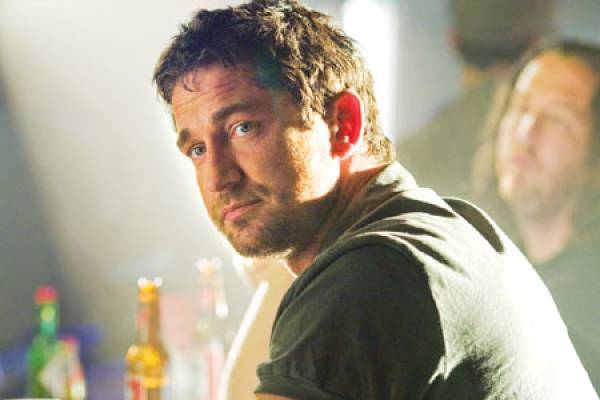
This 2009 romantic comedy from director Robert Luketic (Legally Blonde) isn’t that bad – Butler has certainly made worse. However the tidy predictability and safe shortsightedness here play into every inevitable genre cliché as TV producer Katherine Heigl (Grey’s Anatomy) reluctantly accepts Butler’s crass reporter and his hit ‘The Ugly Truth’ segment on her morning news program. Naturally he falls for her prude to knockout transformation while the supposedly mature comedy goes through the motions, never even pushing the envelope with nudity or sexual content. Dirty words are tame, today’s news is more shocking, and the twee plot underestimates modern, sardonic viewers in screwed up relationships with banal formula. The battle of the sexes falls back on answering machines, barely visible text messages, Sprint product placement, and of the moment pop music montages before a sexy dance scene helps the stars realize what the audience has known all along. The characters themselves are objectified instead of treated as intelligent working people, and the supporting ensemble is wasted when their wacky television station complications are more interesting. Heigl’s confident, working woman ice queen with a checklist drastically misrepresents herself to land a man, and it’s not a positive message. Her physical comedy loses its luster after playing the awkward for laughs too many times but we’re not supposed to notice the obvious pulling pigtails attraction until the script says so with baseball innuendo and vibrating panties. Butler’s sentimental family angles are an under cooked contrivance dumbed down for the romantic expectations, and although too many failed deadpans stunt his relaxed wit, comedic timing, and natural charisma, his hint of scruff every man can be downright fetching thanks to his naughty delivery and off the cuff zingers. Rather than consider what this could have been, viewers have to look past the routine la-di-da for the charming cast’s chemistry.

7. Chasing Mavericks

Water, smooth sounds, and surfing zen anchor this 2012 Jay Moriarity biopic as Gerard Butler’s Frosty Hesson teaches Jonny Weston’s (John Dies at the End) young Santa Cruz Moriarity his wisdom to taming the waves despite mom Elisabeth Shue’s (Leaving Las Vegas) hesitance. Due to illness, Michael Apted (Coal Miner’s Daughter) came on to co-direct with Curtis Hanson (L.A. Confidential), and it shows in the uneven direction. Touching familial relationships are cut short while unnecessary teen antagonism and skateboarding interludes go on too long. Is this a teen sports movie or a family drama that happens to have surfing? Though saccharin voiceovers are obvious, allegories about what’s happening beneath the smooth surface lead to poignant moments, fear versus panic realizations, and learning to apply the on the waves positive for when things go wrong in life. This PG isn’t edgy with the death and vices, and the wonderful ocean photography, fluid colors, and aerial cinematography are likewise pleasing even when the instrumental training montages and slow motion surf turn syrupy. Despite the modern teal saturation and intrusive orange tint, older technology, retro homes, and crappy vans contrast the beautiful beaches with nineties throwbacks. While Elisabeth Shue and Abigail Spencer (Angela’s Eyes) as Frosty’s wife go underused when the film needed more of the tight knit domestic complexities, Jonny Weston fits the tender determination and male bonding well. Butler – who had a surfing accident during filming – is scruffy surfer dude handsome in certain scenes yet haggard and strained in others. However, the washed out look works with the older unglamorous and reluctant reading glasses. Frosty’s on the water knowhow is genuine with excellent near tearful moments and heartfelt merit from Butler. Despite its confusing identity, this inspiring aquatic tender can stir surfing lovers, fans of the cast, and teen sports audiences.
6. The Phantom of the Opera

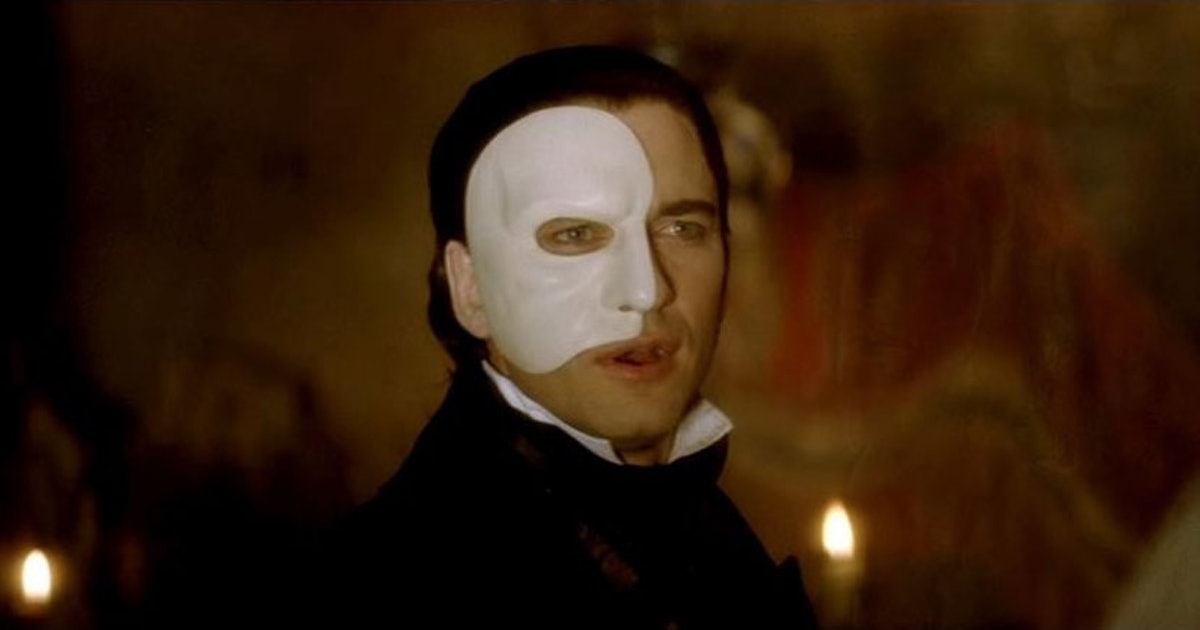
Joel Schumacher (The Lost Boys) and Andrew Lloyd Webber (Cats) bring this 2004 adaptation of the long running stage production to life with Gerard Butler as the elusive Phantom obsessed with dragging Emmy Rossum’s (Shameless) Christine Daae to his lair beneath the Opera Populaire. Naturally, this adheres to the musical not necessarily Gaston Leroux’s original 1911 novel, and what could be said is embellished in overlong song – sacrificing pace and straying from the core love triangle in grandiose, near two and a half hour indulgence. Though atmospheric, black and white bookends and flashbacks within flashbacks clutter the rafter chases, shocking deaths, and taut suspense. Occasional out of sync audio and singing on top of each other make subtitles necessary, but fortunately, the surreal camera shots, layered reflections, dreamlike fog, and sweeping tracking shots match the duality, masks, melancholy cemetery, black capes, snowy sword fights, and blood red lips. Lavish theatrics, the hurried back stage, and dungeon mazes create high and low dimension amid smoke, mirrors, candles, sparkle, and attention to detail. Granted, Butler’s divisive singing is uneven at best. However, The Phantom is not a trained virtuoso but an angry, juvenile stalker equating music to love. His unpolished sound reflects his desperate passion, violent streak, and killer instinct, yet the audience looks beyond his flawed face and monstrous tendencies thanks to the veiled underground reveal, its symbolic tunnels, parting gates, and bridal stockings. The song over scares indecision makes the weeping Phantom sympathetic, even sexy, for there’s no mistaking the ascending stairs, rising octaves, innuendo crescendos, and illicit duet lyrics coming to a head – or a chandelier drop. Despite viewer frustrations between the intense angst and the need for a clipped abundance, there’s a certain sophistication and moody niche for this gothic romance musical.

5. Coriolanus

Debut director Ralph Fiennes (Harry Potter) sees his Caius Martius Coriolanus fight long time Volscian enemy Gerard Butler in this 2011 Shakespearean update. Screenwriter John Logan (Skyfall) retains the original syntax alongside hectic violence, modern battlefields, confusing names, and unclear politics. Audiences unaware may find the dark interiors and dry pace tough to follow despite quality soliloquies and fine outdoor photography highlighting the war torn, graffiti ridden Serbian locations. Pundits arguing in ye olde seems like an uneven mix of genres, and the two hours takes too long in getting to the meaty twists. Fortunately, officials supposedly speaking for the public manipulate the fickle people for their own advantage when not campaigning on talk shows or watching the aptly tongue in cheek Fidelis TV network news footage. Subtly fascist fashions, parades, and pomp provide crowds recording the action with their cell phones while the politicians spin or vilify, and everyone wants something for nothing in the multi-faceted, ever relevant commentary. Fiennes leads the thespian support with an authentic delivery and intense, claustrophobic combat intimate in its hatred. Butler doesn’t have as much screen time, making their rivalry somewhat one sided with him underutilized in what is actually a very strong performance. His natural accent gives Aufidius an angry ye olde delivery with serious substance and battlefield desperation. Ironically it’s Jessica Chastain (Zero Dark Thirty) as Martius’ worrying wife Virgilia who is out of place compared to Vanessa Redgrave (Atonement) as his scene stealing mother Volumnia. The biggest problem here is that the film doesn’t seem to know who its audience is. Modern action viewers will like the rousing military elements but not the Shakespearean dialogue, and die hard Bardists will be disappointed at the updated setting. Thankfully, the transposed power and politics get better as this goes on, demanding the attention of thought provoking audiences looking for sophisticated action, performances, and statements.


4. Olympus Has Fallen

Disgraced Secret Service agent Gerard Butler must save President Aaron Eckhart (The Dark Knight) when North Korean terrorists siege upon the White House in this 2013 yarn from director Antoine Fuqua (Training Day). The layered perils and critical situations unfold with bravery and character angst in the first hour before the second half of the film dispenses with any possible subterfuge in favor of straightforward action. The clock is ticking amid helicopters, explosions, shootouts, realistic triage, and intense fight choreography. For two hours, the graphic, hard hitting, solid R maturity accents the heavy twists as the audience holds its collective breath. Despite some terribly amateur CGI and unfinished special effects, the disturbing, difficult to watch attack on the White House does what it sets out to do. Intentionally catchy quips, unintentionally overly serious ham, preposterous logistics, and outlandish plot holes, however, do require a certain suspension of disbelief. Uneven editing, frenetic nighttime action, and scenes so fast you can’t see everything lead to a hasty ending lacking in hugs, handshakes, or ceremonies when a few more minutes of resolution would have set off the ensemble. Wife and front line nurse Radha Mitchell (Pitch Black) deserved more, and most of Ashley Judd’s (Kiss the Girls) impact is spoiled in the trailer. Angela Bassett (What’s Love Got to Do with It), Morgan Freeman (Driving Miss Daisy), and Melissa Leo (The Fighter) perform as expected despite broad characterizations, and Aaron Eckhart (The Dark Knight) delivers the tough lines and tender family moments. Dishonor or redemption, Butler fits Mike Banning perfectly. He’s somewhat superficial and not as sardonic as viewers might have expected in true throwback kick ass, but the no nonsense hero sheds all the formalities, getting dirty and intense to save the day without any ambiguous anti-hero doubt. Blows are exchanged, shots are fired, kill moves are made. Of course, unevenly fleshed out terrorism and possible political controversies will frustrate viewers, but despite a meaty cast, this isn’t meant to make statements or be a complex thriller. Old school action audiences and fans of the stars can enjoy the entertainment here.

3. Machine Gun Preacher

This true 2011 telling of Gerard Butler as the eponymous biker turned minister Sam Childers and his mission work in Africa is rousing in its spiritual plights, yet hampered by its own heavy hitting, multi layered story. Upon his release from prison, Childers finds his faith and founds a church before building a Sudanese orphanage and taking up arms when the maimed children in his care are threatened by the Lord’s Resistance Army. Director Marc Forster (Quantum of Solace) sets the scene with upsetting village attacks, but the intercut editing and uneven pace create confusion as the plot goes back and forth through years of drugs, guns, and robbery. The life changing conversion could be a movie unto itself, so the transition from underworld debauchery to church going seems fast and superficial – a mere catalyst for the mishmash of righteous war epic and quiet personal piece that doesn’t always hit home thanks to the indeterminate structure, obvious symbolism, and timeline crunch. The unrefined heaviness leaves the audience with an uncomfortable emptiness rather than closure as white savior Childers interferes more than helps. We can root for his ministry but the renegade arms will negate the mission for some viewers thanks to the confusing commentary at hand. Solid emotional scenes from the ensemble on mercenary motivation versus humanitarian aid or killing for the right reasons reflect the viewers’ ethical questions, but Michelle Monaghan (True Detective) falls prey to spousal clichés and we don’t see enough of Michael Shannon’s (Boardwalk Empire) poignant recovery. Fortunately, the story gets better as it goes on thanks to the honest struggles and human imperfection before restarting in Africa with landmine consequences and deep determination. Gerard Butler goes from motorcycle cool to cleaned up nice and militant swag, embodying Childers’ larger than life presence with serious delivery and physicality. Butler’s zest doesn’t shy away from the difficult choices gnawing at one’s core – be it crisis of faith or cradling the dead in his embrace. The meandering inconsistencies will be polarizing rather than inspiring, and the sometimes zealous, sometimes lacking production finesse hinders the potent performances and not for the faint of heart shocks. However the touching moments and relevant issues here are worthy of a viewing and discussion.


2. Dear Frankie

Frankie’s dad has been perpetually away at sea but writes letters of his adventures to his deaf son in this endearing 2004 family drama. When Frankie and his mother Lizzie move to a Scottish seaside town, his father’s ship also comes to port – contradicting the written travels because Lizzie has been secretly writing the letters after leaving her violent husband. Desperate to maintain the charade, she hires Gerard Butler to pretend to be Frankie’s father for a day, but new emotional bonds between the isolated family and this mysterious stranger become stronger than any of them anticipated. Windswept settings, skipping stones along the shore, and bundled up locals invite the viewer to stay for fish and chips as emotional music and Scottish quaint mood anchor the smart, double duty dialogue and simple acts of kindness. Debut director Shona Auerbach and writer Andrea Gibb’s (AfterLife) tale may not technically pass the Bechdel test, for the women here discuss ex-husbands and romantic potentials. However, the majority of conversations are about fathers, brothers, and sons negatively effecting the ladies as unseen abuses are strongly felt via angry shouts, hands afraid to touch, and the suitcase always at the ready. Jack McElhone (Stacked) as young Frankie is immediately lovable in beautiful scenes with the excellent Emily Mortimer (Mary Poppins Returns) as gun shy Lizzie. She has to trust someone, but Frankie’s letters are the only way she can hear her son. Lizzie has to return to some sense of being, and the stranger easily fits into their lives as she lets her guard down in beautiful, subtle moments. The soft spoken stranger’s travel bag is empty, and viewers must speculate about his past. Butler puts a lot of performance in what is technically a small amount of material – digging deep with memorable vignettes and silent, simmering strength. Through his stranger, this broken family is able to stop running and instead contemplate what happens next. Despite no easy answers, this tear inducing, stunning little story is a satisfying, moving, must see picture with more discoveries upon multiple viewings.
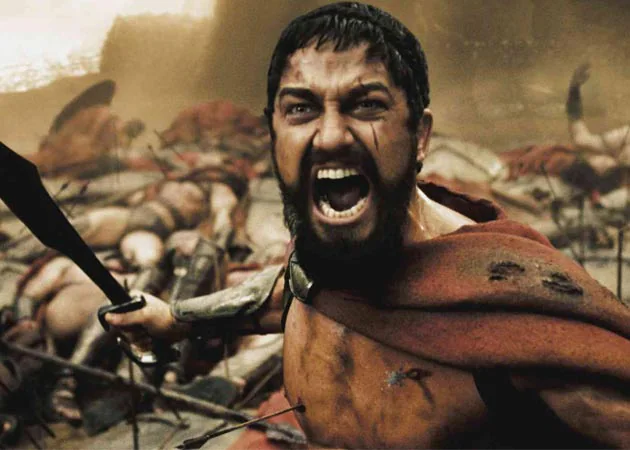
1. 300

Bloody action, vivid effects, and a rousing score dominate writer and director Zack Snyder’s (Justice League) adaptation of the 1998 Frank Miller (Sin City) comic book retelling of the Battle of Thermopylae. However, this Spartan last stand is also a somber and emotional piece with elaborate slow motion poetry and moving personal moments amid the bravery, sacrifices, head rolling, and limb losing violence as Gerard Butler’s Leonidas leads a small force of his best men to cut off the invading Persian army at a critical mountain pass. The beautiful palette reflects the tremendous odds against the titular soldiers with oracle sequences and love scenes so blue they are almost black and white, faded and otherworldly like memories juxtaposed against the earthy bare battlefield where the only color is the Spartan red cape and spilled blood. The hard R nudity and sex scenes match the effective splatter and phalanx action as the renowned ruthlessness and body count mounts amid mystic weapons and conscripted elephants. We root for the brutality while echoing spears and sword clangs accent an unusual if borrowed score combining choral chants, classical awe, and heavy metal. Although many quotes come from the historical literature, there’s actually precious little dialogue during the battle sequences beyond David Wenham’s (Lord of the Rings) narration as Dilios. This voiceover is also somewhat redundant when we can see the action and hear the speeches waxing on honor and glory in death, but such fireside “tell a Spartan passerby” embellishment is part of the fantasy. While the action blends the heavy and overly serious with lighthearted quips, the pace remains full on for the duration thanks to epic performances. Lena Headey’s (Game of Thrones) Queen Gorgo provides Spartan at home strength, but Captain Vincent Regan (Troy) shamelessly weeps over his dead son and loyal Michael Fassbender (Shame) has nothing to lose. They doubt the Spartan way yet will do and die nonetheless – needs of the many outweighing the needs of the few and all that. Despite one too many Christ-like sacrificial images and ridiculously incredible physique aside, Butler’s inspiring king anchors any hyperbole with a superior, over the top, multi-layered passion. His facial range, angry roars, and quick tears carry the heroic lovelorn from the famous “This is Sparta!” to the final enemy volley. Yes, we notice our famous Greek has a decided Scottish brogue. We also know how this story ends, yet we’re along for the hellish ride – hoping this time history will turn out differently. Although there have been numerous memes and parodies since, 300’s groundbreaking visual influence can still be found in blockbusters today. Die hard scholars might not dig the liberties here, but this historical comic book come to life remains ahead of its time excellence.

Honorable Mentions: RocknRolla, Law Abiding Citizen, How to Train Your Dragon

 

Chasing the Gold: SAG Anonymous Ballot #1 From Academy Queens

Over the last few years I have been able to sit with SAG voters and discuss with them their thoughts regarding the nominees for their years ceremony. That changes this year in one way, by being able to publish it for the website I write for here on Insession, compared to tweeting them directly from the Academy Queens twitter. Not only does it allow for more of the discussion to be shared but I thought it would be more fun. 

The day after the nominations came out for the 28th annual SAG awards I was on the phone with a friend who is an actor in LA, who is usually the first one I can depend on when it comes to a yearly anonymous ballot. We’ll call him “SAG voter 1”.

Joey Gentile: Are you ready to dive in? 

SAG Voter 1 : Let’s do this.

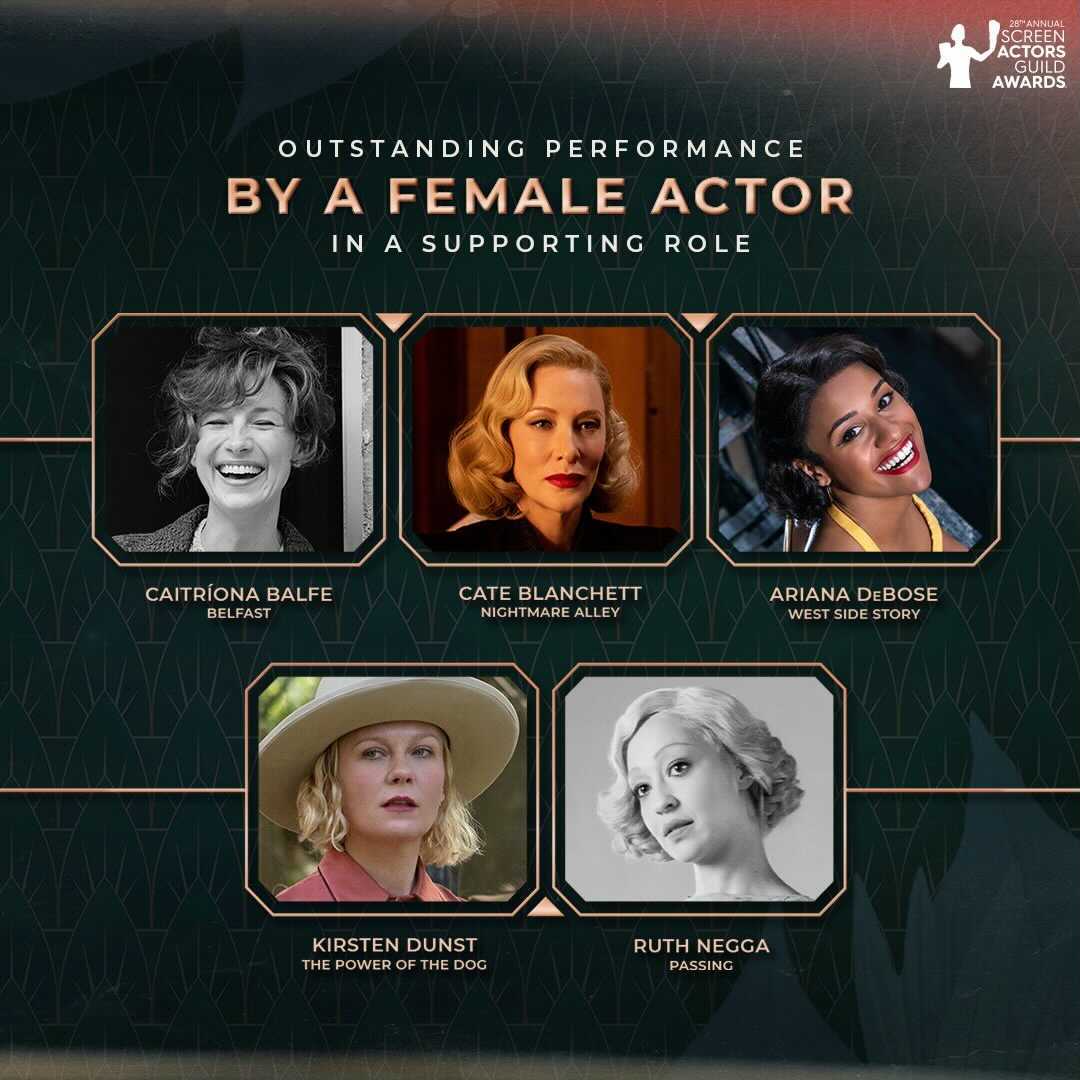
JG: Perfect. SAG voter 1, the nominations are out, let’s start with Supporting Actress. A surprise nomination for Cate Blanchett for Nightmare Alley happened yesterday. With your nominees here, tell me your thoughts and who you’re going to be voting for.

SV 1: Let’s do it-

Ruth Negga, Passing: What a performance, it truly is so unique and quiet (like her first nomination for Loving) I really do like her. I think she is quite the marvel on screen and I’m glad to see her back in the race but I can’t help feeling she was so overshadowed by her co-star Tessa Thompson. I also find it interesting that Ruth Negga has been in the awards race now for two roles that deal with race. I’d like to see what else she can do.

Caitriona Balfe, Belfast: She plays the safe mother role. It’s by no stretch of the imagination what she can do, and with that I’m afraid she’s just so plain in a role that requires so little of a very talented actress. We’ve seen this type of performance before. 

Cate Blanchett, Nightmare Alley: Let’s start with the fact that the movie isn’t very good, it’s like 2 separate movies in 1 and it’s a mess. With that being known, it has 3 great stand out performances, Cate being one of them. The other 2 being Rooney Mara and Mary Steenburgen (who the latter really should be here as well). Cate is tremendous in a dull movie and I really want to see more of this noir styled work from her. 

Ariana DeBose, West Side Story: Let the record state that I’m not a big fan of musicals at all, and West Side Story is no exception. This movie is so unnecessary and this performance is so bland. DeBose isn’t bringing anything new to anyone who has played Maria before and she’s really not great. This is the prime example of a shiny object performance that people are only attracted to due to the shininess of it all. Like Balfe in Belfast we’ve seen this before, hard pass. (I would like to point out that if we were to have a supporting musical performance nominated this year, Olga Merediz in In the Heights was RIGHT THERE.)

Kirsten Dunst, The Power of the Dog: What Dunst is able to pull off here is a beautifully haunting layered performance. Not only is she vastly overdue for some awards and love from her peers but she is sublime in a movie I didn’t like overall. Dunst is magnetic and is the highlight of her film. I almost wonder what one more “umph” styled scene in the vein of her drunken sale to the Native’s would do for her campaign this year.

I’m voting for CATE BLANCHETT, who is easily the best thing in her movie and a nice welcomed surprise in this category that already feels stale outside of Dunst. If Dunst had maybe one more scene she would have my vote but something is missing despite me being knocked on my ass by her. 


JG: Wow, definitely took me on the curveball win there for you but who doesn’t love a good curveball? Okay, how about Supporting Actor? 

SV1: Okay- 


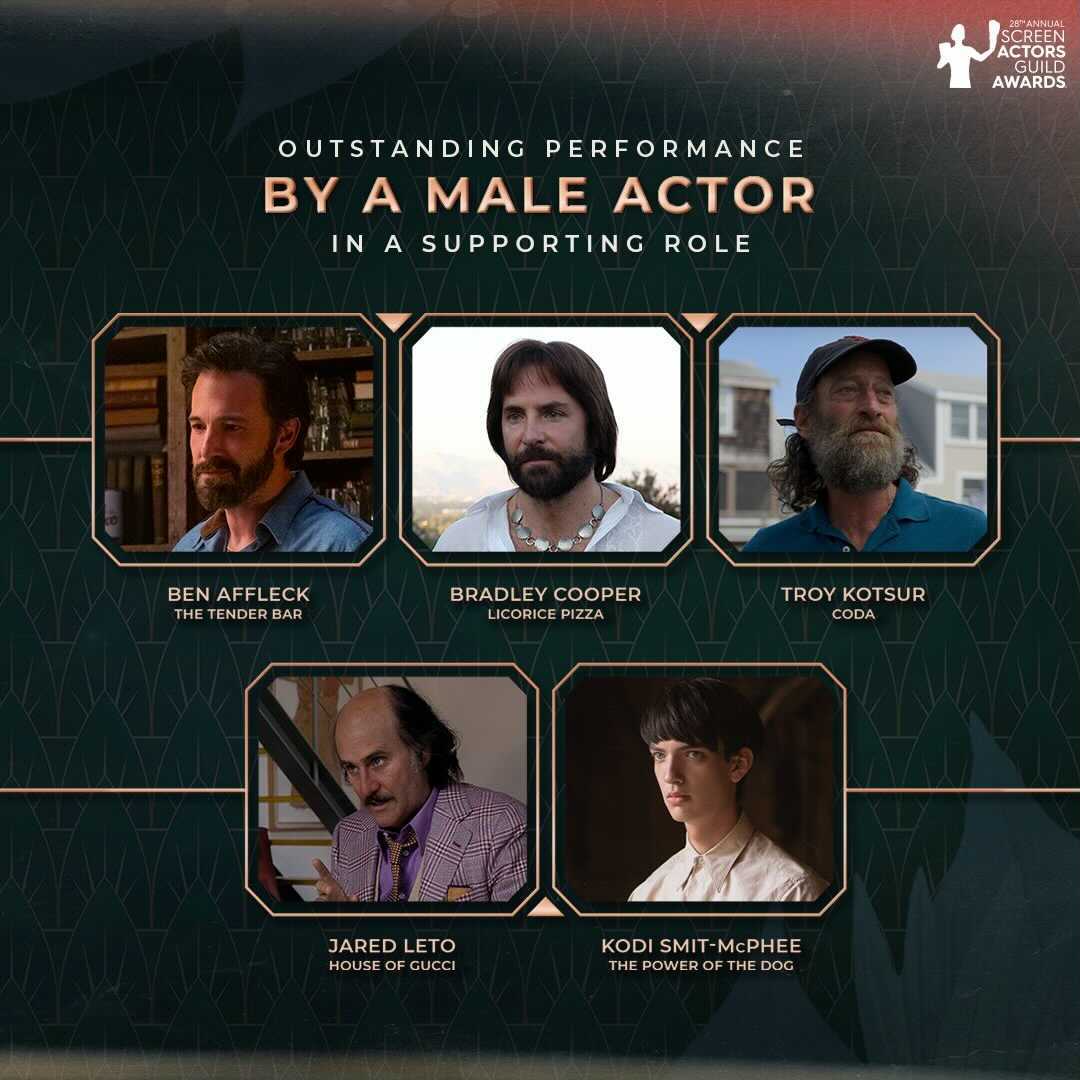
Kodi Smit-McPhee, The Power of the Dog: Um, not really sure what he’s doing in the film to warrant a nomination from anywhere. He smokes a cigarette like he’s in a noir film and not Blanchett but kudos on getting the Golden Globe. 

Ben Affleck, The Tender Bar: As someone who’s worked with Ben in the past I love that he’s getting some acting awards love this year, but knowing what he can do in person and his past work before I’m not sure if he’s really showing us anything new here in the film. The Last Duel was right there if you really want to reward him in a supporting role, this is just Ben being Ben really. 

Jared Leto, House of Gucci: Listen, I really like Jared Leto as an actor, hell I voted for him last year to win for The Little Things he’s absolutely magnificent in that. In House of Gucci though? Come on. While not bad in the vein of someone like DeBose in her film, he’s just a Lot with a capital L. It’s kind of the epitome of the saying “less is more”. 

Troy Kotsur, CODA: I really didn’t like the film, but Kotsur is a marvel. Not only does he perfectly balance comedy and drama he does it with such ease, it’s like breathing, done so effortlessly. Not to mention the scene with him and his daughter near the end is legit tear jerking. I’m so happy he’s getting nominated this year for his performance in this. 

Bradley Cooper, Licorice Pizza:  I absolutely adore Licorice Pizza, it’s a near perfect film this year. I absolutely adore Cooper in this and it really makes me mad that Alana Haim is missing in the lead category, absolute bullshit. Cooper is wonderful in an actual Supporting role, he does so much work with such limited screen time and I would absolutely be voting for him if-

TROY KOTSUR wasn’t in this lineup. Troy has my vote and I really hope he gets this win and Oscar win if he is nominated. 

JG: Solid, moving onto Best Actor.

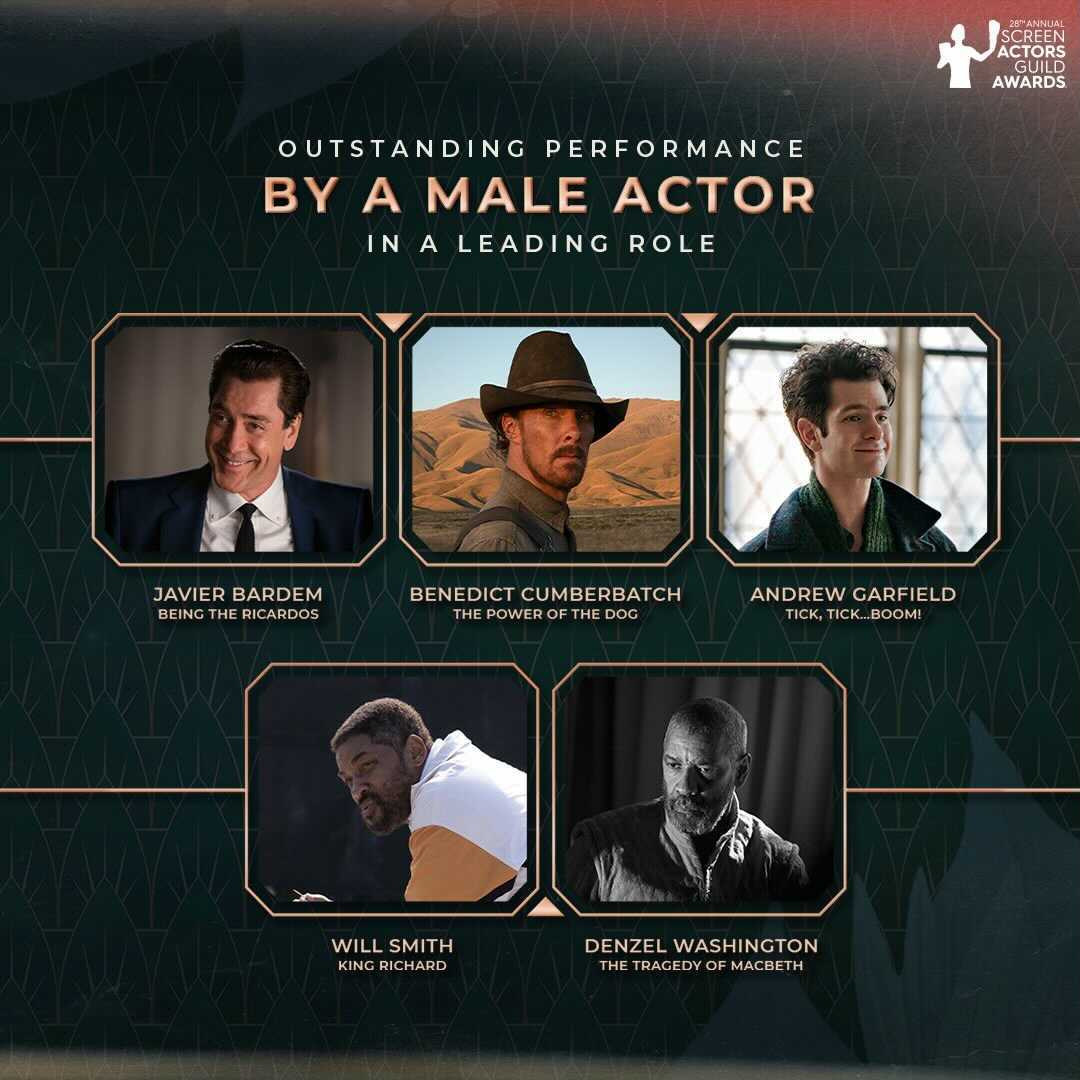
SV1Will Smith, King Richard: I’ve been following the online hype on blogs and twitter regarding this hyperbole of Will Smith “having this in the bag” and honestly I don’t know where it came from, he’s not the one the Academy members and fellow SAG members have been talking about per my conversations. While he’s good here sure, his co-star Anjanue Ellis out shines him in every scene ( she SHOULD be in Supporting over Balfe if we’re giving DeBose’s spot to Merediz) he’s done much, much better work. 

Javier Bardem, Being the Ricardos: Um, sure I guess. Not actively bad and yet not actively good. He’s just “there”.

Andrew Garfield, tick tick… BOOM!: Andrew is one of the two men in this category who voters are talking about over Will, and it’s the better performance by far. Not only does the film resonate with the struggling artist motif that so many SAG members relate to but Garfield is just brilliant in it. 

Denzel Washington, The Tragedy of Macbeth:  I didn’t expect to like this performance as much as I did, his and Kathryn Hunter ( who should also be nominated) are sublime. There’s something so fresh that Denzel brings to such old material and I was enamored with him the entire time, his best nomination in years.

Benedict Cumberbatch, The Power of the Dog: Cumberbatch is so good in the film, while better than McPhee but not as great as Dunst he is magnetic. His performance along with Garfield’s are the two getting the most buzz in voting circles. 

ANDREW GARFIELD gets my vote. He’s so damn good in the movie and edges out Washington by a mile, despite how great the latter is. 


JG: How about Best Actress?

SV1: ( Laughing) Sure, let’s do this.

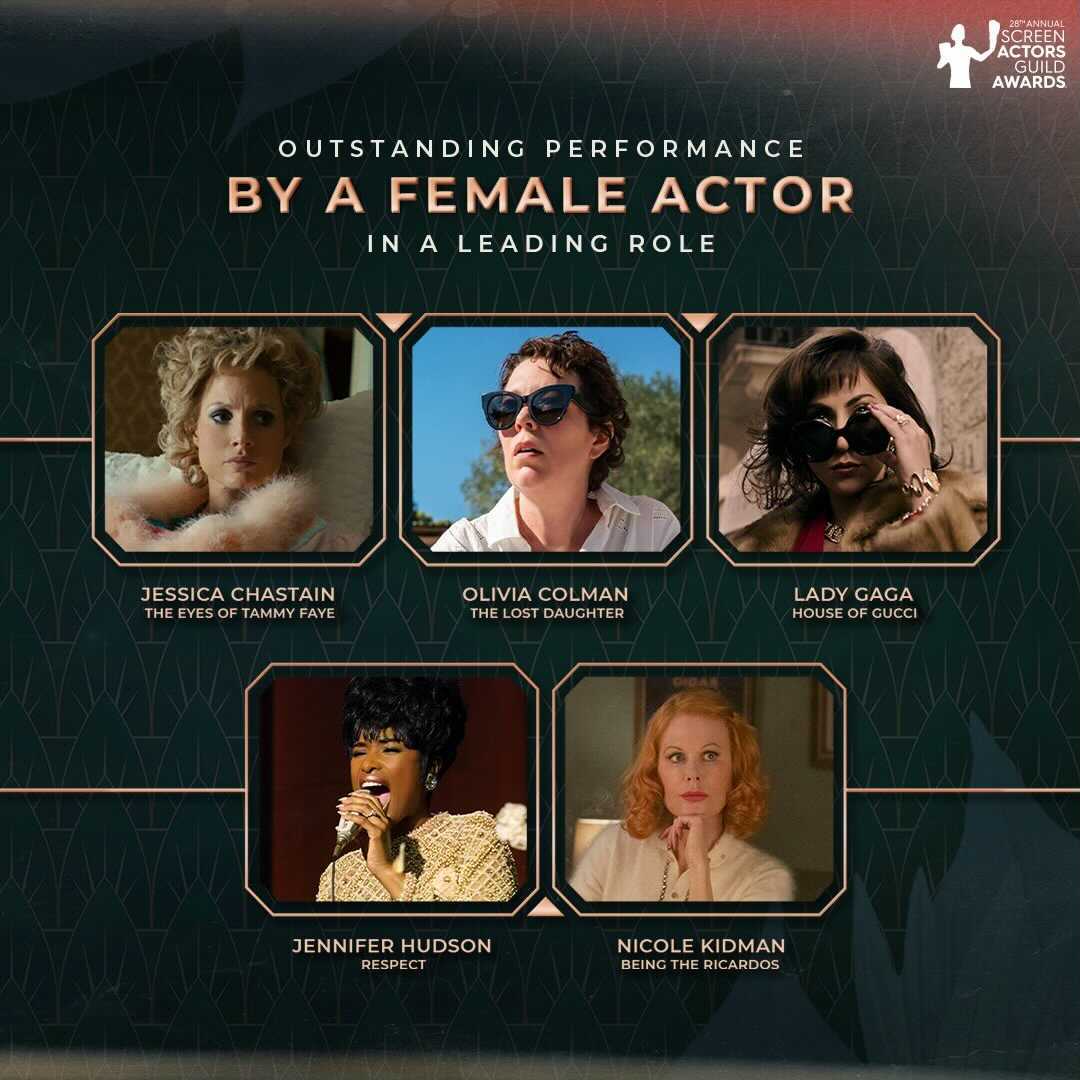
Olivia Colman, The Lost Daughter– Colman is so good in the film which honestly doesn’t offer her much to do and yet here she is doing so much. This is a very quiet performance dialogue wise but is very loud expression wise and I dig it. She should have won last year, and I’m glad she won the Oscar for 2018, but this is a whole new level of Olivia that continues to prove she’s easily the most versatile actress working today. 

Nicole Kidman, Being the Ricardos: While not the best she’s ever done this is by far not the worst she’s ever done. This just feels “too safe” in the vein of Zellwegger back in 2019. It’s just “meh”.

Lady Gaga, House of Gucci: While lukewarm on Leto in the film, I am extremely warm to Gaga’s work in this film. She is magnificent and her accent is so so good here. It wouldn’t shock me one bit if she actually wins here, it would be worthy. 

Jennifer Hudson, Respect: Not going to lie, I do like this and she is leagues better than Stewart in Spencer so I low key LIVED for the twitter drama this nomination caused. The film is a very by the books biopic and while Hudson is good, like Balfe this isn’t a stretch at all. Hudson won for essentially the same thing back in the mid 00’s. 

Jessica Chastain, The Eyes of Tammy Faye: This is CAMP in all the wrong ways. Not only is Chastain hamming it up in every scene she’s in, it’s just too damn much on every level. From the cartoonish accent, to the horrible makeup, it’s larger than life and way larger than even Chastain is able to do. I mean honestly, who is this movie for? What’s the audience? This is made for awards consideration. 

OLIVIA COLMAN is getting my vote. She deserves to win in this very mediocre lineup. (Seriously, Alana Haim got snubbed for this?…)

JG: The shade you bring, truly live for it. How about cast?

SV1: Yikes. What a mess this category is. I’m going to keep it short and sweet here, HOUSE OF GUCCI is getting my vote, the others are so boring as a whole.

JG: Short and sweet is the name of the game from here on out too, throw me the winners in the rest of the categories for you.

SV1: Of course-

STUNTS: The Matrix Resurrections 

MALE TV: Oscar Isaac 

FEMALE TV: Jean Smart 

MALE DRAMA: Billy Crudup 

FEMALE DRAMA: Elisabeth Moss

MALE COMEDY: Martin Short 

FEMALE COMEDY: Juno Temple 

ENSEMBLE DRAMA: The Morning Show 

ENSEMBLE COMEDY: Hacks 

JG: Well this was fun! 

SV1: It was! Thanks for having me again.

JG: Absolutely, and can’t wait for next year! 


I will be back with more from voters this season! 


List: JD Duran’s Top 10 Movies of 2021

Each year we do a Top 10 list for our awards show, and each time it heightens my rivalry with math as it’s really challenging to fit more than ten excellent films into ten slots. However, this year wasn’t quite as cumbersome as in past years, at least not with my top ten. Those films seemed to come to me without much wrestling. My 11-20 though? That was an all out war. Without exaggeration, there was at least 25 films fighting for those slots on my list. From October through November, it was an avalanche of great films. Just one great movie after another. Not to mention the hidden gems that we caught up with as we were doing homework for our year-end wrap up festivities. The depth is so rich for me that I could do a hockey line change and flip out the ten I have below (in my 11-20) for another ten films and not lose an ounce of sleep. Which is all to say, it was another great year for movies. Obviously, it was the year of the musical and that may define 2021 most potently. However, we also got films from Jane Campion, Paul Thomas Anderson, Denis Villenueve, and Joel Coen, among other heavy hitters as well. It was a phenomenal year for foreign language films. Good luck trying to narrow down Flee, Petite Maman, The Worst Person in the World, A Hero, Parallel Mothers, Drive My Car, Lamb, Undine, Ema, Identifying Features and so many others. It’s not being talked about as much, although it should, we got another great script from Matt Damon and Ben Affleck in 2021. This time working with Nicole Holofcener, and the three of them knocked it out of the park. The year had so much to offer. It started off slow, but it ended up being really fun and rewarding.

We do encourage you to listen to Episode 465 to hear more about our picks, but as we do every year, listed here (after the jump) are my Top 10 Movies of 2021.

[divider]

RELATED: JD’s Top 10 Movies of 2019

[divider]

10. Dune


Denis Villeneuve is one of the most exciting directors working today and boy did he deliver with Dune. It’s one of the most transportive experiences I’ve had at the cinema in some time. The sound design is truly on another level. The fusing of practical and visual effects is remarkable. The cinematography and coloration is evocative. The costuming and make-up work is great. The technical proficiency of Dune is astounding. But more than that, it’s a fascinating take on the “chosen one” narrative with Paul and how he’s starting to revert against his destiny. Yes, it’s just a Part 1, but it’s still excellent on its own right and will (mostly) stand alone well despite what we see in Part 2. Click here to listen to our full review.

[divider]

9. Pig


Michael Sarnoski’s Pig is my pick for the best directorial film of the year. As someone who wears their heart of their sleeve and has an affinity for methodical, thoughtful films, this had it all. Pig isn’t anything like the trailers made it out to be. It’s not typical to many of the Cage movies we’ve seen from him in the last decade, instead it’s a poignant examination of grief and succumbing to the reality that you must face it at some point. Rob did love his pig, but perhaps mostly because it was a symbolic mechanism that kept him from facing the truth in front of him. Which is what makes the film’s final scene absolutely devastating, yet gratifying, to see how Rob finds closure. And as much as I love Sarnoski’s direction, Nicolas Cage gives one of his best career performances to help solidify the film as one of the best of 2021. Click here to listen to our full review.

[divider]

8. The Worst Person in the World


The Worst Person in the World is an exquisite look at this year’s theme (apparently) of turning 30 and feeling an overwhelming sense of dread. Which is of course what makes the film’s title and incredible use of irony because Julie isn’t a bad person at all. She’s just stuck. And once she meets Eivind while crashing a wedding party, she starts to see how things can change for her. To me that’s why the “Cheating” segment is maybe the best vignette of the film. The “time freeze” moment is spectacular (totally get why everyone, including me, loves it so much), but the sequence of Julie and Eivind flirting and trying to avoid the cheat line is just as lively. And it clearly sparks something for Julie that has huge ramifications. Don’t get me started on how beautiful and heartbreaking that bench scene is at the end of the film. Click here to listen to our full review.

[divider]

7. C’mon C’mon


Mike Mills’ best film to date. And my pick for the best original screenplay of the year. Like Mills’ other films, C’mon C’mon is a deeply personal film that examines fatherhood and it’s challenges. But also its rewards. Perhaps what the film gets most right is the duality that defines being a parent. It’s often exhausting and hard, which comes through vividly in Johnny’s reactions to Jesse. Yet, there’s no doubt that Johnny loves Jesse and wants to connect with him in a true way. The way he reads poems to Jesse, or teaches him how to use his microphone, or just being there to bathe and take care of him. All of that matters deeply to Jesse at that age. And it’s so endearing and poignant to see how the two connect over the course of the film. This was without a doubt the #JDTears movie of the year. That and another you’ll see below. Click here to listen to our full review.

[divider]

6. The Green Knight


The Green Knight is one of the best directed movies of the year. Like Villeneuve, David Lowery’s direction in this film is stunning. The production design, the sound, the cinematography, the costuming and make-up, it’s all ravishing. Perhaps my favorite thing about the film, however, is how Lowery takes an old tradition and makes it his own. In many ways this is a deconstruction of the poem, and for my money, a sublime look at honor and what it truly means to achieve it. The Green Knight is full of subverted contradictions, but it’s what makes it a uniquely singular take on this story. And I loved everything about it. Click here to listen to our full review.

[divider]

5. Licorice Pizza


What can you say? Paul Thomas Anderson is the master (pun intended). Licorice Pizza was my most anticipated film of 2021 and it lived up to the bill in every way. It’s meandering and strange, but full of purpose and meaning as it explores a young woman navigating a mild existential crisis trying to figure out where to take her life. Alana Haim is excellent in every way. Cooper Hoffman is also terrific (his papa would have been proud). They have a chemistry that is endearing and rivals the best character dynamic we’ve seen from PTA yet. Licorice Pizza is maybe the most rewatchable film of the year. Like Inherent Vice, it’s silly and fun on the surface, but underneath is a saddening reality that many of us can relate with at our core. Click here to listen to our full review.

[divider]

4. Drive My Car


Ryusuke Hamaguchi’s Drive My Car has arguably the best screenplay of the entire year, original or adapted. At 179 minutes, there’s a lot of story here and a vast amount of character exchanges, and it will leave you breathless by the end. The way it toys with what is real and what is art is especially intuitive. From scene to scene, we don’t know if what the characters are doing is true to their real lives or a function of their theater ethos. But that’s exactly the effect as the film examines art and how it intervenes with the coping process. It’s a profound experience that’s elevated as a result of these great performances and Hamaguchi’s stellar direction. Click here to listen to our full review.

[divider]

3. Annette


Annette is by far the best narrative musical of the year. But look, I get it, it’s not going to be for everyone. This is a Leos Carax film after all, and it’s fervently weird at times. Featuring Annette as a wooden puppet baby is one thing, but to treat it with such sincerity without ever acknowledging that it’s a puppet is really something else. Then there’s Adam Driver’s Henry belting a tune into Marion Cotillard’s…uh…lady parts. Not to mentionthe meta qualities of the film or the obvious staginess in Carax’s direction. But I loved it. Immensely. The production value here is phenomenal, but it all works in amplifying this story of exploitation and parenthood. I’ve talked about it to death, but that last scene between Driver and newcomer Devyn McDowell is one for the ages. As poignant and riveting as one scene can get. An all-time ending in my book. Click here to listen to our full review.

[divider]

2. Inside


Bo Burnham’s Inside is one of the more saddening, yet brilliant, movies of 2021. Particularly with how he explores irony. The first half of the film is a staggering and hilarious commentary on the way we spend our physical, real lives creating content that lives in the digital space. Which, in and of itself, is a compelling idea, but ironic since that’s where Burnham stems from himself. He was made famous by posting videos on YouTube. So he’s no stranger to creating content that lives online. Hell, this whole special lives on Netflix for crying out loud. Yet it’s fascinating to see him comment on the fakery that exudes from so much online content. It’s in that where Inside thrives given where it goes next as we see Burnham recoiling in his depression and anxiety. What we see in the backhalf is anything but fake. It’s real. It’s Burnham at his most raw. And it’s heartbreaking. Every song of Inside is great, but “All Eyes On Me” is profoundly special. Click here to listen to our full review.

[divider]

1. The Power of the Dog


Jane Campion’s The Power of the Dog is a captivatingly methodical, yet intrinsically nuanced, movie that revels in revealing one secret at a time. First of all, by showing us how lonely they are, which in turn drives much of their actions. It’s the reason Phil torments Rose. Not because he’s some ruthless outlaw who has no regards for humanity, it’s because of societal exceptions and a forceful repression thrust upon him. All he had was this ranch and his brother’s company. When part of that is ripped away from him, he takes it out on Rose. It’s heartbreaking to see how that torment effects Rose, but also why Phil feels vulnerable and backed into a corner. There’s so much humanity to this film. And when you couple that with Campion’s rigorous direction, it makes for an unforgettable experience. Click here to listen to our full review.

To round out my Top 20, here is the rest of my list:
11) Petite Maman
12) Flee
13) Red Rocket
14) Belfast
15) Lamb
16) Nine Days
17) Spencer
18) Luca
19) CODA
20) The Last Duel

Let us know what you think. Do you agree or disagree? We’d like to know why. Leave a comment in the comment section below or tweet us @InSessionFilm.

To hear us discuss our InSession Film Awards and our Top 10 Best Movies of 2021, subscribe to us on iTunes, Stitcher, Soundcloud or you can listen below.

Part 1

Part 2

Download MP3
InSession Film Podcast – Episode 465 (Part 1)
InSession Film Podcast – Episode 465 (Part 2)

List: 2021 InSession Film Awards (all nominees and winners)

This week on the InSession Film Podcast, we featured our 8th annual InSession Film Awards! During Part 1, we discussed the very best that 2020 had to offer in terms of film. We dove into everything from movie surprises, to overlooked movies, to the best acting performances and so much more!

For every category, we each listed our own nominations and winners. Winners are highlighted in bold.

Best Actor

Brendan:

  • Nicolas Cage, Pig
  • Benedict Cumberbatch, The Power of the Dog
  • Peter Dinklage, Cyrano
  • Hidetoshi Nishijima, Drive My Car
  • Simon Rex, Red Rocket

JD:

  • Adam Driver, Annette
  • Nicolas Cage, Pig
  • Benedict Cumberbatch, The Power of the Dog
  • Winston Duke, Nine Days
  • Peter Dinklage, Cyrano

Jay:

  • Peter Dinklage – Cyrano
  • Winston Duke – Nine Days
  • Oscar Isaac – The Card Counter
  • Simon Rex – Red Rocket
  • Denzel Washington – The Tragedy of Macbeth

Ryan:

  • Nicolas Cage, Pig
  • Benedict Cumberbatch, The Power of the Dog
  • Peter Dinklage, Cyrano
  • Hidetoshi Nishijima, Drive My Car
  • Joaquin Phoenix, C’mon C’mon
Best Actress

Brendan:

  • Virginie Efira, Benedetta
  • Isabelle Fuhrman, The Novice
  • Alana Haim, Licorice Pizza
  • Rebecca Hall, The Night House
  • Renate Reinsve, The Worst Person in the World

JD:

  • Jodie Comer, The Last Duel
  • Alana Haim, Licorice Pizza
  • Renate Reinsve, The Worst Person in the World
  • Penélope Cruz, Parallel Mothers
  • Kristen Stewart, Spencer

Jay:

  • Jodie Comer – The Last Duel
  • Virginie Efira – Benedetta
  • Alana Haim – Licorice Pizza
  • Riley Keough – Zola
  • Renate Reinsve – Worst Person In the World

Ryan:

  • Agatha Rousselle, Titane
  • Alan Haim, Licorice Pizza
  • Virginie Efria, Benedetta
  • Tessa Thompson, Passing
  • Isabel Fuhrman, The Novice
Best Actor Supporting Role

Brendan:

  • Anders Denielson Lie, The Worst Person in the World
  • Colman Domingo, Zola
  • Corey Hawkins, The Tragedy of Macbeth
  • Jason Isaacs, Mass
  • Jeffrey Wright, The French Dispatch

JD:

  • Jeffrey Wright, The French Dispatch
  • Vincent Lindon, Titane
  • Jason Isaacs, Mass
  • Troy Kotsur, CODA
  • Anders Denielson Lie, The Worst Person in the World

Jay:

  • Bradley Cooper – Licorice Pizza
  • Anders Danielsen Lie – Worst Person
  • Benicio Del Toro – The French Dispatch
  • Colman Domingo – Zola
  • Mike Faist – West Side Story

Ryan:

  • Bradley Cooper, Licorice Pizza
  • Vincent London, Titane
  • Jason Isaacs, Mass
  • Alex Wolff, Pig
  • Jeffery Wright, The French Dispatch
Best Actress Supporting Role

Brendan:

  • Jessie Buckley, The Lost Daughter
  • Ariana DeBose, West Side Story
  • Devyn McDowell, Annette
  • Martha Plimpton, Mass
  • Mia Wasikowska, Bergman Island

JD:

  • Ariana Debose, West Side Story
  • Ruth Negga, Passing
  • Kirsten Dunst, The Power of the Dog
  • Caitriona Balfe, Belfast
  • Jessie Buckley, The Lost Daughter

Jay:

  • Catriona Balfe – Belfast
  • Ariana DeBose – West Side Story
  • Kirsten Dunst – Power of the Dog
  • Gaby Hoffman – C’mon C’mon
  • Kathryn Hunter – The Tragedy of Macbeth

Ryan:

  • Rebecca Ferguson, Dune
  • Martha Plimpton, Mass
  • Olga Merediz, In the Heights
  • Ana De Armas, No Time to Die
  • Reika Kirishima, Drive My Car
Best Director

Brendan:

  • Paul Thomas Anderson, Licorice Pizza
  • Sean Baker, Red Rocket
  • Celine Sciamma, Petite Maman
  • Steven Spielberg, West Side Story
  • Joachim Trier, The Worst Person in the World

JD:

  • Jane Campion, The Power of the Dog
  • Paul Thomas Anderson, Licorice Pizza
  • Leos Carax, Annette
  • David Lowery, The Green Knight
  • Denis Villenueve, Dune

Jay:

  • Paul Thomas Anderson – Licorice Pizza
  • Jane Campion – The Power of the Dog
  • Steven Spielberg – West Side Story
  • Joachim Trier – The Worst Person in the World
  • Lana Wachowski – The Matrix Resurrections

Ryan:

  • David Lowery, The Green Knight
  • Paul Thomas Anderson, Licorice Pizza
  • Jane Campion, The Power of the Dog
  • Julia Ducournau, Titane
  • Ryusuke Hamaguchi, Drive My Car
Best Original Screenplay

Brendan:

  • Ron Mael and Russell Mael, Annette
  • Annie Mumolo and Kristen Wiig, Barb and Star Go to Vista Del Mar
  • Mike Mills, C’mon C’mon
  • Celine Sciamma, Petite Maman
  • Vanessa Block and Michael Sarnoski, Pig

JD:

  • Paul Thomas Anderson, Licorice Pizza
  • Joachim Trier and Eskil Vogt, The Worst Person in the World
  • Mike Mills, C’mon C’mon
  • Kenneth Branagh, Belast
  • Edson Oda, Nine Days

Jay:

  • Kristin Wiig and Annie Mumolo – Barb and Star Go to Vista del Mar
  • Paul Schrader – The Card Counter
  • Paul Thomas Anderson – Licorice Pizza
  • Céline Sciamma – Petite Maman
  • Eskil Vogt and Joachim Trier – The Worst Person in the World

Ryan:

  • Asghar Farhadi, A Hero
  • Paul Thomas Anderson, Licorice Pizza
  • Mike Mills, C’mon C’mon
  • Fran Kranz, Mass
  • Wes Anderson, The French Dispatch
Best Adapted Screenplay

Brendan:

  • Ryusuke Hamaguchi, Drive My Car
  • Ben Affleck, Matt Damon, and Nicole Holofcener, The Last Duel
  • Lana Wachowski, David Mitchell, and Aleksander Hemon, The Matrix Resurrections
  • Jane Campion, The Power of the Dog
  • Janicza Bravo and Jeremy O. Harris, Zola

JD:

  • Jane Campion, The Power of the Dog
  • Ryusuke Hamaguchi and Takamase Oe, Drive My Car
  • Sian Heder, CODA
  • Nicole Holofcener, Ben Affleck and Matt Damon, The Last Duel
  • David Lowery, The Green Knight

Jay:

  • David Birke and Paul Verhoeven – Benedetta
  • Ryusuke Hamaguchi – Drive My Car
  • Nicole Holofcener, Ben Affleck, and Matt Damon – The Last Duel
  • Maggie Gyllenhaal – The Lost Daughter
  • Jane Campion – The Power of the Dog

Ryan:

  • Nicole Holofcener, Ben Affleck and Matt Damon, The Last Duel
  • Ryusuke Hamaguchi and Takamase Oe, Drive My Car
  • Jane Campion, The Power of the Dog
  • David Birke; Paul Verhoeven, Benedetta
  • James McTeigue, Lana Wachowski, Grant Hill, The Matrix Resurrections
Best Cinematography

Brendan:

  • Andrew Droz Palermo, The Green Knight
  • Viktor Kosakovskiy and Egil Haskjold Larsen, Gunda
  • Bruno Delbonnel, The Tragedy of Macbeth
  • Janusz Kaminski, West Side Story
  • Ari Wagner, The Power of the Dog

JD:

  • Haris Zambarloukos, Belfast
  • Claire Mathon, Spencer
  • Andrew Droz Palermo, The Green Knight
  • Bruno Delbonnel, The Tragedy of Macbeth
  • Greg Fraser, Dune

Jay:

  • Andrew Droz Palermo, The Green Knight
  • Mike Gioulakis, Old
  • Ari Wegner, The Power of the Dog 
  • Bruno Delbonnel, The Tragedy of Macbeth 
  • Janusz Kaminski, West Side Story

Ryan:

  • Claire Mathon, Petite Maman
  • Andrew Droz Palermo, The Green Knight
  • Ari Wegner, The Power of the Dog
  • Bruno Delbonnel, The Tragedy of Macbeth
  • Michael Gioulakis, Old
Best Documentary

Brendan:

  • Derek DelGaudio’s In & of Itself
  • Flee
  • Gunda
  • The Sparks Brothers
  • Summer of Soul (…or, When the Revolution Could Not Be Televised)

JD:

  • Flee
  • Summer of Soul
  • Procession
  • Inside
  • In and Of Itself

Jay:

  • Bo Burnham: Inside
  • Flee
  • Some Kind of Heaven
  • The Sparks Brothers
  • The Velvet Underground

Ryan:

  • Some Kind of Heaven
  • Summer of Soul
  • In and Of Itself
  • Inside
  • Val
Best Foreign Language Film

Brendan:

  • Drive My Car
  • A Hero
  • Petite Maman
  • Wheel of Fortune and Fantasy
  • The Worst Person in the World

JD:

  • The Worst Person of the World
  • Petite Maman
  • Drive My Car
  • A Hero
  • Lamb

Jay:

  • Benedetta
  • Drive My Car
  • A Hero
  • Titane
  • The Worst Person in the World

Ryan:

  • A Hero
  • Benedetta
  • Drive My Car
  • Titane
  • Petite Maman
Best Animated Movie

Brendan:

  • Encanto
  • Flee
  • Luca
  • The Mitchells vs. The Machines
  • The Summit of the Gods

JD:

  • Encanto
  • The Summit of the Gods
  • The Mithcells vs the Machines
  • Luca
  • Raya and the Last Dragon
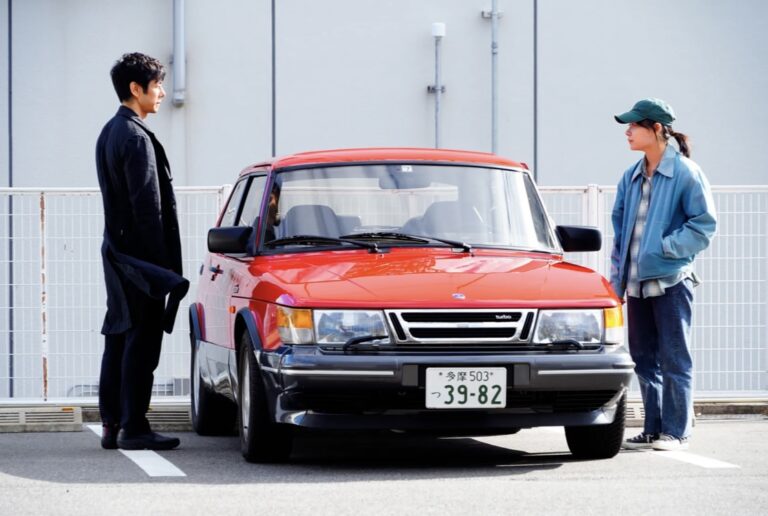
Jay:

  • Encanto
  • Flee
  • Luca
  • The Mitchells vs The Machines
  • The Summit of the Gods

Ryan:

  • Mitchells vs the Machines
  • Luca
  • Encanto
  • Flee
  • Vivo
Best Original Score

Brendan:

  • Carter Burwell, The Tragedy of Macbeth
  • Jonny Greenwood, The Power of the Dog
  • Daniel Hart, The Green Knight
  • Dan Romer, Luca
  • Hans Zimmer, Dune

JD:

  • Hans Zimmer, Dune
  • Bryce Dessner and Aaron Dessner, Cyrano
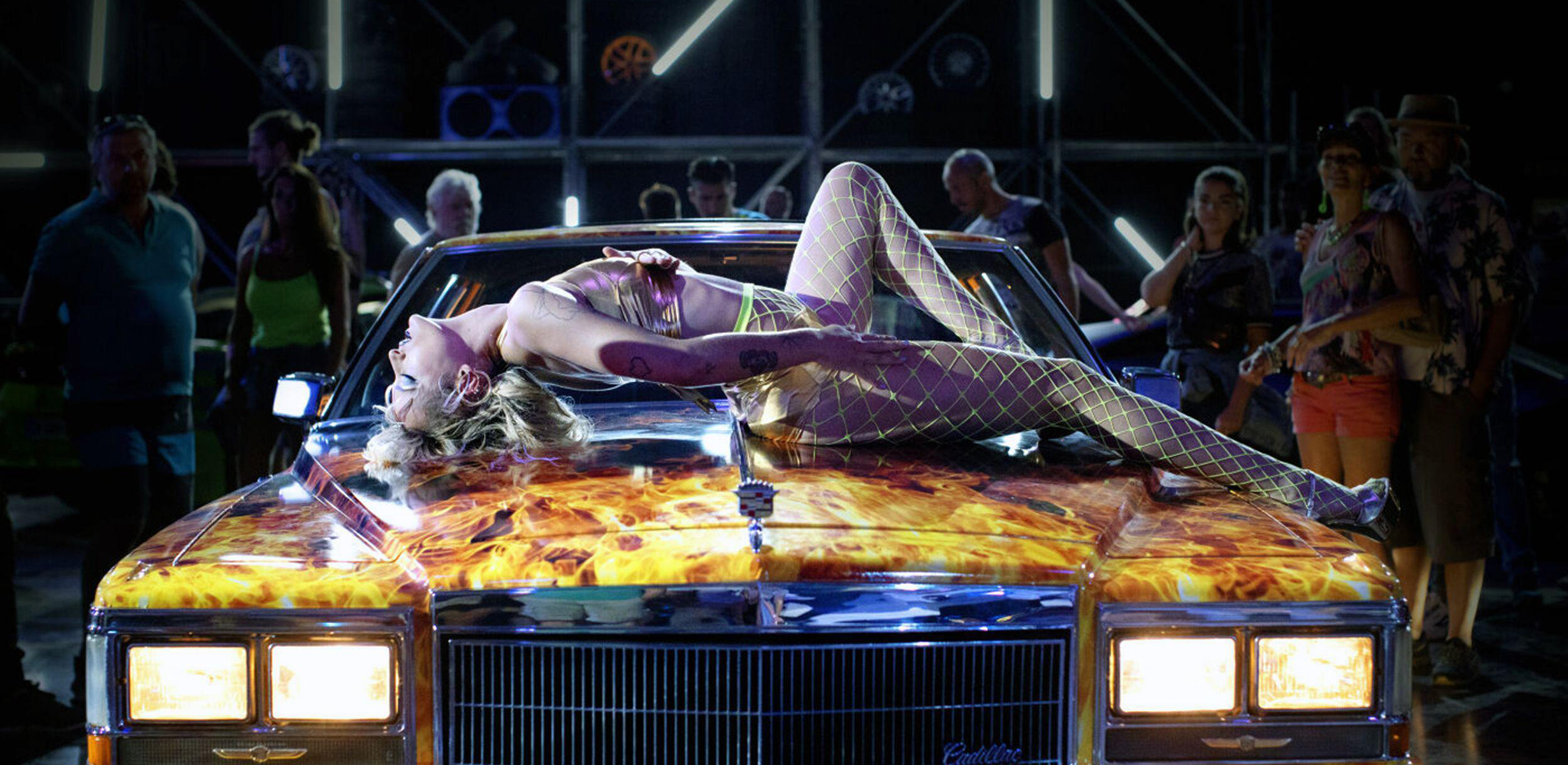
  • Johnny Greenwood, Spencer
  • Dan Romer, Luca
  • Antonio Pinto, Nine Days

Jay:

  • Robert Aiki Aubrey Lowe, Candyman
  • Daniel Hart, The Green Knight 
  • Antonio Pinto, Nine Days 
  • Alex Weston, The Novice
  • Johnny Greenwood, Spencer

Ryan:

  • Johnny Greenwood, The Power of the Dog
  • Johnny Greenwood, Spencer
  • Bryce Dessner and Aaron Dessner, C’mon C’mon
  • Daniel Hart, The Green Knight
  • Antonio Pinto, Nine Days
Best Use of Soundtrack Music (Doesn’t have to be original. Closing and Opening credits count)

Brendan:

  • “The Winner Takes It All” by ABBA, Bergman Island
  • “The Calvary Cross” by Richard & Linda Thompason, The Night House
  • “La Musique du Futur” by Para One, Petite Maman
  • “I’m on Fire” by Cassandra Violet, Pig
  • “Bye Bye Bye” by Suzanna Son, Red Rocket

JD:

  • “Sympathy for the Abyss” by Sparks, Annette
  • “Wherever I Fall – Part 1″ by Bryce Dessner and Aaron Dessner, Cyrano
  • “All Eyes On Me” by Bo Burnham, Inside
  • “Both Sides Now” by Emilia Jones, CODA
  • “Bye Bye Bye” by Suzanna Son, Red Rocket

Jay:

  • “Light House” by Future Islands, Titane
  • “The Winner Takes It All” by ABBA, Bergman Island
  • “Everlasting Love” by Love Affair, Belfast
  • “Hannah Montana” by Migos, Zola
  • “White Rabbit” by Jefferson Airplane, The Matrix Resurrections

Ryan:

  • “Wherever I Fall – Part 1″ by Bryce Dessner and Aaron Dessner, Cyrano
  • “96,000” by Lin-Manuel Miranda, In the Heights
  • “Let Me Roll It” by Wings, Licorice Pizza
  • “Bloom Sweet Lily Flower” by Daniel Hart, The Green Knight
  • “Edgar’s Prayer” by Jamie Dornan, Barb and Star Go to Vista Del Mar
Best Opening/Closing Credits Sequence or Scene

Brendan:

  • Belfast (Opening credits)
  • Drive My Car (Opening credits)
  • The Green Knight (Opening credits)
  • Parallel Mothers (Opening credits)
  • Red Rocket (Openingcredits)

JD:

  • Drive My Car (Opening)
  • Titane (Closing)
  • Pig (Closing)
  • Luca (Closing)
  • Annette (Opening)

Jay:

  • Annette (Opening)
  • Red Rocket (Opening)
  • The Green Knight (Closing)
  • The Card Counter (Opening)
  • West Side Story (Opening)

Ryan:

  • Drive My Car (Opening)
  • Dune (Closing)
  • Language Lessons (Closing)
  • Luca (Closing)
  • Annette (Closing)
Best Overlooked Movie

Brendan:

  • The Night House
  • Derek DelGaudio’s In & of Itself
  • The Summit of the Gods
  • Together Together
  • Undine

JD:

  • Bergman Island
  • Lamb
  • In and Of Itself
  • The Novice
  • The French Dispatch

Jay:

  • Crimes and Penalties
  • Finch
  • Some Kind of Heaven
  • Stillwater
  • Wrath of Man

Ryan:

  • Bergman Island
  • In and Of Itself
  • The Novice
  • No Sudden Move
  • Riders of Justice
Best Surprise Movie

Brendan:

  • Barb and Star Go to Vista Del Mar
  • Benedetta
  • The Matrix Resurrections
  • Old
  • West Side Story

JD:

  • Venon: Let There Be Carnage
  • Barb and Star Go To Vista Del Mar
  • The Last Duel
  • Malignant
  • Spider-Man: No Way Home

Jay:

  • The Dig
  • House of Gucci
  • The Mitchells vs The Machines
  • The Novice
  • A Quiet Place Part II

Ryan:

  • The Last Duel
  • Old
  • Old Henry
  • Snyder Cut
  • West Side Story
Best Surprise Actor/Actress

Brendan:

  • Bo Burnham, Inside
  • Jamie Dornan, Barb and Star Go to Vista Del Mar
  • Simon Rex, Red Rocket
  • Jason Statham, Wrath of Man
  • Lambert Wilson, The Matrix Resurrections

JD:

  • Willem Dafoe, Spider-Man: No Way Home
  • Simon Rex, Red Rocket
  • Jack Dylan Grazer, Luca
  • Isabell Fuhrman, The Novice
  • Devyn McDowell, Annette

Jay:

  • Jamie Dornan, Barb and Star Go to Vista del Mar
  • Isabelle Fuhrman, The Novice
  • Simon Helberg, Annette
  • Jessica Henwick, The Matrix Resurrections
  • Simon Rex, Red Rocket

Ryan:

  • Cooper Hoffman, Licorice Pizza
  • Isabel Fuhrman, The Novice
  • Jonathan Groff, The Matrix Resurrections
  • Rami Malek, No Time to Die
  • Simon Rex, Red Rocket
Best Movie Discovery

Brendan:

  • Lauren Hadaway – Director, The Novice
  • Cooper Hoffman – Actor, Licorice Pizza
  • Devyn McDowell – Actress, Annette
  • Renate Reinsve – Actress, The Worst Person in the World
  • Michael Sarnoski – Director, Pig

JD:

  • Edson Oda – Director, Nine Days
  • Lauren Hadaway – Director, The Novice
  • Woody Norman – Actor, C’mon C’mon
  • Emilia Jones – Actress, CODA
  • Bryce Dessner and Aaron Dessner – Composers, Jockey, C’mon C’mon, Cyrano

Jay:

  • Virginie Efira, Benedetta
  • Lauren Hadaway, The Novice
  • Lance Oppenheim, Some Kind of Heaven
  • Renate Rensve, The Worst Person in the World
  • Rachel Zegler, West Side Story

Ryan:

  • Woody Norman – Actor, C’mon C’mon
  • Emilia Jones – Actress, CODA
  • Saniyya Sidney- Actress,  King Richard
  • Rachel Zegler- Actress, West Side Story
  • Ryusuke Hanaguci- Director, Drive My Car
JD’s Individual Special Awards

Best Individual Score Track

  • “Go Find Out For Me” – Dan Romer (Luca)
  • “Final Ascent” – Hans Zimmer (No Time to Die)
  • “My Heart” – Para One (Petite Maman)
  • “Forget Me Knots” – Michael Giacchino (Spider-Man: No Way Home)
  • “10327 Days of Life” – Antonio Pinto (Nine Days)
  • “I Love You” – Aaron Dessner and Bryce Dessner (Cyrano)

Best Musical Number (Not Nominated for Best Use of Song)

  • “Problematic” – Inside
  • “Every Letter” – Cyrano
  • “We Love Each Other So Much” – Annette
  • “In the Heights” – In the Heights
  • “30/90” – Tick…Tick…Boom!

Best, And Most Weird, Metaphysical Character

  • Little Ada – Lamb
  • Baby Annette – Annette
  • Green Knight – The Green Knight
  • Gabriel – Malignant
  • Cadillac Lowrider – Titane

Best Poster

  • Lamb
  • The Green Knight
  • The French Dispatch
  • Spencher
  • Annette

Best Editing

  • The Power of the Dog
  • Annette
  • Drive My Car
  • The Worst Person in the World
  • Dune

Best Production Design

  • The Power of the Dog
  • Annette
  • Dune
  • The Green Knight
  • The Tragedy of Macbeth

Best Sound Design

  • Annette
  • The Green Knight
  • The Tragedy of Macbeth
  • Dune
  • The Last Duel

Best Directorial Debut

  • Edson Oda – Nine Days
  • Valdimar Johansson – Lamb
  • Lauren Hadaway – The Novice
  • Michael Sarnoski – Pig
  • Clint Bently – Jockey
  • Maggie Gyllenhaal – The Lost Daughter

Best Movie Discovery (Runner-Ups)

  • Anders Thomas Jensen – Riders of Justice
  • Fernanda Valadez – Identifying Features
  • Jude Hill – Belfast
  • Simon Stone – The Dig
  • Shatara Michelle Ford – Test Pattern

Best Foreign Language Film (Runner-Ups)

  • Ema
  • Identifying Features
  • Parallel Mothers
  • Undine
  • This Is Not A Burial, It’s A Resurrection
Brendan’s Individual Special Awards

Best Performance by a Non-Human, aka “Cheddar Goblin” Award

  • Brandy the pig, Pig
  • Gunda the pig, Gunda
  • The “Morgan Freeman” crab, Barb and Star Go to Vista Del Mar
  • Gabriel, Malignant
  • The Cyclops baby, Nightmare Alley

Existenial Crisis Moment

  • Priest chugs bottle of wine having lost his faith, About Endlessness
  • The whole goddamn film, Bo Burnham: Inside
  • Final scene, Gunda
  • Will’s final monologue, Nine Days
  • Stopping time, The Worst Person in the World

Best Spit-Take Moment

  • Henry McHenry’s comedy routine, Annette
  • The “Virgin Sexy” object, Benedetta
  • Simon Rex’s junk swinging to “Bye Bye Bye”, Red Rocket
  • “Automobile love”, Titane
  • Magic mushrooms, The Worst Person in the World
Jay’s Individual Special Awards

Most Make or Break, Jarring, Divisive Cinematic Decision of the Year

  • The cinematography in the Abu Ghraib sequence in The Card Counter
  • The ending of No Time to Die
  • Jared Leto’s performance in House of Gucci
  • Age gaps – people were really obsessed with age gaps this year

Inanimate Object of the Year

  • The Virgin Mary statue – Benedetta
  • Rope – The Power of the Dog
  • Water beds – Licorice Pizza

Best Doubleheader of the Year

  • Malignant

Hottest Movie Couple of the Year

  • Ikaris and Sersi played by Richard Madden and Gemma Chan 
  • Lady Jessica and Duke Atreides in Dune 
  • Janis and Ana played by Penelope Cruz and Milena Smit in Parallel Mothers 
  • Ma and Pa played by Catriona Balfe and Jamie Dornan in Belfast 

Movie Animal of the Year 

  • Brandy the Pig – Pig
  • The lamb with the cute little jackets – Lamb
  • Goodyear the Dog – Finch

The “Why weren’t they in more of the movie?” Award 

  • Ana de Armas – No Time to Die
  • Elisabeth Moss – The French Dispatch
  • Andy Garcia – Bard and STar Go to Vista del Mar

The “Retire Please” Award for Directors Who Have Lost It (AKA The Zemeckis)

  • George Clooney

The JD Award for Movie That Made Me Cry the Most in 2021

  • C’mon C’mon
  • Finch
  • Petite Maman

Thing I Enjoyed Most About 2021 in Movies

  • The return of honest-to-God craft in movies musicals
  • The onslaught of fantastic films in the last quarter of the year
  • Falling back in love with movie theaters
Ryan’s Individual Special Awards

2021 Taking One for the Team Award

  • Anyone who had to watch Jungle Cruise

2021 Best Jay Intro

  • Cruella
  • Nine Days
  • Titane
  • The Ring
  • Shiva Baby
  • Zola

2021 Best Podcast Line

  • “4K Titties” Erik Anderson, Mulholland Drive Episode

2021 Movie Series of the Year

  • Terrence Malik
  • Michael Mann
  • Spike Lee
  • David Lynch
  • Billy Wilder

2021 Best Cinematic Vehicle

  • Red Car in Drive My Car
  • The Moving Truck in Licorice Pizza
  • Astin Martin in No Time to Die
  • Family Station Wagon- The Mitchells vs the Machines
  • Cadillac in Titane

2021 Best Movie Trailer

  • The Matrix Resurrections

2021 Cultural Icons

  • Baby Annette, Annette
  • Bronco Henry, The Power of the Dog
  • Clifford, Clifford the Big Red Dog
  • Gabriel, Malignant
  • Sand Worms, Dune
  • Palo Gucci, House of Gucci
  • Notorious PIG, Space Jam: A New Legacy
  • Mid Size Sudan, Old
  • Trish, Barb and Star Go To Vista Del Mar

Well, that’s it for our 2020 InSession Film Awards! Hopefully, you all enjoyed our nominations and winners. If you agree or disagree with us, let us know in the comment section below. We would love to hear how your nominations and winners would vary from our picks above. You can also email your selections to us at [email protected] or follow us on social media.

To hear our Top 10 Movies of 2020, listen to Part 2 of Episode 413!

Lists: Ryan McQuade’s Top Ten Films of 2021

The start of this decade saw a lot of hardship, loss, and anxiety to all due to the pandemic. With this, we all spent most of our time at home in 2020, not being able to go to the movies and become as one to enjoy something that brings so many emotions to everyone who buys a ticket. And while things aren’t one hundred percent the way anyone would want them to be, but movies came back to the theaters in a big way and brought one of the strongest years in recent memories. With giant blockbusters, moving dramas, gut-busting comedies, and tons of musicals, 2021 got us back into the cinematic swing of things and brought a small sense of normalcy back into my life.In the Heights (2021) - IMDb

10. In the Heights

In the musical of the year, Jon M. Chu’s adaptation of the Tony award winning musical by Lin-Manuel Miranda is an electric, special experience in which dreams taken center stage and come true before our eyes. Led by an excellent Latinx ensemble, we take a look at a community of individuals Hollywood normally doesn’t shine a light on and for me, as a Latino critic, this gave me a glimmer of hope that more projects like this can be greenlit. The musical numbers are collectively the best from any movie in 2021, the year of the musical, with songs like “96,000” and “Carnaval Del Barrio” show the fire and vigor within the soul of this community, while “Paciencia Y Fe” is the emotional core of this entire effort, displaying the sacrifices of our elders in order for future generations to thrive. Overall, this is a beautiful, vibrant time at the movies.London Film Festival 2021: A Hero | Review – The Upcoming

9. A Hero

There is no other director on this planet that builds tension like Asghar Farhadi. He can take a simple premise of a man trying to repay his debt and make it a thrilling examination on how our society listens and acts upon hearing a story. When I saw this movie back at the Middleburg Film Festival, my knuckles were clenched as every conversation took place, thus making me want to rush into the screen and help everyone in here make the right decisions for Rahim (Amir Jadidi) going forward. By the end, you are exhausted and broken by how this story concludes. A decade ago, Farhadi made a tense, complex masterwork with A Separation, and with A Hero, he’s made his best film since.

Nicolas Cage Says He Will Never Retire From Acting

8. Pig

In the directorial debut of the year from Michael Sarnoski, Pig displays the performance of the year for veteran actor Nicolas Cage, who plays a reclusive chef who comes out of hiding to find his stolen pig. As I stated in my piece at AwardsWatch, “Pig is a grounded meditation of an artist trying to gain back the love they lost in the craft they are strongly passionate about, and in doing so, gain back a piece of themselves that has been missing for such a long time.” Part meta-commentary on Cage’s career, part meditation on grief and how someone copes with it, this is a deviously superb film that demands to be seen so you can feel everything it’s presenting.The Power of the Dog: A five-star 'brooding melodrama' - BBC Culture

7. The Power of the Dog

When I first saw Jane Campion’s powerful (no pun intended) film, I sat in my seat floored and puzzled at what I had just seen. Though over the next two weeks, it lingered, sticking in my mind until a rewatch, and from the opening line, it solidified itself as one of the best films of the year. In this thrilling drama, Campion and company explore the effects of toxic masculinity on all parties involved, and makes us think about not just the actions that happen on screen, but how we got here by the actions of the absent Bronco Henry. Mix in Cumberbatch, Dunst, Plemons, and Smit-McPhee’s electric performances, and you have yourself a new classic in the western genre.

Sex Drive: 'Titane' and the Meaning of Horror - ArtReview

6. Titane

2021 confirmed a lot of things, but the big one that stuck out for me is that writer, director Julia Ducournau is a goddamn genius. Case in point, in her new horror drama, she takes what could be a simple serial killer movie and turns it into the most complex, tender LGBTQ allegory we’ve seen in quite some time. As well as this, it’s also a film about not wanting to be alone, and accepting someone into your life so that anxiety of loneliness doesn’t dominate your life. Many wanted to call this movie the craziest, wildest film they have ever seen, and while it is that at times, overall, it’s just a moving movie on the back of this strong, bad ass filmmaker.Dune' 2021 review: The story sprawls, the pacing stalls : NPR

5. Dune

Director passion projects are something that I call to, and with Dune (Part 1), director Denis Villeneuve delivered a new standard for modern sci-fi with this space epic that is the birth of his very own franchise vehicle. This is the best blockbuster to be released since Mad Max: Fury Road, and shares a bond with that masterpiece, in that I still can’t believe this movie was made.

In my review for AwardsWatch, I spoke about the moment that I knew this was something special and made me a believer in Villeneuve and his version of Dune.

“Near the beginning of Dune, House Atreides arrives on the planet Arrakis, a desert world this noble family takes dominion over after an over 80-year rule by the tyrannical Harkonnen. As Duke Leto Atreides (Oscar Isaac), Lady Jessica (Rebecca Ferguson), and their son Paul (Timothée Chalamet) walk off their ship and onto their new home for the first time, the immaculate Han Zimmer score blasts bagpipes to signal their arrival. But for the audience, this instrument, along dozens of lingering shots, memorable lines of dialogue and engaging characters, are indicators that Denis Villeneuve’s grand sci-fi spectacle is more than just one of the best films released this year, but the beginning of the next big franchise we’ve been waiting for.”C'mon C'mon' Review: Are You My Mommy? - The New York Times

4. C’mon C’mon

With the most honest film of the year, director Mike Mills uses his real life relationship with his child to mold another stellar film about family and the future of our world and the generation who will inherit this planet. With two fantastic performances from the veteran Joaquin Phoenix and newcomer Woody Norman, we explore this beautiful bond and feel every detail and emotion on screen.

As stated in my review at AwardsWatch, “By making this centered around Jesse, Mills makes it clear that the emotions we face as adults are not so dissimilar to that of a child. Most kids can be brutally honest and sharp, yet not know how to handle everything going on around them, thus anxiety builds within them. As Johnny is asking questions to either Jesse or his interviewees, this is Mills pondering the same quandaries to the future of our country and trying to see if they are just like his generation, scared or opportunistic about change.”Licorice Pizza Is a Meandering Nostalgia Trip | The New Republic

3. Licorice Pizza

Call me a fanboy, or a shill, but Paul Thomas Anderson movies are just my thing. In what is being called his lightest film to date, I walked out of it twice thinking the same two things, how terrible it is to grow up in a world full of terrible people, and how sad it is to pick between poor directions the path of life gives you. Of any film this year grappling with the personal crisis of growing up, I related the most with Alana (Alana Haim), as she seems stuck in choosing to hang with the immature hustlers or people her age or older that use and abuse her. It’s one of the most tragic films and falls in line with PTA’s calling card of focusing on broken people and letting the audience decide if they are going to be fixed or not. With the best duo of the year in Haim and Copper Hoffman, alongside tons of wonderful smaller performances, Licorice Pizza will go down as another marvelous, delicious entry into the bountiful filmography of PTA.Hamaguchi Ryûsuke on 'Wheel of Fortune and Fantasy' and 'Drive My Car'

2. Drive My Car

Ryusuke Hamaguchi was my biggest discovery of the year from behind the camera. With the release of two films, we learned he is a new master in the arts of emotional, character based dramas with layered themes of grief and love mixed together. While Wheel of Fortune and Fantasy is a very good flick, it is his three hour, methodical opus about a renowned actor who directs his rendition of the classic play Uncle Vanya, and over the course of this production, while at the same time, he is still learning to live after the passing of his wife. Within this film, we get so many moments of art intersecting with pain and growth and it leads to the most soul enriching, therapeutic film I’ve seen it some time. Sure three hours seems like a long time, but with Hamaguchi behind the wheel, it’s a smooth ride.

The Green Knight,” Reviewed: David Lowery's Boldly Modern Revision of a Medieval Legend | The New Yorker

1. The Green Knight

When I came back to the movie theaters, I was looking for that feeling I missed being locked at home for over a year; the feeling of being amazed, of seeing something so awe-inspiring that my cinematic viewing period changed forever. It took a little while, but once I saw David Lowery’s The Green Knight, that feeling and more ran through my eyeballs and into my heart and soul. In this medieval masterpiece, Lowery explores what it internally takes to become the hero of your own story, and face your fears head on, even when you know the ending to your journey. Lowery has been one of my favorite up and coming directors working but with this picture, he, alongside his crew who have made most of his movies together, have proven to be the best of their craft within their generation and working today.


My honorable mentions for the best of 2021 are:

11. Benedetta
12. The French Dispatch
13. Mass
14. The Matrix Resurrections
15. No Time to Die
16. The Tragedy of Macbeth
17. Petite Maman
18. West Side Story</strong
19. The Last Duel
20. Barb and Star Go To Vista Del Mar

2021 InSession Film Awards – Staff Picks, Winners

Hey everyone, here is an important update to our InSession Film Awards (Staff Picks), as we now have our winners!  It was a heated battle, with no less than 5 categories being decided by less than 10 points (we use a weighted, ranking system), and 2 categories separated by a single point! We all had a great time with this and we hope you appreciate the winners. Sight unseen, I would happily put our winners up against the Academy’s any day!

Without further ado, here are the winners for the InSession Film Awards as picked by our writers and staff! Winners in bold!

Best Picture
  • The Power of the Dog
  • Dune
  • The Green Knight
  • Drive My Car
  • The Worst Person in the World
  • Cmon Cmon
  • Pig
  • Flee
  • In The Heights
  • Belfast
  • Mass
  • CODA
  • tick, tick…BOOM!
  • Petite Maman
  • Titane
  • Licorice Pizza
  • West Side Story
  • The Lost Daughter
  • Parallel Mothers
  • Luca
Best Actor
  • Benedict Cumberbatch, The Power of the Dog
  • Andrew Garfield, tick, tick…BOOM!
  • Nicolas Cage, Pig
  • Hidetoshi Nishijima, Drive My Car
  • Peter Dinklage, Cyrano
Best Actress
  • Kristen Stewart, Spencer
  • Jodie Comer, The Last Duel
  • Olivia Colman, The Lost Daughter
  • Renata Reinsve, The Worst Person in the World
  • Jessica Chastain, The Eyes of Tammy Faye
Best Actor Supporting Role
  • Jason Isaacs, Mass
  • Anders Danielson Lie, The Worst Person in the World
  • Troy Kotsur, CODA
  • Kodi Smith-McPhee, The Power of the Dog
  • Colman Domingo, Zola
Best Actress Supporting Role
  • Ariana DeBose, West Side Story
  • Kirsten Dunst, The Power of the Dog
  • Martha Plimpton, Mass
  • Ann Dowd, Mass
  • Ruth Negga, Passing
Best Director
  • Jane Campion, The Power of the Dog
  • Denis Villenueve, Dune
  • Julia Ducournau, Titane
  • Ryûsuke Hamaguchi, Drive My Car
  • David Lowery, The Green Knight
  • Paul Thomas Anderson, Licorice Pizza
Best Original Screenplay
  • Fran Kranz, Mass
  • Edson Oda, Nine Days
  • Mike Mills, C’mon C’mon
  • Joachim Trier and Eskil Vogt, The Worst Person in the World
  • Paul Thomas Anderson, Licorice Pizza
Best Adapted Screenplay
  • Jane Campion, The Power of the Dog
  • Ryûsuke Hamaguchi and Takamasa Oe, Drive My Car
  • David Lowery, The Green Knight
  • Jon Spaihts, Denis Villenueve, and Eric Roth, Dune
  • Maggie Gyllenhaal, The Lost Daughter
Best Cinematography
  • Ari Wegner, The Power of the Dog
  • Andrew Droz Palermo, The Green Knight
  • Greig Fraser, Dune
  • Claire Mathon, Spencer
  • Bruno Delbonnel, The Tragedy of Macbeth
Best Documentary
  • Flee
  • Summer of Soul
  • The Sparks Brothers
  • The Rescue
  • Procession
Best Foreign Language Film
  • Drive My Car
  • The Worst Person in the World
  • Flee
  • Petite Maman
  • Titane
Best Animated Movie
  • Flee
  • The Mitchells vs. The Machines
  • Luca
  • Encanto
  • The Summit of the Gods
Best Original Score
  • Hans Zimmer, Dune
  • Jonny Greenwood, The Power of the Dog
  • Jonny Greenwood, Spencer
  • Daniel Hart, The Green Knight
  • Alexandre Desplat, The French Dispatch
Best Use of Song (Original or Pre-Existing)
  • “Bye, Bye, Bye” by N’Sync, Red Rocket
  • “All I Need Is A Miracle” by Mike and the Mechanics, Spencer
  • “No Time To Die” by Billie Eilish, No Time To Die
  • “So May We Start” by Adam Driver and Marion Cotillard, Annette
  • “Life on Mars?” by David Bowie, Licorice Pizza
Best Opening/Closing Credits Sequence or Scene
  • No Time To Die
  • Drive My Car
  • Annette
  • The Green Knight
  • Barb and Star Go To Vista Del Mar
Best Overlooked Movie
  • Nine Days
  • Mass
  • The Last Duel
  • Jockey
  • The Killing of Two Lovers
Best Surprise Movie
  • Pig
  • The Mitchells vs. The Machines
  • The Green Knight
  • Malignant
  • The Matrix Resurrections
Best Surprise Actor/Actress
  • Simon Rex, Red Rocket
  • Troy Kotsur, CODA
  • Emilia Jones, CODA
  • Ariana DeBose, West Side Story
  • Renata Reinsve, The Worst Person in the World
Best Movie Discovery
  • Lauren Hadaway –  Director The Novice
  • Edson Oda – Director and Writer, Nine Days
  • Woody Norman – Actor, Cmon Cmon
  • Renata Reinsve – Actress, The Worst Person in the World
  • Agatha Rouselle – Actress, Titane

Poll: What is your most anticipated film of 2022?

Our 2021 campaign is officially complete, which means our hard work is done, yes? If only it were that easy. We may have completed one cinematic year, but now it’s time to look ahead at the excessive force that is 2022. Sundance is already showing promise on the indie front, but the rest of the year sees a bombardment of blockbusters, superhero movies (again), and exciting new works by many of today’s favorite filmmakers. 2021 may have offered a glimpse of cinematic normalcy, but 2022 looks to be solidifying it; if that’s not a reason to get excited then I don’t know what is.

With that said, what is your most anticipated film of 2022?


Podcast: Top 10 Movies of 2021 – Episode 465 (Part 2)

This week on the InSession Film Podcast, for Part 2 of our InSession Film Awards, we discuss our Top 10 movies of 2021! It started off slow, but it ended up being a very strong year for film in the end, and we had a really fun discussion counting down the very best that cinema had to offer at the movies (and at home) this last year.

For the longest time it felt like it was just going to be an average year for film, but as things started to normalize, the studios opened the floodgates and we got one great film after another. Whether it be one of the many musicals we saw, transportive vehicles like Dune, or some of the fantastic foreign films of the year, it was like an avalanche of greatness smothering us in artistic profundity. Or it was just a lot of fun. Either way, the last few months of 2021 will go down as one of the best, and most consistent, times for film.

Click here to listen to Part 1 of our 9th annual InSession Film Awards!

Top 10 Movies of 2021 (3:09)
See JD’s full list here
See Brendan’s full list here
See Jay’s full list here
See Ryan’s full list here

Special thanks to all of our friends who called in and gave us their top movies of 2021!
Erik Anderson – Awards Watch
Richard Newby – The Hollywood Reporter
Matt Neglia – Next Best Picture
Valerie Complex – Deadline
Mitchell Beaupre – Letterboxd
Adam Kempenaar – Filmspotting

Do you agree or disagree with our list? Let us know in the comment section below or contact us on social media.

– Music

America – West Side Story Cast
All Eyes On Me – Inside
The Return of the Eagle – Atli Örvarsson

Subscribe to our Podcasts RSS
Subscribe to our Podcasts on iTunes
Listen on Spotify
Listen on Stitcher
InSession Film Podcast – Episode 465 (Part 2)

[divider]

Help Support The InSession Film Podcast

If you want to help support us, there are several ways you can help us and we’d absolutely appreciate it. Every penny goes directly back into supporting the show and we are truly honored and grateful. Thanks for your support and for listening to the InSession Film Podcast!

VISIT OUR DONATE PAGE HERE

Op-Ed: Age and Consent in ‘Licorice Pizza’

For as long as there has been a film industry, it has been a place where young women are pursued by older men. It’s far more obvious outside of the silent and black and white eras when now you can see in full color that the leading men get older and older and their co-stars get younger and younger. In the new film by Paul Thomas Anderson, there is a romantic relationship between a twenty-five year old woman and a fifteen year old boy. It’s unusual to say the least. When the internet got a hold of the information, a lot of people who have not and will not see the film have decided to have a vociferous opinion. They’re not wrong in the larger idea that adults should not date minors, yet they fail to see the nuance or the context of the relationship. Those that haven’t seen the film are lacking a perspective on the material and are assuming, as has happened in previous films, that the adult is the predator and the minor is the innocent babe in the woods.

Films have broached the idea of an adult romantically pursuing a minor, but it is almost always an older man seeking a girl. Vladimir Nabokov’s novel, Lolita, about a middle aged man longing for the teenage daughter of his landlord, has had two major adaptations. Woody Allen’s famed Manhattan has a plot that involves his middle aged author surrogate dating a teenage girl. Even the U.S. version of Leon: The Professional hints strongly at what the film’s international version makes more overt, that Leon has romantic feelings for his young ward, the not even teenaged, Matilda. There is a very big difference between these films and Licorice Pizza.

Gary, the fifteen year old, is very obviously imitating behavior he has seen in the charming men around him. He’s gotten the hint from the culture he consumes that confidence and persistence is what women like. He thinks it’s what they want from an interaction with a potential partner. However, he lacks the empathy to see how this behavior actually affects real women who are pursued this way. Gary lacks the teeth of a predator only because he’s often gotten what he wants because the women in his life know he’s not actually that man he pretends to be. He’s a scared, jealous little boy. Alana, the twenty-five year old, sees the boy behind the facade of the man. 

Alana has those predatory adult men pursuing her, she knows them. Her boss spanks her as she walks by while they’re at work. A director and star of a movie she wants to act in leer at her during her screen test. Afterwards, the actor takes Alana for drinks, but ignores who she is in favor of his fantasy of her. An aggressive client of hers and Gary’s waterbed company leans over her and presses his body into hers under the guise of helping her to steer a large truck. While these men physically take advantage of Alana, Gary is never aggressive in that way and he cares for Alana the person more than Alana’s physical body.

It’s when Gary starts pressing for physical contact that Alana wonders if their friendship is worth it. If Gary touches her, he’s just like all the rest. If she gives into his entreaties for sex acts, then he will have the upper hand like all the men who are interested in her. If she lets him have her, then he will move on to his next conquest. He will become like all the rest. In her way, Alana is attempting to create a better human through denial and self assertion. Alana is molding Gary, spurring him, challenging him, testing his resolve to her. Yet, she never pushes him for anything. She never asserts herself over him. She does what she does so Gary can figure it out, so he can see who’s in front of him and not everyone else in his sight. She may not end up with Gary long term, but it feels as if she can make one less entitled lothario other women have to fend off.

The couple’s love is chaste. It isn’t sex driven, despite Gary’s urges and never at the urging of Alana, the adult in the relationship. Licorice Pizza is a coming of age for a woman who is stuck in a rut and a boy who has acted like a man before he actually had the emotional maturity to be an adult. This isn’t a film about lusting after young flesh. This isn’t predator and prey. Licorice Pizza is a film about two people who find something in one another that they can aspire to. Alana aspires to Gary’s grand ambitions, Gary aspires to have a partner like Alana in every sense of the word. It’s just that often their immaturity gets in the way of these goals. To dismiss Licorice Pizza based on the age difference and the romantic bent in the relationship between the two main characters is to be ignorant of the nuance of human entanglement. 

Film at 25: ‘Turbulence’ Opened 1997 on a Sour Note

It was the year of Men in Black, Tomorrow Never Dies, and Titanic, but let’s just say 1997 started off with more of a whimper than a bang when it came to the newest event movies. The Relic was a decent creature feature released on January 10, 1997, a cheesy thrill ride that had the occasional good scare but wasn’t entirely memorable. And the other major film released that day is an almost entirely thrill-less fiasco, with two leads that lack chemistry and offer little originality to the proceedings. Starring Ray Liotta and Lauren Holly, Turbulence has a few entertaining moments that rank in the so-bad-it’s-good category, but overall the film’s narrative is just as messy and confusing today as it was twenty-five years ago. 

A beloved subgenre in the 1990s by movie studios and apparently enough audiences was the claustrophobic airplane thriller, which often paired a giant star with a high-concept action plot set aboard a plane. Some examples include Wesley Snipes in Passenger 57, Kurt Russell in Executive Decision, and Harrison Ford in Air Force One. These movies could be made relatively cheaply compared to other major action films since most of the story was confined to one interior setting, and it gave audiences a chance to put themselves in the hero’s position, since most of us have been on planes and have never experienced a terrifying scenario up in the air at 40,000 feet.

Turbulence was one of the lesser films in the subgenre because the entire effort has a lack of imagination from its director and screenwriter, as well as an outrageously over-the-top performance by its lead Ray Liotta. The film marked Jonathan Brett’s only major screenplay credit (the spec script was purchased for a cool one million, so maybe he took the money and ran), and this was the final theatrical film by director Robert Butler, who got his start making middle-of-the-road Disney hokum like The Barefoot Executive, Scandalous John, and The Computer Wore Tennis Shoes. None of his earlier credits proved he could handle a high-intensity thriller like Turbulence, and so as the suspense should be growing in the film’s second half, the tension instead only ebbs and flows. 

The film tells of an accused serial killer Ryan (Ray Liotta) who is transferred with another prisoner by airplane to Los Angeles to face trial. This 747 is nearly empty on Christmas Eve (as all planes are that night, am I right?), and when the other prisoner Stubbs (a deliciously creepy Brendan Gleeson) breaks free and begins a shootout with the marshals, all Hell breaks loose, most on board dying, leaving flight attendant Teri (Lauren Holly) one of the few left to go up against the deadly Ryan, not to mention land the plane. 

The whole scenario is ridiculous, but with enough action and surprises and stellar performances, the film could have come off as passable entertainment. But there’s little to keep you interested in the story, large chunks of time dedicated to Ryan and Teri getting to know each other, and a conversation about her favorite movies going on forever. 

The biggest problem of all is Ryan, with Liotta playing him as kind and helpful, to the point where Teri believes he might be innocent of all the crimes he was accused of, until a drastic shift is made and suddenly he’s a vengeful maniac murdering another flight attendant and coming after Teri. It’s as if he’s trying to duplicate the madness of Nicholson’s Jack Torrance in The Shining (there’s literally a scene where he tries to get inside the cockpit by swinging an axe into a door, only stopping when there’s enough of a chunk missing so he can peer through). I’m not sure how much Butler directed him, but he never seems to capture the right tone of the guy, coming across as goofy in the second half when he should instead be menacing and intimidating. We’re a long way off from Goodfellas here, that’s for sure. 

Lauren Holly’s breakthrough was 1994’s Dumb and Dumber, and she rode that successful comedy’s coattails for a few years, appearing in major films like Sabrina and Any Given Sunday. Her two lead roles came in 1997, with Turbulence and another box office flop, A Smile Like Yours, co-starring Greg Kinnear. She was always better suited to quieter dramas like Beautiful Girls and not so much a high-octane thriller like Turbulence, sprinting down hallways with a bleeding forehead and searching frantically for a weapon to defend herself. She’s better than Liotta, her character at least consistent and competent and up to the task of saving the day, but there’s an unfortunate flatness to her character throughout that gives Holly little room to play. 

I do like her Dirty Harry-like delivery at the end of the line, “I changed my mind,” and there’s fun to be had when she’s trying to land the plane and crashing into buildings, one of the wheels catching hold of a vehicle from an outdoor parking lot. This is still the era where many of the effects were done with models, not with CGI, and you can tell in this key sequence, when you’re able to forget about the dumb plot and lame dialogue and just enjoy the ride. I also enjoyed Gleeson’s performance in his limited amount of screen-time, playing the polar opposite of the noble retired detective Bill Hodges he would inhabit so gloriously twenty years later in the excellent series Mr. Mercedes

Many critics at the time trashed Turbulence, Holly’s performance earned her a Razzie Award nomination, and most audiences stayed away, the film grossing a paltry eleven million on a fifty-five-million-dollar budget. I don’t think it’s that bad, as I’m a sucker for airplane thrillers even when they’re forced and tired like this one mostly is. The film might have flopped hard at the box office, but it did well enough on tape for two direct-to-video sequels to be greenlit—Turbulence 2: Fear of Flying and Turbulence 3: Heavy Metal.

I can’t imagine those movies offered anything better than the original, but at least there would be another action flick set on a plane coming later in 1997, and this one would actually be good. Yes, the better-than-average Air Force One was only a few months away.


Podcast: 2021 InSession Film Awards – Episode 465 (Part 1)

This week on the InSession Film Podcast, we feature our 9th annual InSession Film Awards! During Part 1, we discuss the very best that 2021 had to offer in terms of surprises, overlooked movies, the best acting performances and so much more when it comes to the film year.

Stay tuned for Part 2, where we discuss our Top 10 Movies of 2021.

Want to participate with our Awards show? Go to our Preview post and download the Awards Category sheet, fill it out with your nominees, and winners and as you listen to the show, see how your picks stack up against ours!

InSession Film Awards 2021 (3:50)

    Individual Special Awards

    Best Movie Discovery

    Best Surprise Actor/Actress

    Best Surprise Movie

    Best Overlooked Movie

    Best Opening/Closing Credits Sequence or Scene

    Best Use of Song (Original or Pre-Existing)

    Best Original Score

    Best Animated Movie

    Best Foreign Language Film

    Best Documentary

    Best Cinematography

    Best Adapted Screenplay

    Best Original Screenplay

    Best Director

    Best Actress Supporting Role

    Best Actor Supporting Role

    Best Actress

    Best Actor

*See a list of all of our nominees and winners here!

Special thanks to all of our friends who called in and gave us their top movies of 2021!
Kolby Mac – Kolby Told Me
Tim Costa – First Time Watchers
Aaron White – Feelin’ Film
Jeff Zhang – Strange Harbors
Matt Oakes – Silver Screen Riot
Mike1 / AlsoMike – Mike & Mike & Oscar
Kevin Brackett – Reel Spoilers
Dave Giannini – InSession Film Editor-In-Chief

2021 was such an interesting year given its purgatory-like state and Hollywood’s attempts for normalcy. At the beginning of the year, theaters were slowly starting to open up more, but not quite to what it was before the pandemic began. Additionally, some films were being pushed further back in hopes for a better return on profit. So, it was a slow start for the first six months, aside from a few hidden gems such as the documentary In and Of Itself. However, as things started to open up more, studios begain pouring everything out at once in regards to their 2021 slate and their unreleased 2020 slate, and it became an avalanche of great films. The last few months of the year was just one great film after the other. It was seemingly endless for quite awhile as in just a short span we saw Drive My Car, Licorice Pizza, The Worst Person in the World, Power of the Dog, Red Rocket, Petite Maman, and so many others. Not to mention some of the smaller indie films that hit hard like The Novice, Pig and Bergman Island. The one thing that was very consistent, and perhaps most defining about the year, was the comeback of the musical. From West Side Story to In the Heights to Cyrano to Annette to Bo Burnham’s Inside, among others, it was a terrific year for musicals. 2021 may have started off quiet, but it ended with a bang and ultimately it was very satisfying.

Do you agree or disagree with any of our picks? Let us know in the comment section below.

– Music

So May We Start – Sparks
The Return of the Eagle – Atli Örvarsson

Subscribe to our Podcasts RSS
Subscribe to our Podcasts on iTunes
Listen on Spotify
Listen on Stitcher
InSession Film Podcast – Episode 465 (Part 1)

[divider]

Next week on the show:

Main Review: Scream
Top 5: Most Anticipated 2022

[divider]

Help Support The InSession Film Podcast

If you want to help support us, there are several ways you can help us and we’d absolutely appreciate it. Every penny goes directly back into supporting the show and we are truly honored and grateful. Thanks for your support and for listening to the InSession Film Podcast!

VISIT OUR DONATE PAGE HERE