

Home Blog Page 45

Movie Review: ‘A Little Prayer’ Shines in Its Nearly Perfect Performances


Director: Angus MacLachlan
Writer: Angus MacLachlan
Stars: Jane Levy, Will Pullen, David Strathairn

Synopsis: A man tries to protect his daughter-in-law when he finds out that his son is having an affair.


As the scale of cinema grows and budgets become exponentially larger, it is easy to forget the little people who make watching a film feel personal. The locations may be small, and the characters may seem familiar, but it is just as important to tell a story about a family trying to make it in the world as it is to show superheroes attempting to save it. In A Little Prayer, we see a family doing their best to get by; there are no over-the-top scenes of screaming dialogue or emotionally manipulative moments, but instead quiet, tender scenes that, while predictable, are charming enough to evoke a poignant feeling that is sometimes needed.

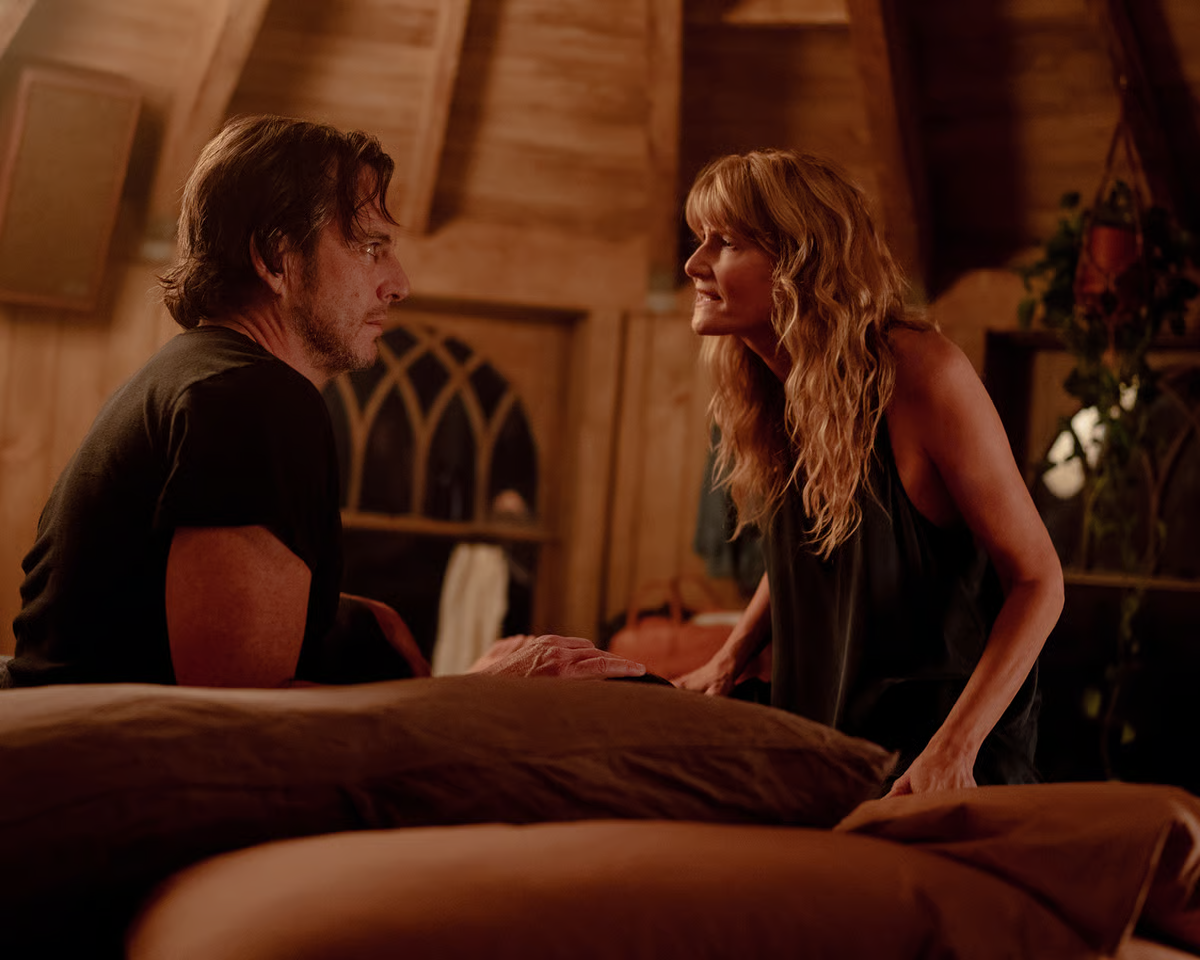
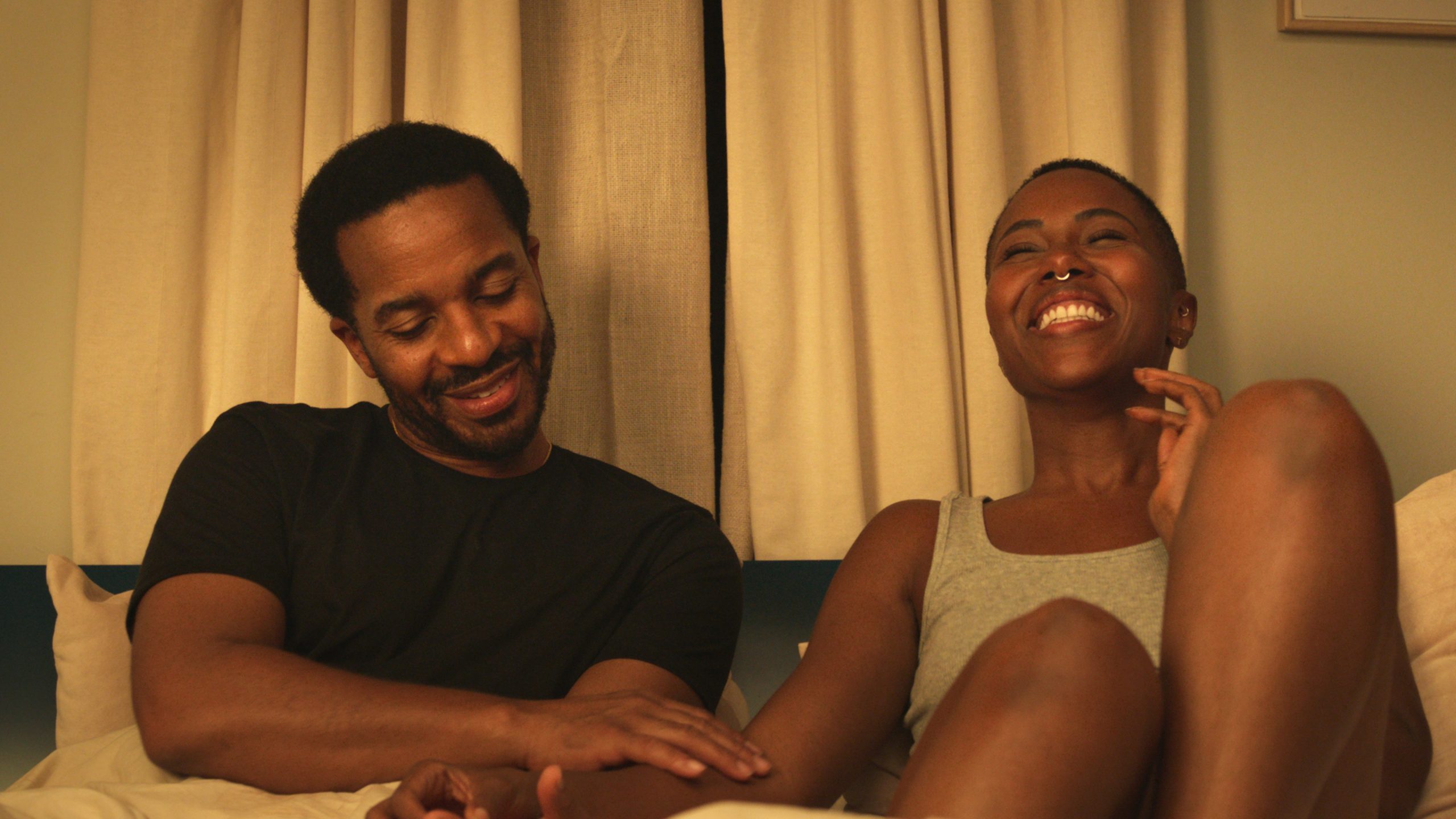
The family in A Little Prayer consists of a husband and wife, Bill (David Strathairn) and Venida (Celia Weston), their son David (Will Pullen), and his wife, Tammy (Jane Levy). Bill and David are similar in many ways; they both work for a company that has been in the family for generations, theyโ€™re both veterans, and they both struggle with problems related to drinking and trauma. Bill understands his son, David, more than David knows, because he sees him going down a similar path, leading to the regret he faces and questioning the job he did in raising his son. Because of his understanding, he shares a strong bond with Tammy, guiding her through the complicated marriage he knows she is dealing with. The bond between the two makes it difficult for Bill when he realizes that David has been cheating on Tammy, as he struggles with whether to protect his son and his marriage or to tell Tammy and give her a fair chance to move on.

Writer-director Angus MacLachlan is a playwright, bringing his knowledge of the stage to the screen. This film is minimalist, with the home serving as the primary setting where most of the action unfolds. Other settings are used, but for the most part, we deal with this family inside their home and the conversations they have, attempting to understand each other and their place in everything. While it can cause the film to feel slow, and maybe too slow for some viewers, the approach invites the audience to feel connected to the family on a personal level, as if they were viewing conversations between their own parents, siblings, or in-laws. As a director, MacLachlan doesnโ€™t have to do much as the personal, charming, and emotional script carries much of the weight.

However, it isnโ€™t as though he reinvented the wheel in terms of Small-Town, USA stories. The script does tend to be predictable at times, following a similar path and dealing with the same kind of characters, such as older people trying to understand the world around them and young people who are in situations that hurt them for whatever reason, which have become all too synonymous with this style of film. While these are the same kinds of characters that appear in this film, the performances, particularly from the never-better David Strathairn and Jane Levy, prevent this film from falling into melodramatic territory. Their individual performances rank among the absolute best of their careers, including a truly heartbreaking scene involving Bill and his son’s mistress. Still, it is the moments they share and the chemistry they have that make their performances two of the best of the year. There is a genuine love and understanding between Bill and Tammy, and their care for one another is palpable throughout. Celia Weston, as a mother who tries to understand what is happening but seems to be left out, also has a moment towards the middle of the film that is genuinely heartbreaking, and makes it apparent that the performances in this film are what does the heavy lifting.

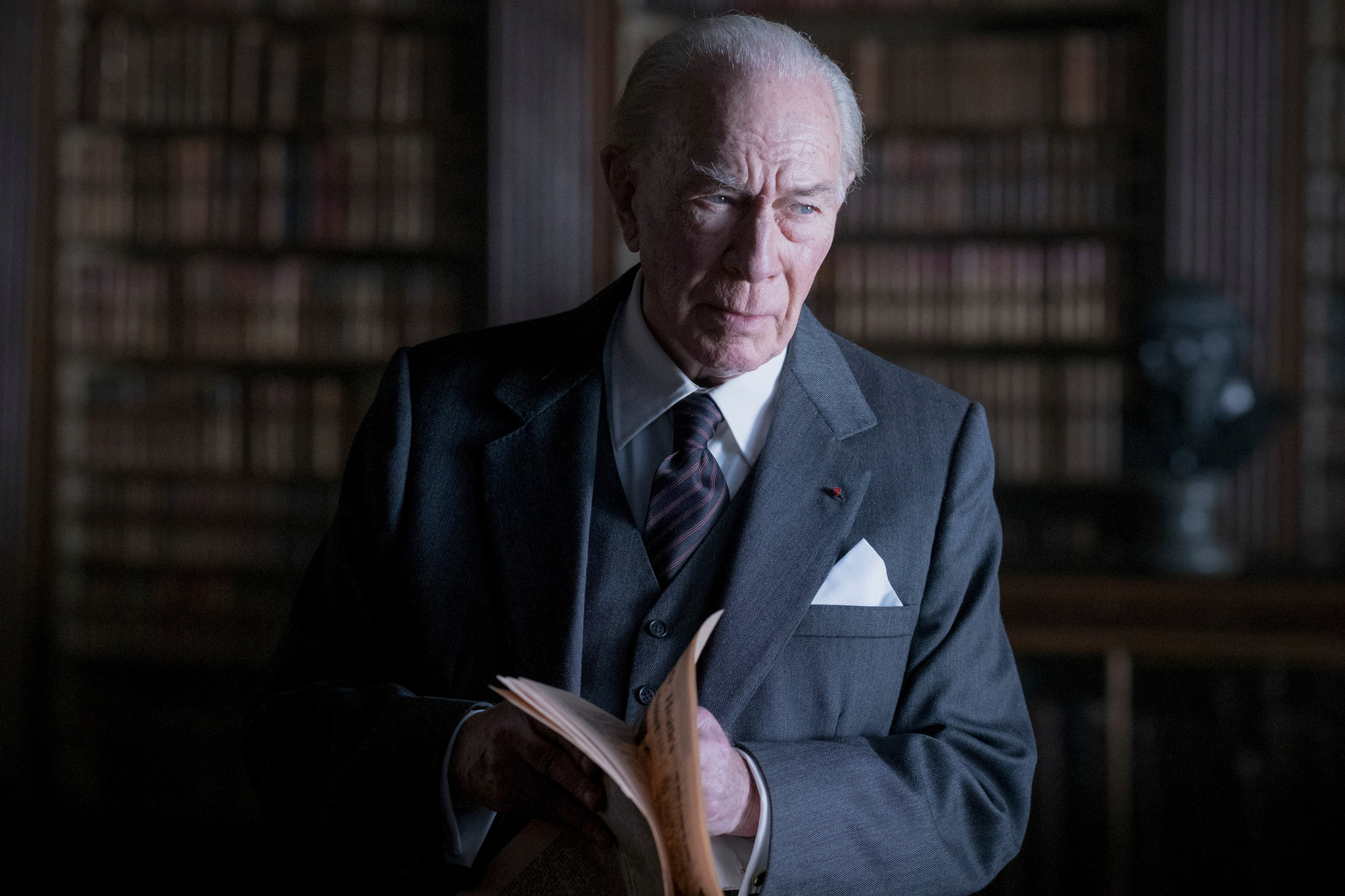
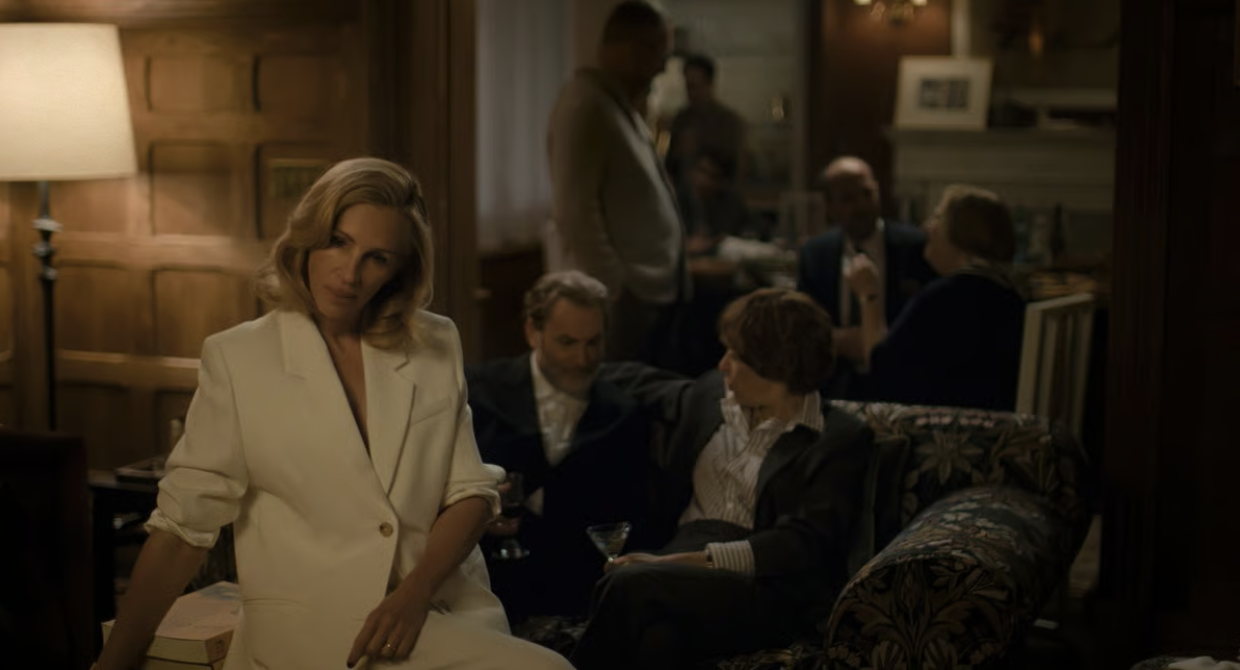
Sundance Review: A Little Prayer Deftly Sketches a Delicate Southern Family  Drama
A Little Prayer shines when MacLachlan gives these talented actors the time to express their emotions. While the film may feel somewhat slow during its quieter moments, the understated script and direction do not come across as amateurish. Instead, they evoke a sense of personal experience that resonates with viewers in various ways. Although A Little Prayer may not revolutionize the family drama genre, the remarkable performances by David Strathairn and Jane Levy ensure that it fits seamlessly into the style and essence of what the genre offers.

Grade: B

Movie Review: ‘Lurker’ Haunts Long After the Lights Come Up


Director: Alex Russell
Writer: Alex Russell
Stars: Thรฉodore Pellerin, Archie Madekwe, Zack Fox

Synopsis: A retail employee infiltrates the inner circle of an artist on the verge of stardom. As he gets closer to the budding music star, access and proximity become a matter of life and death.


Most of us believe that we can see the bad things coming. That we have a sense of what is around the corner when we meet someone new. Sadly, this is almost never true. Bad actors are among us and some only must wait for an opportunity to ingratiate themselves. This must be exponentially true for the rich and famous. Stan culture being what it is, there is an inordinate amount of information just available for the taking. The progress we have made technologically has made it so easy for manipulators to worm their way in if a person is not careful. The obsession inherent in our popular culture has found acceptance through sheer numbers and the swarms shout down any criticism.ย 

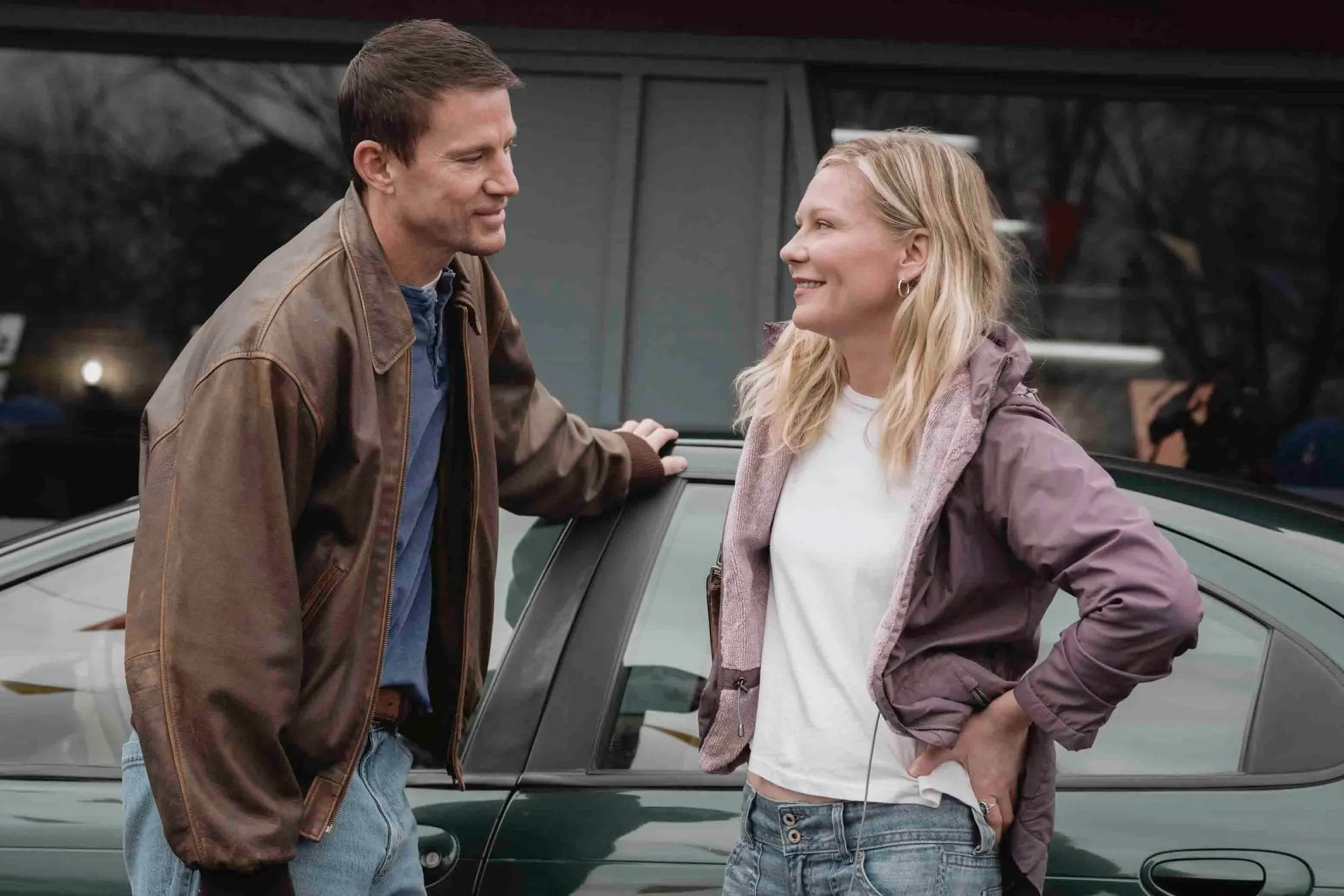
In Lurker, Matthew (Thรฉodore Pellerin) is working at a trendy clothing shop when Oliver (Archie Madekwe) walks in. The camera leers as the public closes in on the burgeoning pop star. Matthew does not speak, but dives into action. As people rush to take pictures, nearly useless mementos of a brush with fame, Matthew plays a song on the storeโ€™s speakers. This gets the exact reaction he hoped for, real attention and affection. He pretends to not know who Oliver is, and this endears him to the star, who is constantly surrounded by worship and adoration. Madekwe and Pellerin have instant, albeit strange chemistry. Oliver is the perfect star, easy with a smile and a searching glance. Matthew is an enigma, having the ability to both blend and stand out, but specifically to Oliver, as someone just different enough to be worthy of attention.ย 

In his first feature, Alex Russell manages to remain patient as this relationship ebbs and flows. We are allowed to see only what Matthew wants us to witness. Even when by himself, there is the sense that he is coiled, but he never attacks. The audience wants an easy answer. He is clearly a villain, but Russell does not give us enough background to draw our combined ire. Instead, we are left with a deep feeling of unease from the start of the film. It takes Oliver longer, as he is inundated with praise and connection from all sides. But Matthew, by his presence combined with mild acceptance from Oliver, begins to be seen as necessary by the entire entourage. His mild skill with a camera gives an excuse for Oliver to keep him around, along with his distance from the rest of the crew. There is a certain amount of discomfort from these others, but as would be expected, they eventually fall in line with Oliverโ€™s needs.

Director Alex Russell's debut film 'Lurker' takes on obsessive fandom - Los  Angeles Times

There are a few moments in which Russellโ€™s script falters and the film slows a bit too much. But this also gives Pellerin the opportunities to fill the screen and plot his return wordlessly. It is a special gift to make us feel this sense of unease with little actual proof. When these plots come to their fruition, our patience is rewarded in an upsetting turn of events. As we watch with Matthew, there is a deep lack of rooting interest, to the filmโ€™s benefit. Being unsure of what we want to happen enables the film to find its own path. Of course, there are many films about sociopathic upward mobility, but most of these films either have us approving this vendetta or actively hoping that the protagonist gets his or her comeuppance. Lurker, on the other hand, is not afraid to force us to feel the squirming sensation of not knowing.ย 

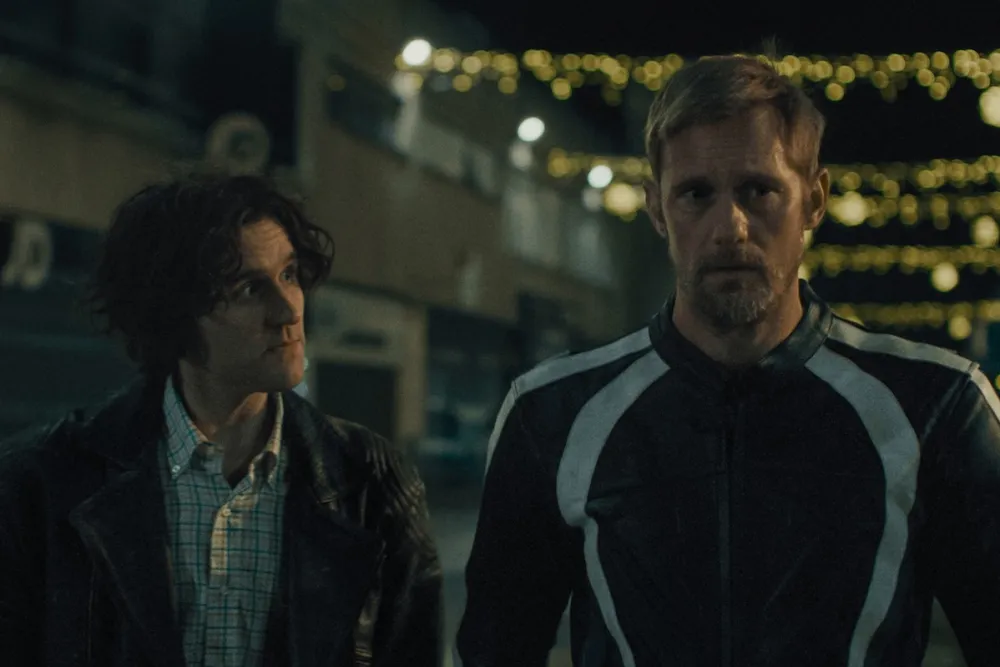
Lurker' Release Date Set By Mubi

Lurker forces us to face the darkest part of ourselves. We all engage in the internet, which allows a certain anonymity, along with a perceived closeness to the biggest stars on the planet. We might tell ourselves that there are steps that we would not take for that connection. But what if you were accepted for a brief moment into that focused embrace? Would you be able to simply do the right thing and be yourself? Or would you become what they wanted, simply to stay in that light. None of us are above obsession in the wrong situation. More importantly, none of us are beyond being obsessed over. There is a dangerous allure at play in Lurker that is likely to haunt viewers long after the lights come up in the theater.

Grade: A-

Podcast Review: Ne Zha 2

On this episode, On this episode, Shaurya Chawla and JD’s son Sam join the show once again as we dig into Yu Yang’s global phenomenon Ne Zha 2! The film might not have fared too well in the U.S. with its re-release (A24 where art thou marketing?), but overall this is a huge animated film that has become China’s highest grossing film ever. So, we had to give this one a go and boy we do not have any regrets over it.

Review: Ne Zha 2 (4:00)
Director: Yu Yang
Writer: Yu Yang
Stars: Crystal Lee, Aleks Le, Michelle Yeoh, Vincent Rodriguez, William Utay

Subscribe to our Podcasts RSS
Subscribe to our Podcasts on iTunes
Listen on Spotify
Listen on Stitcher
InSession Film Podcast – Ne Zha 2

Classic Film Review (Locarno 2025): โ€˜Daughter of Darknessโ€™ Shows The Gothic Pulse of a Forgotten Director


Director: Lance Comfort
Writer: Max Catto
Stars: Anne Crawford, Maxwell Reed, Siobhรกn McKenna

Synopsis: Emily, a pretty young Irish girl, gets a job on an English farm where the men take to her while women object to her flirtatious nature. When a man from her past shows up and accuses her of attempted murder, suspicions are aroused as to who Emily really is.


English film director Lance Comfort spent most of his twenty-five-year career on the fringes of the filmmaking industry, never reaching the success his filmography might suggest heโ€™d attain. He created many pictures, most of which were of B-level quality, that drew the audienceโ€™s attention, yet he never received recognition for his work. But Comfort is not the only director of that post-war era in British cinema that was sidelined or forgotten. Many were on those same cinematic outskirts, later to be rediscovered through the immortality of film. I didnโ€™t hear about Comfort until two years ago, while researching B-movies from before the 1960s, as that is where the sleaze and Grindhouse pictures gained prominence.ย 

One of the films that emerged during my research was Daughter of Darkness, Comfortโ€™s 1948 picture, which ultimately relegated him to this type of film in the 50s and 60s due to its lack of commercial success, given its low budget. While dismissed in its original release, the film has been reassessed; its horror and gothic elements are now deemed exemplary and a notable addition to the 1940s catalogue of British genre pictures. This is why the committee at this yearโ€™s Locarno Film Festival is celebrating the film, as well as many other British pictures, in this yearโ€™s retrospective section of the festival programme, titled ‘Great Expectations: British Postwar Cinema, 1945-1960’.ย 

Daughter of Darkness is set in Ballyconnen, a small village in an unspecified area in Ireland, where a beautiful but disturbed woman by the name of Emily Beaudine (a magnetic Siobhรกn McKenna) is forced to leave her job as the apprentice of a local priest because of the townsfolkโ€™s foreboding and uneasiness. The people, particularly the women in the small town, believe that a particular evil has possessed her. After a young boxer tries to seduce and take advantage of her at the fair, and she slashes his face with her sharp fingernails, immediate actions are taken to send her away. The priest helps her relocate to a friendโ€™s house in Yorkshire to work at their family farm. But the townsfolkโ€™s jealousy will travel alongside her, bringing some dire occurrences her way.ย 

Emily is not an angel; there is some sort of justification for the hatred sheโ€™s given. The young woman has been taking advantage of other men to get โ€œrevengeโ€ on those whom she believes have wronged her. It is a tale of two sides of the same coin, hatred being the worth of such and serving as an indictment on the restrained conventional norms plaguing Ireland and Britain at the timeโ€“and, in some places, it is still plagued by such. In said farm, Emily finds comfort and tranquility at first, playing her role by doing hard work. The distant locale has her far from the crazed mentality in Ballyconnen, and at the mercy of a life with new beginnings.ย 

The strange feelings she had before are suppressed amidst the changes. Fascination, repulsion, and ecstasy upon the presence of the opposite sex have dissipated; Emily is finally able to control the once uncontrollable. However, the past comes to haunt her; the carnival has left Ireland and is on route to Britain. And you can feel the poisonous feeling it has growing stronger and more pungent as they get closer to Emily. It is almost as if the carnival, possessed by a spirit of wrath, knows where sheโ€™s hiding and waits for the right moment to strike her downโ€“the moment before full recovery. The scarred boxer is right close. Emily and he are going to see each other, and there is no chance of escaping the encounter.ย 

Daughter of Darkness was an anomaly at the time of its release, as the gothic elements werenโ€™t yet prevalent in 40s mainstream media, and its anti-heroine, Emily, was depicted in a manner far different from similar characters who contained an equal amount of monstrosity and sincerity. There were Gothic melodramas that followed female characters in distressing scenarios. But Comfort was one of the few filmmakers bold enough to transition from that heightened nature to a more genre-focused one. Of course, at the same time, it was not celebrated, and this departure from tropes and conventions was more so ignored. However, across the years, film historians and critics have found their way towards the film and managed to appreciate what Comfort and company did back in 1948.ย 

Comfort may not have been given the biggest opportunities in his lengthy career, yet his contributions have aptly made some waves. What makes Daughter of Darkness so effective is the focus on atmosphere, whether through its visual composition and play with shadows or the direction of the performances and biting score. Visually, it is a stunning picture, where Comfort and cinematographer Stanley Pavey compose with a looming damnation covering each square inch of the scenery. The way the two implement shadows into the frame gives the implication of an uncanny valley โ€” the strong feeling that something wicked is coming the characters’ way. The setting becomes embalmed in dread and takes on a character of its own, embodying a society that fears and rejects a woman outside the conventional confines of society.

It becomes a dangerous place. And while Emily is adapting to it, this place changes with her. That is where McKennaโ€™s performance gets its strength, in the construction and deconstruction of her monstrosity, where love and pain intertwine to express her inner sorrows and are expelled through violence. Comfort never abandons her character, even when it is revealed that she, in fact, has a malevolent presence that guides her. She is a monster, yet because of how she was treated and set aside without guidance, she remains a troubled, lonely soul who doesnโ€™t know how to head towards her path to healing and devotion. McKenna has a way of reflecting that through simple glances and looks. It makes the picture more tragic and disturbing, with every horror element adding a disquieting sensibility to an already damning tale of a young woman who canโ€™t be seen as a person, and is destined to calamity by societyโ€™s own ruling.ย 

Daughter of Darkness has a few foibles with its character work outside of Emily. None of them is memorable enough to stick with you because they are mostly the same. However, what it lacks in character development, the film makes up for in enriching the atmosphere and psychological dissections of its main character. In this regard, Comfort crafted a work that, while imperfect, stands out in its singular vision and feels ahead of its time. That singularity is precisely why its rediscovery (and why reassessments and retrospectives of films overall) matters. It restores to the spotlight a filmmaker who was long denied the recognition his artistry deserved. Daughter of Darkness is a fascinating artifact of postwar British cinema and a haunting reminder of the shadows history can cast on those who fall between its margins.

Grade: B+

Interview: Julian Glander, Director of ‘Boys Go to Jupiter’

I recently reviewed the film Boys Go to Jupiter, which is an absolute delight. After the review was posted, I was excited to learn I had the opportunity to interview the film’s writer/director/producer/composer Julian Glander. He and I sat down for a chat about the film, how music can add texture, and about how animation can tell a story with depth.

Zach Youngs: What is the film that made you want to be a filmmaker?

Julian Glander: Honestly, [growing up] I was really into music and that was more what I thought I would do. I didn’t really start thinking about being a filmmaker until Movie Pass. I had Movie Pass in 2017 and 2018 and I went to the movies everyday with my friends. It was such a special time and it was such a special social thing to do, but it also got me seeing things I wouldn’t have gone and seen otherwise. One of the things I saw was this Chinese animated film called Have a Nice Day. The animation I’ve always been drawn to is the animation where you can see how it’s done. People often talk about animation as being very magical, but this was a movie where you could see every frame and every drawing. It was almost like a Flash cartoon from the early 2000s. I went home from watching it like, maybe an animated film could be something other than the $100 million films that we all know and love.

ZY: What is it about animation that made you really want to do it?

JG: It’s the power to control time and space. The ability to always tinker with everything and, in theory, always get everything the way you want it is what drew me into it. It’s funny because it’s not actually like that. As you’re animating, and certainly as you’re working in 3D, as much as you try to fancy yourself as master of the universe, you’re constantly being surprised by things. I’ve worked on a few live action sets and I hated going home and being like we didn’t get what we needed today, we’ll never have those actors again and we’ll never have the light again. With animation you kind of don’t have that. You can just work it forever. You can leave things alone and come back to them years later and nobody’s gotten any older, they’re just 3D models. 

ZY: Do you ever feel like maybe you would want to switch to live action at some point?

JG: Never say never. If I could live to be a billion years old I would try everything in the world and I would love to do live action, but I think there’s still so much to do in animation. Sometimes there’s talk among animation filmmakers of it being a stepping stone to directing action movies or a place to kind of slum it. I just never felt that way. I just never understood or related to people who felt that way. I think for me it’s really the greatest art form there is. It combines everything in such a cool way.

ZY: Where did the idea for Boys Go to Jupiter come from?

JG: In the pandemic I was really thinking a lot about work and especially thinking about delivery drivers. I had gotten a contactless delivery from one of the food services and the new ritual that had just debuted is they would take a picture of the food after they dropped it off. This happened to a lot of people, I got one of those pictures where I was in the picture. I wasn’t supposed to be, but I was looking through the blinds and I was looking like a ghost. I think that image of being dehumanized, the fact that everyone in the process is dehumanized and we’ve taken away this sacred relationship from the person who prepares food and the person who eats it was the jumping off point into what ended up being a very silly story that goes into a lot of different places. 

ZY: Through its characters the film poses a few of economic theories. Did you see the film not as a statement against capitalism, but a way of posing these ideas?

JG: Along the way the movie has been tagged as anti-capitalist I think because it’s a conversation we all want to have right now. I actually think the movie sits in capitalism and my way into each of these characters was to think about their different relationships with work and money. Specifically what work was giving these people, or promising these people. For instance in the case of Herschel Cretaceous (Joe Pera) who’s running his father’s dinosaur themed [mini-golf course], from work he’s getting a sense of legacy and purpose. Our main character Billy (Jack Corbett) is trying to get a sense of security from it. Other characters are getting power, identity, or something else. I think each of them is seeing one tiny piece of the picture and nobody is seeing the whole thing, which is kind of a great engine for interpersonal conflict. 

ZY: I like the way that comes out when Herschel gives Billy a compliment and immediately asks for one in return.

JG: That’s funny because that’s a line that is not that funny on paper, but I think Joe Pera’s voice completely sells it. Since the pandemic there are new scripts we’re supposed to follow. Certainly the delivery driver script is one that has been rewritten. It was known for a hundred years that you would answer the door and give somebody a tip. Now it’s different and oftentimes we don’t know what the new rules are or what the new ways to communicate with people are. I found myself anguishing over that a lot, but it’s also pretty funny.

ZY: Did you ever want the film to be a full-fledged, sing out your feelings musical?

JG: That’s exactly what I didn’t want to do. I’ve kind of been running my mouth about this for years because why does every musical have to be the Broadway thing? There are so many other ways of singing and making music. I don’t love every musical, but I love The Wizard of Oz, The Nightmare Before Christmas, and Grease. I really like when a musical has a strong musical point of view. The point of view that we developed for this movie was I wanted to look at the physical things in the movie and make sounds that match them. Miya Folick has a song where she has bees swarming around her so there’s a buzzing synth underneath her vocals and she’s in a factory so the beat is very industrial and you have computer sounds. When she starts singing about Christmas you have sleigh bells coming in. I almost thought of music as another textural element to fill it out. It kind of is a musical, but I’ve been wary of that because people who like musicals probably won’t like this movie and people who don’t like musicals would be scared away and they’re the people who I think would get a little more out of it. 

ZY: When you were making the movie did you want to make it appealing to a broad audience or did you have specific people in mind?

JG: I think I had a microaudience of me, my producer Peisin [Yang Lazo], and my wife who were the people who I was sharing the whole thing with. I think the first big phase of writing for me was all about getting the imaginary audience member off my shoulder and the imaginary development person off my other shoulder. Both of those people who I had made up in my head were saying, “You can’t have the ending be like this. You can’t have this character say that.” It’s a funny paradox because this movie is definitely not a for everyone movie. It’s for a very specific kind of viewer, but because of that it’s actually resonating more. That specific kind of viewer is really underserved. There are certain audiences who get a movie that’s just for them every week and then there are people who want something that’s just a little more out there, a little more patient, a little more atmospheric where it’s more of a treat when something like this comes along. 

ZY: How do you feel about the year end awards process and do you think you will make a push for Boys Go to Jupiter?

JG: I guess it is time to start thinking about that. I like the awards. I like the fun of the awards season. I usually have an Oscar pool with my friends. I certainly never, until quite recently, thought about participating as a filmmaker. Who knows? It’s kind of out of my hands. I’ve done my part, which is to make the movie.

ZY: What is next for you?
JG: I am quite superstitious about this so I will not really tell you anything. I will say I’ve been writing another film. What else? I moved and I started a new garden. I find myself turning into two characters from the movie. One is the old lady played by Cole Escola who has her pet chickens because I have pet ducks and then I’m also turning into the main antagonist of the movie Dr. Dolphin (Janeane Garofalo) the obsessive citrus engineer because I have a lemon tree and a lime tree that I am desperately trying to keep alive. That’s my big project right now is looking at these little one foot tall trees and trying to figure out what’s wrong with them.

Movie Review (Locarno 2025): โ€˜Dry Leafโ€™ Weaves a Spell of Loss and Remembrance


Director: Alexandre Koberidze
Writer: Alexandre Koberidze
Stars: David Koberidze, Otar Nijaradze

Synopsis: A father searches for his daughter Lisa, a sports photographer who disappeared while documenting rural soccer fields across Georgia, joined by her enigmatic best friend.


Alexandre Koberidze is a filmmaker who sends the viewer into a realm of dreams when watching one of his pictures. His focus on creating sensory experiences through magical realism helps us be transported from the cinema to his worlds. He casts spells in his pictures to immerse us in these stories. One of the best experiences I had while covering the 2022 New York Film Festival was watching Koberidzeโ€™s sophomore feature, What Do We See When We Look at the Sky?, where a narrator gives the viewer instructions and signals for when to close your eyes and open them back again.ย 

The film was about a meeting between two strangers, Giorgi and Lisa, who bumped into each other while getting lost on their way home. They meet again by fate time and time again. So the two plan to meet each other at a local cafรฉ the next day. But something strange happens. The two become victims of the curse of the evil eye, which changes their appearance and memories. The narrator guides you into the spellโ€™s enchantment. When you open your eyes again, it has been cast, and that small yet beautiful moment has stayed with me ever since. What Do We See When We Look at the Sky? felt like a parent reading a fairytale to their child, while also encapsulating the essence of what it feels like to fall in love.ย 

It was a magical experience thatโ€™s hard to replicate. But Koberidze is such a craftsman that he once again transports us into his dream worlds with his third feature, Dry Leaf (screening in the Concorso Internazionale at the 2025 Locarno Film Festival). This latest work by the Berlin-based Georgian filmmaker is darker and colder than his previous feature, replacing the pristine look with low-resolution footage tinted with a foggy hue. Yet, like some other films screened at Locarno this year, amidst the darkness lies a light, the beauty of the world we inhabit, in Koberidzeโ€™s film. Our life’s quandaries slowly consume the shadows of the images, and from there emerges a touching and transfixing experience.

Dry Leaf places a man, Irakli (David Koberidze, the directorโ€™s father), in a canvas of shadows after receiving a note that his twenty-eight-year-old daughter, Lisa, a sports journalist, last known to be taking pictures of old football fields, has gone missing. The local newspaper has been tracking her progress as Lisa finds scenic fields around the country, but she lost her footing as the expedition progressed. As any father would in such a situation, Irakli grows increasingly worried by the minute, all while pondering the reason why she left or what drove her to make such a decision. Is she alright? Has something affected her so deeply? These are questions that float in Irakliโ€™s mind and whose potential answers roam in the shadows of each scenery in Dry Leaf.ย 

In a desperate act, Irakli sets out to find his missing daughter. Accompanying the grieving father on the travels is Levan, a colleague of Lisa who helped her during her previous photo project. However, the passenger is invisible, as are the other people Irakli encounters during his search. Cities once blazing with sun-kissed light turn into solemn ones inhabited by ghosts. Koberidze once again performs a cinematic magic trick to capture a feeling he has deep inside โ€“ his version of replicating an emotional amnesia that blinds the people and forces them to confront their losses over time. Dry Leaf is yet another picture by Koberidze that showcases changes in the imagery and characters.

Once living flesh, now are disembodied voices; once shot on camera, now looking murky and fractured. These changes blur the spectatorโ€™s mind and create new tangible images that spark intrigue and raise doubts about what is hidden behind Koberidzeโ€™s magic trick. Much like the images themselves, Irakliโ€™s journey is composed of moments where he does not know where heโ€™s headed, or what has changed in the places he once knew. He looks into the void of Koberidzeโ€™s lens and finds that there is an incompleteness to this world. Time and age slowly reveal the fragments missing, much like us watching as we analyze what we are seeing. But Dry Leaf becomes a paradox right before our eyes.ย 

For nearly three hours, we venture forth, placing ourselves in Irakliโ€™s shoes, yet in our own hometowns, where we see the toll of time, those things that are reconstructed and those left behind. The latter is evident in Dry Leaf through the worn-down soccer fields, an element also present in Koberidzeโ€™s previous project, but with a different connotation. Something is fascinating about how he depicts the global sport and its significance to him. It is viewed with a sense of remembrance, a nostalgia for a time long past. This has been done before in many sports movies, not specifically about soccer. But Koberidzeโ€™s approach is more subtle, relying on the meaning behind a place and activity rather than showcasing the physicality of the sport in a match or scrimmage. He deems it as an intricate part of his culture, part of what makes us human.ย 

Koberidze thinks that its essence is being lost amidst the ever-changing woes of modernization. Where soccer fields once stood, there are now buildings or apartment complexes โ€” an erasure of culture and humanity. The missing daughter truly is our loss of connection with our roots, culture, and life itself. Koberidze employs minimalist yet technically complex methods to tap into deep, heartfelt emotions and thoughts that have lingered in our minds. It is demanding, sure, as the still composed images and their unhurried pace do take a toll on the viewer who’s not entirely immersed. Yet, those who become one with the frames will be met with an enriching experience by one of modern cinemaโ€™s minimal magicians.ย 

Grade: B+

Episode 651: Top 5 Performances of 1999

This weekโ€™s episode is brought to you by Koffee Kult. Use the code: ISF25 and get 15% OFF!

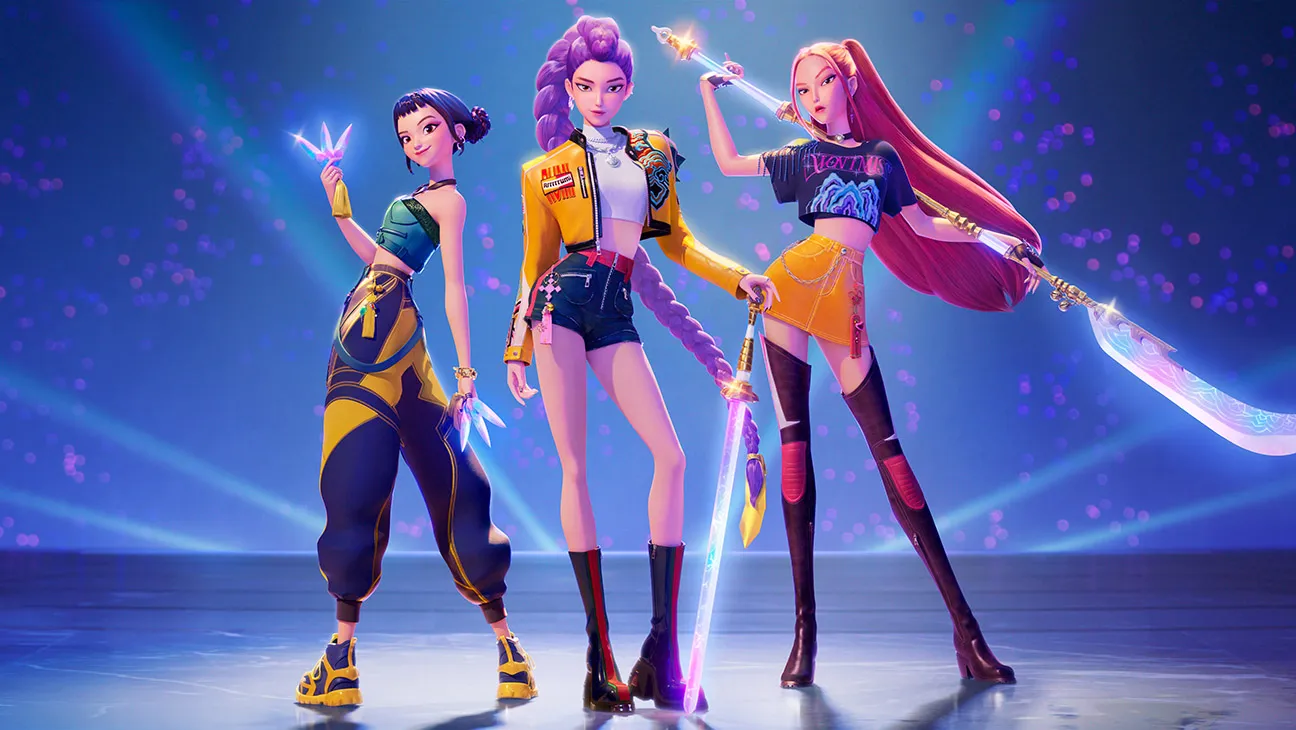
This week on the InSession Film Podcast, as we anticipated our upcoming 1999 retrospective, we discuss our Top 5 performances of 1999! We also talk about Netflix’s historic box office win with Kpop Demon Hunters and Kumail Nanjiani’s comments about Eternals.

– KPop Demon Hunters Box Office (3:35)
It’s a decade plus conversation at this point as we all know the massive impact that Netflix (and streamers at large) has had on the industry and how the wider audience experiences movies. However, it was worth diving in once again with Kpop Demon Hunters giving Netflix their first ever win at the box office this last weekend. Does this change things at all for Netflix? Do they start to put more of their movies in theaters? Maybe not, but the ripple effect would be significant if Netflix did decide to take action based off these results.

– Kumail Nanjiani & Eternals / M. Night Shyamalan’s New Movie (30:12)
In a recent interview, Kumail Nanjiani talked about how he entered therapy after Eternals flopped at the box office and Marvel essentially giving it The Incredible Hulk treatment. Which is a shame because we think it’s pretty good and we feel for Nanjiani. We also talk about M. Night Shyamalan’s new movie Remain and the fun irony given his writing partner.ย 


RELATED: Listen to Episode 610 of the InSession Film Podcast where we discussed our Top 10 Movies of 2024!


– Top 5 Performances of 1999 (55:00)
The year 1999 is often considered the best year for film ever. We’ll discuss the merits of that over the next few weeks as we get into our retrospective, however, it is undeniable the many great performances we saw in 1999. In fact, we had quite a struggle narrowing down our lists to just five performances. Some of them are in the conversation for “all-time” and they certainly given credence to why people feel so highly about 1999 overall. With that said, what would be your Top 5 performances of 1999?

Subscribe to our Podcasts RSS
Subscribe to our Podcasts on iTunes
Listen on Spotify
Listen on Stitcher
InSession Film Podcast – Episode 651

Next week on the show:

Discussing 1999 with Julia Sirmons of 1999 The Podcast

Help Support The InSession Film Podcast

If you want to help support us, there are several ways you can help us and we’d absolutely appreciate it. Every penny goes directly back into supporting the show and we are truly honored and grateful. Thanks for your support and for listening to the InSession Film Podcast!

VISIT OUR DONATE PAGE HERE

Movie Review: ‘Americana’ Is a Decent Neo-Western from a Promising New Director


Director: Tony Tost
Writer: Tony Tost
Stars: Sydney Sweeney, Paul Walter Hauser, Halsey, Simon Rex

Synopsis: The lives of local outsiders and outcasts violently intertwine when a rare Lakota Ghost shirt falls onto the black market in a small South Dakota town.


There are films that I walk into with zero expectations. Zero anticipation. The result is usually better than expected and refreshing, especially in a lukewarm year for film with more misses than hits. Americana, like the 2023 brilliant The Last Stop in Yuma County and the Coen Brothers-esque LaRoy, Texas, is a love letter to the American West. It has all the thriving elements of a good neo-Western. Multiple characters with complex arcs and dynamics, an interconnected storyline, a quest object, and multiple loopholes. Does it deliver on what it promises, though? The answer is more complicated than that.

The story goes as follows, a prized artifact is unintentionally driven across town, with every character wanting to get their hands on it for varying reasons. Unfortunately characters are not well developed enough to have separate reasons from one another for desperately wanting to snatch this prized possession. This lack of character development results in the audience members losing interest quickly in their fates. Anyway, the Lakota Indian ghost shirt gets stolen by two boring, pointless criminals, led by Eric Dane (great, predictable performance) and things further escalates when his abused wife (Halsey), knocks him out and flees with the prized shirt, escalating a chain of violence, getting rid of the filmโ€™s awful characters one by one, and some cool action sequences that save what mightโ€™ve been a very stagnant narrative pace.

One of the key notes in Americana is performances. Sydney Sweeney rarely fails to deliver, but with her stutter and demure personality here, itโ€™s hard not to roll oneโ€™s eyes every time sheโ€™s on screen. Admittedly, Sweeney has more than one instance where she has shed her stunning, larger-than-life movie star aura that allows her to shine in more risquรฉ roles such as Euphoria and Anyone But You, and chosen a more stripped-down, raw-faced screen presence in both Reality and Immaculate. In both roles, she succeeded immensely. But not here. Her performance is strained and unlikely. Her stuttering waitress is a camouflage for her star persona to try and prove her strength beyond her status as one of the hottest female movie stars of our time. On the other hand, Paul Walter Hauser miserably fails as Lefty Ledbetter to bring anything new to the table. Their scenes together not only lack chemistry, but also intrigue.ย 

This featureโ€™s surprising screen presence is Halsey. As Mandy sheโ€™s a scene stealer, with her punk rock persona and her swaggering suave, she commands every scene she is in, promising a fleshed out actress to be used and molded into future interesting roles with more veteran filmmakers. She has already worked with Ti West in MaXXXine and showcased brilliant physicality and emotional depth in the visual companion to her album If I Can’t Have Love, I Want Power, so it will be interesting to keep a track of her future acting choices. The rest of the cast give mellow performances, serving the purpose of the tale but never going beyond a one-dimensional note.ย 

Itโ€™s harsh to call a film forgettable, but Americana may belong to this down-on-its-luck category. An enjoyable watch with a solid premise, but nothing too exciting to stick in the mind long after walking away from the movie theater. Itโ€™s writer-director Tony Tost feature debut and to be fair, it is still a promising vehicle for future directorial projects from him. That is one of the core problems of modern cinema. Even purified action flicks of bygone eras have their memorable moments that hardcore fans regurgitate and suck on till this day. But hundreds of movies come and go in recent years without leaving an impact, not even a movie starโ€™s beaming smile on the big screen.

Grade: B-

Women InSession: The Terminator / T2

This week on Women InSession, we get into the blockbuster spirit as we discuss James Cameron’s The Terminator and its sequel T2: Judgement Day! It was Amy’s first time catching up with these films, and we thought it would be fun to dive into them and talk about hwo they define Cameron’s remarkable career.

Panel: Kristin Battestella, Amy Thomasson, Megan Kearns

On that note, check out this week’s show and let us know what you think in the comment section. Thanks for listening and for supporting the InSession Film Podcast!

Subscribe to our Podcasts RSS
Subscribe to our Podcasts on iTunes
Listen on Spotify
Listen on Stitcher
Women InSession – The Terminator / T2

Movie Review: Honey Don’t! Is An Irredeemable Mess of a Film


Director: Ethan Coen
Writers: Ethan Coen, Tricia Cooke
Stars: Margaret Qualley, Aubrey Plaza, Chris Evans

Synopsis: A dark comedy about small-town private investigator Honey O’Donahue, who delves into a series of strange deaths tied to a mysterious church.


There is a prestige and guarantee of quality when a film has the name โ€˜Coenโ€™ attached. The Coen Brothers have made a plethora of cultural driving, envelope pushing cinematic masterpieces and if you are reading this it really doesnโ€™t need any introduction. No Country for Old Men is often cited as one of, if not, the best film of the 21st century so far. So when I tell you that Honey Donโ€™t!, a comedy noir made by one of the guys that essentially mastered the genre is one of the sloppiest and worst movies of 2025 you may have to suspend your belief a little bit. But it is 100% true, Honey Donโ€™t! is an irredeemable mess of a film and I cannot in good faith recommend it to you.

Honey Donโ€™t! follows private investigator Honey Oโ€™Donahue (Margaret Qualley) as she investigates a string of strange deaths that are somehow linked to a religious cult led by leader Drew Delvin (Chris Evans). A lot of elements of No Country for Old Men is pulled into Honey Donโ€™t!, the central protagonist is walking into the lions den whether they know it or not. However, No Country for Old Men had Anton Chigurh, and the closest thing to that in this movie is delegated to a side character that holds much more intrigue than whatever is presented here.

Whatโ€™s difficult about these mystery crime thrillers is the โ€˜central mysteryโ€™. The goal of subverting your viewerโ€™s expectations reign supreme and creating an experience that is wholly one of one. Unfortunately, Honey Donโ€™t!ย swings too hard for subversion that it lands with a whimper rather than a bang. Rather, the drive is on gender politics and homosexuality – which has a lot of potential in and of itself – but only ever graces surface level ideas and never seeks to dig deeper than a โ€œI have a vagina, and I voteโ€ bumper sticker.

Honey Donโ€™t! has a bizarre oversaturation of sex and nudity. Which does have a place in the story being told but itโ€™s never done in service of the overall film, but rather comes off as some fetishized fantasy brought to film. Yeah, if you want to watch Chris Evans have a ton of sex or watch Margaret Qualley and Aubrey Plaza go at it – have fun! But itโ€™s a major missed opportunity, the movie is not freaky enough to satiate the level of debauchery, and the sex is too much for a plot as vanilla as this.

โ€˜Continuity errorsโ€™ in films can be such a lame criticism, but in this case it is a major eye sore. Multiple instances where hair and outfits were different shot by shot, a bloodied arm looking through a book without any form of violence occurring previously, nothing seems to work in conjunction with each other – a shotty job on all fronts. It seems this movie was phoned in by the creatives up top and the actors roll with what theyโ€™re given. And each of the actors in the film are fine actors, but itโ€™s unfortunate theyโ€™re given this material.

But the worst aspect has to come from its oversaturation of ideas. Itโ€™s as if every idea is trying to cram through a door all at once and in that nothing comes through. Ideas of abuse, body ownership, sexual desires, sexual manipulation, conservative isolation, religious fanaticism all squeezed in without any tact or nuance. The vehicle in which they decided to explore those themes had the potential, and anyoneโ€™s excitement for this movie is not unwarranted. There is something under all of the gristle that couldโ€™ve hit much harder, but unfortunately weโ€™ll never see that film.

By the time the credits roll on Honey Donโ€™t!, youโ€™re already forgetting what had happened right before you watched it. This movie is 89 minutes of messy nonsense, and all you are left with is a terrible twist and an excuse to spend an ungodly amount on an ICEE. Even with its immense sex scenes, you canโ€™t watch this on FX or AMC in a few years, there is no real avenue to see this unless you specifically seek it out. I still have immense reverence for Ethan Coen as a filmmaker and Iโ€™ll still go see whatever he puts out, but this is a gargantuan miss. Hereโ€™s hoping the next one is better (much better, hopefully).

Grade: D

Movie Review: โ€˜Splitsvilleโ€™ is Sidesplittingly Funny and Incisive


Director: Michael Angelo Covino
Writers: Michael Angelo Covino, Kyle Marvin
Stars: Dakota Johnson, Adria Arjona, Kyle Marvin, Michael Angelo Covino

Synopsis: After Ashley (Arjona) asks for a divorce, good-natured Carey (Marvin) runs to his friends, Julie (Johnson) and Paul (Covino), for support. He’s shocked to discover that the secret to their happiness is an open marriage, that is until Carey crosses the line and throws all of their relationships into chaos.


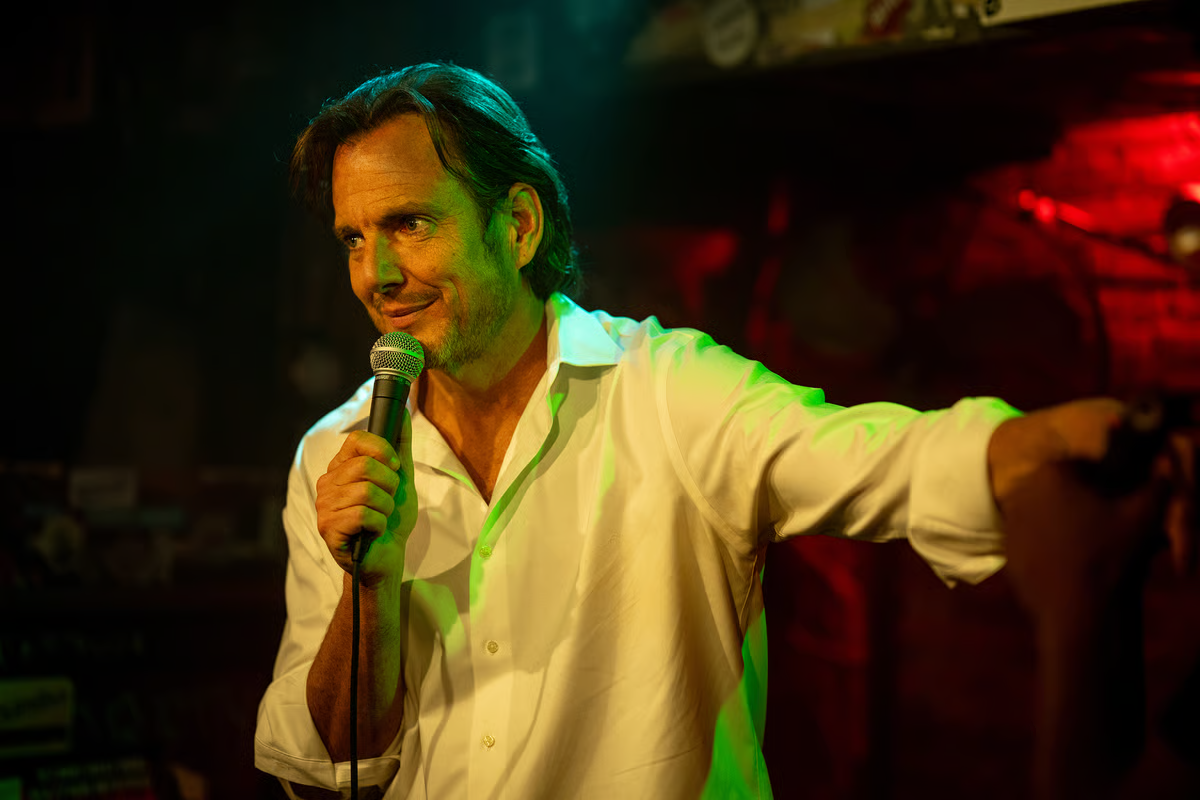
While the funnyman duo of Michael Angelo Covino and Kyle Marvin are experiencing what most might call a โ€œbig breakโ€ with their NEON-backed comedy of marital errors, Splitsville, it should be noted that these two jokesters have been at it โ€“ both the filmmaking game and, on screen, one anotherโ€™s throats โ€“ for a while. In 2019, they premiered their debut effort The Climb at the Cannes Film Festival to critical acclaim, though the film was relatively underseen due to its November 2020 release from Sony Pictures Classic. And thatโ€™s a shame, not just for the writing-producing-starring team, but for anyone who has even a semblance of anticipation for Splitsville: Not only would Covino and Marvinโ€™s first film make for one hell of a double feature with their new one, but the latter certainly owes a lot to the former.ย 

Thatโ€™s not say that The Climb isnโ€™t a resounding success with its own merits; quite the contrary is true, in fact, and should you have 95 minutes free before making your way to the theater for what amounts to Covino and Marvinโ€™s second installment in what could theoretically be a series called โ€œScenes From a Few Unfortunate Marriages,โ€ you could do worse than throwing it on. ($3.99 on most rental platforms, FWIW.) But the twosomeโ€™s debut โ€“ an increasingly-uncomfortable story of friendship in which Mike tells Kyle that he has been sleeping with his fiancรฉ, and chaos ensues โ€“ feels, in hindsight, a lot like a practice run for what Splitsville would become, one in which everyone is more thoroughly entertained.ย 

In their new jaunt โ€“ written, starring, and produced by both (Covino directs) โ€“ Marvin stars as Carey, a man whose wife, Ashley (Adria Arjona), abruptly asks for a divorce whilst the couple is en route to their best friendsโ€™ beach house. In response to the startling request, Carey ejects himself from the driverโ€™s seat of their car into the wilderness, only to magically land at the home of Paul (Covino) and Julie (Dakota Johnson), said best friends who await his arrival having already been visited by the newly-free Ashley. As Careyโ€™s nightmare night rolls on โ€“ and like The Climb, this story is divided into chapters with titles like โ€œTermination Eventโ€ and โ€œDisclosure of Facts,โ€ to name a few โ€“ his pals inform him that theyโ€™ve kept their relationship afloat thanks to an open relationship, one that permits feelings-less sex with other people, just as long as the other person knows nothing about the trysts.ย 

Carey, stunned by the notion that these two seemingly successful, attractive adults would ever partake in sexual acts with a partner who wasnโ€™t the other, quickly falls into bed with Julie, and though their evening together adheres to the bylaws of Julie and Paulโ€™s arrangement, Paul is incensed at the news. Nevermind that heโ€™s a bit of a prick, a workaholic, and a neglectful husband; his wife and best friend hooking up was never supposed to be on the table. Itโ€™s this idea where Covino and Marvin have the most fun, exploring the boundaries of all kinds of relationships and pushing them as far as they are willing to stretch before snapping entirely and offering up a romantic comedy far more incisive and brutally honest than the one they had crafted within their premise alone.ย 

This unique creative partnership thrives when crafting efficient, ridiculous humor that could feasibly exist in the real world, so it should be no surprise that Splitsville is both hilarious and absurd with neither quality outshining the other. Itโ€™s the sort of comedy that teeters on being of a style that would be at home in a dry sketch setting โ€“ they could call themselves โ€œPlease Do Destroyโ€ if that opportunity came to pass โ€“ though despite the Looney Tunes-esque physical comedy that the two regularly display and the quippy nature of their charactersโ€™ on-screen interactions, it never feels all that rehearsed nor fleshed out to the point of obsoletism. Ongoing gags in this film involve The Fray and the act of reading articles (or just the headline) but saying you read an entire book on a subject; quick one-liners see the cast confusing ALS (Amyotrophic Lateral Sclerosis) with the ALDS (American League Division Series) and watching Lorenzoโ€™s Oil in a room full of someoneโ€™s ex-lovers. Itโ€™s a blink-and-youโ€™ll-miss-it affair, which could easily come off as cocky if the writers behind these jokes werenโ€™t self-aware enough to acknowledge the stupidity that festers within their creations. Covino and Marvinโ€™s works look and sound inane because they set out precisely to illustrate inanity, not for it to unintentionally seep through the seams and stain the production outright.

Itโ€™s because of this discernment that both Arjona and Johnson are allowed to play off of their more traditionally-funny counterparts, creating better comedy than either of the two actors have been able to before. Arjona was electric in Richard Linklaterโ€™s Hit Man, delivering many of the filmโ€™s best comedic moments, but that film hinged on the sensuousness of its co-leads (she starred alongside Glen Powell) more than it ever allowed their senses of humor to take charge; as Marvinโ€™s counterpart here, Arjona eschews the label of the complicated romantic interest for something altogether more fascinating and cleverly performed. Johnson is a bit of a different case, that of a movie star who had previously only ever turned in pure comedy as the lead in Sony/Marvelโ€™s Madame Web, and that project was unintentionally funny, no matter how many people try to convince you of it being authentic โ€œcamp.โ€ย  She has the most to do over the entirety of Splitsville, and the complications in Julieโ€™s own relationship with both men make not just for dramatic tension in a film that might otherwise lack it in a concrete sense, but for insightful commentary on the lives of married folks, especially whether or not divorce is the better option in the long run.

Splitsville may feature one too many dick shots โ€“ both on camera and from a fist, knee, or inanimate object โ€“ and go more cinematically intentional with its comedy than The Climb ever did to feel like a true parallel move for Covino and Marvin, but thatโ€™s by design for the duo. Where their first film was a subtle introduction to the brand of hilarity on which theyโ€™d quickly make their names, Splitsville represents an aggressively deadpan stride forward: The kind of film you can tell two stellar comics have been itching to realize for some time. Hereโ€™s hoping it wonโ€™t take another six years to see what they come up with next.

NEON will release Splitsville in select theaters on Friday, August 22.

Grade: B+

Episode 650: Denzel Washington Performances

This weekโ€™s episode is brought to you by Mission: Impssible – The Final Reckoning. Follow us on social media for your chance to win a FREE digital code!

This week on the InSession Film Podcast, inspired by Spike Lee’s new film Highest 2 Lowest, we discuss our Top 10 Denzel Washington performances! We also get into Alan Tudyk’s recent comments on I, Robot and we have new performance that we going to champion this awards season.

– Alan Tudyk Comments (3:19)
We begin the show this week by talking about Alan Tudyk’s recent comments about how he was rejected from the I, Robot press tour because test audiences loved his performance more than Will Smith’s performance. Which is saddening to hear because both Tudyk and Smith are excellent in that movie, and the test audiences were correct that Tudyk gives the warmer performance. Smith’s cynicism is what makes him great in that film, so we’re not sure what the studios were expecting, and thus we had to talk about it.

– Good Boy & Indy / Quentin Tarantino (14:17)
In 2015 we saw the release of White God and one of the best performances of the last decade with Bodie the dog. No, seriously. He was so good that we championed him all awards season that year. It was never going to happen, obviously, but it’s 2025 and we aren’t going to let Indy have the same fate. Indy, of course, being the start of the new film Good Boy. We also talk a little Quentin Tarantino as he continues to struggle with finding his tenth and “final” film. But maybe he already has great 10 movies?


RELATED: Listen to Episode 610 of the InSession Film Podcast where we discussed our Top 10 Movies of 2024!


– Denzel Washington Performances (43:07)
Denzel will go down as one of the best movie stars of his generation. A phenomenal talent with a remarkable range and an infectious personality. So we thought it would be fun to do another consensus ranking of his top 10 performances. As always, the top end was obvious, but the bottom five came with some debate and even a few surprises. Any time you get to talk Denzel Washington it’s a good day. With that said, what would be your Top 10 Denzel performances?

Subscribe to our Podcasts RSS
Subscribe to our Podcasts on iTunes
Listen on Spotify
Listen on Stitcher
InSession Film Podcast – Episode 650

Next week on the show:

Ne Zha 2 and Honey Don’t

Help Support The InSession Film Podcast

If you want to help support us, there are several ways you can help us and we’d absolutely appreciate it. Every penny goes directly back into supporting the show and we are truly honored and grateful. Thanks for your support and for listening to the InSession Film Podcast!

VISIT OUR DONATE PAGE HERE

Movie Review: ‘Red Sonja’ Is A Soon-To-Be Cult Classic


Director: M. J. Bassett
Writer: Tasha Huo
Stars: Matilda Lutz, Wallis Day, Robert Sheehan

Synopsis: An adaptation of the comic book, Red Sonja, a vengeful warrior known as a “She-Devil with a sword”.


This year has been packed with superhero films, with Marvel bringing three new additions to the MCU and DC rebooting yet again with Superman, making it easy for something like Red Sonja to fall through the cracks. It doesn’t help that the film got a sprinkling of screenings, and a single day in theaters. But unlike Superman, and even The Fantastic Four: First Steps, M. J. Bassett does a lot more with a lot less. Red Sonja is a film that deserves to be seen on a big screen; from its mighty lead performance to its impressive practical effects, it’s a return to what makes these stories captivating. A lead that is as fiery as the color of her bold hair, Red Sonja is a fantasy lover’s dream with plenty of sword and sorcery to keep you hooked.

For those unfamiliar with the titular character, she’s been around since 1973 when she was first published by Marvel Comics, created by Roy Thomas and Barry Windsor-Smith based on the works of Robert E. Howard. But it wasn’t until Dynamite Comics got the rights to her that she really got a chance to shine; famously, Gail Simone penned a reboot of the character in 2013, which is often referred to as the character’s origin. In 1985, Brigette Nielsen portrayed the fierce red-headed warrior in a film that was met with mixed reviews but has since found a niche audience. It’s safe to say that there was more than enough lore to tap into for a new take on the character, and Bassett alongside writer Tasha Huo were the ones up to the task. Their final product is an action-packed fantasy epic that was never truly given the chance it deserved.

Deep in a mystical forest filled with creatures that resemble prehistoric beasts with a fantasy twist, we are first introduced to Sonja (Matilda Lutz). She travels through the sea of green on her horse, with whom she shares a special bondโ€”they even have a unique way of communicating with one another. Her gentle connection with the earth and the beings that inhabit it makes her a protector of the forest, though she still seeks her tribe and her people. As a child, she grew up in her homeland of Hyrkania, worshiping the forest goddess Ashera. After it was attacked by barbarians, she found herself growing up alone, yet always searching for those who were taken from her. It goes without saying that her protective instincts are triggered when hunters enter the forest and remove the large antlers from a family of forest creatures.

From the start, Bassett shows us that Sonja is a woman of her wordโ€”she doesn’t let anyone take from the forest without there being hell to pay. She soon finds herself outside a stronghold, surrounded by henchmen and women of all kinds. More importantly, she witnesses even more animals being abused. And while Sonja is kind-hearted, she is equally savage when provoked. However, she is eventually overpowered and enslaved by Emperor Dragan the Magnificent (Robert Sheehan) after being defeated by the blade of Annisia (Wallis Day). Thrown into a gladiator-style arena, Sonja is forced to train alongside other unfortunate contestants.

Osin the Untouched (Luka Pasqualino), the formidable Hawk (Michael Bisping), and his sly partner Petra (Rhona Mitra). During her training is where Bassett’s style shines; impressive action sequences shine with her mixture of slo-mo that highlights the physical power of her actors. And while Sonja is training alongside her new pseudo-colleagues is where we get to know more about her as a skilled fighter. Donning her iconic chainmail bikini, which offers no sort of protection, just gives the audience something to hoot and holler for. Bassett places numerous challenges in front of Sonja, having her face off with death and live up to her She-Devil moniker.

I can’t think of someone better to bring Red Sonja to the screen than Bassett; she has a distinct eye for these kinds of films. Low-budget fantasy can be tricky to nail because so much of it revolves around being able to immerse your audience in a magical world. Bassett does so with ease, making the most out of practical makeup on characters like General Karlak (Martyn Ford) and using CGI when needed to create buildings with flowing magic. She doesn’t let the action overshadow Sonja’s journey for freedom or avenging the forest, allowing her to be a fully fleshed-out character. The film has a rather straightforward script, and often Sonja’s journey feels reminiscent of Furiosa from the Mad Max franchise, two fierce and complicated women who were brutalized by their overlords. Huo injects plenty of humor into the narrative, and even some blushworthy romance that yearns for a sequel.

Bringing the titular character to life, Lutz brings her all to Sonja; if you’ve seen her in Revenge, then you know how resilient and savage Lutz can be. But she’s equally passionate in her portrayal of a wayward woman looking for her people. Not only does she look the part, but she is the part, making it hard to envision anyone but her playing the role. Lutz goes through many phases of Sonja in this film, from a free spirit in the forest to a blood-soaked avenger; she evolves into each one with ease. The film has an impressive supporting cast as well, but Day and Sheehan, as Sonja’s main foes, are what elevate this beyond its comic book genre. Day plays Annisia as an alluringly tormented warrior; even when you don’t want to feel badly for her, her performance makes you empathize with her. Paired with the twisted Dragan, Sheehan is often over the top, but it works. He gives this former slave boy an erratic yet genius mindset that leads to some gnarly battles.

It’s a shame that this is ending up going under many moviegoers’ radar, and it’s not totally their fault either. Bassett, her cast, and crew have created a fantasy epic that shows you where each dollar is spent. Lutz gives one of the best action performances of the year, and it’s basically being relegated to our television screens rather than in a theater. It’s unclear who, or what, or why its distributor is only doing select dual screenings with Bassett’s other film Solomon Kane, a one-day screening on August 13th from Fathom Events, and sporadic screenings here and there. The film teases the potential of a sequel that doesn’t feel likely to occur, which is a shame considering Bassett has more than enough to work with. Visually the film falters in some of its grander moments, like panning over CGI buildings. But its limited budget still manages to rival the VFX from big budget blockbusters released this year. Its release on digital will allow a wider audience to revel in its early 2000s grandeur.

Red Sonja marks yet another soon-to-be cult classic from Bassett, giving Lutz the spotlight to show off not only her physical abilities as an actor but also her complex approach to characters. With a solid cast, practical effects, and high-stakes action, Red Sonja is one of the best comic book films of the year.

Grade: B+

Movie Review: ‘The Final Run’ Is 88 Minutes of Your Life You Will Never Get Back

0

Director: Chris Helton
Writers: Walter Czura, Jason Usry
Stars: Jeff Fahey, Judd Nelson, Maddie Henderson

Synopsis: Pierce Butler, a former Marine and long-retired marijuana smuggler, whose wife is suffering from a rare type of cancer, must return to his drug-running ways and make one Final Load in order to save his house, his company, and his wife.


There are bad actors who are allowed professional opportunities. They exist, but most of the acting we consider bad or at least unbelievable is because a working actor is doing as their director wants. They aren’t pushed, challenged, or motivated to do more. This is either because of budget, they can’t afford more than a few takes, or because of vision. The acting in The Final Run isn’t bad, but the film lacks vision.

It starts with the script. The credited writer Walter Czura is given the “screenplay by” credit, but there is another writing credit for Jason Usry that reads “revisions by.” It may be Usry’s revisions are at fault for the screenplay having the emotional depth of a teaspoon. It may be that Czura’s original script is at fault for being so unoriginal that it could have been written by an AI who was fed the scripts for late 20th century thrillers. Who’s ever at fault, The Final Run says absolutely nothing new, has no unique elements whatsoever, and is wholly without artistic merit. So, what was this film made for? It’s when you start asking that, that the religious aspect of the film begins creeping in.

Films with a specific religious bent aren’t inherently bad. Some are well crafted, intriguing stories that are meant not for a broad audience, but for people who want to see their values reflected on screen. There are several filmmakers working within this space who are good filmmakers with unique points of view and an eye for craft. Yet, The Final Run feels like it completely tacked this aspect onto a general audience story. The film has a few scenes of faith based interactions and aspects of Christian values. Yet, those aspects are just used as a crutch for the gray areas of breaking the law for the right reasons. They are used almost exploitatively for a bland, tepid anti-thriller for not having curse words, gunplay, or sexuality of any kind.

The film has no teeth. The antagonists and protagonists have nothing to quarrel about and it seems the DEA agents on the case have no real interest in pursuing leads in an intelligent way. The law enforcement officers do not investigate and they seem to have no authority to actually question anyone about anything. No agent goes off half-cocked. No agent is dressed down because he can’t just let things go and do it by the book. There is nothing compelling or driving about the investigation. They literally know every single detail about the case, but they keep staring at a cork board wondering what they’re missing.

In one of the most frustratingly funny scenes, which is played for laughs, but you won’t laugh at what they want you to laugh at, sums up the slap-dash way the movie tries to create tension. Sloane (Judd Nelson) helps Pierce (Jeff Fahey) by calling in a fake shooting to 911. Sloane was chasing and caught Pierce for smuggling decades prior and sent him to prison, but because this last run is for Pierce’s wife’s cancer treatment, all is forgotten and Sloane’s on board with the operation. So Sloane sees the deputy approach semi full of drugs in the middle of a forest and calls 911. He puts on a terrible accident and with no urgency, inflection, or passion in his voice he tells the operator there is currently a shooting happening at his location. He tells the operator to listen. Then he hangs up. He didn’t even fake gunshots, yelling, or screaming. He gave no details of where the shooting is supposed to be taking place. He hung up on the operator without the operator balking or trying to keep him on the line. There is nothing. The distraction works (maybe through the miracle of utter stupidity?) and Sloane saves the day.

If that small snippet of a scene sounds confounding, then know the entirety of The Final Run is like that. There is absolutely no passion or urgency of any kind to the film. The characters never get mad, they just get disappointed. There is no personality to any character and the whole film feels like they shot the rehearsals of scenes rather than going for a take with some actual weight to it. In spite of the film’s 88 minute run time it feels like an eternity with subplots that are dull and a main plot that moves forward with little to no obstacle. This is 88 minutes of your life you will never get back, spend it doing anything else.

Grade: F

Podcast Review: Highest 2 Lowest

On this episode, On this episode, Brendan and JD discuss Spike Lee and Denzel Washington’s latest collaboration in Highest 2 Lowest! The movies these two have made over the last 30 years are astounding, so it should come as no shock to anyone that Highest 2 Lowest is another masterful notch on that belt. It’s funny. The performances are great. And it’s Spike wrestling with his legacy. A lot to love with his latest joint.

Review: Highest 2 Lowest (4:00)
Director: Spike Lee
Writer: Alan Fox
Stars: Denzel Washington, Jeffrey Wright, ASAP Rocky

Subscribe to our Podcasts RSS
Subscribe to our Podcasts on iTunes
Listen on Spotify
Listen on Stitcher
InSession Film Podcast – Highest 2 Lowest

Movie Review: โ€˜Ne Zha 2โ€™ Is a Stunning Achievement in Animation


Director: Yu Yang
Writer: Yu Yang
Stars: Yanting Lรผ, Mo Han, Hao Chen

Synopsis: After a catastrophic event leaves their bodies destroyed, Ne Zha and Ao Bing are granted a fragile second chance at life. As tensions rise between the dragon clans and celestial forces, the two must undergo a series of perilous trials that will test their bond, challenge their identities, and decide the fate of both mortals and immortals.


Following the mega success of the first film, Ne Zha 2 finally dropped in theaters earlier this year and has since become the highest-grossing film of the year at 2.2 billion, smashing all kinds of records and becoming the most successful animated film of all time. To take such a mantle from films such as Inside Out 2 and Frozen 2 is a massive feat in itself, but while watching Ne Zha 2, it’s clear to see why it was able to take off like no other film has this year, as it’s a stone-cold stunner on basically every front. Not only does this sequel greatly improve from the more cutesy and crude elements of the original, but it also elevates everything that worked so well about it to the next level. From swift and elegantly choreographed hand-to-hand fight scenes to full-out war sequences on the scale of The Lord of the Rings, it’s utterly unbelievable to witness the majestic prowess mixed with the rich Chinese mythology and lore on display. While the sequel has a fair share of hiccups in minor tone clashes and confusion within large amounts of exposition and story, Ne Zha 2 is an animated spectacle like no other and is the best of its medium this year.

Ne Zha 2 continues the story right after the first film, following the demon child Ne Zha (born of the demon orb), son of Lady Yin and Li Jing, and Ao Bing (born of the spirit pearl), son of the Dragon King. After Ne Zha and Ao Bing became allies and broke the curse set upon Ne Zha, the two lost their bodies in the heat of battle and must now work with master Tayai to find a life-saving elixir to form a new body for Ao Bing. To save the lives of both Celestial and Dragon clans and themselves, the two must undergo four trials to become worthy of being immortal. Despite the admittedly heavy amounts of lore and story components put upon the viewer, writer and director Yu Yang does such a great job at not only conveying the simple aspects to understand, but also immerses you into the rich world of this film so well that it ends up a natural progression from the first film. A large reason why this works is because the core of this story remains intact: Ne Zhaโ€™s found brotherly bond with Ao Bing and his own care for his parents, Lady Yin and Li Jing, parents who still cared for him even when he was cursed as a demon. The development between the original and sequel truly led to some heavy emotional moments that are earned in every sense of the word, giving the filmโ€™s final stretch an extra dose of emotional punch.

Tonally, the film still maintains a balance between its goofy and juvenile cartoony jokes and more serious, thematically bold elements. In the first film, these elements meshed together a lot less well than they do in the sequel, which manages to set aside fart jokes and let more moments of characters talking through something sit, giving it so much more nuance to its mystical elements. The jokes are still largely hit or miss, but a lot more of them hit on this go around.

The animation of Ne Zha 2 is on a level most would think is unreal in the medium. It truly is an epic spectacle in every sense of the word, where every finite detail of battles, new worlds, and character design is meticulously developed and honed on an unbelievably beautiful level. The scale of every sequence is always something to behold, as the film always showcases a new and exciting marvel of animation with virtually every fleeting moment that never gets tiring to watch on a massive screen. The fight scenes, whether through exhilarating hand-to-hand Kung Fu or wide in scope war sequences, are truly relentless, but never tiring. The storyboarding and camera work on display are unique and thrilling, managing to raise the movie’s scale to another level with every passing moment, and as the quality between fights rises, so do the stakes of what our leads are fighting for.ย 

Ne Zha 2 is not only leaps and bounds above the quality of its predecessor, it’s also the best animated film of the year. Soaking itself within the beautiful chaos of its mythology, its lore, while also crafting animation at breathtaking scale and levels, this sequel truly is a spectacle like no other youโ€™ll see this year, and it’s a stunning achievement for the medium of animated films.

Grade: A-

Op-Ed: It’s been 20 Years and Wes Cravenโ€™s โ€˜Red Eyeโ€™ is More Thrilling Than Ever

When most people think of legendary genre director Wes Craven, they always lean towards his work in horror franchises. From the meta slasher wave that Scream kicked off, to his two genre-defining Nightmare on Elm Street films, these are certainly what he’s most known for. While Craven technically has other underseen gems like the relentlessly bleak The Hills Have Eyes or The People Under the Stairs, itโ€™s always been interesting to me that Red Eye was never really hotly talked about within his filmography until recently, when comparisons were made to 2025โ€™s Drop. Now, even 20 years after its release, with plenty of other thrillers to compare it to, I wanted to take a deeper look into why Cravenโ€™s slick and sweat-inducing thrill ride still manages to be one of the best examples of a quick but impactful 85 minutes.

Story-wise, Red Eyeโ€™s setup begins simply, involving Lisa Reisert (Rachel McAdams) on an overnight flight to Miami with her seatmate, Jackson Ripper (Cillian Murphy). The two seem to hit it off at first until Ripper reveals a devious plot to use her as a tool for an assassination attempt on the Deputy Secretary of Homeland Security, with her father (Brian Cox) at risk if she doesn’t comply. One of the best aspects of Red Eye isn’t just its compact runtime, but also how clearly Wes understands the most clever ways to execute the genre’s tropes, making it more entertaining than predictable. The best example of this lies in where the movie spends the vast majority of its runtime, the plane itself. Craven is playing a bit with post 9/11 panic at the time and common fears of flying, with Lisa being afraid of flights, but it’s the way he connects horror and thriller elements that makes the sequences more thrilling. The cat-and-mouse elements of Lisa outsmarting the much more calculated and cold Jackson are elevated by not only the different scenarios in which Lisa is placed, but also the strength of both McAdams and Murphy as performers.

When I think about where this is best showcased, the entire portion of the film on the flight is able to make such great use of unique predicaments, especially in limited space. Every time Lisa tries to alert someone of the situation sheโ€™s in, whether through faking a book signature or using soap to write a message on the bathroom mirror, each setup is more creative than the last. Even the filmโ€™s more cheesy elements โ€“ loud, suspenseful music cues, or the out-of-place moments of humor in subplots and surrounding our two leads โ€“ are effective in giving it all a classic, slick thriller feel that isn’t nearly as present in films today. The melding of these moments mixed with Murphyโ€™s chilling turn during this section and Cravenโ€™s razor-sharp genre sensibilities make for such tense moments of asking โ€œIs she gonna make it?โ€ that only the best type of thrillers create.

Even when the filmโ€™s third act delves into pure absurdity as Jackson chases Lisa in a full-on rollercoaster ride to her house, it remains extremely effective. Many, since the movieโ€™s release, argue that the complete shift in tone is more jarring than fun, but I see it as another example of Craven being one of the greats at implementing tension.  After Lisa brutally stabs Jackson in the neck with a pen on the plane in one of the filmโ€™s best moments, we enter a set piece throughout Lisaโ€™s childhood home and the movie turns into a balls-to-the-wall slasher where Lisa uses everything at her disposal, from hockey sticks to high heels, to get the best of Jackson. It’s certainly a turn, but one that’s more than welcome for such a curvy genre piece.

When I first watched Red Eye, I always just saw it as a solid enough thriller with a handful of standout moments, but not something that would stick with me for a long period of time. Itโ€™s crazy looking back at it now that the film remains one of the best examples of how to craft such a lean and mean thrill ride that has absolutely no fat to it, and I appreciate it for that. While the film will never be quite as iconic as Cravenโ€™s Scream or Nightmare on Elm Street films, it will forever be cemented in my mind as one of the greatest filmmakers there was delivering what they do best: thrills and chills.  

Movie Review: โ€˜War 2โ€™ is Bigger, Louder, Gayer


Director: Ayan Mukerji
Writer: Shridhar Raghavan
Stars: Hrithik Roshan, N.T. Rama Rao Jr, Kiara Advani

Synopsis: Things get complicated when Kabir Dhaliwal, a secret agent, is accused of betraying his nation, and his former batchmate Vikram is assigned the task of finding him.


If you thought Siddharth Anandโ€™s War contained lots of homoerotic tension, watch out, because Ayan Mukerjiโ€™s War 2 has even more of it. The highly-anticipated sequel to the hit 2019 film, and sixth installment overall in the YRF Spy Universe, is light on the gay subtext that made Anandโ€™s film stand out in contemporary Bollywood cinema, until its post-intermission half, where Hrithik Roshanโ€™s Kabir fights off against N.T. Rama Rao Jrโ€™s Vikram inside a secluded cave in the Arctic. With nothing to lose, the two wield phallic-shaped ice picks as weapons to kill one another instead of admitting that theyโ€™re actually in love.ย 

Donโ€™t believe me? Mild spoilers: thereโ€™s a moment where Vikram gains the upper hand and impales Kabir in the shoulderโ€ฆuntil Vikram does exactly the same thing so he can be as close as possible to his enemy? Friend? Lover? You decide! Some may think Iโ€™m reaching, but the first movie was dubbed โ€œGayer than Top Gunโ€ amongst critics when it released, and Anand himself has not been shy on the fact that, yes, it does contain some homoeroticism. Just look at comments he made on the matter when discussing Hrithik Roshanโ€™s now-famous entry in the film, where Tiger Shroffโ€™s Khalid looks at him in pure admiration as he walks out of a helicopter:ย 

โ€œIf Khalid looks at him with awe, you as the audience will look at him with awe. […] Heโ€™s looking at him like a fan would. The fact that Hrithik looks the way he does is also why you feel the homoeroticism. Even the men who are looking at him going, โ€˜Oh my god, how good looking is he?โ€™ You canโ€™t help but look at him with lust.โ€

While I wasnโ€™t a big fan of Anandโ€™s War, the scene I most remember is the scene Anand is describing, which made everyone have the exact same reaction the filmmaker is talking about. You canโ€™t help but look at him with the same desire Khalid has, and, at this very moment, could think Roshan is the hottest actor, from any country, whoโ€™s ever graced a screen. For the sequel, Ayan Mukerji, who previously helmed Brahmฤstra: Part One โ€“ Shiva dials up everything Anand built in the first installment, making almost every setpiece bigger, louder and gayer, which could be a feature, a bug, or both for anyone looking for 173 minutes of pure entertainment on the big screen. Narratively, thereโ€™s not much that makes sense, and the leaps in logic Mukerji takes with screenwriter Shridhar Raghavan are incredibly baffling.ย 

Itโ€™s hard to discuss the plot of War 2 without divulging some elements the filmmakers certainly want kept secret. However, the movie does undoubtedly deliver on the Hrithik vs. NTR (who is in his first Bollywood feature) confrontation that the trailers have advertised. The gist is that Khalid, who has been undercover in attempting to find the people behind a secretive organization that plans to destroy the very fabric of India, is accused of betraying his country when a misunderstood exchange between him and his mentor, Colonel Sunil Luthra (Ashutosh Rana) is sent to the colonelโ€™s daughter, Kavya (Kira Advani), who believes he has done something unconscionable when Kabir has always followed his advice ever since he became an agent: โ€œDeath before dishonour, service before self, India first.โ€

From there, the newly appointed RAW chief Vikrant Kaul (Anil Kapoor) tasks Vikram to find Kabir and bring him to headquarters, where the truth will be revealed once and for all. Itโ€™s a rudimentary synopsis weโ€™ve all seen before, but done relatively efficiently for the movieโ€™s first half. In fact, Mukerji seems more seasoned than Anand in crafting efficient action of tangible spectacle, particularly when staging a Tollywood-like introduction to NTRโ€™s character. The (very) loud background music blares in the IMAX cinema, as Vikram blows up an entire ship in the most scientifically improbable, yet effortlessly badass fashion.ย 

Thereโ€™s a real sense of play in the action sequences that Anandโ€™s War sorely lacked, from a bravura, gravity-defying, plane fight that puts the entirety of The Fast and the Furious and Zack Snyderโ€™s filmogrpahy to shame, and a boat chase that culminates in NTRโ€™s jet-powered naval vassel cruising the Formula 1 track in Abu Dhabi alongside many racecars (can you do that, Sonny Hayes? I donโ€™t think so!). Oh, and I havenโ€™t mentioned the train sequence, whose pure sense of nonsensical energy, from shifting character motivations to gargantuan superheroics that even people who suspend their disbelief may question, will confound as much as it will enthrall you.ย 

Of course, the real show-stopper is that homoerotically-charged confrontation between Kabir and Vikram, which goes on for an eternity and has more twists and turns than a glut of anime titles you can think of. Suppose you were disappointed at the lack of subtext in its pre-interval half. In that case, the post-intermission section of War 2, which develops the rivalry between the two characters in more interesting angles than the first, delivers on what fans of the first have been waiting for. Hell, all of this unnecessary bloodshed and alpha male domination could be avoided entirely if they just kissed already. Mukerji can haphazardly include a female character who dips for a good chunk of the filmโ€™s 173-minute runtime if he wants, but everyone knows the real love story is between Kabir and Vikram, who fight so hard not to kiss in that never-ending confrontation that one wishes they would just stop it all and say what they truly feel towards each other.ย 

They kinda do, which makes this push-pull all the more hilarious. Impressively so, though, we buy into this messy conflict because NTR and Hrithik Roshan deliver impassioned portrayals, which the latter hasnโ€™t done in ages. Roshan has been more concerned with promoting his HRX brand as much as possible than giving a damn, as he did in Koiโ€ฆMil Gaya or Karan Joharโ€™s Kabhi Khushi Kabhie Ghamโ€ฆ His turn as Kabir here is more meditative and sincere than his first go-around with the character, while NTR proves once again why he is the Man of Masses and will always live up to the mantle no matter what.ย 

Itโ€™s just a shame that War 2 begins to sag once it returns from its intermission. Its admittedly simple, but effective plot begins to overcomplicate itself until it has no idea where to go. As a result, it literally and figuratively jumps the shark with mass sequences in the hopes that the audience wonโ€™t notice how illogical the whole thing is. We do, and it takes many leaps for us to suspend our disbelief and immerse ourselves in the story, but we also donโ€™t care, because what Mukerji does with the sequel to the worst YRF Spy Universe installment is enjoyable enough in the places that matter. Namely, wall-to-wall, exhilarating action, fun musical numbers, and a gay subtext that sets the film apart from the bevy of Bollywood blockbusters being released today.ย 

Look, all things considered, the homoeroticism was probably unintentional (or not), but itโ€™s undoubtedly part of the charm โ€“ and fun โ€“ of a film like War 2. If youโ€™re not prepared, perhaps this hugely galaxy-brained, but sincerely entertaining, motion picture may not be for you. But youโ€™re missing out on some proper cinema if you donโ€™t at least seek one of these films out.ย 

Grade: B-

Movie Review (Locarno 2025): Radu Judeโ€™s โ€˜Draculaโ€™ Sinks Its Teeth Into AI and Capitalist Vampirism


Director: Radu Jude
Writer: Radu Jude
Stars: Adonis Tanศ›a, Gabriel Spahiu, Oana Mardare, Ilinca Manolache

Synopsis: In modern-day Transylvania, vampire hunts and labor strikes collide with sci-fi twists, romance, and AI-crafted tales, as multiple storylines blend folklore, classic horror, and contemporary elements into a fresh take on Dracula’s legend.


Since some filmmakers have opted to use artificial intelligence in their projects, peopleโ€”film critics, cinemagoers, and filmmakers alikeโ€”have been openly, and justifiably so, criticizing them for their actions against art and the beauty of the creative process. Everything about AI, in any sense, is rid of humanity and ideas; it is all fake and pure dribble. Many within the film industry have expressed interest in working with this new technology, which has been met with dismay by many. Others have openly criticized them to the point where some have even made films about such an inclination towards AI in cinema. One of them was French director Quentin Dupieux, known for consistently creating withering and hilarious satires about modern-day living and pop culture, with his latest work, The Second Act (Le Deuxiรจme Acte).

In said film, four actorsโ€“formed by a quartet of Franceโ€™s top talent: Lรฉa Seydoux, Louis Garrel, Vincent Lindon, and Raphaรซl Quenardโ€“are put through hell and back in the set of the first film written and directed by artificial intelligence. This blurred the lines between reality and performance, with the AI influencing the creative expression of the actors and their public image regarding their involvement in a project led by this technology. The satire, although interesting on paper, didnโ€™t develop into a substantial exploration of the topic and became quite repetitive. Enter Romanian provocateur Radu Jude, never one to shy away from commenting on any subject. He has decided that it is his turn to throw his hat in the ring against AI.

In Dracula (screening in the Concorso Internazionale at the 2025 Locarno Film Festival), his three-hour dissertation on generative AI, the vampirism of capitalist societies, and Romanian history, Jude, as always, places a boatload of ideas and commentary on current and ongoing situations. All seen through some provocative and creatively manic scenarios that few filmmakers have the gall to opt for. While some jokes and quips do lose their effect amidst the demanding structure and runtime, there are major props to be given to Jude and his team for being upfront about the topics at hand and bold as ever. Dracula is divided into fourteen chapters, narrated by a film director (whom Adonis Tanศ›a also provides the voice for) meant to serve as a surrogate for Jude.ย 

These chapters cover a range of topics, but they center on the central theme of vampirism โ€“ someone or something preying on the unsuspecting, consuming the humanity of those in these respective situations, whether political or art-related. The director is currently at a loss for ideas for his new film about the classic titular monster. This creative block has driven him to the point of considering bankruptcy and seeking help from artificial intelligence. He seeks the least artistic and unethical approach to conceive a project. To his assortment of immoral producers, this director reveals each pitch generated by Chat GPT to them, which includes a Dracula TikTok, where we see how the vampire would behave on social media, an erotic musical theater, and The Office-like workplace satire.ย 

Each of these pitches, and the many more presented, captures the abhorrent nature of work produced by artificial intelligence. You never know what to expect. Each segment of Dracula begins on a high note and evolves into an even more ballistic, hysterical, and utterly strange commentary. It starts with AI-generated images of Dracula, accompanied by vulgar and raunchy quotes. This barrage of images sets the tone and establishes the satirical texture of the film. But by the time you get to the story of a farm-woman and what grows in her cornfield, you may have thought you have seen it all from Jude. Never have you seen him in this unrestrained fashion, where he comes up with the most ridiculous things and gets away with it because it all adds up to a wonky yet ultimately fascinating thematic thread.ย 

This isnโ€™t the first time he has utilized the collage structure as the backbone for his satirical portraits of modern society. The Golden Bear-winning Bad Luck Banging or Looney Porn also incorporated this element into its story, albeit not to the same degree as his latest. In the film, Jude discussed hypocrisy and societal judgment in Romanian society. It is fragmented, utilizing archive footage and his film scenes to illustrate the various ways the media shapes people’s perceptions. The โ€œscandalousโ€ event that sets the story in motion develops into something far more unsettling and provocative. In Dracula, Jude delves even more into prodding the audience, with dashes of exploitation smeared around each chapter.ย 

This exploitation comes with reason. Radu Jude ties vampirism with the higher powers (business people, producers, politicians) plaguing society and exploiting the rights of every human. Add that to the double-edged sword use of generative AI in the filmโ€“a part of his critique towards its use in cinema, but he has a โ€œnecessityโ€ of using it to make his pointโ€“and you have a project that will easily make many viewers mad or feel entirely bothered. However, the two films, Bad Luck Banging and Dracula, become muddled with their overemphasis on each satirical quip and play in image. Nearly three hours long, Jude presents us with one comment after another that is easy to become exhausted by, especially when many of them repeat a previous point made earlier, only done more exaggeratedly. Yet, since the whole ordeal is so absurd and madly creative, you decide to go with what Jude brings your way, even if it becomes frustrating.

Like before, everybody is liable, from the actors to the subjects of the jokes, and it adds to the limitless expression of Judeโ€™s filmmaking. He never cares what everyone thinks; Jude just rolls with it, and if anybody is bothered, wellโ€ฆ he did what he intended. Dracula is a satirical epic that holds no punches and leaves no room for breathing, where people are heckled, and the viewer is provoked. It isnโ€™t his most thought-provoking work in his lengthy, audacious career. But Dracula marks a point where he is tired of things going the way they are, and why people must remain vigilant about corrupt politicians and the bankruptcy of AI. For all its flaws, Judeโ€™s fearless boldness and dynamism ensure Dracula stands out in his oeuvre.

Grade: B

Movie Review (Locarno 2025): โ€˜Mareโ€™s Nestโ€™ Uses Words as Lifelines in a Crumbling World


Director: Ben Rivers
Writer: Ben Rivers
Stars: Moon Guo Barker

Synopsis: Moon journeys through a world without adults, encountering a sage and translator in a mountain hut. She meets various people who share performances, films, and gifts while showing her different ways of life as she moves toward uncertainty.


Adaptations of the work of American novelist Don DeLillo donโ€™t happen often, and when they do, they donโ€™t come easy. It is related to DeLilloโ€™s writing style and his multi-layered stories, which encompass numerous topics and social critiques simultaneously. His work is fragmented, yet layered with meticulous attention to language and sentence structure. That keen attention to detail is what fascinates me each time I open one of his books; it draws me into its array of beautifully encompassed sentence structures that I havenโ€™t read in any writerโ€™s work, outside of Thomas Pynchon and William Burroughsโ€“both of whom I became interested in reading their work after seeing cinematic adaptations of โ€˜Inherent Viceโ€™ and โ€˜Queerโ€™ respectively.ย 

You have to be a brave and bold storyteller to pick up one of DeLilloโ€™s works and translate it into another medium. This is why the few adaptations of his novels have been made by filmmakers who have either experimented with genre (David Cronenberg with Cosmopolis, 2012) or played with the texture of language in their films (Noah Baumbach with White Noise, 2022). I have greatly loved the adaptations made so far, each one for its unique reasons. Cosmopolis blurred the lines between reality and simulation through a cold, urban landscape, presenting the world from the perspective of a paranoid financier whose empire is crumbling. Meanwhile, Baumbach had a beautiful yet haunting approach to the existential dread and anxiety induced by a technology-dependent and increasingly isolated society in “The Airborne Toxic Eventโ€ โ€“ it is a film that, to this day, I havenโ€™t been able to shake off from my mind.ย 

The latest adaptation from book to the big screen of a Don DeLillo project, Mareโ€™s Nest (screening in the Concorso Internazionale at the 2025 Locarno Film Festival), an adaptation of Don DeLilloโ€™s one-act play โ€˜The Word for Snowโ€™ directed by Ben Rivers, gets a better grip on the tone and texture of the novelistโ€™s writing technique and approach to language. Thanks to the authorโ€™s descriptive, haunting narrative, Rivers gets out of his comfort zone and makes his most adventurous, crafty film to date, implementing the staticness of his fragmentary documentary work covering the life of Jake Williams into the mystical, cold world of โ€˜The Worst for Snowโ€™ thatโ€™s free of adults, and its monuments are slowly crumbling down.ย 

Mareโ€™s Nest follows a child called Moon (Moon Guo Barker), as she travels a mysterious world populated only by children. The children in this world may be young in life, but are exceptionally astute and wise, often speaking in passages that recall a thousand lifetimes, like the History Men in Furiosa, who count tales of a land before them as records, recollections, and knowledge of the past has disappeared. They arenโ€™t ordinary kids; these are the sole survivors of a post-apocalyptic event, induced by climate change, that destroyed the lands yet enriched their mindsโ€™ eyes. We explore this scenery via a pieced-together car, which Moon drives off to where her curiosity leads her.ย 

Moon follows her instincts and the tingles in her spine to head towards a place of salvation in this wasteland, if there is such a place. It is curious to me that a few films released this decade have desert or wasteland settings treated as purgatories for the characters, with Mareโ€™s Nest being added to the list of extraordinary pictures alongside the aforementioned Furiosa and Oliver Laxeโ€™s Sirฤt. Although these films are vastly different from one another, they share a common thread that ties them together. And that is how they utilize these landscapes, not merely as backdrops to their singular visual storytelling, but as mirrors of the charactersโ€™ fractured souls.

The dream-like encounters Moon has with the other boys and girls give Mareโ€™s Nest a sense of wonder and imagination, becoming a more puzzling and vastly fascinating picture that one would like to dissect. Each conversation offers insight into the childrenโ€™s mentality, exposing the roots of how this place came to be and how humanity, or whatโ€™s left of it, has become tethered to the coldness of the mystic, mysterious plainsโ€“dark shadows, thick fog, and dust storms all over the screen on occasions to hide the inhabitants in this version of an abyss. One of these encounters has a Shakespearean quality to it, where Moon meets three sisters, along with their translator, who interprets their speeches and observations.ย 

This interaction reminds me of when Macbeth receives visits from the three witches (or the Weird Sisters), who sow seeds of ambition and thoughts of power in the mad king. While these sisters are not the evil forces placed by fate, like in โ€˜Macbethโ€™, they are a manifestation of a bigger, darker force lurking in this fantasyโ€”the dangers of fractured connections and societal collapse. These are all lost souls wandering a world that is slowly losing its essence of humanity, embedded in dialogue and understanding. Mareโ€™s Nest is not set in heaven or hell; it is a setting stuck in between the two. The grace of the former meets the malevolence of the latter. The two intertwine to create a place of both peril and vivacity. However, it is not entirely desolate or burdened by damnation.

There is an element of hope and aspiration forming within the backbone of Mareโ€™s Nest, revealed throughout the passages, and the characters often reply to Moonโ€™s questions. Since the film explores the importance of language as the bridge between the void and reality, Rivers treats his screenplay as both a lifeline and a labyrinth for us and the characters to navigate. Every exchange creates a text that feels both elusive and resonant. Its careful construction allows the screenplay to operate like a puzzle. The final image only emerges once the viewer has pieced together his thoughts and has pondered the weight of language. Rivers trusts his audience sufficiently to leave plenty of empty spaces and silences between one conversation and the next, never drowning the viewer in dialogue to interpret.ย 

Even so, this is his most expressive picture. Most of his work relied extensively on silence; he often left images linger and placed dialogue in the backdrop. In this case, there is a clear division between the two, where Rivers constructs staggering images while delivering touching, thought-provoking lines that prompt us to question our realities, which have been plagued by isolation and despondency on our paths towards understanding and exchange. Mareโ€™s Nest is a rarity. And Rivers has evolved into a storyteller who no longer needs to obscure his ideas behind abstraction alone. He does not sacrifice mystery with the embrace of clarity, crafting poetic and human cinema in the process.

Grade: B+