

Home Blog Page 46

Women InSession: Critic Spotlight – Megan Kearns

This week on Women InSession, we continue our critic spotlight series as we get to know Megan Kearns and her journey to becoming a film writer/podcaster! Megan has been an incredible guest on the podcast in the past before her recurring role on Women InSession and even hosting some podcast reviews on the Main Show. We’ve loved having her on the team and getting to know her more in the conversation.

Panel: Kristin Battestella, Jaylan Salah

On that note, check out this week’s show and let us know what you think in the comment section. Thanks for listening and for supporting the InSession Film Podcast!

Subscribe to our Podcasts RSS
Subscribe to our Podcasts on iTunes
Listen on Spotify
Listen on Stitcher
Women InSession – Critic Spotlight – Megan Kearns

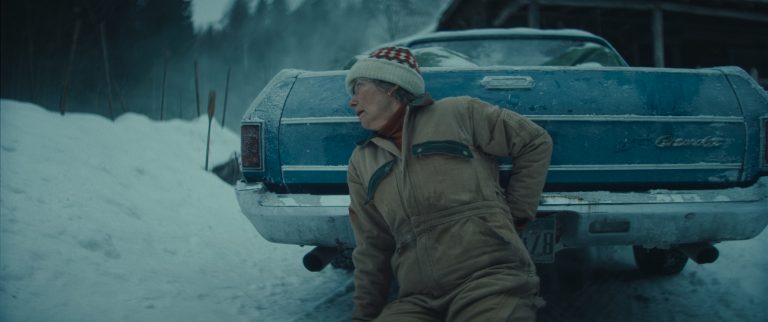
Movie Review: ‘East of Wall’ is Perfectly Amateur


Director: Kate Beecroft
Writer: Kate Beecroft
Stars: Tabatha Zimiga, Porshia Zimiga, Scoot McNairy, Jennifer Ehle

Synopsis: After the death of her husband, Tabatha- a young, tattooed, rebellious horse trainer- wrestles with financial insecurity and unresolved grief while providing refuge for a group of wayward teenagers on her broken-down ranch in the Badlands.


In 1960, Orson Welles gave a famous interview with the BBC where he claimed the majority of his success with Citizen Kane came from ignorance. First-time director Kate Beecroft and a largely non-professional cast deliver a similar success with the modern Western East of Wall.

That’s not to say the filmmakers don’t know what they are doing. Instead, they are uninhibited by studio conventions or expected story beats. If you saddle (no pun intended) a more experienced filmmaker with this story, those expected story elements like a shoehorned romance or overly-dramatic event would have brought this film down. Instead, what Beecroft does not know, doesn’t hurt her.

Centering on a slightly fictionalized version of South Dakota horse trainer Tabatha Zimiga (playing herself), Tabatha lords over a group of wayward teenagers on her ranch. While dealing with the off-screen suicide of her partner and the mounting financial issues of her ranch, the emerging independence of her daughter, Porshia (again, playing herself) complicate matters further. Despite help from the teens and her drunken mother, Tracey (Jennifer Ehle), things look bleak for Tabatha and the ranch.

Enter Texas horse profiteer Roy Waters (a pitch-perfect Scoot McNairy), who recognizes Tabatha’s horse-training talent as well as her financial woes. While Roy offers to buy the ranch, while allowing everyone to stay on to train the horses. Accepting on an interim basis, Tabatha must come to terms with the reality of the situation, along with Porshia’s rebelliousness and her ever-expanding household.

Frankly, this isn’t about the narrative beats or plot mechanisms. This is all about setting the tone of authenticity for these people. Not only does Beecroft has a clear respect for these individuals, there isn’t an ounce of cynicism or judgement to be found in their portrayal. Each character is given the room and patience to evolve on screen, without the expectation of being anyone other than themselves. That’s the film’s greatest strength. This is not a story that needs these characters to act. The only two characters who do need to be playing a role, are the two actual actors.

And even those performances are shown as vessels rather than dramatic foil. Roy shows up as a too-good-to-be-true reversal of fortune for the family, but he doesn’t ever cross the line into evil or anything other than himself. You could easily imagine a film that feels the need to shoehorn in a romantic relationship between Roy and Tabatha, but that is not in any way what this film wants. Instead of pandering to convention, Beecroft and this community display a lifestyle, while not the most glamorous or with the most potential, is one of authentic truth and beauty. Even Tracey, who is presumably portraying a version of Tabatha’s mother, is too out there for a real person to play, so Ehle steps in and chews the scenery. Why would you let the real person be open to criticism, when a veteran like Ehle knows how to toe the line?

That’s not to say the film is perfect. The amateur actors are just that: amateurs. While they might not be the most refined in line delivery or acting conviction, when they perform on the ranch, it’s a totally different story. Porshia, specifically. rides a horse at full gallop with reckless abandon. A standout sequence includes Tabatha and Roy riding alongside Porshia as she breathtakingly speeds through a field. Austin Shelton’s understated by vibrant cinematography certainly helps the matter, while the South Dakota landscape does the rest.

Tabatha and Porshia, while being amateur actors, are not natural fits on screen in either looks or demeanor, but it doesn’t mean they aren’t exactly what the film needs them to be. Both project a strength and resilience along with a country aptitude you rarely see depicted on-screen. Other cast members also play versions of themselves, including the standout of Jesse Thorson as a semi-abandoned kid who Tabatha hopes to house. There is abundant tenderness and empathy each character has for the other that shines through in ever scene.

McNairy and Ehle, despite their veteran status, both know how to blend seamlessly into the ensemble. Ehle’s warmth and humor makes her immediately feel a part of the community, while she also has some of the film’s best monologues to deliver. McNairy is the closest thing the film has to a villain, but it’s actually not the case, either. He represents the idea of what could be considered gentrification of the ranch, but he is never anything less than transparent in his dealings. He is fair and decent, and McNairy exudes a charm that transcends any misgivings about the character.

Beecroft blends a mix of Aftersun sadness and recollection with Leave No Trace authenticity and respect. She shows the audience a modern West without taking a stand on what that actually means for the big picture. These people are trying to live their lives the best way they know how. They may never leave, but they shouldn’t feel bad about it, and neither should you. Beecroft might not have the experience, but she definitely knows what she is doing.

East of Wall is an immensely enriching experience to lovers of the modern western as well as those looking for a tender character drama. Filmmaking ignorance at it’s best.

Grade: B+

Movie Review (Locarno Film Festival 2025): The Past Refuses to Stay Buried in Jafar Panahiโ€™s โ€˜It Was Just an Accidentโ€™


Director: Jafar Panahi
Writer: Jafar Panahi
Stars: Vahid Mobassari, Mariam Afshari, Ebrahim Azizi

Synopsis: A small mishap triggers a chain reaction of ever-growing problems.


Jafar Panahi is a punk filmmaker, not in the stylistic or aesthetic sense of Derek Jarman with Jubilee or Alex Cox with Repo Man, but in spirit and attitude. Since the beginning of his career, Panahi has been a bold and brave director, often navigating the censorship and restrictions imposed by the Iranian regime in his films. Heโ€™s resilient and determined to tell these stories and share the injustices many people living in Iran and the Middle East face daily, which has gotten him in a lot of trouble, including arrests and imprisonments. However, through unconventional filming methods, Panahi has managed to convey his messages to the world on the big screen. Each of his pictures is a testament to his fearless persona, in which he addresses his current predicament and speaks about the need for justice for the Iranian people. Whether in house arrest or unable to leave his country, Panahi made films in his way, the punk attitude showing through each scene.ย 

Now, after many years of being under surveillance and arrested, he presents us with his first โ€œfreeโ€ film in a long while, and it is as bold as before and critical as ever. It Was Just An Accident (Un Simple Accident, screening in the Piazza Grande at the 2025 Locarno Film Festival and the most recent winner of the Palme dโ€™Or) may not be his most accomplished work, but that does not matter in the least. What is important about Panahiโ€™s latest, outside of its message, is the composition of the project itself โ€“ even in freedom, he still defies those suppressing forces that have stripped Iranians of their humanity, with a narrative that feels like it has been a long time in the making, a social critique bolstered by angst and noncompliance. There was a nice moment at the Cannes Film Festival where, as a surprise to everyone, he appeared, and everyone stood up and applauded the man. We all know his story and his legacy as a pioneering, punk cinematic figure. At that very moment, I knew something special was amidst us.ย 

Like some of Panahiโ€™s pictures, Accident begins in a car, where a man (Ebrahim Azizi) is driving his pregnant wife (Afsaneh Najm Abadi) and daughter back home in the dark of night. The streets are all empty, and the darkness covering them provides an ominous atmosphere wherever they travel. You begin to suspect whether they are heading to their house to rest, or if someone is following them and they are trying to escape the situation. This uncertainty during the filmโ€™s introductory passage paves the way for the other narrative beats, where doubt and disquietude fuel the charactersโ€™ every move. It all comes together through a series of conveniences, which causes them to think twice (or thrice) about their decisions. The first one, the simple accident from its French title that sets the path, is that the man hits and kills a dog with his car.ย 

From there, he heads to a warehouse near the accident site to investigate some trouble with their car. The worker at the warehouse recognizes the sound of the manโ€™s prosthetic leg. The squeak perturbed him, shaking him to the core. This is why, after fixing up the car, he silently follows him to his house. The next thing you know, the worker knocks out the man and ties him up in the desert. That worker is Vahid (Vahid Mobasseri). Vahid believes that the man he abducted is Eghbal (known as โ€œPeg Legโ€), an officer who spent months torturing him during his imprisonment. Panahi reverses the roles, turns the tables, and makes us think about the charactersโ€™ moral ambivalences, whether it is true that Vahid has captured the right man or abducted an innocent bystander and turned to violence when potentially facing the man who beat him repeatedly as a form of revenge.ย 

The seemingly simple accident that began the film has now evolved into a complex and ethically charged scenario. The man says that his prosthetic leg is from an accident from the previous year, and he has the fresh scars to prove it. However, Vahid is still convinced that he is indeed the one who tortured him. The only source of information to confirm his identity is a mere sound, as Vahid was blindfolded during the times he was mistreated and beaten. Facial recognition canโ€™t be made. That is why Vahid drives around in search of someone who can help him identify Eghbal. He comes across a wedding photographer, Shiva (Maryam Afshari), her ex-boyfriend, Hamid (Mohammad Ali Eliyas Mehr), and the couple sheโ€™s currently photographing, all to sort out this situation. Every one of them has been mistreated, one way or another, by the hand of Eghbal, holding onto that pain and trauma to this very day. They have nightmares about their harsh experiences, scarred for life, and unable to shake the suffering away.ย 

What will be the manโ€™s fate? They still donโ€™t know if that is truly Eghbal. So, where does that leave them? From place to place, these people search for answers and remain in the same spot from which they began, full of doubt and anger. But as the day keeps going, they begin to crack; their thirst for vengeance diminishes, and signs of mercy are shown. The group considers the โ€œimpossibleโ€ act of forgiveness. It Was Just an Accident thrives on that dilemma, where strangers, tied by a lingering suffering, are stuck in a void where morals and ethics are constantly shifting to reveal hard truths and saddening realities. Vahid and those who accompany him await redemption for what happened in the past, yet that redemption never arrives, and they must confront that reality. The opportunity then arises for them to expel their woes, sorrows, and grievances. Through Panahiโ€™s canvas and the purgatory-like desert plains, they resound loudly, resulting in an equally liberating and exhausting experience for the characters and a confrontational one for the audience watching.ย 


โ€œI had a guilty conscience, but became used to it with timeโ€ is one of the lines in the finale that details the adaptability to wrongdoing, as the potential former captor grew comfortable with actions as time went by. At the same time, Panahi in Accident does not let the outrage fade over time, keeping the injustices highly visible and present. There are a few moments of โ€œlevityโ€ with some slight jokes, and it adds some relief to the situation for the viewer. However, that element in the film does not detract from the edge and urgency of Accident. Many have tried to silence Jafar Panahi, but no matter how hard they try, he remains undeterred. Each time around, Panahi gets louder and angrier. This is the reason why we must protect and cherish someone like him, a filmmaker and activist who uses the medium as a means to deliver dissertations on the political climate in Iran. Heโ€™s a filmmaker who is as ungovernable as his cinema.

Grade: B+

Movie Review (MIFF 2025): ‘Exit 8’ is Disquieting and Effective


Director: Genki Kawamura
Writer: Kotake Create, Genki Kawamura, Hirase Kentaro
Stars: Kazunari Ninomiya, Yamato Kochi, Naru Asunuma

Synopsis: A man gets lost in an underground passage. He follows the “guide” through the passage, but one after another, strange things happen to him. Is this space real? Or an illusion? Will the man be able to escape the passage?


Iโ€™ll admit that I am uneasy in tunnels, underground walkways, IKEA stores, and anywhere I canโ€™t tell where the exit is. The notion of temporal distortion in malls and casinos causes me anxiety. Places where people are moving but also stuck in a maze where left and right donโ€™t seem to matter. Spaces that are meant to be passed through and navigated make me feel Iโ€™m Theseus moving in on the Minotaur but with no Ariadne to supply me with a red string so I can emerge again. Exit 8 is primarily set in an underground Japanese subway concourse that reconfigures itself as a maze bores directly into my subconscious tapping in on the primal fear of being buried alive. For that reason, Genki Kawamuraโ€™s video game adaptation is what I would consider a conceptual psychological horror par excellence.ย 

The sound of Ravelโ€™s โ€˜Boleroโ€™ โ€“ a piece of music based on repetition โ€“ fills the ears of a morning subway traveler (Kazunari Ninomiya). In the crowded carriage, a woman carrying a baby is excessively berated by a passenger. No one steps in to stop him. The traveller. whose point of view we experience in first person at the start of the film, watches the scene happen and hears the yelling and the quiet distress of the babyโ€™s mother. He returns to listening to โ€˜Boleroโ€™ and avoiding calls from his ex-girlfriend.

When he disembarks and begins to head to his new job he finally answers the call. His ex-girlfriend (Nana Komatsu) acknowledges that she understands the relationship is over. However, she is currently at a hospital where she is trying to decide whether or not to terminate a pregnancy conceived when they were a couple. She wants to know his opinion, to help her decide. Mentally taking in something potentially life-changing the man, now known as The Lost Man, wanders the Exit 8 concourse without paying much attention. When he begins to notice heโ€™s in a loop passing the same posters, lockers, and the Walking Man (Yamato Kochi) enough times to note something is very wrong. Heโ€™s also lost cell coverage and doesnโ€™t hear what his ex-girlfriend is leaning towards: keeping the child or a termination. He needs to join her at the hospital, but he is stuck.ย 

He eventually finds an information sign outlining the logic of his trap. Look for anomalies. If one is found (however minor), turn back. If there are none, move forward. He is on Level 0 with eight levels to go before he can emerge. However, no matter which level he is on, if he misses an anomaly, the concourse is reset, and he is at Level 0 once more. With his asthma being triggered by stress, the Lost Man might never reach the surface as time stretches and the underground concourse becomes an aggressive and hostile place.

โ€œDentist. Escher. Legal scrivener. Plastic surgery. High paying job. Subway etiquette,โ€ the Lost Man counts the posters on the white tiled wall. The Escher exhibition poster features the work โ€˜Mรถbius Strip II (Red Ants)โ€™ which is clearly a metaphor for the Lost Man and other works who daily take the crowded transport into their jobs. Itโ€™s also perhaps indicative of how the unknown power behind the concourse sees people โ€” small, irrelevant, worker insects who attach themselves to a path and follow it unquestioningly. At one stage or another there are three humans who find themselves trapped. Without pity, it keeps a young child (Naru Asanuma) who ran away from his mother hoping she would look to find him, and the Walking Man who accompanied the child along the concourse until an error rendered him โ€œnot human.โ€ When the Lost Man finds the Child he at first thinks he is an anomaly until he realises even a small soul can be trapped in a soulless place. A place which according to a young woman could be purgatory. She laughs cynically at the Walking Man and tells him that he has already put himself inside the space by every day going to a job that he hates as he tumbles into middle-age. An object warning to the Lost Man who perhaps still has a chance to be more than a drone.

Genki Kawamura and co-writer Kentaro Hirase understand the anxiety of living in stasis and becoming used to being led in a single direction. They also understand the emotional fear of unplanned parenthood and making a choice that fundamentally changes who and what you are. The concourse bleeds through the ceiling and walls, the lockers contain the sounds of screaming infants that it is impossible to set free. There is no cheating the system you have found yourself in no matter how deadening and repetitive it is. A recursive march through the underground thoroughfares of Tokyo where looking up is discouraged forms part of the capitalist unease โ€“ where does freedom and the individual exist? Even if one thinks theyโ€™re winning the game the game will morph and shift the goalposts so no matter what,ย  the individual is always placed at a disadvantage.


Exit 8 is an extraordinary feat of production design. Even before the Lost Man notices he is trapped, the claustrophobia of the subway and the liminal space where a familiar journey is halted is nightmarish. Exit 8 thrives on its maddening repetition and the broader implications that perhaps those who daily walk the white tiled halls are already dead. A minimalist and affecting horror that reaches into individual, national, and international disquiet. One of the best and most effective J-Horrors in years.

Grade: B

Op-Ed: ‘The Man From U.N.C.L.E’ On Its 10 Year Anniversary

Languishing in development hell for almost two decades, Guy Ritchie’s The Man from U.N.C.L.E. finally landed in theaters in August of 2015 to muted critical praise, and relative box office anonymity. Regardless of the reception at the time, the film’s quality deserves to transcend its legacy.

But, what actually is its legacy? The forebearer to Guy Ritchie’s mainstream career? A glimpse into a Henry Cavill-led Bond franchise? A breakthrough introduction to Elizabeth Debicki? A portrait of Armie Hammer’s squandered potential? It all comes together as an immensely entertaining time capsule of a missed franchise as well as a mid-2010s exercise in IP saturation.

Cavill stars as Napoleon Solo, a CIA agent working off his prison sentence for multiple high-profile thefts. With the Cold War raging in 1963 Berlin, Solo is tasked with extracting Gaby Teller (Alicia Vikander), the daughter of a Nazi rocket scientist, across the wall to the Western side. The pair are intercepted by Illya Kuryakin (Hammer), a Russian KGB operative. Despite a prolonged battle, Solo and Gaby make it across.

Solo’s handler, Sanders (a wonderfully grumpy Jared Harris), teams him up with Kuryakin to infiltrate the Vinciguerra Shipping Industries and stop them from using Gaby’s father, Udo (Christian Berkel), from building a nuclear bomb. Utilizing Gaby’s uncle Rudy (Sylvester Groth) as well as Solo’s debonair attitude with company head Victoria Vinciguerra (Debicki), the unmatched threesome must act quickly to avoid a nuclear device falling in the wrong hands.

Ritchie does not seem the type of filmmaker particularly suited for this material, but his rhythm and energy lends itself well to the film’s laid back tone. Despite a film filled with Cold War intrigue, life-or-death situations, and nuclear warheads, breezy would still be the best word to describe the film. In fact, one of the film’s resonating lines before the ultimate climax is “How’s that for entertainment?” Not only does this film aim to please, it knows what it is. It’s not trying to be anything other than a good time at the cinema.

That good time is exemplified through the cast. Cavill looks like he is having the time of his life, wearing expertly designed three-piece suits, womanizing at will, and personifying relaxed cool like few others can. It’s the film that best presents the capabilities of his screen magnetism. Hammer has to be more of a bummer, since Kuryakin is such an intense character, but when he gets to have fun is when we care more for him as a character. His characterization is meant to menace, but his performance is the clear weak link of the film (his off-screen behavior notwithstanding).

Equally as charming and relaxed is Vikander, in her only real opportunity in her career to have some fun, which she greatly takes advantage of. Not content in her spy-laden role, Gaby gets drunk and begins entices Kuryakin to dance to Solomon Burke’s “Cry to Me.” For all the seriousness in Vikander’s career, it’s by far the most charming thing she has done on-screen. Debicki gets the most complex role as the seductively villainous Victoria. Instead of relying on brawn or cruelty, she gets by on brains, wits, and exacting execution. It also helps when both women look stunning, dressed by Oscar-nominated costume designer Joanna Johnston.

Despite the film having a propulsive story, certain scenes stand out due to their unorthodox style. A mid-film setpiece where Solo and Kuryakin break into the Vinciguerra warehouse features a nicely stylized safe-cracking scene from Solo, which leads to a high-speed boat chase that abruptly ends when Solo is flung from the vessel. Rather than focus on Kuryakin’s attempts to flee, we see Solo calmly sit in a truck, listening to the radio, and enjoying a sandwich and a Chianti while Kuryakin evades in the background.

Later, as Solo is being tortured by Rudi, the scene is lit by a single overhead lightbulb swinging around overhead. Despite our hero’s on-screen torture and subsequent rescue by Kuryakin, it’s a standout scene of atmosphere and performance by both Cavill and Groth. Scenes like this pepper the entire film. Instead of one scene blending to the next, each one has a distinct flavor despite the clear connective tissue. Entertaining is one thing, but to be memorable is another.

Unfortunately for the filmmakers, the box office didn’t back up the quality. Opening against Straight Outta Compton and facing internal competition from the third weekend of fellow television adaptation Mission: Impossible – Rogue Nation, the film barely managed $64.6 million on a reported $80 million budget. Maybe it was a bad release date, or maybe it was oversaturation. The Marvel Cinematic Universe was in full swing, while other television adaptations including Get Smart, The A-Team, Dark Shadows, and the Hammer-starring The Lone Ranger had all premiered to various degrees of failure. Perhaps audiences just didn’t have the taste for a filmed adaptation of a 60-year-old television series.

But, the cast and crew live on. Richie has become wildly productive, directing eight films in the subsequent decade, with two more on the way in the near future. Cavill returned and departed his portrayal of Superman in the DCEU, while Vikander continues to do serious, understated, but interesting work since her 2015 Oscar win for The Danish Girl. Debicki dipped her toes in the Marvel machine with the third Guardians of the Galaxy, while picking up an Emmy for her Princess Diana portrayal in The Crown. Only Hammer has left the limelight, and the less we say about him the better. In the end, maybe the legacy of The Man from U.N.C.L.E is existing as an underseen gem in the early filmographies of successful actors. The argument could be made that it is also Guy Ritchie’s best film, and you wouldn’t hear me complain.

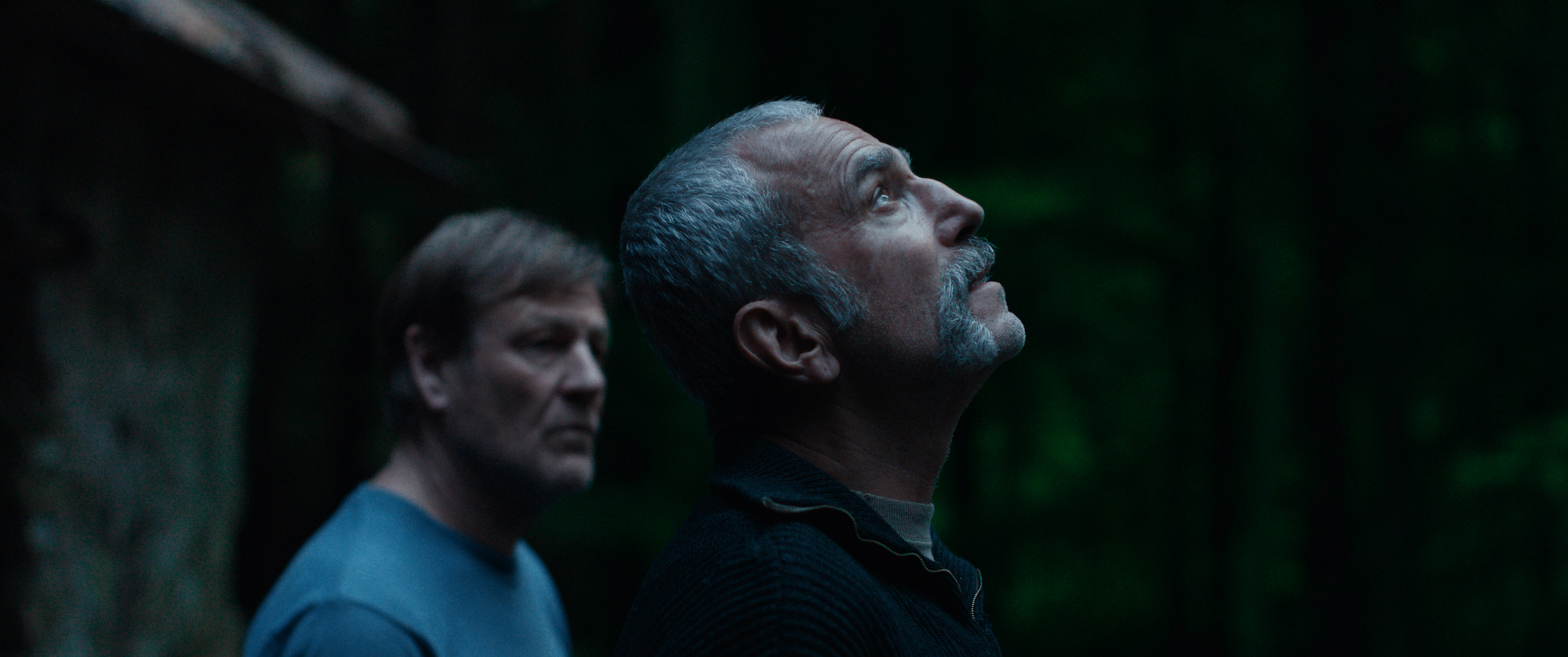
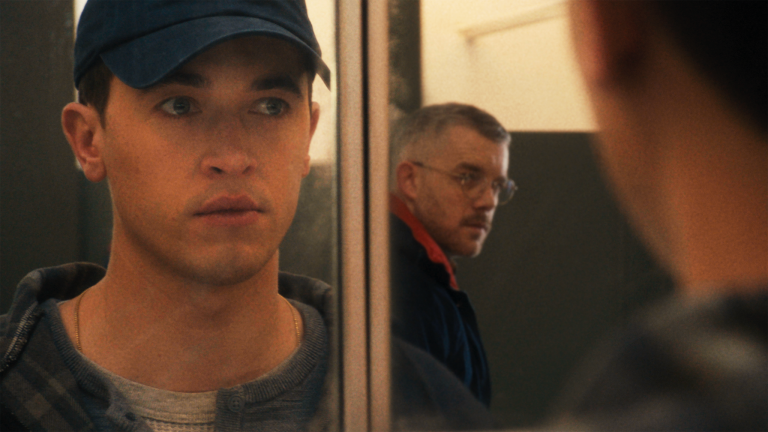
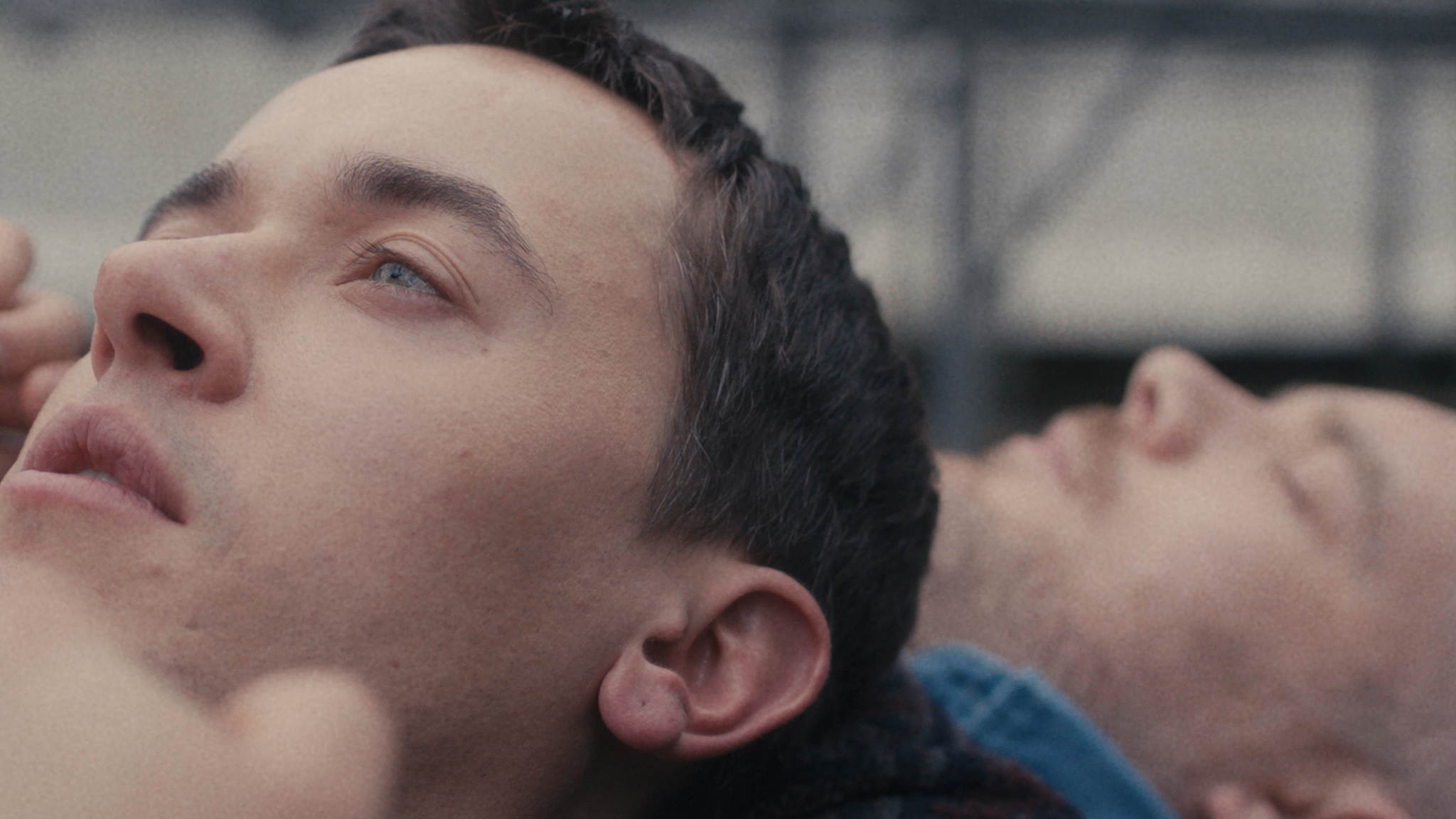
Interview: ‘Went Up the Hill’ Star Vicky Krieps

0

In this interview, I talk with the great Vicky Krieps about her new film Went Up the Hill! Directed by Samuel Van Grinsven, this is a film about the diorama of loss, intimacy, hauntings, and the irreparable nature of grief.

The enigmatic Krieps, whose resume includes roles in Phantom Thread, Bergman Island, Hot Milk, The Dead Don’t Hurt, and the upcoming Jim Jarmusch feature Father, Mother, Sister, Brother talks about finding planets in every director she works with, choreographing the possession scenes, writing song lyrics for all her characters, and having Dacre Montgomery as her scene partner.

Podcast Review: Together

On this episode, On this episode, Brendan is once again joined by Shaurya Chawla to discuss the new horror film from Michael Shanks in Together! As one can assume given its title, much of the body horror and tension is felt primarily because of Dave Franco and Alison Brie. They obviously have a great chemistry, and it works wonderfully on screen. But Shanks’ direction is also notable in some areas, even if we have a few questions about some decisions that he makes.

Review: Together (4:00)
Director: Michael Shanks
Writer: Michael Shanks
Stars: Dave Franco, Alison Brie, Damon Herriman

Subscribe to our Podcasts RSS
Subscribe to our Podcasts on iTunes
Listen on Spotify
Listen on Stitcher
InSession Film Podcast – Together

Movie Review: โ€˜Nobody 2โ€™ Is a Repetitive but Fun Enough Bloody Romp


Director: Timo Tjahjanto
Writers: Derek Kolstad and Aaron Rabin
Stars: Bob Odenkirk, Connie Nielsen, Christopher Lloyd

Synopsis: Former assassin Hutch Mansell takes his family on a nostalgic vacation to a small-town theme park, only to be pulled back into violence when they clash with a corrupt operator, a crooked sheriff, and a ruthless crime boss.


Over four years after the 87Northโ€™s Nobody surprised audiences with its brutal action set pieces and iconic performance from Bob Odenkirk, a sequel finally arrives with director Timo Tjahjanto now at the helm. Many sequels will often try to outdo what worked about the first, to the point where the overall film is lost in trying to forge a different path or follows the original too closely. Luckily for Nobody 2, Tjahjanto manages to spice things up in the director’s chair. Nobody 2 is an absolute blast of a sequel that takes the simplicity of what worked so well in the first filmโ€™s story and cranks the blood-soaked chaos to new highs. Many will say itโ€™s to a fault as the often repetitive story beats within action screenplays, and even more thin plotting than its predecessor, make it less impactful on the whole; but the sequel clearly knows what it is and doesnโ€™t waste any time providing solid laughs and brutal dismemberments at a healthy rate. All of that, tied together with Bob Odenkirkโ€™s signature charm and the usual relentlessly pulpy action sequences from Tjahjanto, and you’ve got a pretty decent 89 minutes of fun, even if it pales in comparison to his other directorial efforts.

This continuation, more or less, has very little story to work with as we follow Hutch Mansell (Odenkirk) as he yet again struggles to connect to his two children and wife, Becca (Connie Nielsen). Every day, heโ€™s often in fist fights working to pay back the debt he owes to The Barber (Colin Salmon). Still, when he decides to take a vacation and spend time with his family at his childhood spot of Plummerville, it isn’t long before the fighting finds Hutch again, and he is in the midst of more violence and clashes with another corrupt crime world. Considering that these two films likely exist due to the success of John Wick and the recent surge in secret assassin action films, I usually donโ€™t mind recycled plot points and emotional beats as long as the elements surrounding them contribute to a great experience. However, this sequel can often come across as a retread. From the entire opening minutes repeating the same interrogation and days of the week scene from the original, to melodramatic beats of tension between Becca and Hutch, the film plays it a bit too safe. While there are differences like the setting change, the more playful tone overall, the story ends up as less of a fresh take on the concept in comparison.ย 

However, despite the presence of rushed and barely present story beats, the action and film setting are still exciting, thanks to one of the next great directors of action films being behind the camera. While never quite reaching the level of scrappy rawness found in Tjahjantoโ€™s Indonesian action films, such as The Night Comes for Us and The Shadow Strays, the sequel captures a similar kinetic energy that was absent in its predecessor. The camera is never stagnant and always finds new ways to creatively showcase a body being thrown into a car window or a katana going straight through someone’s face, and it’s amazing to witness. What manages to be even more creative in its use here is the theme park setting, especially within the funhouse madness of the filmโ€™s third act. Crane games, wack-a-mole machines, water slides, and even a full funhouse mirror sequence are all used for Home Alone-like bloody kills galore, in a similar vein to the first film, but in a much more unique environment.

These scenes are aided immensely when you have the talent of an actor like Odenkirk as the lead of your film, who could even read a phone book entertainingly. Christopher Lloyd as David Mansell and RZA as Harry Mansell also return to play their scene-stealing roles from the first film, but I was most surprised at the acting showcase of Sharon Stone as the main crime boss, Lendina, in the filmโ€™s driving antagonistic force. She doesnโ€™t get much to do aside from face value generic villain one-liners and unmemorable interactions with her corrupt goon police men within Plummerville, but I at least appreciate the silly nature that she brought forward in an otherwise placeholder villain role. She clearly knew the type of film she was in and rolled with it in the time she had.ย 

The first reactions to Nobody 2 hit social media

Nobody 2 doesnโ€™t quite match the fresh juice of the first film due to its redundant story beats and lack of depth, but it still manages to capture enough of the fun B-movie action tone that is promised, thanks to a brisk runtime and a great director crafting it all. With plenty of head-bashing, bloodied brawling, and gunplay to spare, it’s hard not to be satisfied with this sequel as a whole.

Grade: B-

Movie Review (Locarno 2025): โ€˜Arcoโ€™ is an Imaginative, Albeit Too Sweet, Animation Picture


Director: Ugo Bienvenu
Writers: Ugo Bienvenu, Fรฉlix de Givry
Stars: Margot Ringard Oldra, Oscar Presanini, Nathanaรซl Perrot

Synopsis: What if rainbows were actually time travelers flying across the sky? On his first flight through time, Arco (10) crash lands from the year 3000 into our near future. His fall is witnessed by a little girl, Iris, who helps him return home.


Every day, whether thinking about art, life, or the world itself, we wonder about the futureโ€”hopeful for prosperity or fearful of damnation. Nowadays, pondering the future and whatโ€™s in store for us comes with a melancholy feeling rooted in the past, as everything seems to be getting worse by the minute, with climate change being ignored and raging politicians stripping the freedom from the people they govern. It is hard to keep your head up at times, given the daily barrage of bad news. However, a small amount of hope lingers while we ponder and question. In graphic artist-turned-filmmaker Ugo Bienvenuโ€™s feature debut, Arco (screening in the Locarno Kids Screenings at the 2025 Locarno Film Festival), these worries and aspirations for a better world are represented through a colorful, imaginative time-travel adventure.ย 

Ugo Bienvenu views the past and future through a double-sided lens that reveals hard truths and warm beauties, yet in a manner that is both accessible to children and thoughtful enough for adults. He utilizes many films as references and inspirations for his pictures, sometimes at the cost of the storyโ€™s cohesion and structure. But the animation is so mesmerizing, and his world both immersive and creative, that the viewer remains quite enamored with the story. Arco begins in a distant future, many centuries ahead of our current reality. We are introduced to the titular character (voiced by Oscar Presanini), a young boy who lives in the skies alongside his magical family. They cover the skies in lovely rainbows, creating prismatic scenery that immediately taps into Bienvenuโ€™s imaginative mind, a sense of wonder and curiosity missing in most mainstream animation pictures.ย 

The younglingโ€™s family can time travel, with the help of a mystical robe and crystal ball that permit them to go to any place in time and history. Unfortunately, Arco cannot participate in those journeys because he is under the legal age to do so. Like any other child would behave when they canโ€™t do something everyone can, Arco gets jealous of the trips their family takes while heโ€™s stuck at home. Of course, he does not understand that this gift comes with numerous responsibilities and repercussions if done incorrectly. Arco just wants to get a sense of what it is like to escape from his world into a distant, alien place. He has heard countless stories from his sister, and Arco envisions what it would be like.ย 

One day, his curiosity gets the best of him and he steals the robe and crystal ball to head on an adventure of his own. As expected, Arco gets lost somewhere on the brink of time. Arco crashes down in 2075, a time plagued by environmental disasters and technological advancements that have distanced its inhabitants, like the sentient robots built to take some of the responsibilities off the humans. Holograms are also a thing in this world, giving people the ability to be in two places at once. Of course, this affects many families, as they are removed from the tenderness of their loved ones in exchange for modern-age technology. One of those affected by this technology is Iris (Margot Ringard Oldra).ย 

Iris is a ten-year-old girl who lives with her infant brother and the assistant robot, Mikki (Alma Jodorowsky and Swann Arlaud), whom her parents bought to help around the house while they are at work. She spots the crashing Arco and rushes toward him, intrigued by his rainbow trails. Both lost in their worlds and without a parent to guide them, Iris and Arco bond over their shared sadness and isolation, making it seem as if their souls were somehow intertwined. From there, the adventure continues as Iris searches for a way to bring Arco back home, traveling into the skies and to the distant future, eons away from her reality. Throughout the film, Bienvenu creates various imaginative worlds and their respective changes induced by climate change (forest fires, rising sea levels, melting ice caps).ย 

These creations are a thing of beauty, yet plagued by tragic pasts and the suffering of previous generations. From these, Bienvenu explores the duality of hope and despair, placing Iris and Arco, both young individuals who are unfamiliar with life before them, on a journey of reflection. Arco is shaped by these ideas of climate change, which have been passed down through generations, as the Earth slowly deteriorates towards self-inflicted decay, and the parent-son dynamics interlaced within โ€“ the loss of communication, lack of tenderness, and feeling isolated in a place constantly changing. These two outsiders, Iris and Arco, go around the world and through time in search of what their own time lacks. However, what they learn is to appreciate what they do have and try to protect it while they still can. That part of the film is what struck me the most with Bienvenuโ€™s storytelling.ย 

By passing through different pasts and distant futures, Iris and Arco both notice that, somehow, each of these variations of the world is plagued by the same things. Its approach to exploring this is too sweet and safe for my liking; it takes some of the emotion out of the story. For example, the antagonists of the time-traveling younglings chase them wherever they go. But rather than being conduits for the themes explored, the โ€œvillainsโ€ are here as mere excuses to move Arco and Iris on their route to their destination without giving them much of a background. Their shenanigans might entertain children. But they take up too much time from the main characters. Arco could have benefited from either developing them further or focusing entirely on Arco and Irisโ€™ cultural heritage and how it is affected by their relationship with their parents and technology โ€” an idea that Bienvenu has explored previously in his literary works, particularly in โ€˜System Preference.โ€™ย 


Regardless of these weak characters and their motives, Arco is a bright spot in the yearโ€™s animation catalog, not solely because of its imaginative design, cementing Bienvenu as a voice to keep note of, but in how it processes its ideas for all audiences, while showing that urgent topics can be presented to younger audiences without oversimplification. The best kind of childrenโ€™s entertainment is that which presents subjects to kids that parents may struggle to explain. There are also numerous excellent examples of animated films that comment on climate change or our relationship with technology, such as Nausicaรค of the Valley of the Wind and Princess Mononoke. While Arco does not have that pristine storytelling and thematic exploration of the aforementioned Studio Ghibli pictures, what Bienvenu brings to the table is spontaneous and rich enough to celebrate.

Grade: B

Movie Review (Locarno 2025): โ€˜Blue Heronโ€™ Shows Images as Gateways to the Past and Family Memory


Director: Sophy Romvari
Writer: Sophy Romvari
Stars: Eylul Goven, Amy Zimmer, Iringรณ Rรฉti

Synopsis: A family of six settles into their new home on Vancouver Island as internal dynamics are slowly revealed through the eyes of the youngest child.


Throughout her young career, Canadian filmmaker Sophy Romvari has dedicated herself to exploring her and her familyโ€™s history through meditative shorts that encapsulate the feeling of being at a distance in life. Whether induced by grief after losing a loved one or loneliness from fragmentation, Romvari confronts herself in her work to communicate what she holds deep inside, resulting in a haunting and emotionally relieving experience for the viewerโ€“a weird contradiction that just outright moves you. Through her memories and the stories shared, we ponder our own families and grievances relating to such; what begins as personal portraits becomes a collective mirror into our own experiences.ย 

The two shorts of Romvari that I enjoy the most, Still Processing and Itโ€™s Him, both stories about grief and the importance of images (and how they move us), remind me of a film that, ever since I saw it, I havenโ€™t been able to get out of my mind. And thatโ€™s Lucy Kerrโ€™s brilliant debut, Family Portrait (which also played at the Locarno Film Festival two years ago). A collective experience of a family photo, a token of remembrance, transpires to a melancholic outlook of lost time and affliction in Kerrโ€™s picture, where she has her lead (played by Deragh Campbell) trying to catch the โ€œuncatchableโ€โ€“time through portraits and moments through moving images. And I believe Romvari is doing the same with her work, in both her documentaries and fictional stories.ย 

She tries to freeze time in her pictures and make those moments she couldnโ€™t bask in more into immortal ones, thanks to the effect cinema has. In addition, they serve as an examination of lives before her own. Her feature-length debut, Blue Heron (screening in the Concorso Cineasti del Present section at the 2025 Locarno Film Festival), follows the cinematic pattern that Romvari has been pursuing in her career so far. By utilizing her family history as the foundation for her film, Romvari sparks conversations about memory, the passage of time, and the beautiful, ominous mystery of the details that remain, all viewed through the eyes of a child experiencing a significant change in her young life, serving as a surrogate for the director.ย 

In Blue Heron, a Hungarian family of six settles into their new house in a neighborhood outside Vancouver, as seen in the filmโ€™s remarkable opening shot, which hints at ghost story-adjacent voyagerism โ€“ the audience as spectral figures who see and hear things they arenโ€™t supposed to. Accompanying the opening shot is a line that paves the way for the filmโ€™s second half and Romvariโ€™s dissection of unearthed memories, tying together the past through cinema. The line refers to Sasha, the younger child in the family, being unable to remember much from her childhood; her memories are blurred by tragic events, new horizons, and blundering experiences that hindered her young mind and heart, only for her to try and piece them together years later.ย 

The parents of the family (played by Iringรณ Rรฉti and รdรกm Tompa), who remain unnamed, have relocated for a fresh start. The cause of the move is undetermined, but one suspects that one of the reasons is the self-destructive behavior of the eldest son, Jeremy (Edik Beddoes). The mother and father donโ€™t know how to address the situation to their children, which is why they occasionally talk in their native Hungarian language to avoid their English-only-speaking childrenโ€“sons Henry (Liam Serg) and Felix (Preston Drabble), and daughter Sasha (Eylul Guven)โ€“getting worried about his worsening condition. However, the kids still notice that something is wrong, and helping him becomes a daunting task.ย 

Rather than opting for the clichรฉs of films about parents and their troubled children, Romvari ensures that Jeremy is empathetic; she does not want Jeremy to be mistreated by the audience because of his psychological issues, or to dwell on the over-sentimental quandaries that come with the dramatic heightening of the material. Romvari remains truthful and grounded, without the need to pound the hammer of overwrought insincerity. The Canadian filmmaker focuses mainly on the toll Jeremyโ€™s behavior takes on the family rather than the actions, allowing a space for the charactersโ€™ (and the audienceโ€™s) meditation on the matter, and how varying these perspectives are.ย 

A young child in Sasha, who hears and sees things she doesnโ€™t understand wholly but slowly comprehends the weight of it all; parents who try their best to attend to his needs, yet canโ€™t because they need to care for their other three kids; the inability of affording proper treatment to get a diagnosis for Jeremyโ€™s behavior. The first half of Blue Heron is marked by this toll of being unable to act, becoming an emotional experience with each moment of silence or burst of pain. There are moments when Sashaโ€™s parents utilize a camera to take photographs of happy moments they would like to preserve in timeโ€“the camera, a key tool of immortality, and Romvariโ€™s gadget for self-reflection and remembrance in her cinemaโ€“and frame them as stamps for when the dark cloud of bereavement didnโ€™t strike.ย 

Nevertheless, the darkness from the household always finds its way into the picture, much like the aforementioned Family Portrait, where a family takes quick snaps of moments in bright, beautiful places yet canโ€™t erase the sadness that comes from within them. (Or, as another example, one of the most shattering moments in Steven Spielbergโ€™s The Fabelmans: Sammy Fabelman filming while his parents enter a serious argument, never noticing his ignorance until very late.) The coldness of glancing at picturesโ€ฆ decades later, you look and think back on what happened during, before, or after such events. Sometimes, there is bliss; on other occasions, it is quite the opposite. That is what Sophy Romvari has done with her work so far and in her debut picture.ย 

She reflects without nostalgia and ponders on the root of photographs and moving images. What does a camera signify if not a capsule of tokens of life? The second half of Blue Heron explores this search for meaning in the remnants of distilled images. Sasha (now played by Amy Zimmer), twenty years having passed, reaches out to ghosts from the past and spectators from her present for answers about Jeremy and whether there was a way to change things back then. It is a search for truth through testimonials and archive footage, which makes the film operate from the perspective of a repair technician, fixing up a camera to restore past experiences.ย 


As the film heads toward a moving, chilling finale, Romvari lays out her final reflections with care and honesty. The search through photographs and testimonials becomes an act of both reckoning and healing for Sasha and Romvari. This is an attempt to piece together fractured memories and understand her past from multiple perspectives. The images we see and the stories we hear preserve and distort Sashaโ€™s memories. But through the distortion lies truth, and it shapes her present. Blue Heron is patient and passionate, often allowing the audience to bask in the coldness of the unfolding situations instead of letting the warmth envelop the cinematic passages. The bittersweet impression in the filmโ€™s climax stings plenty because of that. However, Romvari makes it crucial for us to understand the impact and importance of being swayed by our past, whether in joyful moments or those we would like to forget, and the picturesโ€”mental or physicalโ€”we carry with us on our journeys across time.

Grade: A-

Movie Review: โ€˜Sketchโ€™ Barely Scribbles Its Contrivances Away


Director: Seth Worley
Writer: Seth Worley
Stars: Tony Hale, Dโ€™Arcy Carden, Bianca Belle, Kue Lawrence, Kalon Cox

Synopsis: When a young girlโ€™s sketchbook falls into a strange pond, her drawings come to lifeโ€”chaotic, real, and on the loose. As the town descends into chaos, her family must reunite and stop the monsters they never meant to unleash.


These days, itโ€™s difficult to talk about a movie being distributed by Angel Studios without dedicating a great deal of focus to the fact that said movie is being distributed by Angel Studios. The company was put on the map by the surprise (and controversial) success of its 2023 hit, Sound of Freedom, a drama about rescuing victims of child sex trafficking that starred a devout, anti-abortion, pro-QAnon Catholic in Jim Caviezel, and one that instituted a pay-it-forward ticketing scam โ€“ to call it what it was โ€“ that bolstered the filmโ€™s box office numbers and ultimately saw the filmโ€™s screenings reach capacity at alarming rates. Sound of Freedomโ€™s supporters wanted to make sure that people could see the film for free, to have them witness the magic of its messaging, even if that magic was and should still be considered dark. Since that movieโ€™s release, Angel has quadrupled down on its mission of forcing faith-based dramas into multiplexes, most notably the animated King of Kings, in which Charles Dickens tries to recite A Christmas Carol to a London audience only to be interrupted by his son, who wishes to tell the story of Jesus Christ.

In other words, Seth Worleyโ€™s Sketch deserves better. It deserves a better home, a more inclusive one to prop up its core themes โ€“ the importance of family and imagination foremost among them โ€“ and one that doesnโ€™t use the filmโ€™s credits as an opportunity to promote an app tie-in where fans can use AI to create their own monsters, ones inspired by the drawings that take center stage in the movie. It should be noted that Sketch premiered at the 2024 Toronto International Film Festival and was acquired by Angel in April, so itโ€™s not fundamentally a studio brainchild. But it begs a dispiriting question: When a distribution company has created so much ill will for itself on the shoulders of its core values and behaviors, and later inserts those tendencies into the final product of a perfectly fine film, why would anyone in their right mind send any good will its way, no matter how much the movie in question may deserve it?ย 

Iโ€™d argue that Worleyโ€™s film โ€“ a family drama that fills something of a genre void in a theatrical landscape that would prefer to pretend that The Fantastic Four: First Steps fits its mold โ€“ isnโ€™t actually worth the Angel-inflicted fuss, as while it is, indeed, perfectly fine, itโ€™s also precisely that: Fine. Even if it imagines adolescent trauma in a far more effective fashion than most modern offerings tend to, especially those in the horror genre, thereโ€™s a surface-levelness that is unmistakably rote. Starring Tony Hale as Taylor Wyatt, a father who internalizes his grief in the aftermath of his wifeโ€™s passing to the point where his children, Amber (Bianca Belle) and Jack (Kue Lawrence), feel theyโ€™ve been left on a depressing island to fend for themselves, Sketch exists with one idea in mind: The fact that processing your emotions is a difficult but necessary task. Creatively exorcising her demons is the only way Amber knows how to cope, and when the vaguely-frightening Sesame Street-esque illustrations she scribbles into a notebook that her guidance counselor gave her begin to come to life after falling into a magical pool โ€“ Together, anyone? โ€“ itโ€™s her job, along with her brother and the school bully/know-it-all (Kalon Cox) to navigate their now-uniquely colorful world.ย 

Tony Hale debuts new movie 'Sketch' with early Knoxville screening

As the youthful trio ventures through their town and nearby woods in an effort to outrun and outsmart the monsters of Amberโ€™s own creation, Taylor and his sister, Liz (Dโ€™Arcy Carden) search for the kids who are theoretically supposed to be in school. The affair is spirited enough, and Worleyโ€™s scribbled creations are brought to life spectacularly; the visual effects team deserves some serious kudos, especially considering how much humanity has been poured into each design, unlike the monstrosities that appear in the filmโ€™s credits. Yet thereโ€™s something missing when it comes to Sketchโ€™s handling of its central loss, that dances between offering unique ways to grieve and barely saying anything more than โ€œdeath is strong, but love is stronger.โ€ Thereโ€™s truth to that idea, and Worley and co. have a handle on the necessary knowledge that they arenโ€™t about to offer any revelations related to distinct heartbreak, only in how they depict it being endured. Perhaps that should be enough; in this case, it almost is. If only this criticโ€™s cynicism wasnโ€™t hardwired to balk whenever presented with the idea that any emotion can be made easy as long as it is felt by you and those you cherish as a whole.

Grade: C+

Episode 649: Top 5 Couples In Horror Movies

This weekโ€™s episode is brought to you by Koffee Kult. Get 15% OFF with the code: ISF25

This week on the InSession Film Podcast, inspired by the new horror film Together, we talk about our Top 5 power couples in horror films! Plus, a discussion on the wild Weapons discourse and the possibility of a new Bayformers movie.

– Opening Banter / Weapons Discourse (0:40)
We begin the show this week by digging into the absolutely insane discourse around Weapons that took place last weekend. It’s nothing new, but it still boggles the mind how dismissive and obtuse the conversation often gets on social media. Which is especially disappointing in this case because Weapons is a fascinating film to talk about, regardless of where you fall on it.ย 

– New Studio Comedy / Bayformers (32:46)
Off the heels of our discussion last week on the show and questioning if we’re in a new era for Hollywood, we thought it was quite interesting to hear that Jonah Hill will be directing a new studio comedy coming to theaters next summer. Is that a coincidence? Maybe, but perhaps it’s not. We also had some fun talking about the possibility of Michael Bay coming back to Transformers. The rumor mill is a buzzing and we’re excited about it.ย 


RELATED: Listen to Episode 610 of the InSession Film Podcast where we discussed our Top 10 Movies of 2024!


– Top 5 Couples in Horror Movies (47:19)
This was a unique and fun topic to discuss given that it’s not all that common in film conversation. Horror obviously comes with plenty to mine out of them, but romantic couples aren’t necessarily at the top of the list. Which made this both distinct, but also challenging when trying to narrow down our list. In the end, we had a great time with this one. With that said, what would be your Top 5 horror couples?

Subscribe to our Podcasts RSS
Subscribe to our Podcasts on iTunes
Listen on Spotify
Listen on Stitcher
InSession Film Podcast – Episode 649

Next week on the show:

Highest 2 Lowest and Spike Lee

Help Support The InSession Film Podcast

If you want to help support us, there are several ways you can help us and we’d absolutely appreciate it. Every penny goes directly back into supporting the show and we are truly honored and grateful. Thanks for your support and for listening to the InSession Film Podcast!

VISIT OUR DONATE PAGE HERE

Movie Review: ‘My Mother’s Wedding’ Is Funny and Charming


Director: Kristin Scott Thomas
Writers: Kristin Scott Thomas, John Mickelthwait
Stars: Scarlett Johansson, Sienna Miller, Emily Beecham

Synopsis: ย Three sisters return to their home for the third wedding of their twice-widowed mother. But the mother and daughters are forced to revisit the past and confront the future, with help from a colorful group of unexpected wedding guests.


There’s a warmth to the family dramedy that never quite dissipates. Even if you don’t like the ensemble of eccentric characters or the plot, there’s something about entering someone’s home and being privy to their past, present, and future home life that feels like home. Something about a family that’s not our own sparks an empathy within us. We see ourselves and those we love and loath in equal measure and may understand an opportunity to make amends or confront someone in our own families after seeing one of these films. Co-writer, director, and actor, Kristin Scott Thomas joins some of the greats of the genre in crafting a good family dramedy with My Mother’s Wedding.

Unlike most of the other people working in the family dramedy space, Thomas brought in some autobiographical elements to her story. Like her heroines, her father and step father died in military actions. This creates a unique aspect of the film as the three sisters were raised exclusively by their mother, yet they have a mythical reverence for these two men. The way that Thomas and co-writer John Mickelthwait crafted the story, the titular mother is sidelined for much of the film as the daughters attempt to grapple with the heroic image of their fathers and the seemingly milquetoast man who is becoming husband number three. The outsider’s view of their mother makes for a much more thrilling conclusion.

The film, while maintaining a large cast, also has a focal character in Katherine (Scarlett Johansson), the eldest of the sisters. Katherine is an interesting focal character to have because she is a very intrinsic character. Much of her story is a slow reveal from her complicated relationship with her girlfriend, Jack (Frieda Pinto), to her ever present guilt about the last conversation she had with her step father. In the same way that the slow reveal is keeping the plot going, it’s also a bit unsatisfying when conclusions are reached. Even though she is the focal character, Katherine’s story is the least well developed of the three sisters.

Yet, Katherine’s story features a unique way to do flashbacks. Instead of the traditional live action scenes with younger actors, the filmmakers opted to have the flashback scenes animated. The animation is in black and white and almost looks like pencil drawings. They are always from Katherine’s perspective and come upon her like lightning bolts in a particular moment she finds herself in and often in response to something she doesn’t want to talk about outside her head. It’s an excellent device and in some ways explains Katherine’s reticence about her personal life and why she feels guilt about the past.

The cast is great, but the true stand out is Sienna Miller as Victoria. Victoria is a famous actress who is on a press tour for the fourth film in a franchise and is weighing whether or not she will accept the advances of a wealthy, but much older French businessman. Her arc could make a rom-com in its own right with childhood sweetheart Charlie (Mark Stanley) rekindling their flame while the chaos of the wedding happens around them. Miller has a tendency to stay in the background. She’s not always the flashiest performer, but as Victoria, she really shines and steals every scene she’s in. Her verve and vulnerability are on full display and she’s a delight to watch.

My Mother’s Wedding is a funny and charming film that may bring a tear or two to your eye. The plot gets bogged down a bit with all the story threads that need sewing back together. It’s hard too with a focal character who isn’t as forthcoming as a film like this needs her to be. Yet, it’s an enjoyable film to watch and immerse yourself in. If she chooses, Kristin Scott Thomas could give Nancy Meyers and Nicole Holofcener some stiff competition in the family dramedy game.

Grade: B

Movie Review (Fantasia 2025): โ€˜Stuntmanโ€™ is a Middling, But Enjoyable, Hong Kong Drama


Directors: Albert Leung, Herbert Leung
Writers: Anastasia Tsang, Oliver Yip
Stars: Terrance Lau, Stephen Tung, Cecilia Choi

Synopsis: ย A washed-up stunt director is struggling to find his way in a changing industry. He risks everything to stage a comeback, while also attempting to repair the relationship with his estranged daughter.


One of the best and best-kept Fantasia International Film Festival secrets are 35mm trailers of various classic Hong Kong movies played in front of the premiere of either a new release, or a restoration from the region. In front of Dickson Leungโ€™s Good Game, audiences were treated to a 35mm trailer of Chang Chehโ€™s Chinatown Kid. Better yet, in front of the 4K restoration of John Wooโ€™s Bullet in the Head, audiences were over the moon about the 35mm trailer for one of the greatest movies ever made (though Iโ€™ll make the case that it may be the greatest movie ever made): Hard Boiled.

The Hard Boiled trailer definitely primes you for the poetic succession of gun-fu violence Woo brings to the table in his bleak Bullet in the Head, where each bullet case reads like a tear being shed. However, for premieres of new Hong Kong releases, it usually sets unrealistic expectations that the film weโ€™re about to see is in the same vein of action artistry as the 35mm trailer that preceded it. For Albert Leung and Herbert Leungโ€™s Stuntman, we had the privilege of seeing a rare 35mm trailer for Tsui Harkโ€™s Aces Go Places 3, which made me believe that Albert & Herbert Leung would set their tribute to the Golden Age of Hong Kong cinema (which Hark was definitely a foundational member of) in that same trajectory.

In its opening scene, the directorial duo pay tribute to Jackie Chanโ€™s Police Story, which definitely sets the stage for a celebration of all things Hong Kong cinema. The stunt choreography harkens back to the Golden Harvest days, and the action scene undoubtedly lives up to that. However, we quickly realize that this scene is part of an action film being shot, with the relentless stunt coordinator Sam Lee (Lam Yiu-Sing) pushing his crew to the limit. His methods predictably results in the injury of one of its actors and tarnishes the reputation of a man known as โ€œHeartless Sam,โ€ who would repeat a stunt way beyond what the actor or stunt performer could do, until it was perfect in his eyes, but would be risky for everyone involved.

We cut to many years later, where Sam (now played by Stephen Tung) has left his past life behind and tries to rebuild a broken relationship with his daughter Cherry (Cecilia Choi), who is about to get married. As this occurs, he receives a call from his old friend Cho (To Yin-Gor), about the possibility of working on a movie again, after the initial stunt coordination and action design isnโ€™t up to their standards. Sam reluctantly accepts, while taking aspiring stunt coordinator Lee Sai Long (Terrance Lau) under his wing, so he can have tangible experience of what itโ€™s like to be working on the set of a high-octane action movie.

Quickly, tension begins to rise on set, and Sam is back to his old ways of being the heartless action choreographer he is known for. He clashes with not only Long and Cho, but stunt performer Wai (played by Philip Ng, who portrayed the main villain in Soi Cheangโ€™s masterpiece Twilight of the Warriors: Walled In, the best Hong Kong movie of the decade so far), who disagrees with his methods and thinks the set should foster a safe, conflict-free environment for everyone. As the movie progresses, we get to see what kind of person Sam truly is, and it eventually leads to a conclusion thatโ€™s in the more heartfelt than exciting territory.

Those who are expecting a flurry of well-choreographed martial arts action sequences will be disappointed, although Albert and Herbert Leung definitely understand that they shouldnโ€™t waste Philip Ngโ€™s talents in a movie about action movies if there are no action scenes featuring him. Whenever heโ€™s on screen, the film works more than it should, because his natural charisma (and martial arts talent) is unmatched. The camera moves swiftly, and Ng is in perfect control of the frame. We even get to see just how far Sam is willing to go for the โ€œperfect action scene,โ€ as he clandestinely stages a jewelry heist without a permit, which leads to a succession of unintentional disasters as bystanders believe an actual robbery is happening.

After this bravura sequence, however, Stuntman is relatively light on action and wants to give Sam a quasi-redemption arc. Does he deserve it? Some may debate on whether or not he has sufficiently atoned for his sins, either leaving his daughter behind when she needed him the most or attempting to โ€œpay backโ€ his friendship with a stunt performer who has been paralyzed for life because of his orders. Itโ€™s a profoundly sad film that slowly unpacks itself to more devastating territories as Sam reckons with whatโ€™s most important: the success of a film or the success of his life?

Through it all lies a profoundly moving lead turn from Tung, a veteran of Hong Kong cinema who not only approaches his portrayal of the character as a means for Sam to reflect on his life, but also as a way for Tung to look back on his illustrious career through the faรงade he wears as Sam. It leads to a relatively effective tearjerking conclusion that sadly gets hampered by one of the most ridiculous dramatic turns Iโ€™ve seen in a Hong Kong movie in a long time.

And it didnโ€™t work. Donโ€™t take my word for it: you shouldโ€™ve been there when the (sold-out) Fantasia audience erupted in unintentional laughter as they saw what Albert and Herbert Leung had in store for them during its coda. That said, the ending shot does allow the character to strive for a better life after the movie wraps production, but letโ€™s just say its execution was extremely poor and did not at all give the intended effect the filmmakers wanted.

Its action choreographies (or story) also donโ€™t hold a candle to Tsui Harkโ€™s Aces Go Places 3, or his entire filmography for that matter. Sometimes, Iโ€™d much rather see the movie theyโ€™re playing a trailer for than whatever screens next. But thatโ€™s Fantasia for you โ€“ a festival where, when you walk into a movie, you never know what youโ€™ll expect. Your expectations may be shattered, in a good or bad way, or exceeded so high because youโ€™ve discovered the next great thing. For Stuntman, it wonโ€™t be the next Twilight of the Warriors: Walled In (which played at last yearโ€™s Fantasia), but itโ€™s certainly a better step for Hong Kong cinema than most of the forgettable actioners theyโ€™ve been effectively churning out for some time.

But this feels like a Happy Meal before weโ€™ll eventually be served the prime rib, which will be Soi Changโ€™s grand return to the festival whenever Twilight of the Warriors: Dragon Throne finishes production. Now thatโ€™s going to be a (potential) Fantasia screening weโ€™re bound not to forget.

Grade: B

Podcast Review: Weapons

On this episode, On this episode, Brendan and JD discuss Zach Cregger’s new horror film Weapons! The discourse around this movie has been absolutely wild, so of course we also had to dive into that a little bit because the amount of dismissive finger pointing has been disappointing. Weapons is a fascinating film to talk about that does many things right *and* also makes some questionable choices. In one of our most thorough conversations this year, we had a great time talking about both sides of that coin and why it makes for a compelling film.

Review: Weapons (4:00)
Director: Zach Cregger
Writer: Zach Cregger
Stars: Josh Brolin, Julia Garner, Alden Ehrenreich, Amy Madigan

Subscribe to our Podcasts RSS
Subscribe to our Podcasts on iTunes
Listen on Spotify
Listen on Stitcher
InSession Film Podcast – Weapons

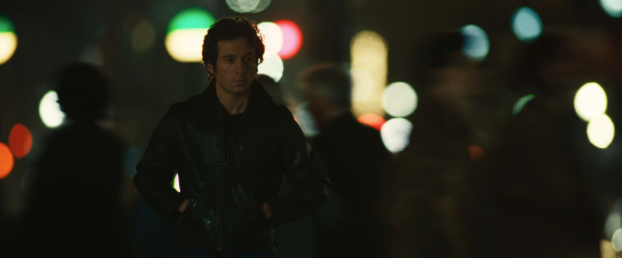
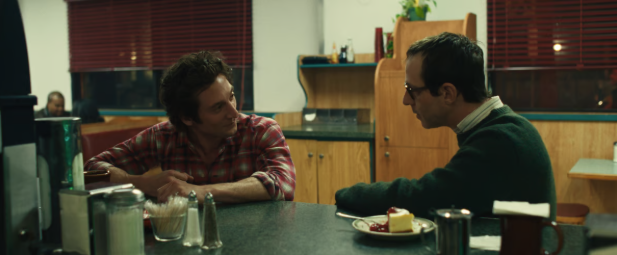
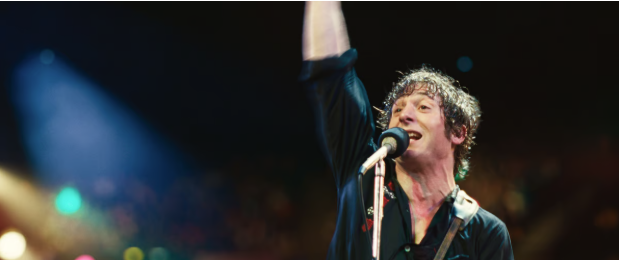
Movie Review: ‘It’s Never Over, Jeff Buckley’ Mourns the Future That Never Was


Director: Amy Berg
Stars: Jeff Buckley, Mary Guibert, Rebecca Moore, Joan Wasser, Ben Harper, Aimee Mann

Synopsis: ย Never-before-seen footage, exclusive voice messages, and accounts from Jeff Buckley’s inner circle paint a captivating portrait of the gifted musician who died tragically in 1997, having only released one album.


The immortality of musicians gone too soon is a well-worn trope in movie history. It is how weโ€™ve received a combination of authorized and unauthorized stories of woe about Jimi Hendrix, Freddie Mercury, and Amy Winehouse. Because music taste and experiences are so personal and ephemeral, these stories seem to resonate within this industry more than any other. Itโ€™s Never Over, Jeff Buckley joins the recent splurge in documentaries about iconic โ€˜90s musicians, with his tragic death leading to one of musicโ€™s most tragic โ€œwhat ifโ€ scenarios.ย 

For many, Buckley became the iconic singer of โ€œHallelujahโ€ by Leonard Cohen, which recently crossed a billion streams worldwide. Yet the singer-songwriterโ€™s original songs remain undeniably influential, laying the groundwork for bands like Arcade Fire or the burgeoning Midwest emo scene to find pop success. Wisely, Itโ€™s Never Over, Jeff Buckley takes a much bolder stance than parading through dozens of artists talking about his greatness. Instead, director Amy Berg places us with the people who loved him the most: his family, his girlfriends, and his band.ย 

Berg, an acclaimed filmmaker and Oscar nominee for Deliver Us From Evil, knows there are pitfalls to musical bio-documentaries like Itโ€™s Never Over. The simple rise and fall story does not work in the case of Buckley, who died while writing his second album. Instead, his โ€œfallโ€ is filled with regret by those who knew him best. They wonder how they could have helped and recognize the incredible pressure he was under in life.ย 

Buckleyโ€™s mother tells stories about causing Jeff grief, including a time she fought with his critics in a Jeff Buckley chat room. As a young mother, she admits she โ€œgrew upโ€ with him, and more often than not, he was the more mature figure in their family. That unhealthy relationship becomes one of the most fascinating subjects for Berg to explore.ย 

 Jeff Buckley in ITโ€™S NEVER OVER, JEFF BUCKLEY, a Magnolia Pictures release. Photo credit: Dana Tynan. Photo courtesy of Magnolia Pictures.

When youโ€™re seemingly destined for greatness, these small moments can weigh on you. Buckley was especially unique, and his parentage made the specter of an early death hang over him like a grim reaper. While he seemed to embrace it, those who were around him explained that the fear was always present. Thirty years of hindsight might do that to a person, especially when grief forces you to relive all the moments you were unable to help someone you love.ย 

However, Buckley was a musical prodigy, and we all find ways to justify non-normative behavior when the opportunity to touch greatness presents itself. Berg wisely holds this truth in her hands and delivers a film that is not only accepting of that fact but also non-judgmental about his friends. Itโ€™s Never Over, Jeff Buckley provides them a place to mourn in public and to remind us that sometimes, the people we love most are the most foreign to us.ย 

She also adds a patina of chaos over the documentary. Itโ€™s Never Over, Jeff Buckley incorporates journals, his nonstop sketchings, and animation to bring the words of his music to life. The chickenscratch handwriting becomes illuminated, and unlike many documentaries about musical acts, Itโ€™s Never Over utilizes the medium to visualize Buckleyโ€™s words and the worlds they created. As we hear stories about Buckleyโ€™s insistence on taping over Michael Bolton cassettes with random cat noises and audience laughter, it becomes clear that Buckleyโ€™s mind was exploding with creativity. Yet, he never had the time to let it all out.ย 

 Jeff Buckley and Mary Guibert in ITโ€™S NEVER OVER, JEFF BUCKLEY, a Magnolia Pictures release. Photo courtesy of Magnolia Pictures.

While his rise at small venues and performing covers is exciting, the period after the release of Grace falls a little flat. The story slows down too much, and the bloated nature of the music documentary sneaks into the fold. We do not fault Berg for using every bit of archival footage she could collect. However, we had already established his love for Led Zeppelin and Nusrat Fateh Ali Khan. Exploring the moments he met both artists reveals a kinship but does little else to help us learn more about Buckley.


While the musical bio-documentary has become a way to celebrate the arc of a musicianโ€™s career, Itโ€™s Never Over, Jeff Buckley implores us to wonder about what could have been. It is a story soaked in tragedy, and as such, Berg gives the people who loved Jeff an outlet to express that sadness. While itโ€™s never as formally daring or as proficient as Buckley, Itโ€™s Never Over should help expand knowledge of his talent. Having more Jeff Buckley blasting through car speakers has only ever been a good thing.

Grade: B-

Movie Review: ‘The Pickup’ is Better Off Dropped


Director: Tim Story
Writers: Kevin Burrows, Matt Mider
Stars: Eddie Murphy, Pete Davidson, Keke Palmer

Synopsis: A routine cash pickup turns into a deadly pursuit when two mismatched armored truck drivers are ambushed by ruthless criminals with plans beyond the cash.


Iโ€™m beginning to wonder if Eddie Murphy is just cashing a paycheck at this point. In nearly every recent comedy heโ€™s done, he seems to sleepwalk through the script, taking on reserved roles that demand very little from him. Take his latest, The Pickup, for example. His co-star Pete Davidson gobbles up what might generously be called the fast-talking witticisms and charisma traits that used to define Murphyโ€™s screen presence.

The problem is, Davidson canโ€™t hold a candle to Murphy in that department. Murphy built his career on confidence, swagger, and razor-sharp satire. But now, he plays every role like heโ€™s Danny Glover muttering, โ€œIโ€™m too old for this sh*t.โ€ So why take on The Pickup, now streaming on Prime Video? Well, maybe when you get to that age, you start doing things for the money.

Then again, maybe itโ€™s not an age thing at all, which is kind of the crux of The Pickup. Everyone, from Davidson to the consistently excellent Keke Palmer (Nope, One of Them Days), seems to be phoning it in, slogging through a script packed with exposition, little on laughs, and even lighter on intrigue.

The story follows two armored car security guards at very different points in their lives. Russell Pierce (Murphy) has been on the job for nearly a quarter of a century and is just six months away from retirement. He kisses his wife (Eva Longoria) goodbye before heading to work, ready to celebrate their anniversary that evening. Russell takes his job seriouslyโ€”no food, no music, and certainly no fun inside the vehicleโ€”just straight professionalism.

The Pickup Review: I Almost Feel Guilty About How Much This Bad Movie Made  Me Laugh

However, those strict rules are tested when his boss (Andrew Dice Clay) assigns him a partner: the new guy, Travis (Davidson), who just last week made the mistake of pulling a gun on a woman at a bank who was merely trying to slip him her number. That woman, Zoe (Palmer), had only asked for a pen, but instead, she got a memorable โ€œHow I met your fatherโ€ story in the making. Travis mistook her gesture as the start of a robbery, not a romance.

Somehow, Zoe still agrees to go out with him, and they end up spending the weekend together. Travis is so smitten, he walks away from the experience beaming, and still wearing the same pair of underwear from Friday. I only bring this up because the script, by Matt Mider and Kevin Burrows, brings it up repeatedly, as if theyโ€™ve discovered an untapped reservoir of hygiene humor they feel compelled to return to again and again.

Prime Videoโ€™s The Pickup comes from writer-director Tim Story, which makes its listlessness a mild surprise given the talent involved. Storyโ€™s filmography includes several genuinely funny entriesโ€”Barbershop, Think Like a Man, and Ride Along (weโ€™ll politely leave out the turn of the century of The Fantastic Four films). While none of those are masterpieces, theyโ€™re consistently humorous and entertaining.

What those films had, beyond tighter scripts, was a strong cast chemistry. Here, Murphy and Davidson have little comedic friction, and the latter has even less spark with Palmer, not even enough to mine for laughs. The movie, like the Ride Along franchise, also leans heavily on yawn-inducing action, trudging through the genre playbook step by step, day by day, as the saying goes.

The Pickup (2025) - Movie Review

The plot is ultimately pointless, riddled with holes, as if someone dusted off an old โ€™90s script and forgot to update it for todayโ€™s tech-savvy world. In an age of digital surveillance, cell phone tracking, metadata, geotagging, and forensic monitoring, the film seems oblivious to how easily these characters would be caught, should I go on?

The Pickup isnโ€™t one of the yearโ€™s worst films, but it might only be entertaining in a Rob Schneider sort of way. Whatโ€™s most perplexing is the misuse of a talented cast, a seasoned action-comedy director, and writers Matt Mider and Kevin Burrows, who, after all, penned The Package for Netflix, which I still consider one of the funniest streaming comedies to date.ย 

But no, this isnโ€™t that. The Pickup is just another classic streaming disappointment, seemingly made to fill a content quota in the ongoing platform wars, nothing more or less. Which is a shame, because with this much comedic talent, there is no reason this couldnโ€™t be a mainstream crowdpleaser, instead of recycling the same old product almost weekly.ย 

Which begs the question: if streaming networks are just churning out movies and television to feed the content mill, why not take creative risks if you’re going to fill a quota anyway? Make your content stand out. Instead, I can scroll through my reviews for InSession and find a growing pile of Prime Video garbageโ€”The Pickup, Space Cadets, Canary Black, Brothersโ€”and struggle to find any reason these films exist other than to waste your precious time.
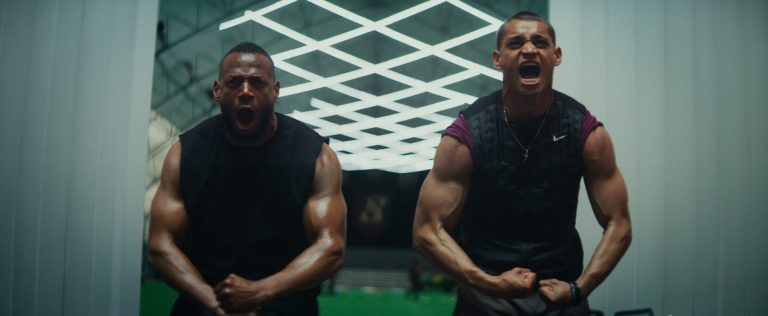
You can stream The Pickup only on Prime Video starting August 8th!

Grade: C-

Women InSession: The Castle & Australia

This week on Women InSession, we analyze the popular Australian comedy from 1997 The Castle and discuss its impact on Australian culture! Many of us that hail from the Western part of the world may not be familiar with this film, but as Zita eloquently lays out, the film was immensely admired in Oceania. So, we thought it would be fun to talk about why it had the impact it did and how it holds up today through a 2025 lens.

Panel: Zita Short, Kristin Battestella

On that note, check out this week’s show and let us know what you think in the comment section. Thanks for listening and for supporting the InSession Film Podcast!

Subscribe to our Podcasts RSS
Subscribe to our Podcasts on iTunes
Listen on Spotify
Listen on Stitcher
Women InSession – The Castle & Australia

Movie Review: ‘Freakier Friday’ Is The Same Story, Done Well


Director: Nisha Ganatra
Writer: Jordan Weiss
Stars: Jamie Lee Curtis, Lindsay Lohan, Julia Butters

Synopsis: 22 years after Tess and Anna endured an identity crisis, Anna now has a daughter and a soon-to-be stepdaughter. As they navigate the challenges that come when two families merge, Tess and Anna discover that lightning might strike twice.


Legacy sequels have a power over us. They tug on that need for the familiar and nostalgia for something we once loved. Many of these films have come out in the last ten years and they donโ€™t always play by the rules of their originals or they change their tone to fit todayโ€™s market. Often they are a rehash or a reimagining of their original. Freakier Friday takes that route, where it is a continuation, but also a bit of a rehash of old material in a new package. Though for this franchise, that’s not at all a bad thing.
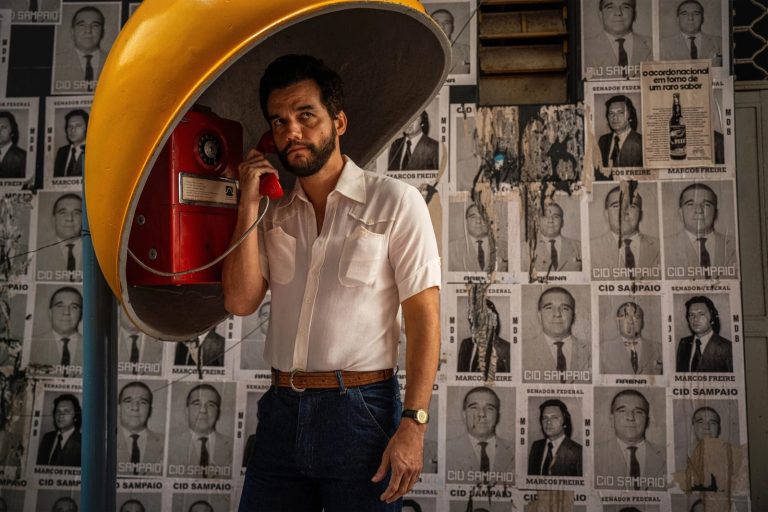
The 2003 Freaky Friday is a classic for a reason. Itโ€™s a simple story told well. The freakier sequel takes the elements that worked well and adds to it. Because of Disney magic (money), not just the swapped pair of Anna (Lindsay Lohan) and Tess (Jamie Lee Curtis), but the whole principle cast is back including original love interest Jake (Chad Michael Murray), boorish teacher Mr. Bates (Stephen Tobolowsky), and hunky stepdad Ryan (Mark Harmon). They even reunited the original members of Pink Slip, one of the coolest movie bands in history.

This is what’s different about legacy sequels almost a decade into their prominence. They know we’ve watched this film over and over. They know we would notice if an actor who hasn’t died or has been cancelled doesn’t make at least a cameo appearance. They know we are beyond remake territory, which involves call backs, references, and overt homage. We need a furtherance of the story that was. We need to know where these people are now and who they are now.

This is why it’s a bit of a let down that Freakier Friday‘s plot hinges on nearly the same goals as the original. Both films involve a life-changing concert and a rehearsal meal for a wedding between a single mother and a hunky new beau. The plot of Freakier Friday hits nearly every beat of the original while integrating in the new cast. The story, while still powerful with mother/daughter energy, now adds in sisterly and blended family energy, but it’s basically the same as the original. You don’t come to a film like Freakier Friday for a grand new scheme or Marvel level machinations, you come for the same chemistry from the original.ย 

Freakier Friday' Review: Round and Round, Here We Go Again - The New York  Times

Jamie Lee Curtis may have a long legacy of great roles in her career, but pretending to be a teenager who doesn’t understand the aging body she’s stuck in is something she’s perfect at. Let that be repeated that Jamie Lee Curtis is perfect in both Freaky Friday and Freakier Friday. She simply has a spark of youthful verve that is otherworldly and outrageously funny. Her physicality and ability to channel the essence of the character is uncanny.

This time Curtis has Lindsay Lohan as a partner and not an adversary. Here, Lohan reminds us why we so thoroughly enjoyed her in the early ’00s. She’s got great timing, an expressive face, and can still pratfall with the best of them. The scene she and Curtis share where they, playing the teenagers inhabiting them, try and seduce Anna’s former flame, Jake, is utterly, dementedly, crying laughing perfect. It makes you want Lohan to keep this momentum going and find projects worthy of her depth of talent because in spite of the twists and turns her career has taken, she’s a very talented actress and deserves more roles like this one.

Freakier Friday' Review: Body-Swap Sequel Kicks Off the Lohanaissance
Freakier Friday is a film that isn’t going to be a prestige player or going to change the way people see cinema, but it is a very enjoyable film. Not just enjoyable, but laugh out loud funny and tearjerking in the life lessons it imparts. It’s also got a far less problematic device for the body swap this time around and you get the absolute pleasure of seeing Manny Jacinto dance and Chad Michael Murray back lit by the sun as he gets off a motorcycle. Freakier Friday is purely a fun ride and sometimes that’s enough.

Grade: B

Chasing The Gold: Best Supporting Actor: Is It Time For The Sandman To Wake Up?

Whether you love or hate him, Adam Sandler ranks among the most successful comedic actors ever. Although only one of his films has exceeded $500 million in global box office sales, he has amassed over $3 billion in total worldwide box office revenue. Sandler is a recognizable figure, and in todayโ€™s Hollywood, where there are fewer stars than ever, especially ones that can sell a film on name recognition alone, he remains a standout presence. Widely known and seemingly admired by colleagues, one would think that he would have more success in securing industry awards. Yet, he has failed to receive an Oscar nomination, or frankly, many nominations at all, for any of his performances. However, Noah Baumbachโ€™s latest movie, Jay Kelly, might be the film that finally earns Sandler his first nomination, and possibly even a win.

Itโ€™s not surprising that Sandler hasnโ€™t received an Oscar nomination, considering the films heโ€™s made throughout his career. His standout roles in Billy Madison, Happy Gilmore, The Wedding Singer, The Waterboy, and Big Daddy solidified his status as a recognizable figure in the 1990s, celebrated both as a comedian and as a leading man in romantic comedies. However, these films didnโ€™t scream awards-caliber in either performance or overall quality. They are seen as comedy classics, but they didnโ€™t display Sandler as a quality actor in the eyes of voters. Aware of Sandler’s potential, Paul Thomas Anderson cast him in Punch-Drunk Love, his follow-up to his highly acclaimed and nominated film, Magnolia. For his performance as Barry Egan, Sandler earned his 1st major award nomination at the 2003 Golden Globe Awards. Nevertheless, he chose not to pursue prestigious roles with auteur directors at that stage of his career. By this point, Sandler had gained enough recognition to pursue projects that aligned with his interests. It became a bit of a running joke, but he would invite his friends to a luxurious resort, where they would film a movie while enjoying their time together. Although many of these films lacked critical acclaim, they typically did well at the box office and through word-of-mouth, enabling Sandler to fund the next โ€œvacationโ€ for himself and his pals. However, the same actor who starred in Punch-Drunk Love for the esteemed PTA still existed, and even without collaborating with the most celebrated directors, there were instances when Sandler delivered impressive performances in films that may not have garnered critical or commercial success. Regardless of the respective film’s outcome, his roles in Spanglish, Reign Over Me,, Funny People, and even parts of Click demonstrated that Sandler continued to have as much to offer as a serious actor.

In the late 2010s, other directors recognized Sandlerโ€™s talents as PTA had before, and his increasing self-assurance led him to pursue more substantial roles. 2019โ€™s Uncut Gems is widely regarded as the tour de force performance that established him as an actor with serious chops. The Safdie Brothersโ€™ manic anxiety-driven dramedy about a gambling addicted jewelry dealer was so brash and heart-racing that it caused many walk-outs because it wasnโ€™t an โ€œAdam Sandler movieโ€ as audiences believed it would be. However, this film was not only critically and commercially successful – at the time it was the highest-grossing A24 film – it was also the first time Sandler had begun to receive genuine Oscar consideration. In his role as Howard Ratner, he received lead actor nominations at both the Gotham Awards and the Critics’ Choice Awards, won at the National Board of Review (NBR) and the Independent Spirit Awards, and garnered numerous wins and nominations from critic groups. Unlike his previous acclaim for Punch-Drunk Love, after which he reverted to his comedic style, Sandler has embraced more nuanced dramatic roles, culminating in his first-ever Screen Actors Guild (SAG) nomination for 2022โ€™s Hustle. Although his latest film, Spaceman, may not have achieved the success many (myself included) anticipated, his delicate and subdued performance stood out as one of its best aspects. 

He previously received consideration for Noah Baumbachโ€™s 2017 film The Meyerowitz Stories, as, after its release at Cannes, the idea of Sandler being an Oscar nominee was floated around in early predictions and reviews. This year, Sandler is reuniting with Noah Baumbach for Jay Kelly, starring alongside Oscar winners George Clooney and Laura Dern, along with Greta Gerwig, Billy Crudup, Emily Mortimer, Patrick Wilson, and Riley Keough. Calling this cast loaded would be an understatement; however, among all of the talent this film has to offer, Adam Sandler has emerged as the early favorite of the actors most likely to earn an Oscar nomination. Directed by Baumbach and written by Baumbach and Emily Mortimer, Jay Kelly follows a friendship between an aging actor, played by Clooney, and his manager, played by Sandler. Clooney is the clear lead of the film playing the titular Jay Kelly, but Sandler is close behind as he not only received second billing, but was also the focal point of one of the film’s two main posters. The recent trailer focused primarily on Clooney (who is back in the Oscar race himself for the first time in quite a while) questioning his place as an actor, but also included Sandler reminding the aging actor how much he means to people. The trailer already seems to be heartfelt, but Clooney also recently all but confirmed a spectacular performance is coming in a recent interview where he calls Sandler a โ€œbeautiful, wonderful actor,โ€ mentioning that he made sure people on set took him seriously as an actor and not just a goofy comedian.

However, if Sandler continues to challenge perceptions seriously, it’s not a question of if he’ll be nominated, but when. While it is unlikely that he will earn any awards buzz for reprising his role as Happy Gilmore in Happy Gilmore 2; even if Jay Kelly doesnโ€™t earn him his first nomination, it seems as though the Sandman is moving in the right direction. His project with the Safdie Brothers has been paused, as Josh focuses on Marty Supreme and Benny on The Smashing Machine, though it appears to still be in development. Both films mentioned above have already been garnering awards buzz this season, so the second Sandler/Safdie collab could have more award heft to it than their previous collaboration. He doesnโ€™t currently have any other projects in the works, but during his press run for TรR, director Todd Field mentioned that Sandlerโ€™s performance in Punch-Drunk Love is โ€œone of the great screen performances of all time,โ€ noting he would love to work with the actor. While nothing has been formally announced yet, it suggests that prolific directors view Sandler as more than the loud SNL funnyman who makes vacation movies; they see him as a serious actor with the chops to carry a film.

Sandler is emerging as one of the standout performers this year. In early predictions for Supporting Actor, sources like Next Best Picture have Sandler second, AwardsWatch ranks him as high as third. At the same time, the Awards Expert app community also places him in second. Supporting Actor consistently proves to be one of the most competitive categories at the awards, and it seems like this year is no exception. Sandler will not only contend with his fellow ensemble cast members but also face stiff competition from Paul Mescal (The History of Sound/Hamnet), Andrew Garfield (After the Hunt), Jeremy Strong (Deliver Me from Nowhere), Sean Penn (One Battle After Another), Mark Hamill (The Life of Chuck), Delroy Lindo (Sinners), and strong contender Stellan Skarsgรฅrd for his role in the Cannes hit Sentimental Value

I currently have Sandler in the lead, primarily due to the significant emphasis on him in the film’s marketing, and because this could be a breakout hit of the fall festival season. With Sandler portraying a manager and friend to Jay Kelly, there’s reason to believe he’ll have significant screentime. Since it’s a Noah Baumbach film, it’s likely to be dialogue and monologue-driven, giving him plenty of chances to showcase his talents. Behind him, I have Skarsgรฅrd for his role as a filmmaker looking to re-enter the spotlight in the Cannes standout, Sentimental Value. Next, I favor Jeremy Strong, whose surprise nomination for The Apprentice could be followed by a nomination as Bruce Springsteenโ€™s manager and producer Jon Landau in Springsteen: Deliver Me From Nowhere. Andrew Garfield stars as a professor accused of wrongdoing in Luca Guadagninoโ€™s After the Hunt. Rounding out the top five, I have Paul Mescal for playing William Shakespeare in Chloe Zhaoโ€™s Hamnet. It wonโ€™t be easy for Sandler, as he must compete against a mix of past winners, nominees, and beloved actors yet to be recognized, to secure his first nomination. Still, a strong performance in a compelling film could earn him his first Oscar nodโ€”and maybe even his first win.

Predicted Nominees:

1. Adam Sandler, Jay Kelly

2. Stellan Skarsgรฅrd, Sentimental Value

3. Jeremy Strong, Springsteen: Deliver Me From Nowhere

5. Andrew Garfield, After the Hunt

5. Paul Mescal, Hamnet

Next Up:

6. Sean Penn, One Battle After Another

7. Delroy Lindo, Sinners

8. Mark Hamill, The Life of Chuck

9. Robert Pattinson, Die My Love

10. Jonathan Bailey, Wicked: For Good