Home Blog Page 255

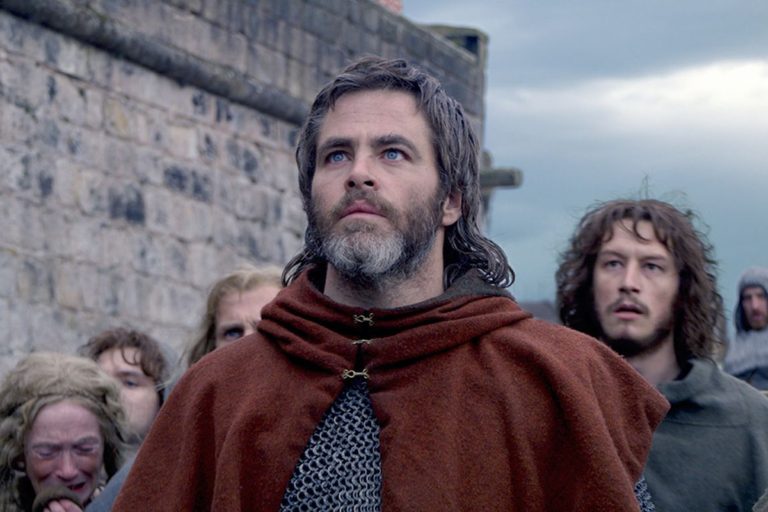
Movie Review: ‘Outlaw King’ is an vindication of Scottish history


Director: David Mackenzie
Writers: Bathsheba Doran, David Mackenzie
Stars: Chris Pine, Stephen Dillane, Rebecca Robin

Synopsis: A true David v Goliath story of how the great 14th Century Scottish ‘Outlaw King’ Robert The Bruce used cunning and bravery to defeat and repel the much larger and better equipped occupying English army.

[/info]

“They may take our lives, but they’ll never take our freedom.”

That line from director Mel Gibson’s Best Picture winning film Braveheart is one of the most memorable, iconic lines in film history. But what many people don’t know about that film is that it is one of the most historically inaccurate films of all time. Braveheart is a film that takes so many liberties that once you know about them, it’s very hard to watch that movie and take its story seriously upon rewatch. The history of the Scottish Rebellion has been tarnished by the ghost of a bad Mel Gibson accent and his yells for “FREEDOM”. But that is all about to change with David Mackenzie’s new film Outlaw King, a film that takes the story that we are familiar with and makes its surprisingly fresh and heartbreaking and truthful to the actual historical events.

The film follows Robert the Bruce (Chris Pine), a leader within the country of Scotland who, after the death of his father, decides to break off their promise to England and fight for the independence of Scotland from English rule. But while Robert has a right to the throne of Scotland, many don’t trust him for actions shown in the movies, and thus can’t support him to lead them past the English. So with a small band of Scottish rebels and freedom fighters, led by James Douglas (Aaron Taylor Johnson), Robert commanded one of the most important rebellions in all of history against an enemy no one thought they would beat. While this movie is about Robert’s Rebellion, it’s also a love story about Robert and his second wife Elizabeth (Florence Pugh) and how complicated their love is due to her connections to the English throne. There are mentions of William Wallace throughout the first thirty minutes of the film, but make no mistake, this is Roberts’s story, and thus we never see someone portray that infamous character and the focus is on Robert at all times.

The scope of this film is impressively massive but considering it is coming from Netflix, it’s highly impressive that they were able to allow Mackenzie to make a film like this knowing that it would never stand a chance of making it on the big screen. The set pieces of each action sequence seem to be detailed to the max, with camera shots focused just enough amongst the chaos so we don’t lose track of the characters that we are following from the beginning to the end of the film. The violence is gruesome and it’s no harsher than anything I’ve seen from films like this before, setting up some memorable moments on the battle field but the film, like stated before, isn’t just about the action sequences, it’s also about the loving tender moments between its two main leads. When Robert and Elizabeth meet, it is understandable that the two of them aren’t going to get along, nor want to be married because they are both from different world. But as the film continues, tender displays of respectful admiration shows each other that they can trust one another and it’s the performances of Pine and Pugh that carry these characters beyond two people stuck in an arranged marriage. They become loves of each other’s lives, and her allegiance to him isn’t because she is obligated by the bonds of marriage, it’s becomes of the love she has for him and these actors do a great job at making this relationship work. If this bond between Robert and Elizabeth doesn’t work on screen, the film would become just another action film lost in the mud but their scenes of quiet passion and love carry out to the end of the film, even the final shot.

Like stated before, Pine is fantastic in this film, making Robert the Bruce a quiet, understanding yet charming leader that you feel for throughout the film. In this film and Mackenzie’s last film Hell or High Water, Pine has given the two best performances in his career and has rightfully earn his spot of my favorite “Chris” in Hollywood right now, showing that he can do so much range just within one single performance and do it on such a consistent basis. Pugh is the other MVP of this film and I didn’t even know she was going to be in this film. Following her breakthrough performance in Lady Macbeth, she takes a role that can be very generic and simple and give it so much life and grace that every time she is on scene by herself or with Pine, she can’t take your eyes off of her. Aaron Taylor Johnson is good as Robert’s sort of right hand man, in a performance that was originally for Ben Foster but he dropped out of the role before shooting, which wasn’t a bad thing because Johnson is right for the role. I’ve never been a big fan of his but even I must admit that this might be my favorite role I’ve seen him in since his turn as John Lennon in Nowhere Boy. The rest of the cast are very serviceable, with Stephen Dillane and Billy Howle playing the King of England and the Prince of Wales, roles that are usually thankless but are done with just enough villainy to not be over the top and to be taken seriously.

Mackenzie’s direction is really impressive in this film, following his quieter films like High Water and Starred Up, it’s amazing to see that this is that same director. He put all of his chips on the table and directs the hell out of this film, while still nailing those tender character moments in the same style and grace that he did before with those previous films stated above. His script is the weak link in his work here and there are some pacing issues in the middle but the performances and the direction lift the film beyond some of its little problematic parts. The editing during the battle sequences are fantastic but for the rest of the film, the film could have felt a little crisper. Overall, the films isn’t trying to reinvent the wheel, it’s just trying to tell a fairly accurate story with good performances and decent production design and camera work. But the film lifts itself and has great technical and production design, great lead performances, and a story that while familiar, is a much better representation of the same story we have gotten before.

Overall Grade: B+

[divider]
Poll: What is the best dramatic performance by a comedic actor?

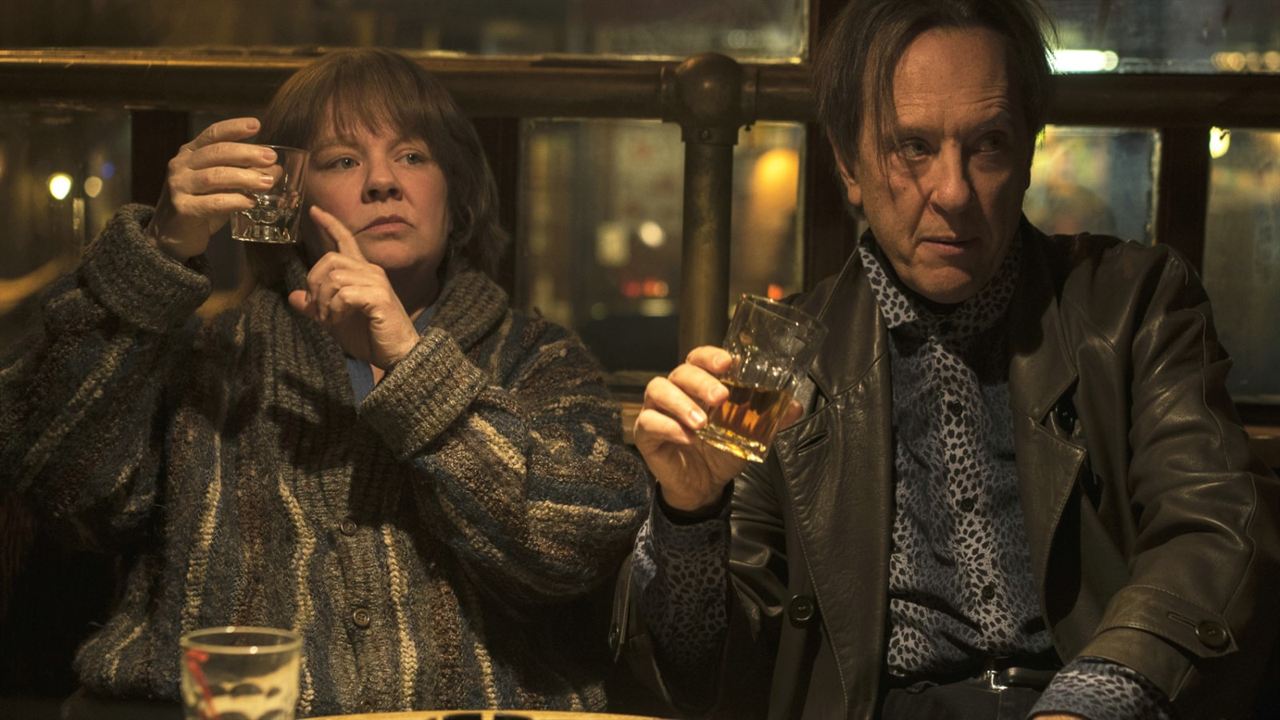
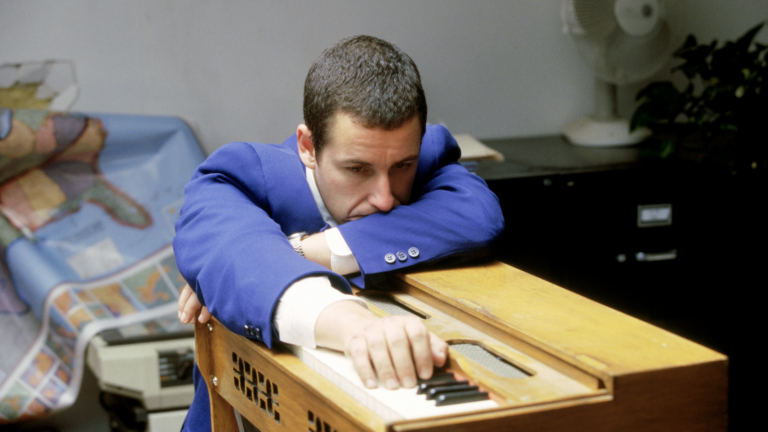
This weekend on Episode 299, we’ll be reviewing Can You Ever Forgive Me?, starring Melissa McCarthy in her next dramatic role. McCarthy is a fine comedic actress, but she can be surprisingly very strong when she takes herself seriously. In fact, one could argue that her best roles are in the dramatic ones she takes on. We’ll see this weekend if Can You Ever Forgive Me? continues that trend for her. This is always a fun topic though, because we’ve seen this many times with comedic actors, not just McCarthy. Adam Sandler, Jim Carrey, Robin Williams, among others, all feature some of their best work in dramatic roles.

With that said, what is the best dramatic performance by a comedic actor that you’ve seen? Vote now!


Movie Review: ‘Mid90s” thrives in vivid realism and point of view


Director: Jonah Hill
Writers: Jonah Hill
Stars: Sunny Suljic, Katherine Waterston, Lucas Hedges

Synopsis: Follows Stevie, a thirteen-year-old in 1990s-era Los Angeles who spends his summer navigating between his troubled home life and a group of new friends that he meets at a Motor Avenue skate shop.

[/info]

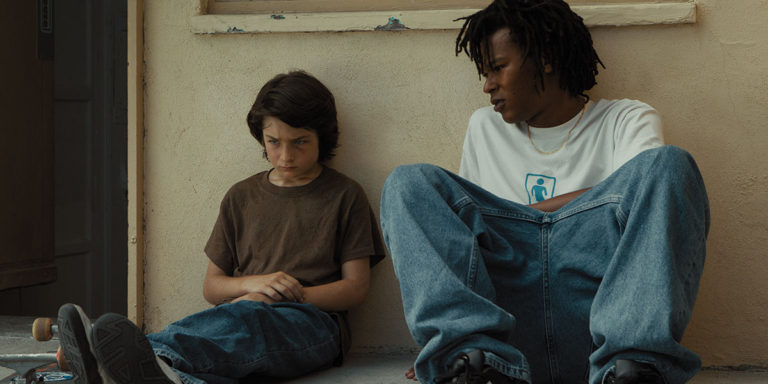
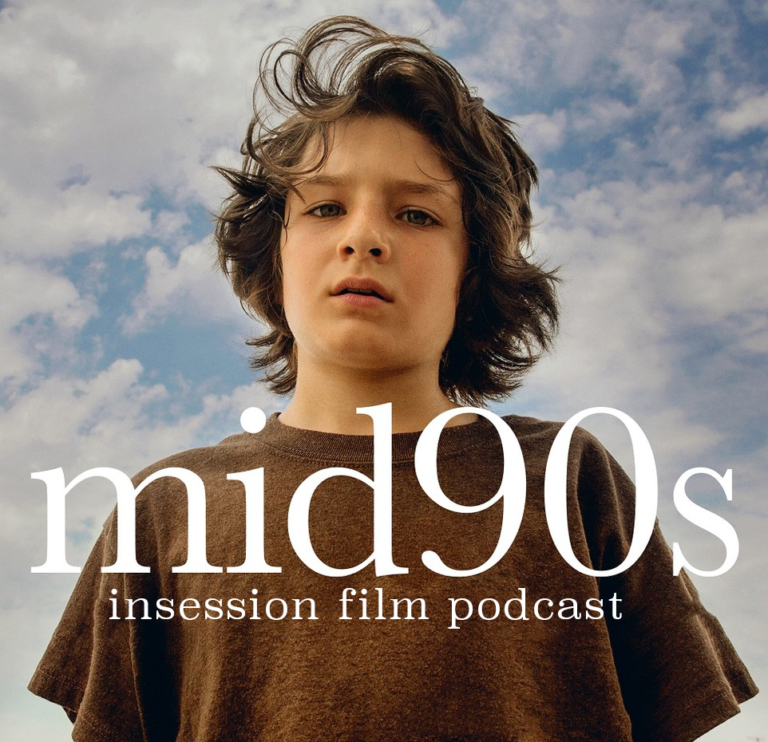
Jonah Hill’s directorial debut, Mid90s, acts as both an homage to the 90s skate culture of Southern California as well as a coming-of-age story. Often at odds with regards to point of view, Mid90s does have some redeemable qualities that forecast Hill’s career as a possibly successful director. The film follows Stevie (Sunny Suljic), a thirteen-year-old boy who becomes ingratiated with a group of skateboarders as he avoids his home life. Struggling to find his place in the world, Stevie is stuck between his family, which includes a bully brother (Lucas Hedges) and a working mother (Katherine Waterston), and his newfound love of skateboarding, which by proxy includes a cast of stereotypical characters. Ray (Na-kel Smith) is the leader of the gang, Fuckshit (Olan Prenatt) is the partying wild card, Fourth Grade is the artist, and Ruben (Gio Galicia) is the previous “new kid.” Each character represents a part of Stevie’s burgeoning personality that wrestles for recognition and acknowledgement. He learns from and commiserates with each of them throughout the course of the film. As they bond, we begin to understand the consequences and perils that come with Stevie’s quest for self-acceptance.

Mid90s does an adequate job painting a picture of Stevie’s ordinary world. The use of vivid realism, sound editing, and music create a world that is rich and exciting for the audience. Once this world is constructed, the characters seem to meander through it with no purpose. This is the point. Most characters are losers from broken homes that become united in their love for skateboarding. Stevie’s path with his newfound friends is vague, often frustratingly so. We are never offered a concrete point of view in the film. Perhaps the film is meant to be a collage of memories that are slowly deteriorating in the mind of an aging Stevie, or on the contrary, maybe the jumble of events is meant to represent the chaos of teenage years. Often confusing and always new, experiences of our youth meld together in a broad spectrum of incidents and encounters which never really sort themselves out in an ever-changing cognizance. Whatever the point of these snippets, they reinforce a typical coming-of-age story, but somehow get lost in the greater landscape of this movie.

If one attempts to decipher the point of Mid90s, it will become easy to be lost in a fog of memory. However, if one holds on to the theory that this film is one story of many regarding a child growing into his own, then this film succeeds in allowing the audience to go along for the ride. Despite the exhausting stereotypes and recycled imagery, Mid90s finds a heart and soul in its realism and depictions of life at the time. Hill feels at home in this location and timeframe, as it is lovingly recreated and exploited with a deft consciousness. Overall, Mid90s struggles with an identity, but manages to be entertaining and exotic. The cloud of memories remind all of us of our youth and the life-or-death struggles we went through in order to be the adult at the end of that journey.

Overall Grade: B+

[divider]
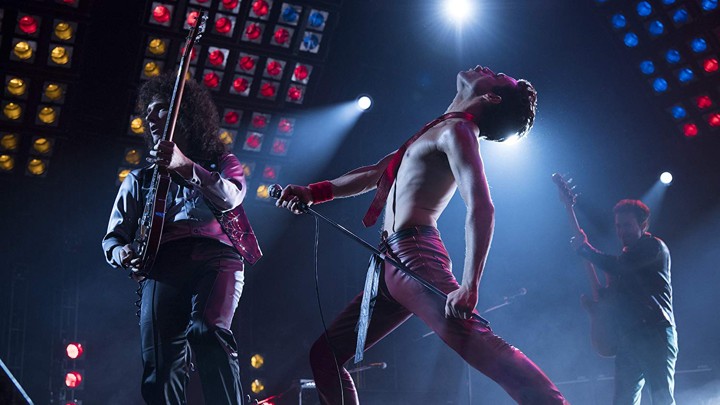
Hear our podcast review on Episode 297:

[divider]

List: Top 3 Dance Scenes

This week on Episode 298 of the InSession Film Podcast, inspired by Suspiria, we thought it would be fun to talk about the best dance scenes in film. Many dance scenes have earned classic status over the years, even ones from non-musicals, so there were some great moments to choose from for this topic. At first, we thought we may have exhausted our efforts by limiting this topic to non-musicals only, that was until we posted this topic on Twitter and got LOADS of responses from a variety of great dance sequences from many different films; thus, we had plenty to work with. And with us at InSession Film having sung the praises of musicals many times before, it was refreshing to dance a slightly different tune this time. That said, here are our lists:

(Note: Please keep in mind that we each had different criteria for our selections)

JD:

1) Space Dance – Wall-E
2) Chaplin Skating on 4th Floor – Modern Times
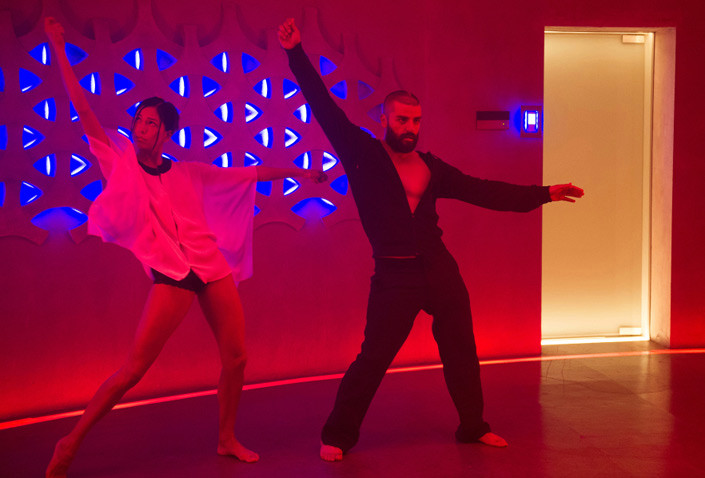
3) Nathan and Robot – Ex Machina

Brendan:

1) Ballet – The Red Shoes
2) Kids Dance for Parents – Dogtooth
3) Pee-wee’s Bar Dance – Pee-wee’s Big Adventure

Honorable Mentions (Combined)

Vincent & Mia’s Dance Competition – Pulp Fiction
Harry & Hermione Dance in Tent – The Deathly Hallows Part 1
Setsuko’s Dance – Grave of the Fireflies
Convenient Store – Magic Mike XXL
Ending Dance – Magic Mike XXL
Ending – Black Swan
Ballroom Dance – City Lights
“We are the titans, the mighty mighty Titans” – Remember the Titans
You Know the One – (500) Days of Summer
Hip to Be Square – American Psycho
Stuck in the Middle With You – Reservoir Dogs
Opening Titles – Do the Right Thing
Singin’ In the Rain – A Clockwork Orange
Famous Dance – Saturday Night Fever
Ending Competition – Little Miss Sunshine
Napoleon’s Famous Dance – Napoleon Dynamite
Twist and Shout – Ferris Beuller’s Day Off
Dance Montage – The Breakfast Club
Gutterballs Dance – The Big Lebowski
Ending – This is the End
Oliver & Elio at Party – Call Me By Your Name
Famous Tom Cruise – Risky Business
Should Be As Famous Tom Cruise (End Credits) – Tropic Thunder
Dancing in Street – Frances Ha
Opening Titles – Guardians of the Galaxy
Dance Off, Bro – Guardians of the Galaxy
Sailors – Hail, Caesar
Jack & Rose at Party – Titanic
Private Pilot Abilene’s Dance – Southland Tales
Gay Night Club – American Wedding
Opening Act 2 – Foxtrot
The Lift – Dirty Dancing

Hopefully you guys enjoyed our lists and if you agree or disagree with us, let us know in the comment section below. This is a topic dense with many great options and there’s a likelihood we missed out on some of your favorites. That being said, what would be your Top 3? Leave a comment in the comment section or email us at [email protected].

For the entire podcast, click here or listen below.

For more lists done by the InSession Film crew and other guests, be sure see our Top 3 Movie Lists page.

Podcast: Suspiria / Top 3 Dance Scenes – Episode 298

This week’s episode is brought to you by FreshBooks. Sign up now and get your first 30-Days free!

This week on the InSession Film Podcast, JD and Brendan dance the ballet known as Suspiria, as we review Luca Guadagnino’s take on Dario Argento’s giallo masterpiece from 1977. We also give our Top 3 Dance Scenes in film, specifically from non-musicals, as well as offer up some thoughts on the upcoming award season.

Much like Susie Bannion’s dedication to the art of ballet, JD and Brendan remained dedicated to still release a podcast this week, despite their respective weekends being filled with wedding celebrations, moving to a new apartment, and witnessing some Wolverines beat down on some Nittany Lions. If any one of us sounded just slightly fatigued on this episode, we apologize up front (except for JD and his Wolverines, who have nothing to apologize for).

On that note, check out this week’s show and let us know what you think in the comment section. Thanks for listening and for supporting the InSession Film Podcast!

– Movie Review: Suspiria (6:05)
Director: Luca Guadagnino
Writer: David Kajganich, Dario Argento (characters), Daria Nicolodi (characters)
Stars: Dakota Johnson, Tilda Swinton, Mia Goth, Chloë Grace Moretz

– Notes / Awards Talk (48:31)

After gathering some listener feedback, it was decided that our followers would like to hear JD and Brendan dive into some awards season topics as well, and not just save those discussions for our awards-themed segments Chasing the Gold with Extra Film cohost Ryan McQuade or And the Winner Is… with Matt Neglia of Next Best Picture. So to start, JD poses a rather challenging question: If you could control any category at the Oscars this year – including the nominees AND who wins – what category would it be? Brendan gives his thoughts on acting categories and the subject of “category fraud”, while JD gives his passionate thoughts around Best Director and Best Original Score (which, if you know us at all, you should’ve already been expecting).

[divider]

RELATED: Listen to Episode 295 of the InSession Film Podcast where we discussed First Man!

[divider]

Top 3 Dance Scenes (1:05:53)
Many dance scenes have earned classic status over the years, even ones from non-musicals. Much like the ballet sequences in Suspiria, this became the subject of our Top 3 this week, focusing on the best dance scenes in film but specifically from non-musicals. At first, we thought we may have exhausted our efforts by limiting this topic to non-musicals only, that was until we posted this topic on Twitter and got LOADS of responses from a variety of great dance sequences from many different films; thus, we had plenty to work with. And with us at InSession Film having sung the praises of musicals many times before, it was refreshing to dance a slightly different tune this time. That said, what would be your Top 3?

Top 3 Sponsor: First Time Watchers Podcast

– Music

Suspirium – Thom Yorke
Get Down Saturday Night – Oliver Cheatman
Bohemian Rhapsody – Queen
The Return of the Eagle – Atli Örvarsson

Subscribe to our Podcasts RSS
Subscribe to our Podcasts on iTunes
Listen on Stitcher
InSession Film Podcast – Episode 298

[divider]

Next week on the show:

Main Review: Can You Ever Forgive Me?
Top 3: TBD

[divider]

Help Support The InSession Film Podcast

If you want to help support us, there are several ways you can help us and we’d absolutely appreciate it. Every penny goes directly back into supporting the show and we are truly honored and grateful. Thanks for your support and for listening to the InSession Film Podcast!

VISIT OUR DONATE PAGE HERE

Movie Review: ‘The Kindergarten Teacher’ is a story that isn’t worth the acting and direction that supports it


Director: Sara Colangelo
Writers: Sara Colangelo, Nadav Lapid (based on the screenplay by)
Stars: Maggie Gyllenhaal, Gael García Bernal, Ato Blankson-Wood

Synopsis: A kindergarten teacher in New York becomes obsessed with one of her students whom she believes is a child prodigy.

[/info]

We wonder at poets. I think it’s because we know that they see the world differently than most of us do. They see it, and the best ones find some incomprehensible way to transfer that seeing through words. For a split second their words allow us to see things the way they do. And it is beautiful.

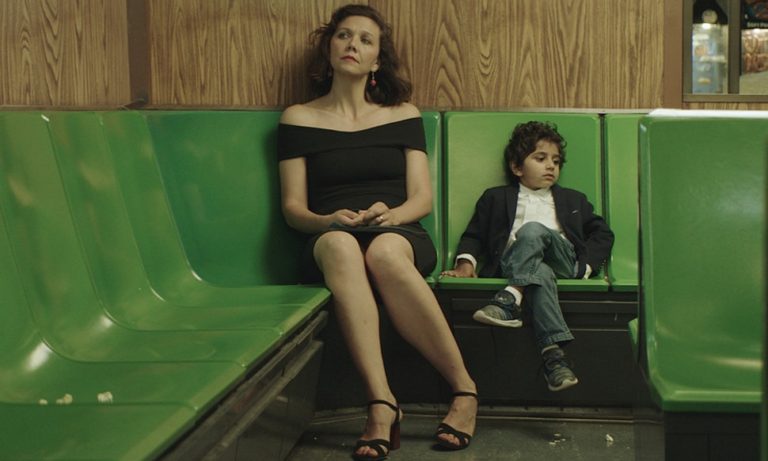
In Sara Colangelo’s 2018 film The Kindergarten Teacher (currently streaming on Netflix), Maggie Gyllenhaal plays the character of Lisa Spinelli, a New York kindergarten teacher who dreams of being a poet. She attends a local poetry class, and she yearns for the acceptance of her peers. Early on, we get the sense that it isn’t so much that she wants to see in that beautiful way, but she wants to be seen.

Later, in her day job as a teacher, Lisa notices one of her students pacing and muttering to himself. As she gets closer, she cannot believe her ears. He is creating poetry from what he sees. His name is Jimmy, and one cannot say anything other than the truth about him. He has a gift.

Observation is a key part of the story that Colangelo weaves here. Even down to the technical components of the film, it is clear that we are meant to watch and observe what happens. The camera is mostly still throughout the film. Watching. Observing.

I mention that specifically because I sometimes have a hard time simply observing a film. My analytical brain usually goes into overdrive, and it did so here too. There is an early scene where Lisa shares one of her poems in front of her peers in the continuing education class. It is mostly disregarded by everyone. After the film’s main plot began to take shape, I found myself going back to that early scene and wondering if the film wants to try to make us sympathize with Lisa before anything else happens. As the film continued, I realized that I was getting ahead of myself. Don’t analyze. Just observe.

This becomes much more difficult – maybe even impossible – once Lisa begins to exploit the incredible talents of her young student.

I think back to the teachers I had as a young boy. I’ve had many incredible ones. I think the main trait that is present in every single one of the teachers who stand out most in my memory is that they routinely offered encouragement. It would take different forms with different teachers. Some teachers didn’t offer it through a kind word, but rather through pushing me. Not physically, of course, but urging me to give more effort in some area where they noticed an aptitude.

Here, Lisa’s words may sound like encouragement, but I don’t think they are one and the same. She begins to write down Jimmy’s poems and use them in her class to impress her peers and her teacher. They begin to see her as a promising poet. But the words are Jimmy’s.

She tries to wedge her way into Jimmy’s life in more ways. She does so in the service of protecting his talent, but her motives are clearly selfish.

I again found myself getting off into an analytical tangent as I thought about another famous teacher from recent film history – Terence Fletcher. He is, of course, the vulgar jazz instructor played by J.K. Simmons in Damien Chazelle’s 2014 film Whiplash. The role won Simmons an Oscar.

In that film, we see Fletcher as this emotionally abusive teacher who is clearly too hard on his students. His rationale was that great musicians like Charlie Parker would never have become who they were had they not been pushed…hard. Debate the morals of the argument if you like, at least Fletcher’s goal was not a selfish one. He didn’t want to deprive the world of great talents because those talents had never been pushed. Here, it seems that Lisa simply doesn’t want to deprive herself of being close to great talent.

Throughout the film, Gyllenhaal’s performance is ferocious. She somehow finds ways to inhabit this detestable character with moments of, if not tenderness, true sadness. I think this is clearly one of the best performances I’ve seen from an actress this year, and I hope the Netflix logo does not keep her from awards consideration.

Though I don’t want to give away too many plot details, I do think it is important to note the film’s concurrent plot line. Lisa has a husband and two kids, and she sees them as projections of her own longings. It’s the time-honored story of a parent trying to live through their kids, but Colangelo and Gyllenhaal bring a new perspective on the idea here. It’s an obsessive trait in Lisa. She didn’t succeed in the ways she wanted to so she needs the other people in her life to achieve what she didn’t. And she will go to great lengths to see that it’s done.

Overall, I was impressed by the film’s willingness to observe these characters and what they do, then allow us to come to conclusions. In the end, I just didn’t really enjoy what I found. There must be merit in observing deplorable characters and trying to understand why they do what they do, but some things are too hard to observe. The way Lisa preys on Jimmy’s intellectual gift is appalling and detestable. I must give credit to the film’s creators and performers for inhabiting the story in the way they did, but I couldn’t ultimately bring myself to see this as a story worth inhabiting.

Overall Grade: C

[divider]

Movie Review: ‘Apostle’ leaves a lot to be desire despite great potential


Director: Gareth Evans
Writers: Gareth Evans
Stars: Dan Stevens, Michael Sheen, Mark Lewis Jones, Lucy Boynton

Synopsis: A former missionary travels to a remote island in search of his sister who has been kidnapped by a mysterious cult.

[/info]

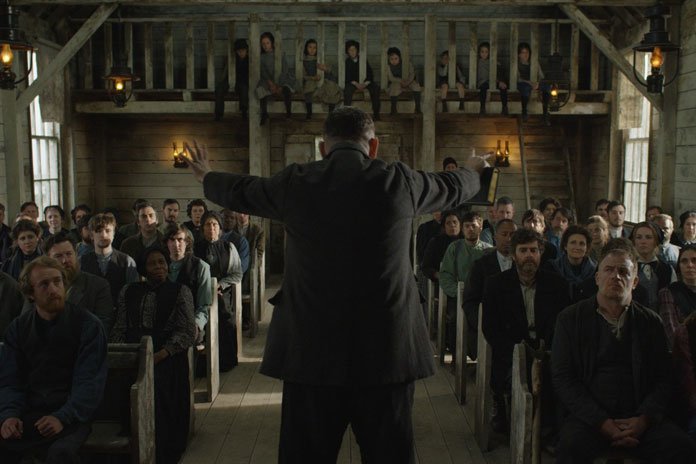
The streaming services have been slowly getting more competitive in their efforts to put out quality content. Bigger names are agreeing to projects and they are winning contracts over conventional studios. One of Netflix’s latest films is Apostle – brought to you by known horror writer/director Gareth Evans. The cast ranges from big names to Netflix regulars. It’s definitely not a film for everyone, the gore alone would scare many away, but overall it’s an OK movie.

Apostle is driven by the character of Thomas Richardson (Dan Stevens), a former missionary who sneaks on a cult-controlled island to find his sister. I like Stevens in this, I’ve enjoyed his progression from chick-flick male lead (Downton Abbey, Beauty and the Beast) to these darker, more intense roles. The major flaw for me was the backstory of his character. He edgy and bitter, has crazy eyes, but they don’t delve into his past or why he would be that way. You learn a little about him later in the film, but not enough for me.

The cult leader Malcolm is played by Michael Sheen. I was disappointed by Sheen, I’m not sure it was entirely his fault, but his character was not as developed as I was expecting. Usually Sheen is a reliable “good” bad guy, but he was kind of flat and predictable in this. Mark Lewis Jones on the other hand was a bit better in the villain category. His character Quinn, Malcolm’s sidekick of sorts, was much more interesting and dynamic. Lucy Boynton (Sing Street) makes an appearance as Andrea, the daughter of Malcolm and one of the female leads.

My biggest complaint about the movie is how it dragged, and the story was hard to follow. It’s just over two hours long but felt much longer when I watched it. It could do with some editing. The plot had potential, but I kept finding myself confused as to what was happening. Why wasn’t the plot advancing? I was annoyed that this movie was mostly a very un-stealthy Dan Stevens aimlessly sneaking around for two hours. I also didn’t understand the cult very well. They didn’t do a great job explaining the beliefs and weirdness going on, so it was hard to understand why I was supposed to scared. It gets a bit better towards the end, but it felt rushed and still left me with questions. This movie is a weird mix of too long versus not providing enough information.

The movie isn’t all bad, the cinematography and locations were a highlight for me. They helped set the tone and the constant uneasy feeling of the film. It’s tense and foreboding like any good horror flick. The majority of the movie is pretty tame, but then hits you with a ton of gore out of nowhere and it becomes even more unsettling and hard to watch- but that is kind of expected if you’re familiar with Gareth Evans.
It’s hard to describe this movie without giving the plot away. If you enjoyed movies like The Wicker Man (2006), Silent Hill (2006), or Mandy (2018) you might like this one. I really got a Wicker Man (minus the awesomeness of Nick Cage) vibe from this movie. I will probably rewatch Apostle to see if my opinion changes, I’m still deciding if I liked it or not.

Overall Grade: C

[divider]

Hear our podcast review here:

[divider]

Movie Review: ‘Beautiful Boy’ is a uninteresting, unfocused slog


Director: Felix van Groeningen
Writers: Luke Davies, Felix van Groeningen
Stars: Steve Carell, Timothée Chalamet, Maura Tierney

Synopsis: Based on the best-selling pair of memoirs from father and son David and Nic Sheff, Beautiful Boy chronicles the heartbreaking and inspiring experience of survival, relapse, and recovery in a family coping with addiction over many years.

[/info]

There have been many films that have tackled the ideas of addiction and what it does to the people around them, the people they love. Whether it be drugs, sex, alcohol or anything in between, we have seen stories, both real and fictional, that take us on the journey of addiction and tackle it in such respectful, heartbreaking, and interesting ways that we become compelled to help those in need as we are watching events unfold on the screen. Films like Trainspotting, Shame, Requiem for a Dream, Boogie Nights, The Lost Weekend, Bad Lieutenant, The Man with the Golden Arm, Ray, Walk the Line and many, many more have transformed cinema in the way a story about addiction can be told and how that make us interested in having a conversation about the issues at hand, the issues that many face around the world. I say all of this because I don’t believe that Felix Van Groeningen’s new film Beautiful Boy will come close to living up to those other films and moving the conversation about drug addiction. Instead I believe that this film will be known as a forgettable slog that never figures out what it wants to say about its characters and the heartbreaking choices they are having to deal with.

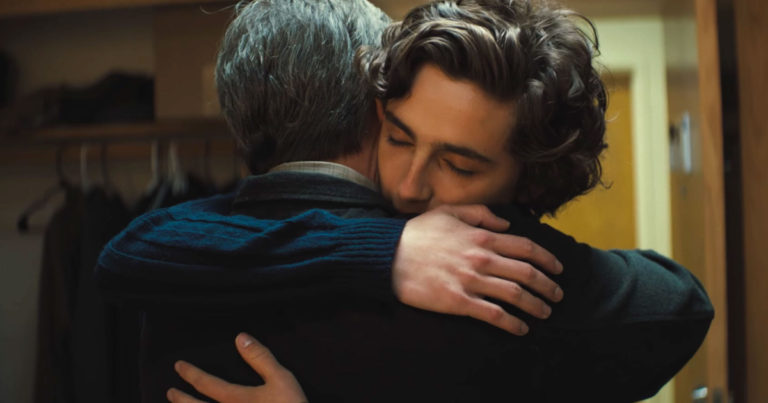
Beautiful Boy follows the lives of David and Nicholas (Nic) Sheff (Steve Carell and Timothee Chalamet), based on the memoirs that both of them wrote both the true events in the films. David is a freelance writer for Rolling Stone magazine that lives with Nic, his wife Karen (Maura Tierney) and Nic’s two step siblings on the outskirts of San Francisco. Nicholas is shown in flash backs to be a very smart, bright young man that has the world in the palm of his hand. But what he isn’t showing his father is that he is slowly starting to lose himself to drugs, especially crystal meth. Upon finding this out, David, Karen, and Nicholas’s biological mother Vicki (Amy Ryan) do everything in their power to get Nic back on to who was before he turned to drugs.

The rest of the film plays out like a two-hour montage of Nic taking drugs, telling his family he is going to change, relapsing and repeating the process over and over and over again and never really learning anything along the way. We also see the deterioration of his family, especially David, who was the closest to Nic and is struggling to understand what has happened to his son. By the end of the film, we still don’t fully understand why Nic reached to drugs fully and we don’t really get to see the real life characters on screen reconcile in a way that seems right to getthe story to the conclusion that is known. Overall, the film is a mess in how it tells this story, which is baffling considering the Groeningen and his writing partner had not one but two different source materials and still couldn’t make a script that was halfway compelling.

Groeningen’s direction is fine, he makes the film look more interesting than the film really is but another real problem with this film is the editing. We cut back in time periods of these character’s lives, going back and forth, and at times, we don’t even know when events on screen are taking place, and whether Nic is on drugs or it is flashbacks to when he was clean. As someone that never gets lost with films, I can tell you I was confused a lot watching sections of this film. It made me question what I was watching and if I was seeing a first cut of the film or the final cut.

The performances in Beautiful Boy are uneven at best, leaving to chemistry issues throughout the entire film. Carell is good as David, doing everything he can to make this character compelling. While some of his tone in his voice does go all over the place in the more emotional scenes, I really think he nails the quite moments and you can totally see the pain in everything he is doing for Nic throughout the film. Ryan and Tierney give serviceable performances, though they aren’t given very much to do, leaving the film to be a two man show for Carell and Chalamet. And speaking of Chalamet, I think of all the performances in the film, I thought his performance was the worst, and one that did nothing for me. Almost every time he was on the screen, I felt the film started to lose any of its momentum of trying to say something meaningful. His chemistry with Carell is minimal at best, with only one scene really working for me, leaving an entire film where two actors trying desperately to play father and son and you just can’t buy it, leaving you to not care what happens to them on screen. This is a damn shame because while Chalamet gave one of the best performances of 2017, I feel he has given one of the most overrated performances of the year in this film, a performance so annoying and damaging to the overall film, that I rather see his performance in Hot Summer Nights, a film I loathe but would gladly watch again than seeing this performance again.

Overall Beautiful Boy is an uneven, unfocused snooze fest that has all of the boxes for Oscar bait or a film to break into the film landscape for interesting conversations but instead can’t check any of them off in the right way. This movie is disappointment and one of those films you will look back on and wonder why it didn’t work with the talent that it had on screen. Maybe it was the talent behind the camera that brought it down, but we will never know if someone with a little more of a focused eye and pen could have done with the Sheff’s story.

Overall Grade: D-

[divider]

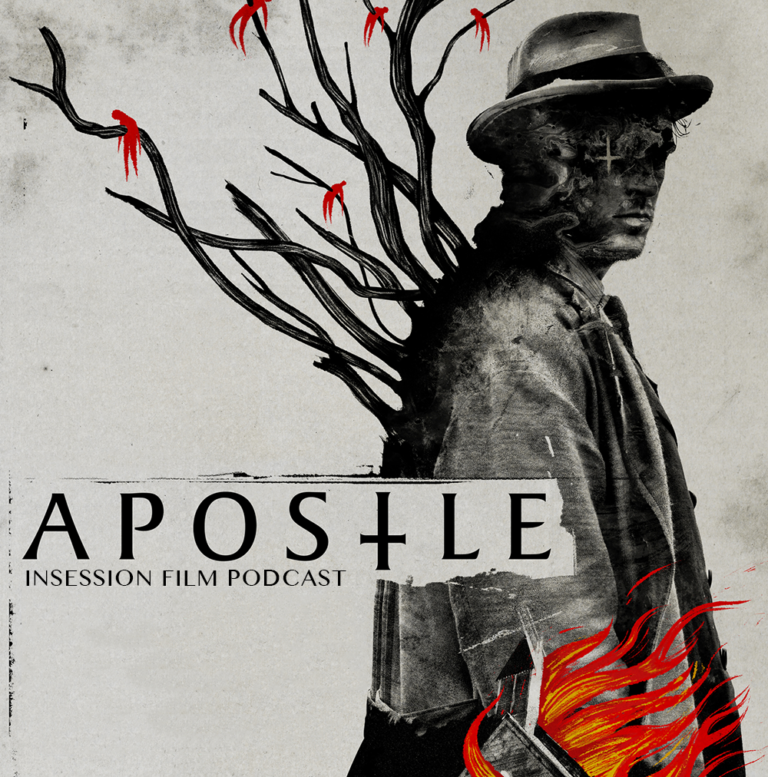
Podcast: Apostle / Thunder Road – Extra Film

This week on the InSession Film Podcast: Extra Film segment, Jay and Ryan discuss Gareth Evans’ first English-language film, Apostle (available on Netflix), followed by the debut feature-length film from writer/director/actor Jim Cummings, Thunder Road.

Gareth Evans’ homage to The Wicker Man is one of Netflix’s most anticipated original films, to date, and attempts to blend a number of genres together to make a wholly unique experience. Was Evans able to combine his visual flair with a tight, cohesive story? Is Thunder Road director/writer/star Jim Cummings one of the great young filmmakers to keep an eye on in the future? The film won the Grand Jury Prize at the 2018 SXSW Film Festival, but is it worthy? Listen to find out!

Have fun with this week’s Extra Film segment and let us know what you think in the comment section below. Thanks for listening!

– Movie Review: Apostle (5:20)
Director: Gareth Evans
Writer: Gareth Evans
Stars: Dan Stevens, Michael Sheen, Lucy Boynton, Mark Lewis Jones

– Movie Review: Thunder Road (33:55)
Director: Jim Cummings
Writer: Jim Cummings
Stars: Jim Cummings, Kendal Farr, Nican Robinson

– Music

Prison Riot – Joseph Trapanese, Aria Prayogi & Fajar Yuskemal
Thunder Road – Bruce Springsteen
The Return of the Eagle – Atli Örvarsson

We try to make this the best movie podcast we possibly can and we hope you enjoy them. Subscribe today on iTunes, Spotfiy or Stitcher, and please leave us a review on iTunes. You can also find us on Soundcloud, PlayerFM and TuneIn Radio as well. We really appreciate all your support of the InSession Film Podcast.

Subscribe to our Podcasts RSS
Subscribe to our Podcasts on iTunes
Listen on Spotify
Listen on Stitcher
Apostle / Thunder Road – Extra Film

[divider]

Mobile App

To hear this Extra Film episode and everything else we do, download our apps on the Amazon Market for Android and the Podcast Box app on IOS devices. The mobile app covers all of our main shows, bonus podcast’s and everything else relating to the InSession Film Podcast. Thanks for your wonderful support and listening to our show. It means the world to us!

[divider]

Help Support The InSession Film Podcast

If you want to help support us, we would greatly appreciate it! For more info, CLICK HERE.

Movie Review: ‘Bodied’ serves unruly-but-intoxicating session of verbal combat


Director: Joseph Kahn
Writers: Joseph Kahn, Alex Larsen
Stars: Calum Worthy, Jackie Long, Dumbfoundead, Shoniqua Shandai, Dizaster, Walter Perez, Rory Uphold, Anthony Michael Hall

Synopsis: A progressive graduate student finds success and sparks outrage when his interest in battle rap as a thesis subject becomes a competitive obsession.

[/info]

No one in this Eminem-produced film utters “I know word-fu.” Being a film about battle rap, this seems like a missed opportunity: It’s a film reference in a universe where that is second language, for starters, and if we stand back a little we’ll spot a male lead who, due to a limited view of his field (poetry, or English lit, in this case), deserves an awakening.

But maybe there’s a reason for the omission. It’s fluff, being fancy when the vibe — 25/8 — is to be as unrefined and as direct as possible. In the cred flows when you go low. And so, Joseph Kahn’s follow-up to his daft 2011 satirical horror Detention is hyper-straightforward in every aspect, resulting in a beat that is frenzied and heady and beastly and lucid. Sounds about right after you get bodied for real, no?

Adam (Calum Worthy), despite much research about battle rapping — he’s working on a dissertation about, yep, how the n-word is used as a poetic device in this environment — definitely didn’t get the “no fanciness” memo in his first trial. Right then, though, he taps into his mental palace — in the form of floating folders that suggest he and Scott Pilgrim might be distant cousins — and conjure them sexist, racist, take-a-hike-PC verses that let one battle rapper one-up the other. Come on, they even floored Behn Grym (Jackie Long), a respected member of the community!

From most of his music videos — such as Britney Spears’ Toxic and Taylor Swift’s Look What You Made Me Do — and earlier films, there’s merit in the claim that Kahn will perish if he can’t make his work a breath away from being confrontational. But wise is he when for Bodied he lets the rhymes do that job instead of the visuals. The zaniness and zippiness are still there, though they are dialed down and still secondary to the (absolutely) fighting words.

Speaking of words, only those within the battles are effective. Beyond that, exchanges scribed by Kahn and Alex Larsen (rapper Kid Twist) function in four realms that often upsets the flow — being filler, a deliberate shortcut-taker, humorous enough they operate in a separate plane or — this is true for its taps into race relations — present with the demeanor of a manic boxer who minutes ago downed about a dozen Monster cans. That said, this is how this world works, so your complaints, however valid, will render you as one of those viral “speak to your manager” people or their ilk that are precisely what the film chastises. In that sense, Kahn and Larsen earn this “I can really not care, don’t you know?” card; the film they’re writing for has this Deadpool-like effect where flaws are part of the fabric. Think ripped jeans.

Kudos to the mainly POC cast, however, for finding the right pitch on this slightly overlong and built-from-chaos roller-coaster ride. Whether as a doofus in minute one and then Rap God in minute two, Worthy nails the emotions of the moment. There’s a wish that more time should be spent with Long’s Behn, whose swagger can delightfully chill you. Supporting players/fellow rappers like Prospek (Jonathan Park, or Dumbfoundead), Che Corleone (Walter Perez) and Devine Write (Shoniqua Shandai) all have their own shining moment, “their own” amplified tenfold. As an ensemble there is still a lot to be desired; the ties that bind the squad members are too insignificant to mention despite many attempts to have us pay attention to it via mentionings and inclusion of an antagonist, Megaton (Dizaster), a battle-rap royalty who’s also a bit too punchy.

And that “get to the top” routine is the only trace of tradition in Bodied, which one can bet it has to welcome with much chagrin. As for the rest? Imperfection is king and attempts to be otherwise is sin, here morals are lice and having them means you’re about to be iced. It’s best to not attempt to take the conn from Bodied at any point — unless the objective is to commit ha-rey-kee-ree (as heard in the film) and deprive yourself from entering the film’s mindset and vice versa (for the latter, the other Oakland-set film Sorry to Bother You also says hello).

Overall Grade: B-

[divider]

Movie Review: ‘Bohemian Rhapsody’ is a listless journey


Director: Bryan Singer
Writers: Anthony McCarten, Peter Morgan
Stars: Rami Malek, Lucy Boynton, Gwilym Lee

Synopsis: A chronicle of the years leading up to Queen’s legendary appearance at the Live Aid (1985) concert.

[/info]

Bryan Singer’s Bohemian Rhapsody touts that Fearless Lives Forever. It’s sad the film amounts to nothing more than an empty promise. What should have been a deep dive into one of the more fascinating rock stars of all time amounted to nothing more than a cliff notes version of an iconic performer. It’s a shame because Rami Malek’s performance in the film was fantastic. Leaving the film, one couldn’t help but wonder what it might have felt like actually watching a movie which genuinely examines Freddy Mercury’s life. Why even attempt to tell his story if you weren’t willing to honestly tell his story? What purpose did that serve?

Anthony McCarten’s narrative seemingly cuts corners and glosses over who Mercury was. At no point do we get any indication of why he distanced himself from his culture at a very young age. Bohemian Rhapsody barely touches the surface of Mercury’s widespread drug use and frequent sexual trysts with various men. There’s this whole dichotomy between the perception of Mercury and who he indeed is, which the film avoids. Did they fear some backlash? The story just seemed too clean and did little to promote buy-in from the audience.

What I was most conflicted about the film was how I didn’t just outright loathe the movie. There’s much about Bohemian Rhapsody which works. Malek’s portrayal of the tortured lead singer of Queen is undoubtedly worth the price of admission. The staging of the film itself is head and shoulders above its actual content. My biggest highlight was how the film staged Queen right before their final performance at Live Aid 84. Seeing all of them together once again in that trailer brought just how close these band of misfits were and the genuine love they had for one another. It was clear at that moment; Queen was meant to be together so they could change our world.

While Julian Day’s costume design and Malek’s performance are both equally stellar, there’s no way anyone could recommend this film. What should have been the easiest story to tell (as Mercury’s life has been well documented) ended up being the equivalent of a very basic VH1 special. While fans of Queen will certainly gravitate to the release, they will walk away wondering what the hell just happened. Singer’s paint by numbers approach is an insult to fans. Bohemian Rhapsody is at best a two-star film and will find it’s way to Red Box in no time where it will be forgotten.

Overall Grade: D

[divider]

Movie Review: ‘The Night Comes For Us’ is a visual feast of ferocious mayhem


Director: Timo Tjahjanto
Writers: Timo Tjahjanto
Stars: Iko Uwais, Julie Estelle, Joe Taslim

Synopsis: Ito (Joe Taslim), a gangland enforcer, caught amidst a treacherous and violent insurrection within his Triad crime family upon his return home from a stint abroad.

[/info]

Recently I was seeing post after post on Twitter about a new film from Netflix that was outrageously intense and full of jaw-dropping, action-packed fight choreography. It was made clear over and over again that if you were a fan of the martial arts/action genre it was not a film you wanted to miss out on. After seeing these praises being consistently posted for almost three days straight I decided to sit down and watch it and honestly it was a hell of a ride. Since that first viewing, I have watched it two other times with some friends and family after I highly recommended it as a great popcorn flick. So far not a single person I have watched it with has been disappointed. The film has a simple script with a simple story but is mind-blowing in action and pacing. The film is The Night Comes For Us and now I am recommending it to you.

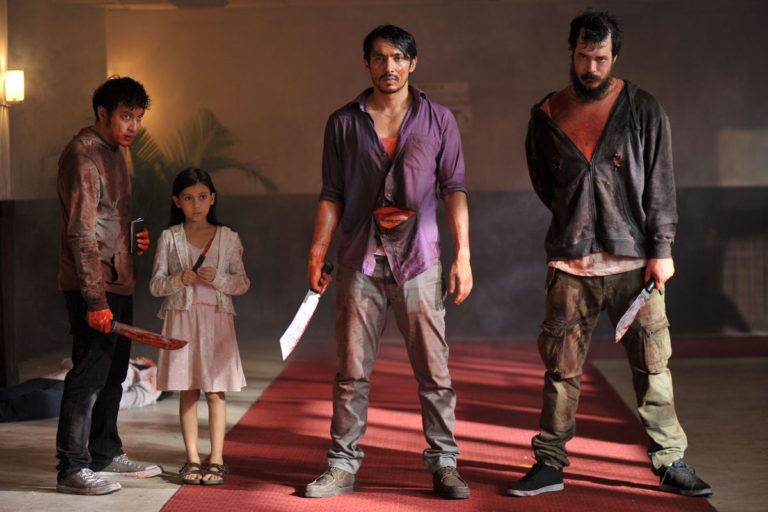
Let me start off with a warning, The Night Comes For Us is bloody, seriously bloody. This film pulls no punches when it comes to violence and gore. I have been told it is very similar to Gareth Evans’ The Raid but have never seen it so instead if I were making comparisons I would say take Jackie Chan’s Meals on Wheels, Kim Jee-woon’s action thriller I Saw the Devil and the samurai classic Shogun Assassin and throw them all in a blender. The pulpy, bloody result you would get is The Night Comes For Us. Based on a screenplay turned into a graphic novel the film revolves around a group of four old friends, one of which (Joe Taslim as Ito) is promoted to a high-level figure in a criminal organization known as the South East Asian Triad. The film is fuzzy on timelines but he returns sometime later with a little girl, Reina (Asha Kenyeri Bermudez), whom in the process of protecting required he betray the Triad. However, over the passage of time one of the other three, Arian (Iko Uwais), has built his own corner in the underworld and now has close ties to the organization and upon Ito’s return is given direct orders to kill both Ito and Reina. With friends now turned enemies Ito along with the remainder of his old crew, Fatih (Abimana Aryasatya) and Bobby (Zack Lee, with one of the best performances in the film) must protect the girl from Arian as well as the Triad’s massive army. Outside of the four friends, there are some other great casting choices such as Hannah Al Rashid who is excellent as Elena, one of the Triad’s chief enforcers, as well as Julie Estelle, credited simply as “The Operator”, who has amazing screen presence. Both Rashid and Estelle are a delight to watch on-screen and I cannot wait to see more of them, hopefully in future action films.

If you came looking for a solid script and magnificent performances than you are definitely in the wrong place. As I said before The Night Comes for Us is a very simple story that is short on dialogue and what is spoken is fairly succinct and to the point. This is a true action film that keeps things uncomplicated and lets the onscreen energy do all the talking. When it comes to performances they are not terrible but they are far from Oscar caliber. Uwais as an action star is incredible but I found the delivery of some of his lines to be jarring. They seemed off and unconvincing especially when trying to evoke emotion. Taslim as Ito, the character we follow most, gives a fairly decent performance. Oddly his scenes which I found most difficult to watch actually have no audio dialogue. There are two times with Ito where the film cuts out the verbal audio and simply lays a score over while the scene plays out. Both scenes are very dramatic with Ito wailing and jerking about in an erratic way. My assumption is that the director, Timo Tjahjanto, wanted to focus mainly on the action and was trying to move the story along without having to linger too long on emotional drama, which can be effective if done properly, but Taslim’s performance in both scenes just didn’t seem to fit and felt overacted. Outside of this and few other pauses in the story he spends most of the film walking around with a grimace on his face and breaking the legs, arms and backs of anyone who gets in his way all of which is done in spectacular fashion. No complaints there.

The Night Comes For Us is pure entertainment. As sketchy as the storyline is, and as clumsy as the script can be, it delivers in ways that made me look past all these flaws enough to watch it multiple times. And honestly I am looking forward to more films in this genre, it has been too long since a director has put together a film like this and I can’t wait to see what we get next. The pacing is great and Tjahjanto does some very clever things with scene transitions as we bounce back and forth between different parts of the story. There a few lulls, which in a film like this can really stand out and have you screaming to just get back to the mayhem. This is especially true in the first act as it takes time for the action to kick in so give it a minute to allow the film to build the story and characters. Just brace yourself because if action and chaos are what you were looking for, you are in for a treat. The Night Comes For Us is a dynamite two hours and for those of us missing the action films of old, it’s a breath of fresh air.

Overall Rating: B-

[divider]

Podcast: Best Director / Best Screenplay – Chasing the Gold Ep. 3

On Episode 3 of Chasing the Gold, Ryan is joined by Will Mavity from Next Best Picture and Kevin Jacobsen from Gold Derby as they discuss Best Director, Best Adapted Screenplay and Best Original Screenplay!

Have fun with this week’s Chasing the Gold and let us know what you think in the comment section below. Thanks for listening!

We try to make this the best movie podcast we possibly can and we hope you enjoy them. Subscribe today on iTunes, Spotfiy or Stitcher, and please leave us a review on iTunes. You can also find us on Soundcloud, PlayerFM and TuneIn Radio as well. We really appreciate all your support of the InSession Film Podcast.

Subscribe to our Podcasts RSS
Subscribe to our Podcasts on iTunes
Listen on Spotify
Listen on Stitcher
Best Director / Best Screenplay – Chasing the Gold

[divider]

Mobile App

To hear this Extra Film episode and everything else we do, download our apps on the Amazon Market for Android and the Podcast Box app on IOS devices. The mobile app covers all of our main shows, bonus podcast’s and everything else relating to the InSession Film Podcast. Thanks for your wonderful support and listening to our show. It means the world to us!

[divider]

Help Support The InSession Film Podcast

If you want to help support us, we would greatly appreciate it! For more info, CLICK HERE.

Movie Review: ‘Madeline’s Madeline’ is an astounding work of art


Director: Josephine Decker
Writers: Josephine Decker
Stars: Helena Howard, Molly Parker, Miranda July

Synopsis: A theatre director’s latest project takes on a life of its own when her young star takes her performance too seriously.

[/info]

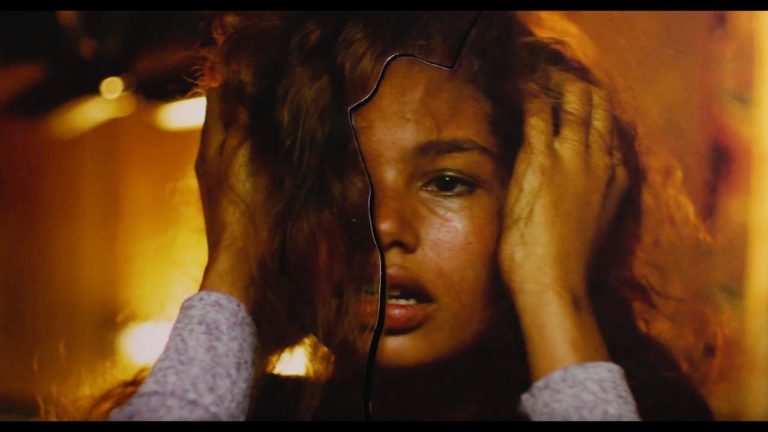
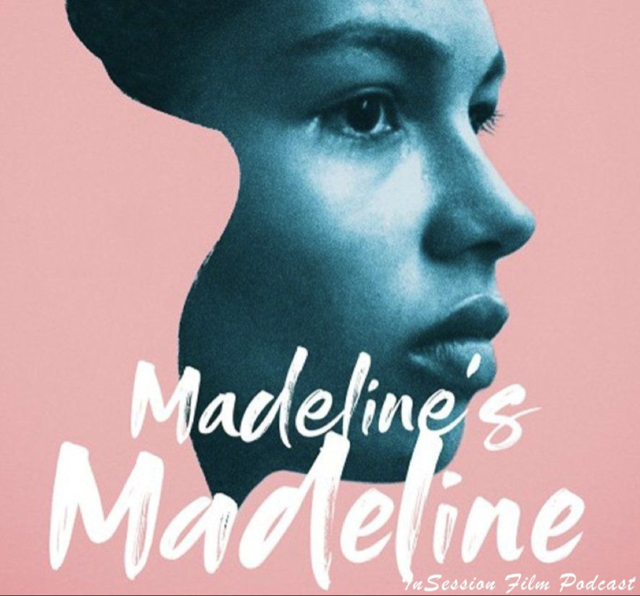
Josephine Decker’s Madeline’s Madeline is one of the more rapturous and disorienting experiences you’ll have in 2018. It’s an astounding work of art where Decker actively attempts to redefine the boundaries of storytelling in how she edits, stages and composes Madeline’s journey. It’s bold, invigorating and stimulating filmmaking. Sure, it’s also experimental, but Decker is somehow able to find an emotional root that still feels familiar and relatable.

Madeline’s Madeline tells the story of Madeline (Helena Howard), a young teenager who is struggling from some sort of mental ailment, but she finds comfort in the theater troupe that she participates in daily. Her home life has its up and downs, which makes her condition all the more volatile. Her single-mother, Regina (Miranda July), is caring and protective even if she doesn’t always understand Madeline. This leads to more volatility and resentment toward Regina. In an attempt to remedy the missing gaps of that relationship, Madeline looks to the theater troupe’s leader Evangeline (Molly Parker), who form a bond that eventually becomes exploitative in its own right.

Behind the bizarre and clever editing that makes Madeline’s Madeline a unique experience is something more concrete. If you peel apart the abstractness, you’ll find a steady dichotomy of the mother/daughter relationship that truly centers the film. Madeline and Regina are two women who are driven apart by an unspecified mental illness, but also they are fundamentally very different people. Madeline is able to express every thought and emotion with a deep vigor while Regina mightily lacks the ability to express herself at all. You could argue their race is a barrier as well. Regina is white, Madeline is biracial, and while the never speaks to it directly, Decker does highlight in her direction how this becomes another hurdle they have to jump over. Throughout the entire film, this dichotomy is always on the razor’s edge, tugging back and forth between empathy, love, impatience and disconnection.

Decker then smartly mirrors that duality with the evolution of Madeline’s relationship with Evangeline, another adult woman who doesn’t seem to comprehend the gravity of her choices. She wants to use Madeline’s life as a narrative vehicle for the theater troupe, but becomes blind in her ambitions.

What makes Madeline’s Madeline so striking, and almost unnerving, is how vulnerable Madeline is throughout the film. She’s very charming and endearing, but clearly struggling with something intimate. Yet, the *adults* around her lack empathy or understanding, and presumptuously have no self-awareness as to how their actions effect her. Regina is a mom that does love her daughter – there’s a great scene in a park is really heartwarming – but she’s often times impatient, forces control and lashes out at Madeline. Evangeline, in an equally disturbing way, exploits Madeline’s anxieties and fears for her own benefit. All of this leads to some fascinating questions around ethics and manipulation. Decker sets out to examine if it’s right to tell someone else’s story, something so personal and raw to the individual, when they clearly are not comfortable with it. It becomes even more gray and complicated as Madeline doesn’t fully voice her concerns either. In the end, Madeline’s Madeline becomes a powerful mechanism that taps into the importance of empathy and understanding. The presumptuousness by Regina and Evangline take their toll and it leads to one of the best endings of any film in 2018.

There’s a scene where Madeline acts out being her mom, as part of a theater troupe exercise, and it becomes extremely cathartic. It’s heartbreaking as both Madeline and Regina realize the truth of just how devastating the gap is in their relationship. The aftermath only gets more intense though. Decker focuses the camera on Evangeline, who is astonished by the “performance” that Madeline gave in depicting her mom. Yet again, not fully grasping what had just happened, she continues on as the bystanders around Madeline (other members of the troupe) are jaw-dropped. Everyone in this moment is stunned. The potency of Madeline’s truth is vivid and provocative, yet for Regina and Evangeline it was something else entirely for them. It’s a powerful moment that wonderfully demonstrates the ramifications of exploitation and how it can lead to isolation.

Those notions are impressivley poignant because, Decker’s direction is incisively visceral, but also because the performances are fantastic. Howard in particular demonstrates a scintillating prowess that is extraordinary. The way she immerses herself into Madeline’s plights is dazzling in every way. For as vulnerable and volatile as Madeline is, she’s never untruthful. Madeline is always grounded and human in her emotions, and Howard does a great job of giving Madeline a strong empathetic quality. July is also great in emulating Regina’s frustrations and what drives her actions. Parker gives an alluring performance that gracefully weaves between ignorance and ambition, two elements that lead to murky actions for Evangeline.

Ashley Connor’s cinematography is noteworthy as well. She lingers on many close-ups, sometimes extreme close-ups, and it gives the film an intimacy that amplifies it thematically. There’s a hazy focus that wonderfully compliments the blurring of lines we see between Madeline, Regina and Evangeline. Additionally, the editing, sound design and score all help take Madeline’s Madeline to another level.

Understandably, Madeline’s Madeline will not be for everyone. Some will find it pompous. Others will see it as mundane and empty. I find it fearless. Decker’s ambition and inventiveness establishes her voice in ways that are stunning. Howard is a star in the making. For as biting as this film is at times, it’s equally as soft and emotional. That ending shot is as evocative as anything I’ve seen all year.

Overall Grade: A

[divider]

Hear our podcast review on Extra Film:

[divider]

Poll: What is the best use of a Queen song in film?

This weekend will see the release of Bohemian Rhapsody in theaters, the biopic of Freddie Mercury and Queen, a film that has been somewhat polarizing. It had a troubled production and early reviews seem to be indicative of that as it’s been getting a middling reaction. That said, Queen is a great band their songs have been effectively used in film many times before. So we thought it would be fun to that as inspiration for our poll this week.

What do you think is the best use of a Queen song in film? Vote now!


Podcast: Halloween (1978) – Patreon Bonus Content

Listen!

For our lovely Patreon subscribers, Ryan and JD reviewed John Carpenter’s classic slasher film Halloween (1978). We also gave a few brief thoughts on David Gordon Green’s Halloween (2018) since we both missed out on Episode 296. And now, this episode is available to the public! Happy Halloween!

Listen to this episode on Patreon by clicking here.

[divider]

HELP SUPPORT THE SHOW

We offer our bonus content for free, but we do encourage and appreciate a small donation of $0.99 as a way to help support the show. Click on the PayPal button below to donate and thanks so much for your support. You can also hear all of our Bonus Content via our mobile apps. See the information at the bottom of the post for more details.


One-Time Donation


[divider]

Mobile Apps!

Listen to all of our bonus content on our apps for just a one-time fee! Whether you have an iPhone, Android or Windows phone, our apps are available in many different ways that is convenient for you. With our mobile app, not only can you listen to all of our bonus content, but our main shows and our Extra Film podcasts as well. Click here for more info!

If you don’t want to purchase our bonus content, but still want to support us, there are other you can help us out. Click here for more info.

List: Top 3 90s Movies About the 90s

This week on Episode 297 of the InSession Film Podcast, inspired by Mid90s, we thought it would be fun to re-visit that time period. The 90’s was an interesting era that is probably nostalgic for a lot of us. As you’ll hear in our review of Mid90s, we grew up not to dissimilar from Stevie as we came into our own during that same time period. That’s exactly what made this topic challenging, as most of the films that best define the 90’s we didn’t see until later in life. Although, some of those films we saw as kids still very much qualifies for this list. All in all, it was fun to re-visit that time period and talk about what made it so unique. That said, here are our lists:

(Note: Please keep in mind that we each had different criteria for our selections)

JD:

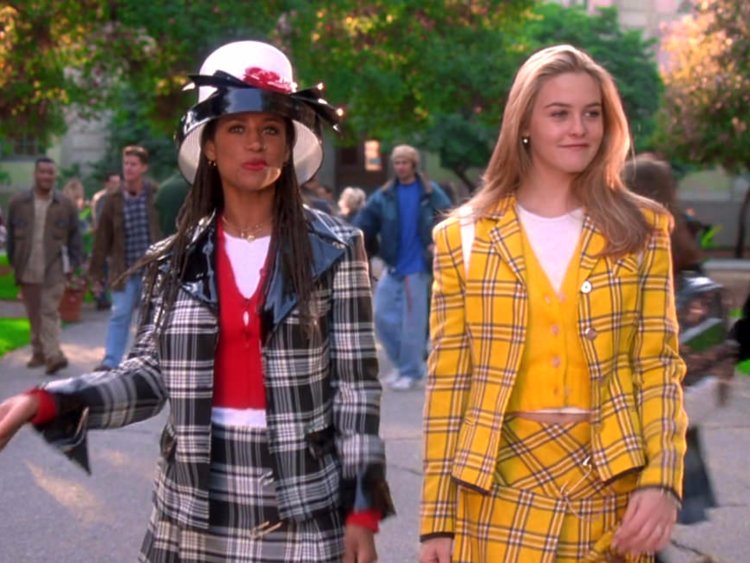
1) Clueless
2) The Big Lebowski
3) Clerks

Brendan:

1) Singles
2) 10 Things I Hate About You
3) Toy Story

Kevin:

1) Jurassic Park
2) Mallrats
3) Hackers

Honorable Mentions (Combined)

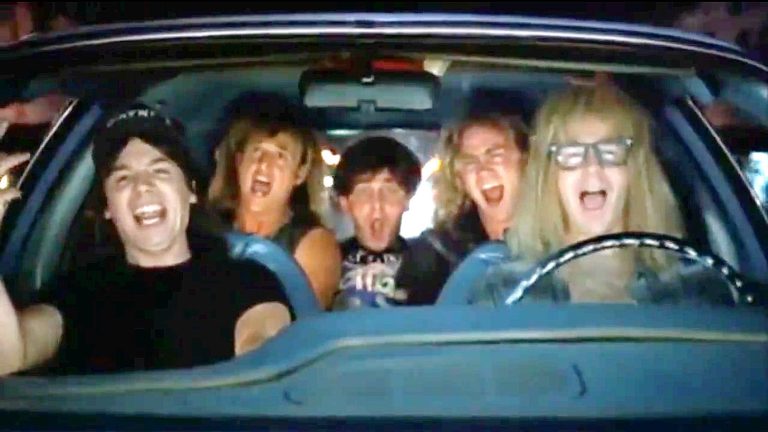
Scream, Before Sunrise, Wayne’s World, The Matrix, Boyz n the Hood, Good Will Hunting, Fight Club, Trainspotting, The Lion King, Space Jam, Pulp Fiction, American Pie, Reality Bites, Good Burger, Pretty Woman, Groundhog Day

Hopefully you guys enjoyed our lists and if you agree or disagree with us, let us know in the comment section below. This is a topic that may come down to your criteria and how you wanted to define the 90’s, which could mean that your list is very different than ours. That being said, what would be your Top 3? Leave a comment in the comment section or email us at [email protected].

For the entire podcast, click here or listen below.

For more lists done by the InSession Film crew and other guests, be sure see our Top 3 Movie Lists page.

Podcast: Mid90s / Top 3 90s Movies About The 90s – Episode 297

This week’s episode is brought to you by Audible.com. Sign up today and get a free audiobook!

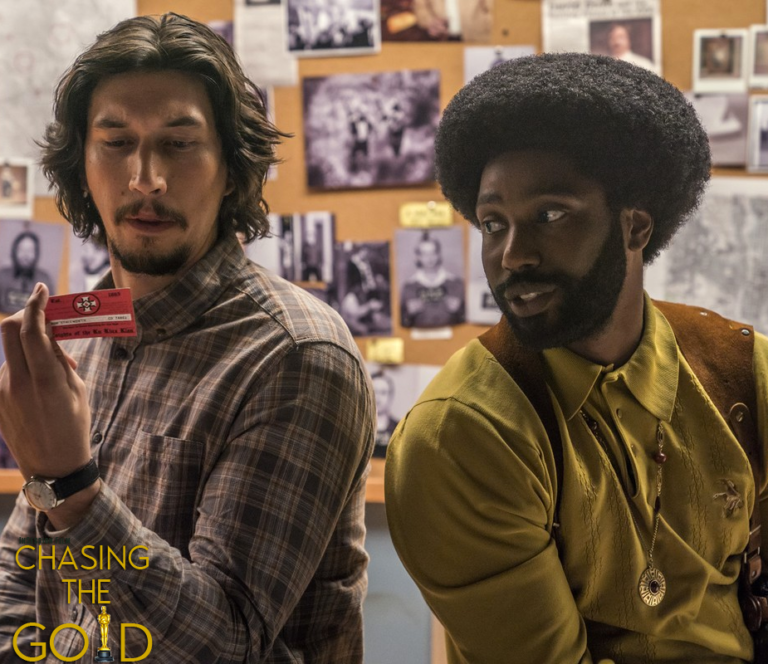
This week on the InSession Film Podcast, Kevin Brackett from ReelSpoilers joins us to discuss Jonah Hill’s directorial debut Mid90s and our Top 3 90’s movies about the 90’s. JD also gives his thoughts on Halloween, The Old Man and the Gun, and Bad Times at the El Royale, while Brendan offers up his thoughts on Blindspotting and The Sisters Brothers.

A huge thank you to Kevin for joining us, it was a pleasure to finally get him on the show. He was great and we loved talking to him about 90’s movies. This episode may be a bit longer than last week, but hopefully the conversation makes it worth your time. We had a lot of fun talking about Mid90s and those aforementioned films that we individually missed out on the last few weeks. So much catch up!

On that note, check out this week’s show and let us know what you think in the comment section. Thanks for listening and for supporting the InSession Film Podcast!

– Movie Review: Mid90s (4:58)
Director: Jonah Hill
Writer: Jonah Hill
Stars: Sunny Suljic, Katherine Waterston, Lucas Hedges

– Notes / Review Catch Up (49:17)

As noted above, we had several films we wanted to give some thoughts on as we’ve caught up with some films we missed out – at least on an individual level. JD was not able to be on the show last week, but did see Halloween and wanted to express his disappointment with the film. Similarly, he missed an Extra Film a few weeks ago where Brendan and Jay talked about The Old Man and the Gun and Bad Times at the El Royale, and was eager to share his thoughts on those two films. As for Brendan, he finally saw Blindspotting and The Sisters Brothers, and had some interesting thoughts on those two respective films.

[divider]

RELATED: Listen to Episode 295 of the InSession Film Podcast where we discussed First Man!

[divider]

Top 3 90s Movies About the 90s (1:18:03)
The 90’s was an interesting era that is probably nostalgic for a lot of us. As you’ll hear in our review of Mid90s, we grew up not to dissimilar from Stevie as we came into our own during that same time period. That’s exactly what made this topic challenging, as most of the films that best define the 90’s we didn’t see until later in life. Although, some of those films we saw as kids still very much qualifies for this list. All in all, it was fun to re-visit that time period and talk about what made it so unique. That said, what would be your Top 3?

Top 3 Sponsor: First Time Watchers Podcast

– Music

After Laughter – Wendy Rene
Surf Rider – The Lively Ones
Space Jam – The Gym Allstars
The Return of the Eagle – Atli Örvarsson

Subscribe to our Podcasts RSS
Subscribe to our Podcasts on iTunes
Listen on Stitcher
InSession Film Podcast – Episode 297

[divider]

Next week on the show:

Main Review: Suspiria
Top 3: TBD

[divider]

Help Support The InSession Film Podcast

If you want to help support us, there are several ways you can help us and we’d absolutely appreciate it. Every penny goes directly back into supporting the show and we are truly honored and grateful. Thanks for your support and for listening to the InSession Film Podcast!

VISIT OUR DONATE PAGE HERE

Movie Review: ‘The Children Act’ engages with thoughtful subtlety


Director: Richard Eyre
Writers: Ian McEwan (screenplay by)
Stars: Emma Thompson, Stanley Tucci, Ben Chaplin

Synopsis: As her marriage crumbles, a judge must decide a case involving a teenage boy who is refusing a blood transfusion on religious principle.

[/info]

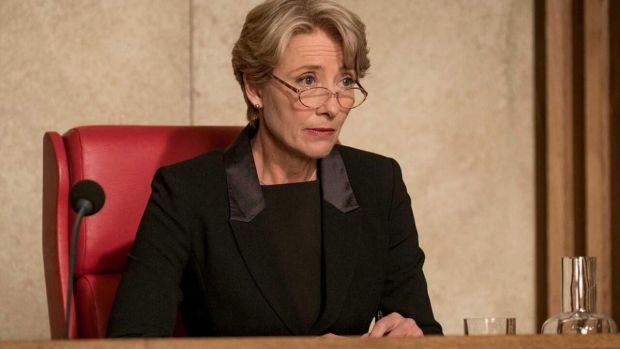
Richard Eyre’s The Children Act dazzles with pristine performances but fizzles out before the film even picks up steam. Fiona Maye, portrayed effortlessly by Emma Thompson, is a judge in the High Court of London who oversees cases of family law which are both ethically sensitive and magnets for the media. She must exhibit compassion for the cases brought before her, even at the risk of angering one side of the issue or the other. The immense toll on her affects every aspect of Maye’s life, such as her damaged relationship with her husband, Jack (Stanley Tucci). Her constant awareness of the cases on which she works causes her to deprioritize her marriage, of which she has not been an active participant in years. When a case involving Adam (Fionn Whitehead), an extremely intelligent boy whose religious beliefs forbid him from accepting a blood transfusion, comes to her attention, Maye grapples with a decision that could change everything.

Based on Ian McEwan’s novel of the same name, The Children Act forces audiences to look deep within themselves with regards to the crucial choices Fiona Maye faces. The ethical questions brought forth are deeply engaging and thoughtful. However, the film lingers on these questions only slightly. The main interest of The Children Act seems to be how a woman who has never had children of her own, exists in a fractured marriage, and has little room in her life for love, presides over life-and-death decisions that have the potential to destroy families. How Maye deals with these consequences when they begin to affect her personal life is deeply underdeveloped. The questions that arise in the aftermath of her decision on Adam’s case are never fully explained or realized. The second half of the film loses the intensity of the first half and the interest of the viewer begins to wane. Unfortunately, this is due to the lack of exposition with regards to the main character, Fiona Maye. The audience can never quite get a peek behind her carefully crafted visage. Perhaps this is the filmmaker’s intention all along; to forbid the audience entrance into the brilliant mind of Fiona and witness the chess match she must play in order to reach her verdicts.

This hidden agenda complicates her relationship with Adam and it becomes difficult to understand her motivation as she steps out of character and commits questionable acts. All in all, The Children Act is a well-crafted, deeply moving film. The performance of Emma Thompson holds this film together as it constantly tries to fall apart. Enjoyable and thought-provoking, The Children Act toys with your emotions, but never enough to make you care too much about the main character. Perhaps this is the point; to keep the audience at a cold distance, mimicking the barrier of law that Fiona Maye uses to protect herself from her crucial decisions. This creates an interesting environment for the viewer; depending on which side of the argument with which your side, your feelings regarding Maye will develop differently. The opinions you form dictate your reactions to her actions, which makes The Children Act a slightly interesting film, or does it?

Overall Grade: B

[divider]

Podcast: Madeline’s Madeline / 22 July – Extra Film

This week on the InSession Film Podcast: Extra Film segment, This week on the InSession Film Podcast: Extra Film segment, JD, Jay, and Ryan have their first outing as a triple by discussing Josephine Decker’s polarizing Madeline’s Madeline, while Jay and Ryan round things out by reviewing Paul Greengrass’s latest in 22 July .

We are willing to admit that we don’t disagree with each other all that often, so if you are looking for a lengthy argument for once, look no further than our discussion on Madeline’s Madeline, a review filled with some passionate disagreements! And with Paul Greengrass returning to his strengths of historical peril (i.e. Bloody Sunday, United 93, and Captain Phillips), we were excited to see if his latest project would live up to the hype.

On that note, have fun with this week’s Extra Film segment and let us know what you think in the comment section below. Thanks for listening!

– Movie Review: Madeline’s Madeline (4:05)
Director: Josephine Decker
Writer: Josephine Decker, Donna di Novelli, Gail Segal, Sharon Mashihi
Stars: Helena Howard, Molly Parker, Miranda July

– Movie Review: 22 July (51:41)
Director: Paul Greengrass
Writer: Paul Greengrass, Asne Seierstad (based upon the book “One of Us” by)
Stars: Anders Danielsen Lie, Jonas Strand Gravli, Jon Øigarden

– Music

Hey Na Na – Madeline’s Madeline Cast
Land of Mine – Sune Martin
The Return of the Eagle – Atli Örvarsson

We try to make this the best movie podcast we possibly can and we hope you enjoy them. Subscribe today on iTunes, Spotfiy or Stitcher, and please leave us a review on iTunes. You can also find us on Soundcloud, PlayerFM and TuneIn Radio as well. We really appreciate all your support of the InSession Film Podcast.

Subscribe to our Podcasts RSS
Subscribe to our Podcasts on iTunes
Listen on Spotify
Listen on Stitcher
Madeline’s Madeline / 22 July – Extra Film

[divider]

Mobile App

To hear this Extra Film episode and everything else we do, download our apps on the Amazon Market for Android and the Podcast Box app on IOS devices. The mobile app covers all of our main shows, bonus podcast’s and everything else relating to the InSession Film Podcast. Thanks for your wonderful support and listening to our show. It means the world to us!

[divider]

Help Support The InSession Film Podcast

If you want to help support us, we would greatly appreciate it! For more info, CLICK HERE.