Home Blog Page 189

Poll: What is Jason Statham’s best role?

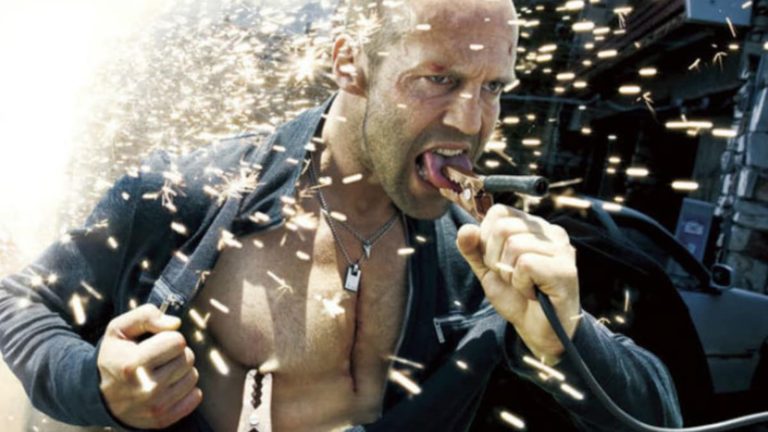
Jason Statham may not go down as one of the best action stars, but he may go down as the most ridiculous (you don’t earn that title by not giving yourself literal jolts of electricity). In many ways, he has to thank Guy Ritchie for helping him discover his most energetic potential way back in 1998 with Lock, Stock and Two Smoking Barrels; this weekend, they reunite for a fourth time with Wrath of Man, and we are hoping for Statham at his most unhinged once again.

With that said, what is Jason Statham’s best role?


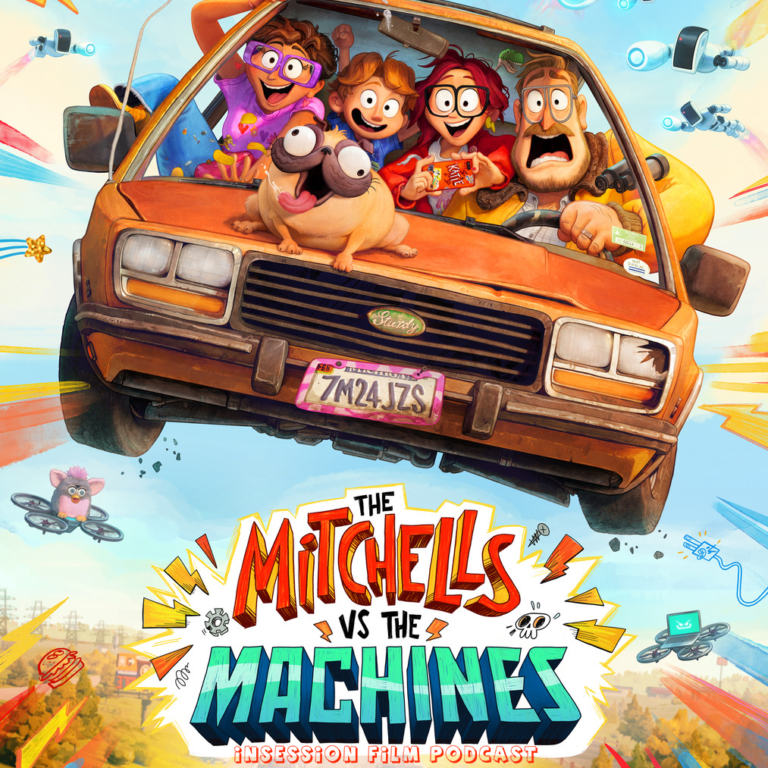
Podcast: The Mitchells vs The Machines / The Insider – Episode 428

This week’s episode is brought to you by Percy vs Goliath. Follow us on social media for your chance to win a free digital code!

This week on the InSession Film Podcast, we discuss the new Lord Miller Productions animated film The Mitchells vs The Machines and we continue our Michael Mann Movie Series with his 1999 film The Insider! Plus, a few thoughts on the indie comedy Shiva Baby and the action-thriller Without Remorse.

The combination of The Mitchells vs The Machines and The Insider isn’t quite as jarring as last week’s show, but it does make for a nice variance still. We love a good animated film and Lord Miller Productions have cemented themselves as major players in the animated world. Between Mitchells, The Lego Movie, Spider-Man: Into the Spider-Verse, and even Cloudy with a Chance of Meatballs (underrated movie), they have a nice little output there. And of course, it’s always a good time whenever we find ourselves back in the Mann-hole.

On that note, check out this week’s show and let us know what you think in the comment section. Thanks for listening and for supporting the InSession Film Podcast!

– Movie Review: The Mitchells vs the Machines (5:39)
Director: Michael Rianda, Jeff Rowe
Writers: Michael Rianda, Jeff Rowe
Stars: Abbi Jacobson, Danny McBride, Maya Rudolph

– Notes / em>Shiva Baby / Without Remorse (38:05)
This week for our break segment, both JD and Brendan were able to catch up with the Emma Seligman comedy Shiva Baby, and wanted to offer up a few thoughts on one of the better surprises of the year thus far. On the other hand, JD also saw Without Remorse, but as you’ll hear, there was certainly remorse involved.

[divider]

RELATED: Listen to Episode 423 of the InSession Film Podcast where we discussed The Tree of Life!

[divider]

Michael Mann Movie Series: The Insider (1:08:42)
Director: Michael Mann
Writers: Marie Brenner (article), Eric Roth (screenplay)
Stars: Russell Crowe, Al Pacino, Christopher Plummer

Show Sponsor: First Time Watchers Podcast

– Music

Yub Tub – Mark Mothersbaugh
On My Way – Alex Lahey
Meltdown – Lisa Gerrard, Peter Bourke
The Return of the Eagle – Atli Örvarsson

Subscribe to our Podcasts RSS
Subscribe to our Podcasts on iTunes
Listen on Spotify
Listen on Stitcher
InSession Film Podcast – Episode 428

[divider]

Next week on the show:

Review: Wrath of Man
Top 3: N/A
Michael Mann Movie Series: Collateral

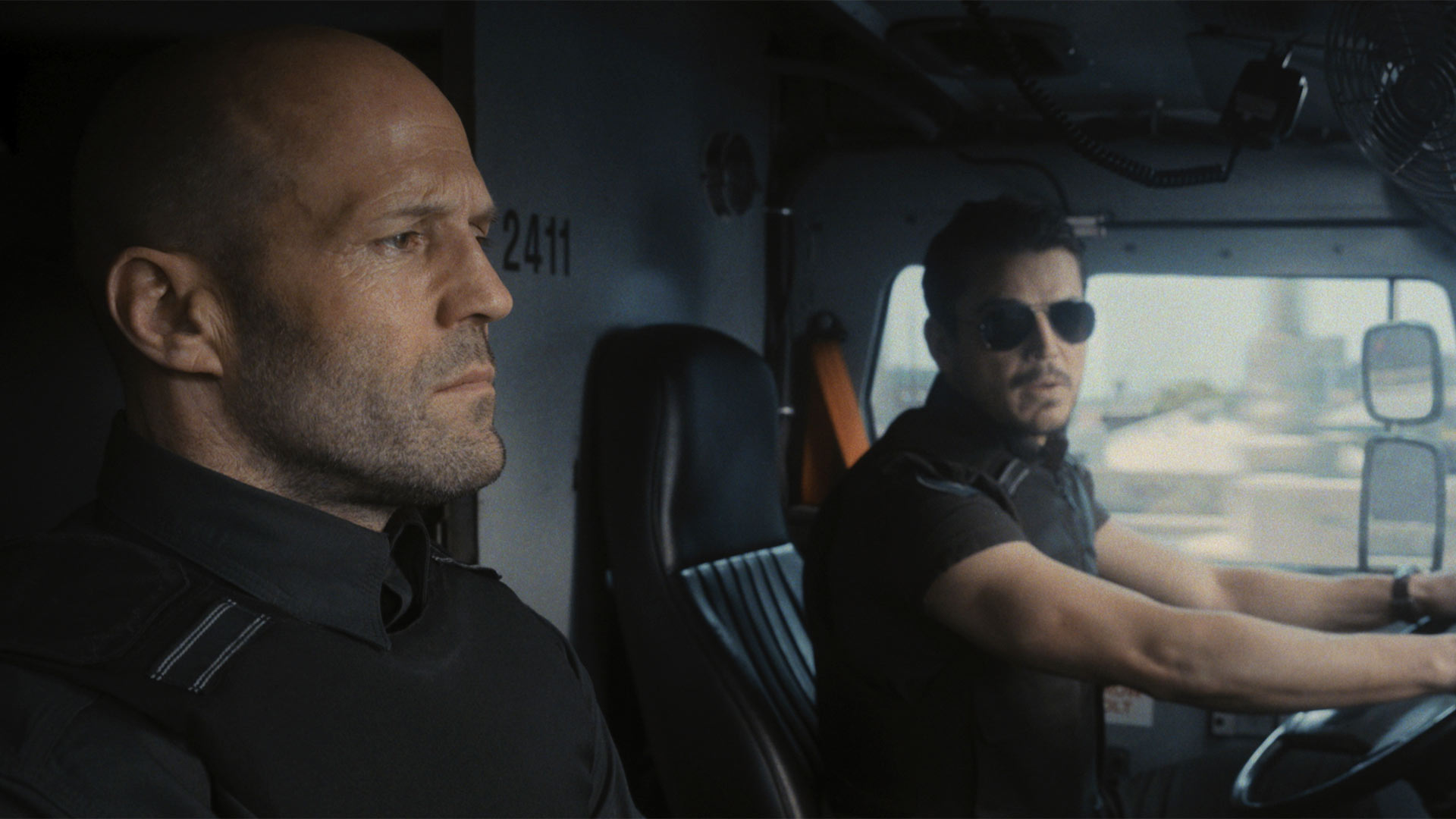
Jason Statham stars as H and Josh Hartnett stars as Boy Sweat Dave in director Guy Ritchie’s WRATH OF MAN, A Metro Goldwyn Mayer Pictures film.
Photo credit: Metro Goldwyn Mayer Pictures
© 2021 Metro-Goldwyn-Mayer Pictures Inc. All Rights Reserved

[divider]

Help Support The InSession Film Podcast

If you want to help support us, there are several ways you can help us and we’d absolutely appreciate it. Every penny goes directly back into supporting the show and we are truly honored and grateful. Thanks for your support and for listening to the InSession Film Podcast!

VISIT OUR DONATE PAGE HERE

Op-Ed: The Snyder Cut and the Rise of Toxic Fandom

In LA right now, there stands a billboard which feels like it couldn’t have existed even at this time last year. It was not funded by any business, nor corporation looking to advertise its wares. It isn’t warning of any dangers to public health, nor does it tell you that the best burger in the country is conveniently located just five miles southwest. It doesn’t want your money. Instead, it was paid for entirely by ordinary people. Fans of a popular franchise. The point of the billboard is not to raise awareness of a new movie, but rather to ask something of a movie company called Marvel.

For Our Beloved Hero, it says, emblazoned in white letters aping the very style of the company it’s appealing to, Please Bring Back Tony Stark. And underneath, the chaser – a hashtag, the emblem of our times. #BringBackTonyStarkToLife.

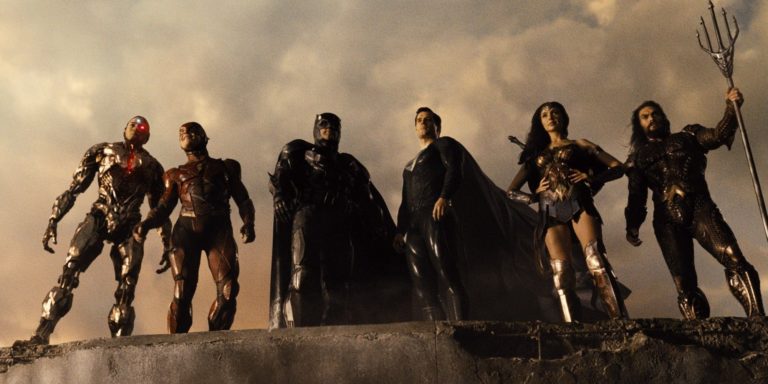
In 2017, Zack Snyder left the DC movie Justice League after suffering a heartbreaking personal tragedy. He was replaced by comic book auteur Jos Whedon, who cobbled together the rushes of what Snyder filmed and added some flair of his own. The finished result – called Josstice League by some salty fans – was derided as tonally uneven, bewilderingly complex, and insultingly boring for a movie of its stature. The blame in the fan community lay squarely with Whedon. He didn’t understand the DC culture, tried to add humor where it wasn’t appropriate or necessary, and crafted a narrative that made barely any sense. The answer was obvious: Zack Snyder had to return and finish what he started.

Thus the hashtag #ReleaseTheSnyderCut was born. Fans rallied en masse to demand DC hand the reigns back over to Snyder and allow him to finish the movie the way he had intended. This did have some positives – the fans managed to raise $500k for suicide prevention in honor of Snyder’s late daughter Autumn – but there was also a lot of toxicity: fans berating each other, and threatening studio executives on Twitter whom they believed were standing in the way of the Snyder cut. Even Wonder Woman director Patty Jenkins and Batman director Matt Reeves got caught in the crossfire. It all led to WarnerMedia Studios CEO Ann Sarnoff declaring her disappointment in the fans for their behavior.

And yet, this behavior was eventually rewarded. Likely sensing there was money to be made, Warner Bros invested a reported $70 million into reshoots as Snyder was finally allowed to make the movie he had planned all along. Releasing the 4-hour movie on the new streaming service HBO Max was a shrewd plan, as it allowed a wider awareness of the service and likely brought with it a whole host of new viewers at $14.99 a month. While it remains to be seen whether Warner Bros will make their money back, they have at least sated the millions of fans clamoring for this to happen. But at what cost?

For those of you unaware, the character of Tony Stark – played by Robert Downey Jr since 2008 throughout several Marvel movies – was killed off in a heroic act of selflessness which saved the universe. His death marked an endpoint for a series of movies which had all started with him. It felt right, almost poetic. His death meant a new beginning, a rebirth for the Marvel Universe. Add to that, Robert Downey Jr himself had expressed a desire to end his tenure as Iron Man and move on to a new phase in his life. One can hardly blame him.

So why now? Three years after the events of Endgame, where Stark saved the world and lost his life, why do fans suddenly feel the need to demand his return? The answer feels simple: the door has been opened for fan movements to demand what they want, sensing the studios will bow to the pressure in order to protect their revenue streams.

You can understand the studios’ fears: Captain Marvel was the victim of a movement to tank its Rotten Tomato scores after a legion of (what one assumes must be) insecure men took to the film aggregate site and deliberately marked low scores to deter people from watching. The all-female Ghostbusters movie fell victim to a boycott after fans of the original claimed it was cultural appropriation born from political correctness.

This cultural narrative of assumed privilege is toxic and harmful to the movie industry. For after all, who would want to take on a project where the slightest error could earn the ire of millions and millions of fans? Fans who take to conventions every year to argue in detail about why their preferred Star Trek captain is the best, or why this particular issue of Superman had the best artwork of the whole run.

The problem is now these toxic fans have been emboldened by studio acquiescence. Releasing the Snyder cut has sent a message that this behavior can and will be tolerated. It invites further toxicity in the hopes of retaining finances. It’s in Paramount’s decision to overhaul the CGI on Sonic the Hedgehog after the initial trailer led to widespread fan backlash. It’s in LucasFilm’s damning silence during the racial abuse hurled at Kelly Marie Tran and John Boyega after The Last Jedi. The voices dominating the culture appear to be the ones harassing studios and actors, the ones threatening to pull their support if the movie doesn’t meet their exact specific requirements. Addressing these concerns has the effect of then legitimizing them. Imagine that in any other movie culture. Imagine fans of this year’s Oscar winner Nomadland demanding Chloe Zhao reshoot the movie to include a different company other than Amazon? Imagine a campaign to have Emerald Fennell change the end of her movie Promising Young Woman because they weren’t happy at the fate of Carey Mulligan’s Cassie?

Consenting to the whims of toxic fans who just want their way has one specific problem: they will always want more. It may start with a billboard asking for the return of a beloved character, but where will it end? If we deify the Snyder cut, are we then deifying the legions of fans whose campaigns of harassment and bullying led to it? If we reward the cult-like behavior of geek culture, what will be the future of Hollywood? And, more importantly, what will it say about us as a society that we allowed the most toxic and bitter of us to have such a loud voice?

Dietrich And Sternberg: A Partnership Made Of Shadows

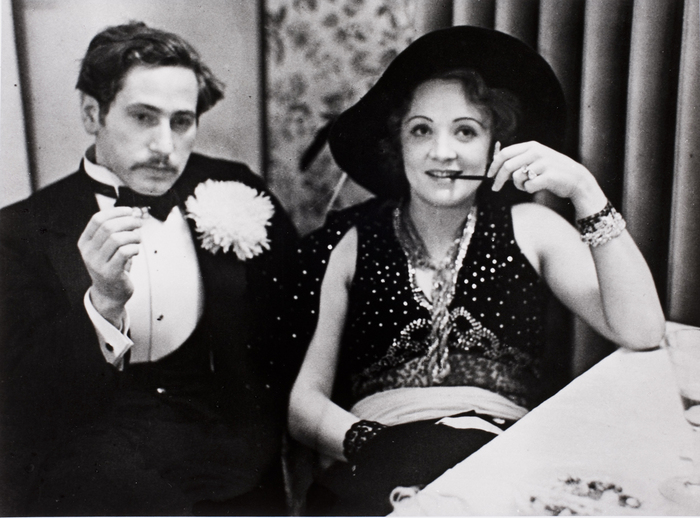
In the early days of sound, studios were still experimenting with what worked and which actors had the voice that translated well. At the same time, Hollywood was luring in top talent from Europe and some would do very well in their transition. Two countries that Hollywood was getting plenty of notable names from were Austria and Germany. Billy Wilder, Otto Preminger, Erich von Stroheim, Emil Jannings, and Fritz Lang brought over their international style that would play a major role in the growth of Hollywood and its influence all over the world. Two more imports would leave their mark as a collaborating duo: Marlene Dietrich and Josef von Sternberg.

The Blue Angel (1930)

In the 1920s, Dietrich was getting steady work on stage and screen when Sternberg, an established director for Paramount Pictures, was offered by the studio’s sister company, UFA, a chance to direct a sound picture starring Emil Jannings, who won the Oscar’s first Best Actor trophy. When it came to casting Lola, a cabaret singer who presents herself as a sex goddess, Sternberg turned down multiple actresses put to him before finding Dietrich at a musical performance, immediately becoming infatuated with her and personally grooming Dietrich’s looks and performance.

In The Blue Angel, Jannings plays a respectable academic who falls hard for Lola, a young cabaret singer whose sexual suggestiveness in her songs grabs the love of many other men. But when the academic gives up everything he has for her, the results are tragic. Ironically, Jannings was bothered by the on-set romance and felt it was causing problems for the production, but it turned out to be a smash hit which brought the director-actress duo to Hollywood. The careers between the actors went parallel as Jannings saw his career drop off into disgrace when he took part in Nazi propaganda while Dietrich spoke out against the Nazis, becoming a hero for the Allies while simultaneously criticized and shunned by her home country for turning against them.

Morocco (1930)

https://www.youtube.com/watch?v=cBa-jw8NH5I

Even before The Blue Angel was released, Paramount executives recognized it was going to be hit and Dietrich was to be a major star. Head of the production, B. P. Schulberg, brought them back to Hollywood, to begin with, their next collaboration. Morocco told the story of a cabaret singer falling in love with a French Legionnaire (Gary Cooper) who is also a womanizer. Dietrich’s song dressed in a man’s suit and kissing another woman revolted the conservatives for its strong lesbianism tone, but the film was a major success, earning four Oscar nominations including Best Actress and Best Director. Cooper himself was like Jannings, bothered by Sternberg’s focus all on Dietrich. Their next film that followed was Dishonored, the Mata Hari-inspired story about a woman caught between love and espionage in World War I Austria. 

Shanghai Express (1932)

https://www.youtube.com/watch?v=F3Qljls-FkI

In one of the more intoxicating films of his career, Sternberg directed his Best Director/Picture nominated thriller on board the title train, something similar to Agatha Christie’s Murder On The Orient Express. Dietrich is a famous courtesan named Shanghai Lily and attracts the attention of an Army doctor (Clive Brook) who is not familiar with her notoriety. But as the train moves along, they get caught up in the Chinese Civil War as the train is subject to harassment, looking for those who could be a spy, especially Lily and her friend (Anna May Wong). It did take the Oscar for Cinematography as the visuals make it even more claustrophobic and sensational. That same year was the follow-up, Blonde Venus, a semi-musical with similar themes to The Blue Angel, but was received with mixed reviews.

The Scarlet Empress (1934)

This is considered, along with The Blue Angel, is seen as the ultimate Sternberg-Dietrich masterpiece in their collaborations. Dietrich plays Catherine the Great, Empress of Russia in the 18th century when she grows up and utilizes her influence to build support for her regime over other nobility who try to undermine her. Sternberg took some dramatic liberties with the characters, but the essence of why Catherine the Great is such a revered leader in the history of Russia is still honored. The film was also among the later Hollywood pictures to be released before the Hays Code was inserted, which why violent and sexual content was still more obvious at this time. 

https://www.youtube.com/watch?v=03hIHq5n42s

The final film they would work on together was 1935’s The Devil is a Woman. Sternberg, aware that his contract with Paramount was not going to be renewed, made the move to end his professional relationship with Dietrich. Regardless, Sternberg would not again get the same freedom as a director while Dietrich’s career continued to rise. Yet, the legacy of their collaboration and the string of films that bound them together are gems inside the studio system and how Dietrich came to rule Hollywood with her strong seduction senses and darkening images, courtesy of the much underappreciated Josef von Sternberg.

Follow me on Twitter: @brian_cine (Cine-A-Man)

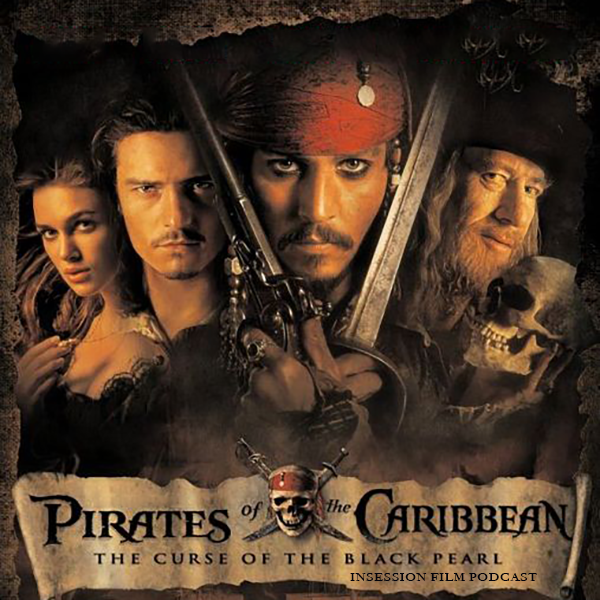
Podcast: Pirates of the Caribbean: The Curse of the Black Pearl / Quo Vadis, Aida? – Extra Film

This week on Extra Film, JD joins Ryan and Jay to continue their Gore Verbinski Movie Series with his action-adventure blockbuster Pirates of the Caribbean: The Curse of the Black Pearl, and Ryan and Jay also discuss the foreign film Quo Vadis, Aida?.

As the boys on Extra Film jump into the high seas to talk about Pirates of the Caribbean: The Curse of the Black Pearl, there was no way JD was going to miss out on talking about this film. There is no secret that all three of the guys love this movie, therefore listen to this love fest with a smile on your face, its a really good review.

In the back half of the episode, Ryan and Jay review the harsh drama Quo Vadis, Aida?, which was recently nominated at the Oscars for Best International Film, and lost to Another Round. Set during the Bosnian War, Quo Vadis, Aida? is one of the most harrowing films to come out in some time. While it really worked for Ryan, it didn’t so for Jay, thus leading to a very respectful, interesting discussion.

Thanks for listening!

– Movie Review: Pirates of the Caribbean: The Curse of the Black Pearl (4:45)
Director: Gore Verbinski
Screenplay: Ted Elliott, Terry Rossio
Stars: Johnny Depp, Geoffrey Rush, Orlando Bloom, Keira Knightley

– Movie Review: The Ring (1:13:26)
Director: Jasmila Žbanić
Screenplay: Jasmila Žbanić
Stars: Jasna Đuričić, Izudin Bajrović, Boris Isaković, Johan Heldenbergh

– Music

Pirates of the Caribbean: The Curse of the Black Pearl Theme – Hans Zimmer
Sorrows Passing – Peter Gundry
The Return of the Eagle – Atli Örvarsson

We try to make this the best movie podcast we possibly can and we hope you enjoy them. Subscribe today on iTunes, Spotify, or Stitcher, and please leave us a review on iTunes. You can also find us on Soundcloud, PlayerFM, and TuneIn Radio as well. We really appreciate all your support of the InSession Film Podcast.

Subscribe to our Podcasts RSS
Subscribe to our Podcasts on iTunes
Listen on Spotify
Listen on Stitcher
Pirates of the Caribbean: The Curse of the Black Pearl / Quo Vadis, Aida? – Extra Film

[divider]

To hear this Extra Film episode and everything else we do, download our apps on the Amazon Market for Android and the Podcast Source app on IOS devices. The mobile app covers all of our main shows, bonus podcasts and everything else relating to the InSession Film Podcast. Thanks for your wonderful support and for listening to our show. It means the world to us.

Giving The Finger: Celebrating the Trainwreck that is ‘Freddy Got Fingered’

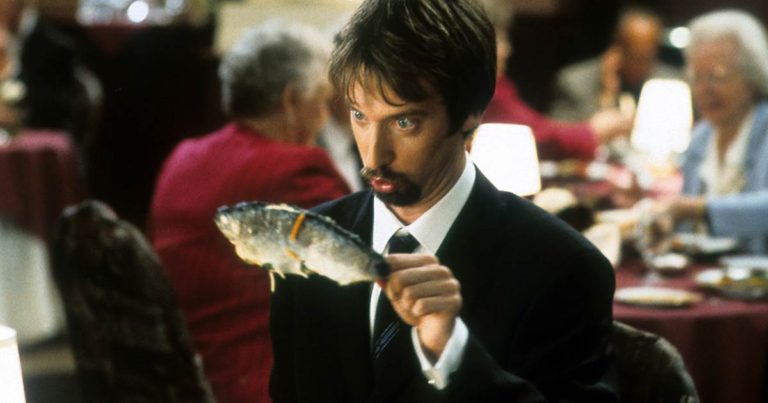
As savage reviews go, nothing compares to the legendary Roger Ebert’s review of the 2001 film Freddy Got Fingered. In his scathing attack on the film, Ebert gave this stinger of an insult: “This movie doesn’t scrape the bottom of the barrel. This movie isn’t the bottom of the barrel. This movie isn’t below the bottom of the barrel. This movie doesn’t deserve to be mentioned in the same sentence with barrels.” It’s pretty brutal to read Ebert’s review of Tom Green’s directorial debut, but he wasn’t the only critic with something to say about the abysmal picture. Fellow critic Leonard Maltin described the film as an “Instantly notorious word-of-mouth debacle became the poster child for all that’s wrong with movie comedy.” However, it’s probably the film critic Brent Simon who best summed up the film by calling it “A crime against humanity”.

Like so many notoriously critically panned films such as Plan 9 From Outer Space, Showgirls, The Room, Cats, and last year’s Capone (see my in defense of Capone piece here) I have a soft spot for films that are known for being trainwrecks especially when I investigate the often complicated and messy production history behind such movies. Films like Showgirls, The Room, and Freddy Got Fingered have such a weird production background, with tales of directors’ visionary passions spiraling out of control and it’s for this reason that I’m drawn to these films like a suicidal moth to the flame.

Before people start to question whether I’ve lost the plot and try to get me sectioned, let me explain the purpose of this article. Firstly, I am not a ‘fan’ of Freddy Got Fingered. It’s a hard movie to endure, let alone watch for entertainment. The film leaves you withering in your seat in discomfort. Twenty years on and it still has the power to shock and disgust the viewer, there are so many scenes that leave you feeling horrified whether it’s the scene of Tom Green’s character licking a bone protruding out his friend’s leg wound or when his character jerks off a horse while shouting like he’s on crystal meth. The purpose of this article is to examine the messy behind-the-scenes production of the film and how it has gone on to become a cult classic.

When we consider the cinematic landscape of the late 90s and early 00s, gross-out comedies such as American Pie, Dude Where’s My Car and There’s Something About Mary were all the rage. These types of comedies were all about pushing the boundaries of what was considered “good taste”. Jonathan Victory from Headstuff.org discusses what made these types of comedies so popular, stating the following, “Combining humor relating to bodily functions or taboo subjects (often of a sexual nature) with farcical situations in which characters embarrass themselves, they were considered edgy entertainment.” Rising comedic star Tom Green was inspired by these gross-out comedies and sought to create the grossest comedy out there in the shape of Freddy Got Fingered.

Overdue VHS copy of 'Freddy Got Fingered' gets man arrested - after 14  years | The Daily Gazette

Tom Green seemed to have it all. He had a popular show on MTV (back when it wasn’t just reality TV shows) called The Tom Green Show which featured a mixture of sketches, stunts, music, and hosted segments. Green certainly understood what was popular with the youth market and saw the appeal of shows such as Jackass. With an appearance in the hit film Road Trip and a brief marriage to Drew Barrymore, Green suddenly exploded into the public consciousness.

The film follows Gord (played by Green himself), a slacker who dreams of becoming a well-known cartoonist. The film focuses on his relationship with his angry father Jim (Rip Torn), who Gord is desperately trying to win his approval. And so while Gord works on creations like “X-Ray Cat” (a cat with x-ray vision that only works on wood) and “Zebras in America” (his dysfunctional family, if they were zebras) he also engages in an increasingly heated feud with his dad that involves, among other things, relocating his entire house to Pakistan and accusing him of child molestation (hence the movie’s title).

The character of Gord is an interesting one to analyze and deconstruct. In lots of ways, Gord isn’t too dissimilar to the likes of characters that Adam Sandler played throughout the 90s (and well into the early to mid-00s). This overgrown man-child who slacks off and tries to hold onto a pre-teen adolescent lifestyle for as long as possible. Somehow, Sandler’s characters are seen to be loveable if not annoying. However, Gord is the total opposite. He’s such an overgrown man child, that it’s simply repulsive. Could this be an attempt by Green to show us that viewers shouldn’t be simply laughing off the likes of Sandler’s characters and excusing their faults? Jonathan Victory makes a compelling case for the film, stating that its themes, narrative, and ideology is far more complex than anything on the surface. He writes the following, “The film’s title Freddy Got Fingered is referring to traumas of the past, recognizing the pain felt from them and yet showing a way forward be it on the personal, national or even global level.” This implies that there’s more depth to the film than first meets the eye.

It’s hard to regard Freddy Got Fingered as a misunderstood masterpiece when you first attempt to watch it. The film’s comedy is so surreal and alienating that it leaves the viewer feeling like they need a long hot shower the moment the credits have rolled. However, according to Green, the film had been cut by the studio resulting in a tonal mess of a movie. “The cut of the movie was about half an hour longer. It had a very dark soundtrack throughout. Some of the songs were the same, some different. There were scenes that were removed. A lot of it wasn’t just scenes; it was the length of scenes, the amount of time we held on certain shot. The tone was completely different. The movie’s choppy now. It was smooth all the way through. Important scenes were removed. Things were made shorter to make them less gross, less shocking, less strange—to keep it moving.”

There has been much debate about whether you can deem Freddy Got Fingered as a flop. When asked by Vulture in 2018, Green had this to say, “It made $14 million at the box office, okay? Which basically means that it actually made its budget money back. But there was also a pretty scientific understanding that all of my fans were buying tickets to Crocodile Dundee and then sneaking into my movie because it was R-rated. You literally couldn’t get a seat in a theater where my movie was playing that opening weekend. All over Los Angeles, the theaters were packed. A lot of things about the way people write about that Freddy Got Fingered are unfair.” The film’s production was $14 million, which it made back at the Box Office and it also went on to make $25 million in home rentals. By that logic, then you could argue that the film was in actual fact, a success.

Success or not, the case remains that Freddy Got Fingered is a unique piece of cinematic history that has to be seen in order to be believed. The film received eight Golden Raspberry Award nominations in 2002, winning five. Green personally appeared at the ceremony to accept his awards, bringing his own red carpet and saying: “I’d just like to say to all the other nominees in the audience: I don’t think that I deserve it any more than the rest of you. I’d like to say that; I don’t think that it would be true, though.” The film may have damaged Green’s career, but after battling testicular cancer and winning, Green has proven that a few negative reviews won’t ever stop him from doing what he wants. And, to be honest, there’s something daring and exciting about Green’s insane creativity in a place like La La Land.

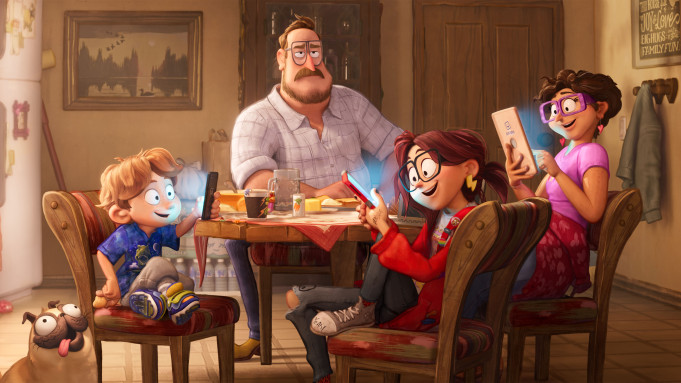
Movie Review: ‘The Mitchells vs. the Machines’ is clever, funny and even has a #JDTear or two


Director: Mike Rianda, Jeff Rowe
Writers: Mike Rianda, Jeff Rowe
Stars: Danny McBride, Abbi Jacobson, Maya Rudolph, Eric Andre, Fred Armisen

Synopsis: A quirky, dysfunctional family’s road trip is upended when they find themselves in the middle of the robot apocalypse and suddenly become humanity’s unlikeliest last hope.

[/info]

This will come as no shock, but The Mitchells vs. the Machines is another hit for Lord Miller Productions. This is the same house as the Oscar-winning Spider-Man: Into the Spider-Verse, both Cloudy with a Chance of Meatballs‘ and both Lego Movie movies, all good to very good efforts. Perhaps you argue the sequels aren’t slightly lesser, but the first Cloudy with a Chance of Meatballs and Lego Movie are right up there with some of the best animation of the last decade as well. Regardless of who’s directing them (and no slight to Michael Rianda and Jeff Rowe), Lord Miller Productions is showing prowess that equals Pixar and Laika Studios. And with The Mitchells vs. the Machines, that trend very much continues.

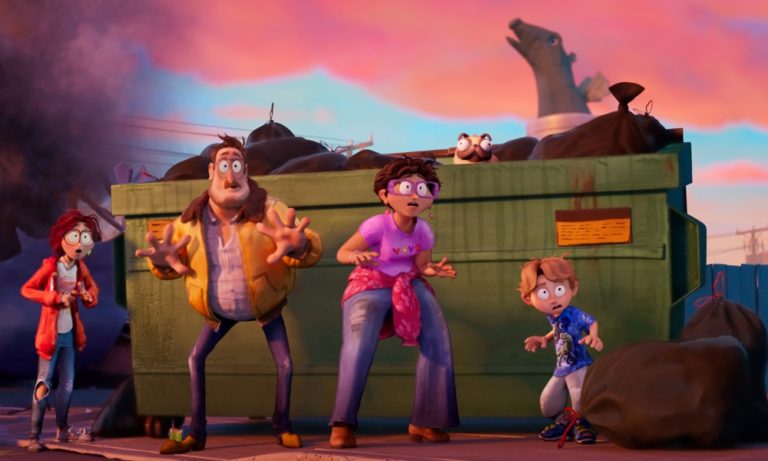
The Mitchell family is your normal dysfunctional family. Each member has their idiosyncratic identifier that makes them quirky and unique. For Katie (Abbi Jacobson), she wants to be a filmmaker. Her short films are clever and fun, despite the low-budget quality. Her father on the other hand (Rick, played by Danny McBride) is a naturalist who loves the outdoors and working with his hands. His ignorance to computers and technology creates a wedge between he and Katie. So as Katie prepares herself for college, Rick is worried that she may fail and wants her to have a backup plan. This, of course, leads to a quarrel that strengthens the wedge between them. To help remedy this, Rick decides to take everyone on a road trip so they can bond one last time as a family.

There’s only one problem. Mark Bowman (Eric André) has invented an AI that decides to take over the world when he built a new, slicker AI to replace the old one. PAL (voiced wonderfully by Olivia Colman) gains control over all machines with a PAL computer chip – and in this world that’s most machines – which leads to a global apocalypse of sorts. The idea of a robot uprising is a classic cinematic trope, as well as in recent years the notion of artificial intelligence and the dangers it presents, however, The Mitchells vs. the Machines is able to convey its ideas in refreshing and clever ways. Technology and social media companies selling data for profit is a hot button issue in today’s social discourse, but the film isn’t interested in being a biting commentary on the issue. Sure, it has its warnings, but mostly those ideas here are playfully antagonistic.

One flip of the coin that’s very interesting is Eric (Beck Bennett) and Deborahbot 5000 (Fred Armisen), two robots who are partially destroyed in their pursuit of the Mitchell family. As a side effect, their wiring is reconfigured and can bypass PAL’s orders. They become secondary members of the Mitchell family and offer up some of the film’s best comedy in the process. A heartwarming throughline on its own, but the distinctive traits demonstrated by Eric and Deborahbot 5000 are simultaneously appropriate thematically.

A transition I’ll use to talk about the fundamental throughline at the heart of this film between Katie and Rick. For as hilarious as The Mitchells vs. the Machines is at times, it’s equally very moving. Rick may not be able to relate with Katie, but the film (through various flashbacks) show us that Rick does very much love his daughter and would do anything for her. The scenes of Rick reminiscing about young Katie rendered more than a few #JDTears. On the same token, Katie struggled to relate to her father, but thanks to you dinosaur loving brother Aaron (Michael Rianda), she slowly but surely starts to learn more of Rick’s perspective. That duality is compelling, but it’s interesting how the film examines it in editing and storytelling. I don’t want to give too much away, but the filmmaking goes out of its way to heighten the parallels between Rick and Katie. Not to mention, there’s a great gag with Linda (Maya Rudolph) near the end that had me in stitches as well.

The Mitchells vs. the Machines isn’t re-inventing the wheel narrative, but it does take classic tropes and reinvigorates them with intuitive creativity. Much of its style will remind you of Cloudy with a Chance of Meatballs, but perhaps with a pinch of Scott Pilgrim vs the World. The animation is colorful and sharp. The design of PAL is simple, yet effective. Despite being first-time directors, Rianda and Rowe have a firm control over every scene and how it’s all rendered.

It likely would have made for a great theater viewing experience, but Netflix has a winner on its hands. Lord Miller Productions, like many of its rivals, has a formula that they know how to mold, and that is very exciting for animated movie fans. It will be very interesting to see what they do next, but for now, go see and enjoy The Mitchells vs. the Machines.

Grade: A-

Classic Film Review: ‘Fame’ Needed That Norman Jewison Touch


Director: Alan Parker
Writers: Christopher Gore
Stars: Eddie Barth, Irene Cara, Lee Curreri, Laura Dean, Antonia Franceschi

Synopsis: Young men and women audition for coveted spots at the New York High School of Performing Arts. Those who make the cut discover that it takes a lot of hard work to become a star and sometimes difficult decisions have to be made.

[/info]

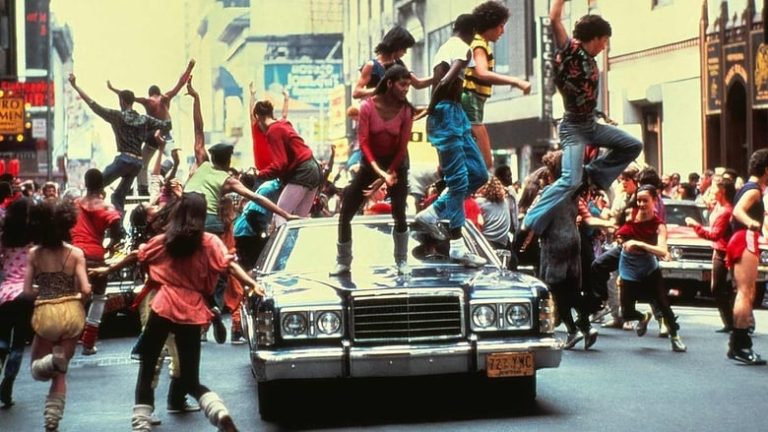
Musicals in the 1980s were a very strange beast. They were no longer a genre that could reliably bring in money and were generally viewed as a risky investment. A film like Grease 2 (1982), which much have looked like a surefire blockbuster on paper, ended up becoming box office flops and the targets of snarky comments from critics. Dance movies began to take over and the erotically charged Flashdance (1983) made a traditional musical like A Chorus Line (1985) look outdated. This is the environment that Fame (1980) came out in and it’s remarkable to note that it succeeded against all odds. Perhaps this was because Alan Parker tried to turn this into a gritty, serious character study about kids who will face consequences if they don’t succeed as entertainers. It’s more downbeat than your average teen drama and that’s why it initially appealed to me. 

It follows the lives of several troubled teenagers over four years, as they attend the High School of Performing Arts in New York City. We primarily focus on the shy, untalented Doris Finsecker (Maureen Teefy) who is accepted into the school because she has no other options. She befriends Montgomery MacNeil, Paul McCrane, and when he comes out to her, she is supportive of him. The two face various obstacles as they try to succeed in subjects that ask a lot of them. We also follow the ups and downs that musician Bruno Martelli (Lee Curreri) experiences. He wants to push boundaries but he is held back by the fact that his tutors emphasise a focus on classic music. Leroy Johnson (Gene Anthony Ray) is a dancer who struggles with the workload that he has been handed. All of these high school students, and others, are seen as at-risk adolescents who can find comfort and safety through the performing arts.

The script is one of the biggest problems here and it ensures that Parker’s efforts to ground this story in a harsh, bracing reality, are unsuccessful. All of the main characters are stock archetypes and we can tell how each of their storylines are going to wrap up. Perhaps if the script had really committed to being about one or two of them, there would have been time to wring pathos out of one of their character arcs. As it is, we feel like we’re seeing a season of television that has been squashed into 133 minutes. Characters have to tell us exactly how they feel so that crucial aspects of their emotional development can be communicated within one scene. They can’t deviate from any of the clichés, because then they wouldn’t be able to spread an inspiring message about art fixing all problems. 

Maybe I would have liked the script more if Parker’s realism hadn’t clashed with the sunny sentimentalism of the final scenes. If a Norman Jewison or a Richard Attenborough had helmed this project, it might have just been a happy-go-lucky celebration of the power of dance. The scenes where the teenagers spill out onto the streets and rock along to some music wouldn’t have felt like a bizarre diversion from the real story. If there had been more emphasis on the musical numbers and less plot, I could have cut the screenwriters more slack for producing such thinly drawn characters. 

What you do get out of having Parker as a director, is a couple of wonderful sequences in which he is able to draw links between all of the different characters. The opening audition scenes are full of energy and we immediately get a sense of what drives each of these kids to want to attend this school. Nothing that Parker achieves is subtle but he does provide us with close-ups of shaking hands and dilated pupils that manage to get across the feeling of stress and anxiety. He also proves to be a master of pacing during these opening scenes. He understands that we need to spend a bit more time with Finsecker, as she is both hesitant and subconsciously excited by the thought of performing for others. He’ll rush us through the auditions of characters who have less complex motivations and then quickly circle back around to the people that we’re more invested in. We never find ourselves getting lost amidst all of the shifting around and Parker seems to be supremely confident and in control during this section of the film.

Those are the things that differentiated Fame from other musicals of this period. It doesn’t drag and Parker does seem to have a legitimate point of view on so many of the topics he’s touching on. He has to contend with the fact that everything has to be moved through very quickly but he does linger on individual movements whenever the film breaks out into a rehearsal scene. He has an appreciation for the human form that helps him to overcome an occasional overemphasis on the bland choreography. There’s so much to love here, it’s just a shame that Parker couldn’t quite pull all of it together. This is an unbalanced mess at a lot of points and that stops you from fully enjoying its occasional moments of greatness. 

Grade: C-

Movie Review: “Four Good Days” Presents Insights on Addiction Under a Conventional Façade


Director: Rodrigo García
Writers: Eli Saslow, Rodrigo García
Stars: Glenn Close, Mila Kunis, Stephen Root, Joshua Leonard, Sam Hennings

Synopsis: 31-year-old Molly begs her estranged mother Deb for help fighting her drug addiction. Despite all she has learned over a decade of disappointment, Deb throws herself into one last attempt to save her daughter.

[/info]

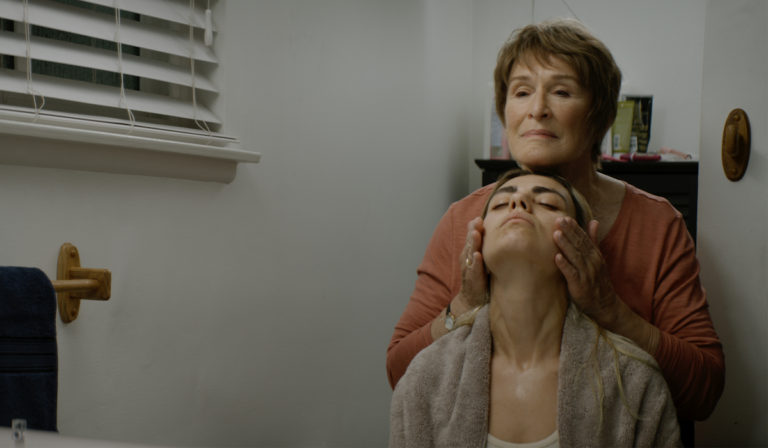
When we meet Molly (Mila Kunis) in Four Good Days, she is frantically knocking on the door of her mother’s house Deb (Glenn Close). Haggard and dirty, she begs for a place to stay. She has been living under a bridge, she is trying to get clean, and she is now determined to get help for her drug addiction. This time she means it, she says. However, an incredulous Deb has gone through this too many times to budge easily, leaving her outside for the night. This painful and tough exchange is our introduction to the lives of a mother and daughter that have been dealing with Molly’s disease for the last 10 years.

In an unavoidable decision to help her, Deb lets her into her life one more time, and together they start a desperate and drastic journey of recovery. After trying everything – including 14 stints in rehab – Molly accepts to take a monthly injection that will work as an opium antagonist. The only challenge is that she must be clean for at least a week to start the treatment. With four days covered, she must go through an ordeal of four extra days.

Four Good Days, co-written and directed by Rodrigo García, is based on the Washington Post article How’s Amanda? A Story of Truth, Lies and an American Addiction, which at the same time is based on a true story. This piece exposes the problem of drug addiction in the United States through the story of a woman’s dependence on painkillers that soon after evolved into heroin addiction. The movie works as a faithful adaptation of the article, dramatizing some of the most critical passages of a harsh depiction of this problem in America.

More than focusing on Molly’s journey, though, the adaptation centers on Deb’s experience and struggle. This is Deb’s story, not Molly’s. We follow her when she leaves Molly alone to go to her job, we witness her anguish when she realizes that she forgot her purse at home at the easy access of Molly, and we see her when she goes through an agonizing uncertainty after Molly leaves her home after a heated argument. Four Good Days explores the heartache of those surrounded, but not afflicted, by addiction.

While the story hits familiar territory – it reminds us of the recent efforts Beautiful Boy (2018) and Ben is Back (2018) –, Four Good Days explores themes related to the experience of being a woman in her 30s going through addiction. In this regard, this film offers a unique perspective on issues related to societal expectations – especially explored through Deb’s backstory and Molly’s triggers –, past resentments and the pressure of being a mother while being an addict (Molly has two children that live with their father).

It is also filled with curses, shouts, and snarky comments that show the eroded relationship that exists between mother and daughter after a long and exhausting struggle. Molly is mean and manipulative, while Deb is obsessive and desperate. The film is filled with a suspicious atmosphere of deceit that captures the instability of an addict, the unreliability of their character, and the anguish of those around them. Despite this, the story insists on being inspiring, even going further than the original material with its positivity and resoluteness.

Nevertheless, the main triumph is the acting pair at the center of the film. Even though the script is dramatic and over sentimental, both actresses make it work. Some of the dialogue would have fallen flat on the lips of less committed actors, and while some scenes could have been easily omitted – an awkward conversation about a trans woman feels unnecessary and opportunistic –, Kunis and Close improve the film. Several of their discussions expand the addiction drama into a story of broken relationships and wasted opportunities.

Mila Kunis offers her best performance since Black Swan (2010) and reminds us of her dramatic skills. Her physical transformation is striking, while her volatility is realistic. She exudes a feeling of uncertainty that never allows us to trust her character.

For her part, Glenn Close is memorable as the pushy and annoying mother that does not know what to do to help her daughter. She is reliable, heart-breaking, and critical while offering hurtful comments that may inspire laughs from the audience. Close is subdued when Mila Kunis is explosive, and she is unpredictable when the rest of the cast is apathetic. She wears the gentle and exhausting mantle of being a scared mother in a helpless situation.

Four Good Days is a recognizable drama that is memorable because of its committed cast. Mila Kunis and Glenn Close bring to life a real story of devotion and resilience. While its façade may be conventional, the struggle and despair that are conveyed on-screen are affecting, celebrating a complicated but unbreakable bond between mother and daughter.

Grade: B-

Op-ed: 3 years ago, ‘Avengers: Infinity War’ Brought Failure to the MCU

“Oh, God…”

Steve Rogers (Chris Evans) laments the loss and devastation at the end of the Battle of Wakanda, minutes after Thanos (Josh Brolin) snaps his fingers and obliterates half the universe. The silence of death fills the forest, where people turned to dust at random. Sentences are left unfinished. A whisper of a wind highlights the emptiness following Thanos’ snap. Confusion turns to fear, which turns to grief. The Avengers, both on Earth and across the galaxy, are faced with something they haven’t faced before: total, utter, and complete failure. They had setbacks before, of course. But they were not prepared for the scale of this disaster.

When it comes to the four Avengers movies, everyone has their favorites. Some people love the “get the gang together” energy of the 2012 original, or the strange messiness of 2015’s Age of Ultron. Of course, 2019’s Endgame is one of the most viscerally crowd-pleasing superhero movies ever. For me, however, the doomed Infinity War ranks as the best one. Now I have heard the criticism that the movie has no stakes because everyone knew that there’d be a sequel and the universe will continue even beyond that. And I mean, sure, that’s technically accurate. But for me, the stakes of the film go further than just the snap.

Each of the main characters are faced with not only a formidable villain but also their own fears, anxieties, insecurities, and doubts. Thanos may always be one step ahead in their race against the clock, but he brings something out in them that terrifies them. The Avengers—both the originals and the newly inducted—are backed up against the wall and scrambling. It’s uncomfortable, it’s scary, and it makes for great drama. The fatality at the center of this movie—where literally the fate of the universe hangs in the balance—gives the film a somber and heightened feel. There are jokes, of course, and there are the epic moments we have come to love, or at least expect from the franchise. But that is but a band-aid for the truth we and the Avengers want to ignore: the only way this movie ends is if Thanos gets all the infinity stones and wipes out half of everything.

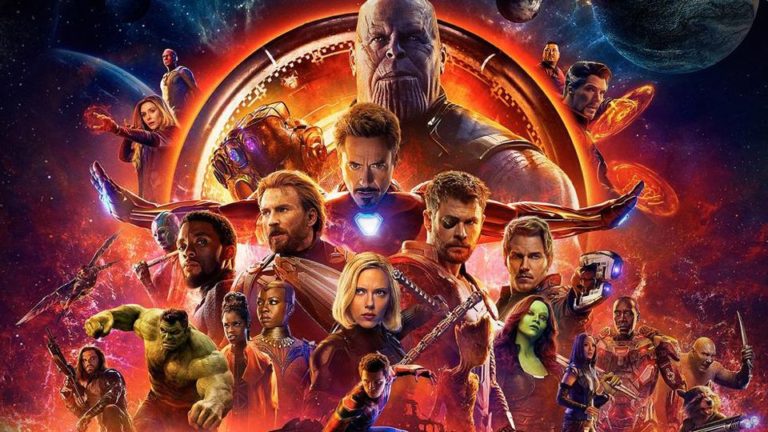
The stakes in Infinity War come from our heroes facing their exact fear. For Tony Stark (Robert Downey Jr.) and Steve Rogers, it’s confronting who they are without each other. Their clash in the previous movies divided the team and they can’t rely on each other. Thor (Chris Hemsworth) has to figure out his purpose in life after what’s left of Asgard is overtaken by Thanos. Peter Quill (Chris Pratt) is faced with a superior model of himself, one who so effortlessly embodies what Star-Lord wants and craves, reacting with impulsiveness and selfishness at crucial times. Bruce Banner (Mark Ruffalo) finds himself unable to transform into the Hulk, right when the Hulk is needed most. Dr. Strange (Benedict Cumberbatch) has to deliver the Time Stone, the one thing he protects most, to someone who will absolutely misuse it. Gamora (Zoe Saldana) comes to the horrifying realization that her father considered the torture and abuse she suffered at his hands’ acts of love. King T’Challa (Chadwick Boseman) and the powerful Wakandans are uncertain if their brilliant technology is even enough this time. Vision (Paul Bettany) puts his existence on the line. Finally, Wanda (Elizabeth Olsen) has to watch her one true love die twice, once by her hand for the greater good, the other out of her control. Even if these characters find small victories, they don’t last long.

Avengers: Infinity War (2018) - IMDb

One movie that Infinity War reminds me of is 1999’s Magnolia. Paul Thomas Anderson’s epic melodrama features interconnected people in Los Angeles grappling with their worst fears coming to light. And the Magnolia comparison isn’t just thematic. The editing in Infinity War (by Jeffrey Ford and Matthew Schmidt) is near breathless, especially as the film rolls towards its climax. Much like in Magnolia, the film moves from subplot to subplot and ratchets up the tension for each one. In Infinity War, it can feel almost unbearable at times, especially with the specter of inevitable failure hanging over the film. It’s such a unique tone for these films, which usually keep things light. Maybe the Magnolia comparison is a little silly on my part. But I want to appreciate that Infinity War has a structure unlike anything in the MCU that came before. Infinity War balances all these disparate characters and locations, keeping Thanos as its black-hearted core. It achieves this by hopping around relentlessly. It’s somewhat disorienting but in a way I find exciting.

As much as I love the doom and gloom of Infinity War, it is still an enormously entertaining movie for me. Thor’s arrival in Wakanda with Rocket Raccoon (Bradley Cooper) and Groot (Vin Diesel) ranks among my favorite moments in the whole franchise. Also, the “who is Gamora?” exchange still makes me laugh three years later. The thrill of seeing superheroes from different sub-franchisees interacting with each other keeps the film nimble, as does its focus on characters outside the main Avengers. Thanos himself is a compelling villain, not only for his effect on the Avengers but also because he seems himself as the hero of the story. All of these elements combined make Infinity War my favorite of the four Avengers movies and keep it fresh for me three years later.

Poll: What is the best “robot uprising” movie?

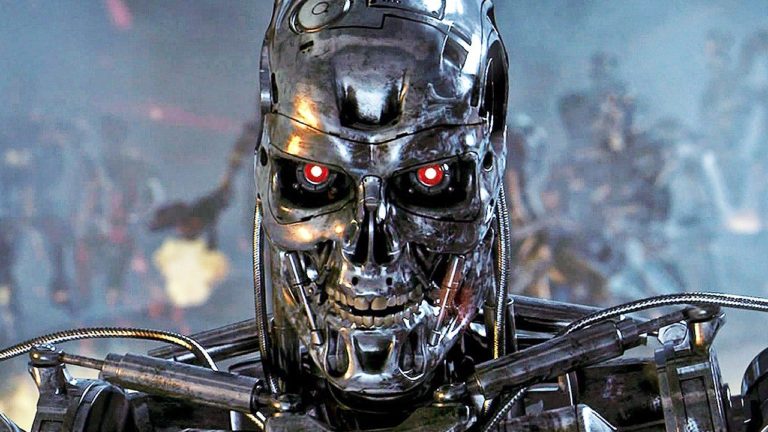
If last year’s documentary The Social Dilemma taught us anything, a robot uprising is no longer outside the realm of possibility. One day, we may even see some of the most classic science fiction novels filed under ‘non-fiction’ at your local bookstore. I am obviously jesting (sort of), but it felt appropriate to be a little comically subversive when the inspiration for this week’s poll comes in the form of Phil Lord and Christopher Miller’s latest animated production, The Mitchells vs. the Machines. Many films have shown us the uprising of artificial intelligence, but they don’t always lead to favorable results for the human race; here’s hoping the Mitchell family can save us this time around.

So what do you think is the best “robot uprising” movie? We realize this is a rather loose description, as some of these movies are less direct in their narratives about “robot domination”; but the implication is still there for all of them.


Chasing the Gold: Reaction to 2021 Oscars – Episode 36

On Episode 36 of Chasing the Gold, Ryan is joined by Mike1 and Also Mike of Mike, Mike, And Oscar to react to the 93rd Academy Awards.

And just like that, the 2020-2021 Oscar season is over. But as the winners were announced, surprises and outrage were part of what became the strangest telecast of our lifetime. Ryan and the Mike’s dive deep into why the winners were great but the ending of the ceremony was the biggest loser on the night.

On that note, have fun with this week’s Chasing the Gold, and let us know what you think in the comment section below. Thanks for listening!

– Music
The Return of the Eagle – Atli Örvarsson

We try to make this the best movie podcast we possibly can and we hope you enjoy them. Subscribe today on iTunes, Spotify, or Stitcher, and please leave us a review on iTunes. You can also find us on Soundcloud, PlayerFM, and TuneIn Radio as well. We really appreciate all your support of the InSession Film Podcast.

Subscribe to our Podcasts RSS
Subscribe to our Podcasts on iTunes
Listen on Spotify
Listen on Stitcher
Reaction to 2021 Oscars – Episode 36

[divider]

Mobile App

To hear this Extra Film episode and everything else we do, download our apps on the Amazon Market for Android and the Podcast Box app on IOS devices. The mobile app covers all of our main shows, bonus podcast’s and everything else relating to the InSession Film Podcast. Thanks for your wonderful support and listening to our show. It means the world to us!

[divider]

Help Support The InSession Film Podcast

If you want to help support us, we would greatly appreciate it! For more info, CLICK HERE.

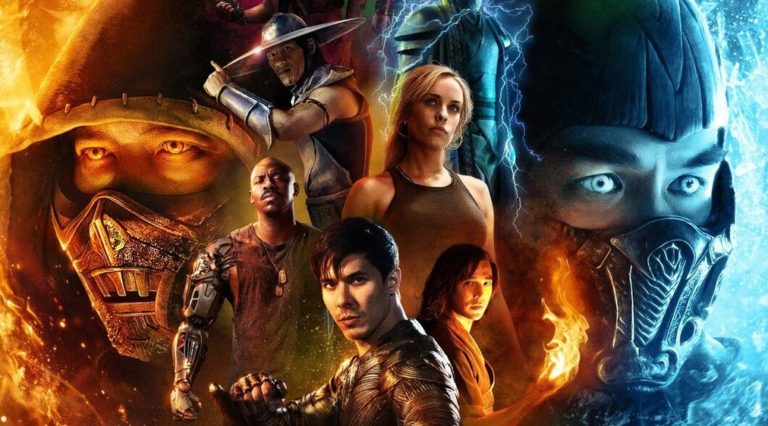
Podcast: Mortal Kombat / The Last of the Mohicans – Episode 427

This week’s episode is brought to you by Amazon Music Unlimited. Sign up and get it free for 90 days!

This week on the InSession Film Podcast, our own Joey Gentile joins us to discuss the new iteration of Mortal Kombat and the debacle that was this year’s Oscars ceremony. Plus, we continue our Michael Mann Movie Series with his 1992 film The Last of the Mohicans!

Big thanks to Joey for joining us this week. His impassioned takes and fun energy is always contagious, and this time it was no different. He may be an awards guru, but it turns out he’s a big fan of the Mortal Kombat franchise as well, which made for some interesting conversation. And then we turned our attention to The Last of the Mohicans, of all films. A bizarre double feature this week, but it made for an interesting thrill ride.

On that note, check out this week’s show and let us know what you think in the comment section. Thanks for listening and for supporting the InSession Film Podcast!

– Movie Review: Mortal Kombat (5:41)
Director: Simon McQuoid
Writers: Greg Russo, Dave Callaham, Oren Uziel (story by), Ed Boon (based on the videogame created by), John Tobias (based on the videogame created by)
Stars: Lewis Tan, Jessica McNamee, Josh Lawson

– Notes / Reaction to 2021 Oscars (58:05)

You’ll have to forgive us, as our decision to talk about the 93rd Academy Awards rendered a longer podcast than normal for us, but we had to get into the debacle that was the 2021 Oscars. It may have been an unfortunate year, in many respects, yet it was still a pretty good year for movies. Somehow, though, The Academy found a way to botch the celebration. We, of course, talk about that and the fallout from this past weekend.

[divider]

RELATED: Listen to Episode 423 of the InSession Film Podcast where we discussed The Tree of Life!

[divider]

Michael Mann Movie Series: The Last of the Mohicans (1:48:04)
Director: Michael Mann
Writers: Michael Mann, Christopher Crowe
Stars: Daniel Day-Lewis, Madeleine Stowe, Wes Studi

Show Sponsor: First Time Watchers Podcast

– Music

Techno Syndrome 2021 – Benjamin Wallfisch
I Am Scorpian – Benjamin Wallfisch
Last of the Mohicans Theme – Trevor Jones, Randy Edelman
The Return of the Eagle – Atli Örvarsson

Subscribe to our Podcasts RSS
Subscribe to our Podcasts on iTunes
Listen on Spotify
Listen on Stitcher
InSession Film Podcast – Episode 427

[divider]

Next week on the show:

Review: The Mitchells vs. the Machines
Top 3: N/A
Michael Mann Movie Series: The Insider

[divider]

Help Support The InSession Film Podcast

If you want to help support us, there are several ways you can help us and we’d absolutely appreciate it. Every penny goes directly back into supporting the show and we are truly honored and grateful. Thanks for your support and for listening to the InSession Film Podcast!

VISIT OUR DONATE PAGE HERE

New Criterion Releases: May 2021

In the month of May, as we dash through spring into summer, five more movies are now being introduced into the Criterion Hall of Fame. Okay, I’m being very snooty with that, but still. Each film going into another era of global cinema, including three from Hollywood from three different pieces – one of which is very well-known and is a brilliant addition. (In other words, gnarly, dude!) So, here are the new works to be bought from the CC.

Merrily We Go To Hell (1932)

In a film ahead in its time, Dorothy Arzner, the only female director in Hollywood at the time, brings a story about female liberation and the ideas of nonmonogamy. Before the Hays Code was implemented, the film gets away with such topics dunked in sophistication where it is not explicit enough. Fredric March and Sylvia Sidney portray the married couple whose relationship is tested due to social problems in the marriage, causing a radical solution to fix it: experimenting with having an open marriage. They are upper-class and watching the shine they carry darken quickly portrays a stunning piece of commentary on what marriage and love really mean.

Nightmare Alley (1947)

https://www.youtube.com/watch?v=idlYaKQ1yjw

A hidden gem in the film noir genre, Tyrone Power plays a carnival barker con artist who uses his charisma to exaggerate the claims of his traveling circus but his greed and lust convert into a darker side than the barker could ever bear. Based on the novel by William Lindsey Gresham, Power pushed for the role in order to expand his appeal beyond the romantic and pirate roles that brought him fame and, something unusual with noir pictures, the budget was fairly big and had a strong cast to go along with it. Unfortunately, it was not a success but was later rediscovered and found to be a much better film among contemporary critics. The release on Criterion comes at the right time as Guillermo del Toro has taken his turn adapting the novel to be released later this year starring Bradley Cooper, Cate Blanchett, Willem Dafoe, Toni Collette, Richard Jenkins, Ron Pearlman, Rooney Mara, and David Strathairn.

Trances (1981)

Moroccan band Nass El Ghiwane and the major following the subject of this incredible documentary about exploring sounds that form the trance genre with swaying music and lyrics influenced by old poems that started a new social movement in a turbulent era across the region. The film uses concert footage, interviews, and archives to trace the beginnings of a phenomenon that went beyond northern Africa. It is one of Martin Scorsese’s noted picks for the World Cinema Foundation as he called Trances his first taste of African cinema and even used a song from the band in The Last Temptation of Christ.

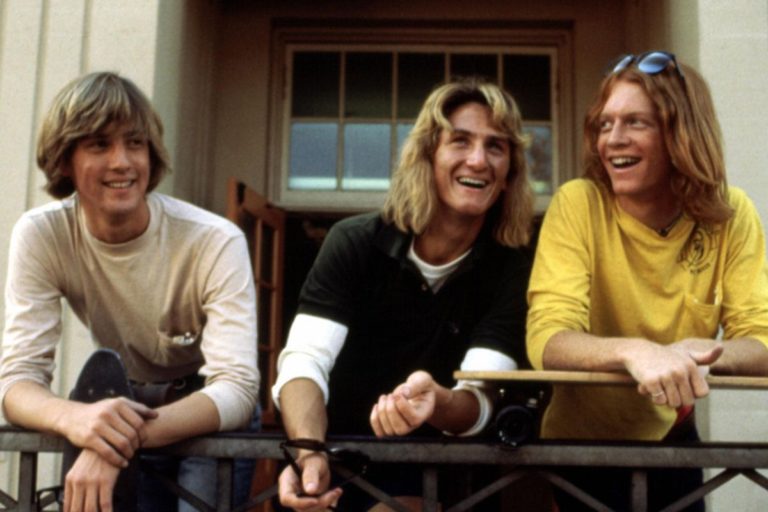
Fast Times At Ridgemont High (1982)

Order a pizza and learn about Cuba in an all-time teen comedy classic by Amy Heckerling and scripted by Cameron Crowe. The antics of the students are all over, where they all deal with different problems such as having sex for the first time, relationships, and learning the ways of officially being an adult. The cast that would become stars later in their career includes Jennifer Jason Leigh, Judge Reinhold, Phoebe Cates, Robert Romanus, Forest Whitaker, and Eric Stoltz, with minor roles played by Nicholas Cage, Pamela Springsteen (sister of Bruce), Lana Clarkson (murder victim of Phil Spector), and Nancy Wilson, who later marry Crowe. But the star of all this is Sean Penn as Jeff Spicoli, a stoner who runs afoul of his no-nonsense teacher but remains the defiant clown.

Flowers of Shanghai (1998)

A key player in Taiwan’s New Wave, director Hou Hsiao-hsien sews courtesans and their lovers under the haze of oil lamps in one of the 1990s most beautiful films. It’s late-19th century Shanghai, and with the courtesans litertally enclosed in jails until they can buy their way out, the intersecting stories suck you in and leave a scent of opium as betrayal, desire, and freedom in its wake with every turn. Shanghai is made with such sophistication that maybe one viewing won’t be enough to go through the deep layers of emotion between the flower pedals.

Follow me on Twitter: @brian_cine (Cine-A-Man)

Chasing the Gold: ‘Nomadland’ Triumphs with Best Picture Oscar Win as Frances McDormand and Anthony Hopkins Take Acting Honors

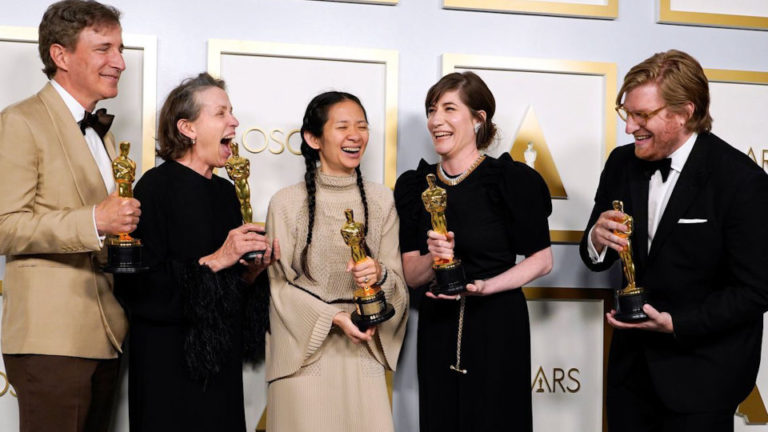
The 93rd Academy Awards took place in Los Angeles last night, with Chloe Zhao’s Nomadland taking an expected Best Picture victory along with Zhao becoming only the second woman to ever win Best Director.

In a breaking of tradition, Best Picture was not the final award of the night, with Best Actor and Best Actress instead given the honors of closing out the show. Sir Anthony Hopkins and Frances McDormand were the recipients of those, with the latter’s victory a sign of how much the Academy loved Nomadland and McDormand’s performance in what was a very strong category.

Hopkins’ win came as a surprise to some – not because his performance isn’t great, but because the decision to move Best Actor last prompted many to assume the late Chadwick Boseman may be honored as the night closes, especially after a rushed In Memoriam section. This wasn’t to be, but the strange production decision to move this award last shouldn’t take anything away from Hopkins himself.

Elsewhere in the acting categories, Daniel Kaluuya and Youn Yuh-jung triumphed for their performances in Judas and the Black Messiah and Minari respectively. Judas also for Best Original Song, in a category that was far too close to call.

While categories were presented from Los Angeles, there were other locations on hand hosting nominees across the world. The BFI institute in London held many of the British stars, as well as those working or living here and Paris, hosted many nominees too, such as Florian Zeller.

Zeller’s The Father had a good night, not only because of Hopkins’ win but also taking the Adapted Screenplay prize just as it did with the BAFTAs. In fact, the BAFTAs proved this year to be an extremely telling precursor, with overlaps in almost every single category. This includes Emerald Fennell’s Best Original Screenplay win for Promising Young Woman and Tenet winning for Visual Effects.

One category which didn’t replicate the BAFTAs was Best Cinematography, where Mank’s Erik Messerschmidt took the prize ahead of the likes of Nomadland, just as it happened at the American Society of Cinematographers.

In a night where Ma Rainey’s Black Bottom could’ve joined a small group of films to have won Best Actor and Best Actress, George C. Wolfe’s production instead took home two of its expected wins – Makeup and Hairstyling and Costume Design.

Both Sound of Metal and Soul also took home two awards each, winning Sound and Film Editing and Score and Animated Feature respectively.

Aaron Sorkin’s The Trial of the Chicago 7 was the only Best Picture nominee to not win a single award

One of the night’s most touching speeches came in the form of Danish director Thomas Vinterberg, who’s heartfelt acceptance of Another Round’s Best International Film was dedicated to his late daughter who tragically lost her life.

This year’s Oscars will certainly be remembered because of its unique style and presentation, but let’s hope next year will feel a lot more normal.

A full list of winners can be found below. Let us know what you thought of this year’s Oscar winners.
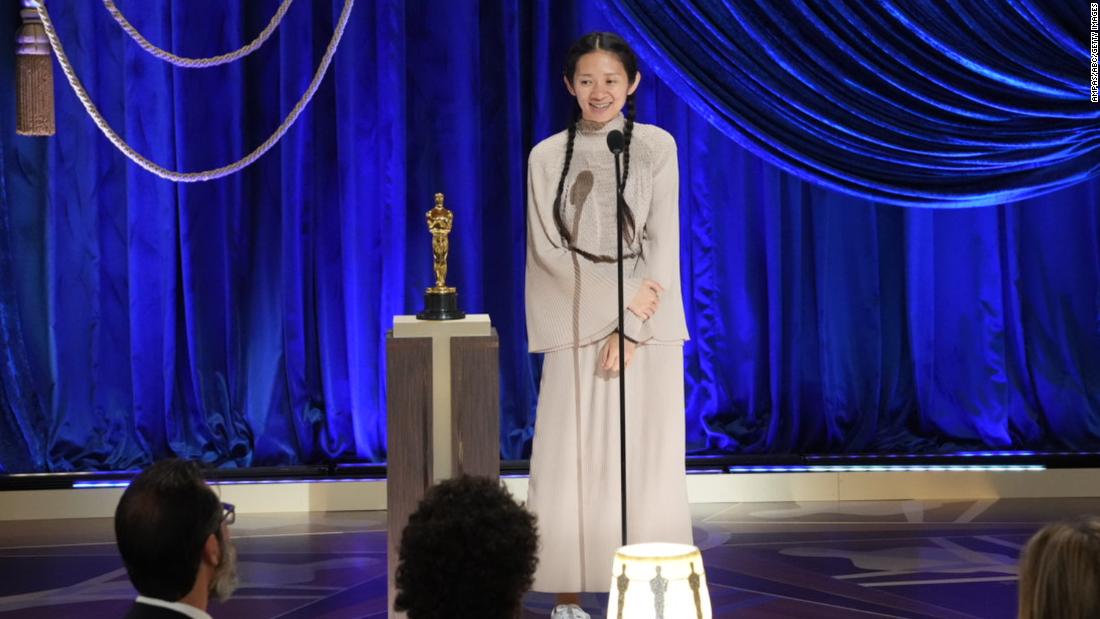
Academy Awards 2021: 'Nomadland' wins best picture at an Oscars that  spreads the wealth - CNN

Best Picture: Nomadland

Best Actor: Anthony Hopkins (The Father)

Best Actress: Frances McDormand (Nomadland)

Best Director: Chloe Zhao (Nomadland)

Best Supporting Actor: Daniel Kaluuya (Judas and the Black Messiah)

Best Supporting Actress: Youn Yuh-jung (Minari)

Best Original Screenplay: Promising Young Woman

Best Adapted Screenplay: The Father

Best International Film: Another Round

Best Animated Feature: Soul

Best Documentary: My Octupus Teacher

Best Cinematography: Mank

Best Score: Soul

Best Song: “Fight for You” from Judas and the Black Messiah

Best Sound: Sound of Metal

Best Makeup & Hair: Ma Rainey’s Black Bottom

Best Costume Design: Ma Rainey’s Black Bottom

Best Production Design: Mank

Best Visual Effects: Tenet

Best Documentary Short: Colette

Best Live Action Short: Two Distant Strangers

Best Animated Short: If Anything Happens I Love You

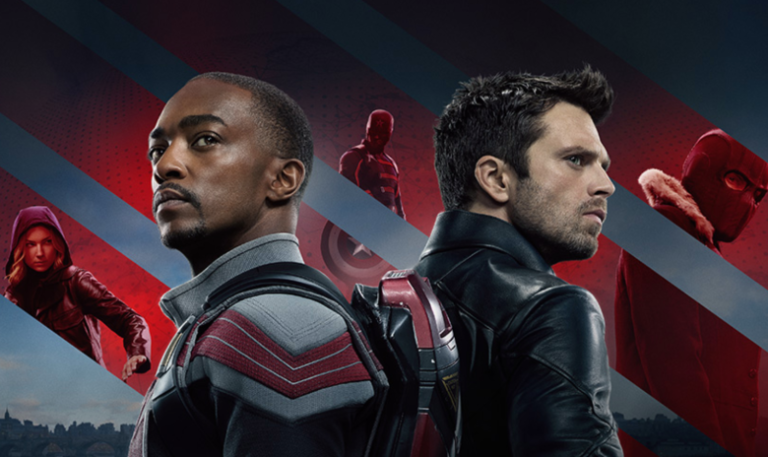
Livestream Podcast: The Falcon and The Winter Soldier

On our latest YouTube livestream, Richard Newby of The Hollywood Reporter joins JD to talk about Marvel’s The Falcon and The Winter Soldier!

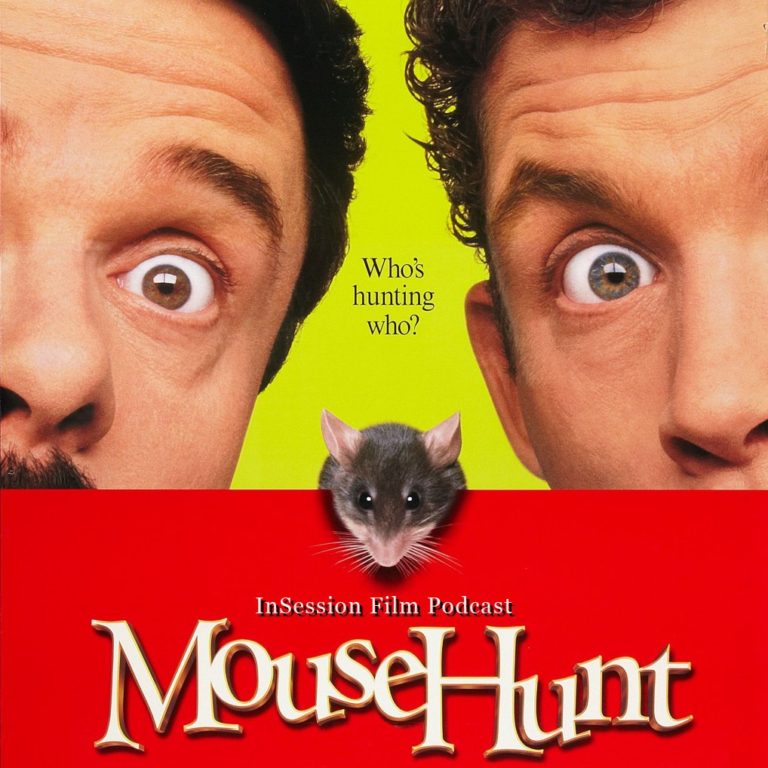
Podcast: Mouse Hunt / The Ring – Extra Film

This week on Extra Film, Ryan and Jay begin their Gore Verbinski Movie Series with his dark comedy Mouse Hunt, and they also discuss the horror film The Ring.

As the boys on Extra Film just wrapped up their Wilder Movie Series, a new director emerges to take over the next couple of months and that is none other than Gore Verbinski. With his first film, breaking away from his start as a music video director, he directs what looks like a kid’s movie but is a lot more sinister and darker when you see it now in Mouse Hunt. This was a real treat to hear the guys talk about this one.

In the back half of the episode, the boys continue to talk about Verbinski with his horror remake classic The Ring. Billed as one of the scariest films of the 21st century, The Ring dominated the culture with a tape that will kill you seven days after viewing it. For the guys, it didn’t age quite well, with Ryan really having a lot of story problems. Overall, still a pleasant listen if you are a fan of this property.

Thanks for listening!

– Movie Review: Mouse Hunt (7:08)
Director: Gore Verbinski
Screenplay: Adam Rifkin
Stars: Nathan Lane, Lee Evans, Maury Chaykin, Christopher Walken

– Movie Review: The Ring (50:30)
Director: Gore Verbinski
Screenplay: Ehren Kruger
Stars: Naomi Watts, Martin Henderson, David Dorfman, Brian Cox

– Music

Mouse Hunt – Alan Silvestri
The Ring Theme – Hans Zimmer
The Return of the Eagle – Atli Örvarsson

We try to make this the best movie podcast we possibly can and we hope you enjoy them. Subscribe today on iTunes, Spotify, or Stitcher, and please leave us a review on iTunes. You can also find us on Soundcloud, PlayerFM, and TuneIn Radio as well. We really appreciate all your support of the InSession Film Podcast.

Subscribe to our Podcasts RSS
Subscribe to our Podcasts on iTunes
Listen on Spotify
Listen on Stitcher
Mouse Hunt / The Ring – Extra Film

[divider]

To hear this Extra Film episode and everything else we do, download our apps on the Amazon Market for Android and the Podcast Source app on IOS devices. The mobile app covers all of our main shows, bonus podcasts and everything else relating to the InSession Film Podcast. Thanks for your wonderful support and for listening to our show. It means the world to us.

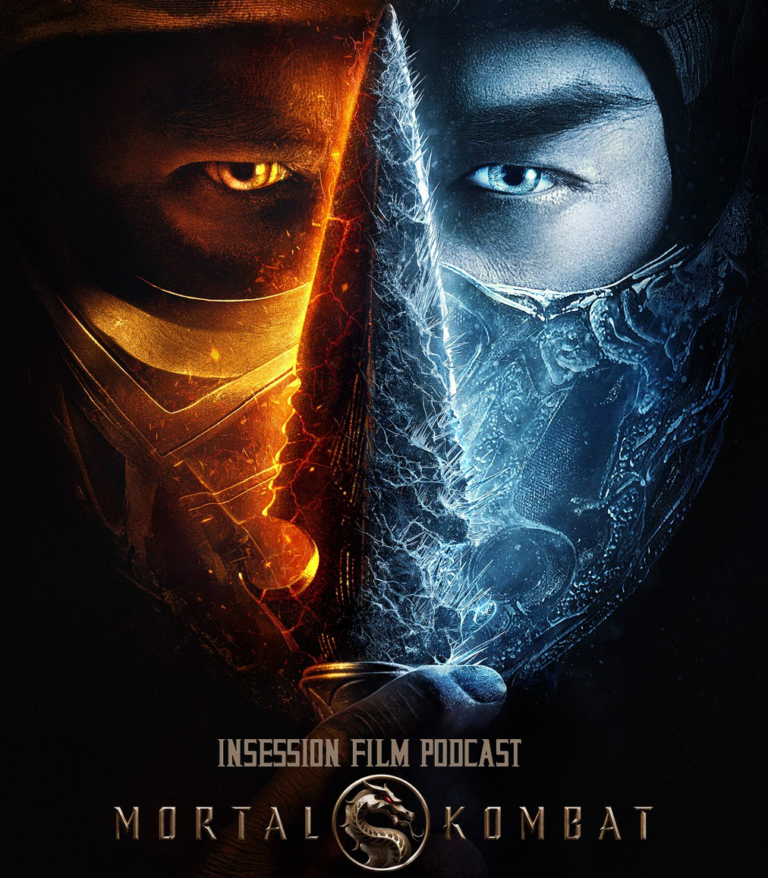
Movie Review: ‘Mortal Kombat’ Scores a ‘Meh’tality


Director: Simon McQuoid
Writers: Greg Russo and Dave Callaham; Oren Uziel (story by); Ed Boon and John Tobias (based on the game)
Stars: Lewis Tan, Jessica McNamee, Josh Lawson, Joe Taslim, Hiroyuki Sanada, Tadanobu Asano, Chin Han

Synopsis: MMA fighter Cole Young seeks out Earth’s greatest champions in order to stand against the enemies of Outworld in a high stakes battle for the universe.

[/info]

The Mortal Kombat games have storylines?! They do, as co-creators Ed Boon and especially John Tobias intended — as well as every subsequent developer in this lasting beat-‘em-up franchise, and they will either adhere or riff off the concept of markedly different worlds conquering each other after 10 victories in one-on-one fights. Such dedication and polish for something that is often considered filler for players in the bigger picture, even if, without a doubt, there is more than one person out there who describe all the effort as “ah, the fighting game with a guy who shoots ice.” Quite the Brutality, methinks. 

That said, when Mortal Kombat transports itself from game-realm to cinema-realm, it better has a narrative. Twice this had happened, in 1995 and 1997, so if the saying goes this attempt from Greg Russo and Dave Callaham, working off a story from Oren Uziel, should be where the charm is. Strictly B-level, but no apologies there. Yet after laying out how the sorcerer Shang Tsung (Chin Han) and his chosen brawlers — teethy Mileena (Sisi Stringer), winged Nitara (Mel Jarnson), brutish Reiko (Nathan Jones), four-armed Prince Goro (Angus Sampson voicing an all-CG creation), Yautja-like Kabal (physically Daniel Nelson, vocally Angus Sampson) and chilly Sub-Zero (Joe Taslim) — is only one fighting tournament away from completing his invasion of Earthrealm, and that Shang Tsung himself is unfairly setting up an easy takeover by tasking Sub-Zero to wipe out our chosen warriors — the tragic Scorpion (Hiroyuki Sanada), sagacious Liu Kang (Ludi Lin), his smooth cousin Kung Lao (Max Huang), measured Jax (Mehcad Brooks), determined Sonya (Jessica McNamee), crude Kano (Josh Lawson) and our lead Cole Young (Lewis Tan) — the plot loses tension and drifts away from coherence fast. Apparently there are gods in this universe, as Lord Raiden (Tadanobu Asano) but-everyone-keeps-saying Ray-then can prove, but their most important function is to… deliver exposition? Is that dialogue meant to be humorous? Why does that serious dialogue sound humorous? So that was the cue to care about Cole as a person! The inability to embrace the inherent popcorn-silliness, introduce some popcorn-gravity or find a functioning combo is apparent, up until Act 3 where it’s highly likely that the most of the script pages have only the phrase “FIGHT!” sitting dead-center. Time to start #RestoreMortalKombat or #GetOverHereMKAssemblyCut if it can get the rest of the film to reach the same heights of the thrilling opener that falsely promises a Big Beatdown underlined by contrasts, retributions, and heritages.

Skipping all that aside, as folks would say one should since Mortal Kombat has never attempted to be high art, it’s still difficult to receive what Simon McQuoid and company are ready to give. Despite a budget of nearly $100 million that easily makes this the best-looking and best-sounding adaptation of the game to date — Cappi Ireland’s costumes are uber-detailed, Naaman Marshall’s sets can switch between epic tableaus and even-more-epic arenas with ease, Benjamin Wallfisch’s score is a holy union between retro gaming and grand orchestrating, and the fatalities are well visualized (Razor’s Edge!) — the visuals and direction are hampered by editors Scott Gray and Dan Lebental’s damaging reliance on choppiness. Bringing excitement it does not, and in its place are the difficulty to soak in the carnage and the recurring belief that there needs to be a patch to fix this thing’s frame rate. Right when our heroes and villains ask for the gifts and sensations that cross-cutting can bring, Gray and Lebental turn a four-way fight with one same cause into a hodgepodge with flailing figures and the occasional spurts of crimson. What a way to undermine the action choreography, which is gorgeous when you assemble it in your mind palace. To slander McQuoid, almost, by implying he couldn’t handle an action-heavy, game-based production when his portfolio asserts otherwise. And perhaps most fatally, to reduce the characters into machinations — Tan is supposed to be this MMA fighter-slash-family man who realizes he’s part of something grander, but in the end, the film finds him better suited as “Audience Surrogate.” 

As for the rest? “Plot Advancers Excellently Cosplaying Mortal Kombat Characters.” Such a shame as every actor who has to embody a character exudes great comfort in being one, namely Han, Sanada, Taslim, Lin, Lawson, and Huang. The latter two know they’re part of a game-to-film project for sure; Huang, a member of the Jackie Chan Stunt Team, however, seems to have been waiting for this moment. You could say their energy is a small win. It will take more than that or bloody fatalities for the experience to be a victory worth registering, of course. And the video-game curse delivers another K.O.*

(* Next time pack the production with people who have played the game being adapted. And double-vet your editors.)

Grade: C-

[divider]

Chasing the Gold: Best Picture Nominees Analysis (2021 Oscars)

Here it is, the big one. Best Picture. However, this is a year in which nobody is left questioning who is going to take home the award, instead of being much more fascinated in the close races such as Best Actress. Quite simply, it has felt like this race was locked up months ago when only one film was continuing to take home the big prizes. Regardless of how secure this race feels, let’s look at all of the nominations and see if there is a pathway for a shocking final announcement.

The Nominees:

The Father (2020) - IMDb

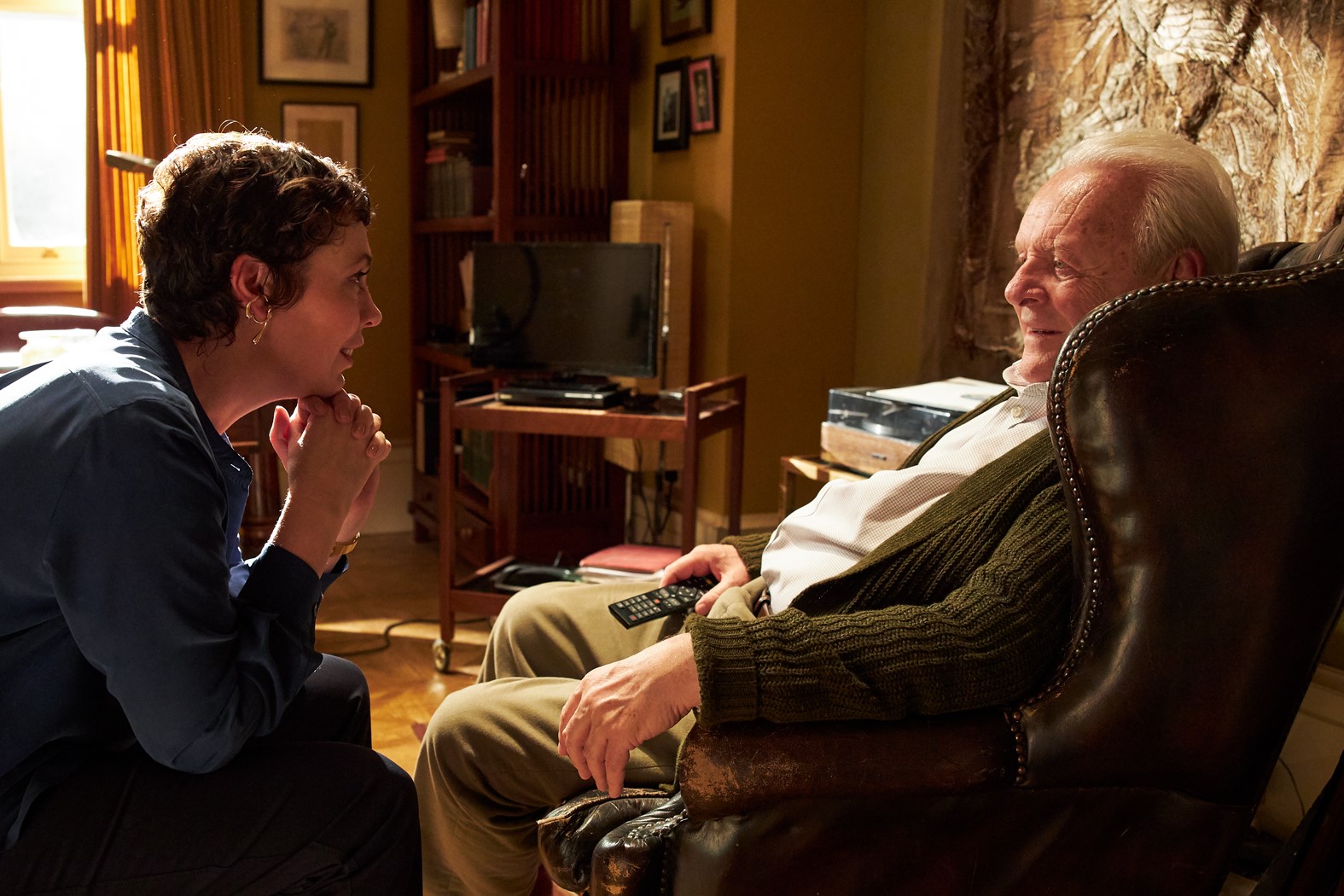
The Father – For a long time, many of us weren’t even sure whether The Father would get in. Sony Pictures Classic played the waiting game in giving people screeners and promoting the film, so when it ended up getting six nominations including Best Picture, I was extremely happy. It has also recently gone from getting no potential wins to at least one and being a threat in a few others. Unfortunately, the momentum won’t stretch to Best Picture, but I am glad it got a nomination here anyway.

Judas and the Black Messiah review: Daniel Kaluuya ignites the screen in  fiery, unmissable movie | EW.com

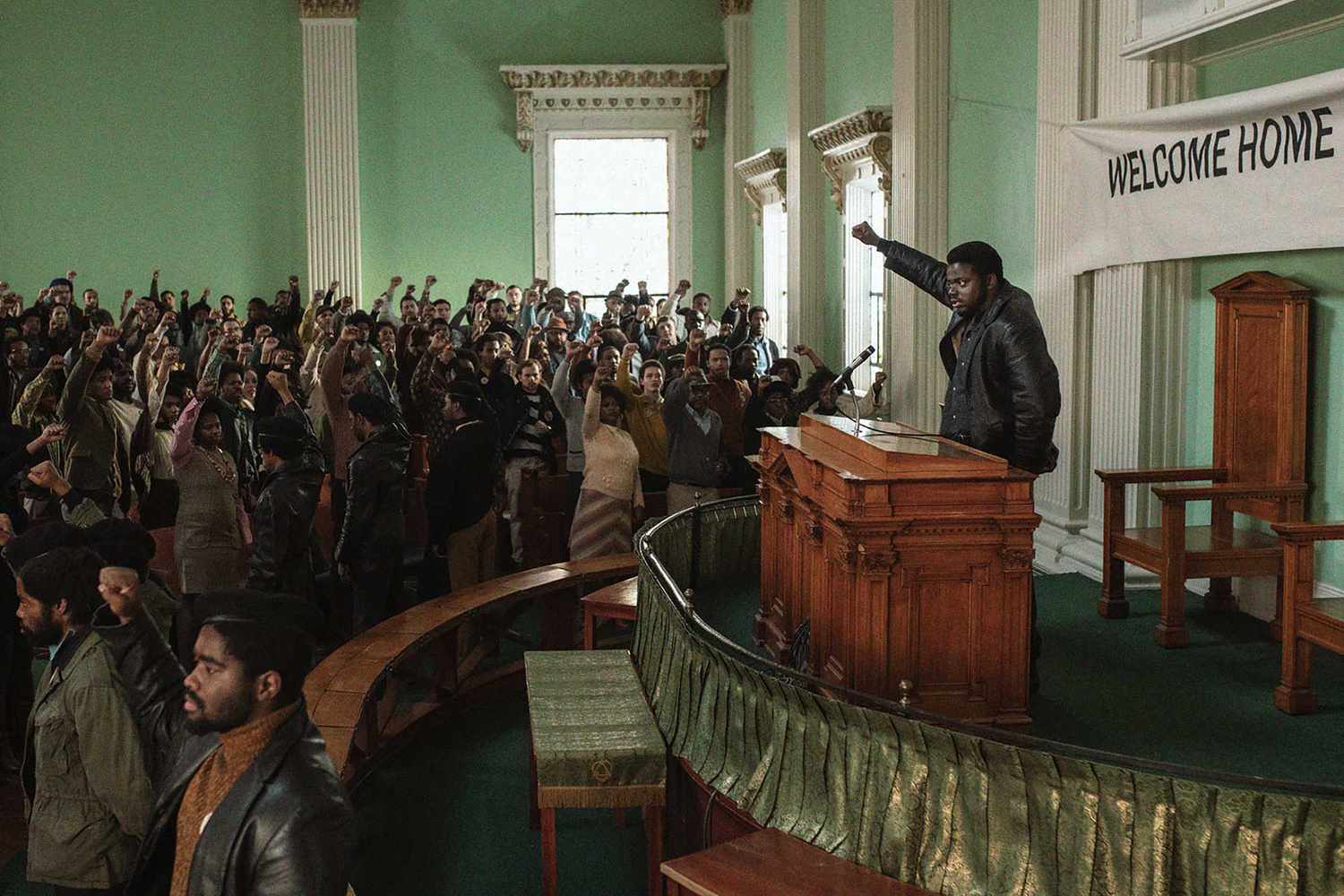
Judas and the Black Messiah – In a year that was so strong for black storytelling, it is a shame that only one of these frontrunner films actually got the Best Picture nomination. However, what a campaign that Warner Bros. made for this film and it certainly paid off when it got Lakeith Stanfield for a category none of us thought he was competing in. The film will walk away with a Supporting Actor win for Daniel Kaluuya, but that is as far as this film will get on Oscar night.

David Fincher's 'Mank' Trailer Debuts

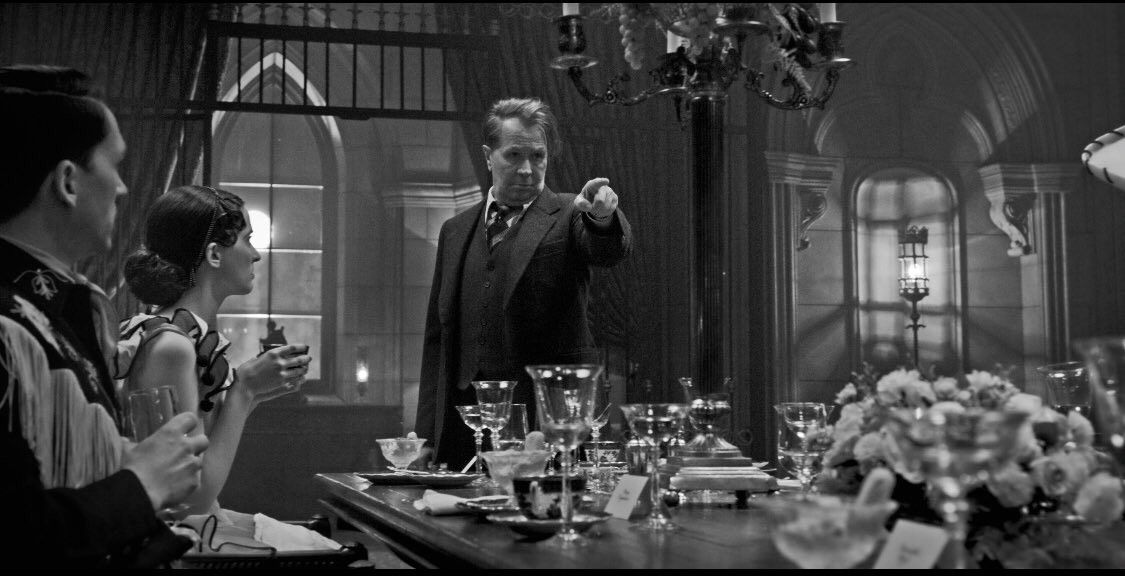
Mank Mank led Oscar nomination morning with 10, but that would have been a bit of a let-down for the film as it failed to get in for Best Original Screenplay and Best Editing. Let’s just say with missing those two categories alone, this film is already written off for the Best Picture win. It won’t go away empty-handed on Oscar night, but the nomination headline is going to be a bigger deal than what it ends up winning.

Minari Movie Review: A nuanced portrait of home, faith and family

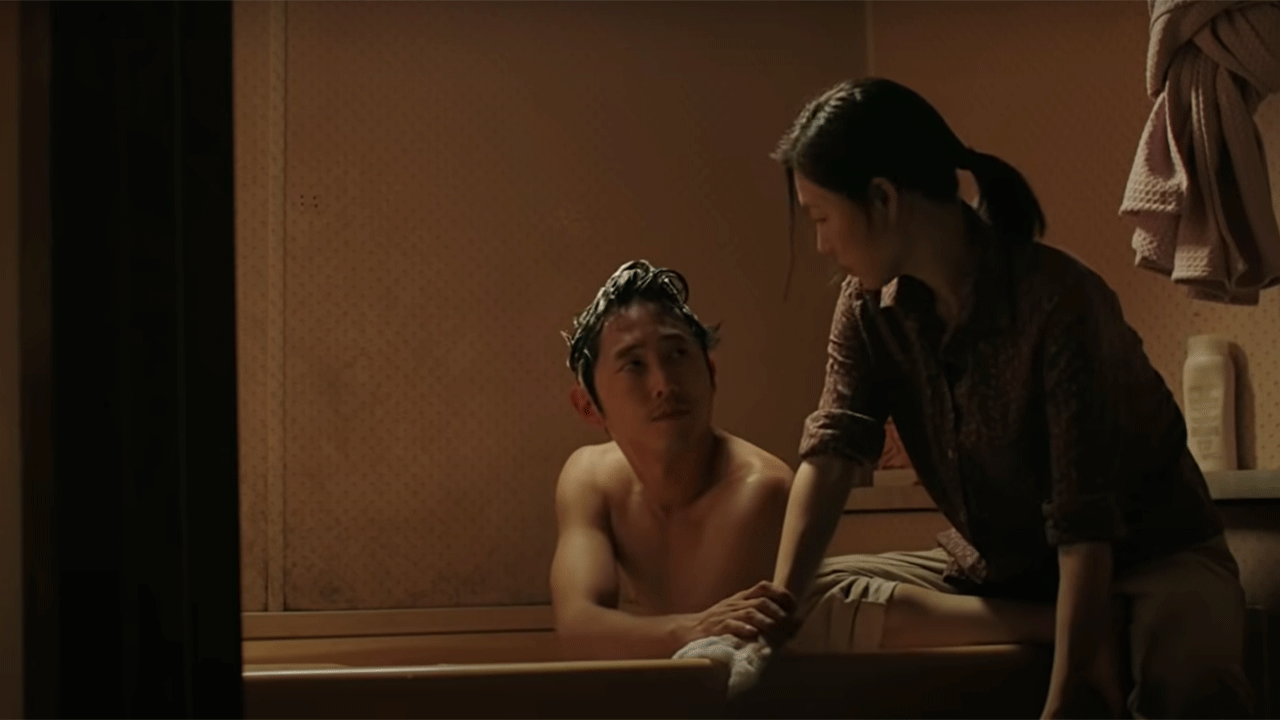
Minari – It has been a long time since A24 has had a good campaign for their films, but a lack of films in their catalog meant that this year they could put all of their money on Minari, and the price has been worth it. This is a film that is perfect for voting members, telling the story of the American dream through the eyes of a Korean family and having enough comedy, drama, and heartfelt narrative moments to keep any viewer engaged. It could have gone down the Parasite pathway last year, once again showing that a film doesn’t have to be completely in English to succeed, but this year is sadly locked up and it is not Minari’s day.

On Location: Chloé Zhao's 'Nomadland' Is a Love Letter to America's Wide  Open Spaces | Condé Nast Traveler

Nomadland – There was a time that Oscar pundits were doubting the potential of Nomadland to sweep the season, due to the type of film it is and the target audience. For a while, people were simply saying the film was winning the festivals due to a lack of contenders or simply defaulting to the same winner. Now, having won the Golden Globe for Drama, BAFTA, Critics’ Choice, on the way to the Spirit Independent, and the mass amount of festivals and critics groups that awarded it Best Picture – not to mention the fact that Chloé Zhao is winning Best Picture – it really feels like the race is over.

Review: 'Promising Young Woman' falters due to predictability

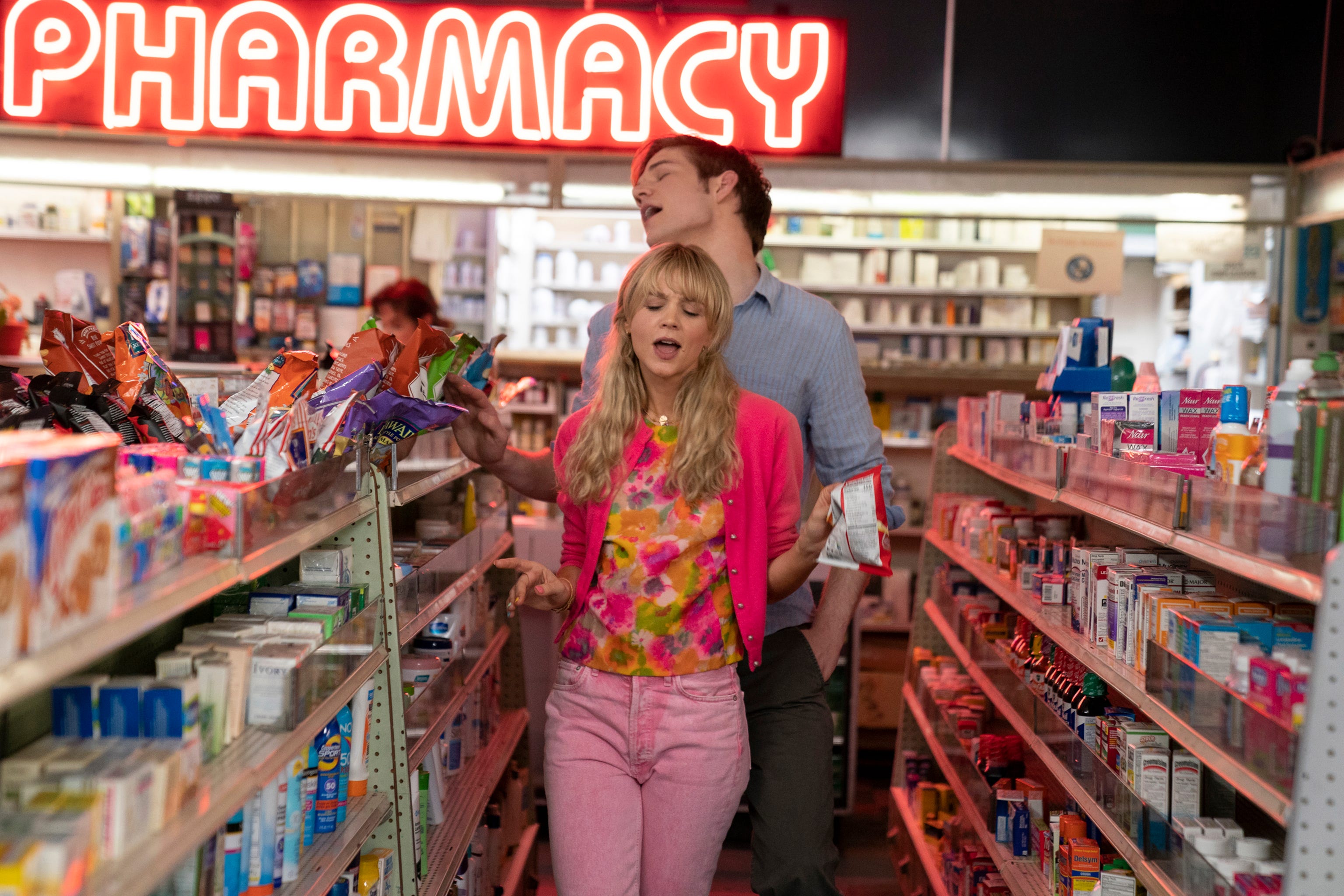
Promising Young Woman – In the past decade, only three films have won Best Picture whilst missing a nomination in either Director or Editing, and each of those three misses made sense. Birdman missed Editing, whilst Argo and Green Book missed Director. There are only two films in the Best Picture race that have both Best Director and Best Editing: Nomadland and Promising Young Woman. Based on this stat alone, and the fact that the Academy did not have a good reason to miss any of the other films in Director or Editing, does that make Promising Young Woman the strongest contender against Nomadland? The race seems sealed up but expect a shock here if there was to be one.

Review: 'Sound Of Metal' Delivers A Searing Riz Ahmed Performance : NPR

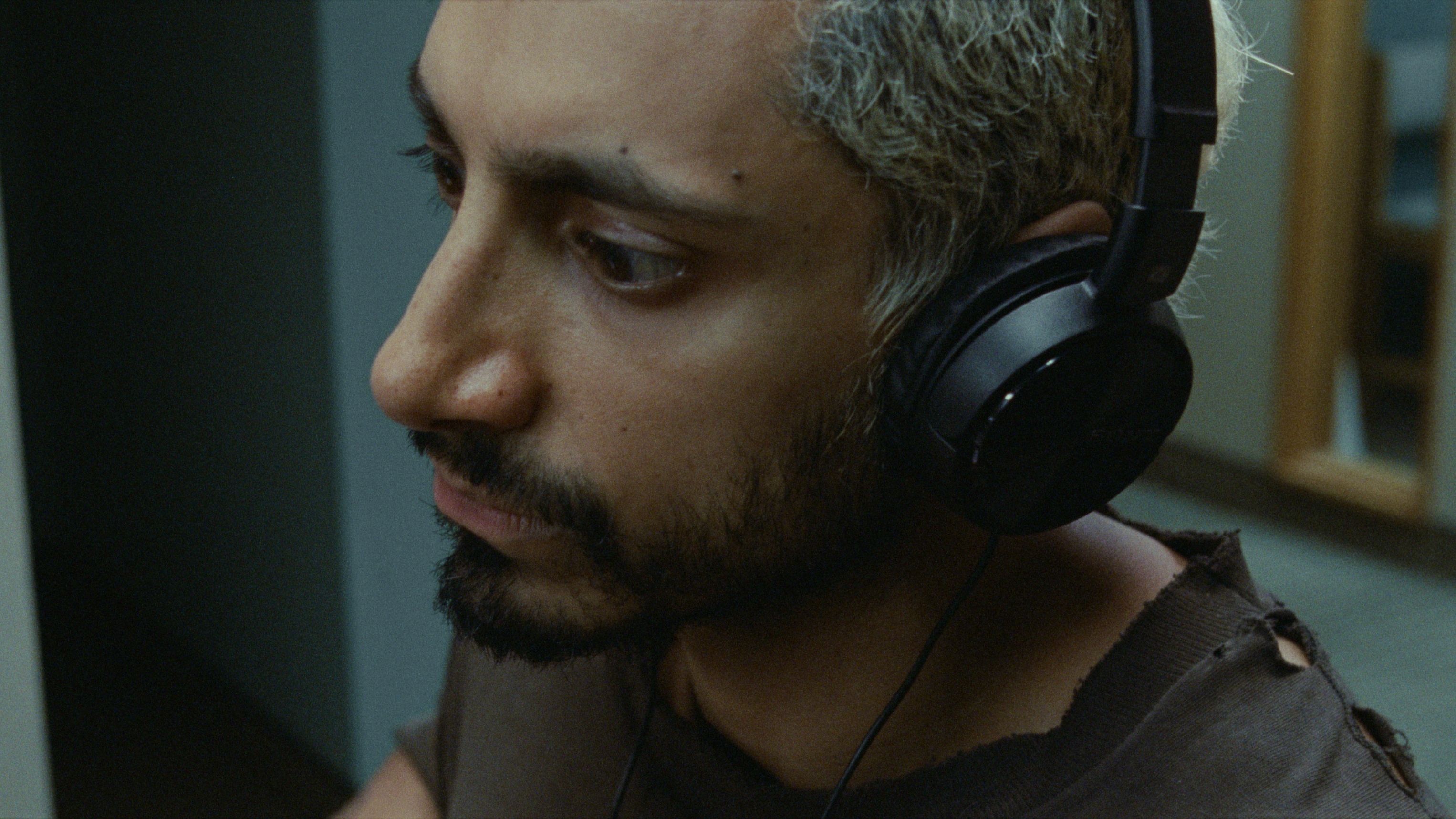
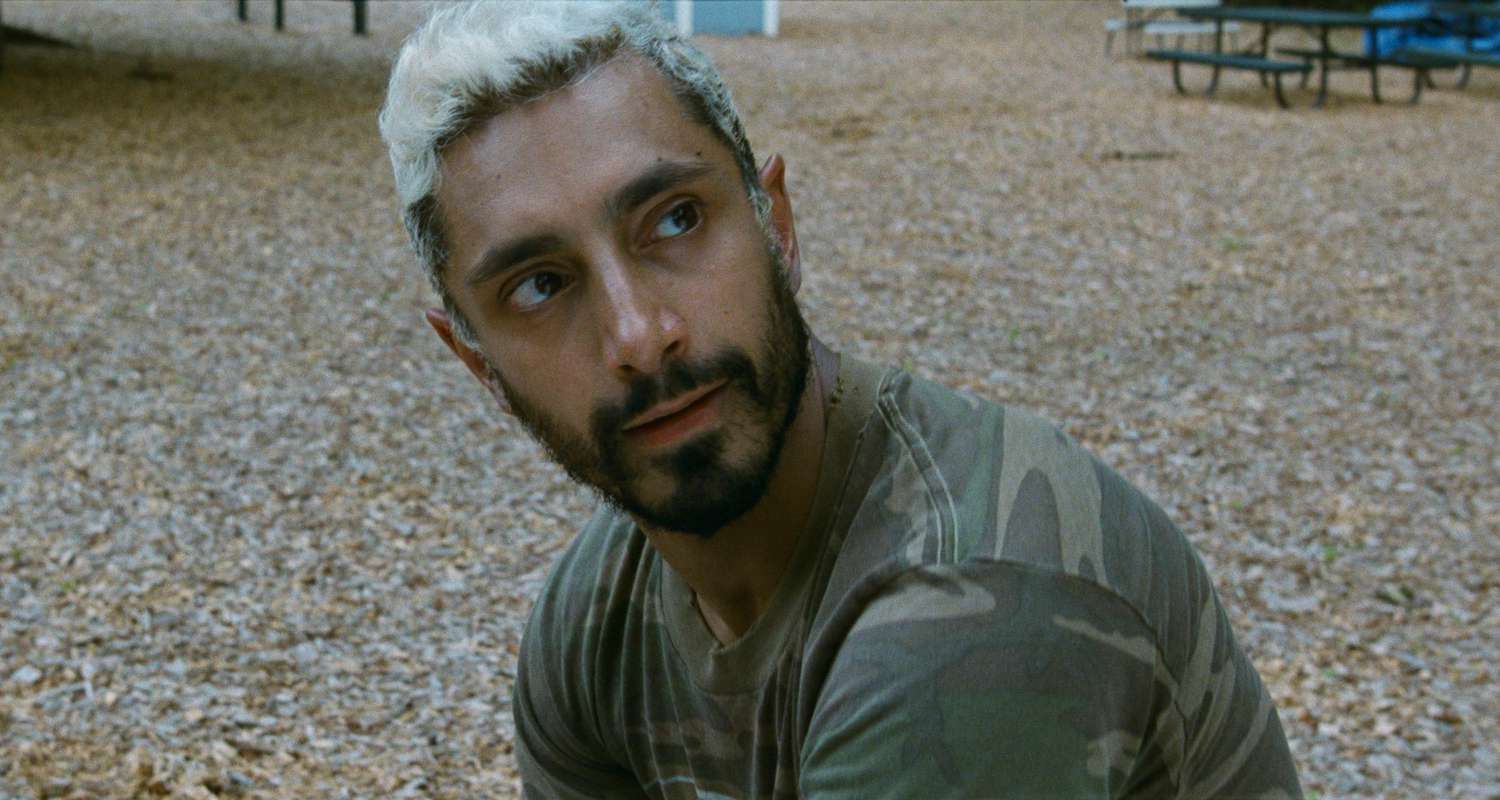
Sound of Metal – This is a film that would never make it into the Best Picture race in a normal year and would simply be seen as an Independent Spirit nominee. However, many people have fallen in love with Sound of Metal and it is fantastic to see the critic love for this film get rewarded with six nominations for the film, and a very strong competitor to win two of those awards. For this film, getting so much love on this level is a win, even if it is not going to win Best Picture.

The Trial of the Chicago 7': What to Know - The New York Times

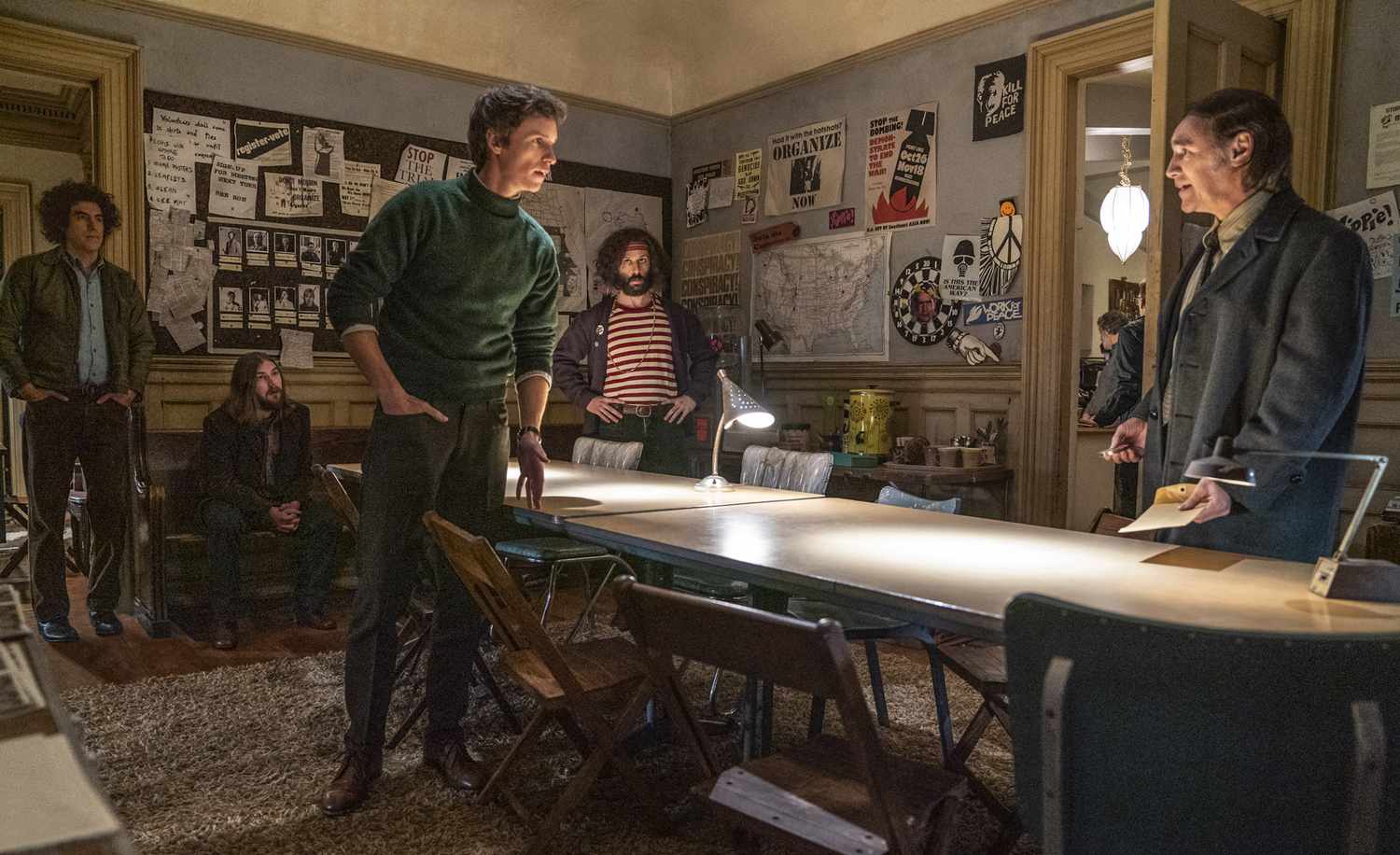
The Trial of the Chicago 7 – I never fully bought into this idea, but people were convinced that this film was going to win Best Picture from the first trailer. Now, it is struggling to find a place to win any of the six nominations it has – even for Sorkin in Original Screenplay. Yes, it does have the win for Best Ensemble at the SAG Awards which does correlate quite well to the Best Picture race, but is that enough to go up against Nomadland, especially if it might walk home empty-handed otherwise?

Nomadland review: Chloé Zhao's stunning movie makes the journey matter most  - Polygon

Who Will Win?

I don’t think I need to make a statement making it clear that Nomadland is going to be the winner of Best Picture, and at this point, there is almost nothing that can be done to stop it. Even with the “controversies” that are popping up now around the film (something I am against and do not believe is more than just someone trying to stop the film from winning Best Picture), it’s far too late in the race for any other film to sweep forward and take this award away from Chloé Zhao.

Promising Young Woman - Plugged In

Who Should Win?

If I was given an Oscar ballot and told to pick the Best Picture, my top choice would be Promising Young Woman. Not only is this the strongest film from the line up in my own opinion, but it is the film that felt like it dominated discussion in the film community this year. The themes are highly relevant to issues that are occurring to this day, especially in the film industry, and this year has truly felt like the year when the voting body is finally recognizing women and their stories. If we were to pick a Best Picture film that reflects the year of film and the discussion around it, no other film to me summarises it more than Promising Young Woman.

I also want to point out that none of these films would make bad winners as every single nominee here is strong. Yes, I am including Mank and The Trial of the Chicago 7 in that list as they are also well-made films that made an impact this year. Whilst it is clear that the incredible Nomadland will take home the award, I would not be against any film being said on Oscar night as the Best Picture winner. It is time we celebrate the good in films, not simply dwelling on the negative or dragging one down for another.

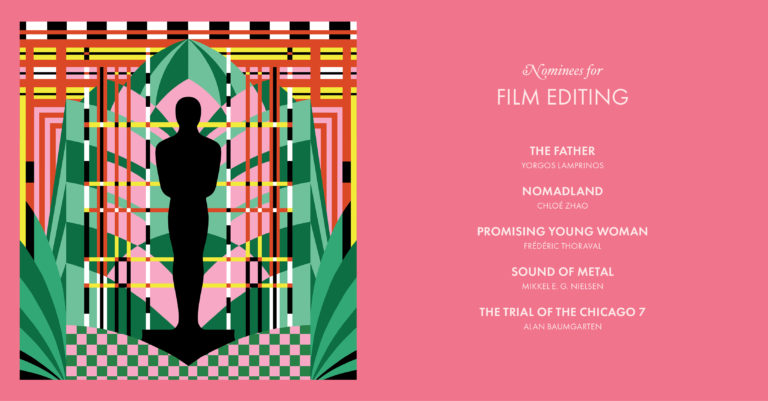
Chasing the Gold: Best Editing Nominees Analysis (2021 Oscars)

It is always hard to predict what the Academy will go for with the Best Editing category. Recently, there has been a trend of going for the “most edited” award, hence how films such as Ford v Ferrari and Bohemian Rhapsody were able to take home the prize. It is a major award and can be used as a way to show a strength of confidence in a film, especially tied to the Best Picture category. However, what is going to win the award for Best Editing this year? Let’s break down the contenders.

The Nominees:

Sony Pictures Classics Sets 'The Father' and More New Dates | IndieWire

The Father – If you were to ask an Oscars pundit what the best part of The Father is, many would point out the use of editing to tell the story and bring the world to life. It is fantastic to see the Academy honor the film with a nomination here, but unfortunately, the editing is more clever and subtle than flashy, meaning it has failed to win any of the times it has made it to the nomination. To see it get recognized here seems to be the winner for the Academy and a sign that they might be looking at Best Editing through a different perspective than previously. 

Nomadland Trailer: Frances McDormand Heads West – /Film

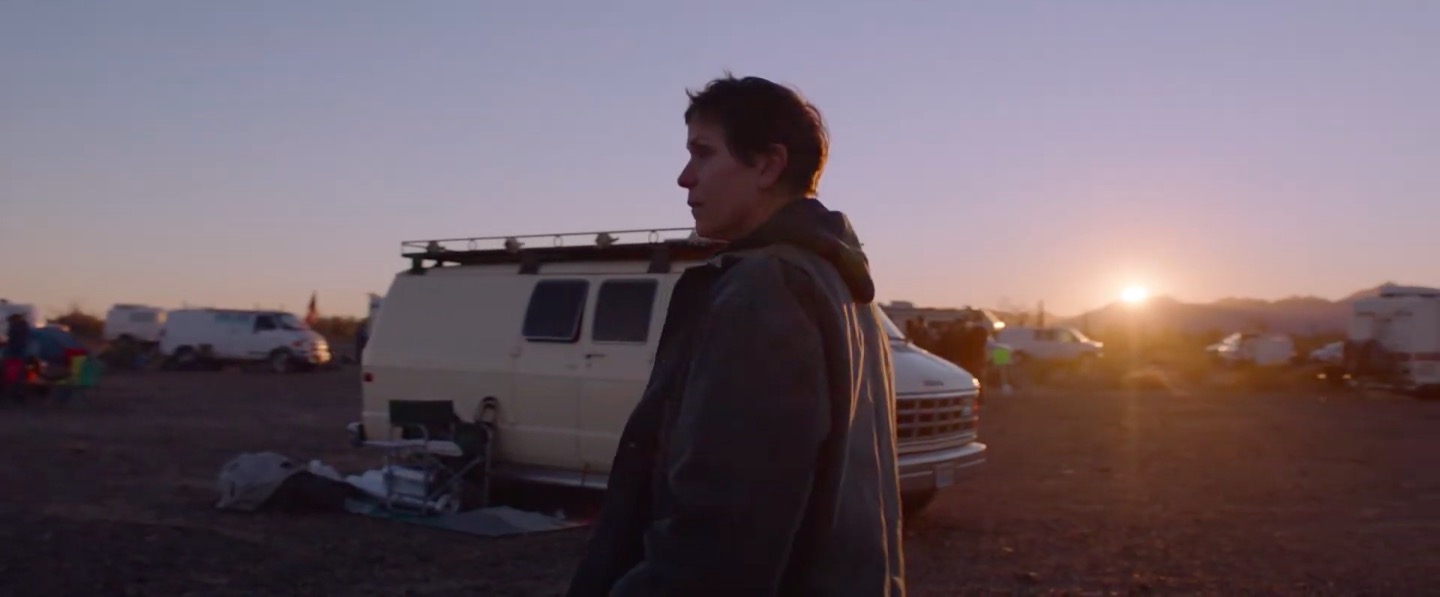
Nomadland – For Nomadland to be the clear frontrunner as it is for Best Picture, it had to get a Best Editing nomination. However, there is certainly no urgency to reward editor Chloé Zhao here as she will already be taking home Picture and Director and prepares to be a threat for Adapted Screenplay. Once again, this is not the flashy editing that the Academy tends to choose as their winner and it has failed to win any of the major editing awards, leaving this simply as a necessary nomination for the pathway to Best Picture.

Promising Young Woman is Disturbing, Original and Unforgettable -  Awardsdaily - The Oscars, the Films and everything in between.

Promising Young Woman – This was a big nomination for Promising Young Woman as it became only one of two films aside from Nomadland to score major nominations in Screenplay, Director, Picture, and Editing. Many people are predicting the film to already get Best Actress and Best Original Screenplay, which is certainly looking like the case. However, if the film also received Best Editing, wouldn’t that make the film a huge threat for Best Picture? It seems like that is certainly not happening, so I do not feel confident enough to say this film is going to win in the Editing category (even if the editing is showier than most here).

Sound of Metal review: Riz Ahmed tracks a deaf drummer's journey in  standout indie | EW.com

Sound of Metal – There is one incredibly important start that has started to formulate a pathway for Sound of Metal to get a surprise Editing win, and that is to do with the heavy link of the Sound category. Whenever a film does well in the Sound category, it also does well in the Editing category – see Ford v Ferrari and Bohemian Rhapsody as two very good examples of that. Sound of Metal has managed to surprise at both the Critics’ Choice (a tied win with The Trial of the Chicago 7) and with a win at the BAFTAs, so it is worth keeping an eye on it for the Oscars.

Aaron Sorkin's Trial of the Chicago 7 drops first look at '60s-set Netflix  film | EW.com

The Trial of the Chicago 7 – For a long time, it felt like this race was done with The Trial of the Chicago 7. This is a film that is filled with editing, fancy cuts, montages, and flashback sequences. Even when this film stopped being a Sound contender, many people predicted it – and some still are – to go all of the way. However, the film felt like it was losing steam until the recent win at the ACE Eddie Awards. With that small boost, is it enough to give the film a solo win for Best Editing? It’s certainly the most noticeable part of that film and would be a worthy winner.

Netflix is making The Trial of the Chicago 7 free on YouTube for 48 hours -  The Verge

Who Will Win?

When I originally wrote this piece before the ACE Eddie Awards were revealed, I said that Sound of Metal was going to take home the award. Now, I am starting to believe that this will be the place where the Academy Awards The Trial of the Chicago 7 with a win. It is the most flashy film of the selection, it is struggling to find another place to win an award on the night, and the win at the ACE Eddie Awards just secure the backing for that film in the editing branch. Unlike other previous winners in the Best Editing category, it will not be a bad choice either. There is certainly still a chance that Sound of Metal wins this award, but I would take it off your ballot for this moment.

The Father' Review: "Beauty in Pain" - Full Circle Cinema

Who Should Win?

When talking about the Best Editing in a film, to me there is only one correct choice this year. No other film took the limits of editing as far as The Father to create such a compelling story and yet making it seamless, all through the use of cuts, camera shots, and the impeccable pacing that came with this quick 90-minute film. The best-edited films are the ones that you appreciate afterwards and admire the simplicity and effortless nature of them, not necessarily the flashiest or most notable cuts. Even if some of the best editing work will get rewarded this year, it won’t be the strongest with The Father losing.