

Home Blog Page 141

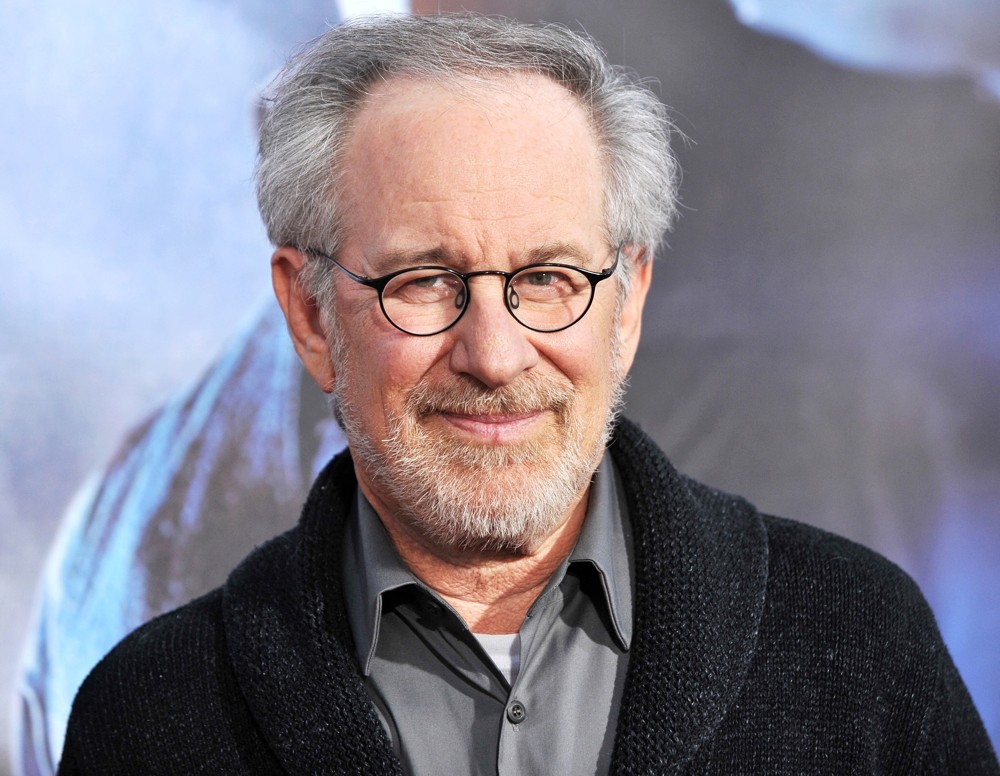
Ranking: Steven Spielberg

0

For those who listen to the InSession Film Podcast, you’ll know we recently concluded our Steven Spielberg Movie Series. For those who didn’t listen, for context, the series was mostly focused on the “lesser talked” movies in his filmography. However, we did end it with Jurassic Park and E.T. given the release of Jurassic World: Dominion and E.T. celebrating its 40th anniversary this year. So, we felt it would be okay to lump them in the series even if they’ve been talked about to death over the years. It was an incredible journey. We all know and love his “bigger” films, but he has some great gems in his canon that aren’t necessarily on the same pedestal as the Jaws and Indiana Jones.

With that said, we watched all of Spielberg’s feature films over the last few months and I’ll be ranking them. Prepare your comments now. Whether you agree or disagree, we all have specific thoughts on his filmography and I’m certain you’ll have something to say as we go. So, without further ado, here is my ranking of Steven Spielberg as it stands right now.

34. 1941

1941 is arguably the only film in Spielberg’s canon that has no redeeming qualities (okay that’s not necessarily true, the camerawork is very good in places and John Williams’s score isn’t bad). We love Spielberg, but there almost seems to be no direction to the movie. It meanders without any sense of purpose and to say that it’s a tonal mess is putting it mildly. It tries way too hard to be funny, but it seems to have no comedic bone in its body. Which is really unfortunate given the extensive, yet phenomenal cast that it has. I mean, it has Toshirō Mifune for crying out loud. Sadly though, 1941 is just a poorly conceived, terribly written, and exhausting effort that leaves everything to be desired.

[divider]

33. Indiana Jones and the Kingdom of the Crystal Skull

Indiana Jones and the Kingdom of the Crystal Skull is by far the worst of the Indiana Jones movies. Its absurdity makes its predecessors seem like documentaries by comparison. These are heightened adventure movies, I get it, but in this case it goes a couple of degrees too far. There’s no chemistry between Harrison Ford and Shia Labeouf, sadly. As great as they are individually outside of this film. Which is, obviously, not ideal given the nature of their relationship. On the whole, this film lacks the same vigor and fun as the previous installments. Temple of Doom and The Last Crusade have their faults as well, but they still maintain the spirit of what makes that original trilogy thrilling. Some of the action scenes are well staged though and John Williams comes to play. It’s not the disaster that is 1941, but it’s still far from good.

[divider]

32. The BFG

The BFG is one of Spielberg’s lesser movies, but it has its heart in the right place. There’s a heartwarming center to it that is infectious. I’m not familiar with the source material, but felt as if Spielberg and the late-great Melissa Mathison struggled to find a cohesive vision for the narrative. Their previous work together (oh just wait, we’ll get to it) was nothing short of masterful, so it’s unfortunate that The BFG struggled to find any footing. There’s certainly an imaginative undercurrent to the film that’s compelling, and its ideas on acceptance and open-mindedness are affable, however, it’s too uneven and unengaging for there to be any meaningful impact.

[divider]

31. The Lost World: Jurassic Park

There’s an argument to be made that this should sit lower on this list, but there are components too, and scenes in, The Lost World: Jurassic Park that I do really like quite a bit. For one, the film aims to examine further the idea of playing god, and while it doesn’t always work, there are parts of it that I find complimentary to its predecessor. It’s also hard for me to ignore Spielberg’s craftsmanship and how he renders terror. There’s still a visceral suspense at times that I do find effective, even if those moments arrive at the hands of a weak and plot-holey script. Also, Jeff Goldblum is great. Love him in these movies.

[divider]

30. Amistad

We talked about this quite a bit on the podcast during our review of it for the series, but Amistad is a film that feels as if Spielberg was just a director for hire. Which makes sense since Debbie Allen was really the driving force behind it coming to fruition. The story itself is captivating and worth telling on screen, I’m just not convinced Spielberg was the guy to do it. But when he does flex here, it’s quite good. The opening sequence is masterful. The moment where Cinqué stands up in the middle of courtroom proceedings is phenomenal. There are some good things here. But mostly it’s a courtroom drama that doesn’t take advantage of Spielberg’s strengths as a filmmaker, and narratively it becomes more concerned with its investigative elements than it does the Mende people. I will say, though, despite the film being made almost 25 years ago, there is a lot about it that still resonates in 2022. Specifically, as it relates to how race and politics are intrinsically interwoven despite the clear moral implications. So in some ways, it’s aged very well, sadly, even if on the whole the film is a mixed bag.

[divider]

29. The Terminal

The Terminal would easily fall apart if it was in the hands of a lesser filmmaker and lead actor. The entire film takes place within a single location, specifically an airport, so there was potential for mundanity to set in quickly. But I don’t think it’s mundane at all. There’s a tender charm to this story that keeps it together and the results are very endearing in execution. Perhaps at times it’s one of Spielberg’s most schmaltzy movies, but I still like its heart. And Tom Hanks is great.

[divider]

28. The Sugarland Express

The Sugarland Express is arguably Spielberg’s least talked about movie, and on the whole, it’s understandable. The narrative, for one, gets too bogged down in being a “chase” movie that it gets redundant and slightly banal at times. There are also missed opportunities to give further perspective into why these characters do what they do, especially from the police side of things. However, the film does a great job of eliciting this fascinating juxtaposition between reality and desperation in our central couple. They constantly teeter on that line and it renders complicated characters that are always alluring, even when the plot stifled momentum. Spielberg’s filmmaking is quite wonderful as well. The cinematography and editing in particular are noteworthy. I can’t forget these great performances or John Williams’ score either. People may forget about The Sugarland Express, but if you’re interested in the history of Spielberg, I do urge people to check it out. Between this and Duel, you 1000% see the seeds of who Spielberg would become.

[divider]

27. Always

I find it difficult to actively dislike Always given its affable nature, but like The Sugarland Express, you do see its missed opportunities. The film still features a few of those mind-blowing images and moments that have come to define Spielberg, such as that opening shot or the final few sequences of the movie. The cast is very good. And there are some compelling things here about grief and closure, which is good (even if derivative) when it’s focused on Pete, Dorinda and Al. However, the competitive spirit and muddled inclusion of Ted comes off as shoehorned and uninspired. Again, it’s the duality of Spielberg’s direction and the script he’s working with here. There’s no denying the visual allure and cinematic flourishes of the film. But the script leaves something to be desired at times, despite its endearing and lovable spirit. Despite that, the good outweighs the bad in the end.

[divider]

26. The Adventures of Tintin

The Adventures of Tintin is a weird concoction of Spielberg’s eye and vision for great action and fun, but it also comes with a script full of contrivances and derivative plotting. The amount of well-timed conveniences is kind of staggering. Given the nature of this film, there’s of course going to be some of that (which is fine), but there’s no characterization or emotion to balance out those glaring flaws. So they become a little tedious by the end. That aside though, there’s plenty to love here regarding the way Spielberg moves the camera and how he crafts the action sequences. The flashback scene of the pirates fighting each other is truly wonderful. On the whole, it’s middle-tier Spielberg, but there is much to appreciate.

[divider]

25. The Color Purple

It’s been well documented that Spielberg was initially hesitant to make The Color Purple when Quincy Jones approached him to direct it, and I do think those reservations come through in the final product. The film is often sanitized and cloy, with a sprinkle of schmaltz as a cherry on top. Not to mention some of the tonal extremes here regarding the abuse we see in some scenes and the slapstick comedy it becomes in others. I’m not sure if Spielberg was trepidatious while making the film, but there is an aura of prudency that heavily cloaks this experience. However, at the same time, there’s a palpable compassion toward these characters that’s sincere and endlessly endearing. If this was a conventional slave movie I think Spielberg’s concerns would have been even more warranted, but instead The Color Purple is more about abuse and gender politics, and the deep effect that has on individuals over time. And that gives way to Spielberg’s strengths as a filmmaker as he can home in on those broader emotions and how these women (especially Celie) find strength in their affection for each other when the men around them incessantly tear them down. The hope and redemption these characters find is exactly the kind of thing Spielberg is known for, so despite his reservations, I get why Jones would do what he did.

[divider]

24. Ready Player One

I’m honestly curious how people will respond to this film being where it is on my list. It’s not super high, but my instinct is that I’m higher on it than many others. Perhaps context is part it, as Ready Player One is the most fun I’ve had with Spielberg since at least Catch Me If You Can. As mentioned above, he tried to capture the same magic with The BFG and Tintin, but for me it wasn’t quite there with those movies. Ready Player One isn’t working on any level other than pure adrenaline and vigor. Its goals are simple and concise. It doesn’t have the depth of a Jurassic Park or Raiders of the Lost Ark (although to be fair, how many films can say they do?), but I do think there’s a lot of fun to be had.

[divider]

23. Indiana Jones and the Temple of Doom

Similarly to Ready Player One, Indiana Jones and the Temple of Doom has a lot of problems but damn if it isn’t one hell of a good time. The action and choreography are technically immaculate. The camera moves in this film are absolutely wild at times. The art direction is staggering. And I just love the crazy places it’s willing to go with its set pieces and banter, even though admittedly some of it is problematic by 2022 standards. But we experience everything from secret passages to cults to volcanic activity, to voodoo and bodies with the hearts ripped out and everything else in between. And no I’m not just saying this because of the success of Everything Everywhere All at Once, I’ve always been fond of Short Round and his dynamic with Indiana. There’s an innocence to Short Round that I admire and Ke Huy Quan is charming as all get out.

[divider]

22. Hook

Okay, so, I know a lot of people do not like this movie. In fact, for awhile I was one of those people. I first saw Hook when I was a kid back in the mid 90s and there was something about it that didn’t connect with me. After revisiting the film for our series, you come to realize that it’s probably because it’s a movie that’s mostly aimed at adults. Peter is an absent father who forgot why he left Neverland, and not only does he attempt to regain his childhood, the epiphany of why he did leave is something that kids will not relate to. There’s also the great irony regarding the lore of Peter Pan/Neverland in how it’s marketed as a “children’s story,” yet as kids we’re often too eager to grow up. The idea of staying a child forever stems from adults who realize that growing older is overrated and mostly what we do is yearn for is our childhoods again. Perhaps that’s just my theory, but there’s something about the idea of cherishing our childhoods forever because of its innocence and playfulness that I find quite profound. Which is to say, there’s not much about Hook that appealed to me as a six-year-old outside of the sword fighting and Lost Boys food fight. But now, I’m a father myself. One who is drawn toward the idea of Neverland and childhood imagination. So yeah, I think this is one of those movies that becomes better with age (and maybe more so if you’re lucky enough to become a parent). The storytelling is still choppy and uneven, but Spielberg’s sincerity makes a big difference. The film’s notions on fatherhood are derivative, however that doesn’t make the lesson less meaningful. Especially in a world with social media and incessant distractions around us all the time. Perhaps it’s just Robin Williams, who gives a very moving performance, but he brings those emotions out in Peter very well. Contrived as it may be because of the messy narrative, those emotions in Peter I do feel.

[divider]

21. Empire of the Sun

Empire of the Sun is a film that continues to resonate with me the more and more as I grapple with it. There are tonal shifts that are jarring, and I’m not convinced they all work, but Spielberg seems to be very intentionally tip toeing this line of harrow and whimsy. And that makes sense given that the film is from a child’s perspective. So despite it being a little uneven, there’s something about Jim’s youthful innocence blending with the horror around him that’s fascinating. It’s especially notable when coupled with the great art direction and cinematography of the film. Additionally, there are some compelling ideas here on identity, jingoism, and how Jim demonstrates honor without aligning with nationality. He’s British, obviously, but has never set foot on British soil. He currently lives in China, but he reveres Japanese pilots more than anything else. Eventually, they become his captors and yet, that never dissipates. The scene in which he honors Kamikaze pilots by singing the Japanese National Anthem is really telling about how he views bravery and the Japanese Zero. Which is captivating when immediately after a group of P-51 Mustangs show up and destroy the camp, only for Jim’s allegiance to swing completely the other way. He becomes enamored by their elite prowess and airmanship. There’s not a single moment where Jim’s identity co-exists with jingoism. To him, war is one singular experience and he simply reveres these spectacular war machines that are dogfighter aircraft. Not that national pride is a bad thing (although it certainly can be), but it’s interesting to me how Jim’s ignorance of it, because of his adolescent point of view, renders his identity a bit murky. John Williams’ music is quite good and the sound design to Empire is noteworthy, as well. There is a lot to really like about the film even if it’s a little jumbled in places.

[divider]

20. Minority Report

This is where I’m going to lose many of you. Minority Report is top-tier Spielberg to a lot of people. So let me be clear that I do really like the film on the whole. There’s no denying Spielberg’s craft and storytelling. Tom Cruise’s performance is excellent. The action is riveting and inventive. I want to love Minority Report, but I’m just not overly fond of its script. It’s a little disjointed for me, and a missed opportunity. Its premise is compelling, but the film doesn’t really wrestle with the moralities it presents until it’s too late. And even then, it’s pretty one-sided. Perhaps part of my frustration is that Minority Report could have been Arrival before Arrival. Coming off the heels of A.I., it would have been interesting to see Minority Report as the reversal, depicting father seeking the love of a lost child in a futuristic hellscape. When the film focuses on that specifically, it’s blistering. But there’s only two scenes dedicated to it before the pivotal scene John has in the apartment as it relates to his grief and choice. Ultimately it’s effective because of Cruise’s stellar performance, but it’s not as fully realized as it could’ve been. Minority Report is sill a good movie. I do like it, just not as much as the films listed below.

[divider]

19. The Post

This is just a gut feeling, but I wonder if The Post is maybe a little underrated? The discourse around it suggests that it may be. There isn’t anything flashy about this film, but it aptly and potently reflects the times we live in today (and especially in 2017 when it was released). The questions it evokes around journalistic integrity, and why it’s important to maintain that integrity despite the consequences, is striking. Especially given the Kay character and how she must overcome her own timidity. Meryl Streep has been nominated for a million Oscars, and some of them as of late are simply because of her legacy, but her nominated performance here is well earned. Admittedly, it’s a little conventional in terms of narrative structure, yet thanks to its gripping plot mechanics and Spielberg’s incisive direction, it’s still riveting. I love that the film doesn’t spend time on the hustle and bustle of everyday journalism. Instead, it focuses more on creating an atmosphere that allows for the weight of what’s at stake to be felt and there is a big payoff to that in the end.

[divider]

18. Indiana Jones and the Last Crusade

Indiana Jones and the Last Crusade is arguably Spielberg’s funniest film to date. This is a romp of a movie. Spielberg’s direction is great as always, but there’s something about the dynamic of these characters that makes it singular. Especially when coupled with the adventure and story here, which is more James Bond-esque than its brethren (obviously that makes sense given the casting). It’s also interesting to me as well because it goes out of its way to demonstrate that Indy is indeed human. He has weaknesses, he contradicts himself. His evolution here is not only different for Indiana Jones, but it’s perfect in the context of a father-son relationship. And it’s what makes Harrison Ford forever synonymous with the character. The way he taps into Indy’s vulnerabilities while also carrying that same bravado is incredible. Especially when coupled with his remarkable chemistry with Sean Connery. No doubt that Raiders is the better movie, but I don’t think Crusade is too far behind honestly.

[divider]

17. War of the Worlds

Okay, before you start yelling at me, allow me to explain myself. Trust me, I understand that having War of the Worlds higher than Minority Report will provoke some to get their pitch forks, but I…kinda love it. It’s not without its flaws, however I’m endlessly compelled by Spielberg’s use of the camera, the film’s grimy aesthetics, the special effects (which are incredible), the great performances by this cast and John Williams’ haunting score. The 9/11 allegory is obvious, but Spielberg does a great job of not overtly emphasizing it and mostly letting the premise sit in the backdrop. At its core, War of the Worlds is primarily a family drama. It’s a distant father coming to terms with his own arrogance and wrestling with his selfishness in unexpected ways. One of the best scenes is when Ray’s son openly discusses what we all know to be true, that he’s taking them to Boston, but not for safety reasons. Ray’s taking them to their mom so he doesn’t have to be responsible for them anymore. It’s the apocalypse and yet, Ray’s concerns are still for himself. Eventually he has to confront that within himself and he does come to care for Rachel genuinely. Yet, at the end of the film, it’s not as if he’s a functioning part of this family. We don’t really know and it’s possible Ray is still very much on the outside looking in, and I love that Spielberg is willing to let us wallow in that ambiguity. Beyond that, Dakota Fanning is excellent. The scene in which she asks Ray to sing her a lullaby is one of my favorite Spielberg moments given the context at play and the performances there.

[divider]

16. Bridge of Spies

Bridge of Spies is another underrated film in Spielberg’s canon. Like The Post, there’s a simplicity to its narrative structure that may seem modest on the surface, but I think that’s mostly because Spielberg makes everything look effortless. It’s almost as if he’s showing off in how he can tell the simplest story and still make it feel bigger than what it really is and it’s fascinating to watch. Bridge of Spies is methodically paced, but it’s never dull. Perhaps that’s because the cinematography here is ridiculous for a political thriller. To me, that is the difference between this and The Post and why it’s slightly higher on my list. The camerawork in this film is truly fantastic. Tom Hanks is very good, but Mark Rylance is the stand out and deserving of his Oscar (even if he wasn’t my personal pick). His comedic timing and delivery is brilliant. There’s a tinge of sentimentality to his performance that’s moving, as well.

[divider]

15. Munich

It’s really interesting how doing a movie series can change your perspective on films sometimes. Sometimes your thoughts on certain films doesn’t change, but as noted in some of the films above, this exercise did sway me on some of them. In the case of Minority Report, I came down slightly, but in the case of Munich, it was the antithesis. I revisited Munich for the first time since its release a few years ago for our 2005 retrospective, and that time there was something about its final act that rubbed me the wrong way. However, in the context of our series, Spielberg’s cynicism was more potent and thus the shoe never dropped for me like it did before. Additionally, I love how the script is chock full of terminology and political tension that’s never explained. Perhaps on a first viewing it is overwhelming, however, on further re-watches you come to see incredible detail within the dialogue and Spielberg’s direction that makes sense of everything regarding who the players are and why they’re involved. Of course, it becomes even more nuanced as you unpack it as a post 9-11 examination on revenge and the hollow cycle created by incessant violence. The psychological and emotional texture inside that idea in this film is pretty powerful. The duality of death and life around Avner hovers in every scene and it culminates in a (maybe excessive, but unforgettable) moment of intimacy at the end of the film. As always with Spielberg, the cinematography and period aesthetics are excellent. The 70s lenses are appropriate and there’s a murkiness to the imagery that compliments the film’s moral ambiguity really well. Eric Bana’s best performance? Certainly in that conversation.

[divider]

14. West Side Story

There’s a very good chance that West Side Story climbs higher on this list in time. It’s easily Spielberg’s best film since Lincoln and arguably better than its Oscar-winning predecessor. The cinematography, its evocative aesthetic, its energy and dazzle, the art direction, everything Spielberg touches here is incredible. He really is the star of the show in how he reinvigorates this material. We all know the story, we understand its themes and intent, and Spielberg doesn’t do much to reinvent the wheel narratively or thematically, but what he does do is breathe new life into it. Don’t get me wrong, the performances (Ansel Elgort aside) are really great and I love the music as well. The addition of Valentina is really compelling and adds a texture that wasn’t here before. But on the whole, it’s Spielberg doing what Spielberg does best, and again, he makes it seem so effortless. In particular, it’s interesting how so much of the film is full of color and vibrancy, only for that to devolve as the story unfolds and it becomes more stark. The level of detail in Spielberg’s direction is spellbinding, but we wouldn’t expect anything less from one of the GOATs.

[divider]

13. Duel

It’s just not fair how talented and mature Steven Spielberg was at age 25. In a few of the above paragraphs, I’ve talked about the narrative simplicity that Spielberg sometimes works with, and where he balances that out with visual allure and an attention to detail within his filmmaking. Well, that all started with Duel. The story here had potential for redundancy as its just a guy driving down the road in his car, and yet it’s one of the more riveting monster movies you’ll ever see. The design of the truck elicits menace and it gives credence to David’s constant anxiety throughout the film. Something that is heightened further by the editing and camerawork. The way Spielberg uses mirrors to capture tension is just astonishing for this little movie. It’s also interesting how progressive its ideas are on masculinity as David is forced to wrestle with his integrity as the truck driver goads him into responding with some sort of machismo, contradicting his natural sensibilities. And that ending…*chef’s kiss.* No explosion. No fancy effect. Just a truck doing what a truck would, and capturing the aftermath.

[divider]

12. War Horse

Before doing our series, I’d say this was the biggest outlier on my list compared to the discourse, but some of the responses I’ve seen to our review of War Horse seems to suggest that’s not necessarily true. Maybe people like this film more than I thought? Or perhaps it’s just a few people agreeing with me. Which is to say, I’m curious as to how our lovely readers will respond to War Horse being this high, but I love it. As I noted on the podcast, my working theory is that its reputation was a result of the awards season discourse and the aim people have taken at its Best Picture nomination. However, if people are reconsidering the film as we have, maybe that reputation is changing. And it should because it’s one of Spielberg’s bleakest movies. Do not let the bookends of it fool you. There is a sentimentality to the film’s opening and closing sequences, but everything in between is harrowing and uncompromising. In each sequence, Joey and his friend Topthorn offer up some sort of hope and promise, only for that to be stripped away in exchange for brutality and heartache. Starting with Albert and the bond he forms with Joey, only for that to be taken away as Joey is sold to the army and leaving him heartbroken. Then to Loki and Doctor Strange, who see these horses as comrades who will carry them to glorious victory…nope that’s undermined in one moment of myopic warfare (gotta love the conviction of Spielberg as cuts to the wide shot of the carnage and horses all over the field) . Next Joey and Topthorn give hope to Gunther and Michael, two brothers hoping to escape the horrors of war, and…nope, that’s once again stripped away for another moment of sever ramifications. Next is Emilie, who has been orphaned as a result of the war, and heightening the hope she feels when she finds Joey and Topthorn. The end of her segment? A German soldier steals them and brazenly tells her that these horses will be worked to death, and to just accept that fact. Private Henglemann does his damnest to care for the horses, but it’s a losing effort (in some of the film’s most devastating sequences). And if that wasn’t bleak enough, there’s Joey getting trapped in No Man’s Land – a place known for its death and hellish existence.

Say what you will about War Horse and its vignette-style storytelling, but there is a thematic throughline that is utterly heartbreaking at every turn. The ending to the film wants to posit this idea of honoring Joey and the brave horses used in war, but as affable as that is, it’s simultaneously a red herring. While gloomy, I think Spielberg is just as interested in the apathy of men and our relationship to these majestic animals. Horses are smart, courageous, loving, hard working animals, and the tragic irony is that humanity has mostly used them as cannon fodder. For all of the honor that the film evokes, it also wonders where our empathy has been. And those questions here are profoundly stirring. Which is why I think the bookends of the film, and that Spielberg sentimentality, is kind of a ruse. War Horse is one of his most cynical movies and it’s not an easy watch at all.

[divider]

11. Catch Me If You Can

Catch Me If You Can is a fascinating film because it’s not afraid to lean into the lore surrounding its story. It’s based on “true events,” but to what extent? How much of it is exaggerated? It’s likely that most of it, if not all of it, was embellished, but that ambiguity is something Spielberg utilizes to his advantage. As a result, what we see is a wild journey full of uncompromising twists that feel as if they’re from a fairy tale. We may not be convinced of Frank’s tales, but it sure is fun to watch. And there is a lot of fun to be had, but the film isn’t without nuance or characterization. Some of the best moments are more sobering as Frank realizes that his father, who he idolizes, isn’t behind his exploits. Additionally, his relationship to xxx becomes corrupted as his entanglements become more compilated. Spielberg’s playfulness in Catch Me If You Can is among his most diverting work, but he never forgoes the humanity underneath and that’s ultimately what makes it one of his best.

[divider]

10. Schindler’s List

Schindler’s List is certainly among Spielberg’s most personal films, and it comes through palpably in the final product. Shot in black and white, its gloomy aesthetic dissolves with the film’s tonally impeccability and renders one of the best visual payoffs we’ve ever seen in cinema. A red coat cloaked around a young child amidst the worst horrors of the 20th century is quintessentially Spielbergian. With all of the devastation and inhumanity at the center of that film, it’s stunning how one image offers something so profound. This is why I admire Spielberg’s willingness to to be bleak. He doesn’t shy away from the harrowing reality of that time. And of course, it’s done with great diligence and remarkable craft. The cinematography and editing is among Spielberg’s best work. John Williams’ score is magnificent. And the performances are very good. For those who have this higher on their list, I don’t blame you.

[divider]

9. Lincoln

Lincoln is simply one of Spielberg’s best movies of the last twenty years. Partially because it’s a film that narratively is just about getting votes in congress. That’s not exactly an enticing premise, and yet everything about it is riveting. Somehow Spielberg (and Tony Kushner) transforms politics and turning votes into a mesmerizing experience that keeps you on edge. And there’s something about the verbal sparring here between politicians that’s not only exquisite, but it needs to be a thing in today’s landscape. I want someone on Capitol Hill to look across the aisle and call someone a “fatuous nincompoop.” Lincoln also thrives because it’s not concerned with being a traditional biopic. It’s more of a movie about the 13th amendment than it is about the man himself, but the title is still appropriate because we learn so much about him. We learn that he desperately wants to end the war. He believes wholeheartedly in this amendment and that it will cure the country from slavery. In fact, he’s so deeply involved that he overlooks his older son whom he hasn’t seen in over a year. We learn that because of his work he never got a chance to grieve the death of his son, which has created a hefty strain on his relationship with Mary Todd. We learn of a great irony that even though he believes in ending slavery, he actually has an ignorance toward the black community. And, of course, we learn of his great storytelling abilities and how likable he is as a result. The plot may revolve around getting votes, but Abe the man; the flawed, but affable human being is just as vital to the film’s success. And what can you say about Daniel Day-Lewis. Dude is a legend for a reason.

[divider]

8. Saving Private Ryan

One trend in modern criticism that I don’t subscribe to is coming down on popular movies just because it’s “cool” or whatever. Perhaps that’s my own cynicism coming through, but it does seem as if that’s the case sometimes, and unfortunately Saving Private Ryan has come into those crosshairs over the last few years. I’m not exactly sure how or why either. The opening sequence is harrowing, and without question one of the most visceral war sequences ever put to film, but it’s not the movies be all end all. Saving Private Ryan‘s greatness tethers more to what happens beyond those first 20 minutes as a film about reflection. One example is how these characters reflect back on their lives away from war as a coping mechanism, such as the scene of Captain Miller talking about his home life with Private Ryan (easily one of the best scenes of the film). Or more broadly speaking, the film’s narrative structure is Ryan reflecting on the courage of those who risked their lives to find him. The action is thrilling, and Spielberg’s direction is immersive, but it’s the characters and themes inside the film’s war setting that’s much more impactful. The undermining of that within the discourse is something I’ll never comprehend.

[divider]

7. The Fablemans

Spielberg’s latest is without question one of his most personal films he’s ever made. His experiences as a child not only shaped who he became, but it’s infected his art in deep ways that even he wasn’t aware of when making some of his films. His moment with James Lipton regarding Close Encounters of the Third Kind is noteworthy. The way he invokes his parents in Close Encounters may have been subtle, but as we all know, The Fabelmans is a much more direct, and even deeper, look at what happened with his parents and his family. The result is beautiful, melancholic and complicated. Spielberg does not hold back in how he felt about that time of his life, and how filmmaking ended up being his savior. It’s a gorgeous, yet poignant, examination of the unexpected hurdles that life throws at us and how coping through art is necessary when you don’t completely understand why you’re facing the obstacles that you are. What’s really important here, though, is tone because The Fabelman’s is anything but classic Spielberg sentimentality. It’s really more in line with Close Encounters and A.I. then, let’s say, E.T. (which, as you’ll see below, I absolutely love so that’s not a bad thing). The film is sincere and textured in the drama that it poses, and it’s striking to see how it all unfolds.

[divider]

6. Raiders of the Lost Ark

Some will claim that I have Raiders too low, and that’s fair, but either way its legacy is without question. The art direction and storytelling is immaculate. The nuanced cinematography and sharp editing is astounding. John Williams’ legendary score is among his best work. Harrison Ford was the perfect choice for Indiana. Everything about Raiders is excellent. It’s Spielberg merging his sophisticated craftsmanship with his fun, playful sensibilities and the results are that we get melting Nazi faces. There’s nothing more I can say here that you don’t know already or haven’t heard before, so I’ll just reiterate that Raiders of the Lost Ark will always be the quintessential adventure film.

[divider]

5. Jurassic Park

Jurassic Park is phenomenal for many reasons, but perhaps most astonishingly is how well the visual effects hold up. Despite how advanced CGI has become over the last thirty years, the visuals here are arguably better than its sequels and many other modern blockbusters. Spielberg smartly combines practical effects with said CGI to make the experience all the more immersive, which was very effective for the 90s, but again, it’s still effective now. And even when the CGI looks slightly outdated, it’s masked by remarkable storytelling, tension, and pure majesty. “Welcome to Jurassic Park” is still a moment of breathtaking awe, heightened by one of John Williams’ best musical cues. Yet, for all of its spectacle, what makes Jurassic Park unique is that it’s Spielberg’s horror film. And boy, is it thrilling. Whether it’s the introduction of the T-Rex (an iconic moment), the velociraptors in the kitchen, or Laura Dern finding Samuel L. Jackson’s arm (one of the best jump scares in cinema), the gripping tension of the film is visceral. Especially if you’re on the toilet. It’s well composed and those horror elements come through wonderfully. But it’s also the characters and the crisp storytelling. Jeff Goldblum is especially great. However, the whole cast is wonderful and have great chemistry. Everything about it works and it makes for a mesmerizing experience.

[divider]

4. Jaws

Most you probably know that Jaws is a miracle. The production was littered with adversity that Spielberg and his team had to constantly overcome, but my god, did that render some of the best magic we’ve ever seen in cinema. In fact, it directly led to what could arguably be the best score of all-time because John Williams’ cue for the shark is an actual character, and a menacing one at that. It’s so vital to the film’s success despite it being a rather simple sequence of notes, and yet its impact is transcendent. The cinematography is iconic in its own right, as well. There are, obviously, many shots from this film that injected itself heavily in the zeitgeist. The performances are great. The way Spielberg builds stakes and tension is once again effortless. Jaws is also fascinating in the context of our movie series because you can absolutely see the seeds of who he would become in those first few films. In some ways it works as an ocean/shark remake of Duel. Spielberg likely set out to showcase the shark more, but because of its production issues, he ended up going back to the same technique he used for the truck in Duel in how he’s able to capture tension and fear without actually showing us the “real” character. At any rate, it’s a masterpiece of a film and it says a lot about Spielberg that it’s at #4 on my list.

[divider]

3. A.I. Artificial Intelligence

No doubt this will be controversial for some, but A.I. Artificial Intelligence is absolutely top tier Steven Spielberg. It’s a truly devastating, but beautiful film about humanity and longing for love. There’s been a lot of conversation of whose vision this film is, and how much Kubrick’s thumbprint is here, but I’d argue that both Spielberg and Kubrick’s DNA is all over it. It’s very thoughtful and analytical like Kubrick and it’s immensely poignant, which we all know is a major strength of Spielberg. Yet, ironically, it was Spielberg who introduced many of the film’s bleaker elements while Kubrick’s vision was more sentimental (including the last 20 minutes and the Teddy character). The beautiful thing though is that regardless of whose vision is in each scene, the film does a masterful job of sifting through the bleakness and finding deep, profound truths about humanity. Death and love are symbiotic in A.I., and what we get as a result is an absolutely devastating, but rewarding work of art that touches on our desires for love and to be loved, no matter the cost.

[divider]

2. E.T. the Extra-Terrestrial

E.T. is arguably Spielberg’s best directed movie. Melissa Mathison’s writing is captivating on every level, but boy does Spielberg come to play with his direction. Its visual effects, sound editing, sound design, original score, cinematography, and editing were all nominated for Oscars, along with Spielberg himself. In fact, it’s kind of wild to me that he lost. Bot to mention the art direction, puppeteering, and performances, which are all excellent as well. In fact, I would argue that Henry Thomas’ performance is among the best child performances of all-time. The emotional conviction he gives Elliot is very moving, especially in that final scene, but let’s not forget the playfulness of Thomas either. There’s a lot about E.T. that’s very funny and the credit should go to Thomas for how he’s able to amplify the film’s humor as well as its pathos. E.T. is an interesting film too because of how personal it is to Spielberg, given his own childhood. As a kid who had to grapple with his parents’ divorce, it’s amazing how arresting this film is as an allegory on coping with divorce or a missing parent (regardless of circumstance). The parallels of Elliot and E.T. as characters who are lost and finding healing through each other, symbolically and also literally, is incredible to me. For as entertaining and magical as E.T. is as a work of cinema, you can simply watch it as a thematic exercise and it works immaculately in that regard, too. Simply, it’s one of the best movies ever made.

[divider]

1. Close Encounters of the Third Kind

There are many films to love on this list, but for me, the king of them all is Close Encounters of the Third Kind. It’s a movie about wonder and awe. It’s about obsession and yearning for something beyond ourselves. It’s a film whose central character is equal parts endearing and mysterious, but also selfish and flawed. Roy’s impulses render this craving for something he doesn’t understand. But he’s compelled by the unknown and is willing to embrace the mystery, regardless of the consequences. In fact, his zombie-like nature almost suggests he’s unaware of them. Yes, he does abandon his family and that makes him a complicated character, but that’s a strength of the movie. It says something about him that he’s willing to forgo our natural world in pursuit of the cosmos. His choice raises some fascinating questions for us to wrestle with as it relates to our own ambitions and pursuits. It’s heartbreaking, but Roy’s desires to understand something beyond him is innate in all of us. Or, at least I think that’s what film is getting at fundamentally. And to me that defines what cinema is all about. We watch movies because we want to experience something magical and other-worldly. Then there’s Spielberg’s craftsmanhip, which is among his very best work. Everything from the cinematography, to its stunning aesthetics, to its visual effects, to its sound design and once again how he uses John Williams’ remarkable score as a function of the narrative is masterful. Close Encounters of the Third Kind isn’t a “feel-good” movie where we’re all happy at the end. And that complexity make it the best for me.

Well that’s it. That’s my ranking. I know many of you disagree, so let me know what you think. Hit us up on Facebook, Twitter or Instagram. Email me at [email protected]. Let’s all have fun with Dune (Part 1) this weekend!
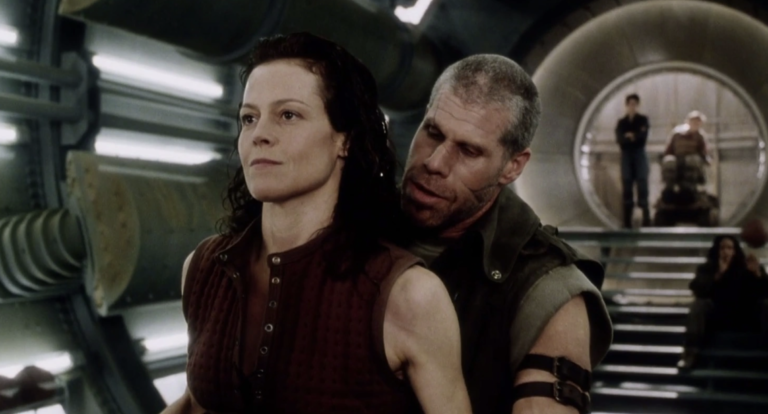
Film at 25 Movie Review: ‘Alien: Resurrection’ Remains a Flawed, Baffling Franchise Entry


Director: Jean-Pierre Jeunet
Writer: Joss Whedon
Stars: Sigourney Weaver, Winona Ryder, Ron Perlman, Brad Dourif

Synopsis: 200 years after her death, Ellen Ripley is revived as a powerful human/alien hybrid clone. Along with a crew of space pirates, she must again battle the deadly aliens and stop them from reaching Earth.


The fourth installments in a franchise rarely work well, and the absurdly disappointing Alien: Resurrection remains the worst of the original four entries of the profitable Alien franchise. It didn’t have to be like this. Ridley Scott’s 1979 original is a superb example of science fiction horror made with great care and craftsmanship, and James Cameron’s 1986 sequel is a breathtaking action thrill ride that never lets up. In both films, Sigourney Weaver is a terrific heroine, especially her Oscar-nominated turn in Aliens. With the strong and moving ending of the second installment, the possibilities of where the franchise could go next was endless.

But then six years later, along came the much maligned Alien 3, the feature directorial debut of David Fincher. It always strikes me as odd that one of my favorite living directors managed such a monumental disappointment on his first film. Sure, there are a few scenes of Alien 3 that work well, and Weaver is still at the top of her game, but the film doesn’t give her much to work with. I’ll always wonder the direction the franchise could’ve gone if a better third installment had been made, one that was a hit with critics and at the box office. Maybe more time and care could have gone on to the eventual fourth installment instead of the studio pursuing a faster turn-around than they did on the previous two sequels.

As it stands, the mostly hated Alien: Resurrection hasn’t improved twenty-five years later. It still has a bizarre story that only occasionally makes sense, the deceased Ellen Ripley ultimately revived as a new clone of human and alien that assists a group of space pirates, including Winona Ryder’s character named Call, into battling another deadly alien species. Joss Whedon’s screenplay certainly has lots of ideas, but they’re such a jumbled mess that the narrative never finds a desirable rhythm, the actors often look confused, and any emotion the story could potentially give the viewer is lost.

There was a lot of anticipation for the movie in the months leading up to its release—in June of 1997. For example, many people bought tickets for Speed 2: Cruise Control just to watch the Alien: Resurrection trailer before swiftly leaving the theater. Many likely thought after the disappointment of Alien 3 that more attention was going to be paid this time to making a crowd-pleasing action adventure that would satisfy fans. Hiring someone like Joss Whedon might have made sense at the time, his work on the scripts for Speed and Toy Story playing a part in their successes, and his Buffy the Vampire Slayer was about to change the face of television, but the man clearly needed some more writing collaboration on this one to give the narrative a fresher take, more focus, and characters we come to care about.

Another misstep was choosing Jean-Pierre Jeunet as the director. He’s someone capable of exciting, visionary films, as he would prove later with 2001’s Amelie and 2004’s A Very Long Engagement. But a studio action blockbuster doesn’t look to be in his wheelhouse. So much of Alien: Resurrection is murky and dark, the scenes of stilted dialogue often filmed in ways that don’t keep us engaged. Even Sigourney Weaver’s behind-the-back basketball shot she did without the aid of technology is shot poorly, the basketball going out of frame long enough to suggest the ball going into the hoop was a special effect. In the end, there are plenty of ingredients here for a successful and engaging movie, but Jeunet’s ultra-serious approach to the material makes much of the film a slog instead of a blast of genre fun.

The ensemble cast collected for the film is solid—Ron Perlman is a stand-out—and it’s always a treat to see Sigourney Weaver in an Alien film, but her revival in this narrative feels contrived right from the beginning, her character’s death at the end of the third installment ultimately the more proper sendoff. It’s sad that Weaver’s final appearance in an Alien film will likely be this one because it’s the low point of the franchise. 2012’s Prometheus and 2017’s Alien: Covenant aren’t great movies, but they were steps in the right direction, as Ridley Scott’s directorial touch felt all over them, even if the screenplays left something to be desired. Alien: Resurrection has its moments of weirdness and creativity, but it’s mostly just a throwaway film that didn’t need to be made.

Podcast: Aftersun / The Menu – Episode 509

This week’s episode is brought to you by the film Smile. Follow us on social media for your chance to win a FREE digital code!

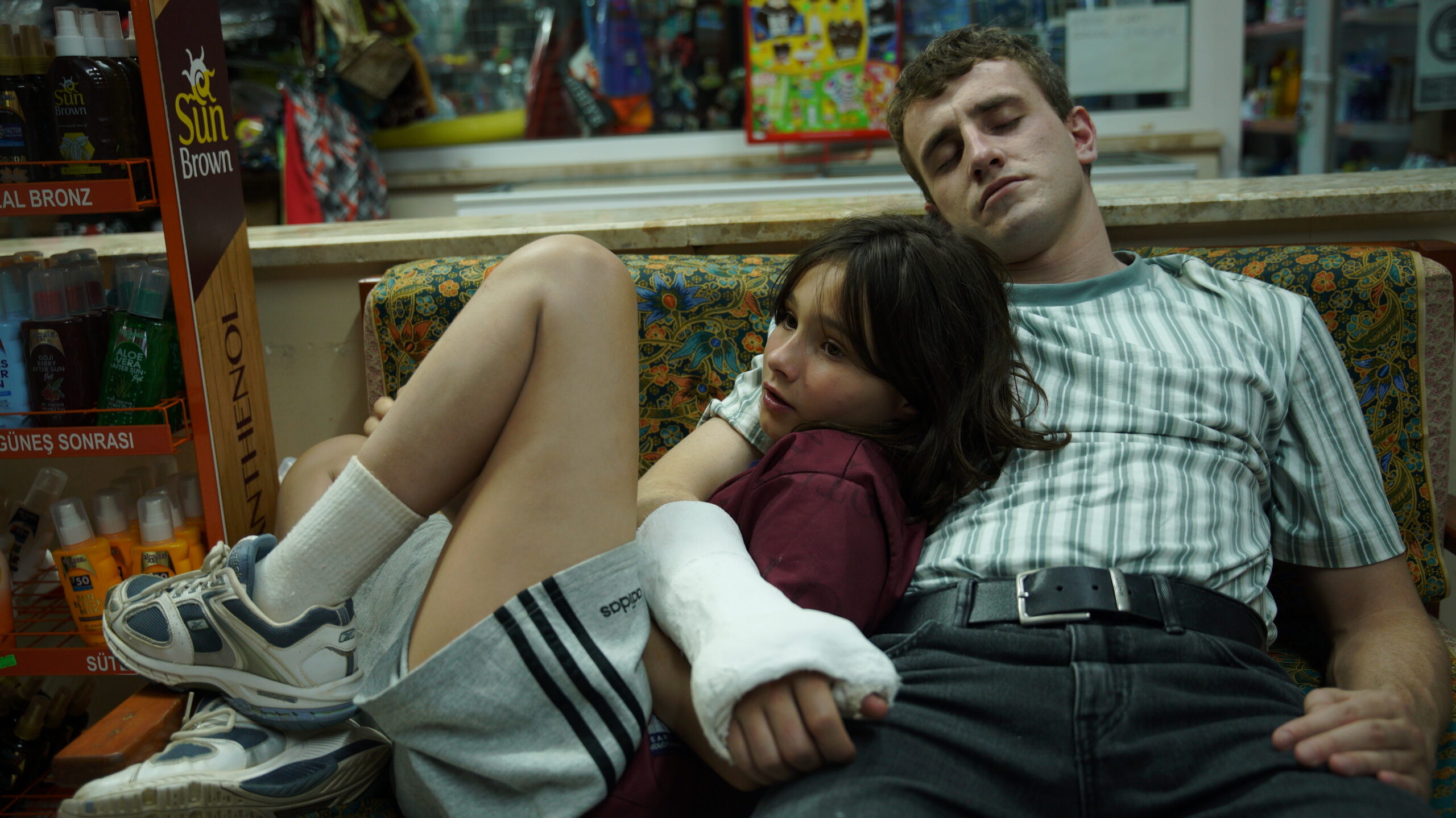
This week on the InSession Film Podcast, we discuss Charlotte Wells’ blistering directorial debut Aftersun and Ryan McQuade joins for a review of The Menu! Plus, a few brief thoughts on Causeway and Fire of Love.

A huge thanks to Ryan for filling in for The Menu. As you’ll hear on the episode, JD had knee surgery this last week and he wasn’t able to make it to a theater to see the film. So we’re very grateful for his flexibility. As for Aftersun, it’s one of our most passionate conversations of the fall season given our love for the film.

On that note, check out this week’s show and let us know what you think in the comment section. Thanks for listening and for supporting the InSession Film Podcast!

– Review: Aftersun (5:31)
Director: Charlotte Wells
Writers: Charlotte Wells
Stars: Paul Mescal, Frankie Corio

– Notes / Discussion (1:21:50)

This week for our break segment, JD briefly gives us his thoughts on the Harry Styles vehicle My Policeman and Jennifer Lawrence in the quiet film Causeway. Meanwhile, Brendan gives us his thoughts on the documentary Fire of Love. And finally we talk about the saddening trajectory of Amy Adams’ career post-2016 with her latest film Disenchanted being another disappointment.

[divider]

RELATED: Listen to Episode 484 of the InSession Film Podcast where we discussed Top Gun: Maverick!

[divider]

– Review: The Menu (1:35:47)
Director: Mark Mylod
Writers: Seth Reiss, Will Tracy
Stars: Ralph Fiennes, Anya Taylor-Joy, Nicholas Hoult

Show Sponsor: First Time Watchers Podcast

– Music

Aftersun – Oliver Coates
All Aboard – Colin Stetson
The Return of the Eagle – Atli Örvarsson

Subscribe to our Podcasts RSS
Subscribe to our Podcasts on iTunes
Listen on Spotify
Listen on Stitcher
InSession Film Podcast – Episode 509

[divider]

Next week on the show:

Review: The Fablemans
Top 3: N/A
Review: Pinocchio

[divider]

Help Support The InSession Film Podcast

If you want to help support us, there are several ways you can help us and we’d absolutely appreciate it. Every penny goes directly back into supporting the show and we are truly honored and grateful. Thanks for your support and for listening to the InSession Film Podcast!

VISIT OUR DONATE PAGE HERE

Poll: What is your favorite food movie?

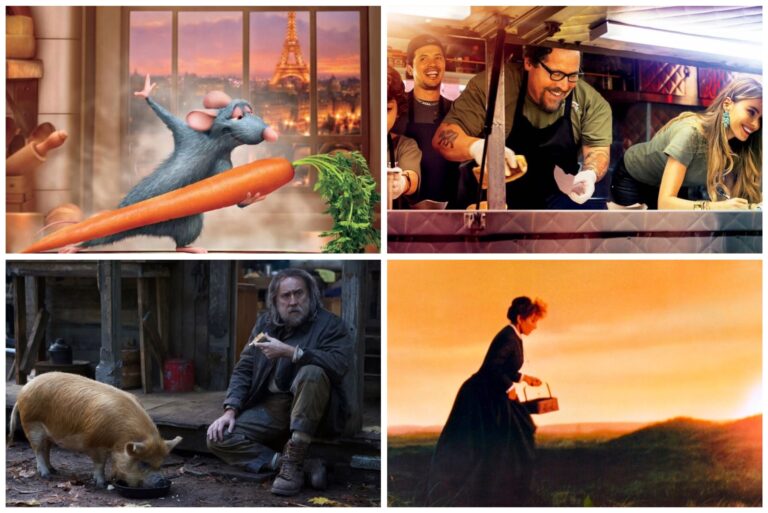
Has a film ever made you literally hungry? That is often the best trait for any food movie, when it captures culinary creativity so well your mouth just waters. Great food scenes have been featured abundantly over the years, but we less often see such nourishment as being part of the actual plot. And while this weekend’s The Menu isn’t exactly a “food movie”, it did prompt us to look at the cinematic menu of greatest culinary movies.

So with that said, which food movie satiates you the most?


Podcast: Shutter Island / She Said – Extra Film

This week on the Extra Film Podcast, Ryan and Sophia continue their Martin Scorsese Movie Series with Shutter Island and they also review the Maria Schrader journalism film She Said!

Shutter Island is an interesting film in Scorsese’s canon given how polarizing it is. Some love it, some hate it, and that divide was certainly on display in our conversation. On the other hand, we love journalism movies and She Said is another great entry into the sub-genre. We’re all, obviously, very familiar with this story, but it gets it right and it’s very well done.

On that note, check out this week’s show and let us know what you think in the comment section. Thanks for listening and for supporting the InSession Film Podcast!

– Movie Review: Shutter Island (5:09)
Director: Martin Scorsese
Writers: Laeta Kalogridis
Stars: Leonardo DiCaprio, Mark Ruffalo, Ben Kingsley

– Movie Review: She Said (50:07)
Director: Maria Schrader
Writers: Rebecca Lenkiewicz
Stars: Carey Mulligan, Zoe Kazan, Patricia Clarkson

– Music

Symphony No.3 Passacaglia – Allegro Moderato
Driving to Queens – Nicholas Britel
The Return of the Eagle – Atli Örvarsson

Subscribe to our Podcasts RSS
Subscribe to our Podcasts on iTunes
Listen on Spotify
Listen on Stitcher
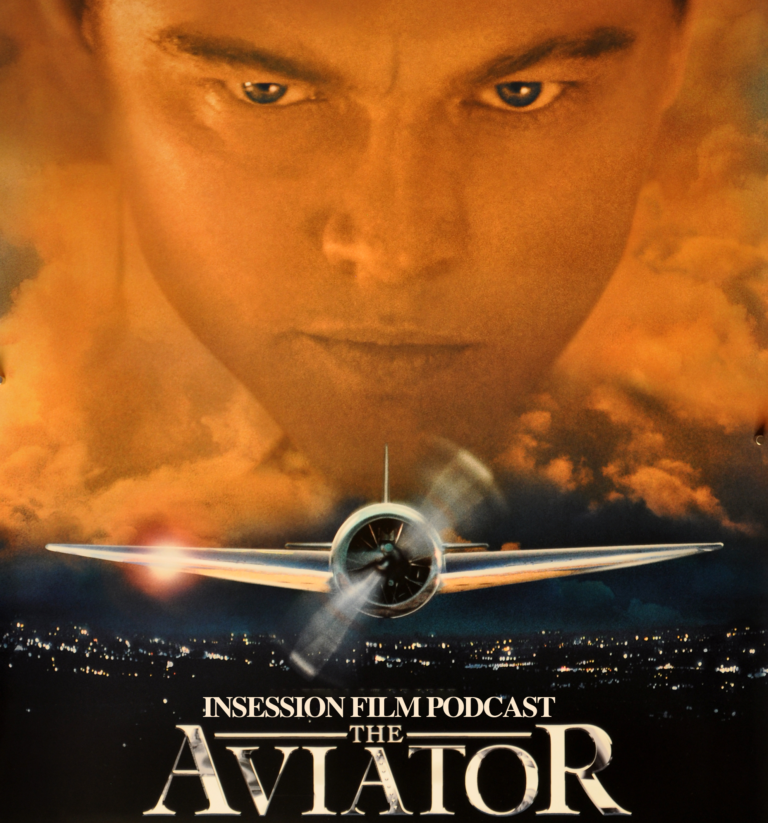
Extra Film – The Aviator / Causeway

[divider]

To hear this Extra Film episode and everything else we do, download our apps on the Amazon Market for Android and the Podcast Source app on IOS devices. The mobile app covers all of our main shows, bonus podcasts and everything else relating to the InSession Film Podcast. Thanks for your wonderful support and for listening to our show. It means the world to us.

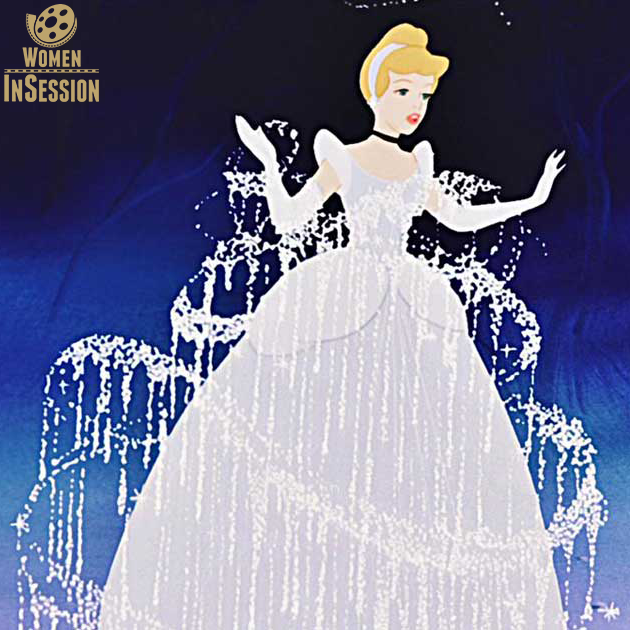
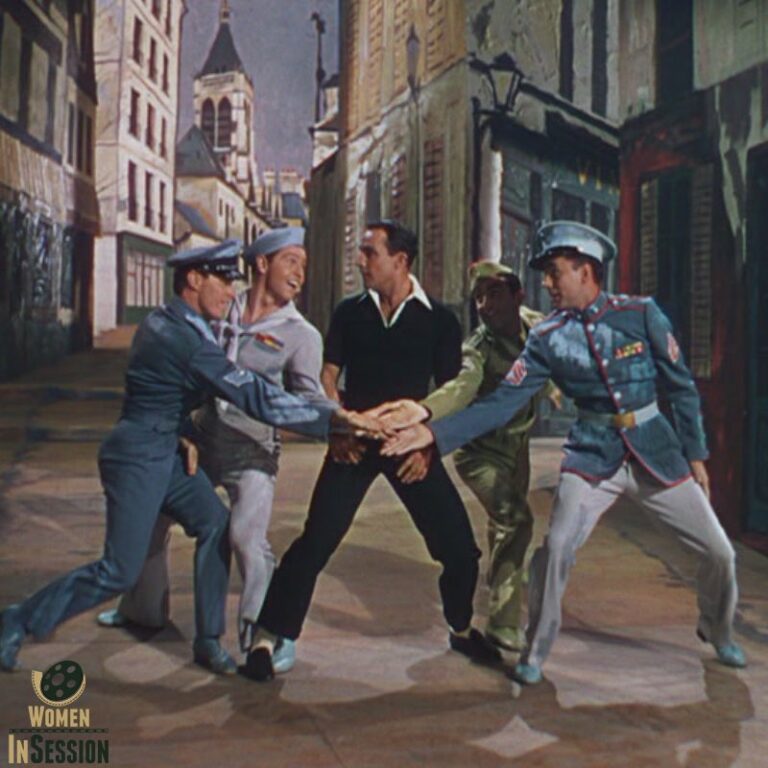
Women InSession: Disney Classics – Episode 17

This week on Women InSession Podcast, we discuss our Top 3 Disney classics and also talk about Disney’s overall impact on cinema! We cover everything from modern Disney with films Frozen and Wreck-It Ralph to early Disney with iconic animated movies like Pinocchio and Cinderella. It was a lot of fun!

Panel: Kristin Battestella, Amy Smith, Amy Thomasson, Shadan Larki

On that note, check out this week’s show and let us know what you think in the comment section. Thanks for listening and for supporting the InSession Film Podcast!

– Music

The Return of the Eagle – Atli Örvarsson

Subscribe to our Podcasts RSS
Subscribe to our Podcasts on iTunes
Listen on Spotify
Listen on Stitcher
Women InSession – Jennifer Jones

[divider]

To hear this Extra Film episode and everything else we do, download our apps on the Amazon Market for Android and the Podcast Source app on IOS devices. The mobile app covers all of our main shows, bonus podcasts and everything else relating to the InSession Film Podcast. Thanks for your wonderful support and for listening to our show. It means the world to us.

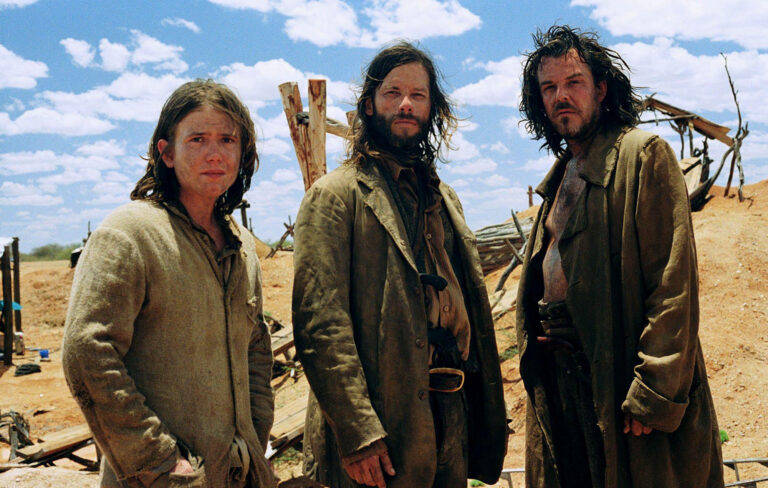
A Slice Of Meat Pie: Australia’s Own Western Genre

While watching some films on the Criterion Channel starring David Gulipuli, I started looking up these types of movies set in the Outback, aka “the bush.” It is Australia’s own piece of real estate, a land never tamed where its settlers have to learn to survive. The Outback is also a piece of beautiful naturalism where nothing has drastically changed since humans started moving in, but the human density residing here is still low. This massive plot of land has been put to good use in Australia’s cinema for over a century, establishing the “meat pie Western” in contrast to the American style of the genre.

The name is cited from the 1970s by film historian Eric Reade in his book History and Heartburn when describing the genre. This phrase was written similarly to the Spaghetti Western genre of films produced in Italy. When Australians, stemming from the time the British colonized the country, began moving in and exploring the Outback, they encountered the harsh terrain and an arid climate. Being isolated from the major cities, it became a feeding ground for new establishments and wandering criminals. It was also an open stage for storytellers in novels and on the screen.

So, it was no surprise that when it came to telling a story about the area, one of the most notorious was produced first. In 1906, The Story Of The Kelly Gang was released, featuring all the characteristics of any Western. It is good versus evil plus shootouts and horseback rides; then, there is the interesting shield the bandits had in real-life: metal armor. This had not been seen in any other Western. Plus, the film was the first narrative film to be released in the world with a length of sixty minutes. However, two-thirds of the film is lost, while the remaining third of the film has been restored, including the film’s climax.

Multiple remakes of Ned Kelly and his exploits have been remade multiple times (Mick Jagger, Heath Ledger, and George MacKay have played him), but others, including fictional tales, were also produced. When films about bushrangers like Kelly were banned temporarily, other areas of bush life were portrayed. In the 1920s, American husband and wife duo Wilfred Lucas and Bess Meredyth were hired to come to Australia and direct two films, The Man From Kangaroo and The Jackeroo Of Coolabong. Both films starred boxer Snowy Baker and depict life living in towns while fending off thieves and protecting a woman from trouble.

As sound films came into play, a diversifying genre of that same meat pie being portrayed started to get help from international studios. Columbia Pictures co-financed 1936’s Rangle River while Britain’s famed Ealing Studios helped finance The Overlanders (1946). The Sundowners (1960), another British-produced film in Australia, starred American actor Robert Mitchum, whose faux Aussie accent was mediocre. While the US had their Western TV show in Gunsmoke, the Aussies had theirs with Whiplash. When the ban on bushranger films was lifted, the growing Australian New Wave of the 1970s started to incorporate outside elements into their films of the Outback.

Inn Of The Damned from 1975 blended Western themes with horror. Mad Dog Morgan, an independent picture starring Dennis Hopper, told the true story of a bushranger with strong violence that could now be shown on screen. And while it may not look like a meat pie Western, George Miller’s Mad Max does incorporate certain themes, such as a Wild West-type setting with only one man trying to fight an entire gang of criminals. These films from the 1970s also fell into another category, the Ozploitation genre, all low-budget features that focused on horror, dystopia, sex, and other types of films that took advantage of a freer culture. 

The output of films in this genre dropped in the rest of the century, but by the turn, a new type of meat pie Western was being made. As the country was reexamining its past relationship with the Aboriginal community, these new films such as The Tracker (2002), The Proposition (2005), and Charlie’s Country (2013) all took into account the terrible history of the Stolen Generation. They are in different forms, whether it be noir or revisionist Western, set in the past during a distinctive time. Major directors who have explored this era include Rolf de Heer, Warwick Thornton, John Hillcoat, and David Michod.

Australia is another nation with a culture and style that differs very much from the American way. Watching another Outback-set drama such as Walkabout encompasses what it feels like to be there. It has allowed so many films to be set there touching on numerous themes and inventing its own Western. This is far from how we may think of Australia because it’s no Crocodile Dundee. Meat pie Westerns are not for someone like John Wayne playing cowboys and Indians. It’s harsher. 


Follow me on Twitter: @brian_cine (Cine-A-Man)

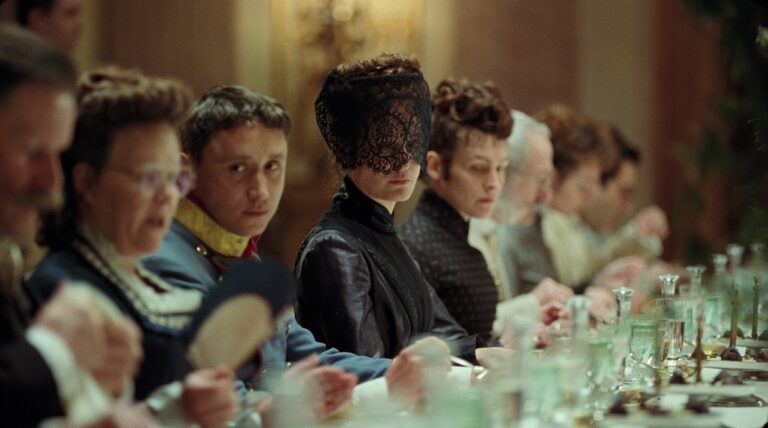
Movie Review: ‘Corsage’ Features Another Outstanding Vicky Krieps Turn


Director: Marie Kreutzer

Writer: Marie Kreutzer

Stars: Vicky Krieps, Colin Morgan

Synopsis: A fictional account of one year in the life of Empress Elisabeth of Austria. On Christmas Eve 1877, Elisabeth, once idolized for her beauty, turns 40 and is officially deemed an old woman; she starts trying to maintain her public image.


Biopics on revered, infamous royal figures run the risk of being bland, banal entries into historical lore. They can be heavy, impersonal, and have an air of mugginess that leaves you gasping for freshness. Their stale opulence and privilege seep into the fabric of the film, as we’re meant to feel sorry for these people whose power over their subjects is taken as gospel. It was apparent in Todd Hooper’s Best Picture winning The King’s Speech and Stephen Frears’ The Queen in which they took the road most travelled for their stories. In Corsage, Marie Kreutzer breathes life into a film that circumvents royal tropes in a restrained but tangibly brazen half-truth biopic of infamous Austrian Empress Elisabeth Eugenie – portrayed with the inflammatory despondence of an angry asp by an excellent, magnetic Vicky Krieps. 

Corsage isn’t a completely new entry in the sub-genre of tumultuous royal breaking apart under their respective monarchies. As recently as 2021, Pablo Larrain’s wonderful ‘fable from a true tragedy Spencer reimagined Princess Diana Spencer as a tragic figure stuck in the cyclical appeasement of the royal family. The Sofia Coppola directed Marie Antoinette  also avoided the stuffy pitfalls that befall royal stories by populating itself with contemporary anachronisms. Corsage achieves this circumvention in a similar way by soundtracking itself with modern pop in a dichotomy that spreads this story through to present-day. In this way, Kreutzer bridges the gap between classic and modern with this story of female constriction, self-destruction, and rage against the patriarchy that continues to be relevant; all traits that aren’t permitted for a woman whose public perception as a stable, put together Empress is pivotal to husband Emperor Franz Joseph (Florian Teichtmeister) and his ongoing war. 

Being ‘put together’, however, is far from Sissi’s mind. Having just reached 40 – the average life expectancy for a woman in 1878 – she is breaking apart under the weight of her fabricated life. Her life, one of corsets tightly bound, beards glued on to her loveless spouse, and purple boxes whose chocolate treasure is treated as a faux healing balm to the wounded, is performative and it eats the depressive Sisi alive. She wants nothing more than to be seen authentically, and desired. Like a cat vying for attention, it’s always at her behest and she’s more than willing to throw people away when done with them. “I enjoy watching you looking at me” Sissi tells a lover before discarding them. She invokes her power and sexuality to seduce, fakes accidents, faints for attention and forces staff to time her on how long she can be submerged in a bath before she drowns. She even injects heroin to alleviate the boredom and depression that being perceived and desired bring her – the very things she both craves and detests. She is obsessed with wanting to be loved, to be treated as the icon Austria sees her as, to have herself validated by everyone around her and yet, she can’t arouse the husband who parades her as a trophy. A failure, for a woman who craves control and freedom. Freedom is a key element to Corsage. Her husband, mockingly referred to in her friendship group as FJ, tells her she can do whatever she wants outside of the public eye. He has what he wants in the form of a male heir, Rudolf (Aaron Friesz), and desires not the feisty, manic depressed Sissi. He tells her, after she spends months away, that he will see her later, his stiff upper lip pouting at her return. But, in a society that forbids showing weakness in the monarchy, she has to fake it, and not let this show to anyone outside her tight-knit friendship group. Freedom, in a patriarchal society? Not so much.

Kreutzer opens up her toy box with Corsage and is having icy fun reimagining the life of the Empress. The screenplay is full of sharp dialogue and Kreutzer’s work here on self-concept, image and perception is highlighted so well by the introduction of Louis LePrince (Finnegan Oldfield), who shows Sissi a movie camera. The camera captures her in a way she describes as objective, in a way that she can only fathom at this point in history. During this sequence, she asks LePrince if the device can hear her. Of course, this is not the case as it is described as a “wonderful idea, but impossible”. She uses this as cathartic release, screaming into the void of being caught objectively on camera with ambiguous audio, letting herself be her authentic incandescent self in front of the lens. These moving pictures, of which she imitates as nonchalant doodles of her suicidal tendencies, are imperative to Sissi’s desire to be captured and seen as a real person, not in the fake persona she is forced to employ or in a painting that she self describes as getting her late child’s complexion wrong.

Kreutzer, who also wrote the script, directs this with cold, calm rigidity. It means that the film is as frosty as the protagonist’s loveless marriage, but it manages to be achingly compelling by its ability to constantly upend the status quo of familiar tropes. It means this fantastic film is never far away from something surprisingly caustic, whether it be a reveal of Krieps’ naked body seducing for attention or the distraught idea that her young child indoctrinated by the monarchy prefers the fake version of Sisi that is on show to the public. 

Corsage, a film filled with engaging concepts and ideas, may take its time but between its fantastic period production and costume design, Kreutzer’s sharp dialogue and Krieps’ terrifically raw, distinguished portrayal of Empress Sisi as an obsessive anti-heroine sick of her life, it’s a film that demands your attention. A devilishly entertaining, tangibly textured, provocative film on a self-destructive woman hellbent on not conforming to societal strictures.

Grade – B+

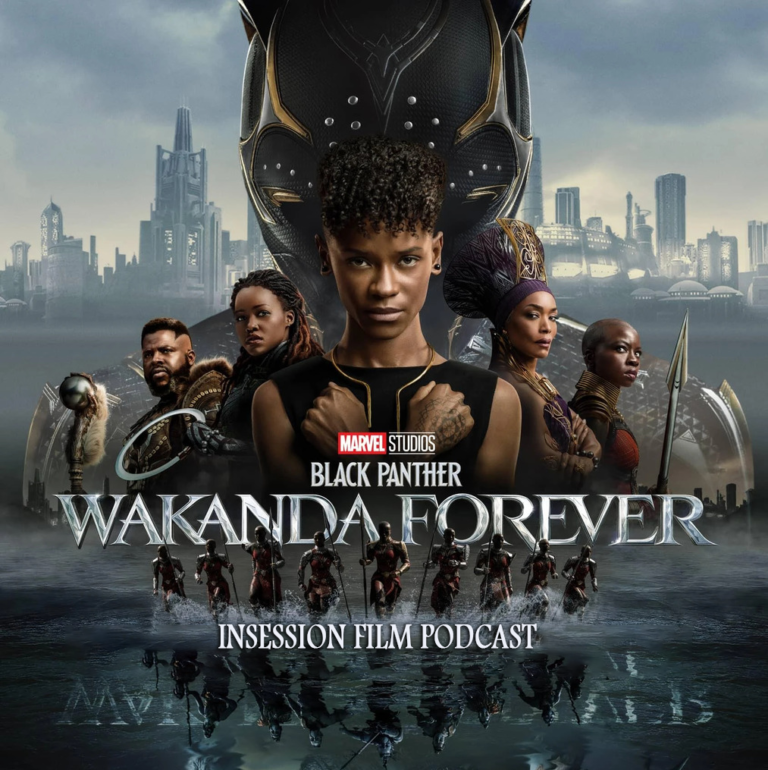
Podcast: Black Panther Wakanda Forever / Grave of the Fireflies (Revisited) – Episode 508

This week’s episode is brought to you by Libsyn. Start your podcast today and get your first two months free when you use the code “ISF” at checkout!

This week on the InSession Film Podcast, Christian Eulinberg joins us as we discuss Marvel’s latest in Black Panther: Wakanda Forever and we conclude our Studio Ghibli Movie Series with Isao Takahata’s masterpiece Grave of the Fireflies!

Big thanks to Christian for joining us once again. We always love having him on the podcast and he was terrific as always as we talk Black Panther: Wakanda Forever and how it honors the late-great Chadwick Boseman. For long time listeners, you’ll know how deeply meaningful Grave of the Fireflies is for JD. The boys on Extra Film covered it a few years ago, but off the heels of our Studio Ghibli series, we needed to also talk about it at length.

On that note, check out this week’s show and let us know what you think in the comment section. Thanks for listening and for supporting the InSession Film Podcast!

– Review: Black Panther: Wakanda Forever (5:31)
Director: Ryan Coogler
Writers: Ryan Coogler, Joe Robert Cole
Stars: Letitia Wright, Lupita Nyong’o, Danai Gurira, Winston Duke

– Notes / Discussion (1:21:50)

This week for our break segment, we talk very briefly about the latest Patreon Bonus Content we plan on doing soon. Other than that we keep it pretty simple as our two reviews we’re lengthy (for good reason).

[divider]

RELATED: Listen to Episode 484 of the InSession Film Podcast where we discussed Top Gun: Maverick!

[divider]

– Studio Ghibli Movie Series: Grave of the Fireflies (1:35:47)
Director: Isao Takahata
Writers: Isao Takahata
Stars: Tsutomu Tatsumi, Ayano Shiraishi

Show Sponsor: First Time Watchers Podcast

– Music

Wakanda Forever – Ludwig Göransson
Armageddon Time – Christopher Spelman
The Return of the Eagle – Atli Örvarsson

Subscribe to our Podcasts RSS
Subscribe to our Podcasts on iTunes
Listen on Spotify
Listen on Stitcher
InSession Film Podcast – Episode 508

[divider]

Next week on the show:

Review: Aftersun
Top 3: N/A
Review: The Menu

[divider]

Help Support The InSession Film Podcast

If you want to help support us, there are several ways you can help us and we’d absolutely appreciate it. Every penny goes directly back into supporting the show and we are truly honored and grateful. Thanks for your support and for listening to the InSession Film Podcast!

VISIT OUR DONATE PAGE HERE

Movie Review: ‘A Piece of Sky’ is a Beautiful Depiction of Illness Affecting Relationships


Director: Michael Koch

Writers: Nadja Dumouchel and Michael Koch

Stars: Simon Wisler, Elin Zgraggen, and Michèle Brand

Synopsis: In a remote mountain village, Anna tries to preserve her young love for Marco, against all odds.


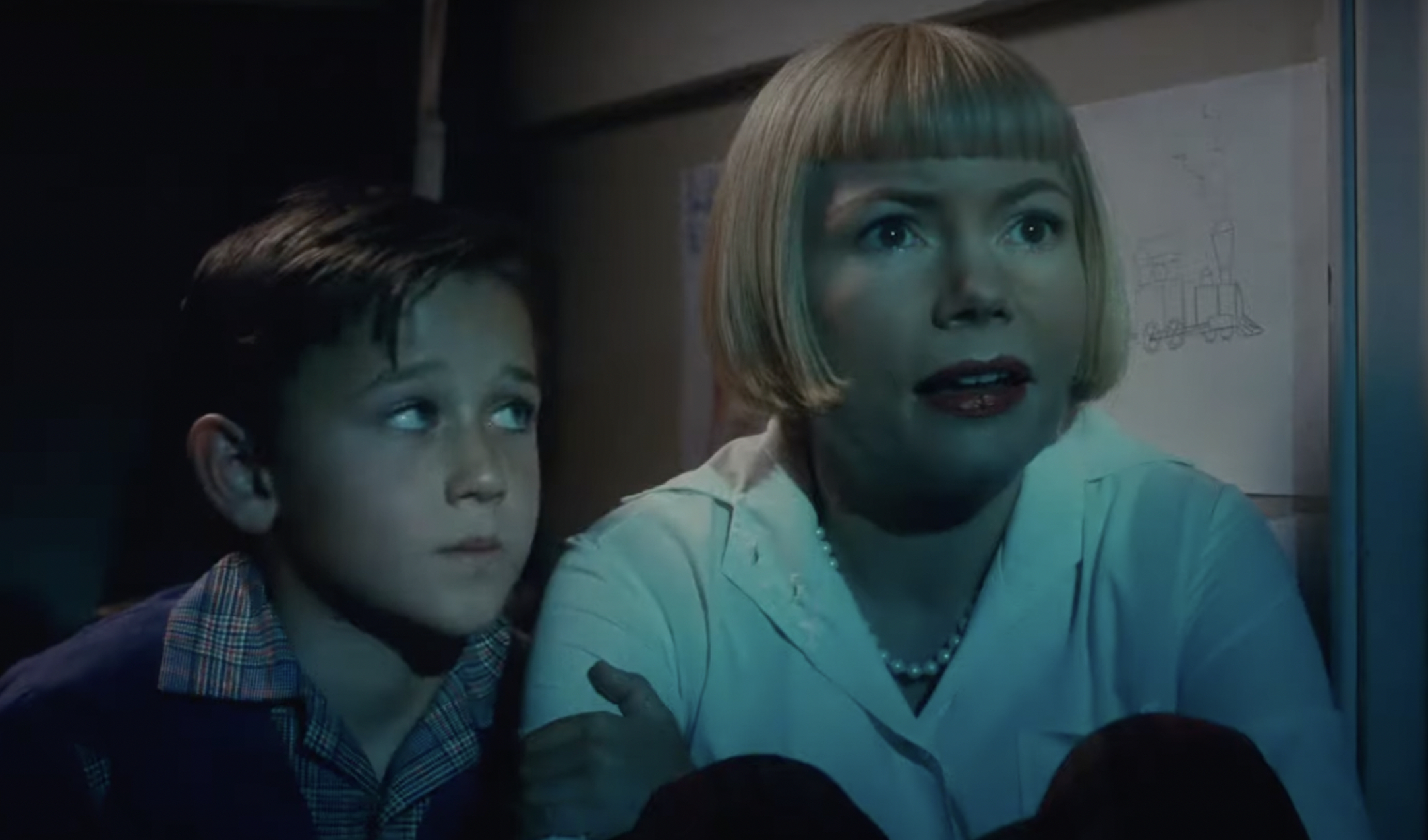
Since 2012, every film that tackles mental illness and the slow deterioration of the mind when aging is being deducted into an “answer” to Michael Haneke’s stunning and heartbreaking masterwork, Amour. Sure, they may (or may not) have been inspired by Haneke to tell their own stories. Still, most of them are pretty different from each other. Earlier this year, we saw Gaspar Noé tackling dementia in Vortex, his most approachable yet disconsolate film to date, via a split-screen cinematic dynamic, in which it followed the leads like intruding ghosts. It created a haunting sensation from beginning to end, getting the sensations of a horror film, but its scares came from a grounded place rather than supernatural endeavors. Making its festival runs is Mia Hansen-Løve’s latest feature, One Fine Morning – a film that delicately explores how a daughter copes with the neurological disease her father is going through. Both of these films may have minor similarities, but they are entirely different in most facets. Within that distinctive note arrives a new film by Swiss filmmaker and screenwriter Michael Koch, A Piece of Sky – Switzerland’s pick to represent them at this year’s Oscars. 

The only similarity that Koch’s work has with Haneke’s is the contemplative and slow-paced approach to tackling the debilitation caused by the illness, which forces a spouse to become a caretaker for the sick. The rest is infused by the stylistic techniques he has implemented throughout his career and some twists of its own. In the case of A Piece of Sky, the genders are swapped; the woman is playing the role of the caretaker while the patient is a grizzly farm worker. The second “twist” in its narrative, compared to Amour, is that it is focused on younger people. The age difference between the two films is vast, creating different dynamics within the central relationship of wife and husband, caretaker and patient. What Koch wants to explore is how to deal with such an illness and the tragic essence of saying goodbye to a life that’s starting to bloom. Beauty and tragedy are intertwined through the Swiss mountains and landscapes – quietness drenches the screen in solemn dread, immersing the viewers in the story’s emotional hymns. 

A Piece of Sky begins with a classical sense of romance between a farm worker, Marco (Simon Wisler), and a barmaid, Anna (Michèle Brand) – two people falling in love through a meet-cute procedure which we have seen before. From the start, there’s a sense that damnation will rain over the fairy-tale-like lover’s parade. Everything seems like it is running its course toward tragedy, even in its romance scenes. During their wedding, Marco begins to experience a severe headache, which causes him to throw up and lose his balance. It appears that he has developed a brain tumor, and surgery is needed immediately. Initially, Marco continues his daily life as usual – working hard as he tends to do. However, when his condition worsens (to the point where he can’t even stand up), Anna tries to care for his loved one. The relationship between Anna and Marco often reminds you of Bess McNeill and Jan Nyman in Lars von Trier’s Breaking the Waves. Their devotion to one another is always present in both scenes of affection and heartache, but Anna isn’t searching for a higher presence to help heal her loved one, unlike Bess. 

Religion isn’t a critical factor in A Piece of Sky, unlike Breaking the Waves, but a fantasy-esque element serves as a chapter introduction and curtain closer. During the closure of each stage in Marco’s illness (as his state worsens quickly), immediately following, there’s a scene where a choir sings about grief, death, the beauty of the past, and love. This could be interpreted as Koch’s rendition of the chiming bells in von Trier’s acclaimed work, a gateway into another realm where people can finally find peace. Both films contain a mysticality of some sort. While Lars von Trier intertwined his with religion and a higher presence, Koch and cinematographer Armin Dierolf let the camera linger for quite a long time – letting the audience bask in the dread-induced, yet ravishing, atmosphere. It takes its time to settle into this captivating eeriness, hence the slow pacing and stillness, yet it comes with a purpose. The pensive nature allows Koch to play with the film’s structure, creating a division between the story’s dramatic trappings and the daydreaming rhapsodies. 

One thing that holds A Piece of Sky back from being a great film about illness fracturing a freshly blooming relationship is its sense of miserablism. Of course, it is hard to capture such a topic and add moments of happiness to it because there’s no delight in the minds of those affected and the people surrounding them. However, it gets to the point where it stops being emotionally impacting. Nevertheless, it is effective because of Koch’s stylistic decisions and the performances, especially Michèle Brand (who will break one’s heart with just her eyes). Still, to a certain point, the narrative isn’t moving you as it could. Nonetheless, A Piece of Sky makes you contemplate the realization of life and our minds. 


Grade: B

Movie Review: ‘Close’ is a Beautiful and Striking Tear-jerker


Director: Lukas Dhont

Writers: Lukas Dhont and Angelo Tjissens

Stars: Eden Dambrine, Gustav de Waele

Synopsis: The intense friendship between two thirteen-year old boys Leo and Remi suddenly gets disrupted. Struggling to understand what has happened, Léo approaches Sophie, Rémi’s mother. “Close” is a film about friendship and responsibilit


Thanks to its humanistic portrayal and ravishing performances by its cast (particularly Eden Dambrine and Émilie Dequenne), Lukas Dhont’s sophomore feature, Close, is one of the most emotionally moving films of the year – a beautiful and striking portrait of processing grief at a young age and the toxic masculinity of today’s society. 

Friendship is a complicated thing to comprehend and understand, often intertwined with loss. It is one of those things that we are just not ever going to get the hang of it in its totality. As you age, you gain more maturity concerning the people close to you. Still, there are those moments when that bond fractures. It might be resolved with a conversation – the bandage to cover a wounded heart – or maybe ruptured entirely. We saw this earlier this year in Martin McDonagh’s The Banshees of Inisherin . The British-Irish filmmaker explored the melancholy of a relationship between two life-long friends and intertwined it with the Irish Civil War – brother versus brother, friend versus friend. The confrontations offshore the fictional island are juxtaposed with the deterioration of their bond, loneliness eating them alive on the inside as they navigate existential importance. However, it isn’t the only film to be released this year that explores how quickly bonds can break and the aftermath that happens after. 

The other film that dissects similar themes is Lukas Dhont’s latest, the Grand Prix-winning Close, but there’s a twist. While McDonagh focuses on men in their middle age, Dhont’s center of attention is on childhood innocence. When you are young, these relationships can be broken faster and hurt deeper because you don’t know much about the world – mental states, how your words and actions affect the people next to you. Along with the pantheon of films released about leaving childhood behind (coming of age via various methods) comes Close, an emotional wallop of a movie that plays with your heartstrings at every moment without feeling manipulative. Its title refers to the bond between two thirteen-year-old boys, Léo (Emilie Dequenne) and Rémi (Gustav De Waele). They are best friends – a connection that can only be seen during childhood. It opens up with the two playing a game of pretend, where they are holding off incoming enemies. 

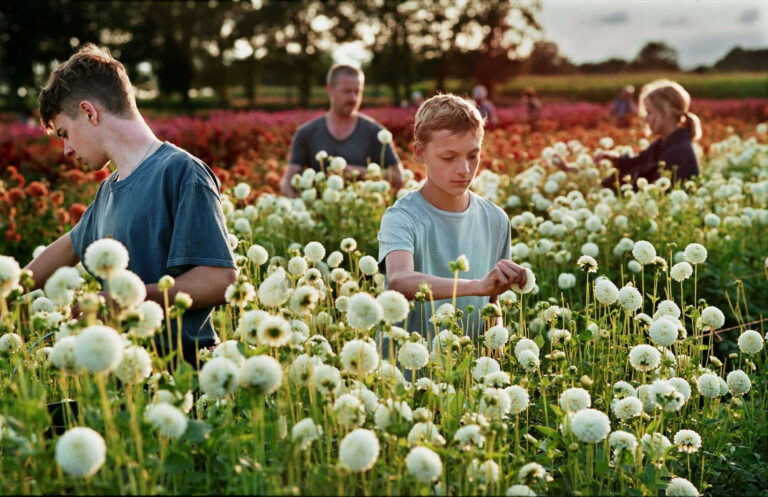
One of the first images you see is the two running through a field of beautiful flowers, blooming while they frolic through the fields of innocence. A beautiful sight to behold; it immediately makes the viewer remember similar days when nothing mattered, and there were no worries. All you were looking forward to was being with your best friend for the entire day and playing. The nostalgia caused by those initial moments is fully effective, but it doesn’t prepare you for what comes next in the story. That happiness will not last forever; it is too good to be true. And knowing about the growing pains of today, we all know what may happen throughout Close’s runtime will break our hearts. School is starting, and the younglings begin their day by doing bicycle races to get there. Because Léo and Rémi are so close and affectionate with each other, they are met with an adversary as their classmates question their relationship. They tease them as if they were a couple. 

Because he doesn’t know how to respond to such teasing, Léo slowly distances himself from Rémi and the rumors surrounding their bond. What Dhont does that might have broken the film right from the start is not demonize the classmates. Aside from the initial teasing with a homophobic fringe, there are no bullies in the movie. However, the Belgian filmmaker showcases how those implications put pressure on the two best friends, eventually causing a rupture in their life-long attachment. As time passes, they see each other less and less, to the point of no communication or eye glances. And, when you least expect it, tragedy initiates the second act – a humanistic and heart-rending moment that will surely make many  shed tears. What began as a film about two people who could not be separated from each other no matter the cause, ends up as a reflection of grief and societal norms of conformity imposed onto the youth. 

Close may contain some expected narrative beats, but what’s great about Lukas Dhont’s sophomore feature is how effective and humanistic his approach is to the story. The process of grief is handled in ways that aren’t predictable, replacing usual screaming matches and crying scenes for quiet ones that make you ponder about the pain eating Léo alive on the inside and his unwillingness to go through the stages of loss. That’s why it is way more effective than most stories tackling these topics. The quietness of not processing grief properly fills one’s heart with tears of sorrow, which can cause it to implode sooner rather than later. In a way, it reminded me of the song “Introducing Angels”, from Destroyer’s underrated record, ‘Trouble in Dreams’. Singer Dan Bejar often repeats in the song “Common scars brought us together”, followed by “beneath the light of the moon, it’s not too soon / flower girls stalks the groom”. Those lines refer to the uniting power of tragedy, which is a key factor in the last couple of scenes in Close

In addition to the long-lasting grief process, Dhont explores how toxic masculinity is being smeared onto the lives of these young kids, Léo eventually using ice hockey to forget about the pain. However, his constant falls and failures are part of him knowing that he’s doing that just to fit in rather than enjoying it. Everything is turning into a blur, but Léo doesn’t want to acknowledge it, keeping his head high and ignoring his feelings to conceive with the notion that “boys don’t cry”. His classmates are projecting their own insecurities, fears, and diffidence onto the intimate relationship between Léo and Rémi. Dhont paints a portrait of today’s society to open the viewer’s eyes concerning the youth. Seeing the recent anti-LGBTQ+ laws that have manifested in different countries gives this film more impact, importance, and multiple melancholic layers filled with dread and desolation. By the time Close reaches its end, you have wept over a dozen times; your heart is filled with sadness over the reminiscence of past relationships and the striking depictions of the world we live in today. 

Lukas Dhont is becoming a force to be reckoned with, as with each feature he grows – his work feels more mature and personal as it continues to work. His filmography may be just starting to be forged, but Dhont’s cinema is powerful and emotionally moving, more so than most filmmakers working today. 


Grade: A

Movie Review: ‘Enola Holmes 2’ Is A Massive Improvement Over the First


Director: Harry Bradbeer

Writers: Jack Thorne

Stars: Millie Bobby Brown, Henry Cavill, Louis Partridge, David Thewlis, Sharon Duncan-Brewster and Helena Bonham Carter 

Synopsis: Now a detective-for-hire, Enola Holmes takes on her first official case to find a missing girl as the sparks of a dangerous conspiracy ignite a mystery that requires the help of friends – and Sherlock himself – to unravel. 


I wasn’t a big fan of the first Enola Holmes – its meta-structure made it terribly languishing, with the movie stopping dead in its tracks in the middle of a vital sequence to wink at the audience. Its plot was also terribly predictable. Even as a side character, Henry Cavill’s talents felt wasted as Sherlock Holmes, not to mention Helena Bonham Carter, who was barely in it. So I’m surprised that I tremendously enjoyed Enola Holmes 2, even if it’s way too long and has a plot that a five-year-old could solve. 

Running at 130 minutes, the sequel sees Enola (Millie Bobby Brown) solve her first case, investigating the disappearance of Sarah Chapman (Hannah Dodd). She quickly discovers a conspiracy, with a corrupt police Superintendent (David Thewlis) trying to cover up a series of murders that involve girls working at a match factory. Enola’s case is also linked to Sherlock’s (Henry Cavill), who has been playing a cat-and-mouse game with his yet-to-be-revealed arch-nemesis Moriarty. 

It won’t take long for you to deduce who Moriarty is, simply by the name the character disguises themselves in. I won’t say who it is, but it’s always right in your face. And if you’re not able to immediately go, “A-ha! That’s Moriarty!,” you may not be a good detective after all. Jokes aside, its “uncrackable” case doesn’t seem so uncrackable when you put two and two together. The clues are in Enola and Sherlock’s faces the entire time, but they need to analyze every painstaking detail before they can “truly” solve it. The solving aspect is a bit overlong, especially if you see everything coming a mile away, but the film’s core remains fun. 

It’s incredible how director Harry Bradbeer goes from tepid and overlong in the first film to consistently excite audiences and zip them from one location to the next in the second installment. The movie has its share of slow moments, but it’s never boring. Its breakneck pace puts one action sequence after another, and they’re all thrilling to watch. Some of them aren’t as tightly edited as others (especially the climax, which defies the 180-degree rule multiple times, with the clunkiest editing choices possible), but there’s always a sense of great adventure as Enola keeps getting chased by Grail (Thewlis) and the forces who want her dead to cover up pure political corruption. 

A midpoint chase scene involving Enola being rescued by her mother (Helena Bonham Carter) is the movie’s highlight, terrifically building up tension inside the carriage while Thewlis’ Grail pursues them with his terrifying cane-gun. Thewlis is a terrific actor, and delivers a highly caricatural, and yet frightening, performance as Grail. He is the film’s biggest highlight, and a much better antagonist than who Moriarty is revealed to be, as we spent so little time with that villain compared to Grail who seems to have some grudge against Sherlock Holmes. 

As Sherlock, Cavill is the perfect fit for the character. It seems that Bradbeer listened to audience complaints that he was woefully underused in the first movie, and therefore links his case with Enola’s. Bobby Brown is, once again, excellent as Enola, and has hilarious chemistry with her on-screen brother. Thwarting Sherlock in the middle of the action, while not giving him the complete spotlight (since this is Enola Holmes 2 after all) was the best decision to expand on the character in the second installment. 

Enola’s chemistry with Lord Tewkesbury (Louis Partridge) is also greatly improved in this installment compared with the first, where they had very little. In this movie, Tewkesbury is the story’s most significant comic relief, with the two actors having perfect comedic timing as they desperately try to say they’re in love, but are hindered by the case’s multiple twists and turns. It’s a fun character dynamic with two earnest performances from talented actors who are given good material.

It’s just a shame that the core of the case can be solved as soon as all of its pieces are presented, but it didn’t much matter in the film’s larger picture. Enola Holmes 2 is a massive improvement over the first, not only from an aesthetic standpoint with a series of high-octane action sequences, but from a pacing perspective, as well. Its pieces are constantly moving, which makes for a more engrossing experience with Millie Bobby Brown, Henry Cavill, and David Thewlis. A mid-credit scene sets up the third installment, which I hope will come out sooner rather than later, even with Cavill committing to Superman’s return. His take on Holmes is terrific, and I, for one, can’t wait to see him again on the screen solving yet another large case. 


Grade: A-

Movie Review: ‘My Policeman’ Rehashes Well Worn British Drama


Director:  Michael Grandage

Writer: Ron Nyswaner

Stars: Harry Styles, Emma Corrin, David Dawson, Gina McKee, Linus Roache, Rupert Everett

Synopsis: The arrival of Patrick into Marion and Tom’s home triggers the exploration of seismic events from 40 years previously.


There has been a rise in the numbers of queer stories being told in Hollywood, which can only be seen as a good thing in this current landscape. If anything, My Policeman has great intentions to show the changes made over the decades to show the societal shift in perspective of same-sex relationships, and that should be commended. While this film doesn’t reach the overall quality of other recent queer tales such as Portrait of a Lady on Fire, there is still a compelling story within My Policeman. In particular, the scenes that focus on the developing relationship between young Patrick (David Dawson) and Tom (Harry Styles) are handled in a sensitive way that is wonderful to see on the big screen. Despite a clunky opening act trying to balance numerous timelines and filled with heavy exposition of our leading characters, it is the reveal of Patrick and Tom’s secret relationship that finally makes My Policeman click into place.

The aspect of My Policeman that has drawn a younger audience for the film than most British dramas is the casting of Harry Styles in a leading role. Following his recent role in Olivia Wilde’s Don’t Worry Darling, a film that was very controversial for many more reasons other than his performance. Out of the two roles, Styles does give the better performance in My Policeman,  as the role of Tom suits his presence just that little bit more in comparison to the more flashy and over-the-top casting in Don’t Worry Darling. There is a sense of charisma and immediate sex appeal needed from a role like Tom with this story, and considering the audience that I saw this film with, it is clear that Styles is able to bring that both on and off the big screen. In Don’t Worry Darling, it was clear that co-lead Florence Pugh was the better actor of the pair and it was hard in sections to take Styles seriously when acting opposite her. However, Styles is able to keep up with his two wonderful counterparts, Emma Corrin and David Dawson, as the trio develop strong on-screen chemistry in order to push this material forward.

Of course, the trio of Styles, Corrin, and Dawson only tell half of the story in My Policeman. There are two different timelines presented in the film, both focusing on our leading three characters. While most of the film focuses on the history of our leading characters in the 1950s, there is still an emotional arc surrounding these characters in the 1990s. The emotion within this storyline comes through thanks to the strong performances from Gina McKee, Linus Roache, and Rupert Everett. These sequences primarily take place within the one location of Marion and Tom’s home, making the audience focus on their dialogue and the use of flashbacks to piece together the narrative and the different relationships within this trio. The film does lose momentum at times when it cuts back to the 1990s, but that is because the film loses any form of action or spark when cutting away from the 1950s. Within the first half of the film, it felt like the scenes in the 1990s didn’t add enough new information to warrant cutting away and creating a distracting and frantic editing style to tell a classic story like this. However, when the film begins to tie up some loose ends and adds social commentary on the acceptance of gay romance over forty years later, that is when the emotion hits and the narrative shifts to focus on the later timeline. The pay-off is strong, but it takes some work to get to that conclusion if you are not fully invested in the story.

It can be hard to follow a lead character such as Corrin’s Marion and hear her strongly negative viewpoints regarding same-sex marriage, especially when she is a character that the audience is supposed to feel some sort of sympathy for given her situation. The screenplay does lack a bit of development of Marion’s character due to such a large time jump between her past and present, but the film does present a couple of small moments that help to illustrate a change of heart. These small and fleeting moments are what helps tie the story together and make My Policeman work thematically. Yeah, the overall presentation may be uneven and it won’t be a film that many people will remember or revisit in a few years time. However, I found myself captivated by the tale and that is all I ask with a story like this.


Grade: B-


Movie Review: ‘Brother and Sister’ is an Unemotional Melodramatic Disaster


Director: Arnaud Desplechin

Writer: Arnaud Desplechin, Julie Peyr

Stars: Marion Cotillard, Melvil Poupaud, and Golshifteh Farahani

Synopsis: Alice and Louis are estranged siblings who have been avoiding each other for over twenty years and are forced to reunite after a tragedy.


Arnaud Desplechin’s latest feature, Brother and Sister (Frère et sœur), is a total unemotional disaster – a laughable melodrama that feels like a parody of modern French cinema. Not even Marion Cotillard and Melvil Poupaud can save this one. 

I don’t think Arnaud Desplechin gets the credit he deserves, at least in the United States. Yes, he may have concocted several divisive features in the past couple of years, but they are different from one another – he doesn’t stick to the same dramatic trappings as other French directors do today. Instead, he finds different ways to convey emotions onto the screen instead of revolving around cliches or French cinema bromide. His early work in the 90s and early 2000s is still the highlight of his career, but it is fascinating to explore his present films and see how he has changed, both as a director and screenwriter. The fire of his early work is still present in his modern work, but with less intensity, unfortunately. Nevertheless, last year, he released Deception (Tromperie, in its original French title), a novel-to-screen adaptation of Philip Roth’s literary work of the same name. It showed audiences that Desplechin can still do creative yet cinematic films, with a play in cinematic and theatrical conventions that lead to a fascinating experience. In addition, his talent as an actor’s director is still firm, with its two leads (Léa Seydoux and Denis Podalydès) delivering great performances, easily making it one of the reasons why the film works as a whole. 

Unfortunately, his latest, Brother and Sister, is a total disaster, possibly his worst feature to date – an unemotional melodrama that feels like a parody, except everyone is hanging on to a different joke. Brother and Sister is about, well… a brother and sister, Louis (Melvil Poupaud) and Alice (Marion Cotillard), who for almost twenty years have hated each other, never speaking a word to each other during all that time. The former is a teacher and a poet, while the latter is a very successful actress, who’s performing in an adaptation of James Joyce’s short story, ‘The Dead’. The crux of their hate for each other is fueled by envy of each other’s success – a poisoned relationship forged by ego. So, what’s the reason behind this dual hatred among the siblings? Louis wrote a family memoir that revealed plenty of secrets. And Alice sued him for such action because it felt like a betrayal of their family. This detail, in particular, is displayed in the most baffling fashion, thrown away in cheesy and eye-roll-inducing dialogue as if it wasn’t something important to the fracture of their bond. 

A moment of total catastrophe unites them; Louis’ child dies, and Alice arrives at the wake, aggravating his hatred towards her after all those years of silence. If you’d thought things weren’t going to get even more tragic, there’s another tragedy involving their elderly parents. Tragedy upon tragedy, all of which seems detached from reality and ends up feeling like a lampoon of French dramas. I have both liked and disliked some of Arnaud Desplechin’s films, but you learn a lot from him on the two sides of the coin. In his successful features, you see that Desplechin has a knack for directing actors to great performances, and his pen is humanistic. In his failures, there’s still potential; although they might not be up to par, he uses them as a learning curve for his next project. With Brother and Sister, which is his most significant failure of them all, there is no sensation that he will learn from it. The film is concocted by a “fill in the blank” procedure, all of which are familiar tropes and trappings of French cinema. It is entirely nonsensical and truly unfunny (if it is even meant to aim at comedy). 

Desplechin tried to aim amidst two different strands, the humanism in A Christmas Tale and the enjoyable ridiculousness of Deception. Yet, it ends in a complete amalgamation of the two to a headache-inducing degree. Moments where vital information was supposed to be shared or the two siblings shared their thoughts are cut immediately. Emotionless for ninety-five perfect of its runtime, it feels as if Desplechin lost sight of what he wanted to do as if he went to production without a script and came up with everything on the spot. What starts as a parable of toxic hatred amongst family members turns into an overwrought movie that overdoes its melodramatic whimsy to a self-important note. You scratch your head in confusion in its first act and end with a palm in your face during its second one. What happens in its third act? Your mind starts to wander elsewhere. You begin to worry about where your personal items are (car keys, wallet, phone charger) and all of the chores you need to do the next day that would be more enjoyable to do. 

Not even Marion Cotillard and Melvil Poupaud, both very talented actors, can save the picture. Their screen presence and performances add to the vain experience, with many scenes of crying, fainting, screaming, and narcissism. Although he does deserve some flowers for his acclaimed work, Arnaud Desplechin might have done his worst feature to date with Brother and Sister. Unfortunately, after displaying some creativity with his work on his previous film, he follows it up with a total disaster. 


Grade: D+

Movie Review: ‘Zero Fucks Given’ Tries to Access Too Many Ideas


Director: Julie Lecoustre

Writers: Julie Lecoustre, Emmanuel Marre, and Mariette Desert

Stars: Adèle Exarchopoulos, Alexandre Perrier

Synopsis: A young flight attendant loses her job at a low-cost airline.


There aren’t many films that capture the social-media drunk society that we live in today, especially for people in their mid-twenties and early thirties, quite well. In most cases, it comes off as corny, cringy, or even unrealistic (which is the biggest fault of them all). Filmmakers trying to capture today’s society shower the screen with their own annoying schmaltz and banal comedic lines that make you hate the characters being presented on screen. There’s no relatability factor attached to those features. Instead, they are fringed upon the margins of what it actually feels to live today – being detached from reality rather than creating a portrait of what that screen addiction has done to us all. We could spend hours naming all of the terrible examples. Still, instead, we should shine a light on a recent picture that finally got it right (to an extent, of course) by not focusing on the phone addictions but instead using such apparatus as a metaphor to build the narrative’s backbone. That film is Emmanuel Marre and Julie Lecoustre’s latest feature, Zero Fucks Given, which came off as quite a surprise as it is more thoughtful and profound than one would think. 

With a brash and self-assertive title like that, you’d expect that it would dwell on the Gen-Z comedic antics that Quinn Shephard’s Hulu-hit, Not Okay, thrived upon.  Instead, its runtime is a constant intertwining of comedic moments of liberty (where parties are lively and drinks are often pouring) and ones of realism (scenes that take a grounded nature to reflect on your future). Zero Fucks Given offers slices of life while also making you laugh in the process because of its sincerity. The film centers around a young flight attendant named Cassandre (Adèle Exarchopoulos), who, like many of us in the past few pandemic years, has faced some personal difficulties. Cassandre is rapidly coming face-to-face with existential verities, which is why she spends most of her time up in the air rather than on the ground and complex questions that she can’t answer at the moment. Another reason why she constantly flies is that Cassandre doesn’t have anyone in her day-to-day life that she’s close to; other than her flatmates, whom she sees for only a few hours, there’s no one waiting for her. 

Cassandre says to her co-workers that she has “no attachments” – spending her days dancing at clubs, indulging in the vodka of choice, or taking a trip to the beach. As Zero Fucks Given continues through its runtime, you start noticing that this is the life that Cassandre has chosen, but not the one that she wants. This escapist device serves as a coping mechanism for her, as she meets a wide variety of people in the places. Whether they are rude or not, she still holds her work in high regard because there’s nothing else on the other side back home. However, not even the elegant flight attendant suit and red lips can cover the dread and despair crossing through Cassandre’s mind. The veil is the smile she is forced upon; but on the inside, she is still in a mental battle of worries and anguish. Through her eyes, you can see all sorts of emotions – the ones she’s trying to conceal (burned out impassiveness) and the ones she’s being forced to have, as the customers aboard the plane can’t see you sad-eyed (the bright smiles of mile-high sales). 

There are many ideas that the directorial duo of Emmanuel Marre and Julie Lecoustre are trying to explore. However, the film is most effective when it intertwines the draining effect of the companies’ inhuman systems (through the eyes of a fictional low-budget airline, Wing) with the longing and ennui of a young woman trying to get her life together – contemplating each and every one of her decisions and if, one day, she’ll make a move toward new professional heights. Most of us have had that job that drains us entirely from the moment we clock in to the end of our shift, as well as those days when existential angst gets hold of us. And Zero Fucks Given combines the two to have a deeper effect, especially for those in their mid-twenties and early thirties. Its first two acts revolve around a woman trying to hide her feelings, while the closing one acts as a pavement for Cassandre to try and bring out those emotions from their almost broken bottled container. It’s heartbreaking to see how she handles all situations arising from her work or family troubles while trying to conceal how she actually feels about them. 

That’s a testament to Adèle Exarchopoulos’ performance and acting chops. Although her best performance might still be the one that kickstarted her career (Blue is the Warmest Color), what she has done since has forged her way to have acute line delivery, both in its comedic/charismatic lines and dramatic sequences, as well as an on-screen magnetism with her gaze. Zero Fucks Given may be structured by its plentiful layers of working-class subtext and the angst that comes with figuring life out, but Exarchopoulos is the backbone of his picture. Unfortunately, the film falters a bit in its pacing and the balance between the two main subjects. There are moments when it feels that Emmanuel Marre and Julie Lecoustre aren’t intertwining the two themes correctly when transitioning from scene to scene. This tends to be bothersome, mainly at the end of its first act and the beginning of the second. Still, after that, it flows particularly well because they are spending more time focusing on the emotional status of the lead character instead of the repetitive airline hardships she faces. Zero Fucks Given succeeds because it captures the existential irresolution that many people face nowadays. There’s a sensation of being incomplete, and the time spent during the pandemic devoured many souls into utter despair and feeling that aching loneliness even harder. I don’t know what’s coming next for Lecoustre and Marre, but I sure hope it is something around these measures. 


Grade: B

Podcast: The Aviator / Causeway – Extra Film

This week on the Extra Film Podcast, Ryan and Sophia continue their Martin Scorsese Movie Series with the epic biopic The Aviator and they review Jennifer Lawrence’s new film Causeway!

The Aviator isn’t without its flows, but it’s arguably Scorsese’s best film of the 2000’s despite the success of The Departed. The craft is remarkable and it launched Leonardo DiCaprio’s career into a higher level. Causeway won’t be for everyone, however it’s great to see Jennifer Lawrence back to doing these small indie films where she’s just sublime.

On that note, check out this week’s show and let us know what you think in the comment section. Thanks for listening and for supporting the InSession Film Podcast!

– Movie Review: The Aviator (6:30)
Director: Martin Scorsese
Writers: John Logan
Stars: Leonardo DiCaprio, Cate Blanchett, Kate Beckinsale, John C. Reilly

– Movie Review: Causeway (1:10:02)
Director: Lila Neugebauer
Writers: Ottessa Moshfegh, Luke Goebel, Elizabeth Sanders
Stars: Jennifer Lawrence, Brian Tyree Henry

– Music

Racer Plane – Howard Shore
Kimblings 2 – Alex Somers
The Return of the Eagle – Atli Örvarsson

Subscribe to our Podcasts RSS
Subscribe to our Podcasts on iTunes
Listen on Spotify
Listen on Stitcher
Extra Film – The Aviator / Causeway

[divider]

To hear this Extra Film episode and everything else we do, download our apps on the Amazon Market for Android and the Podcast Source app on IOS devices. The mobile app covers all of our main shows, bonus podcasts and everything else relating to the InSession Film Podcast. Thanks for your wonderful support and for listening to our show. It means the world to us.

Women InSession: Musicals and Vincente Minnelli – Episode 16

This week on Women InSession Podcast, we discuss the musicals of the classic filmmaker Vincente Minnelli! It was a really fun conversation and we cover everything from An American in Paris to Gigi to Father of the Bride to Meet Me in St. Louis and more.

Panel: Kristin Battestella, Zita Short, Amy Thomasson

On that note, check out this week’s show and let us know what you think in the comment section. Thanks for listening and for supporting the InSession Film Podcast!

– Music

The Return of the Eagle – Atli Örvarsson

Subscribe to our Podcasts RSS
Subscribe to our Podcasts on iTunes
Listen on Spotify
Listen on Stitcher
Women InSession – Jennifer Jones

[divider]

To hear this Extra Film episode and everything else we do, download our apps on the Amazon Market for Android and the Podcast Source app on IOS devices. The mobile app covers all of our main shows, bonus podcasts and everything else relating to the InSession Film Podcast. Thanks for your wonderful support and for listening to our show. It means the world to us.

Movie Review: ‘Black Panther: Wakanda Forever’ Honors A Memory


Director: Ryan Coogler

Writers: Ryan Coogler and Joe Robert Cole

Stars: Letitia Wright, Angela Bassett, and Tenoch Huerta

Synopsis: The people of Wakanda fight to protect their home from intervening world powers as they mourn the death of King T’Challa.


I will be the first to admit this. I was worried that we would not see the final cut of Black Panther: Wakanda Forever. It’s been four years since director Ryan Coogler made his mark on the first  Black Panther film. Within that time, Marvel has been producing new films and TV series like clockwork, and the world said goodbye to the late Chadwick Boseman far too soon. After Chadwick’s passing, It was clear that Ryan Coogler, the cast, and crew were not ready to say their final goodbyes. The staff took the time they needed to mourn and found a way to honor Chadwick Boseman’s memory with Black Panther: Wakanda Forever. 


This was my most anticipated film of the year, and I’m happy to say it blew me away. This film feels like a natural progression from the first Black Panther film. Wakanda is in a vulnerable state while mourning the death of King T’Challa. Throughout this film, you’ll see how Queen Ramonda (Angela Bassett) and Shuri (Letitia Wright) react to the actions taken against their country. The first 20 minutes of this film set the tone for the rest of the story. Not only is this a moving tribute to  Chadwick Boseman’s memory, but this film also tackles the cycle of grief shown by the characters closest to T’Challa; but mainly from the perspective of his sister Shuri . She stands out, even among the likes of Angela Bassett, Danai Gurira, and Lupita Nyong’o. This movie is about Shuri’s grieving period, and we are given a glimpse of what she is capable of in a vulnerable state. 


The two songs that are marketed in this film are perfect analogies of Wakanda’s mourning period. Bob Marley’s No Woman No Cry and Rhianna’s original song she wrote for the film Lift Me Up. Both these pieces of music reflect what Shuri , Queen Ramonda , Nakia ( Nyong’o), and the rest of the characters are going through. This film has a heavily female lead cast, so using one of Bob Marley’s most popular songs centered around the female gaze was a genius touch. No Woman No Cry has to do with keeping your head up during trying times; the same goes for Rhianna’s Lift Me Up. As we have seen with the first Black Panther film, music plays a significant part in these movies, and I am glad to know that this film fills that aspect perfectly. 


With a runtime of 2 hours and 41 minutes, Coogler and co-writer Joe Robert Cole waste no time flushing out each character, building new villains, and tackling complex themes. This film introduces Namor (Tenoch Huerta), an indigenous sea king thirsty for vengeance against those threatening his homeland, who serves as the story’s main antagonist. When we are first introduced to Namor, he seems innocent enough. His underwater nation is being mined for materials that are detrimental to his tribe’s survival. However, as the film progresses, we learn there is a more sinister motive afoot.


It’s fun to see how his character starts to unravel into something more bloodthirsty like Killmonger (Micheal B. Jordan) in the first Black Panther film; Namor is ruthless but sometimes can be understanding. He is not a villain you would root for but he is an antagonist you can sympathize with. In a way, he is more dangerous than Killmonger. He has an army at his command, and he is an outside force trying to bring Wakanda to its knees instead of trying to take control of it from within. 


Another character I fell in love with was Riri Williams, played by Dominique Thorne. She makes her first appearance in this film and fits into the story perfectly. For those unfamiliar with her character, she is a genius college student who eventually becomes the hero of Iron Heart in Marvel Comics. I adored her interactions with Shuri, Queen Ramonda, and Okoye ( Gurira). Her introduction felt natural as she is an outsider to Wakanda that forms an alliance with Shuri and the rest of the royal family. Her relationship with Wakanda is one I hope they continue with future films. But as much as I adored the introduction of Riri and Namor, I felt like the story was sometimes confusing. There are a lot of plot points that circle around Riri Williams, and it feels like the story should, instead, be focusing on the real antagonist, Namor. Not to get into spoilers, but one thing that left me scratching my head was that the main plot hinges on Namor seeking revenge on Iron Heart, and yet they never share a moment of screen time together.


Black Panther Wakanda Forever is the epitome of art imitating life. The film strikes the perfect balance between addressing the grief cycle and lovingly honoring Chadwick Boseman’s memory. I appreciate how Ryan Coogler made this a self-contained story. I’ve had many people ask me what shows or films they should watch to prepare for this movie, and I’m happy to say that none are required. However, to enhance your experience, I would strongly advise you to watch the first Black Panther film. This film was an excellent way to conclude Phase 4 of the MCU, and don’t forget to stay for the mid-credit scene!


Score: A-


How Were They NOT Nominated?: Hitchcock Edition

The Master of Suspense. Hitchcock. He was a master filmmaker, and one whose greatest work was often overlooked by the Academy. He lost Best Director five times. His only film that won Best Picture was 1940s Rebecca. Some of the greatest films of all time, including Rear Window, Vertigo, and Psycho, weren’t nominated for Best Picture. In his works, there are several brilliant performances that were also overlooked by the Academy. Here are some of the greatest Hitchcock performances that sadly got overlooked by the Academy.


Robert Walker, Strangers on a Train (1951)

1951 was a strong year for male performances. Humphrey Bogart finally won an Oscar for The African Queen, beating two iconic performances from Marlon Brando (A Streetcar Named Desire) and Montgomery Clift (my personal favorite, A Place in the Sun). While I might never accept the fact that Clift didn’t win this year, and never received an Oscar at all, there is only one performance that could have won that year that I would find acceptable. Robert Walker in Strangers on a Train is one of the greatest performances in an Alfred Hitchcock film. Walker plays Bruno Antony, a rich psychopath who immediately ingratiates himself on Farley Granger’s tennis star, Guy Haines. Antony comes up with a plan for the perfect murder- Haines will kill Antony’s father, and Antony will kill Haines’s wife, allowing Haines to marry the woman he really loves. When Walker is introduced, he appears dapper and charming, if a bit clingy. We don’t realize his true madness until we see him with his mother, and hear him discuss his hatred of his father. Walker possesses a coldness as well, which allows him to murder a total stranger with intense hatred. Strangers on a Train seems to be completely overlooked when people discuss the great films of 1951, and that is tragic. More people need to see this gem, even if just to see Robert Walker’s chilling performance.


James Stewart: Vertigo (1958)

James Stewart often played charming men of integrity, as seen in his Frank Capra films. There is, however,  a dark side to his characters. George Bailey in It’s a Wonderful Life is a terrific friend, loving husband and father, and responsible citizen. He is also a man we see reach the brink of desperation, and truly considers suicide. We are lucky that Alfred Hitchcock gave Stewart the opportunity to reach deeper into this darkness in Vertigo. As Scottie, Stewart plays a man haunted by witnessing the death of a fellow policeman. He develops vertigo, and a severe fear of heights. Retired from his job, he is hired privately to investigate Madeleine, the mysterious wife of an old friend. Scottie becomes obsessed with and falls in love with her. Stewart plays part of this role with his old “Jimmy Stewart” charm.  He wants to protect this tragic woman, and even saves her life. This is the Jimmy Stewart that we all know and love.  It’s not until he learns the truth about Madeleine that we realize how dark and obsessive Scottie really is. When it appears that Madeleine has committed suicide, he becomes even more obsessed with a woman who looks a great deal like her.  Stewart still seems kind and protective, even though, by this point, his character is extremely creepy. When he pushes this new “Madeleine” to dye her hair and style it exactly like the dead woman, we start to feel uncomfortable. This is a side of Stewart not seen in any other film. At the finale of the film, we see a brutal side of him. Even though we understand his rage, he is still frightening. For playing this kind of role, and breaking away from his “great guy” image, Stewart deserved an Oscar nomination.


Anthony Perkins: Psycho (1960)

Norman Bates. Even people who haven’t seen Psycho know his name. Hitchcock used the novel, written by Robert Bloch, as his source material. The general plot of the film is similar to that of the book, but the character of Norman, as played by Anthony Perkins, is very different. In the novel, Bates is an unattractive, middle-aged man. He is very coarse and frightening. The brilliance of the film is the casting and performance of Anthony Perkins. Perkins is a young, slender, and very attractive man. When Marion Crane meets him at the Bates motel, he has a shy smile, and can’t bring himself to say the word “bathroom” when showing Crane her room. As they eat and discuss his mother, he seems like a sweet, loving son, concerned about his mother. Even when his temper flares, when it is suggested that maybe he put his mother away “someplace” he still reins in his anger. It is this charm that disarms us, and allows us to feel pity for him, and hope he will be safe, even with the turn-of-events in the film. The final moments of the film, with Perkins not saying a word, are chilling. In a year when Burt Lancaster finally won an Oscar, Jack Lemmon charmed us in The Apartment, it is wrong that Anthony Perkins wasn’t given any recognition. Anthony Perkins as Norman Bates is one of the greatest performances put on film.


An Underseen Daniel Craig Trio

Former 007 James Bond actor Daniel Craig has an eclectic body of work beyond the tuxedo and martinis shaken, not stirred. Here’s a trio of Craig appearances that deserve more love.


Flashbacks of a Fool

Daniel Craig is walking tall above his costars on the poster for this 2008 coming of age tale written and directed by Baillie Walsh (Mirror, Mirror) and that mismarketing hampers viewer expectations as Craig’s washed up actor Joe Scot returns to England and reminisces about carefree girl who got away Felicity Jones (Rogue One) and his fatal affair with neighbor Jodhi May (The Other Boleyn Girl) during one quintessential summer. We rightfully spend most of the time here with Harry Eden (Bleak House) as the teenage Joe amid heady, seventies youth, British beaches, glam, and David Bowie. Despite nudity, sex, drugs, and rock and roll, however, the dual storytelling doesn’t completely maximize the youthful or reflective potential. This defining tragedy could have been a picture unto itself – as could the framing story with Craig’s emotional, realistic adult making amends. His little dialogue and reduced screen time doesn’t have room for a serious, soul searching performance to fully blossom. Fortunately, the supporting ensemble, including Olivia Williams (The Crown), Helen McCrory (Peaky Blinders), Claire Forlani (Meet Joe Black), and Keeley Hawes (MI-5) matches his nostalgic charm. If you go into this viewing knowing what the story gets right, it’s easy to appreciate the English quaint and harrowing lessons.


The Jacket

Doctor Kris Kristofferson (Blade) puts veteran Adrien Brody (The Pianist) in a straight jacket and locks him in a morgue drawer where he seemingly time travels from 1992 to 2007 in this captivating 2005 puzzle. Our Jack Starks helps a little girl in the past then falls in love with her as the adult Keira Knightly (Bend it Like Beckham), but gunshots, head wounds, and murder trials mean nothing is certain. He’s accused of killing a cop and Knightly’s innocence lost junkie is said not to exist, so Starks returns to the jacket and the drawer so he can leap in time again and piece together what has happened. Tight, claustrophobic shots parallel the “in the womb” aversion therapy and life threatening demand for answers. Jennifer Jason Leigh (Fast Times at Ridgemont High) is perfect as the creepy yet concerned colleague to Kristofferson’s soft spoken torturer, and Daniel Craig is wonderfully unrecognizable as fellow patient Crazy Rudy. For some, the movie may be asking too much of today’s often spoon fed audience. However, this horror meets science fiction mindbender wrapped in a twisted love story with suspense focuses on the emotional truths, culminating in a satisfying, rewatchable what if that stays with you long after the viewing ends.


The Mother

Not willing to waste away at home like so many other widows, Anne Reid’s (Peak Practice) refreshing May puts a cramp in her adult children’s lifestyle by having a sexual relationship with married carpenter Daniel Craig in this juicy 2003 drama. She’s finally free of being the old-fashioned, subservient nursemaid, and even as May becomes selfish, we sympathize with her needs, regrets, and guilt. Anne Reid’s BAFTA nominated performance won’t let us look away in commanding, fun, vital, and sexually frank scenes. However, her yuppie family treats May as burdensome and elderly. They want to pretend everything is snafu status quo and live beyond their means, and though thoroughly British, the revealing family dynamics paint a grim, accurate picture. We’re often more like them than we care to admit– whiny, unlikable wannabes who blame their interfering parents while the bitter generational mistakes continue. Penniless adulterer Craig is caught in the middle with multiple ladies and unattractive addictions. He’s volatile and never finishes his projects, but he’s the only person who shows any kind of understanding or affection, matching Reid’s charming, award-worthy honesty. The destructive performances make this an intriguing look at the unfortunate way we treat older relatives and how maturing sexuality and empowerment can disturb us.