Home Blog Page 142

Poll: What is your favorite film or series from Marvel Phase Four?

Phase Four of the Marvel Cinematic Universe comes to a close this weekend with Black Panther: Wakanda Forever, and given the unfortunate circumstances surrounding that film’s making (RIP Chadwick Boseman), it seems like the perfect way to achieve closure. We obviously don’t envy the hand Ryan Coogler and his cast and crew were dealt, but we do hope the film wraps Phase Four in a justifiable way. Many would agree that the MCU post-Endgame has been wildly inconsistent, and while we can applaud the experimentation (this is the first phase where Disney+ played an active role), it leaves us hoping for a much more satisfying Phase Five.

That said, Phase Four still gave us plenty of goodness to chew on. What was your favorite film or series from Marvel Phase Four?


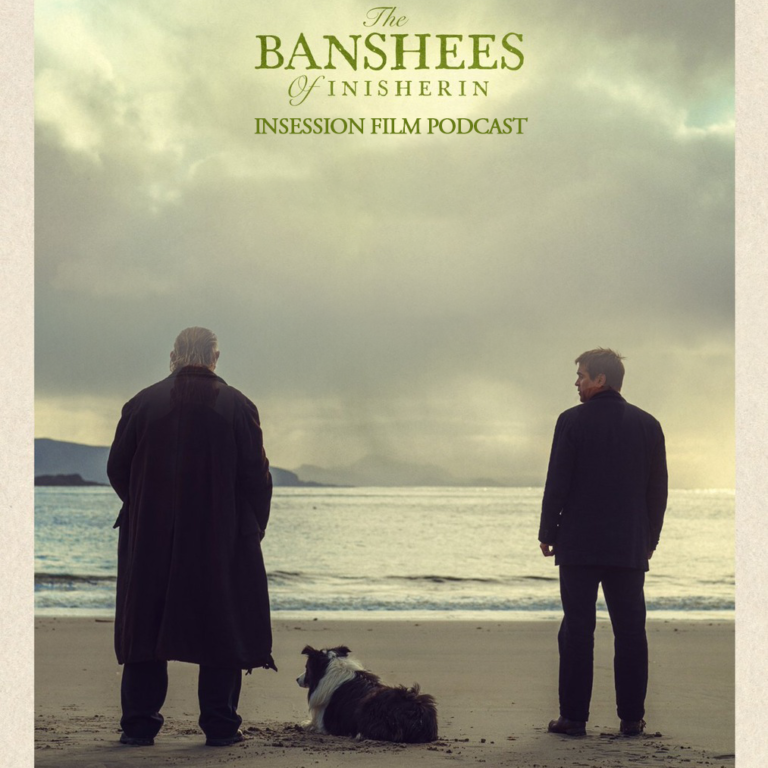
Podcast: The Banshees of Inisherin / Armageddon Time – Episode 507

This weekโ€™s episode is brought to you by the film Top Gun: Maverick. Follow us on social media for your chance to win a FREE digital code!

This week on the InSession Film Podcast, Nicole Ackman of AwardsWatch joins us as we discuss Martin McDonagh’s new film The Banshees of Inisherin and we also review James Gray’s Armageddon Time!

A huge thanks to Nicole for joining us once again. She’s always a fantastic guest and her passion for The Banshees of Inisherin was very welcomed. We had a great time talking about the film and why Colin Farrell arguably gives the best performance of his career. With Armageddon Time, whole we are big James Gray fans, we do our best to sift through why the film works and doesn’t work at the same time.

On that note, check out this week’s show and let us know what you think in the comment section. Thanks for listening and for supporting the InSession Film Podcast!

– Review: The Banshees of Inisherin (4:17)
Director: Martin McDonagh
Writers: Martin McDonagh
Stars: Colin Farrell, Brendan Gleeson, Kerry Condon, Barry Keoghan

– Notes / Discussion (1:05:24)

This week for our break segment, we talk briefly about some films we caught up with including Enola Holmes 2, Raymond & Ray and Barbarian.

[divider]

RELATED: Listen to Episode 484 of the InSession Film Podcast where we discussed Top Gun: Maverick!

[divider]

– Review: Armageddon Time (1:36:01)
Director: James Gray
Writers: James Gray
Stars: Anne Hathaway, Jeremy Strong, Anthony Hopkins

Show Sponsor: First Time Watchers Podcast

– Music

The Mystery of Inisherin – Carter Burwell
At the Fence – Christopher Spence
The Return of the Eagle – Atli รƒโ€“rvarsson

Subscribe to our Podcasts RSS
Subscribe to our Podcasts on iTunes
Listen on Spotify
Listen on Stitcher
InSession Film Podcast – Episode 507

[divider]

Next week on the show:

Review: Black Panther: Wakanda Forever
Top 3: N/A
Review: Grave of the Fireflies

Letitia Wright as Shuri in Marvel Studios’ Black Panther: Wakanda Forever. Photo courtesy of Marvel Studios. ยฉ 2022 MARVEL.

[divider]

Help Support The InSession Film Podcast

If you want to help support us, there are several ways you can help us and we’d absolutely appreciate it. Every penny goes directly back into supporting the show and we are truly honored and grateful. Thanks for your support and for listening to the InSession Film Podcast!

VISIT OUR DONATE PAGE HERE

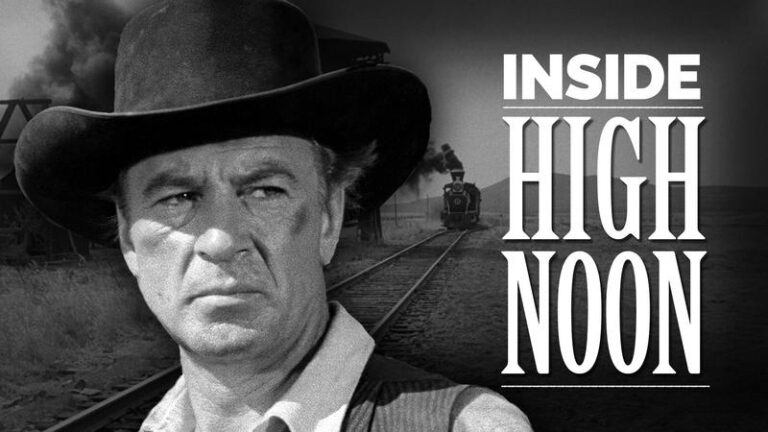
Interview: John Mulholland (โ€˜Inside High Noonโ€™)

The beloved Western High Noon celebrated its seventieth anniversary this year. In order to commemorate this event, PBS has commissioned an updated version of John Mulhollandโ€™s Inside High Noon, a making-of documentary that considers the impact that the Red Scare had on the filmโ€™s production. The new version of the documentary addresses contemporary concerns about civic complacency and a lack of cooperation between members of different political parties. Mulholland believes that the film still has the power to resonate with modern viewers and argues that it is necessary to keep telling this story in an age in which younger generations may not be aware of the history behind the Hollywood blacklist.ย 

Zita Short had the opportunity to sit down with Mulholland and discuss what drew him towards this project.

This documentary places a particular emphasis upon the political significance of High Noon. Why did you feel that it was so important to contextualize the film as a response to the McCarthyism that had infiltrated Hollywood during the Second Red Scare and do you think that the film’s message still resonates with contemporary viewers?ย 

I think it relates to recent happenings in America. My politics are going to come through here but I canโ€™t pretend that I donโ€™t disapprove of the actions carried out by Donald Trump and other right wingers. With the exception of Liz Cheney, very few right wing politicians are willing to step forward and defend our democracy; our democracy is in peril. I thought that High Noon captured that particular issue as well as any film I can think of. Thatโ€™s what itโ€™s all about. It’s about civic complacency, people refusing to step forward and defend civilisation in effect. We placed greater focus on that issue in this updated version of the documentary because this film addresses extremely timely concerns. with an extremely, extremely it’s a very timely movie. Itโ€™s extremely relevant today and I think we captured that in the restoration.ย 

Upon release, the film was greeted with criticism from several prominent filmmakers. Howard Hawks was its most notable detractor and intended for Rio Bravo to serve as a response to High Noon. How would you assess Hawks’s criticisms of the film and do you believe that Rio Bravo presents a fascinating conservative counterpoint to High Noon‘s liberalism?ย 

You know, it’s funny, when I watched Rio Bravo, it never occurred to me that it’s a riposte to High Noon, it’s just a very entertaining film in and of itself. There are vague lines or situations that have tenuous connections to the goings-on in High Noon, but I really don’t think of it that way. If I was going to interpret it in that manner, I would have to take Howard Hawksโ€™s claims that the sheriff running around like a chicken with his head cut off, in addition to letting his Quaker wife save him, seriously and I happen to believe that his comments were absurd.ย 

I cannot imagine a lawman that would say “oh, I am going to go face four gangsters and four thugs on my own rather than ask or beg for help.โ€ Thatโ€™s macho. Thereโ€™s something very offensive to me about the idea that a man couldnโ€™t or shouldnโ€™t ask for help in that situation. I understand that as a professional, you are a professional but in High Noon, he does ask the professionals for help. He calls on the ex-deputies, his own deputies and the judge for assistance. I mean, I think itโ€™s utter nonsense. I don’t think that most viewers who watch Rio Bravo will be aware of that conflict. I think High Noon is a far deeper movie than Rio Bravo.

You have now directed three documentaries that comment on movie star Gary Cooper’s relation to various political controversies. Why do you think that Cooper became such a powerful emblem of American masculinity and why did his often-contradictory behavior in regards to the Red Scare capture your attention?ย 

Well, I was fascinated that he appeared as a friendly witness on the first day of the HUAC hearings in 1947. He appeared in spite of the fact that his good friend, Henry Hathaway, a liberal director, told him not to get involved with the grifters and scam artists that promulgated the Red Scare. He urged him to stay away and be ignored. When he appeared there, I found it interesting that he named no names and did nothing other than fumble around and look rather silly, trying to argue that Hollywood has not been infiltrated by Communists. However, among everyone who made an appearance that day, he was the one who made headlines. He was subsequently branded as a fascist and a Nazi. He never defended himself from these attacks and didnโ€™t try to downplay the impact that his appearance had.ย 

I found it interesting that in 1951, when he got to know screenwriter Carl Foreman, he valued his loyalty to a friend or colleague more than his political beliefs. He ended up stepping forward to defend Foreman when no one else would. Foreman would later credit Cooper with being one of the only major stars to take a stand against the blacklist. Foreman was so impressed with Cooperโ€™s bravery that he thereafter sent Cooper his scripts for first refusal, including The Bridge on the River Kwai, The Guns of Navarone and The Key. Cooper was also instrumental in helping Foreman to secure an uncredited role as a screenwriter on A Hatful of Rain, another Zinnemann project. In Foremanโ€™s eyes, Cooper became a real life Will Kane and they formed a long-lasting professional partnership.

He was a fascinating guy. In 1938, Roosevelt said he needed to find out some information about what was going on in Germany. The man who he sent over to investigate was Mr. Cooper’s father in law, a liberal-minded man. His father-in-law asked Cooper if he would go along and play the role of a Trojan horse. He would open doors that were shut to non-celebrities. Cooper was told not to do this and warned that it could damage his career. He and his wife, Rocky, chose to ignore this advice and did carry out research in Germany. When he got back, all sorts of false rumors began to spread about him having met Hitler and they sullied his reputation for quite some time. It just seemed to me that political parties weren’t as important as your friends back then and I would like it we could return to that mindset.ย 

He was so quiet about his political activism and there was a vulnerability to his masculinity that plays much more successfully today. than perhaps In High Noon, when he breaks down and puts his head on the desk and cries, itโ€™s not because he’s lost a loved one, itโ€™s because he’s afraid and knows he’s going to die. I wouldnโ€™t use the word noble to describe his actions but there is something genuinely real there. I can’t picture John Wayne or Clint Eastwood playing this type of role. That an American male, in 1952, allowed himself to be shown crying because he’s afraid – that’s unique.

Director Fred Zinnemann’s critical reputation has suffered as a result of the fact that he does not fit the traditional definition of an auteur. Inside High Noon attempts to rehabilitate his reputation and defend his unfussy, classical style of filmmaking. Why do you think that Zinnemann’s work has been neglected by modern film scholars and would you argue that he brings a unique directorial perspective to High Noon?ย 

In Andrew Sarrisโ€™s book, The American Cinema: Directors and Directions 1929-1968, he slotted directors into various categories. Fred Zinnemann was placed under the โ€˜Less than Meets the Eyeโ€™ heading. Andrew Sarris influenced tens of thousands of young cinephiles and those neophytes would grow up to become academics and critics. They rated certain directors very highly, such as Orson Welles, Alfred Hitchcock, John Ford and Howard Hawks, but they wouldn’t have included Fred Zinnemann, William Wyler, George Stevens and Henry Hathaway in their frame of reference. When you consider the fact that the canon of great directors now features even more filmmakers, you begin to begrudge the fact that younger cinephiles are not being exposed to High Noon, From Here to Eternity, A Man for All Seasons, A Nunโ€™s Story, The Sundowners, The Day of the Jackal and Julia. Certain filmmakers were not admitted into that very exclusive group and it has expanded to a point where people just donโ€™t get around to watching Wylerโ€™s The Best Years of Our Lives. Itโ€™s forgotten because it doesnโ€™t fall under that umbrella.ย 

I can accept the fact that certain directors had certain thematic and visual preoccupations that they kept returning to but that doesnโ€™t mean that the works of Zinnemann and Wyler shouldnโ€™t be studied by academics. I think that the film can be viewed positively without the viewer having to consider whether Zinnemann introduce the same underlying theme to all of his films. I think that he liked to tell stories about a man facing his own conscience, whether it was Montgomery Clift in From Here to Eternity or Paul Scofield in A Man for All Seasons. I think thatโ€™s a theme that runs throughout his filmography. I understand the auteurist mindset but I think that those who ignore directors that donโ€™t fit that template are missing out on a lot.ย 

High Noon features one of Grace Kelly’s earliest film performances and this documentary calls attention to the fact that the screenplay subverts various elements of the ‘Ice Queen’ persona that she would go on to develop. Do you think that Kelly’s cultural iconography heightens the effect of the performance?ย 

You know, until I read your question, I had never thought of it that way. An audience today, coming at High Noon, is more familiar with Grace Kelly as the blonde goddess in Rear Window or To Catch a Thief or just her image as the Princess of Monaco. When they see her in High Noon, her role manages to undercut the iconography that she built up later on. There’s a line in the screenplay that didn’t end up in the movie itself, in which her character explains herself to Helen Ramirez, the Katy Jurado character. She directly references womenโ€™s rights and the feminist movement, which suggests that the character has agency. The two major female roles are unlike those found in other Westerns from that period. They have their own needs and wants and desires that exists outside of their relations with Gary Cooperโ€™s character. Itโ€™s very understated, but Grace Kellyโ€™s character is far stronger than most female characters in Westerns.

American politicians have frequently invoked the title of this film when attempting to portray themselves as sensible lawmen who refuse to be cowed into submission by baying mobs. In certain cases, these invocations seem somewhat ironic, as President Ronald Reagan had appeared as a voluntary witness before the House Un-American Activities Committee. Why do you think that the film appeals to politicians from both sides of the political spectrum?ย 

I suspect because they see a little bit of themselves in Will Kane when they might be trying to promote laws and regulations to the public. They feel put upon when they don’t get backing from not just the opposing party, but members of their own party. I think that they can relate to Will Kaneโ€™s confusion over why his long-term allies arenโ€™t standing by him. I suspect that they begin to relate to the film when they start feeling sorry for themselves.ย 

Ronald Reagan’s favourite movie was called Friendly Persuasion. The William Wyler-directed drama about the Quaker lifestyle. And he, When he went to Russia, to meet Gorbachev, he brought a VHS of Friendly Persuasion, and gave it to Gorbachev. I think he was trying to say โ€œthis is how we should work together. Violence should not come between us.โ€ Now, itโ€™s difficult to argue that the man who sent troops into Grenada had any business espousing about pacifist ideals.ย 

In the past, you noted that the idea of producing a traditional ‘making of’ documentary about the filming of High Noon bored you and it was only when you began to investigate the film’s connections to the blacklist that you became emotionally invested in the project. Has your view of the film evolved over time and, if so, what motivated this shift in opinion?ย 

The idea of doing one of those making of things, which I had already done in the past, just didn’t interest me at first. However, when I discovered the so-called backstory of what happened behind the scenes, I was intrigued. Nine individuals who worked on the film were blacklisted, including Floyd Crosby, father of the musician David Crosby. His career was basically finished and it fascinated me that this little independent, black-and-white Western played such an instrumental role in calling the practice of blacklisting into question. It became especially intriguing to me in the last year or so, with what’s happening in the United States. I recently saw a cartoon in The Economist that depicted Liz Cheney as a Will Kane figure, facing off against the other members of the Republican Party. It’s just interesting to me that something written seventy years ago is so timely today. At one point in the film, the sheriff says โ€œway down deep, people just donโ€™t care.โ€ I think about that quote whenever I hear someone say โ€œyeah, I care about democracy. Thatโ€™s important. But I care more about gas prices.โ€ I understand why people are worried about the price of petrol but they need to remember that there is something larger at stake.

How do you think that High Noon, a pared down genre exercise, compares to the other films that you have made documentaries about?ย 

I think High Noon is in a league of its own but it goes without saying that Sergeant York is another movie that was very timely. Cooper would only agree to signed on if the film took on an anti-isolationist message and intended for it to serve as a rousing wake up call to Americans. However, High Noon just speaks to issues that we still face today. I know it’s a black and white film, which probably means

80% of the people in America today would not watch it. It’s also a Western, which makes it an even less enticing prospect, unless it happens to be a Spaghetti Western or something. High Noon just stands alone. Itโ€™s just perfect. The scenes in a church whether it’s what each person seems to say, is what I hear Americans say. So High Noon stands apart from the rest of the classics in the canon of American cinema, including Casablanca.ย 

Viewers who regularly tune in to PBS’s Film Classics are given the opportunity to educate themselves on film history, in addition to watching older films that aren’t available on mainstream streaming services. Do you worry that today’s youth will lose the ability to appreciate the significance of classic cinema as a result of the fact that Netflix and Amazon Prime don’t make an effort to preserve older films?ย 

I think it’s it’s a genuine shame. Much of our culture is lost by not being able to look back at this movie from 1935 or 1943 or 1952. We have lost the ability to understand where America was and what American culture looked like in the past. Amazon and Netflix both serve as representatives of capitalism and theyโ€™re saying โ€œwell, less than one percent of our subscribers want to see Clark Gable and Claudette Colbert in It Happened One Night or Cary Grant in The Philadelphia Story so Itโ€™s just not important to us.โ€ You have to assume that ninety percent of people want to see Dwayne Johnson in something like Black Adam. I suppose thatโ€™s capitalism.ย 

I have always wanted to make a documentary about one of my favorite writers, the British novelist Graham Greene. Around two years ago, I was talking to a thirty-five-year-old British woman who worked in publishing. She had never heard of Graham Greene. You can disappear so, so quickly. Today everything moves so fast. That is especially true in the realm of cinema. Even Paul Newmanโ€™s daughters, who were recently interviewed about the release of his new memoir, revealed that they feel as though their father has been forgotten. Nobody seems to know who he is anymore. I thought โ€œthis canโ€™t be!โ€ I guess if you take out your cellphone, youโ€™re dealing with algorithms that only ever direct you towards a couple of your interests. Thatโ€™s the only content that you get to access.ย 

I donโ€™t know the answer. I donโ€™t know what you can do. Good for TCM but I think TCM is on its way out because they were recently purchased by Discovery.ย 

What were the most notable alterations that you made to Inside High Noon while putting together this director’s cut?ย 

We focused more on the civic complacency aspect of it. When the documentary first came out, the blacklist seemed like a relic of sorts. Today, there arenโ€™t many people who know about the blacklist and thatโ€™s a shame too, because itโ€™s a part of America. It represents who we were at a certain time and itโ€™s a very shameful example of who we were. Today civic complacency is a far more pressing issue. In all of the interviews that we conducted, we chose to touch upon this topic.ย 

Itโ€™s also notable that the original version of the documentary does not feature any material relating to John Wayne. This may have been because Paramount, the studio that produced the documentary, was putting out a John Wayne box set at that time. They didnโ€™t want to step on any toes so we werenโ€™t allowed to focus on that aspect of history. Now, we have been given the opportunity to re-insert all of that material. We also debunk the myths that surround the filmโ€™s casting process. Wayne was never offered the role of Will Kane and we do not know where that apocryphal tale originated from. Perhaps the members of the John Wayne cult were responsible for spreading those rumors.ย 

Inside High Noon Revisited is currently being shown on PBS stations across the country.ย 

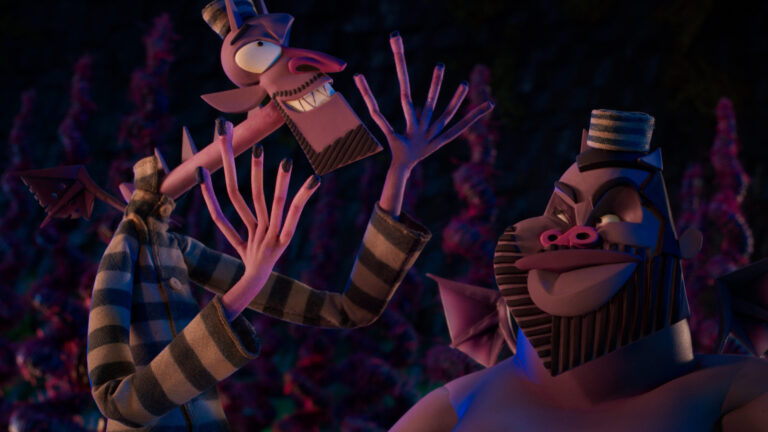
Movie Review: โ€˜Wendell & Wildโ€™ Has High Ambitions, But Falls Flat


Director: Henry Selickย 

Writer: Henry Selick & Jordan Peele

Stars: Keegan Michael-Key, Jordan Peele, Lyric Ross, Angela Bassett, Ving Rhames and James Hong

Synopsis: Two scheming demon brothers, Wendell and Wild, enlist the aid of 13-year-old Kat Elliot to summon them to the Land of the Living.


From the director of your favorite stop-motion animated Christmas film (itโ€™s not Tim Burton, dammit!!!) comes Wendell & Wild, a visually dazzling animated production that unfortunately falls flat on its stop-motion-driven ambitions. Keegan Michael-Key and Jordan Peele team up once again to play its titular demons, who work for their father, Buffalo Belzer (Ving Rhames) in trying to grow his hair back again using magic hair cream.ย 

However, when the two realize that the hair cream brings back the dead, they persuade a teenager named Kat (Lyric Ross) to bring them to the Land of the Living, where they will resurrect their parents (Gary Gatewood & Gabrielle Dennis). The two, unfortunately, get mixed up as they arrive, and reawaken Father Bests (James Hong) in the hopes that he will pay for their funfair. But he tells them that they need to resurrect the old members of the town council who will vote for Rust Bankโ€™s demolition by the Klaxons (David Harewood & Maxine Pearke), looking to build a new Klax Korp prison to replace the town.ย 

One of the most admirable elements of Wendell & Wild is that it doesnโ€™t shy away from discussing difficult subjects in front of children. Even with a PG-13 rating, I was impressed at the length Selick and Peele discuss the prison industrial complex, gender identity, and grief in a way that felt thoughtful and mature. When the film focuses on these aspects, it more than soars. The actors give great vocal performances (particularly Lyric Ross who brings a good amount of emotional depth to Kat), and handle the filmโ€™s difficult material with care, so that everyone understands them clearly and sees the message Peele and Selick try to share. Itโ€™s a challenging task to pack an animated film with themes that may not resonate to children, but translate it in a way that their understanding of it becomes universal, or that they would at least think of what they had just seen. Wendell & Wild treats those themes admirably, with enough poignancy that will make anyone care about whatโ€™s on screen.ย 

The animation is, as expected, dazzling. Selick has always excelled at bringing fully-realized and lived-in stop-motion worlds to bask audiences in, and the town of Rust Bank is no different. Its history is expressed visually, and Selick does an impeccable job at crafting a bleak world where all hope seems to be lost, which gets turned around its head once Wendell and Wild start resurrecting the dead. The โ€œresurrectedโ€ embody classic Zombie movements, and the scares feel like theyโ€™re plucked out of a Universal Monsters picture. The action scenes are playful and kinetic, and the colors are terrifically vibrant. Itโ€™s the type of movie that would look brilliant on the big screen, but Netflix doesnโ€™t seem interested in expanding its theatrical window (hereโ€™s hoping people go see Glass Onion: A Knives Out Mystery next month).ย 

That said, itโ€™s a shame that the story’s core is insanely formulaic. As soon as it begins, you can see everything coming a mile away. With a world that is this expansive and imaginative, youโ€™d think Selick and Peele would infuse wonder and imagination in its plot, and yet itโ€™s the safest, least risky option offered to the viewers. Itโ€™s a shame, because poignant themes like these deserve a story that raises awareness to them. But the story never focuses on one elementโ€“at times itโ€™s about Wendell and Wild, at others, it solely focuses on Kat and her friend Raรบl (Sam Zelaya), without a cohesive focus behind it. What does it ultimately want to say? Or who does it want to focus on? It doesnโ€™t necessarily come together in a rewarding, or emotionally fulfilling way by the time it ends, which unfortunately hinders the movie at making a bigger impact than it should.ย 

Because of this, Wendell & Wild, unfortunately, falls short of its ambitions, even if its themes are handled with care, the animation is as vivid as possible, and the voice cast does a great job at bringing its characters to light. An unfocused and predictable plot sadly undermines the quality of the production and level of maturity Peele and Selick seem to want to focus on. But one thingโ€™s for sure, Selick shouldnโ€™t wait thirteen years for his follow-up film, especially in an era where dazzling animated works seem rare.ย 


Grade: C+

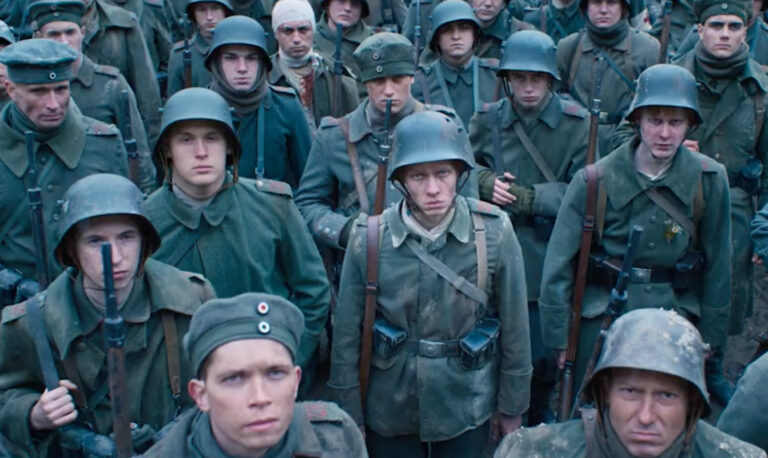
Movie Review: โ€˜All Quiet on the Western Frontโ€™ is a Phenomenal, Oscar-Worthy War Epicย 

Movie Review: โ€˜All Quiet on the Western Frontโ€™ is a Phenomenal, Oscar-Worthy War Epicย 


Director: Edward Berger

Writers: Edward Berger, Lesley Paterson, Ian Stokell

Starring: Felix Kammerer, Albrecht Schuch, Daniel Bruhlย ย 

Synopsis: A young German soldier’s terrifying experiences and distress on the western front during World War I.


The late Jean-Luc Godard once said, โ€œThe way to criticize a movie is to make another movie,โ€ and three years after Sam Mendesโ€™ Oscar-winning 1917 comes a new adaptation of Erich Maria Remarqueโ€™s 1928 German novel All Quiet on the Western Front. One flaw in this scenario is that 1917 gave critics and audiences little to criticizeโ€”the gorgeously-realized drama about World War I was beautifully acted and flawlessly directed, the movie playing out as if it were filmed (mostly) in one shot. It was thrilling and majestic, it brought tears to my eyes, and it made my top ten list of 2019. So is there room already for another WWI film?

When itโ€™s done this well, the answer is a resounding yes. All Quiet on the Western Front, now available on Netflix, doesnโ€™t have the so-called gimmick of 1917โ€™s long unbroken shot, but it features a haunting new vision of the horrors of war, with battle scenes so visceral and shocking itโ€™s hard not to look away. The famously terrifying opening of Steven Spielbergโ€™s Saving Private Ryan has been overtaken in this film with not only one but three major sequences that are meticulously crafted to show every last brutal kill on the battlefield.ย 

But All Quiet on the Western Front is so much more than realistic depictions of harrowing war scenes. Itโ€™s also an enormously effective human story of survival told through a single point-of-view character we come to root for and care about. Felix Kammerer gives an astonishing performance as Paul Baumer, a 17-year-old who enlists in the Imperial German Army with his friends Albert, Franz, and Ludwig. Their romantic view of war is quickly shattered when they come face to face with the harsh realities of battle and death. Paul struggles to survive as he sees many of his friends killed before his eyes, and as the months pass, he must carry on fighting even when at times heโ€™s lost all sense of hope.ย 

The novel All Quiet on the Western has been adapted well twice before, first in the acclaimed 1930 Universal Pictures version that won the Best Picture Academy Award, and second in the powerful 1979 TV movie, which was nominated for seven Emmys, including Outstanding Drama Special. A fascinating experiment would be to watch all three versions in short succession because all were made decades apart from each other, and all are great for different reasons. Obviously, the 1930 original doesnโ€™t have the bigger budget or technical prowess of the more recent adaptation, but what it lacks in grandeur it makes up for with emotional stakes and human connection. The 1979 version similarly only reaches a medium level of craftsmanship, but features excellent performances and painful scenes of harsh reality.

The 2022 adaptation is the most visceral for sure, director Edward Berger offering an unflinching depiction of chaotic grisly battle scenes that last for minutes on end. And what he does so well is immerse us into the realistic action while always making us care about the characters, especially Paul. We watch him come to terms with the mission, attacking and killing soldiers to survive the day. These moments show gruesome deaths in chilling detail, many men being killed in long handheld unbroken shots. Berger demands we watch every heartbreaking moment of horror as if weโ€™re standing right next to Paul.ย 

What makes the film especially memorable are its quiet scenes of both humor and terror. Non-stop battle action for the whole film would be too much, so Berger and the other writers wisely provide moments of levity, some early scenes of Paul and his friends sharing stories as well as some laughs. The filmโ€™s most memorable scene comes when Paul, exhausted, scared, his face caked in mud, stabs a soldier in the chest and then watches him slowly die. After a minute, Paul decides to save the man, and he gives him some water to drink, only to watch the life drain from the manโ€™s eyes. Itโ€™s one of the yearโ€™s most haunting, emotionally devastating moments, Paulโ€™s humanity coming through in a place and time that didnโ€™t call for it.ย 

The most ambitious and innovative war film in recent years remains 1917, which rightfully earned ten Oscar nominations and featured one of the most effective cinematic gimmicks in recent memory, but All Quiet on the Western Front is a similarly powerful drama worthy of Oscar attention in multiple categories next year, particularly Best Cinematography, Best Actor for Felix Kammerer, and Best Picture. Donโ€™t let its two-and-a-half hour running time scare you away. Although it explores some familiar territory weโ€™ve seen in other war films, its incredible craftsmanship and rock-solid performances, as well as a moving ending, make this one of the finest films of 2022.ย 


GRADE: A-

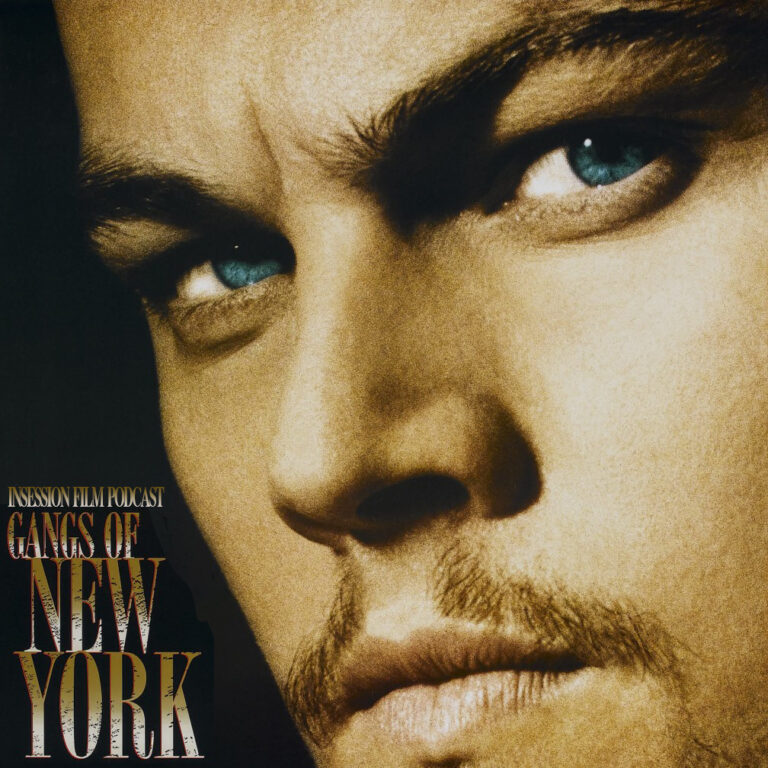
Podcast: Gangs of New York / All Quiet on the Western Front – Extra Film

This week on the Extra Film Podcast, Ryan and Sophia continue their Martin Scorsese Movie Series with Gangs of New York and they review the WW1 Netflix war drama All Quiet on the Western Front!

Gangs of New York may not be one of Scorsese’s best movies, but there are aspects to it that are undeniable, most notably the master that is Daniel Day-Lewis. All Quiet on the Western Front, on the other hand, is one of the best movies of the year and an incredible front-runner for Best International Film.

On that note, check out this week’s show and let us know what you think in the comment section. Thanks for listening and for supporting the InSession Film Podcast!

– Movie Review: Gangs of New York (6:15)
Director: Martin Scorsese
Writers: Jay Cocks, Steven Zaillian, Kenneth Lonergan
Stars: Leonardo DiCaprio, Daniel Day-Lewis, Cameron Diaz, John C. Reilly

– Movie Review: All Quiet on the Western Front (1:08:21)
Director: Edward Berger
Writers: Ian Stokell, Lesley Paterson, Edward Berger
Stars: Felix Kammerer, Albrecht Schuch, Daniel Brรผhl

– Music

The Hands That Built America – U2
Remains – Volker Bertelmann
The Return of the Eagle – Atli รƒโ€“rvarsson

Subscribe to our Podcasts RSS
Subscribe to our Podcasts on iTunes
Listen on Spotify
Listen on Stitcher
Extra Film – Gangs of New York / All Quiet on the Western Front/a>

[divider]

To hear this Extra Film episode and everything else we do, download our apps on the Amazon Market for Android and the Podcast Source app on IOS devices. The mobile app covers all of our main shows, bonus podcasts and everything else relating to the InSession Film Podcast. Thanks for your wonderful support and for listening to our show. It means the world to us.

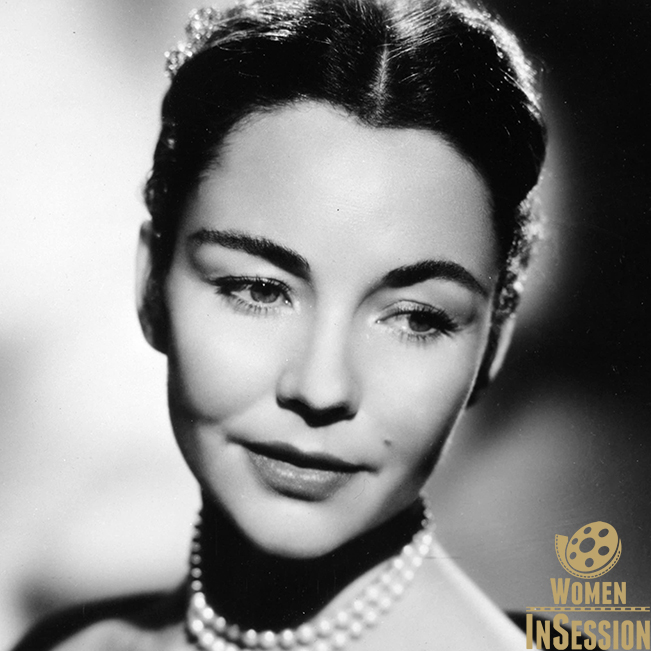
Women InSession – Jennifer Jones Retrospective – Episode 15

This week on Women InSession Podcast, we dive into the films and performances of the great Jennifer Jones, including The Song of Bernadette, Since You Went Away, Love Letters, Duel in the Sun and more!

Panel: Kristin Battestella, Zita Short

On that note, check out this week’s show and let us know what you think in the comment section. Thanks for listening and for supporting the InSession Film Podcast!

– Music

The Return of the Eagle – Atli รƒโ€“rvarsson

Subscribe to our Podcasts RSS
Subscribe to our Podcasts on iTunes
Listen on Spotify
Listen on Stitcher
Women InSession – Jennifer Jones

[divider]

To hear this Extra Film episode and everything else we do, download our apps on the Amazon Market for Android and the Podcast Source app on IOS devices. The mobile app covers all of our main shows, bonus podcasts and everything else relating to the InSession Film Podcast. Thanks for your wonderful support and for listening to our show. It means the world to us.

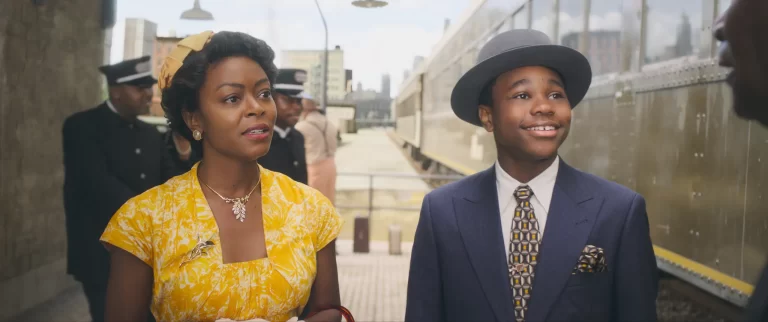
Movie Review: ‘Till’ Features an Oscar Worthy Lead from Deadwyler


Director: Chinonye Chukwu

Writers: Michael Reilly, Keith Beauchamp, and Chinonye Chukwu

Stars: Danielle Deadwyler, Jalyn Hall, Frankie Faisonย 

Synopsis: In 1955, after Emmett Till is murdered in a brutal lynching, his mother vows to expose the racism behind the attack while working to have those involved brought to justice.


Chinonye Chukwuโ€™s Till is not an easy film to watch. The filmโ€™s release was initially met with controversy and criticism for exploiting Black trauma focused on the lynching of Emmett Till (alyn Hall), with some even calling for a boycott on the film. Professor Jenn M. Jackson urged Hollywood to stop using โ€œBlack pain, death, and traumaโ€ as plot devices, while HuffPostโ€™s senior front page editor Philip Lewis said that he would pass on the film after the trailer released.ย 

However, actress Danielle Deadwyler, who plays Mamie Till-Mobley, Emmettโ€™s mom, responded to those critiques and asked the critics if they want to โ€œturn a blind eye to history in the way that certain people and systems and institutions want to turn a blind eye to our imprint on this country? If you do not want to forget and if you do not want organizations, institutions, and racist folks to mute or erase our presence or influence, then it is imperative that you continue to have the conversation.โ€

One understands why so many are opposed to Chukwuโ€™s retelling of Emmett Tillโ€™s lynching, which prompted her mother to become a catalyst for the civil rights movement in the United States. She wanted the world to see what two racist individuals did to Emmett, holding an open casket funeral of his body, and demanding justice for the men who killed his son. The two killers were acquitted in the trial and were paid $4,000 to Look magazine to confess to the crimes they committed, without ever being charged.ย 

Chukwu doesnโ€™t explicitly show the murders, nor any violence against Black people. The film is strictly told from Mamieโ€™s perspective, with the visual language also focusing on her throughout. And even with scenes of extreme violence removed from the film, it still isnโ€™t easy to watch, and may be triggering for some. But the film still remains a necessary watch, and one who will watch Till wonโ€™t be able to look away, simply because of Deadwylerโ€™s performance as Mamie Till-Mobley.ย 

When Mamie learns of Emmettโ€™s death, Bobby Bukowskiโ€™s cinematography does something so utterly powerful that I canโ€™t quite put into words. Thereโ€™s a slight โ€œvertigo-effectโ€ dolly zoom that slowly unravels itself as Mamie processes what she has just heard. Itโ€™s far more powerful, and painful, for the viewers to learn of his death through Mamieโ€™s eyes than directly seeing it. But it wouldnโ€™t have worked if Deadwyler wasnโ€™t the star of the picture. Knowing what will occur, the scenes in the beginning in which she warns Emmett of how white people in Mississippi perceive people of color are playful, because Emmett is a fourteen-year-old who acts like a fourteen year-old. Heโ€™s annoyed by his mother consistently reminding him to behave, because he just wants to have fun with his cousins in the south.ย 

No one couldโ€™ve foreseen the events that occurred after Till talked to Carolyn Bryant (Haley Bennet) at a department store, which led to his murder. It makes the scene where Emmettโ€™s casket returns home even more tragic, because we saw how Mamie loved his son with all of her heart, and wanted to do whatโ€™s best for him. Seeing Mamie look at what they did to her son is devastating, and yet it never feels exploitative. Thereโ€™s great dramatic poignancy to how Chukwu and Deadwyler handle Mamieโ€™s first reaction to Emmettโ€™s body, with the camera always focusing on Deadwylerโ€™s expressions before slowly moving to the body. Bukowskiโ€™s cinematography is meticulous in the way that it uses small movements that hold greater emotional weight when paired with the impeccable acting on display than an explicit re-telling of Tillโ€™s murder. You feel the weight greater than your shoulders when Mamie sees Emmettโ€™s casket descend from the train, as she breaks down in agony. Itโ€™s one of the most devastating scenes of the year, and one that precludes a latter half filled with emotionally charged sequences.ย 

But nothing comes close to the amount of emotional power than the scene in which Mamie testifies in front of an all-white jury (and crowd) on Emmettโ€™s murder. The camera only focuses on her powerful testimony, and Deadwyler commands the screen in such a manner that you may as well hand her the Oscar immediately. Thatโ€™s how powerful it was. I feel like I donโ€™t even need to see any other movie this year to gauge who would win the Best Actress Oscar. Itโ€™s Deadwylerโ€™s best performance yet, and one that will hopefully propel her to the stardom she deserves.ย 

Thereโ€™s no other reason needed to watch Till than for Deadwylerโ€™s impeccable performance. Everyone else is also excellent, including young Jalyn Hall who brilliantly captures the way Mamie remembered Emmett, but Deadwyler is on another level from beginning to end. I understand why some may not want to watch the film, but Chukwuโ€™s portrayal of Mamie Till-Mobley is an encompassing and gut-wrenching one that must be seen at least once. Itโ€™s the yearโ€™s best drama, and one of this yearโ€™s best movies.ย 


Grade: A+

When In Verano: Rome’s Casa Dei Morti

This is not a sick fetish of mine naming cemeteries for the great dead. Itโ€™s just history. Apologies for doing the third article of this.ย 

Established in the early 19th century, Campo Verano was constructed outside the old city walls with considerable architecture and sculptures in mind to be done. It was continuously expanded all the way until the 1960s, covering 83 hectares of land. Control of the cemetery was once squarely in the hands of the Vatican as the Basilica of San Lorenzo is nearby, containing the graves of multiple popes. However, the cemetery was later divided into a Catholic zone, a Jewish zone, and those who died in World War I. Today, people can tour the cemetery due to its historical relevance in the art sphere with surviving sculptures.

Now for the notables that are here, I know that you are all interested in (or not). Paolo Sorrentinoโ€™s film Il Divo covers the scandalous years of Prime Minister Giulio Andreotti, who is interned in Verano. So is Alberto Moravia, a novelist whose books would be adapted into the films The Conformist and Two Women. Singer and tragic heartthrob Rino Gaetano and Mussoliniโ€™s mistress executed with him, Clara Petacci, also were laid to rest here in Campo Verano with some of these Italian film legends.ย ย 


Vittorio De Sica (1901-1974)

One of the leading figures of Italian neorealism, De Sica was a paradox; being a Roman Catholic and politically communist when the church denounced communism. It is indeed a mix in which he made films about the poor, and working-class with a moral tale to it. Two of those films, Shoeshine and Bicycle Thieves, would win Honorary Oscars for Best International Film when it was not an active competitive category. However, he did win twice when it became a formal category, for Yesterday, Today, and Tomorrow, and The Garden of the Finzi-Continis. A part-time actor, he also got another Oscar nod for Best Supporting Actor for his role in A Farewell To Arms. It was an astounding career on both sides of the camera which makes him a pound-for-pound all-time great in cinema.


Vittorio Gassman (1922-2000)

Gassman started out as Italyโ€™s own great stage actor with performances in A Streetcar Named Desire and Othello, where he co-founded the Teatro d’Arte Italiano. Adorned with the nickname ll Mattatore (The Matador), Gassmanโ€™s film career elevated his stardom with roles in numerous acclaimed comedies Big Deal On Madonna Street, Il Sorpasso, The Incredible Army of Brancaleone, and Scent Of A Woman, the original version rather than the slop that was made starring Al Pacino. Gassman was also known to American audiences, partly because of his marriage to actress Shelley Winters and starring in the musical Rhapsody alongside Elizabeth Taylor.ย 


Marcello Mastroianni (1924-1996)

One of De Sicaโ€™s leading stars in Yesterday, Today, and Tomorrow, Mastroianni was an Italian acting legend and a cultural icon in the country. Famous around the world for his dashing charisma, he collaborated with every great director in Italy, most famously as Guido in Federico Felliniโ€™s 8 ยฝ, plus starring in Pietro Germiโ€™s Divorce Italian Style, Michelangelo Antonioniโ€™s La Notte, and Ettore Scolaโ€™s A Special Day, where he earned one of his three Oscar nominations. In eight films, he co-starred with Sophia Loren in a friendship that lasted until his death, and Mastroianni preferred staying in Europe rather than moving over to Hollywood. He dated Catherine Deneuve, Claudia Cardinale, and Faye Dunaway; his brother, Ruggero, was a highly regarded editor who died months before Marcello, and both are buried in Verano.

 

Alberto Sordi (1920-2003)

Sordi stands as one of Italyโ€™s great acting comedians (a whole lot better than Roberto Benigni, I say) whose stature is about equal to Mastroianni. He first started dubbing non-Italian films in roles performed by Anthony Quinn, Oliver Hardy, and Robert Mitchum, as well as performing on Italian radio. Then, in the 1950s, Sordi became a major star thanks to roles in I Vitelloni, The Great War, and An American In Rome among many comedies that flourished in Italyโ€™s post-war boom. He even won a Golden Globe for his performance in To Bed Or Not To Bed. Upon Sordiโ€™s passing, more than a quarter of a million people paid their last respects and his tomb is among the most visited in the cemetery.ย ย 


Alida Valli (1921-2006)

Valli was one of the first Italian actresses to have success in Hollywood. First, she was a star in Fascist Italy with Mussolini declaring her, โ€œthe most beautiful woman in the world,โ€ then being signed by David O. Selznick to star in Alfred Hitchcockโ€™s The Paradine Case. Returning home in the 1950s, she regained footing in Luchino Viscontiโ€™s Senso, followed by Georges Franjuโ€™s horror masterpiece, Eyes Without A Face. Other major roles were on the stage including Italian adaptations of A View From The Bridge and Romeo And Juliet; Valliโ€™s other film roles include The Third Man (1949) and the original Suspiria (1977). Her star power in Europe was so much that Valli was compared to Marlene Dietrich and Greta Garbo.ย 


Follow me on Twitter: @brian_cine (Cine-A-Man)

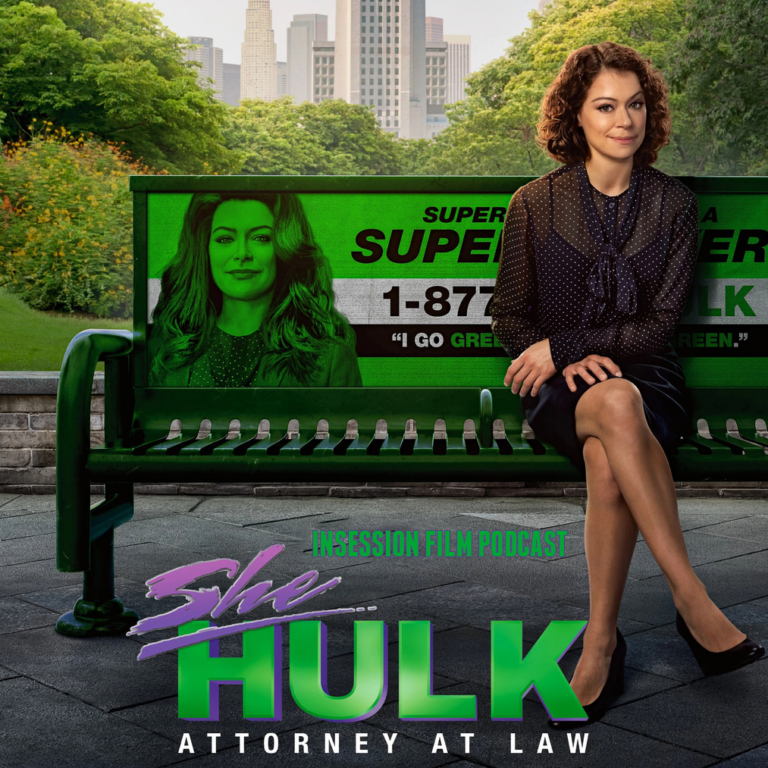
Podcast: She-Hulk – Patreon Bonus Content

Listen!

For this week’s Patreon Bonus Content, the great Richard Newby drops by to help us recap the first season of She-Hulk and how it effects the MCU going forward.

If you’re already a Patreon supporter, you can listen to this episode NOW on Patreon by clicking here.

Sign up today to get early access and hear the entire episode!

[divider]

HELP SUPPORT THE SHOW

To hear our bonus content episodes early, subscribe now on Patreon. In many cases, though, we offer our bonus content for free after a certain period of time and we do encourage (and very much appreciate) a small donation of $0.99 as a way to help support the show if signing up on Patreon isn’t for you. Click on the PayPal button below to donate and thanks so much for your support. You can also hear much of our Bonus Content via our mobile apps. See the information at the bottom of the post for more details.


One-Time Donation


[divider]

Mobile Apps!

Listen to all of our bonus content on our apps for just a one-time fee! Whether you have an iPhone, Android or Windows phone, our apps are available in many different ways that is convenient for you. With our mobile app, not only can you listen to all of our bonus content, but our main shows and our Extra Film podcasts as well. Click here for more info!

If you don’t want to purchase our bonus content, but still want to support us, there are other you can help us out. Click here for more info.

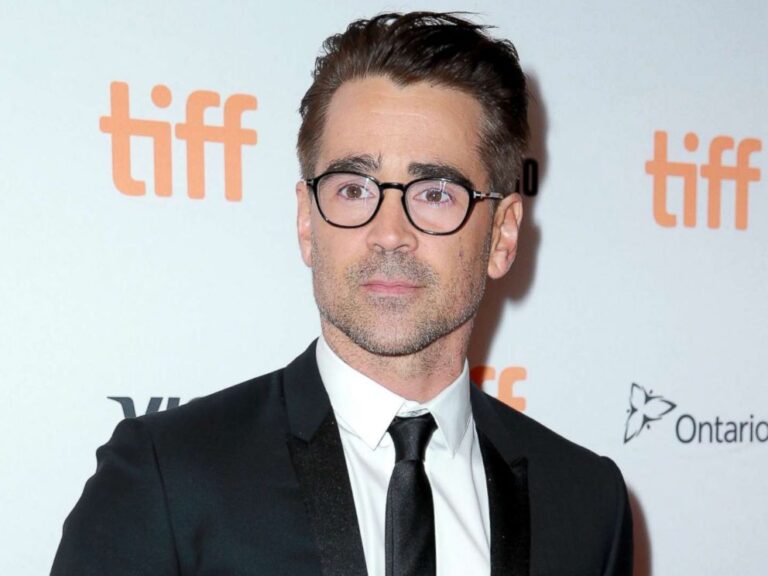
Poll: What is Colin Farrell’s best performance?

If there’s any word that best describes Colin Farrell’s career trajectory, it would be ‘fascinating’. The Irish born actor has gone from pretty-boy action star to one of Hollywood’s most daring and experimental performers it makes one wonder if he’s still the same man. But looking back, there was always this fierce intensity in his eyes, officially confirmed when he became the face of Dolce & Gabbana’s famed fragrance Intenso. It’s hard to believe Colin hasn’t received an Oscar nomination yet, which is expected to change this year with the release of The Banshees of Inisherin. Let’s see which of his most intense offerings should have garnered him even more love.

What do you think is Colin Farrell’s best performance?


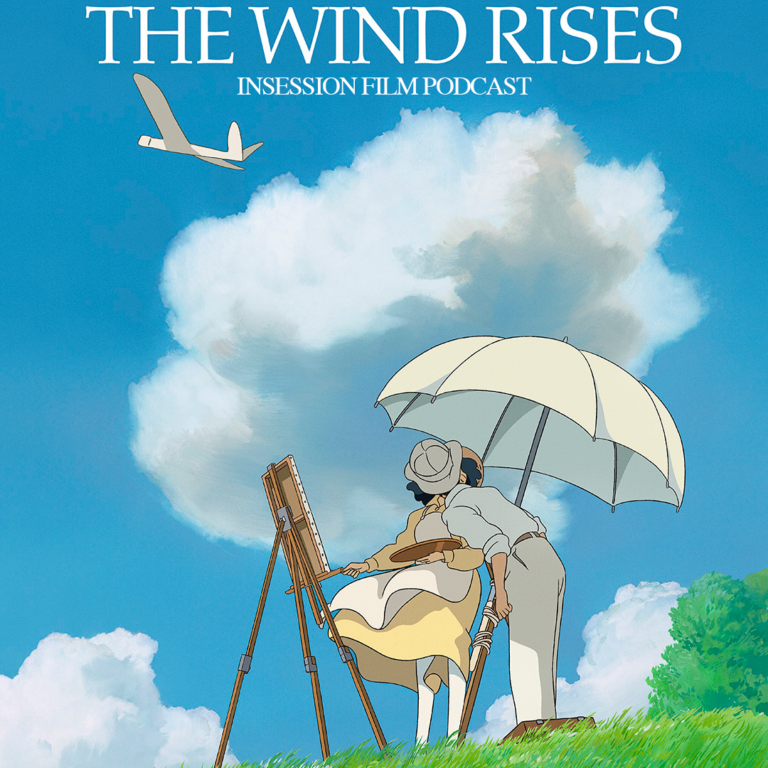
Podcast: The Wind Rises / The Tale of the Princess Kaguya – Episode 506

This weekโ€™s episode is brought to you by the film Pearl. Follow us on social media for your chance to win a FREE digital code!

This week on the InSession Film Podcast, it’s an epic conclusion to our Studio Ghibli Movie Series as we discuss Hayao Miyazaki’s The Wind Rises and Isao Takahata’s The Tale of the Princess Kaguya!

This is an episode we’ve had circled on the calendar for months now. We are massive fans of both of these films. In fact, both were heavily represented on our Best of the Decade (2010s) show a few years ago. That’s how much these two films mean to us. So it’s no coincidence that we’ve paired them together and it made for one of the best episodes we’ve had all year.

On that note, check out this week’s show and let us know what you think in the comment section. Thanks for listening and for supporting the InSession Film Podcast!

– Studio Ghibli Movie Series: The Wind Rises (7:12)
Director: Hayao Miyazaki
Writers: Hayao Miyazaki
Stars: Hideaki Anno, Miori Takimoto, Hidetoshi Nishijima

– Notes / Discussion (57:21)

This week for our break segment, we keep things pretty brief as we had so much to talk about with our featured discussions. But we had fun talking about the latest Extra Film and Women InSession episodes.

[divider]

RELATED: Listen to Episode 484 of the InSession Film Podcast where we discussed Top Gun: Maverick!

[divider]

– Studio Ghibli Movie Series: The Tale of the Princess Kaguya (1:15:17)
Director: Isao Takahata
Writers: Isao Takahata, Riko Sakaguchi
Stars: Aki Asakura, Kengo Kora, Takeo Chii

Show Sponsor: First Time Watchers Podcast

– Music

A Journey – Joe Hisaishi
Mystery of the Moon – Joe Hisaishi
The Return of the Eagle – Atli รƒโ€“rvarsson

Subscribe to our Podcasts RSS
Subscribe to our Podcasts on iTunes
Listen on Spotify
Listen on Stitcher
InSession Film Podcast – Episode 506

[divider]

Next week on the show:

Review: The Banshees of Inisherin
Top 3: N/A
Review: Armageddon Time

[divider]

Help Support The InSession Film Podcast

If you want to help support us, there are several ways you can help us and we’d absolutely appreciate it. Every penny goes directly back into supporting the show and we are truly honored and grateful. Thanks for your support and for listening to the InSession Film Podcast!

VISIT OUR DONATE PAGE HERE

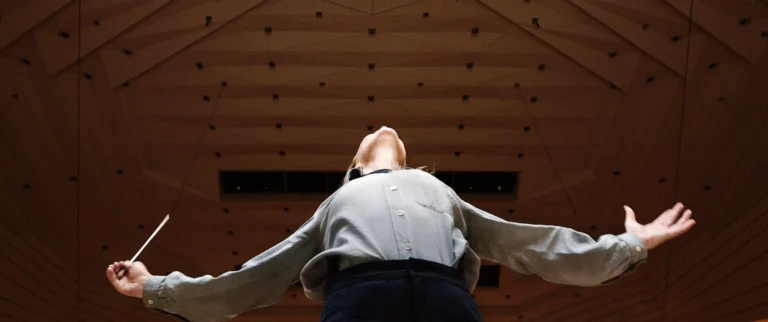
Movie Review: ‘Tรกr’ is an Exquisite Symphony


Director: Todd Field

Writer: Todd Field

Stars: Cate Blanchett, Noรฉmie Merlant, Nina Hoss


Synopsis: Set in the international world of Western classical music, the film centers on Lydia Tรกr, widely considered one of the greatest living composer-conductors and first-ever female music director of a major German orchestra.


Todd Field took a break from filmmaking. He left us with only two intriguing, beguiling features under his belt. Yet, in that time and with that distance, he has come back to film with a grandiose, masterfully built composition that will beg repeat viewings. Field builds Tรกr so densely and with such utterly exquisite command of his craft. There is beauty in every frame and in every inch of this film.

To single out one scene or sequence is to diminish the whole, but there is a scene early in the film that is nearly a film in itself and gives us the best idea of how the world sees Lydia Tรกr (Cate Blanchett). Lydia is lecturing at a class. She’s pontificating, expounding, entertaining, shocking, and critiquing her audience. We’re seeing how she views the current culture and hearing her utter reverence for the classical music of the Western canon. It’s a lecture that becomes about separating art from artist and taking the music on its own. While Lydia lectures, Field and cinematographer Florian Hoffmeister follow her around this space. The camera moves with her and for her as if it is something else she’s conducting. We are seeing her, through her perspective, as the erudite pinnacle of what is good taste and how things should be done. It’s captured so fluidly by Field and Hoffmeister as to show the polished, practiced nature of Lydia Tรกr.

However, it’s Cate Blanchett who shows us who Lydia is when she’s alone. Blanchett is a master of her craft and this is a staggering performance from her. There is no slip, no dropping of the mask; she is Lydia. She has a physicality, a presence, and a vulnerability that oozes from every pore. She slips from English to German effortlessly and from rigid confidence to hunched doubt from scene to scene.

Pair Blanchett’s performance with Field’s words and something even more interesting occurs. The film is ostensibly about a powerful figure who has a fall from grace when accusations about misconduct arise, but that’s not what the characters are talking about at all times and it is often simmering just under the surface. The idea that there may be something going on is between the lines. There are scenes with a facial movement, a flinch, or a smile that comes just too late. Field wrote no grandiose “courtroom” scenes. He wrote no tearful confessions or accusations. He built his drama into the tension of people knowing what is happening, but they don’t know how to counter the absolute power at play. Field writes from the perspective of the accused, but gives no grand statement about the morality at play or overly sympathizing with his subject. It’s the full range of a human coming to grips with the choices they’ve made and it’s brilliantly rendered.

That idea is also present within Lydia’s slowly growing paranoia. The paranoia takes many forms, but credit has to be given to the brilliance of the sound department, led by Roland Winke, mixer, and Matis Rei, editor. The team expertly layers in a soundscape that includes strange humming from the refrigerator, the beeping of a medical device next door, and the possibly phantom screams of a woman in the park. It heightens the tension as Lydia slips farther and farther away from where she wants to be.

Tรกr is absolutely a hyper focused character piece with that grand Cate Blanchett performance at its heart, but Nina Hoss is doing some truly magnificent work,  as well. As the put upon wife of a genius,Hoss does so much with so little. Her performance can be encapsulated in the looks she gives. It’s obvious Sharon’s not naรฏve about Lydia and her proclivities, and with simple looks or gestures, even intakes of breath, Hoss gives us so much. She may be playing the second fiddle, but she shines in her own right.

Tรกr is dense, but that density is viscous and if an audience can sit in that density, the layers of the piece will let them in. Once you are in, Tรกr shows off its grandeur and majesty. It grabs you and holds you in place with every frame. It is an epic piece of cinema and one that should be experienced on the biggest screen possible.

Grade: A

The 2023 Award Season Column: The First Oscar Predictions โ€“ 31 October 2022

With the film festivals starting to wrap up, narratives are being formed and campaigns have begun for next yearโ€™s award season. There have been many major developments throughout the year already, from the delays of several big contenders to the shocking reactions to some of this yearโ€™s selection of films. Therefore, now is the perfect time to get started on making your predictions and to see where the narrative goes for this yearโ€™s Oscar race.

I plan to post my Oscar predictions for InSession Film every fortnight at a minimum, and further posts will delve deeper in select films and categories. There will be deep analysis into all of the big precursors this year, keeping an eye on the surprises and snubs which may impact the final outcome at the Oscars on March 12th 2023. For now though, I just want to keep this introductory post simple and sweet and tell you what I am currently predicting to be nominated at this yearโ€™s Academy Awards. Here are my current predictions.

BEST PICTURE

  1. The Fablemans
  2. Babylon
  3. Women Talking
  4. The Banshees of Inisherin
  5. Everything Everywhere All At Once
  6. The Whale
  7. Top Gun: Maverick
  8. TรR
  9. Guillermo del Toroโ€™s Pinocchio
  10. She Said

BEST DIRECTOR

  1. Damien Chazelle, Babylon
  2. Steven Spielberg, The Fablemans
  3. Sarah Polley, Women Talking
  4. Park Chan-wook, Decision to Leave
  5. Martin McDonagh, The Banshees of Inisherin

BEST LEAD ACTRESS

  1. Margot Robbie, Babylon
  2. Cate Blanchett, TรR
  3. Michelle Yeoh, Everything Everywhere All At Once
  4. Olivia Colman, Empire of Light
  5. Danielle Deadwyler, Till

BEST LEAD ACTOR

  1. Brendan Fraser, The Whale
  2. Colin Farrell, The Banshees of Inisherin
  3. Austin Butler, Elvis
  4. Hugh Jackman, The Son
  5. Diego Calva, Babylon

BEST SUPPORTING ACTRESS

  1. Jessie Buckley, Women Talking
  2. Kerry Condon, The Banshees of Inisherin
  3. Hong Chau, The Whale
  4. Claire Foy, Women Talking
  5. Carey Mulligan, She Said

BEST SUPPORTING ACTOR

  1. Brendan Gleeson, The Banshees of Inisherin
  2. Ke Huy Quan, Everything Everywhere All At Once
  3. Paul Dano, The Fablemans
  4. Ben Whishaw, Women Talking
  5. Judd Hirsch, The Fablemans

BEST ORIGINAL SCREENPLAY

  1. The Banshees of Inisherin
  2. The Fablemans
  3. Everything Everywhere All At Once
  4. Babylon
  5. Triangle of Sadness

BEST ADAPTED SCREENPLAY

  1. Women Talking
  2. Glass Onion: A Knives Out Story
  3. The Whale
  4. She Said
  5. All Quiet on the Western Front

BEST CINEMATOGRAPHY

  1. Babylon
  2. Empire of Light
  3. Bardo
  4. Avatar: The Way of Water
  5. The Fablemans

BEST COSTUME DESIGN

  1. Babylon
  2. Elvis
  3. The Fablemans
  4. Black Panther: Wakanda Forever
  5. The Woman King

BEST EDITING

  1. Top Gun: Maverick
  2. Babylon
  3. Everything Everywhere All At Once
  4. The Fablemans
  5. Triangle of Sadness

BEST MAKEUP & HAIRSTYLING

  1. The Whale
  2. Elvis
  3. The Batman
  4. Babylon
  5. Everything Everywhere All At Once

BEST PRODUCTION DESIGN

  1. Babylon
  2. The Fablemans
  3. Avatar: The Way of Water
  4. Elvis
  5. Black Panther: Wakanda Forever

BEST SOUND

  1. Top Gun: Maverick
  2. Avatar: The Way of Water
  3. The Batman
  4. Babylon
  5. Elvis

BEST VISUAL EFFECTS

  1. Avatar: The Way of Water
  2. Black Panther: Wakanda Forever
  3. The Batman
  4. Everything Everywhere All At Once
  5. Top Gun: Maverick

BEST ORIGINAL SCORE

  1. The Fablemans
  2. Babylon
  3. The Batman
  4. TรR
  5. Women Talking

BEST ORIGINAL SONG

  1. โ€œLift Me Upโ€, Black Panther: Wakanda Forever
  2. โ€œHold My Handโ€, Top Gun: Maverick
  3. โ€œNobody Like Uโ€, Turning Red
  4. โ€œNew Body Rhumaโ€, White Noise
  5. โ€œApplauseโ€, Tell It Like A Woman

BEST INTERNATIONAL FEATURE

  1. Decision to Leave (Korea)
  2. All Quiet on the Western Front (Germany)
  3. Bardo (Mexico)
  4. Holy Spider (Denmark)
  5. Klondike (Ukraine)

BEST ANIMATED FEATURE

  1. Guillermo del Toroโ€™s Pinocchio
  2. Strange World
  3. My Fatherโ€™s Dragon
  4. Turning Red
  5. The Bad Guys

BEST DOCUMENTARY FEATURE

  1. Navalny
  2. Fire of Love
  3. All the Beauty and the Bloodshed
  4. Descendant
  5. Sr.


What do you make of my initial predictions? Is there any other film I should be keeping an eye on right now? Let me know your thoughts and they may be taken into consideration when I post my next prediction update later on in the year. In the meantime, make sure to keep an eye out for my next Award Season column when I will delve deeper into some of these categories and the bigger contenders of the year.

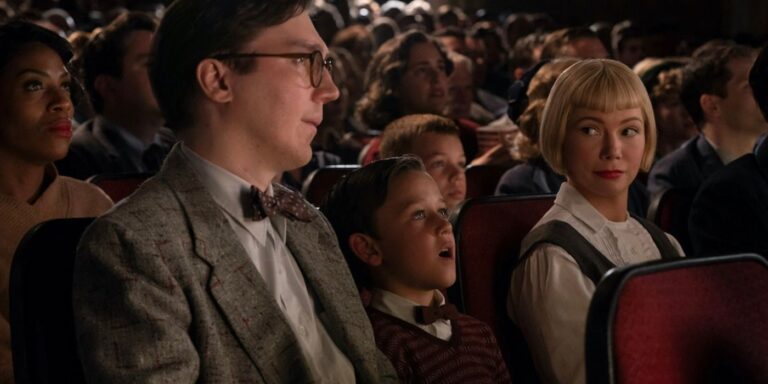
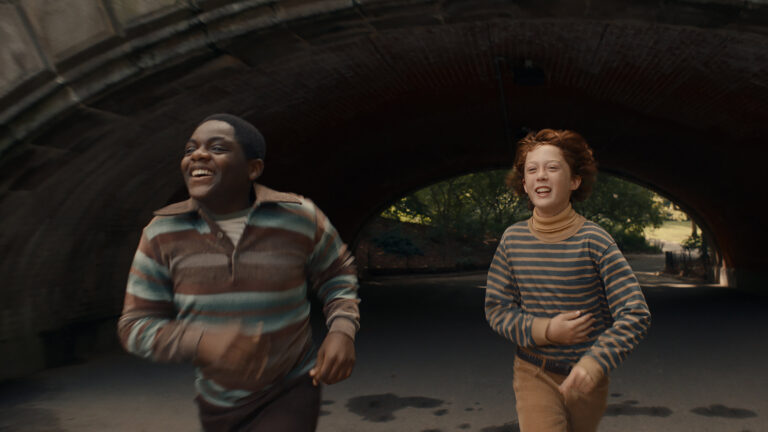
Movie Review: ‘Armageddon Time’ Attempts to Face Ugly Truths


Director:ย James Gray

Writer:ย James Gray

Stars:ย Anne Hathaway, Jeremy Strong, Banks Repata

Synopsis:ย A deeply personal coming-of-age story about the strength of family and the generational pursuit of the American Dream.


James Grayโ€™s 2019 sci-fi epic, Ad Astra, was one of the best films to release that year. The familial tale of legacy and self-discovery, set within the backdrop of expansive space, was masterful. With his follow-up, Armageddon Time, Gray looks back to his childhood, which just so happens to have taken place in the most wonderful place on Earth: Queens, New York. Of the five boroughs, there is no denying the unique nature of Queens. As the largest borough in New York City, itโ€™s commonly referred to as The Worldโ€™s Borough. Having grown up in Flushing, to see Gray return to his roots is simply a delight. And for him to dive so personally into his upbringing is something that should be cherished. This heartbreaking tale is full of raw emotion that could clearly be captured only by way of vivid memory and looking back. Through Paul Graff, played by Banks Repeta, Gray is able to look back at his childhood earnestly, through the lens of all that he has currently experienced thus far. What is equally important however, is that Gray also depicts what these moments in time feel like for any sixth grader who has yet to experience life as a teenager. Itโ€™s a profoundly moving film that blends the past and the future while rooting itself in the present, and living within each confusing moment.

As the Graff family sits around the dinner table early on in the film, the camera bounces around to every member of the family. As Irving Graff, played by a fantastic Jeremy Strong, goes on and on about his favorite type of bridge, it becomes apparent that Gray is mining his own childhood memories. The dialogue that is found in the screenplay of Armageddon Time feels far too distinct and honest to be anything other than pure family history and personal minutiae. And familial history is something this film handles particularly well, perhaps more than any of the other themes present within it. Take for example, a soft moment in which Grandpa Aaron sits with Paul before the child goes to bed. In a performance that is both deeply playful, yet wholly moving, Sir Anthony Hopkins is wonderful in this film. He tells Paul, in quite vivid detail, the story of his own mother escaping from Ukraine after witnessing her family being murdered for being Jewish. Based on the true experience of Grayโ€™s great-grandmother, Hopkins recounts these experiences to Paul with such haunting memories, not to frighten the child, but simply because thereโ€™s no other way to deliver a story such as that. As he tells of her courageous journey all throughout Europe, ending up in Liverpool, all that Paul seems to have latched onto is that Liverpool just so happens to also be where The Beatles are from. Too young to fully understand the impact of his grandfatherโ€™s story, Paul just asks to see him again soon so they can shoot off the model rocket his grandfather gave to him as a gift. Yet, as Paul goes to bed, the words of his grandfather seem to haunt him. After experiencing real loss, Gray is priming his cinematic younger self for certain realities in life, even if Paul is not yet prepared for it.

Through moments in time, the family unit we remember as children will inevitably shrink. Itโ€™s unfortunate, and deeply saddening to think of at any age, but to Paul, these moments cannot be fathomed. To think of any seat being empty at the table would be akin to armageddon. This thought of the world ending is a through-line of the film, with certain moments being handled better or more realistically than others. As Paul grapples with the events transpiring in his life at home and at school, he comes face-to-face with just how much good, and bad, the world has to offer. Discovering his true passion for art, he looks to his elders for inspiration. Serving as a pillar of inspiration for Armageddon Time, Grayโ€™s relationship with his maternal grandfather makes up the foundations of the relationship between Paul and his grandfather. As the two sit in Flushing Meadow Park, the autumnal hues in the trees signify the change coming in the seasons. Itโ€™s a perfect backdrop for the following conversation between the two; the visual language of this period piece breathes an aura of imminent change across everything. As Grandpa Aaron speaks to him, he passionately lets Paul know to โ€œnot be nervous. Be bold.โ€ With all the change occurring in his life, Paul seems to turn inward, regardless of how his grades or his parents are affected by this choice. With dreams of becoming an artist, the encouragement of his grandfather to be bold is clearly something that resonates with him, even if he doesn’t necessarily know how to effectively channel it yet.

When Paul learns about the consequences of his actions after a particularly rash decision, Armageddon Time positions itself as a coming-of-age story that, above anything, is honest to Grayโ€™s family history. Gray โ€œcommitted to creating characters who were true to their real-life counterparts, warts and all, including himself.โ€ Itโ€™s a film that forces the viewer into the mindset of Paul, where he hears all sorts of advice and ways of thinking from a variety of people in his life. As an adult, knowing what to tune out and who to really listen to becomes more clear. But as a child, all these voices could stack one on top of another in a very overwhelming way. In Armageddon Time, Gray confronts this directly by displaying all the advice he remembers, both the good and the bad. From the Trump family giving speeches at his school on the topic of privilege in the workforce, to his father opening up on how unfair life can be when confronted with the facts of racial injustice, it is the encouraging and just words of Grandpa Aaron that become most essential to Paul, and subsequently, the audience. It is commendable the level of honesty Gray portrays within this film, even if some of the parental messages sent can become a bit muddled. Rather than serve up a Hollywood coming-of-age with standard dramatic beats, Armageddon Time is a much more fascinating work to grapple with. When looking back at a life lived, we may be confronted with some ugly truths that, at the time, were unknown to us. While this does make for a film that can lose its way from time to time, it is a welcome change to see such earnest candor brought to life on the big screen.


Grade: C+

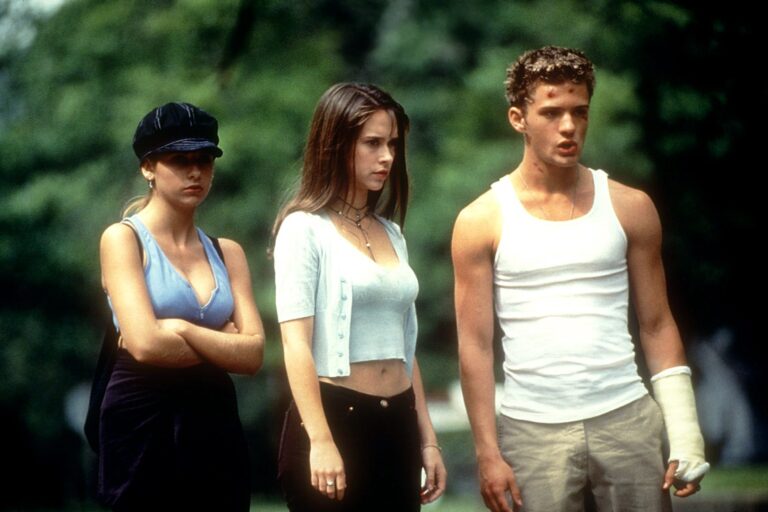
Film at 25: โ€œI Know What You Did Last Summerโ€ Still an Entertaining if Cheesy Slasher Fest

0


Director: Jim Gillespie

Writer: Kevin Williamson

Starring: Jennifer Love Hewitt, Sarah Michelle Gellar, Ryan Phillippe, Freddie Prinze Jr, Anne Heche

Synopsis: Four young friends bound by a tragic accident are reunited when they find themselves being stalked by a hook-wielding maniac in their small seaside town.


1997 was an exciting year to be a horror movie fan. By the end of January, Scream had set records to become one of the highest grossing films of the genre ever made, the film written by Kevin Williamson and directed by Wes Craven offering a fresh new vision of how to make a scary movie. You could sense something was changing in the air. After a major lull in the genre the previous few years, the overwhelming success of Scream guaranteed a large slate of new horror titles were coming, including the first Scream sequel, and a new Halloween film starring Jamie Lee Curtis.

But before those films hit theaters, along came the entertaining slasher I Know What You Did Last Summer in October 1997 that provided strong performances and effective scares. Itโ€™s not in the same league as Scream despite this one also being written by Williamson, based on the Lois Duncan novel, but part of that has to do with the story being more of a standard mystery narrative that doesnโ€™t have the humor and meta aspects of Cravenโ€™s genre-defining saga.

What makes the film stand out to this day is its outstanding ensemble cast, from its four talented leads to its stand-out supporting character performances. Jennifer Love Hewitt leads the group as Julie James, who along with three of her friends hit a man in the middle of the road and try to dispose of the body. A year later, no oneโ€™s been able to put the past behind them, Julie almost flunking out of school, her former best friend Helen (Sarah Michelle Gellar) now mostly estranged from her and staying put in the town she was so ready to leave behind. Their former boyfriends Barry (Ryan Phillippe) and Ray (Freddie Prinze Jr.) are also still around and trying to figure out how to move on in their livesโ€”but then they receive notes that say, โ€œI know what you did last summer,โ€ and it appears as if the creepy fisherman they mowed down survived the accident and is out for revenge.

I Know What You Did Last Summer came out at the perfect time in the days before Halloween 1997, and anyone looking for a genuine thrill ride got their moneyโ€™s worth, the movie a blast to watch with a large audience in a theater. Director Jim Gillespie keeps the pacing fast and efficient while also not sacrificing important character moments, like a terrific scene early on when a clearly distraught Julie sits at the dinner table, her mother asking her if sheโ€™s on drugs. The relationships between the four main characters evolves throughout the movie, keeping the plot developments consistently engaging, and Gillespie includes a fantastic group of supporting actors that enhance the story, like Johnny Galecki as Max and Bridgette Wilson-Sampras as Elsa, Helenโ€™s older sister.

The best performance in the movie, which I at the time wanted to be in the Oscar conversation, is the late Anne Heche as Melissa, who finds just the right balance of creepiness and sympathy in her eerie scenes. Julie and Helen go to her house in search of David Egan, the man they believed they struck on the winding road last year, but in talking to Melissa, they begin to suspect she might be involved in the recent killings taking place. Hecheโ€™s drab outfit, the way she carries herself, that hateful look in her eyesโ€”everything works beautifully about this character, which could have been a throwaway performance by another actress. And the big jump scare of Heche banging her fist against their car window is an all-timer.ย 

Is the film still scary twenty-five years later? The film is still highly entertaining, but scenes that might have frightened viewers in 1997, like Helen seeing the killer at the beauty pageant has grown sillier, along with any of the fright factor there once was in its slightly absurdist ending on the boat. I also loved the big jump scare in the last scene, but finding out in the disappointing 1998 sequel I Still Know What You Did Last Summer that the moment was ultimately just one of Julieโ€™s nightmares takes away its power.ย 

However, the scene featuring Helen in her sisterโ€™s department store is still a work of great suspense, the lights out, the killer hiding among the mannequins as she tries to find her way to safety. Sarah Michelle Gellar is an amazing actress, and she puts up enough of a fight that you think she might survive the nightโ€”this is Buffy, after all, the beloved television series having premiered a few months earlierโ€”but, like in Scream 2, this battle doesnโ€™t end well for her character. Itโ€™s still ridiculous how fast Gellar runs while the killer slowly walks and yet somehow always remains directly behind her every time they cut to a new shot, but thatโ€™s a trope of many horror movies, not just this one.ย 

The disappointment that remains in I Know What You Did Last Summer is its standard horror movie dialogue by Kevin Williamson, who wrote so much fresher and cleverer dialogue in the Scream films. Williamson penned this script years before he sold Scream, and I Know What You Did Last Summer was rushed into production after Screamโ€™s box office kept rising throughout the early months of 1997. This slasher film was shot, edited, and released in all of six months, and the lack of time Williamson and Gillespie had to craft a truly great entry into the genre certainly shows years later. But for many viewers like myself, I Know What You Did Last Summer is a welcome hit of nostalgia that still works better than it should, the amazing cast particularly elevating the material enough to still make it a worthwhile rewatch, especially in the weeks of October.ย ย 

Movie Review: โ€˜Rosalineโ€™ Is a Fun Enough Reinterpretation of Romeo & Juliet


Director: Karen Maine

Writers: Scott Neustadter and Michael H. Weber

Stars: Kaitlyn Dever, Isabela Merced, Kyle Allen

Synopsis: A comedic retelling of Shakespeare’s “Romeo and Juliet,” told from the point of view of Romeo’s jilted ex, Rosaline, the woman Romeo first claims to love before he falls for Juliet.


There have been hundreds of Romeo & Juliet adaptations, and derivative takes on Shakespeareโ€™s play in film. Few of them have been genuinely good, save for West Side Story, which was a refreshing and modern take on the play. Disneyโ€™s latest readaptation of the play, Rosaline, is not only based on Romeo & Juliet, but on Rebecca Serleโ€™s โ€œWhen You Were Mine,โ€ which was a modern retelling of Shakespeareโ€™s tale. However, Rosaline is an anachronistic adaptation, retaining its story in a period setting, while infusing contemporary elements in it. Itโ€™s not a perfect movie, but itโ€™s certainly fun enough to hold your attention for the next 96 minutes.ย 

Part of the reason why it works so well is how fun Kaitlyn Dever is as Rosaline Capulet, who has been romantically involved with Romeo Montague (Kyle Allen). However, the Capulets and Montagues are at odds with one another, and are on the brink of war. When Rosalineโ€™s father (Bradley Whitford) arranges a date for her daughter with Dario (Sean Teale), she misses the opportunity to dance with Romeo at the Capulet masquerade ball. Meanwhile, at the ball, Romeo predictably falls in love with Rosalineโ€™s cousin, Juliet (Isabela Merced). Rosaline first warns Juliet of Romeo, but the plan backfires when her cousin learns that they were lovers and she is trying to win him back.ย 

Itโ€™s not a particularly refined plot, but itโ€™s tons of fun to watch Dever and Merced have a palpable on-screen rivalry. They have great chemistry when theyโ€™re together in earlier scenes, and their comedic timing is excellent. One of the funnier anachronistic aspects of the film is how it doesnโ€™t care which character has an accent or notโ€”some have a ritish accent, some have an American accent, others have a mesh between the two, and itโ€™s always funny when two distinct accents are pitted against each other on screen, such as Rosalineโ€™s relationship with Dario. Teale brings a hefty amount of charm to his role, and is always hilarious when paired with Rosaline. Itโ€™s a shame that his character is underused, much like Minnie Driverโ€™s Nurse Janet, who barely has anything to do.ย 

I was also impressed with how brilliant Bradley Whitford and Christopher McDonald were as the Capulets, who bring a more sophisticated amount of comedy than Dever and Mercedโ€™s quick-witted banter. It neatly balances out the many forms of comedy that director Karen Maine throws at the viewer.ย 

But it doesnโ€™t always work. There are lots of solid moments involving the protagonists, but many of them fall in the clichรฉ category. It doesnโ€™t help that, yes, even if the movie tries to turn the Romeo & Juliet story on its head, you still see everything coming a mile away. I wonโ€™t give it away, but letโ€™s just say that Dario seems too good for Rosaline to want to go back to Romeo, if you know what I mean. Oh, look at them hating each other at first. Yeah, it wonโ€™t last. The more they learn about themselves, theyโ€™re going to fall in love. Itโ€™s written in the sky.ย 

But regardless of its predictable story, Rosaline is a far better readaptation of Romeo & Juliet than Baz Luhrmannโ€™s dreadful Romeo + Juliet. Its performances, particularly from Dever, Whitford, and McDonald, greatly elevate the material. If youโ€™re looking for light entertainment on a rainy Sunday afternoon, Rosaline will do the trick, especially if youโ€™re looking for a movie whose actors are fully committed to their roles, despite its screenwriting inconsistencies. For me, a piece of light entertainment after being winded by a flu shot felt like it was what the doctor had ordered. And itโ€™s good enough for me to recommend it.ย 


Grade: B-

Review: โ€˜The Banshees of Inisherinโ€™ Leaves You Wanting More


Director:ย Martin McDonagh

Writer:ย Martin McDonagh

Stars:ย Colin Farrell, Brendan Gleeson

Synopsis:ย Two lifelong friends find themselves at an impasse when one abruptly ends their relationship, with alarming consequences for both of them.


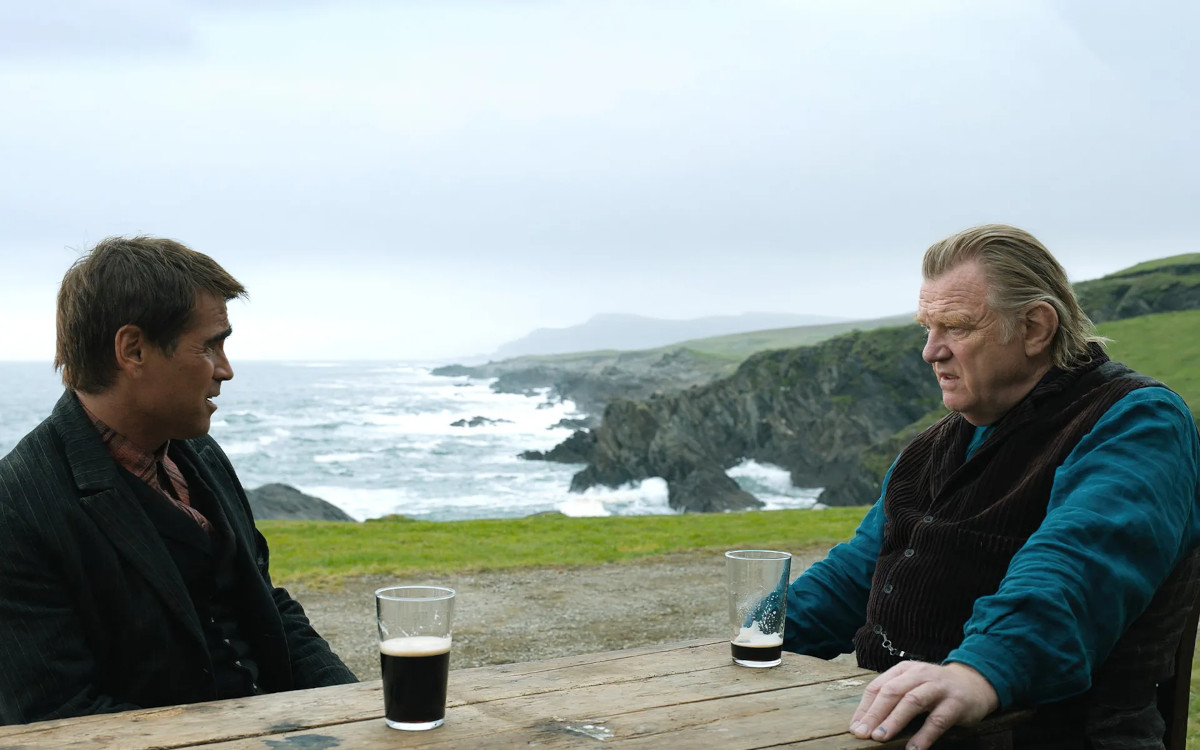
There are just a few directors whose films one canโ€™t connect with, or at least are too hard-hearted that there isnโ€™t space for emotional attachment and reaction. For me, that is what has unfortunately happened with the filmography of one of the most acclaimed directors of todayโ€™s age, Martin McDonagh. I donโ€™t know why that happens because I have my caveats with each feature of his โ€“ the annoying nature of Seven Psychopaths, the crass sentimentality of In Bruges, or the overall shallowness of Three Billboards Outside Ebbing, Missouri. The only project he has made that I managed to enjoy was his Oscar-winning short, Six Shooter. That is where I think he handles the genre combinations of dark comedy, drama, and thriller quite well instead of putting them into a trash compactor. Nonetheless, I still anticipate his projects; knowing one of them will win me over one day or another. Five years have passed since his last feature, and now McDonagh is back with The Banshees of Inisherin, which marks an In Bruges reunion of its lead actors, Colin Farrell (who won the Volpi Cup for Best Actor at the Venice Film Festival for this film) and Brendan Gleeson.ย 

The Banshees of Inisherin is set on a remote island off the coast of Ireland, where the cannons from the ongoing Irish Civil War are heard loud and clear โ€“ causing the townsfolk to react in sheer distress occasionally. Still, they continue with their day as if nothing is happening. This is due to the fact that they are far away from all of the commotion; theyโ€™d rather spend their time either drinking pints at the local bar, Jonjoโ€™s (the only location serving alcohol, which serves as a meeting for all sorts of scenarios), or working. There isnโ€™t much to do or explore. On the island, there are two men whose friendship is about to take a weird and darker turn. Pรกdraic Sรบilleabhรกin (Colin Farrell) is completely devastated when his lifelong friend, Colm Doherty (Brendan Gleeson), short for Colm Sonny Larry, has suddenly decided to terminate their camaraderie and cut ties completely. Whatโ€™s the reason for the on-the-spot decision to deride separately? Thatโ€™s the mystery that slowly unravels during McDonaghโ€™s latest.ย 

โ€œBut you liked me yesterdayโ€, remarks the baffled Pรกdraic. With the help of his loving sister Siobhรกn (Kerry Condon) and the Islandโ€™s buffoon, Dominic (Barry Keoghan), the lonely Pรกdraic tries to repair the damage to their bond by any means necessary. However, Colm is willing to take drastic measures to keep him out of his sight. McDonaghโ€™s latest has the usual blend of the bizarre and melancholic amidst a jet-black comedy narrative, but this time the latter is heightened rather than the former, in which he usually dwells more. It is spiked with misanthropy and a significant amount of bleak dread to elevate the filmโ€™s themes of pride, loneliness, depression, friendship, and existential angst that blurs our minds from time to time (mostly putting your โ€œimmortalityโ€ stamp onto a world that in a few years will forget you). The film is a parable of pride, where it will go before the man falls to their respective damnations โ€“ with predestination and dismay attached to its juncture.ย 

โ€œDonโ€™t you ever get lonely?โ€, Siobhรกn says to Pรกdraic when he turns to isolation once Colm rejects him. And, like all the men on the island would do (except for Colm), he declines to answer the question; itโ€™s like a sign of weakness amongst an island where anybody knows its in and outs โ€“ everything about everyone. However, that question is more so her reflecting on the possibility of living on the mainland. While she spends her days reading and doing daily chores in the house, Pรกdraic is up and out drinking pints. When the person he spends most of his time with erases him out of his life (now sensing the same feelings as his sister), he doesnโ€™t know how to express it. On paper, it all sounds quite fascinating; McDonagh seemed to be taking a different storytelling path while attaching his usual darkly comedic forte.ย 

The Banshees of Inisherin feels like a project fit for our times because we spent so much time drenched in our own isolation that it helps us relate to these characters. Of course, the backdrop of that time doesnโ€™t compare to the one in the film, as the pandemic and the Civil War arenโ€™t equal. Yet, there was a sensation that a gloomy cloud of damnation was covering the world in its entirety, which is what the characters in the film might feel when looking at the horizon. Then thereโ€™s the other side to the Civil War analogy, in which Colm and Pรกdraic are the two slides fighting each other. Brother versus brother, friend versus friend, is a tale long heard before, but with McDonaghโ€™s usual darkly comedic touch. Their โ€œfeudโ€ has caused the island to turn into a sort of disarray (such as the Civil War on the mainland), as nobody knows exactly why they are fighting or who to side with. However, even when all this is quite mesmerizing, something is holding the movie back.ย 

My problems with the film arrive from the monotonous structure of its themesโ€™ development, the configuration of its jokes (and the respective setups), and being stretched far too long. Thereโ€™s a lot of repetition in The Banshees of Inisherin, both in its quips and narrative plotlines, which tended to get under my skin as I got intrigued for one second, and the next, I was out of the experience. It has McDonaghโ€™s usual writing style, but the script lacks the necessary violent verve in its punchlines, which we have seen of him in projects like In Bruges. Its first act is its funniest and most fruitful, but as it transpires through its elongated runtime, the filmโ€™s effectiveness wears out quickly. I often thought about how this would have been better if it had focused more on conveying how Colm is aware of the effects caused by his drastic actions. Sure, we see the other side of the coin from Pรกdraicโ€™s perspective, but it doesnโ€™t indulge enough into Colmโ€™s perspective of this whole wistful and disdainful feud. The sinking of the soul is quite a journey, but not exploring the effect that it brings on the people near you feels like it missed the mark.ย 

For a film that is centered around dark themes and topics, it isnโ€™t reflected in the audience. Those melancholic emotions werenโ€™t passing through my body and heartstrings as I watched, which says something about The Banshees of Inisherinโ€™s emotional detachment from the audience. While I remain distant from McDonaghโ€™s approach, I was entranced by the performances more than the script. Colin Farrell and Brendan Gleeson are a well-cut and sharp duo that know how to balance off each other. And even though the two leading men were excellent in their interpretations, the ones I loved the most were its supporting cast, specifically Kerry Condon and Barry Keoghan. They added an element of lightness and heart to the dark cloud brimming over Inisherin. Condonโ€™s tenderness and Keoghanโ€™s dim-witted charisma were the glue that held the latter half, even if they donโ€™t appear for much of it. Their appearances always brought the best out of the script; I wanted to see more of them. The Banshees of Inisherin left me quite disappointed, as I hoped for an experience that made me reflect upon my own โ€œstamp of immortalityโ€ or the light fractures in the bonds I have had during my life. It isnโ€™t the best of McDonagh, but certainly not the worst.ย 

Grade: C+

Criterion Releases: November 2022

With one film getting a re-release and the rest as new editions, โ€˜tis the season to be buying new gifts for your loved ones with these amazing releases. Another Netflix film and one of the most powerful biopics enter the Criterion; a surrealist piece of freedom from tyranny finally gets its due, and Hong Kong is the setting for a 21st-century masterpiece as well as one of the best trilogies in the last two decades. This is the diversity that Criterion continues to bring in.


Daisies (1966)

Arguably the best film to come out of the Czech New Wave, director Vฤ›ra Chytilovรก caused a storm with her story of two friends who decide to act against the rules of social engagement. It has multiple scenes of mayhem in many areas attacking what the communist establishment had been bringing to Czechoslovakia for the previous twenty years. Ivana Karbanovรก and Jitka Cerhovรก are both delightful to watch and perfect as Chytilovรกโ€™s double middle-fingers, which were acclaimed by film critics but banned by the government after 1968. Post-communism, the movie was freed from censorship and remains a staple of European cinema of the time.ย ย 


Malcolm X (1992)

Spike Lee blasted in front of us his take on the controversial life of the civil rights leader from convict to Black freedom fighter in the Nation of Islam all the way to his assassination in 1965. Denzel Washington is at his finest, arguably the best performance of his career, bringing out the ferocious lion that Malcolm X was. Only a director like Lee could have produced this saga and feature a strong supporting cast with Delroy Lindo, Angela Bassett, Albert Hall, and a slew of cameos featuring Christopher Plummer, Peter Boyle, Giancarlo Esposito, Al Sharpton, and Nelson Mandela, who was on his way to becoming President of South Africa.


In The Mood For Love (2000)

In a 4K reissue, Wong Kar-waiโ€™s masterpiece stands the taste of time with its lush cinematography by Christopher Doyle and Mark Lee Ping-bing setting the tone for its melancholy story of loss, betrayal, and loneliness. It is 1960s Hong Kong and two people (Tony Leung and Maggie Cheung) are together after learning their spouses are having an affair with each other. They choose not to have a physical affair but certainly do on an emotional level. Critic Peter Travers said it easily, โ€œcould have been a snickering sex farce,โ€ but under Wong, it was given the right touch of honesty in relationships. In 2016, the BBC released their 100 Greatest Films of the 21st Century with In The Mood finishing 2nd behind another Criterion film, Mulholland Drive.ย 


Infernal Affairs Trilogy (2002-2003)

The first film is the basis of Martin Scorseseโ€™s The Departed, but it is an entire saga based in Hong Kong. Tony Leung Chiu-wai and Andy Lau Tak-wah play the leading men, one as an undercover cop and one as the gangsterโ€™s insider to the Hong Kong police force, crossing through the criminal underbelly and being forced to trust and betray people to survive. In its sequels, the backstory of both characters and the seeds that led to their events in the first film is shown, while the conclusion of the series plays out the aftermath of everything that has happened. Directors Alan Mak (who also co-wrote the trilogy) and Andrew Lau orchestrate the whole series with high tension that blends the lines perfectly where no one is safe and danger lurks at every corner.


Wall-E (2008)

This was a big surprise announcement by Criterion after they already released their November slate. In an exclusive 4K release, Disney and Criterion made Andrew Stantonโ€™s Oscar-winning story set in the long distant future in which Earth has been abandoned, adults get fat off living in a humongous spaceship, and the last robot on Earth is picking up the trash left behind. It remains one of the best Pixar films made, building on the story of environmentalism mixed with a beautiful love story between the titular robot and a female humanoid who arrives to detect any source of life. With sound design by Ben Burtt, who also was the sound designer on Star Wars, special effects, and cinematography advised by Oscar winners Dennis Muren and Roger Deakins, respectively, Stanton directs a masterpiece that is to behold forever among the greatest animated films.


The Power Of The Dog (2021)

Jane Campion won her second Oscar for directing this brilliant piece of Revisionist Western with a major dose of sexual psychology. Benedict Cumberbatch is great as the charismatic but totalitarian head of a ranch who is proud to show off his masculinity to others while his brother (Jesse Plemons) marries a widow (Kristen Dunst) and brings her son (Kodi-Smit McPhee) to the ranch. A threat to his territory, the cowboy seeks to keep in line his new relatives, but the effeminate-mannered son has other plans. Having watched the film at Middleburg last year, it has grown on me a lot at how amazing it is and that it will stand out among future Top 100 films later on. Not winning Best Picture may have been the best thing for the filmโ€™s future legacy.ย 


Following me on Twitter:ย  @brian_cine (Cine-A-Man)

Podcast: Black Adam / The Secret World of Arrietty – Episode 505

This weekโ€™s episode is brought to you by the Libsyn. Start your podcast today and get your first two months free when you use the code “ISF” at checkout!

This week on the InSession Film Podcast, we discuss the latest film to hit the DCEU in Black Adam and continue our Studio Ghibli Movie Series with the 2012 film The Secret World of Arrietty!

The DCEU has had an uneven journey so far, and while Black Adam is far from great, it does feel as if it’s some sort of reset moving forward. We may not have loved the film, but there was plenty to discuss. The Secret World of Arrietty on the other hand was a nice step up from the last few weeks in our Ghibli series, and we had a great time dissecting it.

On that note, check out this week’s show and let us know what you think in the comment section. Thanks for listening and for supporting the InSession Film Podcast!

– Movie Review: Black Adam (5:41)
Director: Jaume Collet-Serra
Writers: Adam Sztykiel, Rory Haines, Sohrab Noshirvani
Stars: Dwayne Johnson, Aldis Hodge, Noah Centineo, Sarah Shahi

– Notes / Discussion (52:23)

This week for our break segment, we talk briefly about the latest MCU show in She-Hulk and JD gives us his thoughts on the political thriller Argentina, 1985. Plus, a few thoughts on what is arguably the best Star Wars in years in Andor.

[divider]

RELATED: Listen to Episode 484 of the InSession Film Podcast where we discussed Top Gun: Maverick!

[divider]

– Studio Ghibli Movie Series: The Secret World of Arrietty (1:30:07)
Director: Hiromasa Yonebayashi
Writers: Hayao Miyazaki, Keiko Niwa
Stars: Mirai Shida, Ryunosuke Kamiki, Shinobu Otake

Show Sponsor: First Time Watchers Podcast

– Music

Black Adam – Lorne Balfe
The Secret World of Arrietty -Cecile Corbel
The Return of the Eagle – Atli รƒโ€“rvarsson

Subscribe to our Podcasts RSS
Subscribe to our Podcasts on iTunes
Listen on Spotify
Listen on Stitcher
InSession Film Podcast – Episode 505

[divider]

Next week on the show:

Review: The Wind Rises
Top 3: N/A
Studio Ghibli Movie Series: The Tale of the Princess Kaguya

The Wind Rises

[divider]

Help Support The InSession Film Podcast

If you want to help support us, there are several ways you can help us and we’d absolutely appreciate it. Every penny goes directly back into supporting the show and we are truly honored and grateful. Thanks for your support and for listening to the InSession Film Podcast!

VISIT OUR DONATE PAGE HERE