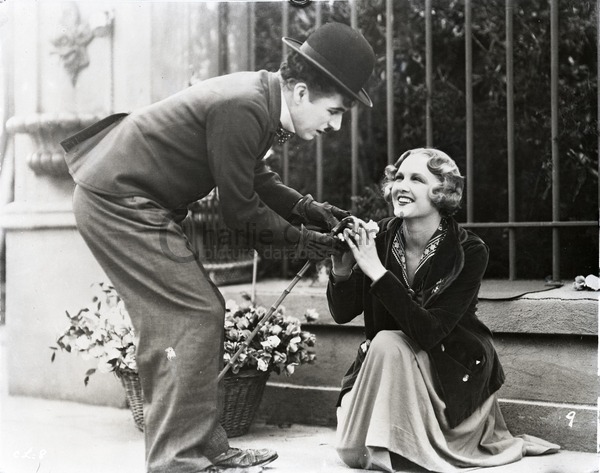
This weekend on Episode 268, we’ll be discussing the new horror film from John Krasinski, A Quiet Place. As many of you already know, the film is essentially a silent film given its premise regarding sound and the dangers that come with noise. It’s a fascinating idea and we are excited to dive right in this weekend on the show. So for our poll this week, using A Quiet Place as inspiration, what is the best silent film?
If you were to look at April 2018 a couple of weeks ago, it would have looked like a rather scarce string of films to watch out for, as far as commercial blockbusters are concerned. This isn’t too uncommon, as April tends to simply stand on deck waiting for May to step up to the plate and swing into the summer movie season. But a little birdie by the name of Robert Downey Jr. went to Twitter and provoked Marvel Studios to release Avengers: Infinity War early, for him and all his friends (aka the whole world); April showers instantly got more interesting.
Out of nowhere, the next superhero crossover we’ve all been anticipating comes out a week earlier than originally scheduled. This was, of course, a nicely planned marketing gimmick by Marvel Studios, whose plan to release Infinity War early was simply due to business reasons, but suddenly April 2018 has large-scale excitement to offer, in addition to hits from South by Southwest and independent films galore. Let’s take a look.
[divider]
Wide Releases
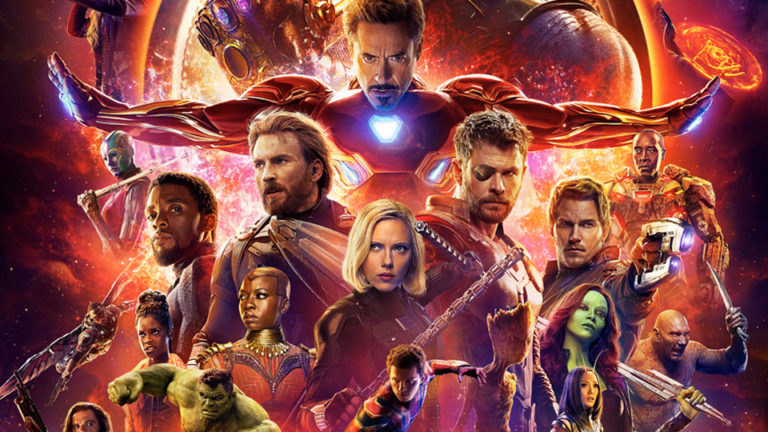
I’ve already mentioned it above, but if there’s only one film you’re genuinely interested in this month, and that’s Avengers: Infinity War. The Russo Brothers (The Winter Soldier and Civil War) return to bring literally every single superhero movie character together (well, at least from the Marvel Cinematic Universe) to battle the mad titan Thanos, whose sinister presence was first stung at the end of 2012’s The Avengers. I hate to use the phrase “We’ve been building to this one”, but Marvel literally has, and plans on using this film (and the still untitled Avengers 4) to close the loop on many of these characters’ arcs. While that conclusiveness is very exciting, there’s a lot riding on Infinity War that still raises concerns, the big one being Thanos himself; normally a lesser villain can be forgiven by the joy of the film he/she populates, but in this case, if Thanos doesn’t work the entire film may not work. However, the Russo’s have already given what are arguably the two most human and grounded films in the MCU thus far, so why should we doubt them now? I’ll keep all reservations at bay.
If superhero movies aren’t your thing (and many have already expressed their boredom by the overwhelming amount of them these days), look no further than some hits from South by Southwest, making their way to public cinemas this month. In particular, John Krasinski’s nearly silent horror flick A Quiet Place is already garnering critical acclaim, featuring himself alongside his wife Emily Blunt and young actors Millicent Simmonds (Wonderstruck) and Noah Jupe. (Wonder and Suburbicon); this one indeed looks frightening. Also hitting big with audiences at SXSW was Blockers, a raunchy comedy starring John Cena and Leslie Mann as parents attempting to stop their daughter from losing her virginity on prom night; is this when we universally recognize John Cena for his comedic chops?
Speaking of laughs, the remaining wide releases this month stick pretty closely to the comedic realm. There’s the ridiculousness of Rampage, starring the ridiculous but always charming Dwayne Johnson; could this end up being the best video game adaptation of all time? Also the sequel to the cult hit Super Troopers comes out this month; color me unimpressed with this one, as I am actually not a fan of the original, but I understand the following it has. And then there’s the controversial but always daring Amy Schumer, starring in I Feel Pretty, which could either succeed or crash and burn in its notions of femininity.
[divider]
Limited Releases
This is where things get a little overwhelming, and for cinephiles like us, this is always a great problem to have; the more artistic films to choose from, the better. And even better when one of those films is your most anticipated film of the entire year, and for me that honor goes to Lynne Ramsay’s You Were Never Really Here, starring the great Joaquin Phoenix as a traumatized and violent war veteran tracking down young missing girls for a living, and with Ramsay’s wonderfully gritty style (Ratcatcher and We Need to Talk About Kevin), just this idea has the hairs on my neck standing up; the film was already a big it at Cannes last year, so expectations are high. There’s also the sci-fi horror flick The Endless, from the duo behind Spring in 2014, which has already been garnering some positive attention, as well as the latest from Andrew Dosunmu (Mother of George) with Where Is Kyra?, starring Michelle Pfeiffer and Keifer Sutherland, also seeing some positive early buzz.
Also seeing some massive critical love is The Rider, from Chloe Zhao (Songs My Brothers Taught Me), starring newcomer Brady Jandreau as a young cowboy searching for identity after suffering a nearly fatal head injury. There’s also the biographical sports rivalry Borg vs McEnroe, about tennis players Bjorn Borg and John McEnroe, starring the always…interesting Shia LaBeouf, as well as the latest thriller from Brad Anderson (Session 9 and The Machinist) with Beirut; written by Tony Gilroy and starring Jon Hamm and Rosamund Pike, this CIA thriller is already seeing some early positive buzz.
And for those who loved the Chilean Oscar winner A Fantastic Woman, writer and director Sebastian Lelio hits the year hard yet again with his first English-language film Disobedience, an erotic romantic drama starring Rachel McAdams and Rachel Weisz, already garnering high praise. Also for fans of William Friedkin’s The Exorcist (his best film if you ask me), be on the lookout for his documentary The Devil and Father Amorth, about real-life Father Gabriele Amortha and the exorcism he performed (his ninth!) on an Italian woman; I expect to have the demons scared out of me. And also keep The House of Tomorrow on your radar, a comedic coming-of-age drama starring Asa Butterfield, Nick Offerman, and Ellen Burstyn about a desire for punk rock stardom (and getting laid of course).
[divider]
They say “April showers bring May flowers”; this will be especially true if the seeds that April plants do indeed blossom into quality entertainment next month. I’m an optimist, and certainly think we will have plenty to look forward to, regardless if we lose the infinite war.
Summary of films to look out for this month:Avengers: Infinity War, Beirut, Blockers, Borg vs McEnroe, The Devil and Father Amorth, Disobedience, The Endless, The House of Tomorrow, I Feel Pretty, A Quiet Place, Rampage, The Rider, Super Troopers 2, Where is Kyra?, You Were Never Really Here
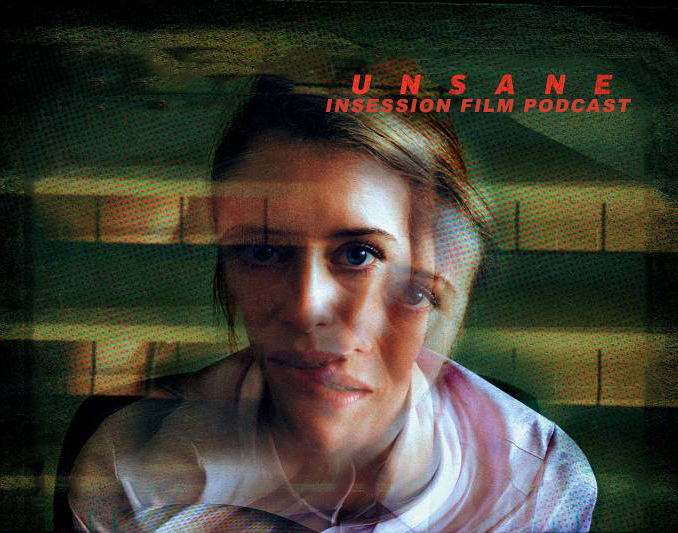
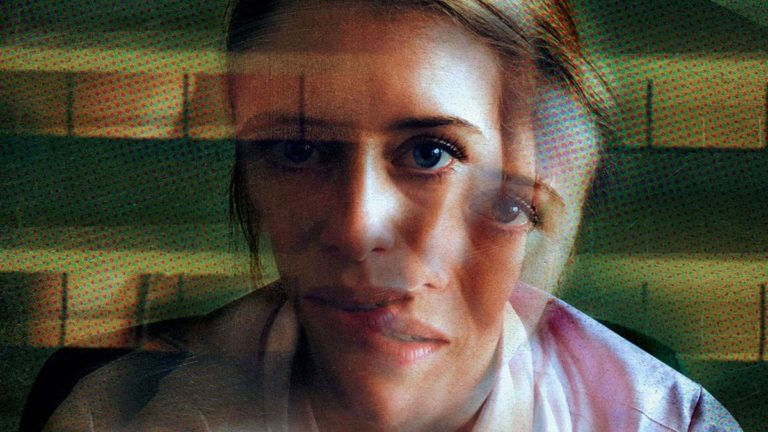
This week on the InSession Film Podcast: Extra Film segment, we discuss Steven Soderbergh’s latest experimental film, Unsane, starring Claire Foy. We also dive into the small indie-film I Kill Giants from director Anders Walter.
As big fans of Soderbergh, we are glad that he is out of “retirement” and making films again. Unsane is another film that could feel like a genre exercise, but per usual it’s full of all the fun Soderbergh things that we love about him. Also, it was great catching up with I Kill Giants. It took four years to get it made, but we were happy to see it come through.
Hopefully you feel the same way as you listen to this week’s Extra Film segment, and as always let us know what you think in the comment section below. Thanks for listening!
– Movie Review: Unsane (4:16) Director: Steven Soderbergh Writer: Jonathan Bernstein, James Greer Stars: Claire Foy, Joshua Leonard, Jay Pharoah, Juno Temple
– Movie Review: I Kill Giants (36:44) Director: Anders Walter Writer: Joe Kelly Stars: Madison Wolfe, Zoe Saldana, Imogen Poots, Sydney Wade
We try to make this the best movie podcast we possibly can and we hope you enjoy them. Subscribe today on iTunes and Stitcher and please leave us a review on iTunes. You can also find us on Soundcloud, PlayerFM and TuneIn Radio as well. We really appreciate all your support of the InSession Film Podcast.
To hear this Extra Film episode and everything else we do, download our apps on the Amazon Market for Android and the Podcast Box app on IOS devices. The mobile app covers all of our main shows, bonus podcast’s and everything else relating to the InSession Film Podcast. Thanks for your wonderful support and listening to our show. It means the world to us!
[divider]
Help Support The InSession Film Podcast
If you want to help support us, we would greatly appreciate it! For more info, CLICK HERE.
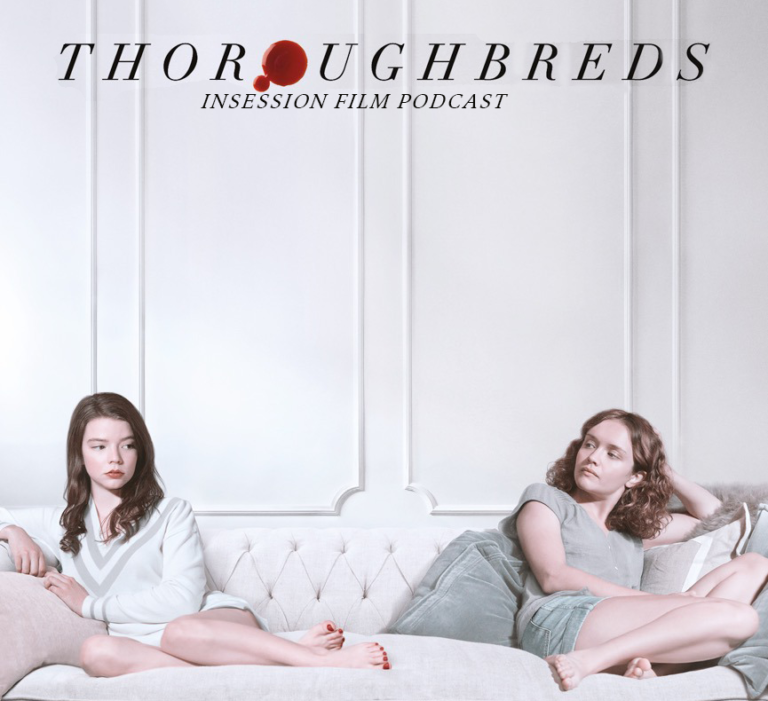
Synopsis: Two upper-class teenage girls in suburban Connecticut rekindle their unlikely friendship after years of growing apart. Together, they hatch a plan to solve both of their problems-no matter what the cost.
[/info]
There are countless films that have explored empathy and apathy previously, but first-time director Cory Finley has tackled these notions in some rather invigorating ways in Thoroughbreds. There’s a visceral quality to this film that provocatively demonstrates empathy, or the lack there of, becoming entangled with its violent tendencies. The result is a compelling tale of two friends who end up questioning how empathy can evolve.
The film opens with Lily (Anya Taylor-Joy) reconnecting with her friend Amanda (Olivia Cooke), who had recently been in some trouble after committing some disturbing animal cruelty. As the two of them bond over small talk, their friendship turns somewhat into a partnership, where they hatch a plan to solve their problems for good. This, of course, unravels into something that neither of them expected.
There is much to unpack with this story, but what makes Thoroughbreds so fascinating is how it wears this facade of being violent – the film often talks about violence and heavily implies a sense of brutality – but Finley isn’t interested in showing you actual violence. It would have been real easy for a lesser director to delve into unnecessary and gratuitous hostility, but at every turn Finley restrains himself to illustrate something more internal. Something more emotional and human. Every major disturbance happens off-screen and yet there’s still a guttural ambiance rendered in how Finely frames, edits and scores those sequences.
Instead of becoming consumed in its violence, like many films of this ilk tend to do (looking at you Raw), Thoroughbreds is really more of an exercise in empathy and apathy. The violent underbelly that Finley implores here is simply a dramatic tool to amplify the progression of both Lily and Amanda – two women who become entangled in juxtaposing arcs in regards to empathy and that evolves in both of them.
Lily is a normal teenager, fully capable of human emotion and certainly emulates that throughout film. Everything from anger to sadness to fear to resentment to empathy as we see in those early scenes. But for Amanda, through some sort of disorder or psychological ailment, she can’t feel human emotion. She confesses early that all of her emotion is manipulated as her way of trying to fit in with her peers. And throughout the film Amanda is cold and unequivocally straightforward in everything she does, giving credence to those claims.
As the two become more involved with their plot to solve their problems, a captivating irony starts to unfold and by the end of the film, you could argue that the character – who by definition is the most apathetic – is the one who ultimately demonstrates the most empathy. And on the flip side, the character that can emote, and often does emote, is the one that converts into being the most apathetic and distant in terms of emotion. The transformation is subtle, but thematically poignant, in how Finely captures these fundamental changes without showing us the physical brutality of what happens. By showing the emotional devastation and lingering on character reaction, it gives the experience a heft that would have become lost in providing gore.
Much of this also resonates because of the performances by Taylor-Joy and Cooke, who are absolutely stunning in this film. Both of them tap into the evolution of their respective characters in powerful ways that help bring weight to Finely’s vision. They have a chemistry that also feels palpable. In his last role, Anton Yelchin provides a great performance as well. He gives his character of Tim a confidence that chews on dialogue and demands the screen. Yet, simultaneously there is a timidness to Tim at the same time. Despite little screen time, Yelchin provides a somewhat complex character that is necessary to the film’s overall plot.
Thoroughbreds isn’t going to be for everyone. It’s methodical, it’s not interested in being horror film and it attempts to upend your expectations. And for me, Finley succeeded in that by showcasing restraint in his direction and providing a though-provoking experience. There’s a poetic elegance in how he explores his ideas of empathy and apathy. Perhaps that’s not your style, and that’s fair, but if you’re willing to clutch the prowess of Finely’s artful approach, there’s a lot to appreciate here.
For our poll this week, inspired by Ready Player One, we are delving into the world of Steven Spielberg once again. Specifically, the sci-fi and fantasy films that helped make him the legend that he is today. If you’re like us, not only are a few of these films truly great, they’re some of our favorite films of all-time. So, this isn’t an easy poll. But simply, what is your favorite sci-fi or fantasy film directed by Spielberg?
Director: Steven Soderbergh Writers: Jonathan Bernstein, James Greer Stars: Claire Foy, Joshua Leonard, Jay Pharoah, Amy Irving
Synopsis: A young woman is involuntarily committed to a mental institution, where she is confronted by her greatest fear–but is it real or a product of her delusion?
[/info]
Just when you thought Steven Soderbergh had officially retired like he said he would, he finds another way to justify his unique approach at experimentation; he is an experimenter after all. And that is something no one can deny, that each of Soderbergh’s films serve as some form of genre and/or technical investigation, something that triggers him to get back behind the camera and tackle something he hasn’t done before. This brings us to Unsane, unquestionably another Soderbergh experiment, and yet nothing like Soderbergh has done before. Are you confused? Imagine how I felt leaving the theater right after seeing it.
Unsane is a film I had no idea what to make of, in fact I didn’t even know if I liked it. And still as I type my words onto this page, I don’t have a clear answer as to what Soderbergh’s end goal was. Told from the point of view of Sawyer (played by Claire Foy), a self-driven female millennial who inadvertently commits herself to a mental institution (against her will as she states), Unsane, notorious for being shot solely on an iPhone 7 Plus using only three Moment lenses, feels like it could be either one of two things: an attempt to dramatically surpass the genre tropes that typically come with films about mental illness, or a simple exercise in schlocky melodramatic horror, a common approach with movies of this subject matter (i.e. Samuel Fuller’s Shock Corridor and even Martin Scorsese’s Shutter Island). While the film has a lot of issues regardless, I have decided to review Unsane as the latter, a junky 1970’s-style horror film, because if I don’t then the film doesn’t work for me at all (in fact I find myself hating the film if this were the case); I am willing to give Soderbergh the benefit of the doubt.
What defends Unsane as a schlocky melodrama goes back to its cinematography, using that iPhone 7 Plus. The shots in Unsane look cheap, ugly, and dirty, much like a reel of security camera footage. Perhaps this was Soderbergh’s attempt at imbuing Unsane with a sense of realism, but I refuse to buy into that; it looks junky, and I firmly believe that that was the point. And in its melodrama comes more evidence to support the film’s junkiness, from the forced and strict commentary on corporate greed in the health care system (the willingness to lock away sane individuals just to make a dime reeks in absurd self-awareness), to the biting sense of humor between the various inmates (Jay Pharoah is especially a treat here). This is precisely why Unsane works more appropriately as a tongue-in-cheek exercise in sheer insanity, otherwise Soderbergh’s depiction of mental illness just comes off as an offensive trope and misguided scare tactic.
One of Unsane’s biggest narrative components has already been provided in the film’s marketing; Sawyer’s possible stalker, played by Joshua Leonard. While an aura of mystery still remains with regard to Sawyer’s mental credibility, Joshua Leonard’s performance (known as one third of The Blair Witch Project) may suggest otherwise. In Unsane, Leonard plays David (or George, depending on who to believe), and is fully unhinged in his performance; Soderbergh refuses to let Leonard hold anything back, and his performance is both troubled and incredibly hammy, the best kind of threat for the schlock that this film is. It’s a performance that wouldn’t feel out of place in even a grindhouse film, and is yet another element to the film that wouldn’t work without seeing Unsane as tripe filmmaking; you have to applaud Leonard for just really going for it, and it’s even better when he does great work.
And yet, even as I can accept Unsane more easily as schlock, it still so far from perfect that it’s actually quite frustrating. Narratively speaking, we get little to no setup regarding Sawyer’s possible stalker, and it is something we just need to accept when it comes into play. But even worse is the third act, which plays out with no surprises, anticlimactic revelations, and simply becomes overly tedious and repetitive. And then there’s Claire Foy’s performance, commonly seen as the best thing in the movie. This notion troubles me, going back to my questioning of the film’s overall approach; if Soderbergh meant for Unsane to transition itself from B-movie schlock to A-list drama, then Claire Foy’s performance really works, inviting in a sense of frightening realism. And that’s my problem, Foy is indeed really good here but perhaps too good, tonally off kilter with what I believe Soderbergh’s filmmaking approach is, and I can’t help but feel like her performance is out of a different movie.
I am willing to accept that there’s a lot to admire about Soderbergh’s experimentation here, if taken as a simple genre exercise. As anything else, it runs extremely close toward terrible offensiveness, and at the expense of saying a great director like Steven Soderbergh directed one of the year’s worst films, I’ll continue to judge Unsane as cheese. I enjoy cheese.
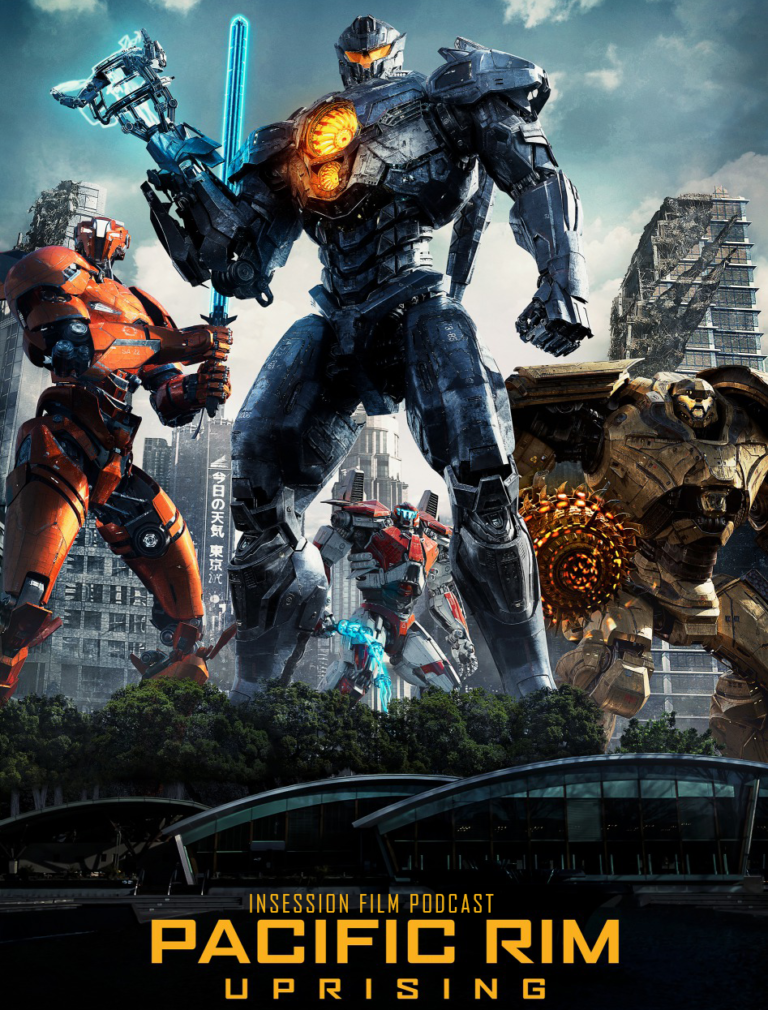
This week on Episode 266 of the InSession Film Podcast, inspired by Pacific Rim: Uprising, we discussed our top 3 jaeger pilot duos…again. All the back in 2013, we were lucky enough to review Guillermo del Toro’s Pacific Rim on Episode 21. On that show we talked about our favorite “jaeger pilot duos” – or the movie characters that we would love to see as co-pilots in a jaeger. This could be any two characters from the same film or perhaps characters from separate films – the sky was really the limit with this one. And since Episode 21 was during the pre-Brendan era, we thought it would be really fun to revisit this topic, and boy did we make the right decision. This was a lot of fun!. On that note, what movie characters would make your list? Here are the one’s that made ours:
**Please keep in mind that we each had different criteria for our selections**
JD
1) Ripley – Aliens / Sarah Connor – Terminator 2: Judgment Day
2) Jules Winfield – Pulp Fiction / Alonso Harris – Training Day
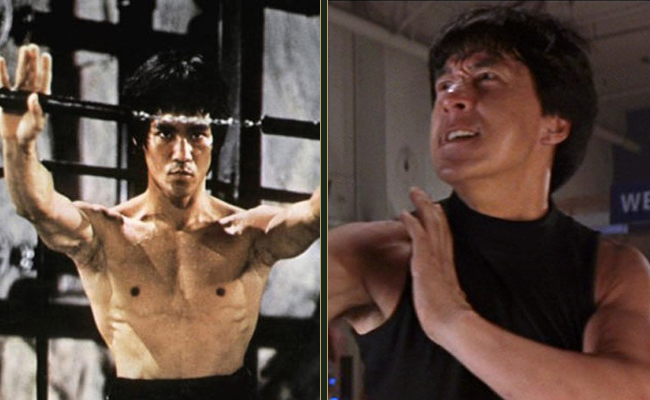
3) Lee – Enter the Dragon / Keung – Rumble in the Bronx
Brendan
1) Ripley – Aliens / Furiosa – Mad Max: Fury Road
2) Snake Plissken – Escape from L.A. / Jack Burton – Big Trouble in Little China
3) Agent K – Men in Black / Agent J – Men in Black
Arcturus
1) James Bond (Sean Connery) – Bond Series / Frank Drebin – Naked Gun Series
2) Jason Stathom / Jean-Claude Van Damme
3) Reggie Hammond – 48 Hrs / Jack Cates – 48 Hrs
Honorable Mentions (Combined)
Neo – The Matrix / John Wick – John Wick
Furiosa – Mad Max: Fury Road / Katniss – The Hunger Games
Axel Foley – Beverly Hills Cop / Marcus – Bad Boys
Aragon – The Lord of the Rings / Maximus – Gladiator
William Wallace – Braveheart / Maximus – Gladiator
P.K. Highsmith – The Other Guys / Christopher Danson – The Other Guys
Rocky – Rocky / Adonis Creed – Creed
Dominic Toretto – Fast and Furious Series / Brian O’Conner – Fast and Furious Series
Hobs – Fast and Furious Series / Paul Doyle – Pain & Gain
Schmidt – 21 Jump Street / Jenko – 21 Jump Street
Gandolf – The Lord of the Rings / Dumbledore – Harry Potter
Jason Bourne – Bourne Series / Ethan Hunt – Mission: Impossible Series
Poe – Star Wars / Finn – Star Wars
Han Solo – Star Wars / Chewbacca – Star Wars
Mike – Bad Boys / Marcus – Bad Boys
Rocky DeSantos / Adam Park / Aisha Campbell / Kimberly Hart / Tommy Oliver / Billy Cranston – Mighty Morphin Power Rangers
Hopefully you guys enjoyed our lists and if you agree or disagree with us, let us know in the comment section below. As stated above, the possibilities for this list is endless. You could literally pick any two characters from any film ever as long as they have some sort of comradery together. That being said, what would be your Top 3? Leave a comment in the comment section or email us at [email protected].
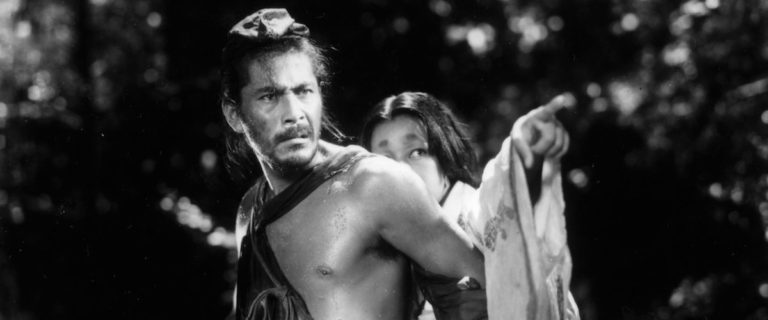
This week on the InSession Film Podcast, Arcturus from the MGCTv podcast joins us to discuss Pacific Rim: Uprising and our Top 3 jaeger pilot duos – aka the movie characters we’d like to see fight together as co-pilots in giant jaegers. We also begin our Akira Kurosawa Movie Series by reviewing his 1950 film Rashamon!
This has to be one of the widest shows we’ve ever done in terms of variety. We have a lot of fun discussing Pacific Rim and jaeger pilots, we engage in a heated debate and we delve into one of Kurosawa’s most notable films. This episode is all over the place, and we hope you all enjoy it as we did. A huge thanks to Arcturus for joining us as well, we were very eager to have him on this specific episode and he did not disappoint. He is a big fan of the first Pacific Rim film, so having him on for the sequel was a delight.
On that note, check out this week’s show and let us know what you think in the comment section. Thanks for listening and for supporting the InSession Film Podcast!
– Movie Review: Pacific Rim: Uprising (5:43)
Director: Steven DeKnight
Writer: Steven DeKnight, Emily Carmichael, Kira Snyder, T.S. Nowlin
Stars: John Boyega, Scott Eastwood, Cailee Spaeny, Charlie Day
– Top 3 Jaeger Pilot Duos (revisited) (44:58)
All the back in 2013, we were lucky enough to review Guillermo del Toro’s Pacific Rim on Episode 21. Using that film as inspiration, we talked about our favorite “jaeger pilot duos” or the movie characters that we would love to see as co-pilots in a jaeger. This could be any two characters from the same film or perhaps characters from separate films – the sky was really the limit with this one. And since Episode 21 was during the pre-Brendan era, we thought it would be really fun to revisit this topic, and boy did we make the right decision. This was a lot of fun! That said, what would be your Top 3?
If you want to help support us, there are several ways you can help us and we’d absolutely appreciate it. Every penny goes directly back into supporting the show and we are truly honored and grateful. Thanks for your support and for listening to the InSession Film Podcast!
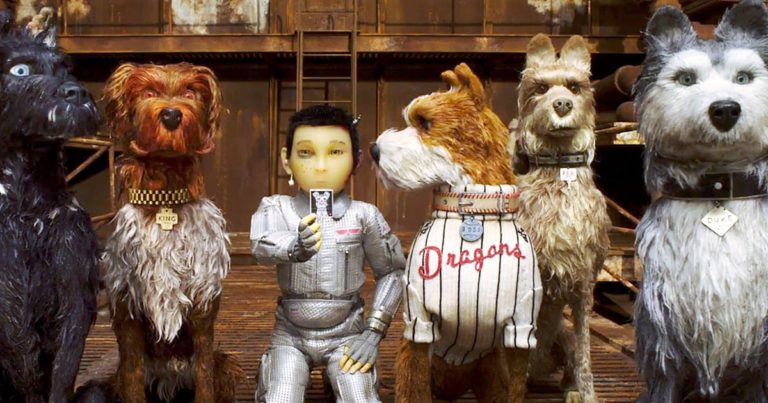
Director: Wes Anderson Writers: Wes Anderson, Jason Schwartzman, Kunichi Nomura, Roman Coppola Stars: Bryan Cranston, Koyu Rankin, Edward Norton, Bill Murray, Jeff Goldblum, Greta Gerwig, all of Hollywood?
Synopsis: Set in Japan, Isle of Dogs follows a boy’s odyssey in search of his lost dog.
[/info]
Taking your seat ahead of a new Wes Anderson film isn’t the same benign practice ahead of, say, a Spielberg picture. Compliant surrender of all agency to Anderson’s vision applies as much to us in the theater as it does to his characters. The universe, it seems, is a giant sandbox to the director of the madcap worlds of Steve Zissou, M. Gustave and the Tenenbaums; we are all but marionettes at the mercy of Anderson’s puppetry. The trade-off is that not a single person in my screening minded. Not one bit.
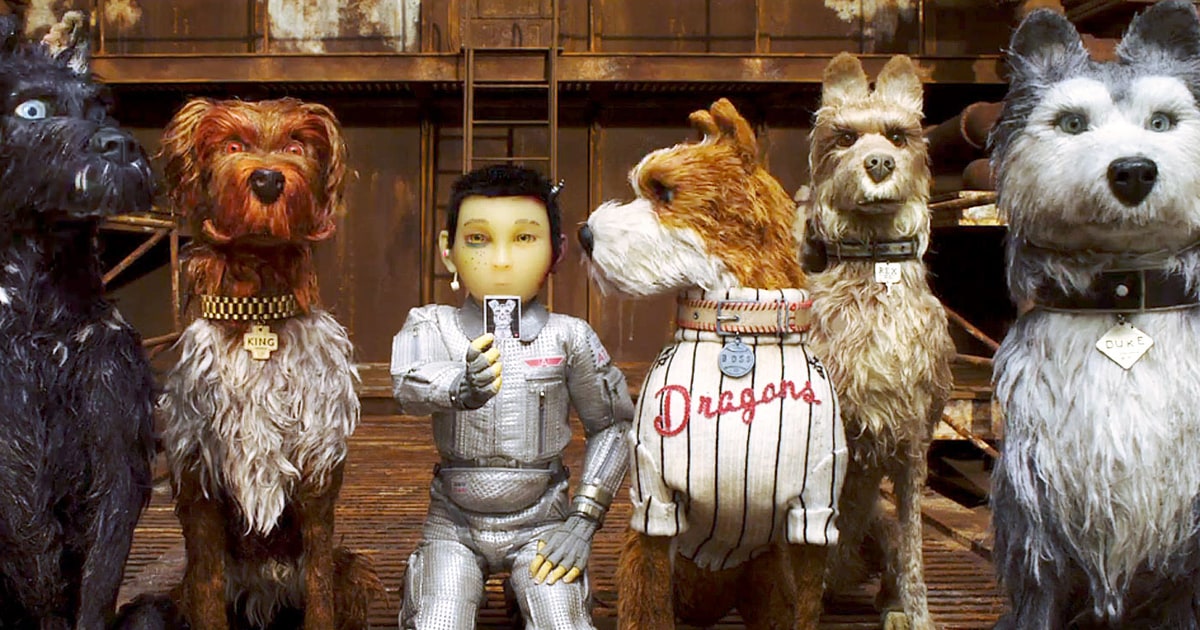
Following 2014’s hugely successful and my personal Anderson favorite, The Grand Budapest Hotel, Isle of Dogs sees its auteur director revisit the stop-motion animation of 2009’s Fantastic Mr. Fox. The screenplay for …Mr. Fox, of course, was adapted from the Roald Dahl novel of the same name, and this detail is both the strength and weakness of this latest animated adventure. More on that shortly, but to the plot…
Isle of Dogs takes place in Megasaki, a fictional, industrial Japanese metropolis, whose dogs have been infected with canine flu. The anti-science, cat-loving Mayor Kobayashi swiftly banishes the city’s dogs, starting with his ward Atari’s, to Trash Island, an archipelago on which Megasaki’s forgotten pets struggle for survival. Atari soon stages a solo rescue attempt, a plot coinciding with the discovery of a cure for the canine flu blight. Mayor Kobayashi, a frequent stager of rallies before a self-portrait reminiscent of Charles Foster Kane, is, unsurprisingly, undeterred by such game-changing progress, setting the tone for a third act defined more by student activism than boyhood dog-questing. And it’s this disjuncture that poses a problem the film can’t quite square: the level of creative freedom in Isle of Dogs, freedom unconstrained by children’s novels and physical actors, is pushed to such a degree that some narrative elements seem to exist entirely independently of others.
Anderson mainstays comprise Isle of Dogs’ ensemble voice cast: Edward Norton, Bill Murray et al
certainly bring the deadpan, and deliver their dialogue with all the rapid-fire rhythm we’ve come to expect. The visuals are where Megasaki really shines, equally evoking both the 60’s urban backdrop of Kurosawa’s High and Low and Edo-period print work of Hokusai. Anderson’s signature geometric compositions bind the world together with seamless ease, the director clearly having unnecessary amounts of fun with their navigation.
Isle of Dogs, then, is as much a playground as a tale-teller. It’s Wes Anderson at his most out-there, and, for his fans, there’s likely no conceivable limit to which that can be acceptably pushed. Minor concerns aside, this is a beautiful, adventurous and consistently funny piece of work that wears both its influences and heart on its sleeve.
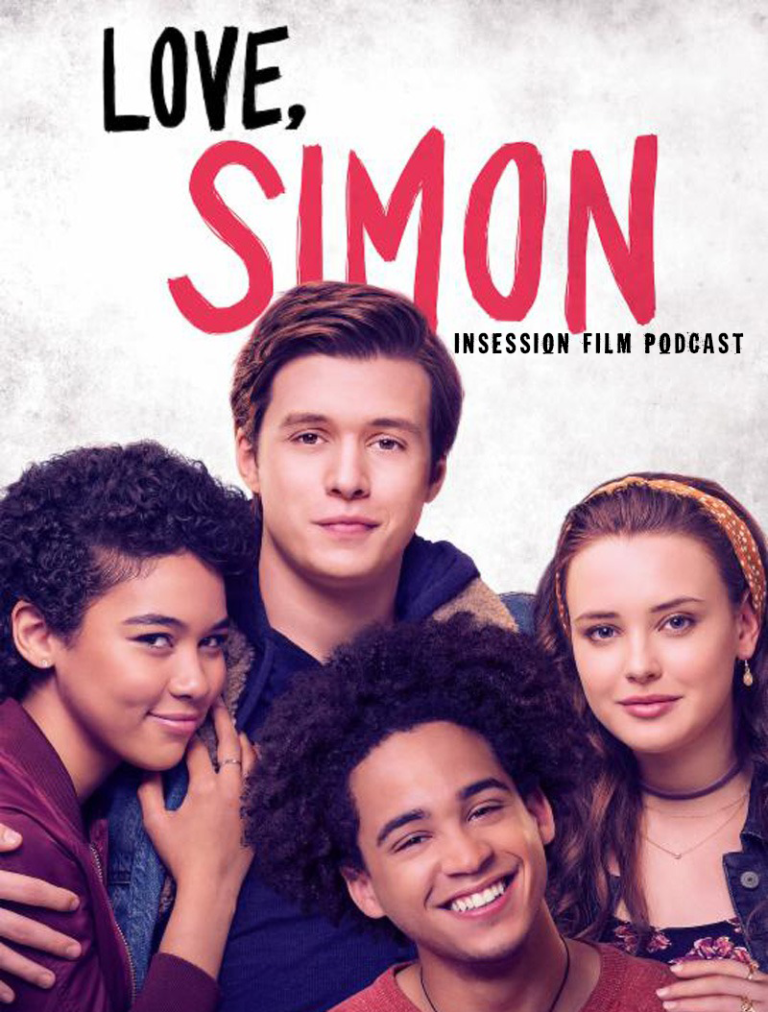
This week on the InSession Film Podcast: Extra Film segment, we tackle the charming teenage romance Love, Simon, starring Nick Robinson in what is sure to become a star-making performance for him. We also review the Chilean film A Fantastic Woman, starring transgender actress Daniela Vega from director Sebastián Lelio.
Both films tackle subject matter worth celebrating, and it’s even better that both have already been celebrated in some way. Love, Simon already holds the title as the first mainstream romance film to feature a gay lead character (distributed by 20th Century Fox), and A Fantastic Woman recently won the Academy Award for Best Foreign Language Film. This conversation allows for us to offer our input whether these films deserve their respective statuses, and to be quite honest, this turned into one of our all-time favorite Extra Film episodes.
Hopefully you feel the same way as you listen to this week’s Extra Film segment, and as always let us know what you think in the comment section below. Thanks for listening!
– Movie Review: Love, Simon (5:18) Director: Greg Berlanti Writer: Elizabeth Berger, Isaac Aptaker Stars: Nick Robinson, Jennifer Garner, Josh Duhamel, Katherine Langford
– Movie Review: A Fantastic Woman (36:44) Director: Sebastián Lelio Writer: Sebastián Lelio, Gonzalo Maza Stars: Daniela Vega, Francisco Reyes, Luis Gnecco
We try to make this the best movie podcast we possibly can and we hope you enjoy them. Subscribe today on iTunes and Stitcher and please leave us a review on iTunes. You can also find us on Soundcloud, PlayerFM and TuneIn Radio as well. We really appreciate all your support of the InSession Film Podcast.
To hear this Extra Film episode and everything else we do, download our apps on the Amazon Market for Android and the Podcast Box app on IOS devices. The mobile app covers all of our main shows, bonus podcast’s and everything else relating to the InSession Film Podcast. Thanks for your wonderful support and listening to our show. It means the world to us!
[divider]
Help Support The InSession Film Podcast
If you want to help support us, we would greatly appreciate it! For more info, CLICK HERE.
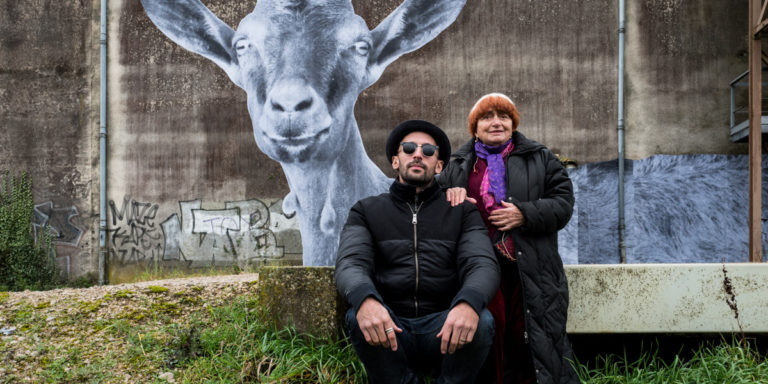
Director: JR and Agnès Varda Writers: JR and Agnès Varda Stars: JR and Agnès Varda
Synopsis: Director Agnès Varda and photographer/muralist JR journey through rural France and form an unlikely friendship.
[/info]
From just the opening logos of Faces Places, we hear the tuning of a lone acoustic guitar, two musical strings and notes that slowly, but surely, intertwine in perfect unison and harmony. And thus, without even seeing the faces of our two protagonists, we instantly sense the notion of two unlikely artists who come together to inspire one another, sensory storytelling at its finest. Two people of vastly different ages and genders, filmmaker Agnès Varda and photographer JR embark on an artistic journey in the self-discovery of others, how one’s own facial evocation of either joy or pain has its own history behind the smiles or the frowns, a similar history shared by their respective hometowns. Many places and structures, given their physical wear and tear, clearly have a story waiting to be shared, we just need the ability to put a face to it; let’s thank Varda and JR for finding a way to synonymize the two for us. Faces Places is so good, it practically invents a new form of artistic expression, a metamorphosis of human expression with our physical surroundings, of literal face and place.
In Faces Places, Agnès Varda, mostly known for her involvement in the French New Wave direcing films like Cleo from 5 to 7, teams with photographer and artist JR for an adventure of artistic nostalgia. JR, complete with his youthful poise and unnecessary sunglasses, is perhaps the most nostalgic splitting image of Jean-Luc Godard (once a friend to Varda), so the fact that their artistic venture is very much driven by nostalgia is only appropriate. On their journey, JR prints out large portraits of random people’s faces and bodies, and pastes them on structures meaningful to them, for the rest of the world to see. It’s not so much a simple act of pasting, but an act of engraving one’s legacy within locational history, and to put it as bluntly as possible, it’s downright beautiful.
Faces Places may be a documentary, but it’s cinematically structured like a buddy road movie. Presented as a series of artistic vignettes, the film moves and cinematically captures settings that evoke an ancient quality to them, almost as if we are being transported back in time without a time machine. And as a series of vignettes, it never wears out its welcome; there’s genuine excitement as we await the next individual’s emotional response to being “pasted”. A few of the best sequences need calling out: the wives of a few dockworkers, engraved as full-body silhouettes with their true selves siting inside their hearts; a group of factory workers, all reaching toward each other, asking for a sense of workplace camaraderie; and a sequence on a beach, engraving a memory of Varda’s past on an abandoned ship block, only for the tide to come next day and symbolically wash it away.
And thus, this external exercise then turns into an introspective one for Varda and JR themselves, moments of contemplation that spark nostalgic memories of their own. Perhaps they were so busy visualizing the history of others they forgot about themselves, the fact that they too have their own histories they want to intimately share. They may be the artists, but that shouldn’t make them any different than their subjects. In fact, JR at one point even turns Varda into one of his own subjects, pasting her feet and eyes symbolically on a moving train, always progressing forward, always inspiring, regardless of age.
And what a message to convey, especially as the film concludes as a warning of one’s mortality. Death haunts this entire film, so much so that I would be hard pressed to call this a sort of ghost story. Even history itself, the thesis of Varda and JR’s art, is the notion of stories that have come and gone, but does that make them any more forgotten? It’s not just the ability to evoke history emotionally, but to share it with someone else is arguably more important. It’s through this conversational act that an unlikely friendship is born, beautifully seen by both us and by Varda and JR themselves, even given their own visual hindrances (a nice ironic touch that one slowly loses her vision, while the other chooses to darken his). Forget the countless blockbuster sequels we get every weekend, let’s revisit this unlikely pairing for another adventure. And then another one.
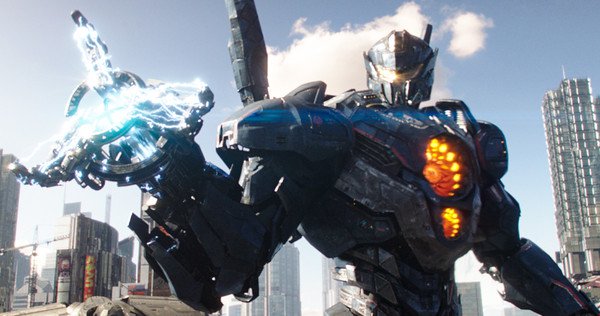
Director: Steven S. DeKnight Writers: Steven S. DeKnight, Emily Carmichael, Kira Snyder, T.S. Nowlin, Travis Beacham (characters) Stars: John Boyega, Scott Eastwood, Jing Tian, Charlie Day, Cailee Spaeny, Burn Gorman, Rinko Kikuchi
Synopsis: Jake Pentecost, son of Stacker Pentecost, reunites with Mako Mori to lead a new generation of Jaeger pilots, including rival Lambert and 15-year-old hacker Amara, against a new Kaiju threat.
[/info]
Beware, all who consider Guillermo del Toro’s film as a valentine to mecha anime shows or pop culture’s love to host gladiator matches between titanic objects, for here is the shredding of it. With the dismantling of all that give Pacific Rim the thrust to stay above its follies, Uprising is less a follow-up and more, maybe even completely, an effortful attempt to be chummy with (the more recent, offensive and eager-to-pander entries of) Bayformers.
“I’m not my father,” said Jake Pentecost (John Boyega) while showing off the moves at a seaside mansion party and conducting semi-legal exchanges of valuables for food, among them a car for a Sriracha bottle. It’s been 10 years of peace since the last battle at the Breach, so partying and freeloading around Kaiju carcasses sound all right. As if taking that quote to heart, Uprising wastes little time flashing its youth-driven colors — the opener hops along to the booming reggae beats of Wizkid’s Daddy Yo and the music video-friendly editing give everything a Fast & Furious vibe. Goodness, let’s hope Universal, now assuming producing duties in Warner Bros.’ stead, won’t consider this film as a sizzle reel to potentially have mechas rolling with Toretto’s family. It’s a pure recipe for angina to just think about this.
“I’m not my father” also seeps into the film’s main conflict, which is now more between humans and humans. To its credit, Uprising’s choice to not quite re-granting the blue-blooded trans-dimensional critters prominence is gutsy in that it spotlights us as monsters — after all, we are the other monster-makers — but the divergence can’t shine at all because the film doesn’t let it. Unsure if it wants it. Where the chance for the idea to rise lies in further polishing the threat toward Pentercost Sr.’s legacy in those assembly-lined drones from Shao Industries, designed and supervised by Milan-wardrobed Liwen (Jing Tian) and the original’s Newt (Charlie Day), the script believes it also has to follow a league of vaguely outlined angsty kids, here at the Shatterdome to be trained by Jake and an embodiment of blasé he called bestie (Scott Eastwood). Greed isn’t good, folks: The film’s belief that it must own both storylines sabotages itself as everyone and everything emerge as a haze. Even worse, this namby-pamby trait erodes the reservoir of goodwill Pacific Rim has built, and what leaves a giant mark after 111 minutes is the dishonoring of the past rather than evolution.
And so, what’s there to celebrate? Boyega’s re-channeling of the wisecrack and startlingly charismatic Moses from Attack the Block could have been a reason to, slightly chattier attribute aside, had we not been lured into believing that his presence will be primary. “I’m not my father” indeed. What Amana (Cailee Spaeny) is, a survivor and Jaeger pilot wunderkind, could have gotten us elbow-rocketed our fist into the sky, but in a tragic repeat of what happened to Transformers 5’s Izabella she too is tricked by the film’s promise of letting her character and her journey outgrow their frames. The usually solid d.p. Dan Mindel and composer Lorne Balfe couldn’t even salvage any ounce of excitement since their works, unlike Guillermo Navarro and Ramin Djawadi, aren’t used to weave art into the bombast, or to eclipse the expectations of “it’s just a big robot movie.” Spartacus’ director Steven S. DeKnight, who also has a hand in the writing, is fine with “it’s just big robot movie,” though. Or is it “big Transformers movie” since also in Uprising is an adamant-yet-erroneous belief that quick cutting equals to increased energy?
For all of its demoting and de-specializing of del Toro’s print, at least Uprising will still please its friends from across the Pacific. Tian, in a way their representative, thankfully gets to inhabit a proper role again after whatever that was in Kong Skull Island. Her turn as Liwen is free from The Great Wall-kind of dilution, too; Newt is actually forced to know her language to converse with her. But like the lonely Gundam statue seen in the climactic battle at a notably sunny (yeah!) Tokyo (sigh), there’s no perceiving the respectful gesture as artistic when its inclusion, in alignment with the film’s spirit, evokes repeated-business first and identity-building never.
Overall Grade: D
[divider]
Hear our podcast review on Episode 266, coming soon.
This week for our poll, we are looking ahead to our new movie series on Akira Kurosawa. We need your help in landing the seventh and final film in our series. The first six films in our series will include Rashomon, Ikiru, Seven Samurai, The Hidden Fortress, Ran, and Yojimbo / Sanjuro (we are lumping these two together since one is a “sequel” to the other).
With that said, which film should we discuss to conclude the series?
This week on Episode 265 of the InSession Film Podcast, inspired by Tomb Raider, we discussed our top 3 expeditions in film. Expeditions are a cinematic staple that in many ways defines what we love about going to movies. There’s something inherently joyous about watching characters on varying adventures that we would only be able to experience on the big screen. There are dozens of examples of this in film that include some of the most iconic moments in cinema history. So, this was a really fun topic to discuss this week. On that note, what movie expeditions would make your list? Here are the one’s that made ours:
**Please keep in mind that we each had different criteria for our selections**
JD
1) Gold Rush
2) Jurassic Park
3) Silence
Brendan
1) Stand By Me
2) Princess Mononoke
3) Magic Mike XXL
Daniel
1) Into the Wild
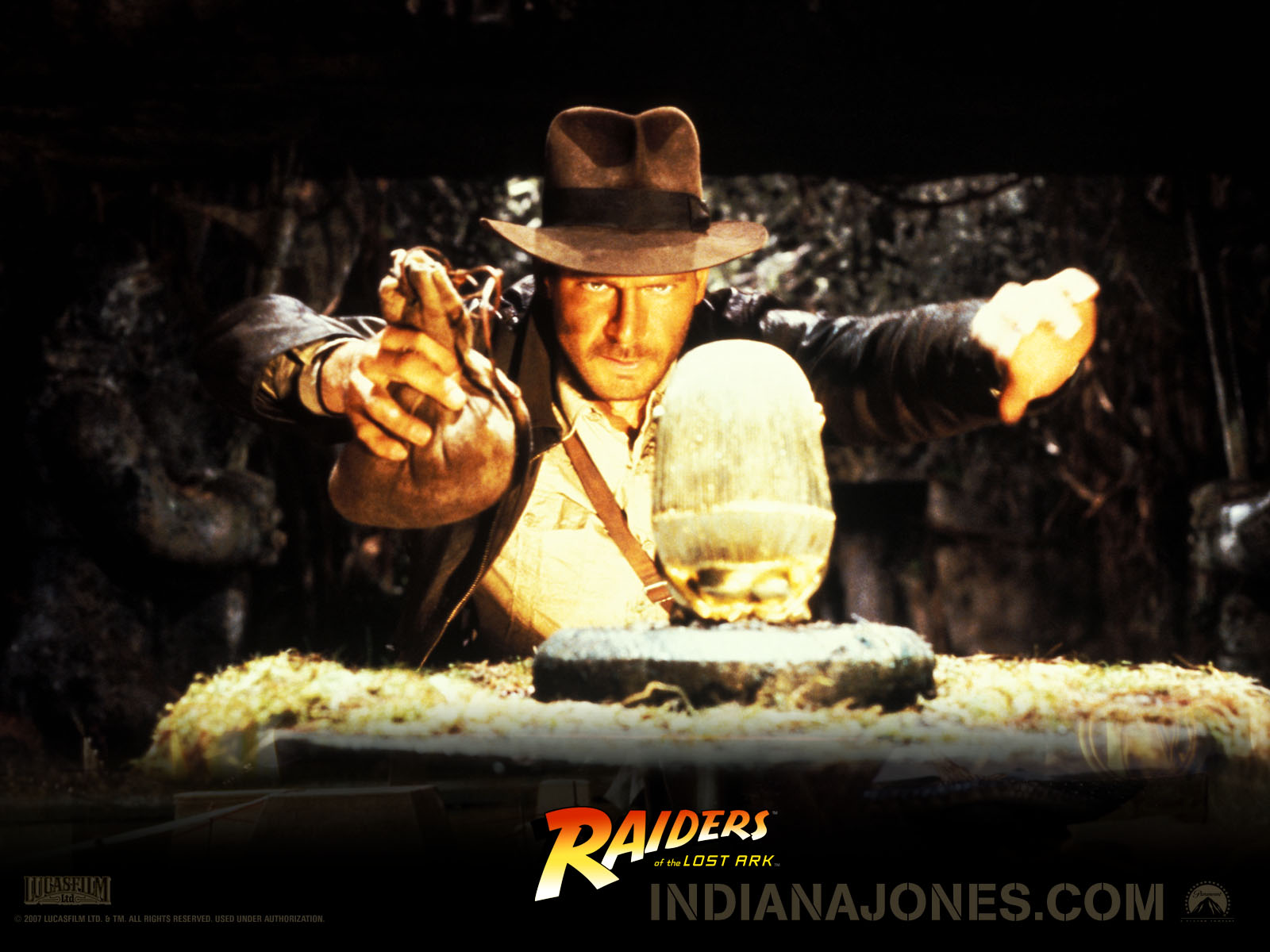
2) Indiana Jones and the Raiders of the Lost Ark
3) The Abyss
Honorable Mentions (Combined) Lord of the Rings, Harry Potter, Star Wars, Indiana Jones, 2001: A Space Oddyssey, Solaris, Alien, King Kong, The Goonies, Metropolis, National Lampoon’s Vacation, The Mummy, Princess Bride, Where the Wild Things Are, National Treasure, Jason and the Argonauts, Zombieland, Swiss Army Man, Everybody Wants Some!!, Before Trilogy, any Wes Anderson film, Pixar
Hopefully you guys enjoyed our lists and if you agree or disagree with us, let us know in the comment section below. As stated above, there have been many, many expeditions depicted in films over the years that could have made your personal lists. That being said, what would be your Top 3? Leave a comment in the comment section or email us at [email protected].
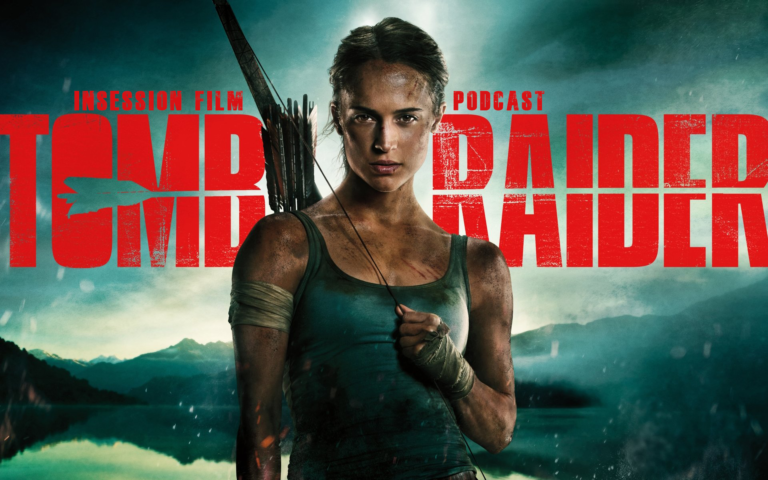
This week on the InSession Film Podcast, Daniel Howat from the Screeners Podcast joins us to review Tomb Raider and discuss our top 3 expeditions in film! Also – our very own Chris Martinez also drops by to give us his thoughts on the 2018 SXSW Film Festival.
Big thanks to Daniel for joining us once again, it was a huge pleasure to finally get him on the show. He offered some great commentary and was really fun to talk to. Tomb Raider may not have saved the video game genre, but as you’ll hear in our discussion, there is potential for it as a franchise. (fingers crossed)
On that note, check out this week’s show and let us know what you think in the comment section. Thanks for listening and for supporting the InSession Film Podcast!
– SXSW 2018 (35:16)
InSession Film contributor Chris Martinez went to this year’s SXSW Film Festival and reported back this week with all the exciting films that he saw at the fest. He talks about Hereditary, Never Goin’ Back, Sorry to Bother You, Eighth Grade, A Quiet Place and more!
– Top 3 Expeditions in Film (53:04)
Expeditions are a cinematic staple that in many ways defines what we love about going to movies. There’s something inherently joyous about watching characters on varying adventures that we would only be able to experience on the big screen. There are dozens of examples of this in film that include some of the most iconic moments in cinema history. So, this was a really fun topic to discuss this week. That said, what would be your Top 3?
Review: Isle of Dogs / Pacific Rim: Uprising
Top 3: TBD
[divider]
Help Support The InSession Film Podcast
If you want to help support us, there are several ways you can help us and we’d absolutely appreciate it. Every penny goes directly back into supporting the show and we are truly honored and grateful. Thanks for your support and for listening to the InSession Film Podcast!
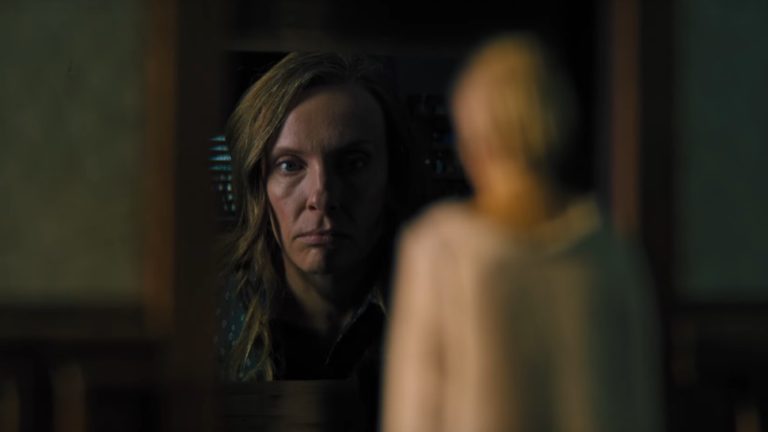
Director: Ari Aster Writers: Ari Aster Stars: Toni Collette, Gabriel Byrne, Alex Wolff
Synopsis: When Ellen, the matriarch of the Graham family, passes away, her daughter’s family begins to unravel cryptic and increasingly terrifying secrets about their ancestry. The more they discover, the more they find themselves trying to outrun the sinister fate they seem to have inherited as it slowly destroys everything they know.
[/info]
The bold and aloof Sundance-raved about feature debut from Ari Aster, Hereditary, reigns supreme over practically any and all psychological incarnations to have been released in the thriller and horror category this decade. The ongoing deception being persevered in to our protagonists (are they really though?) so prematurely on in the film coinciding with the inclusion of a viewer as well, allows everything that follows to become increasingly aggravated and insinuated by Aster’s craft. It gradually makes its way deeper, and deeper in to a cut, until there’s not an ounce of optimism or notice of direction left in the atmosphere. Ultimately leading to a devilish compliance as the conclusion. If you weren’t afraid of the unexplored heinous terrors your lineage could possibly carry, this will ratify the notion that the past, can and will haunt you.
Standing as the opening basis, the Graham family just recently lost their matron grandmother. As most relatives or descendants would silently mourn, Annie (Toni Collette) feels culpable for not feeling anything significant regarding her mother’s passing. She’s reassured by her husband Steve (Gabriel Byrne) that she isn’t at fault, and notes that she didn’t have the highest of character anyway. Although nothing is ever spoon fed to us, there’s hints scattered throughout the movie about Annie’s mother that further confirms that verity. And since witnessing, Hereditary has unquestionably began to grow on me. It’s hauntingly cryptic, disposing fiercely of its imperative central storyline by the final act. Toni Collette and Alex Wolff are the reason this film is where it is now. Collette is near-perfect, vividly applying the elemental strain of an unbalanced woman’s mental descent into madness that her character Annie, is on path to collide with. And Alex Wolff is wholly the biggest surprise, only here they examine the dissection of indisputable guilt wearing and tearing upon a teenager’s conscience.
Being hailed as this generations The Exorcist is quite the impressive feat, yet I can’t fully grasp the magnification whether this can achieve the similar cultural impact that the former is so copiously basked in. Due to its non-formally open storyline, it’ll be off putting to people who might not usually go-to or watch movies. Some might endure difficulty in following the plot and base their level of engrossment all from a visual aspect, which is thoroughly miniscule when compared to its conceptual warfare. There’s definitely a handful of shots that’ll be plastered into and around my brain for a multitude of future days, but the eerie imagery is no match for everything that one can’t see. The fear of something happening without us knowing, or the abhorrent things we hear but can’t see is the candid anxiety of it all. We’re never really given anything truly realistic, but our mind automatically assumes the worst and constructs an elucidation of all of our nightmares wreathed into this family. It’s extremely overwhelming, yet a celestially builded world from Aster. Terror can be anywhere, even living amongst you.
There’s a lone part in me that feels a film that harnesses it’s screen time as much as this one does isn’t always beneficial. Hereditary epitomizes the negative effects that can arise from a production willing to sacrifice portions of their exposition and rising action for a more meaningful finale. Thereby doing this they cut their margin of error off significantly. However, this takes just a bit too long to get up and running. Aster’s patience is admirable for certain—especially as a debut outing—and while this decision was ultimately insurance for character development, there’s too much of an ample omnipresence shed upon the preparation in comparison to that of the unfolding present-day actions partnered with the finale. Aster sure didn’t leave his characters in the dirt however. As the morality and disposition of all of them are modified by the ending one way or another. Sadly that primitive instance is just something a film can fall victim to when taking a leap of faith like this here with a narrative.
As in the aforementioned, every last piece of character growth, dialogue, or even inevitable unhingement is immaculate. Not shocking but once again, all of this is credited to Aster. He entangles so many contradicting and interlaced senses of paranoia that nearly every character becomes engulfed in. Not only figuratively but literally as well. Perhaps the scariest part of it all is the fate that’s greeted to them by the dissolution. By that time, every persona has been exhaustively analyzed. There’s nowhere else to go with them, they’ve reached their ultimatum and peak, making for one hellishly absolved conclusion. Glad that Aster had the willpower to walk away from the final product instead of attempting to condone an extended welcoming.
While the over abundance of hype attached to the movie might not have been entirely fulfilling, Hereditary will take advantage of its ability to ruin you. Not that I’m hoping it does, but it just might. Assuming they campaign hard enough to make an appearance at next year’s Oscars for a Toni Collette nomination, you’ll be seeing more of this film as we go farther throughout the year. As for now, enjoy the mental derangement of this movie along with the nightmares and sleepless nights that are to come.
This week on the InSession Film Podcast: Extra Film segment, we tackle another acclaimed directorial debut with Thoroughbreds, written and directed by playwright Cory Finley and starring Olivia Cooke and Anya Taylor-Joy. We also review the latest from political humorist Armando Iannucci in The Death of Stalin.
We always welcome a good political farce within our current social landscape, and while we haven’t watched Iannucci’s television hit Veep, we are familiar with his previous biting affair In the Loop, and that film alone had us excited for his latest. And while we had a little bit of a disagreement on Thoroughbreds, we couldn’t deny its delivery of two of the best female-led performances so far this year.
We hope you have fun listening to this week’s Extra Film segment, and as always let us know what you think in the comment section below. Thanks for listening!
– Movie Review: Thoroughbreds (8:03) Director: Cory Finley Writer: Cory Finley Stars: Olivia Cooke, Anya Taylor-Joy, Anton Yelchin
– Movie Review: The Death of Stalin (39:23) Director: Armando Iannucci Writer: Armando Iannuci, David Schneider, Ian Martin, Peter Fellows, Fabien Nury Stars: Steve Buscemi, Simon Russell Beale, Jeffrey Tambor, Michael Palin, Andrea Riseborough
We try to make this the best movie podcast we possibly can and we hope you enjoy them. Subscribe today on iTunes and Stitcher and please leave us a review on iTunes. You can also find us on Soundcloud, PlayerFM and TuneIn Radio as well. We really appreciate all your support of the InSession Film Podcast.
To hear this Extra Film episode and everything else we do, download our apps on the Amazon Market for Android and the Podcast Box app on IOS devices. The mobile app covers all of our main shows, bonus podcast’s and everything else relating to the InSession Film Podcast. Thanks for your wonderful support and listening to our show. It means the world to us!
[divider]
Help Support The InSession Film Podcast
If you want to help support us, we would greatly appreciate it! For more info, CLICK HERE.
Director: Roar Uthaug Writers: Geneva Robertson-Dworet, Alastair Siddons, Evan Daugherty (story by) Stars: Alicia Vikander, Dominic West, Walter Goggins, Daniel Wu, Kristin Scott Thomas
Synopsis: Lara Croft, the fiercely independent daughter of a missing adventurer, must push herself beyond her limits when she finds herself on the island where her father disappeared.
[/info]
Ye of little faith, Warner Bros., opening the film with a stock shield and stock accompanying tune. It’s certainly jolting to hear that sliver of As Time Goes By again after a yearlong exhibit of logo variants—some total (King Arthur, Blade Runner 2049, It and Game Night), some partial (Wonder Woman, Dunkirk, and freaking Geostorm). Why the little fanfare and the bereft of embellishments? Geostorm gets to change its music but a film about a gaming icon gets zilch? There won’t be any self-indulgence here to use more pomp, it’ll just be properly reflecting the material’s built-in popularity. At the absolute least, it’s a sign that the studio believes its effort adapting a video game won’t be a(nother) wreck.
And that’s what Tomb Raider is: not a wreck. Not entirely—the script has some bumps—but what a joy it is to the adaptation outsmarting the subgenre’s “Four Horsemen” of straight-facedness, half-heartedness, lore-drunkenness, and plotting-the-plotlessness—and intermittently lighting up the screen with bona-fide cred of being a tentpole-scale adventure film.
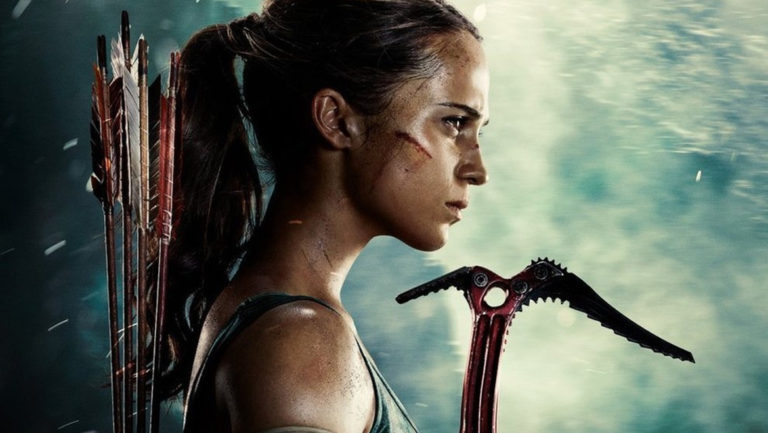
Michael, we love you, but Mrs. Fassbender’s gaming prowess is unquestionably a league above yours. In Tomb Raider, Lara (Alicia Vikander) isn’t an archaeology graduate; she’s a youthful, free spirit who bike-delivers food around London at New York-minute pace. Other than this, players of the (thus far) two entries in Square Enix and Crystal Dynamics’ rebooted series about the adventurous vixen will recognize the borrowed gears. Lara’s father, Richard Croft (Dominic West), in his search for the world beyond has gone to Yamatai Island—the resting place of Sun Queen Himiko—and, well, gone. Although the world, including Lara’s guardian Ana (Kristin Scott Thomas), deems his dead, Lara refuses to; the guided discovery of her father’s secret hideout and Himiko-related documents give her room to hope. A plane flight, some skips, one sprint and a swing later, off Lara goes on her first adventure, not knowing she’ll collide with the artifact-hoarding mercenary group Trinity, its determined leader Mathias (Walton Goggins), and eventually the fabled Sun Queen herself.
In terms of porting the 2013 game to cineplexes, writers Geneva Robertson-Dworet and Alastair Siddons deftly walk the line between “staying true…”—essential character beats (first kill, splinter removal) and set pieces (plane-parachute, shipwreck) are intact—and “…but surprise!”—either through remixing (research vessel Endurance is now a corroding fishing boat) or relocating the aforementioneds, or streamlining (just one soul, Daniel Wu’s Haddock-like Lu Ren, is trapped on Yamatai with Lara). All that fan-servicing, however, has them deserting the game’s soul and finest selling point—watching the birth of a survivor. Right from the first scene, Vikander’s Lara is a near-total contrast to Camilla Luddington’s—in the boxing ring, amazingly toned, and born-crafty. The character remains empowering, but she’s now on a path of less-compelling evolution by starting off as a semi-badass rather than, quite literally, zero skill points. It’s unfathomable to see Tomb Raider not carrying over the game’s in-neon-signs emotional scaffold and lending a human touch to the emulation process.
That said, Vikander and director Roar Uthaug’s ability to entertain with as much octane as the film’s polygon-rich counterpart provides a great shelter for any flaw. Vikander charms as Lara, completely basking in the freedom of performing without being under pressures of the golden-statue kind. How nice it is to see The Man from U.N.C.L.E.’s Gaby Teller live on in Lara—crackling, funkily domineering and, when need be, affecting. And thanks to a presence that seamlessly unites seraphic and athletic, the actress magnifies the thrill when she passes or temporarily stumbles any of director Uthaug’s moments bombastic, or more bombastic, obstacles, all of which channel the visceral trait of those in the director’s last film, The Wave. No one-upping the game’s set pieces, though.
Notably, if one’s role on set isn’t leading, say protagonist or director, prepare to be sidelined by the writing in the last stretch. Victims are plenty—the editing rushes, the lensing feels off, and the music’s immutable aspect comes forth—though none are clearer than the trio of Wu, Goggins and Scott Thomas, capable actors who were given proper build up only to find their roles reduced to filler. It seems like the writers have given in to the committee’s request to prioritize “a great launch pad for a franchise” over “a great debut.”
But remember that sense of fun? Whenever Tomb Raider falters, it’s always there to provide cushion. Hopefully it can do so in real life, too, and influence box-office returns to where part two is confirmed, to where this surprisingly diverting rendition of Lara Croft can sprout truly and naturally—maybe even with enough force to be the first absolutely curse-free video-game adaptation. “As you think, so shall you become,” said Bruce Lee; get to work on a logo that will give Ms. Croft a future then, Warner Bros.!
We offer our bonus content for free, but we do encourage and appreciate a small donation of $0.99 as a way to help support the show. Click on the PayPal button below to donate and thanks so much for your support. You can also hear all of our Bonus Content via our mobile apps. See the information at the bottom of the post for more details.
[divider]
Mobile Apps!
Listen to all of our bonus content on our apps for just a one-time fee! Whether you have an iPhone, Android or Windows phone, our apps are available in many different ways that is convenient for you. With our mobile app, not only can you listen to all of our bonus content, but our main shows and our Extra Film podcasts as well. Click here for more info!
If you don’t want to purchase our bonus content, but still want to support us, there are other you can help us out. Click here for more info.
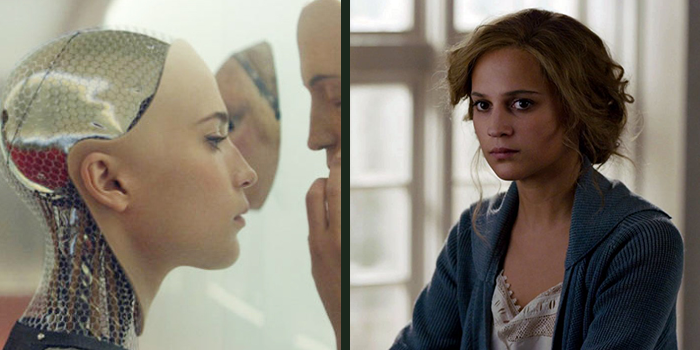
This weekend sees the release of Alicia Vikander’s new film, Tomb Raider. She’s an actress that came on the scene in some big ways in 2014 with Ex Machina, one of the best performances of that year if you ask us. She then went on to actually win a few awards the following year for her performance in The Danish Girl. So, we thought it would be fun to pin those two performances up against one another for our poll this week.
Which Vikander performance do you think is her best? Vote now!