Home Blog Page 194

Movie Review: ‘Come True’ Invalidates Itself with a Foolish Ending


Director: Anthony Scott Burns
Writers: Anthony Scott Burns
Stars: Landon Liboiron, Skylar Radzion, Julia Sarah Stone, Tiffany Helm, Chantal Perron, Tedra Rogers

Synopsis: A teenage runaway takes part in a sleep study that becomes a nightmarish descent into the depths of her mind and a frightening examination of the power of dreams.

[/info]

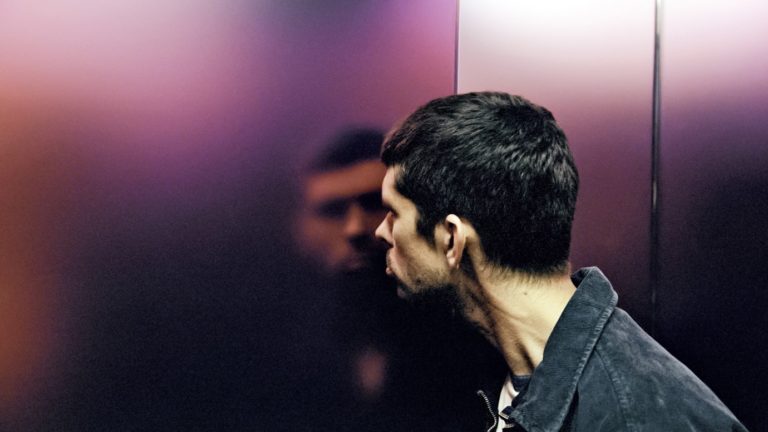
Come True opens with a lot of promise. Right away, we are led through a ghostly wasteland populated with shadowy figures and mutants. With every passing second, the terrain steadily grows more severe and… nightmarish. It’s clear that we are not in “the real world,” but rather a monstrous dreamscape. We return to this place repeatedly throughout the film because it’s the setting for our protagonist’s recurring nightmares. The production value invested in these sequences is impressive. Anthony Scott Burns’ choice to propel the audience headlong through this macabre environment over and over again evokes feelings of wonder and excitement—an eagerness to learn where the story is going, what horrors the final revelation will unleash. He set himself up by doing so, though. Because the conclusion of Come True does not deliver. Or work. At all. In fact, the ending sours everything that led up to it. And it’s an insult to the audience, too. 

Dreams play a big part in Come True. Julia Sarah Stone stars as Sarah, a high schooler who’s somewhat estranged from her family, and we don’t know exactly why. When she can’t crash at her friend’s house, Sarah sleeps on a playground. She also has terrifying nightmares, and we don’t know exactly why that is either. One day, she happens upon an ad looking for candidates for a paid university sleep study. For Sarah, this opportunity resolves two conflicts: having a reliable place to sleep for eight weeks and possibly understanding where her mind goes when she’s unconscious. Stone is fantastic. She has a talent for drawing the audience in with an effortless relatability, then captivating us with an understated yet layered performance. Her pilot-light portrayal of Sarah matches Burns’ long-fuse directorial approach to the script. 

Burns is not going for haha-made-you-jump horror. Instead, Come True is more cerebral and meticulously paced. Burns presents himself as a curious, scientifically-minded storyteller. He wants to get at the heart of sleep and the nature of dreams. Perhaps for this reason, Come True offers few answers while choosing to live in an ambiguous zone, to a fault. Burns excels at getting us to lean in, nudging us to connect what few dots there seem to be. All the while, he entices the audience with strong aesthetics to keep our eyes engaged. Our ears, too. The synth-electronic score practically pulsates, and the string instruments woven into it give it a timeless intensity. So with the audial and the visual so beautifully married, it’s an absolute shame that the narrative climax is so utterly disappointing. And stupid. 

Come True is about dreams. So, as a cinephile familiar with all the cliches, I braced myself early on just in case I was about to get that ending. You know the one. And well… the movie doesn’t quite end that way. It somehow ends worse… In the final frames, we learn something so asinine that I, as a viewer, felt disrespected. With this ultimate reveal, Burns completely upends everything. He delegitimizes the entire framework of the film. I reckon that his goal was to re-contextualize the story with that sorry excuse for a twist, but he neglected to lay the foundation for it. There are some breadcrumbs, I suppose, if you dig for them, but who wants to put in work after receiving a middle finger?

And it’s all too bad because I was totally along for the ride for the first hour or so. The first 60 minutes of this 100-minute movie have so much going for it. On top of the stunning VFX work on display in the dream realm, there are a couple scenes set in the real world that are genuinely chilling as well. In what is perhaps the best sequence in the movie, another sleep study participant halfway awakens from a night terror only to discover that a sinister presence from their dream may have carried over into the room with them—and all the while the researchers just sit and callously watch the live feed from an adjacent room. Everything about this sequence comes together: the editing, the music, the lighting, the performances, the purposeful coldness, etc. It’s moments like this that exhilarate us and keep us anxious to learn what will come next, how this tale will conclude… But, unfortunately, Anthony Scott Burns chose to end Come True with a lazy, fatuous twist-for-the-sake-of-a-twist affront to everyone who’d just given him 100 minutes of their time. 

Grade: D

Livestream Podcast: WandaVision

On our latest YouTube livestream, Richard Newby of The Hollywood Reporter joins JD to talk about Marvel’s WandaVision and the future of the MCU!

Chasing the Gold: Final 2021 Oscar Predictions

In one of the most chaotic Oscar races of all time, the nominations on Monday morning will bring relief to a year still filled with many unanswered questions. While my predictions below are final, I still don’t know where this race is going to go and there could be more chaos coming. It would only be fitting given the 2020-2021 calendar year, but I expect the Academy to calm everyone down and show the world what they think are the best of the best with their nominations. Here is what I think they will look like come Oscar nomination morning.

Nomadland,” Reviewed: Chloé Zhao's Nostalgic Portrait of Itinerant America | The New Yorker

Best Picture

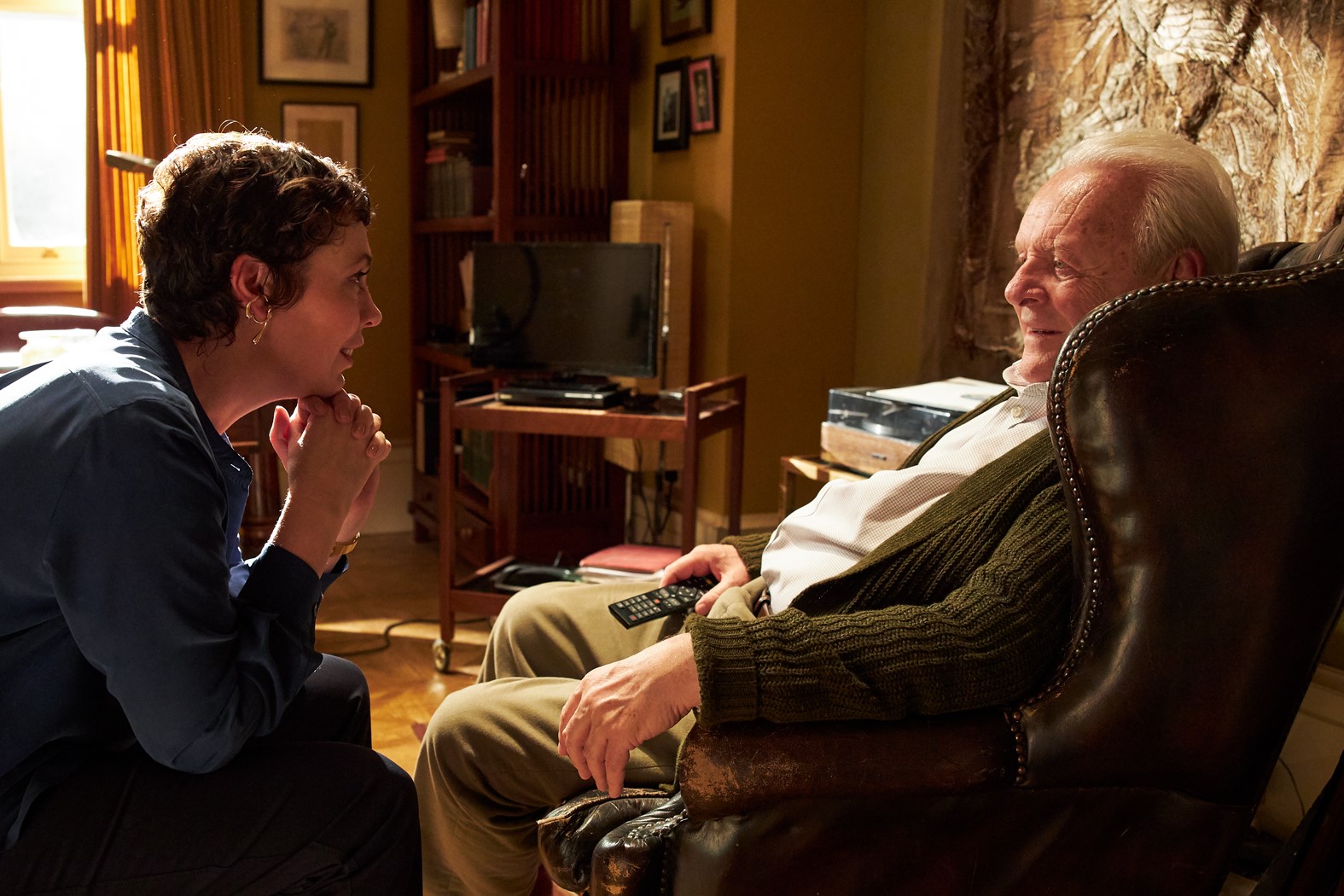
  • The Father
  • Judas and the Black Messiah
  • Ma Rainey’s Black Bottom
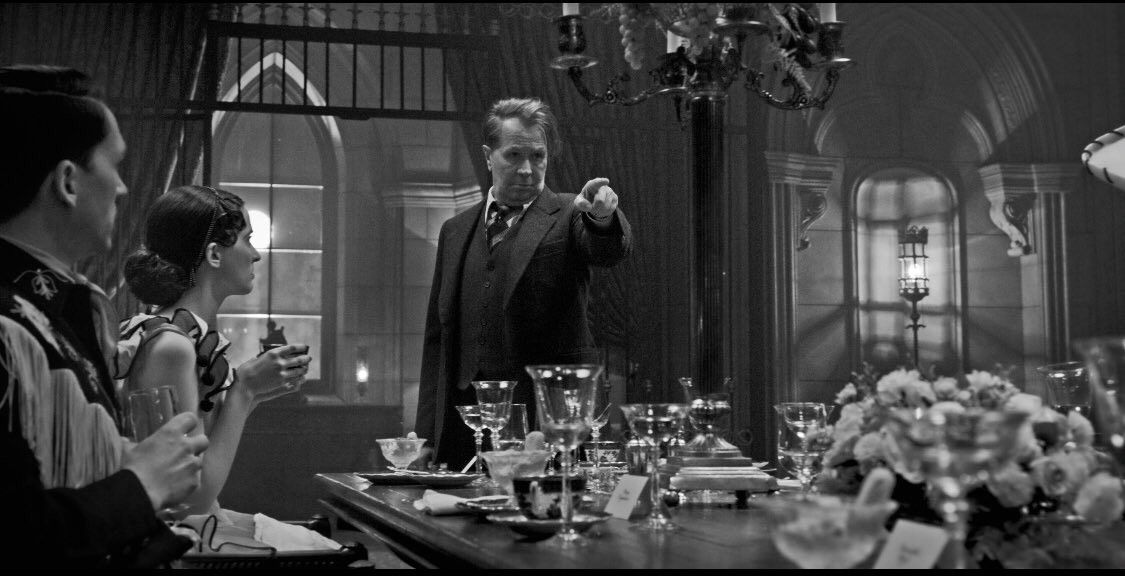
  • Mank
  • Minari
  • Nomadland
  • One Night in Miami
  • Promising Young Woman
  • The Trial of the Chicago 7

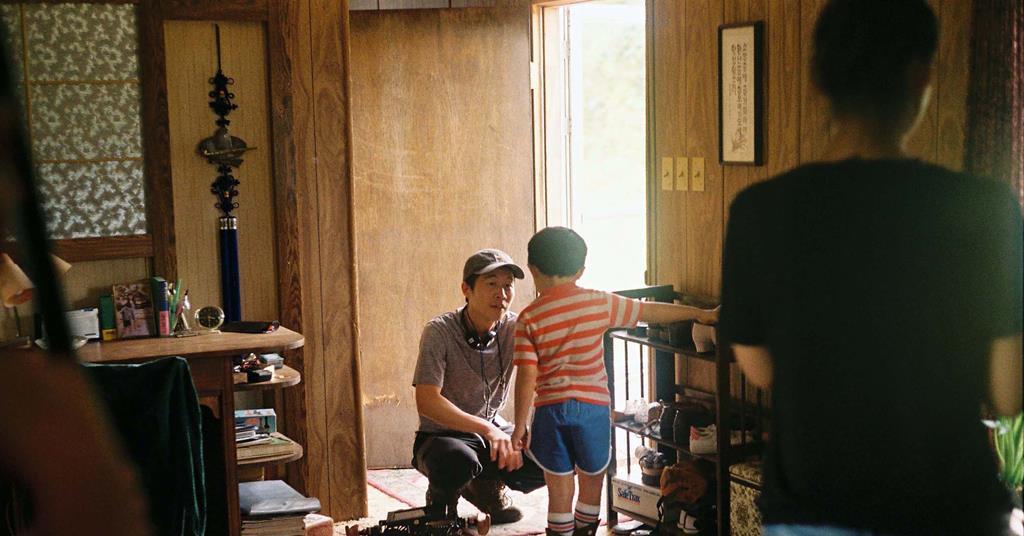
Why Lee Isaac Chung almost quit filmmaking before directing 'Minari' | Features | Screen

Best Director

  • Lee Isaac Chung – Minari
  • David Fincher – Mank
  • Regina King – One Night in Miami
  • Aaron Sorkin – The Trial of the Chicago 7
  • Chloe Zhao – Nomadland

Watch Chadwick Boseman in a Scene From 'Ma Rainey's Black Bottom' - The New York Times

Best Actor

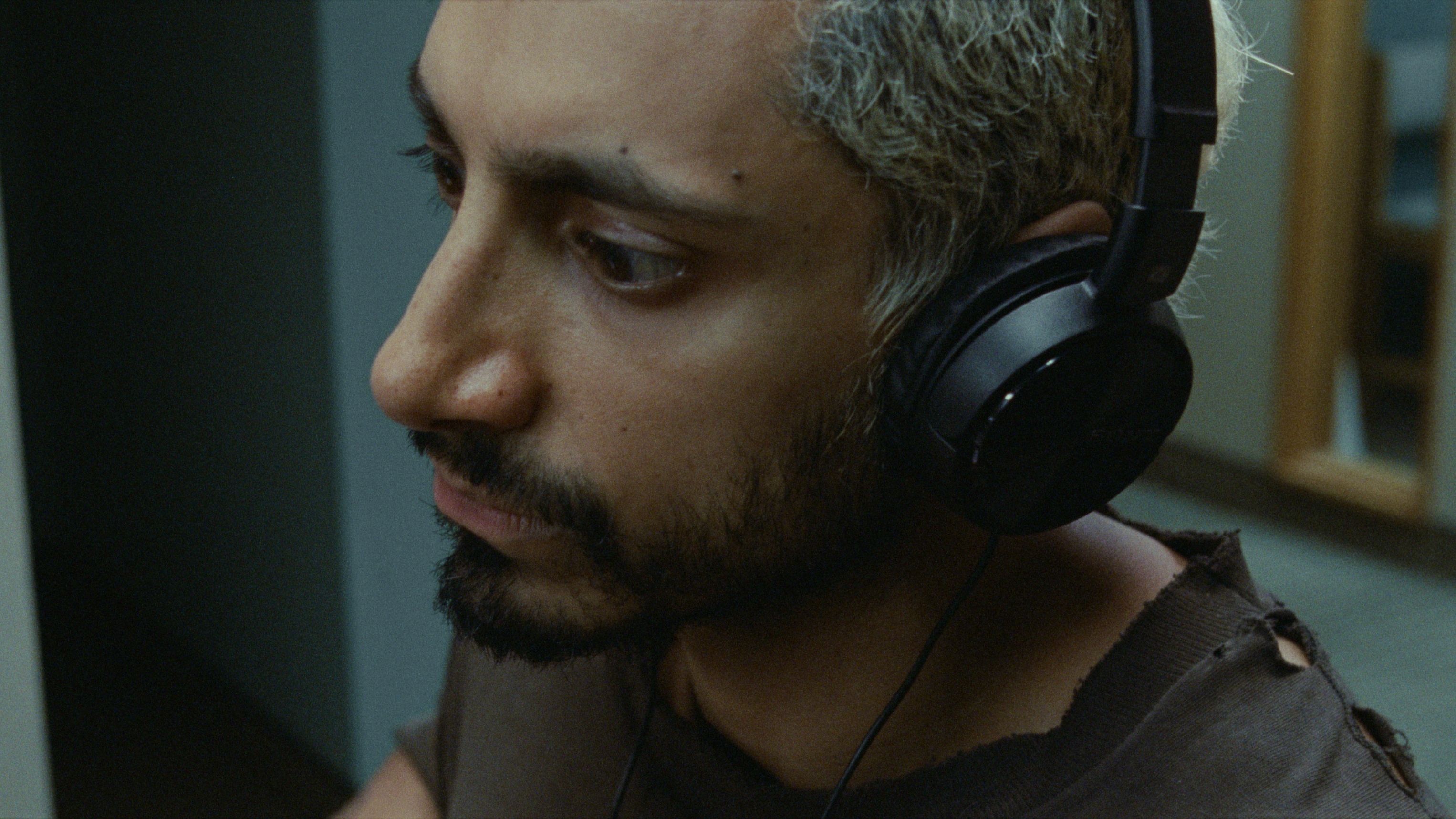
  • Riz Ahmed – Sound of Metal
  • Chadwick Boseman – Ma Rainey’s Black Bottom
  • Anthony Hopkins – The Father
  • Gary Oldman – Mank
  • Tahar Rahim -The Mauritanian

The United States vs. Billie Holiday' and Andra Day Oscars Chances - Variety

Best Actress

  • Andra Day – The United States vs. Billie Holiday
  • Viola Davis –  Ma Rainey’s Black Bottom
  • Vanessa Kirby – Pieces of a Woman
  • Frances McDormand – Nomadland
  • Carey Mulligan –  Promising Young Woman

Sacha Baron Cohen on Working With Sorkin in 'Trial of the Chicago 7' - Variety

Best Supporting Actor

  • Chadwick Boseman – Da 5 Bloods
  • Sacha Baron Cohen – The Trial of the Chicago 7
  • Daniel Kaluuya – Judas and the Black Messiah
  • Alan S. Kim – Minari
  • Leslie Odom Jr.- One Night in Miami

The Mauritanian's Jodie Foster On Portraying Attorney Nancy Hollander – Deadline

Best Supporting Actress

  • Maria Bakalova – Borat Subsequent Moviefilm
  • Olivia Colman – The Father
  • Jodie Foster – The Mauritanian
  • Amanda Seyfried – Mank
  • Yuh-Jung Youn – Minari

Emerald Fennell On 'The Only Ending That Made Sense' For Promising Young Woman

Best Original Screenplay

  • Judas and the Black Messiah
  • Mank
  • Minari
  • Promising Young Woman
  • The Trial of the Chicago 7

Kemp Powers 'One Night in Miami' explores the Civil Rights movement - Variety

Best Adapted Screenplay

  • Borat Subsequent Moviefilm
  • The Father
  • Ma Rainey’s Black Bottom
  • Nomadland
  • One Night in Miami

Soul' reviews: What critics are saying about Pixar's newest film

Best Animated Film

  • The Croods: A New Age
  • Onward
  • Over the Moon
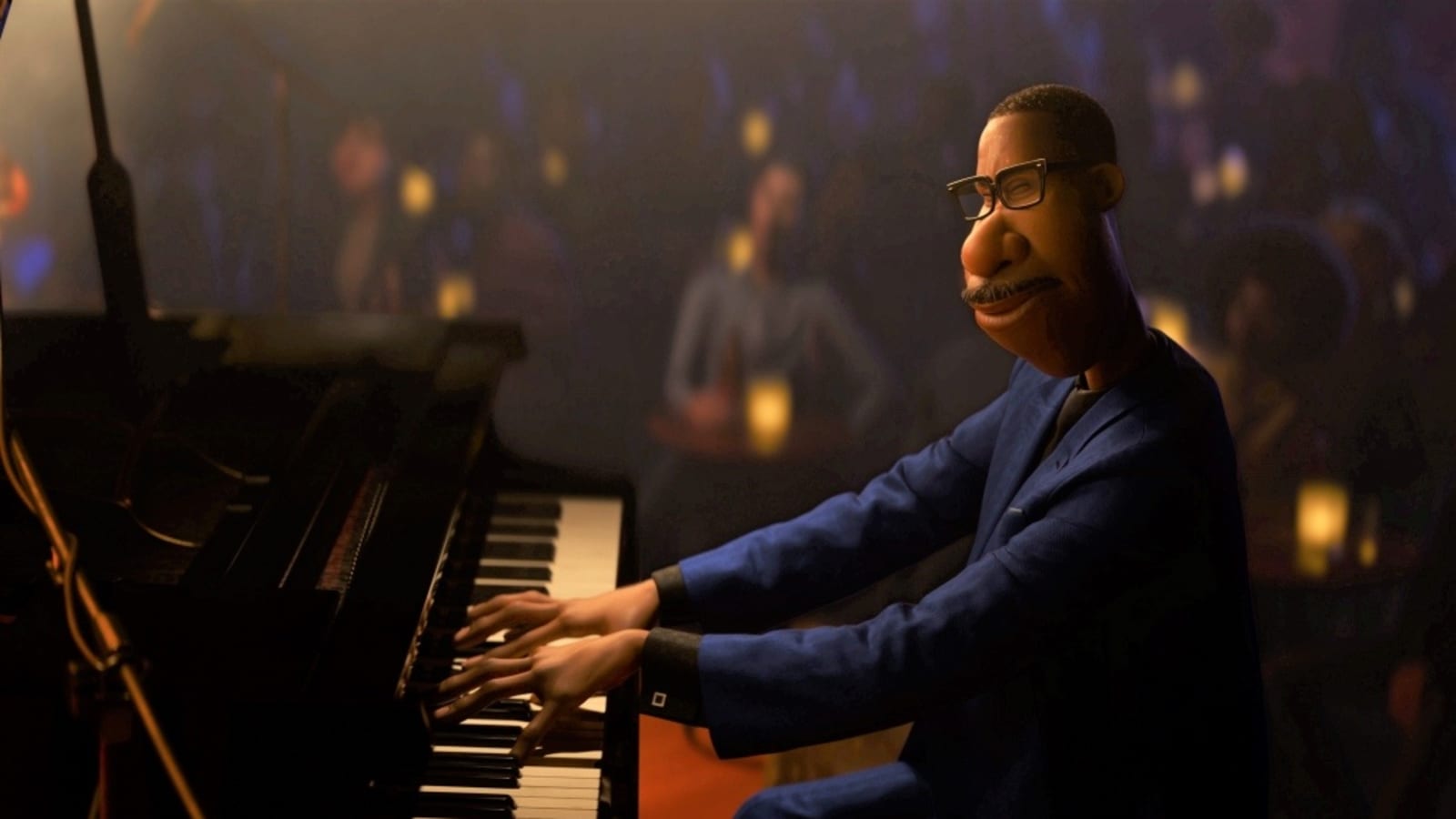
  • Soul
  • Wolfwalkers

Q&A with Garret Bradley & Fox and Rob Richardson for Amazon Original Documentary TIME - Kiwi The Beauty / Kiwi The Beauty

Best Documentary

  • Collective
  • Dick Johnson is Dead
  • Time
  • The Truffle Hunters
  • Welcome to Chechnya

Another Round review: An exhilarating, existentialist film about day drinking - Vox

Best International Feature

  • Another Round
  • I’m No Longer Here
  • La Llorona
  • Quo Vadis, Aida?
  • A Sun

David Fincher's 'Mank' Trailer Debuts

Best Cinematography

  • I’m Thinking of Ending Things
  • Mank
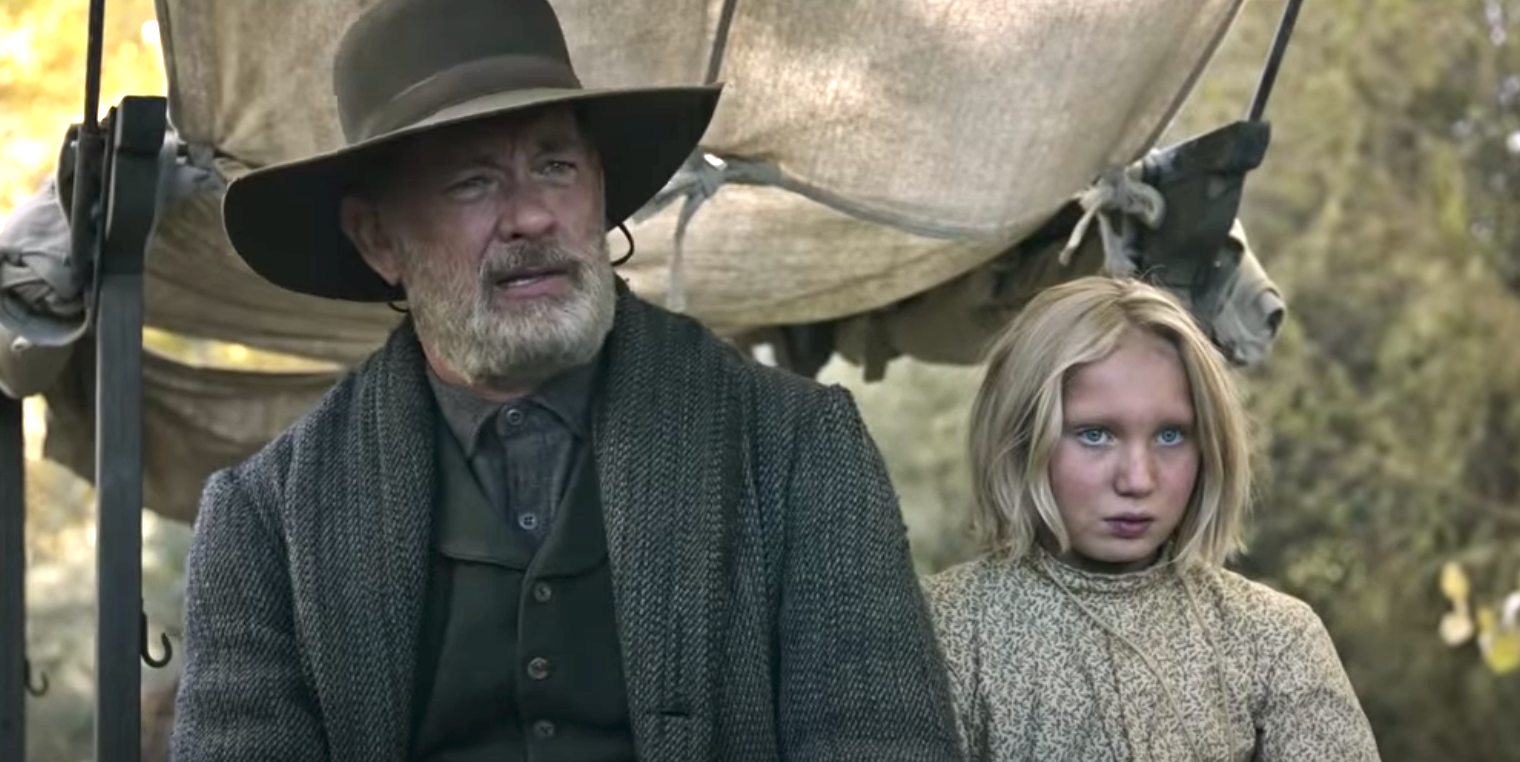
  • News of the World
  • Nomadland
  • The Trial of the Chicago 7

The Father (2020) - IMDb

Best Film Editing

  • Mank
  • Minari
  • Nomadland
  • One Night in Miami
  • The Trial of the Chicago 7

Mulan (2020): A mess of hollow representation and real-world controversy – The Observer

Best Production Design

  • Mank
  • Mulan
  • News of the World
  • The Trial of the Chicago 7
  • Tenet

Jingle Jangle: A Christmas Journey' Releases First Trailer Via Netflix – Deadline

Best Costume Design

  • Emma
  • Jingle Jangle: A Christmas Journey
  • Ma Rainey’s Black Bottom
  • Mank
  • One Night in Miami

Hillbilly Elegy Review: Glenn Close Shines in Misguided Netflix Biopic | IndieWire

Best Makeup & Hairstyling

  • Birds of Prey
  • Hillbilly Elegy
  • Ma Rainey’s Black Bottom
  • Mank
  • One Night in Miami

Review: 'Sound Of Metal' Delivers A Searing Riz Ahmed Performance : NPR

Best Sound

  • Mank
  • News of the World
  • Nomadland
  • Sound of Metal
  • Tenet

The Midnight Sky' review: George Clooney tries to save humanity in chilly apocalyptic drama - CNN

Best Visual Effects

  • Mank
  • Mulan
  • Soul
  • Tenet
  • The Midnight Sky

Tom Hanks marks a career first in News of the World trailer

Best Original Score

  • Mank
  • Minari
  • News of the World
  • Soul
  • The Trial of the Chicago 7

The Real Characters in 'Judas and the Black Messiah'

Best Original Song

  • “Fight for You” – Judas and the Black Messiah
  • “Io Si (Seen)” – The Life Ahead
  • “Rain Song” – Minari
  • “Speak Now” – One Night in Miami
  • “Wuhan Flu” – Borat Subsequent Moviefilm

Check back next week for a brand new episode of Chasing the Gold to hear Ryan and his guests break down the nominations.

Movie Review: ‘Cherry’ Critiques the Opioid Crisis in America, with Uneven Results


Director: Anthony Russo, Joe Russo
Writers: Angela Russo-Otstot, Jessica Goldberg
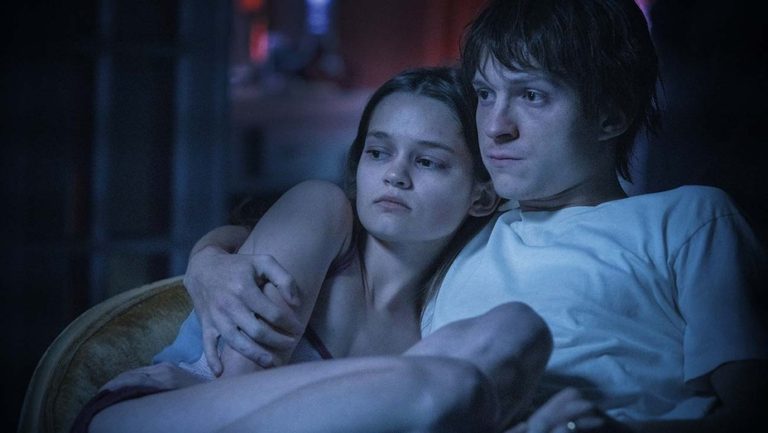
Stars: Tom Holland, Ciara Bravo, Jack Reynor, Michael Rispoli, Jeff Wahlberg

Synopsis: The wild journey of a disenfranchised young man from Ohio who meets the love of his life, only to risk losing her through a series of bad decisions and challenging life circumstances.

[/info]

After riding high on the unexpected success of two little-known movies called Avengers: Infinity War and its sequel Avengers: Endgame, you might have expected the Russo Brothers to follow up with a similarly high budget theme park ride of a movie. After all, they’ve surely been given the keys to the mouse kingdom after shepherding Endgame to its position as the highest-grossing movie of all time.

And yet, having written an underwhelming movie starring one Avenger (2020s Extraction starring Chris Hemsworth) they return to the director’s chair with another Avenger in this slightly tepid, occasionally muddled semi-biopic about a man caught in the opioid epidemic which has ravaged America. Although not without its charm (certainly it is incredibly stylish and rarely flags during its two hour run time), Cherry feels more style than substance, which is a shame given the ripe subject matter as well as the acting chops Tom Holland brings.

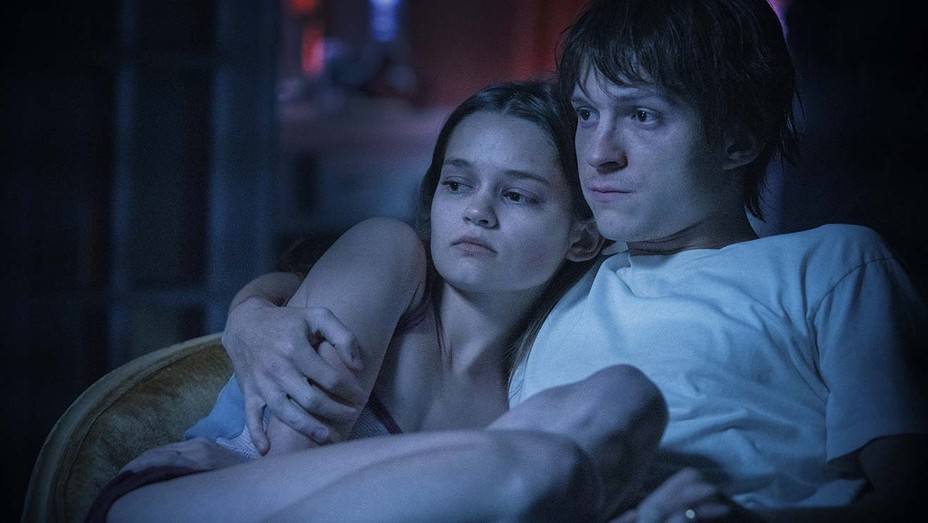
Based on Nico Walker’s autobiography of his own descent into drug addiction and crime, Cherry finds the eponymous protagonist (played by Tom Holland) recounting his life story in a series of chapters. The first chapter sees him as a directionless layabout, smoking dope and dropping ecstasy with his friends while working a string of dead-end jobs and dating a girl who seems to have zero interest in him. He meets Emily (Ciara Bravo) at community college and falls deeply in love. Emily is afraid of her own feelings for him though, and so she begins to spurn him, at one point threatening to move state just to be away from him. Desperate and desolate, Cherry joins the army, where he has a near death experience which leads to PTSD and eventually returns home.

From there it’s the typical story told by many American vets: unable to get work and virtually abandoned by the country he put his life on the line for, Cherry seeks help from a doctor for his PTSD. Without batting an eyelid the doctor puts him on a course of Oxycontin, which leads Cherry into a hellish nightmare of heroin addiction – into which he drags Emily – and eventually onto a life of crime as he begins a series of bank robberies to fund his habit. It is a bleak, dark journey into a tortured psyche and at times can be a very difficult watch. The knowledge that this is based on real-life events makes it all the more harrowing: we aren’t watching superheroes swing magical hammers or spin webs and fly through the air now, we’re watching a man struggle with his demons and the Russos never flinch from this. Many scenes feature Cherry and Emily half-naked on the kitchen floor, a needle sticking out of one of their arms, drifting away in an opiate daze. It is heart-wrenching to see.

Holland seems to be spreading his wings a little more these days; last year’s The Devil All the Time was a departure from the pop culture trajectory he was on and featured another anti-hero caught in a difficult situation. Cherry could easily play as a double header with that movie – though few might have the stomach for that. Holland is always totally compelling here: in early scenes he plays Cherry as a somewhat stoic and disaffected youth, trying to figure out his path in life. In the later scenes, he has completely transformed, displaying the kind of jerky, kinetic energy usually reserved for those deep in addiction. Cherry comes across as something like an American version of Renton from Trainspotting, all nerves, and jumpiness, and constantly dripping with sweat, but underneath that a boiling, seething anger waiting to be unleashed. He apologizes to one bank teller during a robbery, assuring her he’ll wave his gun on the way out so that her superiors know she was compelled to hand over the cash. “Is that supposed to make you a good guy now?” she responds to him archly. He stares at her for a moment with a white hot intensity bordering on disbelief before stepping forward. “Did you fight for this fucking country?” he snarls.

Cherry’s relationship with Emily plays out like a modern-day Bonnie & Clyde without the bloodlust. They are two co-dependent people who have trapped each other in this chaotic situation. For all their obvious love, they are clearly destructive and bad news for one another. After Emily ODs and lands in the hospital her devastated and furious mom warns Cherry: “if you love her then you’ll be a man and walk away. You get up and walk away or I’ll fuck you up”. Naturally, neither Cherry nor Emily listen to this advice and find themselves completely unchanged by the experience. Bravo is great as Emily, especially in the later scenes where she is clearly haunted by the state of her life, simultaneously loving and hating Cherry for the part he played in her downfall. She’s often relegated to a bit part here, and you find yourself wishing she had more agency in the story.

The story is stuffed, which is part of the problem. In trying to adapt the many facets of Walker’s autobiography, the Russos feel like they have bitten off a little more than they can chew. Cherry comes at you fast, and subsequently, you’re left with little time to really absorb the moments that should mean something. As well as this, any kind of subtlety and nuance is ultimately sacrificed for the sake of the narrative pacing, meaning what we’re left with is something akin to a slideshow of Cherry’s lowlights without a wider context or deeper examination of what’s going on.

Although they bring a wonderful stylishness to Cherry, the Russos can’t quite bring it home. There is too much story and not enough substance here. Holland is excellent and shows he can handle prestige drama just as well as he can handle a Spiderman costume, but even his eminently watchable performance can’t lift Cherry above the ranks of a fairly average drama, which is a shame considering the opportunity the Russos had here. Cherry is by no means a bad movie, it’s just not something that will leave much of a mark once the curtain comes down.

Grade: C

Criterion Crunch Time: ‘Monsoon Wedding’

The great thing about film in general, and especially movies on the Criterion Channel in specific, is the element of surprise. It is quite easy, after watching literally hundreds of movies, to think that you have seen all there is to see. And, to be fair, it takes a lot to fully surprise me as a viewer. But because there is such a variety of film on the channel, every once in a while, you will run into a movie that will surprise you. This is even true when it is surrounding subject matter that seems relatively familiar. And that brings us to Monsoon Wedding, from director Mira Nair.

Yes, in many ways, it does feel familiar. We have all seen movies in which a giant, extended family, gathers for a wedding, and we learn something about family and a lot about the nature of love. Rachel Getting Married, My Big Fat Greek Wedding and Crazy Rich Asians immediately spring to mind. And I’m sure you have three or four other movies at the ready. Point is, this is well trodden ground. But Monsoon Wedding takes this path to new heights.

Monsoon Wedding is the story of Aditi (Vasundhara Das), who is being wed to Hemant Rai (Pravin Dabas) in an arranged marriage, set up by her parents Lalit Verma (Naseeruddin Shah) and Pimmi (Lilete Dubey). As is common in films of this type, there are many overlapping storylines, all of which provide some level of drama. The most obvious source is that Aditi is still hung up on her ex, who is also her boss, and married. This fact hangs over the film like an ominous rain cloud, just waiting to explode. And yet, it doesn’t. Yes, the truth comes out. Aditi chooses to tell Hemant, to which he initially explodes, but quickly forgives her. It is a moment of sublime misdirection, both from Nair and screenwriter Sabrina Dhawan.

Instead, the true drama arises from the storyline following Aditi’s cousin, Ria (Shefali Shah). The way in which her story unfolds is truly masterful. When interacting with Tej Puri (Rajat Kapoor), another family member who, through his wealth, has ingratiated himself with the family as a whole, makes us feel immediately ill at ease. At the outset, this makes little sense, as he seems charming, and has even offered to pay for Ria’s education in the United States, something she clearly desires.

Nair, in particular, shows tremendous patience before revealing the disgusting past of Tej. And she does this by focusing on the process and experience of Ria. It feels almost revolutionary to center the person impacted by sexual violence, as opposed to trafficking in pain by showing, or even alluding to the horrific acts themselves. Instead, we see through Ria’s eyes as he appears to groom a young family member to go through the same horror as she did as a child. In a film full of near perfect performances, it is Shefali Shah who will stick with me. This would be an easy role to over or underplay, but she is just right in each moment. From her tight-lipped acceptance of his presence at his introduction to her growing rage as he gets closer to the young girl, and finally to her explosion, simultaneously ending her chances at a free education and finally letting the truth be known; each of these moments is timed and revealed in such a way as to let us see that pain without reveling in it.

Like any great movie about love, Monsoon Wedding offers a look at all kinds of love; romantic, parental, sibling, friendship, and even supposed acts of love gone horribly disgusting and wrong. I also admired Nair’s willingness to take at least a sidelong look at class and how it interacts in these worlds. The storyline of the, let’s say, quirky wedding planner, P.K. Dubey (Vijay Raaz) who shockingly shows a human side and falls in love with Alice (Tillotama Shome), the maid of the family he has been hired by for the wedding. His use of the flowers, which were previously only a source of business and money, to woo Alice is genuinely heartwarming, and an unexpected turn for a character who, at first, is easy to hate or simply laugh at his misfortunes.

It is not surprising that, despite her numerous successes in films like Queen of Katwe and The Namesake, many know Mira Nair for Monsoon Wedding. There is a deep abiding passion, a willingness to delve into human darkness, all while exploring the gentleness of human love, that endears itself to the viewer in an unforgettable fashion. And frankly, given Nair’s flair for visuals in general, and sumptuous colors in particular, she should have massive budgets thrown at her as a matter of course.

So, as we close another chapter on Crunch Time, I am grateful for surprises and for the ability to watch films that stretch us. It is not accident that many of these surprising films are from female directors. We owe to it to ourselves as film fans to search out new perspectives. And this is one absolutely easy way to branch out and find new stories. Thankfully, with a little research and access to streaming services, old stories told in new ways are easily available to us.

Next up, we watch Bluebeard from director Catherine Breillat

Poll: Who made the best move from big-to-low budget filmmaking?

We see it all the time, especially with Marvel Studios; indie filmmakers being tapped by major studios to make major blockbusters. These selections lead to excitement and frustration in equal measure; it’s great to see filmmakers we admire given a chance to make something much bigger, but we also worry if they’re simply being pulled in as a “director for hire”. But here’s an interesting spin on this topic, what about the other side of this coin? What about filmmakers who made their big blockbuster, and then (temporarily) resorted back to their low-budget roots? We are seeing it this weekend with the Russo brothers, who after just directing a little movie called Avengers: Endgame now have an even smaller movie coming out called Cherry, starring Tom Holland. This got us wondering who made the most successful transition back from the blockbuster to the indie, and we wonder where Cherry will fall.

So let’s see what you all say; who do you think made the best move from big-to-low budget filmmaking?


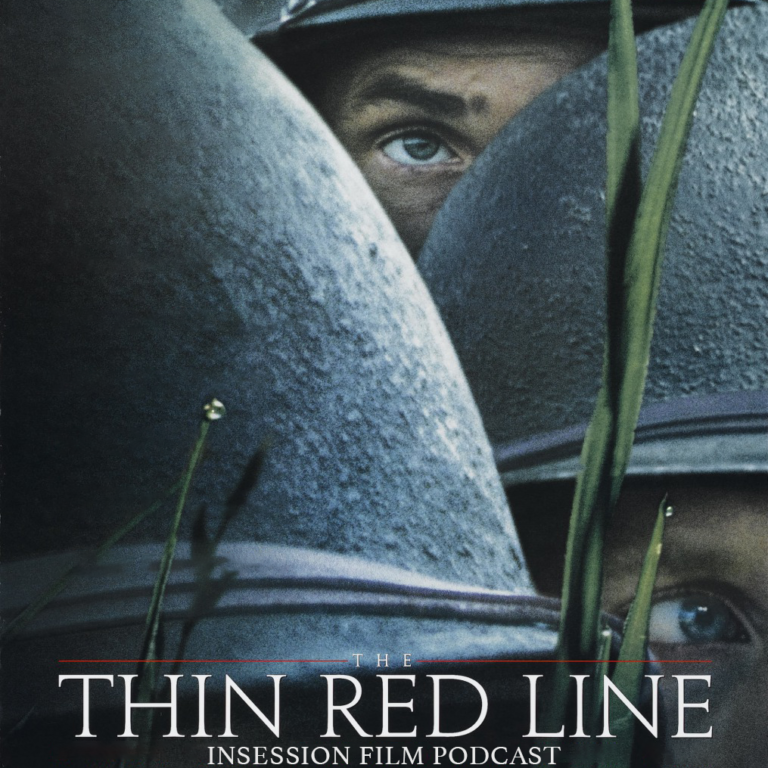
Podcast: Raya and the Last Dragon / The Thin Red Line – Episode 420

This week’s episode is brought to you by Patreon and our awesome listener’s like you. Sign up today for early access to bonus content and much more!

This week on the InSession Film Podcast, Kevin Lee from Busting the Block joins us to discuss Disney Animation’s latest in Raya and the Last Dragon and we also continue our Terrence Malick Movie Series with his 1998 epic war film The Thin Red Line! Plus, a few thoughts on the Oscars as we near Nomination Monday.

Huge thanks to Kevin for joining us on the show this week. We are big fans of his work and it was a pleasure talking Raya and the Last Dragon with him. Our Malick series continues to awe and our discussion of The Thin Red Line isn’t short on passion.

On that note, check out this week’s show and let us know what you think in the comment section. Thanks for listening and for supporting the InSession Film Podcast!

– Movie Review: Raya and the Last Dragon (4:58)
Director: Don Hall, Carlos López Estrada
Writers: Qui Nguyen, Adele Lim
Stars: Kelly Marie Tran, Awkwafina, Gemma Chan

– Notes / A Matter of Life and Death / Oscars Talk (48:30)

It’s been a few months since the Extra Film boys discussed Powell & Pressburger’s A Matter of Life and Death, but JD and Brendan finally caught up on the film and decided to give their thoughts on it as well. Additionally, with Oscar nominations coming next week, we decided to offer up a few sentiments on what we expect and some of the fun surprises we’ve seen leading up to this year’s Oscars.

[divider]

RELATED: Listen to Episode 413 of the InSession Film Podcast where we discussed our Top 10 Movies of 2020!

[divider]

Terrence Malick Movie Series: The Thin Red Line (1:18:37)
Director: Terrence Malick
Writers: Terrence Malick
Stars: Jim Caviezel, Sean Penn, Nick Nolte

Show Sponsor: First Time Watchers Podcast

– Music

Lead the Way – Jhené Aiko
Prologue – James Newton Howard
Journey to the Line – Hans Zimmer
The Return of the Eagle – Atli Örvarsson

Subscribe to our Podcasts RSS
Subscribe to our Podcasts on iTunes
Listen on Spotify
Listen on Stitcher
InSession Film Podcast – Episode 420

[divider]

Next week on the show:

Review: Cherry
Top 3: N/A
Terrence Malick Movie Series: The New World

[divider]

Help Support The InSession Film Podcast

If you want to help support us, there are several ways you can help us and we’d absolutely appreciate it. Every penny goes directly back into supporting the show and we are truly honored and grateful. Thanks for your support and for listening to the InSession Film Podcast!

VISIT OUR DONATE PAGE HERE

Movie Review (GFF): ‘Truman & Tennessee’ Would Have Worked Better as an Audiobook Than a Movie


Director: Lisa Immordino Vreeland

Stars: Jim Parsons, Zachary Quinto

Synopsis: The work, lives, and personal journeys of two iconic American artists coalesce with creative combustion in this innovative dual-portrait documentary.

[/info]

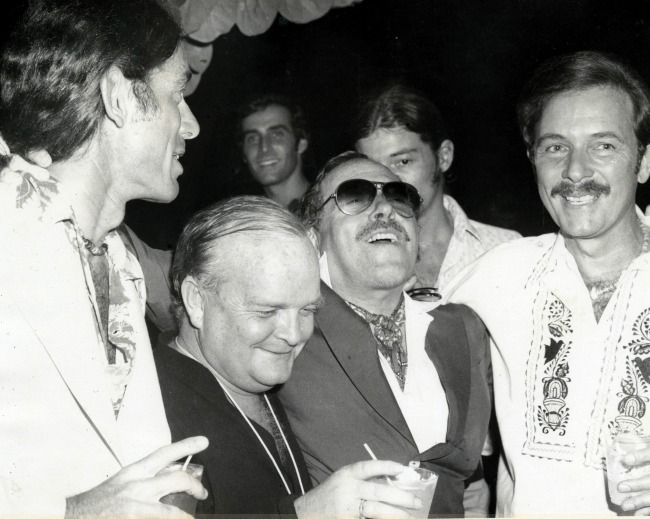
There is certainly a case to be made for a documentary to be created about the relationship between Truman Capote and Tennessee Williams; two iconic American artists who were working in the same era. In Truman & Tennessee both men are given an equal amount of screen time as the film strikes a nice balance of showing both sides of the relationship. It is hard not to enjoy the idea of seeing these legends come to life once more.

There is a nice blend of archival footage that is used, particularly when the clips pair each with one another. The documentary makes direct comparisons between the two, as clips of both of them on the same show will appear next to each other. The archival footage is overlapped not only with interviews from both men, but also personal notes and letters, giving us a real look into both of their lives.

The film focuses on letters and notes that Truman and Tennessee wrote to each other, suggesting a potential romantic relationship forming between them. The documentary does not shy away from the gay narrative that forms, and that is clear even by the casting choice of the voices of both Truman and Tennessee. Jim Parsons and Zachary Quinto, respectively, both give solid voice performances here reading these notes and letters, but it is also their own identities as gay men that help this message come across in the film.

This is a subject matter that is interesting, but the presentation does start to lose interest in the second half. This is a documentary about two creative icons, and yet I never really felt that come through in the film. The documentary seems so fixated on the relationship between the pair of them that at times it felt like they had no personality of their own. There was no sense of accomplishment, no sense of pride in their work as their life is presented with little to no context.

A lot of the documentary is dependent on the voice-over narration by Parsons and Quinto. Despite how strong that is, it does leave little to imagine in terms of the visuals. If anything, this is a story that would work better in book form, a form in which you could either see the letters printed on the page or to have an audio version and simply listen to the stories. The visual component felt like it was a last-minute thought, which made it harder to connect with our two men and their story.

This is a relatively short film, only clocking in at 86 minutes. However, the film somehow still manages to drag by the end. Having such a focus on the relationship between Truman and Tennessee and not fleshing out much else really does not help the pacing. This would have been a great chance to talk about their greatest achievements, show the impact of their work and how the relationship impacted it, and yet it all felt private and far away from any other aspect of their lives. There could have been a big statement within the film, but something just felt missing throughout.

There was real potential here to make a gripping documentary about two of the greatest American icons and the impact of their relationship, but unfortunately, the documentary falls flat quickly. Parsons and Quinto try to create intrigue and bring these characters to life, but there is not enough there to hold interest for a full movie. It does make me want to learn more about these men and do further research, but I just wish the film provided that for me from the start.


Grade: C-


Chasing the Gold FYC: ‘Palm Springs’ – Original Screenplay

If there is a place for a film to get a lone nomination in an above-the-line category, it is usually for Best Original Screenplay. Having fun with the category, over the past decade there have been some unique picks such as Knives Out (2019), The Big Sick (2017), and 20th Century Women (2016) all snagging a lone nomination within the category. This year, there is a film that has such a fun and strong script that I think would fit in well with the rest of the listed films: Palm Springs.

Sure, the premise of the story is one that has been tackled numerous times, most notably in Groundhog Day (1993). However, that is why I believe there is a case for this film to get a nomination in Best Original Screenplay. The concept is one that we are all familiar with, and yet it still manages to feel original and fresh and is one of the strongest scripts of the year. Groundhog Day received zero nominations on Oscar night, so wouldn’t it be nice to reward this concept for the script at least once?

I believe that the best screenplays are the ones that are the most difficult to execute in concept. The reason that Get Out (2017) is such a strong winner for Best Original Screenplay is because of the level of difficulty when pulling off a screenplay of that tone and narrative. Similarly, it is hard to make the concept of a time loop feel refreshing and entertaining, but Palm Springs is one of the most enjoyable films of the entire year. Not only is the script strong by itself, but it earns points for level of difficulty in terms of execution.

It feels like every year there are more original screenplays up for contention as opposed to adapted screenplays, and this year is extremely tough in terms of the playing field. It has been nice, however, to see Palm Springs gaining momentum and snagging as many nominations as it has, whether that is an Original Screenplay nomination with the WGA, a Best Comedy/Musical nomination for the Golden Globes, or a Best First Screenplay nomination at the Film Independent Spirit for writer Andy Siara.

A lot of the films in contention this year for the Best Original Screenplay handle quite mature and sensitive subject matter. The branch has always favoured the dramatic films over the comedic ones, but there always seems to be room for a lighter film to slip into the line-up. That is how films such as the aforementioned Knives Out and The Big Sick grabbed nominations, and it could also suggest an open space for a film like Palm Springs to take the open spot. After watching film after film focused on dramatic, heavy subject matter, voters may get a slight energy boost from a light-hearted comedy with a strong script, like Palm Springs

Am I speaking on behalf of this film because it is one of my favourites of the year and I have been in love with Andy Samberg for a while now? Perhaps. However, the point of these FYC campaigns is to push the films that are on the outside looking in, and I do think that if voters give the film a shot, there is a place for Palm Springs to be a nominee for Best Original Screenplay come Oscar night. It is time that the Academy once again embraces the fun nature of film and give comedies a shot, and this is quite simply one of the best comedies in a very long time.

Op-ed: All The Oscar’s A Stage (The Venues of the Academy Awards)

Every year, from the time the previous ceremony ends, the next Oscars are immediately being prepared. It has gotten larger and more expensive since its first show in 1929. No longer in hotels or midsize auditoriums, Hollywood’s biggest night requires a large setting that also keeps an intimate feeling so it doesn’t turn into the Grammys (which is held at the 20,000-seat Staples Center). To be held as the hub for such an event is to have the eyes of the movie world upon the entire area for every move, famous or controversial, to be remembered for all time. Here are the past and current venues of the Oscars.

The Hollywood Roosevelt Hotel (1929)

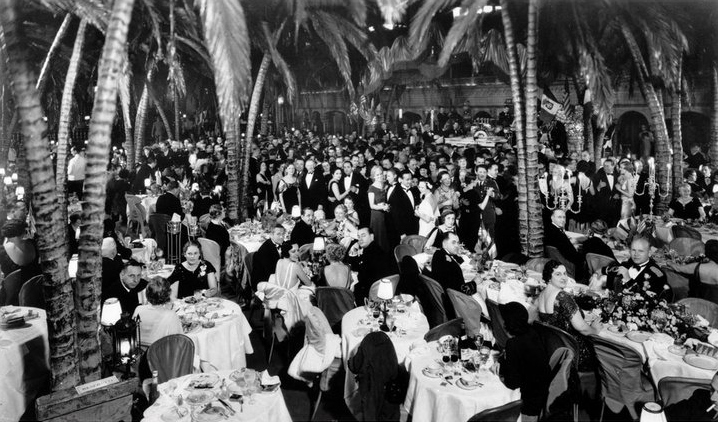
The first Academy Awards ceremony at the Hollywood Roosevelt Hotel, 1929 |

It hosted only the inaugural Academy Awards when the winners were announced three months earlier with 270 people attending and hosted by Academy President, Douglas Fairbanks. Since opening on May 15, 1927, the Roosevelt is the oldest operating hotel in Los Angeles, having never once closed for any reason. It was probably chosen for the first ceremony since the funding for the construction came from Louis B. Mayer, Mary Pickford, and Fairbanks himself. Designated as a city monument in 1991, the 12-story hotel features 300 rooms including suites, eight restaurants, bars, and lounges, and a pool with cabanas.

And if you are interested in staying for a night or ten, here’s the link to its site: https://www.thehollywoodroosevelt.com

Ambassador Hotel (1930, ’32-’34, ’40, ’43)

Uncle Oscar: Academy Awards through the years: The Location

Another legendary hotel from Los Angeles hosted the ceremony six times and was a hotspot for the Coconut Grove nightclub where everyone, entertainers to politicians, were seen at. It was here that the ceremony took place. Sadly, the Ambassador became infamous for the tragic events of June 5, 1968, when Presidential candidate Robert F. Kennedy was assassinated in the hotel’s main kitchen as he was exiting the ballroom. Thus began the demise of the hotel, surrounded by the killing and the neighborhood falling into disarray due to crime, keeping guests from coming and leading to its closure in 1989. Despite efforts for historical preservation, the building was demolished in 2005.

Millennium Biltmore Hotel (1931, ’35-’39, ’41-42)

Opening in 1923, a city monument since 1969, the Biltmore was the largest building west of Chicago at the time. In the Crystal Ballroom, the Academy of Motion Pictures and Sciences was founded and the statue was sketched on a napkin. The interior architecture is almost the same as it opened, with frescos, murals, and marble fountains, crystal chandeliers, and cast bronze doorways. It was in the Biltmore Bowl where the Oscar was held several times. Later, it would host various statesmen and would be the center of Los Angeles’ Olympic Committee for the ’84 games. Today, 683 recently refurbished guest rooms and suites are still available for all visitors coming for a grand stay.

If you want to come here for a holiday, here’s the link: https://www.millenniumhotels.com/en/los-angeles/millennium-biltmore-hotel-los-angeles/#home

Hollywood Pantages Theatre (1950-60)

Pantages Theatre, Hollywood - Historic Theatre Photography

The first theater the Oscars were held in was the famous Grauman’s Chinese Theatre for a couple of years in the early 40s. After the 1949 show was held in AMPAS’ own theatre due to concerns of vote influencing (like the Golden Globes), it was put in the-then named RKO Pantages Theatre. Today, it is a major venue for musical productions, most recently for Fiddler On The Roof and Frozen. It was supposed to have an office tower before the Great Depression quashed that portion and started as a movie theater all the way through 1977. It was a glamorous place for movie openings and every Hollywood star would walk to the red carpet going in, and when Howard Hughes, head of RKO, bought the theater in 1949, he brought over the Oscar ceremony there too. It was famous for the premiere of Cleopatra in 1963, and the classic concert film Stop Making Sense by The Talking Heads was shot there. In 2000, the theater underwent renovations to preserve its traditional looks which can be seen by all who enter.

Shrine Auditorium (’47-’48, ’88-’89, ’91, ’95, ’97-’98, ’00-’01)

A historical venue constructed in 1926 in its traditional Moorish architecture, the auditorium has undergone renovations since opening but contains its impressive exterior and interior that has made it an attraction to all awards, including the Emmys, Grammys, and Miss Universe. The auditorium has a capacity of 6300 people and is the largest proscenium stage in North America at 195×69. It has also been a usable filming site for movies, music videos, and TV. Next door is the 54,000 sq.-ft. Expo Hall, home of the SAG awards since 1997. Hence its name, it is also the home to the Shrine fraternity in South California.

Dorthy Chandler Pavillion (’69-’87, ’90, ’92-’94, ’96, ’99)

After several years in the unimpressive Santa Monica Civic Auditorium (something not worth delving into), the ceremony found a brilliant home. In the middle of the Music Center, a complex of performance art theatres that host the LA Opera and Philharmonic, the Chandler Pavillion opened in 1964 as the new home for the Los Angeles Philharmonic. With its “total design” look, where every aspect of the building was detailed for its construction, it became the prime venue of many events, especially the Academy Awards. It hosted the Oscars for 18 consecutive years and another six times, currently holding the record for the most hosts of the show. The Philharmonic moved to the Walt Disney Concert Hall in 2003, but Pavillion remains the home of the LA Opera.

Dolby Theatre (2002-Present)

The Oscars’ current premises for the ceremony is in a mall. Jazz Tanguay of Variety always reminds us this when she covers the event, but a wrong turn and you are entering a Forever 21 store or the Lucky Strike bowling alley. Yet, the theatre was built exactly for the purpose of hosting the Oscars, something stable and with specific features for future ceremonies. The builders worked with Hollywood’s production leaders to get the best in sound, camera placement, stage management, making an infrastructure that no other Oscar ceremony venue has ever had. Going up the stairs are columns featuring every film that has won Best Picture and will fill the names through 2071. It certainly will remain the home to the biggest show for Hollywood for quite a while.

Follow me on Twitter: @brian_cine (Cine-A-Man)

Chasing the Gold FYC: ‘Quo Vadis, Aida?’ – Best International Feature Film

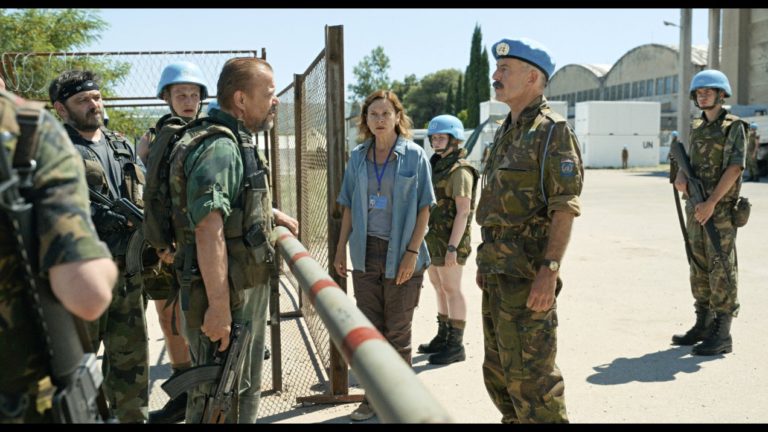
The Oscar nominations are just around the corner and as bizarre and chaotic as this awards season has been across multiple leading categories. The Academy’s shortlists provide a glimpse of what to expect comes nomination morning, albeit in mostly below-the-line categories. However, we do have a shortlist of the fifteen selected films submitted by their countries for International Feature Film. Out of those fifteen amazing pictures, Bosnia and Herzegovina’s submission “Quo Vadis, Aida?” has by far affected me the most. And as far as I am concerned it deserves the win, let alone the nomination.

Written and directed by Jasmila Žbanić, the film follows the story of Aida (Jasna Đuričić), a UN translator caught and her family along with thousands of other people in the middle of the attack of the Serbian army on Srebrenica in 1995. And as the situation escalates to a boiling degree, Aida is left trying to balance her role as a UN translator and provide protection for her family.

Quo Vadis, Aida is based on the actual events of the Srebrenica massacre. While Aida is a fictional character compiled from testimonies of witnesses to the massacre, the pillars of the film’s plot stand unchanged, and with some research, footage of some of the events depicted in the film can be found on YouTube, Which is one of the reasons the film has filled me with rage and depression after its ending, because not only did I not know enough about the Srebrenica massacre, it seems I am not the only one on this boat.

Jasmila Žbanić writing and directing emphasizes the human element in the impossible circumstances that her characters are put through. Combined with floating cinematography and precise editing to further underline the already astronomically tense situation, she puts the viewer in a conflicting vein of emotions. The film’s technical mastery invites you in and glues your eye to the screen only to tell you one of the most heartbreaking stories you will ever see.

Filled with terrific performances Quo Vadis, Aida finds its heart and soul in Jasna Đuričić’s unsettling depiction of a mother doing everything she can to save her family. Đuričić’s ability to convey the hopelessness and anguish of the situation speaks volumes louder than any line said in the film, and to witness her put up the facade to reassure her family nearly brought me to tears. And as the film leads to its final turn, the amount of despair that radiates from her tells you everything you need to know about what’s coming.

Despite its tension-based narrative, Quo Vadis, Aida has a very sad and sorrowful heart. The film manages to have a few moments where it slows down and leaves you with a character nostalgic memory of peace and harmony on the dance floor or focuses on the minor flirtations in a room full of people. For me, these moments are what ground the film to its emotional core and, in the end, makes the film one of the most Gut-wrenching experiences I have ever seen.

The film has an utterly insane spiral of events that left me shouting at the screen; how did the world let that happen, and most importantly, how did it forget thousands of lives lost under the fake umbrella of UN help. With a state of a world looking for something new every day, people have grown a costume to forget their past, so it’s necessary to have a film that reminds the world of what it did and says you let that happen, don’t forget cause we won’t.

Quo Vadis, Aida represents how the highest level of cinema can affect the viewer; sometimes it challenges their beliefs, other times it changes their behavior, but it will always open their eyes to something new in the world. In the case of Quo Vadis, Aida, this happens by showing the world the truth that it chose to ignore back in 1995; and is choosing to ignore now. I think that Bosnia and Herzegovina’s submission to International Feature Film is not only a masterful work of filmmaking, but it is also a masterful work of historical significance. And if this isn’t enough to earn it at least an Academy nomination, I don’t know what will.

Movie Review (GFF): ‘Wildland’ is a Tough Watch but with Heavy Impact


Director: Jeanette Nordahl
Writers: Ingebord Topsøe, Jeanette Nordahl
Stars: Sandra Guldberg Kampp, Sidse Babett Knudsen, Joachim Fjelstrup

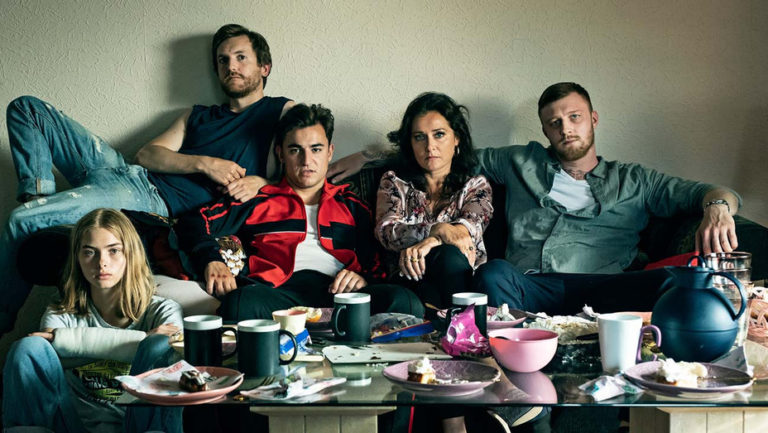
Synopsis: Ida moves in with her aunt and cousins after the tragic death of her mother in a car accident. The home is filled with love, but outside of the home, the family leads a violent and criminal life.

[/info]

Gripping you from the opening moments, this story is one that is impactful. With the heavy but necessary exposition at the start, showing the tragic car accident and giving Ida this weight on her shoulder, it is easy to connect with her and feel her pain as she is forced to move in with her aunt and her cousins. The leading performance from Sandra Guldberg Kampp as Ida is heartbreaking to watch, as her performance is raw and authentic yet filled with darkness and pain.

There are several scenes within the film which are wonderfully directed by Jeanette Nordahl and that will be stuck in your head for a while. In particular, there is one incident over halfway into the film in which involves Ida’s family being caught that is so effectively done. The tension that this film builds is intense, and it might not be an enjoyable watch for everyone but the tone is effective in building up the narrative.

The cousins in the film can come across as stereotypes at times, but I still found myself engaging with them and having an emotional connection to several of them. Some of the storylines that run through the cousins is shocking, but there is commentary about the current climate and how those deemed lower in society are portrayed. I do wish the film made even more of a statement on this, but I love that these ideas are being communicated regardless.

The film is grounded and even with the violence that is shown, there are moments that seem mundane but are filmed so wonderfully. When a lot of films tackle a nightclub scene, it is usually overly glamourous and only focused on the romance of it all, but that is not the case here. The setting feels like a real nightclub, the people there actually feel like they are there and the atmosphere is not the most pleasant, but the experience is authentic.

This is certainly not going to be a film for everyone, as it is not a story that is there to entertain. It is a hard watch, and there were scenes that do feel uncomfortable to watch. It certainly is not one that I am rushing to watch or experience again. I think the story could give some breathing room from the tense narrative as it all does feel heavy to take on at once, and a little bit of humor or light relief would help the tone a little.

Clocking in at just under 90 minutes, this is a film that I actually would have liked a little longer for. If the film added another storyline that was potentially lighter, the darker moments might have made more of an impact and the film would have been easier to watch. Even with all of the positive aspects of the film and how important the main story is, it would have been more gripping if I was given some time to process the narrative, given time to connect with all of the family and particularly Ida.

As much as this is a hard watch and one that is really heavy, I would still recommend it if you are curious about it. The film does speak about the issues around violence and abusive living conditions, and I commend Nordahl for telling this story.  It will certainly not be for everyone, but I was left emotionally attached by the end of it and you might be as well.

Grade: B-

Podcast: The Lost Weekend / Chaos Walking – Extra Film

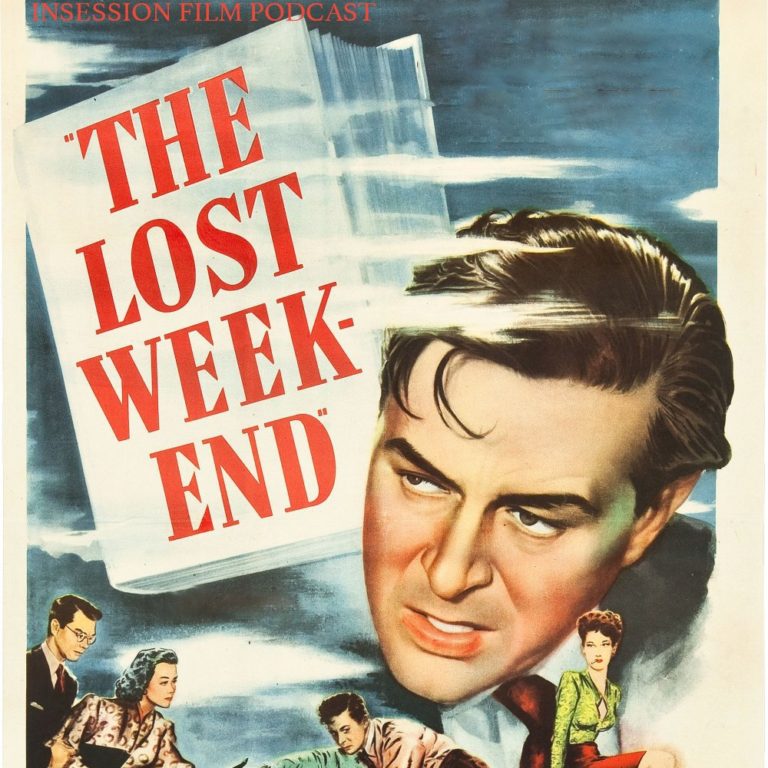
This week on Extra Film, Ryan and Jay continue their Billy Wilder Movie Series with his Oscar-winning film The Lost Weekend, and they also discuss Doug Liman’s Chaos Walking!

After talking about the great Double Indemnity, the boys return with another Wilder classic, one in which won Best Picture and Wilder his first Oscar for Best Director. Involving a man who goes on a four day drunken bender, the film is a landmark picture in exploring the ramifications of drinking yourself to death. Dark and dated, the boys found appreciation for the film more than love, leading to a good discussion.

In the back half of the episode, the boys talk about the sci-fi delayed project, Chaos WalkingFrom journeyman director Doug Liman, comes a movie filmed over three years ago starring two of the biggest up-and-coming stars in the business. But with delays come reasons as to why and the final product shows a mess of a film. But the boys find entertaining ways to talk about this movie and everything involved in the making of it.

Thanks for listening!

– Movie Review: The Lost Weekend (3:50)
Director: Billy Wilder
Screenplay: Billy Wilder, Charles Brackett
Stars: Ray Milland, Jane Wyman

– Movie Review: Chaos Walking (50:32)
Director: Doug Liman
Screenplay: Patrick Ness, Christopher Ford
Stars: Daisy Ridley, Tom Holland, Mads Mikkelsen, Demián Bichir

– Music

Miklós Rózsa – The Walk
Friendship Theme – Chaos Walking
The Return of the Eagle – Atli Örvarsson

We try to make this the best movie podcast we possibly can and we hope you enjoy them. Subscribe today on iTunes, Spotify, or Stitcher, and please leave us a review on iTunes. You can also find us on Soundcloud, PlayerFM, and TuneIn Radio as well. We really appreciate all your support of the InSession Film Podcast.

Subscribe to our Podcasts RSS
Subscribe to our Podcasts on iTunes
Listen on Spotify
Listen on Stitcher
Double Indemnity / I Care a Lot – Extra Film

[divider]

To hear this Extra Film episode and everything else we do, download our apps on the Amazon Market for Android and the Podcast Source app on IOS devices. The mobile app covers all of our main shows, bonus podcasts and everything else relating to the InSession Film Podcast. Thanks for your wonderful support and for listening to our show. It means the world to us.

Podcast: Reaction to 2021 Golden Globes WInners – Chasing the Gold Ep. 32

On Episode 32 of Chasing the Gold, Ryan is joined by Zach Gilbert of Loud and Clear to talk about the winners and chaos of this year’s Golden Globe Awards!

The first televised award show of the 2021 season dropped and there was plenty to talk about. From the shocking winners, new frontrunners, and the controversy surrounding the evening, the Golden Globes didn’t disappoint in terms of juicy storylines for Ryan and Zach to get into.

On that note, have fun with this week’s Chasing the Gold, and let us know what you think in the comment section below. Thanks for listening!

– Music
The Return of the Eagle – Atli Örvarsson

We try to make this the best movie podcast we possibly can and we hope you enjoy them. Subscribe today on iTunes, Spotify, or Stitcher, and please leave us a review on iTunes. You can also find us on Soundcloud, PlayerFM, and TuneIn Radio as well. We really appreciate all your support of the InSession Film Podcast.

Subscribe to our Podcasts RSS
Subscribe to our Podcasts on iTunes
Listen on Spotify
Listen on Stitcher
Reaction to 2021 Golden Globes Winners – Episode 32

[divider]

Mobile App

To hear this Extra Film episode and everything else we do, download our apps on the Amazon Market for Android and the Podcast Box app on IOS devices. The mobile app covers all of our main shows, bonus podcast’s and everything else relating to the InSession Film Podcast. Thanks for your wonderful support and listening to our show. It means the world to us!

[divider]

Help Support The InSession Film Podcast

If you want to help support us, we would greatly appreciate it! For more info, CLICK HERE.

Movie Review (GFF): ‘The Man Standing Next’ is a Slow Burn Spy Drama


Director: Woo Min-ho
Writers: Ji-min Lee, Min-ho Woo
Stars: Lee Byung-Hun, Sung-min Lee, Do-won Kwak

Synopsis: In the 1970s Korea is under the absolute control of the president Park who controls the KCIA the organization with the edge over any branch of government.

[/info]

Woo Min-ho‘s The Man Standing Next begins with the death of the then president of South Korea, and vicious military dictator, Park Chung-hee, but is more concerned with the 40 days leading up to his assassination. Don’t worry, this is not a spoiler. The opening text explains the (very true) historical context for what you’re about to see. Yet while the attention to period detail is exquisite, and the cinematography itself top notch, The Man Standing Next proves to be a difficult movie to gain entry to. Perhaps a better understanding of Korean history would help to fill in some of the gaps, but ultimately the density of plot and non-linear approach to storytelling means it may deter those who don’t already have an interest in Korea.

Based on Kim Choong-Seek’s book KCIA Chiefs, The Man Standing Next focuses on the relationship between President Park’s government and the KCIA (Korean Central Intelligence Agency), which was essentially just an arm of government at that period of time. Former KCIA director Park Yong-gak (Kwak Do-won) is in America to testify at Koreagate and is writing a memoir laying bare the truths behind the Park administration. President Park sends current KCIA director Kim Gyu-pyeong (Lee Byung-hun) to America to obtain the manuscript and dispose of Park Yong-gak if necessary.

While in America, Kim begins to realize he isn’t as close to the President as he thought; American spies relay information to him about what they know of the Korean government. A man – code-named Iago – is closer to the President than even Kim himself, and who is in charge of offshore capital the President is trying to keep under wraps.

As if that wasn’t enough, Kim also must contend with President Park’s chief of security, Gwak Sang-cheon (Hee-joon Lee). Gwak is a sociopath and careerist, determined to usurp Kim as Park’s right hand man. To that effect he feeds the President’s worst tendencies, forcing Kim to make a decision about what is best for the future of Korea.

While the set-up is incredibly intriguing and stuffed with potential to explore Kim’s moral conundrum (does he conspire to assassinate his friend, the President? Or does he allow him to grow ever more corrupt and potentially affect the deaths of millions?), Director Woo doesn’t seem as interested in that. There are shades here of 70s paranoia thrillers such as The Conversation, and even hints of DeNiro’s The Good Shepherd, but any possibility of thrill is stopped in its tracks by the lengthy dialogue which probably requires repeated viewings to fully understand the context of. Conversations take place in alluring, fancy settings full of diplomats, as the cat and mouse game which Kim and Gwak play with each other escalates, but not until the final twenty minutes or so does the pacing pick up and we finally get what many of us came for.

Lee Byung-hun plays Kim as a quiet, buttoned-up man trying to do the right thing. Caught between a tyrannical despot and his moral obligations, he nevertheless is always calm and collected. Although he will be inexorably the cause of his friend’s death, such a hard decision seems above a man full of hesitancy and doubt. His journey is the moral center of the story, but it’s difficult to root for a man so stoic and unreadable. Although his crisis is clear, it’s not clear how he feels about it, or what might compel him to take action.

The Man Standing Next wants to be a John Le Carre novel, and there is fertile ground for it: although Korea has now recovered from its dictator President, he was in power for eighteen years, all of which were blighted with controversy and corruption. But for all the opportunities to explore the positions of its various main players, what we’re left with is a staid, plodding drama which feels too afraid to really explore its concepts.

Grade: C

https://www.youtube.com/watch?v=x5u5OKmqd-E

Movie Review (GFF): ‘Apples’ is Another Strong Film This Year About Memory Loss


Director: Christos Nikou
Writers: Christos Nikou, Stavros Raptis
Stars: Aris Servetalis, Sofia Georgovassili, Anna Kalaitzidou

Synopsis: Amidst a worldwide pandemic that causes sudden amnesia, middle-aged Aris finds himself enrolled in a recovery program designed to help unclaimed patients build new identities.

[/info]

I want to start this review by pointing out that this is a directorial debut from Christos Nikou. Nikou has already found a distinctive voice within his work, and one that feels inspired by the works of Yorgos Lanthimos. However, Niko finds a balance of influence and individuality as this film works as itself and has its own distinct voice within it, a strong accomplishment for a directorial debut.

The concept of the film is fantastic, as it focuses on a man who is suffering from memory loss. This past year has provided us with some great films that deal with the subject matter, particularly Dick Johnson is Dead and The Father. It is a subject matter that should be talked about more in the media, and I am glad these filmmakers are telling these stories. Not only is it informative, but it allows for some great narrative moments and visuals to be used to help bring the stories to life.

The story works incredibly well, and that is also down to the fantastic leading performance from Aris Servetalis. Playing a character that goes through the stages of memory loss and having to re-build those memories, Servetalis is incredibly convincing. This is a film that rides solely on our leading character and his journey, so to have such a strong performance makes the rest of the film compelling.

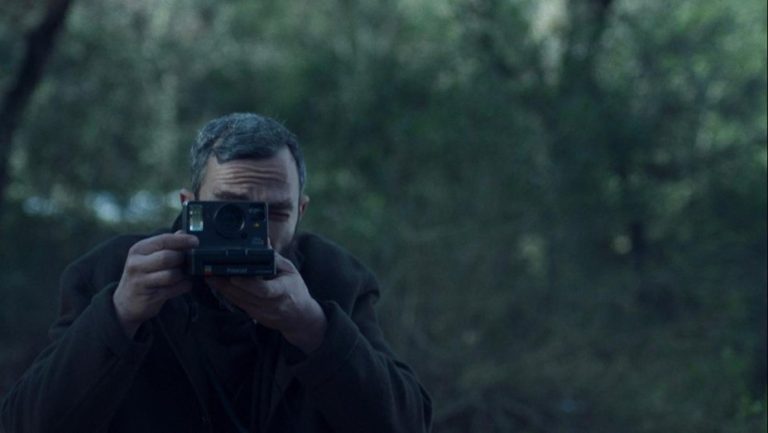
Even with the direction style that Nikou takes, there is plenty of room for the narrative to pack emotion. This is a tough subject matter and the fun elements of the story help lighten the mood and make the film an enjoyable watch. However, when the film has something to say, it makes sure to say it. There are numerous moments within the main storyline that touch upon the importance of making and storing memories and these sequences are so beautifully handled. One scene that simply has our leading character bond with a girl over them both taking photographs is so simply done, but adds a nice touch to the narrative.

Certain storylines could have been expanded on, as the story does feel quite simple at times. Whilst this is very much a journey about one man and how he handles his loss of memory, it would have been nice to explore beyond that and to see the real development of the new friendships and connections he makes. Everything just feels locked into this one secular moment in time and leaves with little impact outside of that, despite how big the topic is and how much it can branch-off and impact many other people in someone’s life who suffers from this.

Not only that, but I feel like the film missed an opportunity to make an impact with its finale. The ending feels quite anticlimactic considering the subject matter and the events that occur throughout the film. It would have made the film just that little bit stronger if the film gave itself more time to add further ideas, talk more about the memory loss aspects of the story, and to create an ending that led to a natural and satisfying resolution, instead of the empty feeling that comes from it.

Even with the things that didn’t work as well for me, there is no denying that this is a very strong debut from Nikou. In what is one of the best posters of the year, it ends up revealing a lot more about the premise of the film whilst keeping the same quirky tones throughout. This is a distinct new voice within the film industry and I certainly cannot wait to see what he does next.

Grade: B

Chasing The Gold: How was THAT Nominated for Best Picture? (2014)

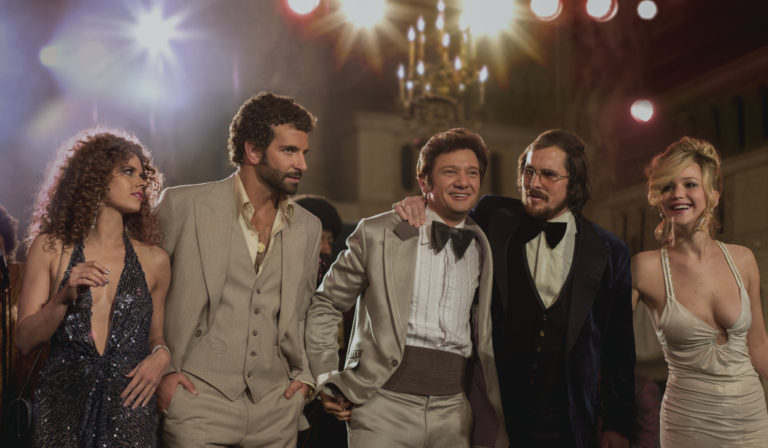
The Academy Awards of 2014 was another year with several films that I truly believe have become classics. 12 Years a Slave, as was predicted, took home the award for Best Picture, as well as several other awards, including Best Supporting Actress for the lovely and tragic performance by Lupita Nyong’o. While that film was not my favorite film of the year, it is certainly a powerful and well told story. It lost Best Director to Alfonso Cuaron, whose film Gravity took audiences to the most realistic vision of outer space yet put on film. My beloved Martin Scorsese gave us regular folks outside of Wall Street, a look at the depravity, greed, and debauchery lived not by mobsters, but by young men running our country’s wealth in The Wolf of Wall Street. This was a challenging year for me to write about. This was a year in which three films earned permanent places on the “Amy Thomasson Top 100” (The Wolf of Wall Street, Blue Jasmine, and American Hustle). Yet, when faced with a list of wonderful films that tell rich stories that are directed to perfection, I find myself having to take my second favorite film of that year, and, as much as I LOVE this movie, and there is not one second I don’t find entertaining, I realize that it is a flawed film, and therefore, must be my answer to “How was this nominated?” That film is the 1970’s con artist film, American Hustle.
Allow me to begin with things I love about this movie. First of all, the cast is full of actors I adore. You don’t get better than Christian Bale, Bradley Cooper, or the divine goddess, Amy Adams. Not only do these wonderful actors play interesting, funny, and well-rounded characters, they just exude joy throughout the film, as if they are having the time of their lives. This movie makes me laugh, is extremely entertaining, and the story, costumes, and music are wonderful. American Hustle receives a great deal of hate, and I don’t understand it. I watch it on a regular basis, and it never fails to deliver for me. Maybe it’s the theme of people wanting to escape who they are, wanting to be better, more intelligent, and more sophisticated that rings true to me.

One thing I am ready to admit, however, is when reviewing the list of films that were nominated, this film is the weakest. The most glaringly obvious issue is the casting of Jennifer Lawrence. I know some people strongly dislike her. I think she is very talented and excellent in the movies that actually suit her. She was wonderful in Winter’s Bone and The Hunger Games because in those films she was believable as the age she was portraying. I don’t know why David O. Russell repeatedly casts her as characters she is far too young to play. She was 22 in Silver Linings Playbook and she played a woman old enough to be married, widowed, and have had a breakdown. She was 24 years old in American Hustle, in which she plays Rosalyn, a woman who has a 5 year old son, and has been married for at least a few years. Rosalyn drinks all day long, smokes, and tans, yet still looks like a child. Honestly, she looks like a young adolescent playing dress up in her mother’s clothes. In all of the time I have spent watching and discussing this movie, I realized that Marisa Tomei would have been perfect in this role, and it could have taken the movie to another level.


Another reason why it is the least deserving of a Best Picture nomination is that it lacks the emotional punch that the other films all seemed to hit. American Hustle is a glossy, wildly entertaining story of a long con game, which, while fun to watch, doesn’t give the audience much depth. There are moments of real emotion, such as when Bale’s character goes to Carmine Polito (played by a not talked about nearly enough Jeremy Renner) and admits the con to him. You see the heartbreak and betrayal, due to bofh actors being wonderful. However, unlike smaller and less glitzy movies, like Philomena, there is very little depth of emotion. You enjoy watching Adam’s and Bale’s characters turn the table on Bradley Cooper, but it’s certainly not cathartic. You don’t feel for Lawrence’s character, because she is just so completely out of place in the film to begin with, so it’s hard to see her as an actual human character. While I understand and can obviously love films that don’t reach the emotional heights of Dallas Buyer’s Club, or 12 Years a Slave, I think a film nominated for Best Picture should reach those heights.
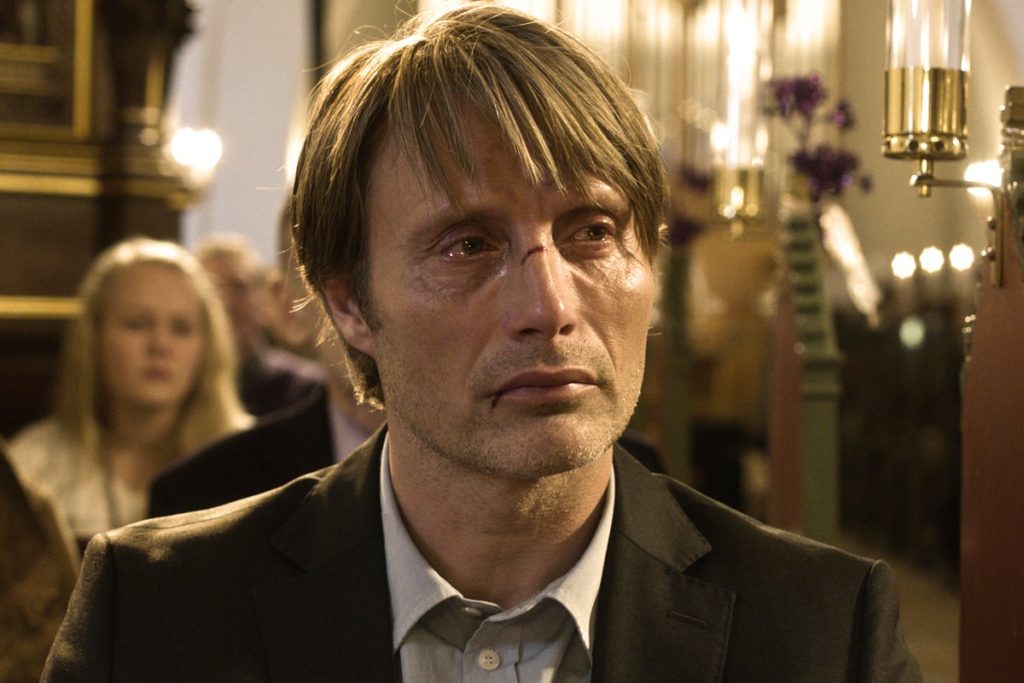
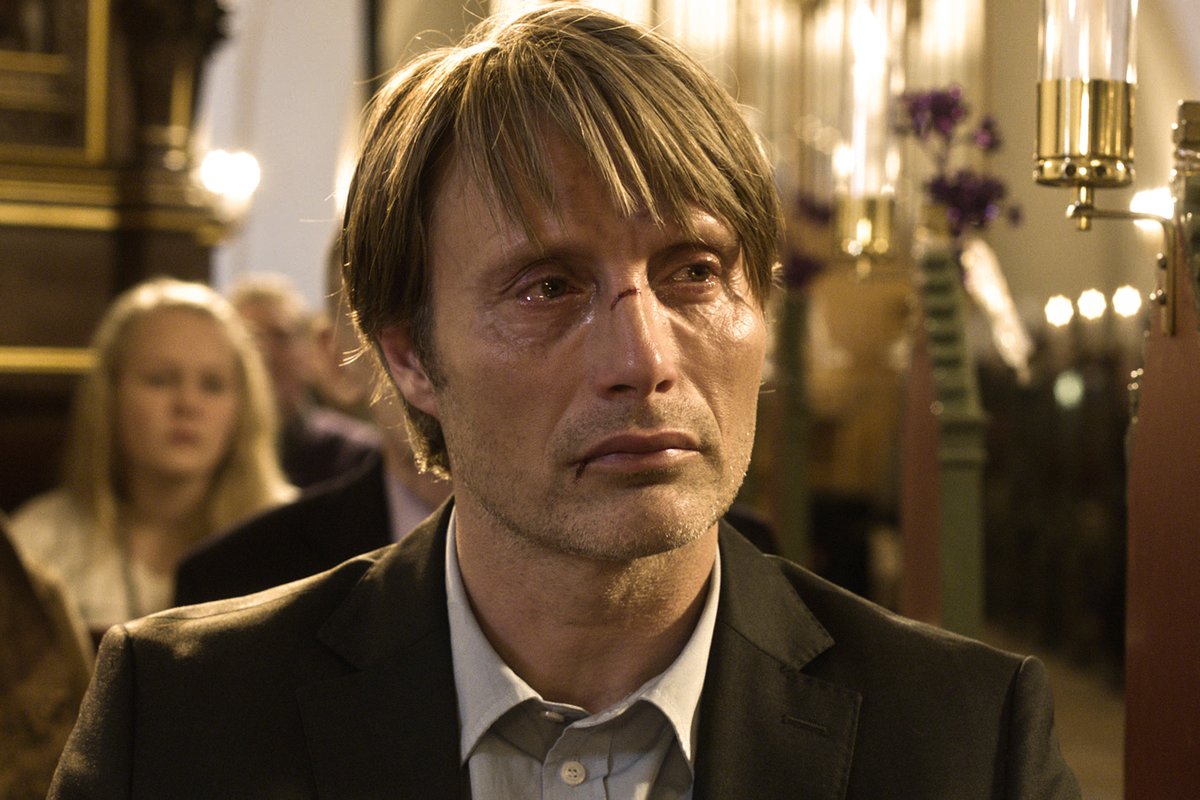
The film that should have received a Best Picture nomination was nominated for Best Foreign Film that year, the Danish film The Hunt. Where American Hustle lacked a strong emotional impact, The Hunt devastated me. Mads Mikkelsen plays Lucas, a man going through an incredibly stressful divorce, and has started teaching at a kindergarten at a new school. He barely sees his teenage son, Marcus, and has an ex-wife that refuses to speak to him to work out the details of their custody agreement. He spends much of his time with his very close friends, one of whom has an adorable little girl named Klara, and an older son, who is portrayed as a bit of a troublemaker. Klara clearly has a crush on Lucas, who is not only her father’s best friend, but one of the teachers at her school. When Lucas tells her it’s not appropriate for her to kiss him, and returns a small heart she made for him, telling her to give it to someone else, Klara is heartbroken. She is too young to understand why Lucas is distancing himself. She feels angry with him, and remembering a pornographic picture her older brother showed her and commented on, she mentions to the woman who runs the school that she is upset with Lucas (about the heartbreak) and describes his anatomy (literally saying what her brother had said about the pornographic picture). This, of course, leads to accusations, rumors, and Lucas becoming an outcast.

What makes this film so incredibly powerful is that you can understand where every single character is coming from. Yes, of course we feel for Lucas (honestly, Mikkelsen should have also gotten a nomination for Best Actor), but we also see the woman that is the head of the school, his friends, and his son, and how they deal with the situation. We even feel for Klara, who is not a monster in the same vein as Mary Tilford in The Children’s Hour. She truly does not seem to understand what is going on. She very quickly, when questioned, says that nothing happened with Lucas. The problem is, despite the fact she denies anything happening when first questioned about it, the man questioning her tells her that something did happen, and won’t let her go play until she’s a “good girl” and “tells the truth.” When Klara tells her mother that nothing happened, her mother holds her and says “Yes, something did happen, you just don’t want to think about it.” It’s frustrating and upsetting to see all of these adults, who really and truly love this little girl, are not listening to what she is saying. But, as frustrating as it is to watch, I understand where the adults are coming from. I am a mother and a teacher. I have had training in reporting sexual abuse. The woman that runs the school has a responsibility, and if I heard a five year old girl say that she knows what a male teacher’s genitals look like, I would be incredibly disturbed myself. Even though we know Lucas is innocent, the woman was doing her job to have him investigated. All I kept thinking throughout the film is that Lucas should have reported Klara’s behavior, the kiss she gives him, the heart she gives him, immediately, and maybe everything wouldn’t have gone so awry. When Klara’s father, Theo realizes that his daughter is telling the truth and that he has falsely accused his friend, his grief is obvious. He does what we feel is the correct thing, and tries to make amends with his dear friend. He clearly is despairing that while trying to protect his daughter, he has ruined an innocent man’s life, a man who has been his friend since childhood.

This film is flawlessly acted and directed. While we,the audience, obviously sympathize with Lucas, we do see the pain and confusion felt by all of those who know him. In Lasse Fogelstrom’s performance as Lucas’s teenage son, Marcus, we see the hurt, anger, and confusion this young adult feels as he remains fiercely loyal to his father. There is a scene in which he visits Klara’s family to talk to them about the situation that is particularly moving. Annika Wedderkopp plays young Klara, a beautiful young girl, with a great natural ability. She is not trying to be cute or precocious. She clearly loves Lucas, and obviously understands that something bad is going on, despite not fully understanding the context. She knows she has hurt him, yet shows up at his home to walk with his dog, Fanny, that she loves to play with. The cinematography and use of music is also quite haunting. The film takes place during the Christmas holiday season, so there are gorgeous shots of snow falling in the Danish town, and Christmas music playing in the background, which creates a striking image and mood. This movie truly hit me on many emotional levels.

I stand by my love for the film American Hustle. It is slickly directed, well acted, and, as I stated before, wildly entertaining. However, with its massive casting flaw, and very little emotional depth, I will agree with many that feel that it is not worthy of a Best Picture nomination. The Hunt definitely should have taken that spot. It’s a technically well made, beautiful film that is also deeply moving. It also deserved numerous other nominations, such as the aforementioned Mikkelsen and a Best Screenplay nomination, as well. Please, do yourself a favor and go see this wonderful film.


Op-Ed: AFI’s 100 Years…100 Passions – ‘The Philadelphia Story’ (#44)

I will be watching and reviewing all of the films included on AFI’s 100 Years…100 Passions list. The list contains the 100 greatest love stories in American cinema and I plan to consider how our views on romance and social issues have changed over the years as well as judging whether the romances in these films actually made me swoon. As a fan of the romance genre I expect to love each and every one of the nominees but I also don’t know if I would consider all of them romantic.

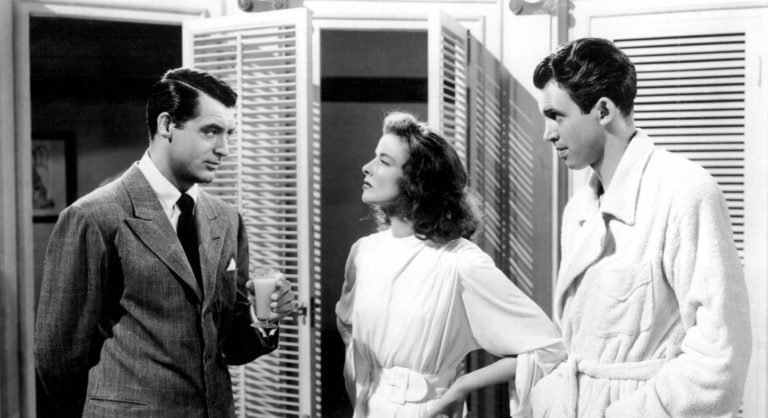
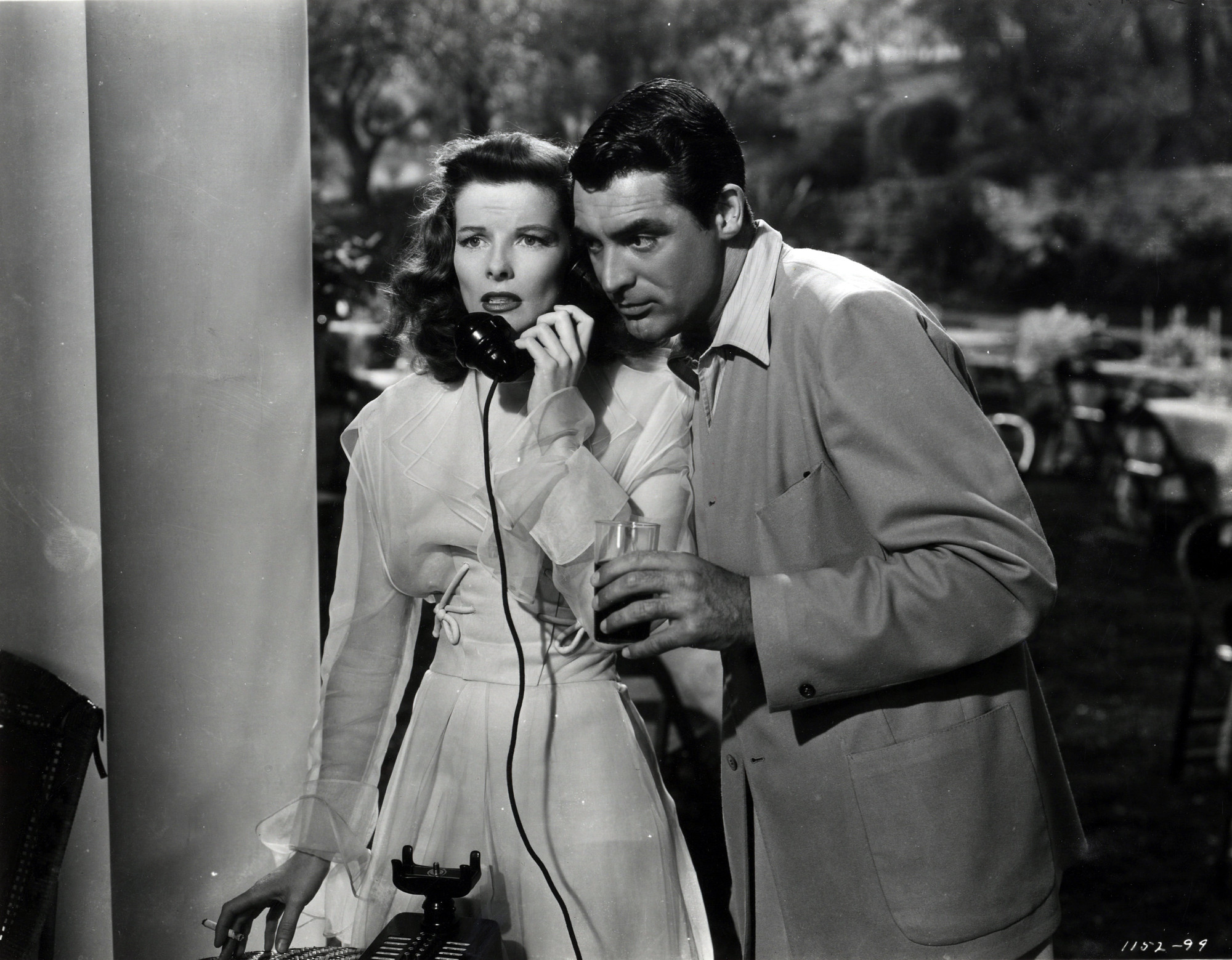
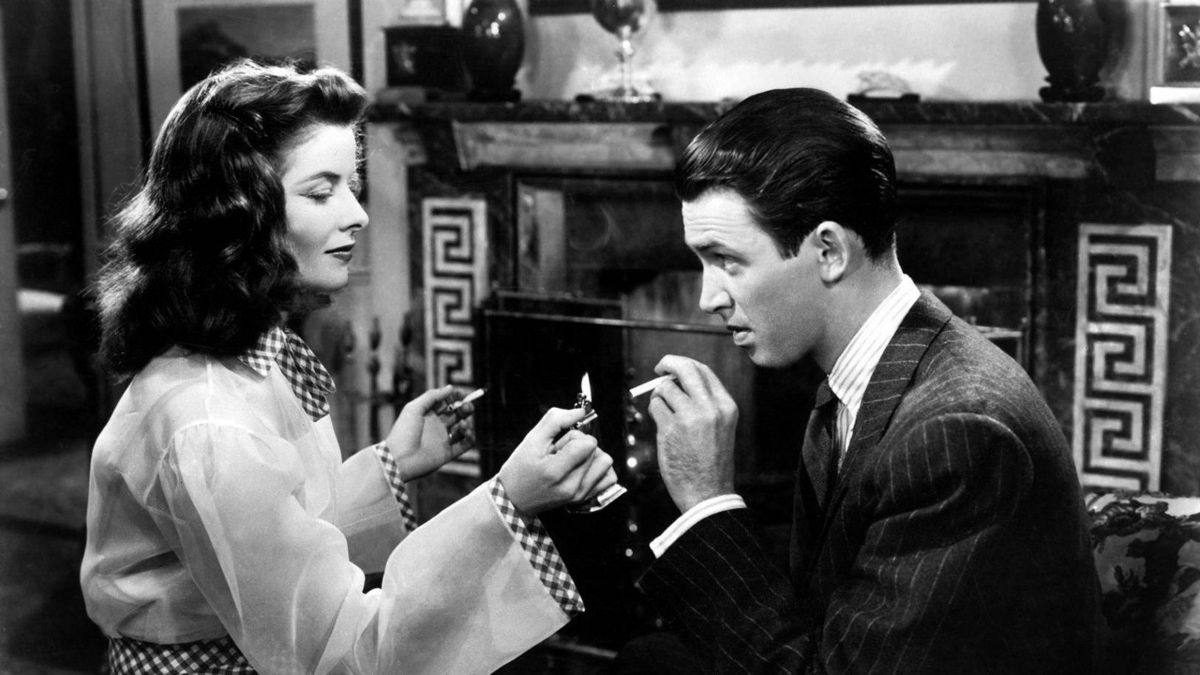
I think of The Philadelphia Story (1940) as the perfect example of a star vehicle. It exists to highlight the talents of Katharine Hepburn and James Stewart and it is not ashamed of that fact. The plot is flimsy and doesn’t hold up to further scrutiny and the film seems to lose its way whenever the focus isn’t on the antics of the lead actors. Perhaps more troublingly, the story imparts questionable ideas about morality to the audience. However, none of those faults can fully diminish its entertainment value. I don’t think of it as a masterpiece because of its rushed, unsatisfying ending and the nasty streak of misogyny that runs through it, but this is easily one of the best films I have reviewed for this site. I laughed throughout, admired the beauty of the actors and the costumes, and took delight in the electric chemistry between Stewart and Hepburn.

The film concerns Philadelphian socialite and tabloid fixture Tracy Lord (Katharine Hepburn) who has been divorced from her alcoholic ex-husband C.K. Dexter Haven (Cary Grant) for two years and plans to wed the self-made but dispassionate George Kittredge (John Howard). Haven arranges to have disgruntled reporter Mike Connor (James Stewart) and his co-worker Elizabeth Imbrie (Ruth Hussey) cover the wedding under the guise of being his close friends. Lord figures out this deception quickly and chooses to present herself so that the articles covering her will be positive. Her aggression when it comes to her relationships with men proves to be derived from her father Seth (John Halliday) having public affairs that have hurt her mother and brought shame upon the family. She begins falling in love with the goofy Connor, but Imbrie harbors an attraction to him and the passion is clearly still alive between Lord and Haven. She comes to regret some of her past actions and is humbled as the men around her inform her of the pain she has caused and ultimately calls off her wedding to Kittredge and remarries Haven.

Lord is very similar to Hepburn in many ways, so you could argue that Hepburn was essentially playing herself. To some degree, all movie stars are playing themselves or the star persona that they present to the world; but Hepburn took this a step further. She came from a wealthy, upper class background, had a high opinion of herself and held progressive political views. Additionally, she had an infamous habit of getting involved with self destructive men who required a lot of care and understanding. Most of these traits carried over into the roles that she played and Hepburn never denied the fact that her personality was a big part of her acting style. She once said, “I think I’m always the same. I had a very definite personality, and I liked material that showed that personality.” Despite her lack of range, she could be very effective when given a role that was tailored to her specific talents. But all of the little tics that she loved to employ, such as keeping tears in her eyes and shaking her head throughout emotional scenes, could leave you wanting to wring her neck. She could also give herself over to the saccharine elements of a script too often and could be accused of being repetitive in her use of her mannerisms. Luckily, The Philadelphia Story presents her in a different light for several reasons.

This is a feminist film, but Hepburn had to give in to some of the desires of audiences who hated her for being a strong, independent woman. She had already played roles where she was a tough, hoity toity lady who was softened and ever so slightly humiliated by a rough-hewn man who would turn her into a traditional woman. The Philadelphia Story was important in that it ensured this formula would be repeated in many romantic films that she made over the following decades. She is literally pushed to the ground by her soon to be ex-husband at the beginning of the film and we are meant to cheer as she is cut down to size. Never mind the fact that her ex-husband is an alcoholic who may have been equally responsible for the breakdown of their marriage; she is a bad woman for not going along with his desires and turning into the docile wife that he wants.

One scene with her father is just bizarre. Usually films from this era that try to make excuses for men cheating put all the blame on the wives and claim that they weren’t doing enough to satisfy their husbands. The Philadelphia Story doesn’t take this approach as the mother is drawn as a sad, old lady who has no life without her husband. She excitedly takes him back when he deigns to return to her and thinks of her daughter as unreasonable for holding a grudge. We are meant to look positively upon her mother for putting up with her husband’s behavior and give him a pass because “Men will be men.” Lord is just an uppity little girl who doesn’t know her place. Doesn’t she know that children, especially daughters, should be seen but not heard? We are supposed to balk as she acts resentful towards a man who has caused her to feel so much pain.

He proceeds to lecture her about the fact that her behavior led him to have an affair and if she just acted like a doormat, he would give up on all his vices. He looks like he’s walking on air and practically pats his wife on the head as though she is a pet. He eventually tells her “What most wives fail to realize is that their husband’s philandering has nothing whatever to do with them.” The condescension in this statement is horrid and I couldn’t stand that he acts like he deserves to be a moral arbiter when he has done something unconscionable. I understand that people have affairs and often return to their wives and families, but I assume that those people feel guilty for what they have done and profusely apologize to the people who care about them. He acts as though everybody should feel sorry for him and it is their fault for not understanding that men just need to have sex with young dancers every once in a while.

When Lord questions him, he argues that he had the affair in order to feel young again and then makes the confusing claim that having the perfect daughter would help to eliminate his need to sleep with women who are not his wife. He states “The best mainstay a man can have as he gets along in years is a daughter. The right kind of daughter. I think a devoted young girl gives man the illusion that youth is still his. Without her, he might be inclined to go out in search of his youth. But with a girl of his own, full of warmth for him, full of foolish, uncritical, unquestioning affection-“ He is cut off by one of Lord’s protestations, but he has already suggested that it is her fault that he had affairs. He also implies women should never question the behavior of the men in their lives. This is all chilling stuff but we are meant to cheer as Lord gets her comeuppance because the most powerful man in her life is able to reduce her to tears.

Lord is tough enough to question him. But of course, he proceeds to insult her after she rightfully accuses him of being a coward for not taking responsibility for his own mistakes. He labels her a “perennial spinster” and seems to think that it is better to be a philandering asshole or a crying wife who tolerates her husband’s awful behavior than an independent woman who isn’t going to accept his weak excuses. 1940’s films often used some pretty wacky logic to explain why different standards were applied to women and men but The Philadelphia Story takes it to a whole other level.

My other, far less serious, quibble with this film is that the ending comes across as rushed and far too neat. In a perfect world, Lord would have decided not to seriously commit to Connor and he wouldn’t have ended up with the human equivalent of a consolation prize. I know that the final scene is meant to seem spontaneous and radical, but I don’t think that it quite works. We feel far more affection for Lord and Connor as a pairing, while Lord and Haven end up feeling like childhood friends who should not be together because they are far too similar. When Connor and Imbrie get together, it is unbelievable as he hasn’t even shown a glimmer of attraction to her. That makes it difficult to accept the fact that we’re meant to think that they’re made for one another. Luckily, the ending wasn’t totally disastrous and it did not sully the fact that I mostly had a great time for the past two hours.

Now that I have gone through all of the little flaws that I could identify, I can get to all of the good things. I touched on the character of Lord and how Hepburn’s personality was incorporated into the role but I focused on the negative aspects of the decision to do that. The writers were largely responsible for tacking sexist commentary onto the script for this film but Hepburn herself is bringing true star power. She seems to glow in every scene and not merely because she was lit to the heavens. You can see how excited she is to let loose and play a hard-headed intellectual who uses a playful argument with a man as a form of flirtation, as opposed to giggling and playing coy. She’s a real hoot when she’s acting snobby and looking down on the middle class Connor, while being quietly surprised by his quick retorts and ability to match her in wit and perspicacity. She attempts to repress her expressions of shock as he moves from accusing her of being arrogant to telling her that she’s wonderful. She seems to understand the rhythm in which this dialogue needs to be delivered and while her style of speech is certainly heightened, I never felt like Lord was inhuman.

This is one of those films in which Hepburn becomes vulnerable but retains the spark that makes her a self sufficient, nervy Brahmin even as she cries. For once, you can see her fighting against the tears instead of being teary throughout. This felt true to Lord’s nature and the sadness is more wrenching when it shines through because you feel the pain that she has been trying to hide from everybody else. She feels intense pressure to properly represent her family and stop people from mocking her mother, but she also wants to be a free spirit who is not tied down. Her mean put downs are used to distance her from the people around her and she knows that people expect her to act in a certain way.

She lets her guard down around Connor but it is not love at first sight and she sees that he is different from all the other men she has known. Hepburn finds a way to show us that Lord is attracted to Connor without giving him the googly eyes or leaning in for a kiss within five minutes of meeting him. We can intuit that men within her own class have mostly used her to secure their own social position and, like her father, have been irritated by the fact that she has her own opinions and desires. Connor is using her but he is open about it and his transparency is so unexpected that she can’t help but feel some kinship towards him.

Stewart is also a dreamboat, as he plays up some of Connor’s less admirable qualities without ever losing the eccentric spirit that makes him so refreshing. He’s one of the more endearing male leads in the films that I have reviewed so far because he can be ornery and ill tempered. He’s not detestable like Gaston from Gigi (1958), who marries a child prostitute, but he also has far more depth than Oliver from Love Story (1970) and Stewart isn’t just there to be a matinee idol. Don’t get me wrong, he’s pretty sexy, but we don’t have to sit through a gratuitous scene in which the camera leers at his chest or his bared calves. He seems to be having fun as he mocks the cut glass accent of a librarian or loses of all his inhibitions as he gets drunk. He pushes back against Hepburn more than her frequent on screen partner, Spencer Tracy, and this creates more sparks. He doesn’t just play the genial, bumbling fool who is overawed by the forceful, self righteous Hepburn and there is the feeling that Hepburn and Stewart actually raised their game when they understood that they were working with somebody with the potential to blow them off the screen.

The performances and the dialogue are the stars of the show, but George Cukor deserves a lot of credit for the pacing and his ability to hold back on the mush. He and Hepburn were great pals and he was able to tap into both her athletic qualities and her strong willed nature, especially in films that focused on the workplace. Hepburn isn’t as stiff or wooden as she would be under the direction of Jack Conway, and Cukor makes her look ravishing. He also offers us close ups when she’s spitting out a particularly amusing jape but he doesn’t cede the spotlight to her to the detriment of other elements of the film. She’s a diva who works well with others and Cukor revels in the fact that she is wearing the most extravagant costumes and posing like she’s appearing in the Sports Illustrated Swimsuit Issue. He may have been the one who prevented from shamelessly trying to jerk tears out of this bewildered viewer but he doesn’t cut away when Hepburn is coldly regarding Connor. It takes some time for her to defrost and Cukor never gives us some on the nose romantic moment where the sun suddenly rises and everybody is covered in dappled light which represents their newly sunny disposition. He was known for his dominance in the woman’s picture and for proficiency in dealing with legendary stars. I would contend that this is one of the films that has rightly bolstered his reputation over the years.

If it wasn’t clear already, I adored The Philadelphia Story. Hepburn is a goddess, Stewart understands Connor’s purpose in the story, and Cukor masterfully pulls everything together. It doesn’t have the perfect ending that would have been the cherry on top of a delicious ice cream sundae but goodness gracious, Connor and Lord make a bewitching couple. They have a slow moving courtship that is built upon mutual respect and Hepburn and Stewart both work wonders with the rapid fire dialogue. This deserved to be on the list because it is very much a romantic love story and it succeeds on most fronts in telling the story of a boy and girl falling in love with all of the necessary flourishes. Sometimes stars earn their massive pay checks, and this was one of those times.


Movie Review (GFF): ‘Surge’ is a Tense Breakdown In Real Time


Director: Aneil Karia
Writers: Aneil Karia, Rupert Jones,Rita Kalnejais
Stars: Ben Whishaw, Ellie Haddington, Ian Gelder, Jasmine Jobson

Synopsis: A man goes on a bold and reckless journey of self-liberation in the city of London.

[/info]

British director Aneil Karia makes his feature length debut with this tense, at times unbearable, tale of a man’s breakdown happening in real time, featuring a phenomenal performance from Ben Whishaw. Bearing more than a passing resemblance to the work of the Safdie brothers (much of Uncut Gem‘s frantic, unnerving energy zaps relentlessly through this), although somewhat grittier and more grounded, Surge lives up to its name, ensuring the audience will be breathless throughout.

Joseph (Ben Whishaw) is an airport security guard, deeply depressed and clearly unhappy with his life. He mills about in the background of his job, glumly asking travelers to consent to pat downs or bag searches. The minutia of day-to-day life is represented in a fairly grim way here. As the cavalcade of people stream past Joseph, he barely notices or looks them in the eyes, even as he’s interacting with them. The only ones who stand out are the crazy ones – a foreign man who doesn’t speak English and is clearly terrified when Joseph asks to search him; a mentally ill man who seems to hear voices and asks Joseph to join him on a journey, before frantically running through the airport with police in tow – and these rattle Joseph’s already fragile mental state. On top of this are his parents (Ellie Haddington and Ian Gelder) with whom he has surreal, often jarring, interactions with – culminating in Joseph storming out of the house after he accidentally chews off a piece of glass (oh yes, and he has a strange habit of chewing random objects – forks, glasses, you name it). In his personal life, Joseph doesn’t sleep and harbors secret feelings for his co-worker Lily (Jasmine Jobson).

All of this combines in a bizarre moment where Joseph finally succumbs to the pressure and suffers a mental breakdown in the middle of work. It’s a raw, shattering scene showing a man cascading down to his lowest point amid the baffled reactions of his coworkers who didn’t pay enough attention to see this coming. From here the tension only ramps up and up, as a mentally frazzled Joseph stalks the streets of London in a fit of blinking, chattering, crackling energy which makes him increasingly unpredictable. His state of hyperactivity and synaptic impulsion makes for very difficult viewing as Joseph is compelled to embark on a ridiculous crime spree across the city.

Ben Whishaw gives an incredible performance as Joseph, the walking personification of live nerve endings fizzing out in the open. He is nothing less than totally compelling throughout, even as the plot begins to falter and Surge loses its way a little, which is where the problem lies. For as much as Surge is an excellent study of social behavior and the hidden aspects of mental illness, it can’t sustain the entirety of its runtime. The plot is paper-thin and relies mostly on the performance of Whishaw, which will wear out even the most ardent of viewers after a fashion.

Interestingly, there is no real concern to diagnose or even overtly explain Joseph’s mental condition. Those early airport scenes and what little we know of his personal life paint a picture of a hauntingly lonely man, but the psychology of his descent is never really explored and so what we’re left with is something akin to watching a car rolling down a hill, aware that it’s bound to crash into another car sooner or later. That helplessness is both a boon and a fault in Surge; your mileage may vary depending on how willing you are to watch someone decline without any possibility of help or redemption. It can be exhilarating in the sense that you truly don’t know what’s going to happen next – indeed Joseph has that habit of zigging when you think you’ve worked out where he’s going to zag – but also stress inducing if you’re not of that mentality.

Karia is no stranger to this style of filmmaking. His short film, 2013’s Beat, bears a similar conceit and even shares Ben Whishaw in a similar role. You get the feeling Karia may have been better focused on short films, as they could contain the energy here for the required pace of the movie. As it is, Surge starts to lose some of its focus towards the later stages.

The camerawork – done by DOP Stuart Bentley – deserves mention for its participation in escalating the tension. Long scenes unfold where the camera is literally tracking Joseph from behind as he bounces from one place to the next. It gives a feeling of trying to catch up with this neurotic energy, as you bound just behind the action, catching up only as the next development is underway. It’s a deeply compelling style but also means in static moments you’re often reeling because the pacing doesn’t so much slow down as come to a sudden stop. At one point Joseph – frantically searching for £5 so he can buy a HDMI to impress his coworker Lily – decides to rob a bank with only a piece of paper and his hand in his pocket to induce the idea he has a gun. It’s a mesmeric scene, fully loaded with tense anxiety, but then not much later he’s posted up in a posh hotel room, tearing strips off the furniture and ripping into the covers so he can cocoon himself like some demented caterpillar. To go from one frenetic moment to a brain numbingly unhinged one is jarring and confusing.

Surge is worthwhile viewing for the state of tension it can inspire in an audience. It may not be able to sustain that tension, and it’s plot fizzles to nothing by the end – but anyone who enjoys the manic formula the Safdie’s have perfected will likely find much to like here. And if nothing else, Whishaw is electrifying and worthy of your attention.

Grade: B

Hidden Gems: Diani and Devine Meet the Apocalypse

In my ‘Hidden Gems’ series, I delve into the confines of the streaming platforms to find and rave about special features that deserve (more) attention.

Sometime last year Diane and Devine Meet the Apocalypse arrived on Prime Video without fuzz or celebration (something that is unsurprising considering the defective publicity campaigns of this streaming service) and now I am here presenting a gracious request for everyone to watch this hidden gem that is waiting to be discovered.

Although produced in 2016, the movie was added to Prime Video’s catalogue in 2020 after appearing in festivals such as the Austin Film Festival and the Mill Valley Film Festival. In hindsight, its appearance turned out to be quite perfect in its timing just as the world started dealing with our new pandemic normality. The movie is set in the middle of an apocalypse, just as its name references it, and in a contrasting fashion to what we are experiencing right now, almost all of its action takes place in the exterior – the streets of Los Angeles, the desert, a ranch – giving the story a sense of eerie contrast to the fact that we have indoors for so long now.

The movie – written, directed, and starred by Etta Devine and Gabriel Diani – takes a sardonic view on Hollywood, Los Angeles, the entertainment industry and, of course, the end of the world, through a clever script and a modest budget. Considering that the main characters are based on the real comedians that bring them to life, it seems as if the audience is tagging along the misadventures of our leads as they try to deal with a mysterious event that ignites the apocalypse. When we first meet them, Gabe and Etta are in the middle of a comedy act, just hours before the beginning of the chaos. Soon after, they start unraveling, first in their house and then in the middle of nowhere as they take desperate measures in an unexpected event.

The fact that Devine and Diani appear as stand-up comedians guarantees laughs and clever remarks. Nevertheless, the movie is funnier when the couple is alone, quarrelling over everyday mishaps or confronting their doubts about the correct way to deal with the end of the world. Should they stay home, or should they leave? What should they pack? Should they take clothes for warm weather or cold? Should they bring books or just the essentials? What should they do with their pets? It is easy to identify with their unpreparedness and cluelessness. It is cathartic to witness their bickering and need of adaptation (as a couple) to these trying times (something that feels nostalgic if the viewer is dealing with this pandemic in solitary mode).

The comedy never gets sappy or sentimental. Even in moments of certain distress it somehow introduces humorous remarks and sharp comments. It even includes a special music number that champions the creativity of its writers and lightens up the mood. Personally, I enjoyed it more during its private moments, and less during its stand-up sketches (which are not prominent).

While the story is practically focused on the way the main couple deals with the apocalypse, the script also manages to include a commentary about the silly state of the entertainment industry, the importance of the arts during catastrophic times, and the abuse from those with power. In less than 1h30 minutes, Diane and Devine Live the Apocalypse proves to be an exciting venture for two rising stars not only behind cameras but in front of them too. Etta Devine constantly reminded me of Merritt Wever, whether through the way she talks – calmly even in the worst scenarios – or the way she acts, proving that her chemistry with Diani is the spark that makes the story come to live in moments of laughter or stress.

Diane and Devine Meet the Apocalypse is a hidden gem that should be immediately discovered. It seems as if right now, pandemic and end-of-the-world movies are starting to over-exist with varying quality. In this regard, do yourself a favor and watch one of the good ones.