Home Blog Page 195

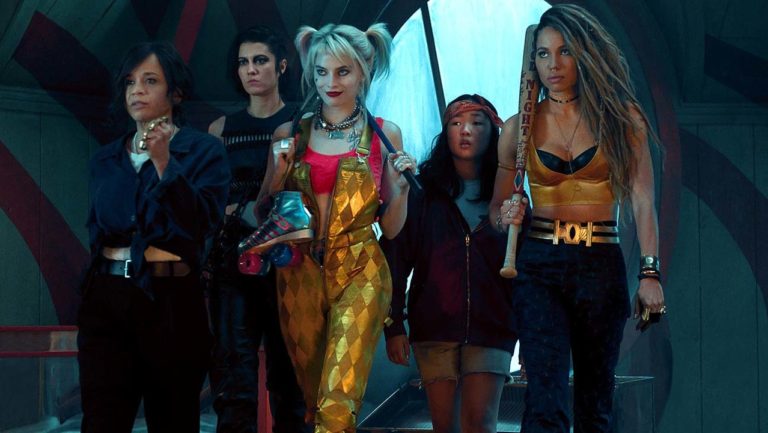
Op-Ed: #52FilmsByWomen – ‘Birds of Prey’ is a Colorful, Fun Story about Sisterhood and Identity

For the year 2021, I have set a goal to watch #52FilmsByWomen. I found 2020 to be an exceptionally incredible year for women filmmakers, amid the crazy global pandemic their films were often pushed to the front of the line without big theater blockbusters taking all the limelight. I will watch one film per week made by a woman, all films I have never seen before, both old and a few fairly recent releases sprinkled in, as well. I look forward to expanding my knowledge of women filmmakers and their work and hopefully bring a new light and following to a severely under-appreciated part of cinema.

Superhero films? They are just not my thing. I really don’t know any of the connections in the different universes, and I often don’t seek out this genre of film. However, every time I find myself watching a superhero film, for whatever reason, I have a really enjoyable experience. Margot Robbie is one of my favorite working actresses today–she has so much range in the characters she plays and I always look forward to seeing her films. Of course, Birds of Prey was on my radar but I really didn’t make it a priority to see it while it was in theaters. I now realize how much fun this would have been to see this on the big screen.

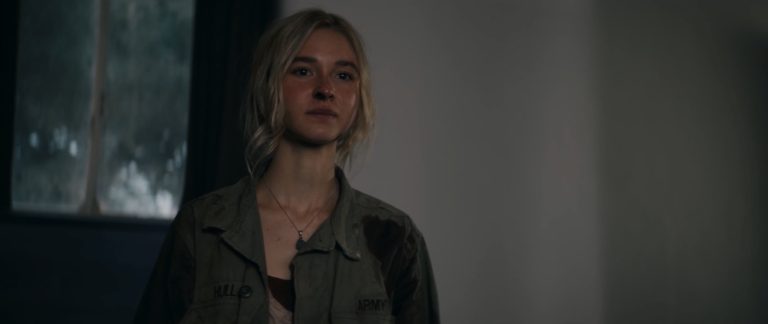
Birds of Prey is about a lot more than being a colorful, fun action film–and it is a lot of that, too. This story is themed around sisterhood, identity, and finding independence. As someone, again, who knows nothing about superhero character’s back stories, I appreciated the narrative’s brief explanation about Harley Quinn (Margot Robbie), who she is, and how she became who she is. The discovery that Harley Quinn is attempting to recover from a break-up with none other than the famous Joker, who she refers to as “Mister J”. Harley admits in this montage that she completely lost herself when she was with her ex, not unrelatable for many women who find that they transform who they are to meet the demands and desires of a man who cannot love them the way they deserve to be loved. Harley’s violent outbursts are almost cathartic to watch, and she continues to be referred to as “Joker’s girl” throughout the entirety of the film. She realizes, though, that she should use this to her advantage: when she is the “Joker’s girl” she can pretty much get away with whatever she wants. Quickly, though, Harley realizes she needs to separate herself from the Joker and become her own, independent woman. Her grand gesture of blowing up the chemical plant where her and Joker’s love began. 

Cathay Yan’s direction and style remain badass while still feminine, fun, extremely colorful and flashy. The costumes and set design are utterly perfect. The nonlinear story perfectly weaves together multiple women who should have it out for each other–and all they do at some point, until they unify to protect each other and beat the man. Dinah Lance “Black Canary” (Jurnee Smollett) looks out for Harley when she was vulnerably drunk and could have been kidnapped, although they are not really friends. Detective Renee Montoya is investigating a multiple person murder at a restaurant, and looking for help from Dinah, when she contacts her about Cassandra Cain (Ella Jay Basco) a child pick-pocketer who has stolen and swallowed a valuable diamond that criminal Roman (Ewan McGregor), Dinah’s boss and Harley’s soon-to-be killer if she does not recover the diamond from Cain. Harley cannot help but find herself with a soft spot for Cain once she captures her, and the two develop a connection. Then we are introduced to Helena Bertinelli, the “Huntress” (not the crossbow killer!) who seeks revenge on the people who killed her family when she was a child. This odd group of women find themselves as the perfect five to bring down Roman. 

Robbie’s comedic timing is perfect–she is funny and recklessly crazy, but, like, in the best way. Her accent is more lovable than annoying, and you rooting for her triumph never sways. The other women that make up the birds of prey, Dinah, Montoya, and Huntress, embody their roles to round out the crew, using their strengths to contribute to defeat. Harley Quinn has not only found her new independence, but she has also formed unexpected friendships with these women in a town full of people who hate her and want to bring her down. This is the new ultimate go-to girl’s night sleepover film. 

Grade: A

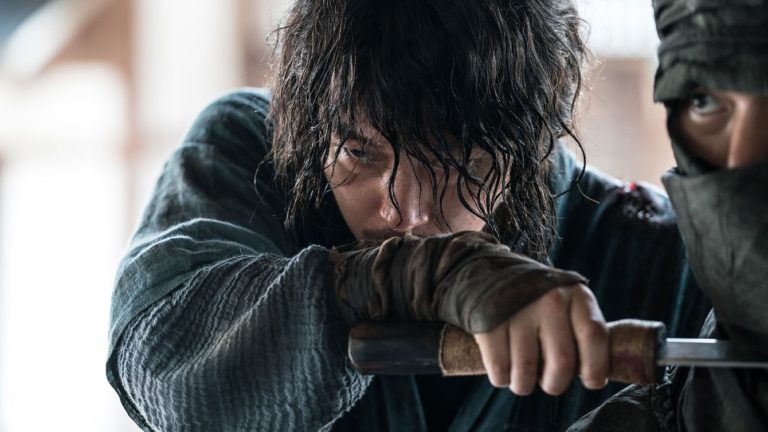
Movie Review (GFF): ‘The Swordsman’ is a Visual Delight for All Audiences Eyes


Director: Choi Jae-hoon
Writers: Choi Jae-hoon
Stars: Jang Hyuk, Kim Hyun-soo, Joe Taslim, Jung Man-sik

Synopsis: A swordsman who is going blind is forced to raise his sword again to save his daughter, who has been kidnapped by a slave dealer.

[/info]

Korean culture is becoming more dominant every year. From the musical styling of K-Pop to the delicious food, to the frankly astounding cinema, it feels like the Asian country is becoming the cultural epicenter of the world in some ways. While so many Korean movies – from Park Chan-wook’s Vengeance trilogy to Bong Joon-ho’s magnum opus Parasite – are modern-day parables, few are period pieces. Choi Jae-Hoon’s The Swordsman changes all that. Set during the Joseon dynasty in the Lunar year of 1623, and using accurate historical knowledge with more than a little artistic license, The Swordsman features excellent martial arts, impressive swordsmanship, and beautiful attention to period detail. Its plot is slightly predictable in that it follows along the same lines of its martial art movie forebears, but this doesn’t detract from it being a well told, and engaging piece of cinema.

Tae-Yul (Jang Hyuk) is an aging swordsman who once swore fealty to an emperor. After a coup – led by Seung-Ho (Jeong Man-Sik) – dethrones said emperor and leaves Tae-Yul almost completely blind, the swordsman retires to the mountains to live a quiet life with his daughter Tae-Ok (Kim Hyun-Soo). He lives in peace for a number of years before war comes to his door: caught in the struggle of the transition of power between the Ming and Qing dynasties, Tae-Yul must reckon with Qing soldiers (led by a fantastically menacing Joe Taslim – who you might remember from Gareth Evans’ The Raid – as Gurutai) who come into town looking to cause trouble. Tae-Ok is caught up in the middle of this and eventually captured by Gurutai and his men, meaning Tae-Yul must unsheathe his sword and venture down the mountain to save the only thing left in the world he cares about.

Although in the opening moments featuring Tae-Yul and Seung-Ho facing off, The Swordsman is a riotous, gripping action thriller, it slows down significantly straight after. Early scenes are plodding; there’s a lot of exposition needed to lay down the tracks for what’s to come. However, although the first act featuring Tae-Ok vying to get off the mountain and live her own life slows the plot down, the tension driven by Gurutai and his thugs ensures things are kept lively throughout.

As mentioned, The Swordsman follows some pretty traditional beats from classical martial arts movies. The main components of the Hero’s Journey – as represented in just about every Bruce Lee movie – are there: the hero receives a call to action, which he promptly refuses in a rather sullen fashion until an external force compels him to take up arms. What most will likely come to The Swordsman for is, well, the swordplay. And it doesn’t disappoint. Each fight is choreographed to perfection and the editing does well to keep up with the action rather than simply cut every time someone swings a sword – a problem other martial arts movies have had in the past. Talim himself is an expert in martial arts and it shows, but Jang Hyuk as Tae-Yul is the really impressive one here. Early scenes find him fighting using only his cane, and the movements are incredible. It’s hard not to be invested when the action is this smooth and compelling. Hyuk’s physicality, too, is impressive: in every scene he feels dangerous, a spring waiting to uncoil. His movements are swift and exact and feel completely calculated even when they appear to be entirely improvised.

As for the characters, each represents – in a way – a different aspect of The Swordsman. Tae-Yul’s best scenes are later when he fully commits to kicking ass, and the beautiful choreography that entails. Earlier scenes are more political and pointed; Seung-Ho faces a conflict of leadership, caught in the middle between two dynasties; Tae-Ok wants to live her life off the mountain and help her father recover his sight. To that effect she engages in a servitude which sees her as expendable, and must try to navigate the different dynamics regarding fealty she’s caught in; Gurutai – who chews the most scenery by far but is also easily the most deliciously evil and watchable character – arrives in town as part of the new transition and believes himself to be superior to the townsfolk, and so bullies and intimidates everyone in sight. It’s interesting to see the different aspects weave together as the finale approaches like a bullet train, threatening to destroy everything in its path.

The Swordsman is a beautiful mix of stunning choreography, impressive martial arts work, and attention to period detail that keeps you in the moment. Each main character is compelling and vivid in their own right – especially Gurutai – and ensures there is a surprising amount of depth that one might not necessarily expect from this genre. It does take a good bit of time to get going, covering as much ground as it can to ensure viewers understand the context, but when it finally does pick up, it’s worth the wait. It’s sure to appeal to martial arts fans and fans of Korean period pieces and is another example of excellent filmmaking from a Korean auteur in Choi Jae-Hoon.

Grade: B+

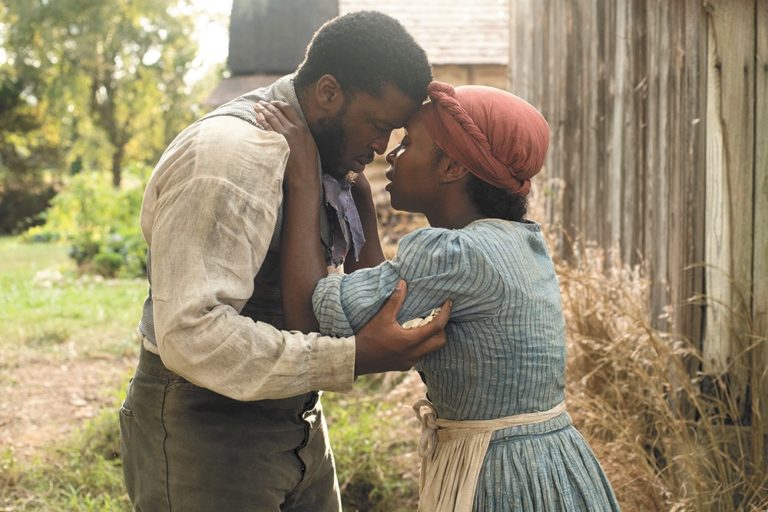
Op-Ed: #52FilmsByWomen – A Long Overdue Biopic, ‘Harriet’ Shows Off Strong Performances with a More Simple Story than Expected

For the year 2021, I have set a goal to watch #52FilmsByWomen. I found 2020 to be an exceptionally incredible year for women filmmakers, amid the crazy global pandemic their films were often pushed to the front of the line without big theater blockbusters taking all the limelight. I will watch one film per week made by a woman, all films I have never seen before, both old and a few fairly recent releases sprinkled in, as well. I look forward to expanding my knowledge of women filmmakers and their work and hopefully bring a new light and following to a severely under-appreciated part of cinema.

It continues to baffle me that it took this long to make a cinematic story about the brave Harriet Tubman’s life and legacy (now can we please honor her and put her on the twenty-dollar bill?). The story and her name are iconic as can be, a story and a person who is not only a huge part of Black history but American history. The incredibly strong performance of Cynthia Erivo as Harriet is what completely holds the overall film together. Kasi Lemmons’ direction is somewhat cookie-cutter and basic, giving us a simple story of heroism and bravery in the face of adversity and evilness.

The film opens on the eastern shore of Maryland in 1849–Harriet, then known as “Minty” lying in a grass field, awoken by her husband,  (did you know she had narcolepsy? I never remember learning about this in school). The story takes no time before it sets off–in less than 15 minutes into the film, our leading lady is planning her first escape. Harriet/Minty’s husband, John (Zackary Momoh) a barely-free man, and her wish to start a family, the family that owns her and the rest of her family forbid it. The son of the slave owner, Gideon, played hauntingly by Joe Alwyn, is Minty’s owner, and he values his ownership over her more than anything. When she first escapes, he immediately starts to hunt her down to bring her back. He values not her life, but the value her life gives to his family’s worth, as their Black lives act as currency.

The remainder of the film seems to be just that a back and forth of running and bringing slaves out of freedom–Harriet makes her way to Philadelphia where she meets William Still (Leslie Odom Jr.) and he is astounded that she took the journey to freedom alone. She decides to take her mother’s name, and that is when she becomes who we know now as Harriet Tubman. Although freedom is all Harriet has longed for, after a year of being free but without her loved ones, she is lonely and still feels that so much is missing from her life. She decides to go back to help bring her family, and then other slaves to freedom. Her bold, fearless mindset and her faith are what guides her. 

Overall, Lemmons’ direction does not lessen the famous story. Although a few things struggle, the pacing, the establishment of time and space felt unknown at times, and the score felt a little misplaced, I still found myself moved–it is almost impossible to not feel that way. Harriet’s self-sacrificing nature and tenacity are inspiring. The disgusting, racist, slave-owning family will make you cringe, but Harriet will restore your faith and her successes will make you proud. This is not ground-breaking, but it is a must watch if for nothing else than to honor Harriet Tubman’s legacy and witness the Oscar-nominated performance from Cynthia Erivo.

Grade: B-

Poll: What is the best Disney Revival film?

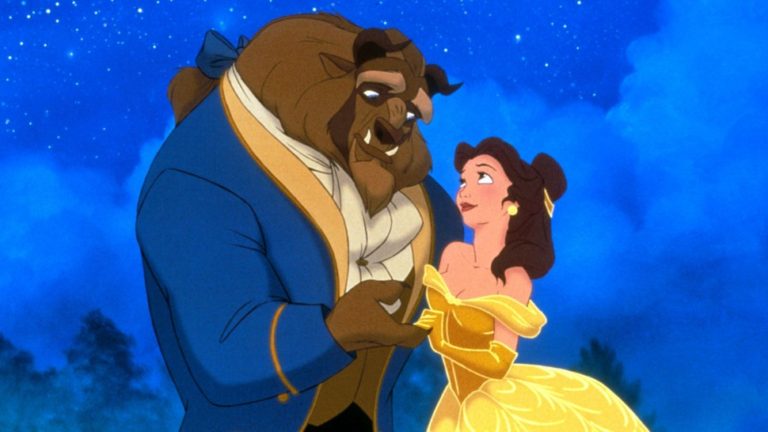
Disney owns everything, to the point that a list of “favorite Disney films” nowadays could technically result in a list that includes Pixar, Marvel, Star Wars, and 20th Century Fox (I’m still calling it that, I like nostalgia). But for most of us who grew up in the ’90s, Disney was always associated with one thing – Walt Disney Animation Studios. From the early Golden Age to the Disney Renaissance, Disney Animation has gone through many phases; we are even seeing one now, often referred to as the “Revival Era”, and to some it’s even more consistent than Pixar’s string of films from the last decade. The Revival Era continues this weekend with Raya and the Last Dragon, and from the sounds of it, they haven’t wrecked things just yet (see what I did there?).

This prompted us to find out which one was the best, so we ask all of you, what do you think is the best Disney Revival film?


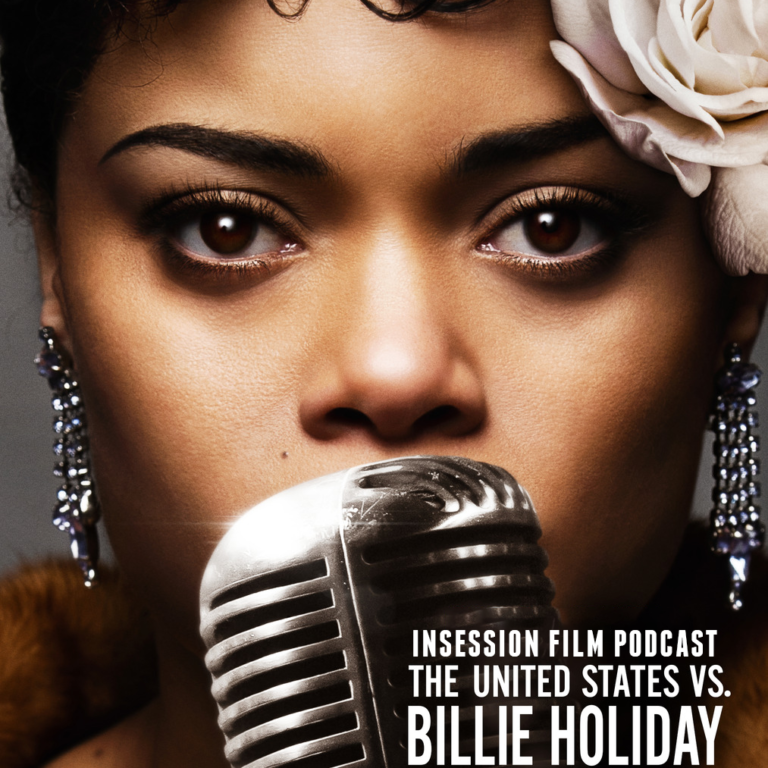
Podcast: The United States vs Billie Holiday / Days of Heaven – Episode 419

This week’s episode is brought to you by Amazon Music Unlimited. Sign up and get it free for 90 days!

This week on the InSession Film Podcast, we discuss the Lee Daniels’ film The United States vs Billie Holiday and continue our Terrence Malick Movie Series with his 1978 film Days of Heaven!

It’s appropriate that we discussed The United States vs Billie Holiday this week off the heels of the 2021 Golden Globes where its star Andra Day surprised many by winning Best Actress. It was a wonderful moment and a deserved win. We, of course, talk about her performance in the review, but we also talk about the Golden Globes and how wild of a show it was. It’s also a good week any time you get to talk Terrence Malick, and boy did we have fun talking Days of Heaven.

On that note, check out this week’s show and let us know what you think in the comment section. Thanks for listening and for supporting the InSession Film Podcast!

– Movie Review: The United States vs Billie Holiday (4:56)
Director: Lee Daniels
Writers: Suzan-Lori Parks (screenplay by), Johann Hari (based on the book “Chasing the Scream” by)
Stars: Andra Day, Trevante Rhodes, Garrett Hedlund

– Notes / 2021 Golden Globes (40:46)

As noted above, for our discussion segment we talked about this year’s Golden Globes and the chaos that unfolded over the course of the show. The HFPA doesn’t care about prognostication and they love to upend expectations. This year was no different as there were several surprises that made for a fun night. Additionally, there were moments of great sincerity that was equally satisfying. So, it was a joyous conversation.

[divider]

RELATED: Listen to Episode 413 of the InSession Film Podcast where we discussed our Top 10 Movies of 2020!

[divider]

Terrence Malick Movie Series: Days of Heaven (1:05:10)
Director: Terrence Malick
Writers: Terrence Malick
Stars: Richard Gere, Brooke Adams, Sam Shepard

Show Sponsor: First Time Watchers Podcast

– Music

Strange Fruit – Andra Day
Oltremare – Ludovico Einaudi
Days of Heaven – Ennio Morricone
The Return of the Eagle – Atli Örvarsson

Subscribe to our Podcasts RSS
Subscribe to our Podcasts on iTunes
Listen on Spotify
Listen on Stitcher
InSession Film Podcast – Episode 419

[divider]

Next week on the show:

Review: Raya and the Last Dragon
Top 3: N/A
Terrence Malick Movie Series: The Thin Red Line

[divider]

Help Support The InSession Film Podcast

If you want to help support us, there are several ways you can help us and we’d absolutely appreciate it. Every penny goes directly back into supporting the show and we are truly honored and grateful. Thanks for your support and for listening to the InSession Film Podcast!

VISIT OUR DONATE PAGE HERE

Movie Review (GFF): ‘Jumbo’ Manages to Sell a Unique Premise


Director: Zoé Wittock
Writers: Zoé Wittock
Stars: Noémie Merlant, Emmanuelle Bercot, Sam Lauwyck

Synopsis: Jeanne, a shy young woman, works as a night guard at an amusement park and has a close relationship with her mother. Whilst no man can compete with this opposed duo, Jeanne begins to develop strange romantic feelings for Jumbo, the latest attraction at the theme park.

[/info]

Many people might find the premise of this story unbelievable, the idea that someone can fall in love with an inanimate object such as an amusement park ride. The phenomenon, known as objectophilia, is something that I had actually heard of several years ago on two separate occasions: one person who is married to the Berlin Wall, whilst another being married to the Eiffel Tower. It sounds bizarre, but this is a thing that does exist and emotions that people do have.

It is actually easy to buy the relationship in this film due to the wonderful leading performance by Noémie Merlant. After her stunning work in Portrait of a Lady on Fire in 2019, it is no surprise that once again she nails it. This is an incredibly tough role to pull off, given the nature of the material and the emotions our lead character, Jeanne, goes through. Instead of making the audience concerned about her relationship with the amusement park ride, we instead are able to care about it and understand Jeanne’s feelings.

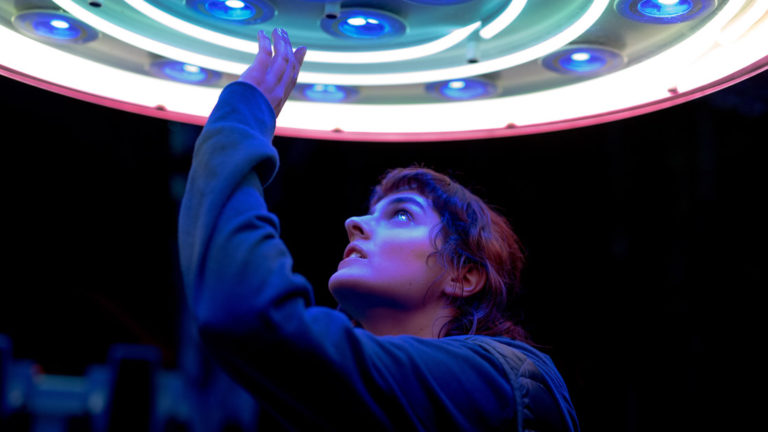
One way that director Wittock helps establish the relationship is through the stunning cinematography, particularly in the night sequences. Having worked at an amusement park myself, I particularly know how beautiful the LED lighting and motion of these rides can look at night, and the cinematography picks all of that up. There is a certain magic that comes with the moment that Jeanne first sees Jumbo lit up and moving at night. Wittock is also able to show the personal and sexual relationship that Jeanne has with Jumbo without making it completely graphic, which is handled beautifully.

Whilst the relationship between Jeanne and her mother is the main relationship in the story, it is actually the relationship between Jeanne and her boyfriend, Marc, which adds some weight to the narrative. Not only is this relationship playing out at the same time as Jeanne finds her connection with Jumbo, making for a great comparison between her feelings, but her relationship with Marc has a real impact on the narrative as he is her boss. It feels like there are stakes at risk when she is going behind his back to be with Jumbo, and yet it is easy to see why she makes the decisions that she does.

I do wish the film had a concrete way of handling the physical relationship between Jeanne and Jumbo. When the first signs of connection occur, the relationship is established with a sense of fantasy as Jumbo is able to communicate to Jeanne. This is done through the lighting, using green for yes and red for no. The machine also operates completely by itself as Jeanne is able to go on the ride and experience it herself, seeming like Jumbo is operating itself. This would be fine, but this does not continue throughout the film. In moments where you expect Jumbo to need the flash of a colour light to communicate something, Jeanne is suddenly able to understand it by itself. I just wished that there was some form of consistency with this relationship and either choosing to commit to fantasy or keeping it real.

I also wish that more time was spent fleshing out the other characters in the story. They have enough presence and screen time that it feels like we should be able to connect to them, but they just seem to fall flat. They are only there to serve a narrative purpose and it is hard to understand their motives and care about them personally. It would have added more weight to the story if we got to find out a little more about Jeanne’s co-workers and her relationship with them.

Zoé Wittock gave herself an incredibly tough task when making this her feature directorial and writing debut. For a lot of audience members, they might have never heard of objectophilia before and might be confused as to why this is a thing. Wittock does a wonderful job of selling this main storyline and whilst I do wish there was a little more meat on the bones of the characters and the subplots, I found that the main storyline was incredibly effective and engaging to watch.

Grade: B

Op-Ed: Recapping Daniel Craig’s Tenure as James Bond

While we wait, wait, and wait for some for the perpetual release date of No Time to Die, let’s look back and the highs and lows of Daniel Craig’s tenure as the man himself 007 James Bond.

Casino Royale Tour - Rome And Italy Tourist Service

Casino Royale

After achieving his license to kill, 007 pursues Mads Mikkelsen (Hannibal) with help from MI6 accountant Eva Green (Penny Dreadful) and CIA agent Jeffrey Wright (Westworld) in the 2006 debut of our blonde Bond, and I have a love/hate relationship with this updated adaptation of Ian Fleming’s first novel thanks to high stakes Texas Hold ‘Em, dated technology, and intrusive Sony product placement. While the on form Judi Dench (Mrs. Brown) returning as M goes unexplained against 007’s fountain of youth and the absence of Q and Moneypenny is understandable, all the things that make Bond, well, Bond aren’t here. Try hard action and the bulked up Craig replace the over the top lifestyle, British innuendo, and outrageous gadgets, and the lack of 007 theme music dampens chases more Bourne than Bond. Airport sequences are superb, and the train conversation with Vesper Lynd deliciously pegs Bond so right, cutting to this reboot’s roots with excellent characterizations. However promising Madagascar intrigue, Montenegro card games, sweet vehicle escapades, and suspenseful fight scenes go downhill thanks to an almost comical torture scene, deus ex machina escapes, and tacked on Venice charm with obvious fates in the last half hour. Casino Royale had the unenviable position of saving a forty year old franchise while luring a jaded modern generation anew. If this was an anonymous action movie about any other spy making mistakes and learning the ropes of his profession, I’d love everything here. It’s one of the more entertaining Bond pictures appealing to fans looking for something fresh and casual audiences alike, yet it’s often too far from what makes Bond Bond for me.

Quantum of Solace | Netflix

Quantum of Solace

Although I was eager to give Daniel Craig’s second 007 picture a chance, this depressing entry strays even further from the franchise hallmarks as James Bond tracks environmental schemes to Bolivia and beyond alongside the tormented Olga Kurylenko (Centurion), a wasted Gemma Arterton (Byzantium) as Strawberry Fields, and drudgery that won’t let anybody shine. Felix Leiter also exits too soon, and the reset between our new Bond and the vintage M creates confusion and distrust. We don’t know on whom we can rely as Bond becomes unlikable, flying by the seat of his pants with no Brit wit, dry humor, or winking subtleties. 007 gets beat up a lot, contrary to his suave past and laying the heavy action for action’s sake on thick. Once again, intricate and complex set pieces don’t have triumphant Bond cues to make them really cool, and the main titles, theme song, and hi-tech MI6 interfaces are sweet but now very dated. Quantum of Solace does have several visual and action proud points thanks to delightful less than pretty sides of Italy, Panama, and Chile with multiple chases by foot, car, boat, and plane. Unfortunately, geeky villains, uninteresting politics, and boring social commentaries take themselves too serious, hampering what could have been an intriguing introduction to the Quantum organization with environmentalism MacGuffins, obvious symbolism, and ridiculously over done deaths. Despite a short run time and some fine action, this feeling long and loud headache never strives for more than brooding blandness.

Skyfall' takes James Bond to new territory

Skyfall

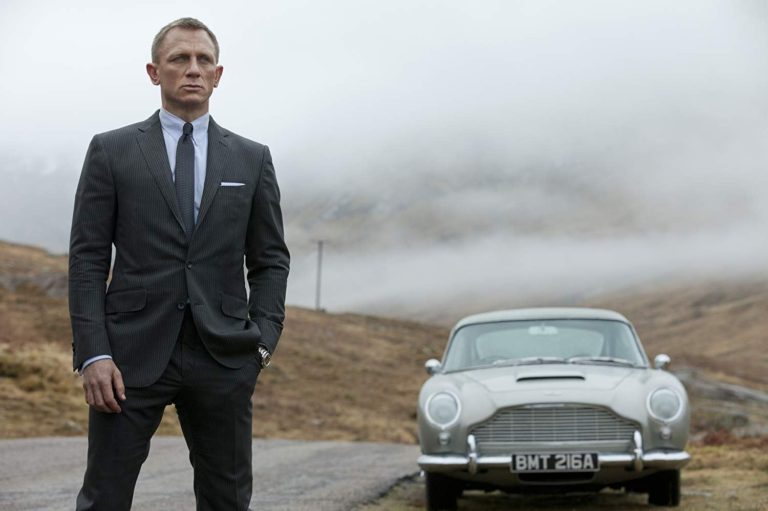
It’s easy to eat harsh words about Daniel Craig’s first two installments because this third 2012 outing finally gets it right! 007 is presumed dead – unfit and recuperating with wine and women until cyber threats and physical attacks on the Intelligence Service itself force Bond to confront his orphaned Scottish roots in explosive fashion. Humor, sexuality, and returning characters add much needed brevity as glib and charismatic Craig dons the tuxedo with a combination of slick Connery and tongue in cheek Moore. Fast-paced excitement and swift wit accentuate the meaty topics and unfolding character dramas, making us wonder why the franchise ever did the gritty, angry reboot thing. Judi Dench has the finest turn as M yet, and Ralph Fiennes (The English Patient) begrudgingly embodies the bureaucratic red tape. Naomie Harris (Moonlight) as Moneypenny is both believable as a sassy field agent and intimate with the fireworks innuendo while Ben Whishaw’s (Paddington) nerdy Q adds cranky, reverse generational banter to the 50th anniversary subtle. Computer intricacies keep the technology contemporary, yet the gadgets aren’t steeped in the fantastic or product placement. London locales, crowded subway scenes, and intense tunnel action are violent, juicy, and dangerous – pushing the PG-13 rating with revealing babes and nail-biting deaths. For some, the homemade siege may be an overlong out-of-place turn for 007, but we’re unsure how Bond will save the day thanks to intense voiceovers, one-step behind trails, and potential agent on the inside twists. This charming, spirited step in the right direction reins in all the brooding, a reset with room to maneuver. I held my breath, laughed, cried, and happily sighed.

James Bond: What happened in Spectre - Radio Times

Spectre

The seemingly obsolete 00 program is eliminated and Bond goes rogue with doctor Lea Seydoux (Blue is the Warmest Colour) on the trail of shadowy Christoph Waltz (Inglorious Basterds) as Ernst Stavro Blofeld and his mysterious Spectre organization in this derivative 2015 twenty-fourth Eon outing. Skeleton disguises, parades, and extended tracking shot trickery escalate with helicopter perils and building disasters as sunkissed interiors and golden patinas accent international locales. Changing of the guard plot points and parallel dossiers lead to underground lairs, secret passages, and surveillance while mirrors layer Bond’s duality – good and bad, for his country and apart from it. Craig is up to snuff with wry quips, however, the ‘going through the motions’ pace is not up to par. Abundant CGI, digital grading, and omnipresent cyan schemes permeate chases proceeding from A to B just because they should, and the predictable torture, escape, rinse, repeat gets redundant fast. Unnecessary girls, superfluous set pieces, corruption, and uneven villains compound the awkward attempt to both connect Spectre to Quantum of Solace yet retcon such ties with broad storytelling and heavy-handed scripting. MI6 takes care of the business at home without the globe trotting Bond, leaving us to wonder why M, Q, and Moneypenny don’t have a streaming series between Bond films. Here the charming ensemble is both overused and undercooked as Blofeld conveniently tells all his secrets and the titular subterfuge rushes toward an Austin Powers “Daddy Wasn’t There” resolution. Despite great individual character moments, action scenes, and Bondian treats, Spectre wastes time waiting for something that never happens, making for frustrating repeat viewings while we hold out for No Time to Die. 

Op-ed: Erich The Terrible – Hollywood’s Man They Loved To Hate

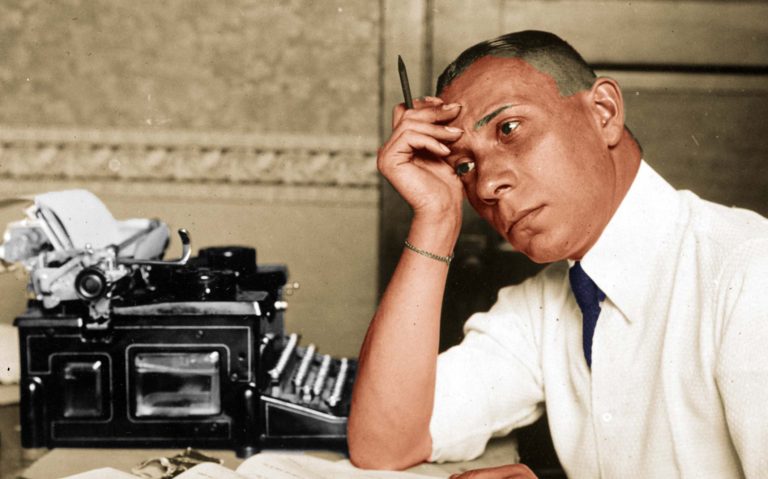
Stanley Kubrick was known for his perfectionism where he forced a ridiculous amount of takes to his actors and sought to make his sets as authentic as possible. By living in London, he was allowed to go on independently without studio interference. Before his time, another director had this reputation but was stuck in the Hollywood system. His name was Erich von Stroheim and his reputation in the 1920s was seen as dictatorial, ruthless, and reckless. Actors were made to go to extreme lengths for every shot he wanted, making them suffer in the heat and play up roles that enticed them to become violent, sexual beings to the cringes of the studios. After being discarded as a director, after his death, critics looked back upon his work and recognized his genius, being ahead of his time. After the definition of auteur was made, some have considered von Stroheim the first auteur in Hollywood.

Erich von Stroheim was born in 1885 in Vienna, Austria. At 24, he moved to the United States and was a traveling salesman when he made his way to Los Angeles. He quickly got hired, first as a stuntman, then as a small-time actor where, in 1915, he received his first credit in Old Heidelberg alongside stars Wallace Reid and Lillian Gish. When the U.S. entered the First World War, Stroheim was the go-to on the accuracy of German culture and as the German villain in various films. He was so convincing, fans would see von Stroheim would try to attack him for events that occurred on the screen; people actually thought he threw a live baby out of a window in The Heart of Humanity. 

In 1919, the war was over and von Stroheim turned to write and directing movies, starting with Blind Husbands. In 1922, his third film, Foolish Wives, would carve out his infamous reputation. A budget of $250,000 was set, ballooned to three times that much when principal photography finished, and after post-production and advertising, the final cost was $1.2 million, the first Hollywood film to surpass that mark. To the horror of Universal Studios, Stroheim’s cut was 384 minutes, or 6 hours and 24 minutes. They took over the editing and made it under 2 hours; the current restored release is 2 hours and 22 minutes. More difficult was the fact the story featured sexual overtones and censors either made the cuts or banned the film outright. His next film, Merry-Go-Round, was overseen tightly by producer Irving Thalberg, who already fought von Stroheim over the previous film. But his overspent ideas forced Thalberg’s hand and he fired von Stroheim.

https://www.youtube.com/watch?v=_bKa6v1PJIE

The next project he went to would be the one declared his magnum opus by critics and film historians: Greed. Based on the novel McTeague by Frank Norris, it tells the story of a married couple’s marriage dwindling into violence over $5000 won in a lotto. With producer Samuel Goldwyn backing him and giving him the artistic freedom he wanted, von Stroheim went to shoot his ten-hour masterpiece that he cut to six to please Goldwyn. With Goldwyn’s permission, the movie was shot on location in San Francisco and the film’s climax in Death Valley, one of the hottest places in the world. To von Stroheim, he saw it as a Greek tragedy and said that the movie was the only one from him that was fully realized.

During this time, however, Goldwyn’s studio became part of the newly-formed MGM in 1925 and Irving Thalberg was brought over from Universal. The movie was removed from von Stroheim’s control and cut to 2 hours and 20 minutes.  Thalberg brought in June Mathis, a screenwriter-turned-executive, to work on the cutting. Later, a reconstructed version was made that can be seen today and is four hours long. A handful of people, including film critic Harry Carr of the Los Angeles Times, saw the original nine-hour film (85 hours of film was initially shot) and said it was the greatest film ever. But, like many other cut sequences, it fell to the floor, was collected, and destroyed. Those scenes that are missing still are considered the holy grail of cinema but they are lost to history. When the studio version of Greed was released, it was a critical and commercial failure, leading von Stroheim to disown the film publically. It was an event that left him very bitter about the Hollywood system for the rest of his life.

Erich von Stroheim's 'Greed' (1924): When The Studio Said 'Cut!' - WSJ

After two commercial films, von Stroheim would get another chance at making his own epic in Queen Kelly starring Gloria Swanson and produced by Joseph Kennedy, father of John, Robert, and Edward Kennedy, future politicians as President, Attorney General, and Senator respectively. The budget, as usual, went over, shooting went very long, and Swanson felt uncomfortable when she realized one of the scenes shot as a dance hall was actually a fancy brothel. Kennedy was called and he fired von Stroheim. With another director, the film was savaged with an alternative ending and was only released in Europe because of the lack of censorship regarding sexual content.

https://www.youtube.com/watch?v=HpO3jE-m2Tc

His last film, Walking Down Broadway, went uncredited as von Stroheim was fired and most of the footage was reshot with multiple directors. The rest of his career would be only acting, most famously in Jean Renoir’s La Grande Illusion and Sunset Boulevard from fellow Austrian writer/director Billy Wilder. He would reunite with Gloria Swanson, playing a famous ex-director who is now the butler for his ex-wife and former silent film star. In the film, the movie that is shown on the projector is Queen Kelly. The performance resulted in an Academy Award nomination for Best Supporting Actor. Moving back to France for the rest of his life, his silent career was revisited and widely praised by French critics and historians. He died in 1957, aged 71. While dying and working on his autobiography with another writer, von Stroheim said dying would be easier if Hollywood hadn’t ruined his career.

The characteristics of this legend are simple: big budgets, long films, and total rebellion from the studio system. He was one of the first iconoclasts in the industry, seeking authenticity at any cost to the wrath of the studio and wanting to make movies his way at any length. In directing and in his acting roles, he was the man people loved to hate because his on-set behavior reflected his performances with his grimacing expression and thin hair, providing this menacing figure. As the Hays Code came into effect to curb portrayals of “immorality,” it came into conflict with a vision that dared to be seen through innocent, Roaring 20s America. As a foreigner, von Stroheim had the mindset to be real with his stories rather than follow the factory line studios demanded because of money. But he didn’t see it that way. He was about naturalism and the process of human nature.

Follow me on Twitter: @brian_cine (Cine-A-Man)

Movie Review: Brea Grant Writes and Stars in Natasha Kermani’s Clever Home Invasion Game-Changer ‘Lucky’


Director: Natasha Kermani
Writers: Brea Grant
Stars: Brea Grant, Hunter C. Smith, Kristina Klebe

Synopsis: A suburban woman fights to be believed as she finds herself stalked by a threatening figure who returns to her house night after night. When she can’t get help from those around her, she is forced to take matters into her own hands.

[/info]

A few weeks ago, Brea Grant dropped her feature debut, writing and directing the devilishly entertaining 12 Hour Shift, displaying a cool, witty head for fun female-led horrors. If there were any worries it may have been pure luck, these can be safely cast into oblivion. Her latest writing effort, a Shudder exclusive and team up with Iranian-American director Natasha Kermani, is another smash hit for the horror streaming service. These two women aren’t content with owning the game, they’re here to change the rules. Razor-sharp, bloody, and brisk, Lucky is an essential re-ownership of the final girl movie.

The film is pretty much a one-woman show in Brea Grant, who plays May, a successful self-help author whose life is on track until she wakes up one night to find a man has broken into her home. Standard home-invasion fare, and then this happens: ‘That’s the man that tries to kill us every night.’ The statement, poignantly, comes from May’s docile, gaslighting expert husband. May’s confused, but there’s no time to process. The golf clubs are out. ‘It’s time to fight for our lives,’ says her husband, barely awake, as if he’s done all of this before as if he’s playing a game as if it doesn’t matter that his wife has been repeatedly targeted. ‘It’s just the way it is,’ he goes on, slamming the point home, and showcasing Kermani’s brilliant sophomore effort as a playfully bloody criticism on how women are simply expected to get on with their lives after an assault – after all, they’re just ‘lucky to be alive.’ That last statement comes from a cop. It’s so furiously true that you’re never laughing in this film, despite how outlandish its central premise is.

No less than 10 minutes in, the themes have been introduced, the genre turned on its head and the antagonist revealed. If anything is missing, it’s the lack of tension. It’s a real shame because had Lucky been as tense as The Invisible Man, for instance, it would have catapulted this film to another level. That aside, Grant’s screenplay is a winner – sharp as a knife, superbly paced, and intelligently in tune with the fears, women face every single day.

The lack of tension is undeniably a flaw in what is otherwise a smart reimaging of the home invasion horror, but it’s easier to stomach since it’s tethered to the big idea in the script. The man that invades May’s home every single night cannot be killed. Bash his head in and the blood pools onto the floor as expected, but blink and the body disappears, like May made it all up. The concept is deceptively simple, but it blows the whole film open right from the start. This is the real world as we recognize it, but for May, a crack in the seams has appeared (cleverly shown by a broken plate in the opening minutes) – things can and do go anywhere.

The central idea of a villain that returns night after night, seemingly impervious to death and scrutiny, also works in making us a part of the gaslighting that terrorizes May throughout. It’s natural to start questioning events immediately. The first thing you’ll do is try and guess the killer – but Grant already has you beat on that, so just enjoy the ride. The film is working on its own logic, and it’s never clear how much of that is in May’s head if any at all. There’s no way we can be sure the man pursuing her is even real. Except we clearly see May put a knife in his throat and wash the blood off her face, so she’s sure, and that’s what matters. It’s a great performance from Grant, playing both psychological victim and ruthless manslayer. And with such a crisp run-time (it’s only 80 minutes), Kermani’s film crackles with energy.

Instead of using the authorities to provide answers to May, they’re used as another part of the attack, a second wave, psychological instead of physical. Every time May reports the attack, there’s no body to show for it. The man attacks, then he vanishes. May does sound crazy because her situation is insane – how on earth can she keep being attacked by a masked man that never quits, can never be found, and has traceless blood? She’s turned into a helpless victim – something May empoweringly rejects with bitter resentment. Yet still, she’s repeatedly informed that she’s the reason for what’s happening. ‘Do you know this man?’ ‘Has your husband ever hurt you? ‘Have you ever argued?’ ‘Do you sleep?’ ‘You’re lucky, you know.’

Lucky is a manifestation of the anxiety of being a woman in a world where an assault often spirals into a relentless series of victim-blaming, be it a friend, authorities, or even the paramedic treating May at the scene of the crime; in a film of guttural stab wounds, it’s the latter involving a male paramedic that provides the most chills. His casual indifference to both May’s story, her friend in critical condition, and the perpetrator’s whereabouts, reinforces a sense of bleak isolation – even as she’s being aided by the people whose job it is to actually care. In the film’s best shot, May comes around dazed, where we’re shown the paramedic leaning over her, inspecting her like a predator. He could easily be the mysterious attacker.

It’s obvious that something supernatural is afoot, but even then, the film has no interest in explanations because an explanation would render the point meaningless. The screenplay is smart and self-aware enough to never even try. The question isn’t who is this man and what does he want, it’s why do women have to go through this time and time again? There are wobbly issues regarding the ambiguity of the ending, which threatens to undermine everything due to how sudden it comes; you could hardly call it satisfying. But the film perhaps has its eyes somewhere else.

If the ending comes to a useless conclusion, it’s because that’s exactly what it is. No answer is going to help May. The damage has already been done. It makes no difference to May who the man attacking her is, only that she wants him to stop. Lucky is about the endless, exhausting cycle of a woman defending herself against an unknown assault, on her way to work, in a parking lot, outside her house, inside her bedroom – it’s a relentless, targeted invasion that nobody else ever sees. ‘You know it’s not safe in there,’ her husband patronizes her, meaning their lovely house, with all of its recently smashed windows. ‘Yeah, I do know that’ replies May. She goes in any way because what else is she going to do? That’s her home, she has a life to live.

Streaming exclusively on Shudder March 4th

Grade: B

Movie Review (GFF): ‘Run Hide Fight’ is Extremely Messy and Tone Deaf


Director: Kyle Rankin
Writers: Kyle Rankin
Stars: Thomas Jane, Radha Mitchell, Isabel May

Synopsis: A high school student uses her wits and survival skills to stay alive and protect herself and her classmates in an active shooter situation.

[/info]

As elevator pitches go, “Die Hard Meets Columbine” is pretty good, albeit extremely ill-advised. Although the fact of school shootings in America lends itself well to the concept of a survival actioner, it’s also important to remember that – unlike a group of German supervillains overthrowing Nakatomi Plaza and taking hostages – there is real world grounding involved; so many lives have been lost to events like Columbine, Sandy Hook, and Virginia Tech that to make a movie out of it requires a deft, subtle touch. Unfortunately, Kyle Ritten’s Run Hide Fight is about as subtle as a sledgehammer.

High School senior Zoe (Isabel May) is troubled. She’s recently lost her mother Jennifer (Radha Mitchell, who either needed to pay off a mortgage or else owed Ritten a serious favor) to cancer. She is aloof and angsty, as well as unable to talk about how she feels. She shares these traits with her dad Todd (Thomas Jane, similarly wasted in a nothing role) who is a hunter and, although it’s never strictly said, probably a survivalist. Both are reeling from the loss and trying to find a way past it. For Zoe, this might be in the form of the imaginary mother she sees frequently, who dispenses weak pop psychology at some stages and at others utterly simplistic logic, all while holding a coffee cup ostensibly meant to communicate the whole Suburban Mom thing, even as the bloodbath begins. (There’s also a cringeworthy motif which gives the movie its name, where Jennifer pops up at random intervals to advise her daughter to run, hide, or fight where appropriate).

Zoe and her best friend Lewis (Olly Sholotan) attend school on Senior Prank Day. This is an interesting yet contrived idea which excuses many of the events which take place later (students assume the gunshots are simply part of a prank and it’s probably for this reason the school doesn’t immediately evacuate at the first sign of trouble, although driving a white van directly through the wall of the cafeteria should probably be seen as several steps too far). Lewis – for reasons that are 100% plot motivated – is secretly in love with Zoe and plans to ask her to the Prom. Zoe isn’t ready for all that yet though. She excuses herself to the bathroom to escape Lewis’ moony request, and while she’s there things take a turn for the worst.

Tristan (Eli Brown, playing a teenager but looking more like a disaffected 30 something and chewing as much scenery as possible) and his three gun-toting friends take over the school cafeteria, holding the students hostage and forcing them to film his dull invective for their Instagrams and Facebooks and what-have-you. Tristan’s manifesto is unclear; something about how social media has rotted this generation’s brains. It doesn’t entirely matter why he’s there because Ritten seemingly couldn’t care less. Tristan and his cohort are plot foil, a reason for Zoe to shake off the malaise of her grief and spring into action.

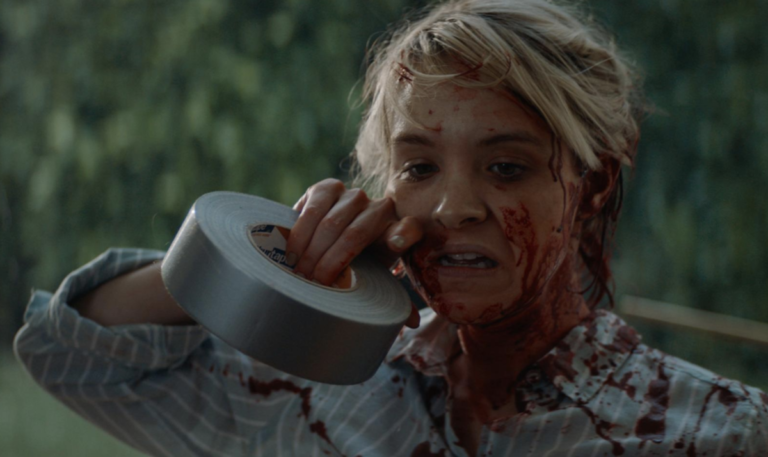
This leads to the first overtly Die Hard moment as Zoe climbs through the bathroom vents a la John McClane. She escapes the school and makes it a few yards away before deciding she has to save the others and heads back in. Over the course of the next 90 mins, Zoe turns from sullen high school teenager to blood-stained badass as she leads the charge against the shooters and single-handedly saves the day.

The real problem with Run Hide Fight lies in its inability to nuance the narrative it’s telling. Tristan presents as a charismatic nihilist with a penchant for knives, his girlfriend Anna (Catherine Davis) is grungy and disenfranchised like many girls of her age and generation, Chris (Britton Sear) hears voices and that’s about it, and Kip (Cyrus Arnold) is a bullied kid who was once pantsed in front of the whole school and whose sheer embarrassment has somehow engendered this murderous streak. The motivations are gossamer thin and fall apart under the most rudimentary of scrutiny. Kip didn’t think about moving school? His first thought was picking up a gun and shooting everyone? Chris clearly suffers from mental illness, was no one aware of this? How can Tristan trust him when the voices make him a total liability? Is Anna doing all this just because she’s in love with Tristan? Love can do a lot of things, but her whole Harley Quinn vibe is unrealistic at best and comical at worst.

It’s hard to take the shooters seriously when it’s hard to understand what has propelled them to this. Even worse is when Tristan develops into a typical megalomaniac on a power trip (he forces the pretty Spanish teacher, Mrs Nunez, to strip because she had the temerity to make him horny in class apparently), further muddying the water as to what his exact intentions are. There is some plot hook about bombs being set off, but it’s not exactly clear what the endgame is here.

As mentioned, it’s hardly the point. The point is for Zoe to overcome her grief by mowing down the shooters, somehow. There is no “message” behind Run Hide Fight. There is no salient point to make about school shootings, why they happen, or what effect this is all having on American society. In fact, it tastelessly glorifies the “good guy with a gun” argument without really diving any deeper.

Die Hard is considered one of the best action movies of all time because alongside its trashy, gimmicky fun is the implication of not taking it too seriously. Consider the ridiculous moments of John McTiernan’s 1988 classic: Johnson and Johnson, no relation; ho ho ho, now I have a gun; Argyle; “come out to the coast, we’ll get together, have a few laughs”; the idea of John McClane being this curmudgeonly cop in the wrong place at the wrong time, all of that serves as reminder that you’re watching a fun action movie that doesn’t take itself too seriously. By posting his movie in a school shooting, utilizing none of the humor (thank God) that Die Hard offered, and even worse refusing to offer more than the most basic of explanations for the set-up, Ritten has made a tone-deaf movie using one of the worst epidemics in American history as the backdrop. If you’re looking for a more balanced, introspective take on school shootings, you would be much better with Gus Van Sant’s Elephant.

Grade: F

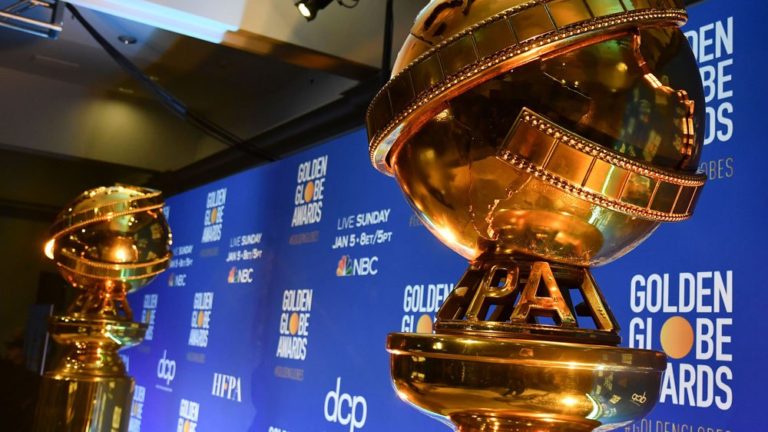
Chasing the Gold: ‘Nomadland’ and ‘Borat Subsequent Moviefilm’ Big Winners at the 2021 Golden Globes

The 78th Golden Globes took place last night in a ceremony much different from the usual glamourous outing, with hosts Tina Fey and Amy Poehler broadcasting from two separate locations – New York and California respectively.

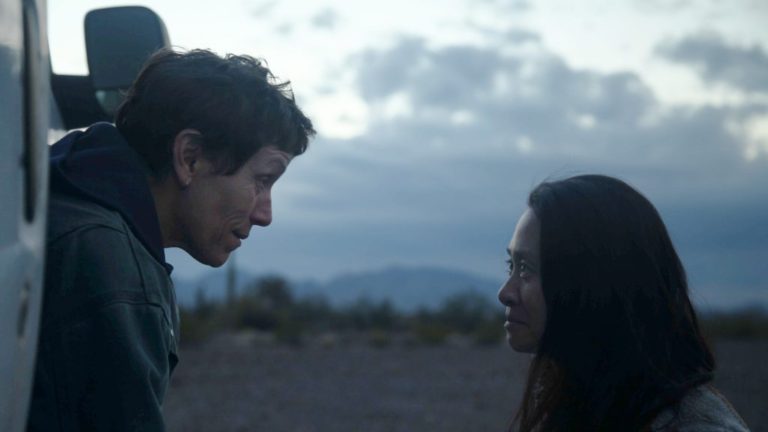
The night belonged to the brilliant Chloe Zhao and her film Nomadland, winning Best Drama and Best Director while cementing itself as this year’s firm Oscar frontrunner.

Zhao and the rest of the nominees in every category were present via zoom, with every person in each category able to interact with their fellow nominees. This led to some rather hilarious moments, including Don Cheadle rushing on Jason Sudeikis while giving his winner’s speech for Ted Lasso.

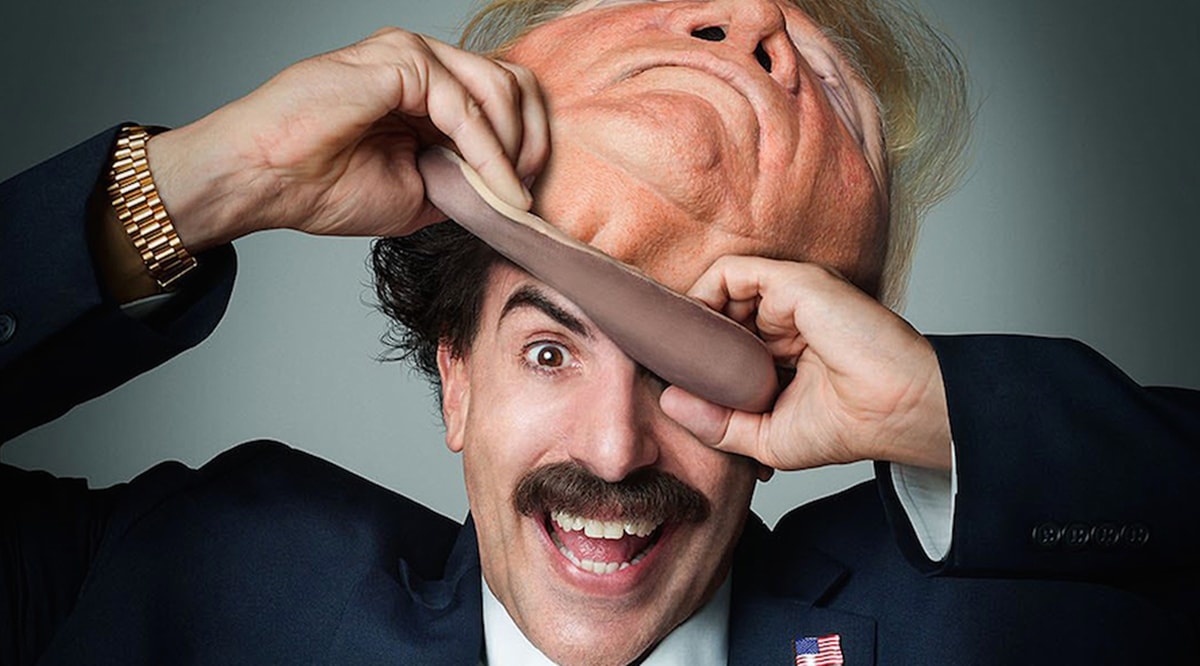
Over on the comedy/musical side, it was Sacha Baron Cohen and Borat Subsequent Moviefilm that were the big winners, marking the second time Cohen has won Best Comedy Actor for playing the character. Cohen gave two speeches mocking the likes of Donald Trump and Rudy Giuliani.

In attendance at the event included the likes of Joaquin Phoenix and Rene Zellweger who continued tradition of past winners presenting, while in the audience were a group of frontline workers, invited along for their exceptional and brave work during the COVID pandemic.

The most emotional moment of the night was Chadwick Boseman’s win for his exceptional performance in Ma Rainey’s Black Bottom, with his wife Taylor Simone Ledward giving a heartfelt and beautiful speech thanking those who worked on the film alongside him.

Another segment of the show saw a group of young children asked about various nominees. While they didn’t know anything about The Crown and the Royal Family, when asked if they knew Chadwick Boseman, they all replied “Black Panther!” and “The good guy.” It was a powerful reminder of the eternal legacy that Boseman and his Black Panther character have.

The night’s biggest shocks were in the Actress categories, with all three winners surprising and making for an unpredictable run-up to the Oscars in these categories. Andra Day surprised in Best Actress for her performance in The United States vs. Billie Holiday, while Jodie Foster picked up the Supporting prize for The Mauritanian. Despite Borat’s strong performance, Maria Bakalova did not receive the award for Best Comedy/Musical actress, with the HFPA instead opting for Rosamund Pike’s performance in I Care A Lot.

It’s remarkable that these three winning actresses were all snubbed by SAG, meaning Best Actress and Best Supporting Actress are completely up for grabs.

Another noteworthy winner was Daniel Kaluuya for his performance in Judas and the Black Messiah. It’s likely he will repeat with SAG and BAFTA (assuming he receives a nomination) and should cruise to the Oscar for his incredible performance as Fred Hampton. His speech was interrupted by technical issues, but what he had to say was powerful, noting how hard he worked on this role.

Here's what critics are saying about Borat 2 | Entertainment News,The  Indian Express

Below is the full list of film winners at the 78th Golden Globes. What did you think of this year’s winners?

Best Drama: Nomadland

Best Comedy/Musical: Borat Subsequent Moviefilm

Best Drama Actor: Chadwick Boseman

Best Drama Actress: Andra Day

Best Comedy/Musical Actor: Sacha Baron Cohen

Best Comedy/Musical Actress: Rosamund Pike

Best Supporting Actor: Daniel Kaluuya

Best Supporting Actress: Jodie Foster

Best Director: Chloe Zhao

Best Screenplay: The Trial of the Chicago 7

Best Original Score: Soul

Best Original Song: Io Sì (Seen), The Life Ahead

Best Animation: Soul

Best Foreign Language Film: Minari

Movie Review (GFF): Victim(s) is a Tense Look at Our Current Society


Director: Layla Zhuqing Ji
Writers: Layla Zhuqing Ji
Stars: Xianjun Fu, Kahoe Hon, Wilson Hsu

Synopsis: When both the victim’s mother and the murderer’s mother find out about the unknown sides of their sons, they have some tough decisions to make in this “We Media Era.” What we see may be the facts, but not necessarily the truth.

[/info]

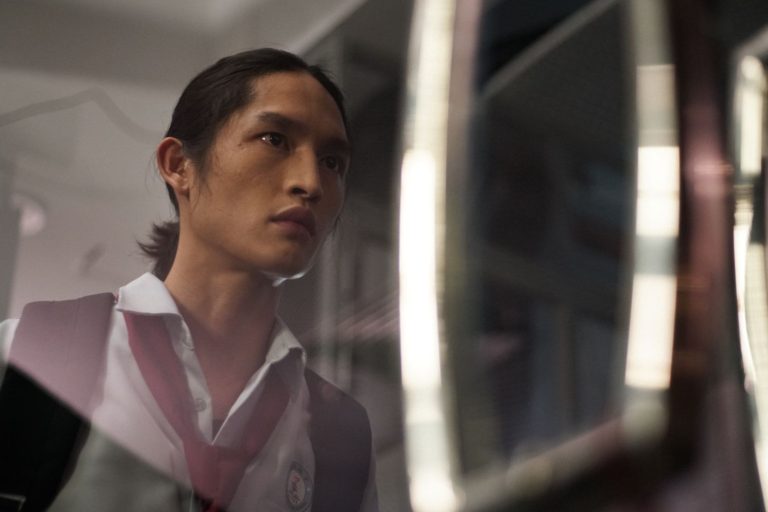
Victim(s) is a tense, tough examination of the school bullying trend and the tragic circumstances it can create. Layla Zhuqing Ji’s debut feature packs a lot of heart in it’s best moments, and is achingly sad in others, but is almost always gripping. While there will be comparisons with Derek Tsang’s recent Better Days, itself an excoriating look into the effects of school bullying, but Victim(s) deserves to stand on its own. It’s not afraid to tackle dark, heavy themes which others might flinch from and boasts some very good acting, specifically from its main trio.

Chen (Fu Jianxun) finds himself in a media circus after he stabs fellow classmate Gangzi (Kahoe Hon) to death outside an ATM one rainy night. As his trial looms, several students are interviewed by the police about what might have motivated Chen to commit such a heinous act. It turns out several students have theories, most revolving around new transfer student Qianmo (Wilson Hsu) who the boys were said to have been fighting over. Meanwhile Chen and Gangzi’s families battle with each other and as well as the media over who was to blame for this. Chen’s mother Mei (Huang Lu), is blamed for inciting violence in her child, mostly because her job involves working with graphically violent video games, while Gangzi’s mother Gu (Remon Lim) works at a foot massage parlor and is on the brink of poverty, suggesting the crime was possibly class motivated.

The setup is slow and often encumbering. For such a dramatic situation, Ji is in no hurry to reveal the secrets behind the murder. It tests the viewers’ patience, but stick with it, and Victim(s) suddenly blossoms into an fascinating insight into the lives of these students. Ji takes us back to the beginning, and we get to see who Chen, Gangzi, and Qianmo really are and why this whole horrible affair was never about a typical teenage love triangle at all, but something far more sinister and complex.

Victim(s) is at its best in these flashback scenes, which shows the complicity of the school system in allowing bullying to persist. At one point Gangzi mercilessly beats a student for his money, only for a teacher to walk in on the scene. The teacher is clearly rattled, bows his head, and exits the building as quickly as possible. It is a shocking moment and highlights the part teachers play in the dynamics of school children. The school itself appears problematic: image is everything, so smoking is forbidden, yet bruises with suspicious explanations are dismissed out of hand. This don’t-ask-don’t-tell policy allows for a social hierarchy to bloom, especially in a school where the children are made to sit according to academic rank. It is a damning indictment of the school system that such things are allowed to happen.

Elsewhere a different kind of bullying takes place with Qianmo. It is suggested that she transferred to her new school because of an illicit affair with one of her teachers. This leads to her female classmates nicknaming her “sex doll” and shaming her at every available opportunity. The bullying here is not physical, but rather emotional. It’s a salient point: males and females often have their own forms of bullying.

What is not said, but is certainly hinted at, is Qianmo’s relationship with her teacher. A student labels it as seduction, implying Qianmo was the instigator, but reading between the lines it seems it was perhaps the opposite. It would have been interesting to follow this plot thread a little further but Ji has other things on her mind, specifically the escalating tension between Chen and Gangzhi, as well as the latter’s inner life which he is desperately trying to keep secret.

To say more on the plot would be to spoil the unfolding drama. It is deftly done; crucial moments are teased out, while the camera lingers on the reactions of each participant. Ji shows how the dehumanizing effect of bullying is a mask for other issues. Homophobia, sexual shaming, and the pressures of assimilating into a social hierarchy meld together to paint a picture of survival of the fittest. Camera phones record videos of humiliating moments to blackmail or betray students with, bluffing and proxy battles are commonplace to avoid the truth being revealed. It is an exhausting environment, and one captured so well and yet so brutally.

Finally, the acting itself is strong. Jianxun, Hon, and Hsu are all superb in challenging roles, evoking the desperate anguish of survival school with aplomb. The adults – thought they have less to do – are excellent in the later scenes, showing the grief and confusion the parents are suffering from not understanding the senseless violence. Victim(s) is an excellent parable about the toxic dynamics of the school environment and how the school establishment themselves are complicit in allowing it to happen. Bolstered by great acting and an excellent visual style, it’s a gripping thriller of a movie if you can make it through the opening twenty minutes.

Grade: B

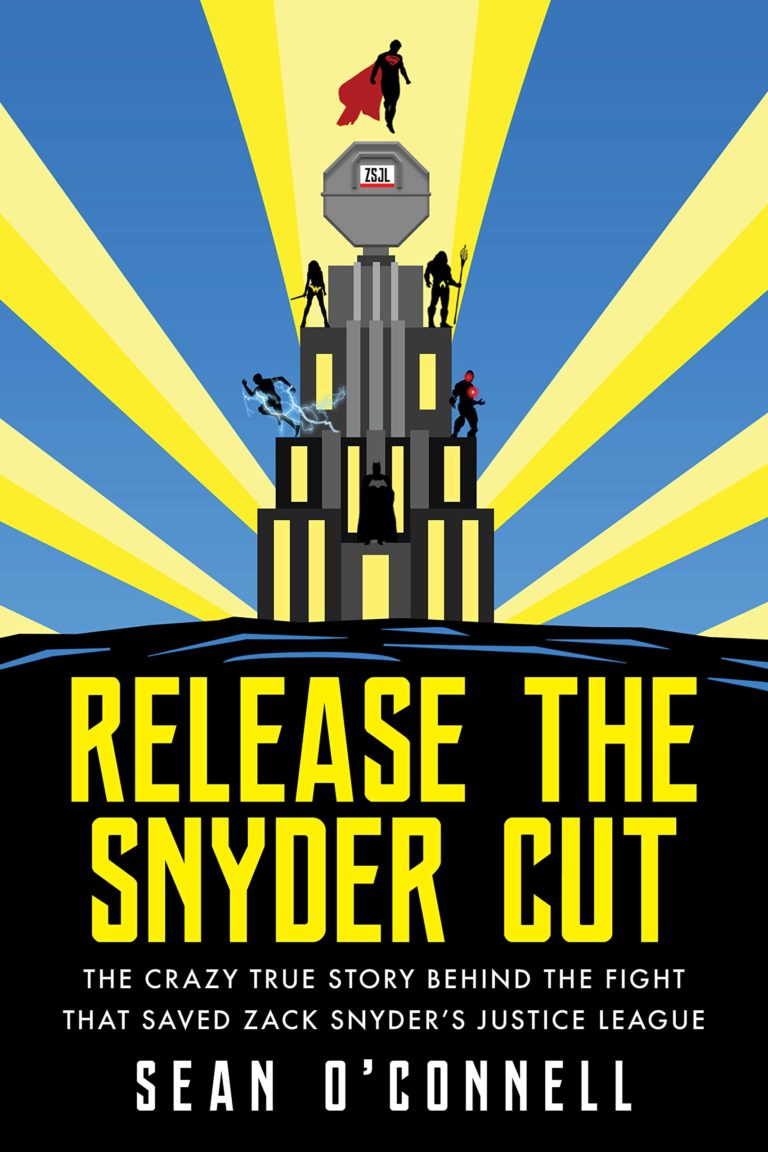
Podcast: Release The Snyder Cut Interview with author Sean O’Connell – Patreon Bonus Content

Listen!

For our latest Patreon Bonus Content, Ryan sits down with CinemaBlend Managing Director Sean O’Connell, who has written a book about #TheSnyderCut movement and its impact on Hollywood. Check it out!

If you’re already a Patreon supporter, you can listen to this episode NOW on Patreon by clicking here.

Sign up today to get early access and hear the entire episode!

[divider]

HELP SUPPORT THE SHOW

To hear our bonus content episodes early, subscribe now on Patreon. In many cases, though, we offer our bonus content for free after a certain period of time and we do encourage (and very much appreciate) a small donation of $0.99 as a way to help support the show if signing up on Patreon isn’t for you. Click on the PayPal button below to donate and thanks so much for your support. You can also hear much of our Bonus Content via our mobile apps. See the information at the bottom of the post for more details.


One-Time Donation


[divider]

Mobile Apps!

Listen to all of our bonus content on our apps for just a one-time fee! Whether you have an iPhone, Android or Windows phone, our apps are available in many different ways that is convenient for you. With our mobile app, not only can you listen to all of our bonus content, but our main shows and our Extra Film podcasts as well. Click here for more info!

If you don’t want to purchase our bonus content, but still want to support us, there are other you can help us out. Click here for more info.

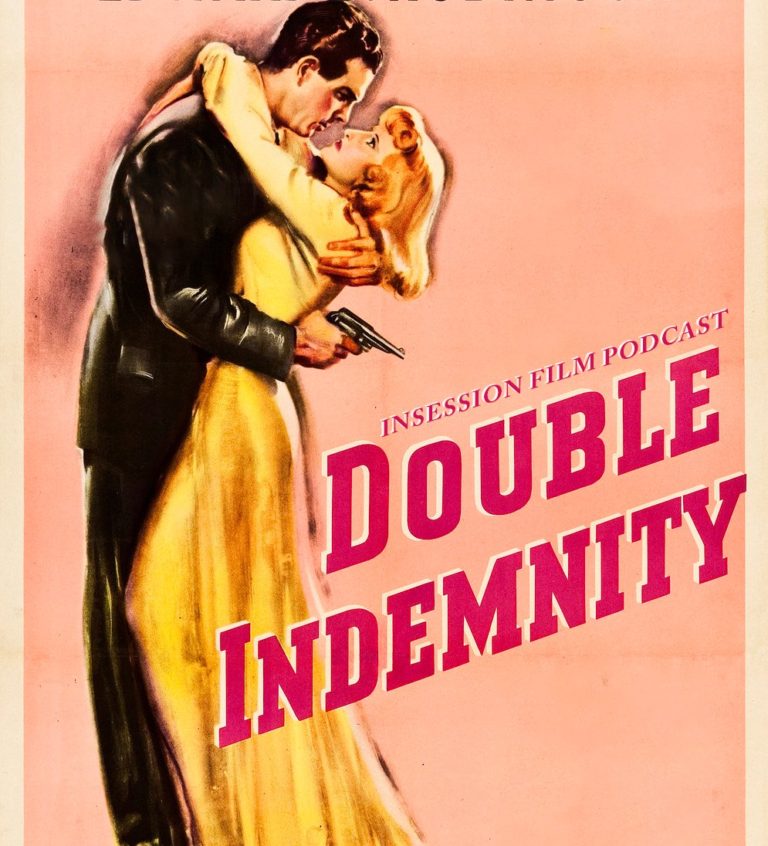
Podcast: Double Indemnity / I Care A Lot – Extra Film

On this week’s Extra Film, Ryan and Jay start their Billy Wilder Movie Series with Double Indemnity, and they also the dark comedy, I Care A Lot.

After finishing the Wachowski Sisters’ Movie Series last week, the boys go back into the movie time machine and go to cover one of the most celebrated directors of all time in Billy Wilder. With Double Indemnity, Ryan and Jay cross of another blind spot and bask in awe of one of the greatest noir films to ever be put to screen. It’s another great start to a Movie Series for Extra Film.

In the back half of the episode, the boys talk about the new dark comedy, I Care A Lot. As divisive of a movie to come out in some time, I Care A Lot has been struggling to fully connect with the audiences who have seen it. This leads to a divide amongst the hosts, as Ryan doesn’t know what to make of it, and Jay sort of likes it more than him. Overall a wonderful review to listen to.

Thanks for listening!

– Movie Review: Double Indemnity (5:13)
Director: Billy Wilder
Screenplay: Billy Wilder, Raymond Chandler
Stars: Fred MacMurray, Barbara Stanwyck, Edward G. Robinson, Porter Hall, Jean Heather

– Movie Review: I Care A Lot (51:37)
Director: J Blakeson
Screenplay: J Blakeson
Stars: Rosamund Pike, Peter Dinklage, Eiza González, Chris Messina

– Music

Miklós Rózsa – Double Indemnity
Wild Belle – Rocksteady
The Return of the Eagle – Atli Örvarsson

We try to make this the best movie podcast we possibly can and we hope you enjoy them. Subscribe today on iTunes, Spotify, or Stitcher, and please leave us a review on iTunes. You can also find us on Soundcloud, PlayerFM, and TuneIn Radio as well. We really appreciate all your support of the InSession Film Podcast.

Subscribe to our Podcasts RSS
Subscribe to our Podcasts on iTunes
Listen on Spotify
Listen on Stitcher
Double Indemnity / I Care a Lot – Extra Film

[divider]

To hear this Extra Film episode and everything else we do, download our apps on the Amazon Market for Android and the Podcast Source app on IOS devices. The mobile app covers all of our main shows, bonus podcasts and everything else relating to the InSession Film Podcast. Thanks for your wonderful support and for listening to our show. It means the world to us.

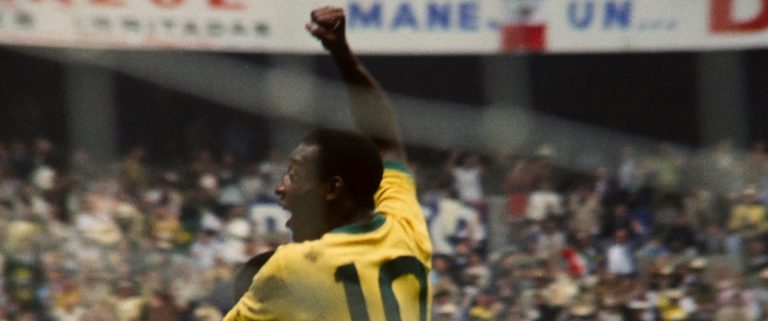
Movie Review: ‘Pelé’ is an Enjoyable Documentary that Still Leaves More to be Desired


Director: Ben Nicholas, David Tryhorn

Synopsis: Looks back at the extraordinary 12-year period in which Pelé, the only man to win three World Cup titles, went from young superstar in 1958 to national hero in 1970; a radical yet turbulent era in Brazil’s history.

[/info]

In the last year, we’ve seen a proliferation of films and mini-series that tell the stories of some of the most influential athletes of all time. The likes of Michel Jordan, Lance Armstrong, and Tiger Woods have gotten the treatment from Netflix, ESPN, and HBO. We can now add one of the all-time great footballers to that list with this week’s Netflix release of Pelé, a documentary film about the legend during his prime. While the film certainly succeeds in showing us how amazing the Brazilian star was at this height, it comes up short with some of the personal and sociological details. 

I must admit that I’m not as familiar with football (or soccer, as it’s weirdly named in the U.S.) as some other sports. However, I’m fascinated by the FIFA World Cup and the sheer popularity of the sport worldwide. And anybody that has even a fleeting interest in the sport should know who Pelé is. Born Edson Arantes do Nascimento, he burst onto the scene at just 18 years old when he led Brazil to the World Cup in 1958. He would go on to win two more and become one of the greatest footballers of all time, setting the stage for Brazil’s continued success in the World Cup, where the country still holds the most titles. 

The film, directed by sports documentarians Ben Nicholas and David Tryhorn, is a convincing testament to why Pelé is still so highly regarded. Much of the film consists of archival footage of his public appearances and accomplishments on the pitch, and it’s quite thrilling to witness. As Pelé pulls off miraculous goals, expert passing, and lightning speed, it’s easy to be enthralled by the sheer talent and genius of his game. After spending a brief bit of time on Pelé’s upbringing, the film harnesses in on the period between 1958 and 1970, when the athlete was at his height in Brazil. It focuses primarily on the four World Cup tournaments he played in, leaving little time for his efforts in the Brazilian football league system. 

However, the documentary is only partially about Pelé as the player. Pelé’s prime, particularly the period beginning in the mid-1960s, coincided with a dark period in Brazil’s history. The film touches on how a coup (backed by the United States, of course) dismantled the government in 1964, leading to a dictatorial military state. Alongside portrayals of Pelé’s magic on the field, the film also features footage portraying the events that resulted from the government overthrow. 

This is where the film often fails to go beyond a cursory exploration of this turbulent time for the country, as well as Pelé’s role as a national hero at the time. Whereas the film could have provided a deeply informative and enlightening analysis of this point in history and the relationship between national sport and politics, it treads lightly on the most controversial areas. In addition to the images, Nicholas and Tryhorn employ interviews with former players, friends, journalists, and the 80-year-old icon himself to tell the story. Those with Pelé himself represent an area where the film could have pushed for a more in-depth examination of the man and his place in the chaos of the time. 

For example, the film briefly raises the topic of Pelé’s association with dictator Emílio Garrastazu Médici, his possible knowledge of the government’s use of torture, and his silence on the violent and racist actions of the government. This is brought up through a few passing comments from interviewees, but it’s quickly bypassed by the repeated notion that Pelé’s success and brilliance provided a sense of escapism for citizens of the country during the turbulent time. While this is certainly true and worth noting, it indicates a practice of the film to shy away from criticism of the icon and his place in history. 

This is not a case of wanting the film to be something other than it is. These are topics and areas that the film seeks to uncover, yet never really takes beyond the surface level. This issue with the film is not only reserved for the areas of critique towards Pelé either. It would have been nice to go further into his aspirations, how his relationship with his father helped form those, and simply what he was like when he wasn’t playing football. In fact, one of the best scenes in the film is when Pelé joins his former teammates just to hang out and give each other hell as if no time has passed at all.

Once you get past the film’s refusal to dive into some of the pertinent areas the way it probably should, it is still a pleasurable experience as a gateway into learning more about Pelé and Brazil. Frankly, his story is pretty neat, and it’s nice to see it brought to the screen in a confidently made documentary. So although there are problems persisting throughout the film, it’s never a poor viewing experience. The film succeeds in displaying just how much he meant (and still means) to the country as a symbol of progress and success. 

This is accented during a few scenes in which Pelé breaks down while explaining the feeling of playing in the World Cup. Even if we’re not always fully tuned in to what is behind the tears, the editing blends these interviews with the archival footage to craft a coherent and captivating narrative. Altogether, the film may please sports fans like myself, who truly had a good time with the film despite its flaws, and did learn a thing or two. For those who want a more pointed exploration of the sociocultural context surrounding Pelé and Brazil, or will research the story after viewing, it’s likely to be unsatisfying to a degree. 

Grade: B

Chasing the Gold: 2021 Golden Globe Predictions

With the 2021 Golden Globe Nominations this weekend, we thought we would get some of the staff predictions and reasonings behind their picks. So we enlisted Ryan McQuade, Joey Gentile, Brett Doze, Shadan Larki, and JD Duran to contribute to this piece. Watch the 2021 Golden Globes this Sunday and check back to see which one of them below picked the most correct categories after the winners are announced.

Best Picture – Drama
The Father
Mank
Nomadland
Promising Young Woman
The Trial of the Chicago 7

RyanThe Trial of the Chicago 7 – It’s been the frontrunner since it came out and tonight is the night it starts its run towards Best Picture.
Joey: The Father – The film played extremely well with the HFPA and ignoring the overperformance of The Father is foolish.
Brett: The Trial of the Chicago 7 – I’ve considered this the frontrunner for Best Picture for months, and I think it will solidify that status at the Globes.
ShadanThe Trial of the Chicago 7 – The night’s most coveted category might be one of the trickiest to predict. On the one hand, the Globes like to set the stage for awards season and be the first to award what they believe will be the big darling of the awards season, which may lead them to give this to Nomandland and cement the film’s status as a Best Picture frontrunner. However, the Globes also love big ensemble pieces with big stars, which is why I’m predicting The Trial of the Chicago 7 to take this one.
JD: MankMank has nominations for Gary Oldman, Amanda Seyfried, composers Atticus Ross and Trent Reznor, writer Jack Fincher and director David Fincher. Perhaps that means nothing, but it seems like a heavy player here.

Best Picture – Comedy/Musical
Borat Subsequent Moviefilm
Hamilton
Music
Palm Springs
The Prom

Ryan: Hamilton  – Just feels like something they will award so they can get the headlines. The fact that it is nominated says why it will win.
Joey: Hamilton The HFPA specifically went out of their way to make sure this was eligible. I mean, come on.
Brett: Borat Subsequent Moviefilm – The only other film that could take this is Hamilton unless the Globes decide to create more chaos and hand it to Music.

Shadan: HamiltonThe category is called ‘musical or comedy’ and the HFPA has a history of giving deference to musicals in this category which is why I’m giving Hamilton an edge here. Hamilton feels too glitzy to ignore and I don’t think the HFPA can resist giving Lin Manuel Miranda a chance to deliver another knockout awards speech.
JD: Hamilton – I honestly have no idea what to think about this category. Two of these five have been maligned by critics and Hamilton is a filmed stage production from its 2016 run. In many ways, this should come down to Palm Springs and Borat Subsequent Moviefilm (both very good), but my gut feeling is Hamilton.

Best Director
Emerald Fennell – Promising Young Woman
David Fincher – Mank
Regina King – One Night in Miami
Aaron Sorkin – The Trial of the Chicago 7
Chloé Zhao – Nomadland

Ryan: David Fincher – I’ve said all year he is the winner, and this is where the turning of the tide begins for Fincher.
Joey: Chloé Zhao – People are saying Fincher, I disagree- the HFPA will continue with the (highly deserved) Zhao trend.
Brett: David Fincher – This is a risky pick, both because Chloé Zhao dominated critics awards and because it might make Mank the first film since Gravity to only win Best Director at the Globes. But I think Fincher’s overdue narrative and flashy direction will take over (even though I would LOVE to see Zhao win).
Shadan: Chloé Zhao -Chloé Zhao already made Globes history when she became the first Asian woman ever nominated for Best Director and she’ll continue to be a trailblazer when she wins. As I said at the top of my piece, the HFPA loves being the first televised awards show and the first to award someone. I don’t doubt that Nomadland will walk away from Sunday night a winner, my only question is in which categories those wins will take place.
JD: Fincher – Mank seems to be a beloved film by HFPA. It’s nominated in almost every category it was eligible for, and I imagine they will give Fincher his due as a result.

Best Actor – Drama
Riz Ahmed – Sound of Metal
Chadwick Boseman – Ma Rainey’s Black Bottom
Anthony Hopkins – The Father
Gary Oldman – Mank
Tahar Rahim – The Mauritanian

Ryan: Chadwick Boseman – Even though I think Hopkins is clearly the better performance and should win, this will be the start of the sweep for Boseman.
Joey: Anthony Hopkins – The Father played extremely well with the HFPA and the campaign of “he’s never won a Golden Globe” has arrived.
Brett: Chadwick Boseman – This is coming down to Boseman and Anthony Hopkins, who shockingly has yet to win a competitive Globe. I think Boseman wins out here, especially since he was nominated for Supporting Actor.
Shadan: Earlier I said that the HFPA likes to cement frontrunner status. They won’t pass up the opportunity to be the first major awards body to posthumously award Boseman for his work in Ma Rainey’s Black Bottom.
JD: Chadwick Boseman – Perhaps I’m biased as I think Boseman gave the best male performance of 2020 in Ma Rainey, but it won’t surprise me if I’m not alone in that thinking. His death is tragic (he will be missed for a long time), but a win here isn’t sentimental. It would be a very well deserved victory.

Best Actress – Drama
Viola Davis – Ma Rainey’s Black Bottom
Andra Day – The United States vs. Billie Holiday
Vanessa Kirby – Pieces of a Woman
Frances McDormand – Nomadland
Carey Mulligan – Promising Young Woman

Ryan: Carey Mulligan – Either Nomadland or Promising Young Woman is going home empty-handed from the night. Given this is the HFPA, I expect them to give some love to Mulligan over Frances. That doesn’t mean Mulligan will win the Oscar, just that she has the high ground at this ceremony.
Joey: Frances McDormand – This feels like a “no brainer” but in this year of absolute uncertainty nothing is off the table. A double win for Nomadland feels likely.
Brett: France McDormand – This is probably the toughest category to call, and I may regret not going with Carey Mulligan here. But I could see this being Nomadland’s sole win, and I don’t think McDormand will be hurt by the fact that she was so heavily awarded just three years ago.
Shadan: Carey Mulligan – Carey Mulligan’s performance makes Promising Young Woman the juggernaut that it is. The HFPA will want to recognize the film and Mulligan’s work is, perhaps, the best way to do that. The HFPA also tends to award younger actors and actresses and being that this is the Hollywood Foreign Press, they tend to give deference to non-American talent (these are themes you’ll notice throughout my predictions). The Best Actress race this year is crowded and fluid. A win for Mulligan establishes her as the new frontrunner and carries extra weight. The HFPA won’t want to miss the chance to make headlines.
JD: Carey Mulligan – It’s not my favorite Mulligan performance, but there’s an audacity to the performance (and the film) that could resonate with voters. And she’s due, so she’s my pick.

Best Actor – Comedy/Musical
Sacha Baron Cohen – Borat Subsequent Moviefilm
James Corden – The Prom
Lin-Manuel Miranda – Hamilton
Dev Patel – The Personal History of David Copperfield
Andy Samberg – Palm Springs

Ryan: Sacha Baron Cohen – Barring Miranda as the upset winner, Baron Cohen wins this Globe.
Joey: Sacha Baron Cohen – The HFPA already rewarded him for the first, they’ll do it for the second.
Brett: Sacha Baron Cohen – It really feels like Borat is going to sweep the Comedy/Musical categories, and that actually might be enough to make it the most awarded film of the night. I don’t think the HFPA will have any problem with giving SBC another Globe for this role.
Shadan: Sacha Baron Cohen – Sasha Baron Cohen won this category in 2007 for the original Borat and he’s a lock to repeat 14 years later. The HFPA has been loving Baron Coen in recent years, nominating him last year for the barely-seen limited series The Spy and in 2019 for his Showtime series Who Is America?. He’s double-nominated this year and you can bet he won’t be going home empty-handed.
JD: Lin-Manuel Miranda – For the same reasons I noted about the category itself, I’m picking Miranda. His performance in Hamilton is almost iconic at this point, but given that others from the show are missing in terms of nominations, who the hell knows.

Best Actress – Comedy/Musical
Maria Bakalova – Borat Subsequent Moviefilm
Kate Hudson – Music
Michelle Pfeiffer – French Exit
Rosamund Pike – I Care a Lot
Anya Taylor-Joy – Emma

Ryan: Maria Bakalova – The easiest category to pick on the night.
Joey: Maria Bakalova – Place your bets against her wisely…
Brett: Maria Bakalova – Pfeiffer and Pike probably make this category more competitive than I originally thought, but Bakalova has all the momentum.
Shadan: Maria Bakalova – The HFPA loves ingenues and being among the first to crown a new Hollywood star. Bakalova was a complete unknown before Borat and she’s quickly becoming the star of the season. Plus, Bakalova is Bulgarian making her a perfect match for the Hollywood Foreign Press Association. Anya Taylor-Joy could spoil here, but she’s double-nominated and likely to win for The Queen’s Gambit, clearing the way for Bakalova to win this one.
JD: Maria Bakalova – Again, what a weird category. Don’t get me wrong, I quite like Rosamund Pike a lot, and Anya Taylor-Joy is an inspired pick. But they seem like left-field choices, so I’m going with the one whose been getting the most attention of late in terms of campaigning.

Best Supporting Actress
Glenn Close – Hillbilly Elegy
Olivia Colman – The Father
Jodie Foster – The Mauritanian
Amanda Seyfried – Mank
Helena Zengel – News of the World

Ryan: Amanda Seyfried – Smart money is to bet on Close or Colman. The wild card is Foster and I totally could see her winning. But I’m starting to think Seyfried wins this since Mank has a lot of love and I don’t see it just winning one. Basically, anyone can win but Zengel.
Joey: Olivia Colman – She’s never lost a Golden Globe, and now they have the chance to double win her? Bet on her.)
Brett: Glenn Close – It’s really tempting to pick Olivia Colman after The Father exceeded expectations with nominations, but I think Close will win this tight race…for now.
Shadan: Amanda Seyfried – The HFPA loves movies about Hollywood, so perhaps I’m a little naïve for not predicting Mank in other categories. It feels as though buzz on the David Fincher-Netflix project has faded, but Amanda Seyfried is a young star brilliantly playing another young star (Marion Davies). Her performance is consistently hailed as one of Mank’s bright spots—a win for her here will allow the Globes to honor her work and the film as a whole.
JD: Olivia Colman – Like Best Actor, this is a category where my personal pick and who I think wins is synonymous. Colman may not resonate given her recent success in The Favourite, but she’s the best supporting actress of the year. Especially of those nominated with her (along Seyfried is great as well).

Best Supporting Actor
Sacha Baron Cohen – The Trial of the Chicago 7
Daniel Kaluuya – Judas and the Black Messiah
Jared Leto – The Little Things
Bill Murray – On the Rocks
Leslie Odom Jr. – One Night in Miami

Ryan: Jared Leto – This is just going to happen, I can feel it in my bones. Also, don’t be shocked if this is also Baron Cohen and he gets two wins.
Joey: Jaren Leto – He elevates an unwatchable movie to watchable. The HFPA has a really shotty track record with rewarding actors of color, they are gonna reward Baron Cohen in lead, and Bill is just here for the free drinks.
Brett: Jared Leto -Perhaps I’m just preparing myself for the possibility, but I have a gut feeling that we’ll have an Aaron Taylor-Johnson situation here and that the HFPA won’t give Sacha Baron Cohen two acting awards on Globes night.
Shadan: Daniel Kaluuya – There is a possibility the HFPA could go big for Sasha Baron Cohen and award him twice this year. But winning two Golden Globes in one year is rare, and the HFPA likes to spread the wealth. I’m predicting they’ll let the Comedy Actor globe be Cohen’s big prize and use this as a way to award Daniel Kaluuya. As I’ve mentioned throughout this piece, the HFPA has a penchant for awarding young talent, and Kaluuya is one of the most dynamic actors working today. Plus, the star is a Brit playing an icon of American civil rights— a transformation the HFPA will want to recognize.
JD: Daniel Kaluuya – Daniel Kaluuya is a towering presence in Judas and the Black Messiah, and I can’t fathom him losing this category. It will be a very well-deserved win for him, and I can’t wait to see his acceptance speech.

Best Screenplay
Promising Young Woman
Mank
The Trial of the Chicago 7
The Father
Nomadland

RyanThe Trial of the Chicago 7  – The Globes love Sorkin, that’s all you need to know about this one.
Joey: The Father – People are saying Sorkin, he’s a nominee darling, not a winner darling. Plus The Father will dominate the night and especially when Zeller didn’t get Director, THIS is where they say ‘sorry’ and give him the win.
Brett: The Trial of the Chicago 7 – Aaron Sorkin has been nominated here nine times, and he won twice. I think he nabs his third here, signaling Trial’s path to the Best Motion Picture – Drama win.
ShadanThe Trial of the Chicago 7 – In my opinion, Best Screenplay is the night’s toughest category. Many are predicting Emerald Fennell for Promising Young Woman, that’s a great prediction and a worthy winner. The HFPA will want to award Fennell and her talent as an emerging writer and filmmaker. The fact that she’s a major presence in The Crown’s fourth season which the HFPA really loved only helps her case. Like Fennell, Sorkin also wrote and directed his film and is a double nominee. The HFPA is a big fan of Sorkin’s work and has nominated and awarded him when the Oscars haven’t (Steve Jobs). Sorkin has a history with the HFPA and major name recognition. I think they’ll honor him here even if they decide to give the Drama prize to another film.
JD: The Trial of the Chicago 7 – For the same reasons as Director, I won’t be surprised to see Jack Fincher win here as well. That said, I’m going with my gut here and picking Aaron Sorkin to take this category.

Best Animated Film
The Croods: A New Age
Onward
Over the Moon
Soul
Wolfwalkers

Ryan: Wolfwalkers – If there was ever a place for a Best Animated upset, it would be at the Golden Globes.
Joey: SoulSoul is the better film, by far. But Wolfwalkers should win this as it has the better animation. And the HFPA already threw the curveball win last year with Missing Link. Two in a row? I don’t think so.
Brett: Soul – Of the places I think Wolfwalkers could potentially pull the upset, it’s here and the Annies. But Pixar wins every time they have an original film nominated here (even Cars won).
Shadan: WolfwalkersSoul is one of Disney/Pixar’s most beloved and critically acclaimed films ever. And it’s going to be a major awards player, across multiple categories come time for the Oscars—I may very well regret not picking it. But, I’m giving Wolfwalkers the edge here because the HFPA has a long history of going against Pixar and awarding films from other studios. Wolfwalkers is also a co-production between two international studios.
JD: Wolfwalkers – Give me that Wolfwalkers all day long. My gut feeling is that Soul takes this category, and smart money says don’t ever bet against Disney or Pixar, but I’m championing Wolfwalkers till the end.

Best Foreign Language Film
Another Round
La Llorona
The Life Ahead
Minari
Two of Us

RyanAnother Round – While a Minari pick here would make sense due to the news, I still think the HFPA will go with what most have as the frontrunner in this category for the Oscar.
Joey: Another Round – People are saying Minari, I’m saying no. This win will play into the curveball director and Mads Mikkelson Best Actor Oscar nomination that I’m predicting.
Brett: MinariMinari (one of the most American films of the year) is the only one here that will get a Best Picture nomination at the Oscars unless Another Round pulls a huge shocker.
Shadan: Minari – The Hollywood Foreign Press was rightfully criticized for placing Minari, an American production in the Foreign Film category. They’ll want to rectify their mistake by giving the film a much-deserved win.
JD: Another Round – A lot has been said about Minari here, and it wouldn’t surprise me if they steal this category, but I’m hoping Another Round pours out a victory here.

Best Original Score
Soul
Mank
News of the World
The Midnight Sky
Tenet

RyanThe Midnight Sky – Such a crazy nomination that you sort of have to pick it. Plus the HFPA does love Desplat.
Joey: Soul – I really wanna say The Midnight Sky cause it feels like it’s going that way. But Soul feels safe.
Brett: Soul – I think Trent Reznor and Atticus Ross are going to win here, and Soul feels like the safer bet over Mank at the moment.
Shadan: Soul – One of the reason’s why I’m predicting Wolfwalkers to take the Animated Prize is because Best Score provides the HFPA the opportunity to spread the wealth and make sure Soul is given a Golden Globe. Trent Reznor and Atticus Ross are also nominated in this category for Mank, but a win for Soul also honors the work of their co-collaborator, the great Jon Batiste.
JDMank – When you’re nominated twice, do you have a better chance at winning? Or do you split votes and worsen your cause? In this case, Trent Reznor and Atticus Ross are winning this category. For which film? Flip a coin. I’m going with Mank though.

Best Original Song
“Fight for You” – Judas and the Black Messiah
“Hear My Voice” – The Trial of the Chicago 7
“Io sì (Seen)” – The Life Ahead
“Speak Now” – One Night in Miami
“Tigress & Tweed” – The United States vs. Billie Holiday

Ryan: “Speak Now” – The perfect place to award One Night in Miami and Leslie Odom Jr.
Joey: “Io sì (Seen)” – I’m gonna say that not only will The Life Ahead song win for Dianne Warren- but it’s also going to be that “extra push” to get Sophia Loren her Oscar nomination.
Brett: “Speak Now” – One Night in Miami…did pretty well in terms of nominations, even though it missed the Best Picture nom, and I think this is its best shot at a win.
Shadan: “Speak Now” – There are two pieces of Golden Globes wisdom that apply to this category. The HFPA likes to spread the wealth across their nominated films, and if you’re a double nominee, you’re likely going to win in at least one of your categories. Leslie Odom Jr. is a major awards player for his work as Sam Cooke in One Night in Miami and he could very well take home the Best Supporting Actor prize. Of course, he’s also in Hamilton which only helps his chances. A win here will allow the HFPA to honor Odom Jr. as a performer and ensure that One Night in Miami gets a win Sunday night.
JD: “Fight for You” – This is me literally reaching into a hat and picking a winner.


Op-Ed: #52FilmsByWomen – ‘Obvious Child’ Perfectly Navigates Finding Maturity as a Free-Spirited Woman

For the year 2021, I have set a goal to watch #52FilmsByWomen. I found 2020 to be an exceptionally incredible year for women filmmakers, amid the crazy global pandemic their films were often pushed to the front of the line without big theater blockbusters taking all the limelight. I will watch one film per week made by a woman, all films I have never seen before, both old and a few fairly recent releases sprinkled in, as well. I look forward to expanding my knowledge of women filmmakers and their work, and hopefully bring a new light and following to a severely under-appreciated part of cinema.

Who do you look to for film recommendations? I look to my fellow film critic friends and what they’re reviewing or commenting on, both new and old films. I especially like to pay attention to films I see mentioned that I may have missed in the past. When Obvious Child was mentioned by a friend as one of her 4-favorite woman directed films, via an image of Jenny Slate, I immediately went to look it up and add it to my list. I am a fan of Jenny Slate, and I value the opinion of my women critic friends, so this was all I needed to know before watching this film. 

Jenny Slate channels herself to play the lead character, Donna, a stand-up comedian. Spoiler alert upfront here: Donna becomes pregnant and gets an abortion. I just want to get that out of the way because that is what you think the film is about when in reality it is about an independent, free-spirited woman maturing into herself, accepting who she is, flaws and all. The abortion is part of her story–not the whole story.  The film opens with Donna performing a set where she discusses hiding farts from her boyfriend, and what a woman’s underwear really looks like at the end of a day. To say this made me feel like this is my type of film just within the first few minutes is a complete understatement. I am all in.

Donna uses her real-life experiences, as most comedians do, to center the conversation of her comedy. She talks about her current boyfriend, as it cuts to him the crowd, awkwardly grimacing that their relationship is her go-to subject for content. After said boyfriend dumps her right there in the gritty, graffiti-covered gender-neutral bathroom confessing that he has been sleeping with her friend. Donna is devastated by this news and ends her night in a wine-induced spiral of leaving chain voicemails on his phone. As she navigates being alone post break-up, she finds herself in a situation most women post-break-up can relate to. She stands outside of his house, shivering and drinking coffee, asking herself OCD-induced questions, “if this woman crosses the street on my second sip, I will leave” although she is hoping to unexpectedly see or run into her ex. She clearly does not actually want to run into her ex, but her intrusive thoughts have brought her here. This is funny and relatable and true. She sees her ex leave his home with his new girlfriend, her former friend, and their dog. She cusses, throws her coffee, and runs away. 

Donna also finds herself in a relatable situation most people post-break up do, too: a one night stand. Max (Jake Lacy) is a sweet and thoughtful man that she continues to cross paths with even after their one night together. He finds her at the bookstore she works at and he ends up being one of her mother’s former students. It is clear that he is interested in Donna, as she hides the pregnancy from him, unsure of how to deliver the news. 

Everything comes full circle when Donna invites Max to her show, where she decides to confess her pregnancy and abortion plans to the entire audience. Max has arrived just in time to hear the news, and the ambiance of the scene calls back to the first scene with her ex–however, Max leaves when he becomes overwhelmed by what she is sharing, realizing he is involved. Donna has found herself exactly where she started at the beginning of the film, yet in such a different, more confident place as a woman. Max does not let her down though, as he shows up the next day, with flowers and accompanies her to the procedure. He is just there for her and that’s all he needs to be. There is never a conversation about the abortion or her decision initiated by him, which was refreshing. 

This narrative and characters are sweet, honest, funny. The narrative is not overly dramatized like a lot of Hollywood films before it, where women experience unexpected pregnancies and end up keeping the baby and trying to make it work with the father. This was the inspiration for the director, Gillian Robespierre, who first made this short film of the came name because she was bothered by films like Juno (2007), or Knocked Up (2007). The film normalizes abortion within its other characters as well, Donna’s best friend and mother both have had abortions, and, I would like to think, has pioneered other films to do the same. Donna’s growth over the course of the short runtime is inspiring. She is an adult woman who has found herself feeling supported, respected, and loved at this turning point in her life. 

Grade: A

Movie Review (GFF): ‘In The Shadows’ is an Uneven Dystopian Mind Trip


Director: Erdem Tepegoz
Writers: Erdem Tepegoz
Stars: Numan Acar, Vedat Erincin, Ahmet Melih Yilmaz

Synopsis: In a dystopia of undefined place and time, dominated by primitive technology, a group of people are controlled by an omnipresent surveillance system. When one of them breaks rank, it sets off a chain reaction that will change the course of everyone’s lives.

[/info]

If Terry Gilliam were to make a low-budget movie in Turkey, the result would look an awful lot like In The Shadows. Erden Tepegöz’s dystopian sci-fi owes a lot to Gilliam’s works such as Brazil, 12 Monkeys, and Zero Thereom but carves its own mark with its deftly told yet underwritten narrative.

Zait (Numan Acar, former Homeland and Aladdin actor, who boasts the most impressive head of hair of anyone in the movie) works in a factory which at first looks like any factory you might have seen. Except…there are no bosses. No one in charge, seemingly. In fact, the only indication we have of authority comes from the ever watchful cameras in every room (including a mixed sex shower room, unnervingly), and a robotic voice which occasionally barks out “please return to your machines” if the workers get too lax.  To make matters worse the workers are subjected to a periodic health check every so often which consists of lying on a bed in an empty room and placing a strange device on their heads which informs them of the status of the health check. Disturbingly, if anyone fails to pass the health check they never leave the room and are never seen again.

Zait is a naturally taciturn presence, stooped over and practically dragging himself from scene to scene. He is clearly worn down by the experience until one day a machine stops working. Zait enlists the help of a mysterious repairman (who speaks in vague riddles about the nature of time) and begins to notice that not all the machines work as they’re supposed to. As he searches for answers, Zait finds himself diving into a strange labyrinth of lies and mysteries – some of which he may risk his life to uncover. As he battles a mysterious skin condition which threatens to unravel the whole factory, Zait must find a way to get to the truth before it’s too late.

In The Shadows benefits from an intriguing setup, and a compelling lead actor in Numan Acar, but doesn’t quite deliver on its promises. You feel this could be partly due to budget, which Tepegöz has worked wonders with, but it also could be to do with the ambition of In The Shadows. In every rusty shot, enhanced with a dirty steampunk style, there is the threat that In The Shadows is hiding some big secrets which it’s building towards unveiling. However, this doesn’t quite manifest. Zait’s challenges against the unseen forces of the factory always feel a little too muted to take seriously. Although an unseen enemy can be a scary prospect, we’re given very little reason to understand why the workers are so compliant.

There are suggestions of a dark reality behind the factory walls (for example at the moment when a worker fails a health check, and we hear shouting and scuffling through the wall to indicate he is being taken away), and Tepegöz does well in creating a tense, macabre feeling to In The Shadows which will keep you on edge, but these fail to materialize in a way which would explain why we’re in this situation. The workers are clearly terrified of their anonymous overlords, and yet when Zait begins testing his boundaries the biggest punishment is the withholding of food. The workers complain that Zait’s behavior will see them starve, yet Zait counters that they can leave the factory any time they want. Indeed there doesn’t appear to be anyone stopping them. So why are they there?

Perhaps these are not questions Tepegöz is necessarily interested in answering. His focus feels more Kafkaesque: here we have a shadowy company controlling the lives of its workers, who don’t appear to know – or care – what they’re doing in the factory in the first place. It is almost an existential malady of a movie: life is a struggle against things we don’t know. Ultimately, the biggest enemies we face may be ourselves.

That may be reading too much into things, but what In The Shadows does best is leave acres of space for interpretation. Between every shot, your mind can wander through this industrial wasteland and build the picture of what is really happening. Whether he intended it or not, Tepegöz has crafted a Rorschach in which what you get out of it depends on the viewer themselves, and that’s no bad thing.

Grade: C+

Movie Review: ‘Barb and Star Go to Vista Del Mar’ Brighten Up a Cold Day


Director: Josh Greenbaum
Writers: Kristen Wiig, Annie Mumolo
Stars: Kristen Wiig, Annie Mumolo, Jamie Dornan, Damon Wayans Jr.

Synopsis: Lifelong friends Barb and Star embark on the adventure of a lifetime when they decide to leave their small Midwestern town for the first time ever.

[/info]

In the bleakness of winter, we could all use a vacation to someplace warm and sunny. But, with a pandemic raging, that is most likely not something most of us can do.  What we can do, however, is watch a funny movie that takes place somewhere warm and sunny.  The movie Barb and Star go to Vista Del Mar should satisfy even the grumpiest of us.

Written by and starring the great Kristin Wig and Annie Mumulo, this movie is more than a breath of fresh air. It is a warm story of friendship, aging, and new beginnings. Barb and Star have clearly been best friends for forever. They just adore each other, and the chemistry between Wig and Mumulo rings very true. When they are introduced at the beginning of the film, they are mid-conversation, as if they have all the time in the world to sit and chat. The reveal that they are actually at work, and sitting on a display model at Jennifer’s Convertibles really gave me a laugh. We learn that they are so devoted to each other that not only do they come into work on their days off to spend more time together, they also live together. What I loved about these two is that they really did seem like two ladies from the midwest. The hairstyles, the nightgowns, the hair curlers… I lived in Indiana for 7 years, and this rang very true to me. But, it wasn’t exaggerated in a mean spirited way.  These ladies are hilarious and fun! They make everything an adventure! I want to know them, hang out with them, and discuss the imaginary and amazing “Trish,” a lady of their own creation who lives the life Barb and Star dream about. I’m not lying when I say that I watched the conversation about Trish at least 4 times before moving on to the rest of the film.

While I really enjoyed the relationship between Barb and Star, I wasn’t a fan of the subplot of the film, about an evil villain seeking revenge on Vista del Mar for a humiliating event that happened to her as a child. Wig plays the villain, named Sharon Gordon Fisherman, and while amusing, it seemed like a rehash of an Austin Powers villain, but at least in Austin Powers, it made sense. Jamie Dornan plays Edgar Padget, who is in love with Fisherman, and just wants her to declare that they are an “official” couple. How do Barb and Star get mixed up in the shenanigans of super-villains?  Well, they get extremely drunk and hook up with Edgar. I’m not familiar with a great deal of Dornan’s work outside of the 50 Shades of Gray series, but he was charming in a comedic and silly role. I will admit that seeing him break out into song and rip his shirt open was completely amazing. He ends up coming between the women as a love interest.  While Star rediscovers romance and love (her husband left her for another woman), Barb gets over her fears and swims in the ocean, explores, and goes on a variety of adventures. I would have loved the entire film to be about their friendship, the romance, and finding themselves, but the super-villain plot kept getting in the way.

Other elements that were enjoyable were the musical numbers, which were delightfully over-the-top, and the “Talking Club” scene, which featured other terrific comedic performances of Phylis Smith, Rose Abdoo, and Vanessa Bayer.  The strict rules that Bayer has for her fellow club members are over-the-top, yet I can see an alpha-female imposing these on her friends. The female interactions in this scene, while obviously funny, also rang true, from Smith’s character who just wanted to talk about her horse to Barb and Star, embarrassed that they have to admit the store where they worked has closed, and they are now without jobs.  I’m the same age as these women, and I have definitely known women like this. I honestly feel the movie could have revolved around Barb and Star, with Debbie as the antagonist. We all know a Debbie.

If you are looking for a deep, riveting look at society and the meaning of life, this film is not it. If you are tired of cold weather, being cooped up in the house, and need a good, hard laugh, this movie completely delivers.  There is something here for everyone: musical numbers, songs about boobs, but, more importantly, a very endearing story about friendship.

Grade: C+

Op-Ed: 100 Years…100 Passions – ‘Beauty and the Beast’ (#34)

0
I will be watching and reviewing all of the films included on AFI’s 100 Years…100 Passions list. The list contains the 100 greatest love stories in American cinema and I plan to consider how our views on romance and social issues have changed over the years as well as judge whether the romances in these films actually made me swoon. As a fan of the romance genre, I expect to love each and every one of the nominees but I also don’t know if I would consider all of them romantic.

I must admit that I have never seen Jean Cocteau’s Beauty and the Beast (1946). It is a deep source of shame for me as I know that it is widely considered a masterpiece and Cocteau is widely considered to have created the definitive film version of this story. This means that I don’t have a highly informed opinion when it comes to the history of adaptations of this classic tale but I couldn’t help but feel like this 1991 animated feature was not dark enough. I understand the fact that this was targeted towards children and families but it feels like the writers deliberately tried to avoid examining any of the disturbing subtext lurking within this fairy tale. There are so many movies for kids that were made during the 1990s that are full of thought-provoking material that could leave you feeling troubled by the sexual angst that adolescents experience or the fact that your parents occasionally fantasize about murdering you. Beauty and the Beast (1991) doesn’t go to those places and that means that it isn’t nearly as compelling as Hercules (1997), which is unabashedly wacky.

The film concerns a beautiful young bookworm, Belle, Paige O’Hara, who is ostracized by her fellow townspeople because she does not conform to societal conventions. She is pursued by the conceited Gaston, Richard White, who values her only for her beauty and not her intelligence while callously insulting her inventor father Maurice, Rex Everhart, whom he accuses of being insane. Her father is kidnapped by the Beast, Robby Benson, who was once an arrogant prince who incurred the wrath of an evil witch and was sentenced to be a beast until he found love along with all of his employees who have become home appliances. Belle takes her father’s place as a prisoner but the home appliances try to push Belle and the Beast together and the two end up forging a close romantic relationship that could help the Beast achieve redemption.

I want to note the fact that I don’t dislike this film but I do think that it is incredibly forgettable and I was not strongly impacted by it as I watched it. I was mildly amused but never emotionally moved and I kept wondering when it was going to kick into gear and take some risks. It remains strangely distant from its audience and ends just as it seems to figure out what it wants to say. If I am honest, the high point of the film was the Beast’s transformation into Prince Adam. I know that he is animated but he has to be one of the more handsome leading men that I have discussed so far. He’s easily better looking than Spencer Tracy in Woman of the Year (1942) and his orange locks alone are enough to beat out Joseph Fiennes in Shakespeare in Love (1998). I’m going to sound lascivious as I write this but there was a sharp intake of breath when Adam appeared on screen. His hair is lustrous, his eyebrows are neatly groomed, his bright blue eyes pop against his porcelain skin, his facial features are angular and he is muscular without appearing overbearing. Some animator figured out how to create the perfect man but then they decided to torture the audience by not giving him much screen time. I know that the whole point of this story is that physical appearances don’t matter and it is what’s underneath that is truly important but Adam’s beauty had me forgetting all about the message of this story.

I wanted to see more of Adam and Belle together. It feels like he goes through his transformation and the two of them start dancing straight away before the credits roll. This feels like a common problem with Disney movies based on fairy tales as the happy ending is seen as a given and they don’t feel the need to present us with anything new. You get to hear a reprise of the main theme, see the leading characters smile as they stand in a circle and pose for the camera, and then a final gag that ties back into something that happened earlier in the film. You don’t often get to hear a conversation between the two main characters and usually you are just meant to accept the fact that they are happy because of a shift in the tone of the score. I understand the fact that cinema is a visual form and a lot of directors will try to convey an idea through visuals rather than using dialogue to explain an idea, but the final ball feels very generic. It could have appeared in Cinderella (1950) or a dozen other films about women becoming princesses and I rolled my eyes as I was greeted with images that I had seen a million times before.

Image result for beauty and the beast 1991

In many ways, the Beast ends up feeling like a typical ‘bad boy’ who needs to be tamed by a nice, virginal girl who will tie him down and stop him from engaging in self destructive behavior. This can be a pleasant concept as we all accept the fact that couples are meant to help each other become better people and balance out each other’s flaws but it can feel a tad trite to have one half of the couple being radically transformed by the love of their girlfriend. At least the Beast doesn’t actually say “You make me want to be a better man” but we are meant to believe that all of his flaws, both physical and mental, melt away in the presence of a pretty but bland maiden. The ends justify the means for him as he does a terrible thing, kidnapping a young woman, but gets rewarded for it. I don’t think that we are allowed to question what he does enough and the film is too excited about getting to the point where he becomes perfect and they admit that they are made for one another. This story would be more effective if we got to spend more time on the torturous period of their relationship, in which they can’t communicate and resent one another. I feel like we get to see that section of their relationship for all of five seconds and that makes it more difficult to feel a rush of joy when they do enter into a serious partnership and kiss in the rain.

Maybe I would have had a different response to this if I had been a young girl in 1991 and this had been a part of my childhood. I might have built up nostalgia for it and I may have been able to sing along to all of the songs on the soundtrack. I did not have that experience with this film as I spent most of my youth casually watching Bee Movie (2007) and developing in-jokes with my cousin about having sex with a bee. I saw Beauty and the Beast for the first time when I had already become a cynical, jaded critic and that meant that I wasn’t as susceptible to its charms as an innocent child who was just looking to be entertained for 90 minutes. I watched it because it was a Best Picture nominee in 1991 and I found myself comparing it to films like JFK (1991), which meant that it ended up looking fluffy and insignificant. Maybe I am being too harsh on it because it clearly satisfied the needs of nine-year-olds everywhere but I feel like the critical acclaim that it received set me up to expect something with more depth.

I could not identify with Belle because she was written as such a blank slate. Presumably, this was done so young girls could project their own personality traits onto the character and imagine being conventionally attractive in that Disney way. Belle has doe eyes, tawny hair, satiny smooth skin, and a Gal Gadot-esque smirk. It’s all a bit much and you end up wondering how she won the genetic lottery when her father doesn’t appear to be pulchritudinous. They don’t give her one terrible ‘flaw’ that would serve to make her more relatable and I am thankful for that. Often they give their heroines a mole or a miniscule scar which is meant to make them unique as well as turning them into a target of bullying over their looks. Usually, these minor imperfections only serve to make the animated figure look more beautiful and it is annoying when the film tries its hardest to convince us that the protagonist is ‘just like us’ when they clearly aren’t. Belle is too pretty to be an ordinary girl but she also isn’t as stroppy as your average young woman would be if she had been placed in this situation. Belle is so polite about this whole ordeal and acquiesces to the wishes of her captor at a scarily fast rate. I understand the fact that teenagers don’t want to acknowledge the fact that they are bratty but Belle would have been justifiably surly in this case.

Image result for beauty and the beast 1991

Belle is meant to be feisty and intelligent because she reads books. They mention this fact about a million times and then use this to unite her and the Beast. It could have been a nice touch but it ends up feeling perfunctory and you just want her to stop waving around her leather-bound volumes of classic literature around. The script never goes that far into what her taste in literature is like and I was reminded of a scene in They Came Together (2014) in which Amy Poehler and Paul Rudd fall in love because of their shared passion for fiction books. In this scene they both act like they have never met somebody who enjoys fiction books before and this serves as a spot on criticism of romantic comedies. In their efforts to appeal to a wider audience they end up dumbing down scripts that might have had some specificity to them so that nobody in the audience will feel left out. I’m not so dumb that I can’t relate to people who have personalities that are very different to mine and I would have taken more interest in Belle if she had been a petulant, sour chit.

Despite those complaints, I will admit that there were a few more things to appreciate about Beauty and the Beast. It is full of vibrant colors and there are times when you can just lose yourself in the imagery. There is the iconic image of Belle and the Beast dancing together and there is always a little endorphin rush when you can match up the image in your mind with what is being shown on screen. These were not massive details but my lizard brain was drawn to the bright red hues of the curtains and I was able to turn my brain off and look favorably upon the details that I might have missed the first time I watched this.

I can’t understand why anybody would consider this film for the list. Yes, it does fit the definition of a romance but nothing about it is very captivating, and other than featuring an unusually handsome love interest, it is not any different to other animated films from this period. Maybe it was the Best Picture nomination that it sealed the deal or maybe AFI voters had been forced to sit through it with their children and they were brainwashed into thinking that it was a masterpiece. For some befuddling reason it ended up on the list and was ranked at an unreasonably high position. They placed it above classics like The Apartment (1960) and Double Indemnity (1944) and you can only throw your hands up in the air. I prefer this to dreck like Love Story (1970) but I also feel like the voters could have made a more inspired choice.