

Home Blog Page 7

Movie Review: โ€˜Parallel Talesโ€™ is a Major Misstep for Asghar Farhadi


Director: Asghar Farhadi
Writers: Asghar Farhadi, Massoumeh Lahidji
Stars: Isabelle Huppert, Virginie Efira, Pierre Niney

Synopsis: In search of inspiration for her new novel, Sylvie begins spying on her neighbors across the street.


Krzysztof Kieล›lowskiโ€™s Dekalog: Six (or A Short Film About Love, whichever version you prefer) is one of the greatest movies ever made. Scratch that, Krzysztof Kieล›lowskiโ€™s Dekalog compendium is one of the greatest movies ever made. A masterclass in visual (and thematic) storytelling, Kieล›lowskiโ€™s ten intersecting stories, each based on the respective Ten Commandments, pose weighty existential parables and make us aware of the human condition more than any other filmmaker โ€“ past and present. 

It baffles the mind that anyone else would dare remake (or reinterpret) one of Kieล›lowskiโ€™s stories within his 10-hour Dekalog, but this is what Asghar Farhadi attempts with Parallel Tales. Attempts, because it wonโ€™t take long for you to figure out that the acclaimed Iranian filmmaker, in his second French-language film after 2013โ€™s The Past, has completely fumbled the bag and proves to all of us that no one โ€“ not even the greatest living artist โ€“ will ever successfully remake, reinterpret, or โ€œloosely adaptโ€ stories based on Kieล›lowskiโ€™s ultimate masterpiece. 

It doesnโ€™t matter if Farhadi has composer Zbigniew Preisner by his side โ€“ the same composer who gave us the ethereal musical patterns of Dekalog โ€“ thereโ€™s no saving this disastrously misguided (and overlong) drama, which twists itself to its head until it becomes painfully boring. What starts off as a story that takes the core essence of Dekalog: Six and expands upon it โ€“ Kieล›lowskiโ€™s scathing critique of voyeurism by putting it on the same pedestal as adultery โ€“ rapidly spirals out of control and loses our interest, especially in how it wastes not one, but six of the finest French actors working today. 

To their credit, there isnโ€™t a single bad performance in Parallel Talesโ€™ ensemble. They do the best they can with what is possibly the flimsiest screenplay of their respective careers. But theyโ€™ve been in so much better stuff that it almost feels criminal to waste their talents in a movie that does them zero favors. The main problem that Farhadi deals with is how he refuses to limit his โ€œvoyeurโ€ to one character, as Kieล›lowski did, until a pivotal turn that saw Graลผyna Szapoล‚owskaโ€™s Magda become the voyeur herself, after longing for Tomekโ€™s (Olaf Lubaszenko) gaze, without knowing that he had attempted suicide following what he believed was a soul-crushing rejection. 

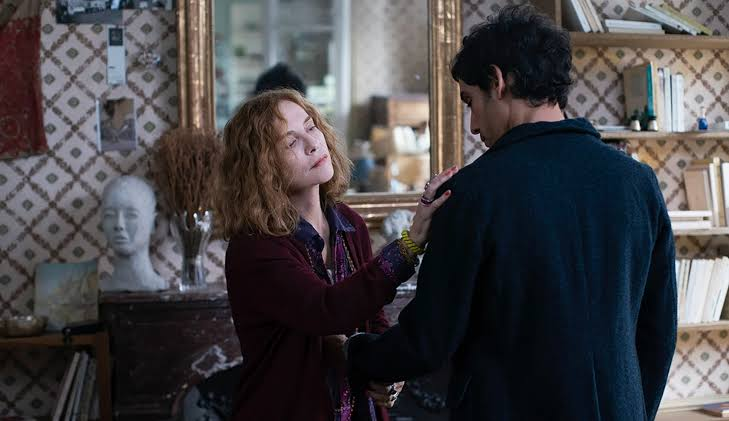
Parallel Tales begins with Isabelle Huppertโ€™s Sylvie as the voyeur, but eventually all characters become the very thing theyโ€™re seemingly against. Huppertโ€™s character is currently finding inspiration for her book about her motherโ€™s upbringing in the apartment where her mother lived right across the street from Sylvie. As such, she spies on the three people who currently inhabit this abode: sound-effects artists Nita (Virginie Efira), Thรฉo (Pierre Niney), and Nicolas (Vincent Cassel). Writing a story based on the things she sees (not necessarily the things that are happening), Farhadi begins to mix A Short Film About Love with A Short Film About Killing (or Dekalog: Five) until these stories donโ€™t matter much because they were all a fabric of the authorโ€™s imagination. 

Imagination eventually becomes reality as Sylvieโ€™s newly hired assistant, Adam (played by Extractionโ€™s Adam Bessa), stumbles upon her manuscript and begins to stalk the neighbors across the street. What follows next is a series of contrivances so ridiculous that it almost defies categorization and makes us even wonder if Farhadi was ever good in the first place. After all, his previous film, 2022โ€™s A Hero, was widely contested as plagiarized until the filmmaker was acquitted of all charges in 2024. Whether or not he was acquitted should still make us question exactly what kind of filmmaker he is and what stories he tells as a distinct voice within world cinema. 

Thereโ€™s nothing distinct or singular in Parallel Tales. The glimmers of aesthetic flourishes at the top of the movie are quickly dismissed by the time Farhadi introduces us to all his characters. The โ€œbinocular viewโ€ shots are, of course, a direct copy (there it is) of the way Kieล›lowski floated his camera in Dekalog: Six. There isnโ€™t anything that feels inherently part of Farhadiโ€™s own DNA in this movie, even if he can direct known actors well. Theyโ€™re not the problem here. Isabelle Huppert is obviously great. I mean, the scene where she lights a cigarette with a toaster alone is worth the price of admission (the way it builds up to that humorous moment is a feat unto itself, thanks in no small part to Huppertโ€™s no-nonsense attitude). 

Virginie Efira is also excellent. When has she given a bad performance? (And we havenโ€™t seen anything yet this year from her, if the resounding praise for Ryusuke Hamaguchiโ€™s All of a Sudden is real) Especially in the last few scenes, the resounding emotional catharsis she feels is genuinely heartbreaking, even if the clumsy โ€œfiction meets realityโ€ sequence that occurs earlier doesnโ€™t make much narrative (or thematic) sense. The actors do their best. They are not at fault. Itโ€™s Farhadiโ€™s handling of Kieล›lowskiโ€™s parables that sinks the movie, because he has no idea what to say about the subject of voyeurism and obsession. Adam becomes obsessed with Nita, until it reveals something in Thรฉo that she wasnโ€™t aware of. Whoโ€™s obsessed with who now? Farhadi never bothers to explore thoughtful themes that are at the forefront of the picture, but certainly meanders for two hours and twenty painstakingly long minutes.ย 

Many dialogues (and situations) are endlessly repeated, none of them actually adding anything tangible to the proceedings. Itโ€™s a ponderous, lethargic affair that exposes how misguided of a filmmaker Farhadi actually is, especially when given the task of handling one of the densest and most thematically-rich filmic texts of all time. There isnโ€™t anything quite like the Dekalog. It is, no pun intended, a spiritual experience. Your perception of humanity is completely renewed (or maybe worsened, depending on your interpretation of the work) by the time youโ€™ve gone through its ten hours. By the time youโ€™re done with Parallel Tales, the only thing youโ€™ll feel is a deep sense of relief that itโ€™s finally over and I can finally return home to think of other things instead of the film Iโ€™ve just seenโ€ฆ

Grade: D-

Movie Review: ‘American Troll’ Explores What We Can Say


Director: Saturnin Kondratiew
Writers: Adler Floyd, Saturnin Kondratiew
Stars: David Lucas, Aries Spears, Gad Saad

Synopsis: Gripping documentary dives into one of the most controversial freedom of speech cases in Canadian history. When comedian Mike Ward made a joke about Jeremy Gabriel it started a legal battle that climbed all the way to the Supreme Court.


Political documentaries have always been in fashion, but with the world constantly on the edge of a precipice, and entire governmental systems collapsing, economic crises taking place one after the other, and political leaders adamant on making this planet a hellspace, they are no longer a luxury. They are obligatory portals into intercultural dynamics, on both governmental levels and even between different nations. 

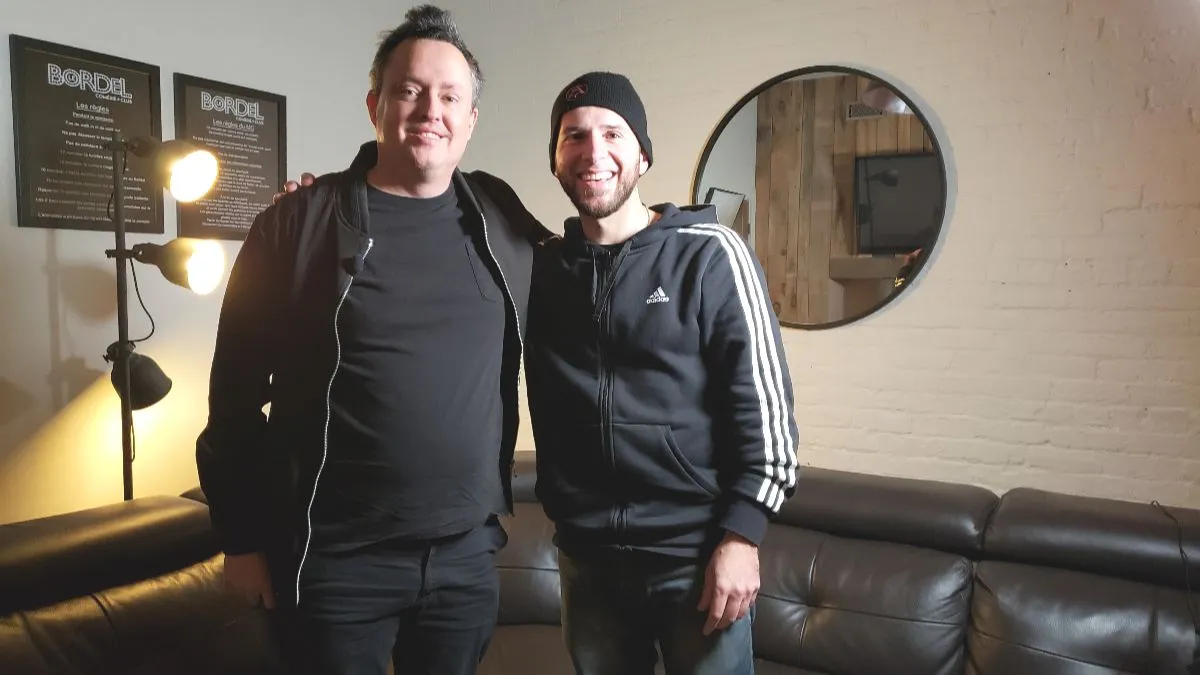
Director Saturnin Kondratiewโ€™s American Troll is an exceptional piece of documentary filmmaking for multiple reasons. First of all, it tackles the uncomfortable topic of comedy, and whether the new era of political correctness has hurt true comedy and comedians. Every day, one of Americaโ€™s most famous comedians would come out and say that a particular comedy movie everyone considers a classic wouldnโ€™t be made today because the studios are risk averse or because there is a fear of hurting the wrong group. Second of all, Kondratiew tackles freedom of speech, and how laws differ from one country to another, that a harmless joke could actually end up with its owner in jail. This is what almost happened to the subject of our film: Quebec comedian Mike Ward.

The documentary centers around Ward throwing a dark joke -an insensitive one, but didnโ€™t a lot of comedians who didnโ€™t age well throw similar jokes back in the day- about a Quebecois celebrity, a young boy named Jeremy Gabriel with a rare genetic disorder. It would be a sacrilege to reveal the joke here, and it would kill the joy of discovering what Ward said, and the domino effect that followed, wrecking his life completely. So itโ€™s safe to say itโ€™s an insensitive joke directed at a little boy with a disability, and yet it cost Ward more than he bargained for. 

Whose side is Kondratiew on? After watching the entire thing, itโ€™s obvious that Kondratiew is on Wardโ€™s side. He gives space for Gabriel to express himself and tell his side of the story but the whole thing is framed like a cry out for help before itโ€™s too late and people in Canada are gagged for good. Itโ€™s also an analysis of who gets to decide whatโ€™s acceptable and whatโ€™s not, and how the general consensus can sometimes be as harmful as it seems empowering in driving societal change through lawmakersโ€™ decisions.

Kondratiewโ€™s filmmaking style is traditional to say the least. Nothing revolutionary jumps off the screen to meet the viewer. Itโ€™s what one would expect from investigative, expository-documentary filmmaking. There are interviews with both parties in the dispute. There is archival material that Kondratiew digs from the depths of the internet even though he is underfunded. Because of the uncomfortable nature of his project, not a lot of sponsors were willing to back him up. The bravery of modern directors seeking the truth and the ways by which they self-fund artistic endeavors that no longer find funding through the proper routes. For this film, Kondratiew spent seven years of his life, interviewing, gathering archival material, and relying on tight financial resources to complete it. The director also expands his point of view to include the freedom of speech laws in Canada, and many other comedians are mentioned and interviewed about problems they have faced with the censorship and the freedom of expression. The line to be crossed is getting thinner by day, and yet, accusations of racism, cultural appropriation, and political incorrectness are also important to put into perspective.

The journey of making the film itself is inspiring. But does the subject matter live up to the hype? In many ways, American Troll is one manโ€™s gain reciprocated into pain for the other. The director bringing both points of view to the forefront stays neutral, or at least attempts to do that with his set of skills and the limited amount of material he has at his disposal. The result may not be groundbreaking, but a story worth telling and watching, especially in discussing topics that are gaining more and more sensitivity by day. But if the fight against comedy takes a turn for the worse, and more voices are silenced, will a noble cause like protecting an innocent disabled kidโ€™s feelings be used as a double-edged weapon to silence comedians mocking corrupt politicians? Itโ€™s a fine line to walk.

Grade: B

Episode 704: Top 5 Monster Movies

This weekโ€™s episode is brought to you by Koffee Kult. Get 15% OFF with the code: ISF26!

This week on the InSession Film Podcast, inspired by Na Hong-jin’s new film Hope, we discuss our Top 5 monster movies! We also preview our upcoming 1998 Retrospective and discuss one more movie we had to add to our Fall Preview. Plus, JD’s insane Michigan story from over the weekend.

– 1998 Preview (2:37)
We begin the show this week by previewing our 1998 Retrospective happening next week on the show. It’s one of our favorite episodes that we do each year. We’ve seen a lot of films in prep for it and we’re ready to dive into what makes 1998 such a unique year for film.ย 

– Summer Box Office Record / You Can See Everything (13:59)
Next, we briefly talk about how summer 2026 broke box office records and how exciting that is given how bleak things looked just a few years ago. After that we wanted to note that A24 revealed a secret new film at Telleride after we did our Fall Preview last week on the show. It turns out, You Can See Everything is 100% one of our most anticipated movies for the rest of the year.ย 


RELATED: Listen to Episode 670 of the InSession Film Podcast where we discussed our Top 10 Movies of 2025!


– Monster Movies (33:19)
As noted above, with Hope coming to theaters this weekend, we wanted to look at our favorite monster movies. Depending on your criteria and definitions, this is a topic that can go in many directions. Something we somewhat test the limits of given our restrictions and what we considered for this list. Either way, there are tons of great monsters movies and this was a really fun topic. With that said, what did you think of our lists?

– JD’s Michigan Story (1:51:54)
We end the show this week with JD telling an insane story of taking his son to Michigan over the weekend. It was an experience with high high’s and low low’s, and something they won’t soon forget.ย 

Subscribe to our Podcast RSS
Subscribe to our Podcasts on Apple Podcasts
Listen on Spotify
Listen on iHeartRadio
InSession Film Podcast – Episode 704

Help Support The InSession Film Podcast

If you want to help support us, there are several ways you can help us and we’d absolutely appreciate it. Every penny goes directly back into supporting the show and we are truly honored and grateful. Thanks for your support and for listening to the InSession Film Podcast!

VISIT OUR DONATE PAGE HERE

Movie Review: ‘American Summer’ is Better Off Forgotten


Director: Michael W. Gray
Writers: Michael W. Gray, Jennifer B. White, Marc Prey
Stars:ย Steve Guttenberg, Cullen Moss, Mia Talerico

Synopsis: Older Mikey reflects on a past summer when he met “the” girl + scored a spot on the team. All while his US army dad is missing overseas. A heartwarming coming-of-age family film, humor, baseball, summer love, and a puppy who saves the day.


A wise person once said, โ€œEvery movie that is made is a miracle.โ€ In some cases, I think that is true, but not in the case of the movie American Summer. I couldnโ€™t believe that an indie coming-of-age rom-com made in the 2020s could be so platitudinous. The romance between the young leads isnโ€™t touching or believable. The comedy is so deadpan and corny that it would make the writers of Nothing But Trouble recoil and wipe a bead of sweat from their foreheads. The filmmakers and creative team should have taken the right steps as leaders to make this a movie worth watching.

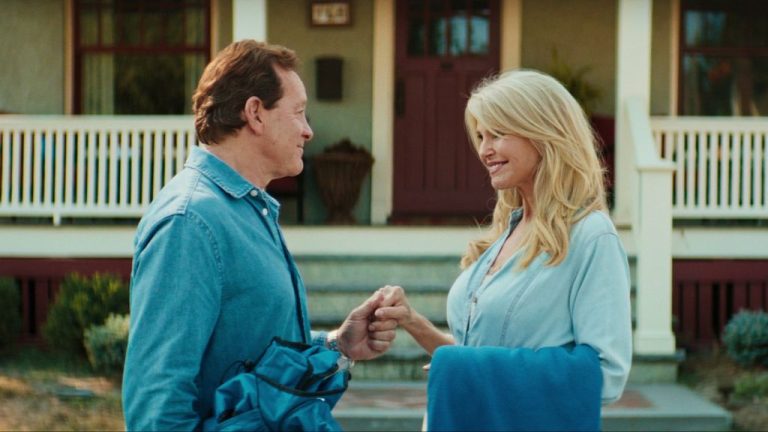
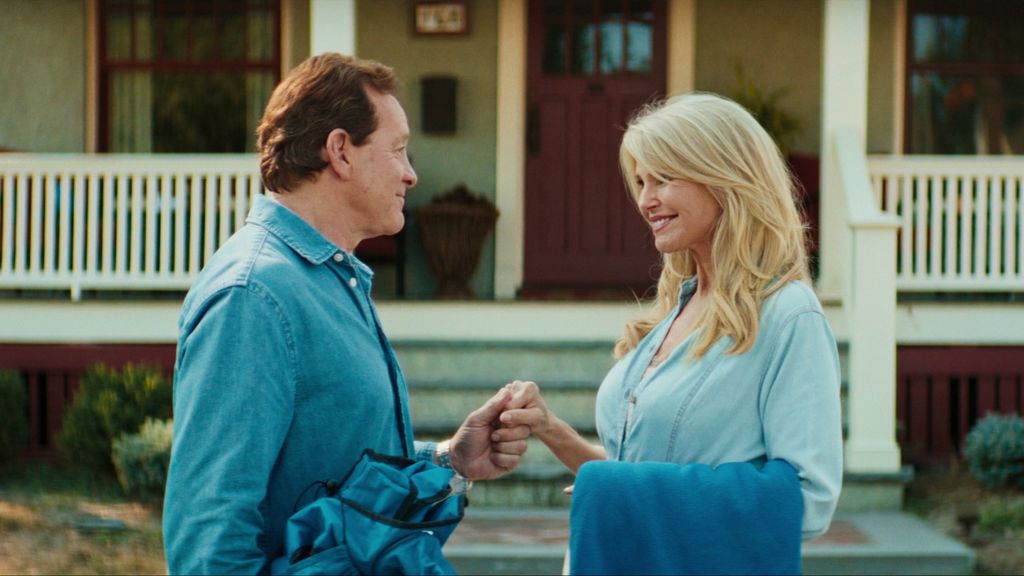
Heartthrob of yesteryear Steve Guttenberg plays the older version of the main character, Mikey. He spends an afternoon on his porch reminiscing about that special summer before high school, the summer when he got โ€œtheโ€ girl, won a spot on the travel baseball team, grew out of boyhood, and more. Guttenbergโ€™s Mikey is 60 years old. The filmmakers tried to hide things in the scenes set in the past that would reveal they were actually filmed in the present day (Yes Iโ€™m talking to you PS5 and Nerds gummy clusters!). This movie should have been filmed with a budget that allowed it to be set in the โ€™70s or early โ€™80s.

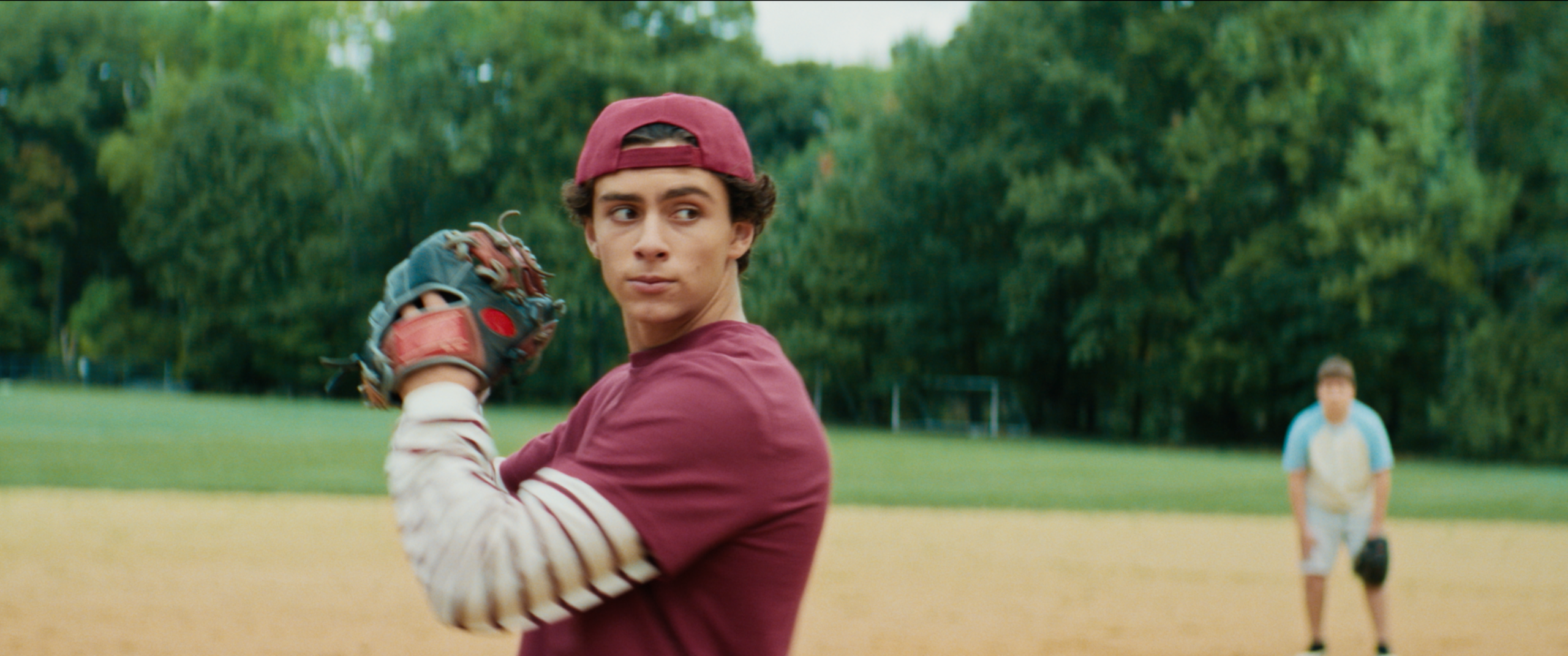
Young Mikey (Logan Gray) and his friends encounter some interesting characters, such as Buck Mulvaney, a member of the travel baseball team who has deep insecurities due to how his father treats him and the fact that he looks like a super senior. In one scene, Mikey tries to give Buck the benefit of the doubt, and the two talk about baseball. A few scenes later, Buck tries to run off with the girl Mikey is crushing on, Kelly, played by Mia Talerico. There are a few dream sequences including young Mikey and Kelly that felt like they were added in to fill the run time. 

Co-writer and director Michael W. Gray is a first-time director who decided to pay some sort of homage to his favorite coming-of-age films while adding a little good old patriotism through the subplot of young Mikeyโ€™s father being lost at war overseas. Donโ€™t even get me started on Dan Lauria playing Mikeyโ€™s grandfather. They must have thought, โ€œLetโ€™s cast Dan because he was Kevinโ€™s dad in The Wonder Years.โ€ The story even glosses over the fact that the grandfather is a compulsive gambler who gives his grandsons lazy advice. In a better movie, there would be more exploration of the grandfatherโ€™s character, going into detail about his addiction and perhaps having him do more than simply apologize to his grandsons for their mother being so hard on them.

Most of the characters are underdeveloped and underutilized in this movie. I think this is because of both the lack of budget and the half-baked script. Mikeyโ€™s mom doesnโ€™t have any dialogue that feels heartfelt or meaningful. She lashes out at him for keeping to himself during a time-sensitive moment involving one of his friendโ€™s whereabouts. This friend later passes out in the woods due to hypoglycemia. Does he learn from this as the film progresses? No. They simply move past it, and he continues to serve as the pictureโ€™s โ€œcomic relief.โ€

I think Gray can churn out a better script and an all-around better film. Instead of relying on plotlines from other movies and writing dialogue they think sounds accurate to what kids would say, perhaps they should make a rom-com with adult characters and draw from experiences of their own.

Grade: F

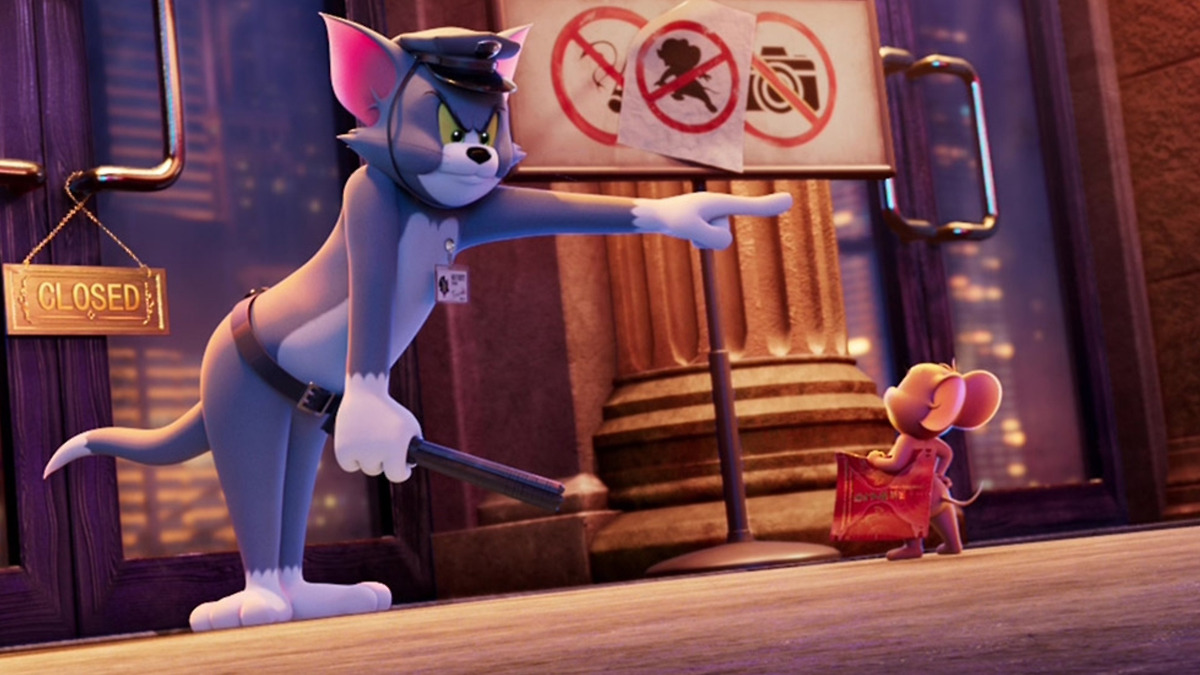
Movie Review: ‘Tom and Jerry: Forbidden Compass’ is an Affront to Cinema


Director: Gang Zhang
Writers: Gang Shang
Stars: Li Baixin, Mino Eek, Zhang Gang

Synopsis: During a chase inside a museum, Tom and Jerry find a magical object and end up being transported through time. Lost in a distant era, they will need to work together to find a way back home.


Rarely does a film gobsmack me for the completely wrong reasons. I grew up watching Tom and Jerry with my grandmother and I didnโ€™t hate the 2021 Tom and Jerry film (which was largely panned). All to say, that at the very least, the slapstick comedy of Tom and Jerry is just enough to keep me engaged and all of the extra stuff is supplemental. Fast forward to last Tuesday, August 25th – my editor questioned why no one was reviewing this film. Hell, while not his real name, we have a guy whose bit with InSession is that he โ€œtalks about the toonsโ€ and goes by โ€˜Toontalksโ€™ – and not even he wished to take on this film. Which shouldโ€™ve been a sign, but blinded by the hopes of something remotely decent or enjoyable, I foolishly entered the AMC in Times Square this morning; which was one of the very few theaters showing this movie on opening day – another sign. What I was hoping for was slapstick, and even if the narrative wasnโ€™t all there Iโ€™d cut it some slack for kooky cat and mouse antics. Instead Tom and Jerry: Forbidden Compass is what I believe was a kindergarten teacherโ€™s Benadryl fever dream after accidentally leaving the Boomerang channel on (derogatory).

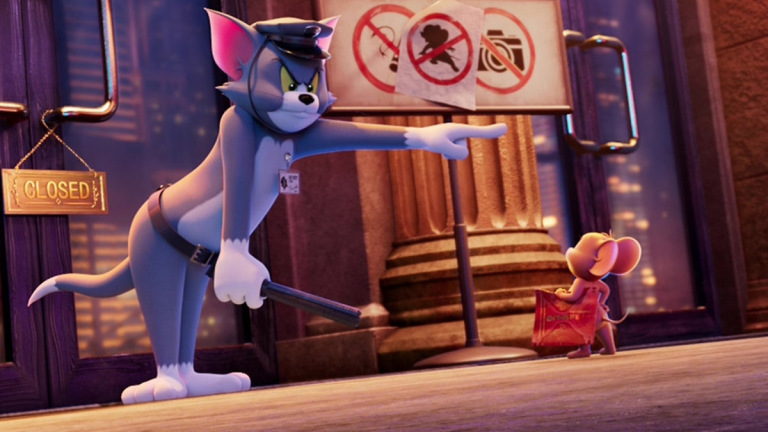
One thing I didnโ€™t anticipate was that Tom and Jerry: Forbidden Compass is a Chinese production and would also be the first completely CG Tom and Jerry film. The director has no previous work that I could find, and I donโ€™t know who at Warner Bros gave the greenlight for this to be made. Before even getting into the movie itself, I am perplexed at how this thing exists. Were there local or international tax incentives that made this a favorable production? I can assure you no compelling script was made for this film to be made. Whatever it is, nothing about this film is redeemable to have drug the Tom and Jerry brand through the mud. I wouldnโ€™t even call it dragging through the mud, this film doesnโ€™t deserve to be in the same sentence as mud. You can call bad movies as โ€˜catering to the lowest common denominatorโ€™, โ€˜bottom of the barrelโ€™, โ€˜slopโ€™, or any variation of that, but Tom and Jerry: Forbidden Compass boldly goes past that into an unknown territory. We are in levels of bad whose description could not be used by the verbiage we have now; my guess would be that lingo was lost in the burning of the Library of Alexandria or is used by an alien species we have yet to meet.

The pace of this film is unsustainable to any viewer anywhere, even people whose attention span has been shot by TikTok AI fruit videos or 20 second clips of television shows with a narrator dryly describing the scene couldnโ€™t follow this nonsense. The production company crawl at the start of the film sprints and by the time you can collect yourself Tom and Jerry are chasing each other around The Met in NYC. Then yada yada yah, poopity scoopity poo, they go back in time to ancient China and tweedledy weedledy dumb, humpty dumpty doo they somehow get involved with whatever the hell is happening. Iโ€™m not here to speak to the plot points or logic of a childrenโ€™s movie, but there is absolutely nothing to glean from this movie. The whiplash the viewer has by the end of this movie is as severe as the car accident I had in 2015 where my 2001 Ford Taurus was completely brutalized. Granted, I know that there are films where the design is to just fire off as many stimulants as possible and as long as your kid is satisfied with the upkick in dopamine then mission accomplished. But Tom and Jerry: Forbidden Compass feels like an affront to cinema, an affront to your intelligence, and an affront to your childrenโ€™s mental development.

I have friends with young children, my sisters either have kids or are currently expecting, and in no circumstance would I give these kids this film to watch – not even as a bit. It seems a little silly to derail a childrenโ€™s movie this much, and thereโ€™s almost a guarantee of some random online seeing how much I hate this movie and saying โ€œitโ€™s just a kidโ€™s movie – get over yourselfโ€. Tom and Jerry: Forbidden Compass is the type of film that would be used in the Ludovico Technique, with your eyes clamped open and body strapped to a chair. The entirety of this review feels a little hyperbolic (and it probably is at times), but you should never subjugate yourself to this trash that is taking away your hard earned money and very important time. It is an absolute travesty that something like this exists.

Grade: F

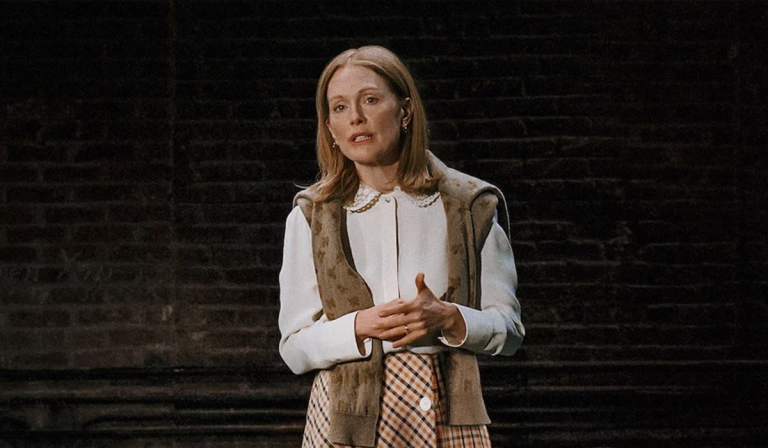
Chasing The Gold: Julianne Moore vs. Inde Navarrette

Up until the rapturous reception of Julianne Mooreโ€™s performance in Jesse Eisenbergโ€™s latest The Debut, this yearโ€™s Best Actress race has been boring, to say the least. So boring actually, that many people have been rooting for Inde Navarrette to win, mainly out of enthusiasm in a non-enthusiastic year for women, but also out of lack of someone else to root for.

Yes, there was Olivia Wilde -whoโ€™s having a career best year quote unquote– in The Invite. Also, we have Anne Hathaway in one or two of her recent films. But still nothing ignited as intense of a reaction, both positive and negative, as Navarretteโ€™s performance as freaky Nikki in Obsession. Why is that? For starters, Navarrette is relatively young, so this brings to mind the JLaw Silver Linings Playbook season all over again, and everyone has nostalgia for a fresh-faced unknown actress finding herself at the center of the universe with a low-budget horror movie that, against all odds, broke box office numbers, made a gazillion times more than its budget, and created a cultural phenomenon on its own with capturing some of the morbid side effects of modern dating. All of this isa recipe for success, or at least food for thought, when one wants to analyze how the Gen Z/Gen alpha mindset works (at least, us for us older generations).

It doesnโ€™t stop at that. With rumors of Navarrette turning down the role of Charlene -famously played by Ashley Judd- in the infamous Heat sequel, Heat 2,  to play Rogue in the Untitled X-Men movie and weird career choices that are borderline populist rather than artistic-driven, at least thatโ€™s what filmtwt thinks. Navarretteโ€™s nomination, if it happens, will be a popularity nomination, one that is based on her youth, underdog narrative, and slightly controversial public figure entanglements.

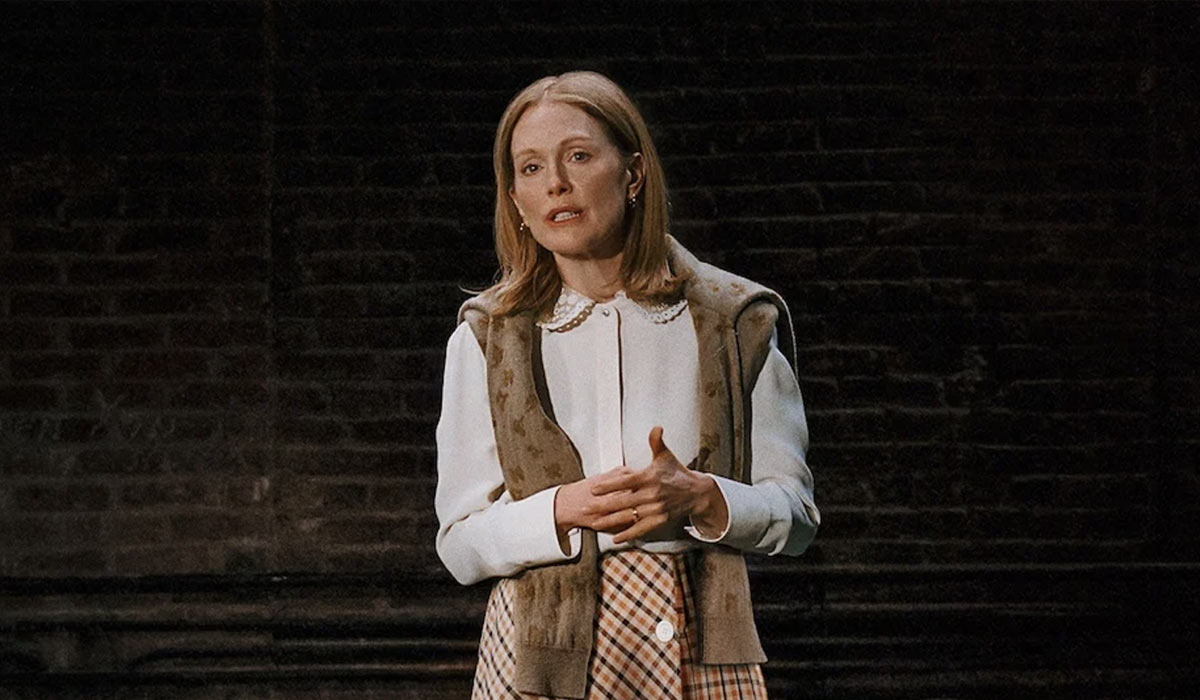
Everything changed with Eisenbergโ€™s The Debut premiere at Telluride. Moore, an already critical and audience darling, blew everyone away with her performance as Mona Friedman. Receiving a mid-movie applause and getting all critics and filmtwt enthusiasts go rabid with excitement, the race now has become saucier than ever, because finally, there are two equal forces of intrigue, and the wonder about who is going to snag it, canโ€™t escape peopleโ€™s bets and expectations. Yes, itโ€™s too early to judge whoโ€™s getting in for a nomination without even the earliest award precursors to drive award enthusiastsโ€™ anticipation forward. But seeing as Moore is not new to getting critical and award recognition, itโ€™s safe to say her chances are much higher than Navarrette’s in being a part of award connoisseursโ€™ conversations.

Moore plays within type, an age-appropriate part that tackles a very crucial topic for women worldwide: what if a mid-life crisis savior for a woman with little life experience, turns into a life-threatening situation that might obliterate anything in her wake? Moore, as expected, aces the part. She eats it. Letโ€™s not forget that this is not the first time Moore steals a show as well. This role has been specifically written for her by Eisenberg, who already has the blessing of the award bodies after his highly successful run with A Real Pain. 

No one forgets how she swept all awards for Still Alice, and another TV role sweep for Game Change. Moore is an audience darling, one of the most prolific, daring actresses of her generation, but also a sweetheart. She can look like a warm schoolteacher in real life, and yet play a complex, risquรฉ role such as in Map to the Stars and Savage Grace. She worked with some of the best directors in the world, dead and alive. She has the experience and the comeback story that never fails to charm award voters.

Itโ€™s unfair to pit those two women against each other, especially when Navarretteโ€™s lack of artistic prowess and experience would be put against ageism in dealing with the more veteran Moore. In a corny world, they would both be paired in the Variety Actors on Actors, where actors compliment one another, kiss, and hug at the end of the day and it becomes rarely about acting and technique but mutual hemorrhoid inducing praise. Thereโ€™s also the argument for the Academy -and most American award bodies- dismissing horror as a lower art genre. Not to mention that considering Obsession high art horror would be too big a stretch, even if I am one of its biggest applauders, and its biggest shot is Navarrette getting her Oscar nod which would take her to a whole other level of superstardom. 

Somehow itโ€™s strange to observe the industry -and some journalistsโ€™- fascination with Navarrette. Makes a woman writer like me wonder; is youth really that gold of a currency in Hollywood? And if it is, would that be her ticket to a career turn bigger than she even anticipated with the mega, unbelievable success of the small-scale movie she randomly starred in?

Movie Review: ‘Hope’ is Not to Be Missed


Director:ย Na Hong-jin
Writer: Na Hong-jin
Stars:ย Hwang Jung-min, Zo In-sung, Hoyeon

Synopsis: A mysterious discovery is made on the outskirts of the remote harbor town. The residents find themselves in a desperate fight for survival against something they have never encountered before.


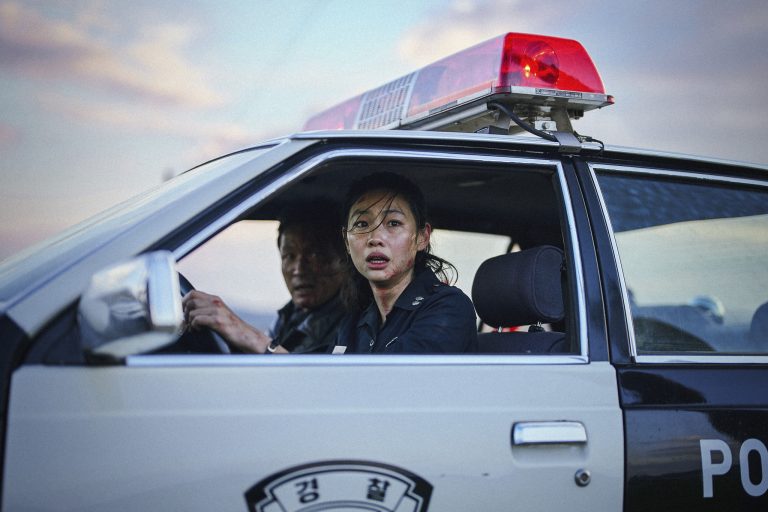
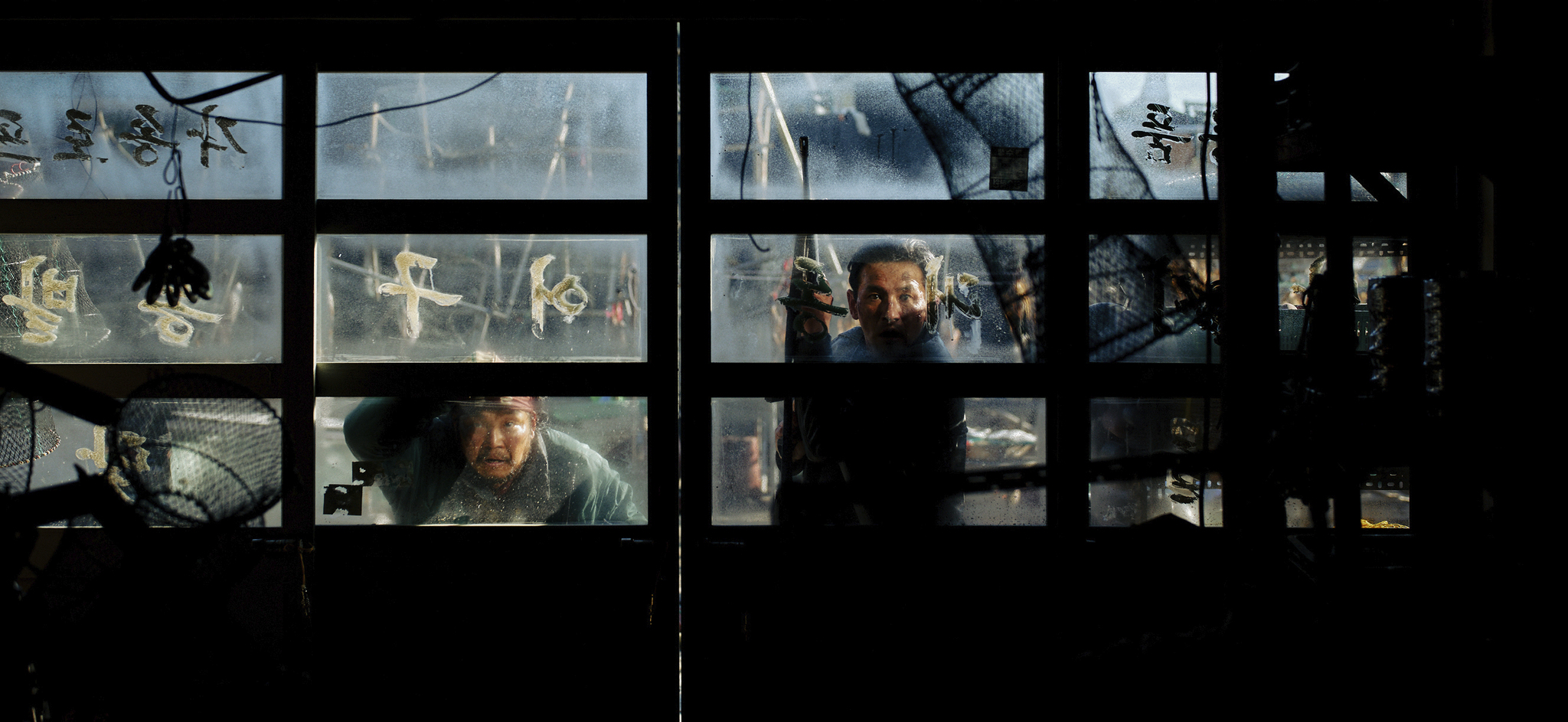
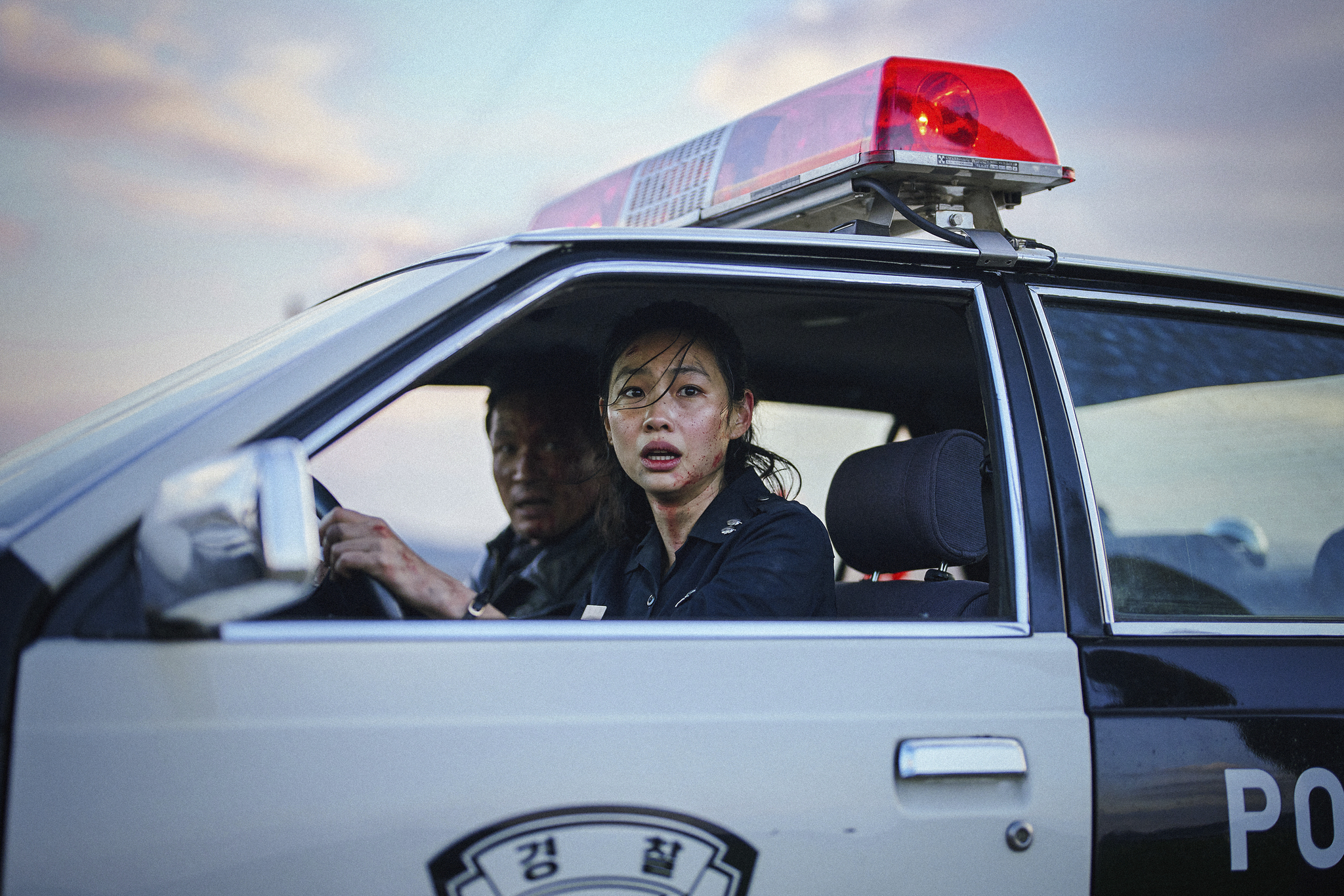
Let me cut to the chase, Hope kicks extreme ass. If you know nothing before going in (like I did), take the first sentence, close this review, and get tickets when the film comes out. Hope starts as something small and completely unravels into the most nerve thumping and jaw ripping a movie can get. By the time the hefty two and a half plus hours run past, you are itching for more and the open ending leaves an entire freight train of narrative to go. It isnโ€™t without its issues, and you shouldnโ€™t go in expecting something layered or complex. But if you are missing radical and absurd filmmaking, you will get that in droves with Na Hong-jinโ€™s newest feature, Hope.

Hope follows an incident in a port town named Hope Harbor where a violently sliced cow appears in the middle of the road. The local police chief, Go Bum-seok (Hwang Jung-min), sets off to investigate along with a group of local hunters, which includes the police chiefโ€™s extended cousin – Go Sung-ki (Zo In-sung). The film escalates from there as an investigative thriller, then a hide-and-seek style horror film, then a creature feature, then into a massive sci-fi picture. By the end of the film you are on the verge of a nearly apocalyptic situation (?) Whaaaaaaaaaaat – what are the townsfolk of Hope going to do about this?

The evolution in narrative and theme is a slow press on the gas until we get to the final moment and is done so with masterful precision. While you are given a lot of time in this cinematic world, you are given adequate time to accustom yourself to these characters and world and not a single moment feels wasted. You get a world that feels lived in, characters that know each other, and events that genuinely feel like theyโ€™ll impact these characters as if theyโ€™re real people. That may seem like the bare minimum, but with everything else going on the fine balance is what makes this even more impressive. Most films would crumble under the weight of this narrative, but the control behind the camera ensures this film doesnโ€™t become entirely muddled and lost. 

If you missed the campiness of something like Transformers, then youโ€™ll be right at home here. In some of the most violent or should-be-serious moments you see these folks squabble or say the most nonsensical things – and it’s incredible. Rookie cop Lim Sung-ae (played by Hoyeon from season 1 of Squid Game) comes into every scene like a complete badass just blowing things up without an ounce of fear in her blood. The thrill factor comes and goes in Hope but when it’s firing off it is firing off. As if the thrill factor is staring at you at a stop light, revving and waiting for the light to turn green. Hope is completely batsh*t and is worth your valuable time.

While I do greatly enjoy this film, there are some parts that bog it down. It feels counterproductive to discuss the quality of CGI, but at times the creatures look like theyโ€™re straight out of a PlayStation 3 game. Since itโ€™s in the trailer, the first creature thatโ€™s encountered looks like the Labyrinth Madman enemy from Bloodborne (if you played Bloodborne, you know those things are scary as hell!). Then it devolves into creatures that look monstrously campy, or like the demogorgon from Stranger Things. The juxtaposition of the human characters undergoing the trials and pains theyโ€™re facing and it being done at the hands of silly looking creatures sort of sucks the intensity out of the scene.

With that said, there are moments where the stunts bring the intensity into view – a scene involving the lights on the top of a cop car comes to mind where I sat there with my heart in my stomach. Hope asks the viewer to suspend their sense of belief a great deal at times but the reward for doing so is oh so sweet. In a consequential scene a character is telling a story about how much worse the situation at hand really is, while simultaneously talking about holding in his poop. It is by design that Hope is a little overly silly, and it doesnโ€™t fit into some scenes that are meant to be more dour. But in the face of what Hope gets right, these issues melt away. 

With the summer blockbuster season coming to an end, thereโ€™s no better way to cap it off than with a little Hope. Violence, explosions, weird looking creatures, crazy stunts – all things that feed this simple minded soul. The sequel this ending promises is only going to get bigger, crazier, and hopefully more violent. Plus, the post credits scene? Cโ€™mon, just total batsh*t insanity. You will not want to miss Hope.

Grade: B

Movie Review: ‘By Any Means’ Has Deep Convictions


Director:ย Elegance Britton
Writer: Sascha Penn
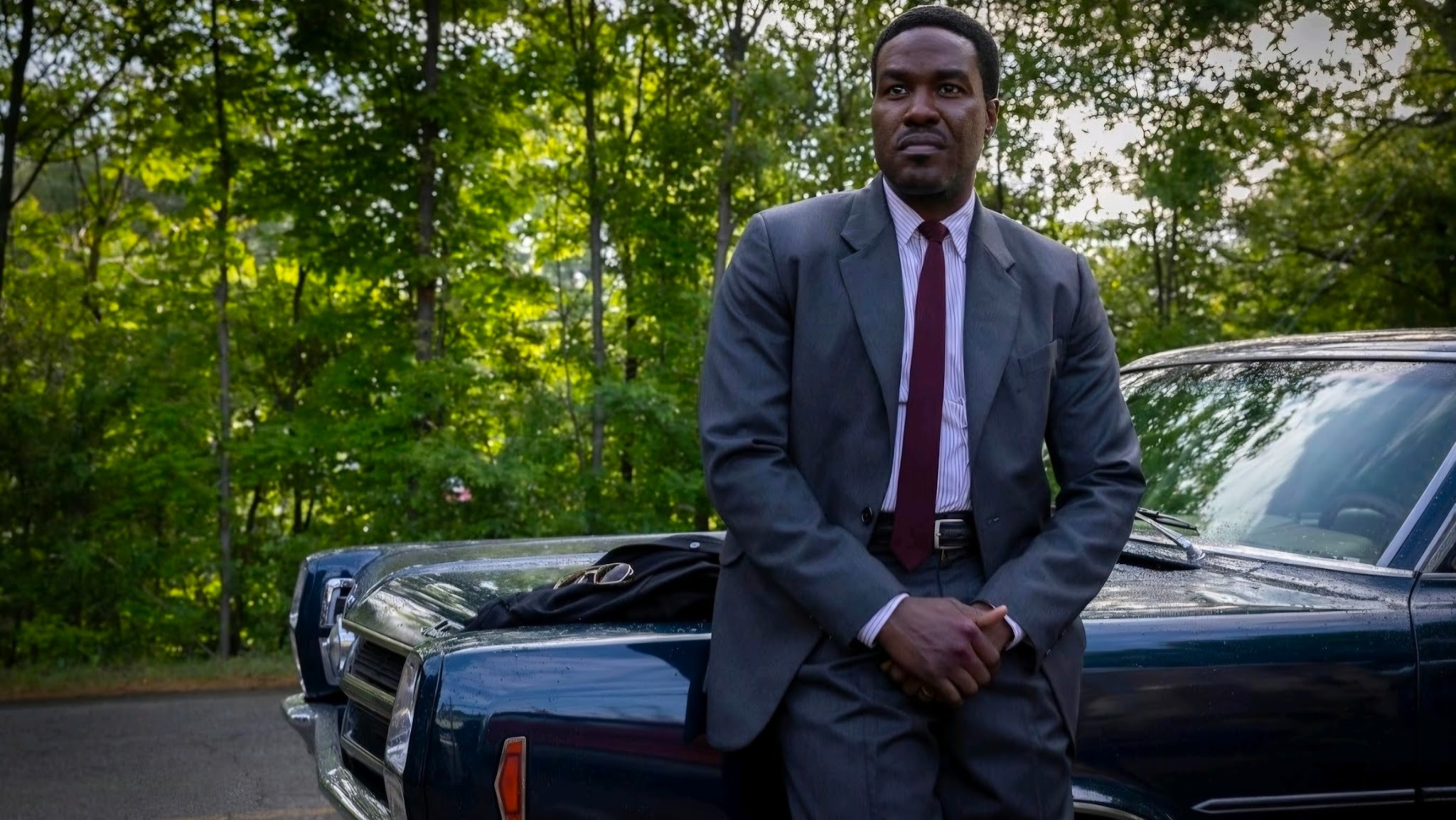
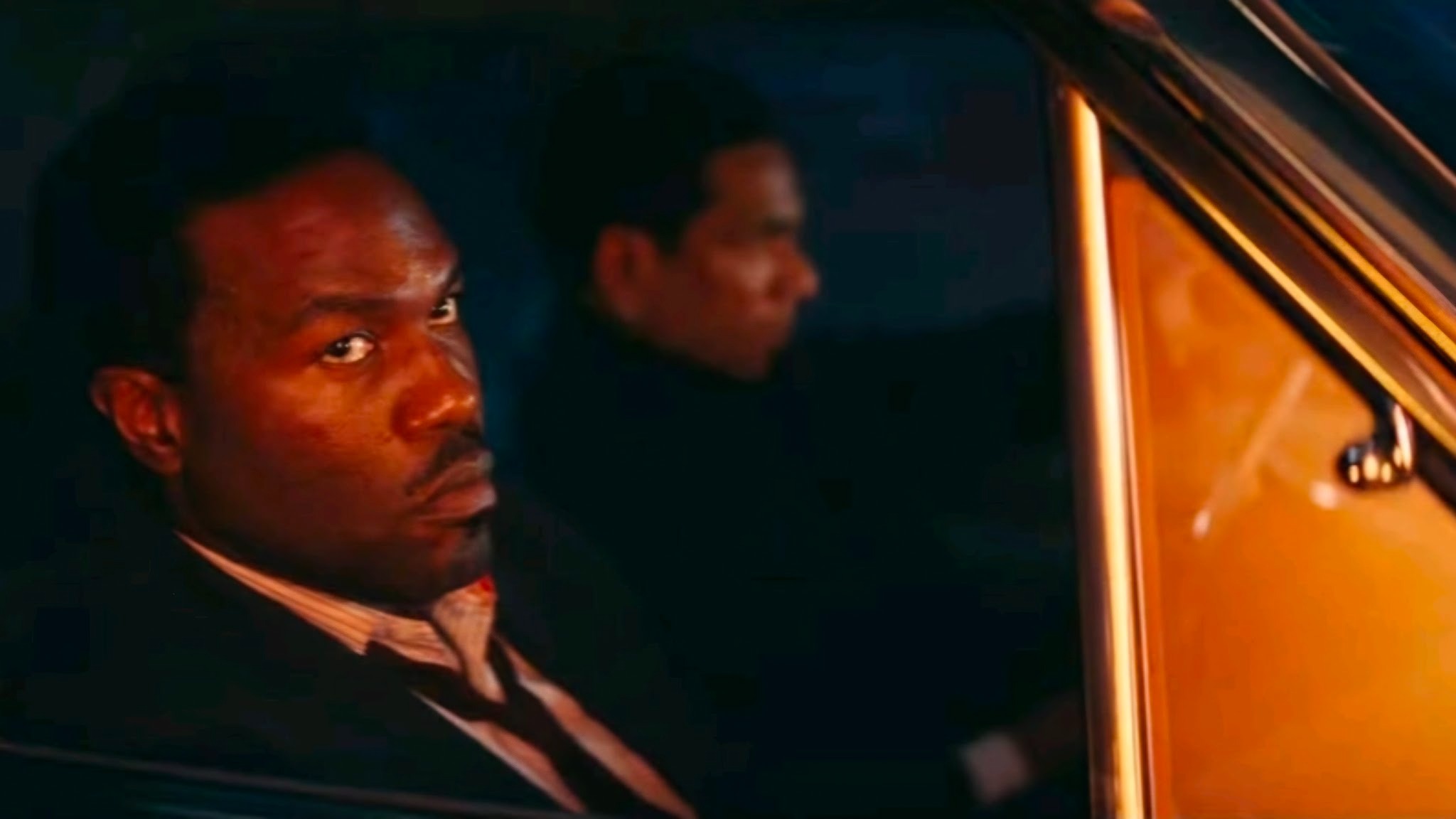
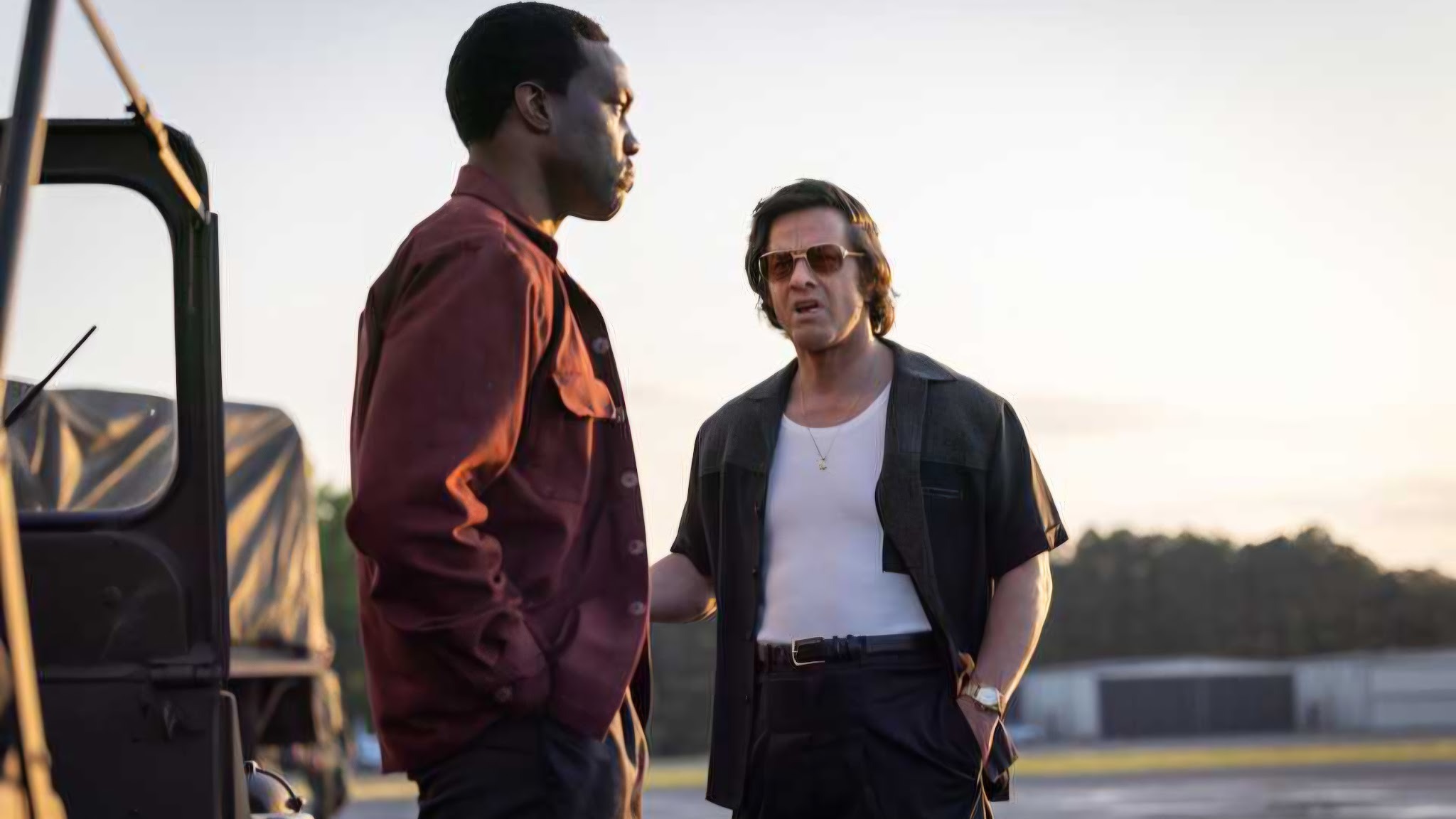
Stars:ย Yahya Abdul-Mateen II, Mark Wahlberg, Nicole Beharie

Synopsis:ย  A notorious mafia hitman and a young Black FBI agent team up to investigate the murders of civil rights leaders in 1966 Mississippi.


By no means should By Any Means be held in the same regard as such landmark civil rights thrillers as Mississippi Burning, In the Heat of the Night, BlacKkKlansman, or Judas and the Black Messiah. The film never digs nearly as deeply into the roots of hatred or the systems that allow it to flourish, trading thematic complexity for a conventional buddy-cop revenge thriller.

Yet, what an incredible story By Any Means is, even though I think it would have been better served as a limited streaming series, allowing its bigger themes more time to percolate and settle. The movie plays more like a tall tale, with stories that grow more embellished with each generous mug of sudsy beer, as legendary folklore often does. 

The result is a series of familiar beats, delivered with such conviction that they reverberate with genuine tension.

The story follows Wayne Strider (Ambulanceโ€™s Yahya Abdul-Mateen II), a Black FBI special agent in the 1960s. Strider worked for the Bureauโ€™s Chicago office but returned to the Mississippi field office to make a difference. Wayne grew up there and feels responsible for the community. Unfortunately, he finds himself stuck on desk duty.

He accompanies his wife, Allison (Miss Juneteenthโ€™s Nicole Beharie), to a community gathering where a wealthy local Black business owner, Vernon Dahmer (Giancarlo Esposito of Breaking Bad fame), is offering to pay the โ€œpoll tax,โ€ a two-dollar fee required to vote that many poor Black residents could not afford. This makes Vernon a target and makes the case personal for Wayne.

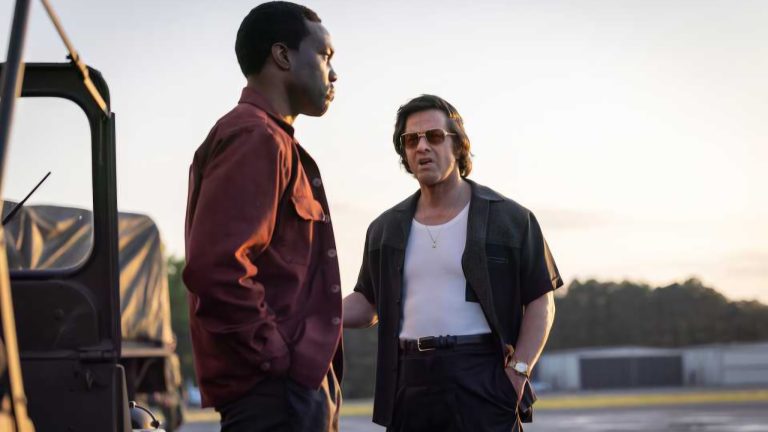
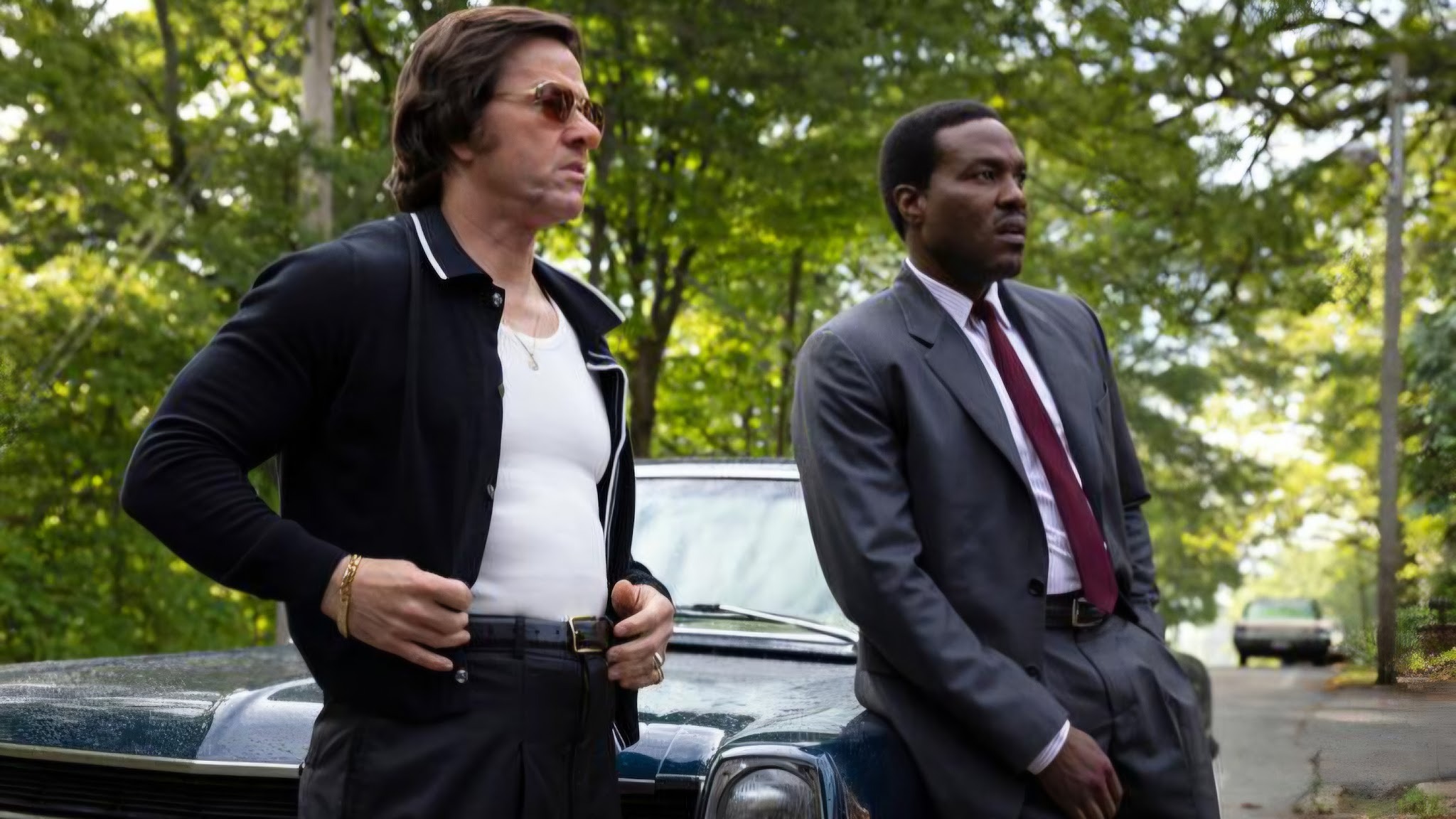
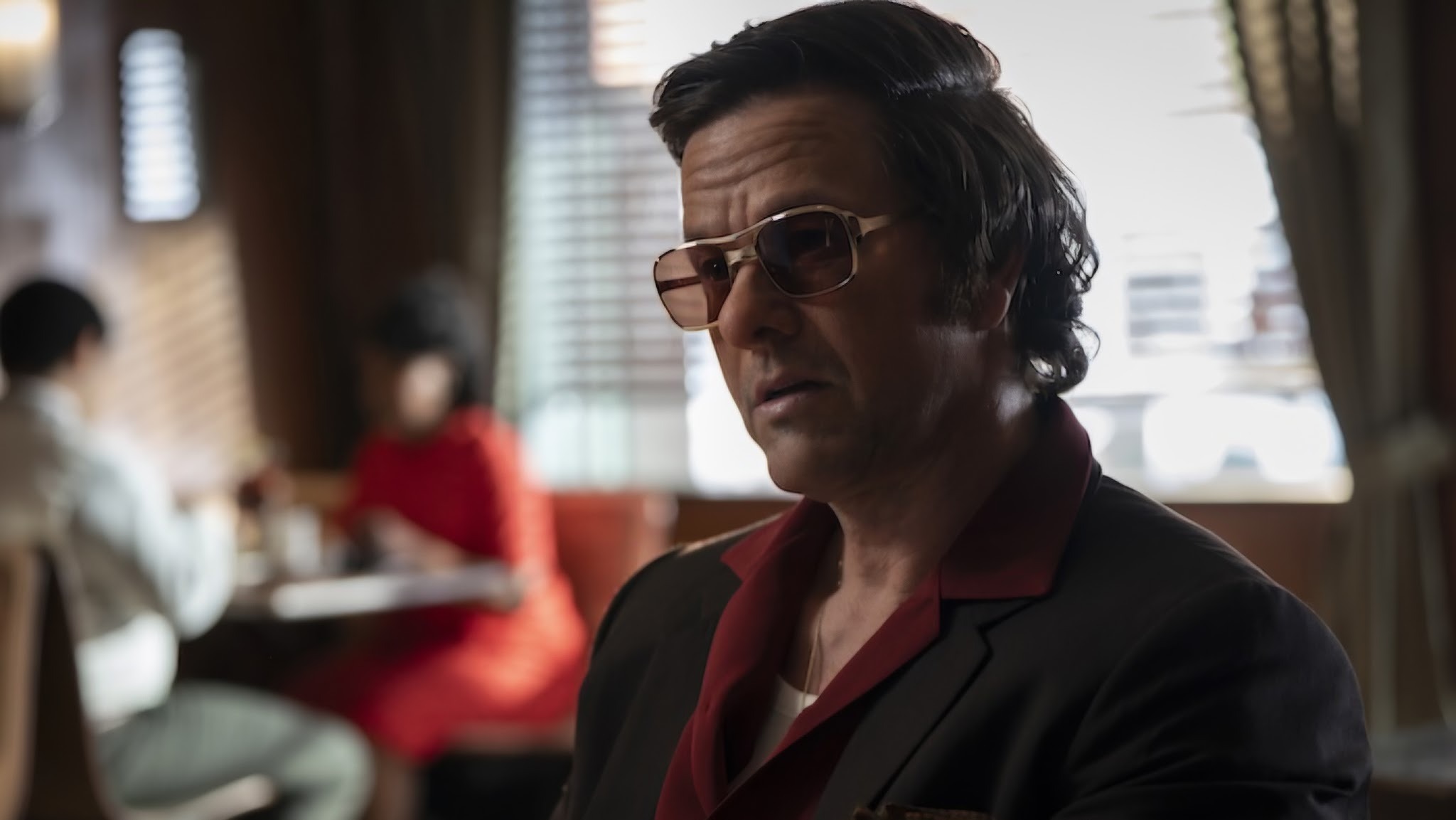
Initially, Wayneโ€™s boss (David Strathairn) refuses to let him investigate, knowing the law will prevent any meaningful investigation. However, that changes when the Bureau arranges a secret plan to bring in notorious Mafia hitman Greg Scarpa (Oscar-nominee Mark Wahlberg), telling Wayne that he is simply to accompany Scarpa, not ask questions. 

Based on real events, By Any Means immerses itself in the ethical ambiguity of being a conscientious observer with a badge. Director Elegance Bratton (The Inspection) and writer Sascha Penn (1992) draw its central tension from the true story of a Colombo crime family who viewed himself as a James Bond, helping locate the bodies and killers of civil rights activists.

At times, the film is remarkably effective, deftly handling genre picture duties with a handful of tragically powerful moments, including another remarkable cameo by Lisa Gay Hamilton, a character actress of extraordinary grace, whom you may recognize from Beautiful Boy, Vice, and Jackie Brown. These scenes give the audience permission to root for vengeance later. 

Of course, at some point, every man needs a code and picks which side of the law he needs to be on, giving the audience a glimpse of Yahya Abdul-Mateen II’s character willing to step into a world he never thought possible. Strider is reportedly loosely based on agent Lindley DeVecchio, Scarpa’s handler during the period the film covers.

For all the bluster, By Any Means is, at its core, a morally complicated genre thriller that’s well-acted, well-crafted, and well-paced. The shame is that much of its potential thematic depth is set aside for familiar genre conventions, though Esposito and Hamiltonโ€™s scenes help elevate the picture. A familiar road, but this story and performances make the movie worth your time.  

By no means does By Any Means reinvent the civil rights thriller, but it tells one hell of a story with conviction.

You can watch By Any Means exclusively in theaters starting September 4th!

Grade: B-

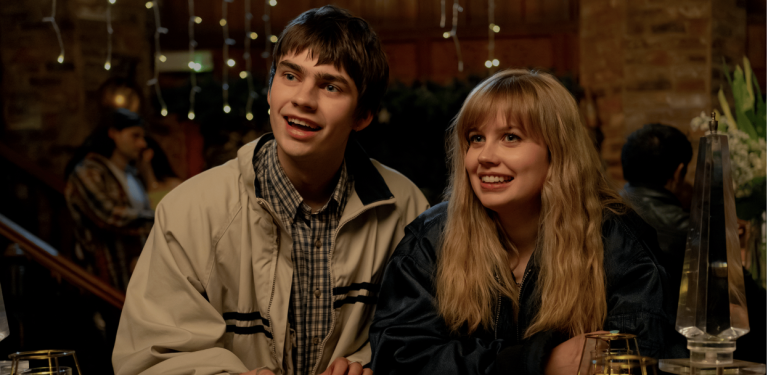
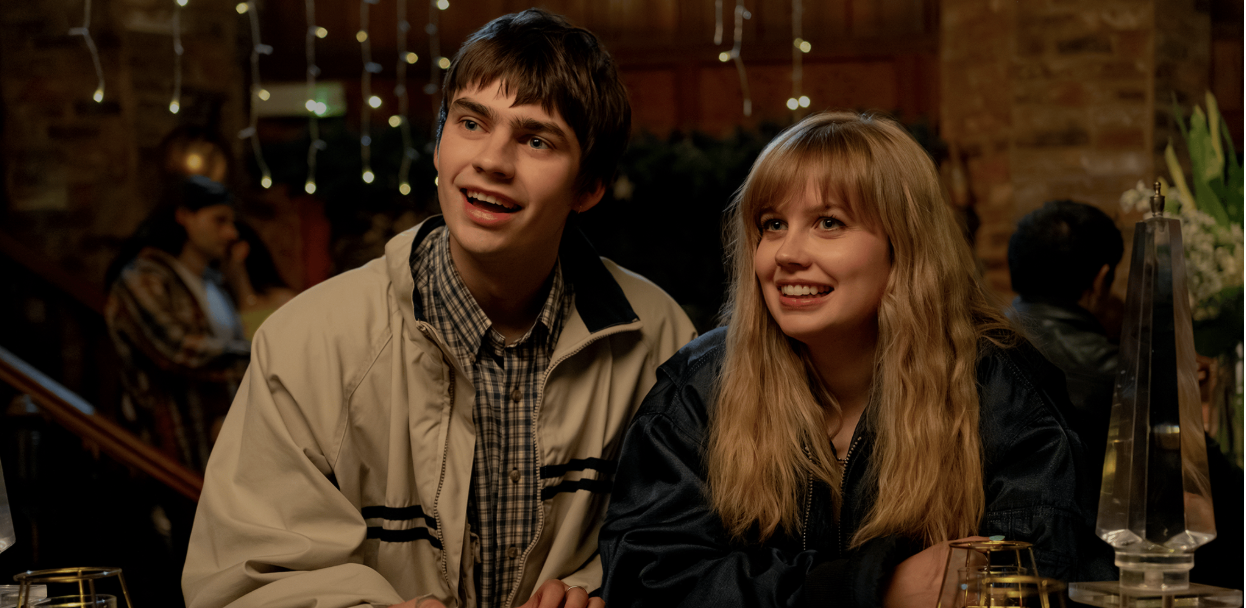
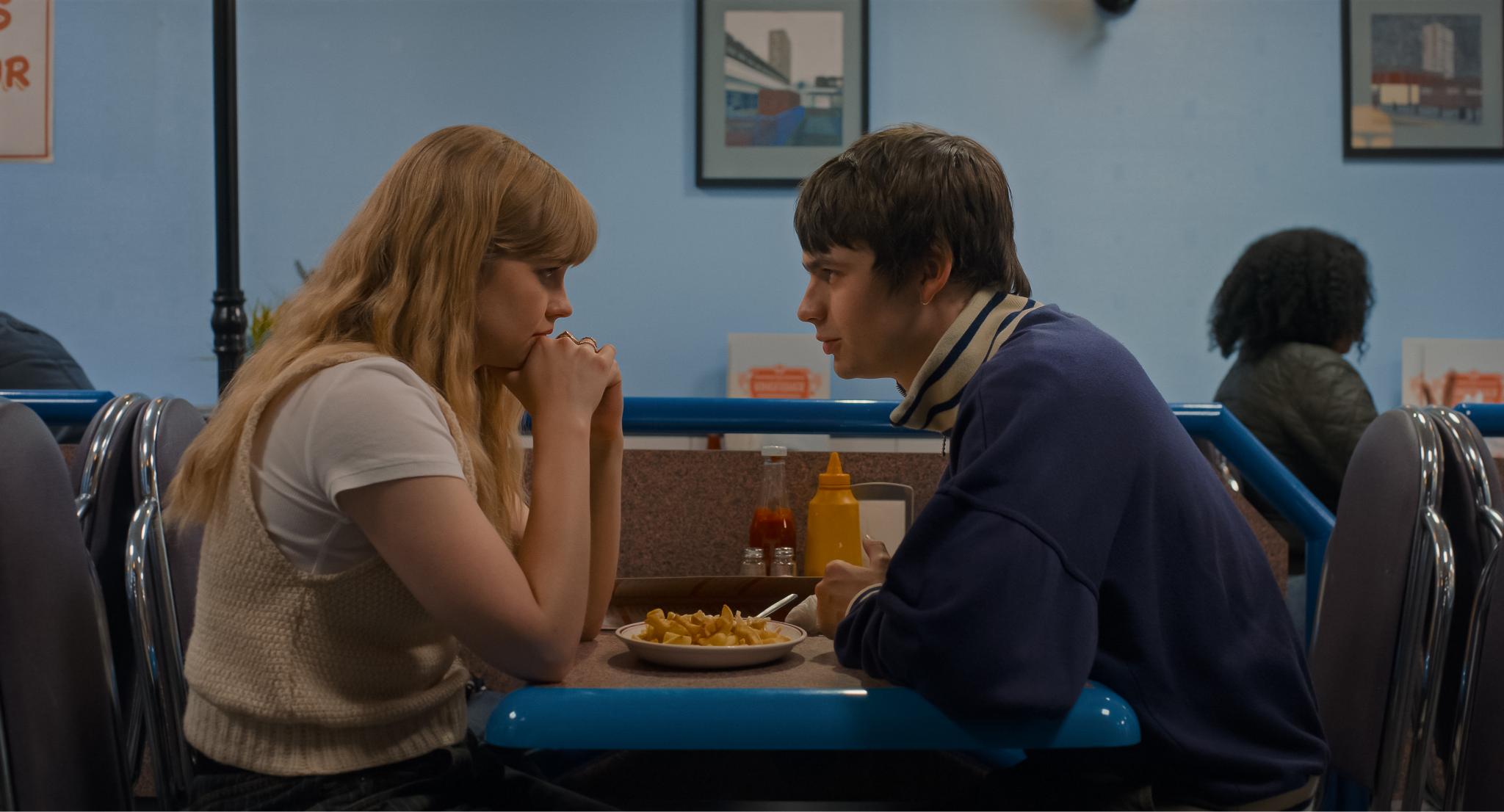
Movie Review: โ€˜Finding Emilyโ€™ Isnโ€™t Stale, But Itโ€™s Far Too Close


Director: Alicia MacDonald
Writer: Rachel Hirons
Stars: Angourie Rice, Spike Fearns

Synopsis: When a lovesick musician is given the wrong number for his dream girl, he teams up with a driven psychology student to find her. Together, they spark a hilarious campus-wide frenzy that tests their own hearts and ambitions along the way.


It all started on the one night a year when single people were legally allowed to have sex. Wait, no. Thatโ€™s not it. My dates were mixed up. It was at a wedding in Australia where their two best friends were getting married; they, of course, hated each other. DAMN IT. Thatโ€™s wrong, too. Okay, I have it straight now: She was dead and only had so long to decide with whom sheโ€™d rather live out their days in the afterlife, but she was torn between her first husband and her second husband, both of whom were also deadโ€ฆ Right?

Wrong. Ah, you see, this was all a ruse! I had to foil your abilities to focus in order to make the film Iโ€™m going to tell you about seem a bit more complicated than it actually is, while also reminding you of the Ghosts of Rom-Coms past (and one, the first, sorta present). It was imperative that I do so given that Hollywood has entirely forgotten how to turn proper romantic comedies into theatrical events without drumming up the most ridiculous premise imaginable. Even if they turn out precisely how you figured they would in the end, we have to muck up the proceedings in order to get there. No longer is it enough to have a Harry and a Sally share a ride from college to New York because one of them has a car and the other doesnโ€™t, only for opposites to attract decades down the pike. We cannot reincarnate Cary Grant, so we replace him with (checks notes) Noah Centineo, or the most recent clone of him now that he has grown a beard moved on to balancing his filming calendar between independent addiction dramas and video game adaptations. It wonโ€™t be long before A24 duct tapes Nicole Holofcener to her desk and forces her to rework Breakfast at Tiffanyโ€™s into a modern, Manhattan-set romance starring Madelyn Cline as a free-spirited advertising agency employee with a speciality in matcha campaigns and somehow lives in a building with in-unit washer/dryers who magically falls for Jonathan Bailey, playing a writer who hasnโ€™t published anything in years (so, a writer). Theyโ€™ll call it Breakfast at Whole Foods.

This diatribe has been brought to you by exhaustion not of the physical variety, but a creative one. For while Finding Emily โ€“ the new film starring Spike Fearn and Angourie Rice โ€“ is charming enough and contains more inter-character chemistry than Millie Bobby Brown has ever shared with a green screen, it still feels like the retreads that have come before it and are bound to come after. Its setup initially delays the necessity for suspension of disbelief, but only for so long until it eventually leads to world-stopping consequences that threaten to yank you out of the experience if you were ever truly invested to begin with. And while it affords the likes of Fearn and Rice, two semi-accomplished young actors with seemingly bright working careers ahead of them, opportunities to breathe where a number of other projects have whipped past their presences before you can even check your oxygen supply, neither star is offered the chance every performer longs for: The chance to invent something, to do something at least one viewer perchance has yet to see. 

Directed by Alicia MacDonald โ€“ who waded into the mainstream (and British) rom-com waters when she directed an episode of Lena Dunhamโ€™s Netflix series Too Much in 2025 โ€“ and written by Rachel Hirons โ€“ whose charming enough feature debut starred George MacKay just before he became George MacKay โ€“ the problem with Finding Emily has less to do with Finding Emily itself than it does with the expectations weโ€™ve awarded its inherent genre. Rather, itโ€™s the lack of expectations it needs to worry about. We meet Owen (Fearn) at a student-inclined club where he works as a sound engineer, though he spends most of his time scanning the eveningโ€™s patrons for a potential soulmate. (Think Jim Halpert meets 75% of The Inbetweeners principal cast and youโ€™re likely halfway there.) He strikes up a flirty chat with his bird of choice (Sadie Soverall), whose name (Emily, right?) and contact information he takes down, only to later discover that she had left out a digit and rendered Owenโ€™s text useless. 

He sets out to find this Emily, and the hopeless romantic happens to fall into the lap of a different Emily (Rice), a psychology student in search of a thesis subject. She has a topic โ€“ that love is bullsh*t and something forced upon us by evolutionary standards, not just something that happens โ€“ but needs a test case. Owen is perfect, and it seems that they can serve one anotherโ€™s missions handily. Boy provides Girl with the necessary research Girlโ€™s final paper lacks; Girl assists Boy in finding Other Girl he fell in love with over the course of an hour or two a few nights back. That is, until their experiments in uncovering Other Girlโ€™s whereabouts lead to Boy forgetting to hit โ€œBccโ€ on the email he sends to every Emily enrolled at the fictional Manchester City University, a stunt that turns his lovesick stunt into national news and makes him a pariah bordering on sex pest to those without true insight to his intentions. One of those insiders happens to be Riceโ€™s Emily, and thanks not only to their proximity to one another during โ€œthis caseโ€ but also their individual charms, those that are designed to disarm the other and nothing more, their relationship begins to grow more complex itself.

You see how this looks, right? Those with a passing ability to read between the lines of a not-so-vague plot description and to see that Fearn and Rice are the two players featured on the poster can see where this is all heading. And itโ€™s not that romantic comedies need to reinvent the wheel every time their repetitive plots are conceived of, but that they all seem to be trying so hard to do exactly that, only to subvert the stronger ideas it flirted with examining further were it not so busy sensationalizing its best themes. MacDonald and Hirons never get preachy about the fact that Owenโ€™s moves have undertones of toxic, masculine privilege, nor do they beat around the bush when tasked with pitting an army of angry Emilys against Owen after he flooded their inboxes with desperation, only to say โ€œOh, no, not you,โ€ when โ€œhisโ€ Emily never actually received the message. But these concepts never grow beyond that wordโ€™s definition: Abstract overarching ideas that really only bridge the gap between Finding Emilyโ€™s central mayhem and its surefire finale.

The job of a critic is not to describe the movie they wanted while critiquing a film in question, so I want to make it clear that that is not whatโ€™s happening here. What Iโ€™m suggesting is that the genre itself broadens its horizons beyond beats so recognizable that we walk out of the theater bruised given how hard weโ€™ve been hit with them again and again. No matter how hard Alamo Drafthouse tries, theaters are not restaurants and movies arenโ€™t meals: When I see a film, I hope to enjoy differentiation between the one I saw previously and the one I see next. The expectations we have set down in regards to genre conflict with that, but must they? Must every romantic comedy be reheatable? Leftovers can be great, but eventually they go bad, some quicker than others. Finding Emily has qualities to it that make it preservable. But the mold lies in wait, and the stench is already beginning to form inside the fridge.

Grade: C

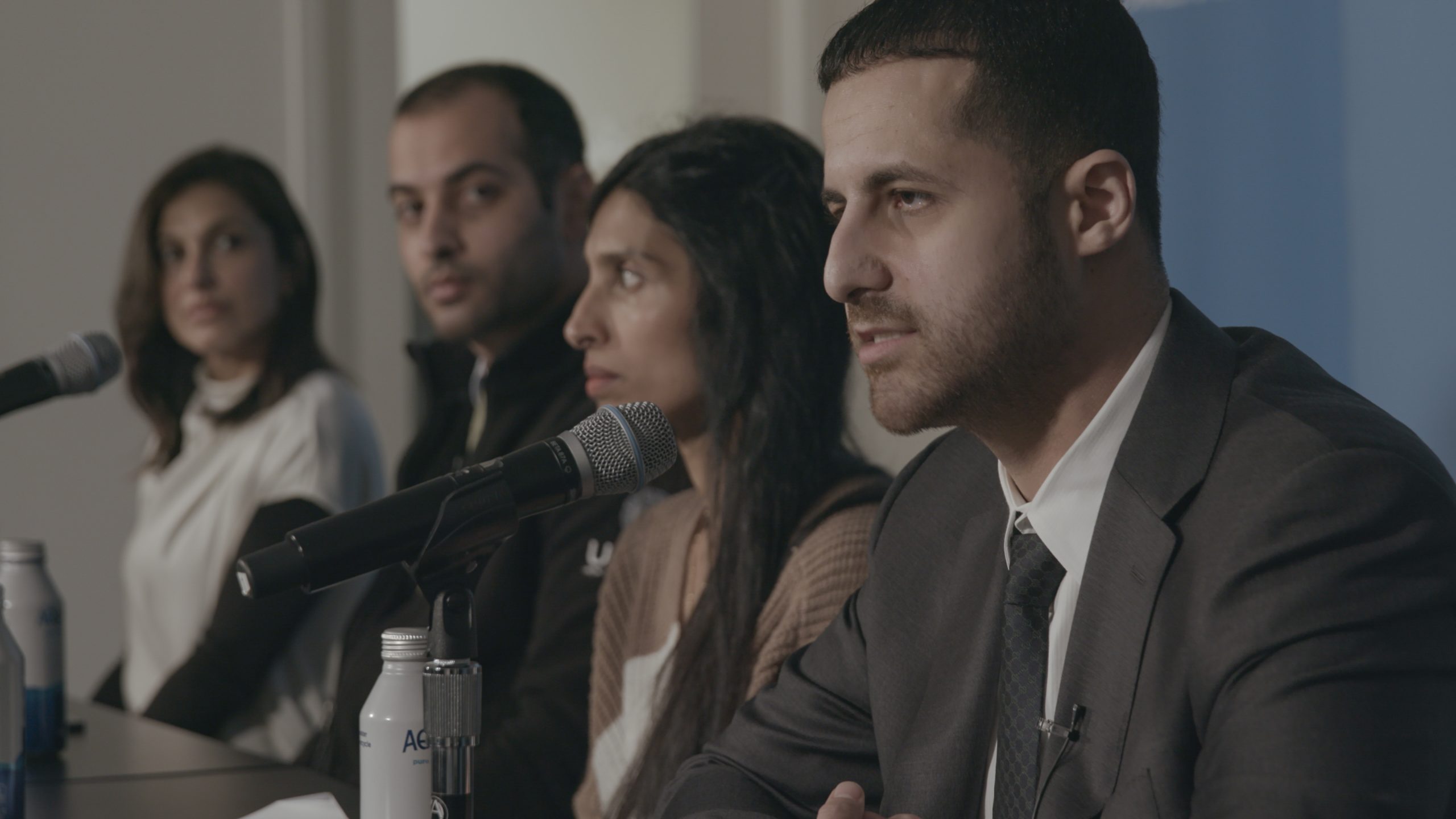
Movie Review: ‘American Doctor’ Lets Humanity Do the Talking


Director:ย Poh Si Teng
Stars:ย Thaer Ahmad, Mark Perlmutter, Feroze Sidwha

Synopsis: When three American doctors-Palestinian, Jewish, and Zoroastrian-enter Gaza to save lives, they find themselves caught between medicine and politics, risking everything to expose the truth.


Documentaries that follow medical professionals into conflict zones have carved out a reliable niche in recent years, from harrowing hospital-set films about Syria to intimate portraits of aid workers navigating impossible triage decisions. Audiences return to this genre because it offers something rare: an unfiltered, ground-level view of crisis, delivered not through the lens of politicians or pundits but through people whose job is simply to keep others alive. There’s a moral clarity to the doctor’s perspective that cuts through noise, and it’s exactly this clarity that American Doctor provides its audiences. 

Directed by Oscar-nominated and Emmy-winning filmmaker Poh Si Teng, the film follows three American physicians, one Palestinian, one Jewish, and one Zoroastrian, who each volunteered in besieged hospitals in Gaza before returning to the United States. The choice to center three doctors of different backgrounds is clearly intentional, a structural argument that the oath to save lives supersedes identity or politics. Watching these three people, who might be expected to hold very different views on the conflict, arrive at similar conclusions about what they witnessed carries real weight. 

Rather than staying in the war zone for its runtime, the documentary makes an intriguing structural choice: it follows its subjects home, tracking how their experiences abroad reshape their lives, relationships, and professional obligations once they’re back in American exam rooms, their home kitchens, and eventually, congressional hearing rooms. This documentary isnโ€™t here to present the horror of war, but rather to examine what happens to people after they’ve witnessed it.

While there is footage from Gaza that is difficult to watch (children being hurt and deceased is especially hard to view), the film spends at least as much time observing its three doctors in their quieter moments: struggling to describe what they saw to family members, wrestling with insomnia and guilt, and simply trying to grapple with the reality around them. These scenes do more to convey the psychological toll of the work than any amount of harrowing hospital footage could on its own, and they give the film an emotional texture that similar documentaries sometimes skip in favor of pure reportage.

The back half of the film follows the doctors as they lobby Congress and speak publicly about their experiences. And after the intensity of images and footage from Gaza, some might feel that the pacing occasionally falters. The shift from intimate, observational filmmaking to something closer to advocacy journalism is a natural extension of the doctors’ arcs, but it also flattens some of the nuance built up earlier. 

But it quickly brings you back to the harsh reality and the reasons the doctors are fighting the good fight. We watch a very intimate surgery on a little girl, where three surgeons and four fellows are involved, and she is likely to lose her legs, if not all of her limbs. If this reality doesnโ€™t make you want to fall to the ground in despair, youโ€™re not human. From this scene alone, it pushes the message that bombing hospitals, killing innocent people, including children, and erasing their way of life is not okay. Then the cut to President Donald Trump bragging about their use of weapons on Gaza, which is utterly disgraceful. So, the editing of this documentary is very clever and clear in the messages they want to send to their audiences. 

The ending to this documentary is a powerful array of images and brutal footage of bombings, protests, weapon dispatches, and miles of destroyed buildings. With disturbing numbers of deaths that have happened since 2023, including the deaths of 1,700 health care workers in Gaza. Itโ€™s a pause for thought, and I left the documentary feeling sad, angry, and a little helpless. 

American Doctor does well to humanize a set of medical professionals whose expertise and moral authority might otherwise get lost in a broader context, whilst informing its audience on topics and trauma they might be aware of if they rely on mainstream media. The three central performances, if it’s fair to call unscripted testimony a performance, are uniformly compelling, and editors have clearly worked hard to weave together three separate journeys into something that feels cohesive rather than fragmented.

For viewers already steeped in documentaries about the Israeli-Palestinian conflict or medical humanitarian work, American Doctor may not radically shift perspectives. But as a character study of ordinary people processing extraordinary trauma, and as an argument for the particular moral standing of medical witnesses, it’s a thoughtful, well-crafted addition to the genre, one that trusts its subjects’ humanity to do most of the persuading.

Grade: A

Podcast Review: It Ends

On this episode, JD and Megan discuss Alexander Ullom’s directorial debut “horror” film It Ends! It’s such a fascinating little with lots to discuss given its vague world building and thematic approach. We had a great time talking about this one.

Review:It Ends

Director: Alexander Ullom
Writers: Alexander Ullom
Stars: Phinehas Yoon, Akira Jackson, Noah Toth, Mitchell Cole

Subscribe to our Podcast RSS
Subscribe to our Podcasts on Apple Podcasts
Listen on Spotify
Listen on iHeartRadio
InSession Film Podcast – It Ends

Movie Review: ‘The Dog Stars’ Just Barely Passes the Sniff Test


Director:ย Ridley Scott
Writers: Mark L. Smith, Peter Heller
Stars:ย Jacob Elordi, Margaret Qualley, Josh Brolin

Synopsis: In a post-apocalyptic world, a virus wipes out humanity. Survivors face roaming scavengers called Reapers. Protagonist Hig, a pilot, survived the flu but lost his wife.


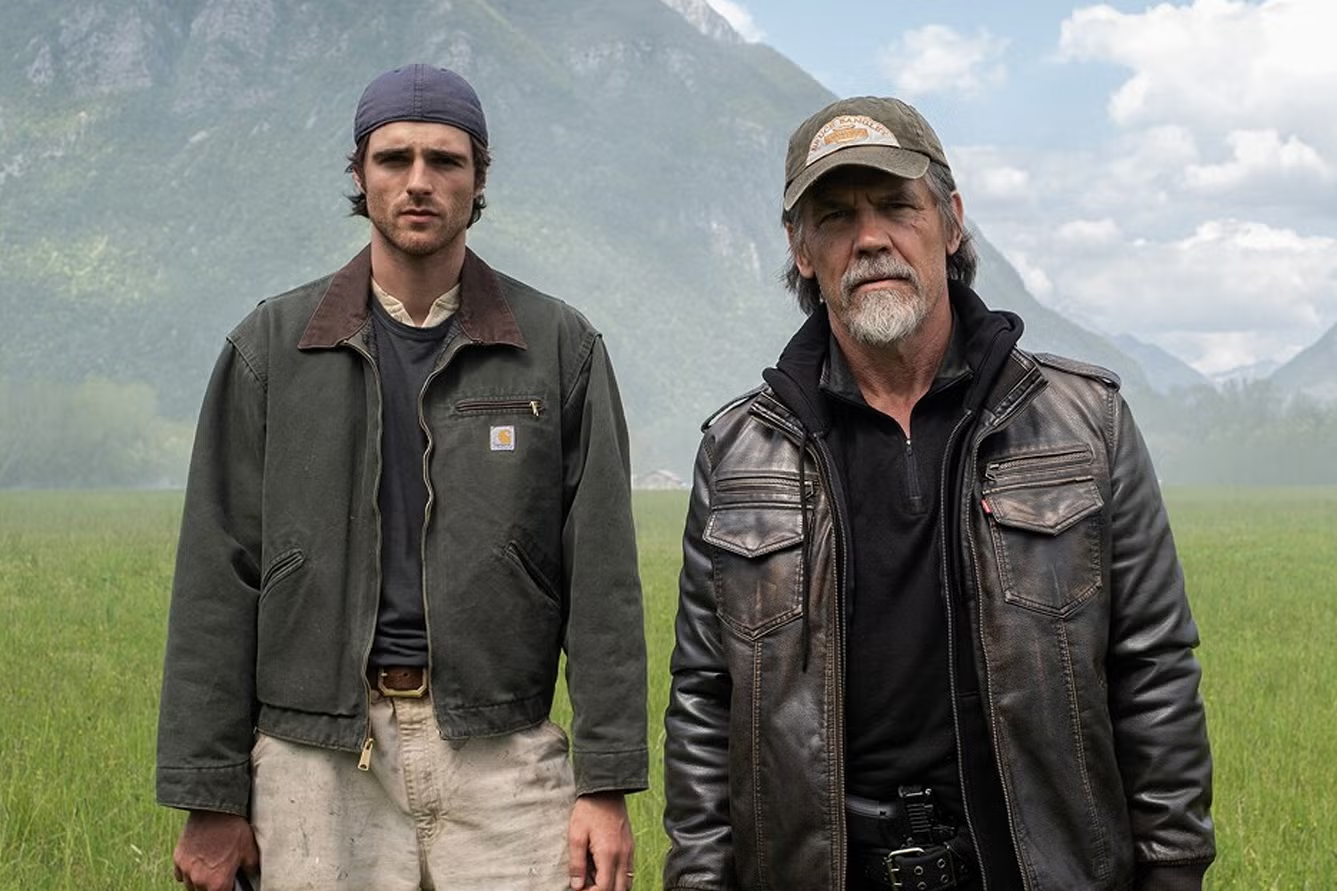
Ridley Scott has been making films for almost 50 years now. He has been a master of his craft from the jump, has made brilliant films such as Alien and Blade Runner, and it seems that he shows no intent on slowing down. At this point, itโ€™s unclear whether heโ€™s chasing something with his high output of films or if he is really enamored with the material he is presented with. Now we have his fifth feature film of the 2020s – The Dog Stars. And should you walk away thinking โ€œdoes the quantity of Scottโ€™s output impact the quality of his filmmaking?โ€ A clock can be right twice a day (see The Martian or Alien: Covenant), but unfortunately, The Dog Stars is not an instance that fits.

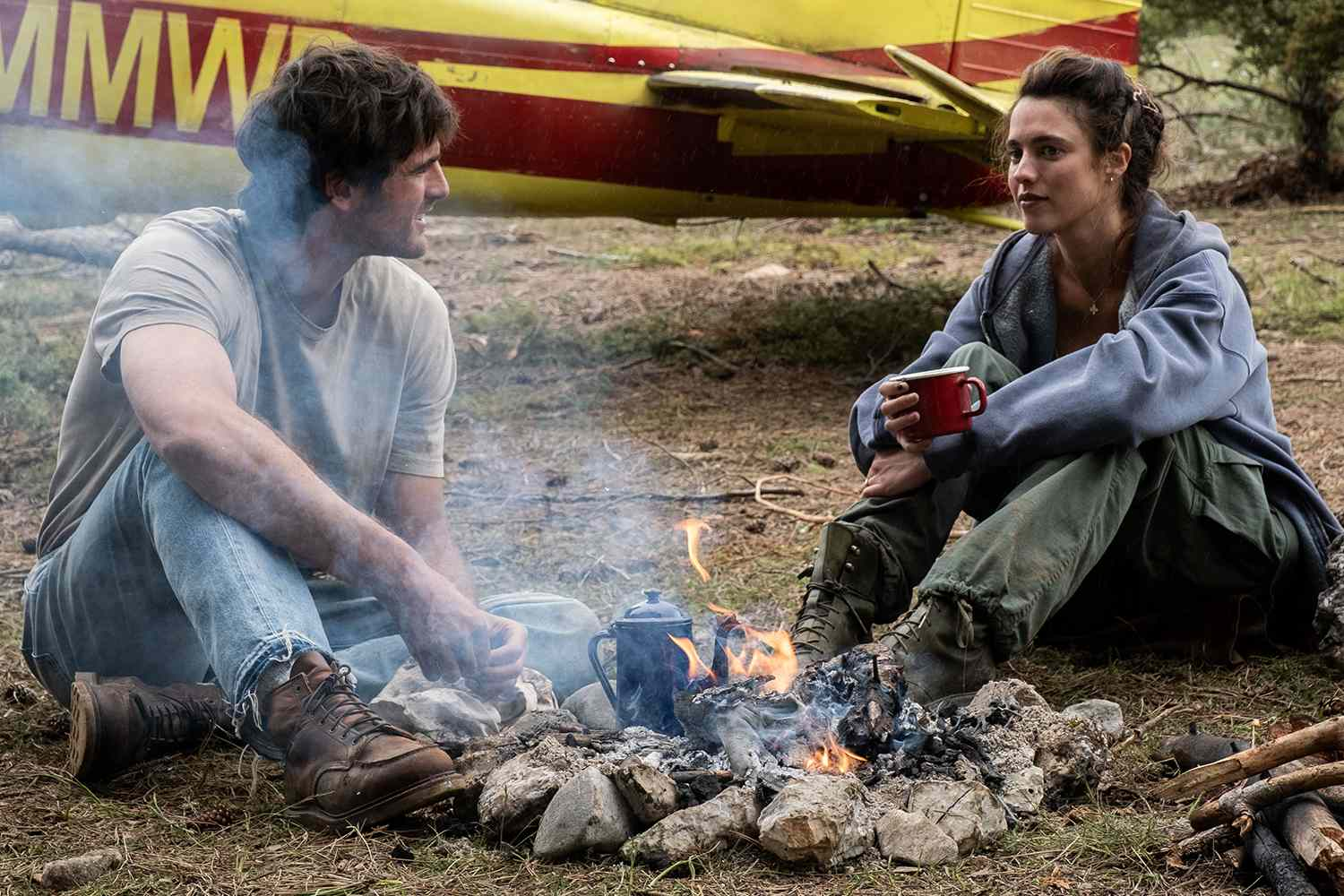
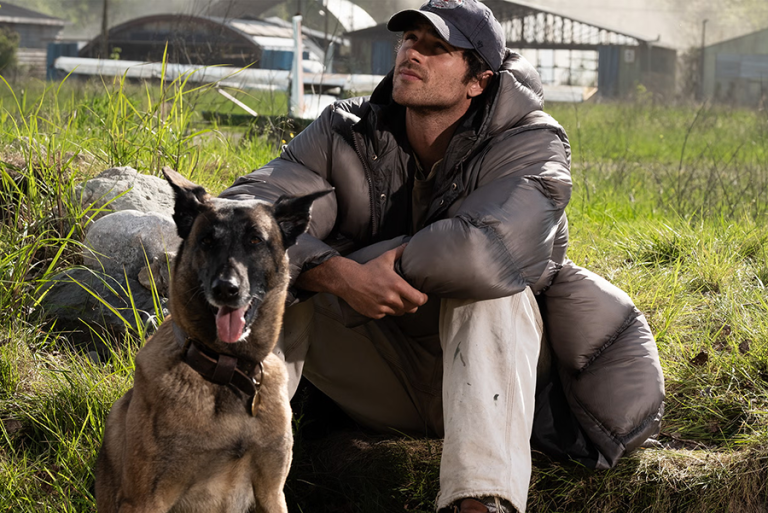
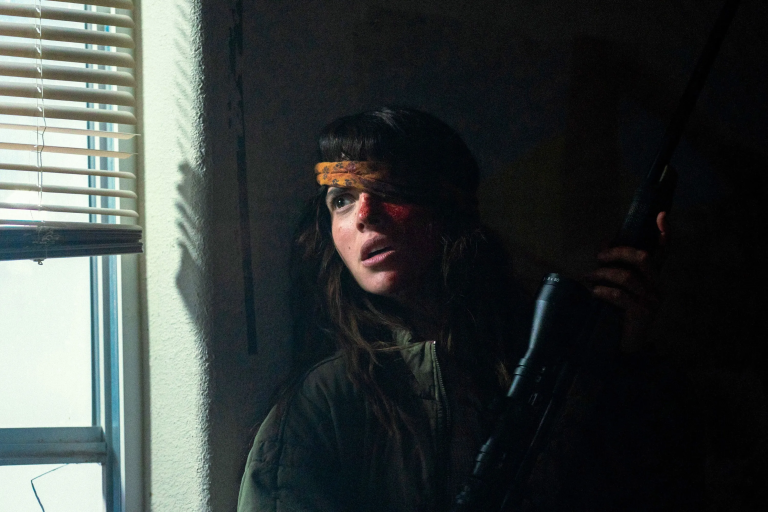
The Dog Stars is a post-apocalyptic film following the life of a former mechanic, Hig (Jacob Elordi), after a flu pandemic decimates humanity. Hig resides with Bangley (Josh Brolin), and after Hig receives a radio signal from โ€œGrand Junctionโ€ he seeks to find his way there in the hopes of finding more survivors or anything else. The Dog Stars is one of the few post-apocalyptic films that feels much warmer and inviting, rather than cold and desolating. Itโ€™s because of this when moments of insanity or savagery occur that it feels less interested in the violence on screen, rather to just get back to the movie stars looking clean and well dressed. Disappointing, as the premise and the events are relatively interesting, but the world does not lend itself to the characters. Rather, the words on the page display the events instead of giving life to anything.

What makes The Dog Stars frustrating is that the more intimate moments or moments where you develop a connection with a character or moment is undercut by what comes next. The pace is brisk, but at the cost of the weight of certain moments. A revelation about Hig and his dead wife has no impact because weโ€™re never given any time to live in their relationship. Everything relies on the suspension of belief and the extension of the viewers personal lived experiences. Which is unfortunate, because in a film revolving around the aftermath of tragedy there is little actual tragedy to pull from – except one thing that I wonโ€™t give away but was such low hanging fruit it was practically laying in your hands before the film even started.

Now there are some interesting filmmaking moments in the film. Design-wise, the world is well made, appropriately decayed and overgrown as if ripped from The Last of Us. Thereโ€™s an action sequence with Bangley involving a night vision scope that stood out in the otherwise bored visuals. Otherwise, The Dog Stars is a hodgepodge of elements from much better films (and a few video games). You can recall moments from The Shining, the aforementioned The Last of Us, Avatar, Silent Hill 2, and Mad Max. There would be no reason to indulge in The Dog Stars if you can have the pieces that raise it up.

It feels like The Dog Stars should end multiple times, the product placement is insane (Coke products and Bulleit Bourbon galore), and no one seems particularly interested in the material in the film. But The Dog Stars isnโ€™t a complete disaster. The all-star cast are there! It is written well enough! The scope is decent enough! And it certainly doesnโ€™t look like hell (just boring)! Will you remember this? Barely. But you wonโ€™t be upset by anything in The Dog Stars. In New York City, a movie ticket is a lot more expensive than most cities – with that said Iโ€™d only recommend it if you’re watching in a dollar theater or it gets added to whatever streaming platform it will unceremoniously land on in a month.

Thereโ€™s little to give much praise for this film, but the assembly of The Dog Stars is right above the level of โ€˜whateverโ€™. The burning obnoxious question of โ€˜should Ridley Scott retireโ€™ is equally tired as it is offensive (plenty of younger filmmakers that would make much better insurance sales agents than filmmakers). Which is to say, I donโ€™t hate The Dog Stars, I donโ€™t love The Dog Stars, and no, this isnโ€™t a Goldilocks โ€˜just rightโ€™ situation either. The Dog Stars is bored on a lot of fronts but straddles right above being boring enough to not make this an outright disaster. Go watch it, I guess?

Grade: C

Movie Review: ‘Dracula: The Night Around Us’ Has Surprising Midwestern Charm


Director:ย Chris Schwab
Writer: Chris Schwab
Stars:ย Eric Toms, Marlene Mc’Cohen, Spencer Weitzel

Synopsis:ย Dr. John Seward, a depressed doctor at an asylum forย theย criminally insane, finds a rare glimmer of hope when heย connects with his new neighbour, Mina, and her young daughter,ย Lucy.ย But beneathย theย city streets, an ancient evil stirs inย theย sewers. Dracula is building a harem of undead brides, and heย soon sets his sights on Lucy.


As a big fan of Dracula adaptations, I know there are many great options out there. Sadly, many of them fail to do anything new or interesting, coming across as mere copies of something better. Thankfully, Dracula: The Night Around Us isn’t pretending to be the next perfect retelling; it feels like a new, bare-bones approach to a legendary character that reminds audiences what makes the character so thrilling. Breathing new life into one of the most iconic novels ever written, it strips the vampire of his regality and places him in a minimalist modern world.

There has never been a shortage of Dracula movies, either focusing on the gothic horror the character lives in, or the yearnful romantic he gets painted as. Each director approaches the work differently; writer-director Chris Schwab is the newest filmmaker to take a swing at it. His film, Dracula: The Night Around Us, takes place somewhere in America. It really nails the midwestern vibe of grey-washed cement buildings and a general dingy fog hanging in the air. A charred Dracula (Brenton Jones) has his eyes on a new home, and his journey brings more than just his physical baggage.

What stands out the most right away is Schwab’s lack of backstory for his main character, choosing to skip over who he is, his famous castle, and the land that he inhabits before his move. Those hoping to see this retold through Schwabโ€™s lens might walk away disappointed, but it adds to the unease that creeps onto the screen when Dracula appears. His very presence exudes discomfort, partly because his unsettling physical design and the extent of his evil arenโ€™t immediately apparent. The usual characters are scattered throughout the film: Renfield (Spencer Weitzel), who is still feeding on animals; Mina (Marlene Mcโ€™Cohen) and Lucy (Raelan Mackiewicz), who, in this retelling, are a mother and daughter; and Dr. Seward (Eric Toms), the character Schwab tells this story through.

Each character has a twist; Mina and Lucy have just moved into the apartment they got after running away from their prior situation. Their neighbor, Dr. Seward, is the film’s narrative vessel, and heโ€™s deeply connected to his work as a psychiatrist but still has time to befriend his new neighbors. They share a meal that does much to establish who these characters are in Schwabโ€™s script. He uses these three characters to show the dark connections they have to Dracula, who is quickly making his way to his new home. The forbidden intrigue that comes from a being like him, one you know is dangerous, and everything within you tells you to run, but you canโ€™t. Everything from their religion to their night terrors to their clinical practices ties into why they are drawn to Schwab’s version of the creature of the night. Though thereโ€™s a particular period-piece allure that is missing to amplify the supernatural elements of vampires, it does take a bit more convincing to make the instant connection among everyone fully work.

Although the horror in Dracula: The Night Around Us comes mostly from the impending dread each character feels, thereโ€™s still quite a bit of classic Dracula blood-sucking to quench audiences’ thirsts. Jonesโ€™s version of the character comes across more like a shadow haunting the lives of those he encounters. His design helps with this, as does the way he appears on camera. He looms over those he shares a screen with and does not appear for long. His voice is spoken in whispers, with sharp, blackened hands that make it easy for him to slice his chest open and offer Mina a drink of his immortal blood. The lack of visual horror with blood and guts doesnโ€™t impact the toned-down story, especially because the film is shown through a mortal lens, but there are times when the film begins to feel less like a vampire movie and more like a cat-and-mouse detective story. It works for the most part because Schwab sets the tone of small-town stakes early on, but I would be lying if I said I didnโ€™t miss seeing Dracula feasting as he wishes.

In this iteration, audiences are taken into the damp sewers where Dracula festers. Unknown creatures lurk in the dark corners and in the shadows beyond the imagination of Dr. Seward. Dwelling below the streets, Schwab’s version of Dracula is treated like a plague hidden until he is ready to show himself. And, performance-wise, Jonesโ€™s work as the titular character is unsettling. With little spoken dialogue, his character’s physical demeanor is that of a silent predator. His physical appearance resembles Nosferatu more than the classic Dracula, with sharp features and a bald head. Jones gives the character a floating movement, making it unclear whether his feet are touching the ground. Tom’s performance as Dr. Seward is also worthy of praise; he portrays an overworked psychiatrist well, showing a tired eagerness to help those suffering. With a haggard and weary mind of his own, he has a conflict of his own mind he has to overcome. The minimalist script allows not just these two characters but the others as well space to craft unique performances that fit the dark, moody atmosphere.

Is this a perfect adaptation of one of the most famous pieces of literature? No, but it doesnโ€™t have to be. Where Schwabโ€™s film excels most is in creating its own identity. Small-town America becomes a haven for a being that brings only death and despair in a gloomy yet familiar atmosphere. Itโ€™s a well-pieced-together film, with a Midwestern charm felt in its design and its performances. Dracula: The Night Around Us is the exact kind of reimagining audiences want to sink their teeth into, and Schwab gives them plenty to digest.

Grade: B

Classic Film Review: ‘Children of Men’: A Dystopian Masterpiece That Feels More Relevant Than Ever


Director:ย Alfonso Cuarรณn
Writer: Alfonso Cuarรณn, Timothy J. Sexton, David Arata
Stars:ย Julianne Moore, Clive Owen, Chiwetel Ejiofor

Synopsis: In 2027, in a chaotic world in which women have somehow become infertile, a former activist agrees to help transport a miraculously pregnant woman to a sanctuary at sea.


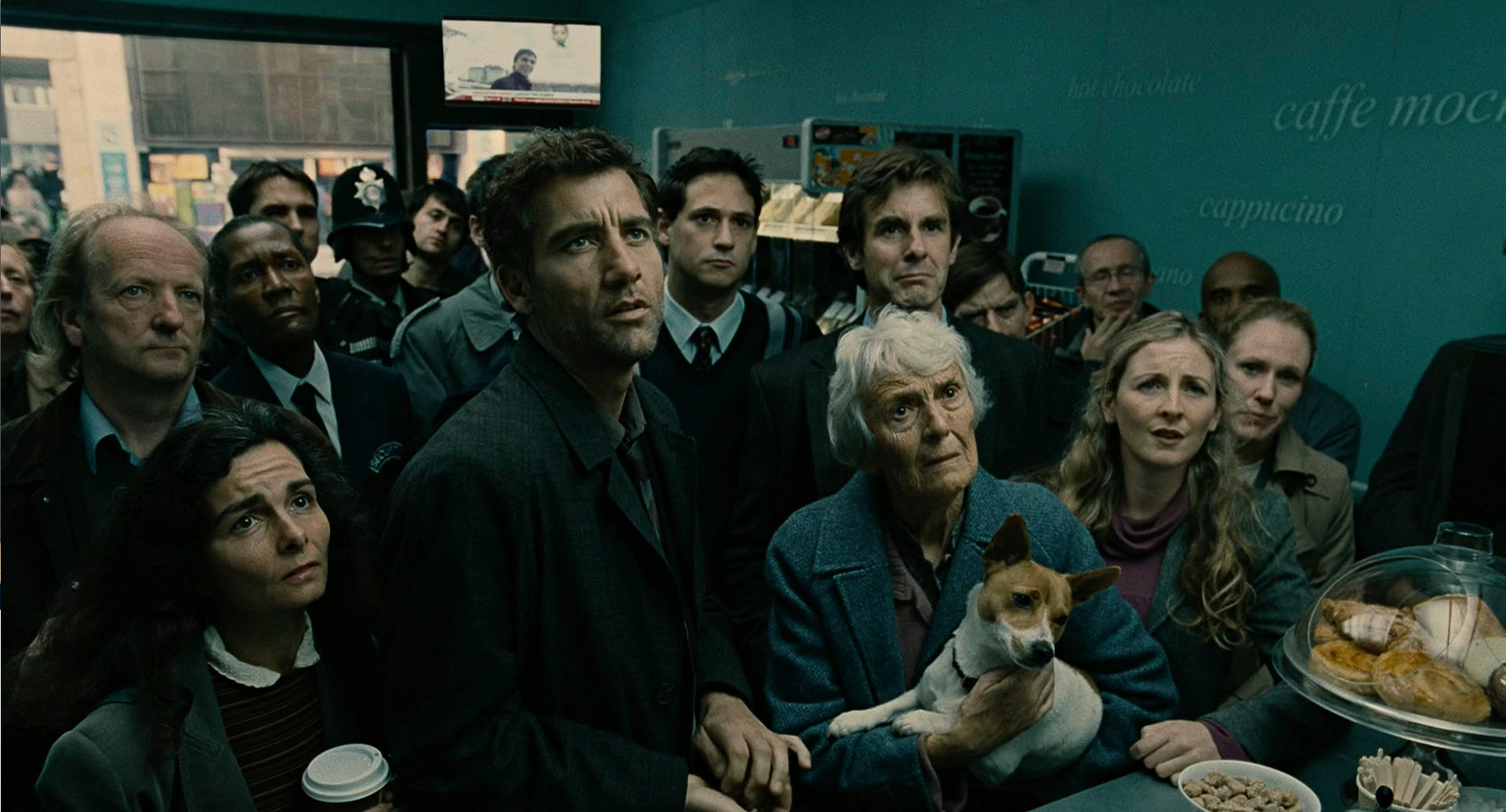
Alfonso Cuarรณn’s Children of Men, released in 2006, might not have been a huge box office hit, but it has since earned critical acclaim, becoming recognized as one of the greatest science fiction films of the 21st century. Its haunting vision of the future, extraordinary filmmaking and deeply human story continue to draw audiences back nearly two decades later.

At its heart, Children of Men isn’t simply a dystopian thriller. It’s a story about hope surviving in the darkest circumstances. Its political themes surrounding immigration, refugees, nationalism and government power felt provocative when the film first arrived, but today they feel remarkably current. Watching it now, it’s impossible not to recognize echoes of today’s headlines, which makes its message feel even more urgent and impactful than it did on release.

The story is set in 2027 (unsettling as that feels now being six months away), where humanity faces extinction after nearly two decades of global infertility. Society has collapsed into fear, violence and authoritarian control, with Britain standing as one of the last functioning nations behind heavily guarded borders. Our protagonist Theo (Clive Owen) is kidnapped by the Fishes, an antigovernment โ€œterroristโ€ group, led by his ex-wife (Julianne Moore) who asks him to obtain transit papers for a female illegal alien, Kee (Claire Hope-Ashitey) – who is pregnant. With people wanting the baby, Theoโ€™s allies now against him, he has to get her to safety.

I’ve always loved Children of Men, as there are very few dystopian dramas that immerse you so completely in their world. From the opening moments, the film creates an overwhelming sense of despair without ever feeling exaggerated. Everything feels frighteningly believable. Much of that comes down to Alfonso Cuarรณn’s remarkable direction. He builds a world that feels worn out, neglected and exhausted. Streets are littered with rubbish, buildings bear the scars of conflict, and every frame carries a sense that civilization is slowly crumbling. The cinematography is nothing short of breathtaking. There is a dark, eerie quality to every scene that constantly reinforces the film’s oppressive atmosphere.

The performances are equally extraordinary. Owen gives one of the finest performances of his career as Theo Faron, an ordinary man reluctantly drawn into an extraordinary mission. His portrayal feels wonderfully understated, allowing the character’s quiet humanity to shine through amidst the chaos. Moore, Michael Caine, Chiwetel Ejiofor and Ashitey all bring depth to their characters, as they sacrifice everything to save one pregnant woman, a beacon of hope.

The standout scene for me has always been the unforgettable car ambush sequence. As Theo and his companions desperately try to escape through a forest road, the camera remains inside the moving vehicle in what appears to be one continuous shot. It twists effortlessly between each character, capturing every moment of confusion and panic without ever breaking the tension. Even knowing exactly how it unfolds, I still find myself completely absorbed by the sequence. It’s not simply a technical achievement; it places the audience directly inside the terror, making every second feel immediate and painfully real.

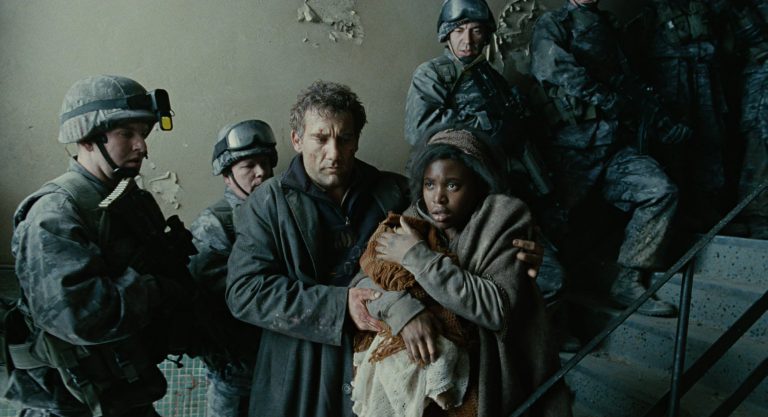
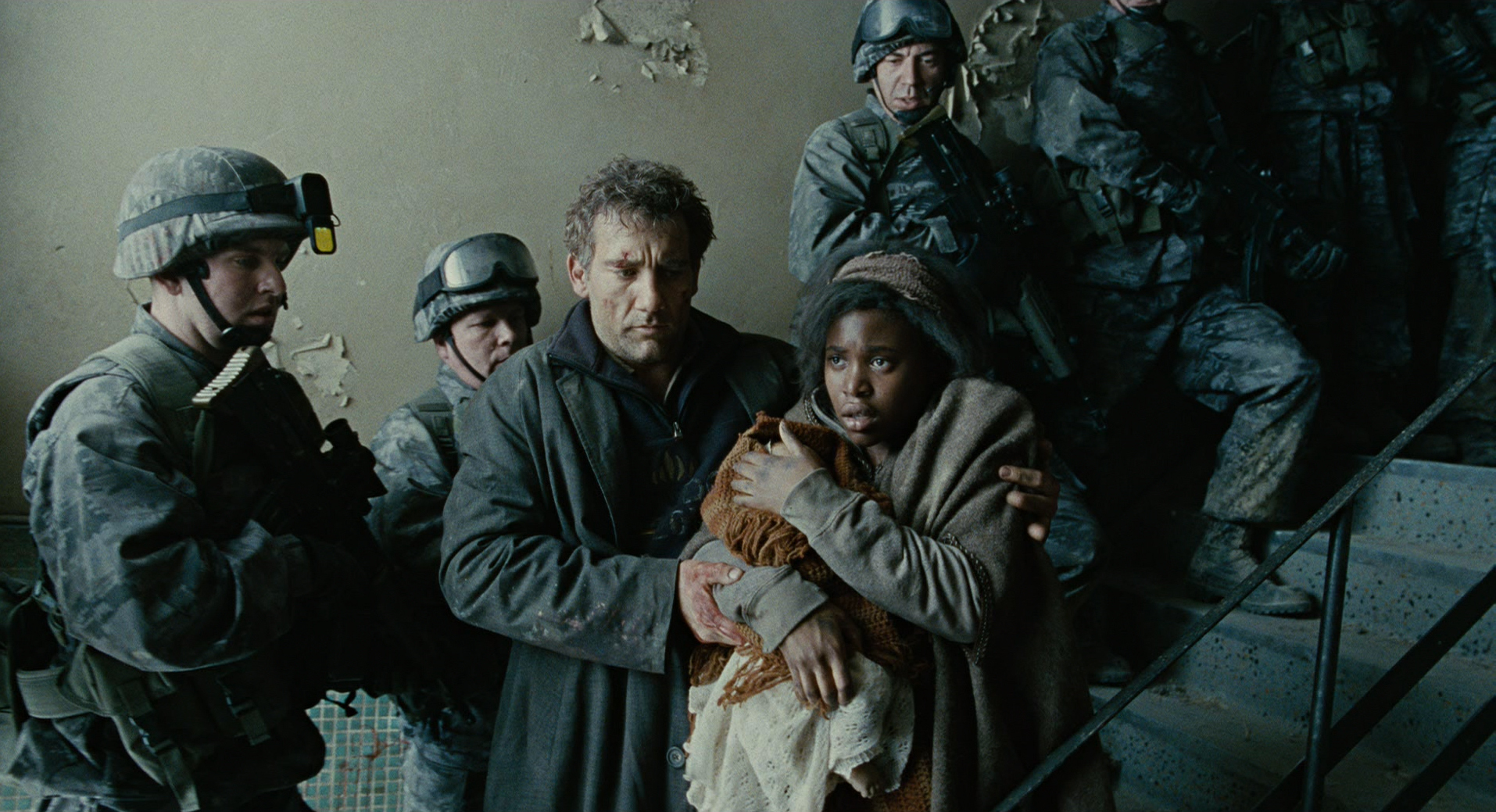
Then thereโ€™s the scene where Kee walks through a broken building past an array of male soldiers who all stare at her in disbelief as she holds the baby sheโ€™s just given birth to. It always puts my heart in my mouth and tears in my eyes. Itโ€™s an utterly heartbreaking scene, yet filled with hope for the future. 

In 2026, society is in a place where the birth rate is down across the world, so Children of Men suddenly feels painfully relevant – something not so far-fetched as it once was.

Nearly twenty years after its release, Children of Men remains a stunning achievement. The acting is exceptional, the cinematography is hauntingly beautiful, and every frame pulls you deeper into its unforgettable dystopian world. It’s one of those rare films that becomes richer with every revisit, and for me, it still stands as one of the finest science fiction dramas ever made.

Grade: A+

Podcast Review: The Dog Stars

On this episode, JD and Megan discuss Ridley Scott’s new film The Dog Stars! The film has been mostly getting panned by critics, but we offer up a new perspective that defends the film’s weird choices and emotional structure.

Review:The Dog Stars

Director: Ridley Scott
Writers: Mark L. Smith
Stars: Jacob Elordi, Josh Brolin, Margaret Qualley, Guy Pearce

Subscribe to our Podcast RSS
Subscribe to our Podcasts on Apple Podcasts
Listen on Spotify
Listen on iHeartRadio
InSession Film Podcast – The Dog Stars

Movie Review: Onslaught Lives Up to Its Title In True Grindhouse Fashionย ย ย 


Director: Adam Wingard
Writer: Simon Barrett
Stars: Adria Arjona, Alex Pereira, Dan Stevens

Synopsis: When a rogue squad of genetically engineered super soldiers break loose in the desert, a badass Army sniper must unleash hell to protect her young daughter.


Adam Wingard sits as an interesting filmmaker to view the roadmap from deep genre roots to the IP machine. He and frequent collaborator and writer Simon Barrett have always had horror running through their veins with sturdy slashers like You’re Next, stylish throwbacks like The Guest, and even small stints as a director with the early years of the VHS series. It wasnโ€™t long, however, before Wingard took a trip to the IP machine with a triple whammy of a Blair Witch remake, a Death Note adaptation, and a delve into the monsterverse with two Godzilla and Kong movies in 2021 and 2024, respectively. All this to say, Onslaught represents the promise of Wingardโ€™s return to his roots as a filmmaker post-IP land. A stripped-down back-to-basics ode to the early days of grindhouse slashers youโ€™d find in your local VHS store in the โ€˜80s, blending exploitation with loads of atmospheric horror and action, and luckily the film succeeds. Ironically, Onslaughtโ€™s biggest asset can also be to its detriment, as the lean and mean moniker it lives up to can tilt a bit too far in the lean category, leading to elements of its commentary surrounding growing government evils and third-act buildup to come up a bit short. Still, if youโ€™re looking for some good old genre pulp, Onslaught will be more than sufficient, and it helps that Adria Arjona is here to anchor it all as the filmโ€™s badass heroine.

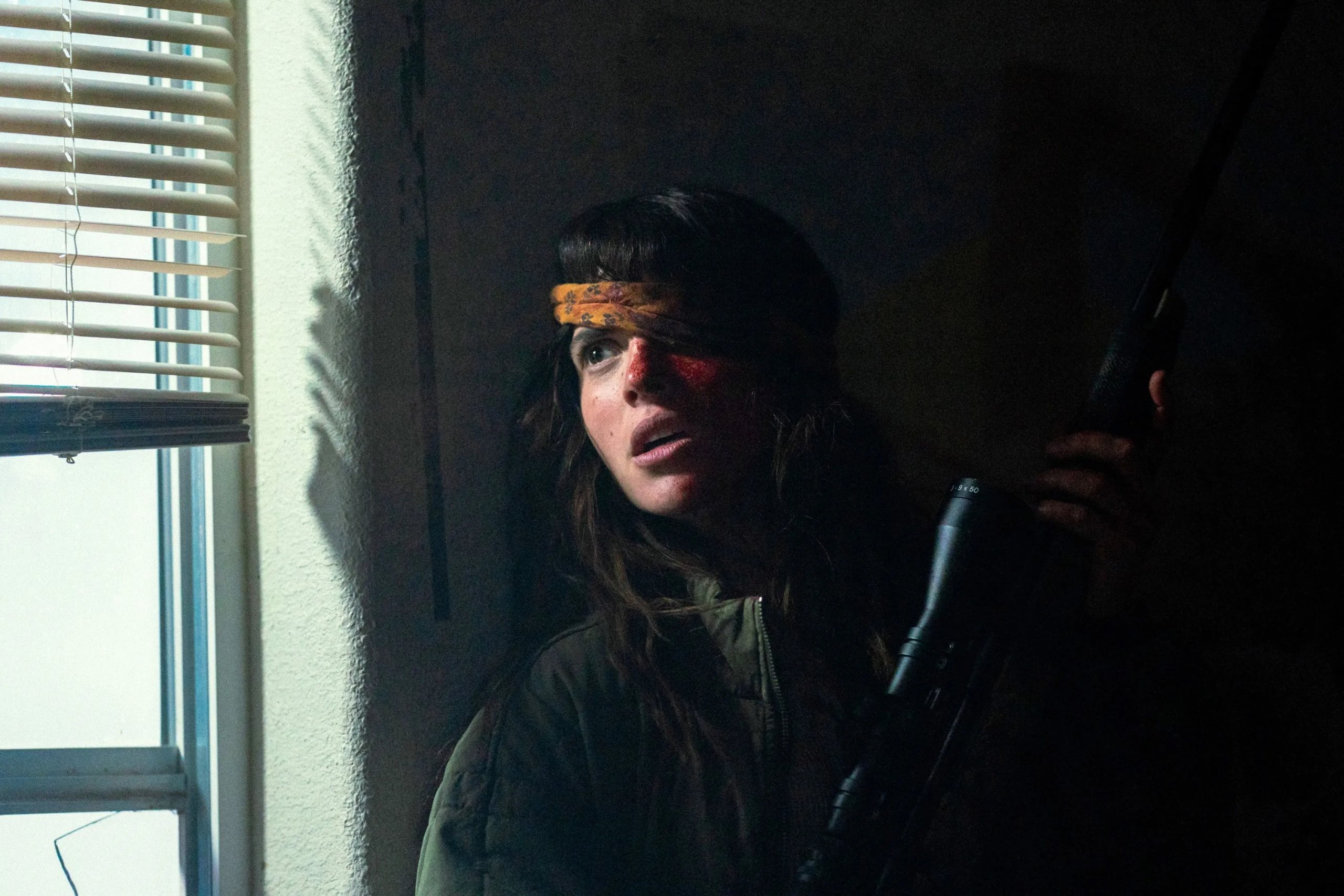
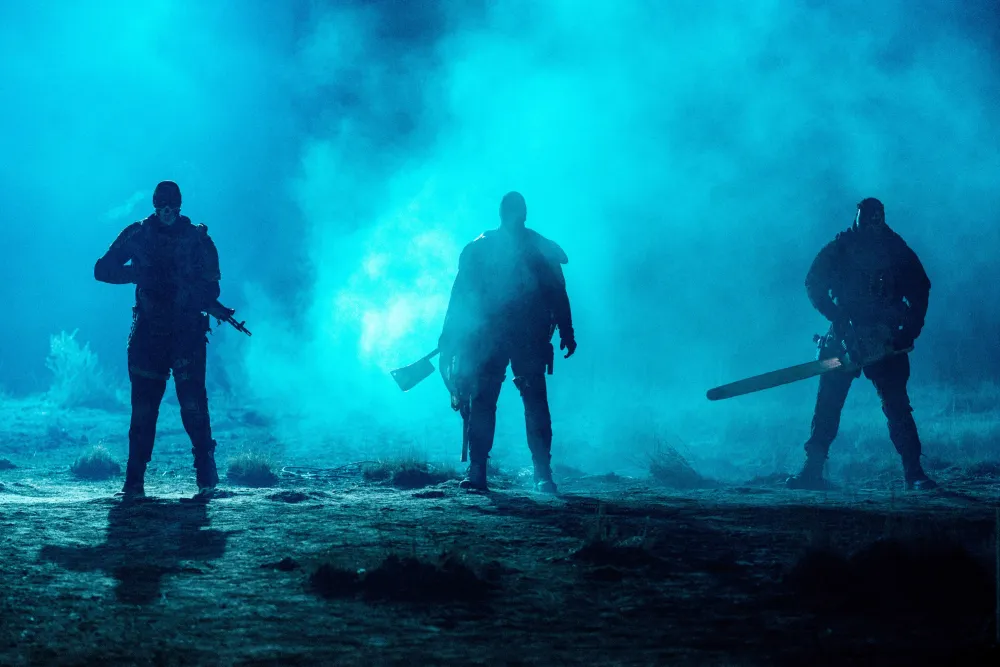
Arjona plays Celeste, an ex-Army vet still reeling a bit from her traumas as a sniper in the war zone, but finds as much solace as she can as the onsite manager for a trailer park in the desert outskirts of New Mexico. When she isnโ€™t collecting rent, she gets the occasional visit from her ex-husband (Jacob Scipio) threatening to take full custody of their daughter Daisy (Blake Kennedy), who is dropped off for a surprise visit for the day. Little does Celeste know that hell is about to be unleashed as mad (and balding) Nazi scientist Hans Kammler (Dan Stevens) has been performing top-secret government experiments in a base to create three ultra supersoldiers led by The Butcher (Alex Pereira), removing any past memories and transforming them into unstoppable killing machines. Of course, as with most dangerous government experiments, things go awry fast once the soldiers escape the base and wreak havoc on the populace, and sure enough, begin heading towards Celeste’s trailer park. With her daughter to protect and robotic killers chasing her down, Celeste must unleash a fury like no other to stop the madness.

Endless inspiration from John Carpenter oozes in and out of Onslaught, from Matthew Pusti’s techno-based score to the visceral meanness that radiated from films like Assault on Precinct 13. What remains most impressive about the filmโ€™s genre play, however, is how effortlessly it flips between atmospheric tension and sleek, delightfully bloody action. There’s often a hyper stylization that the film toys with throughout, implementing gritty black-and-white sequences during flashbacks of Celesteโ€™s army past and past endeavors of the super soldiers before they were exploited for government experimentation. 

The film is not subtle at all in its theme of government evils, but there exists a well-implemented throughline of our slowly growing fascist government willing to do whatever is necessary in the name of efficiency, even if it means dismantling and exploiting any sense of humanity within us or those who have served the country. The film often satisfies a great itch within the space of a simple horror slasher and relentlessly bloody action, similarly to another 80s classic, The Terminator, building the tension of hiding from the soldiers or seeing them in silence in the background one moment and Celeste sniping the assailants so they can get sawed in half by a chainsaw the next. It’s a difficult task, simultaneously helming hoot-and-holler-worthy dismemberments with horrifically realistic depictions of gun violence side by side with one another, but the film’s greatest strength is its balance of atmospheric thrills and transient public violence with the relentlessly bloody, pulpy genre goods Wingard knows we came for.

The narrative tends to get a bit shakier when the quick efficiency of Onslaughtโ€™s genre thrills can leave a few key aspects in the dust, removing its potential to be a great flick. For as much as the film rips as an all-efficient machine within both the kills and thrills, it feels like there’s still a couple of minutes of rip-roaring satisfaction that wouldโ€™ve made everything hit harder at the end. Itโ€™s almost like the film decides to close shop on everything once it realizes it’s just about reaching the 90-minute threshold. While a quickly satisfying 90-minute genre thriller is just as good as any film offering it, it leads certain aspects of its fascist government commentary and delightfully freakish characters, like Drew Starkeyโ€™s role as Cyrus, a forever inebriated contractor sent to clean up the government mess, to end up with a bit less screentime than youโ€™d want. The qualms are, however, never enough to stick a wrench in the filmโ€™s thrill ride machinery, and the mother-daughter throughline between Celeste and Daisy alongside other kickass vet Josiah (Reginald VelJohnson of โ€˜80s action fame with Die Hard) are enough to carry the filmโ€™s spottier story beats. 

Onslaught lives up to its title as both a throwback to the glorious visceral nature of grindhouse flicks and a film that zooms through its plot mechanics so fast that it tends to leave certain aspects of its action a bit lacking to fully satisfy in its endeavors. Itโ€™s never a dealbreaker, however, as Onslaught provides the sharp thrills, laughs, and gnarly dismemberments to succeed in its homage to the VHS classics we know and love in both horror and action. With Adria Arjona as the glue holding it all together, Wingard and Barrettโ€™s return to their stylized horror roots rips a more than sufficient amount and gets the job done as slickly exquisite and relentlessly violent genre pulp.ย ย 

Grade: B

Movie Review: ‘Mayday’ is an Effective Buddy Comedy Throwback


Director: John Francis Daley, Jonathan Goldstein
Writers: John Francis Daley, Jonathan Goldstein
Stars: Ryan Reynolds, Kenneth Branagh, Maria Bakalova

Synopsis: Lieutenant Troy Brennan’s reconnaissance mission over Soviet territory goes awry, forcing him to crash-land and survive in Russian wilderness while evading capture or rescue.


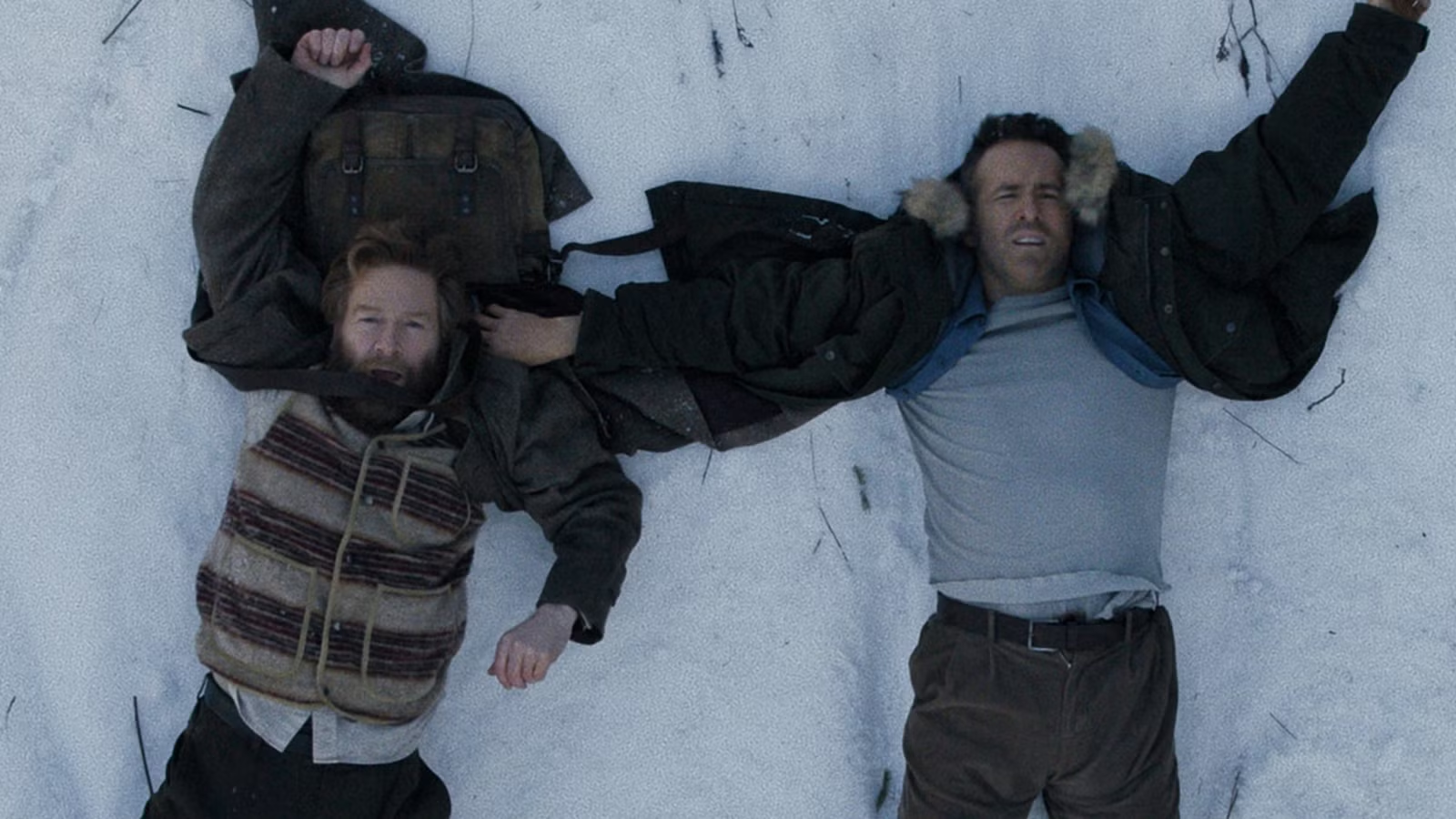
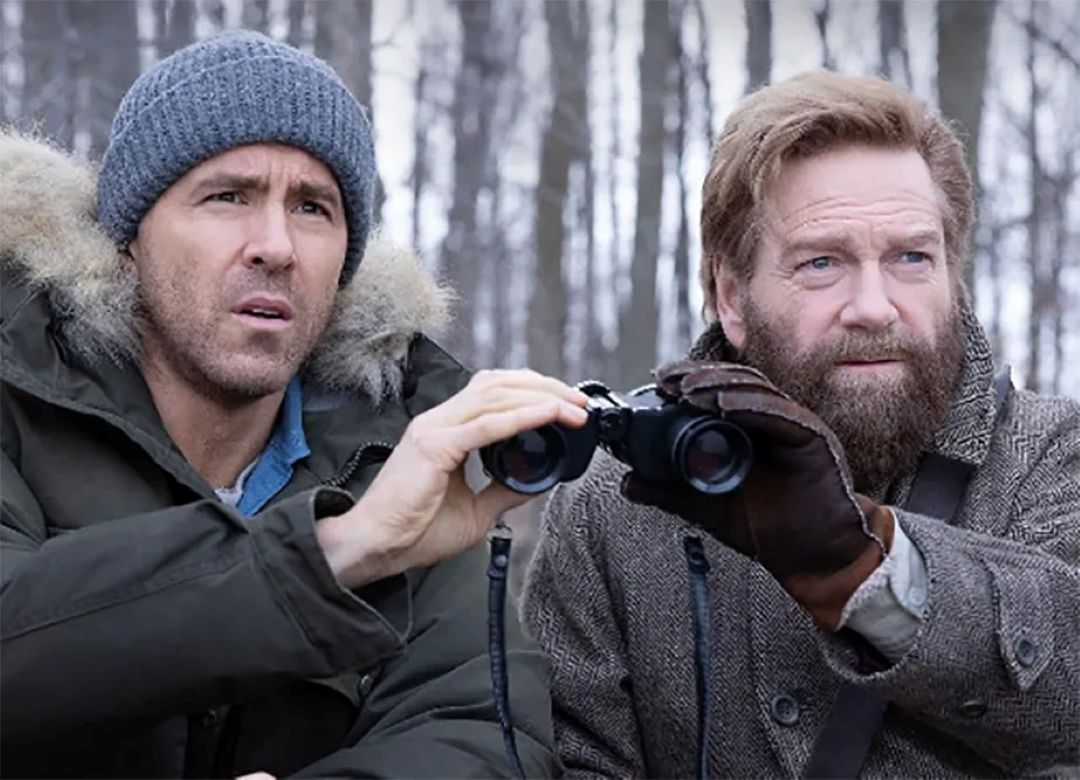
When it comes to Mayday, the latest film from writer/director duo John Francis Daley and Jonathan Goldstein, one has to wonder: How do you tell a story regarding American-centrism in the 1980s? And all the while, feel relevant enough to not feel “ra-ra” American. Especially in the year of our lord 2026, where that sense of favoritism towards the country…is kinda not there. Luckily though, with Mayday, Daley and Goldstein manage to balance those themes out in a surprisingly effective way and then some. But first, what is Mayday? Set in the year 1987 and at the height of the Cold War, Mayday follows hotshot Air Force pilot Lt. Troy Kelly (Ryan Reynolds) as he gets recruited on a classified Black Ops mission. The goal? To take aerial photos of a Russian base. However, during the mission, Kelly’s plane gets taken out, forcing him to crash behind enemy lines. It’s there in the Russian wilderness, where Troy meets Nikolai Ustinov (Kenneth Branagh) – an eccentric but dangerous former KGB agent with a love for all things America. Together, the two go on the run as Nikolai tries to get Troy out of the country and ultimately, out of enemy territory. Hijinks ensue. 

Back to Goldstein and Daley, the thing that makes Mayday interesting, is their tightness and commitment to the story. In a film like this, it is very easy for it to become so zany and out there that you begin to lose sight of the main objective. That, of course is, at the end of the day, to tell a good story. Luckily, Daley and Goldstein do exactly that. As both writers and directors, the pair keep a tight focus on the film’s central premise without spinning off into too many different escapades. Yes, there are some side-quests, but it’s nothing too out of the ordinary. As a result, the duo keeps the film to what it is: a simple action comedy between two people with two different personalities – a tried and true genre. This simplicity also extends into their direction. Working with their long-time collaborator cinematographer Barry Peterson, the cinematography is well-shot, filling the frame with greys and blues. The action sequences are dynamic and unique, with a clear consistency to them. Additionally, Peterson shoots the film with an almost anamorphic lens, making it feel like a Wes Anderson movie at times. Furthermore, production designer Nora Takacs Ekberg manages to make Russia in the โ€˜80s so desolate and barren, that it provides an immediate contrast to the glitz and glamor of America in the 1980s. The same can be said for the costumes, courtesy of costume designer Debra McGuire. McGuire also utilizes a similar simplicity to Daley and Goldstein, in which it’s nothing too garish and out there. But, it also gets the job done and matches with the characters’ personalities. On top of that, the score by composer Colin Stetson buzzes with a techno charm that matches the decade’s interest in electronica. This becomes very apparent during the action sequences where the base and intensity is turned up to eleven. Finally, there is the editing. Clocking in at about an hour and fifty minutes, Jamie Gross and John Lee productively chop away any sort of fat. Thus, making a lean and mean cut of a film. 

As for the performances, Ryan Reynolds and Kenneth Branagh lead the film swimmingly and confidently. Starting with Reynolds, for the first half of the film, he’s doing his Deadpool shtick as Kelly, albeit a much more restrained version. However, during the second half of the film, it starts to recede, allowing Reynolds to make Kelly feel like an actual person. The reduction also allows for Reynolds and Branagh’s chemistry to blossom more. And speaking of the latter, as Nikolai (or Nick, as his friends call him), Branagh balances eccentricity with a level of grit and heart that is never overplayed. It would have been easy to do that, but luckily Branagh keeps it at a place where you feel as an actual three-dimensional human being. Now, while the leads do a pretty good job, the rest of the cast is…alright to say the least. They deliver good work, but aren’t really present. The main one to note is Maria Bakalova, whose screen-time is surprisingly limited, despite her connection to one of the characters being extremely major. This also applies to the chief antagonist Volkov, played by Marcin Dorocinski . While Dorcinski gets the job done, performance-wise, his presence is lacking due to, again, a lack of screentime.ย 

With Mayday, Daley and Goldstein crafted a lean, but simple action-comedy. One that works well enough thanks to its script. direction, and editing. This can be also seen in the action, which is dynamic and unique thanks to the cinematography. Moreover, Reynolds and Branagh have good, contrasting chemistry with each other. Overall, Mayday is quite the effective โ€˜80s buddy American action comedy. Which considering everything , is probably the best thing we can ask for right now.

Grade: B+

Movie Review: โ€˜Dear Youโ€™ Pens a Sweet Letter to Patience and Understanding


Director: Hongchun Lan
Writer: Hongchun Lan, Leng Yang, Xuanxuan Zheng, Liyun Zhu
Stars: Li Sitong, Wang Yantong, Wu Shaoqing, Zheng Runqi, Wang Xiaohui

Synopsis: Xiaowei travels to Thailand to find his “billionaire grandfather” whose debt problems have kept out of contact, but he unexpectedly finds that the one who has been corresponding with his grandmother for years is not her husband.


โ€œFirst bitter, then sweet.โ€

In looking back at life, and films, sometimes a simple, efficient statement truly does say it best. We can all be fooled by being prisoners of the moment. Human beings are often, for better or worse, emotional creatures that are ruled by our hearts. The problem with this, sometimes, is we are unable to see other possible explanations with our head once our heart has decided. How many times have any of us said, or thought, โ€œLogically, I knowโ€ฆโ€? It can be difficult to recover from this, to teach ourselves that the story we have told is at best, incomplete, and at worst, completely false.

In Hongchun Lanโ€™s film, Dear You, there is a truth shown at the beginning of the film that slowly unravels over the two hour runtime. The film opens in present day China, where Iap Sok-jiu (Wu Shaoqing), affectionately called โ€˜Amaโ€™ by her grandchildren, is celebrating her 87th birthday. At the same time, her grandson, Hiau-ui (Zheng Runqi), who is in deep debt and decides to travel to Thailand to find his grandfather, who abandoned their family. His plan is to find a way to have him pay off his debts as money owed for time lost with his family. This is the accepted truth. Ten Bhakseng (Wang Yantong) fled when he was conscripted into the army, made his way in Thailand, found another wife, and fathered children. This is known because of a picture sent to Ama without a note of explanation. Understandably, she assumes he will never return and sets herself to her new life.

Hiau-ui, on arriving in Thailand, quickly finds out that not only did his grandfather not have a great deal of money (despite schools being named in his honor), but he also died many years ago. This, of course, ruins his plans, but it does open up the story to reveal itself in flashback. The script โ€“from Hongchun Lan, Leng Yang, Xuanxuan Zheng, and Liyun Zhu โ€“ is structured in such a way that it allows an almost leisurely pace, despite some high drama. The naturalistic performances, paired with an impressive eye for detail in the recreation of these times and places, makes it nearly impossible to not be taken with the story surrounding it. Most especially the relationship between Bhakseng and Nam-ki (Li Sitong) stands out as truly impressive. 

Their interactions, at first, have the highest amount of conflict and drama, but it never ends up exactly as one would expect. Plus, their distinct acting styles play as foils for one another. Bhakseng is brash and impatient, while Nam-ki is shrewd and patient. Li Sitong, especially, has a mastery of the material that carries the film in moments that could feel slow or missing connective material. If anything, these two almost make you wish that the entire film was about their back-and-forth. But Dear You is much larger and deeper than one relationship. At its essence, it focuses on the painfully slow passage of time and the bonds we form, even with strangers over great distance.

There are certainly minor characters that feel a bit standard or wasted, but that mostly serves to remind us of the work that our leads are engaged in. The film makes great use of the history of โ€˜Qiaopi.โ€™ This was a practice in which Chinese people who were living abroad would send money home to support family and friends. They would send money, paired with a letter in a single envelope. These letters, which Bhakseng was sending to his wife, were the source of not only financial assistance, but great romance. Smartly, despite his reported betrayal, we, along with Iap Sok-jiu, are left swooning at his words. So much so, that it is hard to believe and understand what he did.

Dear You is a time and world spanning journey that, despite a few detours that affect the pace, is well worth traveling. It is a beautiful lesson in the fact that, despite what we think we know, things can change. We do not get to know every piece of the truth, and it is important to live a good life, even if we feel betrayed. It is because of these feelings, not despite them, that we should continue moving forward and helping others. Indeed, life can sometimes be sour. But in a long enough timeline, our lifeโ€™s timeline, it can become sweet, if we search.

Grade: B+

Chasing The Gold: Taking a Wild Guess at the Oscar Chances of Unseen Festival Films

For the 40th consecutive year, I will not be going to the Toronto International Film Festival or Venice. But, that doesn’t mean I canโ€™t get involved. As the unofficial kickoff to festival season, some of this year’s biggest Oscar players use TIFF and Venice as a launchpad for a campaign (or a DOA awards run).

We only have a few days to go until the festivals, so let’s take a look at the films that no one has seen and analyze their Oscar chances. While I’m at it, why don’t I make some wild predictions based solely on vibes!

Previously Premiered

All of a Sudden
Bitter Christmas
The Black Ball (La Bola Negra)
Clarissa
Fjord
Josephine
Hope
The Man I Love
The Only Living Pickpocket in New York

I am certainly not counting all these films out of the Oscar race, but they premiered somewhere else (Sundance, Cannes, etc.)

Wild Horse Nine
dir. Martin McDonagh

After seven Oscar nominations for Three Billboards Outside Ebbing, Missouri and nine for The Banshees of Inisherin, director Martin McDonagh’s next film was bound to be the next anticipated Oscar ticket. But, this one gives me pause. I don’t have a great feeling for the awards chances of this film. Tonally, this doesn’t seem like anything the Academy has any time for. I even think I’ll like it, but I’m much more bullish on its award chances.

Best Guess: Critics like it but don’t love it. Steve Buscemi singled out and gets his first Supporting Actor nomination, but the film falters elsewhere

Being Heumann
dir. Sian Heder

Five years after CODA receiving the Best Picture statue, director Sian Heder finally gets another feature under her belt with a biopic on disability rights advocate Judith Heumann. The film follows Heumann (Ruth Madeley) and her advocacy for nationwide disability accommodations, with Mark Ruffalo as the politician in the way. It might seem a bit saccharine on paper, but I think Heder will make it work with critics and audiences alike.

Best Guess: Good to great critic’s notices, singling out Madeley and Ruffalo. Wins the People’s Choice at TIFF. Best Picture, Actress, and Supporting Actor follows. Heder probably never sniffs a Director nomination.

The Debut
dir. Jesse Eisenberg

Director Jesse Eisenberg surprised everyone with A Real Pain, earning both a Screenplay nomination and a Supporting Actor statue for Kieran Culkin. For his third directorial effort, he looks to return Julianne Moore to the Oscar spotlight, who has five nominations, but hasn’t had once since her 2014 win for Still Alice. Moore stars as a shy woman who loses herself in a role of a community theater musical, led by an enigmatic director played by Paul Giamatti. It sounds like a perfect mix of everyone’s talents.

Best Guess: Eisenberg builds on the momentum and Moore becomes the frontrunner to win her second statue. Giamatti is similarly pushed towards winning, but Eisenberg misses Best Picture again, only to settle for another Screenplay nomination.

Ink
dir. Danny Boyle

Despite having a Best Director statue to his name, Danny Boyle has had a tumultuous career with awards bodies. Both Slumdog Millionaire and 127 Hours earned Best Picture nominations (with the former winning), but outside of a pair of acting nominations for Steve Jobs in 2015, that’s about it. He looks to rebound in a big way with the stage adaptation of Rupert Murdoch’s rise to prominence. Jack O’Connell will star as the editor of The Sun, which Murdoch buys, while Claire Foy plays a reporter in the mix. Look out especially for Guy Pearce as Murdoch. The Academy loves their villains.

Best Guess: Critics call it a return to form for Boyle, giving the film a fighting chance for the last few Best Picture slots. Pearce is anointed as a potential winner, while Claire Foy and Jack O’Connell make some precursor noise, but miss the nomination. Some technical nominations come the film’s way too. People’s Choice runner-up.

A Long Winter
dir. Andrew Haigh

Andrew Haigh has a great filmography, but is pretty limited when it comes to awards attention. Only Charlotte Rampling’s 2015 Best Actress nomination for 45 Years has gotten anywhere. With this film, Fred Hechinger leads an ensemble that includes Kit O’Connor, Ebon Moss-Bachrach, and Caitriona Balfe. Will this be the film that launches Haigh into an upper echelon of acclaim and success?

Best Guess: Despite critics championing it, only Balfe and the Screenplay make any precursor noise. Balfe finally gets her overdue nomination after a Belfast snub, but Haigh misses the screenplay category again.

Elsinore
dir. Simon Stone

Speaking of All of Us Strangers, Andrew Scott looks to finally make an awards impact with his portrayal of actor Ian Charleson as he prepares for the National Theater role of Hamlet, while dying from AIDS. Scott seems acutely suited to the role, which seems as juicy as you can imagine. Olivia Colman also makes an appearance as Charleson’s doctor.

Best Guess: Everyone goes bananas for Scott’s lead performance, propelling him firmly into the Best Actor race. He manages nominations everywhere, including an Oscar, but comes up short on the big night. His nomination is the film’s sole recognition.

Prima Facie
dir. Susannna White

All the Wicked backlash makes everyone forget how talented a performer Cynthia Erivo can be. Here is the chance for her to remind you. Based on Suzie Millerโ€™s stage play, the film follows a British defense barrister who specializes in defending men accused of sexual assault, who is then assaulted herself. It’s a prime role for anyone, and comes on the heels of Jodie Comer winning just about every stage award possible for the play.

Best Guess: Erivo blows the doors off and stays in contention all year long. She manages a Best Actress nomination while the film never gets close to anything else. It joins Elsinore as a lone-acting nominee

I Play Rocky
dir. Peter Farrelly

Forget the musical biopic with all the music, how about the movie biopic with all those characters you know? Anthony Ippolito takes on the role of Sylvester Stallone as he attempts to get Rocky made in 1986. Despite making three films in between, Peter Farrelly is still remembered for the Oscar success of Green Book, so it would be tough to count this film out.

Best Guess: Very mixed critics reviews don’t matter because the film makes a ton of money and gets a few Golden Globe nominations. The Oscars give it some technical nominations like Makeup and Hairstyling, but that’s the limit. Another People’s Choice runner-up.

Misty Green
dir. Chris Rock

Chris Rock isn’t exactly known for his directing prowess, though Rosalind Eleazar gets quite a shine in the lead role surrounded by quite the supporting cast of Adam Driver, Anna Kendrick, Daniel Kaluuya, and Rock himself. Eleazar plays a fading actress trying to stage a comeback.

Best Guess: The biggest dud of the festival season. Rock’s film can’t land between the drama and the comedy, despite some nice reviews for Eleazar. It gets sold to a small distributor and doesn’t do much commercially either.

Make sure to bookmark this in two weeks so you can make fun of my terrible guesses.  Enjoy the festival season!

Episode 703: 2026 Fall Preview

This weekโ€™s episode is brought to you by Koffee Kult. Get 15% OFF with the code: ISF26!

This week on the InSession Film Podcast, as we gear up for Festival season and the rest of the year, we talk about our most anticipated movies of the fall season! We also pay our respects to the late-greats Dolly Parton, Peter Cullen and Tim Curry.

– Dolly Parton / Peter Cullen / Tim Curry (4:57)
We begin the show this week on a dour note as we discuss the passings of the greats Dolly Parton, Peter Cullen and Tim Curry. Parton is a nation treasure whose kindness will never be repaid. She was the best of us. Cullen was such a big part of our childhood (especially JD) and made for some incredible memories that we deeply cherish. Curry was one of those chameleon actors who could mold (almost literally) into any role. They will all be deeply missed.ย 

– Days of Thunder / National Treasure Sequels (33:41)
Next, we briefly talk about the announcements of a pair of sequels in Days of Thunder 2 and National Treasure 3. We’re not sure how Days of Thunder 2 will separate itself from others of its kind in recent years, but we are excited for National Treasure 3, a sequel that many people would have liked to have seen years ago.


RELATED: Listen to Episode 670 of the InSession Film Podcast where we discussed our Top 10 Movies of 2025!


– Fall Preview (55:15)
For our 2026 fall preview, we go through the next few months and talk about all the films you need to have on your radar as festival/awards season ramps up. There are so many movies to look forward to in what looks like an extremely promising field. We try to name as many as possible, but as always, there are some films that likely will go under the radar to be excited about as well. With that said, what films are most looking forward to this fall season?

Subscribe to our Podcast RSS
Subscribe to our Podcasts on Apple Podcasts
Listen on Spotify
Listen on iHeartRadio
InSession Film Podcast – Episode 703

Help Support The InSession Film Podcast

If you want to help support us, there are several ways you can help us and we’d absolutely appreciate it. Every penny goes directly back into supporting the show and we are truly honored and grateful. Thanks for your support and for listening to the InSession Film Podcast!

VISIT OUR DONATE PAGE HERE