



Director: Poh Si Teng
Stars: Thaer Ahmad, Mark Perlmutter, Feroze Sidwha
Synopsis: When three American doctors-Palestinian, Jewish, and Zoroastrian-enter Gaza to save lives, they find themselves caught between medicine and politics, risking everything to expose the truth.
Documentaries that follow medical professionals into conflict zones have carved out a reliable niche in recent years, from harrowing hospital-set films about Syria to intimate portraits of aid workers navigating impossible triage decisions. Audiences return to this genre because it offers something rare: an unfiltered, ground-level view of crisis, delivered not through the lens of politicians or pundits but through people whose job is simply to keep others alive. There’s a moral clarity to the doctor’s perspective that cuts through noise, and it’s exactly this clarity that American Doctor provides its audiences.
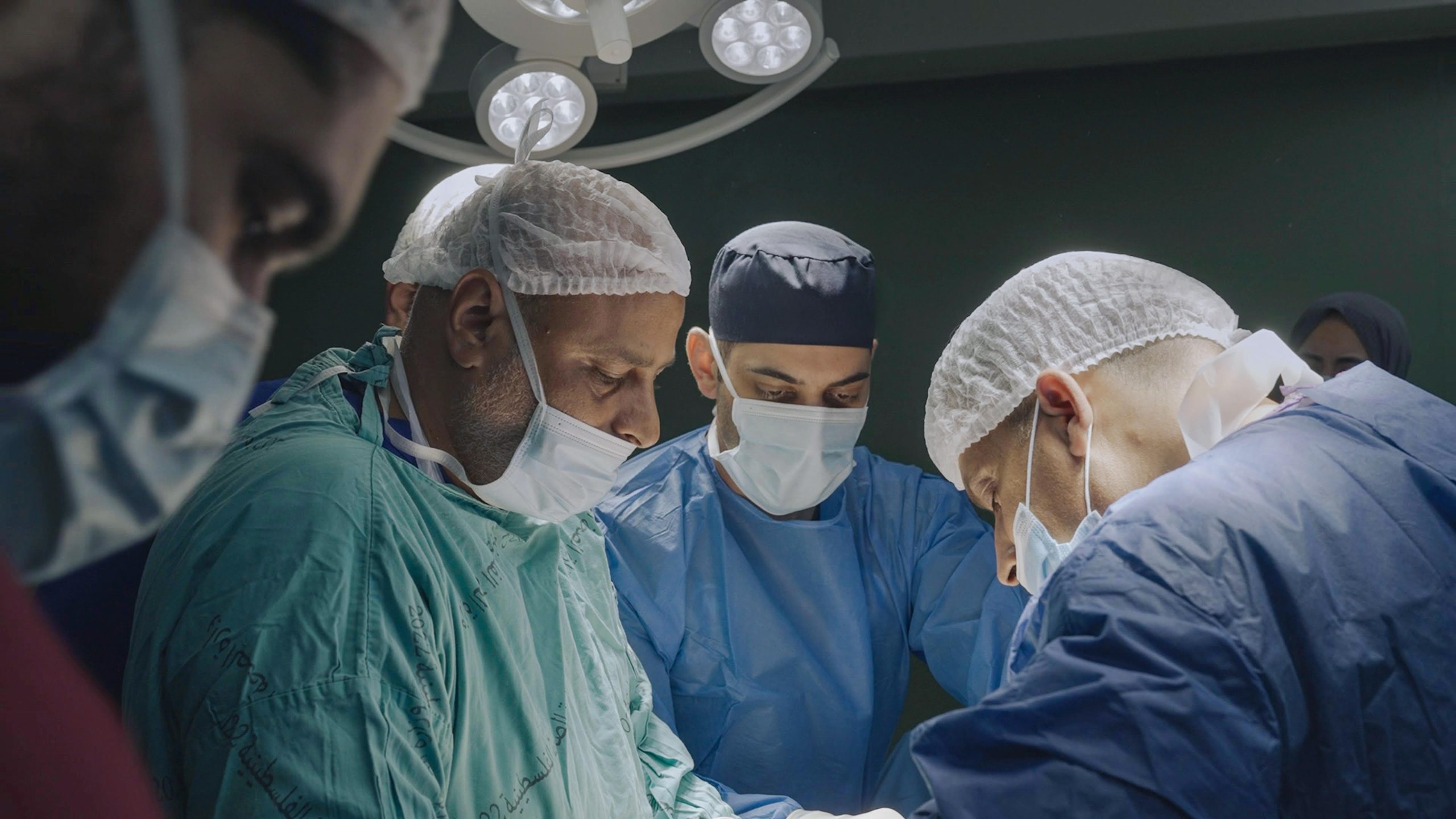
Directed by Oscar-nominated and Emmy-winning filmmaker Poh Si Teng, the film follows three American physicians, one Palestinian, one Jewish, and one Zoroastrian, who each volunteered in besieged hospitals in Gaza before returning to the United States. The choice to center three doctors of different backgrounds is clearly intentional, a structural argument that the oath to save lives supersedes identity or politics. Watching these three people, who might be expected to hold very different views on the conflict, arrive at similar conclusions about what they witnessed carries real weight.
Rather than staying in the war zone for its runtime, the documentary makes an intriguing structural choice: it follows its subjects home, tracking how their experiences abroad reshape their lives, relationships, and professional obligations once they’re back in American exam rooms, their home kitchens, and eventually, congressional hearing rooms. This documentary isn’t here to present the horror of war, but rather to examine what happens to people after they’ve witnessed it.
While there is footage from Gaza that is difficult to watch (children being hurt and deceased is especially hard to view), the film spends at least as much time observing its three doctors in their quieter moments: struggling to describe what they saw to family members, wrestling with insomnia and guilt, and simply trying to grapple with the reality around them. These scenes do more to convey the psychological toll of the work than any amount of harrowing hospital footage could on its own, and they give the film an emotional texture that similar documentaries sometimes skip in favor of pure reportage.
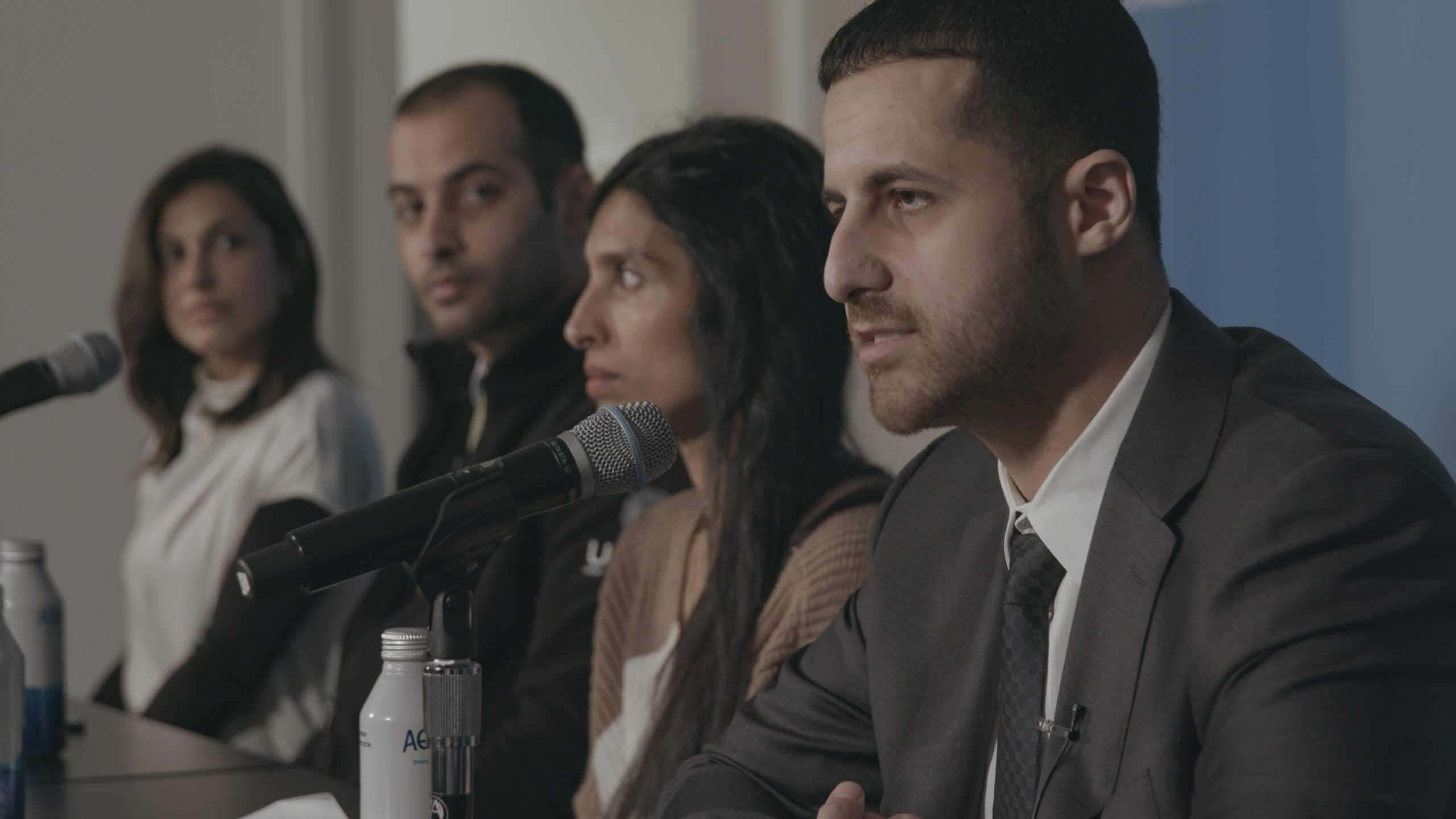
The back half of the film follows the doctors as they lobby Congress and speak publicly about their experiences. And after the intensity of images and footage from Gaza, some might feel that the pacing occasionally falters. The shift from intimate, observational filmmaking to something closer to advocacy journalism is a natural extension of the doctors’ arcs, but it also flattens some of the nuance built up earlier.
But it quickly brings you back to the harsh reality and the reasons the doctors are fighting the good fight. We watch a very intimate surgery on a little girl, where three surgeons and four fellows are involved, and she is likely to lose her legs, if not all of her limbs. If this reality doesn’t make you want to fall to the ground in despair, you’re not human. From this scene alone, it pushes the message that bombing hospitals, killing innocent people, including children, and erasing their way of life is not okay. Then the cut to President Donald Trump bragging about their use of weapons on Gaza, which is utterly disgraceful. So, the editing of this documentary is very clever and clear in the messages they want to send to their audiences.
The ending to this documentary is a powerful array of images and brutal footage of bombings, protests, weapon dispatches, and miles of destroyed buildings. With disturbing numbers of deaths that have happened since 2023, including the deaths of 1,700 health care workers in Gaza. It’s a pause for thought, and I left the documentary feeling sad, angry, and a little helpless.
American Doctor does well to humanize a set of medical professionals whose expertise and moral authority might otherwise get lost in a broader context, whilst informing its audience on topics and trauma they might be aware of if they rely on mainstream media. The three central performances, if it’s fair to call unscripted testimony a performance, are uniformly compelling, and editors have clearly worked hard to weave together three separate journeys into something that feels cohesive rather than fragmented.
For viewers already steeped in documentaries about the Israeli-Palestinian conflict or medical humanitarian work, American Doctor may not radically shift perspectives. But as a character study of ordinary people processing extraordinary trauma, and as an argument for the particular moral standing of medical witnesses, it’s a thoughtful, well-crafted addition to the genre, one that trusts its subjects’ humanity to do most of the persuading.