

Home Blog Page 6

Movie Review (NYFF 2026): ‘A Long Winter’ Leaves You Cold


Director: Andrew Haigh
Writers:ย Andrew Haigh, Colm Tรณibรญn
Stars:ย Martin Freeman, Ebon Moss-Bachrach, Kit Connor

Synopsis: Set high in the mountains, fall comes to an end and a family prepares for the long winter ahead.


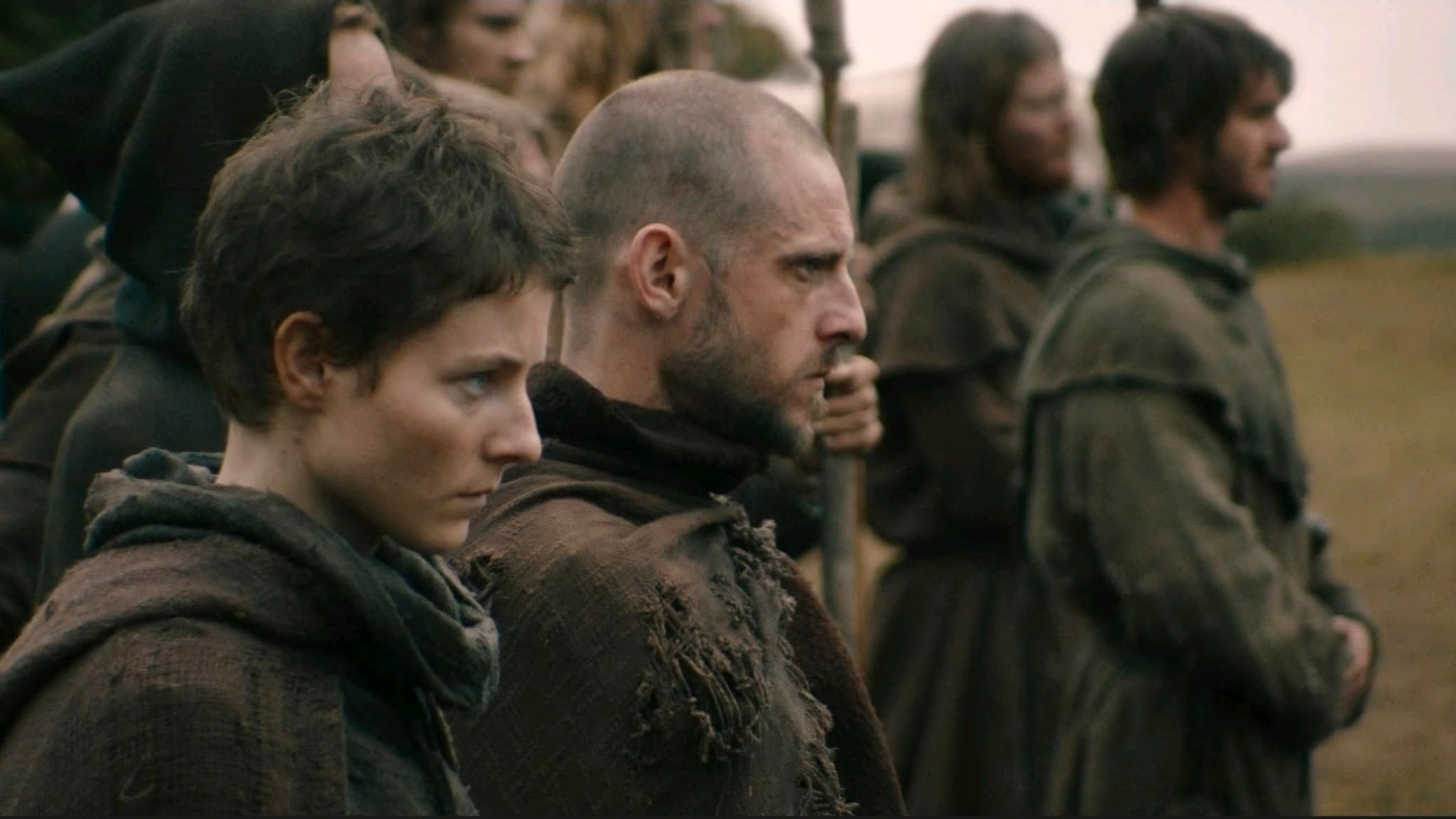
A filmmakerโ€™s trademark can elevate a multitude of different genres and stories. Andrew Haigh is a filmmaker who utilizes restraint and delivered exceptional results in All of Us Strangers. However, in his latest film, A Long Winter, it sort of drags the film along, keeping the two diverging paths within the film’s narrative sluggish. We, as viewers, can appreciate what is being said here, but how we get to its conclusion is slow and left me exasperated. A Long Winter feels long and cold – much like the title suggests – which is unfortunate as there is a lot of interesting stuff to dig into, but by the time the viewer can sit with it all we have is the discarded remains of plot and body.
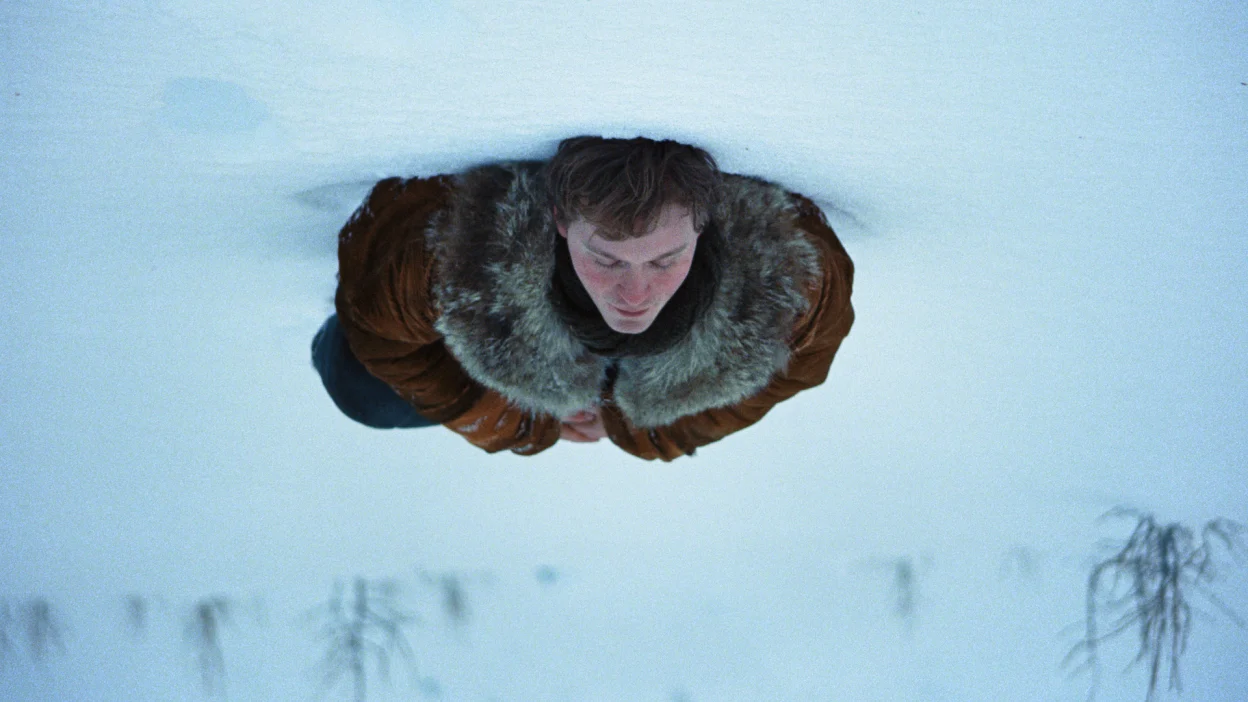
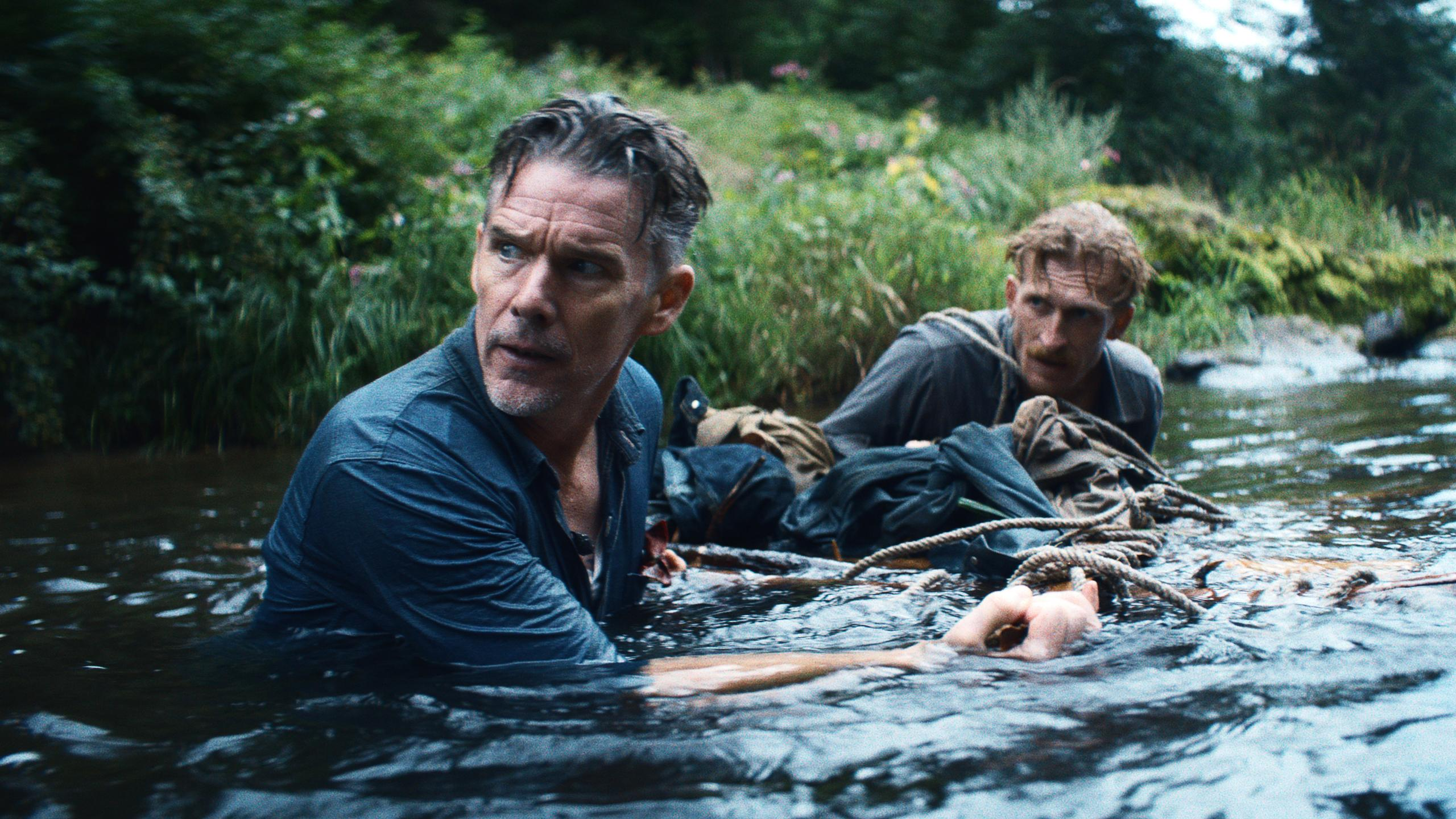
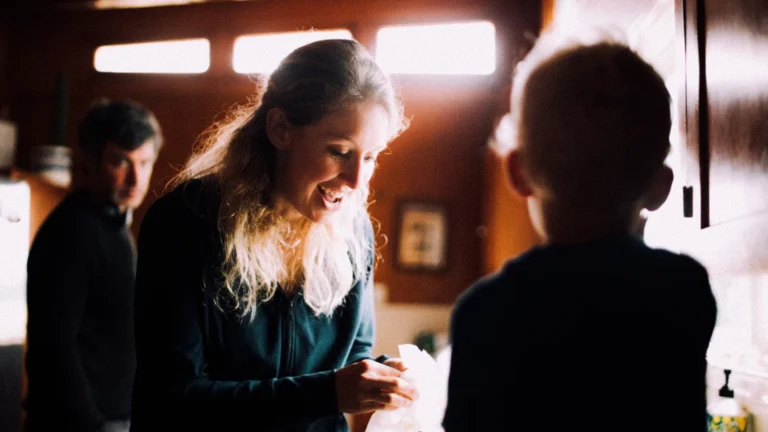
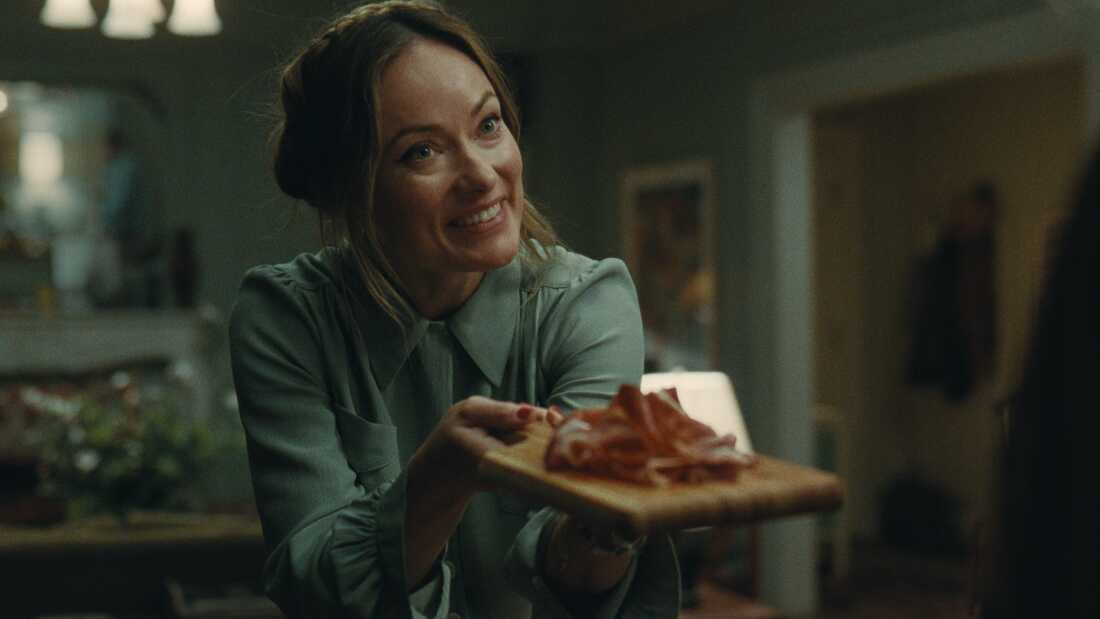
A Long Winter follows the aftermath of tragedy and how a father and son come to terms with said loss set in the backdrop of 1950s Colorado. The father, Lester (Ebon Moss-Bachrach), has a complicated history with his neighbors and the tragedy works as a bridge to connect him back to his community. The son, Mike (Fred Hechinger), is bright-eyed and naive to the world around him, but in the midst of this tragedy he is digesting his own feelings of affection to other men which would be controversial to the times. The winter is oppressive and isolating, much like the feelings and emotions of the main characters.

Andrew Haigh is a filmmaker who exercises restraint to allow room for the film to speak for itself rather than moments or dialogue. In this film, the exercise is pushed to the limit. At moments where restraint is exercised the result is something visually and mentally compelling. Dream sequences that donโ€™t outright annunciate its motive result in stirring emotional moments. The momentum within is meticulously drawn carefully like the string of a bow. But by the end of the film, the string is slowly released to its starting position. While this sort of filmmaking can be done to incredible results, this specific instance leaves the viewer frigid.

The film operates with two parallel story lines for most of the film until it merges together into something about release and emotional freedom. How we get to that point is not pretty, however. We see these two points emerge and, once the overarching tragedy in the film concludes, the remainder of the film sort of meanders until it lands on the main point of the film. Then once the main point becomes the primary focus it does very little to keep the drive going. Hechinger plays a really good and really shy individual, and youโ€™d be hard pressed to find someone else to nail a role in the way he does here. Moss-Bachrach also plays a hardass with a lot of skeletons in his closet that heโ€™s keeping sealed tight incredibly well. But despite that, the overall plot within the film doesnโ€™t serve them or their work well.

One element that I do appreciate about A Long Winter is how thematically layered it is. Itโ€™s abundantly clear how each element within the filmโ€“ the winter, the tragedy, and the settingโ€“ plays into the fact that a gay man of the time would be suffering. The writing on the larger scale, and the purpose within is incredibly pieced together and the impact is well done. The restraint and lack of forward progression is the point, but with all of this being said, the point lands with little weight. I wonโ€™t argue that the content isnโ€™t arranged well, but there seems to be a disconnect between the context of the themes and the execution of the plot.

Frustratingly, A Long Winter suffers from a lack of body. Nothing that lurches into the viewer, and pulls something out of you. There are moments of psychological analysis and suppressed urges with Hechingerโ€™s character, but it simmers to the surface and stays there – nothing less, nothing more. The restraint keeps a film that couldโ€™ve been a little more to being an inoffensive and piece of cinematic mishmash. How we see the characters and the tribulations they go through are so bogged down that the film has already made its own conclusions before we the viewer can make our own. Sure, it’s a stylistic choice, and itโ€™s not the filmmakerโ€™s objective to make films for the audience, but we arenโ€™t being let in at all to make our own interpretation.

I hate to write a review where the setting is winter, and I use a bunch of adjectives that can be commonly associated with cold. It isnโ€™t an attempt to be funny, but I canโ€™t really describe it any other way than Andrew Haigh leaving his viewers on ice with A Long Winter. There is little personal flair, the film is tightly written, and it is inoffensive. By the time this review is edited and posted, I will have forgotten about this film. There is a lot to enjoy with A Long Winter, but not enough to rise it above the sludge of mediocrity. In the end, A Long Winter is a film whose death is a death by a thousand restraints.
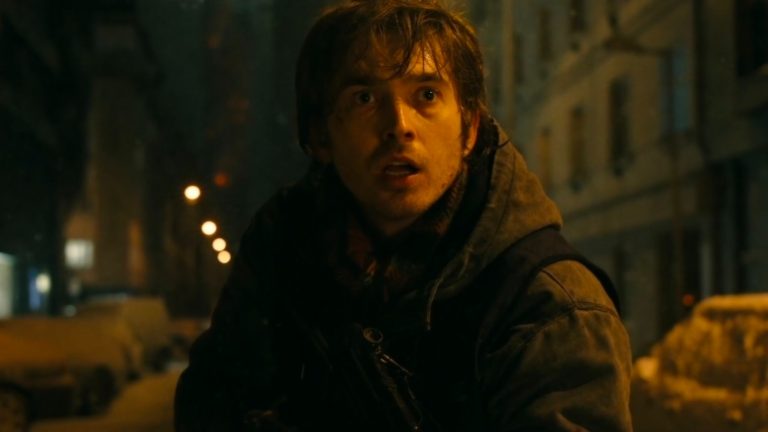
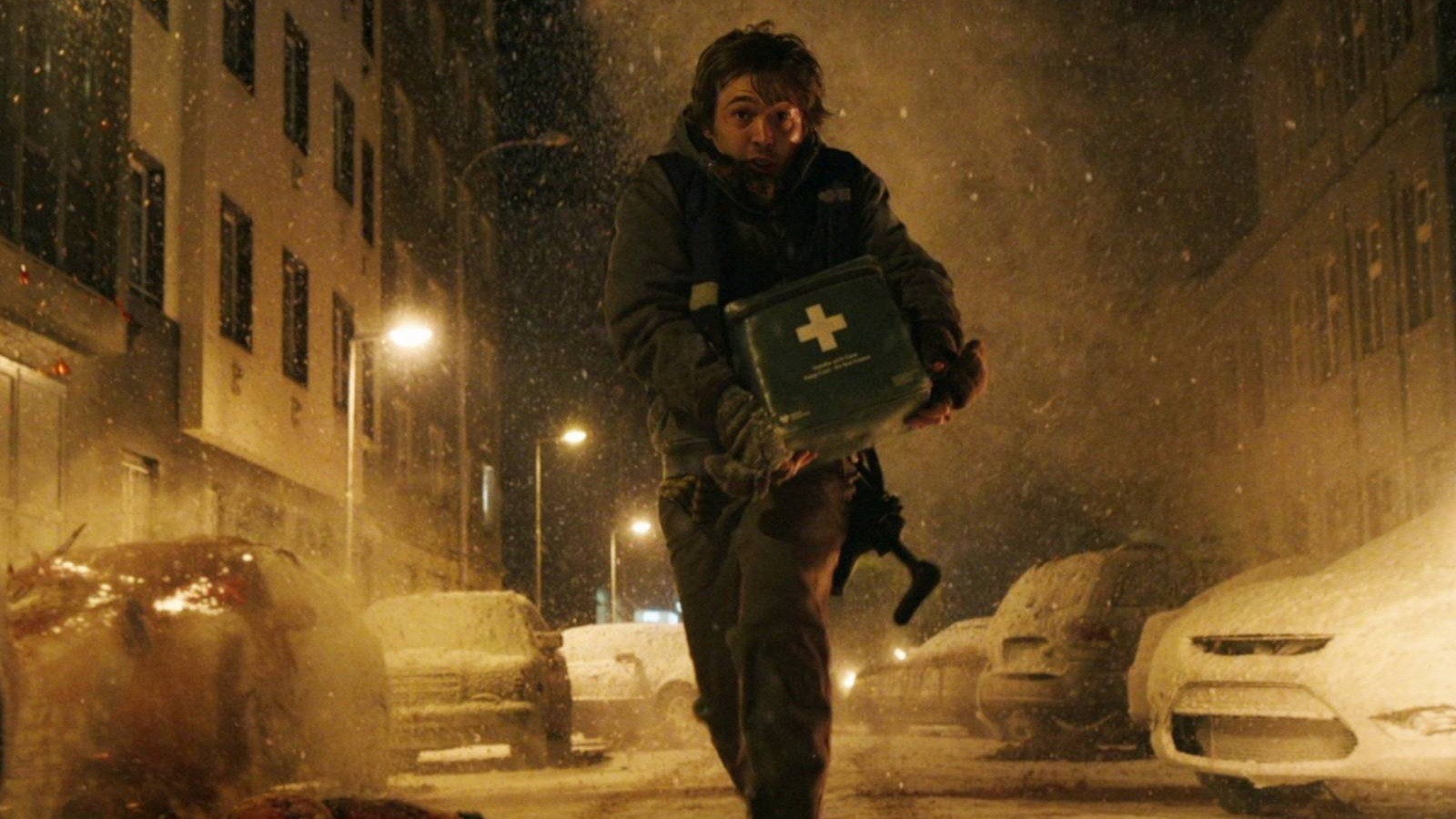
Grade: C

Movie Review: ‘Resident Evil (2026)’ Delivers Brains and Bite


Director: Zach Cregger
Writers: Zach Cregger, Shay Hatten
Stars: Austin Abrams, Paul Walter Hauser, Zach Cherry

Synopsis: Follows a hapless courier tasked with delivering a package to a remote hospital. He soon finds himself caught in the middle of an outbreak and must fight through hordes of mutated creatures to survive.


I am not sure you could pick a better filmmaker than Zach Cregger to reboot a highly profitable franchise beloved by horror fans like Resident Evil. The previous films can be entertaining, but the phrase โ€œfun but stupidโ€ comes to mind, as they focus more on showcasing star Milla Jovovich than on deepening the lore or investing in meaningful world-building.

Mr. Creggerโ€™s vision for the franchise is quintessential, evocative horror goodness. The rebootโ€™s script keeps audiences off balance with sharp storytelling, sinister humor, and genuine jolts of terror. It is one of the yearโ€™s most unpredictable horror thrillers, as the Weapons’ director continues to demonstrate his understanding of the connection between a belly laugh and a blood-curdling scream. 

Creggerโ€™s new Resident Evil reboot kicks the franchise into overdrive, delivering enough brains to match its vicious bite and enough wicked chills, thrills, and cackling howls to draw in a whole new generation and fans of the video game who experience the movie with an open mind. I was one, and I did something I’d never done while sitting in a press row at a screening: I got so caught up in the suspense and overall tension that I couldn’t help but yell directives at the screen.

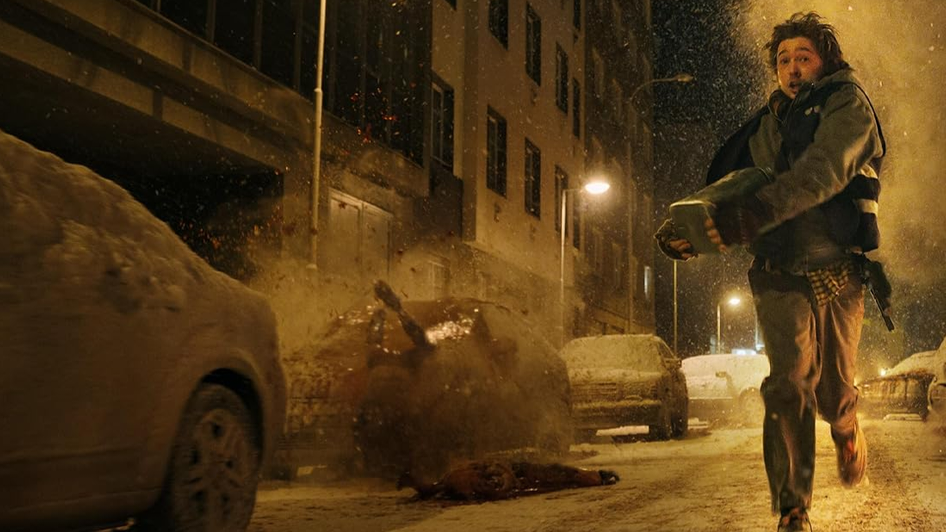
The new story follows Bryan (Do Revengeโ€™s Austin Abrams), a medical courier en route to Raccoon City General Hospital with a life-saving organโ€”a class A type, as they call it. Bryan thinks he is going to save a mother’s life. In reality, he took the gig to escape the reality that his girlfriend is pregnant, and she wants to know his intentions.

While driving along a snowy road in poor conditions with limited visibility, Bryan loses his signal and takes his eyes off the road just as a woman in a modest dress steps in front of his car like a deer in the headlights. She is then struck. In a phenomenal shot, we see continued white snow that looks like endless death from something Robert Frost might write, then soaked in red light from the idle car brake lights.  
Bryan manages to find her and gently places the stiff-limbed, pale, and somewhat catatonic woman inside, where she keeps attempting to slowly lunge at him as if she has the affliction Robert De Niro had from Awakenings. Which, of course, he is oblivious to. Finally, a local sheriff (Bride Hard’s Johnno Wilson) pulls them over, which is simultaneously hilarious and terrifying. 

After that, all snowy hell breaks loose. 

Cregger’s film is a propulsive blast. Blame my midlife crisis as I pander to a younger demographic or summon my own inner Rolling Stone version of Peter Travers, but the man can frame-f*ck the hell out of a shot. I honestly had no idea which direction the next scare would come from. The staging, shots, and overall patience for the setup are jaw-dropping, brutally clever, and dangerously funny.

A handful of funny guest spots come from Severanceโ€™s Zach Cherry, Kali Reis, and the great Paul Walter Hauser. (Yes, I said what I said.) Their roles tie into the video game origins of Resident Evil and will surely leave some fans wanting more. Why? Well, the obvious: the film doesn’t honor the game, nor uses established characters, and even changes the setting to the bone-chilling cold. And of course, Alice is nowhere to be found. 

Yet what’s even more impressive is that Mr. Cregger creates something wholly original, with a style all its own. In fact, itโ€™s better than anything the original film franchise ever did. While the third act can be visually overwrought, Zach Cregger proves he is a horror master with a wickedly playful command of tension and misdirection. Mischievous, macabre, and unpredictable, the filmmaker has a direct line to his audience’s funny bone and knows when to snap it.

You can watch Resident Evil exclusively in theaters on September 18th!

Grade: B+

Movie Review (TIFF 2026): ‘The Debut’ is a Real Contender


Director: Jesse Eisenberg
Writer: Jesse Eisenberg
Stars: Julianne Moore, Paul Giamatti, Halle Bailey

Synopsis: When an unassuming housewife is unexpectedly cast in a community theater production, she loses herself in the role under the spell of a strong-willed director.


Hyperbolic words and phrases like โ€œmasterpieceโ€ and โ€œbest film of the yearโ€ are becoming all too common in an increasing attempt to grab attention and garner views, with a new โ€œbest movieโ€ seemingly releasing week in, week out. However, when it comes to Jesse Eisenbergโ€™s latest, The Debut, those compliments finally feel fitting. This is a movie likely to be in contention for several of the biggest awards on offer come awards season.

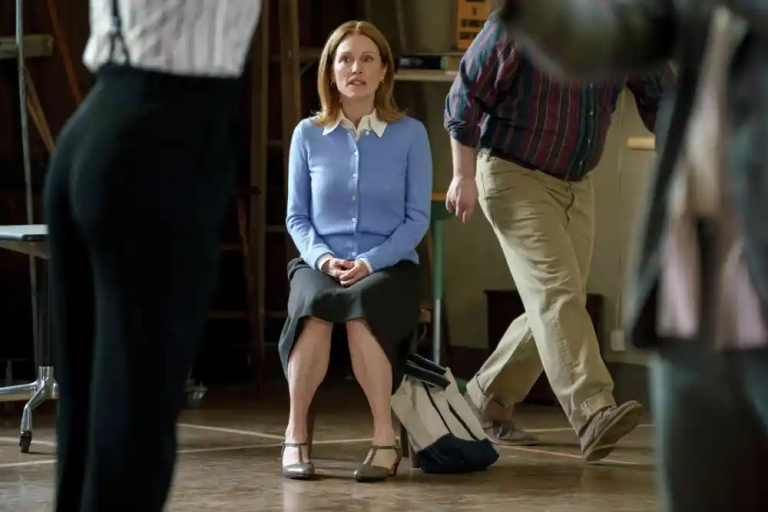
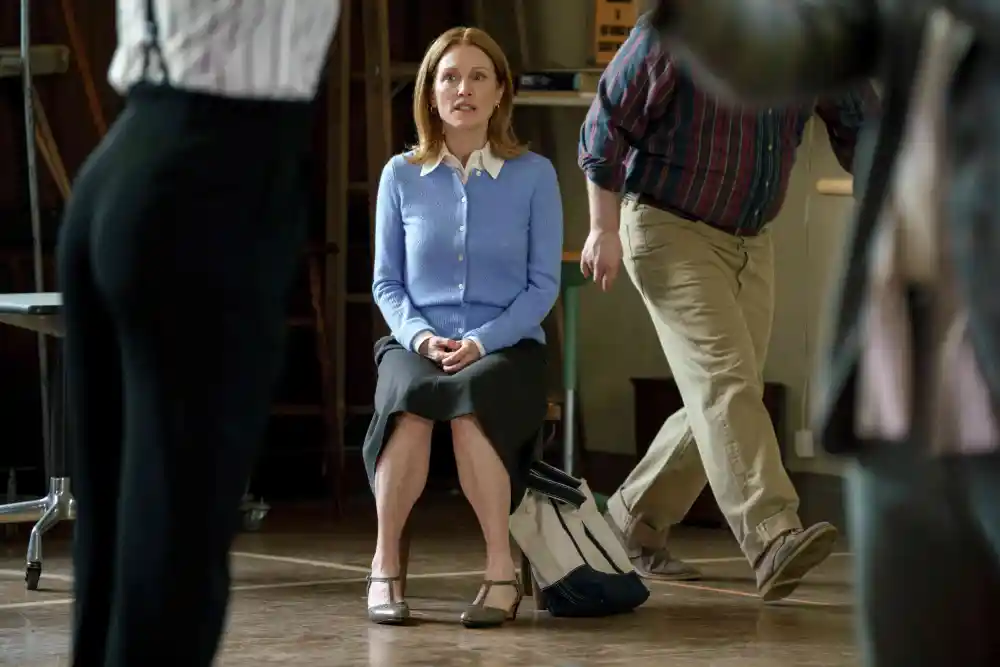
The Debut follows Mona Friedman (Julianne Moore), a middle-aged woman with graduating twins and a husband who is more concerned with his crosswords than listening to a word she says. Desperately disillusioned with her life after decades of mistreatment and searching for a sense of purpose, she auditions for a small supporting role in a local theater production.

Initially, the part goes to local celebrity and theater veteran Serena Cherry (Bernadette Peters), but when she discovers she is not the star of the production, she drops out. That leaves the director, Jerry (Paul Giamatti), quite literally no other choice. As Mona was the only other person who auditioned, she comes in to take her place. The movie goes on to follow Monaโ€™s story from her first rehearsal to the opening night performance, creating one of the most distinctive cinematic experiences youโ€™re likely to have this year.

The Debut couldโ€™ve gone down a similar path to Eisenbergโ€™s last outing as a director, A Real Pain, focusing on the emotional side of the story and tackling the raw feelings Mona faces as an underappreciated housewife. Instead, it goes down the comedic route, and itโ€™s all the better for it. It allows Eisenberg to take risks with the script, taking the story to places you would never dream up.

You never quite feel like you know what is about to happen because even when you think you do, Eisenberg takes you in a completely different direction. Scenes that appear to be heading toward an obvious punchline or emotional conclusion often veer into something far more absurd, and that unpredictability is a huge part of what makes the comedy work. Itโ€™s something that may not work for everyone, but for most, this is going to be a raucous crowd-pleaser.

Eisenberg has always been a terrifically talented comedic actor, but here, he shows that his writing is just as strong. Itโ€™s one of the funniest original comedies of the year thanks to its endless one-liners, which are enough to give you a bellyache from the deep laughs they generate. There are also a couple of situational jokes that continue throughout the entire runtime and somehow get more hilarious the longer they go on, even causing my theater to burst into an unplanned cheer.

Something that is equally remarkable to me is the fact that Eisenberg has also written a bunch of original songs for the production depicted in the movie. Going to the lengths of creating an actual original musical for the purposes of the film is noteworthy enough, but the songs themselves are genuinely really good. By the end, once theyโ€™ve all had their third playthrough, the infectious, happy vibe almost certainly translates into a theater full of people tapping their feet and dancing along to these wonderfully crafted songs.

The staging of the show is elevated further by some excellent production design from Anne Ross, who has visually created a stage show for the big finale that I would be buying tickets to in an instant. The cinematography from Drew Daniels is just as accomplished. By deploying a mix of wide shots and some beautiful close-ups, Daniels ensures the audience can be completely immersed in the finale, almost as if they were sitting in the theater themselves.

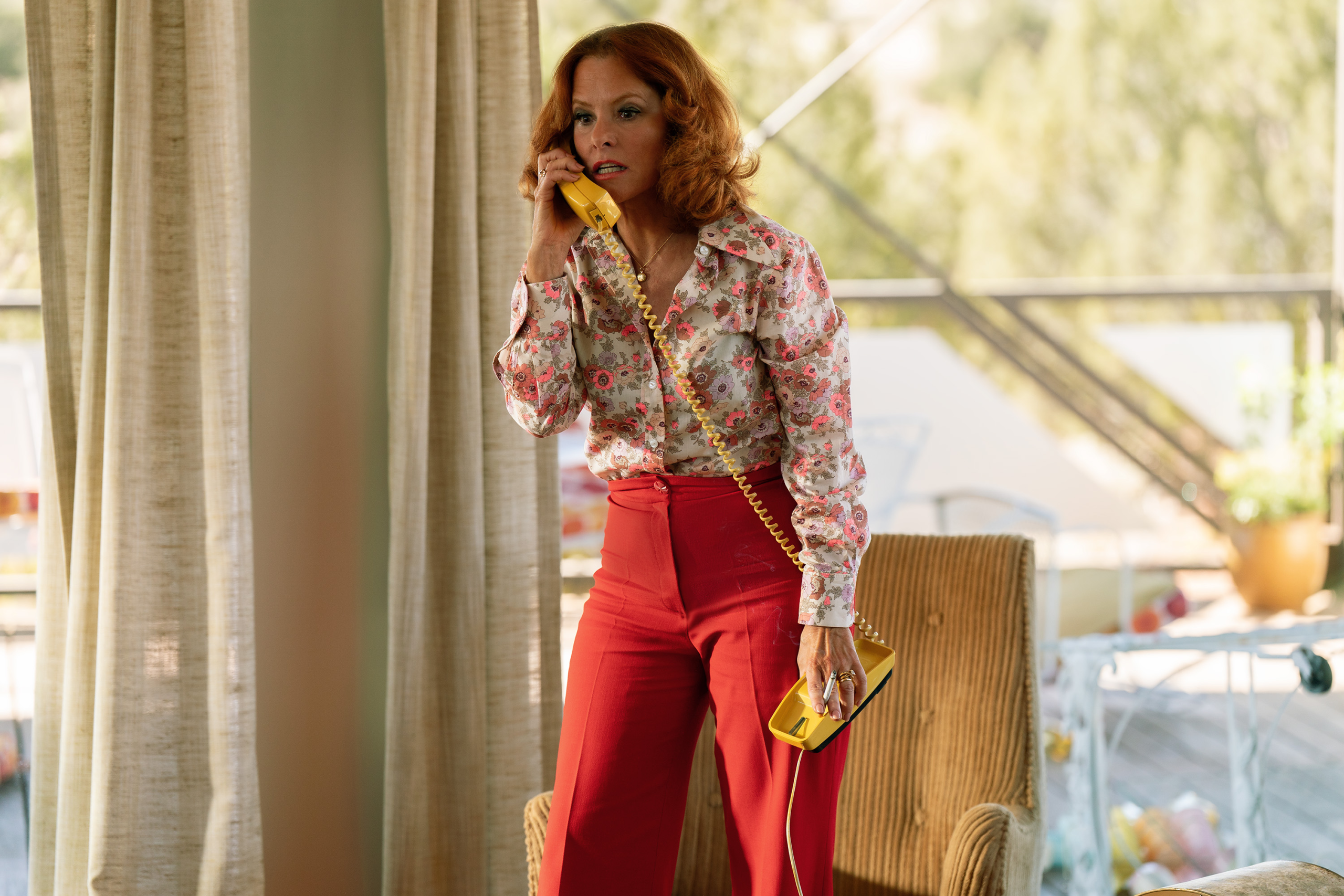
For everything that is undoubtedly superb about The Debut, Julianne Moore is still the shining star of the whole production. Sheโ€™s an actor who already has countless incredible performances under her belt, resulting in five acting Oscar nominations to date, but her performance here is arguably among the best of them. The complexity of this performance cannot be overstated. Eisenberg demands so many layers from Moore that itโ€™s scarcely believable sheโ€™s able to capture every element so well. She goes from a downtrodden shell of a person at the beginning to a bold character actor bursting at the seams by the end. But what is so striking are the portions in between, where Moore is able to show Monaโ€™s growth through her body language, tone of voice and even the posture she adopts.

It means Monaโ€™s transformation never feels sudden or forced. You can almost see her confidence building scene by scene, with Moore making subtle changes to the way Mona carries herself as she becomes increasingly comfortable in this completely new environment. Itโ€™s the sort of performance where the character at the end feels almost unrecognizable from the one we meet at the beginning, yet you completely believe how she got there. It all culminates in a mid-movie speech that is the most enjoyable five minutes of cinema Iโ€™ve seen in years. This actually resulted in a standing ovation in the middle of a press screening, something I have never witnessed before.

While Moore will rightfully be receiving all the flowers, Paul Giamatti cannot be forgotten in what is yet another stellar turn. Itโ€™s a performance that may be overlooked because itโ€™s nowhere near as showy, but his fantastic chemistry with Moore is crucial. Giamatti brings a sternness that perfectly complements her performance, allowing Moore to shine even brighter. Itโ€™s hard to think of another working actor who wouldโ€™ve been able to pull off the character of Jerry, who in many ways is similar to Paul Hunham in The Holdovers. Beneath the hard exterior is a level of vulnerability and empathy, something Giamatti has been able to perfect throughout his performances in these types of roles.

The Debut may only be Jesse Eisenbergโ€™s third turn as a feature-length director, but if this is anything to go by, despite being a very accomplished actor, the directorโ€™s chair may be his true calling. Powered along by two exceptional performances and a fantastic script, this is a real awards contender across the board and will make it onto many peopleโ€™s favorite movies of the year lists.

Grade: A

Movie Review (TIFF 2026): โ€˜Ladies and Gentlemen, Brian Mulroneyโ€™ is an Essential Piece of Canadiana


Director: Matthew Rankin
Stars: Brian Mulroney, John Diefenbaker, Joe Clarke

Synopsis: In 1976, Brian Mulroney launched a charm offensive the likes of which Canada had never seen, dismantling the political establishment one dad joke at a time. In this psychedelic doomscroll through the mind of a master politician, filmmaker Matthew Rankin charts the flamboyant rise of Canadaโ€™s 18th prime minister


โ€œWhen Irish hearts are happy, 

All the world seems bright and gay. 

And when Irish eyes are smiling, 

Sure they steal your heart away.โ€

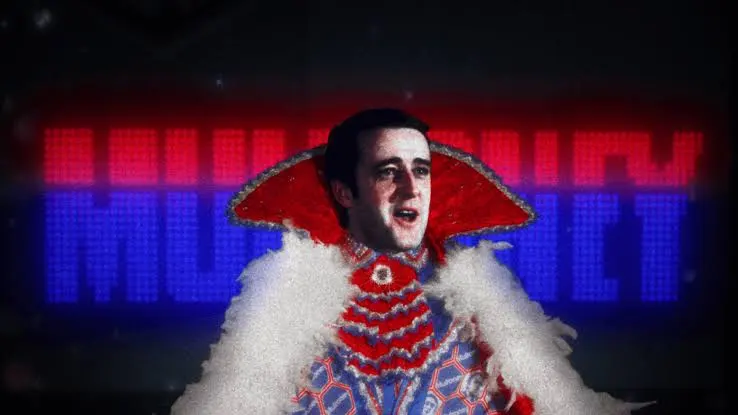
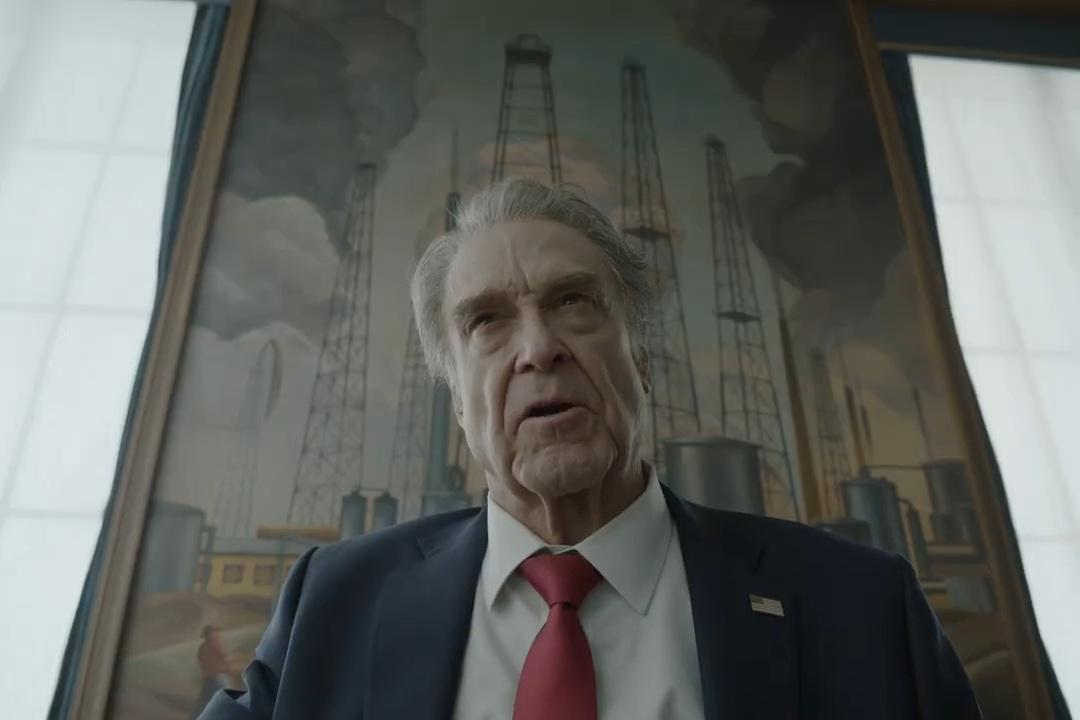
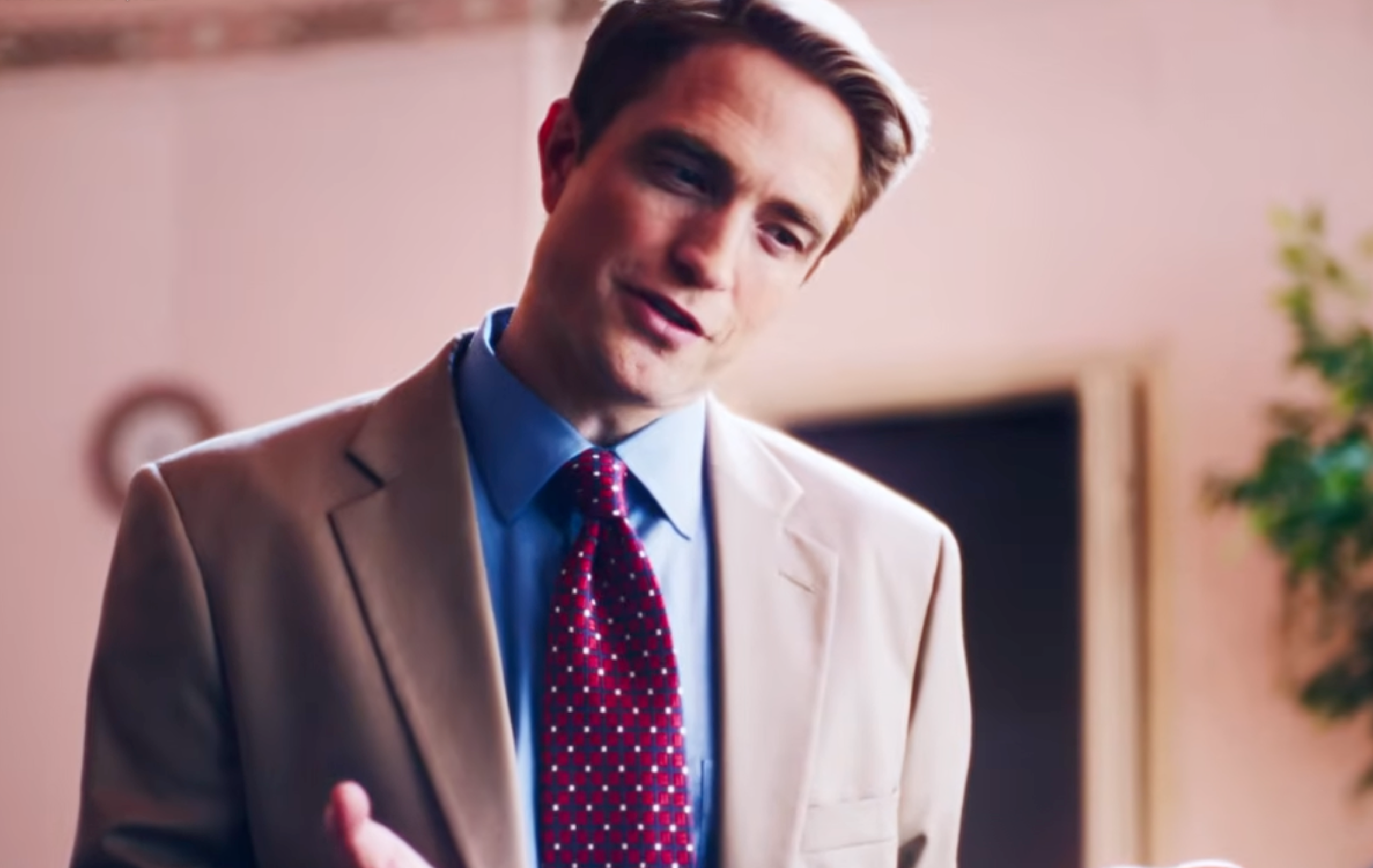
There might not be a more essential National Film Board of Canada documentary made in this century than Matthew Rankinโ€™s Ladies and Gentlemen, Brian Mulroney. Itโ€™s probably the most striking piece of political cinema weโ€™ve seen in this country since Denys Arcandโ€™s Comfort and Indifference, and you wonโ€™t realize what Rankin is doing until long after youโ€™ve left the cinema and caught your breath from having laughed so incredibly hard. Because, yes, the collage of images (and colors) that Rankin proposes in his hybrid docu-sh*tpost is akin to an extended episode of Infoman on acid, as it tracks the rise of one of Canadaโ€™s most popular prime ministers before he became the face of the nation. 

Brian Mulroney, or โ€œLe pโ€™tit gars de Baie-Comeau,โ€ (The little boy from Baie-Comeau) started from humble beginnings until he vied for the leadership of the Progressive Conservative Party of Canada. His first bid was unsuccessful. Mulroney was beaten by Joe Clarke, who eventually became Prime Minister of the country for six meager months, and was upended by Pierre-Elliot Trudeau once more after his budget failed to pass the House of Commons. Rankin treats each of these moments in history as lesson in backstabbing, where Mulroney plotted his ascension from the first time he lost the leadership bid, even if he attempts to publicly support Clarkeโ€™s reign. 

Through six unwieldy episodes, Rankin exposes the moral rot at the center of not only the Conservative Party of Canada (Mulroneyโ€™s charm offensive was extremely popularโ€ฆuntil it wasnโ€™t and the party became what it is now) but of every single federal party who attempt the same type of showmanship as did Trudeau. The whole thing looks and sounds like a farce. At least, thatโ€™s what youโ€™ll believe upon witnessing a bevy of hyper stimulating kaleidoscopies that assault your senses and pervert much of what Mulroney said or did at the time. It looks and feels like complete ridicule, but it wonโ€™t be long before you begin to parse what heโ€™s actually doing, and itโ€™s there where Ladies and Gentlemen, Brian Mulroney begins to open up in front of you.ย 

At face value, Midnight Madness sounds like the perfect vehicle to unleash this beast in front of an unsuspecting audience. And who doesnโ€™t like making fun of politicians? After all, most filmmakers like to poke fun at more popular figures like Trump or George W. Bush. There hasnโ€™t been a movie that attempts to humoristically approach Brian Mulroney, because most pundits agree that his demeanor and tenure was relatively human. By the end of the movie, perhaps youโ€™ll have a different idea of the public perception of Mulroney, who, of course, possessed the charm of both Paul Newman and Robert Redford to convince anyone to vote Conservative, and loved to sing โ€œWhen Irish Eyes Are Smilingโ€ at whatever occasion he had. 

The man had an unmatched aura, but his motivations seemed to have been driven by ego, especially when attempting to upend the leadership bid of Joe Clarke, despite saving face in public and saying that Clarke is the right person for the job. All the while, the ghost of John Diefenbaker looks down upon Mulroney, as if he acts as a sort of Jor-El for the Tories. Rankin actually expresses this through a Fortress of Solitude-esque museum where Mulroney asks Diefenbakerโ€™s brain for guidance in the hopes that he will prevail to upend Clarke and become the next Prime Minister of the country after Trudeau successfully took down the Conservative minority government six months after its tenure. 

It looks and feels stupid, but please trust me that Ladies and Gentlemen, Brian Mulroney is far from being so. Rankin successfully distills at least fifty years of political and cinematic history by incorporating the biggest movements of the time โ€“ the question of Quรฉbec sovereignty (and โ€œle beau Risqueโ€ once Parti Quรฉbรฉcois leader Renรฉ Lรฉvesque supported Mulroney), the figures that made their way into the sphere upon Mulroneyโ€™s reign that would have a tangible impact on the future of Quรฉbec politics. One of them is Lucien Bouchard, one of Mulroneyโ€™s closest friends and colleagues that eventually left the conservatives to form the Bloc Quรฉbรฉcois, and the other is John James Charest. No one knew him when he joined Mulroneyโ€™s government, but his name will soon be forever etched in Quรฉbecโ€™s collective historyโ€ฆ

With Mulroney born and raised in Baie-Comeau, itโ€™s inevitable that Quรฉbec would have an intrinsic part of Rankinโ€™s documentary. Perhaps Western audiences unfamiliar with Canadian and Quรฉbec politics might not vibe with Ladies and Gentlemen, Brian Mulroney as much as the ones who understand Rankinโ€™s almost esoteric parallels, but even a layperson will have a firm grasp of Mulroneyโ€™s impact within Canada and the world. Rankin purposefully stops dead in his tracks when he becomes elected as Prime Minister, which might act as a deterrent for anyone looking for a deeper exploration of how bad he was as a leader, but we donโ€™t need to go through those events for now. Maybe in a sequelโ€ฆ

Grade: A+

Episode 705: 1998 Retrospective / Top 10 Movies of 1998

This weekโ€™s episode is brought to you by Koffee Kult. Get 15% OFF with the code: ISF26!

This week on the InSession Film Podcast, we continue our 1998 Retrospective as we discuss the year in cinema and dive into our Top 10 Movies of 1998! The year is famous for its “dueling movies” (and there’s weirdly quite a few) but it’s obviously much more than that. It was a deep year with many great movies.

Review: Saving Private Ryan

– 1998 Retrospective (5:50)
We begin the show this week by diving straight into our 1998 Retrospective. As always, we talked about the year as a whole, the movies that helped shape its narrative and why it’s such a fascinating year for cinema. Undoubtedly, 1998 is the year of the “dueling movie” with rivalries such as Antz vs A Bug’s Life, Armageddon vs Deep Impact, Saving Private Ryan vs The Thin Red Line and Elizabeth vs Shakespeare in Love. These kinds of things happen all the time, but never before or since have seen so many blatant duels in one year like this. Either way, it was a fun year to dissect.


RELATED: Listen to Episode 670 of the InSession Film Podcast where we discussed our Top 10 Movies of 2025!


– Top 10 Movies of 1998 (42:26)
1998 was a really great year for cinema despite some reservations you’ll see because of how awards season played out. It featured some incredible foreign language films. It was a rockin’ year for summer movies and blockbuster entertainment. The year saw some ambitious movies from new up and comers. International cinema was, of course, excellent as always. It may not reach the same heights as other years, but it had some pretty great depth. At any rate, what are your Top 10 Movies of 1998?

Subscribe to our Podcast RSS
Subscribe to our Podcasts on Apple Podcasts
Listen on Spotify
Listen on iHeartRadio
InSession Film Podcast – Episode 705

Help Support The InSession Film Podcast

If you want to help support us, there are several ways you can help us and we’d absolutely appreciate it. Every penny goes directly back into supporting the show and we are truly honored and grateful. Thanks for your support and for listening to the InSession Film Podcast!

VISIT OUR DONATE PAGE HERE

Movie Review (TIFF 2026): ‘Trash Mountain’ Piles on the Emotion


Director: Kris Rey
Writers: Caleb Hearon, Ruby Caster
Stars: Caleb Hearon, Zooey Deschanel, Kyle Marvin

Synopsis: A twenty something gay man travels from Chicago to his home in rural Missouri following the death of his father โ€” an obsessive hoarder who has left a house full of items, some valuable and some not so, to pick through.


At first glance, it would be easy to dismiss Trash Mountain as just another formulaic dramedy. After all, it has many of the same ingredients and follows a similar plot structure to successful movies weโ€™ve seen within the genre before. The key difference here, though, is star and co-writer Caleb Hearon, who seemingly brings some of his own personal experiences to the story, providing a level of heart and emotion that many similar films can only dream of conjuring up.

Directed by Kris Rey and co-written by Hearon and Ruby Caster, Trash Mountain follows Gavin (Hearon), a drag show host living in Chicago. There, heโ€™s able to express himself freely, has a close-knit community and support network that embraces him for who he is, and he can be open about his sexuality. That picture-perfect life is abruptly interrupted by a call from his half-sister Abbi (Zooey Deschanel), letting him know that their father has passed away.

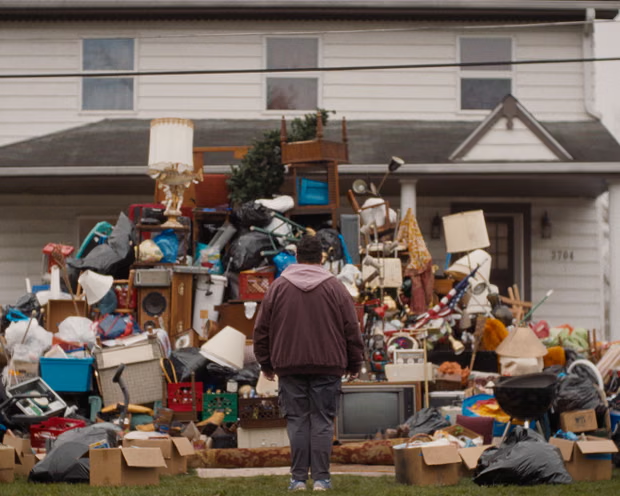
Gavin is forced to return to his hometown in rural Missouri, where what he thought would be a quick trip to pay his respects turns into a logistical nightmare from hell. As it turns out, on top of being an alcoholic, his father was a reclusive hoarder who left behind a literal trash mountain. What Gavin imagined would be a brief visit to say goodbye instead becomes an extended stay in the very place he had always tried to escape. Now, he has to face challenges and grief that have seemingly been suppressed for years.

On the surface, the movie doesnโ€™t seem too dissimilar from others within the genre, but that changes when you dive a little deeper into Hearonโ€™s life and understand where he has personally come from. The fictional rural Missouri setting isnโ€™t entirely removed from reality, as Hearon himself grew up in a similar community. That connection gives Gavinโ€™s experiences an added sense of authenticity, particularly when it comes to the hostility he faces regarding his sexuality.

The narrow-minded townspeople provide plenty of comic relief throughout the story, but thereโ€™s also a sense that the humor is masking something much more painful. The screenplay directly takes aim at that conservative way of thinking, whether it be through the sheer number of guns found inside their hoarder dadโ€™s home or the way the devout Christian faith of many members of the community shapes their opinions of Gavinโ€™s choices. It feels informed by the type of prejudice someone in Gavinโ€™s position could experience in a place he once called home, making the movie far more grounded and thought-provoking than its familiar setup initially suggests.

Hearon has made a name for himself through self-deprecating comedy, and Trash Mountain is no different. Whether it be his size, sexuality, or even his personality, Gavin is often the butt of jokes that hit time and time again throughout the runtime. But thereโ€™s an overwhelming feeling that he uses humor as his own unique defense mechanism, allowing him to avoid the unresolved trauma that is clearly eating away at him beneath the surface.

That continues through a large portion of the movie until the brother-sister dynamic that the story is crying out for finally takes center stage. Itโ€™s here where the performances of both Hearon and Deschanel are allowed to shine brightest. Their chemistry together is wonderful as they begin to recapture their childhood connection even in the most tragic of circumstances. Watching that relationship gradually rebuild is genuinely touching and gives the movie much of its emotional weight.

Hearon, as expected, is hilarious, but in his first leading performance, itโ€™s the more dramatic elements of his work that prove the most captivating. Anyone familiar with Hearon will expect him to be funny, but the ease with which he switches things up and delivers the movieโ€™s more emotional moments is particularly impressive and somewhat unexpected. Itโ€™s clear evidence that he has the tools at his disposal to take on much bigger parts going forward.

Deschanel recaptures the charm that made her a star in the first place, but thereโ€™s more going on with Abbi than that. She brings an air of vulnerability and fear to the character, all while Abbi is trying to hold everything together and be a mother to her own family. Itโ€™s the type of performance that makes you wish Deschanel appeared on the silver screen more often, as she clearly still has the talent to be a leading presence in a feature-length movie.

There are also some terrific supporting turns. Kyle Marvin, as Abbiโ€™s husband, is the most prominent, and he makes the most of every second he has on screen. From the moment heโ€™s first introduced to his last, he delivers some of the funniest one-liners in the movie. Jaboukie Young-White, as Jerome, Gavinโ€™s love interest, provides a comforting presence that gives the story room to explore some of its more hard-hitting emotions. But itโ€™s Jacki Weaver as Grandma Helen who threatens to steal the movie every time she appears.

While the way Trash Mountain unfolds will feel somewhat familiar, itโ€™s the journey to get there that matters most. In that regard, the film delivers, leaving you with the kind of warm, fuzzy feeling that might just make you want to hug your family members a little tighter as the credits roll. Undoubtedly hilarious, with plenty of charm and heart to boot, Trash Mountain is one of the more surprisingly entertaining titles at this yearโ€™s Toronto International Film Festival.

Grade: B+

Movie Review (TIFF 2026): ‘Everybody Wants to F*ck Me’ is Unapologetically Outrageous


Director: Jonathan Schey
Writer: Jonathan Schey
Stars: Taron Egerton, Mia McKenna Bruce, Jessica Henwick, Sophie Simnett, Charly Clive

Synopsis: An original razor-sharp dark comedy thriller set in the world of modern dating in London.


Modern-day dating, particularly in large cities, is nothing short of a minefield. The original scam of catfishing seems so far removed from todayโ€™s day and age, with things having developed much further and the deception becoming even more elaborate. In Jonathan Scheyโ€™s sharply named feature-length bow, Everybody Wants to F*ck Me, he cleverly deconstructs the so-called โ€œnice guyโ€ persona and its corrosive effect on modern dating in a darkly comedic way. Thereโ€™s enough shock and awe along the way to leave a lasting imprint on your brain long after the final credits roll.

Everybody Wants to F*ck Me follows Adam (Taron Egerton), a serial womanizer who regularly love bombs his dates, utilizing his charming persona to lure unsuspecting women into one-night stands before dropping them like a rock in the ocean. There are no two ways about it, heโ€™s a complete jerk, but whatโ€™s worse is that heโ€™s proud of it and always on the lookout for his next conquest.

That is until one night when he meets Sophia (Jessica Henwick). Adam, of course, thinks heโ€™s in for a night of passion, but unfortunately for him, he gets more than he bargained for. When he wakes up the next morning, all is not as it seems, as she appears to have put a curse on him that makes every woman want him. It sounds like the perfect situation for Adam, but it quickly becomes apparent thereโ€™s something far more sinister going on than initially meets the eye.

Scheyโ€™s screenplay brilliantly tears apart the performative nice-guy persona Adam has relied on for so long. While itโ€™s done in a humorous fashion, there are some genuinely pertinent messages underneath those surface-level jokes that audiences can take away, although you are forced to look a little deeper than you perhaps should have been. At times, the filmโ€™s determination to push its premise to increasingly absurd places threatens to overshadow the very commentary it is trying to make, but that message is always bubbling away underneath.

It feels especially relatable to younger generations who have only really known the swipe-left, swipe-right kind of dating. Many of them have been victims of emotional coercion through endless love bombing and narcissistic behavior, all of which is rife in the contemporary dating pool on display throughout. By exaggerating those behaviors to their most ridiculous extremes, Schey manages to make them funny without completely losing sight of how damaging they can actually be.

The film definitely feels like a comedy first and thriller second, and for the most part thatโ€™s to its advantage. Those humorous elements feel distinctly British, as youโ€™d expect given the cast and crew involved, so the jibes are very much on the nose. Itโ€™s the sort of dry, sharp, biting humor that can either make you wince in your chair or leave you with a pain in your stomach from laughing so hard. Itโ€™s no different here, with plenty of big swings, the majority of which are knocked out of the park, although a few inevitably fall by the wayside.

To Scheyโ€™s credit, whether everything lands with audiences or not, he canโ€™t be accused of failing to fully commit to the absurd nature of the premise. He has managed to pack in two of the most outrageous scenes in recent memory, both of which had an audience over a thousand strong audibly gasping at the filmmakerโ€™s audacity. The film isnโ€™t afraid to be uncomfortable or take risks, and in that regard itโ€™s like watching a train wreck in slow motion. As much as you want to take your eyes off it, for some reason you just canโ€™t.

Thereโ€™s also something haunting about the script being flipped and turning a man into the prey rather than the predator. Going for a more horror-based angle alongside the satire is a stroke of genius. Rather surprisingly, the film provides some of the most effective jump scares Iโ€™ve seen in a while, the kind that out-and-out horror movies would dream of achieving. More importantly, that reversal gives the film an uncomfortable edge beneath all the absurdity, forcing Adam into a position where the attention he once relentlessly pursued becomes something he can no longer control.

For all that is good about Everybody Wants to F*ck Me, it admittedly treads a fine line between being funny and outright cringe, sometimes for the wrong reasons. For me, it just about stays on the right side of that divide, only really blurring it a couple of times, and given the gambles it takes, that feels worthy of applause. However, itโ€™s very easy to imagine others feeling the complete opposite and becoming completely lost along the way, with the tone almost certainly going to prove divisive. In some ways, that feels like an inevitable consequence of a film so determined to push its central joke as far as it possibly can.

One thing is for sure though, Taron Egerton is at the top of his game. Heโ€™s an actor who appeared destined for greatness after Kingsman and Rocketman, yet his career trajectory since hasnโ€™t quite matched what those performances seemed to promise. Thatโ€™s made all the more baffling when he shows time and again just how versatile his range is. Here, his comic timing, natural charisma and sheer commitment to the role are easily the highlight, with several of the movieโ€™s most unforgettable sequences engraved in your brain largely because of his performance.

Egerton is, of course, supported by some incredibly talented women who make the absolute most of their screen time. Of note, Jessica Henwick is a commanding presence, delivering some sly and cutting lines that strike right at the core of Adamโ€™s behavior. Charly Clive, as Adamโ€™s longtime best friend and somewhat of an enabler, is also a standout, bringing a stern and assured presence that provides just enough for him to realize how abhorrent his behavior has been.

Undeniably flawed in places and guaranteed not to be for everyone, donโ€™t be surprised to see a broad spectrum when it comes to the initial reception for Everybody Wants to F*ck Me. Yet despite those shortcomings, there are enough genuine laughs and heart at the core of the story to make it a worthwhile trip. That, coupled with yet another stellar performance from Egerton, ensures Everybody Wants to F*ck Me is a wildly entertaining and unapologetically outrageous ride that, for better or worse, youโ€™re unlikely to forget anytime soon.

Grade: B-

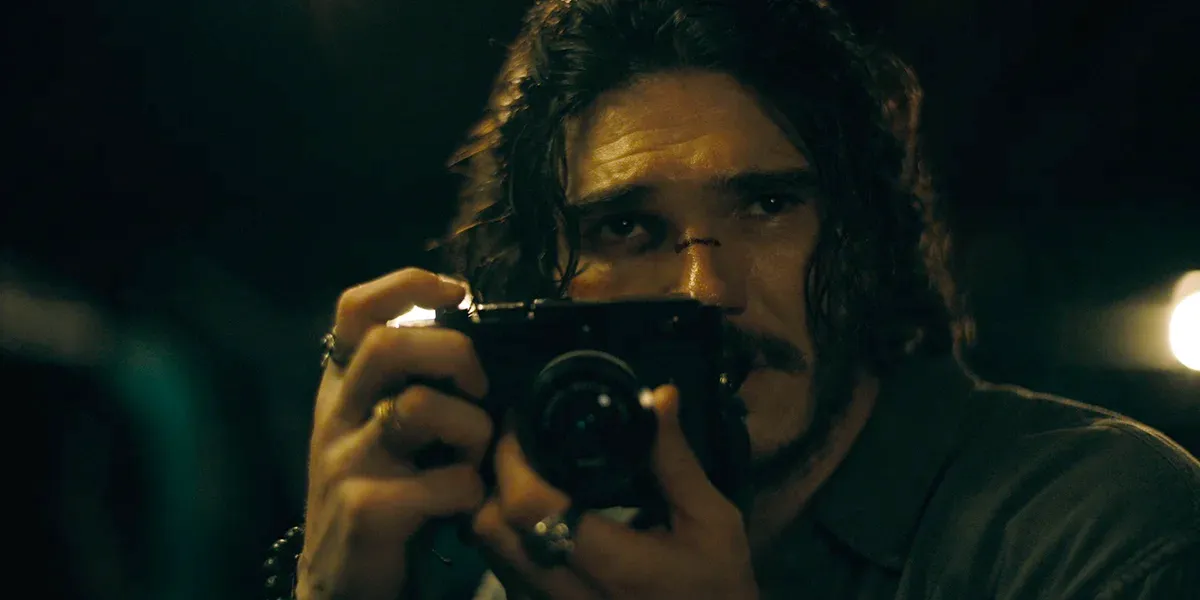
Movie Review (TIFF 2026): Zack Snyder Rethinks His Conception of Images in โ€˜The Last Photographโ€™


Director: Zack Snyder
Writer: Kurt Johnstad
Stars: Stuart Martin, Fra Fee, Jackie Kay

Synopsis: An ex-DEA agent searches South American mountains for his murdered diplomat siblingsโ€™ children, aided by a junkie photographer who saw the killers, confronting past demons as reality blurs in remote wilderness.


Is the camera an object of truth, or does it have the power to distort our conception of the world? This question lies at the heart of Zack Snyderโ€™s long-gestating The Last Photograph, a project the director says has been in the works for almost twenty years, as he unveiled the film at the Toronto International Film Festival. Almost immediately after the screening, vitriolic responses from critics and audience members flooded social media, creating a strange disconnect as a Q&A was still underway with the director and cast, who were likely oblivious to the real-time reactions. 

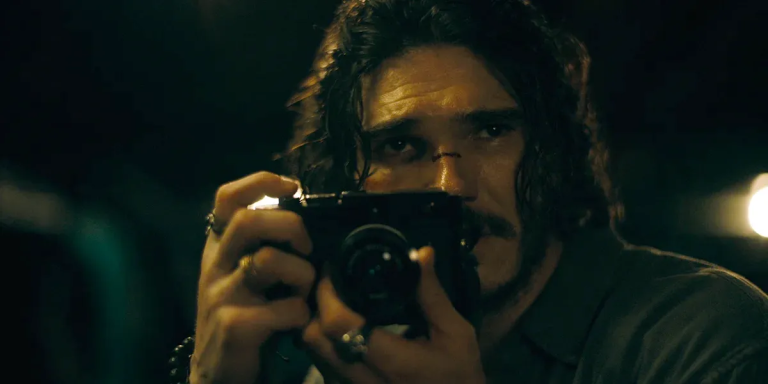
To be fair, The Last Photograph is Snyderโ€™s clunkiest film. It presents many unwieldy ideas without actively developing them. Unlike his pre-directorโ€™s cut Rebel Moon diptych (or the theatrical cuts of Batman v. Superman: Dawn of Justice and Justice League), thereโ€™s no extended edition to further flesh out whatโ€™s on screen. The core relationship between Wallace (Fra Fee), a heroin-addicted war photographer who is still trying to numb himself to the horrors of the world, and Ethan Black (Stuart Martin), an ex-DEA agent who looks for his missing niece and nephew, also takes time to establish itself as thoughtful. 

Itโ€™s also extremely violent. Snyderโ€™s most violent film. Whereas he purposefully restrained himself within the studio system, the 60-year-old director no longer has any major studio to deal with and can finally deliver a vision at his most uncompromising. Perhaps that allowed him the freedom to go all in on violence and explicit sexual imagery, a shift that was most boldly perceived in Rebel Moon โ€“ Chapter One: Chalice of Blood. Audiences have to sit through endless sequences of torture, where women are brutally beaten, children are killed, and they are put in multiple harrowing situations that often feel excessive and gratuitous.ย 

But is there a point to such senseless acts? The consensus across the John Bassett Theatre after its premiere might be, โ€œNo,โ€ but it also offers an interesting treatise on our desensitized society, which no longer feels emotion when it sees real violence filtered through someoneโ€™s camera on a screen. Donโ€™t get me wrong, The Last Photograph borders on exploitation, but one canโ€™t say such torture is pointless when itโ€™s mostly seen through the eyes of a disillusioned photographer observing a world where his subjective nightmares and the harsh nightmares of reality are blurred. 

Butterflies recur visually as Wallace and Ethan travel across Colombia to find the missing children, in a story that owes a lot to John Fordโ€™s The Searchers and Francis Ford Coppolaโ€™s Apocalypse Now. Of course, though, John Boormanโ€™s Excalibur remains the ultimate reference for understanding Snyderโ€™s visual gestures, as he continues to expand his conception of mythological artifacts through a disillusioned agent who will stop at nothing to find his niece. Bar none, the most thought-provoking sequence of the film occurs close to the end, where Ethan becomes the filmโ€™s myth, but, again, like all his ideas, doesnโ€™t get expanded further than what is introduced. 

Itโ€™s the most frustrating aspect of The Last Photograph, a movie that brims with enough thoughtful ideas to stimulate our minds, but doesnโ€™t have the patience to develop any of them. The first forty minutes or so are dedicated entirely to โ€œmoodyโ€ storytelling, where Snyder presents images with tons of thematic resonance but rarely interiorizes the characters on parallel journeys that eventually coalesce into a spiritually charged arc that brings incredibly strong emotions to the forefront. It takes a while for those emotions to materialize, but once they do, itโ€™s hard not to be swept away by Snyderโ€™s knack for intensely arresting image-making, where each frame tells an intriguing story in its own right. 

While smaller in scale than his superhero films or mythological epics, thereโ€™s a reason why Snyder is so far ahead of his contemporaries when crafting action, as small or as large as it can be. The gunfights of The Last Photograph rank high among some of the most emotive work of his career, even if the violence is at times horrific to look at. But the camera tells us things that our eyes cannot see, and the way in which Snyder, acting once again as his own cinematographer, points his device at senseless explosions or bodies being piled up, their faces shot, and bodies horribly mutilated. Itโ€™s a confronting experience to reckon with such violence, as the camera never ceases to capture these horrors, while never forgetting to highlight the beauty amid its desolation. 

Is The Last Photograph an examination of Snyderโ€™s own conception of images as he reaches a new stage in his life? One could absolutely interpret it this way, especially as heโ€™s still continuing to be his own director of photography amid the flurry of negative comments Snyder has received since Army of the Dead. He doesnโ€™t care, and likely never will, but his photography is actually a genuine improvement (or evolution) of his own craft. Snyder (mostly) ditches gratuitous slow-motion for an overabundance of soft-focus, which might be a deterrent if each frame didnโ€™t feel so spiritually urgent. Thereโ€™s a specific image of a horse attempting to cross a river that is fully embedded in my retina, and the entire flashback where Ethan attains total awareness ranks high in the pantheon of Snyderโ€™s most striking images. 

Thatโ€™s why itโ€™s so hard for me to entirely dismiss The Last Photograph. Itโ€™s not perfect, sure, but it contains enough of Snyderโ€™s real humanism to overcome some of its most glaring flaws. To say the film is โ€œracistโ€ or โ€œmisogynistโ€ is to completely miss what Snyder is actually saying about the images that he โ€“ and his photographer โ€“ capture. There might not be a salient point to be made about the violence itself, but the thing is: weโ€™ve grown so numb to violence that it almost feels unimpressive when we actually see real acts of terror inflicted upon people when they appear on our screens. This isnโ€™t an observation, but a fact. Snyder attempts to remind us of violenceโ€™s true horrific nature, as his photographer develops a strange fascination with beauty inside an environment that has lost all sense of hope. 

In this case, Fra Fee delivers what is probably the most moving performance of his career, far more emotive than anything in the Rebel Moon franchise. Heโ€™s directed so wonderfully by Snyder, who seemingly sees a lot of himself in how Wallace perceives images. When you look back at Snyderโ€™s oeuvre and begin with his first-ever major movie, Michael Jordanโ€™s Playground, the fascination is seen loud and clear. That desire to create, to demonstrate that cinema still has the potential to move us and stun our souls, is still present almost thirty years later. Whenever Iโ€™m about to see a new Zack Snyder film, I always look back at one of the final scenes of his Michael Jordan video, where the NBA star dances in passionate glee to the music of Full Force. Itโ€™s possibly Snyderโ€™s most exhilarating sequence before the grand finale of Man of Steel, because it reminds us what he can do with a camera, and how he sees the world through his own subjective lens. 

The Last Photograph rekindles his relationship with an object he has complicated feelings about. He now needs to rethink what image-making should be, especially in an era that has lost the power to create frames that linger deep in our memories. Itโ€™s easy to reject a movie that tells us to look at cinema in a new way none of us are accustomed to, but itโ€™s something Snyder enjoys doing. Thereโ€™s doubt the movie will actively find distribution. Itโ€™s violent, deeply inaccessible, and confronts our ideals of what an image should achieve in ways I havenโ€™t seen a filmmaker โ€“ let alone Snyder โ€“ do. 

However, anyone with an open mind should probably give it a chance if it ever moves past the John Bassett Theatre. It probably wonโ€™t, but Snyder is showing no signs of stopping, as heโ€™s set to helm a remake of John Carpenterโ€™s Escape from New York shortly. Maybe this stint in fully independent, auteur-driven filmmaking has given him a new lease on why he chose to make movies and filter his own perception of the world around him, because, as he said while introducing the movies, heโ€™s going to keep doing it until someone stops him. And even if someone dares stop him, heโ€™s probably not going toโ€ฆ

Grade: B

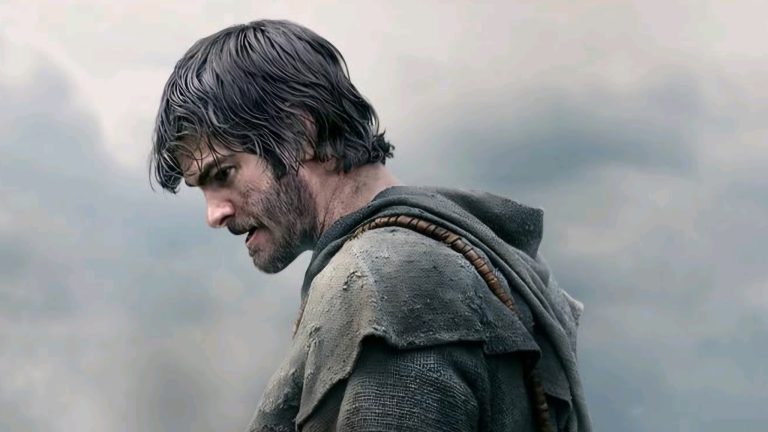
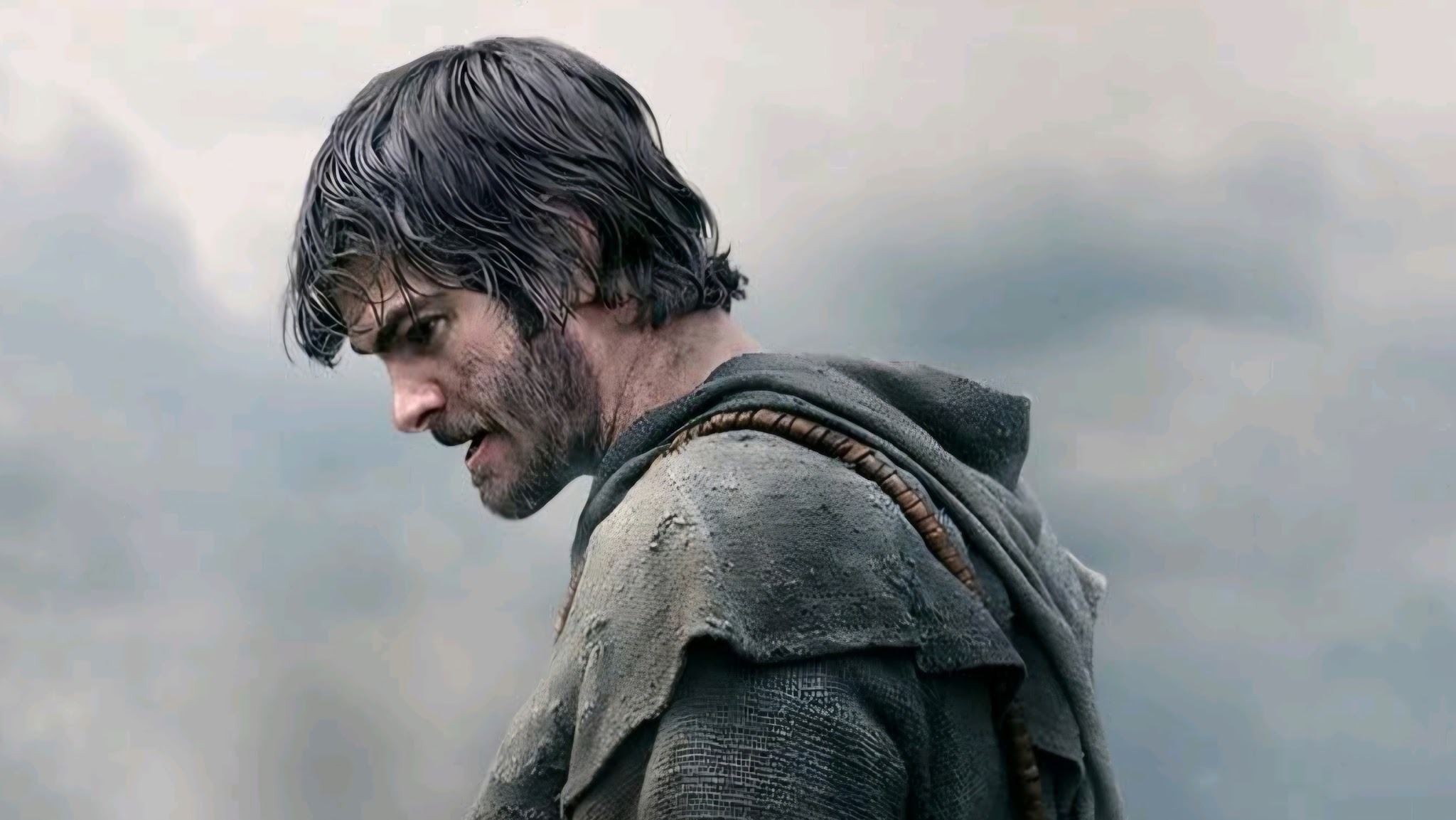
Movie Review: ‘The Uprising’ Soars Before It Falters


Director: Paul Greengrass
Writer: Paul Greengrass
Stars:ย Andrew Garfield, Jamie Bell, Stephen Dillane

Synopsis: Based on the true story of the uprising that inspired the legend of Robin Hood, Andrew Garfield stars as the leader of a rebellion against the tyranny of King Richard II in a fight for justice.


First, the new Andrew Garfield film The Uprising is the type of film that doesnโ€™t pull any punches, and does not have time to have its characters grieve. The movieโ€™s characters are fueled by pure, unadulterated rage and adrenaline, channeling our current reality, where the rich get richer, by gutting the poor through exploitation, pillaging, and squeezing them dry so they can not offend political allies and keep their war chests above the threshold. 

There is a viciousness about The Uprising that is cathartic, because it is universal, as many understand macro and mezzo institutions and officials exploit the unfortunate to enrich themselves or keep themselves solvent. That is the filmโ€™s secret weapon, tapping into a population that knows what it feels like to be squeezed, because it is a tale as old as time. That fury gives the film its power, even when the execution in the final moments loses its way. 

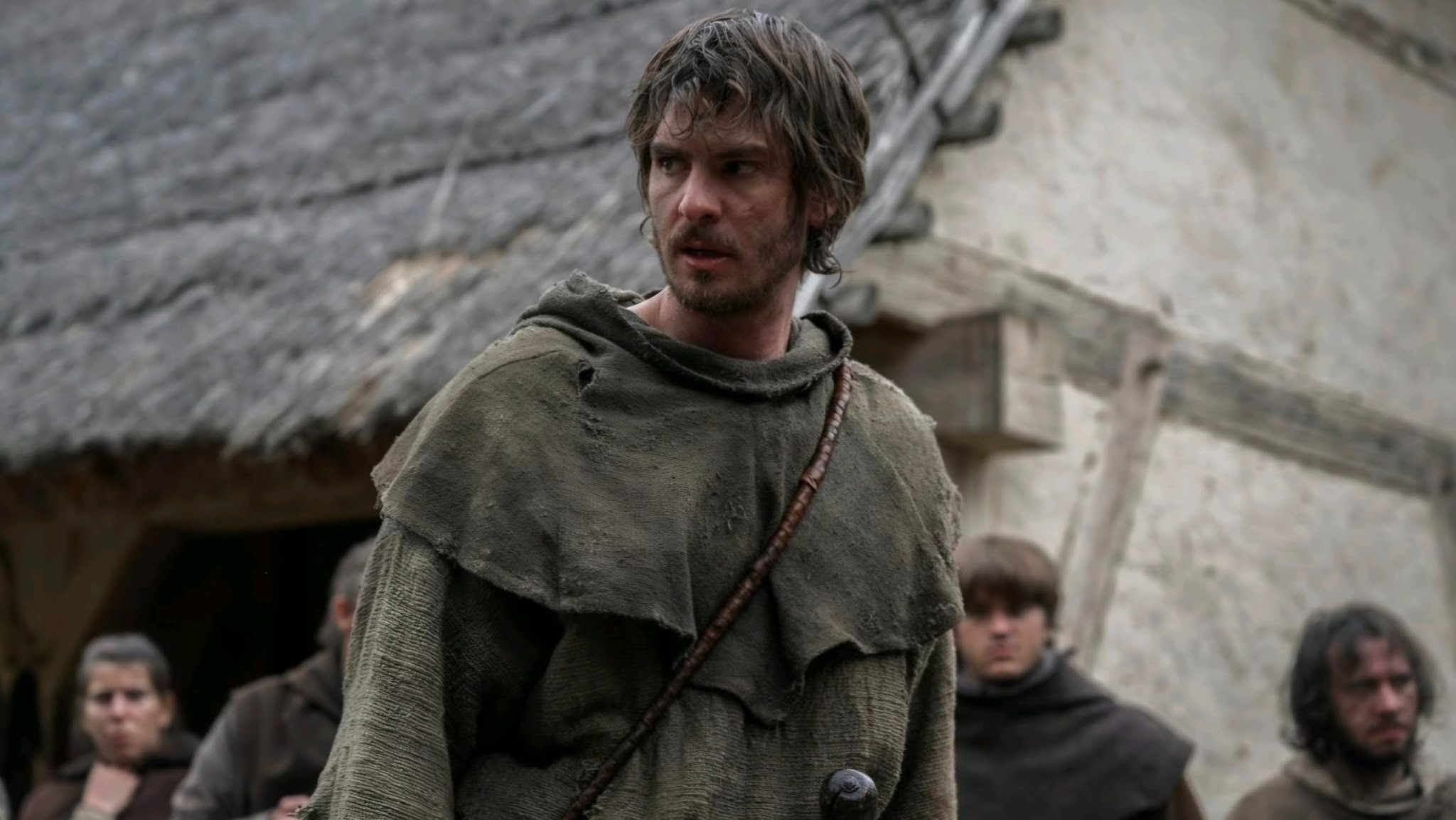
The story follows a simple farmer known as the Ploughman (Academy Award nominee Andrew Garfield) around 1381, in the wake of the Black Death, which killed nearly half of Englandโ€™s populationโ€”just over two million of its citizens. Of course, when you lose half the population, there is far less tax revenue to go around. So, with the teenage king considered too young to rule, the governing council decides to increase taxes on the poor.

Of course, why tax the Church or the merchant class when the council could lose political power? So, down the rabbit hole we go, taxing those who barely have enough to survive (sound familiar?). The Ploughman is a time bomb ready to explode, still mourning the deaths of his wife and two children. In a disturbing scene, tax collectors begin to โ€œexamineโ€ young women to determine their taxable age, something the Ploughman will not let stand, sparking a revolt. 

The Ploughmanโ€™s actions unite the peasants, including Wat Tyler (Cosmo Jarvis of Shลgun fame), who once served the kingโ€™s father in the military, as well as a local priest, John Ball (Jamie Bell), an outsider within the Church. The theme of institutional mistreatment runs throughout the film, particularly through Alyce (Leave No Traceโ€™s Thomasin McKenzie), a young woman and former nun who left her calling after suffering abuse at the hands of a bishop.

The Uprising is from writer/director Paul Greengrass, who has made a name for himself with Captain Phillips and the majority of the Jason Bourne franchise. Known for his talent for controlled chaos, Greengrass has delivered breathtaking scenes, like the passengers storming the cockpit in United 93 or the march turning violent in Bloody Sunday. Yet some of his films have a penchant for replacing depth with urgency.

This can feel like a sugar rush, that is energizing in the moment, but will leave you in the moment feeling empty afterward. The initial riot sequence, that extends from the collector to the arrival of local officials, is peak Greengrass. Taut, with gripping white knuckle rising tension, the scene sets the tone. However, the final battle scene is a bit convoluted, with major characters being drawn away that feels unnatural. 

Then there is the final sequence, which is truncated, clumsy, and lacking resonance, including a scene involving someone having a nightmare that feels amateurish at best. The entire film builds to that moment, not just as a payoff and earned retribution, but as the much-talked-about Robin Hood connection whose arrow ultimately misses the mark completely. Frustrating, considering thereโ€™s enough excitement and suspense to see the story through to the end. 

Still, Greengrassโ€™s modern, kinetic style feels lived-in. Along with Garfieldโ€™s blistering turn, serviceable supporting performances, and propulsive action, The Uprising is a bruising piece of historical rage that works far better in the midst of rebellion than when it dives headfirst into sentimental humanism that rings false by the filmโ€™s end, soaring with anger, but falters when trying to reach grace.

You can watch The Uprising exclusively in theaters starting September 11th!

Grade: C+

Podcast Review: Saving Private Ryan (revisited)

On this episode, we begin our 1998 Retrospective by reviewing Steven Spielberg’s epic war film Saving Private Ryan! We’ve always enjoyed the film, but off the heels of our Spielberg Movie Series a few years ago, we saw the movie in an entirely new light and that made for a fascinating conversation (at least it was to us).

Stay tuned for Episode 705 as we discuss our Top 10 Movies of 1998!

Review: Saving Private Ryan

Director: Steven Spielberg
Writers: Robert Rodat
Stars: Tom Hanks, Edward Burns, Matt Damon, Tom Sizemore

Subscribe to our Podcasts RSS
Subscribe to our Podcasts on iTunes
Listen on Spotify
Listen on Stitcher
InSession Film Podcast – Saving Private Ryan

Movie Review (TIFF 2026): ‘Stuffed’ is Weird and Wonderful


Director: Theo Rhys
Writers: Theo Rhys, Joss Holden-Rea
Stars:ย Jodie Comer, Henry Melling

Synopsis:ย A taxidermist named Araminta seeks to preserve a human specimen when Bernie volunteers himself. Their unusual arrangement evolves into an unexpected love story.


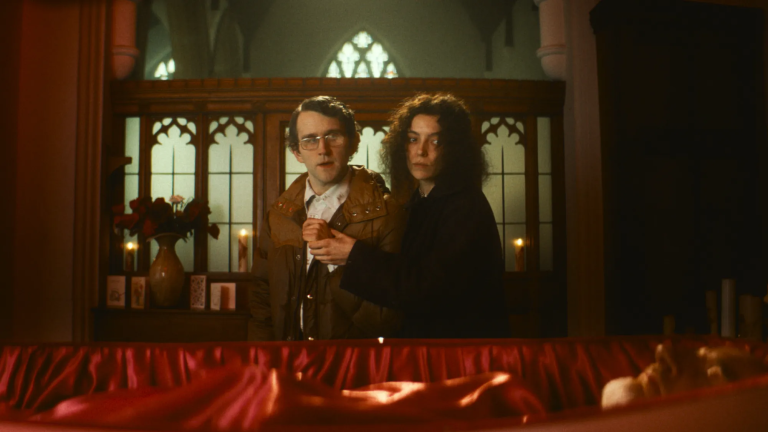
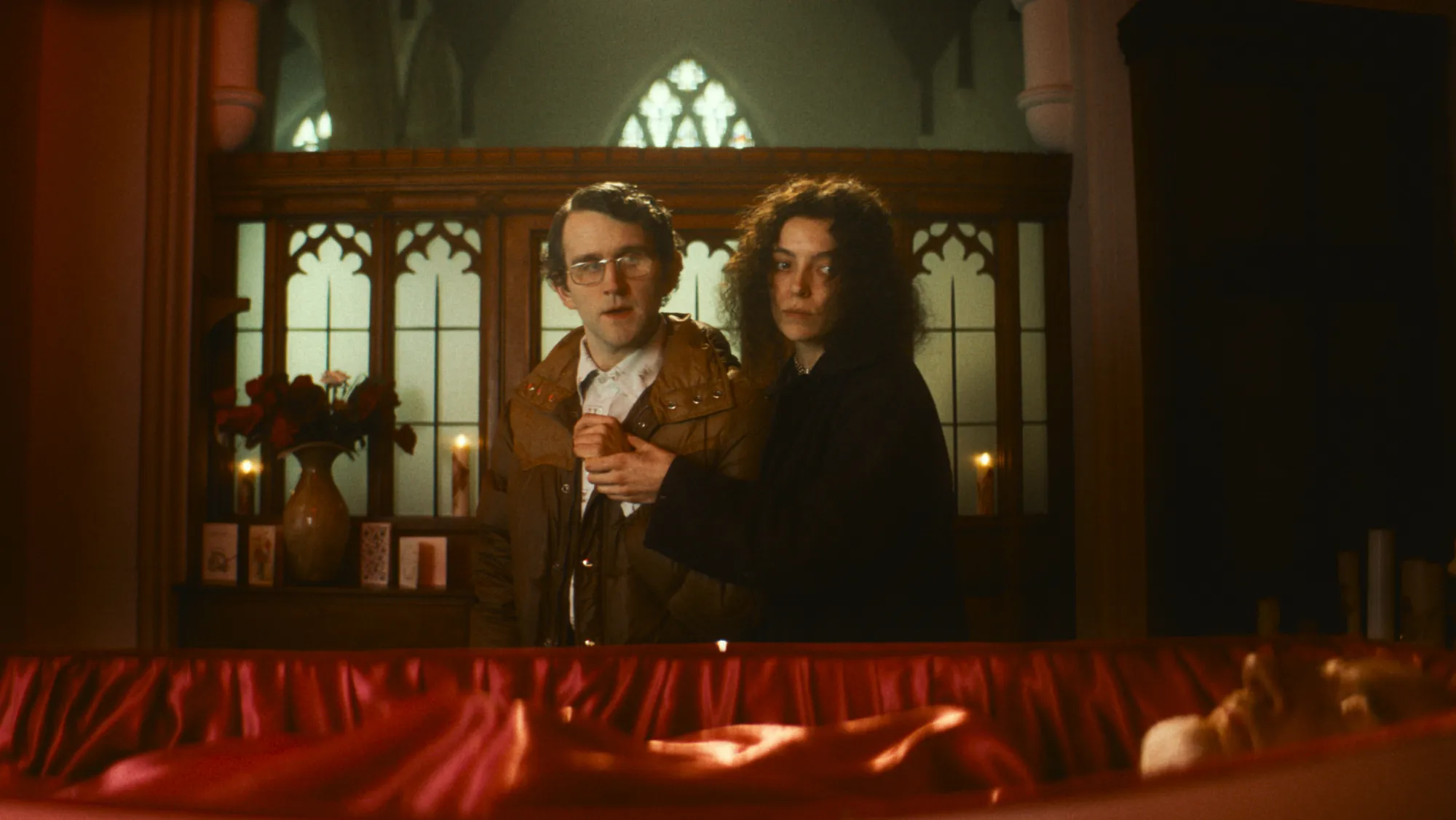
If youโ€™ve ever sat at home thinking, what would it look like if Sweeney Todd took up taxidermy as a hobby? Look no further than Theo Rhysโ€™ first feature film, Stuffed. A dark and twisted tale of outcasts who find their way to one another in the most bizarre circumstances; it creates a genre-bending, wild and wacky time at the cinema. The result is one of the most distinctive experiences youโ€™re likely to have all year, featuring Jodie Comer and Harry Melling like youโ€™ve never seen them before.

The outlandish premise alone is enough to have you hooked. Bernie (Melling) is a lonely sandwich worker with nothing remotely exciting going on in his life, with the only remnants of any social life coming from visits to his mother, who sadly doesnโ€™t even recognize him due to her dementia. Determined not to die without leaving some sort of legacy behind, Bernie seeks out the owner of an ad in the paper that promises to turn him into something โ€œextraordinary.โ€

The face behind the ad is Araminta (Comer), a taxidermy enthusiast who boasts an extensive collection of stuffed roadkill thatโ€™s enough to cause instant nightmares. Not content with just animals, Araminta dreams of stuffing a human and believes Bernie to be the ideal candidate. The reality, though, couldnโ€™t be further from the truth, with the pair unknowingly becoming the cure to their respective loneliness. But is that something that has come a little too late in their tragic lives?

The screenplay, co-written by Rhys alongside Joss Holden-Rea, is one of the yearโ€™s most unusual. Itโ€™s abundantly clear from the outset where some of their inspiration comes from. The gothic nature bears a remarkable resemblance to Sweeney Todd, and if Tim Burtonโ€™s name were attached, you wouldnโ€™t be shocked. Yet thereโ€™s still enough here to give Stuffed an identity entirely of its own.

Thatโ€™s helped enormously by the music, also penned by Holden-Rea. While it doesnโ€™t provide nearly as many memorable tracks as you might hope for, it is still wonderfully weird enough to transport audiences into this macabre world. Much of that comes down to the plethora of clever lyrics on display, with the biggest complaint being that they are sometimes drowned out by the overbearing orchestra. But even in those moments, thanks to our two leads and the full range of emotions they express, you can feel what the songs are trying to achieve.

While the songs may be accused of sounding similar, one thing that certainly canโ€™t be accused of lacking variety is the production design on display throughout. Whether itโ€™s the deliberately drab sandwich-making factory where Bernie spends his morbid days, Aramintaโ€™s quirky, taxidermy-ridden apartment, or everything in between, itโ€™s a true feast for the eyes. Every setting feels completely immersive from the get-go, and once this strange world has a hold of you, you donโ€™t want it to let go.

Harry Melling proves to be an inspired casting choice for Bernie. Melling has that naturally awkward quirkiness youโ€™d expect from a loner, while also bringing a genuine sweetness that makes audiences want nothing but the best for him. Itโ€™s a performance that makes you feel all the pain and anguish he is going through in his desperation to leave some mark on the world when heโ€™s gone. That becomes all the more impressive when you take into account the songs he performs, showcasing a surprisingly strong vocal range that even garnered applause mid-movie.

As has become expected at this point, Jodie Comer fully commits to her more chaotic role. It feels like Comer could take on any project in any genre and still provide a spectacular turn. Throughout, she delivers all the eccentricity needed for a character as complex as Araminta, while gradually revealing a softer, more tender side as the walls begin to crumble. It unfolds in an incredibly organic way thatโ€™s bound to pull on the heartstrings of audiences.

And when the pair share the screen, thatโ€™s when Stuffed excels. Their chemistry progresses in a way that doesnโ€™t remotely feel forced or inserted merely as a plot device. Instead, it feels like the coming together of two of the worldโ€™s outcasts who have been longing for a connection with someone who truly understands them. Watching that relationship unfold is easily one of the filmโ€™s most enjoyable aspects, and you find yourself simply wanting them to have that happily ever after despite all their flaws.

That said, the very predictable ending is likely to prove divisive. So much of the movieโ€™s near two-hour runtime feels different from anything else youโ€™ve seen. Even if the inspirations are obvious, the eccentric ways the story progresses feel fresh and intriguing. Itโ€™s therefore rather disappointing that Rhys decides to go down a more conventional route towards the end. For a film that spends so much of its runtime embracing the unexpected, its final destination feels unfortunately obvious, especially when it seems Rhys had the opportunity to deliver something every bit as daring as what came before.

Despite that disappointing final stretch, thereโ€™s just something strangely endearing about Stuffed that keeps you captivated throughout. Itโ€™s almost impossible to perfectly put your finger on, but it has that secret formula that makes movies one of the most special art forms on the planet. Theo Rhys and his creative team have found that in abundance here, creating a macabre musical that may wear its influences proudly on its sleeve, but still manages to march to the beat of its own wonderfully weird drum.

Grade: B

Chasing The Gold: How Did That Win Film Editing (2021)?

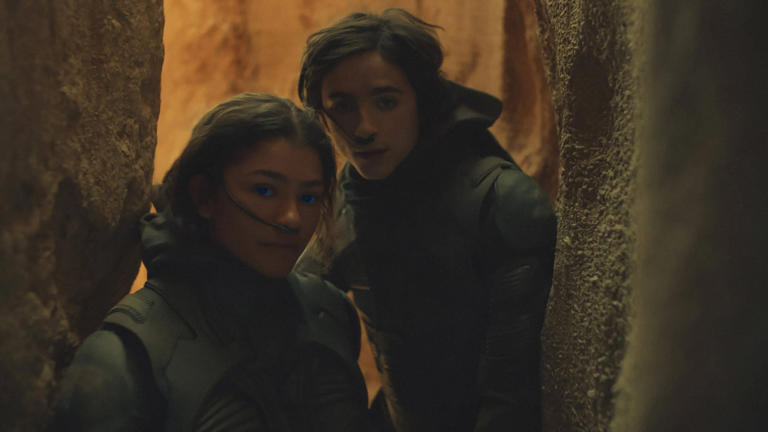
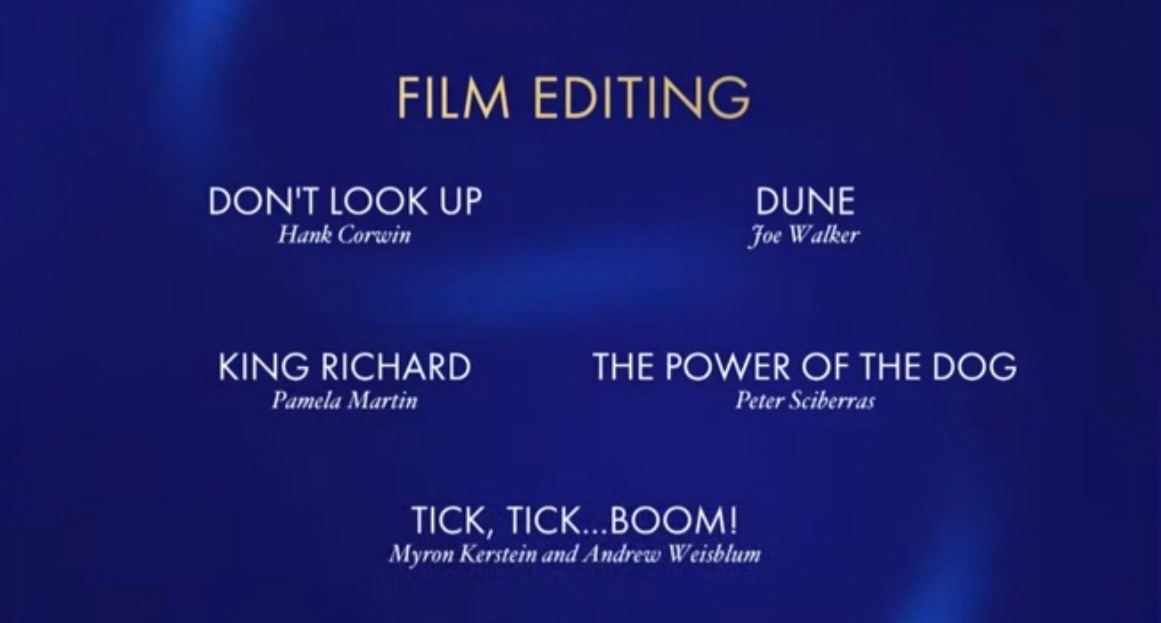
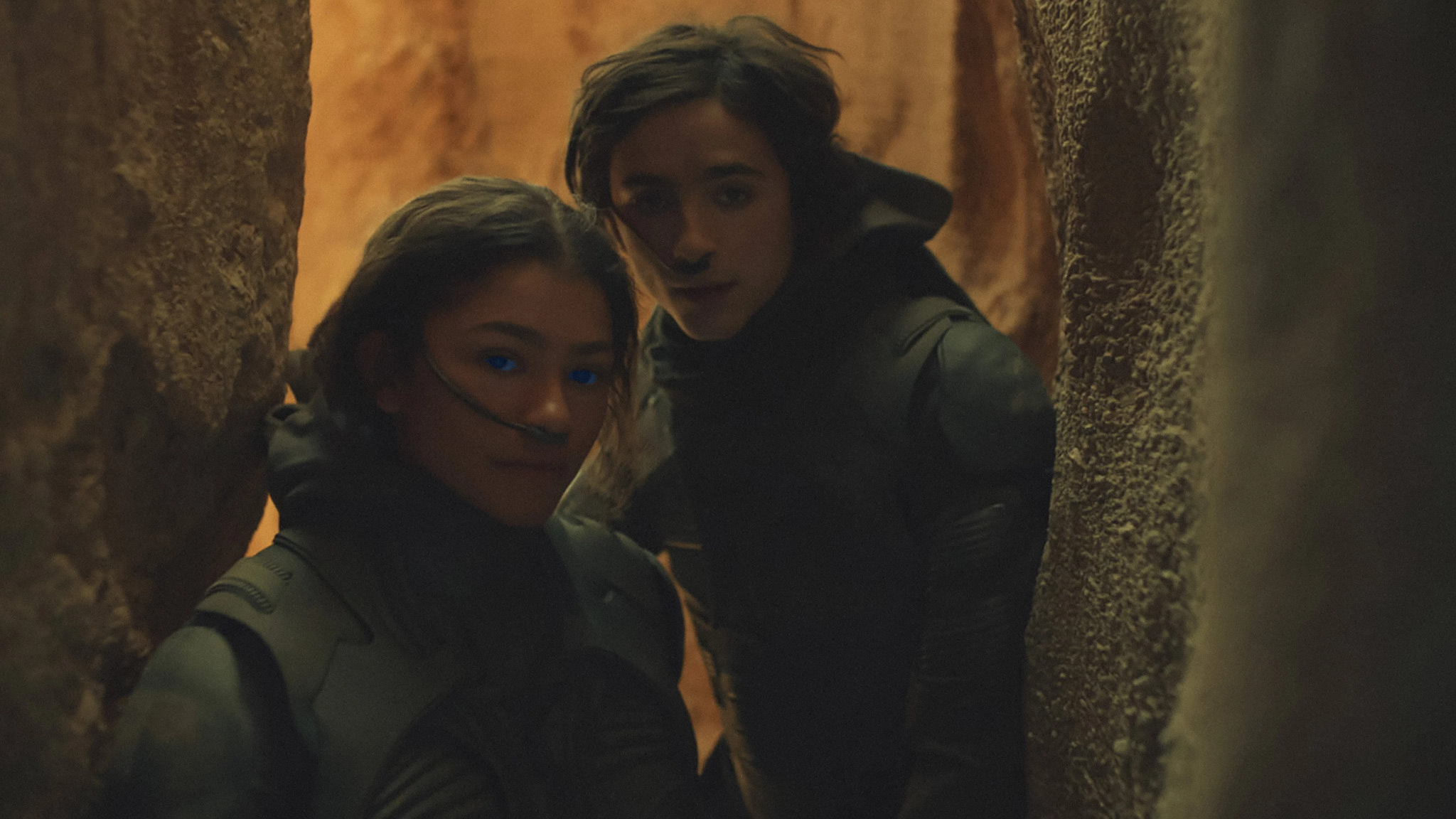
Best Film Editing has been a fascinating category to me. Not just because of what films have won the trophy over the last few years, but what ends up getting nominated for the Oscars. So, in 2021, we got an interesting crop of nominees and a fractured race that resulted in British film editor, Joe Walker, receiving his first win for Dune. At the time, people were shocked at this upset, while I knew long ago that this would be our winner. In order to solve this mystery, we first have to look at all of the nominees.

I first want to highlight that this category has been tied to the Best Picture winner. Even if the top prize champion loses this category, they tend to get a nomination here. However, this yearโ€™s winner, CODA, became the 11th film to win the top prize without getting a nomination in this category; the last Best Picture winner prior to this that missed an editing nod was Birdman. So, with CODA out of here, we have to ask how we got the winner we got.

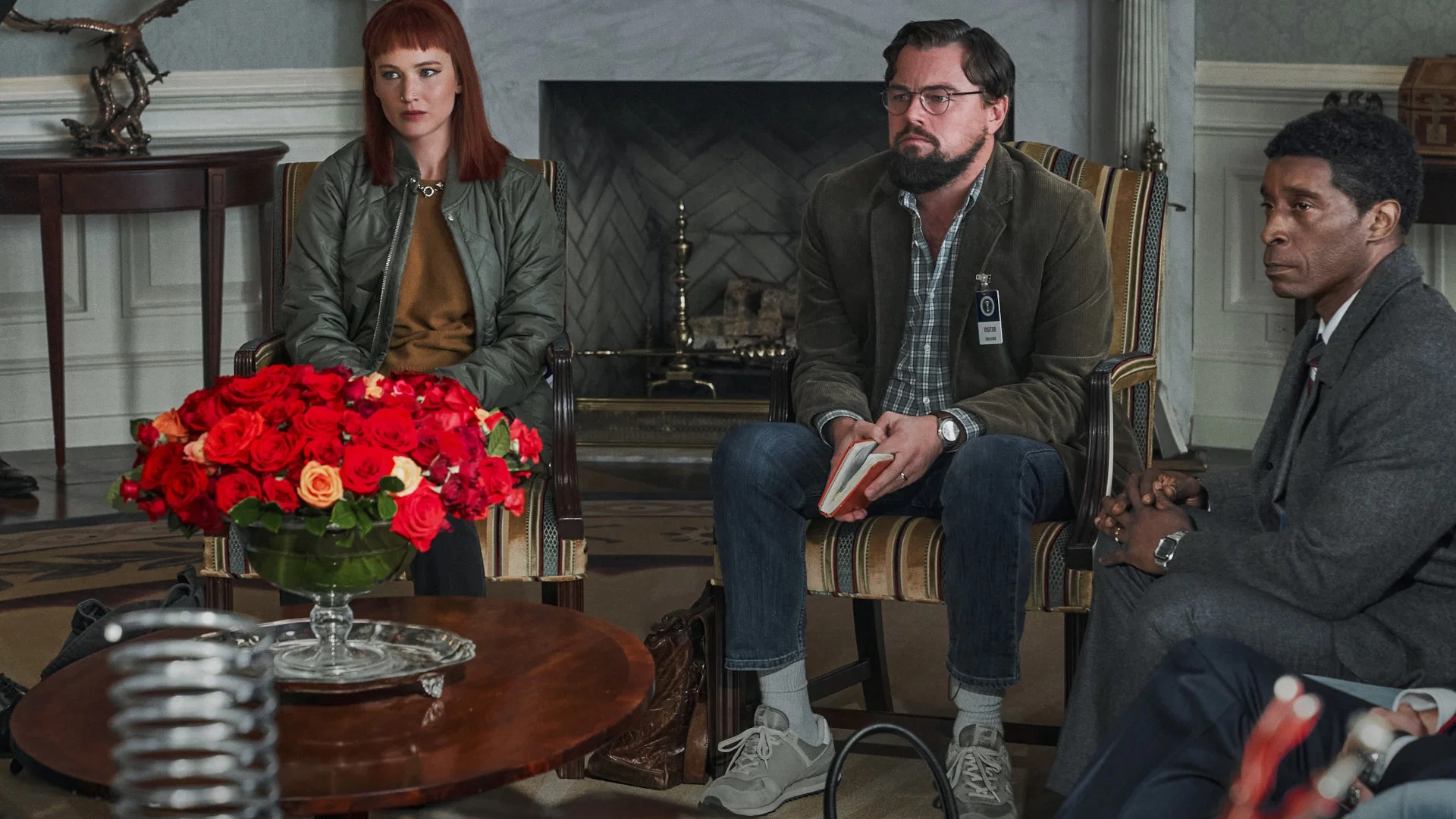
Of the nominees, Hank Corwinโ€™s work on Donโ€™t Look Up was likely in last place in the lineup. While Hank was on his 3rd nomination, he not only missed out on a BAFTA nod but he couldnโ€™t even win at the ACE Eddie guild in the Comedic category. His name within the industry alongside his previous nominations, The Big Short and Vice, were just enough to beat out รšna Nรญ Dhonghaรญle and Andy Jurgensenโ€™s work on Belfast and Licorice Pizza, respectively. It also helped that Donโ€™t Look Up had a fair amount of support from the industry, as it gained passionate voters for its messaging and comedic satire. 

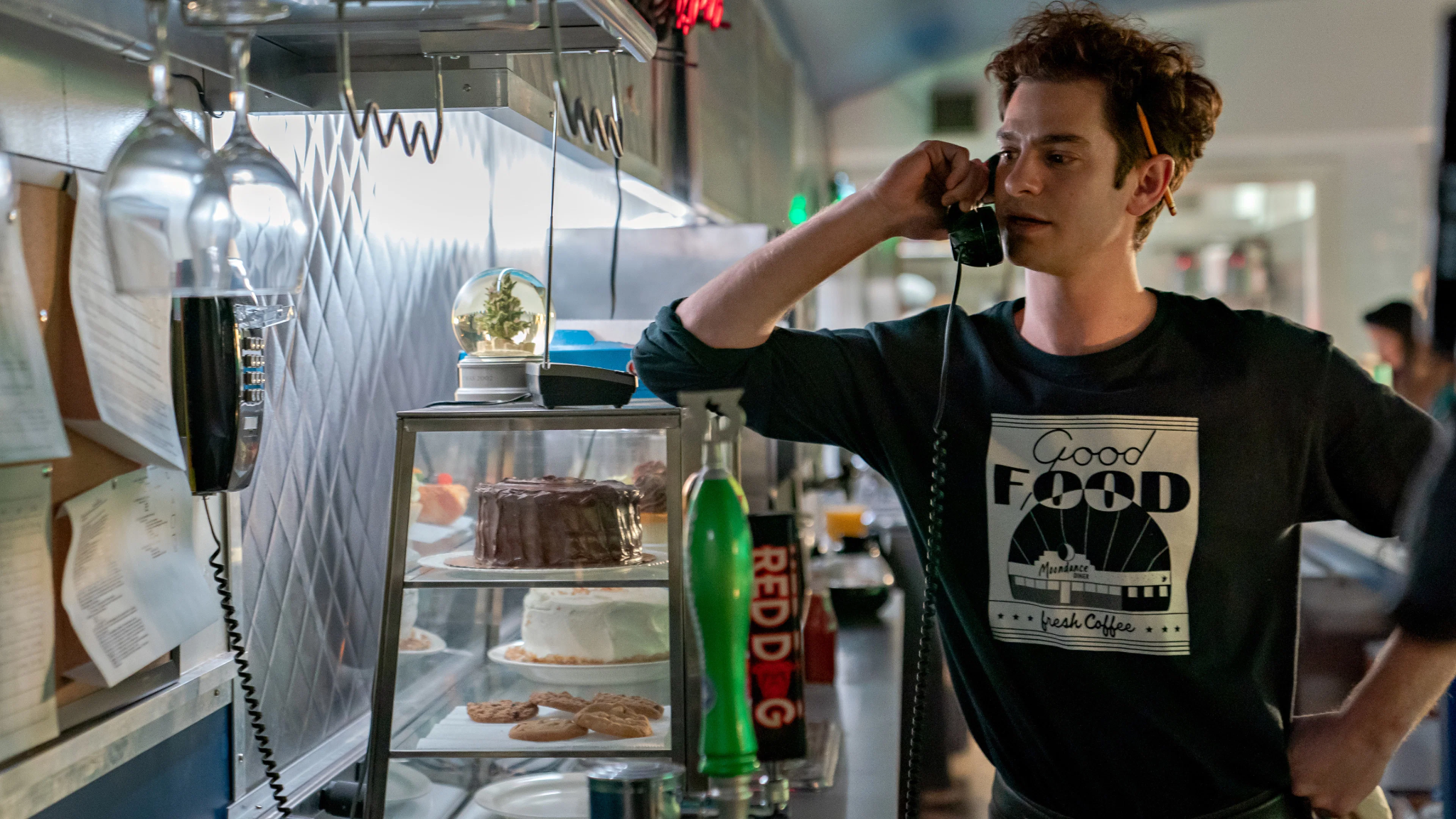
Tick, Tickโ€ฆBoom! was a little surprising to me, as I recalled it had flashy editing but not enough to make me think it would stand out to the editing branch. We even got a musical nominated for Best Picture with Steven Spielbergโ€™s West Side Story, which was co-edited by a three-time winner, Michael Kahn. So, it was an eye-opener that Myron Kerstein and Andrew Weisblum ended up nominated in the field. 

If those named editors sound familiar, Myron would go on to edit Wicked and Andrew had a previous nomination for his work on Black Swan. Their win at ACE Eddie in the Comedic category was a sign of strength that would show support for the film, but because it missed out on a Best Picture nod it wouldnโ€™t get itself a leg up in the race. In fact, youโ€™d have to go all the way back to The Girl with the Dragon Tattoo to find a non-BP nominee winning the editing category.

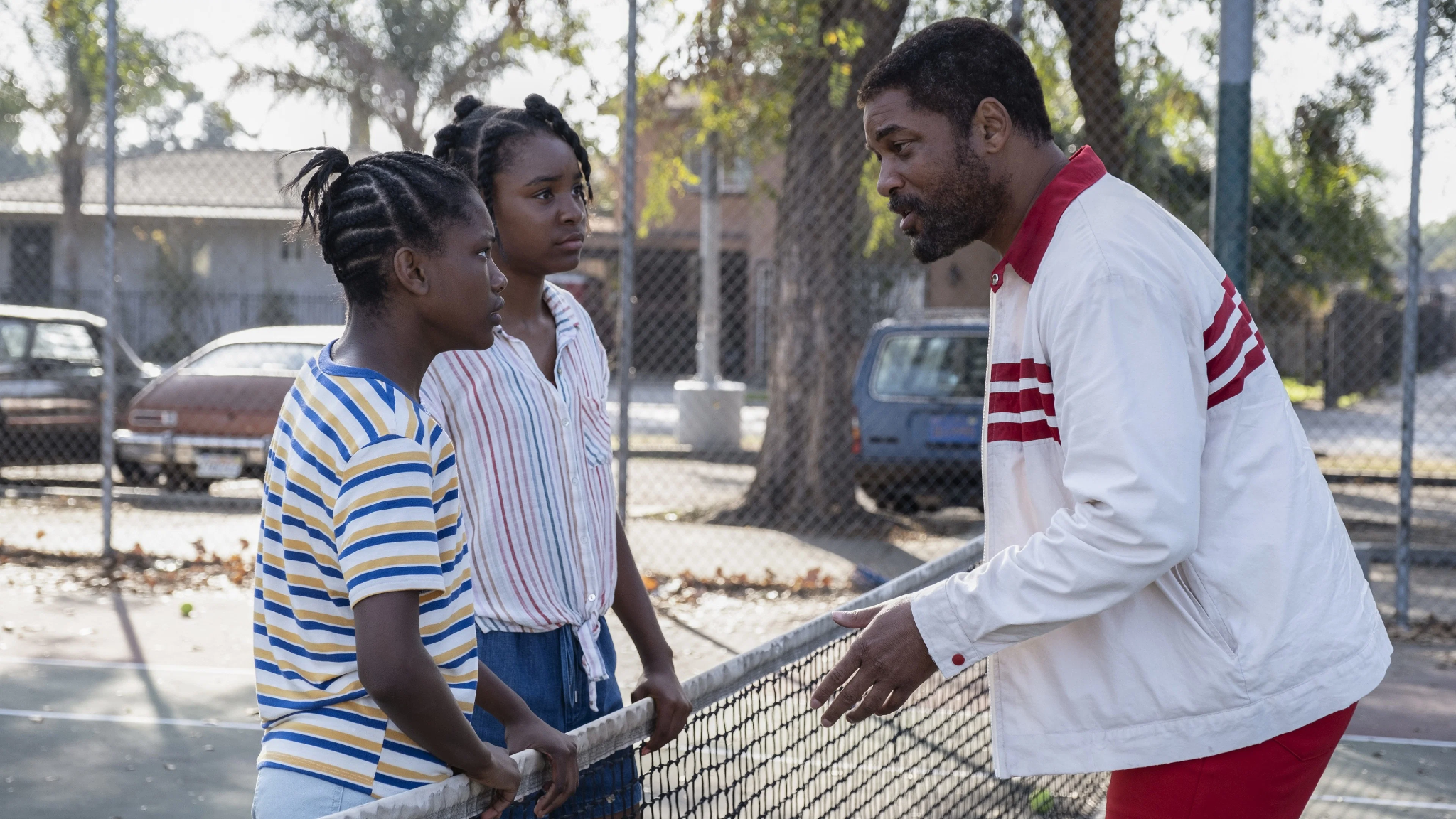
King Richard was touted as Will Smithโ€™s path to winning his first Oscar. If the film had any other category it couldโ€™ve won alongside Best Actor, it wouldโ€™ve been Best Film Editing. Pamela Martin had previously been nominated for her work on another sports biopic with The Fighter. After winning her ACE Eddie prize in the Dramatic category, it made some people think she might pull off a win on Oscar night. However, the ACE win ended up being a sign of support for the film overall, rather than increasing her chances of winning the Oscar. And weโ€™ve even seen the guild go their own way sometimes.

  • 2020/21: Sound of Metal won Oscar but lost ACE to The Trial of the Chicago 7
  • 2019: Ford v Ferrari won Oscar but lost ACE to Parasite
  • 2016: Hacksaw Ridge won Oscar but lost ACE to Arrival
  • 2014: Whiplash won Oscar but lost ACE to Boyhood
  • 2013: Gravity won Oscar but lost ACE to Captain Phillips
  • 2011: The Girl with the Dragon Tattoo won Oscar but lost ACE to The Descendants
  • 2000: Traffic won Oscar but lost ACE to Gladiator

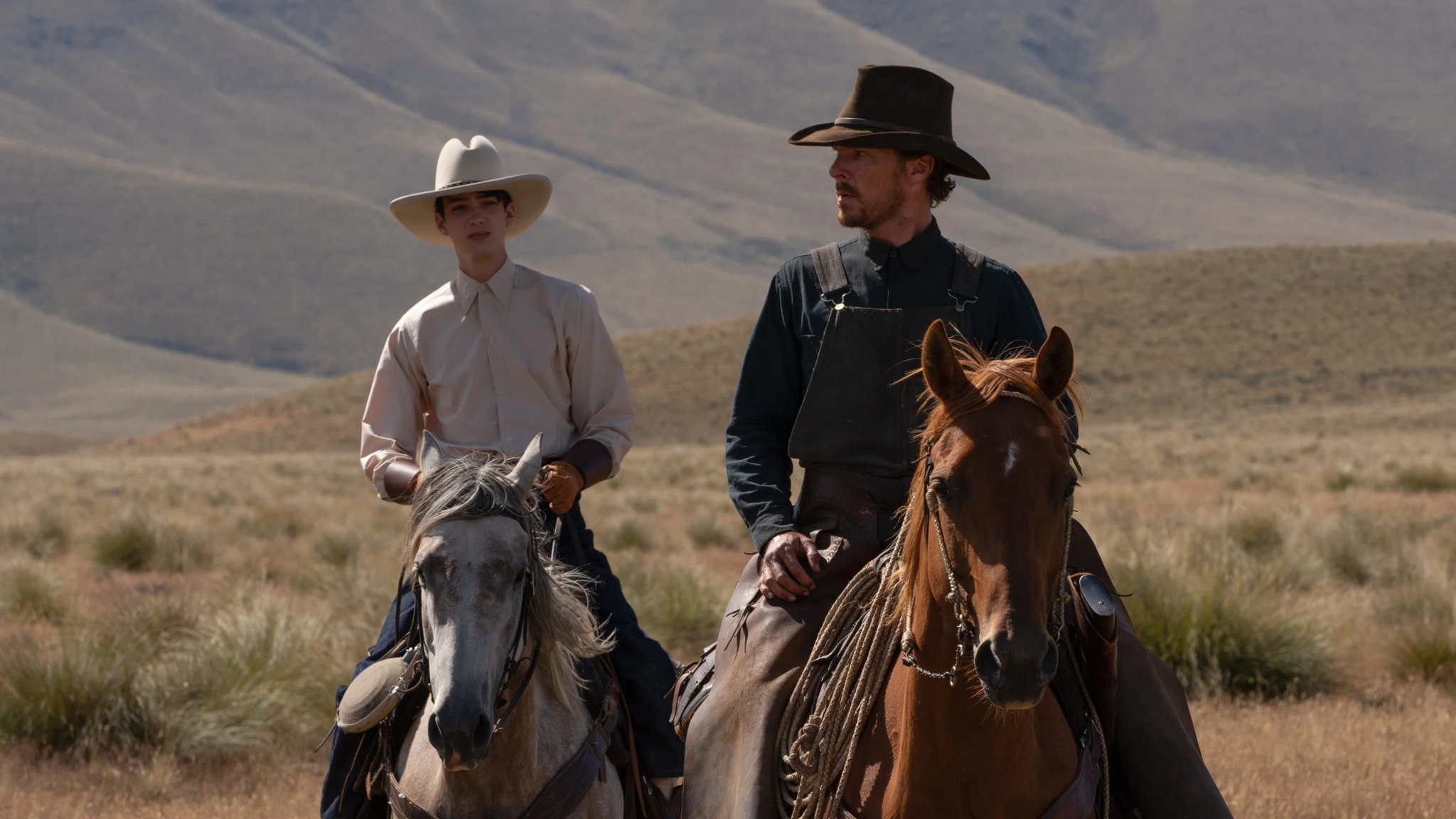
If there was one contender who mightโ€™ve come in second place was The Power of the Dog. Granted, editor Peter Sciberras, never won at Criticsโ€™ Choice or ACE Eddie Awards but the film itself managed to win a pretty crucial prize: Best Director. Typically, the film that wins Best Director is usually a Top 2 contender for the Best Picture category. And since Jane Campion was steamrolling her way through the season towards her first win in the category, nothing really stood a chance at beating the technical marvel in the directing category. Itโ€™s just that the Netflix contender from Venice had lost steam in other categories due to its competition.

It also doesnโ€™t help that there was still a bias towards Netflix, as they werenโ€™t in the business of supporting brick-and-mortar theaters even if they did a limited theatrical run for their films. Add in the problems older Academy members still had of mixing the Western genre with LGBT-themes and a late surge of CODA coming in for the top prize, and you got yourself a lone Best Director winner; something that hadnโ€™t happened since The Graduate. So, had The Power of the Dog not had such strong competition it mightโ€™ve won in other categories, as it did receive 12 Oscar nominations. But as we keep seeing each year, just because you have the most nominations doesnโ€™t mean they all translate to a clean sweep.

After going through the rest of the field, how exactly did Joe Walker nab the prize? First, we have to look at the categoryโ€™s correlation with Best Sound. Since Gravity, every Film Editing winner managed to get their film a win in the sound categories:

  • 2013: Gravity [Won Sound Editing & Mixing]
  • 2014: Whiplash [Won Sound Mixing]
  • 2015: Mad Max: Fury Road [Won Sound Editing & Mixing]
  • 2016: Hacksaw Ridge [Won Sound Mixing]
  • 2017: Dunkirk [Won Sound Editing & Mixing]
  • 2018: Bohemian Rhapsody [Won Sound Editing & Mixing]
  • 2019: Ford v Ferrari [Won Sound Editing]
  • 2020/21: Sound of Metal [Won Sound]

Another aspect to keep in mind is that while Dune lost the prize at BAFTA, it was the only Oscar nominee to show up there. What it ended up losing to was No Time to Die, which was a BAFTA-type pick with their love for Bond and how strong that film was during the season. Youโ€™d also have to go back to The Girl with the Dragon Tattoo, in which the film that won the golden man wasnโ€™t nominated at BAFTA for Best Editing.

We also saw a lot of passion for Dune, as it managed to score 10 nominations and win 6 Oscars in total; the other wins include Best Original Score, Visual Effects, Production Design, Cinematography, and Sound. Despite these wins being in the below-the-line categories, it was still a sign of support for the film. The filmโ€™s chances at winning Best Picture were low as the Academyโ€™s history towards the sci-fi genre hasnโ€™t been the greatest, but it also didnโ€™t score any acting nominations and missed out on a directing nod for Denis Villeneuve. 

Outside of the unanimous support and below-the-line craft adoration it got, how else did I know this would win the category? When it comes to these fractured races, it helps if they campaign. Not only was Joe Walker doing various interviews with award pundits and major publications, but he was discussing how difficult this film was to make. If anything, he mentioned how the pandemic helped the film out, as they were able to properly edit the first installment. Instead of rushing through the first half of the book, they used their extended time to flesh out the material in the editing room.

And despite losing every televised precursor, Joe Walker ended up as our Best Film Editing winner. Unfortunately, his speech wasnโ€™t broadcast at the time, as ABC executives demanded that eight categories (one of which happened to be his) would be given their Oscars off-air. Joeโ€™s speech is available to watch in full on their YouTube page if anyone is interested in seeing it or wants to watch it again.

As weโ€™re awaiting for Dune: Part Three to come out later this year, one of the many questions that remains this upcoming award season is how well can this film do with Academy voters. We did see its predecessor, Dune: Part Two, nab five Oscar nominations, which was a decrease from Part Oneโ€™s ten nomination tally. Itโ€™s been quite common for sequels to films that do incredibly well to be downgraded for nomination tallies. From The Lord of the Rings, Avatar, Star Wars, to Pirates of the Caribbean, their sequels got a reducing number whether it was due to competition they were up against or fading passion from voters; the only one to overcome this hurdle was The Lord of the Rings as their final chapter, The Return of the King, as it did rebound with 11 nominations but was only 2 categories down from the first installment.

Weโ€™ll find out this December if this intellectual property will join the ranks of The Godfather and The Lord of the Rings, as being the only film trilogies to have all films nominated for Best Picture. Can Joe Walker rebound with a nomination for his editing work, after missing out on Part Two? Will the film win more than Best Visual Effects? Can this final chapter finally score an acting nod or two? Only time will tell.

Chasing The Gold: Below-the-Line Contenders from Early 2026 Filmsย 

While the first half of 2026 might have brought Project Hail Mary, Obsession, and The Odyssey squarely into the Oscar race, what about those other films that might make a smaller splash on nomination morning? Let’s take a look at the technical contenders already released.

“Wuthering Heights” – Best Costume Design

Emerald Fennel’s “Wuthering Heights” may have arrived with a critical whimper, but no one can discount the visual treat of the period-specific costumes (with added anachronisms) by two-time Oscar-winner and nine-time nominee Jacqueline Durran. The Costume Design voting body loves Victorian-era fashions, and it wouldn’t surprise me in the least to see Durran get nomination number ten. Durran may also have to compete with herself, as she is also the designer on Mike Leigh’s Tender Loving Care.

Power Ballad – Best Original Song for “How to Write a Song (Without You)”

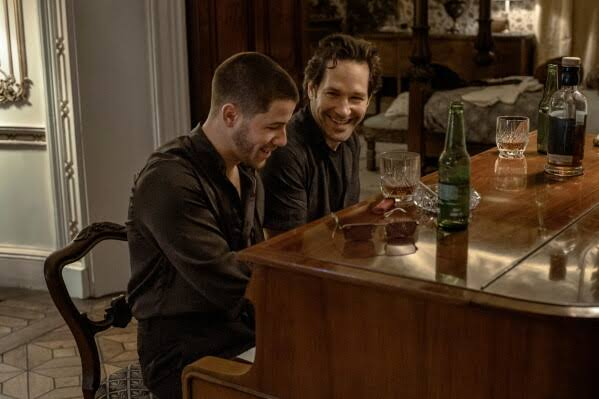
Sometimes you have to look at the reputation as much as the content. Director John Carney has only directed five features by himself since 2007, and has featured original music in all five. His films have previously garnered two Original Song nominations, including a win for Once. Not only is the song the cornerstone of the Power Ballad‘s plot, it features the opportunity to put Paul Rudd and Nick Jonas on the Oscar stage singing a ballad. That’s a difficult thing to ignore for an entertainment show like the Oscars.

Undertone – Best Sound

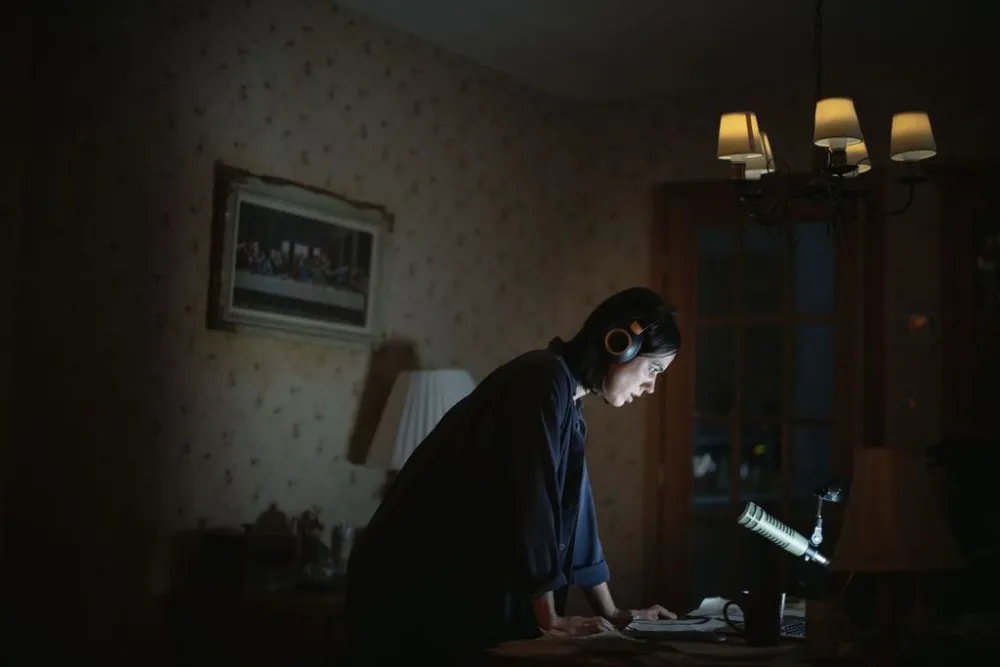
It’s one thing to have sound be a feature of a film, it’s another when the sound is the film. Without the audio artistry in Ian Tuason’s Undertone, the film goes absolutely nowhere.  The unsettling feeling with each recording is elevated as the film progresses, just as the ambient noise is that much more amplified as soon as the audio sessions stop.  Each sound is deliberate.  Each creak and whistle has meaning.  Horror doesnโ€™t have the best of reputations around awards bodies, but this would be a unique and purposeful recognition of the genre and the craftsmanship needed to pull it off successfully.

Backrooms – Best Production Design

The Obsession train took a bit of wind out of the sails of Kane Parson’s Backrooms, but the film is still wildly successful, thanks in no small part to the settings of the titular rooms. Without those liminal rooms of dead yellow with its sinister architecture and inexplicable contents, the film just wouldn’t have the impact. The Academy has a storied history of awarding smaller films in places where big-budget spectacles get awards. Think of the tiny visual effects team from Everything Everywhere All At Once as an example. This would be a great place for the Academy to award the film as a whole if it misses elsewhere.

The Furious – Best Film Editing

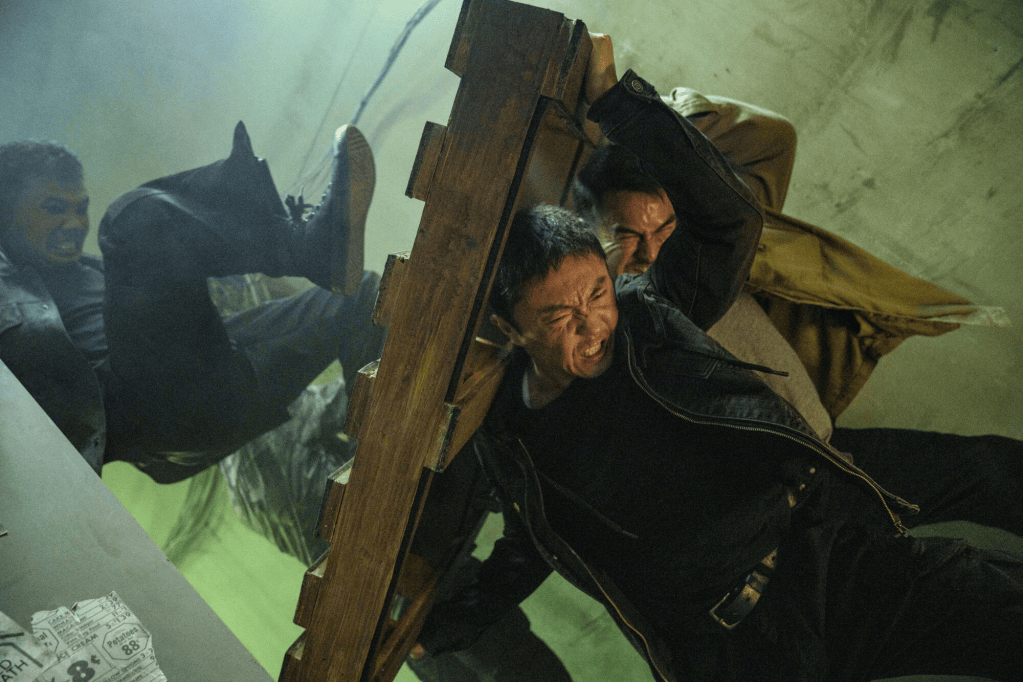
Ever since 2005’s The Bourne Supremacy, action films have suffered from a lack of visual clarity. While there have been some clear outliers in the genre since then, many action films suffer from a quick-cut style where you barely understand what is happening. Not so in Tenji Tanigaki’s The Furious. Not only is the action upped to a staggering degree, you never get confused, misunderstand the stakes, while always having a clear picture of each kick and punch. Gone are the quick cuts to odd angles and stunt doubles. Action films rarely get their due in the editing awards, but if anything should get rewarded, it’s here. It would also be a good place to give a film that would be a frontrunner for the Best Stunt Design Oscar if it began this year instead of next.

The Bride! – Best Makeup and Hairstyling

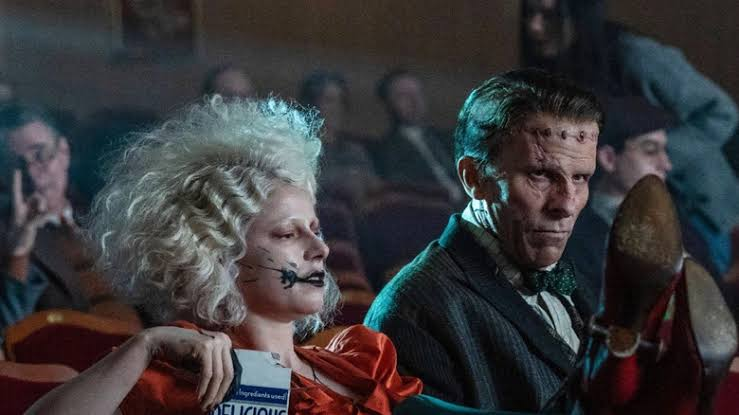
Say what you want about Maggie Gyllenhaal’s The Bride!, but it’s hard to deny the visual impact of the faces of Jessie Buckley and Christian Bale. With Buckley’s mangled hair and permanent black spittle on her face, the character is created before Buckley says a word. Bale’s hideously deformed face does just as much for him as it does for Buckley, including a permanently broken nose and stapled forehead. It might not be the most subtle of jobs, but this is not a film for subtlety. The film goes big, and the makeup and hairstyling aptly follows suit. It also helps that artist Nadia Stacey already has two Oscars for Cruella and Poor Things.

Disclosure Day – Best Original Score
By Any Means – Best Original Song for “By Any Means”

Who are we kidding here? When it comes to names like John Williams and Diane Warren, the Academy just cannot help themselves. I would not expect these films to go anywhere with awards bodies in other categories, but the name recognition, reputation, and noteworthiness alone should get these two over the top. Death, taxes, John Williams and Diane Warren.

Who are we kidding? We all know the late-season releases will dominate awards season…right?

Movie Review: โ€˜The Weightโ€™ is Thrilling Old-Fashioned Entertainment


Director: Padraic McKinley
Writers: Matthew Booi, Shelby Gaines
Stars: Ethan Hawke, Russell Crowe, Julia Jones

Synopsis: In Oregon in 1933, Samuel Murphy is torn from his daughter and sent to a brutal work camp. Warden Clancy tempts him with early release if he smuggles gold through deadly wilderness, but betrayal festers within the crew, and Murphy questions how far heโ€™ll go to see his child again.


Arguably the best (unofficial) remake of Henri-Georges Clouzotโ€™s The Wages of Fear since William Friedkinโ€™s Sorcerer, Padraic McKinleyโ€™s The Weight gives us a genuine slice of old-fashioned Americana we literally never see on screen anymore. A movie this good โ€“ and this thrilling โ€“ seems like a miracle in an era that has (mostly) lost its sense of aesthetics and prefers weightless images over thoughtful artistry. This is the kind of stuff youโ€™d see all the time back when Hollywood was thriving, from figures such as John Ford, Howard Hawks, John Boorman, and Clint Eastwood. 

Itโ€™s even more astonishing that this is McKinleyโ€™s directorial debut. A movie this precise and controlled can only stem from someone who has an innate understanding of how a film functions primarily as a visual medium. Unfortunately, though, some of the images in The Weight are a little bit hard to decipher, especially during murky fireplace conversations or tight action sequences where the camera doesnโ€™t really have a focal point to make us actually see whatโ€™s going on. That said, he more than compensates with sharp editing that feels like it was cut by someone whoโ€™s been honing his craft for a very long time. 

And whaddaya know? McKinley has been working as an editor since the early 2000s, collaborating on projects such as Igby Goes Down, The Shield, Alfie, Blind Justice, Dexter, 17 Again, Charlie St. Cloud, and The Loudest Voice. Heโ€™s indeed been at it for a long time. Thatโ€™s why the editing, by the man himself, for The Weight is so good. He knows exactly when to cut and when to let a shot linger. There isnโ€™t a single scene that feels too long, or too lethargic. The quick cuts as the director contextualizes the era in which the story is set at the top of the movie immediately lure us into a world ravaged by the Great Depression and economic uncertainty.ย 

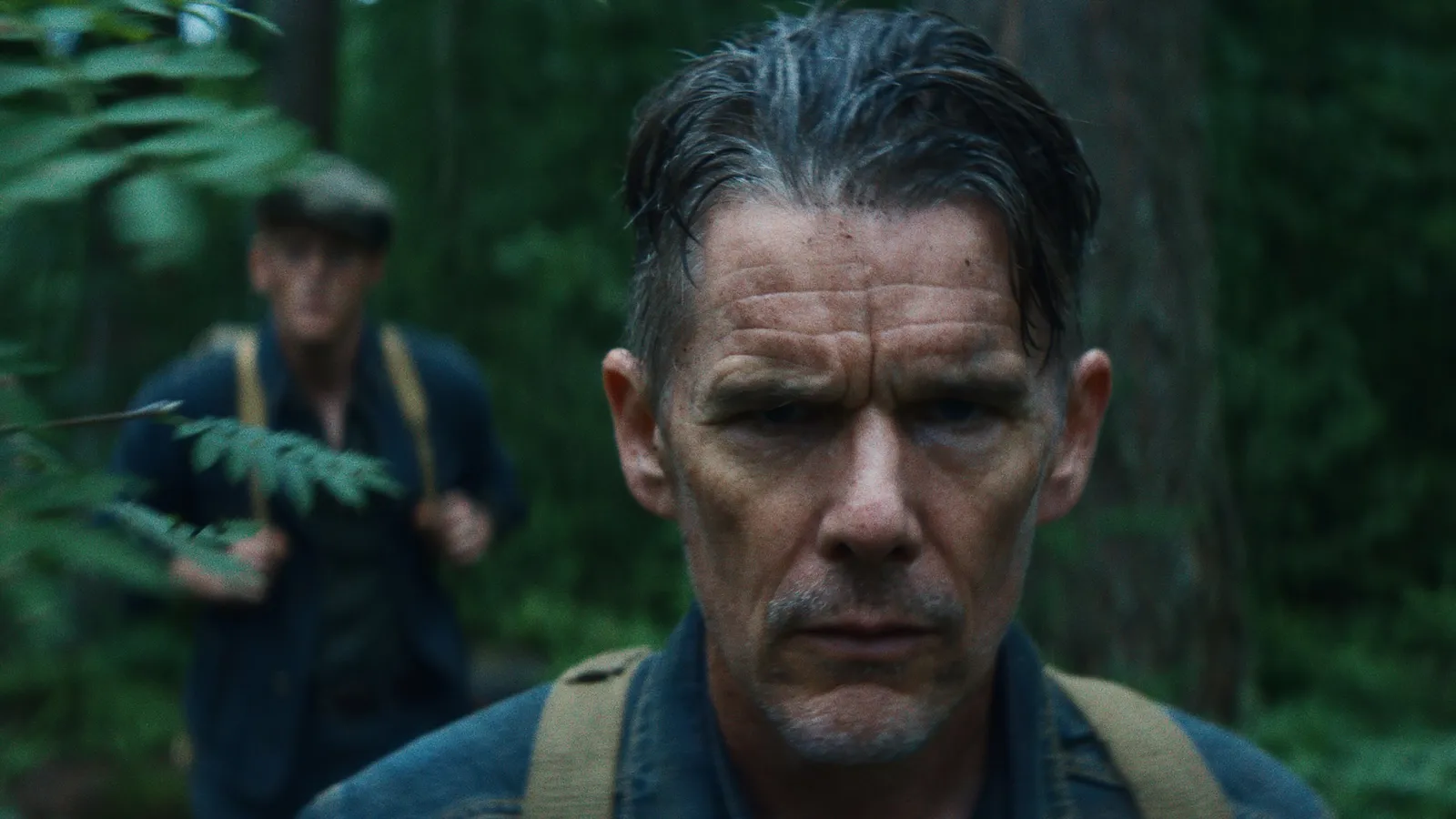
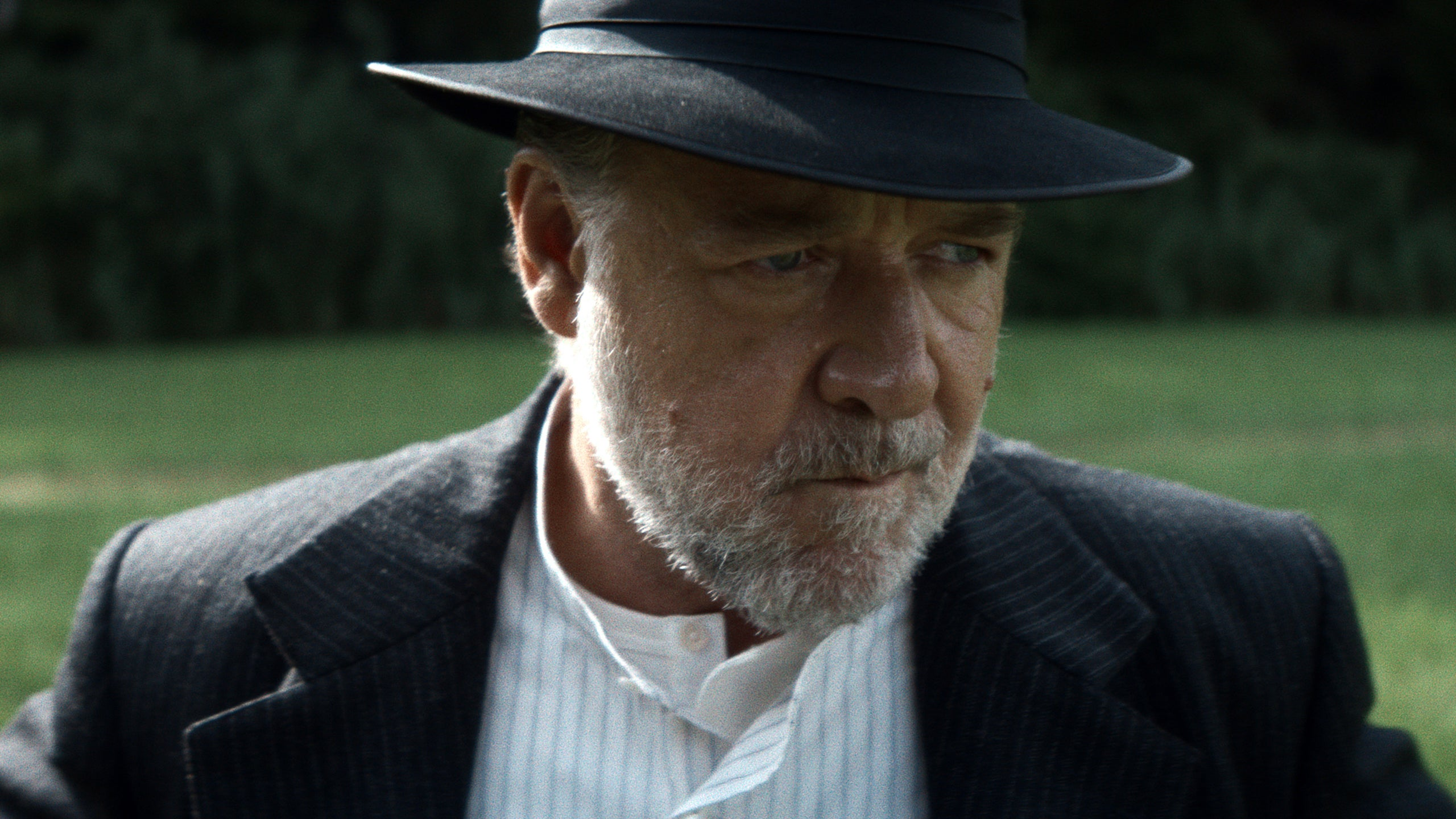
After that, McKinley lets his protagonist, Samuel Murphy (Ethan Hawke), tell his story. Recently convicted, Murphy has been looking for a way out quicker than the remainder of his sentence, to reunite with his daughter Penny (Avy Berry) before she is sent into foster care. Impressed by his work ethic and resilience, the prisonโ€™s warden Clancy (Russell Crowe) tells Murphy that he will have him released early if he can complete one job in five days. The job entails smuggling gold from a mine deep in the wilderness to the wardenโ€™s home. Simple enough. Until it isnโ€™t.

And in the grand tradition of the great American adventure films, The Weight contains several bravura sequences as Murphy, alongside inmates Rankin (Austin Amelio), Singh (Avi Nash), Olson (Lucas Lynggaard Tรธnnesen), and an Indigenous runaway named Anna (Julia Jones), hike into the harsh landscapes with bricks of gold on their backs. Of course, nothing goes as planned. They first have to cross a (very old) suspended bridge that certainly wonโ€™t be able to carry their load, and devise a plan I shanโ€™t spoil in this review, but that will have you on the edge of your seat, palms sweating with anxiety.

Then, the crew meets a man (Cameron Brady) who knows theyโ€™re carrying something valuable, which means they have to outsmart him before he finds them again. That requires another difficult task to perform, and another tense sequence that progressively heightens the suspense, because gold is making Murphyโ€™s men see things that likely werenโ€™t there when they didnโ€™t have such a valuable resource at their disposal. The Weight is actually smart in that regard, drawing three-dimensional characters and wrestling with their inner thoughts as they contemplate exactly what they should do knowing that this mission is likely a death sentence for all of them. 

As the action ramps up, the character work also becomes more textured. It allows veterans like Ethan Hawke and Russell Crowe to shine in ways they havenโ€™t on screen in a long time (for the latter, itโ€™s been a while since he gave a damn), but it also gives its supporting cast ample opportunity to make a lasting impact in the picture. One of those actors is Julia Jones, whose performance as Anna is so emotive, so raw and deeply human, that we feel for her more than any character in the story. The way that she speaks with her eyes says so much more than her words, and the emotional effect she leaves in the movie lasts even longer than its end credits. 

Itโ€™s thus a shame that The Weight ends on a rather conventional note, but one can appreciate that it doesnโ€™t fall into the same desolate trappings as The Wages of Fear. However, with such a relentlessly dark structure, to conclude your picture on the happiest of all trajectories feels a bit disingenuous. But then thereโ€™s a roll call, which we seldom see in films anymore. How can I dislike a movie that feels of a different time and reminds us what it felt like when America was literally on top of the world for cinema? One thingโ€™s for sure, they certainly donโ€™t make films like The Weight anymore.

Grade: A-

List: Top 5 Monster Movies

This week on Episode 704 of the InSession Film Podcast, inspired by the release of Hope this weekend, we thought it would be fun to dive into our Top 5 monster movies! Depending on your criteria and definitions, this is a topic that can go in many directions. Something we somewhat test the limits of given our restrictions and what we considered for this list. Either way, there are tons of great monsters movies and this was a really fun topic. That said, here are our lists:

(Note: Please keep in mind that we each had different criteria for our selections)

JD
1) Pan’s Labyrinth
2) The Elephant Man
3) Duel
4) The Village
5) The Boy and the Heron

Megan
1) Frankenstein (1931)
2) Alien
3) The Babadook
4) A Nightmare on Elm’s Street
5) The Descent

Honorable Mentions (Combined)
Under the Skin, The Birds, The Mist, Monsters Inc., Colossal, Attack the Block, Hellboy 2, The Grey, Spirited Away, The Thing, The Fly, King Kong (1933), Godzilla (1954), The Invisible Man (1933), Jurassic Park, The Predator, Deep Blue Sea, The Creature from the Black Lagoon, The Bride of Frankenstein, Ginger Snaps, Werewolves Within, The Shape of Water, Nope, La Belle et la Bรชte, Sea Fever, Underwater

Hopefully you guys enjoyed our lists. If you agree or disagree with us, let us know in the comment section below. There are obviously many more monster movies that we didn’t have time to mention (or they’re blindspots for us), so if your list looks very different than ours, we totally get it. That being said, what would be your Top 5? Leave a comment in the comment section or email us at [email protected].

For more lists done by the InSession Film crew and other guests, be sure see our Movie Lists page.

Listen to the full episode here

Chasing the Gold: Telluride Film Festival (2026)

On this episode of Chasing the Gold, Shadan is joined by Kenny Miles to discuss the 2026 Telluride Film Festival! There were some very memorable films to play at this year’s fest, some that will no doubt be major players down the road, including a major surprise from A24.

Check out this week’s show and let us know what you think in the comment section. Thanks for listening and for supporting the InSession Film Podcast!

Subscribe to our Podcast RSS
Subscribe to our Podcasts on Apple Podcasts
Listen on Spotify
Listen on iHeartRadio
Chasing the Gold – Telluride Film Festival (2026)

WATCH/LISTEN TO THE PODCAST

VIP: Early Oscar Predictions

On this episode, On this episode, for our awesome VIPs, we offer up our early Oscar predictions and heat check some of the top races! We discuss Best Picture, Director, the acting categories, screenplay and few others that we really love.

Listen on Patreon
Listen with Apple Podcast Subscription
Watch with YouTube Membership

Movie Review: ‘Practical Magic 2’ Casts a Spell of Pure Legacy Sequel Boredom


Director: Susanne Bier
Writers: Akiva Goldsman, Georgia Pritchett
Stars: Sandra Bullock, Nicole Kidman, Joey King

Synopsis: A multi generational family of witches, cursed to be loveless for centuries, attempts to break the spell by confronting dark secrets and sacrificing for each other.


Egad! You can hear the exclamations and groans from across the many minds of movie lovers: ANOTHER legacy sequel?! Yes, yes, this has become the ultimate harbinger of vacuuming cash in the Hollywood system with films like Beetlejuice Beetlejuice and, more recently, Freakier Friday, but it’s been proven a couple of times that there can be quality to mine from the legacy sequel lexicon. Top Gun: Maverick and Blade Runner 2049 are sequels that manage to extend themselves from their originals in great ways, and even a film like The Devil Wears Prada 2 was able to make great use of its 20 years between movies in relation to the journalism landscape. This makes a sequel like Practical Magic 2 even more interesting, as the latest is now aiming for nostalgia points mainly because of the titular legacy of its original. The first Practical Magic was far from beloved when it was originally released, and it took time for it to reach its eventual cult status. Even today, many view it as a fun but utterly messy tonal nightmare, so if anything, Practical Magic 2 had the chance to even surpass its originalโ€™s legacy and bring its themes of sisterhood into new light. 

Unfortunately, Practical Magic 2 is about as lifeless and overwrought as some of the most monotonous legacy sequels get and makes the original look like a masterclass of pacing and filmmaking in comparison; filled with overly convoluted story elements, cozy fall vibes traded for those of an infomercial, and, most unforgivable, it’s at 130 minutes in length. Sandra Bullock and Nicole Kidman are yet again the strongest aspects, but there’s only so much that their chemistry can do with such lifelessly predictable material and jokes that barely register. Some ultra fans of the original might still walk away satisfied with enough callbacks to such fond memories, but one has to question how far this magic from the spellbook of legacy sequel laziness can truly last.

The sequel takes place in the modern day, but it first recaps where things stand after the original. The Owens family, at the end of the first film, thought they finally got rid of the curse that kills everyone they love, but once Sally Owensโ€™ (Bullock) second husband dies, she decides to completely shut out love and magic from her life, never tell her daughters of their abilities, and make her sister Gillian (Kidman) promise to keep her secret, as well. Now, in the present day, Gillian still loves magic (and casual dating hookups), and the lovely aunts, Jet (Dianne Wiest) and Frances (Stockard Channing), still cast remedy spells for townspeople in need, while Sally still represses her true self and her now college-aged daughters, Kylie (Joey King) and Antonia (Maisie Williams). 

The dam soon starts to burst on Sallyโ€™s secrets once Aunt Jet discovers a mysterious book in Sallyโ€™s library, covered with dark magic, that might have the key to finally undoing their generational curse between its pages. Not long after, when Kylie admits her love for her boyfriend Gideon (Xolo Maridueรฑa), tragedy inevitably strikes when he gets run over by a car in a traffic incident and is sent into a coma. It doesnโ€™t take long before Kylie puts the pieces together that the rumors spread about her family being witches and their curse is real. Sheโ€™s enraged at her mother for keeping things locked away and flees to London with the book of dark magic in hand to attempt to break the curse herself. With Kylie in danger of falling into dark magic, Sally and Gillian set off on a journey to find Kylie and, in the process, learn more about their familyโ€™s lineage and the further extent of their magic.

Itโ€™s a fairly obvious saving grace, to be honest, but the chemistry of Bullock and Kidman as Owens sisters is one of the few things in Practical Magic 2 that has even a faint pulse. The sisters have always been near opposites personality-wise: Gillian far more outgoing and eccentric about her heritage compared to her understandably reserved sister, but that’s part of what makes large sections of their dynamic, whether through bickering or bonding, so fun to watch. The two actresses, alongside a fine enough side role from Lee Pace as Dr. Ian Wright, produce marginal enchantment in what is otherwise such charmless material.

The original, for all its many flaws, at the very least was distinctive in its inherent nature. It was the type of film that contained the insane tonal whiplash of following up a scene of the sisters burying Gillianโ€™s abusive ex-boyfriend with the famous midnight margaritas, but there existed such a vibe to its strange wavelength of film archetypes and cozy fall vibes that itโ€™s not hard to see why it cultivated the following it did. Aside from one scene of Pace giving Bullock some delicious custard pie, even from the most basic of standpoints, the sequel seems to completely miss virtually any aspect of the original, as it tends to opt for colorless cinematography, laborious exposition dumps that attempt to further the lore of the Owens family, or repeated story elements that never want to stray too far from the original. 

Speaking of repetition, that would be what this sequelโ€™s strategy is, at least for most of the extended comedic bits to be found here. More often than not, a joke between the sisters or scenes where banter is stretched out often start out humorous enough, but then a line is repeated, or it runs into that ground where it makes the funnier beats of situational comedy grow tiresome, and bits that already werenโ€™t funny (the film thinks carrying heavy luggage is so funny, for some reason) start to become entirely obnoxious. The chemistry of Kidman and Bullock can only save so many lines and those lines definitely arenโ€™t the sink in your seat worthy Tinder jokes.

Then there’s the story itself, which has a myriad of issues, but again, so did the original; the reason this sequel gets away with far less is that its attempts at extending the emotional satisfaction of the original are fundamentally broken at the core. Neither of Sallyโ€™s daughters ever form any unique distinctions of their own from the typical legacy sequel trapping, and this is especially true for Antonia, who has so little to do in the film as a character that she couldโ€™ve been cut out with a few script tweaks and virtually nothing would change. The bigger issue, however, is the pure predictability within all the messiness; it’s admirable to see the film trying to bring a bigger emphasis to the themes of sisterhood that are at one with these two movies, but itโ€™s nearly impossible to have any true emotional investment in anything when you can see virtually every plot beat and emotional sacrifice or discussion coming about 20 minutes before the film actually executes on it. By the time you reach the filmโ€™s piss poor CGI climax, followed by 25 minutes of epilogue that only serve to tick off legacy sequel reference moments that havenโ€™t been hit yet in an already far too long movie, any investment has completely evaporated.

Practical Magic 2 is such an overly drab and lifeless sequel that it just might make those who still dislike the original have their appreciation grow for it. Filled with more misses than hits in the joke department, a story that’s both predictable and needlessly all over the place, and an atmosphere in both shot composition and soundtrack that canโ€™t hold a candle (ha ha) to the first, Practical Magic 2 cast a spell of pure boredom across the legacy sequel assembly line. Itโ€™s to the point where, besides Bullock and Kidmanโ€™s enticing chemistry, it’s a wonder if even mega fans of the original could come away satisfied with such an overlong and lazy continuation.

Grade: D+

Chasing The Gold: Theyโ€™ve Never Been Nominated? A Look at Which Long-Term Actor Could Break Through at This Yearโ€™s Awards

Being nominated for an Academy Award is one of the strongest indicators that a film creative, either in front of or behind the scenes, has ultimately made it. If you donโ€™t believe me, watch the countless reaction videos of people receiving their first nomination and how much it means to them. Even worldwide, Latvia embraced Flow and director Gints Zilbalodis by showcasing the award for citizens to see, and Brazil held massive watch parties to cheer on Fernanda Torres in Iโ€™m Still Here, erupting after the filmโ€™s Best International Feature win. Even recently, Paul Thomas Anderson and Christopher Nolan were able to get the weight off their backs by finally winning their long-elusive Oscars. Suffice to say, no matter what people may say or how the award is perceived online, the Oscars matter. Especially for an actor, being nominated can make the difference in a career filled with better roles and stronger paychecks, with the title โ€œAcademy Award Nominee/Winnerโ€ linked to their name, bannered across posters and trailers for the rest of their life, and even past.

For some actors, this honor can also be seen as recognition from their peers, signifying a job well done. Weโ€™ve seen longtime actors finally gain recognition over the years, such as Demi Moore (The Substance), Bill Nighy (Living), Stellan Skarsgรฅrd (Sentimental Value), and Isabella Rossellini (Conclave), who earned their first nominations in their respective careers. This year, a plethora of actors are in some of the highest-grossing and best-received movies, or are working for directors who know how to get actors onto the big stage. 

Pedro Pascal (Behemoth!)

Pedro Pascal could be following the TV star-to-Oscar-nominee pipeline we have seen with actors such as Steve Carell (Foxcatcher), Bryan Cranston (Trumbo), Jeremy Strong (The Apprentice), and Kieran Culkin (A Real Pain). Pascal has been a decent film character actor in the past, but his leading-man television roles in hit shows like The Mandalorian and The Last of Us made the actor a household name, and the Oscars could be the next hurdle he jumps. In Behemoth!, Pascal plays a cellist from a family of musicians in a film that is getting early ties to Tar from 2022. Tony Gilroy has his best shot to get back to the Oscars since Michael Clayton, and Pascal could be right alongside him.

John Turturro (The Only Living Pickpocket in New York)

John Turturro has been a working actor since the ’80s, debuting in Martin Scorseseโ€™s Raging Bull, and finding a real career thanks to the Coen Brothers, who took the character actor and made him into a star. Turturroโ€™s closest encounter with the Oscars came in Robert Redfordโ€™s Quiz Show, where Turturro played a game show contestant who was cheated off the show and fought to return. While the role gave the actor his first Golden Globe nomination, he has not had a role with the same heft in 30 years. Coming off two Emmy nominations for the hit show Severance, Turturro is back as a leading man in The Only Living Pickpocket in New York, which takes Turturro on a chase through the city that never sleeps to reclaim a theft that has gone wrong. The long-time goodwill could propel the actor to his first nomination.

John Goodman (Digger)

Another Coen Brothers star is also looking for his first Oscar nomination after an illustrious career. He has played in Oscar-winning films and lent his voice to some of the most recognizable characters of the last 30 years, but he has never quite come close to hearing his name listed as an Oscar nominee. He earned some critical praise for his terrifying turn in 10 Cloverfield Lane, but most of his recognition has come from his television work in the hit series Rosanne, not on the silver screen. After leading in the hit HBO Show The Righteous Gemstones, the actor is positioning himself for an awards run playing the off-kilter president in Digger. Like Turturro, could the goodwill from his career catapult him into Oscar territory, or will he need to wait for the next big chance to come along?

Steve Buscemi (Wild Horse Nine)

The final actor from the Coen Brothers pipeline seeking his first nomination is Steve Buscemi. Buscemi has been all over the place in his acting work, crafting a filmography that includes Fargo, Pulp Fiction, and Reservoir Dogs, as well as Grown Ups, Hubie Halloween, and The Boss Baby. Buscemi seems to work when the work is coming, which has taken his talents across the spectrum from Oscar-heavyweights to Adam Sandler comedies, and even dabbling in indie dramas. Heโ€™s a jack of all trades as a performer and will be leading the way in Martin McDonaghโ€™s Wild Horse Nine alongside John Malkovich, Sam Rockwell, and Parker Posey. McDonagh knows how to get actors nominated and win this prestigious award, and the next hurdle he can cross as a director is getting a household name, face, and voice such as Buscemi his first nomination.

Parker Posey (Wild Horse Nine)

Parker Posey also stars in Wild Horse Nine and has been on a recent run, regaining traction in the industry. The comedic actor had never been close to award fame until the 2020s, when she was nominated for an Emmy for White Lotus and TVโ€™s Mr. and Mrs. Smith. She might be a name one wouldnโ€™t associate with an Academy Award just yet, but she is well-known and has been making herself a stronger figure among her peers over the past few years. Once dubbed โ€œThe Queen of Indiesโ€ in the ’90s, she could be looking at her first Academy Award nomination over her 30+ year career.

Robert Pattinson (Primetime)

Robert Pattinsonโ€™s career has been all over the place in the best of ways. He has starred in franchises such as Harry Potter, Batman, and the infamous Twilight saga while also taking on lower-budget projects like Good Time, The Lighthouse, and this yearโ€™s Primetime. In Primetime, Pattinson plays a fictionalized version of the real-life Chris Hanson, the journalist behind the Dateline NBC show To Catch a Predator – a hidden-camera reality program with the intention of catching adults trying to have sex with minors. Itโ€™s no secret that Pattinson has developed one of the more interesting acting catalogs, starring in low-budget experimental indies and lending his talents to franchises and IPs alike. The Oscars love a biopic, and with one that still carries a strong social relevance as Primetime seems to do, a nomination could be next.

Olivia Wilde (The Invite)

Before her directorial debut Booksmart, Olivia Wilde was best known as a comedic character actor. She did not have the career she was searching for, so she set out to build the career she wanted by stepping behind the camera rather than just in front of it. While the results havenโ€™t always been the strongest, her newest film, The Invite, is positioning itself as the breakthrough the actor needs as she hits her prime as both a performer and a director. The Invite has taken the world by storm for its small-scale filmmaking, coupled with an interesting plot and performances that are themselves searching for Oscars. As an actor/director, she has a chance in multiple categories to earn her first nomination, and with the trajectory this film has had, it could be coming soon.

Seth Rogen (The Invite)

Her co-star Seth Rogen is also looking for his first nomination, and while it might seem fitting that the funny man who gets high and has a comedic laugh doesnโ€™t have an Oscar nomination, heโ€™s been closer than people think. Seth Rogen has been all over the place, producing films such as Teenage Mutant Ninja Turtles: Mutant Mayhem, which seemed to be where his first nomination would come from, while also starring in films such as The Fabelmans from none other than Steven Spielberg. He has also ventured into prestige television, delivering dramatic work in Pam & Tommy and serving as the actor, writer, director, producer, and showrunner for The Studio, which won 13 Emmys, including four for the actor alone. If the small cast of The Invite is garnering recognition for their roles, who’s to say Rogen wonโ€™t come along for the ride.

John Leguizamo (The Odyssey)

John Leguizamo might not be a household name, but I would be shocked if people didnโ€™t at least recognize the actor from something heโ€™s done. Whether it be his work on ER, John Wick, the Ice Age series, or even his stand-ups in the ’90s, Leguizamo has remained consistent throughout his career. This year, he stars as Eumeaus in The Odyssey, which has taken the world by storm and will likely be called out several times for nominations and wins at this year’s Academy Awards. As the emotional backbone of the film, he delivers a performance never before seen from the actor. There are a plethora of actors to pull from in this film who give worthy performances, but my bet is on Leguizamo becoming a nominee when itโ€™s all said and done.

Now, of course, not all of these actors can be nominated, and there is a chance none of them hear their names called out early Oscar nomination morning. However, as a token for their notable careers and directors’ willingness to take a chance on them, I would be shocked if these performers didnโ€™t hear their names called at some point before itโ€™s all said and done.

Podcast Review: Onslaught

On this episode, JD and Megan discuss Adam Wingard’s new film Onslaught, starring Adria Arjona! The film has been getting mixed reviews and we add to that reaction as we parse through some of our frustrations with the film.

Review:Onslaught

Director: Adam Wingard
Writers: Simon Barrett
Stars: Adria Arjona, Dan Stevens, Rebecca Hall, Drew Starkey

Subscribe to our Podcast RSS
Subscribe to our Podcasts on Apple Podcasts
Listen on Spotify
Listen on iHeartRadio
InSession Film Podcast – Onslaught