



Director: Chris Schwab
Writer: Chris Schwab
Stars: Eric Toms, Marlene Mc’Cohen, Spencer Weitzel
Synopsis: Dr. John Seward, a depressed doctor at an asylum for the criminally insane, finds a rare glimmer of hope when he connects with his new neighbour, Mina, and her young daughter, Lucy. But beneath the city streets, an ancient evil stirs in the sewers. Dracula is building a harem of undead brides, and he soon sets his sights on Lucy.
As a big fan of Dracula adaptations, I know there are many great options out there. Sadly, many of them fail to do anything new or interesting, coming across as mere copies of something better. Thankfully, Dracula: The Night Around Us isn’t pretending to be the next perfect retelling; it feels like a new, bare-bones approach to a legendary character that reminds audiences what makes the character so thrilling. Breathing new life into one of the most iconic novels ever written, it strips the vampire of his regality and places him in a minimalist modern world.
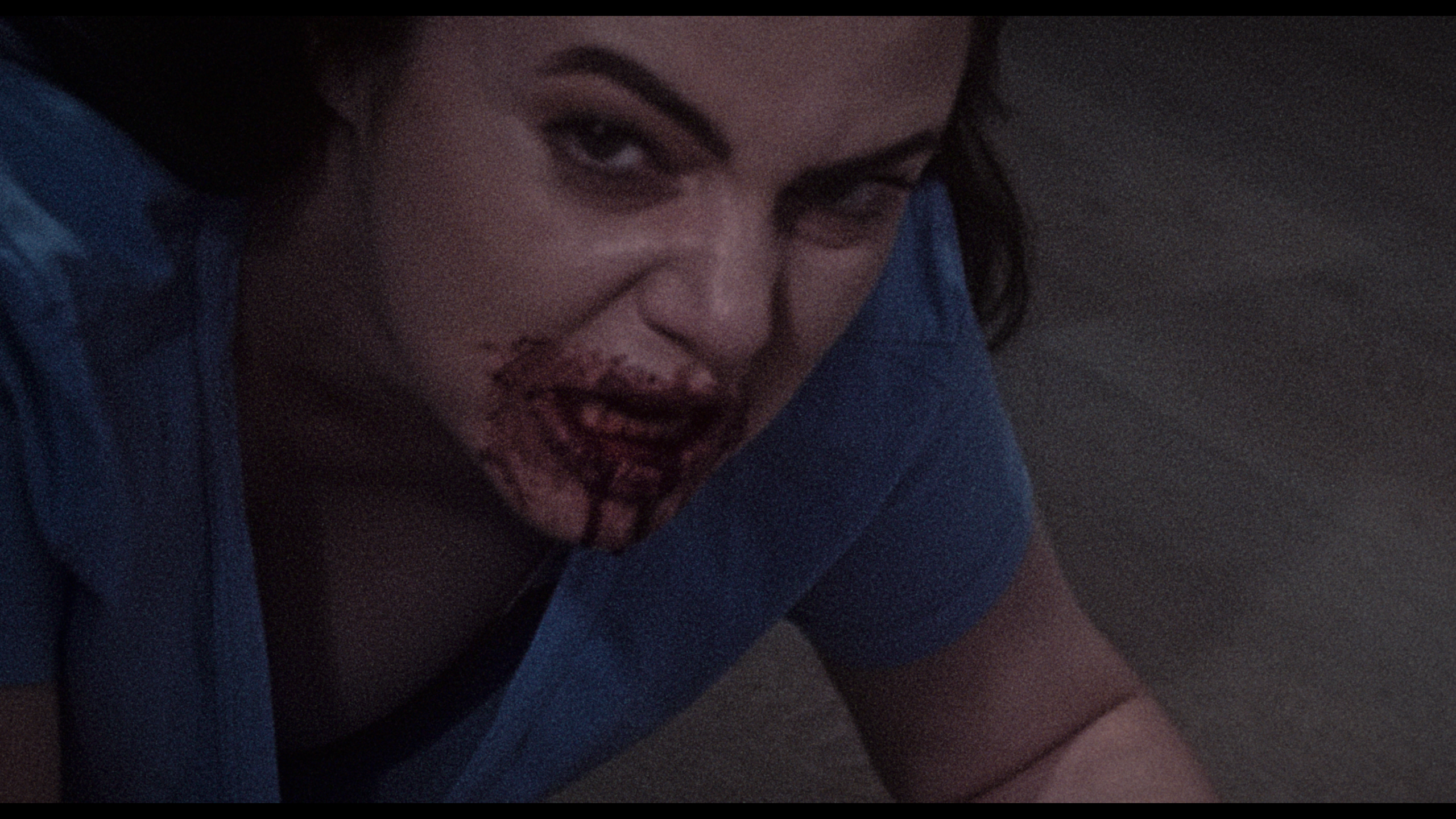
There has never been a shortage of Dracula movies, either focusing on the gothic horror the character lives in, or the yearnful romantic he gets painted as. Each director approaches the work differently; writer-director Chris Schwab is the newest filmmaker to take a swing at it. His film, Dracula: The Night Around Us, takes place somewhere in America. It really nails the midwestern vibe of grey-washed cement buildings and a general dingy fog hanging in the air. A charred Dracula (Brenton Jones) has his eyes on a new home, and his journey brings more than just his physical baggage.
What stands out the most right away is Schwab’s lack of backstory for his main character, choosing to skip over who he is, his famous castle, and the land that he inhabits before his move. Those hoping to see this retold through Schwab’s lens might walk away disappointed, but it adds to the unease that creeps onto the screen when Dracula appears. His very presence exudes discomfort, partly because his unsettling physical design and the extent of his evil aren’t immediately apparent. The usual characters are scattered throughout the film: Renfield (Spencer Weitzel), who is still feeding on animals; Mina (Marlene Mc’Cohen) and Lucy (Raelan Mackiewicz), who, in this retelling, are a mother and daughter; and Dr. Seward (Eric Toms), the character Schwab tells this story through.
Each character has a twist; Mina and Lucy have just moved into the apartment they got after running away from their prior situation. Their neighbor, Dr. Seward, is the film’s narrative vessel, and he’s deeply connected to his work as a psychiatrist but still has time to befriend his new neighbors. They share a meal that does much to establish who these characters are in Schwab’s script. He uses these three characters to show the dark connections they have to Dracula, who is quickly making his way to his new home. The forbidden intrigue that comes from a being like him, one you know is dangerous, and everything within you tells you to run, but you can’t. Everything from their religion to their night terrors to their clinical practices ties into why they are drawn to Schwab’s version of the creature of the night. Though there’s a particular period-piece allure that is missing to amplify the supernatural elements of vampires, it does take a bit more convincing to make the instant connection among everyone fully work.
Although the horror in Dracula: The Night Around Us comes mostly from the impending dread each character feels, there’s still quite a bit of classic Dracula blood-sucking to quench audiences’ thirsts. Jones’s version of the character comes across more like a shadow haunting the lives of those he encounters. His design helps with this, as does the way he appears on camera. He looms over those he shares a screen with and does not appear for long. His voice is spoken in whispers, with sharp, blackened hands that make it easy for him to slice his chest open and offer Mina a drink of his immortal blood. The lack of visual horror with blood and guts doesn’t impact the toned-down story, especially because the film is shown through a mortal lens, but there are times when the film begins to feel less like a vampire movie and more like a cat-and-mouse detective story. It works for the most part because Schwab sets the tone of small-town stakes early on, but I would be lying if I said I didn’t miss seeing Dracula feasting as he wishes.
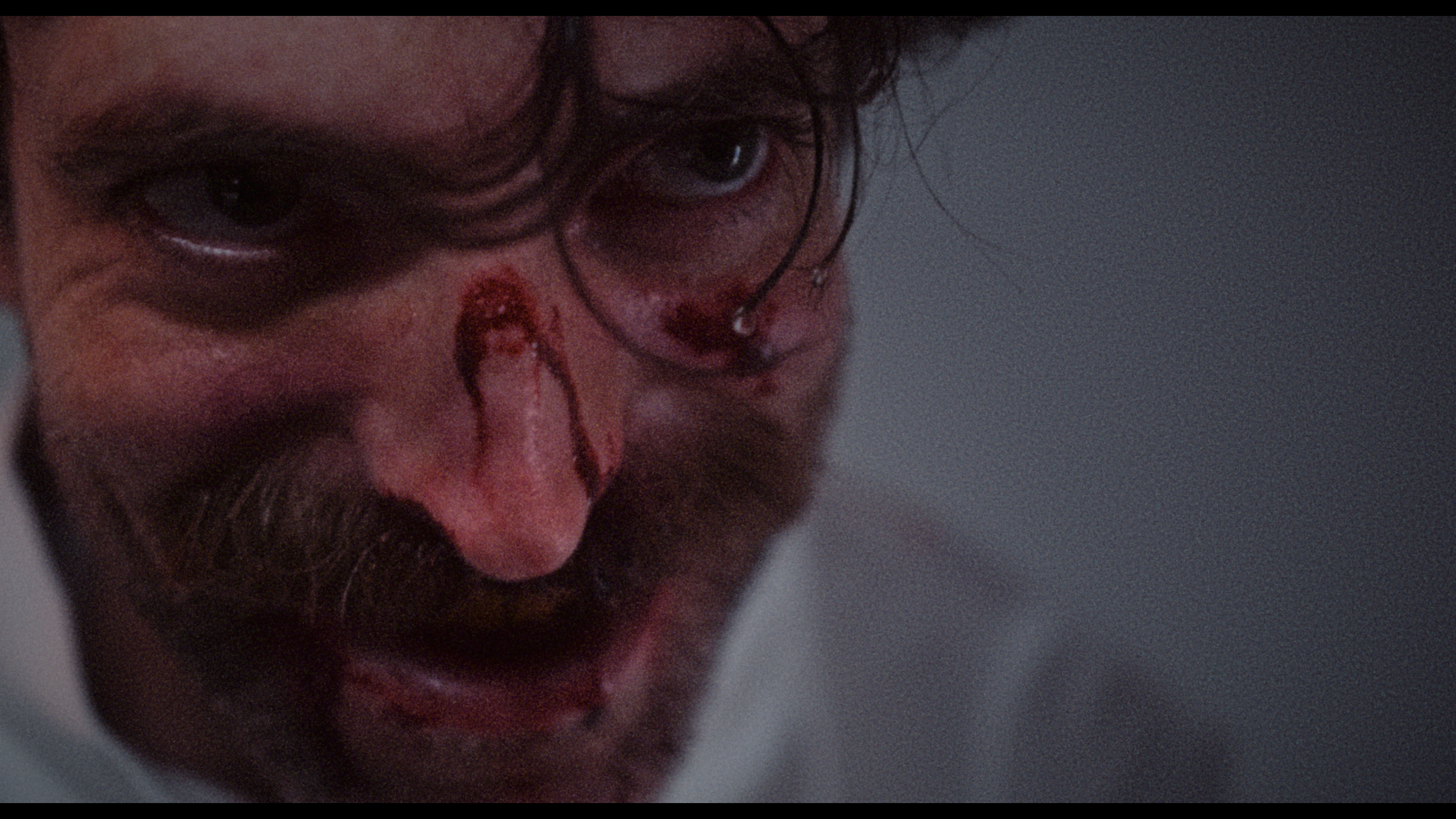
In this iteration, audiences are taken into the damp sewers where Dracula festers. Unknown creatures lurk in the dark corners and in the shadows beyond the imagination of Dr. Seward. Dwelling below the streets, Schwab’s version of Dracula is treated like a plague hidden until he is ready to show himself. And, performance-wise, Jones’s work as the titular character is unsettling. With little spoken dialogue, his character’s physical demeanor is that of a silent predator. His physical appearance resembles Nosferatu more than the classic Dracula, with sharp features and a bald head. Jones gives the character a floating movement, making it unclear whether his feet are touching the ground. Tom’s performance as Dr. Seward is also worthy of praise; he portrays an overworked psychiatrist well, showing a tired eagerness to help those suffering. With a haggard and weary mind of his own, he has a conflict of his own mind he has to overcome. The minimalist script allows not just these two characters but the others as well space to craft unique performances that fit the dark, moody atmosphere.
Is this a perfect adaptation of one of the most famous pieces of literature? No, but it doesn’t have to be. Where Schwab’s film excels most is in creating its own identity. Small-town America becomes a haven for a being that brings only death and despair in a gloomy yet familiar atmosphere. It’s a well-pieced-together film, with a Midwestern charm felt in its design and its performances. Dracula: The Night Around Us is the exact kind of reimagining audiences want to sink their teeth into, and Schwab gives them plenty to digest.