Director: Mark H. Rapaport Writers: Mark H. Rapaport Stars: Luke Speakman, Mila Middleswarth, Al Warren
Synopsis: Eccentric twins proclaim themselves prophets to a priest, blurring reality and delusion as they involve him in their supposed divine mission.
Belief is one of the world’s most powerful forces. Capable of altering the state of minds or the realities we live in with acceptance. When faith is involved, it takes belief to a much deeper level. Faith is the action of belief, and in his new film Godhead, Mark H. Rapaport examines the lengths those with an abundance of faith will go. Premiering at Fantasia this year the film is a mesmerizing religious nightmare that questions every aspect of religious doctrine.
Rapaport is no stranger to the Fantasia International Film Festival; his first film, HIPPO, premiered at the festival in 2023. Met with high praise, his dark dramedy showcased the unique cinematic voice Rapaport possesses. Going from a twin coming-of-age story to a religious thriller, also involving siblings, there’s a through line in his work so far. He focuses on religion, drawing on his own background and experience within a hyper-religious community.
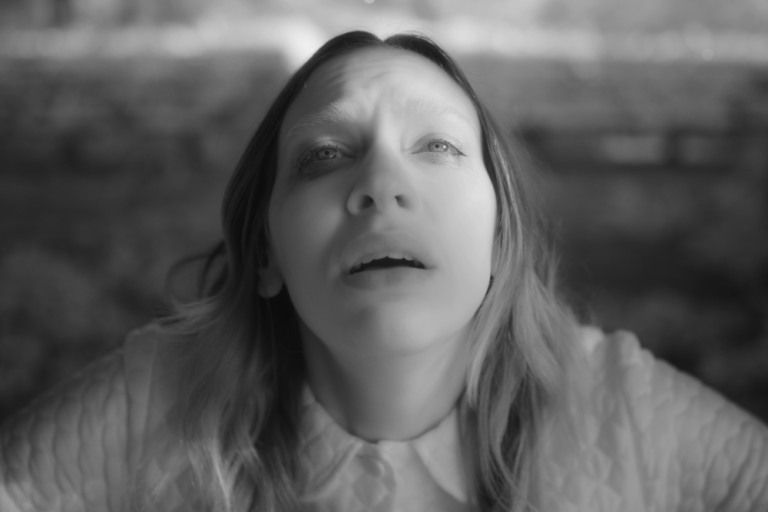
While he chooses to keep Godhead’s trajectory clear with its premise, a small-town priest, referred to as Father (Al Warren), spends his days helping his local community. Either through the power of prayer or through his actions, he is no doubt trusted by those who walk through the church doors. He even cares for a young boy who is left on the church stairs as an infant, Boy Luke Speakman). Though their relationship raises eyebrows early on, it’s not until prophetic twins Firstborn (Sara Coffey) and Secondborn (Kimball Farley) take their seats in the pews of Father’s church, seeking his judgment and truth. Their making white jumpsuits and uniquely sculpted faces make them oddly alluring; soon, they go from eccentric to calculated.
The film’s cast brings an endless supply of talent, mixed with Rapaport’s thoughtful script; Godhead soars to one of the festival’s best. Father and Boy have a strange relationship, and why wouldn’t it be strange? He finds the child who appears to have been abandoned. Speakman has much less screen time than the rest of the cast, but he adds a level of youthful wonder. While Warren’s character is the film’s main focus, he plays a helpful priest with a secret bubbling below the surface. When he begins to unravel due to the self-proclaimed twin prophets and their endless pursuit of his guidance, Warren kicks up his character’s hysterical demeanor. His performance will leave a lump in viewers’ stomachs. Coffey and Farley are played by mind-warped, twisted little freaks, entertainingly well. With Coffey delivering a personal favorite of the year, her ability to get under your skin is unmatched. Godhead has a cast that doesn’t disappoint, and only amplifies the already strong writing.
There are plenty of moments within Godhead that are tense, sucking all the oxygen out of your lungs. Mainly when Firstborn and Father are alone, after hours of attempting to get Father to partake in their request of selecting a God out of the two of them, it wears Father down. Rapaport sheds light on what happens when faith overcomes the mind, making those devoted to it blind to the truth. Their dark truths are hidden from those who interact with them most, adding a bizarre uncertainty that is hard to shake. Most effectively, Rapaport makes it glaringly apparent that not everything, or everyone, within his film is as it appears, and it’s chilling.
Captured in a stunning, hazy black-and-white, Godhead takes the fantastical aspects of religion and places them directly on screen. From walking on water to gruesome childbirths, cinematographer William Babcock, who also shot HIPPO, takes audiences uncomfortably close. Such as forbidden sexual acts where the camera lingers on the sinner. Or witnessing someone fall to their knees with tears streaming down their face as they submit wholly to their beliefs. Glowing white and deep, dark blackness sprawl across the film’s 99-minute runtime, emphasizing the strange, hollowed faces of the twins. Babcock creates an environment that makes those witnessing it question what’s real and what their truths are.
Godhead works best when it’s the trio interacting, all trying to convince the other that their teachings are the absolute. They are intolerant of each other, but their freedom depends on each other’s judgments. It’s a powerful message for the times we are living in. When each new day brings new horrors revealed with the guise of beliefs being the motivation behind them. And questioning those beliefs is seen as more offensive than the darkness those teachings hide. Rapaport proves he’s a filmmaker with a strong sense of direction, and Godhead proves he can handle intense topics with a refreshing, singular style.
Fantasia is a festival that allows films such as this to have a spotlight, with Godhead being at the top of this year’s offerings. From its impeccable cast that riles up a disturbance within the viewer that is hard to shake. To the dreamy black-and-white beauty that shows even the most divine are capable of our worst imaginings.
Director: Destin Daniel Cretton Writers:Chris McKenna, Erik Sommers Stars: Tom Holland, Zendaya, Sadie Sink
Synopsis:A forgotten Peter Parker lives alone as a full-time Spider-Man until mounting pressure triggers a dangerous change and a powerful new enemy emerges.
I’ll just say it: The problem with Spider-Man: Brand New Day is that the iconic Marvel character is no one’s second fiddle. Coming off Spider-Man: No Way Home, one of the MCU’s most satisfying, nostalgic, and ultimately heartbreaking entries, the executives used their Spidey senses to do something beneath a character they had worked so hard to bring back home.
And that’s not to say you will not be entertained by the fourth Spider-Man film since making Sony Marvel back creative control of the Web-Slinger. It’s the fact they used Peter Parker and Spider-Man: Brand New Day to set up another budding entry in the Marvel Cinematic Universe that was thrown on top of the scrap heap less than a decade ago.
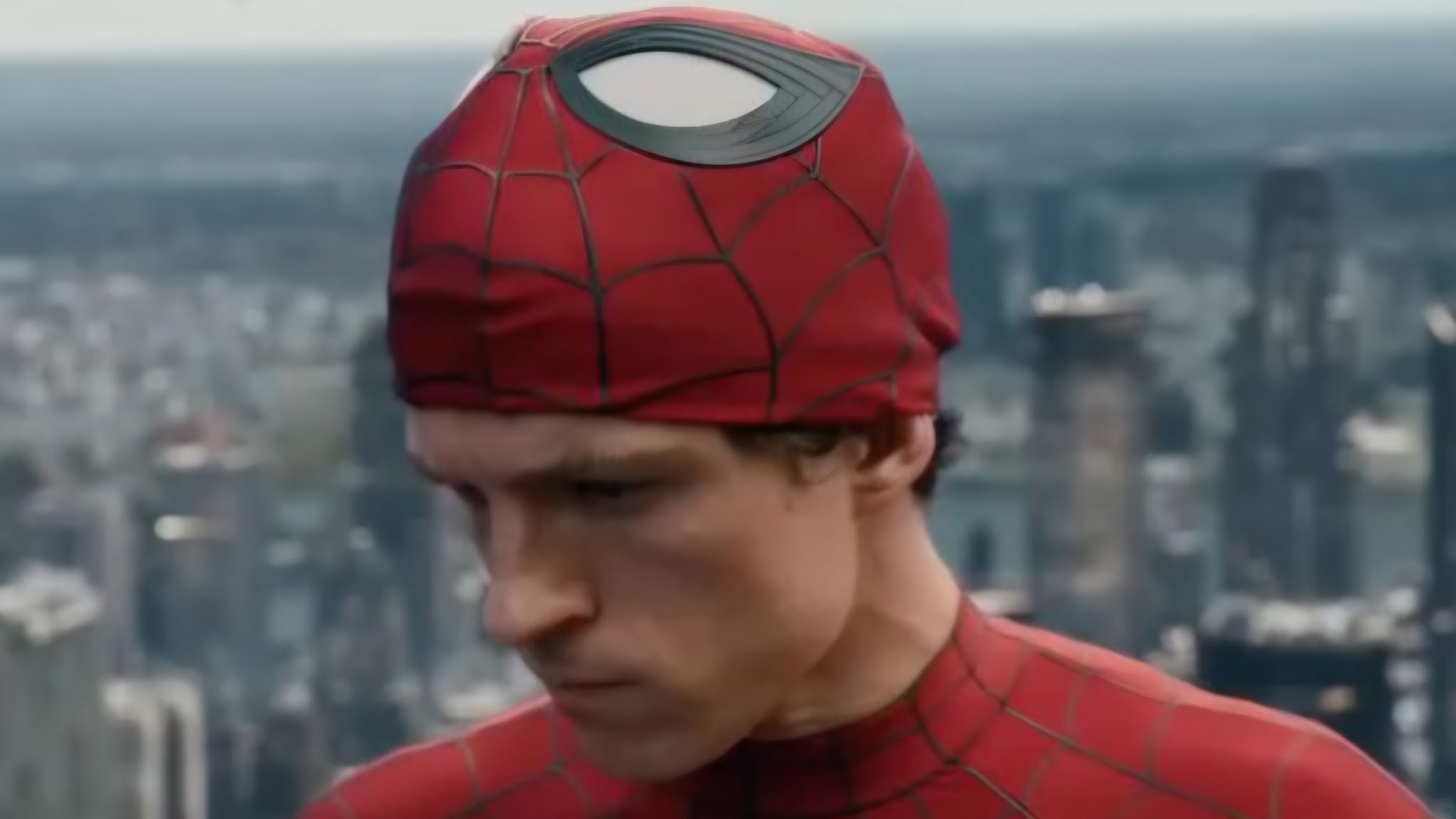
The choice feels cheap—not even sleight of hand, but a heavy-handed maneuver that undercuts the emotional storytelling this chapter is trying to achieve. And that is a shame because the film squanders a darker turn from Tom Holland—has anyone had a bigger summer?—who brings the demons haunting Stan Lee’s iconic creation to the surface. The result is an emotionally mature Spider-Man film that was earned, only to be sacrificed to Marvel’s franchise-building machinery.
Doctor Strange used Peter Parker (Holland) to help save the multiverse from collapsing in on itself, not the worst idea in the world, but doing so caused everyone Peter loves, and everyone who loves him in return, to forget he ever existed. Now, Peter lives a life of isolation and loneliness. This gives Holland plenty to sink his teeth into during the film’s best first-act scenes.
Peter sticks to a routine: fight crime, leaves flowers at Aunt May’s grave, and maintains his only real contact with the outside world through Detective Jean DeWolff (The Bear’s Liza Colón-Zayas), with whom he coordinates crime-fighting strategies. Or, more accurately, becoming a crime-fighting rideshare, delivering bad guys like Scorpion (72 Hour’s Michael Mando) directly to her feet.
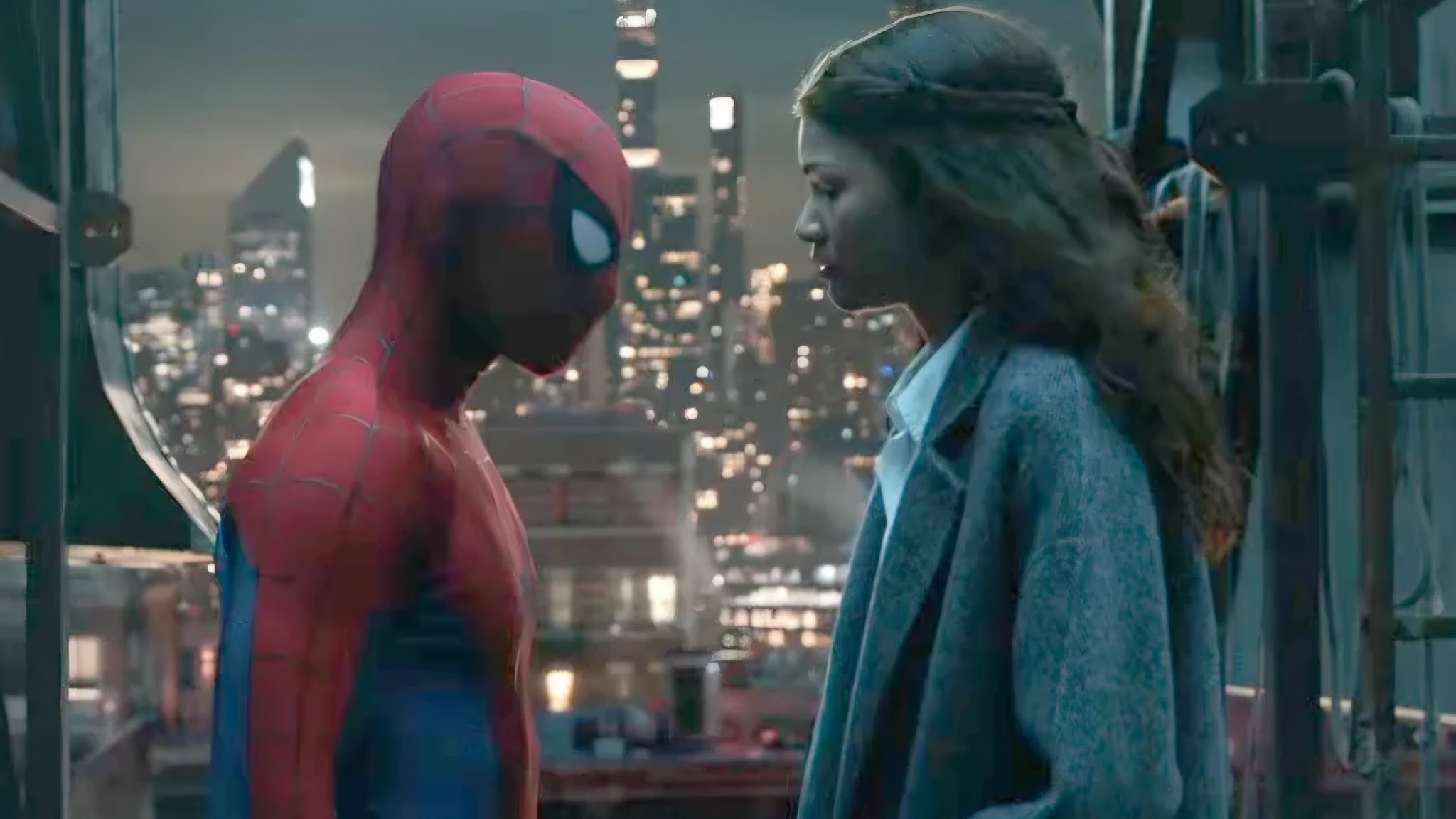
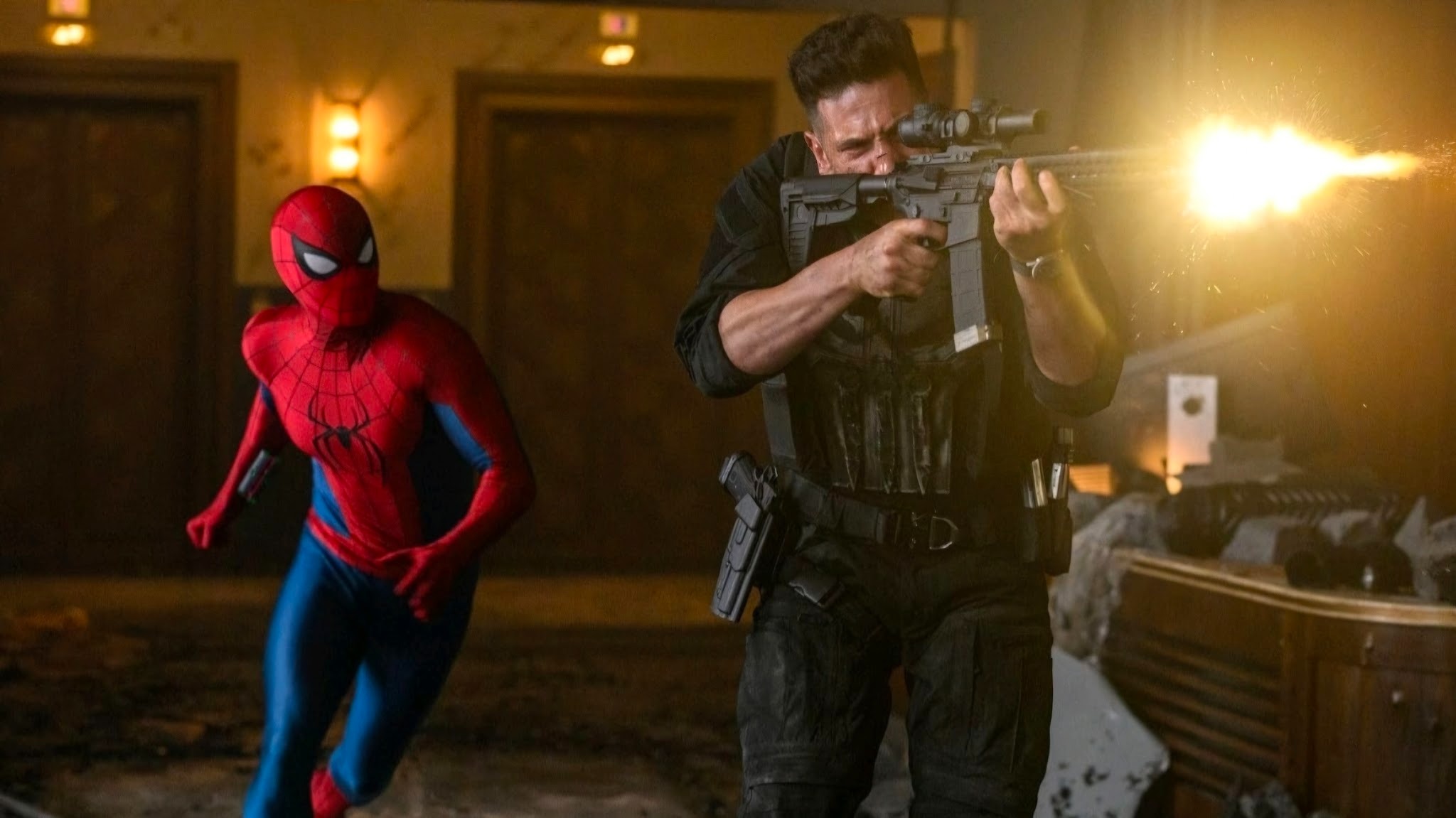
However, Peter is hanging onto the past, preventing himself from moving forward. He keeps track of his best friend, Ned (Jacob Batalon), and the love of his life, MJ (Zendaya), as they go off to college and graduate from MIT together. You could say his only human contact is with Frank Castle (Origin’s Jon Bernthal), whom we last saw inPunisher: One Last Kill, as his healthiest relationship.
That’s the cinematic carrot. Now let’s give you the stick, though the plot tends to get tangled in its own web. Chris McKenna and Erik Sommers’s script borrows a plot device reminiscent of the 1998 Denzel Washington film Fallen and the modern horror classic It Follows: a villain takes over the minds of unsuspecting citizens, leaping from person to person to create chaos.
And, mind you, not the controlled kind. That is where director Destin Daniel Cretton, who has found success in independent film (Short Term 12) and one of Marvel’s most refreshing films of the decade (Shang-Chi and the Legend of the Ten Rings), struggles, barely managing to keep Spidey and another top-secret character separate but on equal footing.
The main complaint is that the Stranger Things alum Sadie Sink’s character, who is electric here, becomes the most relevant part of the third act, which takes away from, well, the homecoming, bringing MJ and Ned back together with Peter. The movie is still entertaining, but it is a recycled MCU effort that we have seen time and time again. The action is fun, the special effects are good, and I’ll admit that a frame-flip technique used during one fight scene is awe-inspiring.
There was no need to dedicate the entire third act to setting up a new franchise, especially when it could have been handled with greater nuance and a deft touch. Why should Spider-Man serve as a stepping stone for another franchise? The script should have concentrated on Holland, who delivers a wonderful performance as Peter, who only scratches the surface, as Holland explores the darkest corners of Parker’s psyche.
The themes of grief, loneliness, and isolation are capable of turning even the strongest of men into someone they no longer recognize. Then, on the verge of seeing the light at the end of the tunnel, that is scrap, for a third act that feels like a different film. The fact is, Sink’s character and Holland’s mirror each other, but so much clutters the emotional connection between the two and the power that it could have solved the script’s second-half emotional arrested development.
The movie has some good humor, Bernthal and Holland share strong chemistry, and the intricate web-slinging action makes the second act exciting. Ironically, Spider-Man: Brand New Day becomes the same old entry in the MCU machine when it had the chance to delve into the darkness of a hero’s isolation. Parker’s story deserved to come full circle with a complete emotional trajectory, not be used as a launching pad for whatever franchise comes next.
Director: Gregg Araki Writers:Gregg Araki, Karley Sciortino Stars: Olivia Wilde, Cooper Hoffman, Johnny Knoxville
Synopsis:Elliot lands a job for Erika Tracy as her sexual muse.
We live in a cinematic wasteland when it comes to sex. There are, of course, any number of exceptions to this rule. But when it comes to films, especially those with recognizable faces, there is a puritanical streak that has lasted far too long. Enter Gregg Araki, or reenter we should say. Missing from the cinema landscape since 2014’s White Bird in a Blizzard, those in the know will recognize that his oeuvre, among other topics, has never been shy about sexuality. Araki was an important part of the New Queer Cinema movement in the early 1990s and his Teenage Apocalypse Trilogy (Totally F***ed Up, The Doom Generation, and Nowhere) should be required viewing for every cinephile with an eye for diverse talent. So who better to push the envelope (for normies) with straight sex onscreen?
Cooper Hoffman and Olivia Wilde in I WANT YOUR SEX, a Magnolia Pictures Release. Photo courtesy of Magnolia Pictures
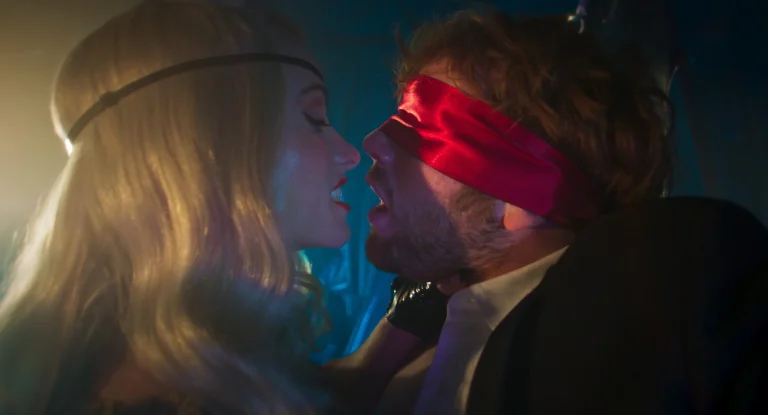
I Want Your Sex is, at heart, a simple story, but one with complex relationships. Araki, never concerned with realism or grounding, is able to bring us on this journey, while making us both laugh and think about our place in the world, at any age. It follows Elliot (Cooper Hoffman) in his quest for some kind of path in life. That is, after the film opens in media res, with him dressed in pink lingerie, his face bleeding, as he dashes to the aid of a near dead, Erika Tracy (Olivia Wilde), who is floating face-down in a pool. Araki has always had a talent for setting stakes, and also making us snicker at the plight of his “heroes.”
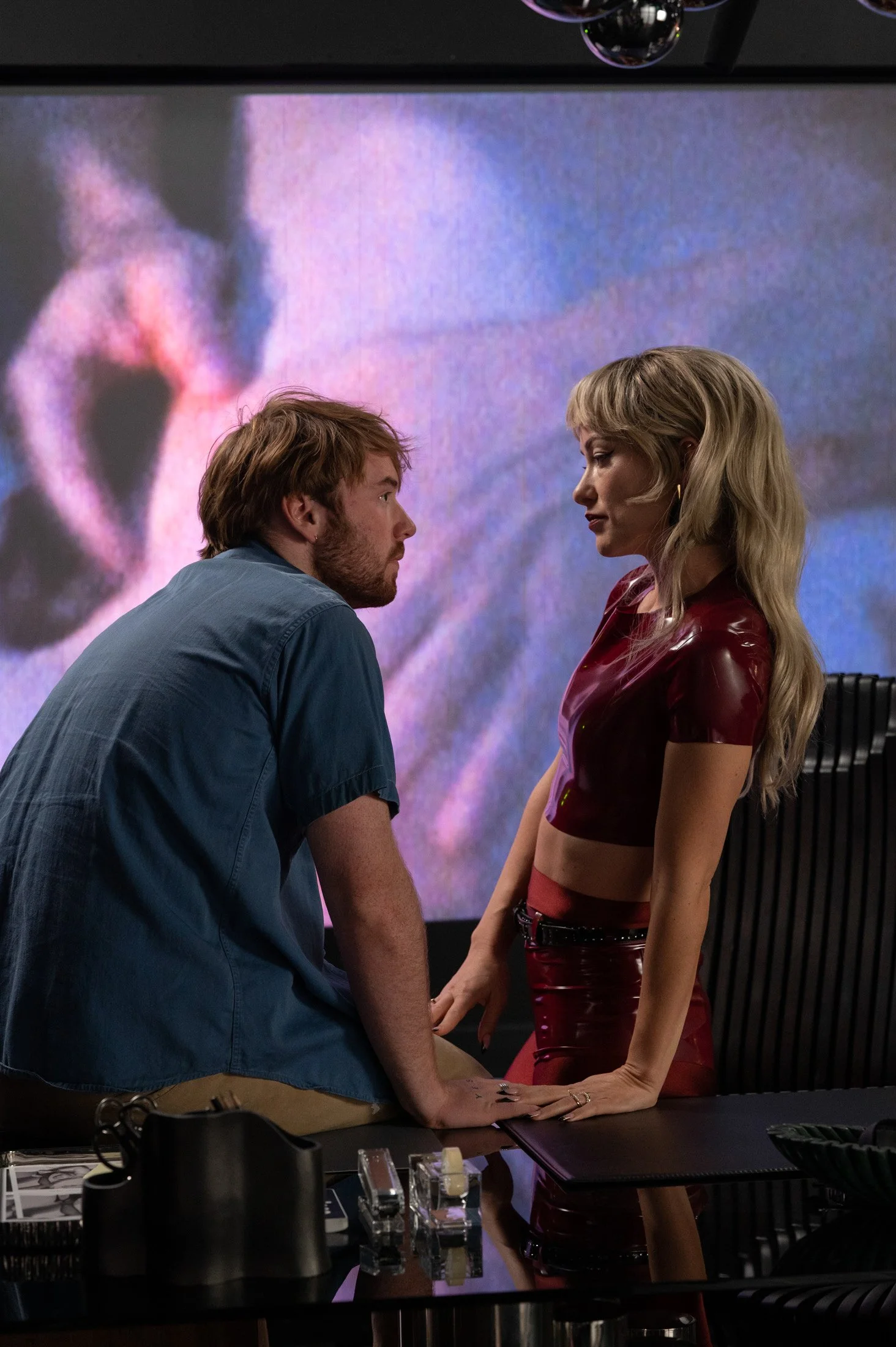
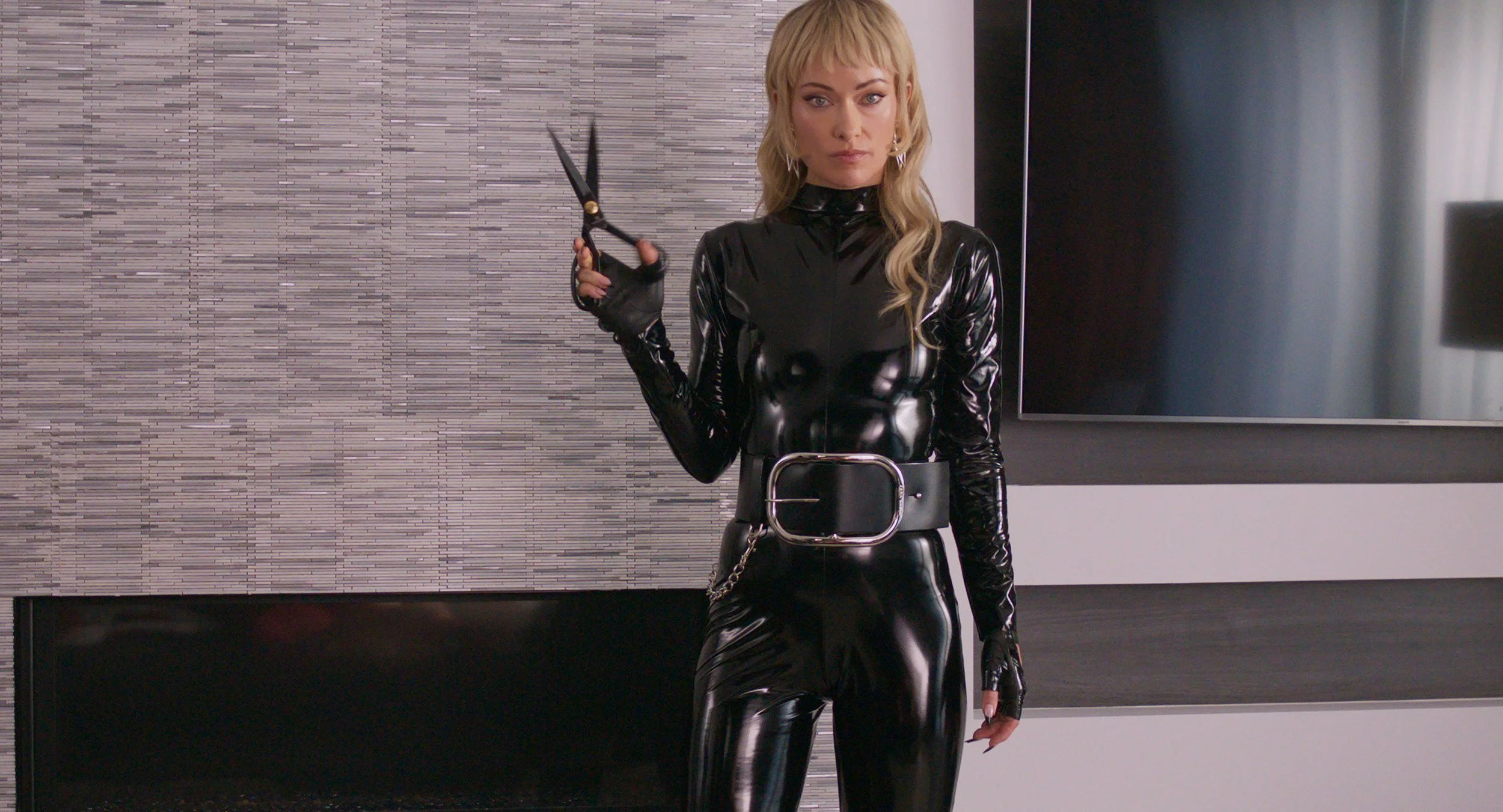
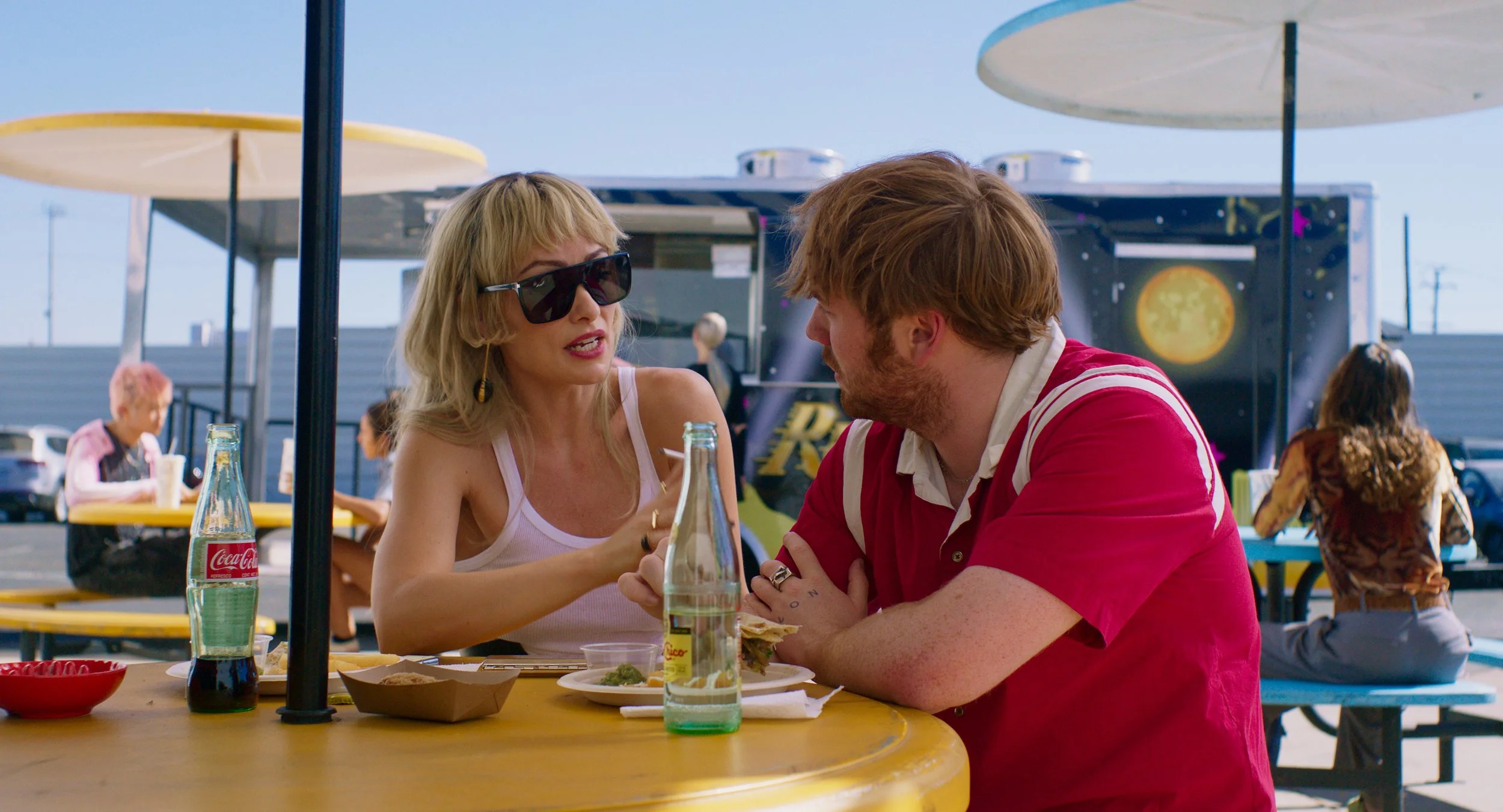
Moving backwards in time, we see Elliot nervous about his job interview with Erika, who is a famous artist, discussing it with his best friend, Apple (Chase Sui Wonders) and his seemingly always busy and annoyed girlfriend, Minerva (Charli XCX). Both of these women play their parts well, especially Charli XCX who delivers a perfect monotone, keeping him at a distance. However, once his interview begins (after being forced to wait for hours), the film has a sexually charged energy that is unmatched. Wilde, playing Erika to the absolute hilt, is the perfect foil for poor, hapless, soft Elliot. The roles in their relationship are apparent even before anything explicit occurs. Additionally, Elliot’s interactions as an employee provide laughs at every turn. Of note, his friendship with Zap (Mason Gooding) is endearing, while also discussing explicit topics (all while adhering chewed pink bubble gum to an artistic rendering of a vulva). It is no surprise that Araki is comparing the young straight man who barely has any sex with the young gay man who has nothing but sexual experience. They also adhere to different aesthetic codes, Elliot perfectly comfortable in his softer body, while Zap revels in his own, harder more defined frame. It is also not just by chance that the title of the film is taken from a George Michael song, a popstar who eventually came out as gay but was on the bedroom wall of many a teenage girl.
Araki also has a gift of using just enough fantasy in his imagery. It serves to shock the audience out of their standard viewing experience, as well as give insight into Elliot. When his girlfriend says she is too busy for sex and playacts what she thinks he wants, the appearance of cartoon breasts shaking in front of his face as she talks, is a perfect encapsulation of the 20-something male mind. Later, when Elliot is struggling emotionally, the image of him literally sinking into his bed removes the need for endless discussion of his mental state. The boundless color, the excessive costumes, the gaudy artwork, all of it serves to set the scene to completely overwhelm Elliot, a mirror image to his burgeoning sexual relationship as Erika’s submissive.
Olivia Wilde in I WANT YOUR SEX, a Magnolia Pictures Release. Photo courtesy of Magnolia Pictures
But truly, this movie is about Elliot and Erika, and it is about sex. As a culture, when we become more prudish about sex, we lose something. Not just pleasure, but also experience and connection. Araki puts these lines in the mouth of Wilde, and she delivers them with gusto, even if, by her later behavior, it becomes difficult to believe her implicitly. However, most importantly, we understand why Elliot would upend his life for her. It is not simply that she is attractive, it is a perfect fit of personality as well. Despite the fact that the script, from Araki and Sciortino, is a rapid fire attack, there are enough moments of hesitation and silence to make us feel the heat between the two of them. As she pushes him further along this path, we even see it affect his romantic relationship with Minerva and his friendship with Apple. One mild fault of the movie is a lack of closure with some of these damaged relationships. But on the other hand, life sometimes does not offer what we most desire.
The sex. The sex in this film is never gratuitous and almost always fun. Watching Wilde, completely sure of herself, guiding Hoffman into a world that pushes those boundaries rides a perfect line between pure fun and honestly sexy back-and-forth. Hoffman, for his part, is not only an everyman, but seems just inexperienced enough to be guided by her. He has had sex, he desires sex, but he has never been fulfilled and pushed, never like this. And all of it has a point! The sex is necessary and brings us into a world of imperfection, power exchange, and even danger. Given that, it would be easy, given where the film begins, to assume that this is a story that is meant to teach a lesson, which frankly would be deeply boring.
Olivia Wilde and Cooper Hoffman in I WANT YOUR SEX, a Magnolia Pictures Release. Photo courtesy of Magnolia Pictures
Araki is many things, but he is never boring. His thesis seems to be that we can never judge, as sex and relationships change us. And there are certain people that are with us forever. They can be good, bad, or somewhere in the middle. But our physical connection in those moments can never be ignored, the marks left on us make us exactly who we are. I Want Your Sex is funny, sexy, and shot across the bow at those who would limit our sexual expression and the ways in which we explore. Finally, cinema has a breath of fresh air in a cruel reality.
Director: David Wain Writers:Michael Showalter, David Wain Stars: Janeane Garofalo, David Hyde Pierce, Michael Showalter
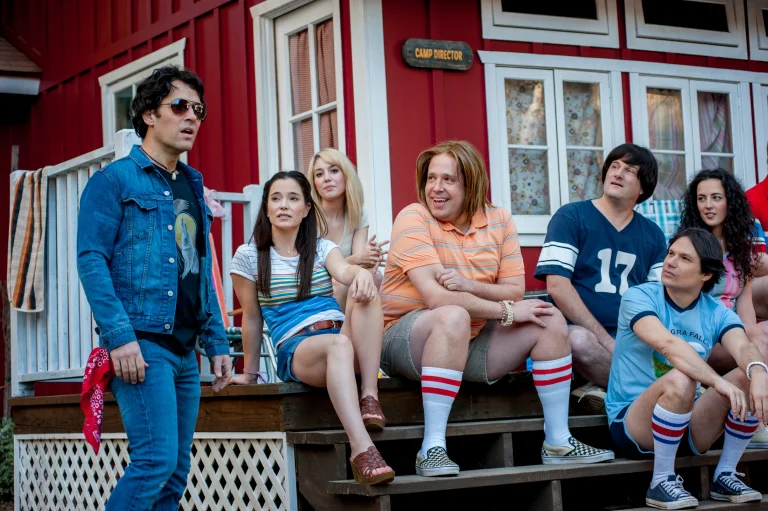
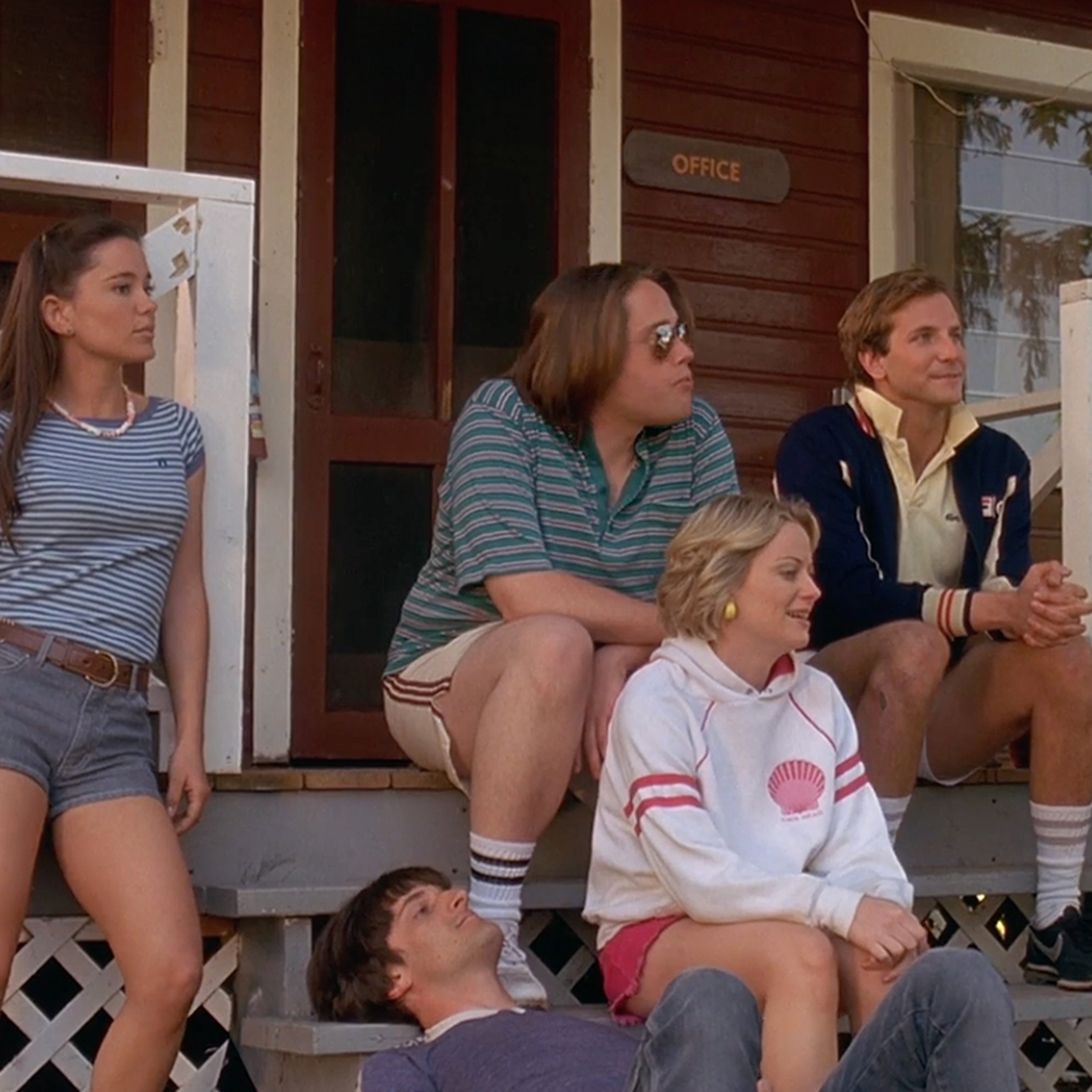
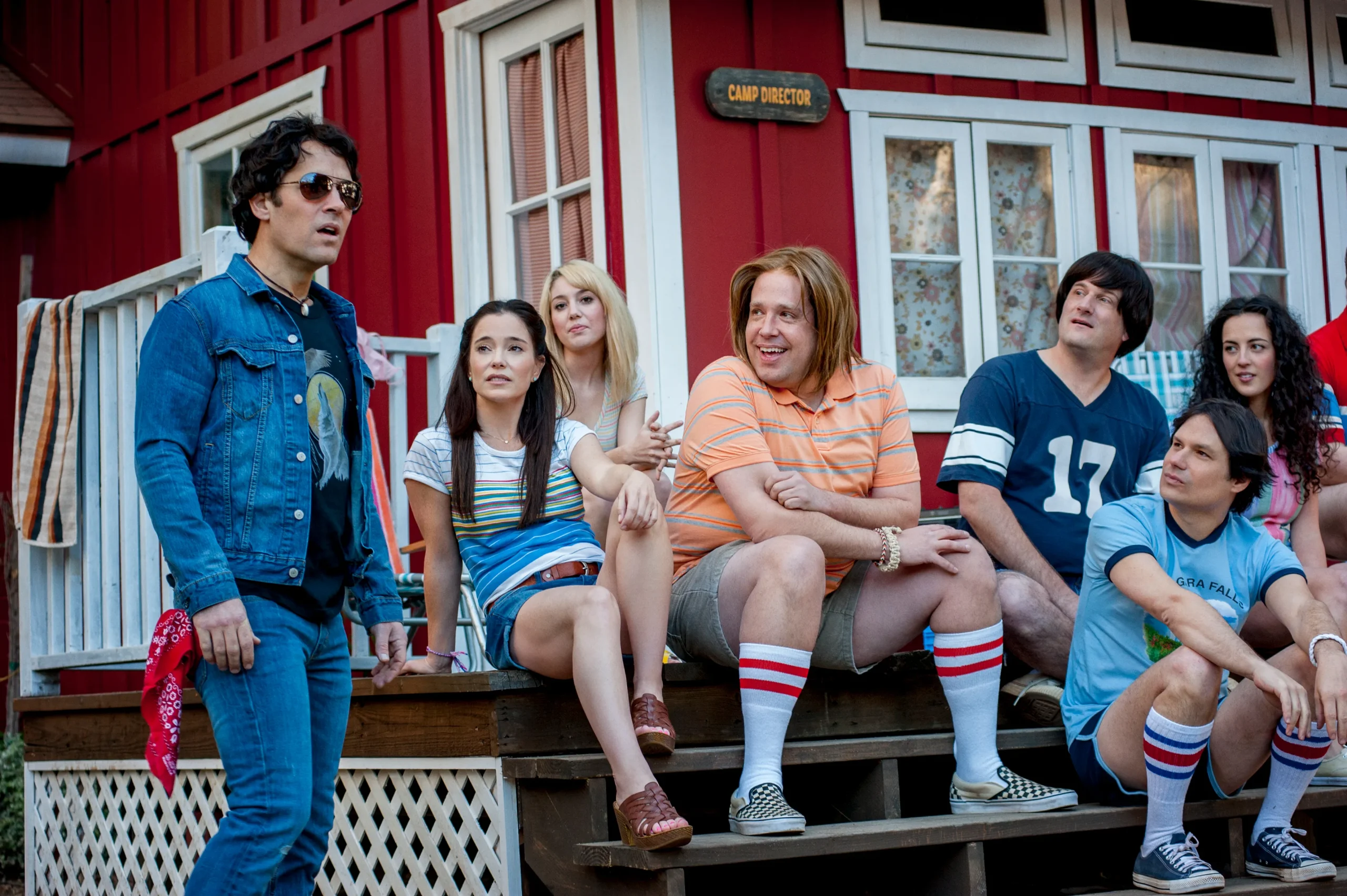
Synopsis:Set on the last day of camp, in the hot summer of 1981, a group of counselors try to complete their unfinished business before the day ends.
Some movies that make it into film festivals don’t find distribution. Rarely does a film like Wet Hot American Summer, which got raves from fans during its festival run, struggle to find a distributor. When the investors, not the filmmakers, picked USA Films as the distributor, the company gave the film a limited theatrical run. There were few who saw it in a theater and it made very little money.
Yet, the film gained a new life on home video, DVD, and eventually streaming. By the time streamers had gotten a hold of it, it had become a bona fide cult classic. A few years ago Netflix even paid for two limited series based off the film, which are not as good, but still have good moments.
I, like many people, first saw the film on an internet list of great cult films while I was in college. After that first watch, I was head over heels in love. There are many parts that still make me laugh as hard as the first time I saw them.
In some of the most brilliant physical comedy, camp bad boy Andy (Paul Rudd) is the last to leave the mess hall after breakfast. Instead of clearing his dishes, he knocks them to the floor. Beth (Janeane Garofalo), the camp director, tells him to pick it up. There is a power struggle and Rudd makes the most of playing a teenager with his scoffs and protests, but he relents. As he picks up the pieces of his meal he gets more frustrated and starts dropping things again. The bit is absolute gold, but the icing on the cake is as Andy leaves, he gives Beth one last piece of his mind with a well placed middle finger. It’s a perfect scene in a film with some terrific physical comedy.
What sells scenes like Andy’s meltdown is the sincerity of the actors and the material. While it has parody elements, Wet Hot American Summer doesn’t indulge in overt parody like many films of its kind. Wet Hot American Summer is wholly its own. There is a depth to the silliness and while it is great at being funny, that depth and the message about the need to be yourself wholly and truly, rings utterly true. This is present in Steve’s (Kevin Sussman) strange “talent,” in Katie’s (Marguerite Moreau) confession to Coop (Michael Showalter) that sex is more important to her than love, in Gene’s (Christopher Meloni) unhinged, but ultimately affirming confession about his strange fetishes, and in Ben (Bradley Cooper) and McKinley’s (Michael Ian Black) love.
There’s little reason for there to be such a sweet and very affecting love between two men in this movie, but it’s there and it’s perfect. In a film that has so much innuendo and implied heterosexual promiscuity, the only sex scene present is between Ben and McKinley. The two of them in the hot, sweaty equipment shed is better than anything silly that could have happened between another couple, while also being a little silly as they have to kick soccer balls out of the way and the shelves can barely hold their weight. The scene is perfect, as is the commitment ceremony later, but it is intercut with scenes of Gary (A.D. Miles) and J.J. (Zak Orth) spying and using homophobic slurs. This ominous and likely very prevalent homophobia seemingly threatens the beautiful message. Though, Gary and J.J. redeem themselves and find acceptance, which brings it full circle and doesn’t undercut the warmth already established.
Wet Hot American Summer is an absolute gem of a silly comedy. It should have launched the careers of all these actors into the stratosphere, but it took some time for Hollywood to fully embrace them. Now on the 25th anniversary of its release, we can celebrate it as the goofy, loveable, silly film it is. Hopefully more will come to see it as the great comedy it is and we, the already initiated, will embrace those coming into the fold. To paraphrase Coop, we want you inside of us.
Synopsis: Flaco, a captive-raised Eurasian eagle-owl, escaped NYC’s Central Park Zoo in 2023. The largest owl species worldwide, he’d lived there 13 years since being a fledgling before gaining fame through his wild adventures.
To this day, documentary filmmaking seems capable of doing the impossible: capturing a single moment, focusing on it, and stretching it until it has a life of its own. In the era of doomscrolling, focusing on an escaped Eurasian Eagle-Owl in Manhattan sounds too far-fetched a story to believe. But that’s exactly what happened, and how director Penny Lane’s documentary Wild Inside was born.
This documentary is the story of a Eurasian Eagle-Owl that escaped from the Central Park Zoo into the busy island of Manhattan. Through the non-stop hustle and bustle in the streets of the city that, to outsiders, seems like the center of the world, a lonely owl named Flaco stands in front of the Plaza, a few blocks away from Central Park Zoo, right in the middle of 5th Avenue, tasting (or testing) freedom but also curiosity. At least that’s the narrative we all have in our heads.
Lane is the mastermind behind this documentary, and through choosing this topic, she gives the viewer the liberty to build any narrative they like around Flaco. After all, none of us could read a Eurasian Eagle-Owl’s mind, right? Lane showcases people’s conflicting feelings about Flaco’s flight to freedom. Some people want him caged and safe, protected behind bars. Others wish for his answer to the call of the wild. The film perfectly outlines all those different points of view, and how probably all of them are right in their own way.
Apart from some gorgeous archival material that Lane acquired throughout her rich journey in creating Wild Inside, there’s also a myriad of personalities that appear to talk about their experience tracking Flaco. These days, collective descriptions are given for a group of people, individuals who each have their own unique personality, experience, and traits. Owlers gathered every day in the park, following Flaco’s adventures from one place to the other. Rooting for him to survive, while others were worried sick over his lack of survival instincts in the wild after 13 years in captivity.
Lane perfectly documents the magical scene when Flaco has his first hunt. The first time he finds food on his own, eating it and raising his horns in victory. It’s a magical moment, bringing tears to my eyes as I realize the power of survival and existence go beyond our perception of systemized thinking and analysis. Nature has yet a lot in store to amaze us and inspire us. If anything, Flaco’s story is a testament to that.
It’s obvious that Lane is not concerned with stating her side of the debate. Is she rooting for Flaco’s freedom and spending the rest of his life in the wild? Absolutely. But she has the openness and intellectual maturity to allow other parties to express their opinions, as well. The core of her project is not about siding with who is right or wrong, but to chronicle this bird’s journey and through it, allow viewers to reflect on their relationship with nature, and their idea of freedom vs. safety and comfort.
The question remains: why does a 13-year-old, apex predator with 2-inch talons, a 6-foot wingspan and pumpkin-orange eyes become a symbol of hope? Are people that desperate for freedom? Even in the freest city in the world, or as close as New York can get to the concept of liberation. Have we collectively as nations lost faith in our leaders, governments, and multimedia that feed us information non-stop that we turn to nature to seek guidance on whether our lives matter in containment, and succumbing to the system is as rewarding as they sell it to us?
In New York City, everyone needs a star for the day. Wild Inside just happens to bring out the star in a lonely Eurasian Eagle-Owl finding a place for nature in a highly industrialized, digitized world. The sense of community and discovery that Flaco brings to the hearts of all those who follow him around the fast-paced city, is what our world needs during these pivotal times.
How did you all do after the Criterion/Barnes & Noble sale? Now we prepare for the October flash sale. While this month is relatively lighter in heavy hitters than the previous months, this is a month with some incredible documentaries and some major late 20th century bangers. Criterion is dropping six new releases, a 4K+Blu-Ray upgrade to an existing Blu-Ray in the collection, one new 4K+Blu-Ray release, two new Blu-Ray releases, a new Eclipse Blu-Ray set, and a 4K+Blu-Ray upgrade to a long standing DVD release.
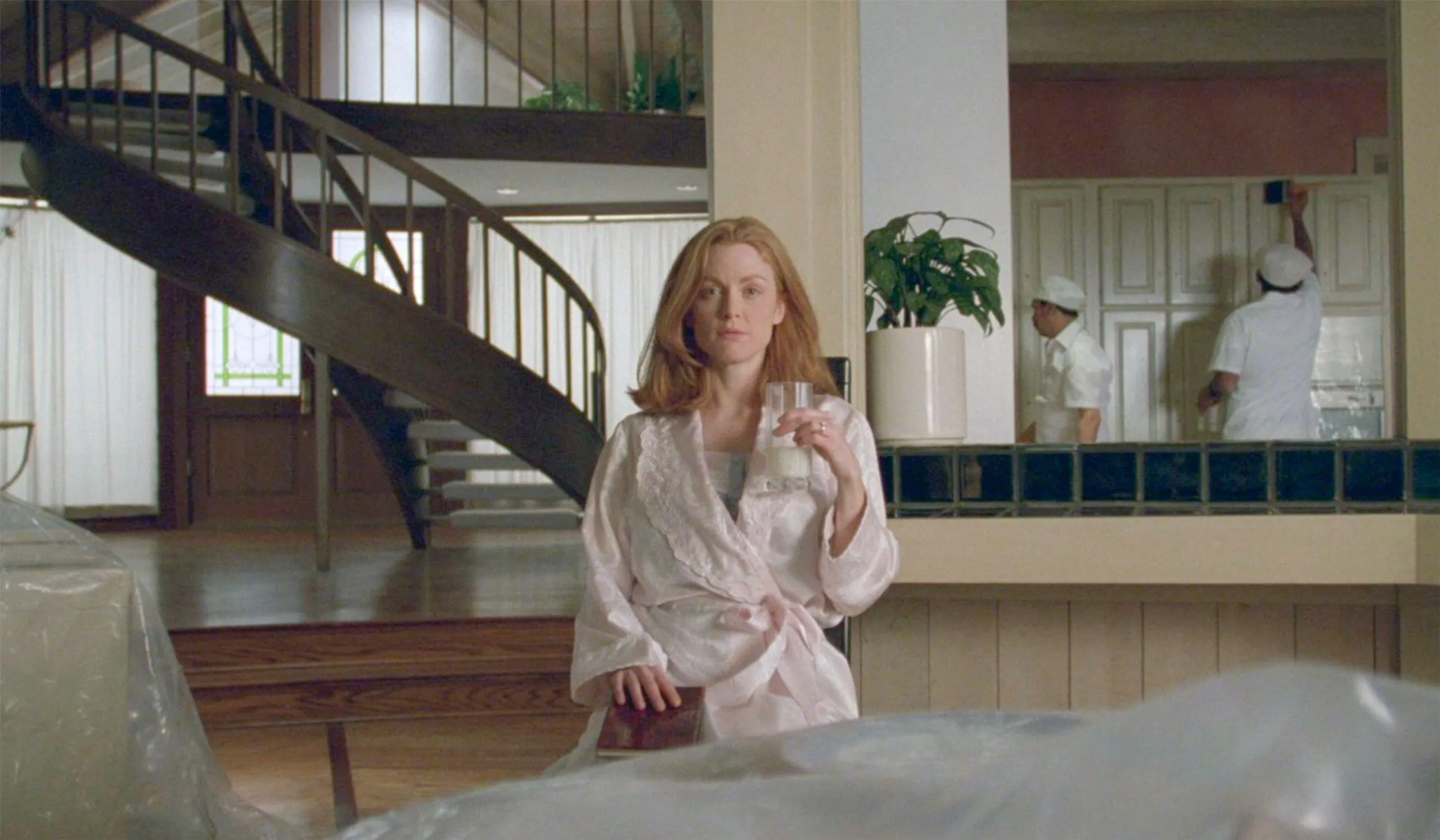
Safe (1995)
Safe is a film that unsettled me to an extraordinary degree. A film about a woman who develops and learns to live with a debilitating and mysterious illness, Safe is one of Todd Haynes’s best films. Even about 5 years removed from first watching it, this film has shaken me all these years later. While Safe isn’t a traditional horror film, the suburban horror is as haunting as the most gruesome of horror pictures. You can see Haynes’s character splattered all over this film, which is a rare feat for a film so early in one’s career. The fact that TikTok hasn’t discovered the early films of Julianne Moore is a travesty (but will seemingly come soon). Safe is a 4K+Blu-Ray combo pack featuring a new 4K digital restoration supervised and approved by director Todd Haynes.
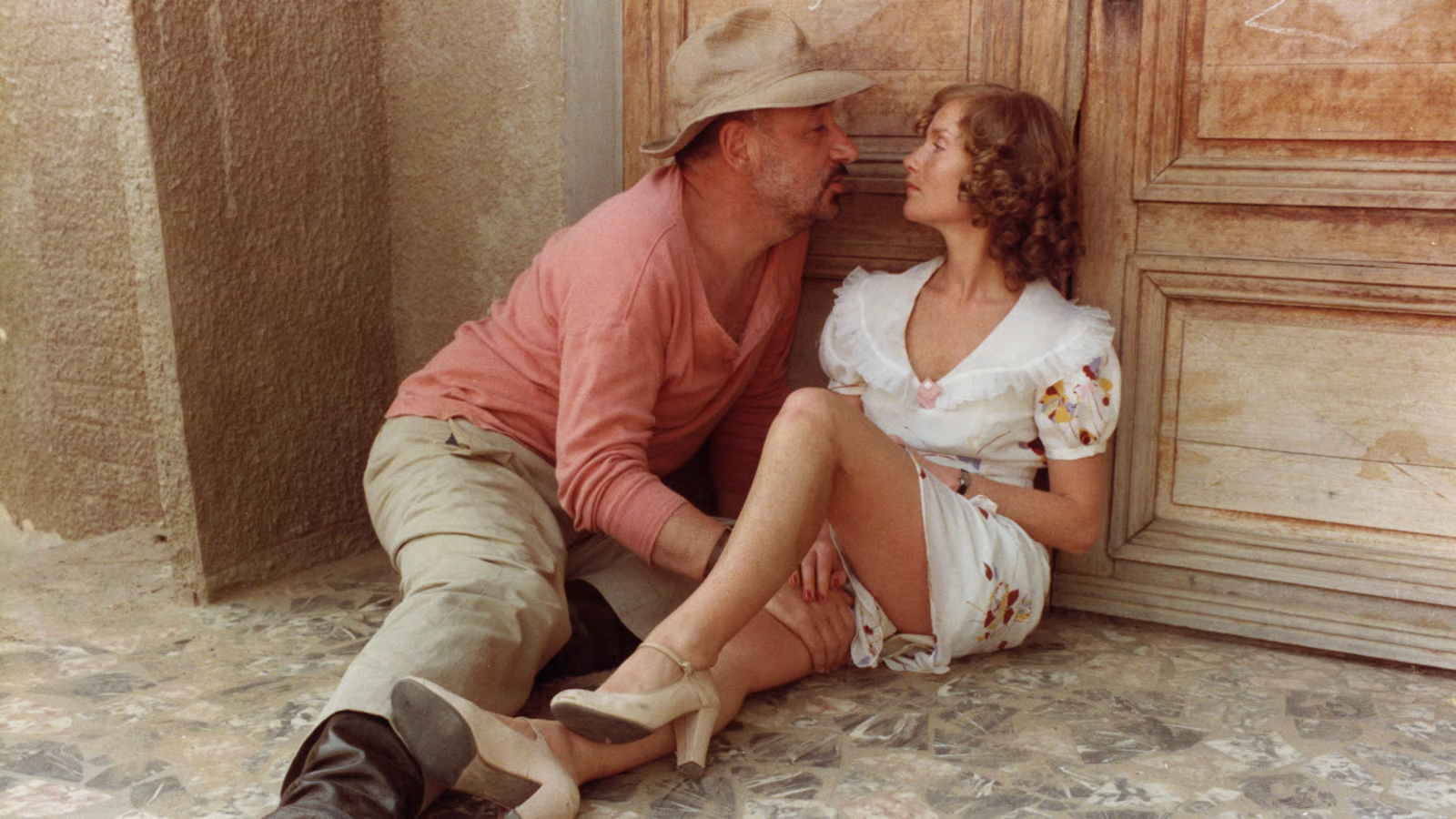
Coup de torchon (1981)
Coup de torchon is an adaptation of American hard boiled novel Pop. 1280 but replaces the American Southern setting to 1930s French West Africa. While the material within is consistent with that of the novel, the change in setting – especially coming from a French filmmaker – brings fire on subjects like police brutality, colonialism, and the nasty side of human behavior. While those added elements add a delicious amuse bouche of thematic depth, the pulpy nature of the novel is still retained. All in, filmmaker Bertrand Tavernier creates something that is cold, provocative, and filled with style. You will certainly not have a bad time with this picture. Coup de torchon is a Blu-Ray release featuring a new 4K digital restoration.
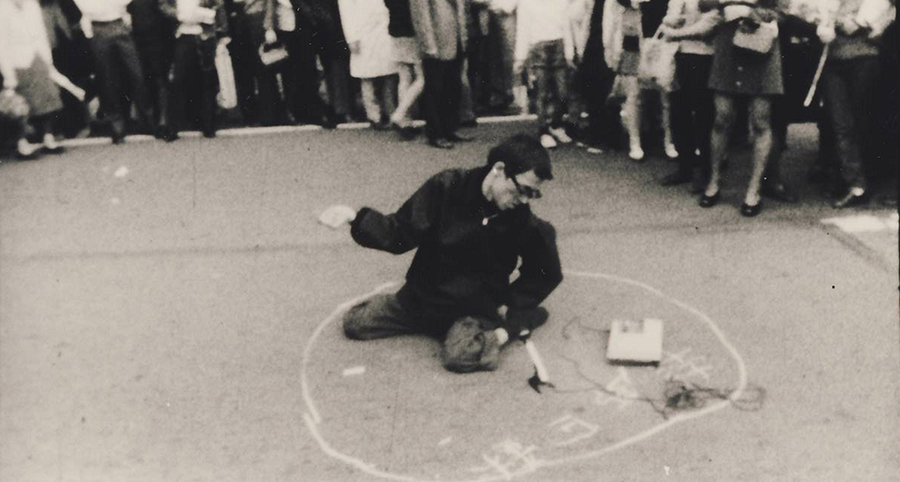
Eclipse Series 49: Five Radical Documentaries by Kazuo Hara and Sachiko Kobayashi
While I was unaware of Kazuo Hara prior to the announcement of this set, his start in film is inspiring. Hara dropped out of school to work at a special education school and in doing so he started developing his first documentary feature – Goodbye CP – which follows the experience of people with cerebral palsy. In Goodbye CP, Hara would follow his subjects and give a sincere look at people who don’t fit into modern society. This would be a staple across all of his documentaries, following outsiders in the most fearless and direct approach possible. Hara’s background, minus a few notes about how he started in film, is not publicly known and not easy to glean through simple research. If you’re a Netflix documentary fiend, someone curious about how different societies operate, or just someone who gets down with bold filmmaking you should seek this set out. The films in this set are Goodbye CP, Extreme Private Eros: Love Song 1974, The Emperor’s Naked Army Marches On, A Dedicated Life, and Sennan Asbestos Disaster and they are all featured in a Blu-Ray box set.
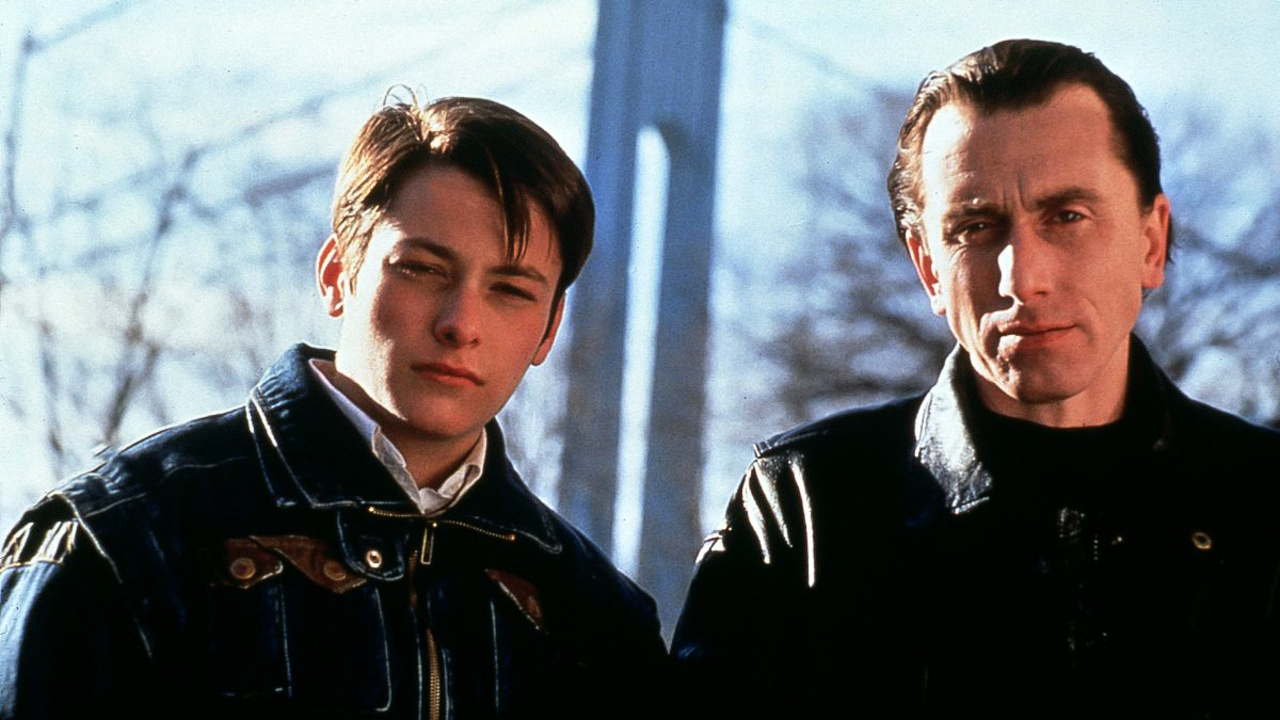
Little Odessa (1994)
Criterion is a fan of releasing the feature films of modern filmmakers. The debuts of Christopher Nolan, the Safdie Brothers, and Barry Jenkins have been added to the Collection – and with Little Odessa, James Gray can join those same ranks. James Gray, the Ad Astra filmmaker, was only 25 when Little Odessa hit a film festival stride and won the Silver Lion at the Venice Film Festival and placed him amongst one of the rising voices in American filmmaking. Little Odessa is a gritty crime film that is set in New York City – I’m sure you’ve heard that before. Now, gritty crime films that are set in New York City aren’t hard to find – but I’d be hard pressed to find a bad or simply unenjoyable one. Additionally, a gritty crime film with Tim Roth? The “total banger alarm” is firing off at the thought of this. Little Odessa is a 4K+Blu-Ray combo pack featuring a new 4K digital restoration supervised and approved by director James Gray.
American Dream(1990)
Barbara Kopple has to be one of the most important documentary filmmakers ever. While some documentary filmmakers cover topics of the chase for greatness, unique work and lifestyles, and a time and place for celebrities – Kopple opts to point the camera at the underserved and those fighting for a better tomorrow. American Dream is the follow up to Harlan County USA, and while the setting is different the issue still persists. The film captures the 1985-1986 strike against meat processing brand Hormel, a strike that ended in failure for the striking workers. While Kopple gained success through Harlan County USA, her development with American Dream proved to be difficult now that she was known following her Oscar success. The approach in American Dream looked at the people of Austin, Minnesota – the city in which the strike occurred – rather than just the strike itself and developed a more holistic picture that wasn’t created in Harlan County USA. American Dream is a Blu-Ray release featuring a new 4K digital restoration supervised and approved by director Barbara Kopple.
Harlan County USA(1976)
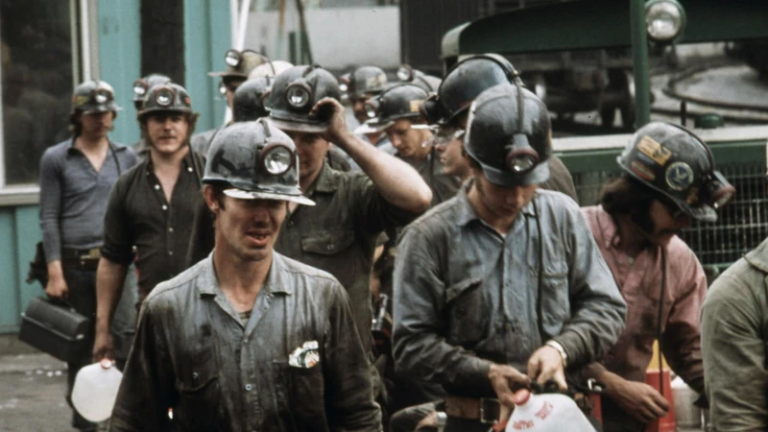
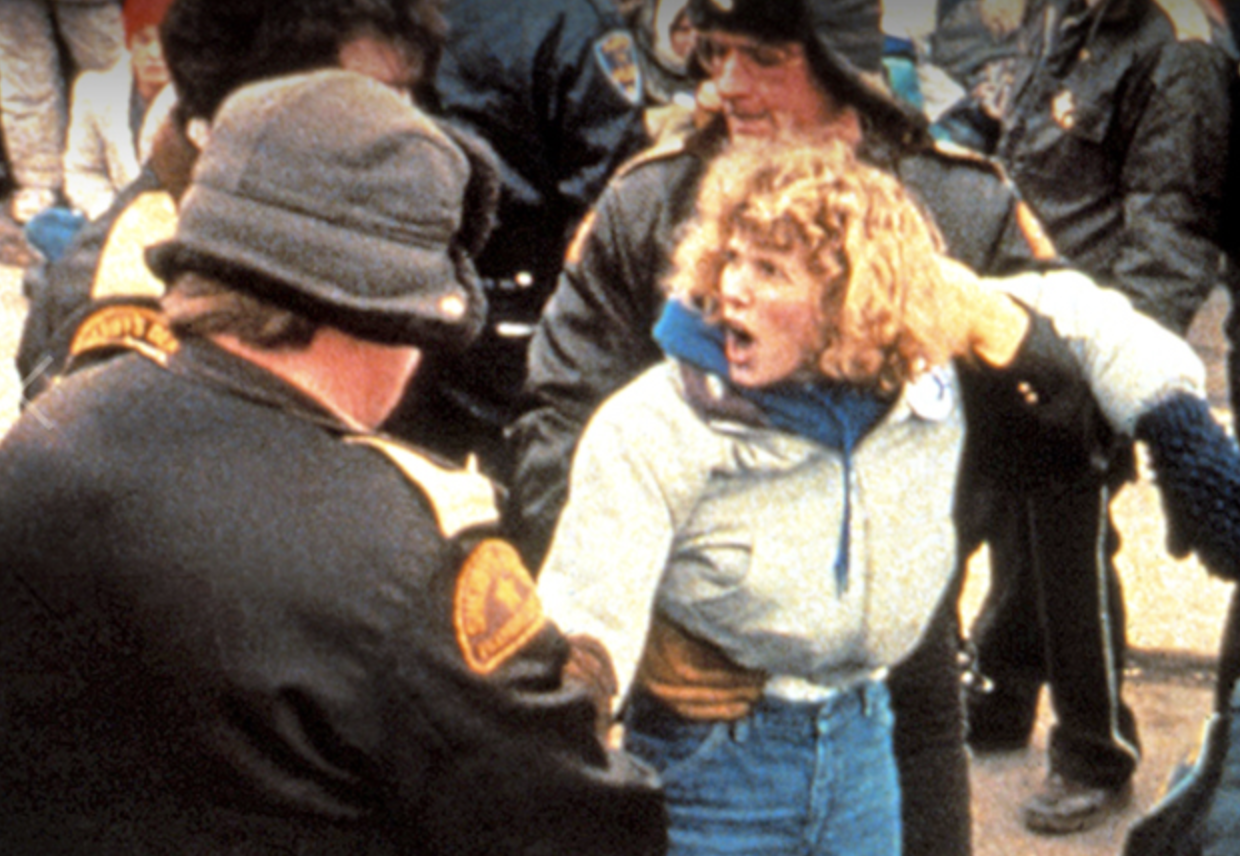
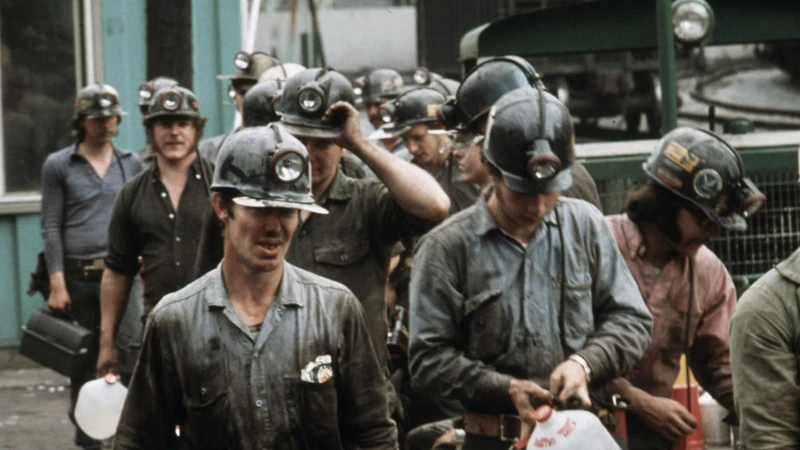
Barbara Kopple’s second documentary, which would end up winning the Academy Award for Best Documentary, is one of the boldest and bravest pieces of cinema I’ve ever seen – a tremendous piece of filmmaking. A 20something Kopple went deep into the heart of miner union bureaucracy and the protests around it in the small town of Harlan County, Kentucky. Harlan County USA is an intense and incredibly sad film but is one of the most inspiring documentaries put to celluloid. Hauntingly, the material within is still as relevant today as it was 50 years ago. Few films have made me tear up in the theater, and I can’t recount a time when a documentary brought a tear to my eye (but Harlan County USA did that to me). I would recommend this be picked up expeditiously. Harlan County USA is a 4K+Blu-Ray combo pack featuring a new 4K digital restoration supervised and approved by director Barbara Kopple.
Synopsis: Set in the near future, Otone Komoto works as an architect. She is married to Kensuke Komoto, who runs a construction company. The married couple decide to welcome a humanoid robot into their home as their son.
One of the most impactful events a person can go through is grief. The gravity of grief is immeasurable and the weight obviously varies but one thing people have a hard time doing is coping or living with the grief they feel. Now more than ever, people are relying on technology and AI to navigate difficult events. It is an incredibly concerning time to not find humanistic means to evaluate human problems, and I’m sure AI is better than coping with alcohol or chemical means in some regards, but how does the idea of something replace the ‘something’? Sheep in the Box – the new film from legendary Japanese filmmaker Hirokazu Koreeda – is tackling grief and the intersection of coping and artificial intelligence. And while there is a lot to be said about the usage of technology with grief, Koreeda seems to say nothing substantial in this film.
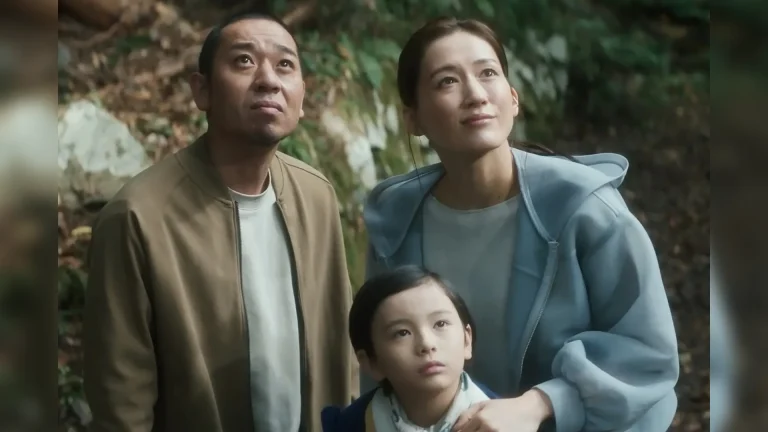
Sheep in the Box follows a grieving couple, whose son died from a tragic train-related accident, who signs up for a program to recreate their late son through AI and into a humanoid form. The film then follows the couple as they evaluate their morals as their humanoid replicant of their dead son adjusts into their lives. The husband, Kensuke (Daigo Yamamoto) is reluctant to accept his robotic son while referring to him as a human Tomogatchi and a Roomba. Meanwhile the wife, Otone (Haruka Ayase) is so desperate to see her son again that she accepts him with no hesitation. The humanoid recreation of Kensuke and Otone’s late son, Kakeru (Rimu Kuwaki) starts as a mirror of the words and actions of his parents but eventually finds his own way.
In theory, the premise is thought provoking and timely, but the film comes to a screeching halt because of the son. When the film is focused on the moralistic depth of the main couple it is soaring and thematically driving. But once the humanoid son develops any form of agency it starts to unravel. The storylines of the couple navigating their grief and the humanoid son discovering himself are at odds with each other for the duration of the runtime. The problem is how much the themes and ideas diverge from each other and not naturally coalesce into the grander point of the film. To add, the final product seems to not say anything about grief and the integration of AI but rather a point about how those we lose are always with us (which is just a separate point on the coordinates of this film’s ideas). Eventually, the son’s story trumps that of the grieving couple and causes the narrative to clunkily land at nothing.
While you shouldn’t always expect a grand statement from a filmmaker, it is disheartening to see a filmmaker do absolutely nothing with a pertinent subject. In the opening parts of the film it really aimed at that intersection of “desperation of relief vs painfully stewing in reality” but lost itself as the film progressed. The film has some beautiful views but in the face of what’s happening in the film it is pretty empty. Hell, the couple’s dynamic is interesting to watch unfold as they’re at odds morally, but it loses focus as the film goes on. If the entire film was about the couple trying to navigate their loss, it would be a much better film.
It feels silly to go on a tangent about “AI bad!”, “we need more humans doing human things”, or what have you, but Sheep in the Box says absolutely nothing on the topic. What is largely gained when the credits roll? What do these characters learn? There is no bite to it nor does it grip emotionally. Even the moments where it is clearly trying to extract an emotional reaction from the viewer, there is no weight to draw from. We know nothing about the loss outside of the existence of loss. It feels vapid and toothless to draw these comparisons to the ‘sheep in the box’ line from The Little Prince which is about the use of imagination while doing nothing with said imagination in the film.
Sheep in the Box starts strong then tumbles and bumper cars unrelated ideas until the very end. It is incredibly disappointing to watch something from a filmmaker like Koreeda that feels so devoid of heart. If you want to cry, go watch Marley & Me, if you want to watch a movie on humanoid kids, go watch A.I. Artificial Intelligence. I hate the idea of films having to justify itself to exist, but films that try to be fake smart are grating and a waste of time and I hate to say this for this particular film from this particular filmmaker. This is a disappointing film and I wish I liked it more.
Director: Sheldon Candis Writer:Sheldon Candis, Andrew Renzi Stars: André Holland, Wendell Pierce, Samira Wiley
Synopsis:Following a group of adolescent boxers and their formerly incarcerated coach in Southeast Washington DC on the road to defend their national titles.
Even though They Fight is an underwhelming experience that misses the mark time and again, star André Holland continues to demonstrate why he is one of the industry’s most versatile acting chameleons. One of the rare actors who can carry emotional complexity with restraint and active listening, something Matt Damon once said is all acting is, effortlessly.
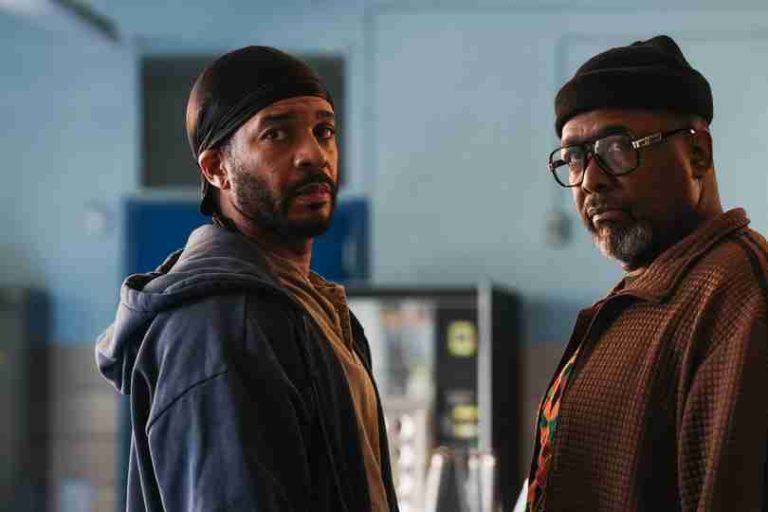
Hulu’s They Fight is a subtle showcase for Holland, who plays a recently paroled man attempting to rebuild his life by working with children at a boxing gym. Everything is in his eyes: controlled and stoic, he conveys more with a single glance or extended stare than most actors manage in a three-hour film, delivering a quietly powerful and emotionally layered turn.
That is why it is such a shame that Holland is saddled with a film so heavy-handed and overwrought. The final product is so amateurish that you want to rescue the star, and, for that matter, his character, plucking them both out of this dull streaming entry and placing them in the hands of more seasoned, assured filmmakers who seem to miss the point entirely.
Holland stars as Walt Milligan, who begins working at the boxing gym for Slim (The Wire’s Wendell Pierce), a stern but gentle man who runs the place with a firm but soft hand. There’s an underlying antipathy between the two characters that works well here. Meanwhile, Walt is trying to prove to his ex, Ketta (Detroit’s Samira Wiley), with whom he shares an infant son, that he has changed.
Walt starts his job at Slim’s gym much like that good Will Hunting by cleaning the floors. Before long, however, he becomes a de facto trainer for Peanut (Anthony B. Jenkins of Stranger Things), whom he takes under his wing after learning that the boy has been bullied his entire life. The script brings them together because they are both underdogs in their own stories, and in this one.
Peanut’s best friend, Quincey (The Savant’s Toussaint Francois Battiste), joins him as one of Slim’s most promising prospects. The film really is about Walt’s journey, as he struggles, almost deliberately and frustratingly inert, contemplating whether he should be mentoring at all. Yet, by the second act, much of this fades into the background, forcing a sports narrative that feels like two entirely different experiences.
They Fight was directed by Sheldon Candis (Naomi) and is based on the documentary of the same name. That film was directed by Andrew Renzi, who co-wrote the screenplay with Candis. The final product is remarkably uneven. Candis and Renzi’s adaptation puts too much emphasis on Holland’s redemption arc. This causes the young biographical character and the sense of community to fall outside the script’s margins.
To make matters worse, nearly everything that happens in the film is predictable, following a familiar formula without ever delivering what a genre film like this needs: a rousing, feel-good experience for the viewer. The script also spells out nearly every lesson rather than allowing its themes to emerge naturally, another puzzling and head-scratching creative choice.
That They Fight never manages to develop a convincing emotional bond between its characters, making their relationships feel contrived. Although Holland does everything he can to carry the film, the result is conventional, inconsistent, and overbearing. That is a shame because this story deserves to be told as a stirring comeback drama about personal and professional redemption.
You can stream They Fight exclusively, with a subscription, on Hulu starting July 17th!
On this episode of Chasing the Gold, Shadan is joined by Josh Martin and Zaiah Washington to discuss The Odyssey and its Oscar potential! How many Oscars will it be nominated for? Could it beak records? We discuss all of this and more!
Check out this week’s show and let us know what you think in the comment section. Thanks for listening and for supporting the InSession Film Podcast!
This week on Episode 697 of the InSession Film Podcast, inspired by The Invite, we discussed our Top 5 dinner party movies! We didn’t get as much time with this list as we hoped, but we still had fun talking about our favorite dinner party movies. This is kind of a tricky list as “dinner party” could be defined in several ways. And depending on your perspective, there are a ton of awesome movies that quality for this discussion, which made for a really fun conversation given how things played out. That said, here are our lists:
(Note: Please keep in mind that we each had different criteria for our selections)
JD
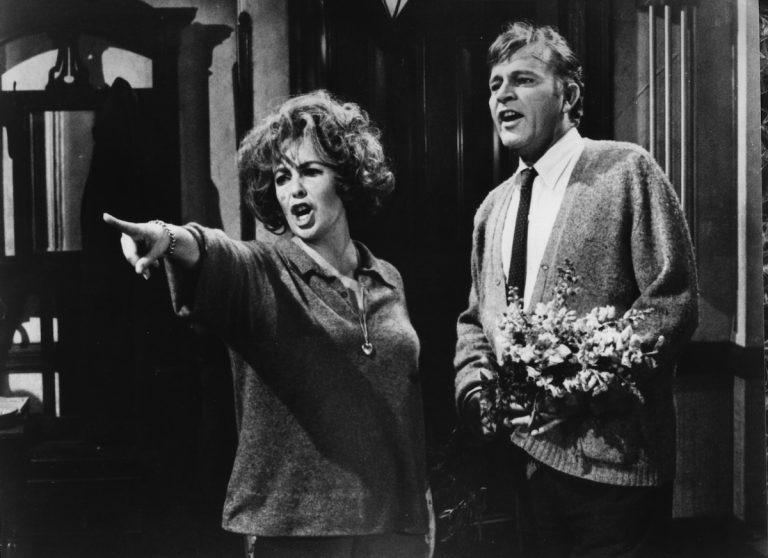
1) Who’s Afraid of Virginia Woolf?
2) Krisha
3) Rope
4) Fury
5) Pig
Megan
1) Who’s Afraid of Virginia Woolf?
2) Krisha
3) MRope
4) The Invitation
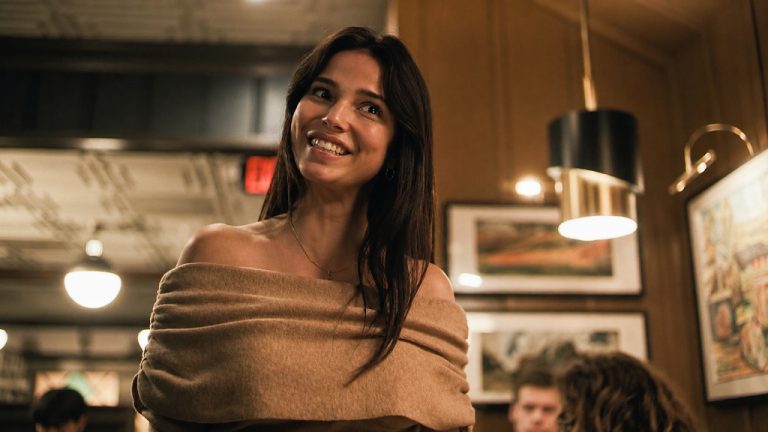
5) Shiva Baby
Honorable Mentions (Combined) Beauty and the Beast, Ratatouille, My Dinner with Andre, The Taste of Things, Phantom Thread, Gosford Park, The Feast, Pieces of April, Alien, Texas Chainsaw Massacre, You’re Next, The Birdcage, Mank, Lars and the Real Girl, The Beguiled
Hopefully you guys enjoyed our lists. If you agree or disagree with us, let us know in the comment section below. There are obviously many more dinner party movies that we didn’t have time to mention, so if your list looks very different than ours, we totally get it. That being said, what would be your Top 5? Leave a comment in the comment section or email us at [email protected].
For more lists done by the InSession Film crew and other guests, be sure see our Movie Lists page.
On this episode, On this episode, we discuss our favorite performances of the year so far! We’ve seen some incredible movies in 2026, but perhaps even more notable is the vast amount of memorable performances we’ve already seen. Truly a plethora of riches.
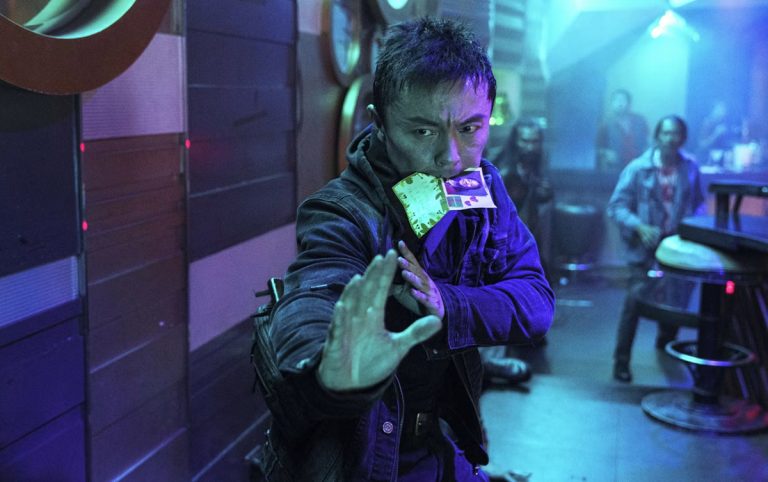
On this episode, JD and Megan discuss the latest film from long-time stunt choreographer turned director Kenji Tanigaki in The Furious! We were pretty hyped for this movie given the buzz coming out of TIFF last year and the raving early reviews a few months ago. And boy it did not disappoint, although there are a few things we had quibbles with.
Review:The Furious
Director: Kenji Tanigaki Writers: Mak Tin-shu, Lei Zhilong, Shum Kwan-sin, Frank Hui Stars: Xie Miao, Joe Taslim, Yang Enyou
Synopsis: A string of threatening emails escalates into a revenge plot involving a newly married US marshal and his ex-girlfriend in this true-crime documentary.
Netflix has become the undisputed home of true crime documentaries over the past decade. Whether it’s examining infamous murders, elaborate frauds, or courtroom dramas, the streaming giant has mastered the art of turning real-life headlines into compelling television. Audiences continue to be fascinated by these stories because they often reveal that reality is stranger than fiction. We naturally search for the answers to why people commit terrible acts, how investigations unfold, and whether justice is truly served. A Toxic Love Storypresents a compelling, emotionally charged case that constantly challenges the viewer’s assumptions.
The documentary centers on a sensational case from an affluent California suburb, where a young woman’s arrest for an alleged murder-for-hire style plot against her former boyfriend’s new wife quickly became headline news. At first glance, it appears to be a straightforward tale of obsession and revenge. However, as investigators begin untangling relationships, hidden motives, conflicting testimonies, and carefully constructed lies, the narrative becomes considerably more complicated. You’ll constantly question whether the obvious suspect is truly the villain or simply another victim caught in a web of manipulation.
Director Alexandra Lacey reconstructs events through first-class interviews, legal documents, recordings, and testimony that slowly build a fuller picture. While there are certainly dramatic moments, the greatest tension comes from uncertainty rather than constant twists. We also hear from people who answered the Craigslist rape fantasies ad, and they keep their identities hidden. It’s interesting to hear from them and their perspective on the case.
You’d be shocked and horrified at the idea that your partner’s ex would really put ads out on Craigslist for rape fantasies and send men to your door. Then we learn that this “victim” has a past in which she lied about having cancer and has lied about being pregnant with twins with her current partner, so can we really trust this attention seeker? But whilst we’re so quick to brand a woman as crazy, what happens when we look at the man in the middle of the love triangle?
This is a “monster of a case,” as said by a police officer in the documentary, and a lot of time is spent piecing it all together – while an innocent girl sits in prison.
What makes A Toxic Love Story engaging is its willingness to explore emotional manipulation alongside criminal investigation. It isn’t simply asking who committed a crime; it’s examining how unhealthy relationships can distort reality, encourage deception, and blur lines.
Visually, the production is polished without becoming overly stylized. The editing is equally effective, revealing information gradually without making the structure feel artificially manipulated. Unlike some true crime documentaries that deliberately withhold obvious facts to manufacture suspense, this film’s drama is revealed through careful pacing.
The interviews are where the documentary truly excels. Family members, close friends, investigators, journalists, and legal experts all contribute valuable perspectives, helping unfold and piece together what really happened. Importantly, nobody is presented as the definitive authority. Instead, the audience is encouraged to evaluate the evidence independently, making the viewing experience feel more like participating in an investigation than simply being told what happened.
A Toxic Love Story leaves room for discussion, as it is new without a concrete conclusion. Like Netflix’s strongest true crime entries, it recognizes that certainty is often elusive. Even when legal verdicts provide answers and some justice, there are still some questions left unanswered – and I feel we’ll never get them. If you want my opinion, two toxic people met one another and fed each other’s worst traits. Together, they created an unforgettable story that landed them both in prison.
A Toxic Love Story is another confident addition to Netflix’s ever-growing catalogue of true crime documentaries. It is intelligently constructed, emotionally engaging, and refreshingly more interested in understanding people than simply delivering shocking moments. It presents the uncomfortable possibility that the truth is rarely as straightforward as it first appears.
This week on the InSession Film Podcast, with Christopher Nolan’s latest film hitting theaters over the weekend, we discuss the remarkable success of The Odyssey! It crushed at the box office and dominated the social media discourse in a way that would bring David Lean so much joy. We also discuss the new trailer for Avengers: Doomsday and our Top 5 dinner party movies (inspired by The Invite).
– The Odyssey Success (3:16) We all expected good things from The Odyssey, but the numbers that it drew in over the weekend exceeded all expectations as it became the highest grossing opening for Christopher Nolan at $264 million worldwide. The people are craving good movies and salivating over practical filmmaking. Is this a turning of the tide for moviegoers? We discuss.
– Avengers: Doomsday Trailer (44:12) Watching the trailer for Avengers: Doomsday after The Odyssey was an extremely jarring experience. But, to be fair, it is a Marvel movie. And it looks like a Marvel movie. Considering the aforementioned shifting of the tide and where the MCU has been over the last six years, the bar is on the floor. We’re just hoping for a good movie.
– Top 5 Dinner Party Movies (1:30:42) We didn’t get as much time with this list as we hoped, but we still had fun talking about our favorite dinner party movies. This is kind of a tricky list as “dinner party” could be defined in several ways. And depending on your perspective, there are a ton of awesome movies that quality for this discussion, which made for a really fun conversation given how things played out. With that said, what did you think of of our lists?
If you want to help support us, there are several ways you can help us and we’d absolutely appreciate it. Every penny goes directly back into supporting the show and we are truly honored and grateful. Thanks for your support and for listening to the InSession Film Podcast!
Directors: Kwok Ka-Hei, Jack Lee Chun-Kit Writers:Kwok Ka-Hei, Jack Lee Chun-Kit, Devon Choi Ka-Hang, Ho Siu-Hong, Yung Ka-Ching Stars: Kenny Wong Tak-Ban, Ling Man-Leung, Renci Yeung
Synopsis:An influencer couple staged a harmless prank in pursuit of clicks and likes. Little do they know, their little escapade has gone out of control and spiraled into a real tragedy.
Each year, the Fantasia International Film Festival gives out the Cheval Noir award, based on a competition of about twelve to fourteen feature films that are supposed to highlight the very best that genre cinema can offer. “Supposed to,” because the first film shown in competition this year, Unidentified Murder, is one of the most unwatchable things I’ve ever seen at this storied festival and begins Fantasia’s main competition with a relatively sour taste in the mouth, when it should instead evoke strong emotions from ourselves.
It’s a real shame, because audiences need to be exposed to modern-day Hong Kong cinema, but there isn’t anything in this overlong 86-minute meta found-footage comedy that works, starting with a garish cold open that seemingly uses generative AI to create images that look synthetic. Reports online on its alleged use are conflicted – some Hong Kong reviewers have indeed said the film uses AI, while directors Kwok Ka-Hei and Jack Lee Chun-Kit have talked about the proliferation of the technology while not explicitly confirming it was used for the movie. However, the feeling was present that these images were not created by human hands, in its first two minutes, and that was already enough to sour my viewing experience.
If there isn’t AI used, it doesn’t really matter, because the film is still bad. It attempts to be a heightened “prank within-a-prank-within-a-prank” movie, but its structure begins to fall flat on its face almost immediately, where nothing new is actively being added to the film’s repetitive conceit. Essentially, it’s about a couple who wants to stage a prank on the same site where a child went missing, and the rest is so terribly written that it won’t take long for anyone (or you) to check out. While it might have interesting ideas at play about the rot at the center of influencer culture that is now permeating basically every single aspect of our everyday lives, both Kwok and Jack do nothing of interest to explore any of these ideas beyond their main narrative, which gets repeated ad nauseam until the biggest whimper of all endings.
There’s so much to say right now about influencers, especially in the wake of them invading all aspects of pop culture, not just in film, but also in marketing campaigns for sports, politics, and fashion. Unidentified Murder seems to take inspiration from the incident that made Logan Paul infamous, but doesn’t dare take a position on what it’s showing. Its brand of humor is offbeat, sure, yet the jokes rarely – if ever – land. Once it begins to repeat what we’ve seen before and show new angles of the prank, the movie loses steam so quickly that any interest we might have had about these self-centered characters immediately dissipates, and all we want to do is leave the cinema as soon as humanly possible.
The actors might be giving their all, but they are serving a screenplay that gives them nothing to work with. Just one painfully unfunny situation after the next that makes you think the directors are stretching their runtime to fill dead air. In fact, this is essentially Dead Air: The Movie, a film that thinks it’s funny by repeating the same joke endlessly and making you believe an 86-minute runtime is longer than all of the extended editions of The Lord of the Rings trilogy combined. It’s even worse when the film’s visual language is neither appealing nor inventive, even when it shows us the multiple camera angles that will be used to capture the “prank.”
A movie devoid of any interest at the world’s biggest genre film festival is always disappointing, but it was bound to happen eventually. With Nicolas Winding Refn’s Her Private Hell, we might have cleared the worst of this (very) long festival and hope that whatever I see next will be much better than the first title vying for the Cheval Noir award out of the gate. There are some definitely good-looking movies playing next, and there’s hope that this 30th edition of Fantasia will pick up much sooner than later, or else it’s going to be an interminable three weeks full of promising – but ultimately disappointing – genre offerings within the Concordia walls.
Long before humanity learned to record history, before civilizations raised monuments meant to outlast generations, and before philosophers sought to organize existence through systems of logic and reason, people gathered beneath the night sky and told stories. They shared them beside fires that held back only a fraction of the darkness, under stars that seemed close enough to touch yet impossibly distant, in a world of beauty, terror, and forces beyond their control.
These stories were never merely entertainment. They were humanity’s earliest attempts to confront existence itself—to understand love and loss, tragedy and triumph, mortality and meaning. They asked questions that remain unanswered thousands of years later: Why do the people we love disappear? Why does suffering arrive without warning? Are we truly shaping our own destinies, or are we moving through forces far greater than ourselves?
Ancient myths were not born from humanity’s ignorance, but from its awareness of limitation. Their creators understood something modern culture often struggles to accept: not everything meaningful can be reduced to an explanation. The universe is more than a collection of facts waiting to be catalogued. Human existence is more than biology, chemistry, and measurable events. Some experiences remain powerful precisely because they cannot be completely explained.
Myth lived within that space between knowledge and mystery. It gave form to what language could not fully capture—through symbols that evoked rather than defined, through stories that invited reflection rather than simple understanding. It did not seek to eliminate uncertainty. It taught humanity how to live alongside it.
This is why myths endure. Civilizations disappear, languages fade, and kingdoms once thought eternal become fragments of history. Yet certain stories survive because they were never truly about the cultures that created them. They were about the universal questions every generation inherits. They remind us that humanity does not only seek information; we seek meaning. We do not simply want to know how the world works. We want to understand what our existence within it means.
Few stories embody this better than Homer’s “The Odyssey,” an epic that has traveled across nearly three thousand years of human history and continues to resonate. It is not merely an adventure about a warrior attempting to return home. Beneath the monsters, gods, battles, and legendary encounters lies something far more personal: the story of a man who leaves one version of himself behind and must discover whether the person who returns can still belong to the life he once knew.
On the surface, “The Odyssey” follows Odysseus across the sea as he struggles to reclaim his kingdom of Ithaca. But its deeper truth is that home is never merely a location. Home is a memory. Home is identity. Home is the people who remember who you were before the world changed you.
This is the tragedy at the center of Odysseus’s journey. He does not simply fight to reach Ithaca—he wrestles with whether Ithaca still exists for him. The man who left for war was a king, husband, father, and hero. The man who returns has been shaped by violence, loss, temptation, isolation, and years spent confronting forces beyond human control.
His journey is not only a test of courage or intelligence. It is a transformation. By the time he reaches home, the question is no longer whether he survived, but whether survival has cost him the very identity he fought to reclaim.
Penelope’s patient loyalty, Telemachus’s uncertain growth into adulthood, and the suitors’ destruction of hospitality create a story about fractured time and eroded belonging. Odysseus’s greatest weapon is his cunning (mētis), allowing him to overcome enemies stronger than himself. Yet that same cunning also isolates him. Every disguise, every false name, and every carefully constructed deception pushes him further away from any simple understanding of who he truly is.
This is precisely what makes Christopher Nolan’s decision to adapt The Odyssey such a fascinating artistic choice. Few contemporary filmmakers have shown a greater interest in humanity’s relationship with the unknown. Nolan has built his career around characters confronting realities larger than themselves—the nature of time, the limits of perception, the consequences of discovery, and the fragile connection between memory and identity.
He is not simply a filmmaker of spectacle. His greatest strength has always been his ability to connect enormous ideas with deeply human emotions. In Interstellar, the mysteries of space become a story about love, distance, and the unbearable passage of time between a father and daughter. In Oppenheimer, the creation of the atomic bomb becomes less a story about scientific achievement than about the moral consequences of knowledge humanity cannot control. In Dunkirk, historical scale becomes an intimate portrait of survival, fear, and human endurance.
Yet this same strength creates the central challenge of adapting Homer’s epic.
Nolan’s cinema is built around the pursuit of understanding. His characters encounter impossible realities and attempt to uncover their hidden structures. They investigate, calculate, decode, and analyze. Their greatest power is their ability to comprehend what others cannot.
There is something deeply admirable about this instinct. Nolan celebrates curiosity, intelligence, and humanity’s refusal to accept limitations. His films suggest that even when confronted with the impossible, the human mind continues reaching outward.
But Homer’s The Odyssey emerges from a fundamentally different worldview. Homer’s The Odyssey does not suggest that humanity’s greatest achievement is understanding the unknown. Instead, it suggests that our greatest challenge is learning how to exist alongside it.
The gods of Homer’s world are not puzzles waiting to be solved. They are forces that represent the unpredictable nature of existence itself. Poseidon’s wrath is not merely an obstacle for Odysseus to overcome; it is a reminder of human vulnerability before forces beyond mortal control. The sea is not simply a physical barrier between Odysseus and home. It represents the chaos of life—the storms that arrive without warning, the losses that cannot be prevented, and the moments when human ambition meets its limits.
The Sirens do not offer knowledge to be mastered. They offer temptation. Circe’s transformations and Calypso’s island do not exist merely as challenges for Odysseus’s intelligence. They test his endurance, his identity, and his ability to remain connected to the life he is trying to reclaim.
This distinction changes the meaning of the story itself. Nolan’s greatest works often explore humanity reaching beyond itself and discovering the consequences of that pursuit. His characters seek answers because understanding represents survival. But Homer presents a world where some mysteries are not meant to be conquered. They are meant to be respected.
Homer’s universe does not demand that humanity solve mystery; it asks us to respect it. The ancient Greeks understood something modern storytelling often struggles with: sometimes the universe offers no explanation. Sometimes suffering arrives without a lesson. Sometimes intelligence and determination are not enough. Sometimes human beings must simply endure.
Penelope’s years of waiting, Telemachus’s quiet growth without his father, and the destruction of Odysseus’s crew are not moments waiting for simple resolution. They exist within the uncertainty of human experience. The suitors are not punished because the universe operates like a simple equation of crime and consequence. Their actions violate a deeper moral order—the sacred responsibility of hospitality, loyalty, and respect between people.
The power of “The Odyssey” has never come from providing easy answers. It comes from recognizing that some truths are found not through explanation, but through endurance.
This is also where the women of Homer’s epic reveal another important tension. Penelope, Circe, and Calypso have endured for centuries because they are not merely obstacles or supporting figures within Odysseus’s journey. They represent different forms of power, desire, intelligence, and emotional complexity.
Penelope’s strength is not passive waiting. Her loyalty is an act of resistance, using patience and intelligence to preserve a home that has been threatened by chaos. Circe is not simply a temptation for Odysseus to overcome; she is a figure of transformation, knowledge, and power in her own right. Calypso is not merely a distraction from the journey home, but a representation of comfort, immortality, and the painful temptation to abandon the difficult responsibilities of human life.
One challenge of Nolan’s adaptation is that his instinct toward psychological explanation can sometimes reduce mythic figures into clearer emotional functions. Characters who once contained contradictions and symbolic depth risk becoming easier to categorize. The performances may bring humanity and complexity to these figures, but the screenplay occasionally struggles to preserve the larger mystery that made them endure.
This is the central tension of Nolan’s The Odyssey. The issue is not that he misunderstands Homer. In many ways, he understands the epic better than most filmmakers could. His respect for the material is clear. His fascination with grand ideas, philosophical questions, and human ambition makes him an inspired choice to bring this story to the screen.
But Nolan approaches the material with too much understanding and not enough surrender. He transforms the mysterious into the mechanical, the spiritual into the intellectual, and what was meant to be experienced into something meant to be analyzed. His vision creates a world of extraordinary scale, with breathtaking large-format cinematography, practical craftsmanship, and images that remind audiences why cinema remains such a powerful art form.
Yet myth has never survived through accuracy alone. A filmmaker can recreate ancient worlds with incredible detail, construct breathtaking environments, and create unforgettable cinematic moments while still struggling to capture the feeling that allowed those stories to survive for thousands of years.
There is a difference between recreating myth and preserving the feeling of myth. Nolan’s The Odyssey understands the physical world of Homer’s epic. The kingdoms feel alive. The ships carry weight. The monsters possess a terrifying presence. The craftsmanship is undeniable.
But mythology has never existed because humanity wanted to see larger versions of reality. It endured because it revealed something deeper about ourselves.
The Cyclops was never frightening simply because he was enormous. The Sirens were never memorable because they were visually impressive. These figures survived because they represented something within the human soul: arrogance, temptation, isolation, longing, and the desire to abandon purpose. They were not merely obstacles standing in Odysseus’s way. They were reflections of humanity itself.
By bringing these creatures into complete cinematic reality, Nolan creates images of astonishing power. Yet that clarity can sometimes diminish the uncertainty that made them meaningful. The more fully explained they become, the less space remains for imagination.
And that is where the difference between spectacle and wonder becomes essential. Spectacle impresses us; wonder humbles us. Spectacle celebrates what human beings can create. Wonder reminds us that there are things beyond our ability to contain. Spectacle makes us look outward at the scale of an image. Wonder makes us look inward and question our place within something larger.
Nolan remains one of cinema’s greatest visual filmmakers, and there will undoubtedly be moments in The Odyssey that achieve a grandeur only the theatrical experience can provide. But grandeur alone is not the same as awe.
The deepest power of Homer’s epic was never simply that Odysseus overcame impossible challenges. It was that he discovered the limits of his own power. His journey is not a simple story of victory. It is a story about transformation, loss, and the painful realization that returning home does not mean returning unchanged.
Odysseus does not defeat the mysteries of existence. He survives them.
Myth was never humanity’s escape from reality. It was humanity confronting reality in its most difficult form: uncertain, contradictory, and larger than any single perspective.
This is why The Odyssey has endured. It does not promise that every mystery can be solved. It offers companionship in the face of uncertainty. It reminds us that some truths become more meaningful because they remain beyond explanation.
Nolan’s adaptation represents a fascinating contradiction. He is a filmmaker whose greatest gift is creating systems, patterns, and structures that reveal hidden truths beneath chaos. His cinema often finds order within confusion.
But The Odyssey resists that impulse. Its deepest power exists in the spaces between answers. It asks us to sit with uncertainty rather than overcome it. It suggests that wisdom does not always come from discovering the truth behind a mystery, but from accepting that some mysteries are part of being human.
Nolan’s The Odyssey is an ambitious and technically remarkable achievement—visually stunning, intellectually engaged, and deeply committed to exploring one of humanity’s greatest stories. Yet in its pursuit of clarity, it occasionally loses the uncertainty and spiritual weight that allowed Homer’s epic to survive for thousands of years.
Homer leaves us humbled before forces beyond our comprehension. Nolan leaves us contemplating the extraordinary reach of human intelligence. Both experiences are powerful. Both have value. But they are not the same.
And in the space between them lies the quiet vanishing of myth’s deepest magic.
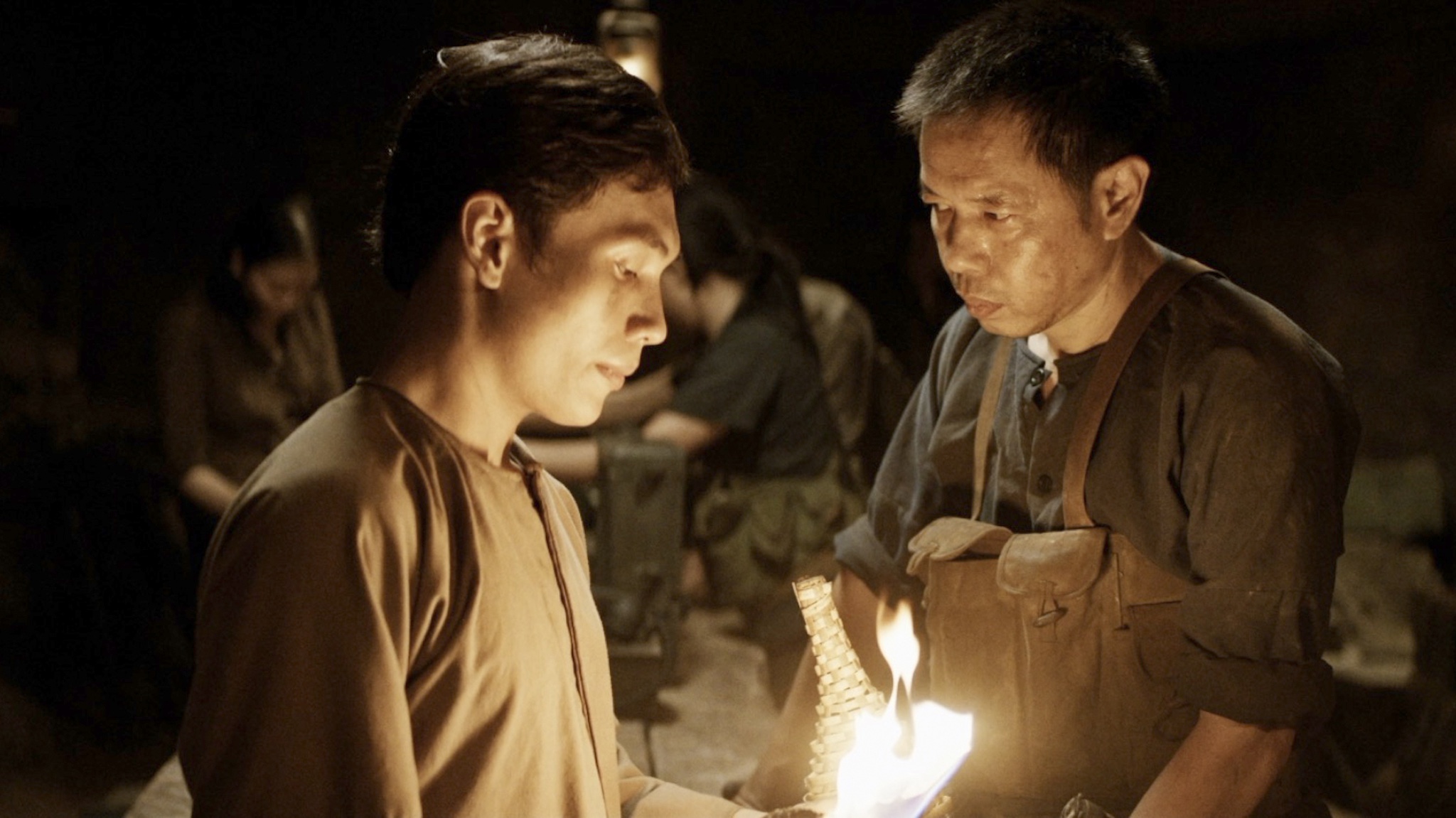
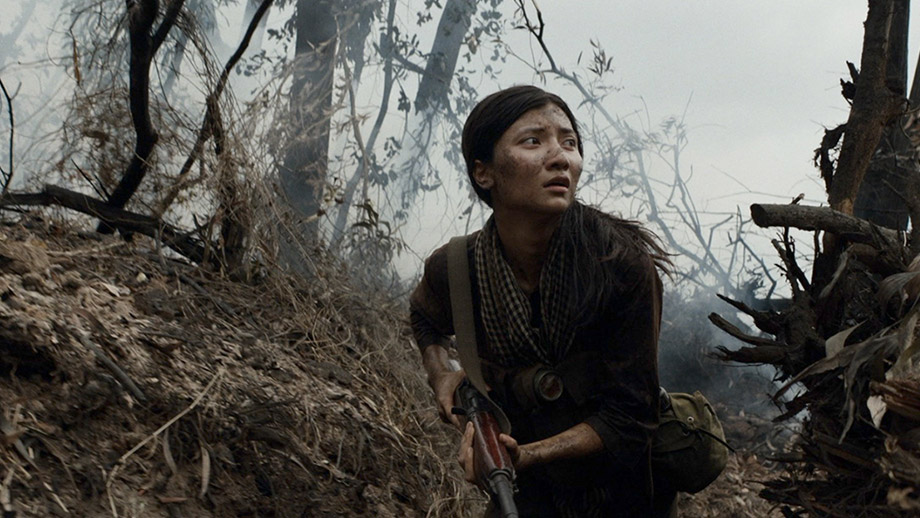
Synopsis:In the Vietnam War, the 21-man guerrilla team becomes the US military’s number one SEARCH, SEEK, AND DESTROY target when assigned to protect a group of strategic intelligence whose radio communications take away the only advantage – the invisibility in the mysterious tunnel system.
It’s hard to discuss a movie like Tunnels: Sun in the Dark, which had its North American Premiere at the Fantasia International Film Festival. It’s difficult because, while the story holds great importance, the film itself leaves a lot to be desired, even if it has time to build characters we want to latch onto and to reframe the horrors of the Vietnam War outside the Americanized lens that has dominated its filmic representations.
Showcasing exactly what the U.S. Army did to innocent Vietnamese civilians deserves our commendation, especially when depicting a story with little to no heroes on either side. The war was one of the most horrific moments in world history, which is something that America refuses to reckon with, even to this day. It’s even more horrifying in the film when the U.S. side isn’t directly shown, yet always looms over the underground tunnels where our main characters operate.
In fact, as soon as director Bùi Thạc Chuyên cuts to the Americans and gives them a face, the palpable sense of tension that defines the movie’s first hour disappears. More bad decisions begin, and it’s where the film begins to fall apart, even as it remains sturdily crafted. The action sequences leave a sense of dread, as Chuyên does not hold back in his depiction of the Viet Cong in relation to the U.S. Army’s actions. The fact that the movie is told entirely from the perspective of Viet Cong soldiers adds authenticity to the story, especially when the end credits feature a mini-documentary on the characters we saw in the film, who explain in detail how the tunnel system was conceived and structured.
That part is the film’s most emotive and raw, but the journey to get there is slightly rough around the edges. For instance, none of the characters are well-developed, even though we spend a lot of time in the tunnels and see their plans to resist the oppressive forces of the U.S. I couldn’t tell you who does what or how the tunnels work, based on the movie, because Chuyên never gives that crucial piece of information to the audience. He only does so during the documentary part, but that’s at the end of the movie, not when clarity is needed.
The action is also hit-or-miss. Some of the CGI feels artificial, and several explosions are unintentionally funny, even if it wasn’t the director’s intent, because the film is always grounded in the harsh reality of the Viet Cong’s lives. However, the way some of the action is staged immediately dilutes that impact and renders most of the emotional tension moot, which is a shame, because when Tunnels: Sun in the Dark eventually reaches a horrifying conclusion, the feeling one has in seeing the claustrophobic confrontation between the U.S. and Viet Cong doesn’t hit the required emotional notes to make the documentary part feel valuable.
Still, one can’t overstate the film’s importance. It is one of the rare Vietnam War movies to tell a story from the perspective of its victims rather than its oppressors, and such a title deserves to be lauded and shown to as many audiences around the world. The performances from its actors aren’t bad, but one would’ve hoped they’d have more texture from a screenplay that never fully gives them ample room to breathe. But we do ultimately feel as if our time was not wasted in watching a movie that seems to be the first of its kind, as an attempt to reframe what truly happened during the Vietnam War and showcase how the United States’ war crimes permanently scarred an entire population.
The U.S. may not be prepared to reckon with its barbaric actions in Vietnam, but Bùi Thạc Chuyên is ready to lay it all out and give the victims their opportunity to tell their side of the story, and hope that the public is willing to listen to them and understand why they had to do what they did to survive. Their physical and psychological scars will never fade, but there is hope their stories will bring them closure to the most horrifying years of their lives, ones they still have vivid memories of as soon as they close their eyes…
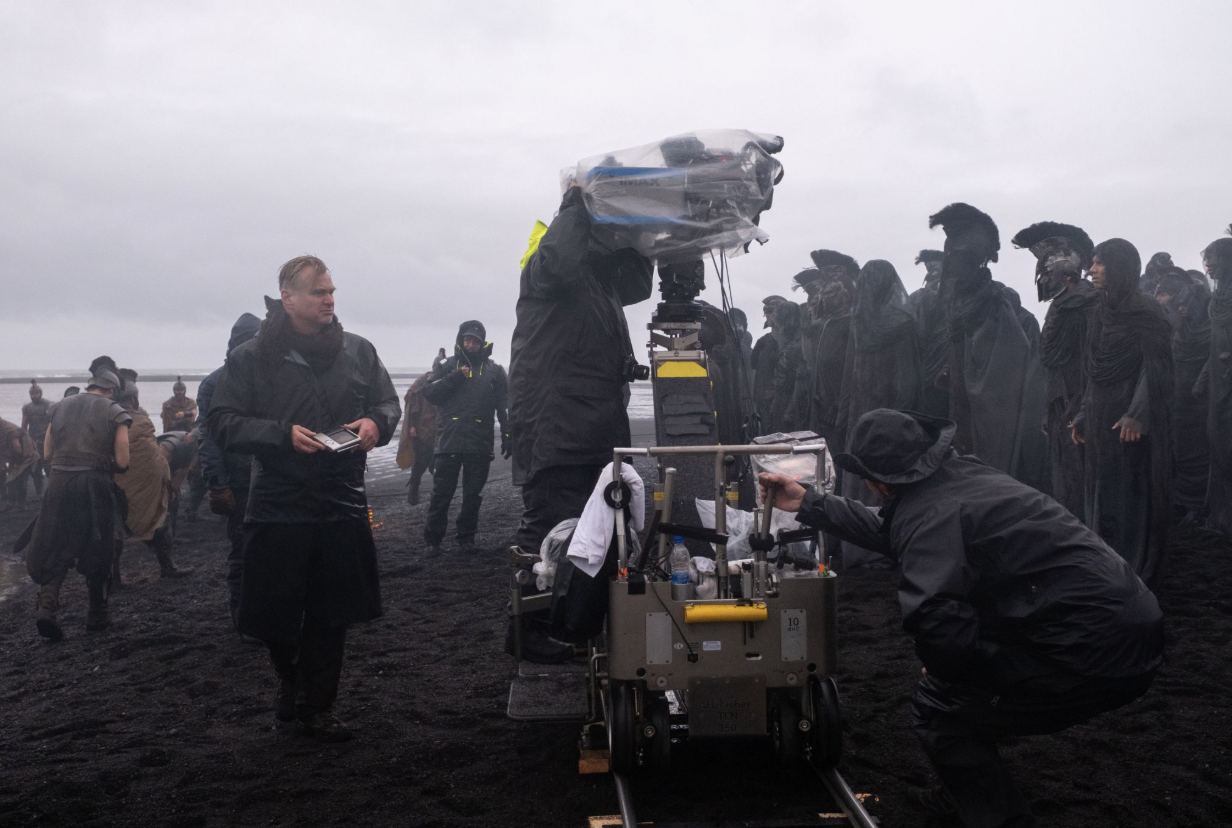
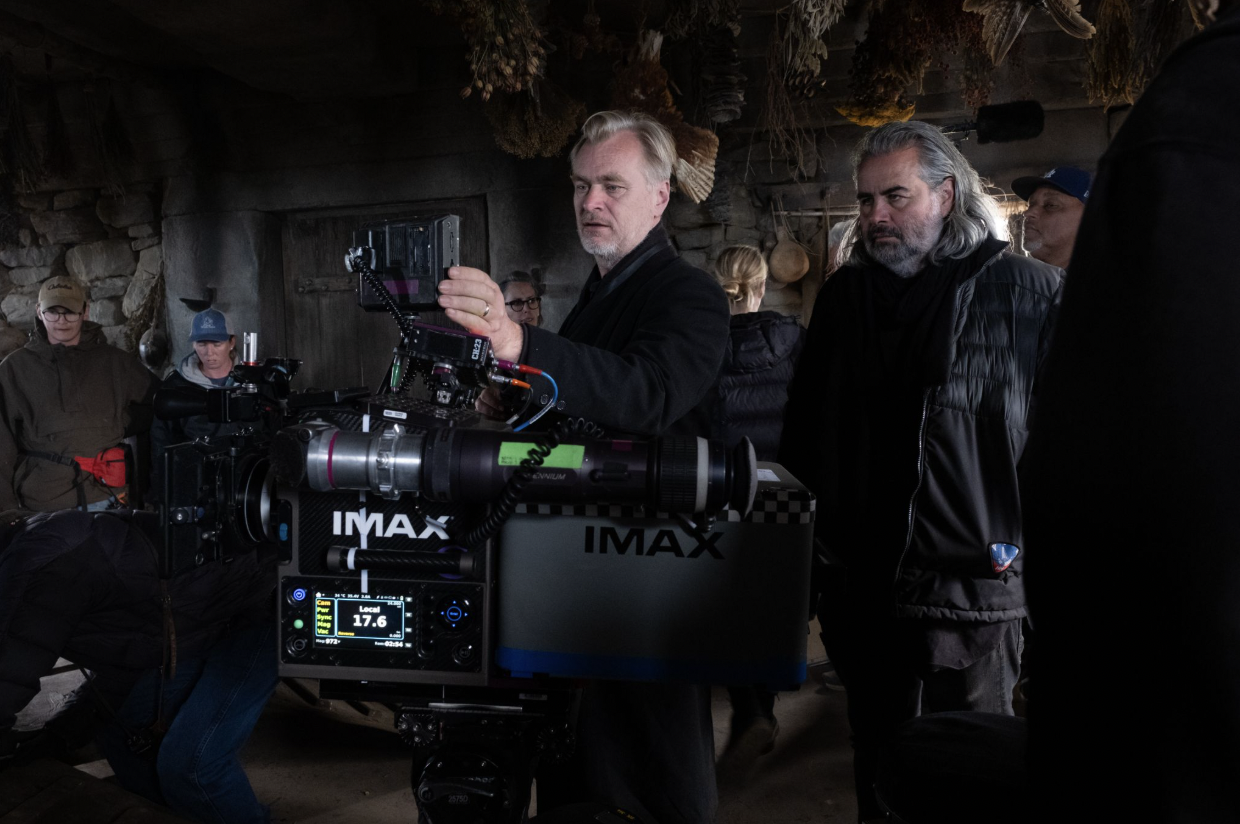
Welcome to Following Direction, a new recurring series at InSession Film that charts the careers of directors through the lens of the themes commonly explored in their work. To kick things off, I’m taking a look at the mighty Christopher Nolan and his newest epic, The Odyssey, and how his career hasn’t just been about examining our relationship with time, but to our loved ones, and the lengths his characters are willing to go to return to them. (Warning: Minor spoilers for The Odyssey will follow.)
Perhaps you haven’t heard: Christopher Nolan has a thing for time. A concept and a constant, he treats a realm that is fundamental, yet unequivocally incomprehensible like a sandbox packed with sandcastle molds for him to build empires of varying time periods within. Perhaps because of this, many seem to think his films are puzzles. On the contrary, they are palindromes: stories that can be told the same no matter if you choose to travel backwards or forwards but always reach the same end point, where a man reckons with his place and the consequences of his actions. Like all great storytellers, he manages to sculpt living creatures lacking strict compositions with the grains beneath his feet; no kingdom is complete without a king, queen, and the subjects over which they rule, after all.. It was ultimately a given, then, foreseen by the Gods that the modern king of the blockbuster would select The Odyssey, the oldest story ever told, as his next conquest, a tale that not only contains beings of all shapes, sizes, and species, but lends itself rather nicely to the idea of how time cannot be turned back no matter how much plot armor we assume we possess, and what happens when it’s gone: To us, and to those we’ve left behind.
For as much as time – seconds, days, years, etc., whether viewed backwards or forwards – is Nolan’s most commonly cited preoccupation, man’s journey home to a world forever changed has been just as omnipresent in his films from the beginning. Specifically, has always had his eye on how the impact of missing or losing loved ones can alter the course of the character’s life forever, whether it’s something as simple as swaths of broken men being evacuated from a war-torn French beach in Dunkirk so they can return home to the arms of their families or as complex as the nightmare plaguing Memento’s Leonard Shelby (Guy Pearce), an amnesiac attempting to piece together the puzzle of his recent, traumatic past to find the men who bludgeoned his memories away before raping and killing his wife.
No one aside from those who Nolan holds closest will likely ever know where such dark fixations derive from given the director’s penchant for privacy. (Although who knows, maybe they haven’t the slightest, either.) He prefers things that way, after all. Most still refuse to believe that Nolan doesn’t own a cell phone or have an e-mail, but his privacy would never be put on trial due to how quickly any prosecutor would be laughed out of the courtroom. “I don’t want people to know anything about me,” he told The Hollywood Reporter’s Scott Feinberg in 2015. “The more you know about somebody who makes the films, the less you can just watch the movies … I actually don’t want people to have me in mind at all when they’re watching the films, genuinely.”
Of course, it feels that there should be more to that impenetrability, a catch-all reason that Nolan himself must surely one day explain in great detail. But what if he’s already done so, spilling his guts on the page and screen rather than in the trades or on a podcast? (Is Christopher Nolan familiar with podcasts?) Under Nolan’s Law, we may be forbidden from analyzing the man behind the camera while the picture is moving. But he never said anything about what we are or are not permitted to do once the reel has spun out. That’s what this newessay series is designed to do: To attempt a daunting but endlessly rewarding task. We will examine the motifs the filmmakers in question return to throughout their oeuvres, displaying dissectable connections to such ideas and offering us an opportunity to maybe, just maybe, bring us closer to their work and their core principles.
One of the things I love most about film as an artform is that it grants viewers the gift of not only witnessing someone’s vision come to life, but to hand over their hearts for us to hold.. No artist is ever not drawing on inspiration of some kind, and sure, they may simply feel called to a story because of taste or general interest, but where does that come from? I’m not a psychologist, so I won’t pretend to be one here, but cinema is a form – more than any other – where there is always more than meets the eye. (Note: “Eye.” You’re welcome, Cyclops.) I intend to look beyond, through time and space, to claim a better grasp on whatever it is the filmmakers I select for these pieces are searching for.
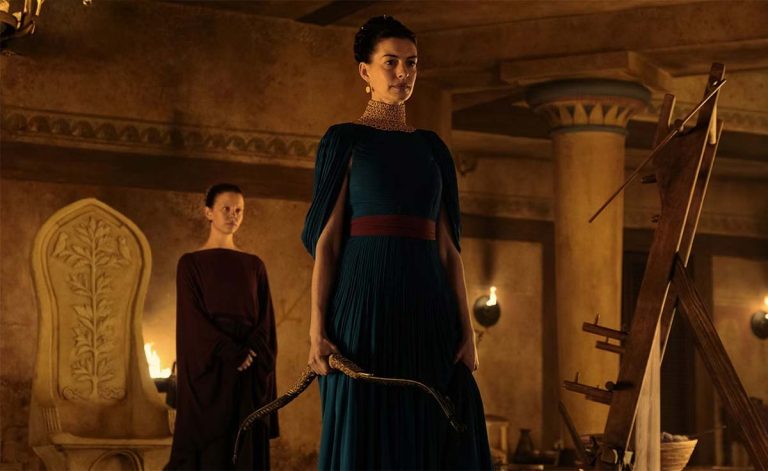
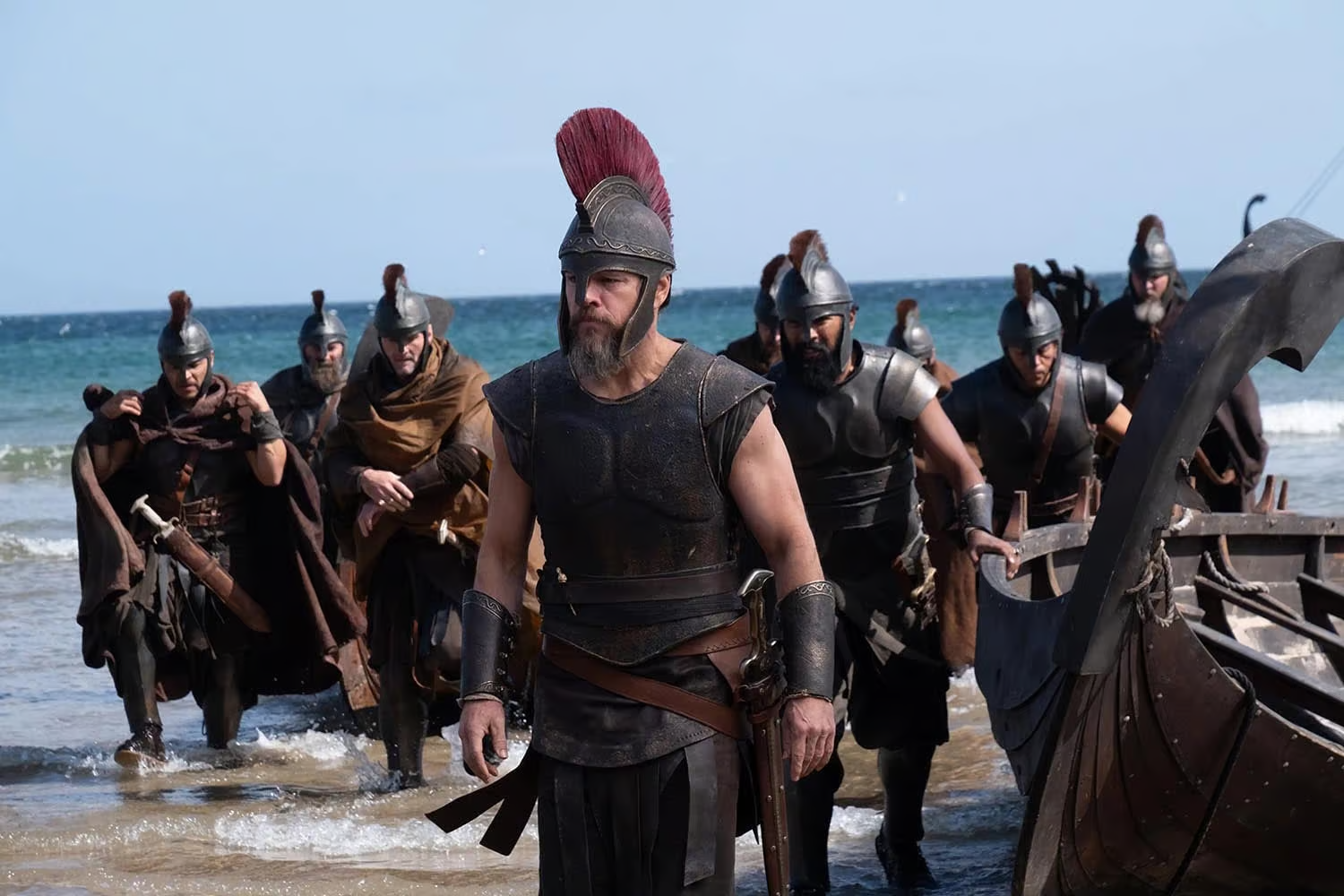
Odysseus (Matt Damon) is a man possessed by the things he can control. Or thinks he can, at least. Should we take his strongest detractors at their word, he’s a lot like Christopher Nolan in that way: A man of great power and responsibility, yet one who operates in a world of unpredictabilities. The fact that he repeatedly seems to maintain even a shred of governance over something so volatile is masterful in and of itself. So it may not come as a surprise to learn that The Odyssey is an enormous, epic triumph, a brilliant adaptation of a tale as old as time that looks even more inward than its original author may have ever imagined it could. Finally, a grand victory for the Woke Left.
If Homer were to witness Nolan’s adaptation of his epic poem, all 172 minutes of it, he’d likely break out in a lethal batch of hives and find a band of Sirens to turn himself over to before the rash did him in. It might only take Ludwig Göransson’s most audacious score to date to accomplish that, in fact, but the scale of it – both in narrative terms and if seen in Nolan’s preferred IMAX/70MM film format, a wonder to behold that cinematographer Hoyte van Hoytema spares no expense in capturing – would do him no favors. It’s a faithful adaptation, but as is only natural for the form, liberties are taken. As he is wont to do, Nolan and his Oscar-winning editor, Jennifer Lame, let the story unravel in a non-linear structure, frequently shifting back and forth through time so as to fill in the gaps in everyone’s assumptions about our main character’s whereabouts. They treat The Odyssey like the manipulative nymph Calypso (Charlize Theron) treats Odysseus’ mind, as a sieve through which memories can escape when it is their turn to do so, only revealing themselves when our hero is ready, thus so are we.
“Who here has a story about Odysseus?” Menelaus (Jon Bernthal) shouts into a banquet hall after the Trojan War hero’s son, Telemachus (a best-ever Tom Holland), enters his kingdom in search of truth or rebuttal to the rumors about his father’s whereabouts. The stories that travelers are all too willing to tell tend to be just that: Rumors. Most of them provide his only child and beloved wife, Penelope (Anne Hathaway, predictably great) with no proof of life in either direction, yet their hope remains. One day, the King of Ithaca will return to his throne, reclaiming it from the many slimy suitors occupying his house (Robert Pattinson is tremendous as the particularly sniveling Antinous) and reuniting with those he left behind. His trusty swineherd Eumaeus (John Leguizamo, excellent) will regain his master; so, too, will the near-dead Argos, Odysseus’ hunting dog who has only managed to stay alive over the 20-year absence of his best friend on the prayer that he’ll give him one more pet before he wags his tail for a final time.
Director Christopher Nolan (frame left) on set of his film THE ODYSSEY, written, produced, and directed by Christopher Nolan. | Melinda Sue Gordon/Universal Pictures
But it is Penelope and Telemachus that carry the greatest burdens. A wife without her husband; a boy without a father, unable to truly embrace manhood without a patriarchal hand dangling a lantern over his shoulder, lighting the way. Though the passage of time is certainly a constant throughout Nolan’s 13th feature film – certainly as it relates to the decades that have passed since Odysseus left his kingdom behind – it’s the thought of coming home to his family that plagues him most, the unknown of what will be there when he returns pulling him further from its once-safe harbors like a whirlpool dominating its sector of the sea. After he survives an encounter with the famed Sirens, whose song is known to entice even the strongest men to leap overboard and swim into their fatal clutches, he laments this very fact, telling his second in command, Eurylochus (a transfixing Himesh Patel), that their tune disclosed an uncomfortable notion:
“What you most want is what you most can’t have, and what you most can’t have is what you already had and lost. It sang of all the promises I couldn’t keep. And it told me I don’t really want to go home.”
Much like Nolan’s previous film, 2023’s Oppenheimer, his latest tells the story of a great man who took responsibility into his own hands only to learn of its consequences after it was already too late; a man who thought his choices could potentially destroy the world, yet never ran the calculations intentionally enough to prevent that from happening altogether. More than the “world,” however, it’s the destruction of the home he vaguely remembers that Odysseus fears most. Moments prior to the grand climax of the finest, the most stirring final act of Nolan’s career – one that also happens to feature the strongest single stretch of acting we’ve ever seen from Zendaya – a character considers why the godlike man at its center stayed away for so long:
“What if he knew that very night [in Troy] as he walked through fires of anarchy and pain, and in a daze of sweaty celebration to follow…What if he knew exactly what he’d done? Maybe he couldn’t bear to see the ruins of what he’d done anywhere, least of all his home?”
It’s this sentiment that drives The Odyssey – that and the idea that the power of a sacrifice is in the cost to the person making it – and has driven everything Nolan has made to this point. It’s only now that he has verbalized it in such a despondent way, as if in acknowledgement to the current state and impending future of our world, the one unfolding thousands of years after Homer’s. In the past, Nolan’s visions of family and of home have been akin to beacons. Try Inception on for size, should you dare: In a dream, Dom Cobb (Leonardo DiCaprio) stands on a building’s ledge as his wife Mal (Marion Cotillard) dangles from one out of reach, moments before she commits suicide in the hopes that it might free him from the guilt he feels in response to her death, his supplying her with the thought that her world wasn’t real, and his abandonment of their children. He once thought about calling out to their “beautiful faces” while in limbo, but deemed his efforts too little, too late. Yet not until May told him that they were “going home to [their] real children” did Cobb understand that it was written in the stars: “I did what I had to do to get back to my children,” he later recalls.
He did what he had to do. It’s a problem that all of Nolan’s men face, and from one time-bending thriller to the next, it remains. Interstellar may be the finest pre-Odyssey example of a story driven by man’s tortured impulse to get back to where he once belonged, with the relationship between Coop (Matthew McConaughey) and his daughter Murph (played as a child by Mackenzie Foy and as an adult by Jessica Chastain) residing in its heart. Planet-threatening forces cause a father to leave his daughter behind for “greater” responsibilities in the cosmos, that desertion fracturing their bond as time sits still for him and flies by for her. It is punishment for Coop to receive a video message from his little girl, suddenly all grown up, in which she begs for his return:
“You son of a bitch. I never made one of these when you were still responding because I was so mad at you for leaving. And then when you went quiet, it felt like I should live with that decision, and I have. But today is my birthday. And it’s a special one, because you told me… You once told me that when you came back, we might be the same age. And today I’m the same age you were when you left. So it would be a real good time for you to come back.”
Murph might understand what her father told her as he said goodbye all those years earlier – that “once you’re a parent, you’re the ghost of your children’s future” – but she’ll reject it until the cows come home because she refuses to let Coop exist as a ghost, convinced, not unlike Telemachus that her dad will be back someday. Interstellar’s odyssey just takes a bit longer than that of the man who takes his name from the journey. Coop makes it back in time for Murph to become their ghost. It’s a beautiful, emotional finale that serves as a counter to the silly insistence that Nolan lacks warmth. As Justin Chang wrote for NPR, “Nolan, whose style has often been dismissed as coldly intellectual, is one of our most emotionally driven filmmakers.”
Nolan’s first masterpiece, 2000’s Memento, proved his emotionality early on, and could theoretically be seen as his first attempt at cracking The Odyssey. At least its consideration for memory, anyway. As he slowly but surely gets his bearings on his shattered life, Leonard (the aforementioned Guy Pearce) realizes how pivotal it can be just to believe in a truth, confirmation be damned:
“I have to believe in a world outside my own mind. I have to believe that my actions still have meaning, even if I can’t remember them. I have to believe that when my eyes are closed, the world’s still there. Do I believe the world’s still there? Is it still out there?…Yeah. We all need mirrors to remind ourselves who we are. I’m no different.”
Those words exist among the greatest Nolan has written to date not only because it came so early in a storied career full of memorable monologues, but because they holistically weigh the past as an entity and its repercussions as a single unit. “If we can’t make memories, we can’t heal,” Leonard also notes, just as wisely and in spite of his pain. His wife may be gone, but to sit with grief is to remain captive. And how can man properly grieve – a process that concludes, of course, with acceptance – if he is incapable of seeing a short-term future in which one’s terrible past lacks as strong a grip as it once had? To borrow some words from Tenet that fit Memento’s bill, “What happened, happened.” As it had to; as it was always going to.
And who could forget about The Prestige? (Too many, far too often.) If there was ever a film tailormade for Christopher Nolan’s instincts, it would be one about magic, though what is to be taken away from that dazzling trick of a movie is somehow a bit more dour than the rest. (Another wife dies here.) Hoping to comfort Robert Angier (Hugh Jackman) after his wife drowns during an underwater stunt gone wrong, John Cutter (Michael Caine) tells the story of a sailor who nearly met a similar fate. He tells it twice, first claiming that the sailor said drowning felt like “going home,” only later revealing the truth: He actually said it was agony.
Much of The Odyssey takes place at sea. Odysseus and his men nearly drown on multiple occasions. On his inevitable journey back to Ithaca – WHOA, spoiler for a book you should have read in high school – he manages to evade Poseidon’s wrath and the agony that would surely come with it, washing ashore and meeting his invisible confidant, Athena, on the rocks. “Where am I?” he asks. “Don’t you recognize your own home?” she replies with a smile, and he springs out of his waterlogged stupor, eager to trudge to the mountaintop, to see the kingdom he had all but lost to the currents of time. If Calypso had her selfish way, Odysseus would have never made it back. But she freed him to try when the time came. “You weren’t ready to go home,” she proclaimed. Furious, he retorts, “I am now.” With some of her final words, Nolan writes for Calypso what he may have been writing for himself: “As I always knew you would be.”
L to R: Director Christopher Nolan with Cinematographer Hoyte van Hoytema, ASC on set of his film THE ODYSSEY, written, produced, and directed by Christopher Nolan. | Melinda Sue Gordon/Universal Pictures
It’s only fitting that this story should end with the beginning.
My “discovery” of Christopher Nolan is far from unique; I almost wrote here that it is likely a “discovery” that many mid-to-late 20-somethings share, but I stopped myself, recognizing that it’s probably similar to how the vast majority of people who have ever watched a movie came to know the then up-and-coming auteur’s name. (To those of you who saw Memento at the time of its theatrical run, you’re free to shudder.) Of course, it all began with 2005’s Batman Begins, the first entry in Nolan’s trilogy chronicling the origin and ensuing adventures of the Caped Crusader played by Christian Bale. I came of age during the Comic Book Movie Boom and was a Spider-Man kid, but Batman ran a close second, his air of mystery and fury serving as a shot to the spunky, teenaged chaser I foolishly downed before the burn rather than after. Batman Begins is one of my earliest moviegoing memories; my parents, reasonable but strict when it came down to what we watched, were not privy to the tone Nolan would run with. I didn’t care. What budding, seven-year-old cinephile would? The midnight images washed over me like a cap clouding an enemy’s vision in the heat of a battle lost before it began. I was transfixed, grappling hook, line, and sinker.
Arguments will be made until suns go up, down, and up again about whether or not Bale’s portrayal of Bruce Wayne is the lasting one, but few can reasonably be had about what Nolan (and David S. Goyer, his co-story author on all three of his Batman films) did with the character. Batman Begins charted, well, the beginnings of the superhero’s arc: fearing bats before flipping that terror on its head and using it as a symbol he’d levy on the criminal underworld, building the Batcave with the help of his trusty butler Alfred Pennyworth (Michael Caine) and his lone confidant at Wayne Enterprises, Lucius Fox (Morgan Freeman), and protecting Gotham by night as a result of the collective effort. The Dark Knight is the greatest superhero film ever made and contains the greatest supervillain performance ever put to screen, Heath Ledger’s Oscar-winning turn as The Joker; I recall being blissfully baffled by how a man so goofy could be so sinister, only to later grasp that the two qualities were masks for one another. The Dark Knight Rises – admired, then reviled, only to enjoy reclamation years after initial criticisms collapsed into the ether of the internet – was once the grandest thing I’d ever seen. Tom Hardy’s Bane voice was immediately added to the impression repertoire. It’s still there, but by request only.
Of course, what started as an obsession with vigilantes in leather getups quickly evolved into a fascination with scale. The silver screen was already gigantic; how did this guy manage to make it feel that much bigger? In the years that followed, I’d follow Nolan into battle time and again if only to feel that sensation once more, no matter the runtime, to watch his indelible images grow larger and more profoundly overwhelming in the best of times and the worst. I surely thought I was the only one who couldn’t understand Inception in 2010; I studied it like a textbook, and I still only sort of get it, but know that it doesn’t really matter, does it? Interstellar was the first film I ever saw in IMAX/70MM at the Cinemark Tinseltown in Rochester; the screen got even bigger then, and the guy from We Are Marshall became a star, to me, then and there. I wept during Dunkirk, all the way through its epic finale as my deepest depression reached its own next chapter in 2017. I found Tenet ridiculous, and saw it again three years post-release and saw what felt like a different film, a glorious, moving, and contemplative odyssey through the past, present, and future. And, like many others, I was bowled over by Oppenheimer, seeing it 12 times in the theater and plenty more at home over the course of just a few months, never enduring any exhaustion thanks to the chords of Göransson’s score, the relentless and intentional pace of Lame’s masterful editing, the titanicism of Cillian Murphy’s titular performance, and Nolan’s most audacious script yet. When it took home seven Academy Awards, I celebrated each like my team had just lifted a trophy.
Nolan Bros. far and wide know the feeling, and those who find Nolan Bros. exhausting roll their eyes whenever one of us does – *gestures wildly at the paragraphs above* – all of this. I’m not immune to either experience. There is both a level of pride and of wincing chagrin to subscribing to Nolan’s particular brand of storytelling, if only because his dissenters – or, at least, those who wish that the majority of Nolanites would dare to dream a little bigger (darling) and watch something not made on the grandest scale cinema has to offer – have plenty of valid points. Without limiting themselves, the recurring arguments reference his narratives being overtly complex for the sake of invention; his dialogue being muffled due to his reliance on startling sound design, not to mention it feeling unnatural and convenient for the screen or otherwise; that he can’t stop killing the wife.
Yet no filmmaker is perfect, even if one or two (or a few more) of the films they make come damn close to meeting that high bar. And as much as Christopher Nolan may come off as a perfectionist, quaffed hair and tailored suits and all, his films tell the opposite story. His are the stories of men whose imperfections define their journeys but not them as men. How could a man who is galvanized by a feeling as profoundly introspective as that ever be derided as “cold?” No, no, I won’t go back on my receipt of those assessments; what kind of a critic would I be if I did? And what kind of a filmmaker would Nolan be if he didn’t counter them head on, even if he’ll never publicly admit to doing so? I suppose he’d be the kind of filmmaker that fails where he so often thrives, telling the tales of odysseys in a nature that represents how he views time in all its stages. How the best stories are all the things you want them to be, yet all the things you’ve never wished for at the same time. How sometimes, however painful the experience, it’s best to let go of control in order to live. It’s only then that dawn will break over a darkened world, and that the escaping sun will shine brighter than it ever did before.
Director: Sam Scott Writers: Sam Scott Stars: Justine Nelson, Gwenlyn Cumyn, Jonathan Craig
Synopsis: A struggling indie band steals a cursed melody that opens a portal between dimensions. Then they begin to find success…at a cost.
Sam Scott’s debut film, Turn It Up!, opens with ominous narration hinting at the central conceit of the film’s logline. It effectively amounts to a blend of scientific jargon and expository intrigue, but what’s perhaps most important to pull from the cold open lies in its final sentiment. While referring to a potentially reality-altering sound, the voice notes how in all likelihood, it would sound pretty cool. It’s certainly a logical argument to be made. And isn’t that what it’s all about anyways? We all hope to find art that will move us in some way. Perhaps we can even stumble upon a film or piece of music that will change us profoundly. And yet, at its most basic level, is the hunger for discovering something new not just the blind hope that we get to experience something really cool and exciting? There’s nothing greater than feeling completely reinvigorated by the experience of finishing a film or a song. Turn It Up! calls its shot quite early in this regard. Such a tongue-in-cheek statement, coupled with the opening credits, only furthers that notion.
One might imagine the high energy antics of the opening credits is a simple way to establish the stylings of the remainder of the film. There’s a ton of style to be found in the sequence. A rocking soundtrack complements the intentionally chopped up editing style. Life on the road as an indie rock band can obviously be a struggle, but that freedom is something many yearn for because it allows the opportunity of a wild edge to permeate every waking moment. There’s even really fun animations heightening the entire reality of the film. The film doubles down on its promise to deliver high energy and a rollicking good time. Unfortunately, the question of whether or not actually makes good on that promise is the main issue plaguing so much of this film.
Turn It Up! follows a struggling indie rock band as their most recent tour, a calamitous endeavor, is just wrapping up. They’re playing to crowds that are barely there, not moving any merch whatsoever, and the lead singer, AC (Justine Nelson), is dealing with tinnitus and finds herself spacing out on stage more and more frequently. That’s all to say that, the high energy of Scott’s opening sequence is immediately deflated upon being properly introduced to the band. One could easily see the intentionality behind such a choice. This is partially a film about losing your edge with time. With that, there comes a realization that the spark we once held so tightly might be impossible to recapture in a meaningful way. And so, the rockstar life these bandmates have all dreamed of is crumbling before they ever really got to soak up the best of times as an artist. It’s a sturdy foundation off of which to build a film. But unfortunately, the silly tone this film clearly wants to embrace clashes with the more dour, yet honest, reflection about what it means to recognize a moment has effectively passed by.
In addition to that clash of tone, there’s also not much forward momentum to latch onto in general. The Faustian bargain angle that makes up the central conflict of Turn It Up! isn’t even introduced until halfway through the film. The band is approached by an ominous Miss Vee (Liv Collins) with the potential of having her manage their affairs moving forward. It’s only after the creation of an instant earworm guitar riff that the band starts generating any sort of buzz. But the band can’t fully seem to recall how they came about discovering the riff in the first place. It’s not surprising considering some of the band members were tripping on mushrooms at the time. Whereas this is written into the scene as both joke and form of plausible deniability for the actual narrative, it comes across as largely frustrating. If drug-fueled rock & roll is the focus of this film’s supposedly fun edge, shouldn’t more psychedelic elements be baked into the film? Doing so wouldn’t just be a stylistic choice; it would actively encourage the speculation necessary for the initial conflict of the film’s first half.
These fundamental choices plague so much of Turn It Up! to the point that its sillier elements become more grating than anything. For a horror film, it’s never particularly creepy. As a mystery to unravel, what little intrigue is present quickly tapers off or is revealed through scenes of blunt exposition. Even as a purely gnarly genre film, Turn It Up! rarely delivers on the promise of potential splatter and its hard rock aesthetic. Two distinct moments showcasing how powerful the deadly riff can be genuinely rock, but a majority of the body horror is captured via muddled close-ups and rapid cutting to the point any effects become largely illegible. Throwing all these tones and genre stylings into a blender isn’t the issue. There’s bursts of humor that are quite charming; an extended Twin Peaks sequence rocks in particular. A motif in the score evokes ‘50s B-movie sci-fi in a way that speaks to what this film could have been riffing on even further! The central issue is that none of the featured styles are leaned into fully enough. In the end, the film can barely seem to sustain itself despite the meager runtime. Miss Vee tells the band at one point to keep their set short and loud. Scott’s film fulfills the promise of the former, yet never commits to the abrasive and loud potential this film could have had.
On this episode of Chasing the Gold, Shadan is joined by Megan Kearns to discuss their favorite films and performances of the year so far! We also dig into any Oscar potential they may have as we prep for the back-half of 2026.
Check out this week’s show and let us know what you think in the comment section. Thanks for listening and for supporting the InSession Film Podcast!