


Director: Penny Lane
Synopsis: Flaco, a captive-raised Eurasian eagle-owl, escaped NYC’s Central Park Zoo in 2023. The largest owl species worldwide, he’d lived there 13 years since being a fledgling before gaining fame through his wild adventures.
To this day, documentary filmmaking seems capable of doing the impossible: capturing a single moment, focusing on it, and stretching it until it has a life of its own. In the era of doomscrolling, focusing on an escaped Eurasian Eagle-Owl in Manhattan sounds too far-fetched a story to believe. But that’s exactly what happened, and how director Penny Lane’s documentary Wild Inside was born.
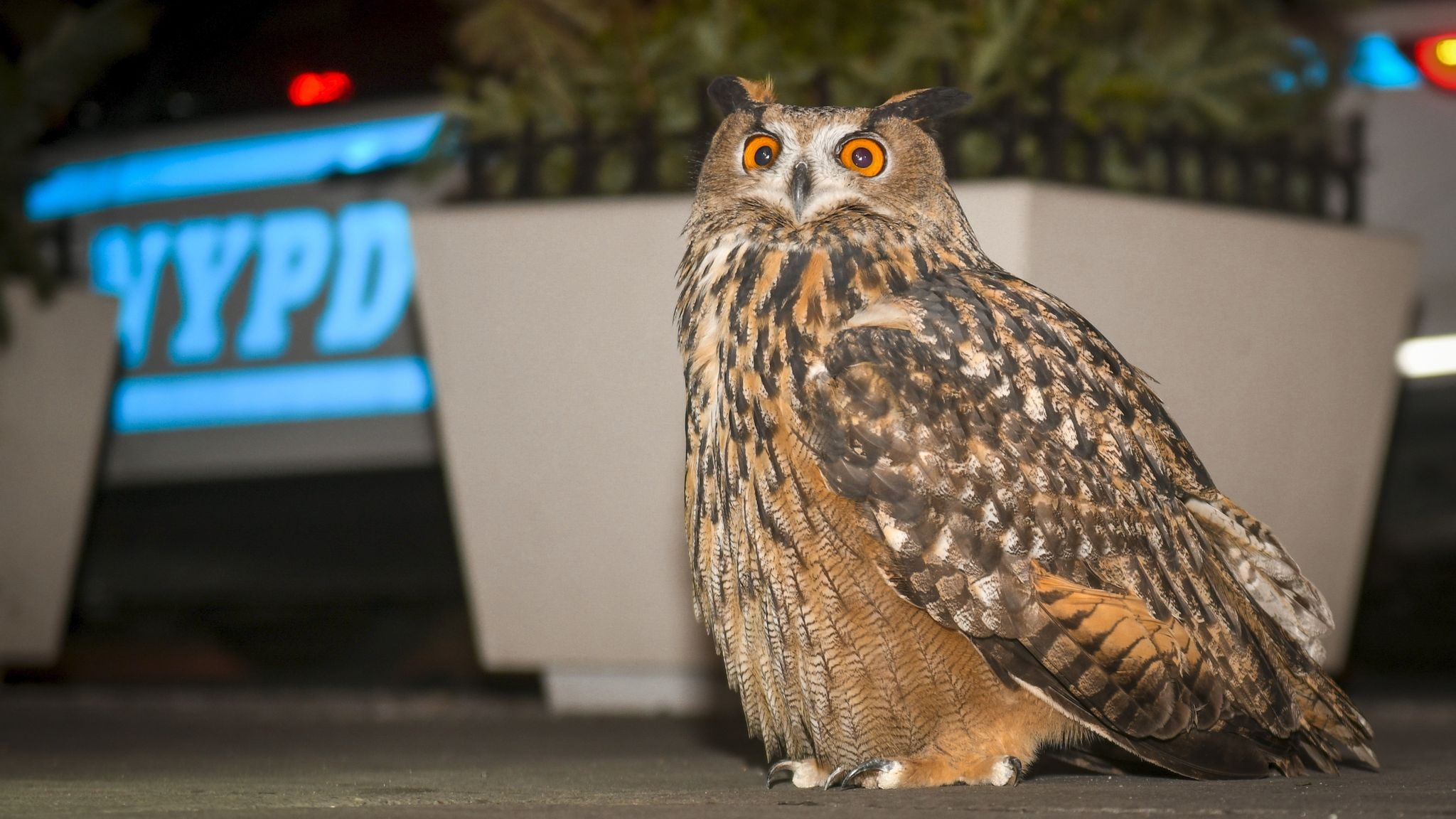
This documentary is the story of a Eurasian Eagle-Owl that escaped from the Central Park Zoo into the busy island of Manhattan. Through the non-stop hustle and bustle in the streets of the city that, to outsiders, seems like the center of the world, a lonely owl named Flaco stands in front of the Plaza, a few blocks away from Central Park Zoo, right in the middle of 5th Avenue, tasting (or testing) freedom but also curiosity. At least that’s the narrative we all have in our heads.
Lane is the mastermind behind this documentary, and through choosing this topic, she gives the viewer the liberty to build any narrative they like around Flaco. After all, none of us could read a Eurasian Eagle-Owl’s mind, right? Lane showcases people’s conflicting feelings about Flaco’s flight to freedom. Some people want him caged and safe, protected behind bars. Others wish for his answer to the call of the wild. The film perfectly outlines all those different points of view, and how probably all of them are right in their own way.
Apart from some gorgeous archival material that Lane acquired throughout her rich journey in creating Wild Inside, there’s also a myriad of personalities that appear to talk about their experience tracking Flaco. These days, collective descriptions are given for a group of people, individuals who each have their own unique personality, experience, and traits. Owlers gathered every day in the park, following Flaco’s adventures from one place to the other. Rooting for him to survive, while others were worried sick over his lack of survival instincts in the wild after 13 years in captivity.
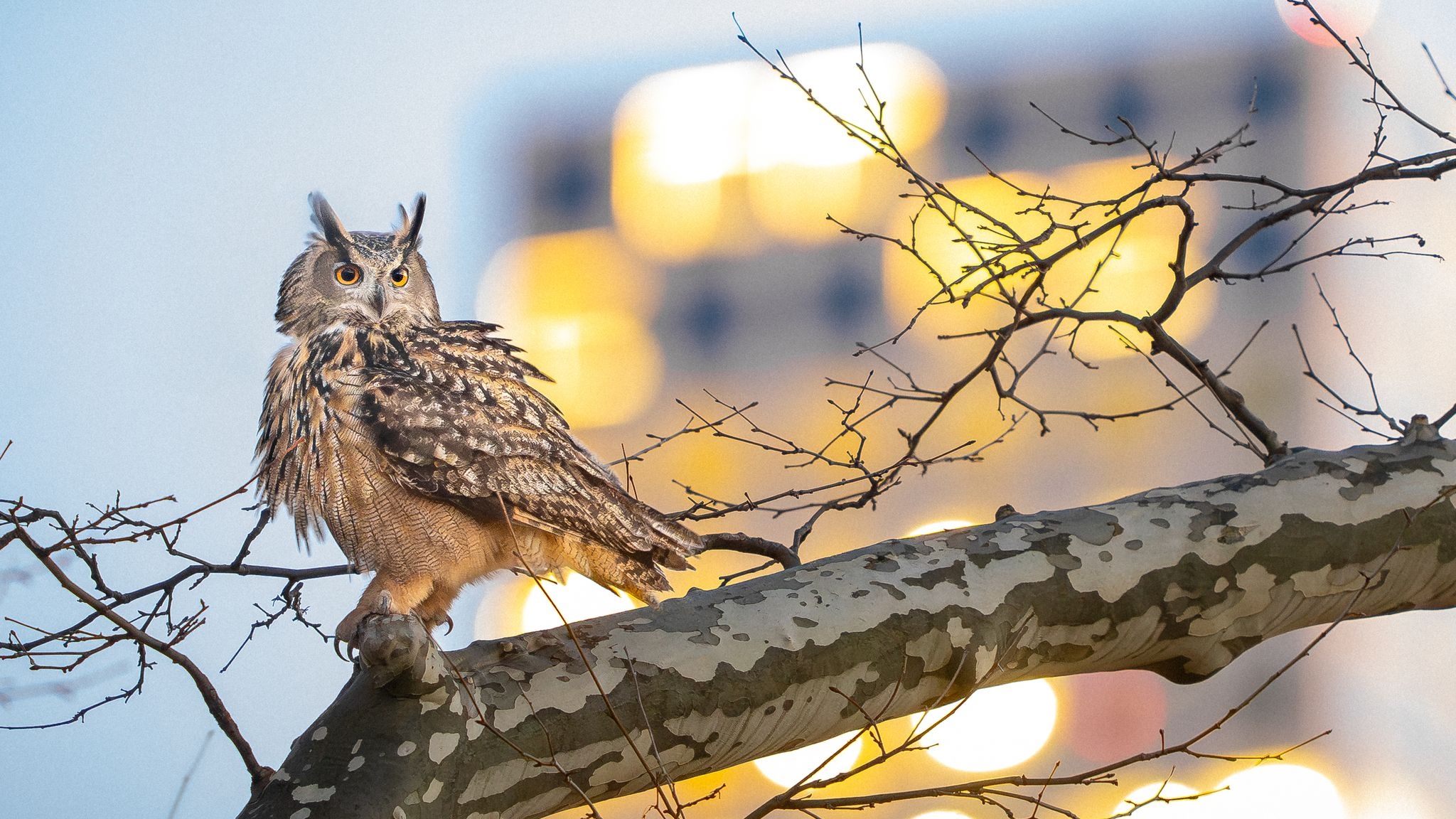
Lane perfectly documents the magical scene when Flaco has his first hunt. The first time he finds food on his own, eating it and raising his horns in victory. It’s a magical moment, bringing tears to my eyes as I realize the power of survival and existence go beyond our perception of systemized thinking and analysis. Nature has yet a lot in store to amaze us and inspire us. If anything, Flaco’s story is a testament to that.
It’s obvious that Lane is not concerned with stating her side of the debate. Is she rooting for Flaco’s freedom and spending the rest of his life in the wild? Absolutely. But she has the openness and intellectual maturity to allow other parties to express their opinions, as well. The core of her project is not about siding with who is right or wrong, but to chronicle this bird’s journey and through it, allow viewers to reflect on their relationship with nature, and their idea of freedom vs. safety and comfort.
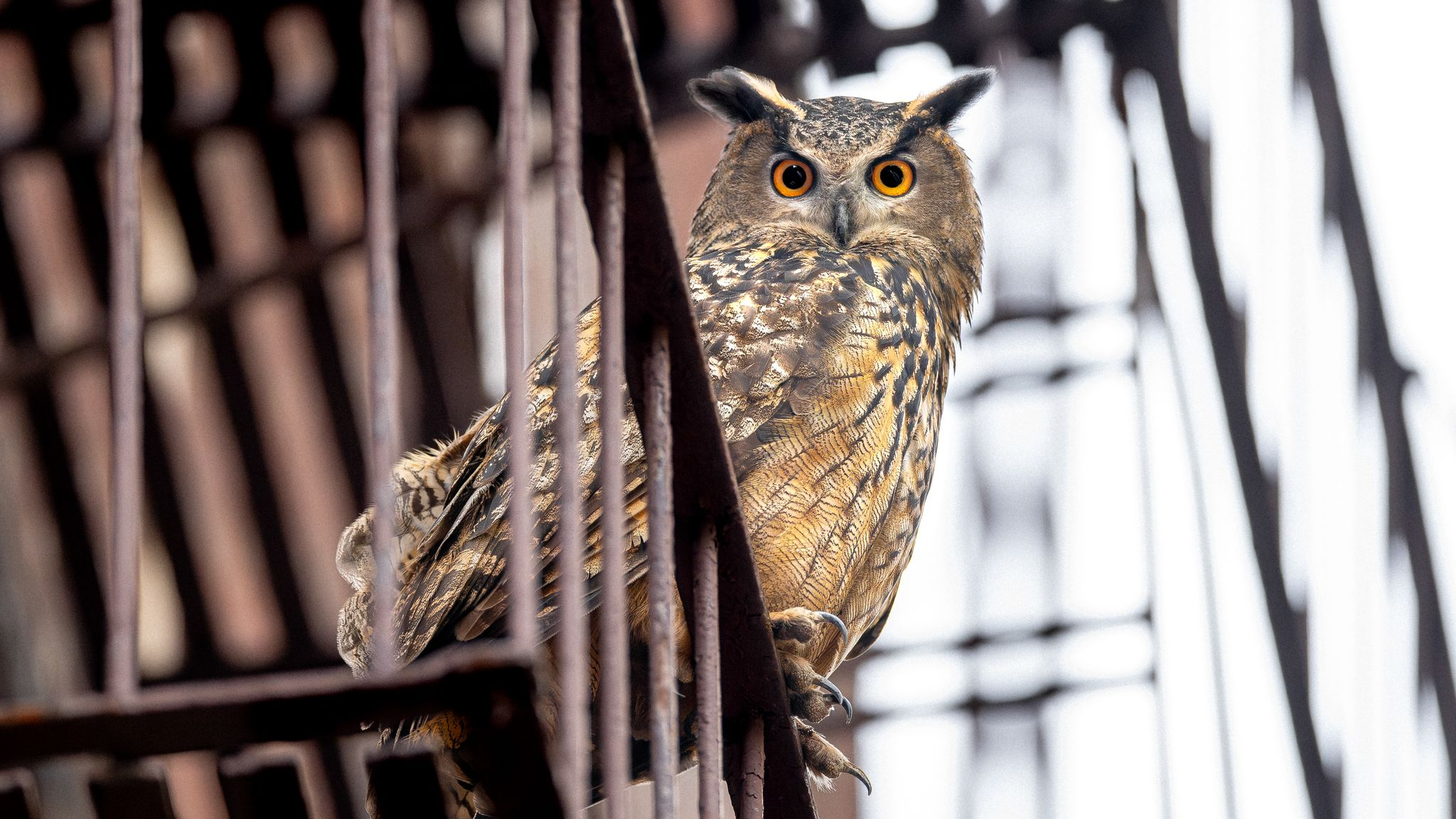
The question remains: why does a 13-year-old, apex predator with 2-inch talons, a 6-foot wingspan and pumpkin-orange eyes become a symbol of hope? Are people that desperate for freedom? Even in the freest city in the world, or as close as New York can get to the concept of liberation. Have we collectively as nations lost faith in our leaders, governments, and multimedia that feed us information non-stop that we turn to nature to seek guidance on whether our lives matter in containment, and succumbing to the system is as rewarding as they sell it to us?
In New York City, everyone needs a star for the day. Wild Inside just happens to bring out the star in a lonely Eurasian Eagle-Owl finding a place for nature in a highly industrialized, digitized world. The sense of community and discovery that Flaco brings to the hearts of all those who follow him around the fast-paced city, is what our world needs during these pivotal times.