


Director: Rachael J. Morrison
Stars: Josef Carl Engressia
Synopsis: Blind Joybubbles finds he can control phones by whistling specific tones. His discovery, born from loneliness, becomes foundational to hacking culture and tech history.
Before the days of computers, the phone system presented near-constant frustrations. Not only was it the fastest way to communicate, but it could go down for reasons that most of us never understood. With the price rising, a young blind child who would go by the name of Joybubbles started to reinvent what was possible on the lines. Rachel J. Morrison profiles the man who would open the door for phone phreaks and hackers around the world. The documentary, Joybubbles, is both an incredibly sweet view of the man and an uplifting story about community.
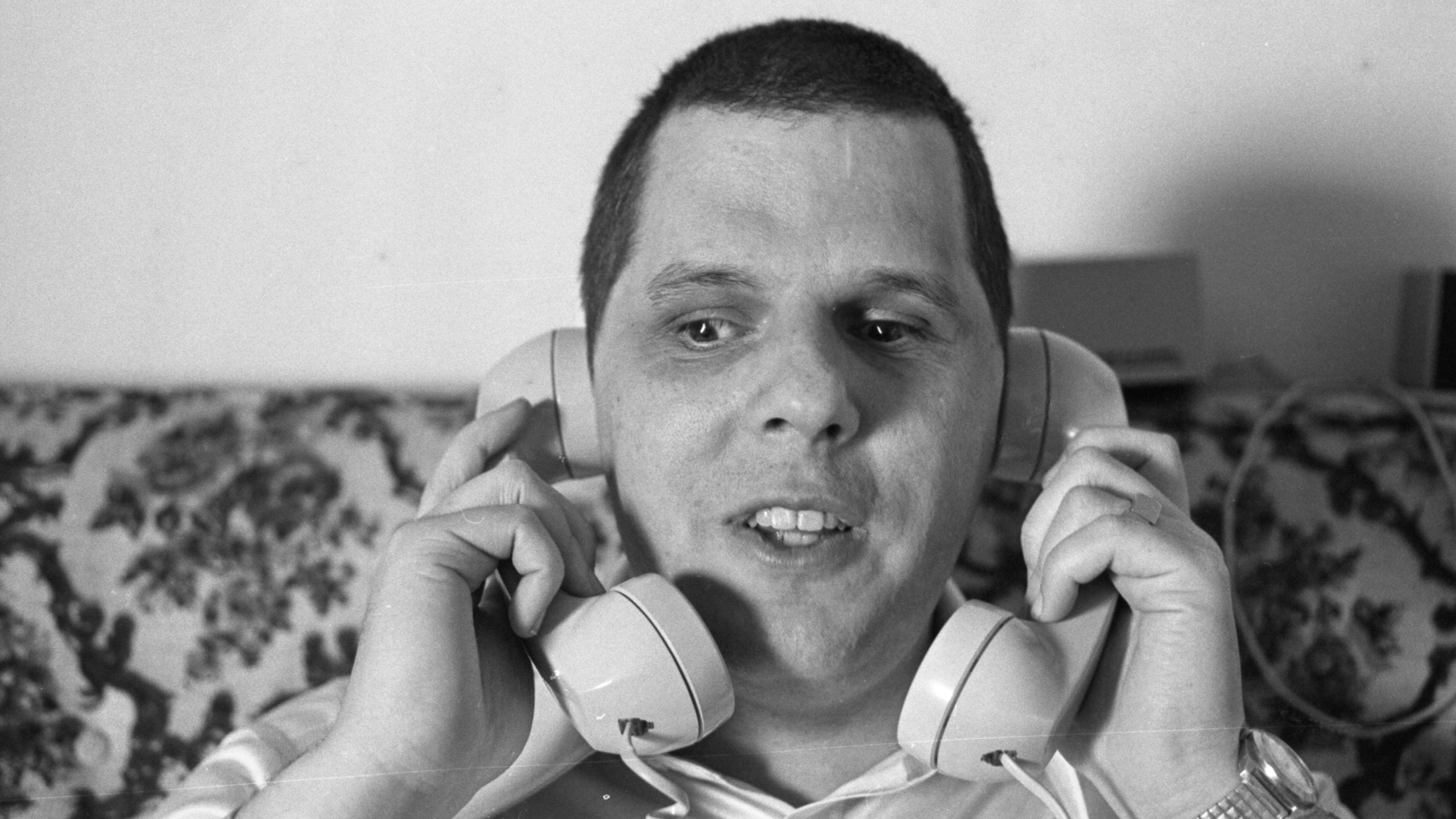
Born Josef Carl Engressia, the man who would become known as “Joybubbles” started playing with the phone. Born blind, he started trying to imitate the tones within the phone systems as a five-year-old. Over the next twenty years, he perfected his craft and eventually found his way into government systems and connections. He helped shepherd for the “phone phreak” community and even created a positive self-talk line in the vein of Mr. Roger’s Neighborhood.
Crafting a documentary about an enigmatic figure is a standard practice in the genre. Still, Joybubbles finds more heart and empathy for its primary character than most would expect. There is so much archival footage of Josef that it allows Morrison to really show his evolution as a figure. Along the way, she incorporates talking heads from friends, family, and legends of the tech world to show his importance.
Any time figures like Steve Wozniak and Steve Jobs were influenced by your hobbies, you know that you’ve stumbled into someone special. Joybubbles knew that he was exposing flaws in the telephonic systems, and hoped that it would even open doors for him as a professional. Unfortunately, Josef did not always play well with others in the workforce, primarily because of the ways they ignored his contributions.
Morrison drills into this pain and reminds us that non-sighted workers rarely get the same opportunities that their sighted co-workers can reach. Whether or not Joybubbles was a perfect employee, he showed incredible skill and talent. Why that was not cultivated by his companies shows a sad trend of ignoring people with an inclination towards progress, simply because they do not fit the mold we’d expect.
Yet what also sets Joybubbles apart was his perseverance. He found new ways to spread his positive messages, creating new phone lines to contact other phone phreaks and have them observe what he was doing. The creation of the “Zzzzyzzerrific Funline” allowed him to maintain a childlike wonder as well. While some of this immaturity might have put him on the wrong foot with some people, it also allowed him to overcome bad moments of his life.
Pieced together from a vast array of archival footage and home recordings, Morrison is able to showcase Joybubble’s influence on a community and culture as a whole. He might not be a household name today, but his pranks and feats often found their way into the newspaper. He was a one-of-one, and his influence remains in the minds of those who changed the world. At the same time, his incredible pain and hurt are on display, showing us that the “Joybubbles” persona was as much a defense mechanism as a way for him to establish himself as a figure.
Joybubbles is a cute documentary and covers a unique era of communication that will feel foreign to anyone under 30. It’s also an uplifting experience, one that should help reconnect those with the enigmatic man. Joybubbles was a unique guy, and he was pulled away from us far too soon. Still, his legacy of being kind to each other and trying to lift up the world is a worthy one to continue. In 2026, we need more Joybubbles to help us rediscover a world that’s not so dark, but instead a community to help each other.