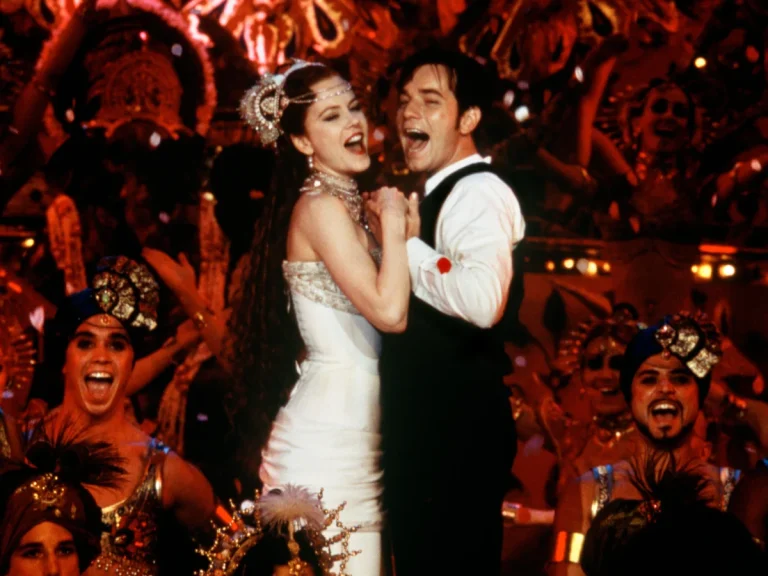
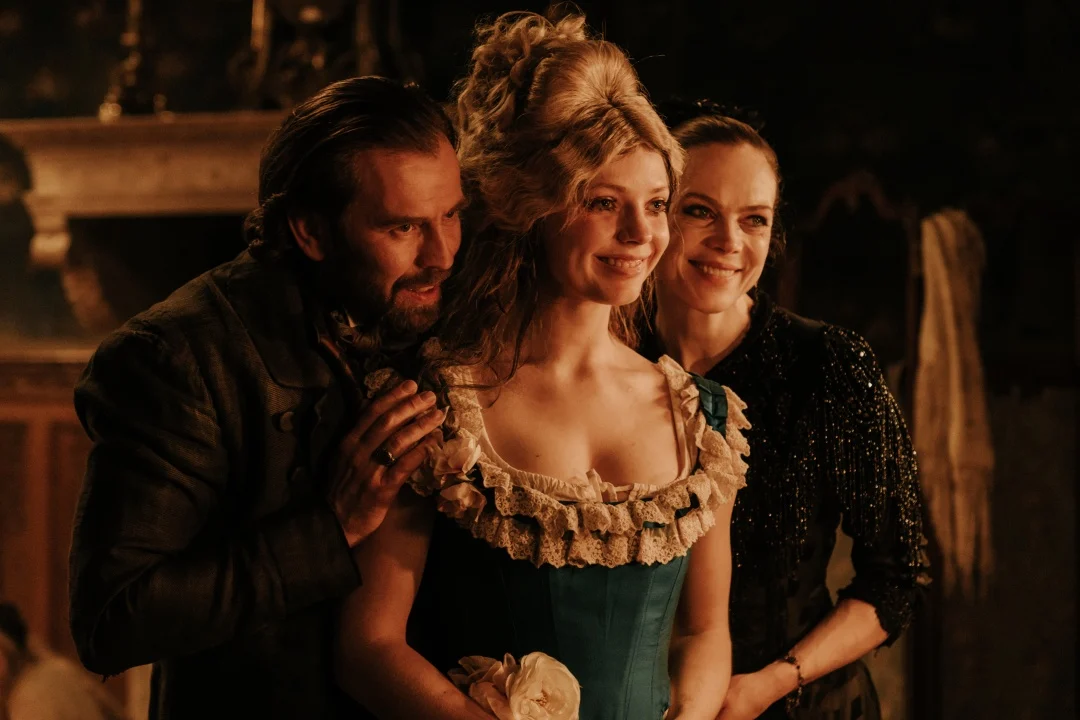
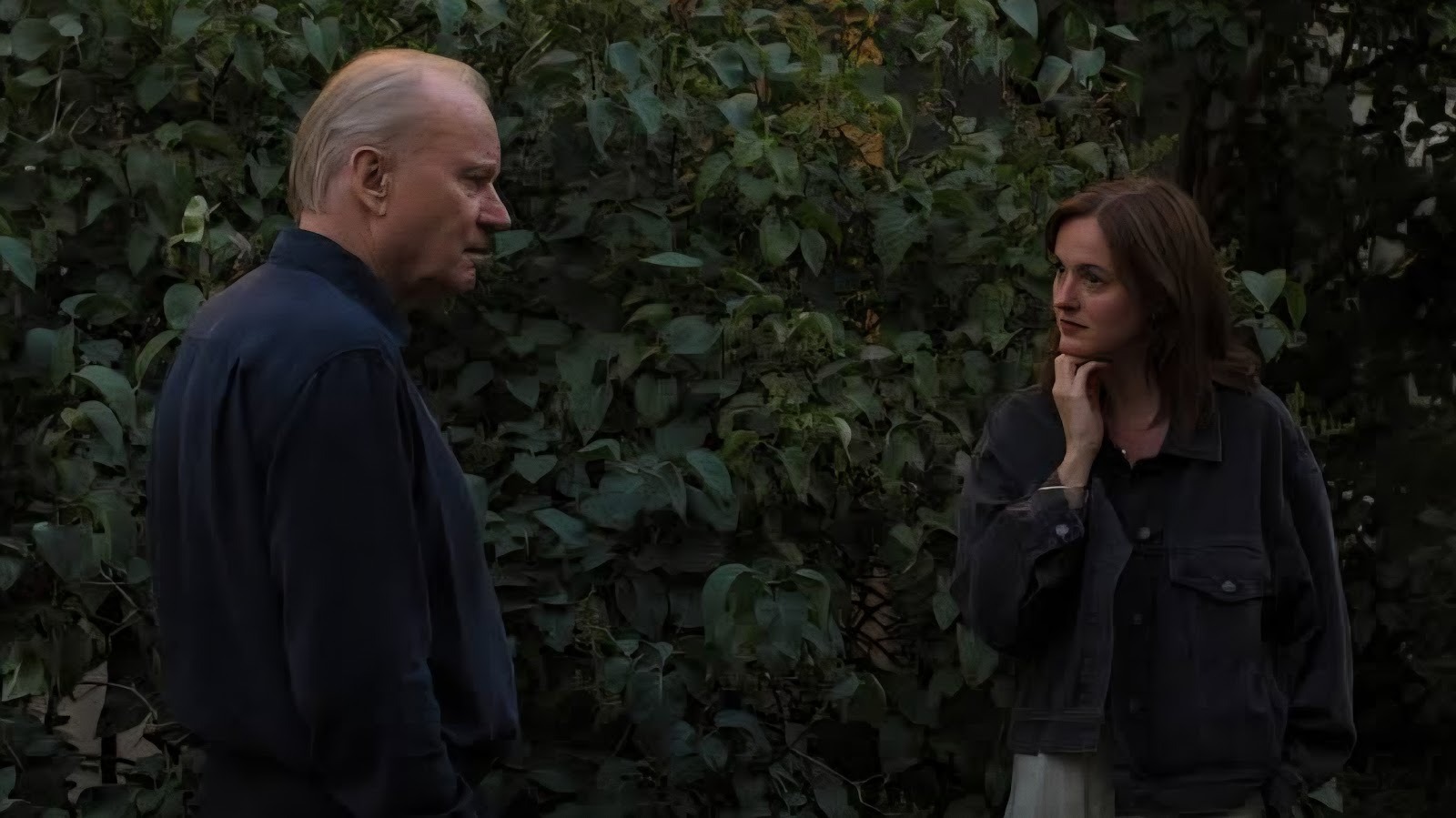
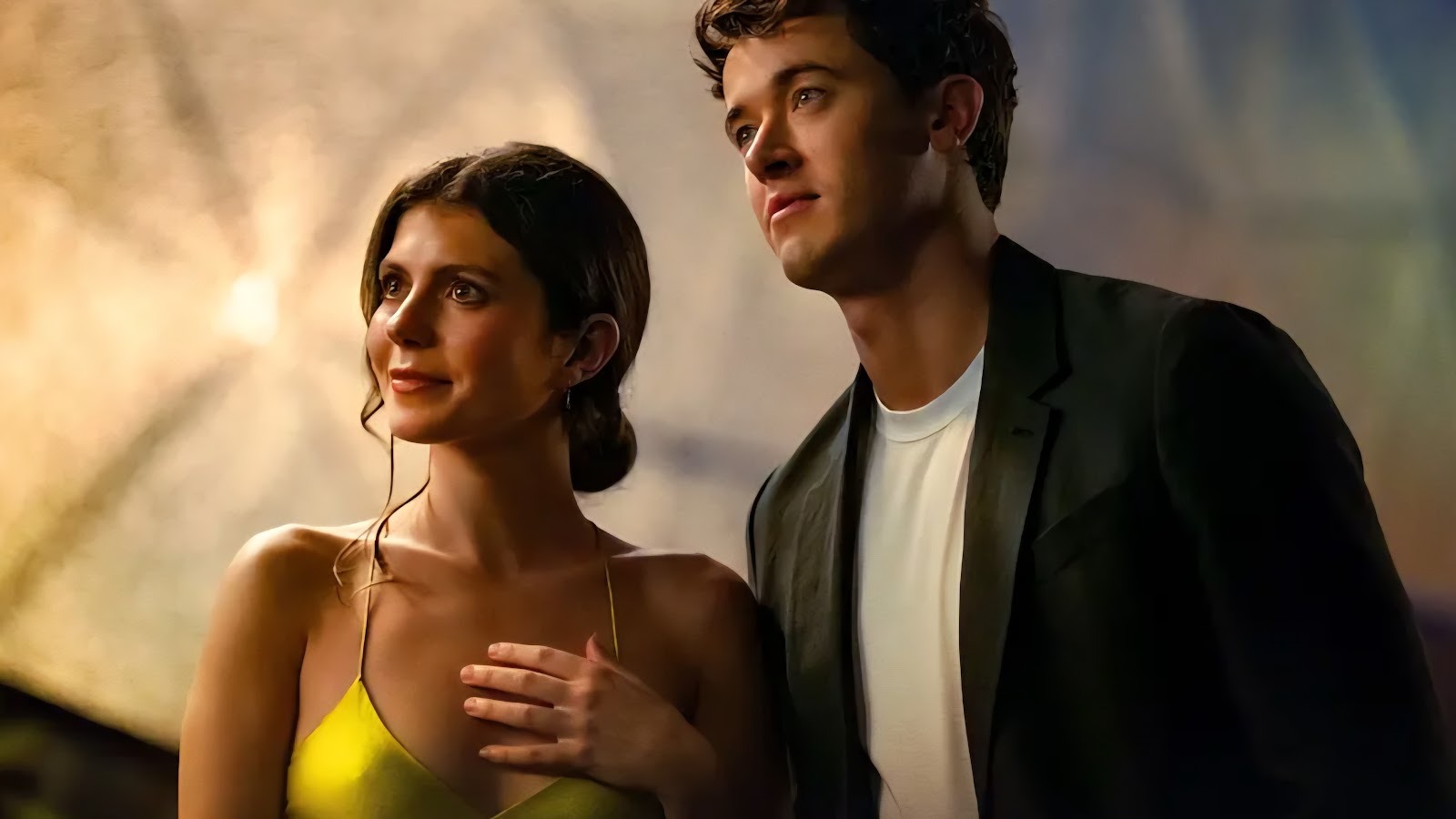
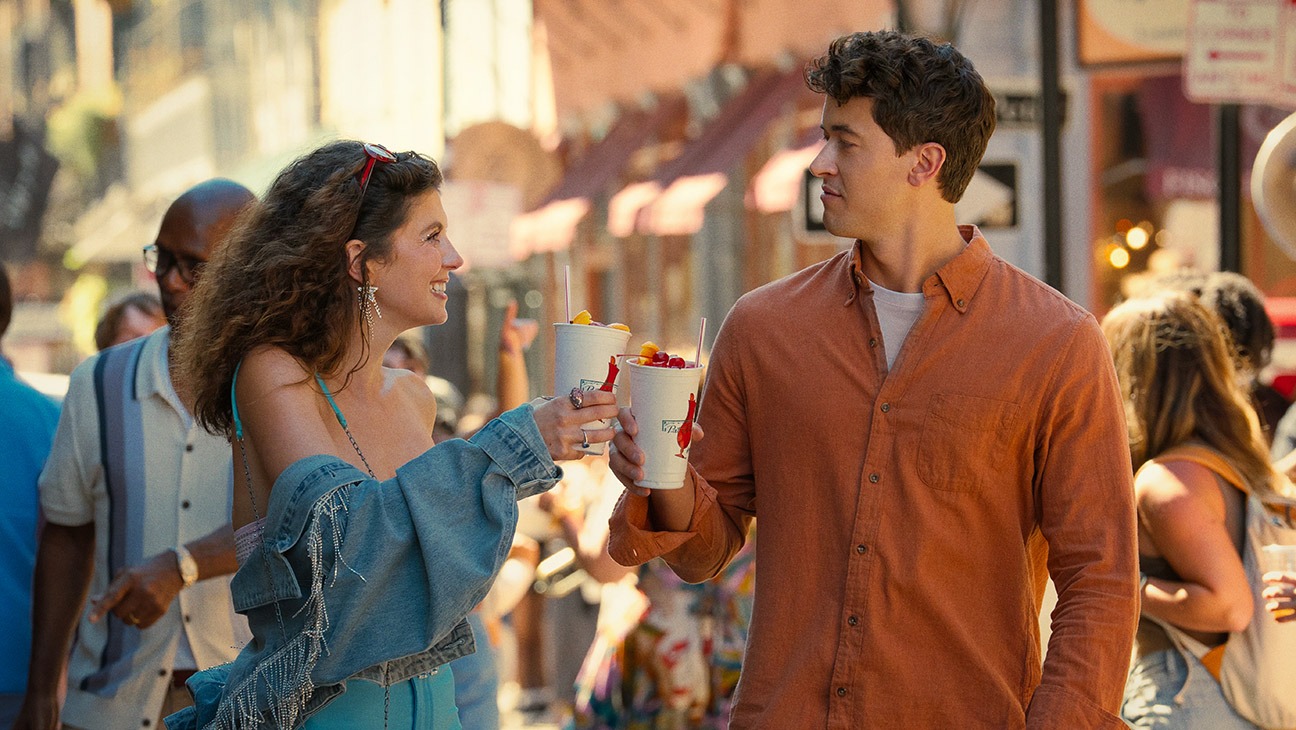
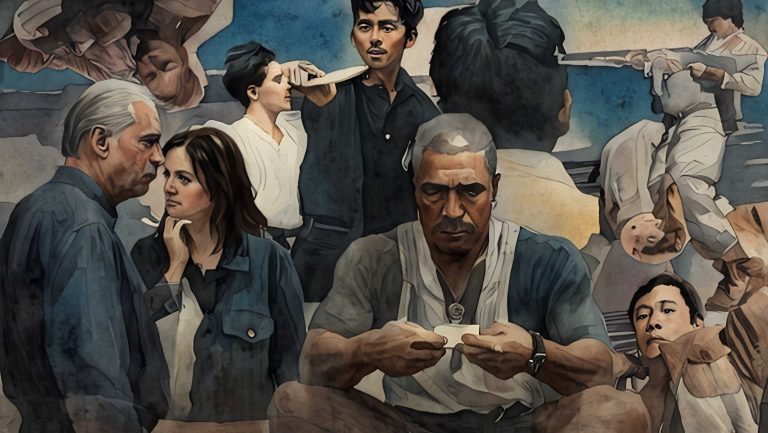
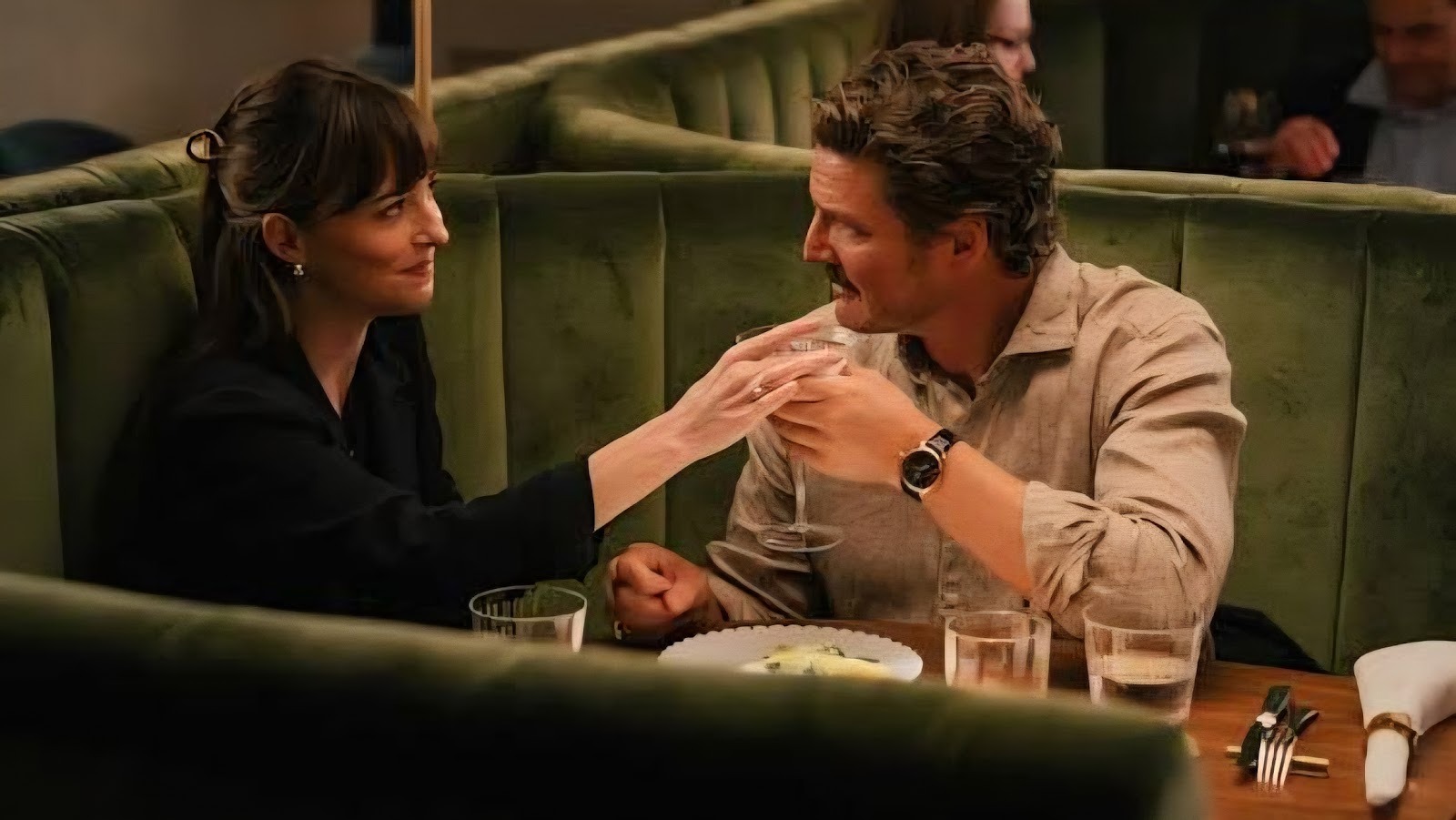
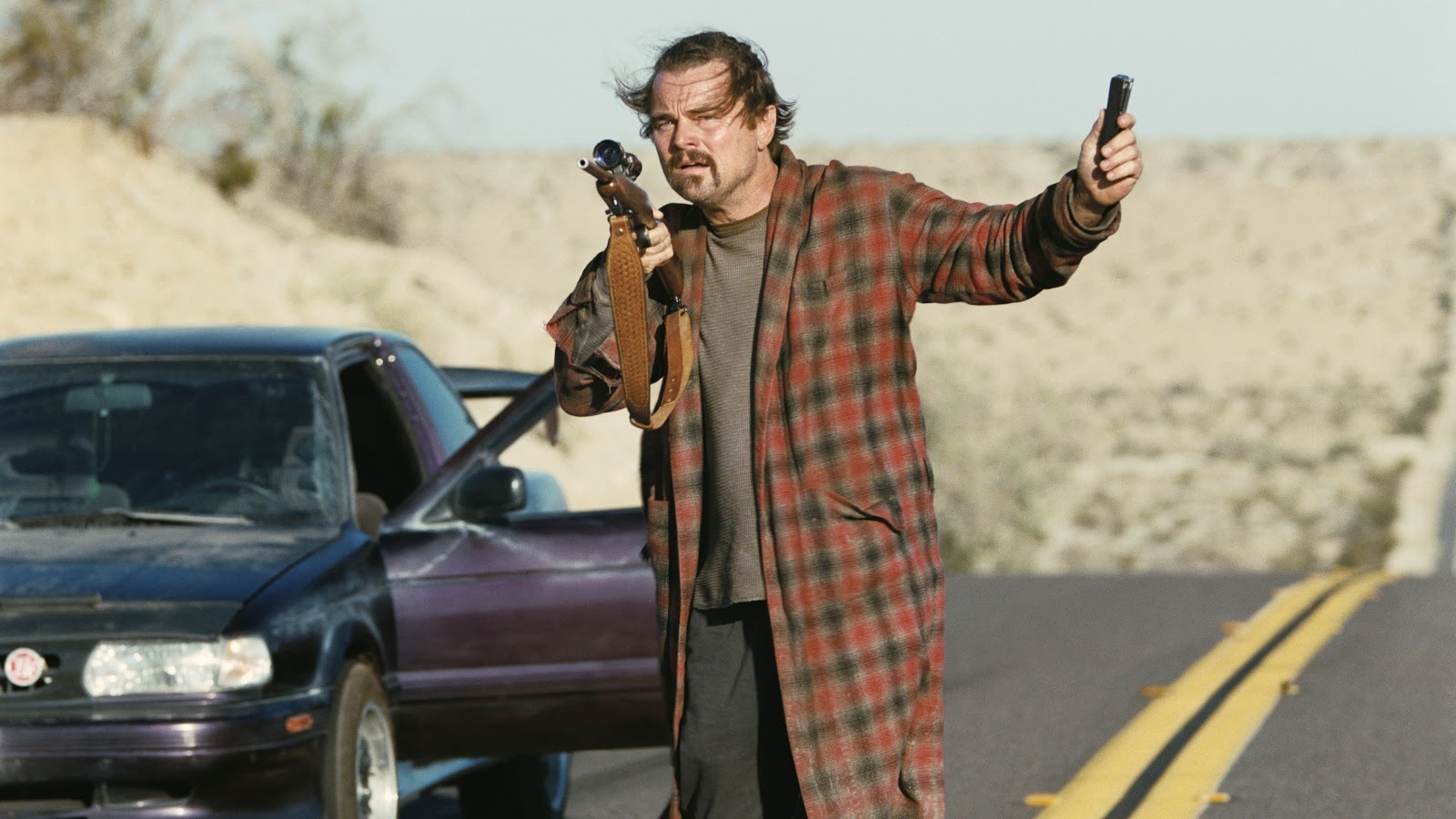
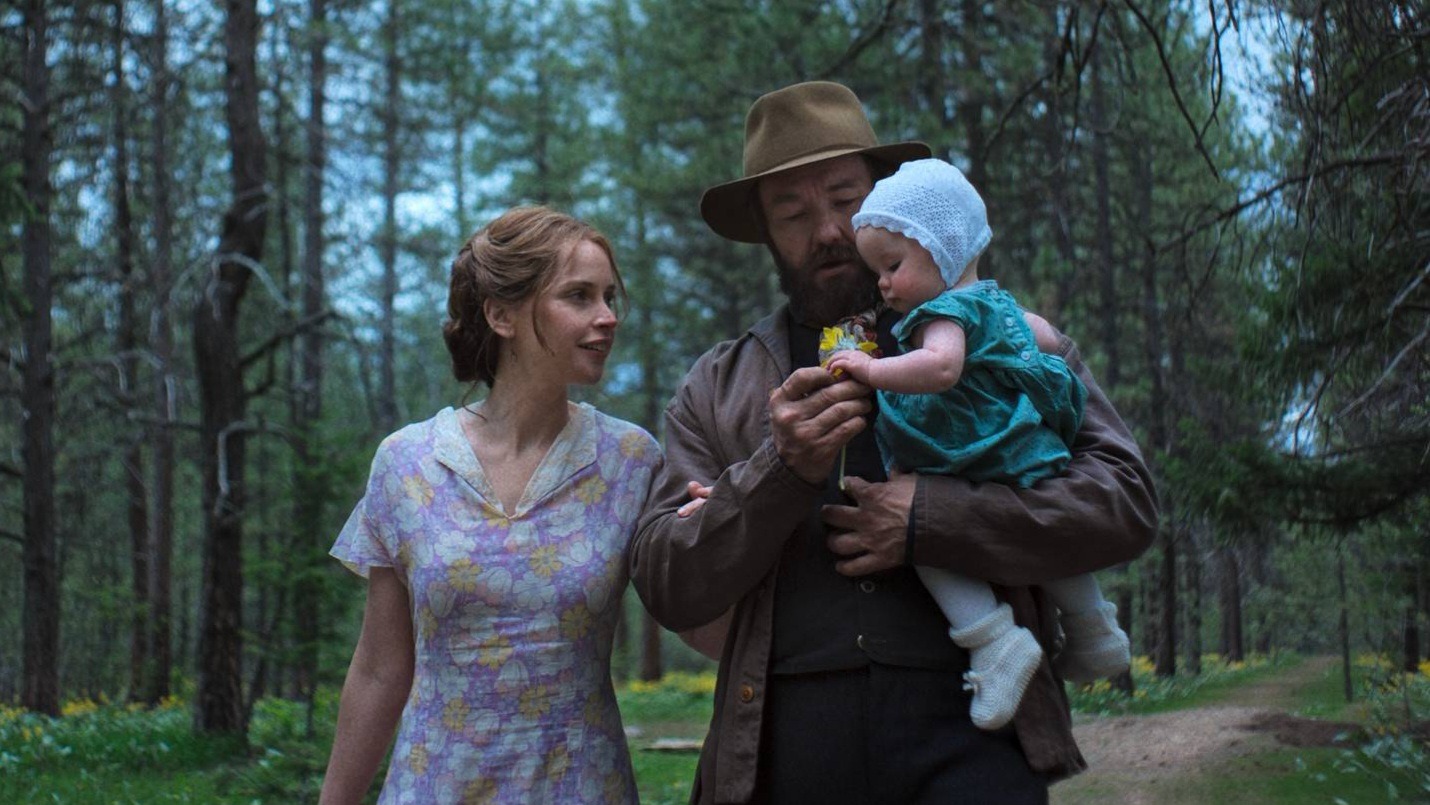
This week on Women InSession, inspired by Wicked‘s success over the last two years, we dive into our favorite whimsical musicals that we would recommend! They are some of the most fun you can have in a movie theater, which makes sense as to why Wicked was so (ahem) popular, but there are other whimsical musicals that are worthy of your time that we hope you check out.
Panel: Kristin Battestella, Amy Thomasson
On that note, check out this week’s show and let us know what you think in the comment section. Thanks for listening and for supporting the InSession Film Podcast!
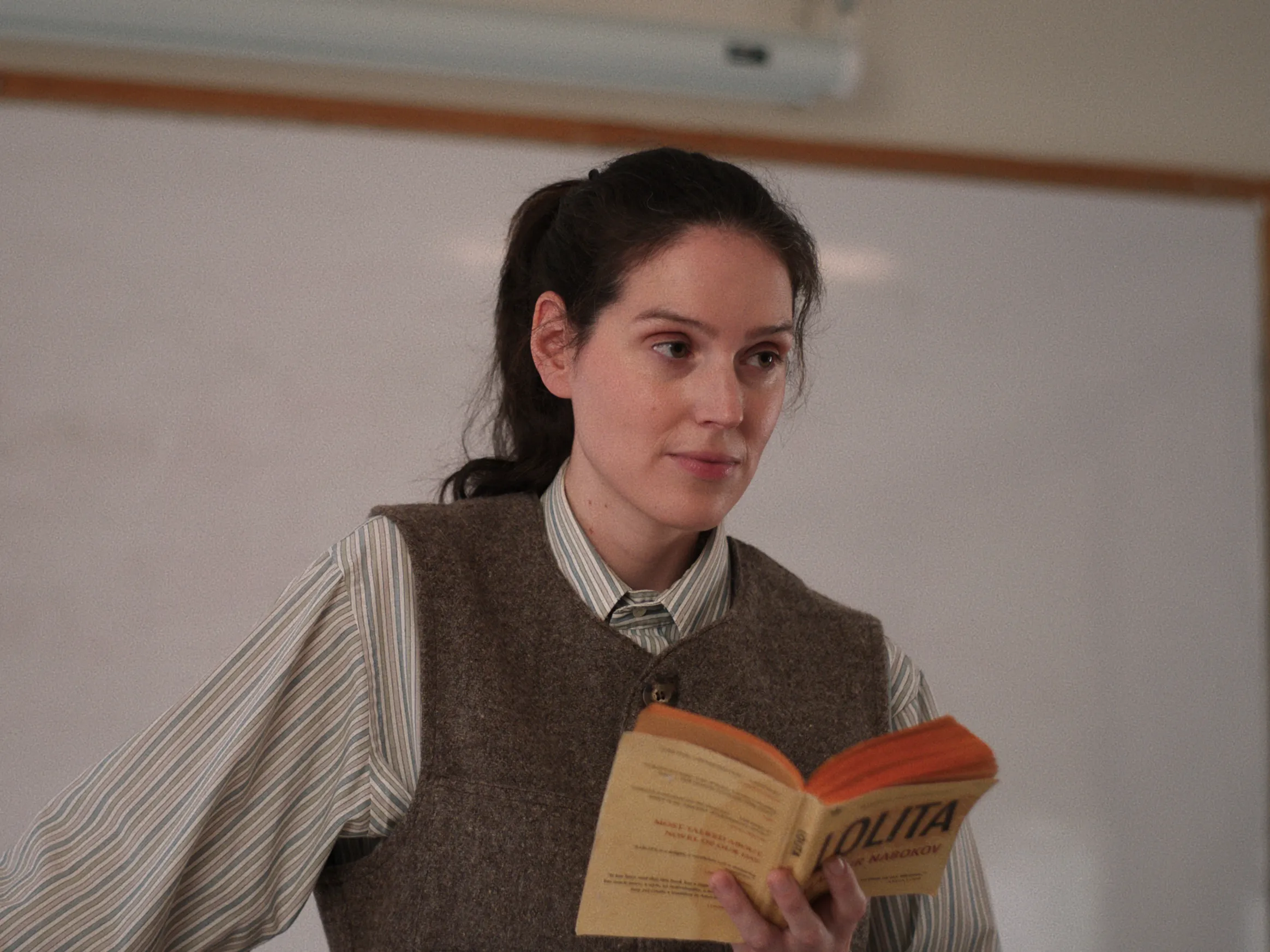
InSession Film Awards Editor Shadan Larki chats with The Testament of Ann Lee production designer Sam Bader. Be sure to check out our other awards season interviews here.
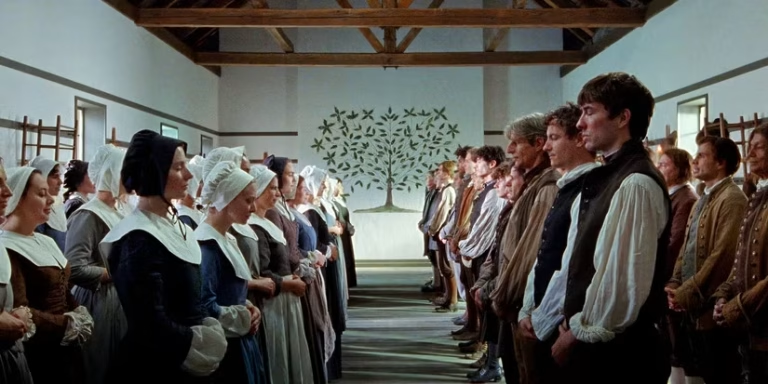
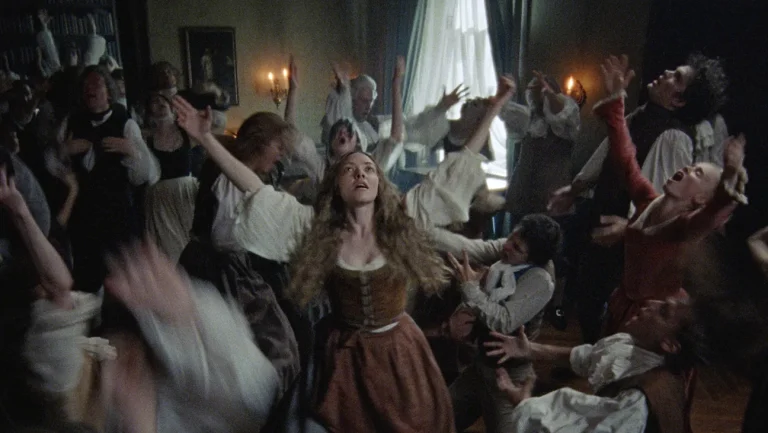
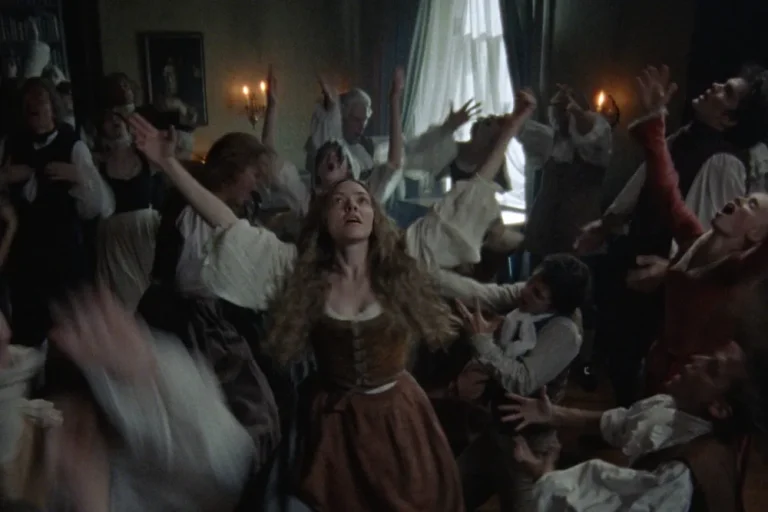
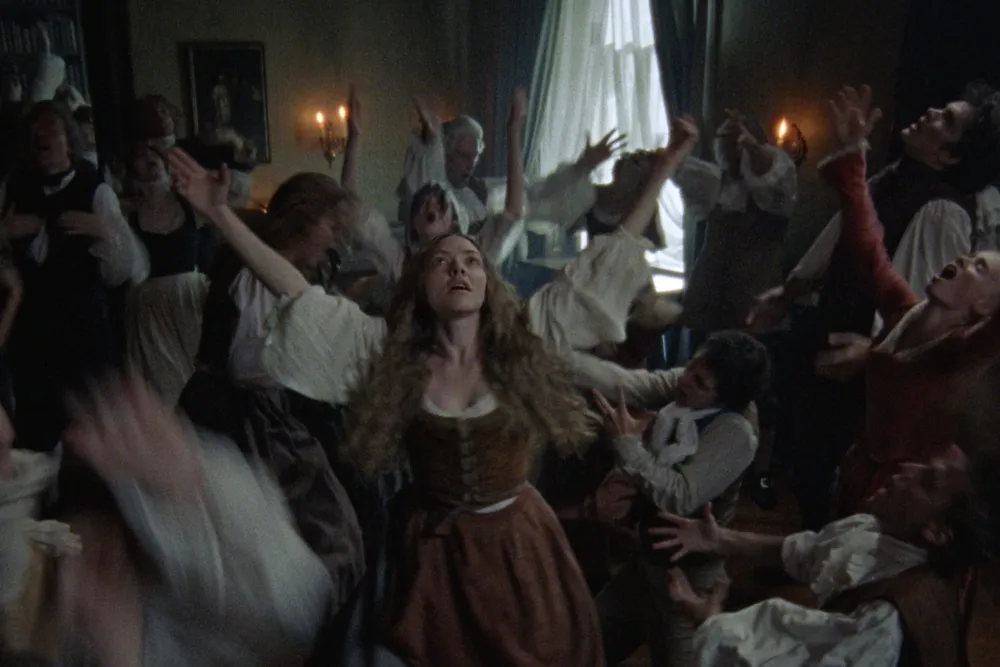
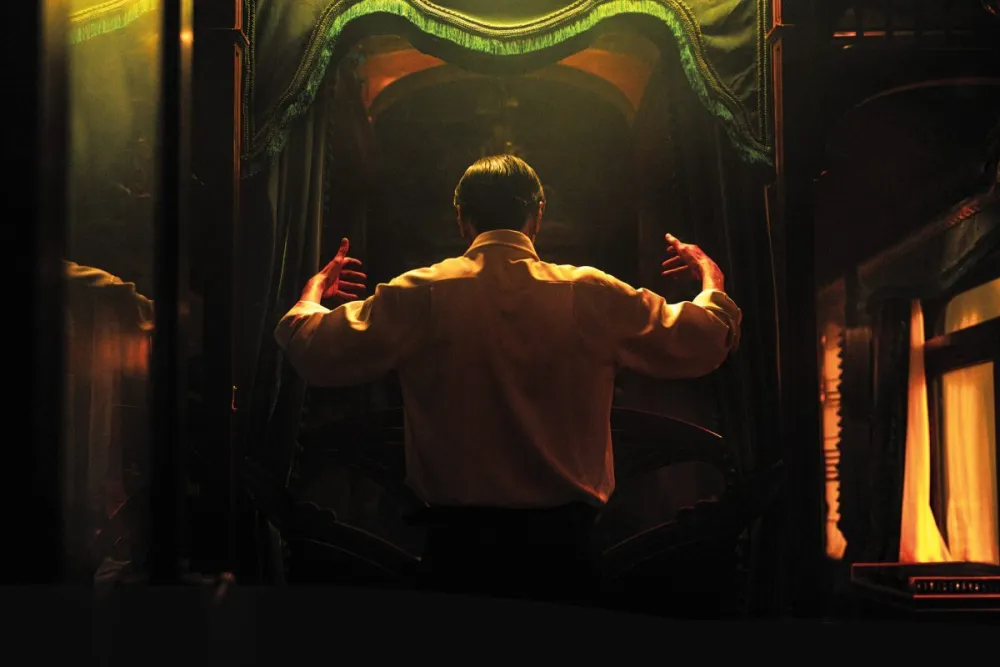
Listeners of Chasing the Gold will know that Mona Fastvold’s The Testament of Ann Lee is unequivocally my favorite film of 2025. It’s visually stunning, innovative, evocative, truly unlike anything I’ve seen before.
I spoke with editor Sofía Subercaseaux to learn more about how those Shaker musical sequences came together and working with Fastvold to weave this remarkable cinematic achievement.
Each year we do a Top 10 list for our awards show, and it’s one of my favorite things we do on the podcast. 2025 was a unique year because outside of a few notable films, it was a so-so year up until October and it had me nervous as to how good of a year it would end up being. But, of course, I had nothing to worry about as it was an avalanche of great movies once the fall season kicked off.
In the end, 2025 was an incredibly well rounded year with stellar box office / streaming hits, a plethora of extraordinary international features and some indie gems that made for nice variety. There was also one major theme that arose; movies about parenthood, death and grief. Hamnet, The Chronology of Water, The Testament of Ann Lee, Sirat, The Voice of Hind Rajab, Train Dreams, 28 Years Later and The Secret Agent all explored that notion in one way or another. Then you have films like Die My Love, If I Had Legs I’d Kick You, and Sentimental Value that are less about death, but certainly about parenthood and trauma. You could argue that Good Boy fits this idea as well. Not all of these films made my Top 20, but I did quite respond to all of these films in some way. Overall 2025 was a great year with some all-time moments on its resume.
We do encourage you to listen to Episode 670 to hear more about our picks, but as we do every year, listed here are my Top 10 Movies of 2025.
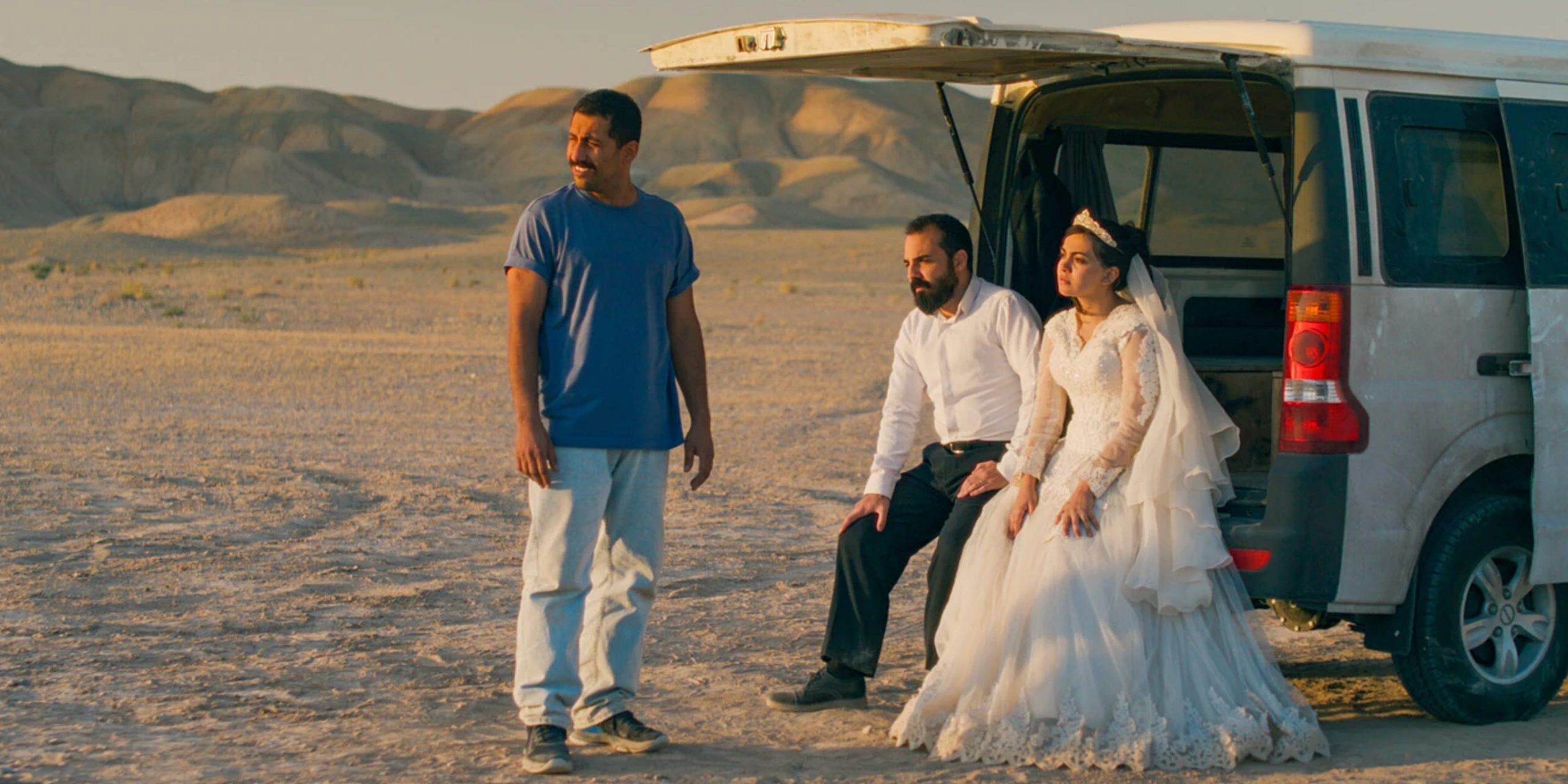
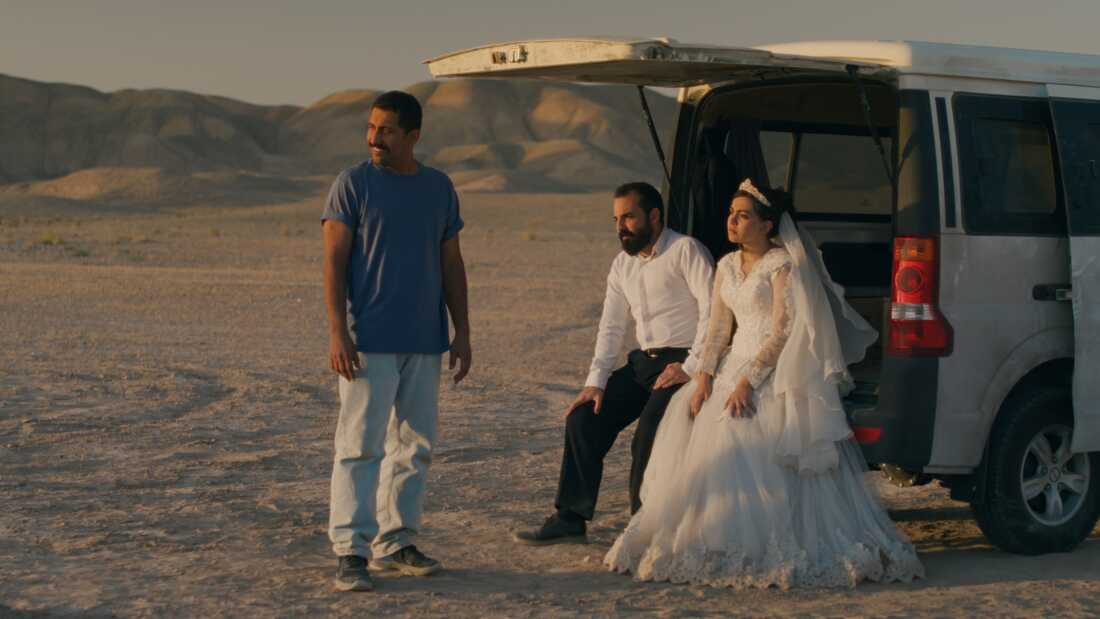
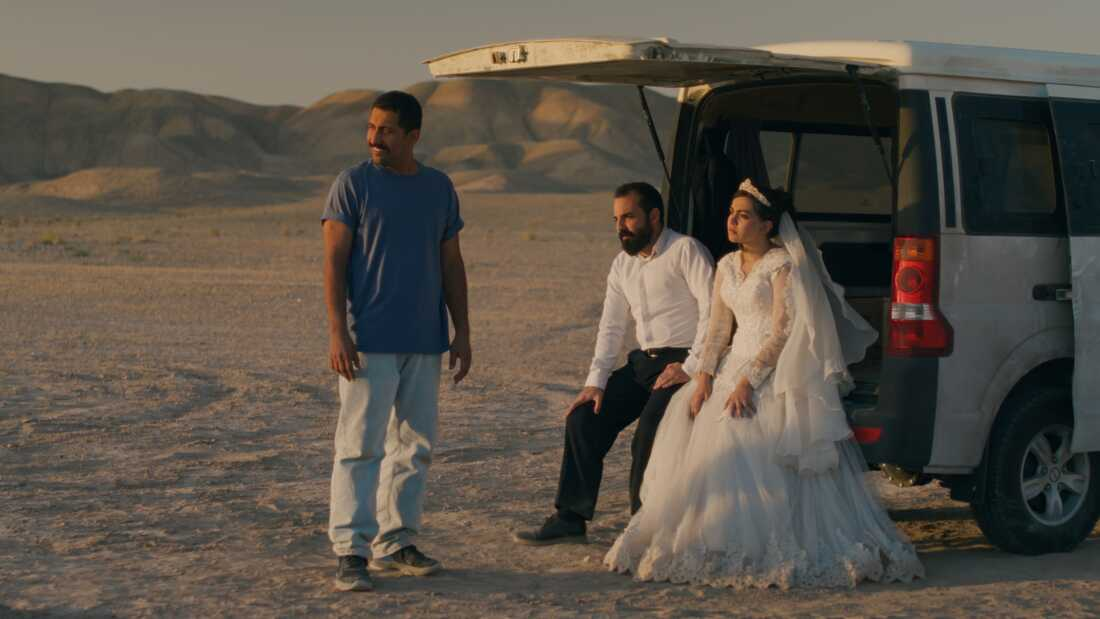
In a lot of ways, It Was Just An Accident is the movie of the year given our current political landscape. Jafar Panahi has famously been arrested several times over the last 15 years and was banned from making movies. So, crafting a tale on morality and catharsis like we see in this film was clearly personal for him. Where do you draw the line between your moral convictions and the urge for revenge and justice after being tortured and stripped of your humanity? A question that Panahi has no doubt posed to himself, and thus this film was born as it becomes the mechanism in which he wrestles with deep, abraded thoughts on vengeance and violence. The writing and directing here from Panahi is maybe the best of his career. It’s poignant and timely. It’s nuanced and complex. Everything we see here was not an accident. It’s cogently thought out and it fosters arguably the best ending of 2025. Click here to listen to our full review.
9. If I Had Legs I’d Kick You
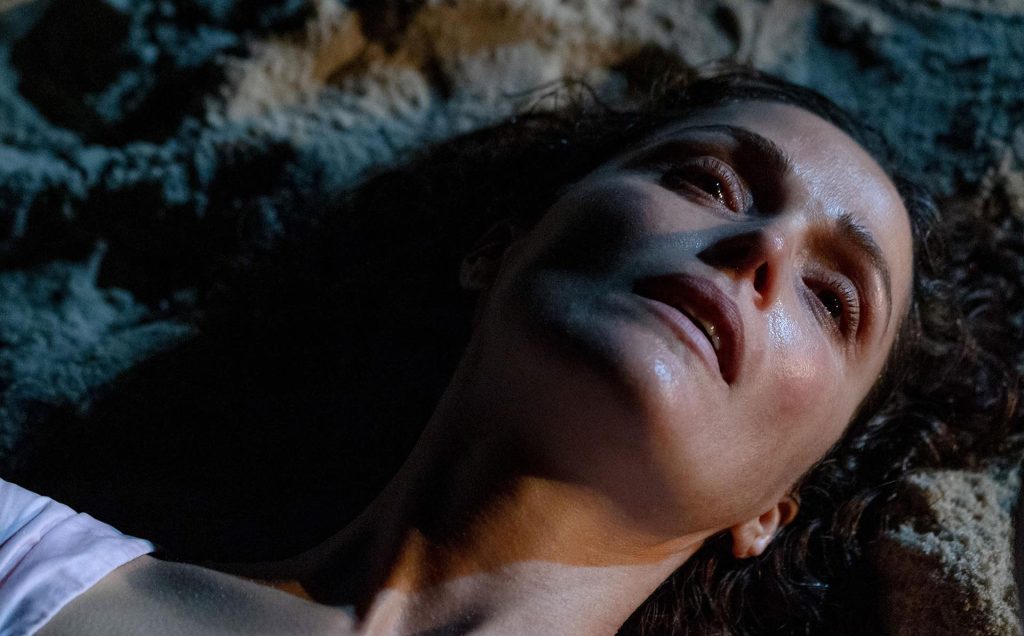
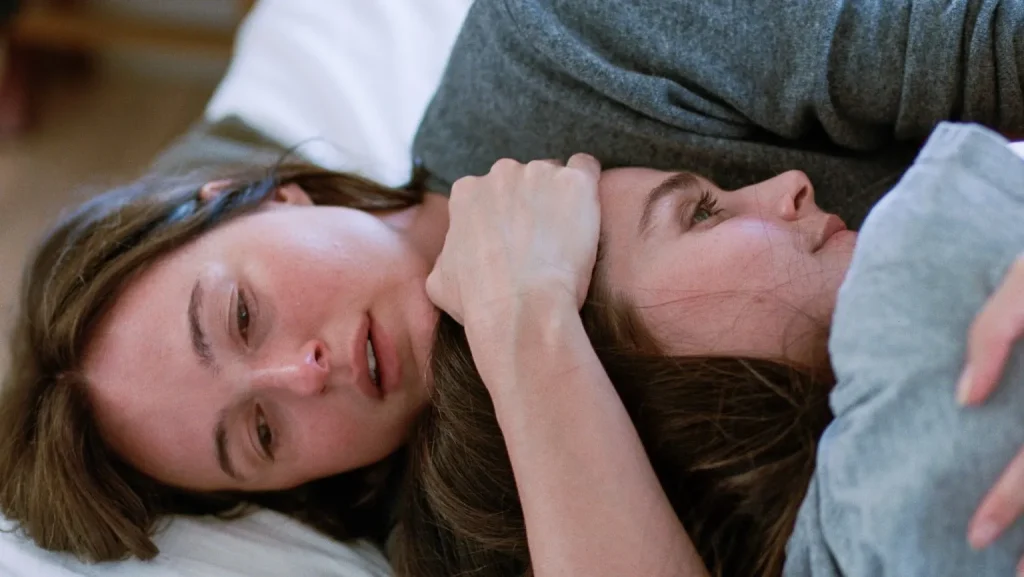
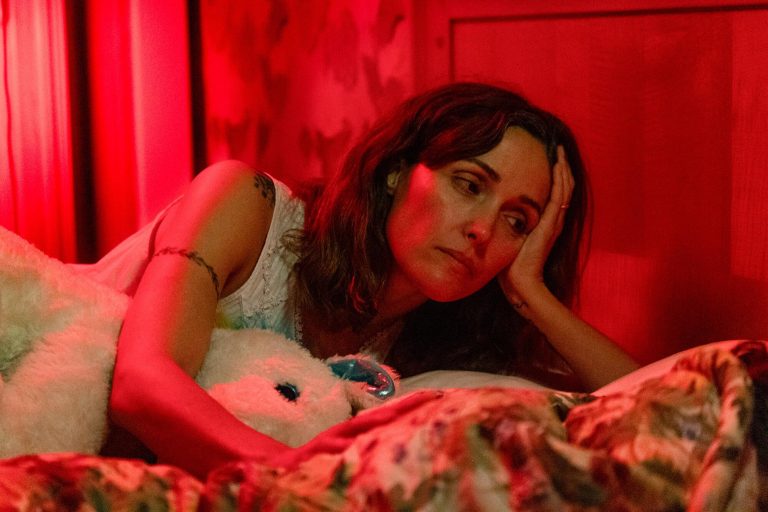
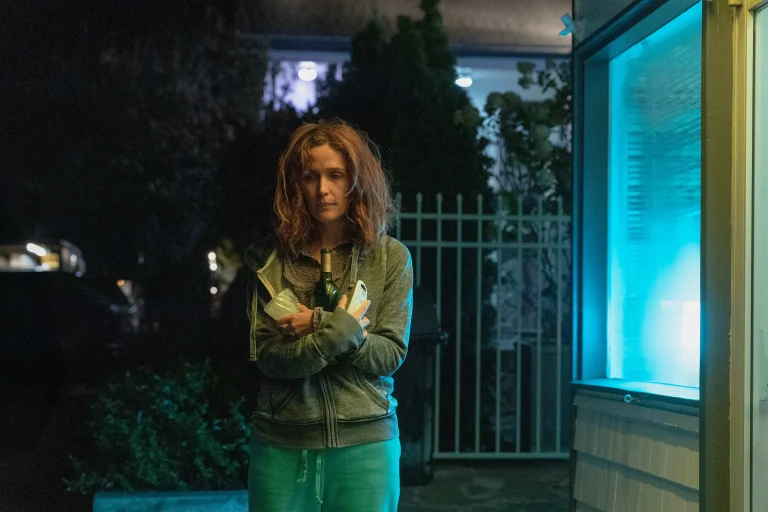
If I Had Legs I’d Kick You is a stunner. A raw and unrestrained examination of parenthood and the exhaustive challenges you sometimes face, especially when you’re wrestling with this deep void of emptiness and isolation (Linda’s husband is absent for most of the film). Linda is forced to confront motherhood in seclusion while succumbing to stress and pressures due to complications outside of her control. As a result, we see a mother recoiling and living in a different reality from everyone else around her. Rose Byrne with one of the very best performances of 2025. Mary Bronstein, I’m sorry I wasn’t familiar with your game. Click here to listen to our full review.
8. The Mastermind
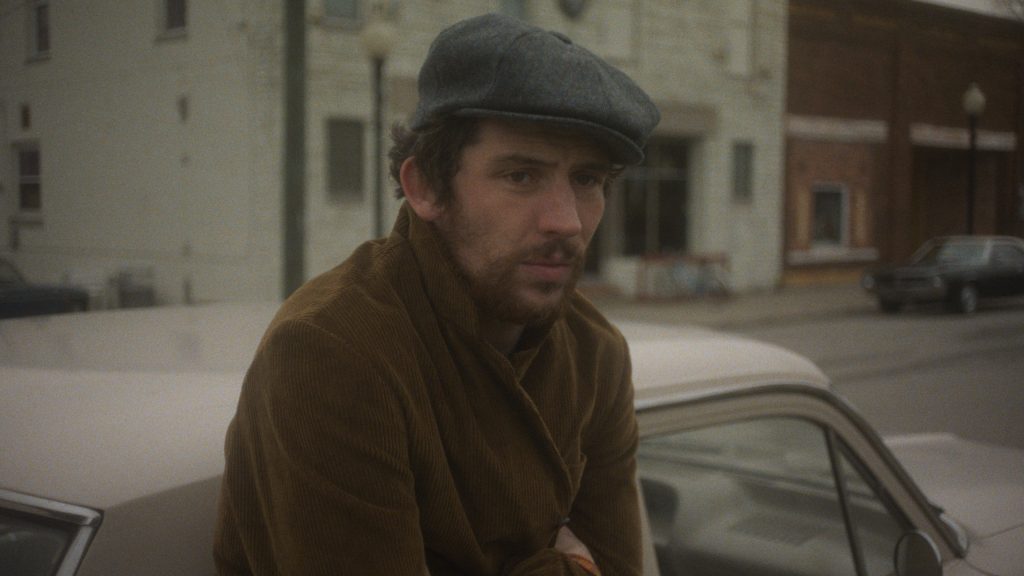
The Mastermind is a movie straight out of the New Hollywood era. It’s almost as if it time-traveled from the 1970s into 2025. Harnessing the likes of The Long Goodbye and California Split, it’s the exact kind of anti-heist movie you’d expect from the great Kelly Reichardt. It’s methodical and unconventional. You could almost accuse the film of being scant, which I think is the point, because James (played wonderfully by Josh O’Connor, my favorite 2025 performance from him) is remarkably detestable. He’s utterly clueless and couldn’t be more detached from the politics of the time. Reichardt isn’t interested in some sort of psycho-analysis of why he squandered his comfortable middle class life, it’s as simple as him having the luxury to do so. In that sense, it’s a brilliant film with stunning period details. Click here to listen to our full review.
7. Hamnet
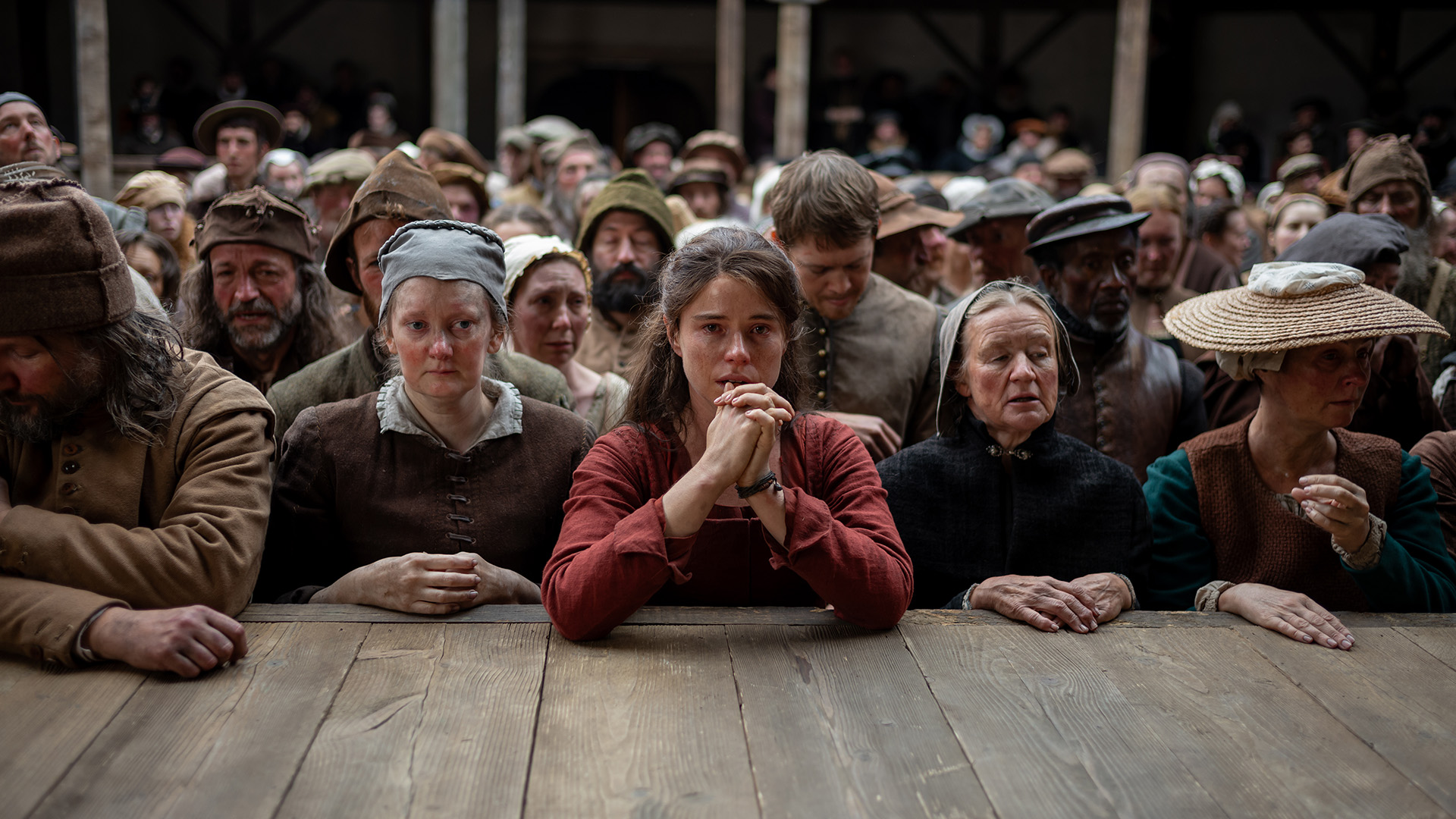
I cannot begin to articulate the levels in which Hamnet destroyed me. However, while it is devastating, but what I really love about the film (and this isn’t talked about enough) is that it’s so much more than just a movie about grief and death. It’s equally interested in life, love and the power of art as a means of healing. We don’t know for certain if Hamlet was inspired by the death of Hamnet, but let me say this loud and clear: WHO F***KING CARES! Hamnet unequivocally buys that idea and essentially infers that Hamlet is William Shakespeare’s The Fabelmans. A work of art that becomes the nucleus for hope and healing. Hamnet is reinterpreting Hamlet as a mechanism to explore grief and art. Taking it literally is akin to taking the Bible literally. Which, to each their own I guess, but I’d argue that’s silly and not at all what Chloé Zhao is going for with the film. I find it inspired. Great filmmaking from Zhao and this cast is sensational. Paul Mescal is excellent as always. Jacobi Jupe with one of the best child performances of the last decade. And Jessie Buckley deserves every bit of the Oscar. Click here to listen to our full review.
6. Resurrection
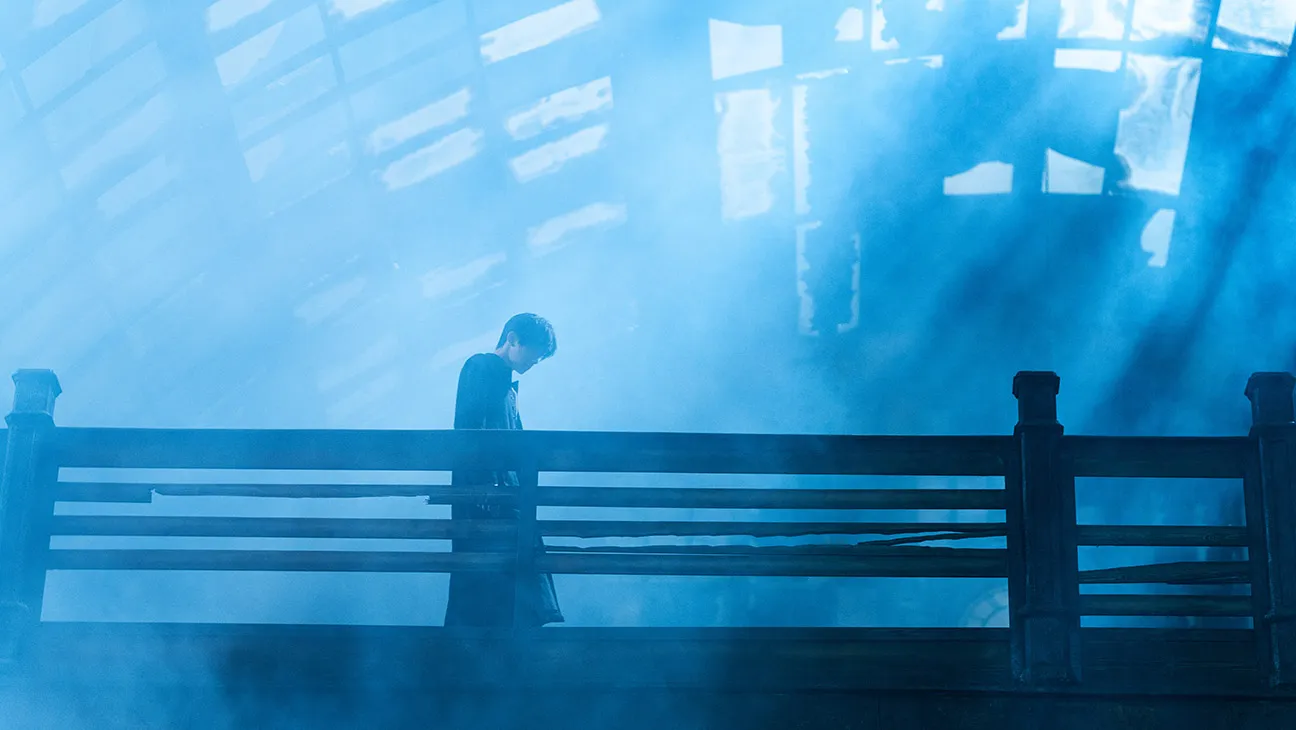
Bi Gan’s Resurrection is an extraordinary piece of filmmaking. It’s almost hard to describe, but it’s this strikingly beautiful dreamscape about broken people finding healing in dreams and cinema. the way it weaves time, history and the evolution of cinema is nothing short of sublime. It’s structured into six chapters, with each one paying homage to different era’s of cinema, as well as incorporating one of the six senses recognized in Buddhist thought. Starting in the early 19th Century the film begins in the Silent Film stage, progressing to a film noir murder-mystery, weaving to the rise of slow cinema, the harkening back to the New Hollywood era and then transporting us into a modern vampire movie. That alone is fascinating, but additionally each segment is soaked in distinct color pallets and composition. Resurrection is, by far, the winner for Best Cinematography. It flexes at every moment as each frame is painted with vivid detail. It’s absolutely breathtaking. Review coming soon on the pod.
5. Sentimental Value
Sentimental Value is my pick for the best screenplay of the year. A masterclass in storytelling. It’s this deeply poignant examination on the connection between parents, children and shared grief. An idea that is ciphered through art and history in this all encompassing way that gives context to the kind of trauma that defines the Borg family, and how art has become their coping mechanisms. And in the end, it echoes the likes of Gavin O’Connor’s Warrior with a drunken father at the center of a sibling relationship where his exploits bring them together in a beautiful moment of catharsis and finding closure. I love that Joachim Trier does not hold your hand through any of this. He simply offers the puzzle pieces and cogently allows you to put it all together. Leading to a final moment between a father and a daughters who communicate, not though dialogue, but art and expression. It’s remarkably moving. One of the best ensemble casts of 2025. It should have no less than four Oscar nominations for acting alone. Click here to listen to our full review.
4. Marty Supreme
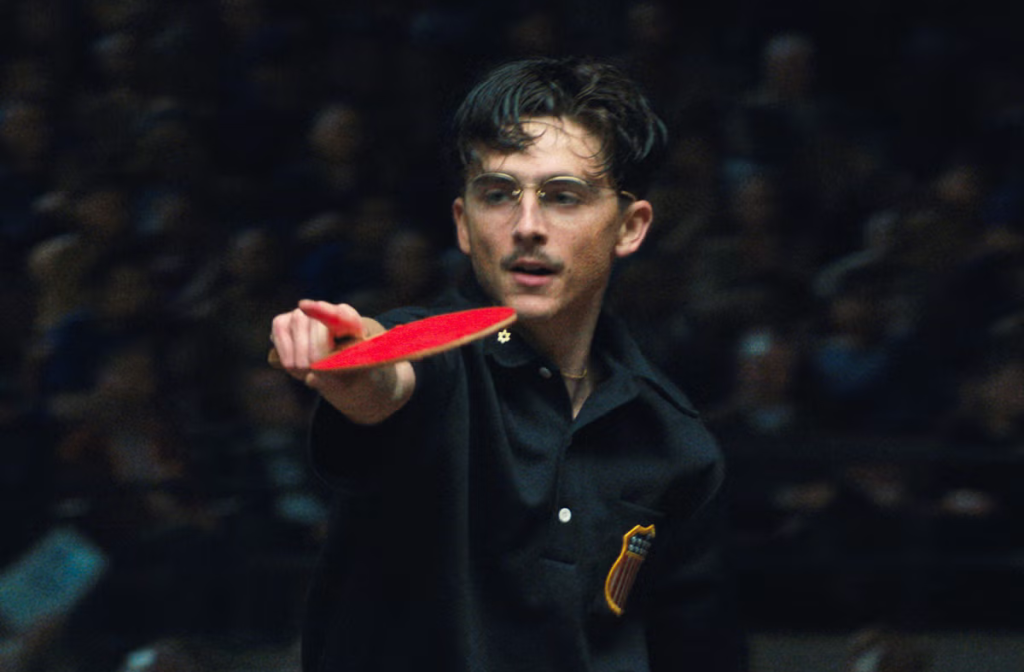
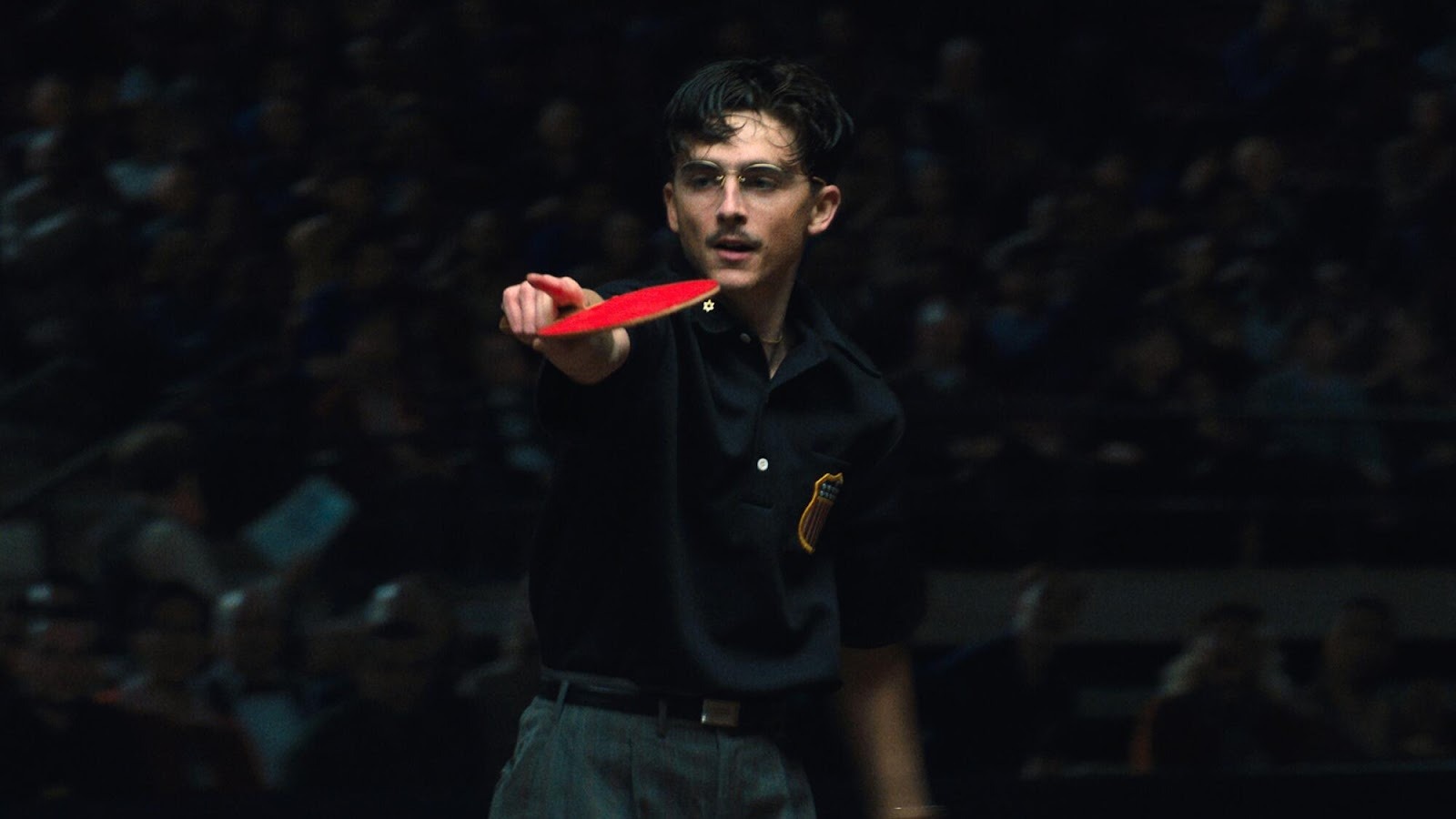
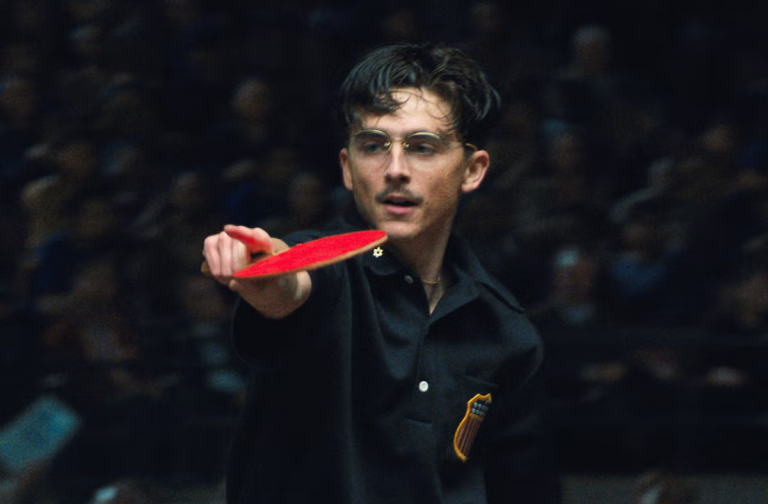
Marty Supreme is as electric and propulsive as we’d expect from Josh Safdie. From the opening credits, it’s bursting with confidence and vibrancy. It somehow turns ping pong into the most riveting sport on earth, capturing the action prodigiously with great emotion underneath. Which is vital given that this is a film about traversing the volatility of ambition and a deep yearning for greatness. Something that comes through in both Safdie’s direction and a career-defining performance from Timothée Chalamet. He is spellbinding as Marty, letting the character’s ego, in security and hunger exist all at once in every moment. He’s charming and funny. He’s repulsive and irksome. He’s your best friend. He’s your worst enemy. Marty is all of those things as his obsession for greatness consumes him. That is, until he’s forced into humility. There’s been a lot of debate about the ending to Marty Supreme, but it works for me because Marty is humbled and it does change him. Unequivocally. Those final scenes are a scorcher and totally earned. Click here to listen to our full review.
3. Sinners
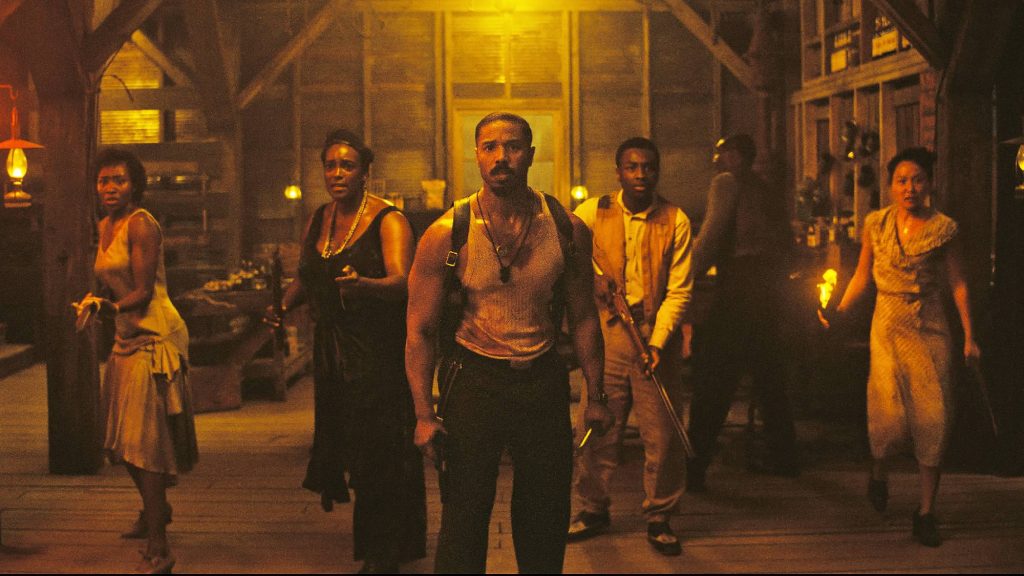
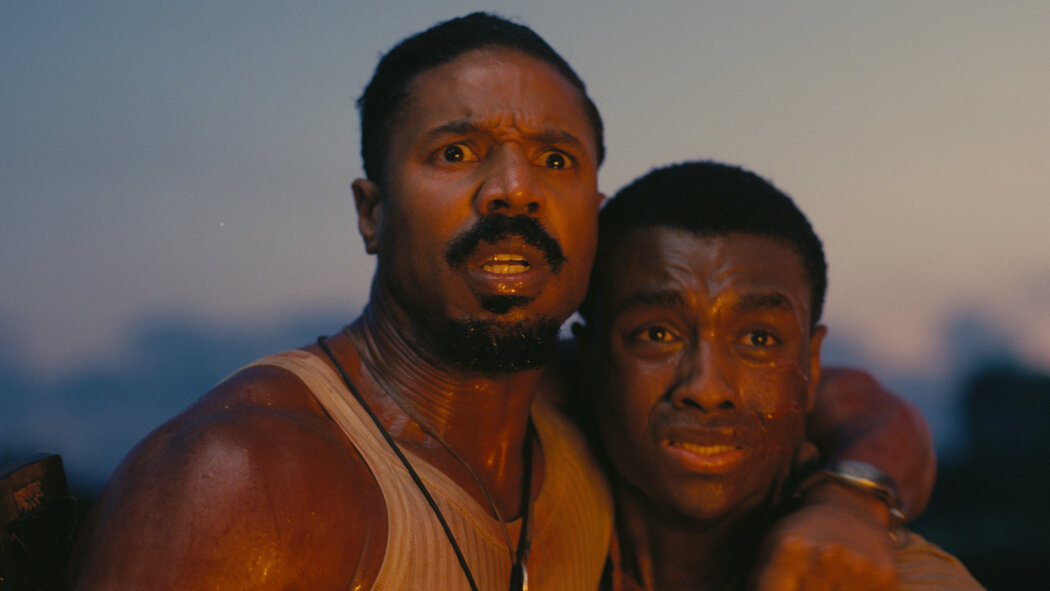
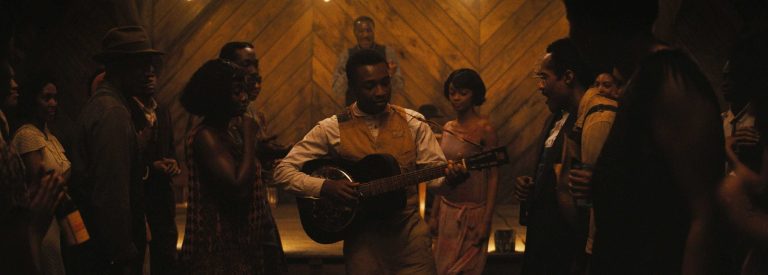
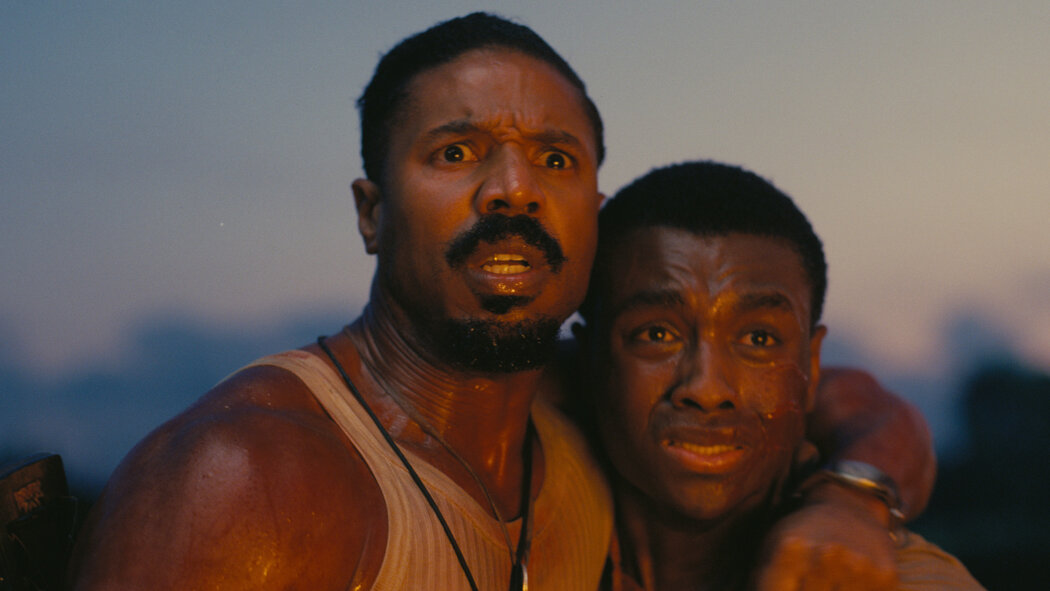
I was completely blown away by Sinners. It’s the very rare breed of movie that’s perfectly imperfect. A messy masterpiece. On one hand it’s this sexy and seductive Southern gothic vampire movie. But it’s also this soulful and exquisite music movie, illuminating the deep connection of blues to the Black community, with Ryan Coogler somehow fusing those genres together seamlessly. As if that’s not enough, what’s even more astounding is how those varying aesthetics and styles work congruently to examine the Black diasporic experience, assimilation and passing and the looting of black musicianship. It cannot be overstated, the brilliance of using Irish colonization to symbolically tap into those ideas, denoting that Remmick sees vampirism as a means of escape. Not to mention how the film includes the deep ties to East Asians in the delta, superstitions and myths that live in the bayou and even what Native American vampire hunters mean as far as their role in it all. There’s a ton to unpack and I don’t care how messy it may be at times. It’s stunning. It’s fun. It’s moving. The “I Lied to You” moment is the SCENE OF THE YEAR. Coogler is my pick for Best Director. The score by Ludwig Göransson is absurd. A ravishing cast that is excellent. Click here to listen to our full review.
2. 28 Years Later
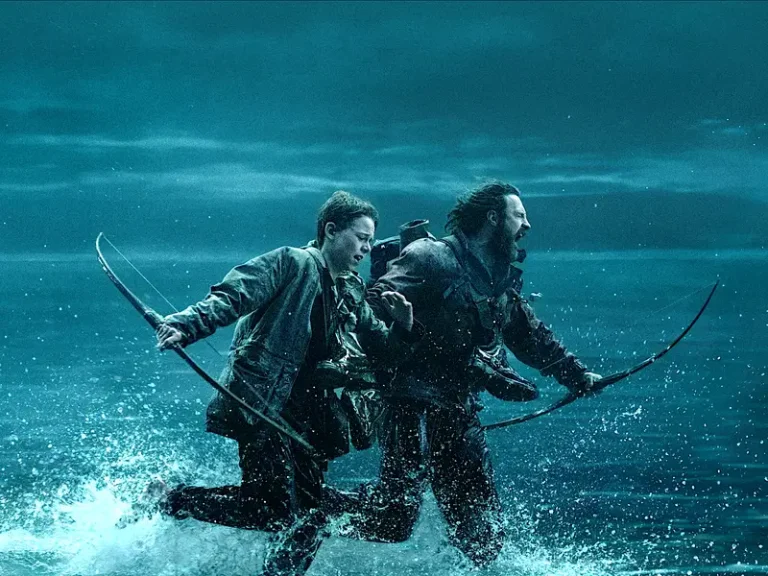
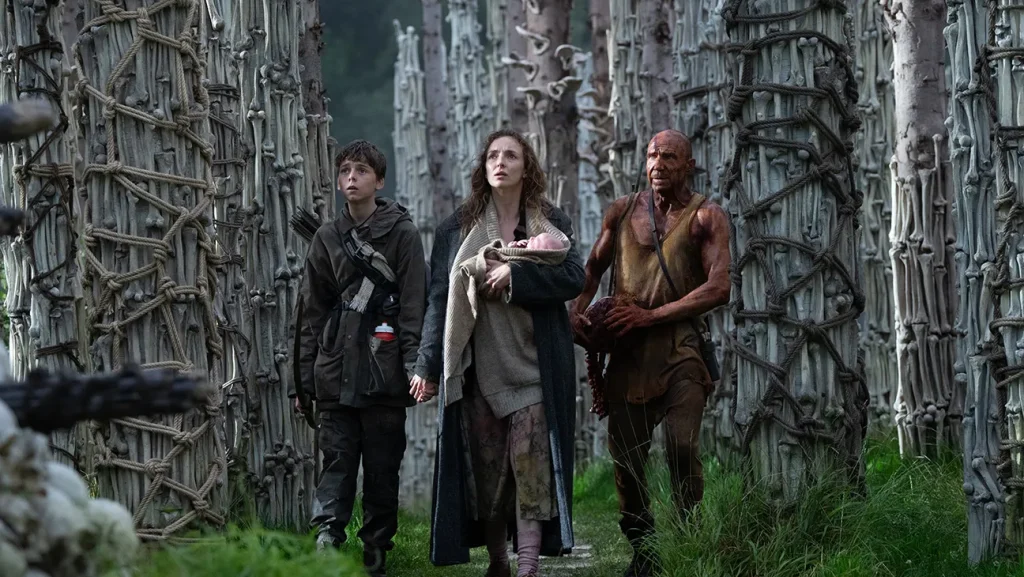
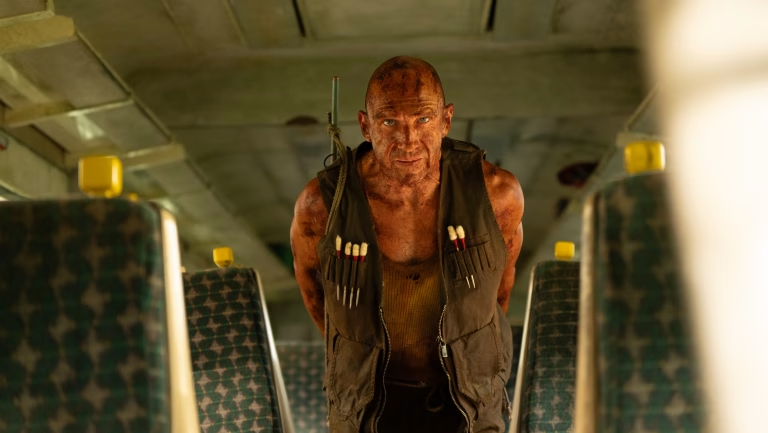
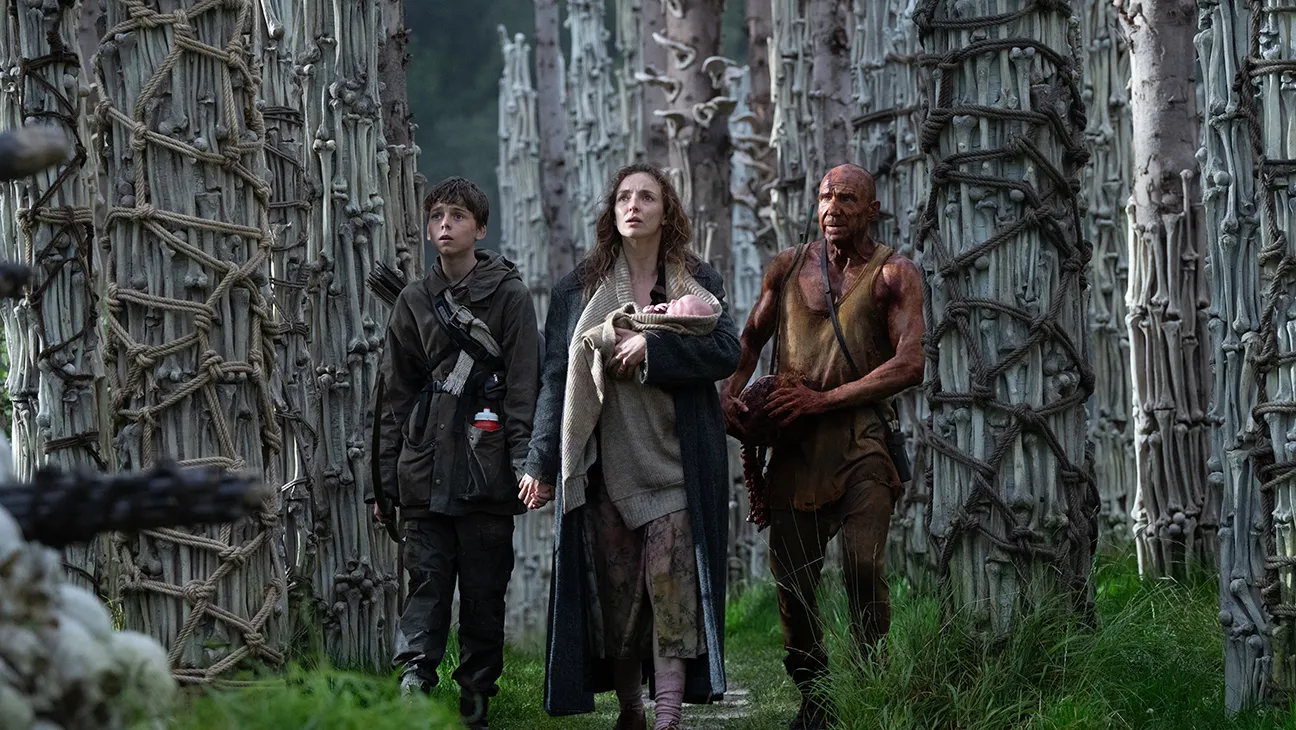
28 Years Later is my pick for the Best Overlooked Movie of 2025. It’s everything you’d want out of a Danny Boyle film. Visually speaking, it’s audacious, weird, gross, evocative, and incessantly beautiful. The kaleidoscopic vistas rendered by the iPhone rigs are incredible. The nighttime Alpha chase sequence is breathtaking in its ethereal thrills. And my god, the gnarly, yet gorgeous vestige at the end of the film is truly extraordinary. The action sequences in the first act are enthralling. The pregnant zombie sequence is assiduously crafted and unlike anything else I’ve ever seen. The artistry and craftsmanship on display is nothing short of sublime, and it’s why I nominated Boyle for Best Director. However, it’s also his most emotionally arresting and thematically compelling film to date. Spike’s coming-of-age isn’t born out of traditional masculinity and how well he shoots a bow, but rather his willingness to be vulnerable. The juxtaposition of him going into the woods to “become a man” by killing zombies to him going into the woods with his mom to save her is very moving to me. And ironic because Spike isn’t going on a journey to save her, but to remember and grieve her. Those final images, the contrast of grotesqueness and beauty, is fervently poignant. A thorough deconstruction of the franchise while also being a subtle rebuke of nationalism. Click here to listen to our full review.
1. One Battle After Another
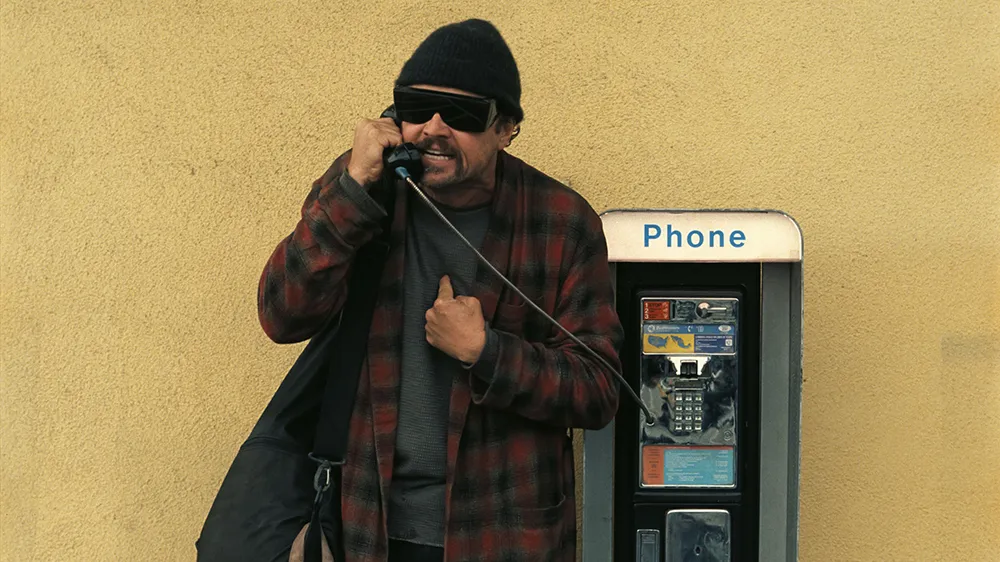
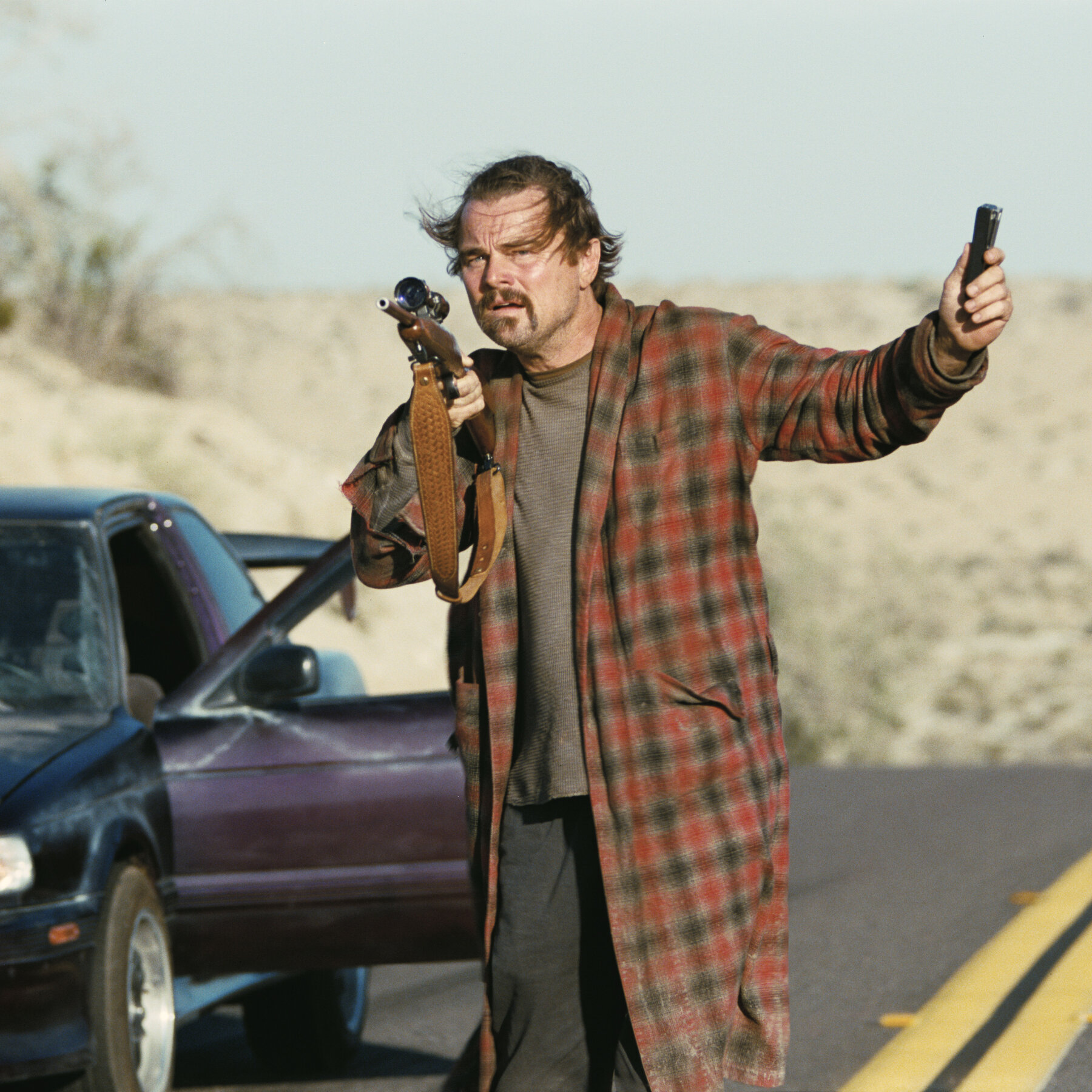
One Battle After Another is another masterpiece from Paul Thomas Anderson. I love how vast and wide-ranging it is. On one side of the coin, it’s this provocative, yet timely, examination of revolution, parenthood and white supremacy. While on the other side it’s a stoner comedy where Leonardo DiCaprio can’t remember pass codes, falls 40 feet from a rooftop, jumps out of a moving vehicle, and is the world’s worst sniper. PTA has always been an audacious filmmaker, but the tonal and narrative swings in this film are as enthralling as anything he’s ever done. The bookends are intense, pulsating heartstoppers (the road scene at the end is one of the year’s best sequences hands down). Yet at the same time it’s maybe PTA’s funniest film to date. Leo on the phone will never not be hilarious. In the hands of another filmmaker, that tonal whiplash would be too jarring, but PTA is a (ahem) master of his craft and he’s in control of this at all times. Coupled with how this is his most politically overt to date, without having to constantly revel in black and white politics. It’s simply a reflection of the fallacy of political extremes, and the devastating consequences that come about when those extremes collide. Given the current discourse on this film, he 1000% nailed it. Not to mention a stellar ensemble cast that includes arguably Leo’s best performance, MY best supporting actress in Teyana Taylor and one of the biggest discoveries of the year in Chase Infinity. Click here to listen to our full review.
To round out my Top 20, here is the rest of my list: 11) Sorry, Baby 12) Die My Love 13) No Other Choice 14) Sound of Falling 15) Eephus 16) The Shrouds 17) The Chronology of Water 18) Train Dreams 19) The Secret Agent 20) On Becoming A Guinea Fowl
Let us know what you think. Do you agree or disagree? We’d like to know why. Leave a comment in the comment section below or tweet us @InSessionFilm.
To hear us discuss our InSession Film Awards and our Top 10 Best Movies of 2025, subscribe to us on Apple Podcasts, Spotify, Soundcloud or you can listen below.
Well, we are finally here. We have reached the end of another year of cinema. And, as always, it has been an extremely good year. Also, like all years, you are better off being a searcher than you are of simply waiting for the biggest movies of the year. This is not to say that there were not great blockbusters, because there were! But I urge you, as a movie lover, to always branch out. Try to find movies that challenge you, that you’ve never heard of, or that just sound plain crazy. Overall, I can promise you that it will be rewarding.
So, let’s get to it, you’re here for the list, right?
Honorable mentions include: No Other Choice, Die My Love, Resurrection, If I Had Legs I’d Kick You, Bugonia
10. Marty Supreme
Safdie movies are tough for me. Mostly, I find the work to be fine and a bit overrated. This one is too, but only in the sense that I don’t think it is perfect. Chalamet, as a young man poisoned by intense motivation to be the best at something, anything, gives one of the best performances of the year. For a long movie, this one moves like lightning. There are numerous supporting roles here that are excellent, but none quite as much as Gwyneth Paltrow. This movie is worth watching just for her finally getting back into the acting game in a real way. The ending has brought much discussion, but I, for one, love that the story of a man who only cares about his personal future must screech to a halt and deal with a future that is not about him.
9. Eephus
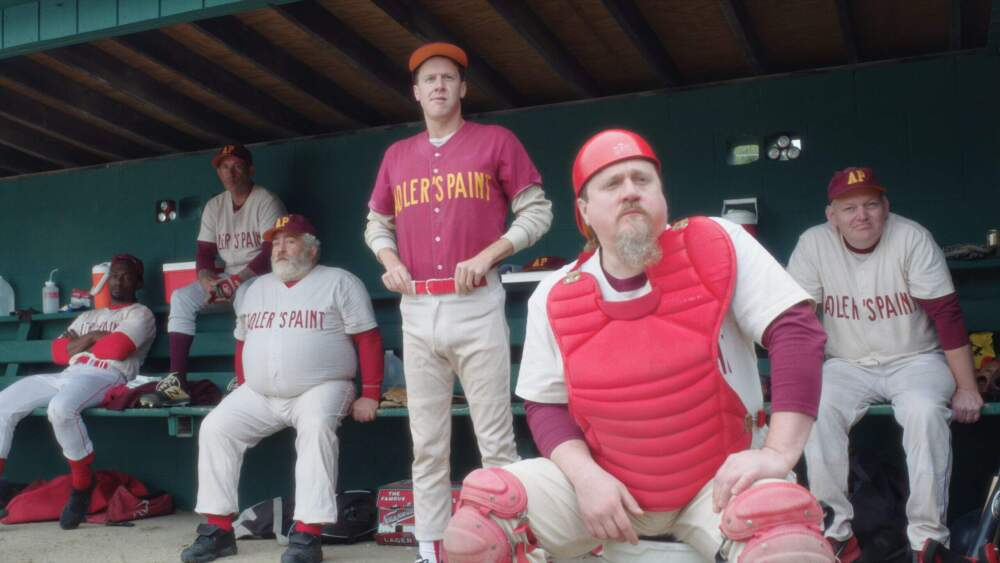
As an older movie lover who loves baseball just as much, Eephus feels like it was built in a lab for me. The best hangout movie of the year (in a year with two Linklater movies!), I felt like I wanted to spend as much time as possible with these crotchety old guys. As the future comes for them, and us all, I could not help but be swept up in the romance of the game, backlit by their cars. They wanted one more game. Don’t we all?
8. The Ugly Stepsister
The Ugly Stepsister reclaims the fairy tale for the horror fiends and freaks. No talking animals, no fairy godmothers; simply the grimiest, grittiest version of a treasured tale sure to haunt your nightmares. This is one you may watch peeking around your fingers, but it is so worth it. There are images that I may never unsee. Man, there is nothing better than a surprise movie that you never saw coming! Emilie Blichfeldt has created a memorable, gory, bloody masterpiece to watch through your fingers and gritted teeth.
7. Sentimental Value
This might be the most impeccably written screenplay of the year. Eskil Vogt and Joachim Trier crafted this, and I cannot help but be in awe. Yes, the house is a character, but they manage this without delving into any silliness. At its core, Sentimental Value seems to be about the relationships we wish we had, as opposed to the ones that we do. Especially with family, we want perfection, we want them to know what they did wrong, and what they need to do to fix those wrongs. There are no true villains here, just humans. Skarsgard, Reinsve, Lilleaas, and Fanning all deserve awards for the work that they have done here. A subtle, complicated, difficult movie that rewards those who stick with it.
6. It Was Just An Accident
Even things that seem simple, like taking revenge on someone truly evil, are never straightforward. Movies sometimes seem to teach us that this is an uncomplicated matter, but moments like this change us, sometimes irrevocably, as surely as the original traumatic acts do. Panahi, ever the expert on the human condition, teaches us that we always have a choice. We do not have to become like our captors, and our best selves would never take this step, for it will damage us more than the violence done against us ever could. Even if it may be our undoing, our humanity must persist.
5. Sorry, Baby
Yes, another movie about trauma and sexual assault. But no, you have not seen anything like this before. Eva Victor (writer, director, and star) manages to craft a genuine and stunning piece of work that dissects trauma, friendship, romance, and human kindness all in a nearly perfect package. Victor and Naomi Ackie together form an incredible duo that I will think of whenever I ponder friendship on screen. The way they talk to each other, the way they listen actively to one another should be studied. And that scene of trauma is so delicately handled that I wish a lot of directors (especially men!) would take a closer look. Also, keep an eye out for John Carroll Lynch, providing one of the best scenes of the year. Eva Victor for everything, please and thank you!
4. The Secret Agent
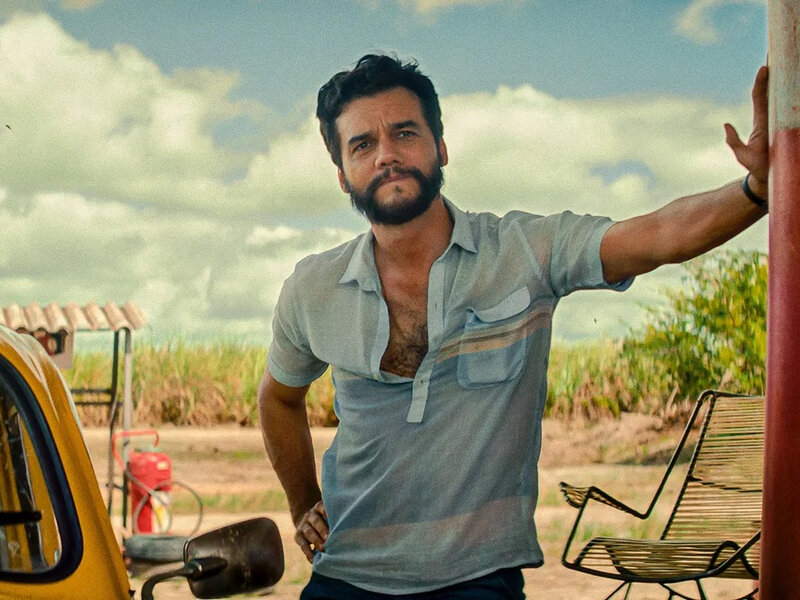
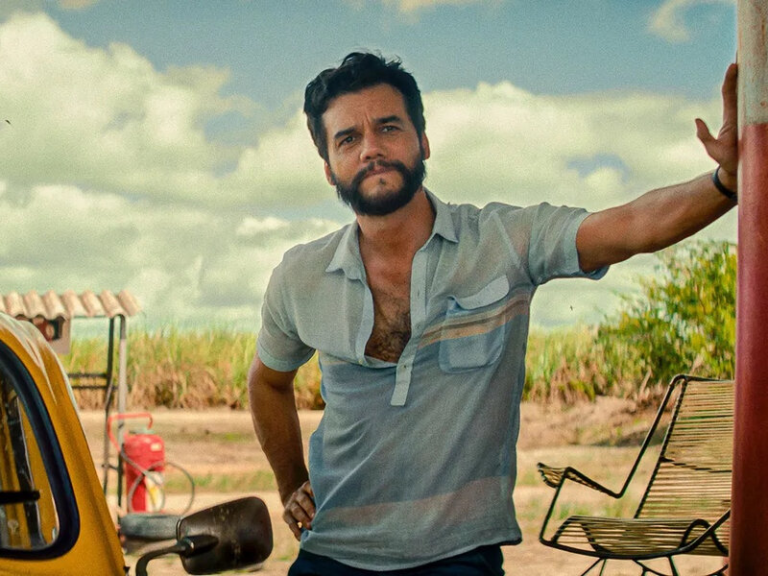
In a year of numerous incredible international films, this is the very best of them. Writer and director Kleber Mendonça Filho crafts one of the year’s best screenplays (and films, obviously). But really, this is all anchored by the best male performance of the year, from Wagner Moura. I don’t know what is going on in Brazilian film, but this is back-to-back after Fernanda Torres showed us how it’s done in I’m Still Here. But in this movie, Moura keeps himself a mystery, basically until the climax. He is playing many different sides of a man, and Filho’s script doesn’t allow us to see the entire picture until the final frame. Sexy, dangerous, funny, and moving; The Secret Agent is an absolute must-see.
3. One Battle After Another
This feels sacrilegious to be this low. A Paul Thomas Anderson movie, with this cast? Trust me, I feel worse about it than you do. And if we are being real, everything from 4 to 1 could be my top movie of the year. Life…LIFE!! One of the best father-daughter movies ever, it really hits hard for those of us that are aging. As a group, we have definitely done more harm than good and it is almost time to pass the baton to the younger generation. Our battles aren’t over, but we aren’t well enough to be on the frontlines. The next battle (and the next one) is up to the kids. The best we can hope is that we have passed on enough and that we can support them as they hopefully do better. This features one of the best casts of the year, but no one is more important than Chase Infiniti. For a young actor to go toe-to-toe with Leonardo DiCaprio AND Sean Penn? Unfathomable. And yet, here we are.
2. Sinners
Ryan Coogler is a mad man. Is this historical fiction, a vampire movie, a music movie, a movie about the Black experience and art? Yes, the answer is yes. This movie also happens to have the scene of the year. You know the one. And actually, that scene is the perfect way to think about the film as a whole. Dozens of professionals, all working in concert, to make something that you have never seen before. Sinners will stick with me. Truly, Ryan Coogler is an original. He can do it all and, more importantly, seems to want to do it all for the biggest audience possible. I am simply happy to be one of many in the crowd.
1. Frankenstein
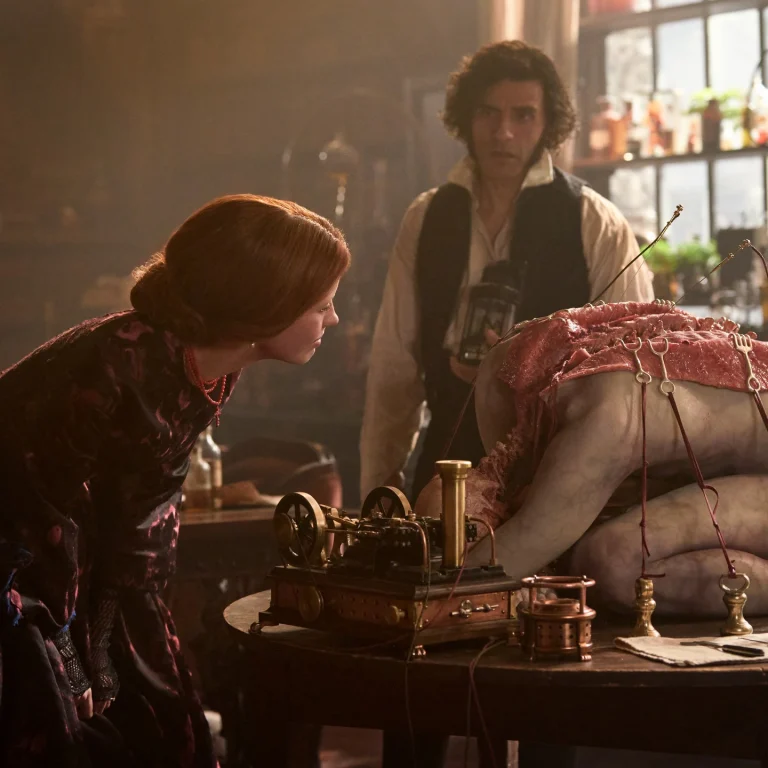
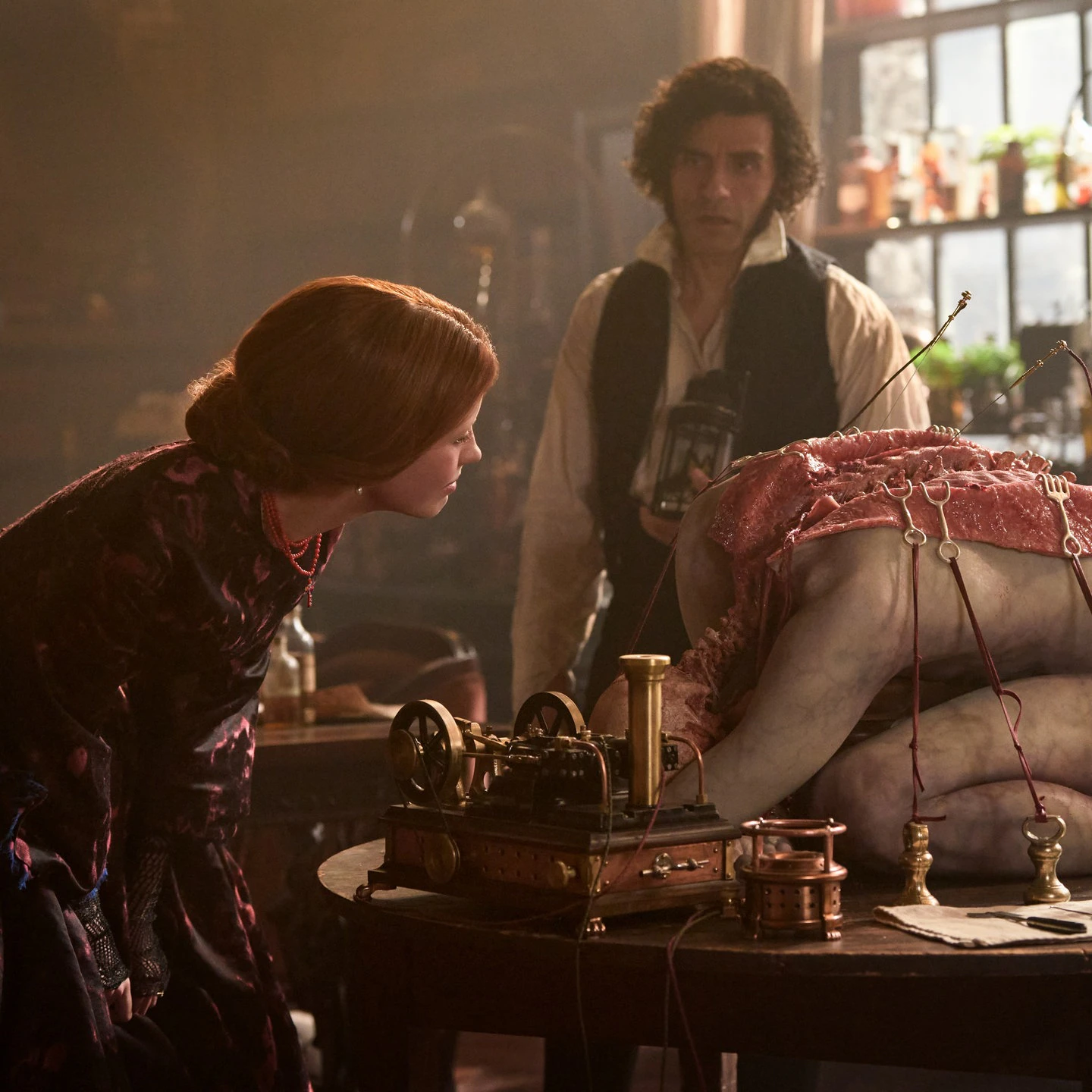
If I could make one change, I would simply rename the film “Guillermo del Toro’s Frankenstein.” You can argue, and many have, that he has been making Frankenstein for his entire career. And that may be true, but to see him tackle Mary Shelley’s creature filled my gothic loving soul to the brim. Oscar Isaac (as Victor) manages to be both overdramatic (a feature, not a bug) and a symbolic toxic father figure. Jacob Elordi (as The Creature) is an absolute revelation. He may not have been the original choice, but he was born to play exactly this role. GDT manages to do Shelley’s story justice (YMMV, please make your own list) and focus on the difficulties of halting the cycles of violence and abuse between parents and children. The beauty and craftwork on display here is why I watch movies. Costumes, sets, makeup, all monstrously created and awe inspiring. Frankenstein is happily my favorite movie of 2025. Frankenstein is a romantic, gothic, violent, sensual piece of art. We are lucky that we live in a world that has given us Guillermo del Toro’s perfect vision, large and bold.
This week on the InSession Film Podcast, we featured our 13th annual InSession Film Awards! During Part 1, we discussed the very best that 2025 had to offer in terms of film. We dove into everything from movie surprises, to overlooked movies, to the best acting performances and so much more!
For every category, we each listed our own nominations and winners. Winners are highlighted in bold.
Best Actor
Brendan:
Timothee Chalamet, Marty Supreme
Joel Edgerton, Train Dreams
Dylan O’Brien, Twinless
Wagner Moura, The Secret Agent
Josh O’Conner, Wake Up Dead Man
JD:
Leonardo DiCaprio, One Battle After Another
Timothee Chalamet, Marty Supreme
Joel Edgerton, Train Dreams
Josh O’Connor, The Mastermind
Wagner Moura, The Secret Agent
Dave:
Michael B. Jordan, Sinners
Leonardo DiCaprio, One Battle After Another
Timothee Chalamet, Marty Supreme
Wagner Moura, The Secret Agent
Ethan Hawke, Blue Moon
Best Actress
Brendan:
Rose Byrne, If I Had Legs I’d Kick You
Susan Chardy, On Becoming a Guinea Fowl
Imogen Poots, The Chronology of Water
Renate Reinsve, Sentimental Value
Eva Victor, Sorry, Baby
JD:
Jennifer Lawrence, Die My Love
Renate Reinsve, Sentimental Value
Rose Byrne, If I Had Legs I’d Kick You
Imogen Poots, The Chronology of Water
Jessie Buckley, Hamnet
Dave:
Rose Byrne, If I Had Legs, I’d Kick You
Jennifer Lawrence, Die My Love
Kathleen Chalfant, Familiar Touch
Tessa Thompson, Hedda
Emma Stone, Bugonia
Best Actor Supporting Role
Brendan:
Miles Caton, Sinners
Jacobi Jupe, Hamnet
Jacob Elordi, Frankenstein
Tim Key, The Ballad of Wallis Island
Stellan Skarsgård, Sentimental Value
JD:
Jacob Elordi, Frankenstein
Stellan Skarsgård, Sentimental Value
Jacobi Jupe, Hamnet
Benicio del Toro, One Battle After Another
Ralph Fiennes, 28 Years Later
Dave:
Sean Penn, One Battle After Another
Delroy Lindo, Sinners
Jacob Elordi, Frankenstein
Jeffrey Wright, Highest 2 Lowest
Stellan Skarsgard, Sentimental Value
Best Actress Supporting Role
Brendan:
Odessa A’zion, Marty Supreme
Pamela Anderson, The Naked Gun
Inga Ibsdotter Lilleaas, Sentimental Value
Amy Madigan, Rebuilding
Teyana Taylor, One Battle After Another
JD:
Wunmi Mosaku, Sinners
Inga Ibsdotter Lilleaas, Sentimental Value
Teyana Taylor, One Battle After Another
Odessa A’zion, Marty Supreme
Son Ye-jin, No Other Choice
Dave:
Wunmi Mosaku – Sinners
Inga Ibsdotter Lilleaas – Sentimental Value
Son Ye-Jin – No Other Choice
Ursula Corbero – Kill The Jockey
Teyana Taylor – One Battle After Another
Best Director
Brendan:
Kaouther Ben Hania, The Voice of Hind Rajab
Danny Boyle, 28 Years Later
Josh Safdie, Marty Supreme
Jafar Panahi, It Was Just An Accident
Kleber Mendonça Filho, The Secret Agent
JD:
Paul Thomas Anderson, One Battle After Another
Danny Boyle, 28 Years Later
Kelly Reichardt, The Mastermind
Bi Gan, Resurrection
Ryan Coogler, Sinners
Dave:
Paul Thomas Anderson, One Battle After Another
Ryan Coogler, Sinners
Guillermo del Toro, Frankenstein
Jafar Panahi, It Was Just An Accident
Lynne Ramsay, Die My Love
Best Original Screenplay
Brendan:
David Koepp, Black Bag
Carson Lund, Eephus
Eskil Vogt and Joachim Trier, Sentimental Value
Mary Bronstein, If I Had Legs I’d Kick You
Ronald Bronstein and Josh Safdie, Marty Supreme
JD:
Eva Victor, Sorry, Baby
Ryan Coogler, Sinners
Eskil Vogt and Joachim Trier, Sentimental Value
Josh Safdie and Ronald Bronstein, Marty Supremet
Jafar Panahi, It Was Just An Accident
Dave:
Ryan Coogler, Sinners
Eva Victor, Sorry, Baby
Eskil Vogt and Joachim Trier, Sentimental Value
Josh Safdie and Ronald Bronstein, Marty Supreme
Kleber Mendonça Filho, The Secret Agent
Best Adapted Screenplay
Brendan:
Nia DaCosta, Hedda
Paul Thomas Anderson, One Battle After Another
Clint Bentley and Greg Kwedar, Train Dreams
Alex Garland, 28 Years Later
Rian Johnson, Wake Up Dead Man
JD:
Chloé Zhao and Maggie O’Farrell, Hamnet
Alex Garland, 28 Years Later
Clint Bentley and Greg Kwedar, Train Dreams
Paul Thomas Anderson, One Battle After Another
Rian Johnson, Wake Up Dead Man
Dave:
Guillermo del Toro, Frankenstein
Paul Thomas Anderson, One Battle After Another
Highest 2 Lowest, Evan Hunter
Nia DaCosta, One Battle After Another
Will Tracy, Bugonia
Best Cinematography
Brendan:
Anthony Dod Mantle, 28 Years Later
Autumn Durald Arkapaw, Sinners
Kim Woo-hyung, No Other Choice
Michael Bauman, One Battle After Another
Adolpho Veloso, Train Dreams
JD:
Kim Woo-hyung, No Other Choice
Adolpho Veloso, Train Dreams
Anthony Dod Mantle, 28 Years Later
Dong Jingsong, Resurrection
Autumn Durald Arkapaw, Sinners
Dave:
Autumn Durald Arkapaw, Sinners
Adolpho Veloso, Train Dreams
Michael Bauman and Paul Thomas Anderson, One Battle After Another
Anthony Dod Mantle, 28 Years Later
Steve Yedlin, Wake Up Dead Man
Best Documentary
Brendan:
It’s Never Over, Jeff Buckley
John Candy: I Like Me
The Perfect Neighbor
Predators
Sly Lives! (aka The Burden of Black Genius)
JD:
The Perfect Neighbor
Come See Me in the Good Light
Cover-Up
Predators
2000 Meters to Andriivka
Dave:
Come See Me in the Good Light
Cover-Up
Put Your Soul On Your Hand and Walk
Predators
Mr. Scorsese
Best International Film
Brendan:
The Secret Agent
Sentimental Value
The Voice of Hind Rajab
It Was Just an Accident
Little Amélie or the Character of Rain
JD:
It Was Just An Accident
No Other Choice
Sentimental Value
Resurrection
Sound of Falling
Dave:
Resurrection
The Ugly Stepsister
Sentimental Value
It Was Just An Accident
The Secret Agent
Best Animated Film
Brendan:
The Day the Earth Blew Up: A Looney Tunes Movie
The Bad Guys 2
Kpop Demon Hunters
Predato: Killer of Killers
Little Amélie or the Character of Rain
JD:
Little Amélie or the Character of Rain
Ne Zha 2
Zootopia 2
Kpop Demon Hunters
Predator: Killer of Killers
Dave:
Arco
Ne Zha II
KPOP Demon Hunters
Little Amelie, or the Character of Rain
Zootopia 2
Best Original Score
Brendan:
Ludwig Göransson, Sinners
Young Fathers, 28 Years Late
Bryce Dessner, Train Dreams
Rob Mazurek, The Mastermind
Howard Drossin, Highest 2 Lowest
JD:
Bryce Dessner, Train Dreams
Max Richter, Hamnet
Son Lux, Thunderbolts*
Daniel Lopatin, Marty Supreme
Ludwig Göransson, Sinners
Dave:
Hildur Guðnadóttir, Hedda
Ludwig Göransson, Sinners
Jonny Greenwood, One Battle After Another
Daniel Blumberg, The Testament of Ann Lee
Mateus Alves and Tomaz Alves Souza, The Secret Agent
Best Use of Song
Note: This category includes original songs and pre-existing music.
Brendan:
“Firework” by Katy Perry, Eddington
“So Very Hard to Go” by Tower of Power, Freaky Tales
“Everybody Wants to Rule the World” by Tears for Frears, Marty Supreme
“I Lied To You” by Miles Caton, Sinners
“Npothing’s Gonna Stop Us Now” by Starship, Sinners
JD:
“I Lied To You” by Miles Caton, Sinners
“What It Sounds Like” by HUNTR/X, Kpop Demon Hunters
“Rocky Road to Dublin” by Jack O’Connell, Brian Dunphy and Darren Holden, Sinners
“Trunks” by A$AP Rocky, Highest 2 Lowest
“Forever Young” by Alphaville, Marty Supreme
Dave:
“Golden”, KPOP Demon Hunters
“I Lied To You” , Sinners
“Dirty Work” , One Battle After Another
“Salt Then Sour Then Sweet” , Come See Me in the Good Light
“Under Pressure” , Is This Thing On?
Best Opening/Closing Credits Sequence or Scene
Brendan:
Sinners (Closing Credits)
Hedda (Opening Credits)
Highest 2 Lowest (Opening Credits)
Marty Supreme (Opening Credits)
The Naked Gun (Closing Credits)
JD:
Sentimental Value (Closing)
Hamnet (Closing)
It Was Just An Accident (Closing)
If I Had Legs I’d Kick You (Closing)
Marty Supreme (Closing)
Dave:
Sentimental Value (Closing)
Sorry, Baby (Closing)
If I Had Legs, I’d Kick You (Closing)
Final Destination: Bloodlines (Opening)
It Was Just An Accident (Closing)
Best Overlooked Movie
Brendan:
The Shrouds
On Becoming a Guinea Fowl
Mickey 17
The Ballad of Wallis Island
The Baltimorons
JD:
On Becoming a Guinea Fowl
Eephus
The Chronology of Water
The Shrouds
Invention
Dave:
The Phoenician Scheme
Hedda
Lurker
Familiar Touch
The Mastermind
Best Surprise Movie
Brendan:
The Naked Gun
Freakier Friday
Highest 2 Lowest
Thunderbolts*
Wake Up Dead Man
JD:
The Naked Gun
Predator: Badlands
Thunderbolts*
Superman
Highest 2 Lowest
Dave:
I’m Not Everything I Want To Be
Eephus
Kill The Jockey
Wake Up Dead Man
Resurrection
Best Surprise Actor/Actress
Brendan:
Kevin O’Leary, Marty Supreme
Dylan O’Brien, Twinless
Bad Bunny, Caught Stealing / Happy Gilmore 2
ill Arnett, Is This Thing On?
Tom Hanks, Freaky Tales
JD:
Tim Key, The Ballad of Wallis Island
Will Arnett, Is This Thing On?
Aidan Delbis, Bugonia
Chris Evans, Materialists
Liam Neeson, The Naked Gun
Dave:
Dylan O’Brien, Twinless
Gwyneth Paltrow, Marty Supreme
Conan O’Brien, If I Had Legs I’d Kick You
Jai Courtney, Dangerous Animals
Dakota Johnson, Splitville
Best Movie Discovery
Brendan:
Miles Caton – Actor, Sinners
Chase Infiniti – Actress, One Battle After Another
Michael Strassner – Writer / Actor, The Baltimorons
Rob Mazurek – Composer, The Mastermind
Carson Lund – Director, Eephus
JD:
Chase Infiniti – Actress, One Battle After Another
Jacobi Jupe – Actor, Hamnet
Miles Caton – Actor, Sinners
Mary Bronstein – Director, If I Had Legs I’d Kick You
Eva Victor – Director / Actress / Writer, Sorry, Baby
Dave:
Emilie Blichfeldt, Director, The Ugly Stepsister
Eva Victor, Everything, Sorry, Baby
Miles Caton, Actor, Sinners
Chase Infiniti, Actress, One Battle After Another
Tonatiuh, Actor, Kiss of the Spider Woman
JD’s Individual Special Awards
Best Individual Score Track
“Not Alone” – Son Lux (Thundebolts*)
“Of the undiscovered country” – Max Richter (Hamnet)
“Home II” – Bryce Dessner (Train Dreams)
“Your Actions, Your Choices” – David Flemming (Challengers)
“Drive Fast” – Hans Zimmer (F1)
“Remember” – Young Fathers (28 Years later
“I Love You Tokyo” – Daniel Lopatin (Marty Supreme)
“Trust Device” – Johnny Greenwood (One Battle After Another)
“Fantastic Four Main Theme” – Michael Giacchino (Fantastic Four: First Steps)
“Elijah” – Ludwig Göransson (Sinners)
Best Overlooked Performance
Dylan O’Brien, Twinless
Delroy Lindo, Sinners
Florence Pugh, Thunderbolts*
Frank Dillane, Urchin
Kayo Martin, The Plague
Shih-Yuan Ma, Left-Handed Girl
Best Directorial Debut
Kristin Stewart, The Chronology of Water
Harry Dickinson, Urchin
Ronan Day-Lewis, Anemone
Eva Victor, Sorry, Baby
Carson Lund, Eephus
Best Actress Performances That Also Deserved To Be Nominated
Chase Infinity, One Battle After Another
Tessa Thompson, Hedda
Jodie Comer, 28 Years Later
Emma Stone, Bugonia
Susan Chardy, On Becoming a Guinea Fowl
Eva Victor, Sorry, Baby
Amanda Seyfried, The Testament of Ann Lee
Holy Shit, The Editing
No Other Choice
The Perfect Neighbor
Caught By the Tides
The Chronology of Water
Avatar: Fire and Ash
Why Was 2025 Trying To Kill Me?
Hamnet
The Testament of Ann Lee
Die My Love
The Chronology of Water
If I Had Legs I’d Kick You
Sirat
The Voice of Hind Rajab
Train Dreams
28 Years Later
Sentimental Value
The Secret Agent
Brendan’s Individual Special Awards
Best Performance by a Non-Human, aka “Cheddar Goblin” Award
Indy the dog, Good Boy
Suicidal Hamster, If I Had Legs I’d Kick You
The meerkat, Left-Handed Girl
The guinea fowl, On Becoming a Guinea Fowl
The cat, Sorry, Baby
Best “Actor Saves a Sinking Ship” Performance
Dave Franco and Allison Brie, Together
Olivia Holt and Mason Gooding, Heart Eyes
Cooper Hoffman and David Jonsson, The Long Walk
Dwayne Johnson, The Smashing Machine
June Squibb, Eleanor the Great
Misunderstood M0ovie Most Likely Subject to Reevaluation
Anemone
Highest 2 Lowest
Mickey 17
Mission: Impossible – The Final Reckoning
Warfare
Dave’s Individual Special Awards
The Steven Soderbergh Very Good Year Award
Steven Soderbergh, Presence and Black Bag
Naomi Ackie, Mickey 17 and Sorry, Baby
Benicio del Toro, The Phoenician Scheme and One Battle After Another
Richard Linklater, Blue Moon and Nouvelle Vague
Josh O’Connor, Rebuilding, The History of Sound, Wake Up Dead Man, The Mastermind
The Dakota Fanning On Fire Award
Alfie Williams, 28 Years Later
Jacobi Jupe, Hamnet
Cary Christopher, Weapons
Lily LaTorre, Rebuilding
Ana Sophia Hager, She Rides Shotgun
The Beatrice Straight Make It Count Award
Chris Cooper, History of Sound
William H. Macy, Train Dreams
Nick Nolte, Die My Love
Bridgett Everett, Wake Up Dead Man
John Carrol Lynch, Sorry Baby
Well, that’s it for our 2025 InSession Film Awards! Hopefully, you all enjoyed our nominations and winners. If you agree or disagree with us, let us know in the comment section below. We would love to hear how your nominations and winners would vary from our picks above. You can also email your selections to us at [email protected] or follow us on social media.
This week on the InSession Film Podcast, for Part 2 of our InSession Film Awards, we discuss our Top 10 movies of 2025! It was a great year for cinema and we had a really fun discussion counting down the very best that cinema had to offer at the movies this last year.
It took awhile to get going, but once the fall season arrived, it was an avalanche of great films. Even if, ironically, we saw some of the very best movies in the spring and late summer (and don’t worry, we have them represented on our lists), most of 2025’s great depth came during the last few months and it pushed the year to a whole new level. It was a little more well rounded than 2024 as Hollywood made a big comeback as well. Last year was defined by innovative ambition and extraordinary experimentation. This year had a nice little buffet of everything.
If you want to help support us, there are several ways you can help us and we’d absolutely appreciate it. Every penny goes directly back into supporting the show and we are truly honored and grateful. Thanks for your support and for listening to the InSession Film Podcast!
Director:Nia DaCosta Writer: Alex Garland Stars: Jack O’Connell, Ralph Fiennes, Emma Laird
Synopsis: As Spike is inducted into Jimmy Crystal’s gang on the mainland, Dr. Kelson makes a discovery that could alter the world.
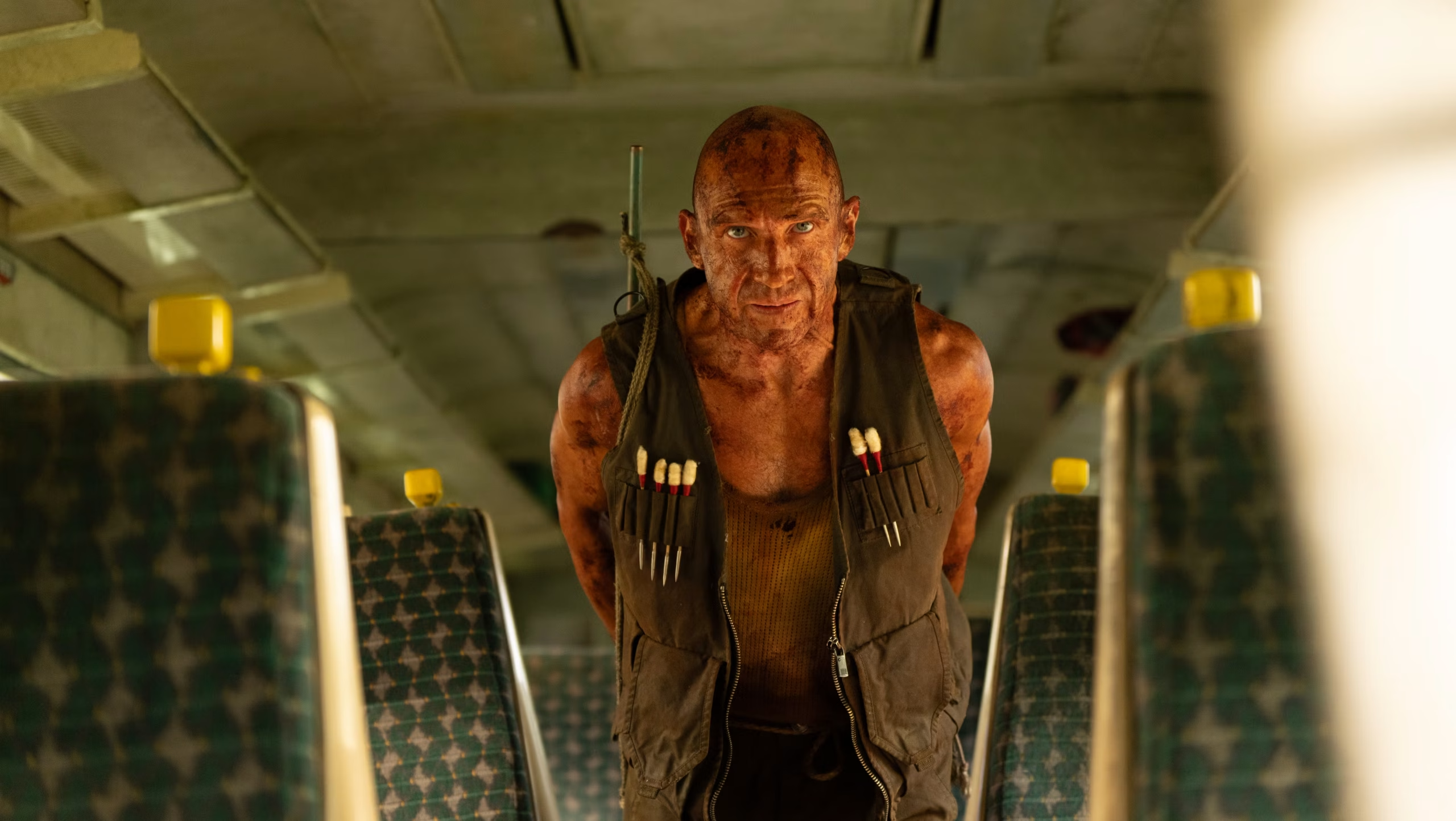
As someone who was mixed on 2025’s 28 Years Later, I came into a direct sequel with tempered expectations. To say I was blown away by Nia DaCosta’s 28 Years Later: The Bone Temple is an understatement. It’s the best film of the franchise.
All the problems I had with 28 Years Later have been addressed. Where there was tonal whiplash, there is now consistency. Where there was a scattered narrative, there is now focus. Where there was terror, there is now tension. Despite keeping the relative story consistency of the previous entries, DaCosta molds the story into a film filled with dark humor, captivating visuals, and, above all else, hope in a hopeless world.
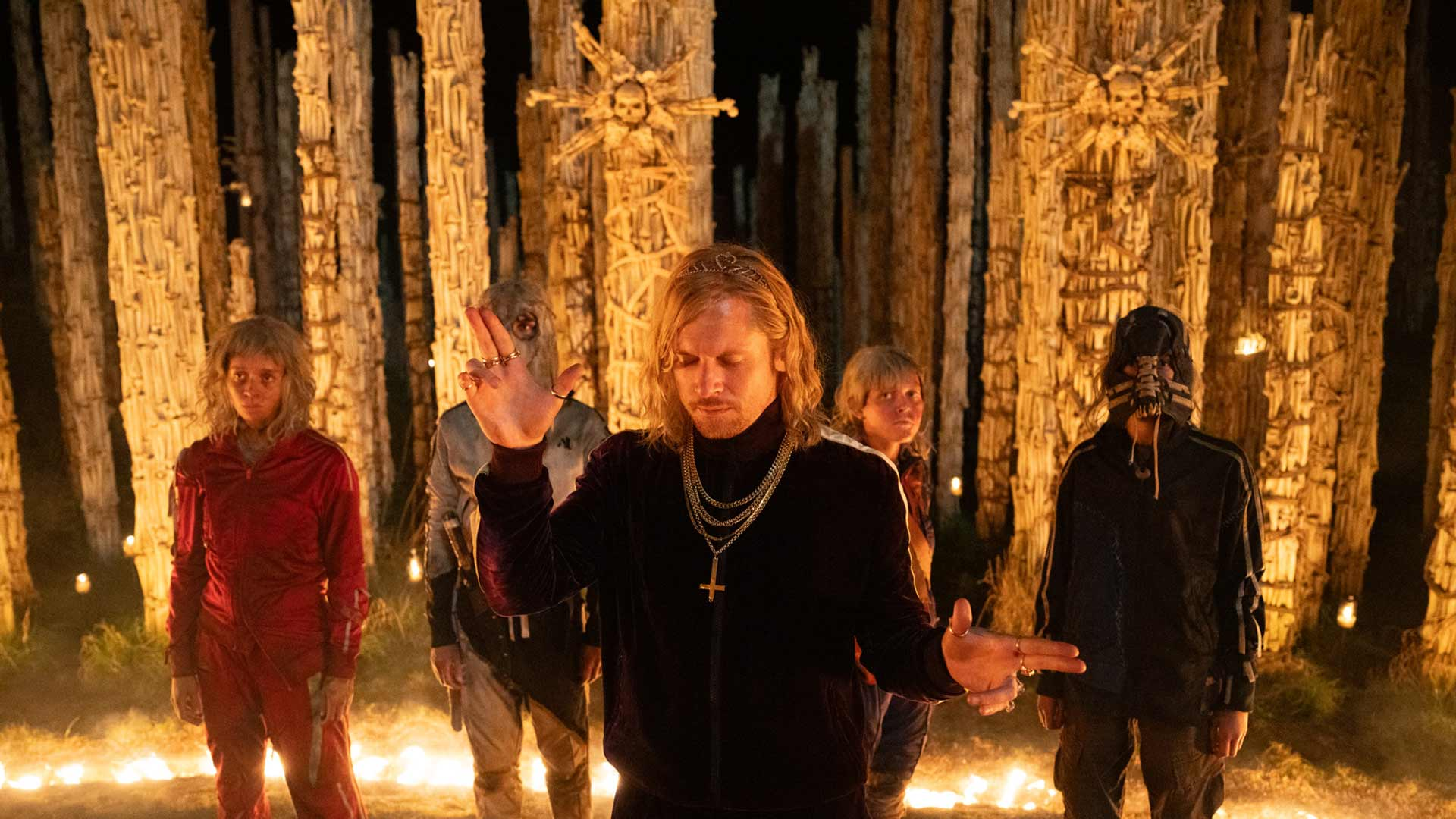
Picking up almost immediately following the events of the previous film, young Spike (Alfie Williams) meets the Jimmys, led by Sir Lord Jimmy Crystal (a truly unhinged Jack O’Connell). Following an initiation into their group, the Jimmys roam the country looking for settlements to rob and murder. Spike attempts to adapt to the group, but his apprehension at their brutal methods alienates him. Only Jimmy Ink (Erin Kellyman) treats him with kindness.
Meanwhile, Dr. Ian Kelson (a spectacular Ralph Fiennes) continues his interactions with the Alpha-infected Samson (Chi Lewis-Parry). Dr. Kelson recognizes Samson’s desire to be subdued via a blow dart, which relaxes his body and mind into a state of euphoria and peace. With their interactions growing more frequent, Dr. Kelson begins to investigate a medical explanation for Samson’s continued safe interactions.
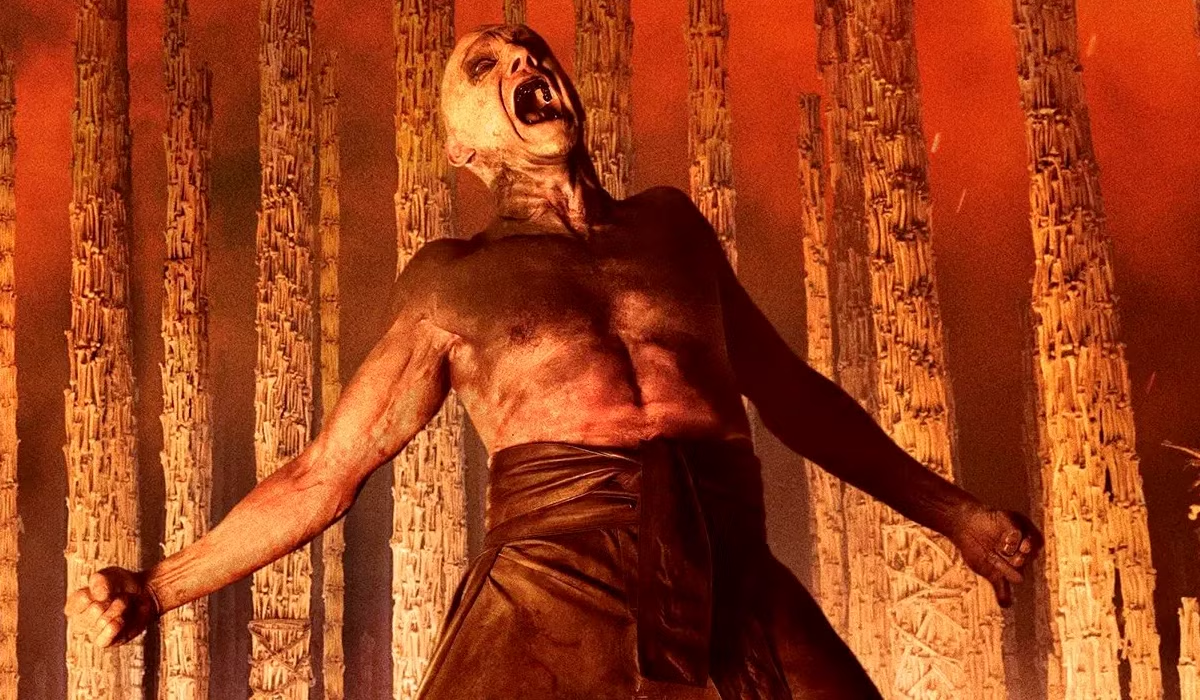
DaCosta, directing her first film without the benefit of her own script, takes the story established by writer Alex Garland and slows down. The main threat is no longer the blistering speed and fury of the infected. Instead, the evils of man take focus, especially on just how depraved they can be. On top of that, the world gets a bit smaller, taking place in around four locations in a small geographical area with less than 15 characters in total. That narrowed focus gives the film time to let scenes breathe without the need to jump around. The characters sit with you instead of existing as a passing fancy.
And those characters are particularly interesting. What drives Sir Jimmy to such madness and brutality? What is Spike doing with this group? What does Jimmy Ink allow for the brutality, but is seemingly bored by it? Why is Dr. Kelson so sane when he should so clearly be insane? These are questions that linger without direct answers. Garland and DaCosta don’t want to handhold the audience, but they don’t want to make things too complicated. This is a simple story with two main story threads. You know the two will eventually combine, but you will never be ready for what happens when they do.
Maybe the biggest surprise is the comedy. Instead of gallows humor with touches of nihilism, the humor comes from the ridiculousness of this world. Dr. Kelson drags away a dead infected body, but sings “Girls on Film” while doing so. Jimmy’s cruelty and insanity often results in dark humor while tensions rise. The entire climax of the film is an extended joke. Once I realized what was going to be happening, I couldn’t stop giggling in anticipation of the preposterous visuals I was about to take in.
But, there are still those famous zombie tropes you come to expect from these films. A man’s head is violently pulled from his shoulders, spine still attached. Knife wounds are viciously deployed in various settings. Bones crunch, blood flows. The filmmakers aren’t stupid. They know what their audience wants. At the same time, the film is not content with another lazy retread of the same old zombie song and dance. It will give you what you want, but also deliver what you never knew you needed.
All of this works due to the immense talents of the cast. Relegated to a featured supporting role in the first film, Fiennes takes control of the narrative this time around. He is somehow able to balance his measured intensity and playfulness without ever veering into the realms of insanity. His iodine-covered skin and penchant for ‘80s New Wave music might seem nuts, but a touch of context or a quick conversation will bring you down to earth. It’s a stellar performance for an actor who continues to surprise.
O’Connell barely saw a minute of screentime in the previous film, but becomes the primary antagonist in this version. Sir Jimmy is never anything other than completely unhinged and insane, but his insanity is rarely at 100. He is not ranting and raving, rather a calculated preacher who commands his minions with certainty and cruelty. Following his performance in Sinners, O’Connell has carved a nice little avenue for himself. Williams’ role has less substance than the first film, though his story is the throughline for the audience. He certainly does a great job of looking terrified and overwhelmed.
Kellyman is a welcome addition to the series, never revealing her true intentions as the most surgical of the Jimmys. She is able to balance deadly precision with compassion and understanding. Even Lewis-Perry, who did little more than stand and groan in the first film, does a standout job with Samson’s characterization. His character is the one I am most interested in seeing going forward in the series.28 Days Later: The Bone Temple fixes any squabbles I had with the first film. Despite the low expectations, I had an absolute blast. While January is usually a dumping ground for releases, this is undeniably one of the best films ever released this early in the year.
Director:Ric Roman Waugh Writers:Mitchell LaFortune, Chris Sparling Stars: Gerard Butler, Morena Baccarin, Roman Griffin Davis
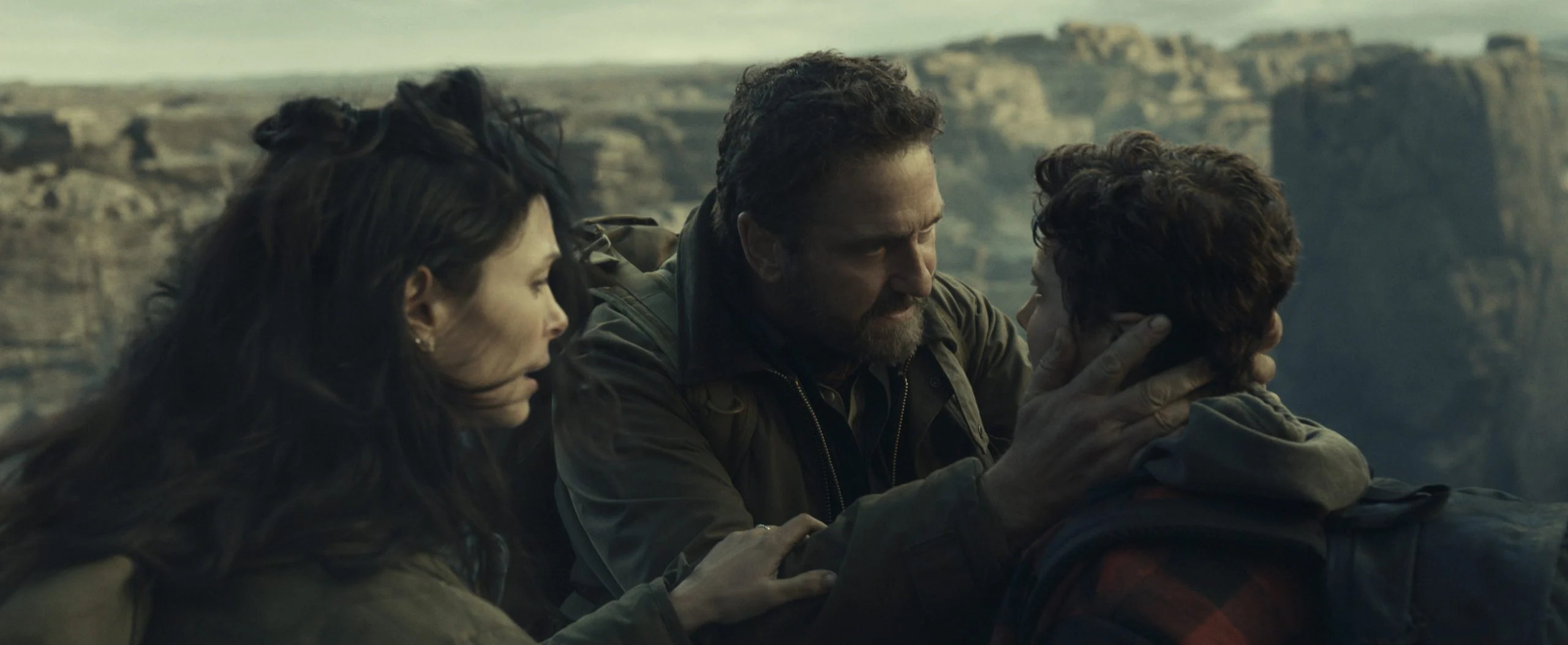
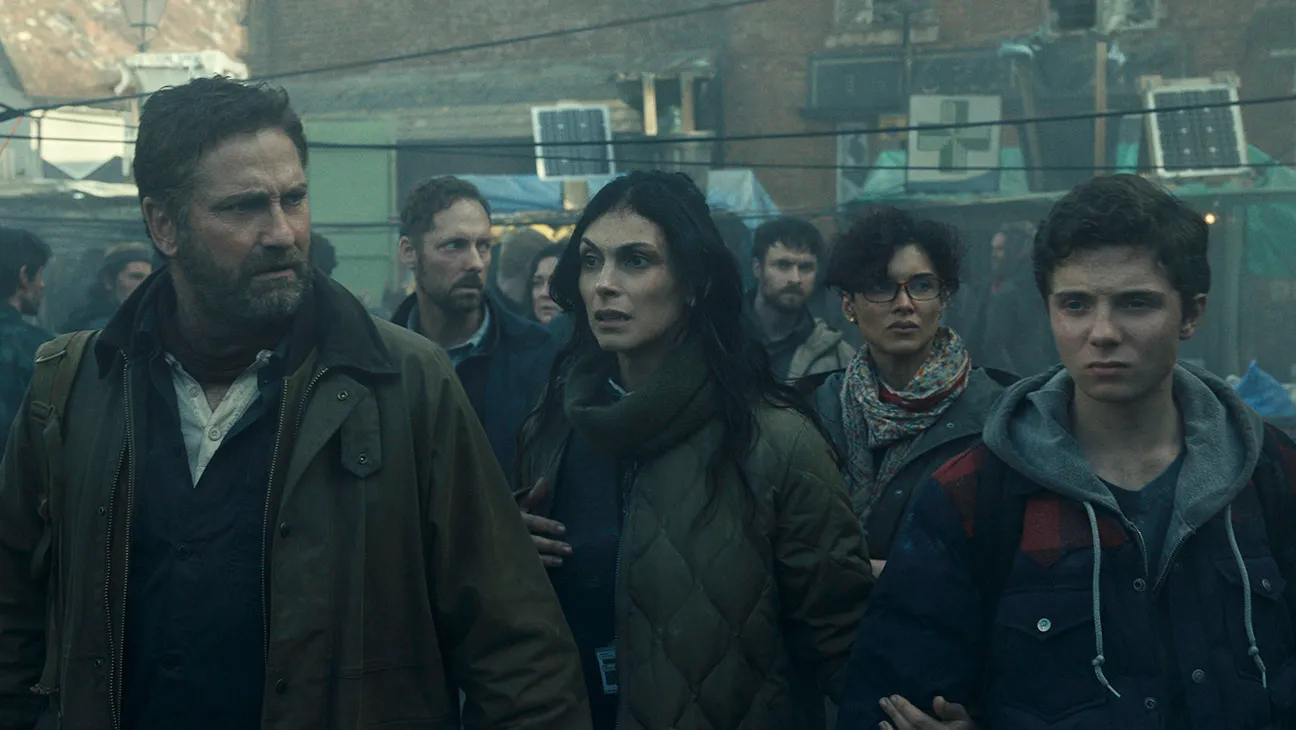
Synopsis:The surviving Garrity family must leave the safety of the Greenland bunker and embark on a perilous journey across the decimated frozen wasteland of Europe to find a new home.
The disaster movie is our most hopeful genre. After all the chaos, the worst instincts of humanity, and the sheer magnitude of the destruction, the heroes often prevail and there’s a metaphorical rainbow at the end. The end is when we learn that after the tremendous disaster people will be better, kinder, and more compassionate. It’s the artistic embodiment of the light at the end of the tunnel. Which is why most disaster movies don’t get sequels. With a sequel you squelch the idea that everything’s going to be O.K. The only thing that can really happen after the apocalypse is the post-apocalypse, a grim, grimy world without hope except for the legends that emerge from the wastelands. Greenland 2: Migration attempts to build a bridge between these two disparate thoughts.
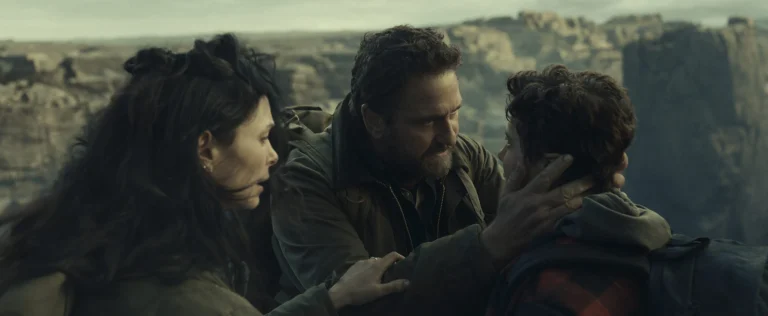
The filmmakers behind Greenland 2: Migration have attempted to combine the post-apocalyptic and the disaster film and it has mixed results. On the one hand the environmental stakes are very high as space rocks are still falling from the sky, horrible storms, earthquakes, and tidal waves are still trying to kill people. Then there are the people with guns, or just people desperate to survive. It begins to feel like a copy of the original film, but without the sense of safety in numbers that the first film had. The Garrity family, led by John (Gerard Butler) realizes that, with their shelter collapsing around them, that they have to go in search of the mythical new and safe civilization. This new eden is inside the Clarke crater, the crater caused by the largest space rock to hit Earth in the first film. They face terrifying perils, but it feels like the stakes are lower and lower as they survive each new challenge with ease and barely a scratch on any of them.
This family is not only unkillable, but the luckiest people on the face of the Earth, John’s obvious radiation sickness not withstanding. They’re sort of a bad luck charm for everyone around them, though. The Garrity family gains and loses allies so quickly you start to forget their names if you ever caught them in the first place. Greenland 2: Migration is a shorter film than its predecessor and it makes the story suffer in this case. The pace of the script by Mitchell LaFortune and Chris Sparling is a bit like trying to catch your feet underneath you when you miss judge the speed of a moving walkway. New characters are established and erased within a scene of each other. You can barely catch your breath as you go from one action scene to another. There are sequences that could be a whole film in and of themselves, but are shortened almost abruptly in order to move on to the next idea.
Those crazy and intense sequences become the reason the film remains entertaining, though. As the film whips through each scenario, we get to see excellent action sequences staged by director Ric Roman Waugh and his crew. One of the most exciting, if unnecessarily long and complicated, sequences is as the Garrity’s come to a newly formed chasm created by the shifting of the new tectonic plates. If that sentence doesn’t make a ton of sense, it’s because the science of the film is a bit more “rule of cool” than cold hard facts. They first descend to a sort of platform where a rope bridge extends to a tall column of rock in the middle of the chasm. There’s very high winds flying at them, whipping them about the whole time. Then on the column they have to get on all fours to crawl across a ladder laid on its side to the piece of land on the other side. As an earthquake happens and rocks begin to crumble it becomes a mad dash. It’s a thrilling sequence, but add in the human element of people panicking and it gets even more tense and exciting.
Greenland 2: Migration is an exciting film. Much like its predecessor there’s a lot to unpack and escape in with this “what if” scenario. While keeping mostly focused on this one family unit, the film eschews the grandiose message of many films like it in that they aren’t trying to find blame with world leaders or explain how this all came about because of human actions. It’s a film that relies heavily on a suspension of disbelief and tries too hard to recapture what made the first film so unique. It’s a rehash in many ways and feels like the filmmakers didn’t have another idea, just that they wanted to play in this sandbox again with whatever they could throw at the wall. Greenland 2: Migration is a good vehicle for thrilling action set pieces, but it leaves you wanting more from the story and the characters.
Director:Brett Haley Writers: Yulin Kuang, Amos Vernon, Nunzio Randazzo Stars: Emily Bader, Tom Blyth, Sarah Catherine Hook
Synopsis: Poppy wants to explore the world and Alex prefers to stay home with a good book, but somehow they are the very best of friends. They live far apart, but for a decade they have spent one week of summer vacation together.
When it comes to the young adult romantic comedy, Netflix’s adaptation of People We Meet on Vacation hits all the endogenous zones the genre packages as gifts to the audience. The will-they-or-won’t-they question hangs in the air. The total disregard for whether they are really right for each other or not. Sure, opposites attract, but similarities are what sustain. Though watching two people admire how similar their queues are doesn’t increase subscriptions.
Of course, don’t forget to make them both attractive pieces of eye candy you just want to pick up and put in your pocket, then send them all over the world to exotic locations. You have all the trappings of what makes The Bachelor franchise so appealing, which you have to tip your hat to the writer of the source material for, knowing almost any studio executive would leap and salivate over it, in one quick YA rom-com 90-minute streaming shot.
Yet, while you may find the performances the People You Meet on Vacation charming, the chemistry palpable, and moments endearing, you cannot shake the fact that the structure of the script’s high-concept emotional delivery lacks two important things when it comes to moving the story from script to screen: there is not one person they meet on vacation who is interesting enough to remember, and the main characters lack emotional intelligence.
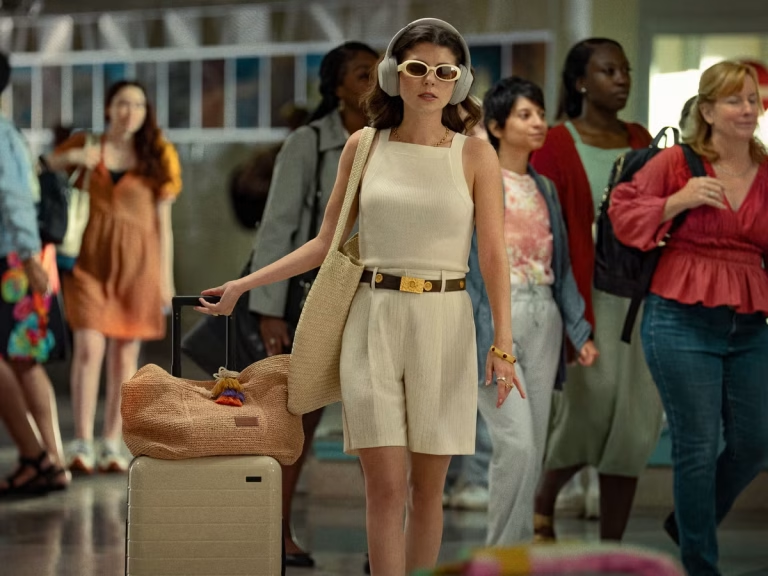
The story follows twenty-something Poppy (Emily Bader), a travel writer who has left the quaint suburban life in Ohio for New York City. Even while traveling to exciting locations and writing about them, she finds herself lonely, with no one to share the experience. Her boss, Swapna (Jameela Jamil), notices her disinterest, as if she is just going through the motions. However, when she gets a call from her friend David (Love, Simon’s Miles Heizer), who reminds her she hasn’t RSVP’d to his wedding, we learn why.
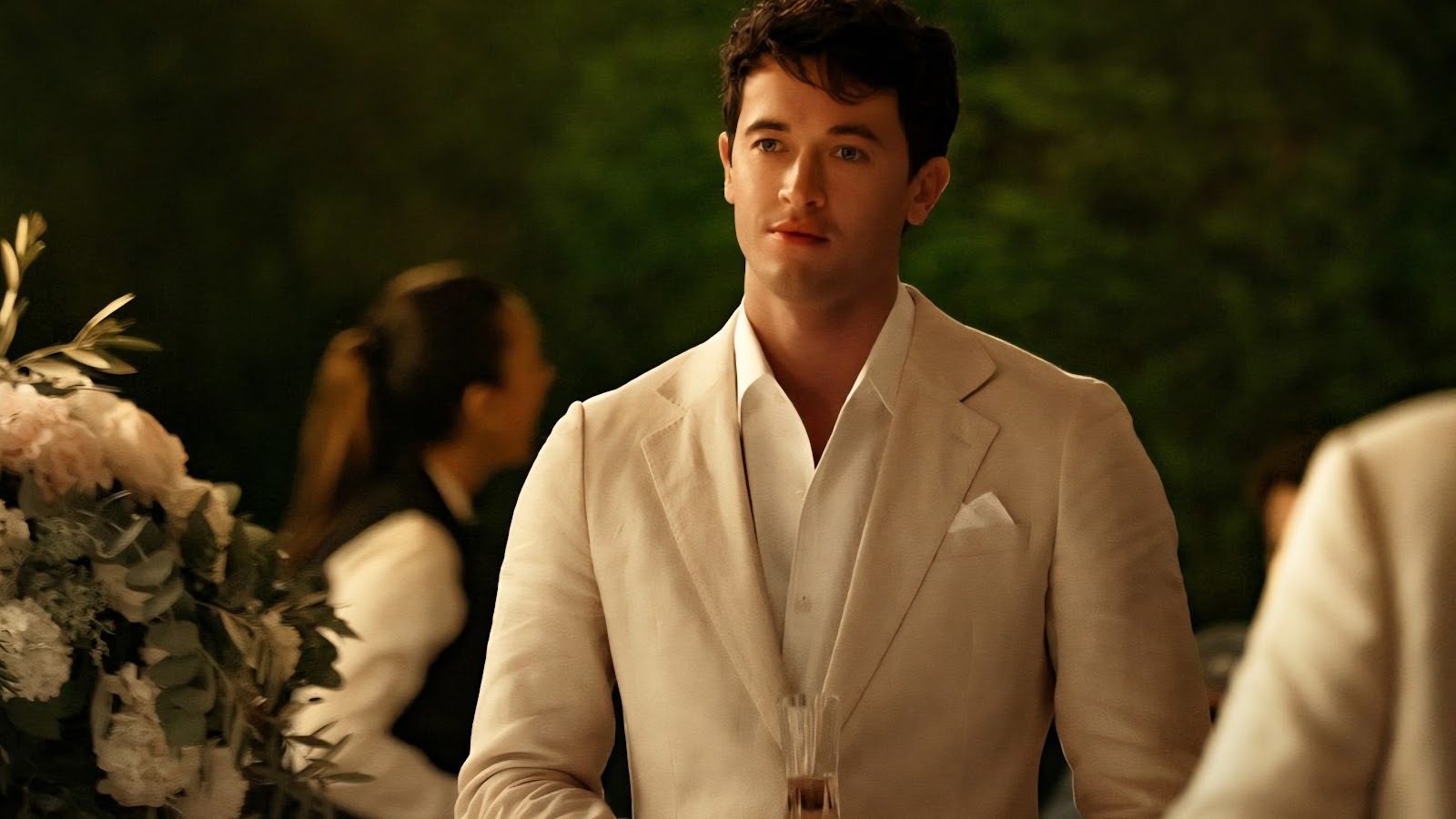
Poppy is worried Alex (Tom Blyth) may be there, something David promptly admonishes her for since Alex is David’s brother. You see, Alex first met Poppy by giving her a ride to their hometown of Linfield, Ohio. At the time, they were both attending Boston College (and yet they never met or knew each other, so much for small worlds). Poppy talks a mile a minute, has no sense of boundaries, and significantly shows up an hour late. Alex is more tightly wound than a CBS news executive editing nightclub news pieces.
Alexi is the anxious type, full of anxiety and a pragmatic way of thinking. Of course, as they make the trek, they begin to understand one another and develop a friendship. Their story then oscillates between the present and flashbacks to their annual vacations together. So, instead of blowing off the wedding, we see Poppy go to Barcelona under the pretense she will be their for work anyway, but she really misses her best friend.
People We Meet on Vacation is from director Brett Haley, who wrote and directed one of my favorite films of 2018,Hearts Beat Loud. Working from a script by Yulin Kuang, Amos Vernon, and Nunzio Randazzo, based on Emily Henry’s novel of the same name, the movie’s secret weapon is the likable performances and serious heat that Bader and Blyth bring to our streaming screens. Yes, each character is a cliché, but they are so winning you can’t help but root for them.
Though the script waters down the book’s themes and color, it is quite an accomplishment for any young adult fiction. None of the people they meet are memorable, funny, or stand out in any way. Nor do they enhance the main characters. Some flashbacks are designed to give you some understanding of their fallout and emotional payoffs. However, these scenes are botched repeatedly. Alex makes a big deal about how he can never get over the last time they saw each other. Then, you watch the scene, and nothing happens or is even hinted at. No overture, no rejections, that left me mystified.
In fact, Alex is so whiny and mopey that it actively clashes with his supposedly pragmatic nature. The moment they reunite at the wedding, he spirals into wounded rejection because Poppy has actual adult concerns, like her job and where she will live. (Her resignation letter to her boss is one of the most laughable, eye-rolling cases of twenty-something, Big Apple Peter Pan syndrome I’ve seen in years.) While some may say he is wearing his emotions on his sleeve, his insecurity and attachment style are red flags.
That’s a shame, because both actors are excellent, with Blyth delivering one of the year’s most underrated (and underseen) performances in Plainclothes, and Bader radiating the kind of winning appeal and emotional sincerity that recalls a young Sally Field. If they had taken the time to let moments breathe, linger, and include thoughtful dialogue, as Haley is known to do in his previous work, they could have made a YA film that was not only more meaningful but also a story told with truth.
Of course, People We Meet on Vacation is made for a specific audience that will surely eat this type of movie up, which I might as well accept, since this will likely have me yearning for the days when studios didn’t depend on AI research that leaves me free-falling into the algorithmic void.
You can stream People We Meet on Vacation exclusively on Netflix
As Ann Lee’s faithful follower Mary Partington, Thomasin McKenzie took the role of testifying her life as the film’s narrator. The actor, originally from New Zealand, formed a solid bond with director Mona Fastvold to bring Mary to life.
Nadine Whitney speaks with Mona about what went into the part and Thomasin’s commitment.
Nadine Whitney: I wanted to ask you about your creative relationship with Thomasin McKenzie, who is essentially our narrator and Ann’s most steadfast follower. How did you work with Thomasin to create the character of Mary Partington?
Mona Fastvold: Well, first of all, Thomasin McKenzie is one of my favorite actresses. She can do no wrong. She is just such a strong performer. I was so excited when she came on board.
She’s also an incredible mover. She’s a beautiful, beautiful mover. Celia Rowlson-Hall and I were so excited when we started doing dance rehearsals with her because she really had such articulation in her hands, and like her understanding of the movement was really exciting. We started preparing early on with the accent work, the period Northern England which is a fairly tricky accent.
We kept on working together through all of the post-process as well, doing new recordings, several different recordings of the narration to find that voice, to sort of find Mary’s voice through it all. Because it’s almost as if she is every age even though she’s speaking to us as an older person, I think we are kind of moving with her throughout the story as well.
It’s exciting to me also to have Thomasin in that role because, to me, she really grounds the whole group in such a beautiful way. To be a character who’s just observing so much, but without judgment and with this sort of unconditional love. It was a very exciting collaboration.
We started just with a lot of conversations and then we also had some rehearsals in London with our movement assistant. Also, she was doing a couple of workshops with our improvisational singers in London as well, with Maggie Nicols, who’s in the film as well, to help everyone work on this, finding this improvisational voice and finding that. And then we had an intensive workshop with the entire cast leading up to the shoot.
Thomasin is just a really amazing actress and a great partner
This week on the InSession Film Podcast, we feature our 13th annual InSession Film Awards! During Part 1, we discuss the very best that 2025 had to offer in terms of surprises, overlooked movies, the best acting performances and so much more when it comes to the film year. Many of these categories will feel familiar, for those that follow awards season, however some of them are distinct and that’s what makes it fun.
Stay tuned for Part 2, where we discuss our Top 10 Movies of 2025.
Want to participate with our Awards show? Click here to download the Awards Category sheet, fill it out with your nominees and winners, and as you listen to the show see how your picks stack up against ours!
2025 was an interesting year for film. It took awhile to get going, but once the fall season arrived, it was one gem after another. Ironically, though, the year gave us some of its very best movies in the first half with Sinners, 28 Years Later, One Battle After Another and Sorry, Baby. However, at least for us, most of the year’s great depth came during the last few months of 2025. With the likes of Sentimental Value, Marty Supreme, If I Had Legs I’d Kick You, It Was Just An Accident, No Other Choice, Train Dreams, The Secret Agent, and so many more, it was an avalanche of awesome cinema. 2025 was also a great bounce back for mainstream movies. Warner Bros. and Disney both crushed it at the box office with A Minecraft Movie, Lilo & Stitch, Avatar: Fire and Ash, Superman, Thunderbolts*, Sinners, Zootopia 2, Wicked: For Good and others. Where 2024 was dominated by experimental and innovative filmmaking, 2025 was well rounded with great indies and foreign films, and a better Hollywood buffet. It was a great year for movies and we had the best time talking about why it’s so robust.
Do you agree or disagree with any of our picks? Let us know in the comment section below.
If you want to help support us, there are several ways you can help us and we’d absolutely appreciate it. Every penny goes directly back into supporting the show and we are truly honored and grateful. Thanks for your support and for listening to the InSession Film Podcast!
Many people recognize Amanda Seyfried from roles such as the sweetly clueless Karen Smith whose special talent is to predict the weather through her breasts in Mean Girls, or Sophie the bride-to-be in Mamma Mia! Or perhaps as Needy in Jennifer’s Body. Seyfried’s career is more eclectic than teen comedies/satires, juke box musicals, or romantic leads.
Nadine Whitney spoke with Amanda about what leads her to pick a role.
Nadine Whitney: Hello Amanda. Your filmography is far more varied and deeper than I think a lot of people would think at first glance. For example, your work with Atom Egoyan (Chloe, Seven Veils), David Lynch (Twin Peaks), Noah Baumbach (While We Were Young), and David Fincher (Mank). What draws you to these less commercial and more challenging roles?
Amanda Seyfried: There are so many reasons. I think, first and foremost, it’s curiosity. I have the privilege of getting to play dress up and make believe as a job, and without consequences. I mean, of course it costs the more emotional and the darker the tone and the context is, for sure. And it gets darker as you get older, because you get older and more life happens to you, and more life happens to your characters. And that’s great. It’s therapy. I’m very curious.
I know that I learn a lot about myself through the characters. I just love the process of understanding someone else and then being able to take what I know about myself and marry that experience and bring it to life. I feel the more deliberate you are with balancing out what people know you to do allows for people to lose themselves quicker when they watch you.
I couldn’t have played Elizabeth Holmes (The Dropout) if people just saw me. But because I feel like the choices and the opportunities – I won’t say it’s always been a choice. Like Mamma Mia! wasn’t a choice. We all went out for it, and I got it. People know me for that. When I play people who are so separate from me or real people, I think I still have that privilege of being able to hide. I hope it continues to happen because I don’t want people to see me.
I feel like that all comes down to the things that I’ve been able to lose myself in. So, that’s always the plan. You know, like after playing Ann Lee, I’m developing a comedy because I desperately need it, and because there’s some levity that I didn’t necessarily get the whole time from Ann Lee. Although I will say The Testament of Ann Lee is very funny at times and absurd, and we lived in that levity.
You’ve got to just break it up. You don’t want it to be the same. I just don’t want to constantly play myself, although I am in every character. It’s just sometimes 30 percent, or sometimes 80 percent.
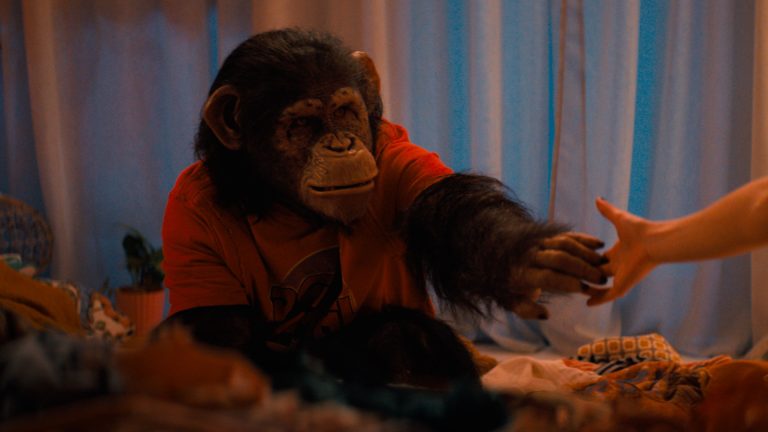
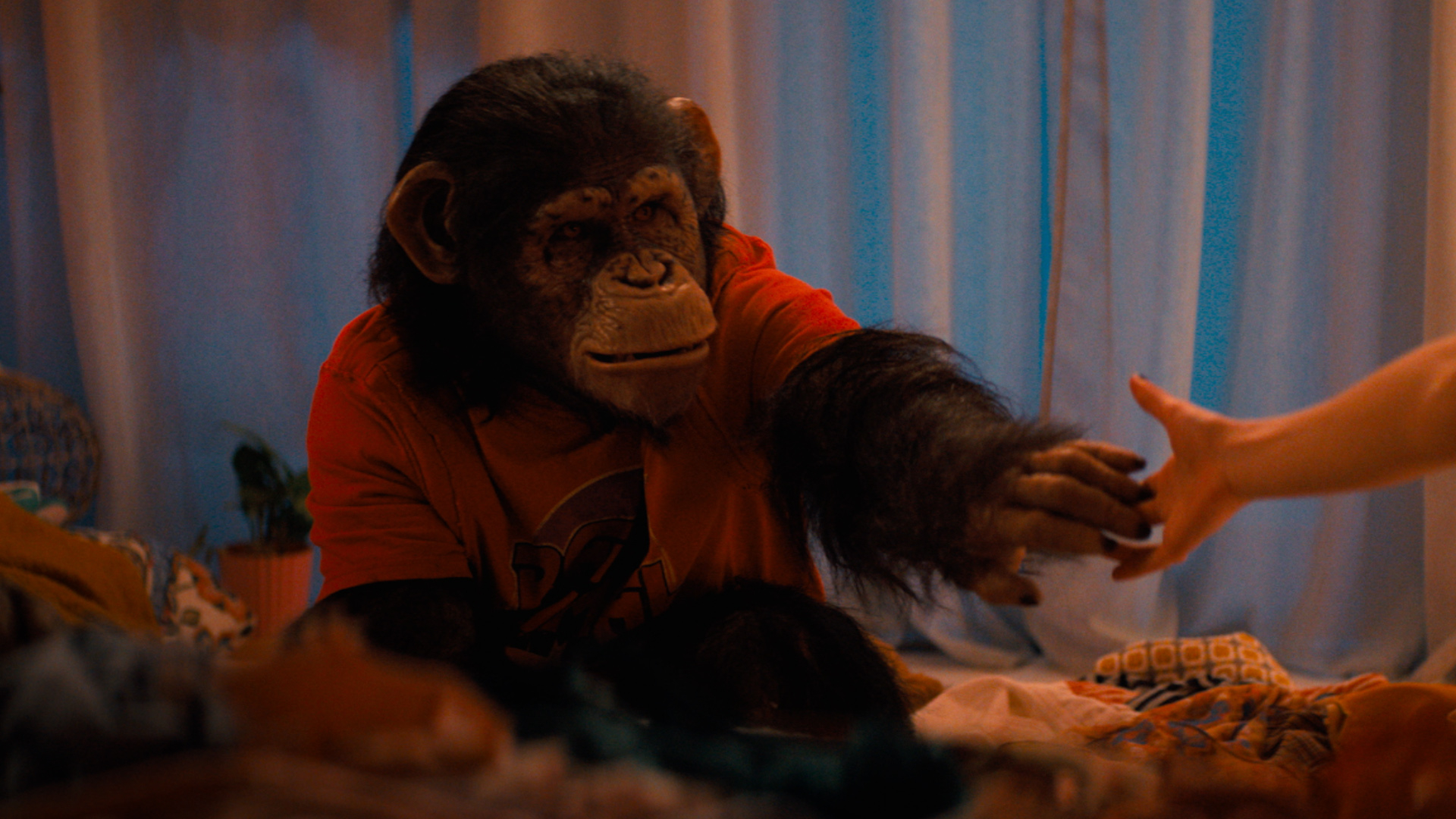
Director:Johannes Roberts Writers:Johannes Roberts and Ernest Riera Stars: Johnny Sequoyah, Jessica Alexander, Troy Kotsur
Synopsis:Home from college, Lucy reunites with family including pet chimp Ben. Ben contracts rabies during a pool party and turns aggressive. Lucy and friends barricade in pool, devising ways to survive the vicious chimp.
Many are aware that, in many cases, January is a month of slim pickings when it comes to horror film releases. In quite a few cases, however, there can be quite the surprise found amidst the dump, and while Primate isn’t exactly a refreshing change of pace from some genre trappings its contemporaries tend to fall into, the film is a very sturdy case of ‘getting the job done.’ Director Johannes Roberts clearly wants to lean into a cheeky B-movie nature that isn’t quite as present in his past features. The film mostly works when it leans into the campy and knowing nature of what is essentially a creature feature, and less so when it tries to take itself seriously. However, Roberts is surprisingly able to handle scenes of hair-raising suspense and loony absurdity quite effectively. One could wish that Primate did a bit better job refining its tonal inflections to make it a more memorable experience overall, but the film does what it says on the tin: a chimpanzee brutally kills some annoying teenagers gloriously, and it’s hard not to be satisfied.
The film’s setup is as simple as they come, following Lucy (Johnny Sequoyah) and her friends Hannah (Jess Alexander) and Kate (Victoria Wayant) as they travel back to Lucy’s home of Hawaii for vacation. Lucy has been away from home for a while due to her college studies, now feeling a bit adrift with her father, who is a famed author, Adam (Troy Kotsur), and her sister Erin (Gia Hunter). While Lucy has been away, Erin has only been kept company by their only family pet, Ben the chimpanzee, who only seems to gain more knowledge by the day. It seems like everyone is all set for a day of fun until a mysterious bite on Ben’s arm is discovered, leading to what seems virtually impossible in Hawaii: Ben contracting rabies. The chimp’s aggression slowly grows throughout the night after Adam leaves to sign more of his best-selling books, leading to a standoff for survival for these teenagers against a monkey gone wild.
The bloody chaos of Primate’s premise is, of course, where most of the fun will be found, but Roberts’ ingenuity amidst the film’s probable low budget is also admirable. In the film, Ben can’t swim, so a large portion of the film’s runtime takes place within the one location of Lucy’s huge home and the pool that sits at the back of it. It’s impressive just how much creativity is brought out of crafting scenes where the teens must sneak and avoid loud noises amidst Ben’s peril, and while yes, the film is incredibly silly, it makes use of its limited resources and can save the bloody and pulpy kills for its main course, which are a delight for any horror fan to witness.
While the tonal balances of the Primate create small issues that mostly persist in the film’s introductory scenes, the inherent silliness of the film is also used in clever ways. There’s almost a cat-and-mouse-like playfulness to many scenes of the chimp seeming to outwit many of the attempts from the teenagers to escape, in particular, the scene of Ben using car keys to open a car to brutally bash another victim is a fun sequence. What’s also present here that tends to be more of a hindrance in other horror films is the implementation of annoying characters. The film knows its audience wants to see those characters go out in the most ridiculous of ways, and Ben delivers on some insane carnage at multiple points.
What keeps Primate from being better is its implementation of way too many instances of taking itself way too seriously within this narrative. Obviously, yes, there needs to be at least a bit of a foundation within the characters we meet before we get to what we paid to see, but there’s a lot more expository dumps about the familial troubles of the main trio of Lucy, Erin, and Adam than I would like. It doesn’t help that it’s done through the most boring dialogue imaginable, and sometimes you’ll be wondering, “where’s the killer chimp in this killer chimp movie?” but luckily, it never ends up a deal breaker for the film on the whole.
Primate isn’t going to blow horror fans’ minds or stick out as one of the more memorable genre pictures of the year, but it’s a good example of doing a solid job at providing what was advertised: a chimpanzee essentially acting as Michael Myers and killing teenagers one by one. It has its occasional shortcomings and at times struggles to balance its silly and serious moments, but the film’s synth-heavy score and bloody mayhem provide a fun way to kill 80 or so minutes, even though that’s about all the film has to offer.
Another year in film has passed, and what a year it has been for the pictures. Many will debate up and down just how good a year it was for movies, both financially and qualitatively, but in terms of the latter, I am always of the belief that there never really is such a thing as a bad year for movies, and this year is no different. There truly are so many I loved this year, so before I count them down, here are some honorable mentions that are just outside the ten.
20. Wake Up Dead Man
19. Bugonia
18. Blue Moon
17. Sentimental Value
16. Weapons
15. Avatar: Fire and Ash
14. Black Bag
13. Put Your Soul On Your Hands and Walk
12. The Testament of Ann Lee
11. Train Dreams
10. If I Had Legs I’d Kick You
Mary Bronstein blew the doors off with this one, an unrelenting and visceral experience that shows motherhood as an experience of anxiety pushing through waves that seem utterly endless. Rose Byrne remains my pick for the best performance by a lead actress this year, just an incredible performance from her.
9. The Secret Agent
A two-hour slow burn that unleashes thrills throughout its last act, The Secret Agent is probably the most surprising I’ve seen in my top ten this year. A film that breathes life into all walks of life in the past, present, and future of its story. Every moment I think about it, I just love Wagner Moura’s performance more and more. Kleber Mendonça Filho made such an incredible film.
8. Sorry, Baby
Eva Victor’s directorial and writing debut is so eloquently written that it’s pretty astonishing that the film is a debut at all. They do such excellent work to convey the film’s swaying tones of uncontrollable laughter and dark subject matter of loneliness amidst the most painful thing to happen to you. It’s simply exceptional, and I can’t wait to see whatever Victor does next.
7. No Other Choice
Despite that, yes, this film is bleak as hell, and its essentially “we’re all doomed” ending would seem to indicate the opposite, but No Other Choice might be 2025’s most rewatchable film. So darkly funny, and there simply is no other director working at Park Chan-wook’s level visually. His framing of shots and transition work remains unmatched, making No Other Choice a technical masterclass on one front and a sharply witty dark satire on the other. Just all around one of the finest crafted films put out this year from one of our masters.
6. Resurrection
Speaking of films that are on another level in terms of craft, I simply don’t think I will ever have a cinematic experience like Resurrection again in my lifetime. At times, its splitting of stories can maybe be a bit too big for all that it’s holding, but Bi Gan made a film that both honors virtually all walks of cinematic history while showcasing all of it simultaneously through the most messy and beautiful lens you could ever witness. As a lover of cinema, flaws and all, I could help but be won over by it. It truly is magnificent to behold.
5. Marty Supreme
An electric rollercoaster ride of stress-induced chaos, all bolstered by a great lead performance by maybe one of the last true movie star draws we have left, Marty Supreme is yet another winner from director Josh Safdie. Following an asshole character through what he believes is the true top of the American dream, only to feel reality slap him in the face constantly so that he has to keep lowering the heights of his dream, is truly inane to witness. It really feels like the culmination of every other directorial piece Safdie has gathered throughout his previous directorial efforts, a great picture.
4. It Was Just An Accident
Even from the most basic of outlooks, it was just an accident that works so well as a tight thriller exploring the moral quandaries of a difficult situation, but every frame of it manages to be so much more than that as well. Jafar Panahi’s rage of corruption and humanity rings loudly throughout the film, all while maintaining a stillness of tension that never lets up. All topped off by the year’s most impactful ending, It Was Just an Accident is simply sublime.
3. Sinners
Just one of the most unique experiences of the year, Sinners is our first look at pure originality from director Ryan Coogler, and it’s wondrous. A cast full of standouts, some of the year’s most gorgeous cinematography, and a blend of so many different genre elements create a sprawling, ambitious masterpiece that will be timeless. So much has been said about Sinners, and yet there’s so much more that there is to talk about with it that will exist for years to come.
2. One Battle After Another
PTA’s jump to the blockbuster space is one of retaining all the hallmarks of why so many love him as a filmmaker, while also showcasing a clear talent at working within an even larger scale. It’s a timely sprawling epic full of riveting car chases, shootouts, and hilarious jokes, of course, but at the end of the day, it’s the story of a father and daughter, and they hope the new generation makes a better world than the older one could not. Clearly, yet again drawing inspiration throughout his own life experiences with his daughter, PTA makes One Battle after Another a pure masterclass, and yet while it technically might be better than my number one, there’s just one film I like more.
1. 28 Years Later
It’s funny, for a while I did have OBAA as my number one, but 28 Years Later really has impacted me in a way no other film has this year. 28 Years Later was one of my most anticipated films of 2025, and for a film so divisive, it more than anything exceeded my expectations with how emotional it was and what it had to say about loss of life in the midst of a time where infected kill people left and right. Danny Boyle and Anthony Dod Mantle create otherworldly cinematography and imagery with their iPhone rigs, Ralph Fiennes is the most underrated supporting performance of the year, Alex Garland is finally locked in for what is possibly his best screenplay, and this will forever be a true horror classic for me that does so much more than legacy sequelize an undead franchise. Life-changing. And when it comes down to it, the film I will think about the most from 2025.
Frankly, as a film year overall, 2025 has been full of underwhelming disappointments. However, when films did hit, they landed big, leaving their mark. It was the year of the foreign film and the mainstream American instant classic. These films found their artistic footing, feeling urgent, personal, and filled with conviction. Meanwhile, mainstream cinema with a message took risks with bold ambition, making these films’ themes feel unmistakably alive, current, and ripped from the headlines.
With that, please take a moment to read my list of the top ten films of 2025!
10. The Materialists/Superman
On the surface, you might think Celine Song is following up her exquisite Past Lives by blowing the dust off a script she had stuck in her desk that was inspired by a love of Julia Roberts or Meg Ryan from the golden age of ‘90s romantic comedies. However, beneath the sheen and shine of glamorous New York City socialite life, you’re treated to a thoughtful, mature, and at times beautiful exploration of the leap of faith that is unrequited love and cynicism. Song is unafraid to tackle real-life issues and essential questions, including identity, self-awareness, and reflection. The Materialists’ tone never wavers, offering a stunningly mature, thoughtful, and humorous take on the modern-day rom-com and setting a new standard for years to come.
Then, you have James Gunn’s take on the Man of Steel, Big Blue, and The Last Son of Krypton, which excels in two areas that previous films in the franchise have failed to achieve. First, the world-building around Clark Kent’s alter ego is a walk on the wild side. Superman is weird, funky, and offbeat, fueled by candy-coated chaos and populated by oddballs and misfits unlike anything we’ve ever seen in a Superman film. Second, and I’ll make this as plain as possible about Gunn’s DCEU rebirth: Gunn brought the fun, while layering themes that we see in our backyard.
9. One Battle After Another
I’m not going to lie: when I first saw One Battle After Another, having missed my critics screening, I took the leap and caught it in a 4DX presentation, spraying air, water, and whatever airborne pathogen the world has concocted directly into my face, while the seat jerked so violently I thought Terence Fletcher had given me whiplash. It completely pulled me out of the cinematic ride. On a second viewing, however, I found myself fully immersed in the Paul Thomas Anderson experience. The film is steeped in moral exhaustion, visceral cycles of violence, and characters trapped in their own personal prisons, projecting onto others what they refuse to confront in themselves. Where PTA’s other films are about emotional connections that bleed into one another, One Battle After Another connects its characters, themes, and powerful subtext through endless cyclical conflict, consequences, and moral attrition.
8. Train Dreams
In Train Dreams, moments linger, some shocking, some tranquil, others innocuous, even breathtaking. That is precisely the point of this gorgeous, contemplative film from writer-director Clint Bentley. The stunningly evocative and beautiful film has moments of joy or heartbreak, euphoria or trauma, and the people who enter our lives as quickly as they leave, shaping us the way water constantly shapes rocks along a riverbed. Joel Edgerton’s performance is meditative and thoughtful; one can easily imagine Søren Kierkegaard describing Train Dreams as the dizziness of freedom. Edgerton’s Robert’s existential crisis isn’t short-term. No, for the characters on screen, it is baked into their very existence.
7. Black Bag
Stylish and remarkably self-assured, Steven Soderbergh’sBlack Bagis a brilliant piece of filmmaking that never forgets to entertain while still allowing the viewer to ponder bigger, existential questions. This is a masterful genre film that delivers both thrills and thought-provoking moments, offering an intoxicating case of immersion through its look, vibe, and music, all of which showcase how this filmmaker immerses his audience in an experience only he can craft. A delicious chess match of a whodunnit that never lets up from start to finish, resulting in the year’s smartest thriller.
6. The Perfect Neighbor
Director Geeta Gandbhir’s The Perfect Neighbor takes raw footage from police body-worn cameras and dash cams, using them to draw a heartbreaking portrait of systemic and intergenerational racism—a toxic combination of socially inherited issues that is built into state (and soon, probably federal) law. In this case, the suspect, a woman named Susan Lorincz, an older adult Caucasian woman, used the police to enforce control over a friendly neighborhood community, swinging a hammer of fear.The Perfect Neighbor places you in the middle of an impossible-to-escape nightmare, using emotional manipulation to drop the viewer into the case and allow them to make their own judgments, exposing more racist attitudes lurking in the shadows than we could know.
5. Sinners
If you love movies, you dirty, filthy cinephiles, you have to love the genre picture. Yes, that dreaded label some snooty film buffs turn their noses up at, yet cannot tell you the difference between film noir and the black-and-white filter setting on their Instagram profile. However, sometimes a movie comes along that transcends that entertainment art form, goes deeper, is meaner and darker, and leaves far more marks on our hearts than the body count on screen. That is Sinners, a movie that evokes rage (and tears) for its characters, with themes that boil down to a thoughtful, even poignant and gripping, conclusion. Written and directed by Ryan Coogler, featuring an unheralded performance from its star, Michael B. Jordan, and countless memorable supporting turns, including a scene-stealing performance from Wunmi Mosaku, Sinners is a film of the moment and a story as old as time.
4. It Was Just an Accident
Perhaps no film’s final scene will stick with you quite like Jafar Panahi’s It Was Just an Accident (Yek tasadof-e sadeh). A film that layers white-knuckle tension with profound moral dilemmas, it is a socially conscious thriller that sneaks up on you—and one you’ll be thinking about long after the credits have rolled. Featuring two standout performances, Vahid Mobasseri’s scenes ignite with moments of truth that act like narrative gasoline. At the same time, his pairing with Ebrahim Azizi leads to a slow-burn reckoning that is as electrifying as it is cathartic. Viscerally charged and impossible to look away from, Panahi firmly puts his stamp on the political revenge thriller.
3. Sentimental Value
As the Sentimental Valueunfolds, you can’t help but feel the tension quietly mounting. Beneath it all lies a hidden theme of pain and trauma. Yet, director Joachim Trier uses the movie-within-a-movie trope to transform that collective suffering into something resembling closure. It’s that quiet strength and the unspoken truth within that are impossible to ignore. The script evolves into something achingly human and beautifully tragic. It isn’t a film about the art of filmmaking, but rather one that uses art itself as a means to heal, repair, and find closure. Funny and endlessly moving, and filled with terrific performances, Trier once again proves himself a cinematic observer of human behavior at its most fragile and profound.
2. No Other Choice
Has any filmmaker found a way to exquisitely combine precision, menace, and elegance like Park Chan-wook? His Decision to Leave is one of the best films of the decade; Oldboy remains one of the best films of the century; and now No Other Choicearrives as a movie experience that isn’t so much a slow burn as a slow poison. The experience builds over time, with a delayed impact that leaves a cinematic psychological aftertaste hard to shake. The themes of moral unease linger and become overwhelming at times. The renowned writer-director’s steady hand is controlled, restrained, and emotionally cold, with damage that isn’t explosive but incremental, chipping away slowly over the film’s 139 minutes. Just sit back and let Park Chan-wook slowly tighten the screws to see where you come out on the other side.
1. Marty Supreme
In a year full of underwhelming disappointments, A24’s Marty Supremeis here to save the day. Josh Safdie’s seventh directorial feature, only his second time helming a film solo, and the first since his debut, The Pleasure of Being Robbed, is a slice of cinema unlike anything you’ve ever seen. An exhilarating sports epic that transports you to another time and place, the film strips away the noir-soaked urban sheen of the period, replacing it with hard-boiled comedy, bustling claustrophobia, and overwhelming anxiety. The experience is wild, kinetic, and deliriously enjoyable, a movie destined to become a classic because no one is making films like this today.
Timothee Chalamet delivers something entirely different here. Simply put, this is the best performance of his career. Previously nominated for Call Me by Your Name and launched into superstardom by the Dune franchise, Chalamet sheds the boyish charm, sex-symbol status, and tortured-soul charisma for a caustic, motor-mouth energy fueled by narcissistic ambition—magnetic, chaotic, and a sight to behold. His turn is a tornado of contradictions, masterfully fascinating as manic ambition strains against societal labels. Josh Safdie’s third chapter of his Anxiety Cinema trilogy is unmistakably alive and an experience all its own.
Marty Supreme is the year’s best film. Honorable Mentions: Plainclothes, Weapons, Thirsty, The Secret Agent, and Rental Family
This week on Women InSession, we take a look at David Cronenberg’s 1979 film The Brood and his 2025 film The Shrouds! Both films are unique and personal to Cronenberg, and we have fun diving into why that makes them compelling. Maybe not for everyone, but the way he bleeds intrigue with the grotesque and weird is just unlike anyone else.
Panel: Kristin Battestella, Megan Kearns, Jaylan Salah
On that note, check out this week’s show and let us know what you think in the comment section. Thanks for listening and for supporting the InSession Film Podcast!
Director: Lav Diaz Writer:Lav Diaz Stars: Gael García Bernal, Angela Azevedo, Amado Arjay Babon
Synopsis: A portrayal of Ferdinand Magellan and Beatriz Barbosa’s 1517 marriage in Seville, focusing on their brief time together before his departure on the Spanish crown’s expedition.
The first descriptor which may come to mind when reflecting on Lav Diaz’ Magellan is painterly. The opening frame of this film, and practically each one that follows for the entirety of its 160-minute runtime, wouldn’t look out of place hanging in a museum. But Magellan serves a far greater purpose for its audience than merely being a stunning film to look at. Because within all the beauty present throughout Diaz and co-cinematographer Artur Tort’s imagery lies the much uglier truth coursing throughout this historical epic. It’s the painful irony that such natural beauty could exist amongst the powerfully cruel forces looking to bastardize the serenity established by nature and appreciation of the mysteries around us. Throughout the DNA of Magellan, the arthouse version of both historical epic and biopic, lies a much larger examination of a world’s influence on a man rather than the titular man’s influence on the world around him. Despite leaning into narrative speculation on occasion, Diaz bathes this film in a sense of dreadful realism. In other words, this isn’t a stylized film. It’s unsensationalized, never shying away from the hard truths and realistic pain driven by the film’s narrative and literal journey. But that’s not to say it doesn’t feel like a distinct vision from a master filmmaker.
Magellan instantly dazzles you with its crystal-clear digital cinematography. With a camera that moves so infrequently, this is a wondrous example of contemporary slow cinema. Characters seem to enter and exit the frame at their own will, or at whatever pace the script deems most effective. This technique is something that should never be seen as padding out a runtime; it’s all part of serving a larger function. As an audience, we are held captive by Diaz’s composition. Through his patient hand, we become moved and haunted in equal measure. We see serene landscapes, prayer rituals, and even mundane tasks painfully invaded with no control whatsoever. In lulling the viewer into a sense of exploration through wandering eyes and minds, a complicity is built into the very fiber of Magellan. That’s particularly fitting considering so many of the conversations in this film revolve around the complicity of the man, and by extension humans and larger society, at its center.
There’s never a question as to whether or not the actions of Ferdinand Magellan (Gael García Bernal) are justifiable by any means. There’s deservedly no vindication or attempts at sympathy from Diaz’ artistic point of view. But what makes Magellan such a fascinating film is just how easily Diaz pulls from the foundational iconography of hero’s journey cinema and storytelling at large. But instead of acclaim and wild fortune for his titular figure, Diaz instead captures the lies pushing this journey forward and the truths experienced along the way. Despite such beautiful cinematography, there’s little beauty in this exploration. It’s a toiling journey full of harsh experiences, hypocritical morals and actions, and purely reprehensible evils perpetrated in the name of religious beliefs. And the journey, and what it truly stands for, never really ends; instead it festers. Bathed in nightmarish ideologies, the journey captured in Magellan is akin to a painting slowly rotting from within.
The film begins in 1511 with Magellan taking part in the Capture of Malacca. It’s an opening act that immediately feels haunted. This is something that Diaz will home in on the longer his grip remains held around his audience. It’s not long before he goes ahead and makes his intentions for the film as clear as possible. In a moment that feels akin to “the celebratory speech” scene commonly found in war films, the clearly drunken general indicates his intent on pushing forward to conquering Aden. He meanders on about the reasons for doing so, but falls into a drunken slumber midway through. Portrayed quite literally, Diaz interrogates such drunken power and how it’s simply an unquenchable force of history. There will never be a satisfying moment for these characters we have no choice but to follow on their journey. They’re constantly seeking more and more under the guise of nationalism and religious benefit, all the while isolating themselves further and further from the beauty Diaz so effortlessly captures in his compositions.
As Magellan progresses through time via harsh jump cuts, we find the titular figure at various different points in his life. The unflashy editing is one of the many manners in which Diaz crafts this stylistically understated film. Another component is indicated by just how long it takes for the audience to ever get a good look at Bernal. For a star so known for his striking looks, it’s nearly an hour into the film before Diaz ever frames him in a semi-close-up shot. And rather than being treated to a celebratory explorer thrilled with his previous conquest, we see that of a man both haunted and frustrated by his stagnancy. Suffering from a gnarly (and gruesomely realistic) leg injury, Magellan remains grounded in Lisbon with little to do. We witness what can only be described as a moment of somber reflection being shattered by the world jovially progressing forward around him. Unable to partake in another trek in the name of spreading Christianity through violent means, Magellan is repeatedly confronted by the reminders of his previous actions. He seems to be spiraling further and further without any sort of forward momentum. Whereas he seeks action and adventure and is unable to sit still, the audience will hopefully be embracing the measured rhythms of Diaz’ latest slow cinema project.
If the intent of slow cinema is to allow the mind to wander in exploration of every nook and cranny of a film’s subtext, Magellan greatly succeeds. But the characters within it, on their arduous journey across the seas, fundamentally misunderstand this true purpose of sitting in quietude. Magellan does whatever he can to end up on another journey, regardless of whether or not he fully agrees with the true reasoning behind Spain sending him off on his voyage. It’s this necessity of partaking in a hero’s journey that leads to the downfall of Magellan and his crew. Some on the journey lose their minds plain and simple. Others lose their lives or their freedoms due to unjust hatred, bigotry, and villainizing perpetrated by the church. Over the course of this film, Magellan retreats into himself, yet is never as haunted as he is in the first moment we see Bernal in close-up, save for a particularly breathtaking dream sequence. It feels like the moment that breaks him spiritually, mentally, and physically. Even still, he makes the decision to carry on with his actions. Considering this film ends on an inquisitive note regarding the complicity in our actions, it’s fitting that this journey is a nightmarish descent in cinematic form with little form of escapism. Diaz has not captured a hero’s journey where the central figure learns the flaws of his ways and comes to terms with his place in the world. Diaz instead crafts a story where the central figure removes themselves further and further from the humanity he’s claiming to be charitably sharing. Magellan may think he’s the hero at the center of this film, but Magellan consistently reaffirms he’s anything but. It’s one of the many dichotomies present in the film that make this a deeply compelling watch.
The 83rd annual Golden Globes will air on Sunday, January 11th. The Nikki Glaser-hosted event will air on CBS. Below are Golden Globe winner predictions from InSession Film Awards Editor Shadan Larki. Be sure to check out our Awards Predictions page for the most up-to-date rankings.
Best Picture — Drama
Frankenstein
Hamnet
It Was Just an Accident
The Secret Agent
Sentimental Value
Sinners — Projected Winner
Best Picture — Musical or Comedy
Blue Moon
Bugonia
Marty Supreme
No Other Choice
Nouvelle Vague
One Battle After Another—Projected Winner
Best Female Actor — Motion Picture — Drama
Jessie Buckley, Hamnet— Projected Winner
Jennifer Lawrence, Die My Love
Renate Reinsve, Sentimental Value
Julia Roberts, After The Hunt
Tessa Thompson, Hedda
Eva Victor, Sorry, Baby
Best Male Actor — Motion Picture — Drama
Joel Edgerton, Train Dreams
Oscar Isaac, Frankenstein
Dwayne Johnson, The Smashing Machine
Michael B. Jordan, Sinners
Wagner Moura, The Secret Agent—Projected Winner
Jeremy Allen White, Springsteen: Deliver Me From Nowhere
Best Female Actor — Motion Picture — Musical/Comedy
Rose Byrne, If I Had Legs I’d Kick You—Projected Winner