


Director: Nia DaCosta
Writer: Alex Garland
Stars: Jack O’Connell, Ralph Fiennes, Emma Laird
Synopsis: As Spike is inducted into Jimmy Crystal’s gang on the mainland, Dr. Kelson makes a discovery that could alter the world.
As someone who was mixed on 2025’s 28 Years Later, I came into a direct sequel with tempered expectations. To say I was blown away by Nia DaCosta’s 28 Years Later: The Bone Temple is an understatement. It’s the best film of the franchise.
All the problems I had with 28 Years Later have been addressed. Where there was tonal whiplash, there is now consistency. Where there was a scattered narrative, there is now focus. Where there was terror, there is now tension. Despite keeping the relative story consistency of the previous entries, DaCosta molds the story into a film filled with dark humor, captivating visuals, and, above all else, hope in a hopeless world.
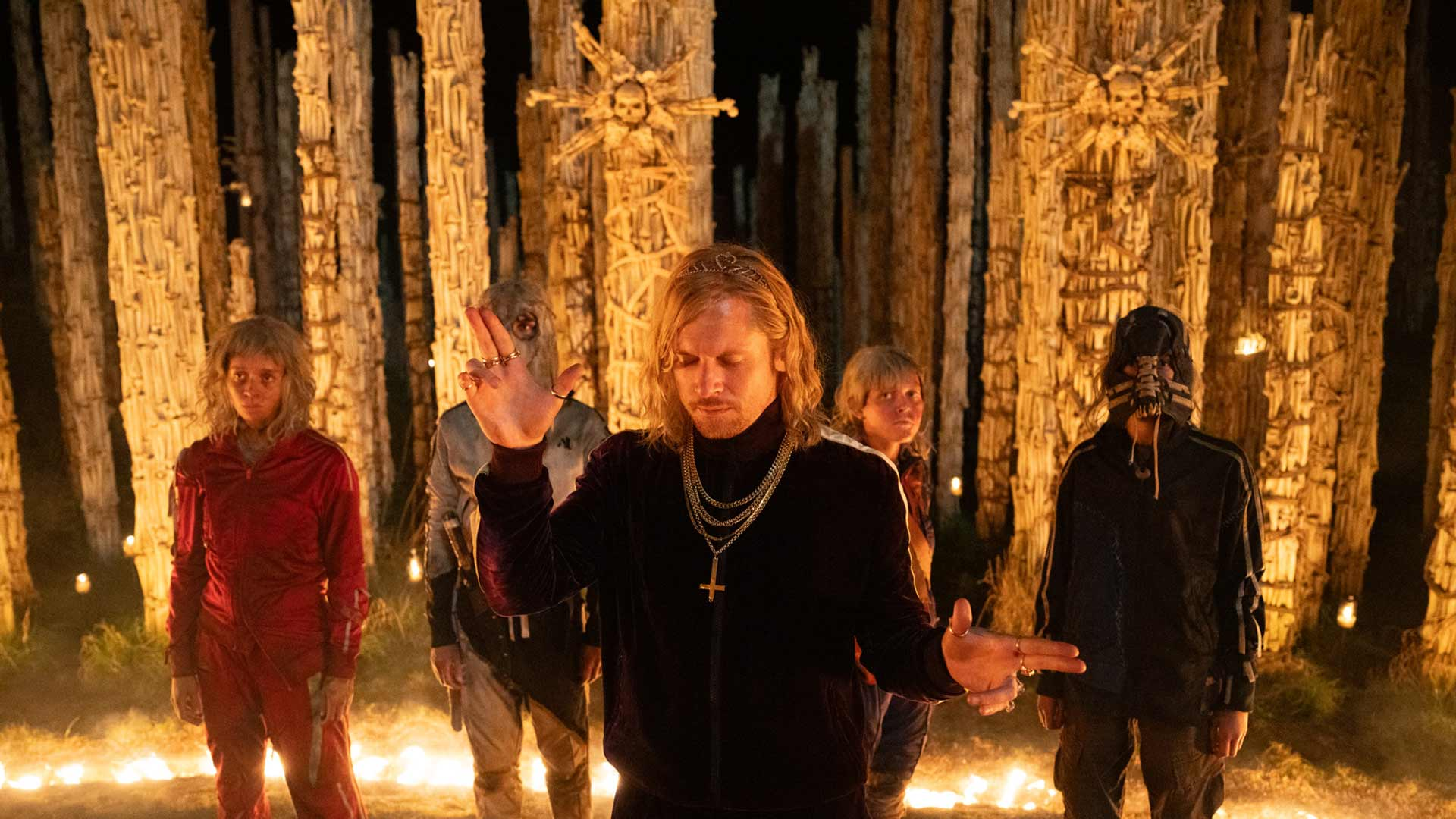
Picking up almost immediately following the events of the previous film, young Spike (Alfie Williams) meets the Jimmys, led by Sir Lord Jimmy Crystal (a truly unhinged Jack O’Connell). Following an initiation into their group, the Jimmys roam the country looking for settlements to rob and murder. Spike attempts to adapt to the group, but his apprehension at their brutal methods alienates him. Only Jimmy Ink (Erin Kellyman) treats him with kindness.
Meanwhile, Dr. Ian Kelson (a spectacular Ralph Fiennes) continues his interactions with the Alpha-infected Samson (Chi Lewis-Parry). Dr. Kelson recognizes Samson’s desire to be subdued via a blow dart, which relaxes his body and mind into a state of euphoria and peace. With their interactions growing more frequent, Dr. Kelson begins to investigate a medical explanation for Samson’s continued safe interactions.
DaCosta, directing her first film without the benefit of her own script, takes the story established by writer Alex Garland and slows down. The main threat is no longer the blistering speed and fury of the infected. Instead, the evils of man take focus, especially on just how depraved they can be. On top of that, the world gets a bit smaller, taking place in around four locations in a small geographical area with less than 15 characters in total. That narrowed focus gives the film time to let scenes breathe without the need to jump around. The characters sit with you instead of existing as a passing fancy.
And those characters are particularly interesting. What drives Sir Jimmy to such madness and brutality? What is Spike doing with this group? What does Jimmy Ink allow for the brutality, but is seemingly bored by it? Why is Dr. Kelson so sane when he should so clearly be insane? These are questions that linger without direct answers. Garland and DaCosta don’t want to handhold the audience, but they don’t want to make things too complicated. This is a simple story with two main story threads. You know the two will eventually combine, but you will never be ready for what happens when they do.
Maybe the biggest surprise is the comedy. Instead of gallows humor with touches of nihilism, the humor comes from the ridiculousness of this world. Dr. Kelson drags away a dead infected body, but sings “Girls on Film” while doing so. Jimmy’s cruelty and insanity often results in dark humor while tensions rise. The entire climax of the film is an extended joke. Once I realized what was going to be happening, I couldn’t stop giggling in anticipation of the preposterous visuals I was about to take in.
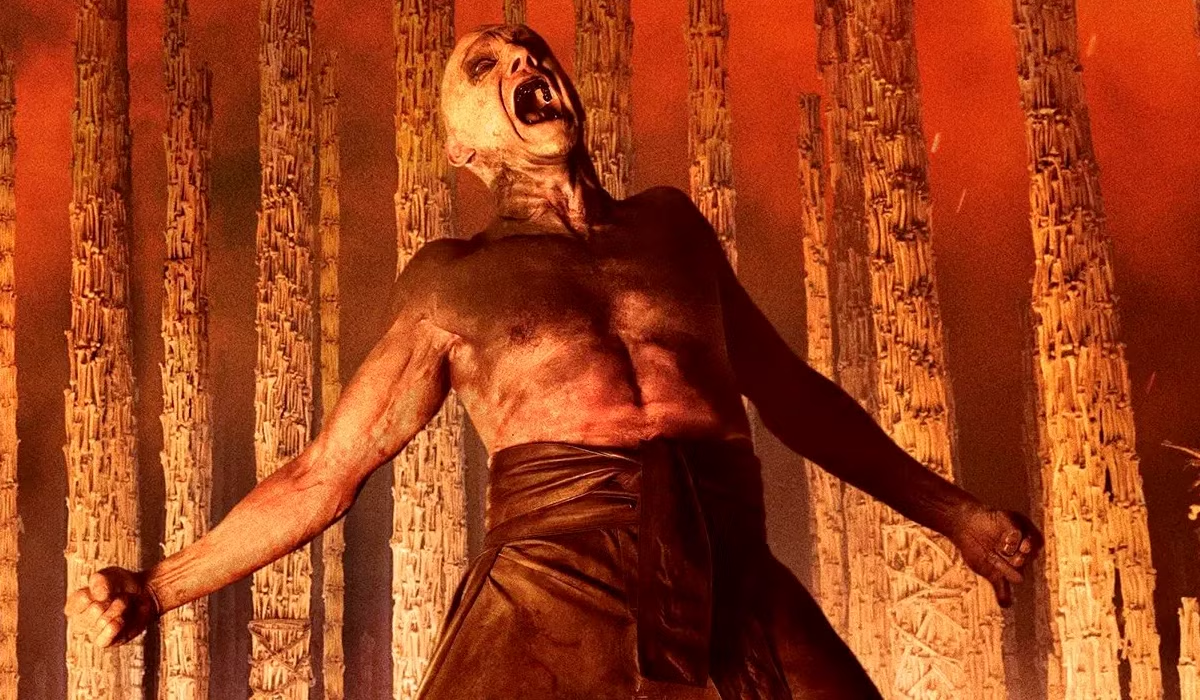
But, there are still those famous zombie tropes you come to expect from these films. A man’s head is violently pulled from his shoulders, spine still attached. Knife wounds are viciously deployed in various settings. Bones crunch, blood flows. The filmmakers aren’t stupid. They know what their audience wants. At the same time, the film is not content with another lazy retread of the same old zombie song and dance. It will give you what you want, but also deliver what you never knew you needed.
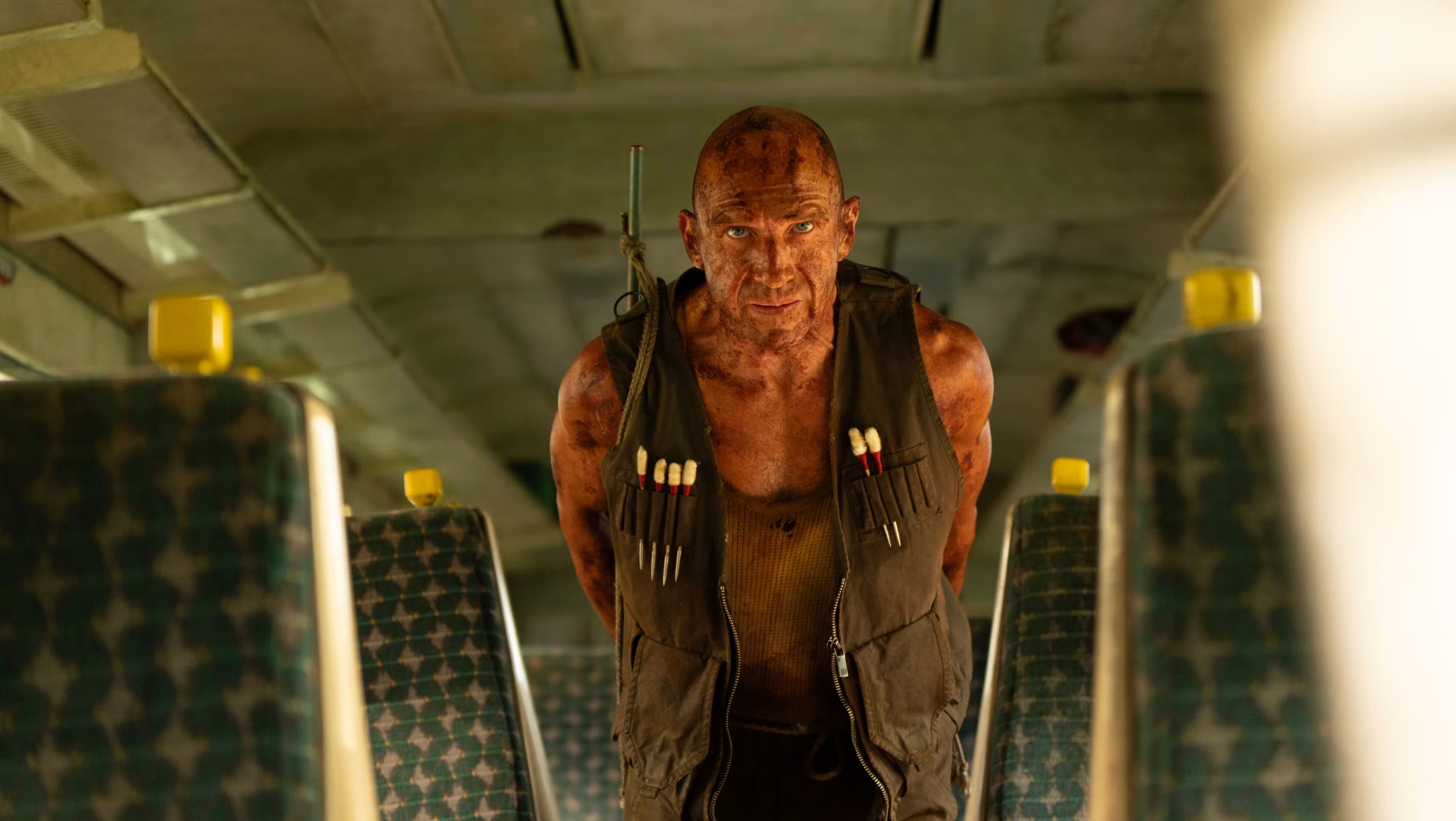
All of this works due to the immense talents of the cast. Relegated to a featured supporting role in the first film, Fiennes takes control of the narrative this time around. He is somehow able to balance his measured intensity and playfulness without ever veering into the realms of insanity. His iodine-covered skin and penchant for ‘80s New Wave music might seem nuts, but a touch of context or a quick conversation will bring you down to earth. It’s a stellar performance for an actor who continues to surprise.
O’Connell barely saw a minute of screentime in the previous film, but becomes the primary antagonist in this version. Sir Jimmy is never anything other than completely unhinged and insane, but his insanity is rarely at 100. He is not ranting and raving, rather a calculated preacher who commands his minions with certainty and cruelty. Following his performance in Sinners, O’Connell has carved a nice little avenue for himself. Williams’ role has less substance than the first film, though his story is the throughline for the audience. He certainly does a great job of looking terrified and overwhelmed.
Kellyman is a welcome addition to the series, never revealing her true intentions as the most surgical of the Jimmys. She is able to balance deadly precision with compassion and understanding. Even Lewis-Perry, who did little more than stand and groan in the first film, does a standout job with Samson’s characterization. His character is the one I am most interested in seeing going forward in the series.28 Days Later: The Bone Temple fixes any squabbles I had with the first film. Despite the low expectations, I had an absolute blast. While January is usually a dumping ground for releases, this is undeniably one of the best films ever released this early in the year.