



Director: Carmen Emmi
Writer: Carmen Emmi
Stars: Tom Blyth, Russell Tovey, Maria Dizzia
Synopsis: A promising undercover agent assigned to lure and arrest gay men defies professional orders when he falls in love with a target.
Plainclothes isn’t a film that leans on some grand, sweeping twist. Instead, Carmen Emmi’s ‘90s-set drama settles into you like a slow, steady ache. It peels back the layers of shame, repression, and quiet yearning in a way that feels both heartbreakingly personal and chillingly universal. Rooted in a specific time and place — New York, 1997 — it asks questions about identity, desire, and living truthfully that still feel uncomfortably relevant today.
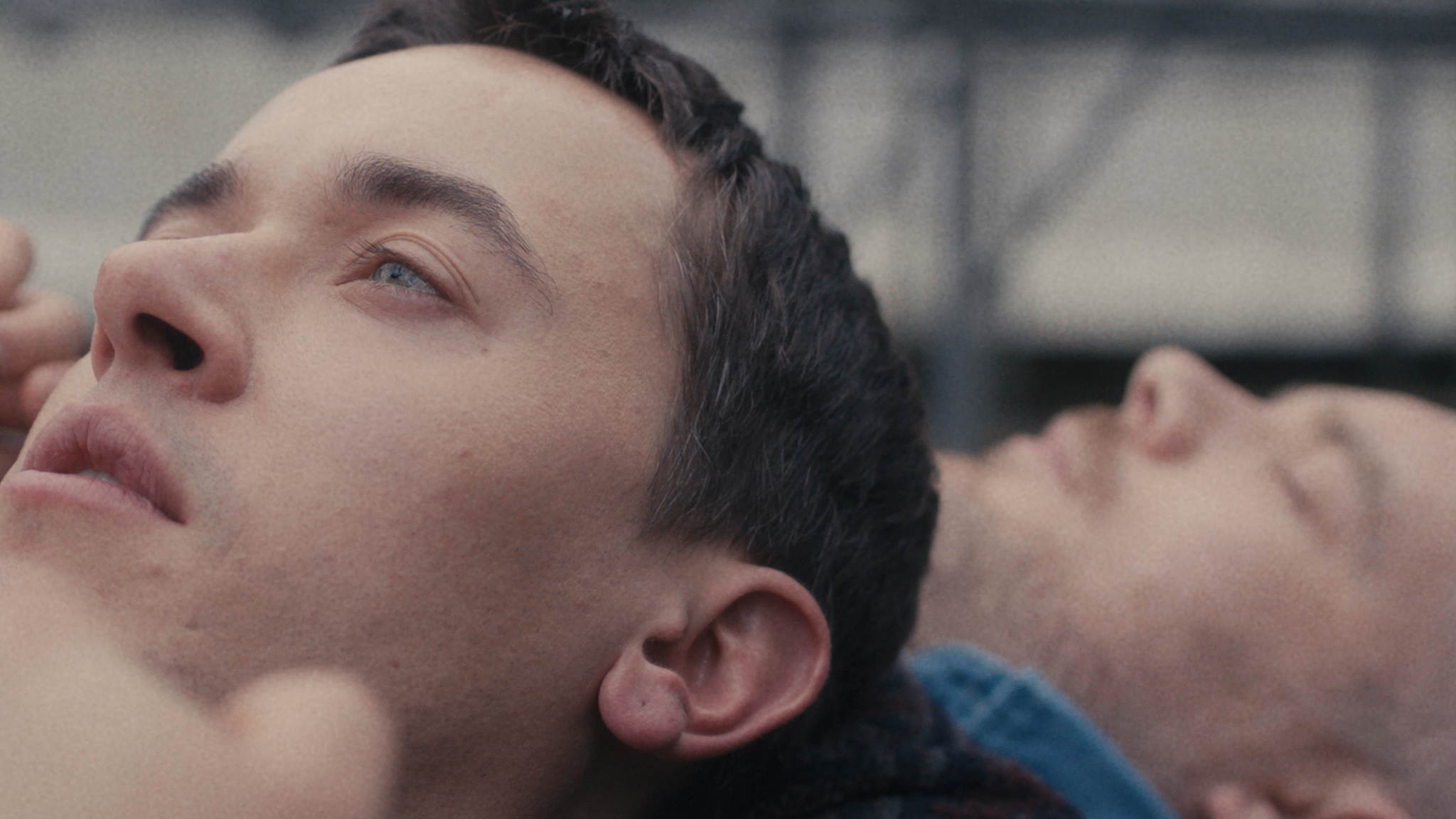
Tom Blyth plays Lucas, a young undercover police officer whose job is to lure gay men into exposing themselves in public restrooms so they can be arrested for indecency. His weapon isn’t a badge or a gun, but his own body — a well-placed look, a subtle smile, the silent promise of connection. For the department, Lucas is perfect bait. For Lucas himself, the role is far more dangerous.
The film opens with the hum of mall chatter, the crackle of a pager, and OMC’s “How Bizarre” drifting through tinny loudspeakers. Emmi nails the texture of the late ‘90s — the muted colors, the VHS fuzz, the grainy surveillance footage that cuts in like an uninvited observer. This lo-fi aesthetic isn’t just nostalgia; it’s a visual metaphor for scrutiny, for the suffocating feeling of always being watched. And for Lucas, who is hiding his own attraction to men, the feeling of surveillance isn’t just professional — it’s deeply personal.
Blyth’s performance is extraordinary, and it’s no exaggeration to call him a revelation here. He plays Lucas like a tightly wound coil, every movement calculated, every glance carrying the weight of what’s unspoken. The brilliance of his work is in what’s held back — the longing flickering in his eyes during a gym locker room scene, the way his jaw clenches when he’s forced to participate in new “operations” that push his moral boundaries even further. He communicates volumes without needing to say much at all, letting silence become its own kind of confession.
Everything shifts when Lucas meets Andrew (Russell Tovey), an older man he initially approaches as just another target. But their encounter doesn’t go as planned, and instead of an arrest, it sparks something far more complicated. The two men begin seeing each other, though Lucas hides his real name and the truth about their first meeting. Andrew, kind and measured, becomes a guide in Lucas’s tentative exploration of his sexuality. But Andrew also carries his own compromises — a life built on secrecy, a quiet resignation to staying in the shadows.
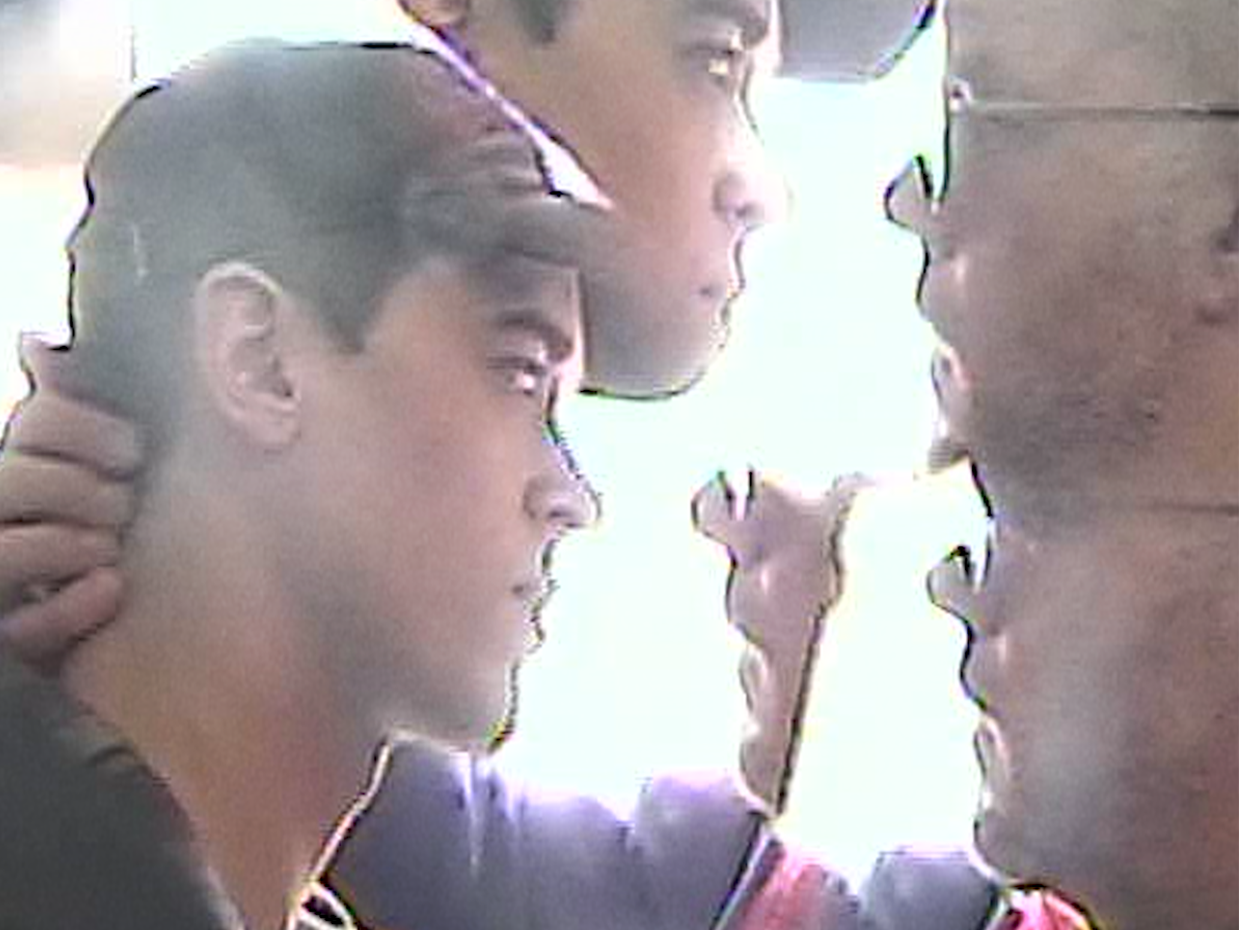
Their relationship is tender, but it’s not romanticized. Emmi frames their intimacy with honesty — not exploitative, but unapologetically physical, underscoring how human connection becomes both salvation and risk for these characters. In Lucas’s world, love isn’t just vulnerable; it’s dangerous.
The film is haunted by the political and social reality of its setting. In the 1990s, LGBTQ rights were still under constant attack, and entrapment operations like the one Lucas works weren’t just plausible — they were actively happening. Emmi captures the cruelty of these tactics without sensationalizing them, showing how humiliation and fear were used as tools of control. The police force here is less an institution of justice and more a machine for enforcing conformity, its gaze as invasive as any hidden camera.
There’s a subtle but persistent tension running through the film — a thriller’s pulse beneath the quiet drama. Part of this comes from Emmi’s choice to occasionally flash forward to a future New Year’s Eve gathering, where Lucas is surrounded by family pressure and internalized panic. These moments feel like emotional checkpoints, hinting at where his choices might lead, but never fully revealing the outcome until the film’s end.
Russell Tovey’s Andrew is a perfect counterbalance to Blyth’s Lucas — softer on the surface, yet carrying a weight that’s just as heavy. His Andrew is warm, patient, and gently encouraging, but also resigned in a way that’s heartbreaking. He’s a man who has learned to survive within the limits the world has given him, even if it means denying parts of himself. Seeing him and Lucas together is like watching two different timelines of queer existence brush up against each other — one still deciding if it’s safe to step into the light, the other unsure if that light even exists.
Plainclothes works so well because it refuses to flatten its story into easy lessons. It’s not a sermon on repression, nor is it a tidy romance about self-discovery. It’s messier than that. It’s about the slow erosion of the self when you can’t live honestly, about the compromises made to stay safe, and about the brief, luminous moments when desire is stronger than fear.
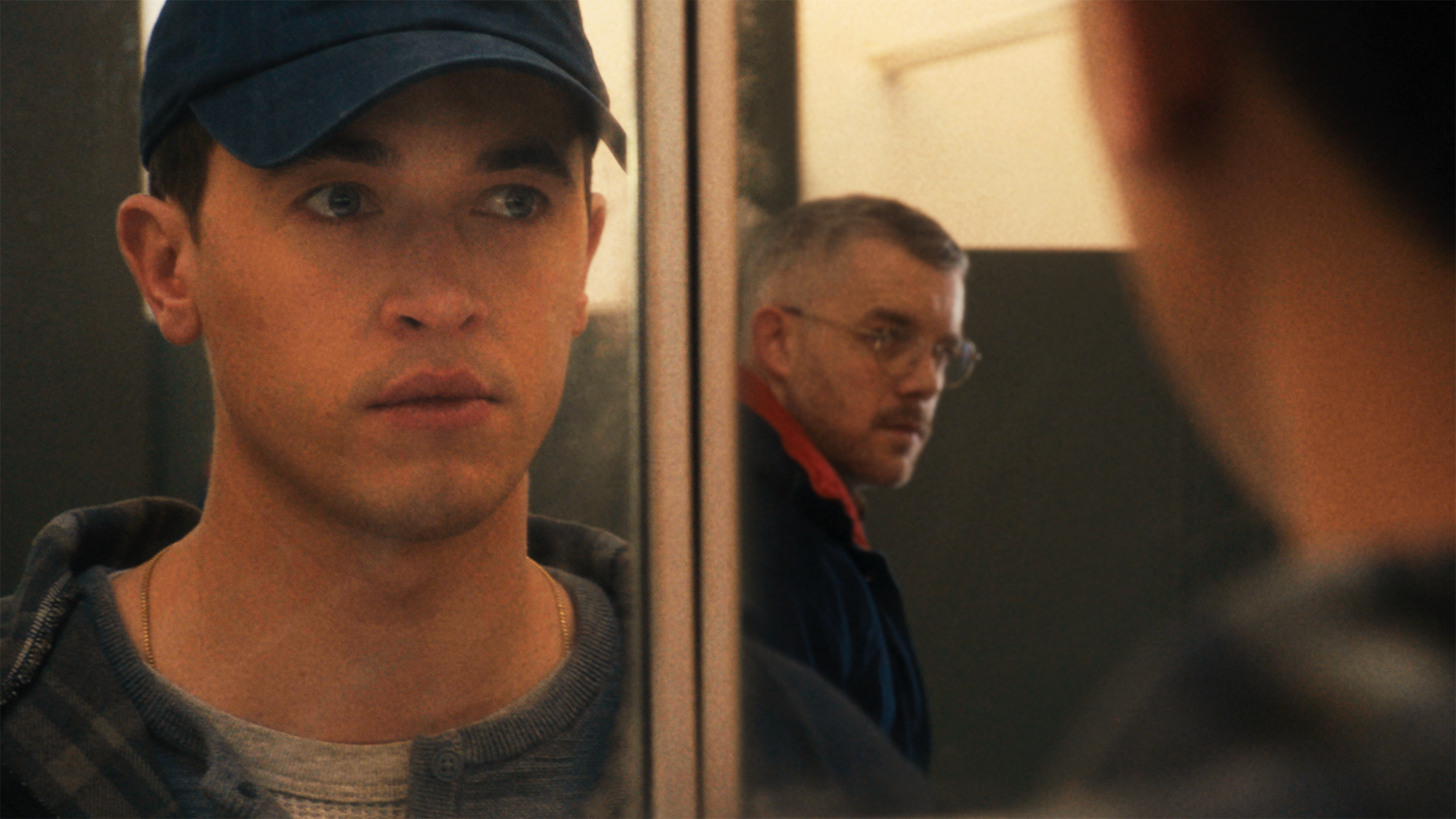
Cinematographer Ethan Palmer’s visuals—especially the shifts into VHS—deepen this sense of unease. Those distorted frames suggest that no moment is truly private, that even in intimacy, there’s an eye watching, waiting. Composer Emily Wells’ score amplifies this mood—sparse, moody, with a lingering sadness that seems to seep into every corner of the frame.
By the time the film reaches its conclusion, the air feels heavy with the weight of everything unsaid. Emmi resists the urge to tie things up neatly, instead letting the final scenes breathe in their complexity. There’s no triumphant declaration, no tidy resolution—just the quiet truth that living authentically can be both liberating and terrifying.
Plainclothes isn’t an easy watch, but it’s an essential one. It’s a reminder of how much has changed—and how much hasn’t—for queer people navigating visibility and safety. And at its center is Tom Blyth, delivering a performance so raw, so finely tuned, that it feels like a breakthrough moment in his career. In Lucas, he captures the ache of wanting more from life while fearing the cost of reaching for it. It’s a portrayal that will stay with you—just like the film itself.