


Frankly, as a film year overall, 2025 has been full of underwhelming disappointments. However, when films did hit, they landed big, leaving their mark. It was the year of the foreign film and the mainstream American instant classic. These films found their artistic footing, feeling urgent, personal, and filled with conviction. Meanwhile, mainstream cinema with a message took risks with bold ambition, making these films’ themes feel unmistakably alive, current, and ripped from the headlines.
With that, please take a moment to read my list of the top ten films of 2025!
10. The Materialists/Superman
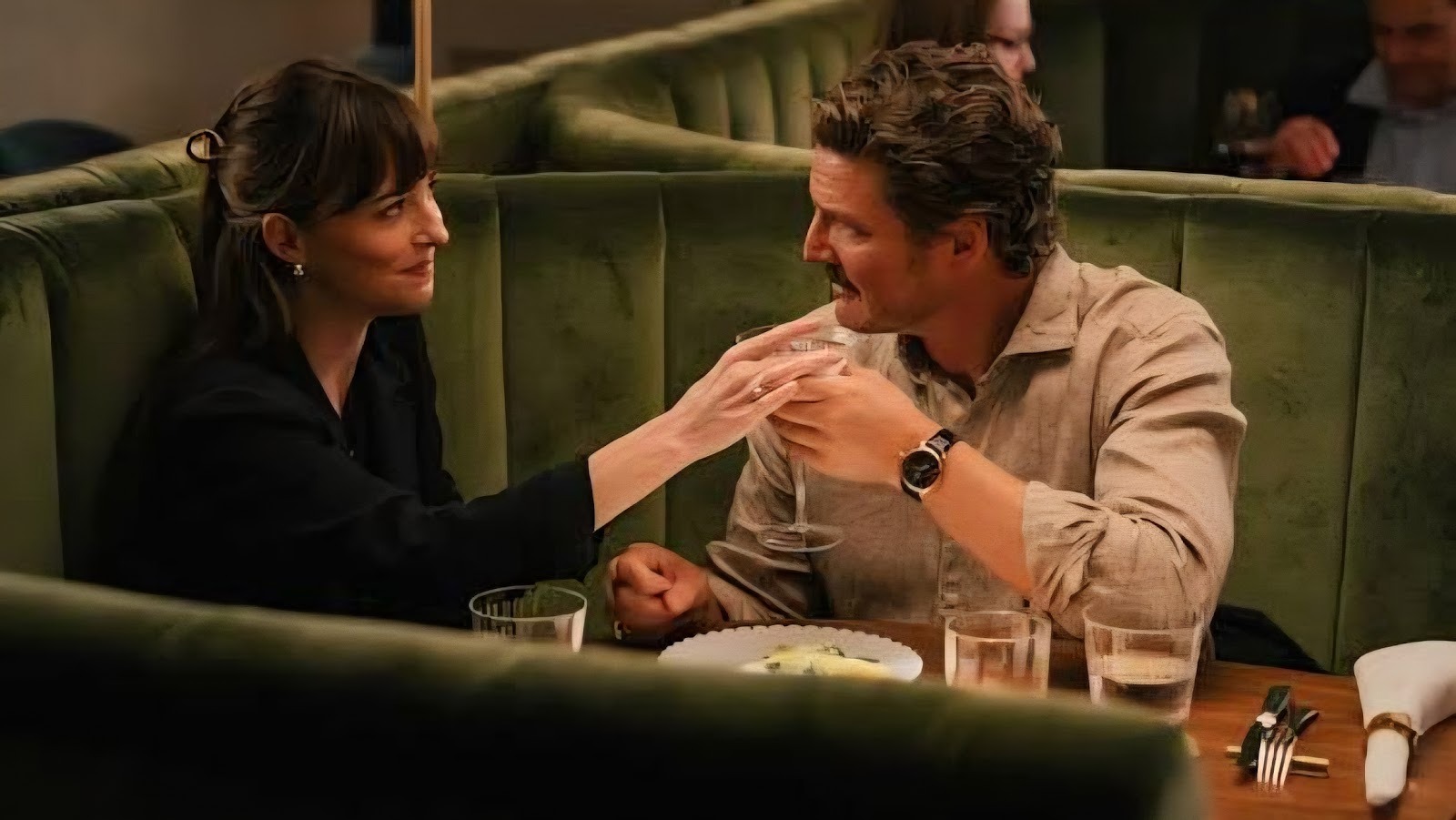
On the surface, you might think Celine Song is following up her exquisite Past Lives by blowing the dust off a script she had stuck in her desk that was inspired by a love of Julia Roberts or Meg Ryan from the golden age of ‘90s romantic comedies. However, beneath the sheen and shine of glamorous New York City socialite life, you’re treated to a thoughtful, mature, and at times beautiful exploration of the leap of faith that is unrequited love and cynicism. Song is unafraid to tackle real-life issues and essential questions, including identity, self-awareness, and reflection. The Materialists’ tone never wavers, offering a stunningly mature, thoughtful, and humorous take on the modern-day rom-com and setting a new standard for years to come.
Then, you have James Gunn’s take on the Man of Steel, Big Blue, and The Last Son of Krypton, which excels in two areas that previous films in the franchise have failed to achieve. First, the world-building around Clark Kent’s alter ego is a walk on the wild side. Superman is weird, funky, and offbeat, fueled by candy-coated chaos and populated by oddballs and misfits unlike anything we’ve ever seen in a Superman film. Second, and I’ll make this as plain as possible about Gunn’s DCEU rebirth: Gunn brought the fun, while layering themes that we see in our backyard.
9. One Battle After Another
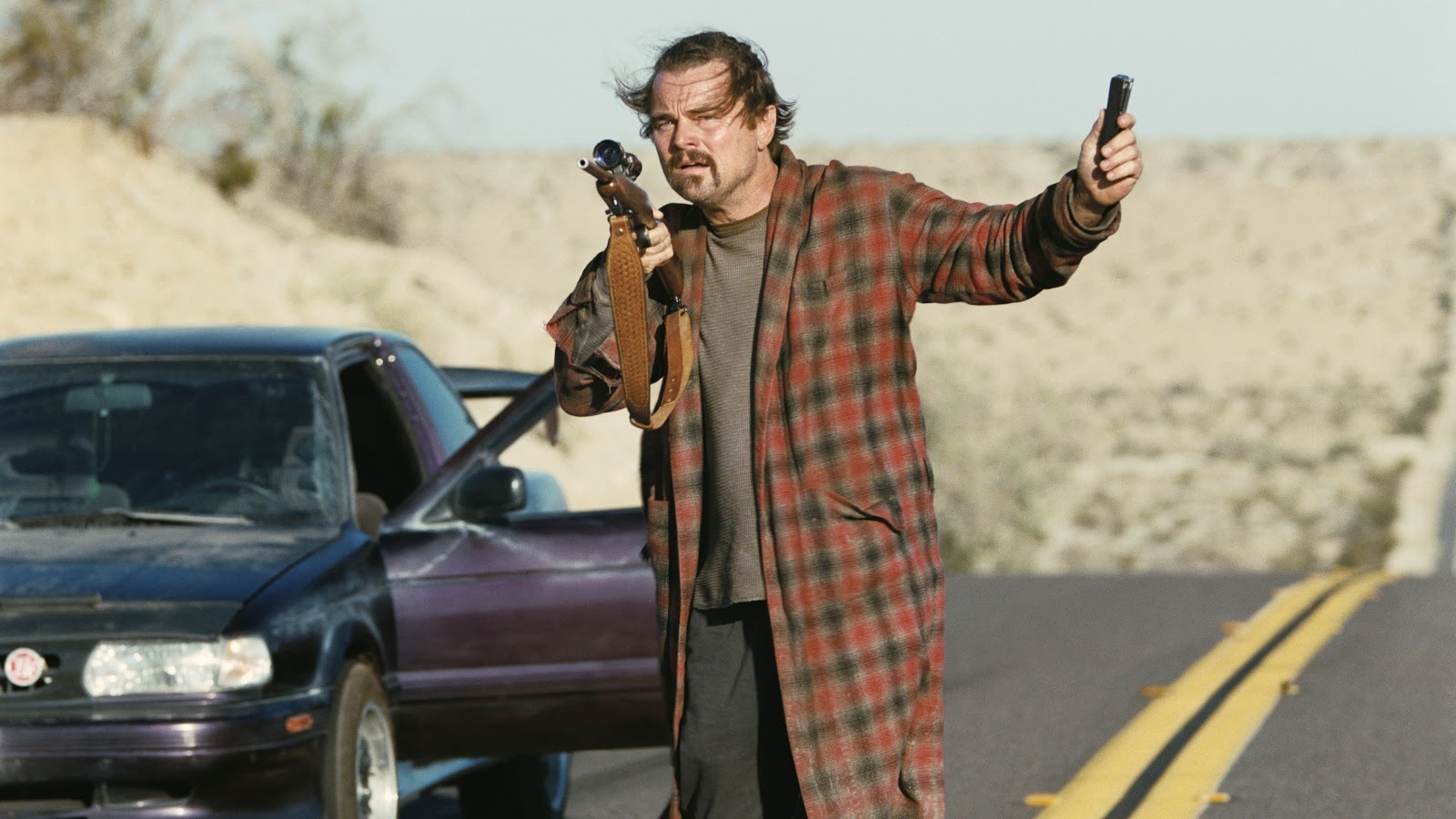
I’m not going to lie: when I first saw One Battle After Another, having missed my critics screening, I took the leap and caught it in a 4DX presentation, spraying air, water, and whatever airborne pathogen the world has concocted directly into my face, while the seat jerked so violently I thought Terence Fletcher had given me whiplash. It completely pulled me out of the cinematic ride. On a second viewing, however, I found myself fully immersed in the Paul Thomas Anderson experience. The film is steeped in moral exhaustion, visceral cycles of violence, and characters trapped in their own personal prisons, projecting onto others what they refuse to confront in themselves. Where PTA’s other films are about emotional connections that bleed into one another, One Battle After Another connects its characters, themes, and powerful subtext through endless cyclical conflict, consequences, and moral attrition.
8. Train Dreams
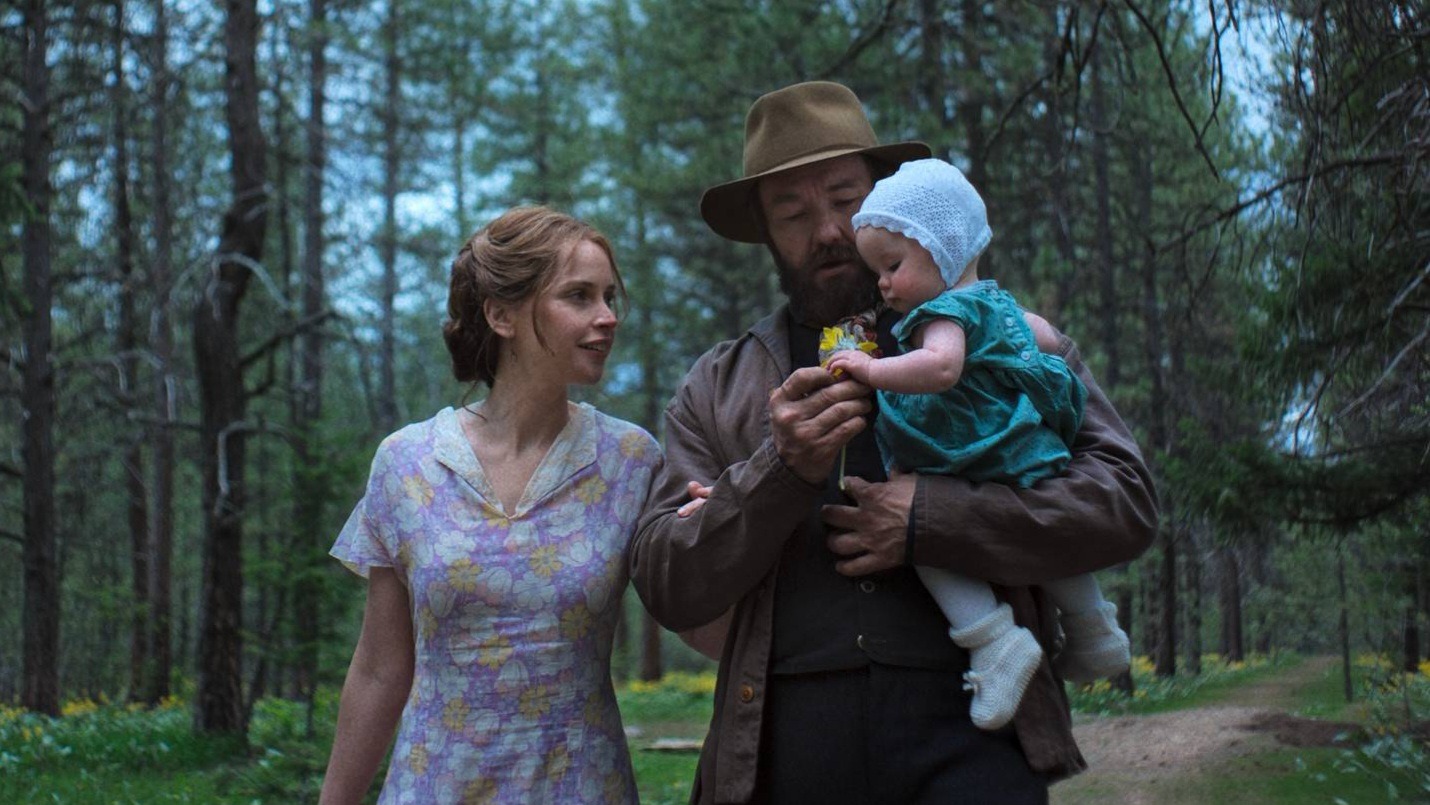
In Train Dreams, moments linger, some shocking, some tranquil, others innocuous, even breathtaking. That is precisely the point of this gorgeous, contemplative film from writer-director Clint Bentley. The stunningly evocative and beautiful film has moments of joy or heartbreak, euphoria or trauma, and the people who enter our lives as quickly as they leave, shaping us the way water constantly shapes rocks along a riverbed. Joel Edgerton’s performance is meditative and thoughtful; one can easily imagine Søren Kierkegaard describing Train Dreams as the dizziness of freedom. Edgerton’s Robert’s existential crisis isn’t short-term. No, for the characters on screen, it is baked into their very existence.
7. Black Bag
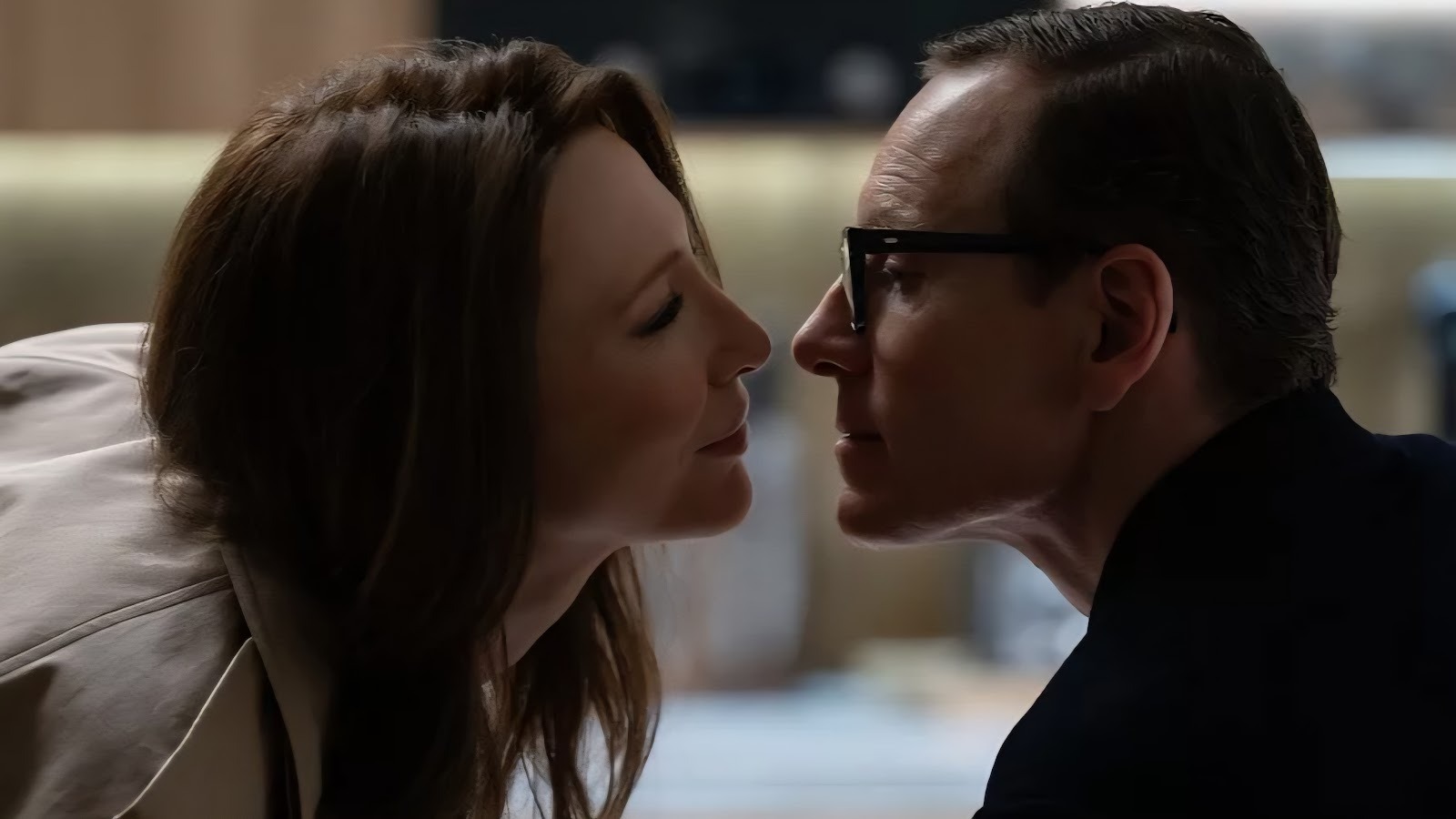
Stylish and remarkably self-assured, Steven Soderbergh’s Black Bag is a brilliant piece of filmmaking that never forgets to entertain while still allowing the viewer to ponder bigger, existential questions. This is a masterful genre film that delivers both thrills and thought-provoking moments, offering an intoxicating case of immersion through its look, vibe, and music, all of which showcase how this filmmaker immerses his audience in an experience only he can craft. A delicious chess match of a whodunnit that never lets up from start to finish, resulting in the year’s smartest thriller.
6. The Perfect Neighbor

Director Geeta Gandbhir’s The Perfect Neighbor takes raw footage from police body-worn cameras and dash cams, using them to draw a heartbreaking portrait of systemic and intergenerational racism—a toxic combination of socially inherited issues that is built into state (and soon, probably federal) law. In this case, the suspect, a woman named Susan Lorincz, an older adult Caucasian woman, used the police to enforce control over a friendly neighborhood community, swinging a hammer of fear. The Perfect Neighbor places you in the middle of an impossible-to-escape nightmare, using emotional manipulation to drop the viewer into the case and allow them to make their own judgments, exposing more racist attitudes lurking in the shadows than we could know.
5. Sinners
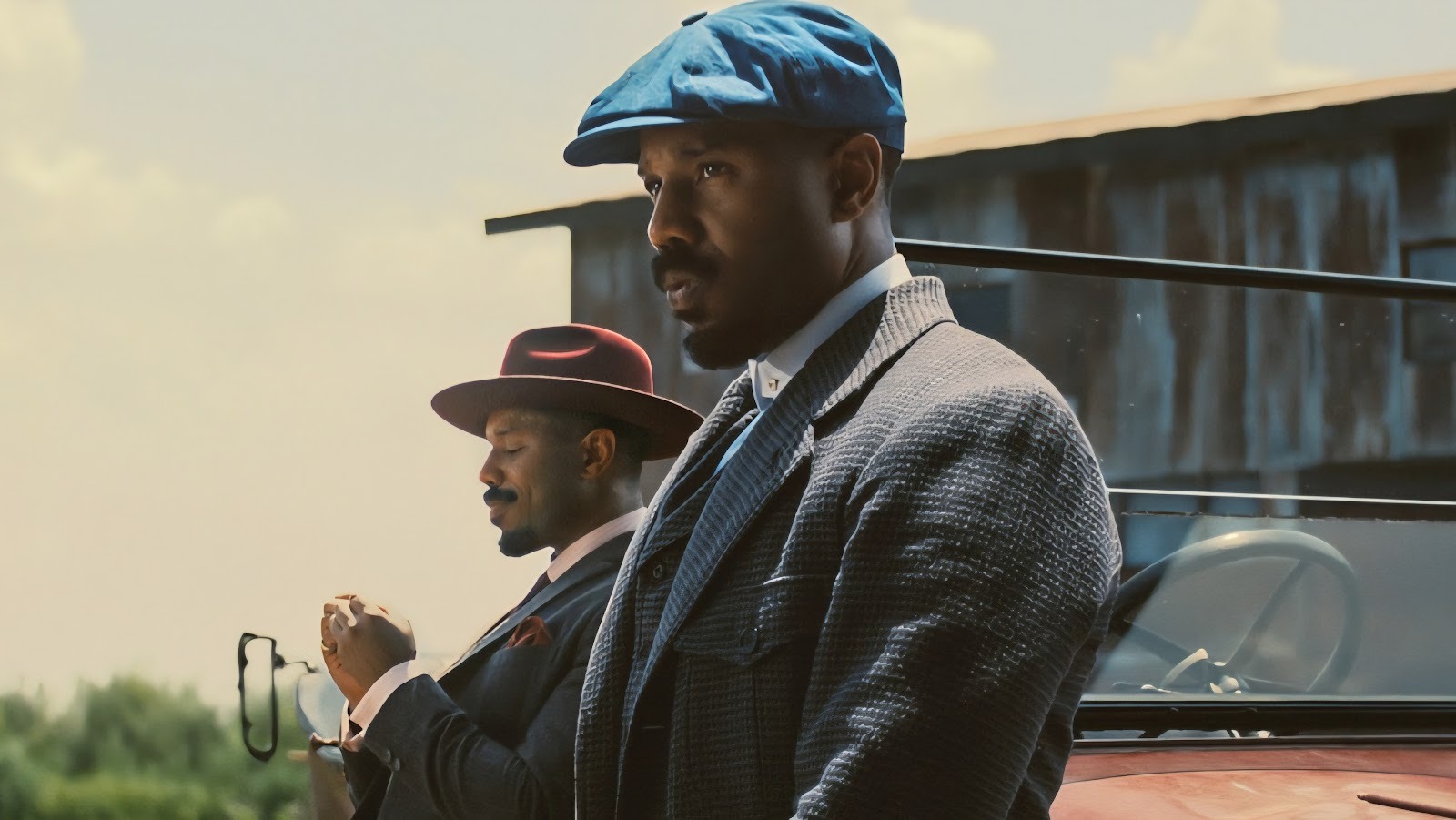
If you love movies, you dirty, filthy cinephiles, you have to love the genre picture. Yes, that dreaded label some snooty film buffs turn their noses up at, yet cannot tell you the difference between film noir and the black-and-white filter setting on their Instagram profile. However, sometimes a movie comes along that transcends that entertainment art form, goes deeper, is meaner and darker, and leaves far more marks on our hearts than the body count on screen. That is Sinners, a movie that evokes rage (and tears) for its characters, with themes that boil down to a thoughtful, even poignant and gripping, conclusion. Written and directed by Ryan Coogler, featuring an unheralded performance from its star, Michael B. Jordan, and countless memorable supporting turns, including a scene-stealing performance from Wunmi Mosaku, Sinners is a film of the moment and a story as old as time.
4. It Was Just an Accident

Perhaps no film’s final scene will stick with you quite like Jafar Panahi’s It Was Just an Accident (Yek tasadof-e sadeh). A film that layers white-knuckle tension with profound moral dilemmas, it is a socially conscious thriller that sneaks up on you—and one you’ll be thinking about long after the credits have rolled. Featuring two standout performances, Vahid Mobasseri’s scenes ignite with moments of truth that act like narrative gasoline. At the same time, his pairing with Ebrahim Azizi leads to a slow-burn reckoning that is as electrifying as it is cathartic. Viscerally charged and impossible to look away from, Panahi firmly puts his stamp on the political revenge thriller.
3. Sentimental Value
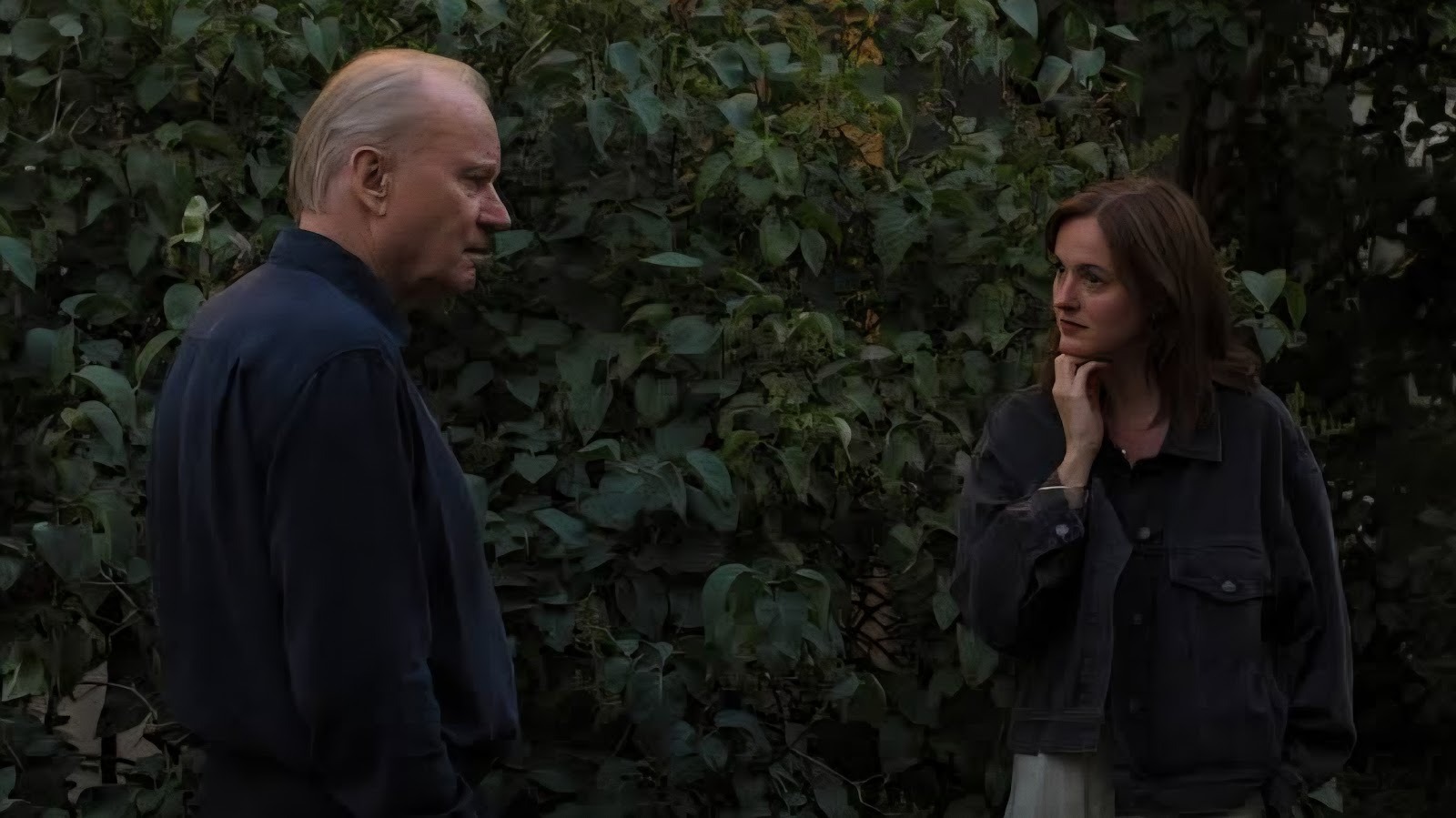
As the Sentimental Value unfolds, you can’t help but feel the tension quietly mounting. Beneath it all lies a hidden theme of pain and trauma. Yet, director Joachim Trier uses the movie-within-a-movie trope to transform that collective suffering into something resembling closure. It’s that quiet strength and the unspoken truth within that are impossible to ignore. The script evolves into something achingly human and beautifully tragic. It isn’t a film about the art of filmmaking, but rather one that uses art itself as a means to heal, repair, and find closure. Funny and endlessly moving, and filled with terrific performances, Trier once again proves himself a cinematic observer of human behavior at its most fragile and profound.
2. No Other Choice
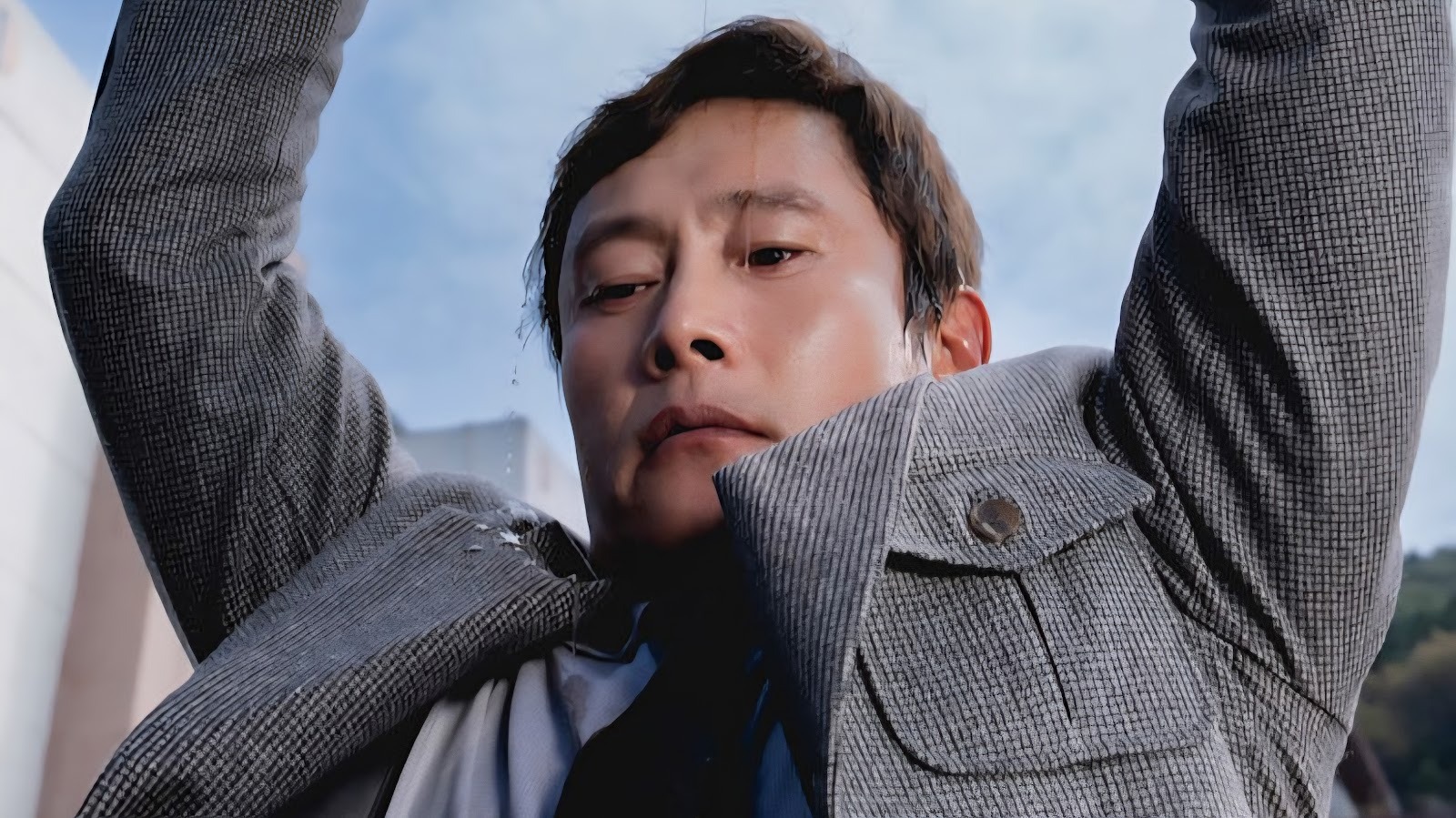
Has any filmmaker found a way to exquisitely combine precision, menace, and elegance like Park Chan-wook? His Decision to Leave is one of the best films of the decade; Oldboy remains one of the best films of the century; and now No Other Choice arrives as a movie experience that isn’t so much a slow burn as a slow poison. The experience builds over time, with a delayed impact that leaves a cinematic psychological aftertaste hard to shake. The themes of moral unease linger and become overwhelming at times. The renowned writer-director’s steady hand is controlled, restrained, and emotionally cold, with damage that isn’t explosive but incremental, chipping away slowly over the film’s 139 minutes. Just sit back and let Park Chan-wook slowly tighten the screws to see where you come out on the other side.
1. Marty Supreme
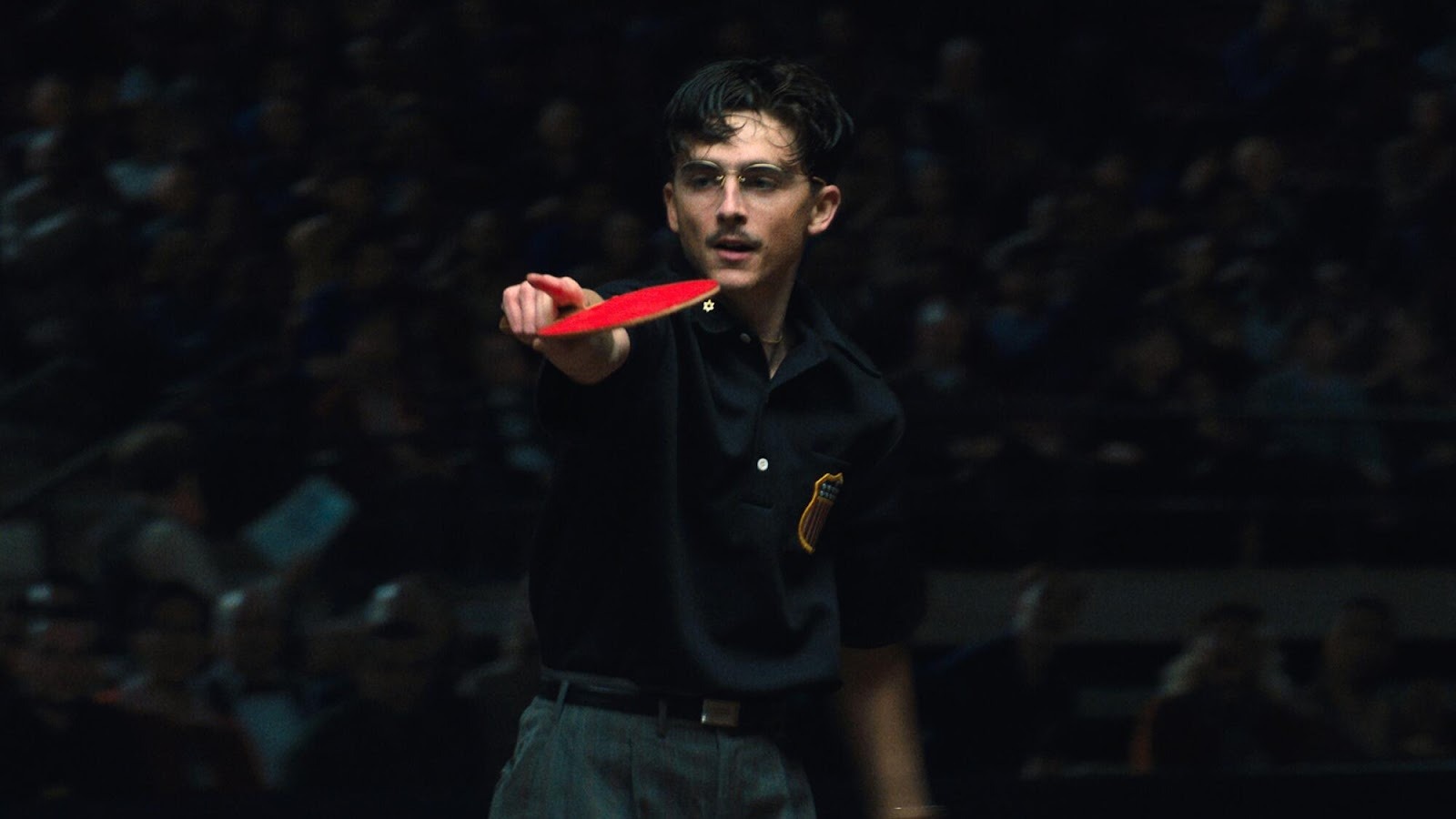
In a year full of underwhelming disappointments, A24’s Marty Supreme is here to save the day. Josh Safdie’s seventh directorial feature, only his second time helming a film solo, and the first since his debut, The Pleasure of Being Robbed, is a slice of cinema unlike anything you’ve ever seen. An exhilarating sports epic that transports you to another time and place, the film strips away the noir-soaked urban sheen of the period, replacing it with hard-boiled comedy, bustling claustrophobia, and overwhelming anxiety. The experience is wild, kinetic, and deliriously enjoyable, a movie destined to become a classic because no one is making films like this today.
Timothee Chalamet delivers something entirely different here. Simply put, this is the best performance of his career. Previously nominated for Call Me by Your Name and launched into superstardom by the Dune franchise, Chalamet sheds the boyish charm, sex-symbol status, and tortured-soul charisma for a caustic, motor-mouth energy fueled by narcissistic ambition—magnetic, chaotic, and a sight to behold. His turn is a tornado of contradictions, masterfully fascinating as manic ambition strains against societal labels. Josh Safdie’s third chapter of his Anxiety Cinema trilogy is unmistakably alive and an experience all its own.
Marty Supreme is the year’s best film.
Honorable Mentions: Plainclothes, Weapons, Thirsty, The Secret Agent, and Rental Family