

Home Blog Page 235

Featured: The Criterion Channel Films That Struck Out

If you have read long enough of my weekly praises of the Criterion Channel, then you may think everything this channel has is glorious and worth watching. I have news for you: not all are good. Even from some big-time directors, some films left me cold, confused and wondering where they were going with the story. Some of them took bold risks in the narrative and character study but felt hollow when it was on the screen. Watching one of these films gave me an urge to do what Cannes filmgoers love to do: boo the hell out of the movie. Nothing personal, it’s just poorly executed. Here are five films from the CC that I didn’t come out of it liking.

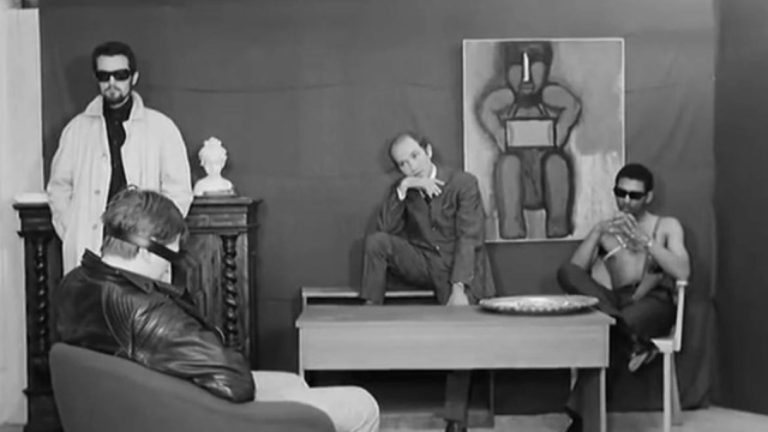
2 Or 3 Things I Know About Her (1967)

Godard was doing this film and another one simultaneously (one of three films released in 1967) and was trying to keep up with friend-turned-rival Francois Truffaut, who kept churning hit after hit. This had no script, but a visual essay on all questions from capitalism, war, modernity, love, and France itself, all under Godard’s rapid whispering narration. But there were too many things going on, too many things being said, and, while some may approve of Godard’s continuing radical experiments with storytelling, this was a movie that turned in alphabet soup in front of my eyes.

Love Is Colder Than Death (1969)

Rainer Werner Fassbinder’s first film is about a gangster who does not want to be part of an organized outfit yet is in love with the mistress of the syndicate leader. Upon its debut at the Berlin International Film Festival, it was booed. Today, it is held more positively as Fassbinder’s first steps towards his future style, but this felt like a home video recording in blanks rooms. It was robotic, and unlike Orson Welles’ Mercury Theater players providing life into the characters, Fassbinder’s Anti-Theater team almost seemed to be only saying their lines without any emotion behind it.

One Sings, The Other Doesn’t (1976)

This kind of sucks saying it is bad because it’s from Agnes Verda. But her feminist story about two friends, one who seems to have it all with a husband and children, and one who has yet to break out on her own, almost has no settled line on wherewith the feminist movement is Varda trying to land on. It is a polarizing film as some liked how much Varda responded to the 70s turn of womanhood, but while the message is obviously there that women should have equal rights as men (namely abortion in this movie), this does not land upright perfectly.

La Vie De Jesus (1997)

Bruno Dumont’s first feature was an exercise in futility. The lead character, Freddy, has epilepsy, drives on his motorbike with his friends, all who are struggling to get work in the sleepy village, and has unromantic sexual encounters with his girlfriend. While Dumont is known in casting nonprofessionals in his more sublime work, this may have been better with professionals to express the misery of life in such a dreary place. The closeup of raw intercourse and a sexual assault on a girl were unnecessary, even if it calls to the predator nature of these young males. It’d meant to portray realism – maybe too real.

Tropical Malady (2004)

Apichatpong Weerasethakul deserved his Palme d’Or for 2010’s Uncle Boonmee Who Can Recall His Past Lives. For his Jury Prize for this film, only them, the Cannes Jury led by Quentin Tarantino, liked it while the audience and critics were puzzled by the film’s two stories about two men in love and a solider who feels threatened by dead spirits. Some of the audience walked out and others booed it; one critic wrote of the film, “Masterpiece, cult classic or just barking mad?” It has gotten better reviews upon rewatching it, but I don’t know what to think of it still.

None of them have gotten less than 2 stars, but I suspect there will be something in the 1-star range that will really scrounge my eyes out. Yes, nothing from John Waters has made me hate it and these B-films have value. There are more works from Criterion that have yet reached my fingertips, so much will be loved and liked…but others despised.

Follow me on Twitter: @brian_cine (Cine-A-Man)
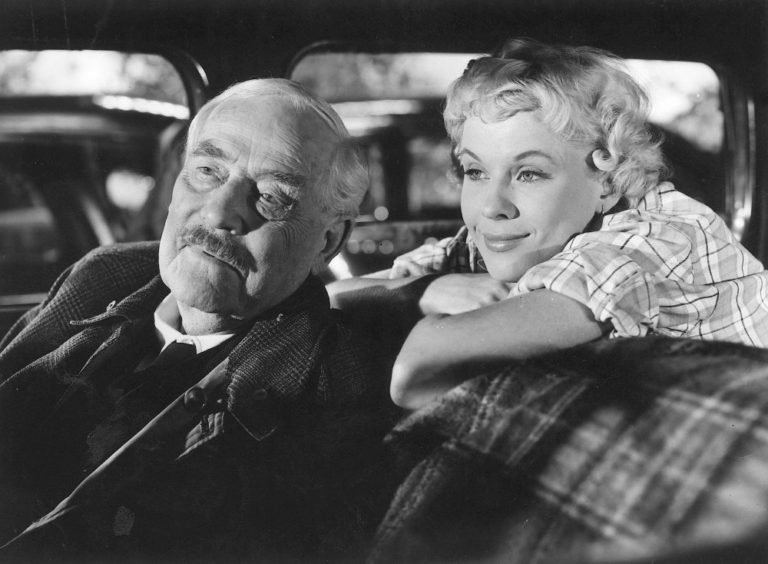
Poll: What would you like the last film of our Ingmar Bergman Movie Series to be?

This week for our poll, we are looking ahead to our new movie series on Ingmar Bergman, and we need your help in landing the eighth and final film in our series. The first seven films in our series will include The Seventh Seal, Wild Strawberries, Persona, Cries & Whispers, Scenes from a Marriage, Autumn Sonata and Fanny and Alexander.

With that said, which film should we discuss to conclude the series?


Movie Review: ‘Official Secrets’ is officially one of the best surprises of 2019


Director: Gavin Hood
Writers: Gregory Bernstein, Sara Bernstein, Gavin Hood
Stars: Keira Knightley, Matt Smith, Ralph Fiennes, Rhys Ifans, Matthew Goode

Synopsis: The true story of a British whistleblower who leaked information to the press about an illegal NSA spy operation designed to push the UN Security Council into sanctioning the 2003 invasion of Iraq.

[/info]

Official Secrets is the perfect “based on a true story” drama we’ve been missing this year. It has a phenomenal cast and the story is told in a way that makes it easy to watch for any viewer. I have high hopes for it this coming awards season, but no one is talking about this film (at the moment), so I’m afraid it may be overlooked. There have been a lot of good films this year, many of them dramas, and even more yet to come. That being said, Official Secrets still stands out for me and I feel it offers something a little different.

Official Secrets is about Katharine Gun, a former GCHQ (Government Communications Headquarters, basically the UK’s NSA) translator who leaked classified information about the approaching war in Iraq. The movie takes place between 2002-2004, during the G.W. Bush presidency, while the United States was trying to get the UN to allow them to go to war in Iraq by claiming Iraq had WMDs. I was in high school when all of this was happening, so I didn’t pay attention to current events unless a teacher told me I had to. Now, 15 years later, I am interested in politics and current events, and this film was a good way to learn about things I didn’t pay attention to as a teenager. The film tells a complicated story and navigates a complex plot while maintaining its “easy to watch” vibe. A lot of political drama films are hard to follow or are boring; Official Secrets is does not fall into that stereotype. I was hooked from the first five minutes. Much of that was due to the amazing cast, but I was also on the edge of my seat, needed to know how it all played out. If you’re unfamiliar with Katharine Gun’s story, I recommend not googling it before watching the film.

I have countless positive comments for this film. It has one of the best overall casts I’ve seen this year. I spent half the movie thinking “oh, it’s that guy from Harry Potter, or Doctor Who, or Game of Thrones”. The stand-out characters for me were: Matt Smith who plays journalist Martin Bright, Rhys Ifans as another journalist Ed Vulliamy, Ralph Fiennes as barrister (lawyer) Ben Emmerson, Conleth Hill as Roger Alton (editor of The Observer), and of course Keira Knightley as Katharine Gun. Keira Knightley does a fantastic job portraying Katharine Gun without doing an exact impersonation. She didn’t try to look like her, Knightley keeps her brown hair when Gun is a blonde in real life. Something they did copy exactly was a couple of the outfits Gun wears. I searched for more information about the real-life events and found a picture of Katharine Gun wearing exactly the same thing that Keira Knightley wears at the end of the film. I thought that was a nice touch. There is an excellent mix of drama and humor without losing the films main message. This is especially good in scenes of the journalists (Smith Hill, Goode, and Ifans in particular) and in scenes with banter between lawyers. It does a good job handling serious, tense subjects without getting too dry or boring. They explain complicated topics in an easy to understand way and without dumbing things down too much. An example is they included an on-screen label and description for GCHQ early in the film; so people unfamiliar with British government agencies understood who they are and what they do.

I don’t have anything negative to say about this film. If you don’t like watching movies that discuss politics or have harsh criticism of certain political parties and events; then this may not be for you. The film is critical of the G.W. Bush presidency and his administration, Tony Blair and other various British political figures, and the war in Iraq.

Official Secrets is officially my favorite drama of 2019 (so far). It’s a phenomenal film, packed with amazing actors, giving equally amazing performances. It tells an important, true story in an easy to watch way. I cannot recommend this film enough; go see it if you have the chance.

Overall Grade: A

[divider]

List: Top 3 Joaquin Phoenix Scenes

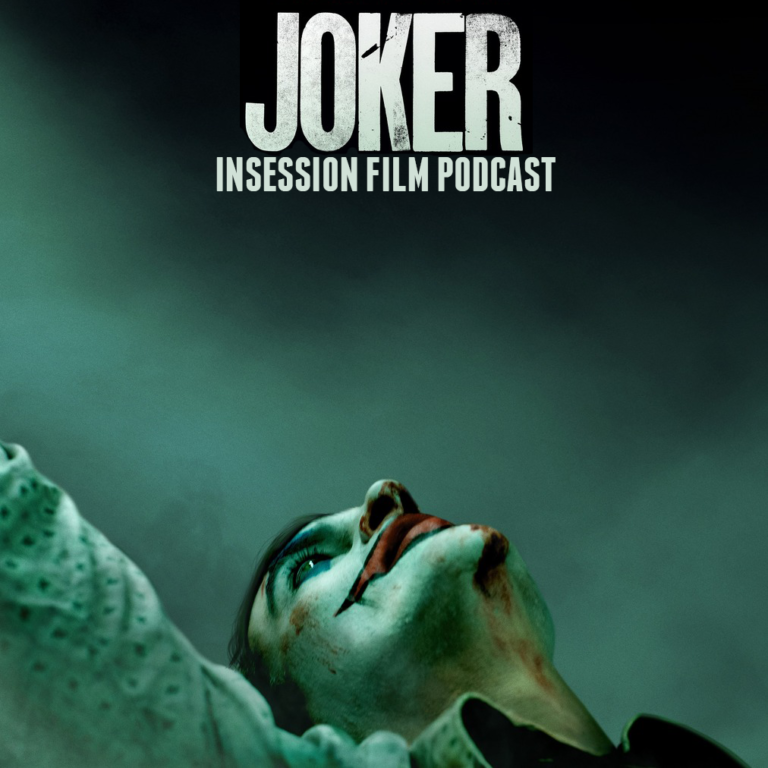
This week on Episode 346 of the InSession Film Podcast, inspired by Joker, we thought it would be appropriate to talk about our favorite Joaquin Phoenix scenes. JD has been on record for several years now claiming that Phoenix is the best working actor today. Brendan is, of course, also a huge fan of the Phoenix. He has a range that is extensive and he’s able to get to depths among that spectrum that few actors can reach as consistently as he does. Whether it’s his raw and dramatically engrossing performances such as The Master and You Were Never Really Here, or his comedic abilities in Inherent Vice and Irrational Man, Phoenix is able to excel at incredibly high levels. So, narrowing down just three scenes as his best was damn hear impossible. But oh so fun to dive into. That said, what would be your Top 3?

(Note: Please keep in mind that we each had different criteria for our selections)

JD

1) Diner Scene – You Were Never Really Here
2) Processing Scene – The Master
3) Samantha Leaves – Her

Brendan

1) Letter to Catherine – Her
2) Processing Scene – The Master
3) Doc’s Reaction to Bigfoot in Apartment – Inherent Vice

Steven

1) Letter to Catherine – Her
2) Grave Scene – You Were Never Really Here
3) Birthday Party News Scene – Signs

Honorable Mentions (Combined)

Various scenes from Her, The Master, You Were Never Really Here, Inherent Vice, Signs, Gladiator, Walk the Line, Two Lovers, The Sisters Brothers, Irrational Man, The Village, Clay Pigeons, I’m Still Here, Joker

Hopefully you guys enjoyed our lists and if you agree or disagree with us, let us know in the comment section below. Clearly there are many other great scenes to consider for this list that we skipped over for one reason or another. That being said, what would be your Top 3? Leave a comment in the comment section or email us at [email protected].

For the entire podcast, click here or listen below.

For more lists done by the InSession Film crew and other guests, be sure see our Top 3 Movie Lists page.

Podcast: Joker / Top 3 Joaquin Phoenix Scenes – Episode 346

This week’s episode is brought to you by Patreon and our awesome listener’s like you. Sign up today and get some awesome rewards!

This week on the InSession Film Podcast, Patreon supporter Steven Keller joins us to discuss Todd Phillips’ Joker and our Top 3 Joaquin Phoenix scenes in film!

Words cannot describe our thanks to Steven for his support and for joining us this week. He’s a long-time listener and has been one of our best supporters, so it was a pleasure to finally talk to him in this manner. And boy, was there plenty to discuss on this show. Joker is the most divisive film of the year and Joaquin Phoenix is one of the best actors working right now. Thus, the length of this episode, which we hope you forgive.

On that note, check out this week’s show and let us know what you think in the comment section. Thanks for listening and for supporting the InSession Film Podcast!

– Movie Review: Joker (3:47)
Director: Todd Phillips
Writer: Todd Phillips, Scott Silver
Stars: Joaquin Phoenix, Robert De Niro, Zazie Beetz

– Notes (1:11:35)

Nothing too crazy for our break segment this week. We do, however, announce the first film of our Ingmar Bergman Movie Series, which we’ll be starting on Episode 247 next week.

[divider]

RELATED: Listen to Episode 344 of the InSession Film Podcast where we discussed Ad Astra!

[divider]

Top 3 Joaquin Phoenix Scenes (1:18:11)
JD has been on record for several years now claiming that Joaquin Phoenix is the best working actor today. Brendan is, of course, also a huge fan of the Phoenix. He has a range that is extensive and he’s able to get to depths among that spectrum that few actors can reach as consistently as he does. Whether it’s his raw and dramatically engrossing performances such as The Master and You Were Never Really Here, or his comedic abilities in Inherent Vice and Irrational Man, Phoenix is able to excel at incredibly high levels. So, narrowing down just three scenes as his best was damn hear impossible. But oh so fun to dive into. That said, what would be your Top 3?

Top 3 Sponsor: First Time Watchers Podcast

– Music

Call Me Joker – Hildur Guðnadóttir
Bathroom Dance – Hildur Guðnadóttir
Dimensions – Arcade Fire
The Return of the Eagle – Atli Ãrvarsson

Subscribe to our Podcasts RSS
Subscribe to our Podcasts on iTunes
Listen on Spotify
Listen on iHeartRadio
Listen on Stitcher
InSession Film Podcast – Episode 346

[divider]

Next week on the show:

Main Review: Gemini Man (maybe?)
Top 3: TBD
Ingmar Bergman Movie Series: The Seventh Seal

[divider]

Help Support The InSession Film Podcast

If you want to help support us, there are several ways you can help us and we’d absolutely appreciate it. Every penny goes directly back into supporting the show and we are truly honored and grateful. Thanks for your support and for listening to the InSession Film Podcast!

VISIT OUR DONATE PAGE HERE

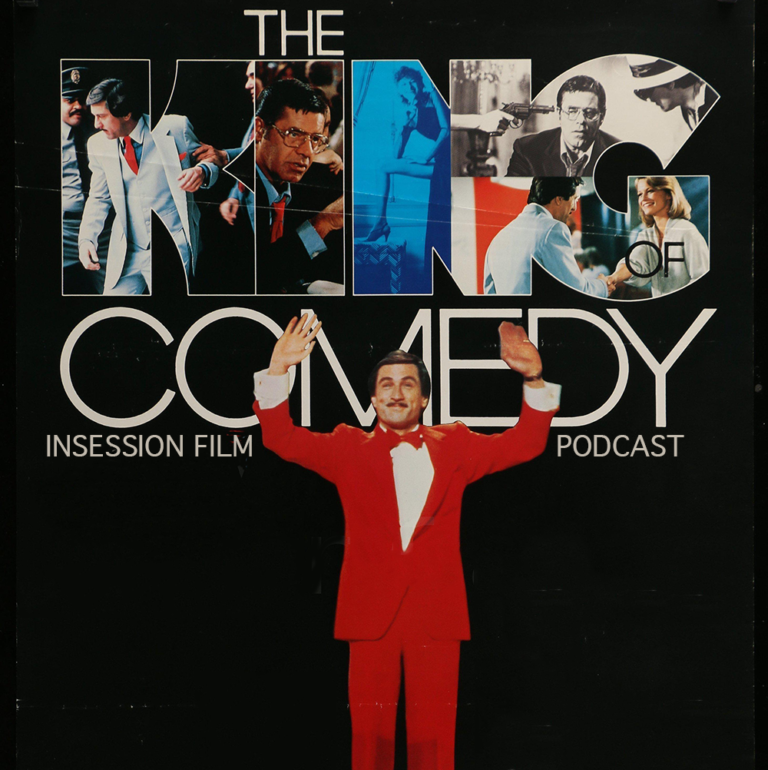
Podcast: The King of Comedy – Extra Film

This week on the InSession Film Podcast: Extra Film segment, our very own writer Aaron Charles fills in for Jay as he and Ryan discuss the Martin Scorsese classic The King of Comedy!

With Jay being out once again this week, and neither JD or Brendan being available, we had to go to the bench to help with this week’s show. And boy did Aaron come through in a big way. We appreciate his flexibility and willingness for one, and he was a great guest who did a wonderful job in the discussion with Ryan. Also, because of all the craziness with scheduling, you may have noticed that we only reviewed one film this week as well. But the guys did a great job of fully digging into what is one of Scorsese’s best films.

On that note, have fun with this week’s Extra Film segment and let us know what you think in the comment section below. Thanks for listening!

– Movie Review: The King of Comedy (4:06)
Director: The King of Comedy
Screenplay: Paul D. Zimmerman
Stars: Robert De Niro, Jerry Lewis, Diahnne Abbott

– Music

Rupert’s Themes – Bob James
The Return of the Eagle – Atli Örvarsson

We try to make this the best movie podcast we possibly can and we hope you enjoy them. Subscribe today on iTunes, Spotfiy or Stitcher, and please leave us a review on iTunes. You can also find us on Soundcloud, PlayerFM and TuneIn Radio as well. We really appreciate all your support of the InSession Film Podcast.

Subscribe to our Podcasts RSS
Subscribe to our Podcasts on iTunes
Listen on Spotify
Listen on Stitcher
The King of Comedy – Extra Film

[divider]

Mobile App

To hear this Extra Film episode and everything else we do, download our apps on the Amazon Market for Android and the Podcast Box app on IOS devices. The mobile app covers all of our main shows, bonus podcast’s and everything else relating to the InSession Film Podcast. Thanks for your wonderful support and listening to our show. It means the world to us!

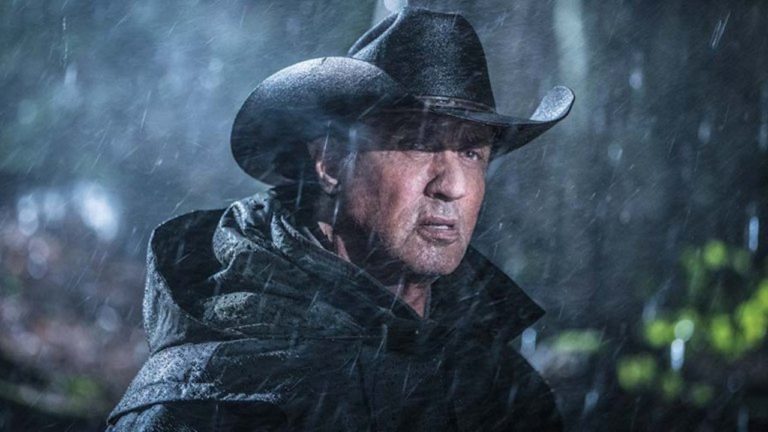
Movie Review: ‘Rambo: Last Blood’ is a poor ending for an iconic hero


Director: Adrian Grunberg
Writers: Matthew Cirulnick, Sylvester Stallone
Stars: Sylvester Stallone, Paz Vega, Sergio Peris-Mencheta

Synopsis: Rambo must confront his past and unearth his ruthless combat skills to exact revenge in a final mission.

[/info]

Let me start this review off by first admitting I have not seen any of the recent Rambo films, in fact prior to this film I had only seen 2 others in the series: the original First Blood and Rambo: First Blood Part 2 and although it has been some time since I last saw either, I recall them both being good/decent films. I state this more as a caveat that I am essentially unfamiliar with the current state of the franchise so if there were any easter eggs or inside jokes/references in Last Blood it is likely they went right over my head. With that out the way I finally caught the film last week and it was not a thrilling watch. Quite the opposite really, it was a dull ride with no surprises and very little to keep me captivated. The story treads over all too familiar territory and director Adrian Grunberg and frontman Sylvester Stallone together bring no style or energy to the screen. Unfortunately, as John Rambo’s final fight it lands a weak punch.

This film has almost no pulse. Sitting through it in an almost empty theater is not unlike playing a game of Monopoly. It is tedious and since you have played the game before you are familiar with the routine and are fairly certain of the outcome, but all the while you are really just killing time waiting for something more exciting to come along. About 5-10 minutes into Last Blood I had a good idea where the film was going and how it was going to end, and honestly, with the exception of a few plot points, I was pretty spot on. It is a simple recipe of Taken with some dashes of John Wick but in no way hits as hard as these films. I have also heard a few others refer to it as Home Alone with an R rating, that’s fairly accurate as well but minus the charm. Honestly, if you are familiar with the franchise than whatever you are expecting going into this film is exactly what you are going to get. I had not seen any trailers prior to my viewing but I had an idea and the film met most of my expectations, which for me were pretty low.

As far as the cast goes everyone in Last Blood is coasting, the script simply isn’t conducive to summoning any brilliant performances.  Overall there is nothing noteworthy with the exception of Paz Vega who plays Carmen Delgado, a local journalist, grieving sister, and a very brief guide for John Rambo into the Mexican underworld. She is actually putting in an effort but has very few lines and screen-time to really make an impact. Yvette Monreal was a new face for me and she provides a decent performance as Rambo’s niece Gabrielle but like Vega she has very little to work with. Stallone is…well Stallone. I realized it has been a long time since I had seen him on the big screen and after this performance, this might be a good thing. He seems to have difficulty emoting and if it weren’t for the actual dialogue I would have some problems understanding how he was feeling moment to moment. Of course, this isn’t necessarily new with Stallone but he has proven he has a bit of range and in the past, he managed to breathe some life and charm into his characters even if they weren’t well fleshed out. I thought he was great in Oscar!

Last Blood is expected to be the last installment of the Rambo series and that is really what makes this film so unsatisfying. It doesn’t serve as a sufficient farewell for such an iconic American action hero. I can see what Stallone and Grunberg were attempting to do but unfortunately, the execution is stale and messy. The film has little entertainment value, only the last act is to some extent engaging but it gets dull and repetitive fairly quickly. The remainder of the film is both predictable and uneventful and at times distracting. There are a few moments in the film where it relies on flashbacks or narration, by John Rambo, to help provide pieces of the story or explain how a character is feeling. In each of these circumstances, these techniques make for awful storytelling, the worst example being the monologue at the very end of the film. If anything they make the story less compelling and its small things like this that make Last Blood so un-enjoyable. I wanted to like this film but on all levels, it misses the mark. As an action film about justice and revenge, it is lacking the pacing and exhilaration that comes with the genre. As an emotional film about family and devotion it just does not provide enough to let viewers invest in the film or characters emotionally and although the film is tragic, the pain and sadness never truly resonate. If you have been keeping up with the series then you might as well catch what is likely to be the final chapter in John Rambo’s journey, otherwise Rambo: Last Blood is a film best left for at-home streaming.

Overall Grade: D+

[divider]

Featured: Top 10 Casino Movies of All Time

0

Movies are a great form of entertainment due to the thrilling actions and captivating drama. But casino movies take the action to a whole other level due to the portrayal of the casino lifestyle, showcasing the electric and high-octane atmosphere of gambling structures.

If you have never seen a casino movie or wish to update your playlist, then look no further. Here are ten casino movies that will blow you away.

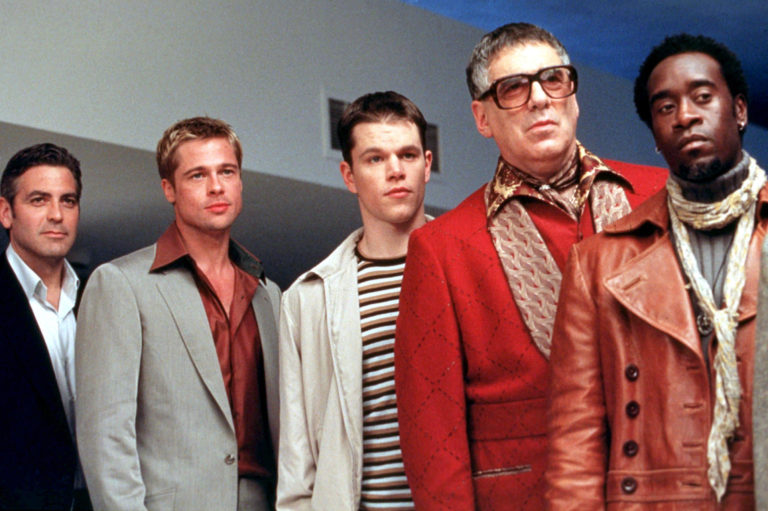
Ocean’s Eleven

The movie focuses on Danny Ocean and his team who target and successfully execute a plan to steal from the three major casinos in Las Vegas. The three casinos are the Bellagio, the MGM Grand and the Mirage.
The movie shows the elegance and class of the three top casinos in Las Vegas and the daring actions of the main characters is a true credit to the gambling world.

Casino Royale

This classic James Bond movie is sure to keep all casino lovers at the edge of their seats. The climax of the film is marked by a high-stakes poker game between Bond and Le Chiffre. The game portrays the true nature of a casino game and with international security at stake, this film takes poker to a new dimension.

7 rounders

This movie tells the story of a law student who is forced back into a life of gambling when his friend is indebted to a ruthless Russian mobster. The film shows the main character’s talent and skill in poker and its great lesson for anyone who wants to learn how to play.

Rain Man

The film shows how two brothers, one an autistic savant and the other a businessman. The two brothers travel to Vegas with the idea of using Raymond’s gift to win big at the blackjack tables.

Croupier

This film shows the casino life from the perspective of a croupier who is played by Jack Manfred (Clive Owen). It shows how the under-the-table dealings between a gambler and the croupier get out of hand giving the casino life a chilling tone away from the glamor commonly associated with Vegas.

21

This movie follows the noble cause of Ben Campbell who enters a life of gambling in order to get enough money for his tuition fees. Campbell’s math’s professor invites him to join a group of special individuals and together they travel to various casinos in Las Vegas.
The group uses their math counting skills to win lots of money at blackjack tables.

Casino

This film contrasts the glamor and elegance of the casino life with the cruel dealings that happen behind the scenes. It follows the life of Sam Ace Rothstein (Robert De Niro), a casino operator who is well connected to the mob. Rothstein lives a very civilized life with his wife. However, things soon get disrupted when Nicky Santoro (Joe Pesci) arrives in town with an ambitious plan.

Fear and Loathing in Las Vegas

This movie shows the life of Hunter S. Thompson (Johnny Depp) as he takes a trip to Vegas in the company of his Samoan lawyer. Thompson has received a huge advance to cover a sporting event and decides to take a trip in search of the American Dream.

The Gambler

This movie shows the life of a professor who is a gambling addict who spends much of his time in casinos. The movie serves as a warning to getting too much of the casino gambling world as the gambler plunges into self-destruction.

The Cincinnati Kid

The film tells the story of a talented gambler who uses his skills to play against the high roller of the day. The film shows the nature of competition that exists in gambling especially in casinos and the high stakes that are involved in every game.

You can get more at online information at RouletteGambler.co.uk.

Featured: The Magnificent Seventh Edition Of The Criterion Channel

La Chienne (1931)

Literally, “The Bitch,” Jean Renoir’s second sound film was a success partly because of a tragedy that occurred before its release. In the film, a painter falls for a prostitute after saving her from being abused by her pimp. However, the painter learns the prostitute loves her for another reason, leading to a tragic climax and coincidence, something almost copied in real life. It’s a love triangle playing on the themes of wealth, deceit, and poetic justice, which is what makes the aftermath sad yet poetically justified to happen.

Janie Marèse played the prostitute and it was her third film, which garnered her acclaim. Michel Simon played the painter and Georges Flamant played the pimp in his first film; both fell in love with Marèse, but it was Flamant that won her heart. After filming, the couple went out on vacation and a car accident killed Marèse. Simon, devastated by her death, threatened Renoir with a gun, blaming the film for her death. It is reported that Renior responded, “Kill me if you like, but At the same time, I have made the film.” Simultaneously, it ended Renoir’s first marriage when, allegedly, Renoir hired Marèse over his wife for the role and felt betrayed by her husband. Like in the film, love can kill people while innocent others get punished and only Renoir reaped all the benefits. In 1945, it would be remade in America as Scarlet Street starting Edward G. Robinson and directed by German auteur Fritz Lang.

Ugetsu (1953)

Outside of Kurosawa and Ozu, Kenji Mizoguchi is among the finest filmmakers from Japan that have played a major influence in the West. Ugetsu is a mix of romance and fantasy that features criticisms of war, the real relations the Japanese have with spirits, and family duty. Here, a peasant farmer leaves his wife and son during a brutal civil war for greed, only to be taken in by a spirit that seeks to ruin him in the process. The camera seduces us into any mist like the misguided farmer and Fumio Hayasaka creates a score that tingles the skin with its traditional sound that keeps the mood of the story within classical Japanese dance-drama known as Kabuki. This and The Life of Oharu were the first films, while Japanese cinemagoers thought of as old fashioned, made Mizoguchi recognized in the eyes of Cahiers du Cinema and the film listed on Sight & Sound’s Top 10 poll in the 60s and 70s.

Tom Jones (1963)

Tony Richardson’s Oscar-winning comedy of unusual making and side commentaries of an attractive, flirtatious man in 18th Century England is a total charmer and perfect transformation within the British New Wave. After black-and-white films about the “angry young man,” Richardson and screenwriter John Osbourne takes the famous 1749 novel and creates a film similar to what the French were doing in the years before. An intro made like a silent film, the fourth wall broken, create camera shots and editing to enhance major scenes, and a narrator we never see add up to the anti-romantic ways of storytelling in this era. But Albert Finney is perfect in the title role and the transition from a scruffy blue-collar worker in Saturday Night And Sunday Morning to a charming aristocratic man completed his worldwide sex appeal.

Mala Noche (1985)

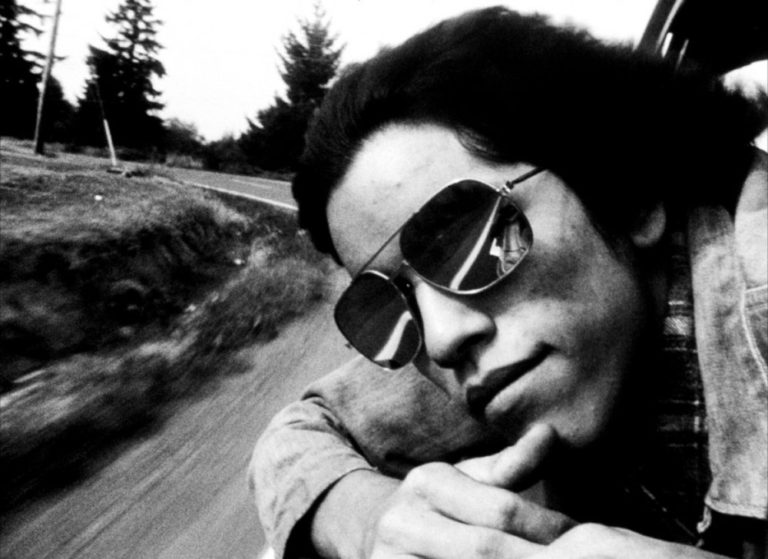
Gus Van Sant’s breakthrough is a scruffy on-the-cheap story from poet Walt Curtis’ autobiography. Van Sant related to Curtis has a gay man living in Portland, Oregon, but Curtis’ off-beat, bohemian-like style of life is a worthy character just like Van Sant’s biopic in Don’t Worry, He Won’t Get Far On Foot. However, “Bad Night” as its translated deals with Curtis’ desire to attract a young, handsome Latinx man named Johnny. It is a plot loosened around the openness of everyone’s homosexuality that is not judgmental that they live on the city’s Skid Row. For $25,000 in black-and-white and shooting wherever they could, Van Sant’s debut is a pure understanding of complicated relationships regardless of sexual orientation and afflicting cross-cultures.

Bottle Rocket (1996)

The genius of Wes Anderson began with a black-and-white short four years earlier before James Brooks helped finance his first feature with both Owen and Luke Wilson plus close friend Robert Musgrave and James Caan. It took 2 years to edit and shorten their script for a 90-minute screwball comedy caper that captures misfits seeking to thrive as thieves, even when they are really a danger to themselves in their dumb ways. The short was in Sundance, but Sundance turned it down and the film was a commercial failure. But critics liked it and a cult following began that let Wes Anderson and crew keep with their original work in Rushmore, The Royal Tenenbaums, and all the way to their upcoming The French Dispatch.

Yi Yi (2000)

https://www.youtube.com/watch?v=U089cG2BqR8

The last film from Edward Yang before his death is about the generations of a family in Taiwan who are captured in a wedding, funeral, and all sectors of life with dramatic episodes in different ages. The youngest child is bullied and school and finds solace in photography, the father finds himself in a moral crisis where money equals happiness but really wants something else to come out of a successful business venture, the mother is having a midlife crisis and is away from them as one of the matriachs lies comatose. In the top 10 of BBC’s Greatest 21st Century films, Yi Yi (“one by one”) is a tapestry of a family ensemble and the troubles of regular life.

Follow me on Twitter: @brian_cine (Cine-A-Man)

Podcast: InSession Film Lounge – Patreon Bonus Content

Listen!

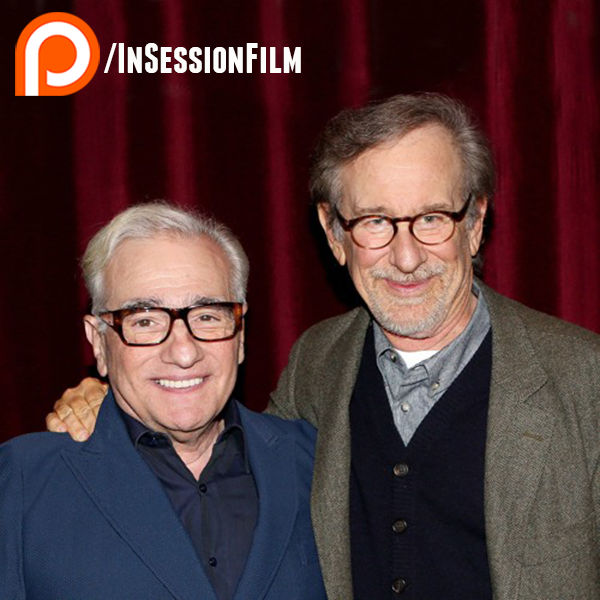
Welcome to the InSession Film Lounge! This will hopefully be a monthly or bi-monthly show we do for our Patreon supporters. The discussion is loose, the drinks are flowing and the fun is abundant. In our first episode, we debate Spielberg, talk influential movies and more!

If you’re already a Patreon supporter, you can listen to this episode NOW on Patreon by clicking here.

You can also listen a small portion of the episode below. Sign up today to get early access and hear the entire episode!

[divider]

HELP SUPPORT THE SHOW

To hear our bonus content episodes early, subscribe now on Patreon. In many cases, though, we offer our bonus content for free after a certain period of time and we do encourage (and very much appreciate) a small donation of $0.99 as a way to help support the show if signing up on Patreon isn’t for you. Click on the PayPal button below to donate and thanks so much for your support. You can also hear much of our Bonus Content via our mobile apps. See the information at the bottom of the post for more details.


One-Time Donation


[divider]

Mobile Apps!

Listen to all of our bonus content on our apps for just a one-time fee! Whether you have an iPhone, Android or Windows phone, our apps are available in many different ways that is convenient for you. With our mobile app, not only can you listen to all of our bonus content, but our main shows and our Extra Film podcasts as well. Click here for more info!

If you don’t want to purchase our bonus content, but still want to support us, there are other you can help us out. Click here for more info.

Poll: Who has been your favorite Joker thus far?

This weekend will finally see Joker hitting theaters, starring the great Joaquin Phoenix playing the iconic DC clown. There’s already a palpable buzz regarding his performance and how Oscar-worthy it may be. Whether it’s the best iteration of the character is yet to be seen. However, we thought it would be great inspiration for this week’s poll. We’ve seen several actors portray the character over the years, and mostly with very positive results.

So, with that said, who has been your favorite Joker so far?


Movie Review: ‘The Peanut Butter Falcon’ is fun, heartwarming, and fulfilling


Director: Tyler Nilson, Michael Schwartz
Writers: Tyler Nilson, Michael Schwartz
Stars: Shia LaBeouf, Dakota Johnson, Zack Gottsagen

Synopsis: Zak runs away from his care home to make his dream of becoming a wrestler come true.

[/info]

Tyler Nilson and Michael Schwartz’s The Peanut Butter Falcon features rich, subtle storytelling, a wondrously skilled cast, beautiful photography, and down-to-Earth charm.  The culmination of these elements is a wonderfully poetic and imaginative film that touches every emotion, yet still feels realistic and tangible.  Several dichotomies are at play in the film: good guy vs. bad guy, right vs. wrong, free will vs. duress, urban vs. rural.  The play between these dichotomies is constantly defined and redefined by the films’ characters to a point where all that is left is raw human emotion, and all that remains is each character’s own humanity.

Zak (Zack Gottsagen), a young man with Down syndrome, finds himself inexplicably stuck between circumstances and has been deposited in a residential nursing home.  After his escape plans have all been thwarted, he enlists the help of roommate Carl (Bruce Dern) to help in his newest escape.  Once free, Zak finds himself on the road, heading toward a professional wrestling school, headed by his hero, The Saltwater Redneck (Thomas Haden Church).  Meanwhile Tyler (Shia LaBeouf) has finally hit rock-bottom.  After a perilous altercation and retaliation, Tyler hits the road to escape the dangerous men who pursue him.  Eventually, Tyler and Zak’s paths cross and the unlikely duo find something unexpected in each other.  Once Zak’s caretaker Eleanor (Dakota Johnson) joins the pair, the small group discovers what it’s like to human be and how individual struggles are eased by the love and companionship of friends.

The story is extremely minimalistic.  Two men who have lost their families unite to find common ground in each other.  As Carl states early in the film, “Friends are the Family you choose;” this mantra envelopes the three main characters as the audience learns more about Zak’s abandonment and Tyler’s deadly mistakes.  The voids left in each other’s lives are filled in an unlikely way.  Tyler’s lust for life allows Zak to open up to a world that has been closed off to him for years.  Zak’s companionship and loyalty give Tyler the hope that he is not the terrible deadbeat he feels himself to be.  The push and pull happening within each character allows this simple story to flourish.

Often at odds in The Peanut Butter Falcon is the constant tug of war between two ideals. One battle is between the urban and rural space depicted in the film. The urban spaces, such as Zak’s nursing home, feel like a prison, complete with bars on the windows. The space is cold and dreary.  In contrast, the rural, outdoor vistas of the film deliver beauty and wonder as well as infinite possibilities. Here, in the outdoors Zak is free to wander and explore and claim his own life as opposed to the life of duress he feels in his home. In this way Tyler shows Zak the world and once Zak discovers this for himself, well as the saying goes…you can’t put the toothpaste back in the tube. Once the freedom is felt within Zak, he begins to wrestle with the difference between being a good guy and a bad guy.  In the ring, as an aspiring wrestler, Zak must work to define his role as either a hero or a villain.  Likewise, each of these protagonists must look inward to determine whether or not they are good or bad at heart. As that search continues, Zak and Tyler come to grips with what makes them human in odd and endearing ways.

Zack Gottsagen is warm and hilarious as Zak. His personality dominates the screen. Likewise, LeBeouf feeds into Gottsagen’s charm and plays Tyler as understated and confident. The connection between the two actors keeps the audience invested and engaged.  Regardless of where you think the story may lead or what the characters may be thinking, the filmmakers still manage to keep some surprises close to their chests. Overall, The Peanut Butter Falcon is fun, heartwarming, and fulfilling. It’s rare that a film finds a theme and sticks with it regardless of where the story leads.  It works extremely well in this film and I am sure upon future viewings that there are more layers to uncover with regards to this beautiful minimalistic story.

Overall Grade: A-

[divider]

Hear our podcast review on Extra Film:

[divider]

List: Top 3 Musicals in Film

This week on Episode 345 of the InSession Film Podcast, inspired by Judy and Judy Garland’s legacy within musicals, we thought it was appropriate enough to talk about our favorite musicals in film. Hollywood musicals have been around since the very beginning, so there’s no shortage of them to choose from for our lists this week. It’s not any easier that some of them are considered to be among the best of all-time. So, narrowing down the options to just three was quite the challenge. But man, did we have fun with this discussion. That said, what would be your Top 3?

(Note: Please keep in mind that we each had different criteria for our selections)

JD

1) The Nightmare Before Christmas
2) A Star is Born (’54)
3) The Umbrellas of Cherbourg

Brendan

1) The Wizard of Oz
2) West Side Story
3) The Muppet Movie

Honorable Mentions (Combined)

The Sound of Music, Mary Poppins, Moulin Rouge!, All That Jazz, Swing Time, Top Hat, La La Land, Singin’ in the Rain, Chicago, Funny Girl, Little Shop of Horrors, An American in Paris, My Fair Lady, Sweeney Todd: The Demon Barber of Fleet Street, Enchanted, Hairspray, Chi-Raq, South Park: Bigger, Longer & Uncu, all the great Disney Musicals

Hopefully you guys enjoyed our lists and if you agree or disagree with us, let us know in the comment section below. Clearly there are many other great musicals in film to consider for this list that we skipped over for one reason or another. That being said, what would be your Top 3? Leave a comment in the comment section or email us at [email protected].

For the entire podcast, click here or listen below.

For more lists done by the InSession Film crew and other guests, be sure see our Top 3 Movie Lists page.

Podcast: Judy / Top 3 Musicals in Film – Episode 345

This week’s episode is brought to you by Freshbooks. Sign up today and get your first 30-Days free

This week on the InSession Film Podcast, we discuss Judy starring Renée Zellweger and our Top 3 musicals in film! JD also gives his thoughts on American Woman and we reveal our latest Movie Series.

No guest this week, but still a very full show. Regardless of what you think of Judy, there was plenty to discuss given its potential and we spent some good time on it. Musicals are a genre of film that we quite enjoy as well, so it was really fun to talk about them more specifically.

On that note, check out this week’s show and let us know what you think in the comment section. Thanks for listening and for supporting the InSession Film Podcast!

– Movie Review: Judy (3:45)
Director: Rupert Goold
Writer: Tom Edge
Stars: Renée Zellweger, Jessie Buckley, Finn Wittrock

– Notes / American Woman / New Movie Series (45:47)
As mentioned above, JD caught up with the Sienna Miller vehicle American Woman, and the hype is real on her performance. Most importantly, though, we finally announced our newest Movie Series that will be starting in just a few weeks. We haven’t done a proper one this year yet and we’ve been itching to do one, so we’ll be getting to that very soon.

[divider]

RELATED: Listen to Episode 344 of the InSession Film Podcast where we discussed Ad Astra!

[divider]

Top 3 Musicals in Film (1:06:08)
Hollywood musicals have been around since the very beginning, so there’s no shortage of them to choose from for our lists this week. It’s not any easier that some of them are considered to be among the best of all-time. So, narrowing down the options to just three was quite the challenge. But man, did we have fun with this discussion. That said, what would be your Top 3?

Top 3 Sponsor: First Time Watchers Podcast

– Music

Over The Rainbow – Renée Zellweger
Singin’ In The Rain – Gene Kelly
This Is Halloween – Danny Elfman
The Return of the Eagle – Atli Ãrvarsson

Subscribe to our Podcasts RSS
Subscribe to our Podcasts on iTunes
Listen on Spotify
Listen on iHeartRadio
Listen on Stitcher
InSession Film Podcast – Episode 345

[divider]

Next week on the show:

Main Review: Joker
Top 3: Joaquin Phoenix Scenes

[divider]

Help Support The InSession Film Podcast

If you want to help support us, there are several ways you can help us and we’d absolutely appreciate it. Every penny goes directly back into supporting the show and we are truly honored and grateful. Thanks for your support and for listening to the InSession Film Podcast!

VISIT OUR DONATE PAGE HERE

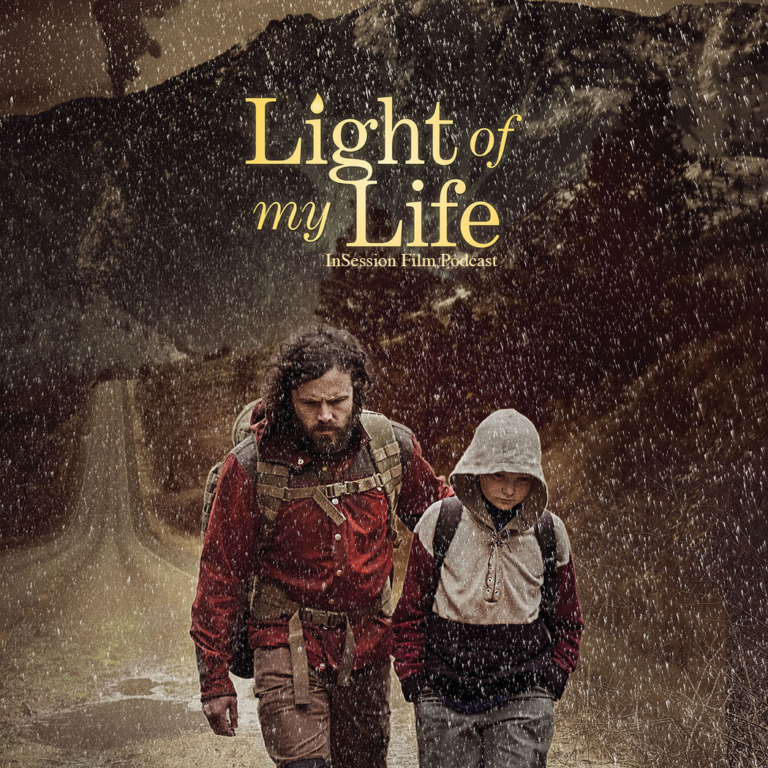
Podcast: Light of My Life / American Factory – Extra Film

This week on the InSession Film Podcast: Extra Film segment, Ryan and JD discuss Light of My Life and American Factory!

With Jay being out this week, JD came to the rescue to help Ryan review this weeks films. Though agree on a lot of films last year, Ryan and JD have had some disagreements throughout 2019, and with Casey Affleck’s new film Light of My Life, it seems to be their biggest and longest disagreement to date.

In the back half of the episode, the guys set aside their differences and talk about the Netflix documentary, American Factory. Buzzed about as one of the best documentaries of the year, American Factory takes an interesting look at the American and Foreign workforce. This lead to a pretty interesting discussion between the guys, one that tried to vier more positive.

On that note, have fun with this week’s Extra Film segment and let us know what you think in the comment section below. Thanks for listening!

– Movie Review: Light of My Life (0:00)
Director: Casey Affleck
Screenplay: Casey Affleck
Stars: Casey Affleck, Anna Pniowsky, Elisabeth Moss

– Movie Review: American Factory (00:00)
Director: Julia Reichert & Steven Bognar

– Music

Light of My Life – Daniel Hart
Manifest – Audiomachine
The Return of the Eagle – Atli Örvarsson

We try to make this the best movie podcast we possibly can and we hope you enjoy them. Subscribe today on iTunes, Spotfiy or Stitcher, and please leave us a review on iTunes. You can also find us on Soundcloud, PlayerFM and TuneIn Radio as well. We really appreciate all your support of the InSession Film Podcast.

Subscribe to our Podcasts RSS
Subscribe to our Podcasts on iTunes
Listen on Spotify
Listen on Stitcher
Light of My Life / American Factory – Extra Film

[divider]

Mobile App

To hear this Extra Film episode and everything else we do, download our apps on the Amazon Market for Android and the Podcast Box app on IOS devices. The mobile app covers all of our main shows, bonus podcast’s and everything else relating to the InSession Film Podcast. Thanks for your wonderful support and listening to our show. It means the world to us!

Featured: Duo Archers – The Powell And Pressburger Partnership

From 1939 to 1972, Englishman Michael Powell and Hungarian émigré Emeric Pressburger collaborated on 24 feature films. Some of them would be duds, others would be classics forever part of the influencing generation of movies that many directors would cite later. The first film they worked on was 1939’s The Spy In Black directed by Powell with Pressburger hired by legendary film producer, Alexander Korda, to do script rewrites. That would follow with two more anti-Nazi movies, Contraband (1940) and 49th Parallel (1941)both directed by Powell and scripted by Pressburger, who would win the Academy Award for Best Story – it was separate from Screenplay back then – for the latter film. (The legendary DP Frederick Young and director David Lean also worked on the film starring Lawrence Olivier, Leslie Howard, and Anton Walbrook, and garnered a Best Picture nomination.)

With these consecutive successes, Powell and Pressburger decided to forge an official partnership for their next film, 1942’s One Of Our Aircraft Is Missing, and adopted the name, The Archers. The following year, in the opening credits labeled as Archers Film Productions, the distinguished archery bullseye was seen with the joint credit “Written, Produced and Directed by Michael Powell and Emeric Pressburger.” The launch of their successful enterprise would produce consecutive hits.

The Life And Death Of Colonel Blimp (1943)

Although no one is named Blimp, no one actually dies, and the title comes from a popular comic strip, it was an attractive way to get people come over and watch in beautiful Technicolor the romantic war satire about a General and a Prussian officer who fall in love with the same woman three times (all played by Deborah Kerr) in the span of forty years, from the Boer War (1899-1902) to the First World War to the Blitz at the start of the Second World War. The film is positive to British forces, but many including Winston Churchill were deeply concerned about how the film portrayed officers and gave some sympathy to a German one and objected to them using actual military uniforms and vehicles. But it was a success when released and reanalysis sees the film, as Stephen Fry put it, “what it means to be English.”

A Canterbery Tale (1944) / I Know Where I’m Going (1945) / A Matter Of Life And Death (1946)

The next three were low-key romances more homely to the countryside and attached to the country’s aftermath of the war. The first followup was A Canterbury Tale, the story of three individuals who find themselves salvaging the land they are lost in to get the Canterbury and speaking of Anglo-American unity while the war rages on. In I Know Where I’m Going, an independent woman finds herself trapped on an island during a storm while heading to meet her fiancee. On the island, she soon finds herself attracted to a naval officer who is a descendant of a family curse that haunts an old castle, and he wants her to stay with him. It is romantic and magical and done in black-and-white with limited resources. They shot on location at the Isle of Mull, giving the story authenticity of the stunning scenery surrounding them.

Finally came A Matter of Life and Death, a romantic fantasy which can be argued as similar to Here Comes, Mr. Jordan, a film remade in 1978 as Heaven Can Wait. In this case, it’s a fighter pilot (David Niven) who speaks to a female radio operator as his plane is going down and should die. However, the designated interceptor to bring him to the Other World fails to catch him, and the pilot is shocked to be alive. But the dead guides try to convince the pilot he actually has to be dead, but is falling in love with the radio operator, the pilot now has to appeal a jury of dead descendants that he deserves to live longer. The mix of Technicolor on Earth and black-and-white in the Other World mixed with the scale of the sets that The Archers kept expanding into their larger-than-life stories.

Black Narcissus (1947) / The Red Shoes (1948)

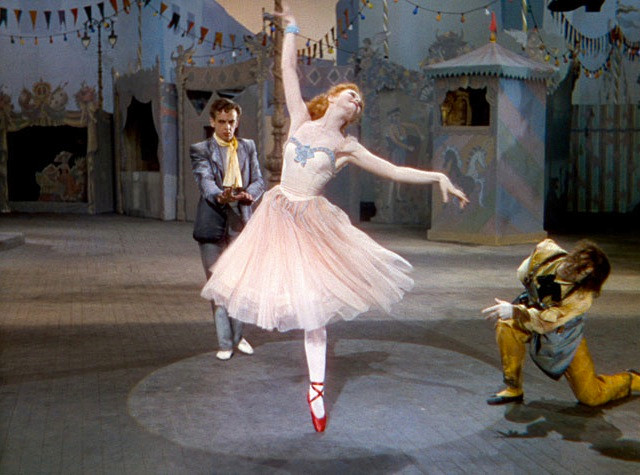
Returning to gorgeous Technicolor, The Archers would make two bold films that would define them in their work and in their vivid creativity with enchanting backgrounds and eventually be considered among the best British films in history. Both were shot by Jack Cardiff who won for Black Narcissus and The Red Shoes would get a Best Picture nomination and win Oscars for Original Score and Art Direction. These are both films about the senses, one in the Himalayas with nuns and the other about the love triangle surrounding a beautiful ballet dancer in which, like the fairy tale from Hans Christian Anderson, she becomes befallen to certain powers. Obsession is key to both and the rich color they use is still among the best use of cinematography in the world.

In Black Narcissus, a covenant is established to help the locals establish a school and a hospital with the support of a young prince in the region. But the beauty of their surroundings in isolation conjures up the feeling of sensual jealousy with the nuns and a handsome British officer present. In The Red Shoes, a Russian dance impresario hires an unknown dancer and a music student whose original score was copied for his recent show. It installs the bitter rivalry between musician and businessman over the new sensation being found on the stage. She was a swan and her end is a beautiful swan dive invested in the power of her magical shoes.

Later Films And Dissolvement

Their works in the 1950s did not achieve much success. David Niven was forced by MGM to do The Elusive Pimpernel and Gone To Earth had Powell & Pressburger butt heads with producer David Selznick who disliked the final product for British release, but had the rights to re-edit, reshoot, and retitle the whole picture known as The Wild Heart, which was also disastrous. Even though The Battle Of The River Plate and The Tales of Hoffmann brought some acclaim and was directly cited by George Romero as, “the movie that made me want to make movies,” by 1957, with the failure of Ill Met By Moonlight, the two agreed to part ways creatively but were friends for the rest of their lives. They would reunite as Pressburger would write two Powell-directed films not labeled as The Archers, They’re A Wired Mob (1966) and The Boy Who Turned Yellow (1972).

https://www.youtube.com/watch?v=neG9BjI2EAg

In 1981, the duo were awarded the BAFTA Fellowship Award, a lifetime achievement for their contributions to British cinema. Emeric Pressburger died in 1988, aged 85; Michael Powell followed in 1990, aged 84. For the last six years of his life, Powell was married to Martin Scorsese’s longtime editor, Thelma Schoonmaker, who currently runs his estate and works with Scorsese, a longtime fan of The Archers, to preserve their work. Time Out’s 100 Best British Films included six films on their list, The Red Shoes (#6) and A Matter of Life And Death (#7) in the Top 10. Four of them would be on BFI’s Top 100 and The Red Shoes peaked the highest at #9. (Powell’s controversial Peeping Tom, made after the two split up, was also listed.) The Archers remain a source of inspiration with their achievement in color films, fantasy stories, and the power of infusing two minds into one for a massive partnership unseen at the time.

Follow me on Twitter: @brian_cine (Cine-A-Man)

Podcast: 2020 Best Picture Race – Chasing the Gold Ep. 14

On Episode 14 of Chasing the Gold, Ryan is joined by Dan Bayer of Next Best Picture to discuss the 2020 Best Picture Race! With most of the fall film festivals out of the way, now was a great time to launch season 2 of Chasing the Gold and see what might become the next Best Picture winner. And since Dan went to the Toronto International Film Festival, Ryan thought he bring a great prospective on some films that have been released yet and Dan didn’t disappoint. The guys also talked about their early best picture predictions, which will be good to look back at once the race is over.

On that note, have fun with this week’s Chasing the Gold and let us know what you think in the comment section below. Thanks for listening!

– 2020 Best Picture Race (5:57)

– Music

Brother Love’s Travelling Salvation Show – Neil Diamond
The Return of the Eagle – Atli Örvarsson

We try to make this the best movie podcast we possibly can and we hope you enjoy them. Subscribe today on iTunes, Spotfiy or Stitcher, and please leave us a review on iTunes. You can also find us on Soundcloud, PlayerFM and TuneIn Radio as well. We really appreciate all your support of the InSession Film Podcast.

Subscribe to our Podcasts RSS
Subscribe to our Podcasts on iTunes
Listen on Spotify
Listen on Stitcher
2020 Best Picture Race – Chasing the Gold

[divider]

Mobile App

To hear this Extra Film episode and everything else we do, download our apps on the Amazon Market for Android and the Podcast Box app on IOS devices. The mobile app covers all of our main shows, bonus podcast’s and everything else relating to the InSession Film Podcast. Thanks for your wonderful support and listening to our show. It means the world to us!

[divider]

Help Support The InSession Film Podcast

If you want to help support us, we would greatly appreciate it! For more info, CLICK HERE.

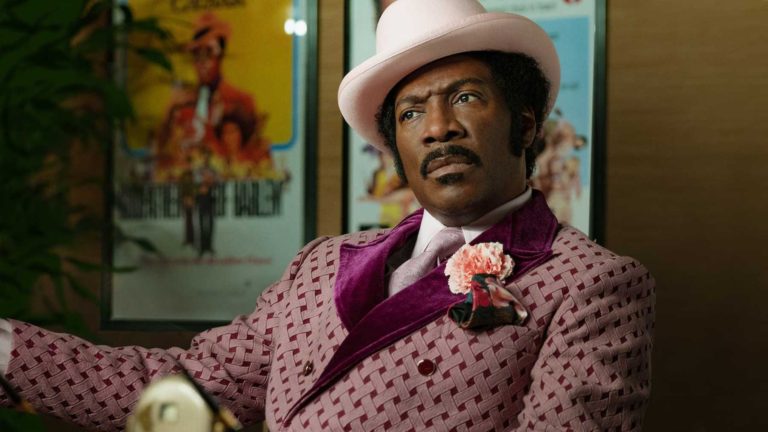
Movie Review: ‘Dolemite Is My Name’ sees Eddie Murphy give his best performance since ‘Dreamgirls’


Director: Craig Brewer
Writers: Scott Alexander, Larry Karaszewski
Stars: Eddie Murphy, Wesley Snipes, Kodi Smit-McPhee, Keegan-Michael Key, Craig Robinson

Synopsis: Eddie Murphy portrays real-life legend Rudy Ray Moore, a comedy and rap pioneer who proved naysayers wrong when his hilarious, obscene, kung-fu fighting alter ego, Dolemite, became a 1970s Blaxploitation phenomenon.

[/info]

Rudy Ray Moore, best known as Dolemite, was a walking contradiction in the most classic ways. When he was on stage, he was a loudmouthed comedian that turned the stage of comedy clubs into something raunchy and spectacular. When he was on his own, he dealt with self-doubt and the crippling fear of failure that his father raised him with. All of this makes Eddie Murphy an interesting and excellent choice to play Moore in Craig Brewster’s Dolemite is My Name. Murphy hasn’t been in much of the public eye since his one-two punch of Dreamgirls (his best performance) and Norbit (his worst), popping up on occasion to deliver mediocre films like 2016’s Mr. Church. His performance here is his best since Dreamgirls, if not ever.

Rudy Ray Moore is a many-talented man who attempted to break into Hollywood by any means necessary. Moore spent time doing comedy, singing, dancing and anything inbetween, all to no avail. We see him for the first time while he’s working at a record store, trying to get an in store DJ (Snoop Dogg) to play his records. All of a sudden, a regularly alcoholic (Ron Cephas Jones) comes in to ask for change, talking of “Dolemite, the baddest motherfucker who ever lived.” Moore gets to thinking and realizes that some of those old tails of Dolemite could help build up a larger than life persona. He gets to writing, performing, and recording the material he’s written as Dolemite. He soon realizes that what he wants to do is make a Dolemite movie, including the things that everyone wants to see in a movie: “some titties, some funny, and some kung-fu.”

Filled out with a cast of lovable outcasts, Dolemite is My Name calls to mind other “outsiders make a movie” movies such as Ed Wood and The Disaster Artist, going so far to even be written by the duo behind the script of the former. What holds Dolemite is My Name up above the rest of the genre is that it doesn’t try and reinvent the wheel, but every individual component here is done with extra care. The writing is seriously funny, running with excitement and a one punchline a minute quota. That giddy feeling originates with the script, but it’s performed perfectly by a wide cast, ranging from Craig Robinson’s Ben Taylor, a wonderful soul singer, to Keegan-Michael Key’s Jerry Jones, a nebbish self-serious screenwriter. Each character wears a series of beautiful costumes, designed with period accuracy and love by legend Ruth E. Carter. Additionally, Brewster has never been a flashy director, but he makes the most of period detail to sustain the film. Every component here is about twice as good as it had to be, which gives new breath to a genre that’s been overdone.

Everything here comes back to Murphy’s performance. It’s the sharpest and funniest he’s been in ages, but it’s also his sweetest role in years. Motivated by deep self-doubt, Rudy Ray Moore is a fascinating character, but Murphy develops him with a bittersweet touch, allowing that doubt to come through. He anchors the film, letting a human feeling seep through the outrageous characters and comedy. Without him, Dolemite is My Name could be deeply average, but he elevates the movie beyond a “follow your dreams” cliche message, making it a lovely film about “fuckin’ up motherfuckers” and succeeding despite your insecurities.

Overall Grade: B+

[divider]

Poll: What is your favorite Judy Garland performance?

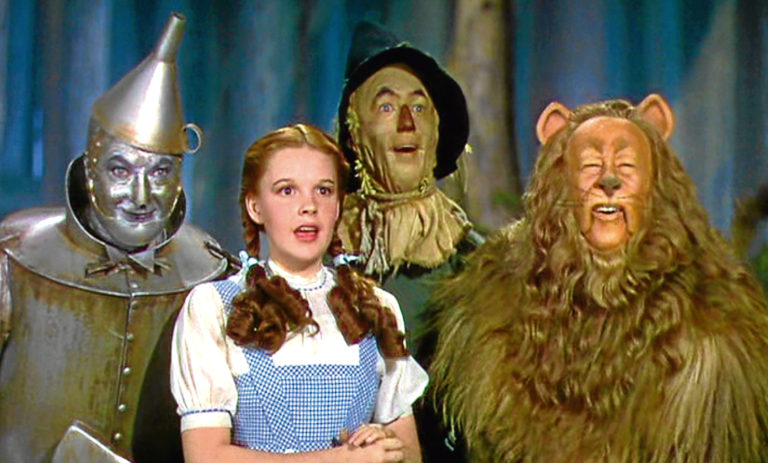
This weekend on Episode 345, we’ll be discussing Judy starring Renée Zellweger, a biopic on the life Judy Garland. She may be best known for The Wizard of Oz, but she’s given several great performances in other films that are worth considering as well. So, for our poll this week, we are asking for your favorite Garland performance.

Be sure to cast your vote!


Movie Review: ‘Ad Astra’ heads to space yet aims for hearts


Director: James Gray
Writers: James Gray, Ethan Gross
Stars: Brad Pitt, Tommy Lee Jones, Donald Sutherland, Ruth Negga, Liv Tyler, John Ortiz, Natasha Lyonne

Synopsis: Astronaut Roy McBride undertakes a mission across an unforgiving solar system to uncover the truth about his missing father and his doomed expedition that now, 30 years later, threatens the universe.

[/info]

In one stroke, James Gray checked two boxes: The space film that is the reverse of Interstellar and should have been the one to receive controversy instead of First Man.

The first point is clear from the majority of Ad Astra’s promos, which gives the final frontier either the least screen time or places it from nearly, to actually outside, of the printed margin. Appropriate, seeing as the subject being explored in the film is the human — Major Roy McBride (Brad Pitt) — or, to be even more specific, said human’s headspace. Through plenty of narration, we find out that Roy is an astrum of an astronaut, the son of the famed Clifford McBride (Tommy Lee Jones, seemingly securing his supporting Oscar) and the perfect man in U.S. Space Command’s eyes to retrieve him from the edges of the solar system. Why the latter? Thousands on Earth have died after a power surge reportedly stemming from the “Lima Project,” the extraterrestrial-searching venture of which McBride Sr. is the leader.

Gray and Ethan Gross’ script may have placed the film in an advanced, beautiful and, most importantly, hopeful future — International Space Antenna! Commercial deep-space flights! Applebee’s on the moon! Pirates on rovers! — but the central interest is in building the character more than the world, making clear the dives into one man’s heart and sprinkling the background with humankind’s thus-far steps all over the starry expanse. Pitt is certainly up to the task for this approach, using his eyes and head turns to audibly highlight the reactions to revelations. A standout would be when Roy gets summoned by the higher-ups of SpaceCom and hears how his father is responsible for the devastation: All the limited physical movements Pitt employs are just right and enough to deliver this observation home, as well as crisply reflecting Roy’s spiritual tug-of-war between the man on a mission and the man buried by all the missions. Often repeated is how calm Roy is in any situation, which is nice when you’re, say, freefalling from stratospheric heights (an opener vertiginously photographed by Interstellar’s d.p. Hoyte van Hoytema), but is calmness appropriate when he is about to face the familial star he deems an enigma, his superiors have made mythic and yet reportedly the scourge? Will whatever shell Roy has built be punctured the closer he reaches his goal? These questions orbit the mind, and never cease to, throughout Ad Astra, guaranteeing visibility to the human costs of the voyage. The brothers Nolan’s work on Interstellar, despite that same focus, often falls victim to the spectacle and spectacular theories.

As for the other half of the opening sentence, look to the flag that Ad Astra waves. After every stage of the journey, methodically plotted out by the script in the form of each subsequent planet Roy rockets toward, there will be a moment — and accompanying monologue — that shows the realization of limits, the cause to pursue answers rather than mysteries. There is, arguably, merit in the thought that the world in the film has evolved to the point where any further search for an answer will be hollow conquests, magnets for despair and the destroying of what has always mattered. This, too, is one of the conclusions derivable from Gray’s previous intimate epic, The Lost City of Z, which also commits the sin of underusing its actresses (but Ruth Negga’s arrival with the waves is a neat visual trick). It’s kind of daring to communicate the need to be undaring in a time when victories are said to only be recognizable if they are by the truckload, or when traits that are outright remnants get rendered as timely essentials. In the film’s father-son context, this reads as a push against the olden order. Where are the headlines for that, although looking at reality the act seems justified?

But even without flashes of First Man or Interstellar, Ad Astra would still have plenty of anchorage. Under the guise of a sizeable picture is a resonating meditation, a futuristic symphony with a most-relevant note that the known has what the unknown teases. Don’t let anyone tell you differently, but this is the companion piece to Jack Fawcett’s cinematic expedition.

Overall Grade: A-

[divider]

Hear our podcast review on Episode 344:

[divider]