Home Blog Page 156

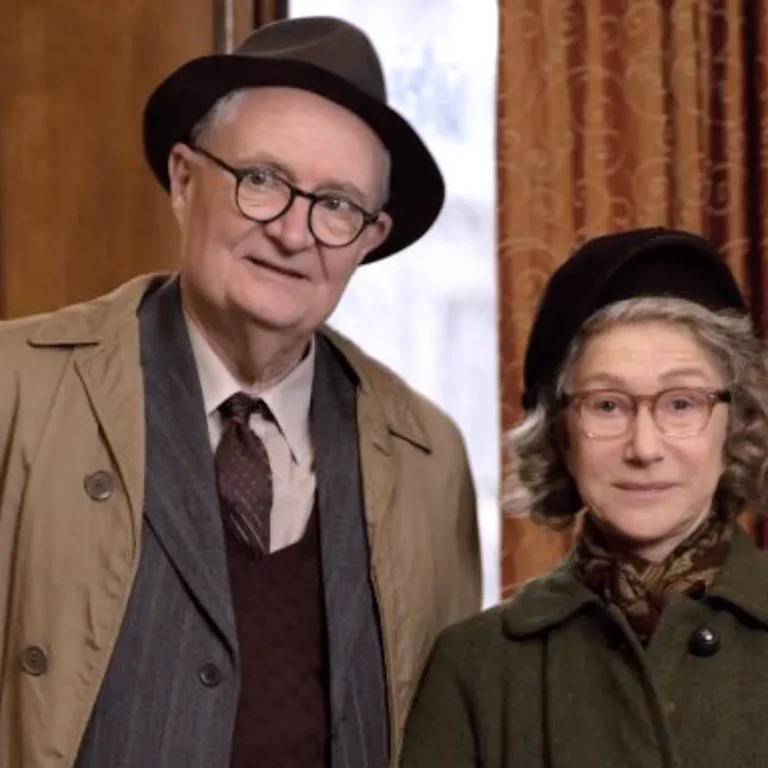
Movie Review (SIFF 2022): ‘The Duke’ Will Steal Your Heart


Director: Roger Mitchell

Writers: Richard Bean, Clive Coleman

Stars: Jim Broadbent, Helen Mirren, Fionn Whitehead

Synopsis: In 1961, Kempton Bunton, a 60 year old taxi driver, steals Goya’s portrait of the Duke of Wellington from the National Gallery in London.


Heists and capers have been a subgenre of film since its inception. Audiences like to imagine throwing off the societal chains and taking all they can when they can, really sticking it to the man and the system. Modern heist movies even have that adrenaline fix. To see Point Break, Heat, or The Town is to want to then sit back in a chair at a party with your closest friends and float the idea by them, just to watch their eyes light up, just to get a taste of what that would feel like for the five of you. The Duke isn’t that kind of an adrenaline rush, but it is a kind of kindness rush.

The Duke is in a sub-sub genre of heist film. It’s a gentle heist, a Robin Hood like heist. It’s a film where the theft of the item is benign and its value is in what it can do for other people. The Duke is a heist film that makes you and those five friends want to spend a Saturday making sandwiches to hand out to people in the park or build a jungle gym for some kids who don’t have anywhere to play after school. It’s a film about wanting to help people because it’s the right thing to do.

What is remarkable about the story is that Kempton Bunton (Jim Broadbent) is so thoroughly principled. Even when Kempton is presented with the easy way out, a splitting of the cash reward for the location of the painting, he still sticks to his guns. He keeps himself on message because it really isn’t about him, his life, or his own well being, but the well being of the people he knows are being left behind.

Though, of course, what story of a man with a stubborn, principled dream could be complete without the put upon wife. Dorothy Bunton (Helen Mirren) doesn’t support her husband because of his passion. She supports him because she loves him. Unlike a lot of these types of stories, though, Dorothy is not going to roll her eyes and grin at her husband’s schemes, she instead puts her foot down. Dorothy may love Kempton and will stick by his side, but she has no interest in his schemes.

That’s the beauty of Helen Mirren as an actress. She can take on this unglamorous woman and make her into a symbol. Dorothy may clean other people’s houses, take care of other people’s children, but she does it because it must be done because if she didn’t do it, it wouldn’t get done. Mirren gives herself fully into the role and shows the decades of labor Dorothy has endured on her shoulders. She keeps the story grounded in the most wacky of circumstances.

Though, the writers, Richard Bean and Clive Coleman, often try to have it all with their female characters. After focusing on Dorothy, it seems they wanted to make small statements about the gender inequality of the time. There’s the lady of the house where Dorothy works who is only able to visit the golf course her husband plays at, not ever play there, when she’s accompanied by him. The forensic analyst who is spot on when profiling Kempton, but is dismissed by the sexist cops around her. The woman of the press who asks the correct questions at the briefing, but is scoffed at by her peers. There’s little to suggest one of Kempton’s crusades was for gender equality or women’s rights, so these scenes, while interesting, seem tacked on. Unlike when Kempton stands up for a South East Asian man who is experiencing racial discrimination at work. It’s a bit of a distraction even if it is a historically accurate one.

The Duke is charming, funny, and unpredictable. There is a lot to love about the story and the characters. There is even this nearly seamless way in which modern actors are imposed on archival footage of 1960s London. The Duke is a joyful caper that makes you think about how much more we could all be doing to impact the lives of others around us if we just stuck our noses out a little bit.


Grade: B
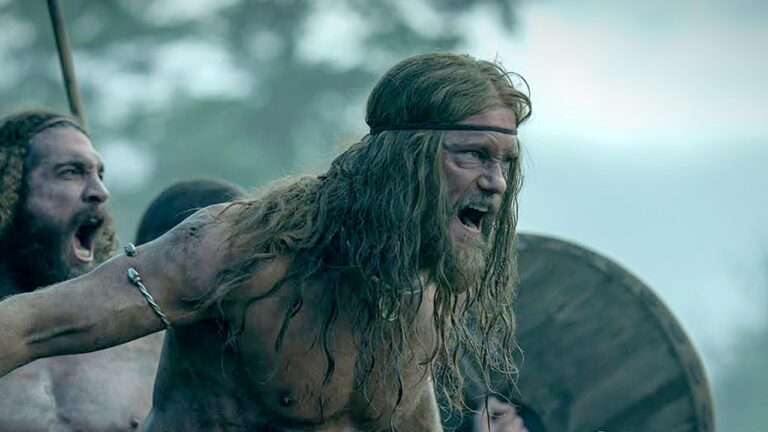
 

Movie Review: ‘The Northman’ is a Tale About the Everlasting Succession of Barbarity


Director: Robert Eggers

Writer: Robert Eggers, Sjón

Stars: Alexander Skarsgård, Nicole Kidman, Claes Bang

Synopsis: From visionary director Robert Eggers comes The Northman, an action-filled epic that follows a young Viking prince on his quest to avenge his father’s murder.


Although he doesn’t have many films under his belt, three at this point, Robert Eggers has established himself as one of the most unique and distinctive voices of this new generation of filmmakers (along with Julia Ducournau, Ari Aster, Anna Biller, amongst others). His features use a motley mixture of symbolic imagery and stalking horror along with the faithful periodic details (including dialect, costumes, and richly layered folk-tale narratives) to create terrifying and memorable pieces. One of the reasons his films are so compelling and alluring may be his obsession with research–he peruses and scrutinizes various texts, lexicons, and dissertations of the era, along with scriptures of actual lived experiences. Eggers quotes: “If I can’t experience what I write as my own memories, it can’t be truthful.” This fixation benefits his features, as he brings the historical worldviews of a lost time to modern audiences in artistically bewitching and atmospheric ways. I even consider his debut, The Witch, to be close to being a masterpiece.

It creates a thick atmosphere of dread and conveys the themes of blind religious convictions, unlike any picture I have seen in the past decades. I’m not the biggest fan of his follow-up, The Lighthouse; however, I admire most of its cinematic minutiae, artistic corpus, and concepts. Now, for his third project, he partners up with Icelandic author and screenwriter Sjón (who also, fun fact, has performed with Björk and The Sugarcubes as Johnny Triumph) to deliver an interpretation of the legend of Amleth, who’s a preeminent figure in medieval Scandinavian mythology. The Northman centers around the prominent figure (Alexander Skarsgård), the direct inspiration of the character Prince Hamlet, who was once set to govern the kingdom his father, King Aurvandill War-Raven (Ethan Hawke), oversaw and reigned over. After a fierce battle, the King and his kin embrace and celebrate throughout the evening. Once the nighttime arrives, the two go to a forest close by to perform a rite, with the help of the fool Heimir (Willem Dafoe), that will bond the father-son relationship into something worth more, an affinity between kings. 

There is only one primordial condition to this ritual between the fire: if the worst tends to happen and the King perishes amidst battle, Amleth must avenge his death. And the worst indeed occurs when his father is pitilessly murdered by his uncle, Fjölnir (Claes Bang). And his mother, Queen Gudrún (Nicole Kidman), was kidnapped by the same people who performed the ruthless act. From that point on, he escapes on a rowboat out to sea and swears: “I will avenge you, Father. I will save you, Mother. I will kill you, Fjölnir.” Two decades later, Amleth–now a Viking who raids several Slavic villages–receives a vision from a seeress (Björk, with a brief yet fascinating scene). She reminds him of his oath to the gods about exacting retribution for his royal progenitors. Because an act of violence and callousness reminds him of what happened to him, he conceals himself as a slave in a ship headed towards his false-hearted uncle’s new estate; Fjölnir’s perfidious act led to complete dismissal and exile. 

As they make their way to the new domain, Amleth meets and romantically bonds with Olga (Anya Taylor-Joy), a young sorceress who is willing to help him pursue retribution. In the estate, Amleth builds trust with Fjölnir and his loyal companions so that, when the time is right, he can strike his mighty sword against him and get vindication for his family name. Beautifully and carefully crafted by Eggers and company, The Northman takes the Norse myth that inspired Hamlet and makes it into a mesmerizingly ambitious and brutal revenge tale. Although there is a large kill count and garners its plentiful buckets of crimson red splattered around the muddy terrains, the film is about the tolls savagery takes on a person’s life choices and vitality–a nihilistic account of the everlasting succession of barbarity and brutality. There are several scenes in which Amleth rethinks his actions due to the visceral carnage caused by his influence (as he ransacks villages) or by others (the killings of his own people). 

This then juxtaposes with the moralities and principles of the different types of people we see throughout the film: Vikings, kings, queens, sorceresses, ordinary folk, and the enslaved. This is a theme that comes back from Eggers’ previous features; however, in this case, it isn’t about religious convictions or the edges of sanity, but the cycle of violence. There’s also the dissimilitude between the male and female characters. Regarding the male characters, Eggers is fascinated by portraying the human body in all its ugliness (even though Skarsgård delivers a muscular berserker performance, harnessing the spirit of an apex predator while showcasing his washboard abs). There’s burping and farting (like Pattinson and Dafoe’s drunken ramblings in The Lighthouse) as the signs of manhood and bonding between the men. Yet, at the same time, we see their bodies abused and defiled as if humanity is meant to suffer for eternity. This helps to make The Northman not only a compelling watch but a challenging and hurting one as well (in a good way, of course). You can sense the physicality of the sword swings or the punches thrown during the fights. 

On the other side of things, the women (and womanhood) are treated esoterically or mystical-esque–almost sacred. However, the movie doesn’t expand upon these characteristics as much as one would like to. However, thanks to Kidman and Taylor-Joy’s acting chops, this flaw is overcome mostly, but not completely. The other minor issues that the film contains have to do with its final emotional pull and its cold demeanor. Like most Shakespearian play adaptations or other similar works, there will be many who already know the grand scheme of things (not the brilliant final battle but its conclusion). That wasn’t the problem; the problem was that its ending overall isn’t as emotionally enthralling as one might expect, nor does it reach the thematic richness of The Witch’s finale. When compared, it feels a bit smaller. Nonetheless, you are in awe of Eggers’ directorial abilities, most specifically because this is a grander scope, with a budget of 75 million dollars (thanks to Focus Features for giving such an innovative auteur a big bag of cash to realize his visions). 

Most of The Northman’s elements are exquisitely detailed (the costume design by Linda Muir and Louise Cassettari, Craig Lathrop’s production design, and the entire sound team) to take you back to the bestial 10th century. In addition, the work of cinematographer Jarin Blaschke is pretty darn good. The way he shoots the film’s action set pieces is outstanding. He lets them breathe and develop slowly with tracking shots so the viewer can be way more immersed in the story. Blaschke also isn’t afraid to let the camera linger in front of the actor’s faces so we can sense every emotion the characters are going through. There is a lot to admire in Eggers’ latest, and it’s possible that, with a rewatch, you could appreciate the details more and analyze the themes in-depth. The reflections of the cycles of violence passed down from generation to generation is a fascinating concept, and Eggers finds a way to balance feral entertainment with simplistic scenes of dramatic heft. The studio interference comments that appeared a few days ago don’t seem like much happened; it doesn’t appear to have narrowed his vision, as it has his stamp all over the 137-minute runtime. By the time the end credits hit, you will be waiting for it to begin anew, and that is one of the highest compliments you could give a movie of this size and breadth. 


Grade: A-

Vittorio Mussolini: Italian Cinema’s Unlikely Hero

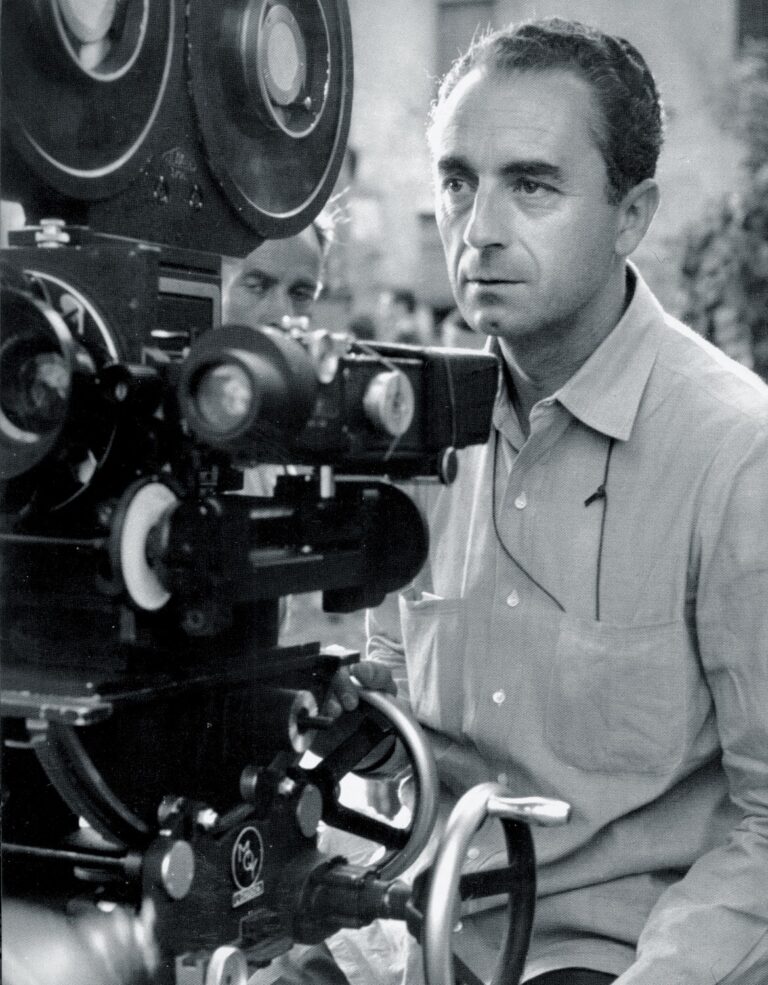
In 1930, the Nazi Party established a film department in preparation to create their large propaganda for the people courtesy of Hitler’s Minister of Propaganda, Joseph Goebbels. Early on, they were aware of what movies could do to the public and effectively used it. In Fascist Italy, cinema was kept primarily as entertainment with narrative features, preferring realist dramas or “telephoni bianchi” comedies that would transfer itself into the sound age. This period would prove to be a feeder for young writers and directors whose names would gain international recognition from the end of World War II and beyond. A major catalyst in Italy’s film industry that is felt even today would come the son of Il Duce: Vittorio Mussolini.

Vittorio Mussolini was the eldest son of dictator Benito Mussolini, who had taken over the country in  1923 and turned into a one-party state. His sons were both interested in the arts and served in the Armed Forces later on. Vittorio flew planes to Spain to aid the victorious Nationalists in their civil war, as well as in the Second World War. In his free time, Mussolini used his clout as Mussolini’s son to spend energy in building a more robust film industry to challenge the rest of Europe. Vittorio established the Alleanza Cinematografica Italiana to produce various movies with a nationalist twist. His first film was the historical Scipio Africanus: The Defeat of Hannibal released in 1937. The film was a success in Italy as it served to be propaganda for his father and his growing ambitions to take over North Africa. 

That same year, the Italian film studio Cincetta was opened under the banner, “Cinema is the most powerful weapon.” Scipio Africanus was among the first films to use the studio and Cincetta is still in wide use today for film productions around the world. While Vittorio was supporting his father’s regime, he did not take a strict route when it came to others’ political views. He became friends with writers who had left-wing sympathies and those of Jewish descent, allowing them to write in the national film magazine and take part in various productions. 

Among those who took advantage included Michelangelo Antonioni and Roberto Rosselini. Vittorio permitted noted German film critic Rudolk Arnheim, who was Jewish, to live in Rome and shielded him from race laws his father would implement in 1938, which Vittorio was against. One of the most successful Italian films of the 1930s was Luciano Serra, Pilot, which Vittorio wrote a treatment for and Rossellini co-wrote. The two of them, plus Antonioni, helped on Rossellini’s first directorial effort, A Pilot Returns (1942). He even attempted to make a deal with American comic producer Hal Roach prior to America’s involvement in World War II, but Roach backed out after MGM threatened to terminate their contract with him. Had the deal gone through, the venture would’ve been called “R.A.M” – Roach and Mussolini.

Another major future director who worked with Vittorio was Federico Fellini, when he was in his early twenties. Apolitical and wanting to avoid the draft, Fellini helped on several projects, including Knights Of The Desert. It is believed Fellini co-directed it after the hired director was injured, but the movie did not get released due to Italy’s series of defeats in North Africa. In 1943, prior to his father being overthrown, Vittorio saw the debut feature of another future legend, Luchino Visconti’s Ossessione. He was angered by what he felt was an anti-Italy film instead of being the murder mystery he was promised and banned the film when Vittorio fled to his father’s puppet state in the north of Italy. Fortunately for Visconti, he kept a duplicate negative the fascists could not destroy and Ossessione would be released to the rest of the population. 

In 1945, Vittorio’s father was executed and hung upside down in Milan, spat on and despised by the people he once ruled. Vittorio fled Italy for a time, never to reenter the film industry, and Rossellini released his Italian neorealism groundbreaker, Rome Open City, which is a strongly anti-fascist picture. The neorealist era would plant Italy’s flag on a global stage to make it one of the most well-renowned centers of cinema, but only after Vittorio planted the seeds to make it grow. Because he was the son of a dictator, Vittorio was relegated as revisionist of his father’s actions. However, he was key to the revitalization of the industry after the Great Depression wiped it out. Without his passion and non-discrimination against would-be political enemies, these major directors wouldn’t have gotten off the ground. So, grazie mille, Vittorio? Even though your dad was a dictator?


Follow me on Twitter: @brian_cine (Cine-A-Man)


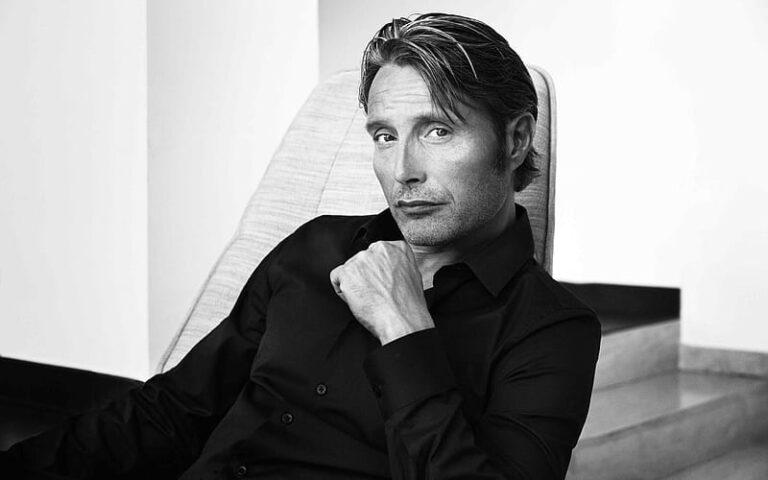
Poll: What is Mads Mikkelsen’s best performance?

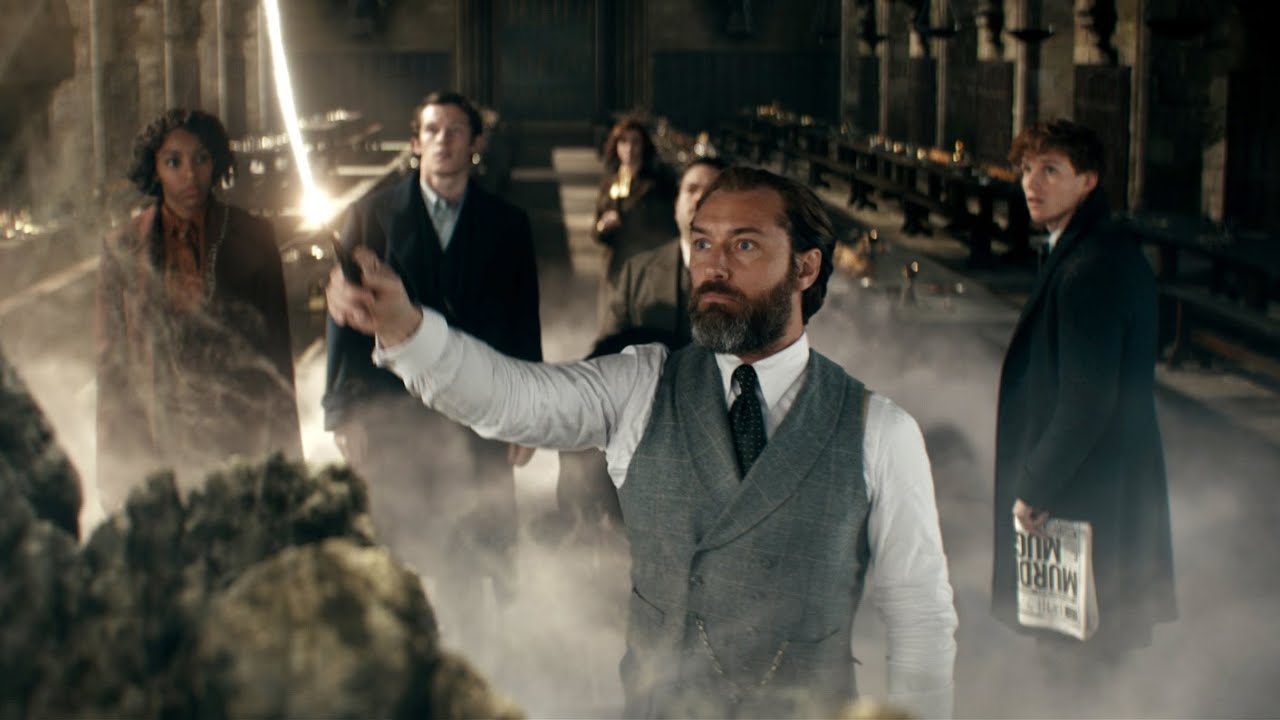
Whether he’s playing a Bond villain, ranting against method actors, or concluding a film with one of the greatest dance numbers of all time, it’s hard not to get excited when Mads Mikkelsen pops on screen. The Danish actor originally trained as a gymnast and dancer, which would explain his athleticism and intimidating physique. But the man has made a name for himself as one of our most reliable and versatile actors working today, able to intimidate as easily as he can make you laugh or cry. As we gear up for his turn as Grindelwald in Fantastic Beasts: The Secrets of Dumbledore, let’s celebrate his most impressive filmography.

What do you think is Mads Mikkelsen’s best performance? We should clarify that we are only including feature films, and therefore should apologize to those who desperately wanted to vote for Hannibal.


Podcast: Ambulance / Amistad – Episode 477

This week’s episode is brought to you by the film Scream (2022). Follow us on social media for your chance to win a FREE Blu-ray!

This week on the InSession Film Podcast, Brad Hargis from The Cinema Guys Podcast joins us to discuss Michael Bay’s new film Ambulance and we continue our Steven Spielberg Movie Series with Amistad!

Big thanks to Brad for joining us this week on the podcast. He’s always a great guest, but it’s even better when you have someone whose more than willing to see and discuss Michael Bay. We had a great conversation on Ambulance, and if we’re going to let our ego get the best of us, it was probably more than the film deserved. But either way it was fun! And then there’s Amistad, a film that quintessentially defines our approach to our Spielberg series.

On that note, check out this week’s show and let us know what you think in the comment section. Thanks for listening and for supporting the InSession Film Podcast!

– Movie Review: Ambulance (6:59)
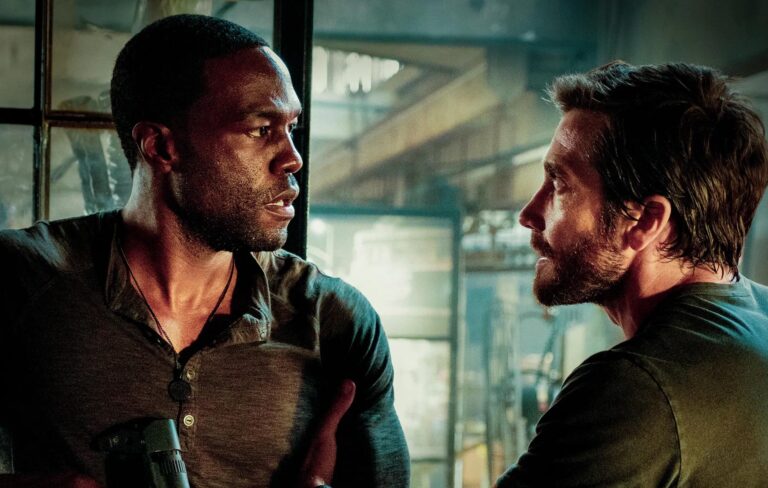
Director: Michael Bay
Writers: Chris Fedak
Stars: Jake Gyllenhaal, Yahya Abdul-Mateen II, Eiza González

– Notes / Only Angels Have Wings / Will Smith Banned (49:31)

This week for our break segment, after the Oscars fiasco with Will Smith, we finally learned of his punishment this last week. So, of course, we talk about that for a few minutes and whether his 10-year ban is overly harsh or not. JD also gives his thoughts on the Howard Hawks movie Only Angels Have Wings after the Extra Film boys reviewed it a few weeks ago.

[divider]

RELATED: Listen to Episode 443 of the InSession Film Podcast where we discussed CODA!

[divider]

– Steven Spielberg Movie Series: Amistad (1:29:45)
Director: Steven Spielberg
Writers: David Franzoni
Stars: Djimon Hounsou, Matthew McConaughey, Morgan Freeman, Anthony Hopkins

Show Sponsor: First Time Watchers Podcast

– Music

California Dreamin’ – The Mamas and The Papas
Dry Your Tears, Afrika – John Williams
The Return of the Eagle – Atli Örvarsson

Subscribe to our Podcasts RSS
Subscribe to our Podcasts on iTunes
Listen on Spotify
Listen on Stitcher
InSession Film Podcast – Episode 477

[divider]

Next week on the show:

Review: Fantastic Beasts: The Secrets of Dumbledore
Steven Spielberg Movie Series: A.I. Artificial Intelligence

[divider]

Help Support The InSession Film Podcast

If you want to help support us, there are several ways you can help us and we’d absolutely appreciate it. Every penny goes directly back into supporting the show and we are truly honored and grateful. Thanks for your support and for listening to the InSession Film Podcast!

VISIT OUR DONATE PAGE HERE


JD DuranInSession FilmHost / Editor-in-Chief

Home

Movie Review (SIFF 2022): ‘The Blind Man Who Did Not Want to See Titanic’ is a Unique Visual Experience


Director: Teemu Nikki

Writer: Teemu Nikki

Stars: Petri Poikolainen, Marjaana Maijala, Samuli Jaskio

Synopsis: Jaakko is a blind man who is confined to a wheelchair. He is in love with Sirpa, with whom he has had a long-distance relationship but only by telephone. The two have never met in person. One day Jaakko decides to travel to meet Sirpa, relying on strangers’ help to make the journey.


The Blind Man Who Did Not Want to See Titanic is a film that catches you off guard at first. It takes a few scenes to really understand what writer/director Teemu Nikki is aiming for with his visual style. The shot is always in close up and outside of the small circle, there is a blur, an edge to our perception of what is happening around Jaakko (Petri Poikolainen). Nikki and cinematographer Sari Aaltonen create a visual aesthetic that interprets Jaakko’s blindness in a way that the audience can still pick up on visual clues, but impairs us to give a small taste of what our hero experiences.

The sound design takes on the heavy lifting in the film and draws our attention to what we need to know from what we can’t see. Sound designer Sami Kiiski and sound editor Pietu Korhonen layer in sound beautifully to complete our sensory experience. There is a great scene as Jaakko sits and waits in the train station and as the camera maintains its tight focus on Jaakko’s face, we suddenly hear the woman walking behind him, then the man in the electric wheelchair just after her, and the camera slightly pans to reveal their blurs. This soundscape adds so many layers to the narrative. It helps us through the transition from the romantic dramedy to the thriller the film becomes.

The shift is subtle and it starts out with something that looks like it may be a throwaway scene, but evolves and heightens with danger. The visuals help to create this sense of unease and tension because we can see that there is something wrong, but not yet what could happen. Our fear for Jaakko is suddenly beyond just how he will get around or if there will be people to help him. It’s now thrown into the chaos of people attempting to take advantage of him and exploit his condition. Jaakko’s resilience in these scenes keeps us upbeat even as his chances diminish rapidly. He’s smart and angry, which keeps him alive.

The Blind Man Who Did Not Want to See Titanic would not be as engaging as it is without the immense talent of Petri Poikolainen. An actor who himself suffers from the effects of multiple sclerosis and blindness as Jaakko does, Poikolainen brings that pain, fear, joy, and yearning to his every expression. There is a gorgeous scene in the film in which Jaakko, saying goodnight to his long distance romantic partner, Sirpa (Marjaana Maijala), plays a song that the two of them sing to together. He asks Sirpa to describe what she would do if the two were together. As she does, the anguish that comes across Jaakko’s face is heart-rending. Poikolainen lets the feelings wash over him and he makes us feel every moment, yearning along with him.

This film will make you smile with Jaakko’s love of John Carpenter films and his disdain for the later work of James Cameron. It will make you clutch your hand to your chest as Jaakko is wheeled toward an uncertain fate by the man we only know as Mr. Scorpions (Samuli Jaskio). Then it will bring you back from the edge with its truly beautiful ending. The Blind Man Who Did Not Want to See Titanic is certainly off the beaten path, but well worth the journey.


Grade: B+


Op-Ed: Modern Shakespearean Looks


These outside the box contemporary Shakespeare adaptations bend time, place, and drama for unique, ever relevant looks at the same old Bard.


  1. Macbeth (2015)

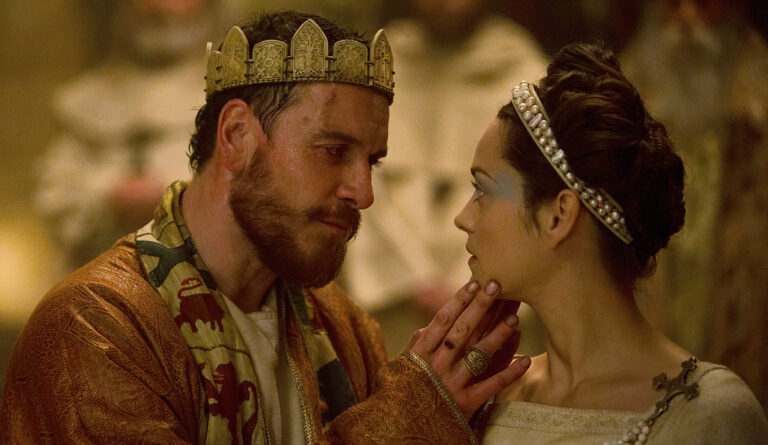
Director Justin Kurzel (Snowtown) helms Michael Fassbender (Shame) and Marion Cotillard (La Vie en Rose) in this counter-intuitive blend of modern meets Scottish castles. Showing usually off screen killings and using symbolic rain for the washing of blood keeps the confrontations and fatal discoveries tense as snips of the done deeds accent a very suspicious coronation. The contemporary grief is best when the innate court intrigue brews, but the supporting cast is unfortunately wasted amid frustrating mumbling and a surprising lack of dialogue for, you know, Shakespeare. Picturesque blue nighttime schemes contrast orange battlefield heat; but candlelit interiors are tough to see, forcing viewers to adjust with every unnecessarily arty scene transition. Surreal phantoms and supernatural mirages jar with the gritty realism, detracting from the cerebral introspection and traumatizing soliloquies. We don’t see enough of the bearded, strained, and stressed Fassbender embodying the festering cowardice– which may be intentional isolation as only the camera comes close while his wife must handle the weapons. Cotillard’s cruel Lady Macbeth vicariously aids her husband’s rise to glory, however giving this ruthless villainess childless sympathy dampens the poisonous scheming. Although the camera rightfully remains on our emasculating Mrs. in a tearful mea culpa church soliloquy, narrating the final battle with no beheading is an unfair, unsatisfactory end. At times, this production doesn’t seem to even like Shakespeare, ramping up beautiful designs but dropping most of the text – resulting in an artistic unevenness that keeps the meta trauma at arms length.


  1. All is True

An almost unrecognizable Kenneth Branagh directs and stars as William Shakespeare in this 2018 biopic recounting The Bard’s final years after the 1613 burning of the Globe Theatre. Shakespeare returns to the countryside with autumn leaves, sun kissed silhouettes, and fine attention to Tudor detail. Conversations move at a reflective, mature pace as awkward dinner scenes, tense will stipulations, and gardening struggles mirror the family disconnects. Wife Judi Dench (Victoria & Abdul) puts Bill in the best bed for the guests, reminding him that he spent so much time putting words into people’s mouths that he forgot what’s unsaid matters. She’s angry over his love poetry, too. Did he ever consider her reputation while wallowing over visions of their late son Hamnet? Ian McKellan’s Earl of Southampton also waxes on the read between the lines love, forever young words, and family legacy in a lengthy twofer scene. Shakespeare provided wealth and comfort for his family, paying for a fake coat of arms and, embarrassed about his own upbringing, he can’t understand their bitterness until he realizes they too have unheard stories to tell. Unfortunately, the time spent on his daughters and their creep husbands is uneven as the ideal Hamnet supposition drags on, detracting from the internal analysis alongside tutting Puritan townsfolk and superfluous scandals. The contrived liberties may irritate purists and usually we forgive Branagh his Shakespeare indulgences, however an outside eye not so beloved of The Bard would have smoothed the unnecessary here. Despite excess intrusions, this is a perfectly period swansong.


  1. The Tempest (2010)

Sorcery and supernatural storms invoke an in limbo fantasy as Helen Mirren (The Queen) leads writer and director Julie Taymor’s (Titus) role reversal alongside Djimon Hounsou (Gladiator), Ben Whishaw (Skyfall), and Felicity Jones (The Theory of Everything). Brief Milan flashbacks are otherworldly and dreamy to match the old speaketh fanciful, moody Hawaii beaches, and steampunk island lair. Silent film styled German Expressionism photography captures the isolated, airy forests as ships in peril, crashing waves, and seaside winds accent the surreal. Granted, some Ariel special effects montages are cheesy – a post production spectacle in this otherwise outdoor presentation. With a strong cast, self-aware confrontations, and innate Shakespeare parallels, there’s no need to stray with out of place slapstick silly and drunken jester moments obnoxiously sidetracking the first hour. Subtle reflections and nymph music better set off the wild turnabouts as small people live large in orchestrating flawed plans. The appealing youthful romance waxes on if the players are dreaming or awake in their play within a play purgatory. Although we don’t see sympathetic sorceress with a bad wrap Mirren as much, the Prospera switch adds mother/daughter intrigue. Our Dame commands the masculine ruthless and fiery action as one and all plot to entertain themselves; yet find guilt, pity, or comeuppance in a fine finale trading power for compassion. One may not always agree with Taymor’s visionary storytelling, but in this era where most films look the same, this is perfect for viewers seeking something different.


  1. Othello (1995)

Moor of Venice Laurence Fishburne (The Matrix) has secretly married Irene Jacob’s (Three Colors: Red) Desdemona and jealous ensign Kenneth Branagh plots to destroy them in writer and director Oliver Parker’s (An Ideal Husband) charming, detailed, and risque adaptation brimming with enchanting costumes and medieval swords. The Italian locations are uncluttered and stage-like for the ensemble to plot and spread rumors as lowly, backstabbing Iago sets our tragedy in motion all while contending he is not the envious villain and that his malicious intentions are justified. Branagah’s on screen asides and soliloquies break the fourth wall, drawing the audience into his long-gestating, ruinous schemes. After seeing the titular Fishburne, it’s tough to imagine anyone else as this wronged husband manipulated into his own downfall. The talketh rolls off his tongue, and Fishburne carries the onscreen presence needed for Othello’s extreme nature – making us care, fear his increasingly maniacal asides, and kick him for falling into Iago’s plot. French actress Irene Jacob is a delight, if minimal Desdemona, for we see more of the imaginary vixen sowing doubt in naughty visions of the assumed deceit rather than her true adoring wife. The intricate envy, rage, and betrayal are beautifully written, and Shakespeare’s four hundred year old commentary on race, culture, and religion remains a transcending examination of what power, love, and deception can do.


  1. Richard III (1995)

Annette Bening (American Beauty), Robert Downey Jr. (Iron Man), Maggie Smith (Harry Potter), and more join Ian McKellan for this fascist re-imagining from director Richard Loncraine (Wimbledon) alongside typewriters, telegraphs, tanks, and gas masks. Richard uses a microphone for his expected soliloquy as zooms on his mouth indicate double talk and duplicitous plots. Our disfigured Duke of Gloucester preens in the mirror before addressing the camera directly with his plans. He’s suave in his decorated uniform and villainous mustache yet off kilter, unkempt, and clearly insane. Though recognizably thirties with swanky cars, jazz, Art Deco glamour and careful period detail; there’s an anachronistic surreal to the fedoras and noir silhouettes – as if the Imperial and aristocratic ways of footmen and tiaras continued into the jet set unchecked toward their inevitable Nazi parallels. Richard’s sowing seeds at Tower of London bunkers and board room committees are unable to stop his armored train. The old speaketh remains stage-like one on one tension as each scene lays a piece of the brother against brother plot. Hired killers provide gangster style executions with bloody bathtubs, drugs, and bedroom impalement. Richard talks to us while he’s watching his coronation film reels, gleefully letting the viewer in on the dictator vanity once his ruse succeeds. This interpretation may be confusing for newcomers, but the visual symbolism and layered subtext demand several viewings – a period piece pressure cooker proving how provocative Shakespeare is when outfitted with machine guns, power stations, and airplanes.


Movie Review: ‘Everything Everywhere All At Once’ is a Bombastic Tale of Nothing and Everything


Directors: Daniel Kwan and Daniel Scheinert

Writers: Daniel Kwan and Daniel Scheinert

Stars: Michelle Yeoh, Stephanie Hsu, Ke Huy Quan

Synopsis: An aging Chinese immigrant is swept up in an insane adventure, where she alone can save the world by exploring other universes connecting with the lives she could have led.


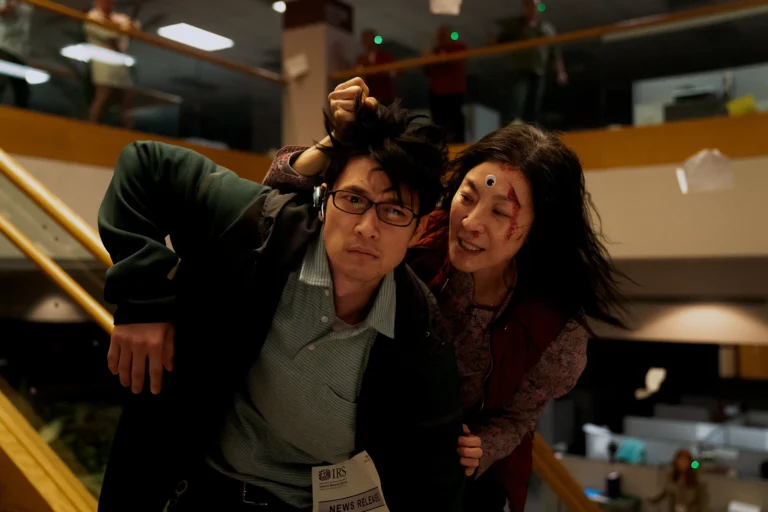
In many ways, I don’t know how to even describe this film. It’s both incredibly large scale, through its usage of a multiverse and parallel realities, and incredibly small, due to its focus on the life of Evelyn Wang (Michelle Yeoh) and her family. It’s a film with both martial arts fights and IRS meetings. It’s a film that revels in surrealism and absurdity, and it throws traditional plot structure out the window. It’s unlike anything else you have ever seen. And I highly recommend going into the film blind, because every twist, every turn, every emotional beat, is an experience. If this movie sounds up your alley, close this review and go watch it.

Everything Everywhere All At Once isn’t just a fantastic movie. It’s a filmmaking achievement that will go down in history. This is the type of film that requires multiple viewings to soak up everything that is happening. Every scene, every moment, is packed with subtext, subtle performances, and eloquent visuals that may go unnoticed due to everything that is happening around it. And while that chaotic energy could drag down a more serious drama, it’s the bread and butter of Daniel Kwan and Daniel Scheiner’s (The Daniels) latest film. Like the title says, this film is about everything, everywhere, all at once, and you feel that through the editing, performances, cinematography and writing. Every aspect of this film feels hand-crafted, due to the intentionality behind it all. Every element combines with the others to make something that is more than the sum of its parts. 


Part One: A Film about Everything 

Everything Everywhere All At Once is the tale of Evelyn Wang, a middle-aged woman whose life hasn’t amounted to anything. She’s constantly doing too much, unable to slow down due to the pressures of running a business, caring for a lesbian daughter and holding the weight of the world on her shoulders. When individuals from the Alpha-verse make contact with Evelyn, she is entrusted with the quest to save the world by defeating Jobu Tupaki (Stephanie Hsu), the daughter of Alpha-Evelyn who got pushed too far and seeks to destroy the entire multiverse. Along the way, Evelyn has to learn how to let go and appreciate the things in life that truly matter. 

Everything, Everywhere, All At Once may just be the quintessential millennial film. For those unfamiliar with the term, a “Millenial film” is a story that reflects the fears and worries typically associated with the Millennial Generation. These often include fears of financial security, personal growth and success, and the growing gaps between different generations. In an ever-expanding world, where unlimited expanses of information are at our fingertips, those worries have become more and more prominent. To deal with all those worries, The Daniels have created this film. It’s a film about coming to terms with those worries and choosing to focus on the connections that unify humanity together. In a post-pandemic world, it’s more relevant than ever. 


Part Two: A Film With Everything 

Describing The Daniels latest project feels impossible because there is so much packed into the 140-minute runtime. There are talking raccoons, fanny pack whips, visual effects that would fit in the summer’s greatest blockbusters, hand-drawn cartoons, and even rocks with googly eyes. That adherence to complete absurdity is the core of Everything Everywhere All At Once. Much like Spider-man:Into the Spider-verse or Scott Pilgrim vs. The World, the combinations of visual gags and witty jokes glue this insane story together. Enhancing every component of the film is Son Lux’s score, which manages to be otherworldly and pressure-inducing. It captures the many tones of this film perfectly and is fundamental to this story. 

This is supported by great performances from the entire cast. Michelle Yeoh’s work as Evelyn is second to none, with her immense talent in action sequences being matched only by her subtle emoting during the many great dialogue sequences in the film. Similarly, Stephanie Hsu holds her own as Joy Wang/Jobu Tupaki, and deserves much praise for her tortured performance. But no one compares to the eccentric work of Ke Huy Quan, who plays the many versions of Waymond Wang. The contrast in these characters is gorgeous on the script level, but Quan truly brings Waymond to life through every element of his performance. Whether it’s his vocal inflection or his movement, Waymond never feels the same between universes. Considering that Everything Everywhere All At Once was Ke Huy Quan’s return to acting after quitting in 2002, it’s one of the best performances of all time.  

Part Three: A Film that Happens All At Once

What’s magic about Everything, Everywhere, All At Once is that it sits with you. The raw creativity and passion comes through every scene, and creates emotional apexes not seen anywhere else. Even the weird universes have a heart to them. The way that The Daniels have made me care for a conversation between two rocks on a lifeless Earth is unlike anything I have ever felt before. And that storytelling achievement starts at the writing level, which chooses to use the medium of film in ways nothing else has. And no, I am not just talking about how it utilizes and displays the multiverse. For as ecstatic and bombastic its costumes and makeup make the multiverse, it’s the way the film is constructed that makes it special. 

The editing techniques of cross-cutting and montage have been around for years, but no other film has used them like Everything Everywhere All At Once. Editor Paul Rogers extends single scenes through universe jumping, combining multiple conversations into a single dialogue that recontextualizes every moment that came before. Each universe is weirder than the last, and yet, infinitely more human than the present. Even the multiverse with hot-dog fingers is strangely beautiful.


The way that The Daniels have used the Multiverse, and setting changes, to add meaning and depth to the story is truly unique and mind blowing. And it’s not just seen through the immaculate production design by Jason Kisvarday, which gives each location life and rich history. Rather, the way the camera moves between scenes feels like something from Alfonso Cuaron, as it flows through each location and creates one larger setting. Cinematographer Larkin Seiple manages to capture each scene beautifully and uses different genre styles to create distinct worlds. When a conversation occurs between Evelyn and Waymond in a world where they never married, the scene is lit as though it were a Wong Kar Wai film. That is the magic behind Everything Everywhere All At Once; where the craft enhances the story being told, and where techniques change between scenes because each scene requires that specific visual style to tell this story effectively.


In conclusion, Everything Everywhere All At Once is a marvelous achievement in filmmaking. The Daniels have created one of the best films of the year, and it is sure to inspire the next generation of filmmakers. 


Grade: A

Podcast: The Big Sleep / Nitram – Extra Film

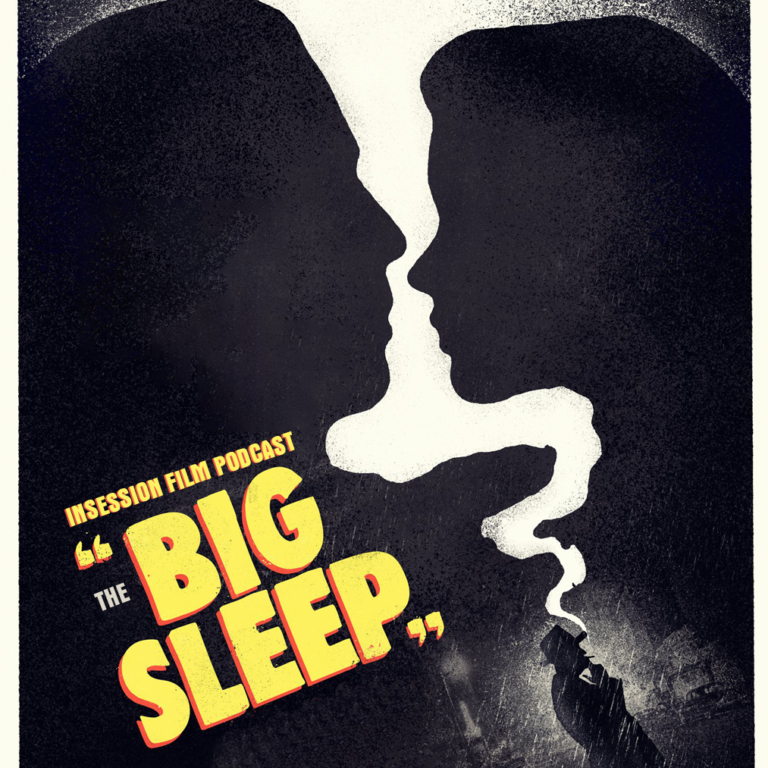
This week on Extra Film, Ryan and Jay continue their Howard Hawks Movie Series with his 1946 film The Big Sleep and they also review Justin Kurzel’s new movie Nitram!

The Big Sleep is a compelling film noir and somewhat of a turn for Hawks as we enter the Humphrey Bogart collaboration. Regardless of what you think about the film overall, there’s certainly a lot to talk about with those two legends and the work they put in for this entry. As for Nitram, it’s a film that’s gone completely under the radar, but it’s one of the best surprises of the year so far.

On that note, check out this week’s show and let us know what you think in the comment section. Thanks for listening and for supporting the InSession Film Podcast!

– Movie Review: The Big Sleep (7:10)
Director: Howard Hawks
Screenplay: William Faulkner, Leigh Brackett, Jules Furthman
Stars: Humphrey Bogart, Lauren Bacall, Martha Vickers, Dorothy Malone

– Movie Review: The Lost City (58:22)
Director: Justin Kurzel
Screenplay: Shaun Grant
Stars: Caleb Landry Jones, Judy Davis, Essie Davis

– Music

The Big Sleep – Max Steiner
Take A Long Line – The Angels
The Return of the Eagle – Atli Örvarsson

We try to make this the best movie podcast we possibly can and we hope you enjoy them. Subscribe today on iTunes, Spotify, or Stitcher, and please leave us a review on iTunes. You can also find us on Soundcloud, PlayerFM, and TuneIn Radio as well. We really appreciate all your support of the InSession Film Podcast.

Subscribe to our Podcasts RSS
Subscribe to our Podcasts on iTunes
Listen on Spotify
Listen on Stitcher
The Big Sleep / Nitram – Extra Film

[divider]

To hear this Extra Film episode and everything else we do, download our apps on the Amazon Market for Android and the Podcast Source app on IOS devices. The mobile app covers all of our main shows, bonus podcasts and everything else relating to the InSession Film Podcast. Thanks for your wonderful support and for listening to our show. It means the world to us.

Movie Review: ‘Sonic the Hedgehog 2’ Is Full of Fun and Heart


Director: Jeff Fowler

Writers: Pat Casey, Josh Miller, John Whittington

Stars: Ben Schwartz, James Marsden, Idris Elba, Natasha Rothwell, Jim Carrey

Synopsis: When the manic Dr. Robotnik returns to Earth with a new ally, Knuckles the Echidna, Sonic and his new friend Tails is all that stands in their way.


It’s likely the animators for Sonic the Hedgehog 2 spent their time working from home with printed out Twitter snark from the first reactions to the original concept of Sonic. They must have because the animation and the CGI effects for this film are truly fantastic. From the quills on Sonic himself to the fluffy looking fur on Tails to the gargantuan robot that Robotnik controls in the climax of the film, all of the graphics are superb and interact with the real elements in the film very well. With a film like this, one wonders why the filmmakers didn’t choose the completely animated route all along. There are now three CGI characters with a lot of robots and exotic locales to create, so it would have made more sense. Though, if they had, we wouldn’t have been treated to two of the film’s secret weapons.

The first of those secret weapons is Rachel (Natasha Rothwell). . She stole every scene in the first film and while she doesn’t have as much screen time here in the sequel, she is given some truly sensational moments. In one of the best scenes of the film, director Jeff Fowler and his cinematographer Brandon Trost give Rothwell the action star treatment. She cries out in anger at some government agents while speeding toward them in a golf cart. She nearly knocks them over, then hits the golf cart’s emergency brake. That’s when, in slow motion, Rachel turns the cart, steps out casually with a bottle of champagne, pops the cork and, as the golf cart impacts and shorts out some electrical equipment behind her, she takes a swig of the bottle and then tosses it aside. It’s a delightful homage and a cheerworthy moment.

The other secret weapon is of course, Jim Carrey as Robotnik. He was the standout of the first film, but here, he continues his delightfully unhinged persona with the addition of a completely new, impossible, and impossibly terrific mustache. Carrey uses his body in implausible, seemingly uncomfortable ways, and yet, he makes it look natural. Somehow, he plausibly plays his leg like a guitar. It’s been a while in a franchise tentpole to have a villain be unrepentantly and irredeemably evil. It’s so delicious to see Carrey sink his teeth into such terrifically villainous material. If only it were a better vehicle overall. 

Sonic the Hedgehog 2 is a film written and produced with young audiences in mind. Though, even by those standards many of the jokes are tired and stale. There are elements that take place in the real world that do set up the larger world, but distract from the main plot. It still feels as if the writers are finding their footing in this world. They have all of the elements, the references, and the lore, but, to their detriment, they’re struggling to keep it accessible and appealing to more than just fans of the original video game franchise.

Where the film always succeeds are in the found family narrative and the superb action choreography. There’s a lot to like about Sonic the Hedgehog 2. Most of it is enough to make you ignore the poor jokes and just get lost in the world taking shape. It’s a sequel that does what a sequel is supposed to do, which is to further the story, but be a complete adventure on its own.


Grade: C


Op-Ed: Five Non-Bond Pierce Brosnan Ventures

Like his tenure as 007, there are a few ho hum and uneven pictures in Pierce Brosnan’s extensive repertoire. Here’s an eclectic variety of Brosnan sans Bond – ranked from good to bad.


Mamma Mia!

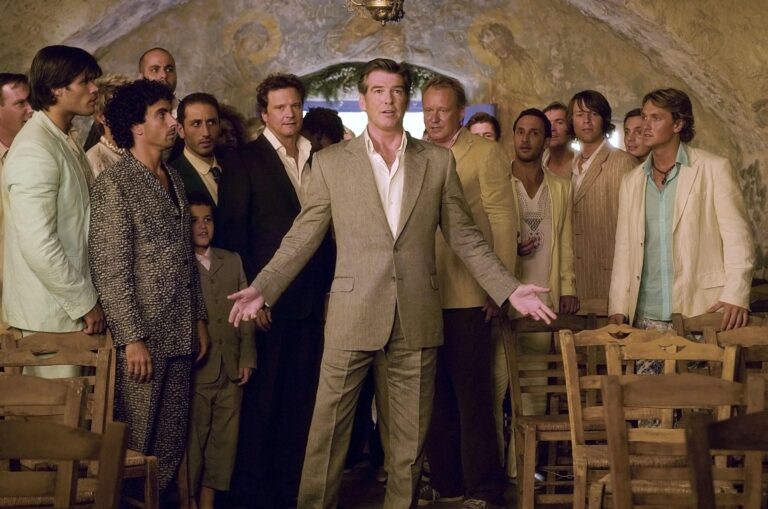
Unbeknownst to her mother, Meryl Streep (Kramer vs Kramer), Amanda Seyfried (Jennifer’s Body) invites her three prospective fathers to her Greek wedding in this pleasant 2008 ABBA infused romp. From “Dancing Queen” and the eponymous track to superb Greek locales and coastal spectacles, the adult fun and musical maturity remains witty and sardonic thanks to the elder ensemble. The script from playwright Catherine Johnson is thin and obvious at times – especially in the obligatory father bonding montages or blatant cues for the music – and the pace drags between set numbers. However, director Phyllida Lloyd (The Iron Lady) doesn’t wallow in the young love tug and pull. Instead, each cast member receives a scene stealing musical moment – including saucy Christine Baranski (Chicago) with “Does Your Mother Know?,” catchy Julie Walters (Harry Potter) in “Take a Chance on Me,” and the impressive, high energy Streep for “The Winner Takes It All.” While perhaps unusual choices, Colin Firth (The King’s Speech) and Stellan Skarsgard (Pirates of the Caribbean) fit the winking tunes, but sadly, it’s Pierce Brosnan that doesn’t. As opposed to the charming will they or won’t they in the days of Remington Steele, Dear 007 is terribly out of place with his painful “SOS” rendition. Fortunately, it’s a jarring but bemusing piece of an otherwise delightful escapade for audiences young and old.


Nomads

Eerie camerawork, stilted slow motion, music montages, and sinister punks date this 1986 Chelsea Quinn Yarbro supernatural adaptation from John McTiernan (De Hard) with a movie of the week feeling. Fortunately, frizzy perms, limp ladies bow ties, and French flavor set off the Los Angeles hospitals, violent patients, grimy vandals, and ominous dreams. Memories between strung out doctor Lesley-Ann Downe (North and South) and bearded anthropologist Pierce Brosnan blur amid black and white photographs, dark room splicing, and evil spirits that don’t appear in the developed frame. The intercutting between our avatar and the retraced action is well paced as erroneous reflections, possessions, gender reversals, and soul snatching pursuits mount. Granted, the desert spirits aren’t super menacing and the unique Inuit myths are unclear. However the cryptic history remains intriguing thanks to the concrete jungle threats, spooky nuns, and abandoned creepiness. These freaky, foreboding shapeshifters make us wonder how many more gangs and urban nomads there could be today. How often do we pass by seemingly but not so innocuous people without really noticing them? If you overlook the eighties over the top, this mature but no less bizarre ninety minutes is an atmospheric sociological study.


I.T.

Jet setting apps, tricked out cars, and futuristic homes spell doom for Pierce Brosnan and Anna Friel (Timeline) in this 2016 thriller. We’re accustomed to the on screen graphics, text messages, and screens everywhere; however, New Wave pop, green lighting, and nightclub dens contrast the luxury closets, private aviation investors, and austere glass designs. Cyber thrillers were common in the 90s after home computer technology emerged, but intriguing conversations on technology versus privacy and what we must give away to obtain each are too brief. It’s nearly impossible today to stop using the internet or cell phones, but how do you draw the line when they allow a stranger to infiltrate your home? Nuisance sprinklers, lights, and music escalate to doctored paperwork, aircraft hacks, and compromised medical records. Unfortunately, the cliché emo hipster enemy is unnecessary because it would be more frightening for Dad Brosnan to not know the origin of this technological threat affecting his business, home, and family. Authorities never following up on the digital evidence, saucy teen shower videos filmed and distributed without consent are suddenly forgotten, and contrived conveniences hamper what should be a disturbingly timely premise. Going off the grid and stealing thumb drives become an undercover race to erase that simply runs out of steam instead of providing any real fear of subversive technology.


Butterfly on a Wheel

Meticulous Pierce Brosnan abducts the daughter of not so perfect couple Maria Bello (A History of Violence) and Gerard Butler (300) in this 2007 drama escalating from mundane errands to desperate crimes and deadly consequences. Unfortunately, we’ve seen these misdirections before, and the interwoven, increasingly preposterous plot cum terrorizing deceptions feel hollow. The betrayals focus on the calculated randomness, but the supposed secrets are obvious. The double talking isn’t coy, and all this control could have been achieved without such elaborate plans – leaving the kidnapping as a non-factor rather than the emotional core. Wise viewers will surmise Bello’s character arc despite the unbelievable motivational changes before her prolonged absence on screen undoes her role reversal. Butler’s cool salesman shows his limp fish true colors without all of Brosnan’s titular efforts, and those pretentious exaggerations stymie Brosnan’s subtle, sinister desperation. He has nothing to lose, which is disturbing and strangely understandable today, but weak plot points fizzle thanks to absent police, easy chances, and missed opportunities. We suspect what caused this orchestration all along but by the end viewers no longer care who’s lying to whom. Seemingly intelligent characters are made stupid as needed, and what could have been a taut revenge tale becomes predictable and unfulfilling.


Bag of Bones

Upstate rural settings, lakeside cabins, and onscreen writing dilemmas accent the enjoyable Brosnan, Annabeth Gish (The X-Files), and Melissa George (Triangle) in this ghostly 2011 Stephen King adaptation. Unfortunately, the overlong, confusing material wavers between endearing the audience and making us mistrust the scary dreams and unexplained prophetic connections. The slow pacing takes too long to get to the supernatural shenanigans and insipid shockers thanks to unnecessary establishing scenes. Jazz era indiscretions, curses, hauntings, and spirited appeasements have been done better elsewhere, and the derivative paranormal confrontations become laughable as ghosts toss records at people and a gnarly tree attacks 007. Ironically, these hokey elements make this entertaining to watch despite the yelling at the television frustrations over unanswered questions, convenient technology, and contrived clues. Instead of a straightforward mystery peppered with King references, the most memorable thing here is the bad.


Movie Review: ‘Ambulance’ is Bayhem, For Better or Worse


Director: Michael Bay

Writer: Chris Fedak

Stars: Jake Gyllenhaal, Yahya Abdul-Mateen II, Eiza González

Synopsis: Two robbers steal an ambulance after their heist goes awry.


I’m not the biggest Michael Bay fan; in fact, I think that he’s been one of the worst mainstream directors of all time. The way he directs is too excessive, and his scripts are rude and crude for no particular reason (even in his more “family-friendly” blockbusters like Transformers, which are filled with questionable lines and scenes). However, one thing’s for sure, you always know when you’re watching a Michael Bay film; he has a “directorial style” and “technique” of some sort–also known as Bayhem. There is no subtlety in his repertoire; nevertheless, what he lacks in subtlety, he adds in foul-mouthed language, dicey jokes, and explosions of every kind and for no specific reason. As a result, it has been hard for me to enjoy one of his pictures for a long while; the last one I had “fun” with was The Rock (1996), with the engaging trio of Nicholas Cage, Sean Connery, and Ed Harris. His movies have ranged from bad to worse to significantly terrible ever since. After a quick three-year break, Bay returns with Ambulance, an action crime-thriller based on a 2005 Danish feature of the same name (yet tonally different since that one is zany and way shorter with a quick eighty-minute runtime). 

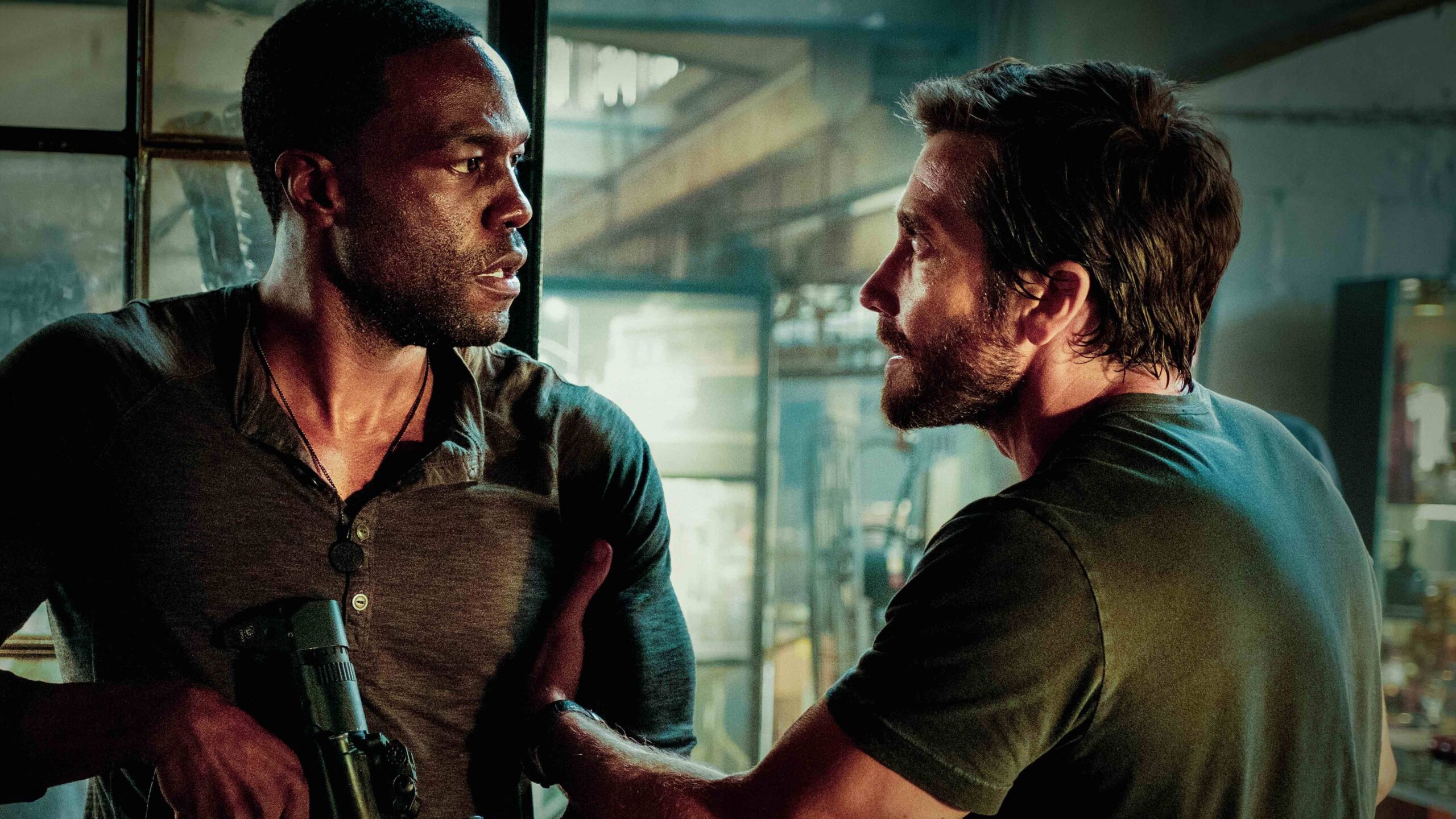
Ambulance revolves around two brothers; one is a decorated veteran and a hardworking man, Will Sharp (Yahya Abdul-Mateen II), while the other has found criminal ways to make ends meet, Danny Sharp (Jake Gyllenhaal). Will needs 231,000 dollars to deal with his wife’s medical bills since the insurance doesn’t cover “experimental medicine”. So, he decides to turn to his adoptive brother for some money. Danny, unfortunately, doesn’t have that kind of money… yet. So, he approaches Will with an on-spot “now or never” proposition to pull a heist–stealing thirty-two million from a Los Angeles bank. At first, Will doesn’t want to do it because he wants to leave that life behind, but he’s desperate to do everything he can to help his family. However, the bank job doesn’t go their way from the start. The desperate thieves escape the scene by hijacking an ambulance carrying a heavily wounded cop, Officer Zach (Jackson White), and an EMT worker, Cam (Eiza González). As they’re caught in a high-speed chase for their lives, the two brothers must find a way to outrun the police while also keeping their hostages alive. The plot doesn’t sound that bad compared to his more recent projects. It appeared like it would be Bay’s most “tame” film, yet you already know he is back to his usual shenanigans fifteen minutes into the movie. 

The film begins with a rapid introduction to Abdul-Mateen’s character, where it feels that Bay is rushing through those segments to get to the fun stuff. This bothered me a bit, but wasn’t surprising, knowing the director’s past works. It also doesn’t make sense that a leader of a well-plotted heist would hire another person the same day of the job. But, hey, I was going with it because they are likable screen presences, and their dynamic together is entertaining. Although they are engaging to see, they don’t have much development as brothers. As the chase keeps going, they bicker, and some conversations shine a small light on what happened to them both, but there’s no significant growth in their characters. In addition, there are some odd shots of their childhood being inserted during the film’s last action sequence. It was supposed to make us care more about their fate, but it seems silly. The performances overall are fine; Abdul-Mateen II and Eiza González are the ones that keep their cool under pressure performance-wise and don’t crack within the various crashes and explosions. Meanwhile, Gyllenhaal is one-note and escalates his character’s mania and craze to the point where it becomes a somewhat comedic performance (however, seeing him screaming “it’s cashmere” made me smirk a bit). 

A nice action set-piece references Michael Mann’s classic shootout in Heat during the first act, although neither with the same cinematic heft nor the dexterity. In fact, most of Ambulance’s action set pieces have been seen before in Bay’s previous features or other classic action flicks. Unfortunately, the rest of the sequences are not as solid or engaging as the first one. Nonetheless, this film’s main problem is its runtime, excess, and editing. This narrative doesn’t have the longevity nor the need for it to run for almost 136-minutes. It seemed like it was adding more and more chase scenes for little reason instead of trimming the excess and making it a straightforward and palatable 90-minute action B-movie-esque feature. In addition, there’s an over-complication in its simple story (the grand conclusion doesn’t make much sense). It makes us assume that both Bay and screenwriter Chris Fedak were adding every single idea they had onto the screen (and only two or three of them worked). And speaking of ideas, there is the excessive use of drone shots that swoop through Los Angeles–it’s a gimmick that doesn’t work in the least. Nevertheless, I think Ambulance is Michael Bay’s least annoying feature in a long while. It isn’t good, but to be completely honest, I would prefer five of these rather than another live-action Spider-man flick. 


Grade: C

Op-Ed: A Few Shakespeare Classics

Let’s “between you and I” combine our classic film studies and Shakespearean analysis in this chronological quartet of mid-century escapades in Bard. “The game’s afoot!”


Othello (1952)

Rightly or wrongly; egotistical writer, director, producer, and star Orson Welles puts his all into this black and white, fast moving, simplified yet heavy hour and a half. Haunting funerary, chanting, sacrificial crosses, and medieval hoods set the somber mood. However, distant outdoor filming, big battle action, and artistic scene setters also try too hard amid narrations, head hopping, and messy structuring thanks to the embattled, long gestating production. Intercut up close shots feel spliced together, and by opening with the play’s fatal ending, no one is actually introduced. The dialogue sans subtitles is quite difficult and confusing for audiences unfamiliar with this riveting tragedy. Iago’s opportunistic machinations are lost amid mustache twisting villainy and uneven photography designed to accent Welles’ eponymous confrontations. Welle’s scenes as Othello are the best because he makes them so with slower, careful angles capturing his booming ogre and kindly misunderstood. If Welles could have done Othello as a one man show he probably would have. Naturally a white star playing the traditionally black Moor is controversial and Welles does so wearing inappropriate, swarthy makeup. The full of itself presentation overshadows the intriguing, noir yet avant garde vision. Thankfully, for all the behind the scenes troubles and varying, imperfect versions, this is a powerful ode nonetheless.


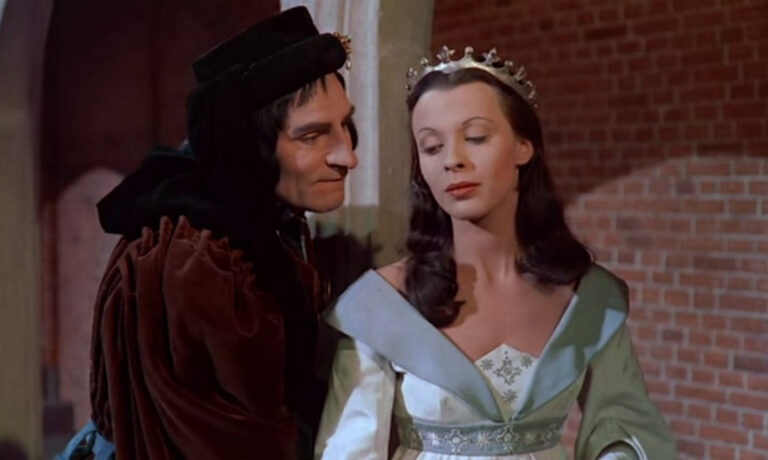
Richard III (1955)

Producer, director, writer, and star Laurence Olivier assembles an excellent ensemble featuring Ralph Richardson (The Heiress), Claire Bloom (Limelight), and John Gielgud (Arthur) to prove just how pleasantly effortless Shakespearean dialogue can be in this condensed but still two and a half hours plus rendition; opening with rousing music and medieval scrolls detailing who is Lancaster and who is York. Numerous characters are excised and the complicated ploys may require some background knowledge, but our unreliable brother keeps us in the know with his crocodile tears, marital deception, and multifaceted orchestration. Richard gives his famed soliloquy directly to the camera with witty asides intruding on the family squabbles. He’s up to no good as the jealous audience anchor cheated by his half a man veneer, and well done over the shoulder camerawork and tracking shots across the whispering court match this fly on the wall perspective. Olivier was also ahead of our new normal in releasing Richard III both in theaters and on television simultaneously, which ironically led to box office failure. Interior filming may also seem congested mixing live horses, fake snow, and stage facades – there are even few ugly Burger King crowns. However, the Technicolor costumes and regalia look VistaVision fresh before the court increasingly darkens under Richard’s rule. Eerie night before the battle dreams lead to just desserts in a self-aware Bosworth topper that remains despicable yet enjoyable.


Chimes at Midnight

Orson Welles’ adapts Henry IV Parts 1 and 2, Richard II, Henry V, and The Merry Wives of Windsor to craft this turbulent, once obscure 1965 Falstaff opus. Of course, in clarifying Falstaff’s arc across The Bard, this compact focus has little time for anything else. Welles’ self indulgent, larger than life portrayal fills the screen – windblown and over the top while the distorted angles and grand castle arches make other men small. Sunlit rays and strategic lighting schemes grace Henry IV as Prince Hal awaits and challengers remain shadowed. Although the Criterion blu-ray is a restored black and white crisp, the editing is often messy with quick, unnecessary cuts. Fortunately, handheld pacing accents the maces, violence, and mud in the lengthy Shrewsbury battle; surreal fog and superb music set off the impressively modern action. Falstaff entertains Prince Hal with his own court at Boar’s Head, protecting him with booming embellishments despite knowing the joke will be on him once Hal takes up the heavy crown. Past his prime Falstaff is a lot like us. He’s loyal yet cast aside, making himself out to be something else, and clinging to his young well connected friends – just like social media today. This is not an introductory piece and purists may dislike the divisive rearrangement, but Welles’ heartbreaking story should be seen at least once for this personal, bridesmaid perspective.


Romeo and Juliet (1968)

Director Franco Zeffirelli’s (The Taming of the Shrew) splendid 1968 British-Italian adaptation of Shakespeare’s star-crossed lovers remains a delicious medieval potboiler as sword fights and marketplace quarrels introduce the rival houses and feuding threats. Intimate, up close asides pause upon the fourth wall as the masked ball titillation invokes period, effortless Bard to match the melancholy “What is a Youth” music and award winning costumes. Though both paired down yet overlong at two hours plus, firelight patinas and authentic cobblestones establish the Verona mood before familiar balcony laments and whirlwind hopes that love will cure all. Despite knowing of the preventable daggers and poisonous mistakes, we root for the ill-fated romance from start to finish thanks to the beautiful performance from Olivia Hussey (Black Christmas). Initially shy, Juliet chooses Romeo and quickly learns how fast sweet sin blossoms. It’s easy to be swept up in their happiness but call me crazy, I have always preferred Michael York (Logan’s Run) as Tybalt, for Leonard Whiting’s (Frankenstein: The True Story) flaky Romeo gets by on good looks and bad poetry before true love matures him overnight. The couple’s brief nudity is a moment of unashamed bliss – the “little death” of the marital bed followed too soon by their dying kiss as night weddings and day funerals become one and the same in this excellent sixties meets Shakespeare loss of innocence.

Pinewood Studios: Britain’s Hollywood

There is not one backstage lot that speaks volumes in the United States as every major studio has it, but there is one in the United Kingdom that has a book’s worth of history. While it isn’t the only major backlot over there, when a movie is filmed in Pinewood, it means the movie is massively important. Eighteen miles from London, the films Superman (1978), Full Metal Jacket, Batman (1989), The Dark Knight, The Hobbit series, Gravity, and countless more have been shot here at this one spot. Being a hotspot for blockbuster-type films, it only makes sense that a prestigious place like Pinewood Studios would be the site of many legendary productions. 

In 1934, construction magnate Charles Boot bought the Victorian estate Heatherden Hall and transformed the country house into offices for his next major project. Having partnered with J. Arthur Rank, an industrialist who was about to start his own film production company, as well as other major investors, the 100 acres of tree-filled land behind the mansion would be the site of their own large film studio. The trees would inspire the name “Pinewood,” but they would be all removed to start construction. On September 30, 1936, the studio opened with five sound stages and a 300,000 Liter tank at a cost of £1 million, or £75.2 million in 2022 money.

The first films to use Pinewood Studios were the musical London Melody and the crime drama Talk of the Devil directed by future Oscar winner Carol Reed. From the beginning, the purpose of Pinewood was to copy Hollywood and use a system that permitted multiple  pictures to be shot at the same time, which made Pinewood the studio with the most pictures produced at any location annually. During the Second World War, Pinewood was the home to the military’s film units, including the production of the Oscar-winning documentary Desert Victory, which Hollywood copied for their own wartime documentaries.

When the war ended and normal operation resumed, the classics began to utilize the soundstages that no other place provided. One was David Lean’s adaptation of Oliver Twist (1948) and the other was The Red Shoes by Powell & Pressburger, acclaimed today for its achievement with gorgeous color cinematography and ballet sequences which were filmed in part at Pinewood. However, other films produced at Pinewood failed financially, putting J. Arthur Rank’s company which used the studio mostly in financial doubt. Then, in 1962, Pinewood was picked to shoot scenes for Dr. No and would be the site for all James Bond productions since. Their success and production growth required expansion of the entire studio and the adaptation of the four walls system.

The growth of Pinewood attracted bigger projects from Hollywood to London in the late 60s and throughout the 70s including Fiddler On The Roof, The Day Of The Jackal, The Man Who Would Be King, and Alien (and its sequels). The world-famous 007 Stage was constructed twice; first in 1976; which was later burned down in a production accident in 1984, and then in 2006 when another fire started following completion of Casino Royale. The current soundstage, named after Bond producer Albert R. Broccoli, is one of the largest in the world and the biggest in Europe, filling up 59,000 sq ft. This expansion has been used by more productions including Mission: Impossible, The Da Vinci Code, Pirates Of The Caribbean: On Stranger Tides, and Solo: A Star Wars Story.

In 2001, the Rank Group, which had owned Pinewood since the beginning, sold the studio to a consortium led by Ridley and Tony Scott called Pinewood Group Ltd. Along with Pinewood Studios, the company also owns movie studios around the world. Besides the James Bond franchise, Pinewood is now being leased primarily to Walt Disney Studios for the next decade which has already used it for Eternals, Black Widow, The Marvels, and the upcoming live-action version of The Little Mermaid. Nearly 90 years after opening, the importance of Pinewood being built is a testament to keeping cinema flourishing in the UK and giving an alternative to traditional Hollywood stages. 

Poll: What is the best American remake of a foreign language film?

Films like Oldboy, Downhill, and Godzilla have one thing in common – they confirm Hollywood’s unoriginality. The American remake carries a dreaded reputation, so much so we sometimes overlook the possibility for success. Who’s to say if Michael Bay’s latest Ambulance (based off the Danish film Ambulancen from director Laurits Munch-Petersen) will become one of those successes, but the successes are out there, and we shouldn’t ignore them. This poll isn’t a list of remakes that are better than their foreign counterparts, but ones that weren’t simple cash grabs, gave their cast and crew creative license to craft something interesting, and were, for lack of a better term, good.

What do you think is the best American remake of a foreign language film?


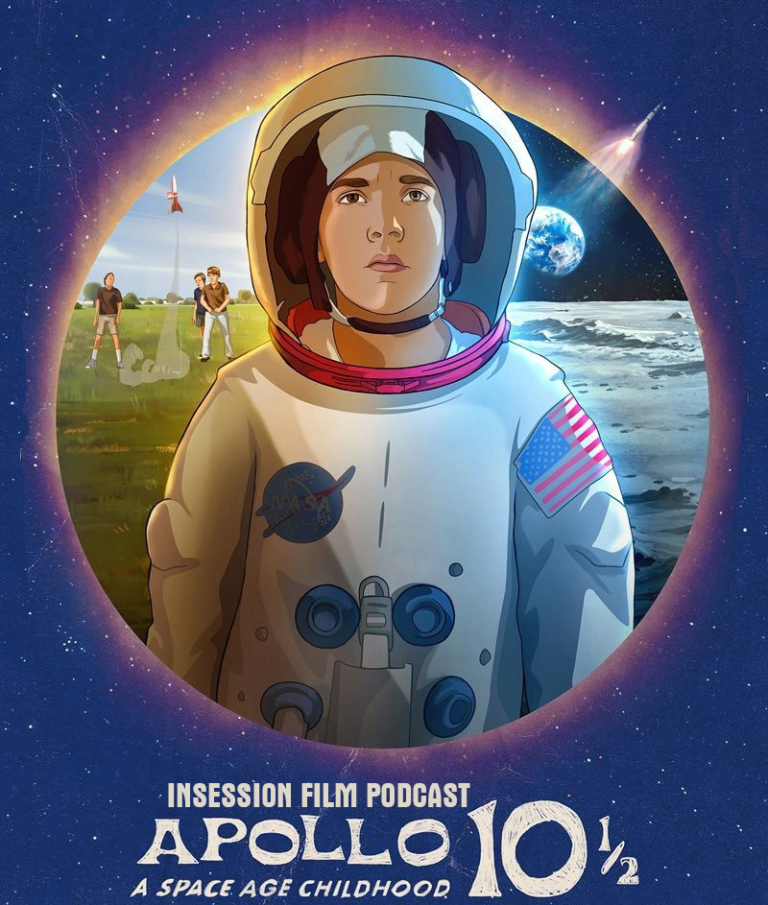
Podcast: Apollo 10½: A Space Age Childhood / Hook – Episode 476

This week’s episode is brought to you by the film The Contractor. Follow us on social media for your chance to win a FREE digital code!

This week on the InSession Film Podcast, we discuss Richard Linklater’s new film Apollo 10½: A Space Age Childhood and continue our Steven Spielberg Movie Series with his 1991 film Hook!

We hope that your childhood imagination is alive as well as this episode is all about channeling your inner youthfulness. Sometimes you just got to love how our movies series align with new releases in terms of themes. Both Apollo 10½: A Space Age Childhood and Hook are all about nostalgia and people finding purpose by looking back at their own childhoods. So, it’s a JD and Brendan episode if we’ve ever heard one. And boy did we have fun with it.

On that note, check out this week’s show and let us know what you think in the comment section. Thanks for listening and for supporting the InSession Film Podcast!

– Movie Review: Apollo 10½: A Space Age Childhood (6:23)
Director: Richard Linklater
Writers: Richard Linklater
Stars: Jack Black, Glen Powell, Zachary Levi

– Notes / Reactions to 2022 Oscars (49:38)

This week for our break segment, after giving our predictions to the Oscars last week, we gave our reactions to the 94th Academy Awards. There was obviously a lot to talk about regarding the ceremony itself, the ABC broadcast, the Will Smith incident that has come to define the night, and oh, there were actual awards handed out.

[divider]

RELATED: Listen to Episode 443 of the InSession Film Podcast where we discussed CODA!

[divider]

– Steven Spielberg Movie Series: Hook (1:23:25)
Director: Steven Spielberg
Writers: Jim V. Hart, Malia Scotch Marmo
Stars: Dustin Hoffman, Robin Williams, Julia Roberts, Maggie Smith

Show Sponsor: First Time Watchers Podcast

– Music

Out of Limits – The Marketts
You Are the Pan – John Williams
The Return of the Eagle – Atli Örvarsson

Subscribe to our Podcasts RSS
Subscribe to our Podcasts on iTunes
Listen on Spotify
Listen on Stitcher
InSession Film Podcast – Episode 476

[divider]

Next week on the show:

Review: Ambulance
Steven Spielberg Movie Series: Amistad

[divider]

Help Support The InSession Film Podcast

If you want to help support us, there are several ways you can help us and we’d absolutely appreciate it. Every penny goes directly back into supporting the show and we are truly honored and grateful. Thanks for your support and for listening to the InSession Film Podcast!

VISIT OUR DONATE PAGE HERE


JD DuranInSession FilmHost / Editor-in-Chief

Home

Movie Review: ‘Better Nate Than Ever’ is a Breezy, Feel-Good Disney Romp


Director: Tim Federle

Writer: Tim Federle

Starring: Rueby Wood, Lisa Kudrow, Aria Brooks, Joshua Bassett 

Synopsis: 13-year-old Nate Foster fantasizes about becoming a big Broadway star. He and his best friend Litty mastermind a daring trip to New York City to audition for “Lilo and Stitch: The Musical”.


One of the great middle grade novel discoveries of 2013 was Better Nate Than Ever, written by Tim Federle. The voice of Nate in that book is humorous and true, and you can’t help but cheer through every page as you witness this charming kid go after his seemingly impossible dream. The novel, which was followed by Federle’s equally strong sequels Five, Six, Seven, Nate! and Nate Expectations, was also a breakthrough in LGBTQ middle grade fiction, with the protagonist not giving himself any labels yet at age thirteen but recognizing he might have feelings toward the same sex. 

And now, nine years since the novel’s debut, we have the film adaptation of Better Nate Than Ever, written and directed by Federle, now available on Disney Plus. Although it doesn’t quite match the charm of the book and sometimes has a rushed, overly glossy texture to the narrative, the film has a lot of heart, and the perfectly cast Rueby Wood is a genuine discovery in the title role.

Nate Foster lives in a Pennsylvania suburb, trying to survive middle school as he dreams of Broadway stardom. When his best friend Libby (Aria Brooks) tells him of auditions being held in New York City for Lilo & Stitch: The Musical (which, I might add, was E.T. The Musical in the novel), Nate runs away from home and takes a bus with Libby to New York. Along the way, he bumps into his aunt Heidi (Lisa Kudrow), who hasn’t talked to his mom in a decade and whose own acting desires have mostly been put on hold. When Nate’s brother Anthony (Joshua Bassett) discovers his whereabouts, he drives to the Big Apple to bring him home—but will Nate be able to make his all-important callback that could change his whole life? 

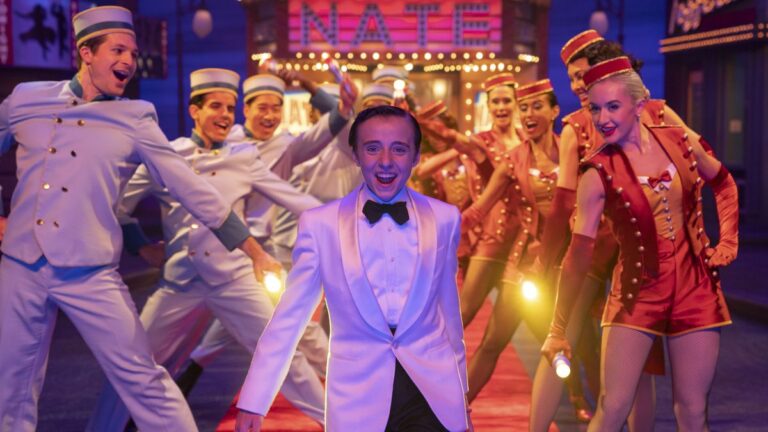
This cheery, feel-good story goes down as smooth as a strawberry milkshake, director Federle taking much of the same style of his entertaining Disney series High School Musical: The Musical: The Series, which also features Bassett, offering high energy musical dream sequences, Nate’s first over-the-top audition that gets him noticed, and a completely unbelievable but still cute number where Nate belts out “On Broadway” in the middle of Times Square. Federle pitched this film to Disney as Ferris Bueller’s Day Off for Broadway kids, and so, just like in that John Hughes comedy classic, you have to suspend your disbelief at times, but once you do, it’s a lot of fun.

Adding some emotional weight around the halfway mark is Kudrow, who beautifully inhabits the novel’s most interesting character, Heidi, a woman in her fifties who’s still going after the occasional acting job while also recognizing her time in the spotlight has likely passed. Her quiet scenes with Nate are some of the few where the narrative feels more realistic, showing an honest depiction of a person who has lost a piece of themselves in pursuit of a life-long dream. 

The whole ensemble is strong, especially Brooks as the supportive Libby who loves Nate for who he is, and Bassett, always a warm light on the High School Musical series, who turns Anthony into so much more than a one-note character. 

But it’s Rueby Wood who makes the film work as well as it does, giving Nate the believable confidence and needed quirkiness to pull us through. He’s exactly the way I read Nate in Federle’s novel, and it was a delight to see this wonderful character brought to life in the way Wood manages here. The wrong young actor could have made Nate insufferable, but Wood plays the character at the perfect level, not too over-the-top, not exactly subtle either, but just right to get us to root for him every step of the way. 

The film could have used another fifteen minutes to let the narrative breathe, as well as pack a bigger emotional wallop in its final scenes. Part of me would have loved to see Federle capture this story in a lower-budget indie film, with fewer studio execs to answer to, and with less emphasis on the spectacle and more on the quieter character beats that lead Nate to the all-important callback. 

But, of course, this film premiering on Disney Plus also means so many more young people will actually see it, and there’s no denying how many LGBTQ kids are going to fall in love with Better Nate Than Ever. It’s a breezy romp that many viewers likely will enjoy in the moment and then forget about days later, but those kids who Federle made this movie for, who he wanted to celebrate both in his novel and in this movie? They’re going to cherish every single minute. 


GRADE: B

Movie Review: ‘The Bubble’ Bursts Without Much Of A Payoff


Director: Judd Apatow

Writers: Judd Apatow, Pam Brady

Stars: Karen Gillan, Pedro Pascal, Iris Apatow

Synopsis: A group of actors and actresses stuck inside a pandemic bubble at a hotel attempts to complete a film.


Pandemic content can be quite controversial and divisive. For some, media should be an escapist enterprise where a world without the pandemic shouldn’t exist, and life should continue on as normal. Personally, I’m in the camp where I’d love to see some pandemic content. I like seeing situations created from fiction in which we can see how life has changed, and the new world we have to live in. Unfortunately, most of the pandemic pieces have been either subpar, or downright bad. The Bubble fits into the latter category. Overly long and obscene, The Bubble never really justified its existence, despite a few funny moments.

The Bubble describes itself as a film about a production of a film during the COVID-19 pandemic, and focuses on the actor’s struggles as they’re faced with filming delays and the difficulty of quarantining with only each other on a film set. The film itself plays more like a situational comedy, with a confusing and meandering plot that barely strings the entire story together to somehow make it all make sense. It’s certainly different from conventional methods of storytelling, but it feels very appropriate to the comedy that it’s trying to piece together, similar to other comedies reminiscent of the mid to late 2000s.

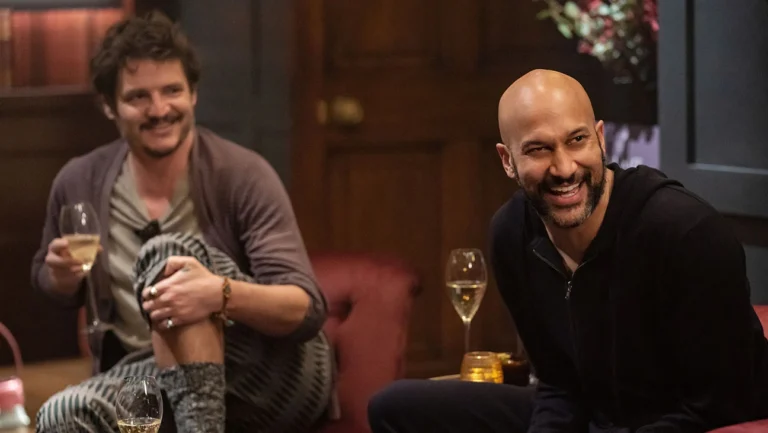
I’m not exactly a fan of Judd Apatow, but I don’t really have anything against him either. When preparing for this movie, I thought the trailer looked funny enough, the cast was absolutely stacked, and I was particularly looking forward to performances from Maria Bakalova after her Oscar nomination for Borat 2. Fortunately, her performance alongside Pedro Pascal is one of the best of the film. Pascal’s aloof,sex and drug addicted character is probably one of the more grounded parts of this absurdity, and Bakalova’s strangely obsessed character is a fun chemistry act to watch together.

The rest of the cast also fully commits to the characters that they portray, but unfortunately I usually found most of their work to be rather annoying instead of any kind of comedic act. If any of your favorite actors are featured, or if you need something that will blow your mind with its craziness, The Bubble might be the perfect film for you. However, I’m not sure it will work for most audiences.

The film starts off well enough, but after 10 minutes it becomes hard to follow, and after about half an hour it becomes simply chaotic. About an hour into the film, it crossed the line from no return to just become straight up absurd, and in many moments grotesque with the comedy that it was attempting.The film took a turn in which most of the comedy had become bloody or body humor, with people getting ripped apart, body parts being blown off, or characters getting shot or mauled in some sort of unique way. I’m not trying to say that body humor can’t be funny, but it felt very forced into the film as if it was trying to come up with different or creative ways to be comedic, and there were multiple occasions that made me honestly uncomfortable, to the point where I either had to leave the room or look away. Additionally, I truly was not able to discern any kind of plot that this movie might have had, I’m not sure what this movie was trying to attempt, or why any of these bits might be seen as comedy.

If you want something to turn on in the background and give a light chuckle whenever you choose to tune in, this might be a good watch for you. However, I think this film would be at its peak with the enhancement of other substances, if you so choose to partake.


Grade: D-

Movie Review: ‘You Won’t Be Alone’ Immerses You In Brutality


Director: Goran Stolevski

Writer: Goran Stolevski

Stars: Noomi Rapace, Anamaria Marinca, Alice Englert

Synopsis: In an isolated mountain village in 19th century Macedonia, a young girl is kidnapped and then transformed into a witch by an ancient spirit.


We have seen many directors deliver great pieces of work through modernized folk horror during this past decade–most notably Robert Eggers’ The Witch and Ari Aster’s Midsommar. However, many more have gone under the radar, like A Field in England, November, Possum, and Hagazussa. All of these capture a wide variety of tales about isolation, religion, and the essence of nature by using elements of folklore to invoke dread, fear, or a sheer sense of unease in their audience. Going through a similar route comes Goran Stolevski’s You Won’t’ Be Alone, which premiered at this year’s Sundance Film Festival. It was being sold as a pure blown-out horror flick for some reason, instead of embracing its dark fairy tale-esque demeanor. It does contain an array of bloody moments, yet it doesn’t succumb to that for the most part. A similar thing happened with Valdimar Jóhannsson’s Lamb (which also has Noomi Rapace in its cast) after its premiere at Cannes. Stolevski’s focus with this film is to tell the tale of a woman whose haunting curse can make her shapeshift into the form of her choosing. This sets a path for discovery and visual poetry as it finds bewitching ways to visualize the themes of the dangers of evil and the nature of humanity. 

 Set in 19th-century Macedonia, You Won’t Be Alone tells the story of the Old Maid Maria (Anamaria Marinca), a witch terrorizing a small rural village. It haunts the younglings’ minds as if it were an ethereal boogeyman with a desire for blood that will capture them in their sleep. By just mentioning her name, they become suspicious of their environment to see if she is or isn’t present. One desperate mother even tries to make a deal with the bygone presence. Instead of promising her daughter in the first few days of birth (like many stories we have seen), the girl is to be taken by Maria when she turns sixteen. The Old Maid doesn’t want to kill the young Nevena (Sara Klimoska); Maria just wants to offer her “spirit” to a successor, which comes with her shape-shifting abilities and hawk-like talons. What follows next is an exploration of humanity and nature, as Maria guides her on how to live the double life–the duality of being both a human being and a witch. Because Nevena was deprived of her speech when she was a newborn, the film’s prevalent dialogue is through whispered voiceovers–internal monologues (disjointed and poetical, scarred by her past) are heard as she explores the existential tangles of the new world.

 During her first travels around the forests and meadows of Macedonia, Nevena unintentionally kills a peasant (her first lesson of life and death). This leads her to test her newly obtained shapeshifting abilities to live life in her skin, partially similar to Jonathan Glazer’s Under the Skin. As her curiosity ignites, she wanders around the plains through vessels in order to understand what it means to be human. You Won’t Be Alone is approached by director Goran Stolevski as a series of vignettes that showcase the various stages of life and some of its key moments, with different actors helming the role of the “possessed” bodies. Each form that she takes has a purpose and motive; it’s not only to fulfill its horror “needs”, yet you could argue the length of the time spent in each form. It helps to explore gender fluidity in an empathetic way, albeit some of its ideas in the latter half of the narrative are not constructed as well as the ones in the beginning. Nevena mostly sees the world through women’s eyes (ranging from different age groups), but there is a moment where she transforms into a man. This creates a new parallel as she explores the archaic gender dynamics from a new perspective. 

 Although there are some barbaric scenes, as the protagonist learns how to live in a world that seems unknown to her, there are sequences of delicate beauty, shot in a Terrence Malick-esque demeanor, comparable with A Hidden Life (without the pristine delicacy of how he sees nature) by cinematographer Matthew Chuang. These two, brutality and love, coexist in such an uncomfortable manner both narratively and cinematically. This creates an atmospheric sensation that immerses you in the story more than the viewer initially anticipated. It might get under the audience’s skin, however, both in frustration because of its slow-burn approach and narrative repetition (which is the core problem with You Won’t Be Alone). Some montages take more time than they need to. The film is at its best when it embraces its suffocating environment that fills the screen with dread and unease–the sensory experience that the story brings. Although the ending is not as strong as one might want it to be, I feel that the rest of the picture has enough interesting ideas and horrific beauty to warrant multiple viewings to capture its plentiful metaphors. 


Grade: B-

Movie Review: ‘See You Then’ is an Honest and Authentic Look at Transitioning


Director: Mari Walker

Writer: Kristen Uni, Mari Walker

Stars: Pooya Mohseni, Lynn Chen, Danny Jacobs

Synopsis: A decade after breaking up with Naomi, Kris invites her to dinner to catch-up on their complicated lives, relationships, and Kris’ transition.


When Kris (Pooya Mohseni) first sees Naomi (Lynn Chen) after a decade apart, not much is needed to be said to know that they have a lot of history together. With See You Then taking place primarily over one night, the viewer follows the two leading characters as they talk about what has happened to them over that span of time. It is a very simple concept, presented in a short 75-minute runtime, and it works beautifully here.

With this story, you feel every emotion that director and writer Mari Walker wants you to feel. In the short runtime, Walker is able to pack a punch due to the tough themes and the willingness to be open and vulnerable with them. This is a screenplay that is dependent on the dialogue flowing naturally and the telling a story of a lifetime through the conversations experienced over this one night. The film works because of the screenplay, as even though many of us will not be able to relate to what Kris has gone through in her journey of transitioning, we can feel the impact it has had on her life and know what this moment means for her.

When you have a screenplay as emotional and personal as this one, you need strong performances to back this up. Pooya Mohseni and Lynn Chen both do a wonderful job in the roles that they are given. Mohseni carries the emotional arc that her character must go through, and it is clear why she was chosen for this role. Casting a trans actor to play this role adds so much to this narrative that has been lost in other films that try to tell a trans story, and I am glad that Mari Walker pushed for that representation in the film.

The film tackles the trans storyline in a way that I have not seen before on screen, and that is also used to explore gender issues. With Kris identifying as a woman and transitioning, the screenplay has both Kris and Naomi talking about the issues that women must go through and how Kris is learning about these struggles in-person. It is a bold discussion and a stand-out moment in the film as Naomi confronts Kris about how men do not listen when women bring up these issues. It is filled with passion, and I admire Walker and her co-writer Kristen Uni for highlighting these issues.

More is revealed about Kris and Naomi’s past relationship over the course of the film, and it is interesting to see how people in their lives from the past come in to interact with the pair. With some people not recognizing Kris due to her transition, the awkwardness between these meetings can be felt and it is played well on screen. It’s hard to know how any of us would react in that situation, and we can feel Kris’s struggles to grapple with the past and the present during these sequences.

The filmmaking is simple, allowing for the dialogue to be the focus of the film. There are some small aspects of the narrative that do lack, particularly because it is trying to keep some of the story unrevealed at the beginning. The situation escalates incredibly fast by the end of the film, so much so  that it does become a little unbelievable that there would not be more of a reaction when they first see each other. It would have also been nice to extend the ending a little more, as the conclusion does not quite have the impact that matches the rest of the story.

While I would recommend seeking out opinions on this film from those within the trans community to see how they feel about the representation in this film, it is great to see authentic casting and a narrative that is as focused as this one. See You Then is small and intimate, and it plays on that so beautifully. It won’t be the best piece of filmmaking you see all year, but it might just be one of the most honest. This is the sort of storytelling we need in the film industry right now.


Score: B