

Home Blog Page 11

Movie Review: ‘UNTOLD: The Shooting at Hawthorne Hill’ Unpacks a Polished World Cracking at the Seams


Director: Grace McNally

Synopsis: A look at the shocking act of violence and subsequent trial that transpired between a retired Olympic equestrian and the dressage student he took on at his farm in New Jersey.


Thereโ€™s something inherently unsettling about violence erupting in places designed to feel serene. UNTOLD: The Shooting at Hawthorne Hill, the latest installment in Netflixโ€™s sports-adjacent documentary strand, is a slow, disquieting study of how pressure, ego, and suspicion can curdle into something far more dangerous.

The story begins with an almost storybook calm. A retired Olympic equestrian, living and training at an idyllic New Jersey farm, takes on a promising new student. Hawthorne Hill is presented as a place of discipline and beauty, where horse and rider move in near-silent harmony, and control is everything. But as the documentary makes clear, control is an illusion.

Wide shots of paddocks and training arenas emphasize space and stillness, creating a sense of calm that makes the eventual violence feel even more jarring. We have first-class interviews with the lead trainer, who explains the sport; the time and effort it takes, and their relationships with competitions like the Olympics. We then cut and have an interview with the student and their reasons for riding, choosing this trainer, and their experience. We have two completely different sides and it does begin to feel a petty he-said-she-said.

The tensions between mentor and student build through disagreements over training, questions of authority, and a growing sense of mistrust. Through intimate interviews, home videos, and online footage, audiences can piece together the emotional undercurrents that will later explode. Itโ€™s a lot of drama for a runtime of just over an hour and youโ€™ll find yourself on the fence for a lot of it.

As the relationship deteriorates and the tension builds, the narrative shifts into more familiar true-crime territory. 911 calls, cryptic social media posts, and accusations of surveillance begin to surface, each adding another layer of unease. Youโ€™re waiting for the โ€˜big momentโ€™, the โ€˜blow upโ€™ that makes this story worth investing in. But, this ambiguity is one of the filmโ€™s strengths, though it may frustrate viewers seeking clear answers. The Shooting at Hawthorne Hill is less interested in resolving every question than in examining how such a situation could unfold.

When the shooting is brought into play, itโ€™s quick. The trial provides structure and a degree of closure, but the emotional questions feel somewhat unanswered. The footage from the court scene is very interesting; itโ€™s probably the most intriguing part of the documentary, as this is a he-said-she-said fight, and you get to really examine the situation as a viewer.

Some moments are ridiculous to the point where youโ€™ll giggle. They bring up social media posts to suggest the shooting was justified, and one of the posts theyโ€™re using is a quote from The Greatest Showman. There could have been an opportunity here to explore how social media is used in other cases that have been successful and unsuccessful to inform audiences of how their words and posts can be used against them. Even if they are the victim.

There are more moments where the film could have pushed further. The insular nature of the dressage world is hinted at but not deeply explored. Issues of privilege, access, and the pressures within elite sporting communities remain largely in the background. A deeper dive here might have added additional context to the central conflict.

As part of the UNTOLD series, this installment trades the high-profile sports scandals of previous entries for something quieter, more insidious, and equally entertaining. In the end, UNTOLD: The Shooting at Hawthorne Hill is a reminder that even in the most disciplined worlds, human emotion remains unpredictable and that beneath even the most elegant performances, something far messier can be waiting to break through. With a solid pace, intimate interviews, and interesting courtroom footage, UNTOLD: The Shooting at Hawthorne Hill is a must-watch for true crime fans!

Grade: B

Op-Ed: How 2026 Could Belong to Anne Hathaway

Back when The Princess Diaries came out 25 years ago, it not only had us wishing weโ€™d one day discover we were descendants of royalty, but was a coronation of acting royalty in the form of its leading actress, Anne Hathaway. Between her affable charm, gift for physical comedy, and sly emotional resonance, it was clear from the beginning she was destined for stardom even if her ascension involved challenging viewers who mainly saw princess tiaras and Prada shoes when thinking of her talents. 

After a while of being typecast in family fare since the filmโ€™s release, Hathaway quickly surprised viewers by choosing heavier roles in films Best Picture-nominee Brokeback Mountain and especially, Rachel Getting Married. As a recovering addict returning home for her sisterโ€™s wedding, Hathaway gives a masterclass in gut-wrenching realism and earned her first career Oscar nomination for Best Actress in a Leading Role. Although the Best Actress Oscar was bound to go to the overdue Kate Winslet for The Reader, her nomination still turned a new leaf into her career. 

Since the filmโ€™s release, she has remained true to her comedy roots with Bride Wars and the ensemble film, Valentineโ€™s Day. But then came what was a career-highlighting year. In 2012, she became the latest actress to inhabit the iconic role of Catwoman in The Dark Knight Rises, which became a billion-dollar hit, and starred in the latest film adaptation of the musical, Les Miserables.

Back when Shirley MacLaine honored Anne Hathaway the year she was nominated for Rachel Getting Married, MacLaine commended her for her musical talents she showed in the ceremonyโ€™s opening, saying โ€œKeep singing.โ€ Clearly, Hathaway heeded her advice as she immersed herself into the role of Fantine, shattering critics and audiences alike with her rendition of โ€œI Dreamed A Dream.โ€ Numerous accolades would follow including the Golden Globe, the BAFTA, and ultimately, the Oscar for Best Supporting Actress.ย 

However, what was a career-highlighting period for Hathaway also became a fraught one. With every red carpet pose or televised acceptance speech during that awards season came trolls lambasting her for coming off as โ€œtoo wantingโ€ or โ€œrehearsedโ€ and articles with headlines such as โ€œWhy Do So Many People Hate Anne Hathaway?.โ€ As a result, Hathaway went on a self-imposed exile. 

As egregious and frustrating as it is that she had to retreat from the spotlight for having mere image issues, the online Hatha-hate still highlighted how weโ€™re as quick to tear down starlets as we are to uplift them. The public lashings that Timothรฉe Chalamet is getting over Opera-gate feel like nothing compared to the vitriol that Anne Hathaway has gotten for giving theater kid energy, or Brie Larson for wanting more diversity in film criticism, or Chappell Roan for asserting strict fan boundaries, or Rachel Zegler for both saying an old animated film is dated and standing up for human rights.

Thankfully, Christopher Nolan avoided all the Internet noise when he cast Hathaway in the 2014 blockbuster Interstellar, which got Nolanโ€™s usual acclaim and did decent box office. Then, she followed it up with the Nancy Meyers-helmed comedy hit The Intern. Plus, thereโ€™s her portrayal of actress Daphne Kluger in the heist comedy spin-off, Oceanโ€™s 8. With every snotty laugh and posh pose, Hathaway was able to satirize the mediaโ€™s perception of her. 

Like with almost every actor who has taken the coveted trophy, there remained a string of highs and lows since her Oscar win with even some of her highs going mostly unnoticed. Specifically, her turn in the sci-fi dark comedy, Colossal, and as a femme fatale psychiatrist in the โ€˜60s-set noir, Eileen, which is arguably her best work in years. But of course, like every performer who has so much as a slight career dry spell, thereโ€™s always room for a comeback. This year, it looks like she might have a big one.

The long-awaited musical psychodrama Mother Mary has been in the pipeline long enough to the point where this writer wondered if the film was just a figment of our imaginations. But as it turns out, itโ€™s not only real and finally hitting theaters soon, but is coming out in what is going to be a busy year for the Oscar-winning star. 

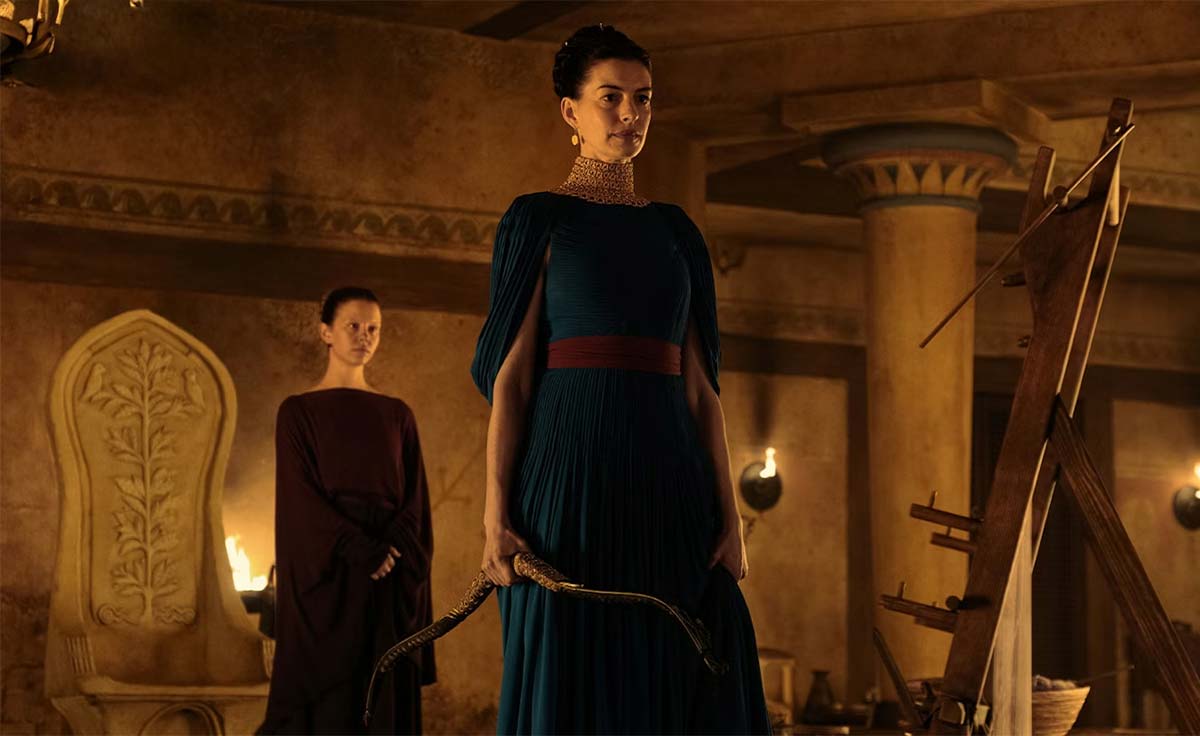
Shortly after, Hathaway will return to the role of Andrea โ€œAndyโ€ Sachs in The Devil Wears Prada 2 which, if the record-breaking trailer views are of any indication, is bound to be a money-maker thanks to nostalgia for the original Oscar-nominated hit, as well as the returning original cast. Then in July, sheโ€™ll play the role of Penelope in the hotly-anticipated blockbuster adaptation of The Odyssey where she re-teams with Christopher Nolan. However, it wonโ€™t be the only summer blockbuster starring Hathaway thatโ€™ll hit IMAX screens.

Just recently, the teaser for The End of Oak Street, the new sci-fi thriller helmed by It Followsโ€™ David Robert Mitchell and set for release on August 14th, aired online. The story involving a family experiencing a weird phenomenon taking place in their neighborhood seems indeed mysterious. But its ambiguous premise along with acclaimed names like Anne Hathaway and the always-reliable Ewan McGregor carrying the project should be enough to invite audience intrigue. 

Capping out Hathawayโ€™s busy year is the film adaptation of the 2018 mystery novel Verity, which is currently set for an October release. A re-teaming of Hathaway and her The Idea of You director Michael Showalter, Verity follows a struggling writer (Dakota Johnson) whoโ€™s asked to complete the book series of the bedridden titular novelist (Hathaway) only for her to be drawn to Verityโ€™s mysterious past. Although previous adaptations of Colleen Hooverโ€™s work havenโ€™t yielded strong critical results, theyโ€™ve still fared well financially. Given the star power in the cast ( Hathaway, Johnson, Josh Hartnett) in addition to the Colleen Hoover brand, Verity could be another box office win for Hathaway. 

That being said, even if Levity doesnโ€™t strike box office gold, itโ€™ll surely still be a testament of her immense range thatโ€™ll be on full display this year. How she can go from comedies to thrillers to sci-fi blockbusters with ease. Similarly, if Mother Mary ends up being a critical and/or commercial misfire, itโ€™ll still be proof that as she enjoys likely commercial success with The Odyssey and The Devil Wears Prada 2, sheโ€™s still someone willing to tackle risky, auteurist visions. 

As an Anne Hathaway fan, I โ€œdreamed a dreamโ€ that a moment like this would come for her and it came true.

Movie Review: ‘Peaky Blinders: The Immortal Man’ is a Satisfying Conclusion for Tommy Shelby


Director: Tom Harper
Writer: Steven Knight
Stars: Cillian Murphy, Barry Keoghan, Rebecca Ferguson

Synopsis: During World War II, Tommy Shelby returns to a bombed Birmingham and becomes involved in secret wartime missions facing new threats as he reckons with his past.


Once upon a time, Tommy Shelby nearly had everything. As the man leading the Peaky Blinders and running Birmingham for years, there was almost nothing standing in his way, and any threat that reared its head in his direction was dealt with. But nearly isnโ€™t enough, and for all the victories and power plays he succeeded at, there were plenty of close personal losses and devastating blows to him that have made him a shadow of the man he used to be. A man who lives on as death envelops others, and is haunted by the ghosts of those he once held close.

The Immortal Man, the continuationโ€”and conclusionโ€”to Peaky Blinders thus far puts the spotlight on Tommy (Cillian Murphy), six years after the series finale where he seemingly found peace and left behind the life of a gangster. As World War II rampages the world and bombs fall on England, he lives in isolation, leaving behind the Tommy Shelby he once was and not fighting another war, but fate has other plans. Enter Duke Shelby (Barry Keoghan), Tommyโ€™s now adult son and the new head of the Peaky Blinders, who is about to make a dangerous deal with the Nazis through a man named Beckett (Tim Roth) and sell out the country, and the world, in the process, allowing Germany to win the war. In order to prevent this, Tommy must return to Birmingham once again to put a stop to it.

In many ways, The Immortal Man plays like an extended coda to Peaky Blinders (so far, as a sequel series is on the way), often feeling like Part 2 of the finale. The aim of the movie, however, is less to end the entire story, but to give a definitive final note to Tommyโ€™s journey thus far. From being a soldier in the first World War whose trauma from fighting in the tunnels scarred him and his brother Arthur to his life as a Peaky Blinder, writer and show creator Steven Knight aims to see Tommyโ€™s story through to its end. The result is a mostly satisfying conclusion for him, despite a few bumps and polarizing decisions along the way.

From the start, the visual and musical musings of Peaky Blinders are once again on full display, with George Steelโ€™s imagery capturing the grimy and muddy Birmingham and the warzone it is becoming, as the world around tries to move through the war. Juxtaposed with that are the isolated moments in the countryside where Tommy lives alone, with only Curly (Ian Peck) as company. When the action is going down, the use of slow motion and stylized visuals that made the showโ€™s biggest moments so iconic are once again used rather effectively. On a musical level, the electric score and songs from Antony Genn and Martin Slattery with additional work from Grian Chatten add wonderfully to the ambience and tone of the story, filling it with a sense of dread and the hint of something that was once epic, but picking up more with the return of Tommy to Birmingham.

Cillian Murphy, to no oneโ€™s surprise, is once again incredible as Tommy, playing a mere shadow of the gangster he once was, and now just a man haunted by the ghosts of those who left before him, such as his daughter, Ruby, who keeps appearing in the compound around him, her scarf an eerie reminder of her passing. Murphy brings out the tragedy and humanity of Tommy brilliantly, as you see a man who just canโ€™t seem to die as everything implodes around him, and despite not being a particularly good man, look back on his legacy and ponder on what it all meant. These more introspective moments with Tommy in that first half, then balanced out with a return to his Peaky Blinder self as he comes to Birmingham on a horseโ€”echoing his very first scene in the seriesโ€”and reminding everyone what he is capable of, make for a great extended run of the character from Murphy. Barry Keoghan as Duke matches him in excellent fashion, balancing the hardened nature of the character in violent situations with his vulnerability and even fear on display when something becomes too intense. Much like the show, the realities of life that are shown with the Peaky Blinders are what make them so endearing, and Keoghanโ€™s performance reflects that well.

As the movie progresses, returning characters like Ada Shelby (Sophie Rundle) and Hayden Stagg (Stephen Graham) add some gravitas to the proceedings, delivering very fine work on their ends as well, and newer characters like Beckett and Kaulo Chiriklo (Rebecca Ferguson) also providing some solid performances and weight to the story. The direction from Tom Harper, who also directed the last three exceptional episodes of the first season, is also well done, with the shootout sequences and the final explosive act brought to life in vivid, grimy, and stylistically violent ways. It is also with the newer characters, however, that the movie runs into some road blocks, as beyond some of the solid work from Roth and Ferguson, their characters are not given as much depth as previous new entrants in the series. As Peaky Blinders has had a plethora of excellent villainous performances from Sam Neill to Adrien Brody and Sam Claflin, Rothโ€™s Beckett doesnโ€™t quite reach those heights, despite a menacing performance that elevates his scenes. Ferguson is great as per usual, but her role, and significance of her character, play like late-inning entries into the story, and feel even less developed in some ways.
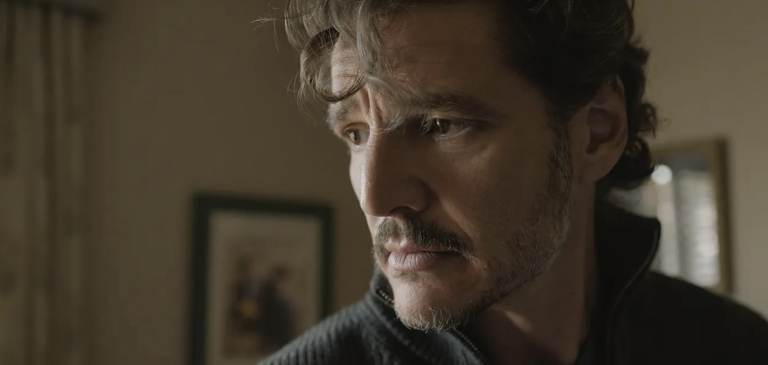
Where The Immortal Man proves most potentially divisive, however, is with some of its story decisions. With a six-year gap between Season 6 and this movie, many events have taken place during that time which are only referenced in exposition, or shown in flashes. One of those significant events involving a supporting character, for example, is handled in a slightly lopsided manner, highlighting an aspect of the movieโ€™s story and a character arc, but could have used a better build into that. While some other plotlines that were left dangling at the end of the show are still unresolved, The Immortal Man is more concerned with wrapping up Tommyโ€™s story and providing a conclusion to his arc, as well as building a compelling dynamic between Tommy and Duke as the two work together to take down Beckett, and in those two departments, the movie is more than a success.

By the time the credits roll on Peaky Blinders: The Immortal Man, the final movie is a very satisfying and emotionally powerful conclusion to Tommy Shelby and Cillian Murphyโ€™s extraordinary run as the character that hits many of the beats it sets out to. While it doesnโ€™t reach some of the heights of the series, such as its final few seasons and even the series finale, it still manages to be a rather solid watch and opens the possibilities to where the story of the Peaky Blinders will go next. In the bleak midwinterโ€ฆ

Grade: B+

Movie Review: ‘Normal’ Delivers Bruising Fun


Director: Ben Wheatley
Writers: Derek Kolstad, Bob Odenkirk
Stars: Bob Odenkirk, Ryan Allen, Lena Headey

Synopsis: Centers on a temporary small-town sheriff who uncovers dark mysteries after a local bank robbery.


Iโ€™m sure nobody saw it coming that Bob Odenkirk, in his third balls-to-the-wall, knuckle-busting, bone-crunching, lip-splitting action film in the past five years, has become the action star we need right now with his new film, Normal. An everyman who was once best known for Mr. Show and directing the failed comedy The Brothers Solomon, before striking it big with Breaking Bad and Better Call Saul

Generally, it is not, well, normal for a television star entering his late fifties, known for a broad mix of cerebral humor and silliness, to become our next great action star. Sure, give us your pretty boys like Glen Powell or any of the Chrisโ€™s. Yet, you, I, and the rest of America want to embrace a senior citizen with wispy hair, probably a Wertherโ€™s Original ready to go in his pocket, to bust some heads, spray some blood, and break some bones in the name of whatโ€™s right.

Yes, Bob Odenkirk in Normal delivers bruising entertainment that packs wild punches and savage laughs, with every intention of dragging the viewer across ice-cold asphalt, leaving shards of glass in their forehead. A quick ninety-minute shot of adrenaline, Odenkirkโ€™s turn may not be award-worthy, but it is a damn good time at the movies or while holding your phone to take in six inches of action on your streaming screen.

The story follows interim Sheriff Ulysses (Odenkirk), who has come to Normal, Minnesota, filling in after the townโ€™s long-term police chief died under somewhat shady circumstances, like freezing to death while ice fishing, even though the local townspeople say he was using a fly rod. Ulysses partners with the affable Mike (Billy MacLellan), befriends a local bartender (Game of Thrones alum Lena Headey), and is offered the job full-time by the mayor (Henry Winkler).

However, Ulysses begins to suspect something is off. A small, run-down town has somehow secured millions in donations to refurbish downtown. A little old lady overorders mauve-colored items, but never seems to sell a thing. The police station is equipped with more firepower than a Los Angeles SWAT unit. Even a local hardware store owner has dozens of sticks of dynamite, oh, and thereโ€™s a bank vault filled with cash and gold bricks. 

Normal has an impressive pedigree behind it. From director Ben Wheatley (Free Fire) and writer Derek Kolstad, the mind behind the John Wick franchise and Nobody (co-written with Odenkirk), the film arrives with serious action credentials. The trio creates a subtle action film that sneaks up on you, leaving your head spinning. Filled with vigorous action sequences, the script is clever enough to have Odenkirkโ€™s Ulysses observe quirky behaviors, letting the story come to him.

Those include surprises where suddenly good people are the villains, and bad ones have moral compasses. The story is outlandish, but there are always explanations that ground it a bit, to make things somewhat believable. The third is clever, until reality sets in. Wheatley gets back to his roots, with stylized action that practically screams, โ€œGive the people what they want!โ€ Those are genre picture thrills, which are stuck on repeat. 

Now, not everything works as well as it should. You could argue the opening, which features a five-minute scene about the Yakuza, would have played better if it didnโ€™t reveal the villains behind the illicit activities, allowing the audience to discover it alongside the characters in Normal. Then, there is a quick cameo from Henry Winkler, who leaves the film as quickly as you can say correctamundo, which, after thinking about it, you almost have to admire. 

For what itโ€™s worth, Normalโ€™s third act takes the time to set up the final scenes that make the movie worth watching. A battle-royale action sequence is intense, even exhilarating. Then, the script gives Odenkirkโ€™s character subtle shades of mystery, along with a framed storytelling device that reveals his backstory and shows that nearly everyone in the film struggles with their past, present, and future. Sure, it is messy, uneven, and utterly ridiculous, but by the time the film is over, Normal proves the past doesnโ€™t just linger, it reloads. 

You can watch Normal only in theaters starting April 17th!

Grade: B+

Movie Review: ‘Agon’ is a Somber Meditation on the Athletic Grind


Director: Giulio Bertelli
Writers: Giulio Bertelli, Pietro Caracciolo, Pietro Caracciolo
Stars: Yile Vianello, Alice Bellandi, Michela Cescon

Synopsis: As the fictional Olympic Games of Ludoj 2024 approaches, Agon shows the stories of three athletes as they prepare and then compete in rifle shooting, fencing and judo.


In his contemplative and visually rigorous film Agon, director Giulio Bertelli strips away the high-octane artifice typically associated with the “road to the Olympics.” Set against the backdrop of the fictional Ludoj 2024 Games, the film tracks three female athletes as they prepare for and compete in rifle shooting, fencing, and judo. While these sports are professionalized and governed today by strict protocols designed to mitigate harm, Bertelli never lets the viewer forget their primal origins as modes of combat intended to inflict violence.

From its opening frames, Agon establishes a stark visual dissonance. The filmโ€™s aesthetic is unexpectedly airy and muted, filmed with a detached, chilling elegance. Rather than relying on the gritty, high-contrast visual language of the traditional sports drama, Bertelli employs a clinical, documentary-like lens. This muted palette creates a profound friction with the brutal reality of what we are observing. When they come, the sudden, intrusions of pain and failure feel both jarring because the world they inhabit is so beautifully, coldly composed, and yet they also feel inevitable; a natural consequence of pushing the limits. 

Oscillating between wide shots that capture the macro-geometry of the sports and invasive, extreme close-ups detailing specific physical processes, the camera treats the human body as just another piece of apparatus. An unflinching early sequence of a knee operation sets the tone. By juxtaposing the visceral reality of surgery with the heavy industrial manufacture of bullets and fencing blades, Bertelli is telling us that flesh and bone are as specialized, and as prone to failure, as the tools they wield.ย 

Crucially, the film almost seems to desexualize its subjects. In contemporary cinema, womenโ€™s bodies are frequently either objectified or framed as triumphant vessels of “empowerment.” Agon rejects both narratives, presenting these young women as highly tuned, ambitious instruments of sporting excellence. This visceral authenticity, however, is not merely a feat of acting; it is lived. By casting real-world athletic powerhouse such as Olympic gold medalist in Judo, Alice Bellandi, Bertelli blurs the boundary between documentary and fiction.ย 

The repetitive muscle memory and the exhaustion etched into the micro-expressions of these athletes carries the weight of lived experience, making palpable the psychological toll and “emotional saturation” of being treated like a machine.

Yet, Bertelli purposefully allows this mechanical artifice to crack in moments of profound, solitary desperation. The facade shatters during two highly intimate scenes: when the rifle shooter, Sokolov, masturbates, and later, when an injured Bellandi resorts to a desperate bout of binge eating. Rather than observing the physical acts themselves with the clinical detachment used during their training, the camera anchors itself in long, unflinching takes fixed solely on the actresses’ faces. In these suffocatingly quiet moments, the audience is forced to reckon with the devastating emotional toll of their discipline. The bodies they have treated as mere tools finally demand a visceral, human release, revealing the psychological weight of their ambition.

Perhaps the filmโ€™s most striking formal decision is its acoustic landscape. Deprived of the public, the fictional events are staged entirely within soundstages to feature a new, overwhelming layer of audio. The validating, triumphant roars of the crowd are entirely absent. Instead, the soundtrack is a stark, tactile symphony: the metallic clash of equipment, the heavy breathing, and the guttural grunts of extreme exertion. This sonic isolation forces a profoundly intimate and often uncomfortable watch, confronting the viewer with the raw grind of elite competition without the emotional safety net of a cheering audience.

The film finds its sharpest tension in the friction between these ancient forms of combat and the digital age. In a brilliant flourish of what the director terms “techno-realism”, Bertelli shows athletes embracing video games to hone their competitive edge. This digital interface acts as a sterilising filter over the reality of combat, abstracting the flesh-and-blood competitor into pixels and blurring the line between human frailty and digital perfection.

This hyper-modern intrusion extends far beyond training, bleeding into the very real anxieties of the athletes. They must navigate the contemporary threat of “cancel culture” via social media, the parasocial nature of which further dehumanizes the competitor, flattening their experience into yet another label, โ€œInfluencer.โ€ Furthermore, the film delivers a bitter irony through a tragic equipment malfunction. In sports that have been heavily sanitised by advanced padding and sensors to ensure safety, the catastrophic failure of this technology underscores the inescapable danger athletes face. It exposes the fallacy that modernity can entirely tame the violence of the arena.

Agon manages to be utterly compelling without ever relying on the manufactured highs and lows of the genre. It understands that the capricious nature of elite sport provides its own inherent suspense. In a world where the margin between victory and defeat is separated by a hairโ€™s breadth, the simple, repetitive mastery of a routine does not require a stirring orchestral score. Ultimately, by stripping away the glamour and the crowds, Bertelli asks a haunting question: what remains of the human drive to compete when the external rewards are gone? He has crafted a somber, essential meditation on the banality and the grotesque beauty of the athletic grind.

Grade: A

Movie Review: ‘Mabel’ Shows Us What Makes Us Unique


Director: Nicholas Ma
Writers: Joy Goodwin, Nicholas Ma
Stars: Lexi Perkel, Christine Ko, Judy Greer

Synopsis: No one gets Callie, an awkward pre-teen whose one friend, Mabel, is a plant. As Callie’s obsession grows, she is put at odds with her mother and jeopardizes her first chance at a real friendship.


It’s not easy being a girl, especially one who has distinct interests. Those interests stray from the socially acceptable hobbies and fixations that change almost daily. Nicholas Ma’s quiet slice-of-life film, Mabel, focuses on an intelligent young girl during the most formative time of her life: middle school. It captures the awkwardness of not fitting in and becoming conscious of yourself from your peers’ perspectives. A sweet reminder to embrace what makes us different instead of pushing our uniqueness aside.

One of my favorite parts of getting to know someone is asking them what their main hobby or interest was as a child. For me, I was similar to Callie (Lexi Perkel), someone who has a deep love for plants and how we interact with and treat them. Mine stemmed from wanting to help my mom during summer flower planting, but hers comes from a genuine admiration. And as much as it’s clearly more than just a hobby for her, she has a hard time with life outside of her leafy friends.

As a sixth grader, Callie has moved to a new school, where it’s rare for anyone to even care for a cactus properly. She comes from a loving family, but she has a hard time communicating about anything other than botany. Instead, she spends a lot of time with her potted plant, which the film is named after. Whether having conversations or taking in the beautiful scenery, Mabel is truly the only living thing that Callie thinks understands her. Choosing to believe that plants have feelings and are much more aware than most people would think.

Jumping into a new school isn’t ideal for Callie, but her father, David (Quincy Dunn-Baker), and mother, Angela (Christine Ko), decide to move their family due to David’s job. Social circles and lab partners have been well established by the time Callie gets to her first class. After a few failed attempts to talk to her classmates, Callie gives up until she finds herself sneaking into an upperclassmen botany class. It’s like she becomes a completely new girl, filled with confidence and imagination. Finally, a class where she can be herself without judgment or the pressure of fitting in.

In Callie’s life, there are only a few people she can really be herself with, and sadly, none of them are her family. With her mother being the main parent, as her father can be gone for quite some time on work travels. She doesn’t get a lot of attention at home, and when she does, it’s rarely positive, making her loneliness that much more noticeable. But she always has her plants. When she first moves into her new home, she meets her neighbor Agnes (Lena Josephine Marano), who is much more outgoing and bubbly than she is. It takes some time for both girls to warm up fully to one another, but their friendship blooms into something truly special.

There’s also Mrs. G (Judy Greer), who teaches the botany class Callie slipped into. Callie looks up to Mrs. G and sees that she can turn her love for plants into a meaningful career path to further develop her understanding of nature. They have a mentor-mentee connection, where Mrs. G feeds the inquisitive mind of Callie with theories that, in turn, become Callie’s experiments. Allowing her to have an outlet for her energy rather than making her suppress it allows Callie to be her authentic self with no shame. They both share a matter-of-fact kind of personality that makes their interactions short but sweet, making a sizable impact on Callie.

What Mabel does with its characterization of Callie makes her equally relatable and frustrating. Anyone who has been the outcast in social circles knows how painful that can be. Callie doesn’t care much about other people’s thoughts, which makes it easy for her to come across as cold or rude. But Ma and Joy Goodwin’s screenplay, along with Perkel’s performance, shows a young girl becoming socially conscious of herself and finding that, to make friends and build connections with people, she has to meet them on their ground once in a while.

Rather than wanting only to do or talk about what she is enthralled with, she notices she needs to be open to hearing about their interests as well. These interactions are few and far between, and although they do show Callie’s willingness to open herself up to being more social, the film doesn’t show that she has changed much. Choosing not to show her social skills improving with people outside of her small circle, Mabel focuses on doing the same activities with the same people she already has relationships with.

There’s a real love felt from behind the camera with Mabel, not only with its screenplay surrounding Callie, but also with its dreamlike aesthetic. Centering nature and its beauty in the film is essential for Mabel; a lot of Callie’s intrigue with plants comes from their unique looks or their abilities. Mark Jeevaratnam’s cinematography shows us Callie’s life through vibrant green petals and dark, damp potting soil, framing shots that make audiences appreciate the real-world beauty around us with plants of all sizes littering the screen.

Mabel is a thoughtful reflection of what makes a human unique. From the moment we become socially aware, there’s pressure to conform to normalcy. Carefully written and endearingly portrayed, everyone who watches Mabel will see a little bit of themselves in her. It’s a film that challenges us to be open to making new connections without sacrificing what makes us, us.

Grade: A

Movie Review: โ€˜Balls Upโ€™ is Incredibly Stupid (and Very Funny)


Director: Peter Farrelly
Writers: Rhett Reese, Paul Wernick
Stars: Mark Wahlberg, Paul Walter Hauser, Sacha Baron Cohen

Synopsis: In this raunchy, over-the-top comedy, marketing executives Brad and Elijah go โ€œballs outโ€ and pitch a bold fullโ€‘coverage condom sponsorship with the World Cup. After their drunken celebration in Brazil sparks a global scandal, they must outrun furious fans, criminals, and power-hungry officials to salvage their careers and make it home alive


Look, I laughed. A lot. What do you want me to say? Sure, Peter Farrellyโ€™s latest foray into the nether regions of lowbrow humor in Balls Up is stupid, juvenile, and excessively inappropriate. Itโ€™s also very funny and is fully cognizant of how preposterous this whole scenario may be. Because of this, Farrelly allows his leads to actually have fun being in one ridiculously over-the-top situation after another, where private parts and bodily fluids are at the heart of the movieโ€™s humor. 

Iโ€™m also the first one to say that these types of jokes can sustain themselves for a bit or two, but not an entire, 104-minute-long feature film. I panned numerous movies where dick (or balls) jokes were the entire movieโ€™s thesis, because theyโ€™re always terribly unfunny and get tiresome incredibly fast. Not in Balls Up, even if some jokes have the tendency to overstay their welcome. However, itโ€™s not that big of an issue when the inciting incident that sets the plot in motion is legitimately clever, and Mark Wahlberg gives one of his most playful performances in a very long time. 

With this and Shane Blackโ€™s Play Dirty, Wahlberg has seemingly found his groove in comedic acting, after a stint of horrendous direct-to-streaming efforts that Iโ€™ve all seen and completely forgotten (they all started to resemble one another after a while). You can tell heโ€™s having a blast being a total goofball with Paul Walter Hauser, the complete polar opposite of Marky Markโ€™s personality. Together, theyโ€™re a match made in heaven as marketing executives Brad (Wahlberg) and Elijah (Paul Walter Hauser), who are attempting to pitch a condom to influential Brazilian figures timed to the countryโ€™s World Cup.ย 

The pitch fails, but the two still get invited to the World Cup final when the occasion arrives. Itโ€™s Brazil versus Argentina. This is more than โ€œjust a gameโ€ to anyone whoโ€™s fully invested in football. Itโ€™s a way of life, and a match that could potentially topple one nation if a specific team wins. While Iโ€™ll attempt to keep plot details to a minimum, letโ€™s just say that an altercation occurs between Brad and Elijah during a decisive moment in the game, which causes Argentina to gain the upper hand and win the whole thing. 

Naturally, anyone invested in football wants to kill Brad and Elijah for having prevented Brazil from scoring a goal that couldโ€™ve shifted the finalโ€™s direction. And thatโ€™s exactly what happens. Throughout the runtime, the duo will have to make it out of the country alive, as theyโ€™re being hunted by ordinary civilians (with too much time on their hands to be this invested in football, I think), underground criminal figures, and even high-level politicians with direct ties to the army. In short, theyโ€™re screwed โ€“ unless they make allies, and fast. 

As they meet a revolving door of colorful characters (played by Benjamin Bratt, Sacha Baron Cohen, Eva de Dominici, Eric Andrรฉ, and Daniela Melchior), the two will quickly realize that no one remotely cares about helping them, but only their self-serving interests. It results in a bevy of highly memorable set pieces, even if I canโ€™t say everyone will ultimately like this. The thing is, stupid humor, when done right, can be the funniest thing ever. To do this, a filmmaker must understand that the entire movie is stupid and that the actors should play their roles knowing what theyโ€™re doing is completely idiotic. 

In that regard, Farrelly more than succeeds in staging pure stupidity on screen and allowing Wahlberg and Walter Hauser room to play. Both donโ€™t phone it in, and they seem to have a hell of a time acting like complete idiots the entire time. Never has part of the duo that brought Dumb & Dumber to life felt so vindicated in popularizing a new form of raunchy comedies, where acting like a buffoon is rewarded and will make you laugh, provided youโ€™re not too cynical about the world. Each joke being set up by characters has an often hilarious payoff, and even if itโ€™s too childish, it doesnโ€™t matter. You canโ€™t help but laugh at them. 

Sometimes, thatโ€™s all we need. A good dose of laughter to alleviate the woes of the world. Seeing Wahlberg loosen himself up a bit feels refreshing, because Farrelly knows he can be good if he just gives a damn for a second. Twice now, heโ€™s collaborated with directors who know heโ€™s better than using films to promote his Municipal brand and just have fun. You wouldnโ€™t believe how loudly I laughed during the scene where Brad faces Vampire fish, or when both Brad and Elijah are forced to swallow their own condoms whole, filled with cocaine. Yeah, itโ€™s ridiculous. But who cares? 

Will this criticโ€™s cinephile card be revoked for recommending Balls Up and not Project Hail Mary? Maybe, but the thing is, I laughed. I couldnโ€™t help it. Even if I didnโ€™t want to in scenes that are clearly meant to provoke and make you feel awkward, I laughed. Thereโ€™s nothing more joyful and uniting about the power of laughter, because itโ€™s an intrinsic part of our own humanity and a sign that I (not yet, at least) havenโ€™t been desensitized to human feeling. If Peter Farrelly wanted to remind me that I still have emotions, heโ€™s more than succeeded. However, one hopes his next film, an Oscar-bait biopic on the making of John G. Avildsenโ€™s Rocky won’t be filled with that same humor. You gotta know when to make โ€˜em laugh, and when to make all of us think. Balls Up wonโ€™t make you do the latter, but it will certainly make you laugh.ย ย 

If this isnโ€™t what cinema is made for, what is?

Grade: B

Op-Ed: The 10 ComMANNdments โ€“ The Filmmaking Styles, Tenets, and Traits of Michael Mann, Part 10

ComMANNdment #10: Embrace the Beauty of Your Locations

With the plethora of departments that successfully contribute to the success of a film, one that often goes underappreciated is the world of location scouting. Filmgoers turn to the movies for many reasons, but often the idea of escapism is a motivating factor. As a current resident of Northern Michigan, it is refreshing to watch a story taking place in the tropics as Iโ€™m stuck in my home with four feet of snow surrounding me. The idea of seeing a location on screen that I have never seen before mixed with the realism of a setting is what makes Michael Mannโ€™s movie so unique: places that feel familiar, real, and somehow foreign at the same time.

Chicago is known for many landmarks and Mann captures some of the cityโ€™s greatest hits into Thief. As a born and bred Chicagoan, Mann makes sure to gets us shots of the โ€œElโ€ train and Lake Michigan, but he also gets shot of some of the bridges and suburbs that make up the surrounding area as well. As I will mention more throughout this ComMANNdment, Michael Mann has a knack for finding locations that do not feel like Hollywood sets โ€“ that feel like REAL, ACTUAL locations โ€“ and Thief could not feel anymore Chicago. 

The Keep provides a unique location that differs from most of Mannโ€™s work. Set in the Carpathian Alps and filmed mostly in Wales, The Keep is the film of his that feels the most driven by a studio and made up of physically created sets. This lies in opposition to the fact that a lot of Mannโ€™s contemporary work consists of locations that both feel like the city they are shot in, but also satisfies an itch to see parts of these cities that we may not normally see. However, this does not take away from the beauty of the mountains and the creativity or architecture in creating the keep. With its jagged edges and cavernous hallways, The Keep can share company with Collateral, Heat, and Miami Vice as films that heavily rely on their locations as part of the main narrative being told.ย 

Florida, Georgia, Alabama, and Missouri are all states referenced to and visited within the film Manhunter. And while their general southern geography plays a factor in how Dolarhyde chooses his victims, the location scouting here is top notch. Moving away from the Graham residence settled quaintly on the shores of Florida, the homes of the Leeds and Jacobis really stand out. Not only are both homes unique to each family, but it reinforces the kind of victims Dolarhyde is going after: white, upper-class families. And if you connect the homes to the fact that only families with disposable income could afford to transfer home movies to VHS back in the 80s, the locations take on a whole different level of meaning. When you add in the stark white blandness of Lecktorโ€™s cell, you have a film where each location provides many different meanings to how our characters interact with them. 

While the mean streets of Chicago may run deep in Mannโ€™s blood and Los Angeles has been examined in many areas we may not normally see, I feel the greatest sense of knowing where I am and recognize the importance of location specifically when I think of The Last of the Mohicans. With the story set in colonial New York, the Blue Ridge Mountains in North Carolina stand in beautifully for this French-Indian War story. The movie is not shy about showing you how gorgeous the land is and our three Mohicans pay tribute to it frequently. This connection to the land and our main characterโ€™s awareness of their surroundings makes this location not just an additional character to the story, but instrumental in the way the plot unfolds. Chases through the trees, ambushes on the paths, canoe escapes through rivers, and final battles on the sides of mountains make the locations in The Last of the Mohicans behind pivotal โ€“ they are an absolute necessary.
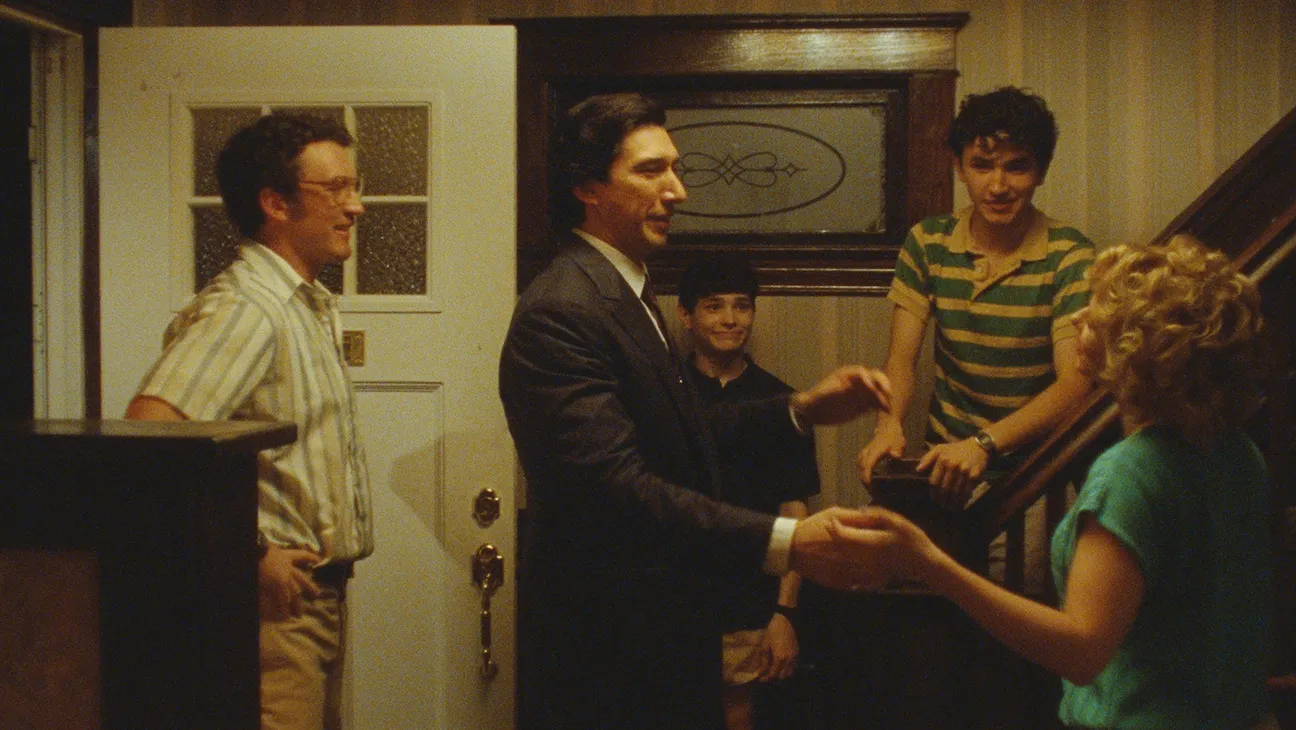
Heat provides us with Mannโ€™s first foray into the terrain of Los Angeles. Considering how many films have been shot and set in the City of Angels, we are accustomed to many sights and sounds of California already. Having this history of film in his mind, Mann can show us different locales: places that we wouldnโ€™t normally see and even places we may actively avoid. Think about some of the locations we get: cheap motels, junkyards, dog fighting cages, shipyards, abandoned drive-in movie theatres: these are unique locations that do not fit the standard glitz and glamour of the L.A. we imagine โ€“ especially in the movies. And when we are treated to a more traditional downtown setting, Mann decides to obliterate it by staging the most effective shootout in cinematic history.

It is hard to pinpoint location as character in The Insider because it feels quite sprawling. Wigand lives in Kentucky but goes to Mississippi to give his deposition. We have Bergman working for CBS, primarily in New York. We start the film somewhere in the middle east, Bergman goes to New Orleans and Montana at some pointโ€ฆthere really isnโ€™t a location that stands out here. And that does not just pertain to cities/states/countries, but also to buildings and homes. The Wigand family start out in one house and move, but neither feel particularly important. Bergmanโ€™s home seems mostly irrelevant. For my money, the location as character resides in the CBS editing rooms and the few shots of journalists at newspaper outlets. These locations are the backbone of the stories being told and the people spending endless hours following leads, fixing typos, and striving to put the most compelling and honest story out there. So unlike specific cities such as Chicago or Los Angeles, Mann really finds compelling specificity in the news outlets.ย 

Mann finds new ground to cover in Ali when our titular character makes multiple trips to Africa. The first time we see Ali out of the USA he is there primarily as a tourist of sorts โ€“ taking in the sights and sounds. It is here that Ali gets a sense of the world and how he fits into it, but the real depth of location as character lives in Zaire during the training and preparation for the โ€œRumble in the Jungle.โ€ You may have mixed feelings about the Salif Keita โ€œTomorrowโ€ running montage (it is lengthy and a bit on the nose), but one thing it does incredibly well is show us where we are. During this run, Ali sees how the people in Africa live and how much he inspires them. While the message is certainly heavy-handed, Ali is fighting for more than himself: he is fighting for a cause and he is fighting for a people who truly believe in him. 

Not since Heat has Mann focused so primarily on a city like he does in Collateral. While the training montage and โ€œRumble in the Jungleโ€ fight in Ali utilize location as character motivation superbly, a city has not been the primary focus before in a Mann film. Clearly the occupation of Max as a cab driver would bring up the geography of the city, but even early in the movie we get a clear sense of how pervasive the City of Angels will be. As Vincent is arriving, he bumps into a passerby (inexplicably played by Jason Statham) who ironically spouts the words โ€œEnjoy L.A.โ€ Vincent is not in town for pleasure โ€“ he is there purely for business and cannot stand the city. While riding in Maxโ€™s cab, Vincent recalls the story of a man who gets on an MTA train, dies, and continues riding around without being noticed. Max, on the other hand, embraces the city and recognizes that all the people here lead interesting lives that he gets to intersect with. And as a bonus, Mann gets to return to a favorite filmmaking tool of his: live music. We get the Sam Cooke song at the beginning of Ali, but the jazz segment is a reprieve from the grueling, tenacity of Vincent before the saxophonist the target in the crosshairs of our gray-haired assassin.

Miami Vice โ€“ this one is right in the title. What makes the visuals of this film stand out is that we are taken to some of the most beautiful places on earth and to some of the most wretched and vile places as well. I have previously mentioned that Montoyaโ€™s waterfall estate is absolutely breathtaking (the actual house and infrastructure as well as the beautiful jungle setting). The speedboat courtship as Sonny and Isabella cruise to Havana shows how gorgeous that water is as well as showcasing the vibrancy of Cuba (Mann cannot help himself when it comes to getting in some live Cuban music into the mix). And while these locations show us the beauty that exists in the world, Miami Vice also takes us to places that I would be scared to visit: primarily the area where Paraguay, Brazil, and Argentina meet, as well as the Florida trailer park. What makes these places so off-putting to me is just how real they feel. When Sonny and Rico are walking the streets in South America, I am genuinely concerned for their safety (not just the characters, but the actors as well). The same thing could be said about the trailer park: I see this place and it feels real and grimy and scary because these people do exist. Iโ€™m sure it is this gritty and grimy feel that led to fans of the TV series being upset with this project and I totally get that criticism, but for someone like me who did not grow up on the show I am not bothered by that and the mise-en-scรจne of Florida and South America being showcased as both ghastly and serene is quite a feat that is pulled off rather well.ย 

Mann has visited a lot of the United States, but he has not ventured much into the Midwest. Yes, Thief is primarily set in Chicago, but that is an urban, metropolitan area set in the Reagan-era ’80s. Public Enemies takes us to the dirt roads and corn fields of Indiana and surrounding states during the Great Depression. Locations throughout the film play a huge and vital role in the telling of the story. Multiple prisons and jails are used, reinforcing the world of the criminals we are following. Mann even manages to weave in some live music when Dillinger first sees Billie in a club. If we are talking about locations and setting up exactly where we are, we must talk about Little Bohemia. Cold weather near the great lakes in Wisconsin provides a unique location for a meeting of the good guys and bad guys. Weโ€™re not hiding between buildings and cars like in Heat; weโ€™re ducking behind rocks and trees. Mann does not keep us out cities altogether as we see multiple robberies take place, but the bulk of the storytelling take place outside and in the rundown portions of the country.ย 

Hong Kong, Los Angeles, Jakarta, Malaysiaโ€ฆwe really hop around the world in Blackhat. And I will say that for a movie that revolves around cyberterrorism and the connectedness of the world via the internet, a globetrotting adventure seems appropriate. Seeing all the coastal cities also reminds us that we can be connected to people thousands of miles away, separated by oceans. Now, could Mann have picked these locales because they are beautiful and photogenic? Possibly, but I think Mann was interested in the world of cyberterrorism and added his unique talent of location scouting to make Blackhat a beautiful film to look at. 

Ferrari keeps Michael Mann abroad after filming Blackhat, but this time Mann keeps us grounded in one location and really lets it shine. In one of the opening moments of the film, Enzo is quietly trying to leave Linaโ€™s house without waking anyone up. As he drives off, we see the beautiful sunrise illuminating the Italian countryside. And because Enzo is so busy in the film and since the Mille Miglia is such a long race, we get to see all corners of the country: the coast, the cities, the country. All of Italy gets to be seen and heard. In a moment that sees Enzo reflect on time spent with his now deceased son, we are treated to an Italian opera โ€“ which fits in with Mannโ€™s love of getting live music into his films. Like Chicago in Thief and Los Angeles in Heat, Italy becomes another major character in a Mannโ€™s Ferrari.
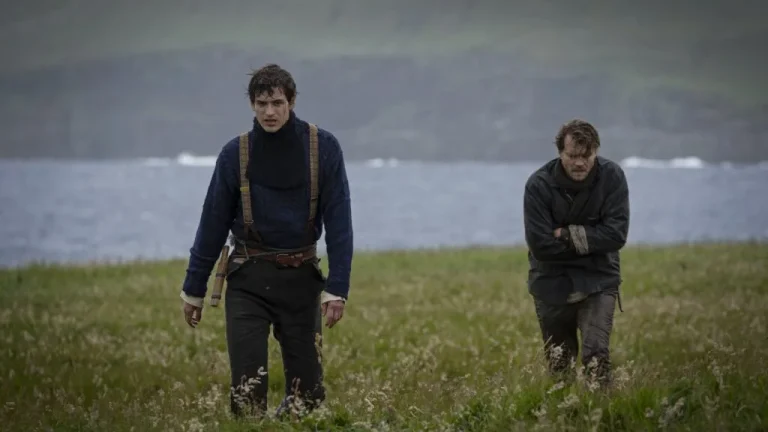
The End of the Gospel

When you step back and look at Michael Mannโ€™s career in full, what becomes clear is not just a filmmaker obsessed with style, precision, and authenticity, but an artist locked in an ongoing conversation with his own instincts. The ComMANNdments outlined here reveal a director guided by codes (of behavior, of masculinity, of professionalism) even when those codes begin to fracture under the weight of time, technology, and shifting cinematic landscapes. At his best, Mann creates films that feel lived-in, obsessive, and uncompromising; at his worst, those same qualities calcify into rigidity or self-indulgence. Yet even in misfires, there is an unmistakable integrity to the attempt. Mann is not interested in pleasing everyone, smoothing edges, or explaining himself โ€“ he is interested in process, discipline, and the cost of devotion to oneโ€™s work. That consistency, for better or worse, is what makes his filmography so ripe for analysis. You may not love every Michael Mann film (personally, I do not), but you can always feel the man behind the camera. He is constantly thinking, refining, pushing, and sometimes stubbornly refusing to let go. And in an era increasingly defined by compromise and safety, that alone makes Michael Mann a filmmaker worth praising. Soโ€ฆpeace be with you.

Podcast VIP: Best Movies We’ve Seen So Far in 2026

On this episode, On this episode, JD and Megan discuss some of the best movies they’ve seen so far this year, whether it be new releases, classic movies or anything in-between! We also give our thoughts on the new trailer The Hunger Games: Sunrise on the Reaping.

Listen on Patreon
Listen with Apple Podcast Subscription
Watch with YouTube Membership

Podcast Review: Faces of Death

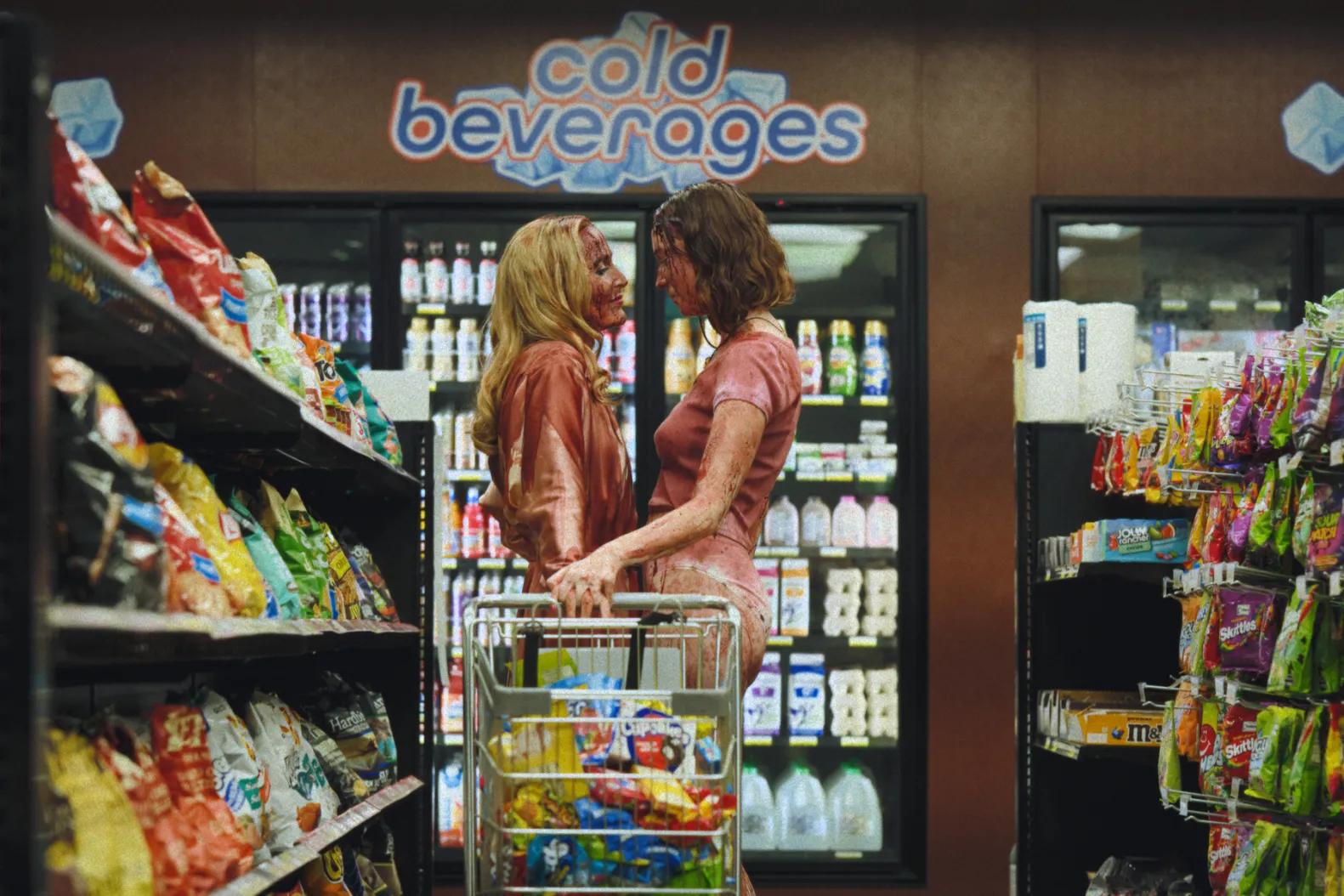
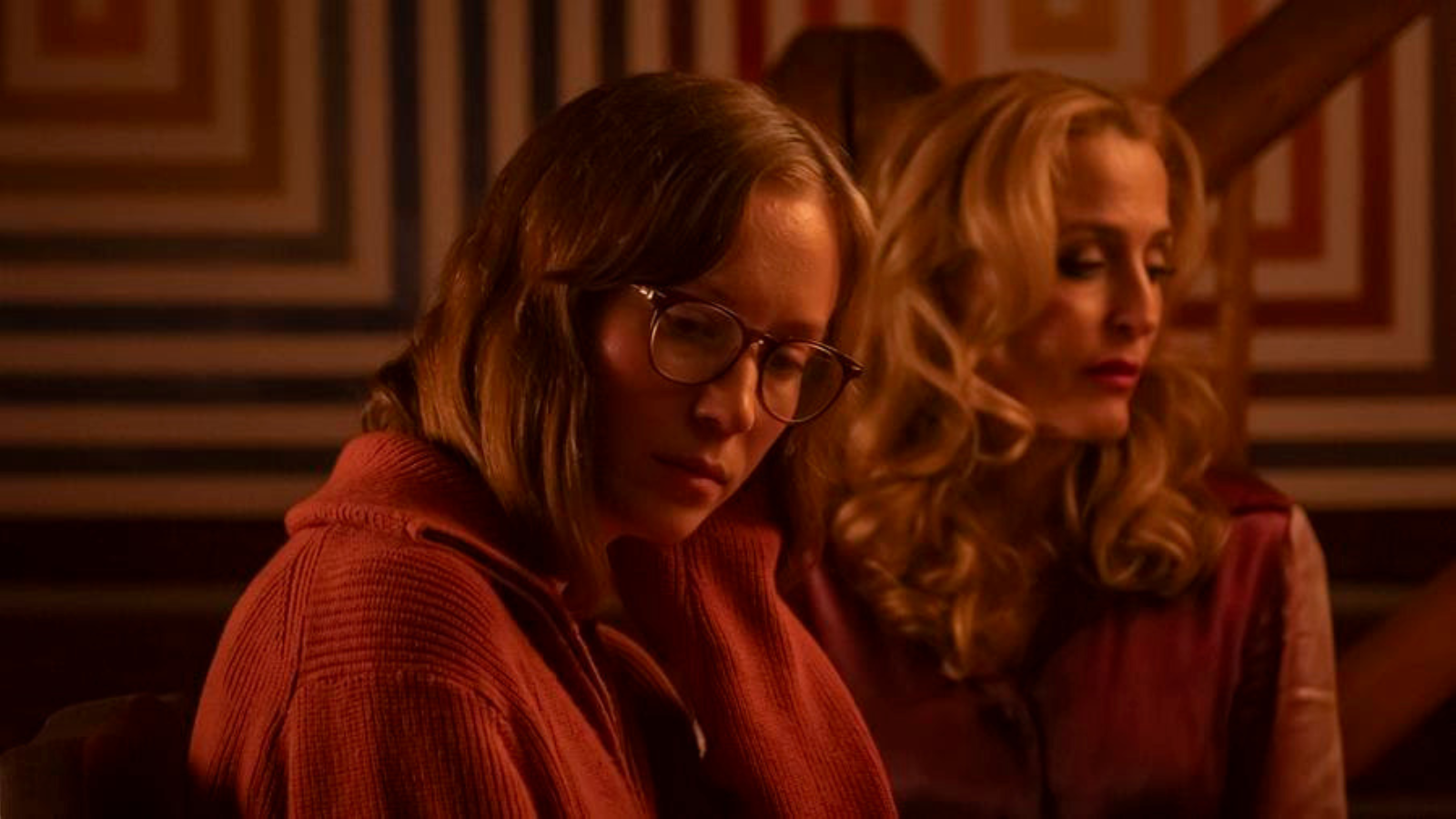
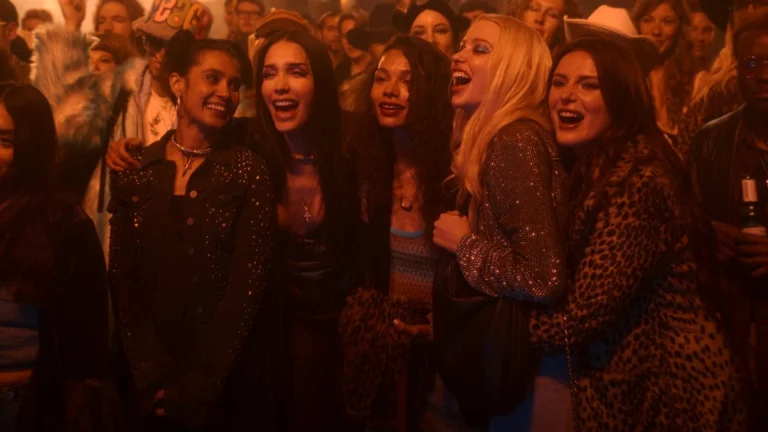
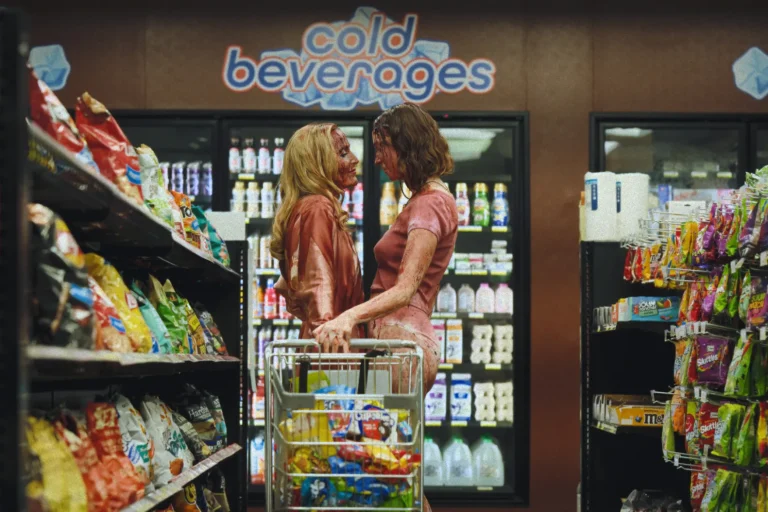
On this episode, JD and Megan discuss Daniel Goldhaber’s latest horror film Faces of Death! It’s one of the better meta-commentary genre films we’ve seen in recent years, featuring some inspired filmmaking and some great performances. Dacre Montgomery is especially striking.

Review:Faces of Death

Director: Daniel Goldhaber
Writers: Isa Mazzei, Daniel Goldhaber
Stars: Barbie Ferreira, Dacre Montgomery, Josie Totah

Subscribe to our Podcast RSS
Subscribe to our Podcasts on Apple Podcasts
Listen on Spotify
Listen on iHeartRadio
InSession Film Podcast – Faces of Death

Movie Review: ‘Departures’ is Comedically Uncomfortable


Directors: Neil Ely, Lloyd Eyre-Morgan
Writer: Lloyd Eyre-Morgan
Stars: Lloyd Eyre-Morgan, David Tag, Liam Boyle

Synopsis: Benji encounters Jake at an airport gate, sensing attraction. Their relationship unfolds through Amsterdam trips and intimacy, revealing complex power dynamics.


It’s extremely lonely when you feel that you are unloveable, or when you feel that you deserve to be treated poorly by someone else in a relationship. There are healthy relationships where one partner is dominant and the other submissive, but those are based on respect and consent. Any other form of this is emotional and physical abuse. To watch someone live in this cycle of toxic partnerships is painful and aggravating. It’s very hard to watch Departures for this reason.

The film is billed as a comedy. There are several funny scenes and lines, but the humor of the story is heavily carried by the narration and Benji’s (Lloyd Eyre-Morgan) point of view shots as well as a few fantasy sequences. Even with those, though, the film feels like it’s a friend who is finally ready to open up about a terrible relationship, describing the bad circumstances they’ve been living with while laughing as you sit in open mouthed horror. The funny moments never supersede these awful, depressing images.
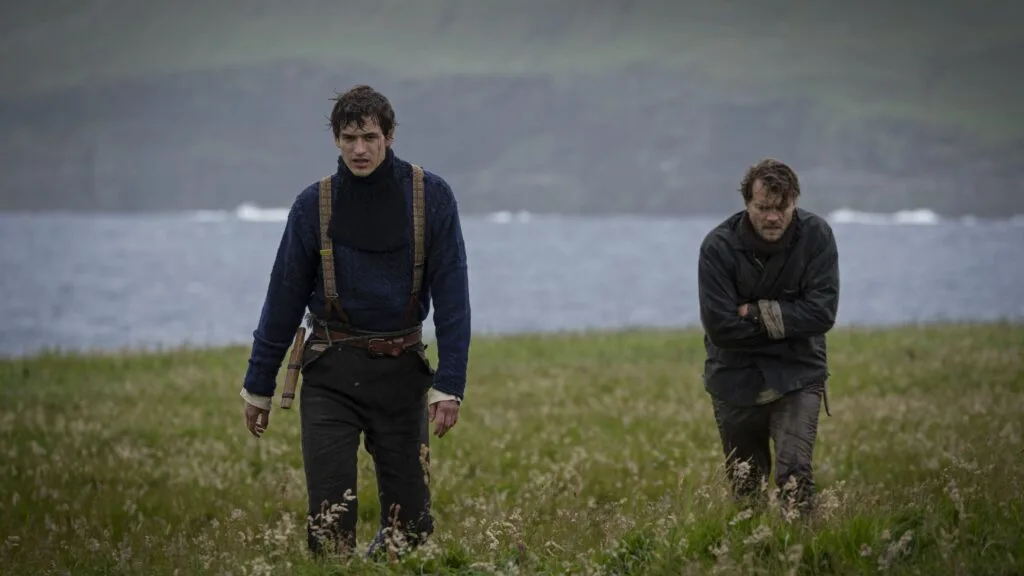
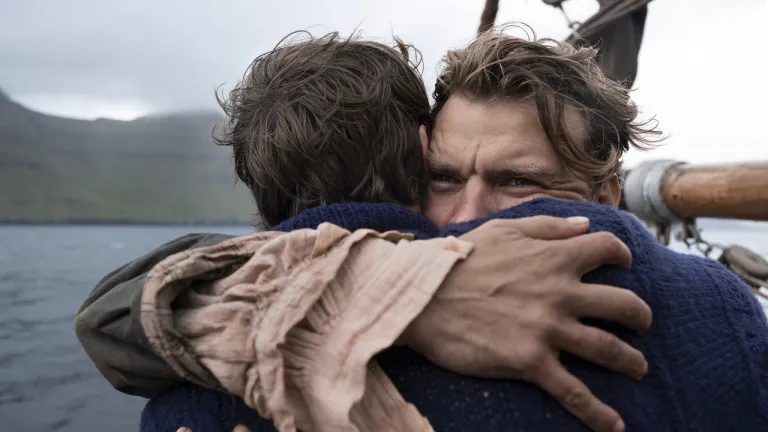
That is the point that writer, co-director, and star Lloyd Eyre-Morgan is trying to make. His script is meant to evoke the hindsight that comes from the other side of a truly toxic relationship. In seeing Benji’s pain played out in the order and way he wants to show us, Benji is showing us an equation for comedy. Pain plus time equals laughter. We all have painful memories we can laugh about now or at least tell so that they don’t affect us negatively any more. Those incongruities can make for something funny in the long run. Yet, even the funny bits are a bit dull. 

The bits and quips can’t overpower the sadness in watching someone self-destruct. If it has a comparison, it’s like watching a film with a drug addict as the main character. They continuously use and it becomes far too painful to watch. Benji’s self-loathing in constantly chasing anonymous sex in order to feel something after his break up with Jake (David Tag) serves the story that the filmmakers want to tell, but is just not engrossing. It’s a turn off in many ways to just see the spiral, but never feel that there is a way out. Even when there appears to be a way out, it feels tentative and too much like the toxicity will seep back in.

What Departures has going for it is an excellent depiction of the ugliness of internalized homophobia. In the flashbacks we see Jake as both bully and bullied. His relationship to queerness is that it is his weakness, pure and simple. He engages in it with his trysts with Benji, but can’t bring himself to speak about it, to enjoy it, or label it. In flashbacks we learn how he was rejected completely by his family, not for queerness, just because of their own selfishness. This translates into his constant chasing of multiple partners, none of whom know that there is anyone else. Jake’s  loathing seeps out of him into every relationship he has and means he’ll never truly be happy.

It’s the same with Benji. While he knows he’s gay and is out of the closet, he still feels as if he has to be punished for it. He picks the worst men for himself because they will make him feel bad for being himself. He’s got such a deep self-loathing that the poison the men in his life spew at him feels like an antidote for his own hatred. It’s an external confirmation of what he’s always believed, that he’s not worthy or worth anything.


Departures is a difficult watch. It’s not meant to be. The filmmakers may have intended something more balanced. It’s likely that there will be people for whom this film rings true. It’s likely they will see themselves in this film and get some satisfaction about being on the other side of it. Though, it’s likely that this comedy is just too depressing for the rest of us to want to sit with. It’s definitely not a film for those that want a light send up of toxic relationships.

Grade: D

Movie Review: ‘Beast’ Fights Its Way Through Almost No Story


Director:ย Tyler Atkins
Writers: David Frigerio, Russell Crowe
Stars: Daniel MacPherson, Mojean Aria, Russell Crowe

Synopsis: MMA legend Patton James, now a commercial fisherman, is pulled back into the cage when his brother is in danger. Reuniting with his old coach Sammy, he commits to one final fight in ONE Championship against its brutal champion Xavier Grau.


Films that feature MMA fighting are so much more brutal than other combat sport films. While there are harrowing fight scenes in boxing films, the fighting is structured and regulated. The same with films that deal with martial arts competitions. In a film with MMA there’s technique and skill like the others, but it feels like the point of the fight is physical damage. In boxing you hit, but you hit to score or knock down. In most competitive martial arts films, the defeat of the opponent is done with points or a pin. The fighters in MMA hit seemingly without any motive beyond completely incapacitating their opponent. Unless in the narrative of the opponent being an actual “bad guy,” watching our hero beat the snot out of someone else is a bit unsatisfying and hardly motivational. This makes films like Beast struggle to find footing in a genre dominated by inspiration and heart.

Beast certainly tries every trope in the genre, though. It wants to get us to feel something for Patton (Daniel MacPherson) and his journey back into the fight game. Writers David Frigerio and Russell Crowe give Patton every one of the major sports motivations. His financial situation is precarious, sibling rivalry, sibling protection, revenge, and redemption are all reasons Patton returns to the fighting world. Even though most overlap at some point, they do try to let the story evolve into each of these motivations, but it’s at the sacrifice of all the characters.

The character that suffers most from this is Malon (Mojean Aria) who is Patton’s younger brother. Malon is a jerk. He’s brash, aggressive, and every cliche of the fighter looking for something to prove. After he’s seriously injured in a fight, Malon could have become more vulnerable, maybe made his way back into his brother’s life in a more meaningful way, but he’s not given that chance. He just becomes a prop in Patton’s motivation to fight Xavier Grau (Bren Foster) one last time. It’s even more confounding as Patton seems to have genuine affection for this little twerp. In the flashback scenes the two of them have, there is a heartfelt gauziness to the screen. Yet these are near wordless seconds of screen time. We’re given no real reason why Patton should ever give this goober the time of day. This relationship holds no real weight and so for it to be the linchpin for so many actions that Patton takes is baffling.

Though, most who may want to see this film may see the story and characters as just a means to an end anyway. The main reason to see a film like Beast is to see the emotional arc of the characters take physical form in the circle, as these fighters call their ring. The three fight sequences created by director Tyler Atkins and cinematographer Thomaz Labanca are exciting. They look like these blows are landing as hard as they would be in life. It looks utterly brutal. Thankfully you can forget the lackluster story once the final fight begins.

The final fight sequence is very long. There are lots of cuts to Luciana (Kelly Gale), Patton’s wife, terrified at home, Sammy (Russell Crowe), his former trainer, streaming on his computer at the gym, and Barry (Matt Nable), the loan shark, and his enforcers watching on Barry’s strip club headquarters’ big screen. The sequence is a far better short film than the feature before it. You almost wish they could have created a framework around this fight with short interludes of flashbacks between rounds to give context. Without the linear nature of the scenes that come before, though, the context of the fight is lost. The film builds up to this contest and makes it the make or break of the film.


With that in mind, your mileage with Beast may vary. There is certainly a story and plot, but it’s nothing new and really just everything old about combat sport films. The action is dynamic and the training montages are top notch, but most of the rest is not that interesting. A film about MMA shouldn’t be this much of a snooze.

Grade: D

Movie Review: ‘Mฤrama’ is Bold and Boundary Pushing


Director: Taratoa Stappard
Writer: Taratoa Stappard
Stars:ย Ariana Osborne, Toby Stephens, Umi Myers

Synopsis: A Maori Gothic Revenge Horror set in Victorian England, 1859.


Gothic horror film Mฤrama, writer-director Taratoa Stappard takes familiar elements and reframes them through an Indigenous perspective, crafting a film that is as much about historical reckoning as it is about spectral terror. The result is a genre-bending work that is visually striking, thematically ambitious, and unconventional. As the first co-release between Dark Sky Films and Watermelon Pictures, Mฤrama signals a commitment to bold, boundary-pushing storytelling. It may not be a flawless execution, but it is a striking and thought-provoking one.

Set in North Yorkshire in 1859, the film follows a young Mฤori woman, played by Ariฤna Osborne, who is summoned from Aotearoa (New Zealand) to England. As she uncovers the truth about her familyโ€™s past, her journey into the unknown becomes far more unsettling. She is forced to confront not only a legacy of colonial violence but her deeply personal connection to it.

Osborneโ€™s performance carries the weight of the narrative with intensity, allowing grief, anger, and resilience to surface naturally. Her excellent and compelling performance is one of the many reasons to watch this film. The supporting cast adds texture to this world, all with an unnerving chemistry that will keep audiences guessing. Toby Stephens brings a measured menace to his role as the Englishman tied to the protagonistโ€™s past, embodying an authority that feels both refined and deeply unsettling. Umi Myers and Erroll Shand round out the ensemble with performances that, while occasionally underwritten, contribute to the filmโ€™s broader sense of unease.

Visually, Mฤrama leans into gothic tradition while subtly subverting it. The Yorkshire setting is rendered in muted, cold tones, vast landscapes, austere interiors, and looming architecture that feels almost sentient in its watchfulness. Yet these familiar aesthetics are disrupted by the presence of Mฤori cultural elements, creating a visual and thematic tension that runs throughout the film. The result is a kind of cultural dissonance that mirrors the protagonistโ€™s own experience. In this, itโ€™s beautifully clever. 

From natural sounds of the ocean to hearing every heavy breath, the stillness keeps the film grounded. There are classical, striking violins and soft piano sequences to help drive the scenes along. As dialogue can be sparse, weโ€™re observing the actors and the visuals around them. But what is most intriguing is the local indigenous singing, which is both beautiful and powerful.  

The โ€œhauntingโ€ in Mฤrama is not just supernatural, but historical. Colonial violence is treated as an active force. This approach gives the film a weight that elevates it beyond standard gothic fare, even if it occasionally struggles to balance its ideas with narrative momentum. The film is, of course, very dimly lit, building a strong sense of tension and intrigue. There are one or two jump scares that might catch you out. Spoiler: there’s a scene with a mirror fairly early on that caught me off guard. A typical horror trope, but it was still effective. 

The pacing can feel uneven, particularly in the middle act, where the film lingers on atmosphere at the expense of progression. While the slow burn enhances the sense of dread, it also risks diluting the urgency of the protagonistโ€™s journey. There are moments where the story feels caught between introspection and escalation, never fully committing to either.

Additionally, the filmโ€™s blending of genres, gothic horror, historical drama, and revenge narrative, doesnโ€™t always cohere seamlessly. Some transitions feel abrupt, and certain plot developments arrive with less impact than they might have with tighter structuring. Yet these rough edges are also indicative of a film willing to take risks, to push beyond the confines of a single genre.

By centering an Indigenous voice within a traditionally Eurocentric genre, Mฤrama reshapes the conversation around who gets to tell these stories, and whose histories are allowed to haunt them. Itโ€™s a film that asks its audience to look beyond the surface-level chills and consider the deeper, more uncomfortable truths embedded within.In the end, Mฤrama is a stylish Gothic horror, filled with tension and suspense. The film challenges and reshapes the gothic genre, leaving behind an eerily unnerving feeling. With themes of identity, family, love and loss, this is a perfect film for fans seeking more meaning from the genre.

Grade: B

Episode 683: Top 5 Girl Dad Movies

This weekโ€™s episode is brought to you by Koffee Kult. Get 15% OFF with the code: ISF26

This week on the InSession Film Podcast, with it being Brendan’s last show before he goes out on leave to become a new dad, we thought it would be fun to discuss our Top 5 Girl Dad movies (as Brendan and his wife are expecting a baby girl)! We also give our thoughts on this year’s Cannes Film Festival lineup!

– Open / Announcement (0:35)
We open the show this week with an announcement that we’ve openly teased for some time now. As noted above, Brendan is leaving the show temporarily as his wife will soon give birth to their first child. While he is out, the great Megan Kearns will sit in the co-host chair and we are very excited to have her be a part of the show.ย 

– Cannes Film Festival Lineup (5:45)
The Cannes lineup was revealed last week, and we wanted to give our thoughts on the crop of films playing in and out of competition this year. We are set to see new films from Ryusuke Hamaguchi, Hirokazu Kore-eda, Pedro Almodรณvar, Ira Sachs, Jukas Dhont, Pawel Pawilkowski, Christian Mungiu, Na Hong-Jim, Andrey Zvyagintsev, Asghar Farhadi, Jane Schoenbrun, Nicolas Winding Refn and so many more! Several of these notable names haven’t made films in nearly a decade, and we are beyond thrilled to finally get new films from them this year.


RELATED: Listen to Episode 670 of the InSession Film Podcast where we discussed our Top 10 Movies of 2025!


– Top 5 Girl Dad Movies (34:09)
With Brendan set to become a girl dad soon, we thought it would be appropriate to talk about our favorite girl dad movies. There are so many great ones to choose from, but it’s quite remarkable how many great girl dad movies we’ve see in just he past 5-10 years. In fact, you could argue that a few decades from now we’ll be talking about the 2020’s as the best decade for girl dad movies. Either way, this was a really fun topic and we had a great time with this list. That said, what did you think of our lists for Top 5 Girl Dad Movies?

Subscribe to our Podcast RSS
Subscribe to our Podcasts on Apple Podcasts
Listen on Spotify
Listen on iHeartRadio
InSession Film Podcast – Episode 683

Next week on the show:

Mother Mary

Help Support The InSession Film Podcast

If you want to help support us, there are several ways you can help us and we’d absolutely appreciate it. Every penny goes directly back into supporting the show and we are truly honored and grateful. Thanks for your support and for listening to the InSession Film Podcast!

VISIT OUR DONATE PAGE HERE

Movie Review (Overlook Festival 2026): ‘Trauma, or Monsters All’ is Smart and Scathing


Director: Larry Fessenden
Writers: Larry Fessenden
Stars: Laetitia Holland, Aitana Doyle, Addison Timlin

Synopsis: A writer investigating her town’s dark past for a newspaper article stirs up fears about lurking monsters. Larry Fessenden’s final chapter of his quadrilogy works as a standalone or series finale.


In 1995 Larry Fessenden wrote, directed, and starred in one of the least romanticized vampire films made โ€“ Habit. A grimy urban gothic which dealt with isolation and numbing the pain of living. Fessendenโ€™s Sam was an alcoholic who had just lost his distant academic father and had given up doing much more than dragging his hungover heels through another day. Sam was easy prey for Anna, a carnal and jealous vampire who drove him to insanity. Fessenden worked making films about โ€œmythicโ€ monsters such as his chilly Wendigo (2001) and in 2019 took on Frankenstein in the form of the deeply melancholic Depraved. Having vampires and Frankenstein in his retinue, when he made the wolfman story Blackout in 2023 Fessenden had enough โ€œUniversal Monstersโ€ to have his own shared universe which he teased at the end of Blackout. Trauma or, Monsters All is his monster mash bringing together a much older Sam, Adam (Alex Breaux) the creature from Depraved, and werewolf Charley Barrett (Alex Hurt) together in the wounded town of Talbot Falls in upstate New York.

Cassandra (Laeticia Hollard) is a young historian who has chosen Talbot Falls as the place where she will write her book on the genius botanist George Washington Carver. The rent is cheap in the neglected houses of Cedar Grove and itโ€™s mostly quiet; except when it isnโ€™t and there is the sound of howling coming from her neighbors. Agnes (Aitana Doyle), her only friend and co-worker at the local library. tells her part of the story of the murders that happened a few years back in Talbot Falls. Cassandraโ€™s imagination is captured and she researches the recent past and makes the mistake of writing an article about the monsters surrounding the town which opens up her reclusive neighbors Charley and Adam to new scrutiny and further traumatizes those who lost people in an incident that almost caused the town to collapse into a racially motivated โ€˜war.โ€™

Agnes is shocked that Cassandra would โ€œkick the hornetโ€™s nestโ€ by taking a story that doesnโ€™t belong to her and relitigate it, no matter how well-intentioned her motivations. The sting of the recent past still lingers with Sharon (Addison Timlin), who lost her father and fiancรฉ, as well as the love of her life, Charley, in the affray. The police chief Tom (James Le Gros), as well as former officer Luis (Joseph Castillo-Midyett), drink heavily, numbing themselves with what they did and had to do when the homo lupus was active. Father Francis (John Speredakos), who tried to keep the town from splintering at the time, gently rebukes Cassandra who tries to explain that she was hoping people would come together in empathy and healing through her story as it has more power than history does to conquer division. Cassandraโ€™s naivete comes from her own notion of identity filtered through being an interracial woman. The biggest mistake she made is assuming people wanted to come together at all when convenient scapegoats exist.

Dark intent comes from both inside Talbot Falls and without. Cassandraโ€™s piece brings people from the gentle but tortured Adamโ€™s past to town. Sam comes from New York seeking monsters he can play with. Populist idiots Bert (Cody Kostro) and Ernie (Marc Senter) want to take Cassandra down for daring to write at all. Charley, with his continued existence uncovered, realizes that his isolation has made him forget the reasons not to fall under the thrall of his โ€œmonstrousโ€ side. Sharonโ€™s guilt makes her an easy target for the โ€œassholeโ€ vampire who wants to mess with her life. Cassandra has put everyone including herself in danger because she didnโ€™t think of the consequences and perhaps she didnโ€™t know how real the โ€œmonstersโ€ were.

Fessendenโ€™s script leans further into comedy than his previous three monster films. Most of the comedic lines and actions come from his outsized version of Sam, who after thirty years has lost the knack of โ€œempathyโ€ and other human traits which he says atrophy if they arenโ€™t used. Sam was left as a vampire without a guidebook, and it seems he hasnโ€™t really bothered to investigate his own situation (something that was true of Sam in the 1990s). Because Fessenden camps up the monsters more (with the exception of Adam), Trauma or, Monsters All doesnโ€™t feel as sincere as the works preceding it. Fessenden is still engaging with ideas of identity and acceptance, but they donโ€™t have the same weight. Cassandra is bright enough to understand that โ€œItโ€™s the stories we tell ourselves that become our truth,โ€ but not experienced enough to know that not everyone is sharing the same reading of a story and like her mythological namesake stories arenโ€™t always believed.

Trauma or, Monsters All doesnโ€™t have the melancholy elegance of Fessendenโ€™s Habit, Depraved, or Blackout but it does have the bones of a great horror movie on a practical and visual scale. Itโ€™s fitting that Adam, the new man, is ultimately the best person in the film and the most sympathetic. A friend that Cassandra called โ€˜monsterโ€™ who has been quietly protecting Talbot Falls through his loyalty. 


Larry Fessendenโ€™s final outing for his โ€œmonstersโ€ is smart, sometimes scathing and is best when exploring how scary selfhood and otherness is. The world is complicated and thatโ€™s how people end up putting others in boxes. Everyone has the ability to produce fang and claw to harm and not changing the relationship people have to the past means trauma doesnโ€™t heal. Trauma or, Monsters All recognizes living as the most gruesome prospect of all.

Grade: B-

Movie Review: ‘Erupcja’ Mostly Sizzles, Thanks to Charli XCX


Director: Pete Ohs
Writers: Pete Ohs, Jeremy O. Harris, Charli XCX, Lena Gรณra, Will Madden
Stars: Charli XCX, Lena Gรณra, Jeremy O. Harris, Will Madden

Synopsis: When a volcanic eruption strands Bethany and her boyfriend Rob in Warsaw, Poland, she takes it as a sign to reconnect with her childhood friend, Nel. The pair go on an adventure through the city and Bethany must determine what she wants from life and love.


Thereโ€™s a real uniqueness to Erupcja and yet the film is also pretty straightforward. Despite having Charli XCX in the lead role, this isnโ€™t some flashy affair meant to announce her arrival as a movie star. That honor went to The Moment, which was a funny satire with surprising emotional depth. This follow up pairs her with director Pete Ohs and a small, but great cast to create something more intimate that sticks in your mind. 

When you talk about this narrative being unique and intimate, that begins with the fact it was written by Pete Ohs and his cast, which Iโ€™ve never really seen before. Charli XCX, Jeremy O. Harris, Lena Gรณra, and Will Madden were all in the room with Ohs trying to craft the best story and arcs for their characters. It couldโ€™ve been chaotic, but instead Erupcja not only flows well, but feels very close knit with no one character stepping over the others. 

Plot wise, it will bring to mind Frances Ha, as Bethany (Charli XCX) tries to uncover what she wants from both life and love in her own slightly messy way. Like Frances, Bethany doesnโ€™t feel like a real person yet and leans on her closest friend in the face of anything that could force her to grow up. Even with a loving boyfriend in Rob (Madden), she has no idea what she wants from life and thatโ€™s part of what makes her a fascinating character. 

Throughout the film, she seems to be fighting between the idea of a humdrum life with Rob and adventures with her childhood friend Nel (Gรณra), who has actually built a stable life. There are moments when Bethany seems happy with Rob, but then the camera lingers on Charli XCXโ€™s face and you can see her characterโ€™s unease paired with a burning desire to break free. That freedom comes out whenever sheโ€™s with Nel, but both of them seem to be being pulled in different directions even as they have a great time. What if theyโ€™re no longer good for each other and keep fighting against that notion until everything explodes? Erupcja is about coming into your own as an adult and itโ€™s something that Bethany, Nel, and, to an extent, Rob are faced with. 

Itโ€™s really been awesome seeing Charli XCX enter the world of acting and genuinely give it her all, each time out. That doesnโ€™t change here, sheโ€™s brilliant as Bethany, turning this, at times, frustrating character into someone sympathetic. She can conjure so many emotions without saying a single word because itโ€™s written all over her face. The minute you start to get angry with Bethany, youโ€™ll notice this shift in her demeanor which makes you hold your horses and consider what she could be trying to say.

Her moments of release during Erupcja are so satisfying because Charli XCXโ€™s has been making you think about where this characterโ€™s mindset is and what she might actually want. The beauty of it all is that you wonโ€™t fully know which way Bethany is leaning until everything is over. 

You also wonโ€™t know what the end is for Nel and Rob because they’re both tied to Bethany. Lena Gรณra is so charming as Nel, serving as the ideal counter to Charli XCXโ€™s performance as her fiery best friend. Theyโ€™re in separate places in life, but Nel is willing to throw everything to the side for Bethany and itโ€™s such a good dynamic because thereโ€™s a question of not only if Nel should, but if Bethany deserves it.  Gรณra captures that warmth of friendship while also harboring a sense of doubt. 

Rob, on the other hand, is a confounding character. Heโ€™s so tied to Bethany and we barely learn anything about him outside of their relationship. That said, the character is an important cog in this story and much like Bethany and Nel, Robโ€™s got to figure out what he wants from life and romance. The problem is this character isnโ€™t interesting enough on his own to make you care, even with Will Madden giving a good performance. Every minute with him has something to do with Bethany and, as a result, youโ€™re left wondering why youโ€™re spending time with this one note wet blanket when you could be getting back to her and Nel. 

Another thing bringing Erupcja down is the cinematography by Pete Ohs. While I understand that he was going for an old school foreign film angle with this film, it doesn’t fully come together.ย  His shots are impressive at times, really capturing the beauty of Warsaw, Poland while also bottling up this feeling that weโ€™re going through the lives of these characters. With that said, it becomes apparent Ohs only has so many tools in his arsenal to make his film capture the vibe of a bygone era. He cycles through the same shots and angles to the point it starts to feel like weโ€™re watching a music video. Things look good, sure, but I wouldโ€™ve appreciated more visual variety.

Erupcja is a chill relationship drama bolstered by Charli XCXโ€™s charismatic, and outside her comfort zone, lead performance. This story of finding yourself worked far better for me than expected despite one of our central characters being pretty weak. Thereโ€™s enough meat on the bone to make you connect with Bethanyโ€™s journey, and if the writing doesnโ€™t do that for you, Charli certainly will. We now have proof that she can put together multiple good performances and this should make audiences want to see more of her.

Grade: C+

Movie Review: ‘I Swear’ Uplifts and Entertains


Director: Kirk Jones
Writer: Kirk Jones
Stars: Robert Aramayo, Peter Mullan, Maxine Peake

Synopsis: John Davidson: diagnosed with Tourette’s syndrome at a young age which alienated him from his peers, he struggled with a condition few people had witnessed.


The subgenre of the inspirational biopic is littered with well-meaning directors and actors attempting to educate while entertaining. This is a particularly difficult needle to thread as, with time passing, audiences have become hyper-aware of when they are being preached to about any number of subjects. Although they may have been positively received upon release, films like The Pursuit of Happyness and The Blindside are now looked at with derision, and for good reason. These films metaphorically hold the hand of the audience, telling them what to think and how to react. Now, even if most inspirational stories have this issue, it does not mean that all must. I Swear, a film about a man with Tourette Syndrome attempts to be equal parts uplifting, funny, and heart wrenching, and manages to succeed, to varying levels, at all three.

John Davidson (played as an adult by Robert Aramayo), is now quite well known as a Tourettes activist, and has even been given the title of Member of the Most Excellent Order of the British Empire (MBE) for his tireless work in normalizing and educating about the disorder that he has lived with. And smartly, I Swear begins just before the awarding by The Queen. This opening scene accomplishes a lot in a short amount of time. The audience is both let in on Davidsonโ€™s success and shown that said success does not solve everything. Additionally, it introduces us to Aramayo, who gives a dedicated, genuine, multi-layered performance. His willingness to engage with the tics, slurs, and movement, along with a real human experience is reason enough to watch I Swear.

As I Swear moves many years into the past, it performs a very special trick of context, provided by writer/director Kirk Jones. As Tourettes, especially the type that causes a person to hurl insults and slurs (echolalia), never allows the outside world to see the beginnings of the disorder, there is a distinct lack of understanding, and even fear. In this case, a young Davidson (Scott Ellis Watson) shows the beginning warning signs, just as he is about to attempt to impress some soccer scouts as a goaltender. It is the first in a series of times that life was made difficult for John, through no fault of his own. This continues throughout his childhood, especially from his parents. After his father (Steven Cree) leaves the home, his mother, Heather (Shirley Henderson), has a deeply difficult time with his constant spitting and cussing, and who wouldnโ€™t? Given the misunderstanding of Tourettes even now, it is not hard to imagine that it was no better in the 1980s. But this, in general, is the minor issue with the film. Besides John, and one other character, most of the people shown here are caricatures, which only serve to show us either wholly positive or wholly negative reactions to the disorder. This makes the film wildly effective, but also lacking in a real supposed lived experience. Movies like these tend to take emotional shortcuts, and it can make an educated audience yearn for the shades of grey.

Luckily, as an adult, John is introduced to the mother of his friend, Chris. Dottie Achenbach (Maxine Peake) is nearly a literal angel, especially in comparison to the way he has been treated by his mother. As John is called in for a meal, his Tourettes (and Obsessive Compulsive Disorder) symptoms begin to spike in his introduction to the Achenbach family. Through breaking mirrors, cursing, and destroying plates, she refuses to allow him to apologize, as it is not under his control. This is, of course, the platonic ideal of how to help someone with Tourettes, especially one who has been battered by the world. Aramayo and Peake have an immediate chemistry and this maternal replacement is all good nature and needed assistance. Aramayo truly shines in these moments, not just through his incredible physicality, but also his expressive eyes, deep pools that show us both the pain he has felt and the relief of having someone who accepts him, disorder and all.

She even connects him with a possible employment opportunity, something that John has always wanted, but long ago given up on. As he is introduced to Tommy Trotter (Peter Mullan) a caretaker for a local community center, I Swear becomes a much better movie than expected. Tommy is the first person in the film that is both understanding and has boundaries. There are things that he wonโ€™t accept, even if it is explained via a disorder. Aramayo and Mullan could have easily made an entire buddy comedy based on this portion of the story and no one would have tired of it. And throughout all of this back-and-forth, the humor of the film is unlocked. As Tommy quickly learns, both Johnโ€™s physical movements and vocal tics can provide a soul of comedy.

I Swear sets itself apart from other films of its ilk by showing that one person alone cannot solve all of the problems of a disorder like this. More importantly, the film posits that the disorder is not the issue, but the lack of education. Aramayo is wonderful throughout, but really comes into his own when John Davidson begins to educate the public and bring in others with Tourettes so they can form a community. One can not only see the impact on others, but through his measured performance, there is a new lightness to John. This is not an easy thing to impart, but Aramayo makes it look so simple as to be natural. It is truly a masterclass in performance, without ever feeling like you can see him putting on said performance. Given the physicality he must engage in, it is impossible to overstate the level of difficulty involved.


I Swear has an extremely difficult task, given its attempts at being many types of film. And besides the use of all-or-nothing characterizations of the adults in Johnโ€™s life, it manages all of them. I Swear is heartfelt, funny, educational, and entertaining. For the understanding of a difficult diagnosis, there is no better treatment than watching this film. I Swear is approachable, enjoyable, and buoys your spirits. If John Davidson can keep this positivity, then we, as a culture, owe him and others who struggle with Tourettes our best effort and understanding.

Grade: B+

Women InSession: Robert Duvall Retrospective

This week on Women InSession, we look back at the legendary career of the great Robert Duvall! From The Godfather to Apocalypse Now to Tender Mercies to Network, and everything in-between, Duvall was a staple in Hollywood for decades. One of the very best to ever do it. His passing recently is saddening and we wanted to take some time to discuss his amazing legacy.

Panel: Kristin Battestella, Amy Thomasson

On that note, check out this week’s show and let us know what you think in the comment section. Thanks for listening and for supporting the InSession Film Podcast!

Subscribe to our Podcast RSS
Subscribe to our Podcasts on Apple Podcasts
Listen on Spotify
Listen on iHeartRadio
Women InSession – Robert Duvall Retrospective

LISTEN TO THE PODCAST

Chasing the Gold: 2026 Cannes Lineup

On this episode of Chasing the Gold, Shadan is joined by our own Maxance Vincent to discuss this year’s Cannes lineup! The festival will see new films from the likes of Ryusuke Hamaguchi, Pedro Almodรณvar, Pawel Pawlikowski, Hirokazu Kore-eda, Marie Kreutzer, Ia Sachs, Na Hong-Jin, Asghar Farhadi and many more! We are about to feast with this year’s Cannes Film Festival.

Check out this week’s show and let us know what you think in the comment section. Thanks for listening and for supporting the InSession Film Podcast!

Subscribe to our Podcast RSS
Subscribe to our Podcasts on Apple Podcasts
Listen on Spotify
Listen on iHeartRadio
Chasing the Gold – 2026 Cannes Lineup

WATCH/LISTEN TO THE PODCAST

Movie Review: ‘You, Me and Tuscany’ is a Mixed Bag


Director: Kat Coiro
Writer: Ryan Engle, Kristin Engle
Stars: Regรฉ-Jean Page, Halle Bailey, Marco Calvani

Synopsis: When a woman crashes at an empty Italian villa, posing as the owner’s fiancรฉe, she discovers an unexpected romance that may transform her life.


When it comes to the genre of romantic comedies, there has always been a subsection of them targeted towards the African-American audience. Films like Love Jones, Love and Basketball, Think Like a Man, etc., provide audiences with examples of Black love and romance. Thus, providing representation in a genre that is white-skewing at best. In You, Me, and Tuscany, the latest rom com from producer Will Packer (the guy whose name has been all over the billboards) and his collaborators attempt to revive aspects of the subgenre. In both ways that it does and doesnโ€™t work for the film and the representation at hand.ย 

In You, Me, and Tuscany, we follow Anna (Halle Bailey), a former aspiring chef, who is now working as a housesitter after a personal tragedy. After a really bad day in the office, Anna meets Matteo (Lorenzo de Moor), a wealthy real estate agent, who just so happens to be Italian. After a one-night stand (or an unsuccessful one), Anna is inspired to revisit her and her mother’s dream of going to Italy. However, once she gets there, due to a major holiday festival, she is unable to find a room. This leads her to devise a plan in which she pretends to be Matteo’s fiancรฉe. All the while, Anna begins to fall for a winemaker named Michael (Regรฉ-Jean Page), who just so happens to be Matteo’s adoptive brother/cousin.ย 

First off, the good, or the ways the film does work. Led by Bailey and Page, the cast delivers solid performances all around. Bailey is likable as Anna. Even in a predicament (that she somewhat caused herself), we still root for her. And that’s largely thanks to Bailey’s awe-inducing and innocent charm. As for Page, he makes Michael an interesting contrast. Whereas Bailey’s Anna is warm, friendly, and likable, Page’s Michael is the opposite, with Page playing the role cold, but still likable. When together, the two display solid chemistry. However, the standouts come from the supporting cast –  namely Aziza Scott as Claire, Anna’s best friend, Stella Percello as Francesca, Matteo’s sister, and Marco Calvani as Lorenzo, a cab driver that Anna befriends. All three, despite being supporting players, all manage to help separate this film from the others, especially in the humor department. Now, that’s not to say Bailey and Page aren’t humorous. But their comedy is a bit more understated than the others. As for other positives, the cinematography by Danny Ruhlmann was lush and clean, with Ruhlmann taking full advantage of the Tuscany countryside in some shots. 

Now, moving on to the negatives. Or rather, the ways the film doesn’t work. It should be noted that this reviewer isn’t the biggest romantic comedy fan. While there are some great ones like 1988’s When Harry Met Sally, most of them are a dime a dozen. Overall, it’s safe to say that the film is already starting at a disadvantage. When it comes to the script by Ryan Engle (who for context, is a white writer – more on that later) and Kat Coiro (also white)’s direction, Engle and Cairo make such a strict adherence to its conventions that there’s no room for innovation or even originality at times. Instead, it feels very surface-baked. Which is a shame, given the amount of emphasis regarding Black representation, primarily with Bailey, Page, and Packer being in front of the film’s marketing campaign. Had Engle and Coiro put in a little bit more originality, whether in the direction or the script department, we might have something truly unique on our hands as opposed to the same old. It doesn’t have to be awe-inspiring or fantastic, but it does have to expand beyond the genre its working in. To use an example, last year Sinners managed to bring in not just horror fans, but people who aren’t even into horror due to writer/director Ryan Coogler, taking in other inspirations and not just sticking to the original genre. In other words, to use a cooking term, a little bit more spice would have gone a long way.ย 


You, Me, and Tuscany is a bit of a mixed bag, in ways that are both in the movie’s favor and are not. As a piece of representation, the film is not as groundbreaking as it’s been pushed to be online, especially, once you start to factor in the inclusion of the behind-the-scenes talent beyond Packer. However, quality-wise, the film’s humor, supporting cast, and leads in Bailey and Page help it cross the finish line. Still, one has to wonder – maybe the basicness of You, Me, and Tuscany was the point? Most romantic comedies themselves aren’t anything unique. They’re just there. And maybe that’s what is needed. To just be there. Because even in a romantic comedy, we all want to be represented.

Grade: C+