



Director: Rustin Thompson
Synopsis: A journey into the American West on a search for traces of what was once a center of small-town life: the movie theater.
Five years ago, as the COVID-19 pandemic dawned, a documentary called Bloody Nose, Empty Pockets premiered in the Sundance Film Festival’s documentary competition. Directed by brothers Bill and Turner Ross, the film is about a Las Vegas bar named Roaring ‘20s (great name) and, more specifically, the regulars within who gather on the day following the first election of then-and-now-President Donald Trump. Fittingly, these watering hole patrons spend the ensuing 98 minutes of screentime getting supremely hammered. In their eyes, there was a better reason to raise their glasses, not to the end of the world as we know it, but to the end of something else: Roaring ‘20s would be closing at the end of the night, for good.
Bloody Nose, Empty Pockets is a beautiful film. (It is currently available to stream on the Criterion Channel; watch it if you haven’t.) But the most fascinating thing about it is that it’s not a documentary. Though Brothers Ross did turn their cameras on a gaggle of barflies and let the reel roll, capturing their authentic antics in real time over the course of an evening, their subjects were “people the filmmakers had met at other bars, people who had relationships with alcohol,” the Los Angeles Times’ Amy Kaufman wrote from the 2020 Sundance Film Festival, where the picture premiered. These people weren’t actors, but they were brought to a set of sorts, Roaring ‘20s, which is actually a still-open bar in New Orleans, not Las Vegas. Renting the joint cost the Ross’ most of their $10,000 budget, so the task for the “performers” was to be themselves, or a version of themselves who would be losing their beloved watering hole at closing time.
I knew none of this when I saw the film in 2020 and wholeheartedly believed I was watching a documentary, an unforgettable experience that was not tainted, but rather bolstered, by the knowledge that I had pulled the wool over my own eyes, even unintentionally. I had not thought about Bloody Nose, Empty Pockets in a while, not until I watched Rustin Thompson’s new documentary, The Last Picture Shows, when I could feel a large part of me wishing that it was made under a similar conceit. That the 123 small town movie theaters of the American West he trekked 10 states and 10,825 miles to document, those abandoned and those still hanging on, were just sets designed to depict an alternate reality that mimics many of the qualities of our own, yet thrives without opposition in reality. I suppose that wouldn’t be much of a movie, though. What’s the hook there? “Movie theaters are thriving; what might this ultra-specific portion of the United States look like if they weren’t?” doesn’t have the same grab factor as Thompson’s actual quest in his very real film.
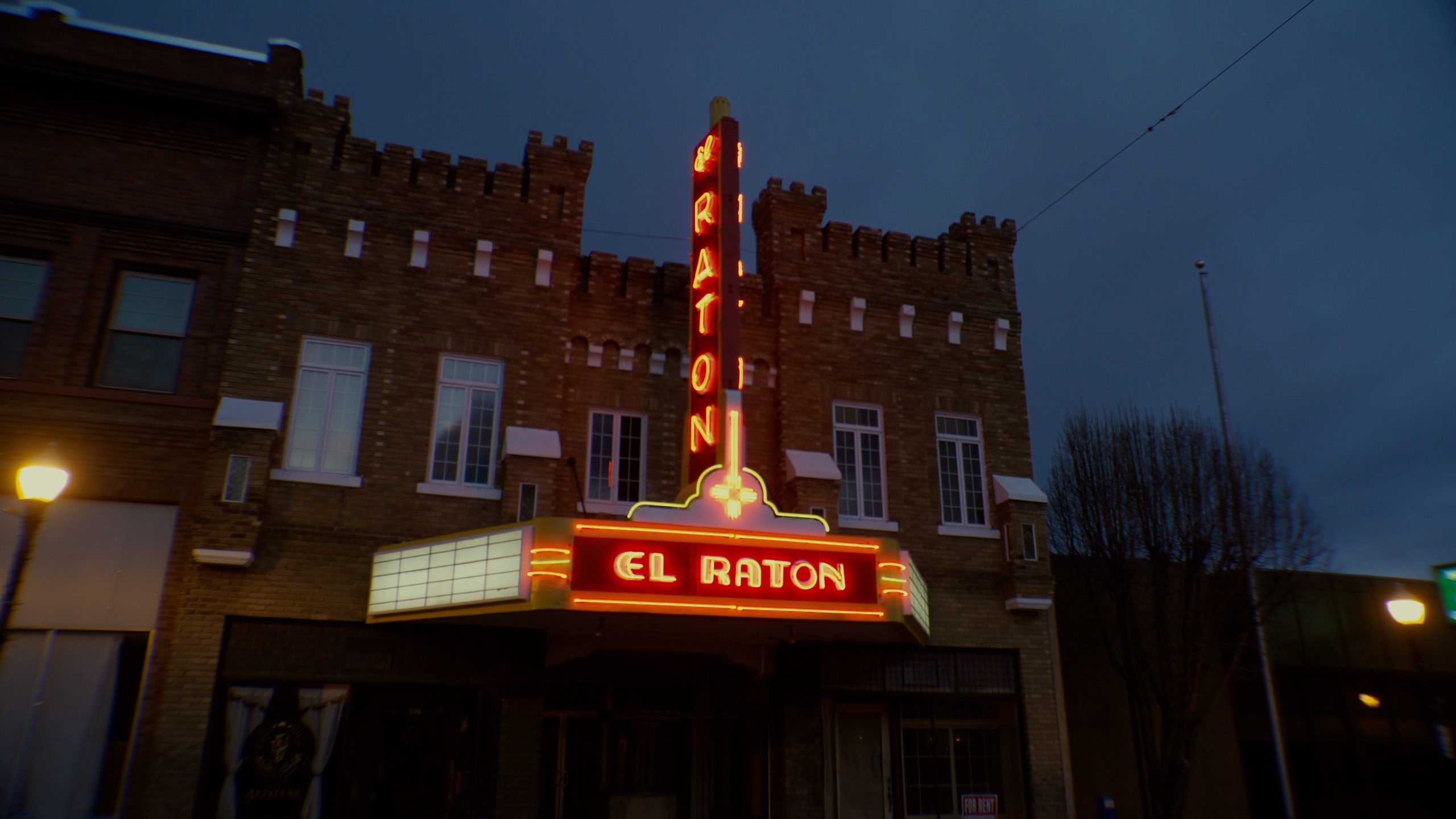
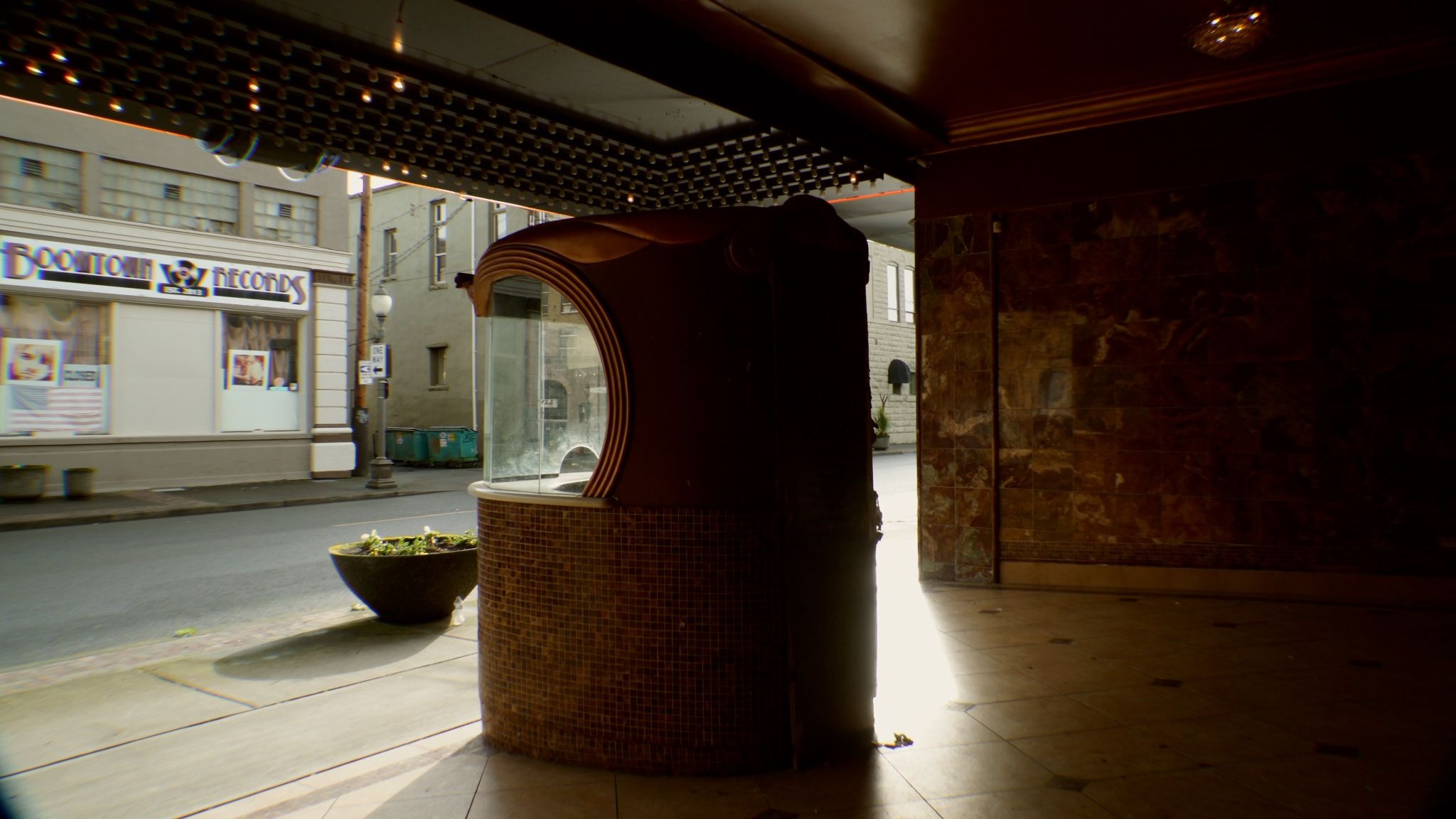
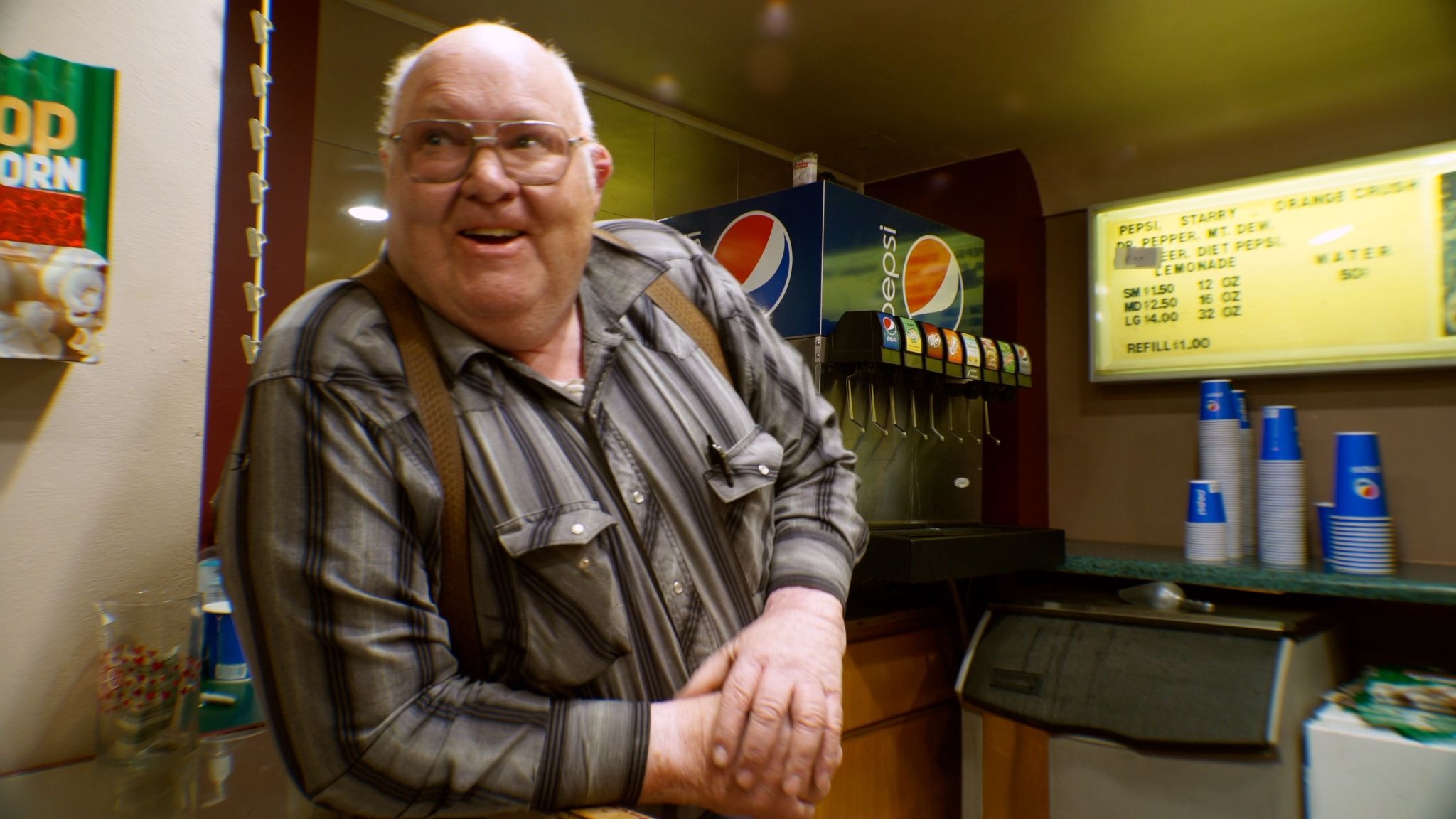
Shot between 2023 and 2024 – a timeframe that may or may not quell the jumpscares brought on by glimpses of Shazam! Fury of the Gods and Deadpool & Wolverine posters – The Last Picture Shows unfolds like a road trip, one that passes through sparsely populated towns where the stoplights sit miles apart from one another, but a constant can be found on every street: The local movie theater. Large “AMC” and “Regal” logos won’t be found here. Instead, over 78 eloquently-paced minutes, Thompson shoots tattered marquees and empty lobbies like old relics that fight to stay in the game despite the world’s signs that it’s time to hang it up. As the movie industry shifts its weight behind chains for theatrical exhibition and streaming for ease of distribution, Thompson’s interviewees represent a dying breed, though they couldn’t seem more alive. Take Melvin “Tiny” Pedersen, for instance: The owner of the Desert Historic Theater in Burns, Oregon wears suspenders and a smile, and note that while there may be only 19 people in the theater that evening, such occupancy is considered strong for a Friday night. Roughly 2,700 people live in Burns; small wins are still wins.
Thanks to the tone of The Last Picture Shows, – which borrows its name (with added plurality) from Peter Bogdanovich’s 1971 masterpiece and is intercut with footage from that classic and a few others –these little victories feel just as valuable as the money these moviehouses bring in. Were it not for the bittersweet reality that most of these cinemas don’t survive, regardless of the tireless efforts of their owners and the dedication of their loyal customers, that notion could be taken as gospel in the film’s context.
It’s not that Thompson and his subjects – including not just theater proprietors and employees, but the professor and historian Ross Melnick – don’t go into extensive detail about the behind-the-scenes process that comes with being granted the “opportunity” to show traditional multiplex fare at a discounted rate. It’s that those the director encounters are nothing if not committed to the practice of cultural exhibition. Sure, that might require them to showcase a superhero-sized disaster of a sequel starring Zachary Levi every time one of those comes out, but what Thompson prefers to focus on is the fact that many of these businesses can afford to keep the lights on. He doesn’t shy away from those that have gone dark, but they are honored and appropriately mourned rather than forgotten.
Not much separates the filmmaking here from a visual version of a feature one might find in a magazine, though it’s a more pleasant experience thanks to its director’s outlook, one that allowed his vision of The Last Picture Shows to evolve from that of a gloomy time capsule with a killer title into “a story of hope and resilience.” In his statement in the film’s press notes, Thompson noted, “The people I talked to are there to stay.” If nothing else, this simple slice of the cinematic experience reinforces the idea that movie theaters are a place for community, and a place that can only exist with and because of community. I suppose it’s a good thing The Last Picture Shows is nothing like Bloody Nose, Empty Pockets. The truth hurts, but silence kills. May the subjects of Thompson’s film fend off the latter threat for as long as they can, even if it means Shazam! 3 has to make the noise.
The Last Picture Show opens in New York on August 7th and in Los Angeles on August 21 in conjunction with a national theatrical roadshow.