



Director: Alejandro Amenábar
Writer: Alejandro Amenábar
Stars: Nicole Kidman, Christopher Eccleston, Fionnula Flanagan
Synopsis: In 1945, immediately following the end of Second World War, a woman who lives with her two photosensitive children on her darkened old family estate in the Channel Islands becomes convinced that the home is haunted.
The Others has quietly cemented itself as one of the genre’s modern horror classics. Released in 2001, Alejandro Amenábar’s gothic ghost story became a surprise global success, earning more than $200 million worldwide and proving that audiences didn’t need excessive gore or jump scares to be terrified. The film relied on suspense, mystery, and an unforgettable final act. More than two decades later, viewers continue to watch The Others because it offers something timeless: intelligent storytelling, memorable performances and a twist that genuinely catches many first-time viewers off guard.
Horror itself has always held a unique place in cinema. It’s one of the few genres that constantly reinvents itself while returning to the same basic fears that have fascinated audiences for generations. Whether it’s supernatural hauntings, psychological nightmares, or creatures lurking in the shadows, horror films invite us to confront the unknown from the safety of a cinema seat or sofa. Some films rely on loud scares, while others slowly tighten their grip until the tension becomes almost unbearable. For me, the latter has always been far more effective, and The Others is a perfect example of why slow-burning horror continues to stand the test of time.
I’ve lost count of how many times I’ve watched The Others, and every revisit reminds me just how brilliantly crafted it is. Even though I know exactly where the story is heading, the suspense never disappears. If anything, knowing the ending only makes me appreciate the careful details that are woven throughout the film.
The story surrounds Grace Stewart (Nicole Kidman), a devout mother living with her two children in an isolated mansion on the island of Jersey shortly after the Second World War. Her children suffer from a rare condition that makes them dangerously sensitive to sunlight, forcing the family to live behind permanently closed curtains, with small candlelight to see, and locked doors. That simple premise immediately creates an unsettling atmosphere. Darkness isn’t simply a stylistic choice; it’s a necessity for the family’s survival.
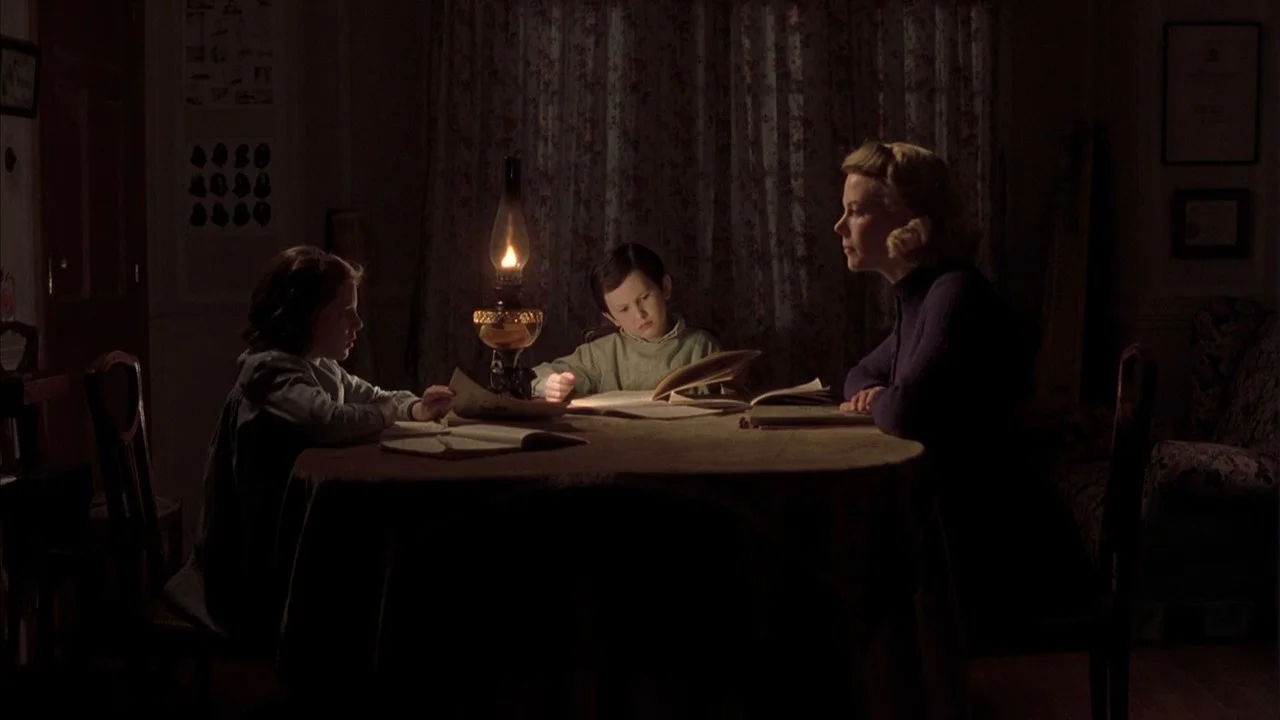
The children’s condition isn’t just a clever plot device; it reinforces Grace’s need for absolute control and subtly reflects her increasingly fragile state of mind. The house operates according to strict rules, and as those rules begin to unravel, so does Grace herself.
The performances across the board are wonderfully restrained. Kidman never overplays Grace’s growing fear or desperation. Instead, she allows the character’s emotional cracks to emerge naturally, making her gradual mental and emotional unravelling all the more believable. The film constantly leaves you questioning whether Grace is protecting her family from unseen forces or slowly losing her grip on reality.
The young cast deserves enormous praise too. Alakina Mann and James Bentley are absolutely remarkable as Anne and Nicholas. Child performances in horror films can often feel over-the-top and unbelievable, but here they are completely convincing. Their innocence, curiosity and quiet fear ground the entire story, and their chemistry with Kidman helps build the sense that something isn’t quite right.
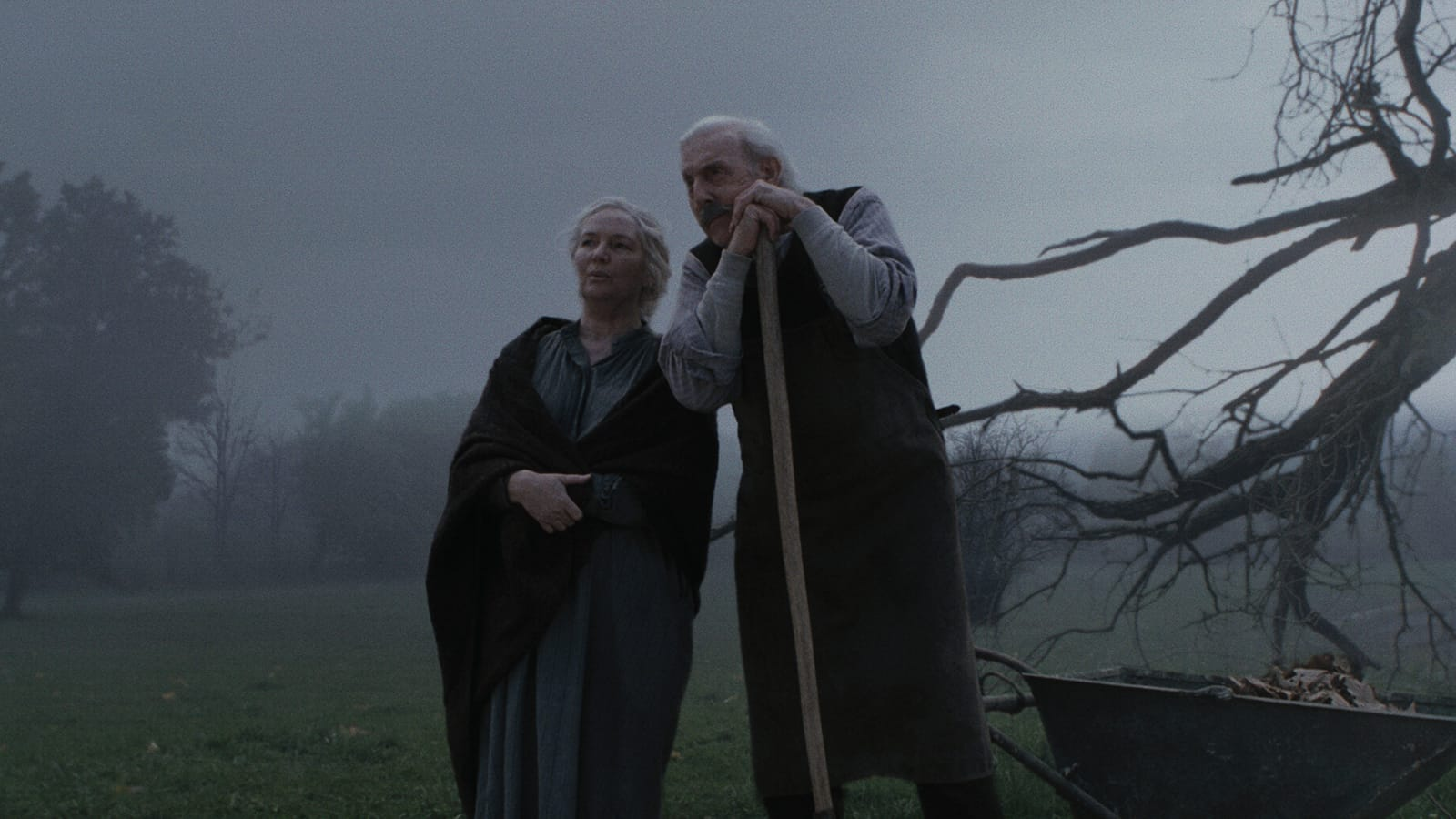
My favorite character remains Mrs Mills (Fionnula Flanagan). Strong-willed, mysterious and calculating, her character drives the sense of conflict and urgency. You’re constantly questioning her motives and wondering what her character will do next. Christopher Eccleston may have a small part, but it’s one of the creepiest, upsetting, and unsettling parts of the film. Grace has been longing for her husband (Eccleston) to return, and when he does, it’s not the heartfelt, wholesome moment she needed. It’s eerie and so well crafted to distort reality as his character believes the war is still going on, even though it has ended. You’ll question if it’s PTSD or something supernatural.
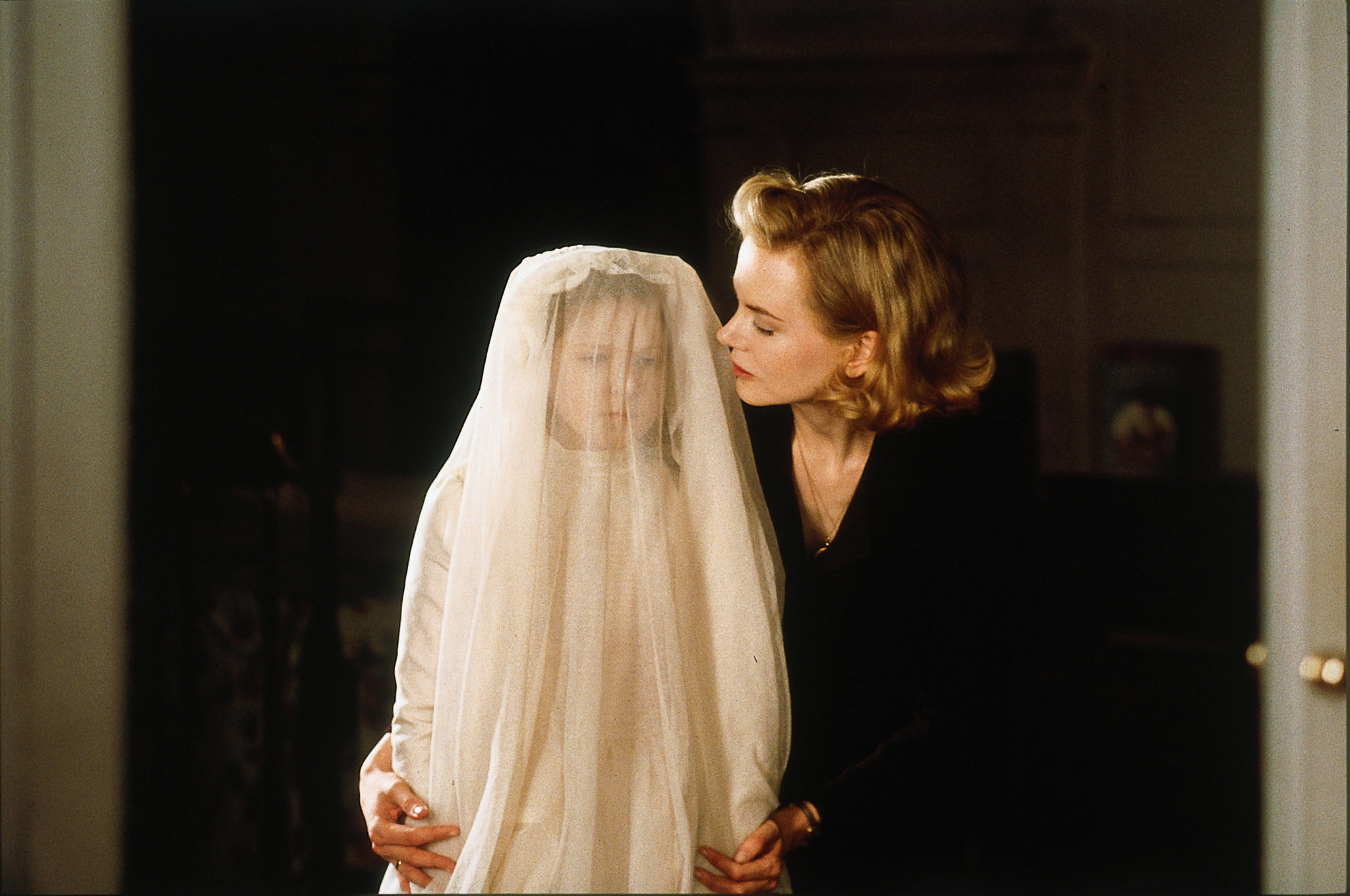
One of the film’s greatest strengths is its atmosphere. Thick fog surrounds the isolated house and makes the outside world feel almost unreachable. Combined with the period costumes and the vast silence that fills every room, the setting creates a haunting sense of loneliness. My favorite shot is where the little girl is playing with her puppet, in her confirmation outfit, and her face turns into that of an old woman. It’s chilling.
What impressed me most the first time I watched the film was its ending. I genuinely didn’t see the twist coming. Looking back now, the clues are all there, hidden in plain sight, but Amenábar directs the story with such confidence that it’s easy to become completely invested in the mystery unfolding.
Years later, I still find myself returning to The Others. It’s a film that reminds me that horror doesn’t have to shout to be frightening. Sometimes a whisper is far more powerful. Rich in atmosphere, brilliantly acted and anchored by one of the genre’s most satisfying twists, The Others remains a haunting experience that deserves its place among the very best psychological ghost stories ever made.