


Director: Jane Schoenbrun
Writer: Jane Schoenbrun
Stars: Hannah Einbinder, Gillian Anderson, Jack Haven
Synopsis: A director making a slasher sequel becomes obsessed with casting the original film’s ‘final girl,’ leading both women into psychological and sexual chaos.
I don’t think I was prepared for how much Teenage Sex and Death at Camp Miasma would get under my skin. Jane Schoenbrun’s latest film is a strange, intimate, deeply personal horror movie about identity, fandom, sexuality, nostalgia, and the fictional worlds we create when reality becomes too difficult to understand. It is also one of those rare films where nearly every element feels connected to the same emotional idea. Schoenbrun understands that sometimes the stories we fall in love with when we are young become inseparable from the people we eventually grow into, even when we don’t fully understand why they matter to us at the time.
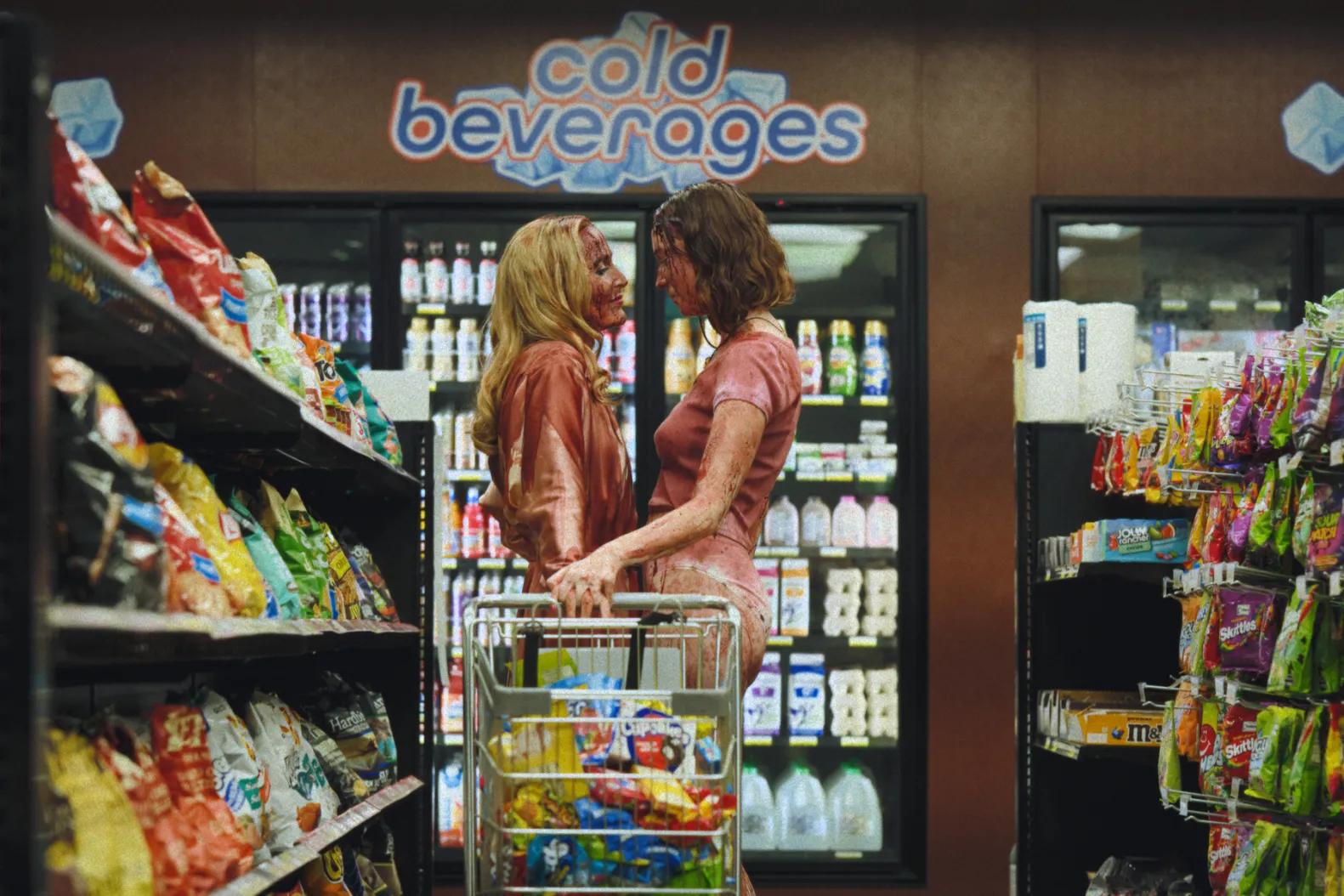
At the center is Kris (Hannah Einbinder), a filmmaker tasked with rebooting the fictional Camp Miasma horror franchise, a series built around Little Death, a gender-fluid killer whose original story was shaped through a transphobic lens. What initially seems like another cynical exercise in franchise filmmaking gradually becomes something much more personal. Kris’s relationship with the series is complicated. She loves it, feels embarrassed by that love, and cannot quite explain why this piece of horror history has remained so important to her.
That contradiction gives Camp Miasma its emotional foundation. Schoenbrun understands that the media we love as children can become tangled up with our understanding of ourselves. Sometimes the things that frighten us are also the things that help us recognize something about who we are. Sometimes a character or fictional world can express something we don’t yet have the words to articulate. And sometimes we don’t understand the significance of those attachments until years later, when we look back and realize they were telling us something all along.
Little Death is the clearest expression of that idea.
The character was created as something to fear, but Schoenbrun gradually strips away that framing. Little Death isn’t frightening simply because he is different. The horror comes from a society that decided difference itself was monstrous. He embodies so much of what we are taught to fear when we don’t fit neatly into the world around us: the strange, the unfamiliar, the impossible to categorize.
But Little Death isn’t the monster.
The monster is the idea that being different makes you something that needs to be feared, corrected, or hidden. The real horror is being taught to hate yourself because you don’t fit into the world you’ve been given.
That is what makes Little Death feel so meaningful. Schoenbrun takes a character who was once constructed through fear and asks what happens when the person who sees themselves in that monster finally stops accepting the story they were given about what the monster is supposed to mean. There is something deeply moving about that reclamation. Little Death can be frightening, grotesque, sexual, strange, and unknowable without any of those things making them inherently wrong. They can simply exist.
And for anyone who has spent years believing there was something fundamentally wrong with them because they couldn’t fit comfortably into the categories the world had prepared for them, that idea can hit with extraordinary force. Sometimes the most frightening thing isn’t discovering that you are different. It’s realizing how long you spent believing that difference made you unworthy of love.
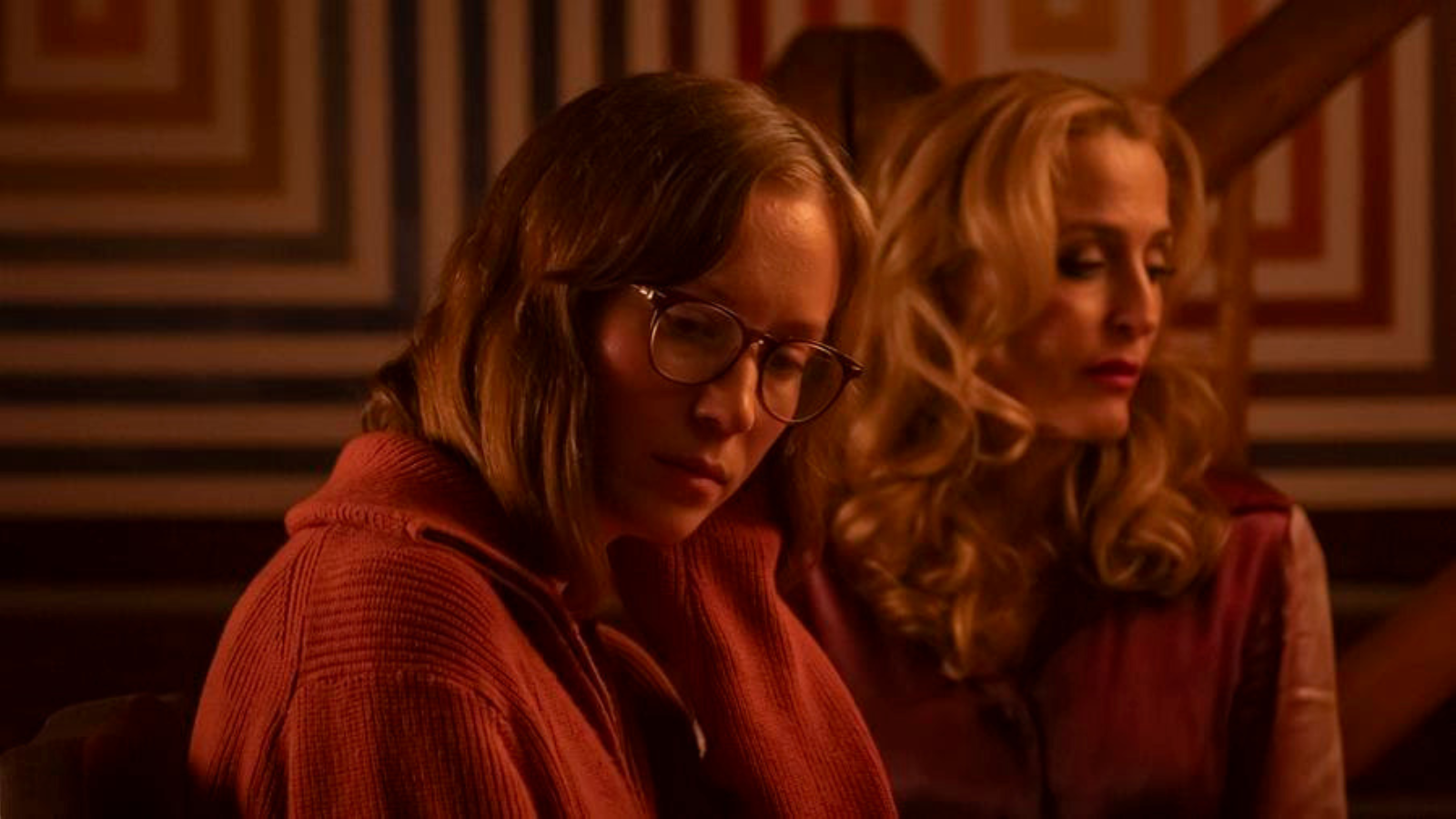
That is a particularly powerful idea in a film so interested in gender and identity. Little Death exists in the uncomfortable space between how a person sees themselves and how the world decides to see them. Schoenbrun isn’t interested in pretending that the original transphobia surrounding the character doesn’t exist. Instead, the film asks what it means to take something that was created through fear and reinterpret it on your own terms.
It is a familiar idea in Schoenbrun’s work, but Camp Miasma approaches it from a different direction than I Saw the TV Glow. Where that film was consumed by the terrifying realization that something inside you needs to be acknowledged, Camp Miasma is more interested in what happens afterward. What do you do once you begin to understand yourself? How do you live with the things you once feared? How do you reclaim the stories, images, and fantasies that helped shape you?
That distinction makes the film feel like a natural progression from Schoenbrun’s earlier work. I Saw the TV Glow was about the terror of recognizing yourself. Camp Miasma is more interested in the complicated process of actually living with that recognition.
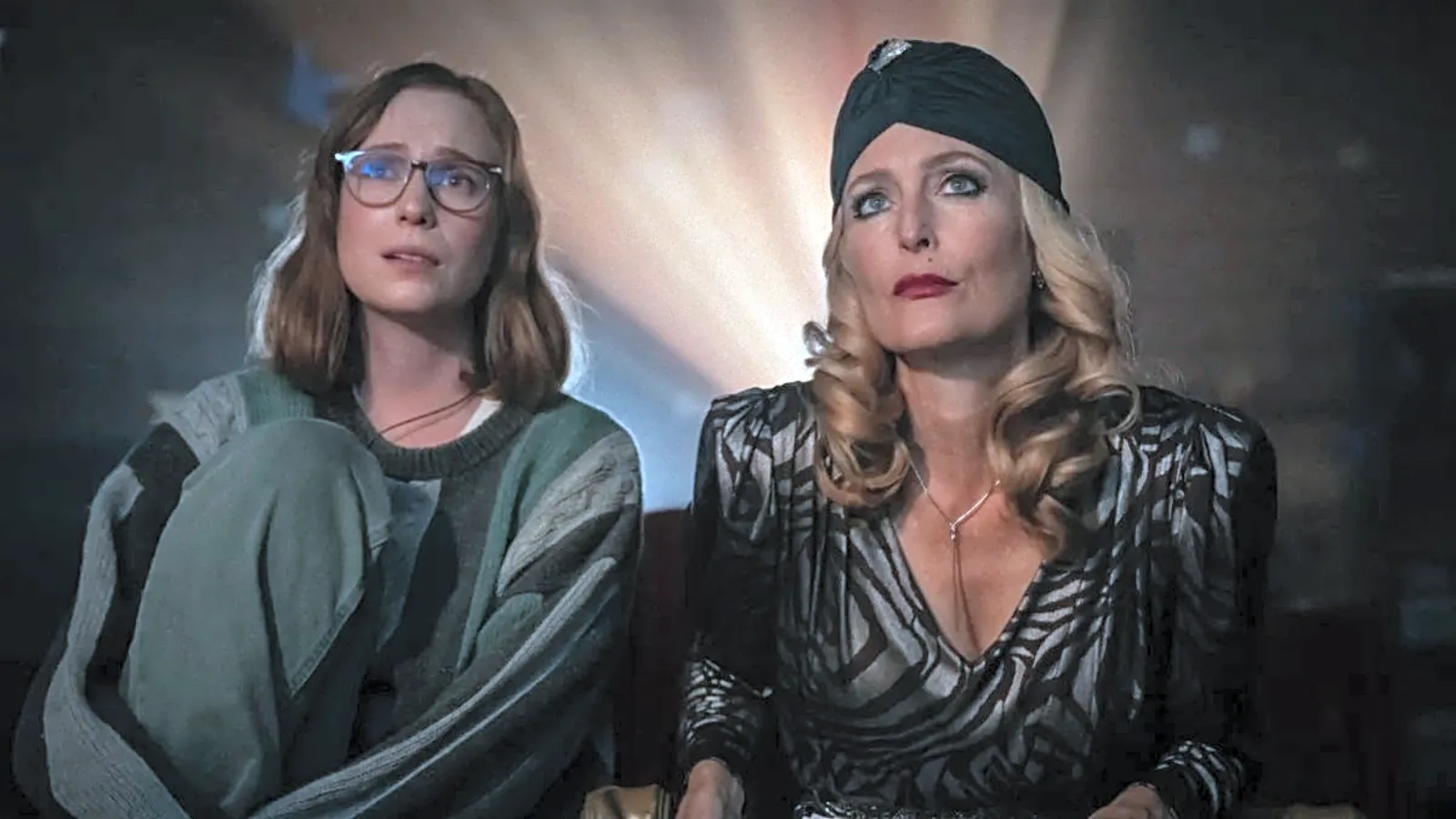
Hannah Einbinder gives one of the year’s strongest performances as Kris. She brings an awkward, nervous energy to the character that makes her feel immediately recognizable. Kris is funny, defensive, frustrated, horny, insecure, and vulnerable, sometimes all at once, and Einbinder never reduces her to a single emotional register. Much of the performance exists in the spaces between what Kris says and what she actually feels.
There is an impressive restraint to Einbinder’s work. She doesn’t need to explain Kris’s emotions for us. A hesitation, a look, or a slight change in her voice can communicate what the character is struggling to articulate. It makes Kris’s obsession with Camp Miasma feel less like simple fandom and more like an attempt to understand a piece of herself she has spent years avoiding.
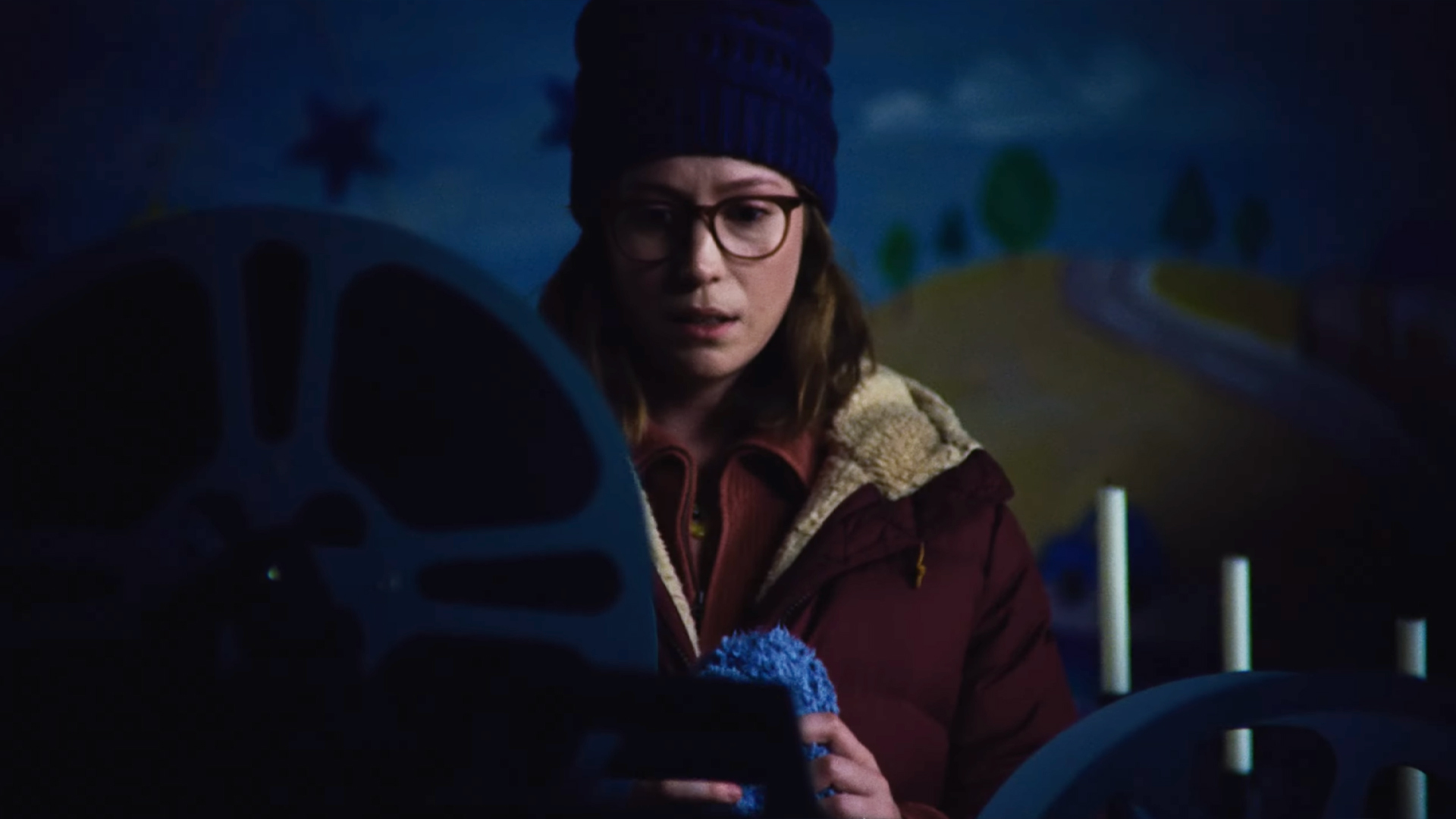
Kris is fascinating because her relationship with the franchise is never treated as merely intellectual. She doesn’t just want to make a better Camp Miasma movie. She is trying to figure out why this particular story has such a hold on her. Her fascination with Little Death feels less like the obsession of a filmmaker and more like an attempt to revisit something from her past and finally understand what it meant.
Gillian Anderson is equally fantastic as Billy Preston, bringing an entirely different energy to the film. Anderson gives Billy an effortless magnetism while still allowing vulnerability to exist beneath the larger-than-life persona. She feels simultaneously like an icon and a person, which makes it easy to understand why Kris becomes so fascinated by her.
There is something so beautiful about the way Anderson’s Billy represents that first spark of recognition you can find in a performer or fictional character before you even understand why you are so drawn to them. Sometimes you encounter someone on a screen when you’re young and feel an immediate, almost inexplicable connection to them. You don’t necessarily have the language to understand what that feeling means yet. You just know that you want to watch them again, that something about them feels familiar, or that you can’t stop thinking about them. Anderson captures that feeling beautifully. Billy becomes more than simply someone Kris admires; she represents the strange, formative power of seeing something in another person that you haven’t yet learned how to see in yourself.
That makes Anderson’s performance especially moving because she understands the difference between being an object of fascination and being a source of recognition. There is something almost mythic about Billy through Kris’s eyes, but Anderson never lets her become merely an icon. She gives her warmth, humor, confidence, and vulnerability, allowing us to understand why someone could look at her and feel that little spark of something before they have any idea what that something is. I loved her so much.
These are performances that deserve to be part of the conversation for some of the year’s best. The entire ensemble understands the strange tonal balancing act Schoenbrun is attempting. The actors can move from comedy to horror to sexuality to genuine emotional pain without making the film feel like it is constantly changing identities. There is always something human underneath the heightened material.
The film’s visual language is just as assured. Eric Yue’s cinematography gives Camp Miasma the feeling of a half-remembered dream. The images are often unstable, tactile, and slightly unreal, creating the sensation that we are moving through someone’s memories rather than simply watching a conventional narrative unfold.
There is something especially effective about the way the film treats memory as an unstable place. Nothing feels entirely fixed. The past, fantasy, desire, and reality constantly bleed into one another, as though Kris is trying to reconstruct something she remembers emotionally rather than literally. The result is a film that often feels less like a conventional horror story and more like stepping inside someone’s subconscious.
Graham Mason’s editing complements that approach beautifully. Memories, fantasy, and reality bleed into one another without always announcing where one ends and another begins. The result feels intentionally disorienting without becoming visually or emotionally incoherent.
The production design is equally important. The fictional Camp Miasma franchise has the grimy, palpable quality of an old horror tape discovered too young, while the present-day world feels more intimate and enclosed. Matt Hyland and Brandon Tonner-Connolly’s work makes the film’s fictional universe feel lived-in, cluttered, and strangely familiar. There is something about its textures, horror-movie detritus, and little visual details that captures the feeling of discovering a world as a kid and wanting to disappear inside it.
Schoenbrun understands the strange comfort of horror fandom: the monsters may be terrifying, but at least they have names. The rules might be ridiculous, but they are still easier to understand than the rules of real life.
That is one of the film’s smartest ideas. Horror fandom can become a kind of emotional shelter. The monsters are frightening, but they are also predictable. They have mythology, rules, histories, and explanations. Real life rarely offers the same comfort. Sometimes the fictional worlds we become obsessed with aren’t simply escapes from reality; they are ways of processing it.
The film’s sexuality is similarly interested in the relationship between fear and pleasure. Sex isn’t simply there to shock or provoke. Schoenbrun treats desire as another way of understanding the self, particularly when the body has long been associated with shame, insecurity, or discomfort. Pleasure becomes less about spectacle and more about recognition.
That makes the film’s horniness feel surprisingly sincere. Camp Miasma isn’t embarrassed by desire, but it isn’t treating sex as some easy path to liberation either. Desire can be funny, awkward, confusing, exciting, and vulnerable all at once. Schoenbrun understands that sexuality is often inseparable from the way people understand their own bodies and identities.
That same idea carries into the film’s use of music. Alex G’s score constantly shifts between menace and tenderness, while the soundtrack gives the film a strong sense of emotional memory. Even its strange musical choices work because Schoenbrun understands that nostalgia is rarely as neat or dignified as we pretend it is. A song can be embarrassing, funny, heartbreaking, and comforting all at once.
And that is perhaps what makes Teenage Sex and Death at Camp Miasma work so well. It refuses to separate its contradictions. Horror exists alongside comedy. Sexuality exists alongside fear. Nostalgia exists alongside pain. The grotesque can be beautiful. Something that once hurt you can still have been meaningful.
Schoenbrun has made a film about the complicated process of reclaiming the things that helped shape us. It is about recognizing that growing into yourself doesn’t necessarily mean rejecting everything that came before. Sometimes it means looking back at those pieces of your past and deciding what they mean to you now.
That idea extends beyond gender. Camp Miasma is ultimately interested in our complicated relationships with the stories, characters, fantasies, and worlds we once needed. We can outgrow something without dismissing it. We can recognize its flaws without pretending it meant nothing. We can take something that once frightened or embarrassed us and discover that there was something beautiful buried underneath it.
That is what gives the film its emotional weight. Schoenbrun isn’t simply asking us to accept ourselves. They are asking us to reconsider the stories we used to understand ourselves in the first place.
Teenage Sex and Death at Camp Miasma is bloody, funny, strange, horny, melancholic, and visually intoxicating. Most importantly, it feels completely alive. Schoenbrun continues to make films about identity that refuse easy answers, and this one may be their most emotionally expansive yet.
It is a horror movie about monsters, but its real interest lies in the parts of ourselves we were taught to fear—and what happens when we finally stop believing that story.