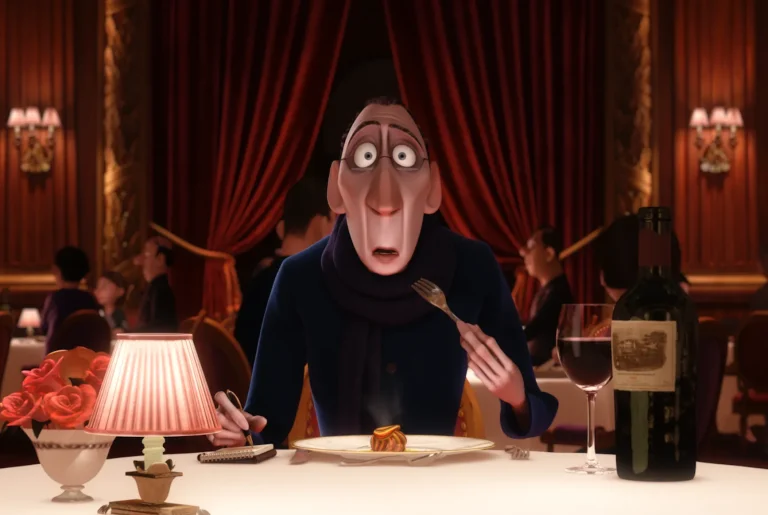
This week on Episode 701 of the InSession Film Podcast, inspired by the release of Tony this weekend and the late-great Anthony Bourdain, we thought it would be fun to dive into our Top 5 food movies! There’s perhaps a fine line between movies where food is a vital throughline and those with just a few delicious scenes that stand out. But regardless of your criteria, there are so many great food movies to consider and we had a great time talking about why these films move us. That said, here are our lists:
(Note: Please keep in mind that we each had different criteria for our selections)
JD
1) Ratatouille
2) Man Push Cart
3) Jeanne Dielman, 23 Commerce Quay, 1080 Brussels
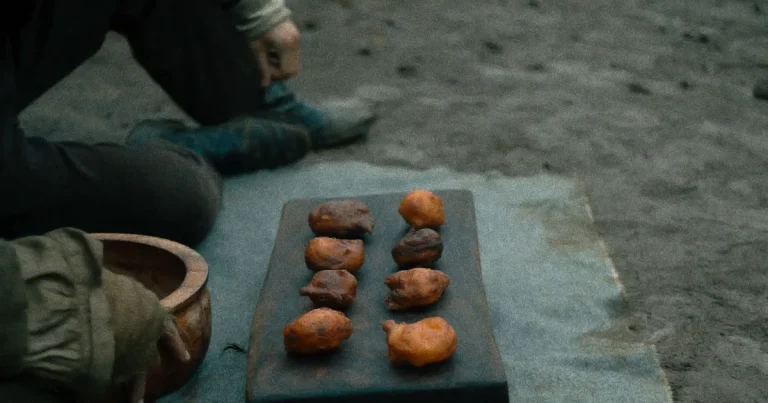
4) First Cow
5) The Taste of Things
Megan
1) Ratatouille
2) First Cow
3) The Taste of Things
4) The Texas Chainsaw Massacre
5) Willy Wonka
Honorable Mentions (Combined) Pig, Kiki’s Delivery Service, Marie Antoinette, Phantom Thread, Chef, Cloudy with a Chance of Meatballs, Jiro Dreams of Sushi, The Menu, Raw, The Princess and the Fog, Like Water for Chocolate
Hopefully you guys enjoyed our lists. If you agree or disagree with us, let us know in the comment section below. There are obviously many more food movies that we didn’t have time to mention (or they’re blindspots for us), so if your list looks very different than ours, we totally get it. That being said, what would be your Top 5? Leave a comment in the comment section or email us at [email protected].
For more lists done by the InSession Film crew and other guests, be sure see our Movie Lists page.
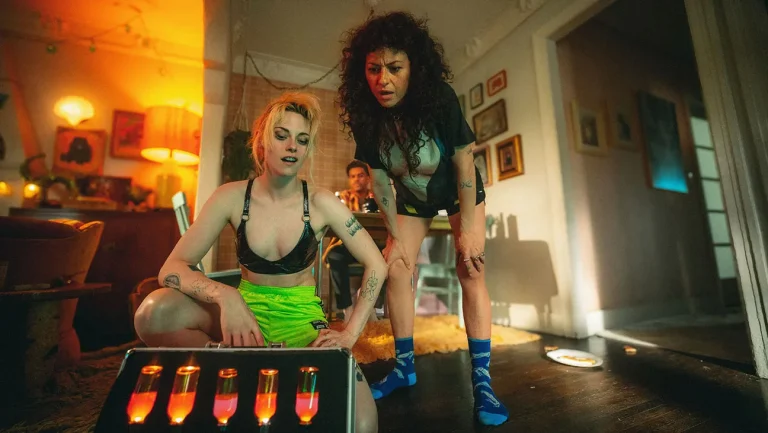
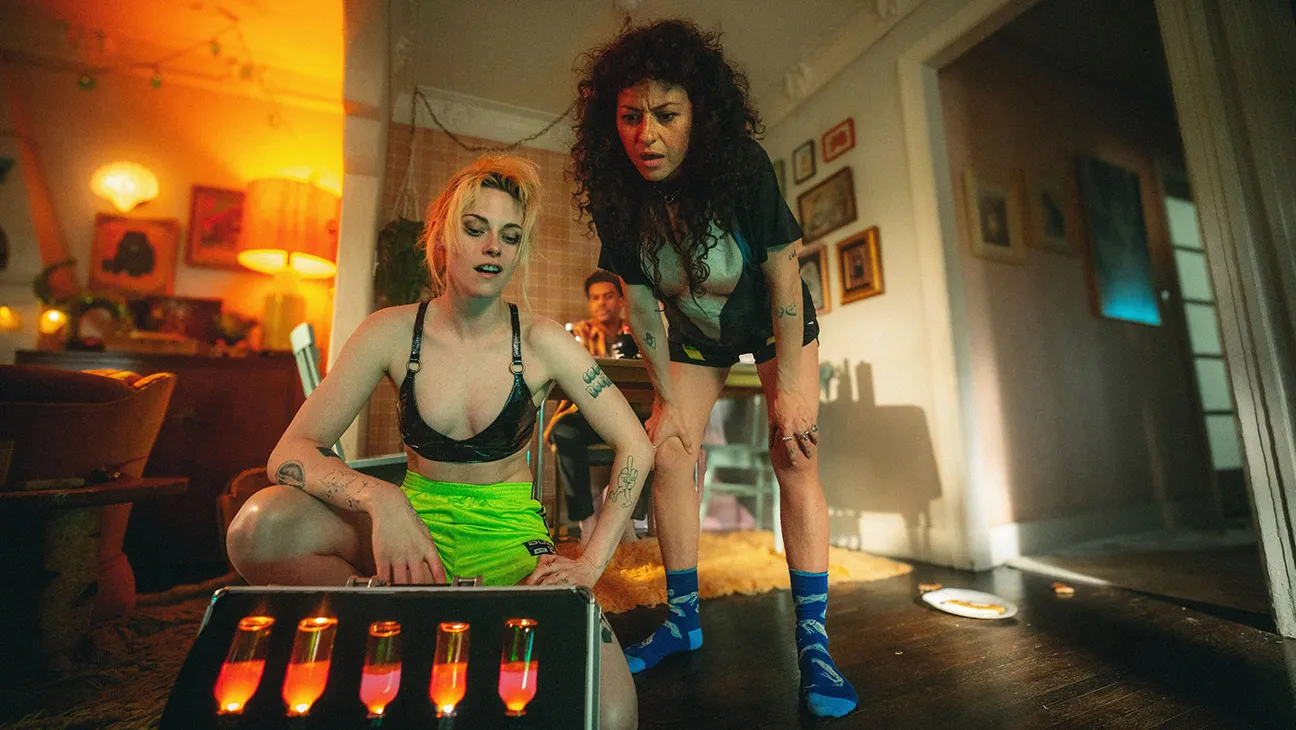
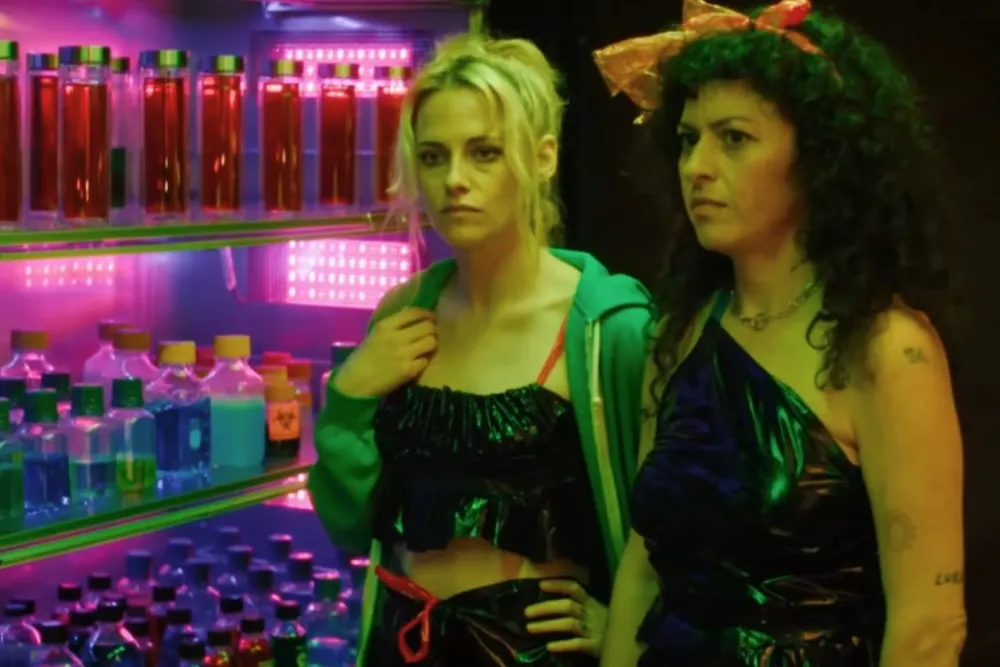
Director: Dylan Meyer Writer: Dylan Meyer Stars: Kristen Stewart, Alia Shawkat, Cate Blanchett
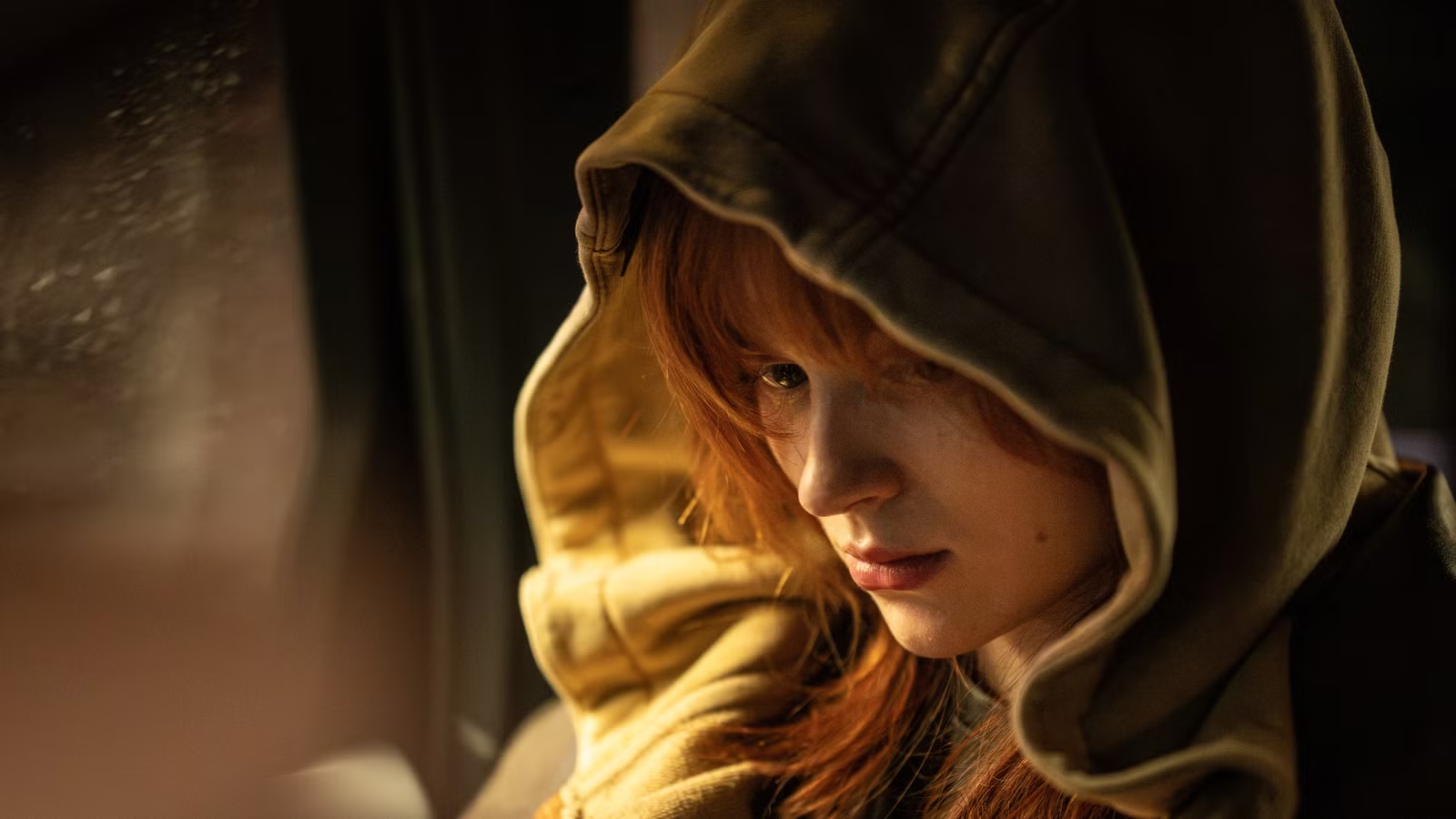
Synopsis: Two aimless young women inadvertently gain telepathic abilities after ingesting an experimental drug, pitting them against dangerous rivals pursuing the same powerful substance.
Why did Hollywood stop making stoner comedies? Once a staple of the early 2000s, films such as Grandma’s Boy and Pineapple Express proved that audiences were looking for a friendship film with a hazy flair. They offer an abundance of laughs, quotable moments, and original stories that resonate with broader audiences. Thankfully, The Wrong Girls enters the genre at just the right time, and it is a blazing blast. With Kristen Stewart’s cool girl charm and Alia Shawkat’s easygoing comedic timing, The Wrong Girls is the female friendship film of my stoner dreams.
It’s a rather straightforward story by writer and director Dylan Meyer: two roommates with their cats living in a rented house they have dubbed their chill zone. There’s the munchie chef Molly (Shawkat), who manages spreadsheets (poorly) for cash while spending her free time creating her wildest stoner snacks. Frankie (Stewart) is a college dropout, working for a delivery company with a joint hanging out of her mouth. Neither woman is highly motivated; they don’t even earn enough to cover their rent without extensions from their landlord, Jose (Chris Estrada). The film opens with them taking long hits from the masterful glassware that Frankie creates using her engineering skills. From the start, their laid-back, chilled-out personas pull you into a wild trip as the pair have to find a way to make their rent or be thrown to the streets.
When Molly’s boyfriend Josh (Zack Fox) wants her to live her dream of becoming a chef and move in with him, the best friend dynamic shifts. At the same time, Frankie learns that her ex has replaced her with Frances (Kristen Stewart, also), who looks identical to her. They look so much alike that Not Metal Head Dave (LaKeith Stanfield) mistakes Frankie for Frances and hands off an incredibly important briefcase that holds the answer to Frankie’s money woes, or so she thinks. Meyer has all the pieces of a stoner classic on the board, and The Wrong Girls goes from a buddy comedy starring two lovable potheads into a psionic test of loyalty.
It’s hard not to see yourself in either roommate’s shoes; it’s the life everyone has wanted to live at least once. Eating junk food all day with your best friend and smoking weed together while living under the same roof. Getting baked while watching Shark Week, or taste-testing a new culinary concoction that only the inebriated mind can create. Barely making enough to get by but loving every minute of it, there’s no doubt that both Molly and Frankie share a bond that goes beyond a regular friendship. They are inseparable; it’s almost as if they share the same mind, split between two bodies. A sisterly connection that comes naturally to both Stewart and Shawat; it helps that both already genuinely exude a chill girl vibe as is. Their chemistry is what elevates the film from good to great, especially when the pair has to deliver their lines telepathically. It’s hard to see the film working with any other talent in Stewart’s shoes, especially given her performance, which leaves a yearning for more comedy roles.
The Wrong Girls is a refreshing expression of female friendship and of embracing the imperfections of even those who are dearest to us. Yet, the film spends a lot of time insulting Molly and Frankie. Meyer makes it a point to have Molly and Frankie called out several times for being “stupid stoner chicks,” even to the film’s detriment, and it’s the biggest blemish on it. The choices the pair make are definitely facepalm-worthy, but it’s part of the cartoonish humor that comes with the genre. Audiences go into the film knowing the humor will be dumb and silly at times; constantly calling out their choices for that feels redundant. Especially when each scenario the pair are faced with (in their journey to make cash from their mysterious briefcase filled with pink drugs) is that much more hilarious, as the tables turn on those who doubt their stoner powers. Still, the overwhelming insults hurled their way start to become distracting; luckily, they fizzle out right when they become most irritating.
Visually, there’s a signature absurdist nature to The Wrong Girls that is seen from the designs of the chill zone to the clothing each character wears. This is especially evident from the use of bright colors that illuminate the trippiest parts of taking psychedelics, and distorting wide angles. There’s an atmosphere created that makes us question if these things are really happening or if they’re just the imagination of two women who take their fair share of drugs. Todd Banhazl, the film’s cinematographer, captures their dreamlike states as their buzz creeps in, in a place that makes it hard to want to stay sober. Frankie and Molly are styled to reflect their personalities: Frankie likes to wear band T-shirts and has a thin layer of grime in her hair. Molly dons more colorful pieces that glow brightly with the film’s use of neon lights. Each visual element pairs well with the others, elevating it beyond just another comedy film.
While the film’s humor won’t be for everyone, it is more in line with comedy like Superbad; there’s no doubt it has aged. With recreational use legal in many states, the need for counterculture mid-budget films fell off. It’s no longer taboo to talk about using marijuana, and it’s not uncommon to see it in public anymore. But for people who grew up with those films and embraced their themes, The Wrong Girls will more than likely be a hit. Admittedly, some of the film’s bits go on too long, like random dance numbers or telepathic back-and-forths. Meyer juggles a lot within her script; it all mostly works until you’re in the third act of the film waiting for the punchlines to roll. When she is displaying the perks of female friendship with a chronic twist, she knocks it out of the park, but as the film delves into increasingly wild predicaments, like car shootouts, it suffers most.
Overall, summer should feature more films like this, original mid-budget comedies for adults. Stewart and Shawat will hopefully usher in a new wave of stoner comedies that place broke 30-something cat-mom girl failures at the forefront. For her first feature, Meyer’s The Wrong Girls is ambitious; though it’s far from perfect, it’s a breath of dank air.
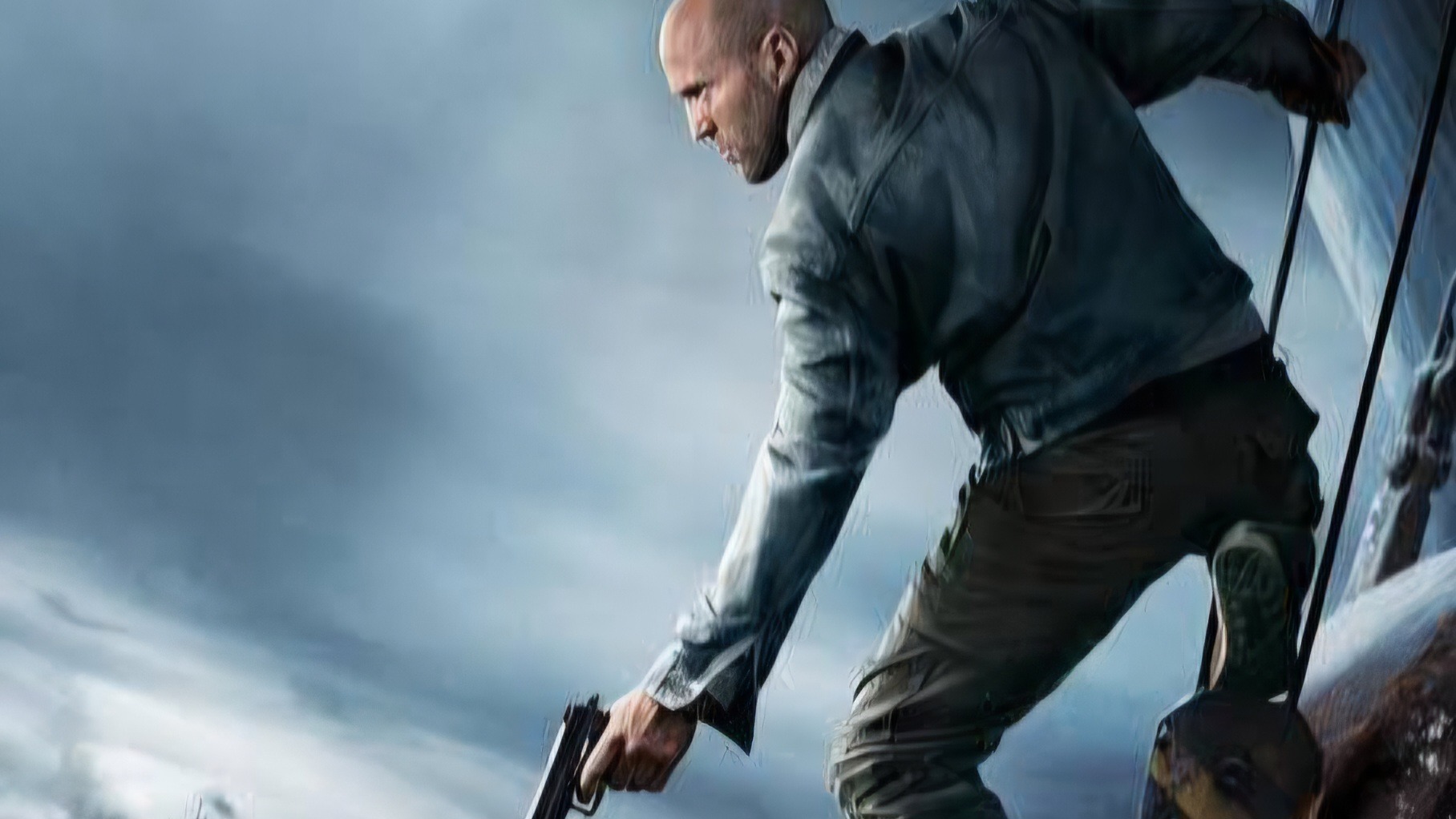
Director: Jean-François Richet Writer: J.P. Davis, Lindsay Michel Stars: Jason Statham, Annabelle Wallis, Adrian Lester
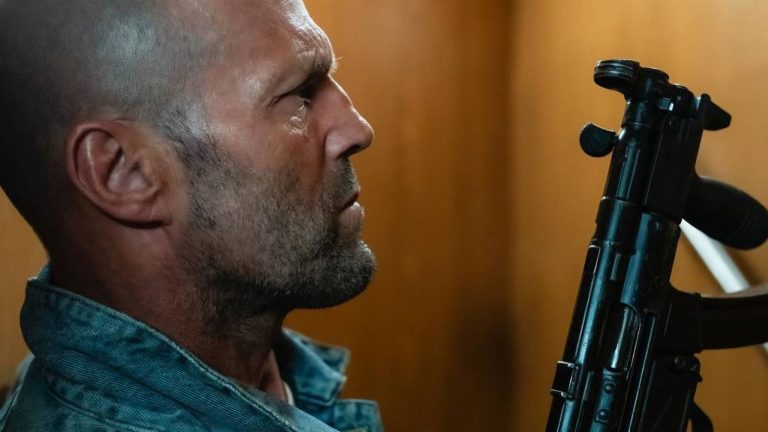
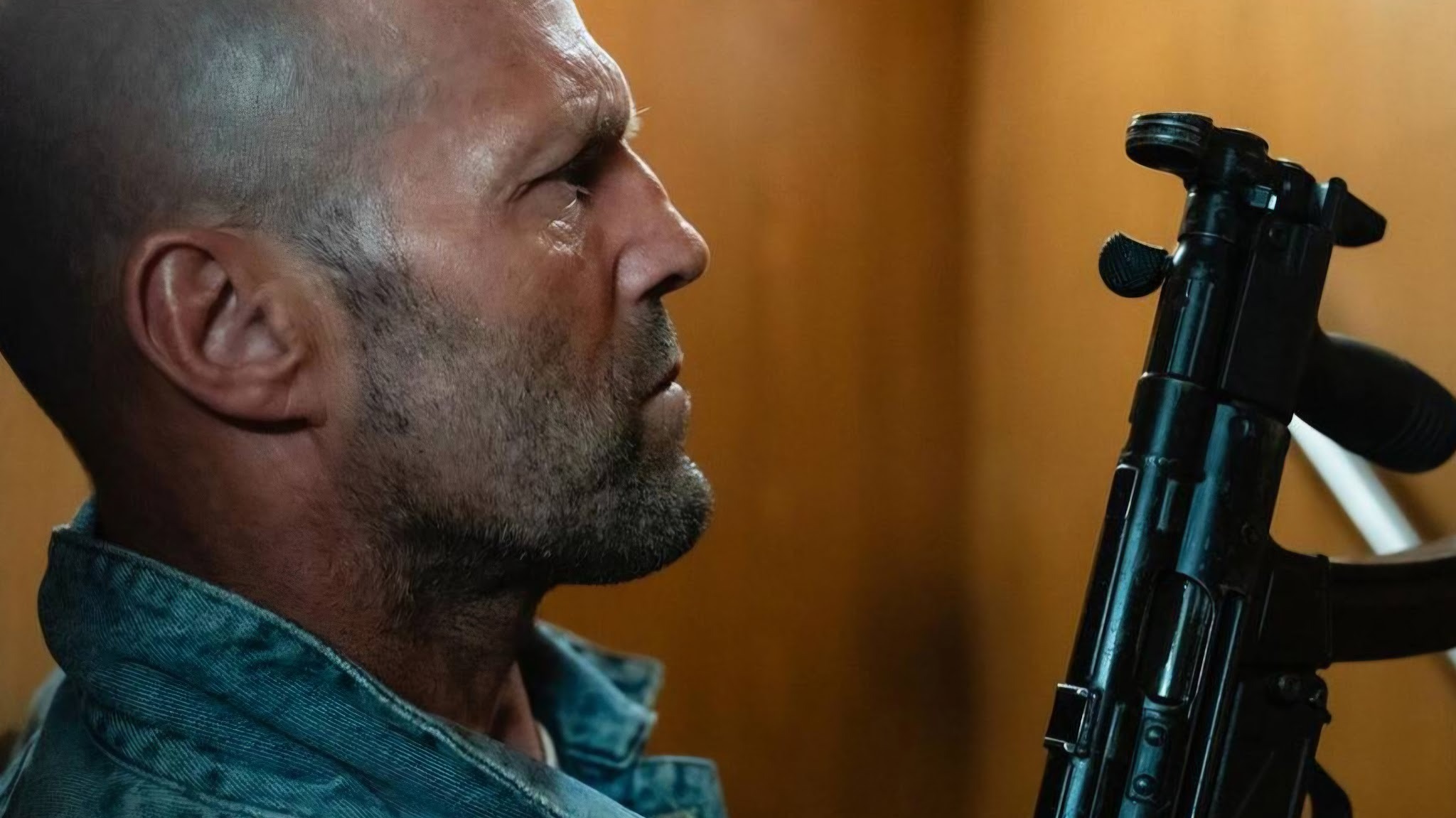
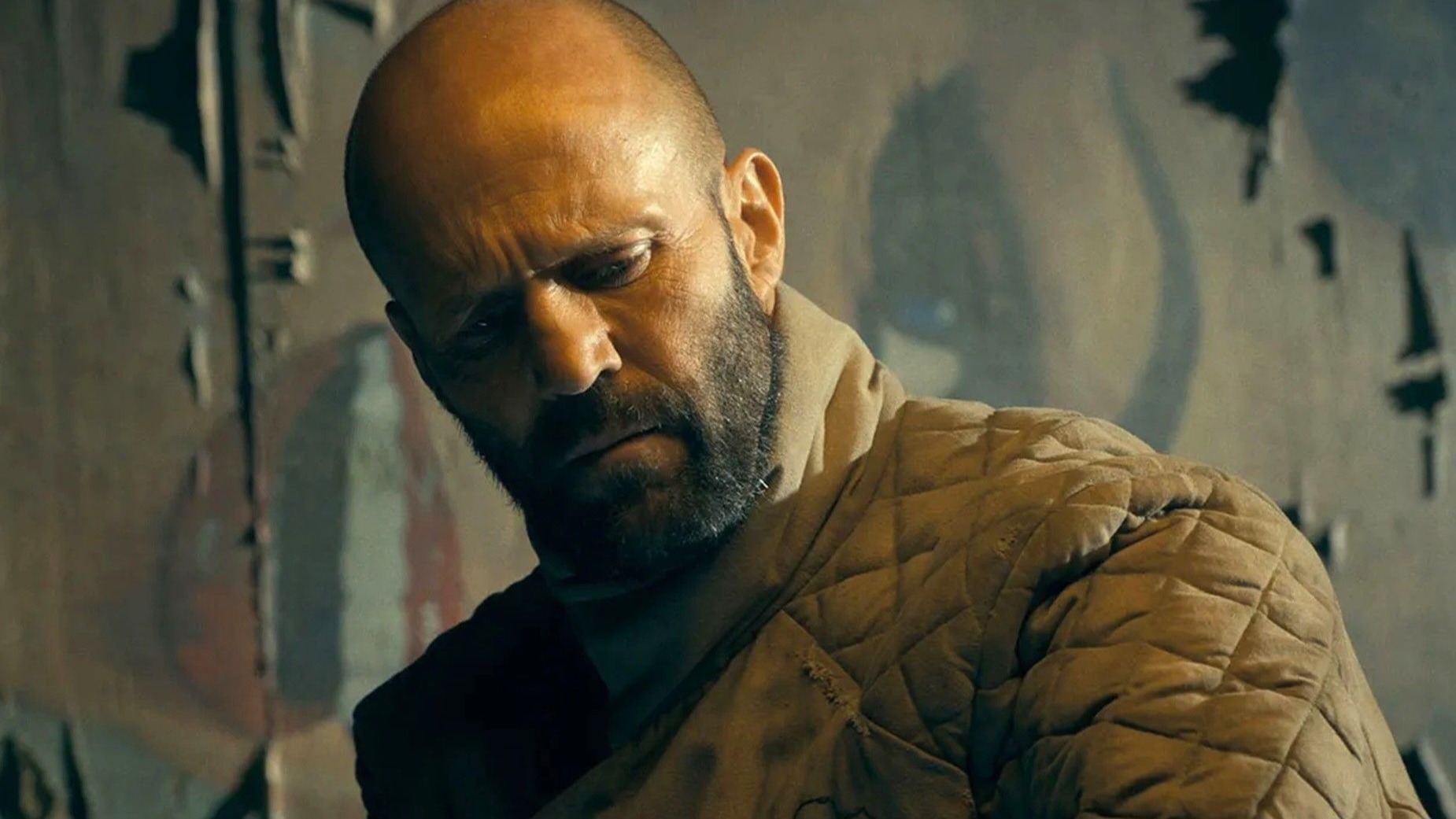
Synopsis: After his billionaire industrialist boss is murdered in front of him, Cole Reed is set up to take the fall for the crime — leaving him on the run as he works to uncover an international conspiracy.
I remember my grandparents once telling me that if you have nothing nice to say, say nothing at all. So, let me start here: if you have 90 minutes to waste, there are certainly worse ways to spend them than watching Jason Statham’s latest. Unfortunately, I’m also obligated to point out the ineptitude and laziness of Mutiny.
And if Grandpa Frank is looking down at me today, I’d remind him that when he gave me that advice, he never had to sit through a Statham-by-the-numbers action picture that is anything but spectacular. So much for smooth sailing, as the viewer has no choice but to go overboard, and even the most passionate Statham supporters have no choice but to abandon ship.
Yes, you know exactly what you’re getting in a Jason Statham thriller like Mutiny. The modern-day Steven Seagal, minus the obligatory environmental message and slapfighting, has produced his own brand of action-movie comfort food: inane plot points, generic characterizations, and the same tried-and-true recipe.
Unfortunately, “Handsome Rob’s” latest formula is a New Coke version, not the classic. To illustrate the point, a scene in Mutiny is so laughable and befuddling that it shows how little the filmmakers respect their audience. In the scene, the villain knows Statham’s character is going to create a diversion. The foe knows the hero has to get to the bridge.
Why? Simple: to contact the authorities. It’s the one place they can do it. Even the high-seas menace says out loud that he knows exactly why the diversion is happening. Yet, all the bad guys run off in search of the dangerous Mr. Clean, leaving just one villain to guard the freighter’s communications deck, the sole connection to the outside world.
Mutiny is that kind of film. The script, from Lindsay Michel (Sandpiper) and J. P. Davis (Plane), offers your standard action fare. Statham plays Cole Reed, a former London police officer who also served in the British Army’s Special Forces. Reed comes from a long line of cops but lost his job after failing to play the political game necessary to climb the bureaucratic ladder.
Cole works as a personal bodyguard for Tibu (Ramon Tikaram, of the upcoming The Magic Faraway Tree), a wealthy billionaire industrialist and shipping tycoon. Tibu considers Cole family after he saved his life five years earlier. Reed plays chess with Tibu nightly and even gifts him a Rolex for his retirement.
Tibu has decided to sell the business so his son, Kameron (Black Narcissus’s Chaneil Kular), can pursue his own path. Which, frankly, makes no sense. Tibu is a billionaire. He can fund his son’s dreams and still keep his baby. But then we wouldn’t have a plot point to move the story along excruciatingly, painfully.
If you watched the trailer, you know what happens next. It is pretty obvious who is involved, making it painfully clear you just have to add or subtract who was there. Statham’s character then heads to one of Tebu’s ships, on flimsy evidence, to seek vengeance, where he finds Angie (Annabelle Wallis), a last-minute addition to the crew, who tags along for the ride.
Mutiny is from Jean-François Richet, whose Plane is one of the most overrated action films in recent memory. The film here is incredibly predictable, with some bone-crunching action in between to pass the time. The rest of the film, like the scene described above, is plot-induced incompetence, idiot logic, and artificial jeopardy.
A handful of scenes are like the one described above. For one, after Cole rescues a group of human-trafficking victims, he tells them not to wait for him and to leave immediately. He takes off, and at least ten minutes pass. Yet, in a later scene, no more than 20 people are somehow still piling into a lifeboat, allowing the villains to catch up and recapture them.
By then, the group could have floated by the Statue of Liberty. But again, Mutiny is that kind of film, one that asks you to ignore cinematic incompetence to watch Statham break bones and end lives. Yes, the genre is deliberately formulaic, but for a Statham film, this has a remarkable blind spot for polishing all the absurdity.
You can watch Mutiny exclusively in theaters starting August 21st!
On this episode, Megan is joined by Maxance Vincent to discuss David Robert Mitchell’s long-awaited new film The End of Oak Street! Mitchell is such a fascinating filmmaker that has been polarizing so far and The End of Oak Street does nothing to squash that reputation. Some people love it. Others despise it. And for the reasons we mention, the film’s divisiveness is quite understandable.
Review:The End of Oak Street
Director: David Robert Mitchell Writers: David Robert Mitchell Stars: Anne Hathaway, Ewan McGregor, Maisy Stella, Christian Convery
On this episode, Megan is joined by Dave Giannini to discuss Andrew Patterson’s new film The Rivals of Amziah King, starring a phenomenal Matthew McConaughey and Angelina LookingGlass! We’ve been looking forward to Patterson’s follow up as The Vast of Night was one heck of a debut and he did not disappoint with this one. There is a ton to discuss with The Rivals of Amziah King and boy did we have fun with this conversation.
Review:The Rivals of Amziah King
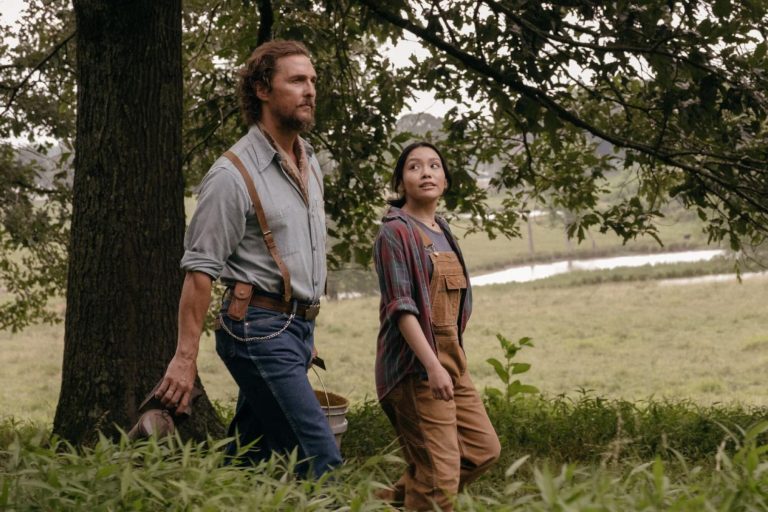
Director: Andrew Patterson Writers: Andrew Patterson Stars: Matthew McConaughey, Angelina LookingGlass, Tony Revolori
Synopsis: Fleur and Julian fall madly in love and decide to get married in all countries where they, as two women, are allowed to do so. After only four marriages, their journey comes to a painful and unexpected halt.
It has only been 25 years since the first nation, the Netherlands, legalized same sex marriage. In the United States, federal recognition, not just individual state recognition, has only existed for 11 years. Since the year 2001, of the 195 recognized nations of the world, 38 recognize legal protections for same sex marriage. It’s heart breaking to know that the majority of the world views the commitment of two people as a political or heretical act more than a human and philosophical right. It’s heart breaking to see that, in spite of their efforts, Fleur (Nina Meurisse) and Julian (Laurence Roothooft) never got to realize their goal of fully raising awareness of marriage equality by getting married in each country that would allow them to do so.
The film, Julian, is based on the book of the same name, written by Fleur Pierets. While the book is about the endeavor of a real project, the film never feels more like a civil rights drama than a love story. For drama’s sake there are mentions and moments of the news and progress of the project, but the story of Julian and Fleur is the most important piece and it shows throughout. This is thanks to the script by director Cato Kusters and Angelo Tijssens, which leaves room for deep breaths and long drinks of a happy couple.
We feel the love of these two in the pauses and in the quiet moments. Some of the best filmed scenes have little to no dialogue at all. Kusters, along with cinematographer Michel Rosendaal, find beautiful moments of light and shadow to linger on our couple. So much of the film is in close up or in a cozy hug of nearness. It feels like we’re being held and like we’re searching our lover’s face and finding nothing, but yearning and joy in it. It’s a beautifully shot film that drives right to our hearts.
In a quiet, but impactful scene, we have our couple at the waterfront in New York City. They’re there for wedding number three and it’s a bit of a logistical nightmare. Fleur, the workaholic, is formulating, tabulating, and ruminating on all that has to be done. Julian, the romantic, gets Fleur to see that work can wait because they are together in a beautiful city and they’re allowed to enjoy it. The two of them stand at a railing, Fleur in front, Julian behind. The light of the sunset plays on their faces and Julian motions toward another couple and expounds on how much she hopes for a love like that. Fleur laughs at being compared to a duck. The camera lingers on them as they laugh and snuggle together.
Julian is a film that captures a relationship so beautifully and the way in which a relationship will play in our minds afterwards. This play on memory lends itself to non-linear storytelling. We begin with the first meeting and fast forward to preparations for Fleur’s solo lecture after Julian’s death. The film weaves us through memory and time not as a device that makes the story more interesting than if it were linear, but in a way of Fleur reckoning with her own understanding of her relationship with Julian. It helps us understand too that Fleur’s words to a dying Julian weren’t just lip service. She is honoring, remembering, and loving Julian, but in a way that makes logical sense to her, as her memories flood in like the clips from the camera they used to film parts of their life together.
Julian is heartbreaking at the same time as it is heart lifting. The project, even unfinished, is a testament to what these two women firmly believed in. Yet, it’s also so much about love, pure and simple. The deep affection and need is palpable in every second of this film. It doesn’t wallow or sit still, but it breathes with us, communes with our hearts, and keeps us in a daze of light and happiness even amongst the tears. Julian is a beautiful film in every way imaginable.
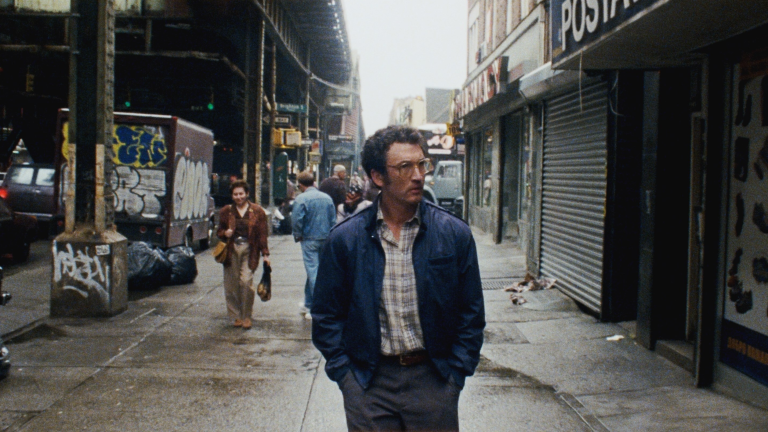
Director: James Gray Writer: James Gray Stars: Miles Teller, Scarlett Johansson, Adam Driver
Synopsis: Two brothers pursue the American Dream but get entangled in a dangerous Russian mafia scheme that terrorizes their family, testing their bond as betrayal becomes possible.
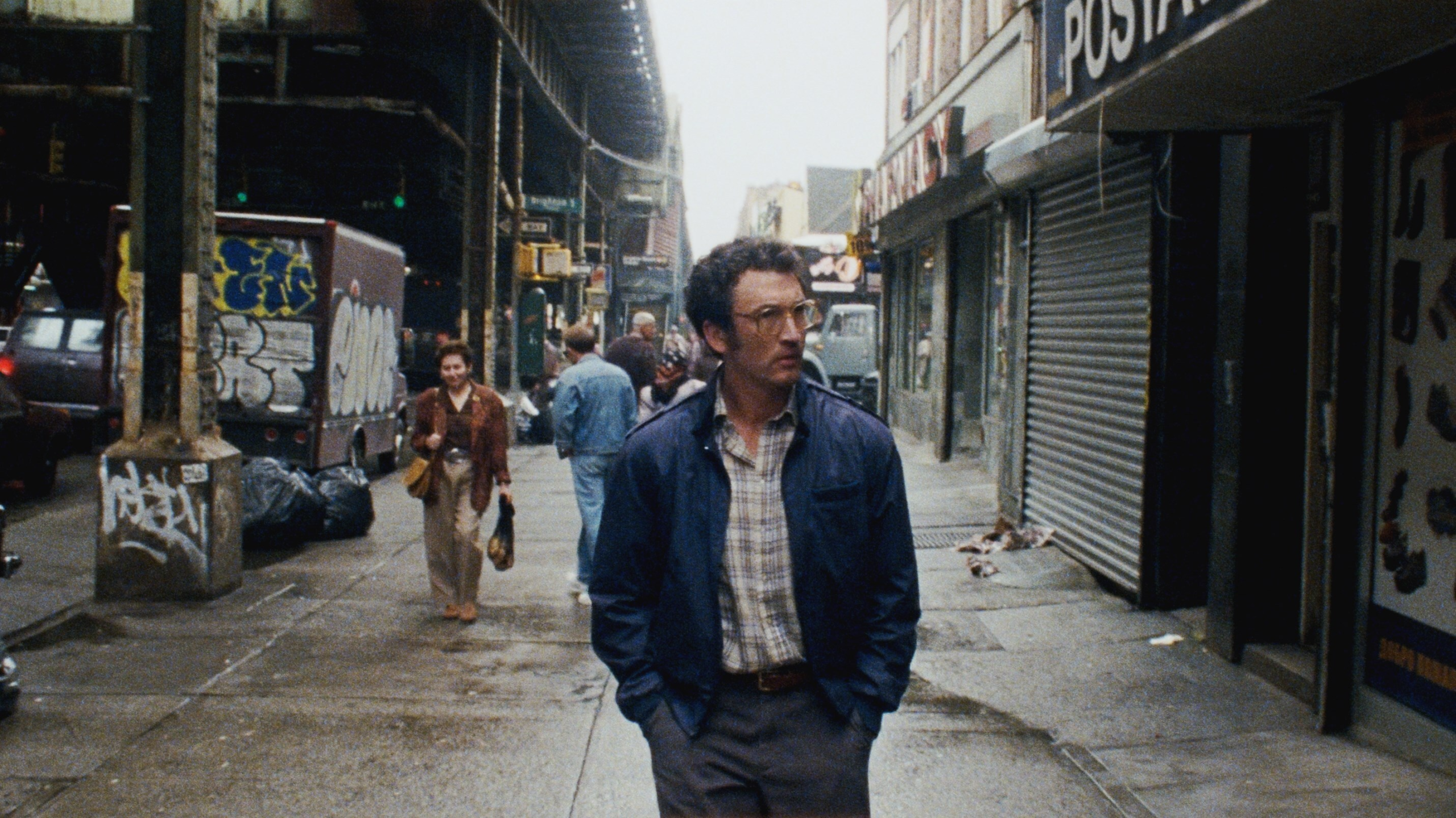
For nearly thirty years, James Gray has treated New York not simply as a setting for his films, but as a living archive of memory, regret, and inherited longing. It reminds me of a story he told at the Cannes Film Festival press conference for Armageddon Time. Gray talked about telling his kids stories about his childhood and growing up in New York, whether it was his fondness for the Yankees or his escapes through the crowded streets. His children were wowed by his description of New York, so one day he took them on a trip to revisit places and landmarks he used to visit when he was young. But upon arrival, they felt something was missing; Gray didn’t recognize what he saw—his kids’ visualization of these places differed from what they had encountered.
Modernization stripped the magic out of the city for Gray, which is why, in many of his works, he ends up trying to revive what’s already dead and buried. This longing is shown through his nostalgia, as seen in his previous and most personal film (the aforementioned Armageddon Time), in the stories about immigrants’ anxieties (Little Odessa), fractured family dynamics, and the struggles of the working class (We Own the Night), all under the spotlight of the American dream’s faux reality. All of his character is trapped between affection and obligation, a balancing act imposed by the city, which offers many opportunities but also demands many moral compromises and sacrifices.
Gray paints the city with melancholic honesty, revealing how its endlessness—both in its commercial possibilities and in its psychological turmoil—can disrupt the relationships that give his characters a sense of belonging, even as things become out of reach for them. This recurrent use of New York reaches a new culmination in James Gray’s latest work, Paper Tiger (screening in the Piazza Grande at the 2026 Locarno Film Festival), both a return to his classically orchestrated crime dramas and a continuation of his attachment to 1980s Queens. In this new film, Gray uses his personal attachment and the political turmoil of the times to tackle, once again, the uncertainty of working-class communities and the greed that consumes a person’s soul once an ounce of power is in their palm.
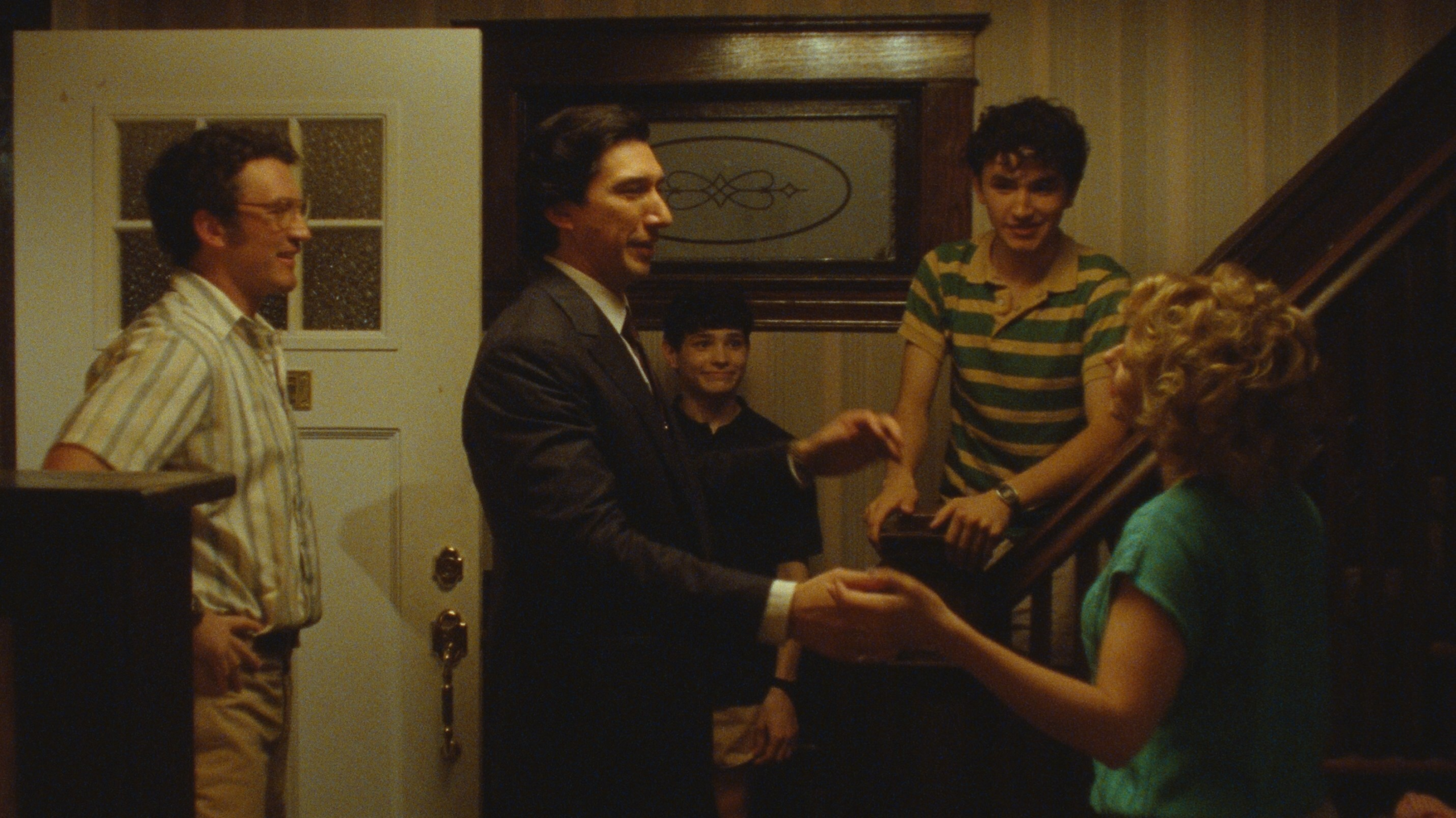
Paper Tiger is a tale of two brothers who test their slowly decaying morality and loyalty to one another when their “American Dream” is unwrapped from its facade, descending them into hell—going deeper the more they want to sustain that false reality and crave more power. Irwin Pearl (Miles Teller) is an engineer working his way up the company ladder, living in a nice, modest house with his wife Hester (Scarlett Johansson) and two sons, Scott (Gavin Goudy) and Ben (Roman Engel). They live a happy life together, amid the trials and tribulations of 1980s New York—a decade Gray calls “when the market became god”—and the events in Paper Tiger demonstrate a descent into the uber-capitalist mindset and order. However, even through those struggles, they are content with what they have at this very moment.
Out of the blue, Irwon’s older brother, Gary (Adam Driver), an ex-police officer who became a successful entrepreneur, (although occasionally via some sketchy business deals) calls with an offer that will make him plenty of money. Gary wants to create a new consulting firm to please some Russian businessmen who have gained control of the Gowanus Canal in Brooklyn. This canal is highly polluted and uncared for, which is where Irwin comes in. Gary wants him to advise the Russians on all permits and documentation needed to clean it up. It seems like an easy job for them to maneuver through. However, as you might expect, things don’t go as planned. Sooner rather than later, Irwin is in the middle of a hellish battle for power that his own brother constructed and can’t stop, because of his quest for capital.
Through the mold of a mob picture, filled with bursts of violence and sheer tension, James Gray exposes the false reality of the American Dream— how unreachable it has become and how, as decades come and go, only a few come out of it unscathed. New York has always been a place with constant, profound transformation in all aspects. But in the 1980s, the gap between wealth and poverty widened significantly, eroding the stability of working-class families. Everything changed, and what was once a happy, modest life became more frustrating as people had to look for more options to make ends meet. This later had many with economic aspirations become entangled with corruption and violence. And they got their cash and provided for their families, all the while crushing another person’s chance, whether by good or bad measures.
This cycle of violence reached Irwin and Gary’s doorsteps, drawing them into the path of a Russian mob. Their promise of prosperity came with a moral price, and there are things that they just can’t repay. The consequences of their choices are what give this story its tragedy. Gray understands that desperation does not appear as a single definite moment, but rather as a series of events that crash into one another. The criminal world does not come to Irwin and Gary on its own. It is the capitalist system that puts them on that trajectory, where providing for themselves and their families means taking something away from someone else. These are thieves robbing from one another until one of them has what they want, but ultimately sacrifices everything they hold dear; in the process of trying to provide, they lose their sense of self.
Paper Tiger becomes less of a story about crime and more a story about the cost of survival in a society that continually asks people to sacrifice in return for security. The tragedy behind Gray’s mob drama is that it is carried by the promise that hard work can lead to better lives, yet the system leaves little to no paths to that life of success and prosperity. What I enjoy about Gray is how he paints his characters in the most human way, even though the scenarios in his films are set in a heightened, cinematic reality of the crime life. Irwin and Gary are not characters meant to be placeholders for a morality tale about greed. Instead, they are just deeply flawed men whose decisions emerge from the recognizable desires to provide. They are not victims or villains; their mistakes, compromises, and consequences are grounded in reality, which makes their respective endings quite affecting, even if we cannot condone their actions.
Director: Antonin Baudry Writers:Antonin Baudry, Bérénice Vila Stars: Simon Abkarian, Simon Russell Beale, Benoît Magimel
Synopsis: June, 1940. France collapses and signs the armistice. In the midst of the chaos, one man refuses to give up. Alone against the odds, this unknown general flees to London to save what remains of freedom.
Antonin Baudry’s De Gaulle: Résistance, the first in a two-part epic based on Julian Jackson’s “De Gaulle: Une certaine idée de la France,” Marvelizes a figure whose role in history remains the subject of controversy. Some laud the general-turned-President as a hero; others vilify his policies and style of governance. The film, of course, refuses to interrogate any of it. Some audience members will likely dismiss it as nothing more than “propaganda,” and they would be correct to think so. After all, glorifying such a figure without ever attempting to examine the thought behind his decisions seems strange, but at least most of its star-studded cast will repeat “LA FRANCE!” a thousand times to reinforce the sentiment of patriotism seeping across the country, right? Right?!??
The Marvel comparisons are exacerbated when, later in the movie, as French resistance protestors Fernand Bonnier de La Chapelle (Florian Lesieur) and Olivia (Anamaria Vartolomei) must flee Paris after the Nazis overtake a protest on November 11, Jean Moulin (Félix Kysyl) is introduced as if he’s Nick Fury. I was almost waiting for the “Jean Moulin will return in Moulin” tagline after the film’s post-credits scene (yes, there’s a post-credits scene, I’m not joking) to link this interpretation of the resistance hero to Gilles Lellouche’s portrayal in László Nemes’ upcoming film, but that didn’t happen.
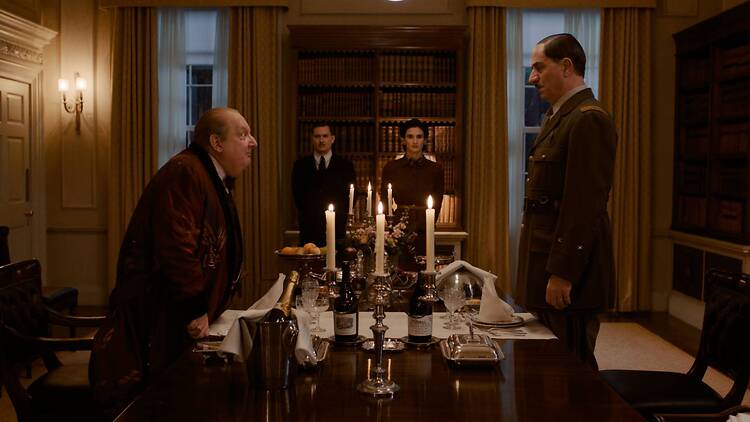
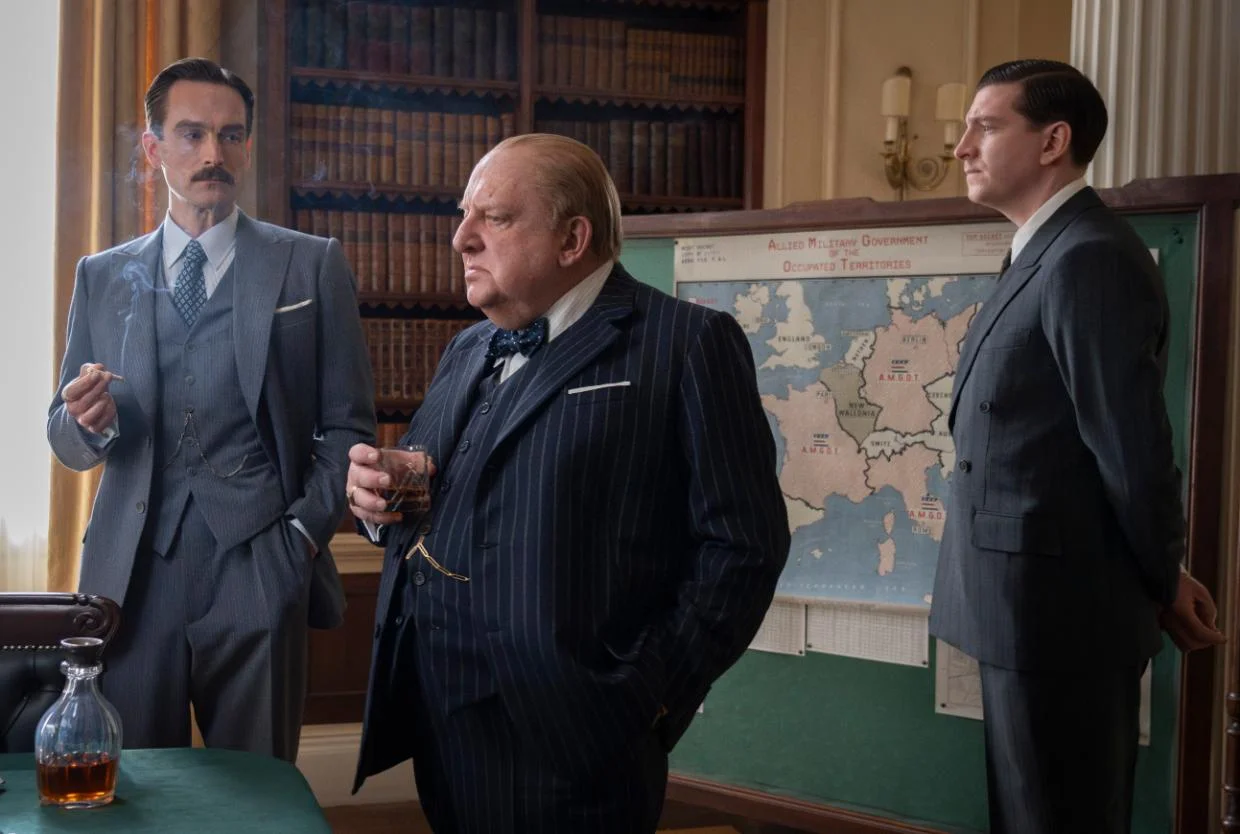
Of course, the bulk of a “Part One” will mean lots of table-setting and exposition before the (likely) action-heavy second part, and that is what Résistance (mostly) delivers. A good chunk of the film examines the power relations between a once-unknown Charles de Gaulle (Simon Abkarian) and Winston Churchill (Simon Russell Beale), who doesn’t know whether he should unquestioningly trust the general’s instincts in the wake of France’s capitulation. Its Head of State, Philippe Pétain (Alain Libolt), and his second-in-command, François Darlan (Mathieu Kassovitz), have succumbed to Nazism and are now working hand-in-hand with Hitler to integrate the party’s core ideologies within France.
Churchill is, of course, strongly opposed to Hitler’s totalitarian reign and the Nazi ideology as a whole. He is looking for allies across all countries. However, the United States President, Franklin D. Roosevelt (Campbell Scott), wants no part in the war, and most governments believed the Germans would win World War II and capitulated. De Gaulle is the Prime Minister’s last hope, but his methods in toppling the Vichy government to liberate France are complex and unorthodox.
We thus get a fairly sanitized examination of De Gaulle’s methods, alongside frictions between the United Kingdom and France, as the general’s actions may very well put the future of the war in jeopardy. Simultaneously, we examine the story of Fernand, an anti-Vichy protester and member of the French resistance whose disdain for the country’s current authoritarian government will ultimately lead him to assassinate Darlan, resulting in his execution. This event removed a massive hurdle for the Allies and ultimately led to De Gaulle becoming the leader of Free France, though this part is reserved for the second installment.
Most of the first part occurs through tense, closed-door conversations between Churchill and De Gaulle, as the general’s actions don’t seem any closer to ending the war. These conversations are of varying quality, but the one undeniable thing is how great its massive ensemble is. Abkarian impresses as De Gaulle, perfectly embodying his stern mentality even during times of great uncertainty. There’s a certain stoicism to his performance that feels as if De Gaulle was brought back to life; the intonations of his words always feel urgent and necessary, as composer Volker Bertelmann reheats his All Quiet on the Western Front and Conclave nachos (yet again) to draw pressure-cooker compositions even when there’s no “action” on screen.
Even with the same string-heavy patterns as his most recent scores (hopefully, Clayface will be different), Bertelmann’s music still punctuates the film’s images well, which are of sweeping grandeur and scale. In an era where American blockbusters look smaller in scale and have the ugliest possible aesthetics, Antonin Baudry reminds us all what a massive motion picture should not only look, but feel like. The film’s final battle in Bir Hakeim is what the French call “un grand morceau de bravoure,” because the sense of scope and immediacy that such a scene evokes is genuinely awe-inspiring. Baudry also doesn’t shy away from showing the brutal, inhumane, cost of war, even if he’ll occasionally veer into jingoism, especially when “LA FRANCE!” is screamed and repeated ad nauseam.
The climax sets the table for what’s to come, which, from the looks of its post-credits trailer, will be much grander (and more patriotic) than this drawn-out, but admittedly entertaining first part. One can complain that the movie does feel very much in the line of modern-day propaganda pieces such as Tsui Hark, Chen Kaige and Dante Lam’s The Battle at Lake Changjin diptych, but the thing is: there’s enough here that feels more like a real movie than something so blatantly nationalistic. There’s texture in the character work. The performances are genuinely impassioned. The action scenes have genuine scale and clarity. The tension is simmering, and the exchanges between diplomatic figures cut deep. It sometimes veers into dull nationalism, but never to the detriment of the film’s emotional experience.
When the credits ultimately rolled, the question that was at the back of my mind was simple: will I return to the cinema next month for Part II: Liberté? No hesitation that I will be there, and I assume the Québec audience will also fly out in droves, considering how packed my 2 pm public showing of the film was on a bright, sunny Friday afternoon…
This week on the InSession Film Podcast, inspired by the release of Tony this weekend, we discuss our Top 5 food movies! Plus, we dive into the announcements from D23 over the weekend and the upcoming projects we’re most excited about.
– D23: Star Wars (5:27) We begin the show this week by diving into the latest news to come out of D23 over the weekend. First up, we talk about Star Wars. The reports comparing Starfighter to Ryan Gosling’s 2011 film Drive was especially alluring. Gosling even came on stage in a jacket to give credence to those comparisons. If Shawn Levy can deliver, it might be one of the bigger surprises of next year. We also got to see the new trailer for Season 2 of Ahsoka, which looks 10x better than Season 1 (which we did kind of appreciate).
– D23: X-Men & Marvel / Animation (21:10) Next, we get into the big X-Men reveal and the announcement of the new cast. We figured this was happening given that Marvel avoided anything X-Men at Comic-con just a month ago. The cast is coming together nicely, culminating in Keven Feige finally getting Adam Driver to join the MCU after many attempts and failing in the past. After talking some Marvel, we end our D23 discussion by talking about Frozen 3, Incredibles 3 and Coco 2.
– Top 5 Food Movies (1:12:21) Inspired by the release of Tony this weekend and the late-great Anthony Bourdain, we thought it would be fun to dive into our Top 5 food movies! There’s perhaps a fine line between movies where food is a vital throughline and those with just a few delicious scenes that stand out. But regardless of your criteria, there are so many great food movies to consider and we had a great time talking about why these films move us. With that said, what did you think of of our final list?
If you want to help support us, there are several ways you can help us and we’d absolutely appreciate it. Every penny goes directly back into supporting the show and we are truly honored and grateful. Thanks for your support and for listening to the InSession Film Podcast!
Director: Julia Hart Writers: Laura Hankin, Julia Hart, Jordan Horowitz Stars: Sunny Sandler, Melanie Lynskey, Stephanie Beatriz
Synopsis: Sophie Birenbaum is ready for the spotlight as the lead in her high school musical — until suddenly she’s living with even more drama at home than on the stage.
I cannot remember a movie from Happy Madison Productions like Don’t Say Good Luck, this heartfelt, this poignant, or this beautifully done. We are talking about a company that has given us some of the quintessential sophomoric comedies, from Happy Gilmore and The Waterboy to films Adam Sandler made for his friends, like Grandma’s Boy and the Deuce Bigelow franchise.
Yet, a funny thing happened a couple of years ago when Sandler made You Are So Not Invited to My Bat Mitzvah. That family affair was sweet, unlike anything the brand had made before, while still carrying dashes of Sandler’s comedic sensibilities. However, with Don’t Say Good Luck, he has produced something entirely different: something wonderful, tragic, and deeply moving.
nor does it capture the coming-of-age awkwardness of Eighth Grade or the visceral antipathy of the mother-daughter dynamic in Lady Bird. However, this Netflix film is so heartfelt and grounded that it makes you appreciate what you have or long for what you don’t.
The story follows Sophie Birenbaum (Sunny Sandler, wonderful here), a seventeen-year-old shy theater kid who tries to win a small part in her high school’s production of “Waitress.” Sophie is the oldest daughter of Elizabeth (Melanie Lynskey of Heavenly Creatures fame) and Ted (New Girl’s Max Greenfield), who are also raising her rambunctious young twin brothers.
However, Sophie’s parents, in a charming and poignant running bit throughout the film, have a habit of accidentally calling their daughter. One of those times, Sophie picks up and hears something she was never meant to hear: her mother’s cancer has returned. She calls her best friend (Scarlett Estevez), and her grandparents (Bebe Neuwirth, Steve Buscemi) come to help.
Ted runs a local delicatessen, making it a family affair. Sophie comes running in to announce that, with the support of her teacher (Stephanie Beatriz), she has landed the coveted lead role. Soon, she is paired with the theater heartthrob (Avatar: Fire and Ash’s Jack Champion), navigating the awkwardness of coming-of-age just as her mother’s health begins to deteriorate.
Don’t Say Good Luck comes from director Julia Hart, who wrote and directed the criminally underseen streaming crime thriller I’m Your Woman. Hart co-wrote the script with Laura Hankin andLa La Landproducer Jordan Horowitz, with the story reportedly inspired by Hankin’s own life. Hankin, an acclaimed novelist, makes her first screenplay, where the characters feel lived-in.
In a coming-of-age drama, it is unusual to see teenage life portrayed with so little sensationalism. Sophie’s parents and grandparents don’t threaten the teenage boy dating their daughter. The kids are empathetic, treating each other with respect and kindness. Where another film might turn a friend spending more time dating into a major rift, here, fences are mended with tenderness and care.
A clever storytelling trick is that much of the anxiety and conflict surrounding her mother’s deteriorating condition plays out in the background whenever Sophie puts on her headphones. The most critical moments where family members snap at each other happen with Neuwirth’s character, whose anxiety about her daughter’s health is understandable.
Also, there is a scene where Sophie becomes angry that her mother cannot see her performance. Some may be quick to call the teenager selfish. However, what they may fail to understand is that this is a young woman projecting her fear and anxiety over the possibility of losing her mother. Over the course of the movie, the screenplay connects these two perspectives.
Lynskey’s performance shows viewers the profound selflessness of motherhood. This being a Netflix film, it is a genre picture, designed to pull at your heartstrings and build to a finale designed to open the waterworks. Or at the very least, put a giant-sized lump in your throat. This isn’t a raw look at cancer like in Our Friend. This is designed to be a tearjerker, but not a shameless one.
Hart, Hankin, and Horowitz’s film is indeed a tearjerker, but unlike many others, it knows exactly which emotional buttons to push and earns every single one of them. Sunny Sandler steals the show in the finale, as a warm family film gives way to inevitable sorrow. Yet it’s the moments lived in between that make life worth living, in a story about a young woman finding her voice, guided by love, by family, and, to a point, by community.
Director: Cal Brunker Writers:Cal Brunker, Bob Barlen Stars: Carter Young, Mckenna Grace, Ron Pardo
Synopsis: The Paw Patrol lands on a mysterious dinosaur island after a storm, where they meet Rex, a stranded pup. When Humdinger’s reckless mining triggers a volcano, the team faces their biggest rescue mission yet to save the island.
Perhaps I’m not the right person to be reviewing PAW Patrol: The Dino Movie, because this isn’t really an animated film destined for a broad audience. It’s only going to function as something truly entertaining if you’re under the age of 3 (or maybe 2). Anyone else might be too old for such a coddling adventure film that takes zero screenwriting (or thematic) risks and is so easy-to-follow you don’t even need to pay attention half of the time, because the film will constantly tell you what’s going on.
If you’re a parent, though, you might be asking yourself the following question: should I bring my child to the cinema to see this? After all, there probably isn’t a more exciting outing for kids than the movie theater, where they can munch on popcorn and be wowed by the transformative power of the silver screen. Perhaps they will run in the aisles and begin talking loudly during the movie, but they will learn valuable lessons on how to behave in public spaces, and the cinema is probably the best place for them to know how to watch – and appreciate – a movie with an audience.
The core problem at the heart of PAW Patrol: The Dino Movie is how adult viewers will probably be bored out of their minds watching this. It’s easy to say “I’ll bring my kid to this film,” but the thing is: you have to watch the movie, too. In many cases, studios understand that mainstream animated movies should be for a broad audience, because parents are seeing the film with their children. In the case of PAW Patrol, it’s hard to see a parent enjoying a movie that won’t activate their inner child, because it will only stimulate audiences that don’t really know how to watch something on a screen just yet.
This is a film that one can easily watch in the comfort of their living room and understand what’s going on in the background instead of having your full attention directed towards it. Director Cal Brunker will show you something – a ravine filled with water that could stop the eruption of a long-dormant volcano – and will have a character say “I must get to this waterfall to stop the lava!” or something along those lines. I’m not trying to denigrate the film at all, but this is truly a product for babies who are still trying to understand how the world works, through the eyes of characters that will bring them safety and comfort.
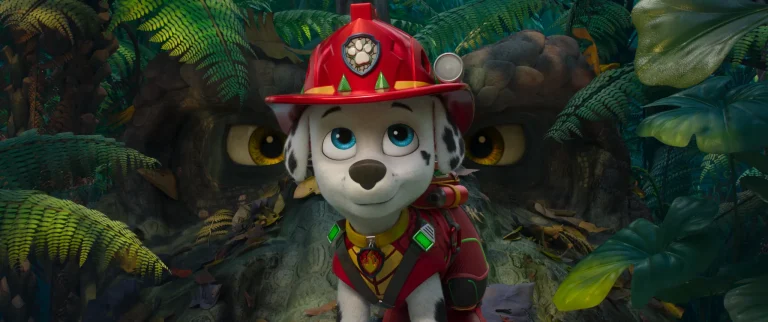
In that regard, it’s thus unsurprising that PAW Patrol: The Dino Movie, while grander in scale than the previous two films, has zero stakes. Oh, sure, they put Marshall (Carter Young) in mortal danger in this one, and even give him a textured flashback that’s highly reminiscent of the drive Carol Danvers had while training in the military in Anna Boden and Ryan Fleck’s Captain Marvel (shades of Zack Snyder are also present in these scenes). Let’s be real, though: is Brunker ever going to kill a member of the PAW Patrol? Of course not!
However, part of the enjoyment of watching The Dino Movie is seeing how the titular patrol will get out of a dangerous situation, and there is a bevy of well-mounted (and superbly animated) action scenes that are sure to enthrall younger moviegoers who probably can’t watch Steven Spielberg’s Jurassic Park. Montréal’s Mikros Animation has greatly improved itself from The Mighty Movie to this one and realizes sequences of actual grandeur that are constantly kinetic and involve the audience’s active participation in wanting the characters to be out of harm’s way. The level of detail is far more staggering than the TV show, and Brunker has also improved his skills as a director to make this third outing more cinematic.
The voice cast is also particularly inspired, with Young a standout, giving Marshall the depth he needs to be the beating heart and soul of The Dino Movie. The dinosaur world itself needed a bit more development for it to feel tangible, but the film stops dead in its tracks in fleshing it out to bring back Mayor Humdinger (Ron Pardo) and his umpteenth evil plan. While Pardo’s vocal turn is as dynamic as ever, the villain has grown to be tiresome, since none of the characters meaningfully evolve or learn anything along the way (minus Marshall).
This is where the televisual language comes into play, something that Brunker and co-writer Bob Barlen can’t fully overcome. At the end of the day, this is an extended episode of the TV show. And while it looks much better and flows more like a movie than usual, PAW Patrol remains an IP exclusively for (very) small children. I can’t say that, from a technical standpoint, the film is “bad” by any means. It is competently made, the animation is rock-solid, the action is fun, and there are surprising attempts at deepening the characters that television doesn’t allow. However, I also can’t recommend this film to anyone who isn’t a very small child. If you’re a parent, it would be preferable to watch Toy Story 5 with your child than a big-screen adventure made primarily for babies.
That said, by bringing your child to PAW Patrol: The Dino Movie, it will likely be their first big-screen experience, and could unlock a lifelong passion for movies. This is what happened when my parents brought me to the cinema for Shrek 2. At the end of the day, just remember who you’re doing this for, and why it’s important that your child is exposed (at a young age) to the transformative power of cinema. Who knows? You might be raising the next Steven Spielberg…
Director: Garry Marshall Writer:Gina Wendkos (based on the novel The Princess Diaries by Meg Cabot) Stars: Julie Andrews, Anne Hathaway, Héctor Elizondo
Synopsis: Outcast high school student Mia Thermopolis has her life turned upside down when her long absent grandmother, Clarisse Renaldi, the Queen regent of the small European kingdom of Genovia arrives in her hometown of San Francisco, California. Mia learns she is the sole heir to the Genovian throne following the death of her father, and agrees to take part in princess lessons from Clarisse before deciding if she wants to continue being a normal teenager or become royalty.
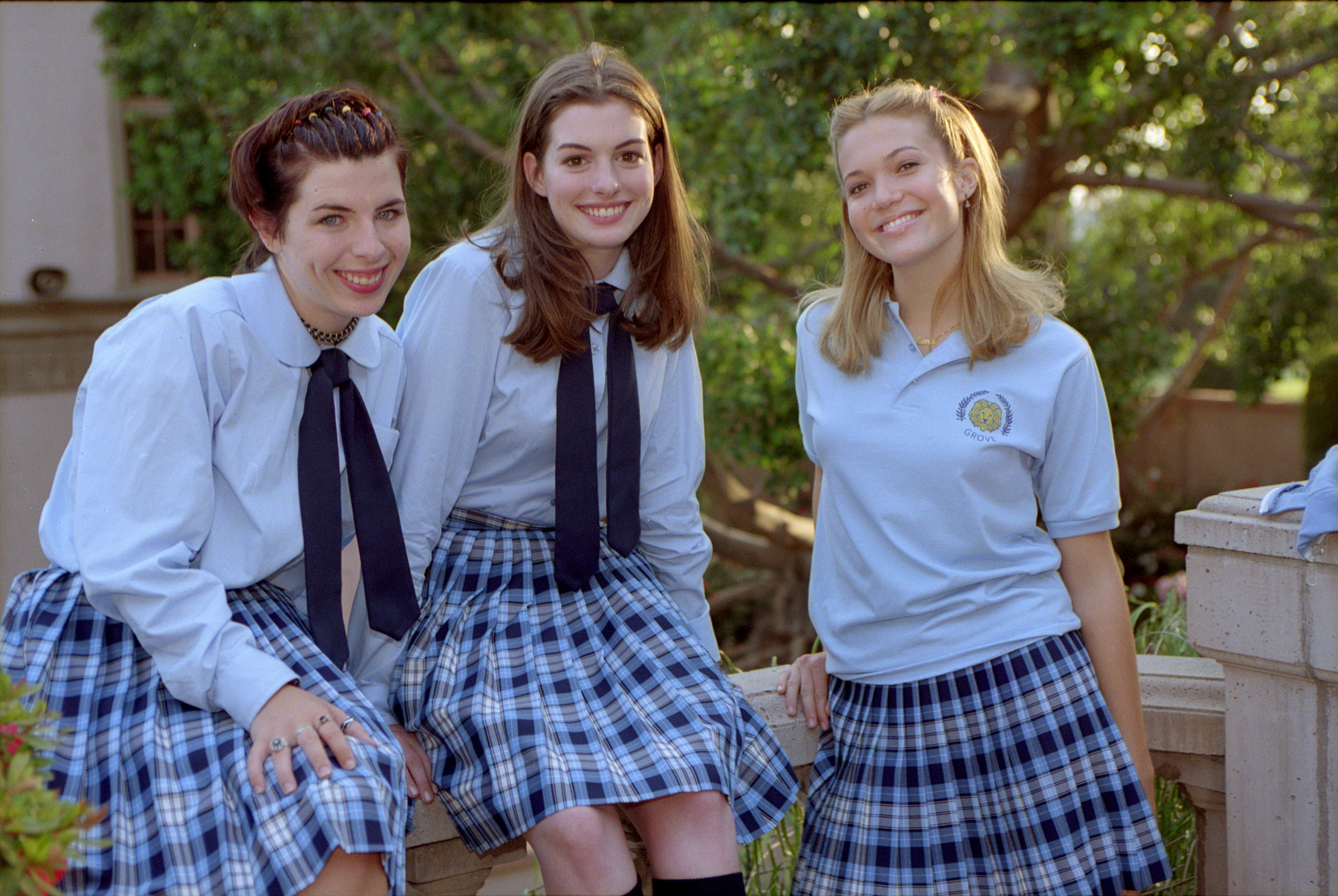
It seems like yesterday that I was six years old and seeing The Princess Diaries for the very first time with my mom. Somehow though, it has been 25 years since that little boy had his world forever changed by Julie Andrews and Anne Hathaway. The film, along with Shrek, which was released earlier that same year, became one of my biggest hyperfixations. I didn’t care that it was “for girls,” because I saw myself in Hathaway’s nerdy outcast Mia Thermopolis, and threw myself into author Meg Cabot’s novel series which was the source material for writer Gina Wendkos and director Garry Marshall’s film.
While it shocked me that Wendkos had taken liberties with Cabot’s books, she remained true to who Mia was, which naturally mattered more than anything else. Wendkos kept Mia’s shyness and down-to-earth attitude along with her sarcasm, then has her grow more self assured as she spends time learning how to be a princess with her grandmother, Clarisse Renaldi, the Queen regent of the small European kingdom of Genovia (Andrews).
In both the film and novel, Mia also grapples with the weight of being a teenager and now suddenly heir to the throne of this country she knows nothing about. Wendkos and Garry Marshall depict this with such care rather than making it seem like Mia is being dramatic. They don’t talk down to their audience, understanding that being a teen can be hard enough even if you don’t have an estranged grandparent dropping in to tell you that the future of their entire kingdom rests on your shoulders.
That’s part of what makes The Princess Diaries so relatable. We don’t all have to choose between being a teenager and a princess, but regardless of age and gender, we’ve all had to discover who we are while wrestling with our identities along the way. No wonder Mia connected with my six-year-old self so much, I had no idea who I was and was being dragged to things I didn’t want to do all the time.
It also helps that this cast is fully committed to what is admittedly a rather silly premise. Hathaway, who was a teenager when she was cast, shines as Mia Thermopolis. She brings tons of charm to this role and believably portrays every part of a young girl dealing with the chaos of being a teen before Clarisse even drops the princess bomb on her. Watching Mia evolve is a hilarious, heartwarming treat because in spite of her newfound beauty, Hathaway never fully lets go of the traits that make Mia unique, even though that’s what Clarisse hoped to tone down by putting her granddaughter through princess training.
There’s something so special about seeing someone go through everything Mia does and coming out on the other side with her personality intact before making the choice between claiming or renouncing her title. So many adults try to force things on their children and grandchildren, but The Princess Diaries is a piece of media that shows they’d be better off and perhaps even have stronger relationships if they just let them figure out what they want out of life while helping them along the way.
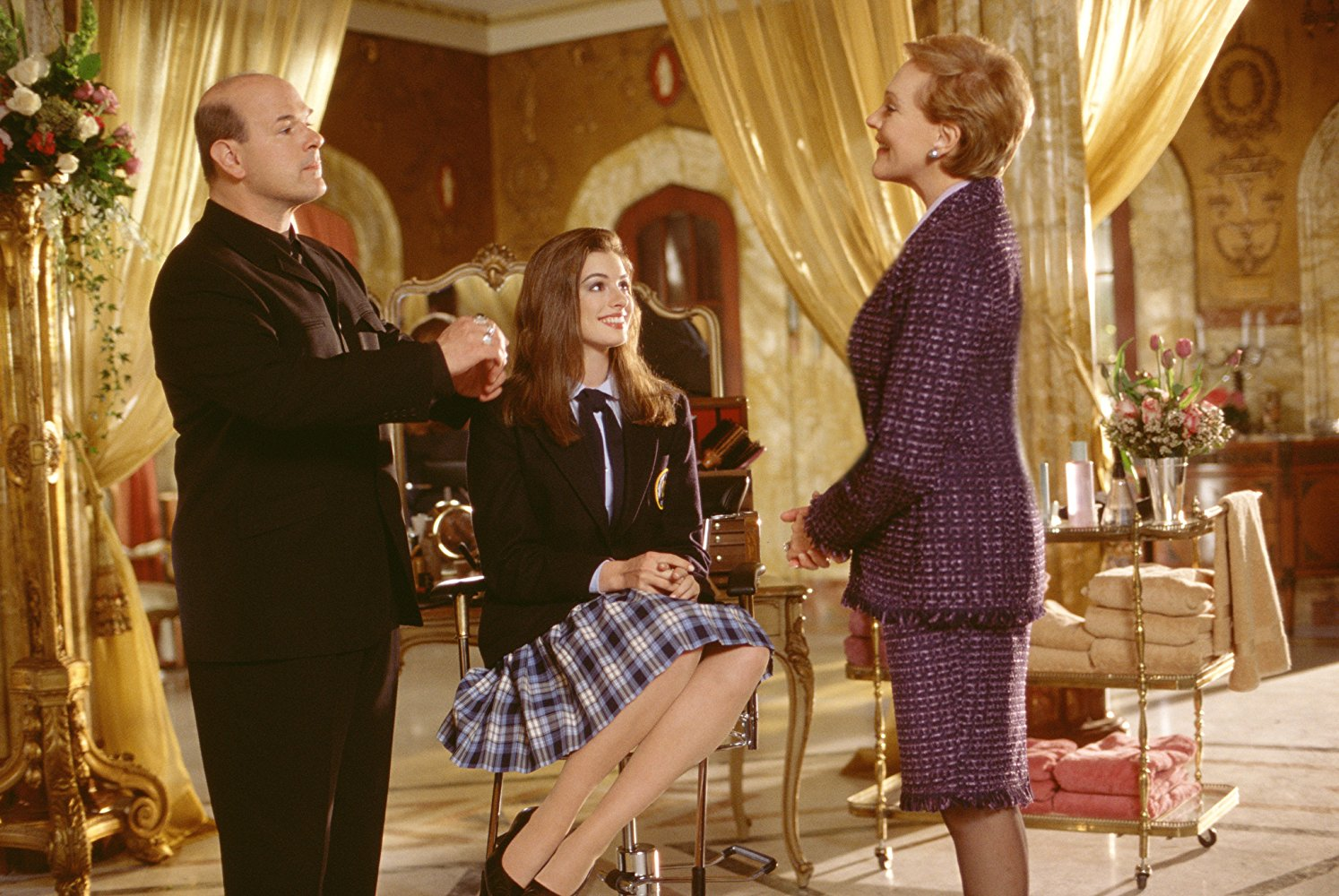
That’s a lesson that Clarisse has to learn during this film. At first, she’s stubborn and set on Mia being heir, but the two come to a compromise and make an effort to get to know each other as Clarisse teaches Mia how to be a princess. Julie Andrews was truly the perfect choice for this role because she balances being hardened and warm with ease, while also serving as a familiar face for audiences opposite an unknown Anne Hathaway in her film debut. As I got older, I realized how much of Clarisse I saw in my own Granma, and that just makes this film so much more meaningful. My Granma might not always be prim and proper in the same vein, but like Clarisse, she’d do anything for me and has always encouraged me to be myself while teaching me different things.
For all its drama and relatability, The Princess Diaries is also just a funny film. Andrews and Hathaway have terrific chemistry and will make you laugh throughout. Then there’s Garry Marshall film regular Héctor Elizondo as royal bodyguard Joe, who starts off as no nonsense, but lets his guard down in unexpected ways. This is the role that helped Elizondo go from being “that guy” to an actor I’m always happy to see elsewhere. Memorable side characters like Joe help this world feel more alive while also providing comedic relief. So much of Wendkos’ script remains quotable to this very day which isn’t always the case when it comes to older comedies. I can still recite almost every line like it’s nothing, especially the scene where Clarisse tells Mia that she’s a princess. I’m certain that I’m not alone in that regard.
Even though I’ve got a better idea of who I am and what I want to do these days, I still see myself in Mia because I’m just as awkward as I am confident. Plus, there’s as much pressure being an adult as there is in being a teenager, despite some movies and shows making it look like a breeze. Some days I really do wish a mysterious relative will show up and say I have to rule some random place I’ve never heard of because that feels like it’d be easier. I’m still here though, powering through with the help of family and friends, and hoping to make the world a better place just like Amelia “Mia” Mignonette Thermopolis Renaldi, Princess of Genovia.
The Princess Diaries still rules all these years later thanks to Julie Andrews and Anne Hathaway. It’s a perfect example of remaining true to the source material while making it your own with thoughtful characterizations, a solid plot, and legendary lines which are then paired with unforgettable performances.
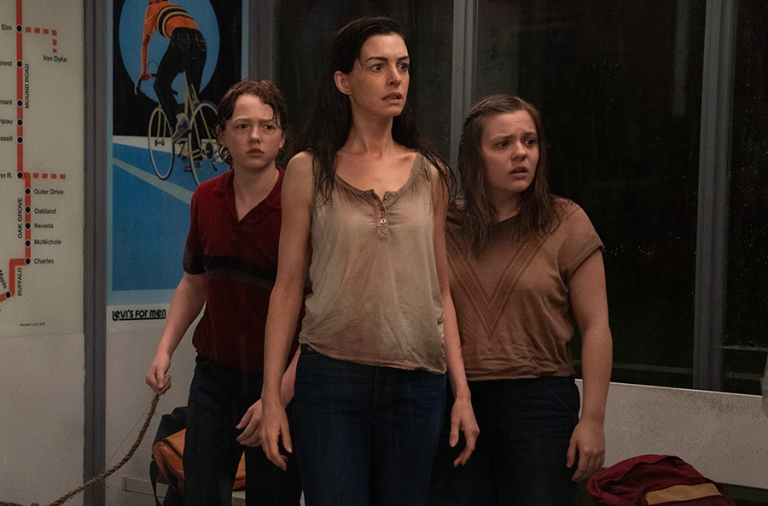
Director: David Robert Mitchell Writers:David Robert Mitchell Stars: Anne Hathaway, Ewan McGregor, Maisy Stella, Christian Convery
Synopsis: The Platt family bands together to navigate their new surroundings after a cosmic event transports their suburban neighborhood to someplace unknown.
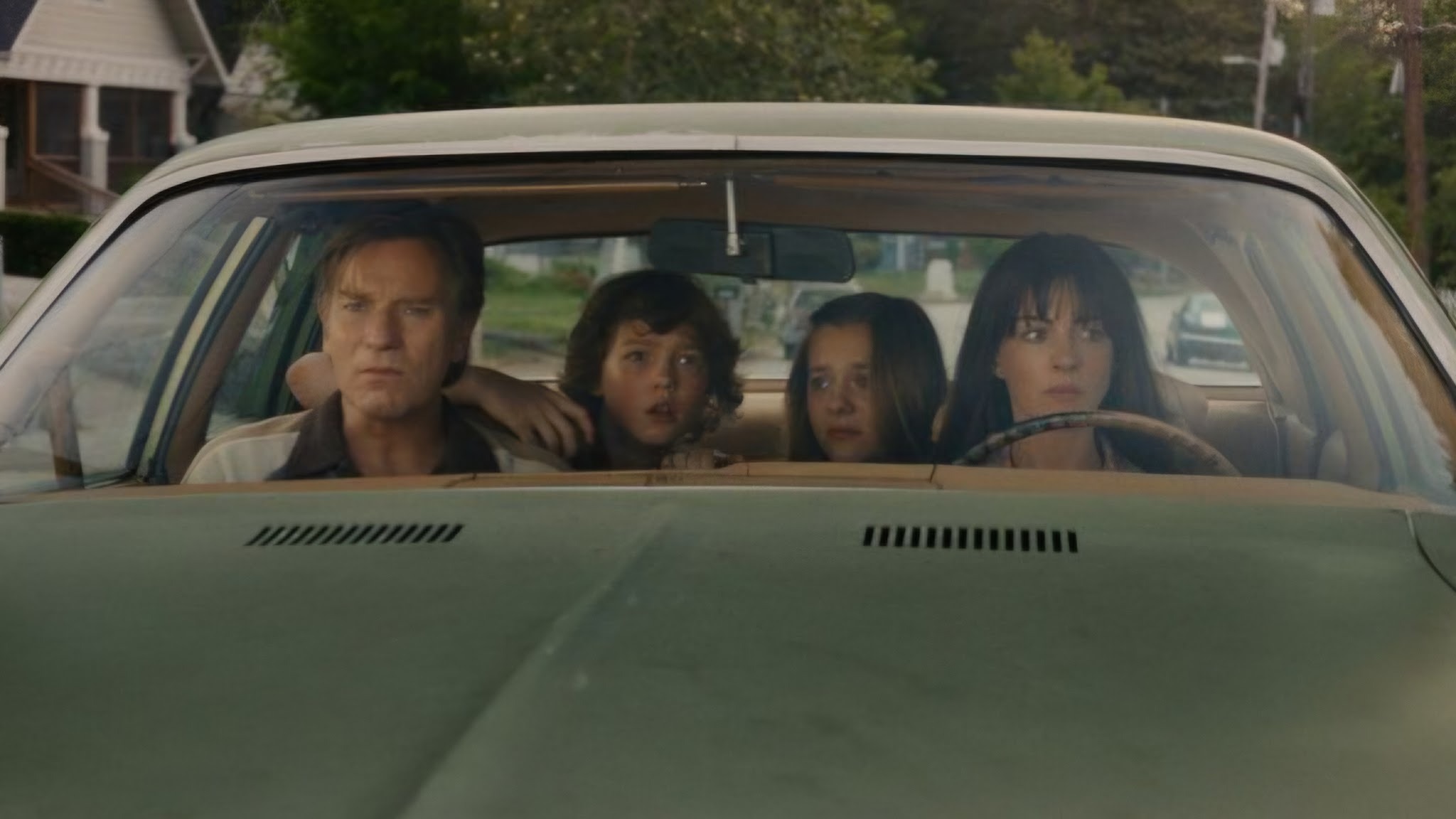
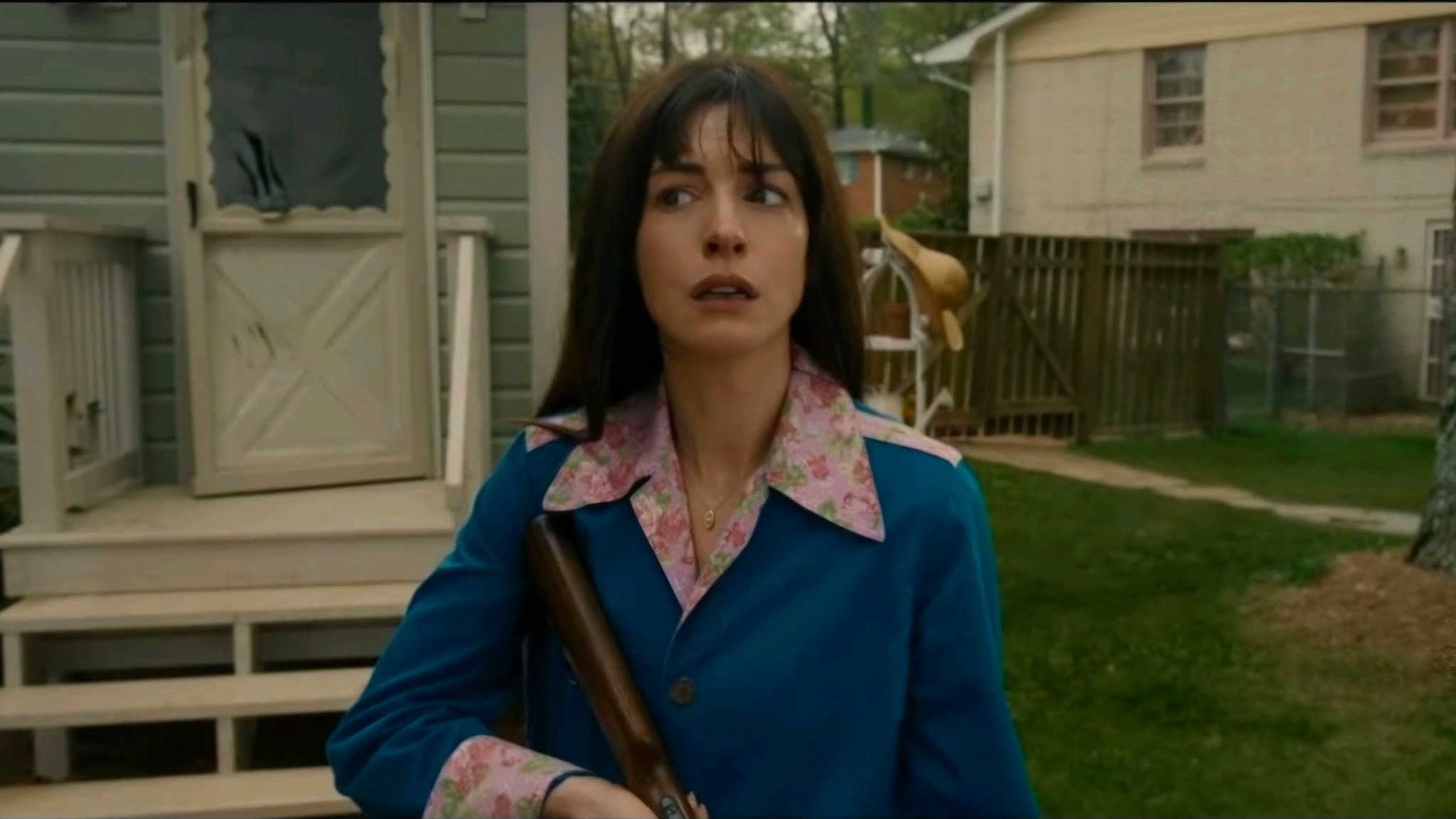
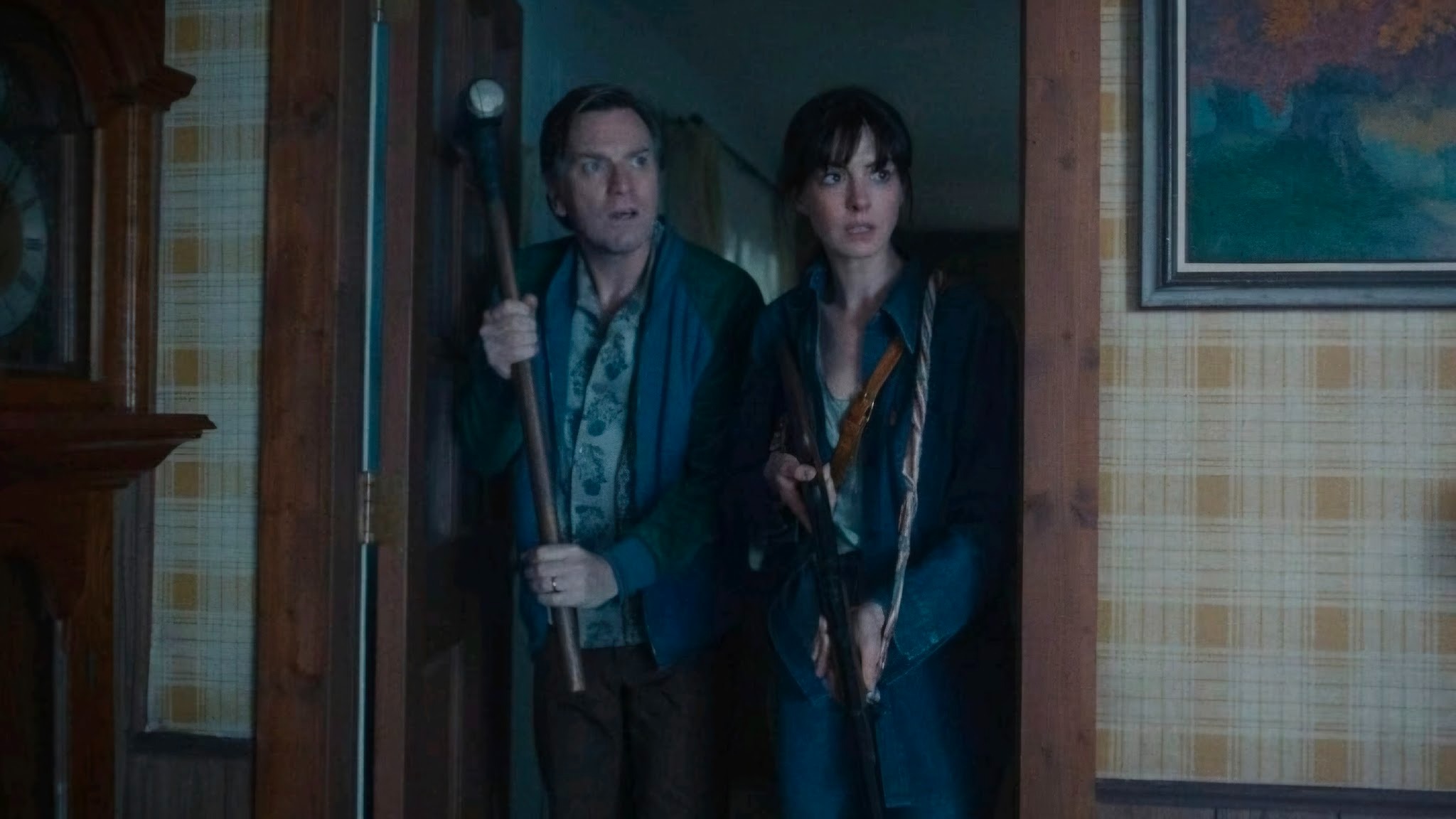
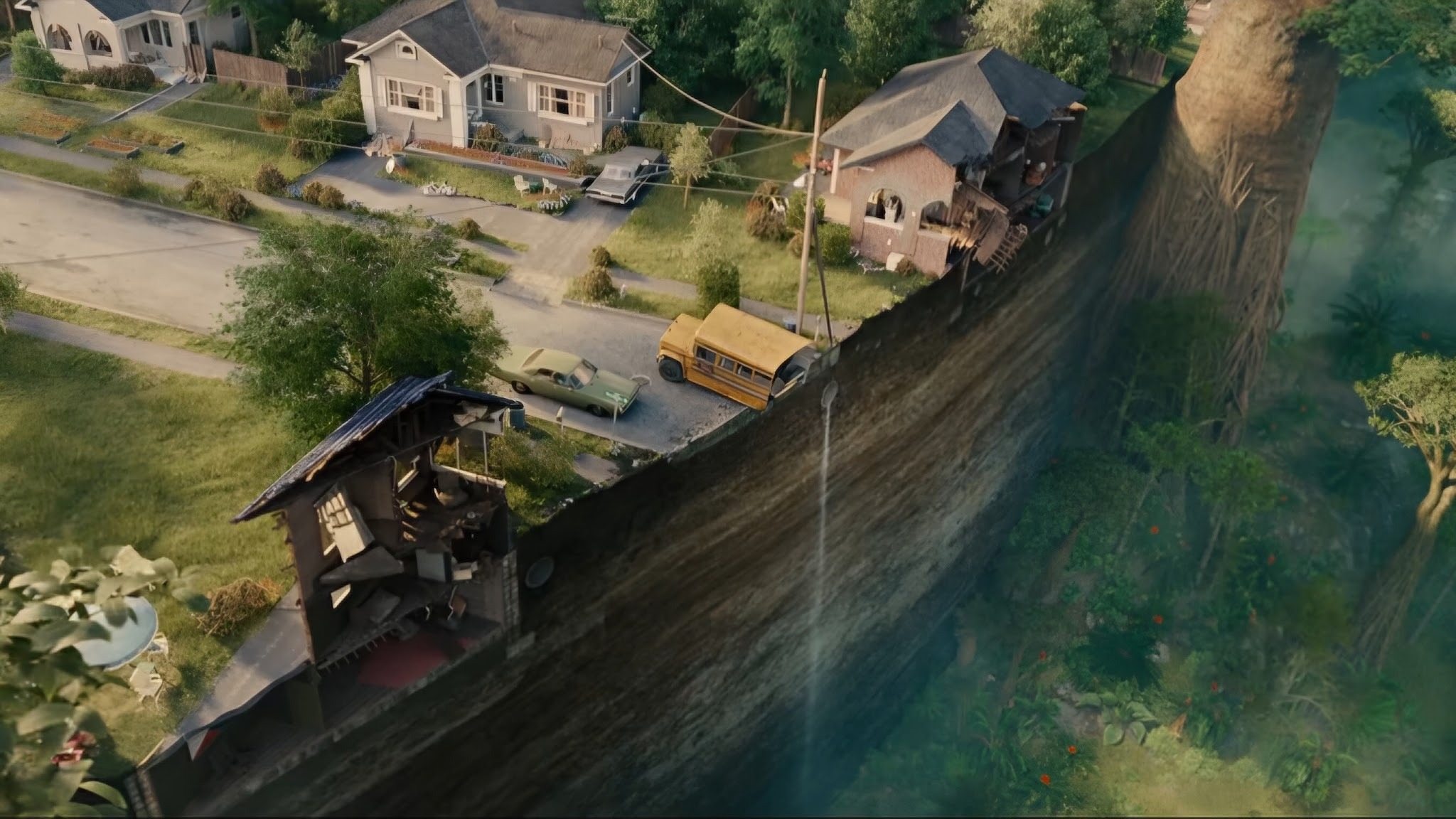
Let’s call it what it is: The End of Oak Street is a big, dumb, and fun summer movie. That’s not a bad thing. The new science-fiction adventure film is epic in ambition but small in scale. Instead of the end of the world or a simple monster-in-a-house picture, you have beasts running loose in a cul-de-sac. What follows is a community ravaged by what could only be described as something out of Dr. Alan Grant’s feathered-lizard nightmares.
If you put too much thought into The End of Oak Street, it will ruin the experience. It’s one of those films where the characters make bafflingly terrible decisions, the kind where walking back through a neighborhood full of monsters somehow seems like a better choice than staying in a house that isn’t flooding, burning, falling apart, out of food or water, or, you know, surrounded by bloodthirsty Cretaceous creatures.
Or, the plot comes up with a brief moment of exposition that, of course, explains everything, allowing you to put your brain back on cruise control. Still, the premise of The End of Oak Street is different and, for that matter, the kind of simple, vintage monster picture Hollywood refuses to make anymore unless it has a connection to an intellectual property with the fingerprints of Stan Lee, Harry Donenfeld, or Jack Liebowitz.
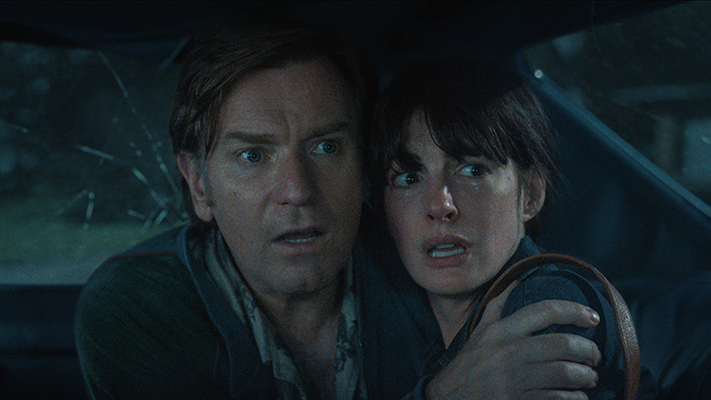
The story begins in 1982, where Denise (Anne Hathaway) and Greg Platt (Ewan McGregor) are celebrating the annual neighborhood block party. The couple is putting on a brave face for their teenage children. Their oldest, Audrey (Maisy Stella of My Old Ass fame), is smart and has been accepted into Cornell, but the family cannot afford the tuition. Their youngest, Brian (Sweet Tooth’s Christian Convery), is being bullied by some older neighborhood kids.
Denise is fed up with Greg’s drinking and the fact that he works too much. In her spare time, she writes a book in which the main character fantasizes about leaving her family behind to pursue a career in New York. Hey, write what you know, right? The kids are aware of the friction between them. So much so that even their dog, Starbuck (played by Australian Cattle Dogs Brisket and Buzz in their acting debuts), probably takes notice.
I mean, why else would Starbuck keep getting into the yard of their neighbor, Mel (Coyote vs. Acme’s Mel Jacobs), and terrorizing his backyard? He’s acting out, of course. That sets the stage for what’s about to take place on Oak Street, where a strange, flashing green light briefly fills the sky, causing a power outage and leaving the Platts and their neighbors as a new source of protein for a bunch of bloodthirsty dinosaurs, with no idea how they got there.
The End of Oak Street is from David Robert Mitchell, who made the cult classicsIt Follows and Under the Silver Lake. Mitchell also wrote the script, which could be described as Spielberg-lite or J.J. Abrams-esque, with Abrams producing the film. The difference is that those filmmakers usually give their stories an emotional spine strong enough to hold together all that prehistoric mayhem.
That alone would have made the action and scares feel more personal. The film has that, along with a clever little twist at the end that, if you think about it, may be one of the more selfish character choices in cinema history. Still, there’s something about running for your life amid great special effects, pulsating tension, and armrest-grabbing scares that deliver just enough thrills and chills to escape the summer heat.
There’s also only one real bit of product placement, a cereal, which I bring up because it never pulls you out of the movie. And since the film is set in the year E.T.: The Extra-Terrestrial became a phenomenon, and Michael Jackson’sThriller took the world by storm, I tip my hat to the corporate studio mastermind who made the call to name the dog after the world’s most popular coffee brand.
For me, going into The End of Oak Street with reasonable expectations is key, especially in a summer that gave us Christopher Nolan’s The Odyssey and Olivia Wilde’s The Invite. Those experiences aim to feed the soul. Mitchell’s film is designed to cleanse the cinematic palate with a big, visceral creature feature that asks you to do nothing more than sit back, turn your knuckles white from gripping the armrest, and enjoy the ride.
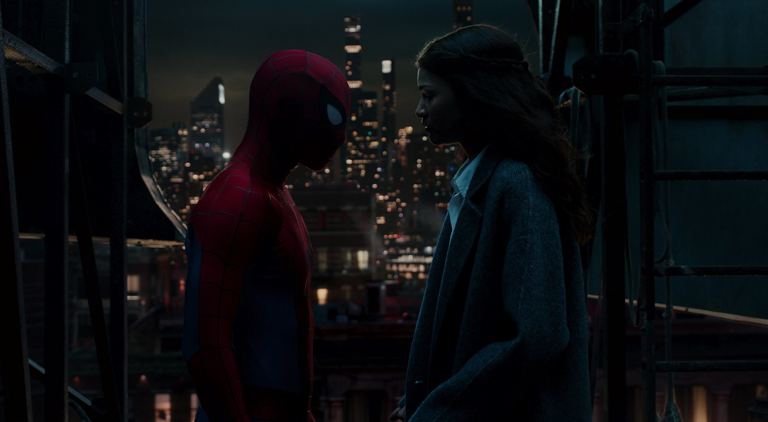
For a franchise built on blockbuster spectacle, Spider-Man has quietly developed an impressive awards pedigree over the past two decades. Sam Raimi’s original trilogy helped redefine the modern superhero film, while Spider-Man: No Way Home became a post-pandemic phenomenon with almost $2 billion at the global box office. More recently, the animated Spider-Verse films have become critical darlings, with Spider-Man: Into the Spider-Verse (2018) winning the Academy Award for Best Animated Feature and Across the Spider-Verse (2023) earning another nomination. Across the live-action Spider-Man series, films have also received Academy Award nominations in the Visual Effects and Sound categories. At the same time, Marvel productions have regularly featured at the Golden Globes, proving that comic-book cinema is no longer dismissed by awards bodies quite as readily as it once was.
Comic-book performances have slowly broken through awards barriers over the years. Heath Ledger famously won the Academy Award for Best Supporting Actor for The Dark Knight (2009 ceremony), while Joaquin Phoenix won Best Actor for Joker (2020 ceremony). Angela Bassett became the first actor nominated for an Oscar for an MCU performance with Black Panther: Wakanda Forever (2023 ceremony). At the Golden Globes, Phoenix won Best Actor for Joker, while Bassett won Best Supporting Actress for Wakanda Forever. Those successes demonstrate that exceptional performances in superhero films can be recognized when awards voters feel the work transcends expectations.
With Spider-Man: Brand New Day, Marvel and Sony may not have another Best Picture contender on their hands, but they have produced one of the strongest acting showcases of Tom Holland‘s career. That alone makes this year’s awards conversation far more interesting than many superhero releases receive.
Holland’s growth as an actor has been fascinating to watch. He has gradually shed the label of simply being “Spider-Man,” taking on more dramatic work in films such as Uncharted, The Devil All the Time, and now Christopher Nolan’s The Odyssey. The latter understandably arrives with enormous prestige attached, and historically, Academy voters have been far more receptive to large-scale literary adaptations than to superhero adventures.
Ironically, though, I think Holland delivers the better performance in Spider-Man: Brand New Day. Peter Parker has never felt this emotionally exhausted, isolated, or mature, and Holland finds subtlety where previous entries relied on youthful charm. His performance balances humor with genuine heartbreak without losing the joie de vivre (joy of living) Holland naturally has. While I don’t see it breaking into the fiercely competitive Best Actor race at the Oscars, I do think it deserves genuine consideration at the Golden Globes. His work here feels more complete and emotionally satisfying than what he delivers in The Odyssey, even if the latter is likely to attract more traditional awards attention simply because of its genre.
Sadie Sink is another performer who deserves a place in the conversation. Introducing Jean Grey into the Marvel Cinematic Universe was always going to carry enormous expectations, yet Sink never plays the role as a simple comic-book archetype. Instead, she gives Jean vulnerability, intelligence, and an unsettling emotional unpredictability that keeps every scene engaging. Like Holland, I don’t believe the Academy will embrace the performance, but Golden Globe recognition feels far more realistic. It would also continue a gradual shift in recognizing performances from comic-book adaptations rather than overlooking them entirely.
Jon Bernthal shouldn’t be overlooked either. His version of Frank Castle has become one of Marvel’s most compelling characters, and Brand New Day gives him material that goes beyond being the tough anti-hero. His chemistry with Holland surprisingly brought much of the needed comedic breaks and created some of the film’s most memorable scenes. If Marvel mounts any acting campaign outside Holland and Sink, Bernthal would be my choice for Supporting Actor at the Golden Globes.
There is precedent here, too. Marvel’s The Punisher received recognition during its original run, including a 2019 Creative Arts Emmy nomination for Stunt Coordination, while the series also earned several Saturn Award nominations, with Jon Bernthal winning Best Streaming Presentation Actor in 2019. Although those aren’t Oscar-level honors, they demonstrate that his portrayal has consistently attracted industry appreciation.
Beyond the acting categories, Spider-Man: Brand New Day feels like an obvious contender in Visual Effects. The first-person web-swinging sequences through New York are among the film’s biggest technical achievements, placing audiences directly behind Peter Parker’s mask in a way that feels exhilarating. It is the kind of innovation that the Academy’s Visual Effects branch often responds to, particularly when new techniques are used to immerse audiences rather than create larger explosions.
Spider-Man films have a respectable history in the category. Spider-Man: No Way Home earned an Oscar nomination for Best Visual Effects, while previous Spider-Man films have regularly appeared on awards shortlists. The Golden Globes introduced the Cinematic and Box Office Achievement awards in 2024, giving superhero blockbusters another avenue for recognition, and Brand New Day certainly possesses both the commercial success and technical ambition to fit that profile.
Whether any of these nominations ultimately happen remains to be seen. Awards campaigns are as much about momentum as quality, and prestige dramas will inevitably dominate much of the conversation. Even so, Spider-Man: Brand New Day feels like one of those rare superhero films that deserves to be discussed beyond the usual technical categories. Holland, Sink, Bernthal and the visual effects team have all delivered work worthy of serious consideration.
The bigger question is whether awards voters will agree. Will the film sneak into Visual Effects while picking up an acting nomination or two? Or will it become another acclaimed blockbuster that audiences champion while awards season largely looks elsewhere? As awards speculation begins in earnest, I’d love to hear what fellow Spider-Man fans think deserves recognition.
On this episode, JD and Megan discuss the latest from Netflix and Louis Leterrier in The Last House! In what be the most Netflix film ever, we talk about how it hits all the right algorithmic notes and why that’s pretty frustrating.
Review:The Last House
Director: Louis Leterrier Writers: Matthew Robinson Stars: Greta Lee, Wagner Moura, Riley Chung, Noah Alexander Sosnowski
The way that we talk about direction in awards spaces can sometimes be misleading. If you went purely by nominations, it feels like two categories are rewarded: big-budget spectacle and awards winners at festivals. And, at some level, this makes sense. The massive movies (The Odyssey, almost a lock for many nominations) do indeed have a high degree of difficulty. Christopher Nolan’s films certainly have a lot of moving parts and necessitate an incredibly steady hand at the helm. On the other hand, likely festival darlings (Fjord, Behemoth!) usually have a known cachet in arthouse circles. But great direction is more than these two categories, and it is time that the Academy realized this (or remembered it).
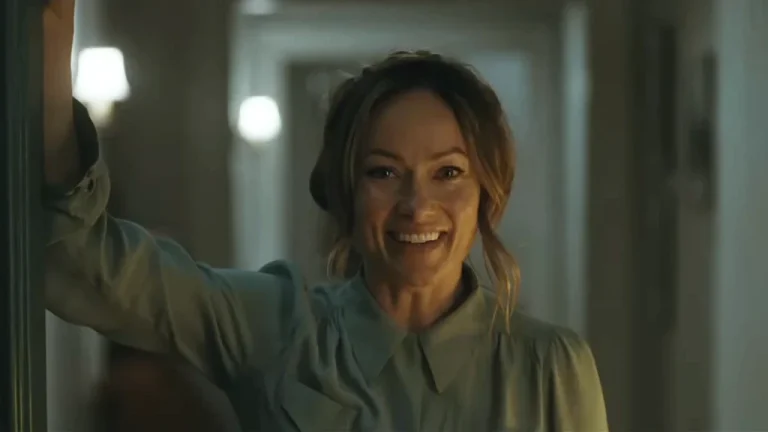
What about a relatively simple film that is structured well, has great performances, and is impeccably blocked and shot? I present to you Olivia Wilde’s expert direction of The Invite. This is a 2026 film that has been well reviewed but is mostly discussed in terms of its screenplay by Will McCormack and Rashida Jones. The writing is indeed quite sharp and incisive, but without Wilde’s control, it could easily devolve into utter chaos. Any time you feature a film that takes place in one location and focuses solely on conversational dialogue, you are in a danger zone. Not every director can live up to greats like Mike Nichols (Who’s Afraid of Virginia Woolf?).
Like Nichols’s work, The Invite is based on a play, though its road to the screen is a bit more complex. It was originally based on a stage production, Els veïns de dalt, written by Cesc Gay, and then turned into films in numerous languages. But any time a stage play is turned into a movie, the question of why always arises. Cinema is an inherently different form than live theater, so a director’s job is to find a way to make the work cinematic. Many directors ignore this and use static camerawork that captures the performances without any sense of kinetic energy.
Olivia Wilde, in a film featuring herself as a lead actress, dispels any doubt about her skill behind the camera with the exhausting (complimentary) opening scene between Angela (Wilde) and Joe (Seth Rogen), who are a married couple struggling emotionally. The pace of this scene and the heightened performances captured truly set the stage for the rest of the film, all before the opening titles. Additionally, the camera movement by cinematographer Adam Newport-Berra is just energetic enough. This makes the audience feel like part of the argument, rather than merely a fly on the wall.
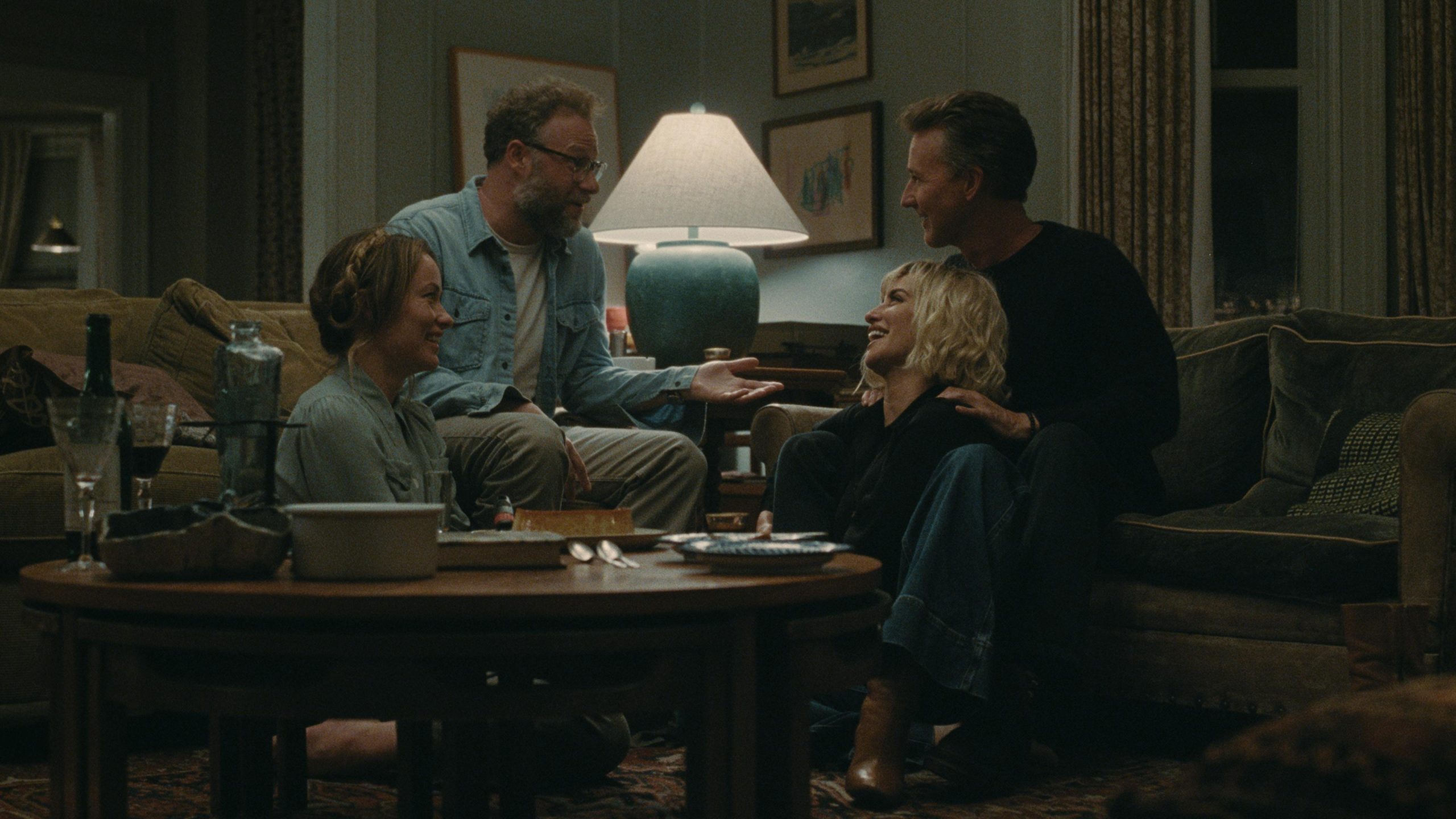
As mentioned earlier, the entire film takes place in one location, Joe and Angela’s apartment, as they invite their neighbors, Piña (Penélope Cruz) and Hawk (Edward Norton), for an impromptu dinner. This could very easily be a setup for stagnation. However, Wilde never fails to choose interesting angles and shot composition. Despite often shooting around corners or with walls and door frames in the way, the focus always manages to remain on the actors. It is never so showy as to distract, yet it is aesthetically engaging. This is a particular balancing act that can easily tip in either direction. As many directors do, Wilde also consistently uses mirrors. This could also easily detract from some of the image-making. Still, given that much of the film is about self-analysis, this is yet another stroke of brilliance from a directorial standpoint.
Most importantly, Wilde creates remarkable opportunities for her fellow actors in this chamber piece. Each of these characters seems lived-in and clearly has been given room to breathe by Wilde. A film like this is precarious in terms of the time spent with each individual. It cannot feel weighted in any one direction, and much of that comes from the direction (and the editing). Much has been made of Norton’s speech in the third act, and despite his usual excellence, this does not happen without Wilde trusting her actors. According to an interview with Wilde, Norton approached her, asking to tell a story from Hawk’s perspective without detailing what would be said. This atmosphere of trust and play that Olivia Wilde created is a part of direction not often spoken about. Some films are ruled with an iron fist, but films like The Invite work best with an organized freedom that many directors would not risk.
Olivia Wilde receiving a nomination for Best Director would be an inspired choice by The Academy. Not only does it highlight independent filmmakers (Wilde even paid out of her own pocket to use film rather than digital), but it would also reward a director who is at the top of her game. The Invite is a film where the director’s hand is always present, but is never so obvious that it feels excessive. There is room for subtlety in the Best Director race, and it is well past time that we reward a well-made film for adults that isn’t necessarily a festival darling or a massive production that makes a billion dollars. It is time to break the mold!
On this episode, JD and Megan discuss Jane Schoenbrun’s new film Teenage Sex and Death at Camp Miasma! Highly anticipated after winning the Queer Palme earlier this year, the film did not disappoint in any way. We have a lot to say about the filmmaking and craft, the movie’s thematic underbelly and excellent performances.
Review:Teenage Sex and Death at Camp Miasma
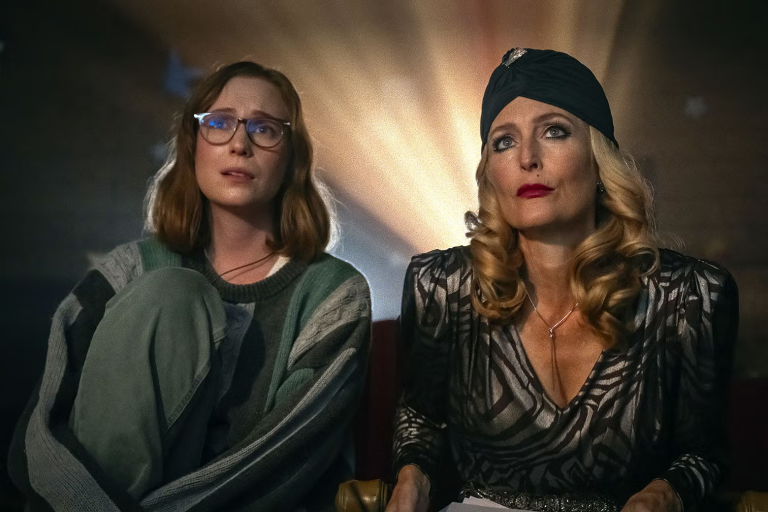
Director: Jane Schoenbrun Writers: Jane Schoenbrun Stars: Hannah Einbinder, Gillian Anderson, Jack Haven
Director: Michael Russell Gunn Writer: Michael Russell Gunn Stars: Jeff Daniels, Jared Harris, J.K. Simmons
Synopsis: President Reagan races to save a nuclear deal with Soviet leader Mikhail Gorbachev as pressure mounts all around him. Every word spoken could move the world closer to peace – or destruction.
The Cold War is one of the most fascinating conflicts in humanity’s brief but destructive history. Despite lacking the large-scale military clashes of more famous conflicts, civilization has arguably never been as close to mutually assured destruction as it was at the height of hostilities. Angel Studios’ historical political drama The Brink of War aims to capture that feeling, focusing on one of the Cold War’s most pivotal moments as humanity stood at a crossroads and delivering a movie that history buffs are bound to enjoy.
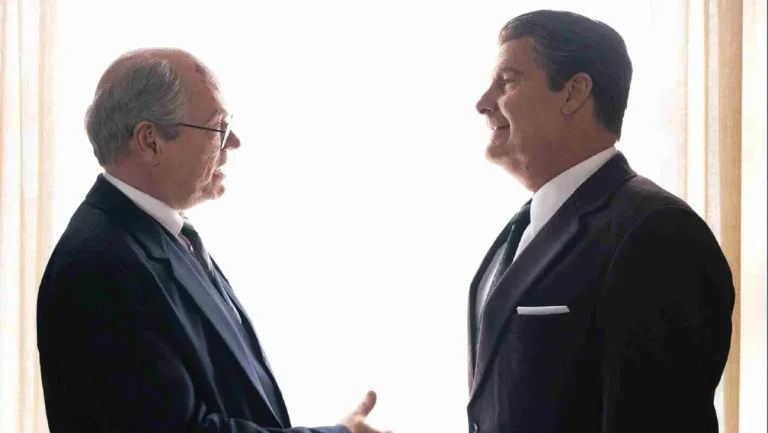
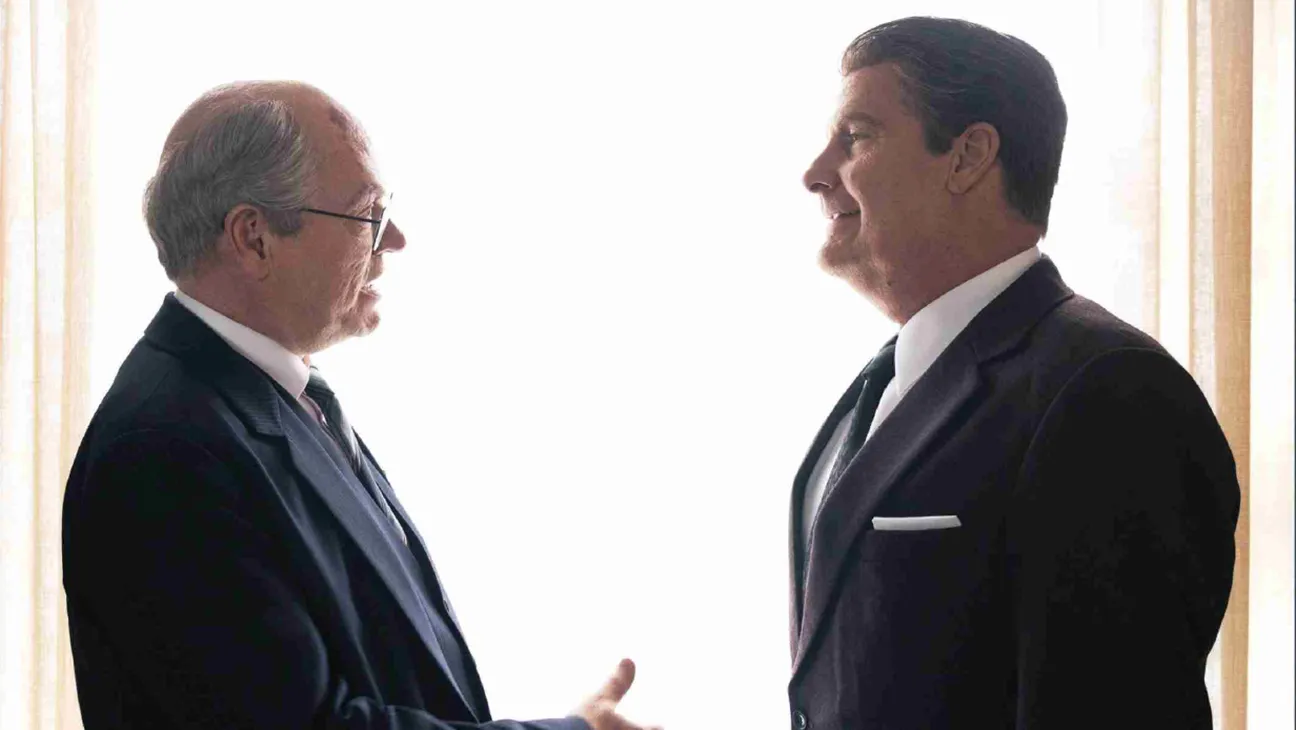
The Brink of War takes place over 36 hours during the now-infamous 1986 Reykjavík Summit. The unprecedented gathering saw then-President of the United States Ronald Reagan (Jeff Daniels) and his trusted confidant George Shultz (J.K. Simmons) meet with Soviet leader Mikhail Gorbachev (Jared Harris). Under immense pressure from their respective advisors and intelligence agencies to reach a resolution, the summit presented a remarkable opportunity for the two leaders to find common ground as they attempted to pull their countries back from the threat of nuclear confrontation.
Brought to life by debut writer-director Michael Russell Gunn, the movie has clearly been meticulously researched, aided by Shultz’s transcripts. This is most apparent in the scripted exchanges between Reagan and Gorbachev, whose verbal jousts and constant one-upmanship provide some of the movie’s most entertaining moments. Their dialogue is consistently sharp and cutting, creating palpable tension that could be cut with a knife as their strategic chess match unfolds.
From the outset, there’s an evident deep-rooted mistrust between the two leaders. Even as much needed breakthroughs appear to be imminent, the “trust but verify” mentality underpinning the negotiations means everything could fall apart at any moment. It creates an unnerving sense of anxiety around their discussions, yet Gunn’s tight script almost always keeps things moving forward.
That’s not to say it’s perfect. There are more than a few occasions where the historical accuracy of what is unfolding feels questionable. In one particular scene, at the height of the disagreements between the leaders, Gorbachev can be observed in his private quarters lauding Reagan’s achievements, something that feels strangely out of place given the circumstances. There’s also some forcibly inserted political mudslinging that sees Democrats become the butt of several jokes, which doesn’t fit the otherwise serious tone of the movie.
More significantly, Reagan is painted as a patriotic hero who remains virtually immovable in his stance, with his stubbornness presented as the primary catalyst for change. Gorbachev, meanwhile, is portrayed as the weaker of the two and seemingly willing to concede ground at every opportunity. It reduces one of the most complex political relationships ever into an oversimplified “I’m more stubborn than you” dynamic. History tells us that Reykjavík was not simply defined by one leader standing firm and the other yielding, but by two men pursuing ambitious nuclear-arms reductions while remaining divided over Reagan’s Strategic Defense Initiative. By sacrificing some historical nuance in favor of a more flattering portrayal of Reagan, it prevents The Brink of War from becoming anything truly special.
The movie also struggles whenever it leaves Reagan and Gorbachev’s meeting room. Scenes elsewhere feel like palate cleansers designed to break up the dialogue-heavy negotiations, but they mostly serve as distractions. They’re considerably less compelling and repeatedly halt the momentum of the developments unfolding behind closed doors. A more focused approach may have made the movie stronger.
True to form for many Angel Studios productions, the heavy-handed religious messaging can also be a little on the nose. Admittedly, it’s less distracting than regular viewers may be used to, but it’s still weaponized in a way that belittles the Soviet Union, which at times seems to be deemed morally inferior partly because of the state atheism associated with its Marxist-Leninist ideology.
That said, there is something slightly ironic about the core message of the Reykjavík Summit. The prevailing sentiment throughout is that building a lasting peace, even with your greatest adversaries, is ultimately more beneficial than going to war. Given the increasingly confrontational posture of many world leaders today, that message carries renewed weight at a time when history often seems in danger of repeating itself.
Of course, for a dialogue-heavy movie of this nature to work, the performances have to keep audiences engaged. That’s where Jeff Daniels and Jared Harris excel. Their back-and-forth tête-à-têtes are completely captivating as they transform themselves into two of the most famous leaders of the 20th century. J.K. Simmons, in a much more limited role, threatens to steal the whole movie with an effortlessly commanding performance that brilliantly captures the gravity of what is at stake should the negotiations fail.
For a movie predominantly shot in one location, Gunn, alongside cinematographer Magdalena Górka, makes an admirable attempt to create interesting and inventive shots that keep things visually fresh. Set decorator Marta Luiza Macuga also provides impressive period detail that helps transport audiences back to the ’80s.
Less impressive, however, is the dreadfully misplaced whimsical score. The world is staring down the possibility of nuclear catastrophe, yet the music wouldn’t feel out of place in a fantasy drama. It’s a baffling creative choice that rarely captures the gravity of what is unfolding on screen and easily becomes one of the movie’s weakest elements.
Overall, it’s safe to say The Brink of War is a mixed bag. Those who aren’t fans of historical political dramas will likely be bored to tears. But for those who are, there’s enough to admire, particularly in the sharp dialogue and commanding performances, to make it a worthwhile trip to the cinema. Its oversimplified political framing prevents it from becoming the definitive Reykjavík Summit drama it might have been, but when Daniels and Harris are sitting across the table from one another, it’s difficult not to be captivated.
Director: Dave Green Writer: Samy Burch, James Gunn, Jeremy Slater Stars: John Cena, Lana Condor, Will Forte
Synopsis: A story set in the ACME warehouse, the manufacturer of anything and everything used by the Looney Tunes characters.
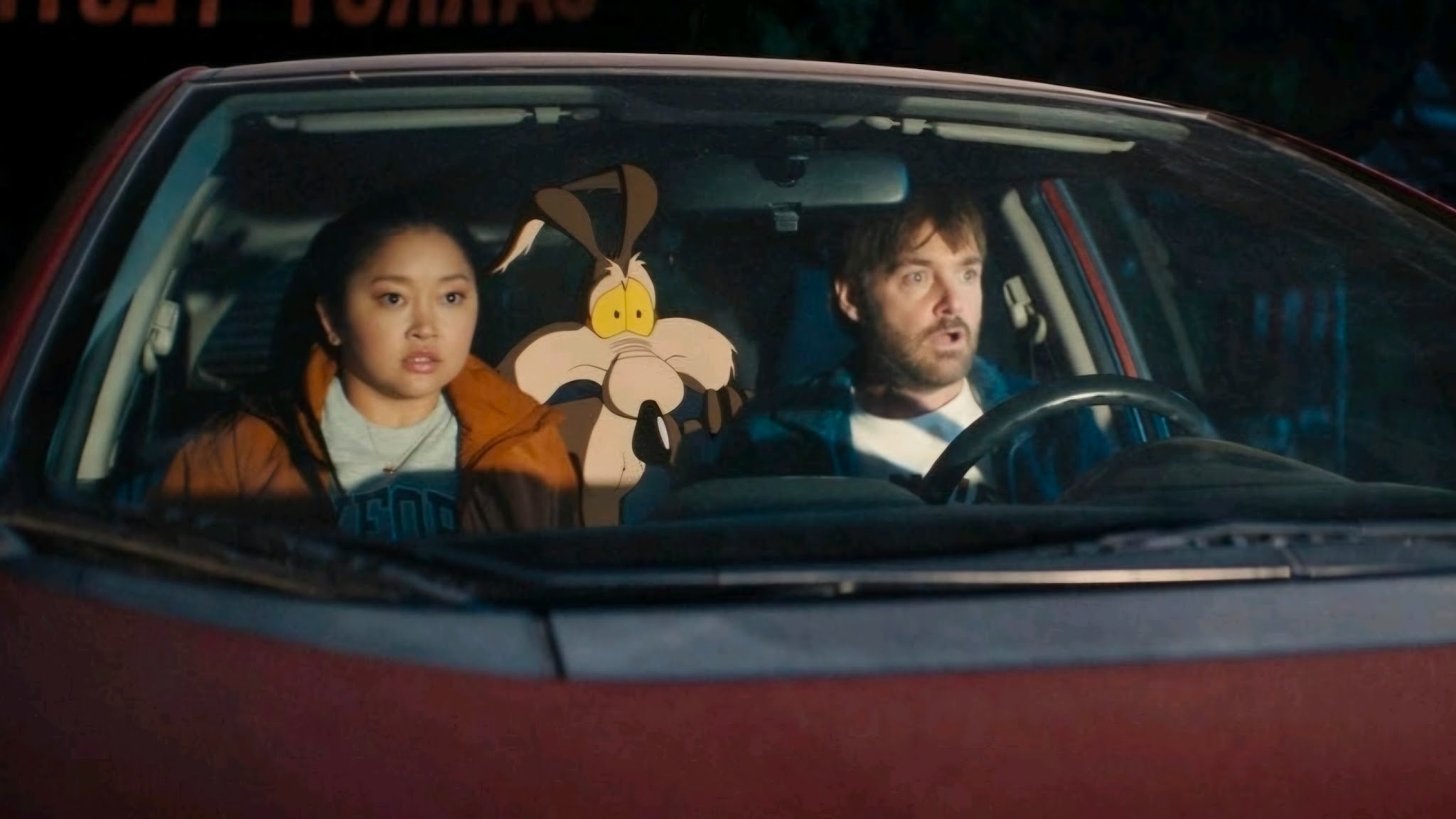
What you will find absurdly ironic about the new film Coyote vs. Acme only strengthens the movie and, for that matter, the source material’s satire. The once-great and mighty studio that produced films like Casablanca, A Clockwork Orange, Goodfellas, and The Lord of the Ringstrilogy tossed the Looney Tunes film into the ACME dustbin of corporate history.
Then, somehow, some way, Ketchup Entertainment found a bucket of ACME paint, threw it against a wall, and found the film, bringing a great comedic brand back to the people. A David-versus-Goliath story in its own right, Coyote vs. Acme has finally seen the light of day, bringing back the Looney Tunes brand’s classic recipe that remains sophisticated and subversive.
The experience is full of incredible, escalating, visceral visual gags and intellectual satire that few can match, even fewer can replicate, and that remains timeless. How many comedic institutions can be so cultured while combining social satire with an anarchic slap in the face of the establishment? In that sense, Coyote vs. Acme is practically punk rock: erudite, irreverent, and hilarious.
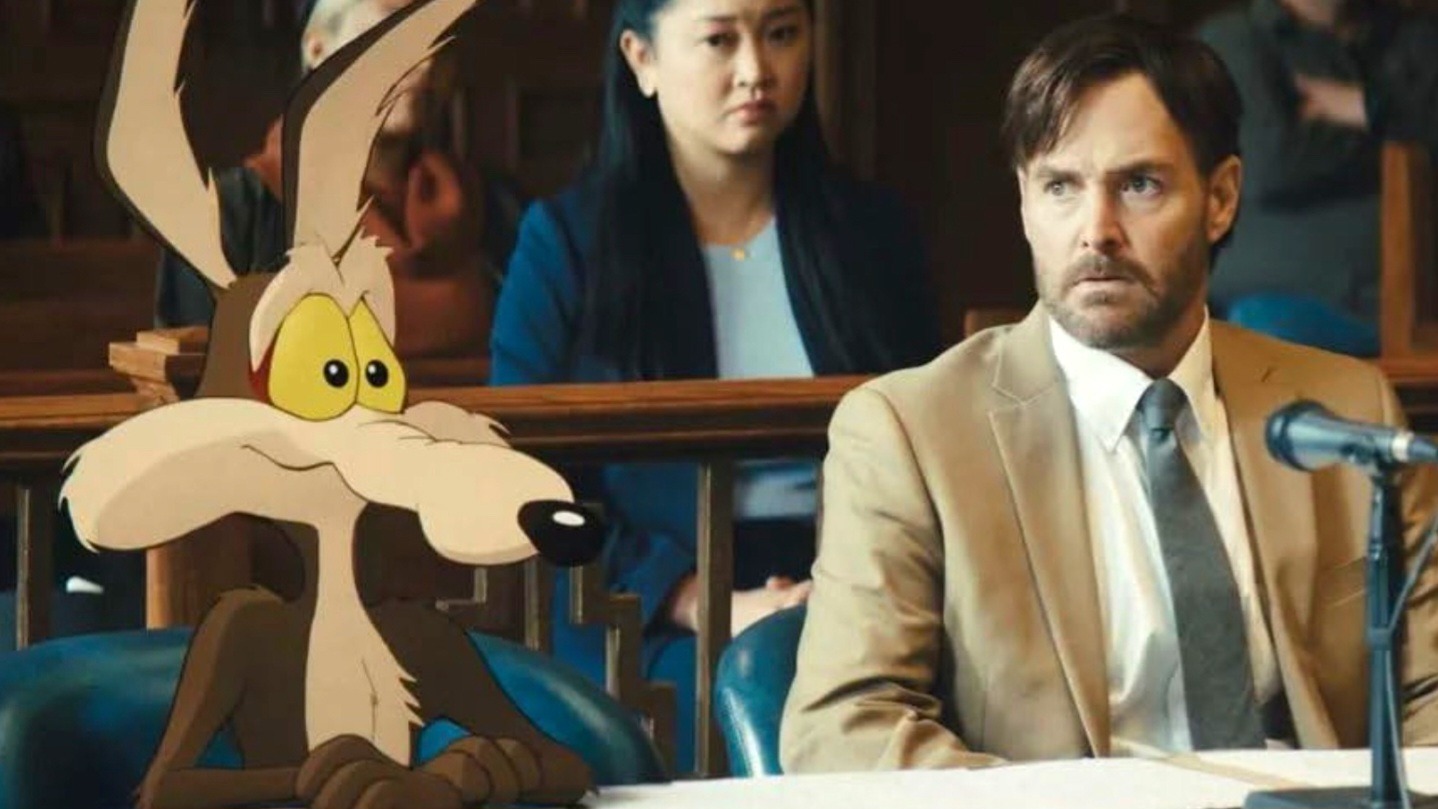
The story follows Wile E. Coyote, who is sick and tired of ACME putting dangerous products in the hands of him and his cartoon compatriots, placing them in almost daily peril. Coyote then travels to see Kevin Avery, Esquire (Saturday Night Live’s Will Forte), a personal injury attorney he sees advertised on billboards along a desolate desert highway.
Kevin wants nothing to do with the case, probably having read “A Civil Action,” because taking on a corporation like ACME could bankrupt his practice. However, his niece, Paige (Lana Condor of To All the Boys fame), is an idealist who encourages him to take the case. After Wile E. takes matters into his own legal hands, Buddy Crane (John Cena), ACME’s corporate lawyer and Kevin’s former Harvard classmate, tends to buy their way out of this mess.
However, before Wile E. is sent packing with a bindle full of cash, the desert-dwelling canine refuses the offer. Despite objections from Kevin’s staff, including Sal (Tone Bell) and Dottie (Euphoria’s Martha Kelly), the case moves to court, sparking a national debate over what matters more: our enjoyment versus the exploitation required to produce it?
Coyote vs. Acme comes from Dave Green, in easily his best film to date, working from a script by, get this, Academy Award nominee Samy Burch (May December). It’s hard to believe the studio wanted to bury this film, considering the enduring popularity of the source material and Hollywood’s insatiable need for intellectual property in the streaming content wars.
The movie strikes a near-perfect balance of nostalgia, comedy, innovation, and satire. The film turns a cartoon premise into a surprisingly sharp commentary on product liability and corporate accountability. Then there is the endlessly clever legal and entertainment-industry subversion, which is about as meta as it gets.
Then there are the Looney Tunes easter eggs and “cameos” from classic characters, dropping one-liners and sight gags that will induce the giggles for kids and belly laughs for adults. The animation is beautiful and wonderfully playful, while at times harkening back to the live-action/animation heyday of Who Framed Roger Rabbit.
Yet, at the end of the day, it is the nature of what Wile E. is actually trying to accomplish that gives the film some unexpectedly ominous juice. Is he really fighting for cartoon rights, or is he using the legal system to trap his nemesis finally? It is a surprisingly sophisticated question that Burch’s script layers into the story, giving the film an unexpected degree of moral ambiguity.
While Will Forte is no Bob Hoskins, he is the perfect straight man for the nonverbal, obsessive canine because Forte can be naturally sympathetic and awkwardly earnest. There is a surprisingly emotional scene in the third act where both Kevin and Wile E. lay their cards on the table and face their own demons, giving unexpected depth to the typically nonverbal scavenger.
Yet, Coyote vs. Acme, beneath all those observations of exploitation and commodification, are enough anvils that drop like rain to the sky, cartoon explosions, and classic Looney Tunes mayhem that make this David-versus-Goliath one of the year’s best comedies and most heartfelt. See it in a theater near you, and let the corporate bigwigs and Warner Bros. Discovery know they made an ACME-size mistake.
You can watch Coyote Vs. Acme exclusively in theaters August 28th!
Director: Aaron Strand Writer:Aaron Strand Stars: Millie Rose Evans, Brent Michal
Synopsis: A passionate young songwriter and her rebellious boyfriend must withdrawal from heroin to keep her conservative parents from sending her to rehab.
The Georgian film scene is becoming more active, with films spanning documentaries and gritty social dramas, including director Aaron Strand’s latest film, Withdrawal; a tale of artistry, love, addiction, and a night of terror that would change everything for our heroes. It tells the story of two disillusioned artists, Viv and Jay, who dream big of making it in New York. But dreams turn into a nightmare when Viv’s wealthy parents stage an intervention, stop her credit cards, and give her an ultimatum, either go clean or be admitted to rehab. That’s when Viv and Jay change the course of events for each other.
The indie feature is a striking and highly ambitious addition to a string of kinetic social realism films like Trainspotting and Requiem for a Dream. If Darren Aronofsky and Danny Boyle were heralded for their work on those two masterpieces about addiction and its inevitable humanist fall from grace, then Strand deserves the highest compliments for continuing what they started, and stripping addiction off the newest trend of dreampop, glittery, glamorization of addiction and drug use (Euphoria, are you listening?). Especially in the artistic sphere, drug use has always been linked with looking cool or finding inspiration, so the attempt to dethrone that idea by giving us a grim dissection of how a life is ruined by that.
It’s a tale as old as time. The relentless pursuit of inspiration and all the dark routes it leads to. Passion spiraling out of control, and artistry done wrong in the hopes of feeling something grander than a provincial life that others are so comfortable living without second-guessing.
The movie wouldn’t work without the two leads, Millie Rose Evans and Brent Michal as Viv and Jay, respectively. Michal has the aura and the charm of a sexy, dark king vampire à la Sam Reid as Lestat in the AMC adaptation of Interview with the Vampire. Michal steals every scene he’s in, and it’s undeniable it’s not just his acting talent, but his charm and sex appeal as the drug-soaked painter Jay, the dichotomous half of the toxic lovestruck pair. Evans, as Viv, on the other hand, does all the heavy lifting. Her sacrificial, dark poetess, musician persona requires a more grounded approach to the performance which she masters. Both actors have great chemistry together and that’s what makes their unbelievably toxic relationship work for the audience.
Strand and Director of Photography Emily Marquet create a drug-hazed, blurry screen that unsettles and immerses the viewer in this psychedelic rush of images. The camera is handheld, chaotic, and unstable. It has a voyeuristic, pink-hued quality to the scenes, especially when we are trapped with the two leads alone in their isolated bubble of lust and getting high. Kudos to indie cinema for holding on to boldness and sexuality on screen, where sex scenes are realistic, raw, and awkward. After recent comments from a certain director that sanitized their latest big budget sex comedy to be devoid of sex scenes, it’s refreshing to see works still faithful to the craft rather than catering to nonexistent audiences. This is all thanks to Strand for handling the subject matter with realistic poignancy without exploitation of the female lead, especially since sex scenes are integral to the progression of the central character’s relationship.
The director doesn’t shy away from the grime and splatter of drug withdrawal, or whatever comes after that. The only takeaway that this review can give him is that his future scripts need more polishing, a bit of creative flair. Strand would reach even more authentic levels of storytelling when paired with the right screenwriter, even if he is aiming for the actors’ improv and naturally flowing dialogue, but that’s a story for another day.
Withdrawal doesn’t try to make a big statement about drug abuse. But if film lovers truly want to watch real cinema, this one is a great opportunity to soak themselves in it.