Director: James Gray
Writer: James Gray
Stars: Miles Teller, Scarlett Johansson, Adam Driver
Synopsis: Two brothers pursue the American Dream but get entangled in a dangerous Russian mafia scheme that terrorizes their family, testing their bond as betrayal becomes possible.
For nearly thirty years, James Gray has treated New York not simply as a setting for his films, but as a living archive of memory, regret, and inherited longing. It reminds me of a story he told at the Cannes Film Festival press conference for Armageddon Time. Gray talked about telling his kids stories about his childhood and growing up in New York, whether it was his fondness for the Yankees or his escapes through the crowded streets. His children were wowed by his description of New York, so one day he took them on a trip to revisit places and landmarks he used to visit when he was young. But upon arrival, they felt something was missing; Gray didn’t recognize what he saw—his kids’ visualization of these places differed from what they had encountered.
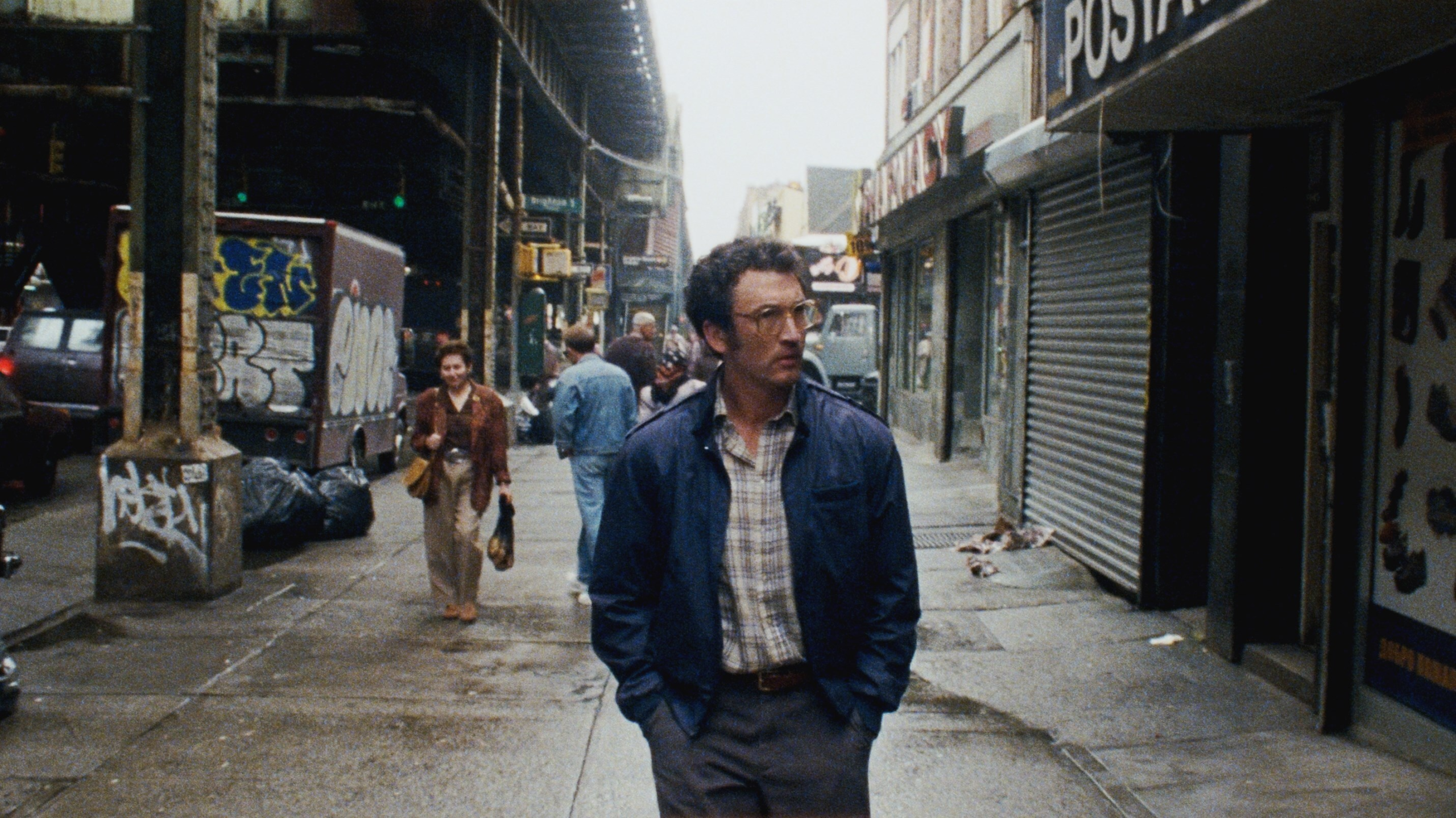
Modernization stripped the magic out of the city for Gray, which is why, in many of his works, he ends up trying to revive what’s already dead and buried. This longing is shown through his nostalgia, as seen in his previous and most personal film (the aforementioned Armageddon Time), in the stories about immigrants’ anxieties (Little Odessa), fractured family dynamics, and the struggles of the working class (We Own the Night), all under the spotlight of the American dream’s faux reality. All of his character is trapped between affection and obligation, a balancing act imposed by the city, which offers many opportunities but also demands many moral compromises and sacrifices.
Gray paints the city with melancholic honesty, revealing how its endlessness—both in its commercial possibilities and in its psychological turmoil—can disrupt the relationships that give his characters a sense of belonging, even as things become out of reach for them. This recurrent use of New York reaches a new culmination in James Gray’s latest work, Paper Tiger (screening in the Piazza Grande at the 2026 Locarno Film Festival), both a return to his classically orchestrated crime dramas and a continuation of his attachment to 1980s Queens. In this new film, Gray uses his personal attachment and the political turmoil of the times to tackle, once again, the uncertainty of working-class communities and the greed that consumes a person’s soul once an ounce of power is in their palm.
Paper Tiger is a tale of two brothers who test their slowly decaying morality and loyalty to one another when their “American Dream” is unwrapped from its facade, descending them into hell—going deeper the more they want to sustain that false reality and crave more power. Irwin Pearl (Miles Teller) is an engineer working his way up the company ladder, living in a nice, modest house with his wife Hester (Scarlett Johansson) and two sons, Scott (Gavin Goudy) and Ben (Roman Engel). They live a happy life together, amid the trials and tribulations of 1980s New York—a decade Gray calls “when the market became god”—and the events in Paper Tiger demonstrate a descent into the uber-capitalist mindset and order. However, even through those struggles, they are content with what they have at this very moment.

Out of the blue, Irwon’s older brother, Gary (Adam Driver), an ex-police officer who became a successful entrepreneur, (although occasionally via some sketchy business deals) calls with an offer that will make him plenty of money. Gary wants to create a new consulting firm to please some Russian businessmen who have gained control of the Gowanus Canal in Brooklyn. This canal is highly polluted and uncared for, which is where Irwin comes in. Gary wants him to advise the Russians on all permits and documentation needed to clean it up. It seems like an easy job for them to maneuver through. However, as you might expect, things don’t go as planned. Sooner rather than later, Irwin is in the middle of a hellish battle for power that his own brother constructed and can’t stop, because of his quest for capital.
Through the mold of a mob picture, filled with bursts of violence and sheer tension, James Gray exposes the false reality of the American Dream— how unreachable it has become and how, as decades come and go, only a few come out of it unscathed. New York has always been a place with constant, profound transformation in all aspects. But in the 1980s, the gap between wealth and poverty widened significantly, eroding the stability of working-class families. Everything changed, and what was once a happy, modest life became more frustrating as people had to look for more options to make ends meet. This later had many with economic aspirations become entangled with corruption and violence. And they got their cash and provided for their families, all the while crushing another person’s chance, whether by good or bad measures.
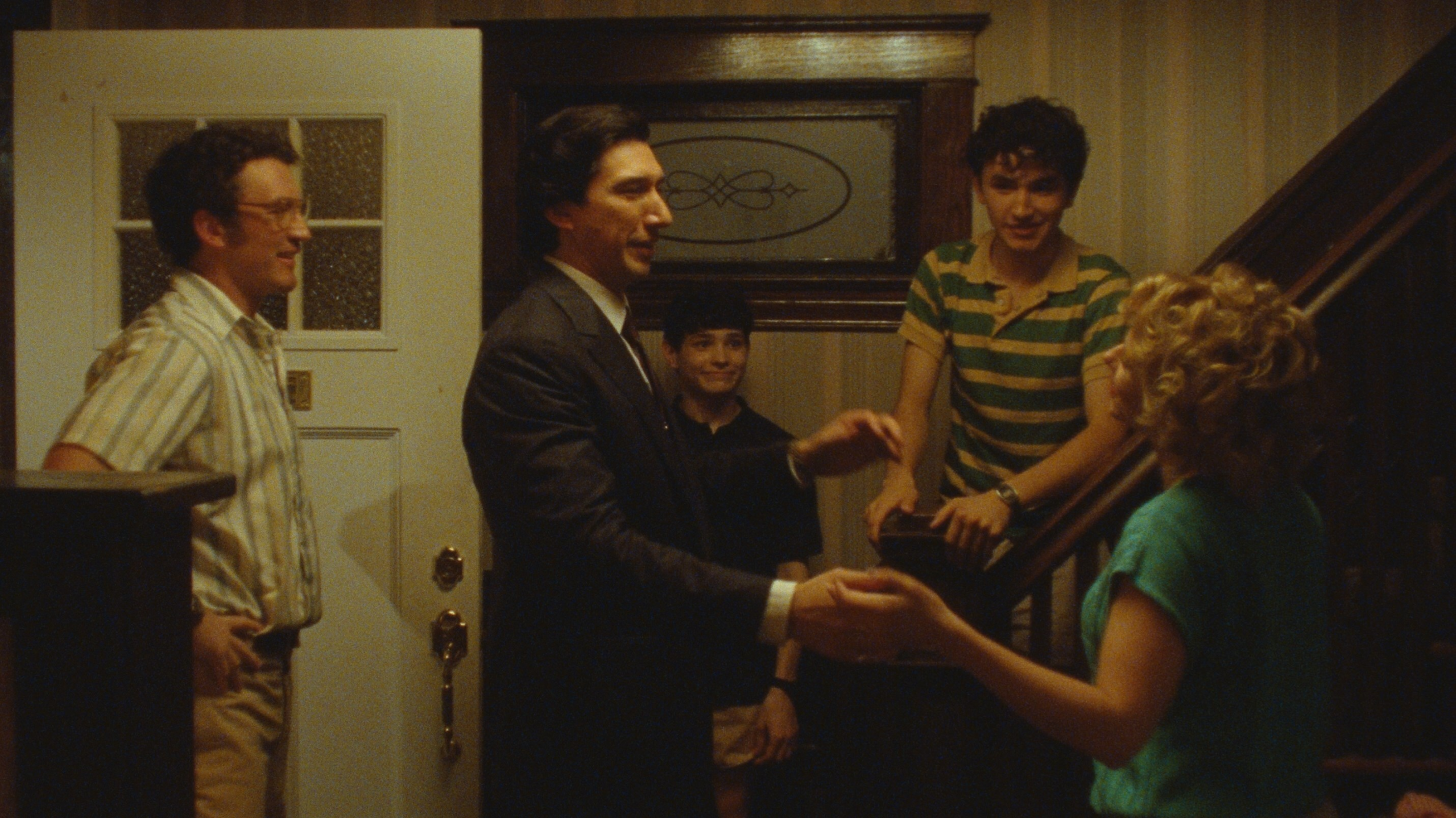
This cycle of violence reached Irwin and Gary’s doorsteps, drawing them into the path of a Russian mob. Their promise of prosperity came with a moral price, and there are things that they just can’t repay. The consequences of their choices are what give this story its tragedy. Gray understands that desperation does not appear as a single definite moment, but rather as a series of events that crash into one another. The criminal world does not come to Irwin and Gary on its own. It is the capitalist system that puts them on that trajectory, where providing for themselves and their families means taking something away from someone else. These are thieves robbing from one another until one of them has what they want, but ultimately sacrifices everything they hold dear; in the process of trying to provide, they lose their sense of self.
Paper Tiger becomes less of a story about crime and more a story about the cost of survival in a society that continually asks people to sacrifice in return for security. The tragedy behind Gray’s mob drama is that it is carried by the promise that hard work can lead to better lives, yet the system leaves little to no paths to that life of success and prosperity. What I enjoy about Gray is how he paints his characters in the most human way, even though the scenarios in his films are set in a heightened, cinematic reality of the crime life. Irwin and Gary are not characters meant to be placeholders for a morality tale about greed. Instead, they are just deeply flawed men whose decisions emerge from the recognizable desires to provide. They are not victims or villains; their mistakes, compromises, and consequences are grounded in reality, which makes their respective endings quite affecting, even if we cannot condone their actions.