


Director: Steven Spielberg
Writers: David Koepp, Steven Spielberg
Stars: Emily Blunt, Josh O’Connor, Colin Firth
Synopsis: If you found out we weren’t alone, if someone showed you, proved it to you, would that frighten you?
Disclosure Day, the latest film from the great Steven Spielberg, is nothing like you’d expect. Which, in today’s age of spectacle filmmaking, feels like an act of cinematic bravery. Tricking you in the first act into thinking this is going to be an invasion thriller, the movie instead becomes an existential crisis—not for an individual, a group, or a community, but for the entire human race —which can be profound.
The experience is unlike anything Mr. Spielberg and his scribe-disciple, David Koepp, have done in quite a long time. Marking the fifth time Koepp has written a script for Hollywood’s great mythmaker, the movie plays with its themes patiently and pointedly, focusing more on bringing people together than tearing them apart; relying on the magic of filmmaking and the human heart.
Yes, roll your eyes, but Disclosure Day is almost hopelessly optimistic, taking real chances as it jumps back and forth with edge and tone, not to mention science-fiction subgenres that work against each other. Yet, all of this is held together by Oscar nominee Emily Blunt’s performance in a role more challenging than it appears, as she has to be the heart, soul, dramatic heft, and comic relief.
The story follows Margaret Fairchild (Emily Blunt), a bubbly and phony meteorologist who loves to shake what God gave her while predicting hail for the greater Kansas City metro area. Restless and unable to be content with her place in the world, she has her boyfriend, Jackson (Thunderbolts*’ Wyatt Russell), film her audition tape for the weekend newscaster desk position.

Meanwhile, the night before, government cybersecurity whistleblower Daniel Kellner (The Mastermind’s Josh O’Connor) arranges an exchange of classified pictures and digital files he stole from federal agents, who have abducted his girlfriend, Jane (Flora and Son’s Eve Hewson), to recover the top-secret information.
Leading the way is Noah Scanlon (Colin Firth), head of an ultra-secret corporate entity known as Wardex, which is keeping this information from being disclosed to the world. Due to some clever thinking, Daniel escapes with Jane and goes on the run, with help from Hugo Wakefield (Running Man’s Colman Domingo), who leads a resistance movement determined to bring Wardex’s crimes to light.
What happens next? Well, after a red cardinal lands on Margaret’s kitchen table, the popular on-air personality can suddenly read minds and speak a handful of languages. Then, on air, and before she can tell Taylor Swift and the Cowtown community about tomorrow’s warm front coming their way, she blacks out and begins speaking in tongues, in a language only one other person can understand.
Reportedly, Mr. Spielberg came up with the story for Disclosure Day almost a decade ago. Some may see the film as loosely evoking the “Dark Forest” theory, particularly in the way it uses nature, including animals from the woods, as a mysterious form of communication. However, Spielberg’s film is ultimately less interested in cosmic paranoia than in unity, turning a familiar science-fiction fear into something more hopeful.
Of course, pushing up against that hope is fear and concern over weaponization. The movie spends too much time obsessed with Firth’s ability to chase his enemies with a technology that will remain nameless, going to that well far too many times. Then there is the storytelling get-out-of-jail-free card that studios like Marvel love to use, like opening a portal to avoid writing themselves into a corner.
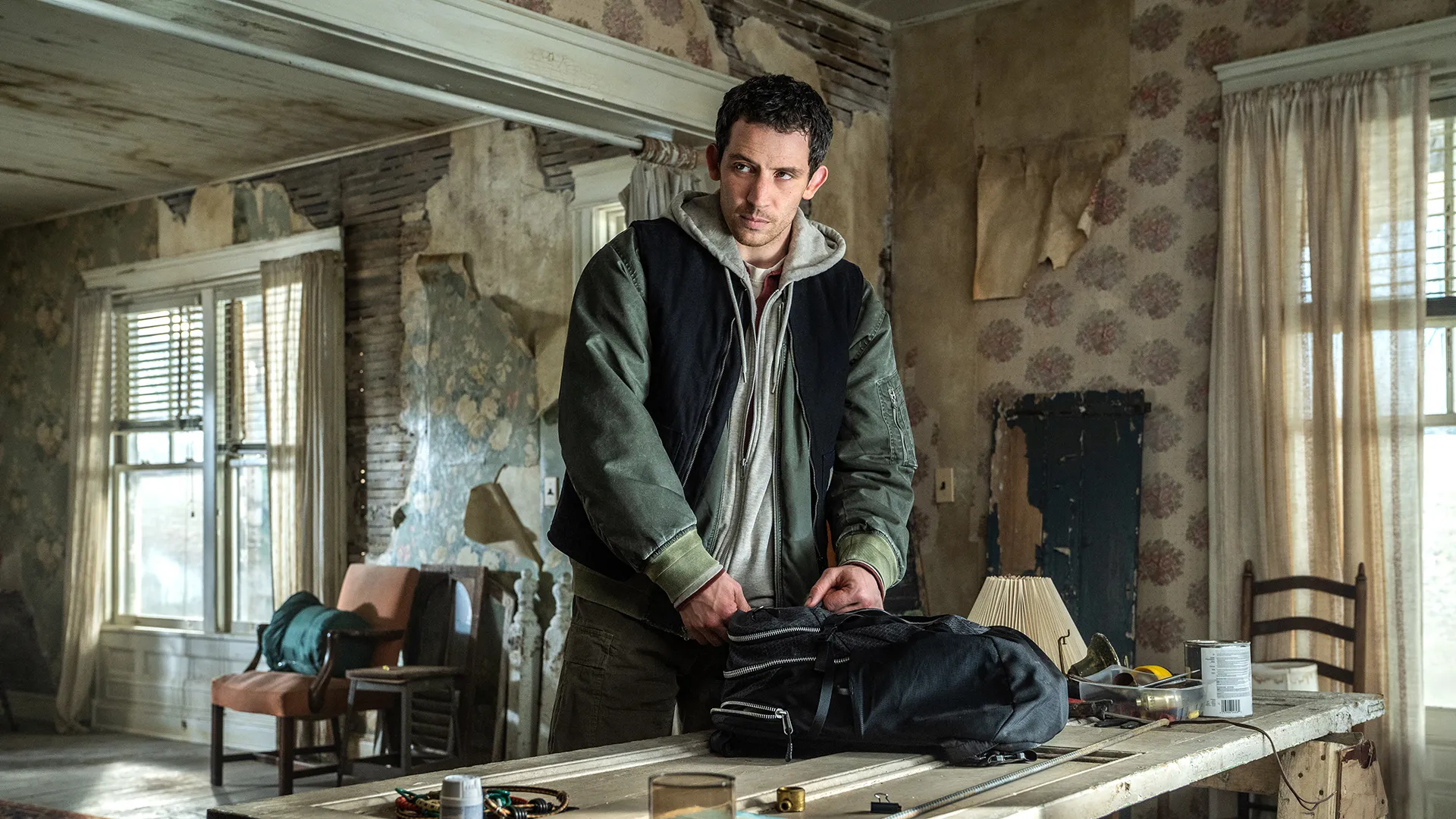
Here, unexplained powers are used in almost any situation. Yet, in one particular scene that at first bothered me, I later found it completely refreshing and unexpected, which is rare in today’s big-budget genre landscape. The story is layered, almost intimate, and approaches a Spielberg summer blockbuster with tender care that only the Bearded wonder could get away with.
That’s not to say the film does not have its clear faults, including a second act that runs far too long and a tendency to overplay its hand when it comes to the telekinetic subplot(s). Then there is the contrived moment where O’Connor’s Kellner hands the most important weapon over to someone who clearly should not be trusted, a choice made only to force the object back into the third act.
In the end, Disclosure Day’s hopeful, genre-bending swings outweigh the tonal shifts, second-act issues, and the convenient telekinetic detours used to keep the story moving. The difference here is that these devices are used to evoke empathy, which is used just as much to set up the audience for a resonant, satisfying experience that ultimately seeks connection rather than provocation. In the cynical age we live in, Spielberg reminds us that his greatest special effect can be: hope.
You can watch Disclosure Day exclusively in theaters starting June 12th!