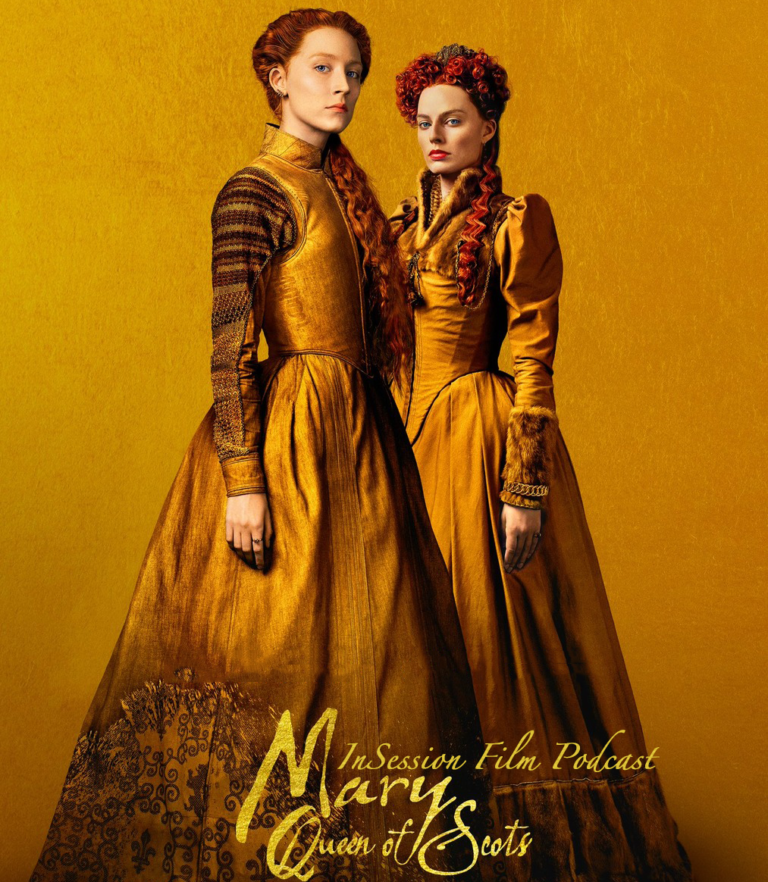
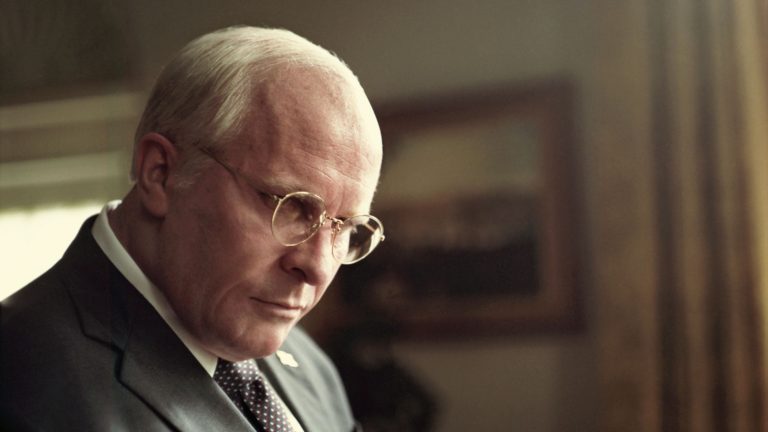
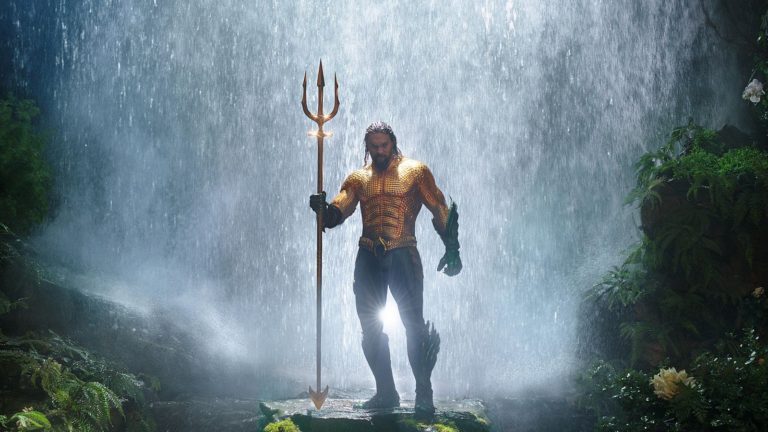
This week on the InSession Film Podcast: Extra Film show, we discuss Oscar hopeful in Mary Queen of Scots and the latest film to hit the DCEU Aquaman!
Big thanks to Karen Peterson of the Citizen Dame Podcast for joining us to review Mary Queen of Scots. It’s been a divisive film, and we knew she would offer up a different perspective than Ryan, making the conversation quite interesting. Jay’s thoughts on Aquaman are not to be missed either. His love for it is palpable.
On that note, listen to the show and let us know what you think about both films in the comment section below. Thanks for listening!
– Movie Review: Mary Queen of Scots (8:33) Director: Josie Rourke Writers: Beau Willimon, John Guy (based on the book “Queen of Scots: The True Life of Mary Stuart” by) Stars: Saoirse Ronan, Margot Robbie, Jack Lowden
– Movie Review: Aquaman (49:35) Director: James Wan Writer: David Leslie Johnson-McGoldrick, Will Beall Stars: Jason Momoa, Amber Heard, Willem Dafoe, Nicole Kidman
We try to make this the best movie podcast we possibly can and we hope you enjoy them. Subscribe today on iTunes, Spotfiy or Stitcher, and please leave us a review on iTunes. You can also find us on Soundcloud, PlayerFM and TuneIn Radio as well. We really appreciate all your support of the InSession Film Podcast.
To hear this Extra Film episode and everything else we do, download our apps on the Amazon Market for Android and the Podcast Box app on IOS devices. The mobile app covers all of our main shows, bonus podcast’s and everything else relating to the InSession Film Podcast. Thanks for your wonderful support and listening to our show. It means the world to us!
Director: Christian Rivers Writers: Fran Walsh, Philippa Boyens Stars: Hera Hilmar, Robert Sheehan, Hugo Weaving
Synopsis: In a post-apocalyptic world where cities ride on wheels and consume each other to survive, two people meet in London and try to stop a conspiracy.
[/info]
It took less than 15 minutes of Mortal Engines for me to get the overall tone the film was going for as well as the direction it was headed, and it was not a good one. Very quickly into the opening act, the story becomes quite a cliché and very predictable and from that point forward nothing about the film feels compelling. This is very unfortunate as the film’s premise is unique and right now there are very little offerings of films with a fresh idea and story so I was rooting for this one to be a success. But as it is Mortal Engines fails in many aspects and will likely be a forgotten film lost in the ashes of 2018.
Let me start with what I did like about Mortal Engines: The Visuals. Mortal Engines has some beautiful imagery and the CGI, although not perfect, can allow you at times to immerse yourself into this new world and its fantastic cities that both crawl across the sprawling landscapes and float in the boundless sky. Like most fantasy films without this kind of eye-candy, there would be less draw to it. Unfortunately, this is where all the praise ends with Mortal Engines. As aesthetically pleasing the film can be it will just as soon rip you out of that fantasy world with poor dialogue and flat storytelling.
It would be difficult to list the many things this film does wrong but what most stands out is a simple lack of character development and Mortal Engines has A LOT of characters. The most important name is Hester Shaw, played well by Hera Hilmar, the hero of this story with a tragic past and a single goal of killing Thaddeus Valentine (Hugo Weaving), this is the story at its simplest. Surrounding these two are an array of faces with names that sound like they came right out of a Final Fantasy epic (It would not surprise me to see a follow-up RPG in the near future). Anna Fang (Jihae), Shrike (Voiced by Stephen Lang), Tom Natsworthy (Robert Sheehan) and Magnus Chrome (Patrick Malahide) are just a few but there are many more each with their own role. But it would be unfair to point to the sizable cast as the reason why its difficult for me to establish some kind of connection with any of them. There are plenty of films like this that still manage to have you in tears over the even the most minor characters death. The problem lies in the storytelling that links all these names together. The film spends too little time with some while dragging out other characters stories that have no real impact or bearing on the main arc. In short, the film is all over the place. It can’t seem to find its footing as it bounces from one part of the story to another and never allows a pause to grab on and settle in. This isn’t to say that the film’s pacing is too fast, we have sentimental moments peppered about between individuals but we never really get a deeper sense of them. At least not enough to make us deeply care for what they have been through and understand their actions.
What also does not help is that as we follow along there are things storywise that simply don’t make sense and are never explained to the audience. There are some that you can speculate and theorize on but most had me wanting to pause the film and shake my head in confusion. A prime example is a particular character who is in constant pursuit of Hester and at every turn, he somehow manages to find her, with no explanation of how. Keep in mind Hester is in constant motion whether on some kind of motorized vehicle with wheels or in a flying ship and we are following her all over the world and still, he seems to know where she is at all times. This same problem occurs with another character that somehow manages to run into Hester at a specific place at a very pivotal moment yet, as far as I can tell, they had no foreknowledge that Hester would be there. These kinds of discrepancies may not bother others but I find it to be poor writing as these could have been avoided with simple explanations.
Mortal Engines could have been a success but the film suffers from a poor script, predictable twists and turns and most importantly it fails in offering the audience an emotional connection. All of the characters, Hester included, feel like throwaways and watching their struggle on-screen feels very detached. Even the side characters and random citizens come off as nothing more than background noise and their harrowing plight and deaths fall with little sentiment. The film does a poor job of establishing stakes which are necessary for the audience to buy in especially when it comes to fantasy films. My experience watching Mortal Engines was not unlike watching a sporting event with no team to root for. It can be entertaining at times but you have no emotional investment in the overall outcome. Unfortunately, this also makes the film feel like it is dragging since about halfway through all I want to know was how the story concludes with very little care for how it gets there. As much as I wanted to enjoy Mortal Engines it did very little to move me and keep me captivated.
All this being said there have been some recent films that I have watched and although I did not find them enjoyable I could see the film being very entertaining for children and that may be the case with Mortal Engines. The films pacing and style seems a better fit for a younger audience so although I could not recommend this film for a more adult crowd it may make for a fun family movie night.
This weekend on Episode 306, we will be talking about Adam McKay’s latest film Vice, starring once again an almost unrecognizable Christian Bale. This time he’s in full make up playing former Vice President Dick Cheney. Bale is, of course, an actor known for his physical “transformations” and this time around it’s not different – although this time it may be more make-up than anything he’s doing physically. Still, he’s not his normal self either way.
With that as inspiration for our poll this week, what Bale “transformation” stands out to you as his best?
Director: James Wan Writers: David Leslie Johnson-McGoldrick, Will Beall, Geoff Johns Stars: Jason Momoa, Amber Heard, Patrick Wilson, Willem Dafoe
Synopsis: Arthur Curry learns that he is the heir to the underwater kingdom of Atlantis and must step forward to lead his people and be a hero to the world.
[/info]
I’ve had high hopes for an Aquaman movie since it was announced that Jason Momoa would be portraying the character in the DCEU. I’ve been a fan of Momoa’s since his Stargate Atlantis days, so I know he’s perfectly capable of being an entertaining action star with great hair. Aquaman was better than I expected, it didn’t let me down entirely, but it still wasn’t quite as awesome as I hoped.
Aquaman tells the story of Arthur Curry and his journey to embrace who he is. Half Atlantean, half human, a child of the land and the sea. The film has two antagonists; Orm (Patrick Wilson), Arthur’s half-brother and current king of Atlantis, and Black Manta (Yahya Abdul-Mateen), a high-tech pirate seeking vengeance. The movie also features Mera (Amber Heard), who we saw for a brief cameo in Justice League. We also have Willem Dafoe, who plays Vulko, an Atlantean mentor type character. Nicole Kidman is Queen Atlanna, Arthur Curry’s Atlantean mother. Nicole Kidman was a great casting choice, probably one of my favorite additions to the DCEU. She is the only woman who is tall enough, bad ass enough, and has the right hair to convincingly portray Jason Momoa’s mother.
There are a lot of great things about this film. The first thing I need to mention is how gorgeous it is. Atlantis is amazing. They managed to illustrate the scale of this underwater civilization and how established it is and imply centuries of history. There are multiple kingdoms with different looks, a variety of sea creatures, and a cool take on Atlantean advanced technology. The music was equally awesome, Rupert Gregson-Williams does a fantastic job. The score just added to the epic feel of the film and gave a distinct theme to each main character. They were also able to take some of the campy, easily made fun of things traditional to Aquaman, and make them fit into the movie. Specifically, the makeover they gave his traditional orange and green suit and how they utilized and made fun of his ability to talk to fish. The underwater effects were also nicely done. The movement of the Atlantean characters and an underwater voice filter were nice touches.
Now on to the things I didn’t like… A big problem for me was Aquaman’s pacing- the movie was too long. At almost two and a half hours, it could have done with some editing, especially in one of the fight scenes. I thought that Black Manta’s character was mostly unnecessary. I loved basically everything about him, Yahya Abdul-Mateen was amazing, but this movie only needed one antagonist and suffered by trying to fit in both. This movie also falls into that “show all the cool bits in the trailer” category. Two of the most visually stunning shots in the movie were prominent in the trailers. It would have been great to have left those as surprises for the theater. I also had the pleasure of seeing this movie with my brother, home from the Army for the holidays. Immediately after leaving the theater he started rambling about the film’s weapons and technical issues (he always does that), such as shooting off grenade launchers in a room full of torpedoes on a submerged submarine. But even with those implausible things or bad decisions, he still enjoyed the movie. I also noticed quite a few references to The Little Mermaid. Not necessarily a negative, just something I observed. I’m not sure if that was intentional, accidental, or just because I watched that movie a million times as a kid and it’s permanently embedded in my brain. It doesn’t help that Cyborg actually calls Aquaman “Little Mermaid” in Justice League. Even with its faults, this movie is definitely one of the best DC has put out in a while, save for maybe Wonder Woman. It’s good to be able to publicly declare I enjoyed a movie made by DC again without fear of ridicule.
Aquaman is the fun action-packed, adventure movie we’ve sorely been needing from the DCEU. I’m happy with how they developed the character and hope to see more of him. I highly recommend you see this on the big screen.
Overall Grade: B-
[divider]
Hear our podcast review on an up coming Extra Film episode!
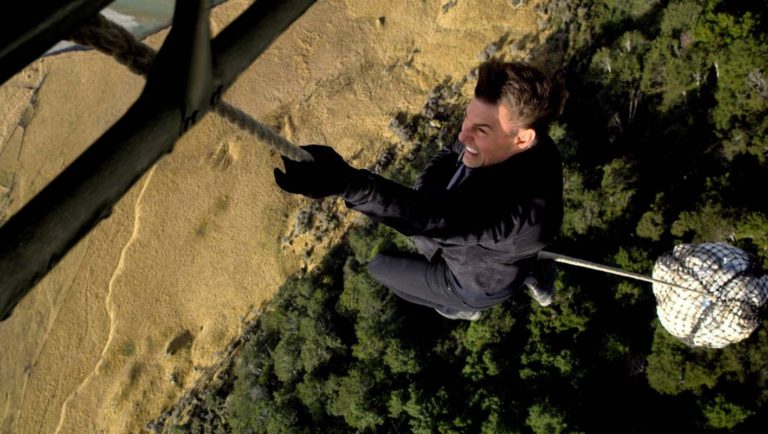
This week on Episode 305 of the InSession Film Podcast, we continued our year-end wrap up by discussing our top 3 action scenes of 2018. This year was phenomenal for superhero movies and mainstream entertainment, with film like Black Panther, Avengers: Infinity War, Spider-Man: Into the Spider-Verse, Aquaman, Deadpool 2, Incredibles 2, Mission: Impossible – Fallout, along side several others – all had something to offer at the cinema this year. There was a ton of action on the screen, which isn’t unusual, but there was certainly more in terms of quality. Hopefully that was represented on our lists this week and in our honorable mentions. That said, here are our lists:
(Note: Please keep in mind that we each had different criteria for our selections)
JD
1) Helicopter Scene – Mission: Impossible – Fallout
2) Apollo 11 Takeoff / Landing – First Man
3) Final Fight Against Juggernaut / Rusty – Deadpool 2
Brendan
1) Jack Jack vs Racoon – Incredibles 2
2) Halo Jump – Mission: Impossible – Fallout
3) Train Scene – Paddington 2
Honorable Mentions (Combined)
Wakanda Fight (Thor Moment) – Infinity War
Fight vs Thanos – Infinity War
First Fight Between Killmonger / T’Challa – Black Panther
Casino Fight – Black Panther
Car Chase – Black Panther
Car Chase – Ant-Man and the Wasp
The Shining – Ready Player One
First Race – Ready Player One
Elastigirl – Incredibles 2
Stealing Computer – Into the Spider-Verse
Final Fight with King Pin – Into the Spider-Verse
Unconscious Peter Parker – Into the Spider-Verse
Both Fights Between Adonis / Victor – Creed II
House Invasion – Assassination Nation
Shootout in The Girl Who Got Rattled – The Battle of Buster Scruggs
Joe Saves Nina – You Were Never Really Here
First Death / Ballet Routine – Suspiria
Gun fights – The Sisters Brothers
Revenge – Mandy
Heist – Widows
Heist – Ocean’s 8
Bathroom Fight – Mission: Impossible – Fallout
Motorcycle Chase – Mission: Impossible – Fallout
X-Force – Deadpool 2
Cyberton Opening – Bumblebee
Saving Charlie Against Decepticons – Bumblebee
Chasing Egg – Game Night
Hopefully you guys enjoyed our lists and if you agree or disagree with us, let us know in the comment section below. As mentioned above, it’s been a great year for action scenes, and maybe there’s a couple that we missed on our lists here. That being said, what would be your Top 3? Leave a comment in the comment section or email us at [email protected].
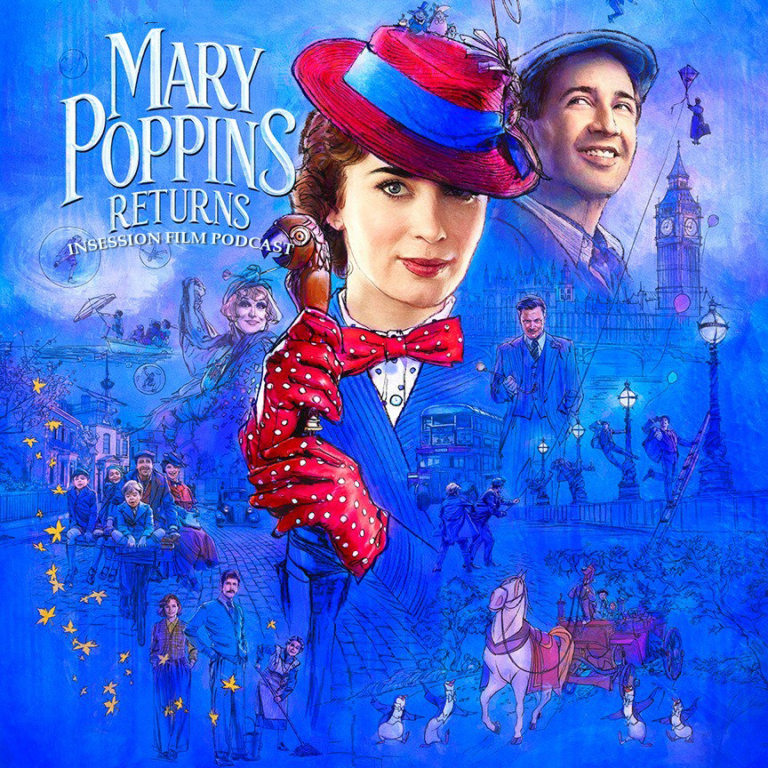
This week on the InSession Film Podcast, we discuss the return of Mary Poppins in Mary Poppins Returns and the latest film (and it’s good!) in the Transformers series, Bumblebee. We also continue our year-end Top 3’s by revealing our favorite action scenes of 2018.
As with last week’s show, it was slightly longer than normal this week but hopefully as insightful and fun as always. We are big fans of the original Mary Poppins, so it was exciting to get back into that world once again. But for JD, it was even more exhilarating to see a Transformers movie be something more than just Michael Bay aesthetics and silly immature humor.
That said, check out this week’s show and let us know what you think in the comment section. Thanks for listening and for supporting the InSession Film Podcast!
– Movie Review: Mary Poppins Returns (4:17) Director: Rob Marshall Writers: David Magee, Rob Marshall, John DeLuca Stars: Emily Blunt, Lin-Manuel Miranda, Ben Whishaw
– Top 3 Action Scens of 2018 (59:39)
2018 was a phenomenal year for superhero movies and mainstream entertainment. Black Panther, Avengers: Infinity War, Spider-Man: Into the Spider-Verse, Aquaman, Deadpool 2, Incredibles 2, Mission: Impossible – Fallout, along side several others, they all had something to offer at the cinema this year. There was a ton of action on the screen, which isn’t unusual, but there was certainly more in terms of quality. Hopefully that was represented on our lists this week and in our honorable mentions. That said, what would be your Top 3?
Main Review: If Beale Street Could Talk / Vice
Top 3: Funniest Scenes of 2018
[divider]
Help Support The InSession Film Podcast
If you want to help support us, there are several ways you can help us and we’d absolutely appreciate it. Every penny goes directly back into supporting the show and we are truly honored and grateful. Thanks for your support and for listening to the InSession Film Podcast!
Director: Rob Marshall Writers: David Magee, Rob Marshall, John DeLuca, P.L. Travers (based upon the “Mary Poppins” stories by) Stars: Emily Blunt, Lin-Manuel Miranda, Ben Whishaw
Synopsis: Decades after her original visit, the magical nanny returns to help the Banks siblings and Michael’s children through a difficult time in their lives.
[/info]
Growing up, there were two musicals I watched more than just about any other films. One was Singing in the Rain and the other was the original Mary Poppins. Both films but especially Mary Poppins, are films that I know almost every word of dialogue and every song, and thus shaped me into someone that takes this genre very serious because of the films that shaped me when I was young and what a musical is supposed to do. Never in my life would I have imagined that Disney would bring us back to 17 Cherry Tree Lane and give us a film that was worthy of standing tall with the original film but that is exactly what director Rob Marshall has done. With Mary Poppins Returns, we are a given one of the most delightful films of the year, Rob Marshall’s best film since his Oscar winning film Chicago, and a films that’s message and tone are exactly what we need right now in the world we live in.
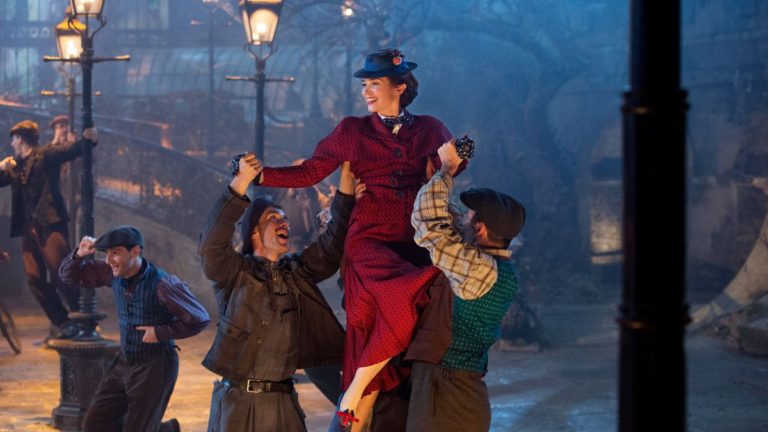
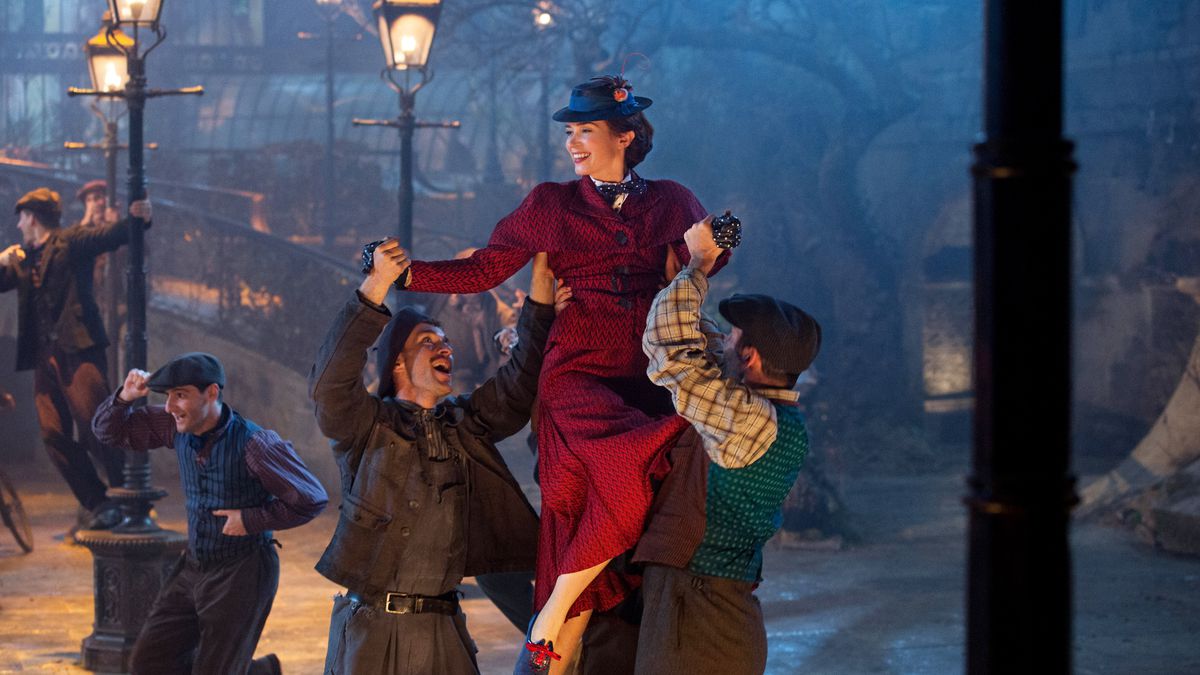
Mary Poppins Returns picks up 25 years after the events of the original, with Michael Banks (Ben Whishaw) and his three children (Pixie Davies, Nathanael Saleh, Joel Dawson) living in the house that he and his sister Jane (Emily Mortimer) grew up in. London, along with the rest of the world, are going to tough times in the 1930’s, and thus it is hard for Michael and his family to keep their beloved home and keep everything together since the passing of Michael’s wife. Michael is told by the bank that he needs to pay back the loan he owes the bank otherwise the bank will take the house, thus leading things to start falling apart once again for the Banks family. Michael’s kids are different than he and Jane were when they were kids, in that they have lived a harder life because of losing a parent and thus have to be a little more grown up to help their father, their aunt and their maid Ellen (Julie Walters) around the house. With all of this gloom and doom coming to pass over the Bank’s family, in from the clouds returns the world’s most famous nanny of all time, Mary Poppins (Emily Blunt). She proclaims to have returned “to look after the Banks children” but she has once again come to try and save this family from the world around them and their own personal struggles as well. With the assistance of a new companion, a lamp lighter named Jack (Lin-Manuel Miranda), Mary Poppins gives Michael’s children, along with Michael and Jane again, reason to have hope and a reason to carry on in tough times.
Of course there are tons of adventures that Mary and Jack take the kids on and they are filled with so much delight and fun that you wish you were going on them with them in physical form rather than just seeing it with your own eyes. My favorite involves going into a bowl, much like the first one where Mary takes Michael and Jane in the drawing with Bert. This is where, just like the first one, the filmmakers really get to shine, using that amazing classic Disney animation along with the live action to make something extremely entertaining. This whole sequence, along with the entire film, works because of the music from Marc Shaiman and Scott Wittman, who nail all of musical numbers with so many fun and engaging lyrics that go great with the dance sequences that Marshall and his team put together.
But I assume that most of you are here to find out one of the big questions surrounding the film, does Blunt come close to being anywhere near as good as the original Mary Poppins, Julie Andrews? The answer to that question is complicated because while this is very much the same Mary Poppins that Andrews played in the original, Blunt gives the character a little bit of a different spine thus making the character her own. Blunt, who worked with Marshall in his last film Into the Woods, shines the brightest in the film that she does something that Andrews did do a lot in the original, which was even when she wasn’t on the screen, you still felt her presence and wanted to see more of Mary Poppins ASAP. But just like the original, Mary Poppins has to have a great companion to help her introduce the children to their adventures, thus leading us to Jack played by Lin Manuel Miranda. Miranda, known as the creator of the most popular musical on the planet in Hamilton, gives a great performance and has fantastic on screen chemistry with Blunt where all their musical numbers together work perfectly. He is not as strong as Dick Van Dyke was in the original but he does a pretty damn good job and you can tell he is having a ball playing this part. The highlight of the film is where they sing the song “A Cover is Not the Book”, where it is a mixture of some of the fun of the original, with a splash of Chicago, mixed with a little of Miranda’s Hamilton, making a sequence that is one of the best of 2018.
There are some minor problems within the film, one involving the banks plot and the character intentions of Colin Firth’s Wilkins and Meryl Streep’s performance as Cousin Topy. It’s not very clear why Wilkins wants to take the home of the Banks family but this film does need a bad guy and Firth plays it good enough and the payoff the whole plotline is very much worth it for the surprise in the end. And while the song the song Streep does sing is very fun, it’s also a bit distracting considering the thick accent she chooses to use, thus making it the most distracting scene in the film. Beyond those two minor complaints, the film is “practically perfect in every way” and by the end of the film, it’s message is one that is exactly what we need in the world right now, in that “there is no way to go but up.” One can only hope that we get to return to this universe down the road and spend another lovely holiday with Mary Poppins and all these wonderful characters.
Director: Alfonso Cuarón Writers: Alfonso Cuarón Stars: Yalitza Aparicio, Marina de Tavira, Nancy García García
Synopsis: A story that chronicles a year in the life of a middle-class family’s maid in Mexico City in the early 1970s.
[/info]
It has been apparent for quite some time now that Alfonso Cuarón is one of the most gifted directors currently working. Personally, I’ve been impressed with his previous films such as Children of Men and Gravity (which won him the Oscar for Best Director), and Harry Potter and the Prisoner of Azkaban remains one of my favorites from that series. His technical skills are always on display, but I’ve often felt that the stories in his films have not quite measured up to the incredible visual power he commands as a director. With Roma, Cuarón has created a story that elevates the film’s technical achievements, and I think it is instantly a career-defining work for this great director.
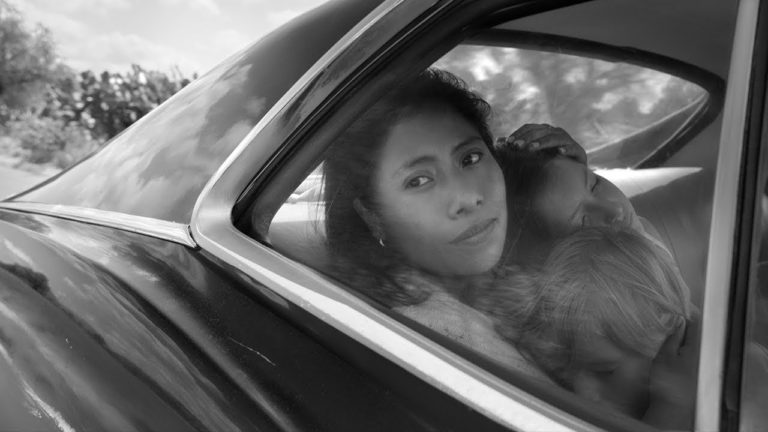
Cuarón wrote and directed this film, and he also worked as the film’s cinematographer. One of the most powerful decisions he makes as the film begins is to refrain from giving us much in the way of character details and backstory for our main character – Cleo (Yalitza Aparicio). We can see that she works as a maid for a family living in Mexico City. Though we may not be able to place the exact timeframe upfront, we quickly surmise that the story takes place in the 1970s. Other than that, we don’t know much at the beginning of the film, and I think that serves the story well as it begins to unfold for reasons I will discuss later on.
The film is shot in beautiful black and white imagery, and it opens with a visually-stunning credits sequence played over water repeatedly lapping on a floor. We see the reflection of an opening above and a large jet flying overhead. The jet image will be repeated at various points in the film and serves the underlying theme of different socioeconomic stratospheres being present in one place. The camera then pans to show Cleo going about her daily work. Cuarón utilizes camera pans throughout the film as a way for us to “survey” each scene rather than simply watch passively.
Cleo works as a maid for Sofía (Marina de Tavira) and her husband, Antonio (Fernando Grediaga) along with their four children and Sofía’s mother, Teresa (Verónica García). Another maid named Adela (Nancy García García) works in the household too. Cleo and Adela are cordial with the family, but the relationship does not seem to be much deeper than a professional one. Cleo and Adela do the cooking and the cleaning, and then they go to their own personal lives. On their own time, they enjoy going to the movies with their boyfriends. Cleo is dating a man named Fermín (Jorge Antonio Guerrero), and Adela is with Ramón (Jose Manuel Guerrero Mendoza). There is a palpable detachment between Fermin and Cleo. In one scene, Fermin seems more interested in his martial arts skills than in Cleo. Something occurs in their relationship that exacerbates this detachment and we watch as Cleo navigates the aftermath. She confides in Sofía, but her employer is undergoing relational stressors of her own. Even so, Sofía quickly takes action in providing Cleo the support she needs.
The film does a profound job of depicting this slice of life. In that regard, it reminded me of Sean Baker’s 2017 film The Florida Project for how it empathically depicts the life of its characters. We see their lives in a vivid way. The film allows space in scenes for us to consider what the characters are thinking and feeling. One way Cuarón accomplishes this is through multiple close-ups that linger on the characters’ faces – especially Cleo. It reminded me of how Ingmar Bergman said that the face was the greatest cinematic landscape for its ability to evoke emotion and feeling. Cuarón lets Cleo’s face tell us so much.
Of course, there is another person who deserves credit for that – lead actress Yalitza Aparicio. She gives what is in my opinion one of the finest performances of the year as Cleo. She evokes so much in those close-ups that we feel that we know Cleo – not just as a character, but as a human being. The performance is so well-rounded whether the scene is heavily emotional or calls for a more muted approach.
Her performance and Cuarón’s handling of it are the reasons that the film’s opening provides such a perfect execution of what the story calls for. Since we don’t know much about Cleo at the beginning, we are faced with a unique choice, whether we realize it or not. We often relate to and care about characters based upon what we know about them since this allows us to find common ground with our own experience. But this film calls us to care about Cleo because she is a human being. The film drops us into the story and lets us pick up the contextual clues as we go. But from the very beginning, the camera surveys Cleo’s life with empathy, and we should do the same.
Cuarón’s cinematography is absolutely astounding. There are images in this film that will take your breath away. This film is the work on an artist in complete control of the medium and their own artistic vision.
I won’t spoil the film’s plot, but suffice it to say that the ending packs an emotional punch. We see how the characters have grown and changed (specifically in regards to Cleo’s relationship to Sofía and her children), and the closing shot even reflects the opening shot in a way that re-contextualizes what has come before it.
I think this is the finest film of the year and a monumental achievement. From the acting to the direction to the cinematography, every element of the film is working on all cylinders. It will run the gamut of your emotions, and it will broaden your visual scope. It is a powerful film in every sense of the word. Whether you have the ability to see this film on the big screen or whether you stream it on Netflix, this is a film that you absolutely must see. It is simply that good.
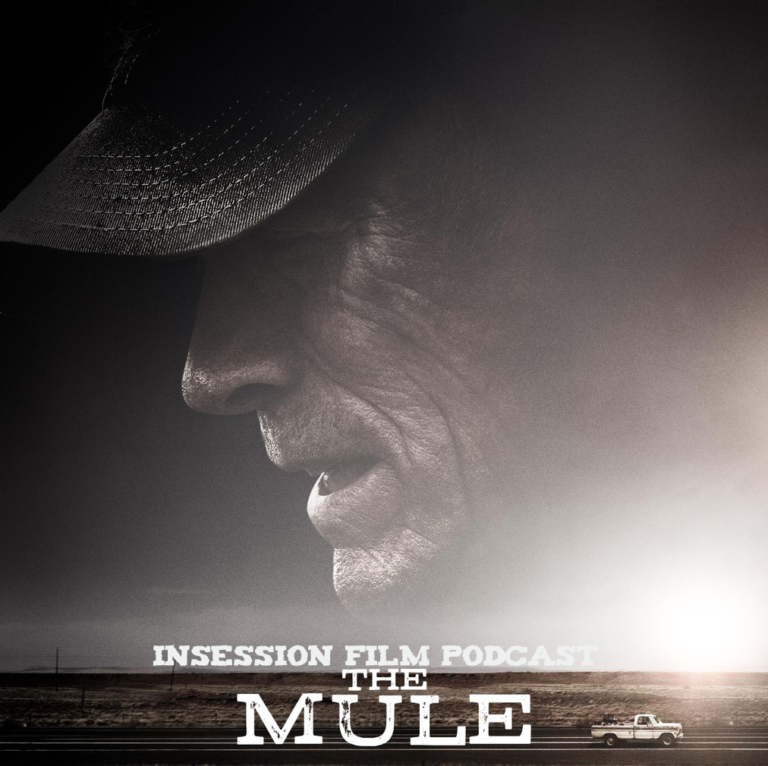
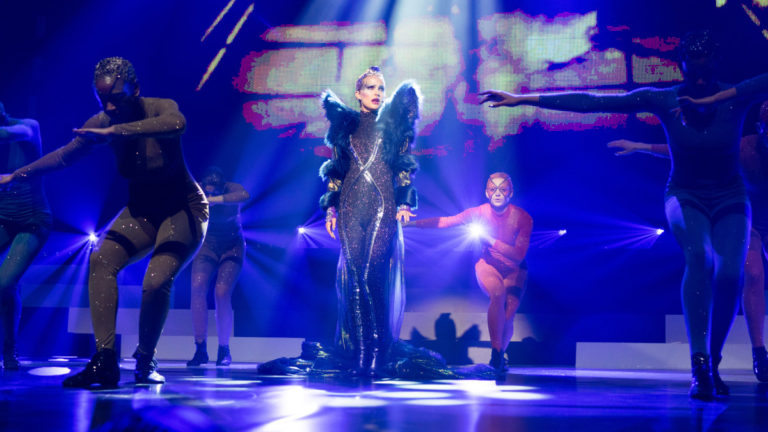
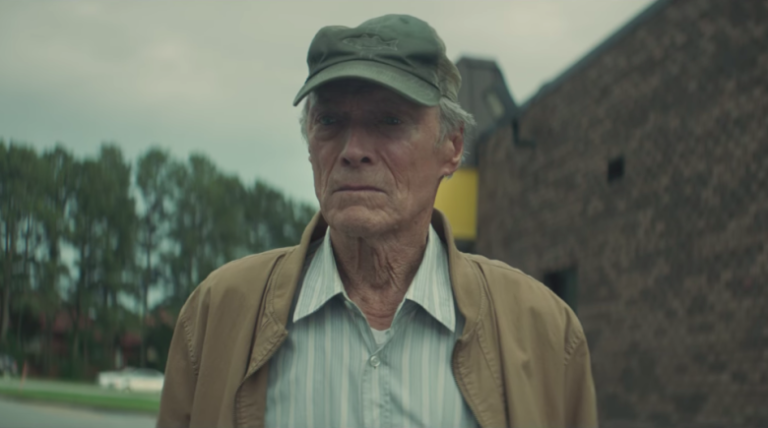
This week on the InSession Film Podcast: Extra Film show, we discuss Clint Eastwood’s latest directorial effort in The Mule and the Natalie Portman starring vehicle Vox Lux.
Specifically, Jay and Ryan have a somewhat lengthy, but thorough review of The Mule, while Jay and Brendan try to figure out what Vox Lux was attempting to achieve. Both films have been quite divisive and that is certainly felt on this week’s show.
Listen to the show and let us know what you think about both films in the comment section below. Thanks for listening!
– Movie Review: The Mule (6:27) Director: Clint Eastwood Writers: Sam Dolnick (inspired by the New York Times Magazine Article “The Sinaloa Cartel’s 90-Year Old Drug Mule” by), Nick Schenk Stars: Clint Eastwood, Bradley Cooper, Taissa Farmiga
We try to make this the best movie podcast we possibly can and we hope you enjoy them. Subscribe today on iTunes, Spotfiy or Stitcher, and please leave us a review on iTunes. You can also find us on Soundcloud, PlayerFM and TuneIn Radio as well. We really appreciate all your support of the InSession Film Podcast.
To hear this Extra Film episode and everything else we do, download our apps on the Amazon Market for Android and the Podcast Box app on IOS devices. The mobile app covers all of our main shows, bonus podcast’s and everything else relating to the InSession Film Podcast. Thanks for your wonderful support and listening to our show. It means the world to us!
Synopsis: An unusual set of circumstances brings unexpected success to a pop star.
[/info]
“I don’t even know what that was supposed to be.” This is what my boyfriend said to me after I showed him the trailer for Vox Lux when it was first released last month. I was befuddled. Mystified. Kinda angry. Who cares? It’s Natalie Portman. Playing a wildly over the top pop star. In a time where A Star is Born and Bohemian Rhapsody are dominating the box office. I was all in from the get go. Then, as I walked out of the theater, I couldn’t help but wonder to myself, “What was that supposed to be?”
In the days following my viewing experience, I’ve been trying to figure out if Vox Lux is the wildly complicated, thought-provoking kind of movie that takes days or weeks of pondering and multiple rewatches to truly enjoy, or if it was just a smorgasbord of awards bait nonsense that wasn’t even worth the initial two hours it took to watch the damn thing. To its credit, I’m leaning more towards the former and am looking forward to testing this theory with multiple rewatches in the future. I think the indecision in this regard, though, stems from the very intentional emotional distance writer/director Brady Corbet keeps between the audience and the narrative. This distance is obvious from the opening scene of the film which depicts a very graphic and upsetting act of terrorism. The scene plays out largely as a methodical series of images used to communicate facts rather than emotions, not unlike news stories covering real-life horrifying events. The movie itself is even framed as a documentary, which feels simultaneously like a tongue-in-cheek reference to the ever-popular musical biopic genre and a very effective technique to maintain emotional distance from these characters.
While talking about the emotional distance this movie creates, it’s important to note that Vox Lux isn’t so much a story focusing on our protagonist, Celeste, as it is a hyperbolic allegory about a generation’s loss of proverbial innocence. It’s a heady premise but I’m not entirely convinced Corbet succeeds in delivering the promise of that premise. The overstated images and characters don’t quite mix with the understated themes, and the emotional distance makes it difficult to find any dark humor in the story, and even harder to discern if any was intended to be found in the first place.
Despite my confusion and indecision regarding the themes and overall message of this movie, I have to admit that Corbet surrounded himself with such an excellent team that it was very easy to sit back and enjoy the spectacle without worrying too much about what I was watching until the movie ended. For as much as I love Portman and was excited to see her singing and dancing as a Lady Gaga-esque pop star, Raffey Cassidy absolutely stole the show as Young Celeste / Albertine and I wish the Sia-written and Cassidy-performed song “Wrapped Up” was a contender for Best Original Song because it was amazing, not just as a stand-alone song but as an integral piece of the narrative and the film as a whole. Also, with the emotional distance created in the script, the weight of eliciting emotional responses often fell to the cinematographer and the editor (Lol Crawley and Matthew Hannam, respectively), and both spectacularly delivered.
In sum, Vox Lux was an emotionally confusing, exhausting, thought-provoking bundle of talent with amazing music, spectacular costumes, and some of the best editing I’ve seen all year. It’s a bit of a mixed bag and I can’t recommend it to just anyone, but I really wish more people were going out and seeing it. If you like Natalie Portman, pop music, social commentaries, dark humor, and/or cynicism, or if you just can’t stand movies like A Star is Born and Bohemian Rhapsody, then this one’s for you — see it while you can, because I don’t think it’ll be in theaters for much longer.
Overall Grade: ???
Grade Rating for script: a solid B that will undoubtedly either go up to an A or down to a C upon multiple viewings
Director: Bob Persichetti, Peter Ramsey, Rodney Rothman Writers: Phil Lord, Rodney Rothman, Dan Slott Stars: Shameik Moore, Jake Johnson, Hailee Steinfeld, Brian Tyree Henry
Synopsis: Miles Morales becomes the Spider-Man of his reality and crosses paths with his counterparts from other dimensions to stop a threat to all reality.
[/info]
2018 has been a year of great animated movies. We’ve had Isle of Dogs, Incredibles 2, Ralph Breaks the Internet, and now Spider-Man: Into the Spider-Verse. It’s the first time in a while that the Oscar race for Best Animated Film might actually be competitive. But, if it were up to me, that award would go to Spider-Man, no contest. Though I’ve thoroughly enjoyed most of the animated films this year, none of them came close to inducing the awestruck stupor I experienced while staggering out of the theater after Spider-Man. I’ll probably go as far as to say it’s my favorite superhero movie of the year as well, sorry Black Panther, Infinity War, and probably Aquaman…
Spider-Man: Into the Spider-Verse is, at its core, a coming of age story for Miles Morales (Shameik Moore). Miles is a relatable, funny, awkward teenager- he’s the perfect protagonist for this movie. Especially when paired up with Jake Johnson’s middle aged, jaded Spider Man/Peter B. Parker that everyone else can relate to. It’s hard to summarize the plot of this movie without spoiling it, but if you’ve seen the trailers you get the idea. Something happens that causes Spider-People from other universes show up, they have to fight bad guys, and save the day. Typical superhero movie plot, especially if you’ve been watching certain tv shows from the DC universe. We get to meet a variety of cool Spider-People, including Nicolas Cage as Spider-Man Noir, John Mulaney as Spider-Ham, Hailee Steinfeld as Spider-Gwen, and Kimiko Glenn as Peni Parker. The story puts an emphasis on embracing the things that make you unique, and always be yourself. It’s a great message for a PG rated movie and I was not expecting it. Honestly, I wasn’t super excited for this movie after the first trailer. I didn’t understand why they were making a random animated Spider-Man movie just after adding the character to the MCU and Sony not including him in Venom. But after the second trailer and when some reviews started coming out, I knew I needed to see it.
One of the best things about this movie is the animation. It’s incredible and deserves all the awards and recognition coming to it. My brain kind of hurt after watching it, (there’s a lot going on on-screen at times) but it was worth it. They take every cool illustrator trick from comic books and put it in the movie. You can see brush strokes, chat bubbles, sound effects whooshing by, hatching, ben-day dots, etc. I had heard that each different Spider-Person was going to have a unique animation style and I wasn’t sure if that was going to mesh well while they were all on screen, but it does. It’s amazing to see all the art styles used at once. I need to see it again to try to spot all the things I missed. The final fight scene is an achievement on its own, it’s mind-blowingly good.
There were so many good things about this movie, I know I’ll probably forget to mention a few. I loved comically huge Kingpin. That is exactly how Kingpin should be from now on, I don’t care if it’s animated or live action. Spider-Man Noir is my new favorite thing and I am going to go buy all the comic books. Being voiced by Nicolas Cage was a bonus. I also loved Jake Johnson’s Peter B. Parker so much, he was a great addition to the cast. He’s hilarious, I would love to see him do more voice acting in the future. The relationship between Miles and his dad, voiced by Brian Tyree Henry, is another positive. It’s adorable and full of embarrassing dad-cop moments. The movie is filled with animated cameos (including Stan Lee), and references (or jabs) to past Spider-Man movies, comics, merchandise, and tv shows. Please stay until the end for the best post credits scene I’ve seen in a long time, probably ever. The music was also amazing, but I’m disappointed “Spidey-Bells” isn’t available on iTunes. Spidey-Bells is the Christmas song we all need this year.
Overall, Spider-Man: Into the Spider-Verse was a fantastic film. It is a great coming-of-age story that teaches us we are all unique and that’s what makes us great. I highly recommend this film to everyone, kids and adults, superhero fans or not, I can’t imagine anyone not enjoying this movie. It definitely made it on to my top movies of 2018 list.
For our lovely Patreon subscribers, in anticipation for Mary Poppins Returns, we got together to review the original Mary Poppins, starring Julie Andrews!
*Note: This episode is now available to the public.
To hear our bonus content episodes early, subscribe now on Patreon. In many cases, though, we offer our bonus content for free after a certain period of time and we do encourage (and very much appreciate) a small donation of $0.99 as a way to help support the show if signing up on Patreon isn’t for you. Click on the PayPal button below to donate and thanks so much for your support. You can also hear much of our Bonus Content via our mobile apps. See the information at the bottom of the post for more details.
[divider]
Mobile Apps!
Listen to all of our bonus content on our apps for just a one-time fee! Whether you have an iPhone, Android or Windows phone, our apps are available in many different ways that is convenient for you. With our mobile app, not only can you listen to all of our bonus content, but our main shows and our Extra Film podcasts as well. Click here for more info!
If you don’t want to purchase our bonus content, but still want to support us, there are other you can help us out. Click here for more info.
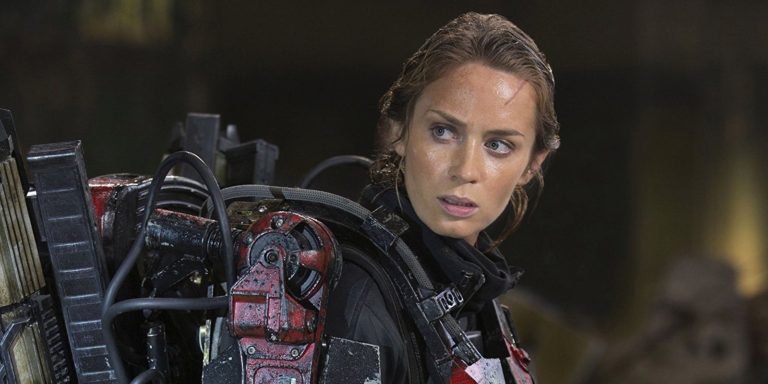
This week for our poll, inspired by Mary Poppins Returns, we are talking about the great Emily Blunt. She’s had some fantastic roles over the past few years and has become an actress we always look forward to seeing on screen.
This week on Episode 304 of the InSession Film Podcast, we discussed our top 3 “against the grain” movies of 2018, or in other words, the movies we liked that most didn’t care for much. The feedback to this week’s Top 3 should be fun since the nature of this topic means that we’ll be in the minority opinion regarding these films. But, that’s also what makes it a lot of fun at the same time. That said, here are our lists:
(Note: Please keep in mind that we each had different criteria for our selections)
JD
1) Assassination Nation
2) Ready Player One
3) Red Sparrow
Brendan
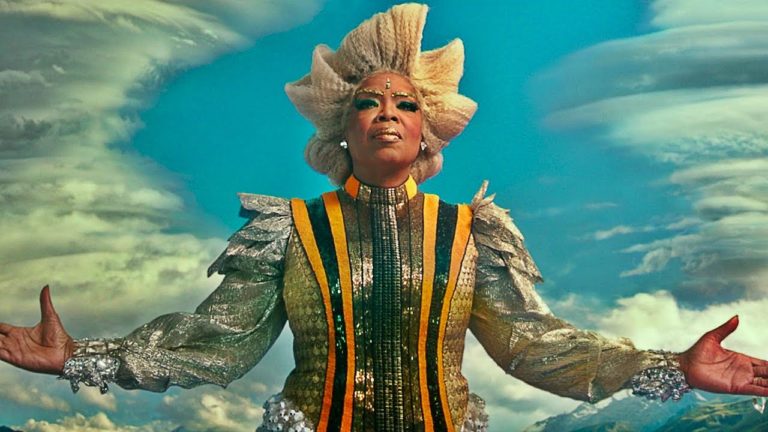
1) A Wrinkle in Time
2) Tomb Raider
3) Red Sparrow
Honorable Mentions (Combined) Ocean’s 8, Creed II, A Prayer Before Dawn, The Little Stranger, Suspiria, Mandy, Outlaw King, Golden Exits, Pacific Rim Uprising, Blockers
Hopefully you guys enjoyed our lists and if you agree or disagree with us, let us know in the comment section below. As mentioned above, there’s a good chance that you will disagree with us, so let us know why and which films you were against the grain on in 2018. That being said, what would be your Top 3? Leave a comment in the comment section or email us at [email protected].
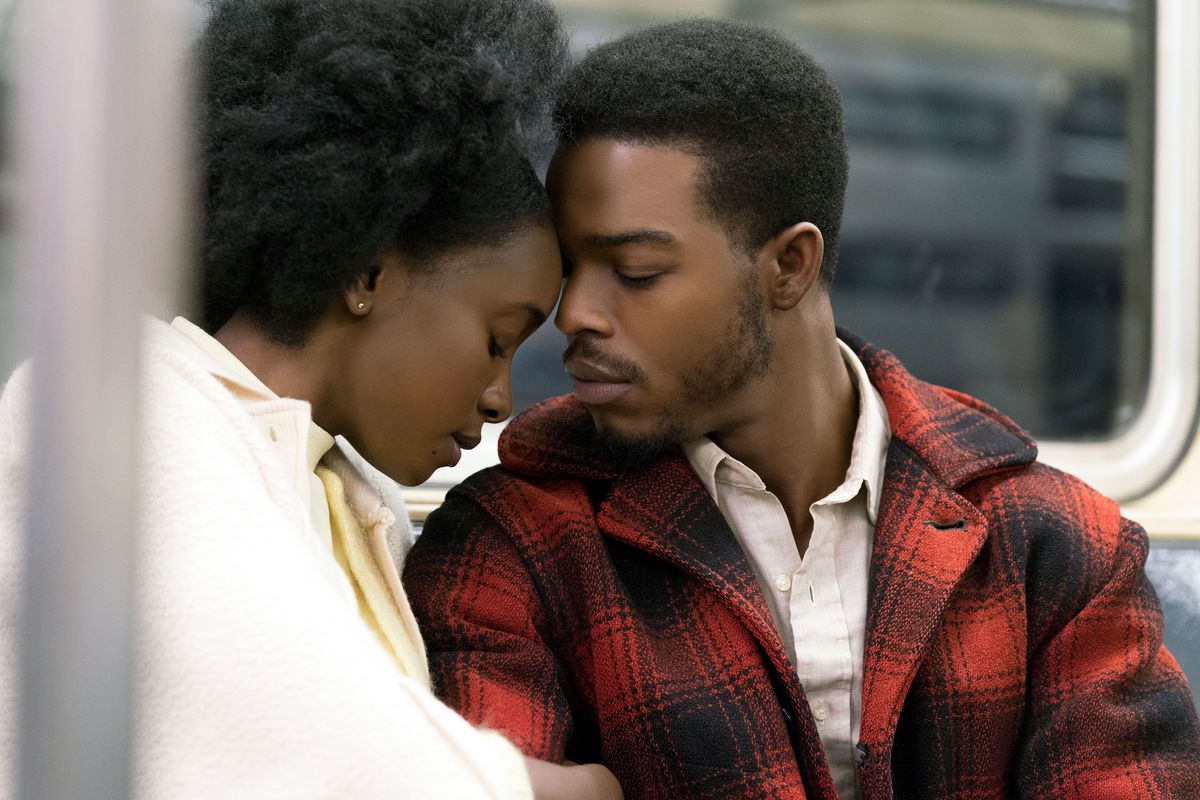
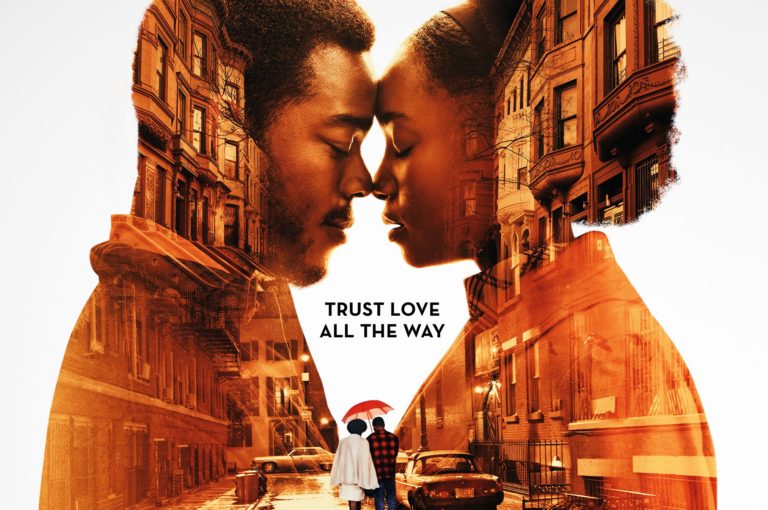
Love and the systemic barriers that challenge it are again the subject matter of Barry Jenkins’ latest, both a follow-up to the Oscar-winning Moonlight and an adaptation of an acclaimed James Baldwin novel that follows a girl named Tish (KiKi Layne) trying to absolve Fonny (Stephan James) — the father of her child — from a crime he didn’t commit.
Even before the awards season kicks into its first gear, If Beale Street Could Talk has been the cause for much discussion, particularly for the beauty behind the camera and the potency brought forth by those in front of it. To name just one of the film’s many accolades (for now, of course): Both the National Board of Review and the American Film Institute have logged this film in their Top-10 lists.
Our very own Nguyen Le was also enchanted by the film, remarking that “Whenever BEALE STREET talks, it will use words that soothe, that reassure and, most importantly, that assert love as universal, as something that will endure even if life has a habit of being influenced by the flip of a rigged coin.”
Nguyen recently also had the chance to attend a roundtable session with Jenkins and talked about the film’s use of colors, the casting of a Chi-Raq star (whom they are both a fan of) and a brief update on the filmmaker’s forthcoming small-screen project. If Beale Street Could Talk is currently in limited release and will expand on, aptly enough, Christmas. Be sure to check it out and let us know your thoughts!
[divider]
Barry Jenkins (second from right) directs a scene in ‘If Beale Street Could Talk’ | Photo by Tatum Mangus / Annapurna Pictures
Nguyen Le from InSession Film: Since you’ve mentioned Wong Kar-Wai, I’d like to ask about the usage of green in the film. The color play, in general. Was it conscious? To me, when Tish is really sad there is just a little bit of green behind her, but when she’s really happy we would see more and more green…
Barry Jenkins: It was conscious, but not intentional, I’d say. During the pre-production of this film, production designer Mark Friedberg, he’s the only born-and-raised New Yorker on the crew so we really leaned on him. He would host these salons at his home in Brooklyn, and myself, cinematographer [James Laxton], costume designer [Caroline Eselin] and then Friedberg would sit around and pass around color swatches, reference photos… and we understood what we were doing over the course of six, seven weeks. The color schematic began to be dictated by Tish and what she was feeling, her emotions.
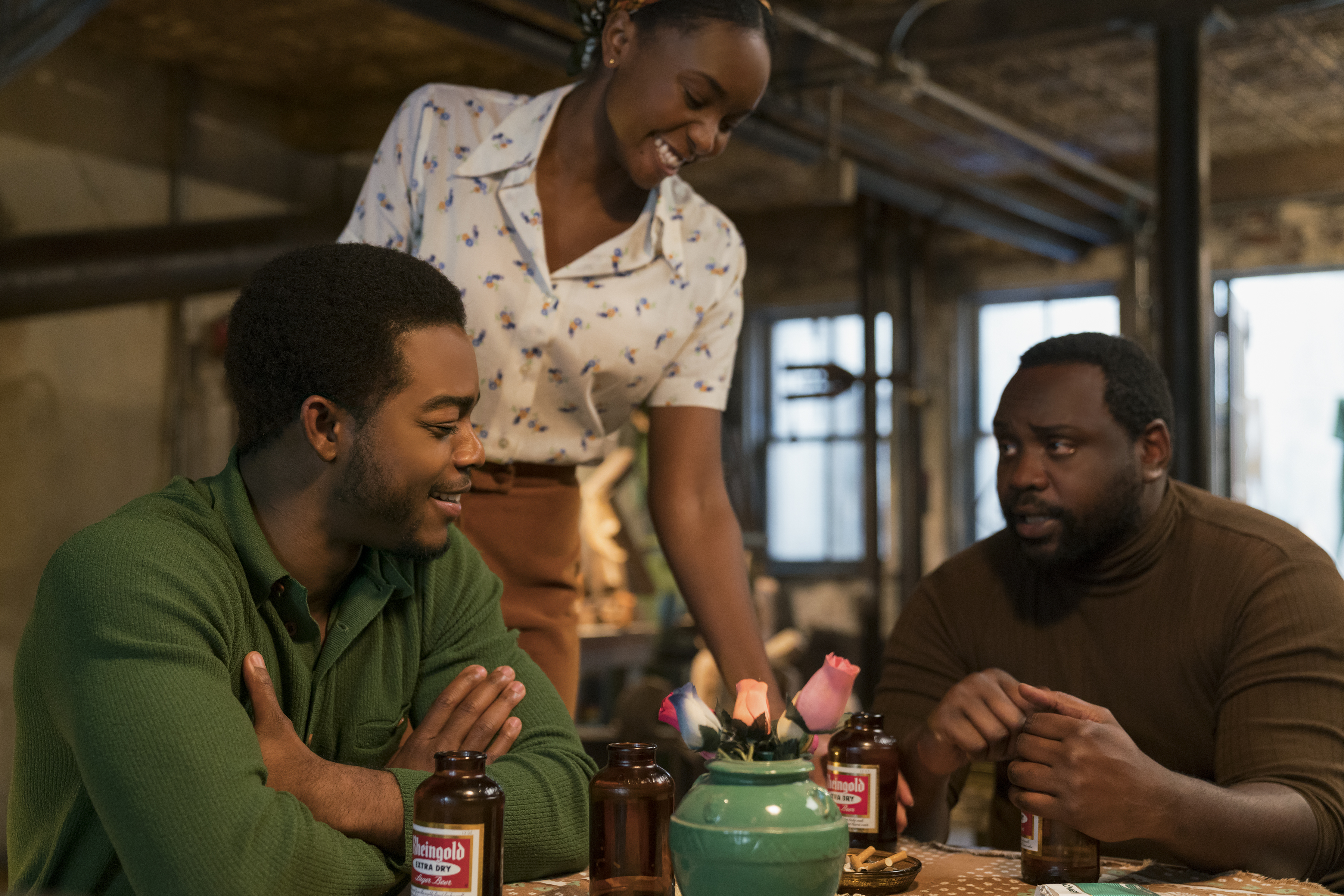
Stephan James as Fonny, KiKi Layne as Tish, and Brian Tyree Henry as Daniel Carty, the couple’s friend, in ‘If Beale Street Could Talk’ | Photo by Tatum Mangus / Annapurna Pictures
BJ: So, you’re right — the color green and the color gold follow, basically, Tish’s heartbeat. If we’re in a moment where she’s thinking of something that is a memory of happier times, of when the love between her and Fonny is not corrupted by the system, or by the world at large, [green and gold] are much more present. When the world is affecting them directly, those colors go away, and the color palette becomes darker and earthbound. The shadows rule the day and not so much the highlights.
It all kind of arose organically in a very lovely way. But I think both this one and Moonlight are meant to reflect the consciousness of the main character and so the films look the way they do because that’s how Tish is feeling, that’s how Chiron is feeling.
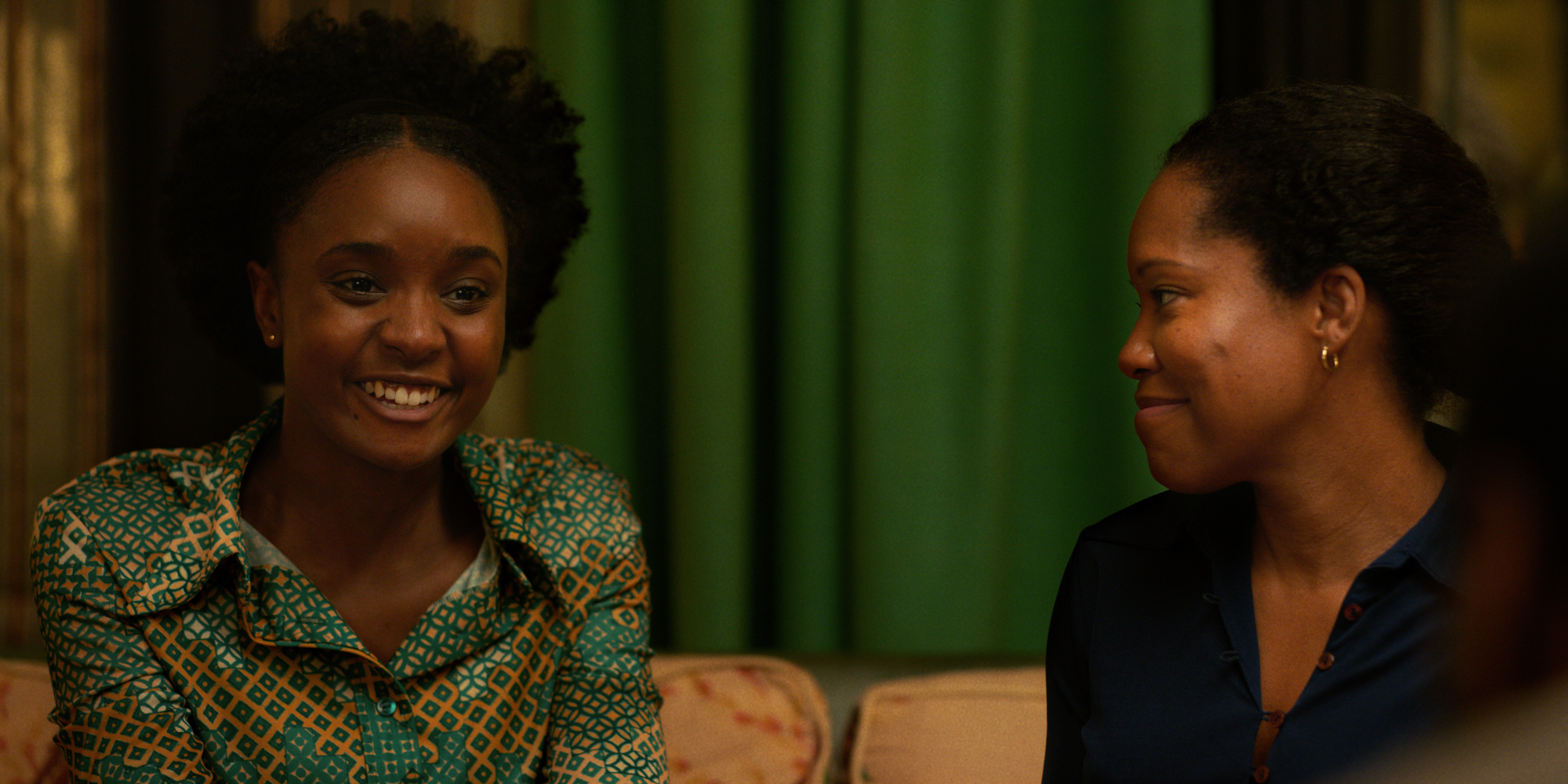
KiKi Layne as Tish and Regina King as Sharon, Tish’s mother, in ‘If Beale Street Could Talk.’ | Courtesy of Annapurna Pictures
NL: I find that there’s been a lot of talk about Stephan James, Regina King and Brian Tyree Henry, but not so much about Teyonah Parris…
BJ: Yeah!
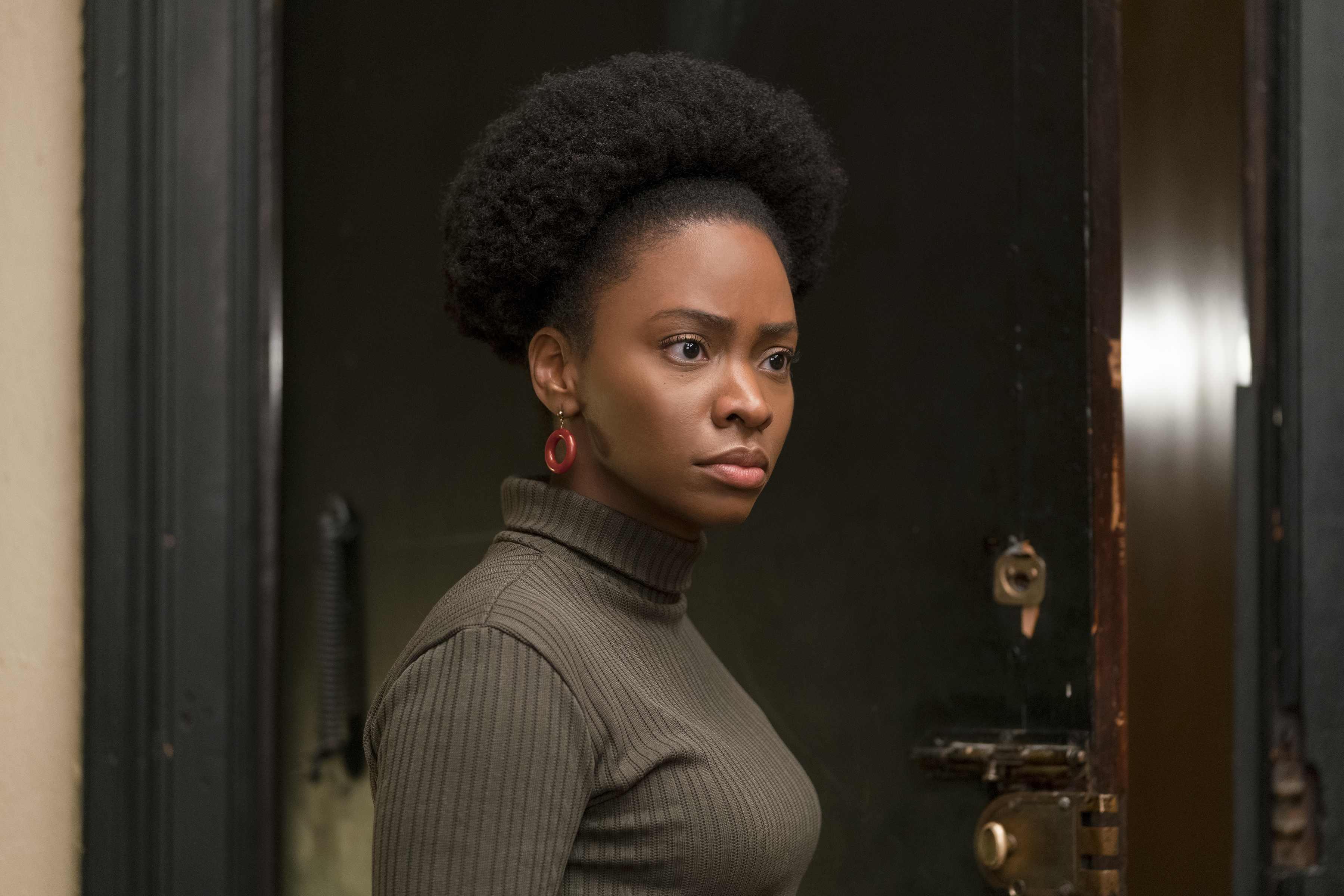
Teyonah Parris as Ernestine Rivers in ‘If Beale Street Could Talk’ | Photo by Tatum Mangus / Annapurna Pictures
NL: What was the casting process like? How did she come to you and vice versa? She floored me in Chi-Raq!
BJ: I had seen her in Chi-Raq, and based on what she did there I thought, “This woman is perfect for the sister in Beale Street.” Building Beale Street was about building families, and so I couldn’t cast Teyonah until I casted KiKi. I met with Teyonah very early in the process. I knew she wasn’t right for Tish — she’s just not young enough — but I definitely went, “This is the big sister that we all wish we had.” I also knew that even with very limited real estate she could do very, very rich work.
It was like a blessing that she was available and she wanted to do it. She’s so gifted. You know, she should be the lead in so many films, and she plays like the sidekick/the sister in this film, but I think when we see the film and she’s the one delivering these lines the whole crowd gets behind her — the “Big Sis” who can handle all the weight.
NL: Yes!
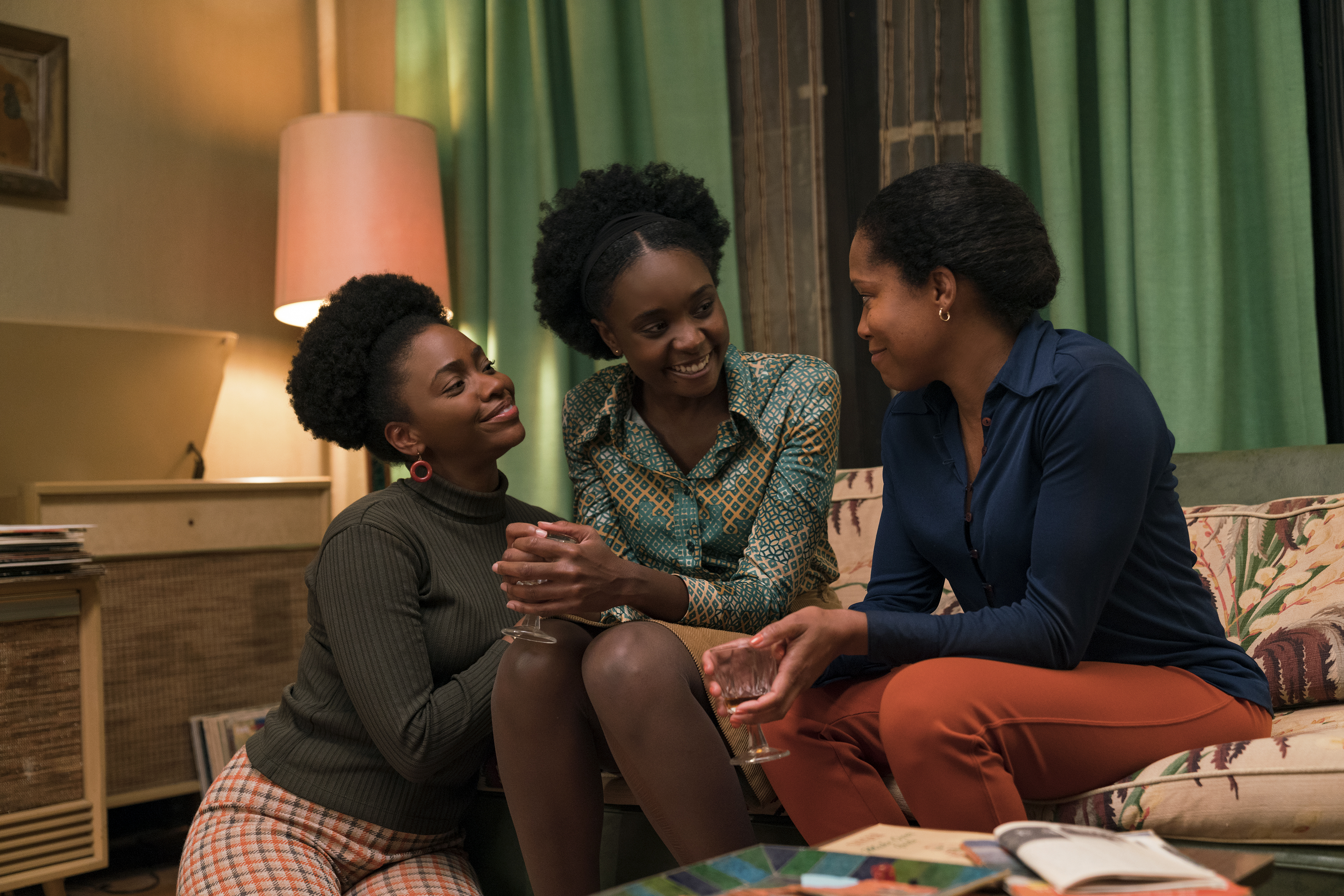
From left: Teyonah Parris as Ernestine, KiKi Layne as Tish, and Regina King as Sharon in ‘If Beale Street Could Talk’ | Courtesy of Annapurna Pictures
BJ: It was really fun working with her. And I’ll tell you, being a man making this film — I’m not a woman, James Baldwin’s not a woman — it was nice to check my directorial ego and listened to all these women. “This is what this feels like, you know?” and “I think that should be here and shouldn’t be there.” And I would be like, “You’re right. I don’t know how that feels like, so I’m gonna follow you to this place.” In the scene where Teyonah’s character [Ernestine] and the other sister [Adrienne, played by Ebony Obsidian] talking about the Adam’s apple–
NL: I love it!
BJ: We had done that whole sequence and Teyonah pulled me aside and she was like, “But I really want to do it do it, is there a way you could isolate it so we can do it do it?” I said, “Sure.” And when we did it, we got one of the biggest laughs in the whole damn film. She was awesome!
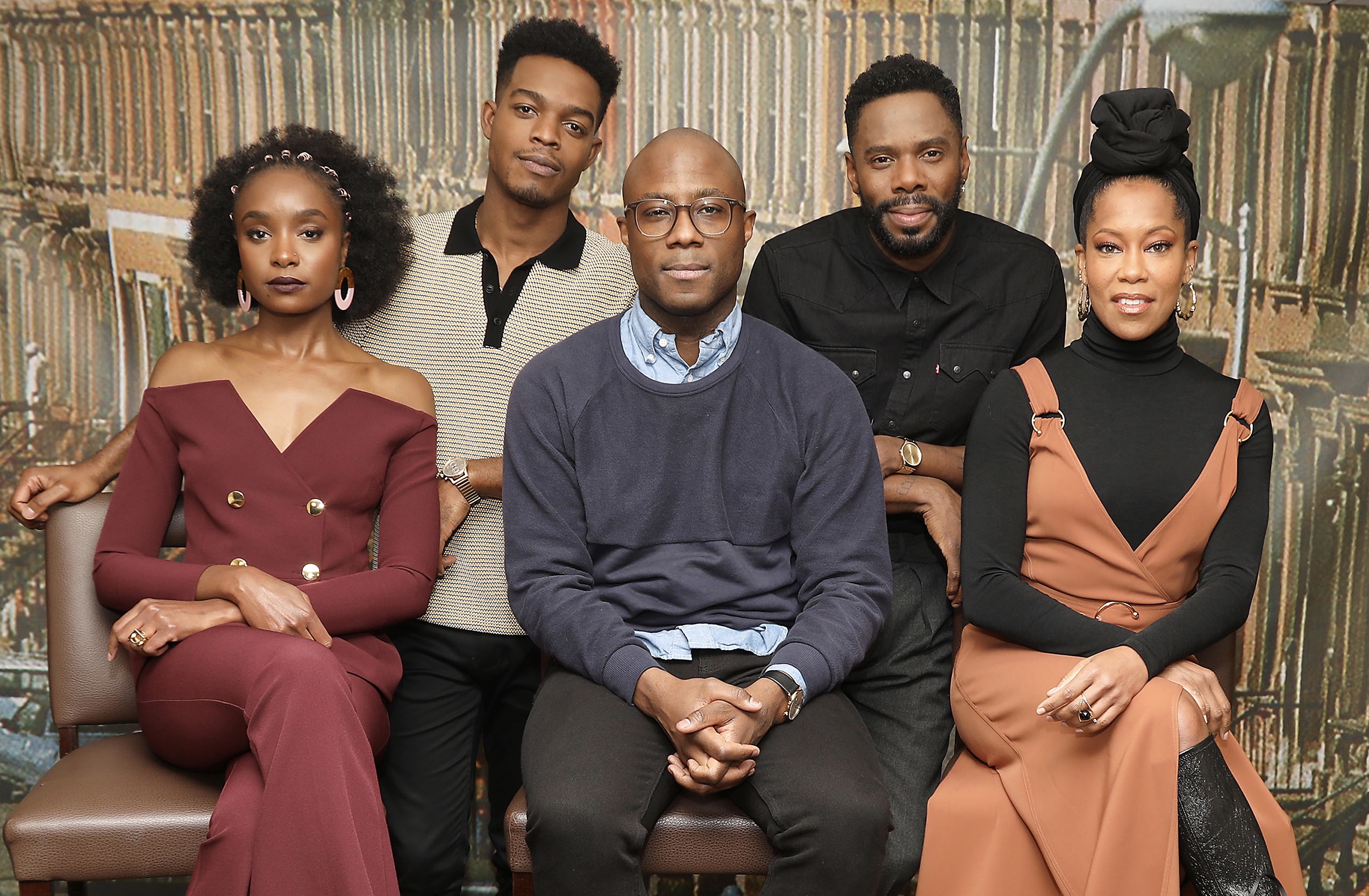
From left: KiKi Layne (Tish), Stephan James (Fonny), director Barry Jenkins, Colman Domingo (Joseph, Tish’s father) and Regina King (Sharon) | Photo by Kristina Bumphrey/Starpix
NL: Thank you. And before we go, how is The Underground Railroad* coming along?
BJ: It’s going well. We got 7 out of 11 episodes.
NL: Fantastic. All the best to your upcoming projects!
*The Underground Railroadis an Amazon-backed alternate-history limited miniseries based on Colson Whitehead’s novel and will follow two slaves, Cora and Caesar, who make their escape via a rail transport system. Jenkins will helm all episodes — similar to Cary Fukunaga with the first season of True Detectiveor Jean-Marc Vallée with Big Little Lies.The expected release date is “sometime in 2019 on Prime Video.”
This week on the InSession Film Podcast, we review the latest film from Yorgos Lanthimos in The Favourite and the best animated film of all-time according to Film Twitter in Spider-Man: Into the Spider-Verse. We also start our year-end Top 3 lists of 2018 by discussing our favorite Against the Grain Movies – aka the movies we liked more than most.
This week’s show is slightly longer than the last few weeks, but we had an extensive conversation on The Favourite that we thought was necessary given our love for Lanthimos and everything that film has to offer. We also brought back our Top 3 segment this week, so there was a lot of ground to cover, but we hope you enjoy it as much as we did.
On that note, check out this week’s show and let us know what you think in the comment section. Thanks for listening and for supporting the InSession Film Podcast!
– Movie Review: The Favourite (3:30) Director: Yorgos Lanthimos Writers: Deborah Davis, Tony McNamara Stars: Olivia Colman, Emma Stone, Rachel Weisz
– Top 3 Against the Grain Movies of 2018 (46:22)
It’s that time of year again! This year we are starting our year-end Top 3 lists by talking about our favorite “against the grain” movies of 2018, aka the movies we liked more than most. Of course, there are a few ways to look at that topic whether it be the critical consensus on a given film or the direction of discourse. Either way, there are those movies each year where you either love or hate a film that just doesn’t align with consensus. That said, what would be your Top 3?
– Movie Review: Spider-Man: Into the Spider-Verse (1:28:04) Director: Bob Persichetti, Peter Ramsey, Rodney Rothman Writers: Phil Lord, Rodney Rothman Stars: Shameik Moore, Jake Johnson, Hailee Steinfeld
Main Review: Mary Poppins Returns / Bumblebee
Top 3: Funniest Scenes of 2018
[divider]
Help Support The InSession Film Podcast
If you want to help support us, there are several ways you can help us and we’d absolutely appreciate it. Every penny goes directly back into supporting the show and we are truly honored and grateful. Thanks for your support and for listening to the InSession Film Podcast!
Director: Clint Eastwood Writers: Sam Dolnick (inspired by the New York Times Magazine Article “The Sinaloa Cartel’s 90-Year Old Drug Mule” by), Nick Schenk Stars: Clint Eastwood, Bradley Cooper, Taissa Farmiga
Synopsis: A 90-year-old horticulturist and Korean War veteran is caught transporting $3 million worth of cocaine through Michigan for a Mexican drug cartel.
[/info]
Although beautifully shot and gracefully acted, Clint Eastwood’s latest film, The Mule, falters with story and character. The Mule is the story of an aging veteran, Earl Stone (Clint Eastwood) who, through chance and desperation, becomes a successful drug smuggler. He is stubborn as a mule and embraces that stubbornness wholeheartedly. Earl ventures deeper into the world of the drug cartel, while his family seeks his attention and affection. As the story progresses, two DEA agents (Bradley Cooper and Michael Peña) provide filler and often their appearance seems distracting and obtrusive. Through Eastwood’s minimalist style, the plot is laid forth and neither surprises, thrills, nor entertains. In the long run, the only cargo The Mule transports is one-dimensionality and unearned redemption.
Earl Stone is a successful horticulturist. His flowers have won him awards and his life revolves around his work. He is a curmudgeon, a narcissist, and a racist. After his business crumbles, Earl becomes enamored by a new career path: drug mule. Earl maintains little to no redeemable qualities and the film seems to have no issue hanging the whole story on a character who is almost impossible with which to sympathize. Earl grasps to the perceived betterment of the past. No technology, no filter, and a time when young people weren’t on their damned phones all the time! These small moments creep up in the film often. Whether to scold millennials or to shine a light on simpler times, Eastwood’s message comes off as uninspired and lost.
Moments of racism and misogyny are utilized in The Mule for levity. If the film presented some sort of purpose for them, these moments could work to better understand Earl as a character, but instead, they lack nuance and come off as a message from Eastwood himself, rather than part of the overarching film world he is trying to construct. This creates a one-dimensional world that seems more unreal than real due to its lack of plasticity and undefined message. Earl’s family consists of his ex-wife (Dianne Wiest), his daughter (Alison Eastwood), and his granddaughter (Taissa Farmiga). Each woman inexplicably remains attached to Earl. Even though he has disappointed and angered them over the years due to his penchant for personal and occupational accolades, somehow, they still crave his attention. The film takes terrible pains to try to make a reunion happen. However, Earl is only out for himself and rarely does anything for others that do not have a personal benefit to himself.
When Earl finally does slow down and give his family the attention that the film believes they deserve, it is completely out of place. Unfortunately, Earl has irredeemable qualities and does not warrant any positive affections from his family or anyone else in the film. The story gets lost in a model of redemption that never emphasizes why the character deserves atonement. Earl does not resort to smuggling drugs to help others; he does it to receive praise from others: funding part of his granddaughter’s wedding so that he can be seen as a hero, preserving the VFW hall so he can bask in glory at a party thrown for him, etc. If the film is attempting to show Earl as some sort of philanthropist who gives for the betterment of others, it does not come through. His good deeds are always shown in praise of him, not the deed. In this way, Earl does not merit redemption. His narcissism is irreconcilable and the confusion in the story and character development is palpable. A once deft and nuanced storyteller, Eastwood is now a man who follows a formula, a formula that never introduces or resolves anything properly. However, the film is beautifully filmed, and Eastwood’s eye for minimalist imagery is still as taut as ever. In a film that mostly takes place in the cab of a truck and in rundown hotels, The Mule is surprisingly photogenic. Unfortunately, the beauty of the film is not enough to save it from the lack of dimensionality.
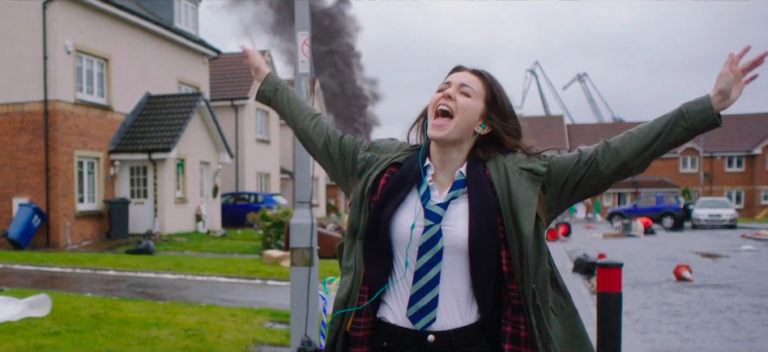
Director: John McPhail Writers: Alan McDonald and Ryan McHenry Stars: Ella Hunt, Malcolm Cumming, Sarah Swire and Paul Kaye
Synopsis: A zombie apocalypse threatens the sleepy town of Little Haven – at Christmas – forcing Anna and her friends to fight, slash and sing their way to survival.
[/info]
If someone told me they wanted to make a musical about zombies I probably would have laughed and sarcastically told them “good luck with that…” Luckily the creative geniuses behind Anna and the Apocalypse didn’t consult me before making their movie. I first heard about this film from my local theater’s film festival, Lost Weekend. It was one of the best received films out of the 27 or so they showed over that weekend. I unfortunately didn’t get to see it then, but it was recently released close-ish (two hours away) to me, so I jumped on the chance to see it. It’s showing in just over 100 theaters around the US now (more in the UK), so if it’s in a theater near you, please go see it. Though it only recently has its theatrical release, Anna and the Apocalypse has been around since 2017 where it debuted at the Fantastic Fest film festival in Austin.
Anna and the Apocalypse tells the story of a small town in Scotland that is plagued with a zombie outbreak at Christmas. It stars Ella Hunt as high school student Anna, the main protagonist, and Malcolm Cumming as her best friend John. Most of the cast is unfamiliar to me, save for the malevolent soon-to-be headmaster Savage, played by Paul Kaye. I spent the entire movie thinking “I know him from somewhere…” and it wasn’t until the end that I placed him as Thoros of Myr from Game of Thrones. He ended up being one of my favorite characters. His song “Nothing’s Gonna Stop Me Now” gave me Neil Patrick Harris/Count Olaf vibes. Sarah Swire who plays the outcast/journalist Steph also has an amazing voice, I really enjoyed her character too. Ben Wiggins, who plays Nick the good-looking-popular-athlete-jerk stereotype also surprised me in his song “Soldier at War”. I was determined not to like him, but his velvety voice and flawless falsetto won me over.
I honestly couldn’t think of anything negative to say about this film. There are things that, if done, could have made this movie bad, but they didn’t go that route. If they had gone a different way with the ending or changed the fate of the some of the characters, it probably would have been too cliché or too much ‘Christmas high school musical’ not enough ‘zombie apocalypse’. But this movie has the best combination of all of those elements. The zombies were done well, the songs were catchy, good balance of comedic relief, and the singers were great. I was shocked at how well everything meshed together. The only comment I have is this may not be Christmassy enough (for some critics) to be declared an official “Christmas Movie”. It fits more into the Die Hard category, where it’s a film that happens to take place during Christmas. (Which is perfectly fine by me and I’d consider it a Christmas movie.)
Honestly,if “Zombie Christmas Musical” doesn’t intrigue you, then Anna and the Apocalypse probably isn’t the movie for you. If you are interested, this movie is a good mix of fun and scary, and definitely has all the makings of a cult classic. I’ve been jamming out to the soundtrack for a week and hoping it’s either released on Blu-ray or to a theater closer to me soon.
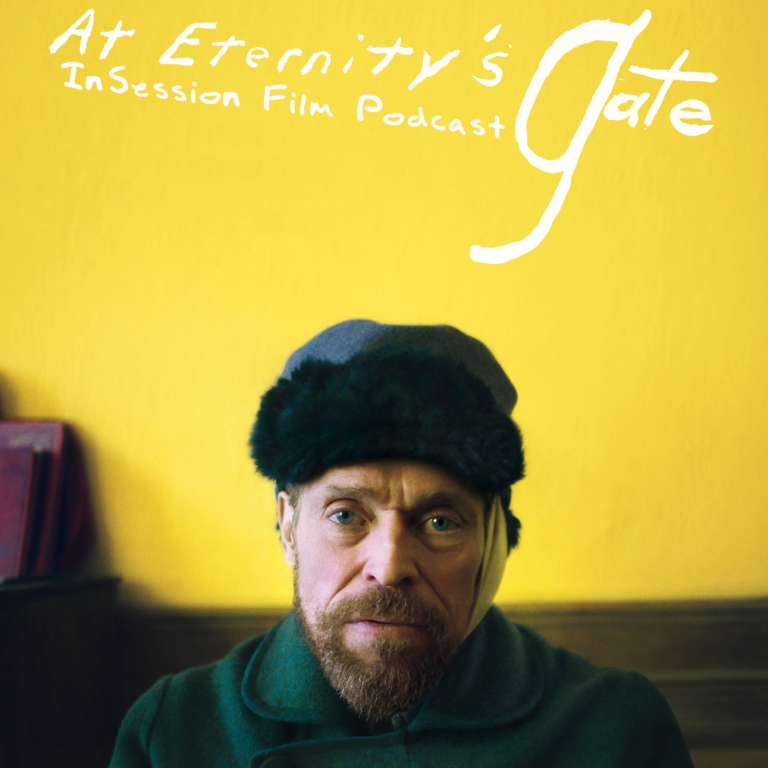
After a pair of foreign films last week on Extra Film, Jay is joined on the InSession Film Podcast: Extra Film by Brendan to discuss two more films with foreign language elements this week: At Eternity’s Gate and Happy as Lazzaro.
At Eternity’s Gate has received a tremendous amount of buzz for Willem Dafoe’s performance as Vincent van Gogh, but there are a lot of things to talk about when it comes to the film-making decisions, as well. Director Julian Schnabel uses a variety of unorthodox tactics to bring van Gogh’s artistic genius and mental anguish to life on the screen. There is a difference of opinion between the hosts on this one, which made for a great conversation.
The second film covered is Happy as Lazzaro, an Italian film now available on Netflix. It is one of the most original films of the year, blending realistic portrayals of life in rural Italy with elements of heightened magical realism. In a year full of great foreign films, where does this one fall on the totem pole?
Listen to the show and let us know what you think about both films in the comment section below. Thanks for listening!
– Movie Review: At Eternity’s Gate (5:46) Director: Julian Schnabel Writers: Jean-Claude Carrière, Julian Schnabel, Louise Kugelberg Stars: Willem Dafoe, Oscar Isaac, Rupert Friend, Mads Mikkelsen
– Movie Review: Happy as Lazzaro (28:42) Director: Alice Rohrwacher Writer: Alice Rohrwacher Stars: Adriano Tardiolo, Nicoletta Braschi, Alba Rohrwacher
We try to make this the best movie podcast we possibly can and we hope you enjoy them. Subscribe today on iTunes, Spotfiy or Stitcher, and please leave us a review on iTunes. You can also find us on Soundcloud, PlayerFM and TuneIn Radio as well. We really appreciate all your support of the InSession Film Podcast.
To hear this Extra Film episode and everything else we do, download our apps on the Amazon Market for Android and the Podcast Box app on IOS devices. The mobile app covers all of our main shows, bonus podcast’s and everything else relating to the InSession Film Podcast. Thanks for your wonderful support and listening to our show. It means the world to us!
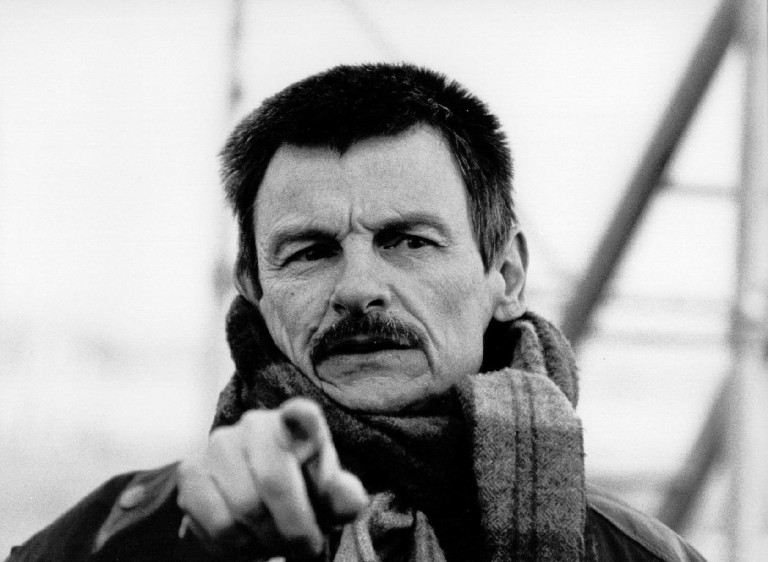
Andrei Tarkovsky made seven feature films before his passing in 1986, aged 54. Yet, in a twenty-odd year career, coming from a country that survived in part because of censorship of religion, the Russian Orthodox director installed films of the metaphysical and spiritual that granted the word Tarkovskian. Regardless of setting, Tarkovsky utilizes the same techniques that make his work a unique show. Slow, methodical, long, and beautiful, his repeated process of lulling the viewers into what he says wherever he is makes Tarkovsky a director who formulates his dreams and realism with plenty of time and does not droll on with box office receipts. He was a man about giving a new theory to why we exist.
It is about the subject and the theme, not the actor and the dialogue; he let the actors take care of that. Tarkovsky’s obsession with the metaphorical portrayal of life, the human desire, our past, and our fears. There is a minefield of melancholy the flies around the characters in his works, all that tampers with the reality and what we think is there. Tarkovsky goes for the reflexive style but does not make it obvious to us and we have to look at the alternative world presented to us but not to admire or explore but find anything that forces that reflection style into our conscious. Per the line from his sci-fi masterpiece Solaris,“We don’t need other worlds. We need mirrors.”
Face-To-Face With A New Reality
What happens when we look into these mirrors? Other people reflect back to the protagonists and give an emotional change that explores the deep fissures of life. His first feature, Ivan’s Childhood, gives us a basic lesson of innocence lost. A 12-year-old boy finds himself playing spy after seeing his family killed by the Nazis during the invasion of the Soviet Union, the same time Tarkovsky was at age 12. A child should not be in such a position, but this is not a dream as Ivan has to survive and grow up in such a world and pays the ultimate price in the end. In Solaris, Kris Kelvin goes to investigate a strange phenomenon but comes face-to-face with his dead wife. Why is she here suddenly? Is she even real? Kris has yet to grieve clearly, even though it has been ten years since his wife’s death. He may have psychologically blocked it, but must now come to terms in a very existential way.
In Stalker, many will see the long takes and the change of settings into Zone. The two men being guided through have their reasons for seeking Zone and finding the thing they most desire. Looking at the last two films he did, both being shot outside of Russia (and never returned due to constant harassment from officials), Tarkovsky has us becoming a writer in Italy, find no trace of a subject, and then struggles to comprehend to different worlds. For Nostalgia, it was his way of stating the lack of belonging to his home nation, yet desiring a return to the past; the main character is even named Andrei. In The Sacrifice, it’s about the possibility of a nuclear holocaust after war declared over the radio. It was the most petrifying thing in the post-war world where the nuclear arms race and a close-call in Cuba put that deep into our conscious.
Outside Our Realm
The first two films are history pieces, which set viewers back to an era unlike any other in which suffering was the theme. There is World War II, where a third of overall deaths came from this one area alone, and then the Medieval period where barbarians were at the gate. The Mirror is of something similar with each episode going to different areas, but it retains the contemporary style of a 360-degree spot within the forests, the dirt, and the countryside, nothing in or around Moscow. It was something that baffled many at first glance, but if one listens closely and spots the centerpiece of an almost plotless film (a boy who has to choose if he wants to live with his mother or his father), one can recognize the soundtrack of his father, who reads his poems out loud and has a verbal soundtrack to the feeling of the scene.
https://youtu.be/MkCkcqY8_8I
Solaris was considered the Russian response to 2001: A Space Odyssey, but it is an absurd comparison because, even though it set in space, Solaris was not about space and technology as Kubrick’s 2001 was. The world of this mysterious planet is now a chamber that tightens the noose around our emotional state and how our deepest feelings can become physically real. Instead of being about the Russian glory in the space race, it is about the external forces once inside a planet that has hidden gifts to us. Stalker also puts us in the mystery of crossing from the black & white home to the colorful, yet dangerous territory under unknown peril. They are cutting through an area, cordoned off and dangerous, to get to a place called Zone. Not “the zone,” just Zone. What is in Zone? Why is this mysterious restricted site desired so heavily? It is a treacherous path, where the path cannot be seen but only sensed. Finally, in The Sacrifice, even on the isolated farm of Sweden perfect for a Bergman film (who Bergman loved and used his famous cinematographer Sven Nykvist), they cannot escape the fact that World War III in the form of a nuclear war.
Faith In Check
What made Tarkovsky’s references with religion so important is that the Soviet Union was an atheist state during its power. His favorite works came from Ingmar Bergman, Robbert Bresson, and Cary Theodore Dyer, all of whom incorporated themes of faith into their works. Still, the director remained very much an Orthodox Christian and was given a religious funeral after his death and buried in the famous Sainte-Geneviève-des-Bois Russian Cemetery in Paris. Personally, I always wondered why faith and the secular cinema can’t reconcile and a film like Andrei Rublev would reflect that they could. Rublev is a look at art, faith, and survival during the Medieval times, especially during Tatar invasions between pure Christianity and paganism. “This is a portrait of an artist in which no one lifts a brush,” said film critic J. Hoberman. “The patterns are God’s, a close-up of spilled paint swirling into pond water or the clouds of dirt Rublev flings against a whitewashed wall.”
Faith is also a part of his last movie, The Sacrifice. The philosophical debate of God’s existence is brought upon when the protagonist Alexander says he no relationship with God and then vows to sacrifice – hence the title – everything he loves for the sake stopping a nuclear war, including his young son. This is straight from the parable of Abraham offering to sacrifice his son, Isaac, only to be given a ram that was sacrificed instead. Alexander loses his nerve in his attempt to kill others, burns down the house and his possessions, and then is taken away by paramedics. The last line ever to come out of Tarkovsky’s work is from John 1:1, in which the son, a mute who does not speak in the whole movie, gives his only line, “In the beginning was the Word.”
The realm of being Andrei Tarkovsky is continuing to look deep into the mysteries of life and touching upon the more sensitive buttons of society and of us. A lot of the movie’s elements came from his own life and his own walkabout in nature. I’d call it a third style, where it is not escapism but it is not realism but is philosophically diving, much like the works of Terrence Malick. I leave you with this two-minute excerpt from an interview he did in the 70s, something that could be repeated today’s to younger people who want to tell stories of a different kind like he did.