Home Blog Page 166

Podcast: Mass, Nine Days, The Humans & More – Patreon Bonus Content

Listen!

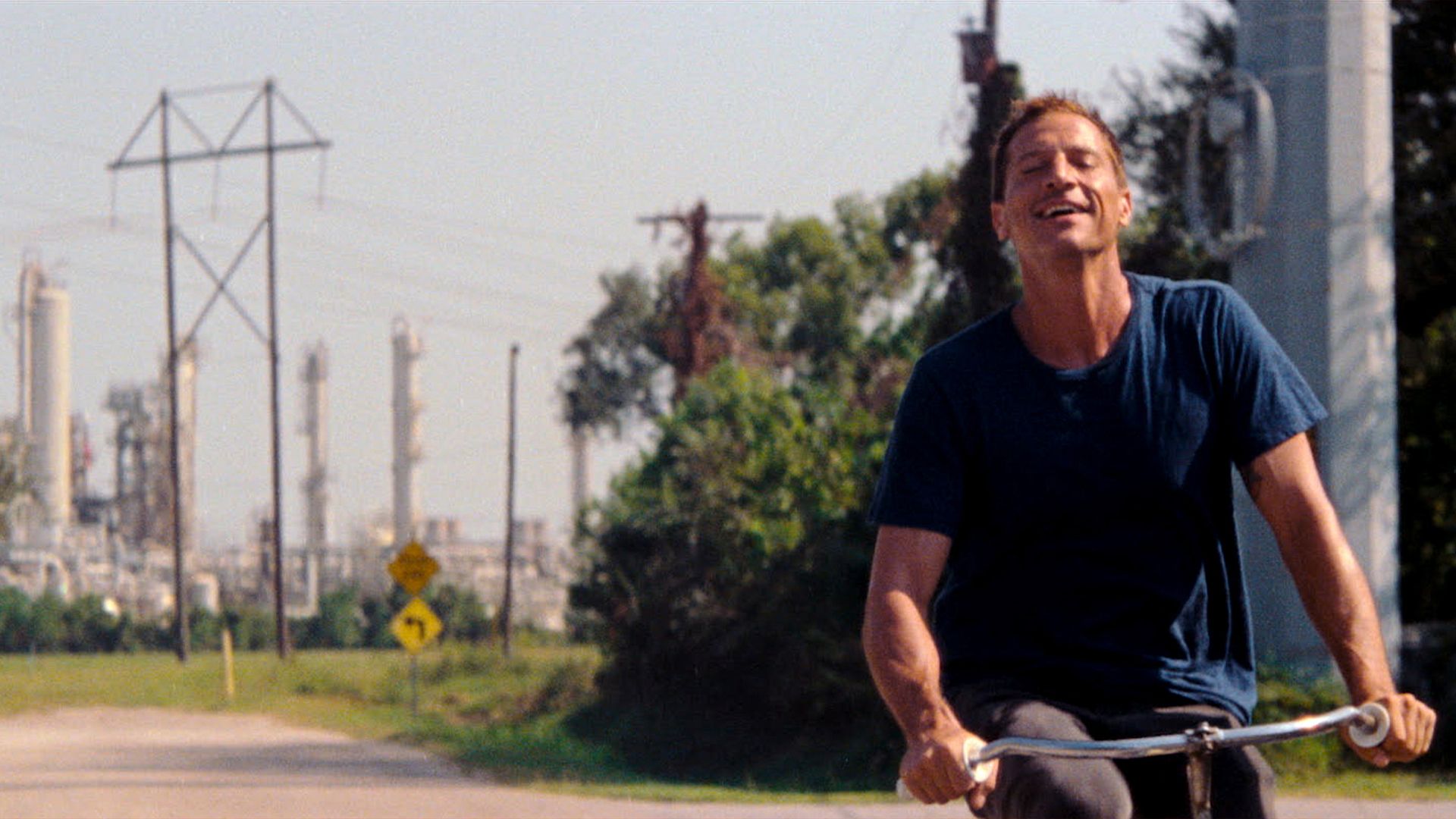
As you probably know by now, we’ve been very busy reviewing many of the notable 2021 films as we near the end of our yearly campaign. However, in that time we’ve seen many more that we’ve been itching to talk about, so we dedicated another Patreon Bonus Content episode to doing just that. On this episode we give our thoughts on the Fran Kranz film Mass, Edson Oda’s beautiful directorial debut Nine Days, the A24 “horror” film The Humans and Roy Andersson’s latest in About Endlessness. We also talk briefly about the documentary Gunda and the Netflix animated film The Summit of the Gods. Then, JD finishes the show with some solo sentiments on the Western The Harder They Fall and one of the year’s best overlooked movies in Jockey.

Stay tuned as we have more films to discuss in Part 4 coming soon!

If you’re already a Patreon supporter, you can listen to this episode NOW on Patreon by clicking here.

Sign up today to get early access and hear the entire episode!

[divider]

HELP SUPPORT THE SHOW

To hear our bonus content episodes early, subscribe now on Patreon. In many cases, though, we offer our bonus content for free after a certain period of time and we do encourage (and very much appreciate) a small donation of $0.99 as a way to help support the show if signing up on Patreon isn’t for you. Click on the PayPal button below to donate and thanks so much for your support. You can also hear much of our Bonus Content via our mobile apps. See the information at the bottom of the post for more details.


One-Time Donation


[divider]

Mobile Apps!

Listen to all of our bonus content on our apps for just a one-time fee! Whether you have an iPhone, Android or Windows phone, our apps are available in many different ways that is convenient for you. With our mobile app, not only can you listen to all of our bonus content, but our main shows and our Extra Film podcasts as well. Click here for more info!

If you don’t want to purchase our bonus content, but still want to support us, there are other you can help us out. Click here for more info.

CHASING THE GOLD FYC: Emilia Jones – Best Actress, โ€˜CODAโ€™

CODA was released early this year to critical praise during the Sundance film festival. It has been picking up some steam this month as well, with a lot of praise targeted towards Troy Kotsur for his fantastic performance. However, I think itโ€™s worth discussing the filmโ€™s lead actress, Emilia Jones, for her work in the film as well.

Emilia Jones hasnโ€™t been in many leading roles up to CODA. Her filmography is littered with various supporting roles, and a scattering of leading roles from the past two years. However, through watching CODA, I wouldnโ€™t blame people for being convinced that Jones has been a leading actress for a long time. Rubi Rossi is a demanding role, requiring Jones to learn how to both sign and sing. And these must be utilized to highlight the opposing forces Rubi faces in her senior year. These challenges alone showed just how talented and disciplined Emilia Jones had to be for her performance to fundamentally work.


But her performance goes beyond the languages and skills she had to learn for the film. Many actresses have learned to sing for movies, and while they often have a fair amount of Oscar Buzz surrounding them (Iโ€™m looking at you Emma Stone), singing alone does not make a good performance. What Emilia Jones does so well is use her facial expressions, her body language, vocal control, and eyes to convey every emotion that Rubi faces in the film. When Rubi signs to her parents, Emilia often brings in words to elevate what she is saying. The vocal performance directly impacts the signing performance, adding energy to the discussion. But even when she doesnโ€™t speak, she utilizes her arms and hands to add emotion to sign language. Itโ€™s impressive work and enables the audience to truly get invested in the character. 

When Rubi gets to go and take a day off off work and be a kid, Emilia Jonesโ€™ performance tells us everything we need to know about how Rubi feels. The sarcastic, guarded performance at the start falls away, as Rubi embraces the joys of being free. And Emilia Jones portrays these masterfully, creating a transformation that we see as the audience. The best example of these moments I would argue are seen when Rubi is working with Mr. V, when she is pushed to embrace her ability and be brave. When Mr. V tells her to make the ugliest sound, and Rubi responds with yelling, Jonesโ€™ performance extends into moving her whole body, pushing forward as if releasing the fear within. Itโ€™s intimate and fundamental to this film.

For that reason, I think Emilia Jones isnโ€™t a name to gloss over this awards season. Frankly, the work she put in shows her dedication to the craft, and her masterful use of her talents and skills earn her a nomination.

Movie Review: ‘Encanto’ is Disneyโ€™s Magnum Opus of Computer Animation


Director:ย Jared Bush, Byron Howard, and Charise Castro Smith

Writer:ย Charise Castro Smith and Byron Howard

Stars: Stephanie Beatriz, John Leguizamo

Synopsis:ย A young Colombian girl has to face the frustration of being the only member of her family without magical powers.


Earlier this year, I wrote an op-ed about family animated films, and why they shouldnโ€™t have villains. So when I watched Encanto, and found out that it didnโ€™t have a typical antagonist, I knew I was in for a treat. Encanto was released in late November this year, and was directed by Jared Bush, Byron Howard, and Charise Castro Smith. It centers on the extraordinary Madrigal family, whose special gifts have enabled the village of Encanto to thrive for three generations. Each member of the family has a special gift, except for Mirabel. However, when the magic begins to fade, Mirabel must find the source of the problem, and find a solution.ย 

The story of Encanto is special to me because of how human it is. Mirabel may be our central protagonist, but she isnโ€™t alone in suffering from the pressures placed upon her by the family.ย  Every Madrigal has been given a gift, but with it comes the pressure to be perfect. Luisaโ€™s song, โ€œSurface Pressure,โ€ puts it clear as day: โ€œIโ€™m pretty sure Iโ€™m worthless if I canโ€™t be of service.โ€ This is a film that lets each character be real. There isnโ€™t an easy solution to the family problem, because itโ€™s built on their complex relationships and fears. This thematic complexity is delivered through simple lyrics and by allowing each character to share their perspective. Its message that gifts donโ€™t define you will resonate with audiences, and makes Encanto stand out among the animated films, not to mention the many musicals that came out this year.ย 

The story isnโ€™t the only well crafted element of Encanto. The cinematography by Alessandro Jacomini, Daniel Rice, and Nathan Warner is the lifeblood of Encanto. While I have been impressed with Disney Animation Studios recent releases (Raya and the Last Dragon, Frozen II), none have the fluidity and precision in their cinematography that permeates Encanto. No shot feels static or dull. Rather, the cinematography has an energy similar to a Spielberg one-er, where the camera moves with characters and frames them expertly without needing to cut between shots. This forward momentum is enhanced by Jeremy Miltonโ€™s editing, as scenes flow from one to the next with ease.ย 

And speaking of recent Disney Animation releases, the animation style of Encanto cranks the individuality slider up to eleven compared to previous entries. Encanto shares much of the lighting design and texture detailing that permeated Frozen II and Raya and the Last Dragon. But what sets Encanto apart is the character design. Every person in the Madrigal family is distinct in their expressions, movement, and shaping. And these designs immediately convey who these individuals are. Dolores’ twiglike stature and large eyes are reflections of her timid attitude. Mirabelโ€™s bushy hair and glasses show just how unexceptional she is. And Luisaโ€™s massive build contrasts perfectly with her facial expressions, highlighting the pressure that is placed upon her in a physical, real way. Even the magic house, Casita, is given a personality through the way bricks and doors move. That attention to detail is creative and mesmerizing to watch.ย ย 

Speaking of the characters, the vocal performances are some of the best in the business. Stephanie Beatriz, known for her work as Rosa in โ€œBrooklyn Nine Nine,โ€ brings Mirabel to life. Her performance brings Mirabelโ€™s emotions to the forefront, making the forced happiness, curiosity, anger, and longing audible to the audience. Itโ€™s a completely different performance to her television work, and it creates a sympathetic lead for the film. The supporting cast is well established as well; with John Leguizamo, Jessica Darrow, and Maria Cecilia Botero creating especially memorable performances in their roles as Bruno, Luisa, and Abuela Alma respectively. Every cast member taps into the pressures set upon their characters in subtle ways that add depth to each performance. And when those pressures are revealed, the film accentuates those emotions through Lin-Manuel Mirandaโ€™s musical numbers. His signature rapid fire lyrics are on full display in Encanto, diving deep into the feelings and history of the characters with ease. Plus, the vocal performances and animation work together emphasize these ideas as well. Each character has a signature rhythm to their singing that personifies their characters. The film fires on all cylinders in these moments, bringing together the vocal performances, story, editing, animation, and cinematography to reveal the thoughts and feelings of these characters. Lighting and environmental changes are used to unleash the charged emotional states of the characters. All of these elements blend together to create intoxicating musical numbers full of emotion and energy.

But itโ€™s not simply Lin-Manuel Mirandaโ€™s musical numbers that shine in Encanto. The score by Germaine Franco propels the story forward from moment to moment. It injects the film with a magical vibrance at each and every point of the film. It accentuates the emotional exchanges between Mirabel and other family members, and enables the film to feel like a true musical despite having only seven numbers.ย ย 

Meeting a new family can be a daunting task, and the Madrigal family is no different. But Encantoโ€™s direction and intimate story makes it easy to keep track of whoโ€™s who, whatโ€™s what, and why each member matters in the family. Itโ€™s a film that revels in empathy, and in breaking the rifts that form between generations. As I said at the start of the article, itโ€™s one of the best of the year, and a film for the entire family.ย 


Grade: A

Movie Review: ‘The Power of the Dog’: Toxic Masculinity Thrives On The Ranch


Director: Jane Campion
Writer: Jane Campion, Thomas Savage
Stars: Benedict Cumberbatch, Kirsten Dunst, Jesse Plemons

Synopsis: Charismatic rancher Phil Burbank inspires fear and awe in those around him. When his brother brings home a new wife and her son, Phil torments them until he finds himself exposed to the possibility of love.


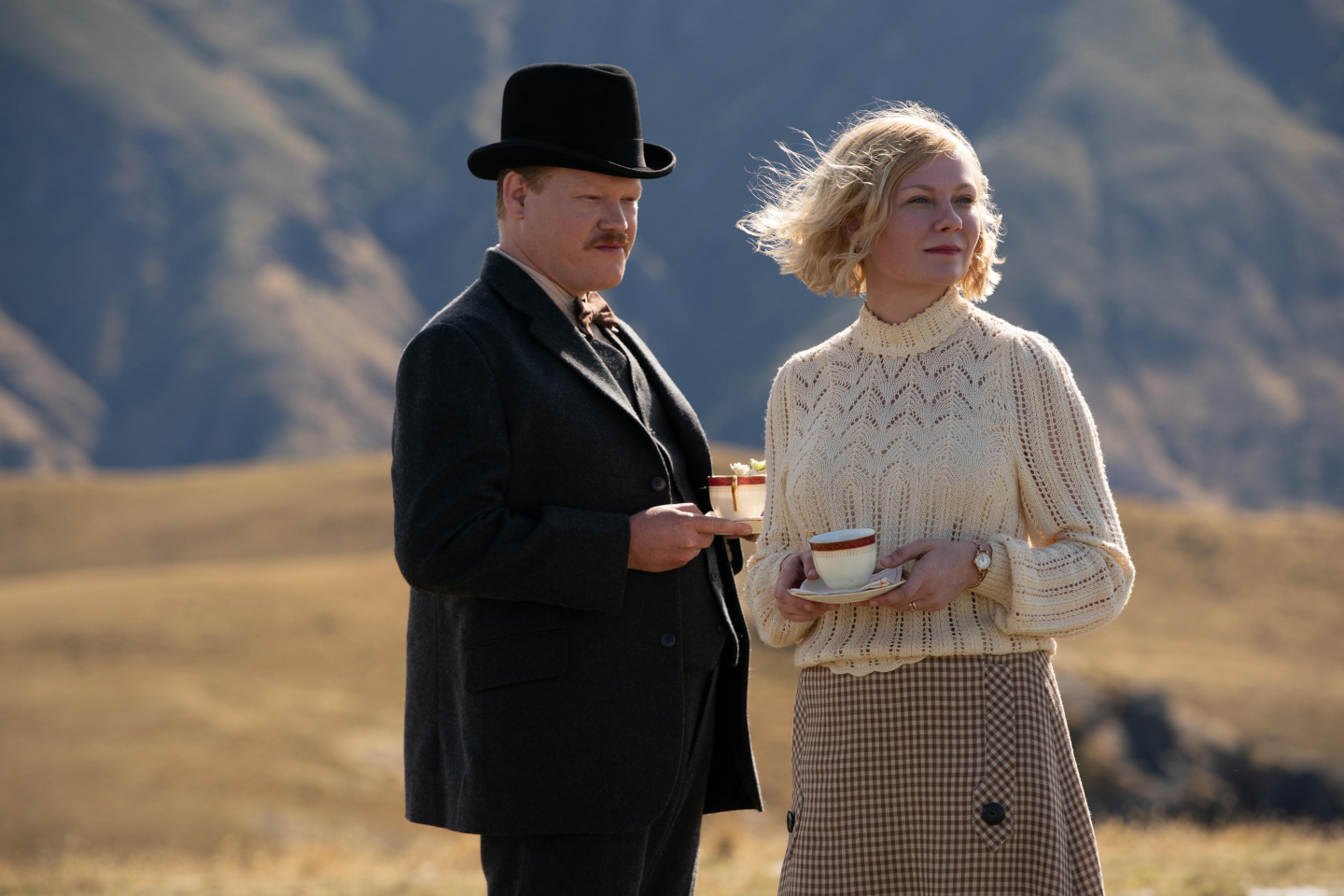
The Power of the Dog is about wealthy ranch owners Phil (Benedict Cumberbatch) and George Burbank (Jesse Plemons). Set in Montana in 1925, the story centers on the turbulent dynamic between Phil, Rose (Kirsten Dunst), and her son, Peter (Kodi Smit-McPhee).

The Power of the Dog' review: Do we really need another film that  identifies L.G.B.T. people with trauma? | America Magazine

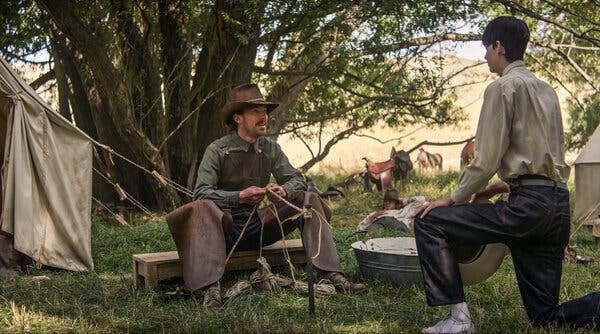
Phil and George are brothers and it is immediately apparent that Phil is a bully. He repeatedly refers to George as โ€˜โ€™fatsoโ€™โ€™ and has contempt for anyone who does not ascribe to stereotypical โ€˜masculineโ€™ traits. He readily performs this toxic masculinity much to the amusement of his ranch hands, for example, when he mocks Peter for his lisp.

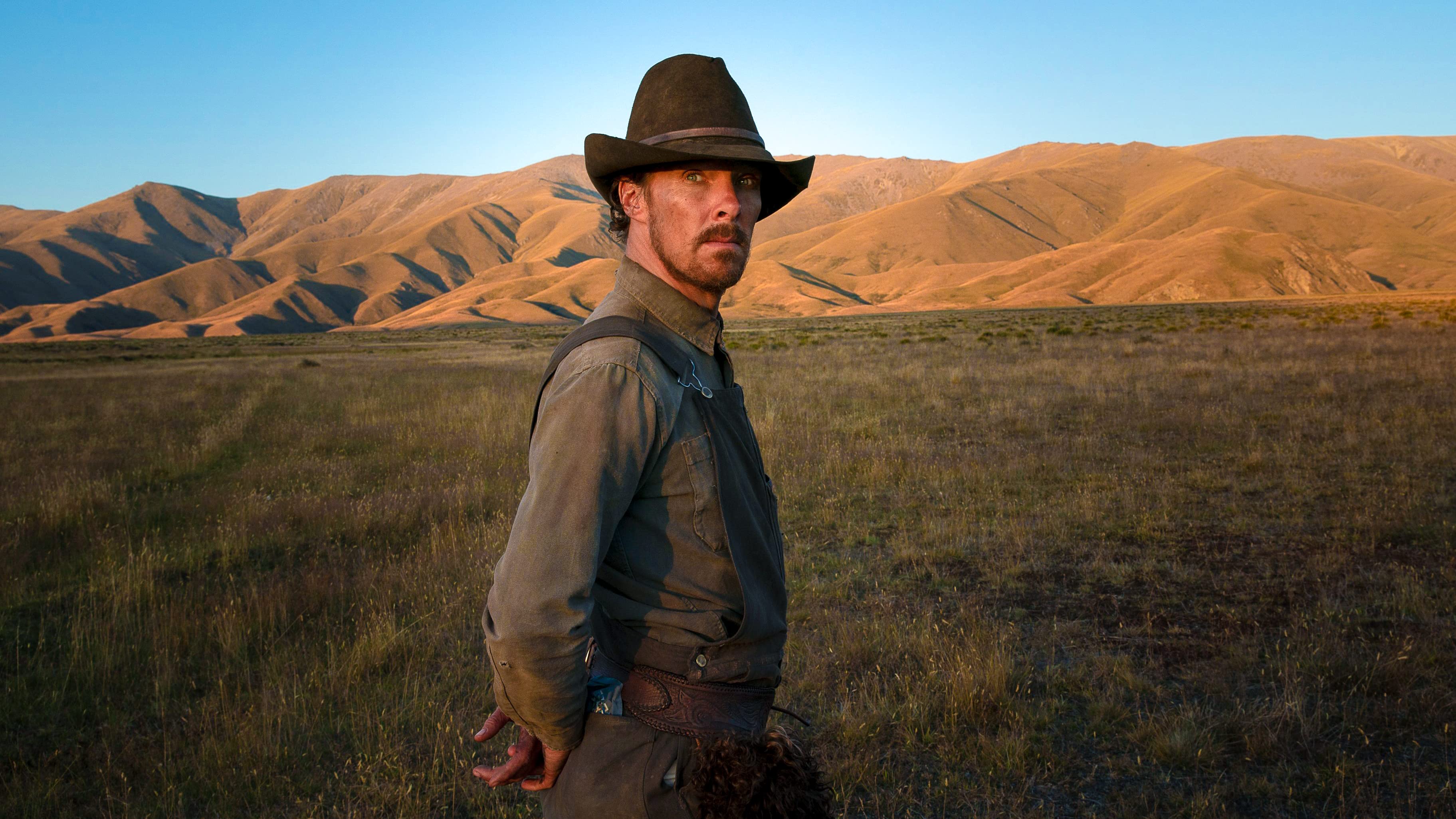
Benedict Cumberbatch plays the narcissistic and volatile Phil who relishes tormenting Rose from a distance. He is the physical embodiment of misogyny and toxic masculinity. This is apparent when he burns the hand-made paper flowers Peter makes to decorate the tables of his motherโ€™s inn. The very sight of perceived femininity or โ€˜weaknessโ€™ is something Phil seeks to destroy.

Cumberbatch could have easily overacted the volatility of his character but he does not do this. Each word and action he performs is slow and purposeful, and because of this, it has maximum impact. One can feel the fear at the thought of displeasing him or even challenging him. Philโ€™s refusal to bathe in preparation for his parentsโ€™ visit is a key example of his antisocial behavior. While he dominates and bullies George, it is clear that he fears being abandoned by him as he struggles to sleep in their twin beds when he is alone. His need to dominate and dehumanize the people around him is a cruel and desperate ploy to maintain control and hide his true vulnerability โ€“ homosexual attraction. As the story progresses, we realize that The Power of the Dog isnโ€™t just about two rich ranch brothers. Itโ€™s also a ghost story about this hidden and forbidden desire.

As an audience, we are repeatedly reminded of the only man that Phil respected, Bronco Henry. Itโ€™s clear that Phil and Bronco Henry had a close relationship and we see haunting reminders of him everywhere. The saddle, the yellowing handkerchief that Phil fondles in the secluded glade; his name is never far from Philโ€™s lips.

Kirsten Dunst offers an emotional and tortured performance as Rose, Georgeโ€™s new wife. The effects of living near a narcissistic and misogynistic man become too much to bear as Rose succumbs to alcoholism. George is not oblivious to the effect his brother has on people. One key scene is where Rose teaches him to dance in the mountains and he is reduced to tears. Philโ€™s behavior has kept George isolated and alone and the relief he feels in Roseโ€™s company is very moving. Plemons successfully portrays a man who is comfortable with his emotions and expresses them freely. The safety they both feel within each other allows their relationship to progress despite Philโ€™s attempts to thwart the nuptials. Philโ€™s hatred for Rose is motivated by his misogyny, self-hate and fear of abandonment. Phil cannot live his truth and he despises Rose for taking his brother away, his source of narcissistic supply.

The Power of the Dog is Brilliantly Subtle, Until It Brilliantly Isn't

Kodi Smit-McPheeโ€™s performance should not be overlooked. What we observe is a brilliant and chilling presentation where the battle of wits could go either way. As Peter, Smit-McPhee lures us into a false sense of security. We see Peter through Philโ€™s eyes; effeminate, weak and docile. With Georgeโ€™s money, Rose sends Peter to medical school to train to be a surgeon, and itโ€™s upon his return that weโ€™re forced to question his innocence – think Fatal Attraction, just less unhinged. Peter is anything but sentimental, he is pragmatic. Up until this point, Peter has presented as a timid and gullible character but itโ€™s this scene that raises the stakes. It makes the developing relationship between Phil and Peter more thrilling to watch as they are soon engaging as equals rather than predator versus prey.

Phil speaks of Bronco Henry with reverence and uses Henryโ€™s reputation to grow close to Peter and eventually teaches him to ride horses. Again, he exerts his toxic masculinity and rather than help Peter when he begins to fall off his horse, insists his ranch hands not intervene and instead leave Peter to โ€˜โ€™figure it outโ€™โ€™. In a sense, Phil has โ€˜โ€™figured outโ€™โ€™ how to conceal his true nature and it is only in the secluded glade that we see him truly vulnerable without his ranch costume and persona as armor.

There is an ambiguity between Phil and Peter, and over time, they grow closer. This drives Rose to drink more and the once optimistic and moralistic Rose slowly morphs into a frightened and anxious woman. Phil has discovered Roseโ€™s Achillesโ€™ heel, the more intimate his relationship with Peter becomes, the more unbalanced and distraught Rose behaves. Her husband, George, is away, and she has no one to protect her from Philโ€™s targeted abuse, and she is unable to protect Peter. To avoid leaving evidence of his torment, Phil uses his words to abuse Rose. He belittles her attempts to play a piece of music on the piano during his parentsโ€™ visit and tortures her from a distance with his banjo as she tries to practice. This is how pervasive Philโ€™s influence is. He neednโ€™t touch Rose to cause her distress.

As an audience, we long for relief from watching this character assassination. But The Power of the Dog is a thrilling illustration of delayed gratification.

London Critics' Circle 2021: 'The Power of the Dog' Named Best Film

The cinematography is stunning and the use of music creates a sense of foreboding. We feel how vast the ranch is and how isolated the characters are from the outside world. Several shots were simply breathtaking; a favorite is the shot of the blood on the wheat during another scene that hints at Peterโ€™s emotional detachment.

Based on the book of the same name, Jane Campion writes and directs a subtle battle for control and power – control over oneโ€™s image and power over the weak. She never lets us forget the impact of isolation and loss on the characters, the influence of ranch culture, and the concept of disease and contagion. At 128 minutes long it is a well-paced movie, taking its time to develop the characters with all their complexity and letting these complexities unravel slowly. The performances are strong and the story is engaging.

The Power of the Dog explores the โ€˜โ€™dogโ€™โ€™ that plagues us as individuals – whether itโ€™s shame, depression, loss, addiction, loneliness or a desire to belong. True masculinity is not a performance of machismo; it is not the exertion of dominance and control over those seen as weak. They say that knowledge is power, and in this case, if you study your enemies and discover their true desires, itโ€™s possible to beat them without betraying who you are.

Grade: A+

List: Top 10 Films I Saw On Criterion in 2021

It’s finally time to run down my favorite films of 2021, but not for studio films (that’s for Belfast). There were movies a-plenty coming in and out of the Criterion Channel, some at first watch, others a rewatch and re-evaluate. A lot of internal debate, a lot of struggling to plug which film deserves its proper ranking. I’m no professional at this, just a traditional cinephile, this is my list. We don’t need another deep debate like the NBA75 list earlier this year, but yes, 1980s NBA All-Star Alex English was robbed again of that spot; have some respect for your elders! I thought about 100 films, then 50 as I did last time with, I’ll just leave to The Top 10 films from the CC of 2021.

  1. Dawson City: Frozen Time (2016)
  2. After Life (1998)
  3. Common Threads: Stories From The Quilt (1989)
  4. The Asphalt Jungle (1952)
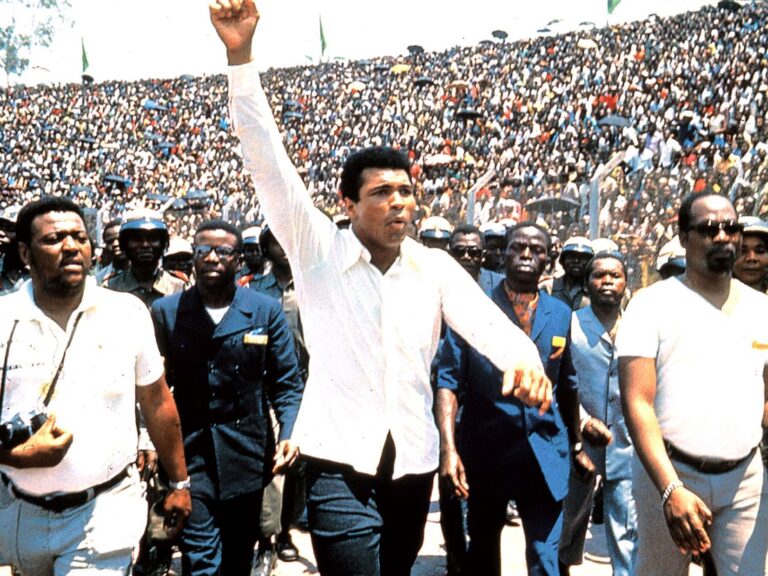
  5. When We Were Kings (1996)
  6. Christ Stopped At Eboli (1979)
  7. Thief (1981)
  8. Moonstruck (1987)
  9. The House Is Black (1962)
  10. The Scarlet Empress (1934)

Four of my films are documentaries and three of those fill the top five. Dawson City is just one of these movies that hypnotize you into learning the life of a film reel, passed coast to coast, until it reached this outpost in Alaska. Director Bill Morrison tells the unbelievable story of hundreds of nitrate film prints that were found buried and preserved in the 1970s. In parallel to the life of these prints is the story of Dawson City and how this gold rush town became the final home to these lost movies. It is one of the best documentaries about movies that I have ever seen. Alongside that is the life stories told of five families who have dealt with loss due to AIDS in Common Threads, with behind-the-scenes footage and commentary of the globe-shaking fight in When We Were Kings, and a short documentary from Iran that gives a humanistic portrait of leper colonies in the 1960s, The House Is Black.

In the dramatic narrative, Hirokazu Kore-eda (Shoplifters) gives a moving portrait of memories forever in our hearts and the creative preparations to make them for the deceased. It’s an interesting purgatory, one only a film director could create, and it does not pass judgment on who comes in. This stands in contrast to John Huston’s gritty noir about a planned jewelry heist with the femme fatale, the corrupt cop, and a plan to make it straight after this one last scores More notably, this was Marilyn Monore’s breakthrough film in which Huston said of Monroe, “one of the few actresses who could make an entrance by leaving the room.” Michael Mann’s Thief, his debut feature, is a classic of the neo-noir genre, full of visuals and the Chicago realism which would make Mann a bigger name in his later works.

Meanwhile, Francesco Rosi moved on from the political neorealism his films were known for to adapting Carlo Levi’s memoir about being exiled in fascist Italy to an isolated section of the country where the poor are left derelict. Levi was from the wealthy north and his anti-fascist views have put him somewhere he had no idea existed, but he had to survive by living amongst them and helping them in their plight. The four-part miniseries is about discovery and finding a new way to see the world. Staying with the subject of Italy is the heavy Italian-American love story that is one of the best romantic comedies of all time, Moonstruck. It is a film I never totally got until a proper viewing charmed me with Nicholas Cage as the passionate baker with the faux hand and Cher as the widowed, yet love-bound Loretta, all bound to the operas of Puccini. Finally, there is Marlene Dietrich as Catherine the Great, who outwits the men to become the leader in The Scarlet Empress. It is Josef von Sternbergโ€™s best film and the crown jewel in his collaboration with Dietrich, a dark portrayal of power and seduction for the top seat in Imperial Russia.ย ย 

The rest of my list can be found here – https://boxd.it/aEZEW – as I have surpassed 200 films for the year. This includes multiple films a day sometimes for my viewing pleasure and to even write this article. And, as always, there are more yet to be seen and they consistently remove and add films every month to the Channel. If you haven’t signed up, give it a try. You can start with a free two-week period before deciding to sign on for it every month. Join the club. Criterionize your cinematic tastes.ย 

Follow me on Twitter: @brian_cine (Cine-A-Man)


Chasing the Gold FYC: Jason Isaacs – Best Supporting Actor, โ€˜Massโ€™

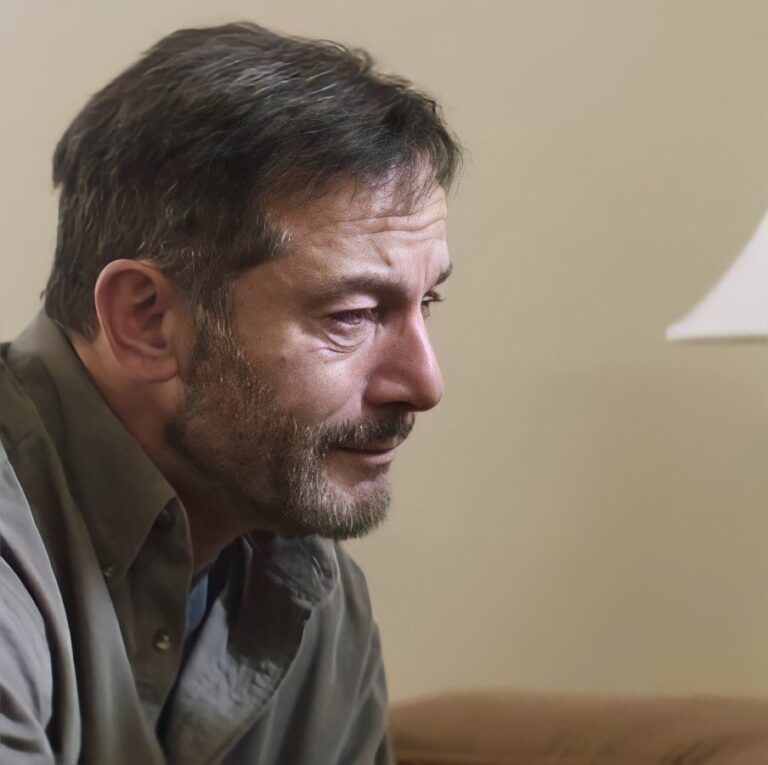
This award season, the Supporting Actor race has been wide open for anyone to come and crash the party. This has led to a fun discussion as to who will end up getting in, and who deserves a shot to enter the category. While this race is starting to shape up, it is sadly repeating previous years, in which strong performances are being ignored while Best Picture frontrunners are defaulting into the five positions. The film may be losing momentum in every race this year and their best chance may lie with Ann Dowd, but a case should be made for Jason Isaacs to be nominated in Supporting Actor for his performance in Mass.

 Having just been announced as the winning ensemble of the Robert Altman award at the Independent Spirit Awards, there is no doubt that the entire cast gives some of the best performances of the year. These performances have been highlighted for nearly a year now, after the film shocked audiences at the 2021 Sundance Film Festival. However, with Ann Dowd and Reed Birney being the two that have received nominations at the major voting bodies so far, it comes as a shock that Isaacs has not received the same level of support.

 This screenplay by Fran Kranz focuses on the tragedy of a school shooting, but it contains all the action in one room. Instead of flashing back and showcasing the incident to the audience, Kranz tells the story through a conversation between two couples. Jason Isaacs plays Jay Perry, who alongside his wife Gail (Martha Plimpton) lost their son in a school shooting and are meeting up with couple Richard and Linda ( Reed Birney and Ann Dowd), whose son was the shooter on that day. With that synopsis alone, it is clear to see how a role like this could be made worthy of awards recognition.

 It may be well established that Jason Isaacs is a great actor, but he has never been better than his performance in Mass. He is given an incredible script to work with, but Isaacs has the challenge to balance the inner conflict of the narrative of the story with the emotional trauma that his character is going through. If you have not been able to catch this film just yet (which you can now rent in the US), then simply watching the trailers will give you a sense of how much range Isaacs is showing throughout theruntime. There is no hiding in a film like this, which is focused solely on the dialogue and this single moment in time. It could have been easy for an actor to come in and overdo a performance like this, but Isaacs knows when to pull back and to let the screenplay do the work. That is what makes him such a strong actor.

 In a year where there is potential for the Best Supporting Actor lineup to be the best it has been in years; Jason Isaacs should be on top of that list for consideration. While the campaign and precursors have not helped him get the recognition that he deserves, I am hoping for a late push and strong word-of-mouth may just help voters put Mass at the top of their to-watch list for the rest of 2021. I know this is a long shot, but isnโ€™t this what For Your Consideration posts are for?


Movie Review: โ€˜Licorice Pizza’ Shines Thanks To Haimโ€™s Debut


Director:ย Paul Thomas Anderson

Writer:ย Paul Thomas Anderson

Stars:ย Alana Haim, Cooper Hoffman, Bradley Cooper

Synopsis: The story of Alana Kane and Gary Valentine growing up, running around and going through the treacherous navigation of first love in the San Fernando Valley, 1973.


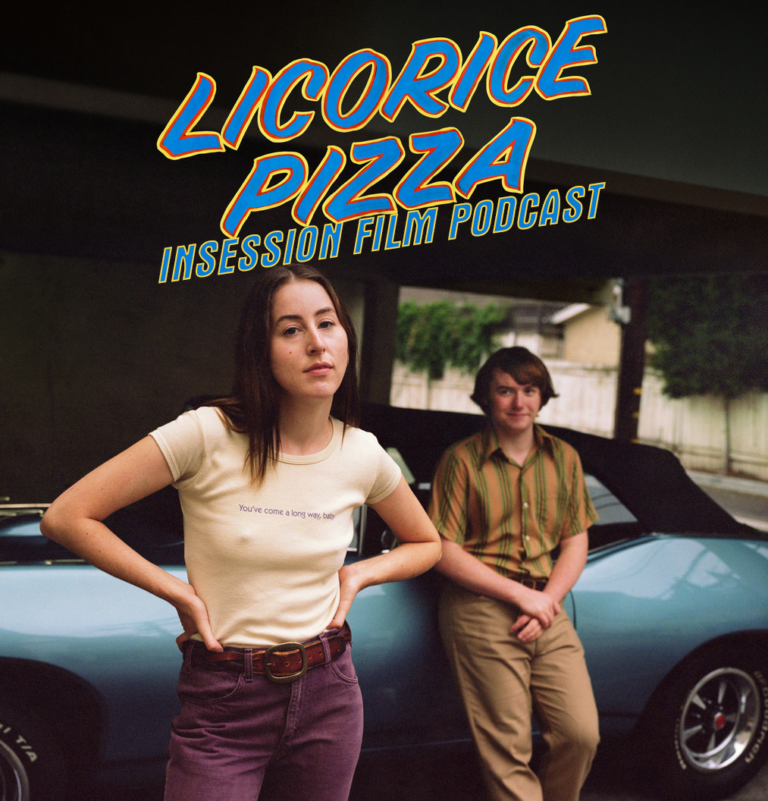
Paul Thomas Anderson has worn many hats over his storied career. Pegged as a future master early on, Anderson attracted both emerging, and past talent from the word go. His visually dynamic, larger-than-life features placed him in esteemed company. Anderson evolved into a director with a cult-like grasp on audiences and his onscreen talent by Boogie Nights. Yet the eccentric Anderson loves to play with form and self image, leading to his latest film. Licorice Pizza presents a fresh challenge for the auteur, allowing the director to work with a hyper-talented ensemble of young performers. With two instant stars as his leads and a striking comedic tone, Anderson seems to have perfected his missteps in Inherent Vice and Punch-Drunk Love to remarkable success.

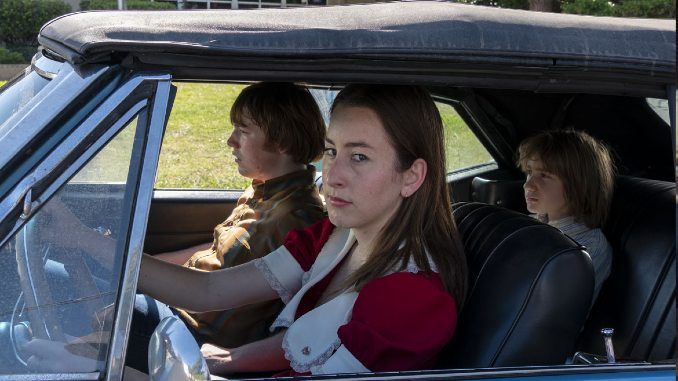
Licorice Pizza follows two young adults in the San Fernando Valley during 1973. Alana Kane (Alana Heim) shuffles from job to job, unhappy with how her life has turned out at 25. She lives at home with her parents and sisters. Alana struggles with intimate and platonic relationships that define her professional and personal life. While working as an assistant for a photo shoot, she meets Gary Valentine (Cooper Hoffman). The teenage actor brims with confidence and a non-stop work ethic. Gary has never met an opportunity he could not transform into money. As they take this new world in their hands, Alana and Gary place themselves at the center of New Hollywood and the larger-than-life personas that inhabit the town.

A staple of Hollywood cinema, the teenage exploration for life’s purpose has fascinated decades of filmmakers. Rebel Without a Cause minted James Dean as a movie star. American Graffiti allowed George Lucas to explore galaxies. Craven’s Scream saved the slasher film and the teen comedy through bloody delights. Anderson’s foray into the world of young adulthood combines Linklater’s lackadaisical vignettes with Ashby’s hopeless dreamers.ย 

Despite drawing from classic tropes, one cannot ignore the personal and dreamlike approach to Licorice Pizza. The world feels alive in its subtle touches, drawing from Anderson’s own adolescence. This authenticity and specificity help Licorice Pizza stand out from typical nostalgia fueled films, providing it with livewire energy to keep the audience on their toes.

That is not to say that Licorice Pizza redefines the genre. Many will liken the film to Ladybird, Dazed and Confused, and even Once Upon a Timeโ€ฆin Hollywood. Anderson’s film contains multitudes, at once both lighthearted and somewhat prickly. He opens the door for controversy, stirring the pot with questions about ethics in cinema. For some, the issues of ethnic-based humor and questionable sexual politics will be too much. It is essential to acknowledge these decisions, which seem to directly confront the darker side of the 1970s as a whole. Licorice Pizza does not ignore these choices but attempts to weave a tapestry about the futures of our characters through these issues.

Throughout Licorice Pizza, Gary pushes Alana for sex and intimacy. Alana recognizes their age gap’s inherent issues from their first meeting. For the vast majority of the film, she rebuffs him, instead seeking relationships with older and seemingly wiser men. Each of these men fails her simple tests along the way. Most are too self indulgent to look outside themselves. Other men fail her in more hurtful ways, using her as nothing more than a pawn in larger schemes. Even Gary, one of our protagonists, fails to live up to the man Alana believes he can become. However, he shows genuine remorse and care, which none of the other men provide to Alana. The two ride a rollercoaster of a relationship, drawn to each other through invisible forces. They are the definition of star-crossed lovers, even if the extent of their sexual flirtation comes down to a single kiss.

Many will read this kiss, and implied relationship to follow, as an endorsement of their actions. However, Licorice Pizza suggests that this relationship is not one of love, but one of convenience and lust. Life goes on for these characters after the end credits, and it seems unlikely they will consummate their relationship. Even if this were the case, Licorice Pizza leaves little doubt about Anderson’s opinion of the romance; it is toxic in ways that only a first love can be. We should not idolize this relationship, but instead, remember the messiness of our first genuine relationships.

Additionally, Anderson’s film never pulls punches about Gary’s troublesome present and future. When Gary is taken into custody, Anderson sets the stage for his criminality. While we believe he has been busted selling drugs to customers, when in actuality, he has been mistaken as a murder suspect. The fact that it becomes an issue of mistaken identity is beyond the point, as Gary seems destined for run-ins with the law. His ambition creates physical, emotional, and economic danger in his life. He works on information that would be considered insider trading to enrich himself. His businesses bounce between get-rich-quick schemes and fads which lack any semblance of stability. Even Gary’s PR firm, run by his mother, associates with openly racist, misogynistic, and inept businessmen. Gary’s lack of a moral compass is not due to his age but his blind ambition to conquer the world. Alana’s unwillingness to have a sexual relationship with Gary becomes an extension of his lust.ย 

Perhaps no sequence offers more insight into Gary’s questionable ethics than his interaction with Jon Peters (Bradley Cooper). Gary has strayed from Alana for other women in the preceding hour, named a business after a sex joke, and found his semi-successful fad business evicted. Yet Gary remains successful, cashing in on hubris and luck. When the anthropomorphized hurricane that is Jon Peters enters the frame, his bluster and vanity are entirely unchecked. He demands respect and threatens violence. Gary not only fits the depiction of a young Peters, but he then proceeds to commit insane acts of vandalism and destruction in the same ilk as Peters. Gary will never have enough, and in the years after Licorice Pizza, he seems destined to destroy lives in the process.ย 

Meanwhile, Alana wants to escape her world. She wishes to avoid the small, overstuffed house of her youth. She sees politics and relationships as ways to explore the world. Her belief in herself is similar to Gary’s in that they both see themselves in control of their lives. Yet Alana opens herself in a way Gary never does. Her optimism and faith in people create genuine pain. She connects with people on a human level and believes she can positively change the world.

During one of the standout set pieces of the film, Alana looks at herself in a mirror, realizing how wrong things have gone. The comedic and tense scene beckons back to the Alfred Molina drug den in Boogie Nights, both in tension and life-threatening stakes. This small moment of character introspection forces Alana to realize the mistakes she has made, even if she cannot wholly unpack what that means at this moment. Unlike his film set in the world of adult film, we see Alana attempt to change her life to no avail. Placing her trust in someone else burns her again, and Alana finds herself back in the situation that led to her original realization. Gary and his friends provide a safe harbor where Alana finds acceptance. But this moment of safety will fade. She will fight with Gary. Hopefully, she can succeed next time.

Beyond the many meanings and lessons one can take away from Licorice Pizza, moviegoers cannot ignore the craft on display. The performance from Haim delivers the film world a new star. While her career as a musician brought fame, her naturalism and ability to access her emotions will open an entirely new career for Ms. Haim. Her performance will be among the best of the decade. Hoffman shines in nearly every scene he’s in, combining his highly expressive face, non-verbals, and charming demeanor to great effect. While trying to hide his participation on a phone call, Hoffman provides the ultimate showcase in “show, don’t tell” performances.

The two astound at every turn, and Anderson brilliantly allows them to shine against a stunning ensemble. As usual, Anderson perfectly tunes each of these performances, allowing talents like Bradley Cooper, Tom Waits, and Harriet Sansom Harris to leave indelible marks on the audience with limited screen time. If one did not already believe Anderson is the next Altman, Licorice Pizza adds to the compelling case. Serving as the co-cinematographer with Michael Bauman, the film achieves stunning imagery and control. They create beautiful images highlighting the brilliant costume and production design that brings the valley to life.

Once again, Paul Thomas Anderson crafts a masterful examination of America while never removing himself from the critical character moments that allow his films to endure. What more can be said about the wunderkind turned auteur? Any year with a Paul Thomas Anderson release is a gift to the medium. Licorice Pizza earns its place as one of the best films of 2021 and will be one to revisit for years to come.


Grade: A-

Poll: What is your favorite movie musical of 2021?

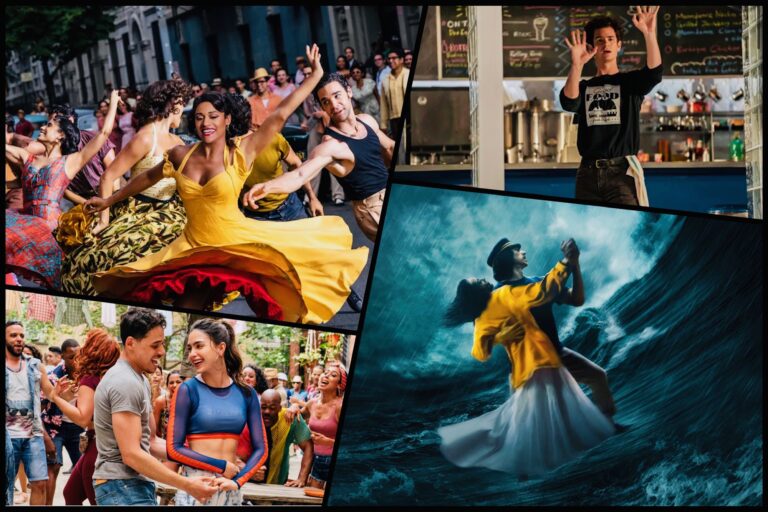
Given the year 2020 was, Hollywood has seemingly been trying to make up for what was essentially a cinematic year on pause. This has made 2021 just as much a great year for movies as it was an overcrowded one, and a stressful one for us critics. Some might see this as a bad thing, but it did yield some very positive results, perhaps the biggest one being how much it helped resurrect what many consider to be a dying genre – the musical. With the release of at least eleven movie musicals this year (not even counting music documentaries, biopics, or other music-related narratives such as CODA), we actually saw a fulfilled purpose for the Best Motion Picture – Comedy or Musical category at the Golden Globes for once. Even better, most of these eleven musicals were also very good.

So let’s get song-and-dancy. Of all the movie musicals released this year, which one was your favorite?


Podcast: Licorice Pizza / The Tragedy of Macbeth – Episode 462

This weekโ€™s episode is brought to you by Warby Parker. Sign up today and get a 5 day Home Try-On, complete with 5 pairs of glasses to choose!

This week on the InSession Film Podcast, we discuss Paul Thomas Anderson’s latest in Licorice Pizza and Joel Coen’s new film The Tragedy of Macbeth! Plus, a few thoughts on Swan Song and The King’s Man.

It’s not often you get to talk about PTA and the Coen brothers (albeit it just Joel in this particular case) in one episode. A few week’s ago we got to review films from Steven Spielberg and Guillermo del Toro, which was very exciting, and now we get to continue that trend with two of our very favorite filmmakers working today. Licorice Pizza and The Tragedy of Macbeth may have very little in common, but that just added to the fun we had on this episode.

On that note, check out this week’s show and let us know what you think in the comment section. Thanks for listening and for supporting the InSession Film Podcast!

– Movie Review: Licorice Pizza (6:18)
Director: Paul Thomas Anderson
Writers: Paul Thomas Anderson
Stars: Alana Haim, Cooper Hoffman, Bradley Cooper

– Notes / Swan Song / The King’s Man (59:22)
For our break segment this week, JD offers up his thoughts on the Benjamin Cleary film Swan Song, starring Mahershala Ali and also the latest film in the Kingsman Universe The King’s Man. While imperfect, both have compelling qualities that make them worth your time. Swan Song, especially, invokes some fascinating conversation around love and morality.

[divider]

RELATED: Listen to Episode 456 of the InSession Film Podcast where we discussed Belfast!

[divider]

– Movie Review: The Tragedy of Macbeth (1:26:15)
Director: Joel Coen
Writers: Joel Coen(written for the screen by), William Shakespeare(based on the play by)
Stars: Denzel Washington, Frances McDormand, Corey Hawkins

Show Sponsor: First Time Watchers Podcast

– Music

Life on Mars – David Bowie
Verdi, Macbeth – J. Matheson
The Return of the Eagle – Atli รƒโ€“rvarsson

Subscribe to our Podcasts RSS
Subscribe to our Podcasts on iTunes
Listen on Spotify
Listen on Stitcher
InSession Film Podcast – Episode 462

[divider]

Next week on the show:

Review: Red Rocket
Top 3: N/A
Review: Cyrano

[divider]

Help Support The InSession Film Podcast

If you want to help support us, there are several ways you can help us and we’d absolutely appreciate it. Every penny goes directly back into supporting the show and we are truly honored and grateful. Thanks for your support and for listening to the InSession Film Podcast!

VISIT OUR DONATE PAGE HERE

Movie Review: ‘Compartment Number 6’ Captures The Spark of Togetherness


Director: Juho Kuosmanen

Writers: Juho Kuosmanen, Andris Feldmanis, Livia Ulman, Rosa Liksom

Stars:ย Yuriy Borasov, Seidi Haarla

Synopsis: As a train weaves its way up to the Arctic Circle, two strangers share a journey that will change their perspective on life.


In the late 1990s, on her last day in Moscow before she embarks on a journey to the city of Murmansk to see its famous petroglyphs, our protagonist, the Finnish exchange student Laura (Seidi Haarla), is thrown a farewell party by her lover Irina (Dirana Drukarova), who was supposed to accompany Laura but couldn’t due to her work as a Russian professor. At the party, Laura appears confounded and perplexed being around Irina’s friends, and her conflicting emotions about the upcoming trip begin to rise. She is obviously excited to finally go on the trip she’s been waiting for, but her partner dropping out creates an air of mystery around the fate of their relationship.

Laura’s fears aren’t unfounded; her return to Finland is quickly approaching after Murmansk’s visit, and their relationship remains a big question mark that neither she nor Irina wants to figure out the answer to. Laura is anxious, but in the meantime, Murmansk’s petroglyphs are enough to keep her excitement for this trip alive.

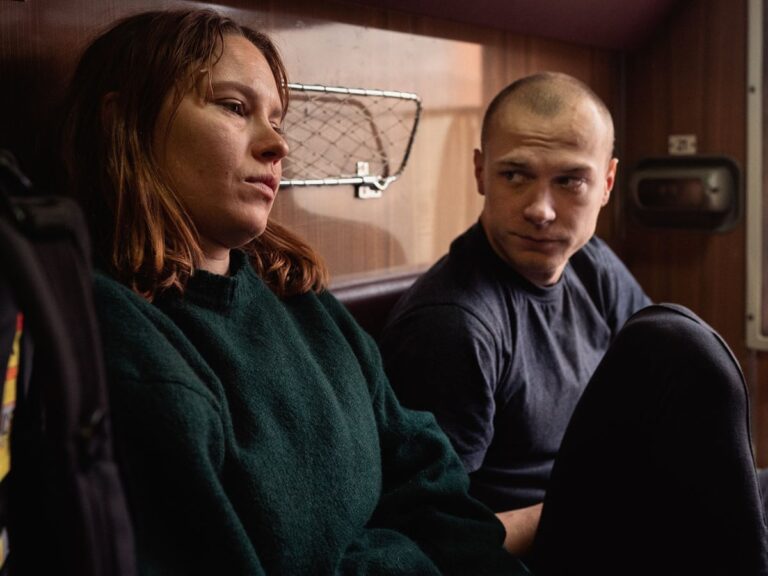
Enthusiastic Laura hops on the train to be quickly disappointed when she discovers that she has to share a sleeping compartment with a drunk swearing Russian man called Ljoha (Yuriy Borisov), who works as a miner and is traveling to the city for work. With his vulgar nature and overwhelming personality, Ljoha represents the polar opposite of everything that Laura is. And even though the passengers of this small compartment couldn’t be physically any closer, realistically they’re so far apart. Trapped in with Ljoha for what appears to be days of misery, Laura’s journey to her destination didn’t start on the right foot.

ย As time goes by, detached from the world on a long train ride with nothing but a camera recorder which has some footage of Irina that she plays over and over, it takes Laura some time to realize how lonely she actually is. She has been living in a country where she doesn’t speak its language very well, in a void relationship that may be coming to an end, and is stuck sharing a ride with the last person she’d like to be with.

The first act of the film captures this feeling of isolation and unfulfillment very well, and the credit goes to Juho Kuosmanen’s direction, which keeps the first act moving while, at times, the screenplay felt as if it was struggling to get going. Kuosmanen’s navigation and precise movement of his camera in cramped spaces gave the first act of the film a dynamic undertone that helped support the stillness of the screenplay.

Beginning with the second act, the screenplay finds its footing and begins to explore the emotions and motivations of its characters in a much more interesting way. The wheels start turning on Laura’s relationship with Ljoha after she hesitantly accepts his invite to spend the train lay-over period at his foster mom’s house. At the house, Laura’s perspective of Ljoha starts to become less one-sided. She begins to shed her first impressions, and that picture of him in her mind becomes less clear. She realizes that underneath this gigantic front, there is a person who is as lonely and lost as she is.

Kuosmanen’s navigation of the next chapter of the story is excellent; it saves the film from going down the rabbit hole of familiar tropes and known clichรฉs. Even though the film can’t quite tell its tale without relying on one or two of said clichรฉs, they acknowledge them and move on quickly to focus on the two leads’ relationship as they get closer to each other.

What Juho Kuosmanen’s Compartment No. 6 brilliantly captures isn’t a simple love story between two strangers who meet on a train; it’s a state of human nature. Laura and Ljoha’s relationship encapsulates the human need to be together, to connect, to be understood, and be seen. The lack of that connection is what Laura realizes was missing from her relationship with Irina. As she says, “I just miss the way she used to look at me.”

The harsh miner world of 1990s Russia made Ljoha seem like a much more straightforward person than he is, but the truth is that Ljoha knows that something is missing here; life can’t be just this. Both are looking for that spark of magic that comes when you truly connect with someone. In the end, on that Compartment train, what made these polar opposites attract towards each other is being human.

ย 

ย 

Grade: B+

Criterion Crunch Time: ‘The Innocents’

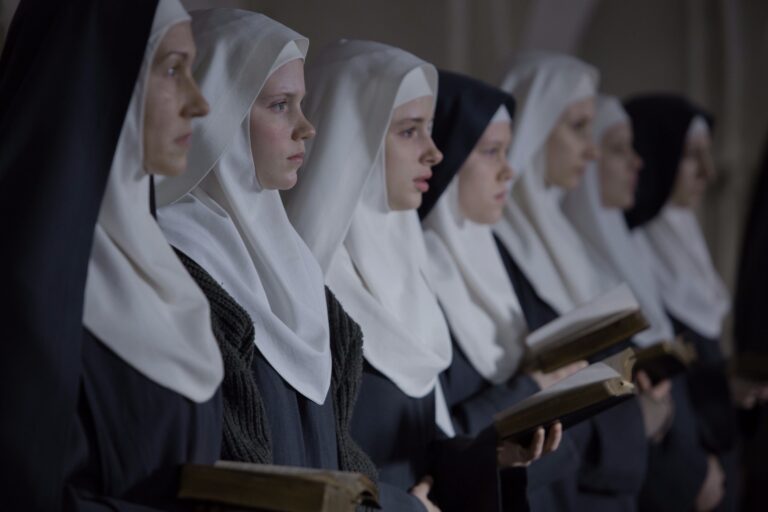
Films can be a lesson on thematic flexibility. Many films may have the same theme, but completely different ways of arriving at said theme and expressing it. Parenthood, in general, and motherhood, in particular, is certainly a common theme of many art forms, film included. On The Criterion Channel alone, one can find a vast array of experiences and stylistic choices in films about motherhood. One such is sadly leaving the service at the end of this month, in The Innocents, also known as Agnus Dei, directed by Anne Fontaine.

In short, The Innocents is the story of a young French female medical doctoral student, Mathilde Beaulieu (Lou de Laรขge), who is approached by a nun, Sister Teresa (Eliza Rycembel). She is tasked with helping some of the sisters who are ill. It is later revealed that several of the sisters are in late stages of pregnancy after being raped by Russian soldiers. Fontaine as a director does a tremendous job of showing the horror of this betrayal without engaging in gore or sexual exploitation. Among many other things, The Innocents is also an exploration into shame and the limitations of faith.

There are, of course, many maternal figures in this film given the constant pregnancy and birth scenes. But, one focus is on a mother figure who is literally named Mother Superior (Agata Kulesza). As is likely known to most readers, she is the authority in the convent. She guides these women and attempts to hide the secret shame of pregnancy. Despite the existence of actual rapists in the film, Mother Superior may be the most disturbed character we gain access to in The Innocents. Although her heart may be in the right place, she shows time and time again how misguided faith has made her, and, by connection, how unworthy she is of the title of Mother.

Mother Superior is introduced as a barrier, not only to Mathilde, but to literal life saving medical care. She believes strongly that not only should no one know about this shame, but no one should touch these nuns. Later, she commits a greater sin by lying to the mothers who have given birth. She lies by telling them that the children have good homes when, in reality, she has simply been abandoning the newborns under a cross, trusting again to faith. Fontaineโ€™s direction really takes flight when this realization occurs. There is no major confrontation, but she accomplishes in silence what many directors could not accomplish with pages upon pages of trite dialogue.

Speaking of that direction, Fontaine also makes incredibly smart decisions in her reveal of the many members of the convent. As is expected, many of them look similar due to the habit they wear. But, as Mathilde gets closer to these women and the truth, there are numerous scenes with closeups of facial expressions, removal of the habits, and extended discussions about their lives before the convent. It enables us to see these women as fully formed characters as opposed to nuns with one or two defining characteristics. It places us alongside Mathilde, not only discovering them, seeing them but also being wounded with them as some truly horrific moments happen near the closing moments of the film.

Almost none of the women in The Innocents have chosen to be mothers. But unlike the faith of many of them, they are figuratively called to be mothers. Even Mathilde, who is young and accomplished without a clear maternal desire, plays her part. What is a mother, but a caretaker through love? Mathilde literally risks her life and the ire of the Mother Superior to get these women the care they need. As is often the case in life, she cannot possibly save all of them. But by reaching the few that she does, and giving care to even the ones who try to refuse, she both saves lives and helps create new ones.

The Innocents is a challenging movie, both in tone and pace. It is a film that demands your patience, yet finds a way to keep you waiting for just one moment of happiness. It is grounded and connected to faith, power, maternal instinct, and beauty. Fontaine somehow manages to imbue it with care, fully lived lives, and sexuality; all without making any of that obvious. The Innocents is highly rewarding and one that is not easy to forget.

Movie Review: ‘Donโ€™t Look Up’ is a Brilliant Pandemic Political and Social Commentary


Director: Adam McKay

Writers: Screenplay by Adam McKay, Story by Adam McKay and David Sirota

Stars: Leonardo DiCaprio, Jennifer Lawrence, Meryl Streep, Cate Blanchett

Synopsis: Two low-level astronomers must go on a giant media tour to warn mankind of an approaching comet that will destroy the planet Earth.

[/info]


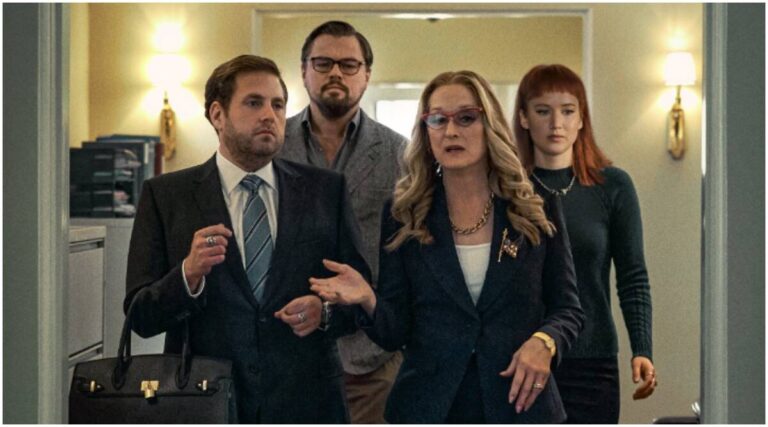
While Adam McKay has a very distinct style to the films he creates, unlike some other notable filmmakers such as Quentin Tarintino or Martin Scorsese, McKayโ€™s films have received incredibly mixed reviews. Focusing often on political satire, McKay goes to the extreme to accentuate the problems he chooses to focus on. After his last two films, The Big Short and Vice, focused on previous real events, he changed his approach to fiction for Donโ€™t Look Up. Despite this alteration, it stays true to his satirical nature and especially to his critique on current culture, politics, and society.

Donโ€™t Look Up focuses on Dr. Randall Mindy and Kate Dibiasky (Leonardo DiCaprio and Jennifer Lawrence), two scientists and professionals in their industry, who discover an asteroid headed towards Earth that has the power to destroy all life on the planet. The film follows their struggles, starting with trying to alert the President of the United states, played by Meryl Streep, who only tries to downplay the events fearing that it might interfere with her upcoming election. Despite how desperately Randall and Kate try to point out that an election wonโ€™t matter if an asteroid hits the earth and kills everyone, politics and personal power trump the individual lives of billions of people. After failing to convince the President, DiCaprio and Lawrence try to take their news to the media, hoping to alert the public and push for a change. Theyโ€™re further thwarted when theyโ€™re not seen as โ€œmedia readyโ€ and their story fails to gain traction or headlines. Also working against them is the Mark Zuckerberg/Jeff Bezos/Elon Musk-esque billionaire Jason Isherwell (Mark Rylance) who sees the asteroid as potential to harvest the minerals itโ€™s made out of for monetary gain. With his power and influence, he pushes his narrative as to why the asteroid is good for everyone and uses his political influence to manipulate the American people.

Yes, this is a Covid movie, but unlike other Covid movies weโ€™ve seen within the past year that have often failed, such as Songbird and Locked Down, Donโ€™t Look Up takes a more metaphorical approach. The thematic use of an apocalyptic asteroid easily draws in the audience and the desire to forget about the pandemic is achieved while wrapped up in the chaotic world that McKay creates. At its core, Donโ€™t Look Up is a story about a potential humanity-ending event that media and politicians become divided on despite the distinct proof of its existence. Itโ€™s easy to begin to compare to the real world pandemic weโ€™re experiencing, and the critique McKay is trying to make are incredibly poignant.

Among some of McKayโ€™s filmmaking trademarks are his often large ensemble casts along with his frantic andย  chaotic editing, both of which are utilized perfectly in Donโ€™t Look Up. The entire cast shines in this film and no one fades into the background. The large names thrown into the cast are all stellar in their respective roles, but Meryl Streep is especially amazing in her Trump-parallel presidential role. The editing can jump around a bit and while it might be too jarring for some, it shows how fast-paced and cut-throat the world we live in is now. At the end of the day, it also does an amazing job at displaying the sheer humanity behind the film, and how interconnected we all are despite our disagreements or differences. If we are unable to come together to stop the end of the world, there truly is nothing that can bring humanity together.

While his filmmaking might be too much to handle for some, McKayโ€™s fictional events in Donโ€™t Look Up are incredibly relevant to what the United States is going through today in the pandemic, and heโ€™s able to exhibit a level of humanity thatโ€™s incredibly touching and relatable to audiences. Itโ€™s a must see on Netflix for this holiday season that will have you thinking about the social commentary involved, but not too stressed due to the extreme comedy.


Grade: A

Podcast: Volver / The Worst Person in the World – Extra Film

This week on Extra Film, Ryan and Jay continue their Pedro Almodรณvar Movie Series with Volver and then they discuss The Worst Person in the World!

The boys are back to talk about their next Almodรณvar with Talk to Her, the film that landed a Best Actress nomination for Cruz, the first of her career. In a film that dabbles in the generational bond between mothers and daughters, it’s a rather moving film from Almodรณvar and the boys seemed to really like it.

In the back half of the episode, the boys dive into The Worst Person in the Worldd, considered by many to be one of the best films of the year. This coming-of-age drama follows the plight of a young woman coming into her own from her late 20s to 30s and how the world around her. It’s one of Jay’s favorites of the year, while Ryan likes it, just doesn’t love it.

Thanks for listening!

โ€“ Movie Review: Volverย (6:32)
Director: Pedro Almodรณvar
Screenplay: Pedro Almodรณvar
Stars: Penรฉlope Cruz, Carmen Maura, Lola Dueรฑas, Blanca Portillo

โ€“ Movie Review: The Worst Person in the Worldย (52:00)
Director: Joachim Trier
Screenplay: Eskil Vogt, Joachim Trier
Stars: Renate Reinsve, Anders Danielsen Lie, Herbert Nordrum

โ€“ Music
Volver – Estrella Morente
Waters Of March – Art Garfunkel
The Return of the Eagle – Atli รƒโ€“rvarsson

We try to make this the best movie podcast we possibly can and we hope you enjoy them. Subscribe today on iTunes, Spotify, or Stitcher, and please leave us a review on iTunes. You can also find us on Soundcloud, PlayerFM, and TuneIn Radio as well. We really appreciate all your support of the InSession Film Podcast.

Subscribe to our Podcasts RSS
Subscribe to our Podcasts on iTunes
Listen on Spotify
Listen on Stitcher
Volver / The Worst Person in the World – Extra Film

[divider]

To hear this Extra Film episode and everything else we do, download our apps on the Amazon Market for Android and the Podcast Source app on IOS devices. The mobile app covers all of our main shows, bonus podcasts and everything else relating to the InSession Film Podcast. Thanks for your wonderful support and for listening to our show. It means the world to us.

Classic Film Review: ‘Children of Men’: 15 Years Later, As Resonant As Ever

A white London at Christmas time, split right down the middle with crime and violence. Something sounds very familiar, right?

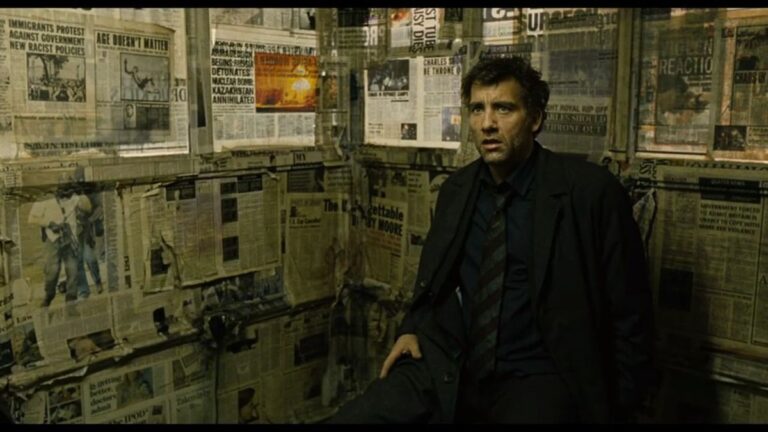
In what has been heralded as one of the great modern day sci fi films, Children of Men is supremely gritty, spookily relevant, and even heartwarming at times. You canโ€™t help but listen to the ideologies of the characters, and in Michael Caine you have a pot smoking hippie, it really doesnโ€™t get much better than that. This is a science fiction film that feels more like real life than anything otherworldly, and this might be the biggest compliment I can give it. You could easily mistake this for a cinรฉma vรฉritรฉ style documentary in the mold of Dziga Vertov; the harrowing scenes of ruination and the current news coverage paralleling the Iraq War news reports of the time โ€“ it is completely relatable, which is the filmโ€™s most impressive quality.

Children of Men is sublimely directed by Alfonso Cuarรณn; it is intricate, extremely detailed, and possesses great nuance with every scene. After the success of Prisoner of Azkaban, the pressure to emulate such fantasia is a daunting task, so to create something so contrasting but equally compelling is mightily impressive. It paved the way for Cuarรณn to finally construct Oscar winning films with the likes of Gravity and Roma โ€“ it was about time, donโ€™t you think? For Children of Men though, it was nominated for Best Adapted Screenplay (adapted from the book of the same name by P.D James), Best Film Editing, and Best Cinematography; with the latter two being some of those most memorable of the decade.

Let us dive into those stylistic traits it would become known for; the camera work really highlights a dystopian England that has become broken and ripped apart, clinging on to something hopeful โ€“ is this mirroring the present day? However, the decision to include a variety of one-shot action scenes was a superbly brave choice, they became iconic to the film and again gave it that documentary feel โ€“ never has a man jump starting a car in the early morning whilst escaping captors ever been so exciting. The music throughout is perfect, specifically the choice of music; as the characters travel from place to place, the music matches the nuances of British life(especially Londonโ€™s huge mix of cultures). It is quite magical to understand that, even amid the madness and the divide, that British culture carried on thriving. Together though, the score, the sound editing, and the cinematography marry so well, almost as if they were meant to be. Their successes cemented Children of Men to be more than your average sci-fi film, providing it with many levels of creative storytelling ability.

The story is set in 2027, as 18 years of human infertility have left society on the verge of extinction. Theo (Clive Owen) discovers a pregnant woman and must transport her to safety, whilst being hunted by supposed activists. Kee (Clare-Hope Ashitey) is the pregnant asylum seeker and an original character created for the film. The decision for her to have African origins was a purposeful decision by Cuarรณn. It represents the fact that humanity began in Africa, and the fate of humanity relies on this woman โ€“ it has come full circle, and there is something quite poetic about that. It is a deeply layered piece of writing by Cuarรณn and his team, to adapt the narrative to include creative intricacies like this is beyond impressive.

The film’s magic doesnโ€™t end there though because it delves into a multitude of themes and beliefs that are perfectly relevant to the present day; with hope, religion, and faith all playing major parts in the evolution of the film. There is a hope integrated into every individual, the hope of resolution powers people through their pain, and with that, a faith for those hopeful beliefs. There is no need for exposition, no need for explanation of how things will be resolved; faith is all you need. This is something Cuarรณn was desperate to achieve โ€“ a thinking manโ€™s film where you create your own origin and end game. The film also uses religious teachings as part of its overall understanding, with the title itself โ€œChildren of Menโ€ being extracted from the very scripture that is needed for its own exploration.

Children of Men is a monumental film with a huge number of purposeful references submerged deep within. Cuarรณn includes homages to the arts, specifically the art of Michelangelo (the statue of David and the reimagining of La Pietร  are very significant), as well as the story of the nativity; all of them linking back to the importance of religion. There are also projections of wicked events in history, moments like the holocaust and the wars in the Balkans being imprinted onto the film with great detail and the utmost respect. What Children of Men also does brilliantly is its portrayal of immigration in this country, a topic which has split Great Britain and remains an important area of discussion. With all these notions towards topical subjects, the fact it was filmed with this documentary style of filmmaking is important for realism โ€“ indeed, there are certain shots that are harrowingly accurate to past events.

Away from all the turmoil though, Cuarรณn impressively captures all the little refinements of the British people; the dry witted humor that Britain prides itself on is electric in this film. That idea is elevated through Clive Owenโ€™s performance as Theo; he is an everyman, an awkward Brit thrust into the heavy world of violence and corruption. He epitomizes Britainโ€™s cynicism and its brawny optimism all in one character. Children of Men isnโ€™t just a brutal futuristic story of hate and power, highlighting the worst of humankind in its struggle for control, it has far more positive overtones that protrude through the destruction โ€“ the themes stand the test of time and are more important now than they ever were. Along with its style and narrative, Children of Men was a generational film and very independent from other great sci fi films of the past 15 years, which should firmly plant itself in the discussion of what are the greatest sci fi films of the 21st century.

Grade: A

Chasing the Gold: 2022 Oscar Shortlists โ€“ Episode 42

On Episode 42 of Chasing the Gold, Ryan is joined by Erik Anderson of AwardsWatch and Kevin Jacobson from And the Runner Up Is to break down the 2022 Oscar Shortlists.

While we got the first round of major critics wins and industry nominations, the Oscar Shortlists were announced before the holiday break, giving insight into the various below-the-line categories, as well as International Feature and Documentary, and what could be getting nominated in early 2022.

On that note, have fun with this weekโ€™s episode, and let us know what you think in the comment section below. Thanks for listening!

– Music
The Return of the Eagle – Atli ร–rvarsson

We try to make this the best movie podcast we possibly can and we hope you enjoy them. Subscribe today on iTunes, Spotify, or Stitcher, and please leave us a review on iTunes. You can also find us on Soundcloud, PlayerFM, and TuneIn Radio as well. We really appreciate all your support of the InSession Film Podcast.

Subscribe to our Podcasts RSS
Subscribe to our Podcasts on iTunes
Listen on Spotify
Listen on Stitcher
Chasing the Gold: 2022 Oscar Shortlists – Episode 42

[divider]

Mobile App

To hear this Extra Film episode and everything else we do, download our apps on the Amazon Market for Android and the Podcast Box app on IOS devices. The mobile app covers all of our main shows, bonus podcast’s and everything else relating to the InSession Film Podcast. Thanks for your wonderful support and listening to our show. It means the world to us!

[divider]

Help Support The InSession Film Podcast

If you want to help support us, we would greatly appreciate it! For more info, CLICK HERE.

Movie Review: โ€˜Munich: The Edge of Warโ€™ Is A Missed Opportunity


Director: Christian Schwochow
Writers: Ben Power
Stars:ย George MacKay, Jannis Niewรถhner, Jeremy Iron

Synopsis: A British diplomat travels to Munich in the run-up to World War II, where a former classmate of his from Oxford is also en route, but is working for the German government.


Not to be confused with the similarly-named Steven Spielberg film Munich, director Christian Schwochowโ€™s historical drama Munich: The Edge of War doesnโ€™t engage itself with doling out punishment for evil behavior in the past, as much as it tells a story of those who try to stop evil before it can even start.

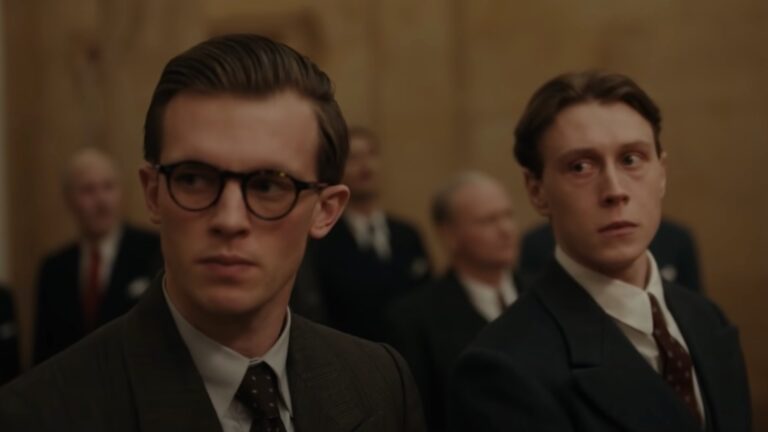
Based on the 2017 historical novel Munich, written by Robert Harris, Munich: The Edge of War introduces us to friends Hugh (George MacKay) and Paul (Jannis Niewรถhner) , a British and a German who are graduating from Oxford in 1932, and are enjoying their last days of college together before they go their separate ways out into the world. Six years later, the friends are in very different places and the world is a very different place. Hugh is working as the executive assistant to British Prime Minister Neville Chamberlain (Jeremy Irons) and Paul is a diplomat who is in the new German Chancellor Adolf Hitlerโ€™s inner circle. Despite being trusted by Hitler, Paul is not as trusting of the new German leader, especially as he senses his larger global aspirations. Meanwhile, Prime Minister Chamberlain is being pressured as to how to handle Hitlerโ€™s threats towards Czechoslovakia, whom Hitler feels is a territory that rightfully belongs to Germany. As Chamberlain grows closer and closer to allowing Hitler to take Czechoslovakia if it promises an end to any future war, Paul decides he needs to reach out to Hugh to see if he can convince Chamberlain to see Hitler for what he really is and to not agree to any such arrangement. Can the fate of the world be altered by two idealistic friends who dare to wade into very deep and dangerous waters?

If only the film were that exciting. While screenwriter Ben Power does his best to set the scene for Chamberlain to make his ultimate decision in a dramatic way, the film unfortunately fails to rise to the espionage thriller that it tries to be. The whole conflict, and thereby the tension, rests in the can-they-do-it nature of the plot, but because we know how things play out, we know they fail before they even try. So, to compensate for the lack of any true narrative drama, Power drives hard into the philosophical questions and hesitations, particularly for Chamberlain, a figure that history has ultimately not judged kindly. Irons does well to reflect how Chamberlainโ€™s good intentions are subverted by his naivetรฉ, which allows him to fall prey to Hitlerโ€™s bad intentions and inauthentic promises. But it only makes you long for a deeper dive into Chamberlainโ€™s gullibility, making you wish the filmmakers had utilized the actor they had in Irons to really explore and illuminate Chamberlainโ€™s motivations, especially since his actions resulted in such catastrophic consequences for the entire world.

Instead, Munich: The Edge of War chooses to focus the most on Hugh, a typically British stuffed shirt devoid of any true emotion other than general bewilderment. He supposedly engaged in enthusiastic political and philosophical debate with Paul when they were in college, but you wouldnโ€™t know it seeing Hugh behave like a wet noodle both at work and at home, where his wife and child hardly even know him. Itโ€™s the most frustrating to see Hugh come to life around Paul but completely apathetic and useless everywhere else. If thereโ€™s something about Paul that particularly lights a fire under Hugh, that would have been nice to explore. In fact, that may have made a better film; but instead, Hugh comes across as little more than a plot device.

Power and Schwochow save their best for Paul, who is the far more interesting and charismatic character. While George MacKay may be the more familiar actor, Niewรถhner steals the show with his much more compelling performance as Paul, a patriot who is legitimately fearful of what is coming if nobody stops Hitler. While itโ€™s easy to root for the one guy in the movie who sees Hitler for what he is, Niewรถhner manages to paint just enough shade in his character to make us question his own motivationsโ€”are they personal, or are they political? Does it even matter? Paulโ€™s anguish at his own lack of courage speaks volumes, and serves as a moving stand-in for the world as a whole, who may have known what Hitler was, but was too fearful, hesitant or naรฏve to take action against him when it mattered most.

There is much to salvage in Munich: The Edge of War, once you get used to its languid pace and dry, philosophical bent. It can even be forgiven for wasting the great August Diehl in yet another stereotypically evil Nazi (is there another kind?) role. But one canโ€™t help but see the film as an opportunity wasted to explore much more deeply a figure and a moment in history that may be largely misunderstood.ย  Hindsight allows us to easily spot heroes and villains in history, but the much more interesting tales to be told are those that arenโ€™t as clearly defined. Perhaps a tale of those who made wrong decisions for the right reasons and those who hesitated in the face of incalculable consequence. Munich: The Edge of War comes close, but, in the end, leaves too much still to be told.


Grade: B-

Criterion Collection: January 2022

It is a brand new year and a new generation of movies are going to be inducted into the Criterion Criterion Hall Of Fame. The opening month is a great batch to release with 4 of the 5 films being released from 1993 onward. Only one film is getting the rechristening while the rest are newcomers; including two recently made documentaries, a groundbreaking drama that began a movement, and the breakout film that made Jane Campion an international star director. They are amazing films, all of which are not really obscure, and a great way to start the year. Also, I turn 32 years old. Can anyone buy me one of these as a gift? Blu-Ray? Please?

A Hard Day’s Night (1964)

The one re release, courtesy of 4K UHD, is the introduction to Beatlemania with the quad in their youth; boyish charm running away from flocking girls, and getting into some fun trouble in Richard Lester’s hype-making film. It was written, shot, and released in a short period, capturing the entire frenzy the world was in with the band’s legendary songs including the film’s title, โ€œCanโ€™t Buy Me Loveโ€ and, โ€œI Should Have Known Better.โ€ It would be the first of several movies by the band and Lester would also direct their follow-up, Help!ย 

The Piano (1993)

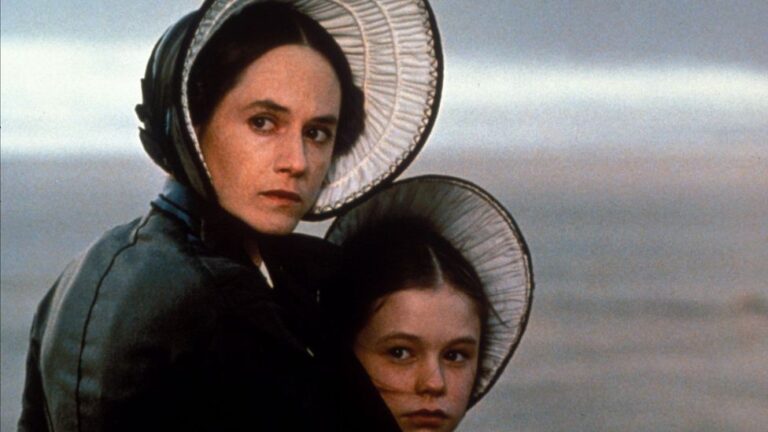
Jane Campion had already producedย Sweetieย andย An Angel At My Tableย to critical acclaim, but it was her Palme d’Or, Oscar-winning romantic drama that cemented her reputation. Holly Hunter won her Oscar as a mute woman sent to colonial New Zealand in an arranged marriage, only to fall hard for a Maori native (Harvey Keitel). Anna Paquin, then just a little girl, played the mute’s daughter who translates her sign language and she would win a surprising Oscar, the second youngest in competitive history. Its erotic passion, amazing scenery, and Michael Nyman’s haunting piano score package the picture as one of the best films in the 1990s.

The Celebration (1998)

Writer/director Thomas Vinterberg and friend Lars von Trier established the Dogme 95 movement from their native Denmark where they followed certain rules in their movies to keep it traditional and not reliant on advanced technology. In other words, just a camcorder. Vinterberg would release the first film from this movement, a darkly comic tragedy about a family getting together for the patriarch’s sixtieth birthday when his son gives a speech – and drops a bombshell accusation which creates a stream of emotional bedlam amongst the wealthy. It would win the Jury Prize at Cannes, starting a string of hits that finally cashed in twenty years later with his Oscar-winning Another Round.

Dick Johnson Is Dead (2020)

Kirsten Johnson makes her documentary into a form of pre-grieving the death of her father – who is still alive and cooperative in this movie. He is a widower who retires after he is diagnosed with dementia. While he can still remember things, the father and daughter play fantasy about how he could possibly die (falling down the stairs, hit by a falling air conditioner, heart attack) and what it would look like at his funeral and when he reaches heaven. It’s very touching and creative, taking an original route to something every person has to deal with; the death of a loved one, especially if it’s a parent you are particularly close to. It was criminal that it was snubbed at the Oscars.

Time (2020)

That same year withย Dick Johnson, a very real, heart wrenching documentary about love and injustice that the Academy did nominate. It follows a woman, Sibil Fox Richardson, who fights for the parole of her husband serving a lengthy sentence for armed robbery in prison. She herself took part in the crime and only served less than four years; raising six children on her own and became an activist as a prison abolitionist. Director Garrett Bradley puts together a story of how punishment is corrupt while devotion separated by plexiglass does not deter one woman’s fight for a fair and just system that can bring back her husband to freedom.

Follow me on Twitter: @bsusbiellesย (Cine-A-Man)

Op-Ed: AFI’s 100 Years…100 Passions – ‘The Awful Truth’ (#77)

I will be watching and reviewing all of the films included on AFIโ€™s 100 Yearsโ€ฆ100 Passions list. The list contains the 100 greatest love stories in American cinema and I plan to consider how our views on romance and social issues have changed over the years as well as judge whether the romances in these films actually made me swoon. As a fan of the romance genre, I expect to love each and every one of the nominees but I also donโ€™t know if I would consider all of them romantic.

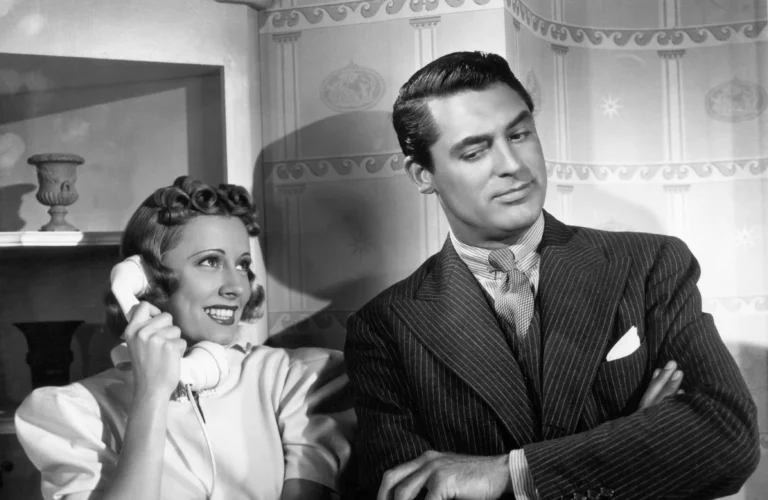
Itโ€™s difficult not to view The Awful Truth (1937) as a footnote in the glittering careers of Leo McCarey, Cary Grant, and Irene Dunne. For Grant and Dunne, this was just one of many romantic comedies that they churned out in the 1930s. For McCarey, it was the lesser of the two films that he made in 1937. When he won an Academy Award for directing The Awful Truth, he bashfully stated โ€œI want to thank the Academy for this wonderful award, but you gave it to me for the wrong picture.โ€ He was more proud of his work on Make Way for Tomorrow (1937), a highly acclaimed domestic drama that garnered positive reviews from the likes of Orson Welles and Errol Morris.ย 

I would love to sit here and tell you that The Awful Truth is an underrated classic that deserves more attention from modern viewers but, if Iโ€™m honest, I have to admit that it isnโ€™t the most memorable romantic comedy ever made. Most entries in the genre follow the same formula but The Awful Truth fails to put a fresh spin on a tale as old as time. Viรฑa Delmarโ€™s screenplay tells the story of two wealthy socialites who find themselves drifting back together whilst going through a trial separation. Jerry Warriner (Grant) is a lazy sports fanatic who irritates his wife Lucy (Dunne) by being too uptight and suspicious. She is a bubbly, carefree social butterfly who provokes her husbandโ€™s ire when she ends up in a compromising situation with her music teacher. They decide to get divorced because of these conflicts and end up dating other people during their separation period. Lucy becomes especially concerned about losing Warriner to one of his girlfriends and resolves to win him back.ย 

McCarey seemingly endeavoured to give the film a bit of extra sparkle by incorporating bizarre scene transitions into an otherwise ordinary plot structure. As with so many romantic films made under the Hays Code, the filmmakers had to find a creative way to subtly incorporate sexual innuendo into scenes that would have featured nudity or passionate smooching in the Pre-Code era. The Lady Eve (1941) featured many references to Henry Fondaโ€™s โ€˜snakeโ€™ and It Happened One Night (1934) got away with showing off Clark Gableโ€™s bare chest, but The Awful Truth might have been the first film to try to make cuckoo clocks happen.ย 

I suspect that most people would be creeped out by the image of anthropomorphised wooden dolls heading into a bedroom to have sex, but McCarey and Delmar seemingly thought they were onto something here. They wheel out jokes involving the wooden doll versions of Warriner and Jerry every thirty minutes and none of them hit. They try to find the perfect balance between sexy and sweet, but end up missing both targets by a country mile.ย 

McCarey also favoured improvisation on set and liked to produce free flowing, loosely structured comedies. He would treat scenes like vignettes and many of his greatest successes focused on the ebb and flow of relationships between stubborn individuals. Editor LeRoy Stone frequently collaborated with McCarey and he found a way to forcefully bring together the divergent themes and plotlines found in Going My Way (1944). Stoneโ€™s editing style helped to paper over some of the gaps that could be found in McCareyโ€™s construction of certain scenes. Al Clark did not have as much experience working with McCarey and their different aesthetics never really mesh together effectively. Clarkโ€™s editing would seem to suggest that this is a witty, fast paced screwball comedy that is packed with jokes. McCareyโ€™s direction favors elaborately written jokes that are enhanced by cutesy camera movements. The spontaneous quality of Grant and Dunneโ€™s performances was diminished by the quick, jaunty cuts that Clark introduced into scenes that would have functioned better if they hadnโ€™t moved at a rapid fire pace.ย 

All of the pieces function on their own but they never add up to anything great. Grant and Dunne are mismatched as a romantic pair and, to be quite frank, they canโ€™t hold a candle to the iconic movie star pairings of the genre. Their discord feels representative of the filmโ€™s general flatness. It wants to be cheeky and daring but it always feels like it’s playing it a little too safe. It was clearly intended to serve as a follow-up to other successful screwball comedies that dealt with similar themes and it does end up having a paint by numbers quality. This is why it never firmly establishes its own identity. It remains in an arrested development of sorts, as the filmmakers try to figure out whether they want it to be the next Theodora Goes Wild (1936) or the latest in a long line of films that gaslight the audience into believing that Grant was in any way handsome or desirable.ย 

It pains me to be so dismissive of such a modest, un-bombastic production. So much of the list is filled out with films that are too big for their own good. Amidst all of the technologically innovative disaster movies and travelogues that are supposedly about the Russian Revolution, this film ends up looking like an inspired choice. It does feature the dreaded Grant but itโ€™s still slightly different to a lot of the other selections that they made. In its own way, it is a noble failure.ย 

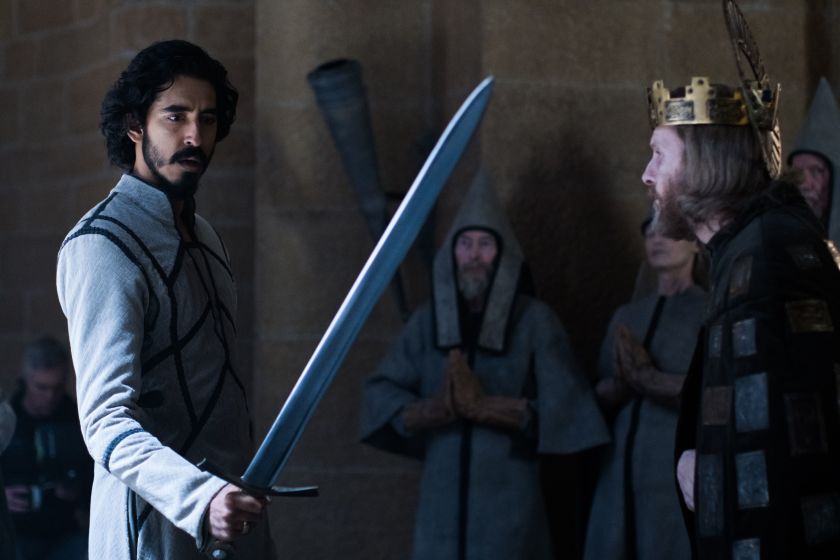
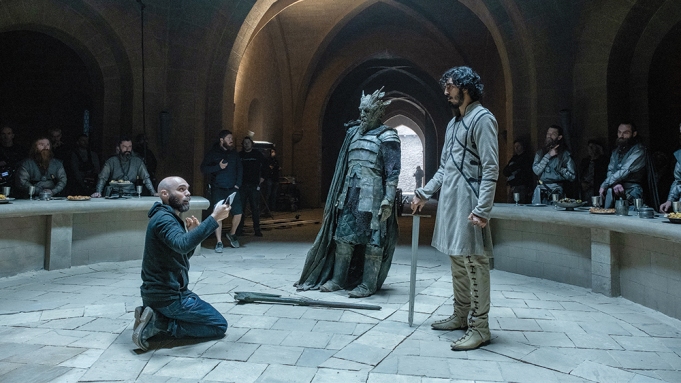
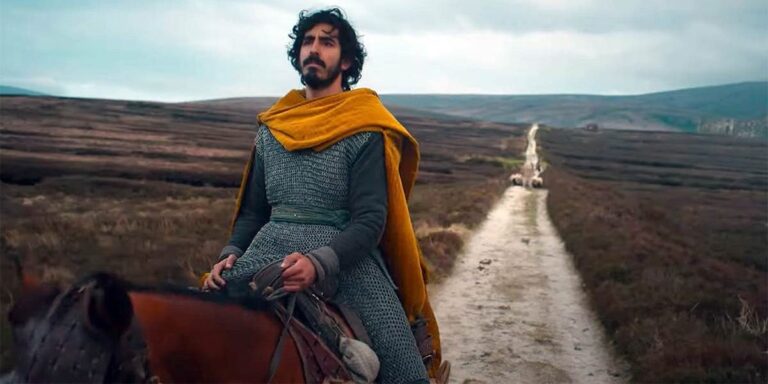
Chasing The Gold FYC: ‘The Green Knight’


Awards Season has started up again, and, as usual, the discussion has been centered around recent releases from prestigious directors. Since the Telluride Film Festival in September, Kenneth Branaugh’s crowd-pleaser Belfast has been heralded as a front runner for Best Picture. And with each new release, there has been a discussion of whether those films could knock Belfast off of its pedestal. In the past two weeks, Nightmare Alley, Don’t Look Up, Being the Ricardos, and Licorice Pizza were all discussed as potential Oscar nominees. And this week, with the release of Spiderman: No Way Home, and its critical reception, many have started discussing possible awards possibilities for the films. And while these are new releases, I think it’s important to look back at the year as a whole when discussing potential nominees, and not just fall and winter releases.

While For Your Consideration pieces typically center on one aspect of a film, The Green Knight is a film so impressive that it deserves consideration for numerous awards. These are both above and below the line awards, thanks to the meticulous work of Director David Lowery and the technicians that worked on the film. Itโ€™s a monument to what the hard work and talent within the film industry can accomplish, and worth remembering and considering in this year’s awards season.ย 

Best Adapted Screenplay


The Green Knight, directed by David Lowery (A Ghost Story, Pete’s Dragon) is a retelling of the Arthurian legend of Sir Gawain and the Green Knight. Itโ€™s a story that isnโ€™t new to the medium of film, with four other adaptations of the poem. What makes Loweryโ€™s film special is the deviations he makes to the typical adaptation structure, adding in many tests for Sir Gawain to prove his honor, leading to a finale that leaves the audience with precious few answers. These differences come from the filmโ€™s screenplay, also penned by Lowery. The screenplay is fascinating to me, because of how it splits the film into chapters visible to the audience. Each chapter tests Gawain on one of the tenets of chivalry. And for each test, Gawain is found to be a failure. When tested on his generosity, Gawain doesnโ€™t naturally spare the poor kid a coin. When tested on his courtesy, Gawain seeks something in return for retrieving a spiritโ€™s dislodged head. When tested on his virtue, Gawain allows the advances of the Lady in the house in exchange for a girdle. When tested for his honor, Gawain lies to the Lord and doesnโ€™t present the Girdle given by the Lady. And when tested for his bravery, Gawain fails in front of the Green Knight, flinching, and running away from the axe of his rival. These are the failures of Sir Gawain, and yet, the audience may never realize that is his failure. The themes of the Green Knight are packed into both the dialogue between characters and the greater structure of the film as a whole, which is an impressive feat worth recognizing.ย 

Best Leading Actor


The Green Knight is a story based around the character of Sir Gawain, a knight whose actions are contrary to the nobility thrust upon him. As noted earlier, the chaptered nature of the film draws attention to each of the challenges that Sir Gawain must face, and Gawainโ€™s failures. Those failures create a distance between the character and the audience. Only through Dev Patel’s performance are we able to empathize with Sir Gawain.ย 

Patelโ€™s performance is masterful from front to back. The first impressive element of this performance stems from the dialogue style of Loweryโ€™s screenplay. Itโ€™s a mix of old English and modern, spoken as if it were poetry, which can be difficult to deliver. And yet, Patel delivers each line with purpose, adding the proper vocal inflection to make its meaning clear despite its nature. Patelโ€™s posture and facial expressions continue to enhance his performance throughout the film. Whether Gawain is a stumbling drunk, an ambitious young man with something to prove, or a scared knight walking to his death, Patel delivers these flawlessly. There is no doubt in my mind that these emotions belong to the same Knight of the round table. And I think the final chapter perfectly shows Patelโ€™s abilities, as we watch Gawain return home and become an emotionally disconnected king. It’s the work of a true craftsman to create a character that we continue to rally behind in spite of the characterโ€™s dishonorable deeds, and Patel excels at this.

Best Original Score


Of course, I would be remiss if I did not mention Daniel Hartโ€™s mesmerizing score for the film. The Green Knight is a road movie, and the score works overtime to set the tone for this journey. The stellar mix of vocals, stringed instruments, as well as synths, create a rhythm for the ongoing journey. Itโ€™s a score both haunting and comforting, pulling you forward, despite the oncoming doom. And yet, I am most impressed with the scoreโ€™s role in the film. The film isnโ€™t permeated with dialogue, as Gawainโ€™s travels take him away from society, into the unknown path towards the Green Chapel. But the film is never silent. Hartโ€™s score conveys the emotions of Sir Gawain as he journeys forward and enables the audience to mull over what has occurred. For a film with a dense style of dialogue, these moments with Hartโ€™s score are crucial to keep the audience both engaged and understanding the preceding events.ย 

Best Costume Design


Typically, period pieces dominate awards season when discussing the costume design and hair and makeup categories. The Green Knight may not be a period piece, but I think its costume design is truly fundamental to the film. Where the traditional tales of King Authur have its titular character leading in youth, with energy and ambition, the Green Knight exists in the peaceful times of Authurโ€™s kingdom. While this has oft been a major discussion point for characters in previous adaptations, here, Lowery has chosen to convey this to the audience through the character designs of various characters in the film. Authur and Guinevere may be dressed regally, but the costumes lacking color perfectly shows how they have aged. Megara isnโ€™t mentioned by name in the adaption, but the costumeโ€™s eerie similarity to the old woman at the house creates a connection between the two in the story. Dev Patel has never looked better on screen, being the only youthful knight in a world of knights of valor who are no longer fit for combat.

This is further emphasized by the dual role of Alicia Vikander, who plays both Gawainโ€™s commoner love interest Essel, and the Lady at the house. Her costuming perfectly shows the difference between the characters, with Esselโ€™s cut hair and clothing displaying her common nature, and with the Lady having longer, braided hair and a noble dress. It perfectly highlights Gawainโ€™s conflict between the responsibilities thrust upon him, to marry someone noble, and his desire to be with Essel. These are conveyed through the costume, hair, and makeup design. Itโ€™s expertly done, and worth considering in the awards season.

Best Visual Effectsย 

The Green Knight has some of the most seamless visual effects in a film in a long time. Between the sequence in the woods that reveals the death of Gawain and the reveal of giants in the second act, this film has some exemplary visual effects. Even the talking fox is integrated perfectly into the film, being a character that has tangible weight and believability despite being completely fictional.ย 

But the best example of this film’s visual effects stems from the second chapter of the film, โ€œOne Year Hence.โ€ This sequence is told primarily through a puppet show, depicting the legend of Sir Gawain, who at the Kingโ€™s Yuletide, slayed the Green Knight with Excalibur. Itโ€™s a simple sequence that is incredibly engaging, as we watch the story unfold with the sound of wooden puppets and Daniel Hart’s score filling our ears. It conveys the dread Gawain feels expertly, with expert precision. Itโ€™s for this reason that I think these VFX are worth nominating, because they are full of greater meaning and crafted perfectly.ย 

Best Film Editing


The Green Knight was edited by David Lowery. I have already mentioned the power of the final chapter in the film, โ€œThe Voyage Homeโ€ when discussing Dev Patelโ€™s work as Sir Gawain. And that sequence is the standout editing moment of the film as well. The montage sequence shows us who Gawain becomes through cowardice, and its focus on the green girdle is phenomenal. But itโ€™s not just in the show stopping moments that the editing stands out. This film could very easily become a poorly paced road movie. The chapter breaks and worldbuilding could disengage the audience. But this doesnโ€™t occur in The Green Knight. Rather, the chapter breaks pull the audience in. The world building allows the audience to think over what has occurred, while being magnificent in its own right. The structural editing is further enhanced by the film’s momentary editing, which propels each moment forward, alluding to the higher purpose of Sir Gawain.ย 

Best Cinematography


In recent times, the word cinematography has been thrown around with little meaning attributed to it. For most people, its meaning is built on the beauty inherent in a filmโ€™s shots and shot composition. However, I think a simpler meaning is seeing what each shot visually tells the viewer. How the lighting, framing, and camera placement tell a story. And to that end, The Green Knight is an Oscar Frontrunner for best cinematography. Cinematographer Andrew Droz Palermo uses the camera to both convey the otherworldly nature of the fantasy world, as well as the challenges facing Sir Gawain. Some examples of the film’s best cinematography can be seen in the opening title sequence, as we zoom away from a noble commoner heading into battle, towards the passed out, drunk Gawain who is late for mass. Itโ€™s a fitting juxtaposition of who Gawain is; it shows that Gawain lacks nobility better than any dialogue can tell. The cinematography holds so much of this film’s meaning, and has so much depth that it requires multiple viewings to fully comprehend. Itโ€™s magnificent work, that also looks gorgeous, and is worth a nomination.ย 

Best Directing

It should come as no surprise that I think David Lowery is worthy of a best director nomination. His fingerprints are all over this project, in every aspect of the film’s production. He wrote the script, directed the shooting, and edited this film, as well. But most telling to me is in the quality of the performances within The Green Knight. Dev Patel is a standout performer here, but the supporting cast is giving their all. Alicia Vikander plays two characters effortlessly, Barry Keoghan is a haunting presence for the five minutes we see of him, Sean Harris is a fascinating King Authur, and Ralph Inesson is an imposing Green Knight. The line delivery never falters despite its writing style, and the emotions and ideas proposed by characters radiate off of their actors perfectly. That is the sign of a great director to me, working with a great cast to create performances that anchor the film’s narrative. Plus, Loweryโ€™s work behind each aspect of the filmmaking process is incredible. Itโ€™s a sign of an auteur loving his craft, and I think it is worthy of a best directing nomination.ย ย 

In conclusion, The Green Knight is one of the yearโ€™s greatest films released. The craft on display creates meaning, and should be celebrated and remembered for years to come. Itโ€™s a film worthy of a best picture nomination, and I hope this article convinced you to give it another watch.ย 

Chasing The Gold FYC: Tessa Thompson – Best Actress, ‘Passing’

0

Using the word “chameleonic” is often a way for a writer to express how an actor on screen differs from their previous roles, the roles they’re known for, the roles that define how an audience sees them. It’s also a signifier to the reader that this actor is going above and beyond, doing something they’ve not done before. Though, when every role in an actor’s oeuvre is a rich tapestry to showcase the performer’s talent, it’s much harder to come up with a term. How does a writer define an actress as indefinable as Tessa Thompson?

More often than not, there are character traits Thompson has been drawn to as an actress. Thompson often plays bold, outspoken, fierce women who can wither someone with a glance or a choice barb. She moves from role to role effortlessly, but she’s such a force that it’s rare to see the character behind the dynamic actress portraying her. We always understand her as Tessa Thompson after the lights come up.

That’s what makes Thompson’s performance in Passing so engrossing and worthy of praise. She’s able to be Irene. The layers upon layers of who Irene is, who we suspect she is, and who she presents to the world are all at play in Thompson’s performance. Even the meaning behind the word passing shifts in Thompson’s capable hands. There are moments that play out across her face that are an entire unspoken subplot. It’s obvious from the first looks she shares with Clare, played brilliantly by Ruth Negga, that Irene is in love with Clare. Irene’s jealousy, covetousness, and desperate need when it comes to Clare play out in glances. Without uttering a direct word, Thompson is able to convey the anguish every queer, questioning, and LGBT+ person has gone through when they can’t be with the person they want to be with.ย 

In the brilliant dance hall scene, while Irene holds Clare’s hand, it’s almost like there may be hope. It’s as if there could be a true connection between them understood by both parties. As the two of them look in each other’s eyes, an understanding emerges. Then when the hands part, the heartbreak is all too real, the pain is palpable as we see every anguished beat of it come across effortlessly in Thompson’s facial expression.

Tessa Thompson has had many roles worthy of recognition. From Dear White People to Creed, from Sorry to Bother You to Thor: Ragnarok, but to pass up her work here would be a mistake. It would be to dismiss one of the most beautifully layered performances of the past year, one that will have meaning to so many people in so many different ways.