Home Blog Page 161

Podcast: Solaris / Jackass Forever – Extra Film

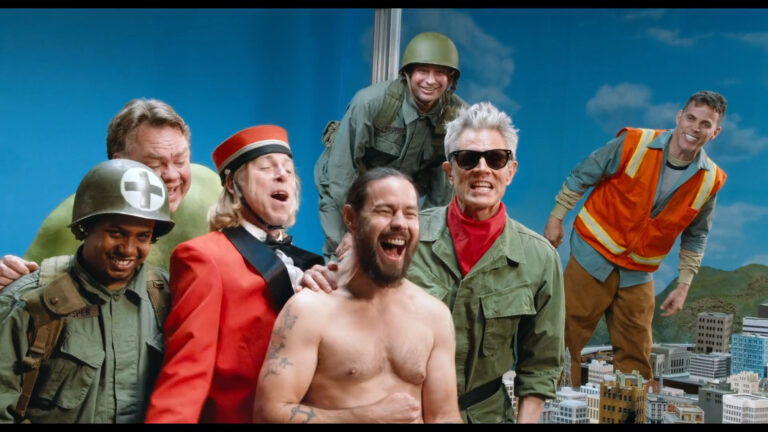
This week on Extra Film, Ryan and Jay are joined by Next Best Picture’s Cody Dericks to continue their Steven Soderbergh Movie Series with Solaris, and then they discuss the latest comedy, Jackass Forever!

After the success of Ocean’s 11, Soderbergh subverts expectations and remakes the sci-fi classic in Solaris. Bringing in his frequent leading man in Clooney, he doesn’t remake the original film, but rather does his take on the original book and makes the property his own. Ryan, Jay, and Cody have a fascinating conversation over the film and where the director is at during this time of his career.

In the back half of the episode, the boys dive deep into Jackass Forever. A property that is near and dear to Ryan and Jay’s generation, they talk about the latest entry and the franchise as a whole and where they want to see this go from here.

Thanks for listening!

– Movie Review: Solaris (3:21)
Director: Steven Soderbergh
Screenplay: Steven Soderbergh
Stars: George Clooney, Natascha McElhone, Jeremy Davies, Viola Davis

– Movie Review: Jackass Forever (1:03:06)
Director: Jeff Tremaine
Stars: Johnny Knoxville, Steve-O, Chris Pontius, Dave England, Wee Man

– Music
Is That What Everybody Wants – Cliff Martinez
If Your Gonna Be Dumb… – Roger Alan Wade
The Return of the Eagle – Atli Örvarsson

We try to make this the best movie podcast we possibly can and we hope you enjoy them. Subscribe today on iTunes, Spotify, or Stitcher, and please leave us a review on iTunes. You can also find us on Soundcloud, PlayerFM, and TuneIn Radio as well. We really appreciate all your support of the InSession Film Podcast.

Subscribe to our Podcasts RSS
Subscribe to our Podcasts on iTunes
Listen on Spotify
Listen on Stitcher
Solaris / Jackass Forever – Extra Film

[divider]

To hear this Extra Film episode and everything else we do, download our apps on the Amazon Market for Android and the Podcast Source app on IOS devices. The mobile app covers all of our main shows, bonus podcasts and everything else relating to the InSession Film Podcast. Thanks for your wonderful support and for listening to our show. It means the world to us.

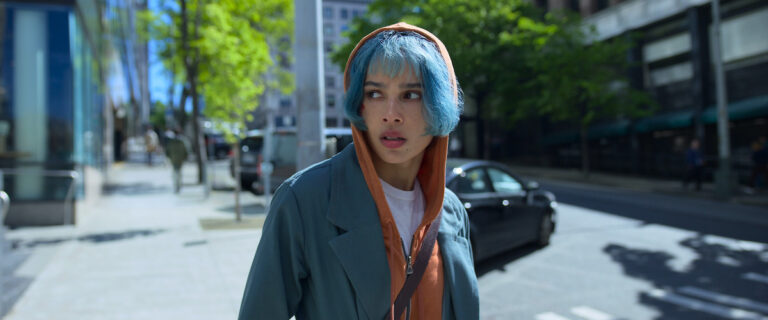
Movie Review: With ‘Kimi,’ Soderbergh uses the pandemic to tell a story about paranoia with technological privacy


Director: Steven Soderbergh
Writers: David Koepp
Stars: Zoë Kravitz, Rita Wilson

Synopsis: An agoraphobic Seattle tech worker uncovers evidence of a crime.


Although there have been numerous rumors and threats of retirement, Steven Soderbergh, aka one of the hardest working directors in Hollywood, keeps delivering one interesting work after the other while still examining different filmmaking styles. He also stated in 2018 that he wanted to shoot films only on iPhones and was done with directing studio movies. Nonetheless, we are all here for whatever he decides to do (except if it involves the Oscars; we don’t want a repeat of the 2021 awards). During these pandemic years, Soderbergh has been keeping himself busy by doing some straight-to-HBO MAX movies, including Let Them All Talk and No Sudden Move. The quickly working auteur is now back with Kimi, a Zoe Kravitz-led thriller that runs with the pandemic backdrop. And although I’m a bit tired of films set during this reality that everybody would like to escape from, its approach to paranoia and technological privacy keeps it entertaining and thrilling. 

Set in Seattle, the movie follows an agoraphobic (a type of anxiety disorder in which a person fears and avoids places and situations that make them feel trapped or panicked) tech worker Angela Childs (Kravitz), who works from her home office for the Amygdala Corporation (named after the part of the brain that helps process memories and fear). During one of her data stream runs, where she oversees and fixes order errors on the KIMI apparatus (a replacement for Alexa), Angela discovers evidence of a violent crime. She seeks help from some of her friends and networking accomplices to get access to the whole voice files/commandments. However, when she tries to report her findings to the head of the company, Natalie Chowdhury (Rita Wilson), Childs is met with resistance and the red tape of bureaucracy. The only way to find the truth is by facing her greatest fear, venturing out of her apartment, and wandering through the city streets. 

With Kimi, Soderbergh wants to do his stripped-down version of Hitchcock’s masterpiece Rear Window, as well as a film that emulates some of Brian de Palma’s work (Blow Out and Body Double), while adding a bit of a Black Mirror-esque narrative about privacy within technology. It may seem that there isn’t much of a purpose, only for it to be a modernized copy of the mentioned flicks, but Soderbergh knows how to keep viewers engaged with his directorial style and MO. His latest has many similarities with his 2018 shot-on-iPhone flick, Unsane. Not only do both have a made-on-the-fly approach and technical limitations (Unsane was shot on an iPhone, while this one had pandemic setbacks), but their narratives have psychological thriller underpinnings centered around female leads. Both make great use of their tight and claustrophobic settings, one way or another; in Kimi, Soderbergh chose different methods to tackle the inside and outside world of the lead character, which intertwines with her mental state as the story progresses. 

Angela’s apartment uses many forms of shadows and bright lights; the only brightly lit segments are her home office and bedroom, while the other parts of the house are more darkened. And in terms of the camera style, it appears to be more open and breathable since Angela feels safer staying in her apartment rather than going outside. In the first act, each time she sticks the key into the door as an attempt to go outside, a lengthy and pulverizing ring is heard. This emulates the tension of what may come for her once she ventures outside and faces her biggest fear. On the other side, the outside world is much more confined, and the camera is way up in your face. The handheld shots (that on occasions sway from left to right yet remain close to Angela) cause a feeling of disorientation and bewilderment, helping the audience get into her headspace; Soderbergh’s intent of shooting it like a horror movie is evident. In addition, Soderbergh raises the sounds, so you can hear each step, conversation, and other types of things louder as the thrills and stakes increase. 

As enjoyable as this Blow Out-meets-Black Mirror-esque thriller is, it does have some drawbacks relating to the screenplay from the frequent Steven Spielberg collaborator, David Koepp (Jurassic Park, War of the Worlds, Kingdom of the Crystal Skull), and its final act. Koepp’s script is relatively weak when it comes to dealing with the more challenging topics that the film talks about (agoraphobia, sexual abuse, homelessness, and big tech concealments), even if it is at the minimum. Although that might help elevate the mystery at play, it doesn’t do anything with those themes, and it is never applied to the characters involved. Regarding the last act, the pacing and direction seem too careless and uncoordinated. It is well packed together, with its 89-minute runtime, but a couple of minutes could have been added to develop the finale better as it currently appears rushed. Nevertheless, these issues aren’t total anchoring flaws that ruin the entire movie because there is still a lot to enjoy: the Soderberghian aesthetics, Kravitz’s punky performance, and its quick-and-easy runtime. Even though this may not be the best out of his most recent work, I think that title belongs to No Sudden Move, it has enough strong elements to remain an appealing watch. “KIMI… play “Sabotage”!”

Grade: B-

Classic Movie Review: ‘The Little Foxes’ Remains a Timely Character Study

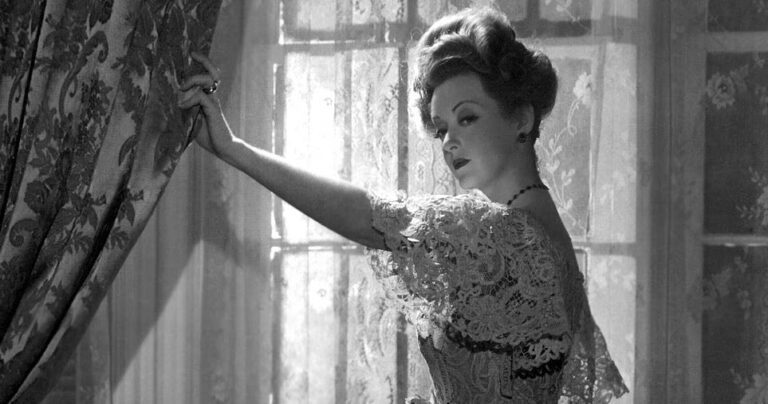
Wannabe southern belle Regina Giddens (Bette Davis) will use anyone to orchestrate her climb towards more wealth – including her wheelchair bound husband Horace (Herbert Marshall) and their growing daughter Alexandra (Theresa Wright). Regina’s brothers Ben (Charles Dingle) and Oscar (Carl Benton Reid) inherited the Hubbard and Sons family industry, but Regina intends to get more than her fair share via a prospective mill deal. Amid banking scams by nephew Leo (Dan Duryea) and drunken warnings from sister-in-law Birdie (Patricia Collinge), Regina lays on the charming calculations to assure she’s the last one standing.

William Wyler (Ben-Hur) directs The Little Foxes, the 1941 adaptation from Lillian Hellman (These Three) based upon her acclaimed play of greed and bitterness in the turn of the twentieth century South. Titular Song of Solomon 2:15 quotes, genteel protocols, Gibson Girl style, and a carriage ride through the Spanish moss set the scene. However, the shouting across the street introductions remain dated and stage-like when the first ten minutes could have been skipped in favor of opening with the delicate, in business only for profit dinner. Domineering, wealthy men think they are the best, and women in this world are either made meek or need equal guff. With such off-putting attitudes, poorly treated Black servants, and cotton mill investments, one might understandably think The Little Foxes was set fifty years prior if it wasn’t for the slim ladies’ silhouette. Unlikable people regale past grandeur, laughing about first cousins marrying to keep the cutthroat terrible all in the family behind their fancy facade. Nonchalant men in the bathroom plot to steal bonds and safety deposit boxes, and excellent mirror on mirror conversations reflect their duplicity. Unique camera angles and visual layers assure the conspirators don’t actually look each other in the eye while the razors are upon their necks. Front rooms and background interiors allow actor movement while curtains, shadows, and staircases provide places for the waiting in the wings drama to crest beneath the sparkling chandeliers. Sick relatives are pressured into immediate deals in shouting arguments upstairs while parties below conceal suspicious asides and whispers. Siblings keep secrets and steal shares – ready to cut one another out or hope one will die soon. Loans, wills, and inheritances skip the wrong people amid lawyers, close calls at the bank, blackmail, and drunken regrets. The camera perfectly captures the coldheartedness as the back is turned toward the rainy window while the feeble suffer the disturbingly patient, fatal scorn. Trouble brings this family together, and death is a gain when the mere $75,000 investment escalates to seventy-five percent of all business. Double crosses and jail time threats culminate in having it all – but at what cost?

I always have to remind myself that Bette Davis did not win Best Actress here in her fourth of five consecutive nominations (or for All About Eve) after already winning for Dangerous and Jezebel. Regina hates conversation before a hot breakfast and diffuses terse business talks with good port. She’s had to earn everything in life through her father, brothers, or husband but yearns to travel and remains lonely for all the things she doesn’t have. Regina jokes with her brothers about what to do if they were filthy rich – deftly slipping in how she should have a larger share and making the men think it was their idea. Regina’ is always literally above others, thanks to the balcony or stairs as the camera angles let her loom large within the frame and take charge over the brothers pushed to the visual side. She placates one, then pits others against each other, for no one will interfere with the plans that will benefit her most. Regina’s almost admirable in demanding her due, but she only pretends to care for her husband and keeps the doors between their rooms closed. She reclines in style while others keel over, and Davis has full command of the period accessories – fanning and fluffing the gowns to accentuate as needed or perfectly conforming to the shape of the Victorian sofa. Sparkling black gowns and veils reflect her evening mystique while white frills are for her seemingly dutiful wife. Regina resents all the men in her life who gave her nothing and confesses complete contempt for her husband, but when she finally gets everything she wanted, what is there to show for it? 

While The Little Foxes goes overboard with his saintly scoring, Herbert Marshall’s (The Letter) sickly, kindhearted husband Horace deals with multiple medicines and a lot of cruelty. Visual parallels of his seated, inferior position better reflect his disinterest in making money off the backs of others. Horace doesn’t hate his wife only because he used to love her, but he’s glad to ruin Regina’s plans, and she despises him as weak with an unwanted touch in then provocative insults striking his manhood. Like her father, the little girl all grown up, soft glow angelic unaware is laid on thick for Teresa Wright as Alexandra. The nanny insists “Zan” brush her hair fifty times, and she doesn’t understand her uncle’s pressure to marry – drooling instead over a piece of cake, climbing trees, and still dressing like a child as if the character was meant to be much younger. Unchaperoned Zan is happy to bring her father home and take charge of his care, yet some of Wright’s scenes feel unnecessary. Rather than realizing the frigid twistedness, Alexandra only stands up to her mother in honor of her father after too many people give her the same hints.

It’s surprising that Wright was nominated for Supporting Actress compared to her subsequent Mrs. Miniver win, for Zan remains clueless to Richard Carlson’s intentions as poor newspaper man David Hewitt. The David character is apparently not in the source play, and the shoehorning shows in uneven scenes both golly gee innocent and older influencing pushing Zan to stand up for herself. Initially, Patricia Collinge (Shadow of a Doubt) as Aunt Birdie seems like a talkative busybody. She’s told to be quiet and apologizes for waking her husband early yet she is the one who comes from a more grand plantation past. Even those kind to Birdie roll their eyes at her old stories, never wondering why she is babbling sentimental before Birdie is cut off and corrected – accused as high strung, sulking, and difficult when she didn’t do anything wrong. The camera accentuates her tragic story as Birdie sits in a corner in the background, off to one side and made smaller as they laugh or dismiss her if acknowledging her at all. Her son steps on and rips her hem but keeps walking, so Birdie’s husband will make her adapt, and it’s shocking to see the slaps when domestic abuse was not often addressed on the silver screen. She thought her husband liked her but he only liked her plantation so now she drinks, despises her own son, and warns Zan not to end up like her. Collinge also played the role on stage and should have won the Supporting Actress Oscar for The Little Foxes, but unfortunately, she probably split the vote with Wright. Carl Benton Reid likewise transitions from the play as Oscar Hubbard, laying on the cotton history thick for their potential business partner before browbeating his wife and shaking hands with the brother-in-law he intends to swindle. Their banker son Dan Duryea is a creep, too, sneering that he could get up to a lot of naughty before scheming over safety deposit boxes and ultimately revealing his cowardice. Unfortunately, there is of the time Black subservience in The Little Foxes with servants portrayed as happy to know their place or treated as idiots who can’t remember or read when not gossiping about fancy guests and cold grits. Ironically, this secondary cast conveys the expected linguistic rhythms, for the main cast attempts no generic Southern accents and The Little Foxes never actually says where in the deep South we are.

Although nominated for numerous Oscars, The Little Foxes won none. Bitterness and abuse are surprising to see amid the Hays Code requirement to play up the innocence, but the corrupt reveling and one on one family malice are better than the superfluous young love scenes. The Little Foxes needed a tighter edit, and the pacing is uneven with the passage of time, travel, ages, and progressing illness unclear. These two hours will be slow for contemporary audiences expecting a scandal a minute instead of multiple back and forth scenes on the same deal. Fortunately, The Little Foxes is a character study waxing on a lifetime of gestating swindles. It’s of the time it portrays yet has an air of interwar superiority and older southern ideologies that read frightfully modern – making for a fascinating sociological rewatch.

Movie Review: ‘I Want You Back’ Offers a Great Cast & Sharp Writing

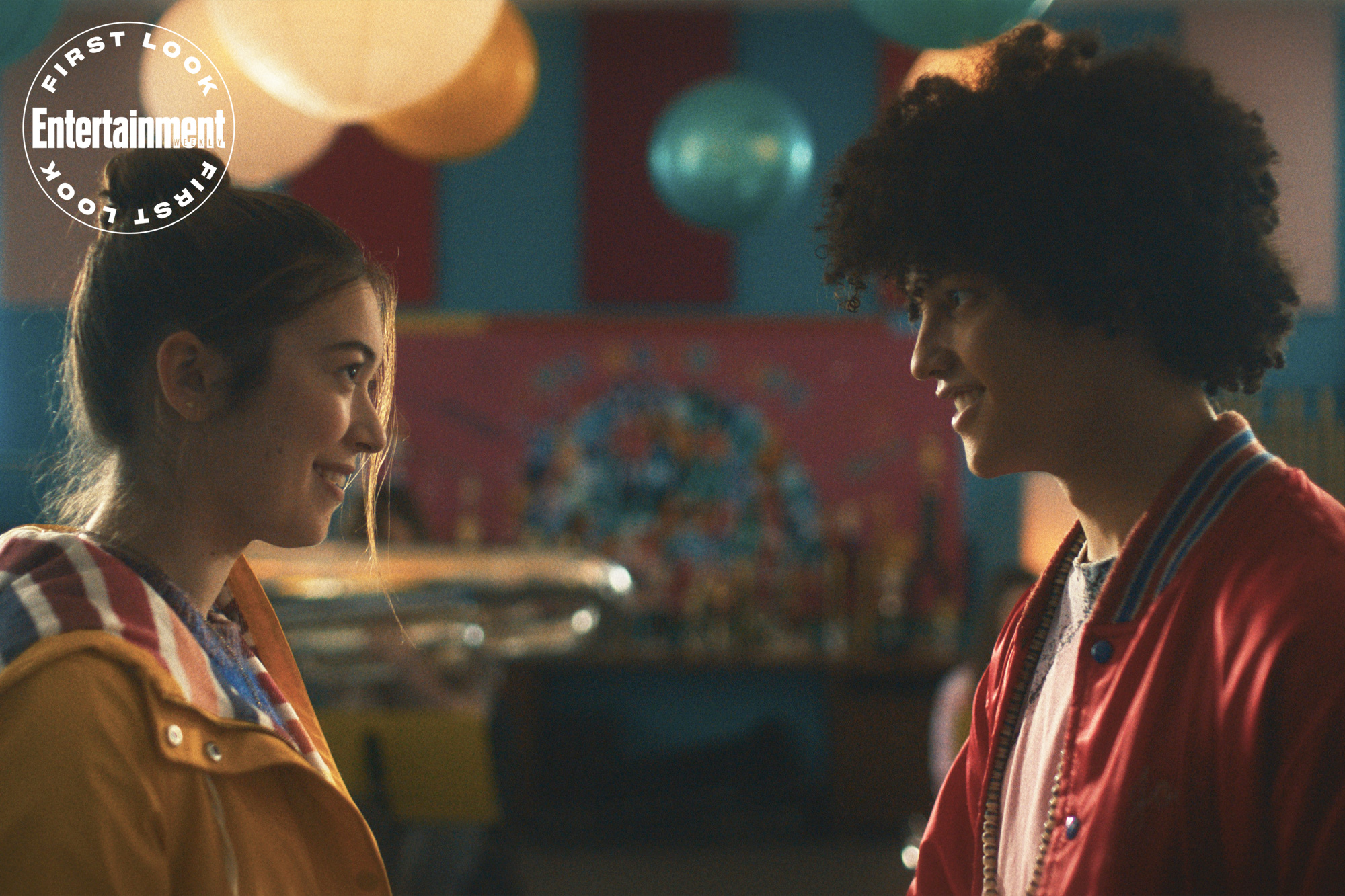
Most romantic comedies are, from the first few frames, quite predictable. Yes, Tom Hanks and Meg Ryan will eventually meet and fall in love; yes, Harry and Sally will eventually realize they are perfect for each other; yes, the ‘ugly’ girl will realize beauty is within and fall for the guy who believed in her the whole time. The outcomes are always fixed positions within the romcom formula. The magic isn’t in the structure, the story – always very similar – that’s being told: instead, the magic can be found in the chemistry of the leads. 

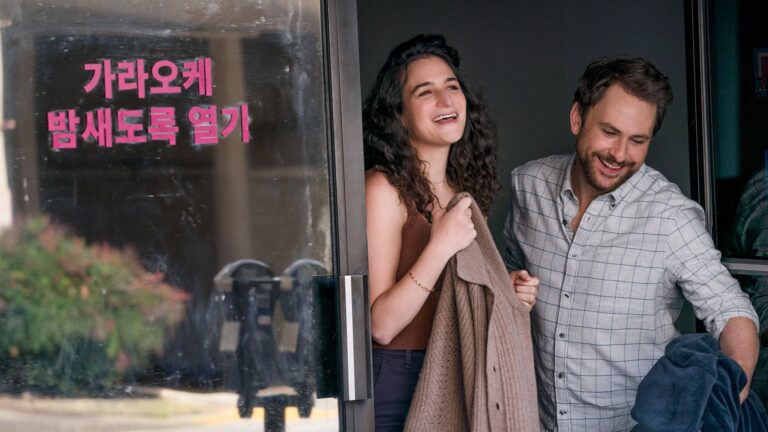
What is When Harry Met Sally without Billy Crystal and Meg Ryan’s electric chemistry? What is Sleepless in Seattle/You’ve Got Mail without Tom Hanks’ and, er, Meg Ryan’s easy charisma? A good romantic comedy lives and dies with its leads, and in Jason Orley’s I Want You Back, the leads ensure this movie not only lives but thrives. Charlie Day and Jenny Slate are both comedy stalwarts by now; he from his timeless run in It’s Always Sunny In Philadelphia, she from far more numerous projects including her time on SNL, Parks & Rec, Big Mouth, and Bob’s Burgers. Together they elevate what might’ve been a typical middle-of-the-road romcom into something more accessible and charming.

Peter (Day) and Emma (Slate) have never met, despite working in the same building. This all changes when they are both dumped by their respective partners and decide to hide out in the building’s fire escape. Peter tells Emma about Anne (Gina Rodriguez), his girlfriend of six years who dumped him quite suddenly, while Emma relates the story of how she was dumped by her boyfriend Noah (Scott Eastwood). They find comfort in each other, drinking their woes away at karaoke bars, until they come to a realization: they can help each other win their partners back. It’s a Strangers on a Train style bargain and execution: Emma will seduce Anne’s new boyfriend Logan (Manny Jacinto), breaking up the relationship and clearing the path for Peter, while Peter will befriend Noah and convince him that he is still in love with Emma. 

So far, so predictable. Yes, it looks very much like Peter and Emma are destined to fall in love. Yes, that line Emma says about wanting a boyfriend who will put her safety mask on for her if there is an emergency during a flight will mean something later. Yes, yes, yes. If you have an idea of where the movie is going, you’re probably right. However, the sharp writing and pitch perfect delivery of the leads makes it all worthwhile: Charlie Day could play this kind of character in his sleep by now; his Peter is well meaning and very affable, but stuck in the doldrums. Having sold out his dream career to work for an evil corporate company – and this is underlined by a scene in which said company tries to save money by essentially starving old people in retirement homes – he is flightless and deflated. An early scene with his ex’s nephew shows how good he is with kids, though, and a later scene in which he helps an old lady with her lunch shows him for the caring person he is. Day carries all of these moments in typical fashion: Peter doesn’t know his own worth, and it shows. 

Emma is a bored receptionist. She is directionless and unmotivated, living in shared accommodation with a couple who are studying to be lawyers and whom indulge in incredibly loud sex in the middle of the day – leading to one of the film’s better scenes in which the traditional mid-film beat where the main characters open up to each other is underscored by raucous lovemaking coming from the room next door.

Slate has arguably the more heavy-lifting of the pair: Emma’s prospects are more limited than Peter’s, and her arc takes on far more of an emotional journey, at least until the end. While Day is great in his role, Slate makes I Want You Back what it is. The friendship she strikes up with a young delinquent whose parents might be divorcing is touching, and a scene where she reenacts The Little Shop of Horrors onstage with another young boy is hilarious and charming. Slate has that quixotic, manic-pixie-girl streak which can make her both endearing and tragic at the same time.

I Want You Back doesn’t reinvent the wheel. It is a familiar set up and execution which relies on the chemistry of its leads. Orley and his screenwriters – Isaac Aptaker and Elizabeth Berger – manage an impressive blend of romance, comedy, and pathos while keeping the pacing consistent. Luckily, the movie boasts two comedians at the top of their game who carry everything, and it works. You might not find anything new here, but if you’re a fan of the romcom genre you’ll find a winning, wholesome entry that is refreshingly equal parts com as it is rom. With Valentine’s Day fast approaching, it’s a perfect date movie to kick-start that new relationship of your own.

Grade – B+

Love Is A Many Strangered Thing: Eight Scandalous Relationships In Movies

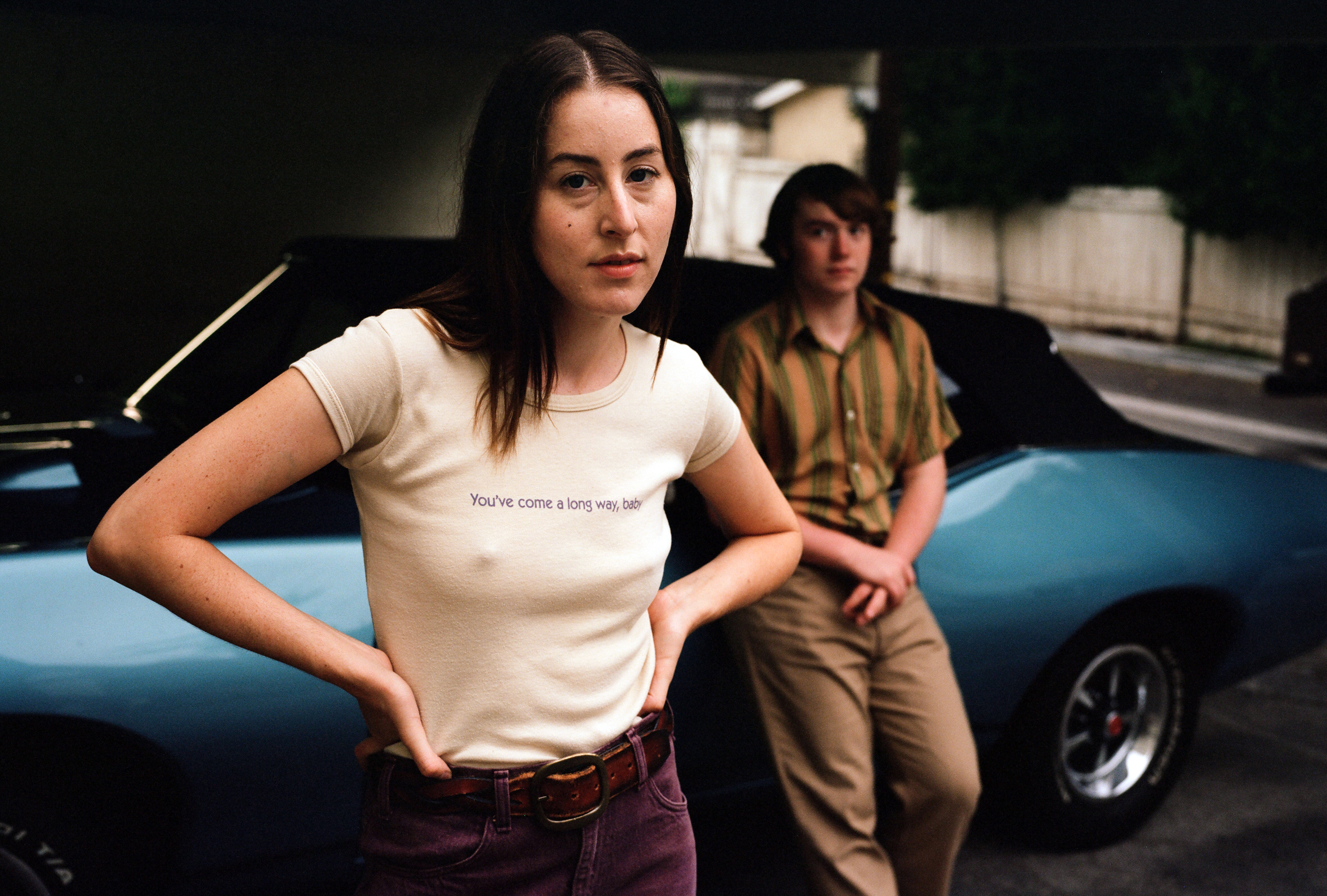
A strange controversy emerged recently over the film Licorice Pizza. Paul Thomas Anderson’s charming coming-of-age 70s story between a teenage child actor and older woman he finds attractive got some flack over the technicality that it’s an improper relationship. He is 15, she is 25, and the age of consent in California is 18. First off, I don’t want to take things too literally, but this isn’t a sexual relationship being depicted. Flashing boobs (off-screen) doesn’t count. I never saw anything in which Alana Haim’s character is being a predator/groomer in the relationship – it’s Cooper Hoffman’s character that is pursuing her – and certainly is far from being “pedophiliac” as some would claim.

This is the same argument some had with Call Me By Your Name with characters aged 23 and 17. Those characters were within the age of consent in its Italian setting as in more than half of the United States, but that really seemed to be based on homophobia by its detractors. Then, there is Red Rocket, also from last year, in which a sexually charged, fortysomething man lures in and seduces a seventeen-year-old multiple times. He’s an ASSHOLE in all caps, as I just wrote it as. Or in A Teacher, where the woman abuses her power to seduce her student, so I can’t buy the predator argument over Alana Haim and Licorice Pizza. Odd relationships are not new in cinema.

There are other films in the past that are (in)famous for depicting sex and nudity in a similar context. This piece however isn’t only about discretionary relationships between legal adults and those considered to be minors. The depictions of scandalous affairs have always been shown on screen and every one was always a step further into breaking taboos. What is normal now was something of a hot subject decades ago in terms of social norms and conservative values people, in general, kept before the winds of change blew through. 

All That Heaven Allows (1955)

One of Douglas Sirk’s best films told the socially disapproving tale of an affluent widow (Jane Wyman) who falls in love with a younger man (Rock Hudson) who is a laborer with compassion and charm towards her. The disparity in age, plus the differences in class and lifestyle, puts a damper on the relationship as the widow’s adult children show their disapproval. It’s a beautiful melodrama in rich Technicolor that gives the perfect look of America in that period as well as what social norms were considered unacceptable back then, which looks ridiculous today. Rainer Werner Fassbinder also made a remake of it nearly twenty years later with a more realistic tone featuring a widowed white woman and a younger Moroccan immigrant.


Lolita (1962)

Stanley Kubrick adapted Vladimir Nabokov’s scandalous novel about a professor (James Mason) who becomes obsessed with a teenage girl (Sue Lyon) while staying at the girl’s home owned by her depressed, widowed mother (Shelley Winters). Numerous changes were made to get approval by the MPAA such as raising the girl’s age from 12 to 14 and cutting out the professor’s previous relationships with other prepubescent girls to not portray him as a predator. However, as much as Kubrick tried to downplay the sexual component of the relationship to keep it only obsessive, the subject was too obvious to not realize this and Kubrick later said he wouldn’t have made it had he known the difficulty of appeasing the censors by rewriting and altering things that made the movie less faithful to the book.


Guess Who’s Coming To Dinner (1967)

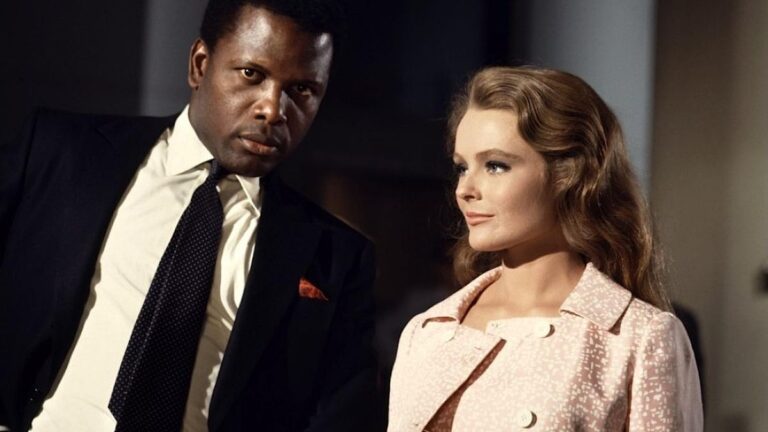
The film got a special retrospective following the passing of Sidney Poitier this year, fifty-five years after the release of Poitier’s two screen-changing movies, the other being In The Heat Of The Night. In Stanley Kramer’s socially conscious drama, Poitier and Katherine Houghton are cast as  a couple who surprisingly go to her parents’ home to announce their engagement. The parents (Katherine Hepburn and Spencer Tracy) are liberal, but they are taken aback by their daughter’s immediate love for a Black man. Under the banner, “A love story of today,” interracial marriage was still illegal in numerous states (the South mostly) when filming began and were ruled unconstitutional during post-production, timely releasing the movie in the aftermath of the landmark ruling. Obviously, a lot has changed since the social radicalization of the 1960s. 

Harold And Maude (1971)

Talk about an age gap. He’s 19, she’s 79, and they are in a romantic relationship??? Where’s the double standard here??? Somehow, the Hal Ashby-directed dark comedy starring Ruth Gordon and Bud Cort had a heart to the story about living life like it’s your last every day, even though your life can go on for another forty years. But with Harold, his dark, twisted fantasies about death are against Maude’s bright outlook on living in the now and she helps him get to her point of view. It has since become a cult favorite, even though Cat Stevens, who composed the movie’s wonderful score, recently said the movie would probably not be made today.


Murmur Of The Heart (1971)/Pretty Baby (1978)

Louis Malle’s coming-of-age tale about a teenage boy’s sexual awakening led to an unexpected experience that is a shot at post-war bourgeoise life in France. That experience, which I won’t spoil, is not played as normal, but a moment that should be privately seen as an experience of bonding. If that wasn’t boundary pushing enough, when Malle came to Hollywood seven years later, he made a period piece in 1917 New Orleans about a young girl (Brooke Shields) who is groomed to be a child prostitute in a brothel featuring her mother (Susan Sarandon). Soon, she is infatuated and falls for a photographer (Keith Carradine), seeking to be treated like an adult with him. The movie received a huge amount of controversy over Shields’ nude scenes, as she was twelve during filming and was considered by some as child porn. The juvenile sexuality in both of Malle’s films are more frank than how American directors would depict it, but it shows Malle’s sensibilities and knowledge on how far to push it and not step over that line into exploitation.

A Fantastic Woman (2017)

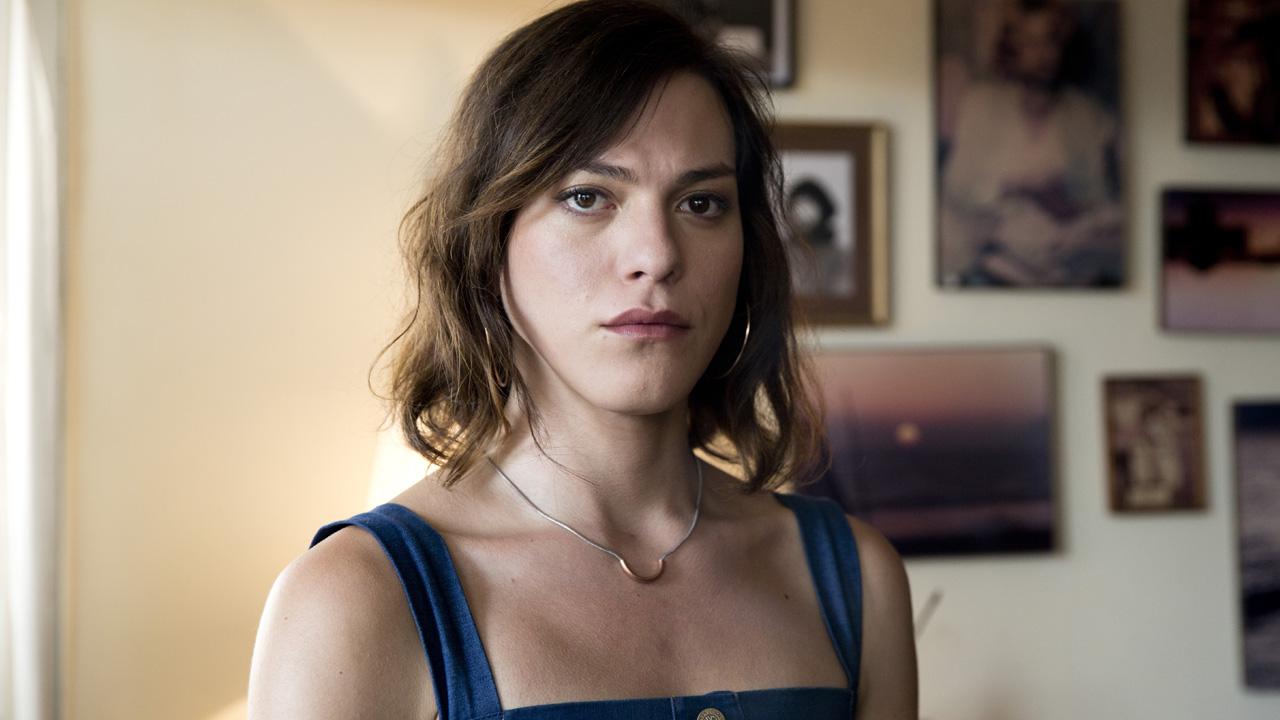
The T in LGBT certainly stands for “tough road ahead.” I’m not saying this relationship is scandalous, but to the transphobic crowd, it very much is. Trans people and relationships between trans and cisgendered people are often misunderstood or even simply rejected outright as degenerate to society. But in Sebastian Lelio’s Oscar-winning drama, a trans woman (Daniela Vega) is in a relationship with an older cisgender man who dies suddenly and she must deal with her lover’s family, who are disgusted by the relationship and with her. It humanizes trans women as equal people and realistically depicts the transphobia to trans people in general. The film is brave and Vega’s performance is brave.


Benedetta (2021)

When you see that Paul Verhoeven is the director, you know you will get something salacious and violent. The most recent film on the list was protested heavily in front of theaters by fundamentalist Catholic groups because of what they saw as a direct assault on the church; nuns having a lesbian relationship. It is based on a true story of a nun, a claimed mystic, whose behavior was investigated during the 17th century for what some saw as heretical beliefs, as well as accusations that she seduced another young nun into a sexual relationship. In the film, there are no allegations but that there was one and the depiction of sex acts, including the use of a phallus-like object, really offended conservative groups who denounced the film as blasphemic. Judith C. Brown, whose book was the basis of the film, approved of the story as one that explores the intersection of religion, sexuality, and human ambition in an age of plague and faith.”


Follow me on Twitter: @brian_cine (Cine-A-Man)  

Movie Review: ‘Marry Me’ Is A Charmless Infomercial

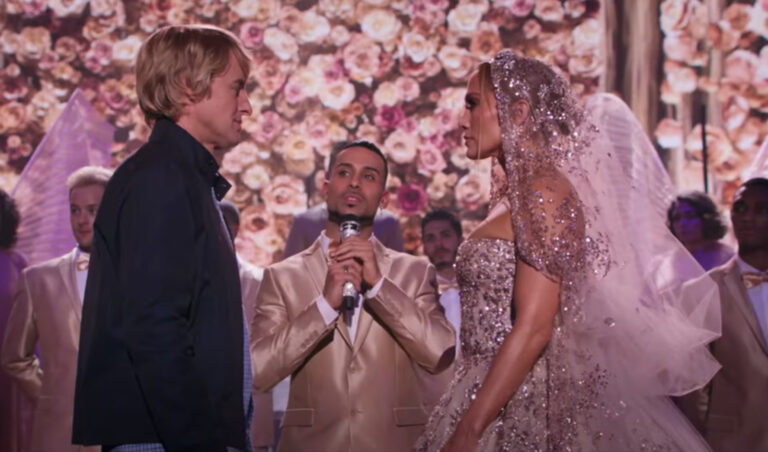
Well, this can be a hell week for film critics. The one week of the year dedicated to contrived, unrealistic, and far-fetched storylines sugar-coated into a piece of eye candy finished with a beautiful shine. Throw in a couple of attractive leads, some wise-cracking best friends, and follow a playbook step-by-step that has tributed to the likes of Julia Roberts, Meg Ryan, and Sandra Bullock. Here’s the point- they are supposed to be guilty pleasures. Jennifer Lopez’s latest, Marry Me, forgets some key components. Like the fact that this is nothing more than a promotion for J.Lo and Maluma’s attached album.

There is nothing original about Marry Me. A poorly written film with scenes built only to enhance the album’s songs. Harper Dill (The Mindy Project) and John Rogers (Catwoman) adapted the song list. This is strange since this is based on a graphic novel by Bobby Crosby. But is so loosely based it’s practically non-existent. As far as you can tell, they only kept the premise of a pop star named Kat Valdez (Jennifer Lopez). She suddenly becomes so frustrated with her love life that she marries the first man she sees who is holding a sign that says, you guessed it,” Marry Me.”

That frustration is Bastian (played by Maluma), a man she was supposed to marry at a live New York City concert, and found out he was sleeping with her assistant. That man is Owen Wilson, who plays Charlie Gilbert. A good man and single father; humble, sweet, and raising a daughter on a math teacher’s salary. He, of course, says yes. I mean, why not? She is beautiful, talented, rich, and has nothing to do this weekend, right?

Directed by Kat Coiro, Marry Me is shockingly dull and, frankly, dumb for all its glitz and glamour. Practically any scene with Wilson, who is miscast here in the romantic lead, and Lopez trying to integrate herself into any situation outside a concert or performance is misguided. That is where Charlie comes in. We do not learn anything of substance about him. Charlie is supposed to be used as a mirror character to bring out or enhance Kat’s traits. Not as a performer, mind you, but as a human being.

The issue here is that they resort to some musical interlude when the writers cannot flesh out that scenario. There are two different scenes where Lopez’s Kat, without any prompting, turns a math club meeting and high school dance into her private concert. Would it not be interesting to see how Kat operates in the real world? And by comparison to her posh and privileged lifestyle? Or get a sense of who the person is behind her persona?

A similar film, like Notting Hill, succeeded, where Marry Me does not. When you combine that the leads lack any natural chemistry (and a suddenly charmless Wilson doesn’t help matters), Kat Coiro’s film’s sole purpose is to promote J.Lo and Maluma’s album. This isn’t so much a film as it is an utterly charmless infomercial.


Grade D+

Chasing the Gold: 2022 Oscar Nomination Reactions – Episode 45

On Episode 45 of Chasing the Gold, Ryan is joined by Landon Johnson, Max Joseph, and Nicole Ackman to discuss the 2022 Oscar nominations!

The Academy has spoken and the 2022 Oscar nominations are here. Filled with tons of surprises, snubs, wide-open races, the Oscar race has cleared up with one film pulling ahead of the pack to be our for sure number one. Ryan, alongside his wonderful guests, break down all angles of this race and give some early predictions for the ultimate winners.

On that note, have fun with this week’s episode, and let us know what you think in the comment section below. Thanks for listening!

– Music
The Return of the Eagle – Atli Örvarsson

We try to make this the best movie podcast we possibly can and we hope you enjoy them. Subscribe today on iTunes, Spotify, or Stitcher, and please leave us a review on iTunes. You can also find us on Soundcloud, PlayerFM, and TuneIn Radio as well. We really appreciate all your support of the InSession Film Podcast.

Subscribe to our Podcasts RSS
Subscribe to our Podcasts on iTunes
Listen on Spotify
Listen on Stitcher
2022 Oscar Nomination Reactions – Episode 45

[divider]

Mobile App

To hear this Extra Film episode and everything else we do, download our apps on the Amazon Market for Android and the Podcast Box app on IOS devices. The mobile app covers all of our main shows, bonus podcast’s and everything else relating to the InSession Film Podcast. Thanks for your wonderful support and listening to our show. It means the world to us!

[divider]

Help Support The InSession Film Podcast

If you want to help support us, we would greatly appreciate it! For more info, CLICK HERE.

Poll: What is your favorite 2022 Best Picture nominee?

It’s #OscarNoms week, a time for film critics to scream and shout, and not always for joy. Questions like, “How did THAT get nominated?” and “How is (insert actor here) missing?” are always asked, but there’s one thing everyone seems to first jump at – rank the nominees for Best Picture. These rankings are all over #FilmTwitter, so we thought we’d officially settle this debate once and for all.

What is your favorite 2022 Best Picture nominee?


Chasing the Gold: 2022 Oscar Nominations – The Shocks, Snubs, and the Clear Frontrunner

0

The 2022 Academy Award nominations were revealed yesterday and with time to digest everything that happened, there was plenty to be shocked about.The nominations revealed a lot about how the Academy felt about the films offered this year, and now it is time to delve deep into those shocking nominations, the snubs that hurt, and which film is now the clear frontrunner to take home the Best Picture award.

The Shocks

As predicted, there were eight safe bets in the Best Picture race and two slots which were open to a wide variety of contenders. Many people took the bet on Drive My Car making it into the top ten, which it did, and yet it was Nightmare Alley that shocked with the final slot in the line-up this year. Having exceeded expectations by scoring in Production Design, Cinematography, Costume Design and Best Picture, it was a great day for that film and it now shows great strength to at least pick up the Production Design win.

The acting categories ended up having numerous surprises thrown in, particularly in the Best Actress race. After missing SAG and BAFTA, it was great to see Kristen Stewart’s name read out for Spencer, the lone nominee for that film at the Oscars. Additionally, Penélope Cruz missed every major precursor including a longlist slot at the BAFTAs and managed to get in for Parallel Mothers at the Oscars. Considering these are my two favorite performances of the entire year, I will not hide my excitement for these two ladies surpassing expectations and breaking in.

Best Adapted Screenplay went as expected, with a lovely nomination for Drive My Car in the mix there, but it was Original Screenplay where another International Film contender broke into the five. Joachim Trier’s The Worst Person in the World scored two nominations making it into the Original Screenplay category and despite Drive My Car’s success in making it into four categories including Best Picture, it does have a threat in the International Film category with The Worst Person in the World also scoring numerous nominations and having NEON behind the film’s campaign.

The Snubs

There ended up being a lot more snubs than shocks this year, as many films were forgotten about with bubble contenders taking their slot. The biggest snub of the day came in the Best Director category, in which it was easy to predict that the DGA five would not line-up at Oscars and Hamaguchi would slide in. However, it seemed like nobody was willing to predict that Denis Villeneuve for Dune would be the one to miss. The film, having scored ten nominations and making every single craft nomination it was going for, had a great day and yet this omission stings. However, this is all the more reason to not only nominate Villeneuve when Dune Part Two releases, but to give him the win.

With Cruz and Stewart making it in, the Best Actress race was already chaos. However, what makes the category even more insane is that the one person that made every single precursor, Lady Gaga in House of Gucci, ended up missing here. In fact, the only nomination House of Gucci received was for Makeup & Hairstyling. A film that is about fashion ended up missing the Costume Design category. Jared Leto, who was one of the solid choices for Supporting Actor, missed too. That film did not perform nearly as well as expected, and yet the Gaga miss throws a wrench into who could possibly win for Actress. Precursors may not even be able to help much as none of the nominees are listed at BAFTA and there is no clear frontrunner for the Critics Choice to lean to.

Many films that were pining for numerous nominations ended up being completely shut out. While it is not surprising that the likes of C’mon C’mon, Mass, and Pig all failed to receive a nomination, it was surprising that the Oscars failed to even recognize Wes Anderson’s The French Dispatch. A film that should have easily scored nominations in Score and Production Design at a minimum, it is clear the campaign for this film has faltered since the start and that Wes Anderson is not just a name check for the Academy.

The Clear Frontrunner

Over the past few months, the Best Picture race has essentially come down to four films: Belfast, Licorice Pizza, The Power of the Dog, and West Side Story. Sure, Licorice Pizza and West Side Story were three and four in that race for most of the time, but there was arguments to be made for all of them to be contending for the coveted top prize. So, how did they all perform on nomination morning?

Licorice Pizza failed to make a splash as the film only made it in for Best Picture, Best Director, and Best Original Screenplay. With a lack of acting nominations, failing to recognize any of the crafts and missing a vital Editing spot that it has managed to garner elsewhere, the Academy only seems to want to recognize Paul Thomas Anderson’s achievements within this film. He can still win Original Screenplay for sure, but the Best Picture chances are done.

West Side Story ended up doing not too bad considering the precursor run scoring seven nominations including Best Picture, Best Director, Best Supporting Actress (Ariana DeBose), Best Production Design, Best Sound, Best Costume Design, and Best Cinematography. While it is out front to win at a minimum Best Supporting Actress, the film failed to score in two of the biggest categories needed to win Best Picture: Editing and Adapted Screenplay.

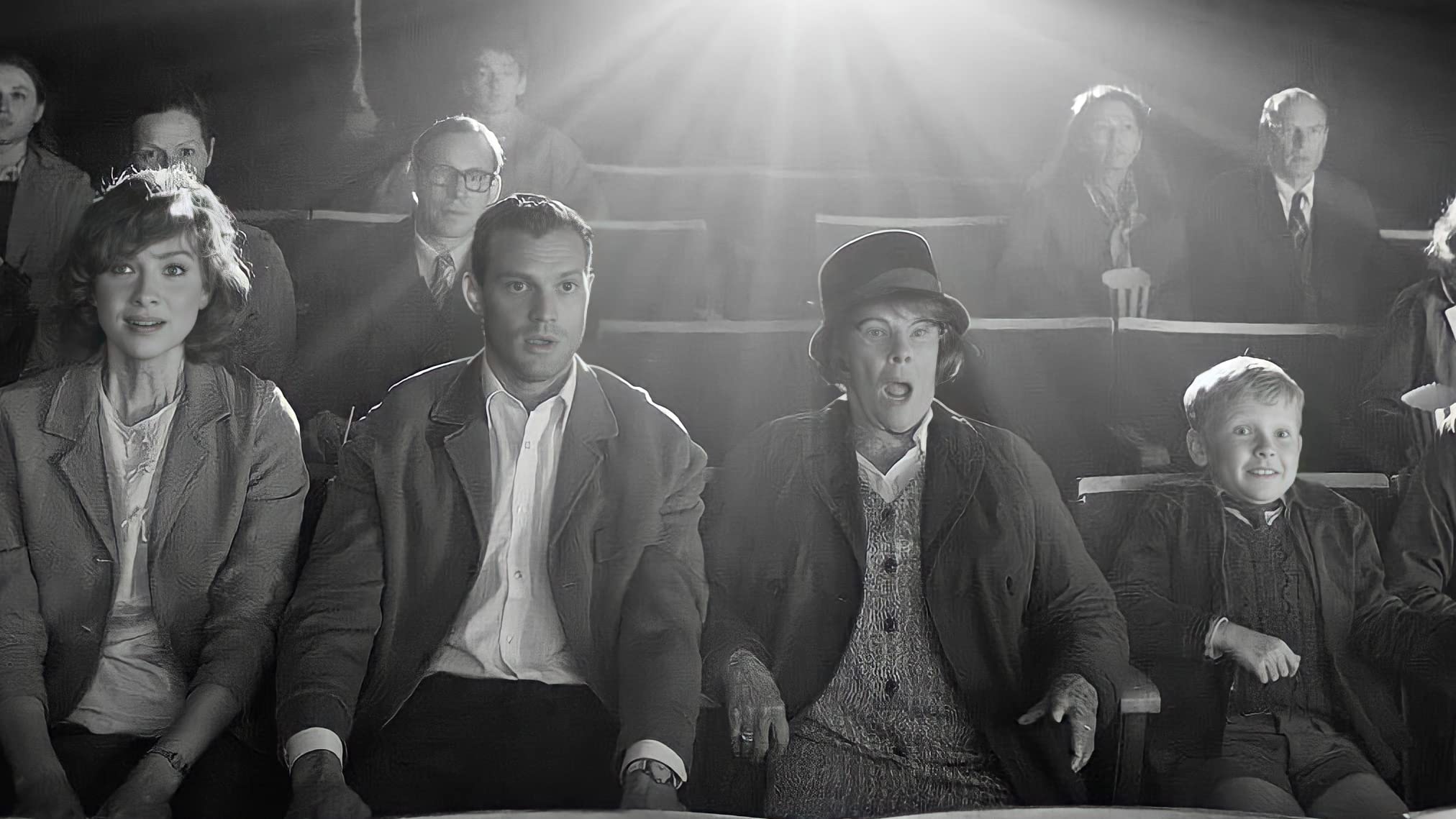
Belfast had an interesting morning, and one that looks good on paper with seven nominations as well. Making it in Best Picture, Best Director, Best Supporting Actor (Ciaran Hinds), Best Original Screenplay, Best Sound, Best Song (“Down to Joy”), and a surprising Best Supporting Actress nomination for Judi Dench. However, it is when you see what the film missed that makes Belfast’s Best Picture frontrunner position look shaky. Firstly, Caitriona Balfe missed out on the Supporting Actress position despite scoring everywhere, perhaps due to some voters placing her in the Lead Actress slot. Additionally, the film missed in Editing and Cinematography, two places it performed well in the precursors. To miss those are major warning signs of how certain branches of the Academy feel about the film and it may not be as strong as expected.

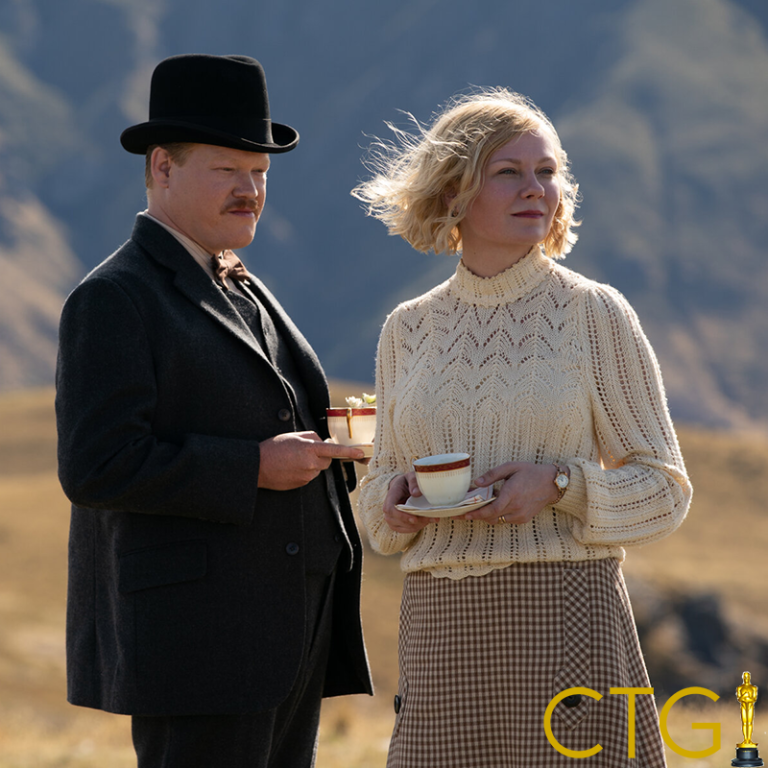
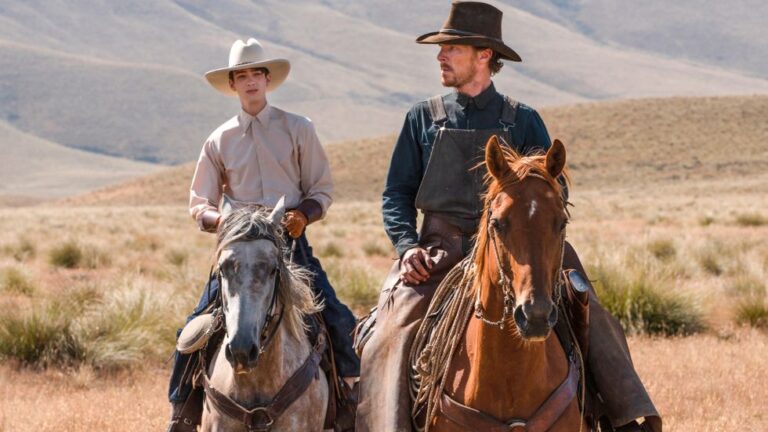
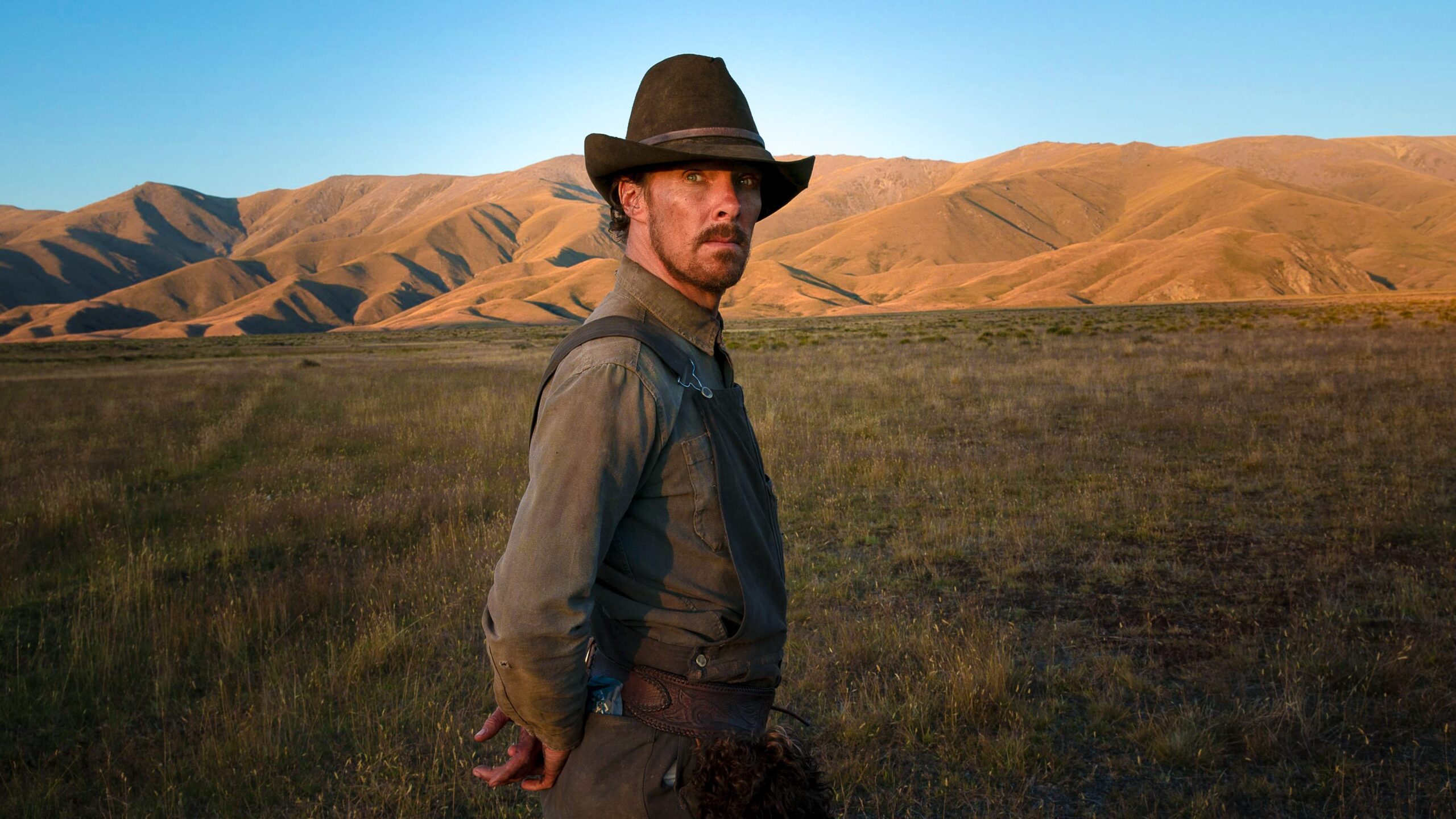
All the analysis I just did above would matter if it was a close race, but the film I am about to talk about now has clearly positioned itself as an unstoppable force for the Best Picture race. Jane Campion’s The Power of the Dog somehow managed to overperform on nomination morning and tallied up the most nominations of any film this year, beating even the technical achievement of the year that was Dune. When a film can secure four acting nominations including two in Supporting Actor, every major category needed to make a case for Best Picture – Director, Screenplay (Adapted), Editing and Cinematography – and even make it into Best Sound and Best Production Design, it is clear that this is the frontrunner. This is not only in terms of total nomination, as the film is in the top position to take home Director, Adapted Screenplay, Supporting Actor and could potentially make a case for Score, Cinematography, and Actor. It has been a while since a Best Picture has won five or more Oscars, but The Power of the Dog has everything it needs to be Netflix’s first major success story.

List: Top 3 Disaster Movies (Revisited)

This week on Episode 468 of the InSession Film Podcast, inspired by our review of Moonfall, we discuss our favorite disaster movies. We first discussed disaster movies back on Episode 119 when San Andreas came to theaters, but since it’s been a long time, we thought it would be fun to revisit this topic. Say what you will about these types of films, but many of them are good popcorn fun. And then there’s a few that are more thoughtful and dramatically riveting. Either way, there’s many disaster movies worthy of making these lists. That said, here are our lists:

(Note: Please keep in mind that we each had different criteria for our selections)

JD

1) Contagion
2) Gravity
3) The Day After Tomorrow

Brendan

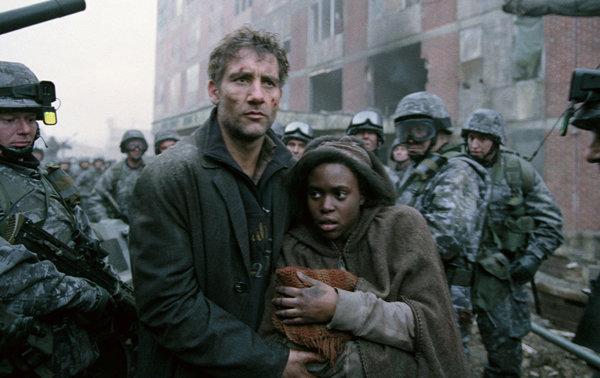
1) Children of Men
2) The Seventh Seal
3) Melancholia

Honorable Mentions (Combined)

Twister, Independence Day, The Martian, Dante’s Peak, Volcano, Only the Brave, The Perfect Storm, The Towering Inferno, The Poseidon Adventure, Deep Impact, Armageddon, Backdraft, This is the End, The Birds, Knowing, The Wave, Take Shelter

Hopefully you guys enjoyed our lists and if you agree or disagree with us, let us know in the comment section below. There are certainly many more disaster movies that could eligible for your lists. That being said, what would be your Top 3? Leave a comment in the comment section or email us at [email protected].

For the entire podcast, click here or listen below.

For more lists done by the InSession Film crew and other guests, be sure see our Top 3 Movie Lists page.

Chasing the Gold: The 2022 Oscar Nominations Using Only Latin American and Latinx Talent

The American film industry is just starting to open up to Latin American and Latinx voices, but there’s a long (very long) way to go in terms of representation. As undenying proof of how little the industry cares about our voices, we have the 2022 Oscar nominations.

Despite the existence of a rich field of Latin American and Latinx narratives this past year, we find ourselves yet again underrepresented in the “big” American award ceremony. This year, the only Latin American stories, performances, and crafts vying for an Academy Award are Ariana DeBose for West Side Story (a film that fails to depict Latinx culture in the progressive light it thinks it does), Guillermo del Toro for Nightmare Alley, Carlos López Estrada por Raya and the Last Dragon, Lin-Manuel Miranda for Encanto’s “Dos Oruguitas”,  Germaine Franco for Encanto’s Original Score, Hugo Covarrubias for Bestia, and KD Dávila for Please Hold. Most of them are American productions. 

To make matters worse, the Academy decided to nominate a Spanish actor playing the role of legendary Cuban-American performer Desi Arnaz; they nominated a performance that uses brown face in 2021. Absolutely embarrassing. This is how little the industry cares about Latin voices.

To show how much quality Latin America filmmaking has to offer, I’ve created a “Oscar nominations” list with only Latin American films in contention, as well as films directed by US Latinx filmmakers or centered around Latinx narratives. Many of these films were official submissions or shortlisted as International Feature selections, and others opened in their respective countries (or, in the case of Netflix releases, worldwide) in 2021. This is just a sample out of films I managed to watch and I’m sure there’s more quality waiting to be discovered.

I don’t know for certain if all of these would have complied with the Academy’s rules to quality, but that’s not the point. I’m doing this little exercise to shine a light on the outstanding work of Latin American cinema and the invaluable stories they are sharing to the world. I hope you can use this article as a guide of high quality films to watch in the near future.

Best Picture

7 Prisoners /  7 Prisioneiros (Brazil)

Azor (Argentina)

The Dog Who Wouldn’t Be Quiet / El perro que no calla (Argentina)

Ghosting Gloria / Muerto con Gloria (Uruguay)

Identifying Features / Sin señas particulares (México)

Memoria (Colombia)

My Brothers Dream Awake / Mis hermanos sueñan despiertos (Chile)

Nothing but the Sun / Apenas el sol (Paraguay)

Prayers for the Stolen / Noche de fuego (México)

Private Desert / Deserto Particular (Brazil)

Best Documentary 

A Cop Movie / Una película de policías

The Last Forest / A Última Floresta

Nothing But the Sun / Apenas el sol

Stateless / Apátrida

Things We Dare Not Do / Cosas que no hacemos

Best Direction

Alexandre Moratto – 7 Prisoners /  7 Prisioneiros

Aly Muritiba – Private Desert / Deserto Particular

Ana Katz – The Dog Who Wouldn’t Be Quiet / El perro que no calla

Fernanda Valadez – Identifying Features / Sin señas particulares

Tatiana Huezo – Prayers for the Stolen / Noche de fuego

Best Actor

Alfonso Herrera – Dance of the 41 / El baile de los 41

Antônio Pitanga – Memory House / Casa de Antiguidades

Antonio Saboia – Private Desert / Deserto Particular

Christian Malheiros – 7 Prisoners / 7 Prisioneiros

Mauricio Di Yorio – The Perfect David / El perfecto David

Best Actress 

Érica Rivas – The Intruder / El prófugo

Ilse Salas – Plaza Catedral

Mercedes Hernández – Identifying Features / Sin señas particulares

Stefania Tortorella – Ghosting Gloria / Muerto con Gloria

Wendy Chinchilla Araya – Clara Sola

Best Supporting Actor

Colman Domingo – Zola

Fabián Corres – Summer White / Blanco de verano

Lázaro Gabino Rodríguez – Fauna

Nahuel Pérez Biscayart – The Intruder / El prófugo

Rodrigo Santoro – 7 Prisoners

Best Supporting Actress

Mayra Batalla – Prayers for the Stolen / Noche de fuego

Nenan Pelenur – Ghosting Gloria / Muerto con Gloria

Olga Merediz – In the Heights

Paulina García – My Brothers Dream Awake / Mis hermanos sueñan despiertos

Umbra Colombo – The Perfect David / El perfecto David

Best Original Screenplay

King Car – Sergio Oliveira, Renata Pinheiro, Leo Pyrata

Fauna – Nicolás Pereda

Language Lessons – Natalie Morales, Mark Duplass

Private Desert – Aly Muritiba, Henrique Dos Santos

The Dog Who Wouldn’t Be Quiet – Ana Katz, Gonzalo Delgado

Best Adapted Screenplay

On The Third Day – Alberto Fasce, Gonzalo Ventura

Fever Dream – Claudia Llosa, Samanta Schweblin

In the Heights – Quiara Alegría Hudes

Prayers for the Stolen – Tatiana Huezo

Best Animated Feature

Ainbo: Spirit of the Amazon

Encanto

Tundama

Vivo

Best Cinematography

The Dog Who Wouldn’t Be Quiet / El perro que no calla

Identifying Features / Sin señas particulares

Memory House / Casa de Antiguidades

Private Desert / Deserto Particular

White on White / Blanco en blanco

Best Original Score

Dance of the 41 – Carlo Ayhillón, Andrea Balency-Béarn

The Dog Who Would Be Quiet – Javier Abinet

Ghosting Gloria – Carlos Villavicencio

Nine Days – Antônio Pinto

The Perfect David – Ezequiel Flehner

Best Original Song

Detras del Miedo – Muerto con Gloria

Hablo de… – Language Lessons

Home All Summer – In the Heights

Inside Your Heart – Vivo

Colombia, Mi Encanto – Encanto

Best Editing

7 Prisoners / 7 Prisioneiros

A Cop Movie / Una película de policías

Azor

Identifying Features / Sin señas particulares

The Pink Cloud / A Nuvem Rosa

Best Production Design

7 Prisoners / 7 Prisioneiros

King Car / Carro Rei

Dance of the 41 / El baile de los 41

Memory House / Casa de Antiguidades

White on White / Blanco en blanco

Best Costume Design

Dance of the 41 / El baile de los 41

In the Heights

Memory House / Casa de Antiguidades 

Tragic Jungle / Selva trágica

White on White / Blanco en blanco

Best Sound

On The Third Day / Al tercer día

King Car / Carro Rei

Memoria

Noche de fuego / Prayers for the Stolen

Blanco en blanco / White on White

Best Visual Effects

In the Heights

Ghosting Gloria / Muerto con Gloria

King Car / Carro Rei

Memoria

Prayers for the Stolen / Noche de fuego

Best Makeup and Hairstyling

Al tercer día / On The Third Day

Dance of the 41 / El baile de los 41

Private Desert / Deserto Particular

Prayers for the Stolen / Noche de fuego

White on White / Blanco en blanco

Best Live Action Short

A Terra Em que Pisar

Bisho

El sueño más largo que recuerdo

Please Hold

Seiva Bruta

Best Documentary Short

Águilas

Elena 

Lupita

The Facility

Zunzuncito 

Best Animated Short

Bestia

La Bestia

Los Huesos

The Boy & the Mountain

Nuevo Rico

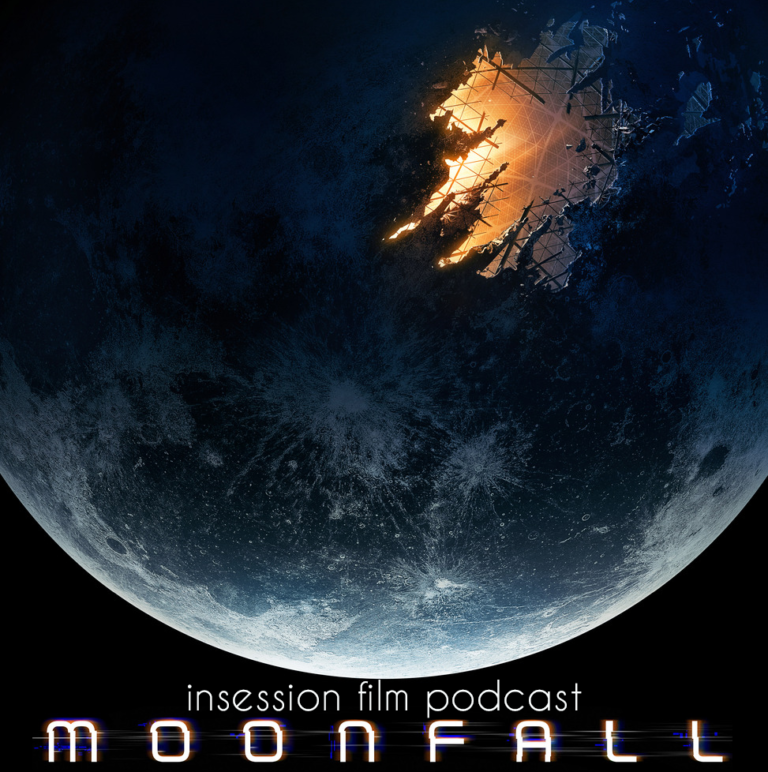
Podcast: Moonfall / Top 3 Disaster Movies (Revisited) – Episode 468

This week’s episode is brought to you by the film Clifford. Follow us on social media for your chance to win a digital code!

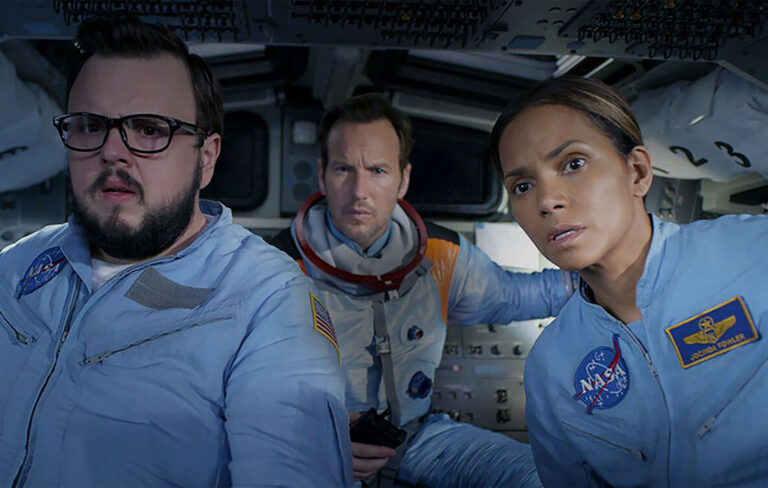
This week on the InSession Film Podcast, Tim Costa from First Time Watchers joins us to review Roland Emmerich’s new film Moonfall and we discuss (again) our Top 3 disaster movies! Plus, the announcement of a new Movie Series.

It’s always interesting when Emmerich is out with a new film. You know it’s going to be big and absurd, but one can hope that it’s a lot of fun. As for Moonfall, that’s certainly up for debate, and it made for a fun conversation. It was also great to revisit disaster movies and talk about a few more films that stand out to us in that realm. And big thanks to Tim for joining us and inspiring us to go back down the disaster movie rabbit hole.

On that note, check out this week’s show and let us know what you think in the comment section. Thanks for listening and for supporting the InSession Film Podcast!

– Movie Review: Moonfall (5:26)
Director: Roland Emmerich
Writers: Roland Emmerich, Harald Kloser, Spenser Cohen
Stars: Halle Berry, Patrick Wilson, John Bradley, Michael Peña, Charlie Plummer

– Notes / Movie Series Announcement (53:02)

This week for our break segment, we reveal the name of our latest Movie Series that we’ll be doing on the Main Show. We’ll be diving into the movies of the great…Steven Spielberg. However, there is a caveat. We will not be discussing his “popular” films that we all know and love, instead we’ll be diving into his lesser talked about movies, such as Duel, Empire of the Sun, Amistad and many more. It’s going to be a long series, but it should be a ton of fun.

[divider]

RELATED: Listen to Episode 456 of the InSession Film Podcast where we discussed Belfast!

[divider]

Top 3 Disaster Movies (Revisited) (1:10:55)
We first discussed disaster movies back on Episode 113 when San Andreas came to theaters, but since it’s been a long time, we thought it would be fun to revisit this topic. Say what you will about these types of films, but many of them are good popcorn fun. And then there’s a few that are more thoughtful and dramatically riveting. Either way, there’s many disaster movies worthy of making these lists. That said, what would be your top 5?

Show Sponsor: First Time Watchers Podcast

– Music

Moonfall End Theme – Thomas Wander, Harald Kloser
Gravity – Steven Price
The Return of the Eagle – Atli Örvarsson

Subscribe to our Podcasts RSS
Subscribe to our Podcasts on iTunes
Listen on Spotify
Listen on Stitcher
InSession Film Podcast – Episode 468

[divider]

Next week on the show:

Review: The Sky is Everywhere
Steven Spielberg Movie Series: Duel

[divider]

Help Support The InSession Film Podcast

If you want to help support us, there are several ways you can help us and we’d absolutely appreciate it. Every penny goes directly back into supporting the show and we are truly honored and grateful. Thanks for your support and for listening to the InSession Film Podcast!

VISIT OUR DONATE PAGE HERE

Criterion Crunch Time: Go Fish

When we watch a new movie and see something we rarely see, it feels revolutionary. This could be about representation, sexuality, even nonlinear timelines. But when we watch an older film, it is a bit of a different experience. There are usually only two reactions.  One is one of quaintness, as in, “Wow, can you believe this used to be shocking!” For reference, any film in which “the bad guy” wins, which used to be outlawed by The Hays Code. The other reaction is much less fun. Sometimes, we see things made decades ago, and they still feel amazing. This is mostly negative because it feels like we should have gotten past all of this puritanical nonsense. And yet, here we are. Still. As a prime example, a film leaving The Criterion Channel this month, is 1994’s Go Fish, a seminal queer, but specifically lesbian, film that gives us exactly this reaction. 

Go Fish, directed by Rose Troche, is very clearly a first film. I do not say this as purely an insult, one can see the talent, even with financial and performance limitations. In that way, and in the black and white filming, it is reminiscent of Spike Lee’s She’s Gotta Have It. But Go Fish has essentially a simple plot. We follow Max (Guinevere Turner), who has gone nearly a year without having sex. The film, among other small plots, focuses on Max’s quest for a girlfriend. Go Fish does a wonderful job of normalizing lesbian sexuality and somehow making it still feel radical.

The radical part of the movie is also startlingly simple. Troche (who would also go on to be a repeat director of a similarly seminal queer television show in The L Word), fills the screen with lesbian women of all shapes, sizes, backgrounds, and styles. Think about how little we see this in mainstream (or even independent) film. Even in movies like Bound, the women are usually culturally acceptable versions of pretty. Here, we are not only given differences in presentation but there is not a single woman who is uniformly attractive to all of the other women. These radical moments absolutely stand out even nearly 30 years later. Sad? Definitely.

But the normalizing of lesbian love is arguably more important. The film opens with Max opining about how she will meet her dream girl, her soulmate. If one were to substitute genders and the way she describes this mystery person, it is not different than your standard heterosexual desire. Alongside this, the numerous side characters are actively rooting for this, all while carrying on full lives and relationships. They are never merely people in support of our leads. Kia (T. Wendy McMillan) is Max’s roommate, but also in a relationship with Evy (Migdalia Melendez). Their interactions are passionate, funny, and genuine; even without their connection to Max. Their gentle ribbing of the romantically hopeless Max also feels true to their lived characters and never mean-spirited.

In between beautifully framed shots of four women’s heads, discussing Max and Ely’s (V.S. Brodie) burgeoning relationship, which functions much like a Greek chorus, the screenplay (written by Troche and Turner) guides gently towards a dinner party that will hopefully force the two together. All of this works nearly seamlessly and builds perfectly in a romantic sense. There is nearly no actual filmed sex up until the final moments of Go Fish. It is heavily hinted at by supporting characters and constantly desired by Max, but Troche makes us wait along with her lead character. But when Troche is ready, she shows a distinct lack of fear or concern about showing the female form or lesbian sex. 

Sadly, these scenes, even in 2022, feel startling. They are, of course, completely focused on female pleasure. They also never feel unnecessary or gratuitous. If a movie is going to be about a woman wanting sex (even in monogamous form), it feels appropriate to actually show it! The black and white cinematography (from director of photography Ann T. Rossetti) shines in these sequences. In earlier scenes, shot in bedrooms and cafes, it feels pretty standard for 1990s independent film. Even this lack of movement is not necessarily a negative as it is indicative of both Max and Ely’s stunted movement towards a relationship and inherent shyness. But when these two finally give in and are together, both they and the camera movement nearly explode in kinetic energy.

This is really the kind of movie I was looking forward to discussing on Criterion Crunch Time. A female filmmaker, combined with subject matter that challenges and even sometimes shocks the audience. If there was any justice, Rose Troche would have a lengthy filmography filled with features. Unfortunately, it seems the mainstream cinema world is not as accepting of this material as premium television is and has been. Hopefully, in another 30 years, this won’t be an issue, but in the meantime, there are still opportunities to watch important work like this, at least until the end of the month!

Children of the Night: The Lasting Legacy of ‘Les Vampires’

In January of this year, the Criterion Channel did film lovers around the world a huge favor by adding Les Vampires, a title that had long sat near the top of my own watchlist for years, to their streaming service. At over seven hours, a screening of this Louis Feuillade directed thriller is a daunting task even for the most dedicated and patient of cinephiles. While full length versions of varying quality can be found on YouTube and across the internet, Criterion made the smart, and historically accurate, move of adding the film in ten distinct chapters.

Of course, even back in 1915 when our attention spans had significantly more endurance, Les Vampires was never exhibited as one continuous 417 minute film, but, like a television program, was released into French cinemas one “episode” at a time, starting on November 13th, 1915 and concluding on June 30th, 1916. Consumed by large groups of people at a time, one could compare its exhibition to modern screenings of “must-see-TV”, such as the finale episodes of Game of Thrones, which saw hordes of fans gather into pubs, theaters, and other public spaces to create a unique, communal viewing experience.

Despite its age, the synopsis of Les Vampires should be easy to follow for modern viewers. To summarize: Reporter Philippe Guérande becomes determined to unearth the operations of the underground society/crime ring “Les Vampires” that deals primarily with cash and jewelry theft. Les Vampires will go to any length, even through use of kidnapping and murder, to achieve their nefarious desires. Along the way, as Guérande becomes increasingly obsessed with bringing the organization to its knees, he encounters a slew of classic movie-thriller obstacles which are now staples of the genre: decapitation, trap-doors, disguises, poisoned jewelry, false-beards, knock-out gasses, secret hideouts, cryptograms, and seedy nightclubs.

Guérande is accompanied on many of his crime-solving exploits by his colleague Mazamette, played by Marcel Lévesque, whose antics make up most of the film’s comic relief. The target of the pair’s sleuthing is known as Le Grand Vampire, an elusive man whose identity, through the use of fake facial hair, disguises, and aliases, changes with practically every episode. Even casual silent film fans will likely recognize the name Irma Vep, whose presence, while unseen for the first two episodes, hangs over the film like the sword of Damocles. When she does appear, portrayed by actress, dancer, and director Musidora (born Jeanne Roques) the film’s fun truly begins, becoming a classic game of cat-and-mouse.

Musidora and her on-screen characters perfectly encapsulated the archetype of the “Vamp”. In America, her equivalent would have been the equally seductive Theda Bara, who played her fair share of exotic characters throughout the 1910s. Irma Vep has remained a cult-like figure of film history whose statuesque figure, kohl-lined eyes, and dominant demeanor has served as inspiration for both musicians and directors for decades to follow. In 1996, Hong Kong actress Maggie Cheung starred as a semi-fictionalized version of herself cast by a French director (played by Jean Pierre Léaud) to star as Irma Vep in a remake of Les Vampires. The film, aptly titled Irma Vep and directed by Oliver Assayas, further cements Musidora and Les Vampires as pillars of early cinema.

From a distance, and based on its promoted images, one might expect this series to in fact revolve around a group of blood-sucking, immortal children of the night. In fact, there are no actual vampires to be found in the series. And yet, the film’s atmosphere is so mysterious and chilling in its presentation that this world, this particular glimpse at 1915 Paris, feels like a landscape of never-ending horror and suspense. With its ornate, gothic style, dramatic and dark makeup, and tense storyline, it chills the modern viewer like a shock of cold water.

While a popular success, contemporary critics let their morals get the best of them when reviewing Feuillade’s directorial effort, with one reviewer referring to the very concept of the crime film as a “unhealthy genre”, while others compared it unfavorably to another epic of 1915, D.W. Griffith’s The Birth of a Nation. In response to such accusations, Feuillade firmly declared his stance, proclaiming: “A film is not a sermon nor a conference…but a means to entertain the eyes and the spirit”. Modern critics have come around to Les Vampires, praising its dedication to production, sensuality, fun spirit, and undercurrent of criticism towards the teetering upper classes. Whether a silent film expert or looking for somewhere to get started, this is a film that should be in every film lover’s vocabulary.


‘Lawrence Of Arabia’: An Appreciation

The neverending desert and the heat melting the screen. The long halls of Britain’s headquarters in Cairo. The scores of fighters charging the terrain on camels. A soundtrack that captures Arabia’s exoticity. And a real-life figure who led the revolt for his love of the region, even at his personal expense.

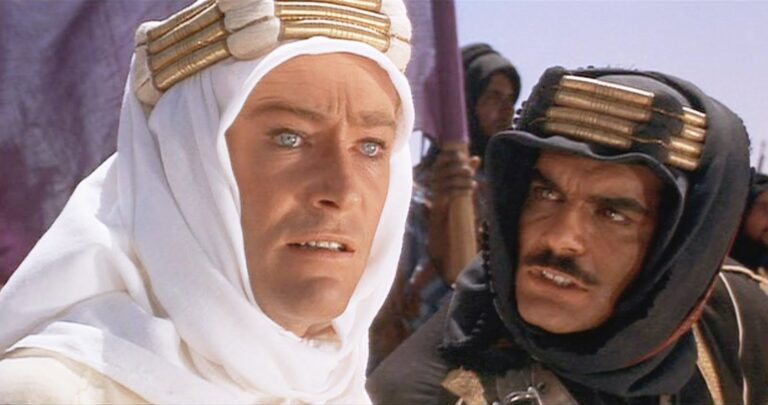
This year marks the 60th anniversary of the legendary epic Lawrence Of Arabia starring Peter O’Toole in his debut role as the titular character. With the great David Lean commanding the action from behind the camera, it remains one of the greatest films ever produced. A sweeping biopic filled with adventure, bravado, and star-making performances, it contains the power of what a movie should be in long form, a remarkable 227 minutes that never leaves your attention and seduces the viewers into this period of history from one man’s view.

I saw the movie for the first-time when I was thirteen-years-old. Saturday night on Turner Classic Movies introduced by the late Robert Osbourne. Curious Brian had started digging into movies and into the past, referring to the American Film Institute’s Top 100 Films (before the revised list in 2007) to see what I could watch. Titanic was over three hours long, so I could make it through this. Entr’acte and Intermission was still a thing in the 1960s, something I hadn’t seen at the time, but would learn it was quite common up to the early 1980s for epic films. 

What I witnessed, and certainly everyone did when they first saw Lawrence of Arabia, was a transportation back to World War I that, for once, wasn’t on the Western Front. The prologue is T.E. Lawrence’s death in a motorcycle accident in 1935, followed by the memorial where those who knew him remark on how extraordinary he was. Going back to 1917, Lawrence was a bit of an outcast who was given the job of seeing what the British could do to help Prince Faisal in the revolt against the Ottoman Empire, an ally of Germany. There begins his passion in helping the Arab people as he works through blood feuds and politics for their independence.

With the help of Anne V. Coates’ jump cut of a match being blown out to the sunrise over the horizon and Freddie Young’s perfect use of Super Panavision 70 to capture the widened, long stretches of desert for every sequence, David Lean captured everything a masterpiece must have. Yes, I used that word and it has been overused. But, when we talk about the history of film, Lawrence of Arabia deserves that word. It was seen as such immediately upon release. This was an event that was never going to be duplicated and a project that would never get off the ground as it is today.

It also introduced us to Omar Sharif, who played Sherif Ali as he kills Lawrence’s guide, a Bedouin, for drinking out of Ali’s well. Ali’s strides in on his camel and is calm when he approaches Lawrence, almost casually like there’s nothing to it that he killed a man. This is Lawrence’s rude awakening to this part of the world and our first taste of the running blood feud that carries over throughout the film. Lawrence will have to make a decision to keep the peace when the feud comes to blows. It is also a blood feud that carries on to this day, unfortunately, and Lawrence gets a first-hand look at it as shown by the melancholy ending – and his own personal foreshadowing. 

There is a ton of power this movie carries by itself. Peter O’Toole, as a relative newcomer (who replaced Albert Finney), held the burden of playing Lawrence like a professional who has worked for decades. It certainly isn’t easy playing a historical figure who is also debated on regarding his actions, as well as his personal life. Being surrounded by a strong, veteran cast including Anthony Quinn, Alec Guinness, Jack Hawkins, and Claude Rains boosted O’Toole’s performance, as he had to be on par with his established co-stars. O’Toole’s blonde hair and jeweled eyes puts a face to the man with every shot of shock and joy as Lawrence marches through all the way to Damascus.

What we have is a romance of a singular man along with history of his own doing. A charismatic figure who finds his calling and sees the Arab people as human and equal after thinking of them as “barbarous and cruel.” Watching the film always gives me this feeling that I am about to embark on a journey, even though I know the story and the historical background. David Lean didn’t blow it; he piloted moviegoers for the long ride, longer than his previous epic, The Bridge On The River Kwai, with no unnecessary turbulence. This film is his everlasting legacy and the influence it had on many future filmmakers is a testament to its endurance. 

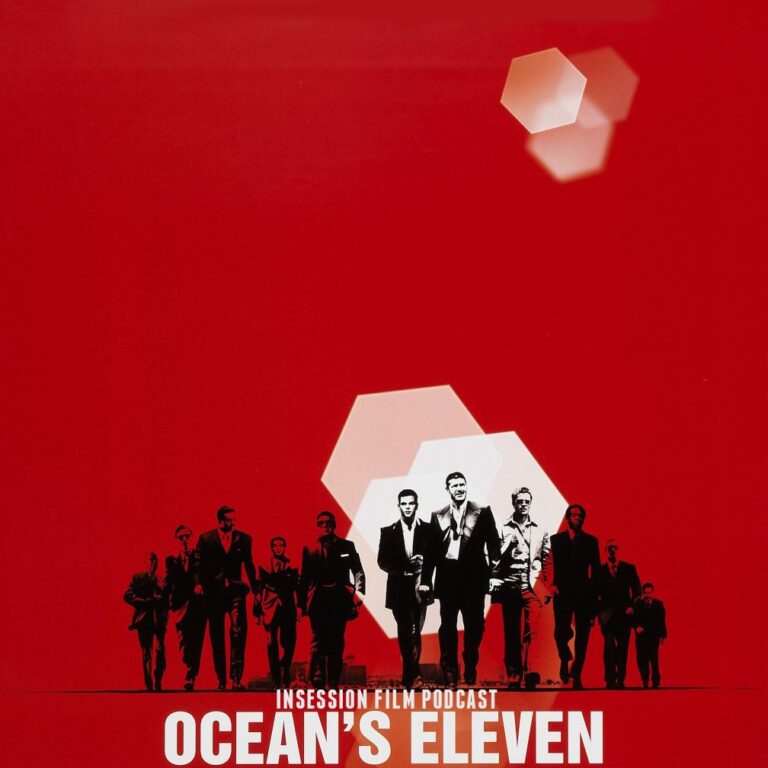
Podcast: Ocean’s Eleven / Chicago – Extra Film

This week on Extra Film, Ryan and Jay are joined by Letterboxd Senior Editor Mitchell Beaupre to continue their Steven Soderbergh Movie Series with Ocean’s Eleven, and then they discuss the Oscar-winning musical Chicago!

After an amazing year in 2000, Soderbergh followed it up with one of the biggest gambles that paid off, recreating a classic film and making it better than the original. Inserting a sexy, all star cast, and bringing so many cool elements together, Ryan, Jay, and Mitchell review what they call “a perfect movie,” and thus the discussion is brimming with positivity.

In the back half of the episode, the boys and their guest take a look at Chicago, the Best Picture winning musical that is turning 20 years old this year. Known for being one of the most popular musicals of the modern era, and setting the path for many musicals and careers to come, this conversation wasn’t as glowing as the previous, but it’s just as fun.

Thanks for listening!

– Movie Review: Ocean’s Eleven (7:15)
Director: Steven Soderbergh
Screenplay: Ted Griffin
Stars: George Clooney, Matt Damon, Andy García, Brad Pitt, Julia Roberts

– Movie Review: Chicago (1:06:11)
Director: Rob Marshall
Screenplay: Bill Condon
Stars: Renée Zellweger, Catherine Zeta-Jones, Richard Gere, Queen Latifah, John C. Reilly

– Music

Reuben’s In – David Holmes
Overture/All That Jazz – Chicago Cast
The Return of the Eagle – Atli Örvarsson

We try to make this the best movie podcast we possibly can and we hope you enjoy them. Subscribe today on iTunes, Spotify, or Stitcher, and please leave us a review on iTunes. You can also find us on Soundcloud, PlayerFM, and TuneIn Radio as well. We really appreciate all your support of the InSession Film Podcast.

Subscribe to our Podcasts RSS
Subscribe to our Podcasts on iTunes
Listen on Spotify
Listen on Stitcher
Eleven / Chicago – Extra Film

[divider]

To hear this Extra Film episode and everything else we do, download our apps on the Amazon Market for Android and the Podcast Source app on IOS devices. The mobile app covers all of our main shows, bonus podcasts and everything else relating to the InSession Film Podcast. Thanks for your wonderful support and for listening to our show. It means the world to us.

Chasing the Gold: Amy Smith’s Final 2022 Oscar Nominations Predictions

Here we are, the final predictions for this year’s Oscar race. This year has been a weird one, with certain categories already feeling like locks and others more unpredictable than when we started off. It has also been a year filled with potential, but with a line-up that may just be one of the most critically divisive in years. However, I am here to provide a little bit of glimmer of hope with some of my predictions and to put my foot forward on some of the most uncertain candidates.

Here are my final predictions for the 2022 Academy Award nominations.


BEST PICTURE

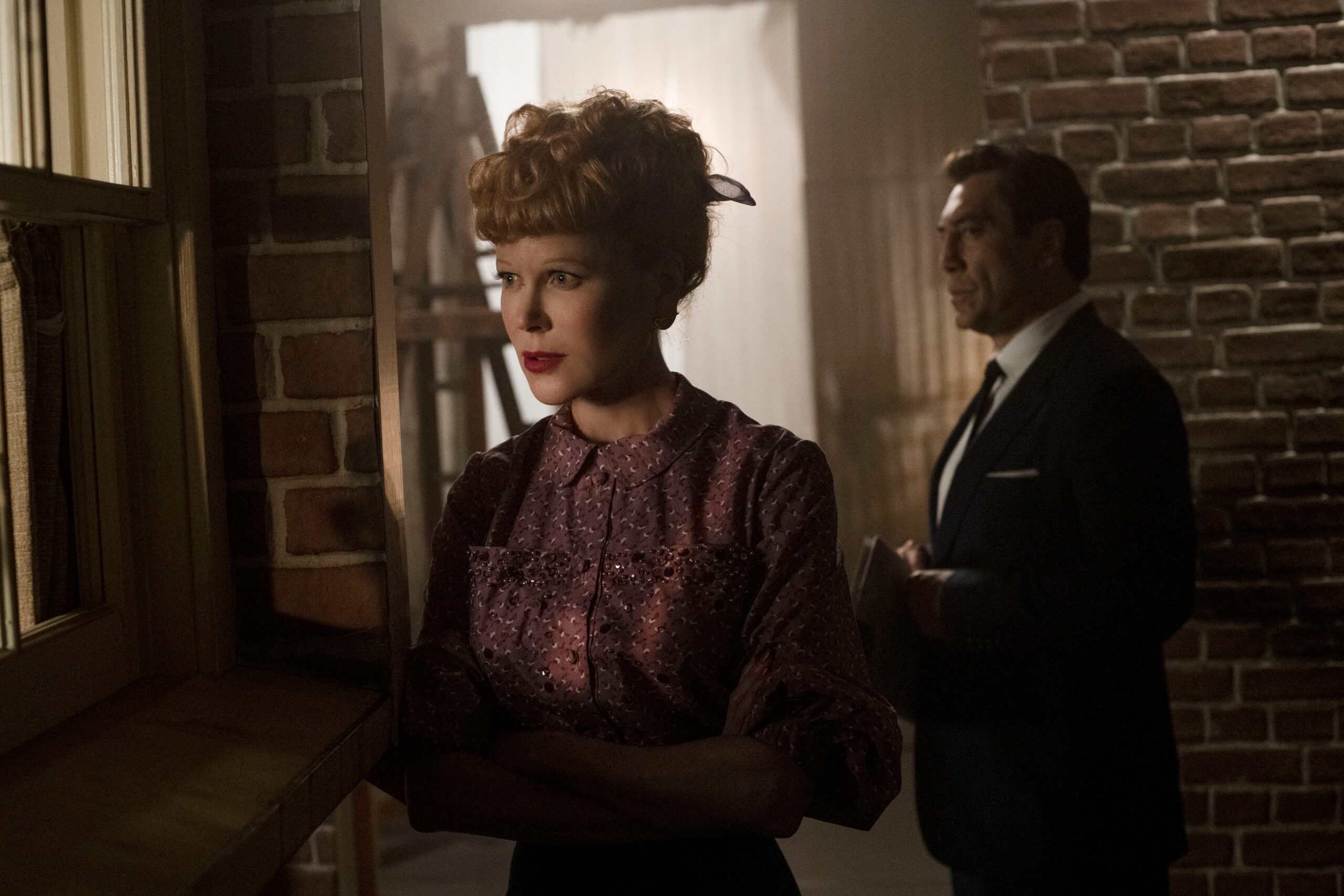
  • Being the Ricardos
  • Belfast
  • CODA
  • Don’t Look Up
  • Drive My Car
  • Dune
  • King Richard
  • Licorice Pizza
  • The Power of the Dog
  • West Side Story

BEST DIRECTOR

  • Paul Thomas Anderson (Licorice Pizza)
  • Kenneth Branagh (Belfast)
  • Jane Campion (The Power of the Dog)
  • Ryusuke Hamaguchi (Drive My Car)
  • Denis Villeneuve (Dune)

BEST ACTRESS

  • Olivia Colman (The Lost Daughter)
  • Alana Haim (Licorice Pizza)
  • Lady Gaga (House of Gucci)
  • Nicole Kidman (Being the Ricardos)
  • Kristen Stewart (Spencer)

BEST ACTOR

  • Benedict Cumberbatch (The Power of the Dog)
  • Leonardo DiCaprio (Don’t Look Up)
  • Andrew Garfield (Tick, Tick… Boom!)
  • Will Smith (King Richard)
  • Denzel Washington (The Tragedy of Macbeth)

BEST SUPPORTING ACTRESS

  • Caitriona Balfe (Belfast)
  • Ariana DeBose (West Side Story)
  • Kirsten Dunst (The Power of the Dog)
  • Aunjanue Ellis (King Richard)
  • Ruth Negga (Passing)

BEST SUPPORTING ACTOR

  • Mike Faist (West Side Story)
  • Ciaran Hinds (Belfast)
  • Troy Kotsur (CODA)
  • Jared Leto (House of Gucci)
  • Kodi Smit-McPhee (The Power of the Dog)

BEST ADAPTED SCREENPLAY

  • CODA
  • Drive My Car
  • Dune
  • The Lost Daughter
  • The Power of the Dog

BEST ORIGINAL SCREENPLAY

  • Being the Ricardos
  • Belfast
  • Don’t Look Up
  • Licorice Pizza
  • King Richard

BEST CINEMATOGRAPHY

  • Belfast
  • Dune
  • The Power of the Dog
  • The Tragedy of Macbeth
  • West Side Story

BEST COSTUME DESIGN

  • Cruella
  • Cyrano
  • Dune
  • House of Gucci
  • West Side Story

BEST FILM EDITING

  • Belfast
  • Don’t Look Up
  • Dune
  • Licorice Pizza
  • The Power of the Dog

BEST MAKEUP AND HAIRSTYLING

  • Cruella
  • Dune
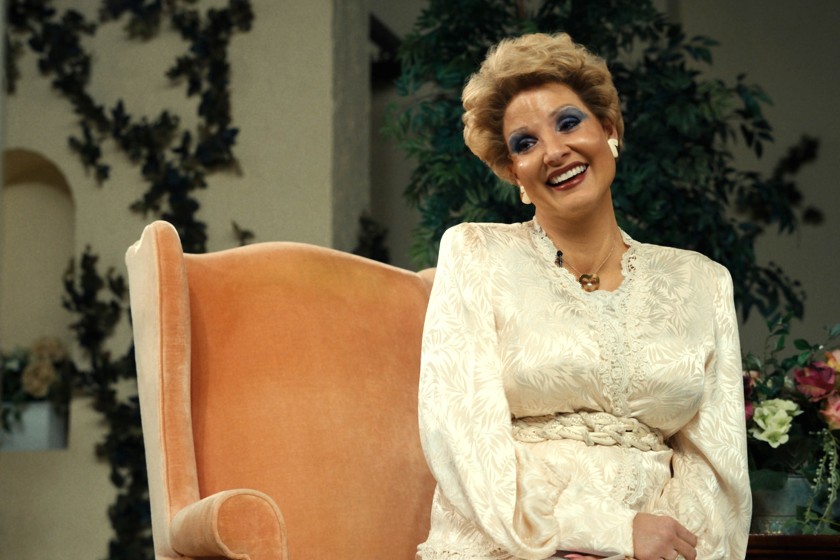
  • The Eyes of Tammy Faye
  • House of Gucci
  • The Suicide Squad

BEST PRODUCTION DESIGN

  • Dune
  • The French Dispatch
  • Nightmare Alley
  • The Tragedy of Macbeth
  • West Side Story

BEST ORIGINAL SCORE

  • Don’t Look Up
  • Dune
  • Encanto
  • The French Dispatch
  • The Power of the Dog

BEST ORIGINAL SONG

  • Be Alive (King Richard)
  • Beyond the Shore (CODA)
  • Just Look Up (Don’t Look Up)
  • Dos Oruguitas (Encanto)
  • No Time to Die (No Time to Die)

BEST SOUND

  • A Quiet Place: Part II
  • Belfast
  • Dune
  • No Time to Die
  • West Side Story

BEST VISUAL EFFECTS

  • Dune
  • Ghostbusters: Afterlife
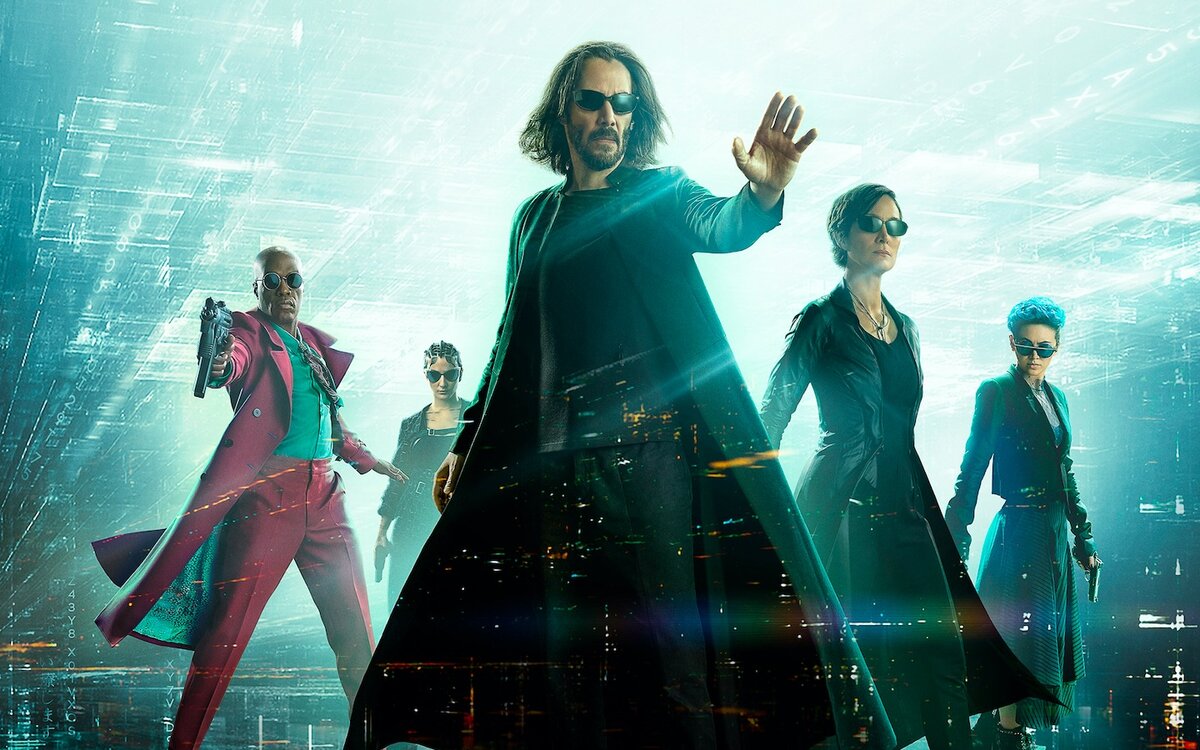
  • The Matrix Resurrections
  • No Time to Die
  • Shang-Chi and the Legend of the Ten Rings

BEST ANIMATED FEATURE

  • Encanto
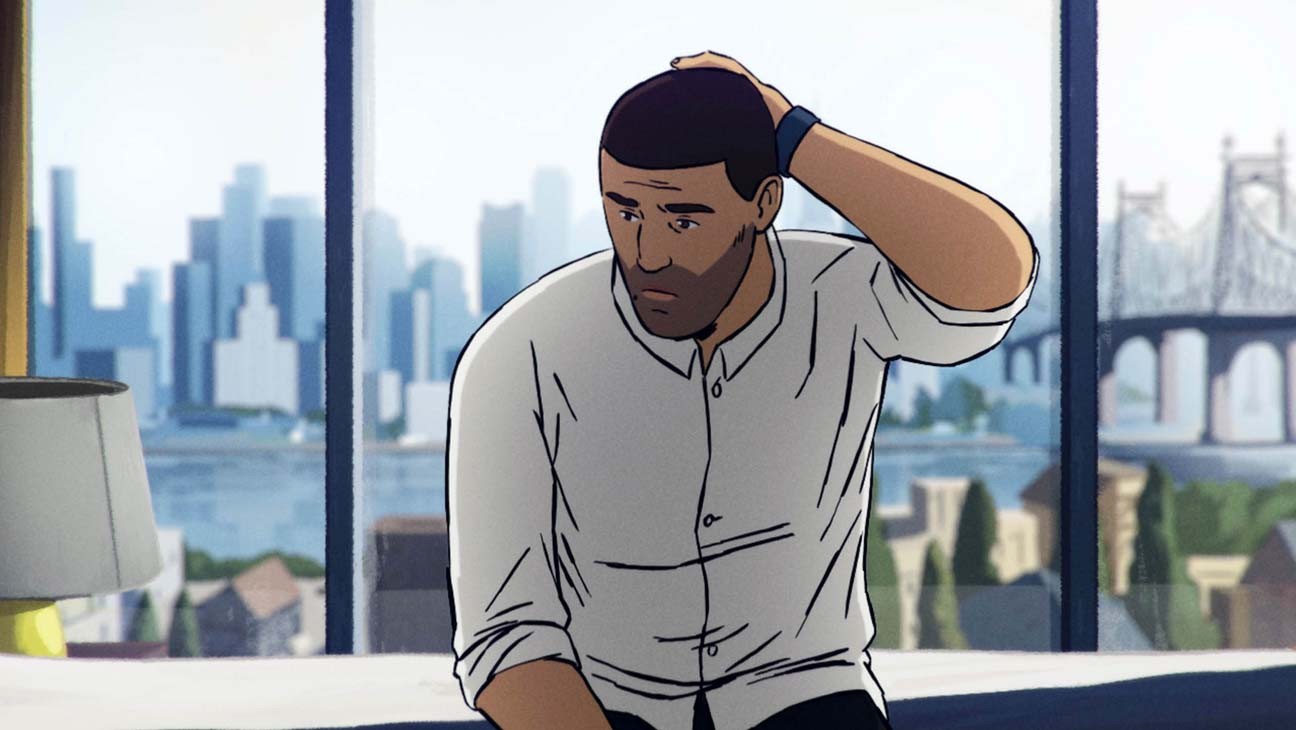
  • Flee
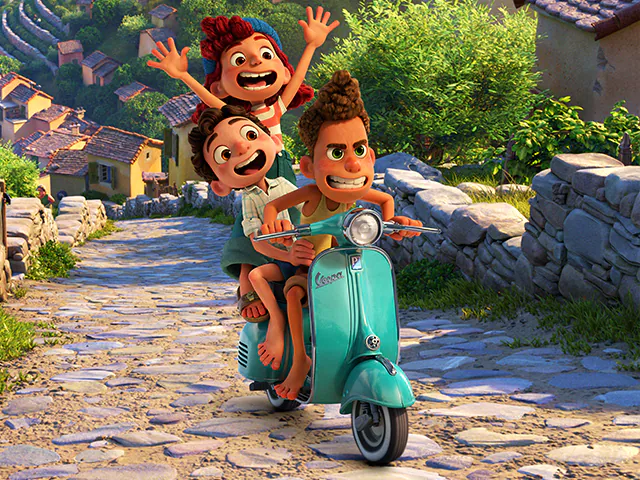
  • Luca
  • The Mitchells vs the Machines
  • Raya and the Last Dragon

BEST INTERNATIONAL FEATURE

  • A Hero
  • Drive My Car
  • Flee
  • The Hand of God
  • The Worst Person in the World

BEST DOCUMENTARY FEATURE

  • The First Wave
  • Flee
  • Procession
  • The Rescue
  • Summer of Soul

BEST ANIMATED SHORT

  • Affairs of the Art
  • Bestia
  • Namoo
  • Robin Robin
  • Us Again

BEST DOCUMENTARY SHORT

  • Águilas
  • Day of Rage
  • The Queen of Basketball
  • Terror Contagion
  • Three Songs for Benazir

BEST LIVE ACTION SHORT

  • Censor of Dreams
  • The Criminals
  • Les Grandes Claques
  • The Long Goodbye
  • Tala’vision

Movie Review: ‘Jackass Forever’ Reminds Us That It’s Okay To Simply Laugh…and Cringe


Director: Jeff Tremaine
Writers: The Jackass crew  
Stars: Johnny Knoxville, Steve-O, Chris Pontius, Ehren McGhehey

Synopsis: 12 years after the release of the third film, the Jackass crew reunites for a final collection of outrageous stunts. 


“When was the last time you got together with your old friends to laugh your asses off?” This is the quote that kicks off the theatrical trailer for Jackass Forever, the latest (and apparently final) outing from the crew that began participating in shocking stunts back in 2000. Rather than just a humorous way to try to bring people back to the theater to watch a bunch of grown individuals act like children, that line is the essence of the movie itself. While the film is simply a compilation of such painful and unsanitary acts, it’s also a reflection on the wild journey the team has taken over the years. 

Even as one who is more familiar with Jackass as a concept than as an actual viewer, I’m able to have a strange appreciation for how far the franchise has come. Perhaps the only thing wilder than the stunts themselves is that an MTV series that only lasted 25 episodes has resulted in a quadrilogy of theatrical features that essentially function as an avenue to display what they couldn’t on television. That’s certainly the case here, as the film features bare penises, explosions, human-on-human collisions, and men being covered in bodily fluids…all within the first five minutes. 

As expected, the film’s stunts seek to be bigger than ever. In fact, as it becomes clear in the ending credits, some of them are simply more intense versions of acts the crew has taken on before. Highlights from this venture include “Silence of the Lambs,” a hilarious act in which unsuspecting members are locked in a room with the lights out, under the false impression that a rattlesnake is trapped in the room with them. While that alone is an uproarious concept, they take it a step further by inflicting pain and fear on those involved, using everything from mouse traps to trash can lids. An exploit like this serves as the best of the film, largely because it combines meticulous planning from the masterminds with the genuine surprise of the victims. 

As with any Jackass film, this does bring up the question of how one interacts as a viewer. Let’s not shy away from the fact that it feels a little sadistic to find so much humor through the pain these guys go through. And I will say, I laughed consistently, and often quite audibly, throughout the course of the movie. What helps most in this case is that the participants seem like they are actually having fun, as deranged as that may sound. These are essentially the immature escapades of Johnny Knoxville and his Merry Fellows. And those fellows actually come off as quite merry, even just after they’ve endured what must be unreal pain. In fact, what’s even better than the stunts is what comes after – usually in the form of infectious laughter from all involved. 

While sitting back and cackling at the chaos or cringing at the gross-out stunts is all good fun, what really stands out here is the sense of finality and partnership. The film mixes the old with the new quite well. Johnny Knoxville serves as a charismatic ringleader, and Jackass traditionals like Steve-O and Ehren McGhehey participate in stunts as if they’re still in their 20s. However, newcomers like Zach Holmes and Rachel Wolfson hold their own while symbolizing the oddly enduring nature of these ridiculous ventures. The only time these people aren’t laughing is when they seem genuinely concerned about a partner who may be seriously injured. It may be difficult at times to tell whether the joy is simply a performance (especially with recent news about Bam Margera’s conflicts and frustrations with the crew), but the adoration for each other is still pretty evident. 

There are so many sequences here that it’s difficult to reflect on all of them while identifying the standouts. In a way, that represents the main fault of the film. There’s so much packed in that it does get to feel a bit tiresome in the middle, and some of the more minor or traditional stunts get lost in the fold. Still, moments of the best kind of hilarity remain, such as when part of the group is showered in paintballs just after getting off a makeshift tilt-a-whirl, which they took on after chugging a half-gallon of milk. There are certainly moments where actual danger can be felt too, such as a scene in which McGhehey must sit still while a full-grown bear eats up salmon laid across his groin. 

With Jackass Forever, you mostly get what you expect. If you’re not a fan of this type of comedy, there’s likely not much here that will sway you, even if the camaraderie is heightened for the participants who have participated for over 20 years. If you do enjoy this sort of thing, there are enough laughs to leave with satisfaction. It also helps that the technical elements are bigger along with the stunts. We no longer have to watch this happen through amateurish home video quality, as the newer entries come with a more experienced film crew who are able to capture the chaos from all angles and speeds. The movie is best enjoyed without thinking too much, and taking in a group of wild individuals as they act like complete idiots. I’m not going to pretend there is some thought-provoking, underlying message that wasn’t there before, but I certainly did enjoy laughing my ass off with these friends. 


Grade: B-

Chasing the Gold: Ryan McQuade’s 2022 Oscar Nomination Predictions

It’s all come to this. The Academy of Motion Picture Arts and Sciences will announce tomorrow their nominations for the 2022 Oscars. This year’s nominees look to feature tons of familiar faces to the Academy, as many of the films that were suppose to come out last year were delayed due to COVID-19. But there is still the possibility for some surprises, as 2021 was a rather strong year for cinema on the whole, where we discovered new and emerging artists who moved us. And while the discourse surrounding many of these titles has been hostile online, we have to remember that the Academy has final say and they are ultimately picking the films that just worked the best for them.

Going into the final stretch of the nomination phase of the season, we’ve seen Belfast, Dune, The Power of the Dog, West Side Story show up with a lot of love throughout the season with critics groups and guild nominations, thus showcasing a good balance of inside and outside industry support. I expect these films to still have strong mornings tomorrow, though each film could have either a addition or miss that will shock people, questioning where they are at in the race. For proof of that, look at the BAFTA nominations, as they provided that right amount of doubt and chaos needed for this season, thus providing so much anxiety to many Oscar pundits with their final predictions. And with tight races in Best Actress, Best Adapted Screenplay, Best Cinematography and more, these nominations could be the jolt of energy in what has been a long, similar Oscar season, given the fact that the same films have shown up everywhere. There is nothing wrong with a little variety, and makes these predictions a lot harder and so much more fun. With that, here is how I think it will go down.

The Power of the Dog' Ending Explained

Best Picture

  • Belfast
  • CODA
  • Don’t Look Up
  • Drive My Car
  • Dune
  • House of Gucci
  • Licorice Pizza
  • King Richard
  • The Power of the Dog
  • West Side Story

Dune director Denis Villeneuve on HBO Max and sequel: 'A crazy way to do things' - CNET

Best Director

  • Jane Campion, The Power of the Dog
  • Paul Thomas Anderson, Licorice Pizza
  • Ryusuke Hamaguchi, Drive My Car
  • Steven Spielberg, West Side Story
  • Denis Villeneuve, Dune

tick, tick … BOOM! review – Lin-Manuel Miranda's heartfelt tribute to Broadway | Movies | The Guardian

Best Actor

  • Benedict Cumberbatch, The Power of the Dog
  • Leonardo DiCaprio, Don’t Look Up
  • Andrew Garfield, tick…tick…BOOM
  • Will Smith, King Richard
  • Denzel Washington, The Tragedy of Macbeth

The Lost Daughter Review: Maggie Gyllenhaal's Impressive Directorial Debut Understands Womanhood's Profound Complexity - Paste

Best Actress

  • Penelope Cruz, Parallel Mothers
  • Lady Gaga, House of Gucci
  • Alana Haim, Licorice Pizza
  • Nicole Kidman, Being the Ricardos
  • Olivia Colman, The Lost Daughter

Licorice Pizza' Trailer: Bradley Cooper in Paul Thomas Anderson Movie - Variety

Best Supporting Actor

  • Bradley Cooper, Licorice Pizza
  • Troy Kotsur, CODA
  • Jared Leto, House of Gucci
  • Kodi Smit-McPhee, The Power of the Dog
  • Jesse Plemons, The Power of the Dog

West Side Story' stars Ariana DeBose and Rachel Zegler defend their remake : NPR

Best Supporting Actress

  • Caitriona Balfe, Belfest
  • Ariana DeBose, West Side Story
  • Kristen Dunst, The Power of the Dog
  • Aunjanue Ellis, King Richard
  • Ruth Negga, Passing

The 'Don't Look Up' Extended Trailer Is Out And It Is Superb | Grazia

Best Original Screenplay

  • Being the Ricardos
  • Belfast
  • Don’t Look Up
  • The French Dispatch
  • Licorice Pizza

Apple Studios Wins 'CODA' in Record-Breaking $25 Million Sale - Variety

Best Adapted Screenplay

  • Coda
  • Drive My Car
  • Dune
  • The Lost Daughter
  • The Power of the Dog
    Encanto - Catholic News Service

Best Animated Film

  • Belle
  • Encanto
  • Flee
  • Luca
  • Sing 2

Summer of Soul' Review: Questlove's Directs Doc on 'Black Woodstock' | IndieWire

Best Documentary

  • Ascension
  • Faya Dayi
  • Procession
  • The Rescue
  • Summer of Soul

Drive My Car' Film Review: Ryusuke Hamaguchi's Trip Starts Strong But Then Sputters

Best International Feature

  • Drive My Car
  • The Hand of God
  • A Hero
  • Prayers For The Stolen
  • The Worst Person in the World

The Tragedy of Macbeth costume designer on Joel Coen movie's wardrobe | EW.com

Best Cinematography

  • Dune
  • Nightmare Alley
  • The Power of the Dog
  • The Tragedy of Macbeth
  • West Side Story

Belfast movie review: Skirts politics with loving childhood memories - Vox

Best Film Editing

  • Belfast
  • Don’t Look Up
  • Dune
  • Licorice Pizza
  • The Power of the Dog

Nightmare Alley (Review): Del Toro Delivers Again with Dark Noir - Loud And Clear Reviews

Best Production Design

  • Dune
  • The French Dispatch
  • Nightmare Alley
  • The Tragedy of Macbeth
  • West Side Story

House of Gucci movie review & film summary (2021) | Roger Ebert

Best Costume Design

  • Cruella
  • Cyrano
  • Dune
  • House of Gucci
  • Licorice Pizza

Why 'Cruella' May Be the Best Movie of the Year So Far - Variety

Best Makeup & Hairstyling

  • Dune
  • Coming 2 America
  • Cruella
  • The Eyes of Tammy Faye
  • House of Gucci

No Time to Die' Ending: Daniel Craig, Filmmakers on James Bond Finale - Variety

Best Sound

  • Belfast
  • Dune
  • No Time to Die
  • The Power of the Dog
  • West Side Story

The Matrix Resurrections ending explained: answering your biggest questions | GamesRadar+

Best Visual Effects

  • Dune
  • Godzilla vs Kong
  • The Matrix Resurrections
  • No Time to Die
  • Shang-Chi and the Legend of the Ten Rings

Wes Anderson's FRENCH DISPATCH Trailer Looks Wonderful - Nerdist

Best Original Score

  • Dune
  • Don’t Look Up
  • The French Dispatch
  • The Green Knight
  • The Power of the Dog

We Don't Talk About Bruno' Passes 'Let It Go' As Top Hit

Best Original Song

  • “Be Alive” – King Richard
  • “Beyond the Shore” – CODA
  •  “Dos Oruguitas” – Encanto
  • ​”No Time to Die” – No Time to Die
  • “Somehow You Do” – Four Good Days

Check back in a couple of a days where we will have a new episode of Chasing the Gold to go over nominations for the 2022 Academy Awards.

Movie Review: ‘Moonfall’ is the Best Kind of Distraction


Director: Roland Emmerich

Writers: Roland Emmerich, Harald Kloser, and Spenser Cohen

Stars: Halle Berry, Patrick Wilson, John Bradley

Synopsis: The moon has fallen out of orbit and it is up to a band of astronauts to correct its course and battle the mysterious entity controlling it.


There was an internet joke that came about last year as the theaters across the world opened back up. People ironically and unironically stated, “cinema is back,” with every big release. Everything coming out widely at the time was an anticipated intellectual property and there were few unknowns that made it onto more than 1000 screens. Cinema is only truly back when the audience is treated to a risky original idea plopped into a thirsty late winter doldrum between Christmas and spring. The period where anything can appear and potentially thrive before the cacophony of IP drowns out all original thought again for ten more months. With the premiere of Moonfall, we can safely say cinema is truly back.

It takes a singular mind like Roland Emmerich’s to create a scenario, yet again, in which to destroy the Earth, or at least, large parts of it. He’s made it an art form, in and of itself. There must be entire classes in CGI design dedicated to scenes from his films. Yet, he’s always seemed to have an agenda behind his Earth shattering. Many of his previous disasters focused on teaching lessons like protecting endangered species (Godzilla), climate science (The Day After Tomorrow), and that we should all learn to get along better (Independence Day). Moonfall has no deeper truth to it. Emmerich just wants to blow stuff up this time and it’s a little refreshing.

Emmerich isn’t someone who worries about unique shots, about the flashier techniques of his peers. He’s there to tell the actors to be scared, to be wowed, or to be angry at the CGI mayhem around them. That isn’t to say his team shouldn’t be praised for their (excuse the pun) stellar work. Production designer Kirk M. Petrucelli created sets that ranged from a dilapidated L.A. motel to a military strategy room to a futuristic alien spaceship hallway. Petrucelli and the art department created something real amongst the unreal. The visual effects team has also balanced the mayhem, chaos, and carnage of the moon dropping pieces of itself to Earth with the beauty and awe of what it could look like inside a mega structure that surrounds a white dwarf star. They also didn’t create something new with their nebulous swarm of a villain, but it is effective in the way it moves, kills, and adapts.

There is a lot of unreal in Moonfall. It was already a bonkers concept, but when the layers of detail about what is actually going on are revealed, it’s best to just lean into it. That’s what Emmerich’s films, especially his films of the late ’90s and early 2000s failed to do, which was to delve completely into the insanity of the concepts. These previous films still clung to some kind of reality. In Moonfall, Emmerich and co writers Harald Kloser and Spenser Cohen just up the ante, go the distance, and every other cliché about completely investing in a concept. Emmerich balances his patented earthbound drama with his strange sci-fi caper all at once in a cosmic dance that’s engrossing and engaging, while it is also baffling.

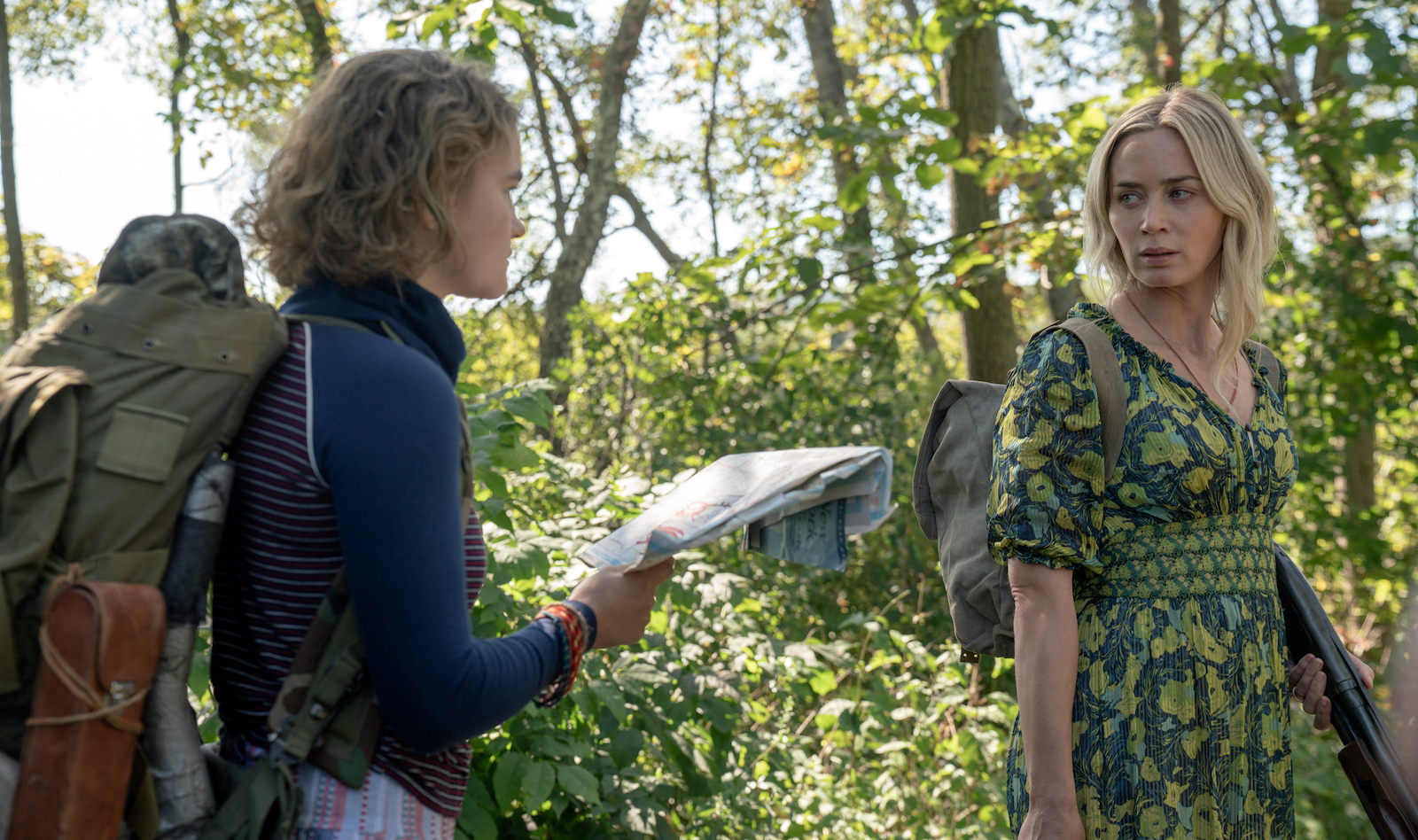
Does Moonfall fail to be ultimately intellectually stimulating? Yes. Does Moonfall have every cheesy line of dialogue in the book? Yes. Does a car chase morph into a car commercial? One hundred percent. Yet, Moonfall is exactly what it’s meant to be. It’s a big, bold disaster film that pulls us out of the disaster film that has become our lives over the last few years. It’s an escape and one that while not entirely “good”, still itches that yearn inside of all of us that wants to be the hero in a terrible situation and pulls at our heartstrings when we see people we care about, however fleetingly, slip into mortal peril. Moonfall is the best kind of disaster, it distracts the brain just long enough to remind us it could be a lot worse.


Grade: C