

Home Blog Page 15

Movie Review: ‘One Spoon of Chocolate’ Does Not Go Down Easy


Director:ย RZA
Writer: RZA
Stars:ย Shameik Moore, RJ Cyler, Paris Jackson

Synopsis: An ex-military convict seeks a fresh start in a small town, but his past catches up as he finds love amid danger and chaos.


In the Q&A following the screening of One Spoon of Chocolate, filmmaker and legendary NYC-based rapper RZA stated he had the idea for this film all the way back in 2011 and had only the first 40 pages of the screenplay for a while and couldnโ€™t find the way forward. After seeing the film you could certainly tell that this has been on and off the burner for the better half of 15 years. One Spoon of Chocolate is an uneven โ€˜stranger in a new townโ€™ film that lacks the charisma and charm of RZAโ€™s other projects. There are a multitude of issues with this film with little pros to show for it, but most disappointingly One Spoon of Chocolate feels hollow for a film trying to say so much.

One Spoon of Chocolate follows former Army man and ex-con Unique (Shameik Moore) – possibly an homage to the Shaw Brothers first film studio – following his release from prison. Unique is placed in Karensville, Ohio, a town in which he has family, to try and live out his days as peacefully as he can. But the town is top-to-bottom corrupt, the townsfolk are incredibly racist and brutally violent. Acts displayed in the film include lynching, organ harvesting, and group beatings – all of which are shown as brutally as possible, not allowing the audience member to shy away from the horrors within.

One Spoon of Chocolate is wholly uneven as a film. When the film starts, we get something that feels a little more sensationalized, a little more exploitative, a platform that couldโ€™ve been built off of to be great. Then, after the first hour or so, the film seems to lose itself. It falls into something more self serious, losing the visual and thematic drive that preceded it. If you were to cut the film in segments, the first fifty minutes or so feels exploitative and purposeful, the following forty minutes that reads like one of Spike Leeโ€™s socially aware films (something like BlacKkKlansman), then the remainder is just a big action blowout. There is a world where this could all blend together, but this did not.

In terms of the role white supremacy plays in the film, it seems to lean heavily on the economics side. While the angle is interesting, it is never explored further than a surface level glance. Obviously, RZA set out to speak on white supremacy and its existence, but when weโ€™re at the stage weโ€™re at in 2026 with how horrible it has gotten it feels sort of short of reality. In a way, it feels like someone trying to lampoon the National Enquirer, you canโ€™t extend it much further without leaning into irony. Which, irony seemed to be the flavor at the beginning of the film, but quickly dissipated as the film progressed.

When I first started writing film criticism I touched on superfluous items that may not add to the total enjoyment of the film. For example, I was critical of acting at such a weirdly granular level that it seemed to add air into a room that isnโ€™t asking for it. However, in One Spoon of Chocolate, Shameik Moore is extraordinarily bad. The other actors in the film do their role at the level they need to be (hell, Paris Jackson was a highlight, someone I was anticipating to just be visual furniture), but Shameik Moore cannot rise to the occasion. The film, at times, had some really excellent shots and lighting and the complete image could look excellent at times – then Shameik Moore would start speaking and it would melt all of the illusion and world that was built beforehand.

What One Spoon of Chocolate gets right is the final action sequence. RZA was aware of the lessons and ethos of Kung Fu and samurai films and it worked in this final segment. While the lead up to this point was less than ideal, the actual action was well worth it. There is an excellent restraint on the use of firearms and there is an emphasis on hand to hand combat and different items as weapons. If not for the rest of the movie being a drag, the build up to the final form of Uniqueโ€™s prowess could have been something that is immortalized into film canon. Regardless, the final segment was well worth the journey to get there, warts and all.

Itโ€™s no secret that RZA is a massive film fan, and his enthusiasm is infectious. However, when it comes to his insertion of other film ideas into One Spoon of Chocolate, it feels lost. Sure, I recognize the references to Schindlerโ€™s List, Pulp Fiction, A Fistful of Dollars, all incredible films, but their homages are simply visual and nothing substantial. While I mentioned that RZA respected the style of Kung Fu films, that seemed to be the only philosophy he drew from. Everything else was just clunkily inserted in and didnโ€™t feel as aware as the final action segment.

One Spoon of Chocolate is a film that had its heart in the right place but the execution was not there. RZA is an excellent artist, Enter the Wu-Tang is a top 10 album for me. I could listen to RZA talk about films for hours, but this film was certainly not one of his best. If you had told me this was his first feature film, I would believe you (and going into it, I did think it was his first feature film). If you were looking to find a great action film you can go watch John Wick, The Raid, or any Bruce Lee picture instead. There are redeeming qualities to One Spoon of Chocolate, but with the 112 minute runtime and bore of a middle section you could just see something else instead.

Grade: D

Movie Review: โ€˜The Devil Wears Prada 2โ€™ โ€” Glamour, Change, and Survival


Director:ย David Frankel
Writer: Aline Brosh McKenna, Lauren Weisberger
Stars:ย Meryl Streep, Anne Hathaway, Emily Blunt

Synopsis: Andy Sachs reunites with Miranda Priestly as they navigate their careers amid the decline of traditional magazine publishing


Itโ€™s 2006, and The Devil Wears Prada glides into theatersโ€”polished, biting, and deceptively powerful. What could have been just another film about fashion becomes something far more lasting: a cultural landmark that reshaped how we saw the 2000s fashion industry, revealing its hierarchies, its quiet ruthlessness, and its impossible glamour, while making that world feel both untouchable and just within reach.

For me, though, its impact was never only culturalโ€”it was deeply personal, even before I understood why. The film didnโ€™t just spark a love for fashion; it stirred something quieter, something unnamed. It wasnโ€™t a โ€œtrans storyโ€ in any obvious sense, but it didnโ€™t need to be. The most defining realizations rarely arrive with clarityโ€”they unfold slowly, reflecting parts of you you donโ€™t yet have the words to claim.

That opening title sequenceโ€”women dressing with care, slipping into heels, brushing on mascaraโ€”felt like a revelation. Not just about beauty, but about becoming. Somewhere in those quiet rituals, I caught a glimpse of myselfโ€”not as I was, but as I felt. It planted something lasting: the idea that identity could be shaped, chosen, stepped into piece by piece, until it finally feels like truth.

So coming back to this world twenty years later feels emotional in a way I canโ€™t separate from who I am now, because The Devil Wears Prada 2 isnโ€™t just a sequel but a return to something that once felt sacred, something that helped me understand myself long before I had the words to say it out loud, and what makes it remarkable is that it earns that return by refusing to stay frozen in nostalgia and instead evolving into something more complicated, more fragile, and more human.

The Devil Wears Prada 2 does something sequels almost never manage, which is justifying its existence by evolving rather than repeating itself, since it doesnโ€™t cling too tightly to what worked before nor abandon it, instead stepping into a harsher and more uncertain world where these characters exist with all their flaws intact, where the glamour and wit and bite are still there but layered over something more unstable, as the fantasy hasnโ€™t disappeared but has been complicated by time.

This time around, the world feels unsteady from the very beginning, because journalism is no longer just struggling but quietly eroding, and even someone as accomplished as Andy Sachs, once again played by Anne Hathaway, finds herself pulled into that instability, where her return to โ€œRunway,โ€ now entangled in scandal, feels less like destiny and more like necessity, a calculated step back into a place she once thought she had fully outgrown.

And yet โ€œRunwayโ€ still belongs to Miranda Priestly, once again embodied with razor-sharp control by Meryl Streep, who remains a force of nature even as the landscape around her shifts in ways she can no longer fully command, because the power she once wielded without question now requires negotiation and restraint, and somehow that evolution makes her even more compelling, as she hasnโ€™t lost authority but has been forced to redefine it.

Beside her stands Nigel, played with quiet depth by Stanley Tucci, still observant and composed but now carrying a subtle weight of disillusionment, as if time has moved differently for him and he is only now realizing how quickly the system he understood so well has shifted beneath him, leaving him to question what was gained and what was quietly left behind.

Then there is Emily, with Emily Blunt returning not softened but sharpened, because if she once fought to survive within the system she now helps shape it, and her rise into influenceโ€”entangled with the advertising world and the shifting machinery of media powerโ€”reconfigures everything in a way that feels both satisfying and slightly unsettling, since she doesnโ€™t replace Miranda but instead challenges her, forcing a new kind of negotiation where influence is no longer inherited but constantly earned.

The film also expands Andyโ€™s world outward in meaningful ways, including her friendship with Lily, played by Tracie Thoms, which remains one of her few grounding constants, alongside new characters who reflect the instability of a collapsing industry filled with laid-off colleagues, opportunists, and people trying to turn uncertainty into survival, while also introducing the quiet temptation of reshaping oneโ€™s own past into something consumable and marketable, where lived experience itself becomes currency.

And yet, through all of this, the film never loses its sense of spectacle, because the fashion remains exquisite and the cities of New York and Milan still feel like fantasy spaces carved from glass and steel, even if that beauty now feels less like escape and more like defense, as though everyone is dressing themselves in control because everything else feels unstable.

There is also a sharper awareness of the world outside the frame, where economic pressure and creative decline and the erosion of prestige institutions seep into the edges of the story without overwhelming it, and even โ€œRunwayโ€ itself is no longer the untouchable empire it once was, because it still dictates taste but now also answers to it, reflecting a world where authority is no longer absolute.

One of the most intriguing modern threads comes through Emilyโ€™s connection to a tech-driven power structure shaped by figures like Bill Gates and Jeff Bezos, which becomes a subtle but effective way of showing how cultural influence has shifted away from legacy media into colder algorithmic systems where taste is no longer curated but calculated, reshaping what power even looks like.

And yet the film never loses its playfulness or its understanding of what fans came for, because callbacks are woven throughout as quiet echoes rather than loud nostalgia, while new additions feel intentional rather than decorative, with Lady Gaga appearing as herself and bringing electrifying theatricality alongside original music that feels perfectly at home in this heightened world, while Simone Ashley steps in as Mirandaโ€™s new assistant with a sharp, self-aware energy that signals a generational shift in power, and Lucy Liu adds elegance and ambiguity that deepens the filmโ€™s ongoing fascination with visibility and control.

But what ultimately holds everything together is still the original quartetโ€”Andy, Miranda, Emily, and Nigelโ€”because the film understands that their chemistry is the backbone of everything, and rather than replacing or diluting it, it deepens it by allowing their relationships to fracture and reform in ways that feel honest, as none of them are who they once were, and that transformation is exactly the point.

Because at its core The Devil Wears Prada 2 isnโ€™t really about fashion or journalism or even ambition, but about survival, about what remains of you when the systems that shaped your identity begin to dissolve, and about whether you can evolve without losing yourself entirely in the process, and by the end it refuses easy answers or neat closure while still suggesting something quieter and more human, which is that there is still meaning in persistence and still value in taste and voice and resistance even when the world no longer seems built to reward them.

Itโ€™s glamorous, yes, but itโ€™s also more complicated now, more bruised, more lived-in, and more honest, and somehow that makes it feel even more powerful.

Grade: A

Women InSession: Newsies

This week on Women InSession, we discuss the 1992 Kenny Ortega film Newsies! With Kristin being a life-long fan, and it being a great excuse for Megan to finally see it, now felt like a great time to dig into this one. Famously, the film had its fair share of production issues, but the music is fun and how can you not love Christian Bale?

Panel: Kristin Battestella, Megan Kearns

On that note, check out this week’s show and let us know what you think in the comment section. Thanks for listening and for supporting the InSession Film Podcast!

Subscribe to our Podcast RSS
Subscribe to our Podcasts on Apple Podcasts
Listen on Spotify
Listen on iHeartRadio
Women InSession – Newsies

LISTEN TO THE PODCAST

Movie Review: ‘Touch Me’ Will Make You Recoil


Director: Addison Heimann
Writer: Addison Heimann
Stars: Olivia Taylor Dudley, Lou Taylor Pucci, Jordan Gavaris

Synopsis: Two codependent best friends become addicted to the heroin-like touch of an alien narcissist who may or may not be trying to take over the world.


When a film starts with a nearly ten minute monologue, you know whether or not you’re going to like it. In that time, the character delivering the monologue will give you different facets of their personality, the actor performing it will show you the character’s tics, mannerisms, and sense of self, and the writer will tell you everything you need to know about the set up of the film. Starting a film like this is a bold choice because you’re beginning with static. If the actor, the dialogue, and the camera work is up to the challenge, this could be a very effective opening. Touch Me shows us that trying to set up a psychosexual horror comedy in this way is terrifically ineffective. This film is an attempt at traumedy that fails to get off the ground.

There is nothing bad about attempting a comedy that builds its humor out of a character’s traumatic experiences. It can even be very well done such as Eva Victor’s Sorry, Baby and Ally Pankiw’s I Used to be Funny. Though, where those films are grounded and multidimensional, Touch Me is just not. The problem is that it is firmly tongue-in-cheek without any sense of the character’s humanity beyond the walls they put up with ruthless self-deprecation. Their trauma becomes one dimensional and even when they achieve a form of catharsis, it rings so false because there is nothing beyond this “personality” they’ve developed. Joey (Olivia Taylor Dudley) and Craig (Jordan Gavaris) seem more like the personification of emotions than actual characters.

It doesn’t help that the story revolves around an alien being who has a “heroin touch” that makes you feel instantly better. This gives Joey and Craig an instant excuse for any poor behavior they might exhibit. That alien conceit is part of the package, but it would work just as well with a human cult leader drugging them. 

So much of the alien aspect of the film is completely unexplained despite how important it all seems to be. It’s especially important to Joey as Brian (Lou Taylor Pucci), the alien, tells her he’s here to save the world through correcting climate change. As the film goes on, though, and the true nature of Brian is revealed, the plot holes just get bigger and bigger. In a mirror of the opening monologue, Joey is back in therapy telling the whole tale to her therapist, who breaks in with valid questions about the presence and purpose of the alien. The fact that writer Addison Heimann uses this device to ask all of our questions for us isn’t a clever way of getting on our side, but a way to show how lazy the mechanics of this alien plot were and how that laziness is inherent in the entire structure of the film and its characters.

The one bright spot of the film is Lou Taylor Pucci’s performance as Brian. He plays otherworldly himbo like he was born to it. One plot point that is pretty funny is that Brian often processes his thoughts and emotions through hip hop dancing. In these scenes, Pucci shows a physicality and commitment that is top notch. His dancing is lively and seductive as it should be, but it also is wonderfully funny in its precision. Pucci is the only part of Touch Me worth watching.


It’s obvious that Touch Me was written to encompass some big ideas. This film takes major swings and tries very hard to mine comedy from some traumatic stories. Yet, the attempt this film makes at a grand narrative of truth about how we’re all screwed up and need to find a way to move forward ends up being the maudlin drunk who stops the party flat. The film can’t get over how much it hates itself to give us a reason to love it.

Grade: D

Movie Review: ‘Swapped’ is Unoriginal, But Enjoyable Enough


Director: Nathan Greno
Writer: John Whittington, Christian Magalhaes, Robert Snow
Stars:ย Michael B. Jordan, Juno Temple, Justina Machado

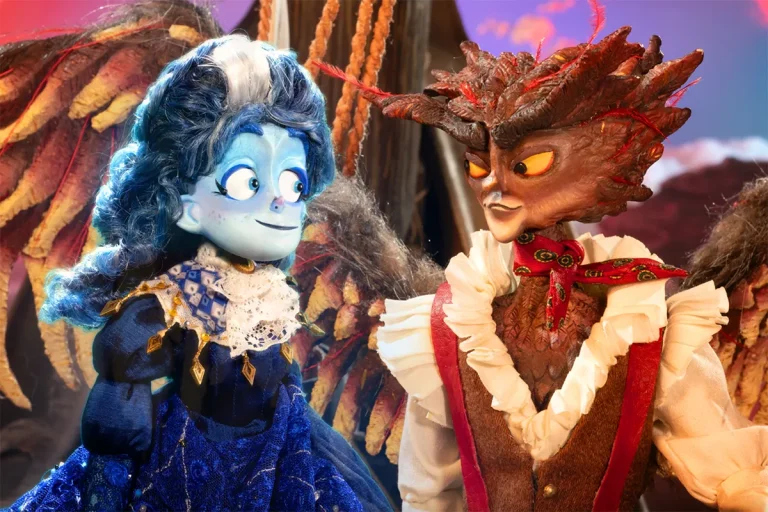
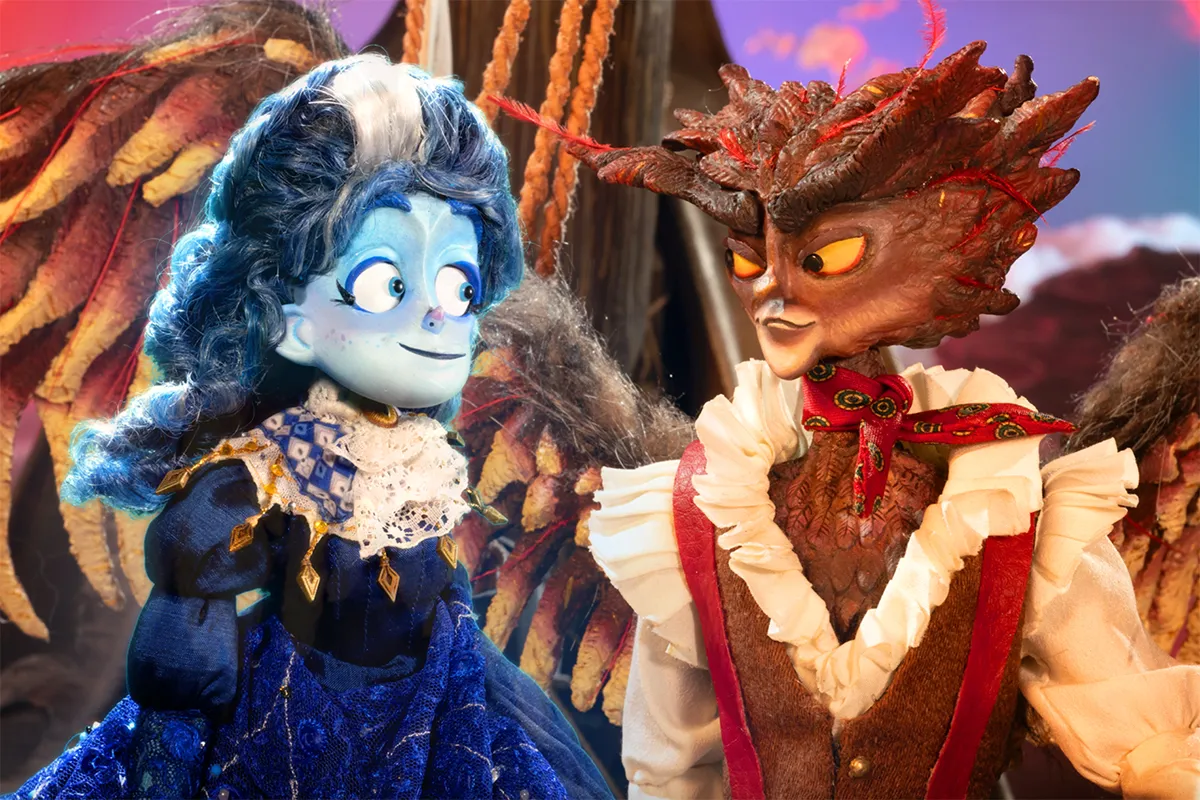
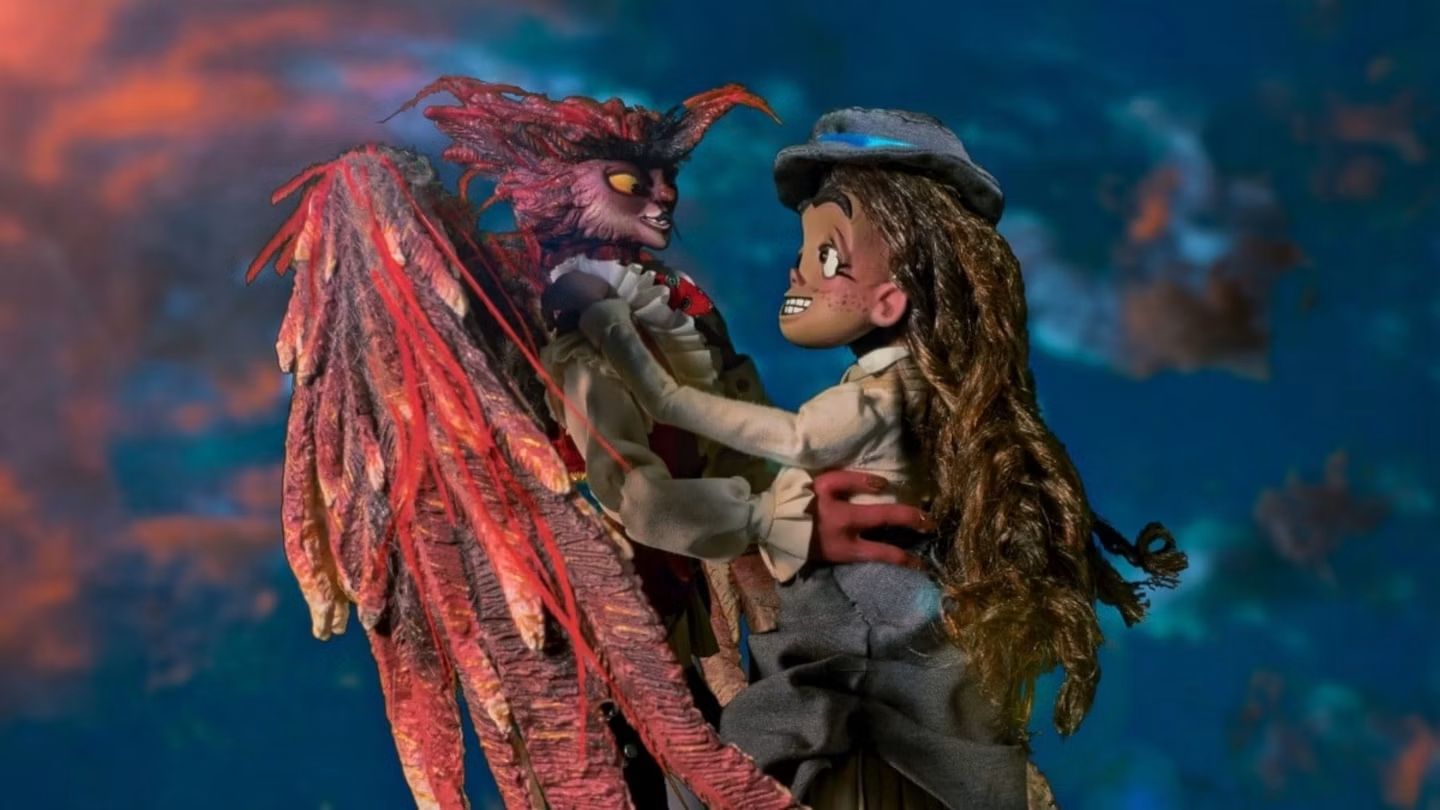
Synopsis: A tiny woodland creature and a majestic bird suddenly swap bodies, forcing them to team up to survive the wildest adventure of their lives.


The last thirty years or so have been a golden age of animation since Pixar introduced audiences to Toy Story. So, when a studio like Skydance Animation drops an animated film on Netflix, like Swapped, it can be held to an almost unattainable standard. The other issue is that thereโ€™s little distinction between a massive streamer’s film that feels made-for-television and one that aspires to be true, magical cinema.

Well, it can be, in terms of story and visual artistry. Swapped has plenty of the latter but flirts with a familiar, recycled narrative. Still, it has heart and, at times, is smart enough to highlight the unintended consequences of our actions on surrounding communities. Thatโ€™s something we need from animated films, whose core demographic is children, teachable moments like these, which are empathy, community, identity, and acceptance. 

Sure, the premise borrows from audience favorites like Freaky Friday, Big, and the new Jumanji franchise. However, not everything has to be startlingly original, as long as itโ€™s done well and tailored to resonate with the audience the experience is meant to serve. This amounts to playing something for the kids while you get some alone time, delivering a family-friendly, albeit safe, experience even for adults watching alongside them.ย 

The story follows Ollie (Michael B. Jordan), an adolescent Pookoo, a brown sea otterโ€“like creature, whose mischievous nature begins to endanger his community. Ollie refuses to live by his fatherโ€™s code, โ€œHide today, live tomorrow.โ€ To keep him scared, his father tells him the story of the Firewolf, who destroyed the Dzo, tree-like creatures that carry magical pods with the ability to transform one creature into another to foster understanding between rival groups.

So, during the Piplets Harvest Festival, the main food source of the Pookoo, Ollie wanders off and runs into a newly hatched Javan, a glorious shade of light green, who begins to follow him. The small Pookoo shows the baby Javan how to open a pod filled with Piplets. They enjoy the snack, but Ollieโ€™s kindness has unintended consequences, as a swarm of Javan flies in. Which reminds the audience of the old adage: “If you teach someone to fishโ€ฆโ€

Well, now that the Javan know how to open the Piplet pods, they can eat for a lifetime. The bird species takes over, consuming most of the Pookooโ€™s food source. Years later, now fully grown, Ollie, his family, and the community worry about how to survive the season with little to no food left. Ollie goes for a walk and comes up with a way to force the Javan off the Piplet fields, to save his family and his species. 

The crux of the story, with a script by The Lego Batman Movie scribe John Whittington, has Javan tackle Ollie, sending them both down a hole and into a magical plant that swaps their bodies. Weโ€™ve seen this setup countless times before, but the film finds its teaching moments in the idea that the only way to switch back is to work together and save all the woodland animals, making Swapped an antagonist-driven buddy comedy with a strong emotional arc.

Directed by Nathan Greno (Tangled), the film is vibrant, featuring beautiful, creative animation. Itโ€™s a real achievement for Skydance Animation, which has struggled with visual quality in its animated, effects-driven filmography. Tracy Morgan, who voices a purple groupie, provides solid comic relief, while Ted Lassoโ€™s Juno Temple plays the Javan who switches bodies with Jordanโ€™s Ollie, bringing comfort and warmth to the role that children will respond to.

Where Swapped struggles is in its lack of originality, even as it tries to make familiar ideas feel new. That is especially true of the โ€œvillain,โ€ the Firewolf, whose โ€œsurpriseโ€ reveal exposes the limitations of the performance. Itโ€™s the kind of turn that makes you appreciate voice actors, as the lack of nuance turns what should be menacing into something unintentionally comical. When the reveal lands, youโ€™ll understand exactly why.

Still, if nothing else, Netflixโ€™s Swapped is enjoyable and breezy enough, delivering colorful animation, light humor, and a handful of meaningful lessons for its core audience. Sure, the film falls short of true originality in its storytelling, but it has enough heart and accessibility to earn a very mild recommendation, safe, simple, and sincere in its intentions.


You can stream Swapped exclusively on Netflix starting May 1st!

Grade: C+

Chasing the Gold: Guillermo del Toro & His Monsters

On this episode of Chasing the Gold, Shadan is joined by Jaylan Salah to discuss the great Guillermo del Toro and why his monsters are so memorable! Del Toro is clearly defined by his monsters and he’s talked at great length as to why they mean so much to him, and that passion oozes off the screen when you watch his films. And we wanted to talk some time to talk about why they resonate with us too.

Check out this week’s show and let us know what you think in the comment section. Thanks for listening and for supporting the InSession Film Podcast!

Subscribe to our Podcast RSS
Subscribe to our Podcasts on Apple Podcasts
Listen on Spotify
Listen on iHeartRadio
Chasing the Gold – Guillermo del Toro & His Monsters

WATCH/LISTEN TO THE PODCAST

Criterion Collection: May 2026

While I keep track of Criterionโ€™s monthly releases, some months Iโ€™m pleasantly surprised by how little I know of that monthโ€™s set of announcements. In an exercise of  ignorance, I can examine what is being released, see what made these films important to cinema, and round out my cinematic palate even further (a really cool opportunity, if you ask me). May 2026 is one of those months for me. I am familiar with most of the filmmakers, but not these specific films. Obviously, the two films released in 2025 and the one Akira Kurosawa upgrade Iโ€™m familiar with but the other four announcements? Completely new to me! There is one 4K upgrade (from a previous Criterion DVD release), one new Criterion Premieres release, two new Blu-ray releases, and three new 4K+Blu-Ray combo releases.

Stray Dog (1949)

One of my major cinematic blind spots is Akira Kurosawa. Iโ€™ve only seen Red Beard, Throne of Blood, and High and Low – and every single one of those films are incredible. Stray Dog has only been on Criterion DVD and there wasnโ€™t a higher quality format until now. Iโ€™m a sucker for a crime thriller, pre-technology, and my one experience with one of Kurosawaโ€™s crime thrillers (High and Low) was incredible. Iโ€™m quickly learning that any Kurosawa is good Kurosawa, and Iโ€™m eager to see this film when its new release comes out. Stray Dog is a new 4K+Blu-Ray combo release featuring a new 4K digital restoration.

Peter Hujarโ€™s Day (2025)

Being a member of a number of NYCโ€™s many arthouse theaters, I have seen this filmโ€™s poster plastered in the halls and concession stands of the theaters Iโ€™ve visited. Unfortunately, I havenโ€™t made the trek to watch this but anything that takes place in New York scratches a nostalgic itch for a time I shouldnโ€™t be nostalgic over. Peter Hujarโ€™s Day is a dramatization of a conversation between photographer Peter Hujar and writer Linda Rosenkrantz. This film has been on my list for some time and I will be watching it before release. Peter Hujarโ€™s Day is a new release from Criterionโ€™s โ€˜Criterion Premieresโ€™ with a Blu-Ray and DVD offering.

The Delta (1996)

This is the second release this month from filmmaker Ira Sachs (after Peter Hujarโ€™s Day). The Delta is about a white 18-year-old young man who explores his sexuality and discovers his attraction to men. In his endeavors, he develops a relationship with a Black Vietnamese immigrant man. Set in Ira Sachsโ€™s hometown of Memphis, Tennessee, The Delta follows ideas of sexuality and race while following a seemingly semiautobiographic approach given Sachs own experience as a gay man in Memphis. While I wonโ€™t pretend I know anything about the film or the themes explored within, the premise is very compelling and has certainly caught my attention by the lack of information I could gather online – I will be seeking this out. The Delta is a new Blu-Ray release featuring a new 2K digital restoration approved by director Ira Sachs.

Fresh Kill (1994)

This is a film I had never heard of until Criterion announced they were releasing a Blu-Ray. And now, after reading about it, Iโ€™m ITCHING to see this. A film that takes place in Staten Island, had a major influence in hacker subculture, ecoterrorism, and is cited by The Los Angeles Times as being a โ€˜gentle lesbian love storyโ€™? Sounds like total chaos and the framework to the PlayStation game, Final Fantasy VII. While I was researching this film there was not a lot I could find on this and honestly, thatโ€™s a huge indicator to me that I have to see this and Iโ€™m super eager to jump on this release. Fresh Kill is a new Blu-Ray release featuring a new 4K restoration approved by director Shu Lea Cheang.

Body Heat (1981)

Lawrence Kasdan, the director of Body Heat, is arguably blockbuster cinemaโ€™s most important writer. Co-writer of the best Star Wars film (The Empire Strikes Back) and the writer of one of the best adventure films of all time (Raiders of the Lost Ark), Criterion is putting out Kasdanโ€™s erotic debut feature film, Body Heat. Criterion has a trend of releasing debut films of filmmakers including (the now out-of-print) Shallow Grave from Danny Boyle, the aforementioned Fresh Kill from Shu Lea Cheang & The Delta from Ira Sachs, and the recently released Pee-weeโ€™s Big Adventure from Tim Burton. If you enjoyed the sultry, southern, and seductive nature of Sinners, you can chase that with Body Heat. William Hurt and Kathleen Turner star in this neo noir crime thriller set in Southern Florida. Body Heat is sweat inducing, and a devilishly great time. Body Heat is a new 4K+Blu-Ray combo release featuring a new digital 4K restoration approved by director Lawrence Kasdan.

Sentimental Value (2025)

In January of 2022, I saw The Worst Person in the World at Sundance and Joachim Trier quickly flew onto my radar. Sentimental Value turned away the youthful, frenetic energy of The Worst Person in the World and gave us a slower, more interpersonal film about generational trauma rather than Worst Personโ€™s introspective odyssey of self and personal fulfillment. Itโ€™s reassuring to know that Trier isnโ€™t a one-trick filmmaker, capable of exploring different ideas. While people have been deriding the Criterionโ€™s cover of the film, the film within is incredible. Sentimental Value is one of 2025โ€™s best, and should be on your radar if you have gone this far without seeing it. Sentimental Value is a new 4K+Blu-Ray combo release featuring a new digital 4K master approved by director Joachim Trier.

Lenny (1974)

Iโ€™m not familiar with Lenny, but I am familiar with the director of Lenny, Bob Fosse. Fosseโ€™s most well known film, All That Jazz, is one of the most incredible films Iโ€™ve ever seen. Lenny is based on a play of the same name which is based on the life of comedian Lenny Bruce. Bob Fosse and show business go together like chocolate and peanut butter, soup and crackers, coffee and cigarettes (you get the idea). I am not the most familiar with this film, but the guy who made All That Jazz couldโ€™ve made Battlefield Earth and Iโ€™d still be seated for it – this is a day 1 purchase for me. Lenny is a new 4K+Blu-Ray combo release featuring a new 4K restoration. 

We are two months out for the semi-annual Barnes & Noble sale in July. Save your Barnes & Noble gift cards, and hang tight on these new releases for filmโ€™s best deal.

Movie Review: ‘Modern Whore’ is Brave and Human


Director: Nicole Bazuin
Writers: Nicole Bazuin, Andrea Werhun
Stars: Andrea Werhun, Patrick Groe, Paul Thomas Forrest

Synopsis: Andrea Werhun as she portrays her past roles as escort Mary Ann, stripper Sophia, and her OnlyFans presence – all part of her Toronto sex work journey.


Sex work is one of the world’s oldest professions. Yet even talking about it is taboo, and partaking in it is even more so. The topic brings stereotypes about the kind of person who chooses to get into this work. Modern Whore takes control of the narrative around sex for pay, highlighting real stories. It’s an eye-opening documentary that celebrates art while advocating for the artist behind it.

In the 2010s, Andrea Werhun was a college student looking for ways to make more money. Working as a barista at a coffee shop, tips only found their way into her jar when she discovered that men would tip if some skin was being shown. Deciding to pursue it, she becomes an escort, with no training in the ways of this new venture. She makes $700 her first night and is hooked, but not just by the promise of money. What she finds throughout her career is that although society chooses to partake in her services, all the shame is unfairly projected onto one person: her.

Experiences from Werhun’s book, which also goes by โ€œModern Whore,โ€ are put on display in a vibrant showcase of campy reenactments. Spanning from her first client to where she is today, Werhun refreshingly embraces sex work. It’s her form of art, and regardless of whether someone understands it or not, she’s more concerned with educating and uplifting her fellow escorts. Her journey, from contracting nearly every STI imaginable to being an emotional dumping ground for men, rings the alarm on how the world views people like Werhun.

Modern Whore challenges our preconceived notions of sex work and leaves a lasting impression with its use of firsthand encounters. Recreations of Werhun’s time with her clients raise questions that audiences have likely thought about or joked about with friends. Commonly, strippers and sex workers are asked why they got into this line of work. Rarely is it asked with genuine intentions and assumes there’s something wrong with them, instantly victimizing sex workers, which is more harmful than it would appear.

Writer and director Nicole Bazuin, along with Werhun, delicately place humor throughout, making it entertaining while informative. It presents information about the treatment of sex workers that demands serious change. Over-the-top recreations of nights with her standout clients show men from all walks of life who buy her services. Werhun finds that some of these men write sex worker reviews, where their story and the truth rarely align. While Werhun and Bazuin recognize these reviews can dehumanize sex workers, they choose to act out both versions to see which is more likely. The outcome is a good laugh that allows Werhun to poke fun in her own way.

While Werhun is the main focus of Modern Whore, there are others who get a chance to speak about their experiences. Black women discuss how colorism impacts their work, how they are told to wear their hair, and which clients they are offered. Others explain how the male gaze pressures sex workers to present more conventionally feminine, even when they do not identify as women. Together, they want to encourage acceptance of sex work and make it a safer experience, advocating for safe sex, labor rights, and drug-free environments to support sound choices.

But the change does not just stop with the people doing the work. Escort agencies, strip club managers, and customers hold the most power in these situations. Modern Whore shows that power through weaponized naivety, taking in new faces and not warning them of risks, or failing to report sexual crimes that happen to their employees, much like environments that occur in strip clubs, where money is often more important than the dancer’s safety. I was not unaware of the harm that sometimes comes with being a sex worker, but Bazuin and Werhun place the shame where it should be held: with the perpetrators.

There is plenty to enjoy from this eye-opening documentary. At the top is how it pops off the screen. It undoubtedly is one of the most visually unique films of the year. It is highly stylized, from the font used throughout to the highly saturated coloring and the fashion that is to die for. Werhun can be seen adorned in styles like a femme fatale or dressed as the human form of shame. Even her performing name, “Mary Anne,” evokes a type of heightened style. It helps the themes of the film stick with audiences, and it’s easy to recall where Werhun is in her life based on her surroundings.

What Modern Whore does best of all is humanize sex workers by showing them as real people. Werhun begins her journey in this documentary as a highly intelligent college student, loving literature and able to reference it at the drop of a hat. But that is just the surface of the talents shown by those in the documentary. It makes audiences see them as daughters with loving and supportive families, as partners in stable relationships, and most of all, as flawed just like us. All in all, Modern Whore is a feat of filmmaking and opens a conversation that is rarely heard. It shows that people are more than their occupation and that even if it is not for us, sex workers deserve basic human respect and safety. Werhun and her fellow sex workers were brave enough to tell their story. Still, it is up to us to listen and uplift them.

Grade: A

Podcast Review: Mother Mary

On this episode, JD and Megan discuss David Lowery’s new film Mother Mary, starring a phenomenal Anne Hathaway and Michaela Coel! We’ve been looking forward to this film all year and the Lowery / Hathaway collaboration did not disappoint. Perhaps not for everyone given Lowery’s indulgent (complimentary) filmmaking, but we fell for its spell big time and had the best time talking about this film.

Review:Mother Mary

Director: David Lowery
Writers: David Lowery
Stars: Anne Hathaway, Michaela Coel, FKA Twigs

Subscribe to our Podcast RSS
Subscribe to our Podcasts on Apple Podcasts
Listen on Spotify
Listen on iHeartRadio
InSession Film Podcast – Mother Mary

Movie Review (First Look 2026): ‘It Goes That Quick’ Finds Depth in the Mundane


Directors: Ashley O’Connor, Joe Stankus
Writers: Ashley O’Connor, Joe Stankus

Synopsis: It Goes That Quickย is neither confessional nor exposรฉ but rather something singular and richโ€”a timeless mosaic of American life, filmed over the course of eight years within one extended Northeastern network of aunts and uncles, parents and grandparents, adults and newborns in which everyone plays a dramatic role thatโ€™s no less constructed for being real.


With their feature film, It Goes That Quick, married filmmakers Ashley Connor & Joe Stankus treat their audience to something innately special. It Goes That Quick is the unique type of film which remains elusive while attempting to define it. In some ways, itโ€™s an anthology of short films glued together. Another way of viewing it is as a full-length feature broken out into distinct chapters. Some could even perceive it entirely as a documentary or extended home video. The beauty of this film is that it exists at the center of a Venn diagram between all these descriptors. But in all honesty, this project more than likely exists in a space outside the confines of any of those cinematic styles. The space itโ€™s inhabiting allows the potential for something fundamentally more unique, exciting, and profoundly moving. Within that enigmatic space is where Connor & Stankus operate. It all culminates in It Goes That Quick being a strikingly beautiful meditation on life captured through cinema.

It Goes That Quick is largely made up of short films Connor & Stankus created with their family members over the past decade. Alongside these brilliantly mundane and charming shorts are interstitials documenting pivotal moments in the direct lives of Connor & Stankus: their wedding, a lovely looking trip to Paris, the birth of their child. But even attempting to parse through separating pure documentary footage and the loosely fictional counterparts seems like a complete folly. Each moment is designed to feel completely authentic, and the large ensemble of family members Connor & Stankus included in this film are effortlessly entertaining. Even amidst the staged sequences, there is something so innately human to be recognized in every single decision from any individual. Each longing glance, deep sigh, or wonderful smirk after saying โ€œI love youโ€ feels fully authentic; and thatโ€™s because it is. Just because cameras are rolling, even for a fictional project, doesnโ€™t mean that what’s being captured isnโ€™t based completely in reality. Itโ€™s one of the fundamental beauties of art. We can uncover whatโ€™s real through whatever is being produced. And again, with such effortless DIY-style, itโ€™s relatively easy to completely lose any semblance of these sequences being loosely staged in the first place.

The film begins with a prologue which feels as if a family member started recording solely because it was a humorous dinner story they wanted to retain forever. Itโ€™s also quite the profound crystallization of the entire filmโ€™s thesis. A member of Connorโ€™s family is discussing playing craps in Las Vegas, and was befuddled at how she โ€œlost a shitful of money in one minute.โ€ When questioning how that could have happened, a stranger told her, โ€œIt goes that quick.โ€ Itโ€™s a simple statement when taken at face value. But itโ€™s one of those phrases we hear in our daily lives that can offer such a profound revelation when really thinking about it in the grand scheme of things. So much of It Goes That Quick largely captures the mundane. They are simple activities which are wholly relatable: going to the supermarket, driving somebody around as a favor, leaving work after a long day. These menial tasks are experiences we may often dread being required to do in the moment. They can wear us down to the point of exhaustion and sometimes blur our daily reality. But self-reflection allows us to see that this is ultimately part of what constitutes life. Itโ€™s these moments that make up a large part of our lives, and before we know it, we can do them less and less of our own accord. Eventually, those menial opportunities cease all together. Itโ€™s a staggering realization that carries quite the impact as we periodically check in with the filmmakersโ€™ families throughout the course of the film and their aging lives. 
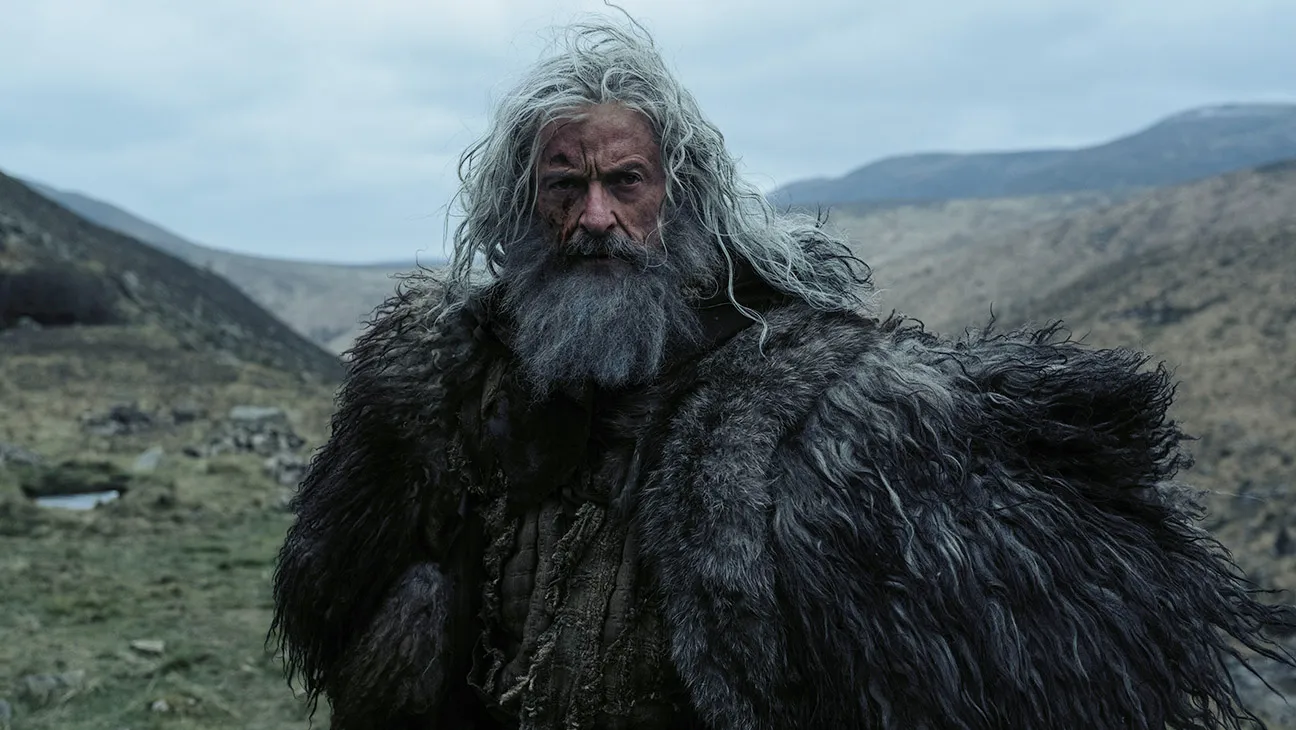

Despite being a โ€œnarrative film,โ€ said narrative exists purely amongst the experiences of these daily realities. So itโ€™s easy to often find yourself getting lost in the houses and stories of these family members. With each random memory or item tracked by film equipment, Connor & Stankus paint a fuller picture of who these family members are when the cameras arenโ€™t rolling. Everything not directly presented in the film is just as important to the fabric of its central idea. Whether Connor & Stankus are fully in control of the narrative or not is irrelevant. But in the moments where they reveal their command in staging to the audience, itโ€™s often startling and grounding. The initial reveal of their directorial footprint during the prologue is particularly striking, and is as clear-cut an example as any that they are innately skilled filmmakers who can present deeply evocative imagery within any setting or scenario.

If It Goes That Quick was pure fiction, one could imagine a critic calling the mumblecore style script trite. Because of Connor & Stankus crafting this project as a living document and ode to family and life itself, this takes on an almost essential quality of sorts. Itโ€™s an ever changing and evolving testament to the people around us. Itโ€™s warm, endearing, and nostalgic for a time when things were simpler. And yet, even with the raw pain present in certain sequences, it will forever stand as proof of life and love. There are countless moments in the film which inherently invoke a self-reflection of our own lives. Whether or not we have directly experienced the scenarios in the film, we can inherently relate to them through familial ties and shared experiences amongst loved ones. Whether it be a gathering of celebration or responsibility, one of the ethereal interstitials distilling a potent experience to its bare essence, or just scrolling the Internet or silently pondering while looking out into the yard, It Goes That Quick captures a personal experience and opens it up for the world to feel wholly and deeply. As any audience member might begin to reflect on the personal moments they would include within a film like this, it serves as a beautiful reminder that every possibility serves as a beautiful contribution to the long movie that is our distinct life.



It Goes That Quick celebrated its world premiere at First Look 2026.

Grade: B+

Chasing the Gold: Oscars 2027: An (Extremely) Early Look at the Key Races

0

InSession Filmโ€™s Ben Miller and Jacob Throneberry join Awards Editor Shadan Larki to take an early look at the 2027 Oscar race. To learn more about their methodology and their thoughts behind some of their bold picks, listen to their episode of Chasing the Gold.ย 

Shadan Larkiโ€™s Picks:

BEST PICTURE:
All of a Sudden
Digger
Dune: Part Three
Fatherland
Fjord
Project Hail Mary
The Odyssey`
The Social Reckoning
Wild Horse Nine
Untitled Jesse Eisenberg Musical Comedy

BEST DIRECTOR:
Alejandro Gonzalez Inarritu, Digger
Christian Mungiu, Fjord
Christopher Nolan, The Odyssey
Martin McDonagh, Wild Horse Nine
Phil Lord & Christopher Miller, Project Hail Mary

BEST ACTOR:
Tom Cruise, Digger
Matt Damon, The Odyssey
John Malkovich, Wild Horse Nine
Ryan Gosling, Project Hail Mary
Sebastian Stan, Fjord

BEST ACTRESS:
Rachel Brosnahan, Saturn Return
Sandra Huller, Fatherland
Mikey Madison, The Social Reckoning
Renate Reinsve, Fjord
Sophie Okonedo, Clarissa

BEST SUPPORTING ACTOR:
Steve Buscemi, Wild Horse Nine
John Goodman, Digger
Guy Pearce, Ink
Sam Rockwell, Wild Horse Nine
Jeremy Strong, The Social Reckoning

BEST SUPPORTING ACTRESS:
Elizabeth Debicki, The Adventures of Cliff Booth
Anne Hathaway, The Odyssey
Sandra Huller, Project Hail Mary
Julianne Moore, Untitled Jesse Eisenberg Musical Comedy
Lesley Manville, Jack of Spades

BEST ORIGINAL SCREENPLAY:
Digger
Fjord
Josephine
Saturn Return
Wild Horse Nine

BEST ADAPTED SCREENPLAY:
The Adventures of Cliff Booth
All of a Sudden
A Long Winter
Project Hail Mary
The Social Reckoning

Ben Millerโ€™s Picks:

BEST PICTURE:
All of a Sudden
Digger
Dune: Part Three
Fjord
Josephine
Ink
The Odyssey
Parallel Tales
Project Hail Mary
Saturn Return

BEST DIRECTOR:
Alejandro Gonzalez Inarritu, Digger
Christian Mungiu, Fjord
Beth de Araujo, Josephine
Christopher Nolan, The Odyssey
Asghar Farhadi, Parallel Tales

BEST ACTOR:
Tom Cruise, Digger
Ryan Gosling, Project Hail Mary
Charles Melton, Saturn Return
Dominic Sessa, Tony
Sebastian Stan, Fjord

BEST ACTRESS:
Viginia Efira, All of a Sudden
Cynthia Erivo, Prima Facie
Ruth Madely, Being Heumann
Mason Reeves, Josephine
Renate Reinsve, Fjord

BEST SUPPORTING ACTOR:
John Goodman, Digger
Guy Pearce, Ink
Mark Ruffalo, Being Heumann
Jeremy Strong, The Social Reckoning
Channing Tatum, Josephine

BEST SUPPORTING ACTRESS:
Caitriona Balfe, A Long Winter
Gemma Chan, Josephine
Claire Foy, Ink
Sandra Huller, Digger
Tao Okamoto, All of a Sudden

BEST ORIGINAL SCREENPLAY:
Digger
Fjord
Josephine
Parallel Tales
Saturn Return

BEST ADAPTED SCREENPLAY:
The Adventures of Cliff Booth
Ink
A Long Winter
The Odyssey
Project Hail Mary

Jacob Throneberryโ€™s Picks:

BEST PICTURE:
Project Hail Mary
The Odyssey
Fjord
Digger
Dune: Part 3
Narnia
Disclosure Day
Wild Horse Nine
Josephine
All of a Sudden

BEST DIRECTOR:
Christian Mungiu, Fjord
Phil Lord & Christopher Miller, Project Hail Mary
Christopher Nolan, The Odyssey
Steven Spielberg, Disclosure Day
Greta Gerwig, Narnia

BEST ACTOR:
Ryan Gosling, Project Hail Mary
Tom Cruise, Digger
Sebastian Stan, Fjord
Matt Damon, The Odyssey
Jeremy Allen White, The Social Reckoning

BEST ACTRESS:
Renate Reinsve, Fjord
Mikey Madison, The Social Reckoning
Meryl Streep, Untitled Joni Mitchell Biopic
Viginia Efira, All of a Sudden
Sandra Huller, Rose

SUPPORTING ACTOR:
John Goodman, Digger
Steve Buscemi, Wild Horse Nine
Jesse Plemons, Digger
Tom Holland, The Odyssey
Channing Tatum, Josephine

SUPPORTING ACTRESS:
Sandra Huller, Digger/Project Hail Mary
Parker Posey, Wild Horse Nine
Anne Hathaway, The Odyssey
Tao Okamoto, All of a Sudden
Kristen Dunst, The Entertainment System is Down

ORIGINAL SCREENPLAY:
Fjord
Digger
Wild Horse Nine
Disclosure Day
Josephine

ADAPTED SCREENPLAY:
Project Hail Mary
Narnia
All of a Sudden
The Odyssey
The Memory Police

Podcast Review: Michael

On this episode, Shadan is joined by Kobly Mac to discuss Antoine Fuqua’s new controversial film Michael, starring Jaafar Jackson! The discourse around the film has been a wildfire, but in this conversation we do our best to find the middle ground between the good and the bad. And we do believe that while it does leave plenty to be desired, there are some good things in it that are worth bringing up.

Review:Michael

Director: Antoine Fuqua
Writers: John Logan
Stars: Jaafar Jackson, Nia Long, Colman Domingo, Miles Teller

Subscribe to our Podcast RSS
Subscribe to our Podcasts on Apple Podcasts
Listen on Spotify
Listen on iHeartRadio
InSession Film Podcast – Michael

Movie Review (First Look 2026): ‘Hot Water’ Shows Age is Not Important in Coming-of-Age


Director: Ramzi Bashour
Writers: Ramzi Bashour
Stars:ย Dale Dickey, Lubna Azabal, Daniel Zolghadri

Synopsis: Mother and son hit the road west, stopping at diners, motels, and hot springs along the way.


Ramzi Bashourโ€™s Hot Water is a film that has an undeniable heart of gold. Although thatโ€™s not a quality audiences might initially expect upon meeting the central characters of this road trip film. But before any road trip shenanigans, Hot Water opens to a sense of complete serenity. Layla (Lubna Azabal) is swimming in a pool next to an aquatic lamaze session. Regaining her breath, she looks over at the expectant mothers with a sense of longing. But thereโ€™s something else which appears to be hidden in her gaze. Azabal conveys a look towards this group of โ€œjust wait and seeโ€ when it comes to their soon-to-be motherhood. She should know: sheโ€™s raising her son, Daniel (Daniel Zolghadri), all on her own, and he has been held back in school more than once. Not to mention her feelings of loneliness due to being away from her mother and sister in Beirut for quite some time. And very quickly, we understand why Layla repeatedly returns to soothing exercises such as water sports and guided meditation. She is a woman who is absolutely fed up. Layla appears exhausted, beyond stressed by the students in her university class, and on top of it all, sheโ€™s 3 weeks into an attempt at quitting cigarettes. Her blunt demeanor is immediately funny and understandable, and Azabal absolutely nails the stark delivery of her character from the very outset. 

Layla deserves all the peace in the world. But Bashourโ€™s film has alternate plans for her. While the scenario of the film may be detrimental to Laylaโ€™s peace, itโ€™s to the audienceโ€™s benefit. As we come to learn, Daniel has been expelled from school for a fight that broke out after his hockey game. Due to the potential risk of missing graduation, Danielโ€™s estranged father calls to offer Layla and his son a potential solution: if the two can drive from Indiana to Colorado, he can pick up Daniel and take him back to Santa Cruz to finish out the remainder of the school year and graduate on time. Itโ€™s a tough situation delivered as plainly as possible. It makes Laylaโ€™s frustrated outburst at Danielโ€™s father quite funny. But thereโ€™s also a clear-cut empathy in how Bashour and cinematographer Alfonso Herrera Salcedo capture Azabal grappling with such potential upheavals. Itโ€™s the first instance of many where Bashour blends very funny moments of his script alongside the more somber truths of life.

And so, this unfortunate situation makes way for a road trip that is an absolute delight for the audience. The road trip subgenre allows such freedom to a filmmaker, and Bashour takes full advantage of every aspect of being an on-the-road filmmaker. First and foremost, this is a dazzlingly picturesque trip. The wide open vistas speak to Danielโ€™s potential paths. For the audience, they appear stunning. For Daniel and Layla, they clearly represent opportunity. But that also may invoke a sense of foreboding and worry about what the future could hold for them both. Is this road trip the last chance theyโ€™ll have to spend a significant amount of time together for quite some time? With so many quiet stretches of driving and no phone to distract Daniel, thereโ€™s nothing to do but look out at the road stretching on for hundreds of miles ahead and ponder what lies not just at the destination, but beyond it. This road trip is taking place while both Daniel and Layla are absolutely going through it. And along the way, they are being forced to react and reflect on their lowest moments. As the old adage goes, โ€œthe only way forward is through.โ€ While Laylaโ€™s internal struggles are a bit less fully realized than Danielโ€™s, Bashourโ€™s script still fills this mother/son relationship with plenty of genuine emotion.

As heavy as this film may seem, itโ€™s still also quite fun. For starters, Zolghadri plays a low-energy hooligan so incredibly well. You can tell that Daniel largely means well despite the trip being spurred on by a violent outburst. Itโ€™s clear that whatever happened must not have been understood with complete context. He is so effortlessly funny, and fills the quiet moments of the car ride with a random chaos bound to keep audiences consistently laughing. This charm even works its way into Laylaโ€™s mind from time to time. Despite her frustrations at how the trip begins panning out, her love for her son and his absurd sense of humor is palpable. She may freak out when it comes to some of his more desert-dry humor or alarming comedic actions, but they balance each other out a ton. It makes for a genuinely delightful pairing of Daniel as the funny man and she as the foil. But Bashour smartly recognizes he can get even more mileage out of Azabal by having her also turning on some comedic chops. As such, despite the emotional turmoil both mother and son are individually reckoning with, the two clashing personalities are able to shift and vibrate off one another. It works wonderfully well in the filmโ€™s favor.

From an elite Dale Dickey appearance to an absurdly funny visual motif which pops up across the entire film, Hot Water finds several ways to have fun despite the tough circumstances it revolves around. Our first impressions of Layla may likely lead us to believe sheโ€™s the embodiment of a rigid, type-A mother. But when placed in the claustrophobic quarters of a Subaru with Daniel, the walls begin to break down. She still has those motherly tendencies that will wind up any son, just as Daniel does things which would understandably drive any mother up the wall. But Azabal and Zolghadri both allow these frustrations to further humanize their characters and create moments the audience can perfectly relate to and be deeply charmed by. In the end, it would appear that reflecting on tough circumstances is merely a way to remind us that we sometimes have to make the best of a crummy situation. Hot Water uproots its characters from the setting they thought they belonged in, and then crafts a dual coming-of-age story as both mother and son try to find the sense of place that truly works best for them. Even if the thematic mileage may vary for some, itโ€™s tough to deny the charisma present on screen.


Hot Water celebrated its New York premiere at First Look 2026.

Grade: B-

Movie Review (First Look 2026): ‘Carousel’ Simmers With Passion


Director: Rachel Lambert
Writers:ย Rachel Lambert
Stars:ย Chris Pine, Jenny Slate, Abby Ryder Fortson

Synopsis: Noah’s settled life caring for his anxious daughter and medical practice is disrupted when his high school ex Rebecca returns. Their old spark remains, making them question if love deserves another chance.


An initial glance at Rachel Lambertโ€™s Carousel might lead some to believe theyโ€™re in store for a light romantic comedy or a somber independent drama. And as the film begins to play out, the associated qualities of those genres do make themselves apparent. But Carousel also contains so much more. And perhaps this filmโ€™s most impressive quality is its fully assured refusal to ever rely solely on that exact familiarity. Lambert indicates an intentional reticence to protect her characters from the very outset. It takes a fair amount of time before audiences ever know the slightest thing about central characters Noah (Chris Pine) or Rebecca (Jenny Slate). Though itโ€™s important to make clear that observation shouldn’t be taken as a claim that either of these charactersโ€™ interiority are underserved by the script. On the contrary, most of the characters throughout this film feel as if theyโ€™ve already experienced the moment in their lives which would make the perfect film. Thatโ€™s to say that everything in Carousel feels as if itโ€™s a coda by design. Noah and Rebecca have each experienced their fair share of life, and theyโ€™ve come out on the other side damaged, feeling alone, and keeping their guards all the way up. These reservations are what allow the romance and central drama of Carousel to play out so admirably. Even through the occasional narrative stumble, Lambert crafts something thatโ€™s difficult to pull your gaze away from and it remains largely distinct compared against films of a similar nature.

One key element to the transfixing nature of this film is its dazzling cinematography, shot by cinematographer Dustin Lane. The complete naturalism present in the performances and script extend to the visuals themselves. And itโ€™s through the cinematography wherein the irony of this film largely reveals itself. Lambert and Lane expertly capture the beauty existing everywhere amidst the mundane. Noah and Rebecca are just too closed off to fully realize it, though they may occasionally catch glimpses of what lies beyond the pain that has sealed them off emotionally. The film opens with Noah taking his daughter, Maya (Abby Ryder Fortson), to school. Along the way, itโ€™s clear Noah wants to make some sort of small talk, but is too reserved or unsure of how to reach out in the first place. Itโ€™s a shockingly brisk exchange to watch play out, especially from a movie star like Pine. So often beloved for his quick wit and classically cool charm, Pine and Lambert have formed a character that has believably exchanged a large majority of that charisma for something innately raw. Of course, Pine does still have charm when the film calls for it. Yet itโ€™s more of a full-on dad charm that is largely relegated to funny bar chatter and sloppy dinners on the couch while watching basketball. Itโ€™s a joy to experience. And Lambert clearly built quite the trust between both key actors of this film, as Slate turns in an equally mesmerizing performance audiences likely wonโ€™t be expecting. 

Known for her distinct delivery and brash comedic sensibilities, Slate handles this dramatic and withdrawn character turn incredibly well. Itโ€™s legitimately striking how clearly the pain Lambert imbues these characters with completely mutes the personas of both her very famous stars. This trust between actor and writer/director carries Carousel a long way, and it largely allows the most engaging sequences of the film to work so well. As the two rekindle their previous lives and relationship somewhere in the tone between hesitantly awkward and passionately excited, Lambert treats her audience with crumbs of the lives they once led. These moments of Noah and Rebecca dredging up the past are held on way longer than most films would ever be comfortable with. The editing style makes it so that all the awkward silences and despondent contemplations on what to say next stay part of the scene. Thereโ€™s no escaping the discomfort, or the pain, these characters are expressing to one another. Some bits of honesty they can laugh off; others bring forth tears and held-back shouts from the feelings of isolation and betrayal. This patience can be found all across Carousel, allowing it to unfold similarly to how reality does. Thereโ€™s no immediately apparent driving force, and while that can sometimes stall the film, its heights take great advantage of the excellent performances grounding it in these extended realistic moments.

A film largely made up of fragments, extended emotional setpieces aside, Carousel does indeed come together to form a larger picture. These glimpses into the internal lives of Noah and Rebecca offer a somber look at the consequences of fearing emotional fallout. Both of them would rather retreat within themselves then potentially face any pain again. Can anybody blame them? Lambert shows such empathy to these characters, and allows them the space to be fragile. Her script contains many realistic kernels of truth, largely spoken around until they come pouring out of her characters. Carousel is a quaint film that cuts deep in this regard. Thereโ€™s rarely ever full-blown melodrama or exaggerated gestures that bring this romance into typical genre territory. And yes, it can often feel like the film is largely keeping its audience at a distance. But is that not the standard response for people suffering emotional turmoil? To shut everybody else out and be left hearing nothing but our own heartbeat, hoping for a sense of serenity amidst so much chaos and potential pain. The recurring motif of heartbeats in Carousel is tremendously effective, and it culminates in a moment that expertly pays off.

Two of the extended sequences in Carousel which make up the finale could both operate as dazzling short films. They complement one another so beautifully, and any steam the film might have lost along the way comes back in full force. Lambert takes her fly-on-the-wall directing style to new heights here, capturing a complete breakdown, but also complete vulnerability. Both of these emotions from her characters have rarely been captured so clearly as they are in the last 15 minutes or so of the film. The climax simmers with a realistic passion, captured in a wonderful slow zoom. In a single take, Pine and Slate just build unfathomable amounts of tension, and Lambert sends her audience out on the highest of notes. Itโ€™s a moment which makes it worth getting to know Noah and Rebecca a bit more over the course of 100 minutes. Much like those two looking for something greater than themselves, as a viewer going into any relationship or even a film, we just have to have faith that giving ourselves to something larger than we can fathom will turn out all the greater for us.


Carousel celebrated its New York premiere at First Look 2026.

Grade: B-

Episode 685: Top 5 Costume Movies

This weekโ€™s episode is brought to you by Audible. Get a FREE audiobook and FREE 30-day free trial!

This week on the InSession Film Podcast, inspired by The Devil Wears Prada 2 coming to the theaters this weekend, we discussed our Top 5 costume movies (ie movies with the best costume design)! We also give our thoughts on the “critics vs audiences” discourse that took place over the weekend and JD offers up his thoughts on Andy Serkis’ new film Animal Farm.

>

Animal Farm (6:50)
We open the show this week with JD’s thoughts on Andy Serkis’ new film Animal Farm. This is a film that Serkis has been wanting to make forever, but you have to wonder how it got approved given some of the additions he made. To be fair, it’s a fine adaptation overall, even with its modernized changes. It mostly comes down to how Animal Farm doesn’t trust its audience and accidentally becoming even bleaker in the end.

– Critics vs Audiences (22:57)
The release of Michael over the weekend sparked some of the most intense, yet obtuse, film discourse we’ve seen this year as audiences lined up to throw jabs at critics over its Rotten Tomatoes score. Of course, we had to offer up our thoughts on the situation given our stance as critics and how we approach criticism.ย 


RELATED: Listen to Episode 670 of the InSession Film Podcast where we discussed our Top 10 Movies of 2025!


– Top 5 Costume Movies (1:00:32)
This is such a fascinating topic as it includes hundreds of great films with unforgettable costumes. You could go in any number of directions with your list and you wouldn’t be wrong. Maybe you cant to focus on the great period pieces we’ve seen over the decades? Or how about the stunning costumes of fantasy and sci-fi? Or you could emphasize musicals and the way costumes are often pivotal to their aesthetic objectives. No matte which way you go, there are tons of great costume movies, and we had a great time with this one. With that said, what would be your Top 5 costume movies?ย 

Subscribe to our Podcast RSS
Subscribe to our Podcasts on Apple Podcasts
Listen on Spotify
Listen on iHeartRadio
InSession Film Podcast – Episode 685

Next week on the show:

The Devil Wears Prada 2

Help Support The InSession Film Podcast

If you want to help support us, there are several ways you can help us and we’d absolutely appreciate it. Every penny goes directly back into supporting the show and we are truly honored and grateful. Thanks for your support and for listening to the InSession Film Podcast!

VISIT OUR DONATE PAGE HERE

Movie Review: ‘Desert Warrior’ is Uplifted By Its Crafts


Director: Rupert Wyatt
Writers: Erica Beeney, Gary Ross, David Self, Rupert Wyatt
Stars: Anthony Mackie, Aiysha Hart, Sami Bouajila

Synopsis: An honorable and mysterious rogue makes himself an enemy of the Emperor Kisra after he helps a fugitive king and princess in the desert.


Studios used to supply multiplexes with several mid-budget medieval and sword and sandal spectacles every year. Much like the studio family drama and rom-com, these films have been pushed to streamers in favor of the next swing at an already vetted IP. Though, much like the family drama and the rom-com, epics of the dark ages are slowly trickling back into theaters from a few of the more intrepid mid-sized distributors. Even though they command fewer screens than they used to, they can at least get a portion of their budget back before VOD and streamer negotiations. Some have even had modest successes at the box office. Desert Warrior harkens back to a time when we had middle-of -the-road spectacles to keep us company between the awards bait of the fall and winter and the all-out blockbusters of the summer.

The film’s story is very simple. It’s got kings, concubines, a mad emperor, disparate tribes coming together, and a lone warrior who reluctantly joins the fight to stand against evil. It’s a very standard genre film. Most of the performances are competent and unflashy. The dramatic turns are well foreshadowed and the villains are appropriately savage. It’s not attempting to reinvent the wheel or do anything more than entertain. 

What sets this film apart are its technical aspects and post production additions. These artisans keep the story from feeling stale and moving in the right direction when it could become bogged down with characters and story elements that are unnecessary. So much of the film feels more watchable because of these craftspeople.

Cinematographer Guillermo Garza is able to make endless miles of rock and sand utterly captivating. From his awe inspiring overhead shots to the hero making and villain creating closeups, Garza’s camera is dynamic without ever feeling uncontrolled. It’s old hat to praise a tracking shot, but Desert Warrior only has one and it’s much more complex than a standard straight line. The camera follows different characters as they ready themselves and their warriors for battle. It dips between trees, over water, and into trenches. It’s a superb shot in a film of very lush, yet unflashy, camera work.

The shots, when cut together by editors Kelley Dixon and Richard Mettler, take on an entirely new shape. These editors are adept at knowing when to jump cut a potentially boring journey as well as when to heighten tension that’s already playing on a blade’s edge. In one particular scene, the juxtaposition between Hind’s (Aiysha Hart) finding peace in the village that is protecting her by making juice from pomegranates and her father’s (Ghassan Massoud) execution is a quick cut masterstroke.

Then there’s Dan Levy’s epic score. He makes the music sound ancient and modern all at once. Even the most mundane scenes, when given his score, become pulse pounding. It’s an operatic ode to the desert that surprises and keeps us on the edge of our seats. The final battle is made all the better for his musical accompaniment.ย 


Desert Warrior, in spite of some wizardry from the crew, is mostly a by-the-numbers epic. Though, it could be an interesting concept to take Anthony Mackie’s nameless bandit on more adventures. He has the DNA of Clint Eastwood’s Man with No Name and Toshiro Mifune’s Sanjuro. In some ways Desert Warrior functions like a spaghetti western, but unlike those films it doesn’t strive to make a unique stamp on its genre, just make a fine film that’s enjoyable. Really that’s more than we could want and it’s nice to see something like it back on the big screen.

Grade: C

Chasing the Gold: 2027 Way Too Early Oscar Predictions

On this episode of Chasing the Gold, Shadan is joined by Ben Miller and Jacob Throneberry to discuss their way too early predictions for the 2027 Oscars! We haven’t seen most of the films and performances that will likely be in contention, and we’re only a month removed from the 2026 Oscars, but who’s to say we can’t have a little fun speculating on what next year’s Academy Awards could look like?

Check out this week’s show and let us know what you think in the comment section. Thanks for listening and for supporting the InSession Film Podcast!

Subscribe to our Podcast RSS
Subscribe to our Podcasts on Apple Podcasts
Listen on Spotify
Listen on iHeartRadio
Chasing the Gold – 2027 Way Too Early Oscar Predictions

WATCH/LISTEN TO THE PODCAST

Movie Review (Panic Fest 2026): ‘Hokum’ Will Send Chills Up Your Spine


Director: Damian Mc Carthy
Writer: Damian Mc Carthy
Stars: Adam Scott, Peter Coonan, David Wilmot

Synopsis: A horror writer visits an Irish inn to scatter his parents’ ashes, unaware the property is said to be haunted by a witch.


Panic Fest 2026 has now come to a close. The amount of films I watched in a week and a half is pretty amazing. I think the films that open and close the festival are usually the heavy hitters, and Iโ€™m happy to report that the closing film, Hokum, was not a disappointment. Some moments in the film felt like that jolt you get when a chill hits the back of your neck. Actually, they gave you the feeling of playing hide-and-seek as a kid โ€” hiding so well that you could see people walking past your spot, hoping they wouldnโ€™t find you.

Damian McCarthy is now three features deep into his career. He loves telling stories that focus on family trauma, ghosts, and the comeuppance of people who do evil things. Hokum stars Adam Scott as Ohm Bauman, a lonely, reclusive, alcoholic author. One night, his deceased parentsโ€™ remains and belongings are delivered to his house. As he goes through their things, he discovers that his mother requested their ashes be spread at a tree near a hotel they spent a lot of time at. Ohm travels to the hotel in Ireland, where he meets a group of quirky and seemingly harmless people. He treats them like theyโ€™re beneath him because they live in such a remote area. During his stay, heโ€™s told a story about a witch that haunts the hotel. He thinks itโ€™s all nonsense and doesnโ€™t believe anything the residents tell him. After a failed suicide attempt, he begins searching for the missing person who saved his life. Unknowingly, this journey will bring back horrific memories from his past, uncover secrets in the present, and change him as a person.

Adam Scottโ€™s performance as Ohm is one of his most layered yet. On the surface, heโ€™s a lonely, alcoholic asshole who isnโ€™t interested in much of what anyone has to say. Beneath that, heโ€™s someone carrying a lot of builtโ€‘up trauma. The employees at the hotel all have different qualities and characteristics that make them interesting to follow throughout the film. Florence Odesh plays Fiona, the hotel associate Ohm connects with as soon as he arrives. She doesnโ€™t take his attitude seriously and continues to be a good listener and a helpful presence. We also meet the silly town drunk and psychedelics expert Jerry (David Wilmot). He has conversations with Ohm about life, alcohol, and the people at the hotel. They form an unlikely bond after Fiona goes missing following the incident where she and coworker Alby (Will Oโ€™Connell) saved Ohm from committing suicide.

One of my favorite things about the movie was the moody, dreamโ€‘like cinematography from Cole Hogan. McCarthy and Hogan also collaborated on McCarthyโ€™s last film, Oddity, so itโ€™s no surprise they were able to deliver another film filled with beautiful, haunting, and nerveโ€‘wracking images. McCarthy has created his own universe with his past two movies. Fans will remember the haunted hotel bell that rings in Oddity and the ghost of the bellhop who died in an Irish hotel. Itโ€™s a noโ€‘brainer that these things are connected. Itโ€™s always cool to see filmmakers connect their films through items, music, or characters.

In the third act, you can see a few problems with the movie, including the need for more details about Ohmโ€™s trauma, more information about the ghosts in the hotel, and more insight into Ohm himself. There has to be more to him than just being a sad, alcoholic, wiseโ€‘cracking author. These issues didnโ€™t take me out of the film as much as I expected. I took a few days to process the movie before writing this review, and after thinking about the ending, I have a great idea of where McCarthy could take his next narratives if he decides to continue connecting them to his most recent films.

Grade: A-

Movie Review (Panic Fest 2026): ‘Big Baby’ Weaves Between Dream and Reality


Director: Spider One
Writer: Spider One
Stars: Brandon Scott, Krsy Fox, Torio Van Grol

Synopsis: Successful horror screenwriter Adam struggles for inspiration until a terrifying nightmare about a masked killer sparks an idea for his new script. As he delves deeper into the story, the line between reality and fiction begins to blur.


Being a writer has its pros and cons, just like every other profession. You can be on a hot streak for a month or two, and then suddenly find yourself in a minor state of depression. The protagonist in the new horrorโ€‘comedy Big Baby goes through the highs and the lowest of lows as a professional writer named Adam Lewis (Brandon Scott). Adam is fresh off the release of a film he wrote, but the reviews are less than favorable. His girlfriend Kate (Krsy Fox) does everything she can to be supportive, but he continues to stress himself out and put himself down.

One night, after a lot of drinks, he begins having dreams about a man wearing a baby mask and a onesie, clutching an axe in his hands. Adam finds himself crying out to the hulking figure in his dream. The figure enters the coupleโ€™s bedroom and strikes Kate in the chest. Adam wakes up in a panicโ€”terrified, yet excited to piece together what in the world he just dreamed about. He treats Big Baby as a new muse, but the more he dreams about him, the more he feels like those dreams are coming true.

The madman behind this flick is Spider One. To most people, heโ€™s the former lead singer of the rock band Powerman 5000, but heโ€™s also Rob Zombieโ€™s younger brother. I had no idea they were related until the Q&A after the screening. The plot of this movie came entirely from Spider Oneโ€™s mind. In a 2025 interview, Spider said he โ€œwanted to make this a full movie after it was featured as a fake movie showing on a TV screen in his 2022 feature film Allegoria.โ€ His script does a great job weaving between Adamโ€™s dreams, his writing process, and whatโ€™s happening in reality. Itโ€™s always clear when Adam is dreaming about Big Baby, when heโ€™s writing, and when real events are unfolding.

A meta aspect of the movie that I found hilarious was Adam listening to a podcast trash his new film. Soon after, he approaches the hosts in a coffee shop and lets them have it. Jordan Elsass and Radek Lordโ€™s portrayal of the horror podcasters had me analyzing how I talk about media on podcasts and whether I can be as annoying as they are.

This is an independent film, and you can feel the tight-knit connection between its crew members. Krsy Fox wears a lot of hats (actor, editor, producer, co-writer). As Kate, she doesnโ€™t play the typical girlfriend roleโ€”she uses her brain, thinks for herself, and doesnโ€™t just accept Adamโ€™s โ€œeverything is ok.โ€ The chemistry between her and Brandon Scott is relatable, and their banter is charming. Her editing style is heavily inspired by Edgar Wright films and her past collaborations with Spider One, featuring lots of zooms and whip pans.

The supporting cast ranges from Adam and Kateโ€™s hilarious and supportive friends James (Tori Van Grol) and Patrice (Kate Freund) to cameos from David Howard Thornton, Tracie Thoms, and Chaz Bono. Yes, you read that rightโ€”Sonny and Cherโ€™s son. He delivers a hilarious performance as one of Big Babyโ€™s victims in Adamโ€™s script.


Spider Oneโ€™s film career is quite different from his brotherโ€™s. He has directed several indie films and tends to work consistently with the same people on his sets. This has allowed him to make movies for the love of the art. Heโ€™s not trying to conquer major studios, and I really respect that. Big Baby was the opening screening at Panic Fest, and its meta elements resonated with me and many other audience members. Starting the festival with a film this strong gave me high hopes for the rest of the lineup.

Grade: B

Movie Review (Panic Fest 2026): ‘Parasomnia’ Moves Too Quickly


Director: James Ross II
Writer: James Ross II
Stars: Jasmine Matthews, RJ Brown, Sally Stewart

Synopsis: After her friend vanishes, Riley must confront the demon from her night terrors that may have crossed into reality, while facing her own tragic past.


The best thing about film festivals is discovering a film from a talented director you know nothing about. It isnโ€™t a secret that thereโ€™s a lack of Black filmmakers in the horror genre. They havenโ€™t been able to tell the stories they want to tell, or their stories have been told by white filmmakers โ€” with Black characters often killed first or reduced to the โ€œmagical negroโ€ trope. Director James Ross II has two horror short films under his belt, and now he has a feature film recently acquired by Shudder to add to that.

Rossโ€™ new feature film Parasomnia was screened at Panic Fest as part of Shudderโ€™s block of programming. Heโ€™s one of the few Black directors or writers with a project at this yearโ€™s festival, so it felt only right to step out and show my support. The movie follows a woman named Riley (Jasmine Matthews), who struggles with sleep โ€” something many people can relate to. Her bedtime rule is that she must fall asleep after everyone else in the house, a habit rooted in a traumatizing childhood experience. This routine is a mess for her boyfriend Cam (RJ Brown), who otherwise seems like the perfect fit for her. Riley is surprised by her foster brother David (Stephen Barrington) and his girlfriend for her birthday. At the end of the night, everyone goes to sleep, and Riley begins to have dreams of being chased through an abandoned building. She then sees her father stabbing her mother in a dark cell. The night terrors she had as a child are returning with a vengeance.

I love when a filmmaker is inspired by other films, isnโ€™t afraid to show it, and incorporates those influences into their work. Ross pays homage to several films, and he does it in ways that arenโ€™t over the top or corny. Riley can fall asleep, enter her dreams, and uncover things about her past she didnโ€™t previously know โ€” a plot detail clearly inspired by A Nightmare on Elm Street. The third act introduces elements of voodoo and spellwork reminiscent of Eveโ€™s Bayou. Rileyโ€™s first-person chase sequences echo Paranormal Activity. These breadcrumbs show that Ross knows his stuff when it comes to film history.

Parasomnia runs 1 hour and 25 minutes. I enjoy a tight runtime, but not when it takes away from the plot. The movie moves so quickly that, while taking notes, I could tell things were missing from the final cut. We donโ€™t get any flashbacks with Riley and her foster parents; seeing all three of them alive together wouldโ€™ve given us a better sense of her home life. Weโ€™re introduced to the mysterious villain, The Seer, in the third act through Camโ€™s mother โ€” a voodoo priestess hell-bent on getting revenge for her husbandโ€™s death. It wouldโ€™ve been more effective to receive these plot points earlier, perhaps through Rileyโ€™s research, and bring Camโ€™s mother into the story during the second act. These issues couldโ€™ve been improved with a script that didnโ€™t rush through plot points or introduce major characters so late. Some visual effects werenโ€™t executed well, and the story left a lot to be desired. These are things that can be improved upon in future projects.

Ross is a skilled filmmaker with a promising future, but this movie ultimately ends up being a Shudder release that didnโ€™t fully work for me.

Grade: C