


Director: Josh Feldman
Writer: Josh Feldman
Stars: Shawn Baker, Eric Berg, Ken Berry
Synopsis: A provocative look at modern dietary misconceptions and their impact on health, exploring the disconnect between ancestral eating patterns and today’s corporate-influenced food landscape.
Food documentaries have become one of the most influential genres in modern filmmaking. From films promoting plant-based diets to exposés on processed food and industrial farming, audiences have spent years being told what they should and shouldn’t put on their plates. What makes Animal different is that it doesn’t merely question conventional nutritional wisdom; it charges directly at it with a sharpened knife and a very large steak. Available to stream free on Tubi, this ambitious documentary argues that much of what we’ve been taught about meat, fat, and healthy eating may be fundamentally wrong.
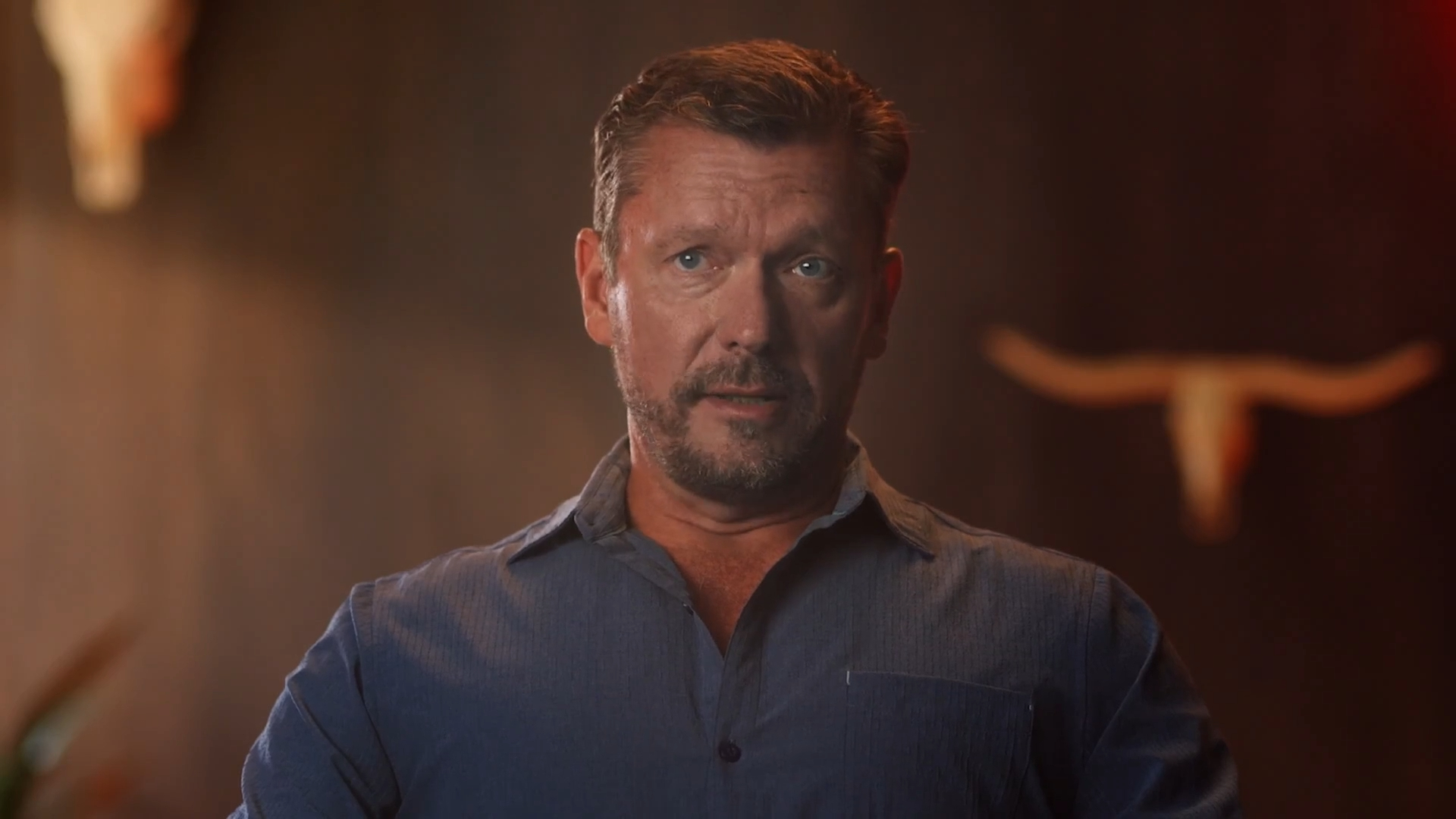
Directed by Josh Feldman, Animal positions itself as an investigation into humanity’s relationship with meat and the cultural, economic, and political forces that have shaped modern dietary guidelines. Through interviews with doctors, nutrition advocates, researchers, and prominent figures in the carnivore movement, the film argues that fear of animal-based foods has contributed to many of today’s chronic health problems.
This documentary was especially interesting to me as a viewer, being a lifelong vegetarian (which doesn’t come without its health issues) and knowing people who have been told by medical professionals to be vegan to help their health problems – from high cholesterol to eczema. There are many reasons to be meat-free, and there are also many reasons to eat meat, and this documentary does well in explaining the latter. Animal knows the argument it wants to make and pursues it relentlessly. That conviction makes for engaging viewing, even for audiences who may disagree with many of its conclusions.
The documentary’s central message is clear from the outset: humans evolved eating animal products, and the move away from those foods may have come at a high cost. To quote one of the doctors featured in the documentary, not eating meat is making us “shorter, sicker and fatter.” The film aims at decades of nutritional advice surrounding low-fat diets, food pyramids, and grain-heavy eating plans, questioning whether these recommendations have delivered the health outcomes they promised. We hear from credible doctors and physicians who have experimented with diet and exercise (including being a vegetarian), and have worked on the balance of nutrition, exercise and rest, to make them firmly believe a meat diet is better for everyone. We also hear from influencers like Eddie Abbew, and we even go shopping with him and make some ‘Eddie burgers’. As he says, just learn how to cook it!
Visually, the film is polished and slickly produced. Interviews are well shot, the pacing remains brisk throughout its 89-minute runtime, and the documentary does an effective job of translating complex nutritional discussions into something accessible for a general audience by the use of images and animations. Scientific terminology and metabolic health concepts are presented in a digestible way without feeling overly simplistic.
The most compelling moments come from the personal stories. Individuals discuss health transformations, lifestyle changes, and their experiences moving away from conventional dietary advice. Whether viewers find these stories convincing or anecdotal, they add a human element that prevents the documentary from becoming an endless stream of statistics and studies.
However, Animal is likely to divide audiences for one very simple reason: balance. The film openly aligns itself with carnivore and animal-based dietary philosophies, featuring numerous advocates of those approaches. While it references research and encourages viewers to examine the evidence for themselves, it spends considerably more time building its case than challenging it. Viewers should understand that Animal is less a neutral investigation and more a passionate counter-argument to mainstream nutritional thinking.
What makes the film worth watching is not whether you agree with it. It’s the fact that it encourages audiences to question assumptions. The documentary asks difficult questions about food industry influence, public health messaging, and why rates of obesity, diabetes, and metabolic disease continue to rise despite decades of dietary guidance. Even skeptical viewers may find themselves reconsidering long-held beliefs. It will make you think about what you’ve been taught, what you believe, and question what is really going into your food.
Animal doesn’t settle the debate around nutrition; it presents a provocative perspective that challenges the status quo and invites viewers to make up their own minds. If you want my personal view after watching? I’m still going to be a vegetarian, but I have spent years working on a diet that works for me and my beliefs. If the meat industry can be clean (not pumped with hormones and pesticides) and ethical (no fish or meat farms), then I’m all for it.
Whether you walk away craving a steak or simply questioning what’s in your fridge, Animal is exactly what a good documentary should be: thought-provoking, engaging, and impossible to ignore.